Skip to content

Lyreleaf Sage

Salvia Lyrata

Design with this plant

Overview

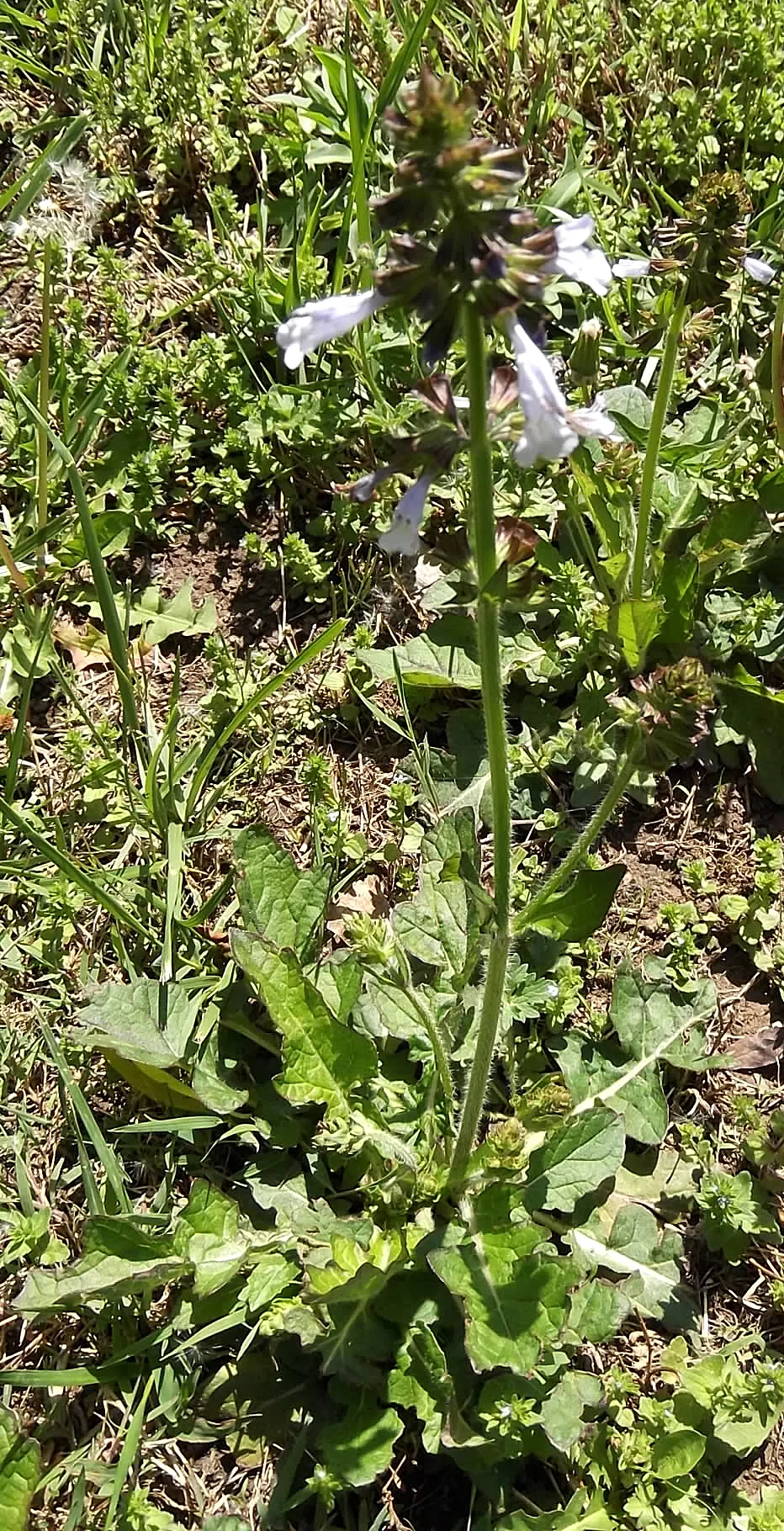
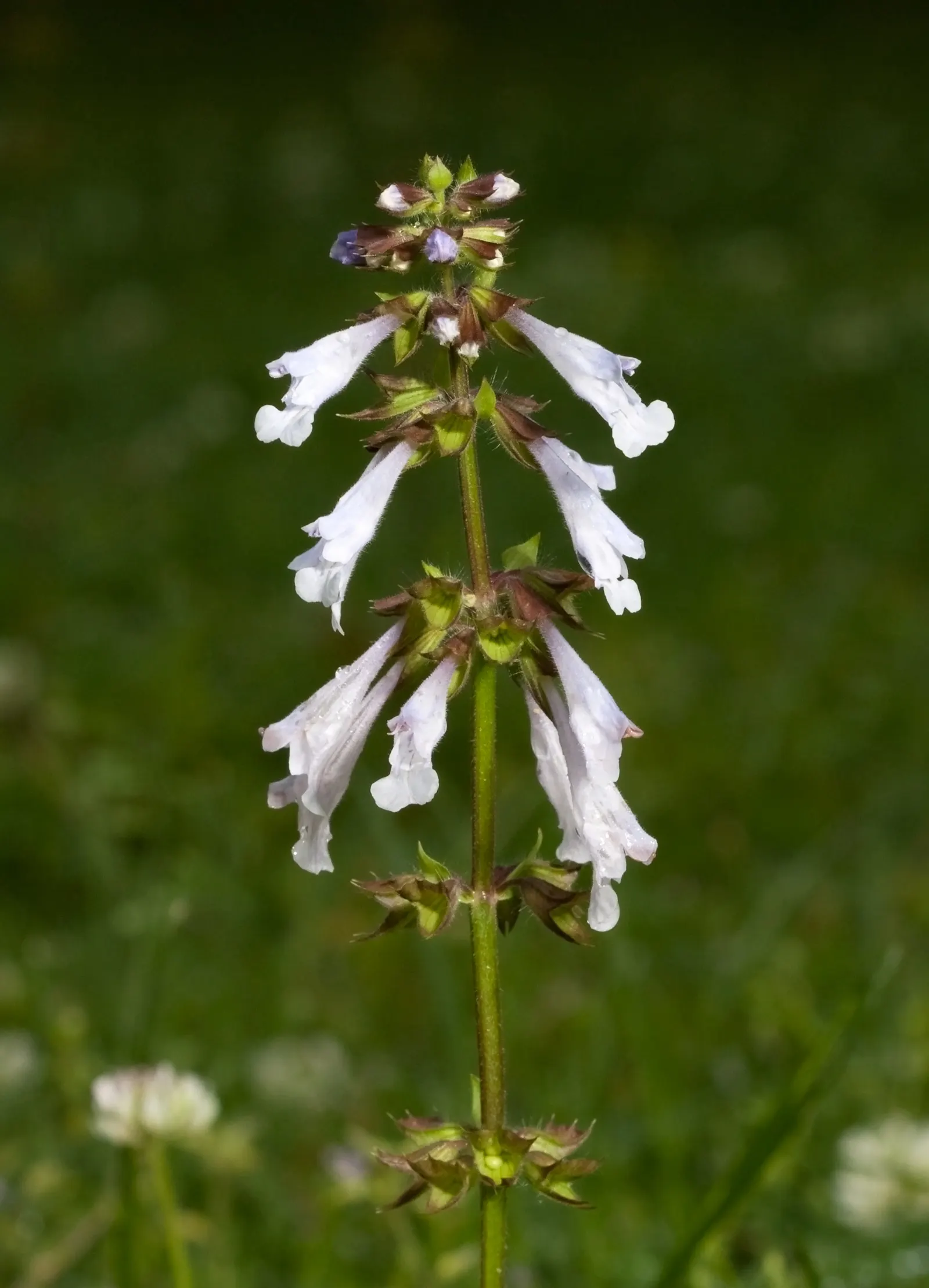
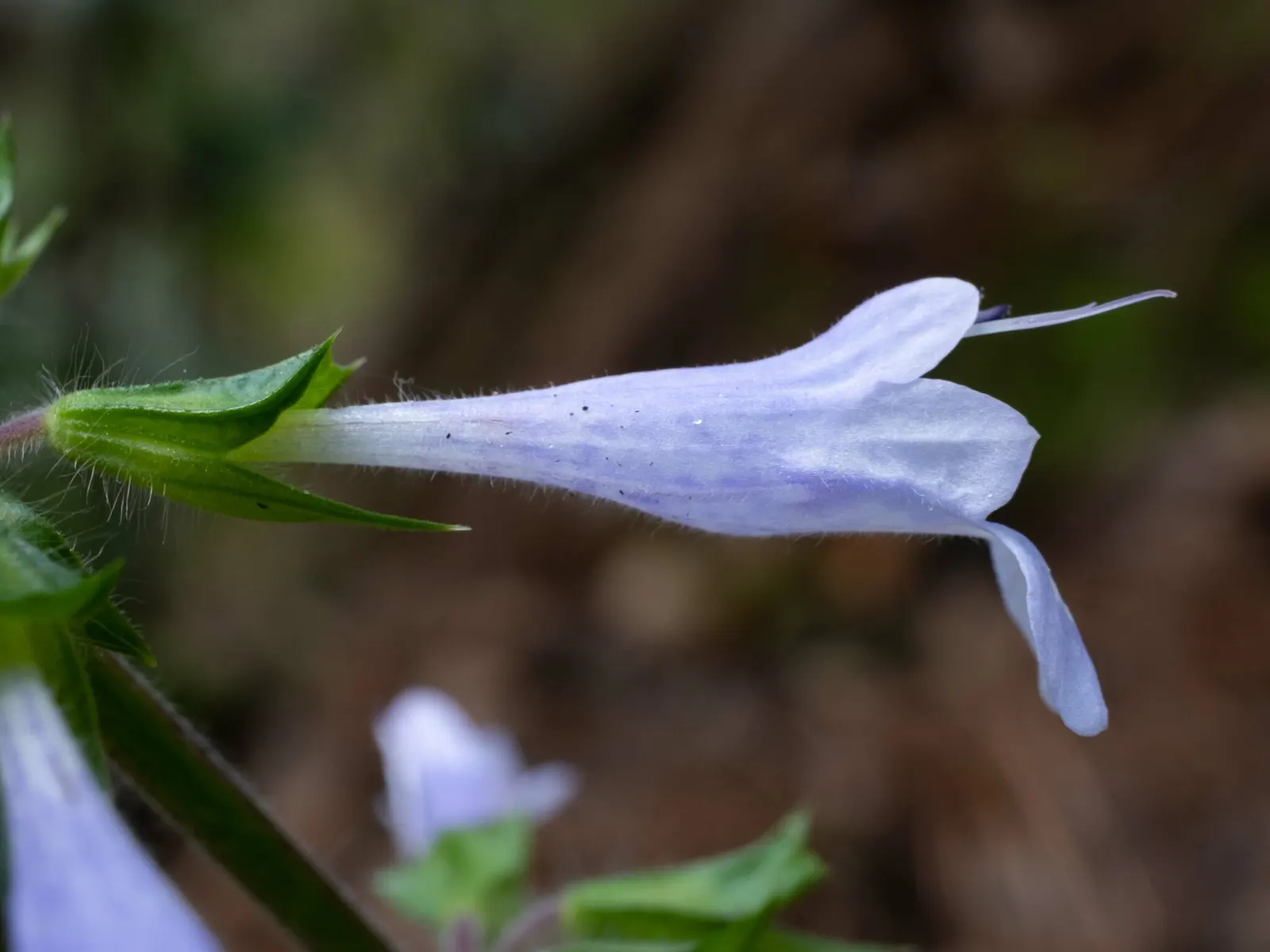
Lyreleaf Sage, Salvia lyrata, a North American native perennial, thrives in USDA zones 4-9. Exhibiting striking lyre-shaped leaves and delicate blue-violet flowers, it reaches 1-2 feet in height with a similar spread. This hardy plant prefers full sun to partial shade and tolerates a variety of soils. Beneficial for pollinators, it’s ideal for wildflower gardens, borders, or as groundcover. Blooms emerge in spring, adding a splash of color and rustic charm.
Sun FullWater Low, MediumZones 3–8Climate Temperate
Lyreleaf Sage (Salvia Lyrata) — Lyreleaf Sage, Salvia lyrata, a North American native perennial, thrives in USDA zones 4-9

Culture

Sun
Full
Water
Low, Medium
USDA zones
3–8

Shape & size

Mature height
1–2 Ft.
Mature width
0.75–1 Ft.

Classification

Family
Lamiaceae
Climate
Temperate

See full data, regional cultivation notes, full-resolution photos, and design tools. Build a client presentation around this plant.

Start your 14-day trial

Photos (63)

Lyreleaf Sage (Salvia Lyrata) — clients can enjoy a season-long display of color and form
Lyreleaf Sage (Salvia Lyrata) — along with the added benefit of supporting local wildlife
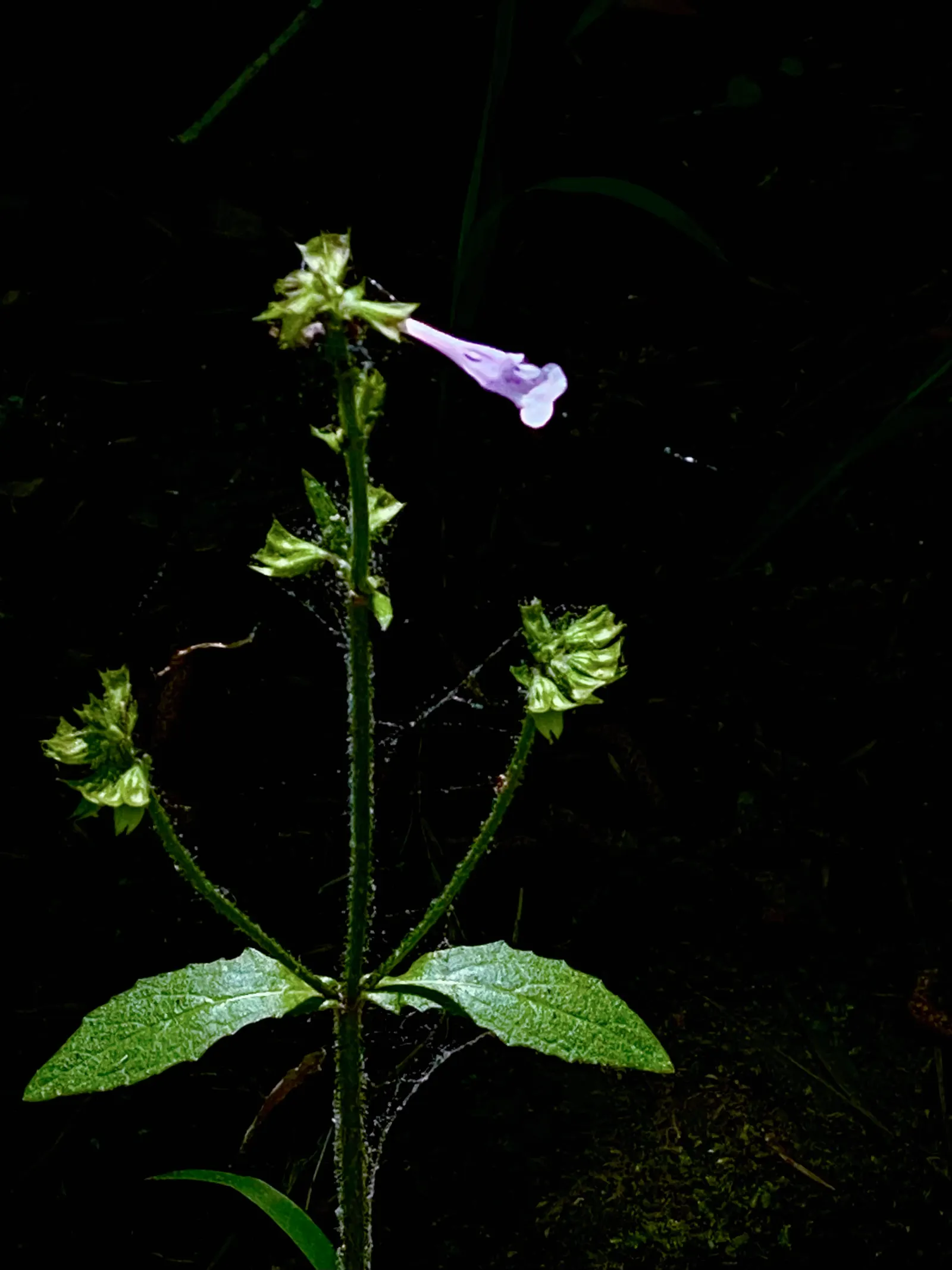
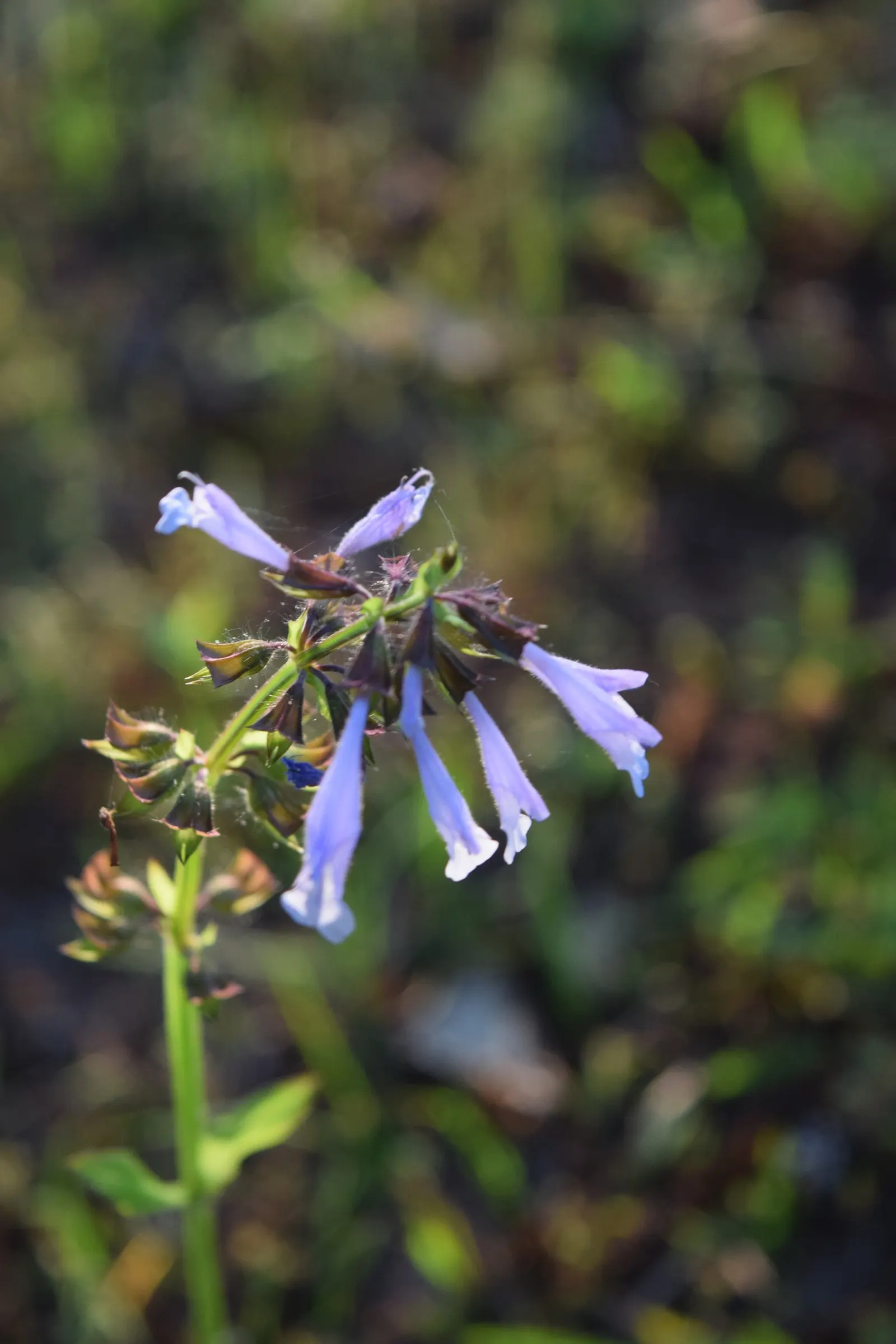
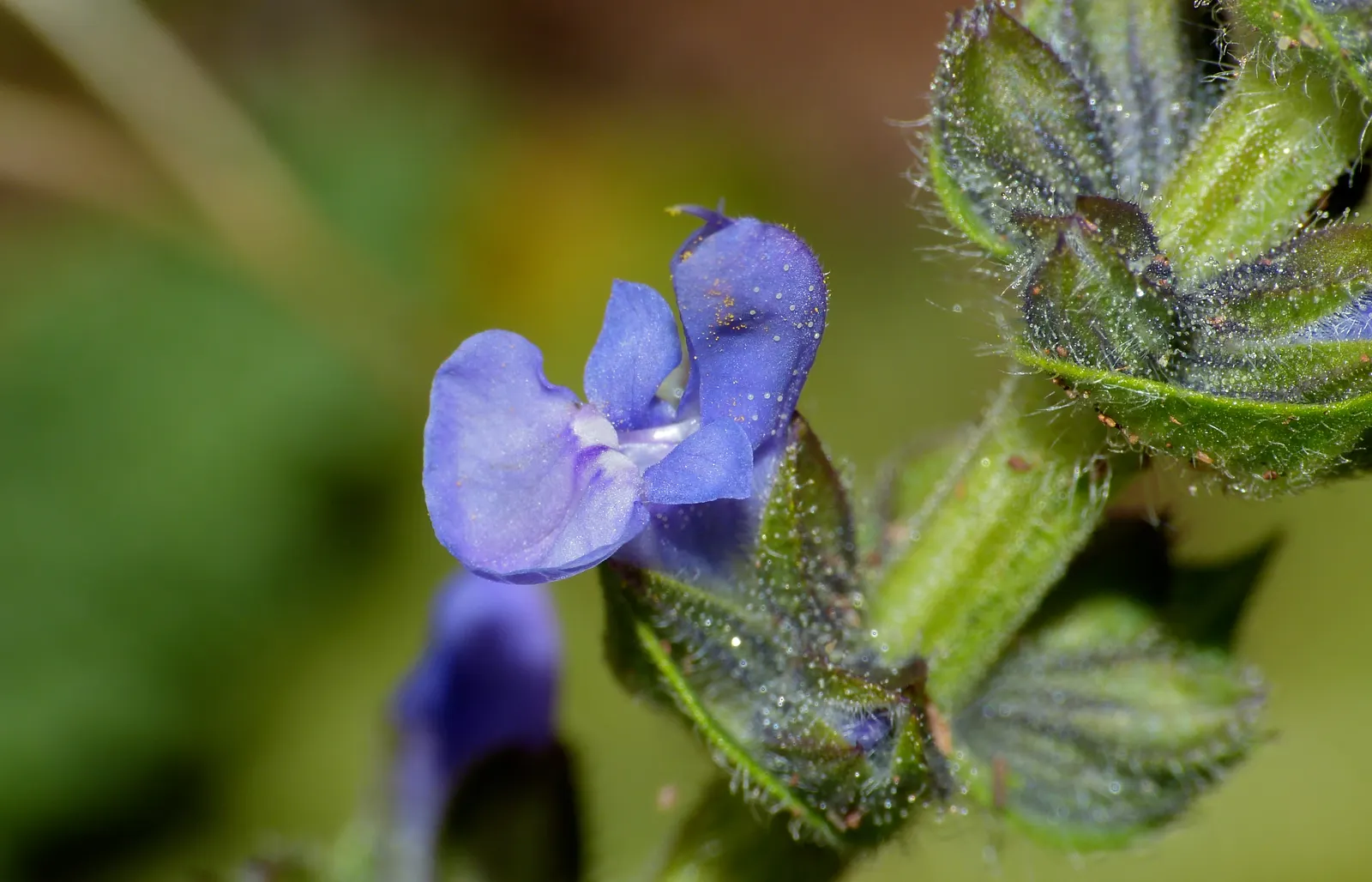
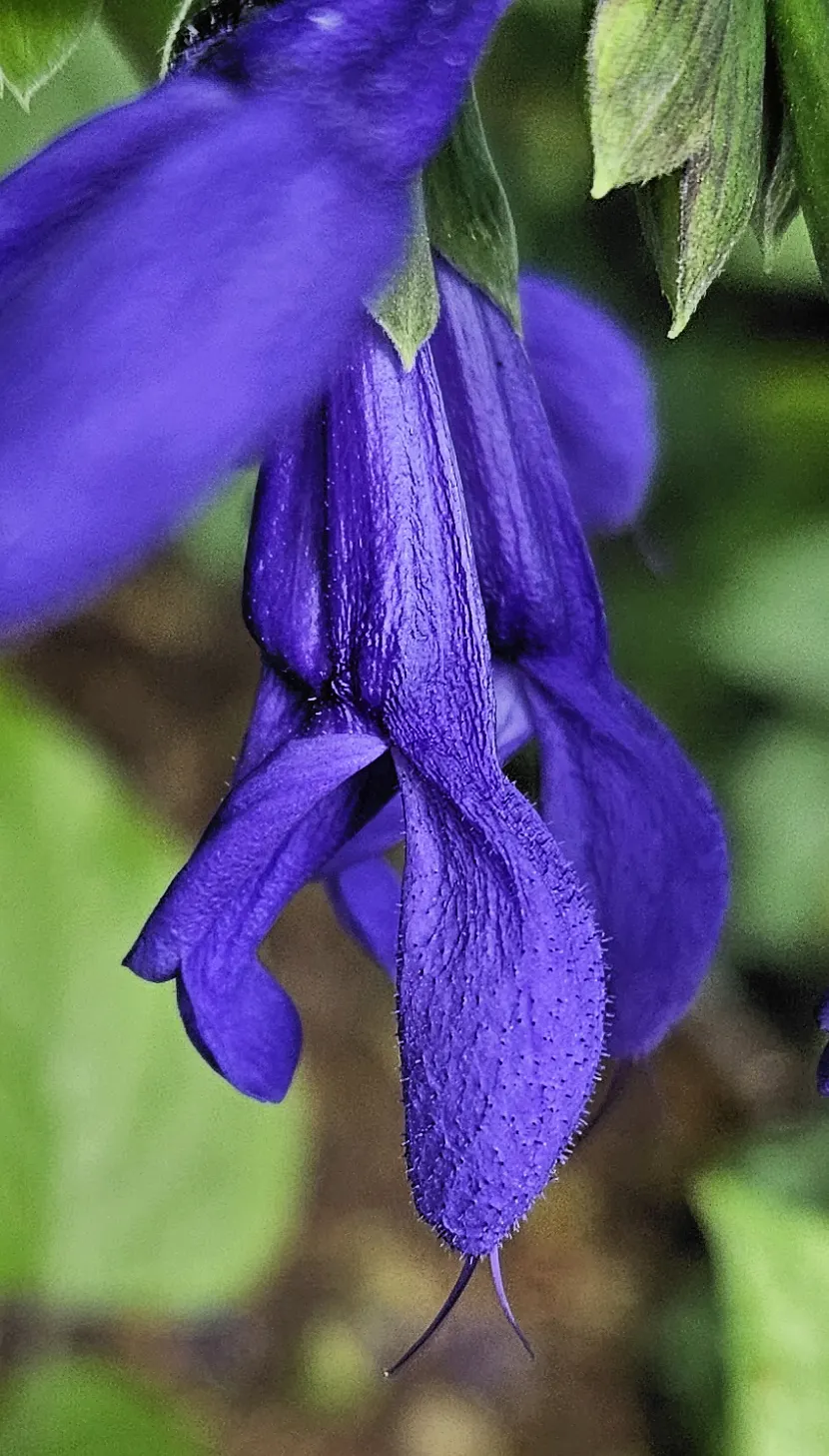
Lyreleaf Sage (Salvia Lyrata) — blue and purple flowers in the garden
Lyreleaf Sage (Salvia Lyrata) — perennial with blue and purple blooms
Lyreleaf Sage (Salvia Lyrata) — perennial for full
Lyreleaf Sage (Salvia Lyrata) — Lyreleaf Sage, Salvia lyrata, a North American native perennial, thrives in USDA zones 4-9; this hardy plant prefers full sun
Lyreleaf Sage (Salvia Lyrata) — Exhibiting striking lyre-shaped leaves and delicate blue-violet flowers; which can span 2 to 6 inches in length
Lyreleaf Sage (Salvia Lyrata) — it reaches 1-2 feet in height with a similar spread; it is relatively drought-tolerant once established
Lyreleaf Sage (Salvia Lyrata) — This hardy plant prefers full sun to partial shade and tolerates a variety of soils; clients can enjoy a season-long display of
Lyreleaf Sage (Salvia Lyrata) — Beneficial for pollinators, it‚Äôs ideal for wildflower gardens, borders, or as groundcover; it reaches 1-2 feet in height with
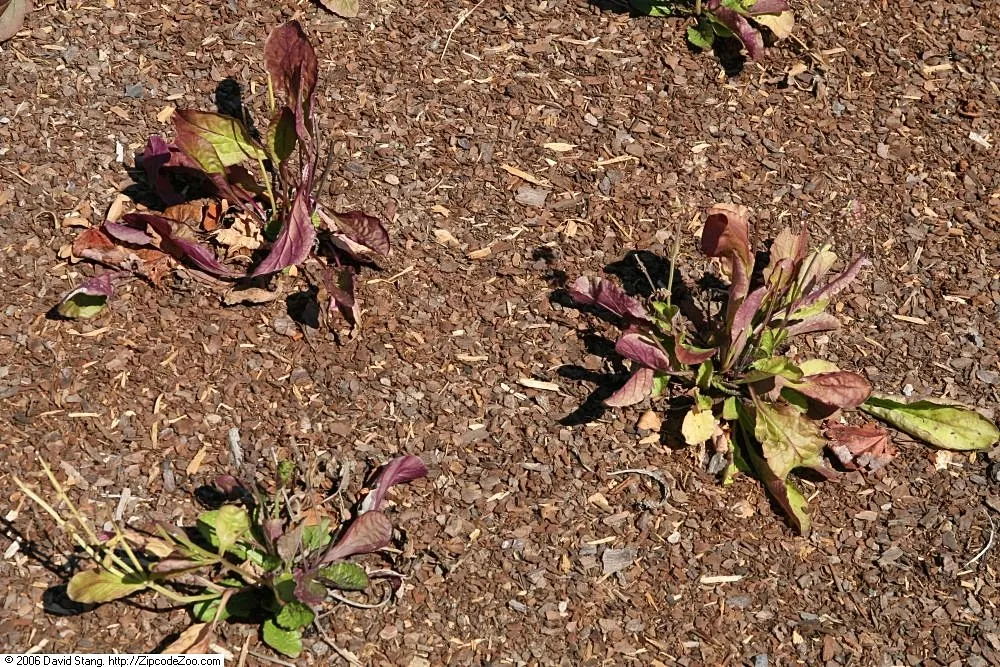
Lyreleaf Sage (Salvia Lyrata) — Blooms emerge in spring, adding a splash of color and rustic charm; lyreleaf Sage forms a basal rosette of unique lyre-shaped
Lyreleaf Sage (Salvia Lyrata) — scientifically known as Salvia lyrata; with an optimal growth in well-drained soil
Lyreleaf Sage (Salvia Lyrata) — is a captivating perennial herb native to the eastern United States; by incorporating Salvia lyrata into the garden
Lyreleaf Sage (Salvia Lyrata) — Often admired for its decorative foliage and attractive blossoms; exhibiting striking lyre-shaped leaves and delicate
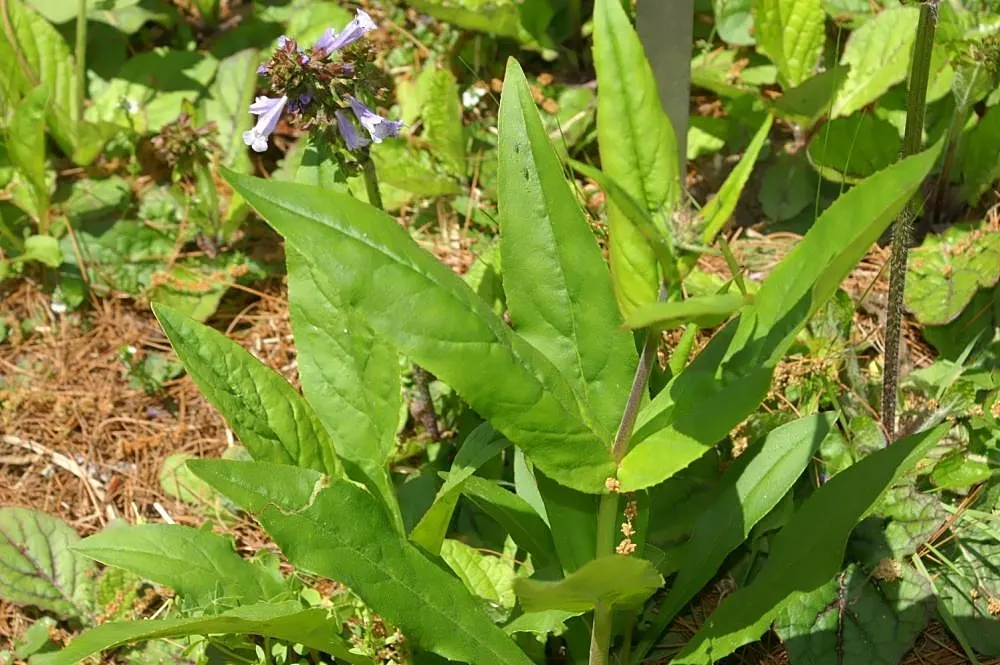
Lyreleaf Sage (Salvia Lyrata) — Lyreleaf Sage forms a basal rosette of unique lyre-shaped leaves; often admired for its decorative foliage and attractive
Lyreleaf Sage (Salvia Lyrata) — In spring to early summer; is a captivating perennial herb native to the eastern United States
Lyreleaf Sage (Salvia Lyrata) — adds visual interest throughout the growing season; lyreleaf Sage, Salvia lyrata, a North American native perennial, thrives in
Lyreleaf Sage (Salvia Lyrata) — often highlighted with striking purple accents; while its blossoms create a vertical element in the landscape design
Lyreleaf Sage (Salvia Lyrata) — which can span 2 to 6 inches in length; preferring full sun to partial shade exposure
Lyreleaf Sage (Salvia Lyrata) — preferring full sun to partial shade exposure; with its foliage providing texture and color
Lyreleaf Sage (Salvia Lyrata) — With an optimal growth in well-drained soil; perennial for full
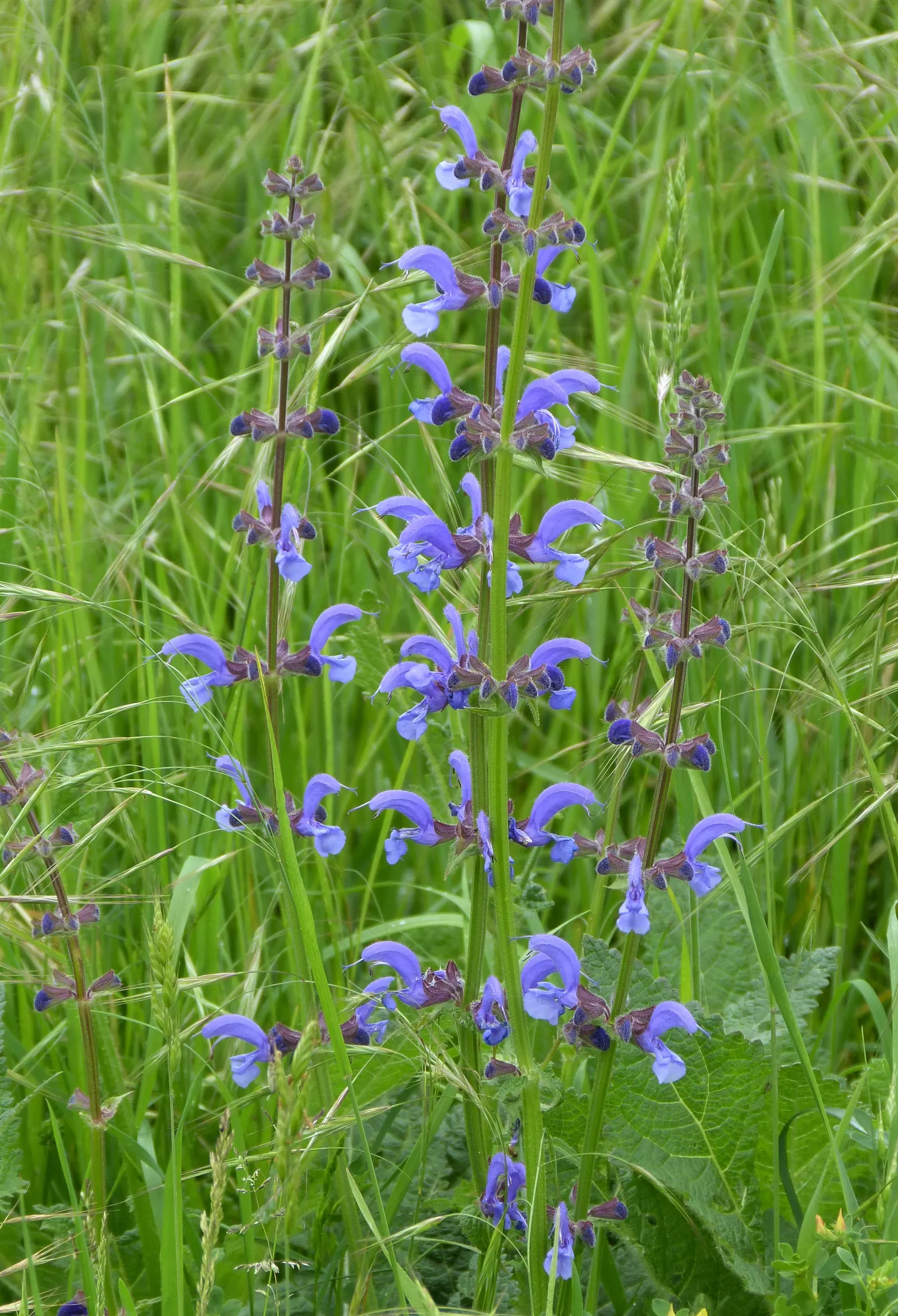
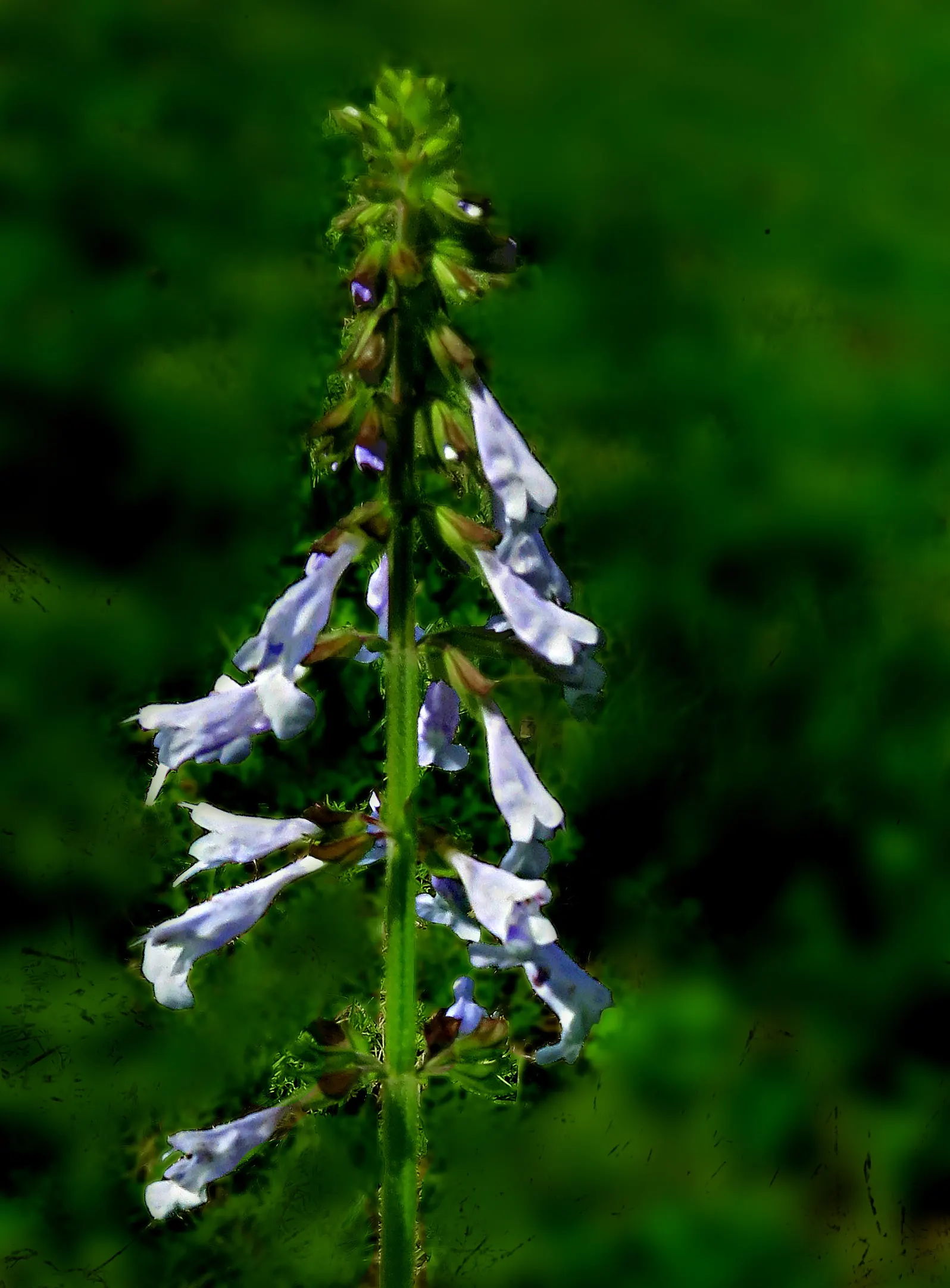
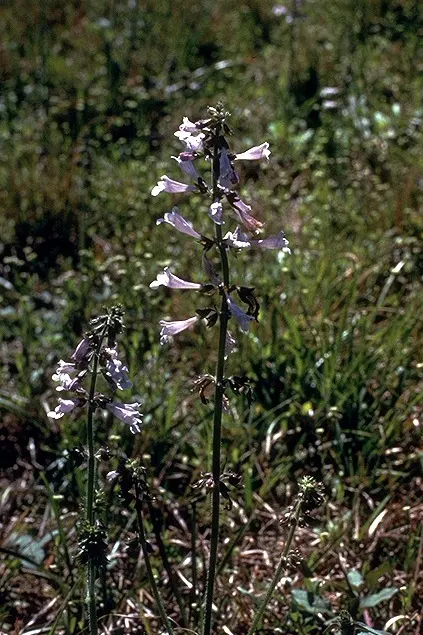
Lyreleaf Sage (Salvia Lyrata) — erect flower spikes adorned with tubular lavender to light blue flowers rise above the foliage, image 44
Lyreleaf Sage (Salvia Lyrata) — typically 12 to 18 inches apart; perennial with blue and purple blooms
Lyreleaf Sage (Salvia Lyrata) — it is relatively drought-tolerant once established; scientifically known as Salvia lyrata

Related plants