Skip to content

Mexican Sage

Salvia Leucantha

Design with this plant

Overview

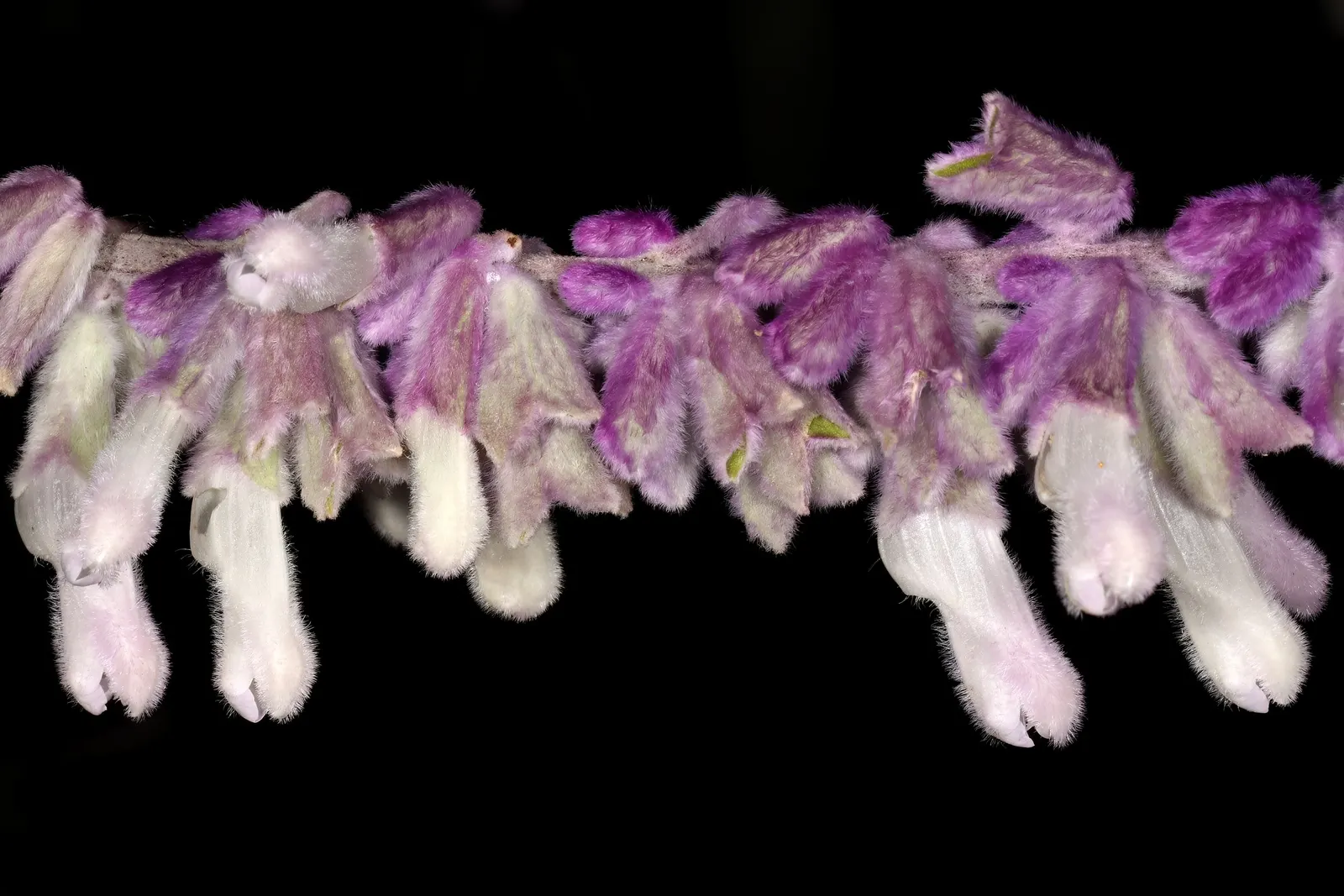
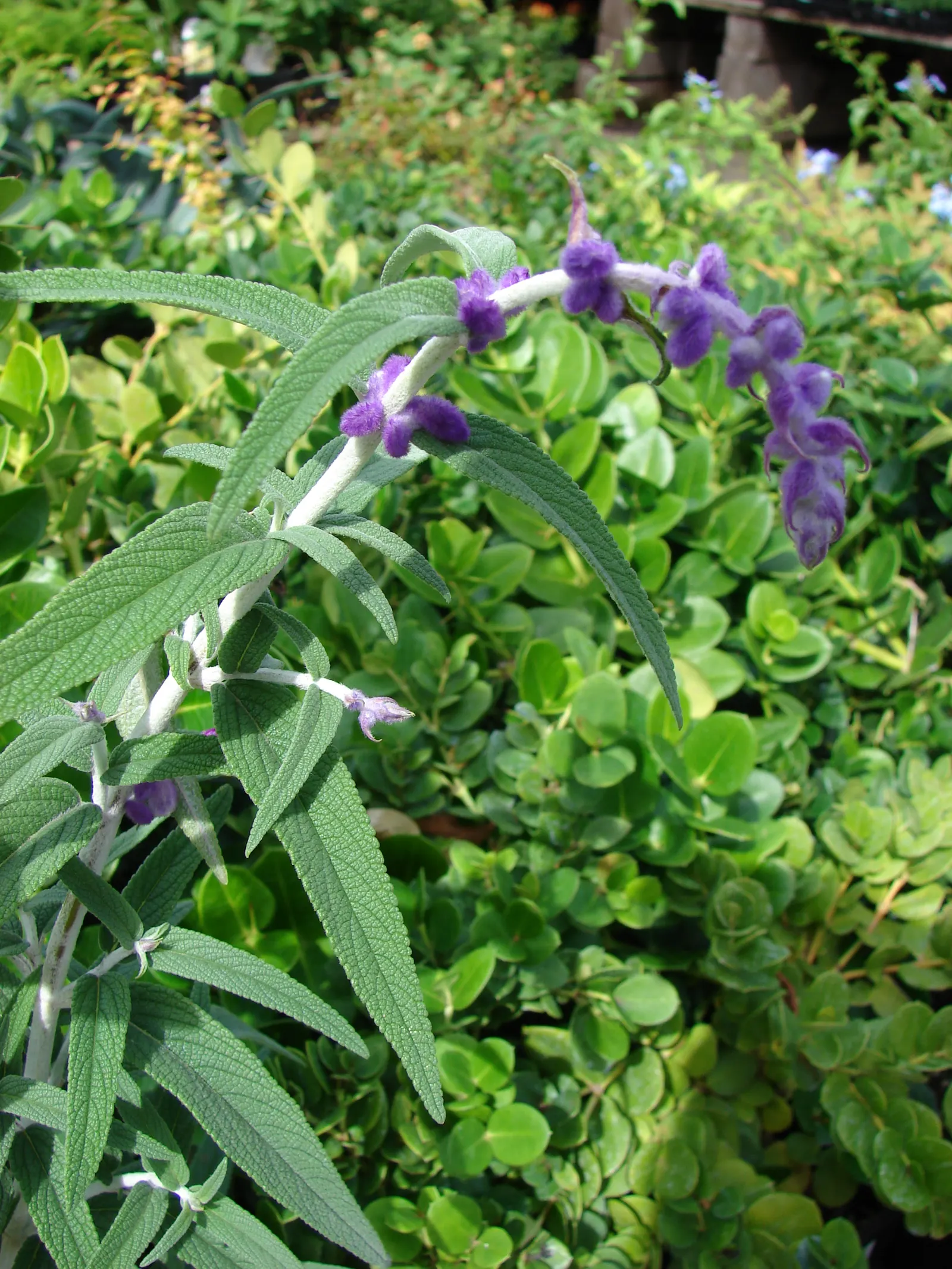
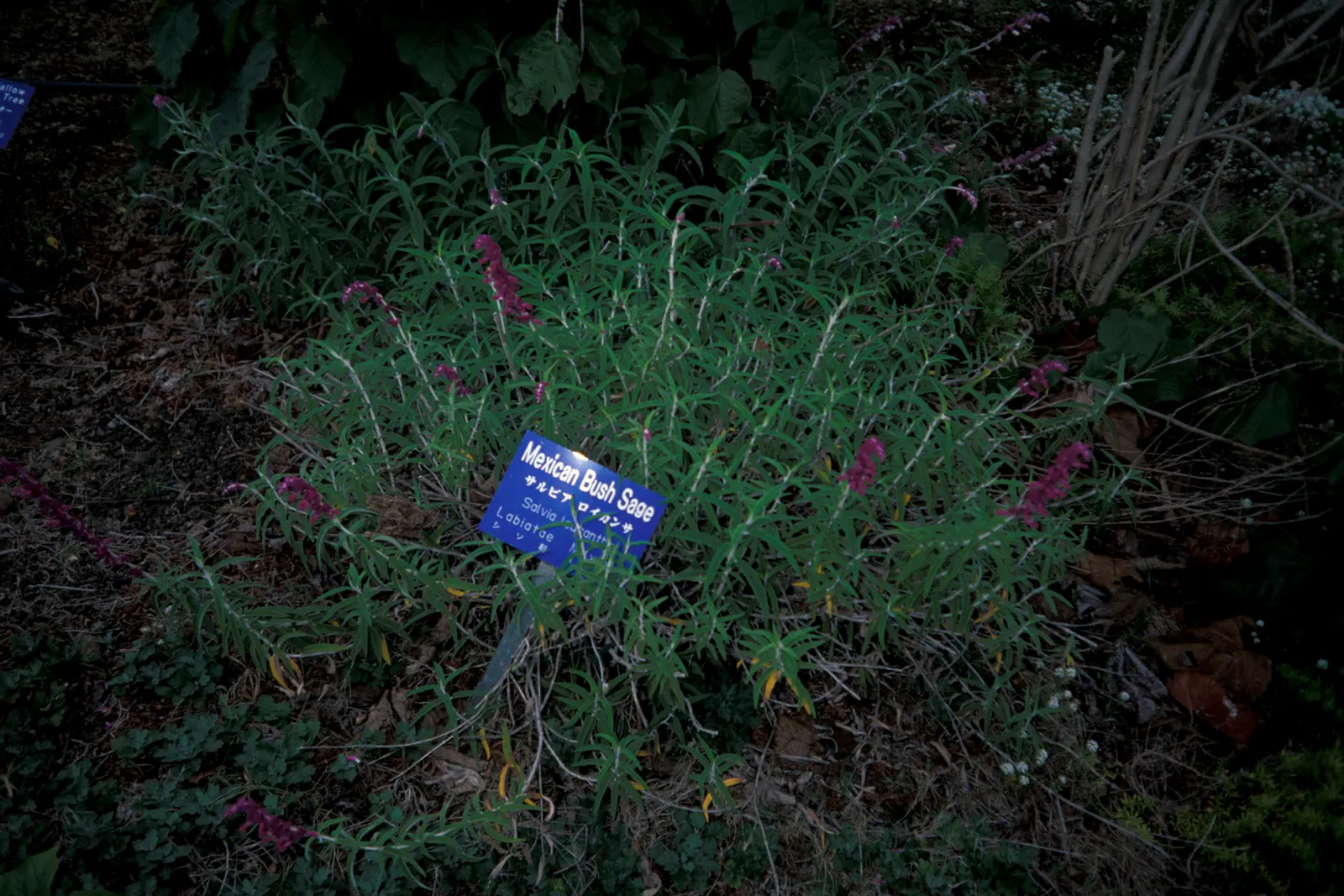
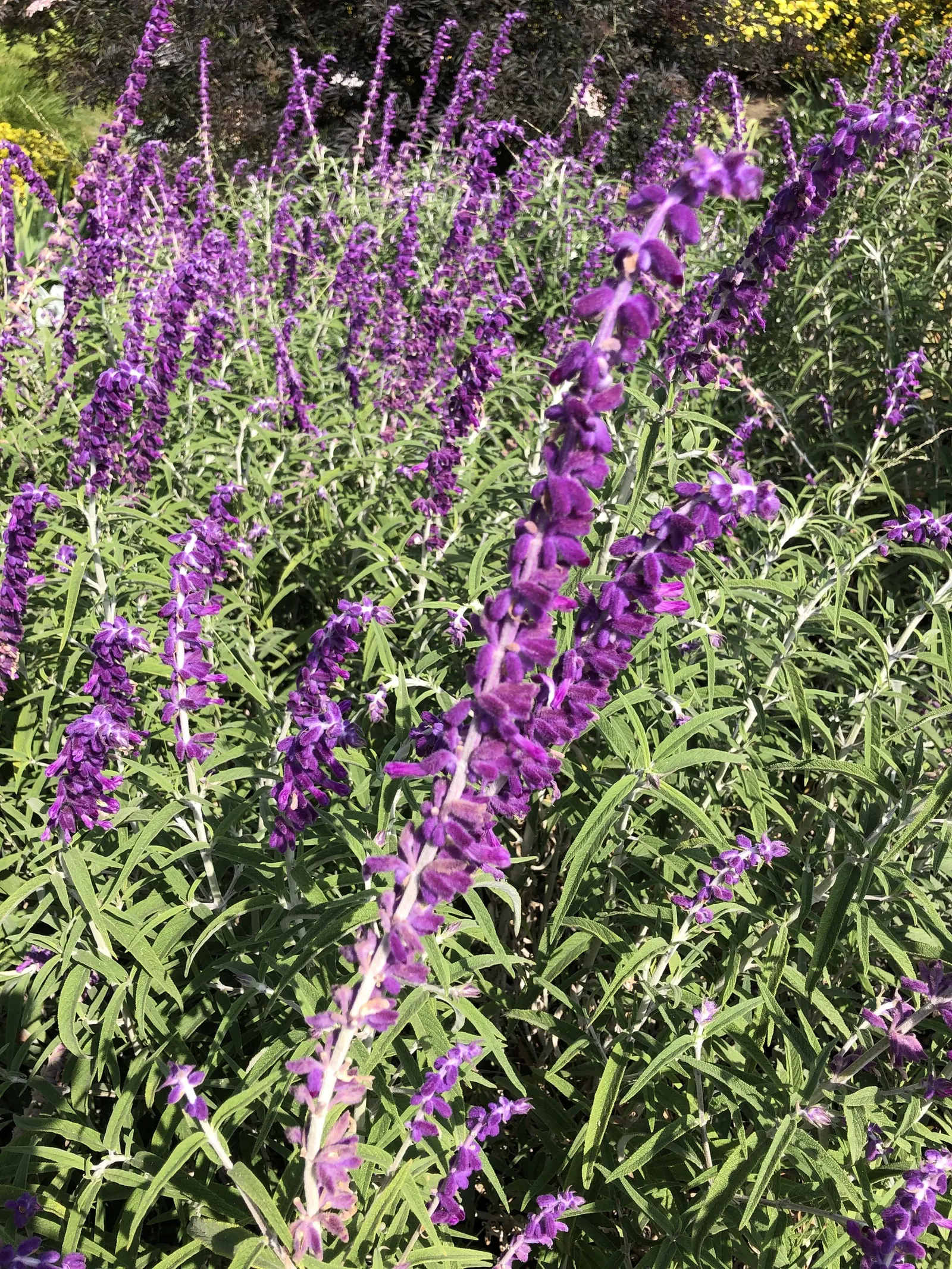
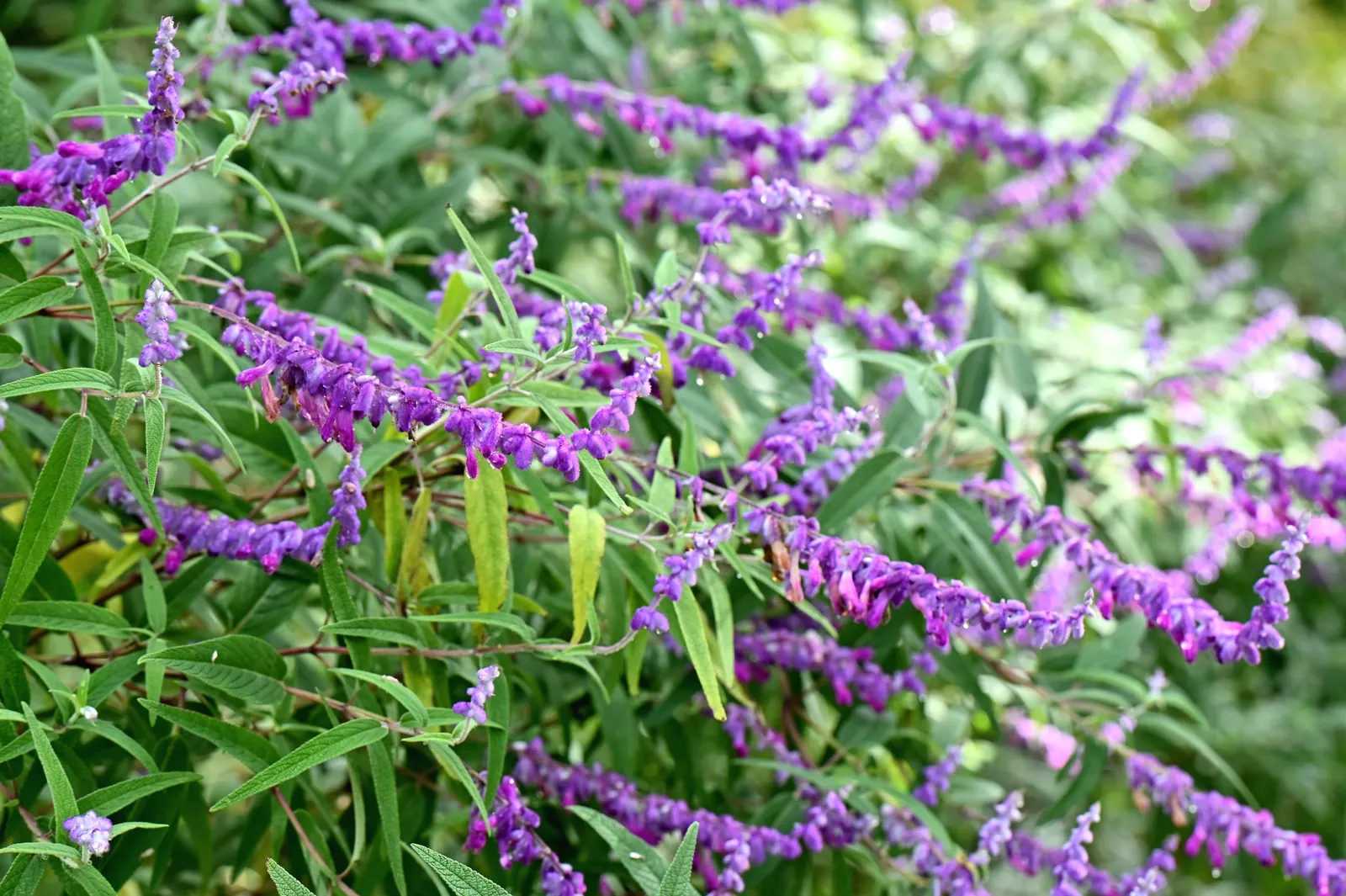
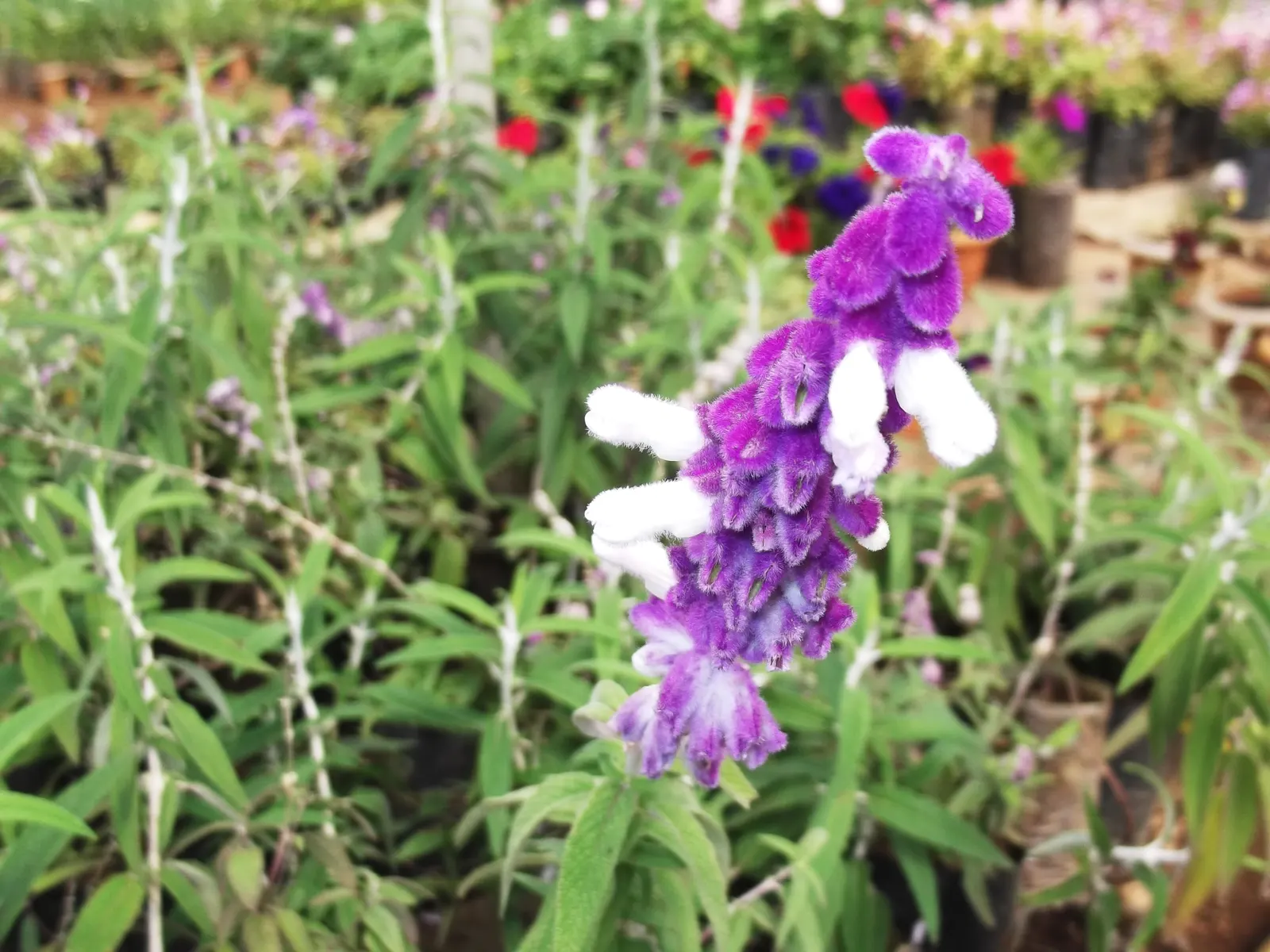
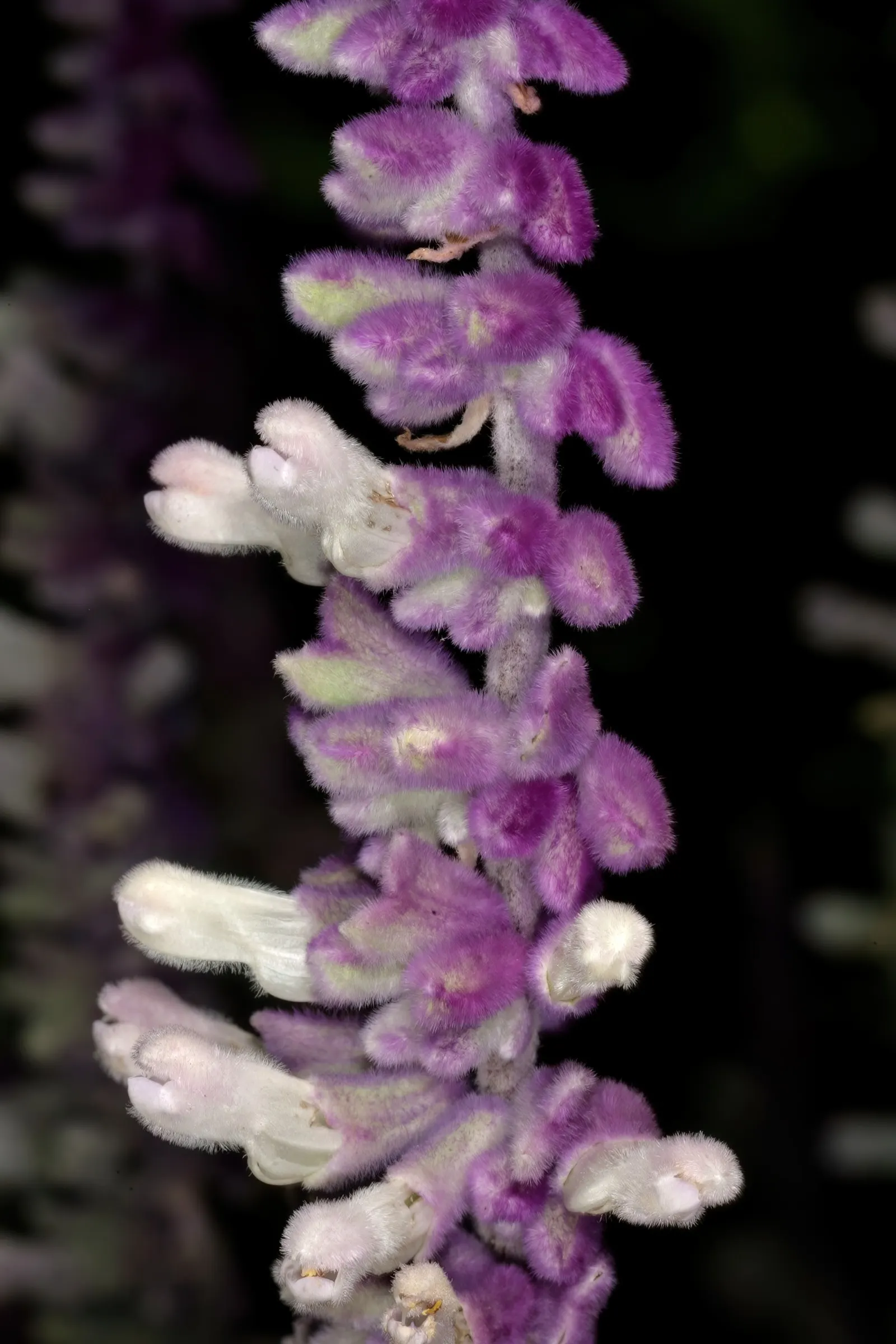
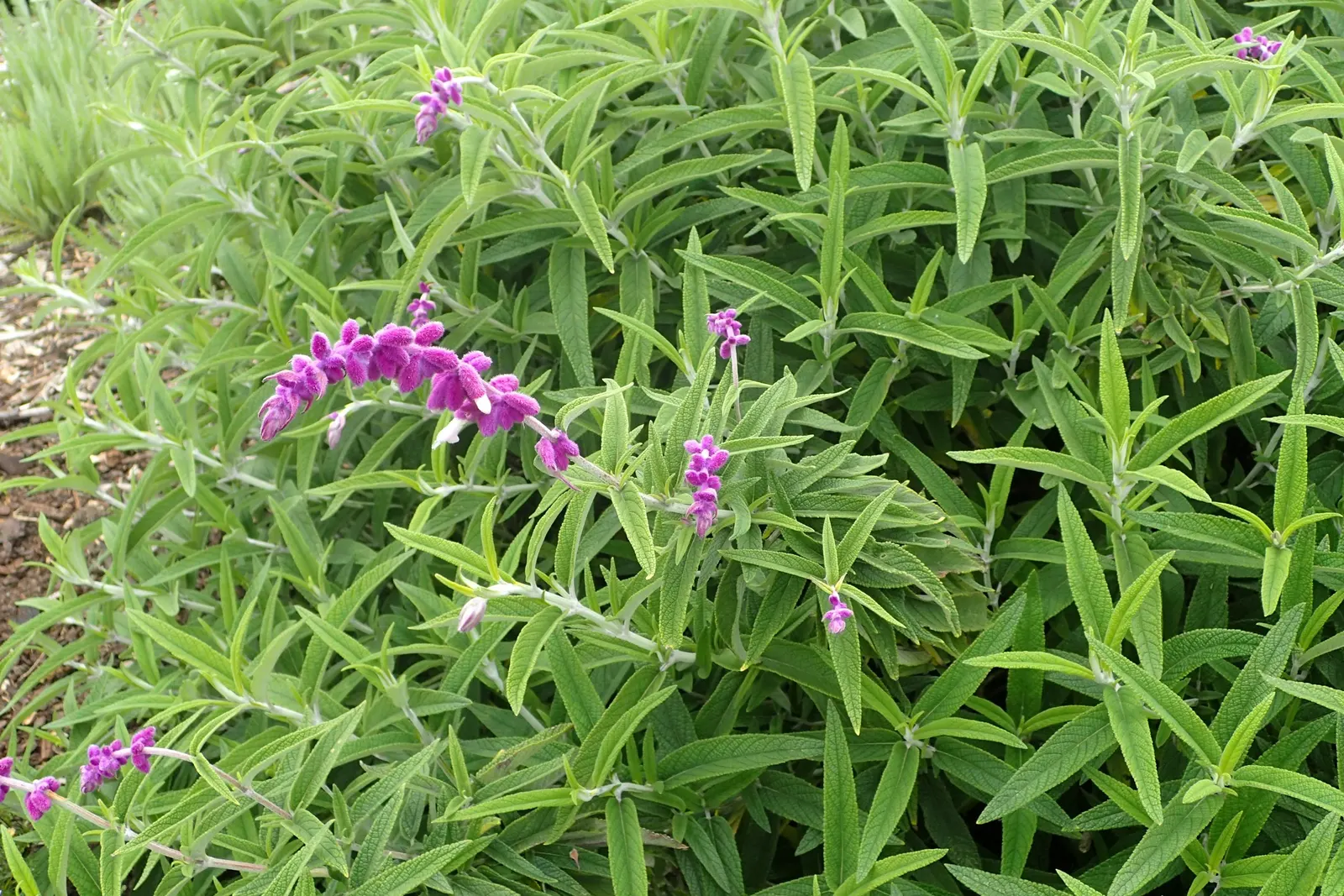
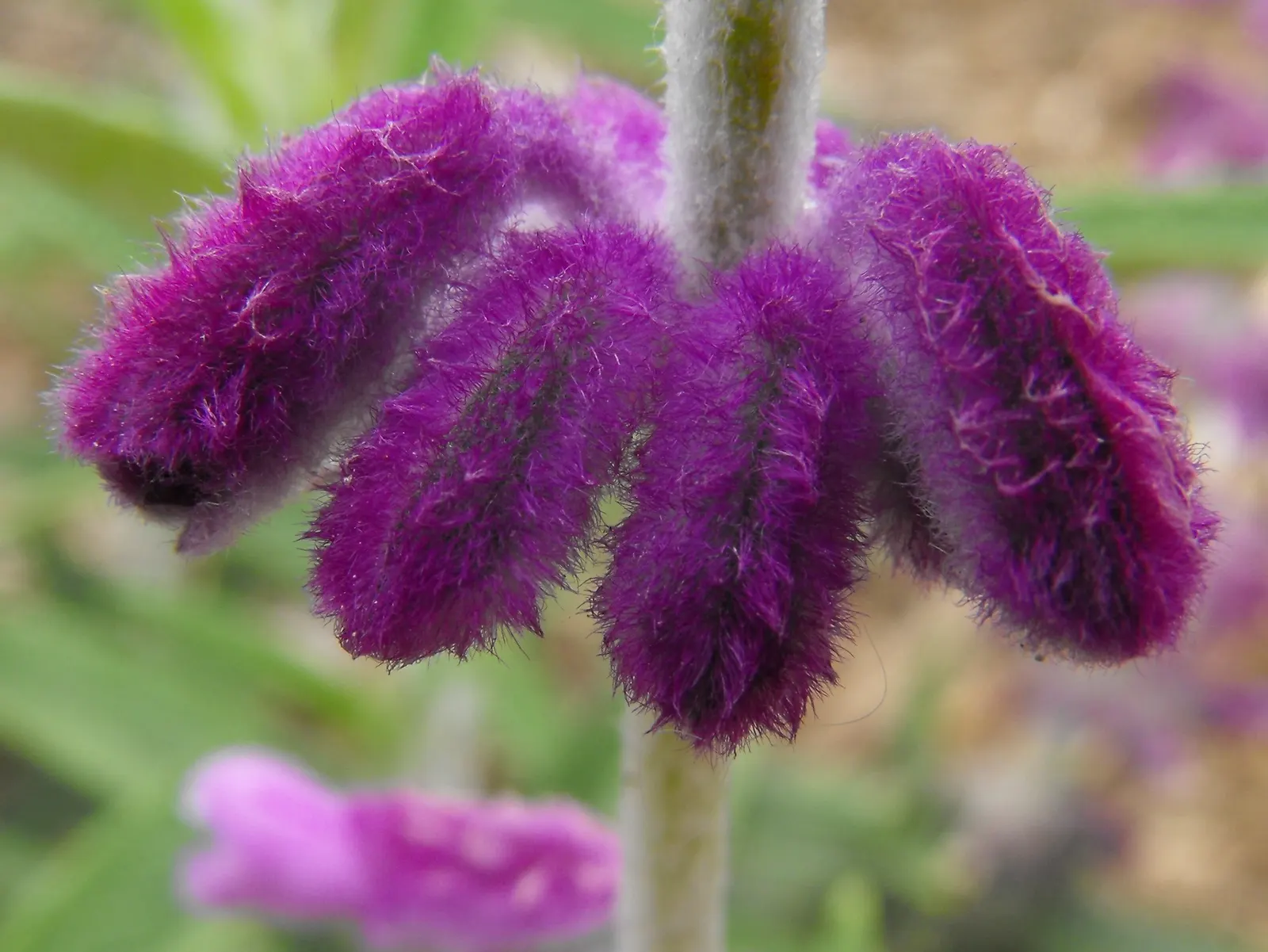
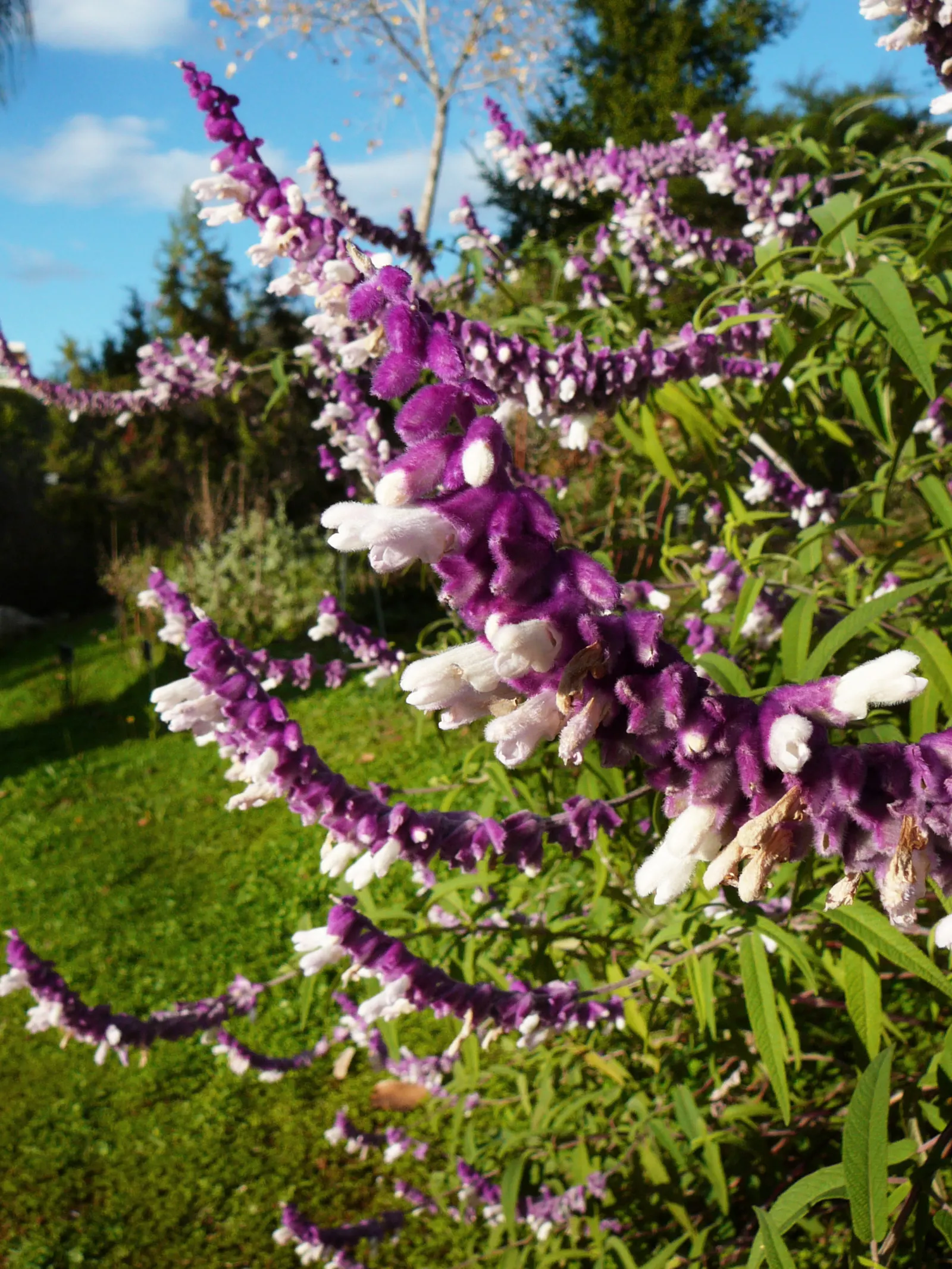
The Mexican Sage (Salivia leucantha) is a vibrant perennial, flourishing in full sun to partial shade. It features velvety, purple inflorescences atop 18 to 36-inch stems, with a spread of 24 to 36 inches. This drought-tolerant plant attracts pollinators with its late summer to fall blooms. Ideal for borders and hummingbird gardens, it requires well-draining soil and minimal care once established. USDA zones 7-10.

Sun Full, HalfWater LowZones 9–10Type ShrubClimate Arid
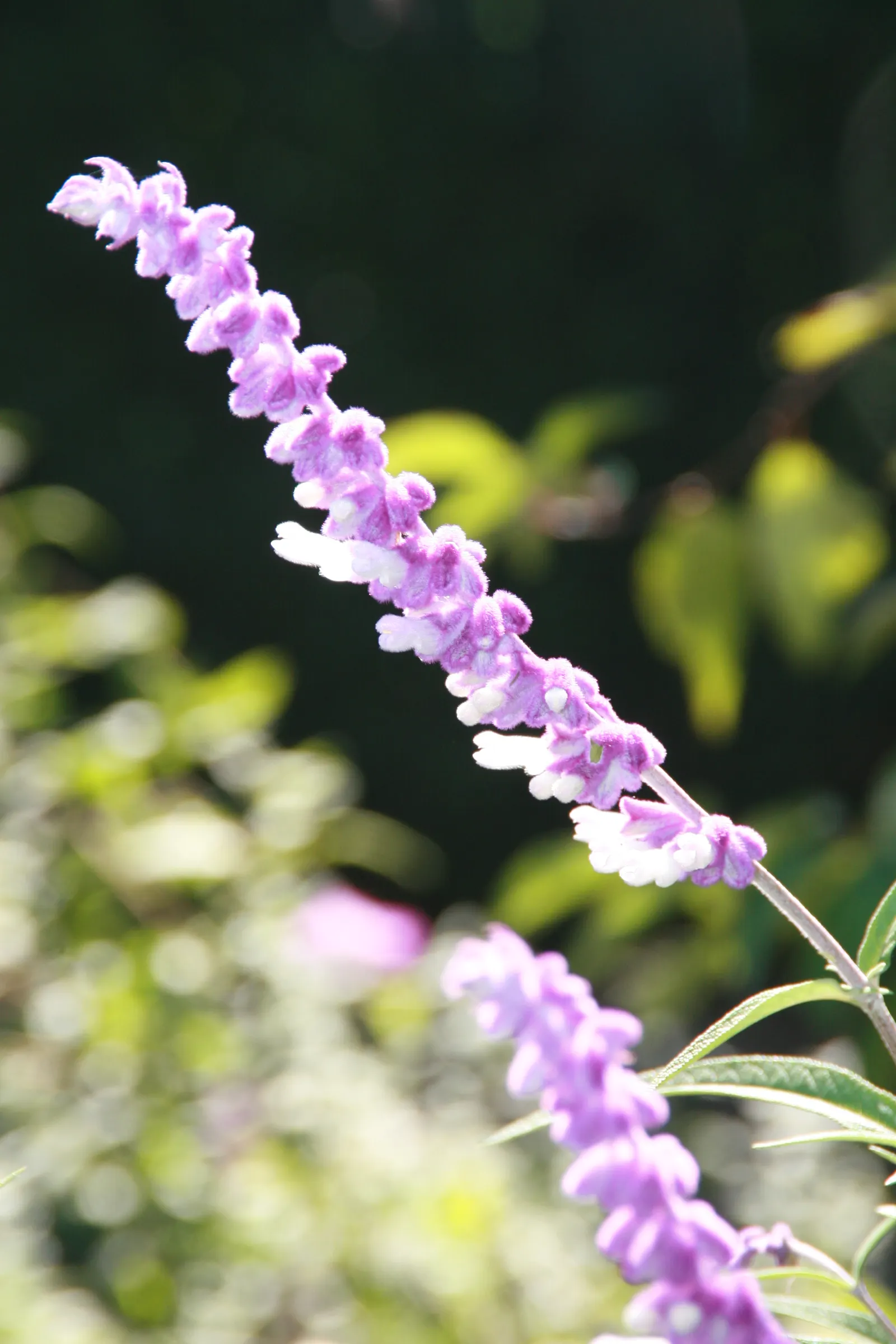
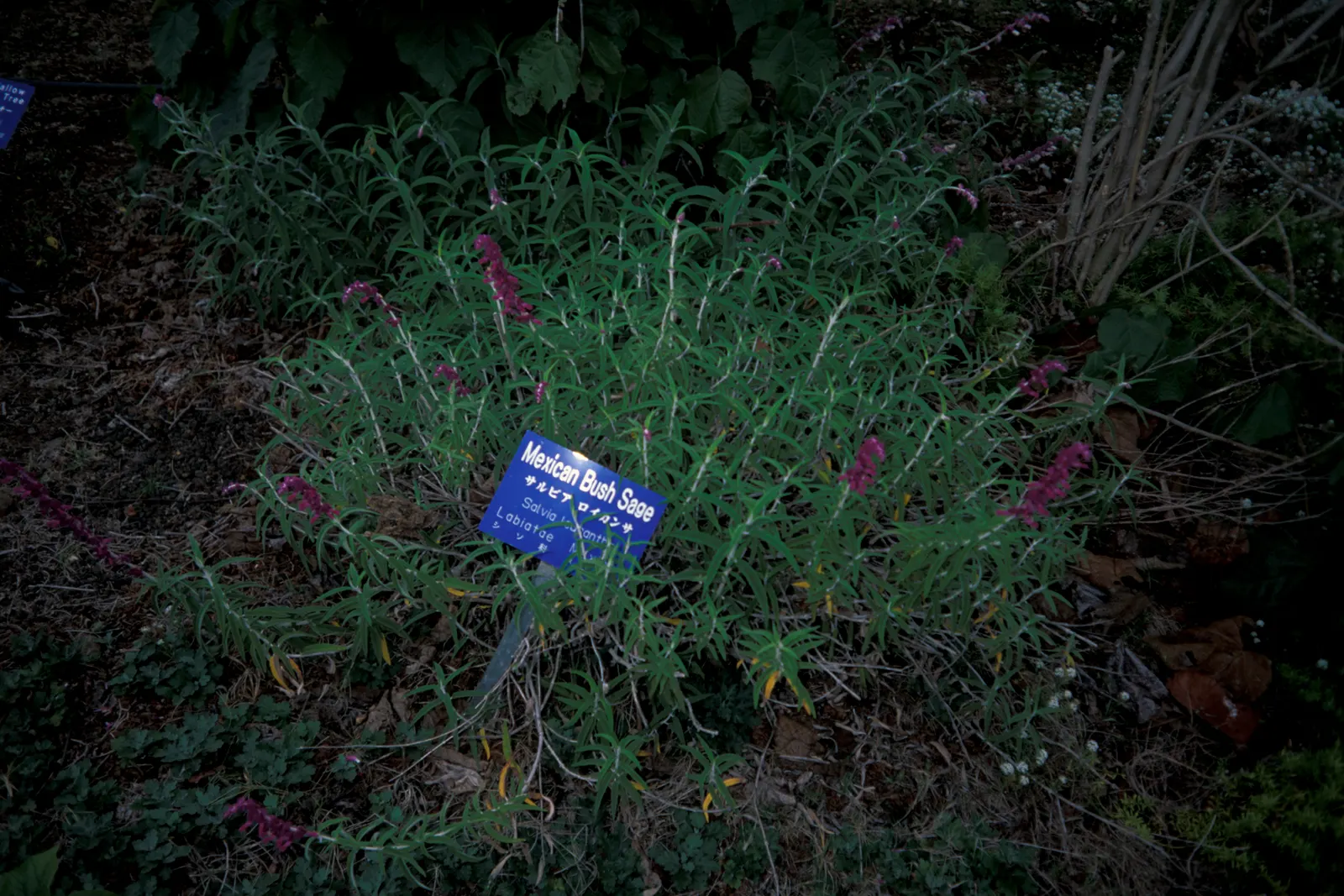
Mexican Sage (Salvia Leucantha) — and as attractants for pollinators such as bees; with its origin in Mexico and Central America, image 61

Culture

Sun
Full, Half
Water
Low
USDA zones
9–10

Shape & size

Classification

Type
Shrub
Family
Lamiaceae
Climate
Arid

See full data, regional cultivation notes, and design tools. Build a client presentation around this plant.

Start your 14-day trial

Photos (129)

Mexican Sage (Salvia Leucantha) — With its origin in Mexico and Central America
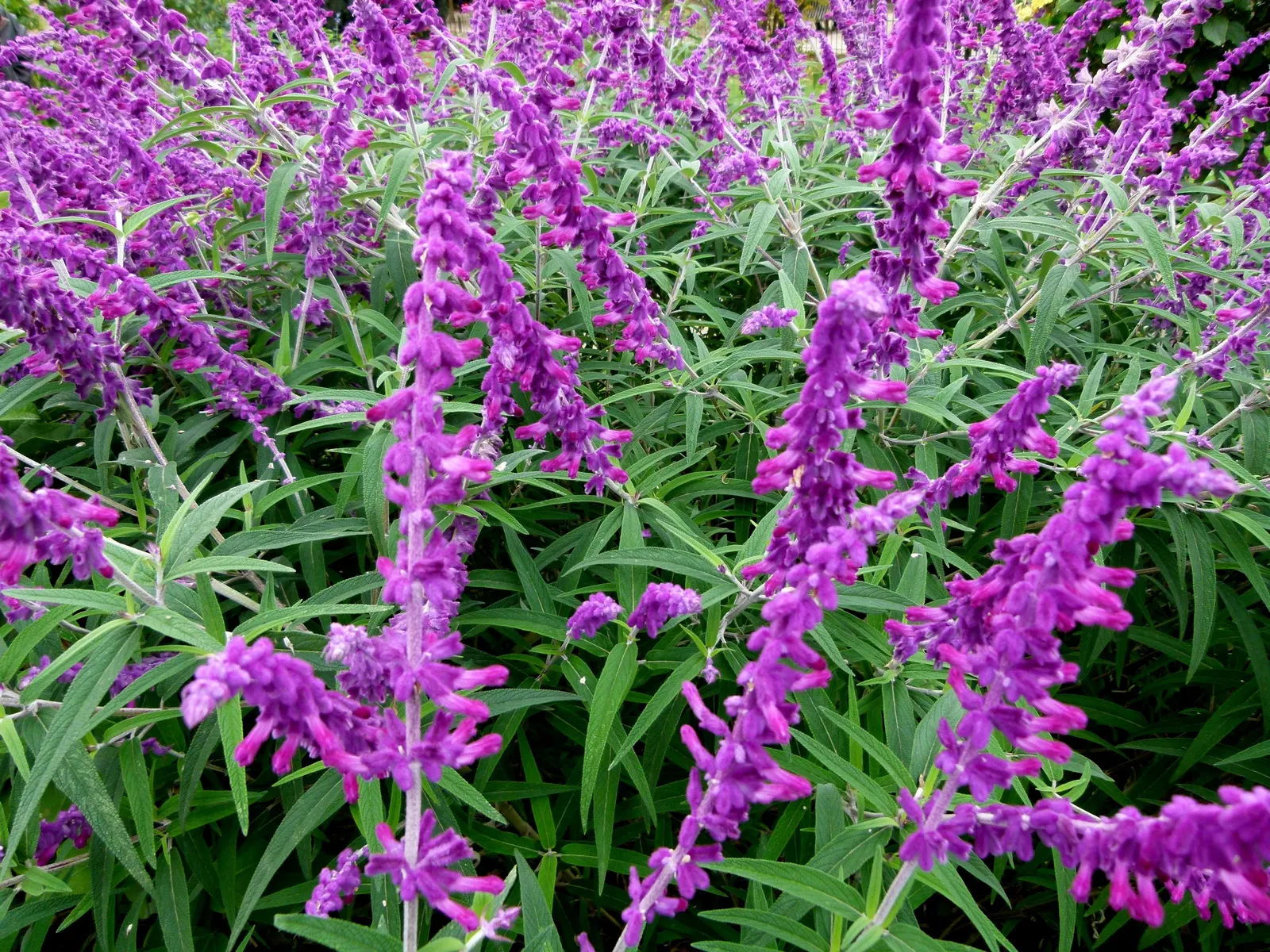
Mexican Sage (Salvia Leucantha) — It typically achieves an impressive size; its long-blooming nature and showy flowers are ideal for borders, image 53
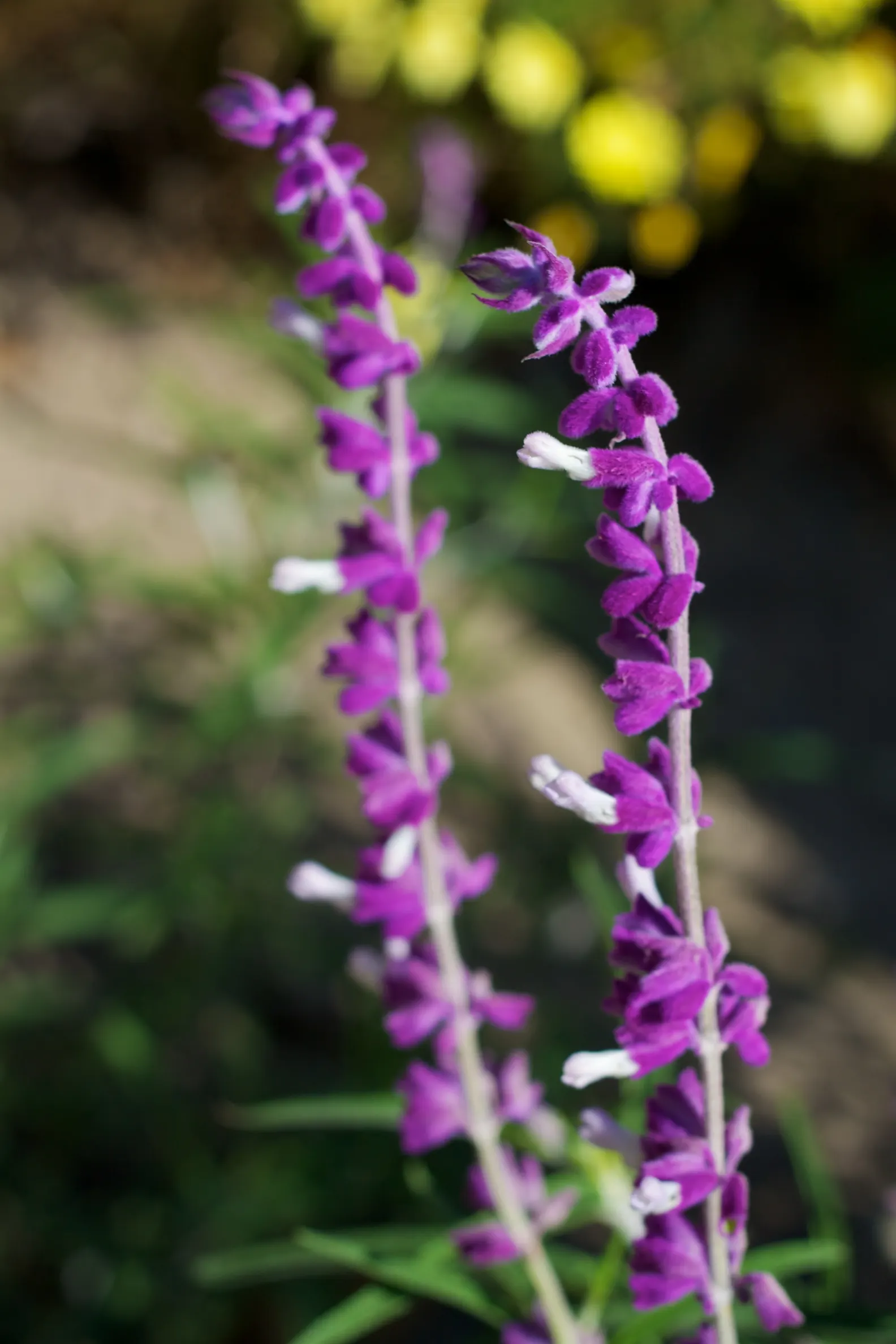
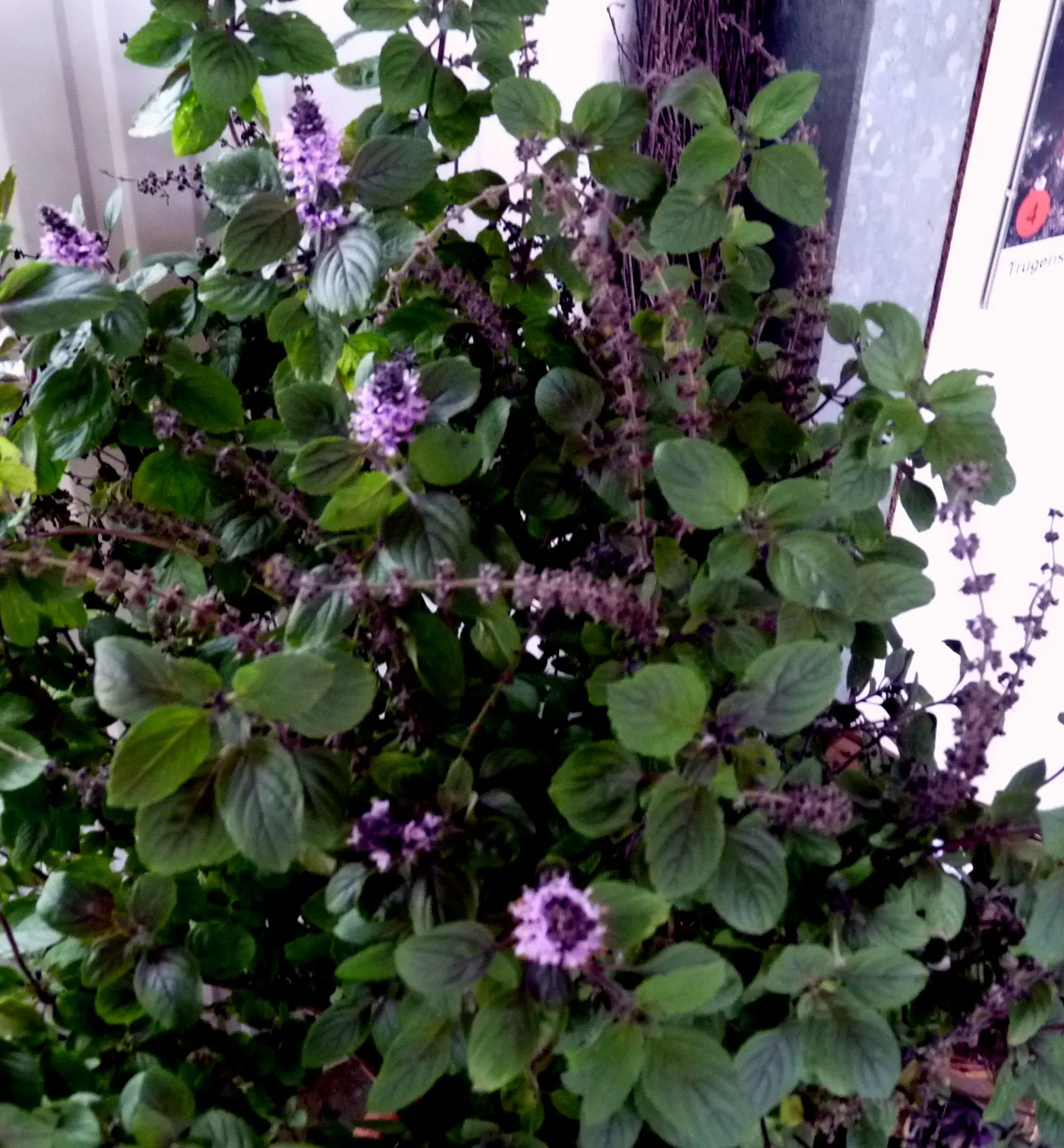
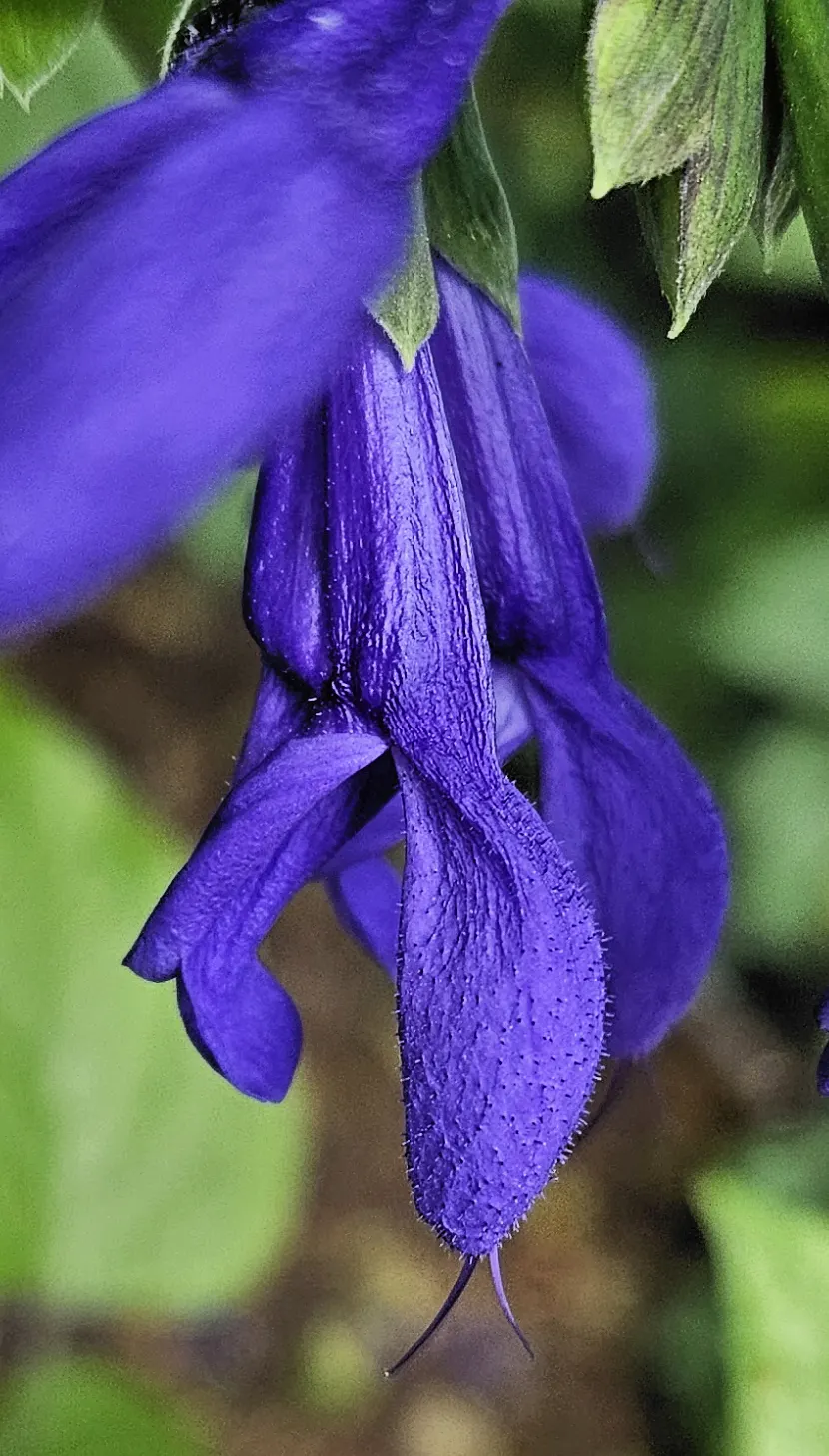
Mexican Sage (Salvia Leucantha) — shrub with purple blooms; these flower spikes can reach up to 10 to 12 inches in length
Mexican Sage (Salvia Leucantha) — This drought-tolerant plant attracts pollinators with its late summer to fall blooms; pruning back old flowers can encourage
Mexican Sage (Salvia Leucantha) — the flowering period of the Mexican Sage extends from late summer well into fall
Mexican Sage (Salvia Leucantha) — Be sure to give this plant space to spread and show off its full beauty; purple flowers in the garden, image 107
Mexican Sage (Salvia Leucantha) — Pruning back old flowers can encourage reblooming and maintain plant vigor; featuring linear leaves that grow up, image 106
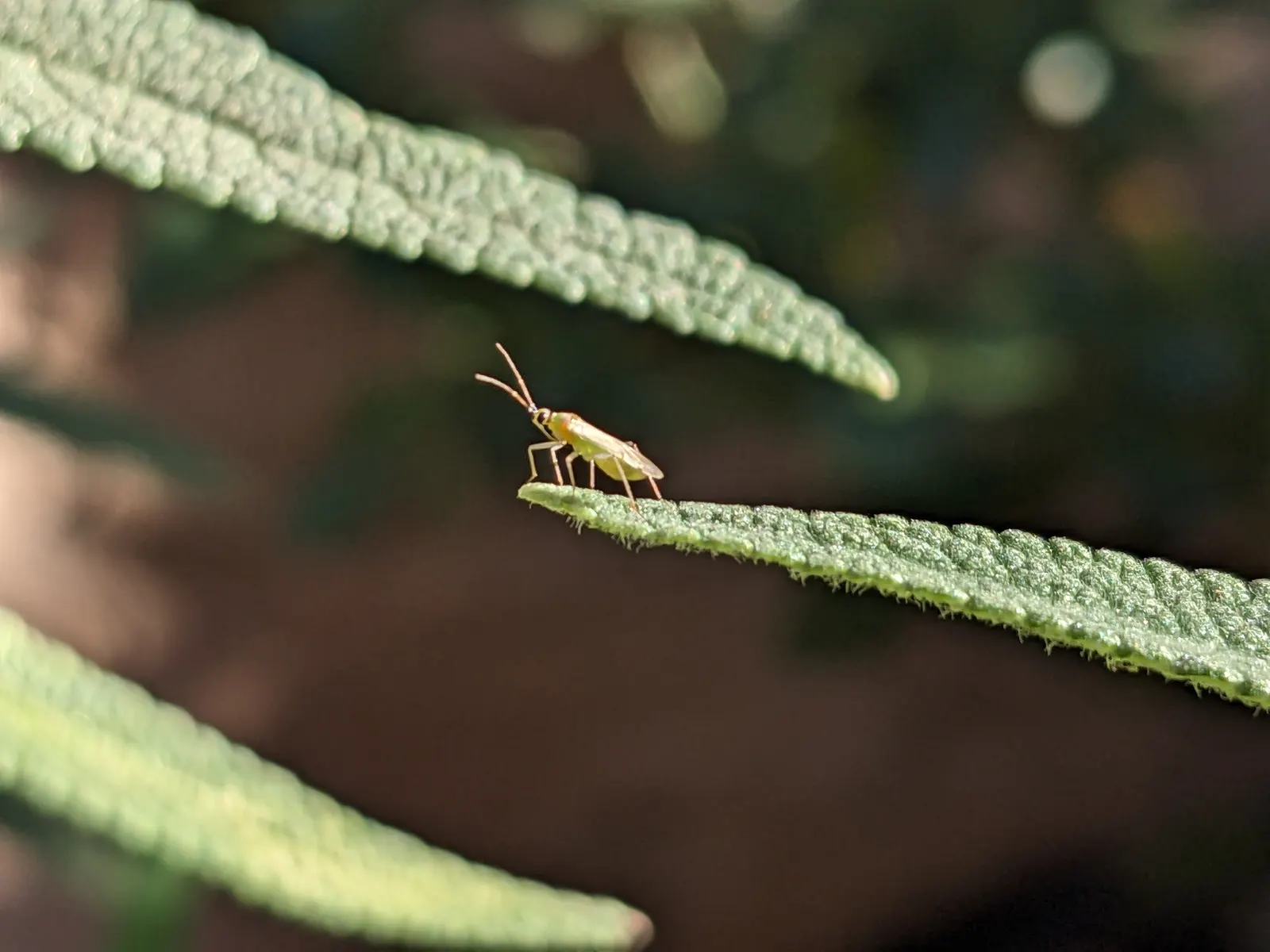
Mexican Sage (Salvia Leucantha) — with a rich green color on the upper surface and a white to pale green underside
Mexican Sage (Salvia Leucantha) — purple flowers in the garden; the Mexican Sage, or Salvia leucantha, is a robust perennial known for its vibrant, image 86
Mexican Sage (Salvia Leucantha) — shrub for full or half
Mexican Sage (Salvia Leucantha) — this hardy plant has become a favorite in a variety of climates; it features velvety, purple inflorescences atop, image 95
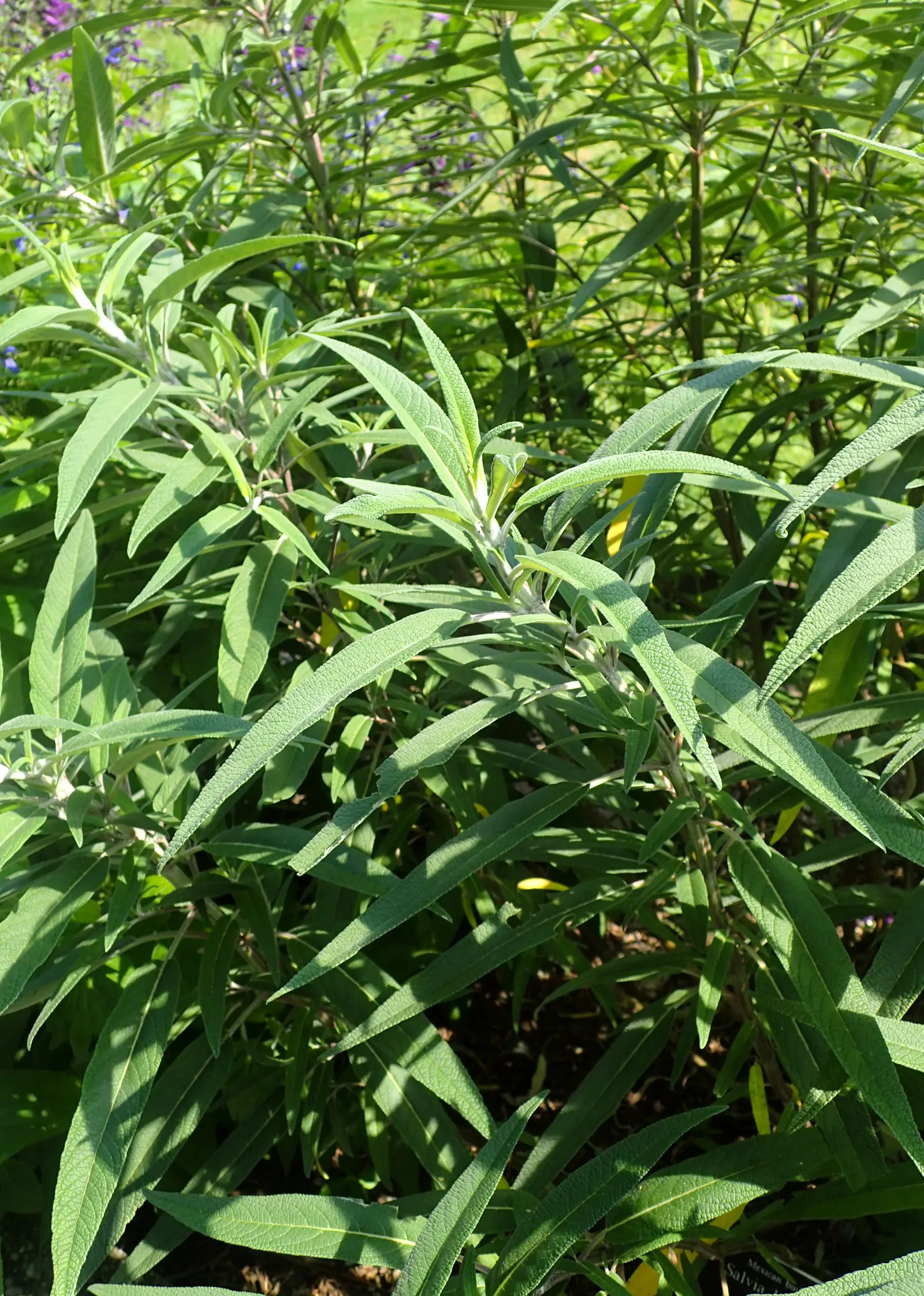
Mexican Sage (Salvia Leucantha) — featuring linear leaves that grow up to 4 inches long; shrub for full or half, image 79
Mexican Sage (Salvia Leucantha) — The Mexican Sage, or Salvia leucantha, is a robust perennial known for its vibrant and distinctive display; the, image 71
Mexican Sage (Salvia Leucantha) — this hardy plant has become a favorite in a variety of climates; it features velvety, purple inflorescences atop, image 73
Mexican Sage (Salvia Leucantha) — This drought-tolerant plant attracts pollinators with its late summer to fall blooms; pruning back old flowers, image 69
Mexican Sage (Salvia Leucantha) — Its long-blooming nature and showy flowers are ideal for borders; shrub with purple blooms, image 104
Mexican Sage (Salvia Leucantha) — shrub with purple blooms
Mexican Sage (Salvia Leucantha) — It features velvety, purple inflorescences atop 18 to 36-inch stems, with a spread of 24 to 36 inches; providing a prolonged
Mexican Sage (Salvia Leucantha) — and as attractants for pollinators such as bees; with its origin in Mexico and Central America, image 105
Mexican Sage (Salvia Leucantha) — purple flowers in the garden; the Mexican Sage, or Salvia leucantha, is a robust perennial known for its vibrant, image 108
Mexican Sage (Salvia Leucantha) — Ideal for borders and hummingbird gardens, it requires well-draining soil and minimal care once established; this, image 48
Mexican Sage (Salvia Leucantha) — the flowering period of the Mexican Sage extends from late summer well into fall; the Mexican Sage (Salivia, image 54
Mexican Sage (Salvia Leucantha) — featuring linear leaves that grow up to 4 inches long; shrub for full or half
Mexican Sage (Salvia Leucantha) — and as attractants for pollinators such as bees; with its origin in Mexico and Central America
Photographs by 17 contributors

Related plants