Skip to content

Mealycup Sage

Salvia Farinacea

Design with this plant

Overview

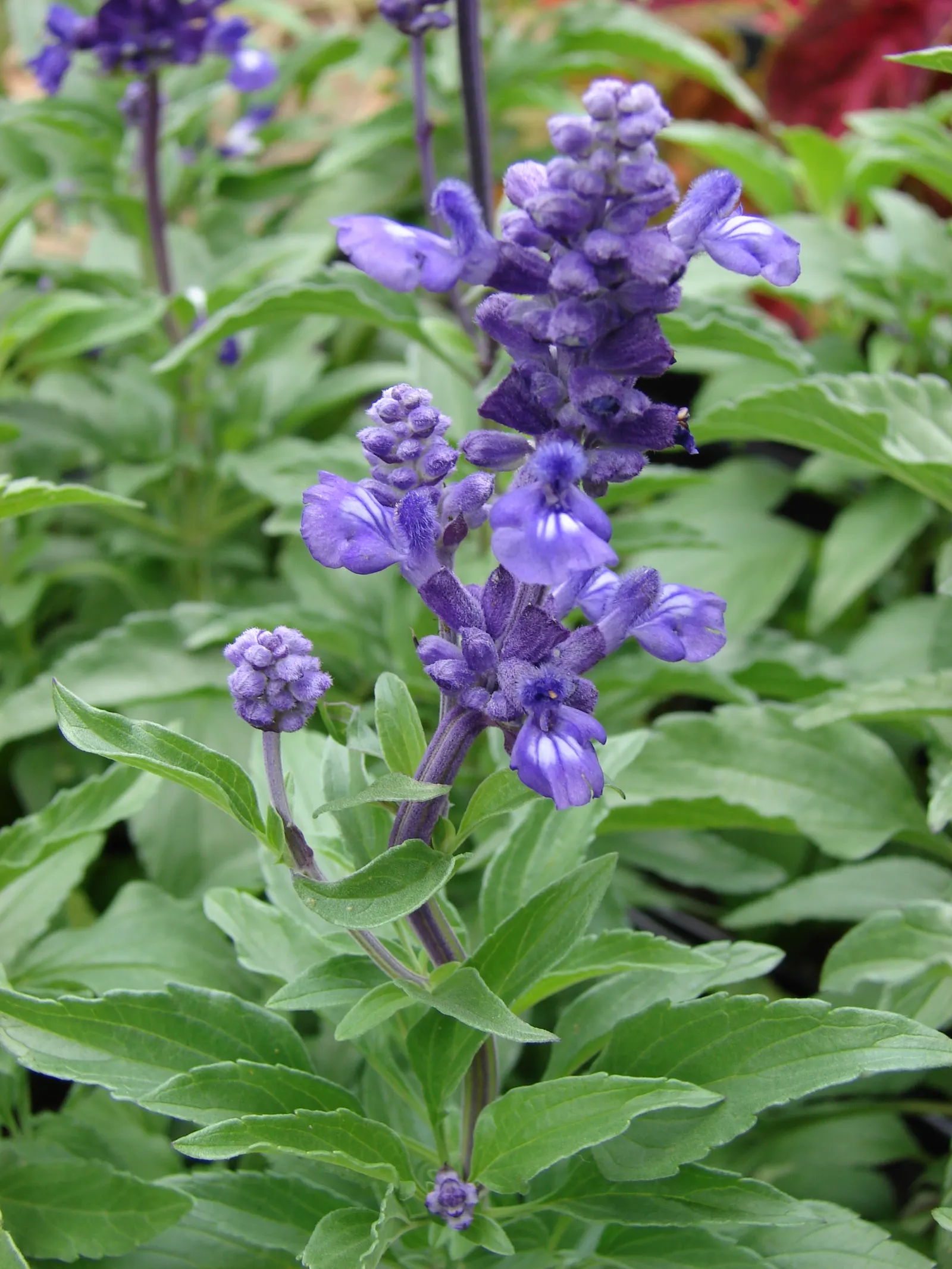
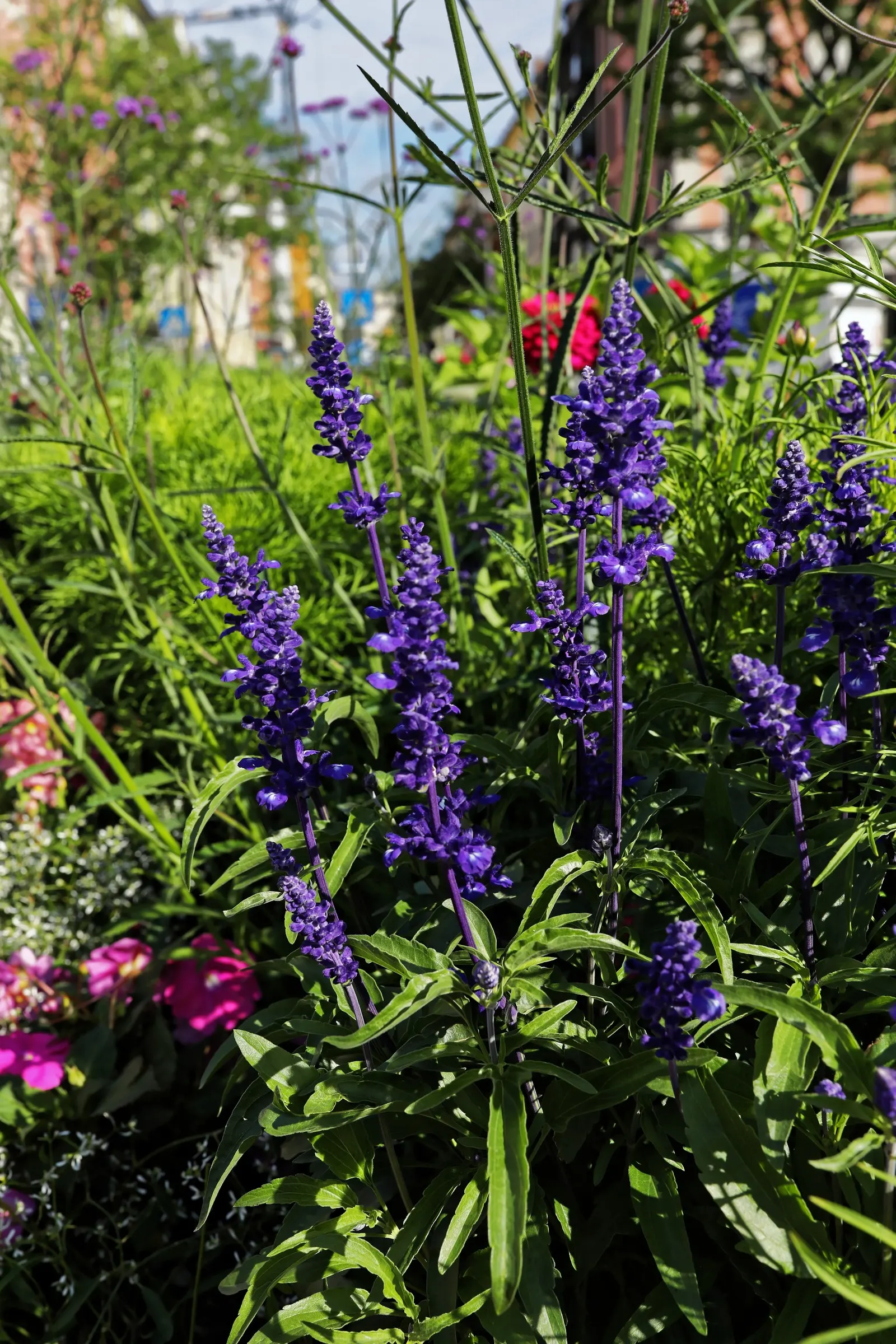
Salvia farinacea, commonly known as Mealycup Sage, is an herbaceous perennial. Characterized by its striking cobalt blue blooms, it reaches a mature height of 1-3 feet and spreads up to 1-2 feet wide. Its flowering season spans from late spring to fall, offering a long display of color. Preferring full sun to partial shade, it thrives in well-drained soils. Drought-tolerant once established, it attracts pollinators, enhancing garden biodiversity.

Sun FullWater Extra in Summer, Very LowZones 8–10Type Annual

Culture

Sun
Full
Water
Extra in Summer, Very Low
USDA zones
8–10

Shape & size

Classification

Type
Annual
Family
Lamiaceae

See full data, regional cultivation notes, and design tools. Build a client presentation around this plant.

Start your 14-day trial

Photos (115)

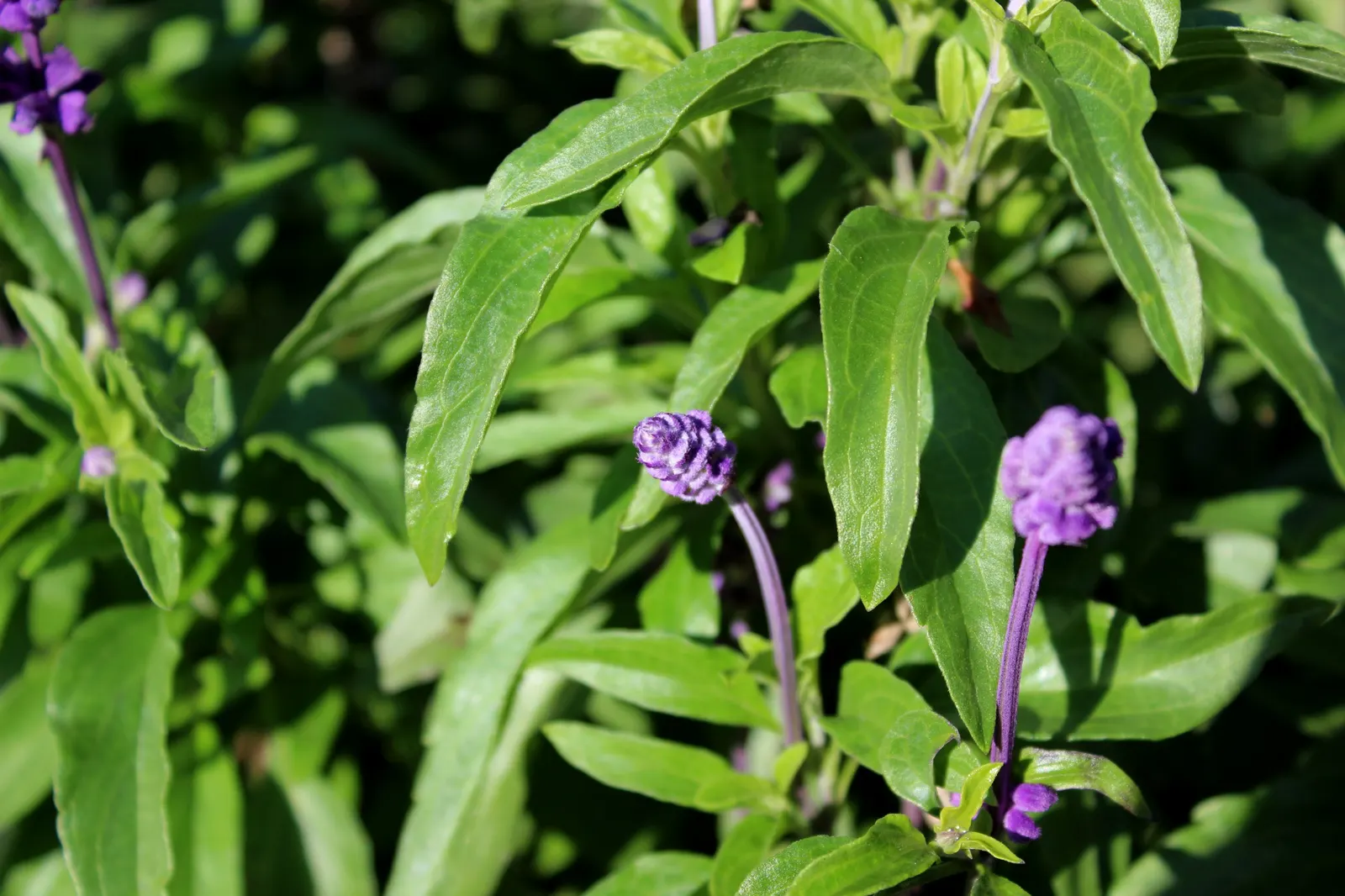
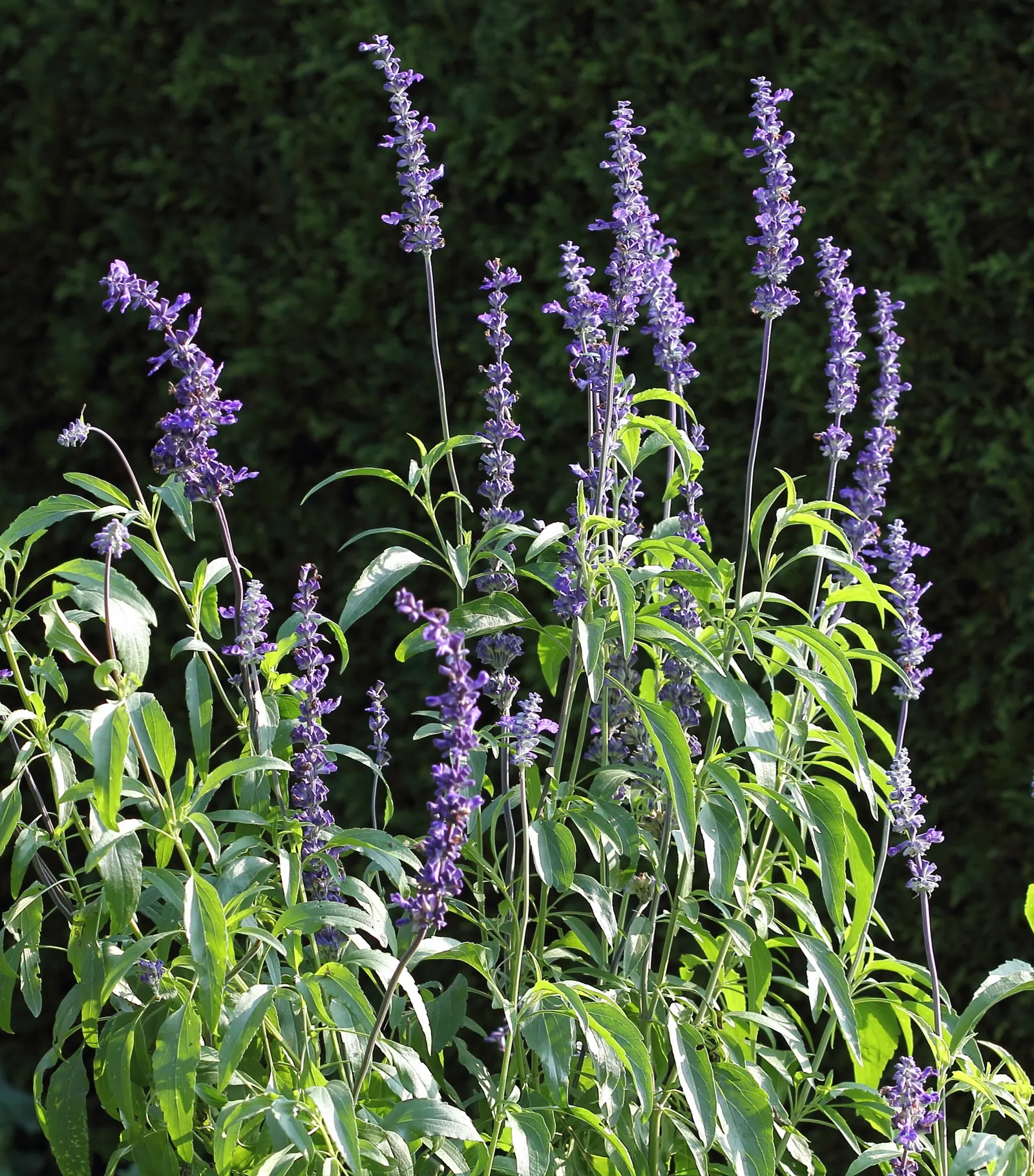
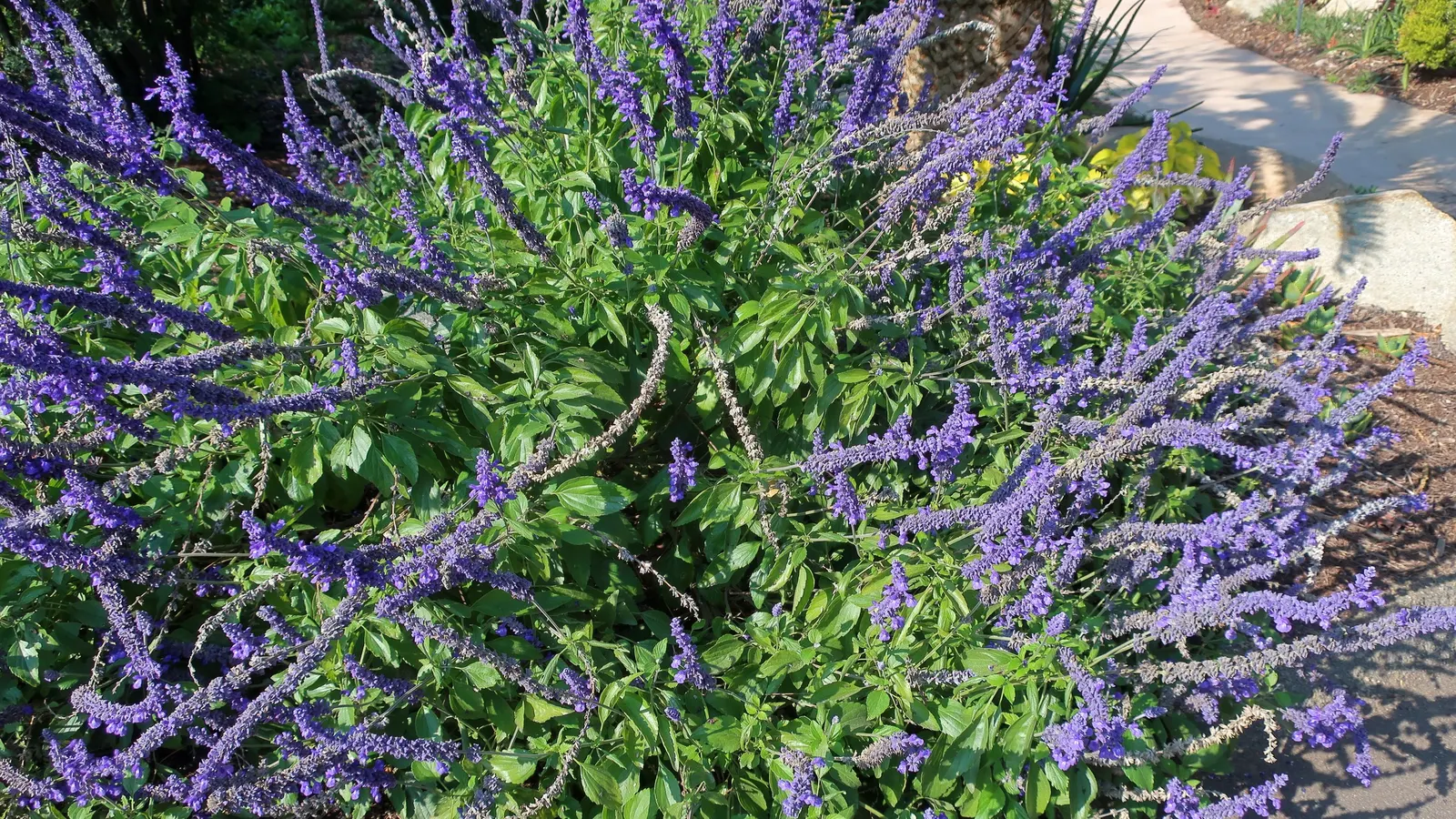
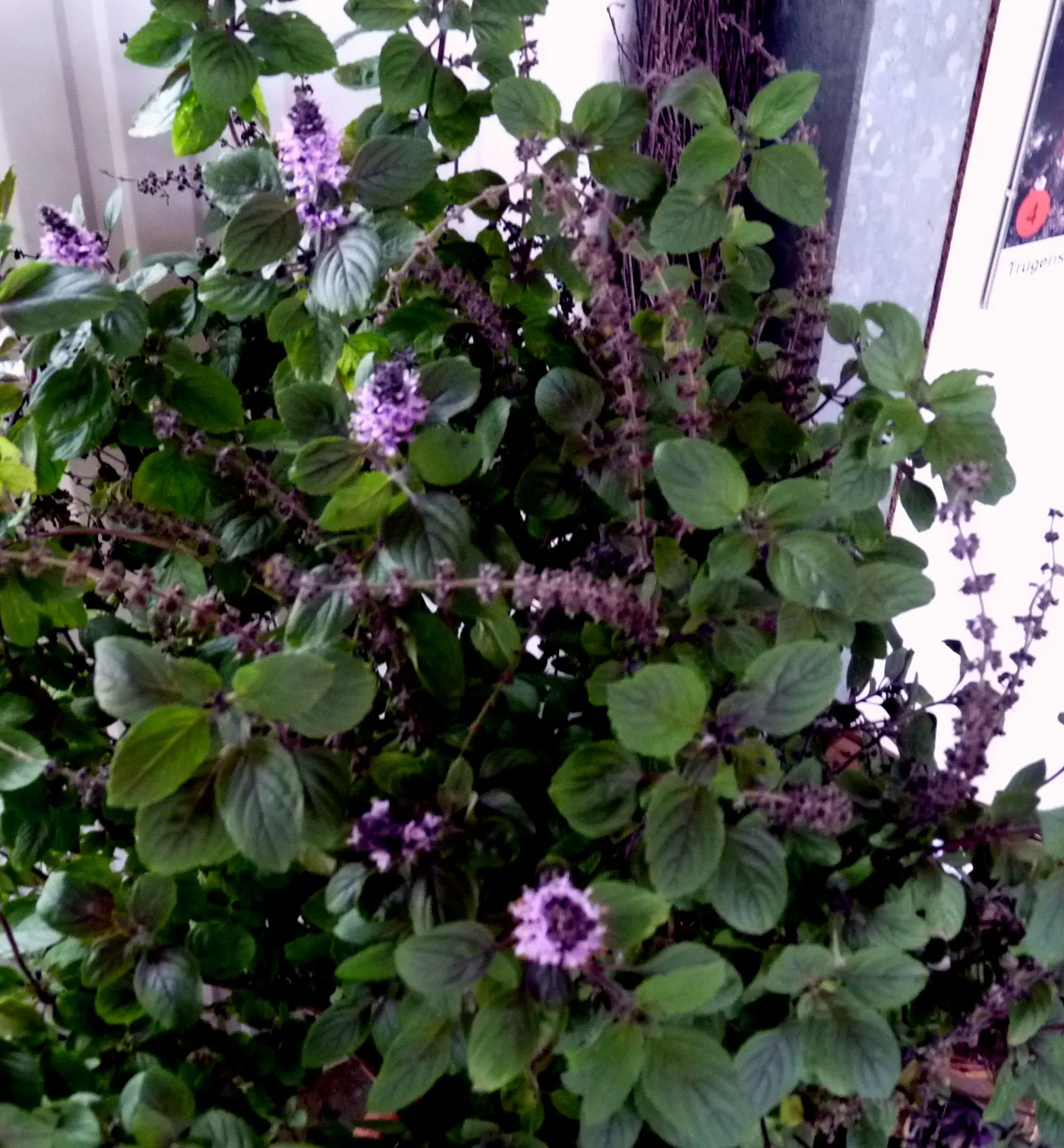
Mealycup Sage (Salvia Farinacea) — It\'s a member of the mint family; it reaches a mature height of 1-3 feet and spreads up to 1-2 feet wide, image 83
Mealycup Sage (Salvia Farinacea) — It\'s a member of the mint family
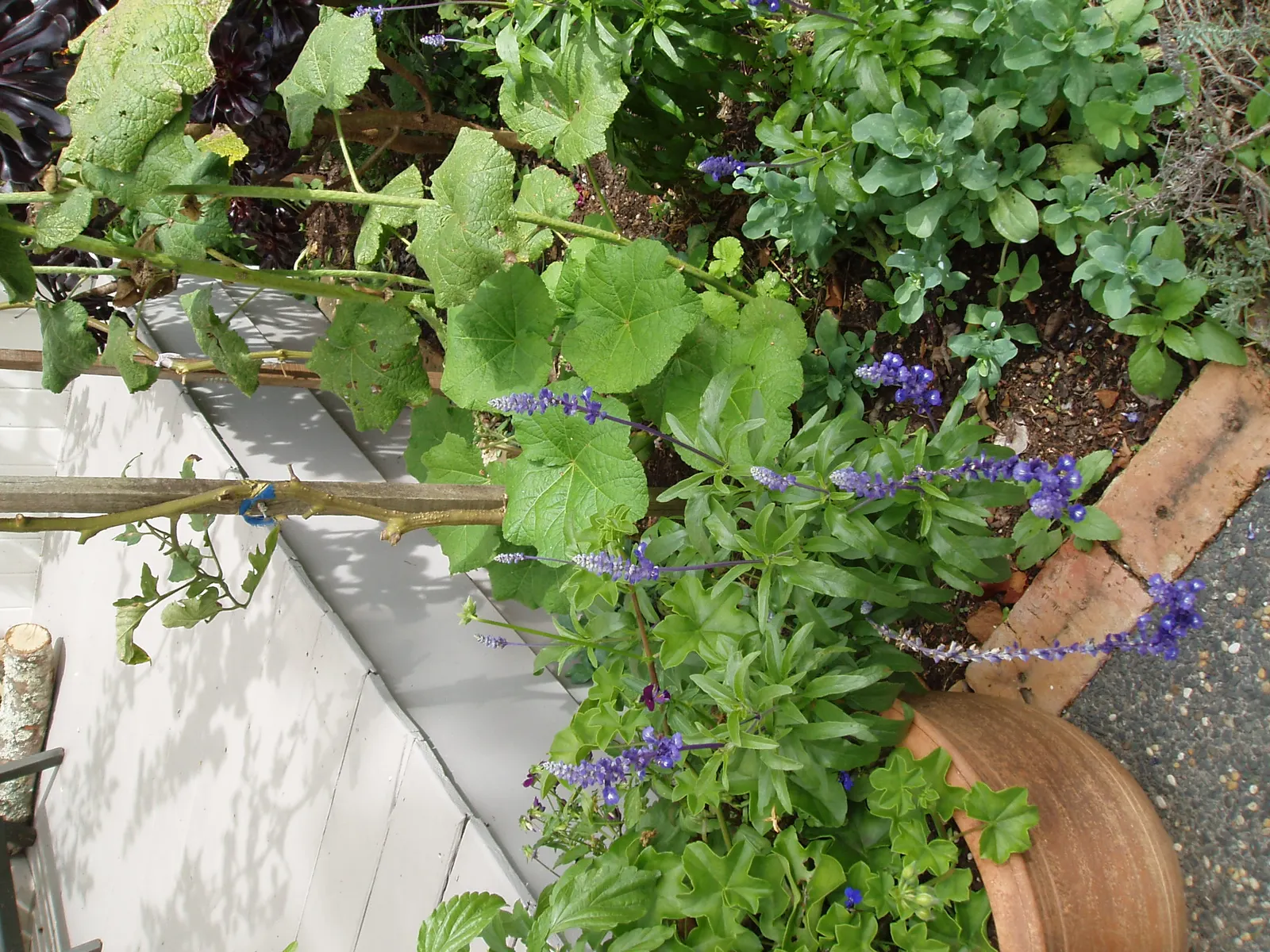
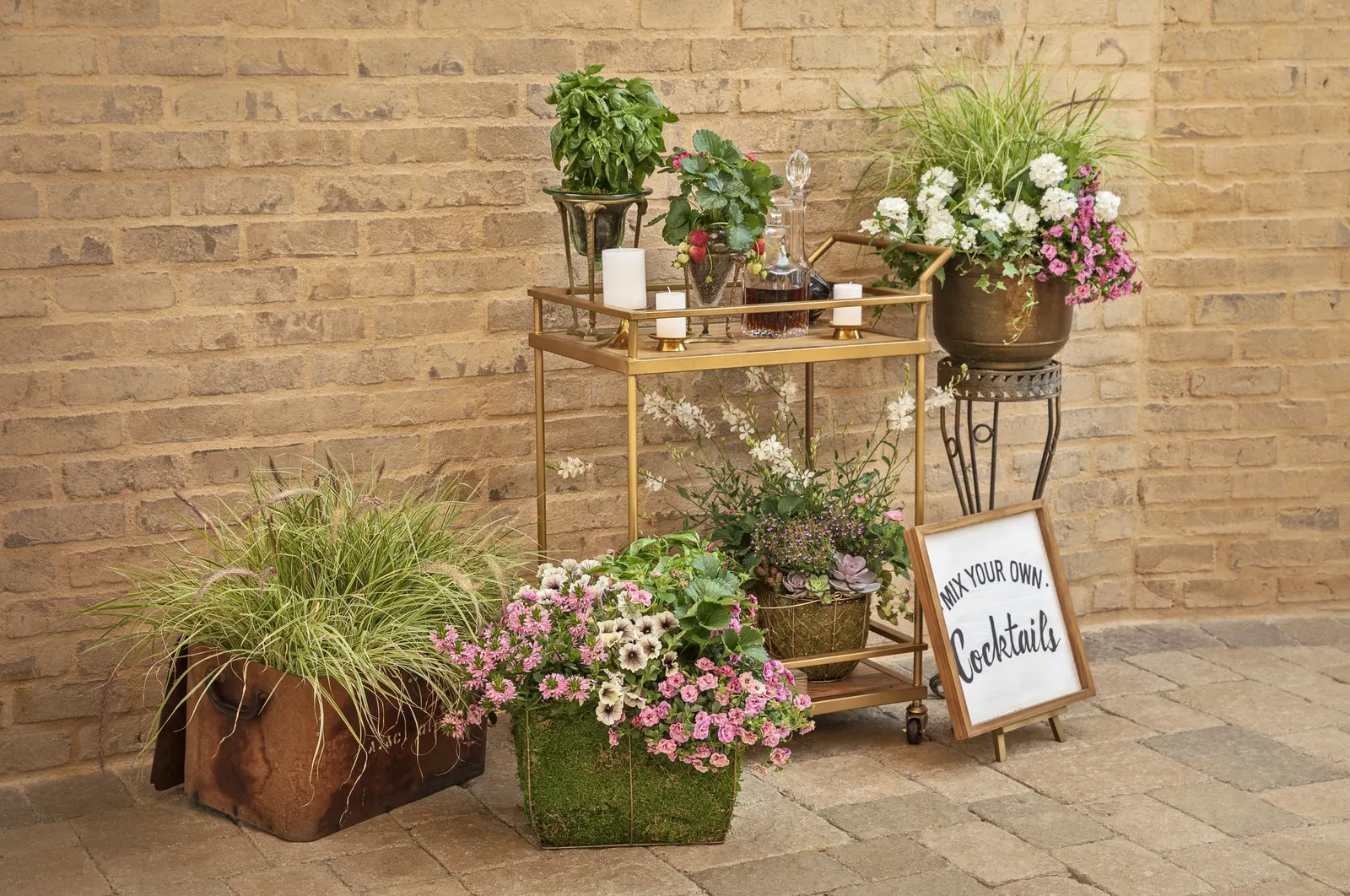
Mealycup Sage (Salvia Farinacea) — or as accent specimens in container gardens.<br><br>Preferring full sun to partial shade, image 38
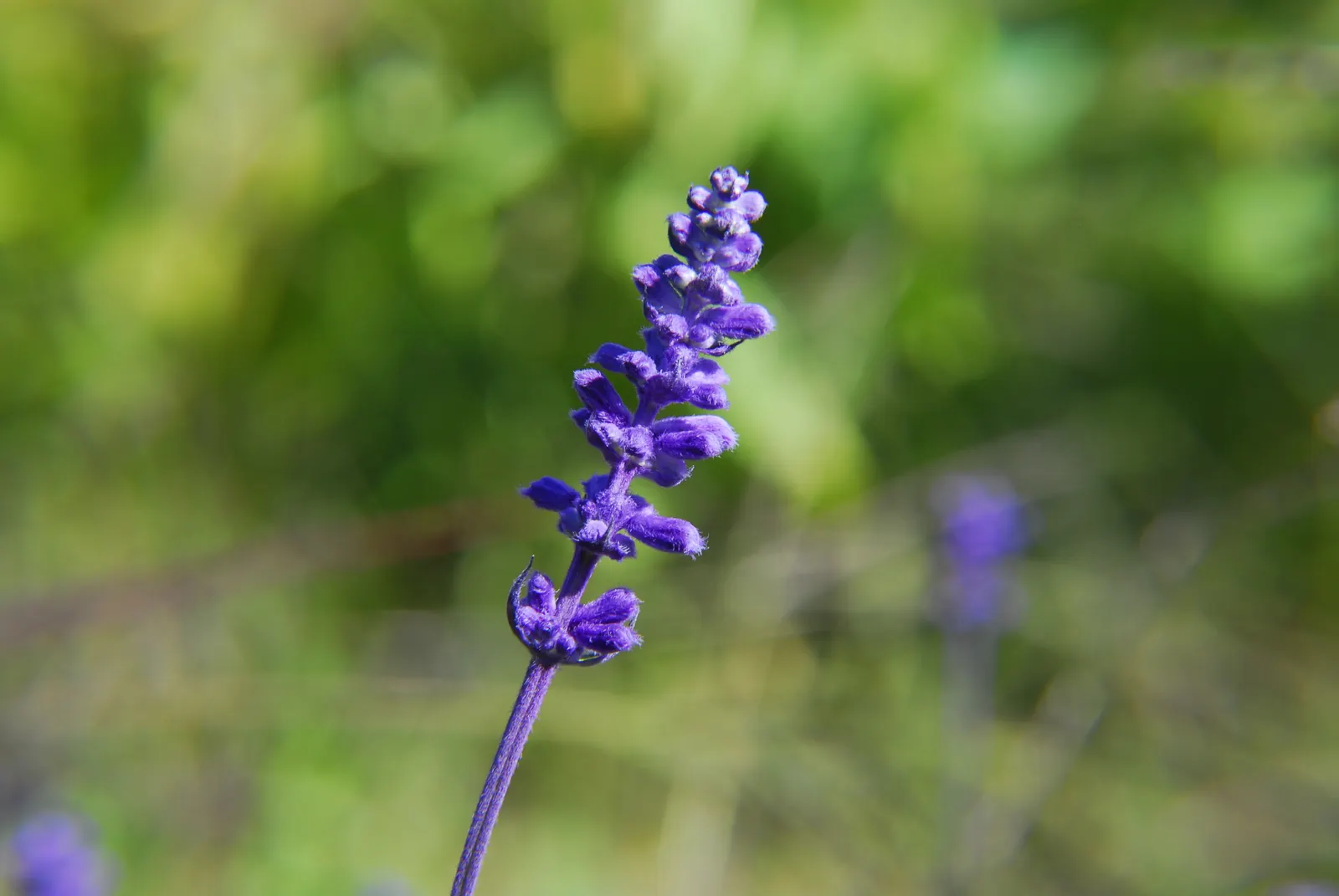
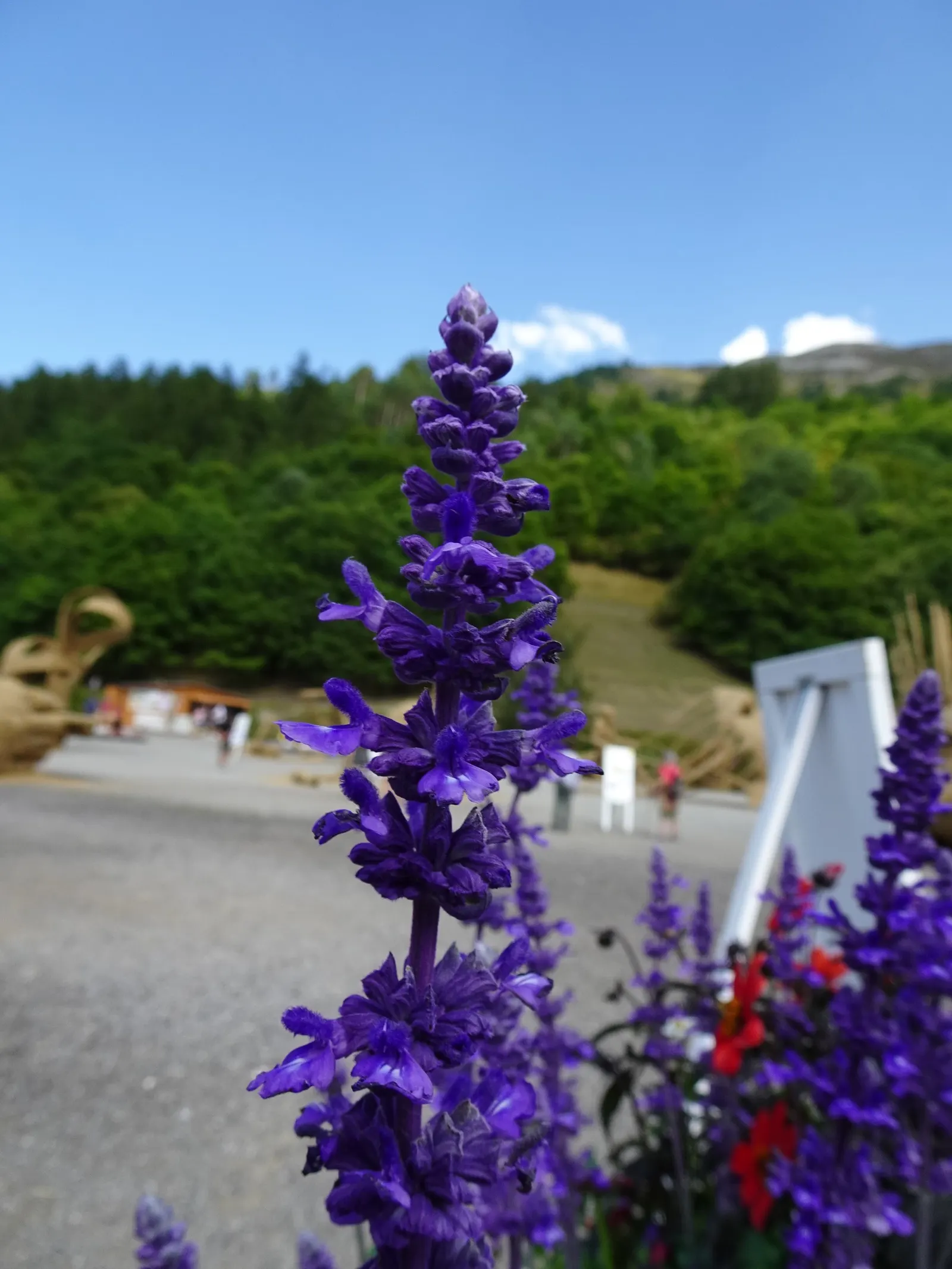
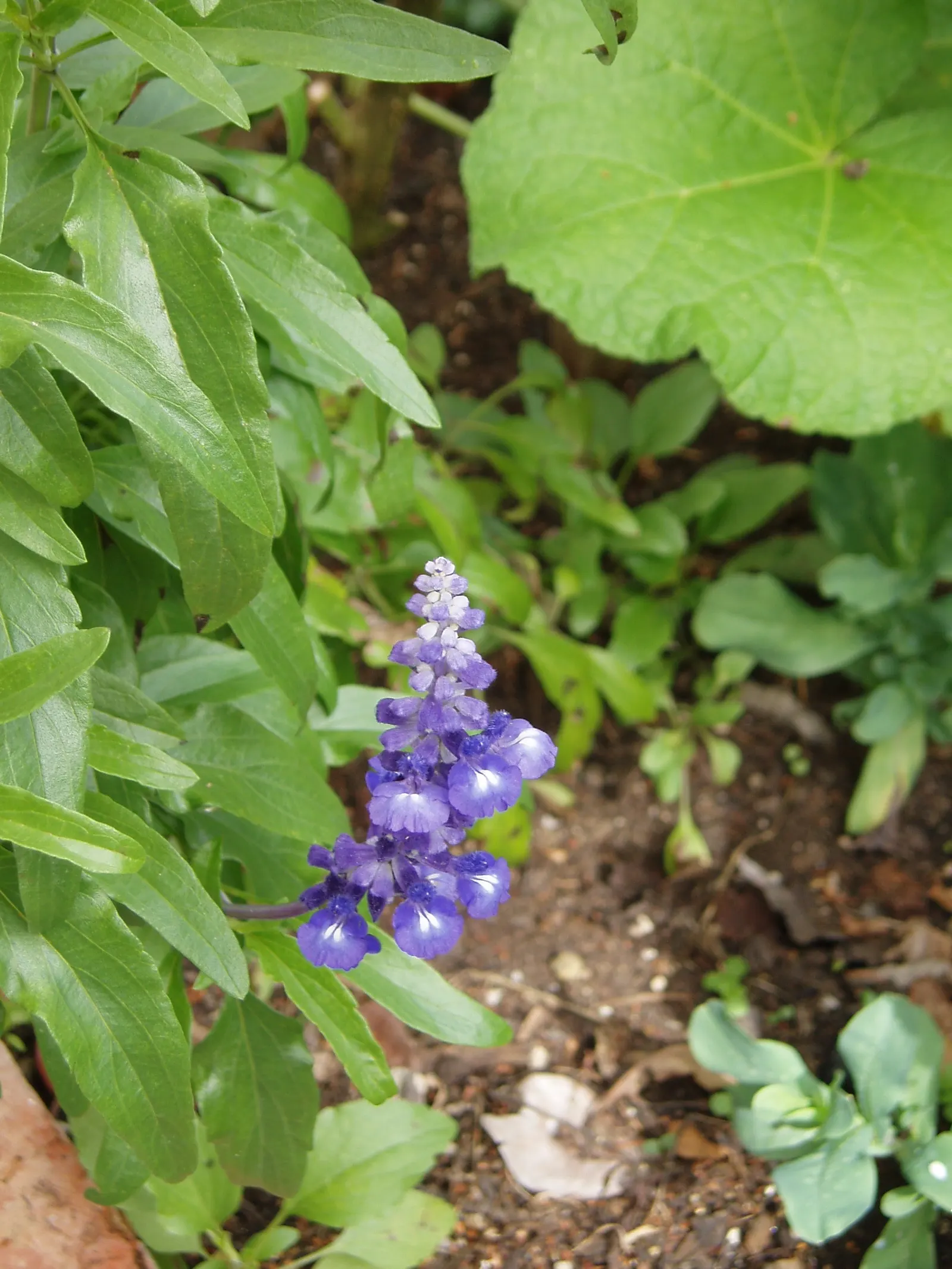
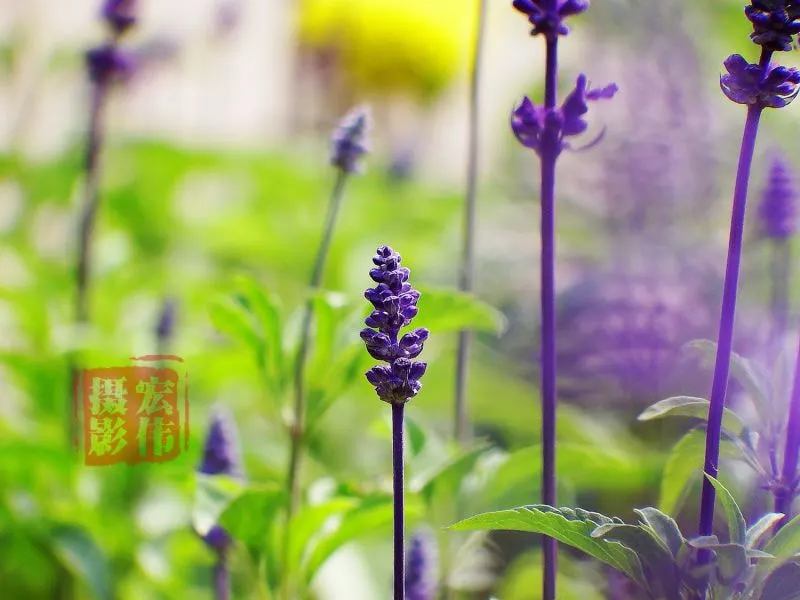
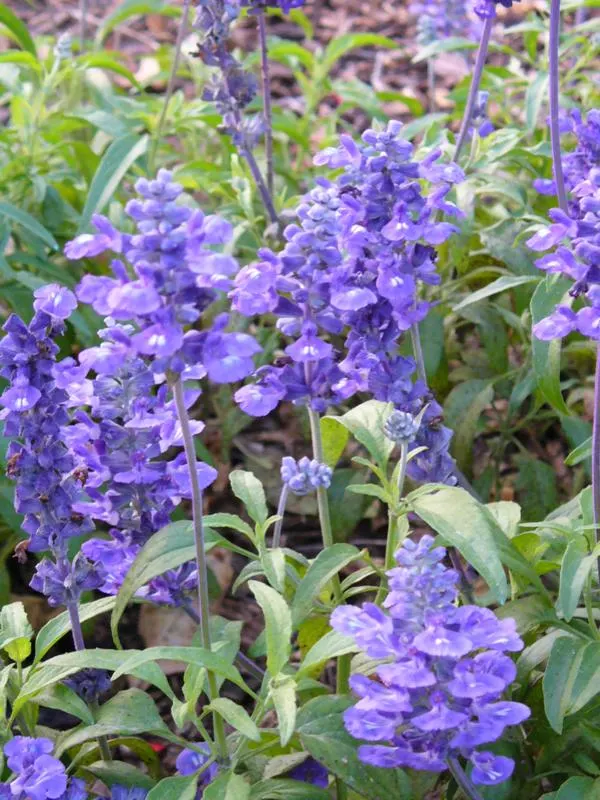
Mealycup Sage (Salvia Farinacea) — annual with blue and violet blooms; its flower spikes emerge in late spring and can last into the fall
Mealycup Sage (Salvia Farinacea) — Drought-tolerant once established, it attracts pollinators, enhancing garden biodiversity; salvia farinacea thrives in
Mealycup Sage (Salvia Farinacea) — It\'s a member of the mint family; it reaches a mature height of 1-3 feet and spreads up to 1-2 feet wide
Mealycup Sage (Salvia Farinacea) — Preferring full sun to partial shade, it thrives in well-drained soils; is a striking perennial that is well-suited for
Mealycup Sage (Salvia Farinacea) — Preferring full sun to partial shade, it thrives in well-drained soils
Mealycup Sage (Salvia Farinacea) — Regular deadheading will promote continuous blooming and maintain a tidy appearance; adding dynamic life to the, image 71
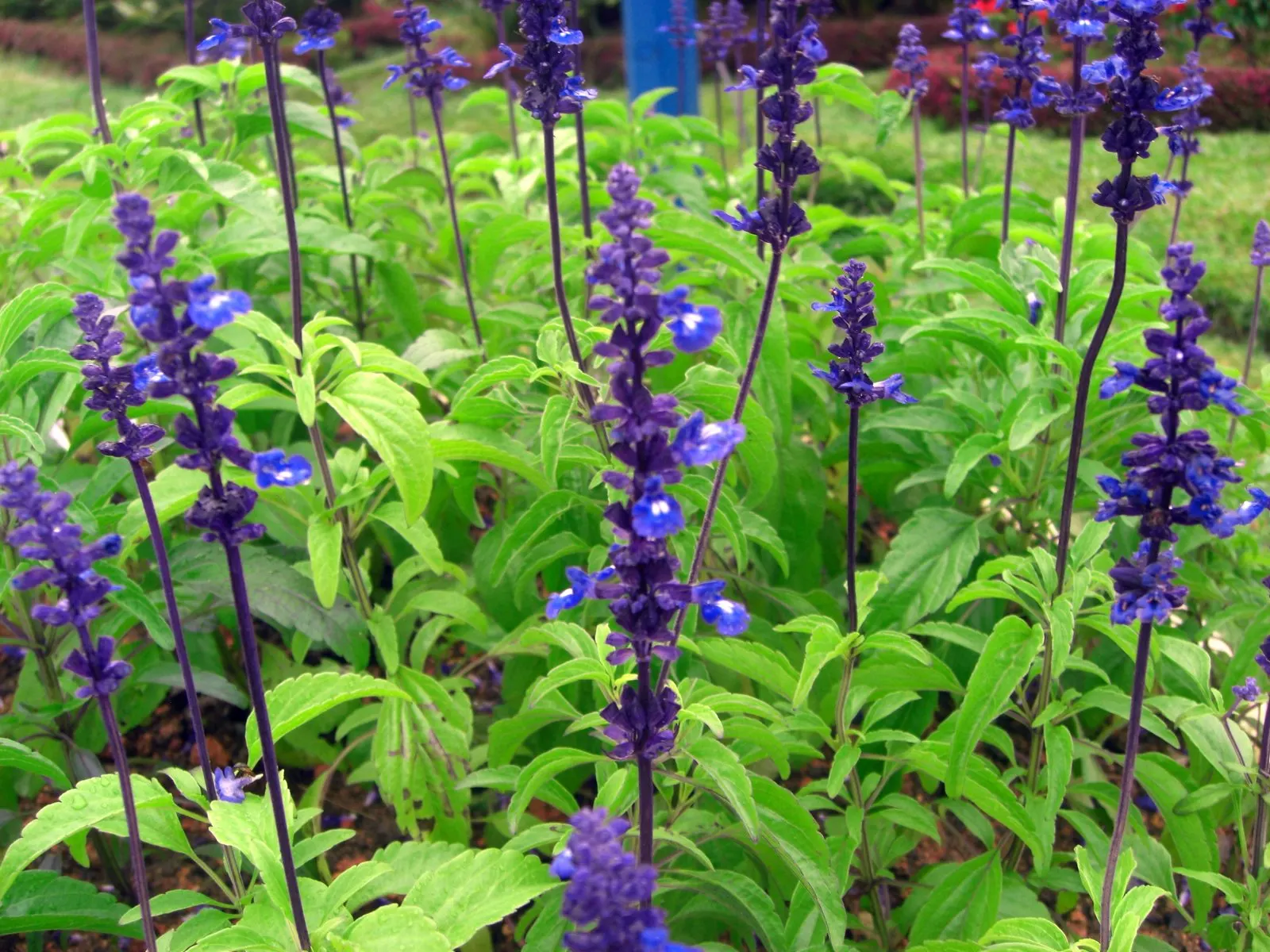
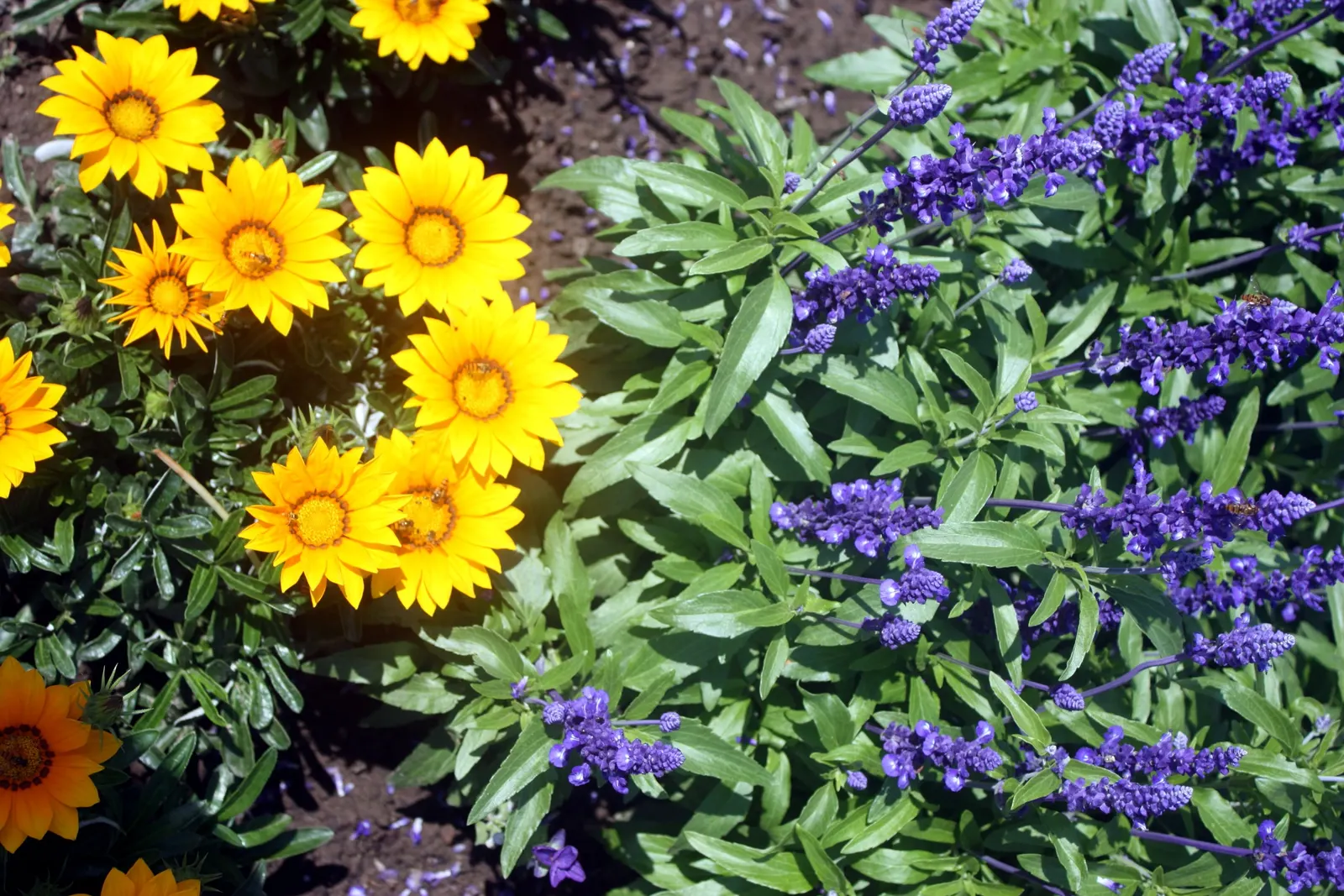
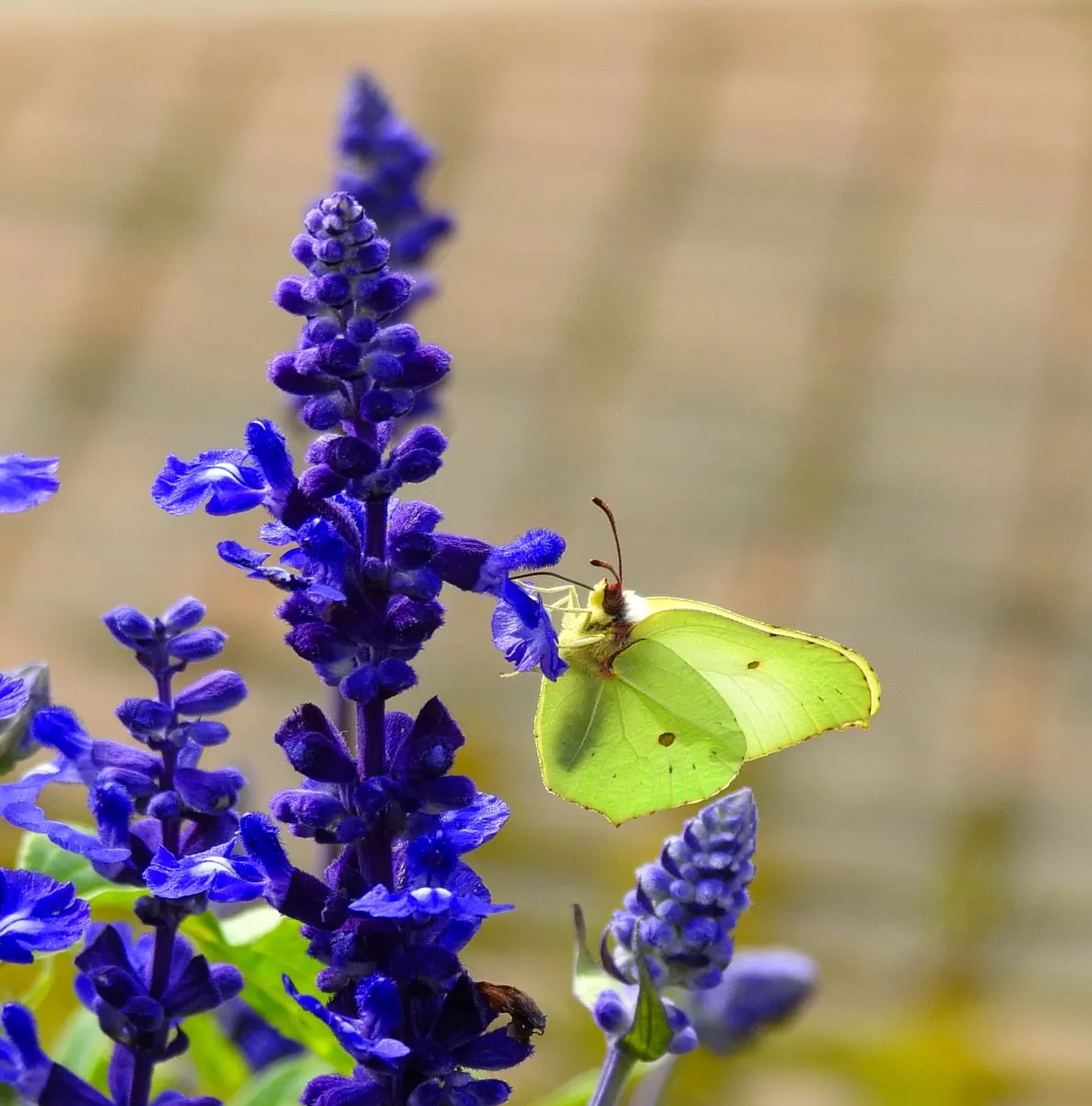
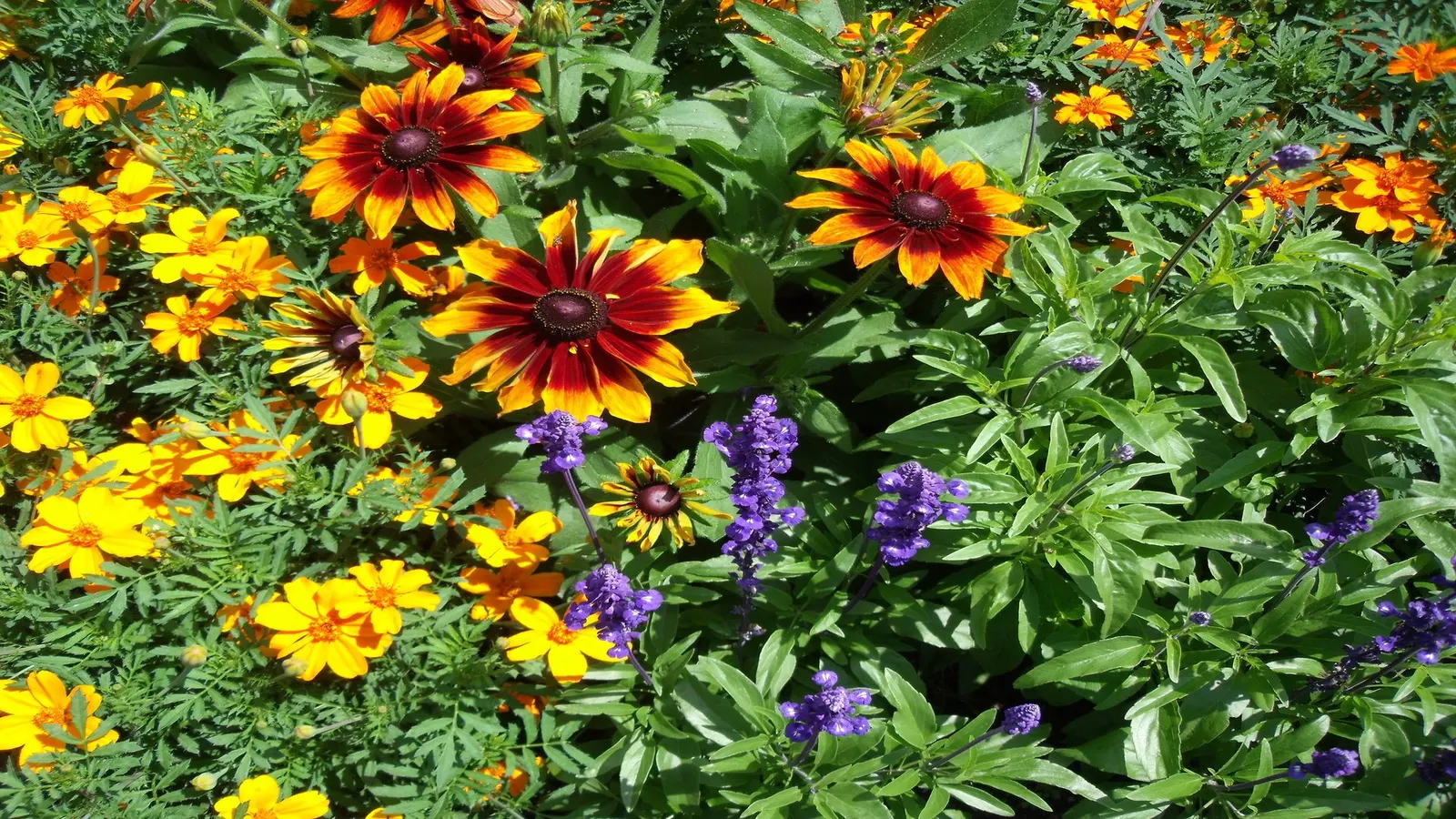
Mealycup Sage (Salvia Farinacea) — including hummingbirds and butterflies; blue and violet flowers in the garden, image 68
Mealycup Sage (Salvia Farinacea) — including hummingbirds and butterflies
Mealycup Sage (Salvia Farinacea) — Drought-tolerant once established, it attracts pollinators, enhancing garden biodiversity; salvia farinacea, image 56
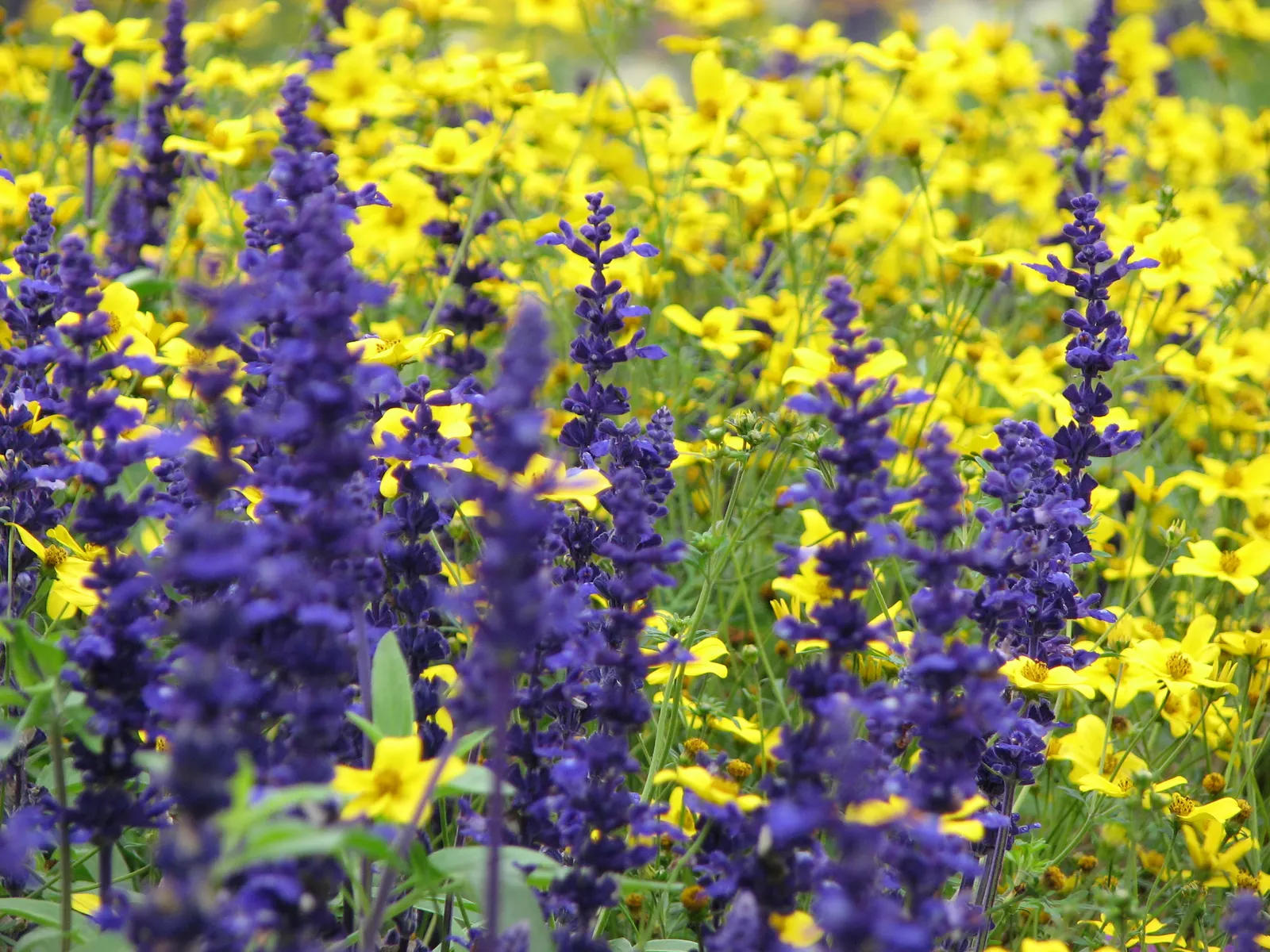
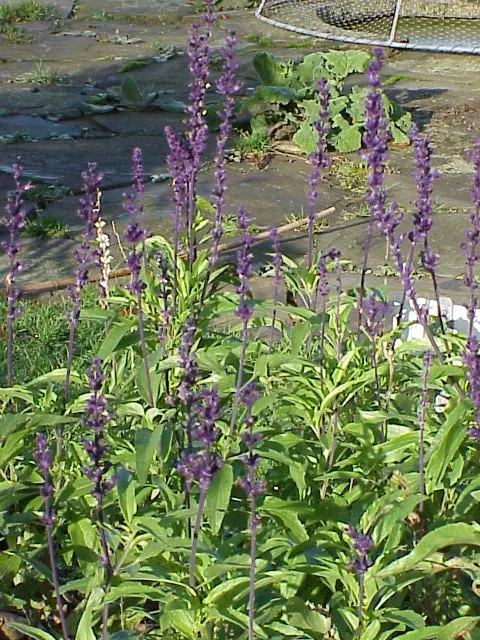
Mealycup Sage (Salvia Farinacea) — consider mass plantings of Mealycup Sage spaced approximately 12 to 18 inches apart
Mealycup Sage (Salvia Farinacea) — This plant is cold-hardy in USDA zones 7 to 10, but can be grown as an annual in cooler climates
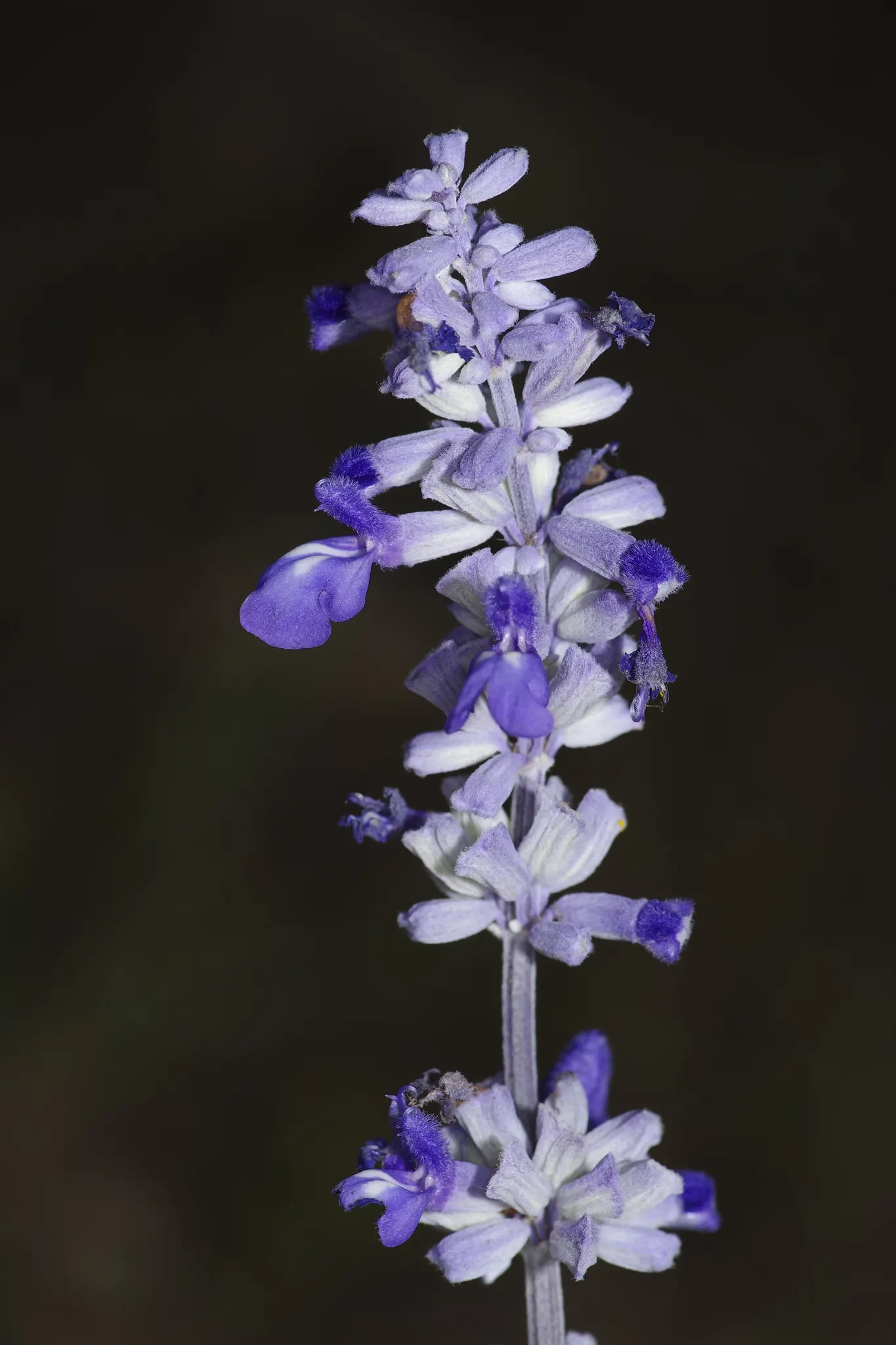
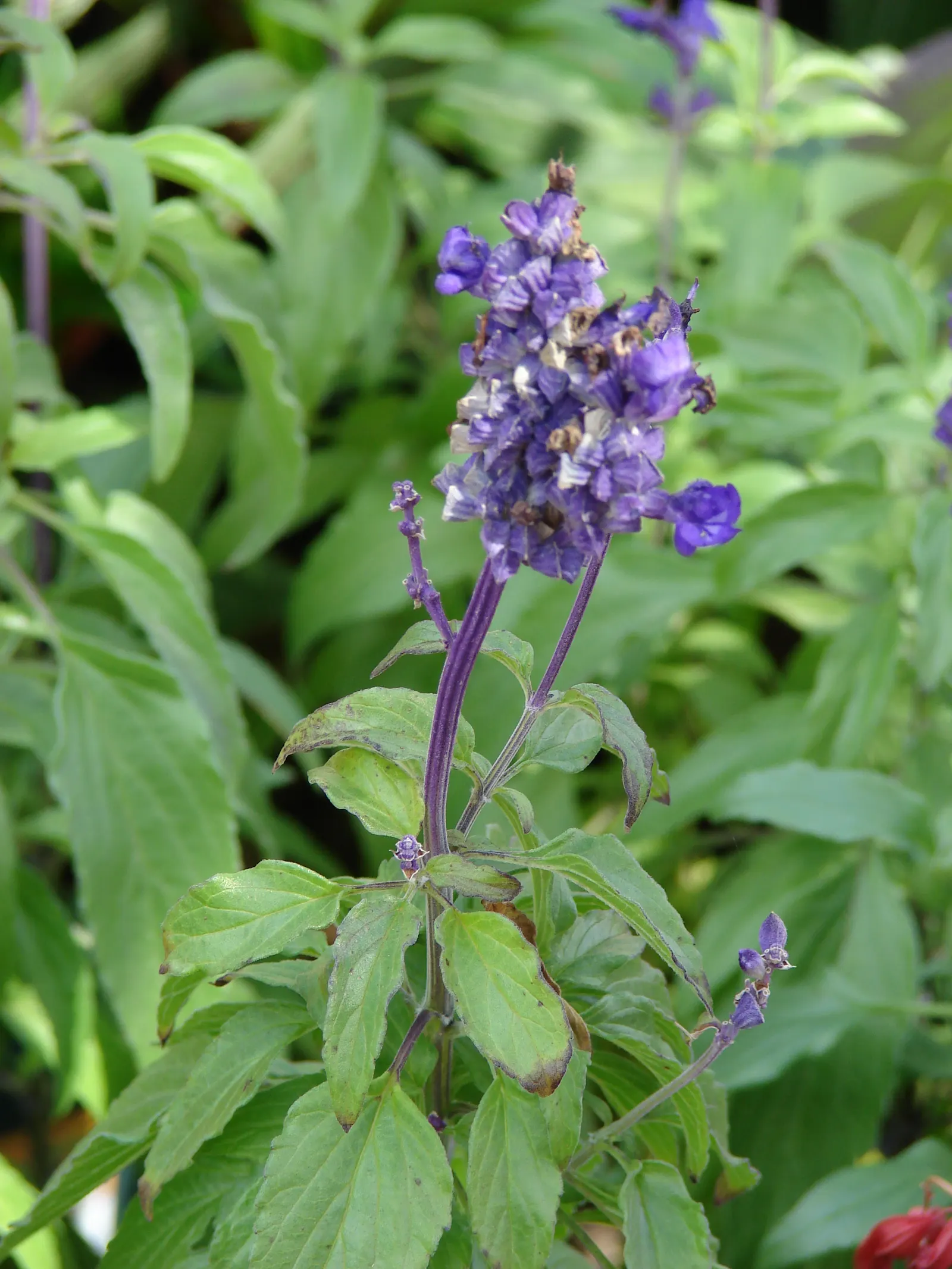
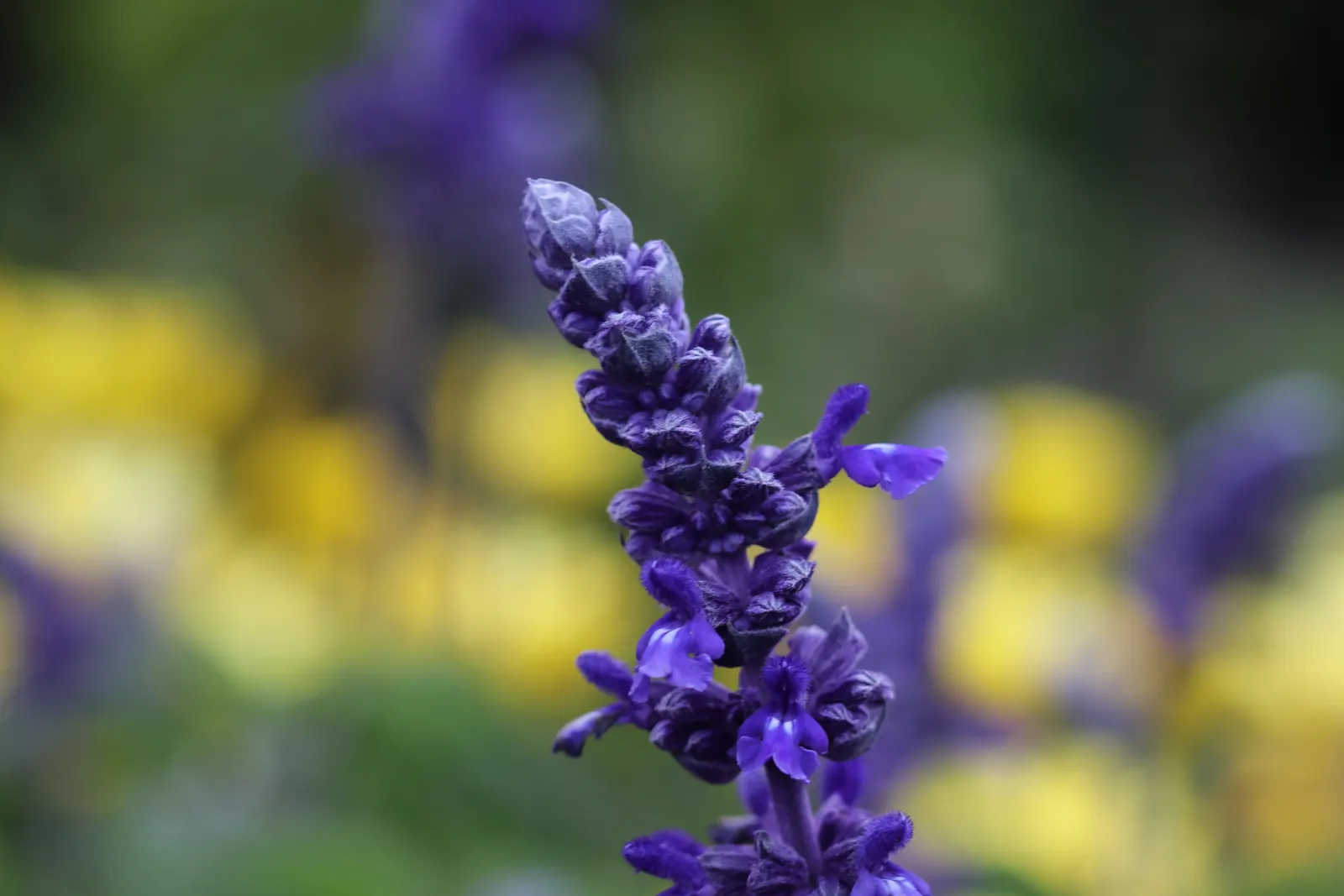
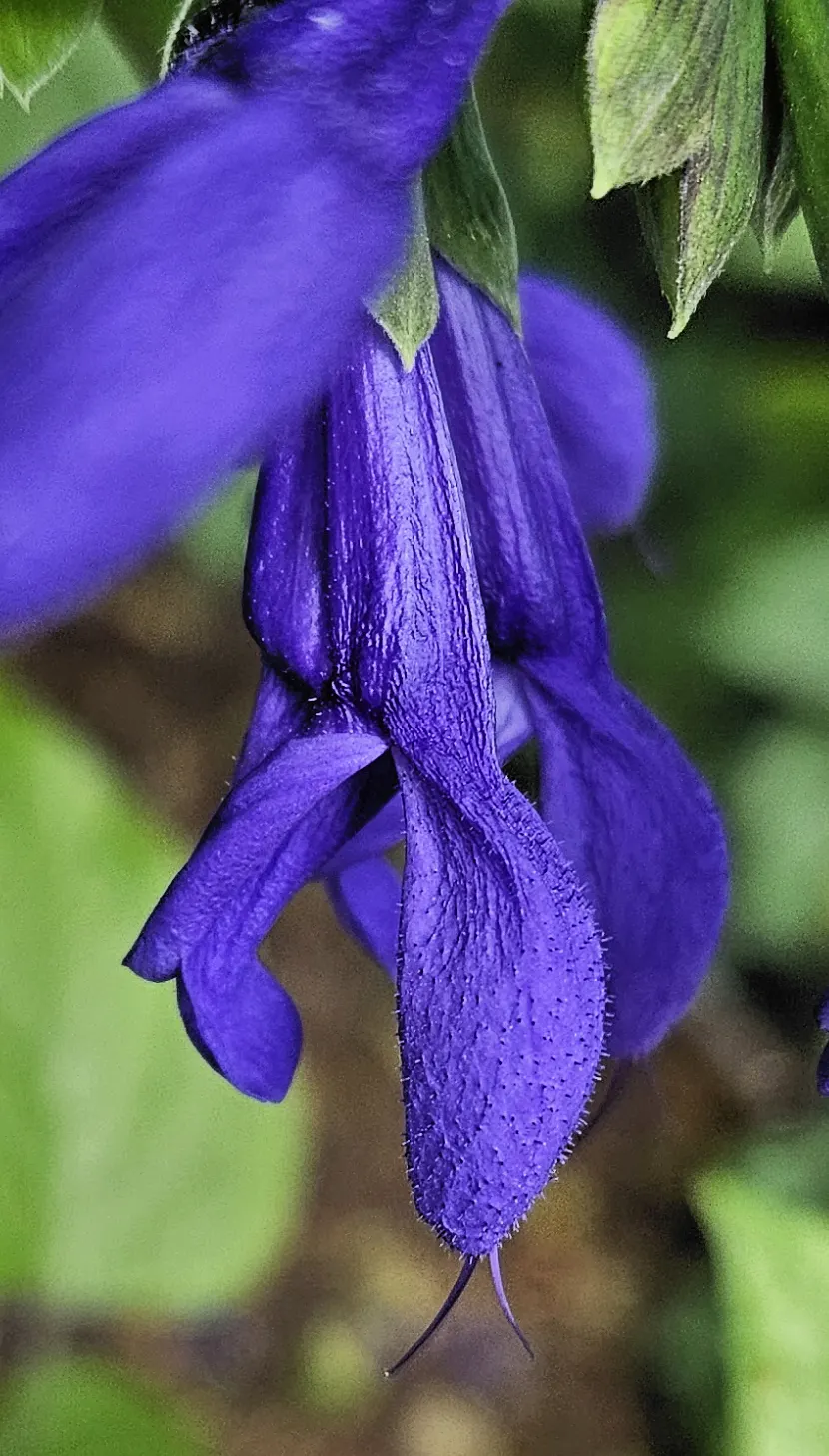
Mealycup Sage (Salvia Farinacea) — hence the name "Mealycup"; these tubular flowers are not only visually striking but also attract a variety of, image 60
Mealycup Sage (Salvia Farinacea) — Salvia farinacea, commonly known as Mealycup Sage, is an herbaceous perennial; its flowering season spans from, image 51
Mealycup Sage (Salvia Farinacea) — Salvia farinacea thrives in well-drained soils and is relatively drought-tolerant once established; consider, image 89
Mealycup Sage (Salvia Farinacea) — This plant is cold-hardy in USDA zones 7 to 10, but can be grown as an annual in cooler climates; salvia, image 72
Mealycup Sage (Salvia Farinacea) — Drought-tolerant once established, it attracts pollinators, enhancing garden biodiversity
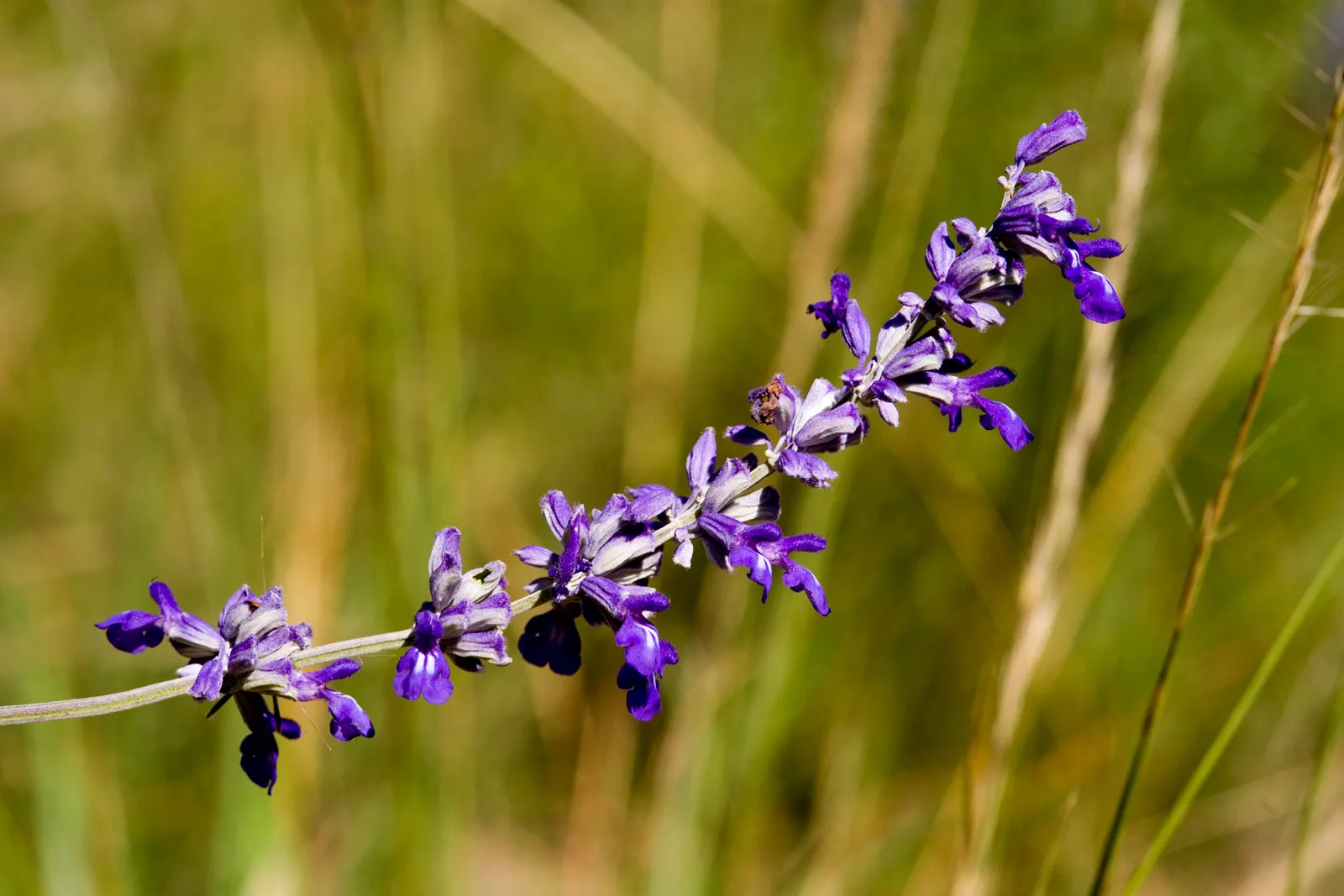
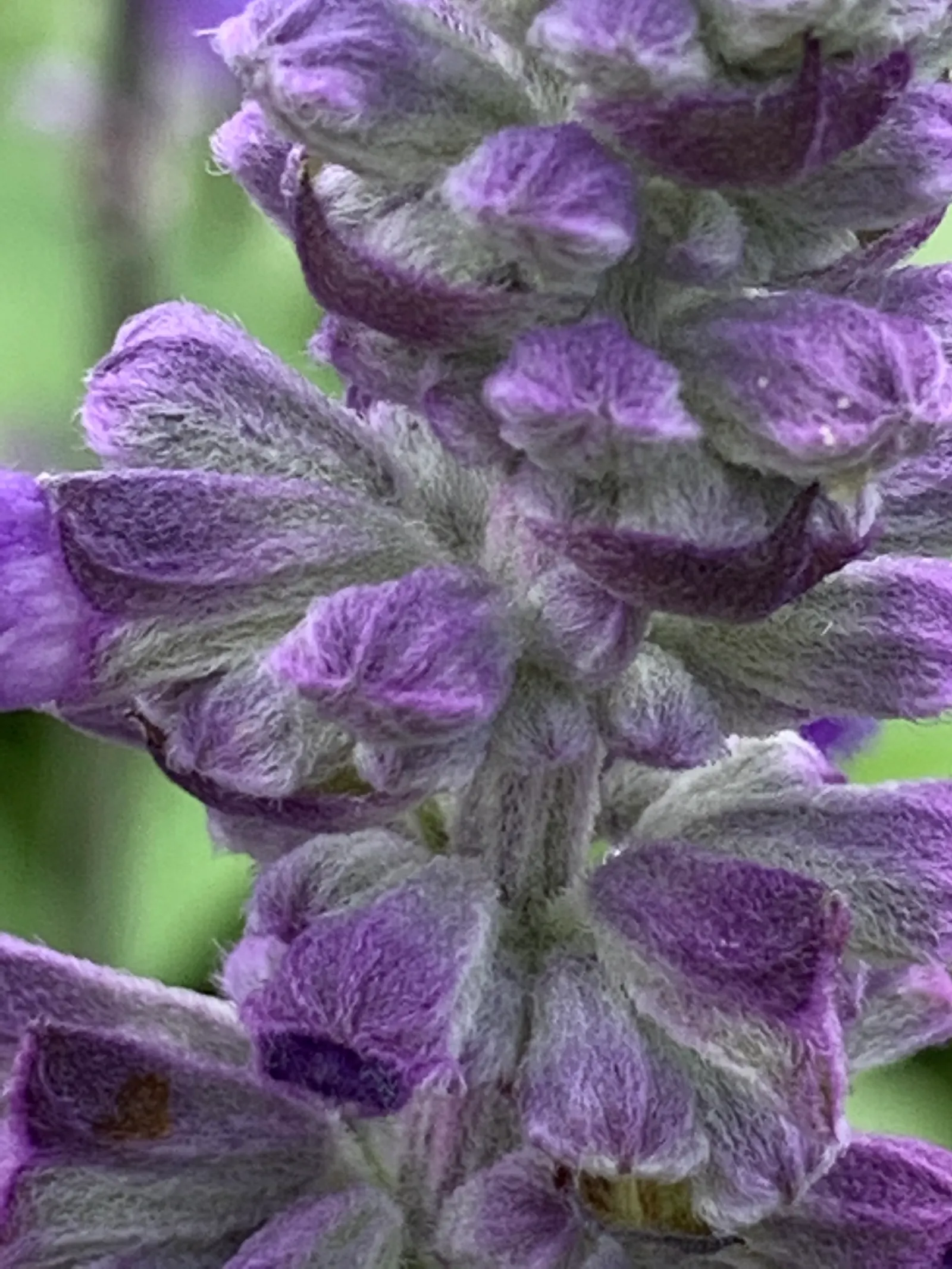
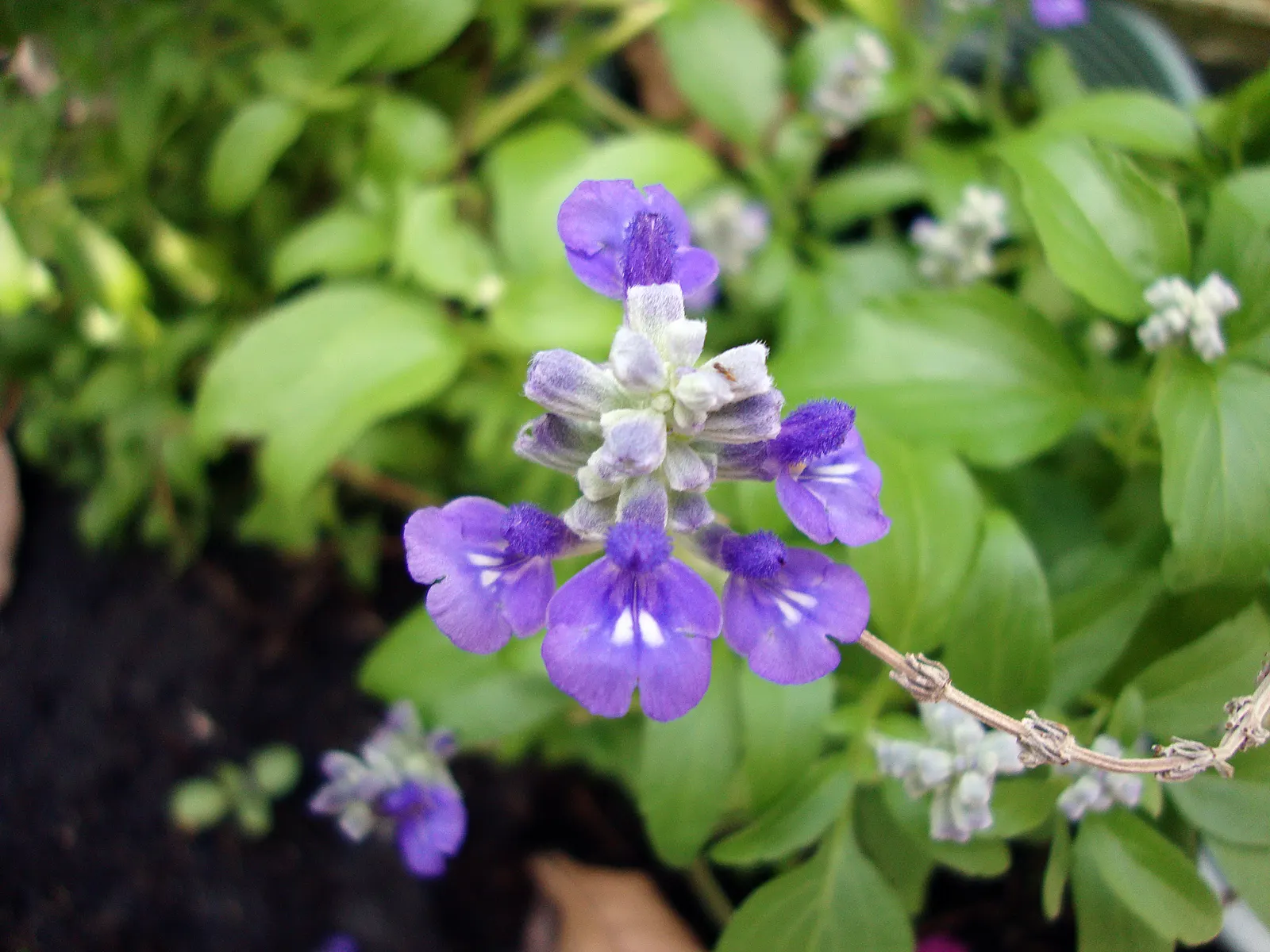
Mealycup Sage (Salvia Farinacea) — distinguished by its elongated flower spikes dusted with a mealy white; hence the name "Mealycup", image 59
Mealycup Sage (Salvia Farinacea) — distinguished by its elongated flower spikes dusted with a mealy white; hence the name "Mealycup", image 84
Mealycup Sage (Salvia Farinacea) — These tubular flowers are not only visually striking but also attract a variety of pollinators; presenting hues, image 67
Mealycup Sage (Salvia Farinacea) — Regular deadheading will promote continuous blooming and maintain a tidy appearance; adding dynamic life to the
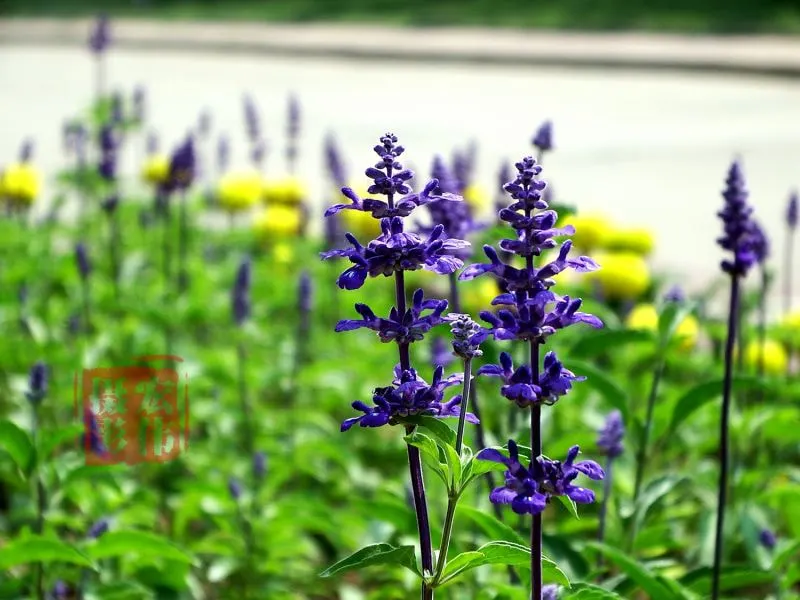
Mealycup Sage (Salvia Farinacea) — blue and violet flowers in the garden
Photographs by 17 contributors

Related plants