Skip to content

White Sage

Salvia Apiana

Design with this plant

Overview

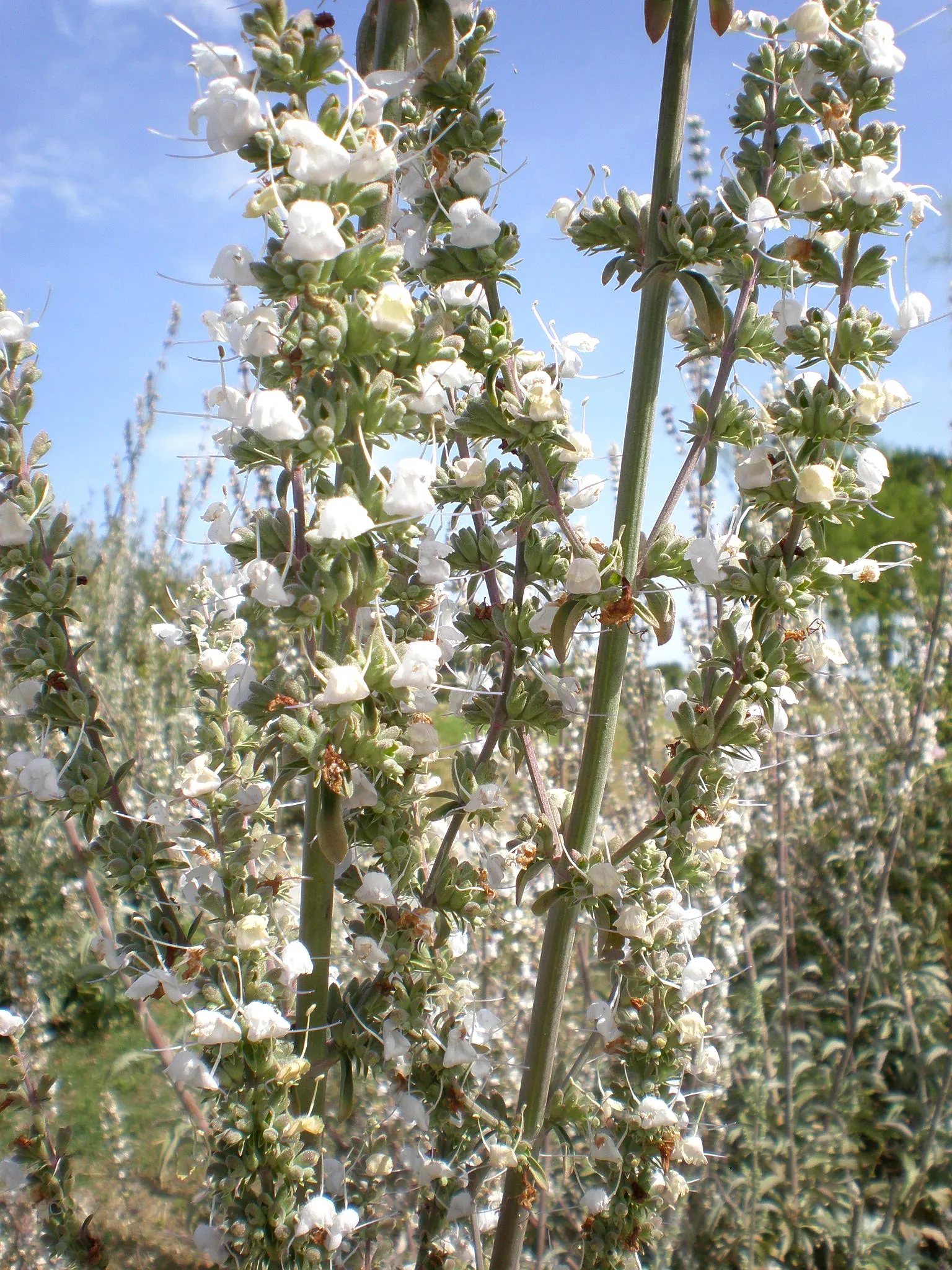
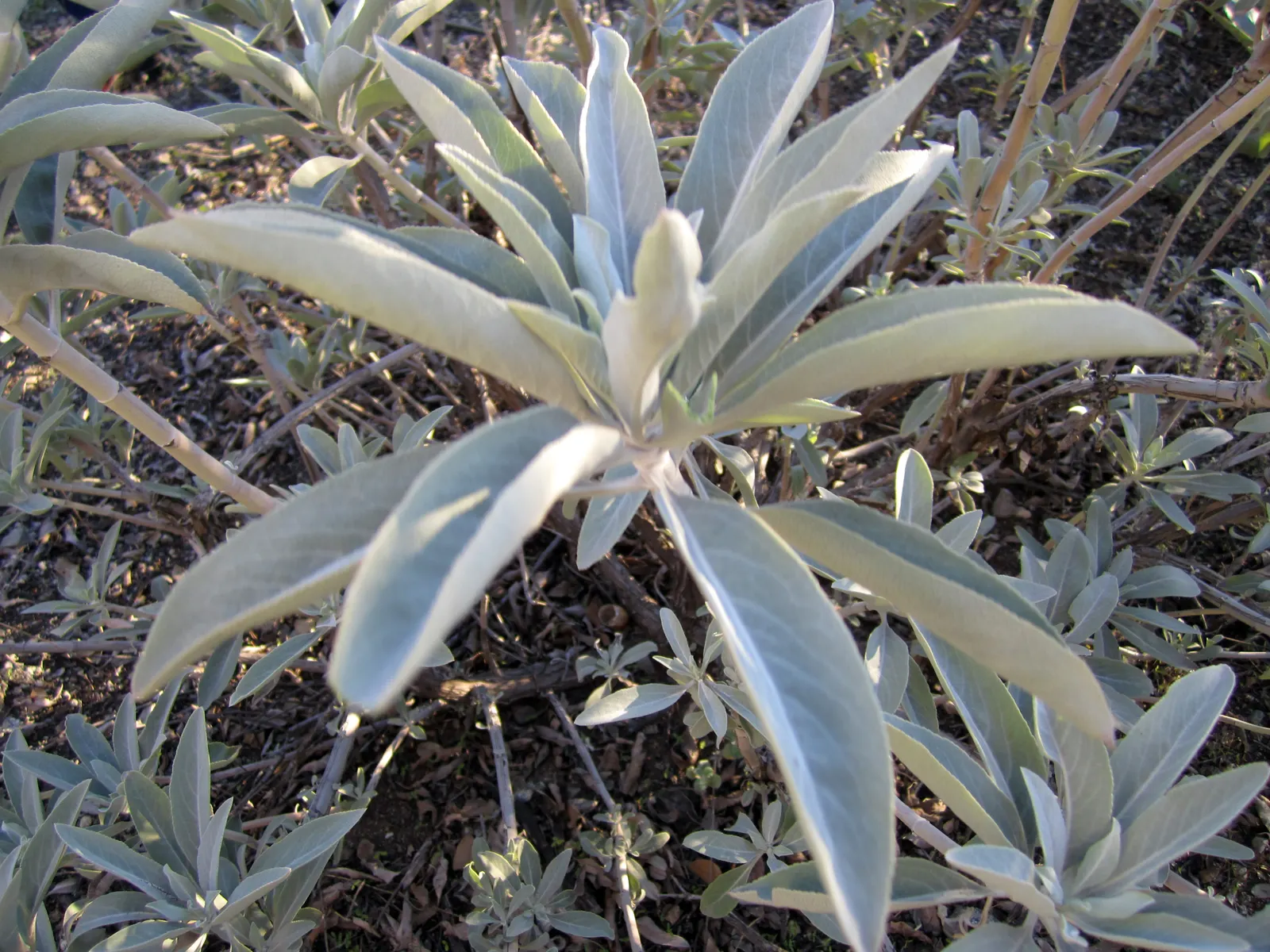
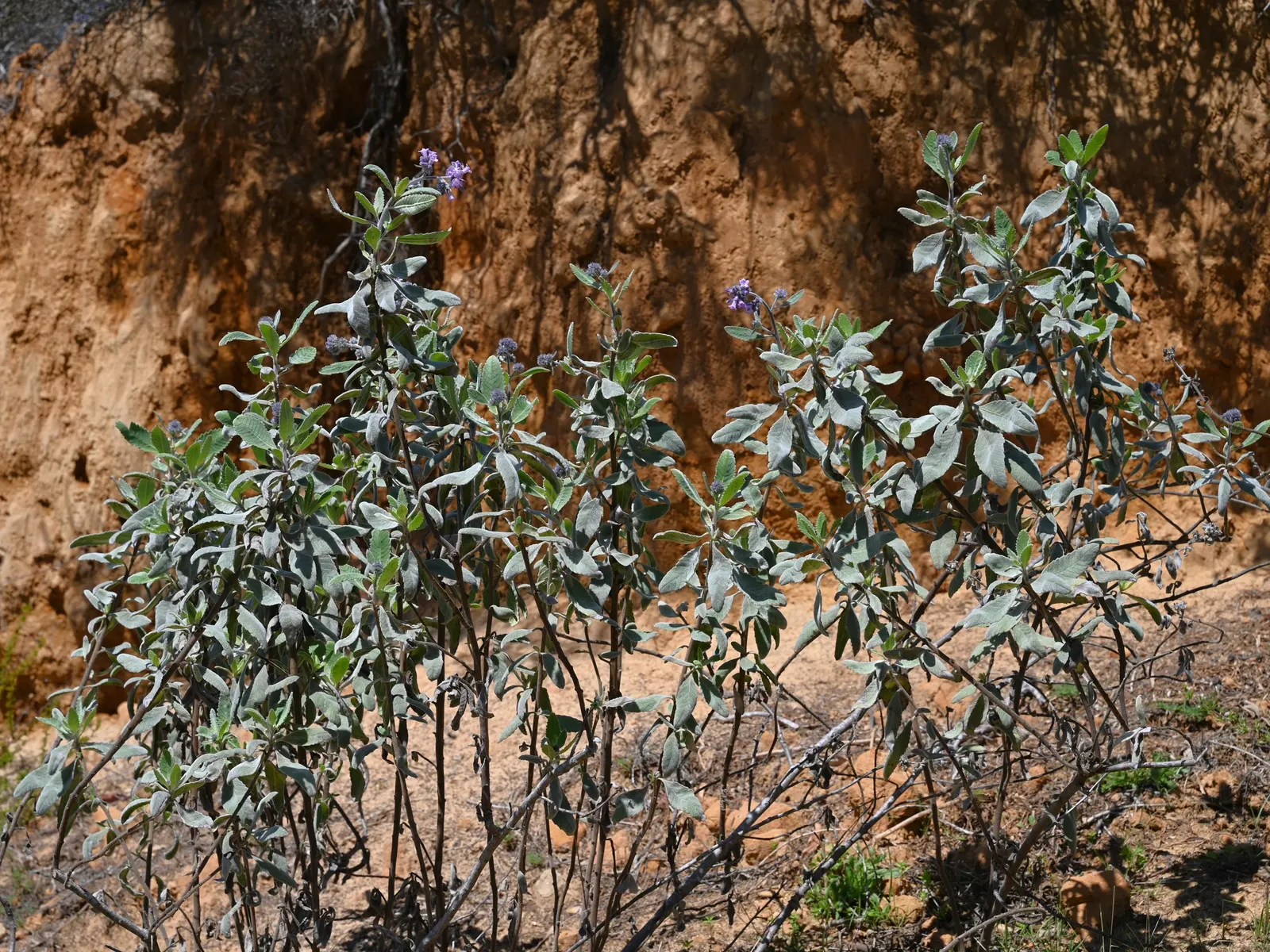
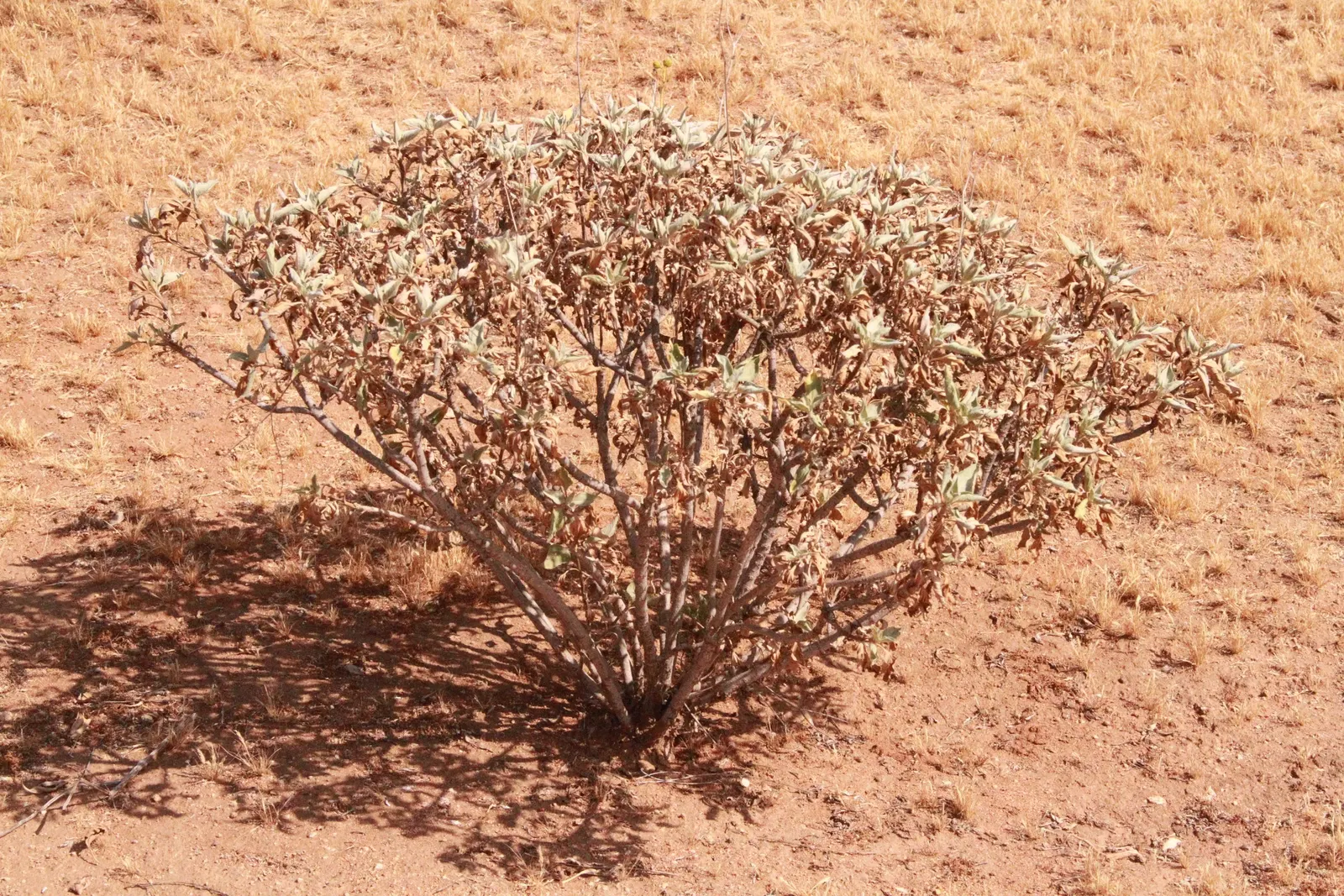
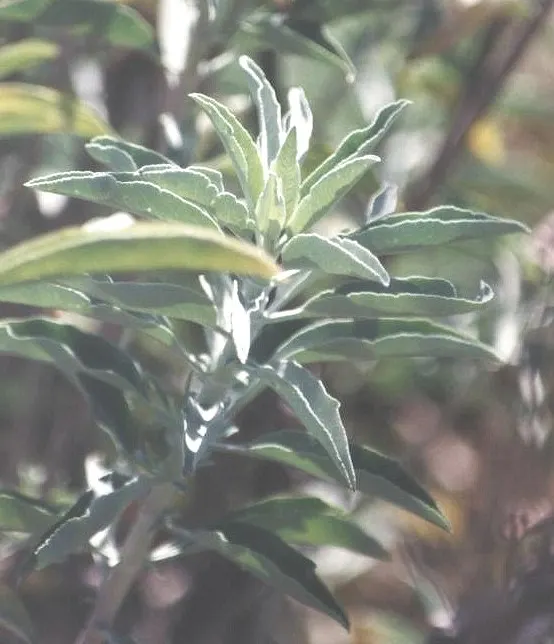
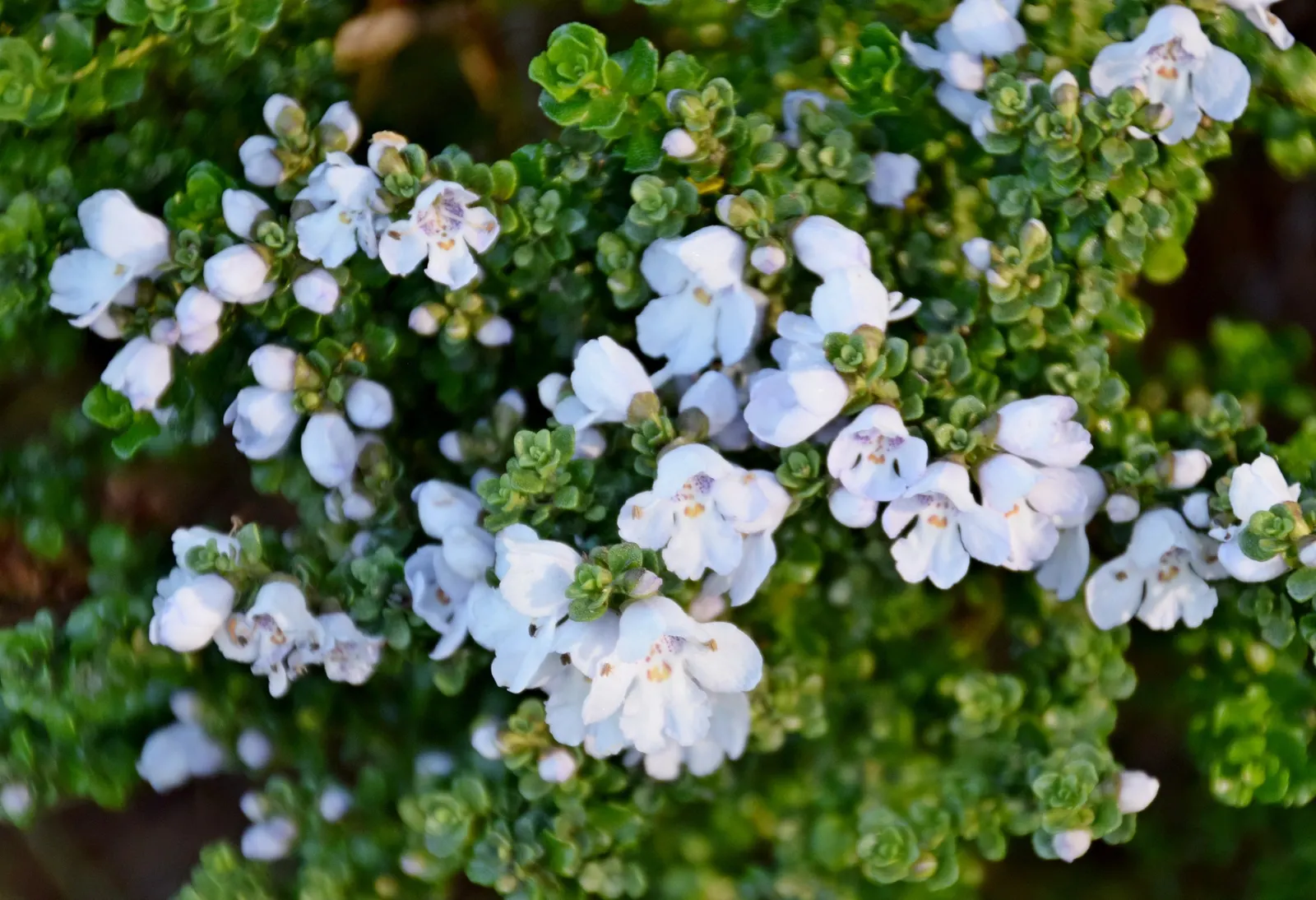
White Sage (Salvia apiana), a perennial evergreen native to the Southwestern US, thrives in arid conditions. It features silver-gray foliage and grows 2-3 feet tall and wide. This drought-resistant sage blooms from spring to early summer, producing white to pale lavender flowers that attract pollinators. Ideal for xeriscaping, it requires full sun and well-draining soil. Space plants 2 feet apart for optimal growth and air circulation.

Sun FullWater Very LowZones 9–9Type Shrub
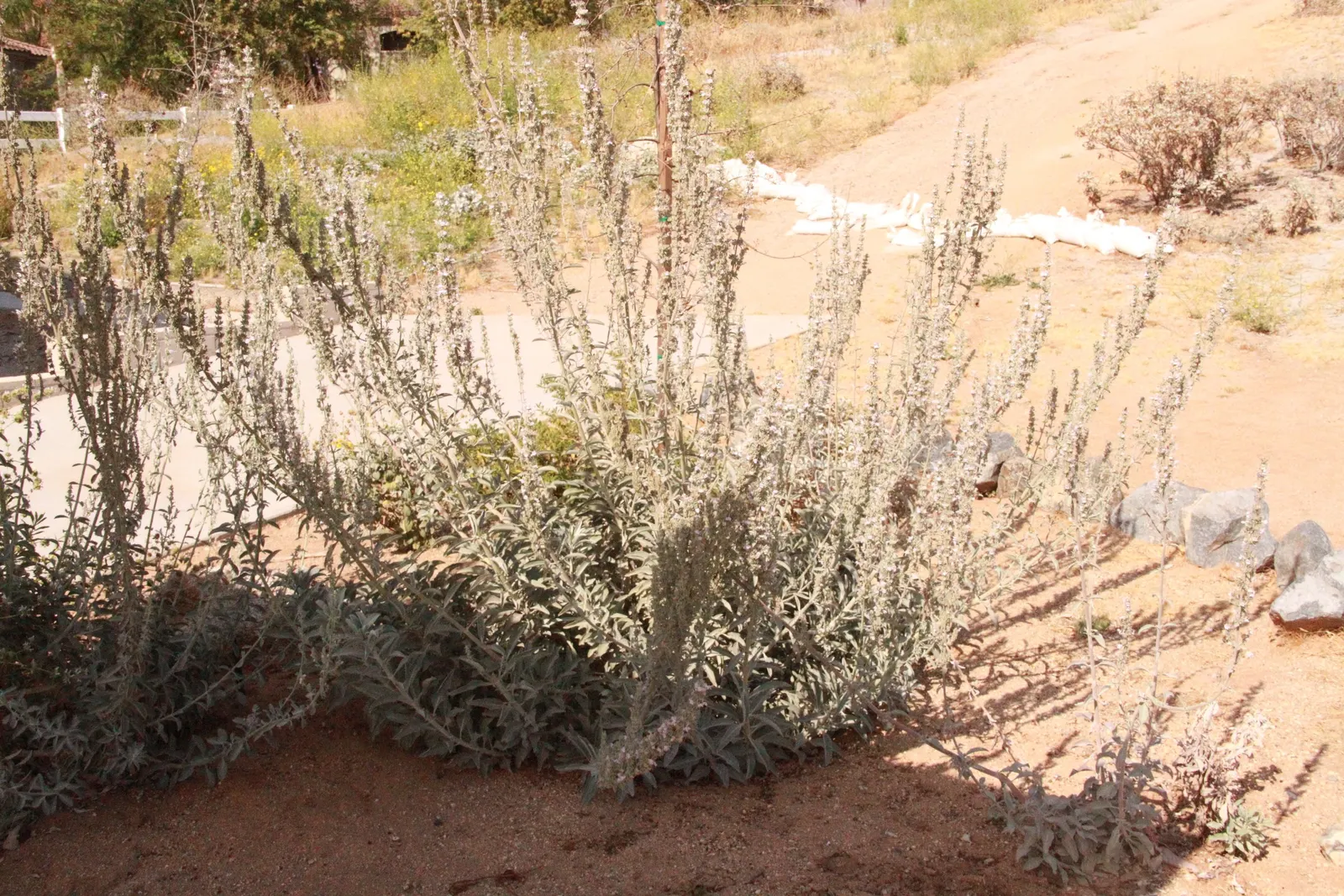
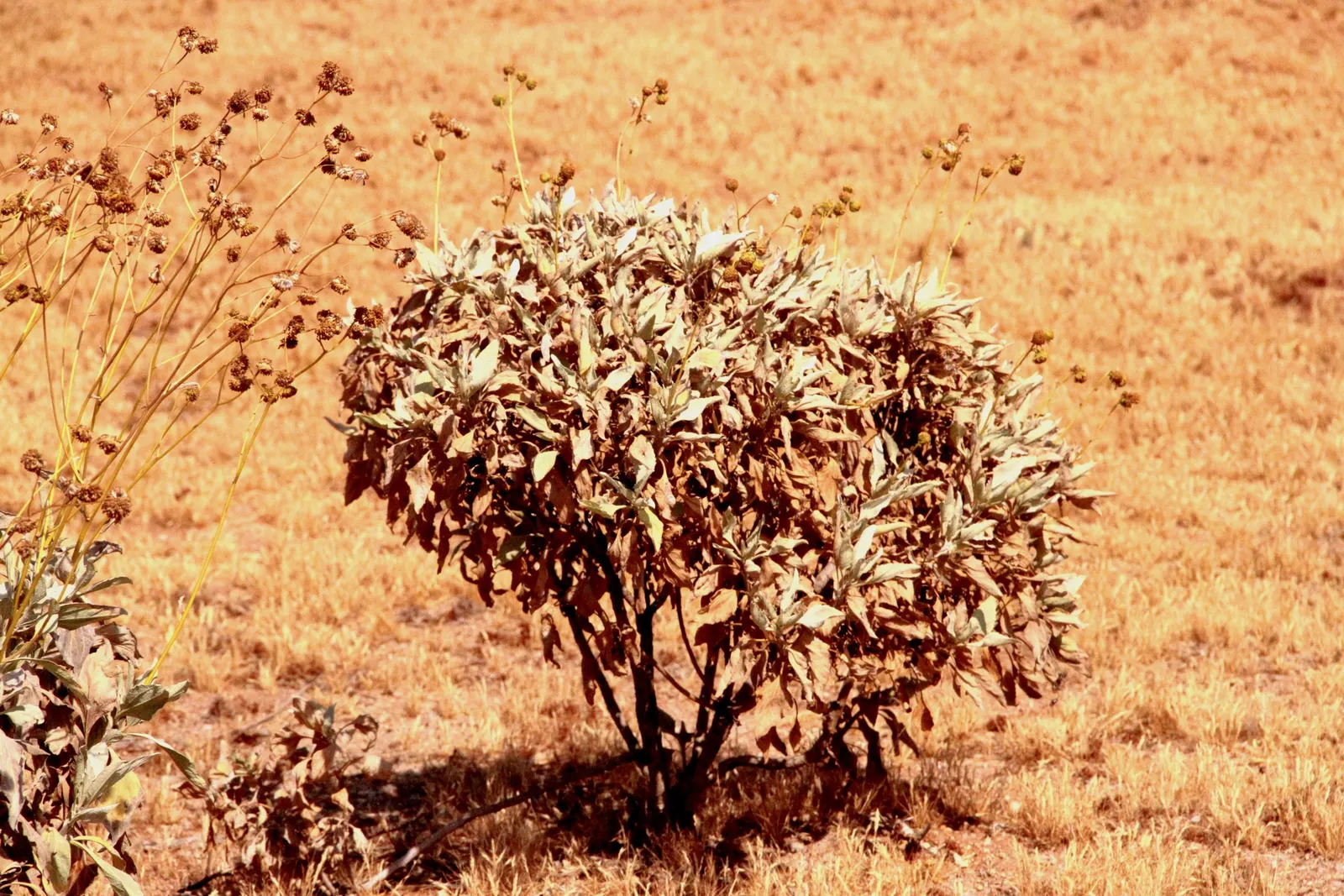
White Sage (Salvia Apiana) — White Sage thrives in full sun exposure and requires well-drained soil

Culture

Sun
Full
Water
Very Low
USDA zones
9–9

Shape & size

Classification

Type
Shrub
Family
Lamiaceae

See full data, regional cultivation notes, and design tools. Build a client presentation around this plant.

Start your 14-day trial

Photos (67)

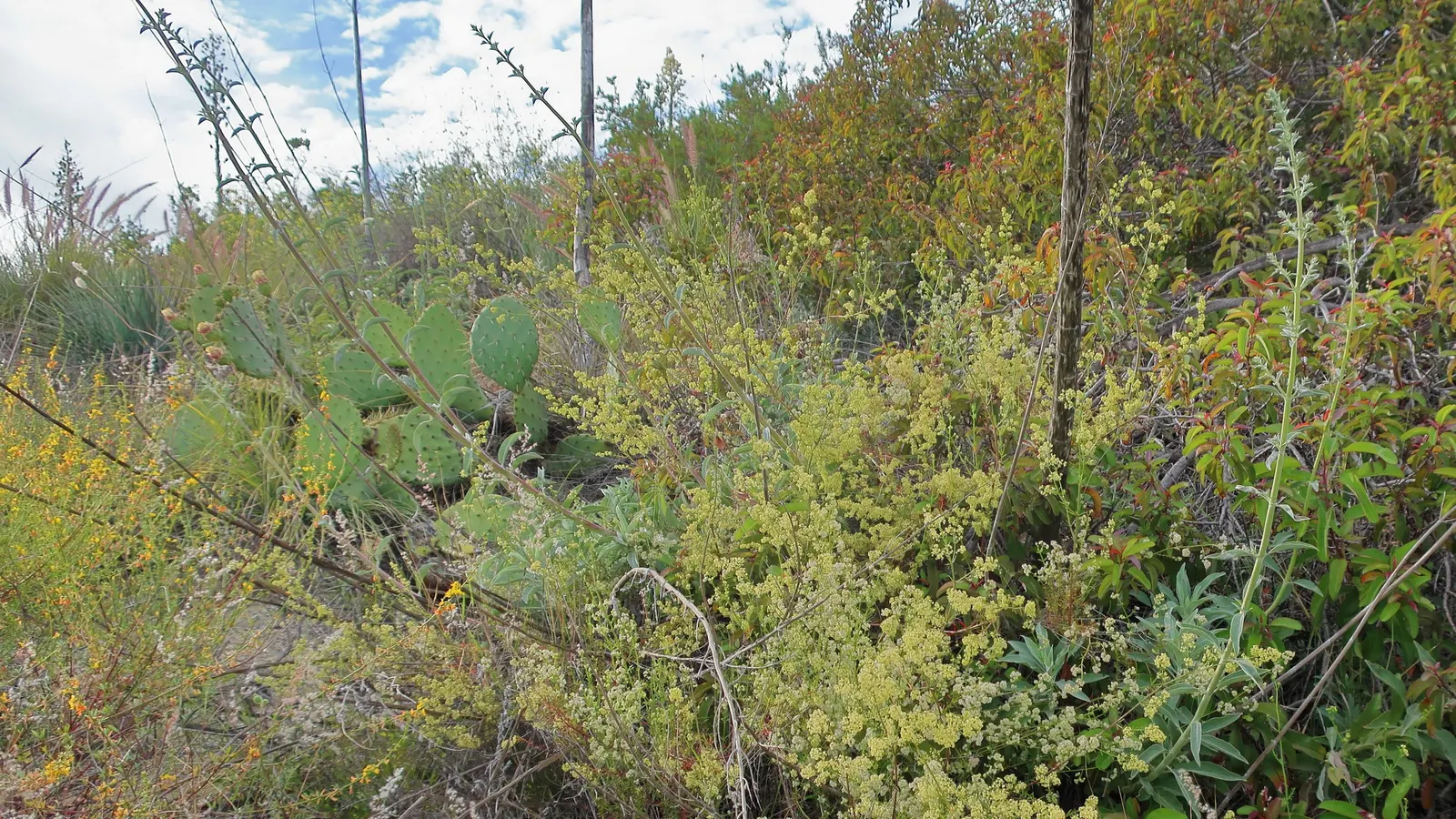
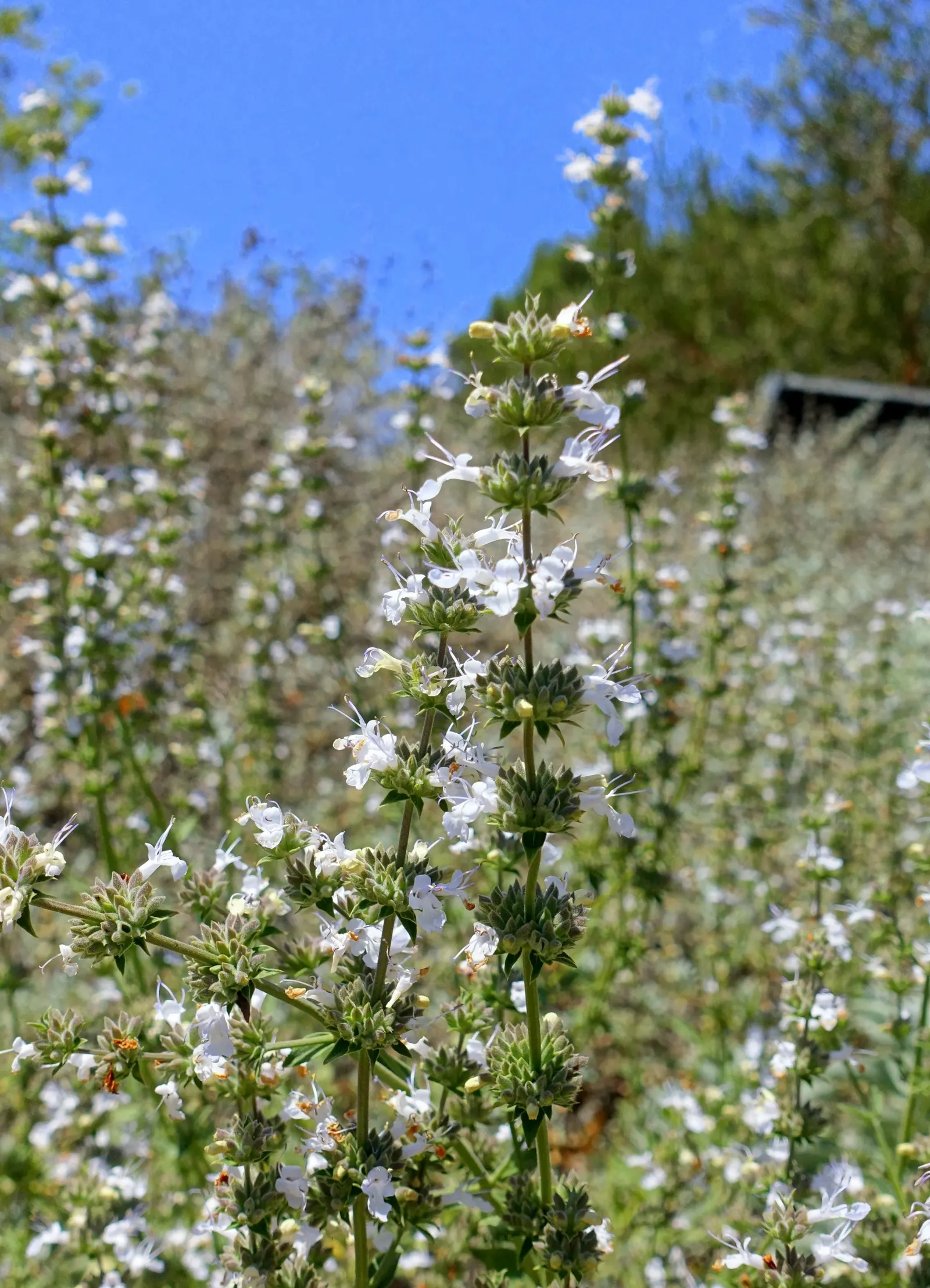
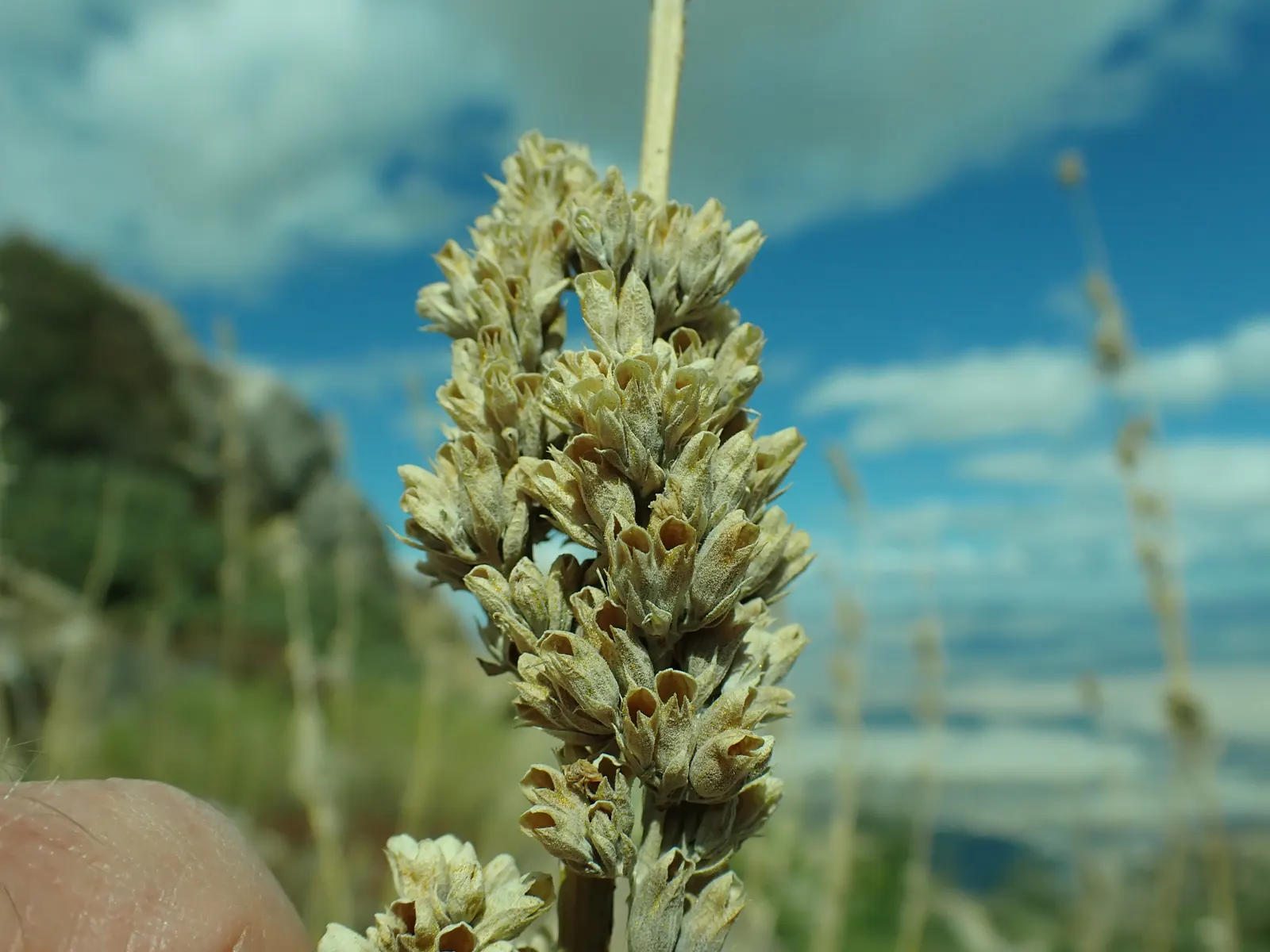
White Sage (Salvia Apiana) — from late spring through early summer
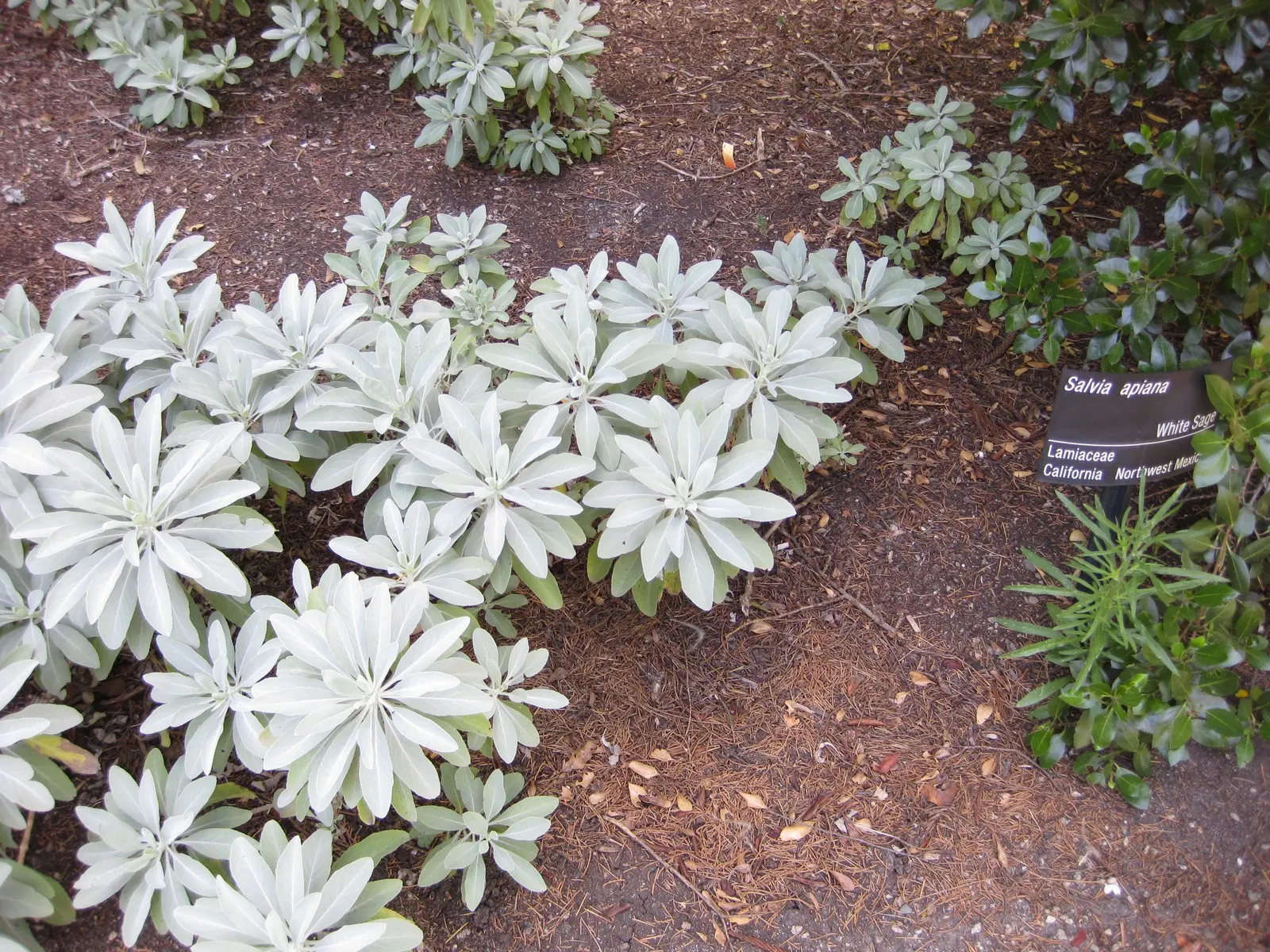
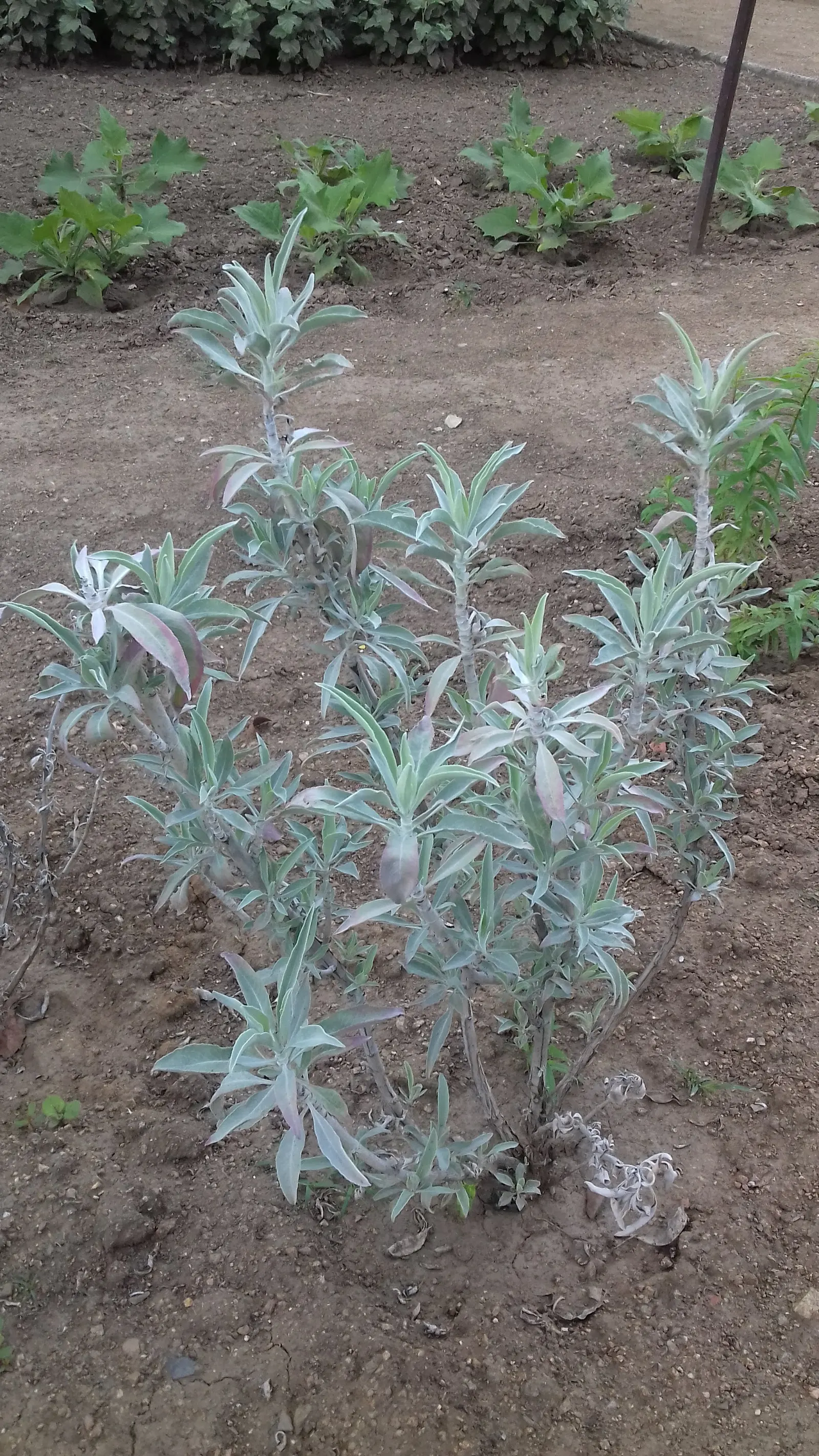
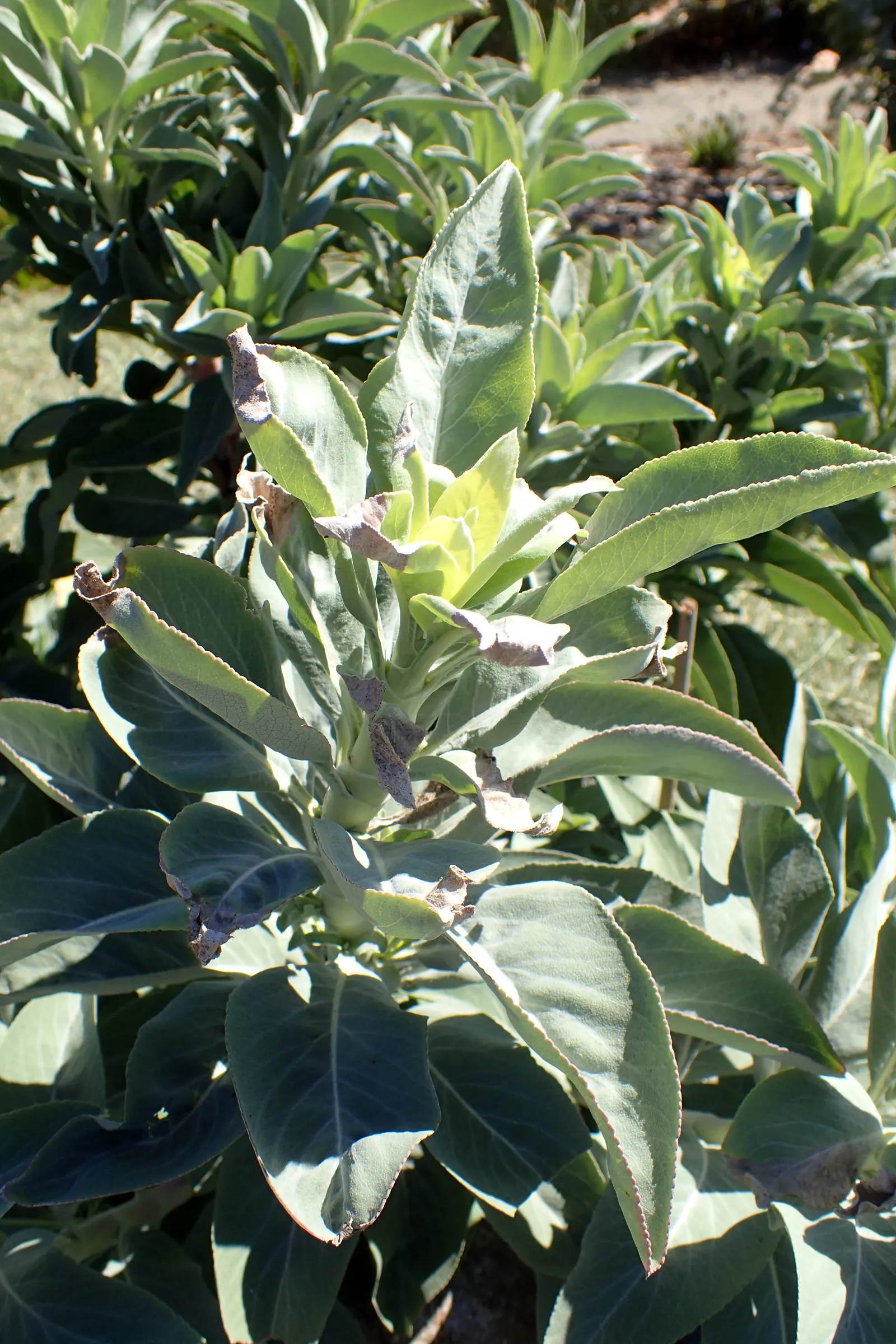
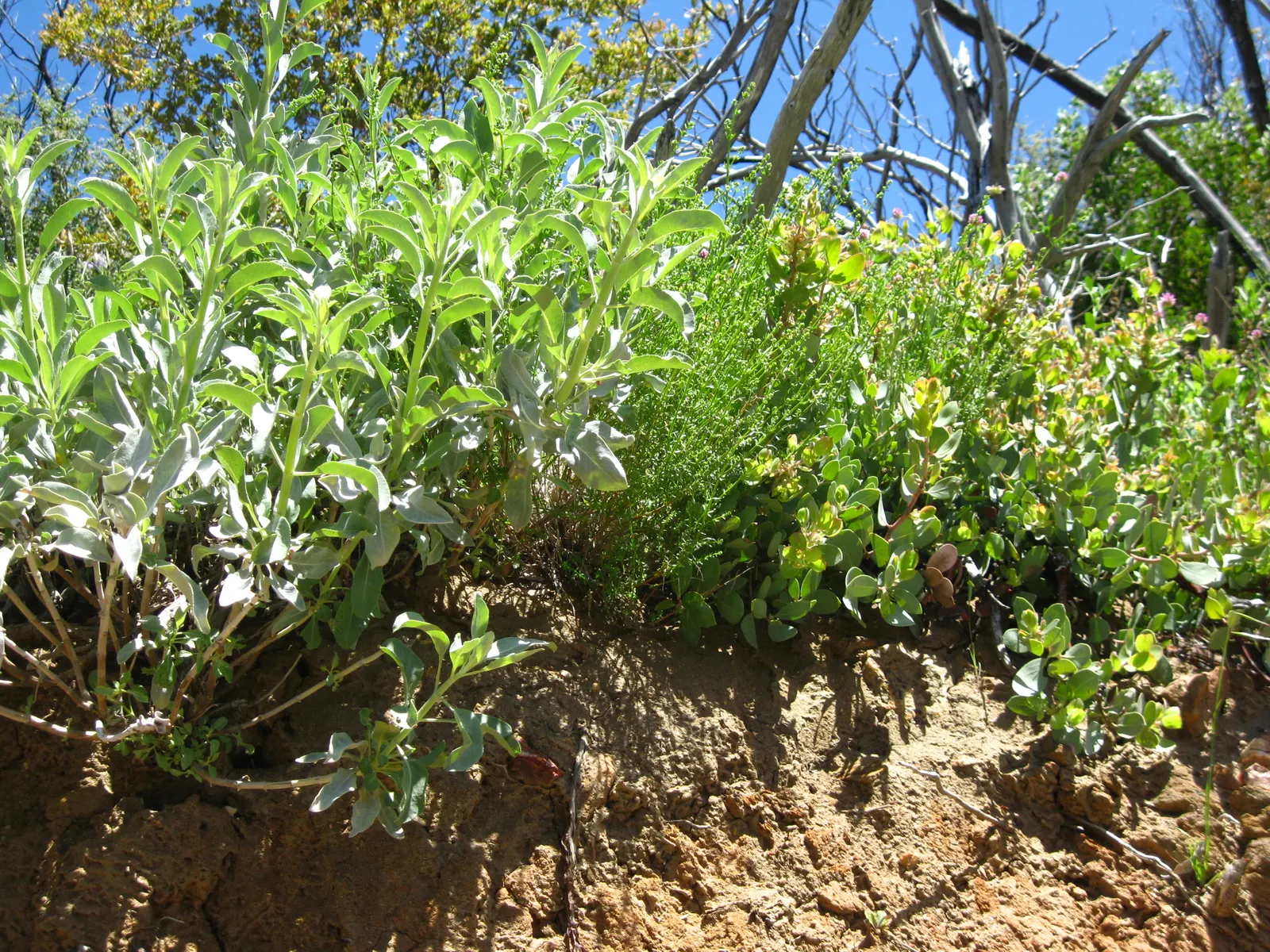
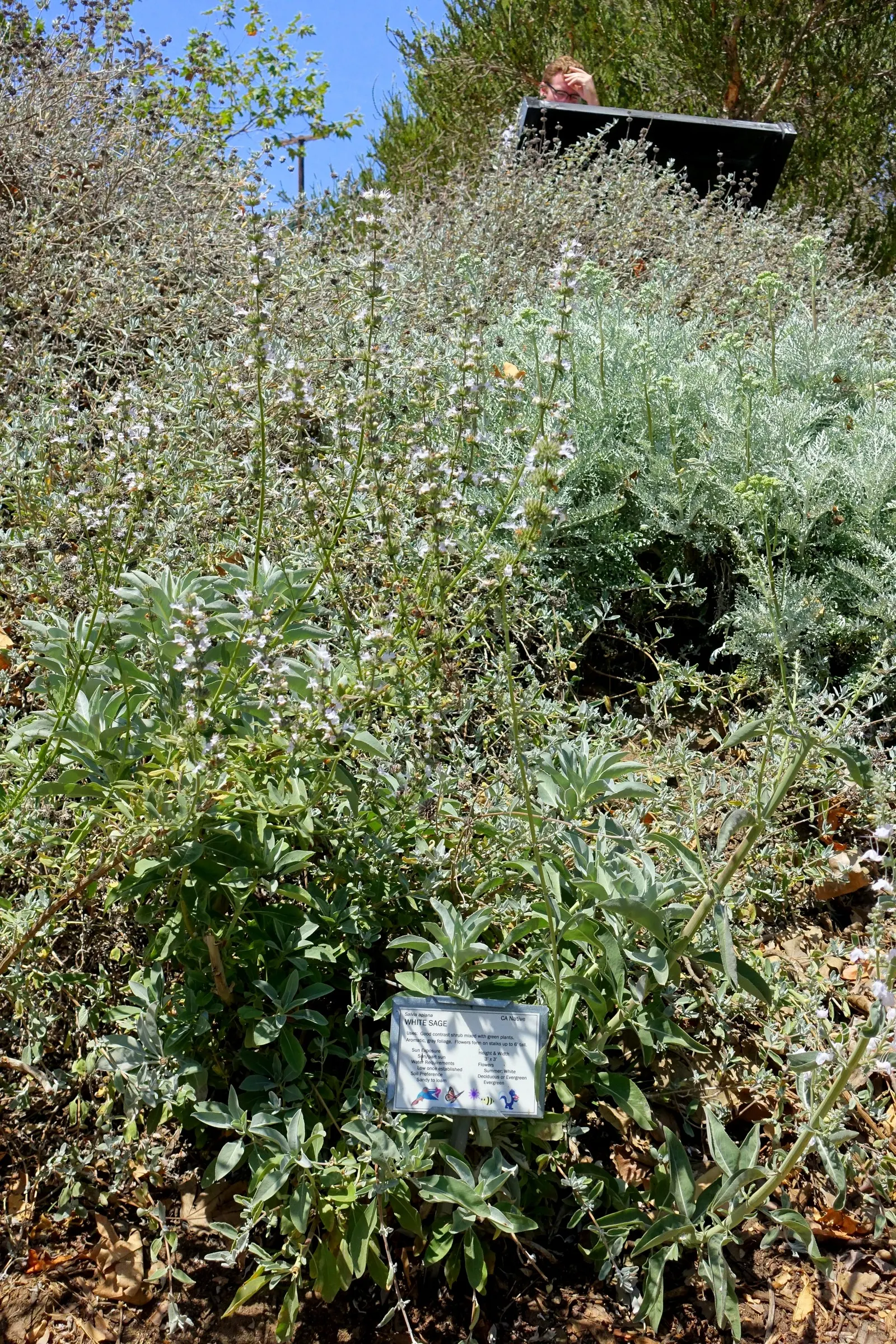
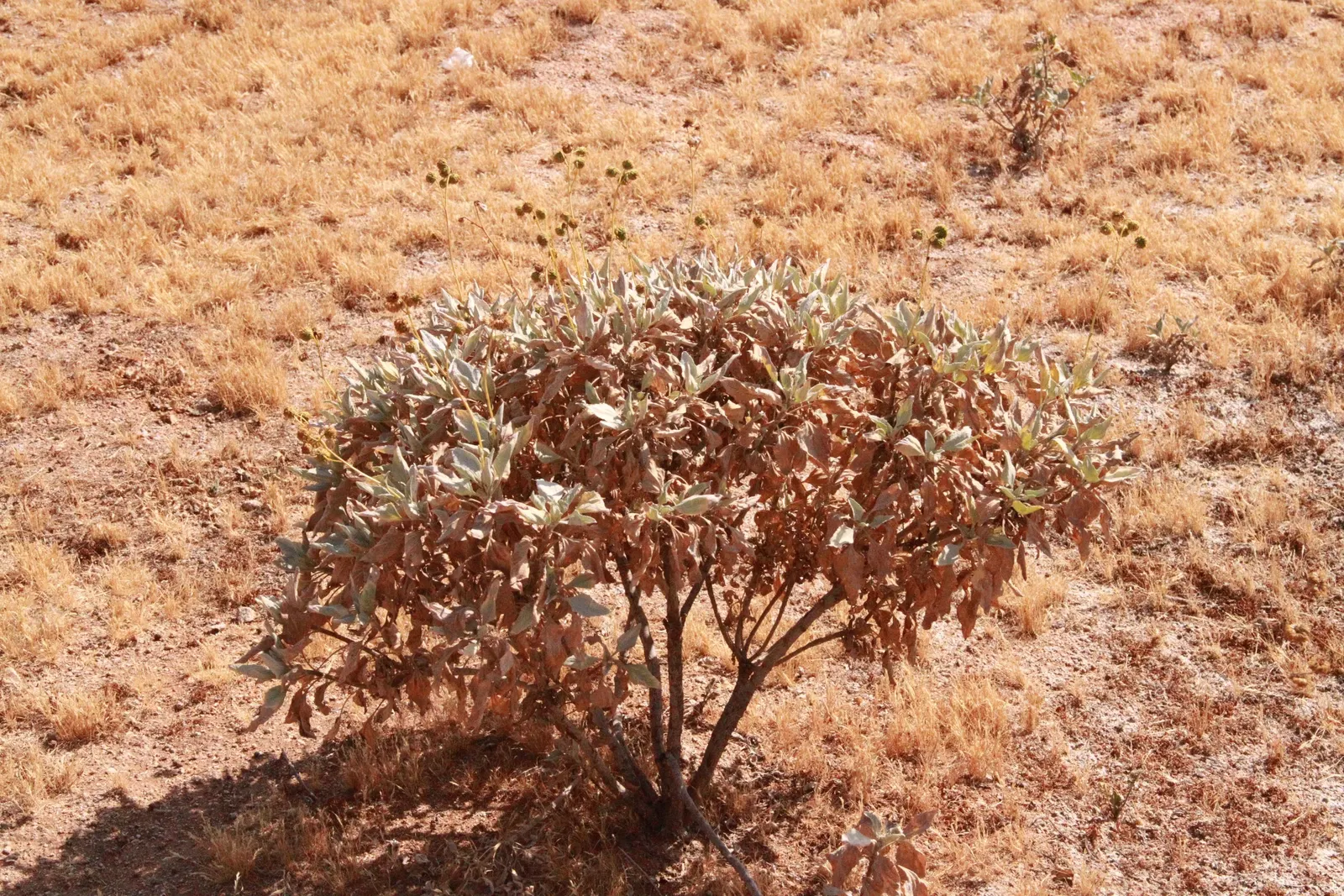
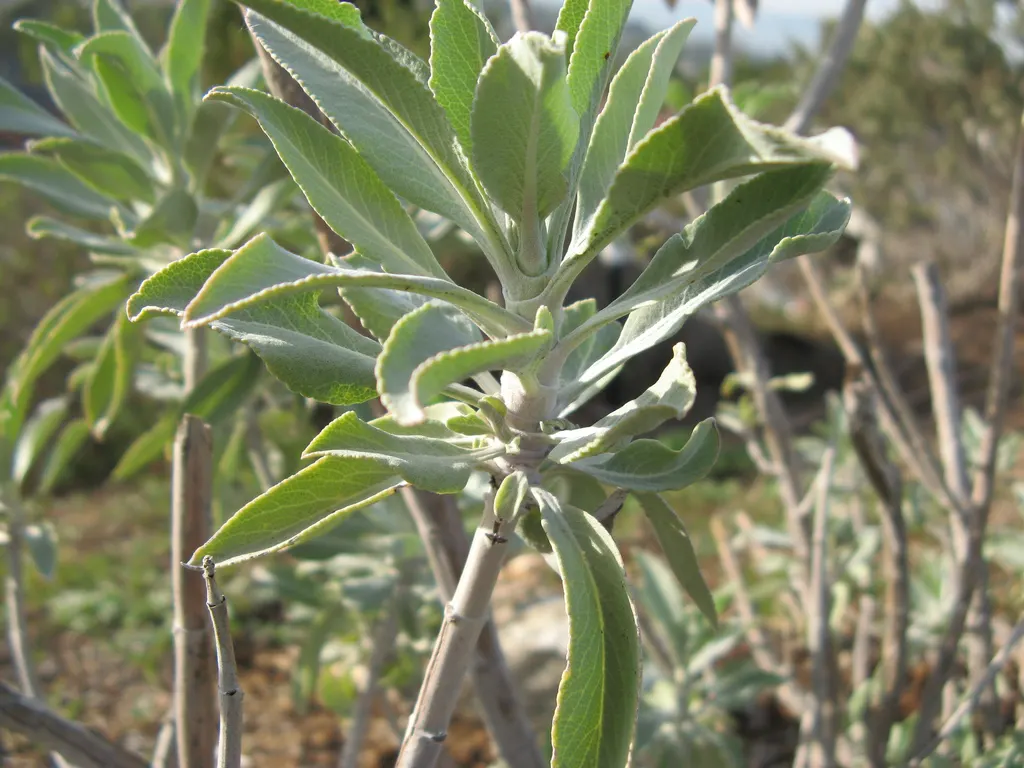
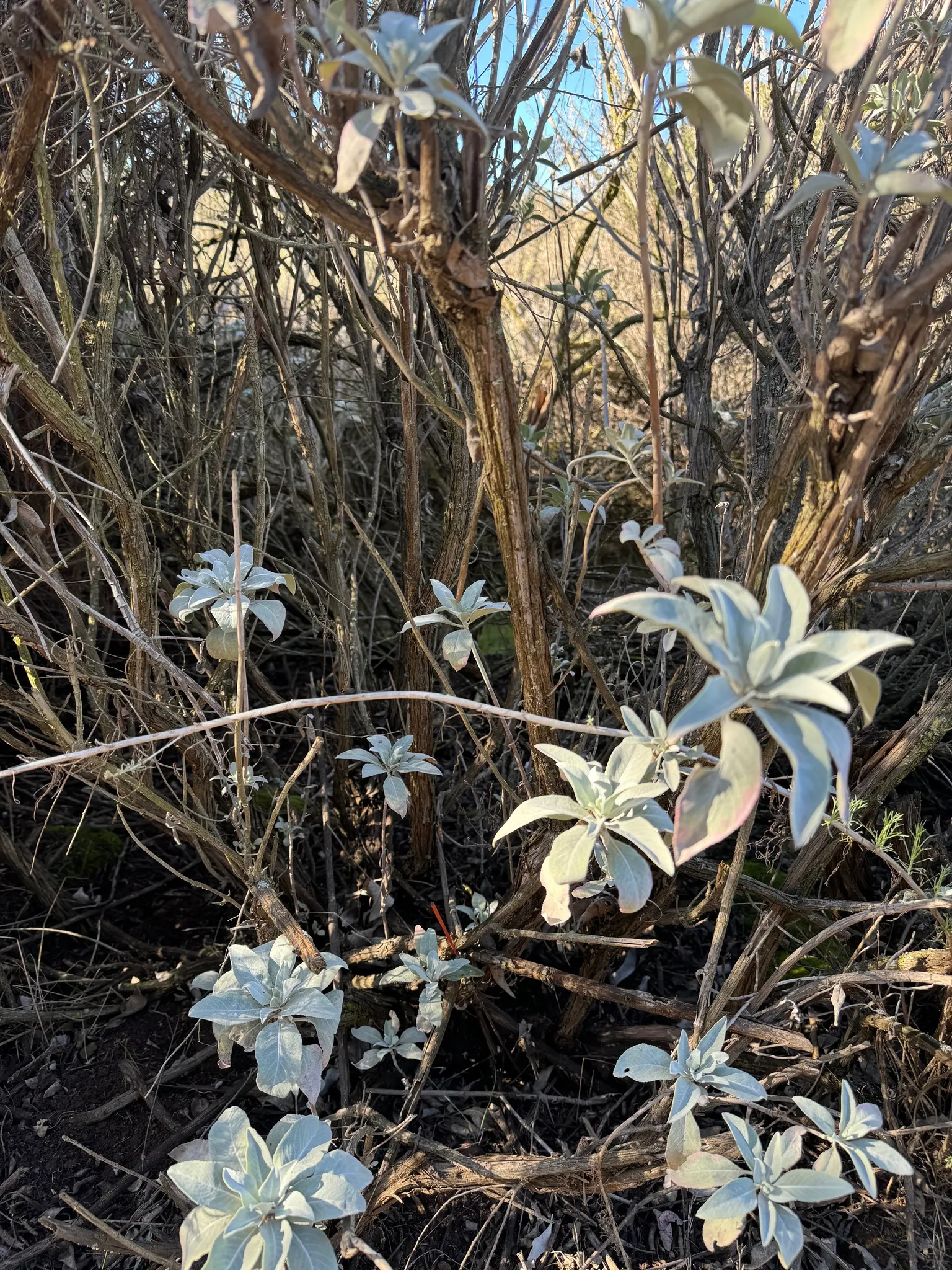
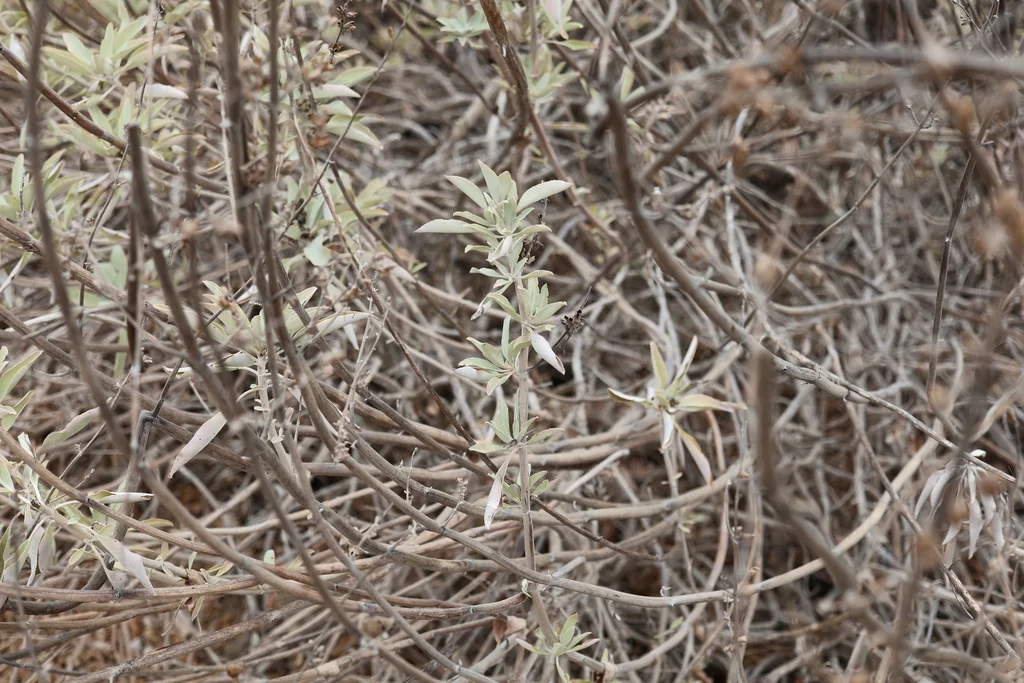
White Sage (Salvia Apiana) — It features silver-gray foliage and grows 2-3 feet tall and wide
White Sage (Salvia Apiana) — To accommodate its root system and allow for mature spread, space plants approximately 2 to 3 feet apart; as its leaves have been
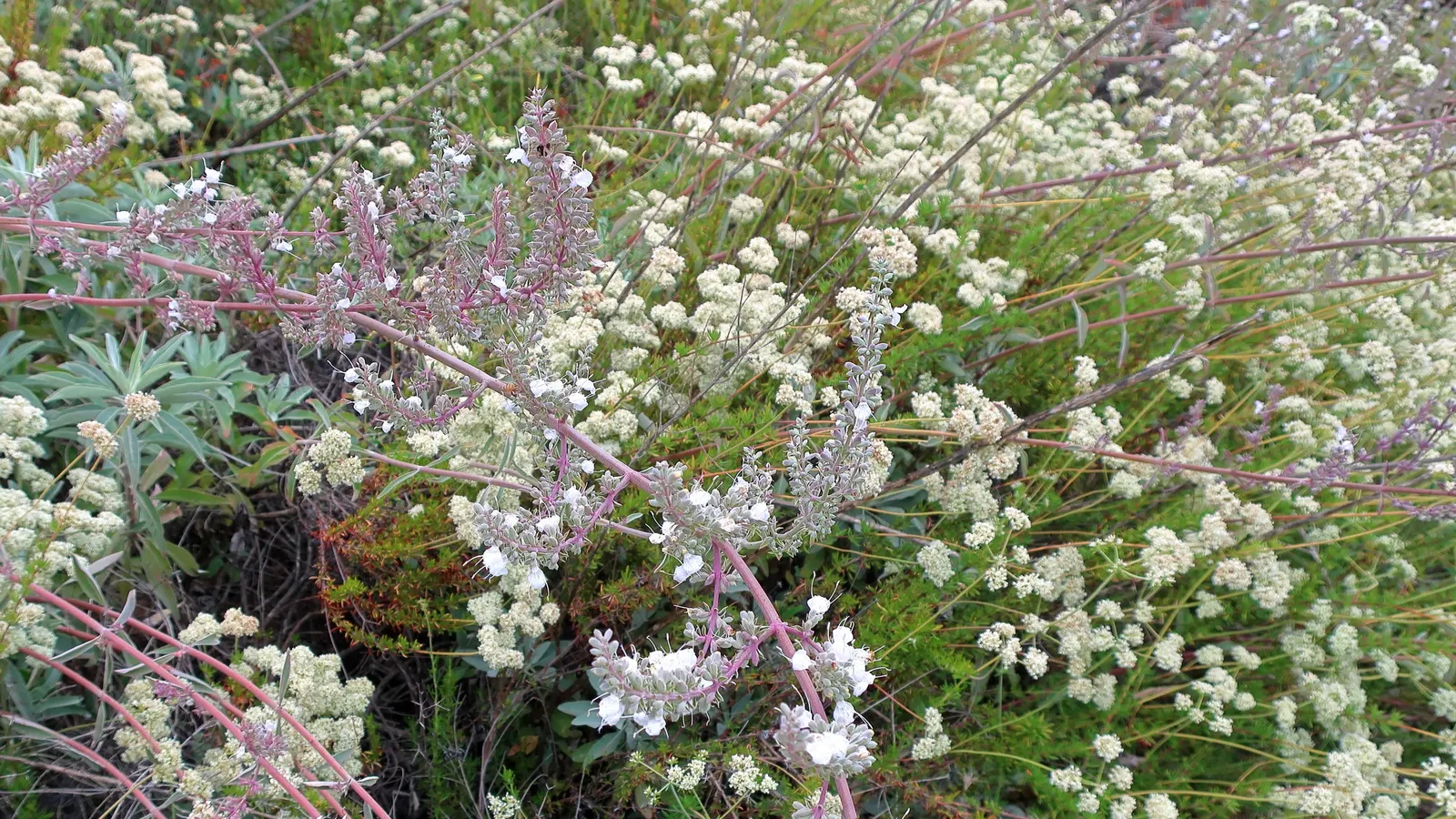
White Sage (Salvia Apiana) — It demands little water once established, making it a quintessential choice for xeriscaping; these blossoms are highly attractive
White Sage (Salvia Apiana) — white flowers in the garden
White Sage (Salvia Apiana) — creating a rounded silhouette; space plants 2 feet apart for optimal growth and air circulation
White Sage (Salvia Apiana) — low-maintenance character
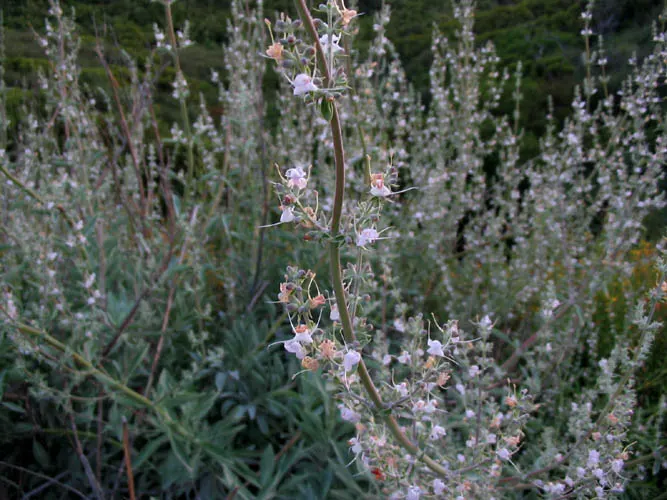
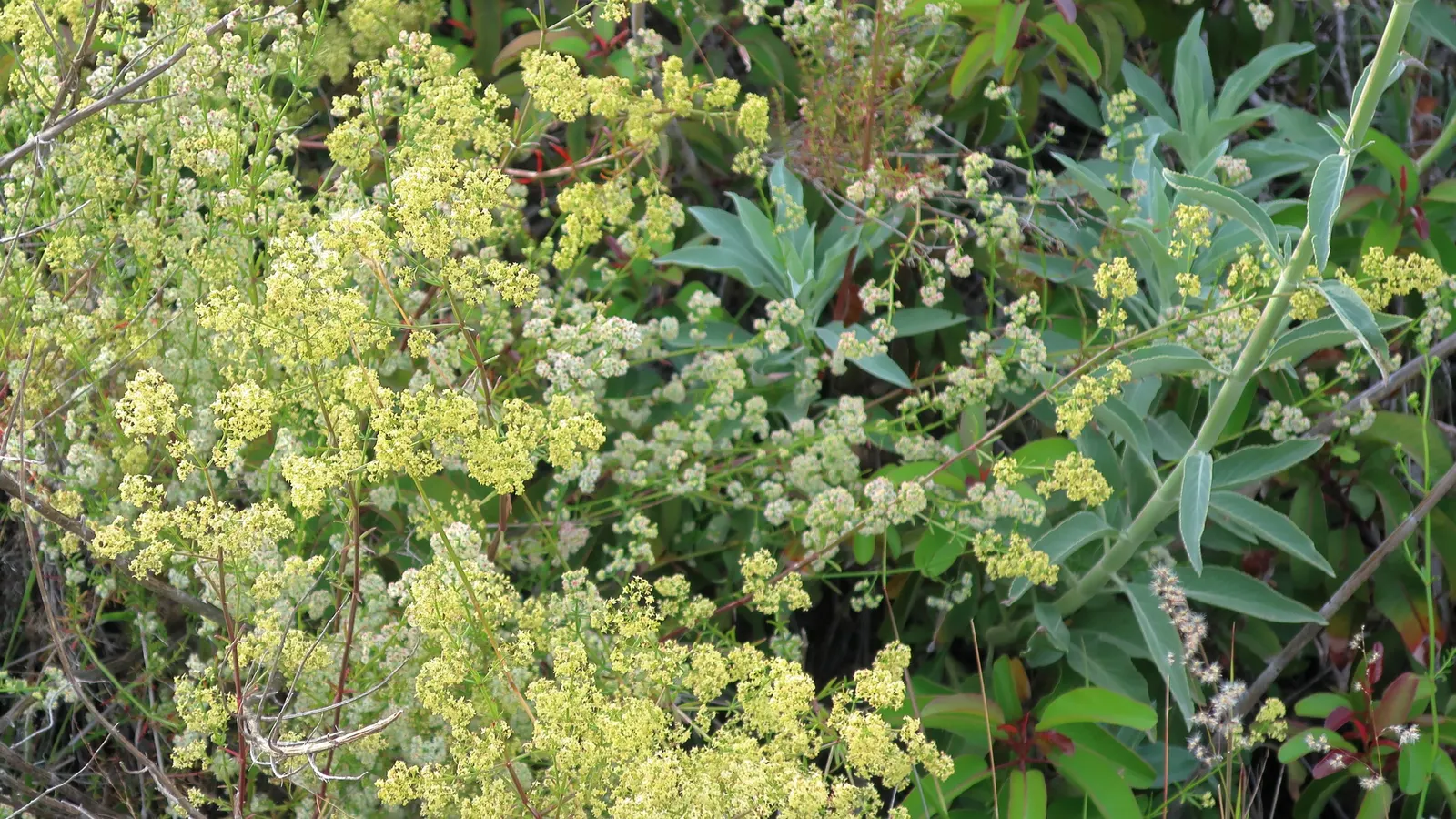
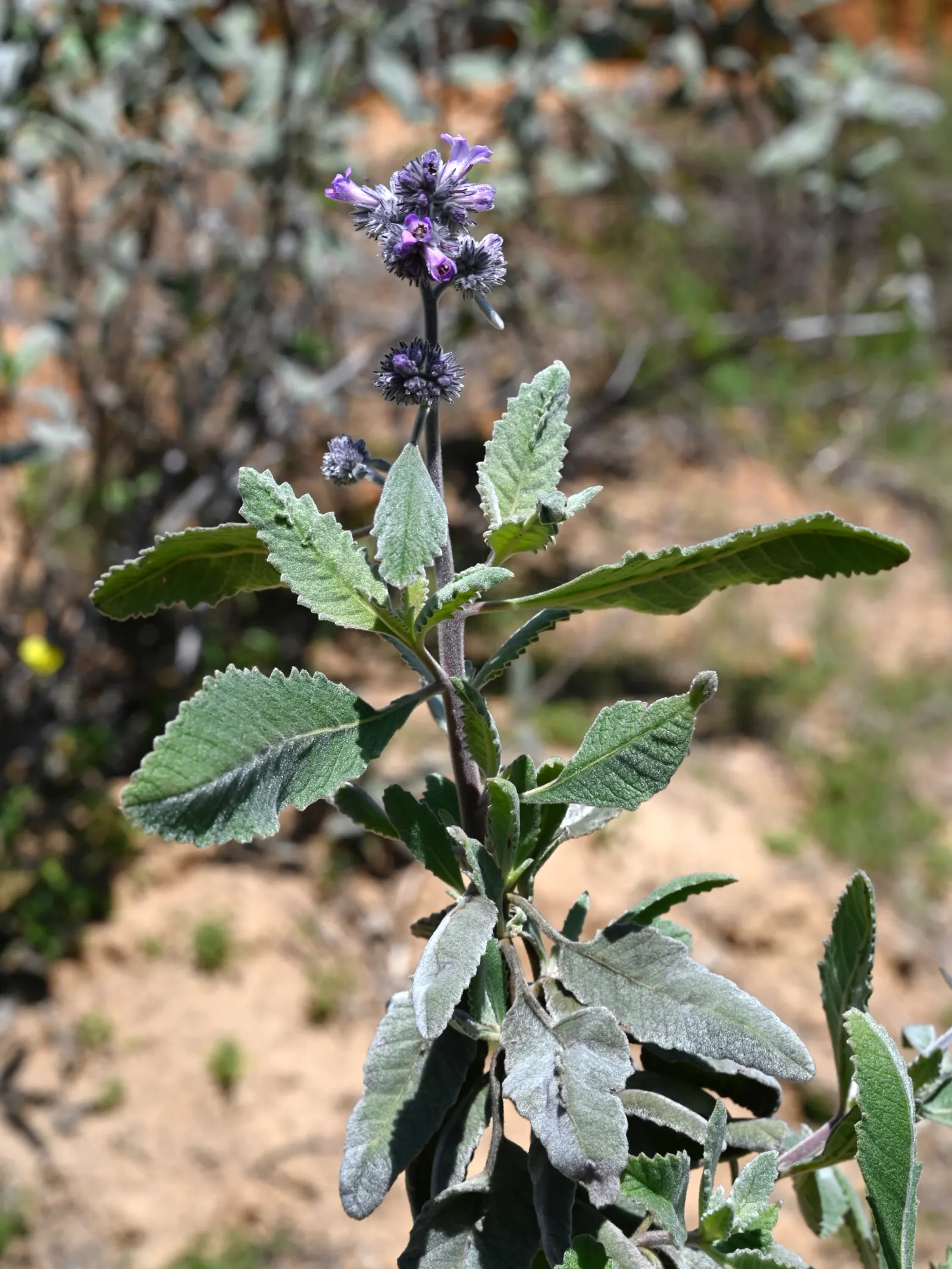
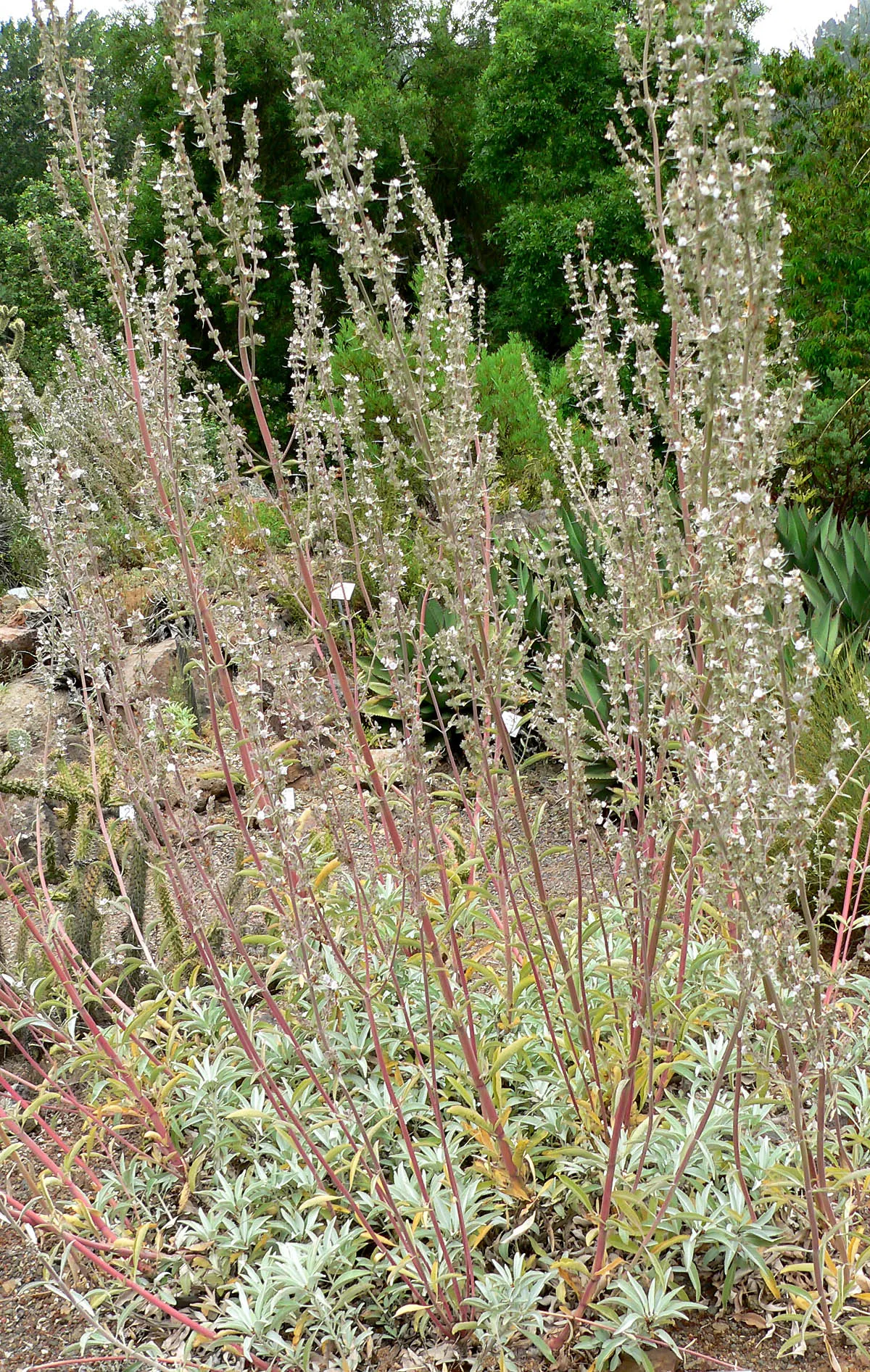
White Sage (Salvia Apiana) — producing white to pale lavender flowers that attract pollinators
White Sage (Salvia Apiana) — which rise above the foliage on tall inflorescence stalks reaching up to 6 feet in height
White Sage (Salvia Apiana) — Consider this enduring shrub for areas of the garden that will benefit from its resilient
White Sage (Salvia Apiana) — scientifically termed Salvia apiana; to accommodate its root system and allow for mature spread, space plants approximately 2 to 3
White Sage (Salvia Apiana) — which effectively reflects the sun's rays and helps conserve moisture
White Sage (Salvia Apiana) — Space plants 2 feet apart for optimal growth and air circulation; from late spring through early summer
White Sage (Salvia Apiana) — adding a dynamic pollinator-friendly component to the garden.<br><br>Suited for USDA Zones 8 to 11
White Sage (Salvia Apiana) — Ideal for xeriscaping, it requires full sun and well-draining soil, image 32
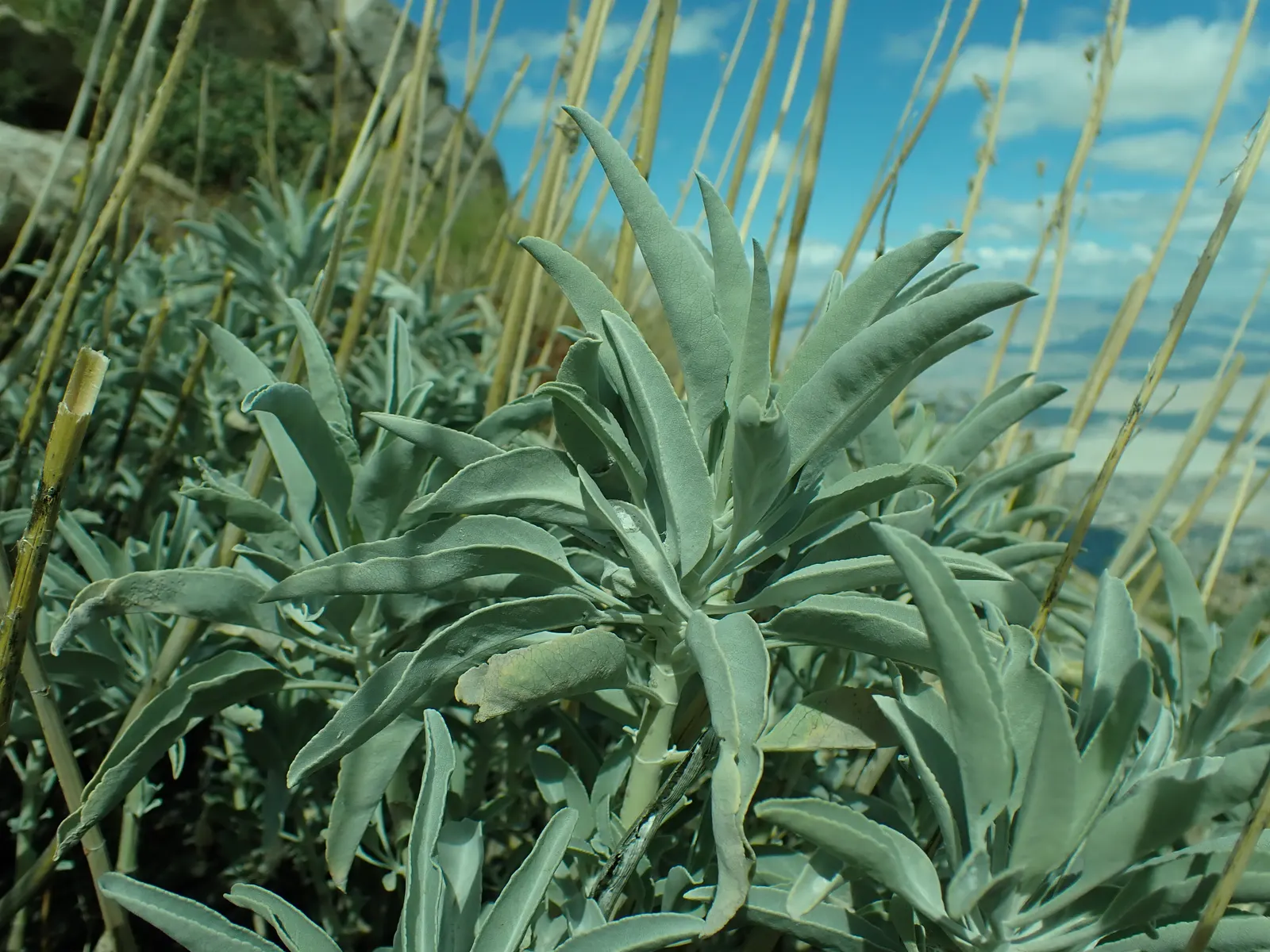
White Sage (Salvia Apiana) — Its leaves are lanceolate
White Sage (Salvia Apiana) — Minimal pruning is necessary; it features silver-gray foliage and grows 2-3 feet tall and wide
White Sage (Salvia Apiana) — Renowned for its strong aromatic foliage and purification properties
White Sage (Salvia Apiana) — producing white to pale lavender flowers that attract pollinators; white flowers in the garden
White Sage (Salvia Apiana) — This drought-resistant sage blooms from spring to early summer; it demands little water once established, making it a
White Sage (Salvia Apiana) — These blossoms are highly attractive to bees; but also establishes an aromatic and sacred space
White Sage (Salvia Apiana) — These blossoms are highly attractive to bees
White Sage (Salvia Apiana) — scientifically termed Salvia apiana
Salvia Apiana
Photographs by 12 contributors

Related plants