Skip to content

Matilija Poppy

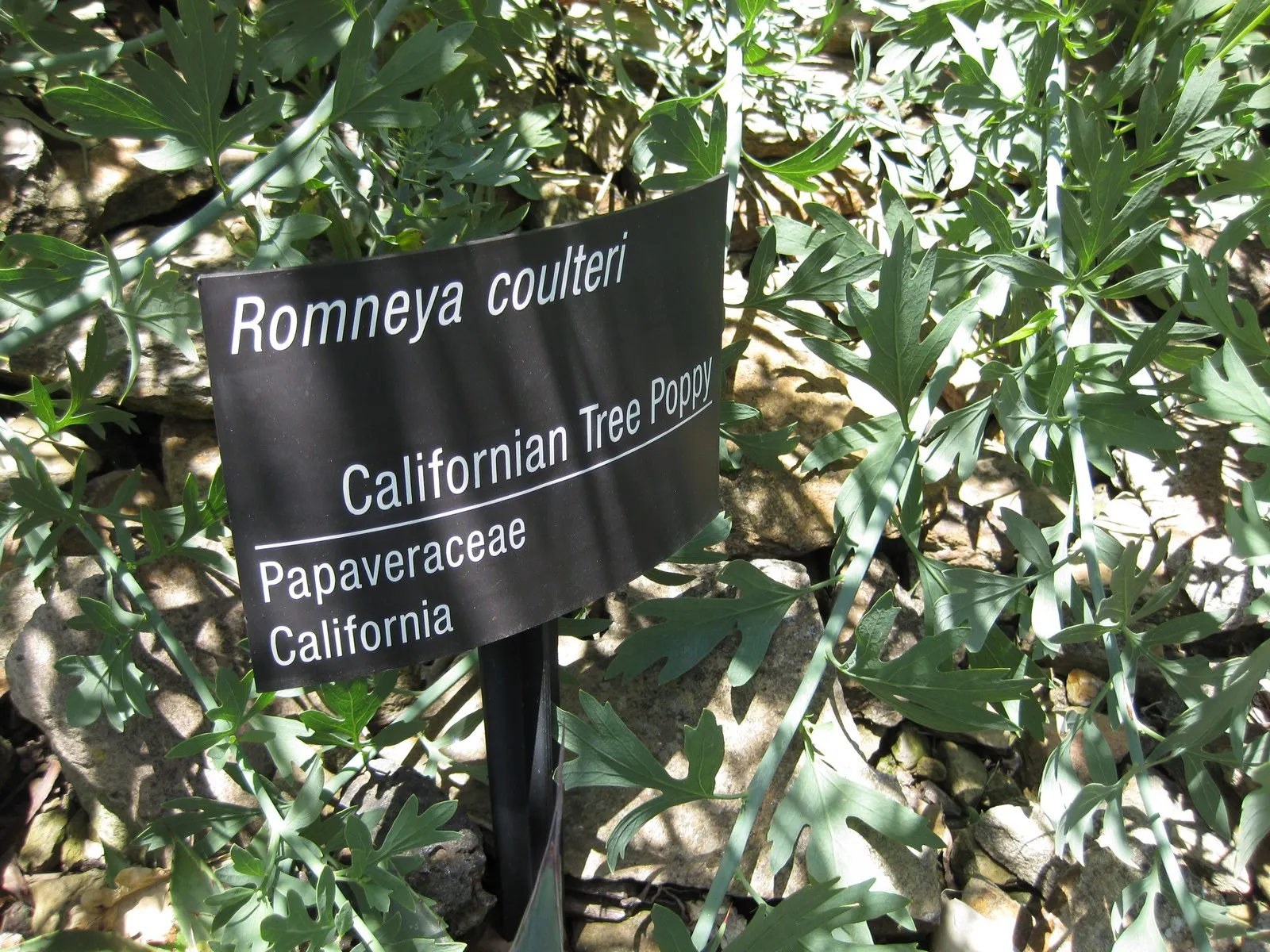
Romneya Coulteri

Design with this plant

Overview

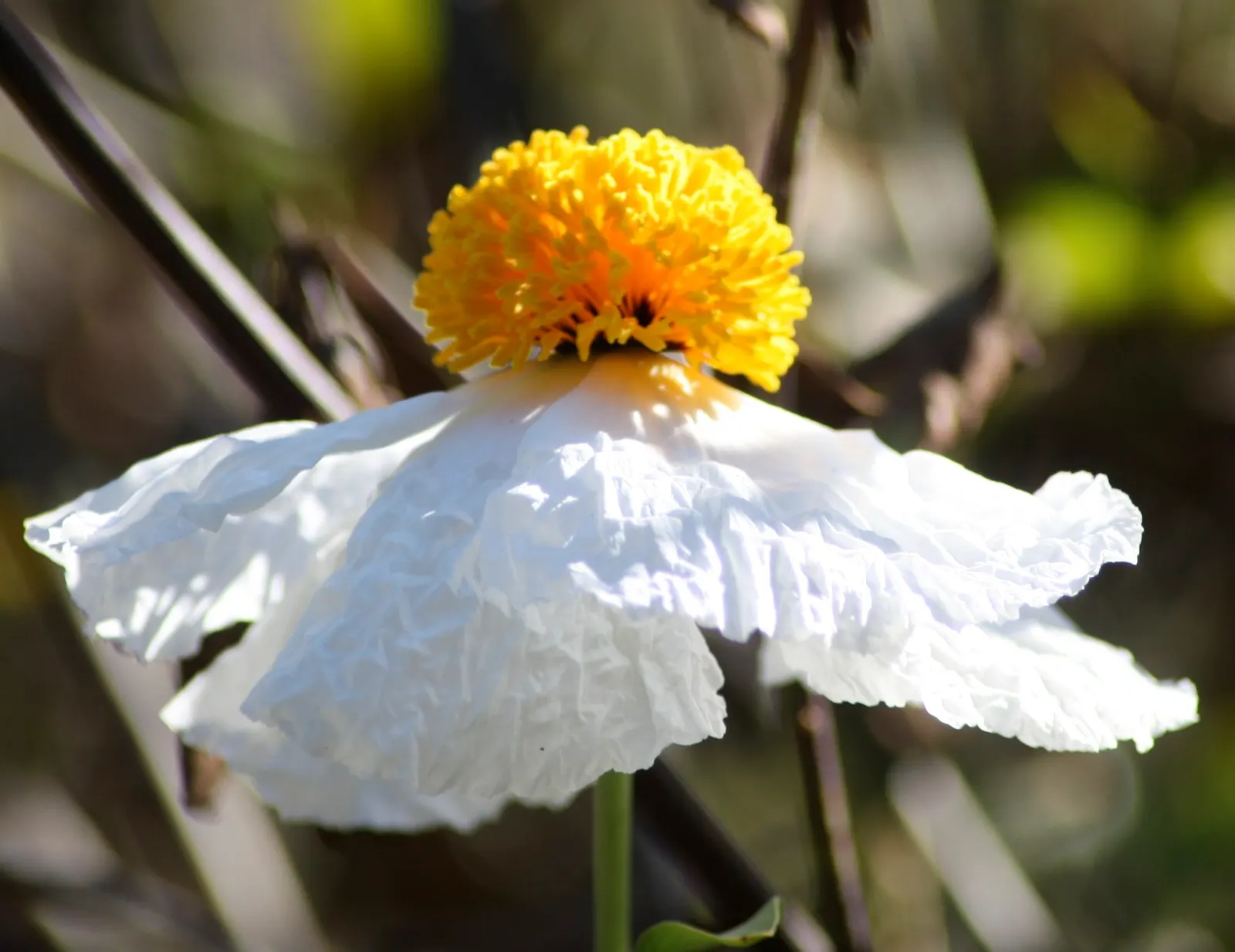
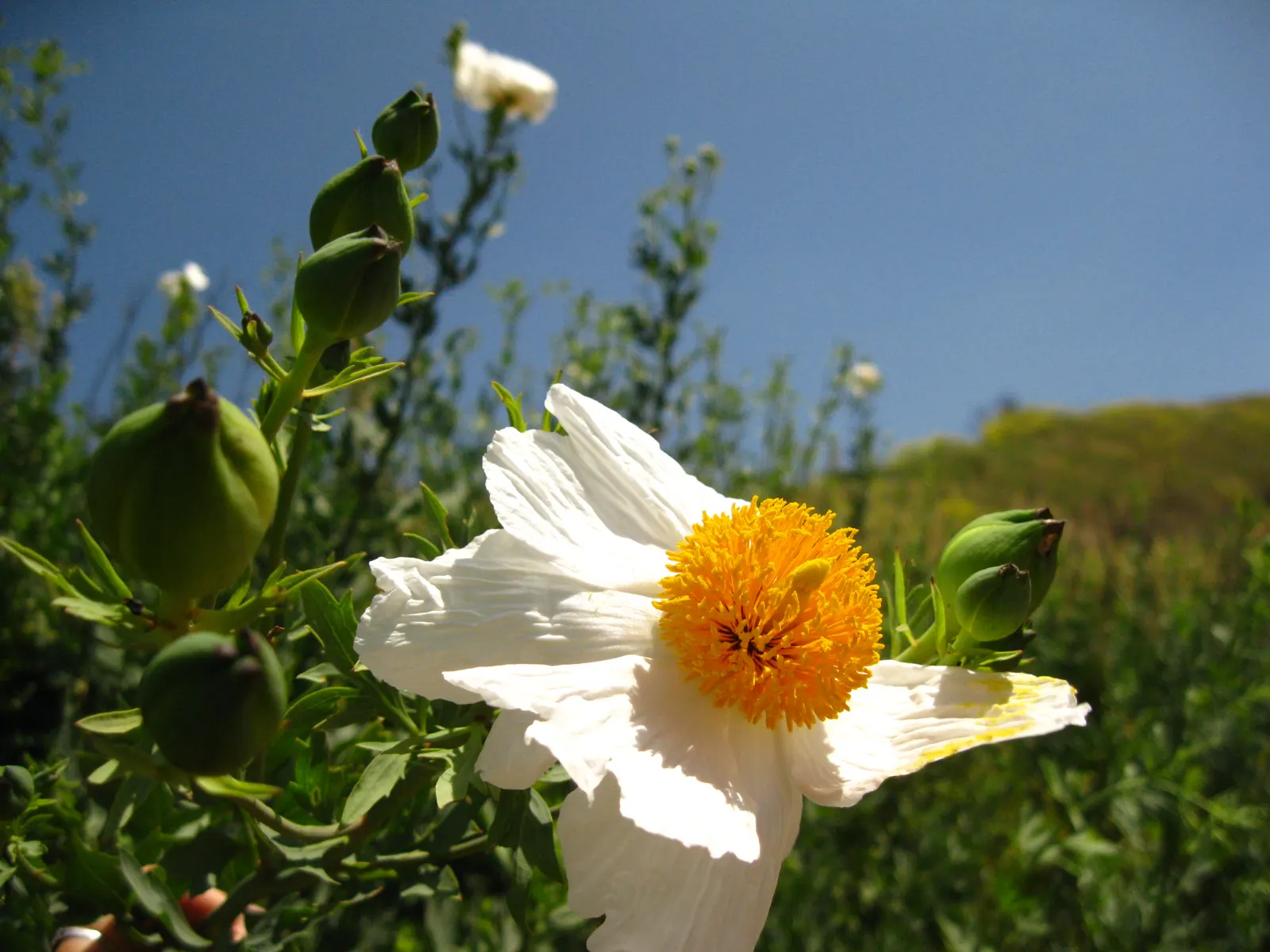
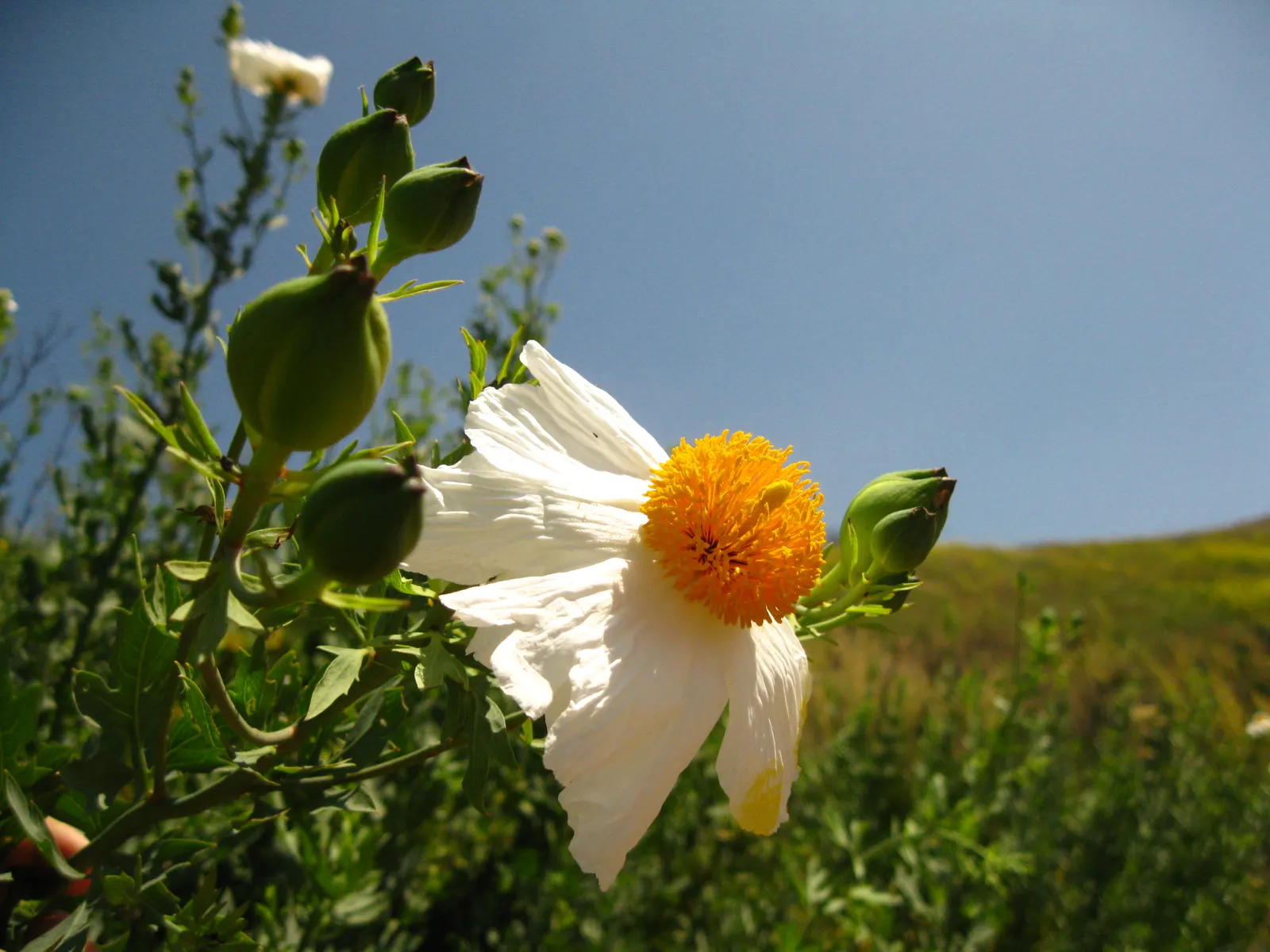
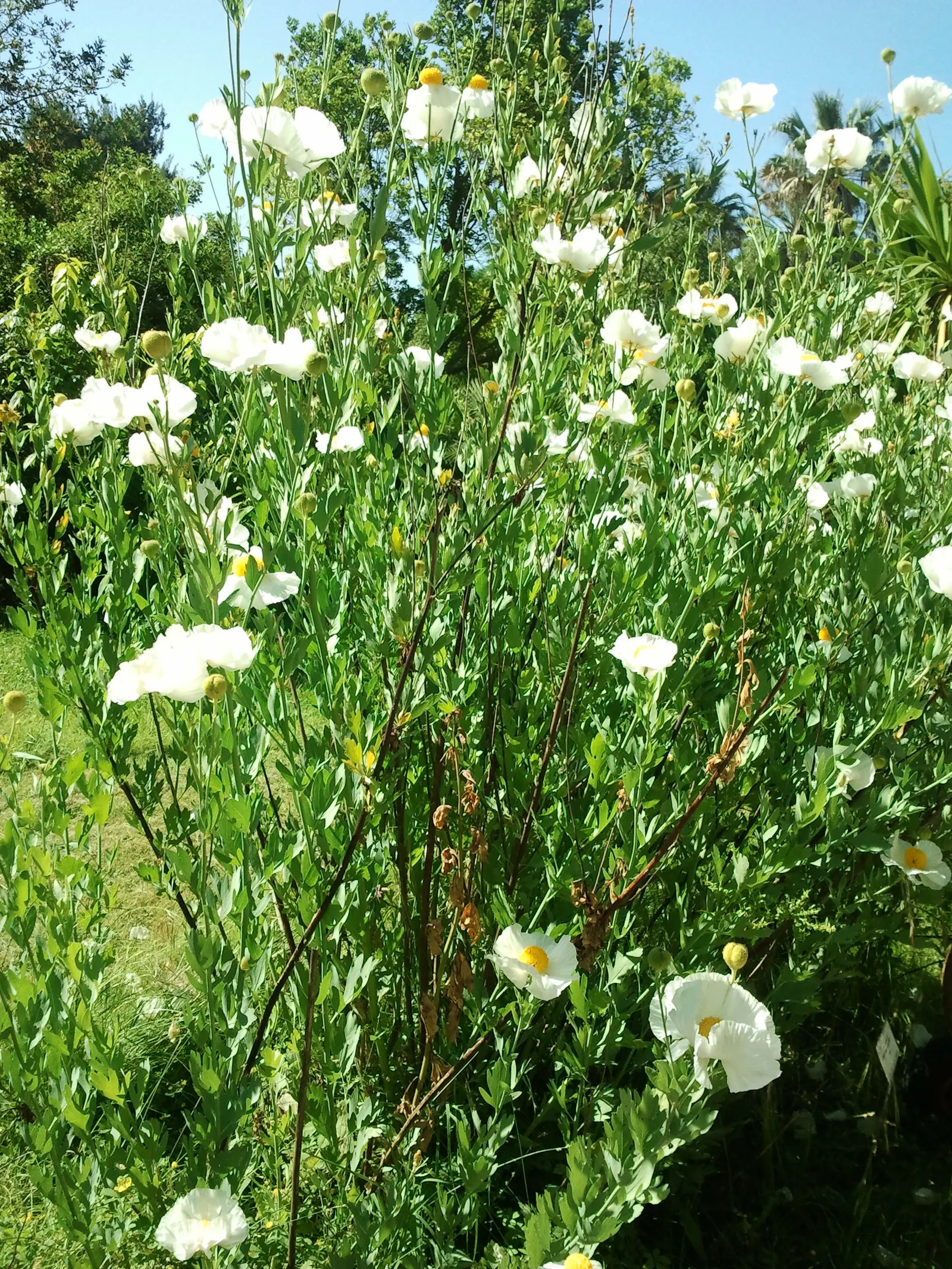
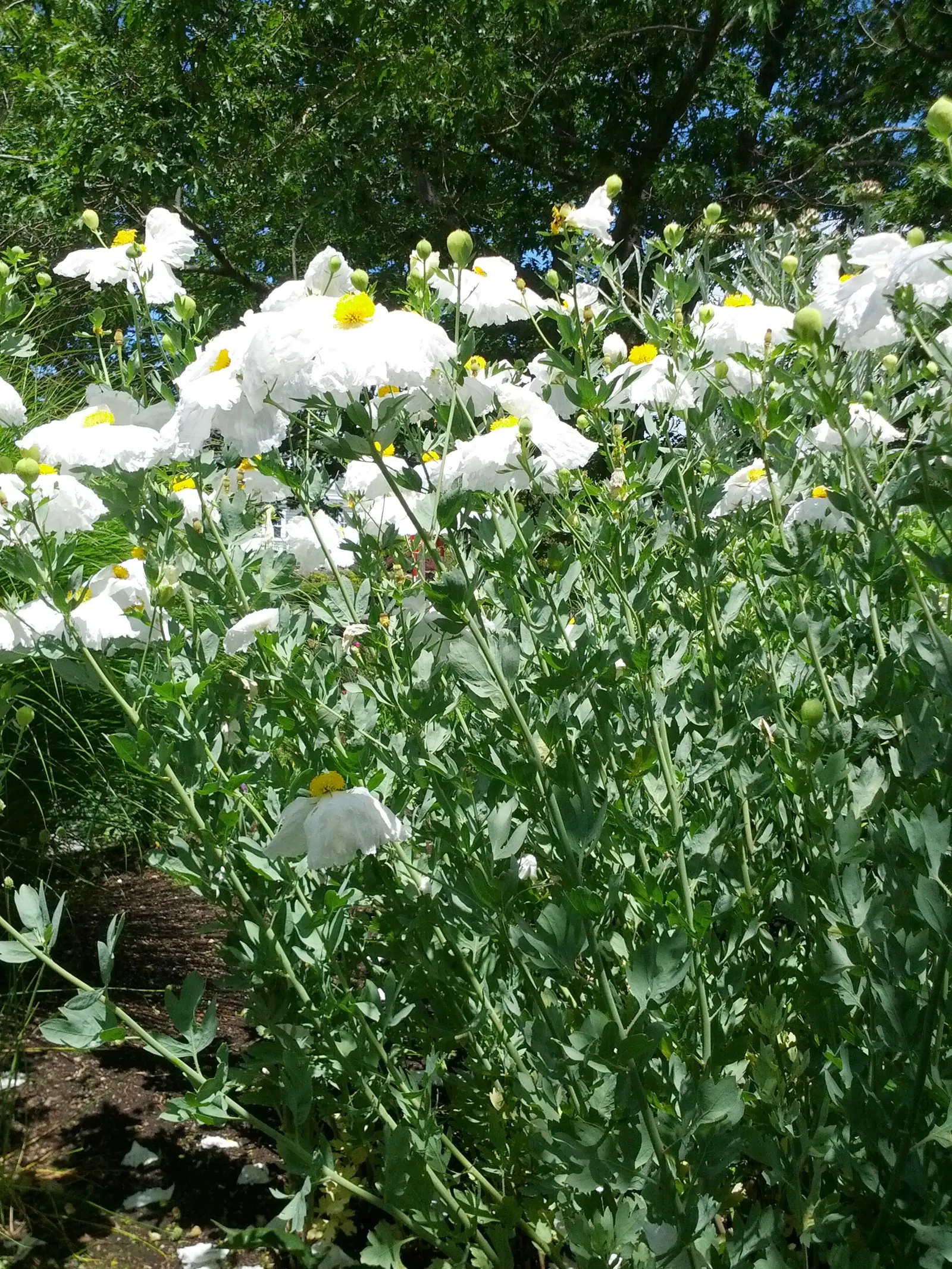
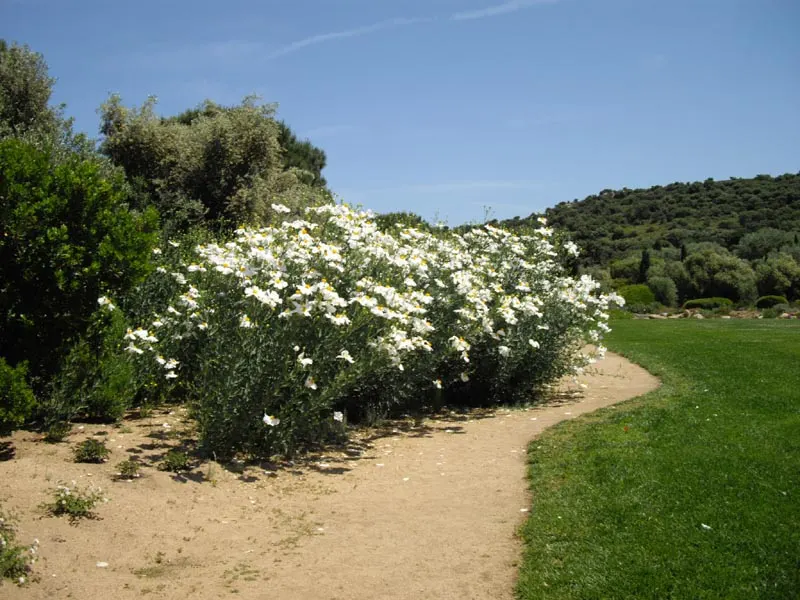
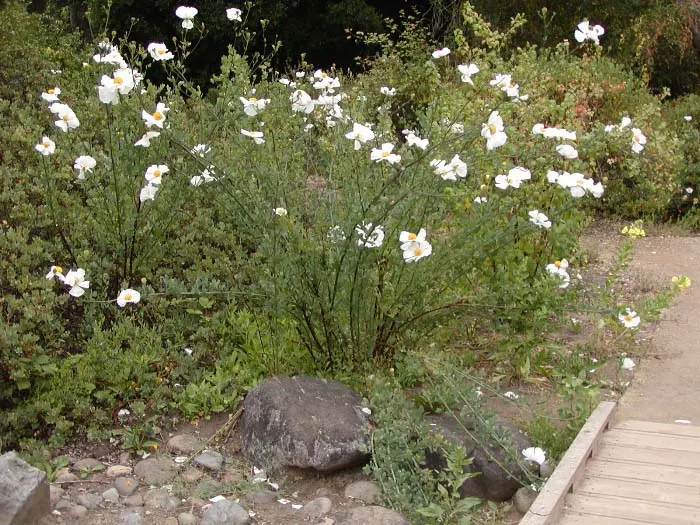
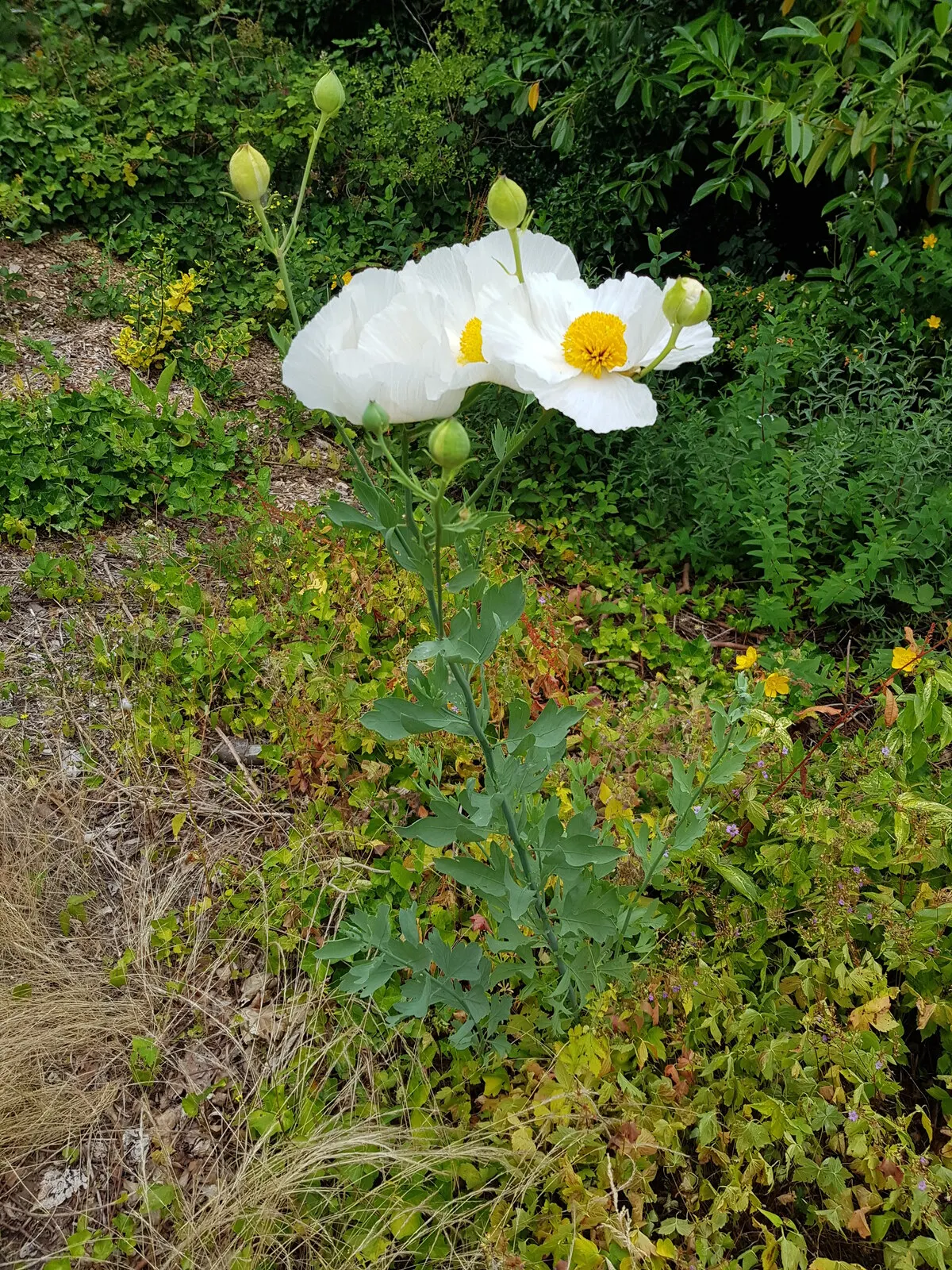
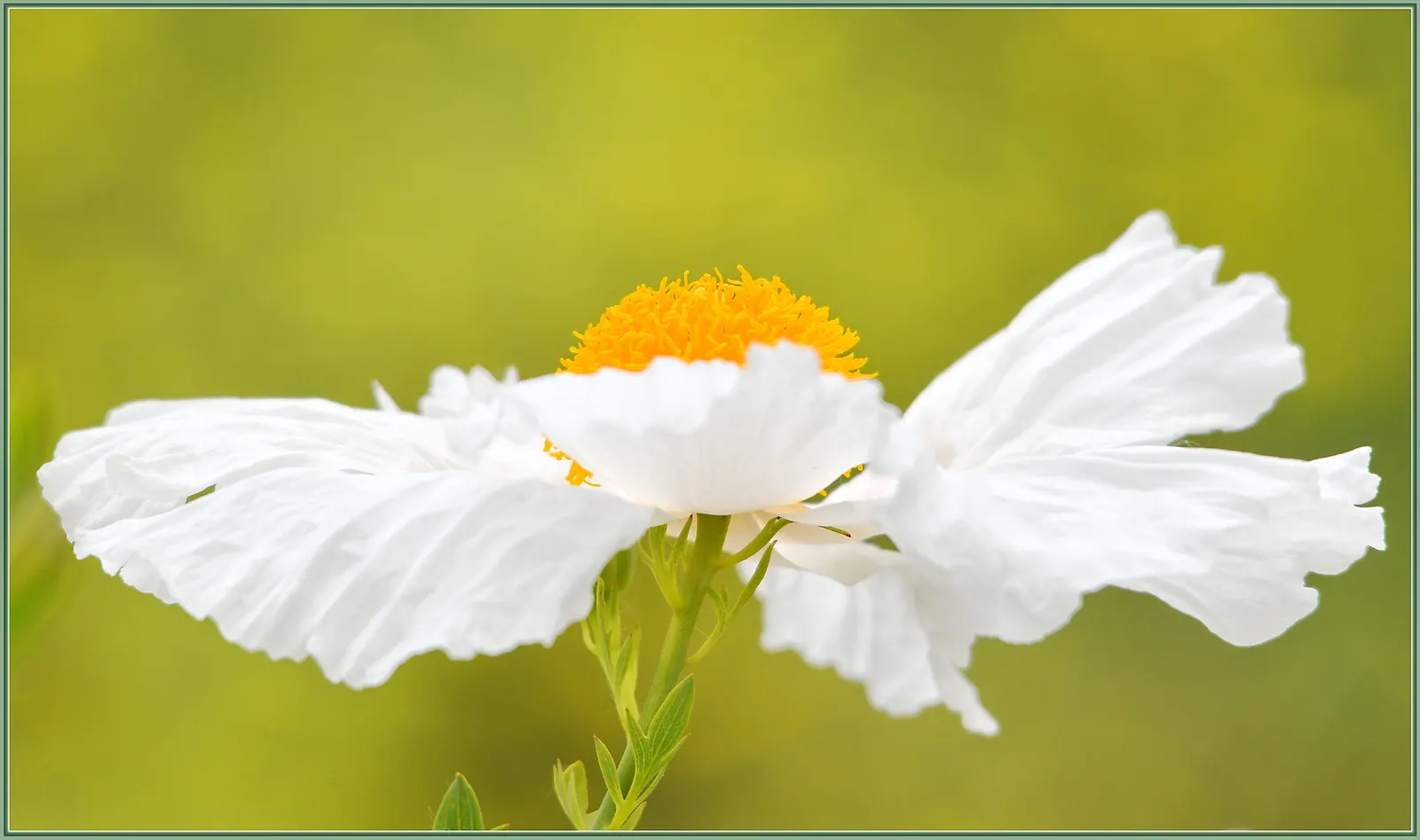
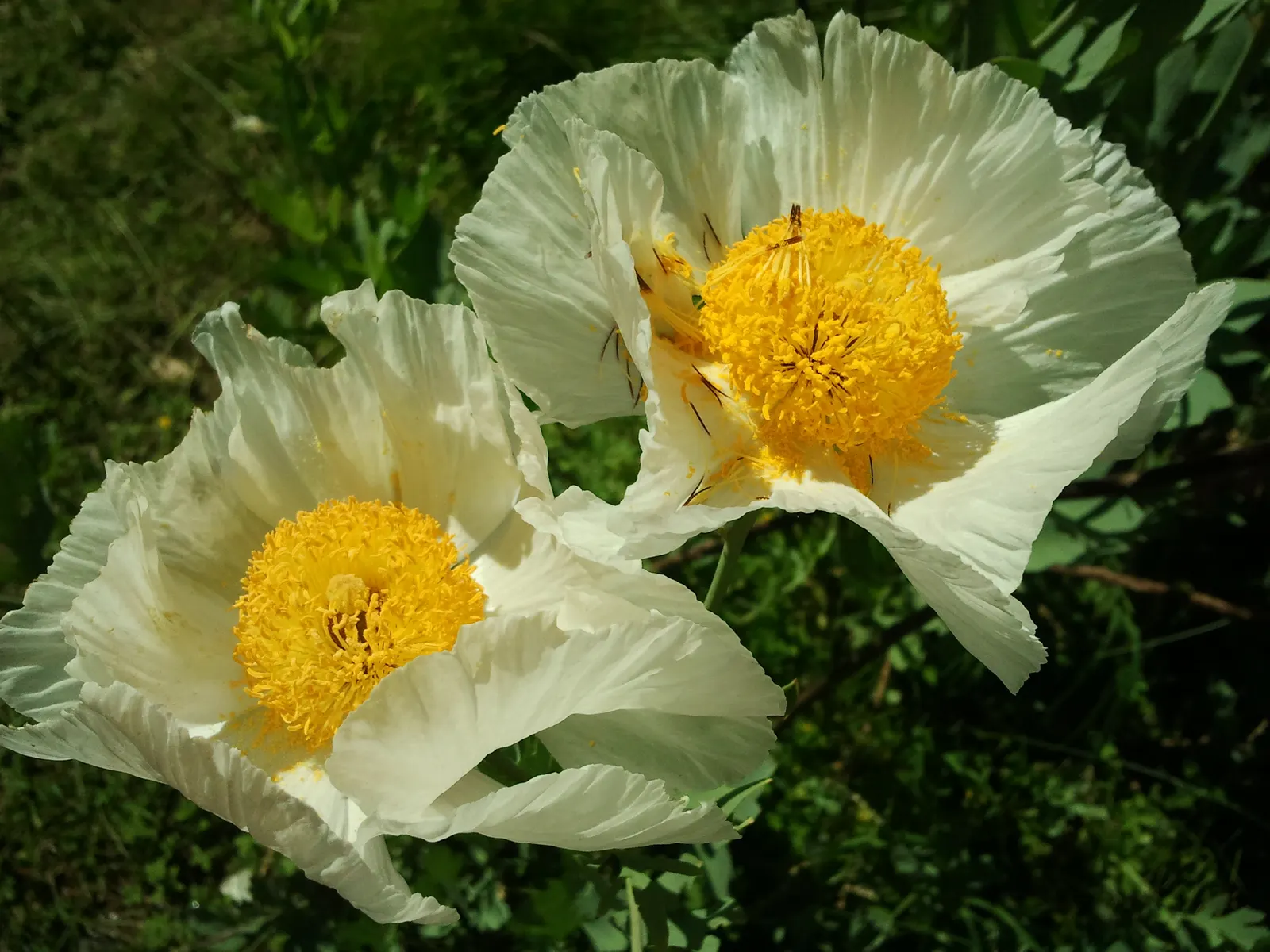
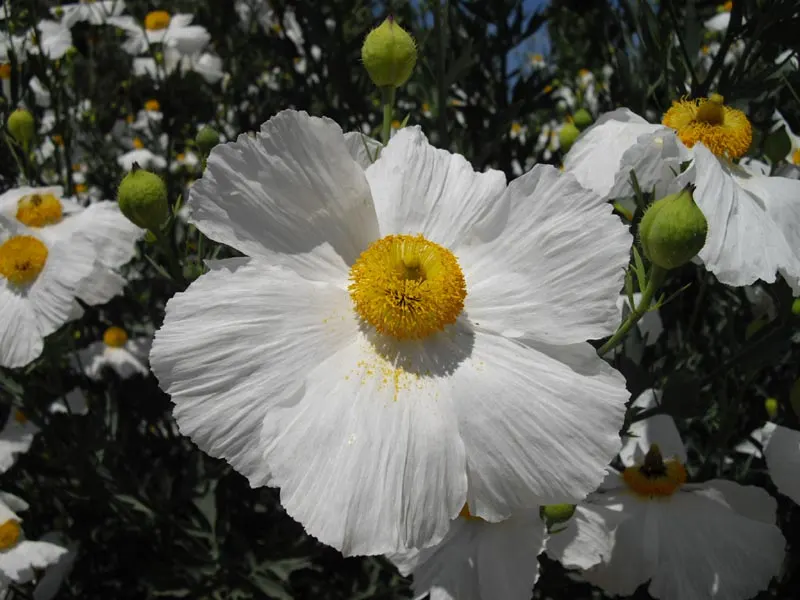
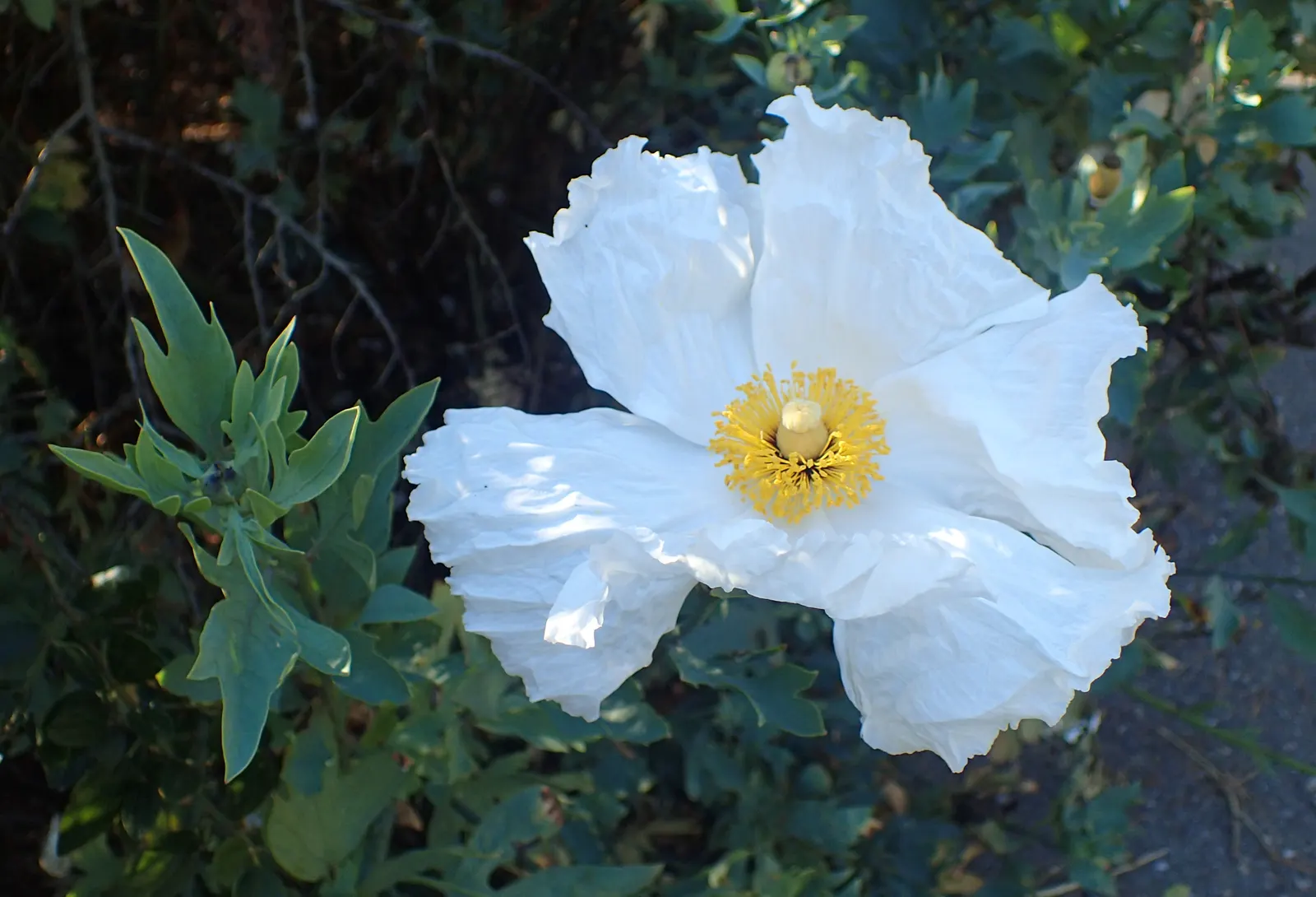
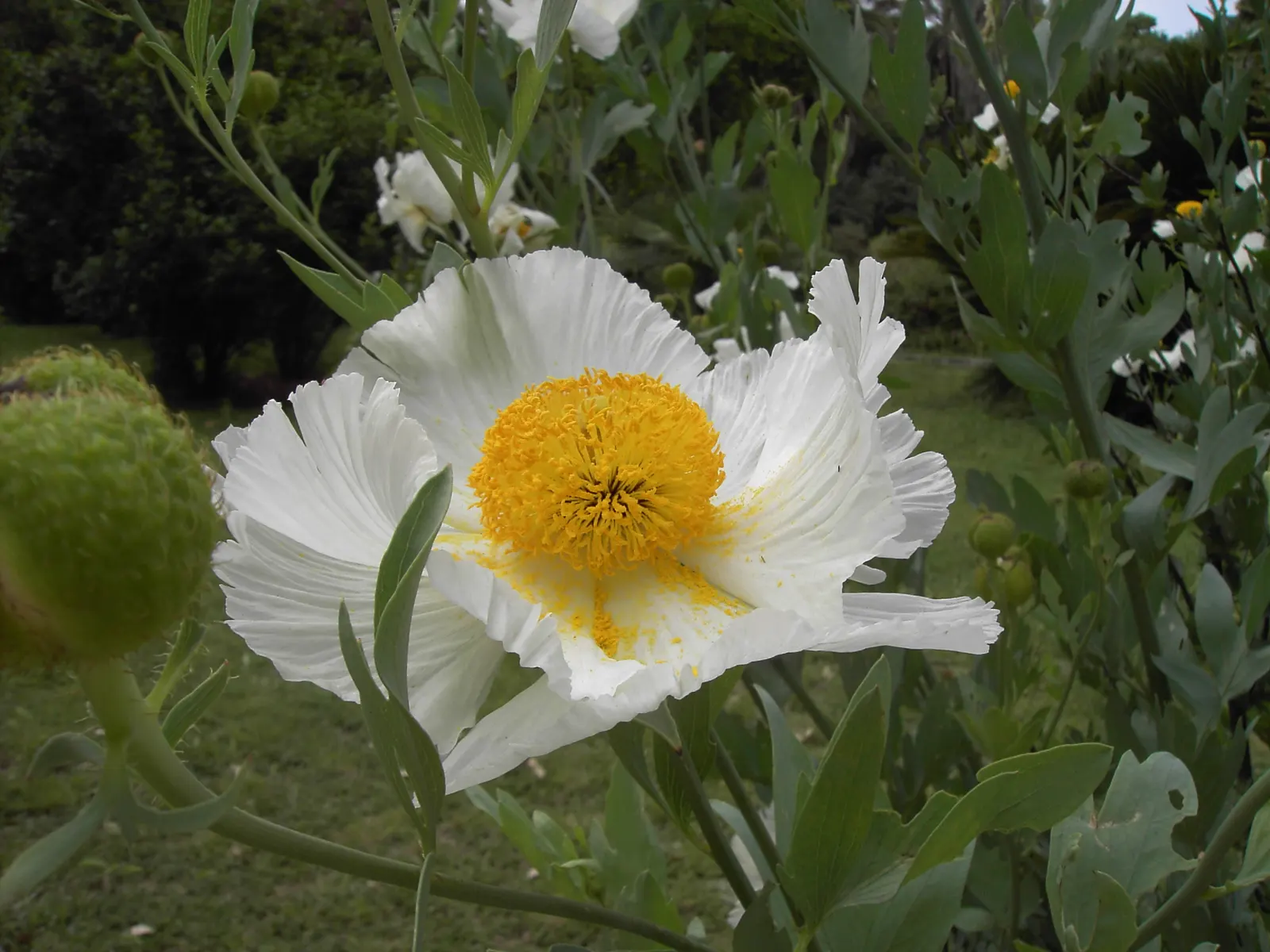
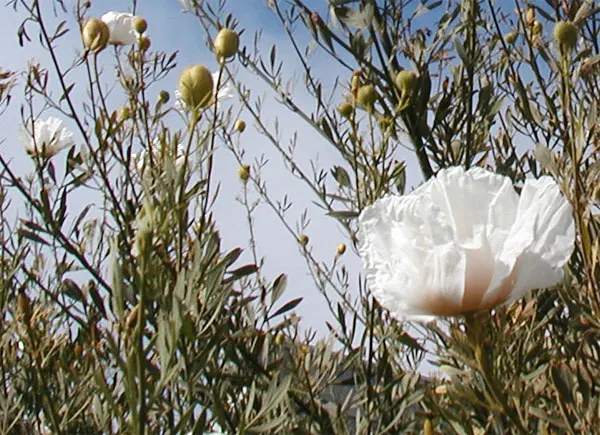
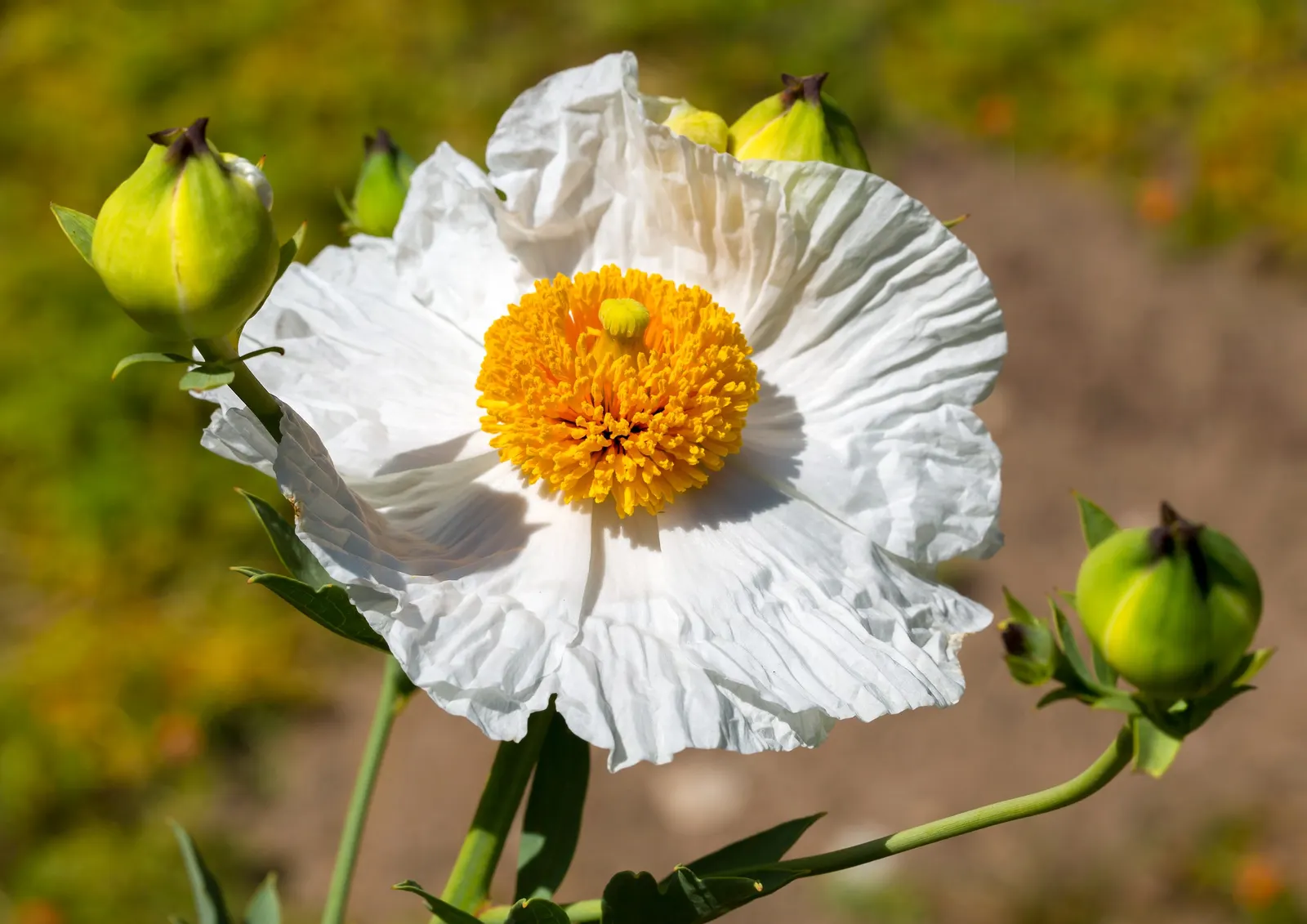
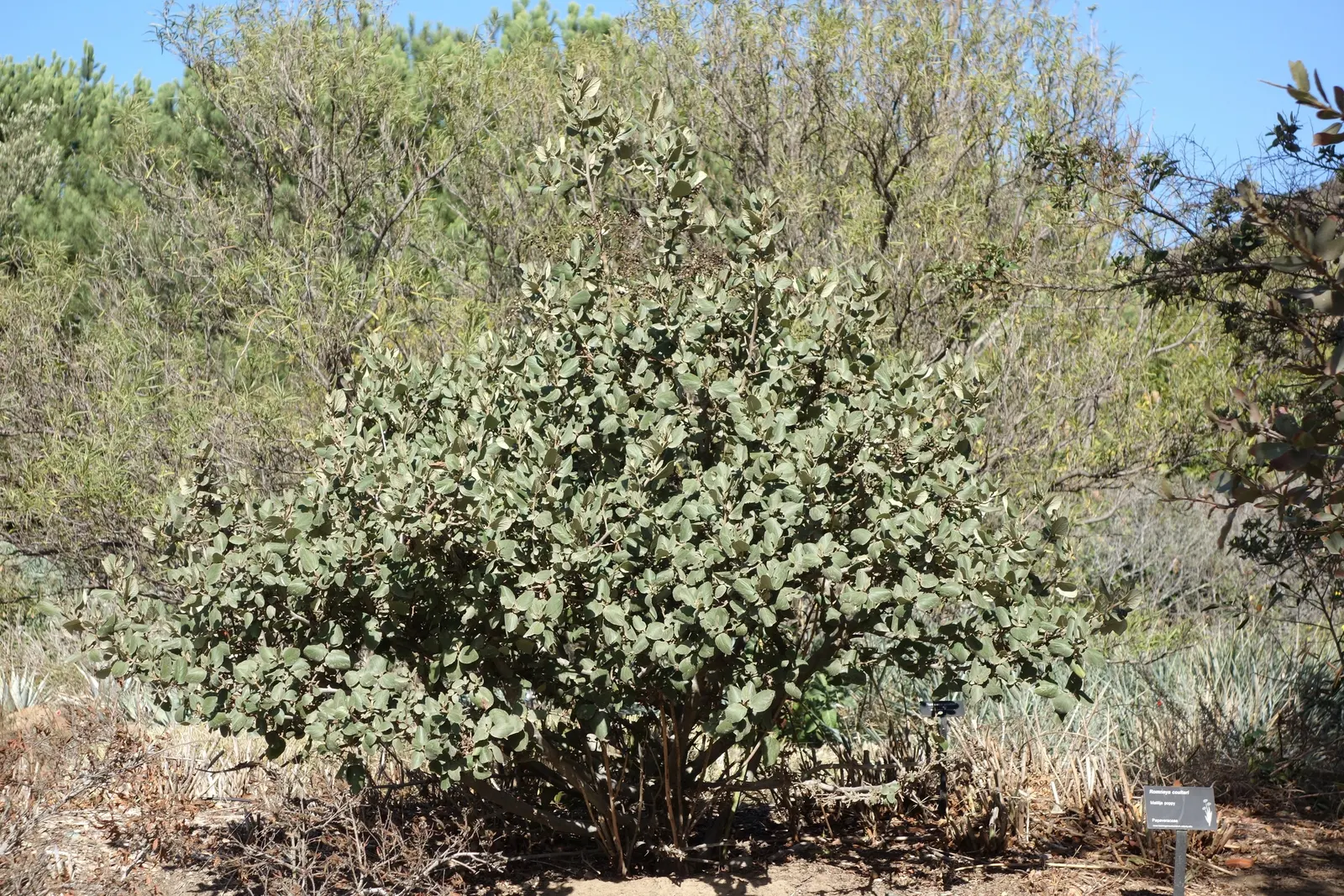
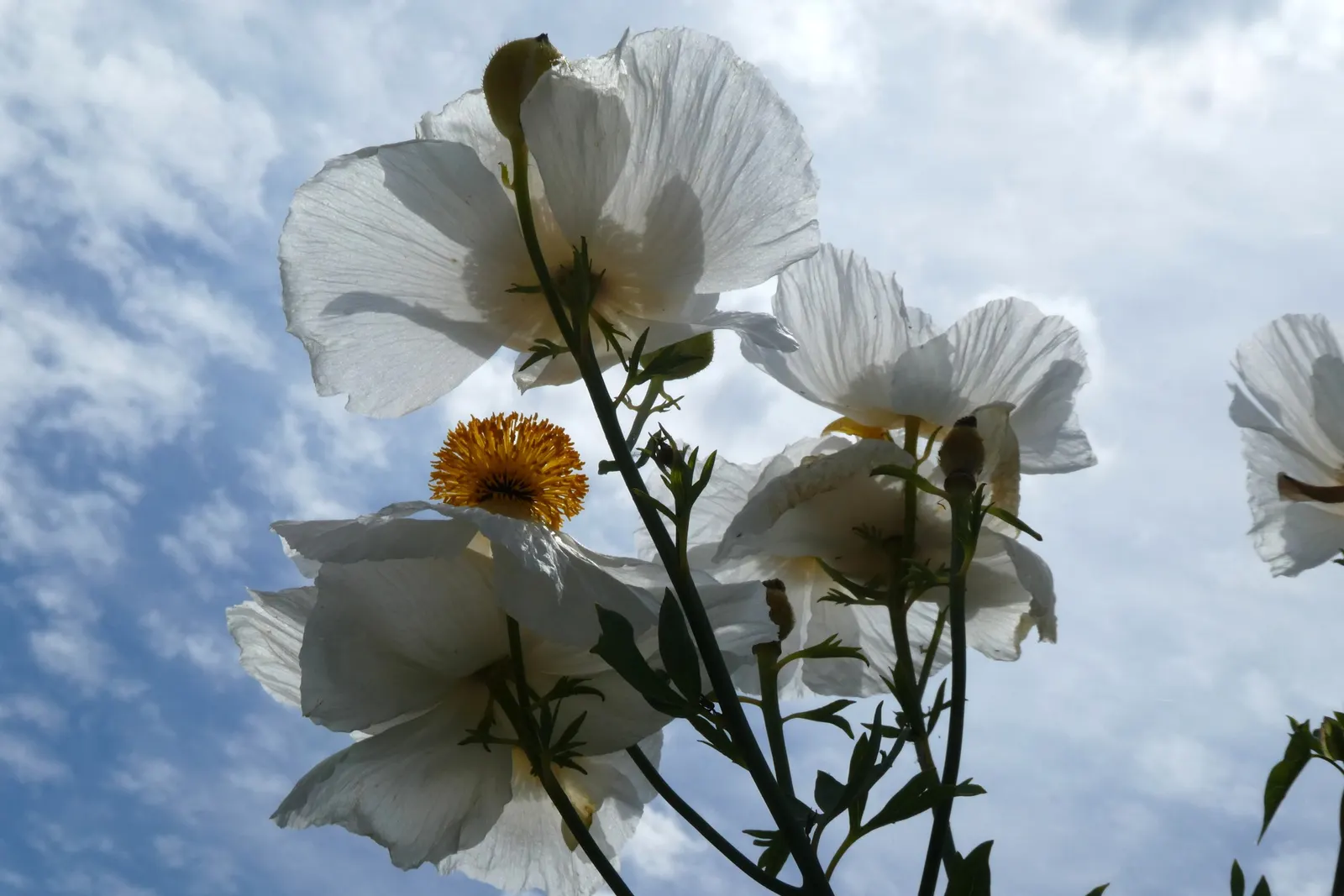
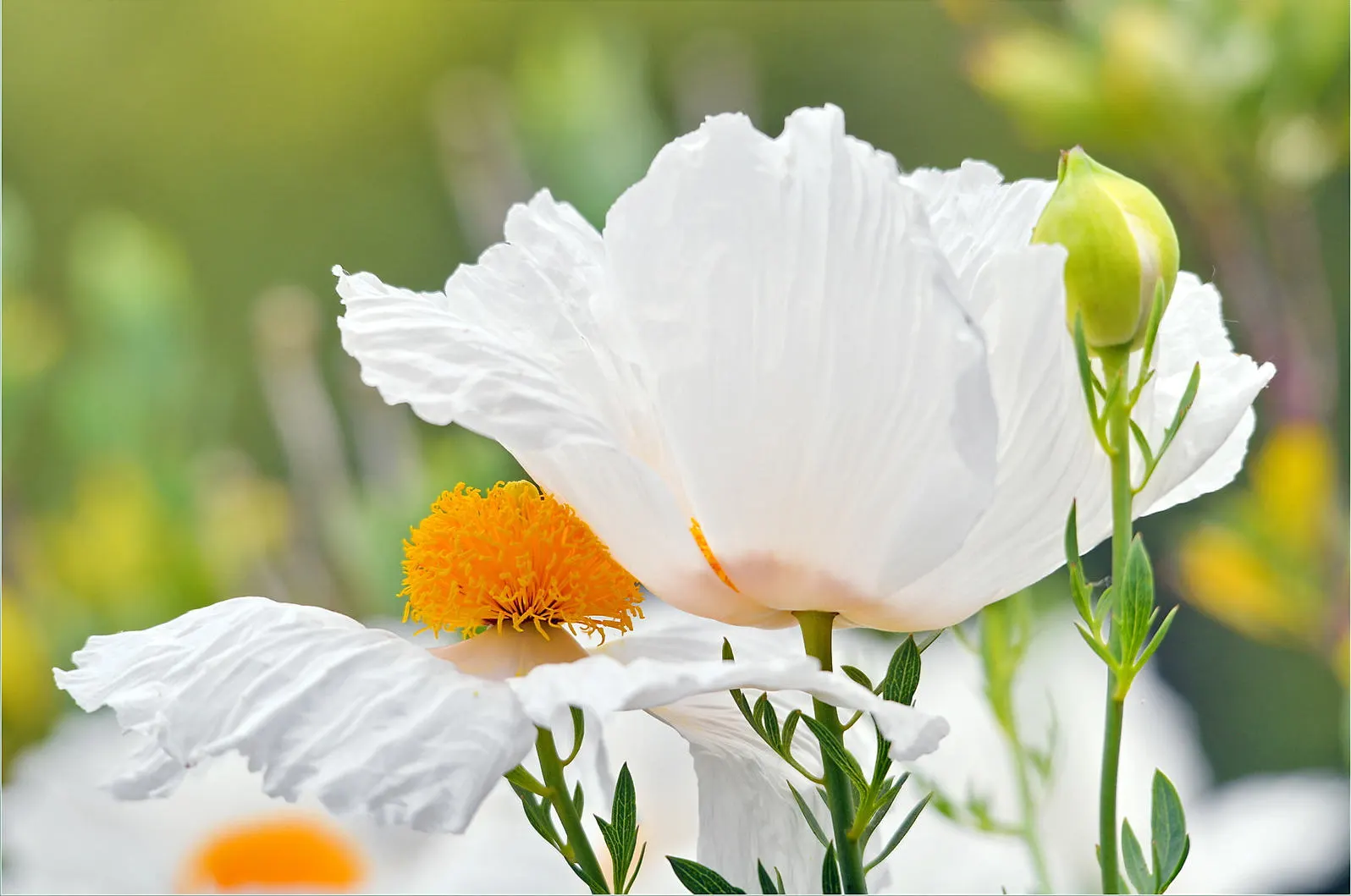
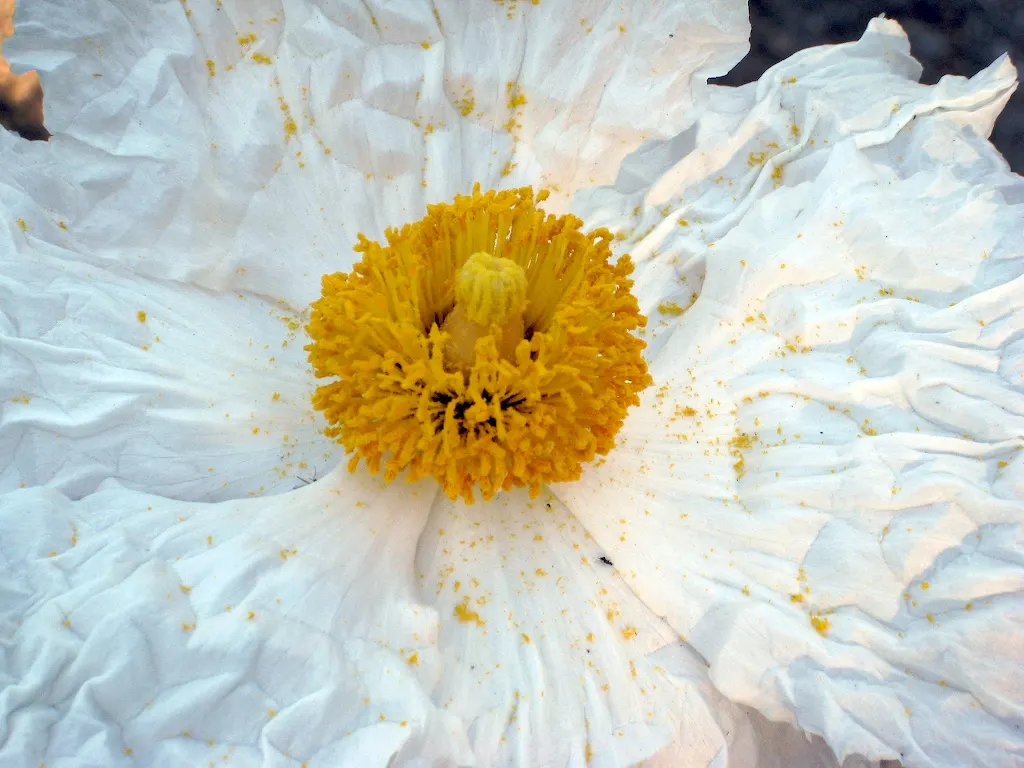
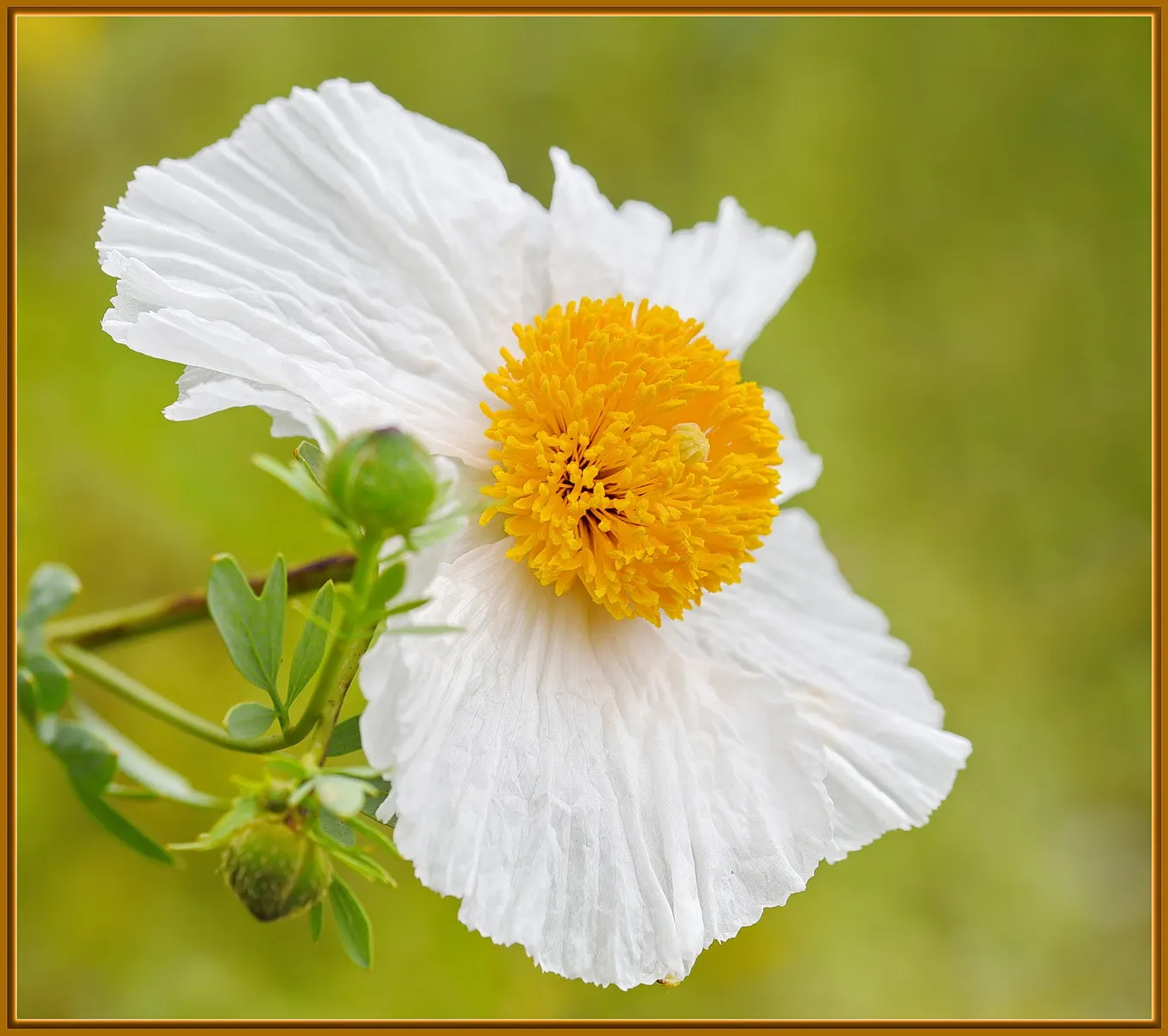
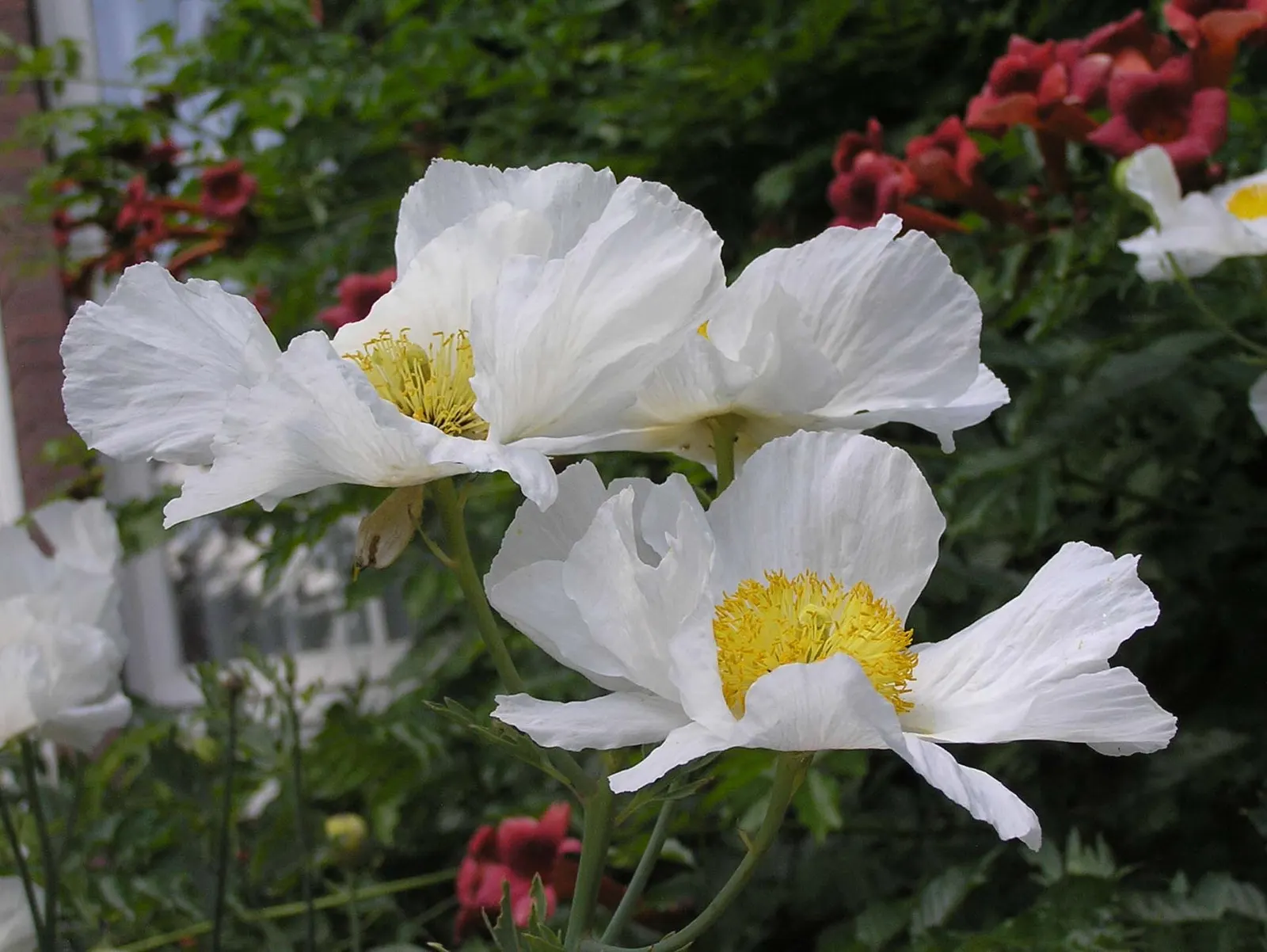
The Matilija Poppy or Romneya coulteri is a striking perennial, native to California. It boasts large, pure white petals surrounding a golden-yellow center, resembling fried eggs, up to 9 inches across. This drought-tolerant plant reaches heights of 5-8 feet and spreads vigorously up to 5 feet wide, thriving in full sun. Its woody stems and blue-green foliage add to its allure. Ideal for creating dramatic backdrops in xeriscapes or wild gardens.
Sun Full, HalfWater Very LowZones 7–10Climate Arid, Mediterranean
Matilija Poppy (Romneya Coulteri) — perennial with white blooms

Culture

Sun
Full, Half
Water
Very Low
USDA zones
7–10

Shape & size

Classification

Family
Papaveraceae
Climate
Arid, Mediterranean

See full data, regional cultivation notes, full-resolution photos, and design tools. Build a client presentation around this plant.

Start your 14-day trial

Photos (66)

Matilija Poppy (Romneya Coulteri) — white flowers in the garden; large white blooms and bright yellow centers that bear a resemblance to fried eggs
Matilija Poppy (Romneya Coulteri) — perennial with white blooms; as it does not tolerate waterlogged roots
Matilija Poppy (Romneya Coulteri) — perennial for full or half; bringing both beauty and a touch of the wild to the landscape
Matilija Poppy (Romneya Coulteri) — The Matilija Poppy or Romneya coulteri is a striking perennial, native to California; its woody stems and, image 51
Matilija Poppy (Romneya Coulteri) — pure white petals surrounding a golden-yellow center; this perennial demands adequate space to showcase its, image 52
Matilija Poppy (Romneya Coulteri) — This drought-tolerant plant reaches heights of 5-8 feet and spreads vigorously up to 5 feet wide; and while it, image 53
Matilija Poppy (Romneya Coulteri) — Its woody stems and blue-green foliage add to its allure; perennial for full or half, image 54
Matilija Poppy (Romneya Coulteri) — Ideal for creating dramatic backdrops in xeriscapes or wild gardens; stands as a stately presence in any, image 55
Matilija Poppy (Romneya Coulteri) — scientifically known as *Romneya coulteri*; the Matilija Poppy requires full sun exposure to flourish and, image 56
Matilija Poppy (Romneya Coulteri) — stands as a stately presence in any landscape design; the Matilija Poppy becomes a captivating addition, image 57
Matilija Poppy (Romneya Coulteri) — large white blooms and bright yellow centers that bear a resemblance to fried eggs; this drought-tolerant plant, image 58
Matilija Poppy (Romneya Coulteri) — Native to California and Northern Mexico; *Romneya coulteri* thrives in USDA hardiness zones 7 through 10, image 59
Matilija Poppy (Romneya Coulteri) — *Romneya coulteri* thrives in USDA hardiness zones 7 through 10; as it is drought-tolerant once established, image 60
Matilija Poppy (Romneya Coulteri) — this perennial demands adequate space to showcase its bushy gray-green foliage and arresting flowers; perennial, image 61
Matilija Poppy (Romneya Coulteri) — which can measure up to 9 inches across; scientifically known as *Romneya coulteri*, image 62
Matilija Poppy (Romneya Coulteri) — Flowering season occurs principally in the late spring and summer, image 63
Matilija Poppy (Romneya Coulteri) — stands as a stately presence in any landscape design
Matilija Poppy (Romneya Coulteri) — The Matilija Poppy or Romneya coulteri is a striking perennial, native to California
Matilija Poppy (Romneya Coulteri) — pure white petals surrounding a golden-yellow center
Matilija Poppy (Romneya Coulteri) — This drought-tolerant plant reaches heights of 5-8 feet and spreads vigorously up to 5 feet wide
Matilija Poppy (Romneya Coulteri) — Its woody stems and blue-green foliage add to its allure
Matilija Poppy (Romneya Coulteri) — Ideal for creating dramatic backdrops in xeriscapes or wild gardens
Matilija Poppy (Romneya Coulteri) — scientifically known as *Romneya coulteri*
Matilija Poppy (Romneya Coulteri) — large white blooms and bright yellow centers that bear a resemblance to fried eggs

Related plants