Skip to content

Cork Oak

Quercus Suber

Design with this plant

Overview

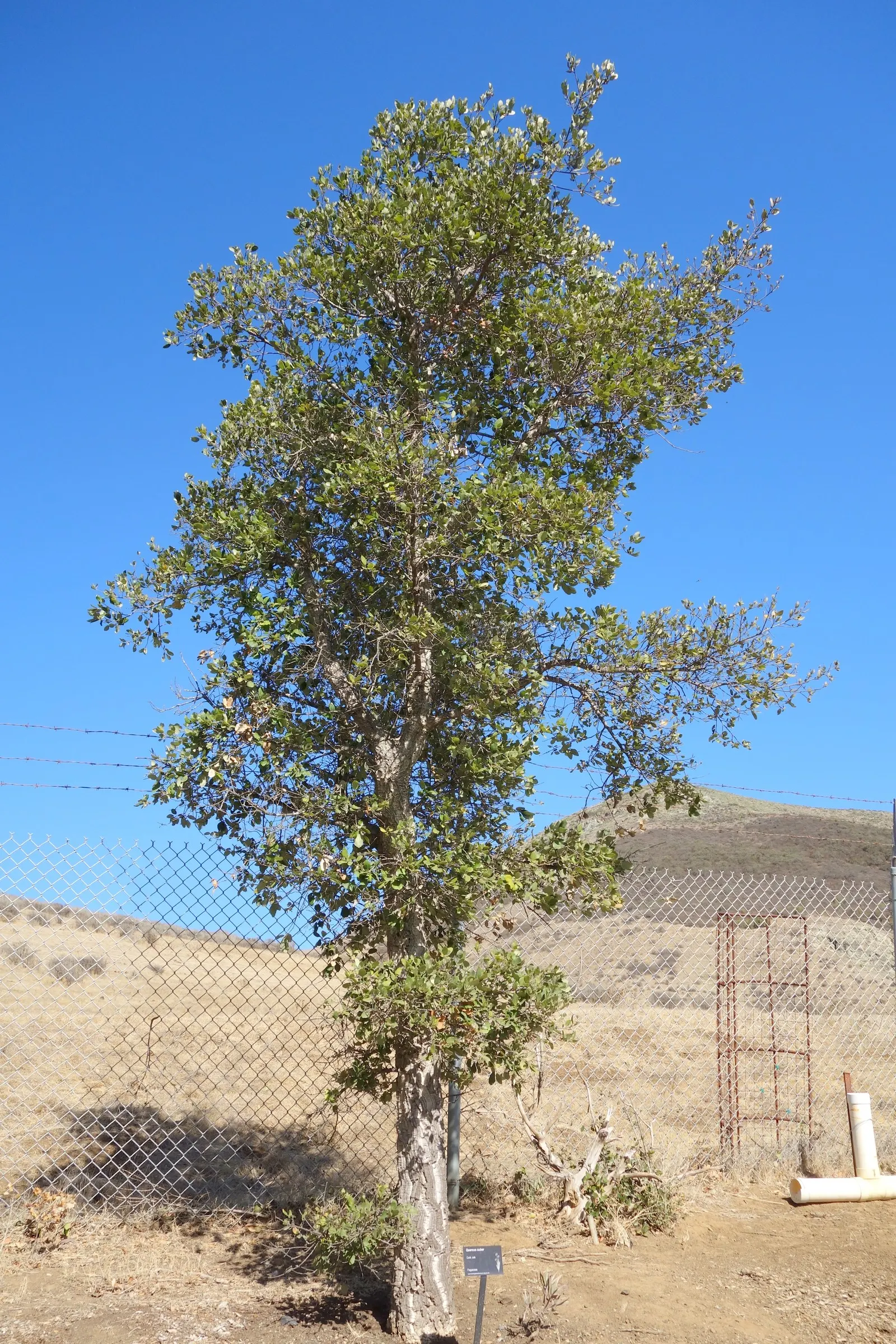
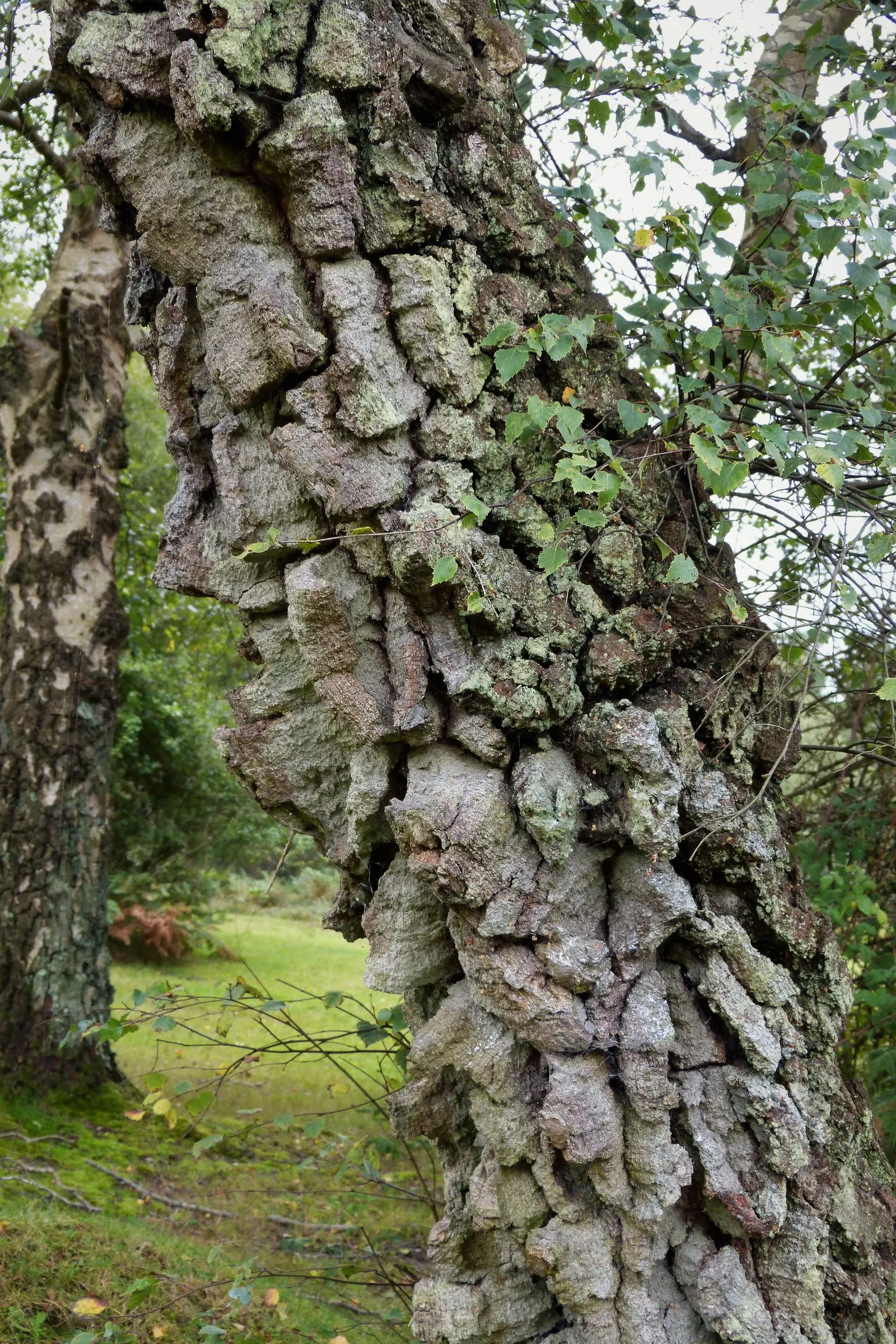
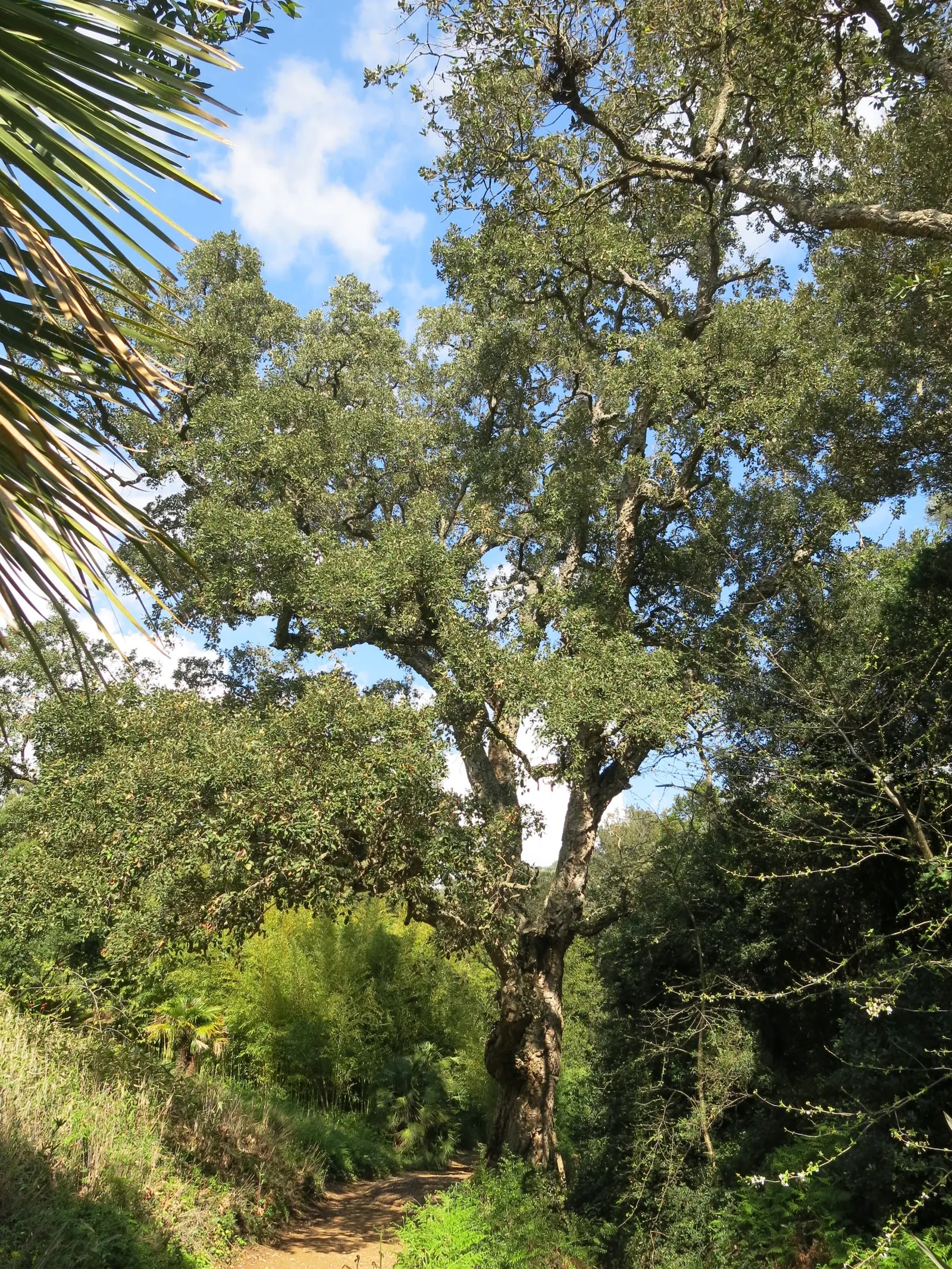
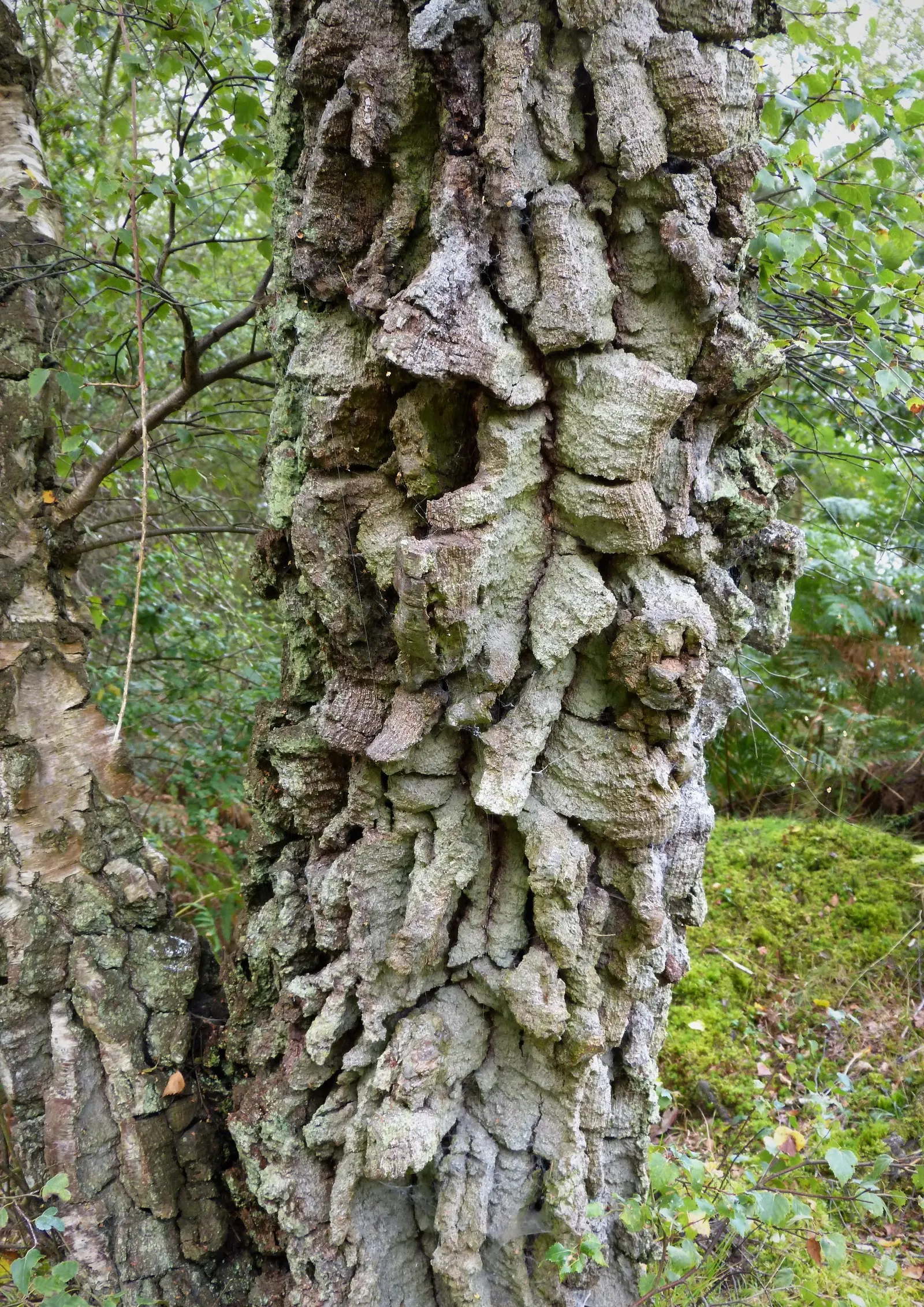
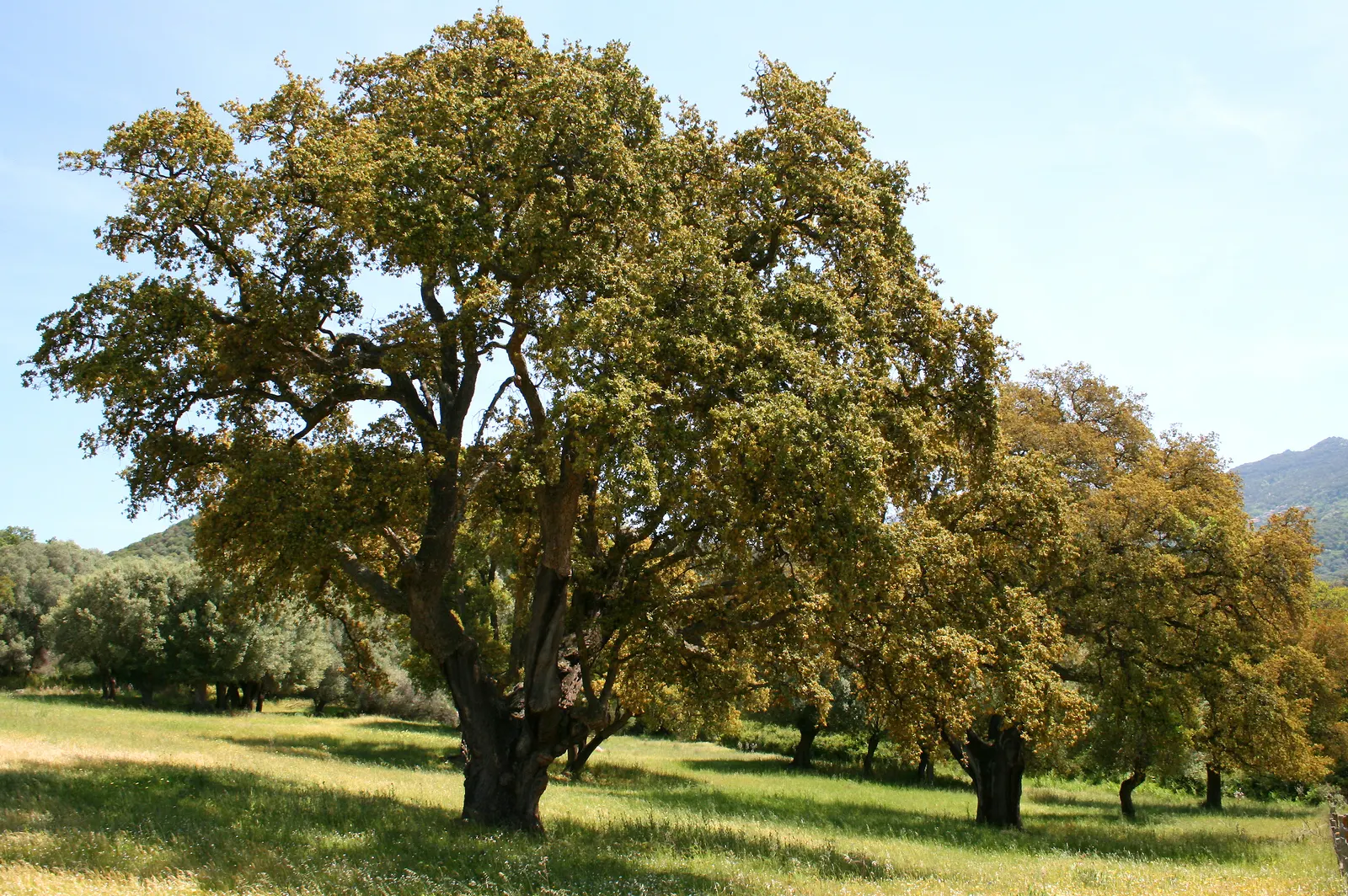
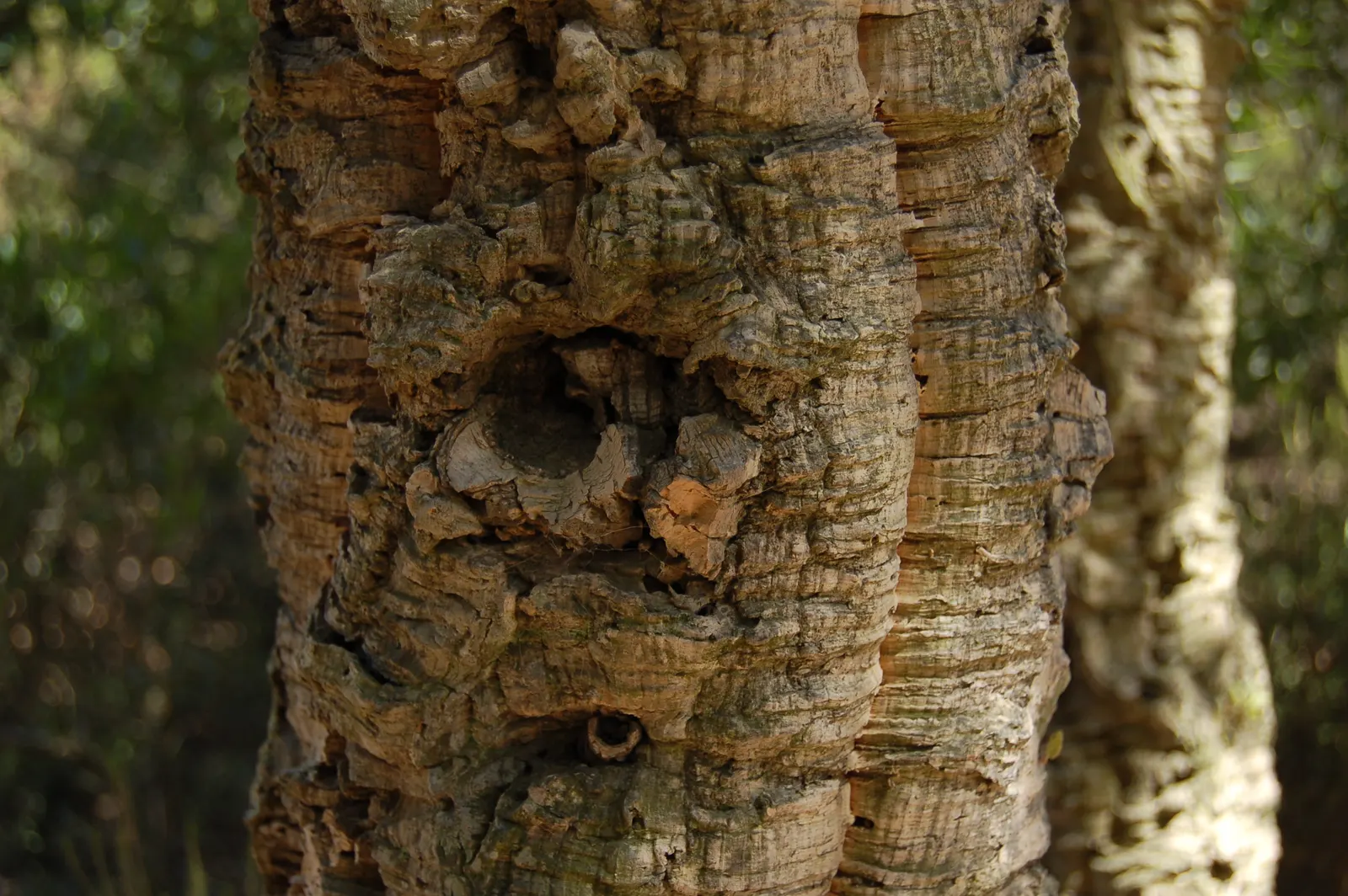
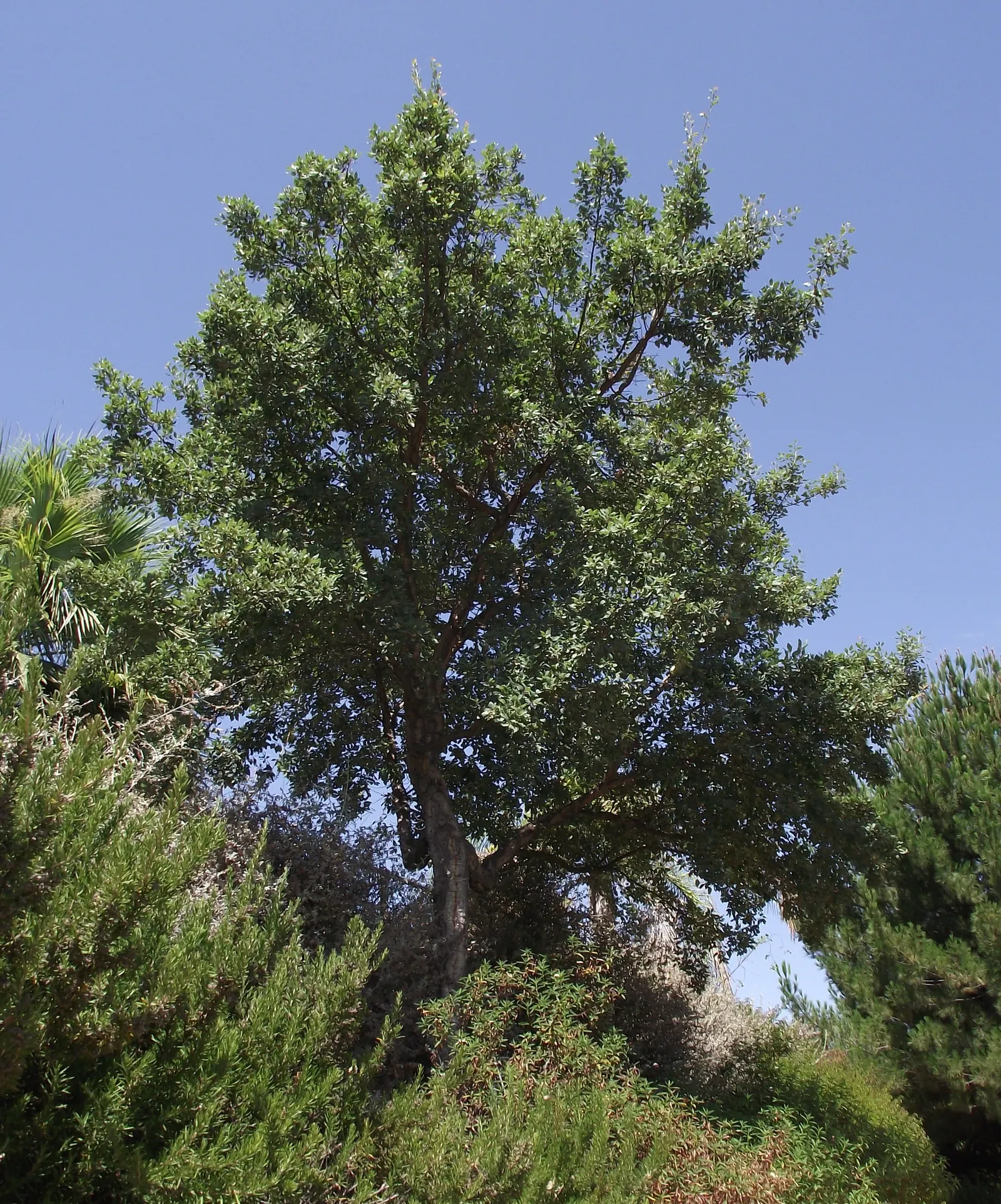
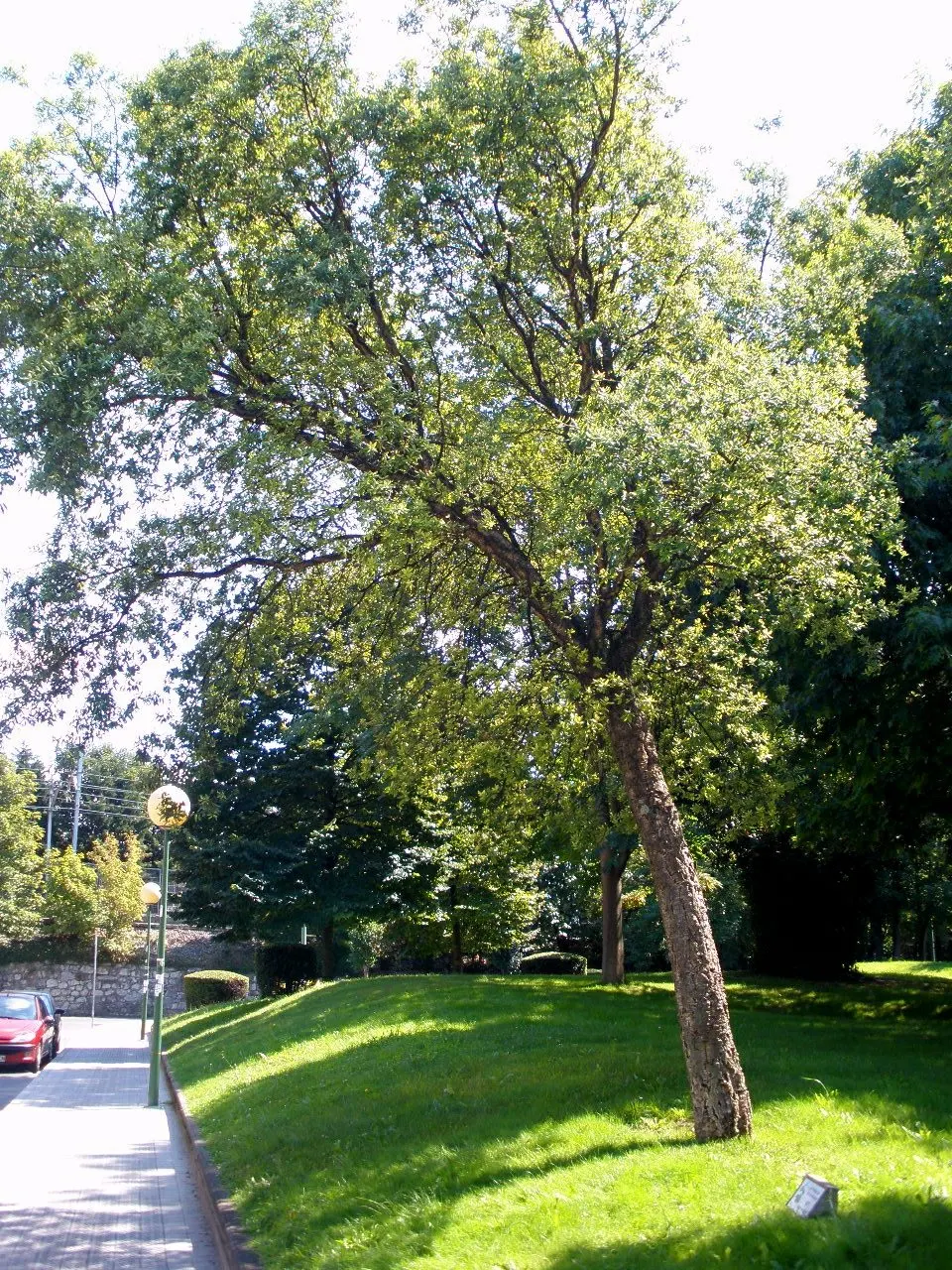
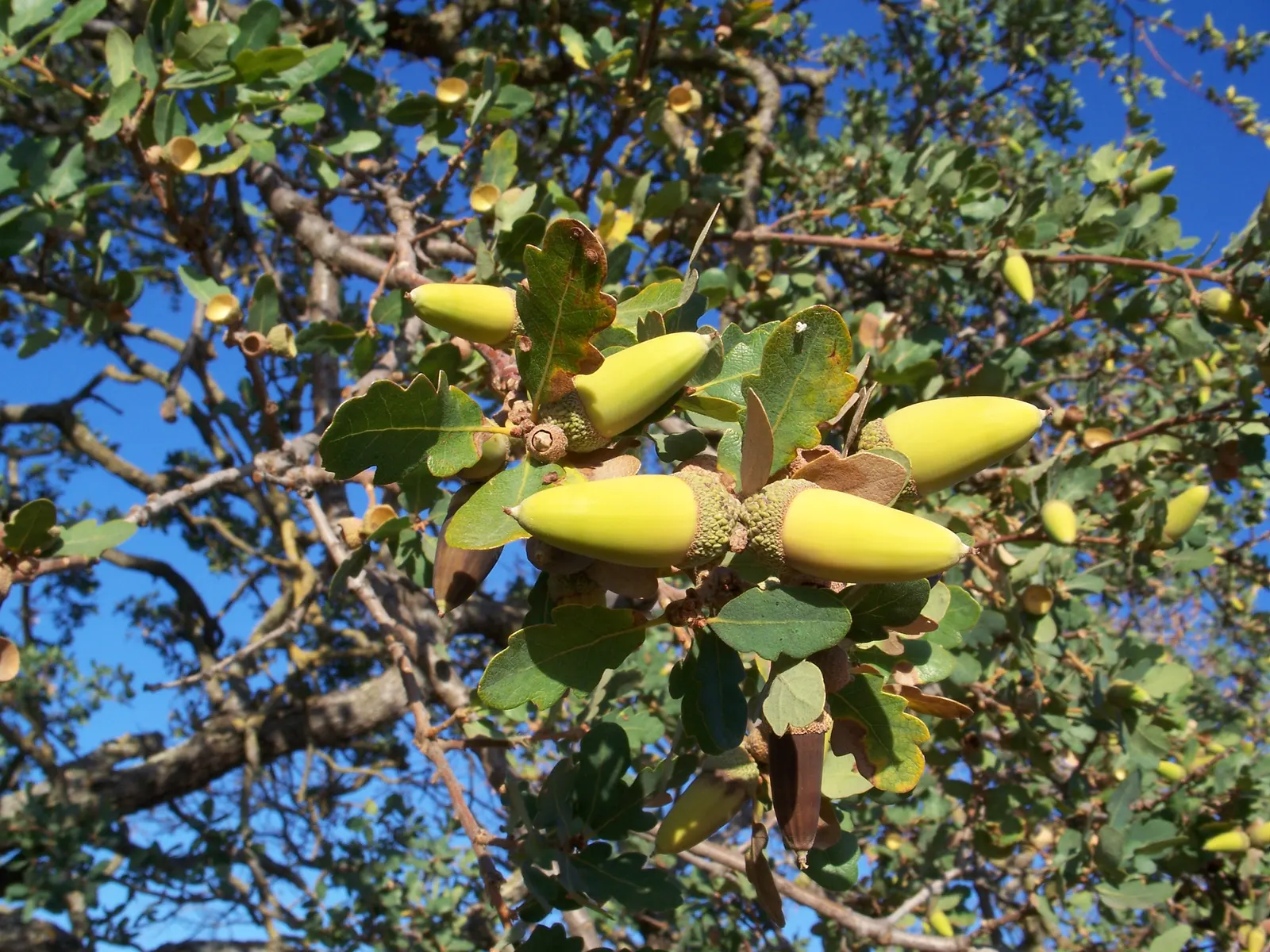
The Cork Oak (Quercus suber) is a picturesque evergreen, known for its richly fissured, renewable bark used in cork production. With a broad, rounded canopy, it reaches up to 65 feet tall and 50 feet wide, favoring well-drained soils and full sun. Hardy in USDA zones 7-10, it's drought-tolerant once established, adding Mediterranean charm and offering habitat support with minimal maintenance requirements.

Sun FullWater LowZones 4–10Type TreeClimate Mediterranean
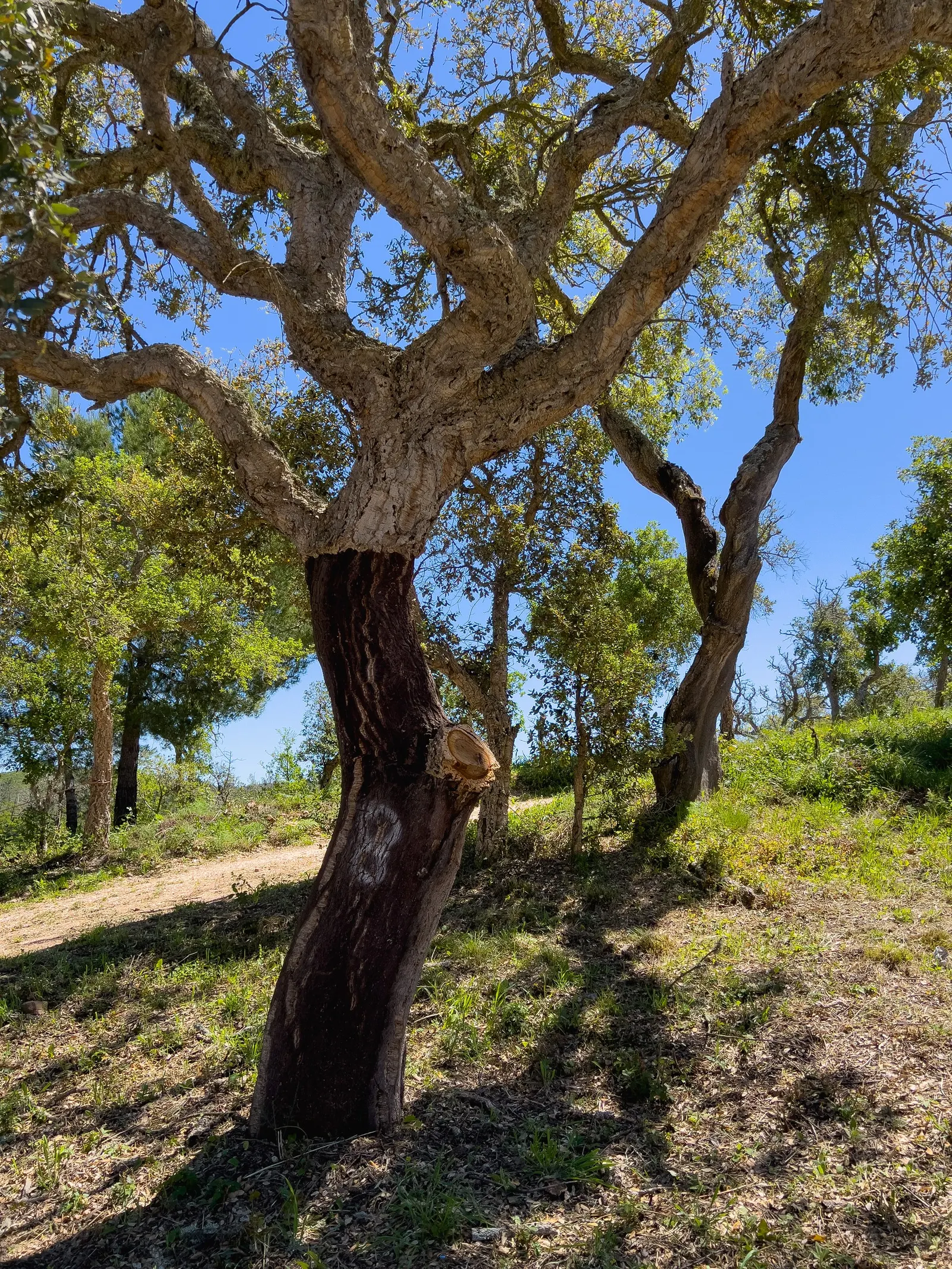
Cork Oak (Quercus Suber) — making it a majestic presence in any landscape design.<br><br>Featuring a broad and rounded canopy; the Cork Oak (Quercus suber) is

Culture

Sun
Full
Water
Low
USDA zones
4–10

Shape & size

Classification

Type
Tree
Family
Fagaceae
Climate
Mediterranean

See full data, regional cultivation notes, and design tools. Build a client presentation around this plant.

Start your 14-day trial

Photos (81)

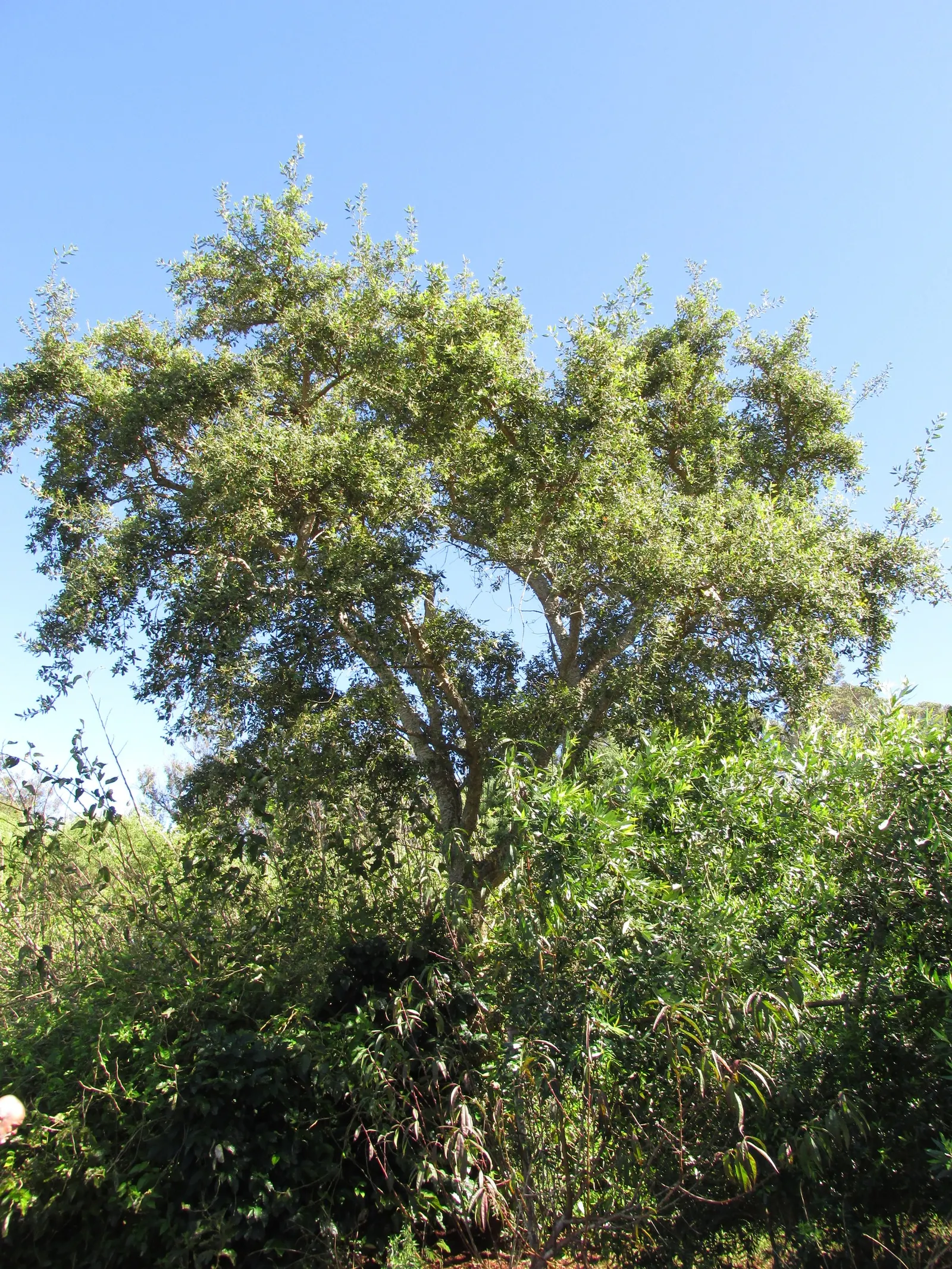
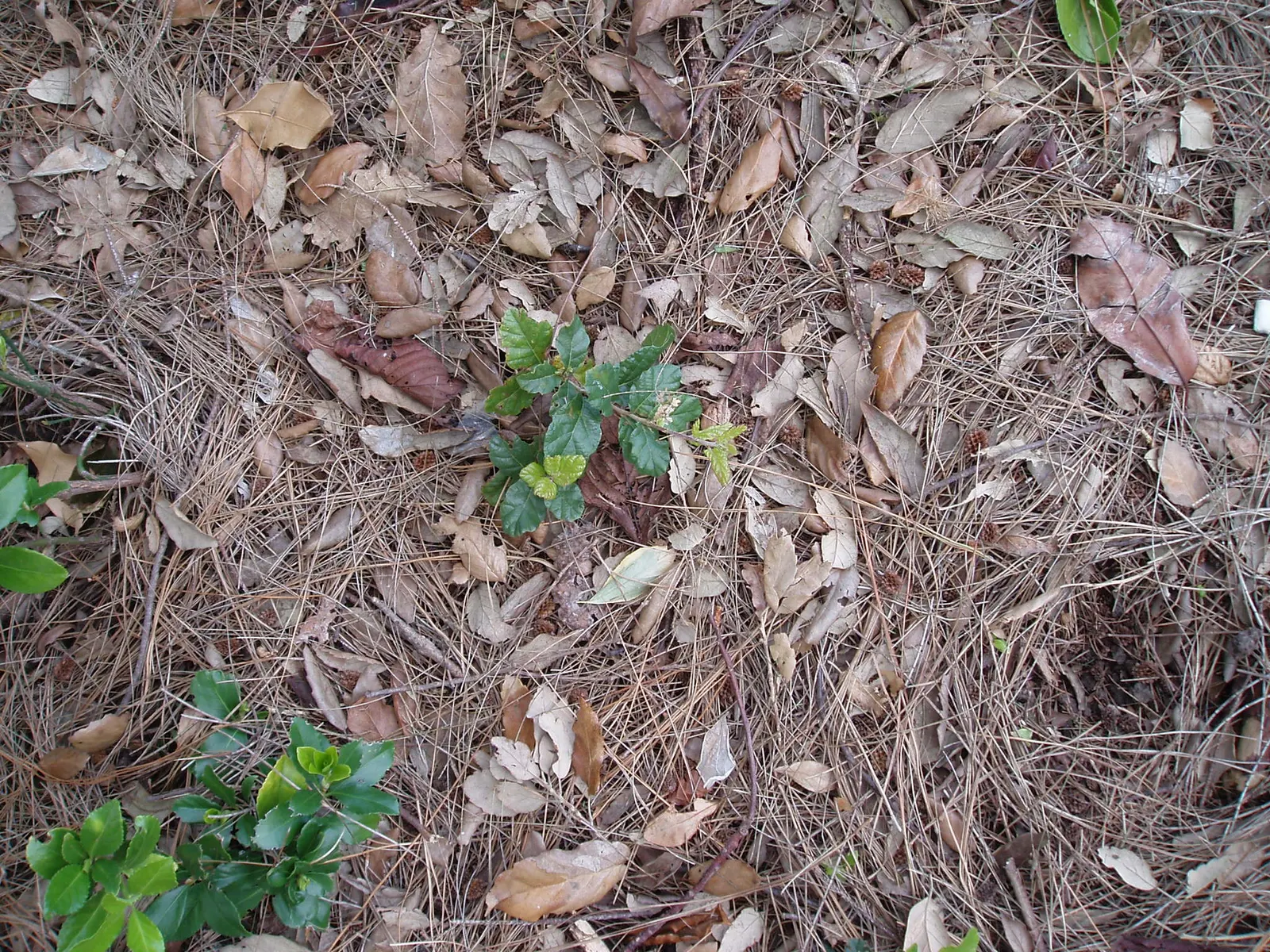
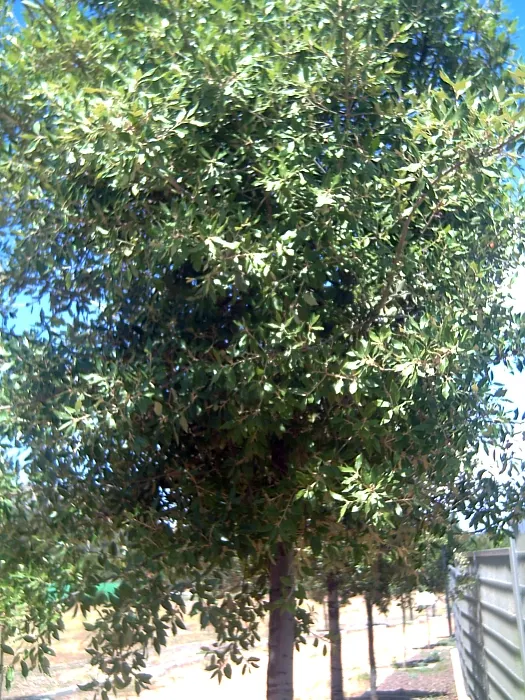
Cork Oak (Quercus Suber) — and when mature can reach heights of 40 to 60 feet; adding Mediterranean charm and offering habitat support with minimal maintenance
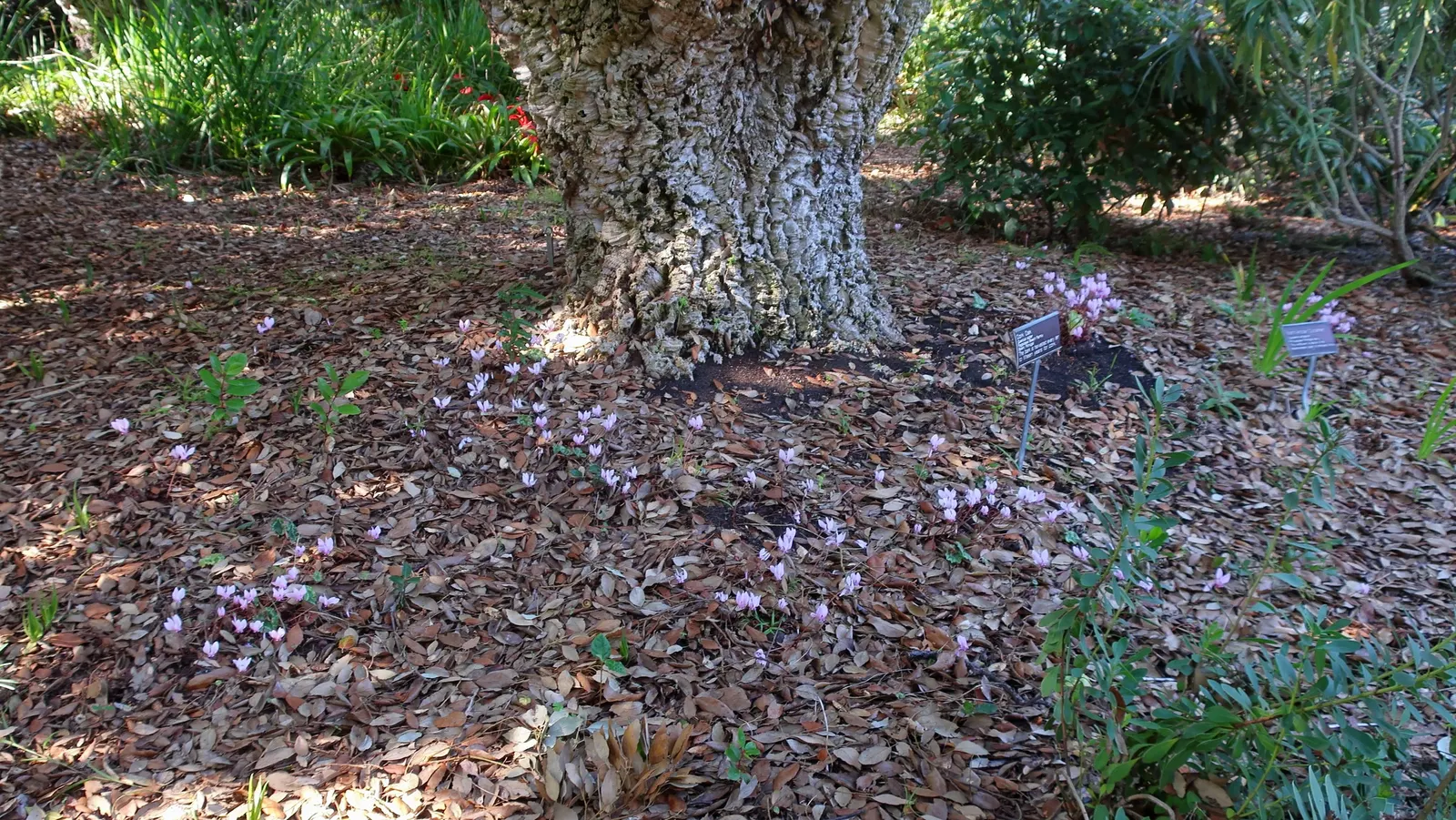
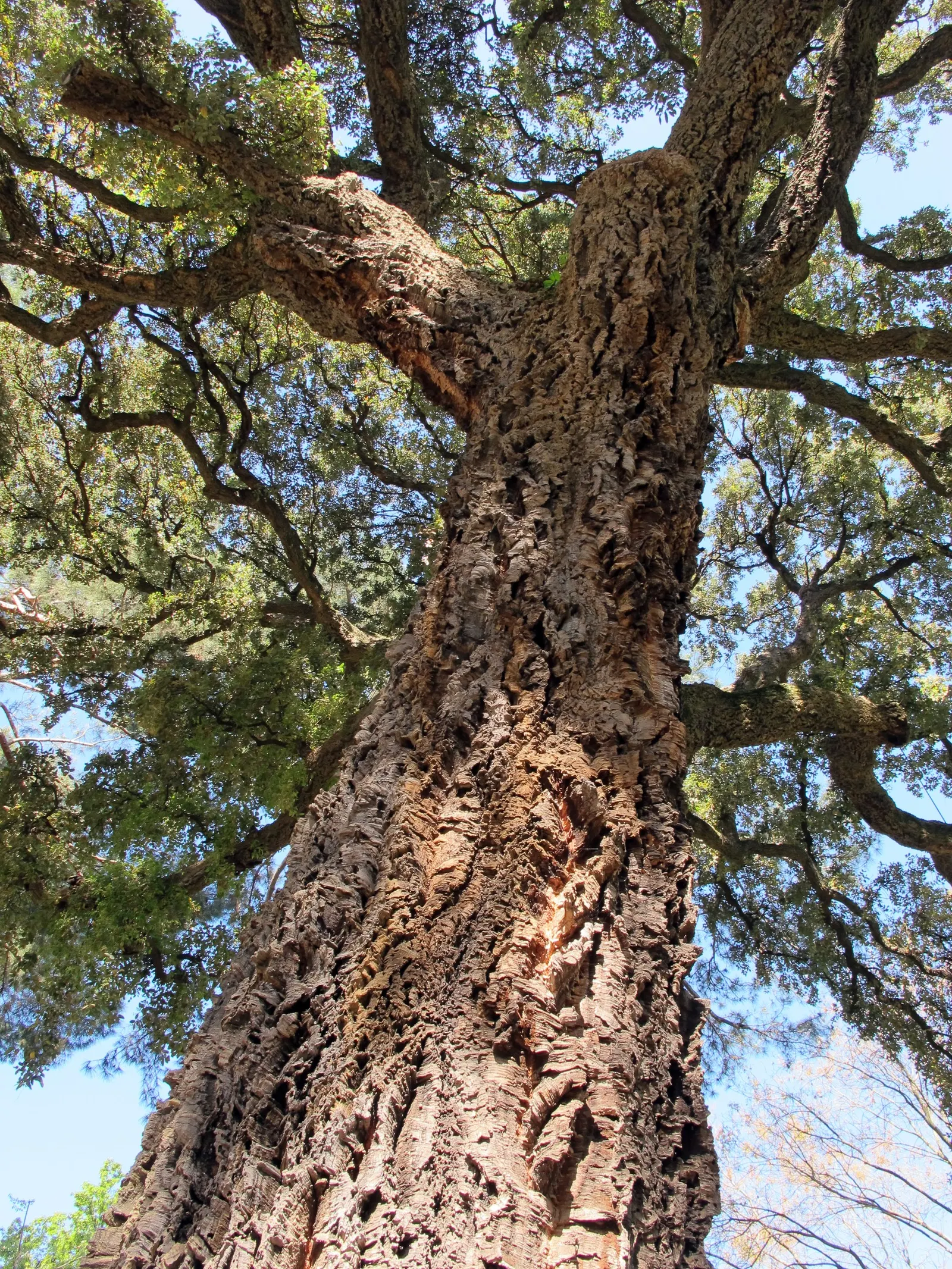
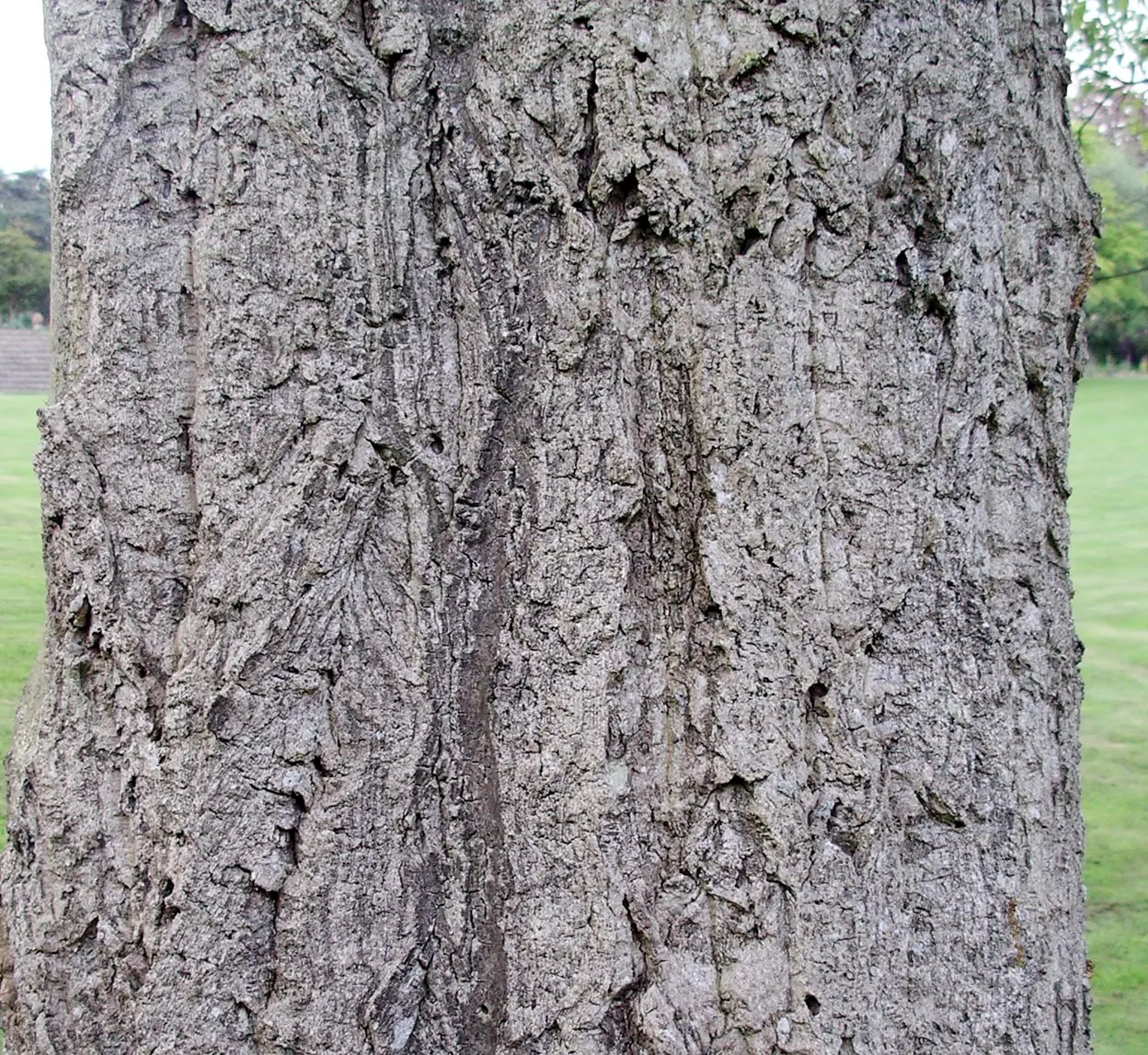
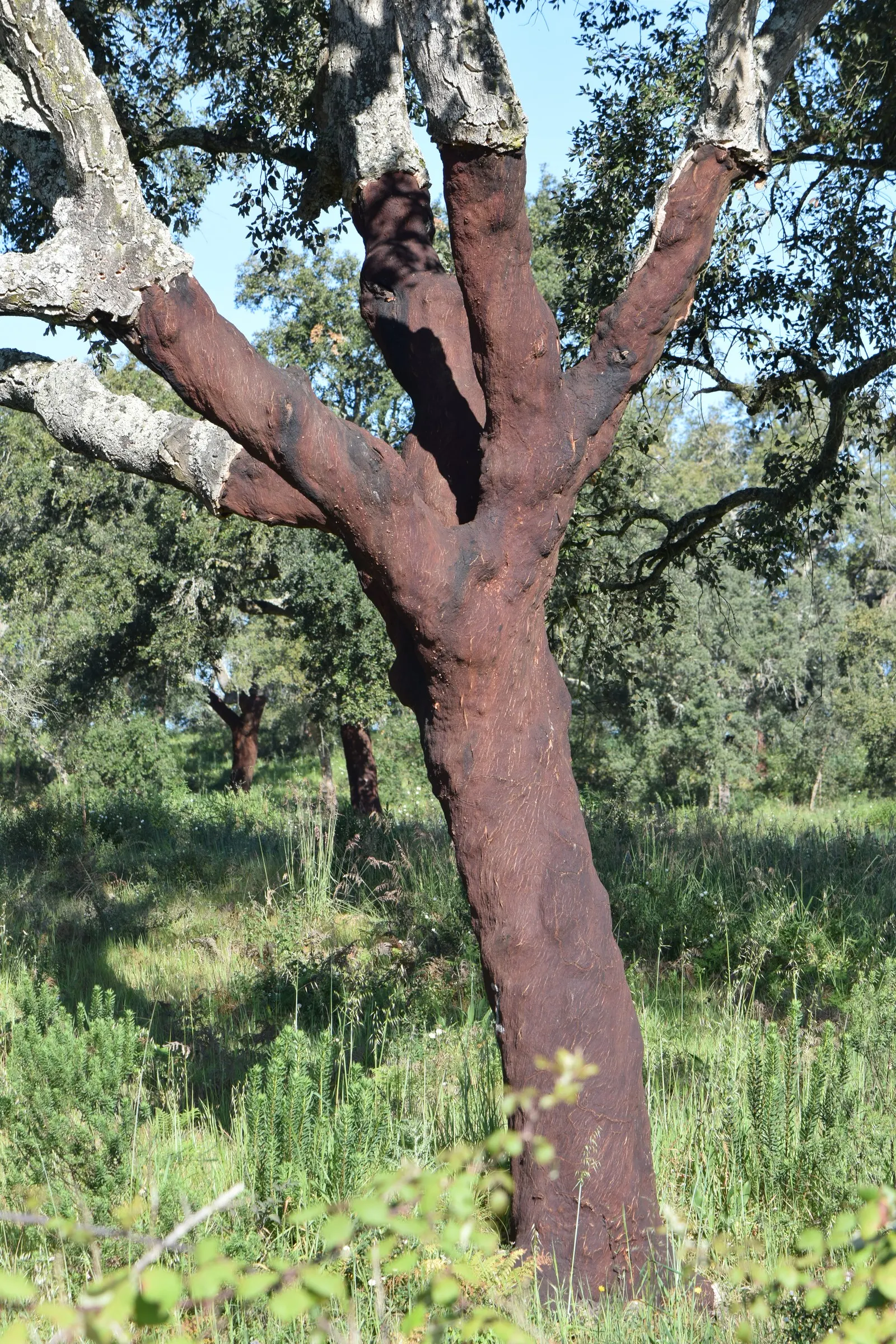
Cork Oak (Quercus Suber) — Bear in mind the potential size of the tree; renewable bark used in cork production
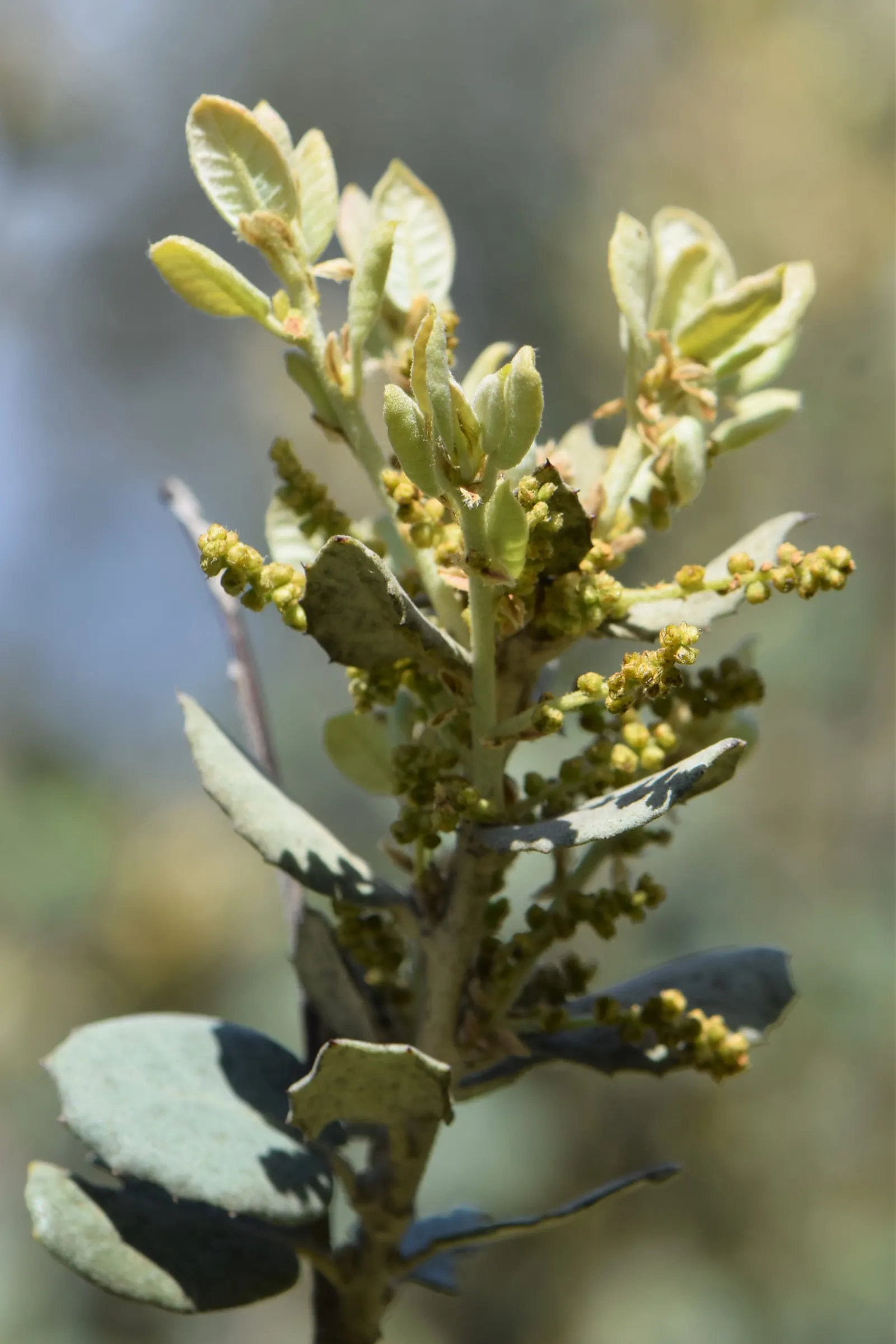
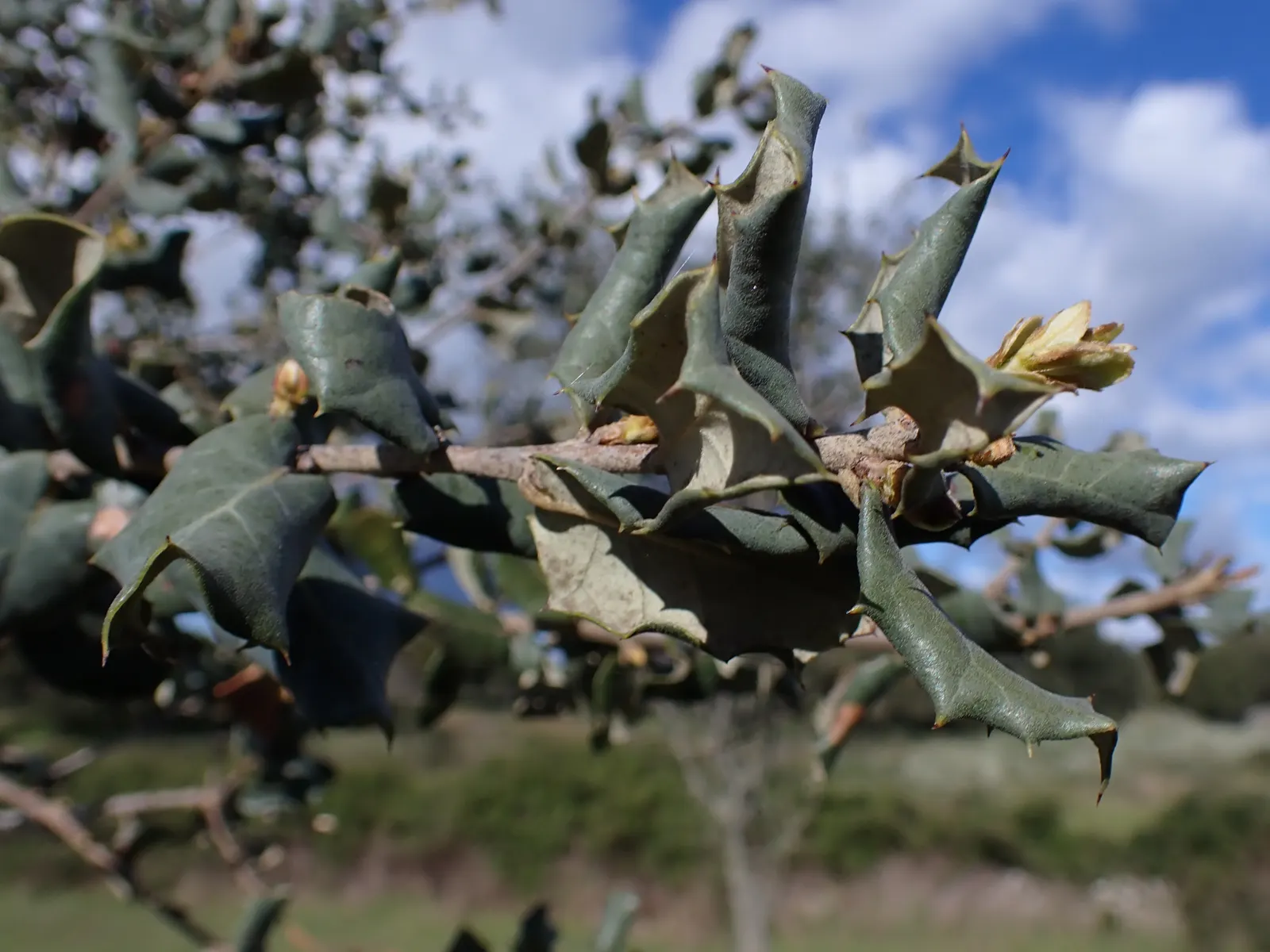
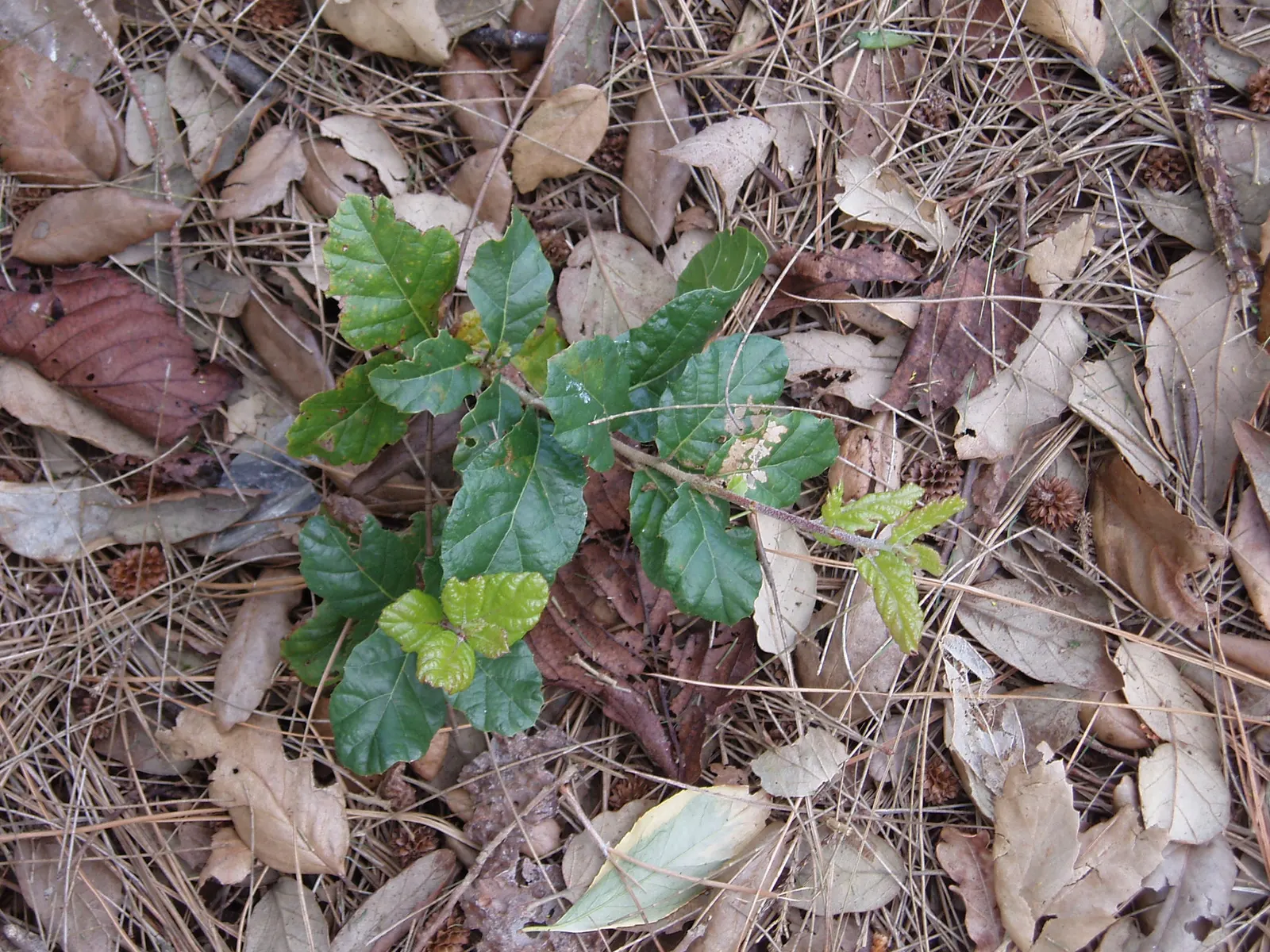
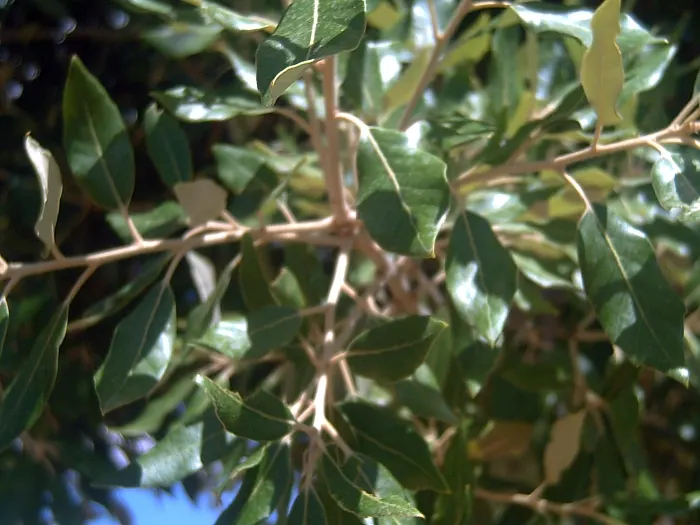
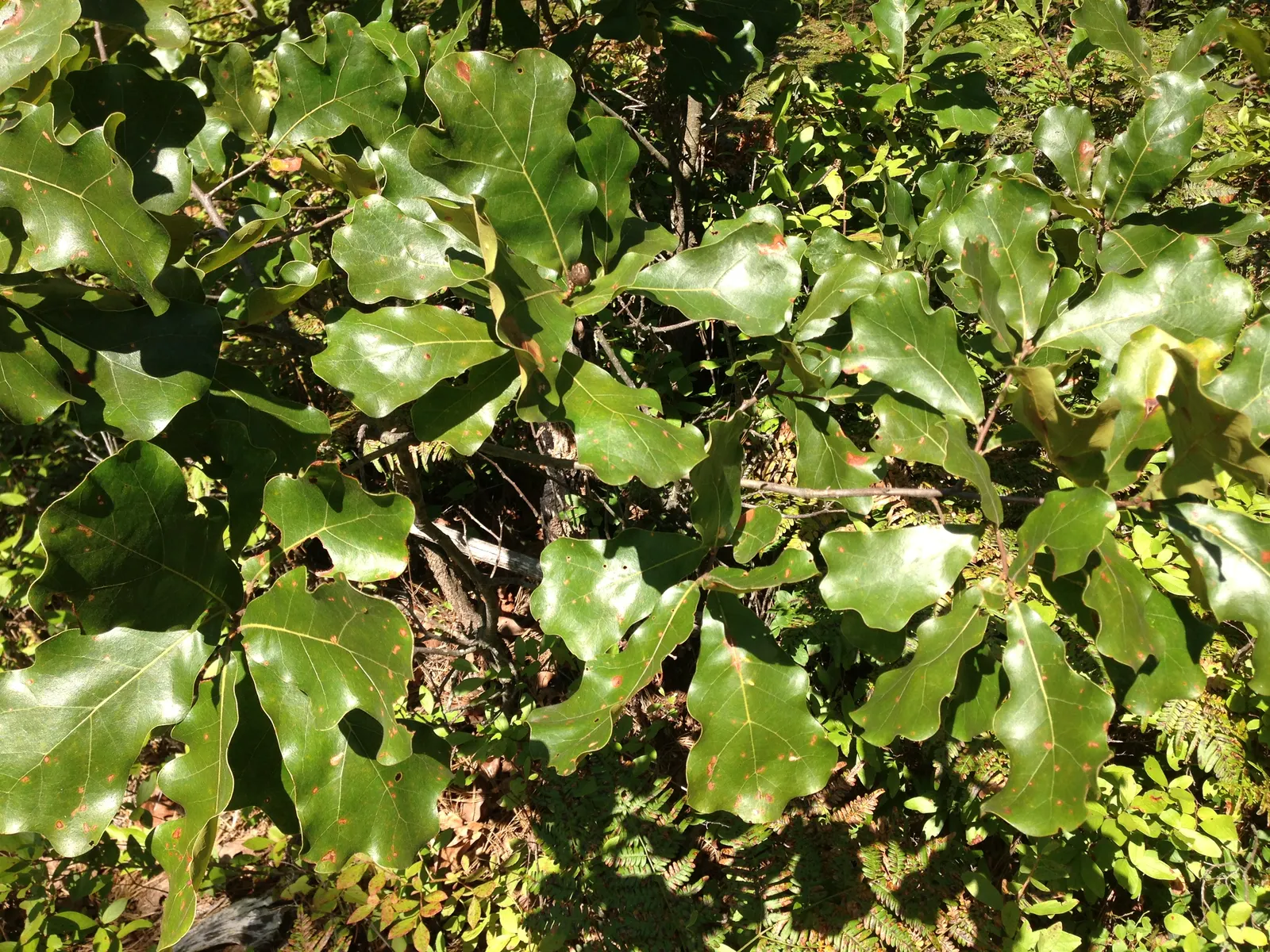
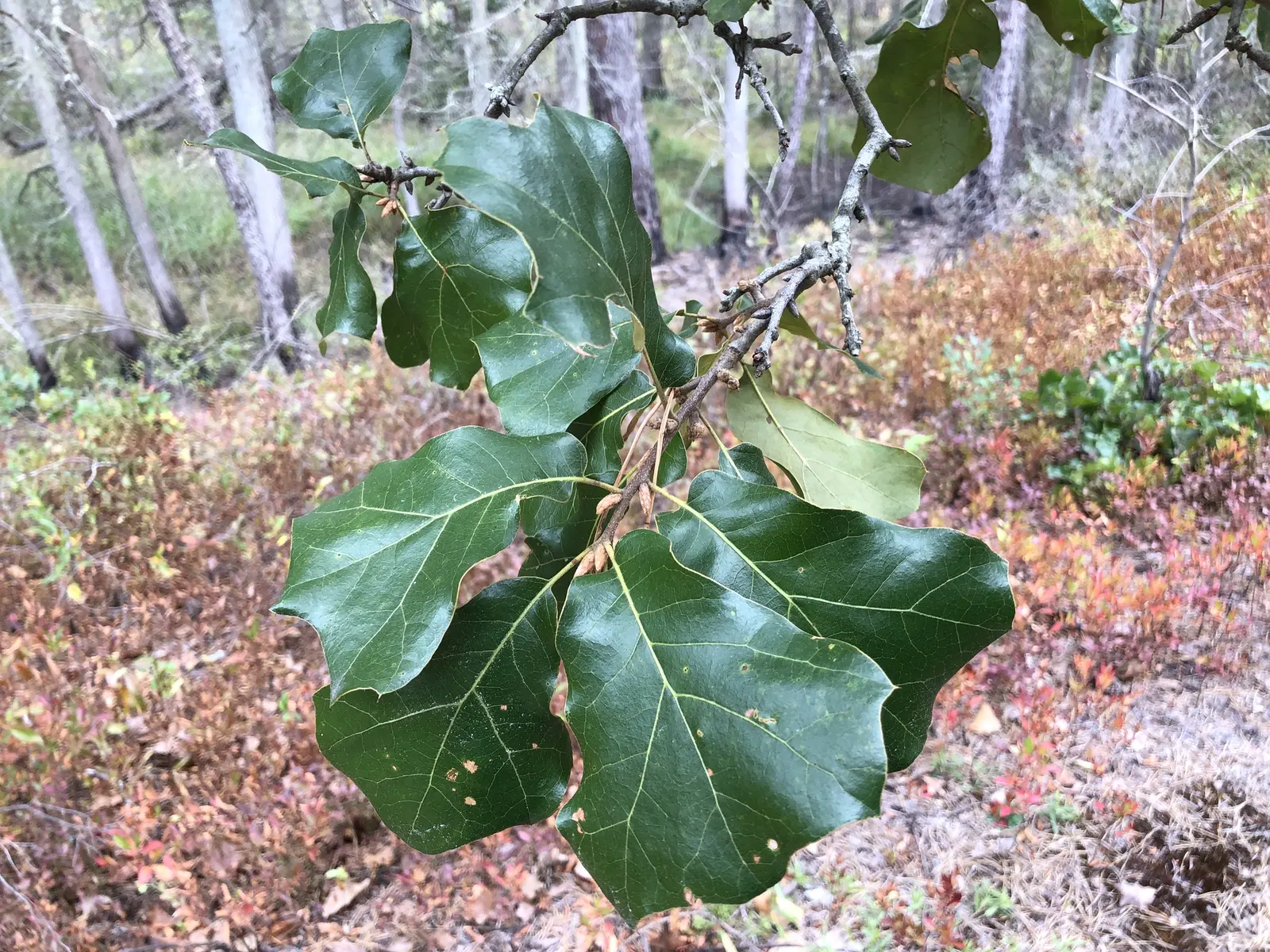
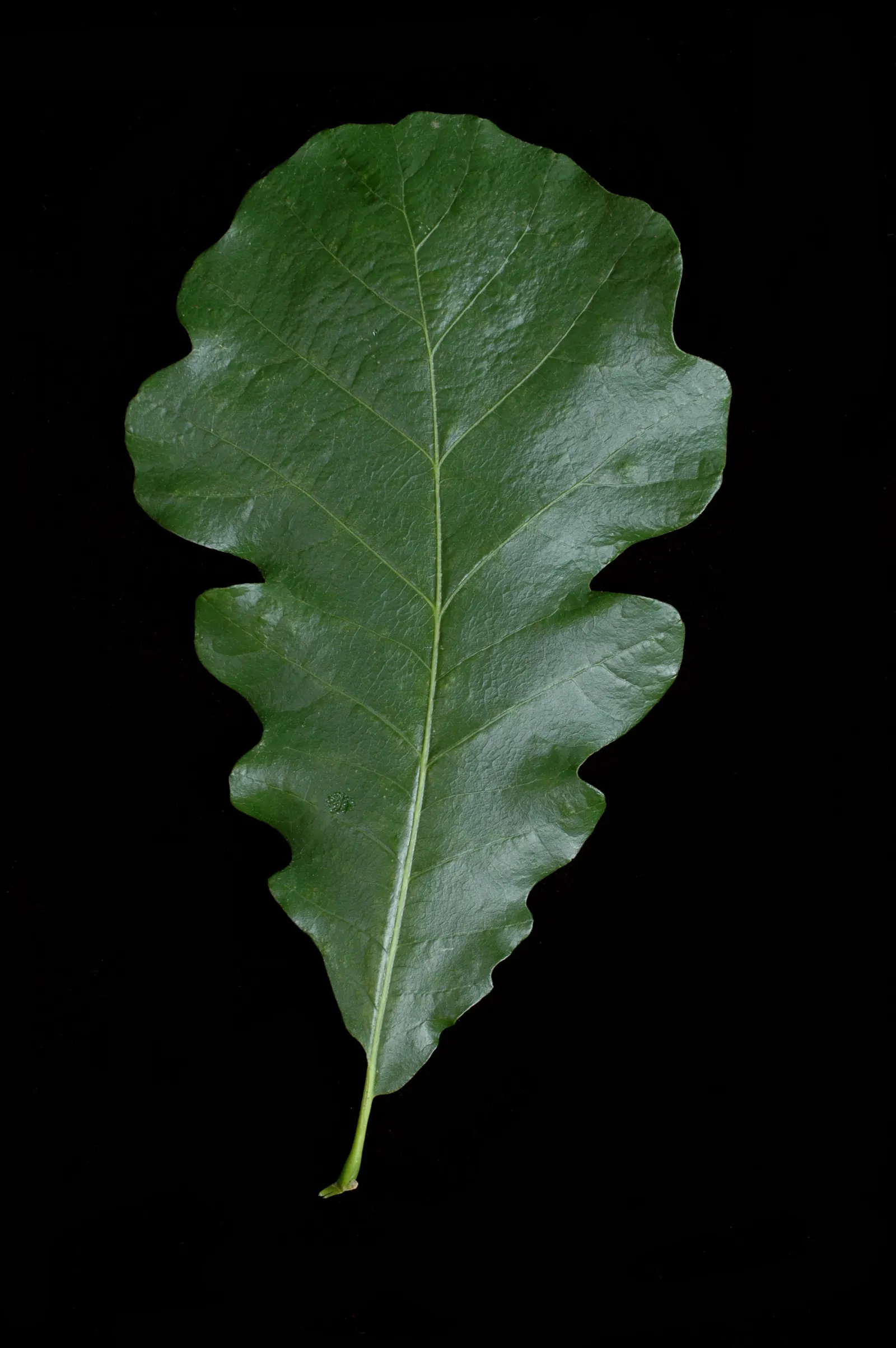
Cork Oak (Quercus Suber) — The leaves are dark green
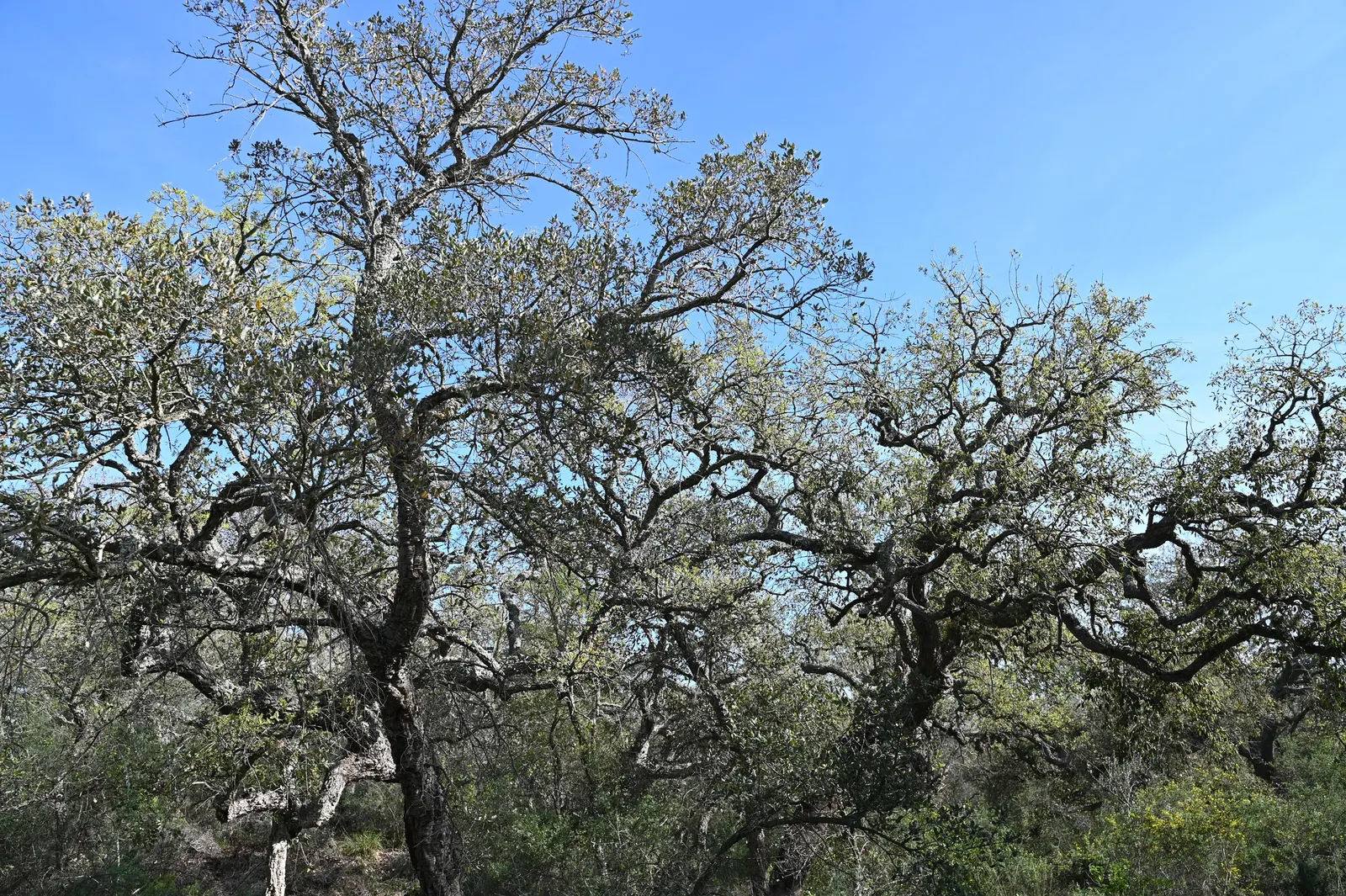
Cork Oak (Quercus Suber) — making it a majestic presence in any landscape design.<br><br>Featuring a broad and rounded canopy
Cork Oak (Quercus Suber) — adding Mediterranean charm and offering habitat support with minimal maintenance requirements
Cork Oak (Quercus Suber) — With a moderate growth rate; cork Oaks are drought-resistant once established, making them ideal for xeriscaping and water-wise
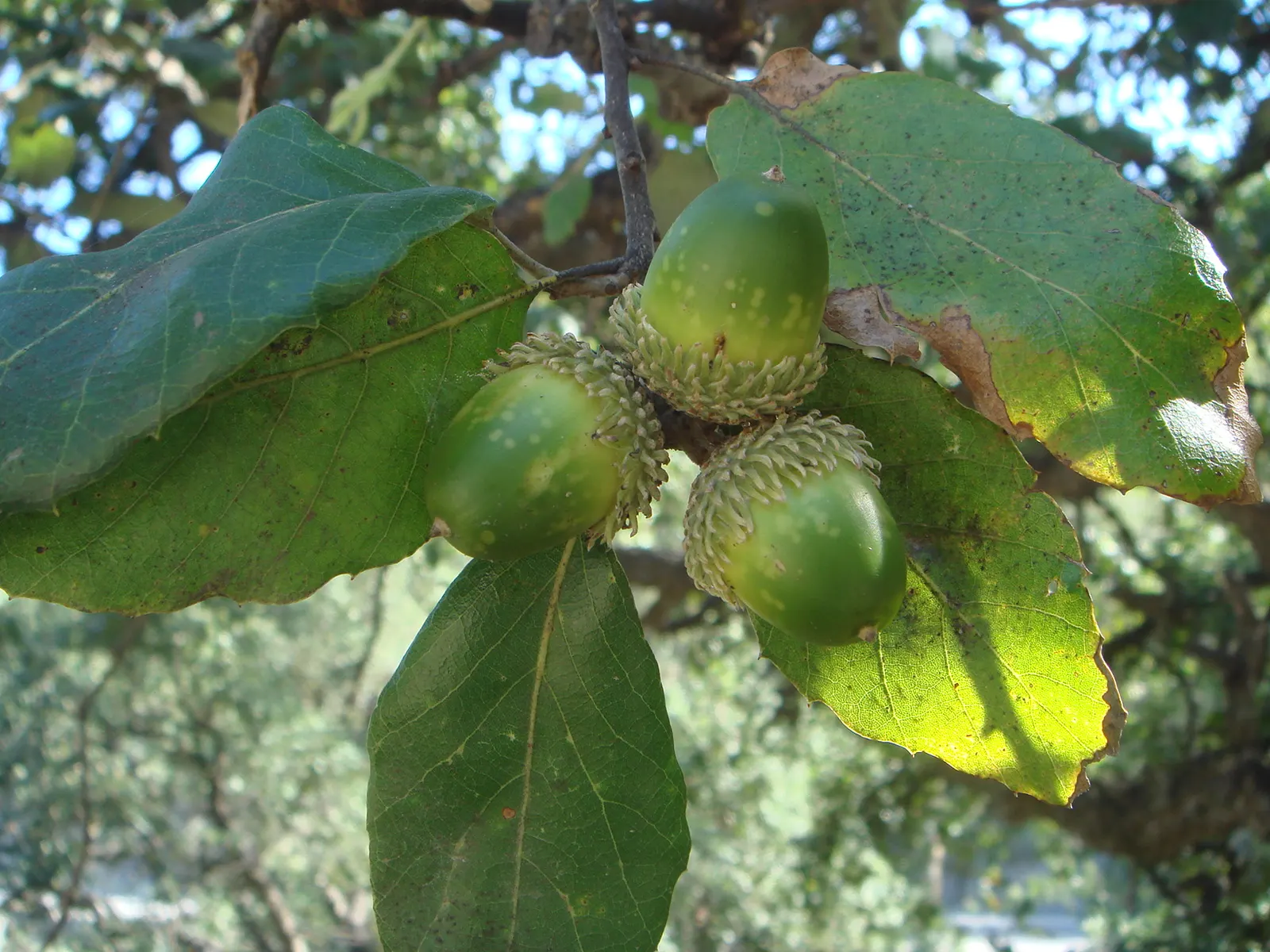
Cork Oak (Quercus Suber) — Native to the Mediterranean region; the leaves are dark green
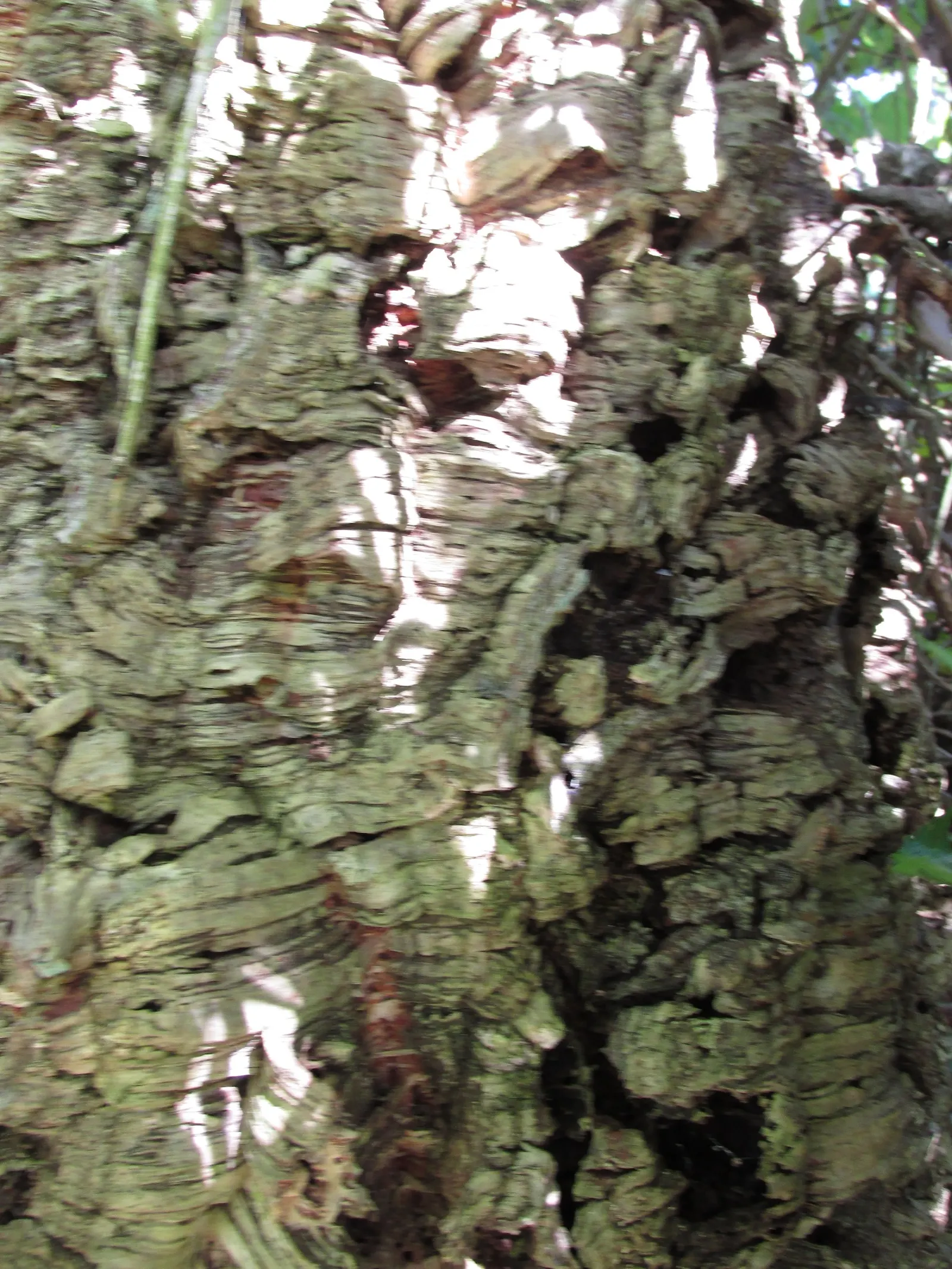
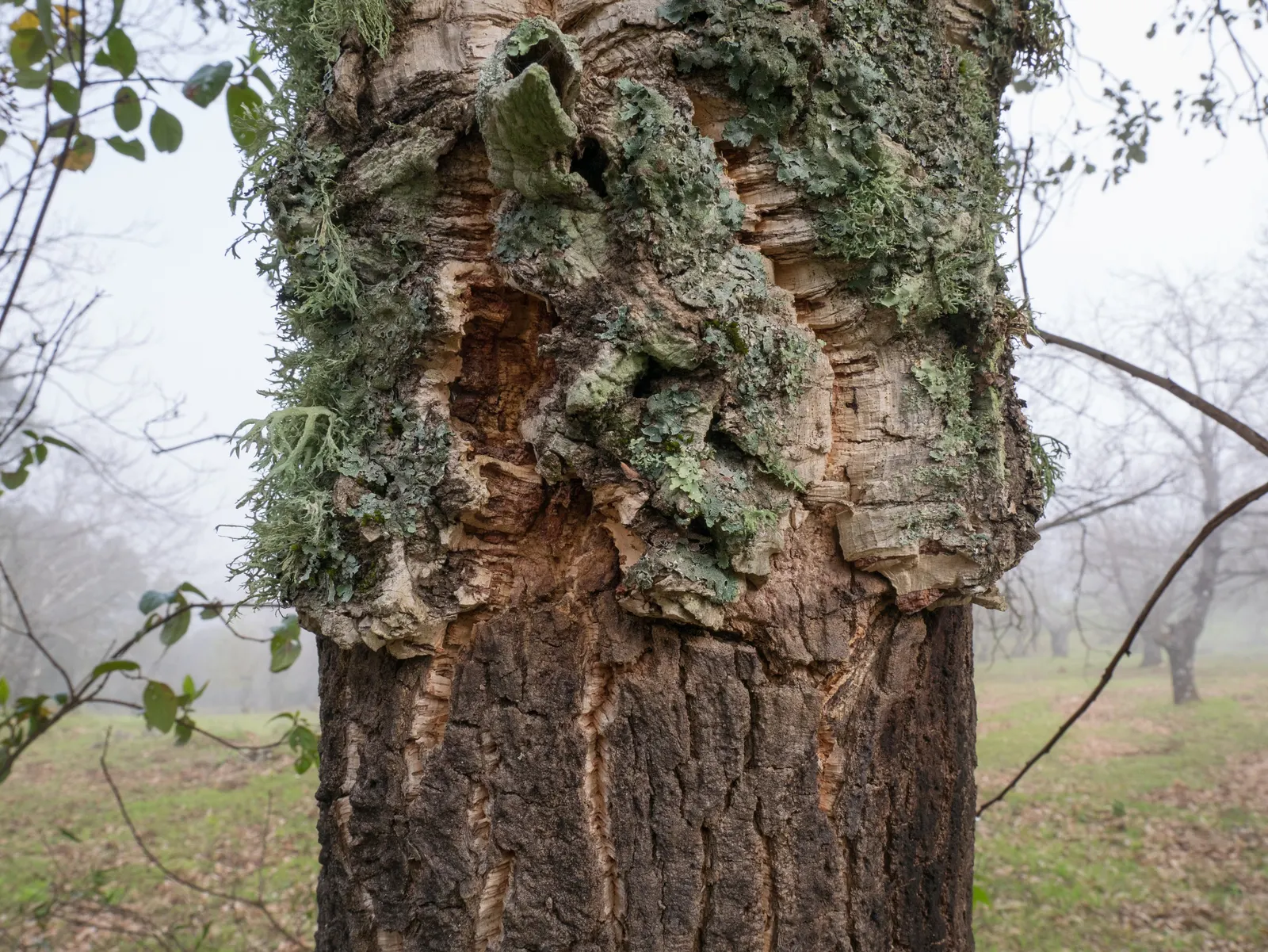
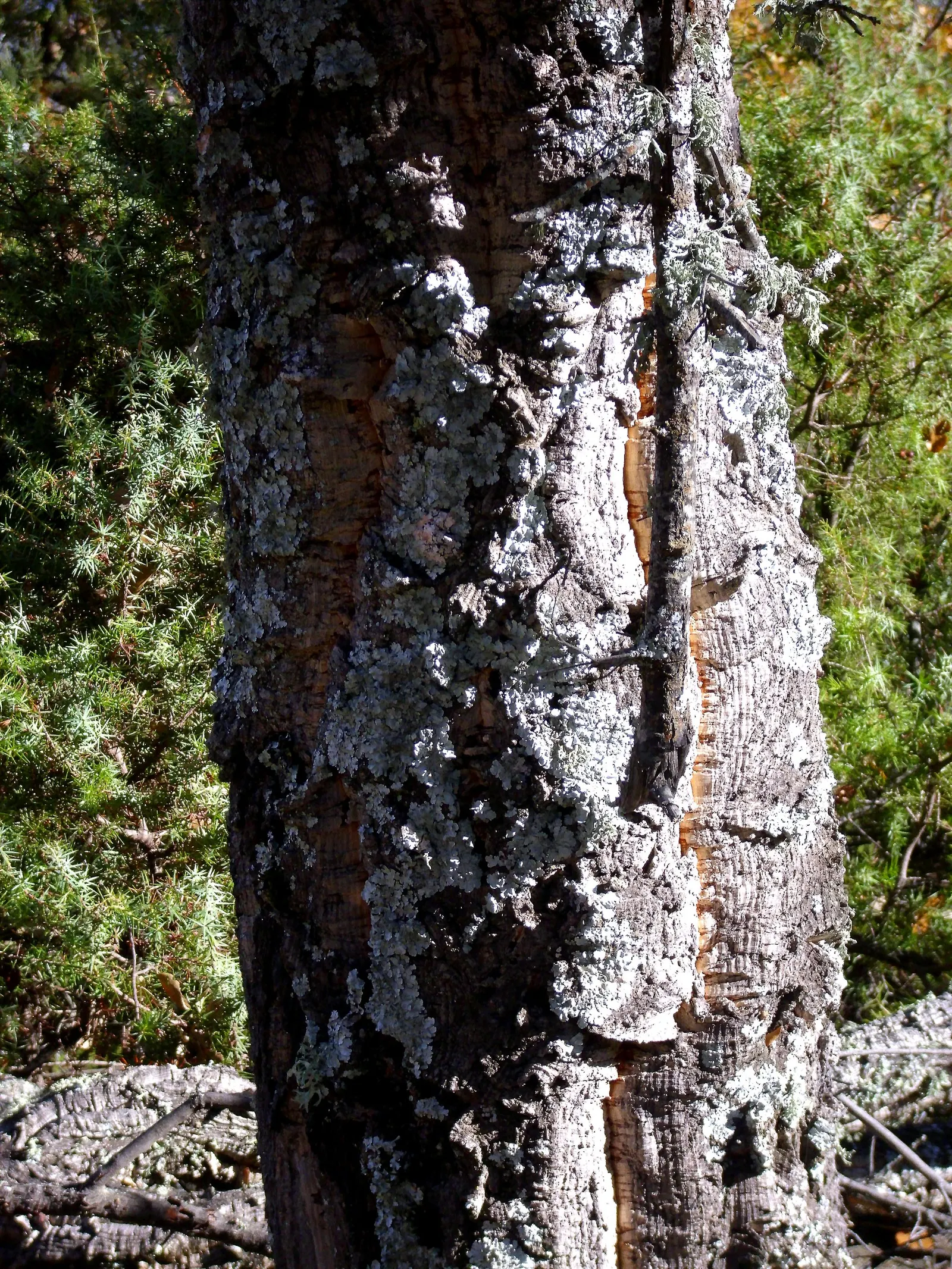
Cork Oak (Quercus Suber) — though it tolerates partial shade; known for its richly fissured, image 55
Cork Oak (Quercus Suber) — favoring well-drained soils and full sun; making it a majestic presence in any landscape design.<br><br>Featuring a broad and
Cork Oak (Quercus Suber) — Cork Oaks are drought-resistant once established, making them ideal for xeriscaping and water-wise gardens; this species, image 56
Cork Oak (Quercus Suber) — Bear in mind the potential size of the tree; renewable bark used in cork production, image 58
Cork Oak (Quercus Suber) — requiring minimal pruning and care post-establishment
Cork Oak (Quercus Suber) — and about 1.5 to 3 inches long; though it tolerates partial shade
Cork Oak (Quercus Suber) — known for its richly fissured; with a spread of 30 to 50 feet
Cork Oak (Quercus Suber) — it reaches up to 65 feet tall and 50 feet wide; favoring well-drained soils and full sun
Cork Oak (Quercus Suber) — this species flourishes in USDA hardiness zones 7 through 10; tree for full
Cork Oak (Quercus Suber) — it reaches up to 65 feet tall and 50 feet wide; favoring well-drained soils and full sun, image 44
Cork Oak (Quercus Suber) — adding Mediterranean charm and offering habitat support with minimal maintenance requirements; it's drought-tolerant, image 47
Cork Oak (Quercus Suber) — it's drought-tolerant once established; requiring minimal pruning and care post-establishment, image 46
Cork Oak (Quercus Suber) — favoring well-drained soils and full sun; making it a majestic presence in any landscape design.<br><br>Featuring a, image 45
Cork Oak (Quercus Suber) — adding Mediterranean charm and offering habitat support with minimal maintenance requirements; it's drought-tolerant once established
Cork Oak (Quercus Suber) — known for its richly fissured; with a spread of 30 to 50 feet, image 42
Cork Oak (Quercus Suber) — though it tolerates partial shade
Cork Oak (Quercus Suber) — tree for full; with a moderate growth rate
Photographs by 10 contributors

Related plants