Skip to content

American Chestnut

Castanea Dentata

Design with this plant

Overview

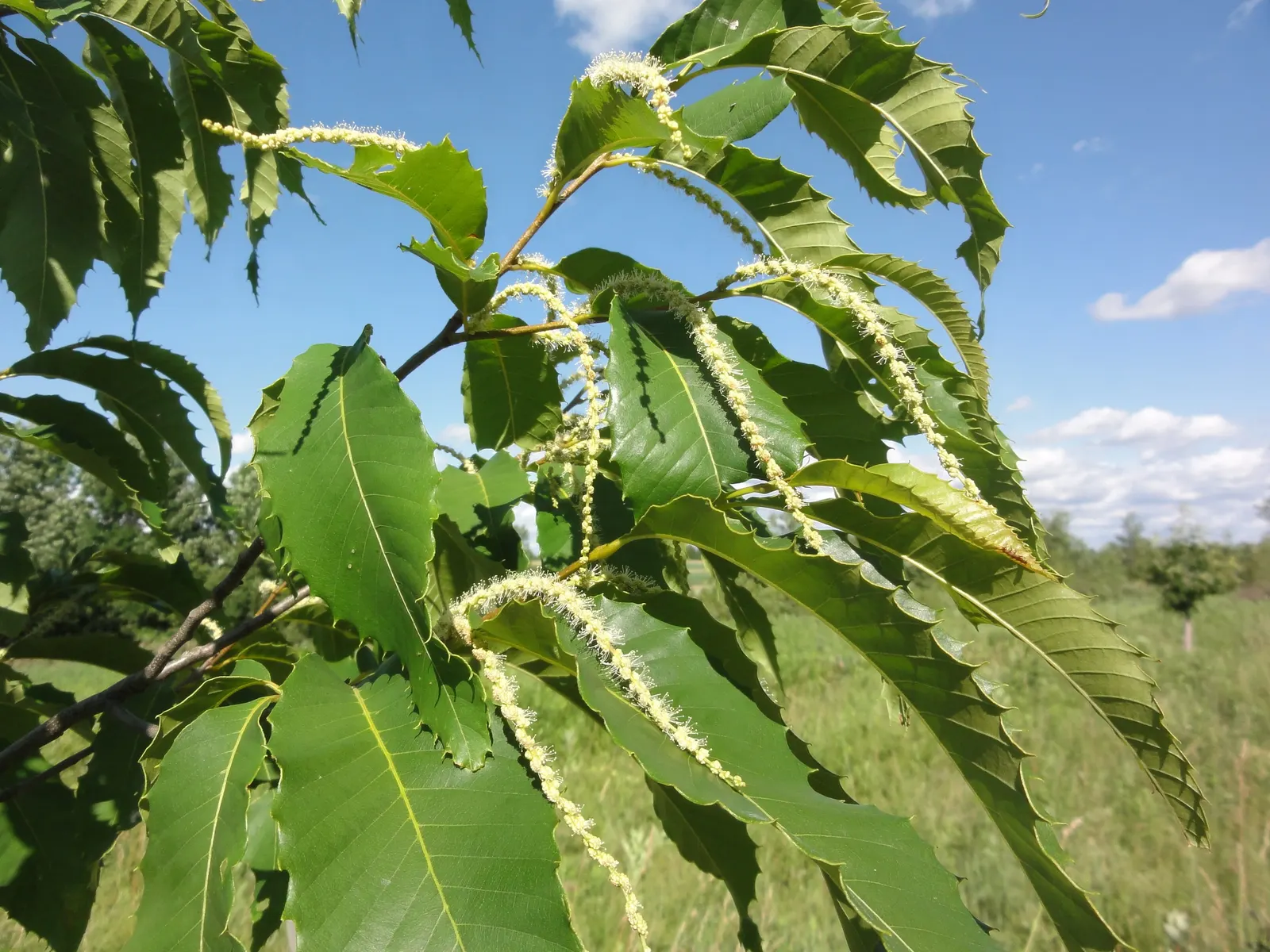
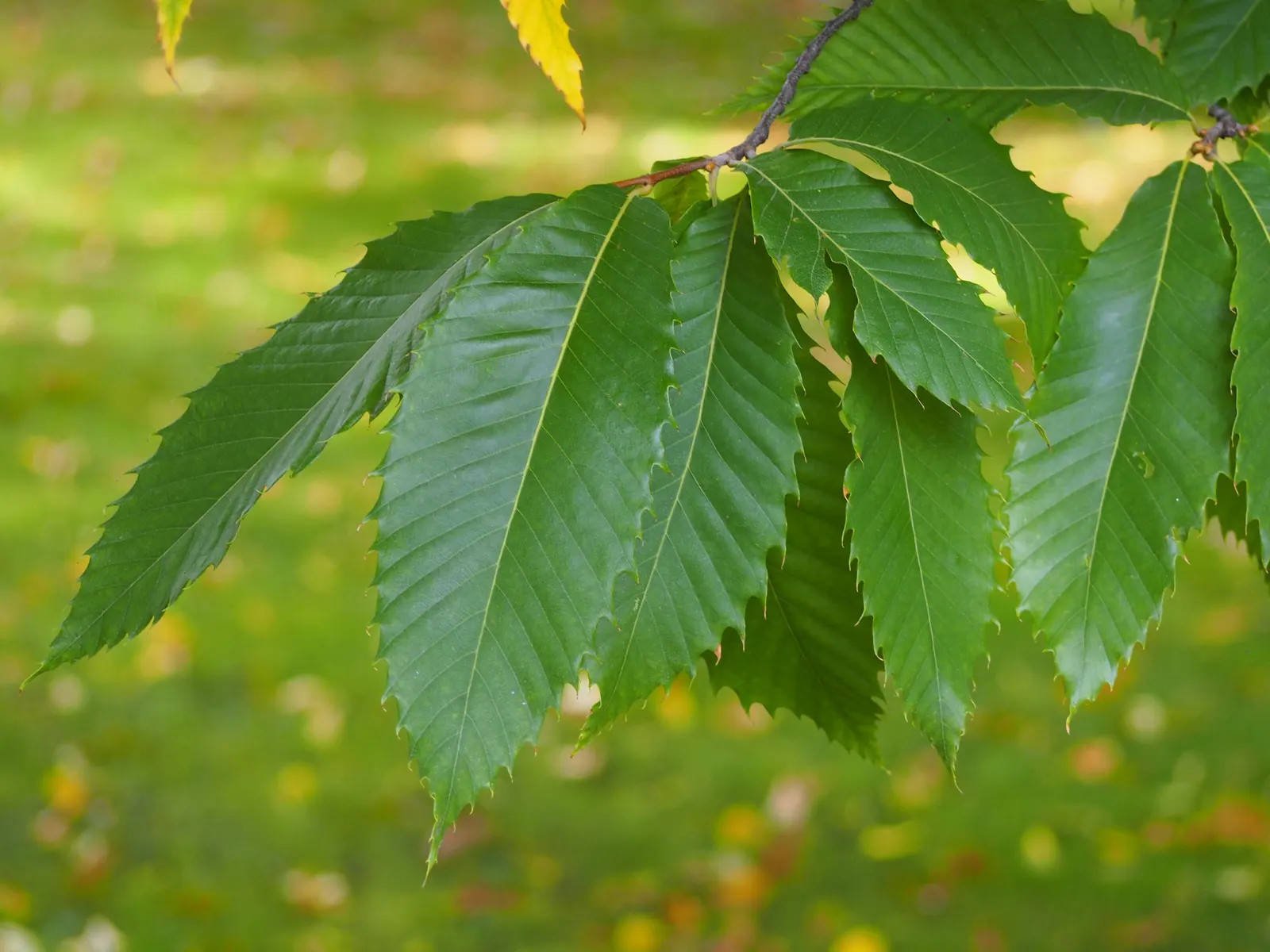
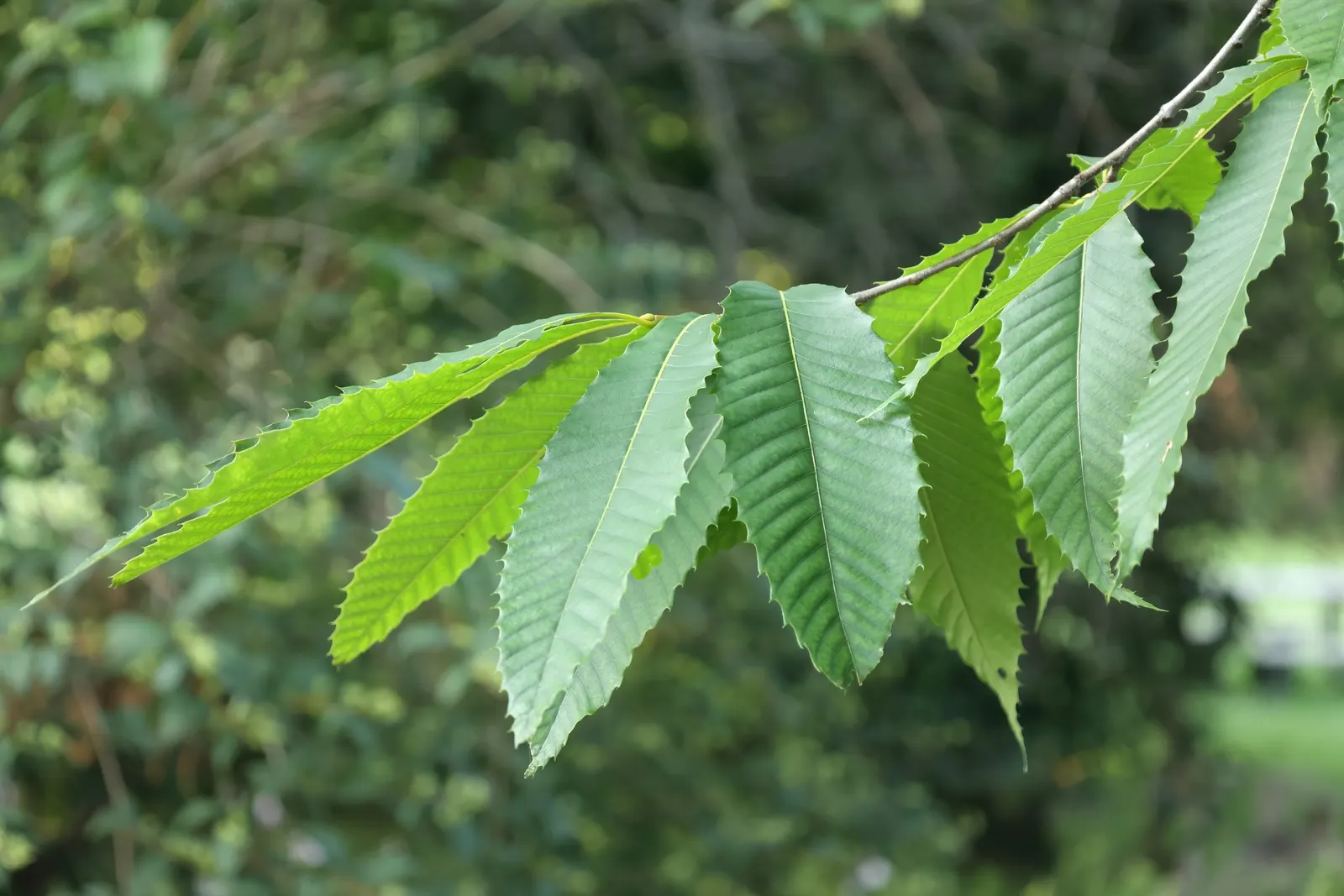
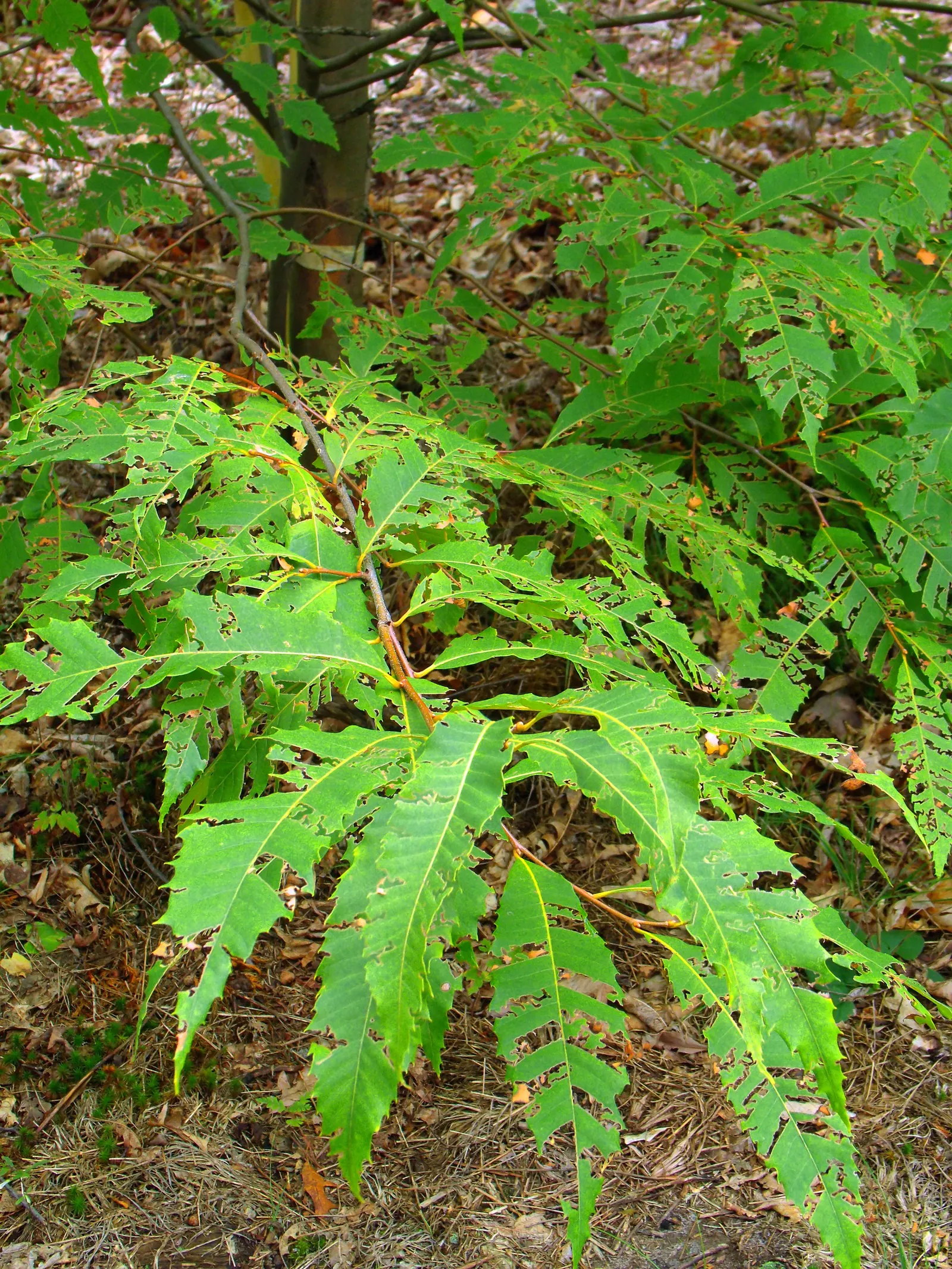
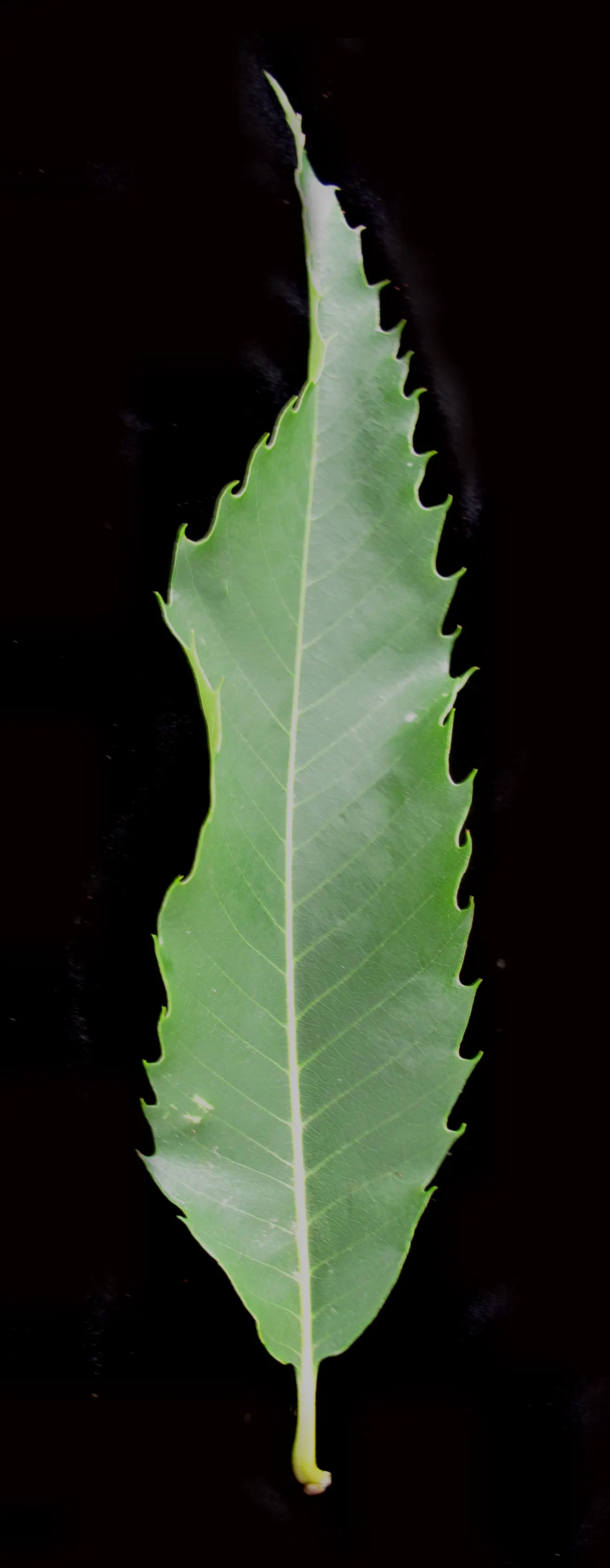
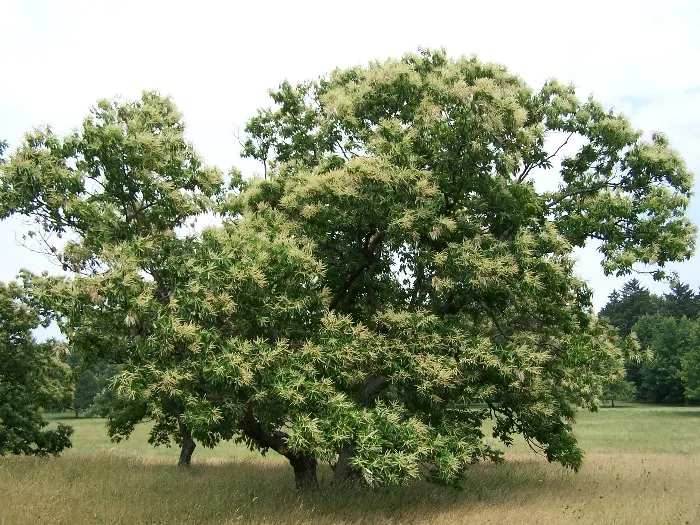
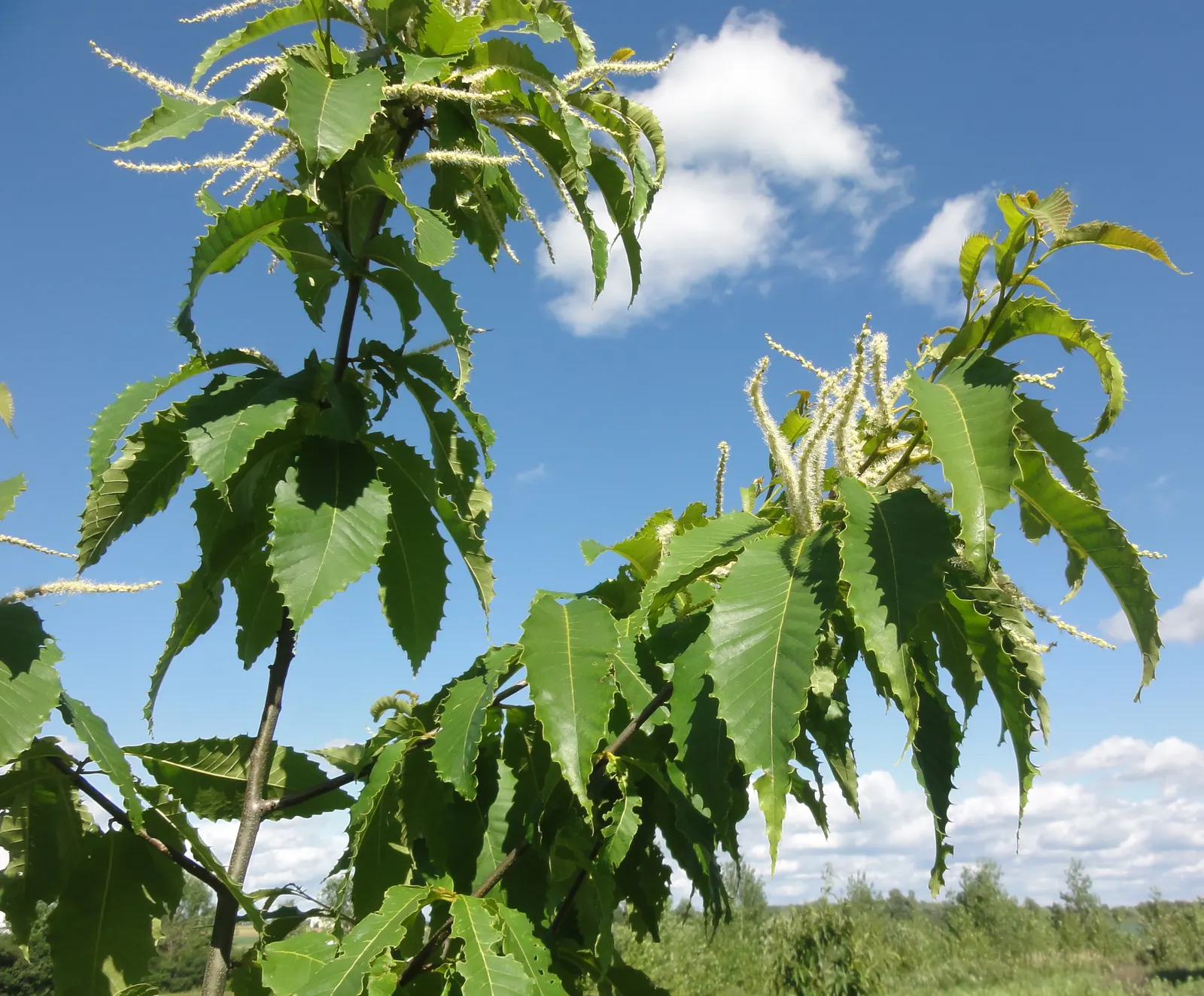
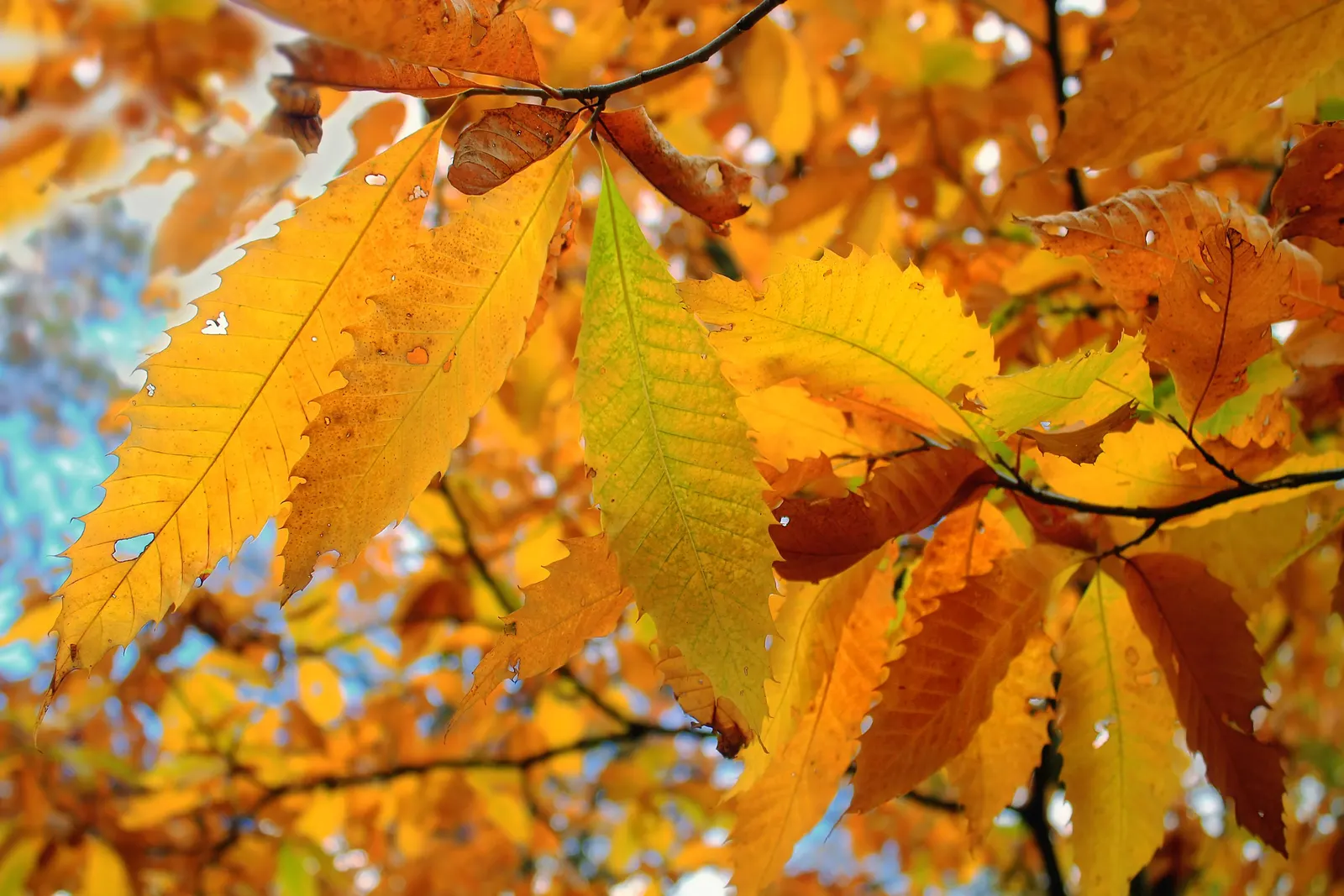
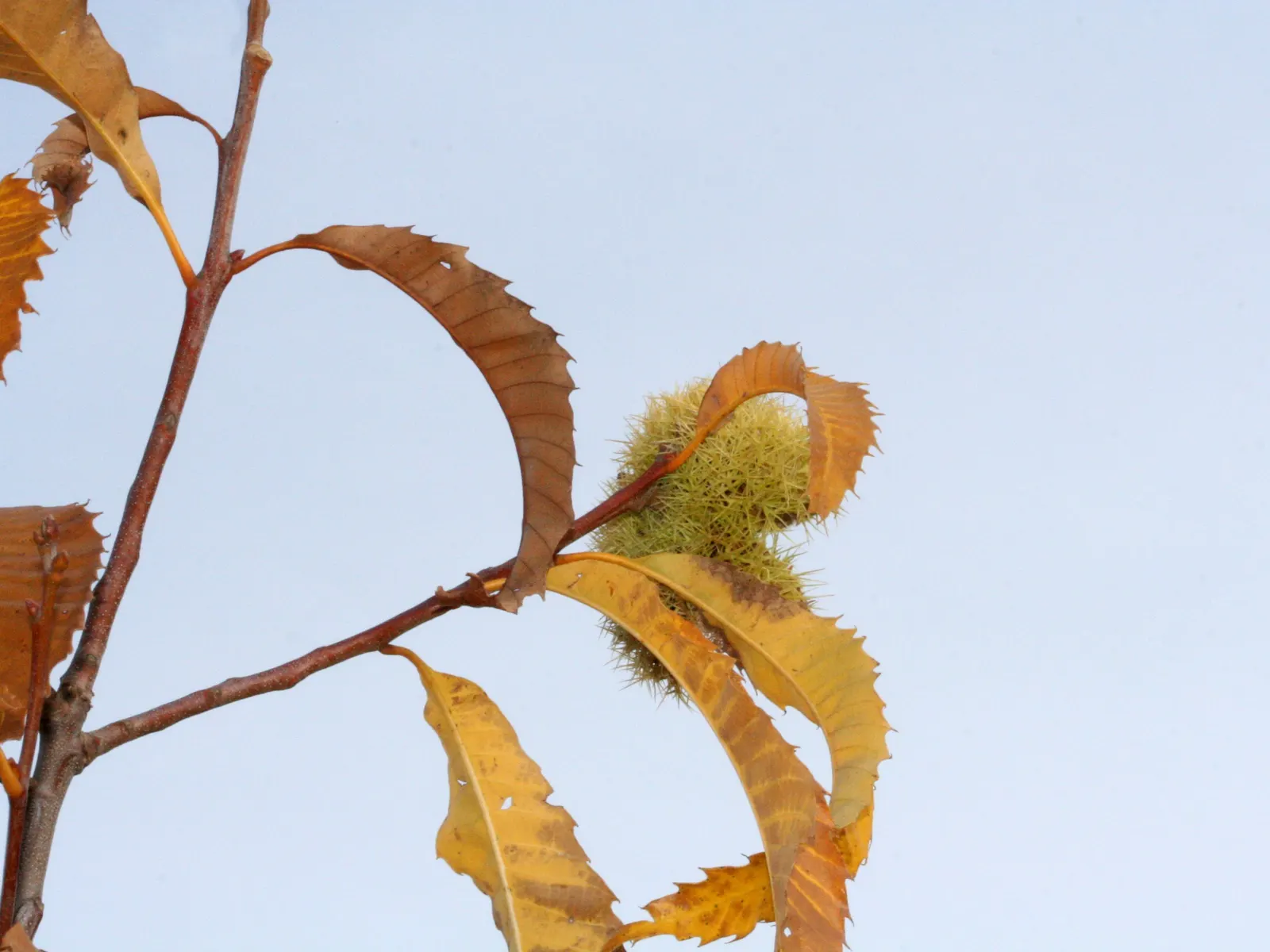
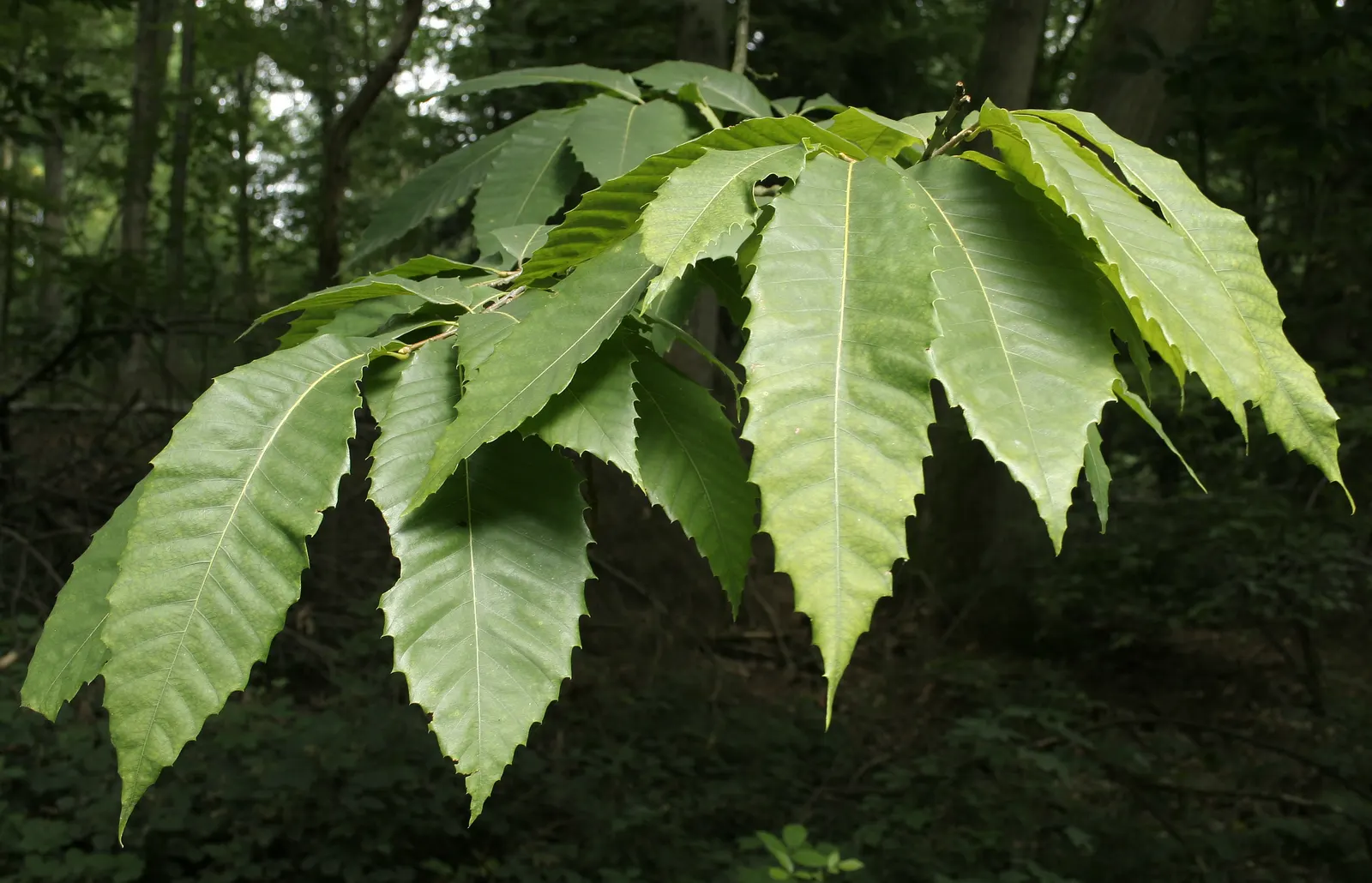
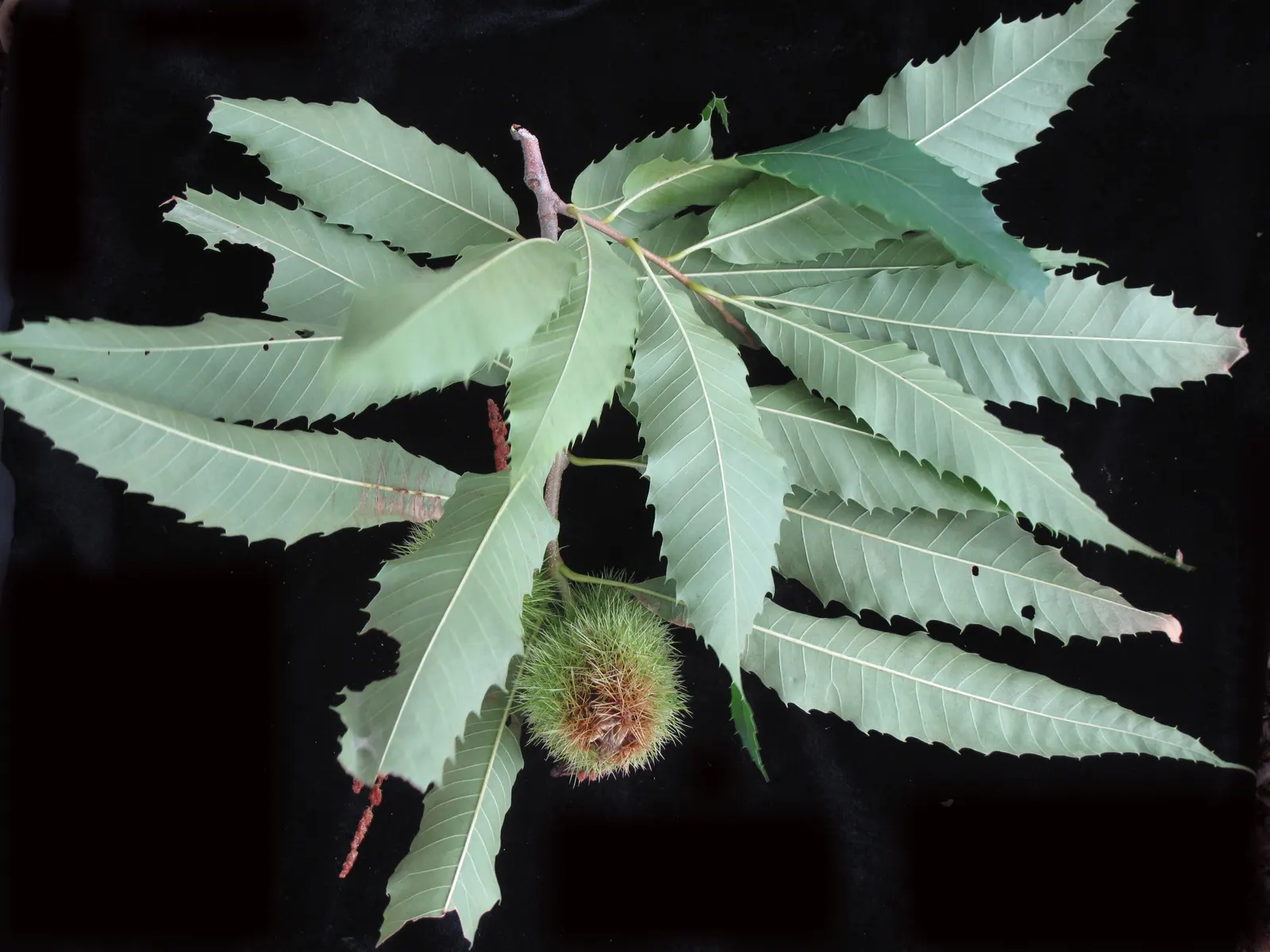
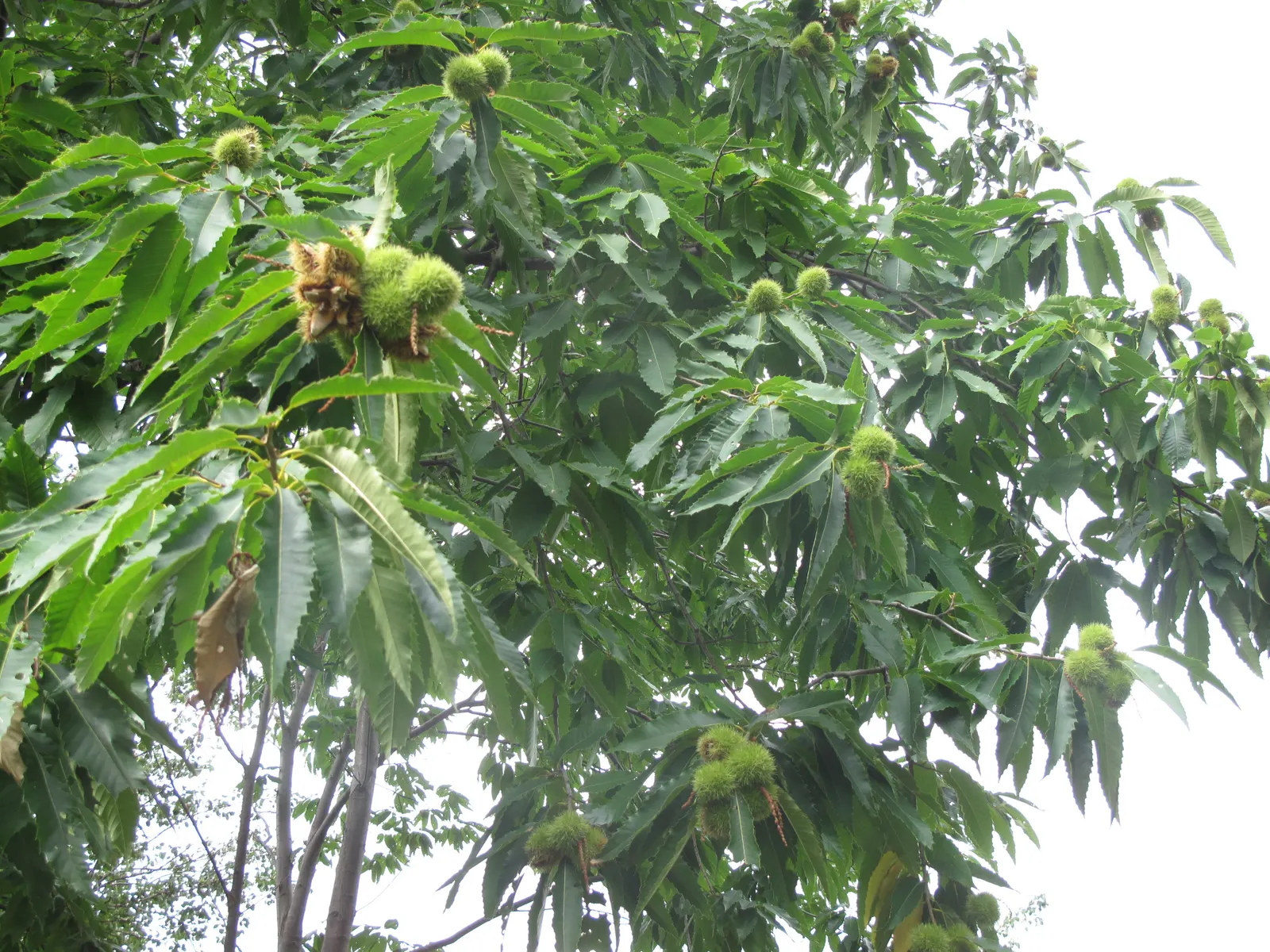
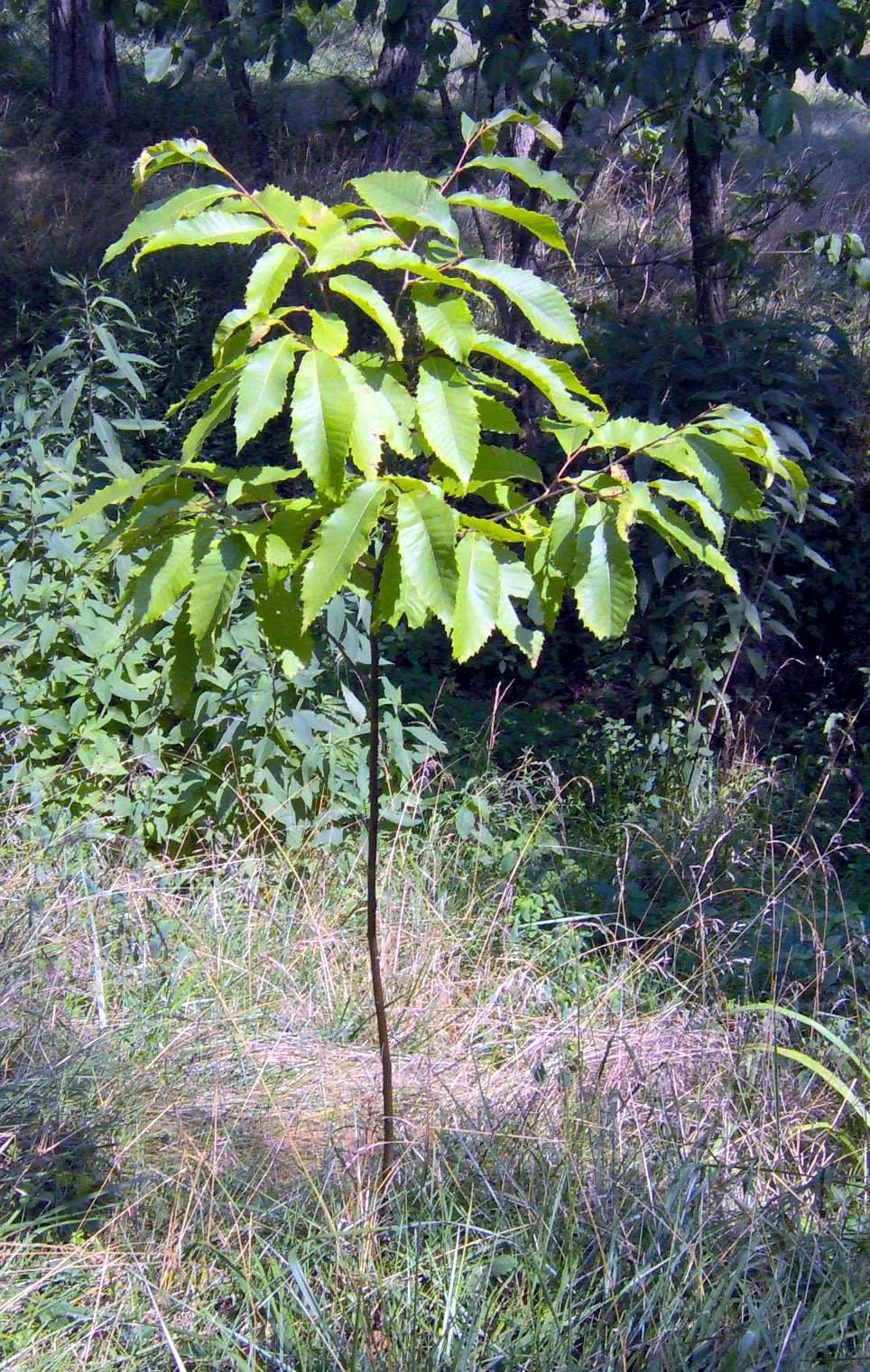
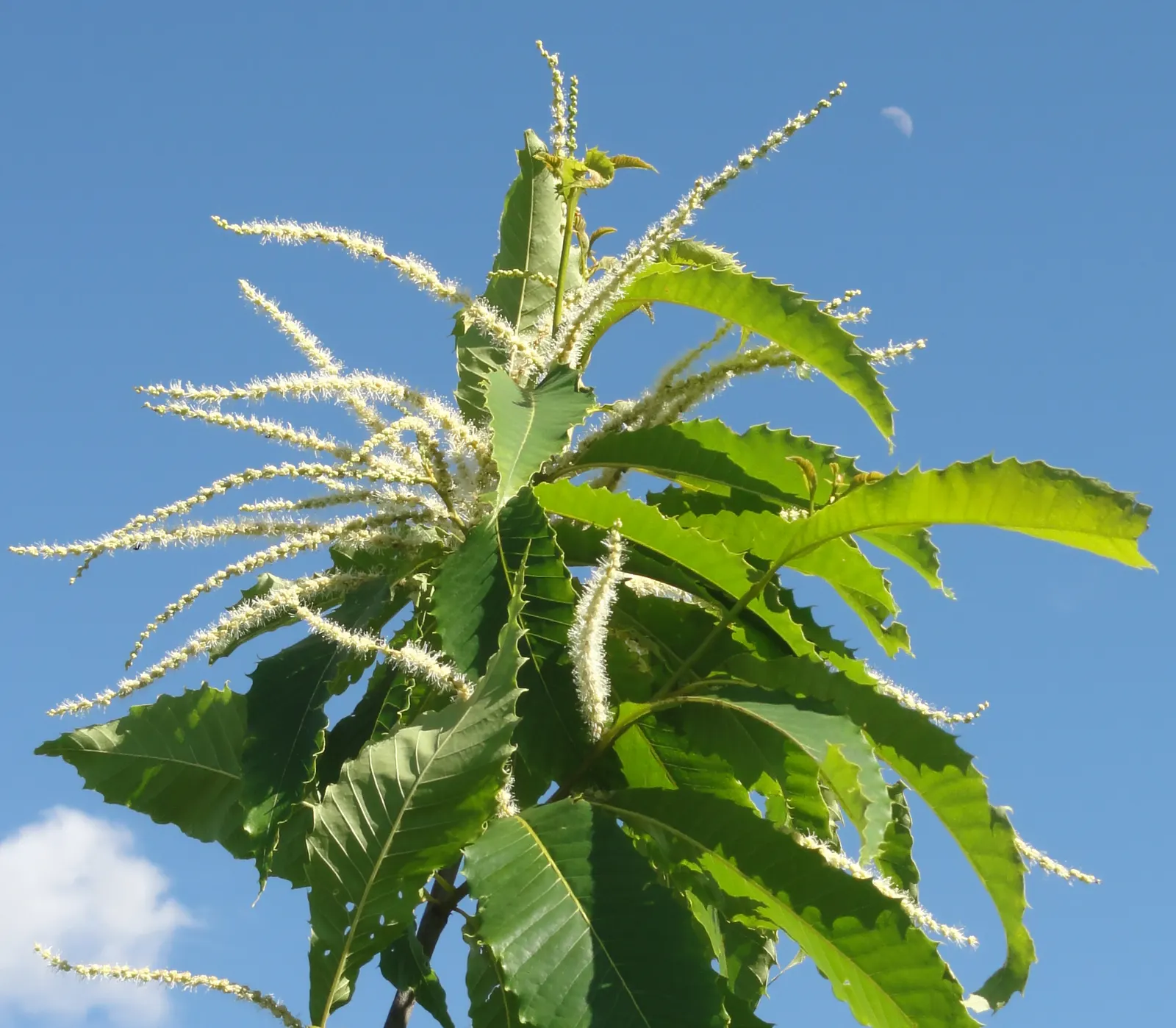
The American Chestnut, Castanea dentata, once a dominant hardwood in eastern forests, towers up to 100 ft with a broad crown. Tragically reduced by blight, this fast-growing tree features oblong, toothed leaves and produces spiny burs enclosing edible nuts. Thriving in well-drained soils across USDA zones 4-8, its majestic form and showy catkins make it a striking choice for spacious landscapes with full sunlight.

Sun FullWater Extra in Summer, Medium, Very LowZones 5–8Climate Temperate

Culture

Sun
Full
Water
Extra in Summer, Medium, Very Low
USDA zones
5–8

Shape & size

Mature height
50–75 Ft.
Mature width
40–50 Ft.

Classification

Family
Fagaceae
Climate
Temperate

See full data, regional cultivation notes, full-resolution photos, and design tools. Build a client presentation around this plant.

Start your 14-day trial

Photos (60)

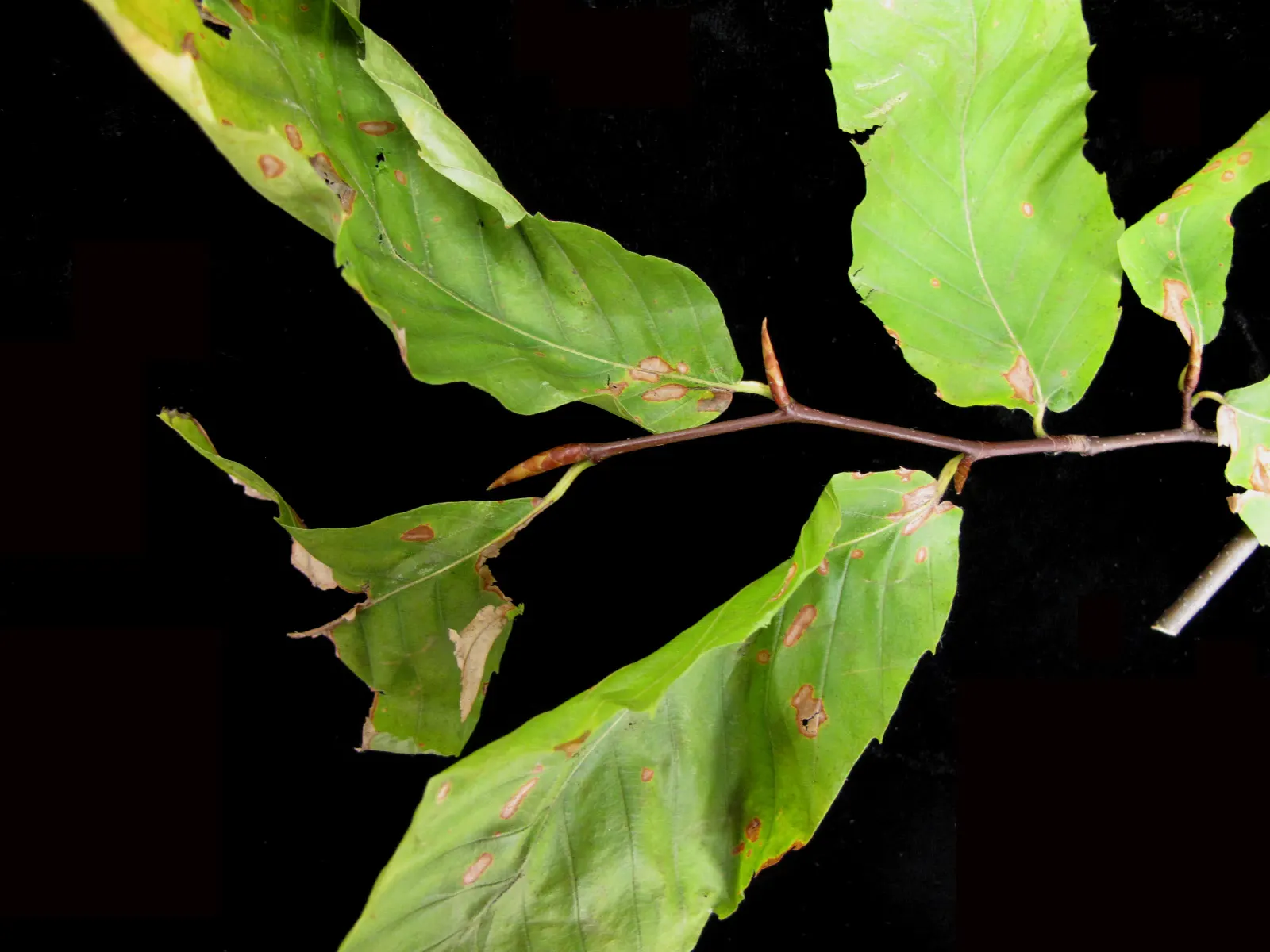
American Chestnut (Castanea Dentata) — once a dominant hardwood in eastern forests
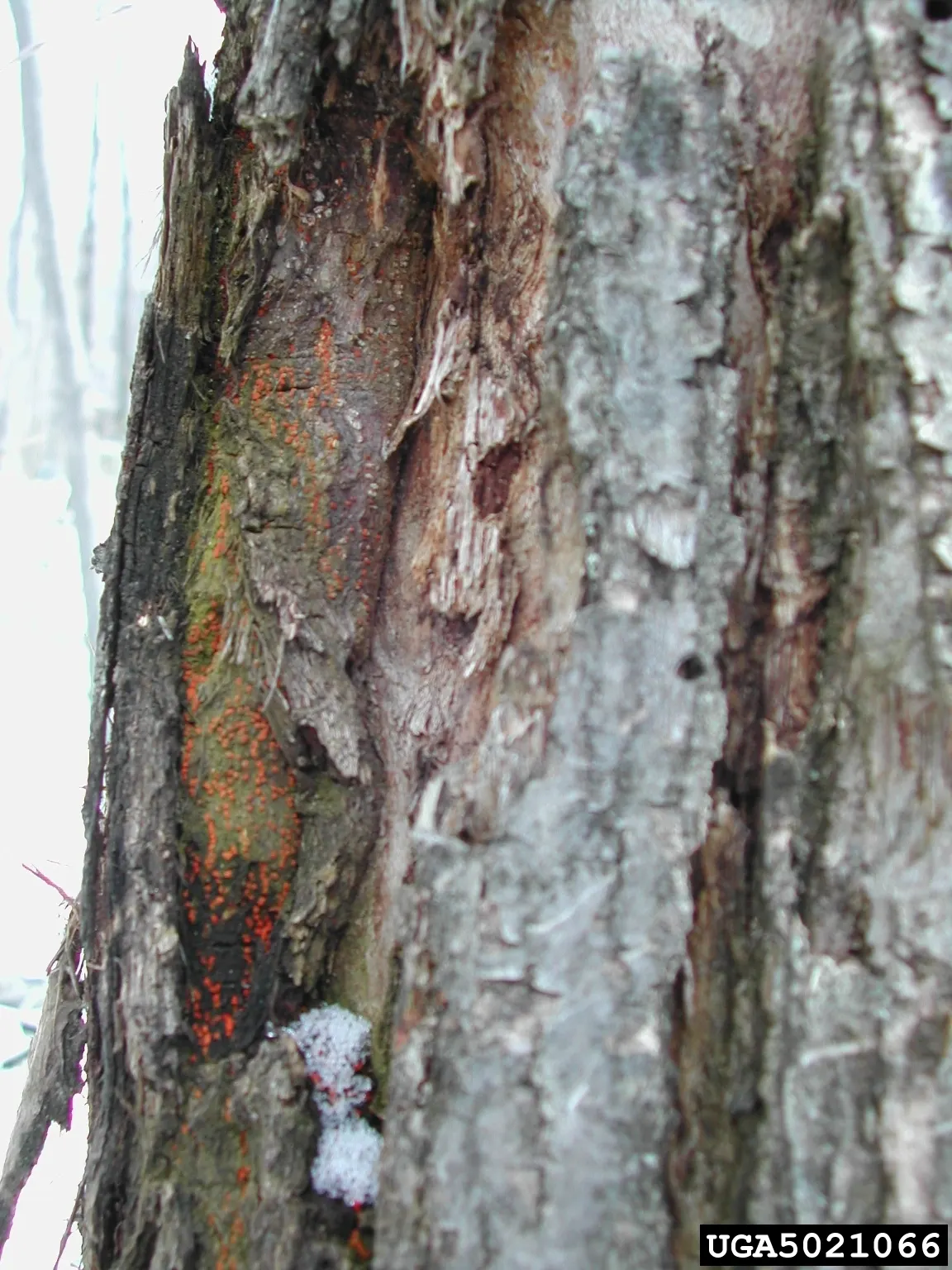
American Chestnut (Castanea Dentata) — Tragically reduced by blight
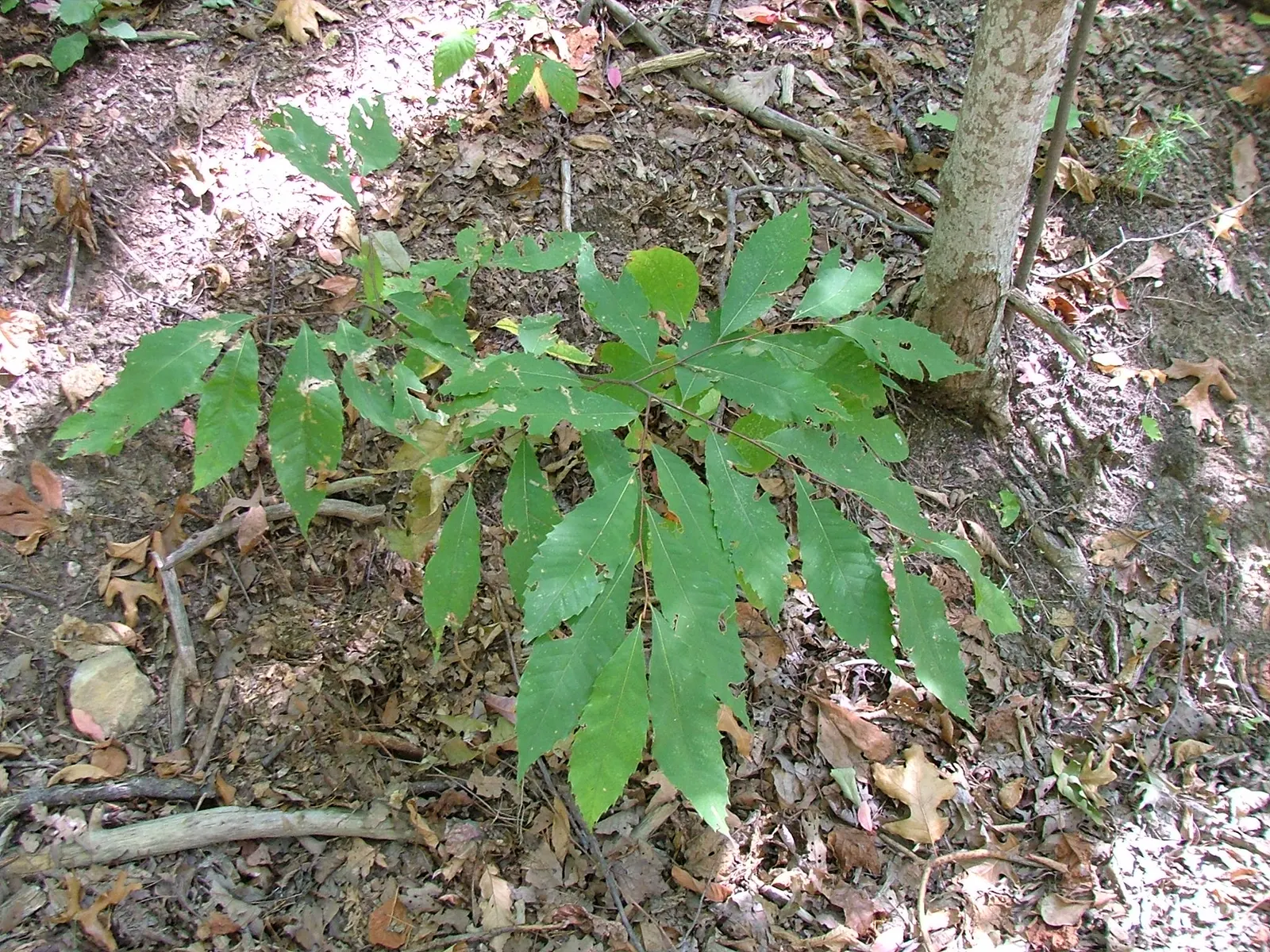
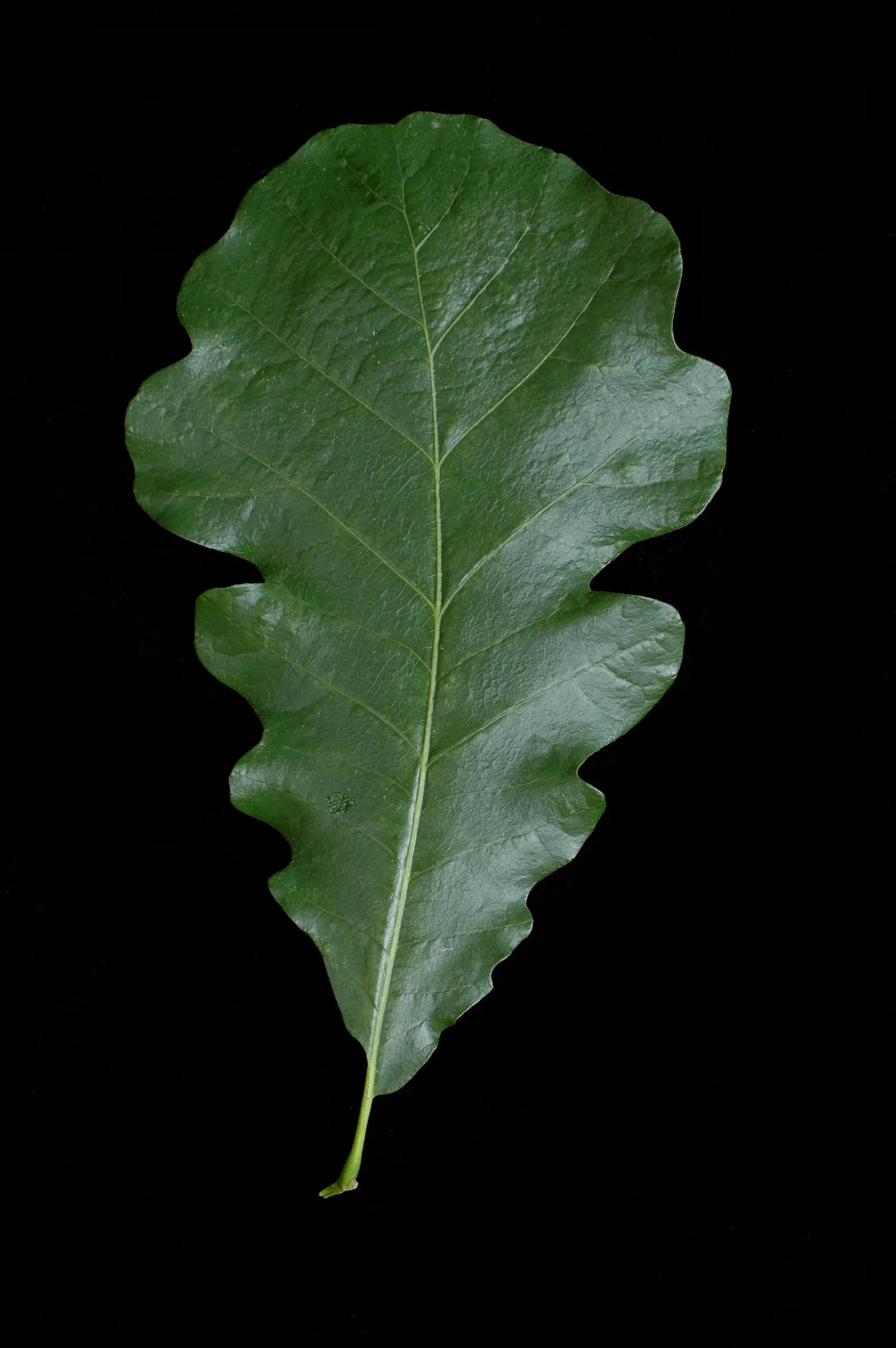
American Chestnut (Castanea Dentata) — this fast-growing tree features oblong
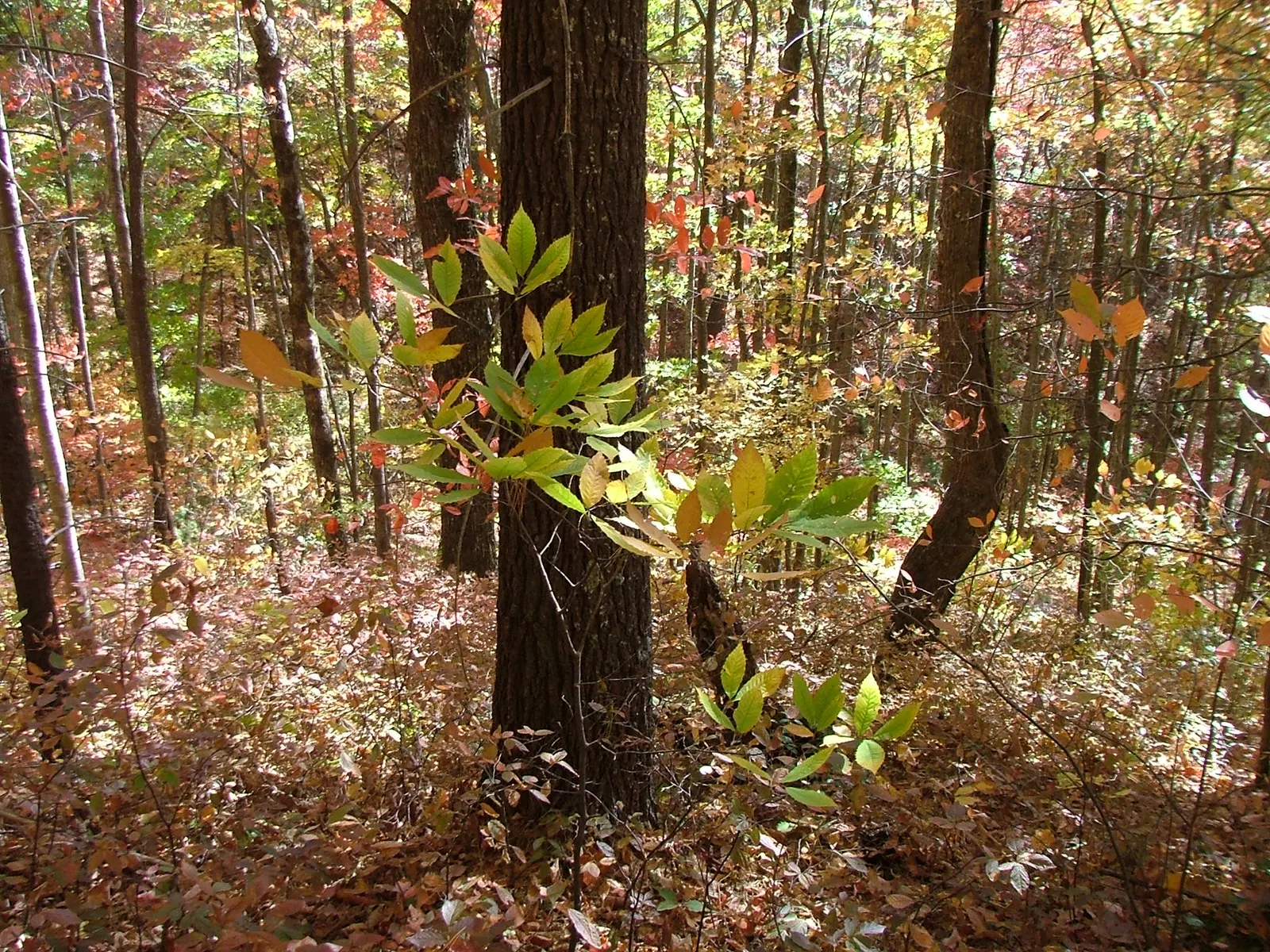
American Chestnut (Castanea Dentata) — towers up to 100 ft with a broad crown
American Chestnut (Castanea Dentata) — an adult tree can reach between 70 to 100 feet with a diameter spanning up to 10 feet
American Chestnut (Castanea Dentata) — Known for its towering height and broad canopy
American Chestnut (Castanea Dentata) — The American Chestnut's extensive branch structure typically begins about 20 feet above ground
American Chestnut (Castanea Dentata) — its majestic form and showy catkins make it a striking choice for spacious landscapes with full sunlight
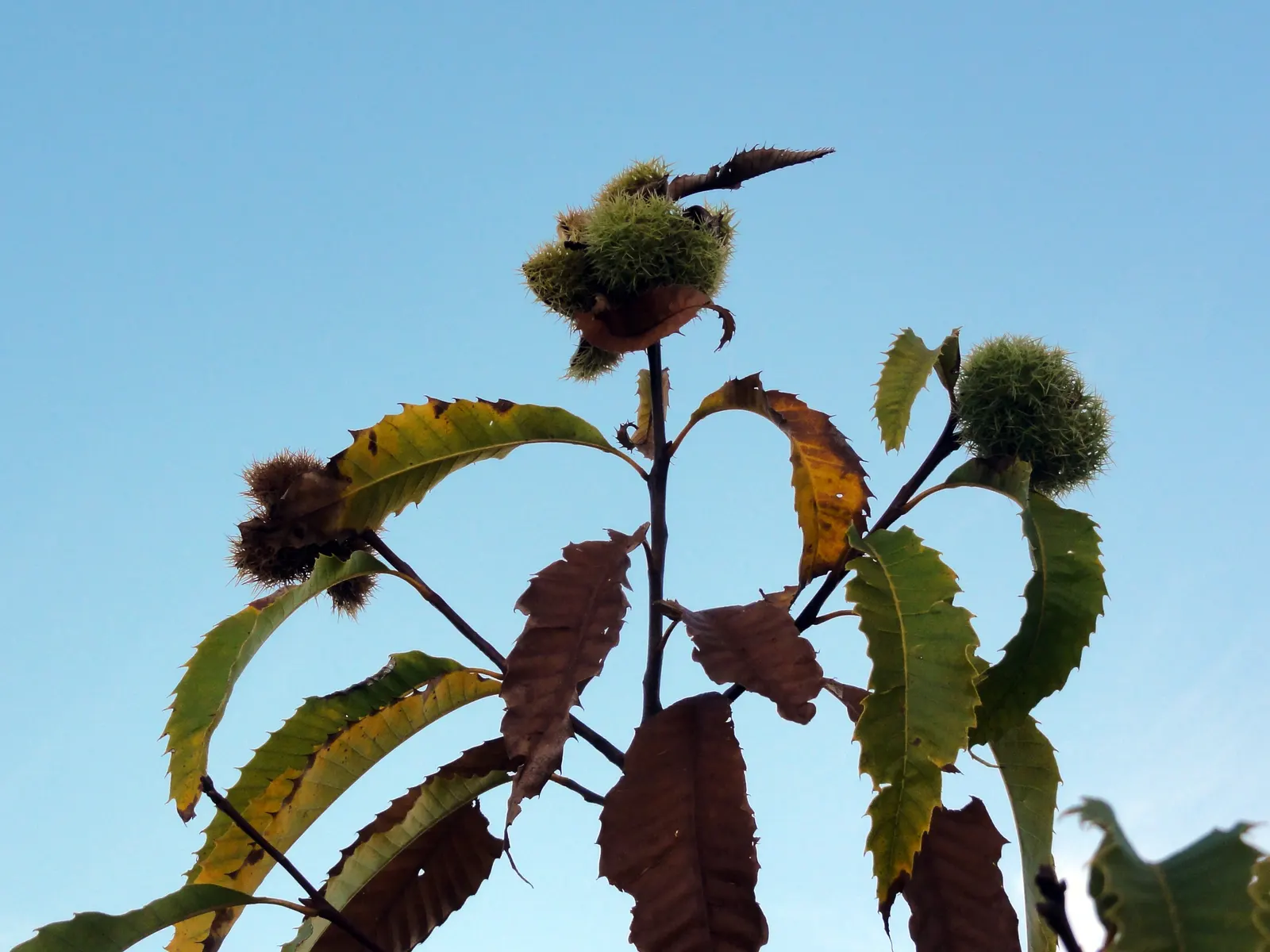
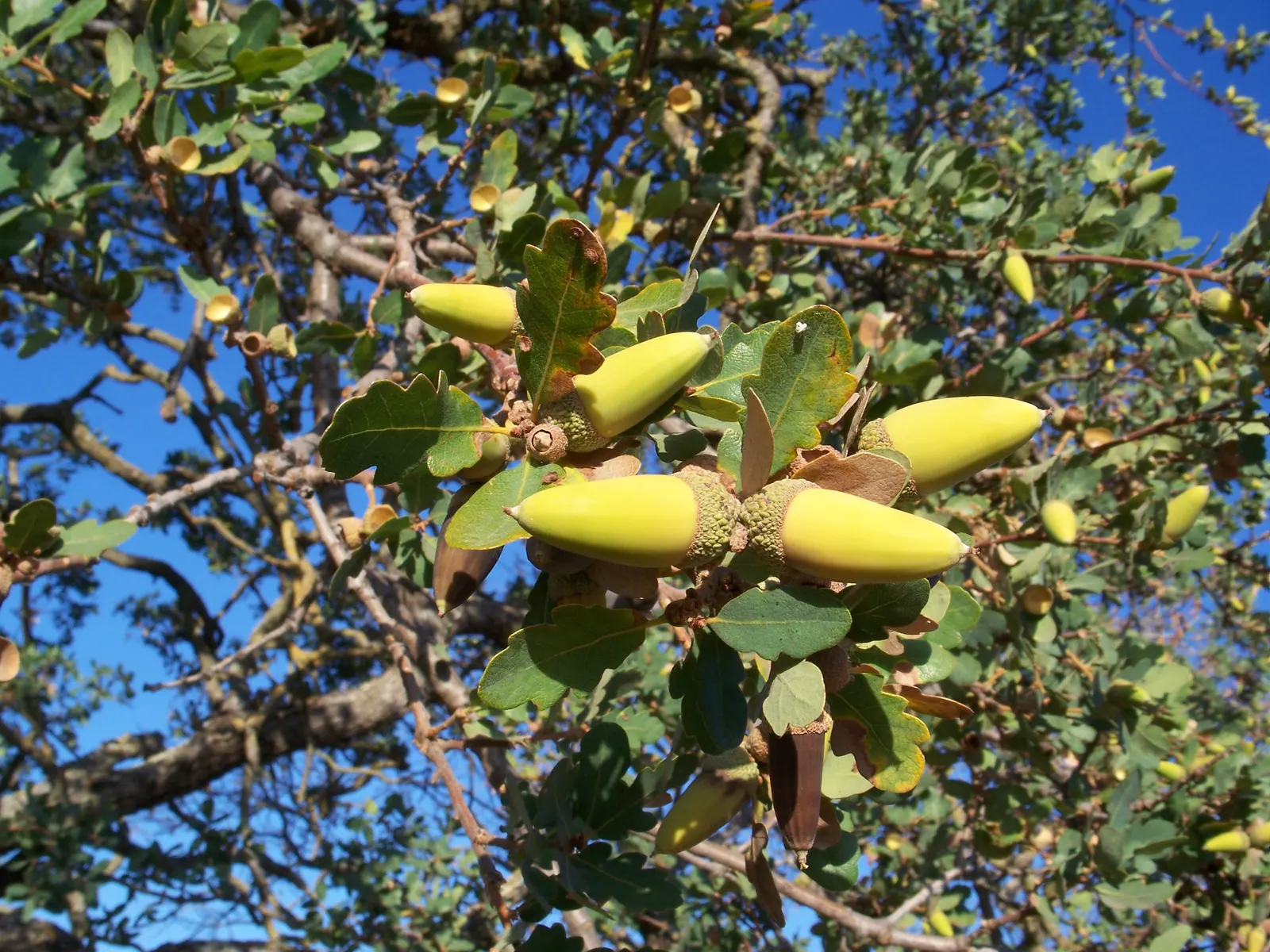
American Chestnut (Castanea Dentata) — toothed leaves and produces spiny burs enclosing edible nuts
American Chestnut (Castanea Dentata) — Thriving in well-drained soils across USDA zones 4-8
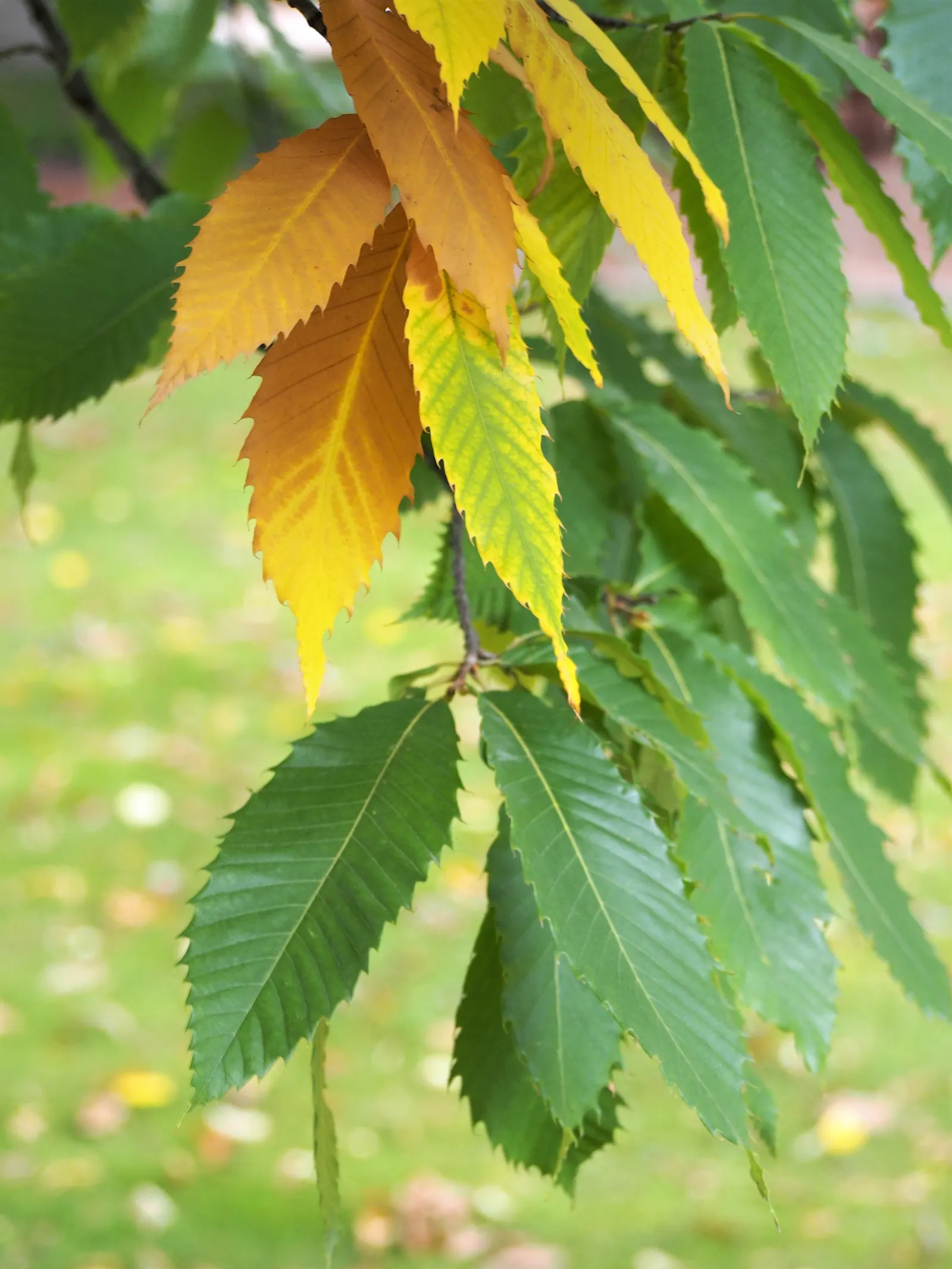
American Chestnut (Castanea Dentata) — which are about 5 to 8 inches long
American Chestnut (Castanea Dentata) — These leaves turn a rich yellow-brown in fall
American Chestnut (Castanea Dentata) — are distinctive characteristics of Castanea dentata
American Chestnut (Castanea Dentata) — providing generous shade.<br><br>Its deeply furrowed bark and oblong
American Chestnut (Castanea Dentata) — but are also an important source of nectar for native bees
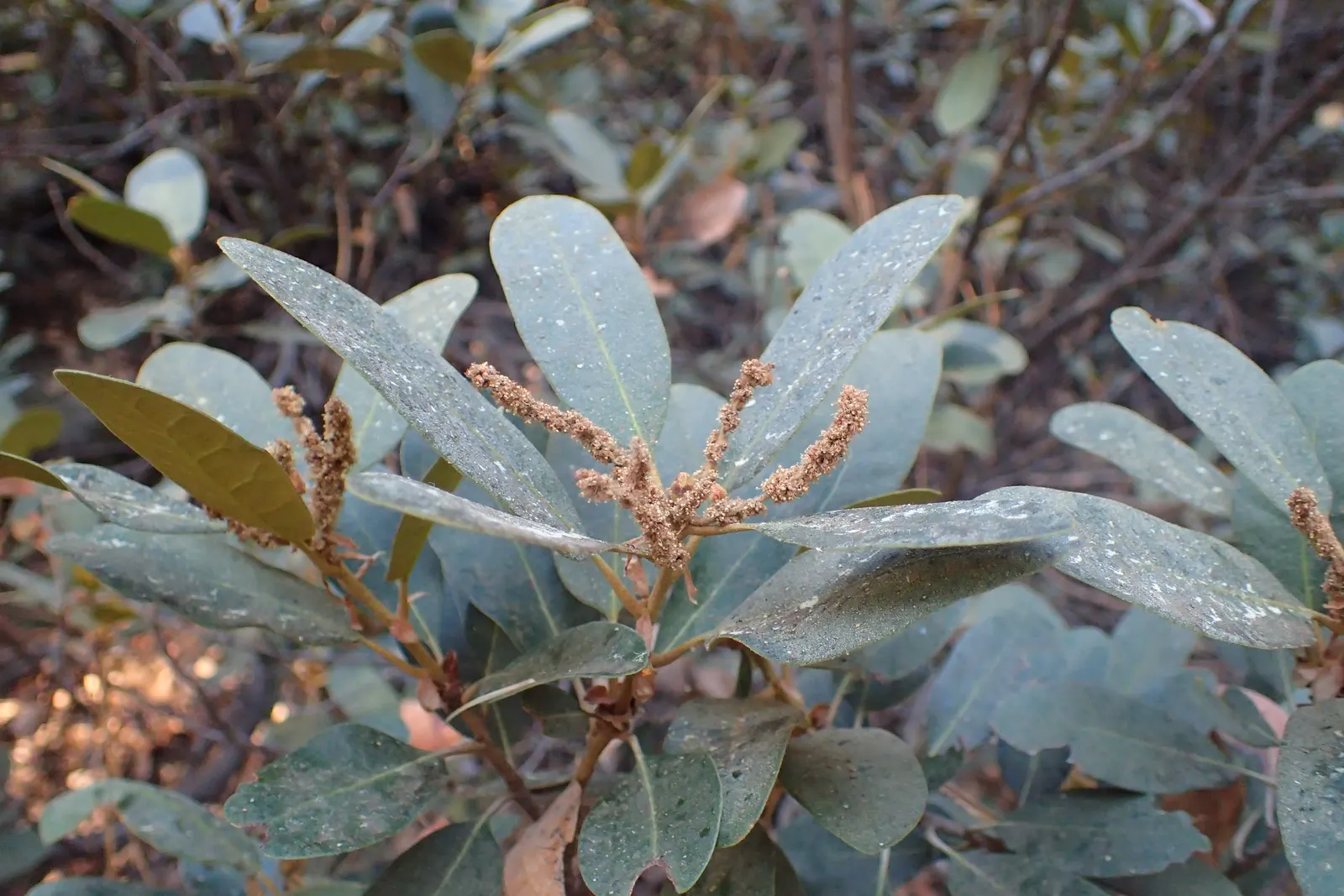
American Chestnut (Castanea Dentata) — creamy-yellow catkins that are not only visually appealing
American Chestnut (Castanea Dentata) — adding seasonal interest to the landscape.<br><br>Spring brings forth long
American Chestnut (Castanea Dentata) — acidic soils and thrives in full sunlight
American Chestnut (Castanea Dentata) — By late summer, the tree produces its notable spiny burs, each containing two to three glossy, brown nuts
American Chestnut (Castanea Dentata) — These nuts were once a crucial food source for wildlife and humans alike.<br><br>The tree prefers well-drained
American Chestnut (Castanea Dentata) — giving hope that this iconic species can regain its rightful place in the United States' woodlands
American Chestnut (Castanea Dentata) — Efforts to restore blight-resistant varieties continue
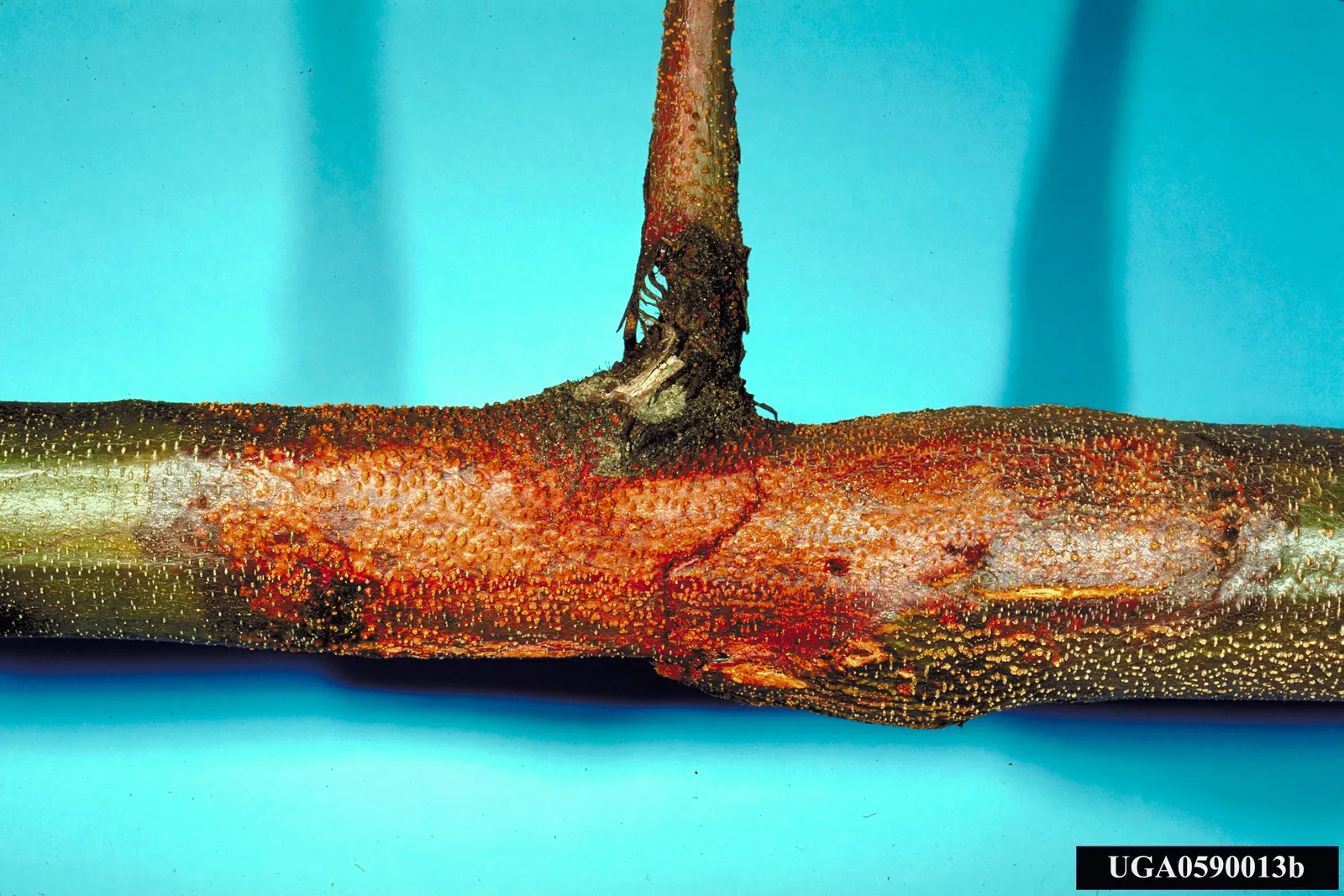
American Chestnut (Castanea Dentata) — Sadly, the American Chestnut has been severely affected by the chestnut blight, a fungal disease
American Chestnut (Castanea Dentata) — making it a suitable choice for larger landscapes that can accommodate its size

Related plants