Skip to content

Pin Oak

Quercus Palustris

Design with this plant

Overview

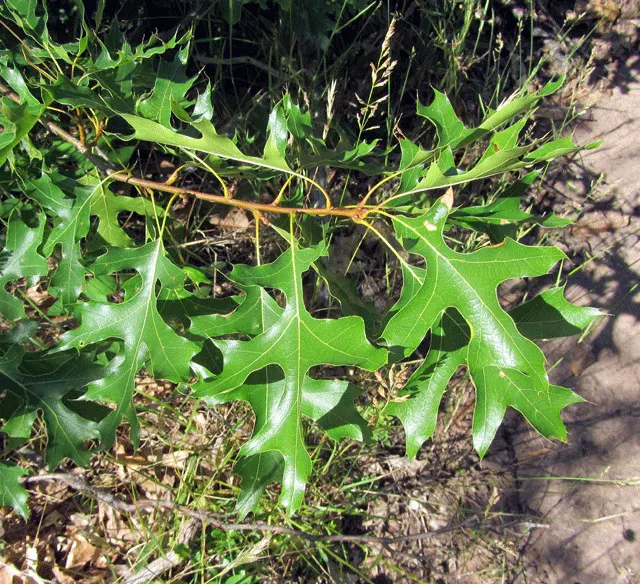
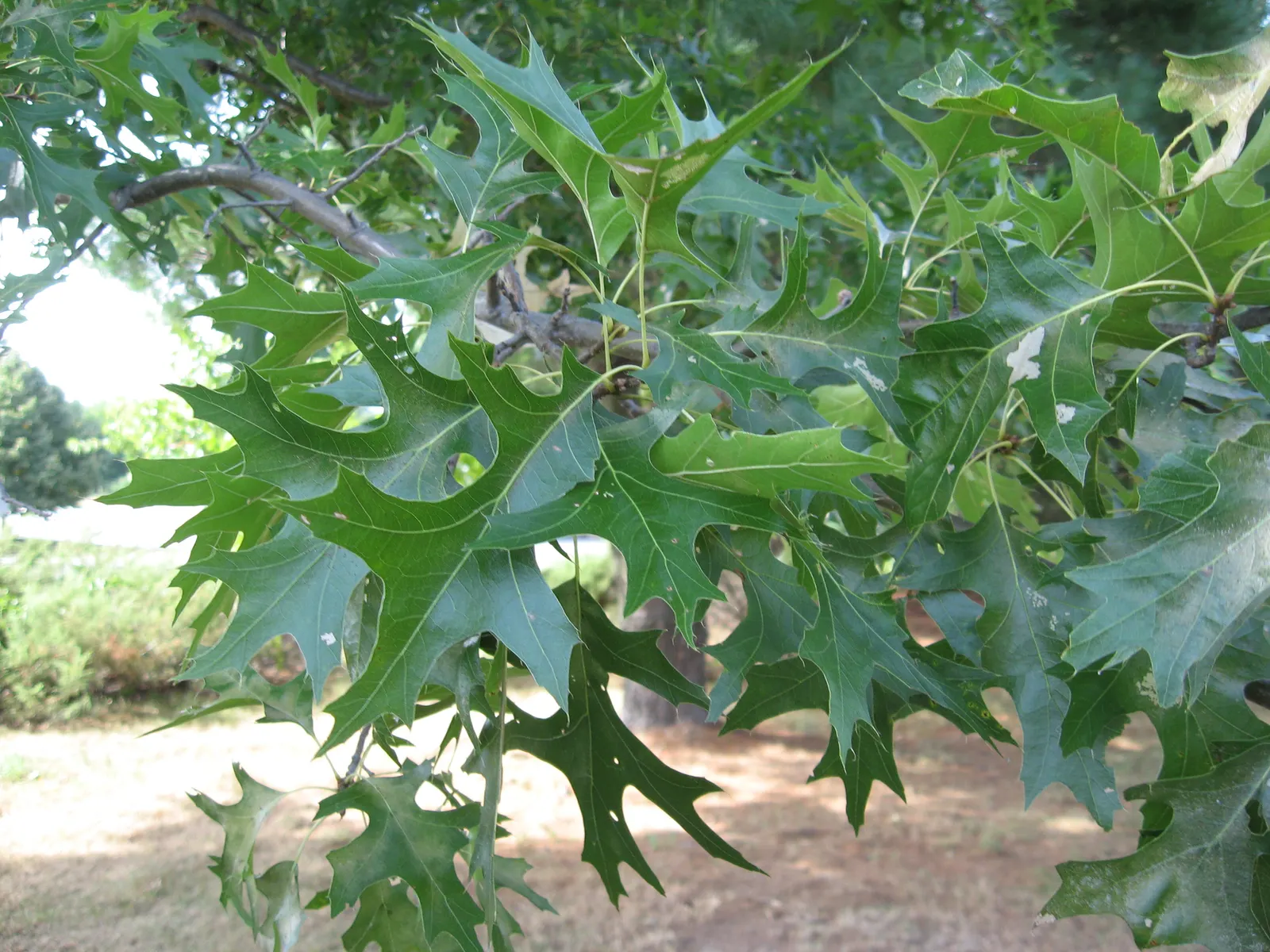
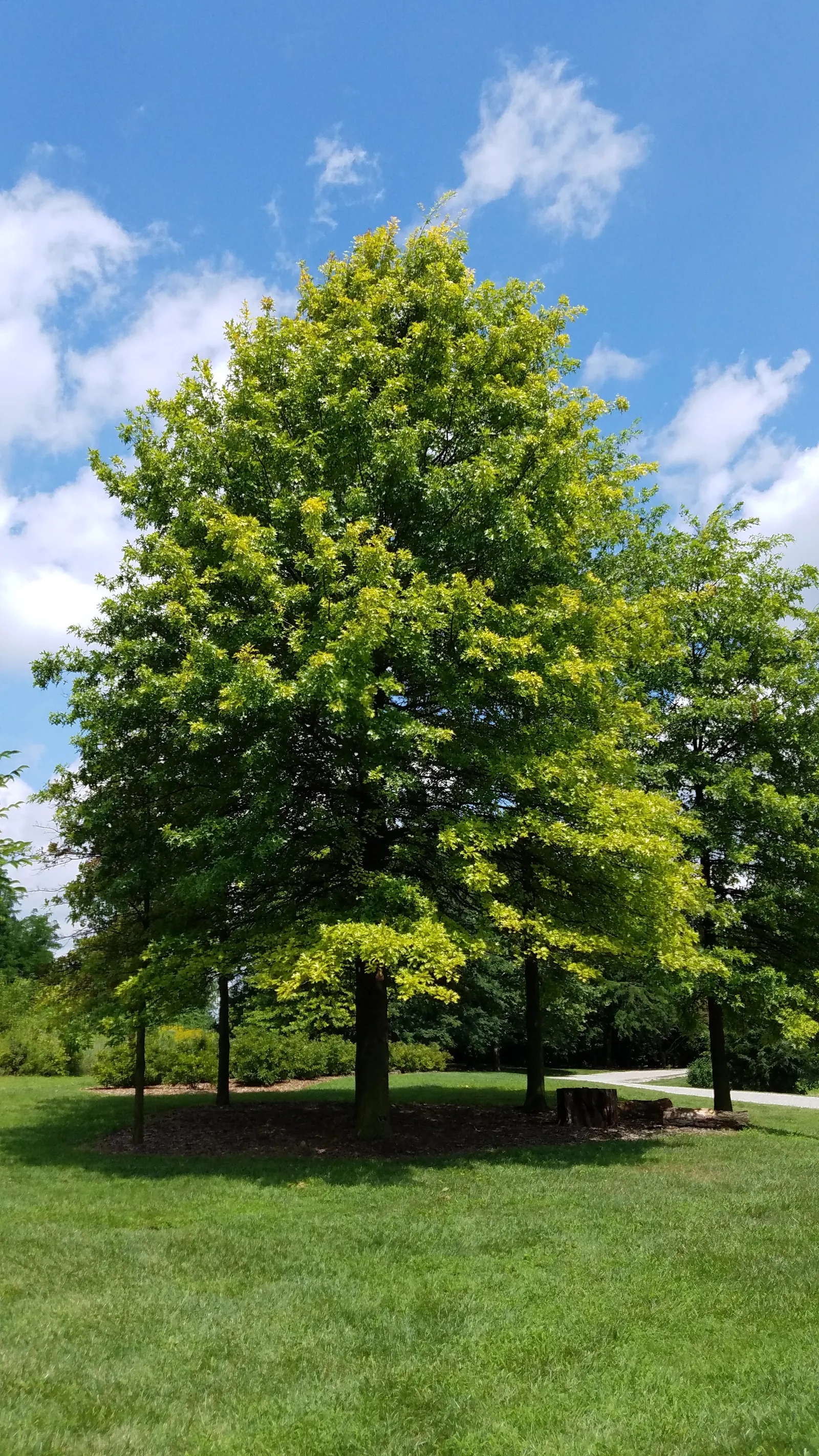
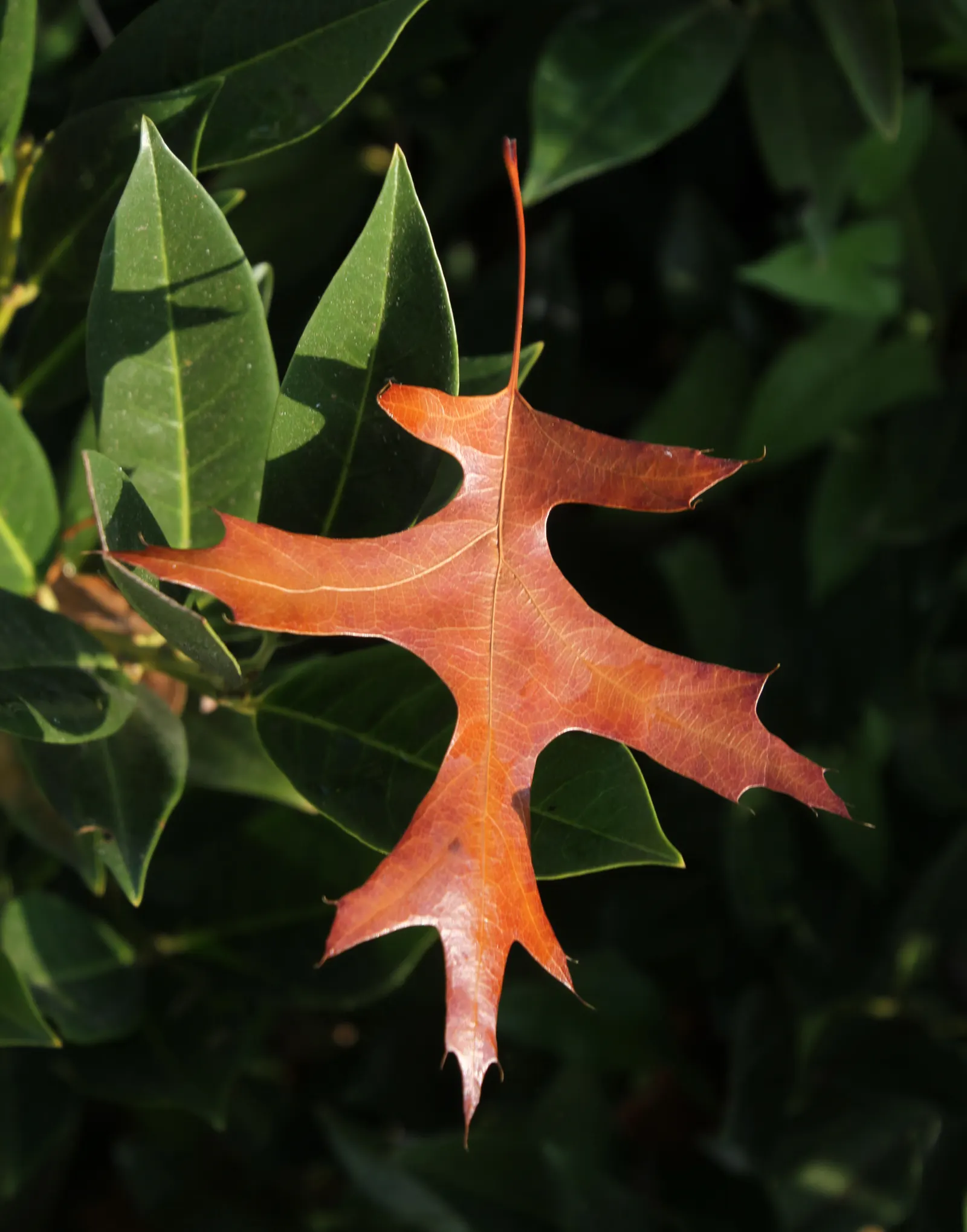
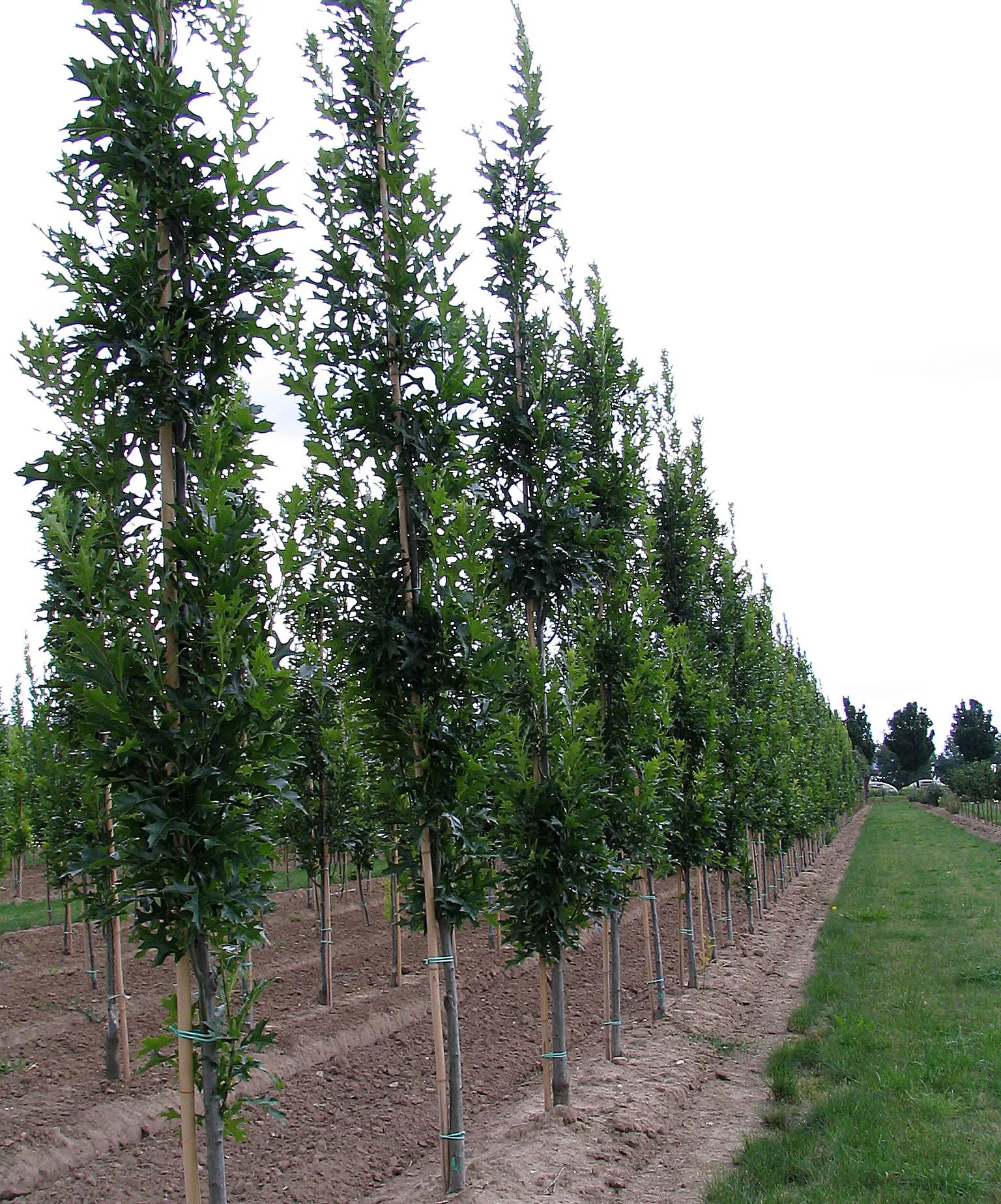
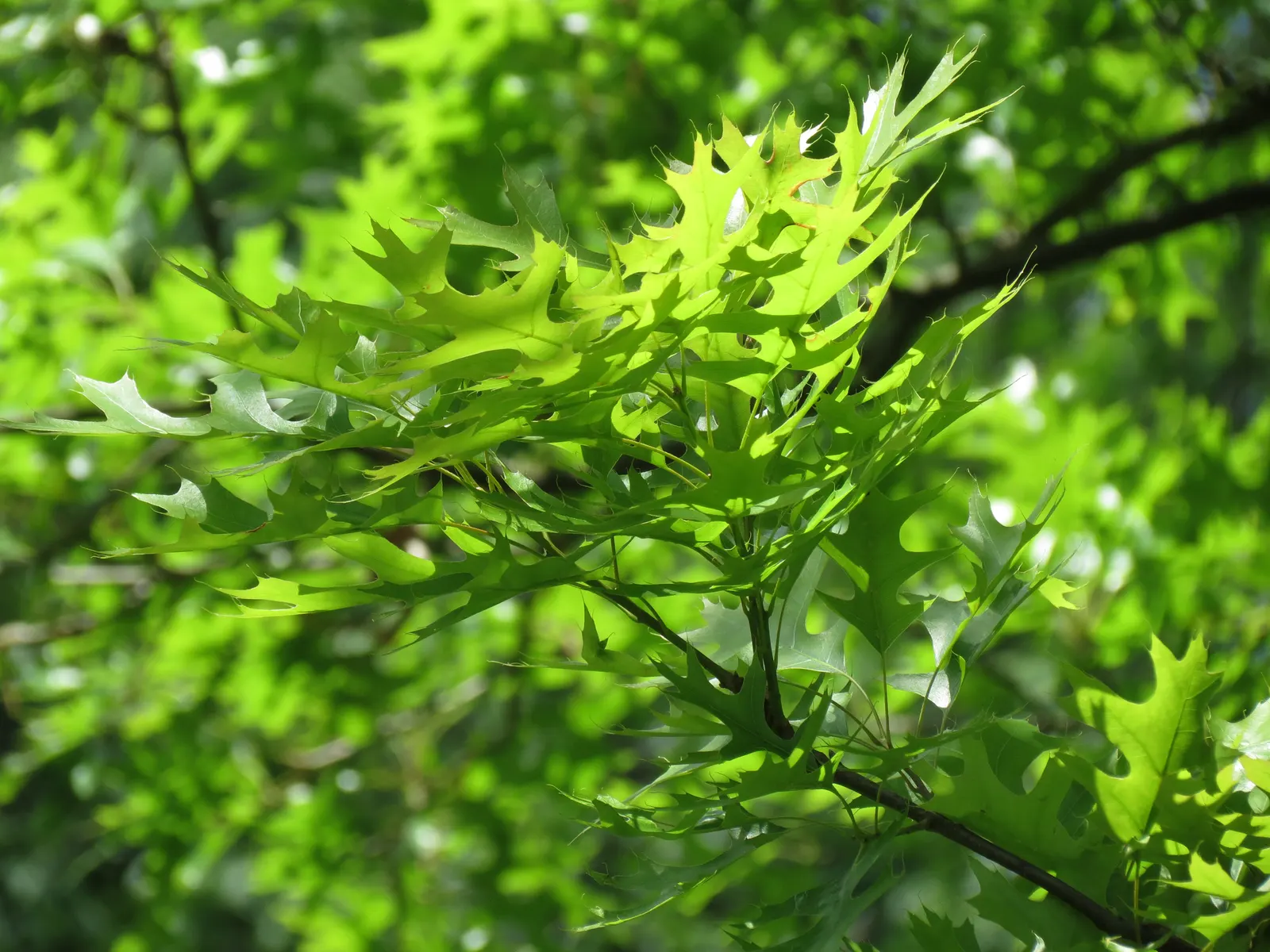
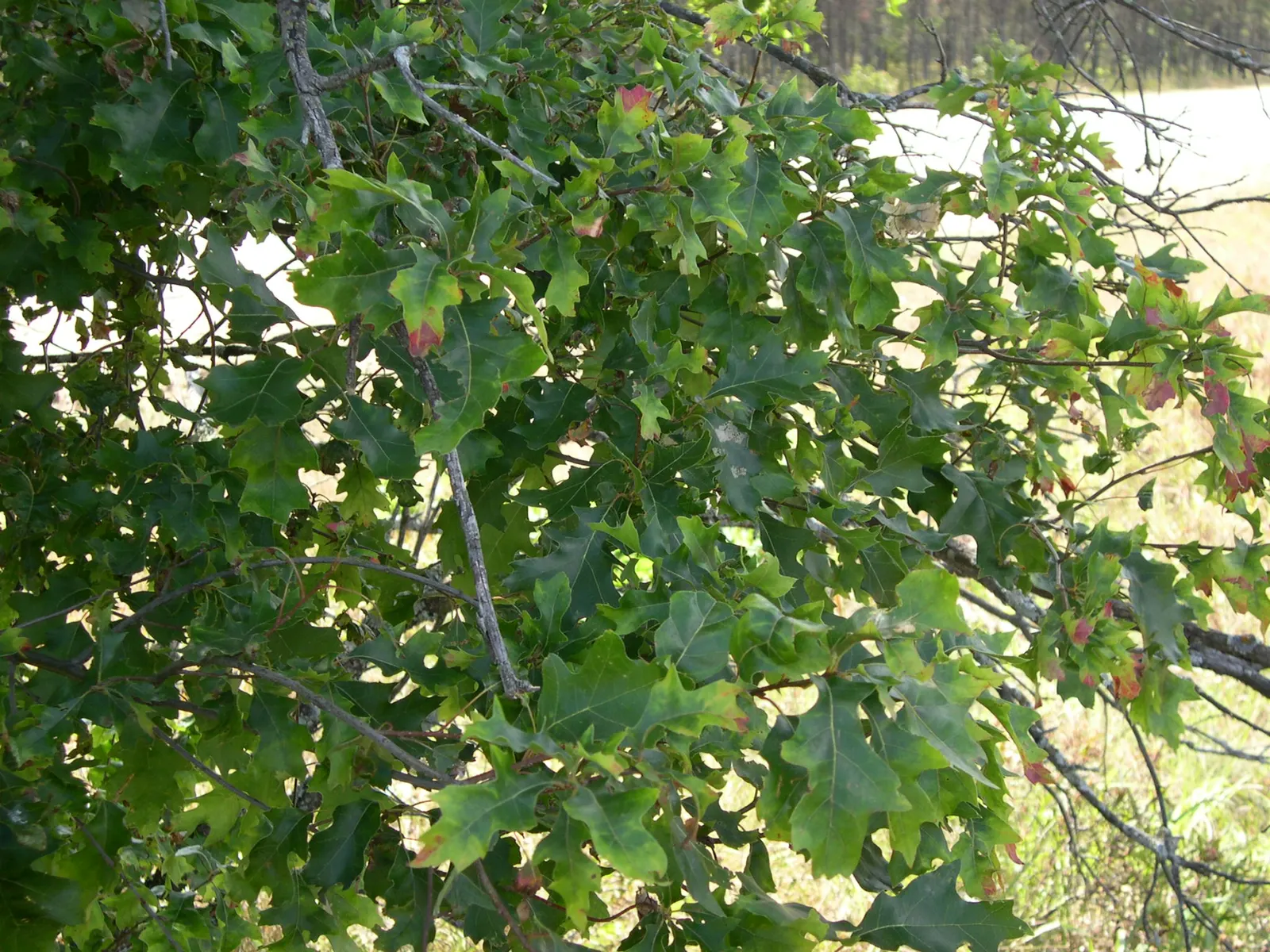
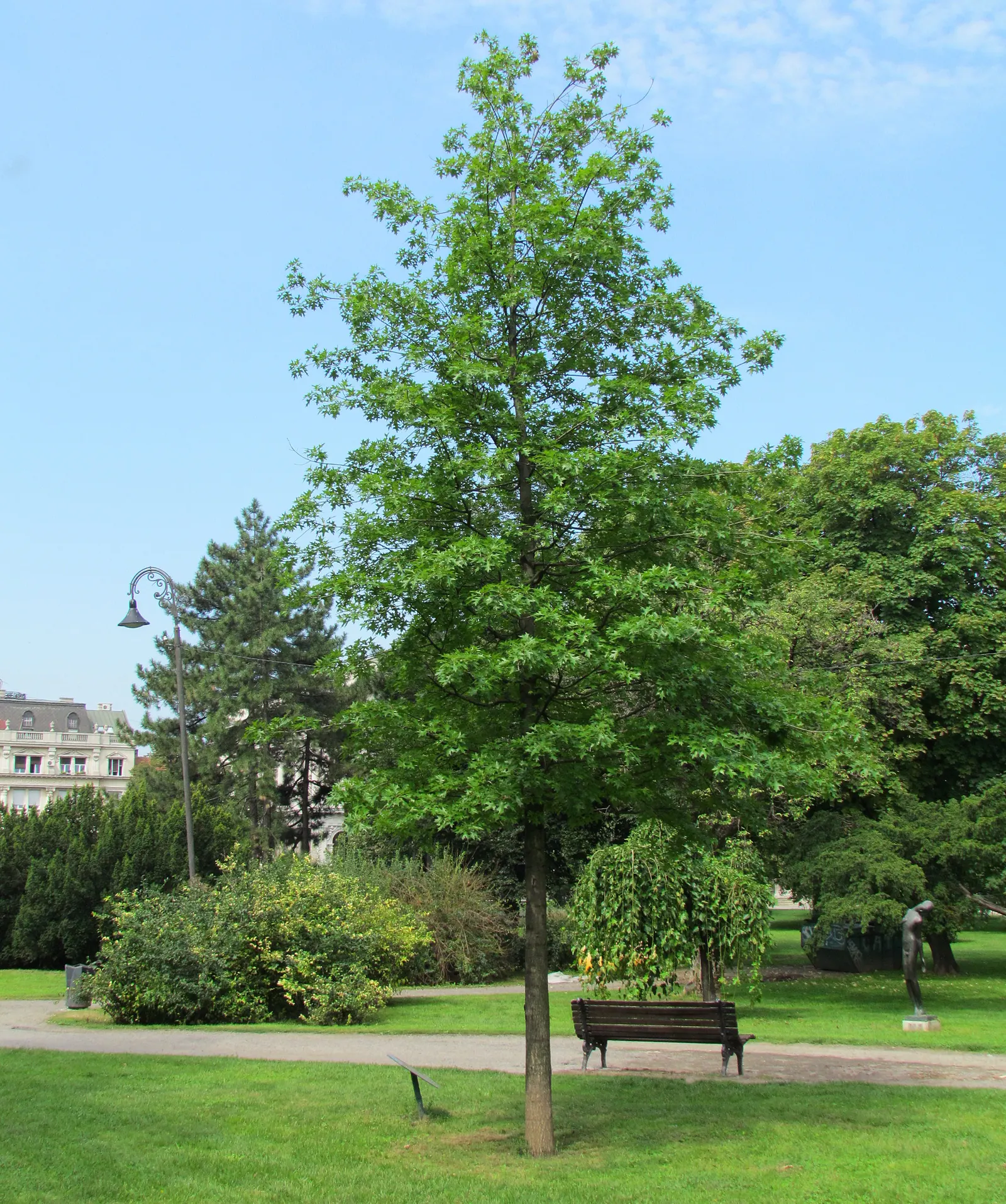
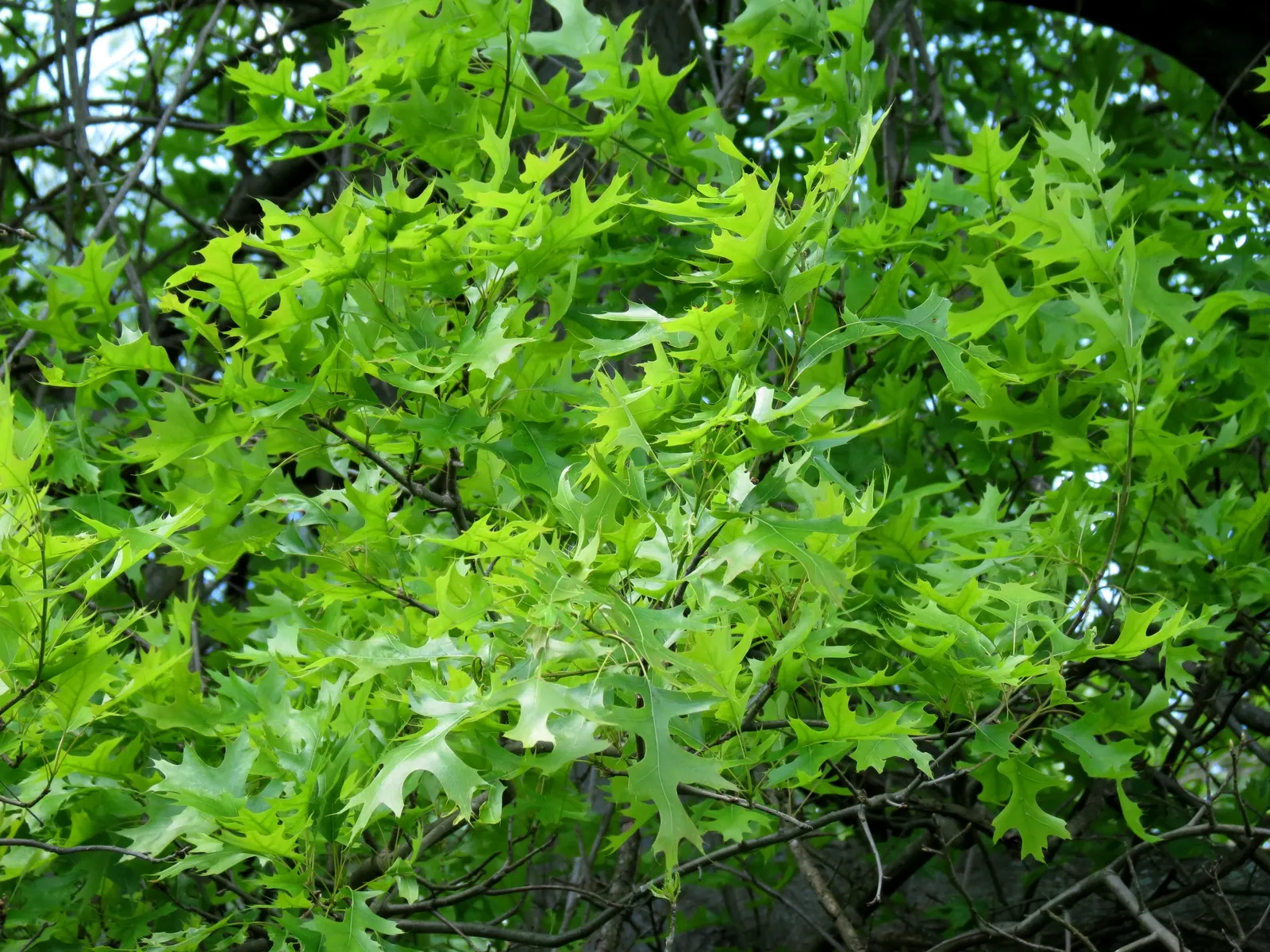
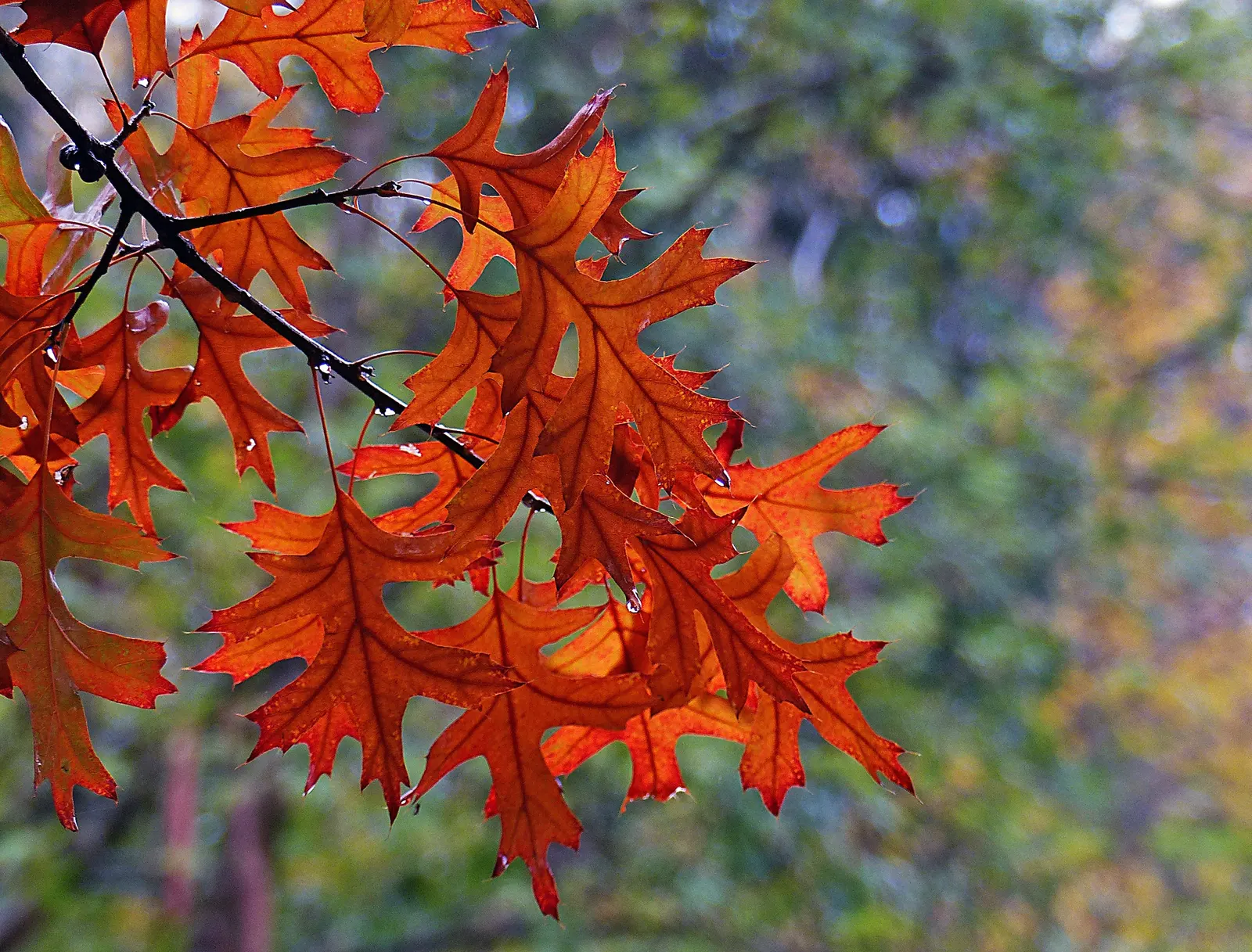
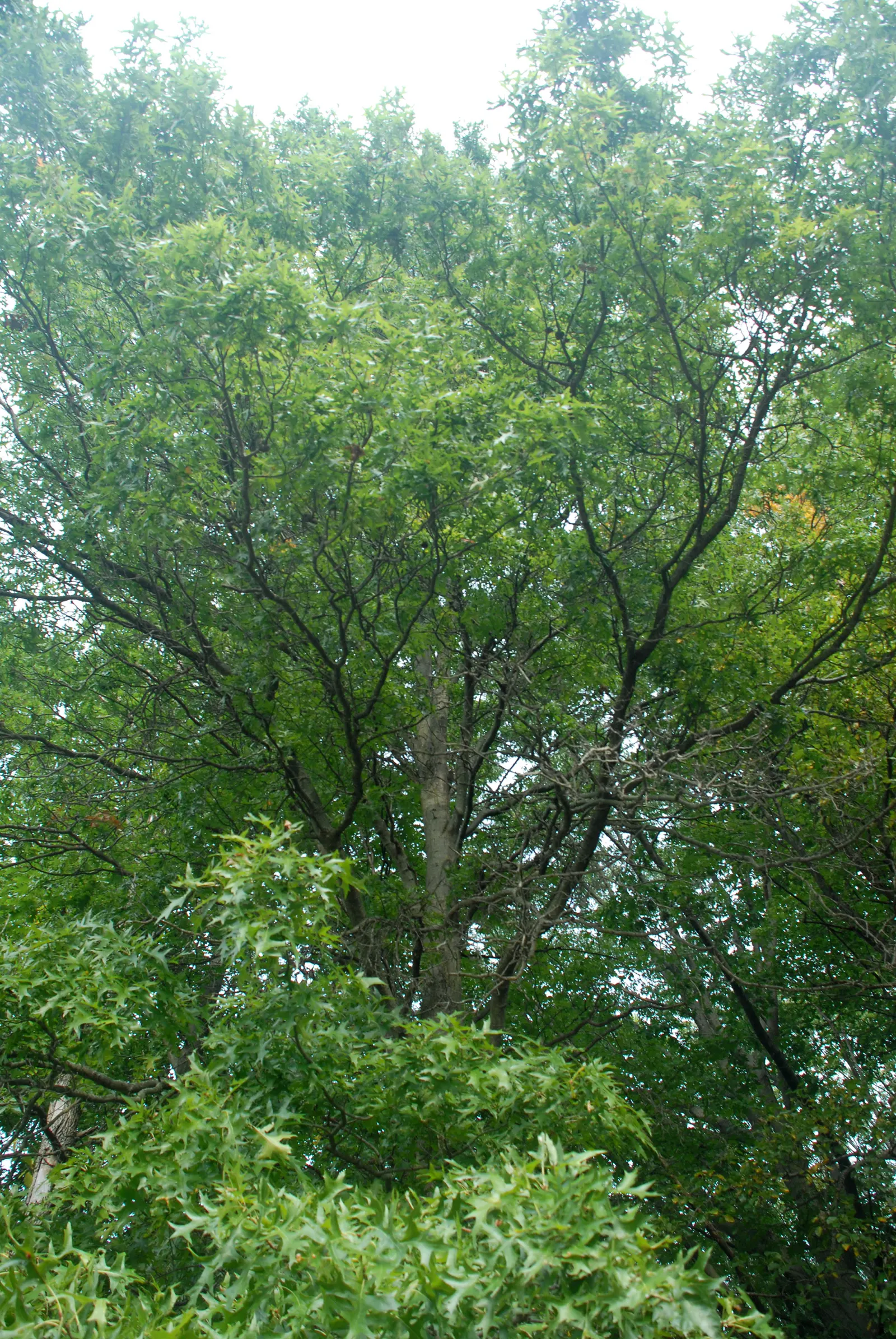
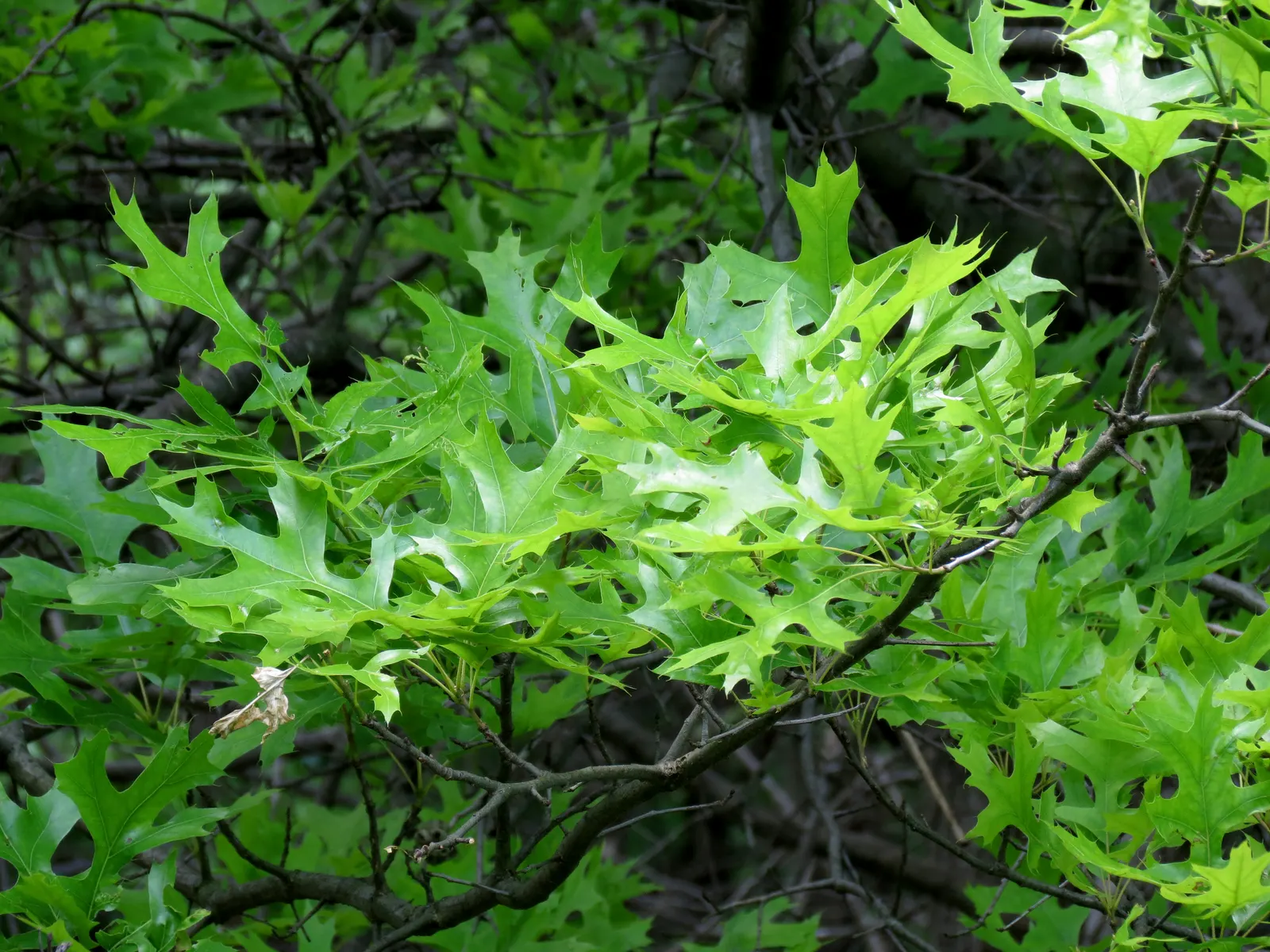
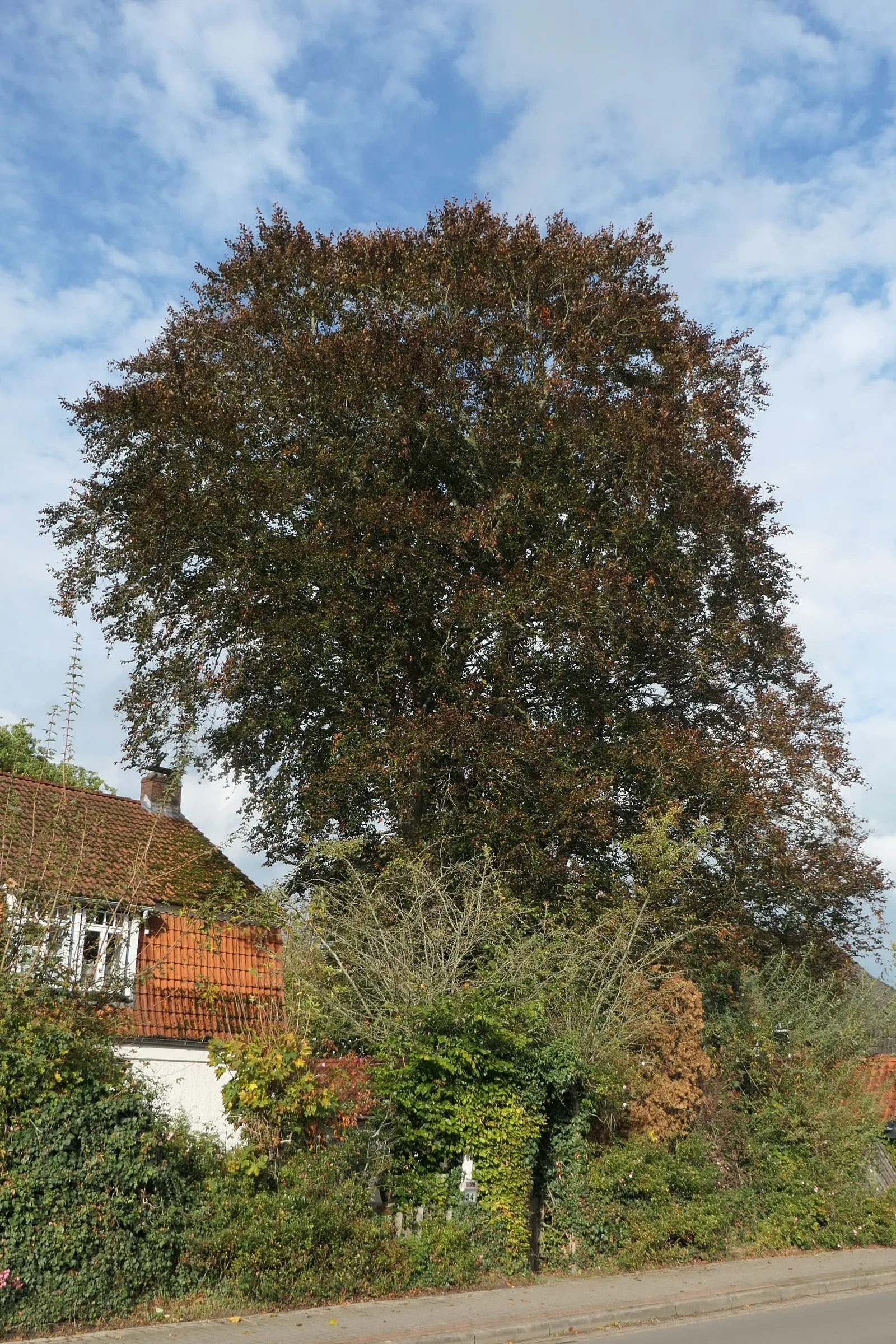
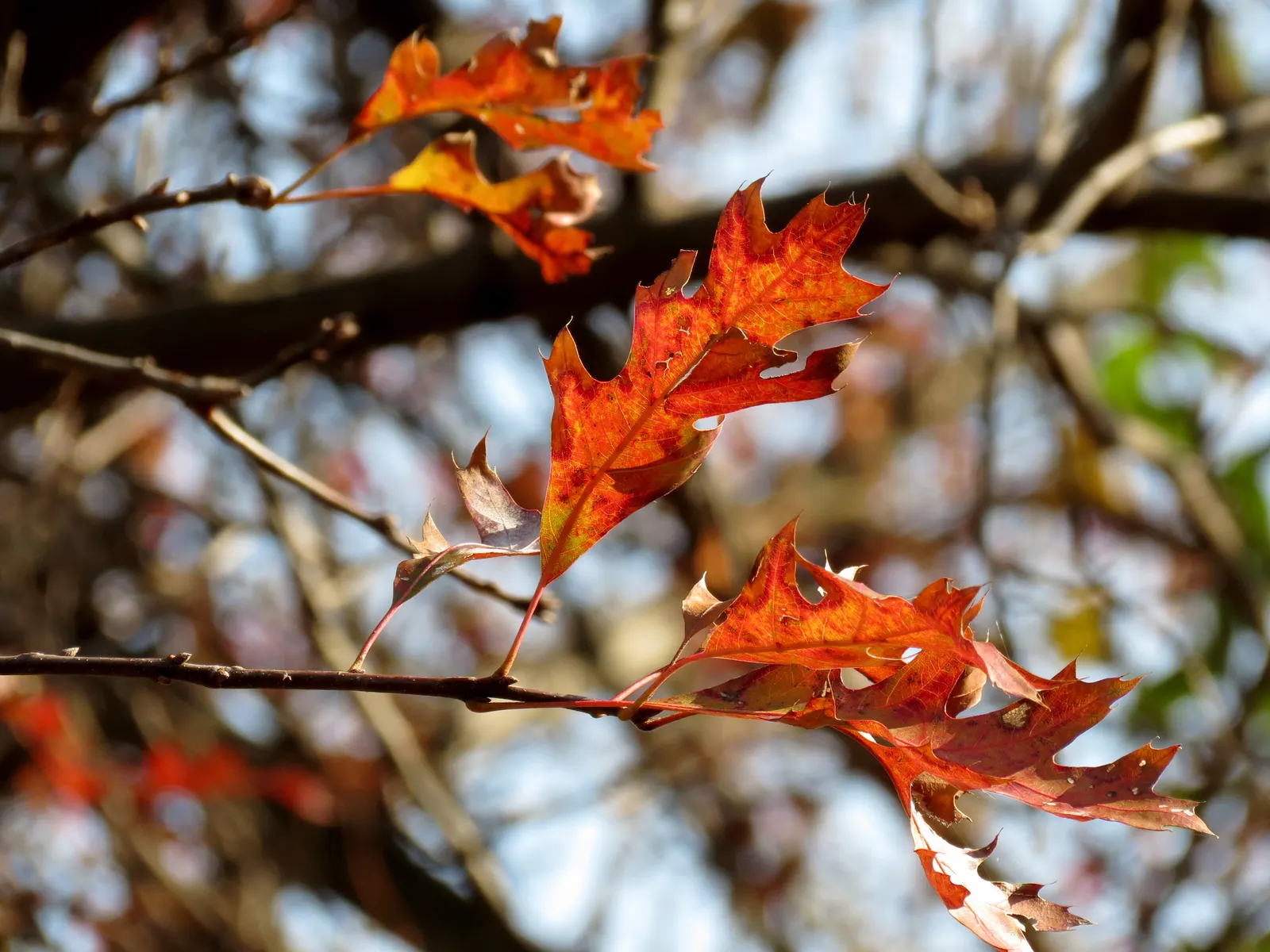
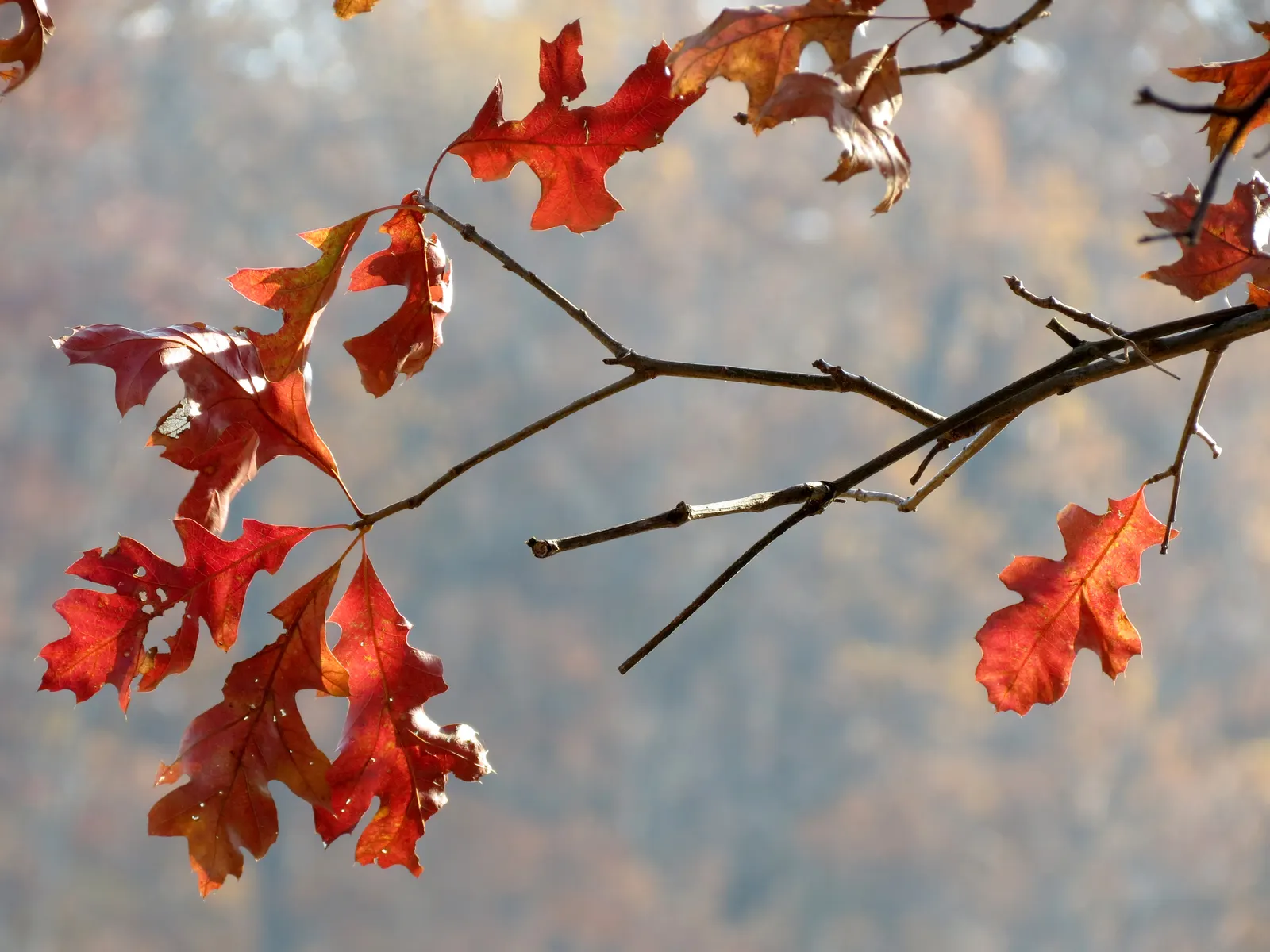
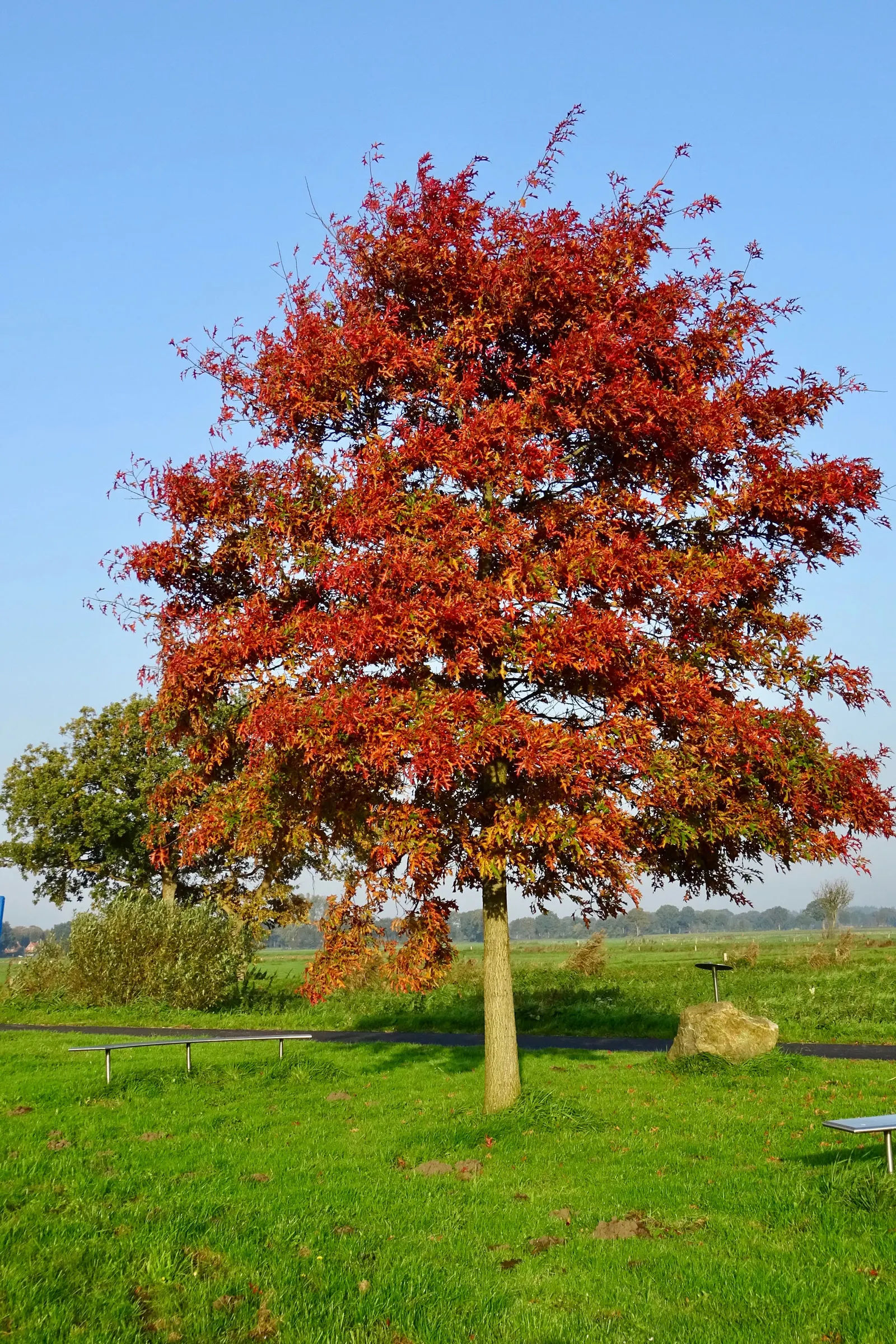
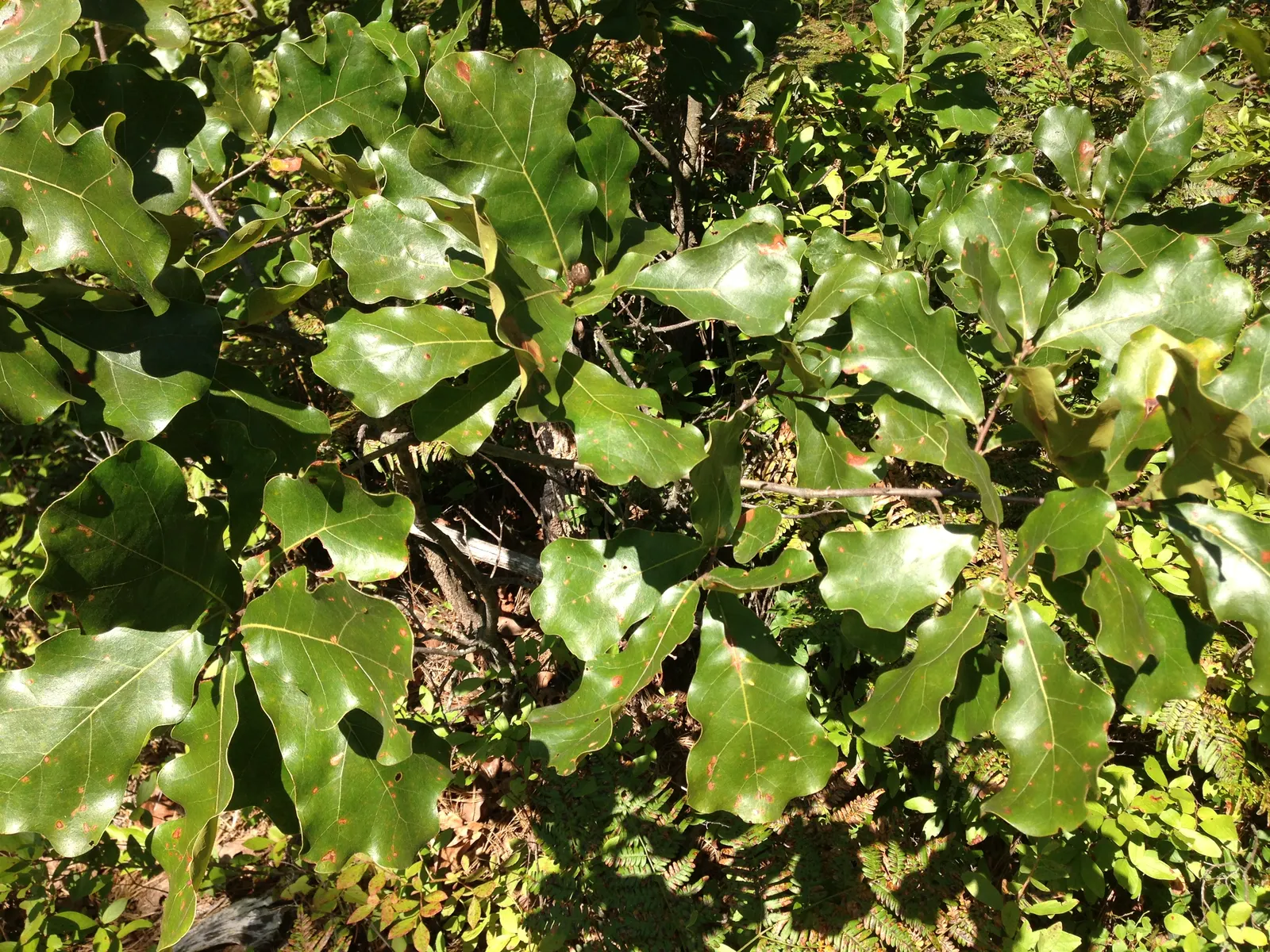
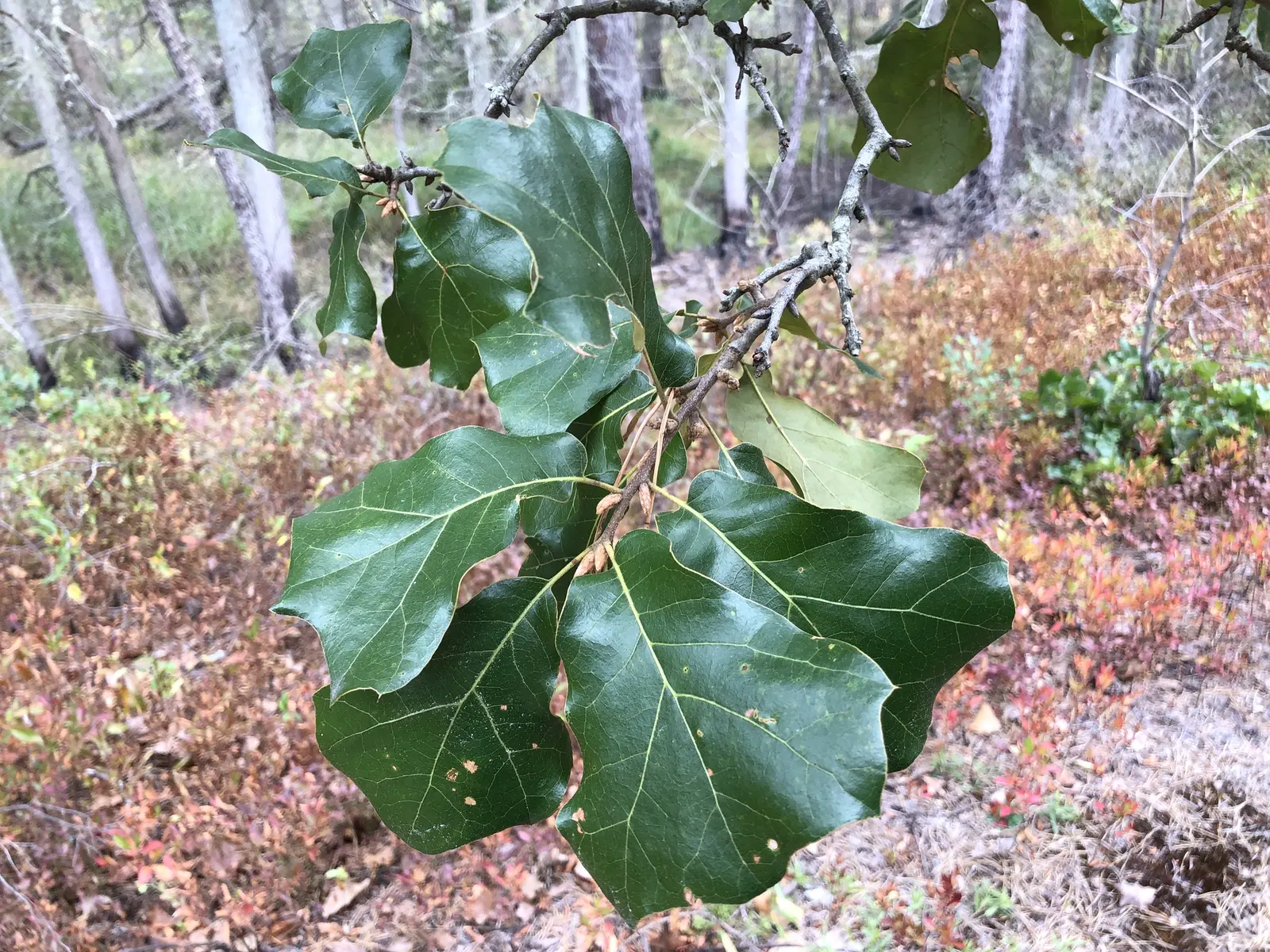
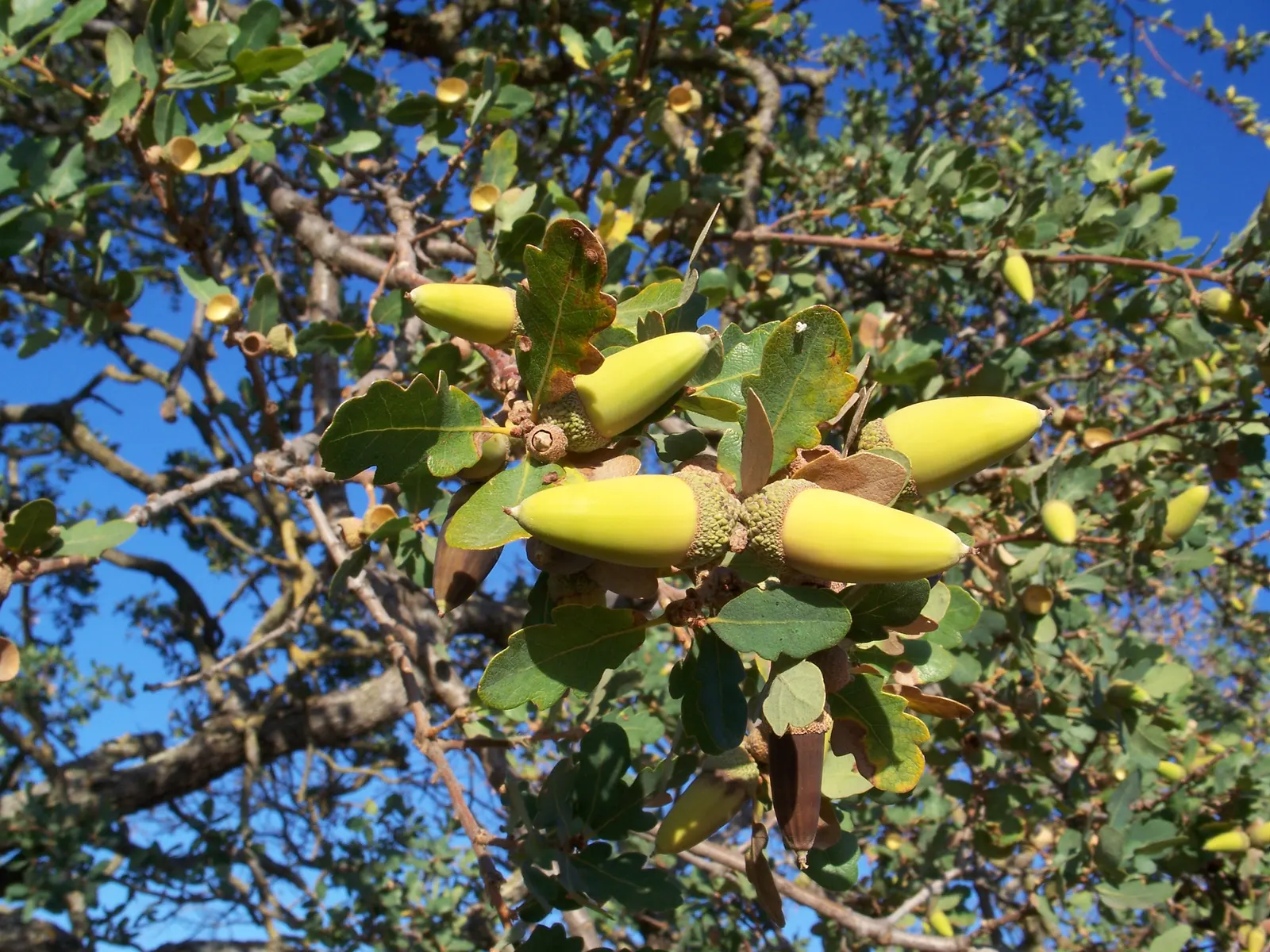
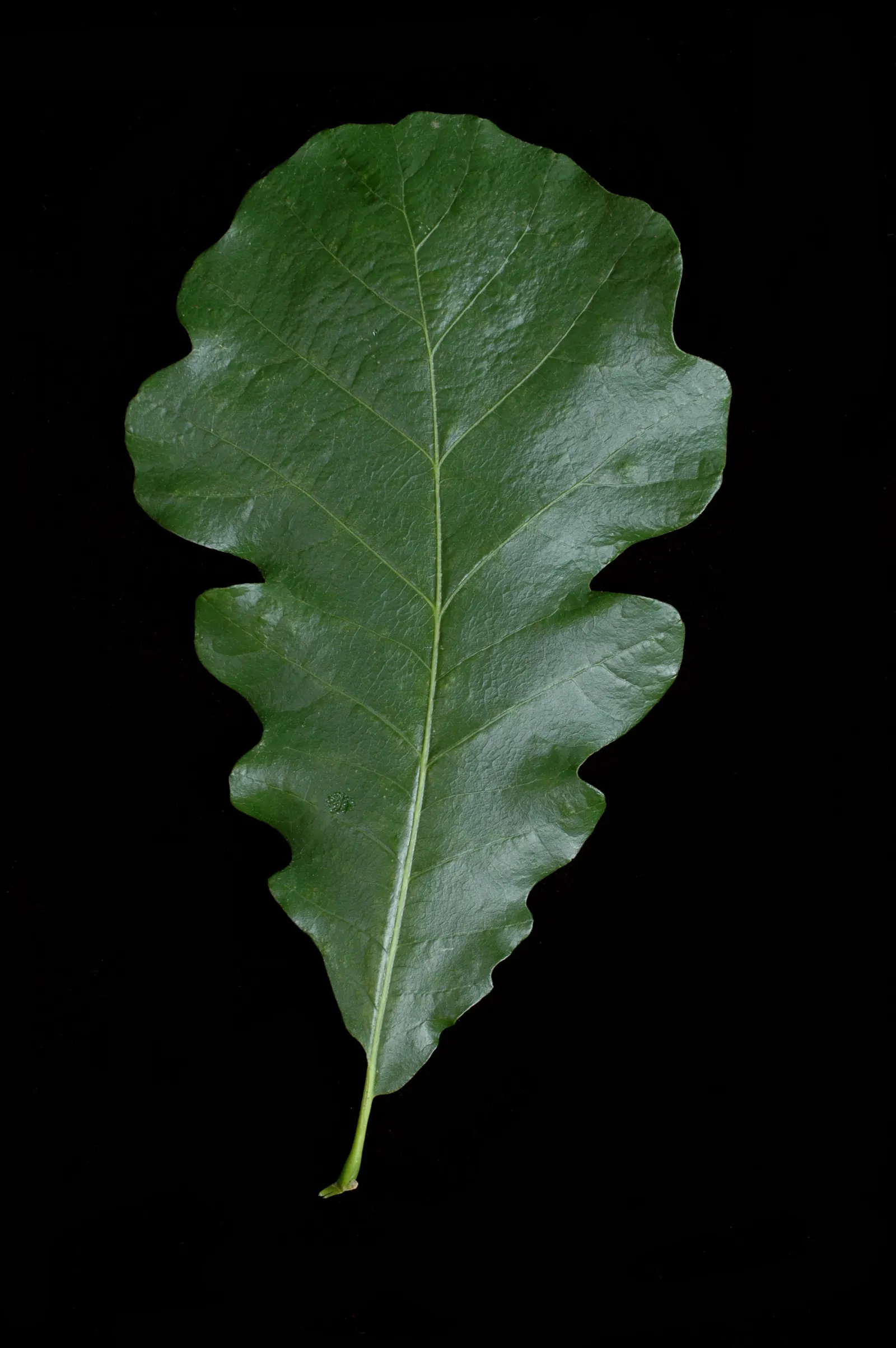
The Pin Oak (Quercus palustris) is a deciduous tree reaching heights of 60-70 feet with a 25-40 foot spread. Its pyramidal shape and glossy green leaves, which turn a rich red in fall, make it a striking choice. Adaptable to wet soils, it thrives in full sun and is hardy in Zones 4-8. Its dense branching and acorns attract wildlife, enhancing the ecological value of landscapes.

Sun FullWater High, Low, MediumZones 4–10Type TreeClimate Temperate
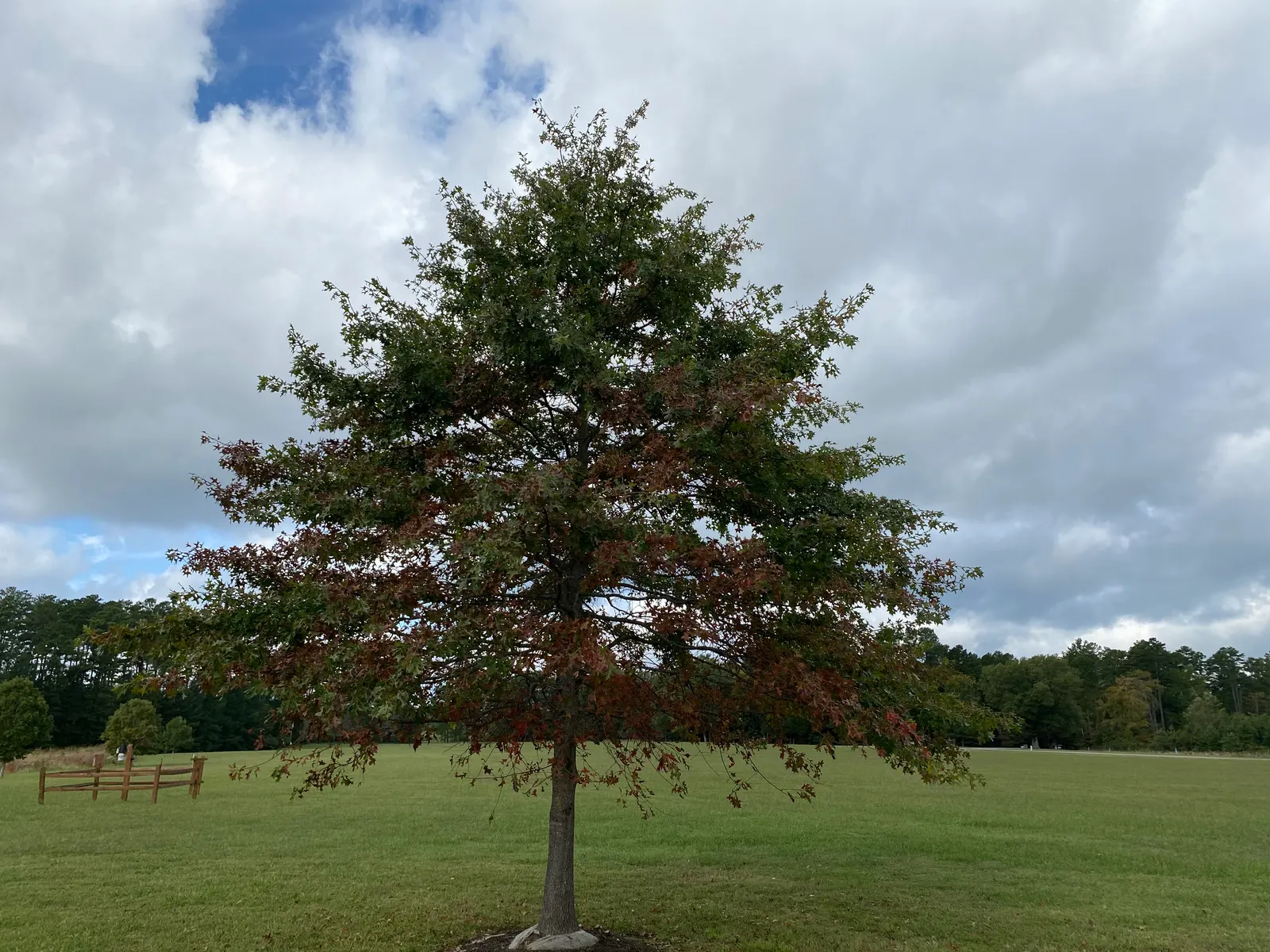
Pin Oak (Quercus Palustris) — although it flourishes in slightly acidic; its pyramidal shape and glossy green leaves, which turn a rich red in fall, make it a

Culture

Sun
Full
Water
High, Low, Medium
USDA zones
4–10

Shape & size

Classification

Type
Tree
Family
Fagaceae
Climate
Temperate

See full data, regional cultivation notes, and design tools. Build a client presentation around this plant.

Start your 14-day trial

Photos (69)

Pin Oak (Quercus Palustris) — Follow these guidelines, and the Pin Oak will surely become a majestic centerpiece in the designed landscape
Pin Oak (Quercus Palustris) — Adaptable to wet soils, it thrives in full sun and is hardy in Zones 4-8
Pin Oak (Quercus Palustris) — It is imperative to allocate adequate space for its development; turn a vibrant crimson to bronze in the fall
Pin Oak (Quercus Palustris) — Its lower branches tend to droop with age; including those that are occasionally waterlogged
Pin Oak (Quercus Palustris) — Adaptable to wet soils, it thrives in full sun and is hardy in Zones 4-8; additionally, regular pruning may be necessary to raise
Pin Oak (Quercus Palustris) — renowned for its pyramidal growth habit in youth; follow these guidelines, and the Pin Oak will surely become a, image 46
Pin Oak (Quercus Palustris) — making it suitable for a wide range of climates.<br><br>Growing at a moderate to fast rate; tree for full, image 49
Pin Oak (Quercus Palustris) — is an exceptional choice for a strong vertical accent in spacious landscapes; the tree's distinctive leaves
Pin Oak (Quercus Palustris) — making it suitable for a wide range of climates.<br><br>Growing at a moderate to fast rate; tree for full
Pin Oak (Quercus Palustris) — is an exceptional choice for a strong vertical accent in spacious landscapes; the tree's distinctive leaves, image 45
Pin Oak (Quercus Palustris) — The Pin Oak (Quercus palustris) is a deciduous tree reaching heights of 60-70 feet with a 25-40 foot spread; its, image 41
Pin Oak (Quercus Palustris) — Its dense branching and acorns attract wildlife, enhancing the ecological value of landscapes; is an exceptional choice for a
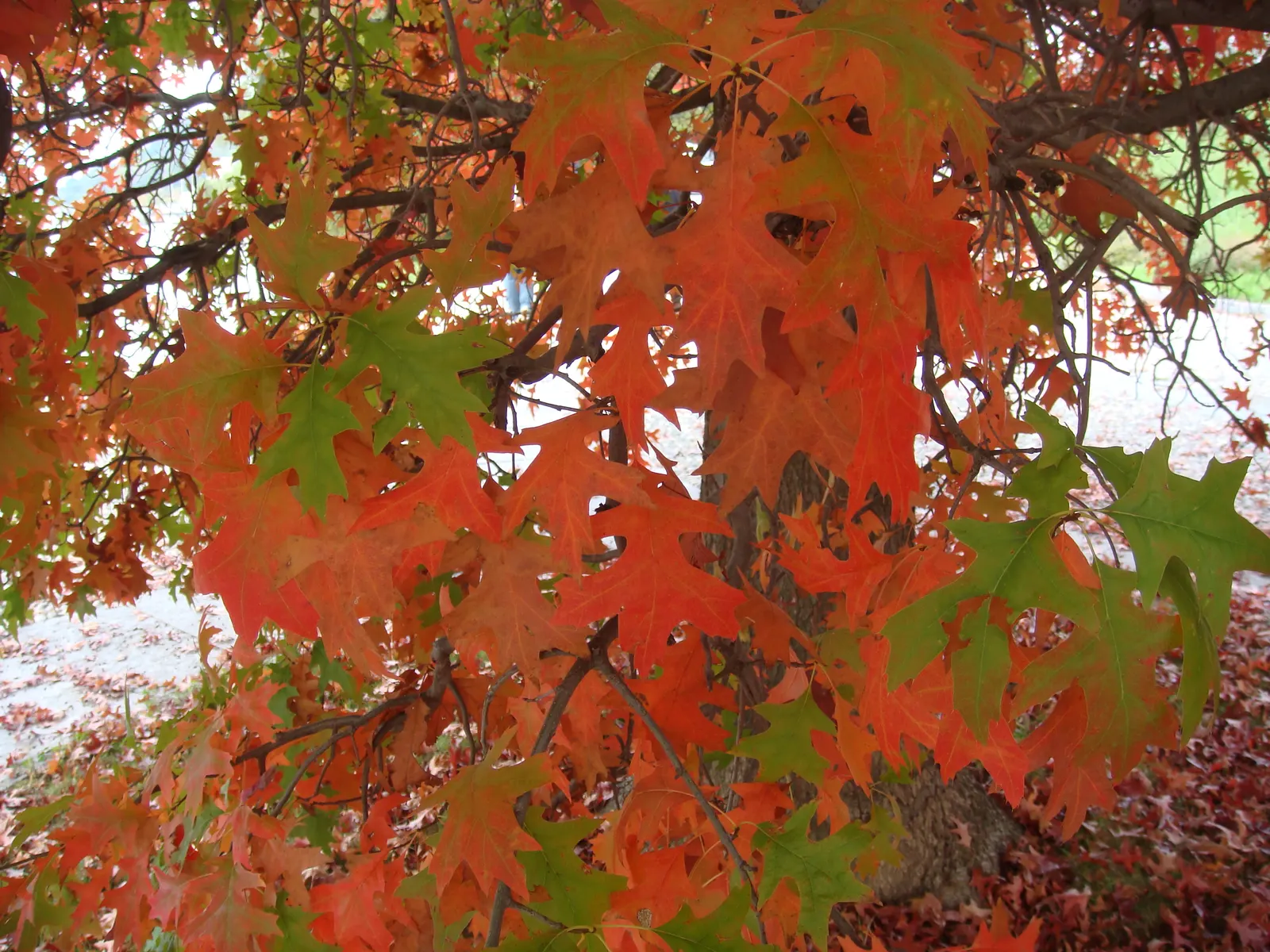
Pin Oak (Quercus Palustris) — Its pyramidal shape and glossy green leaves, which turn a rich red in fall, make it a striking choice; it is, image 42
Pin Oak (Quercus Palustris) — Adaptable to wet soils, it thrives in full sun and is hardy in Zones 4-8; additionally, regular pruning may be, image 43
Pin Oak (Quercus Palustris) — including those that are occasionally waterlogged; making it suitable for a wide range of climates.<br><br>Growing at a moderate
Pin Oak (Quercus Palustris) — The Pin Oak (Quercus palustris) is a deciduous tree reaching heights of 60-70 feet with a 25-40 foot spread
Pin Oak (Quercus Palustris) — This deciduous tree thrives in hardiness zones 4 through 8
Pin Oak (Quercus Palustris) — Additionally, regular pruning may be necessary to raise the lower canopy and remove dead wood
Pin Oak (Quercus Palustris) — Additionally, regular pruning may be necessary to raise the lower canopy and remove dead wood; adaptable to wet soils, it thrives
Pin Oak (Quercus Palustris) — Follow these guidelines, and the Pin Oak will surely become a majestic centerpiece in the designed landscape; the Pin Oak can
Pin Oak (Quercus Palustris) — which gracefully matures into a more oval shape
Pin Oak (Quercus Palustris) — renowned for its pyramidal growth habit in youth; follow these guidelines, and the Pin Oak will surely become a majestic
Pin Oak (Quercus Palustris) — tree for full; its lower branches tend to droop with age
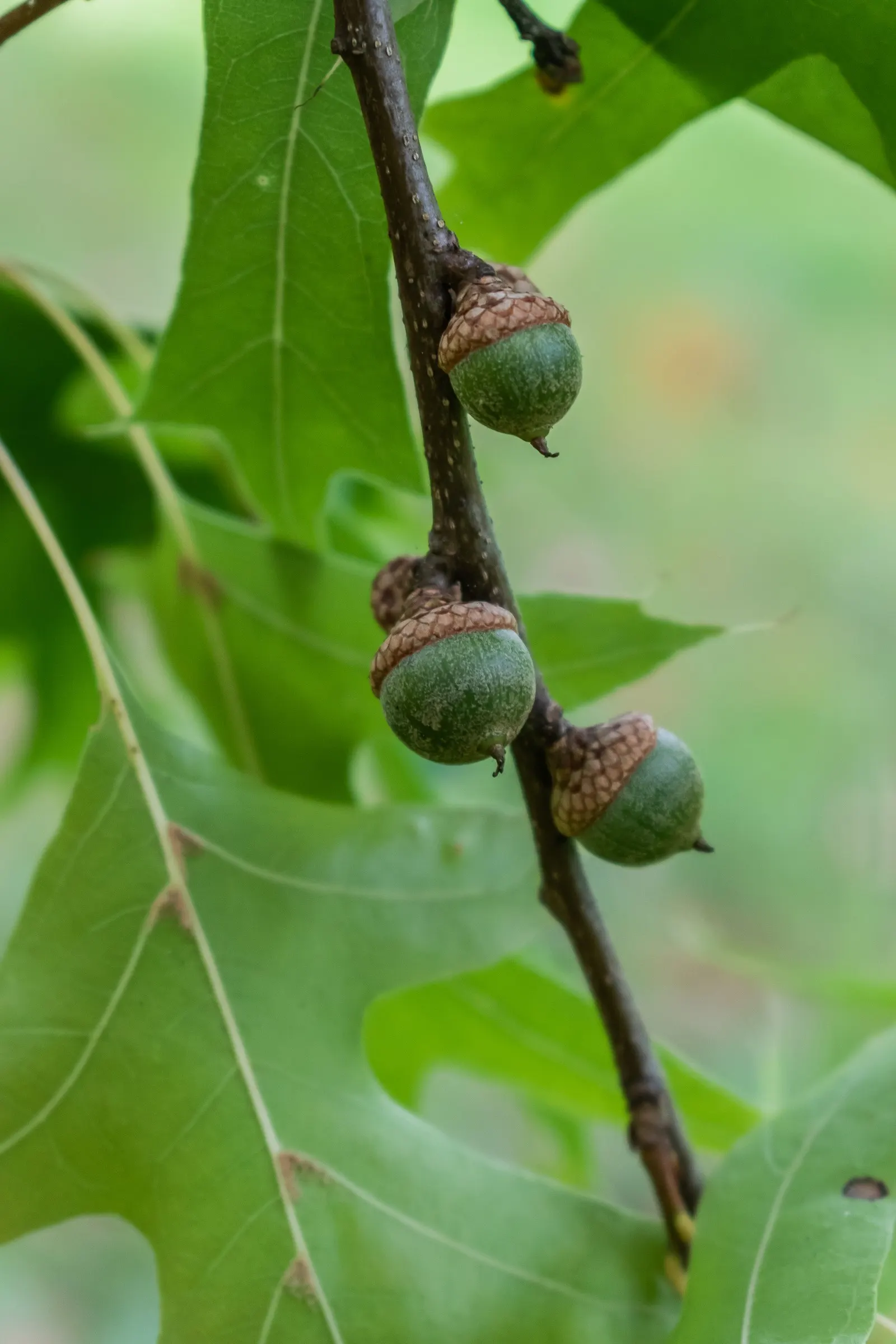
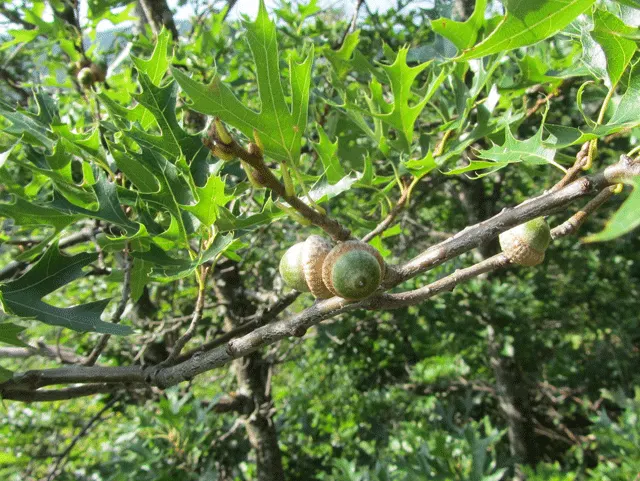
Pin Oak (Quercus Palustris) — Its dense branching and acorns attract wildlife, enhancing the ecological value of landscapes
Photographs by 13 contributors

Related plants