Skip to content

Chinquapin Oak

Quercus Muehlenbergii

Design with this plant

Overview

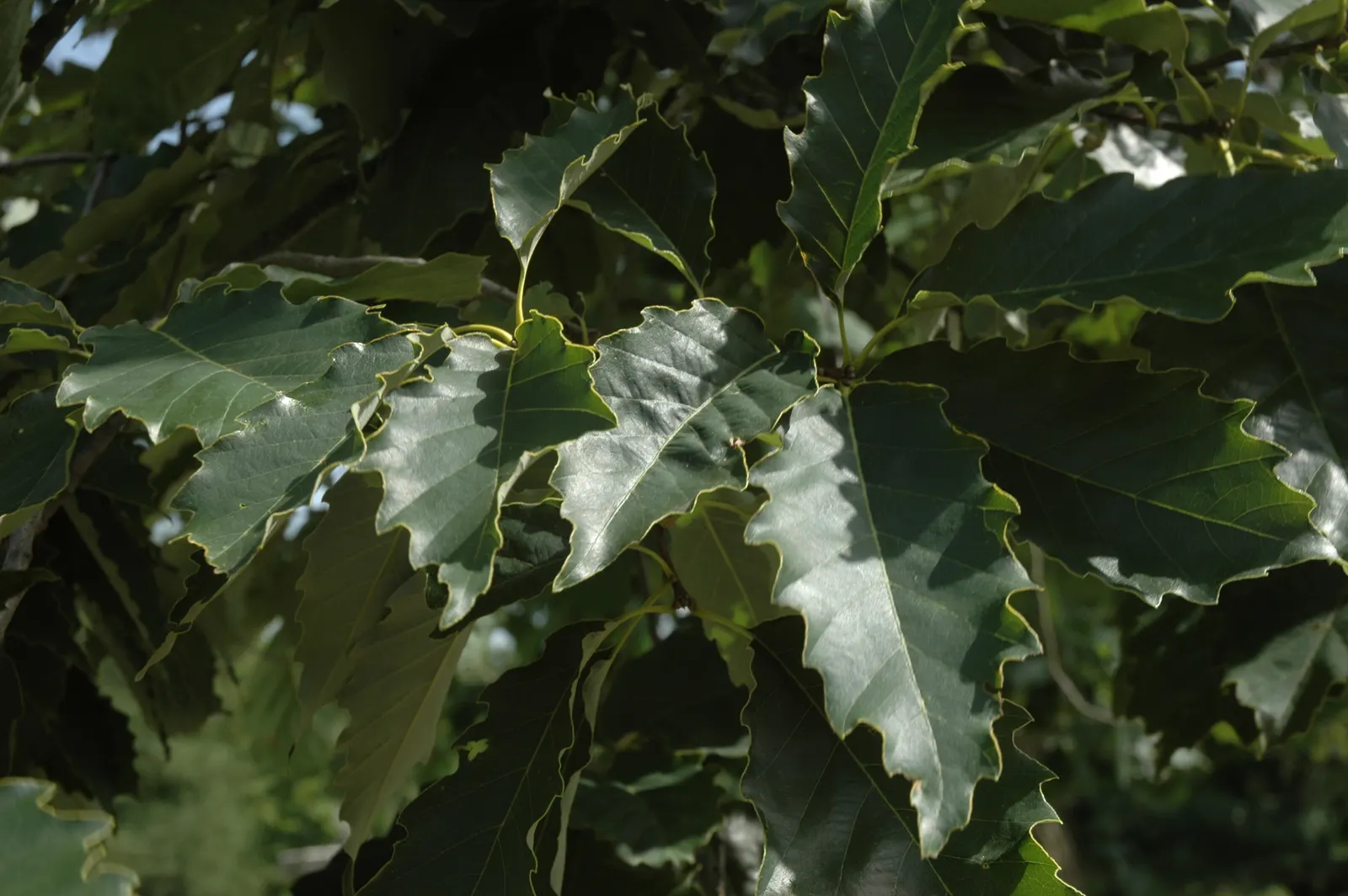
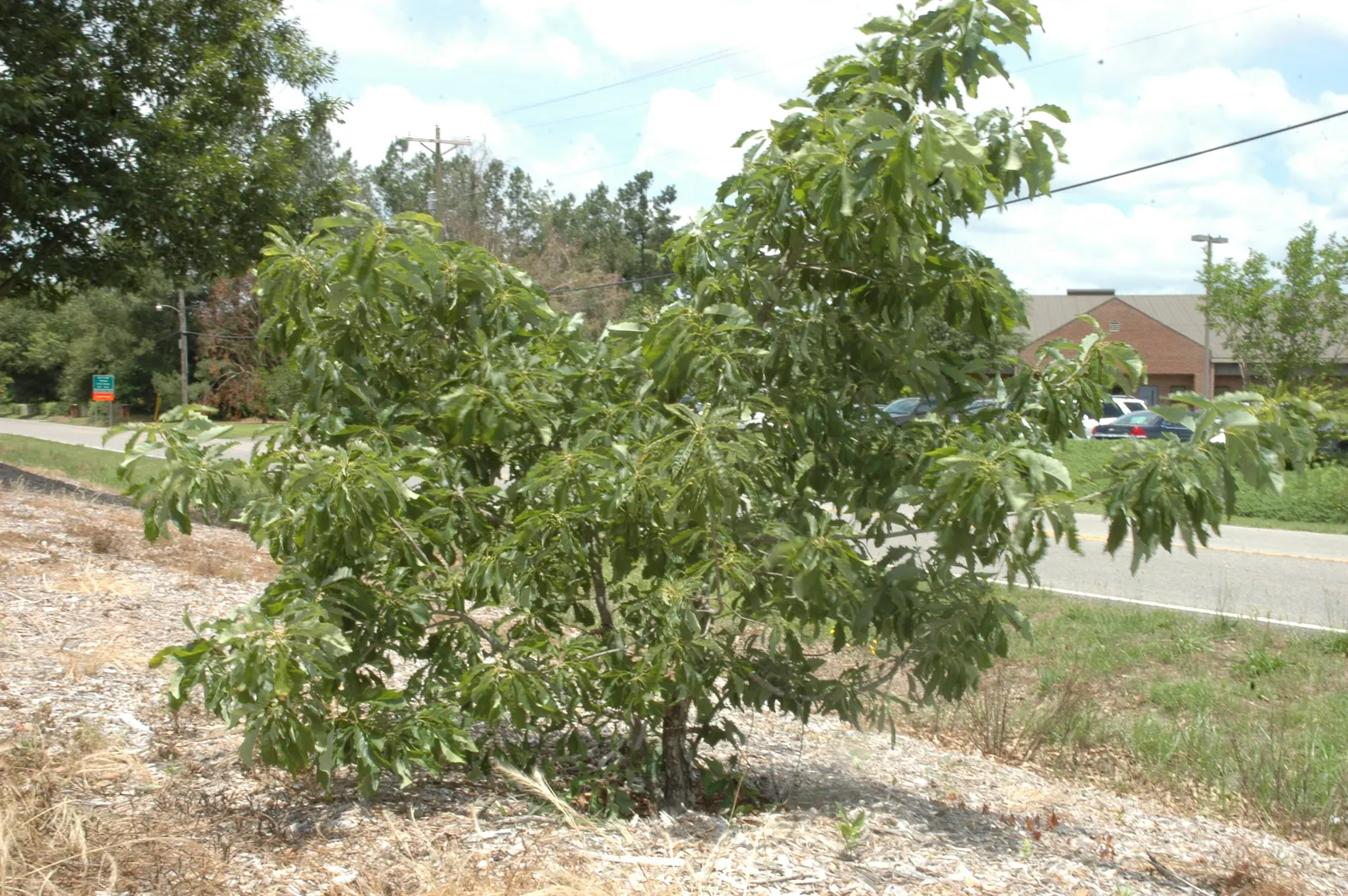
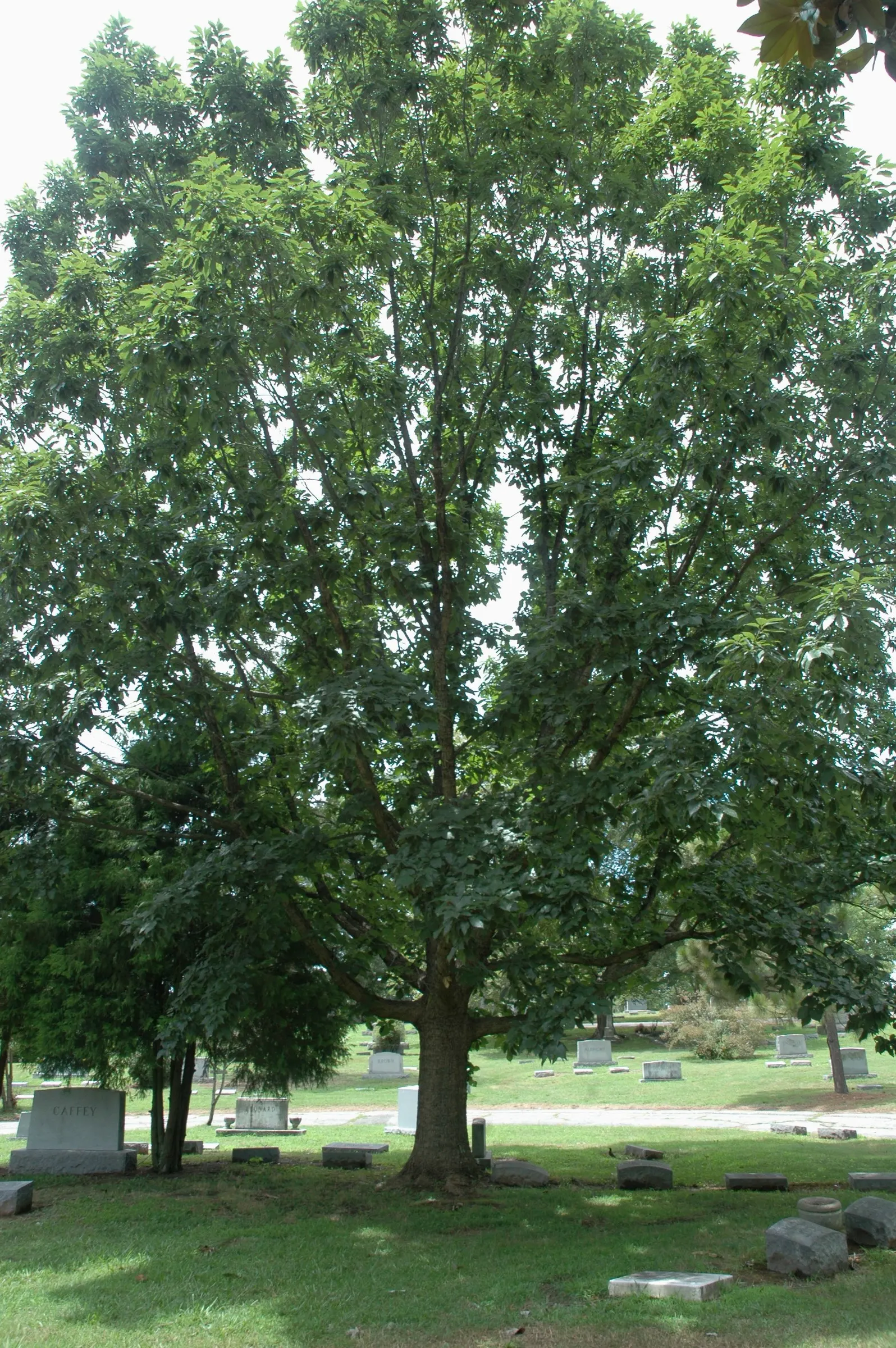
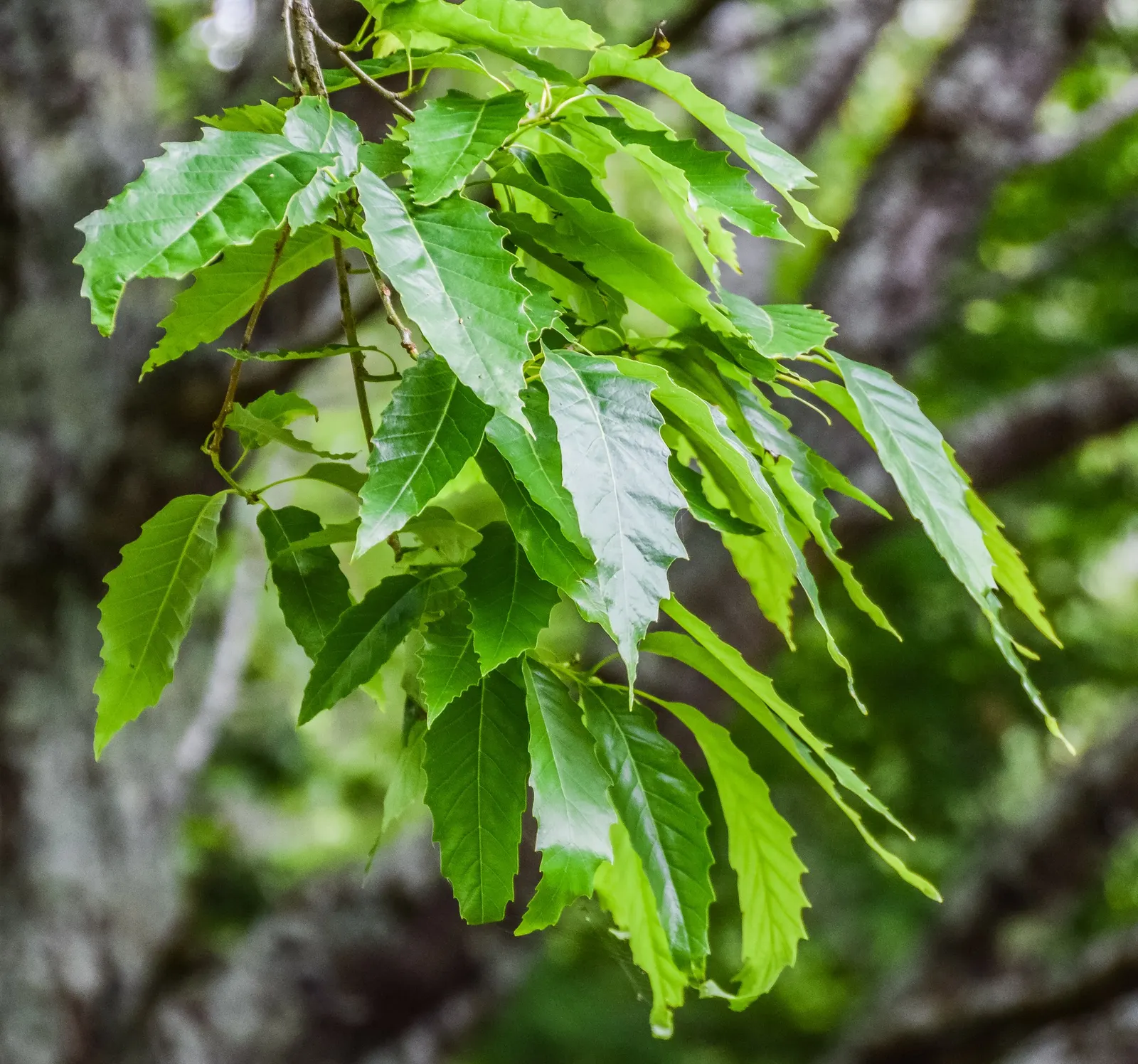
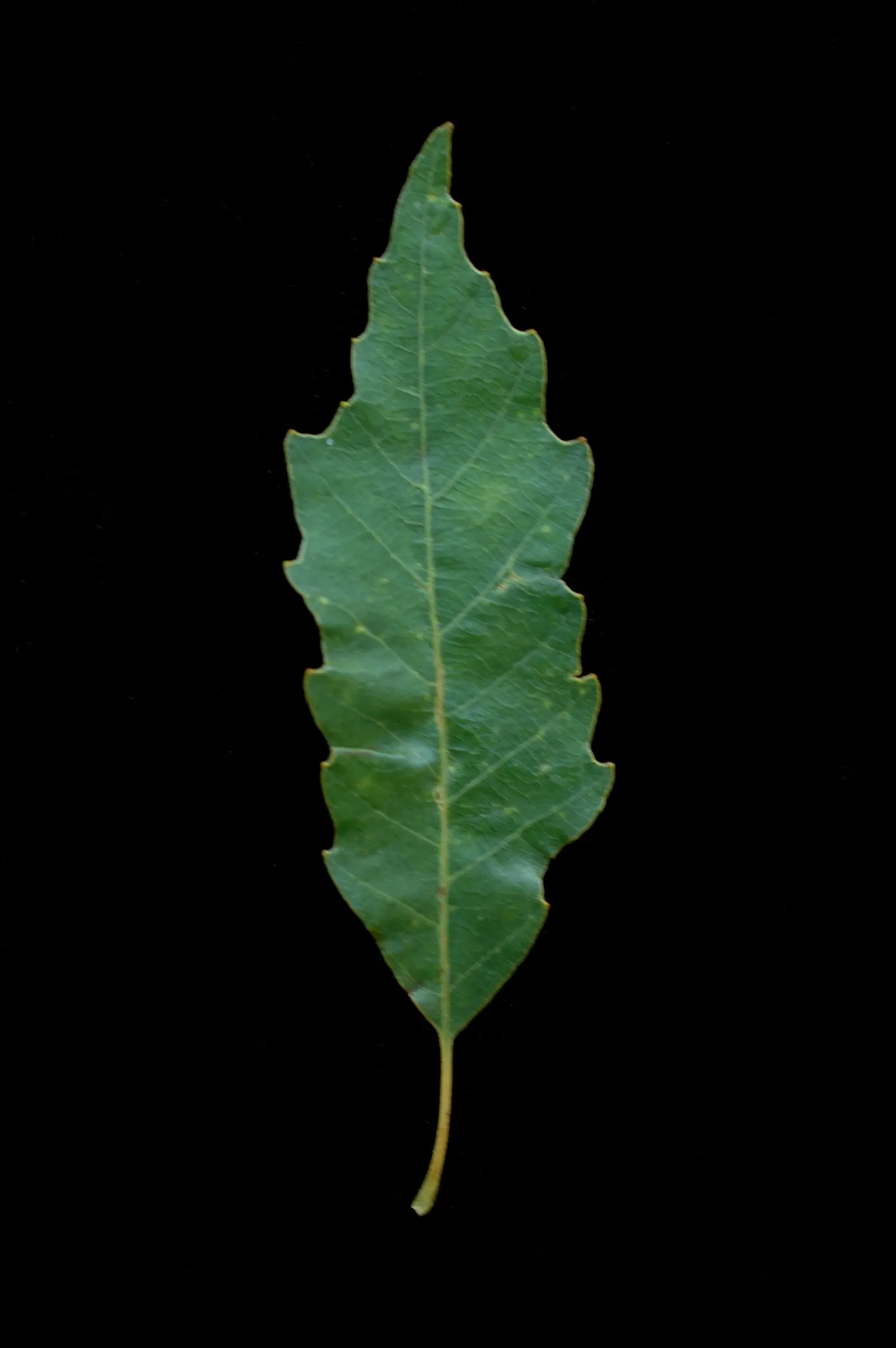
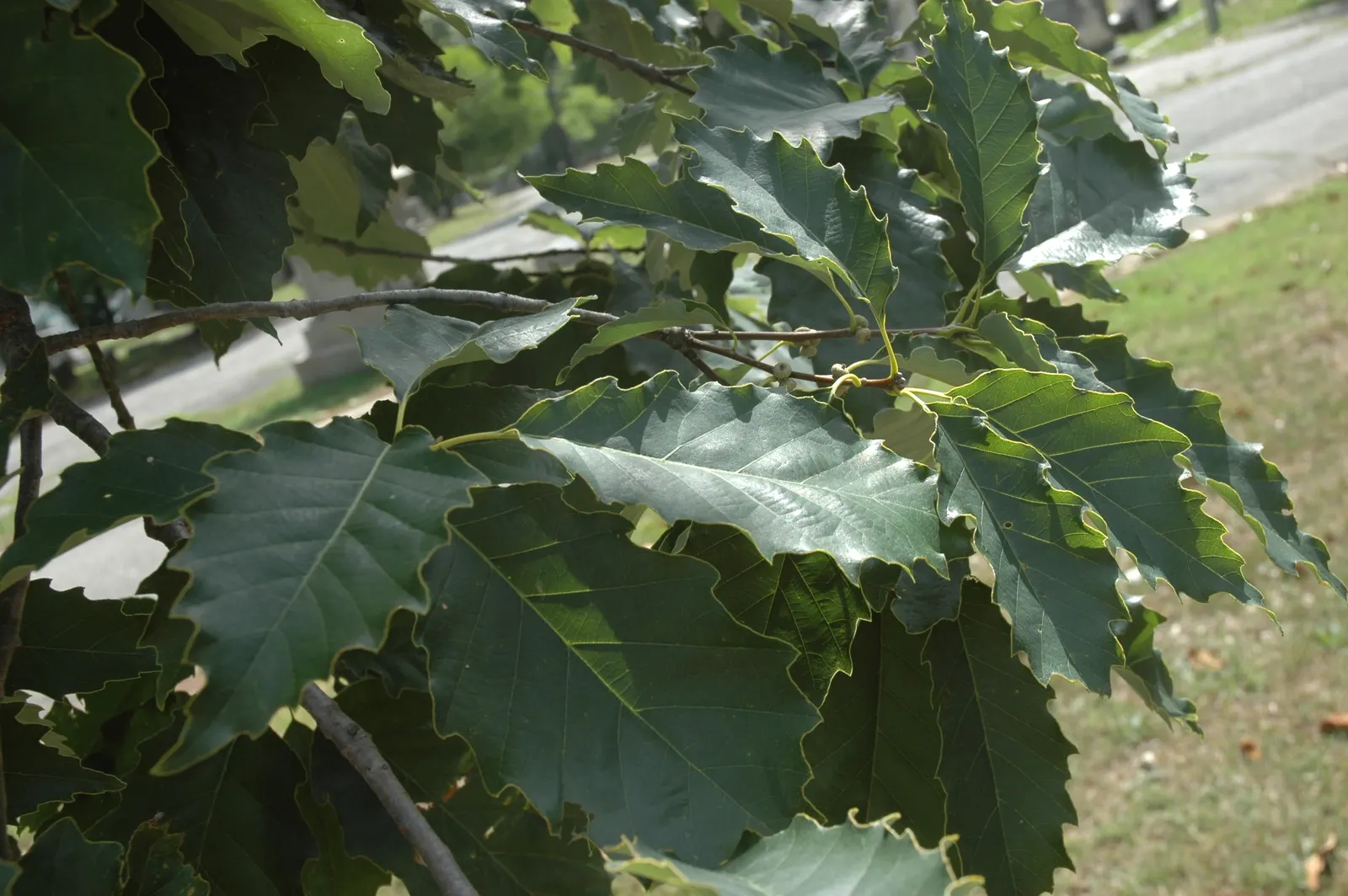
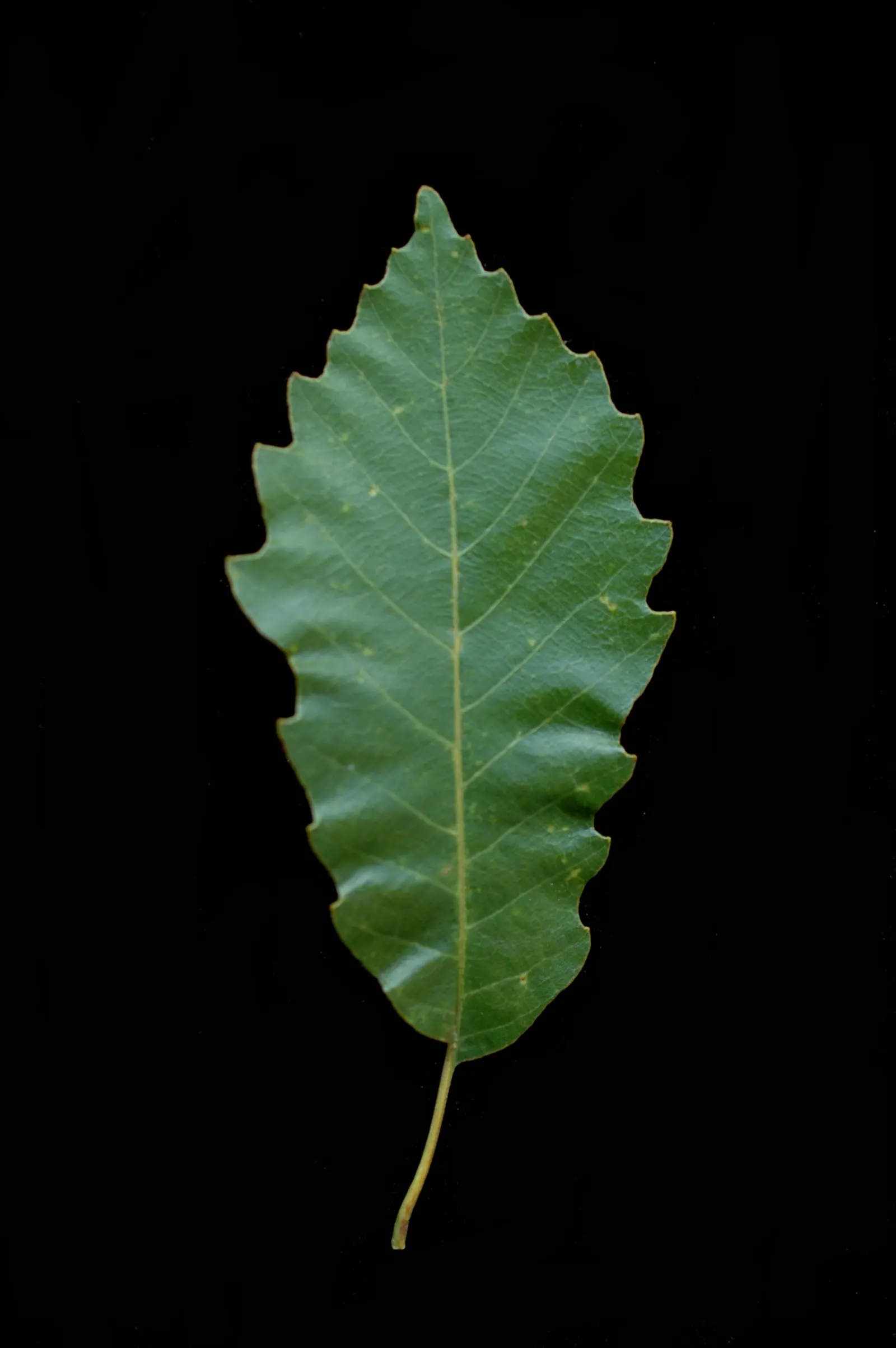
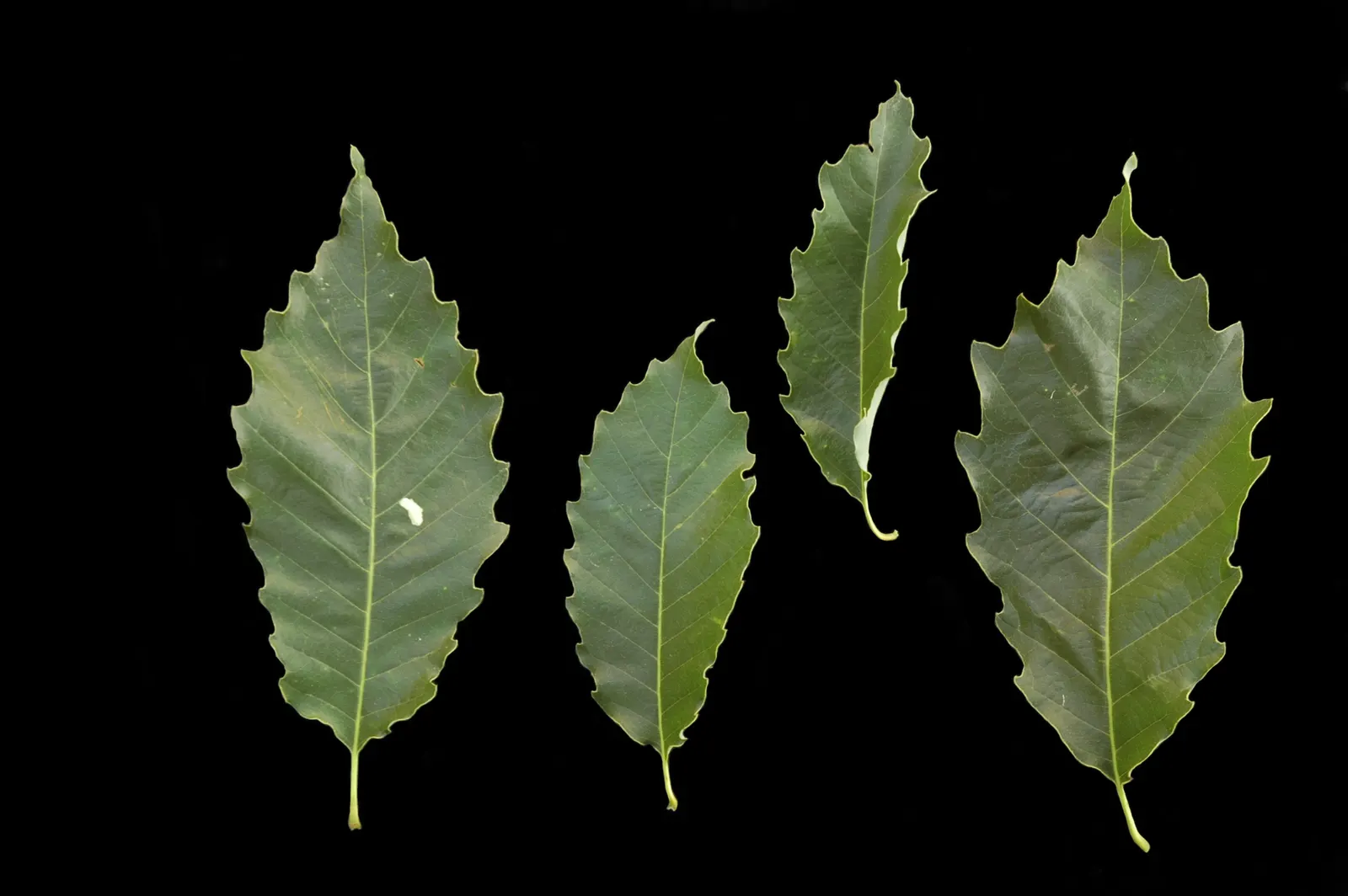
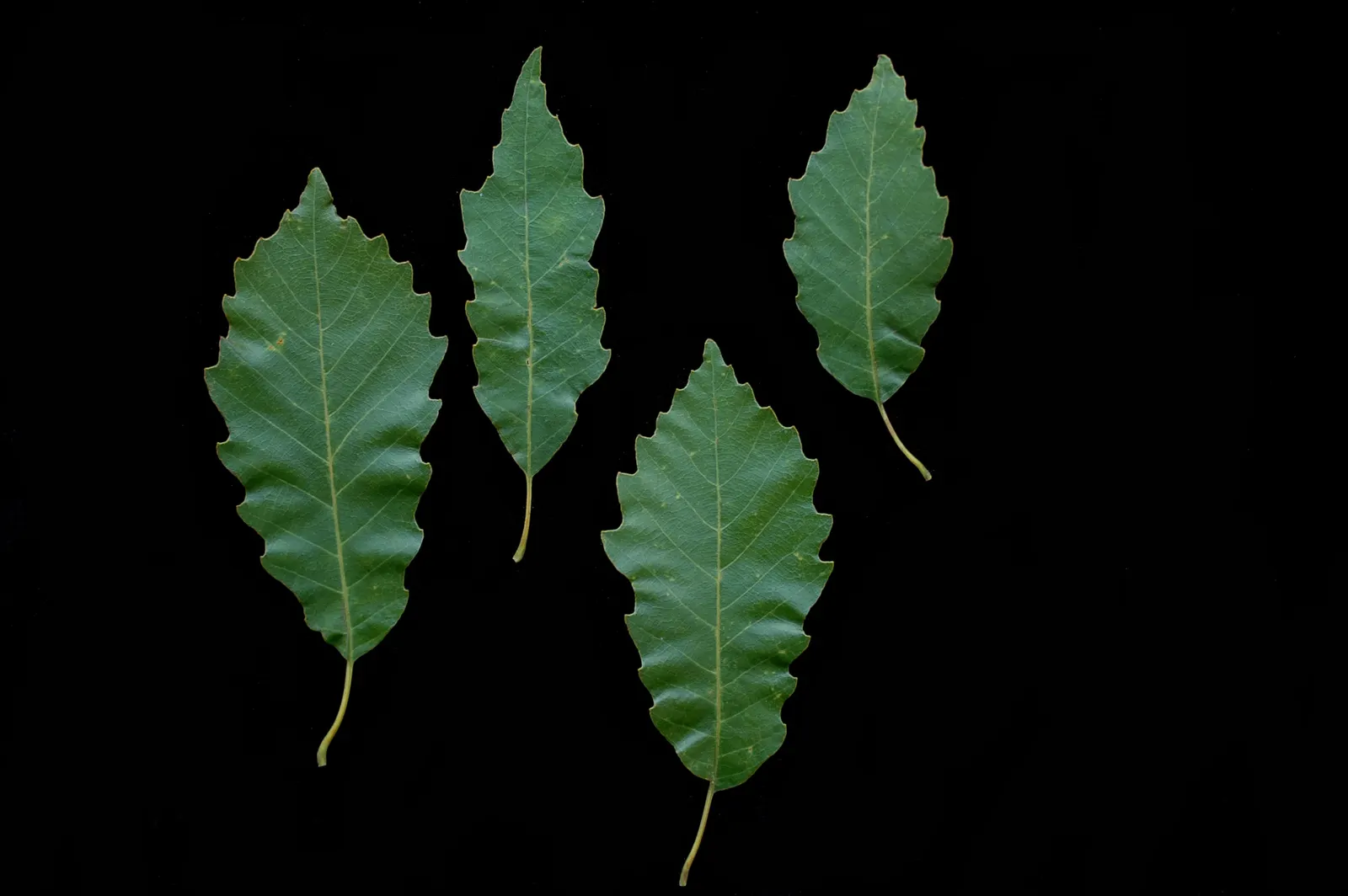
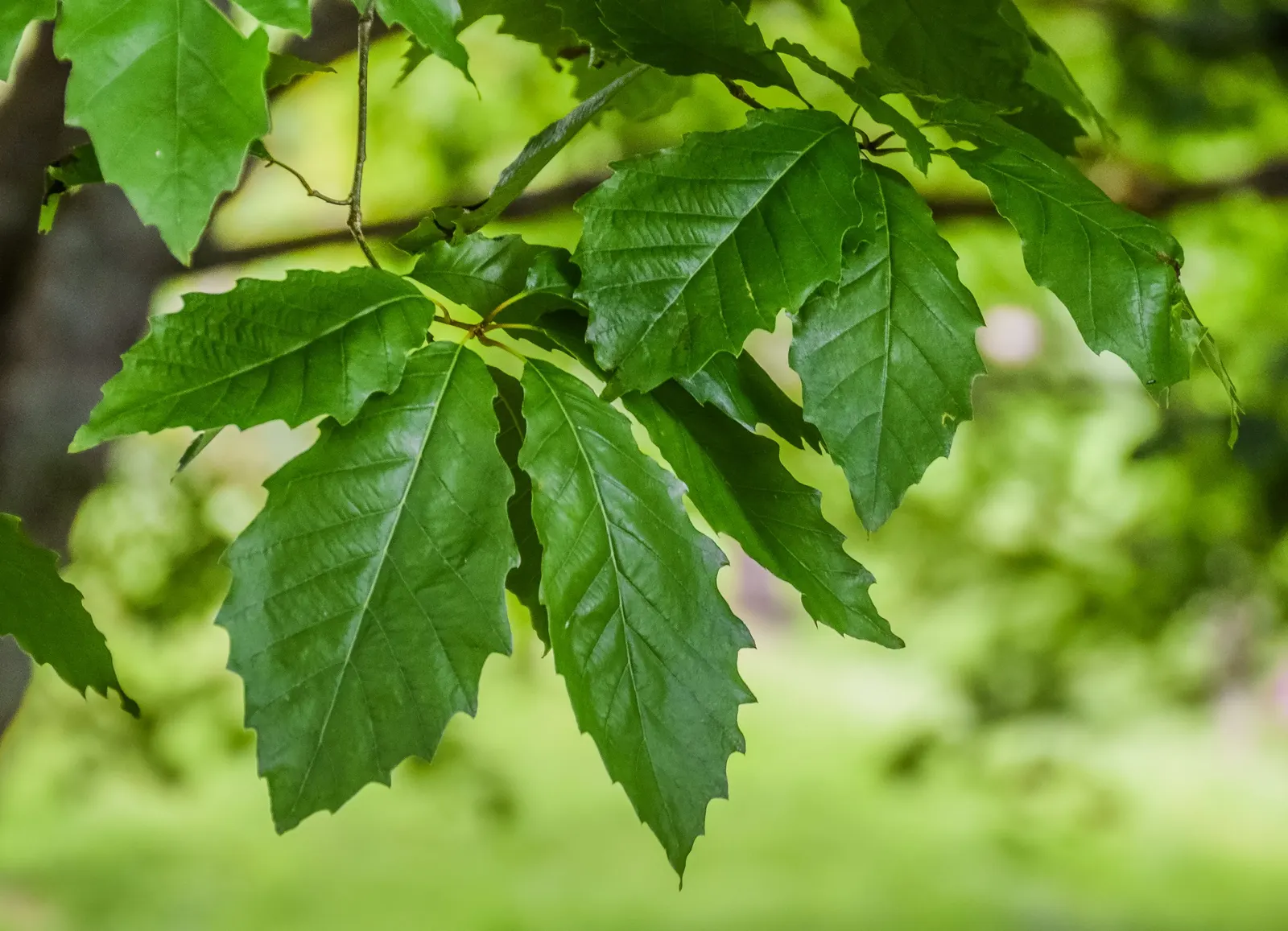
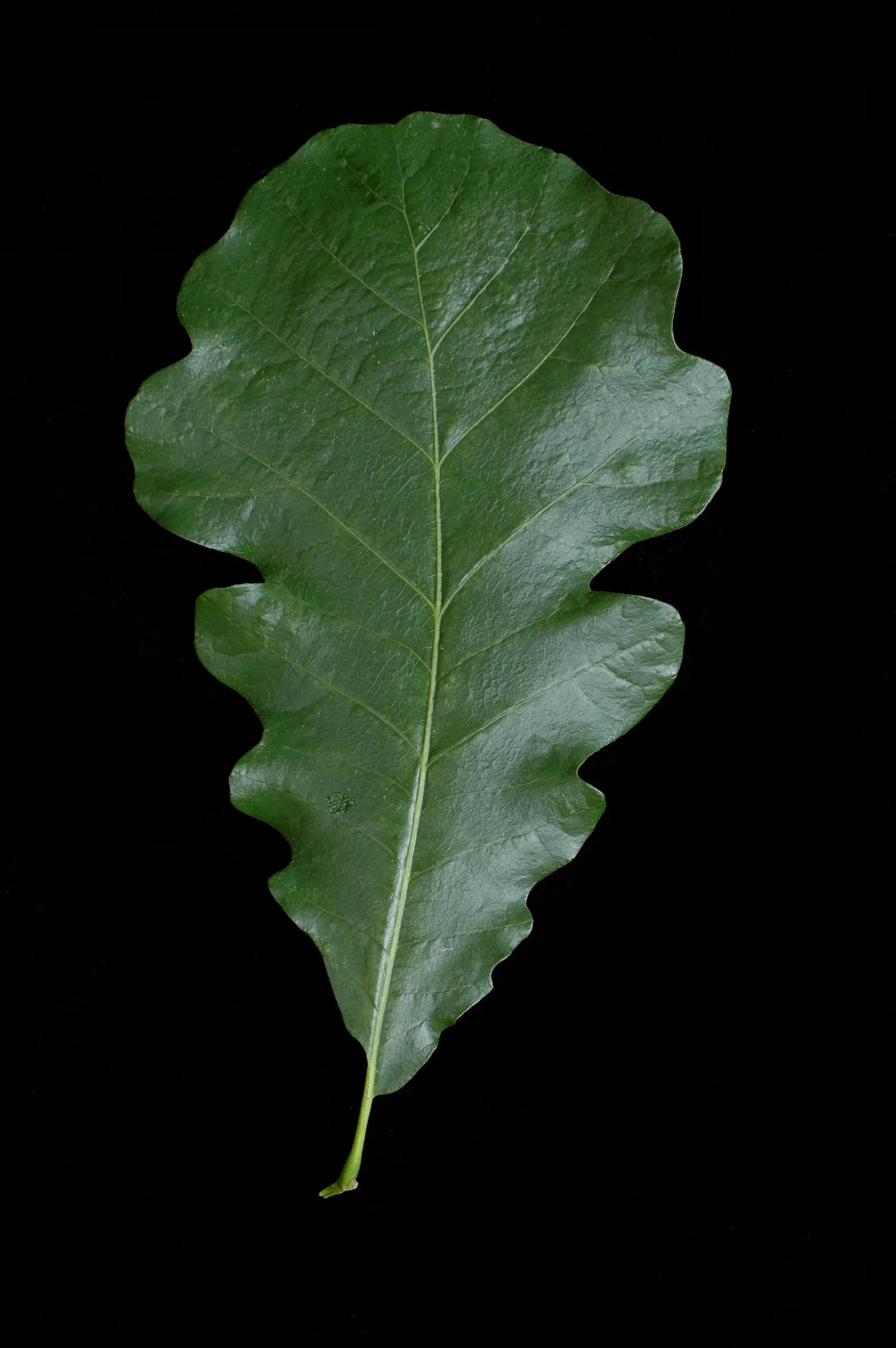
The Chinquapin Oak, or Quercus muehlenbergii, is a sturdy deciduous tree, known for its adaptability and attractive toothed leaves. It grows to 40-70 feet tall with a similar spread. This species thrives in well-drained soils and full sun exposure, offering a generous shade canopy. Autumn unveils a splendid display of yellow to coppery hues. The tree's acorns provide food for local wildlife, enhancing biodiversity in the landscape.

Sun FullWater Low, Very LowZones 4–7Climate Temperate
Chinquapin Oak (Quercus Muehlenbergii) — is a sturdy deciduous tree

Culture

Sun
Full
Water
Low, Very Low
USDA zones
4–7

Shape & size

Mature height
40–50 Ft.
Mature width
50–60 Ft.

Classification

Family
Fagaceae
Climate
Temperate

See full data, regional cultivation notes, full-resolution photos, and design tools. Build a client presentation around this plant.

Start your 14-day trial

Photos (65)

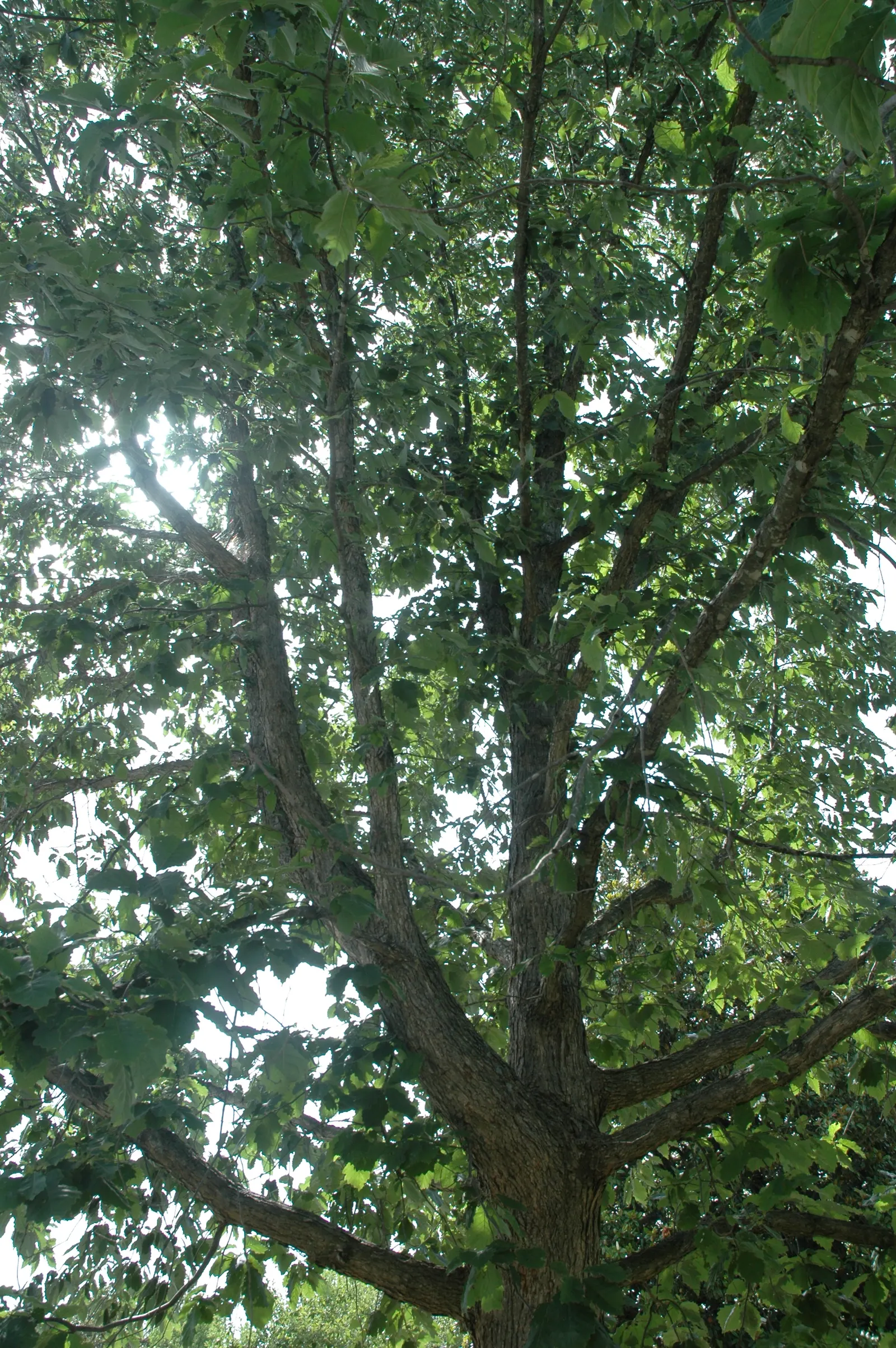
Chinquapin Oak (Quercus Muehlenbergii) — ensure ample space is provided to accommodate its eventual size
Chinquapin Oak (Quercus Muehlenbergii) — When planning for this oak
Chinquapin Oak (Quercus Muehlenbergii) — adding an ecological benefit to its surroundings
Chinquapin Oak (Quercus Muehlenbergii) — is a sturdy deciduous tree; this species thrives in well-drained soils and full sun exposure, offering a generous
Chinquapin Oak (Quercus Muehlenbergii) — tree for full
Chinquapin Oak (Quercus Muehlenbergii) — The Chinquapin Oak's hardiness and grandeur make it an excellent selection for parks
Chinquapin Oak (Quercus Muehlenbergii) — Autumn unveils a splendid display of yellow to coppery hues; it grows to 40-70 feet tall with a similar spread
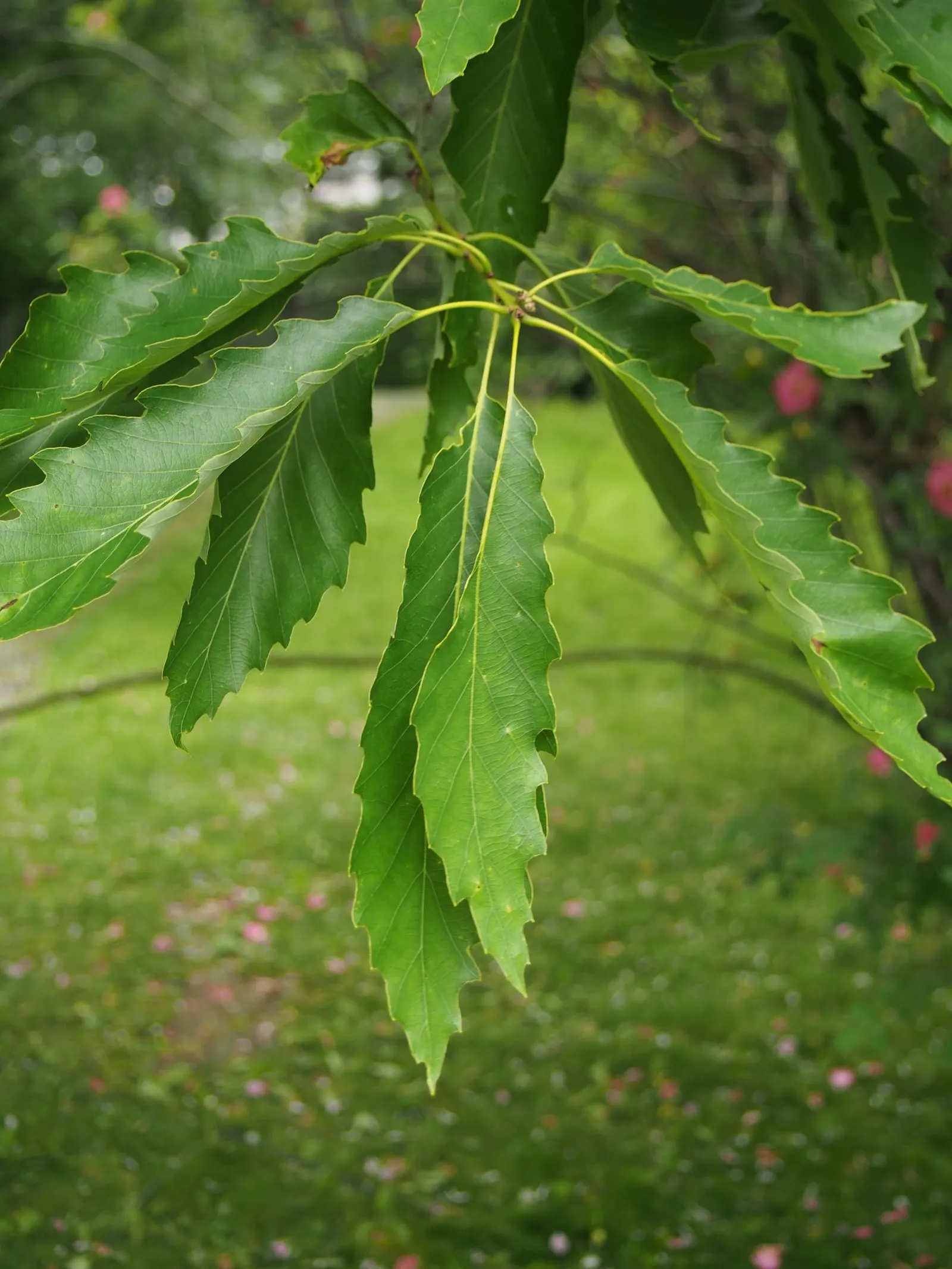
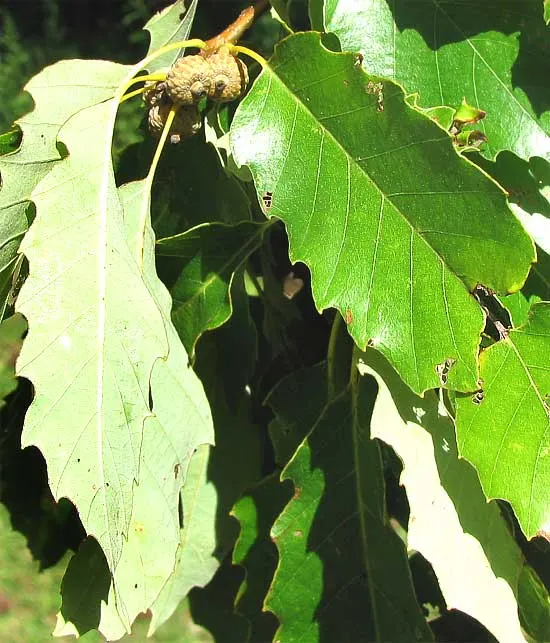
Chinquapin Oak (Quercus Muehlenbergii) — known for its adaptability and attractive toothed leaves; providing expansive shade with its broad
Chinquapin Oak (Quercus Muehlenbergii) — It grows to 40-70 feet tall with a similar spread; limestone-rich soils but is adaptable to drier conditions
Chinquapin Oak (Quercus Muehlenbergii) — This species thrives in well-drained soils and full sun exposure, offering a generous shade canopy; when planning for
Chinquapin Oak (Quercus Muehlenbergii) — Thriving in USDA hardiness zones 4 through 7; known for its adaptability and attractive toothed leaves
Chinquapin Oak (Quercus Muehlenbergii) — is a majestic deciduous tree favored for its adaptability and stately appearance in landscape design; adding an
Chinquapin Oak (Quercus Muehlenbergii) — scientifically referred to as Quercus muehlenbergii; the Chinquapin Oak prefers well-drained
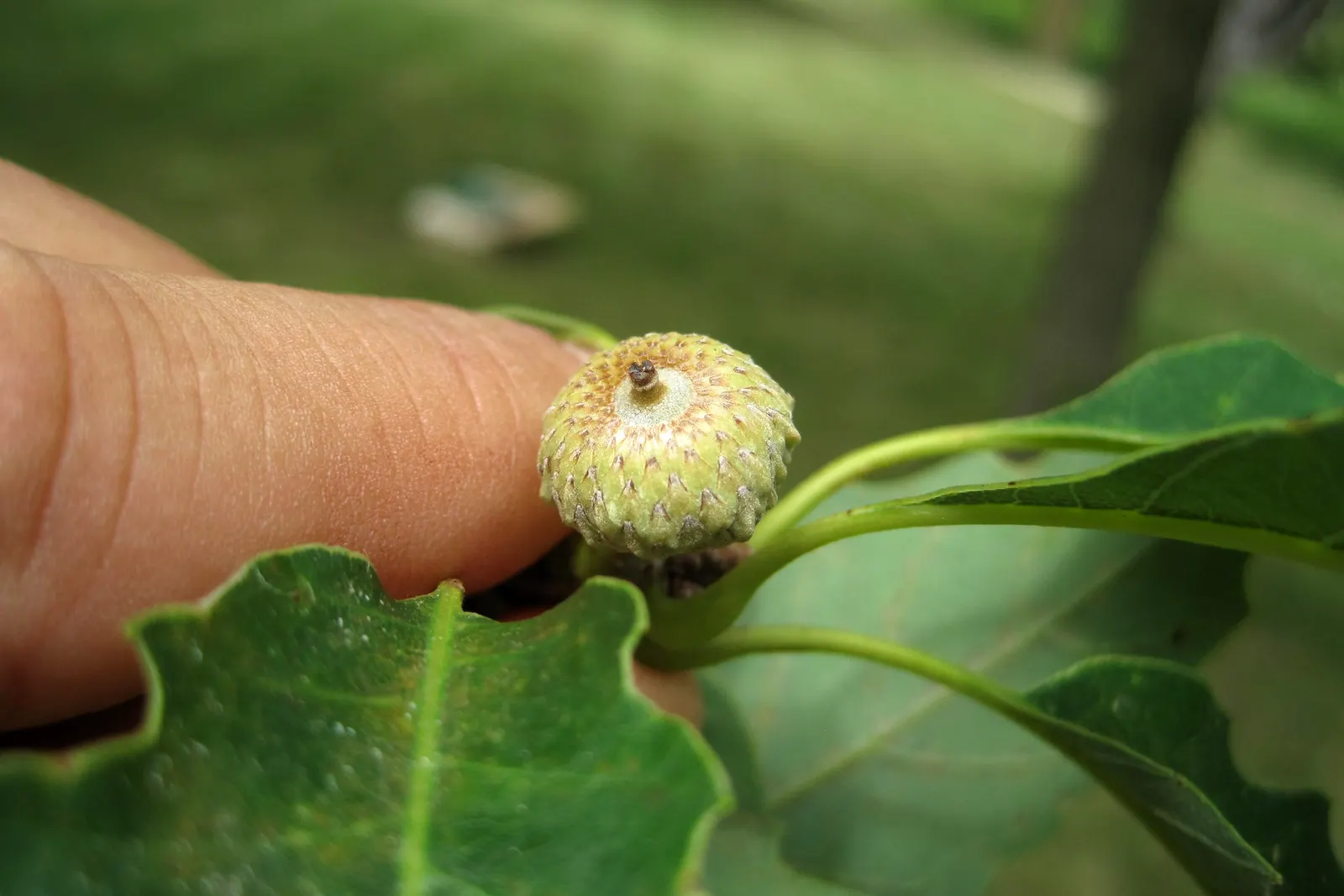
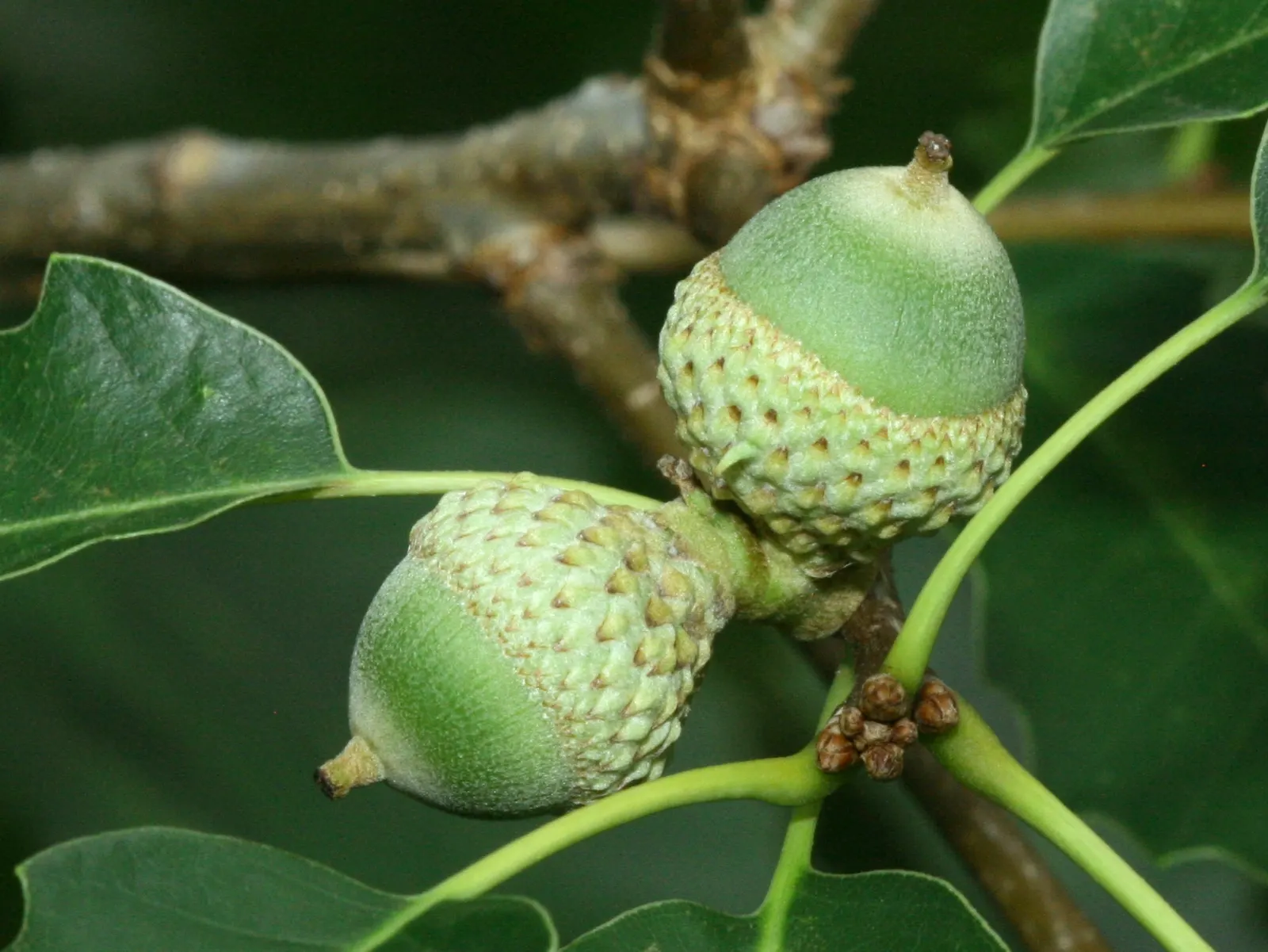
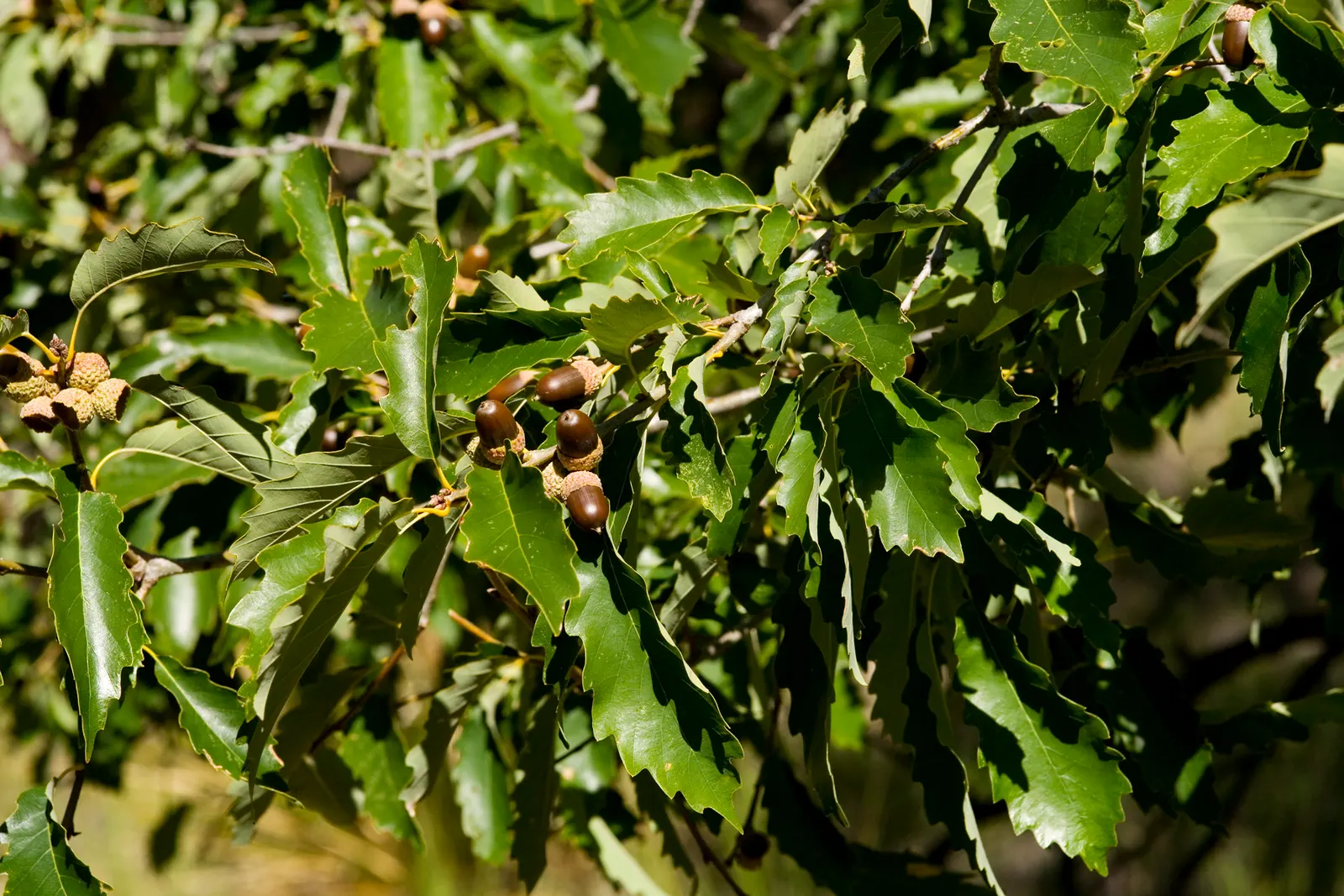
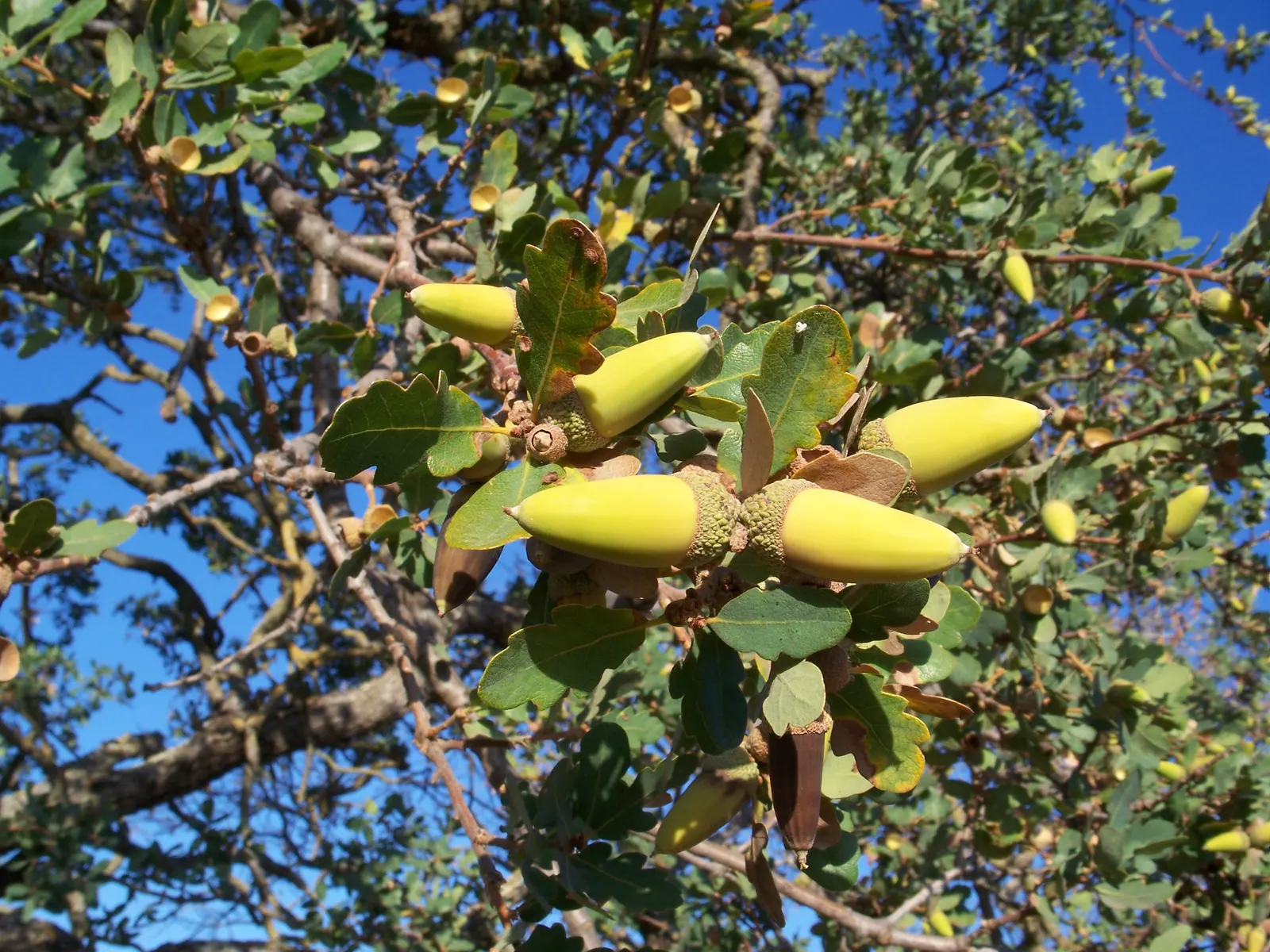
Chinquapin Oak (Quercus Muehlenbergii) — The tree's acorns provide food for local wildlife, enhancing biodiversity in the landscape; this robust oak can reach
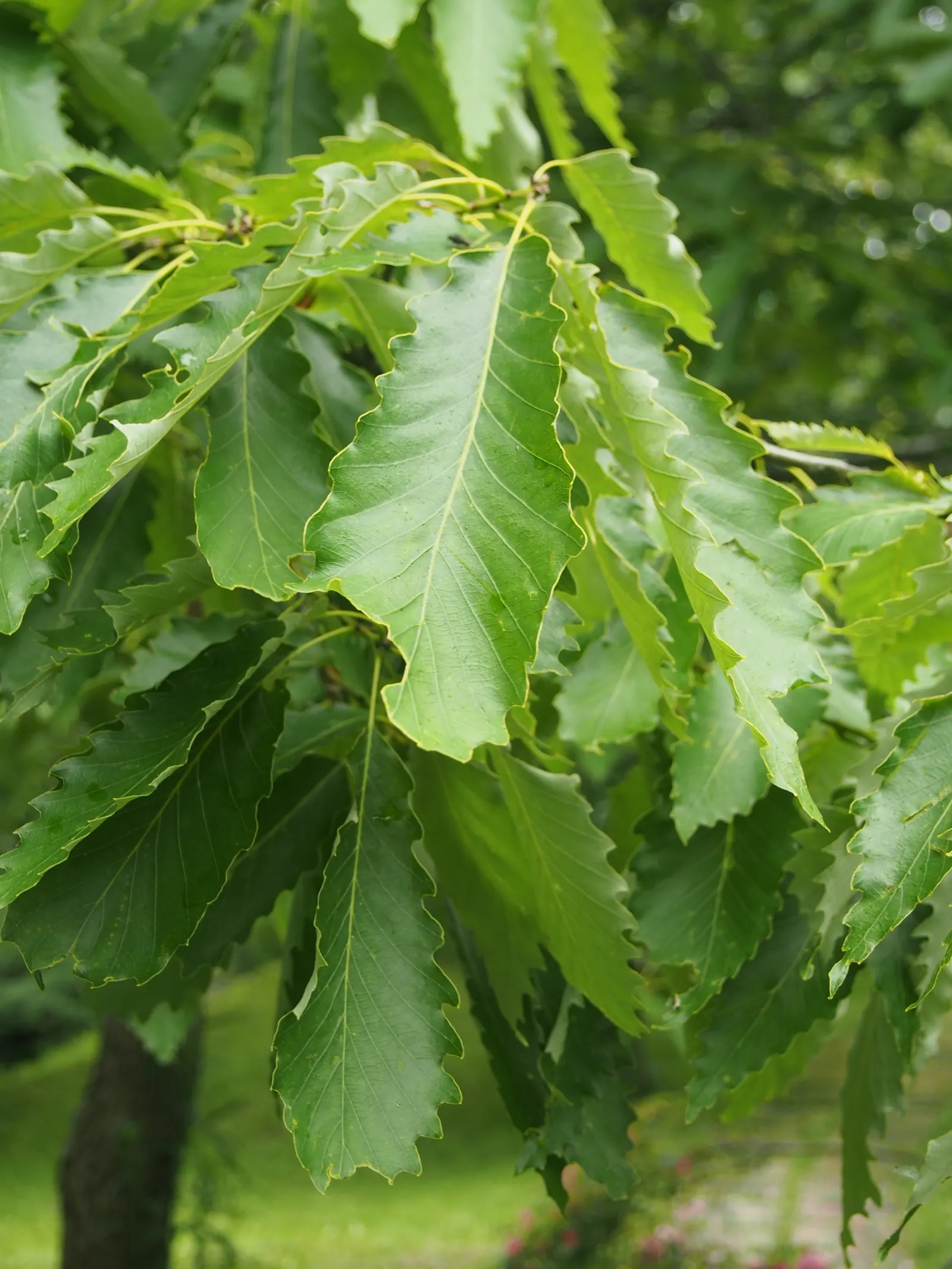
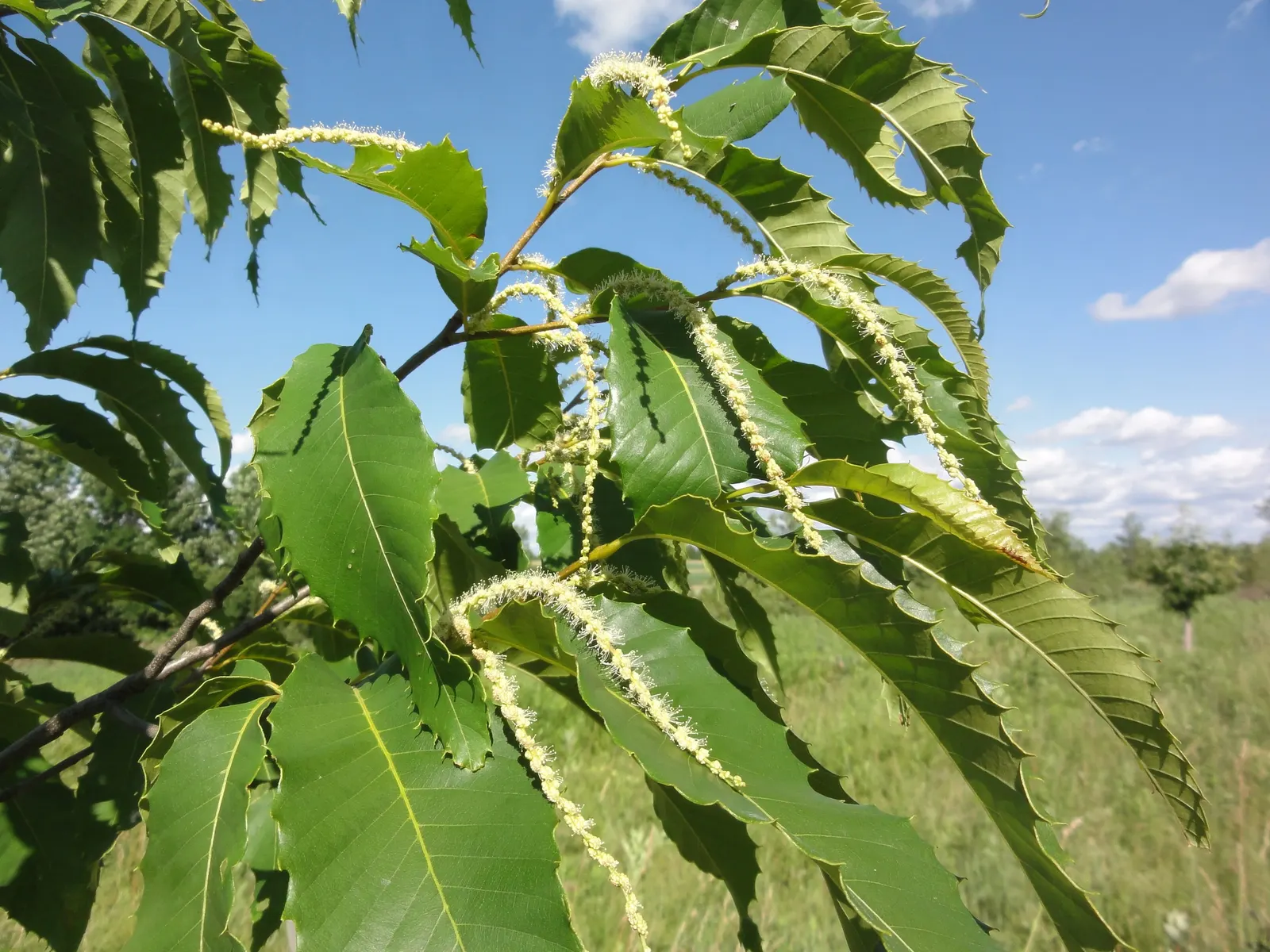
Chinquapin Oak (Quercus Muehlenbergii) — with sharply serrated edges reminiscent of a chestnut; is a sturdy deciduous tree
Chinquapin Oak (Quercus Muehlenbergii) — and they undergo a striking transformation throughout the seasons; bright green in the spring and summer; is a
Chinquapin Oak (Quercus Muehlenbergii) — rounded canopy.<br><br>Its leaves are a distinctive feature; are sweet and attract a plethora of wildlife
Chinquapin Oak (Quercus Muehlenbergii) — this robust oak can reach heights of 40 to 60 feet with a spread of 50 to 70 feet; thriving in USDA hardiness zones 4
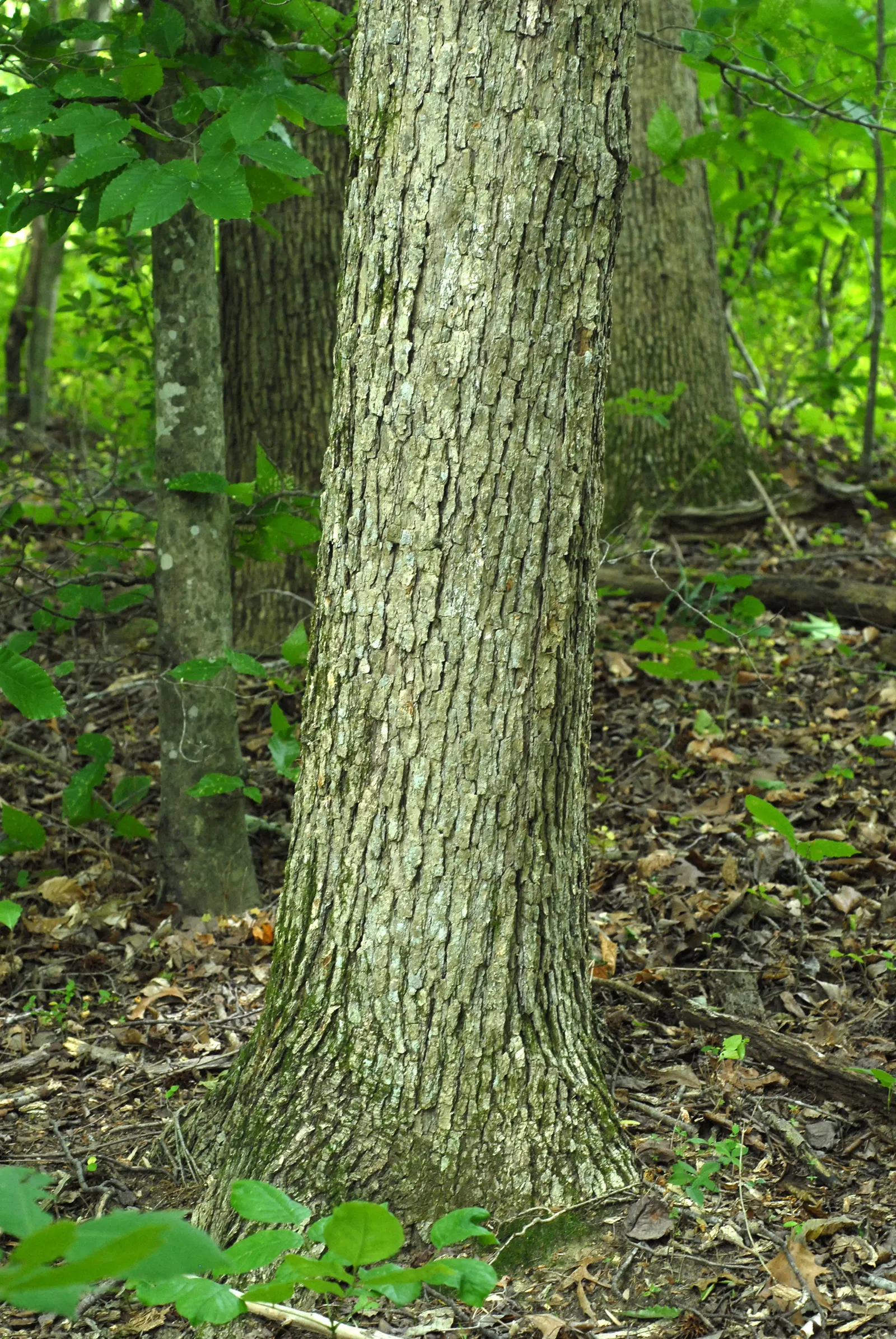
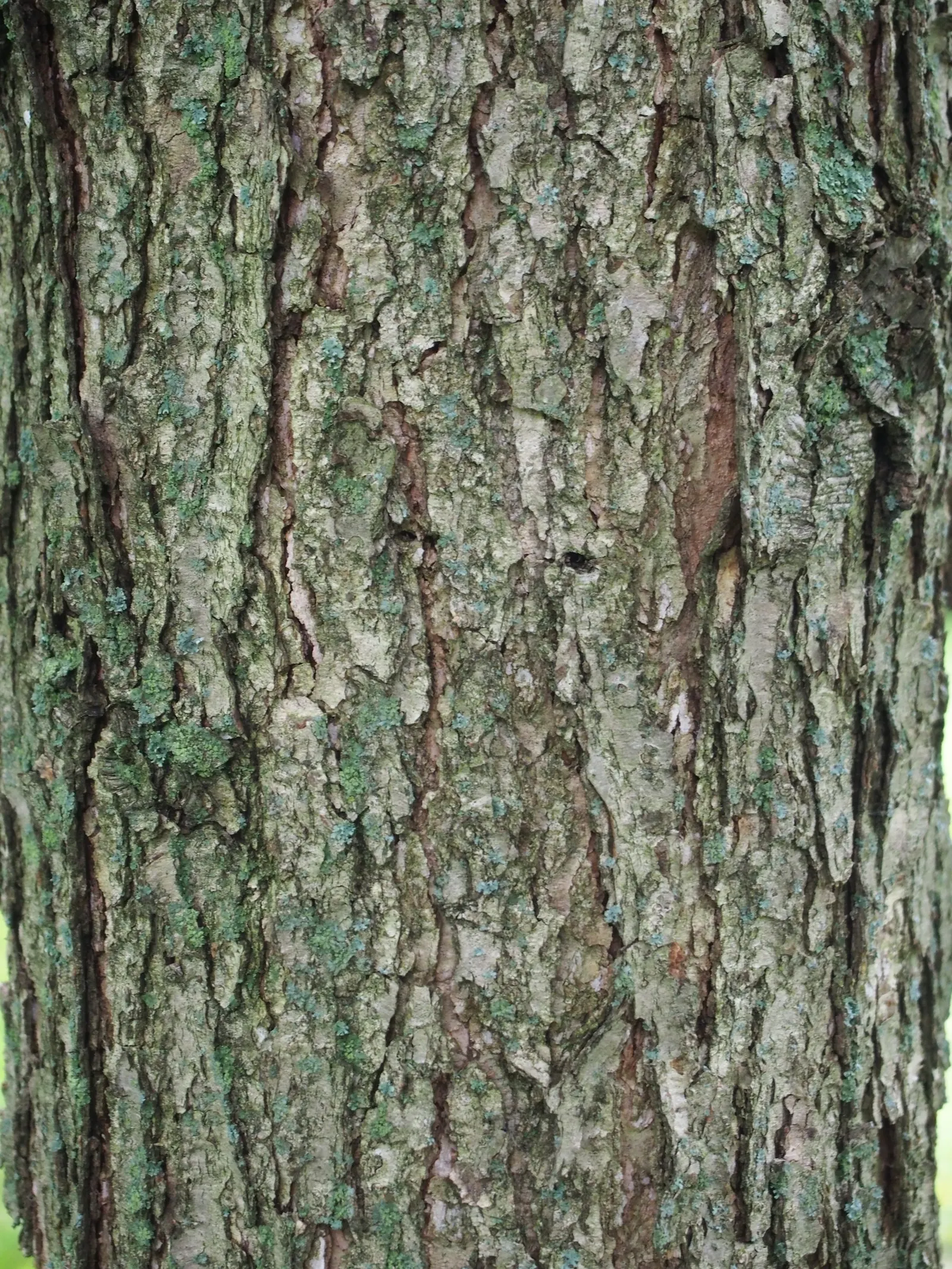
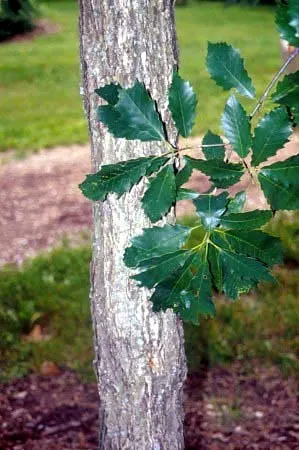
Chinquapin Oak (Quercus Muehlenbergii) — providing expansive shade with its broad; the bark is a light gray-brown color
Chinquapin Oak (Quercus Muehlenbergii) — making it a versatile choice for diverse landscapes; and they undergo a striking transformation throughout the
Chinquapin Oak (Quercus Muehlenbergii) — the Chinquapin Oak prefers well-drained; tree for full
Chinquapin Oak (Quercus Muehlenbergii) — limestone-rich soils but is adaptable to drier conditions; scientifically referred to as Quercus muehlenbergii
Chinquapin Oak (Quercus Muehlenbergii) — The bark is a light gray-brown color; while small at around 0.5 to 1 inch
Chinquapin Oak (Quercus Muehlenbergii) — turning to rich shades of yellow and burnt orange in the fall, image 44

Related plants