Skip to content

Chestnut Oak

Quercus Montana

Design with this plant

Overview

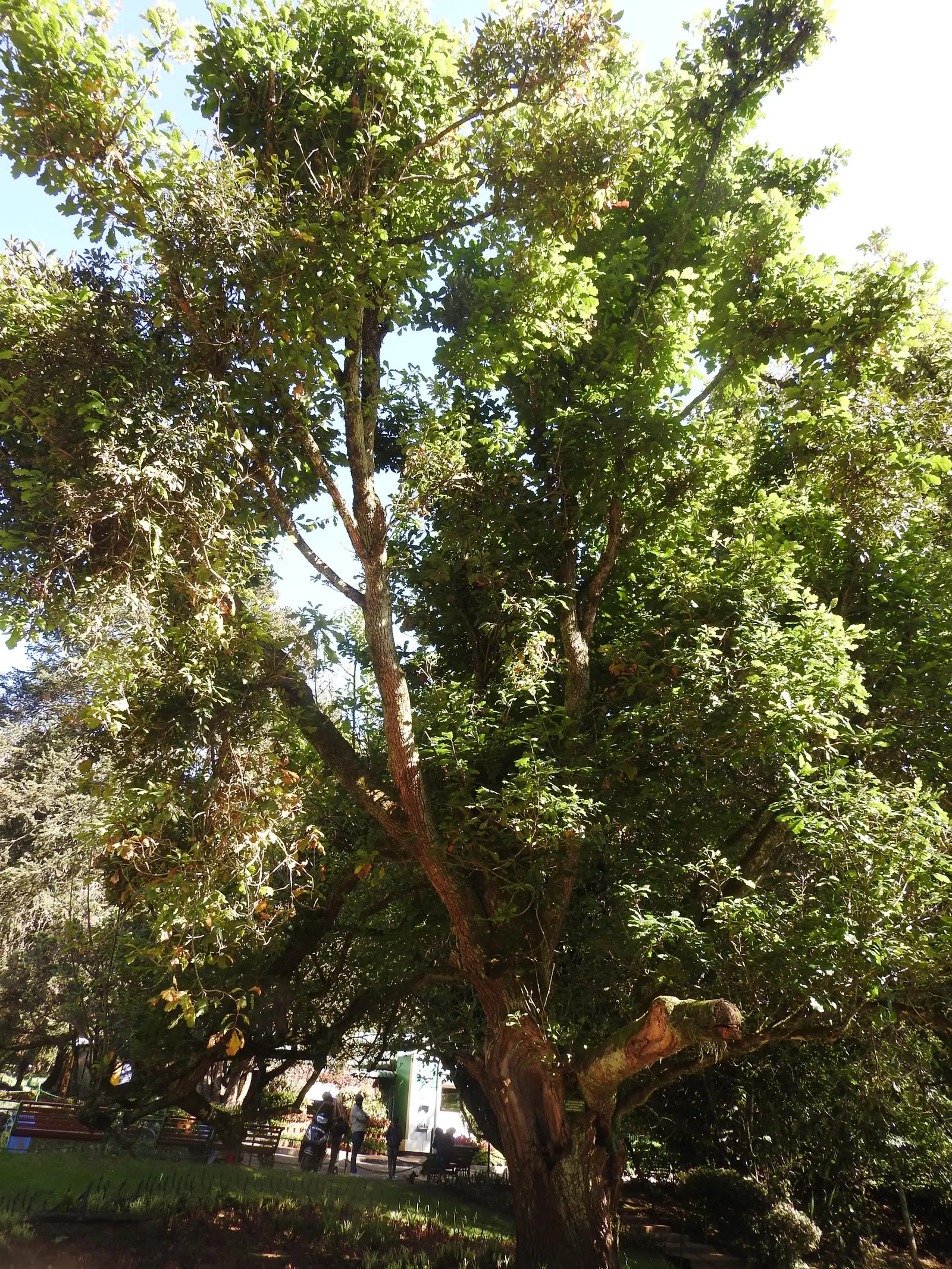
The Southern Live Oak (Quercus virginiana), not to be mistaken with Quercus montana, is a majestic, evergreen tree renowned for its sprawling, durable limbs and broad, leathery leaves. Mature specimens can reach up to 80 feet in height with an impressive crown spread of over 100 feet. Its hardiness and impressive canopy make it an iconic choice for shade and character in expansive landscapes. Zones 7-10.

Sun Full, HalfWater Low, MediumZones 7–10Climate Arid
Chestnut Oak (Quercus Montana) — The Southern Live Oak (Quercus virginiana)

Culture

Sun
Full, Half
Water
Low, Medium
USDA zones
7–10

Shape & size

Classification

Family
Fagaceae
Climate
Arid

See full data, regional cultivation notes, full-resolution photos, and design tools. Build a client presentation around this plant.

Start your 14-day trial

Photos (77)

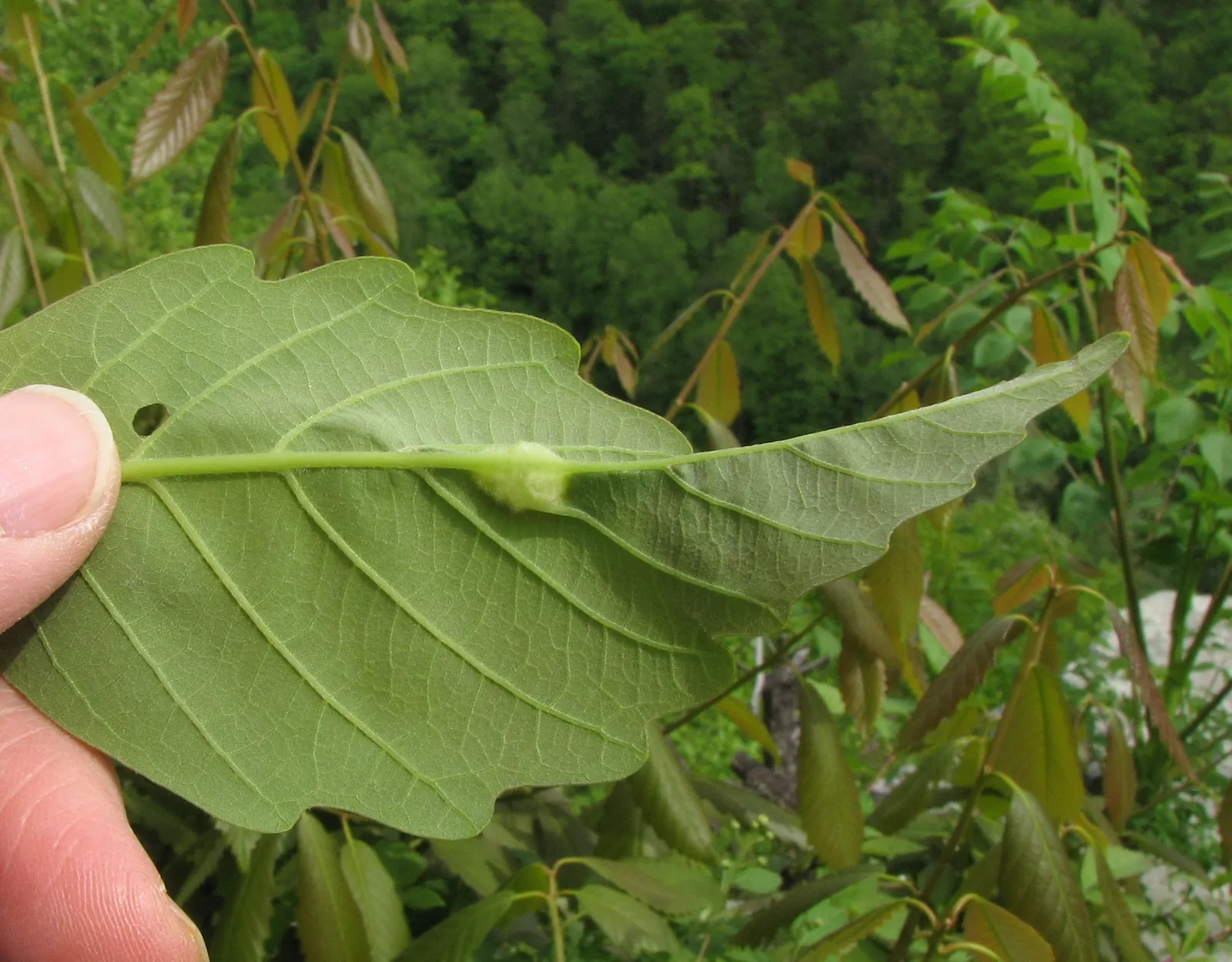
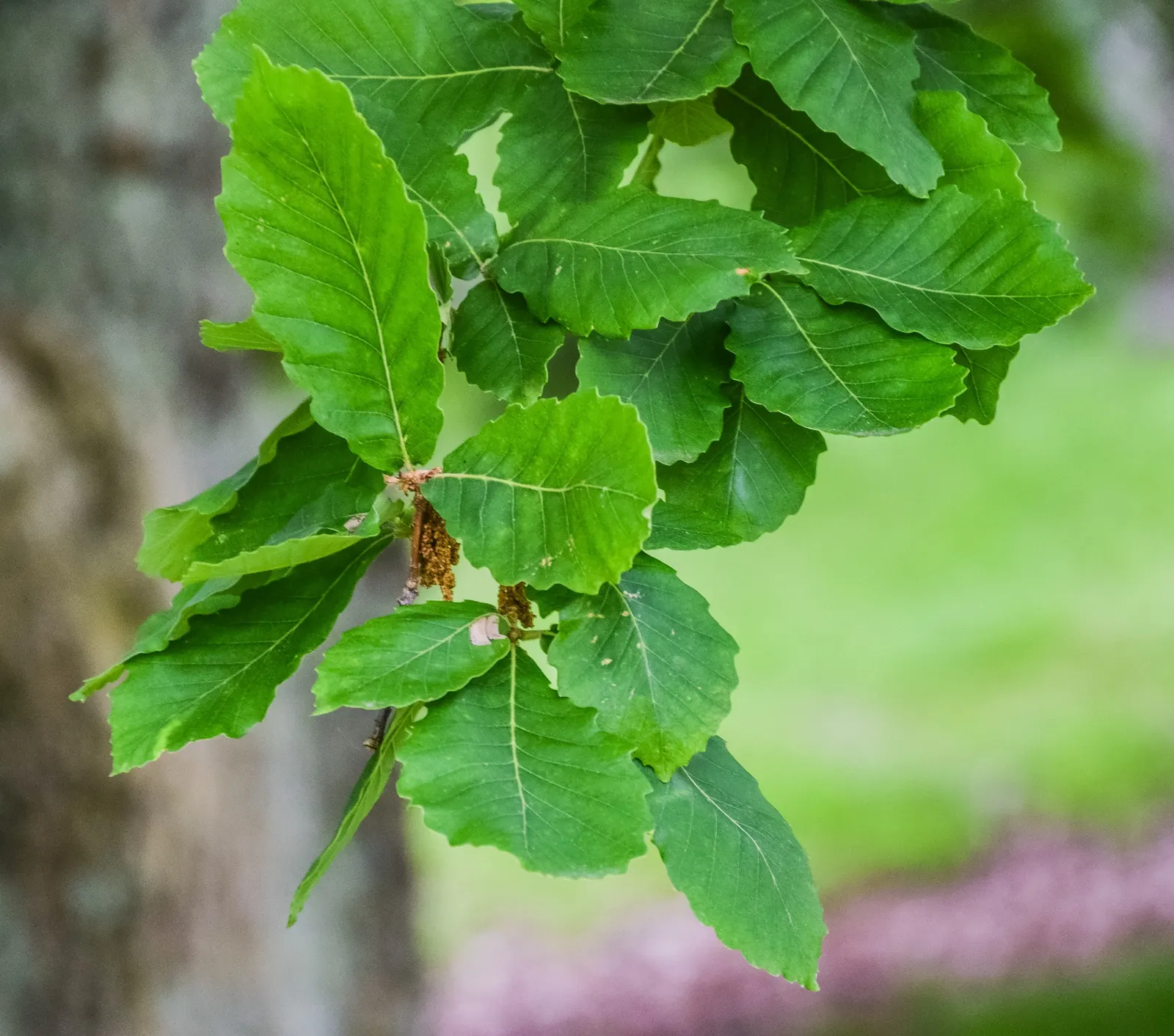
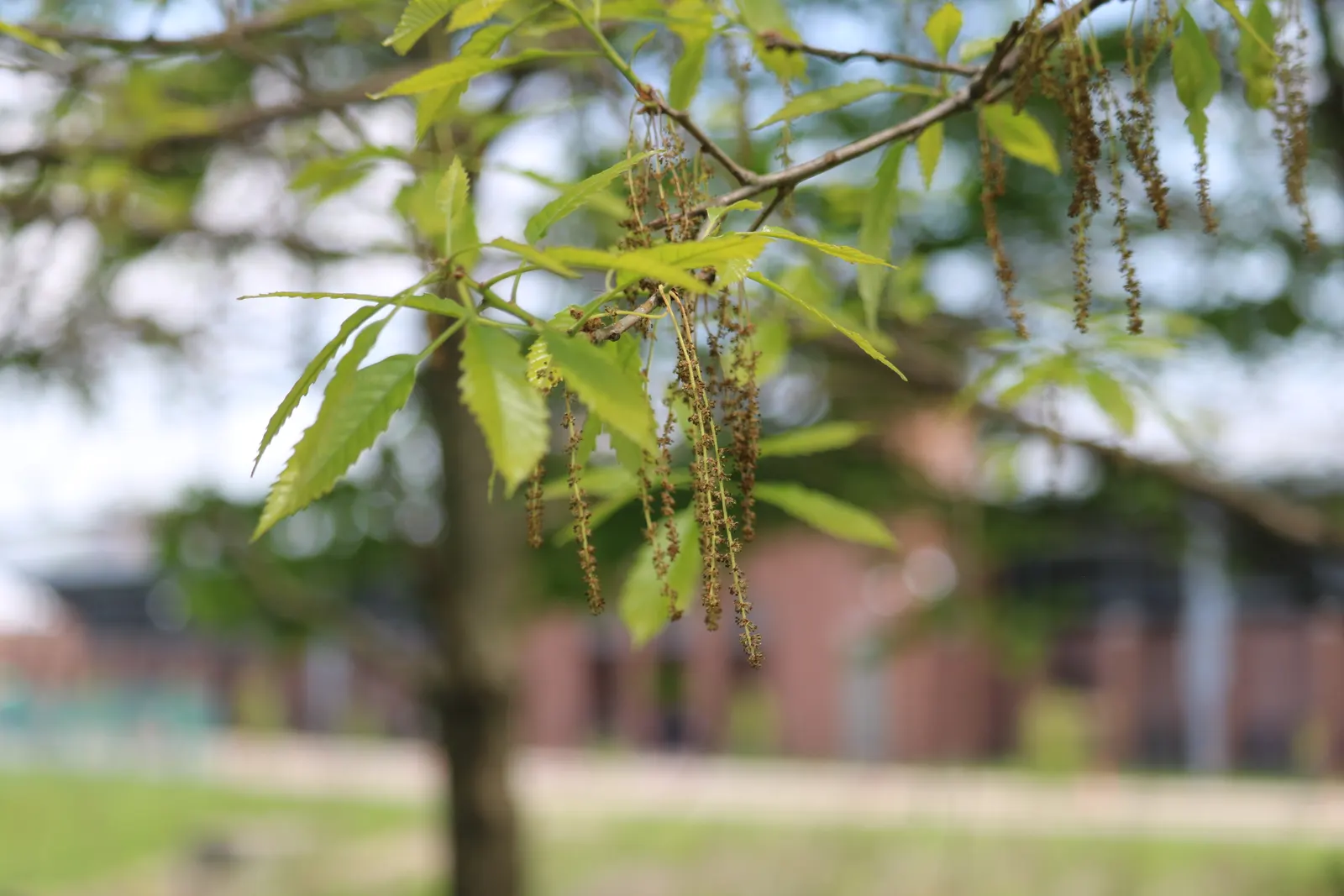
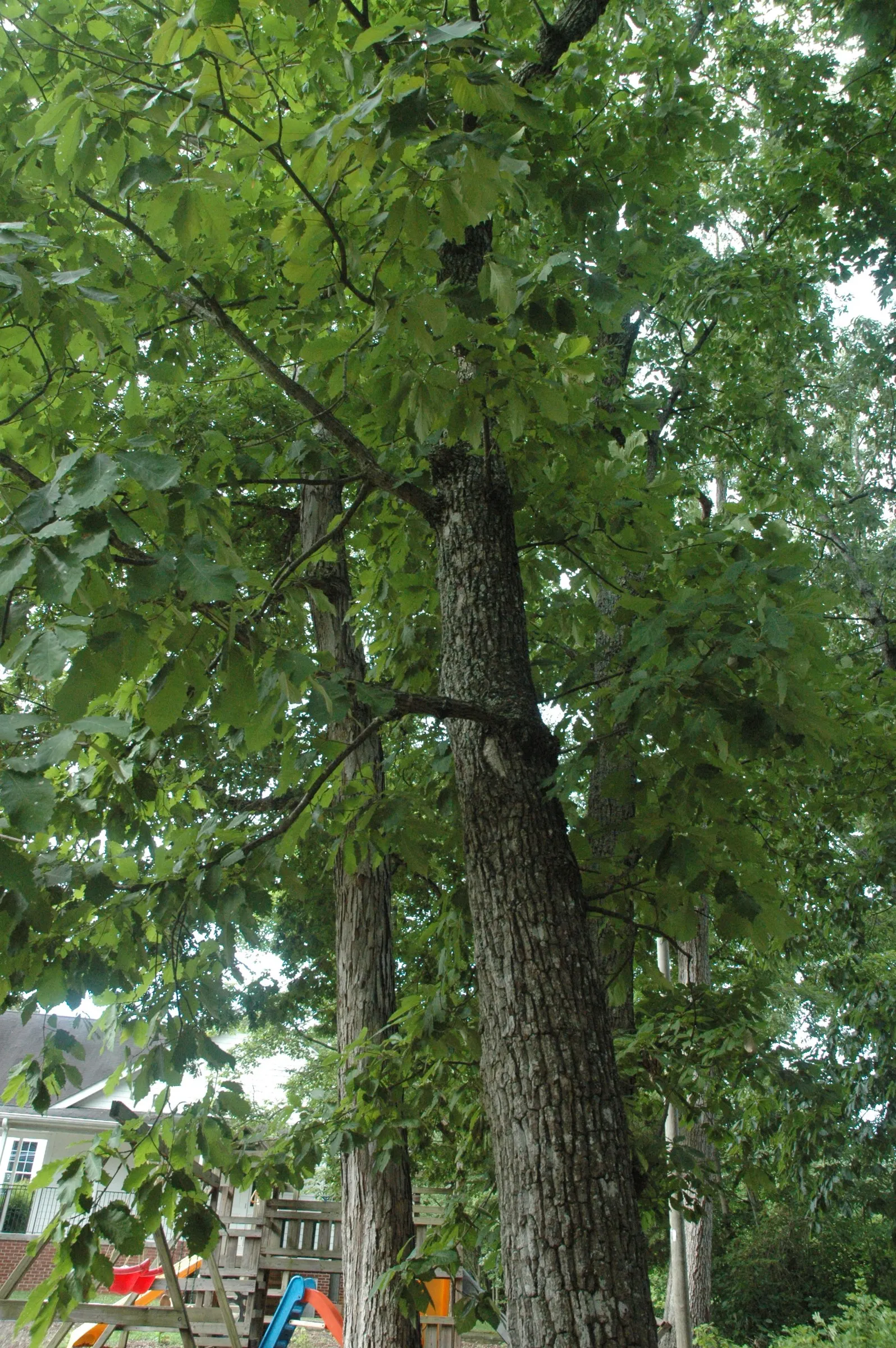
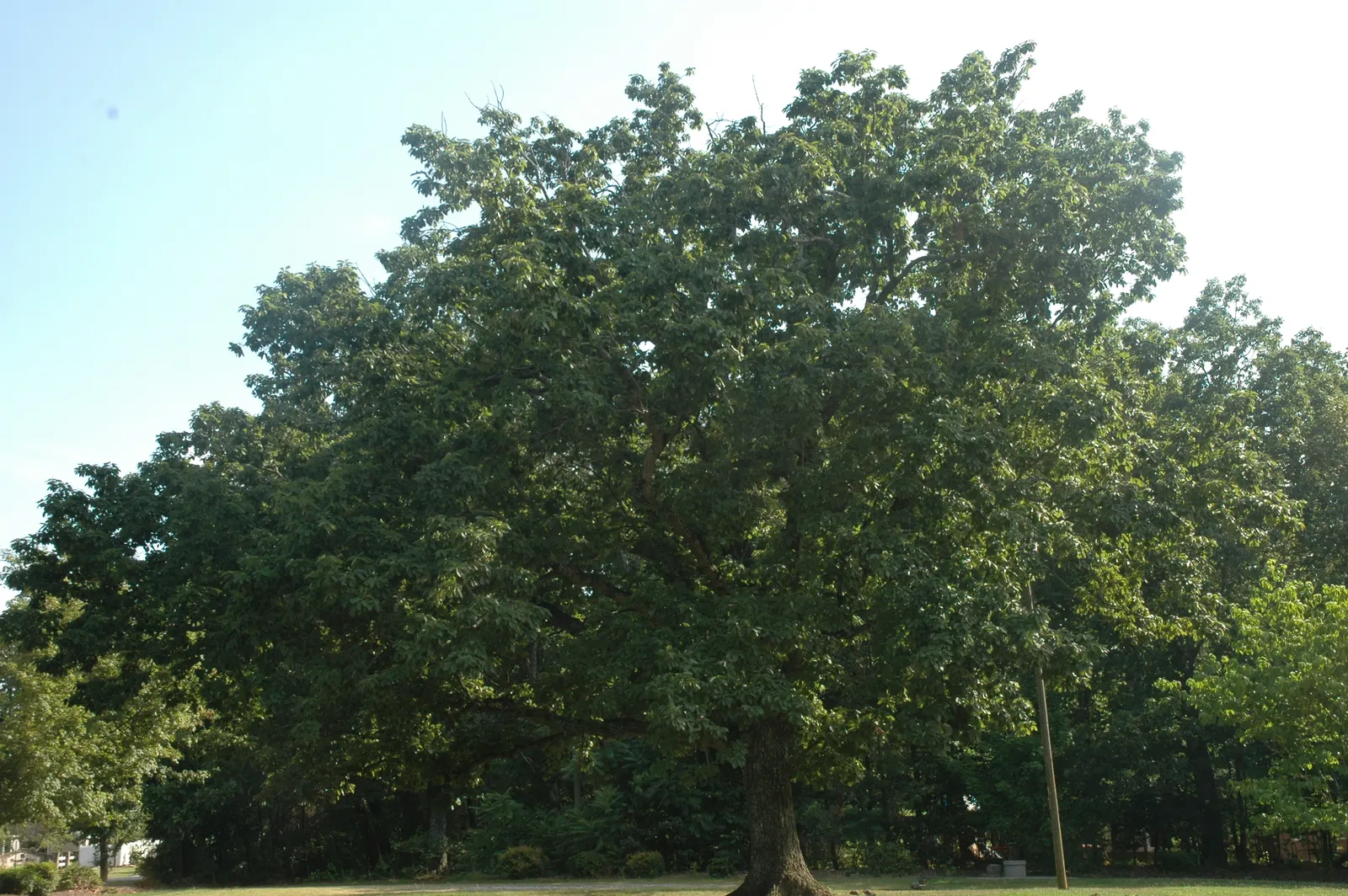
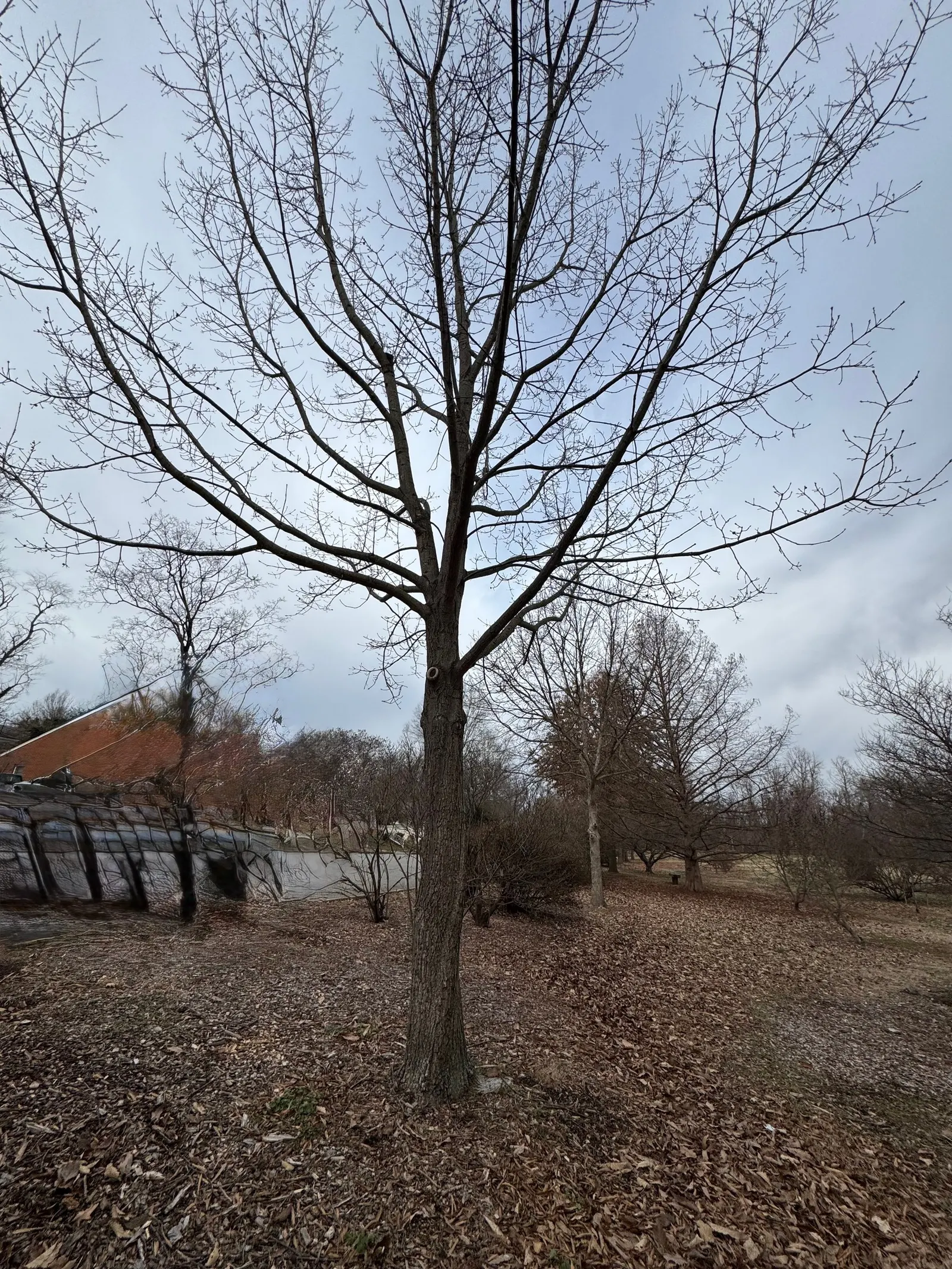
Chestnut Oak (Quercus Montana) — Its roots are as impressive as its crown
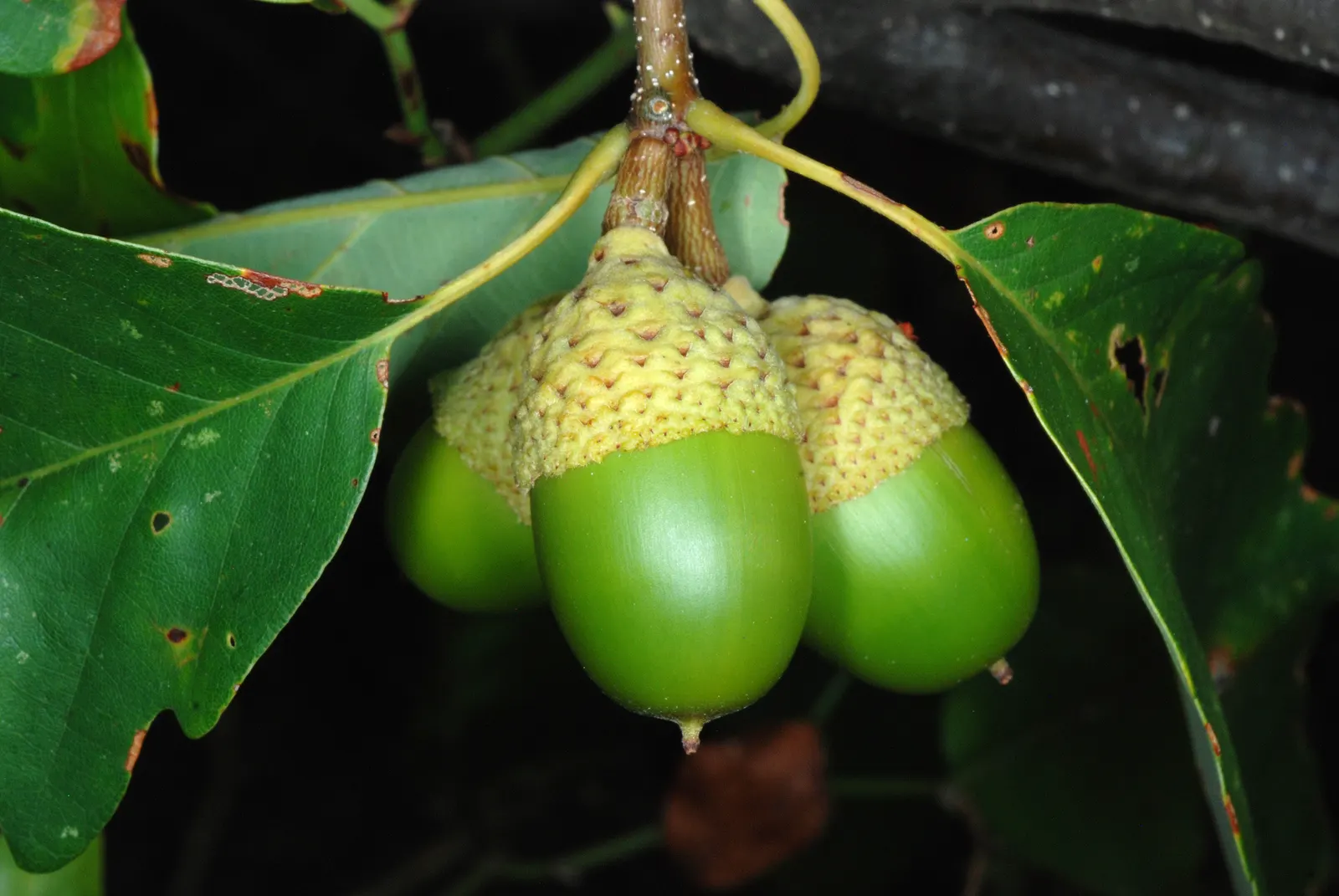
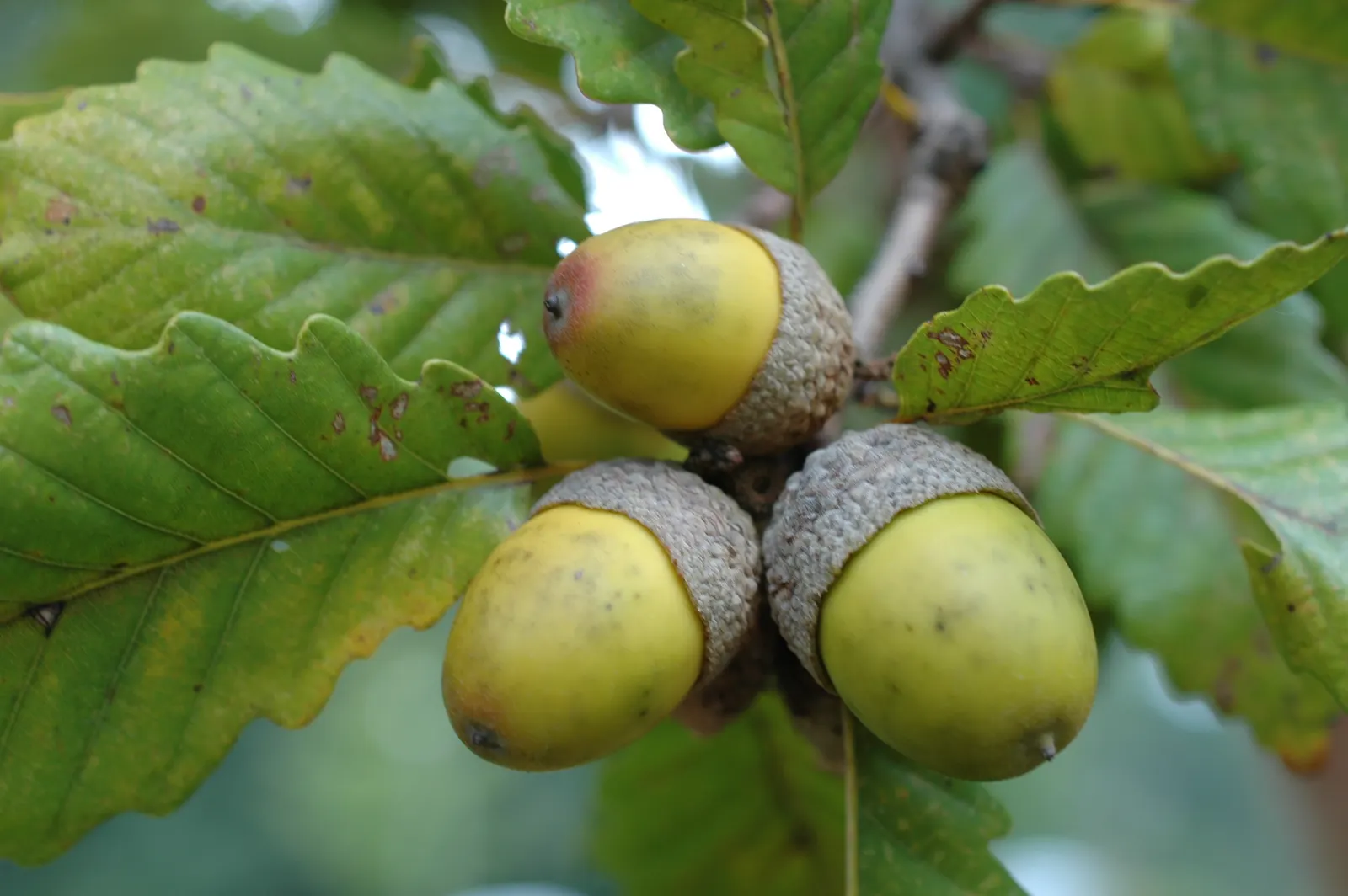
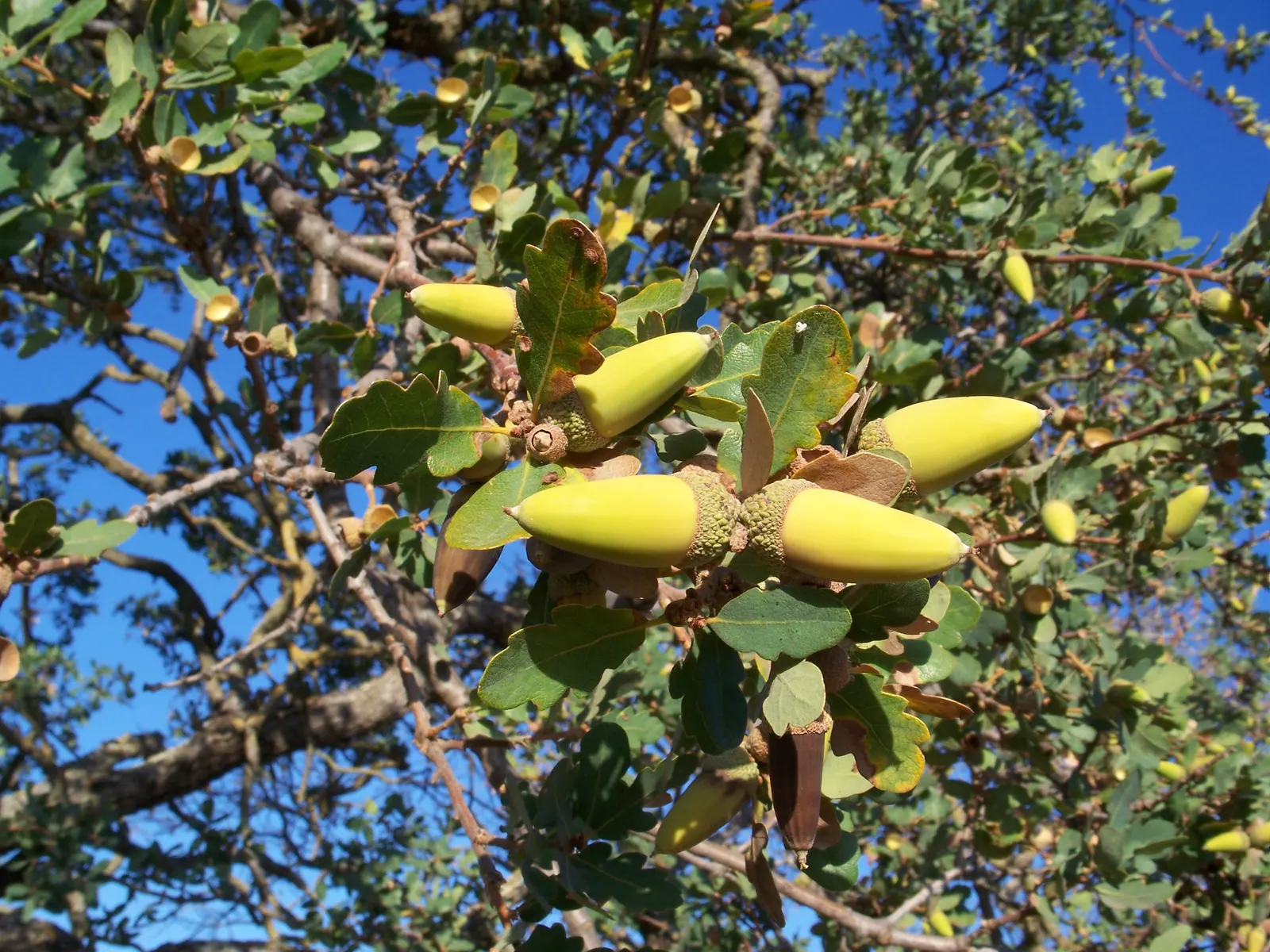
Chestnut Oak (Quercus Montana) — supporting various wildlife with its acorns and dense foliage
Chestnut Oak (Quercus Montana) — The Southern Live Oak is not only visually stunning but also serves as a valuable ecological asset
Chestnut Oak (Quercus Montana) — evergreen tree renowned for its sprawling; the Live Oak is a robust tree, tolerating various soil types, though it prefers
Chestnut Oak (Quercus Montana) — Mature specimens can reach up to 80 feet in height with an impressive crown spread of over 100 feet; so situate it away from
Chestnut Oak (Quercus Montana) — The Southern Live Oak (Quercus virginiana); mature specimens can reach up to 80 feet in height with an impressive crown spread
Chestnut Oak (Quercus Montana) — not to be mistaken with Quercus montana; often reaching 60 to 80 feet in width
Chestnut Oak (Quercus Montana) — tree for full or half
Chestnut Oak (Quercus Montana) — scientifically named Quercus virginiana; often reaching 60 to 80 feet in width
Chestnut Oak (Quercus Montana) — symbolizing strength and resilience.<br><br>Mature Live Oaks boast a broad; so situate it away from foundations and pavements
Chestnut Oak (Quercus Montana) — Its hardiness and impressive canopy make it an iconic choice for shade and character in expansive landscapes; mature specimens
Chestnut Oak (Quercus Montana) — This evergreen oak is a staple in Southern landscapes; the Live Oak is a robust tree, tolerating various soil types, though it
Chestnut Oak (Quercus Montana) — The tree itself can grow to a height of 40 to 80 feet, making it a dominant feature in any garden; so situate it away from
Chestnut Oak (Quercus Montana) — often reaching 60 to 80 feet in width; the Live Oak is a robust tree, tolerating various soil types, though it prefers
Chestnut Oak (Quercus Montana) — horizontal branches that can extend to create a vast shade area; often reaching 60 to 80 feet in width
Chestnut Oak (Quercus Montana) — spreading canopy with sturdy; mature specimens can reach up to 80 feet in height with an impressive crown spread of over 100
Chestnut Oak (Quercus Montana) — indicative of its longevity; often reaching 60 to 80 feet in width
Chestnut Oak (Quercus Montana) — Its trunk diameter can span up to 6 feet; mature specimens can reach up to 80 feet in height with an impressive crown spread
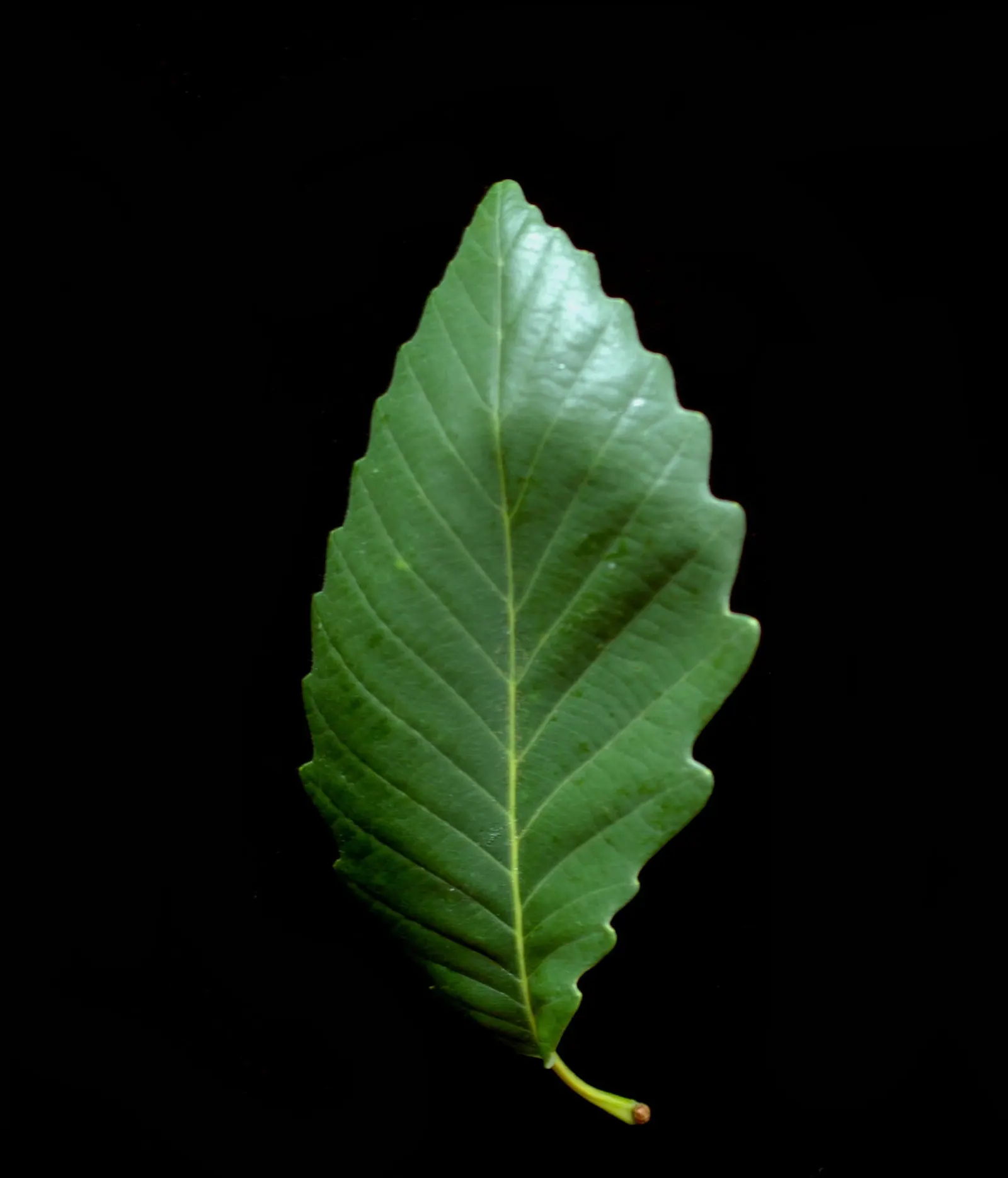
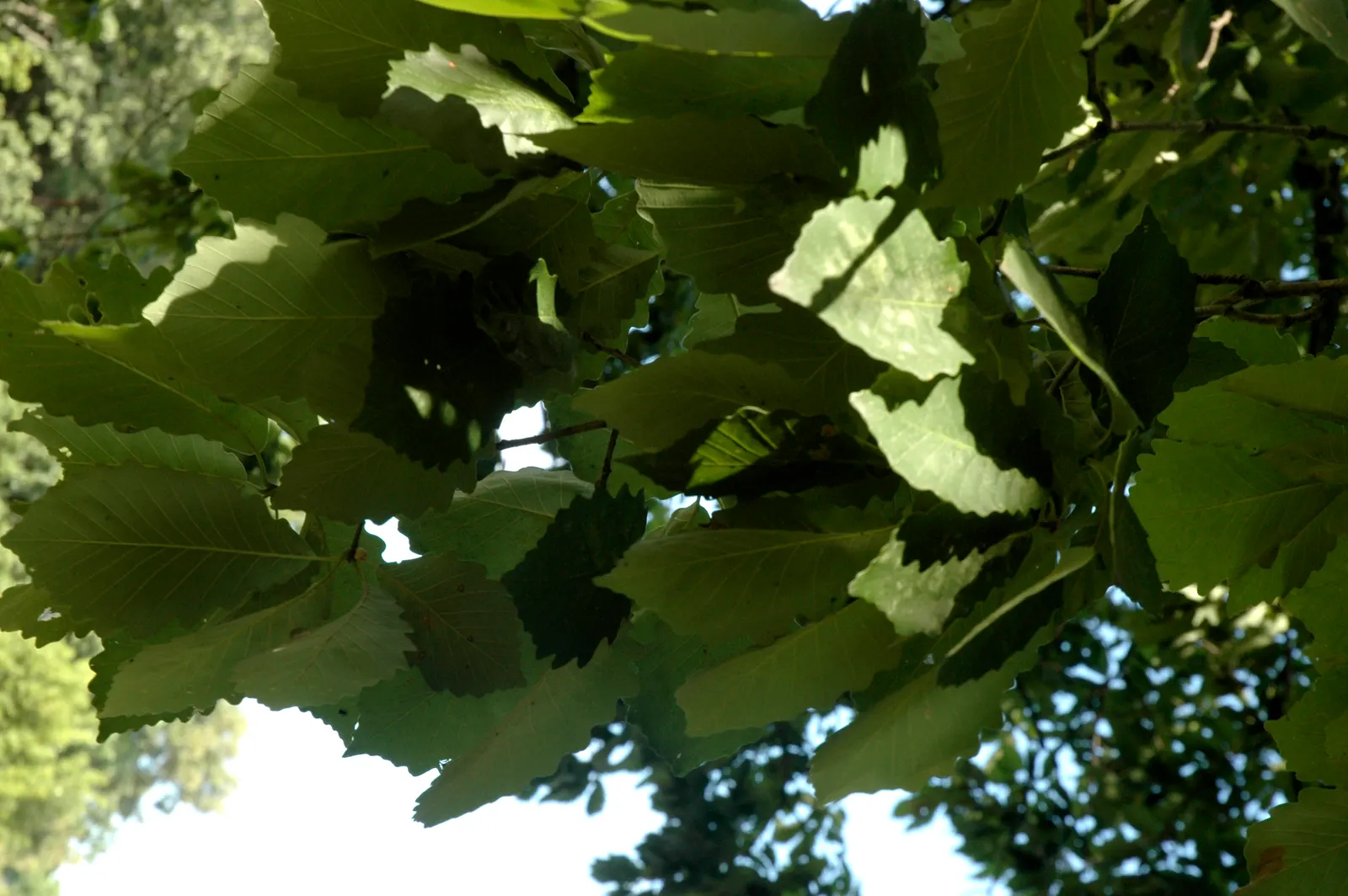
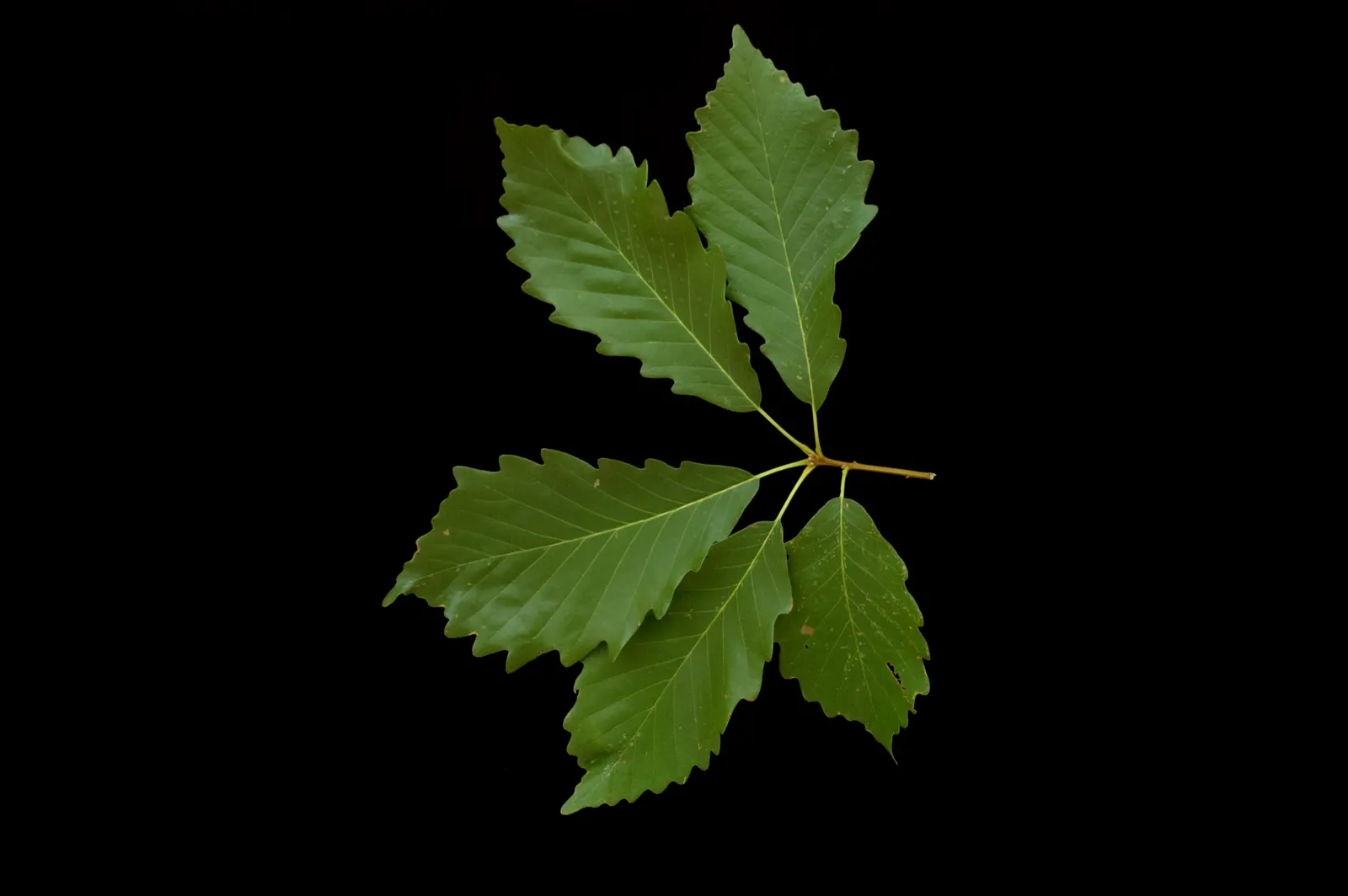
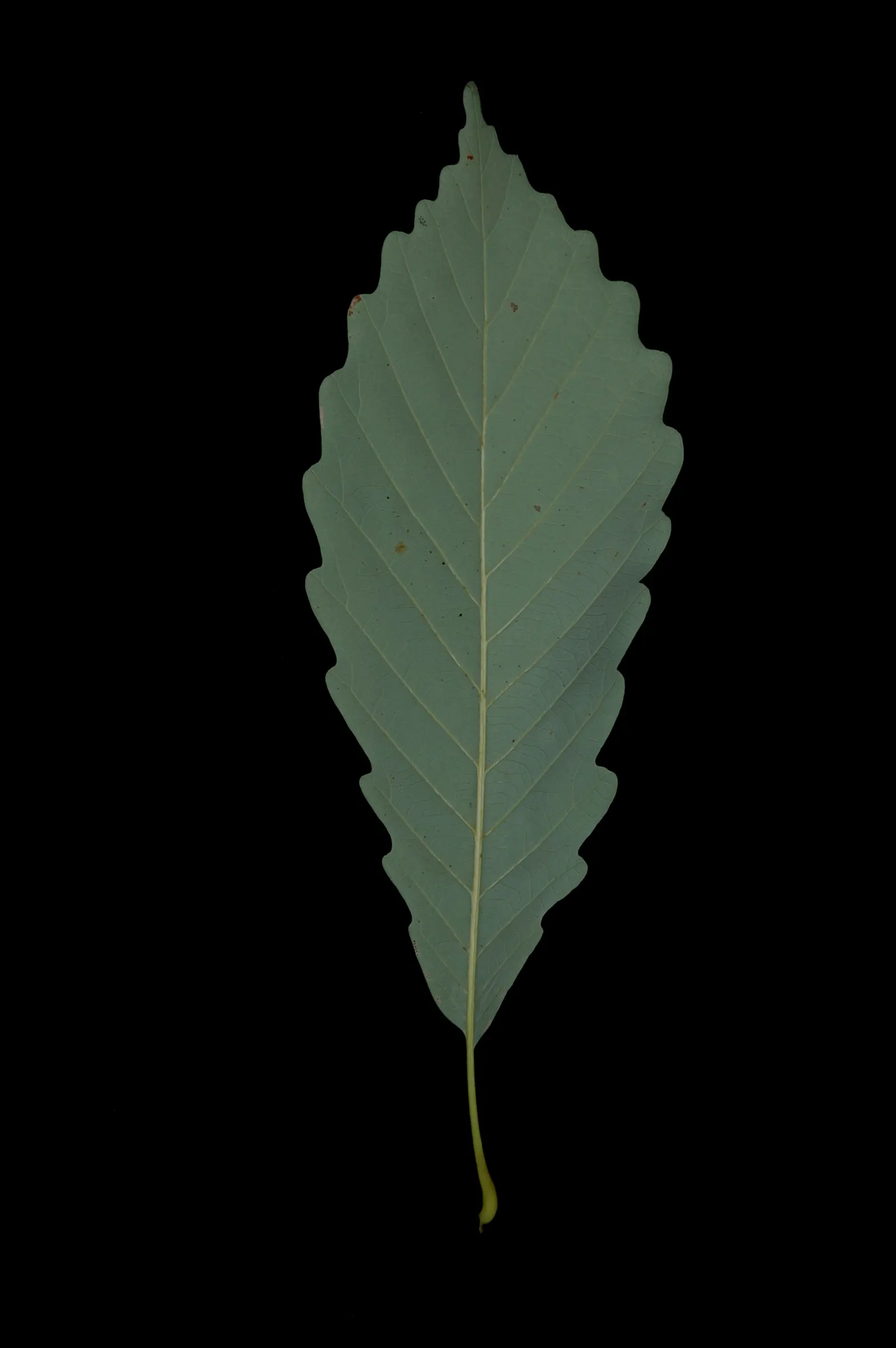
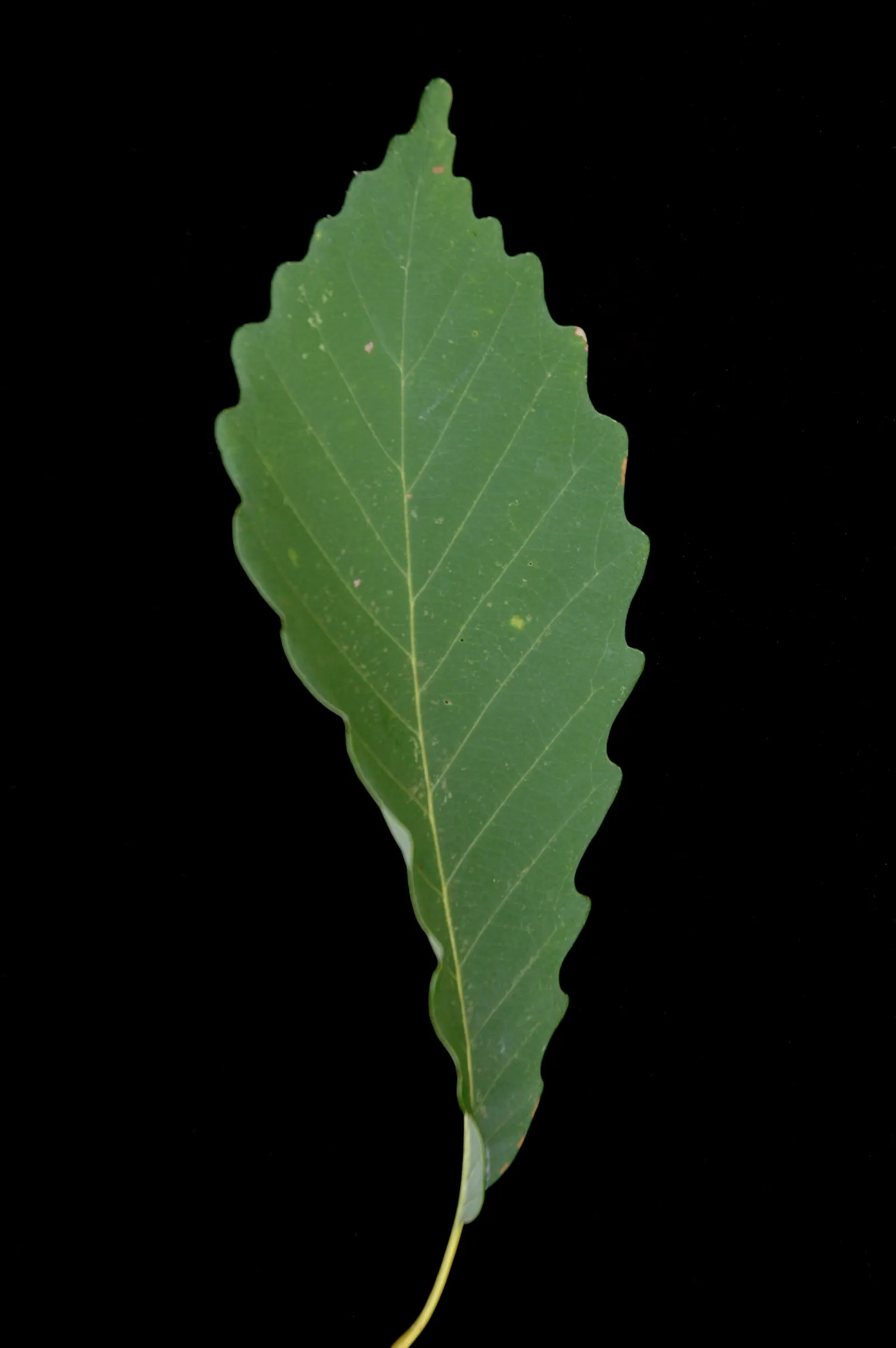
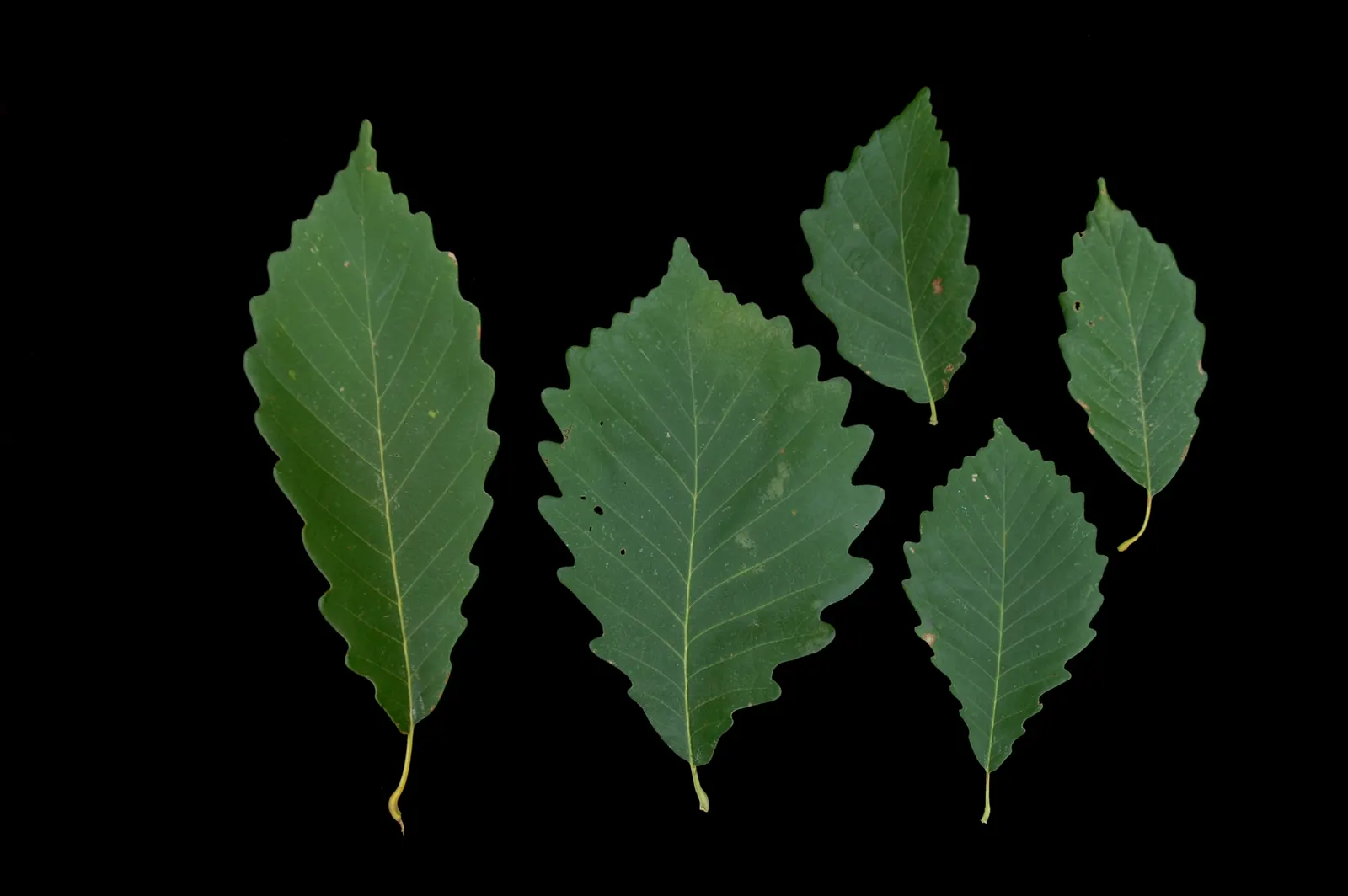
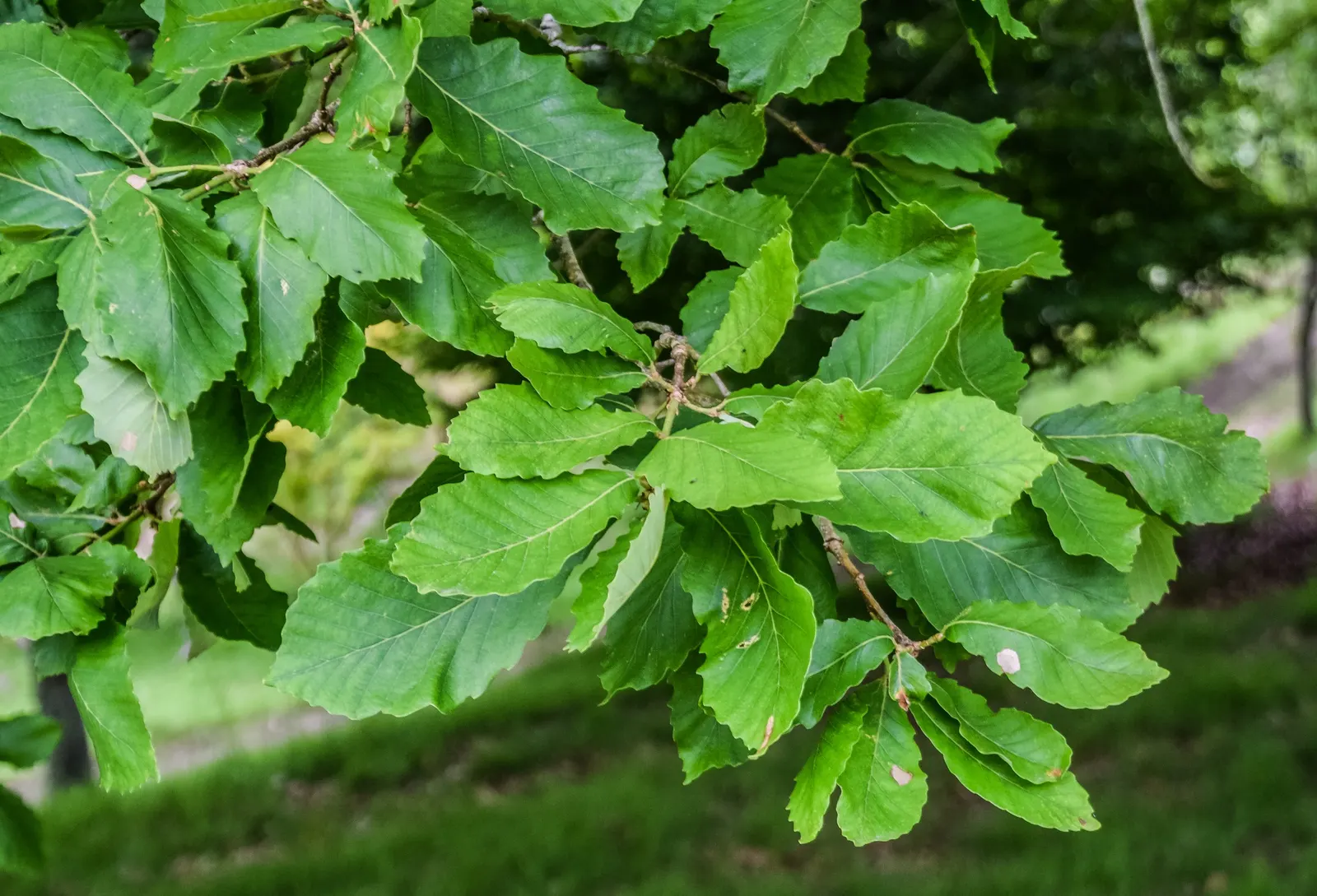
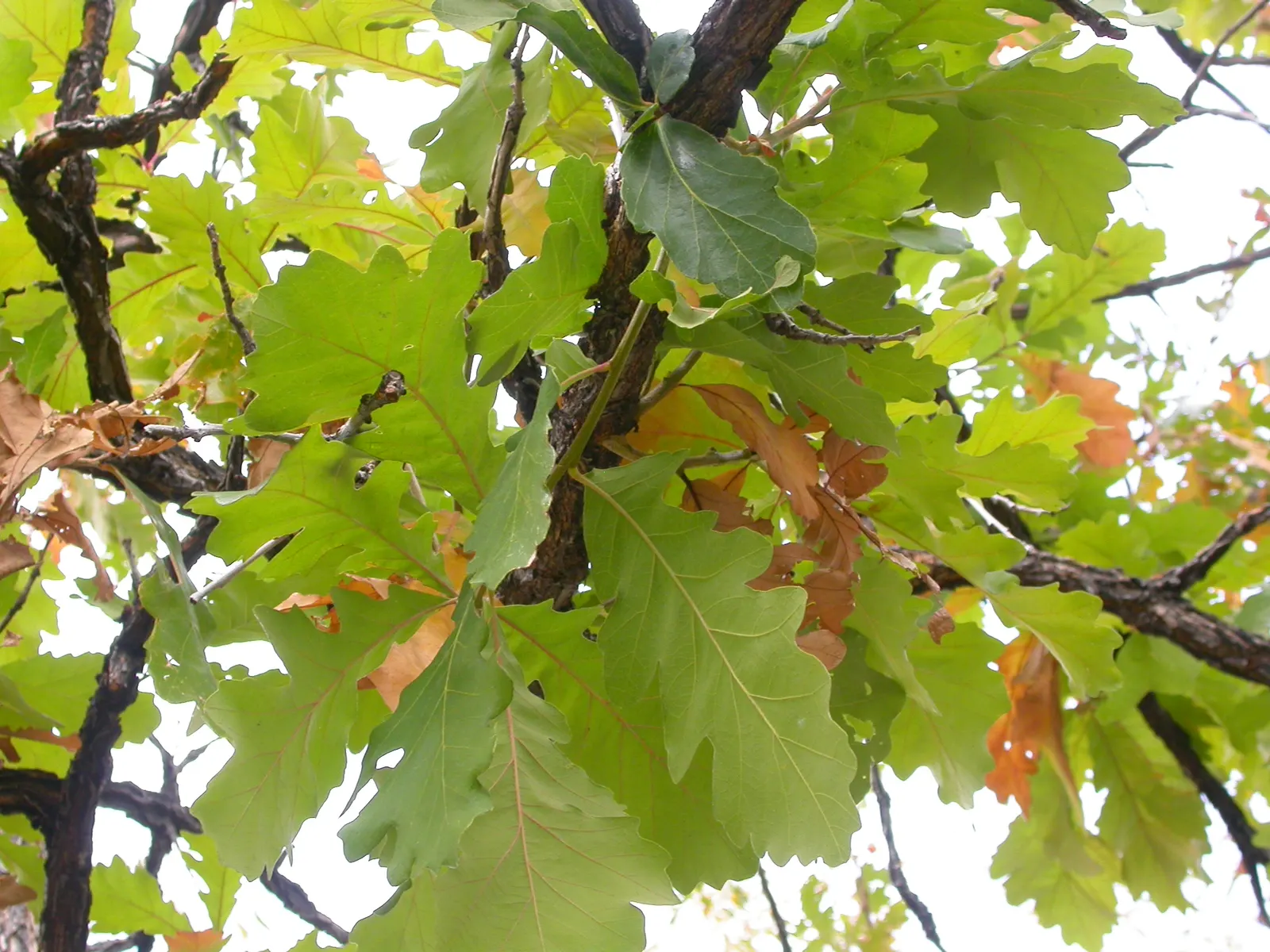
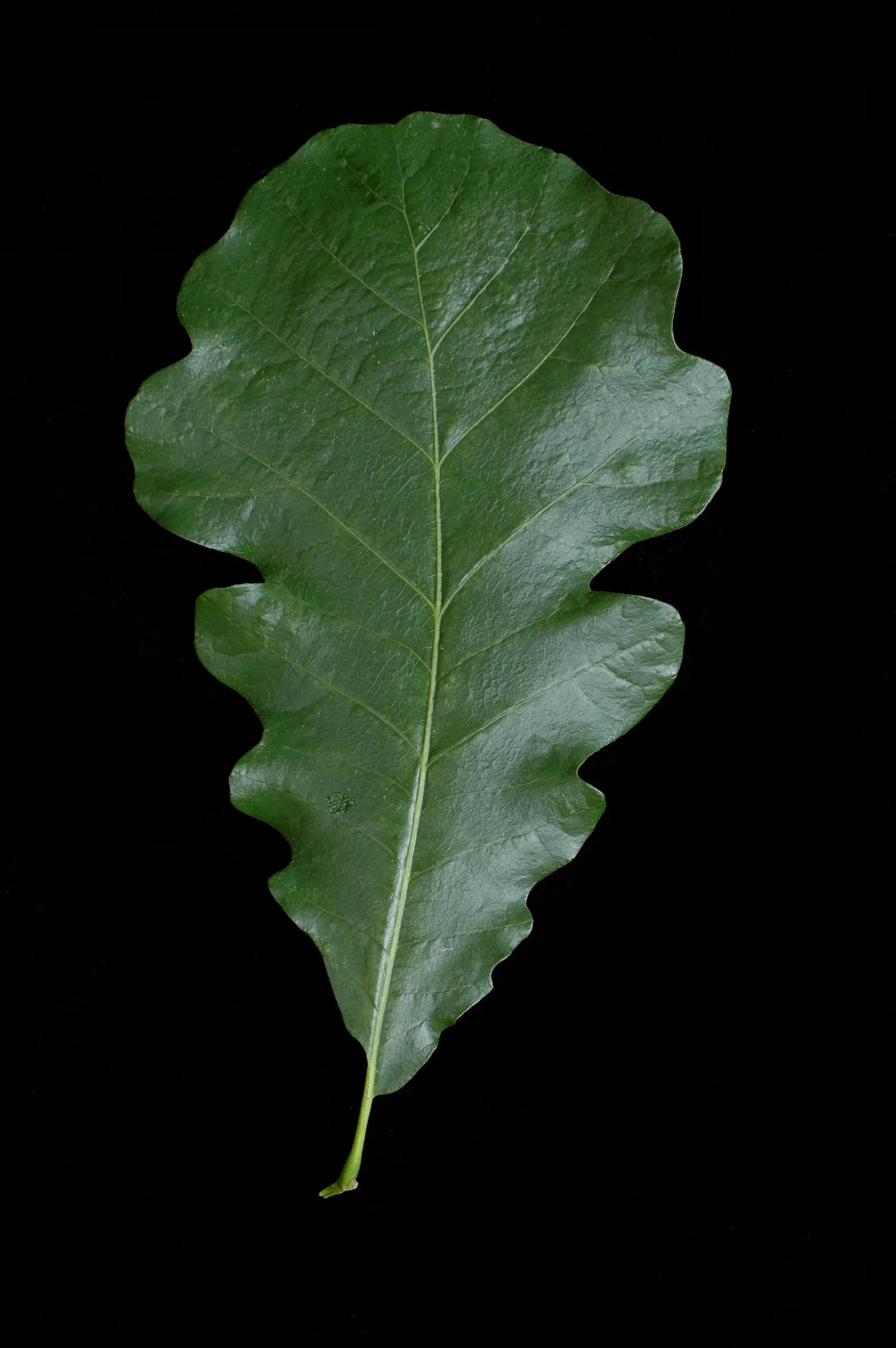
Chestnut Oak (Quercus Montana) — The leaves are a glossy, deep green, and are typically about 2 to 4 inches long; mature specimens can reach up to 80 feet in
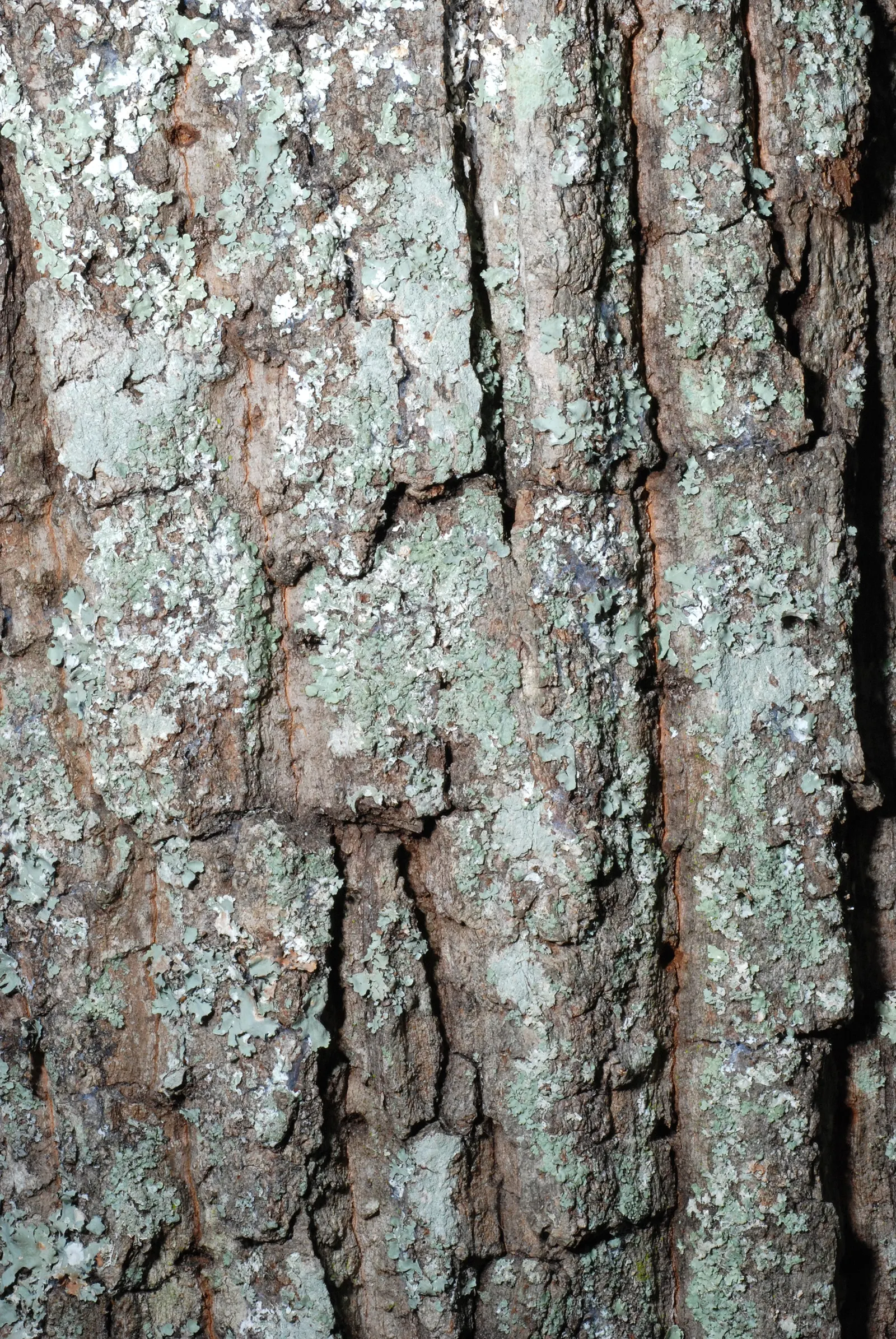
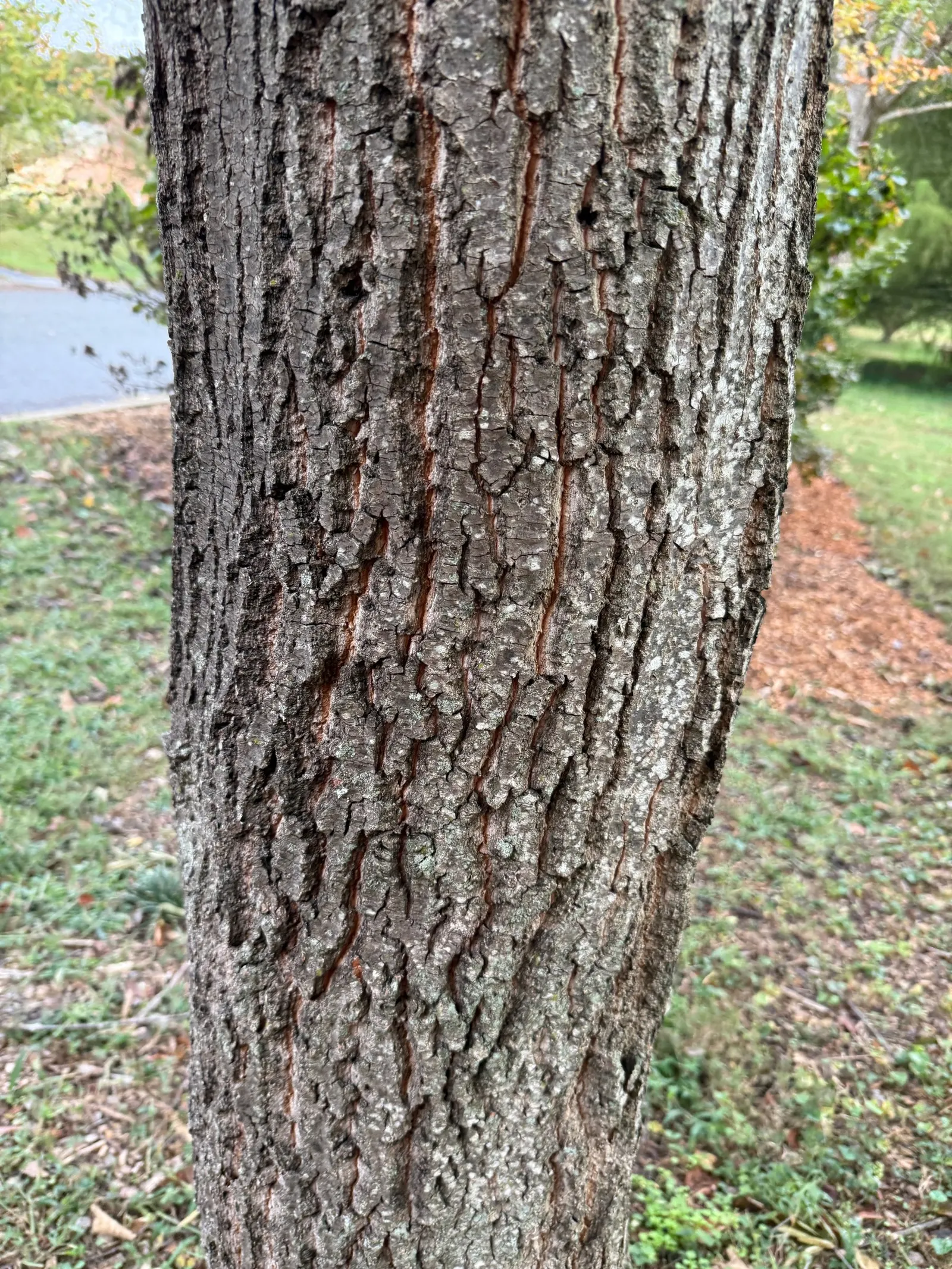
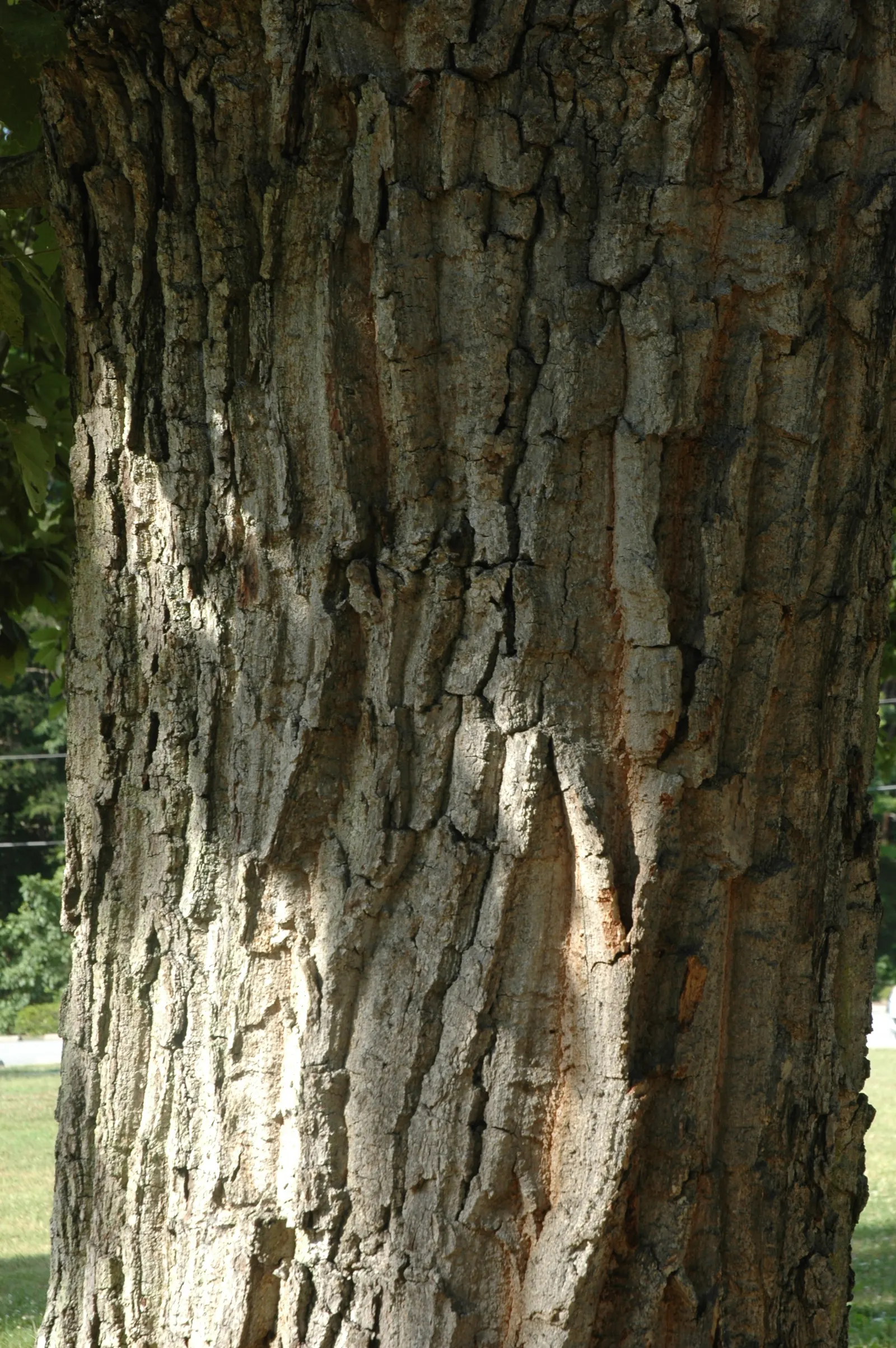
Chestnut Oak (Quercus Montana) — adding a textured appearance; so situate it away from foundations and pavements to prevent structural interference
Chestnut Oak (Quercus Montana) — as some specimens live for several centuries.<br><br>The bark of the Live Oak is a dark; the Live Oak is a robust tree
Chestnut Oak (Quercus Montana) — The Live Oak is a robust tree, tolerating various soil types, though it prefers well-drained sandy soils; often reaching 60 to
Chestnut Oak (Quercus Montana) — As an architect designing landscapes; mature specimens can reach up to 80 feet in height with an impressive crown spread of
Chestnut Oak (Quercus Montana) — the tree requires full sun to part shade; so situate it away from foundations and pavements to prevent structural interference

Related plants