Skip to content

Burr Oak

Quercus Macrocarpa

Design with this plant

Overview

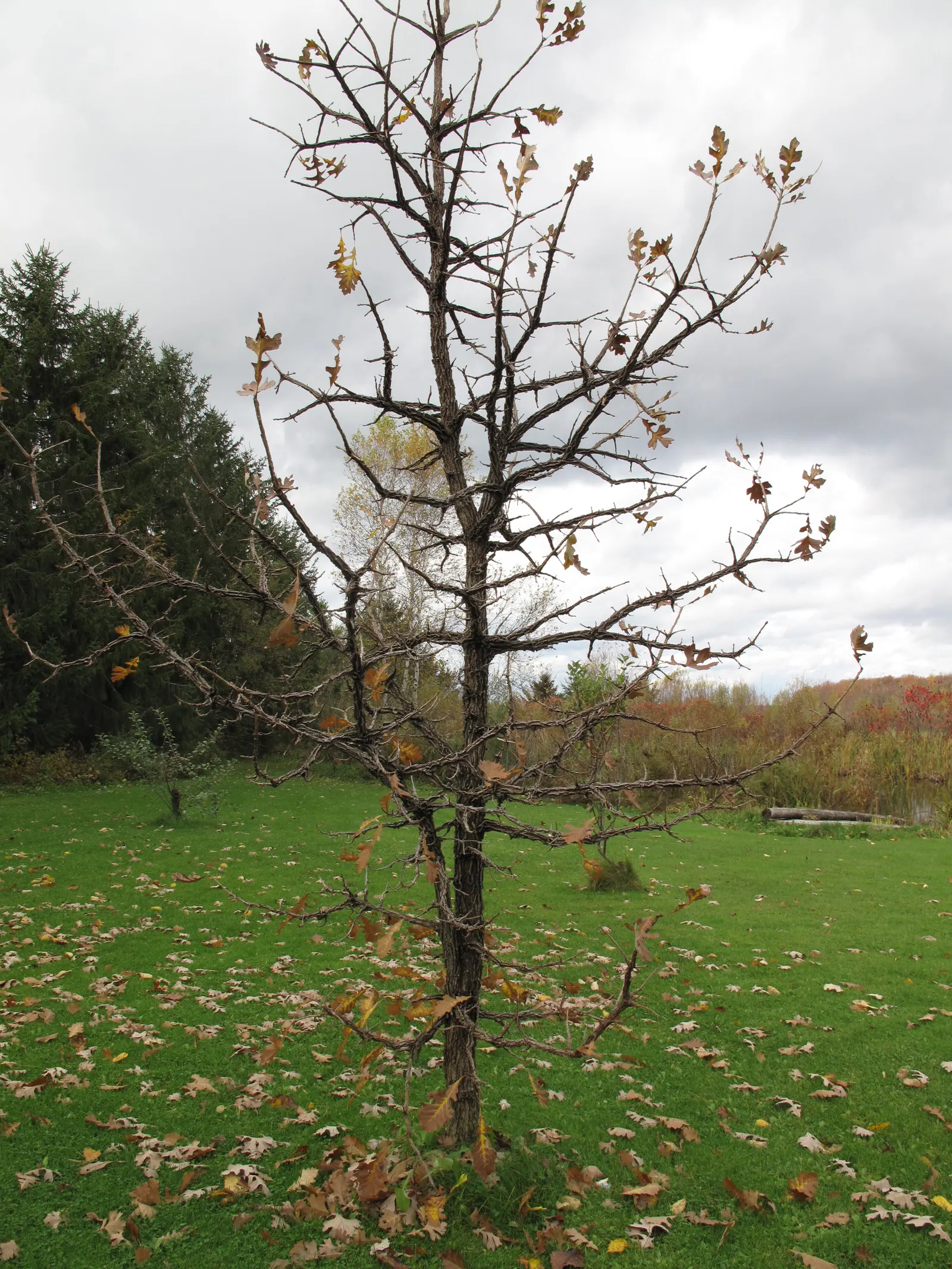
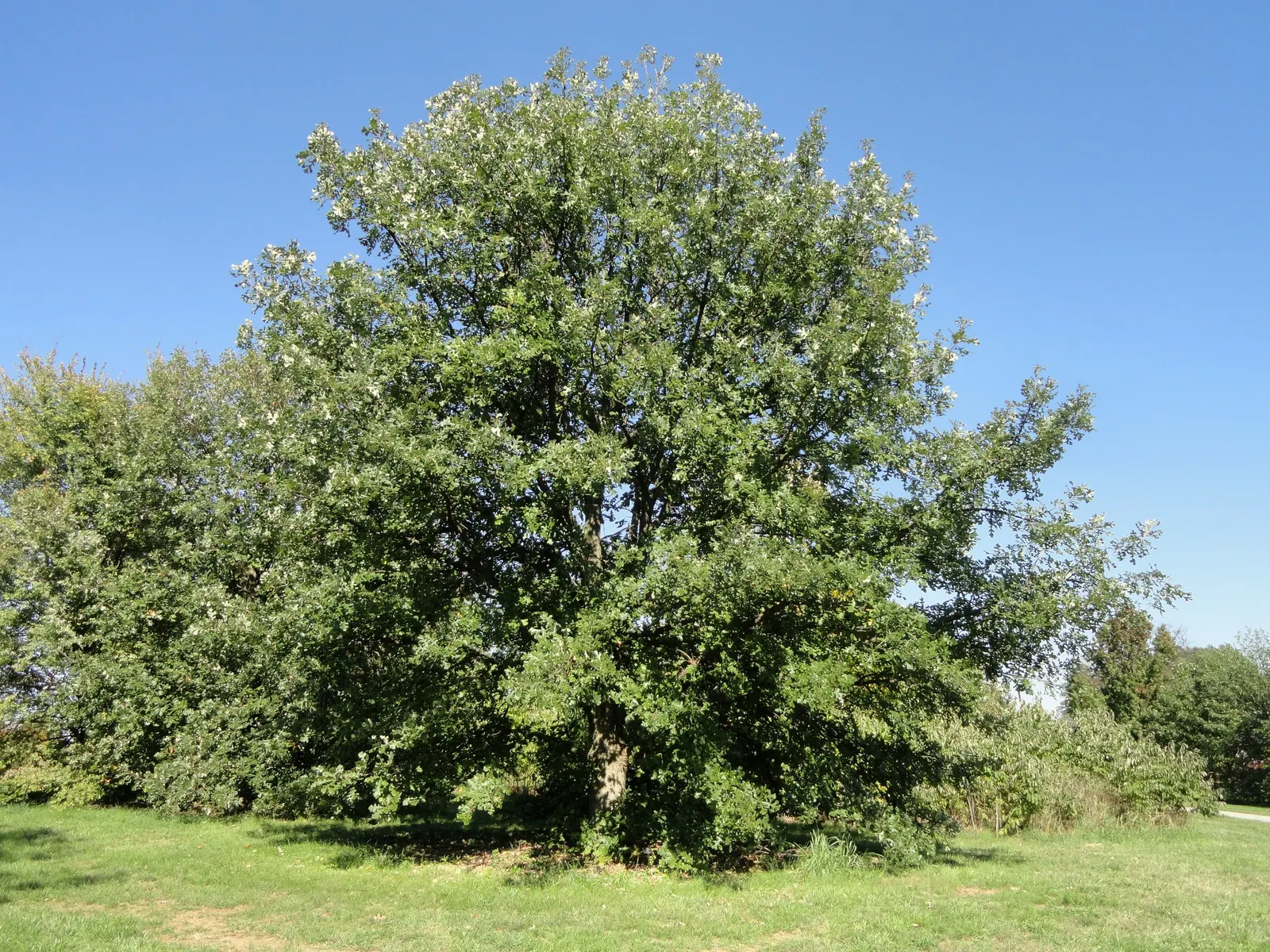
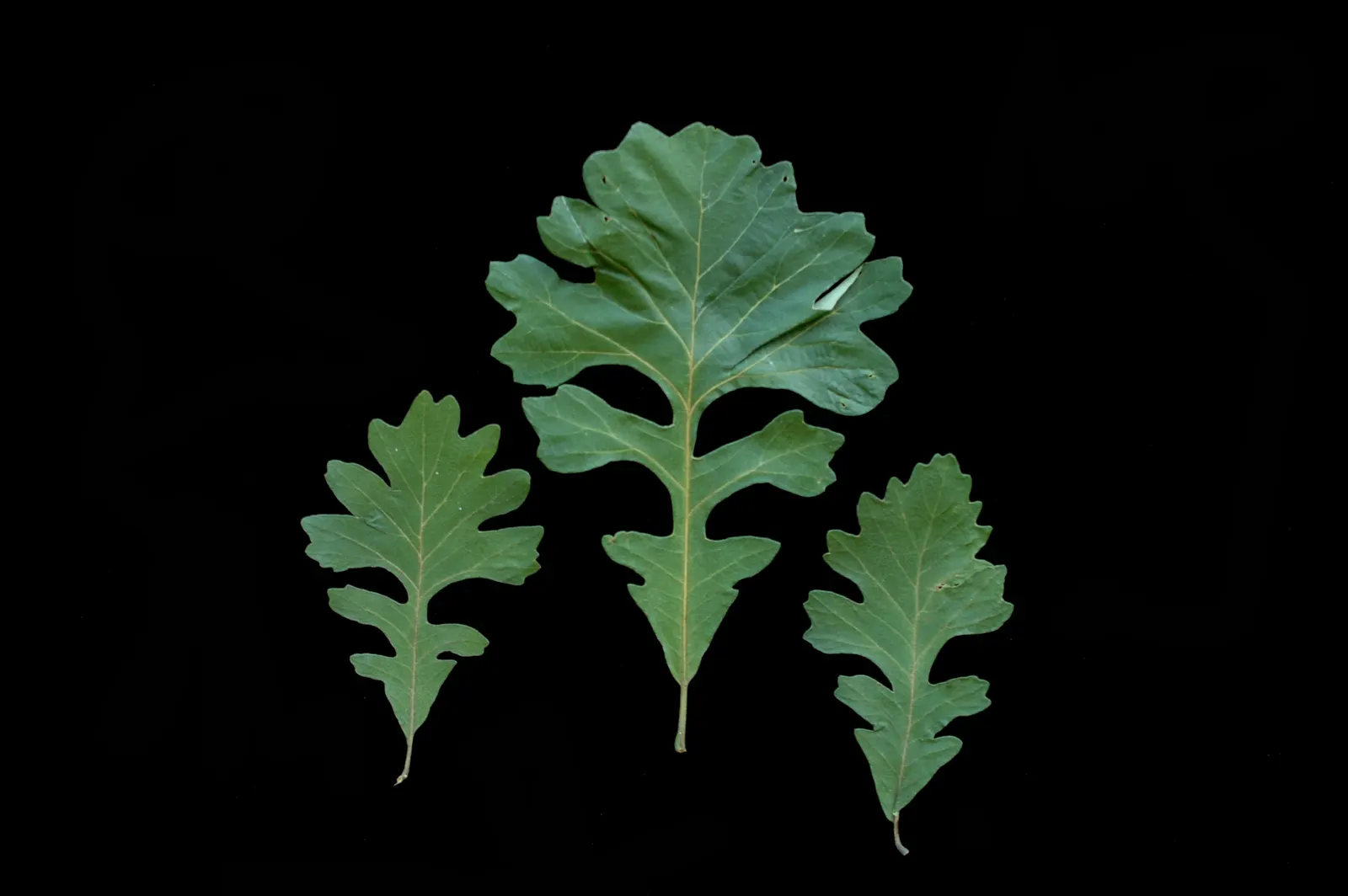
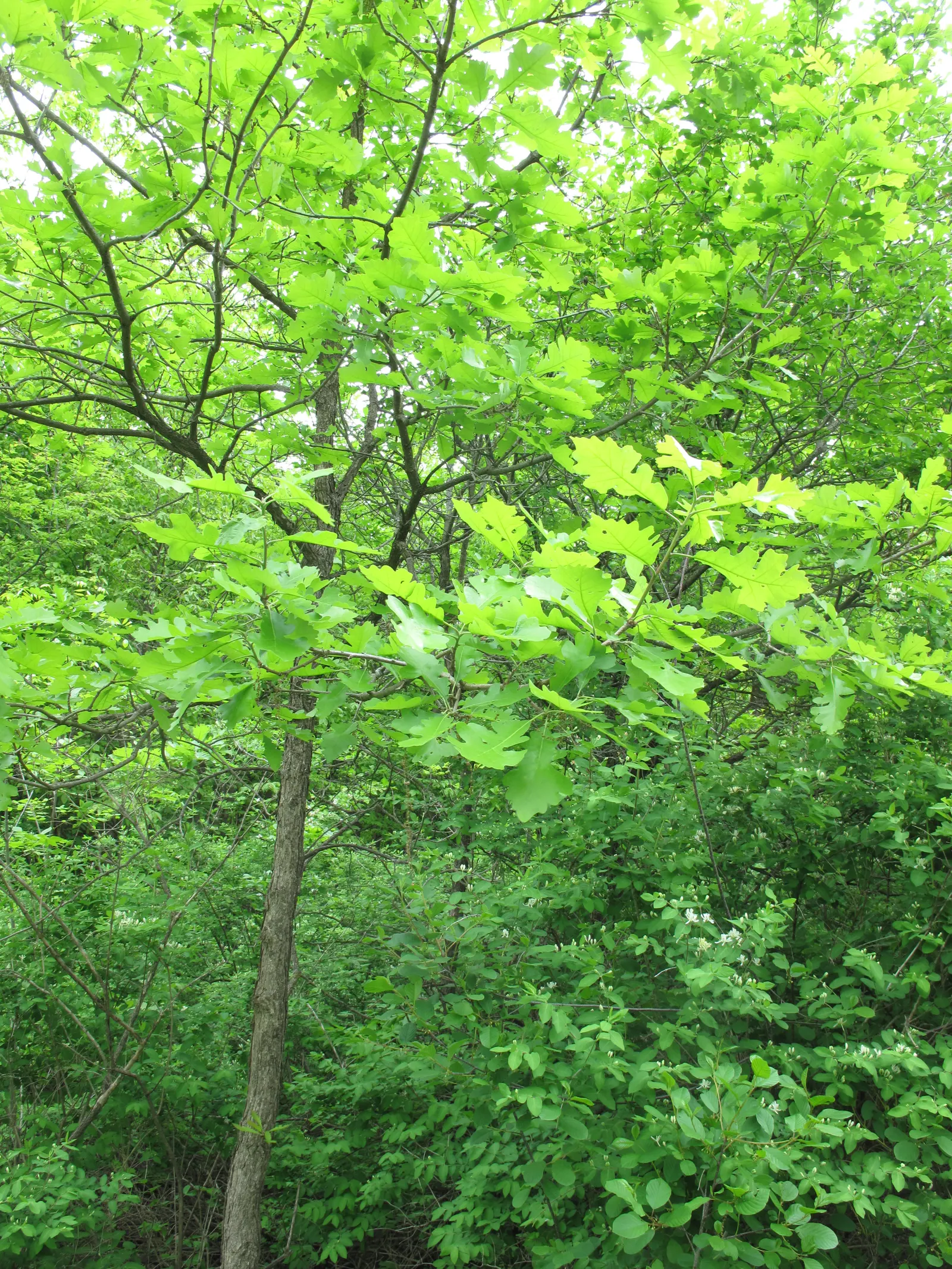
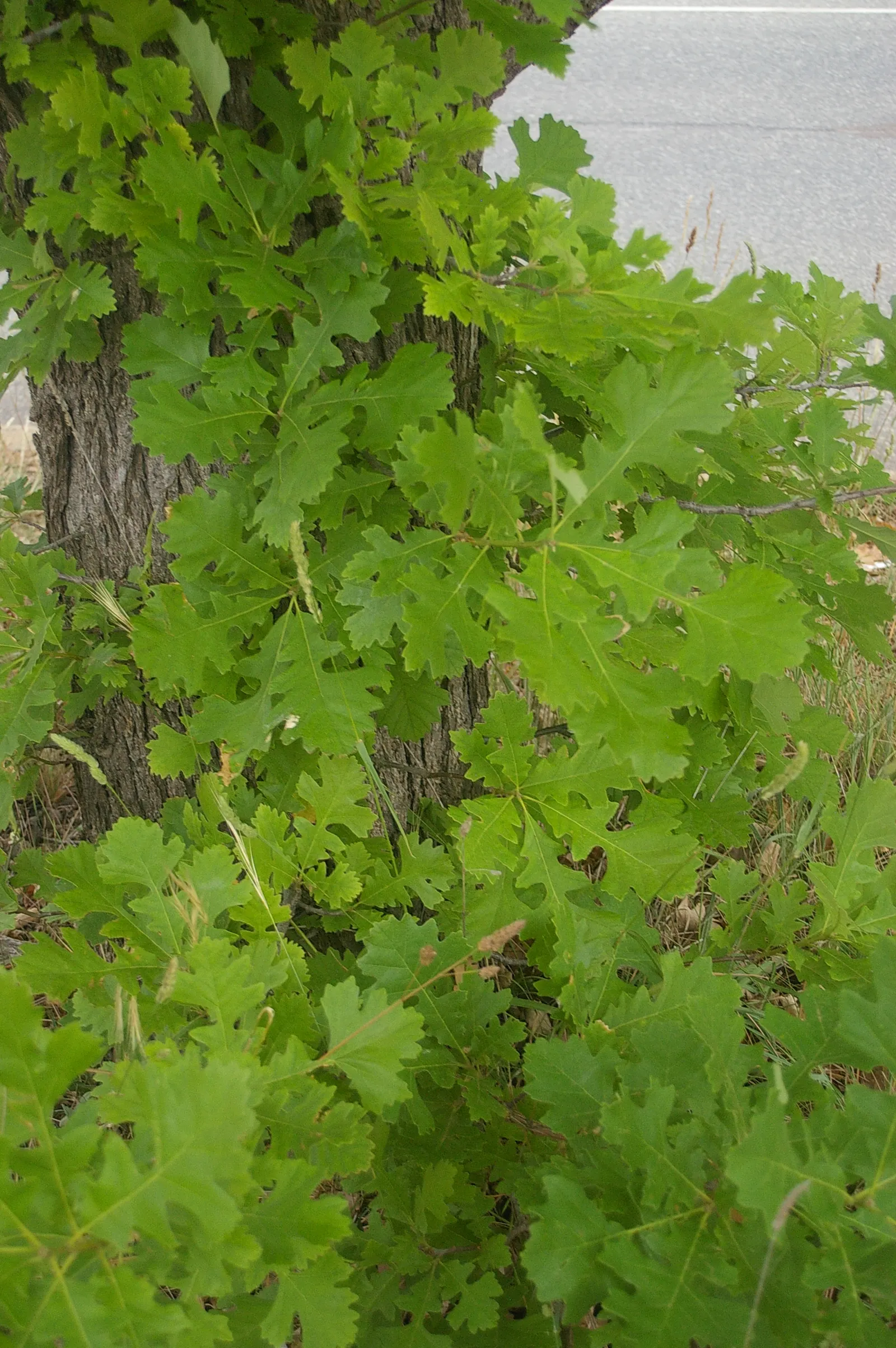
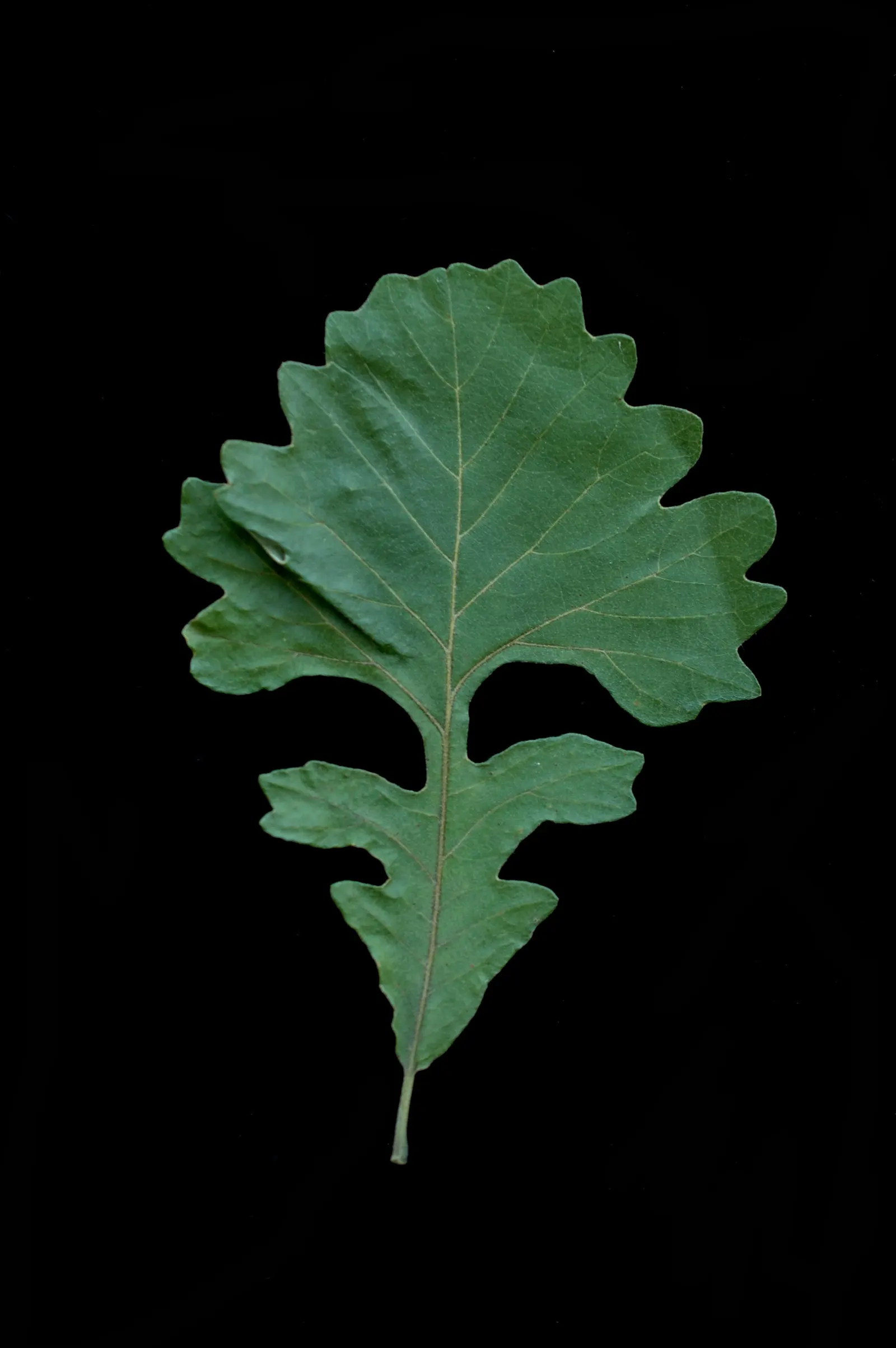
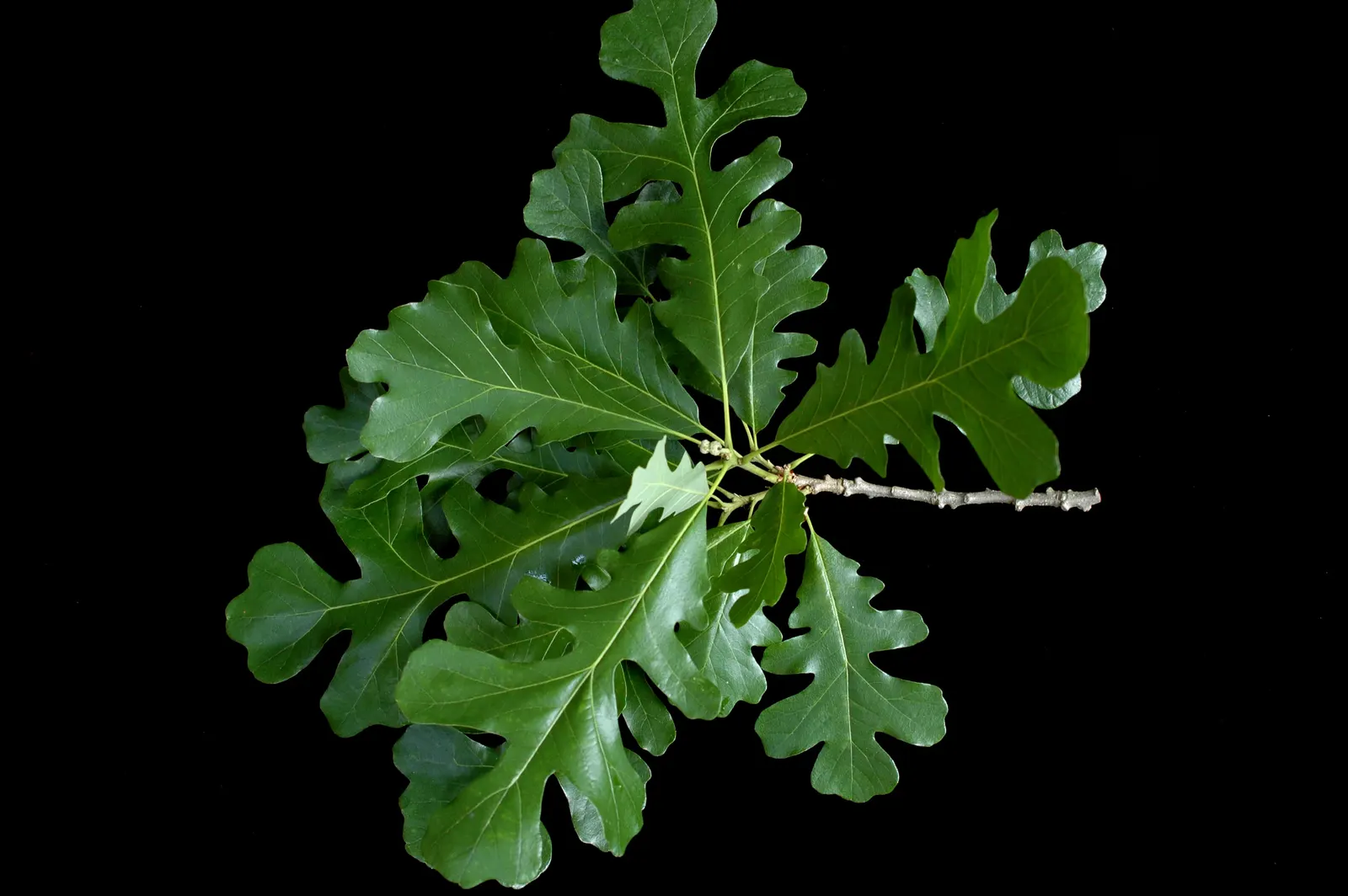
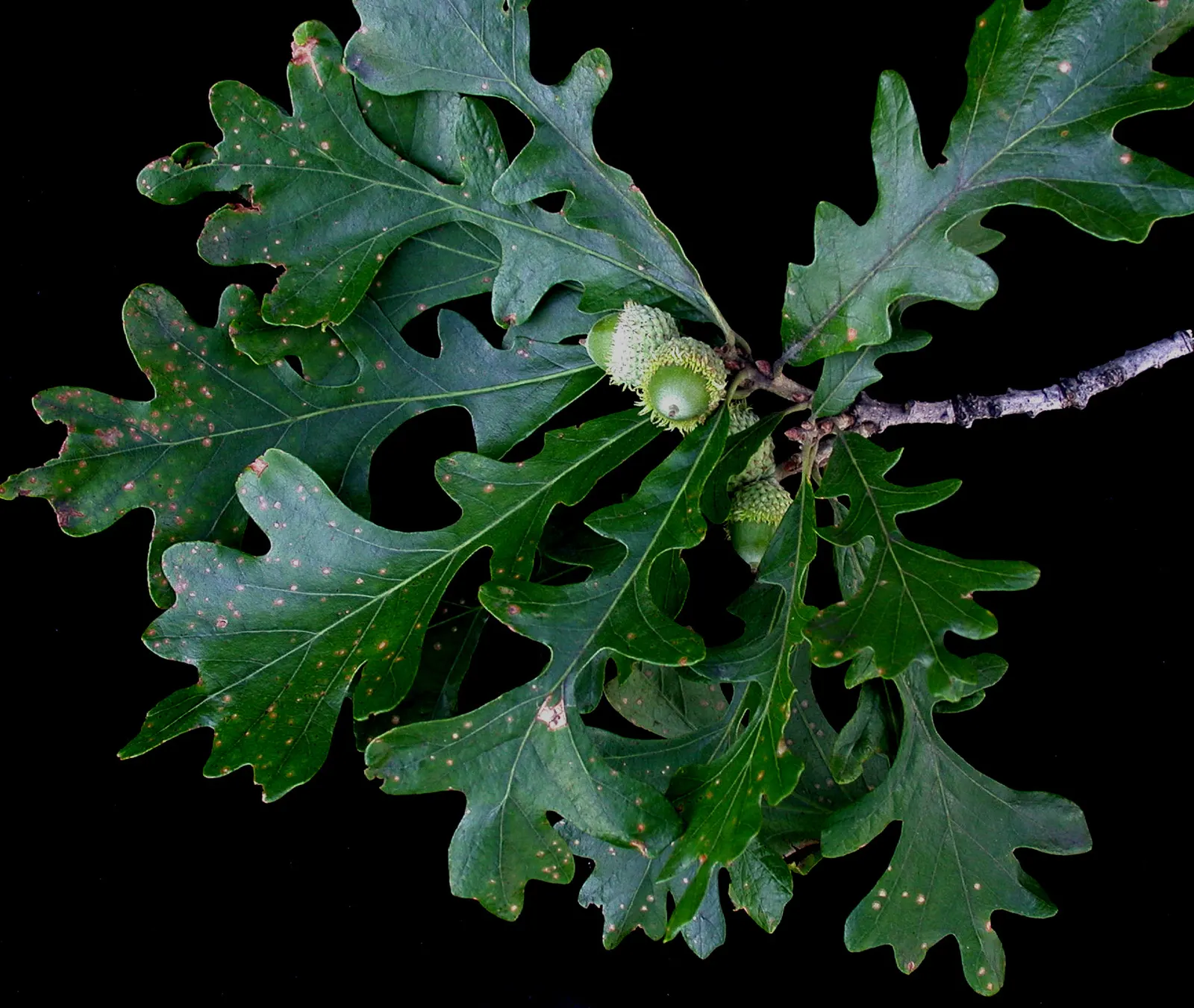
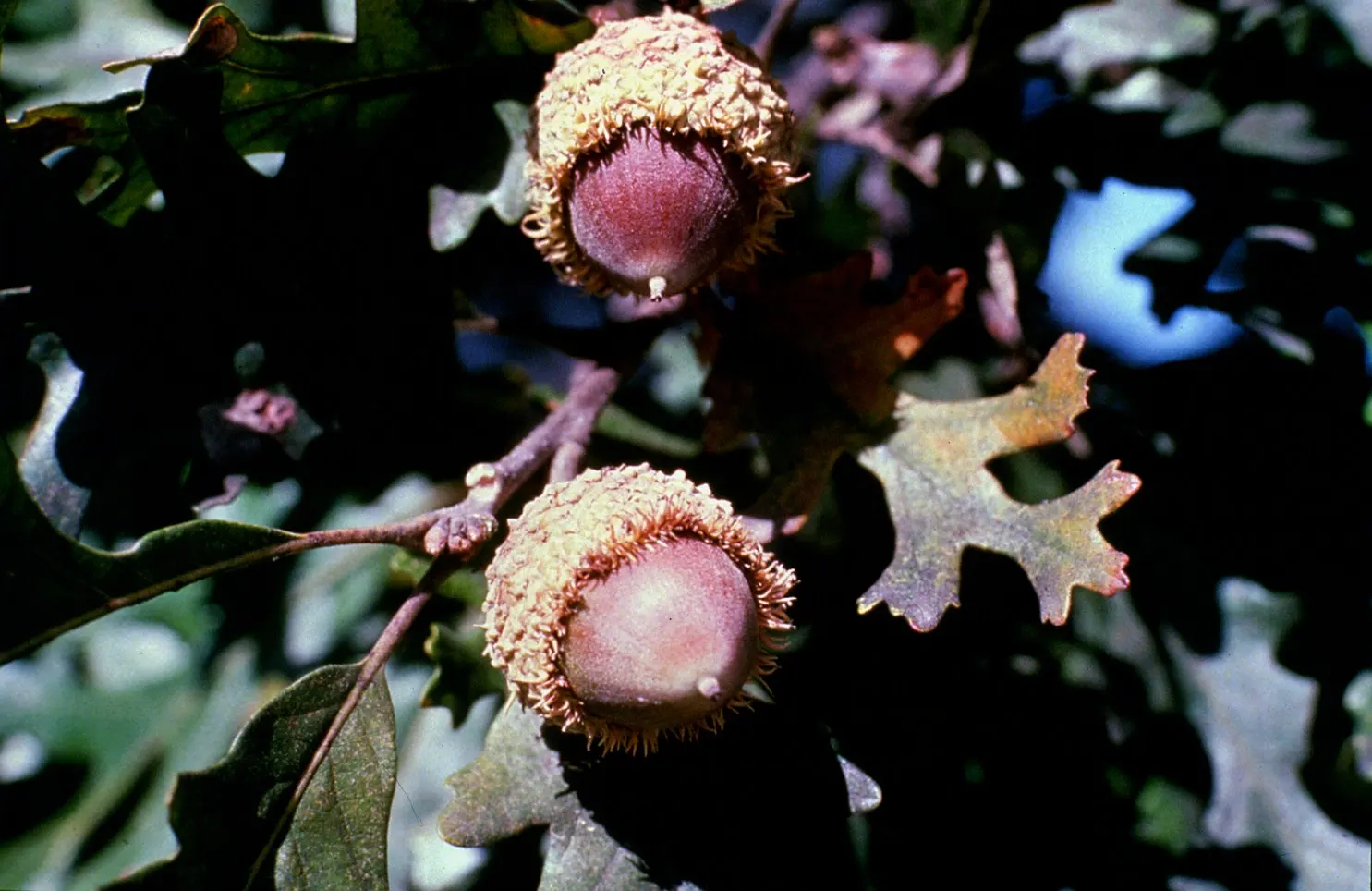
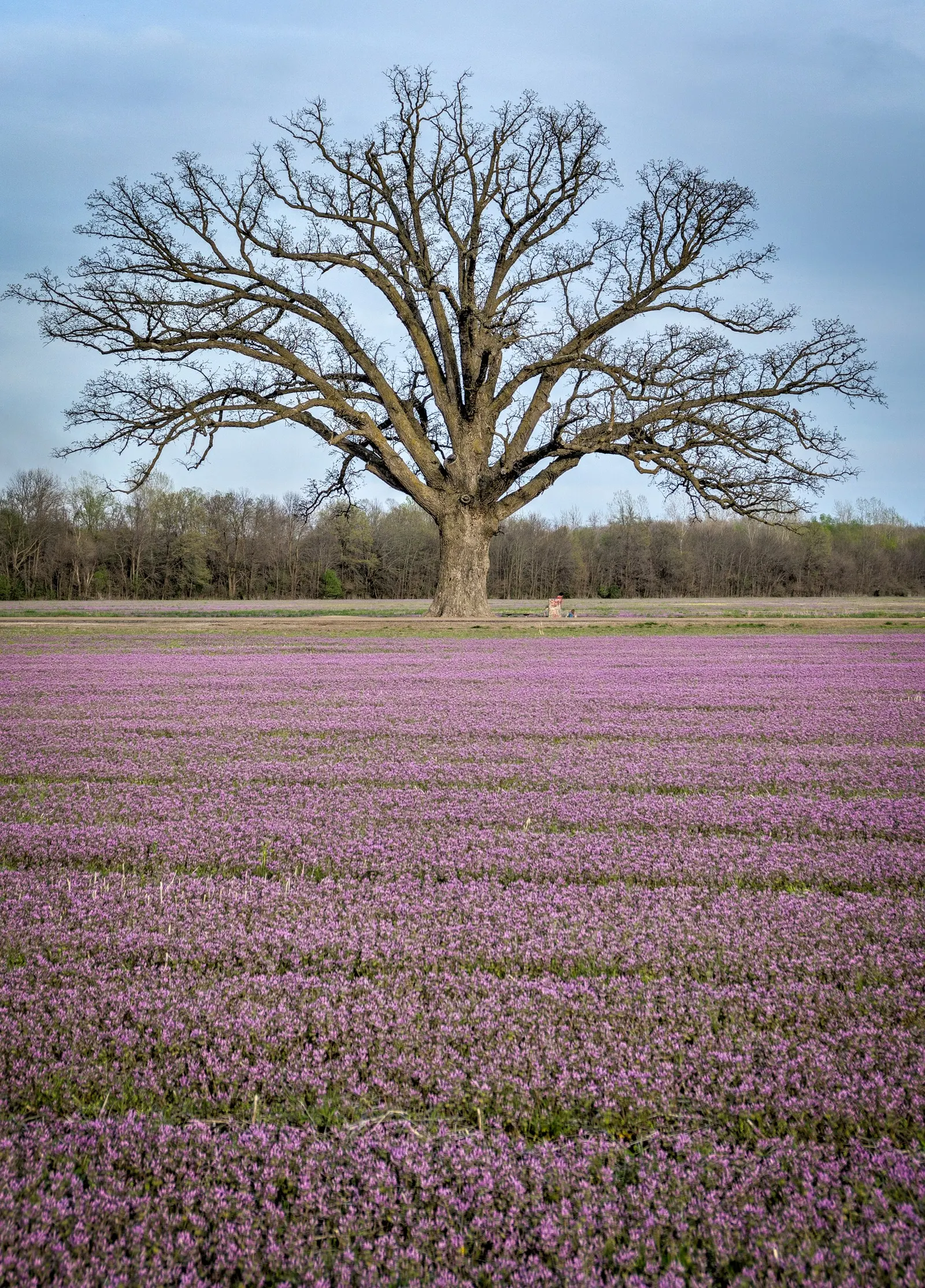
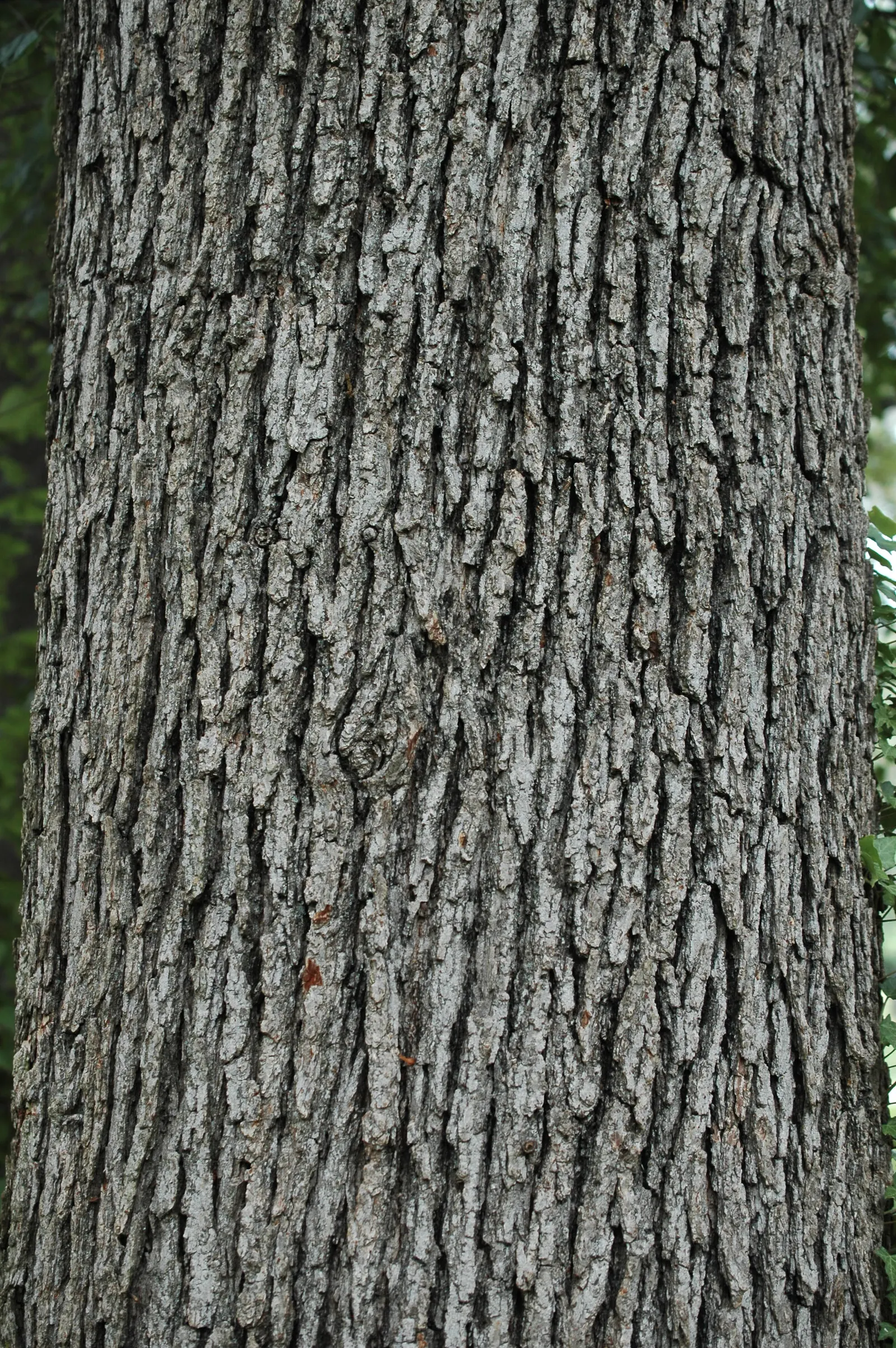
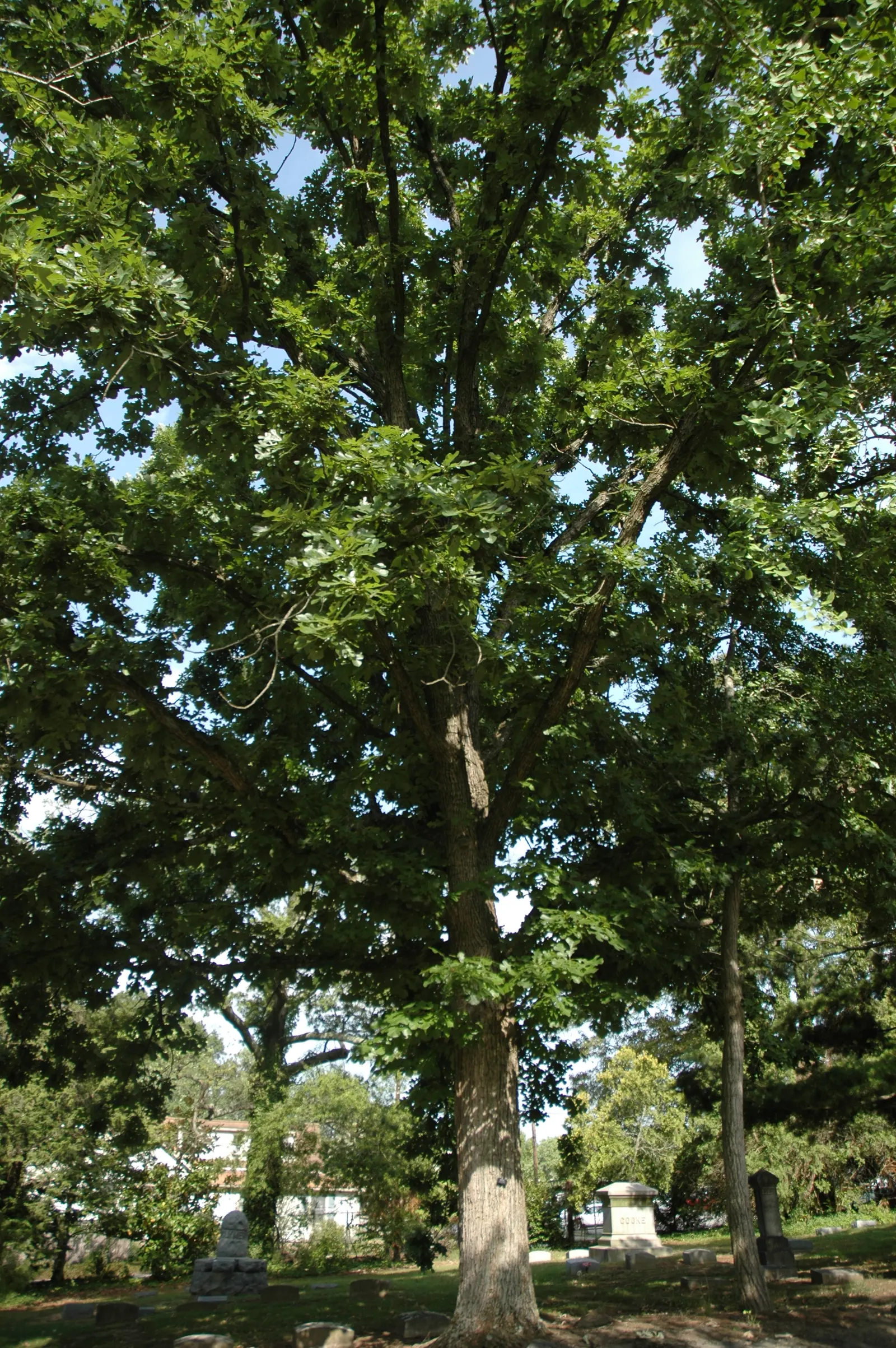
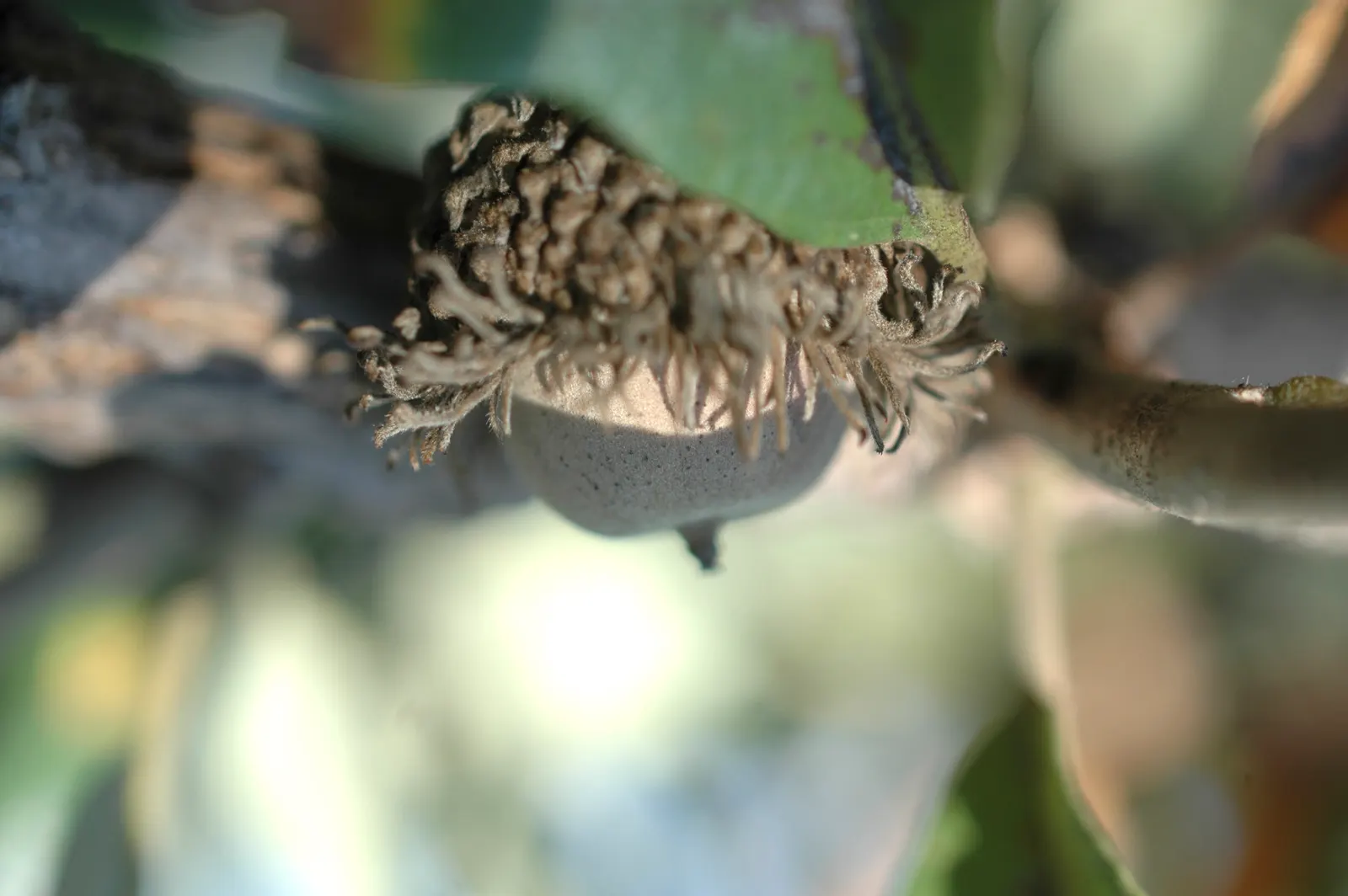
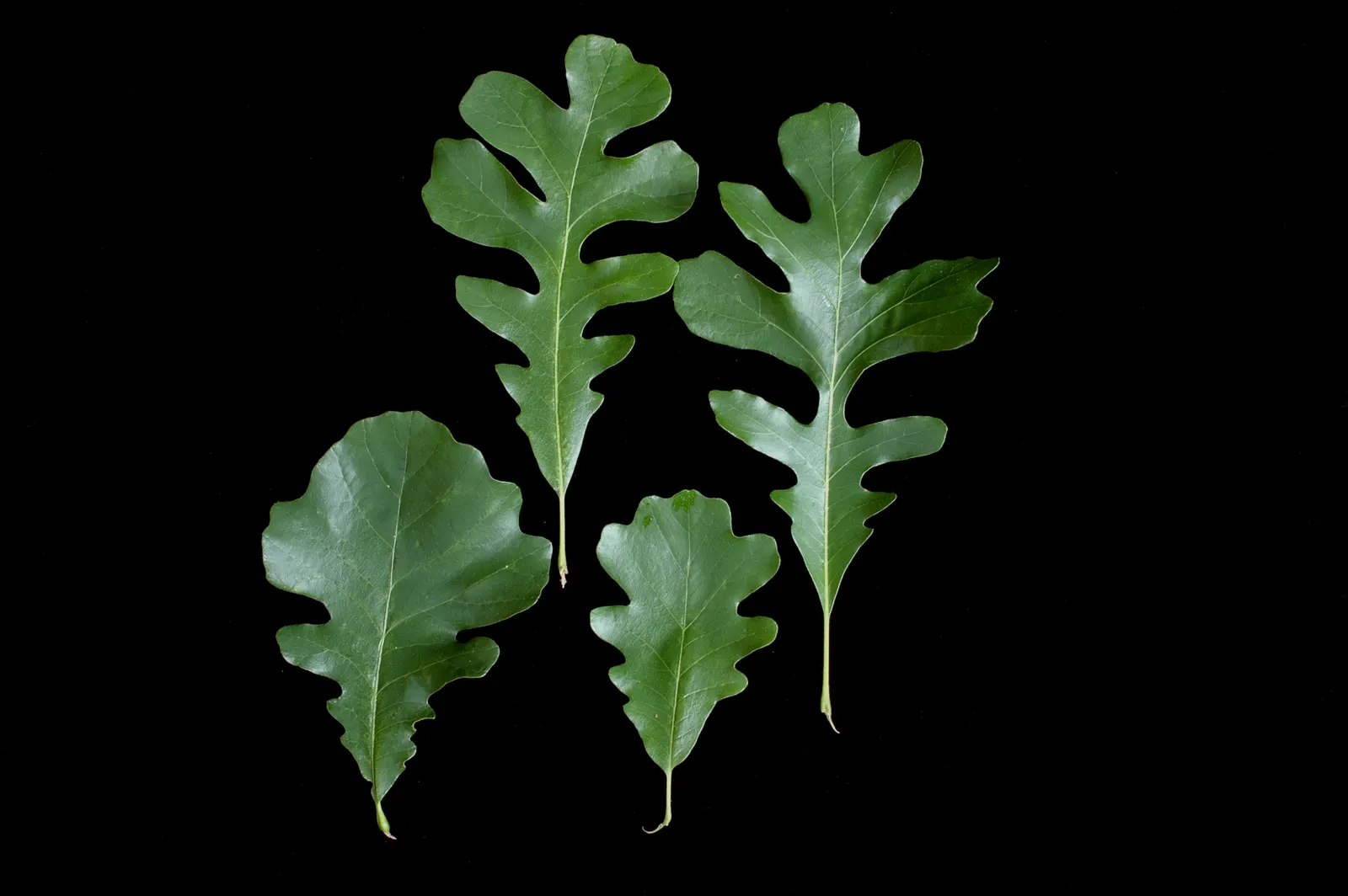
The Burr Oak, Quercus macrocarpa, is a majestic, long-lived hardwood. It features a broad, rounded canopy reaching up to 80 feet in height, with a similar spread. This oak offers massive lobed leaves and distinctive, fringed acorns. Hardy in Zones 3-8, it adapts well to diverse conditions, tolerating drought and poor soils. Foliage turns a golden yellow in the fall, adding seasonal interest to expansive landscapes.

Sun FullWater LowZones 7–7Climate Mediterranean
Burr Oak (Quercus Macrocarpa) — The Burr Oak, Quercus macrocarpa, is a majestic, long-lived hardwood

Culture

Sun
Full
Water
Low
USDA zones
7–7

Shape & size

Classification

Family
Fagaceae
Climate
Mediterranean

See full data, regional cultivation notes, full-resolution photos, and design tools. Build a client presentation around this plant.

Start your 14-day trial

Photos (82)

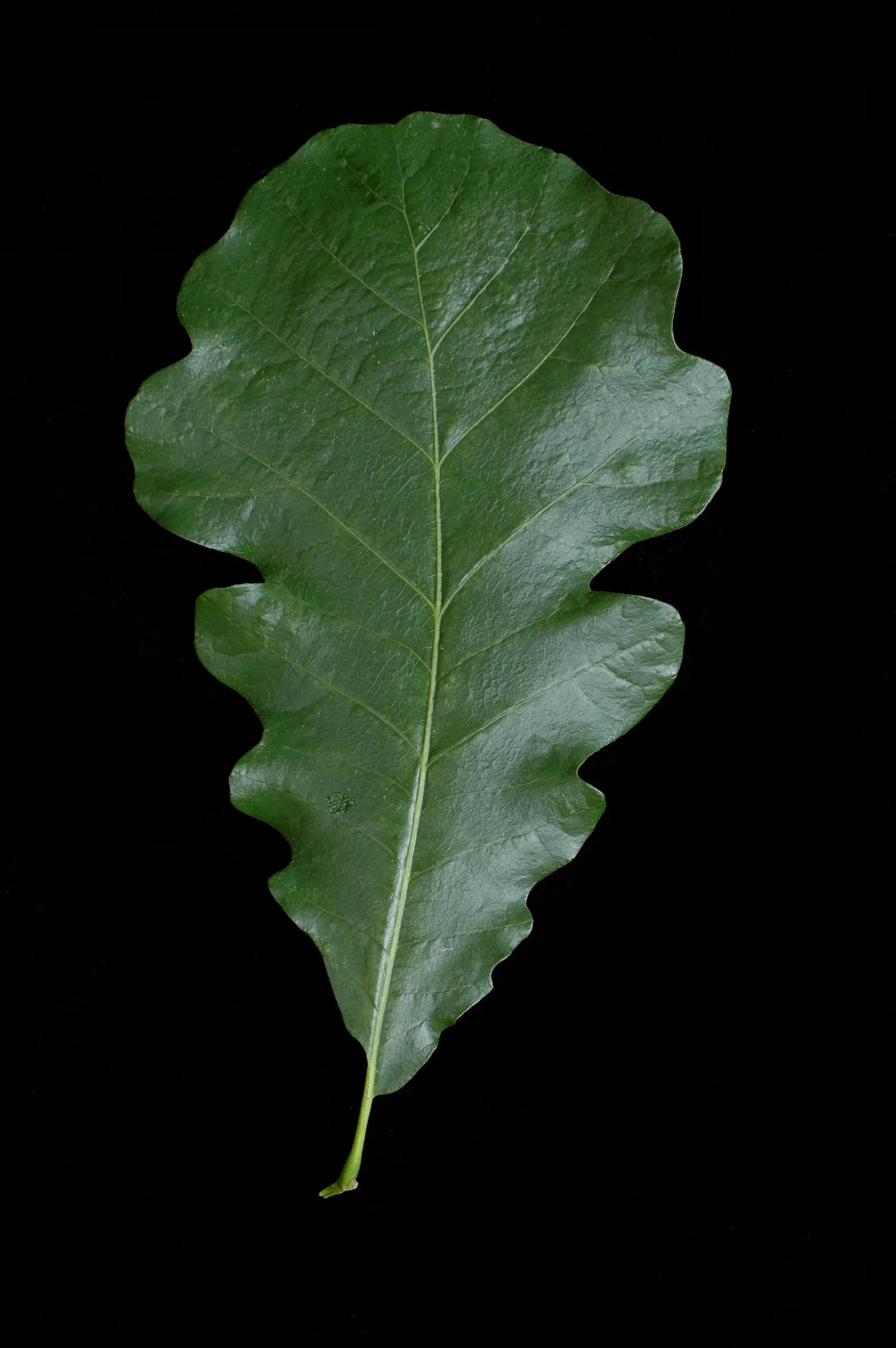
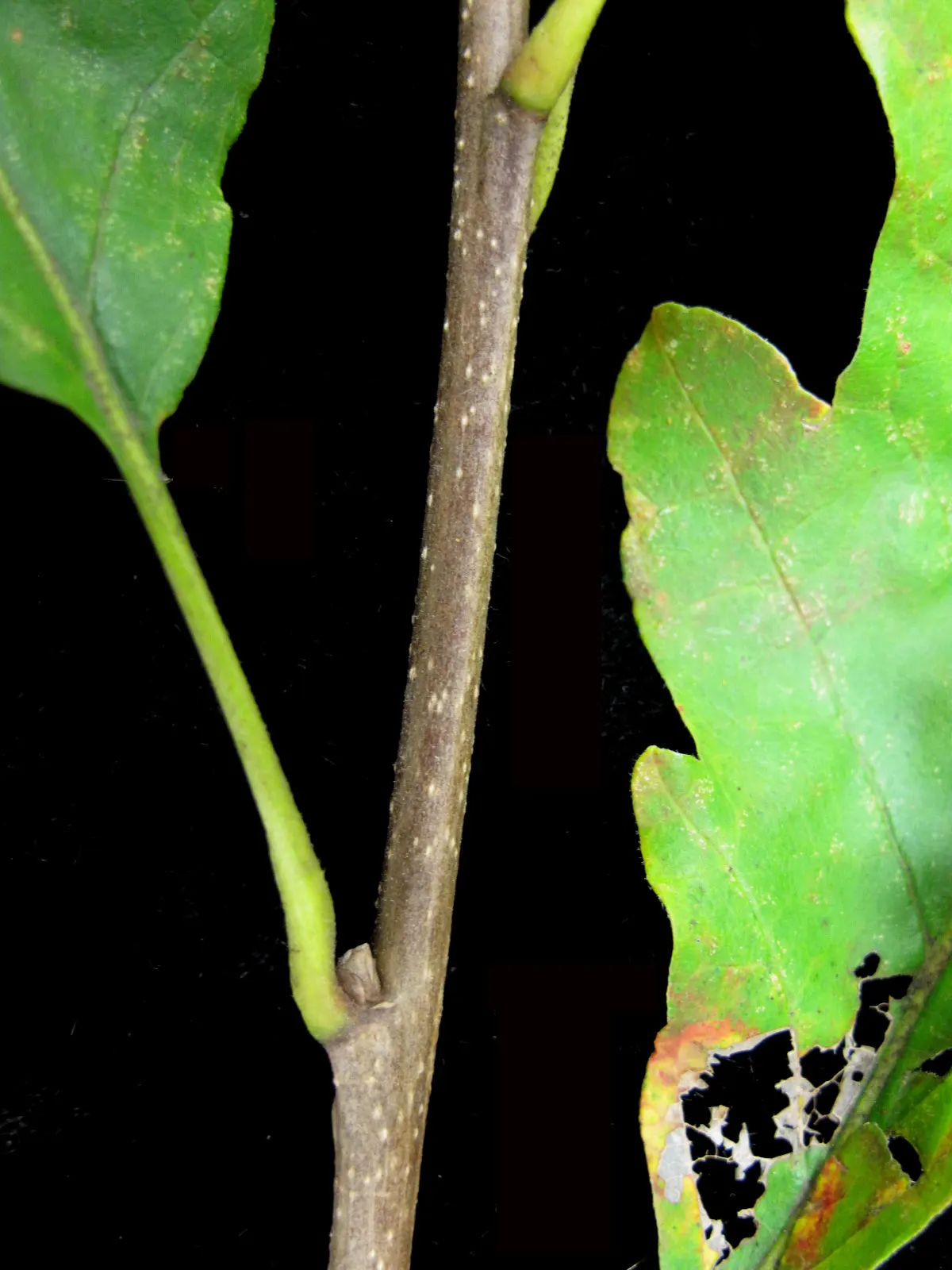
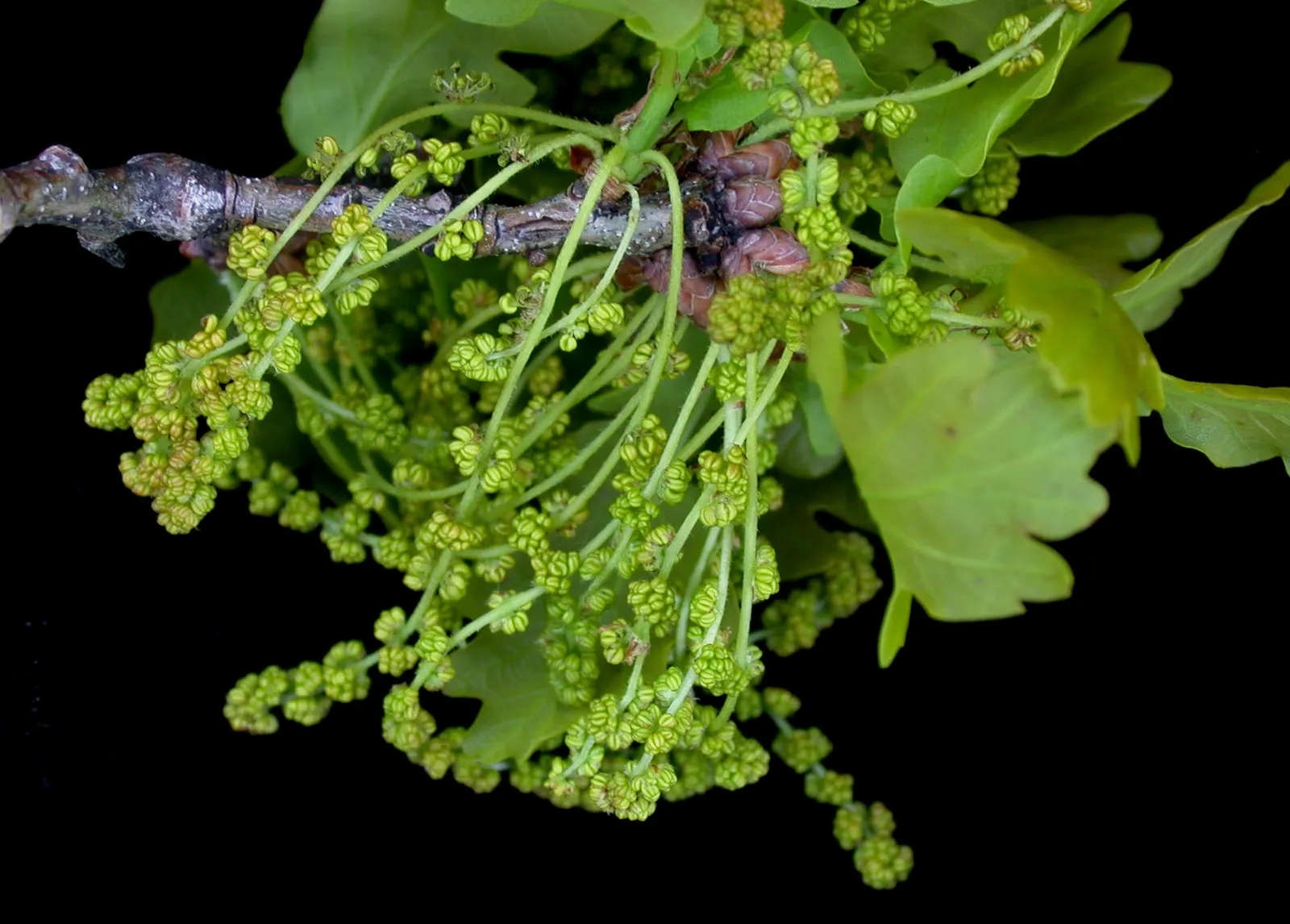
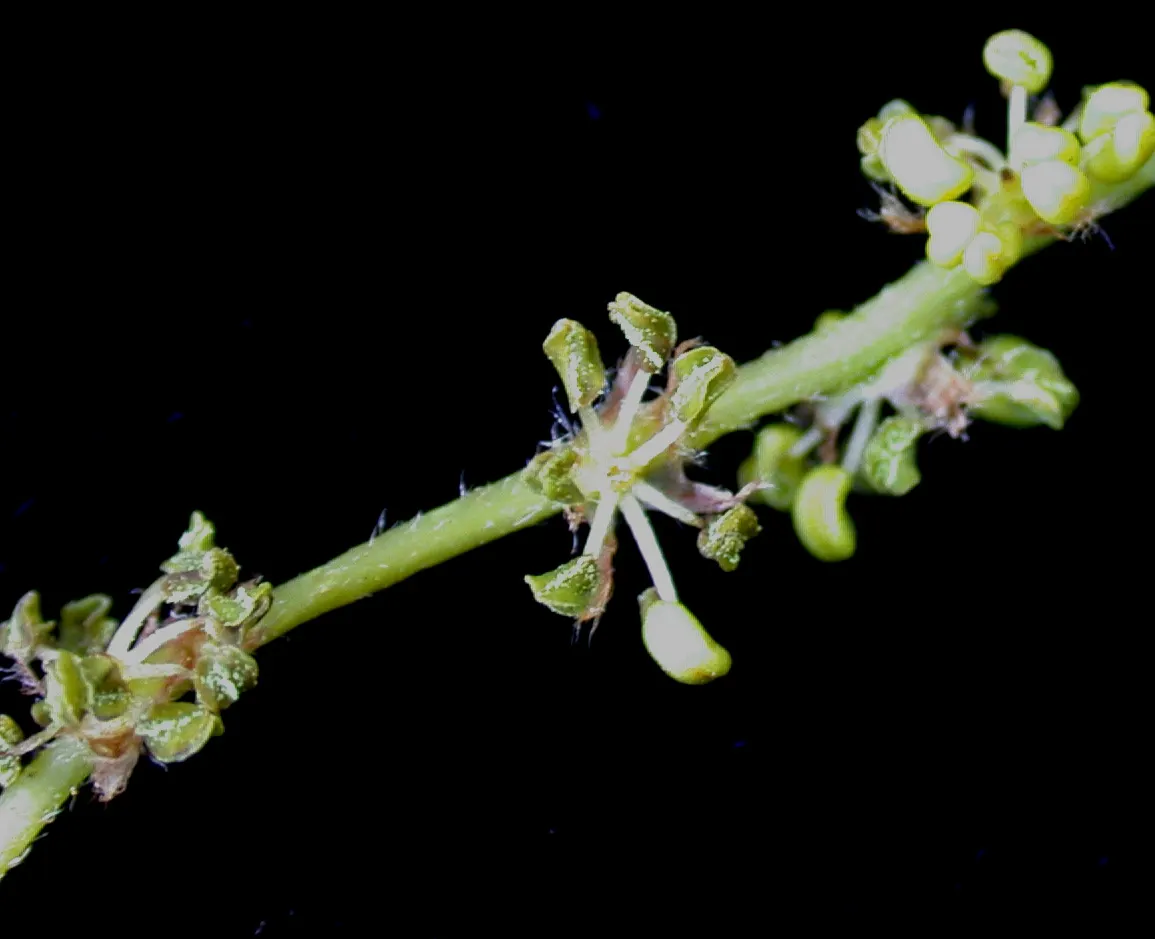
Burr Oak (Quercus Macrocarpa) — scientifically named Quercus macrocarpa; measuring 1 to 2 inches long, image 54
Burr Oak (Quercus Macrocarpa) — though it prefers well-drained loamy soil; making it an excellent addition for parks and large, image 67
Burr Oak (Quercus Macrocarpa) — It can withstand urban pollution and moderate drought, making it both a resilient and low-maintenance option, image 68
Burr Oak (Quercus Macrocarpa) — Hardy in Zones 3-8, it adapts well to diverse conditions, tolerating drought and poor soils; the Burr Oak, Quercus macrocarpa
Burr Oak (Quercus Macrocarpa) — When designing landscapes; tree for full, image 69
Burr Oak (Quercus Macrocarpa) — consider offering sufficient space for this grand species to thrive; this regal oak can reach an impressive height, image 70
Burr Oak (Quercus Macrocarpa) — ensuring its majestic presence can be admired for generations; which are amongst the largest of North American oaks, image 71
Burr Oak (Quercus Macrocarpa) — the Burr Oak is remarkably tolerant of varying soil types
Burr Oak (Quercus Macrocarpa) — though it prefers well-drained loamy soil
Burr Oak (Quercus Macrocarpa) — Foliage turns a golden yellow in the fall, adding seasonal interest to expansive landscapes; creating a stately dome of vibrant
Burr Oak (Quercus Macrocarpa) — scientifically named Quercus macrocarpa; measuring 1 to 2 inches long
Burr Oak (Quercus Macrocarpa) — This regal oak can reach an impressive height of 70 to 80 feet with a generous spread of 60 to 70 feet; consider offering
Burr Oak (Quercus Macrocarpa) — creating a stately dome of vibrant green foliage; foliage turns a golden yellow in the fall, adding seasonal interest to
Burr Oak (Quercus Macrocarpa) — tree for full; when designing landscapes, image 72
Burr Oak (Quercus Macrocarpa) — The Burr Oak, Quercus macrocarpa, is a majestic, long-lived hardwood; hardy in Zones 3-8, it adapts well to diverse, image 73
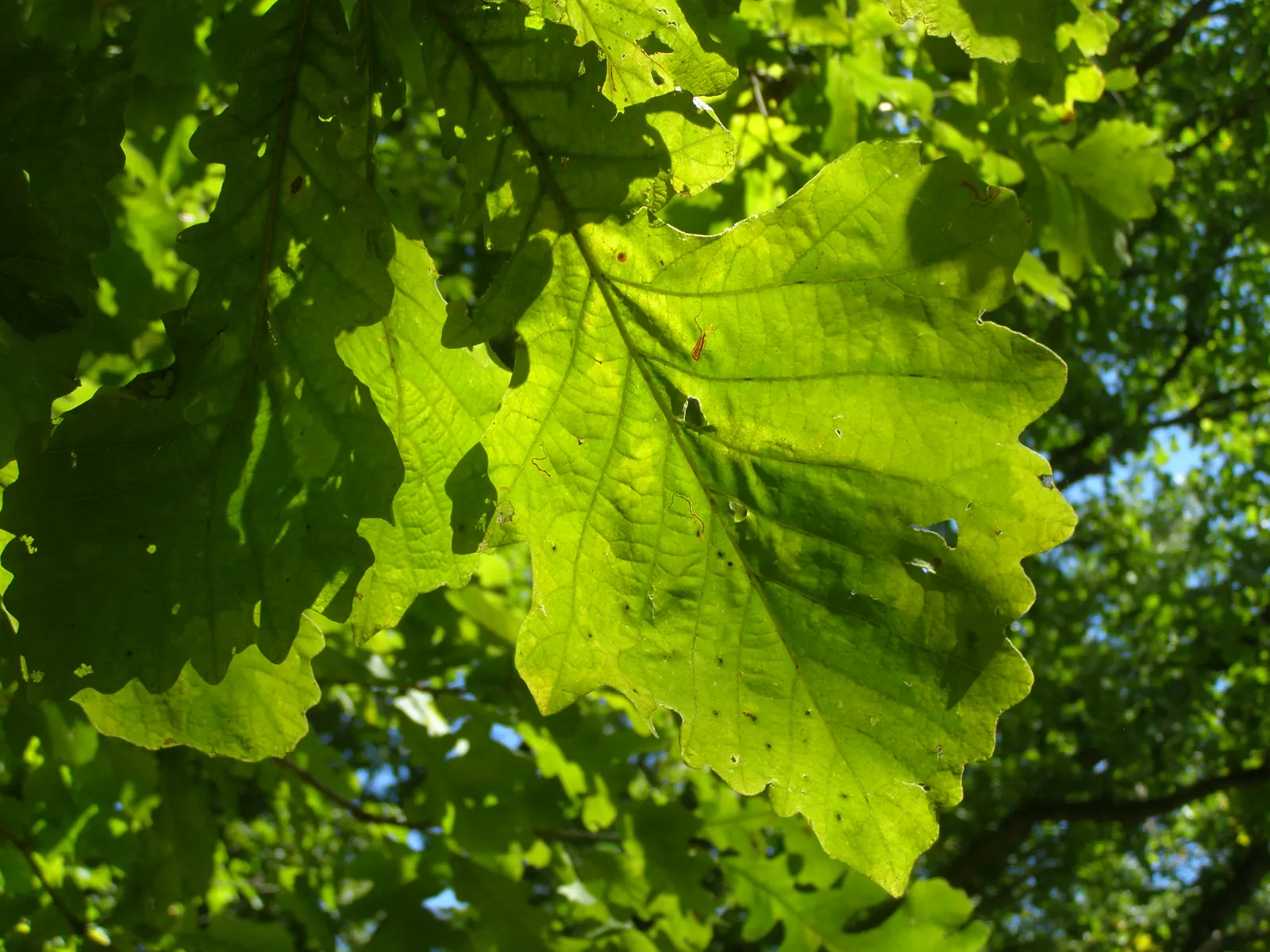
Burr Oak (Quercus Macrocarpa) — rounded canopy offers ample shade during the hot summer months; measuring 6 to 12 inches long
Burr Oak (Quercus Macrocarpa) — creating a stately dome of vibrant green foliage; foliage turns a golden yellow in the fall, adding seasonal, image 80
Burr Oak (Quercus Macrocarpa) — It features a broad, rounded canopy reaching up to 80 feet in height, with a similar spread; the tree's leaves are, image 74
Burr Oak (Quercus Macrocarpa) — the Burr Oak is remarkably tolerant of varying soil types; this oak offers massive lobed leaves and distinctive, fringed acorns
Burr Oak (Quercus Macrocarpa) — Hardy in Zones 3-8, it adapts well to diverse conditions, tolerating drought and poor soils; the Burr Oak, Quercus, image 52
Burr Oak (Quercus Macrocarpa) — The Burr Oak, Quercus macrocarpa, is a majestic, long-lived hardwood; hardy in Zones 3-8, it adapts well to diverse, image 49
Burr Oak (Quercus Macrocarpa) — tree for full; when designing landscapes
Burr Oak (Quercus Macrocarpa) — rounded canopy offers ample shade during the hot summer months; measuring 6 to 12 inches long, image 81
Burr Oak (Quercus Macrocarpa) — making it an excellent addition for parks and large spaces.<br><br>Distinctive for its thick; though it prefers, image 82

Related plants