Skip to content

Valley Oak

Quercus Lobata

Design with this plant

Overview

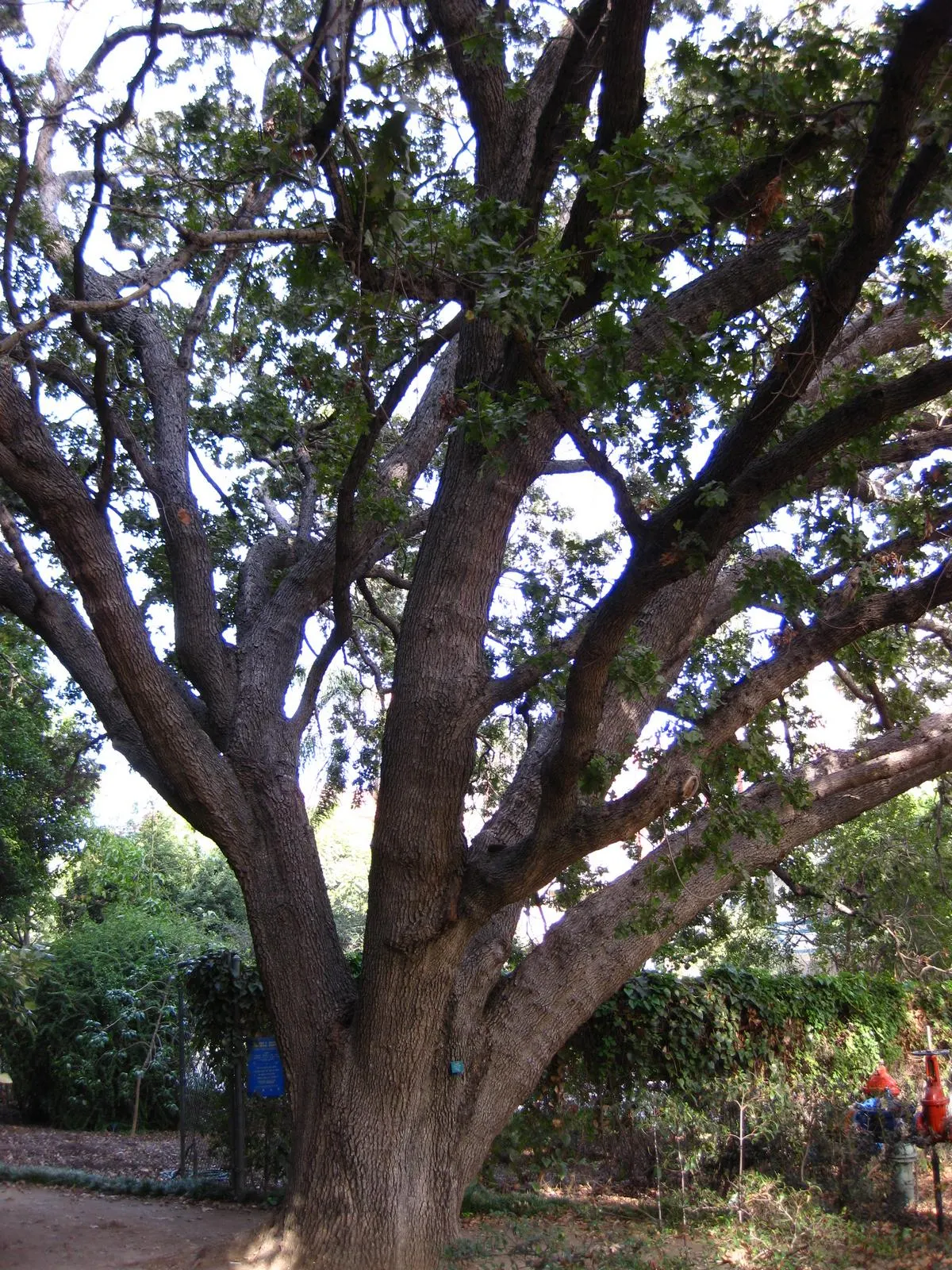
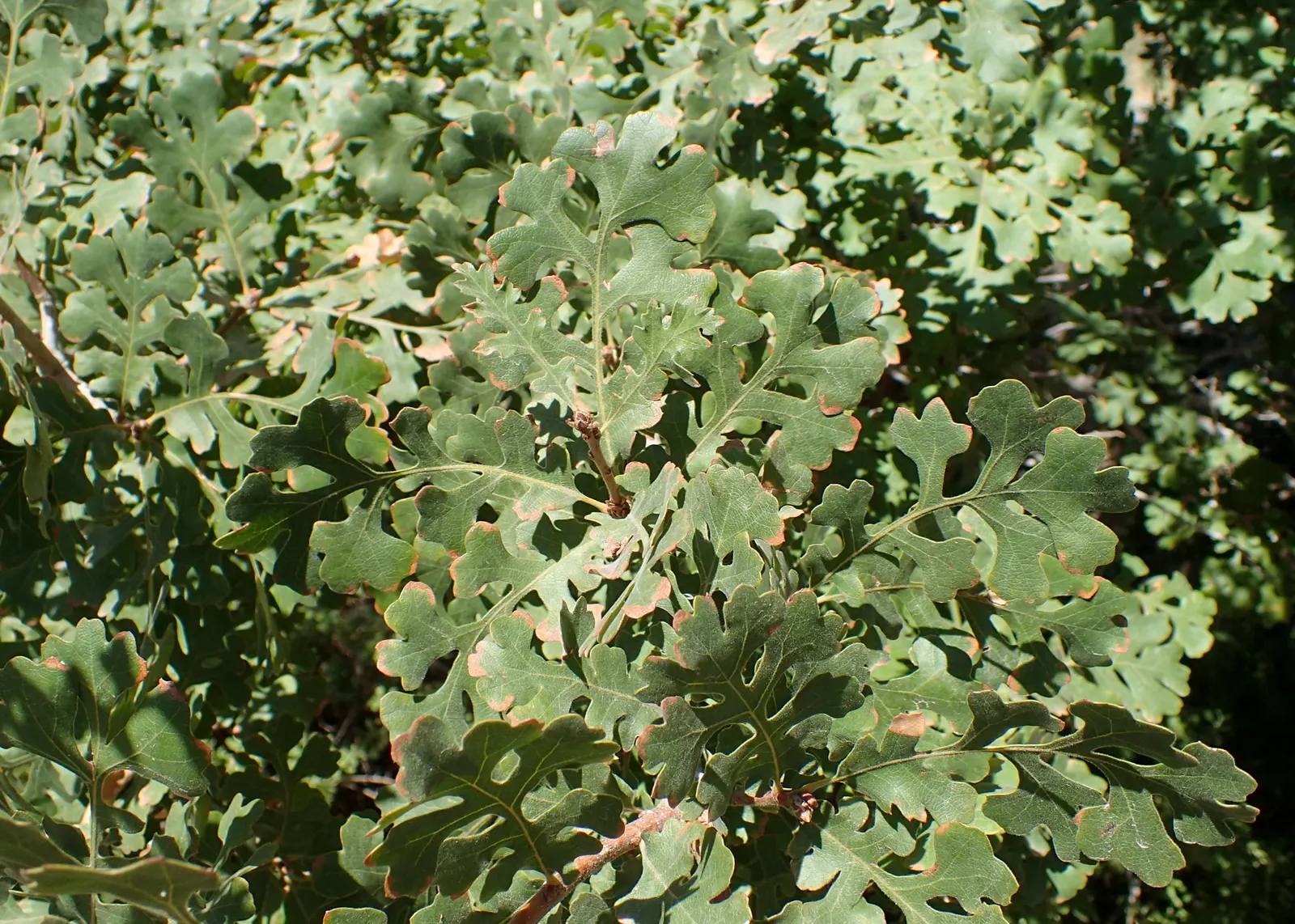
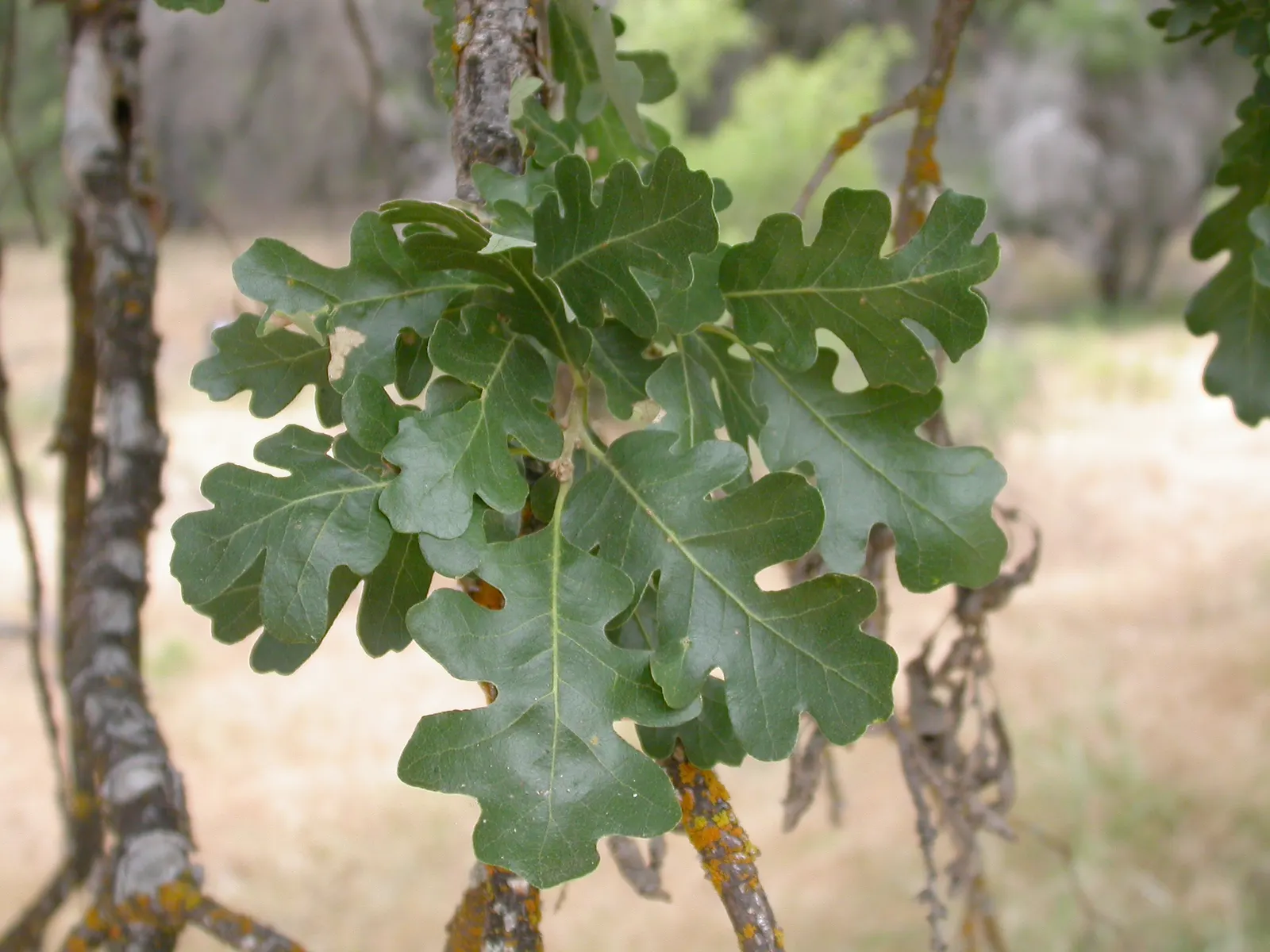
Valley Oak (Quercus lobata), a stately native Californian, is revered for its grandeur and longevity. This deciduous giant can reach heights of 70 ft with a 100 ft spread. Its deeply lobed leaves offer lush summer greenery, turning gold in fall. Suitable for larger landscapes, it requires ample space and thrives in full sun with deep, well-draining soil. Water-wise, it's drought-tolerant once established, embodying resilience and natural beauty.

Sun FullWater Low, MediumZones 7–9Climate Mediterranean

Culture

Sun
Full
Water
Low, Medium
USDA zones
7–9

Shape & size

Classification

Family
Fagaceae
Climate
Mediterranean

See full data, regional cultivation notes, full-resolution photos, and design tools. Build a client presentation around this plant.

Start your 14-day trial

Photos (38)

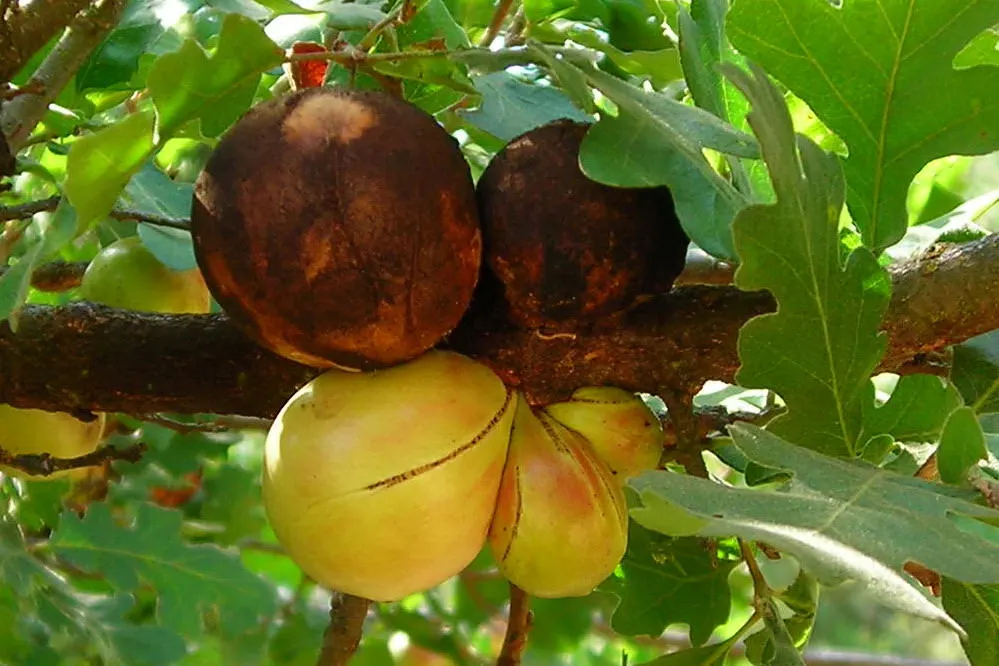
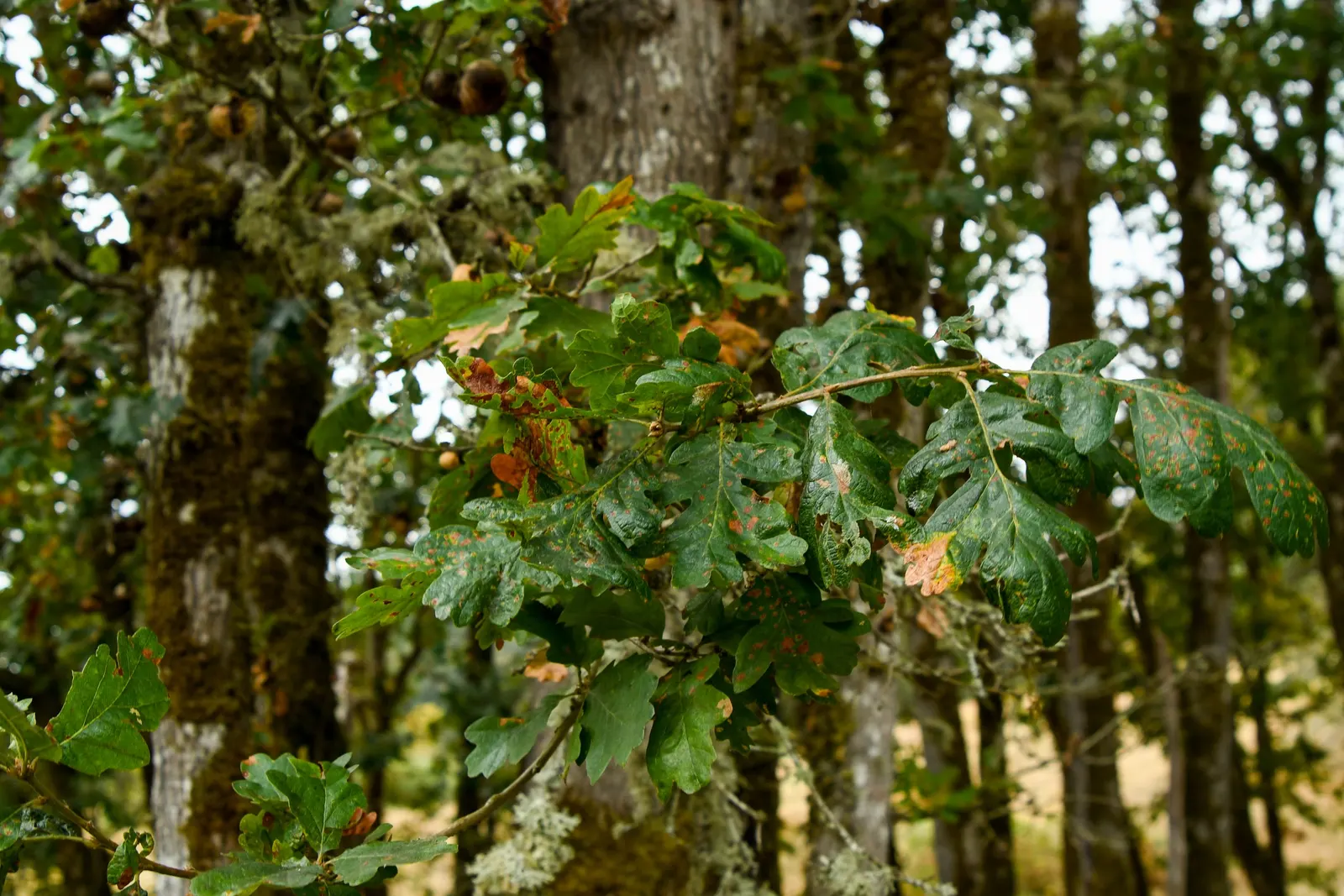
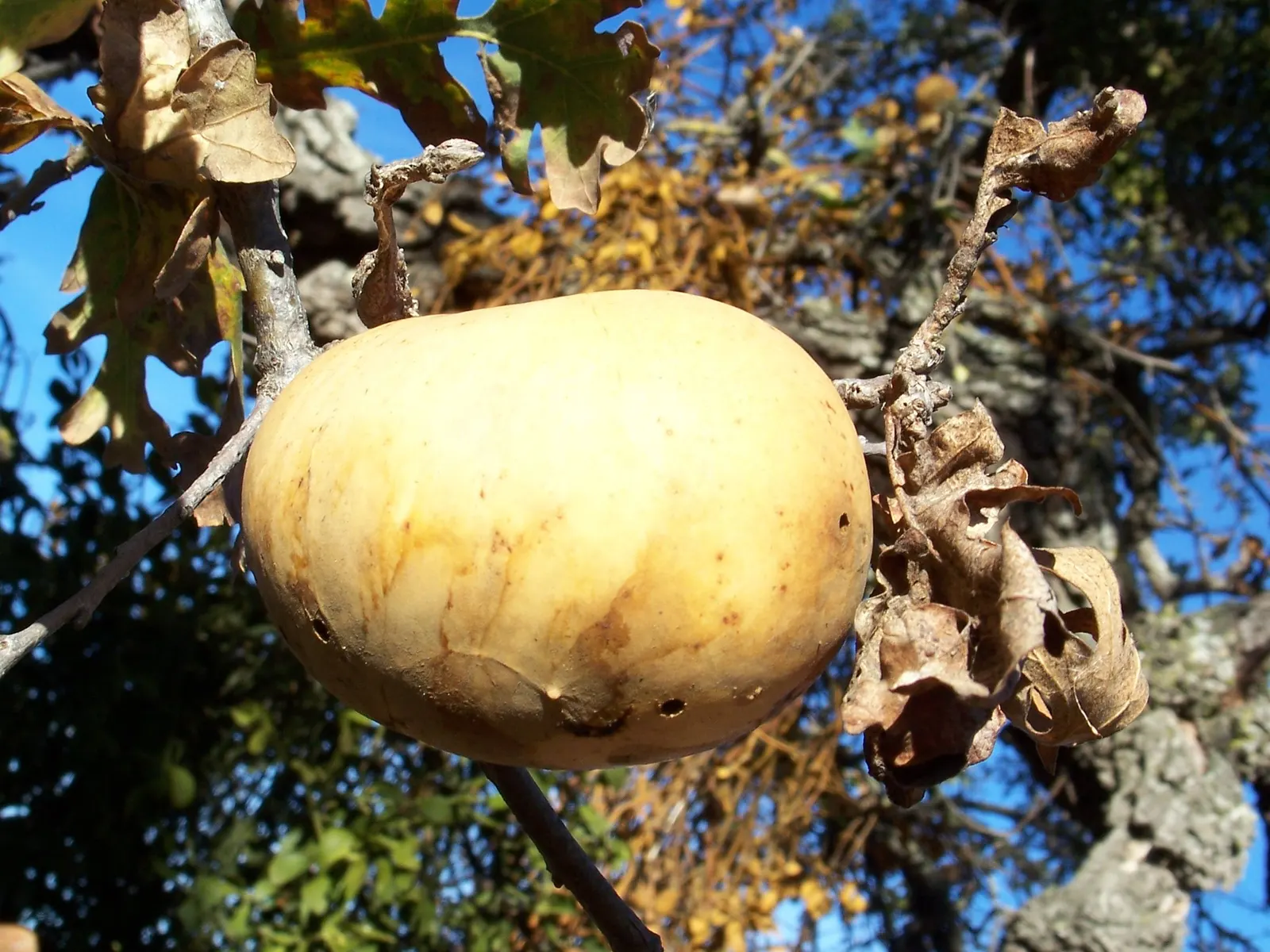
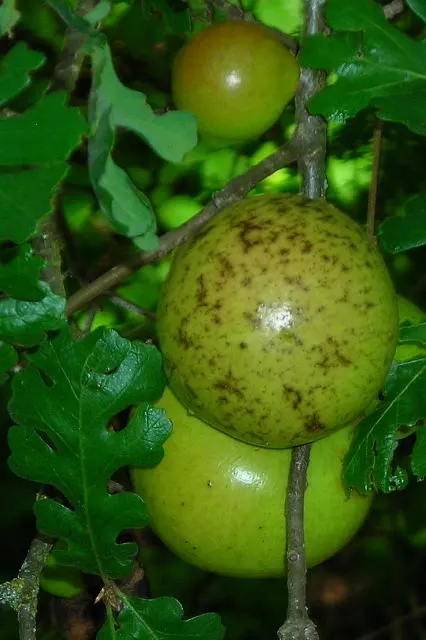
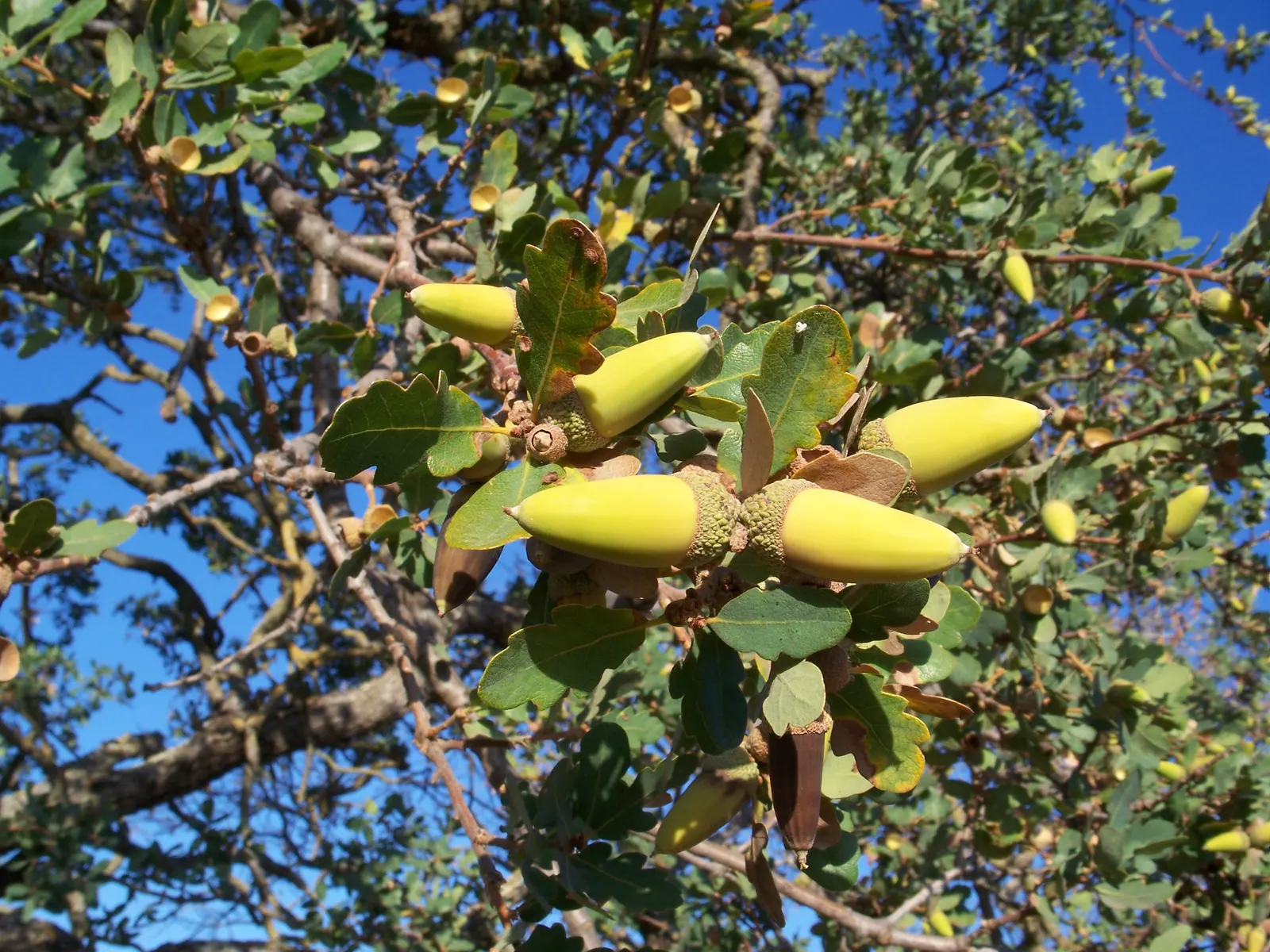
Valley Oak (Quercus Lobata) — which later yield to acorns that are often a food source for local wildlife
Valley Oak (Quercus Lobata) — Valley Oak (Quercus lobata), a stately native Californian, is revered for its grandeur and longevity
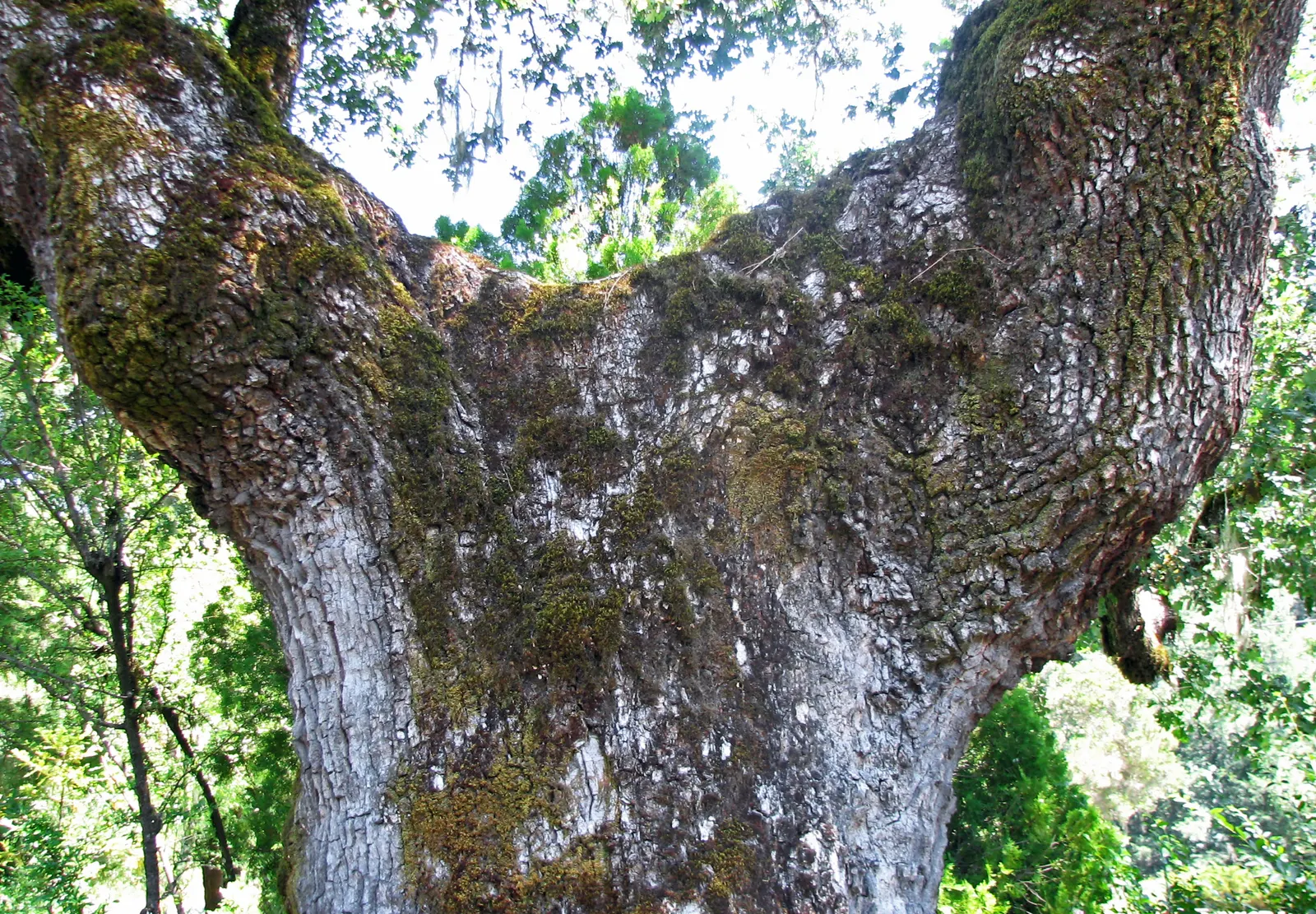
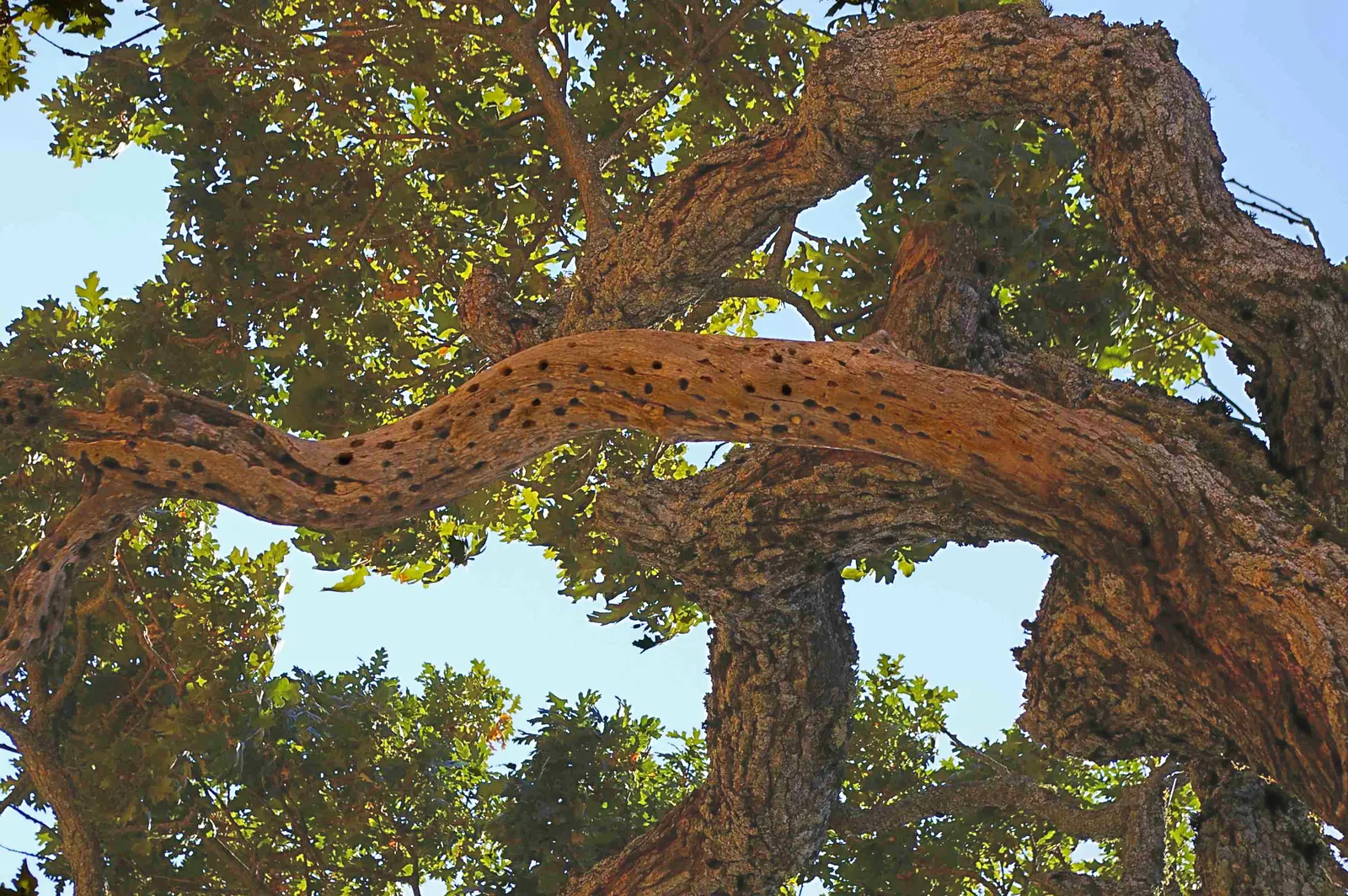
Valley Oak (Quercus Lobata) — This deciduous giant can reach heights of 70 ft with a 100 ft spread
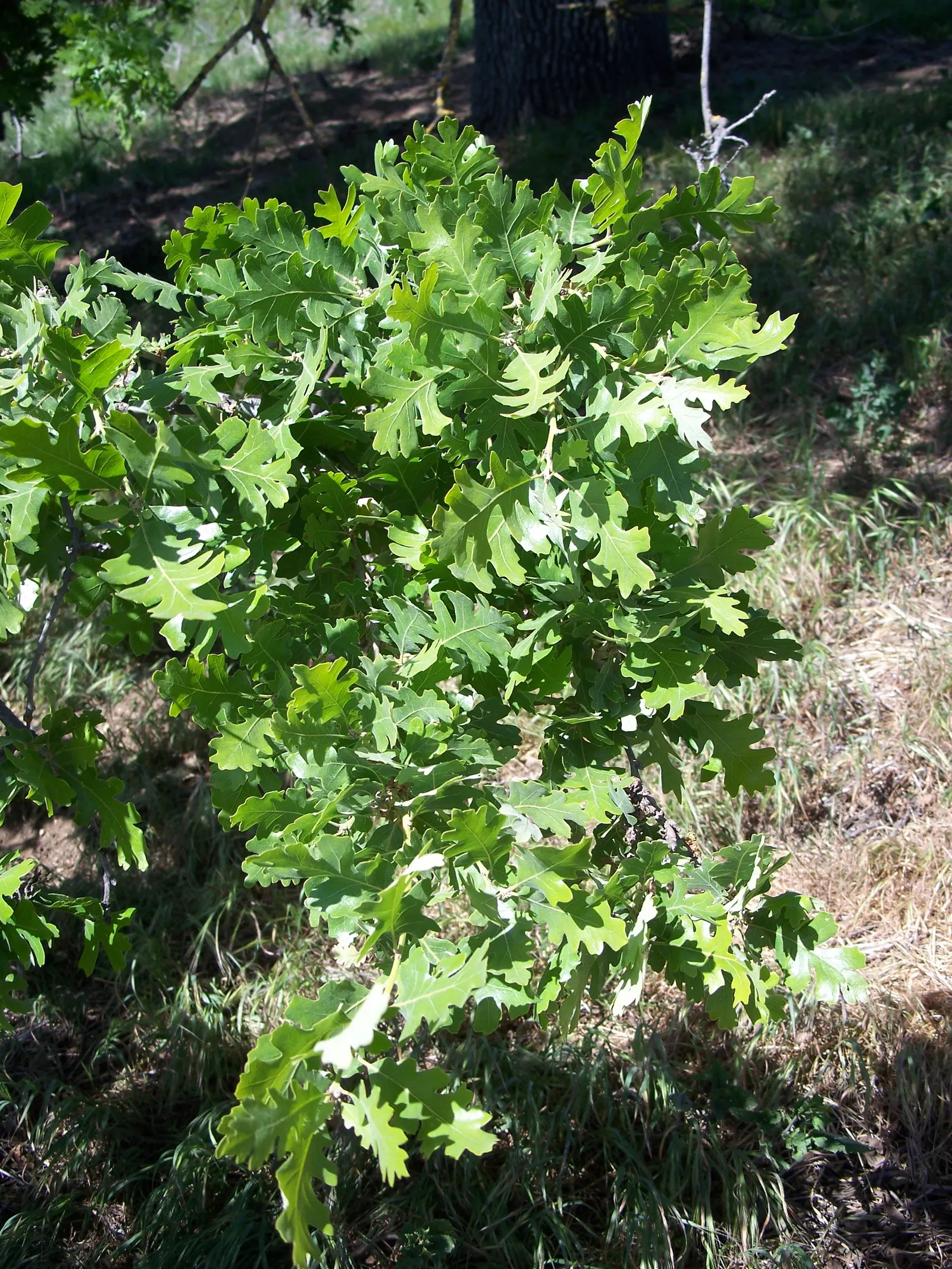
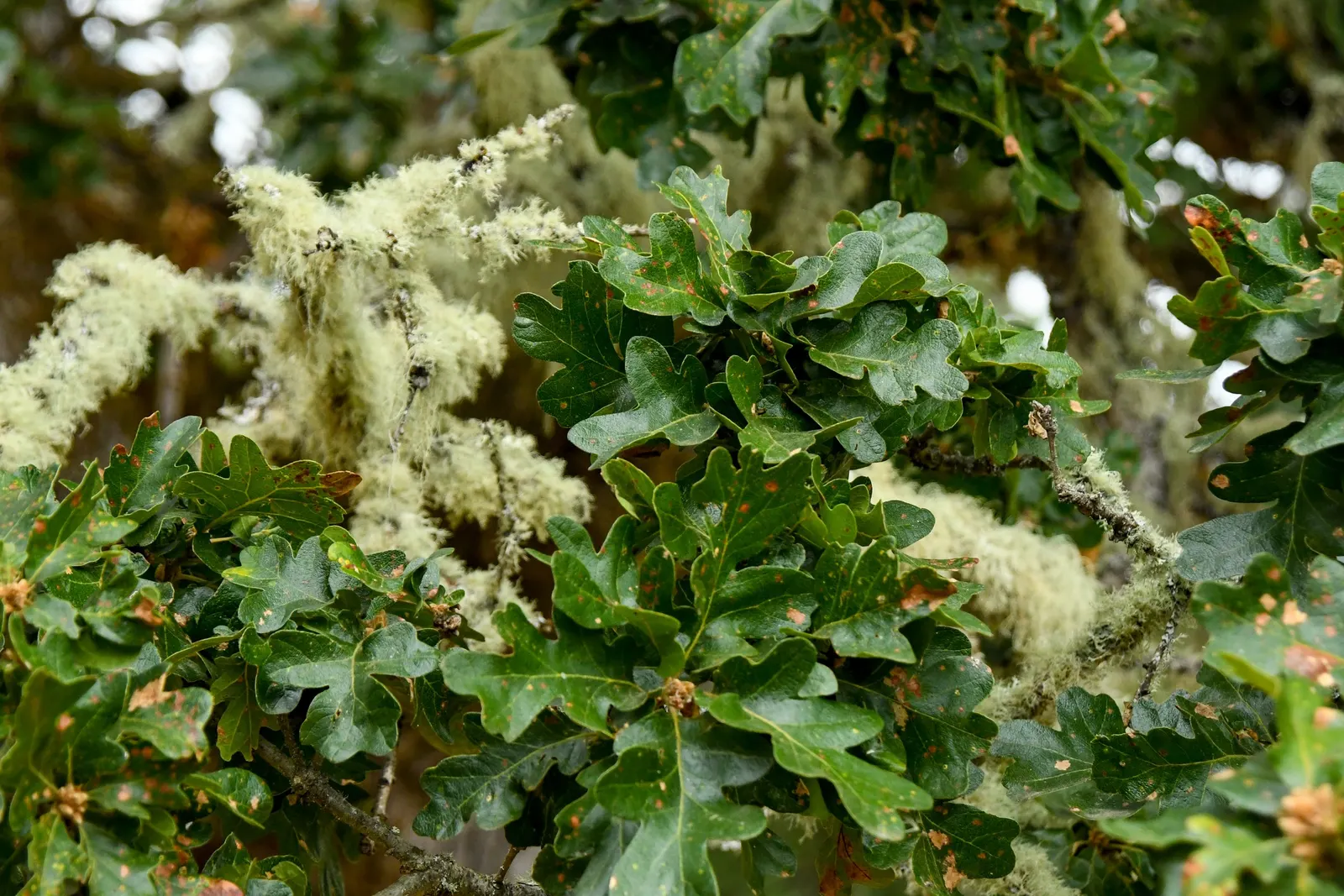
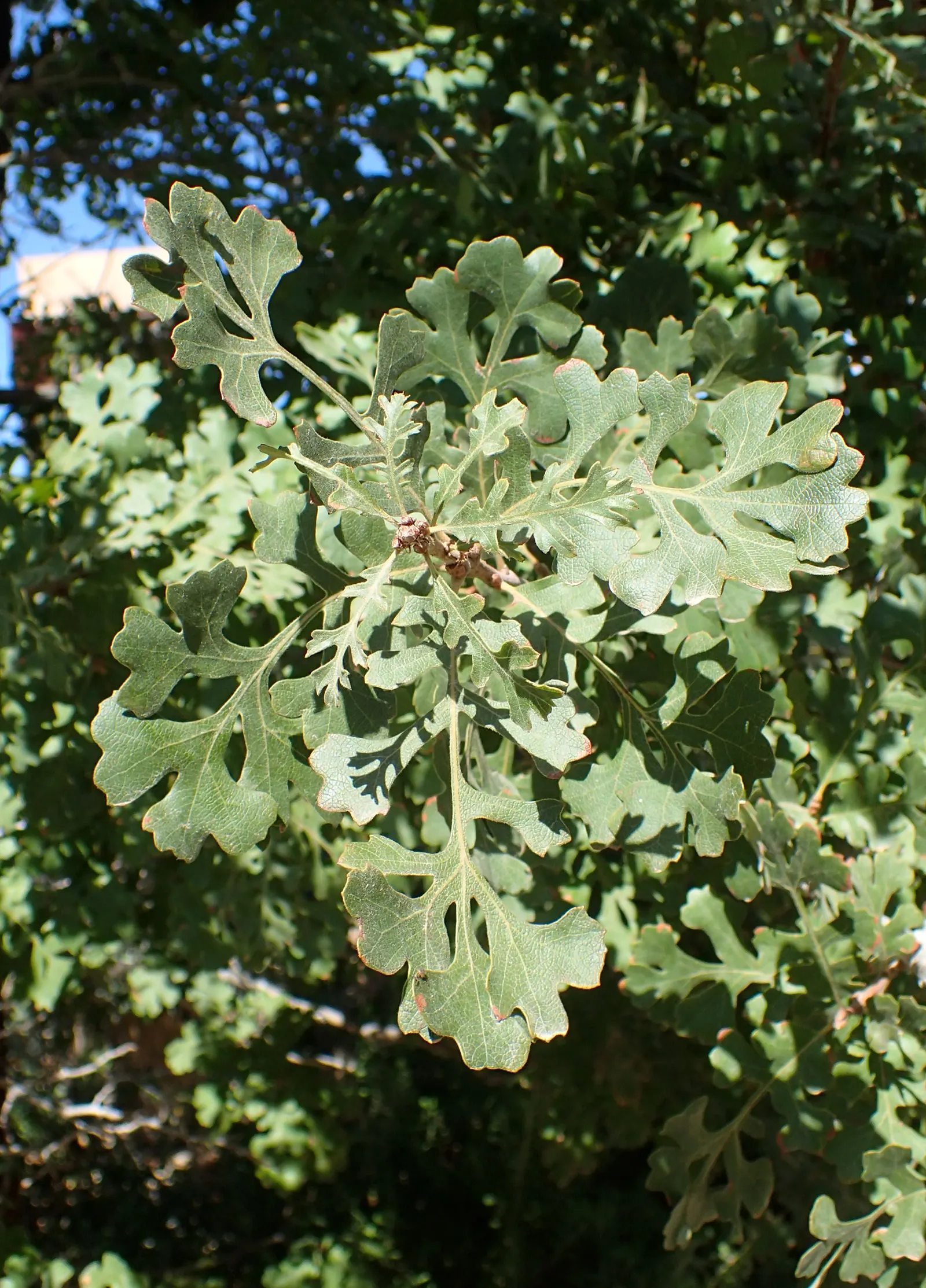
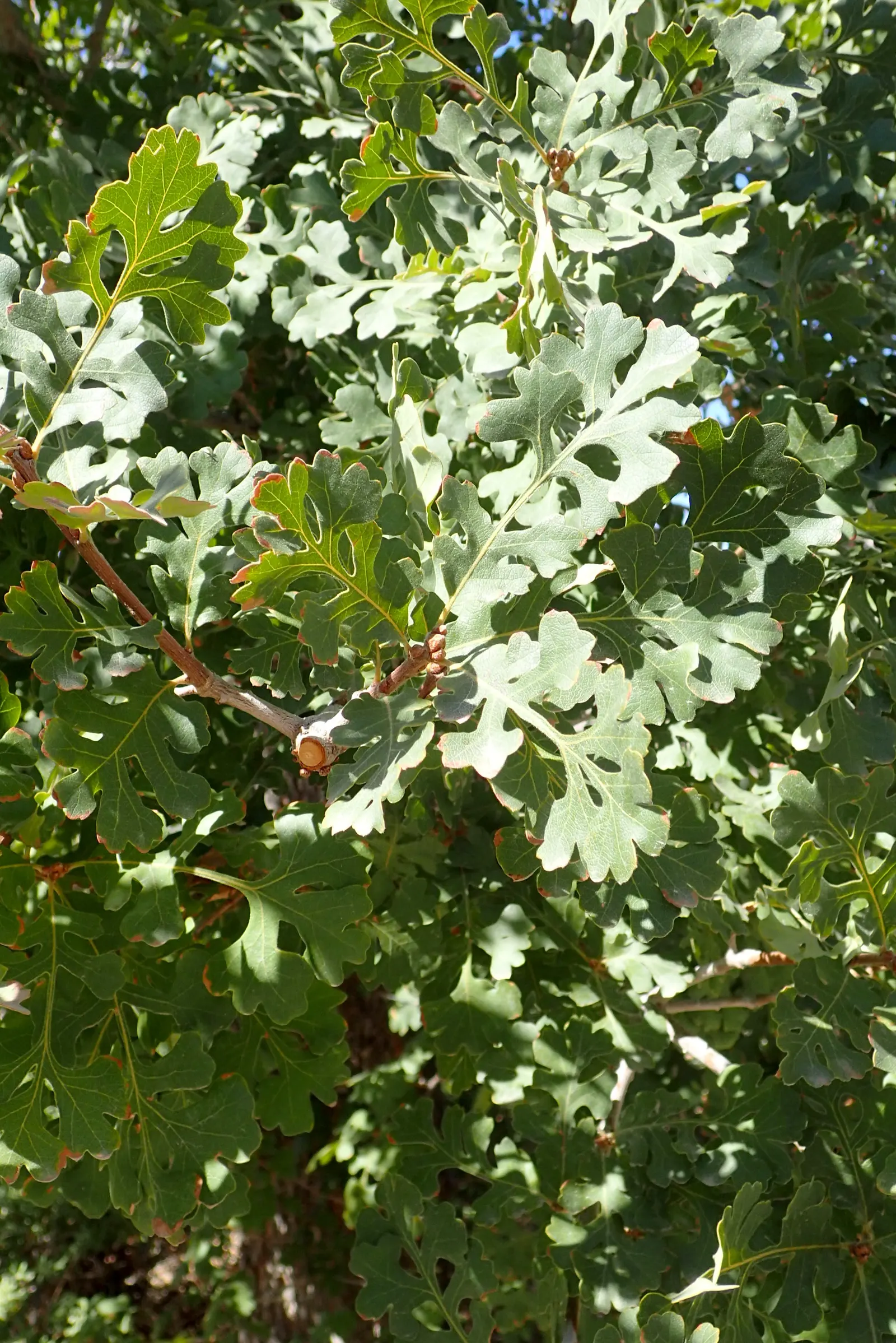
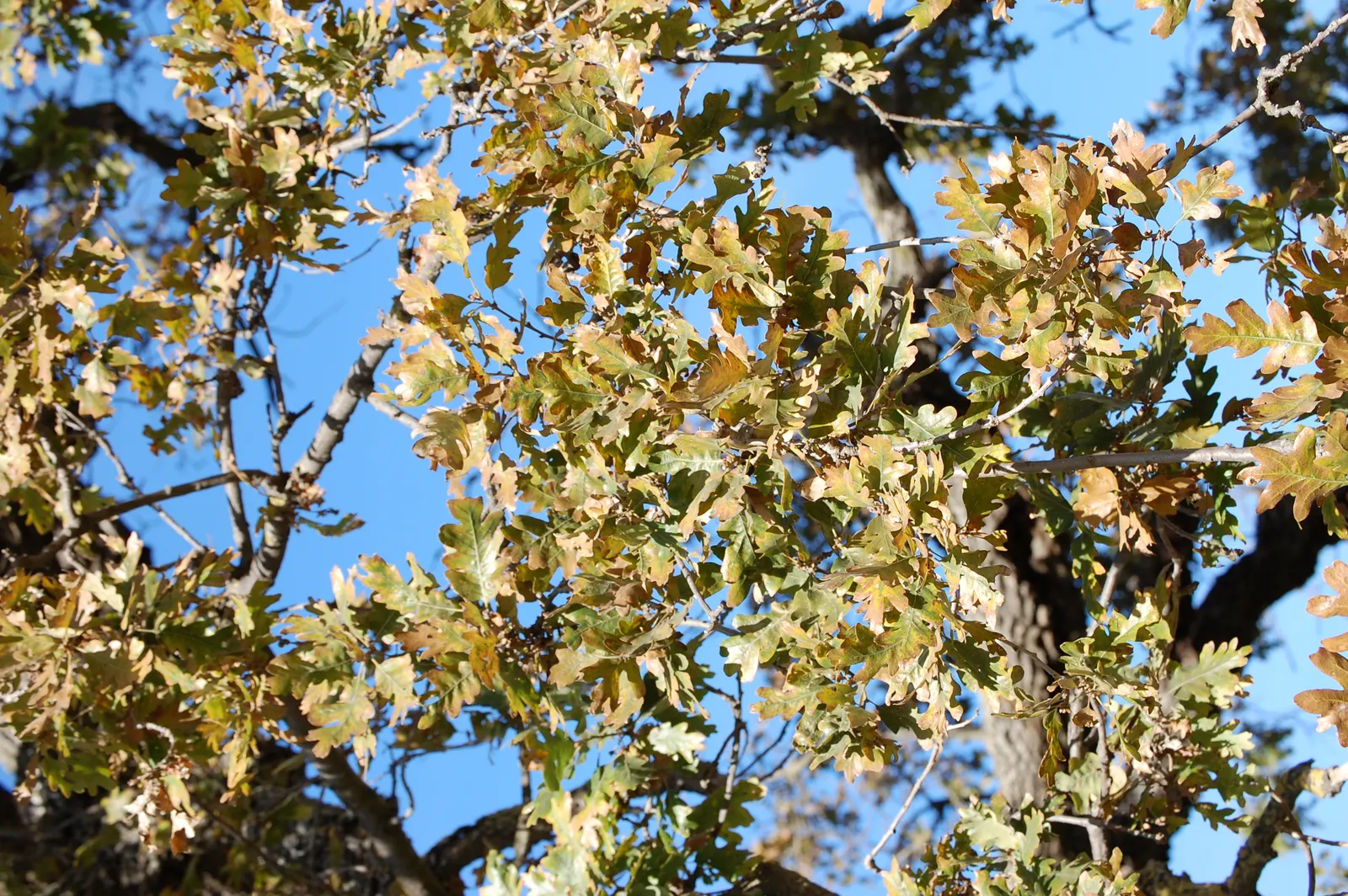
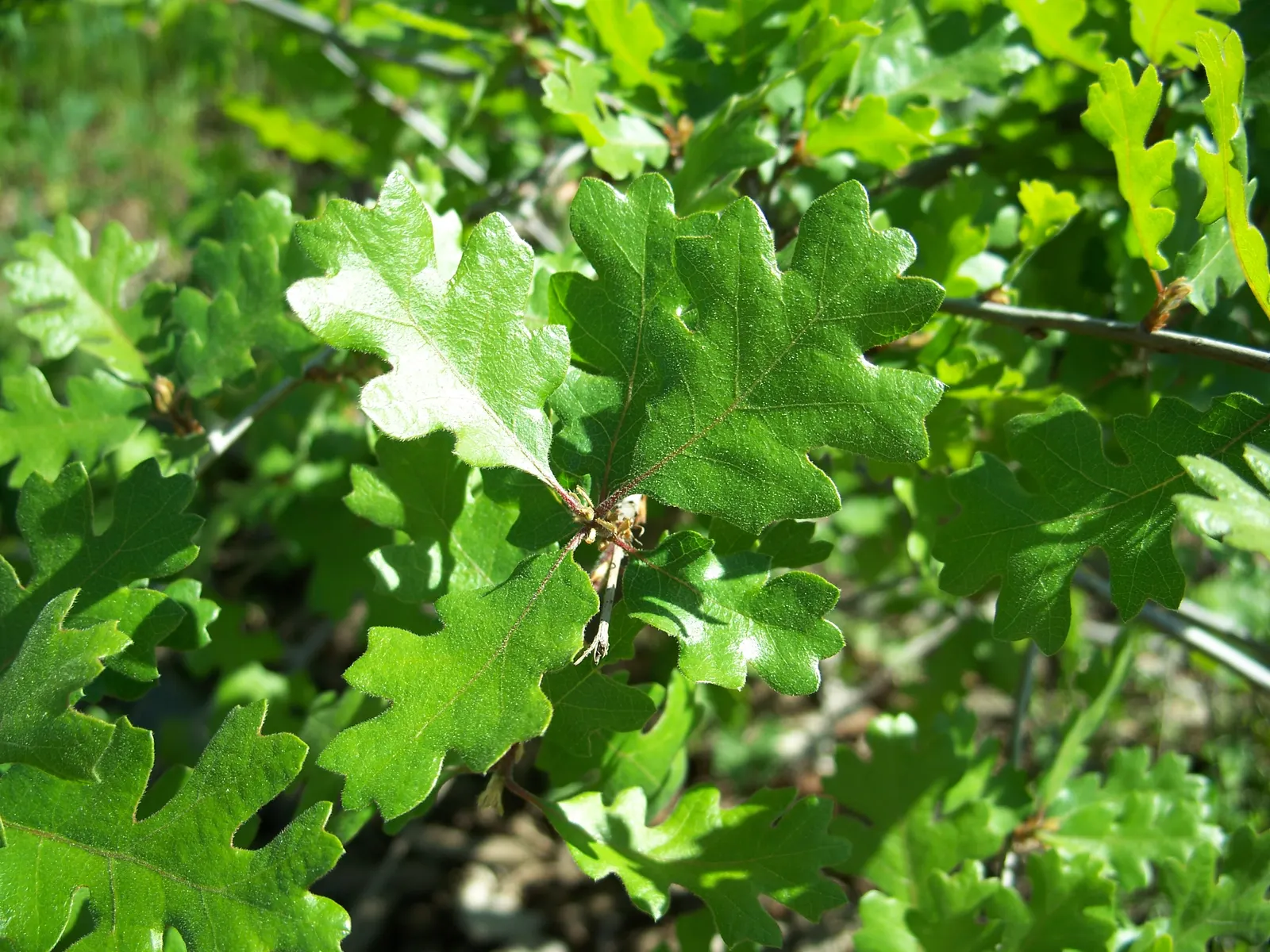
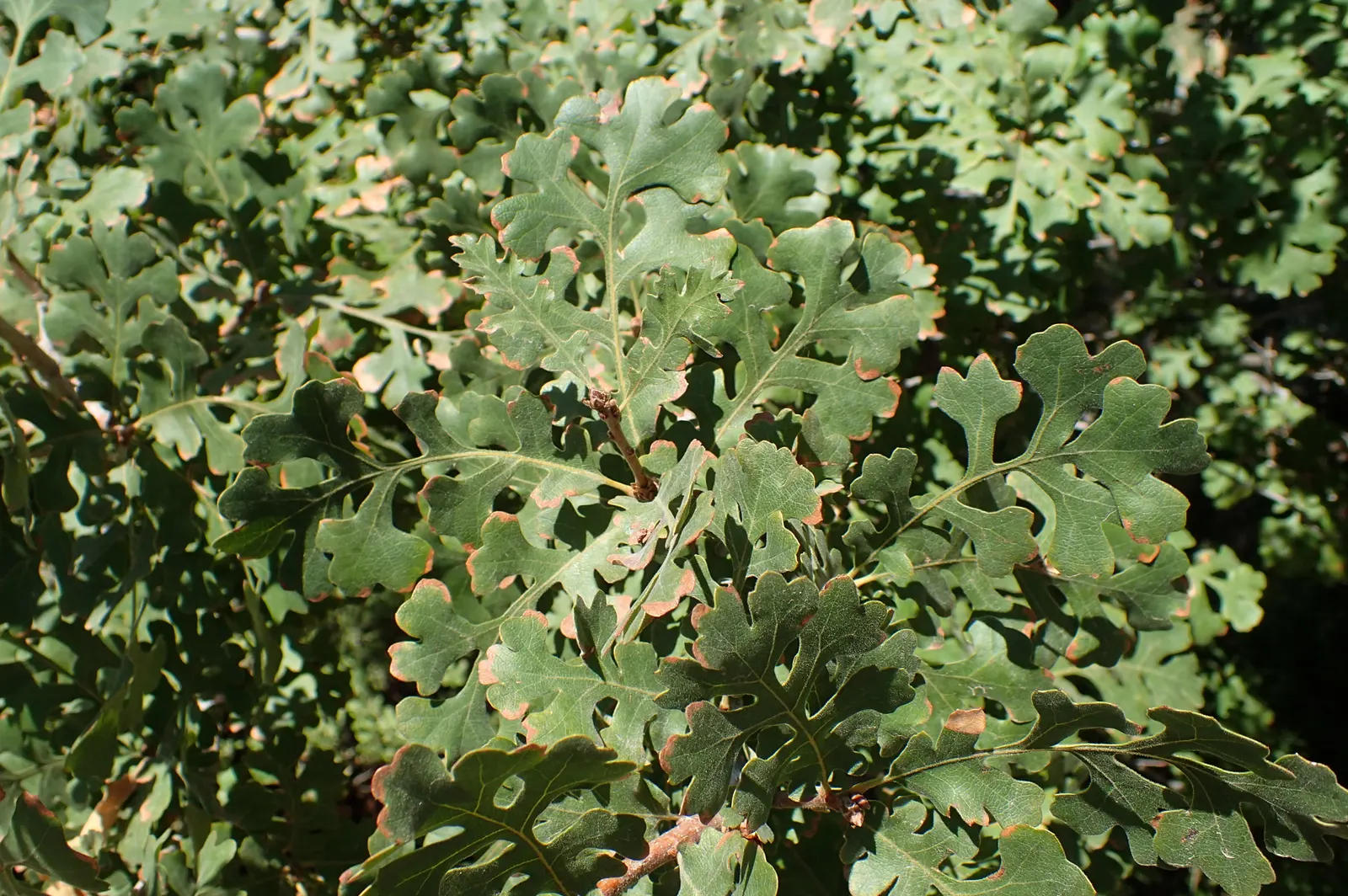
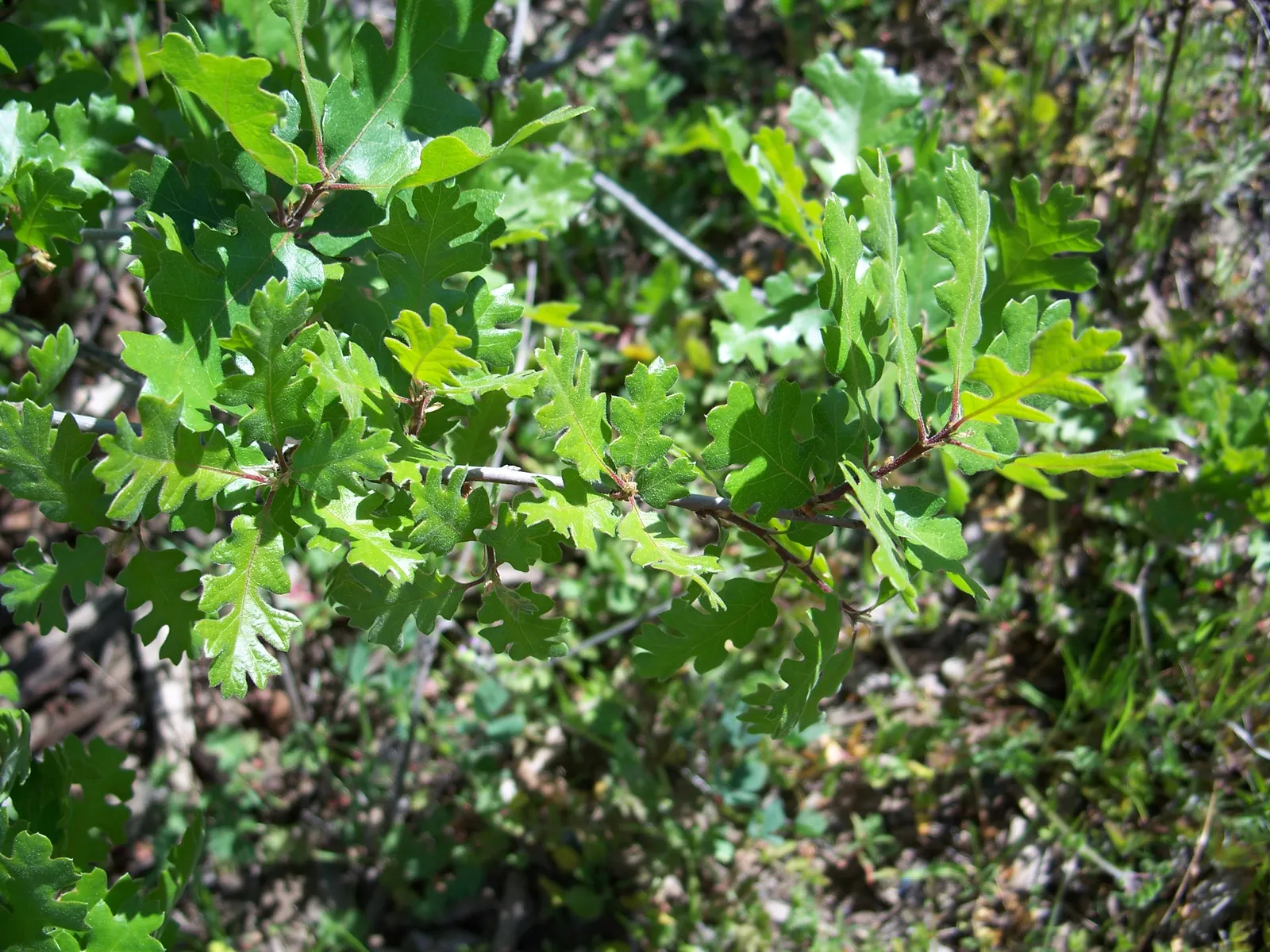
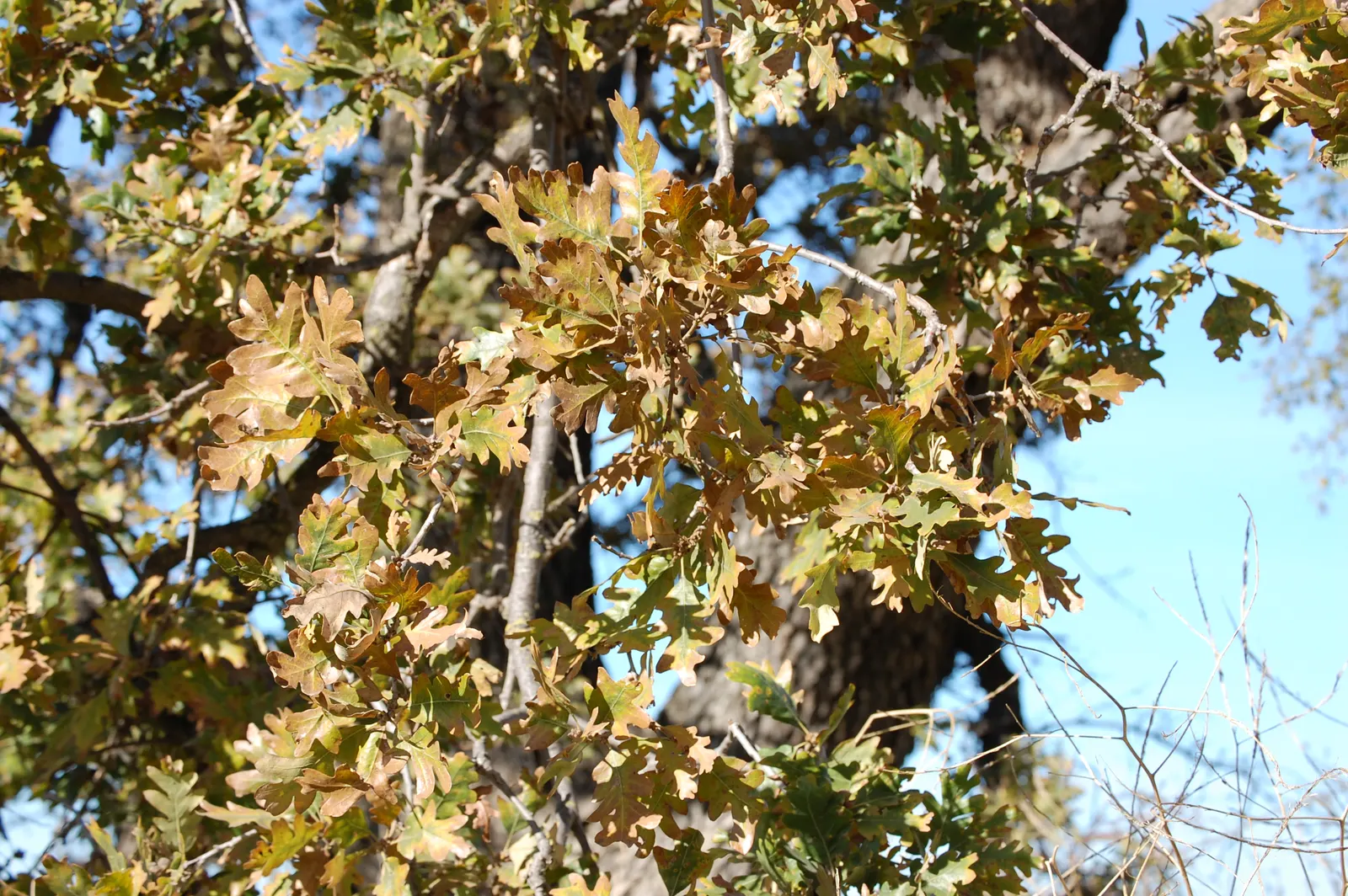
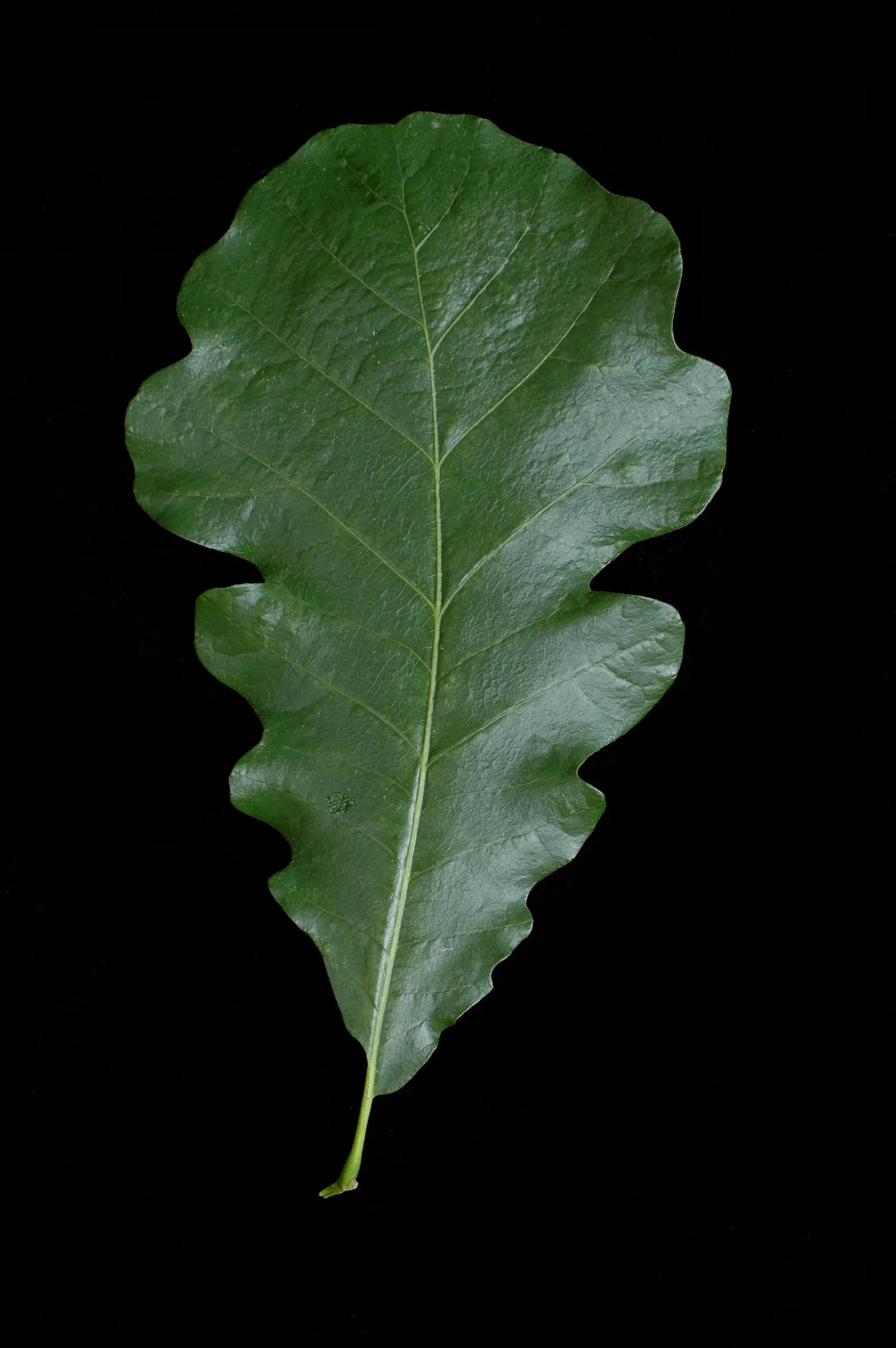
Valley Oak (Quercus Lobata) — Its deeply lobed leaves offer lush summer greenery, turning gold in fall
Valley Oak (Quercus Lobata) — Suitable for larger landscapes, it requires ample space and thrives in full sun with deep, well-draining soil
Valley Oak (Quercus Lobata) — Water-wise, it's drought-tolerant once established, embodying resilience and natural beauty
Valley Oak (Quercus Lobata) — is a deciduous tree prized for its grand stature and elegant branches
Valley Oak (Quercus Lobata) — making it an excellent choice for a focal point in spacious landscape designs
Valley Oak (Quercus Lobata) — This California native can reach impressive sizes
Valley Oak (Quercus Lobata) — typically growing to heights of 40 to 70 feet with a canopy spread of 60 to 100 feet at maturity
Valley Oak (Quercus Lobata) — Its substantial presence requires a significant amount of space and unhindered room for root growth
Valley Oak (Quercus Lobata) — with the tree's deep taproot system delving far into the soil.<br><br>Valley Oaks showcase deeply lobed
Valley Oak (Quercus Lobata) — rich green leaves that turn gold to yellow-brown in the fall
Valley Oak (Quercus Lobata) — providing spectacular seasonal interest before shedding
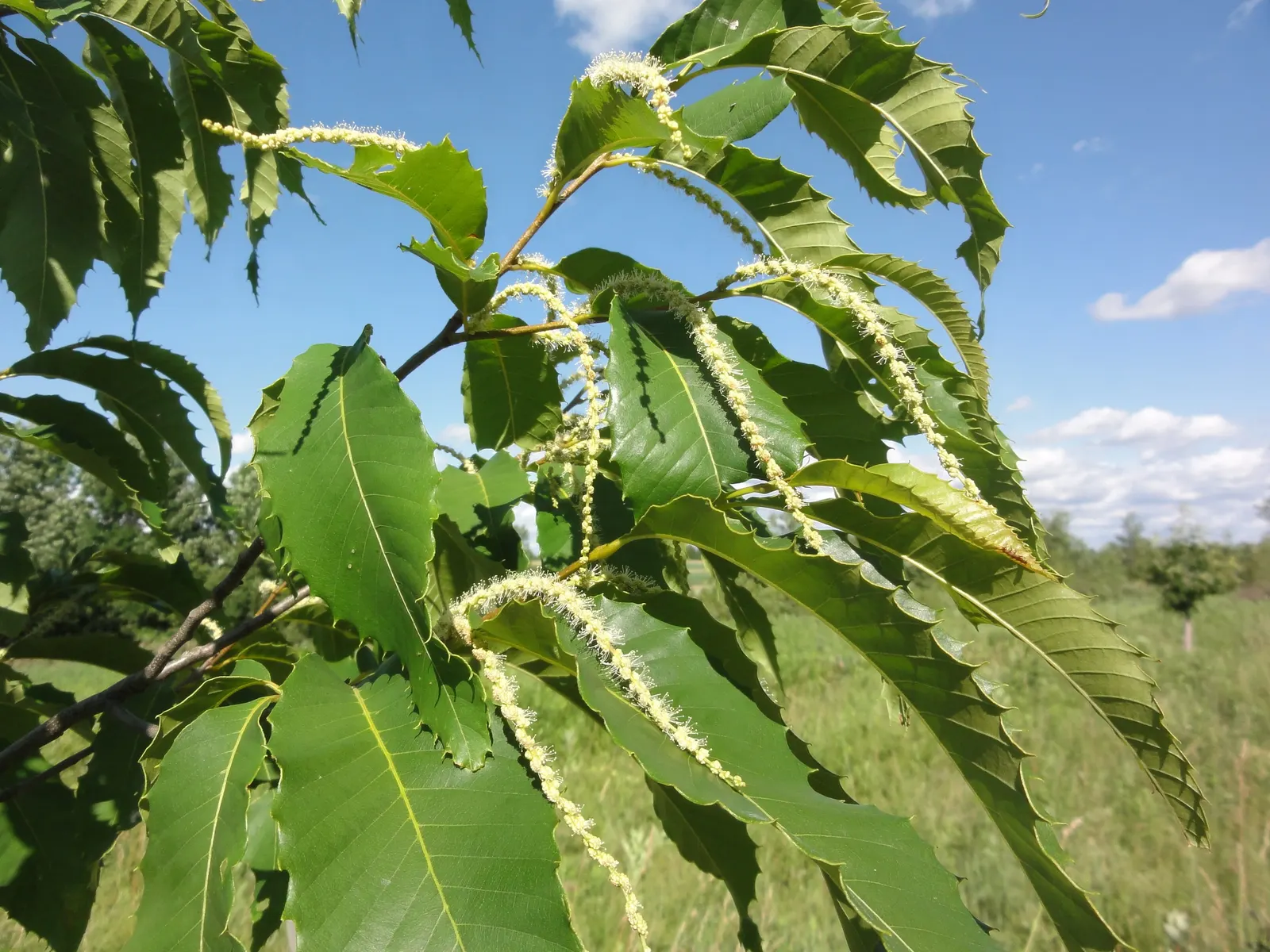
Valley Oak (Quercus Lobata) — it produces yellow-green catkins
Valley Oak (Quercus Lobata) — Capable of living for several centuries
Valley Oak (Quercus Lobata) — these oaks thrive in full sun exposure and prefer well-draining soil
Valley Oak (Quercus Lobata) — although they are drought-tolerant once established.<br><br>With a hardiness in USDA zones 7 through 11
Valley Oak (Quercus Lobata) — When incorporating Quercus lobata into a garden design
Valley Oak (Quercus Lobata) — consider its eventual size and provide ample space for its vast canopy and deep roots
Valley Oak (Quercus Lobata) — awe-inspiring addition to the landscape for generations to enjoy
Valley Oak (Quercus Lobata) — tree for full
Valley Oak (Quercus Lobata) — Valley Oak (Quercus lobata), a stately native Californian, is revered for its grandeur and longevity; suitable for larger
Valley Oak (Quercus Lobata) — This deciduous giant can reach heights of 70 ft with a 100 ft spread; with the tree's deep taproot system delving far into the

Related plants