Skip to content

Laurel Oak

Quercus laurifolia

Design with this plant

Overview

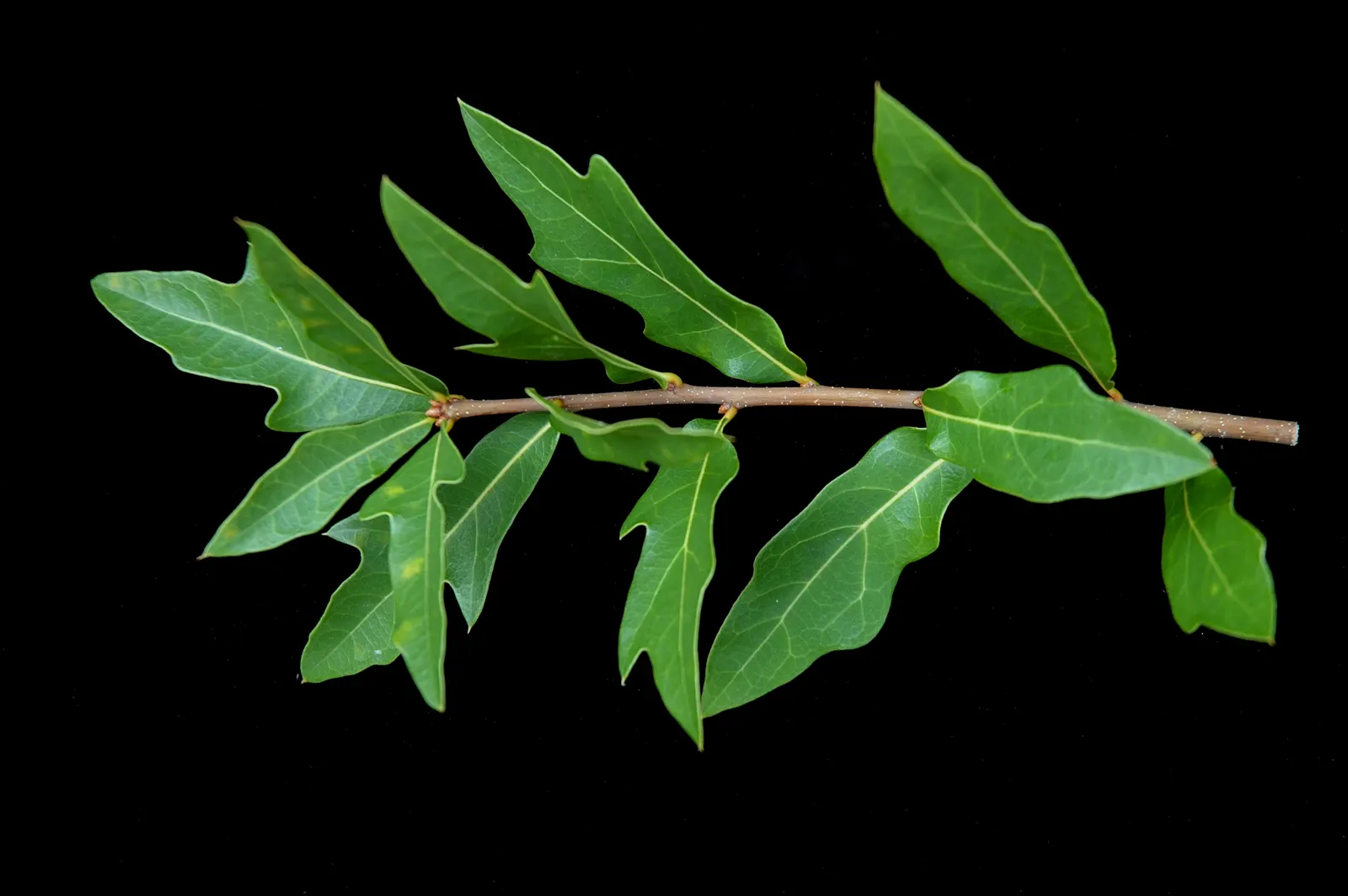
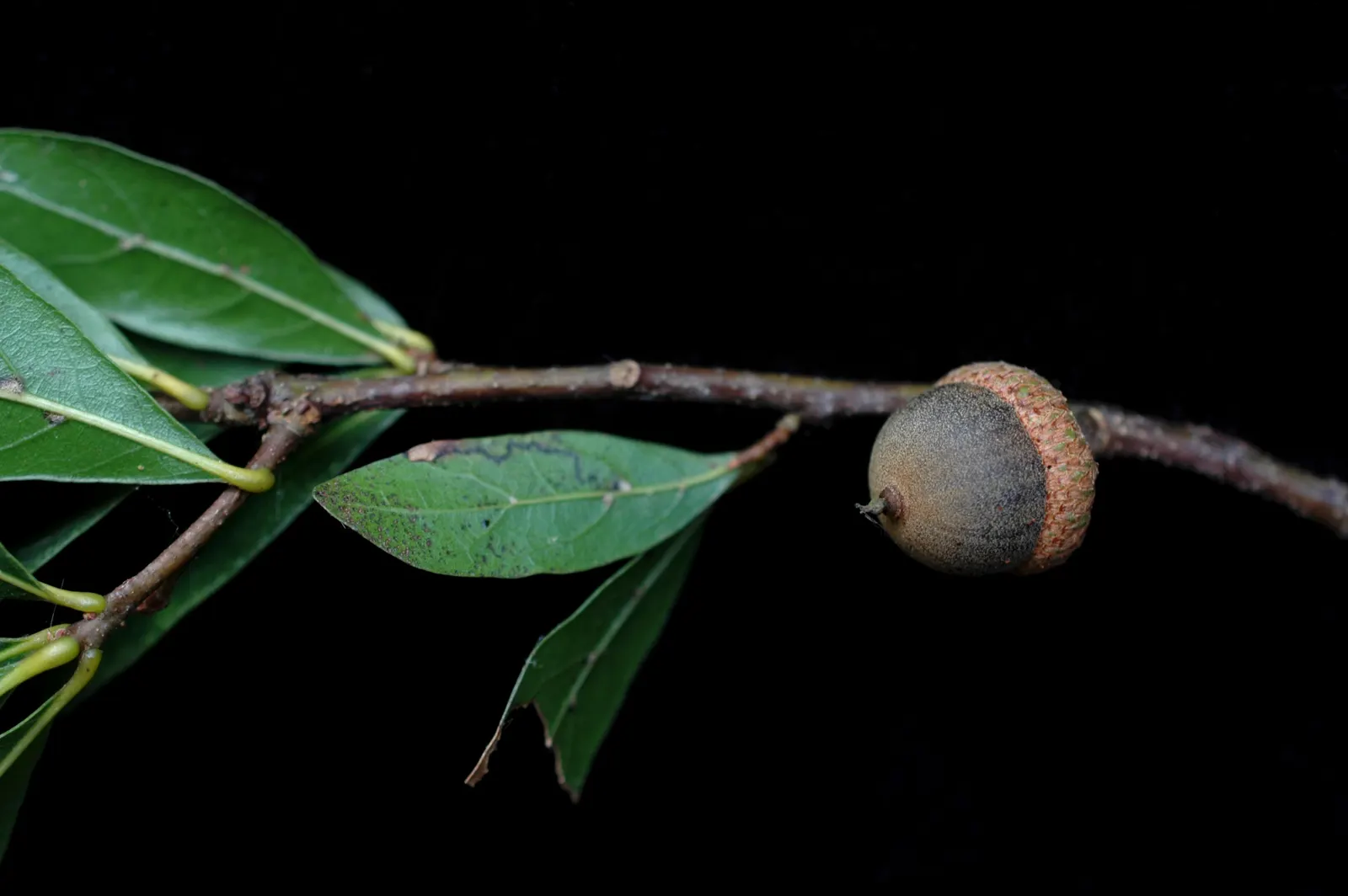
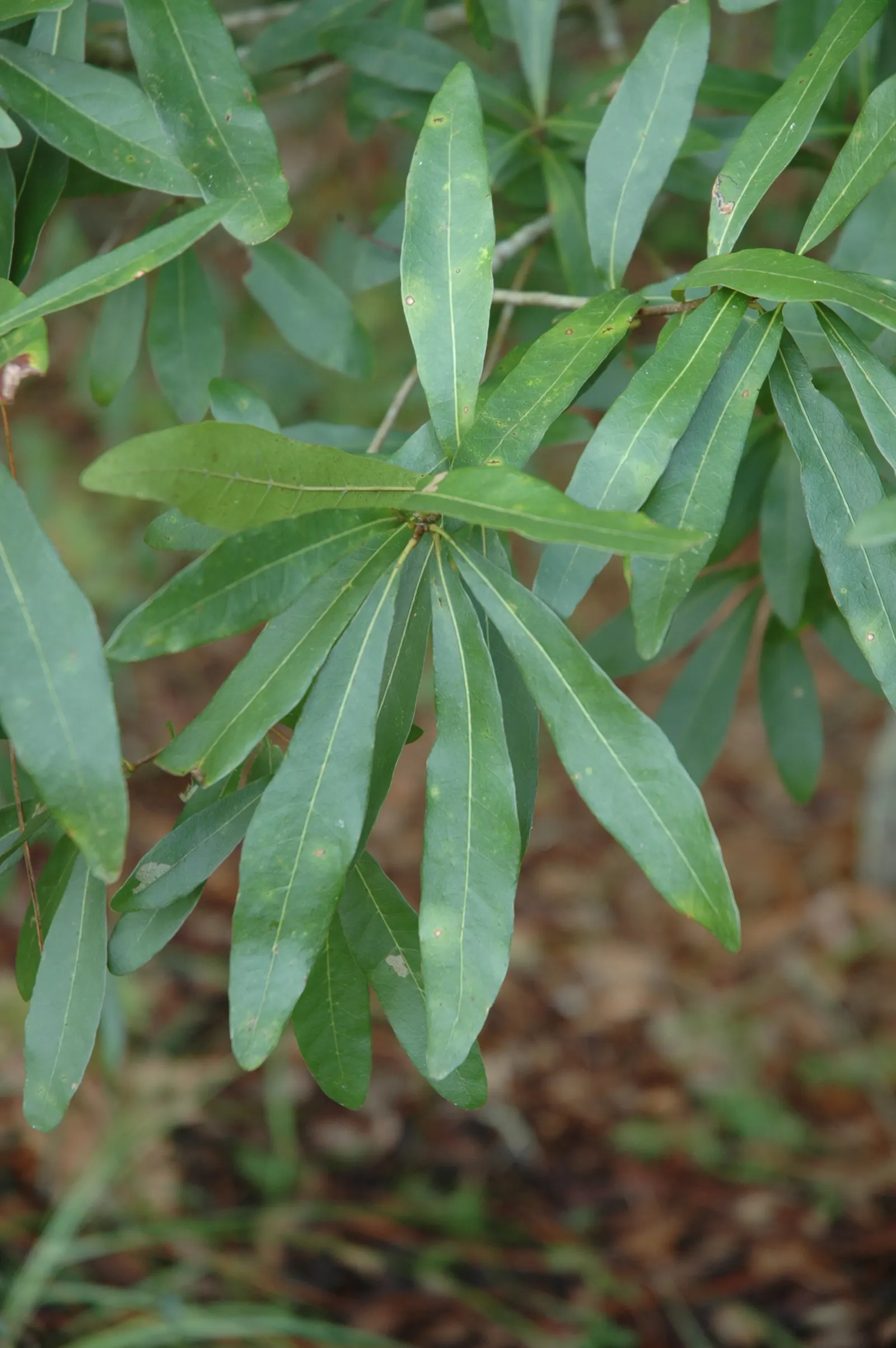
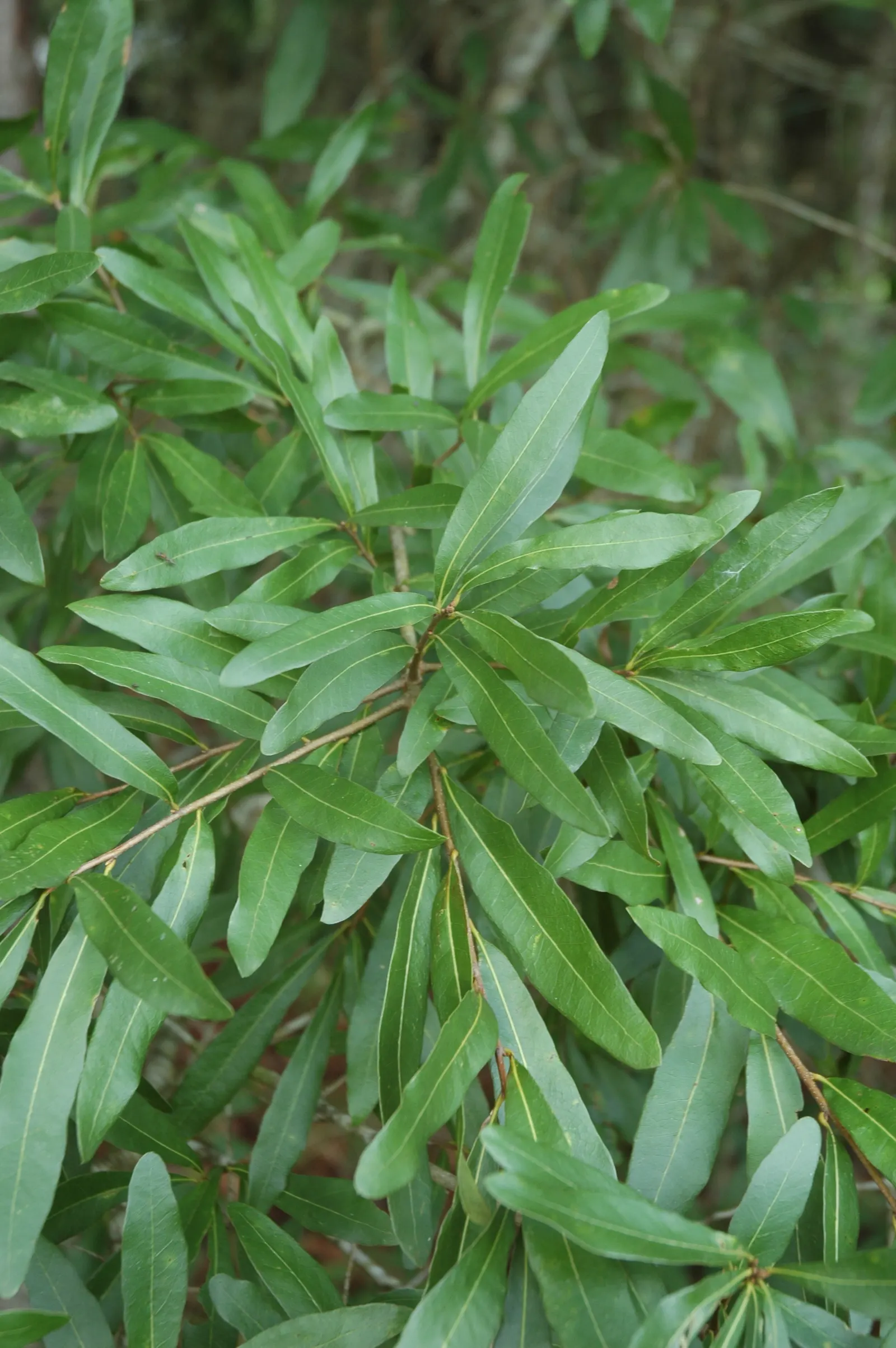
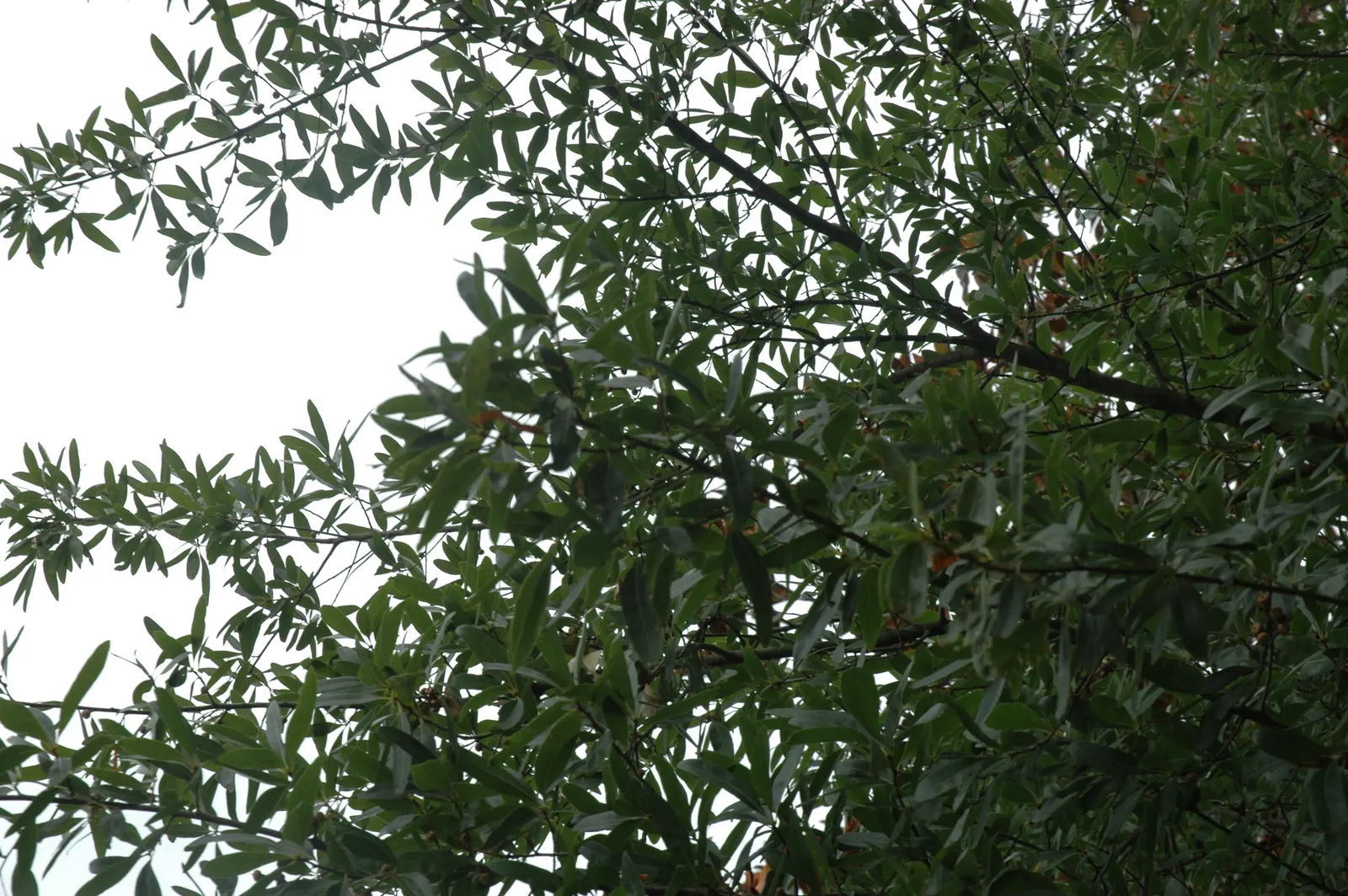
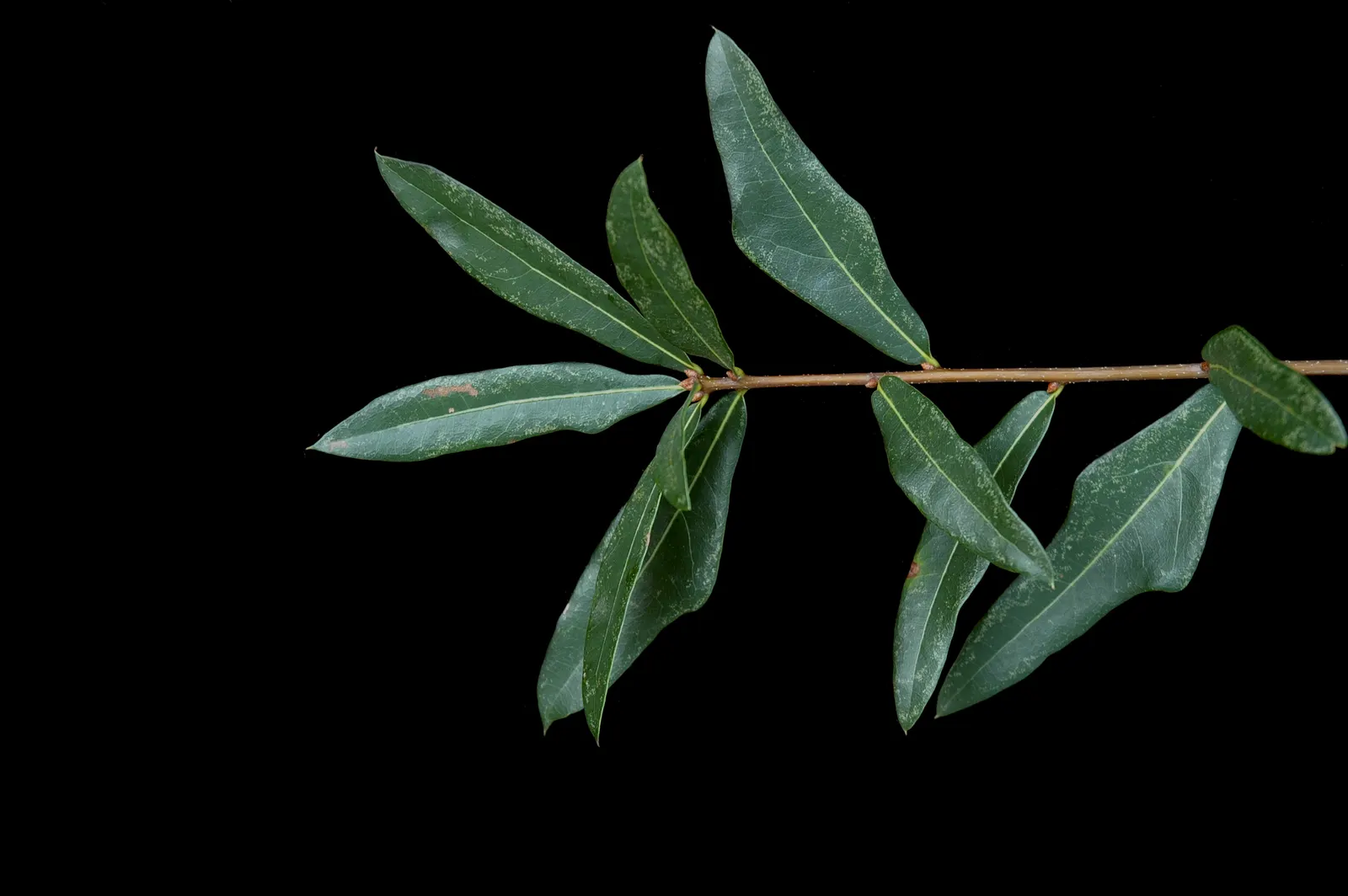
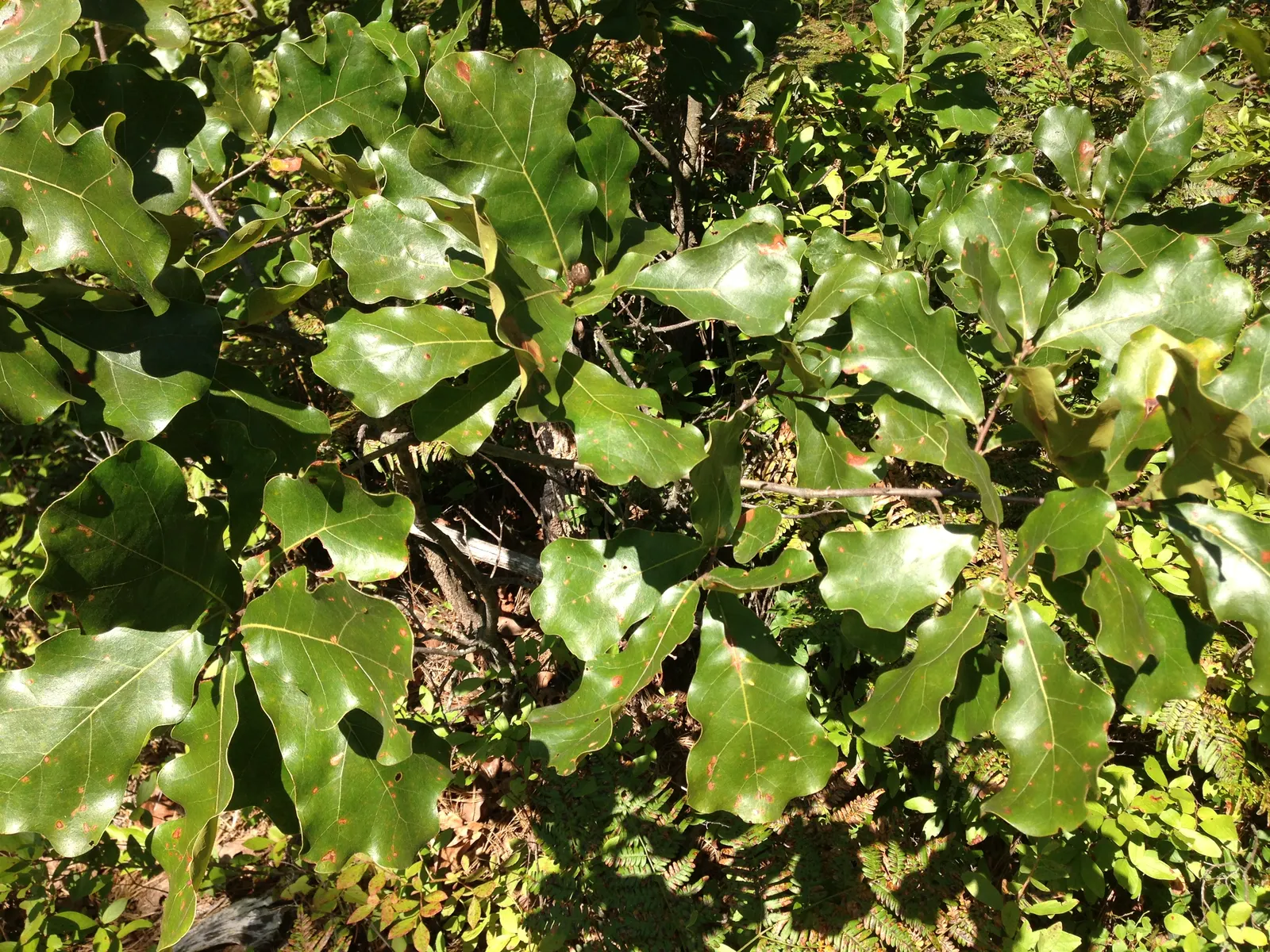
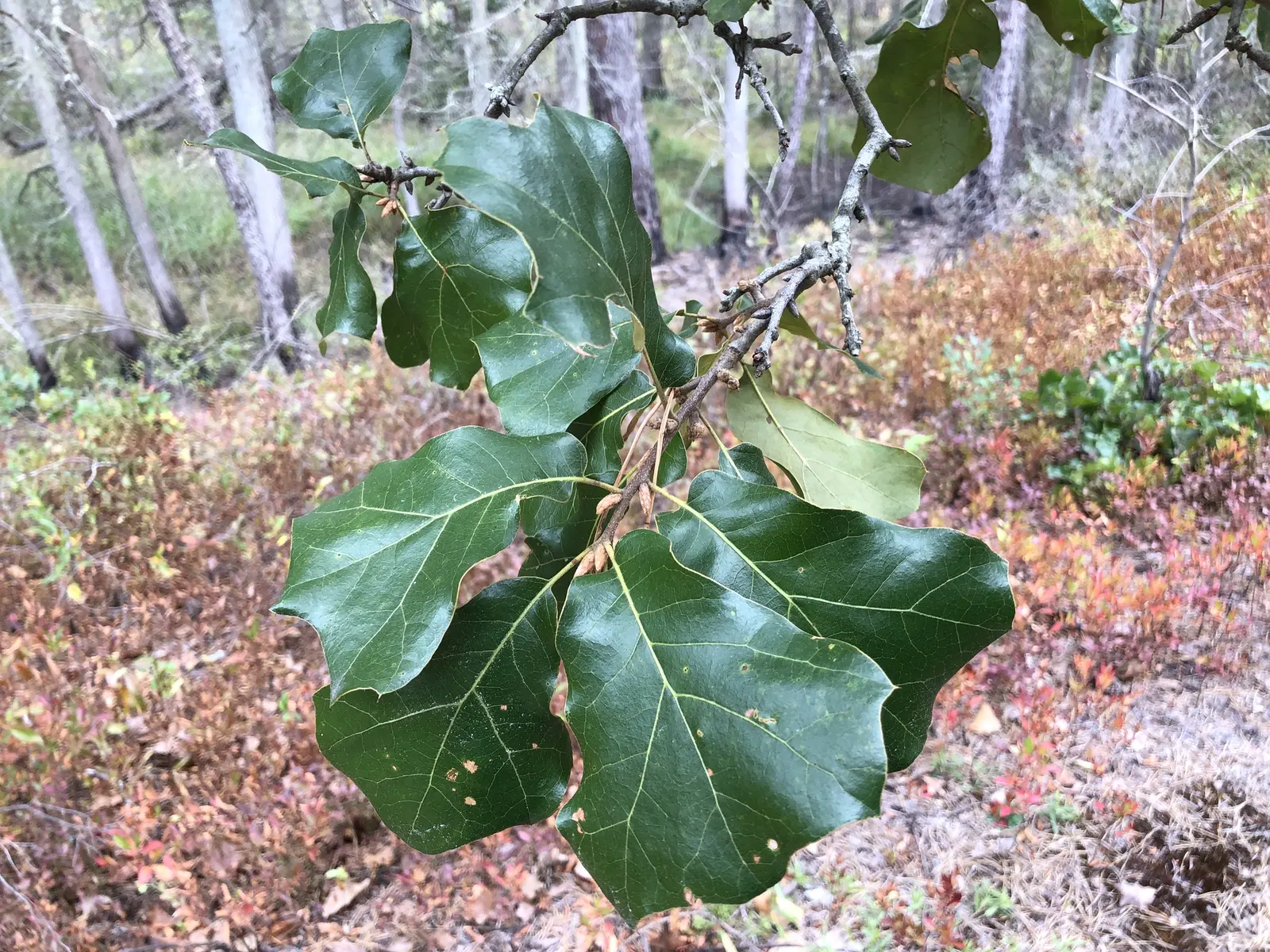
The Laurel Oak, Quercus laurifolia, is a fast-growing, semi-evergreen native tree reaching heights of 60-70 feet, with a 35-45 feet spread. Its oblong leaves resemble laurel, turning yellow-brown before shedding. This oak thrives in zones 6-9, prefers full sun, and tolerates wet conditions. Its wood is less durable than other oaks, making it unsuitable for heavy use areas, yet ideal for creating vertical accents in large landscapes.

Sun FullWater Extra in Summer, Low, MediumZones 7–11Type TreeClimate Temperate
Laurel Oak (Quercus laurifolia) — ensuring ample space for growth without interference with structures or paved surfaces; the Laurel Oak should be planted in

Culture

Sun
Full
Water
Extra in Summer, Low, Medium
USDA zones
7–11

Shape & size

Classification

Type
Tree
Family
Fagaceae
Climate
Temperate

See full data, regional cultivation notes, and design tools. Build a client presentation around this plant.

Start your 14-day trial

Photos (75)

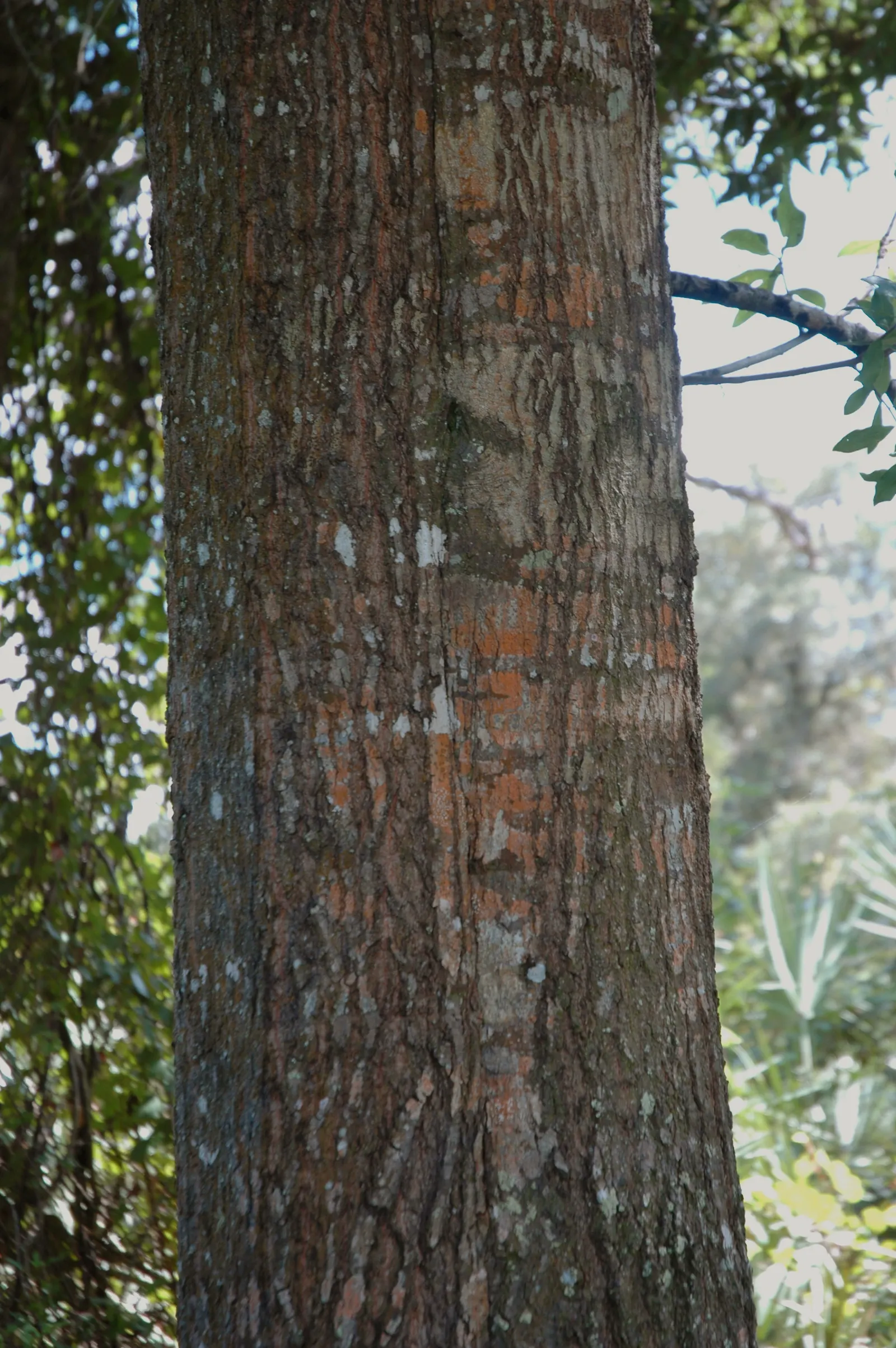
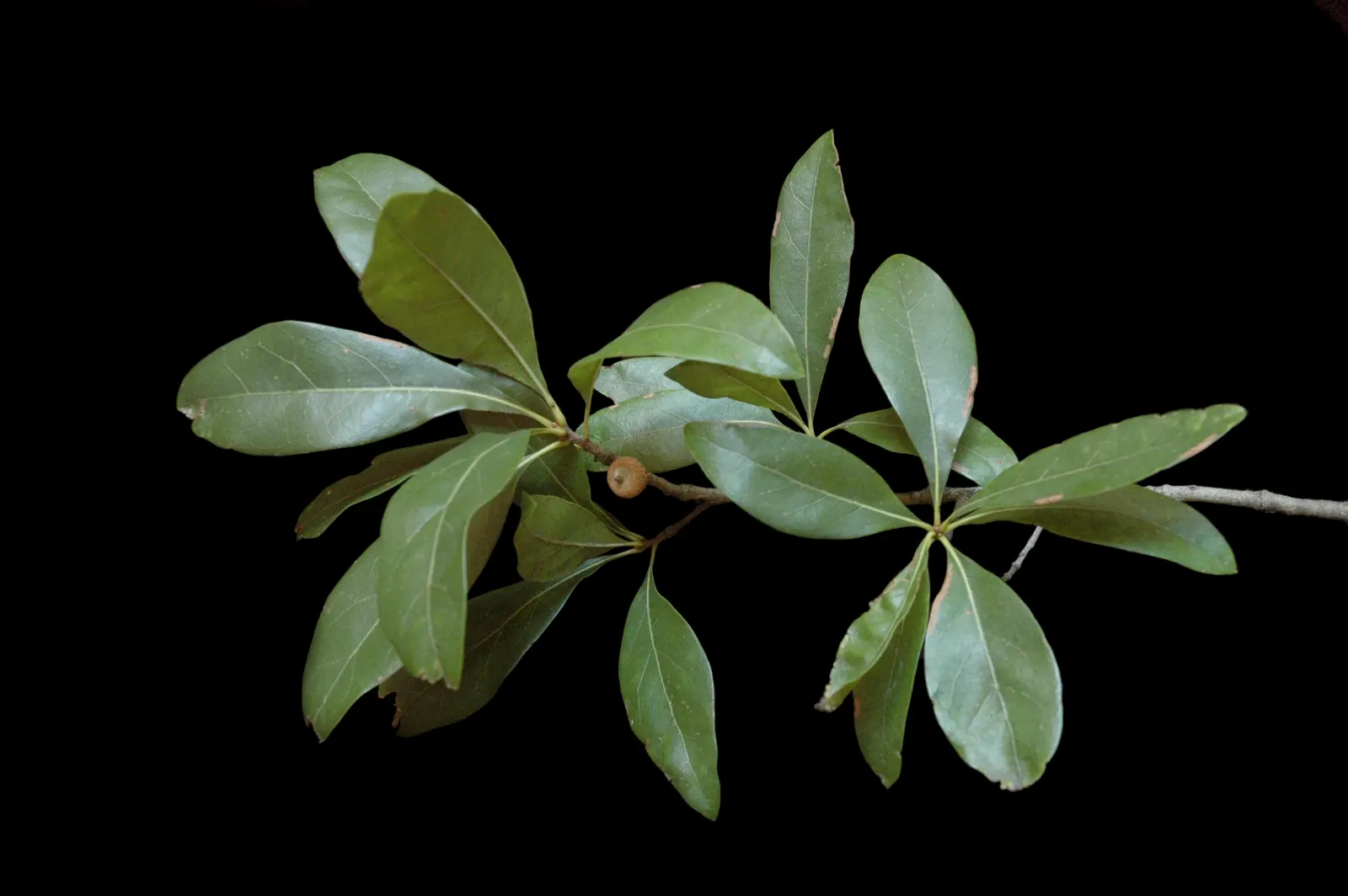
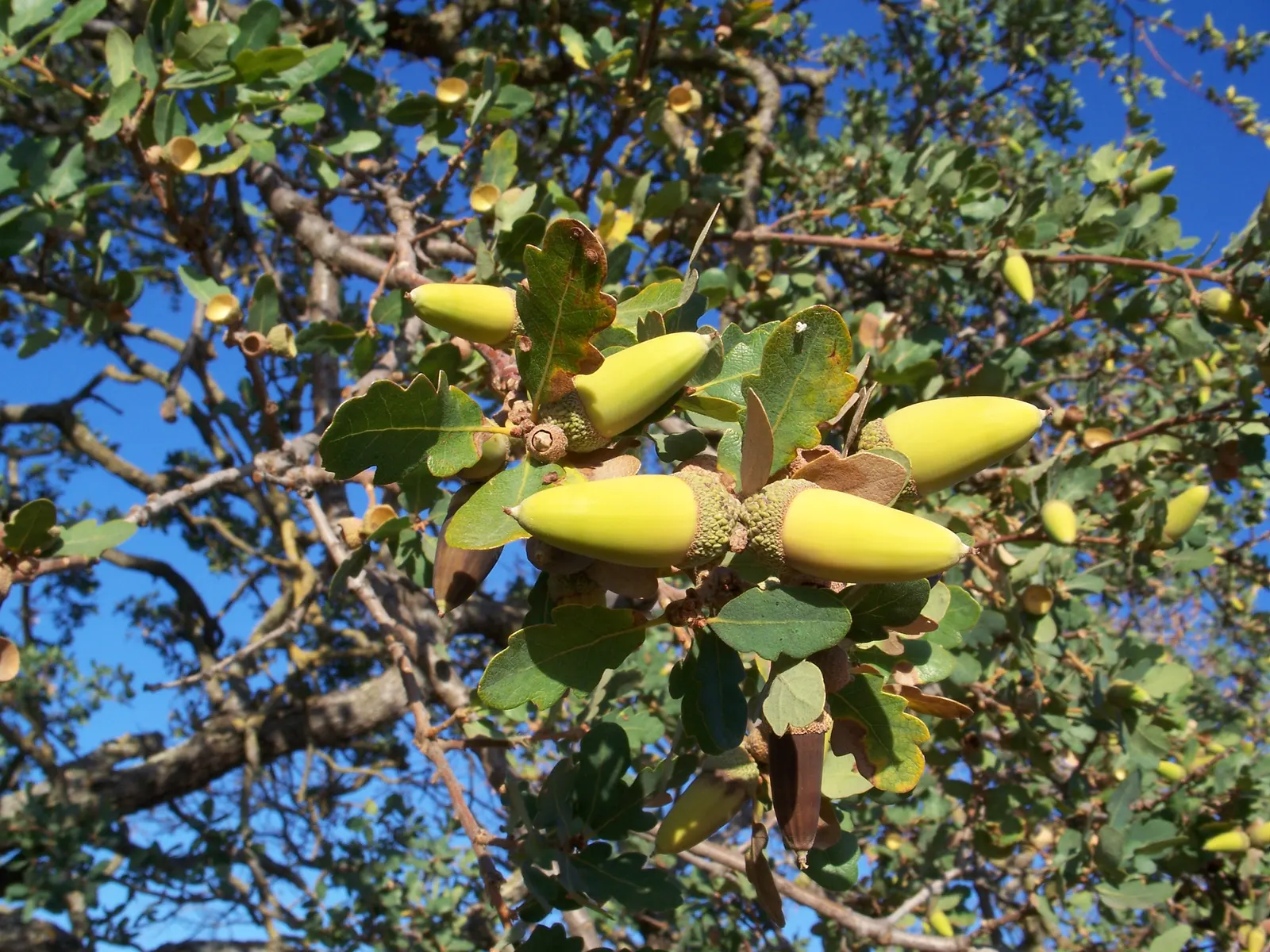
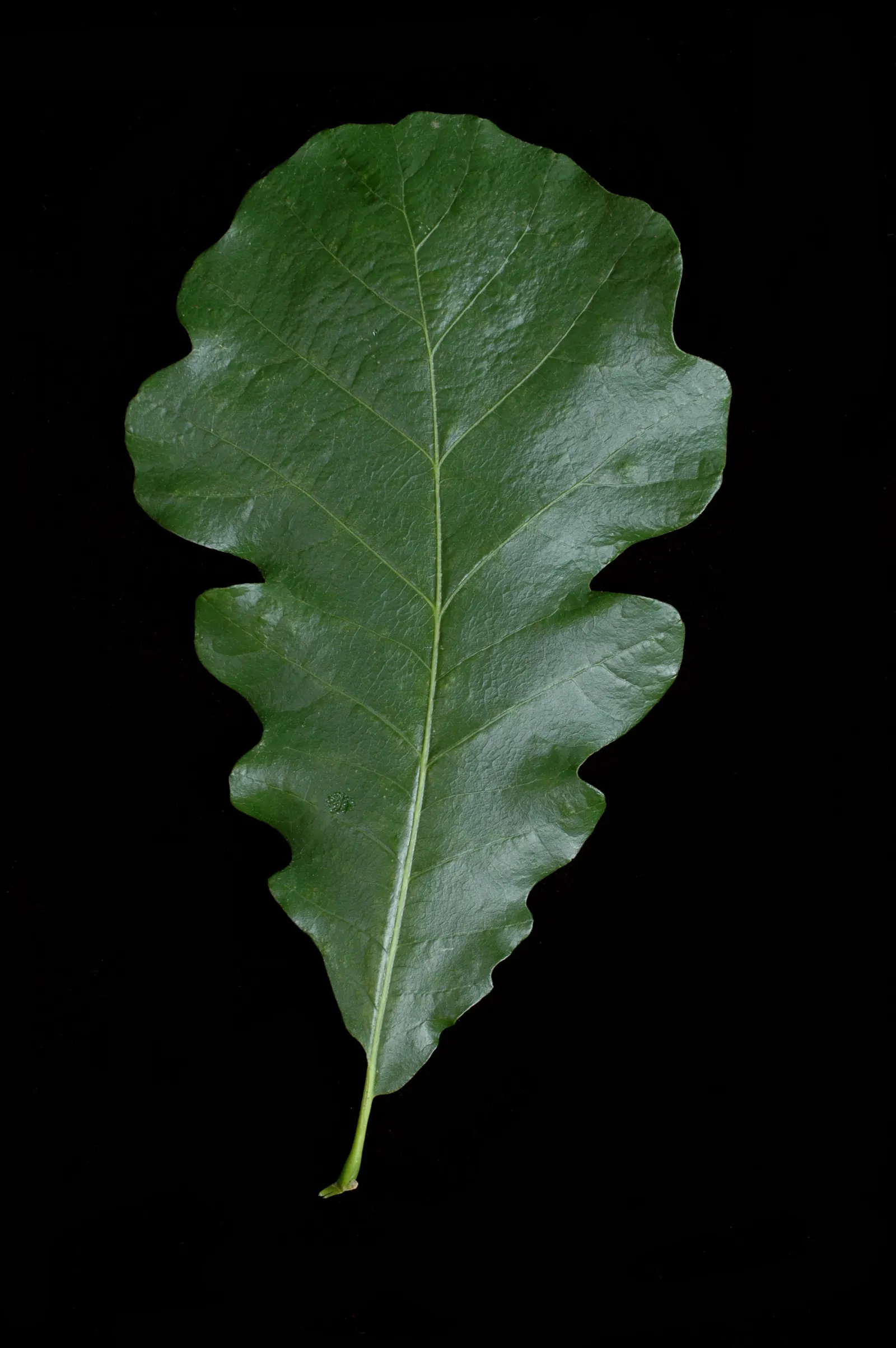
Laurel Oak (Quercus laurifolia) — the leaves may turn yellow-brown before shedding.<br><br>For landscape considerations; <br><br>Laurel Oaks are relatively
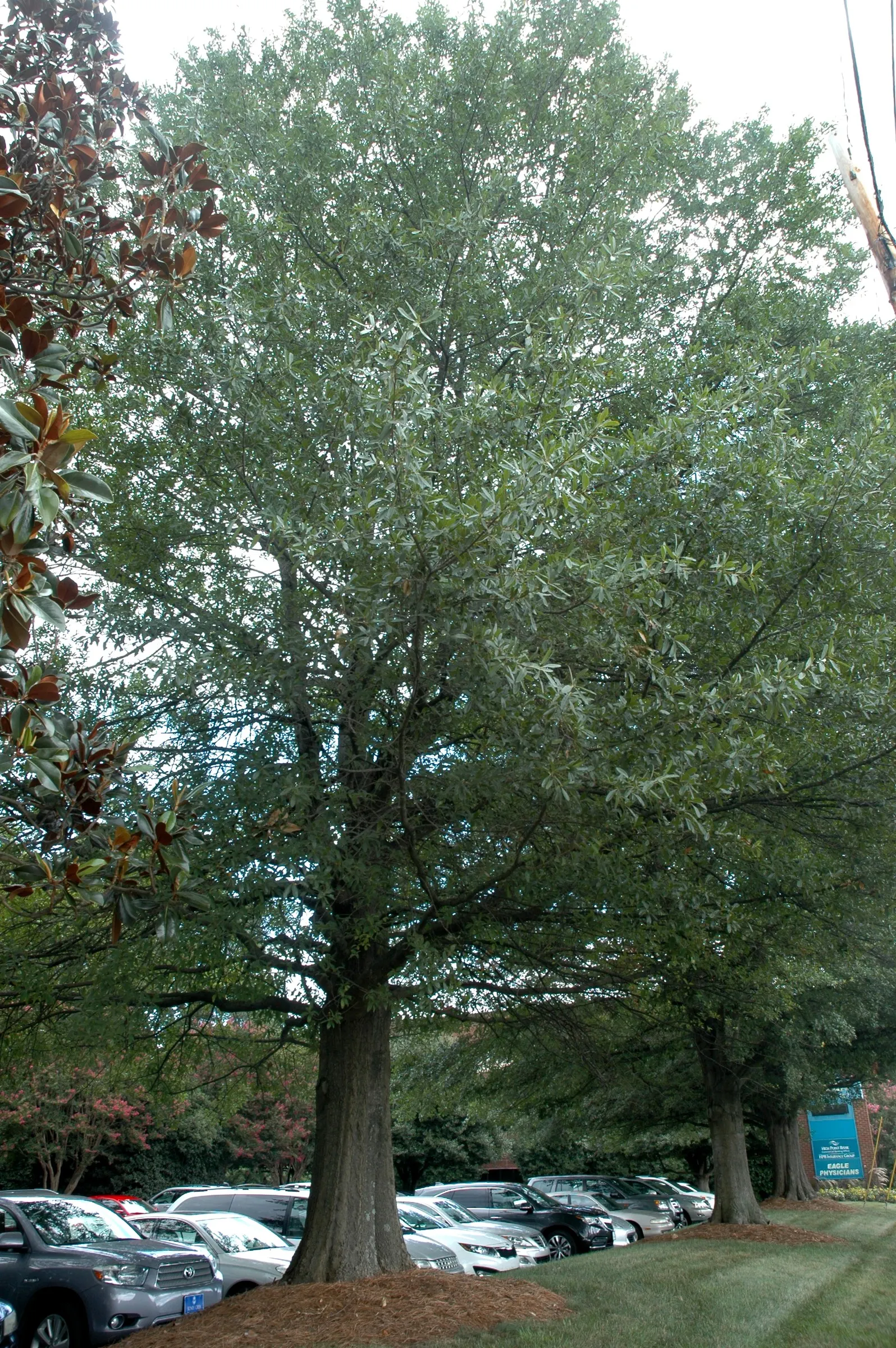
Laurel Oak (Quercus laurifolia) — semi-evergreen native tree reaching heights of 60-70 feet; its wood is less durable than other oaks
Laurel Oak (Quercus laurifolia) — tree for full
Laurel Oak (Quercus laurifolia) — the Laurel Oak should be planted in full sun to partial shade; its oblong leaves resemble laurel, turning yellow-brown before
Laurel Oak (Quercus laurifolia) — It flourishes in a wide range of soil conditions, from well-drained sandy soils to clay; this oak typically reaches heights
Laurel Oak (Quercus laurifolia) — making it unsuitable for heavy use areas; scientifically named Quercus laurifolia, image 55
Laurel Oak (Quercus laurifolia) — adding roughly 2 feet per year under ideal conditions; making it unsuitable for heavy use areas
Laurel Oak (Quercus laurifolia) — this oak typically reaches heights of 60 to 70 feet with a canopy spread of 35 to 40 feet when fully mature
Laurel Oak (Quercus laurifolia) — making it unsuitable for heavy use areas
Laurel Oak (Quercus laurifolia) — When incorporating into garden designs; semi-evergreen native tree reaching heights of 60-70 feet
Laurel Oak (Quercus laurifolia) — yet ideal for creating vertical accents in large landscapes
Laurel Oak (Quercus laurifolia) — Often found thriving in coastal plains and lowland terrains; this oak thrives in zones 6-9, prefers full sun, and tolerates
Laurel Oak (Quercus laurifolia) — providing ample shade in landscape designs.<br><br>Its growth habit is stately and upright; hardiness is within USDA zones 6
Laurel Oak (Quercus laurifolia) — Hardiness is within USDA zones 6 to 9; it flourishes in a wide range of soil conditions, from well-drained sandy soils to clay
Laurel Oak (Quercus laurifolia) — <br><br>Laurel Oaks are relatively short-lived for an oak, with lifespans ranging around 50 to 70 years; the foliage
Laurel Oak (Quercus laurifolia) — the tree enjoys a growth rate that's considered faster than many of its oak cousins
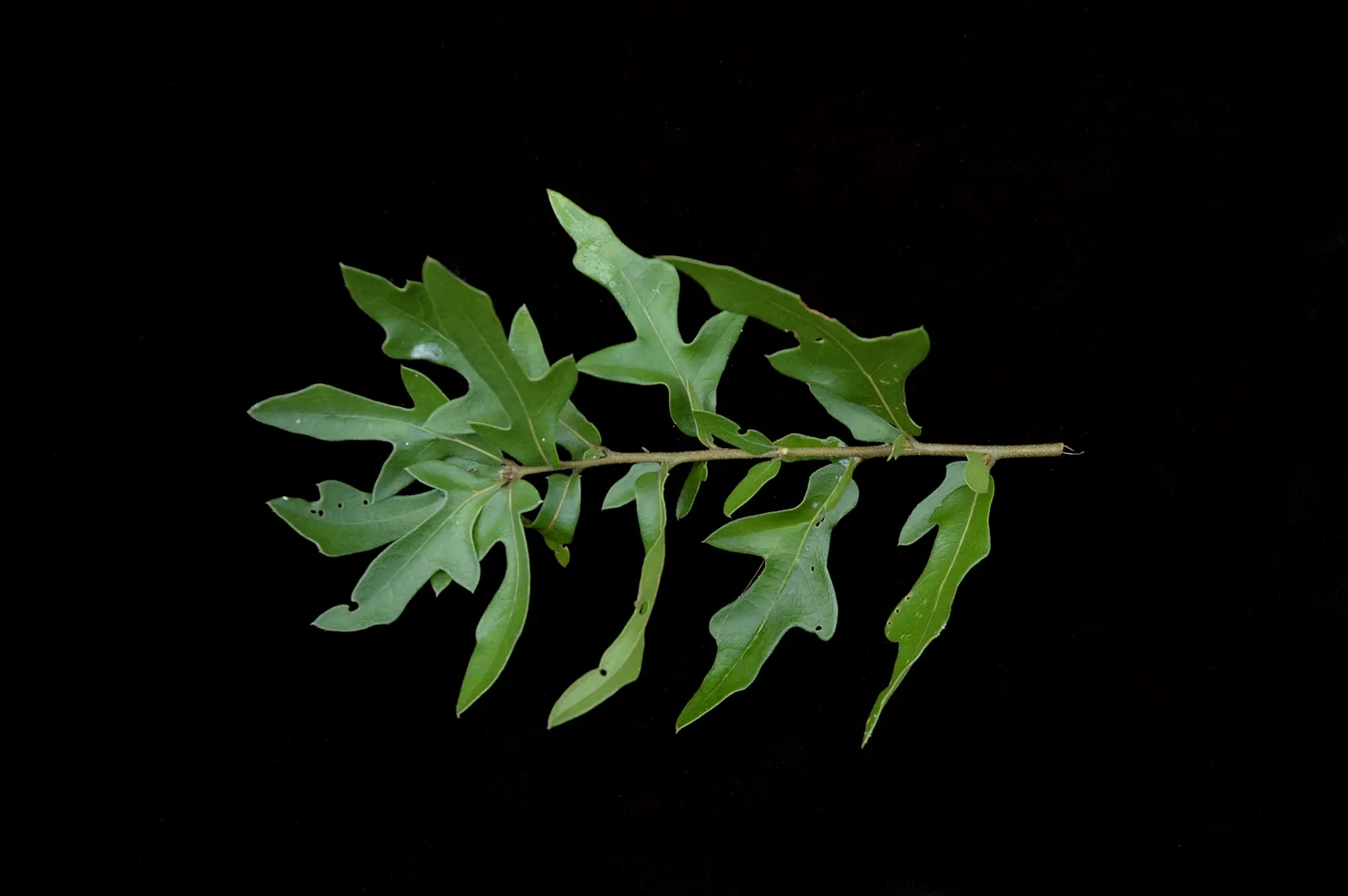
Laurel Oak (Quercus laurifolia) — The foliage resembles laurel leaves, hence its name
Laurel Oak (Quercus laurifolia) — This oak thrives in zones 6-9, prefers full sun, and tolerates wet conditions; the tree enjoys a growth rate, image 53
Laurel Oak (Quercus laurifolia) — Its wood is less durable than other oaks; tree for full, image 54
Laurel Oak (Quercus laurifolia) — When incorporating into garden designs
Laurel Oak (Quercus laurifolia) — making it unsuitable for heavy use areas; scientifically named Quercus laurifolia
Laurel Oak (Quercus laurifolia) — This oak thrives in zones 6-9, prefers full sun, and tolerates wet conditions
Laurel Oak (Quercus laurifolia) — semi-evergreen native tree reaching heights of 60-70 feet; its wood is less durable than other oaks, image 51
Laurel Oak (Quercus laurifolia) — Its oblong leaves resemble laurel, turning yellow-brown before shedding; with a rounded crown that features glossy, image 52
Photographs by 2 contributors

Related plants