Skip to content

Shingle Oak

Quercus Imbricaria

Design with this plant

Overview

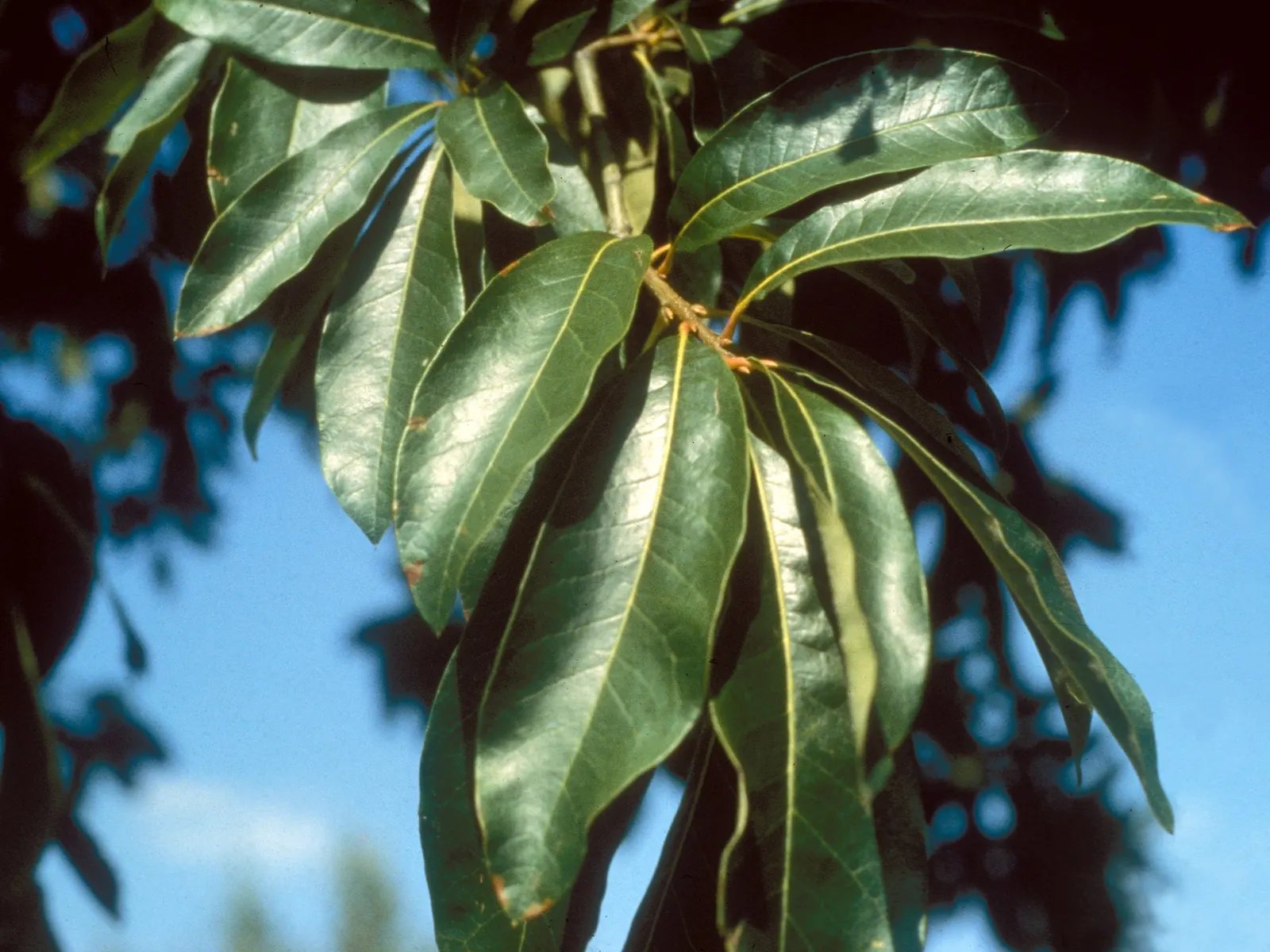
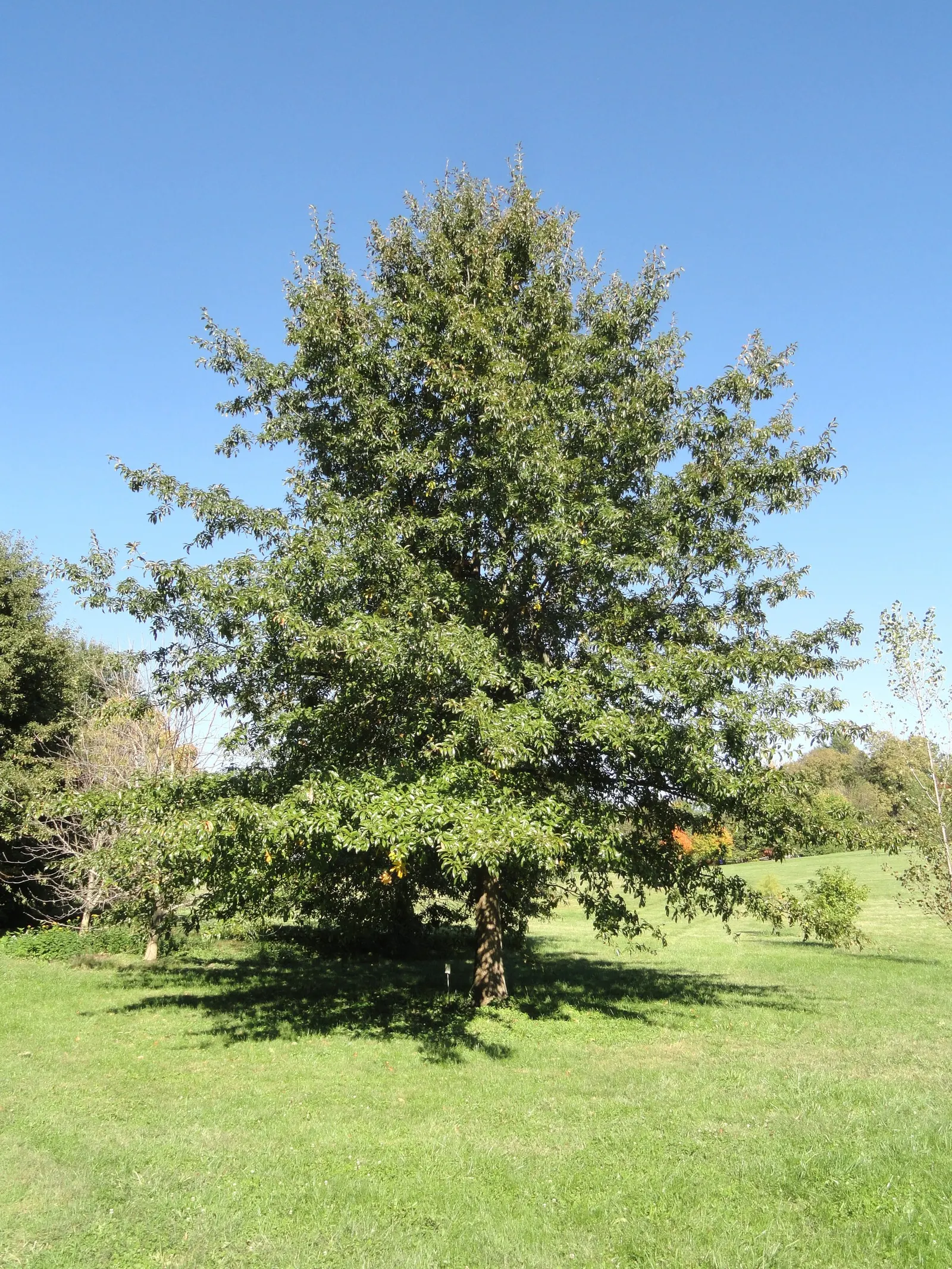
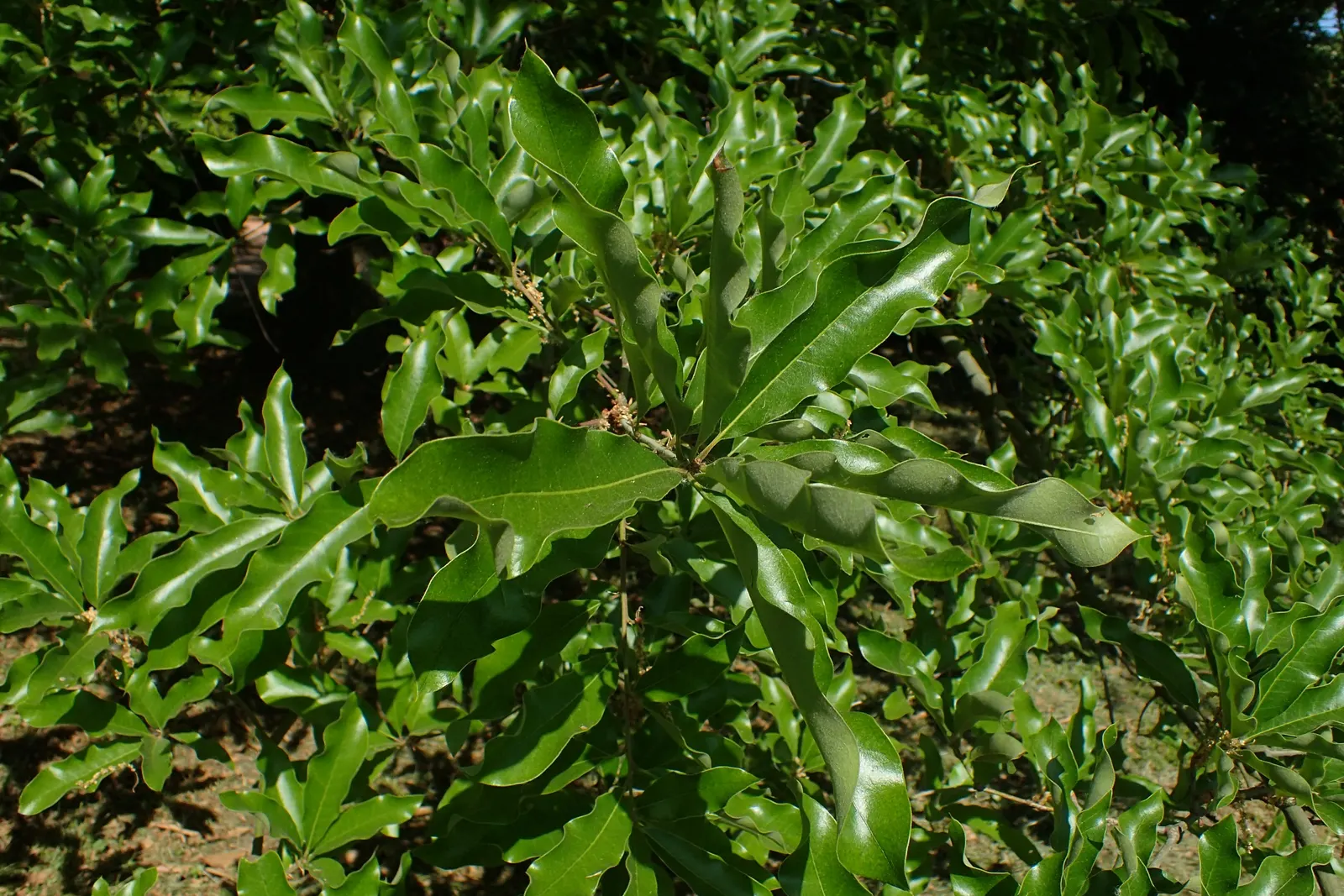
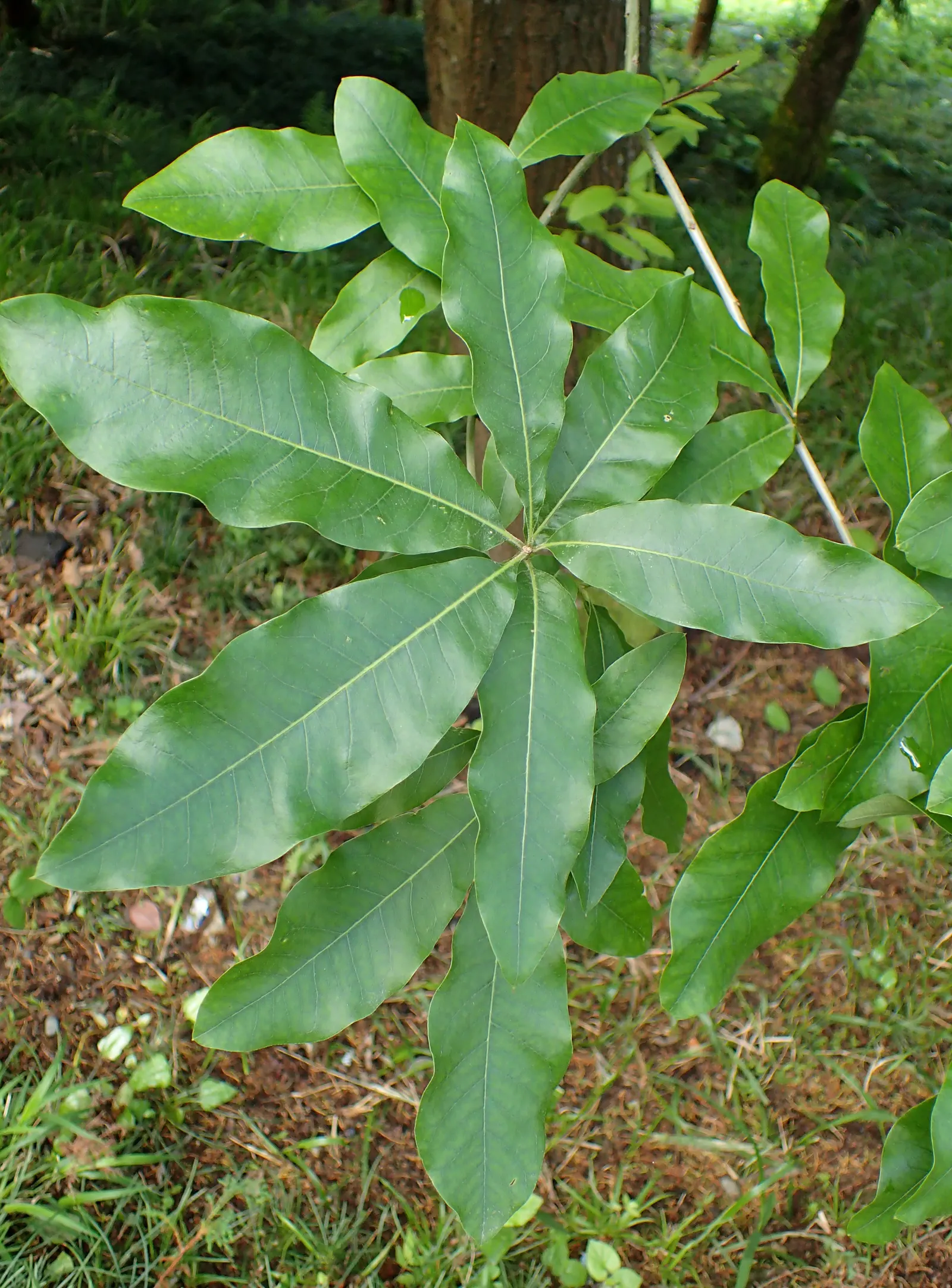
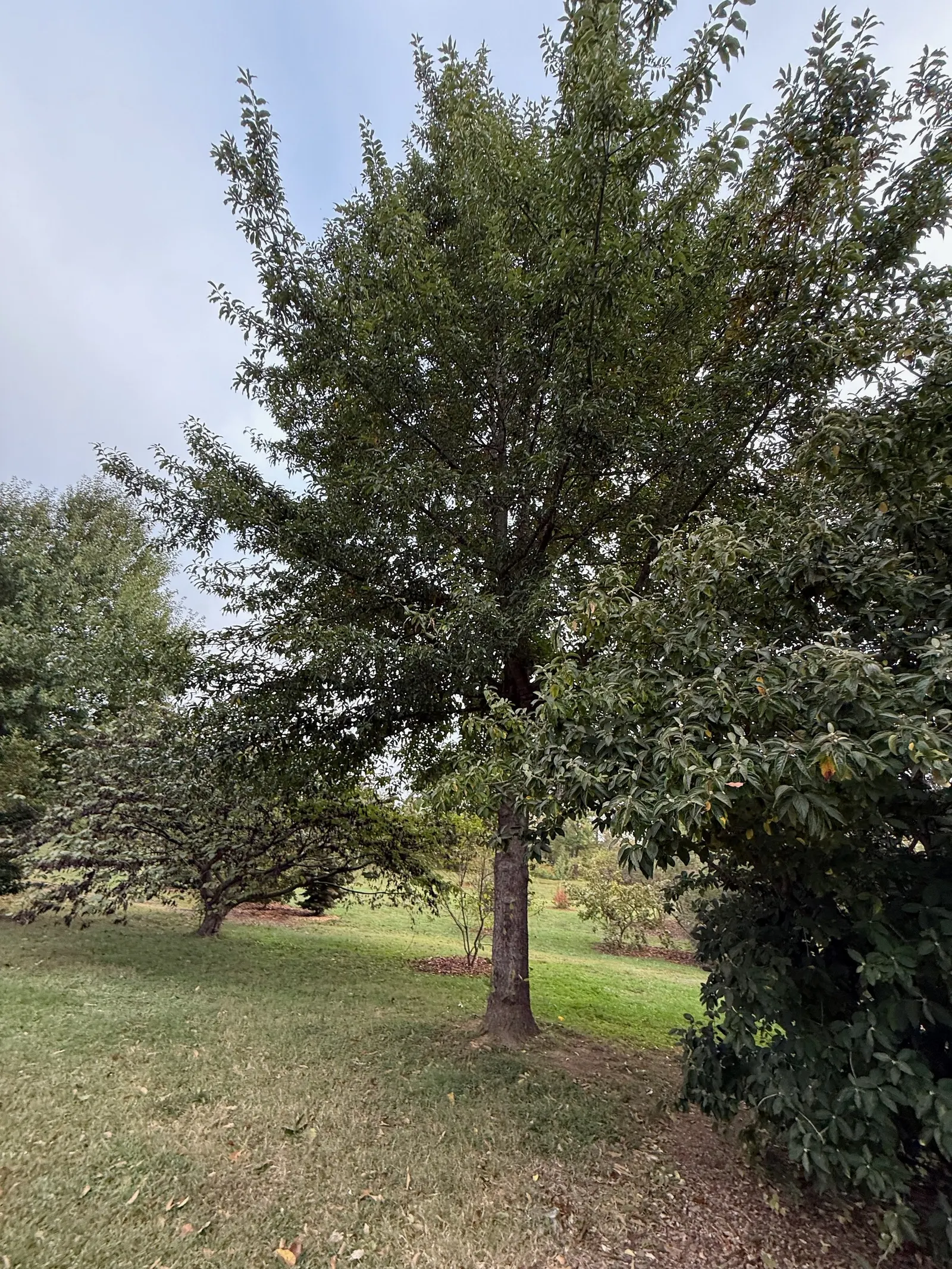
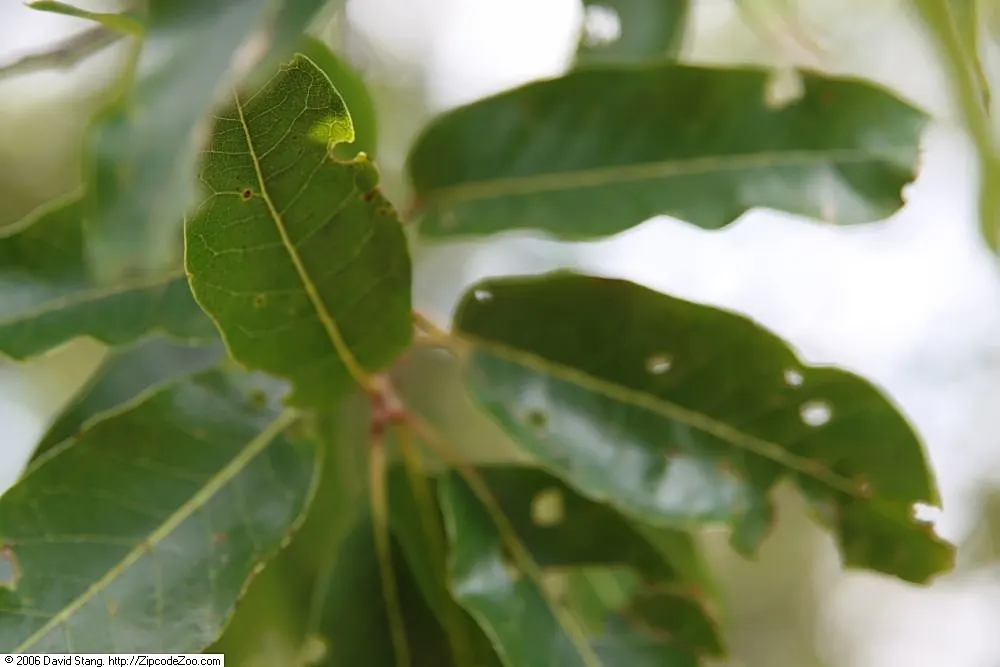
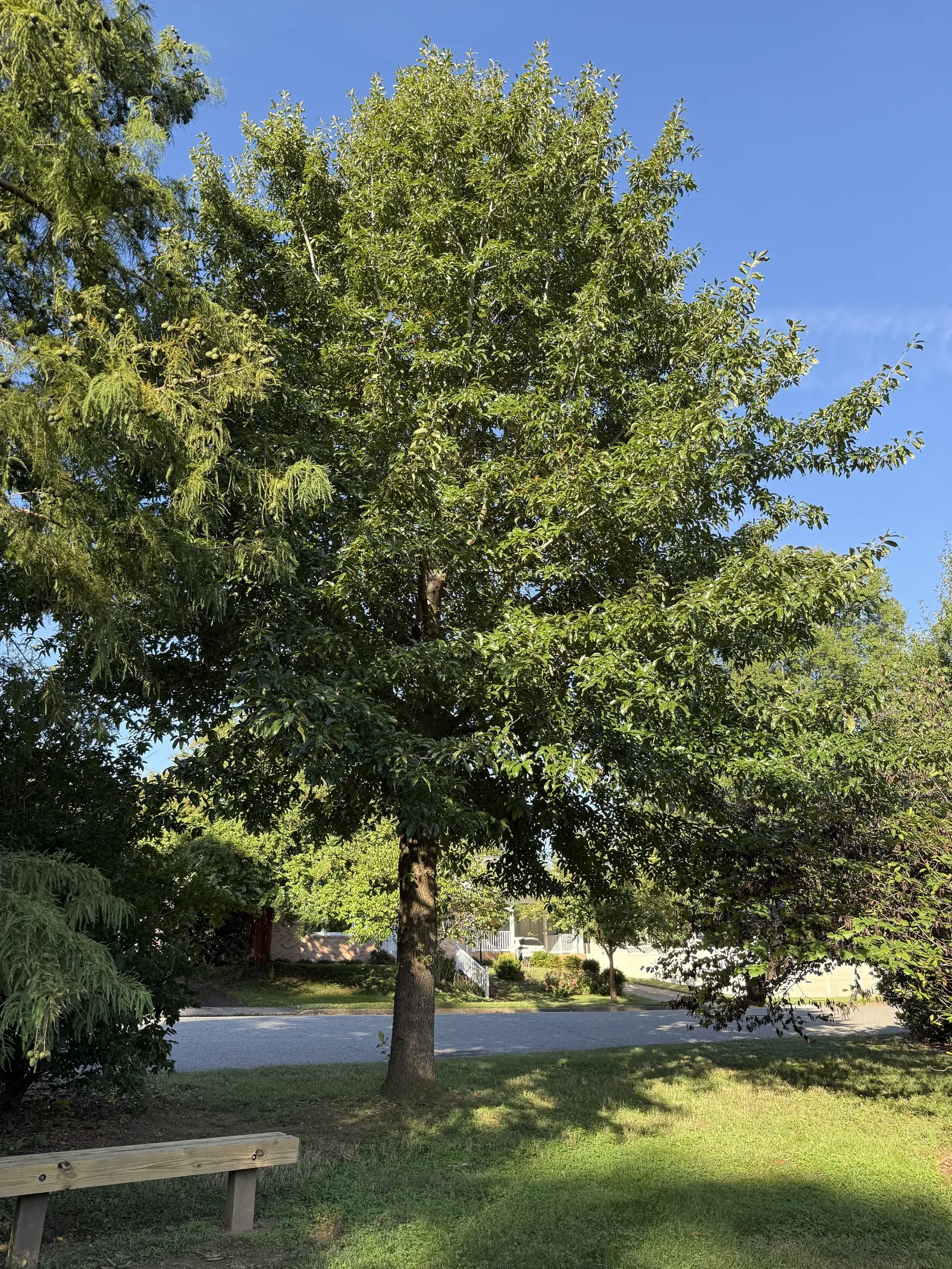
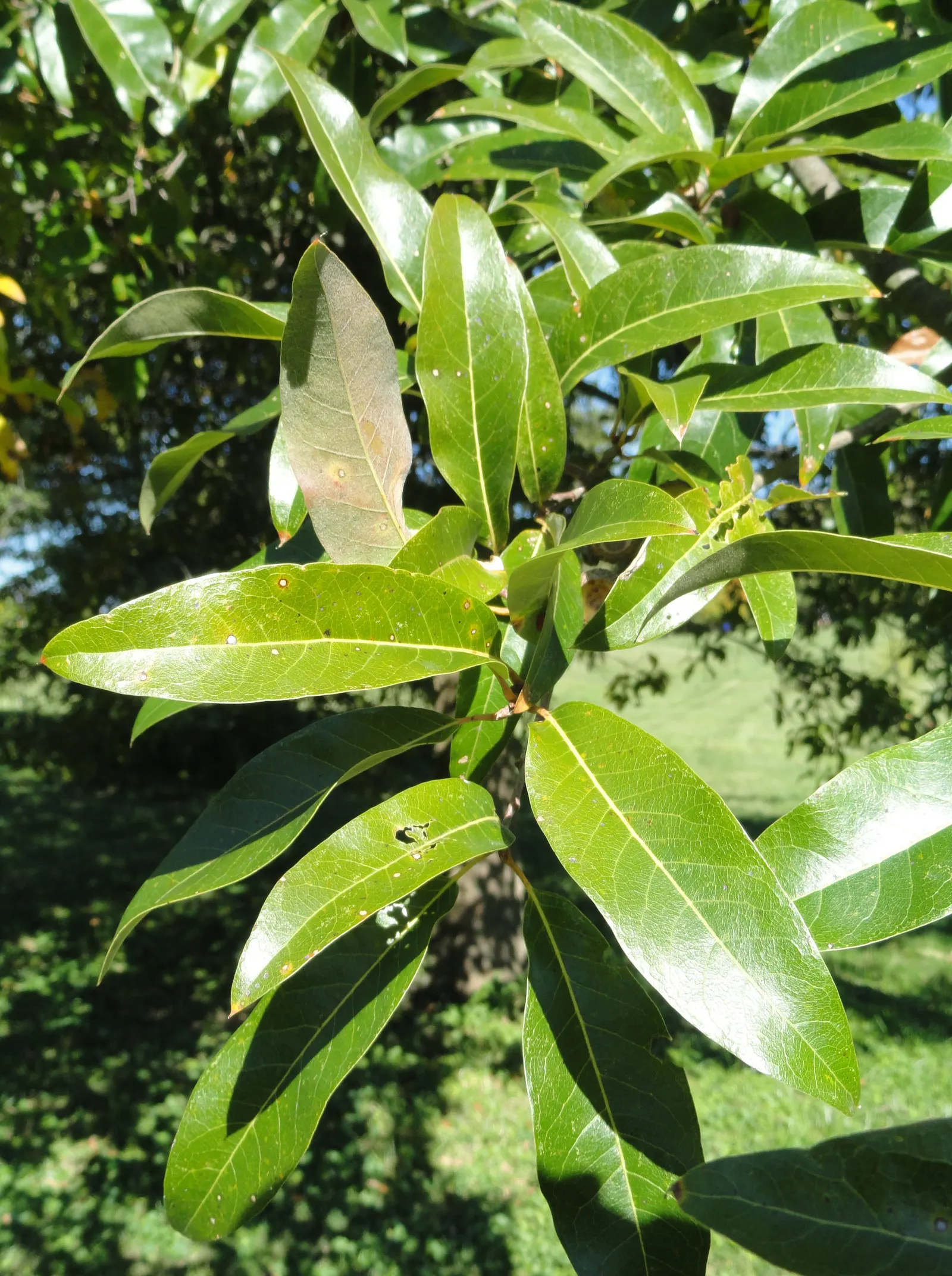
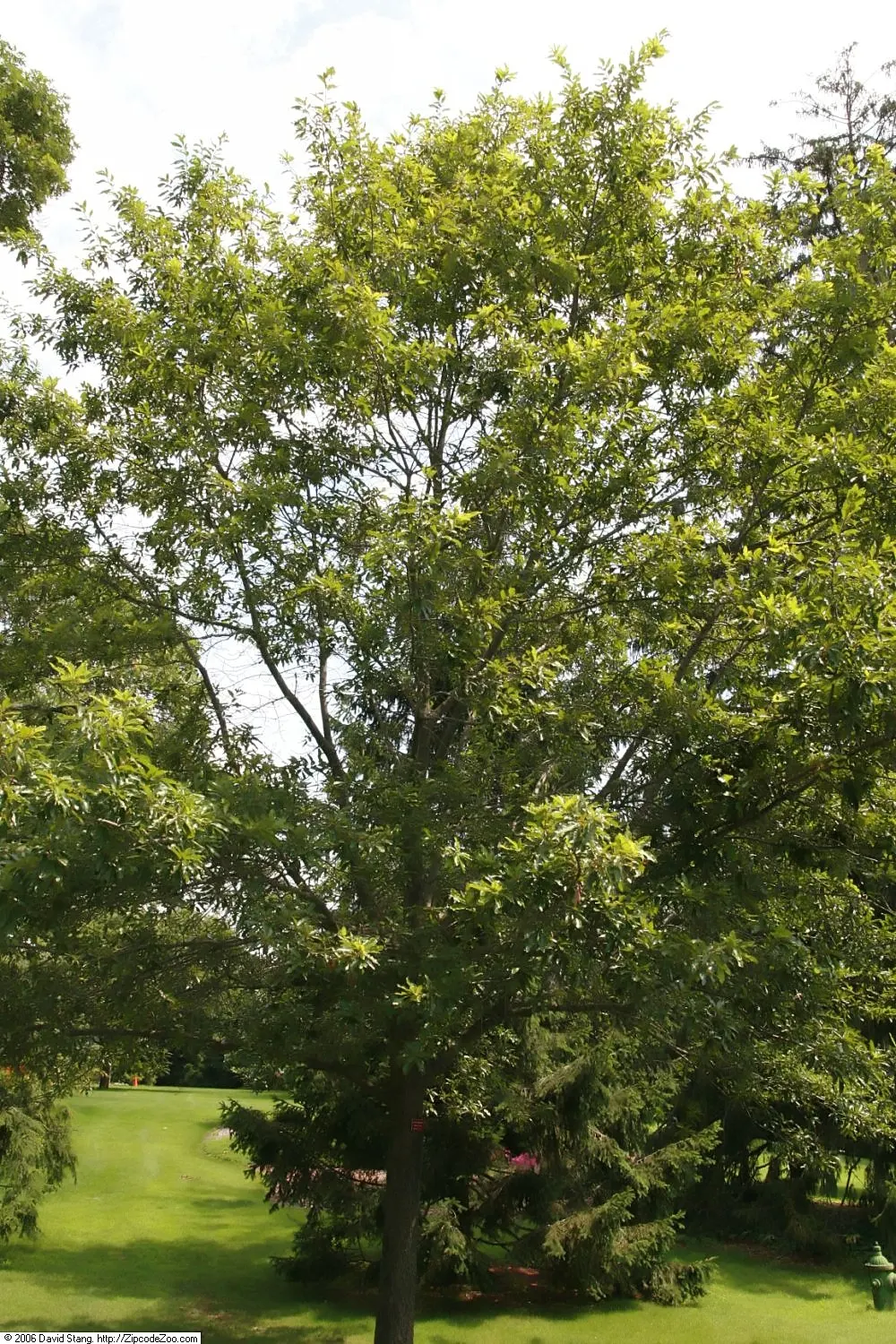
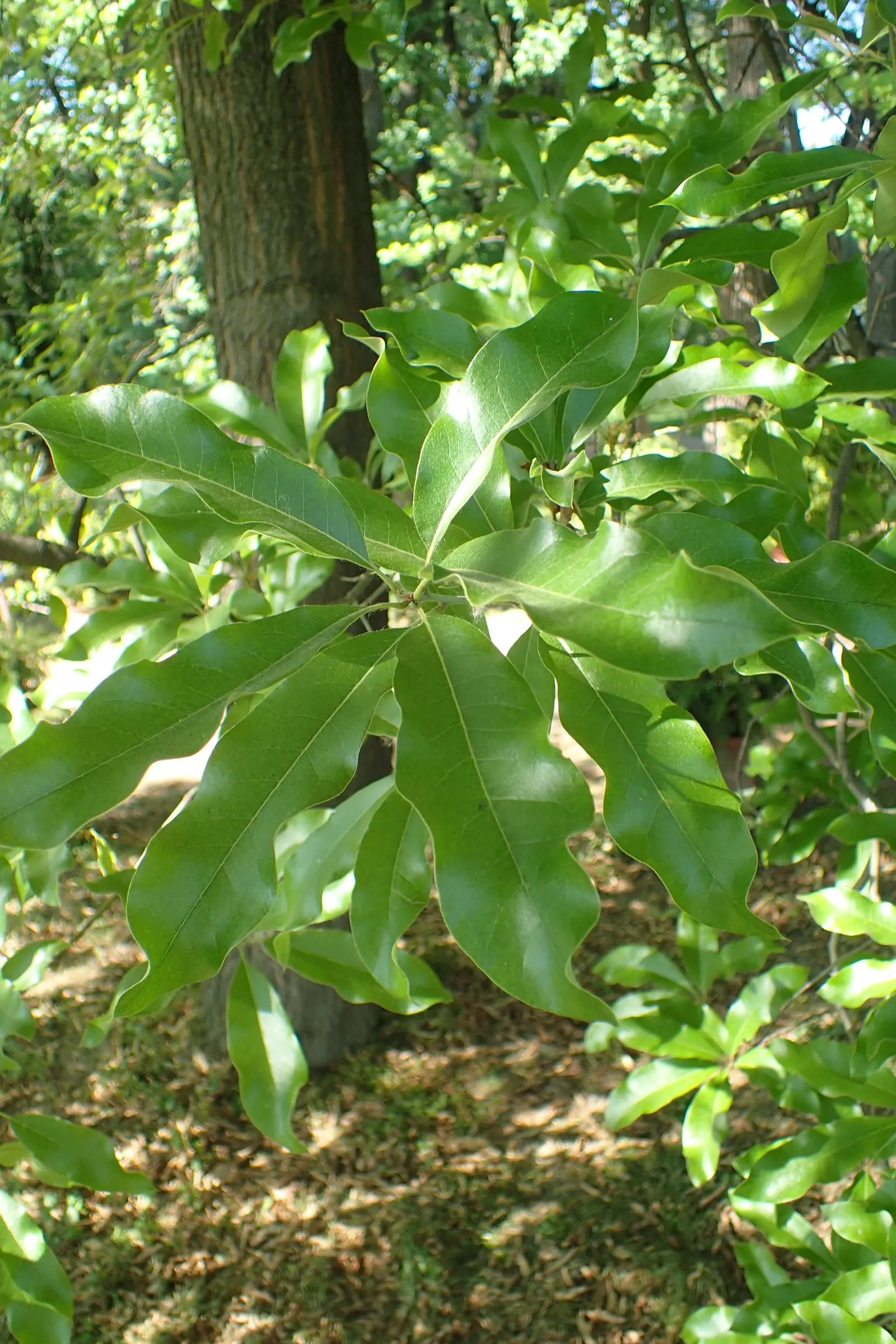
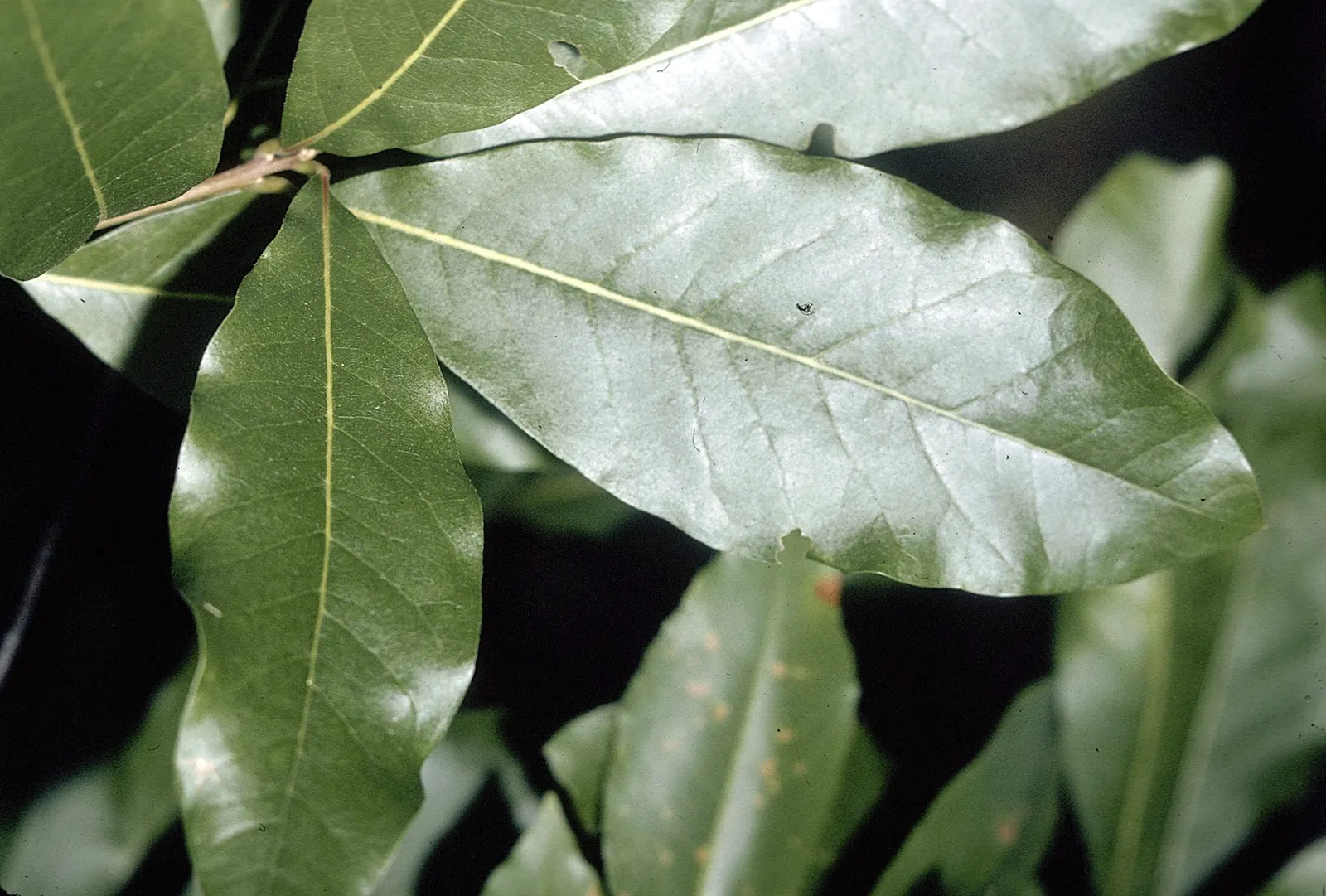
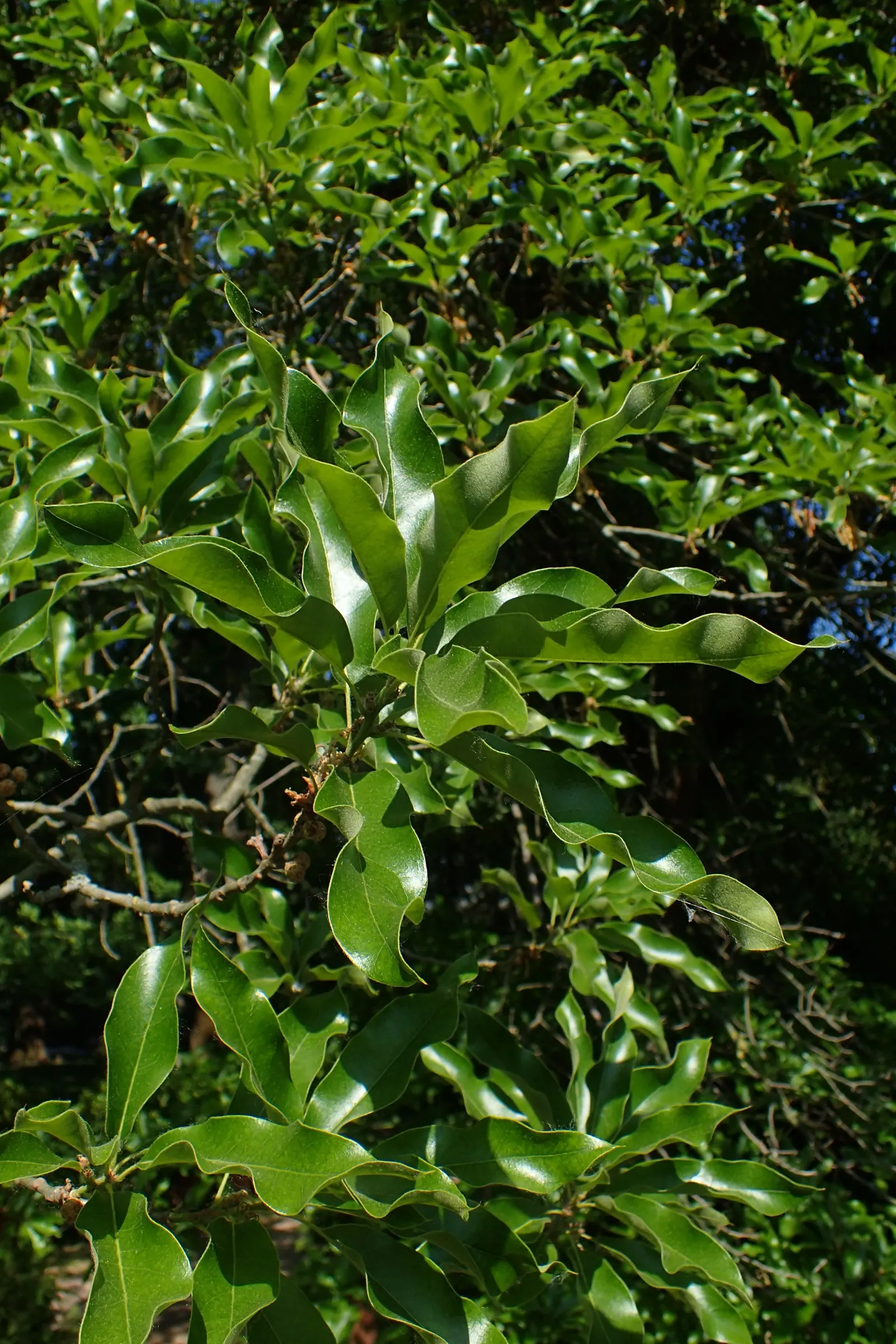
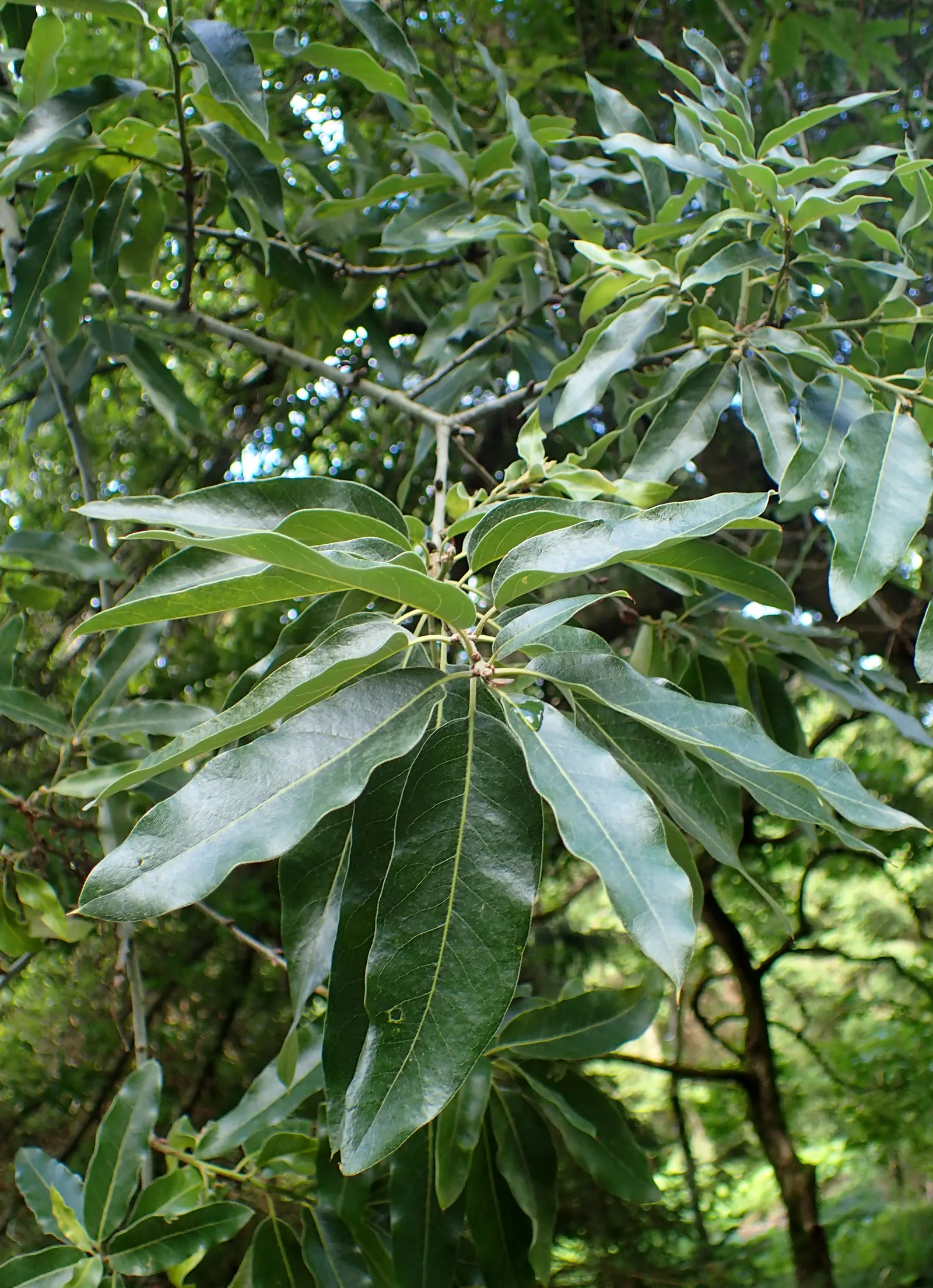
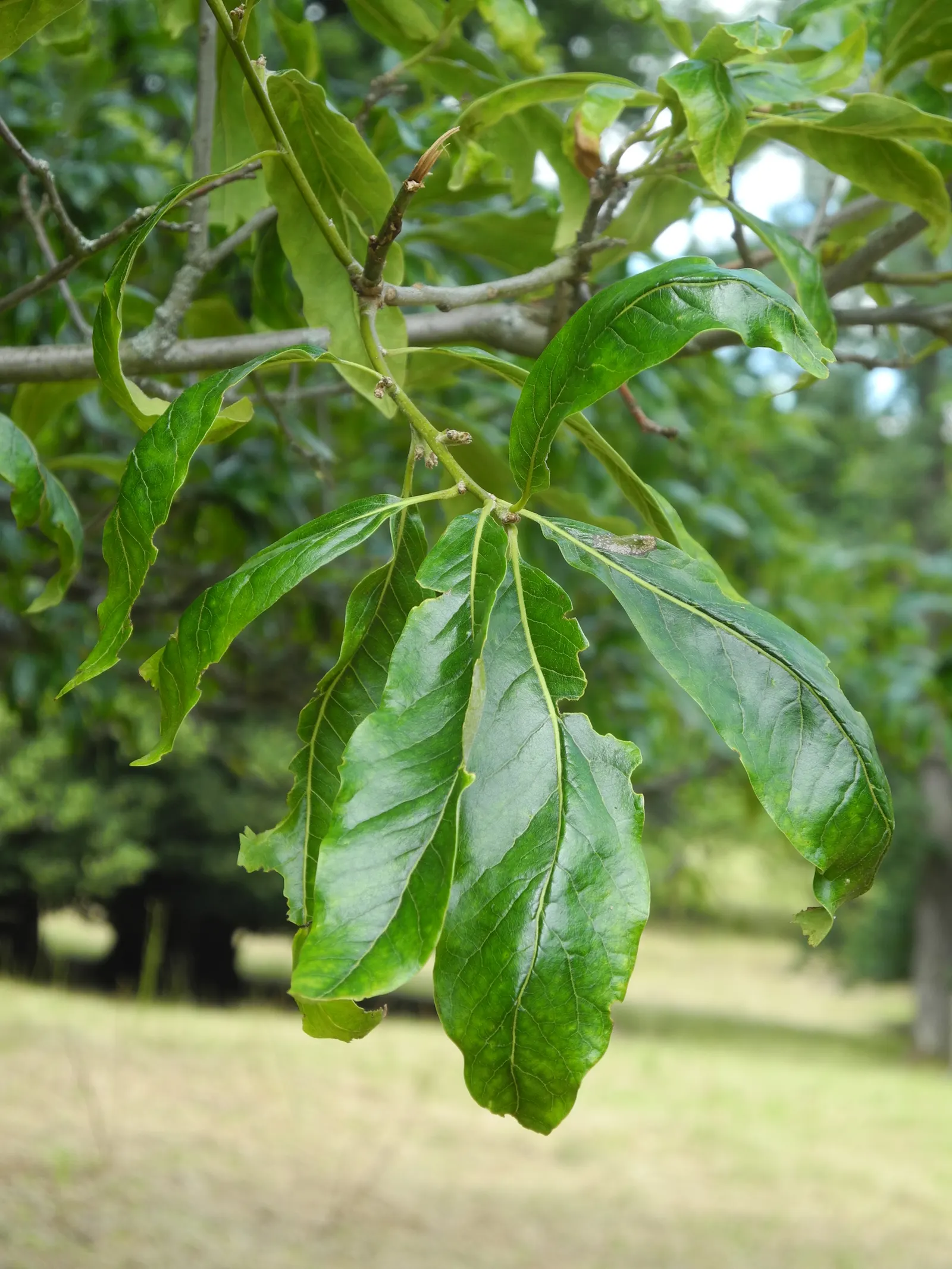
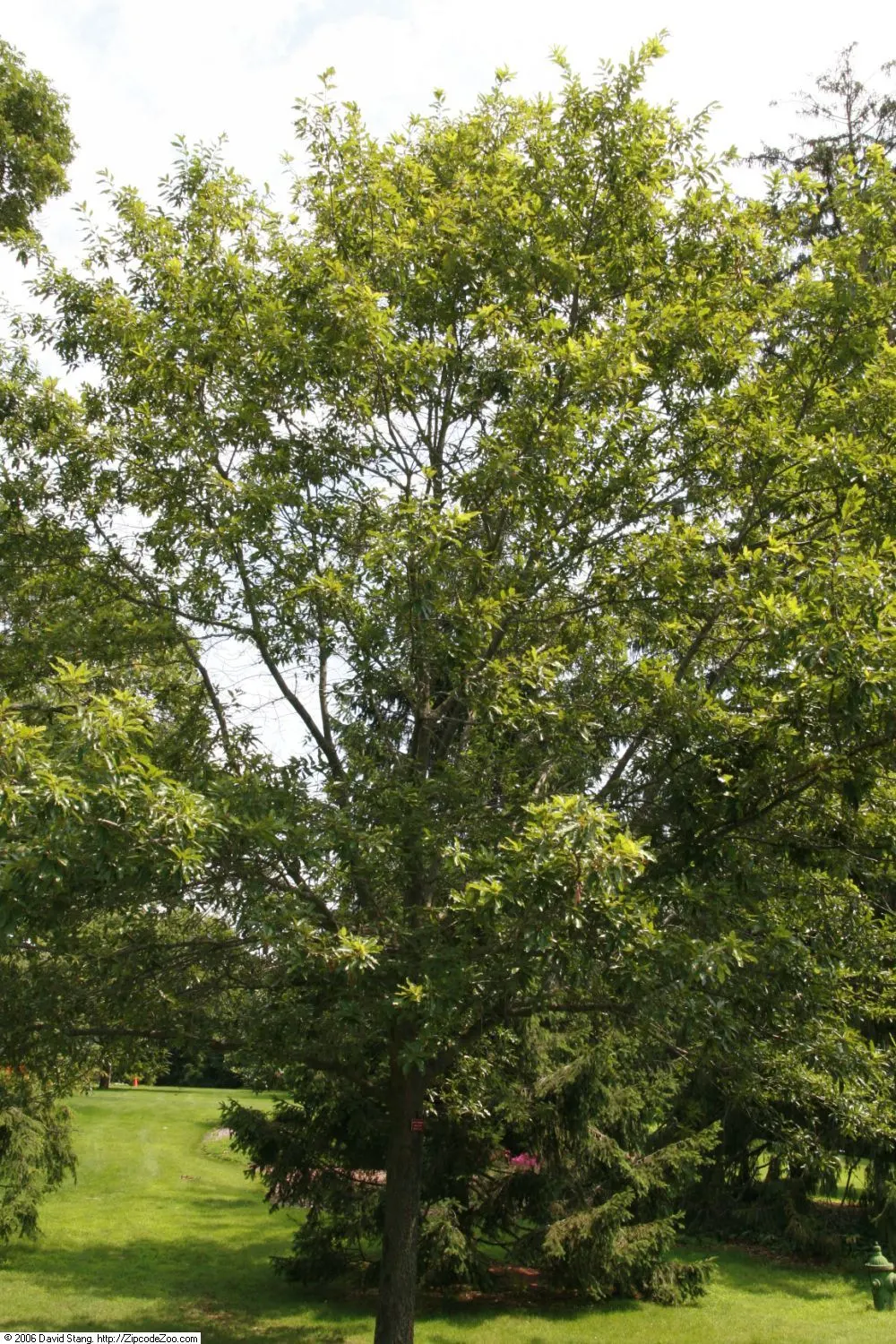
Quercus imbricaria or Shingle Oak is a sturdy deciduous tree, reaching 40-60 feet in height with a spread of 40-60 feet at maturity. Its oblong, shiny leaves resemble laurel, providing a unique texture. This oak tolerates various soil types, withstands urban conditions, and offers red-brown fall foliage. Perfect for shading and ornamental use, it supports wildlife with acorns as a food source. Zones 5-7.

Sun FullWater Extra in Summer, Low, MediumZones 7–9Type TreeClimate Temperate

Culture

Sun
Full
Water
Extra in Summer, Low, Medium
USDA zones
7–9

Shape & size

Mature height
40–60 Ft.
Mature width
40–60 Ft.

Classification

Type
Tree
Family
Fagaceae
Climate
Temperate

See full data, regional cultivation notes, and design tools. Build a client presentation around this plant.

Start your 14-day trial

Photos (48)

Shingle Oak (Quercus Imbricaria) — Designers appreciate this species for its relatively fast growth and its symmetrical
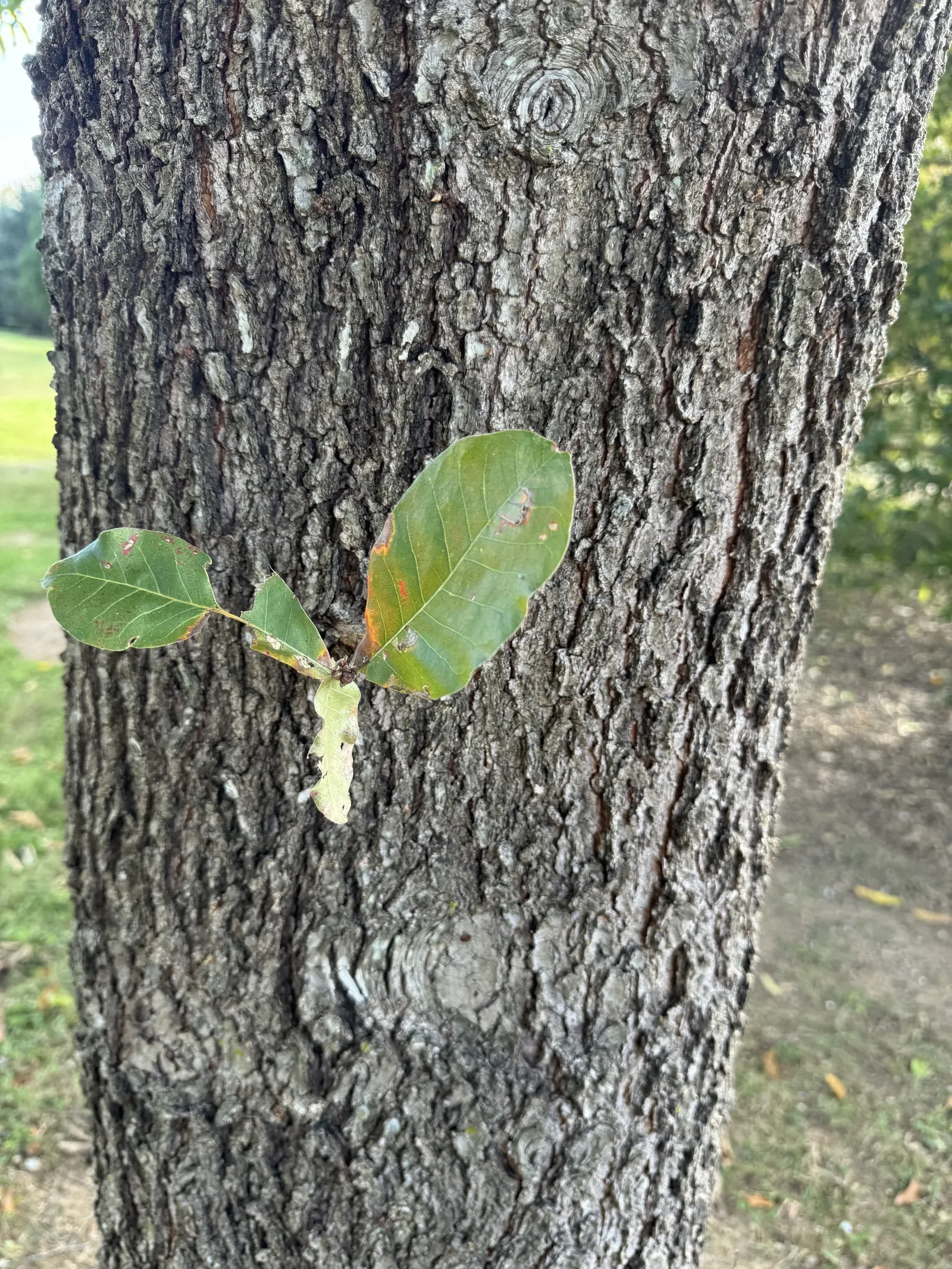
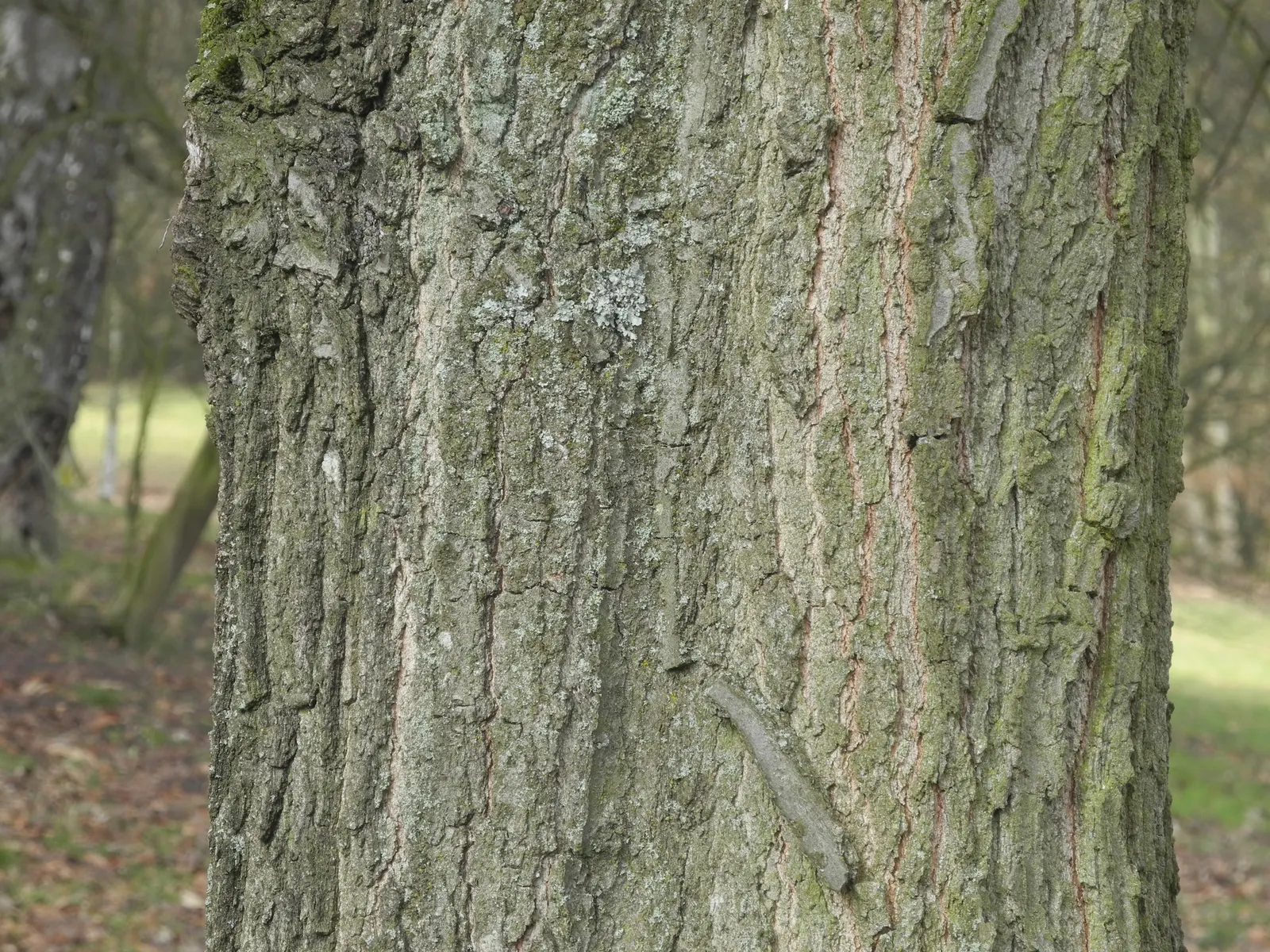
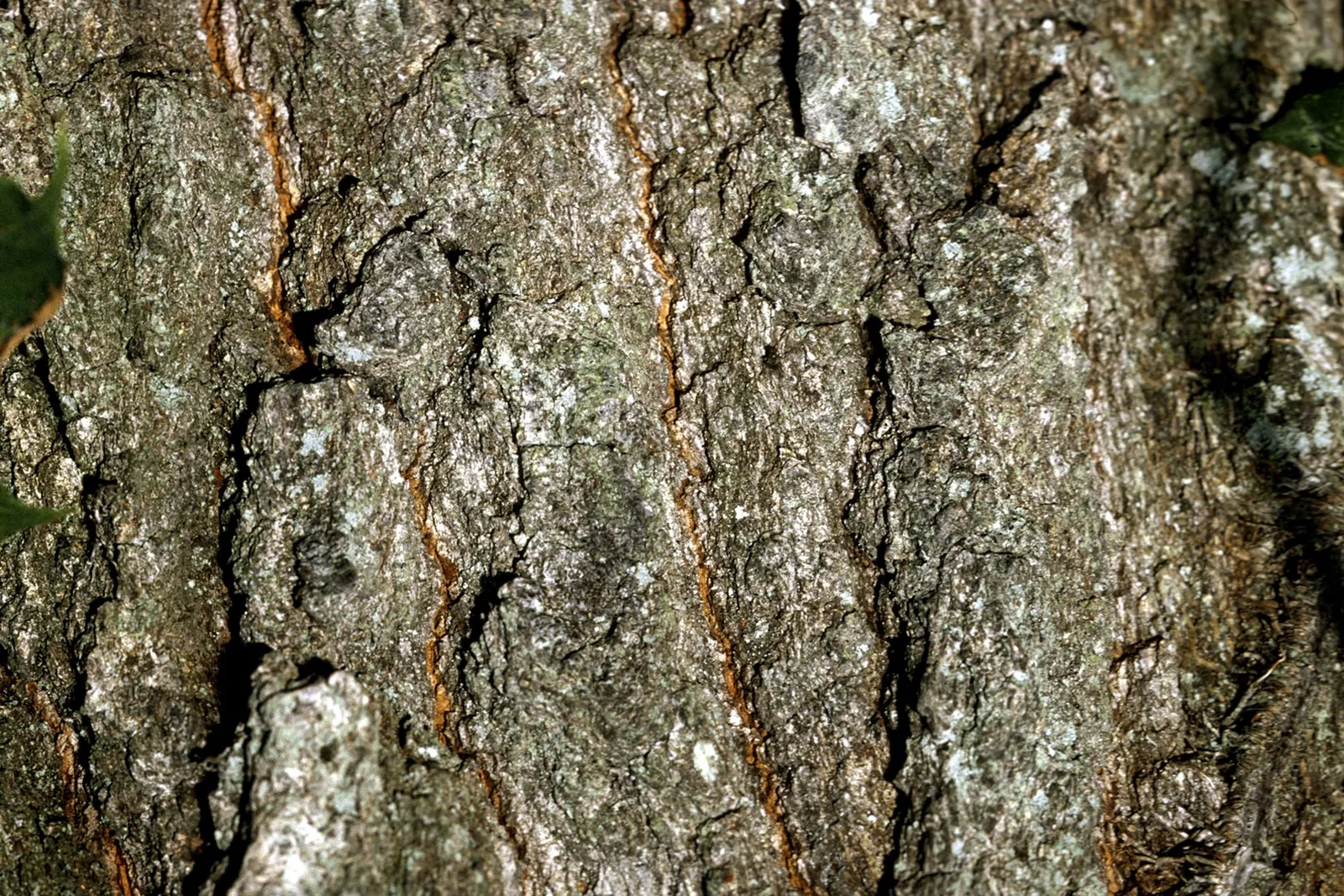
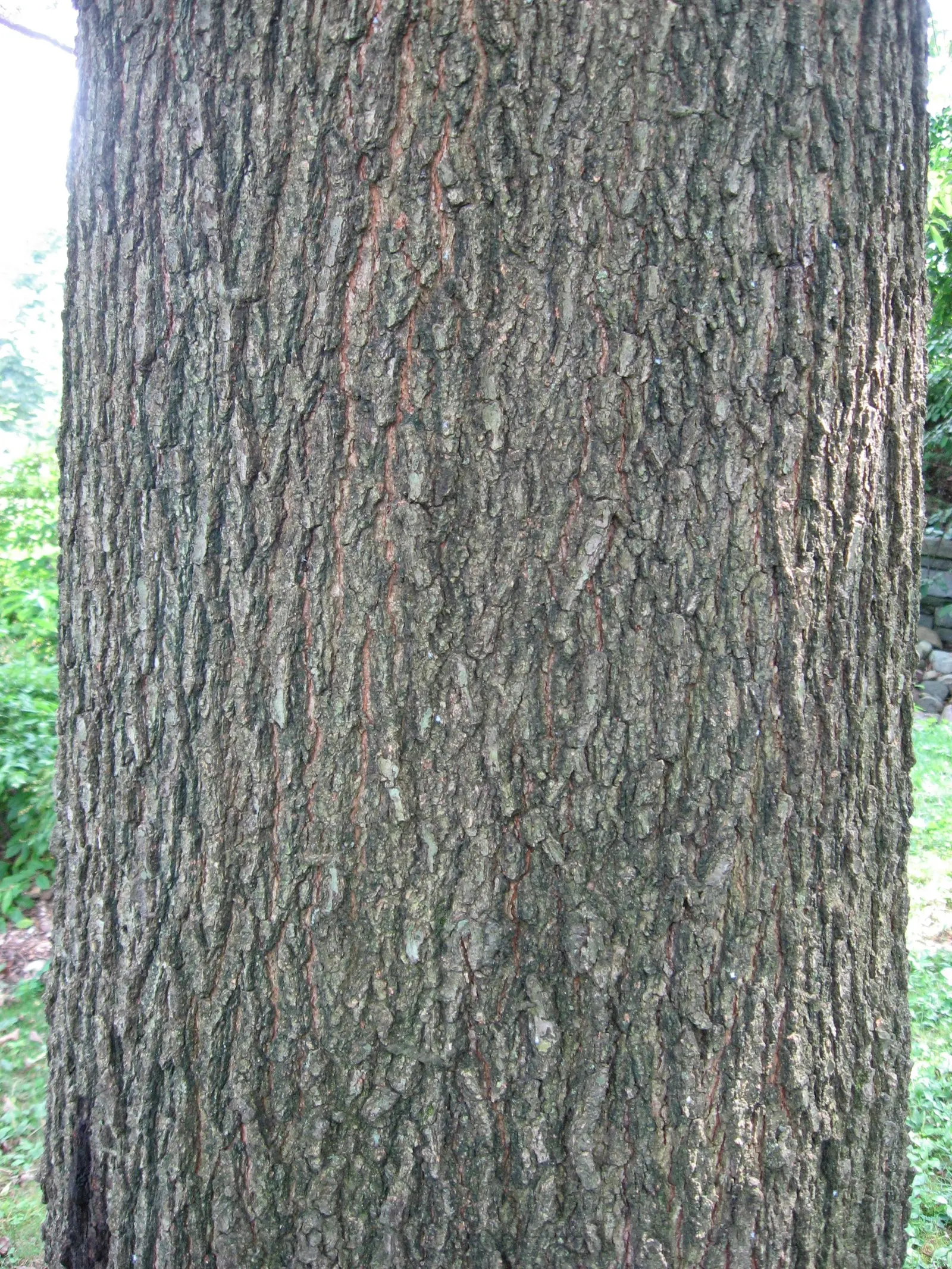
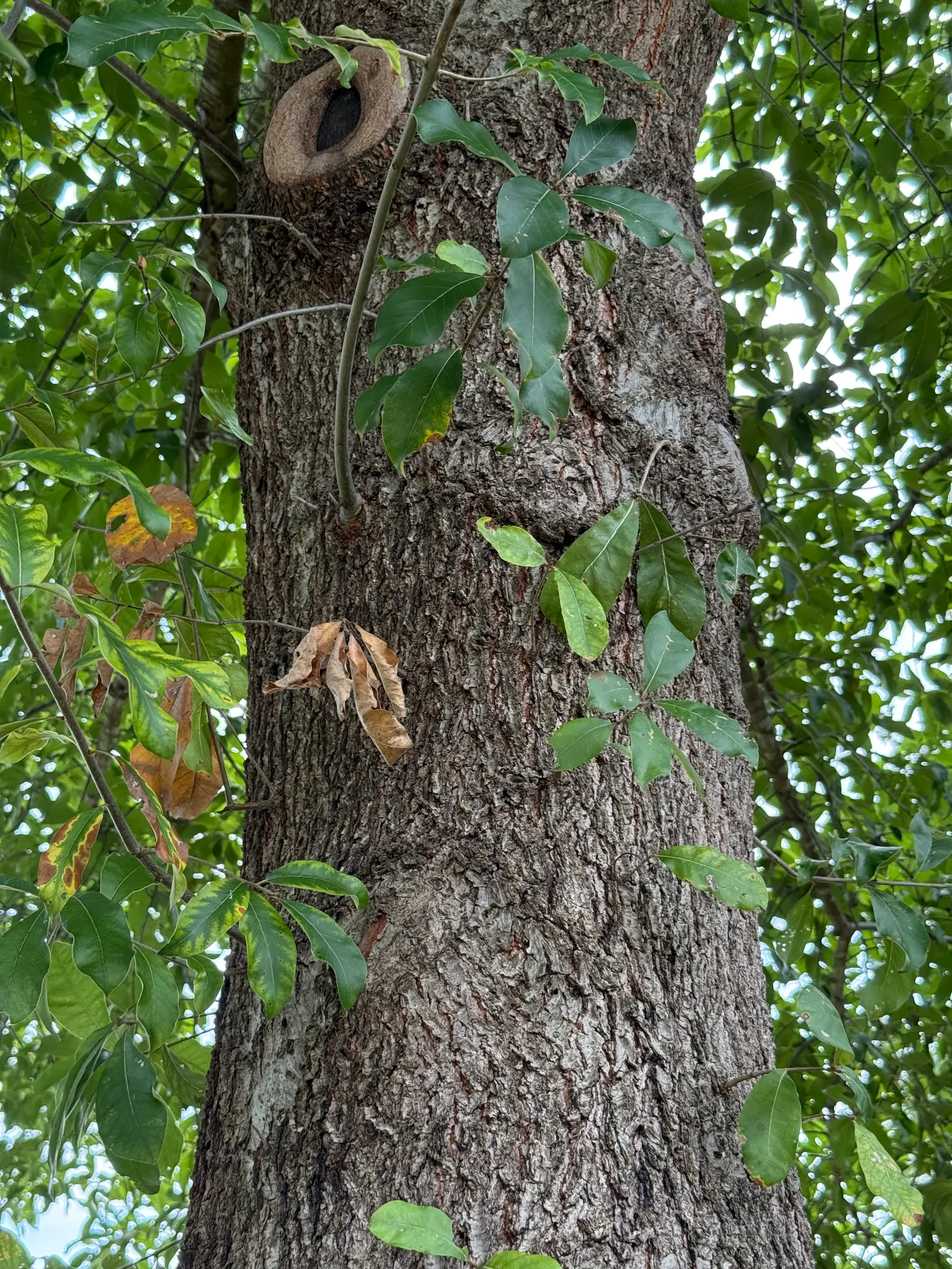
Shingle Oak (Quercus Imbricaria) — scientifically known as Quercus imbricaria; its bark is an attractive
Shingle Oak (Quercus Imbricaria) — Quercus imbricaria or Shingle Oak is a sturdy deciduous tree; this oak tolerates various soil types, withstands urban
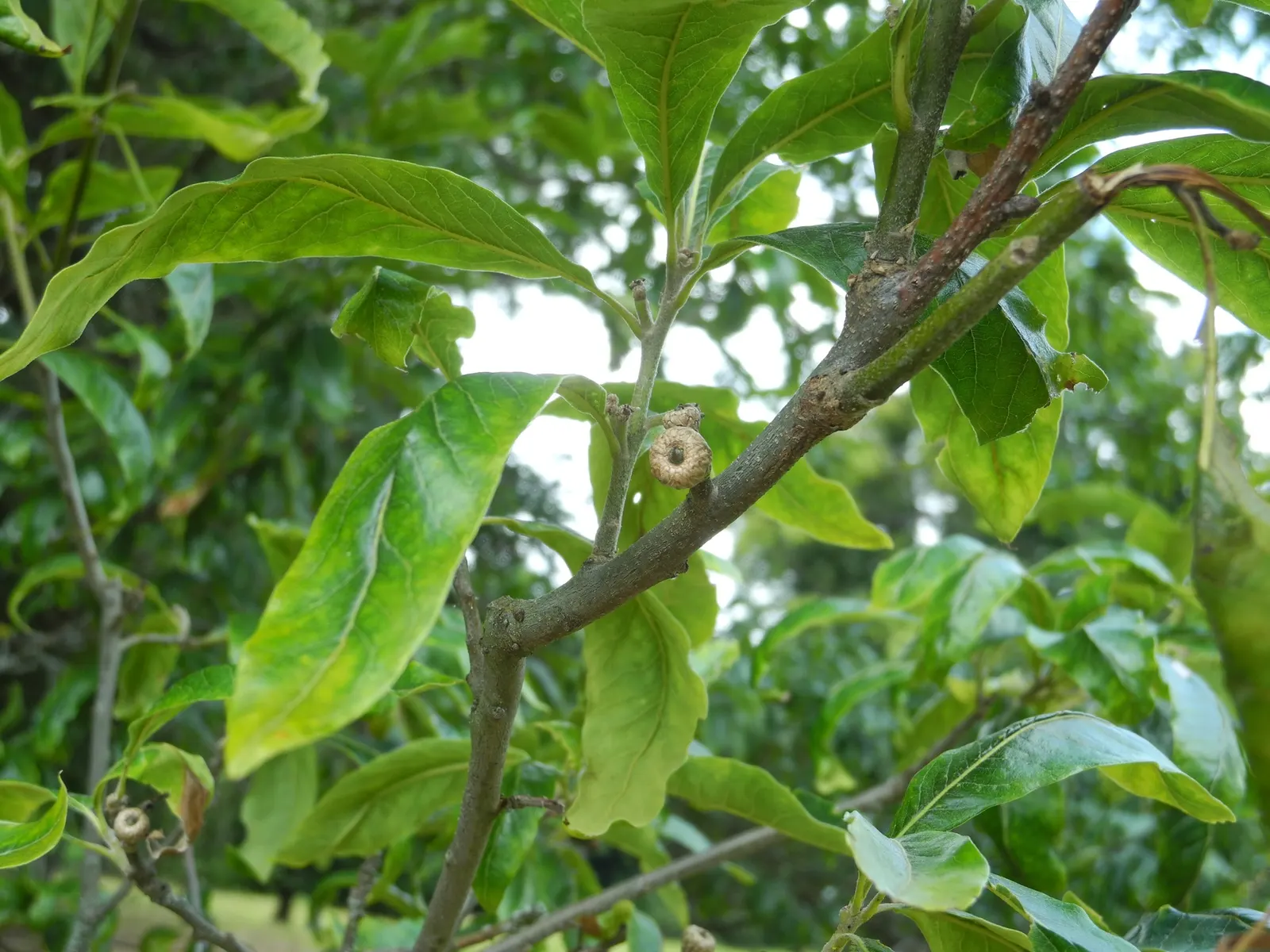
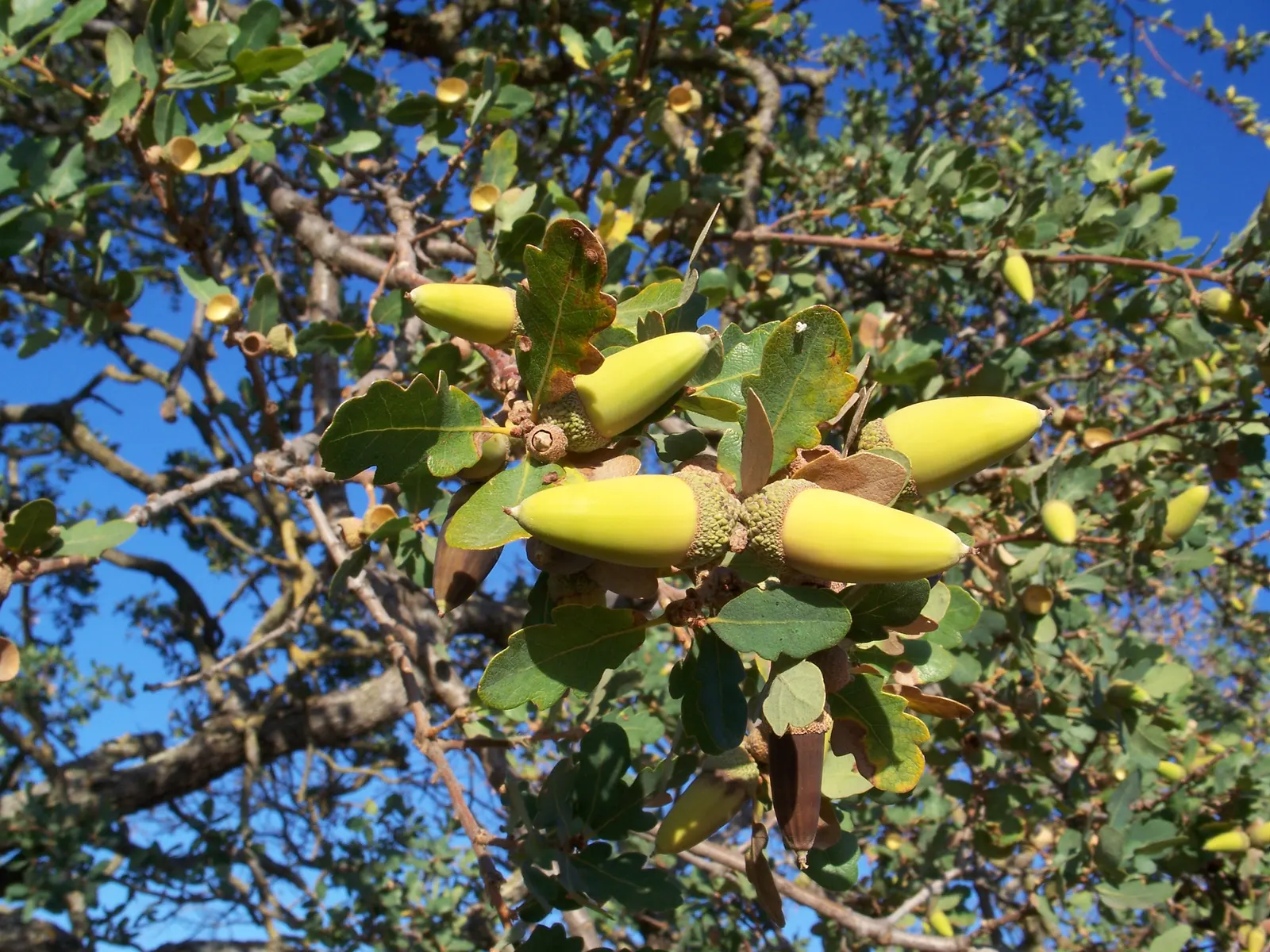
Shingle Oak (Quercus Imbricaria) — Perfect for shading and ornamental use, it supports wildlife with acorns as a food source
Shingle Oak (Quercus Imbricaria) — dark gray with ridges and furrows
Shingle Oak (Quercus Imbricaria) — tree for full
Shingle Oak (Quercus Imbricaria) — green and yellow flowers in the garden
Shingle Oak (Quercus Imbricaria) — tree with green and yellow blooms
Shingle Oak (Quercus Imbricaria) — Native to the central and eastern United States
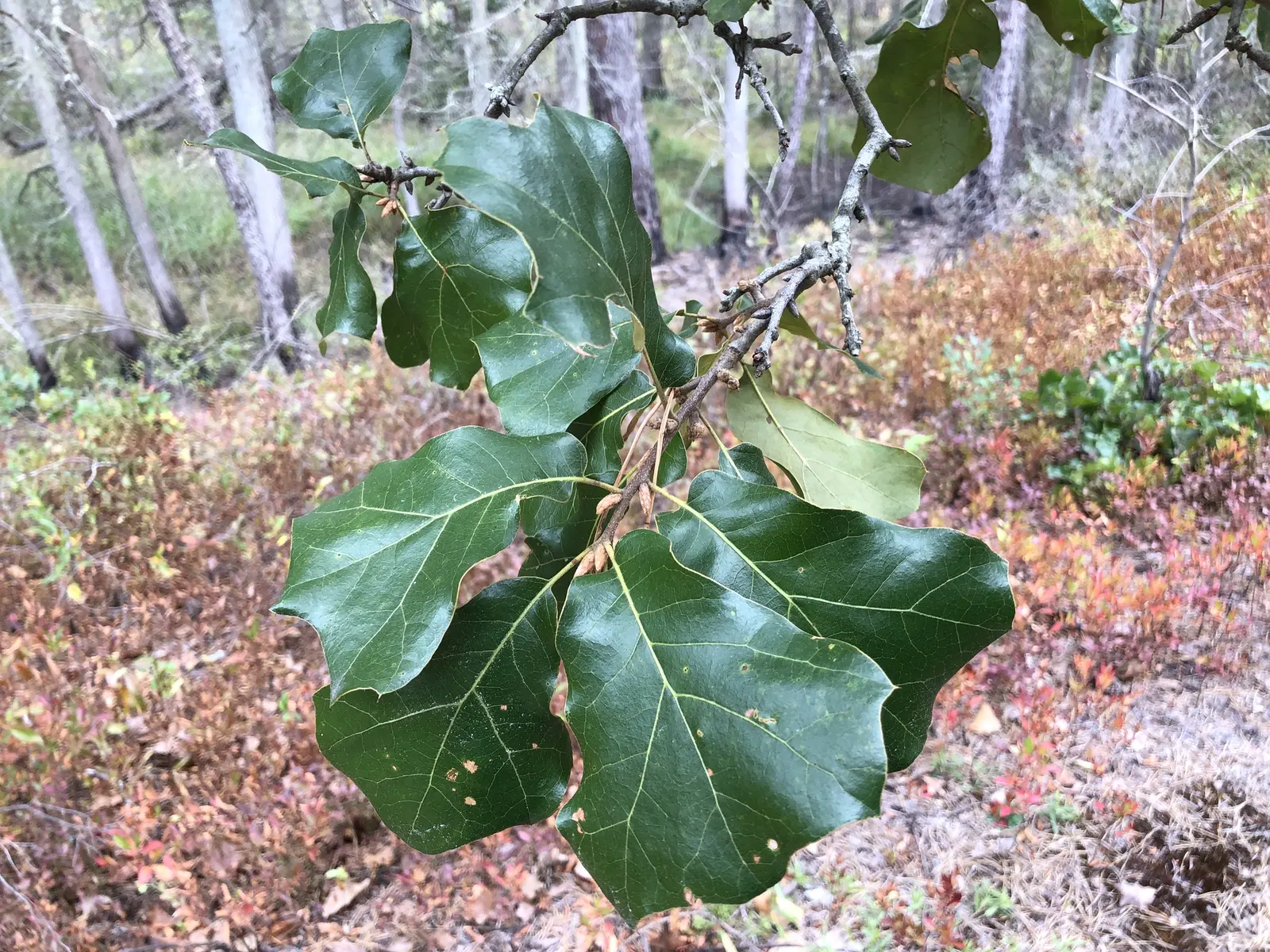
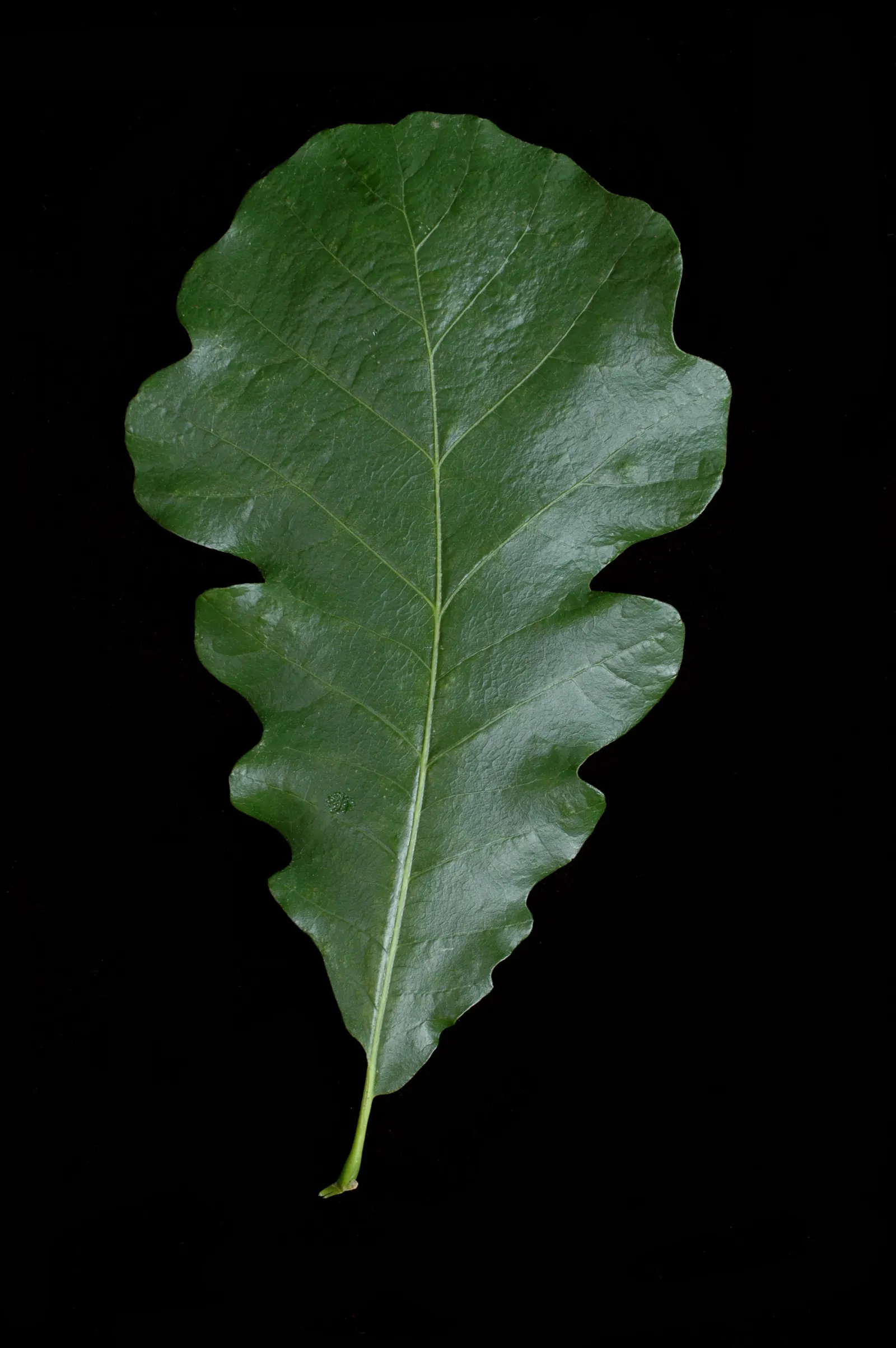
Shingle Oak (Quercus Imbricaria) — reaching 40-60 feet in height with a spread of 40-60 feet at maturity; glossy green leaves without the typical deep lobes of
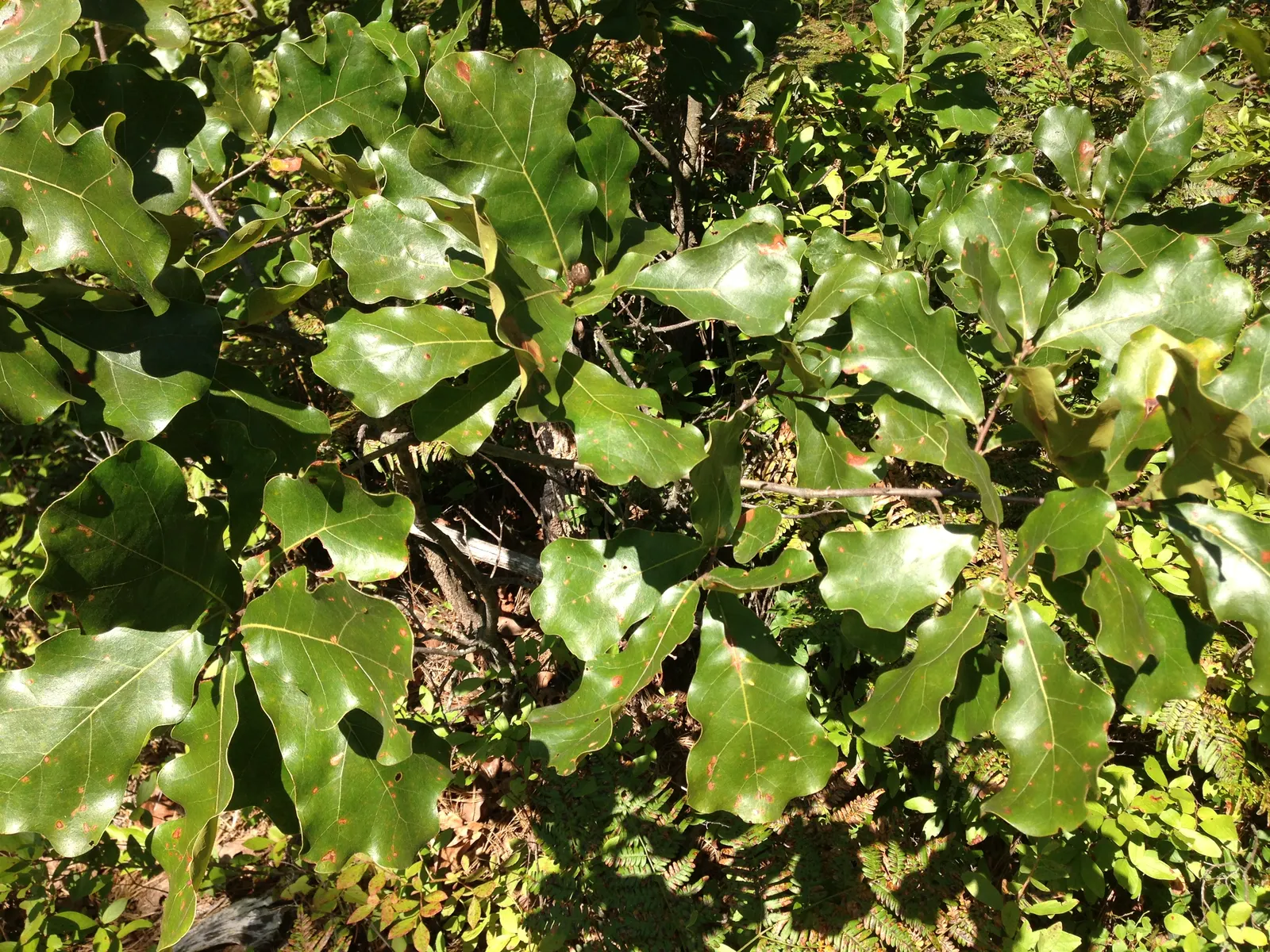
Shingle Oak (Quercus Imbricaria) — Its distinctive feature is the lance-shaped
Shingle Oak (Quercus Imbricaria) — This oak tolerates various soil types, withstands urban conditions, and offers red-brown fall foliage; its oblong, shiny
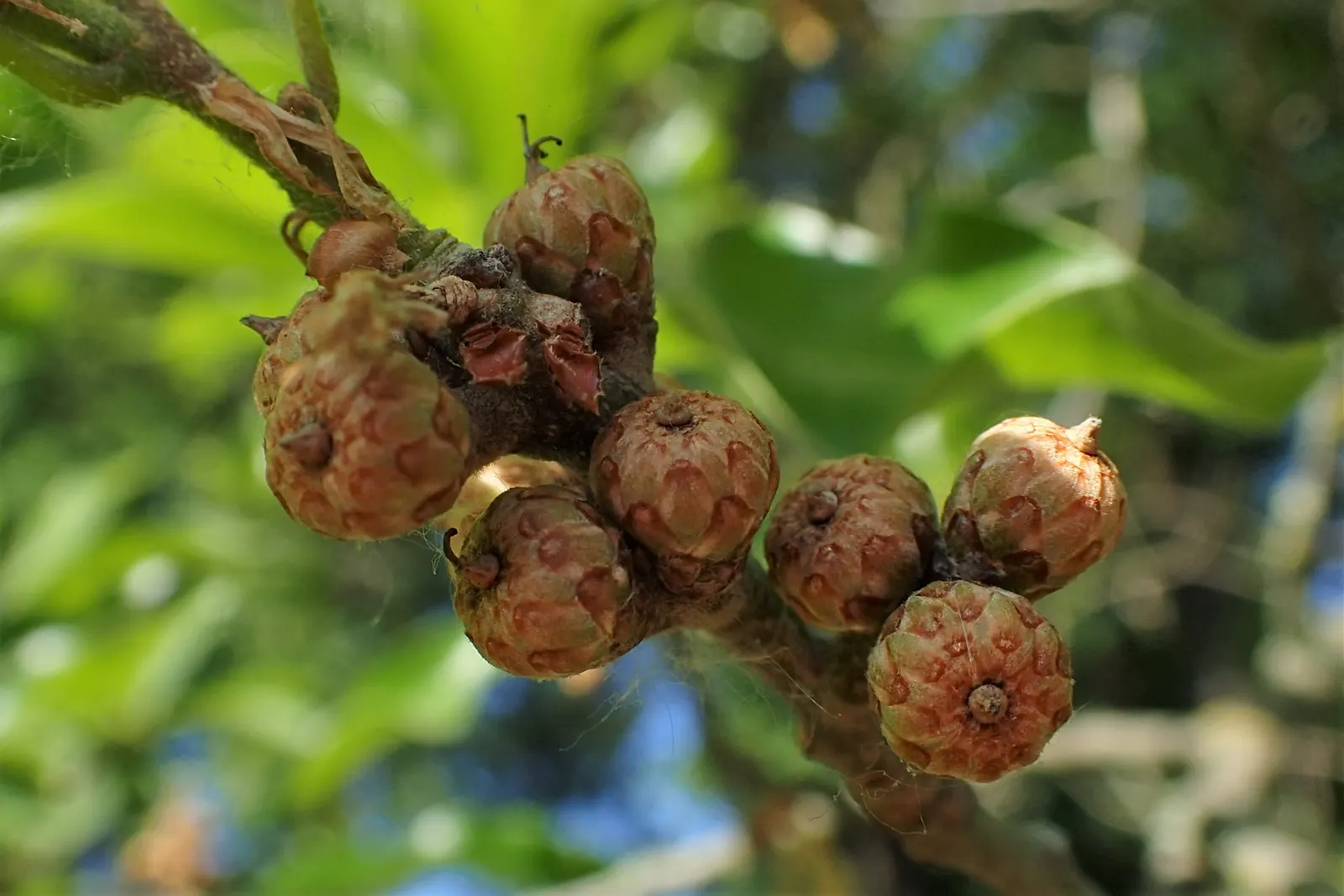
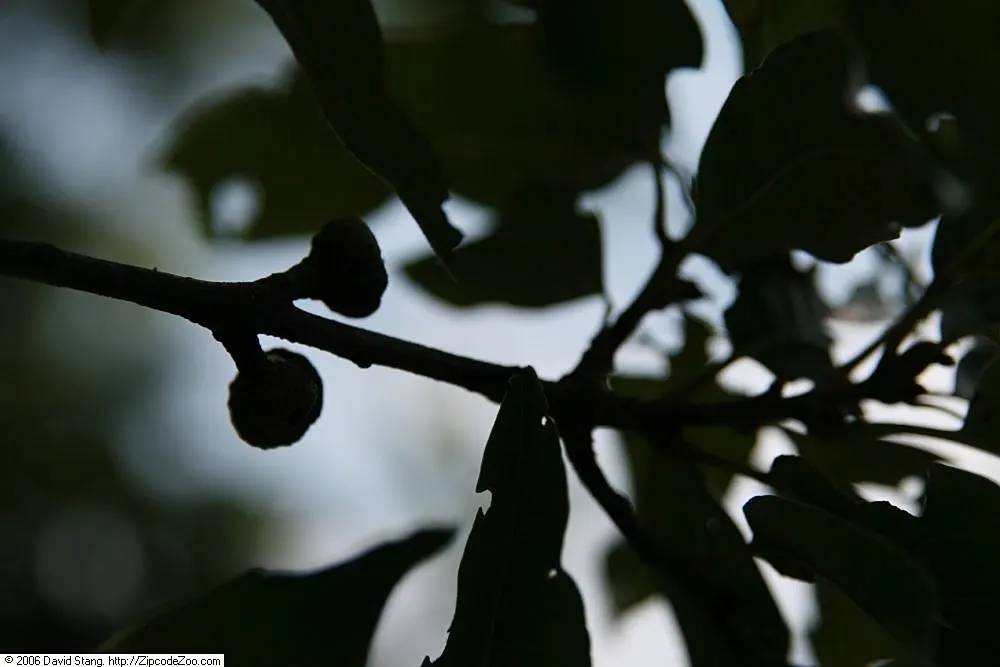
Shingle Oak (Quercus Imbricaria) — the Shingle Oak does produce acorns that will drop in the fall
Shingle Oak (Quercus Imbricaria) — reaching 40-60 feet in height with a spread of 40-60 feet at maturity
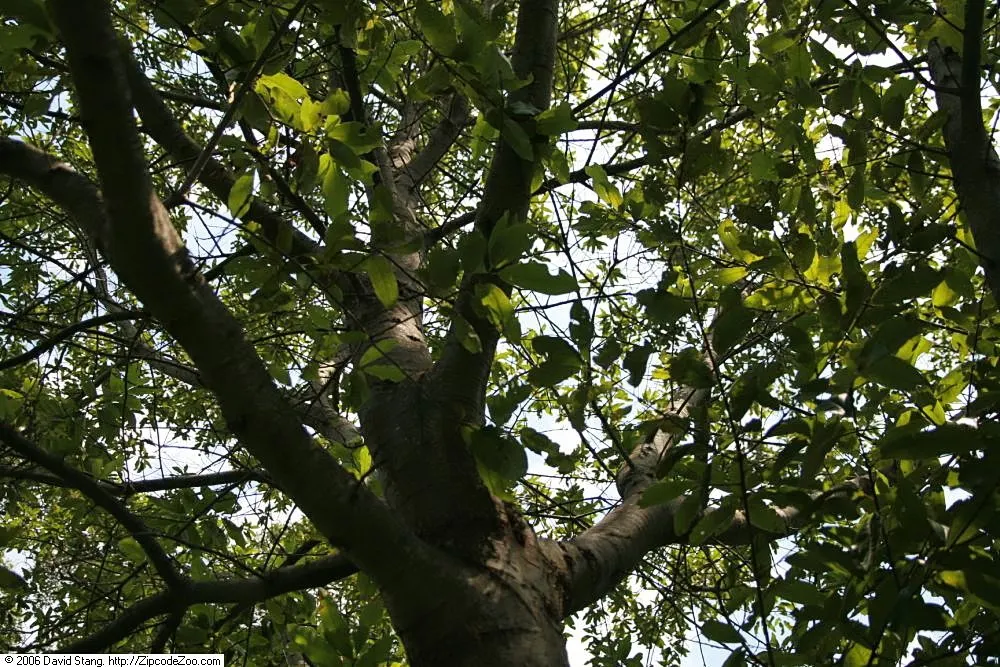
Shingle Oak (Quercus Imbricaria) — pyramidal to oval growth habit in youth
Shingle Oak (Quercus Imbricaria) — with a canopy spread of about 40 to 50 feet
Shingle Oak (Quercus Imbricaria) — scientifically known as Quercus imbricaria
Shingle Oak (Quercus Imbricaria) — This oak tolerates various soil types, withstands urban conditions, and offers red-brown fall foliage
Shingle Oak (Quercus Imbricaria) — Perfect for shading and ornamental use, it supports wildlife with acorns as a food source; its distinctive feature is the
Shingle Oak (Quercus Imbricaria) — this oak typically matures to a height of 50 to 60 feet
Shingle Oak (Quercus Imbricaria) — Its oblong, shiny leaves resemble laurel, providing a unique texture; dark gray with ridges and furrows
Shingle Oak (Quercus Imbricaria) — This noble tree promises years of stately beauty and sturdy presence in the designed landscape
Shingle Oak (Quercus Imbricaria) — though it has a preference for moist
Shingle Oak (Quercus Imbricaria) — Quercus imbricaria or Shingle Oak is a sturdy deciduous tree
Photographs by 5 contributors

Related plants