Skip to content

Gambel Oak

Quercus Gambelii

Design with this plant

Overview

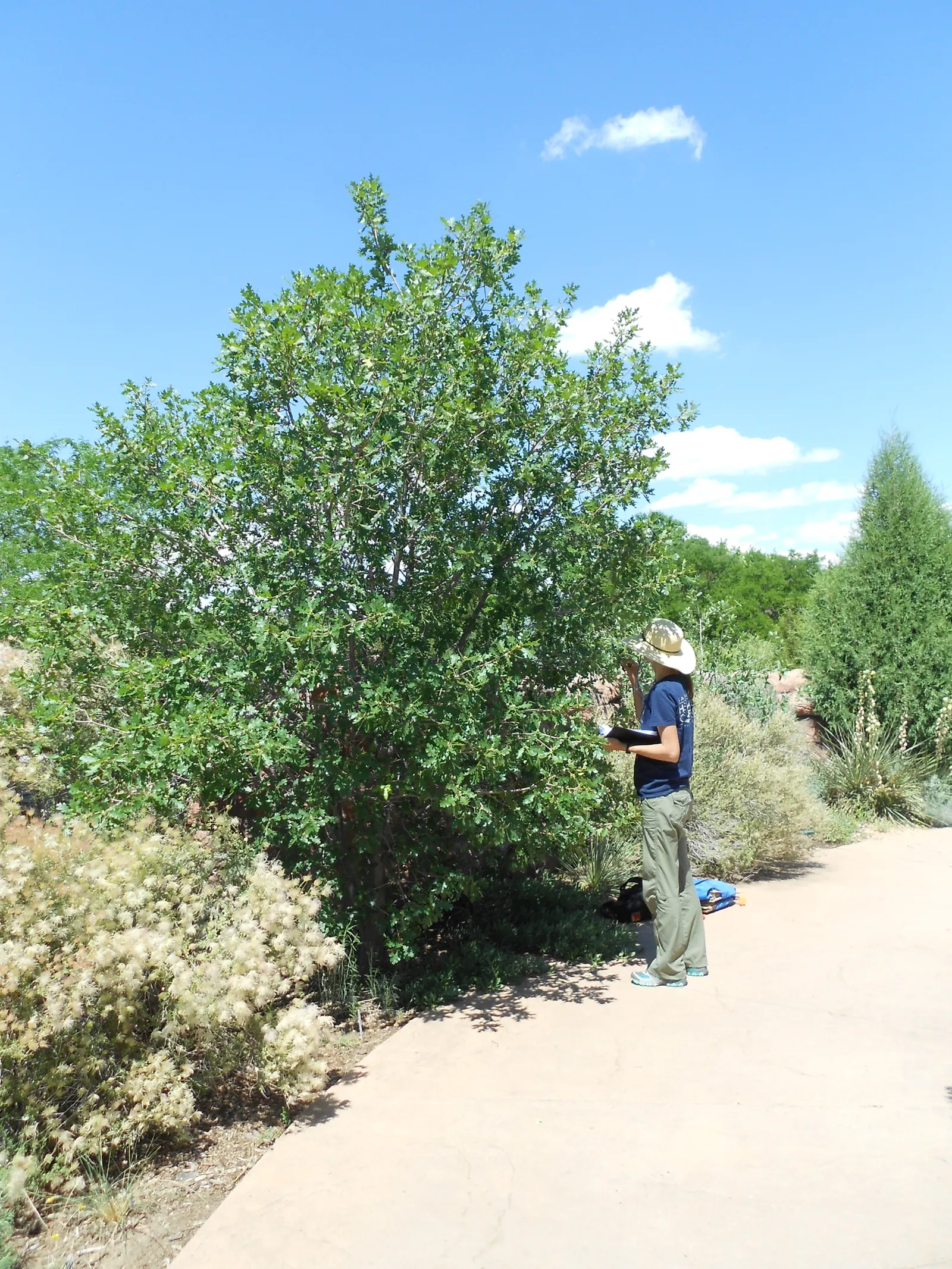
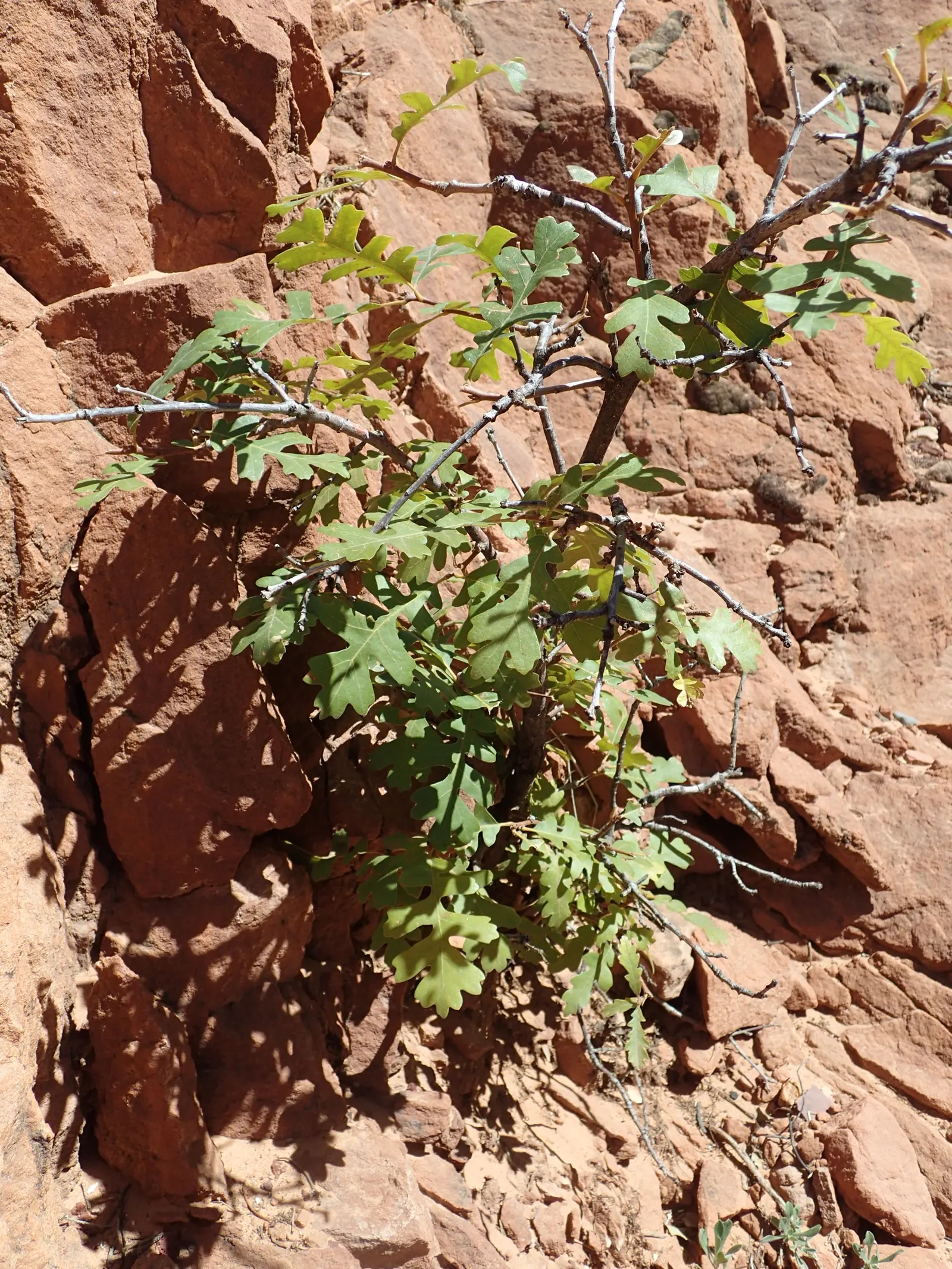
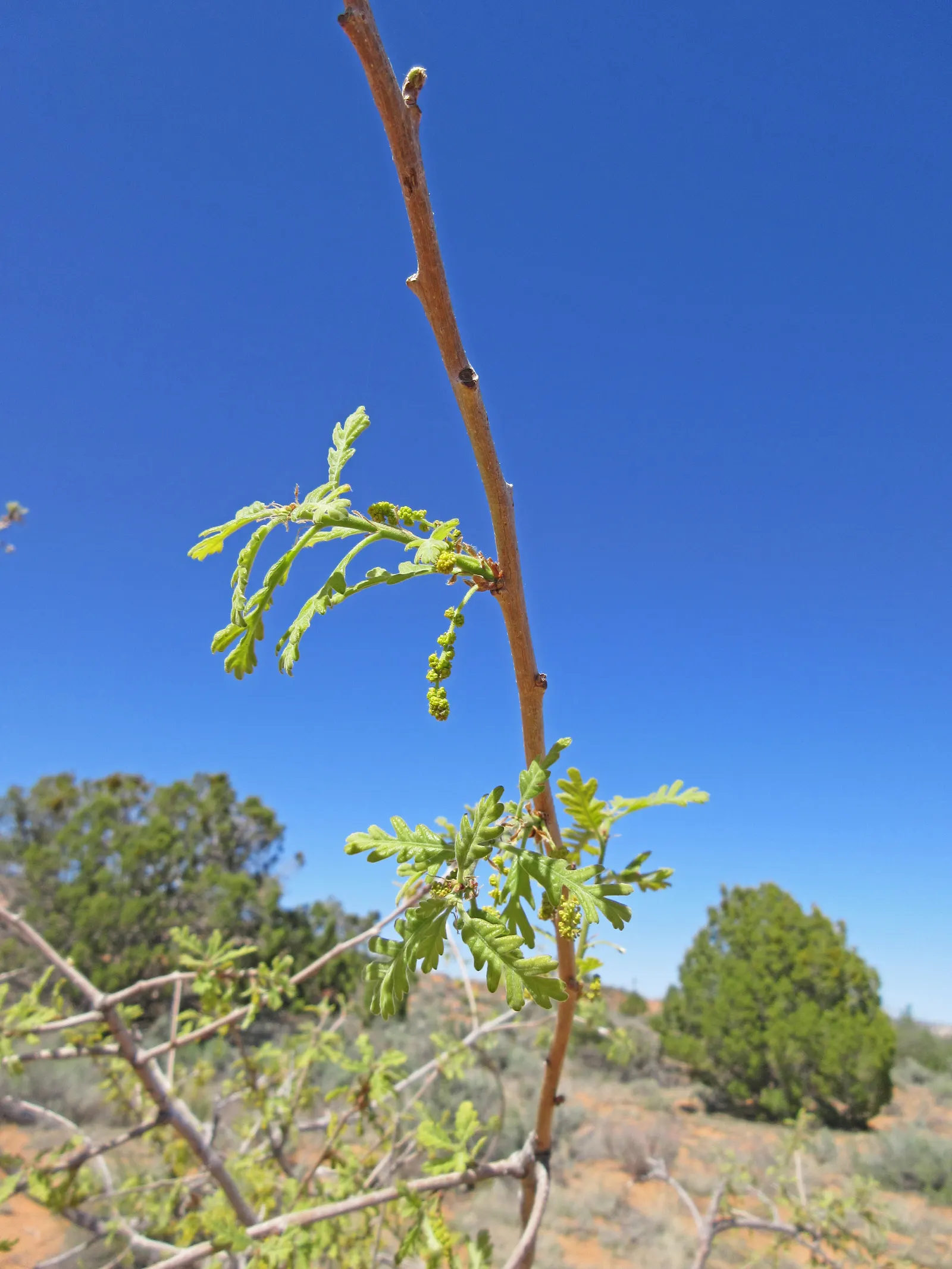
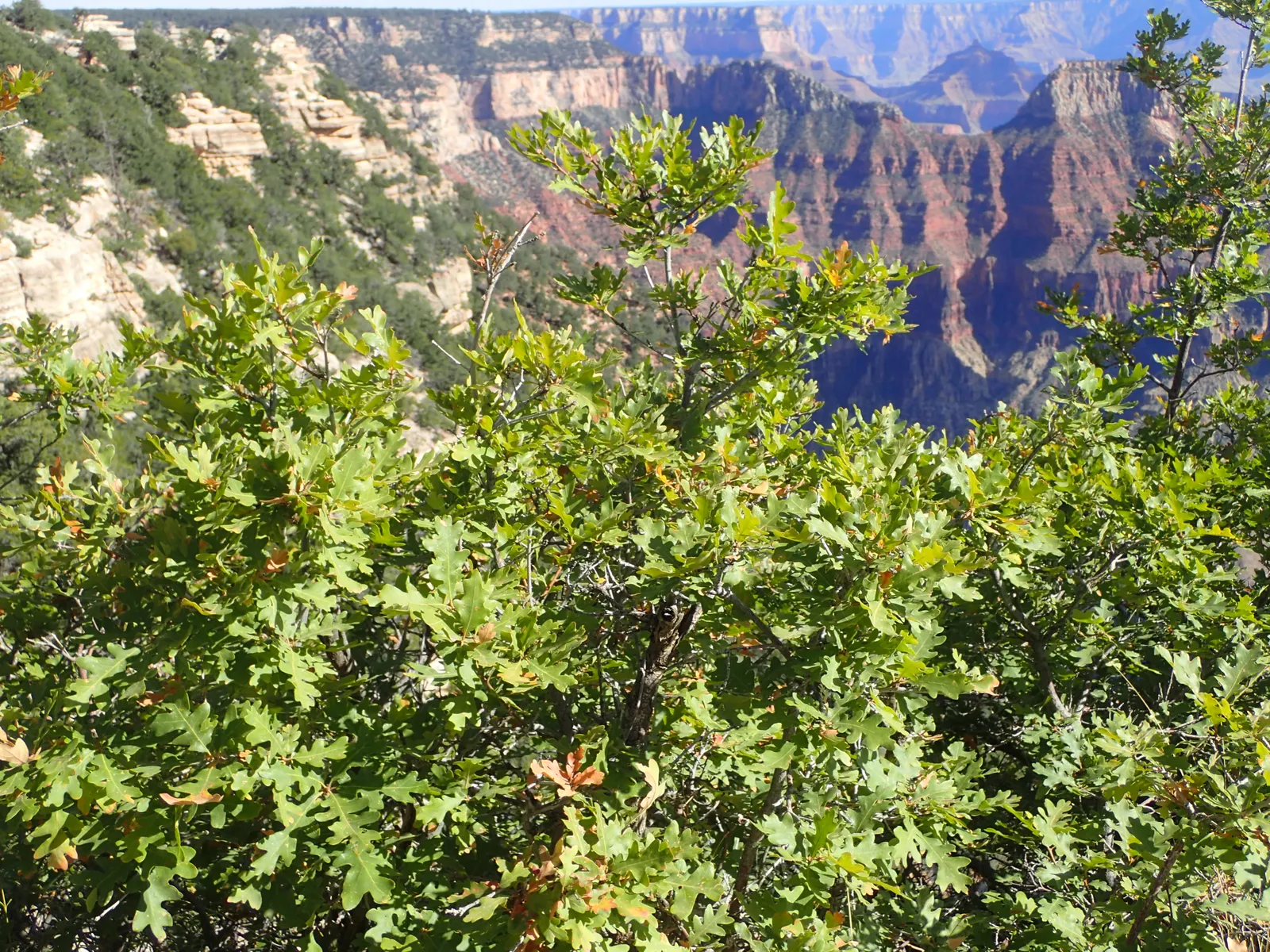
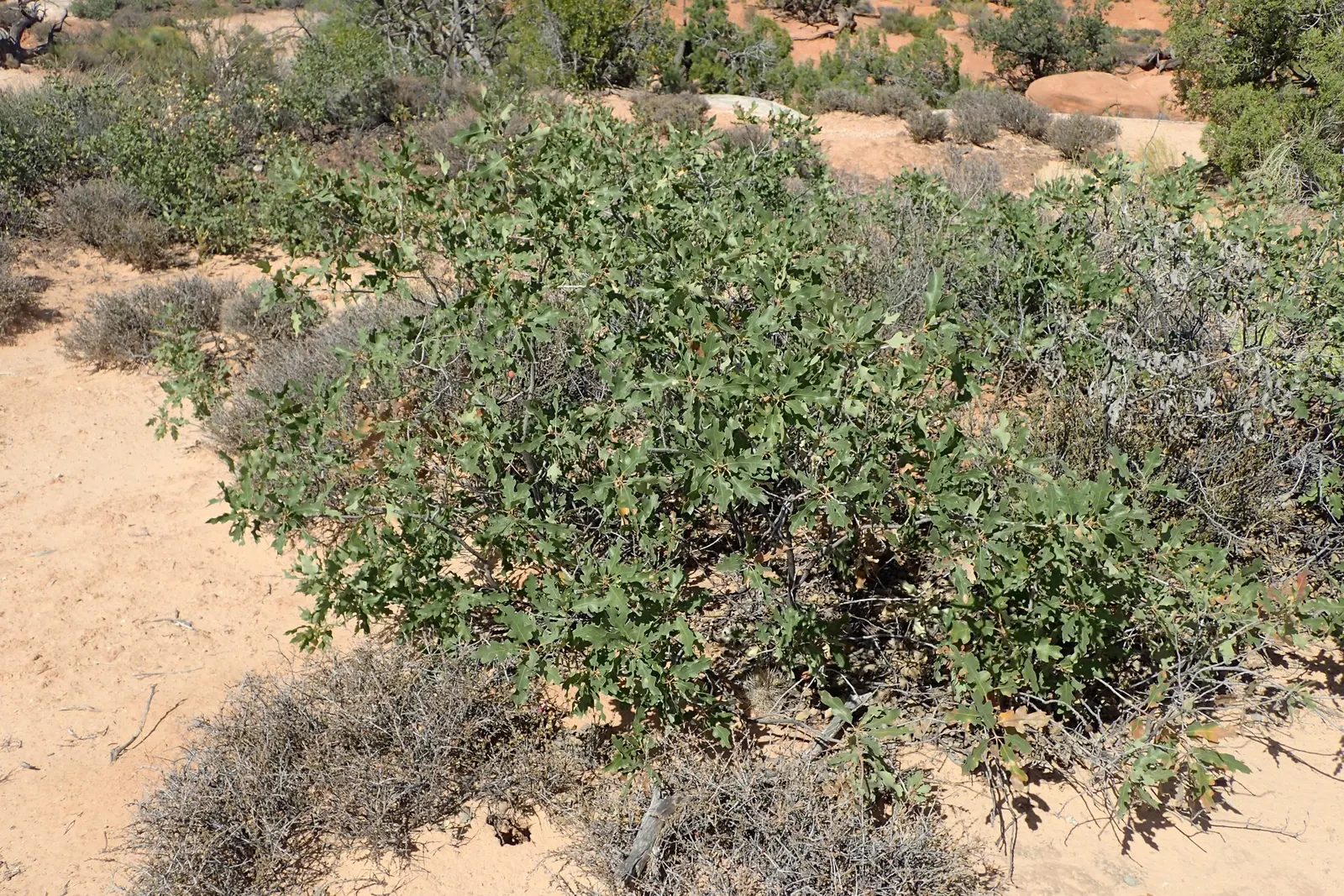
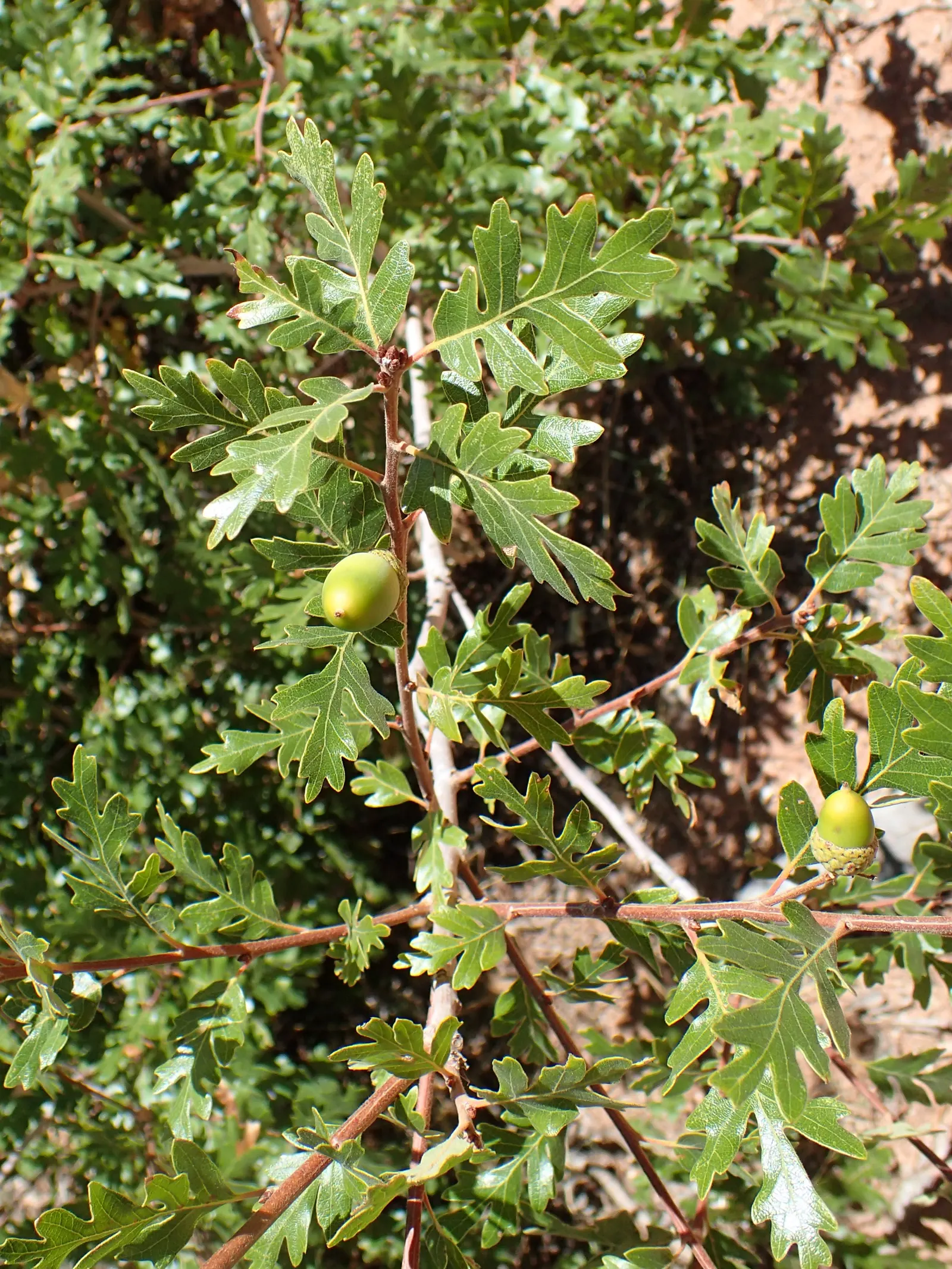
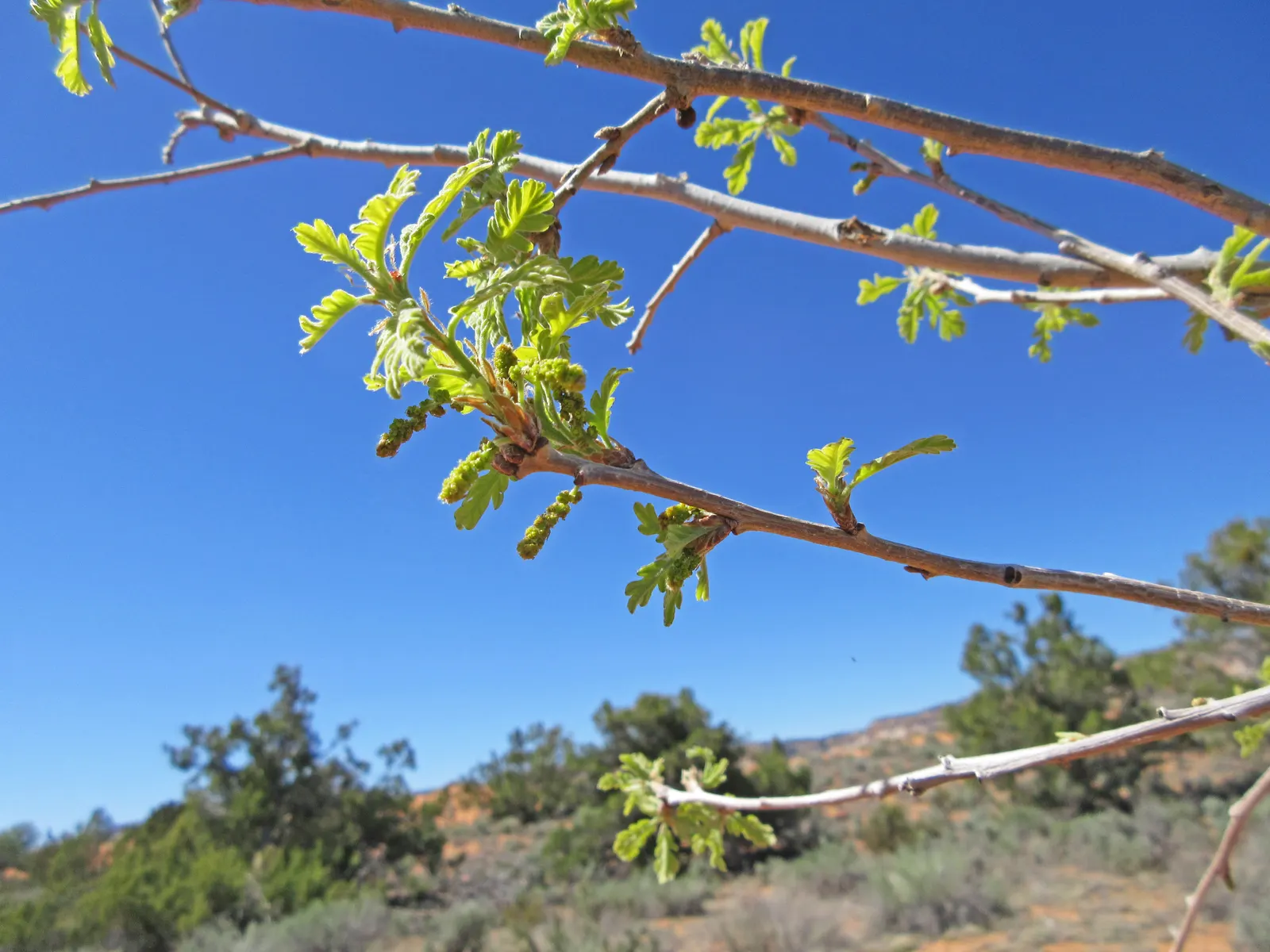
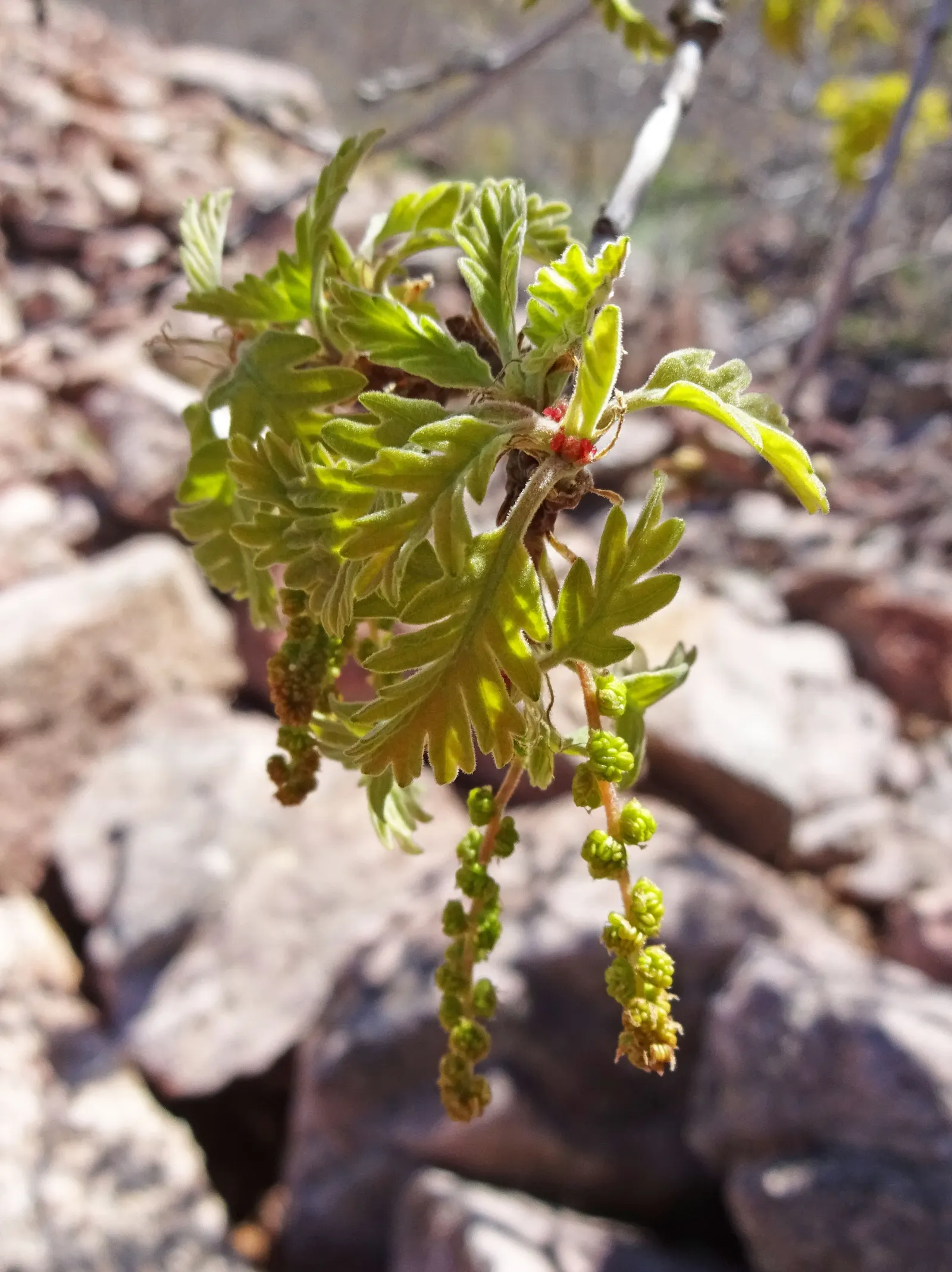
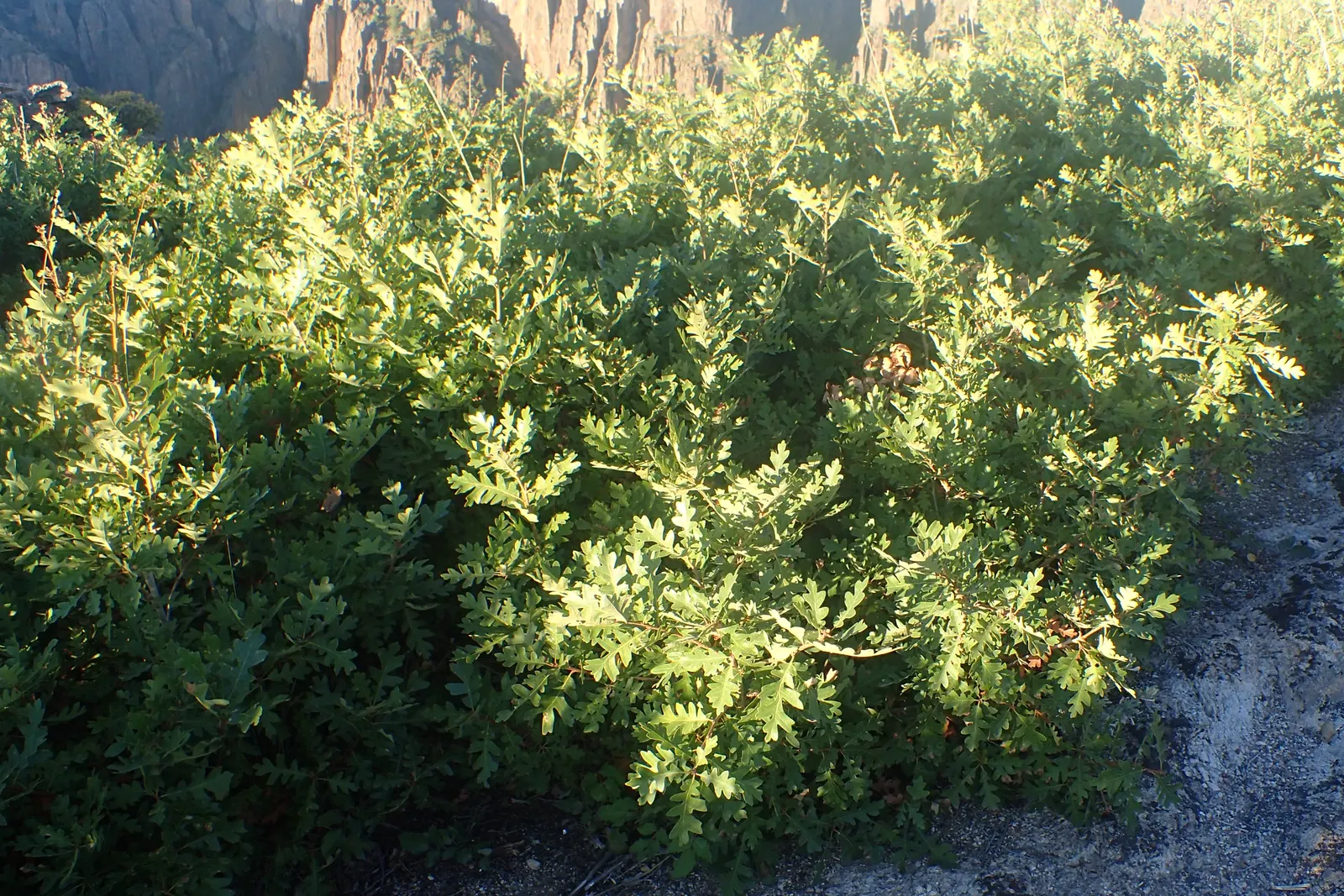
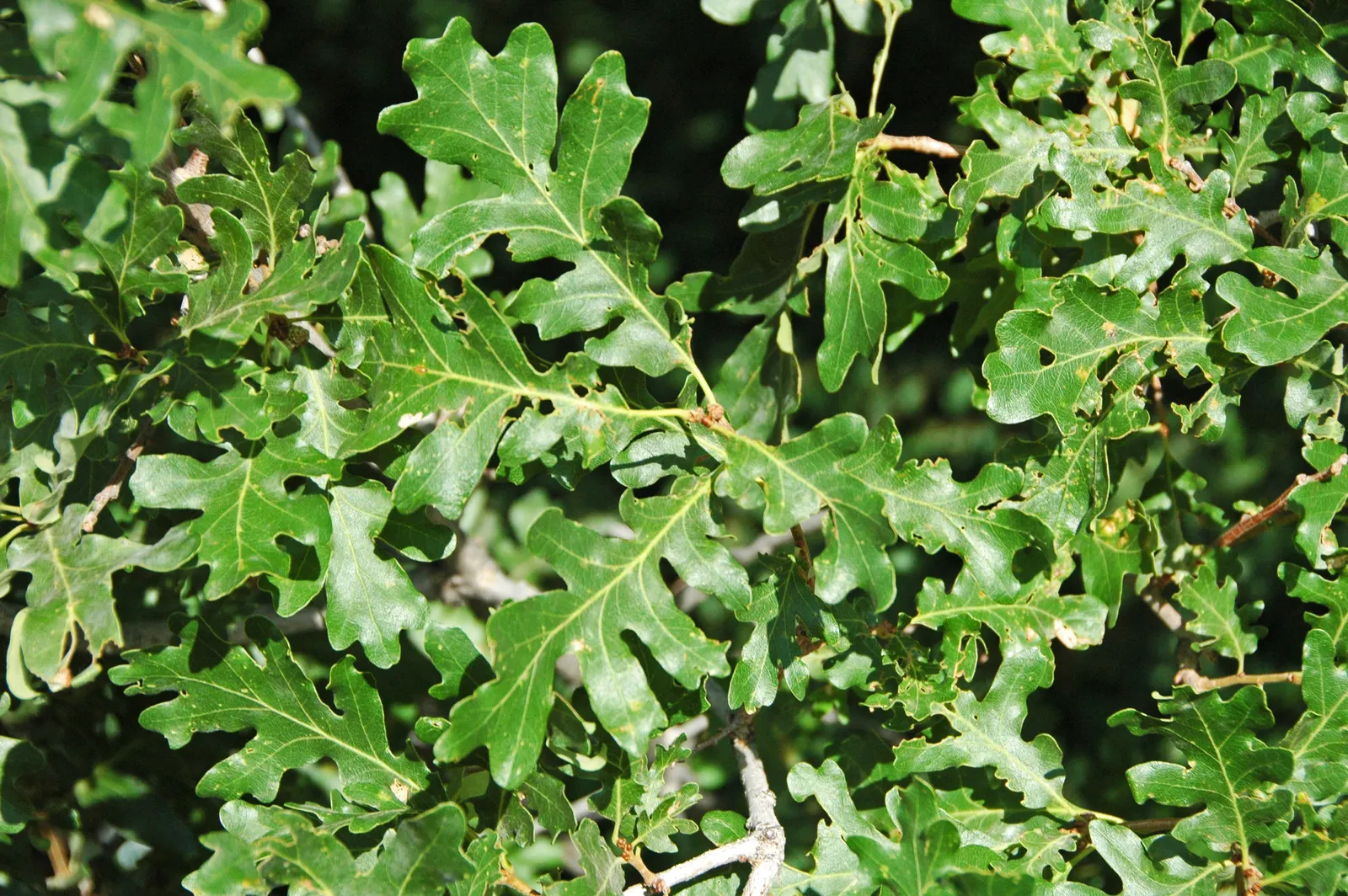
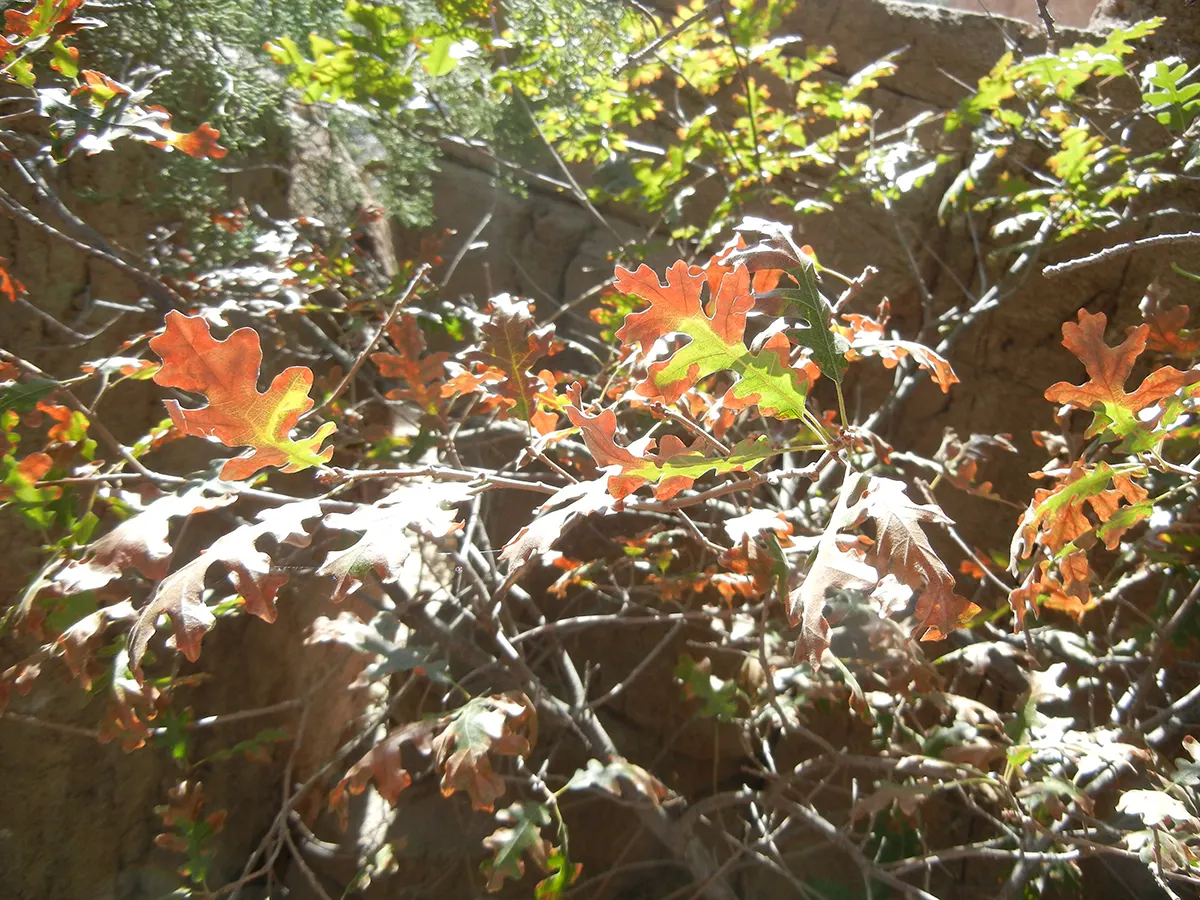
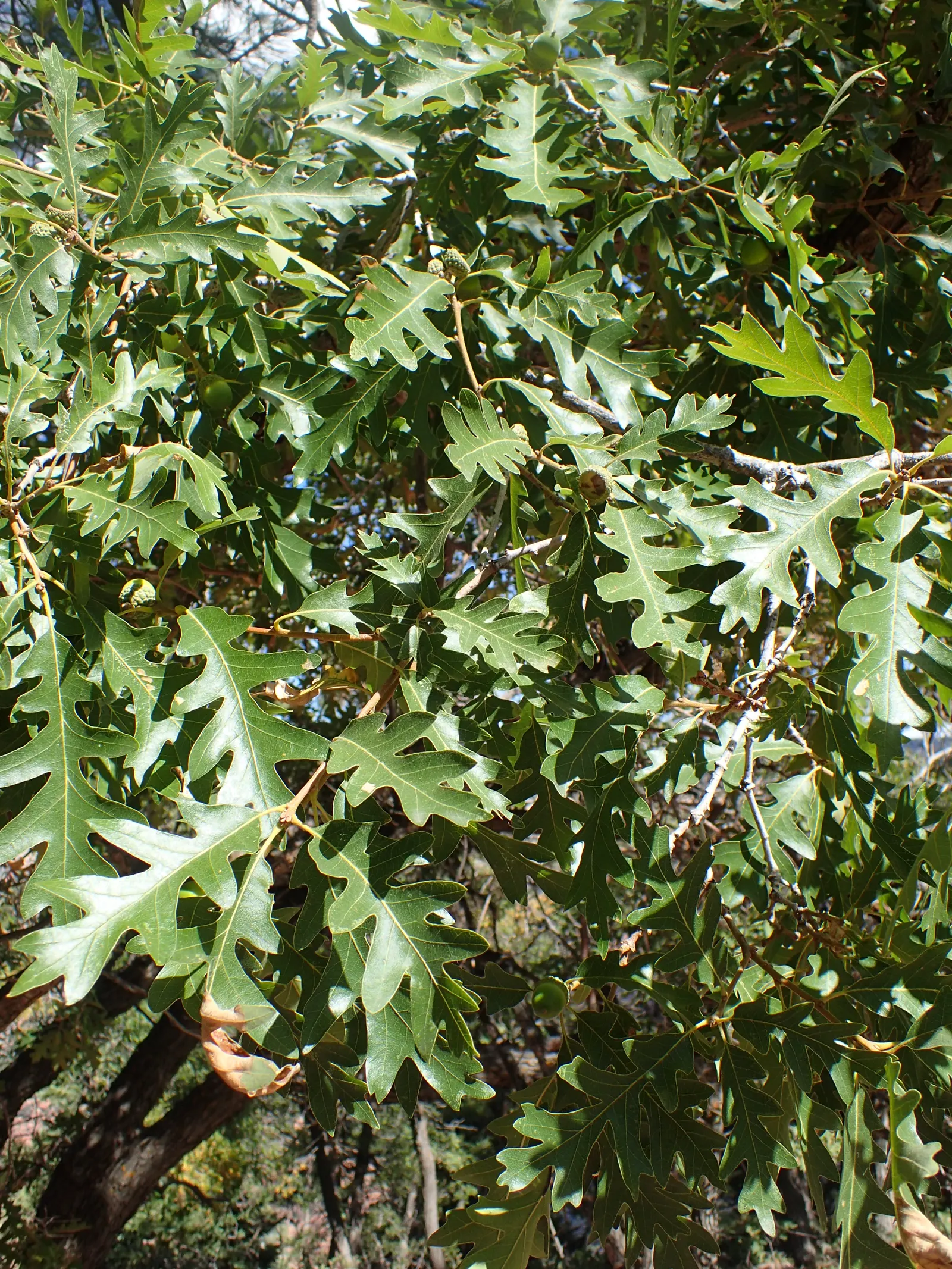
The Gambel Oak (Quercus gambelii) is a deciduous tree native to the southwestern United States. Its rounded canopy reaches up to 30 feet tall and wide, with lobed leaves turning brilliant yellow to red in fall. Adaptable to various soils, it thrives in USDA Zone 4-9 and prefers full sun to partial shade. Drought-tolerant once established, it's perfect for naturalistic designs, offering habitat value with its acorns for wildlife.

Sun FullWater LowZones 4–10Climate Mediterranean
Gambel Oak (Quercus Gambelii) — The Gambel Oak (Quercus gambelii) is a deciduous tree native to the southwestern United States

Culture

Sun
Full
Water
Low
USDA zones
4–10

Shape & size

Classification

Family
Fagaceae
Climate
Mediterranean

See full data, regional cultivation notes, full-resolution photos, and design tools. Build a client presentation around this plant.

Start your 14-day trial

Photos (56)

Gambel Oak (Quercus Gambelii) — it's perfect for naturalistic designs; rustic charm to the design
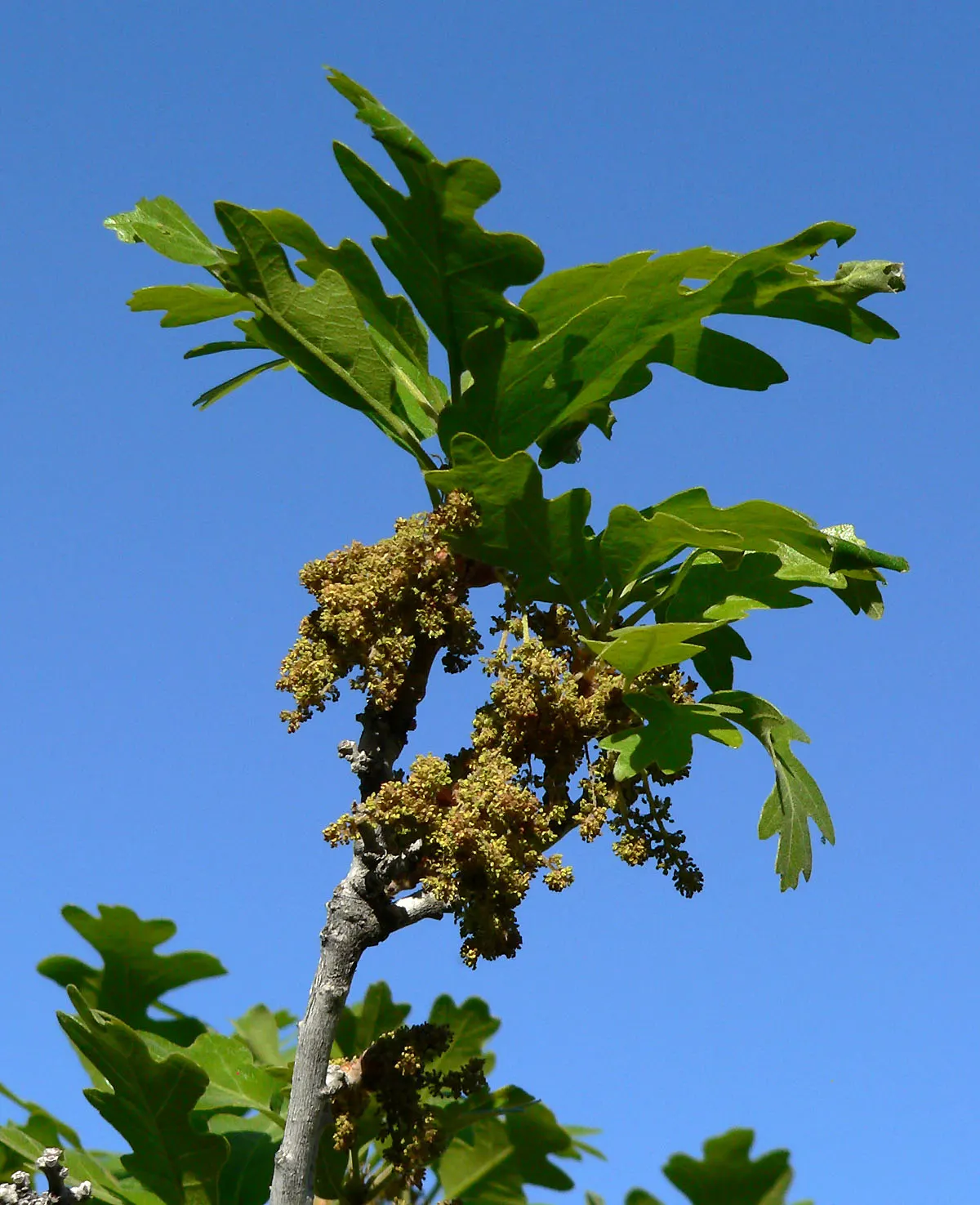
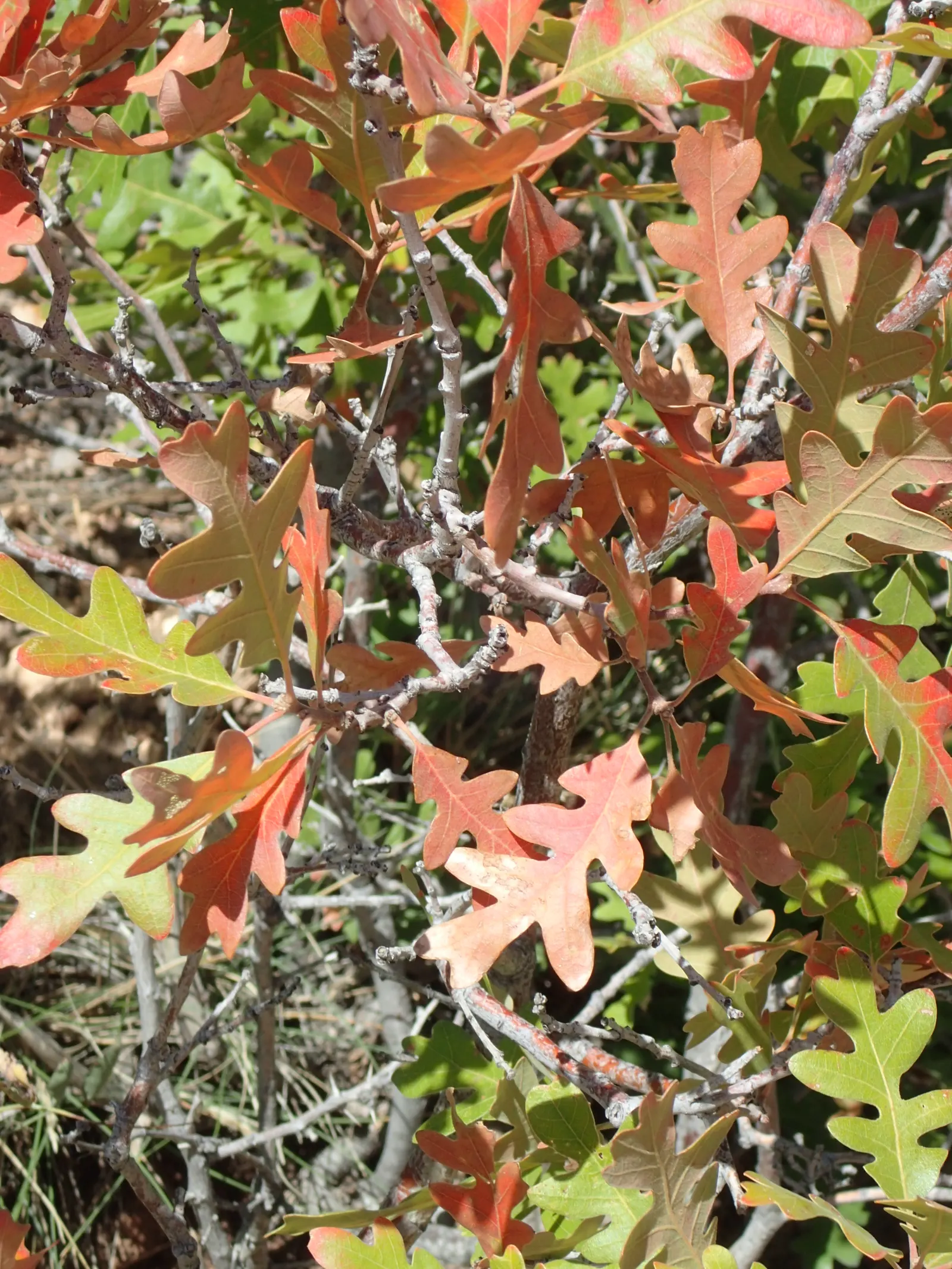
Gambel Oak (Quercus Gambelii) — with lobed leaves turning brilliant yellow to red in fall; delivering year-round interest
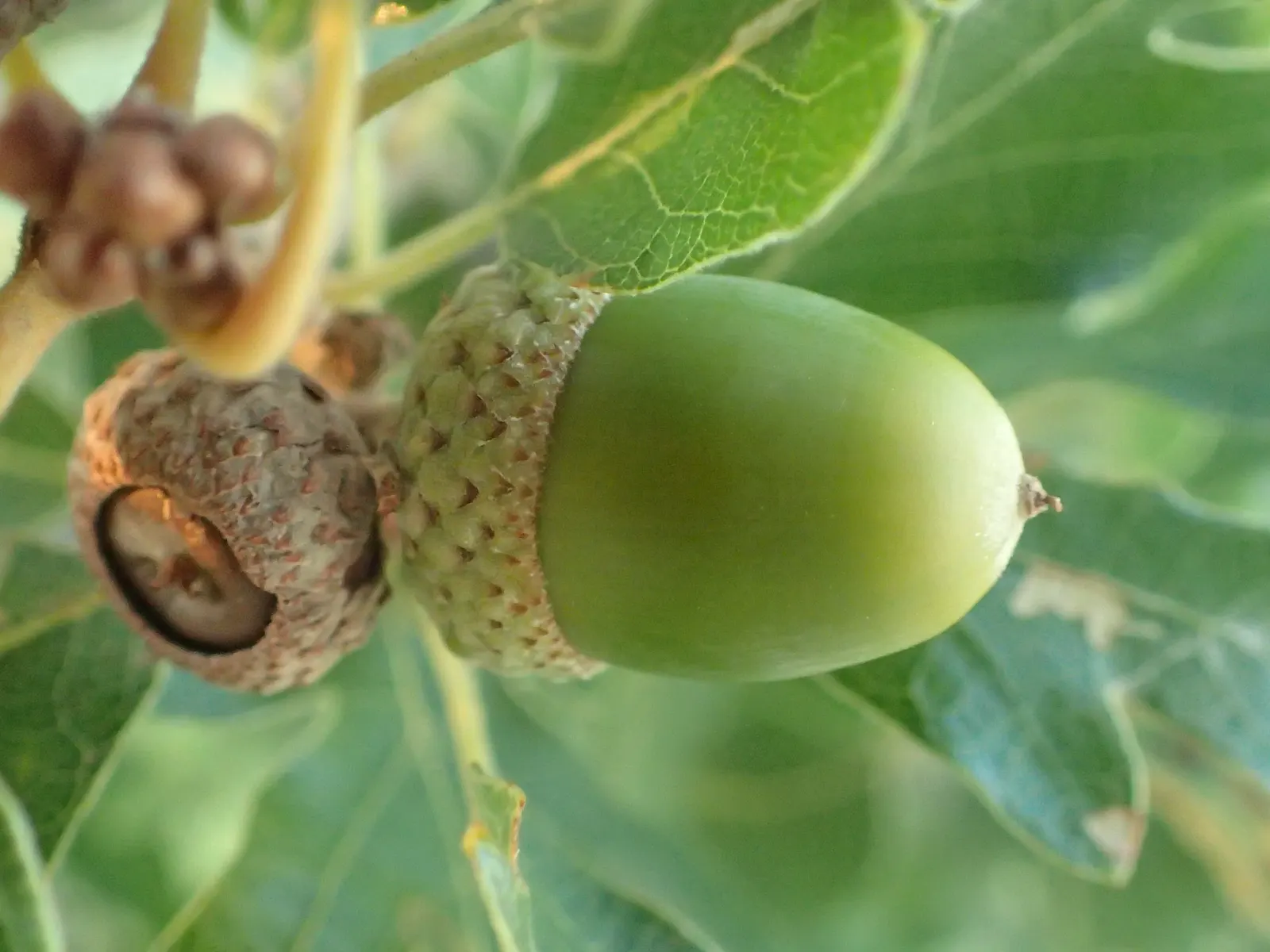
Gambel Oak (Quercus Gambelii) — offering habitat value with its acorns for wildlife; it's perfect for naturalistic designs
Gambel Oak (Quercus Gambelii) — is a deciduous tree native to the central and western United States; tree for full
Gambel Oak (Quercus Gambelii) — This oak species is particularly admired for its adaptability and picturesque growth habit; offering habitat value with its
Gambel Oak (Quercus Gambelii) — scientifically known as Quercus gambelii; turning a striking gold to crimson hue in the fall
Gambel Oak (Quercus Gambelii) — This seasonal color transformation provides a visually captivating display; it exhibits drought tolerance once established
Gambel Oak (Quercus Gambelii) — turning a striking gold to crimson hue in the fall; scientifically known as Quercus gambelii
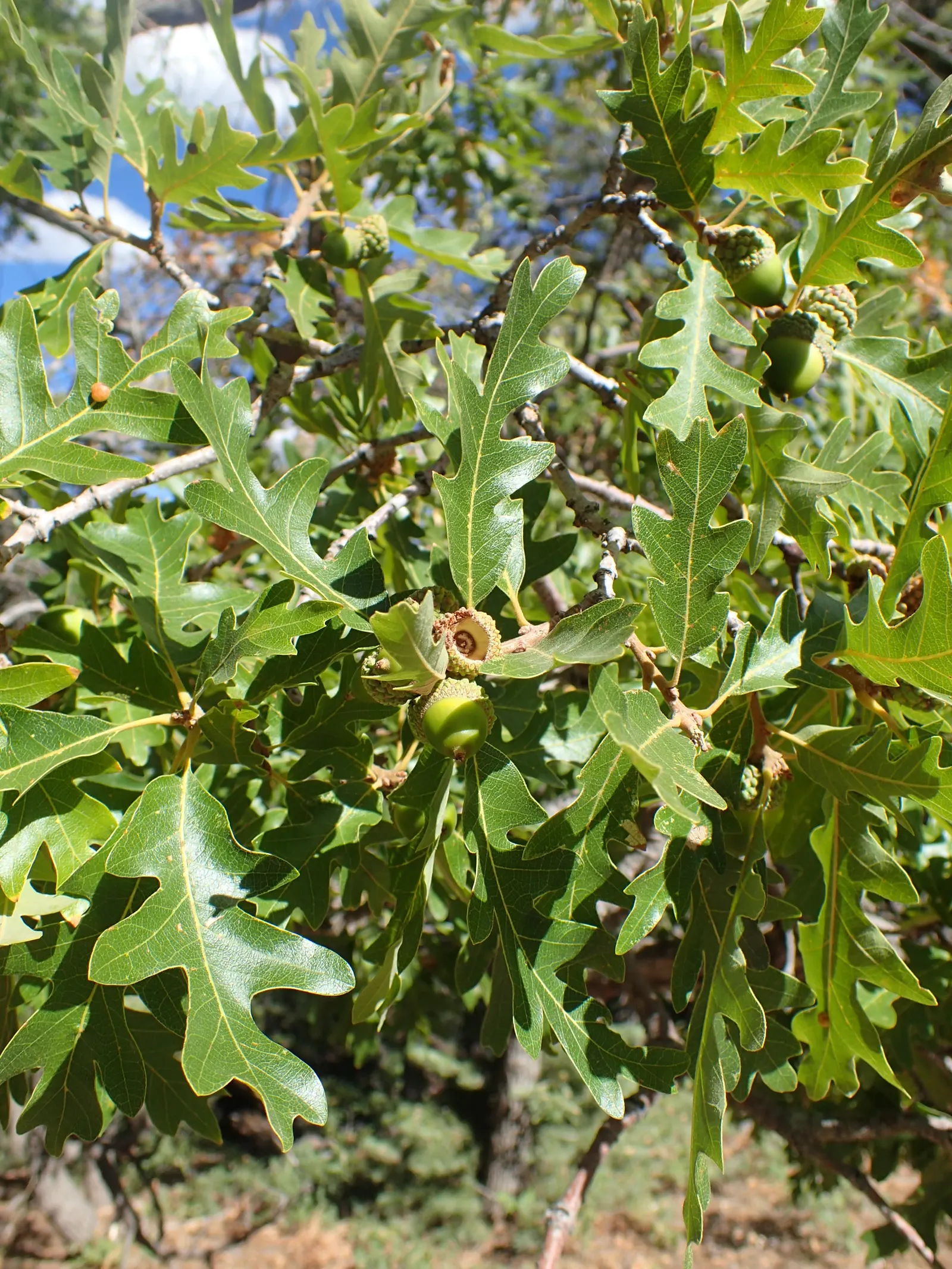
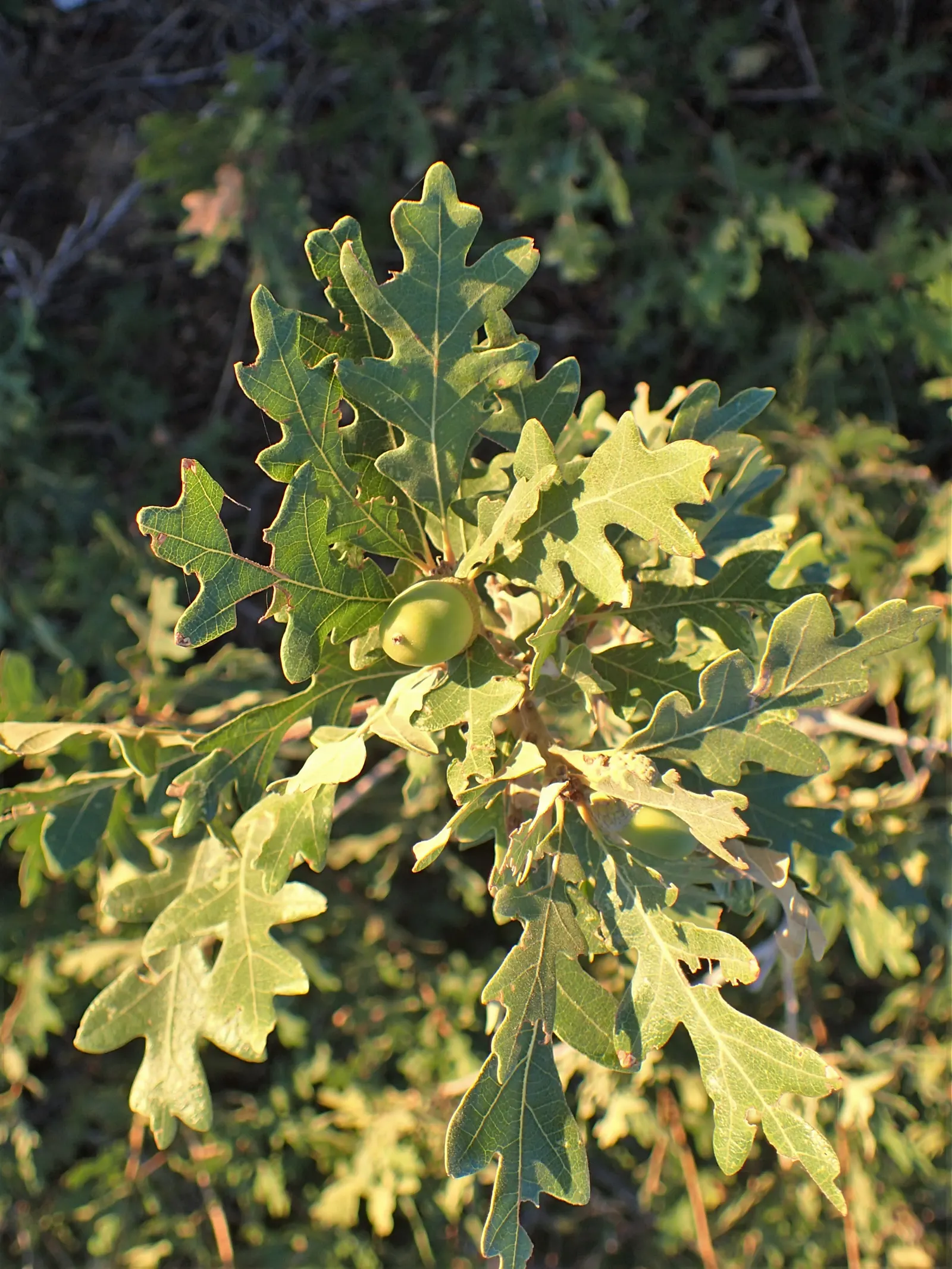
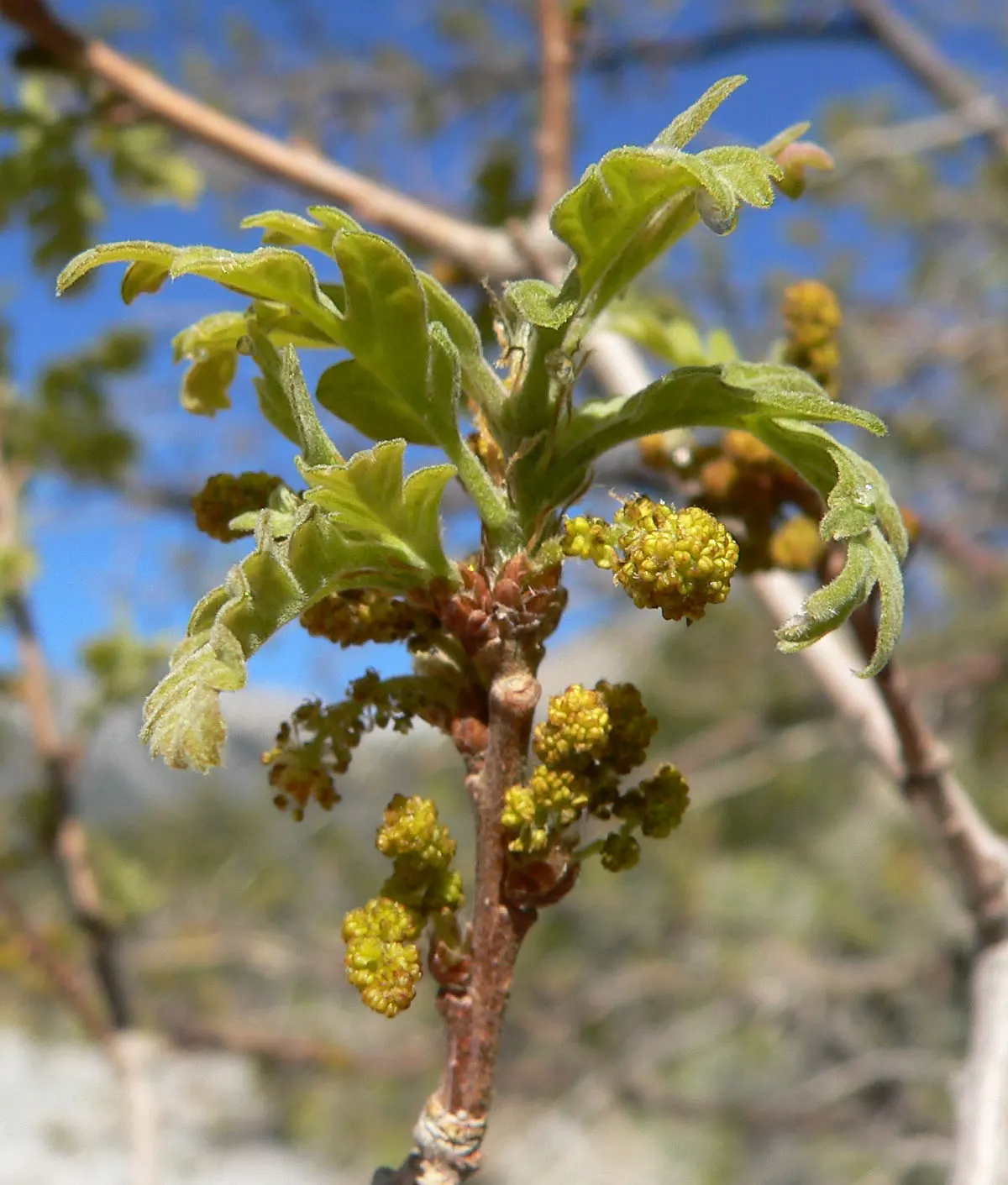
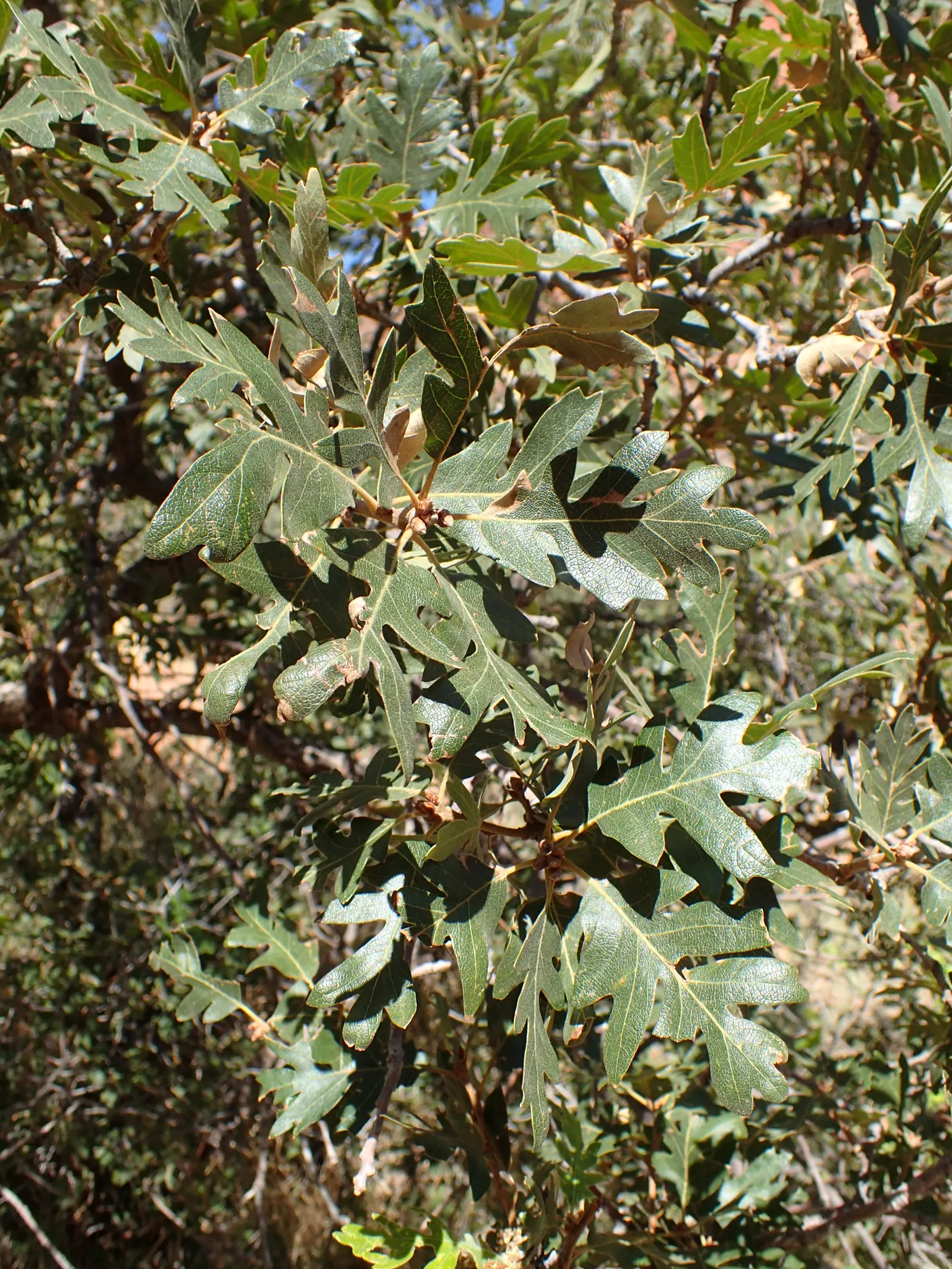
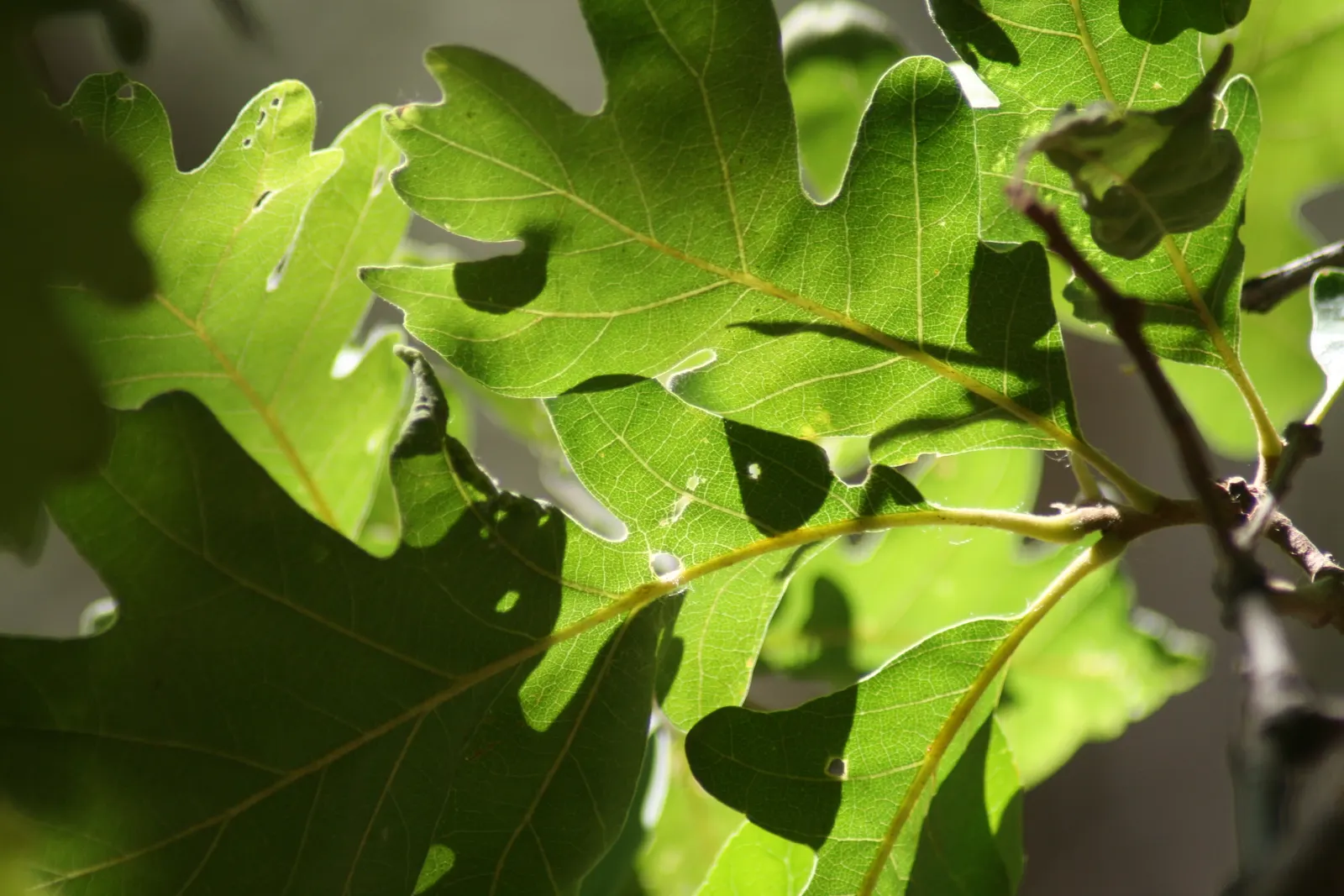
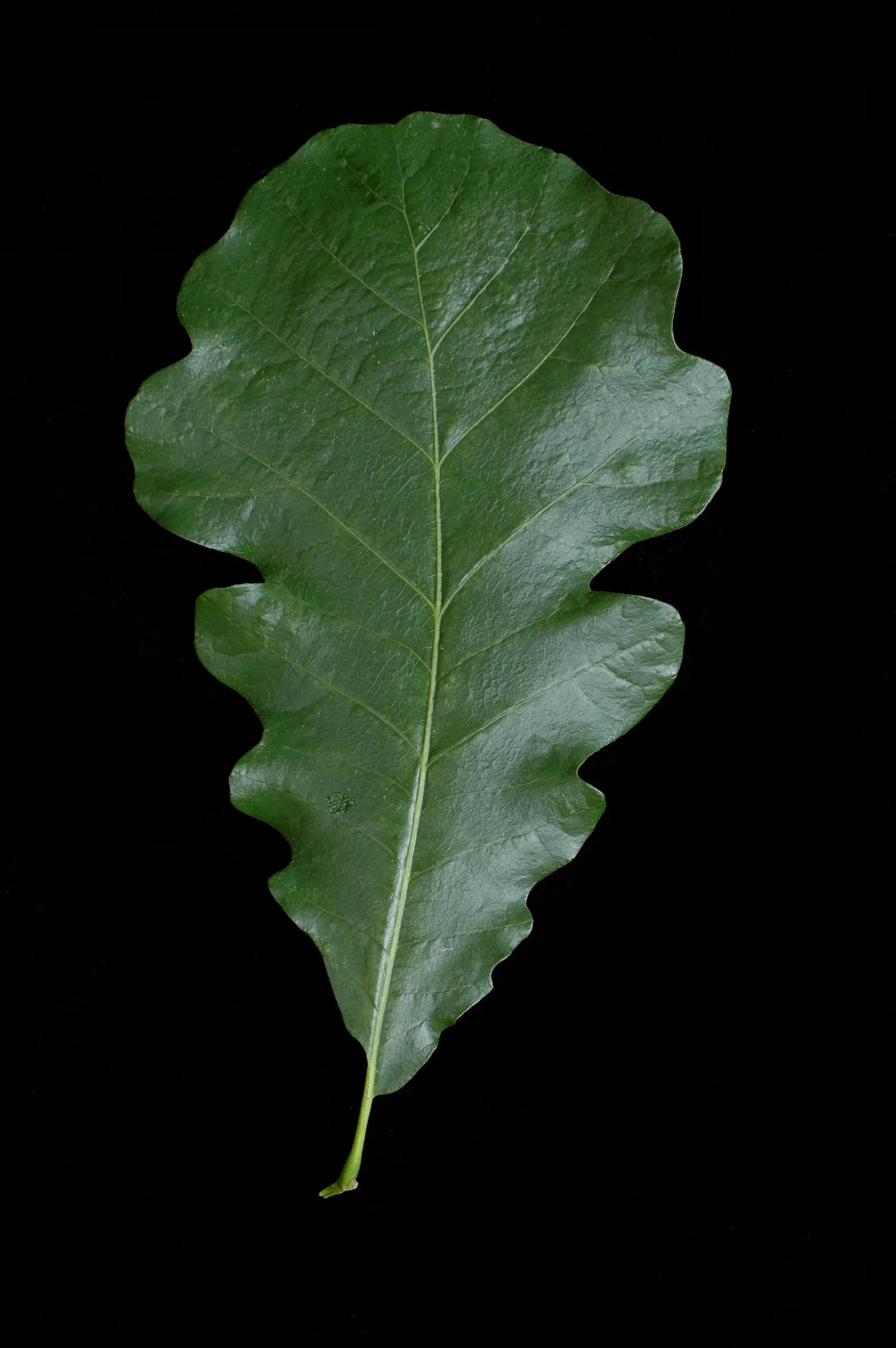
Gambel Oak (Quercus Gambelii) — Its leaves are deeply lobed and typically measure 2 to 5 inches long; the Gambel Oak (Quercus gambelii) is a deciduous tree
Gambel Oak (Quercus Gambelii) — Gambel Oak has a rounded crown that offers dense shade; this seasonal color transformation provides a visually captivating
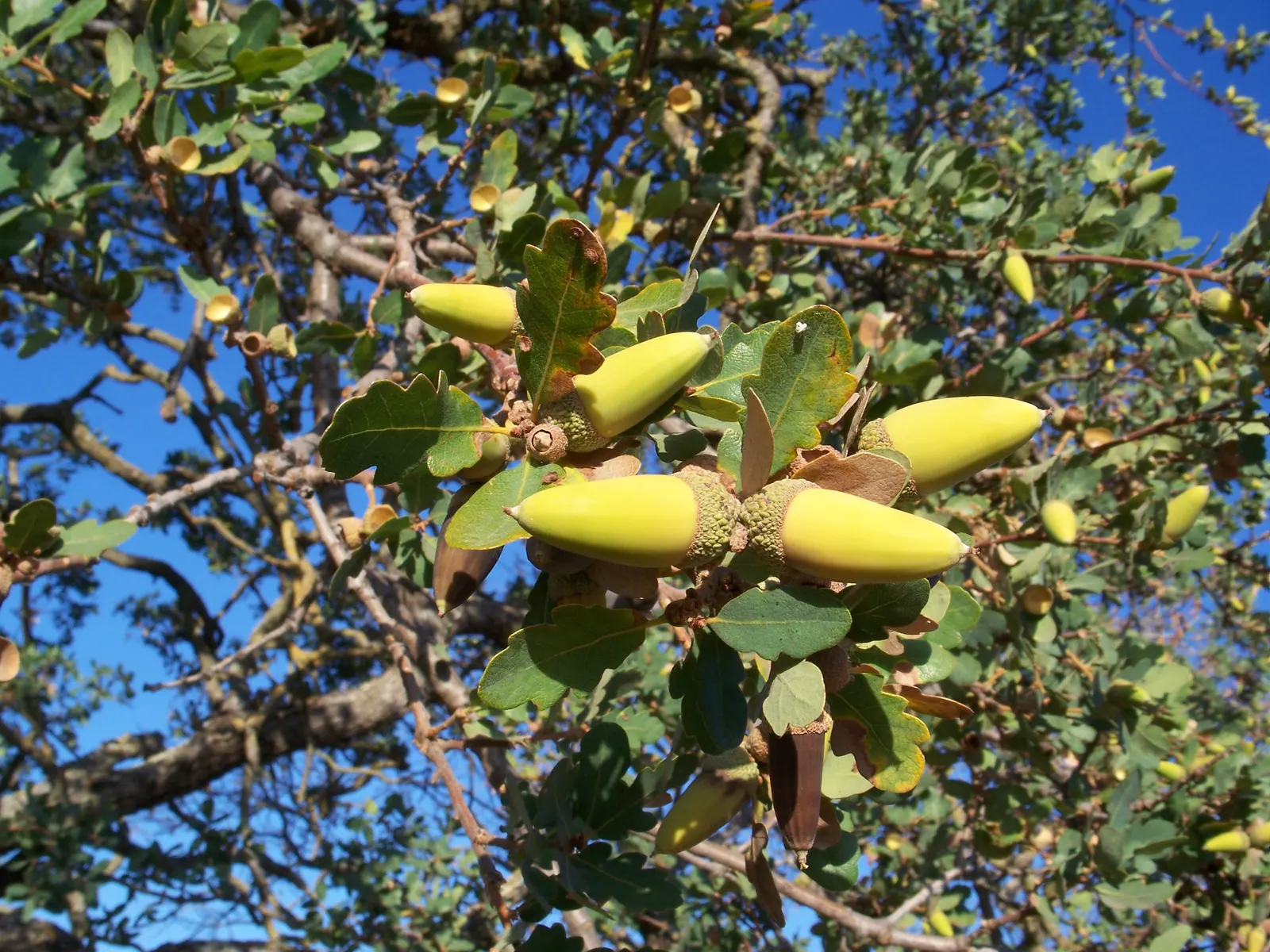
Gambel Oak (Quercus Gambelii) — The acorns produced are a food source for various birds and mammals; is a deciduous tree native to the central and western
Gambel Oak (Quercus Gambelii) — the Gambel Oak provides a hardy; the acorns produced are a food source for various birds and mammals
Gambel Oak (Quercus Gambelii) — It exhibits drought tolerance once established, making it suitable for regions with water restrictions; its rounded canopy
Gambel Oak (Quercus Gambelii) — delivering year-round interest; with lobed leaves turning brilliant yellow to red in fall
Gambel Oak (Quercus Gambelii) — rustic charm to the design; this oak species is particularly admired for its adaptability and picturesque growth habit
Gambel Oak (Quercus Gambelii) — The Gambel Oak (Quercus gambelii) is a deciduous tree native to the southwestern United States; adaptable to, image 41
Gambel Oak (Quercus Gambelii) — Its rounded canopy reaches up to 30 feet tall and wide; gambel Oak has a rounded crown that offers dense shade, image 42
Gambel Oak (Quercus Gambelii) — tree for full; the Gambel Oak provides a hardy
Gambel Oak (Quercus Gambelii) — with lobed leaves turning brilliant yellow to red in fall; delivering year-round interest, image 43
Gambel Oak (Quercus Gambelii) — Adaptable to various soils, it thrives in USDA Zone 4-9 and prefers full sun to partial shade; drought-tolerant, image 44
Gambel Oak (Quercus Gambelii) — Drought-tolerant once established; its leaves are deeply lobed and typically measure 2 to 5 inches long, image 45
Gambel Oak (Quercus Gambelii) — it's perfect for naturalistic designs; rustic charm to the design, image 46
Gambel Oak (Quercus Gambelii) — offering habitat value with its acorns for wildlife; it's perfect for naturalistic designs, image 47
Gambel Oak (Quercus Gambelii) — This oak species is particularly admired for its adaptability and picturesque growth habit; offering habitat value, image 50

Related plants