Skip to content

Blue Oak

Quercus Douglasii

Design with this plant

Overview

Quercus douglasii, the Blue Oak, is a deciduous tree native to California's coastal ranges. Renowned for its bluish-gray leaves, this hardy oak thrives in dry, rocky soils, reaching 20-50 feet in height. Its canopy spreads 30-50 feet, providing dense shade and habitat value. Drought-tolerant once established, it's a low-maintenance choice for naturalistic designs, offering stunning fall color and acorns for local wildlife in USDA zones 7-9.

Sun FullWater Very LowZones 7–7Type TreeClimate Mediterranean
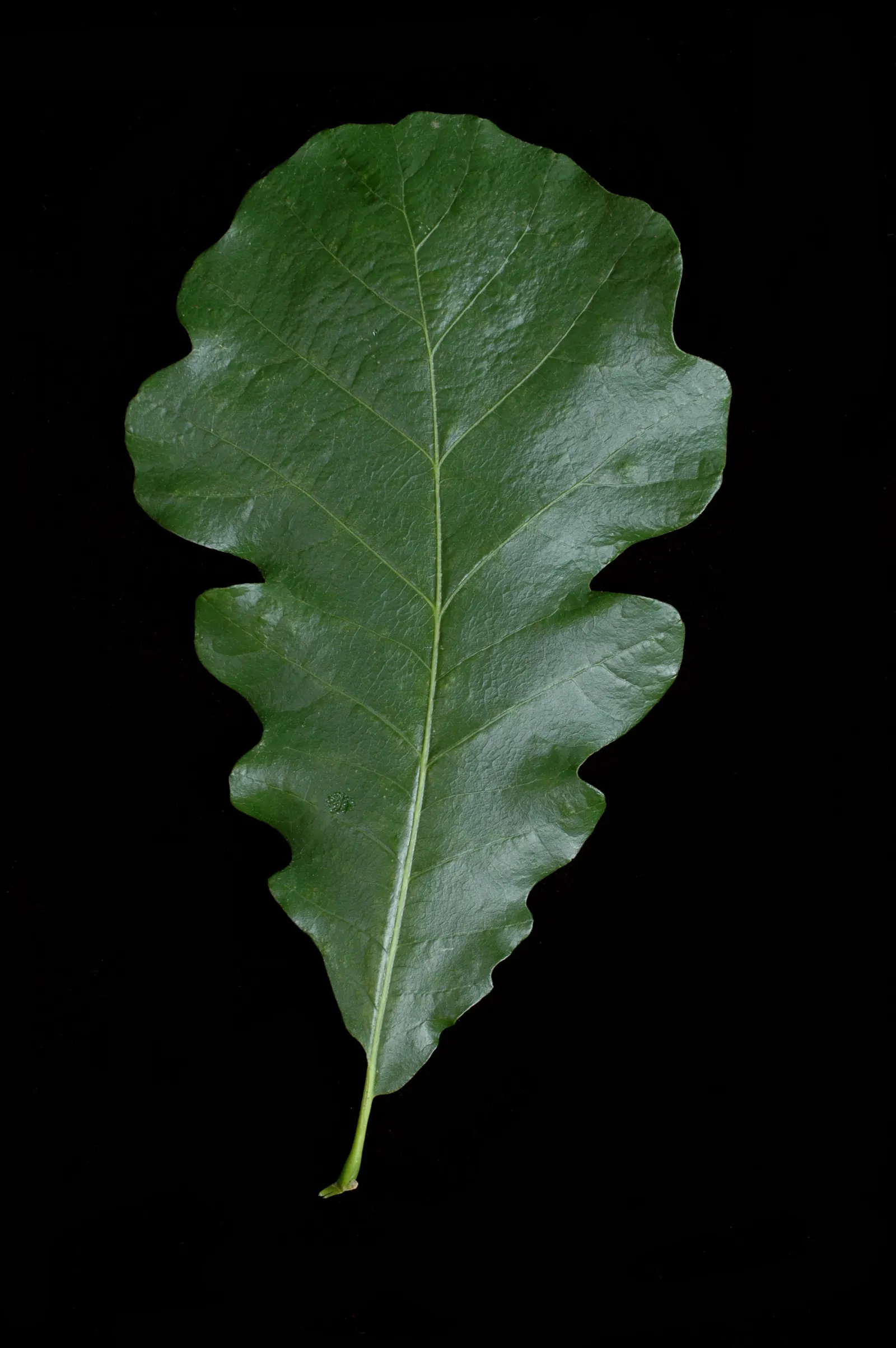
Blue Oak (Quercus Douglasii) — Quercus douglasii, the Blue Oak, is a deciduous tree native to California's coastal ranges; drought-tolerant once established

Culture

Sun
Full
Water
Very Low
USDA zones
7–7

Shape & size

Classification

Type
Tree
Family
Fagaceae
Climate
Mediterranean

See full data, regional cultivation notes, and design tools. Build a client presentation around this plant.

Start your 14-day trial

Photos (76)

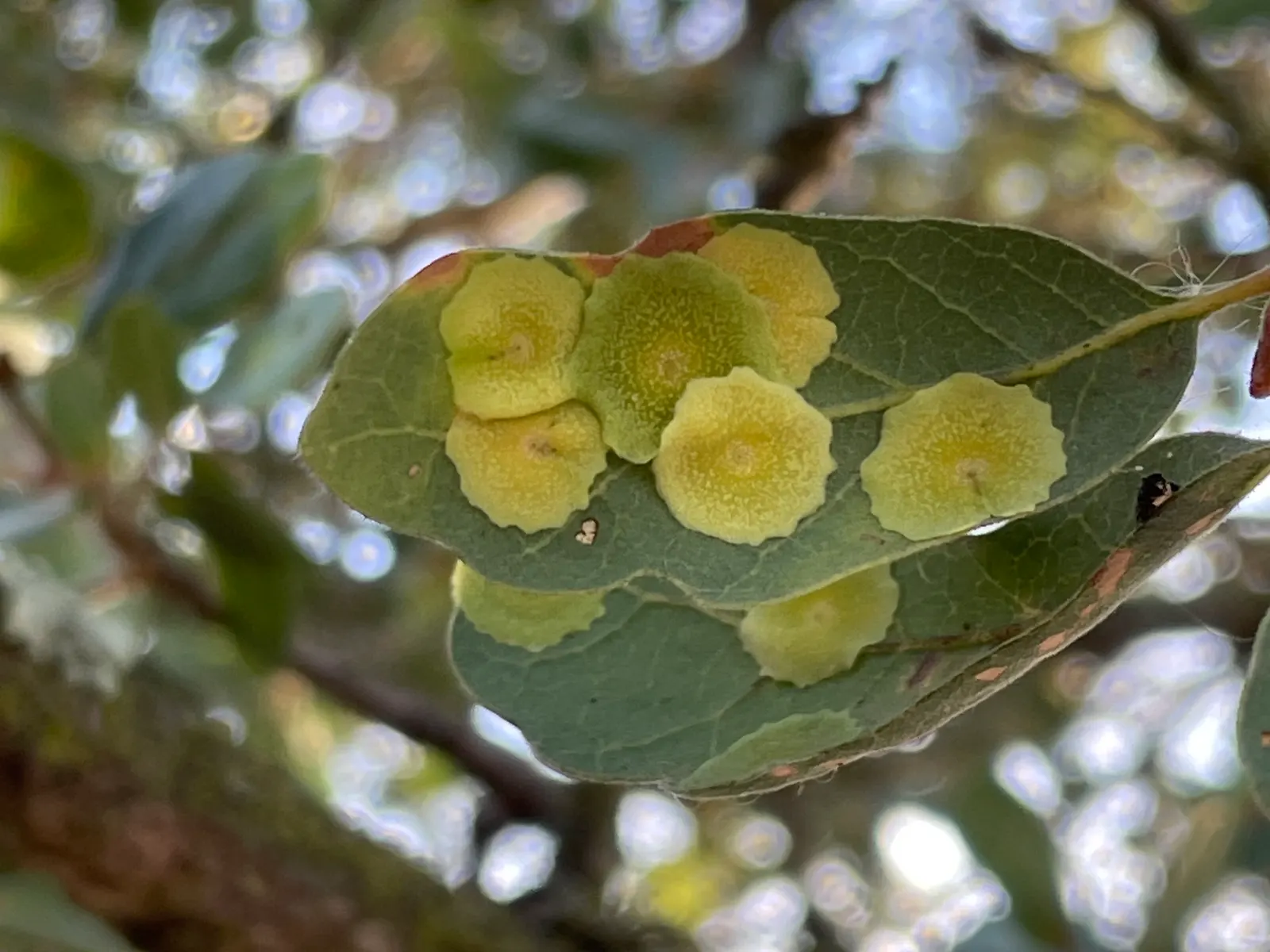
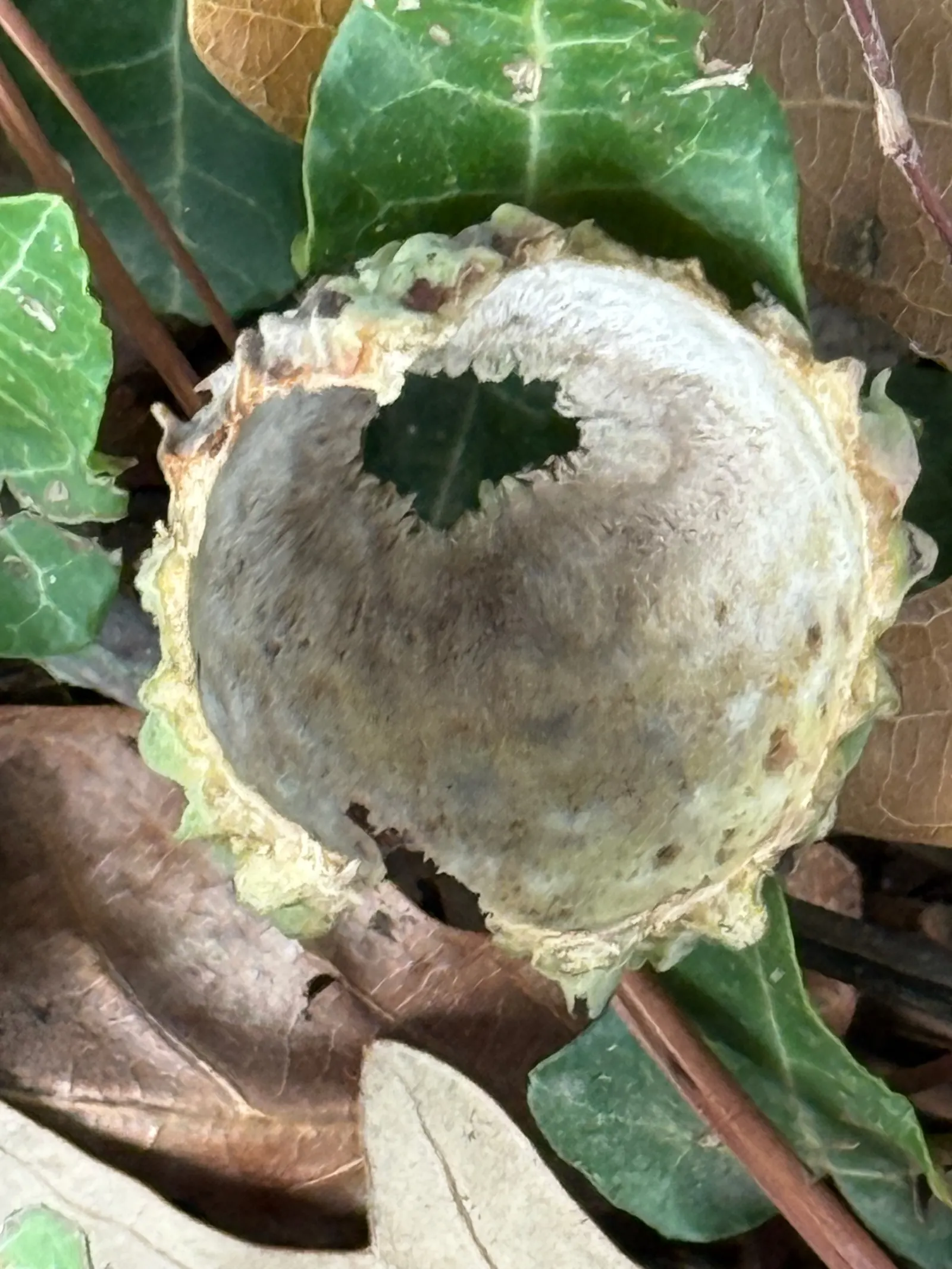
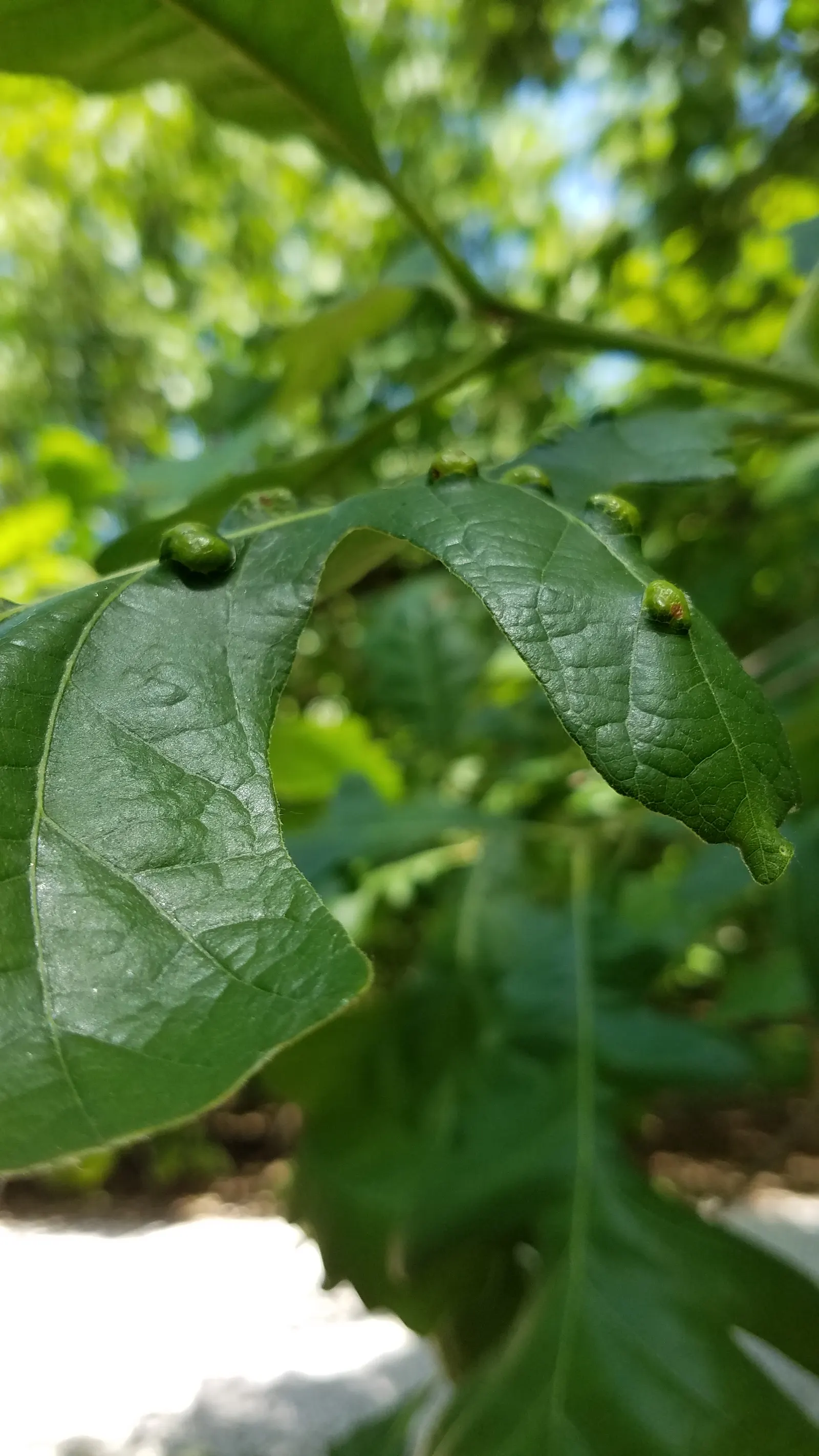
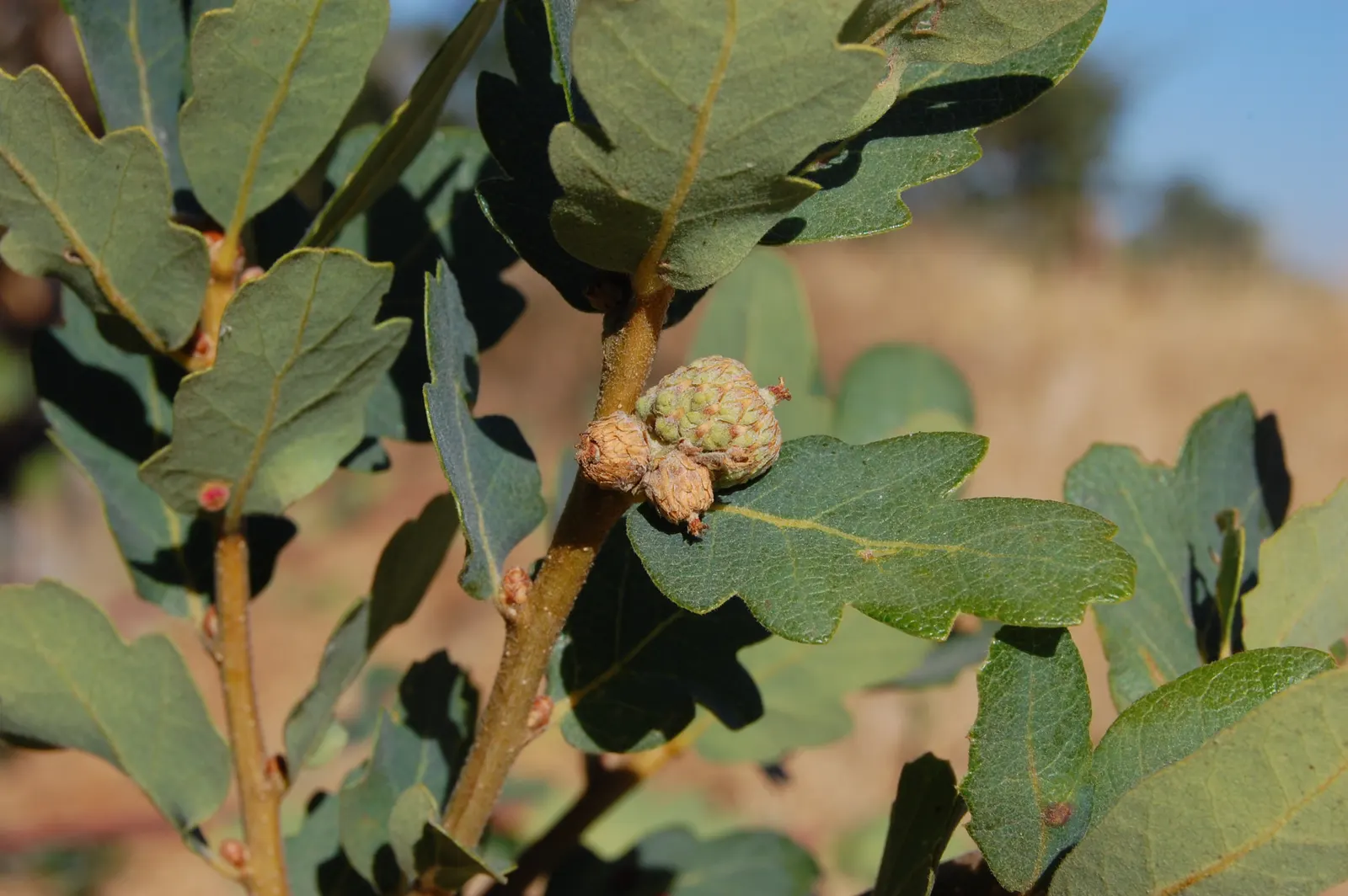
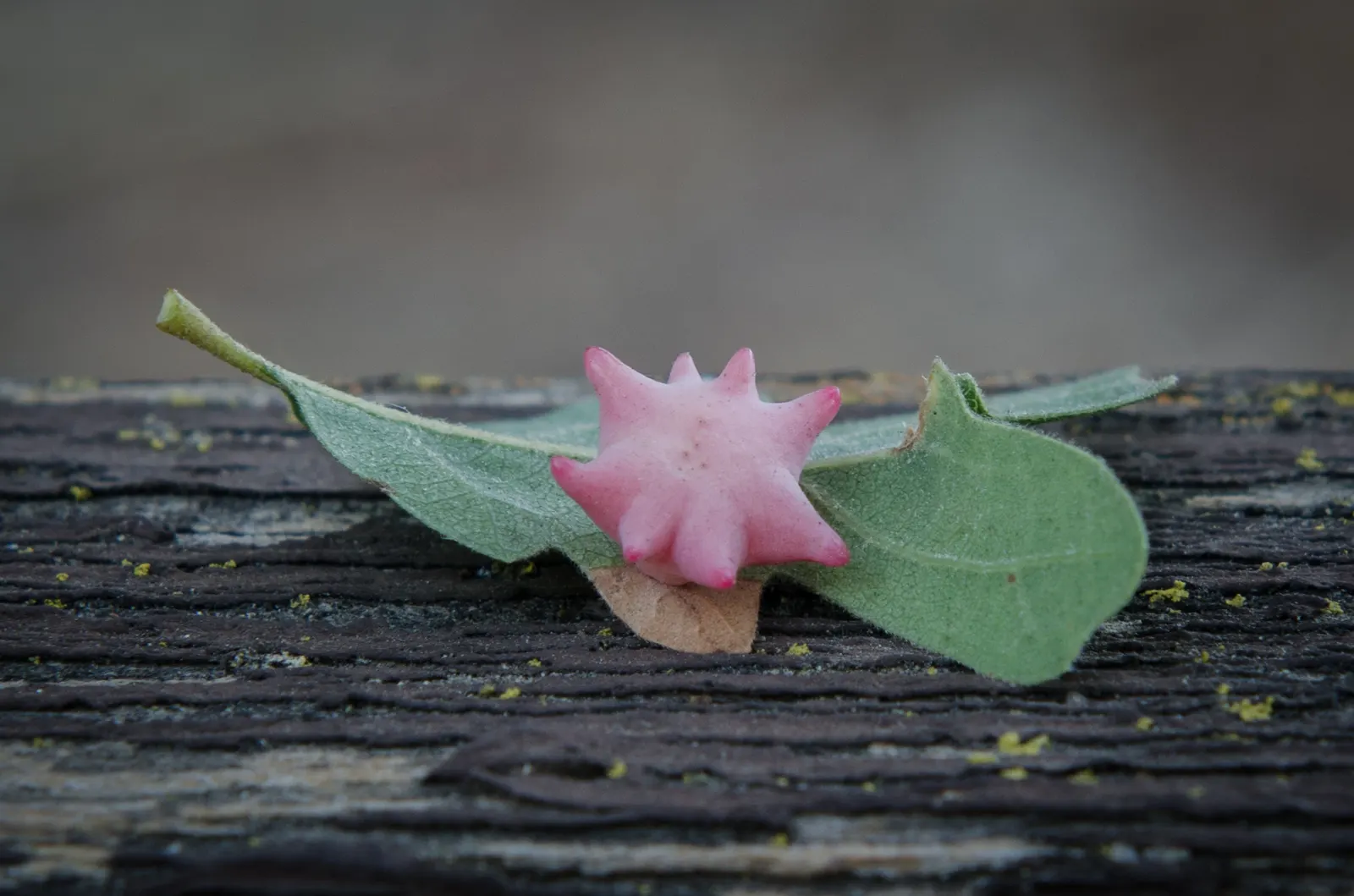
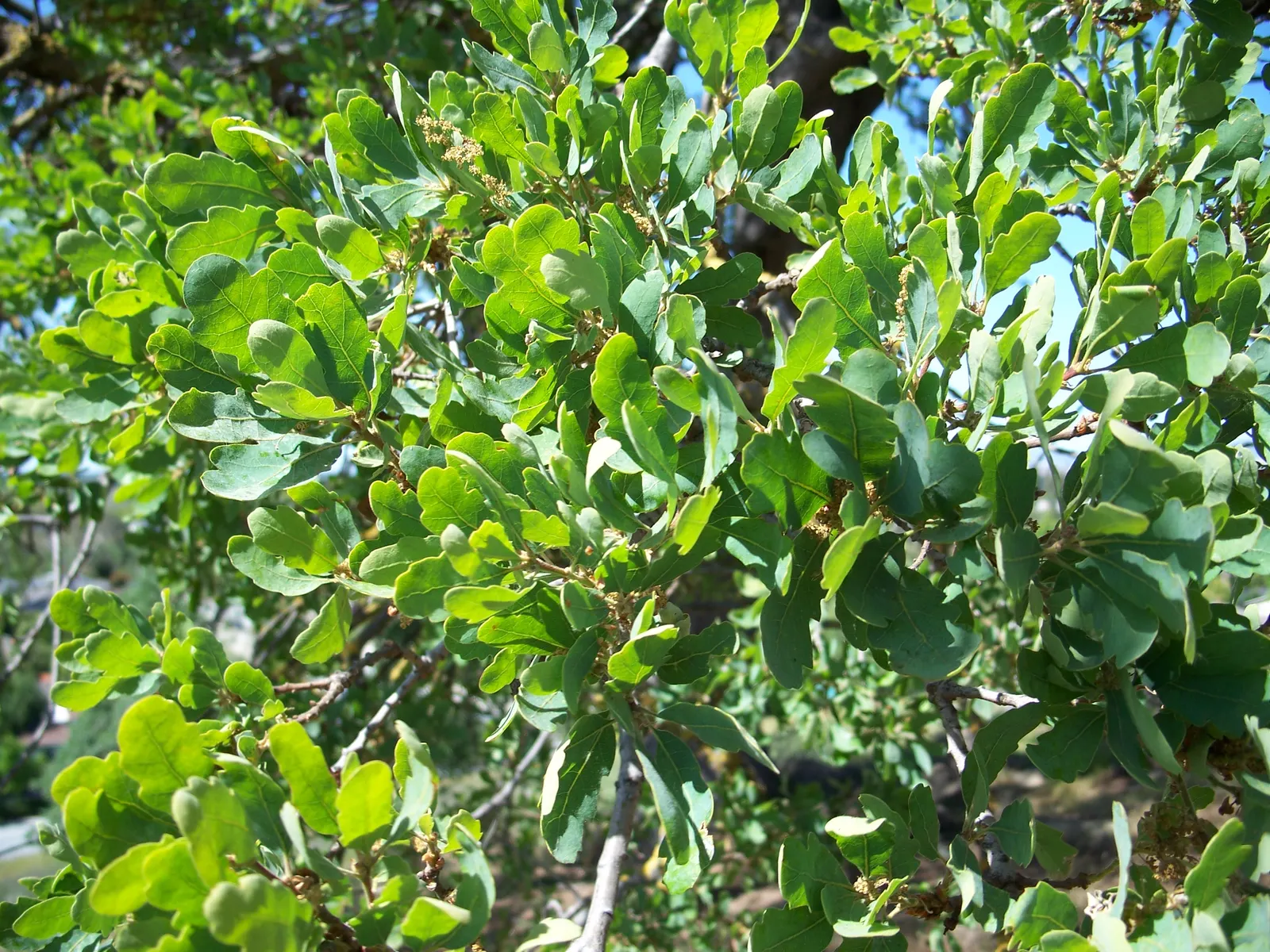
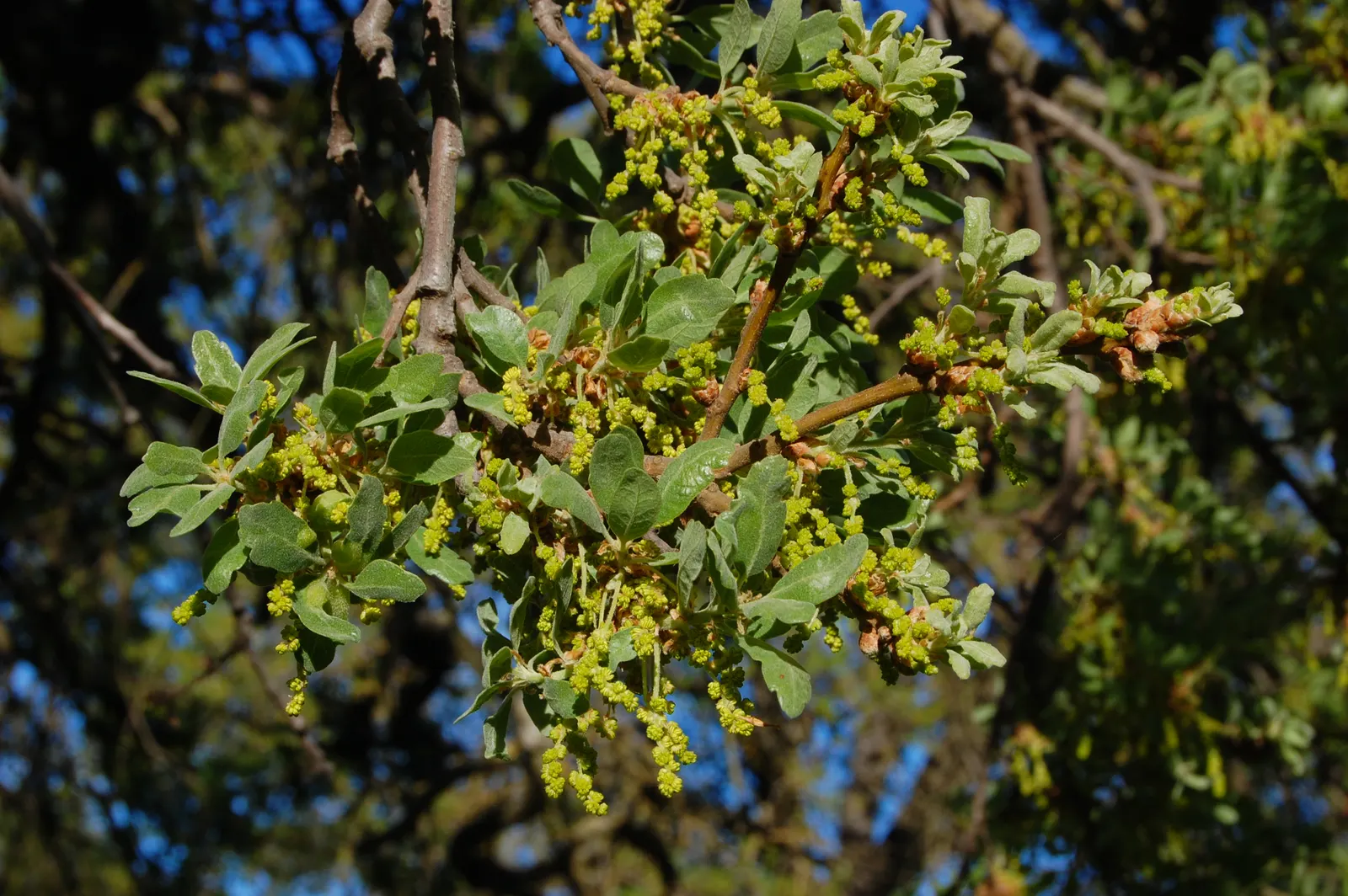
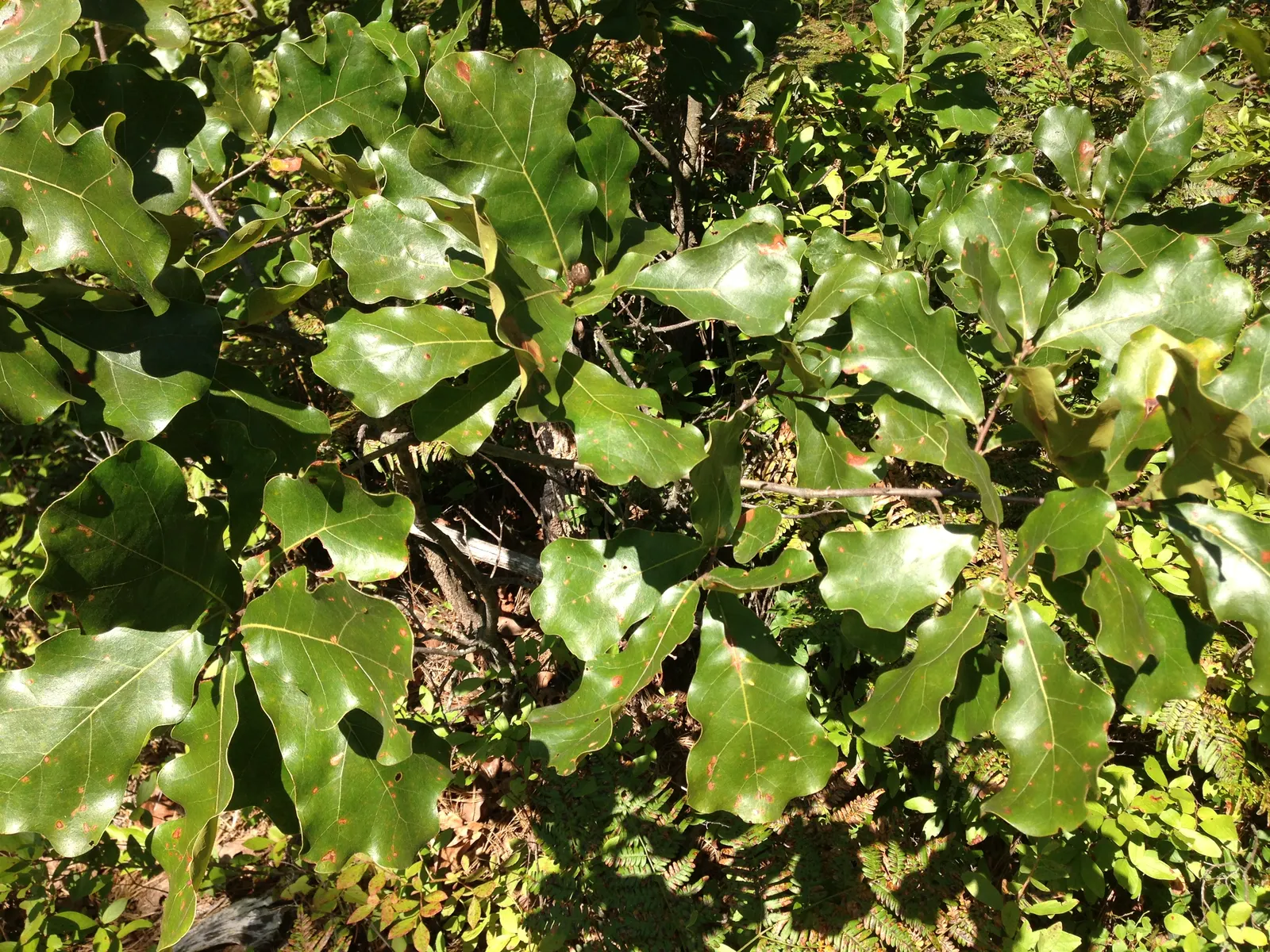
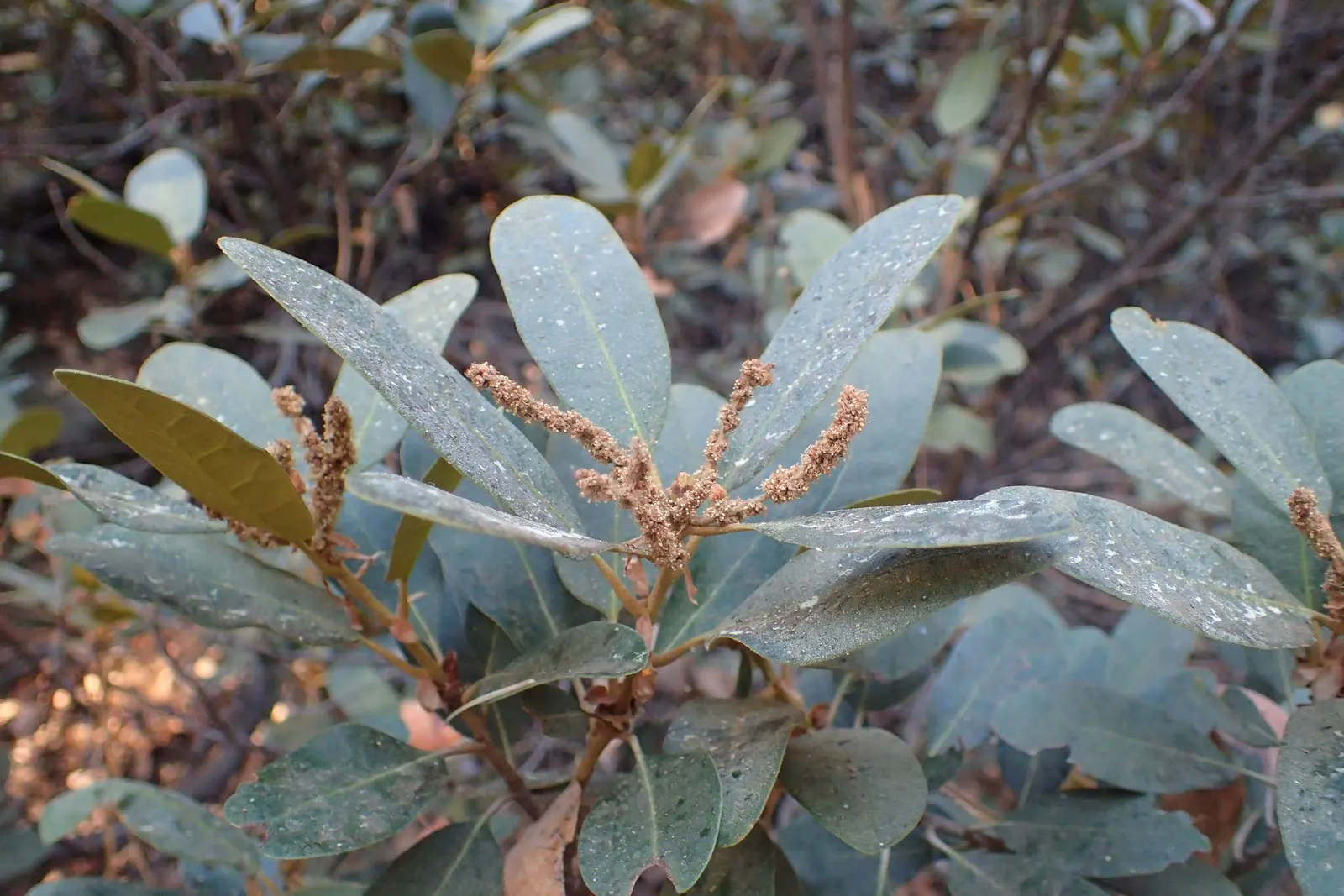
Blue Oak (Quercus Douglasii) — Quercus douglasii, the Blue Oak, is a deciduous tree native to California's coastal ranges
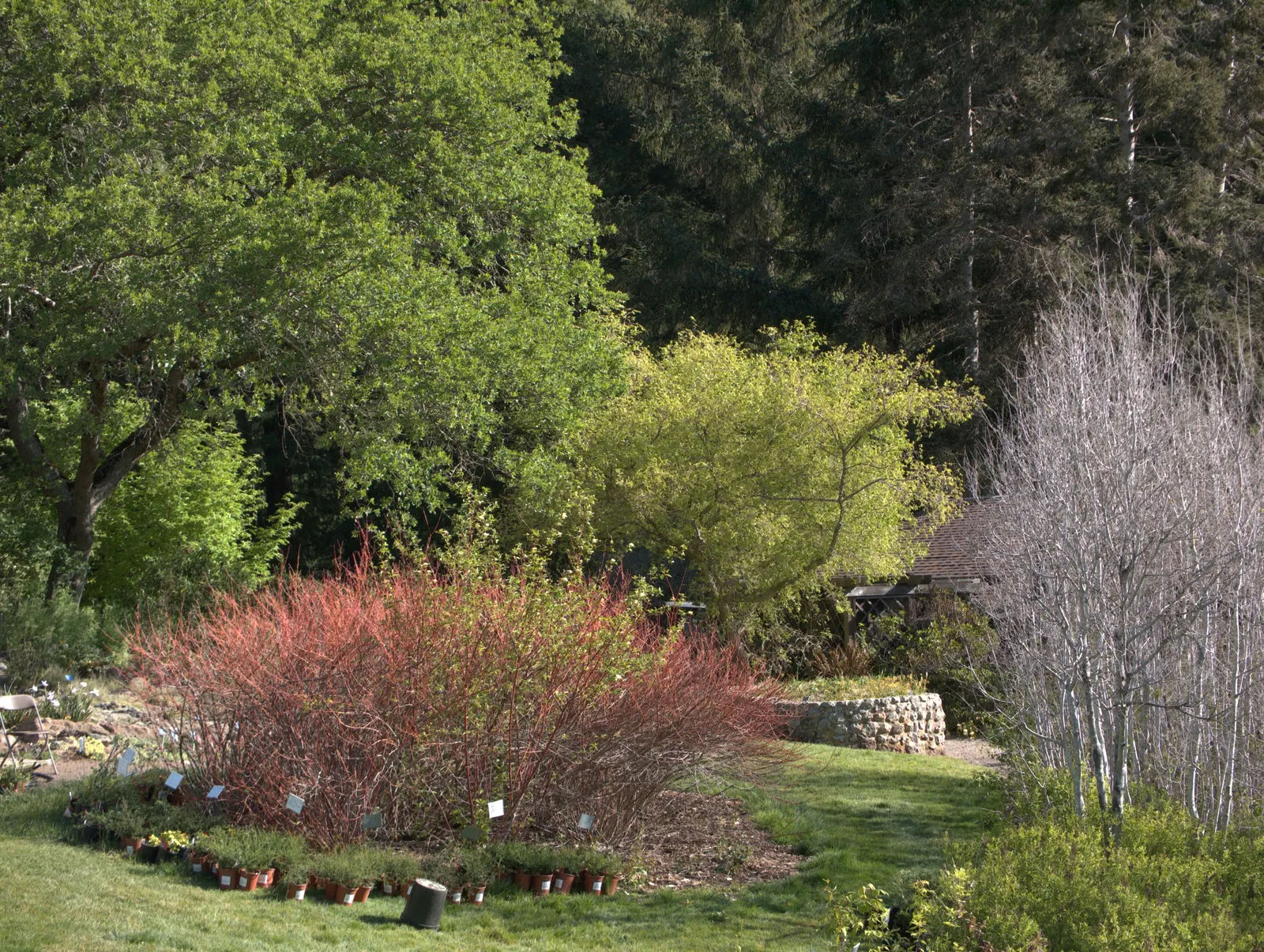
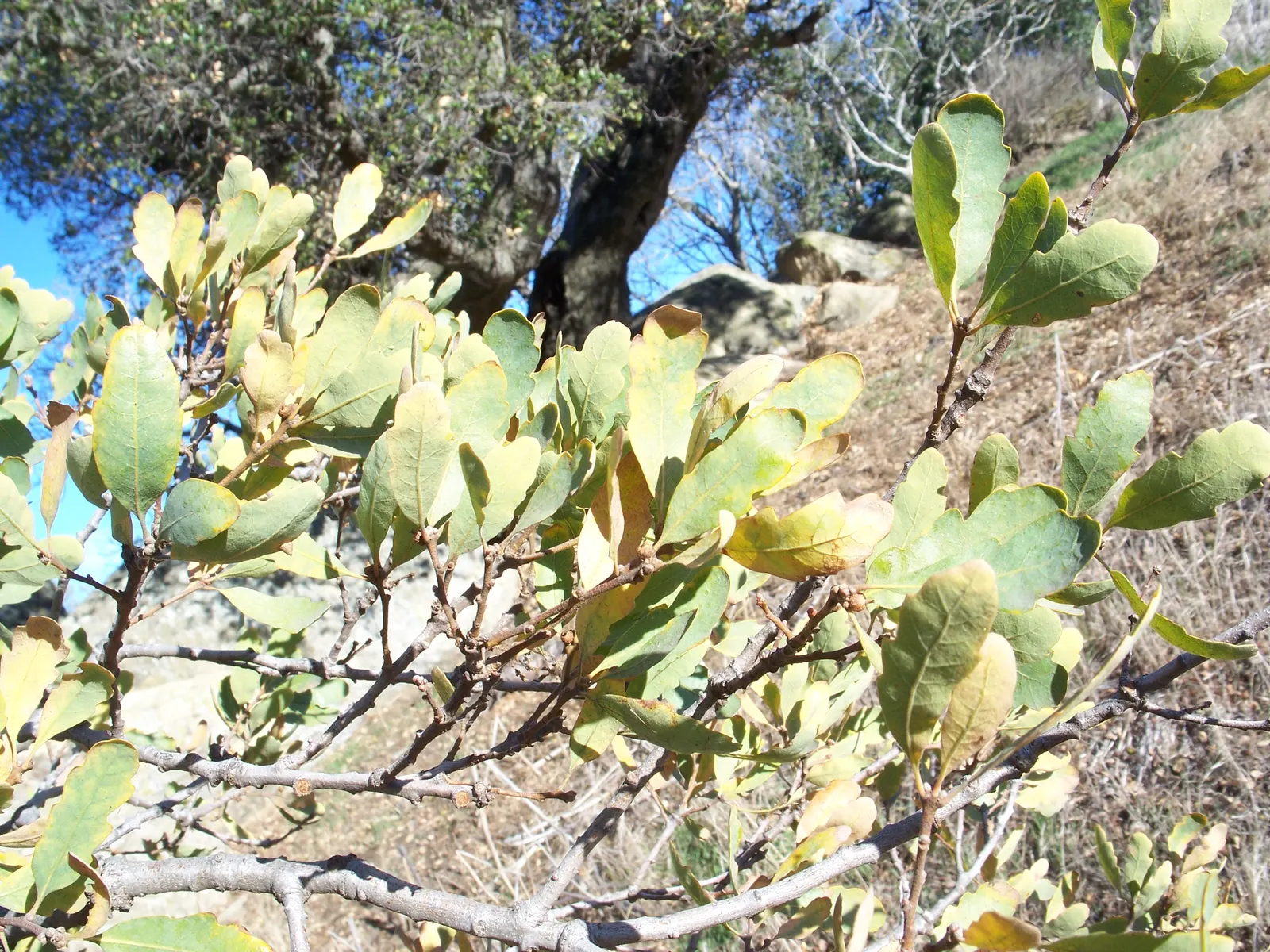
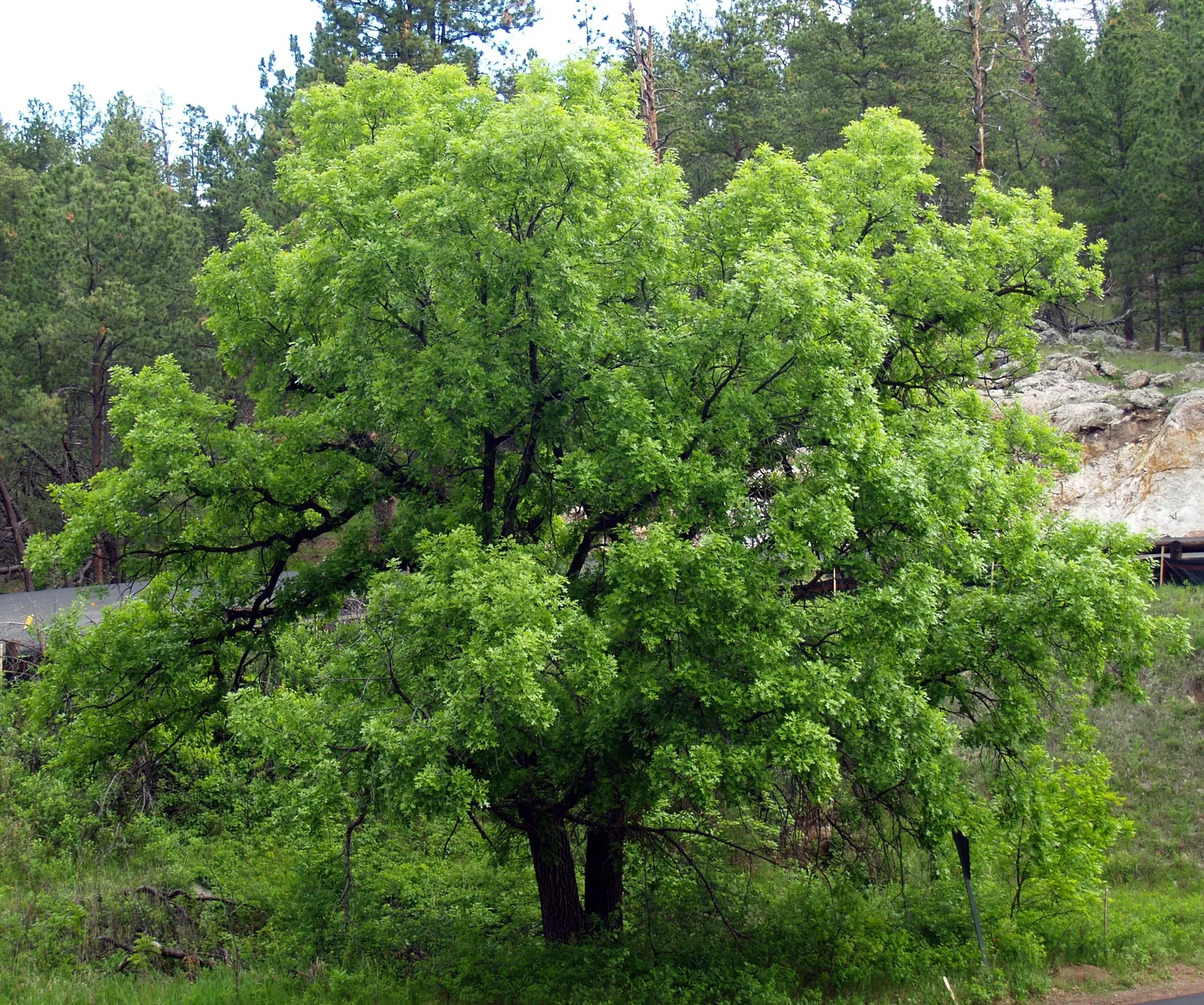
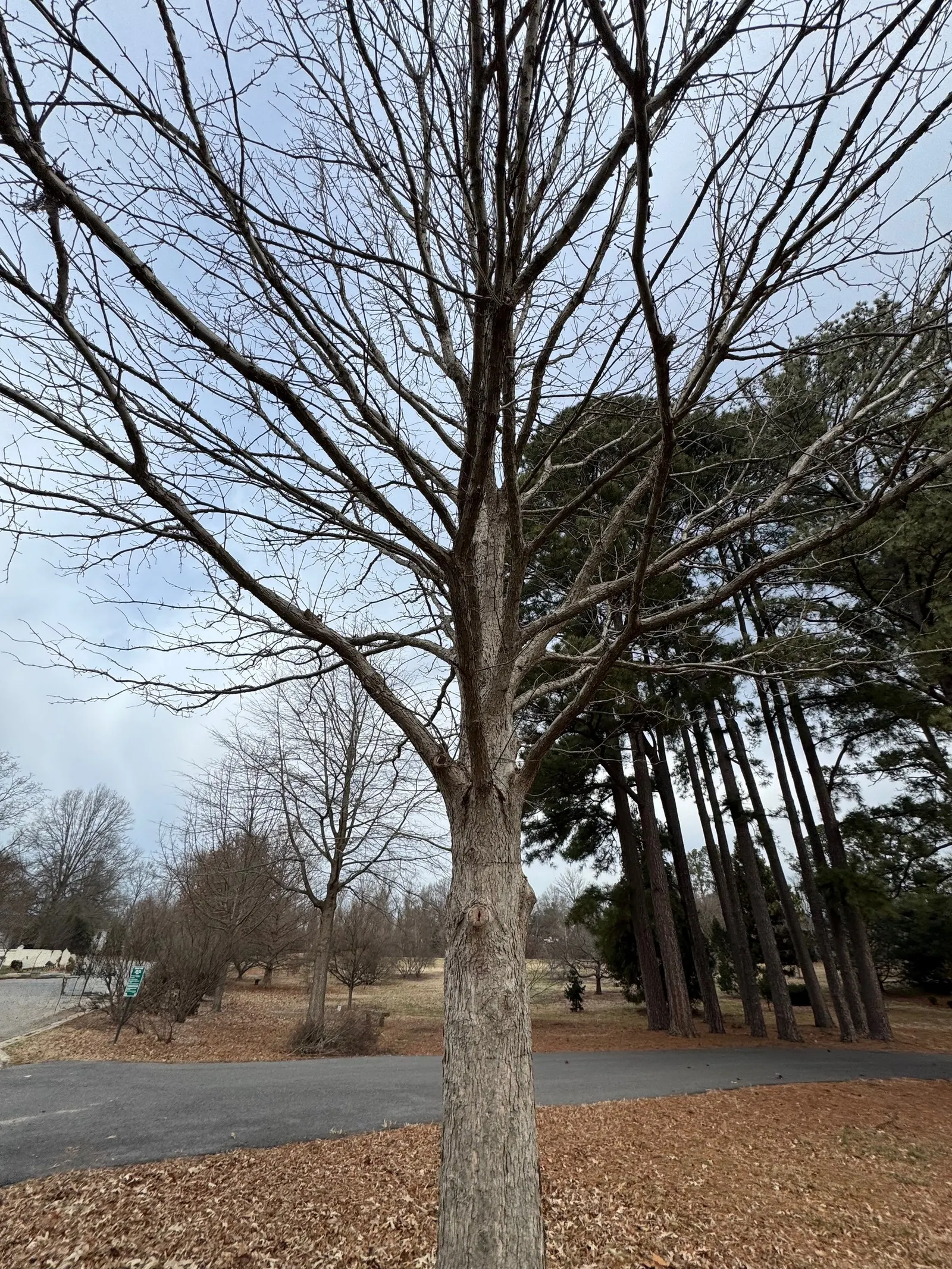
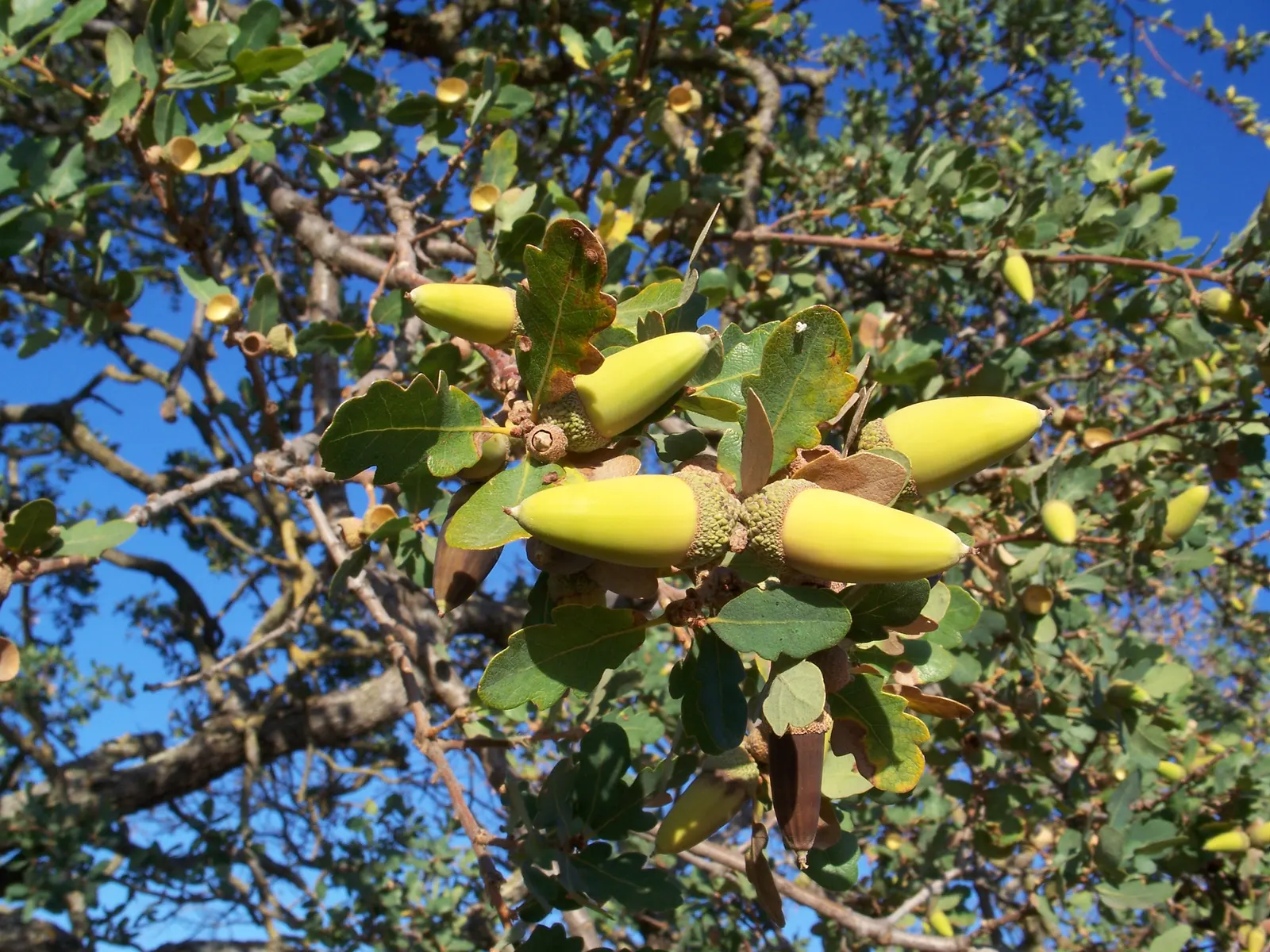
Blue Oak (Quercus Douglasii) — the Blue Oak is an excellent choice that offers both beauty and resilience; the bark of this tree is a light gray
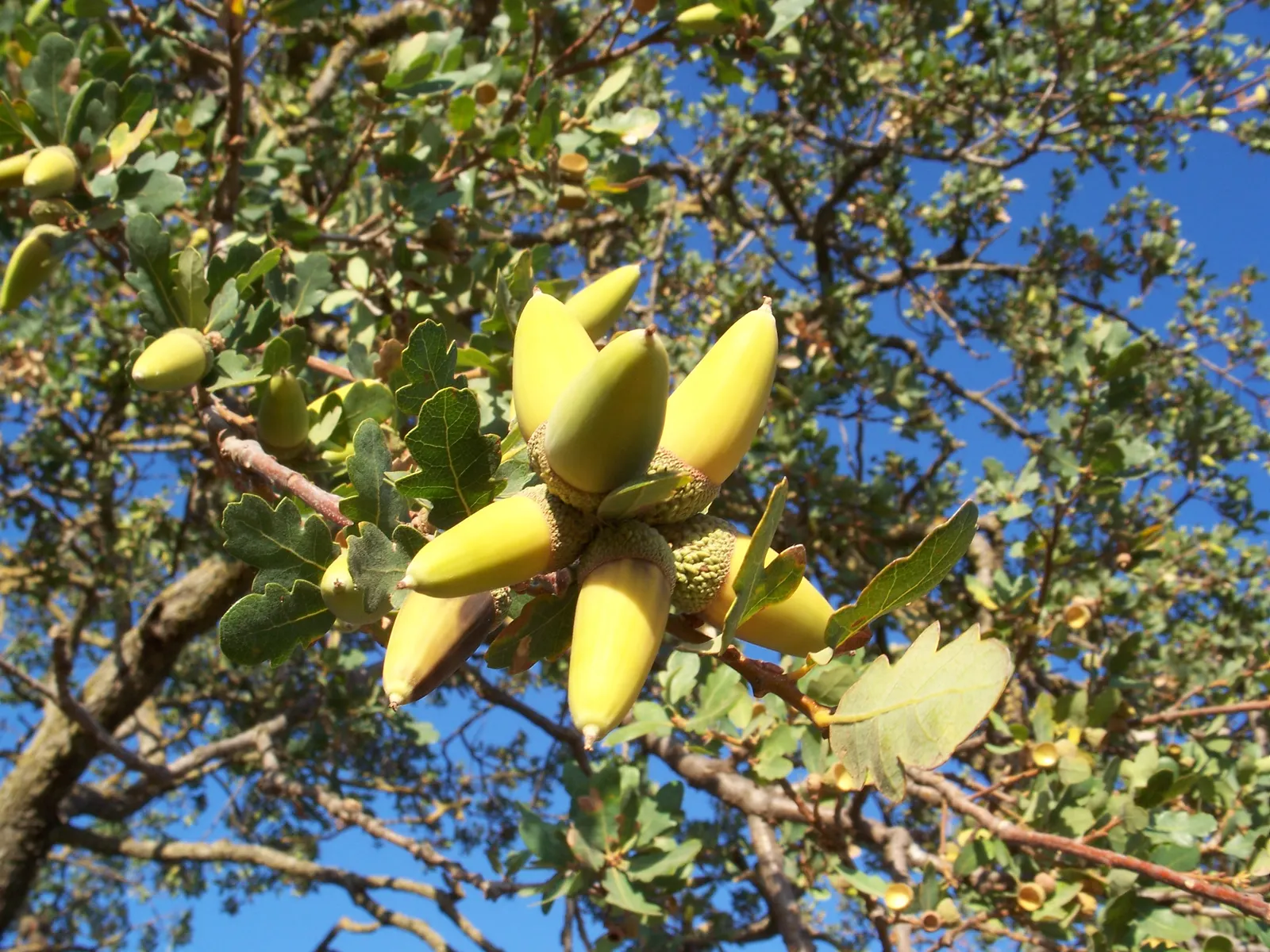
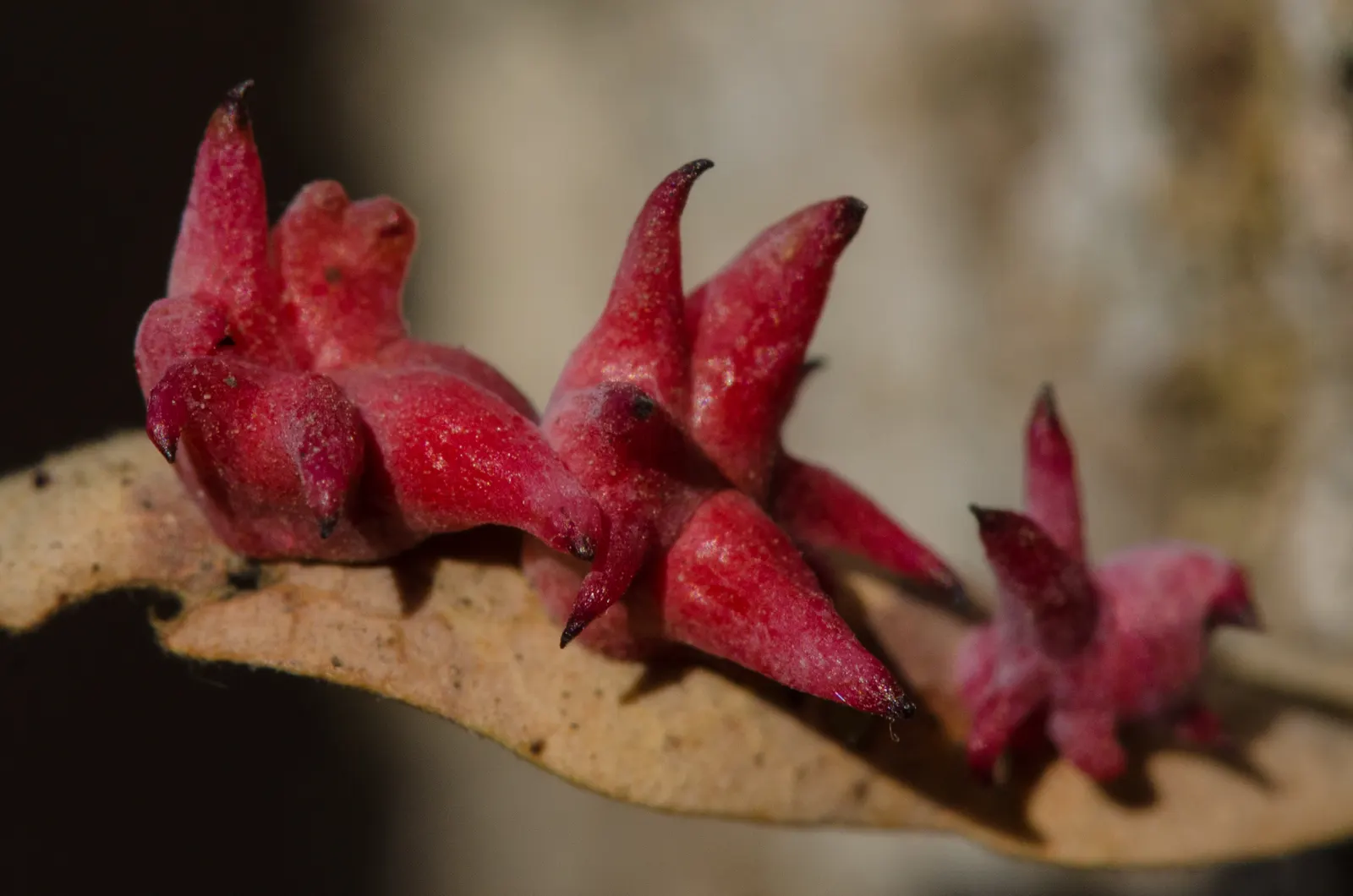
Blue Oak (Quercus Douglasii) — offering an attractive contrast to its blue-green leaves.<br><br>As a landscape architect; this deciduous oak is native to
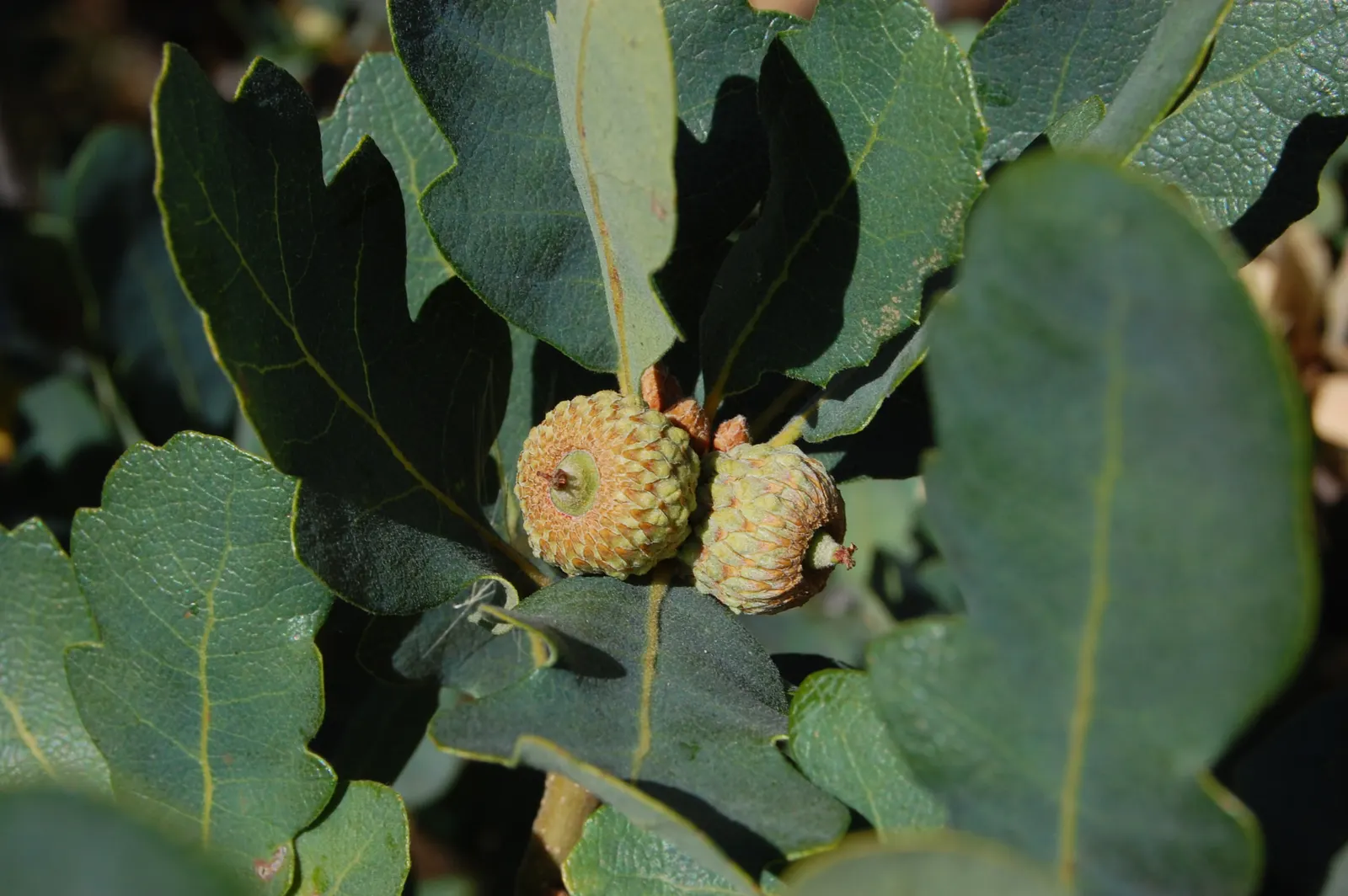
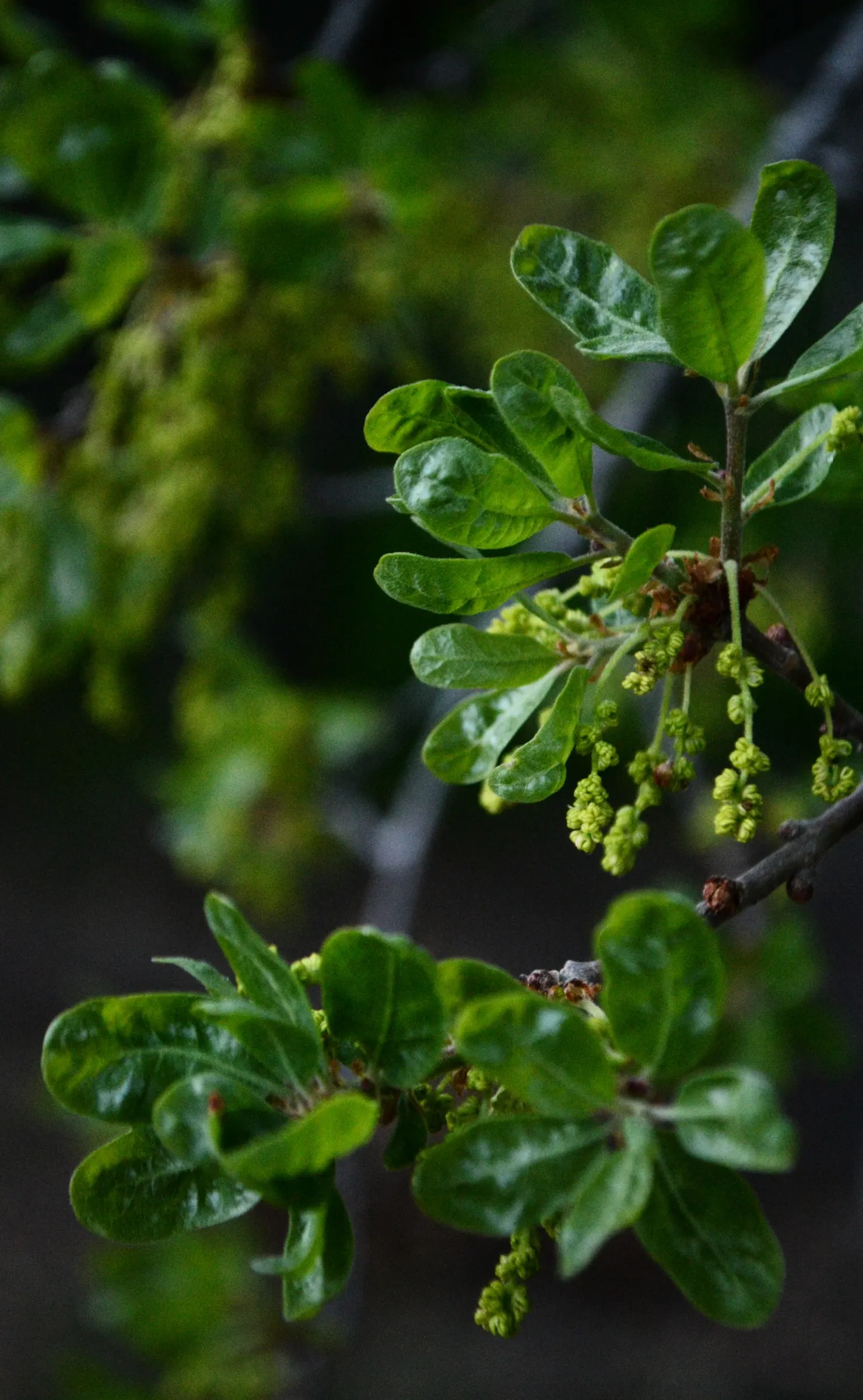
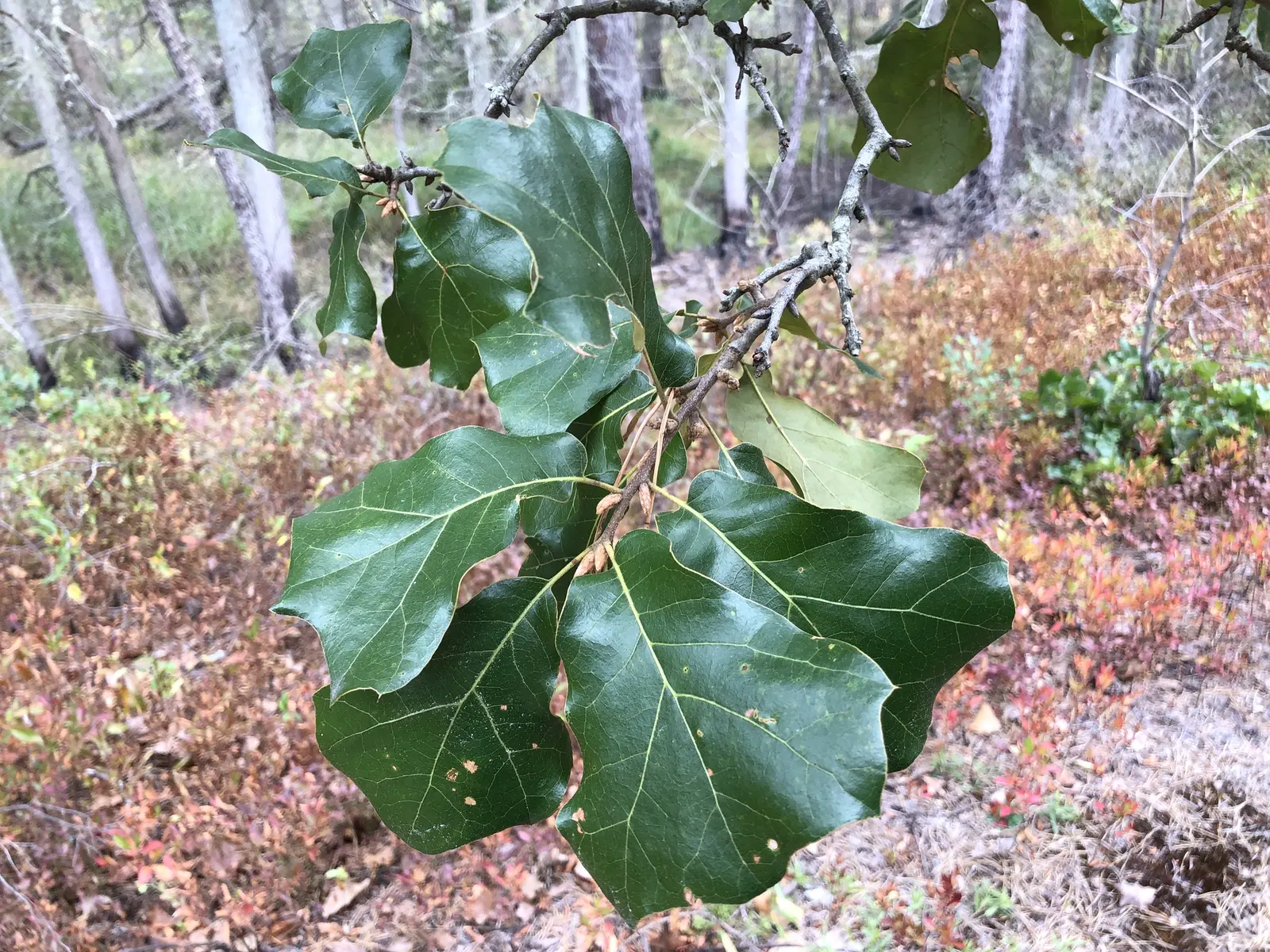
Blue Oak (Quercus Douglasii) — can contribute to the ecological value of the garden.<br><br>For a client looking to introduce a robust; quercus douglasii, the
Blue Oak (Quercus Douglasii) — it's a low-maintenance choice for naturalistic designs; commonly known as the Blue Oak, image 55
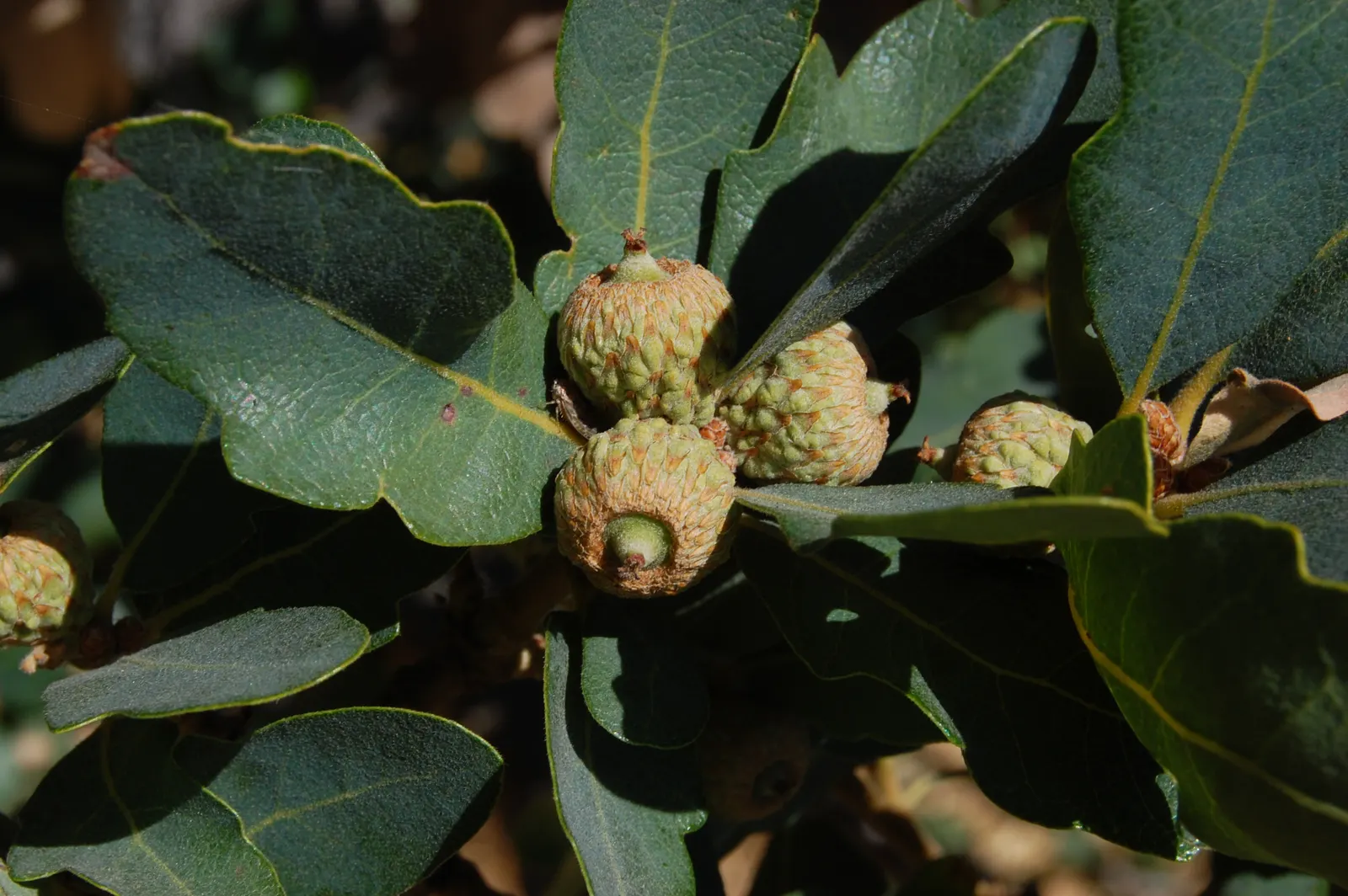
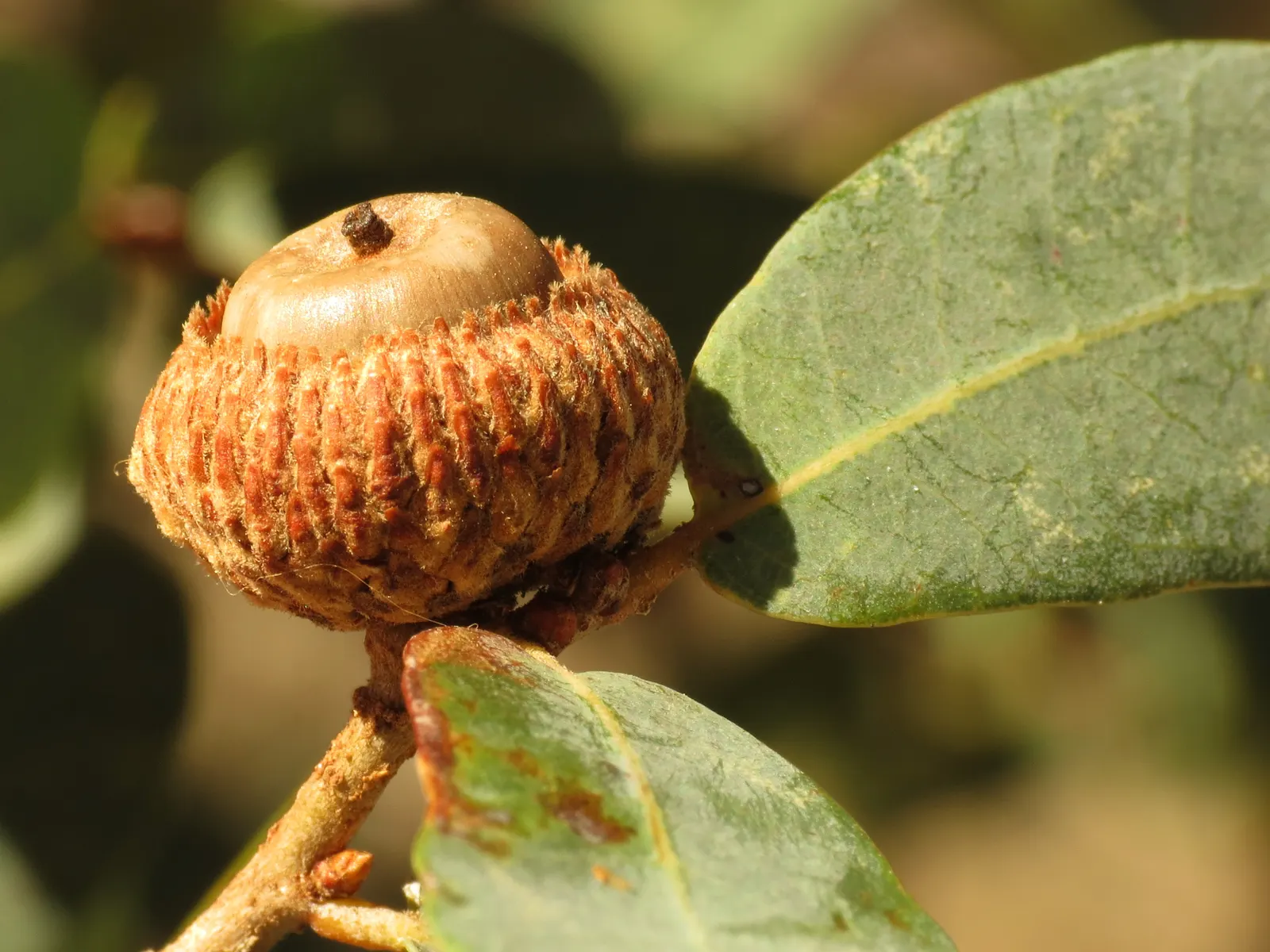
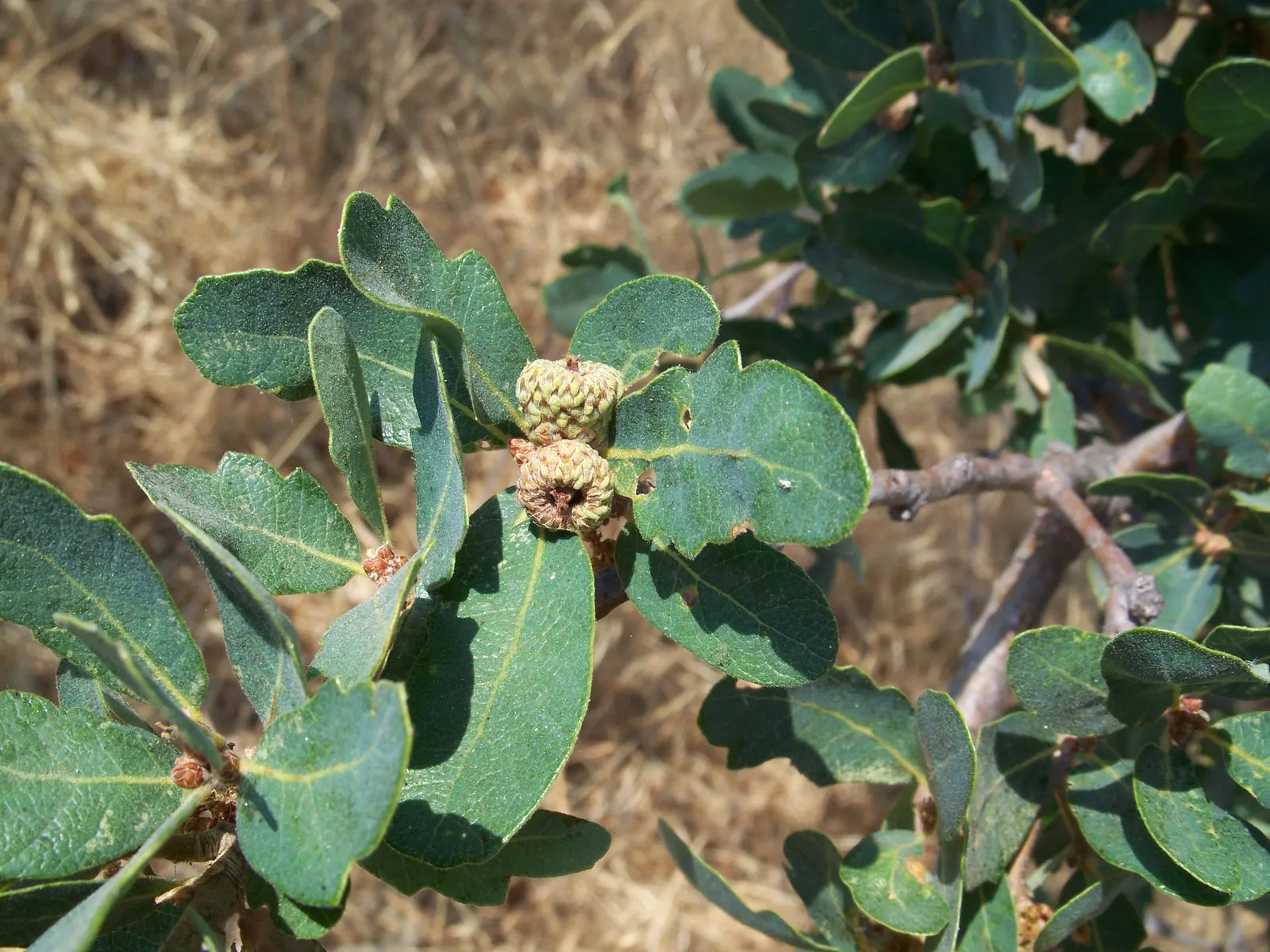
Blue Oak (Quercus Douglasii) — which provide food for local wildlife
Blue Oak (Quercus Douglasii) — offering stunning fall color and acorns for local wildlife in USDA zones 7-9
Blue Oak (Quercus Douglasii) — The bark of this tree is a light gray; renowned for its bluish-gray leaves, this hardy oak thrives in dry, rocky soils, reaching
Blue Oak (Quercus Douglasii) — During the fall, the foliage transitions to a golden-yellow, providing a vivid seasonal display
Blue Oak (Quercus Douglasii) — commonly known as the Blue Oak; which provide food for local wildlife
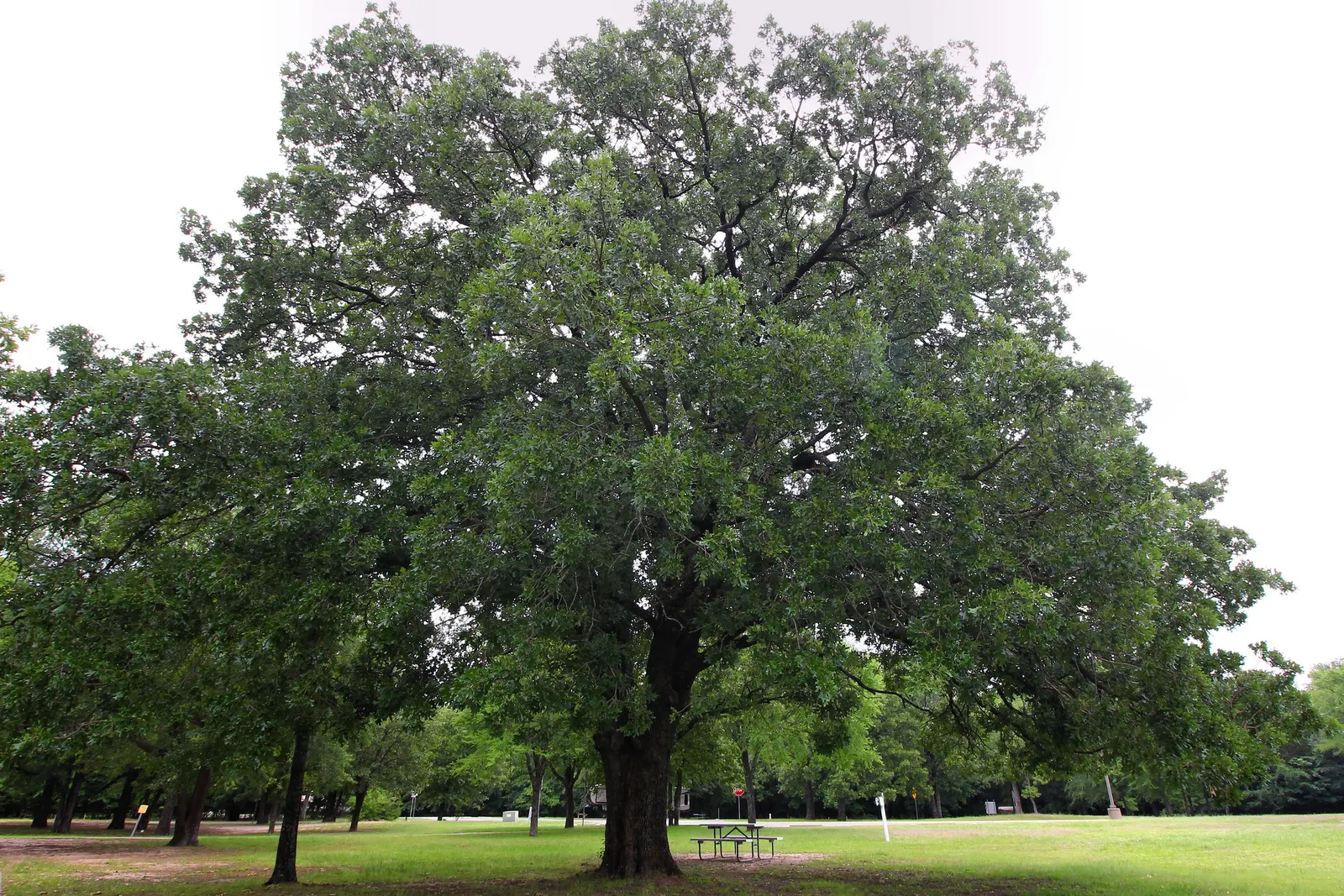
Blue Oak (Quercus Douglasii) — Its canopy spreads 30-50 feet, providing dense shade and habitat value; making it ideal for Mediterranean or drought-prone
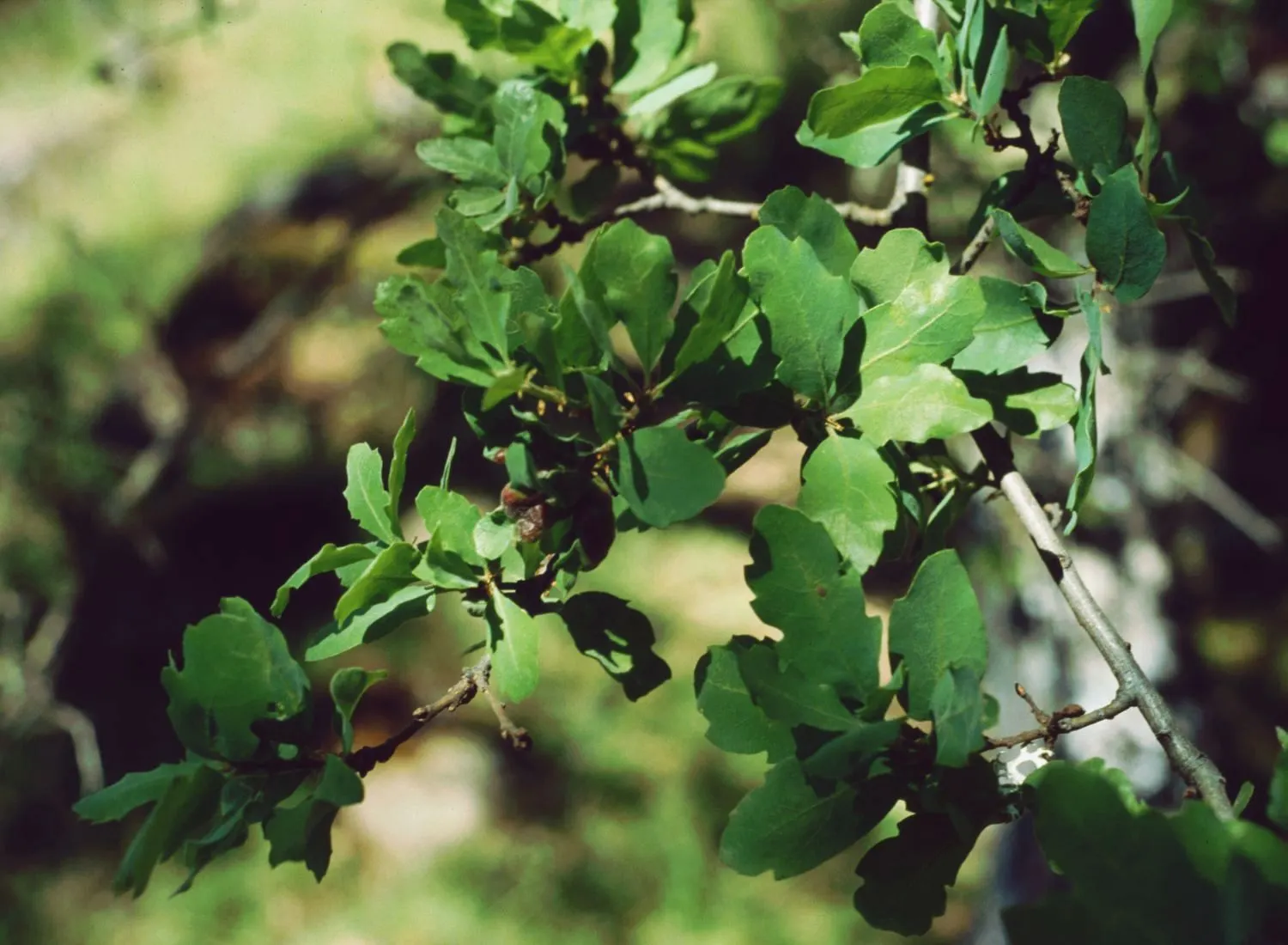
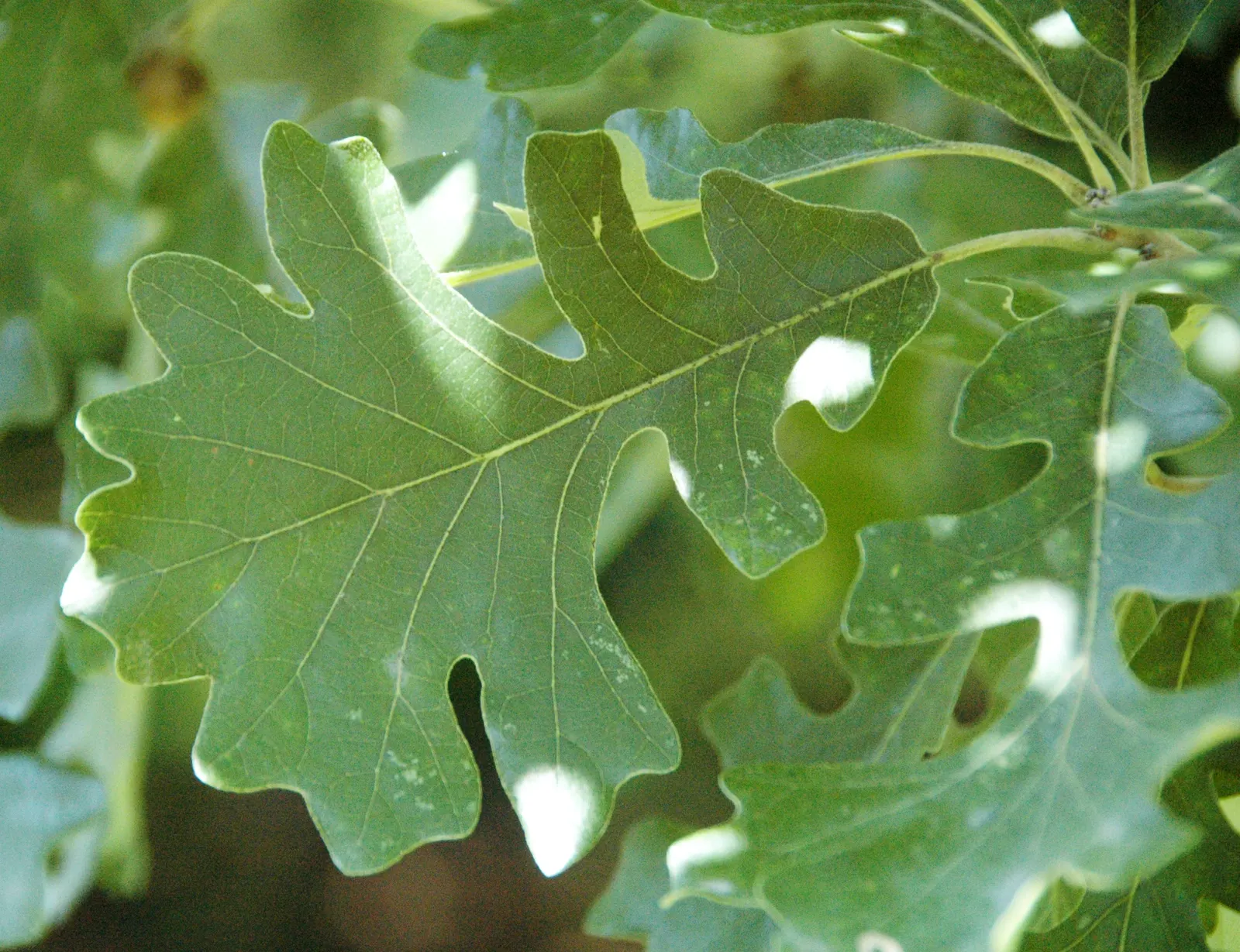
Blue Oak (Quercus Douglasii) — the Blue Oak gets its name from the bluish tinge of its leathery; offering stunning fall color and acorns for local wildlife in
Blue Oak (Quercus Douglasii) — tree for full
Blue Oak (Quercus Douglasii) — The bark of this tree is a light gray
Blue Oak (Quercus Douglasii) — the Blue Oak gets its name from the bluish tinge of its leathery
Blue Oak (Quercus Douglasii) — Drought-tolerant once established
Blue Oak (Quercus Douglasii) — Renowned for its bluish-gray leaves, this hardy oak thrives in dry, rocky soils, reaching 20-50 feet in height; it, image 52
Blue Oak (Quercus Douglasii) — is a distinctive and valuable addition to any landscape design that suits its temperate requirements; its canopy spreads 30-50
Blue Oak (Quercus Douglasii) — is a distinctive and valuable addition to any landscape design that suits its temperate requirements
Blue Oak (Quercus Douglasii) — the Blue Oak is an excellent choice that offers both beauty and resilience
Blue Oak (Quercus Douglasii) — Typically growing to heights of 30-80 feet with a canopy spread of equally wide proportions
Blue Oak (Quercus Douglasii) — it's a low-maintenance choice for naturalistic designs; commonly known as the Blue Oak
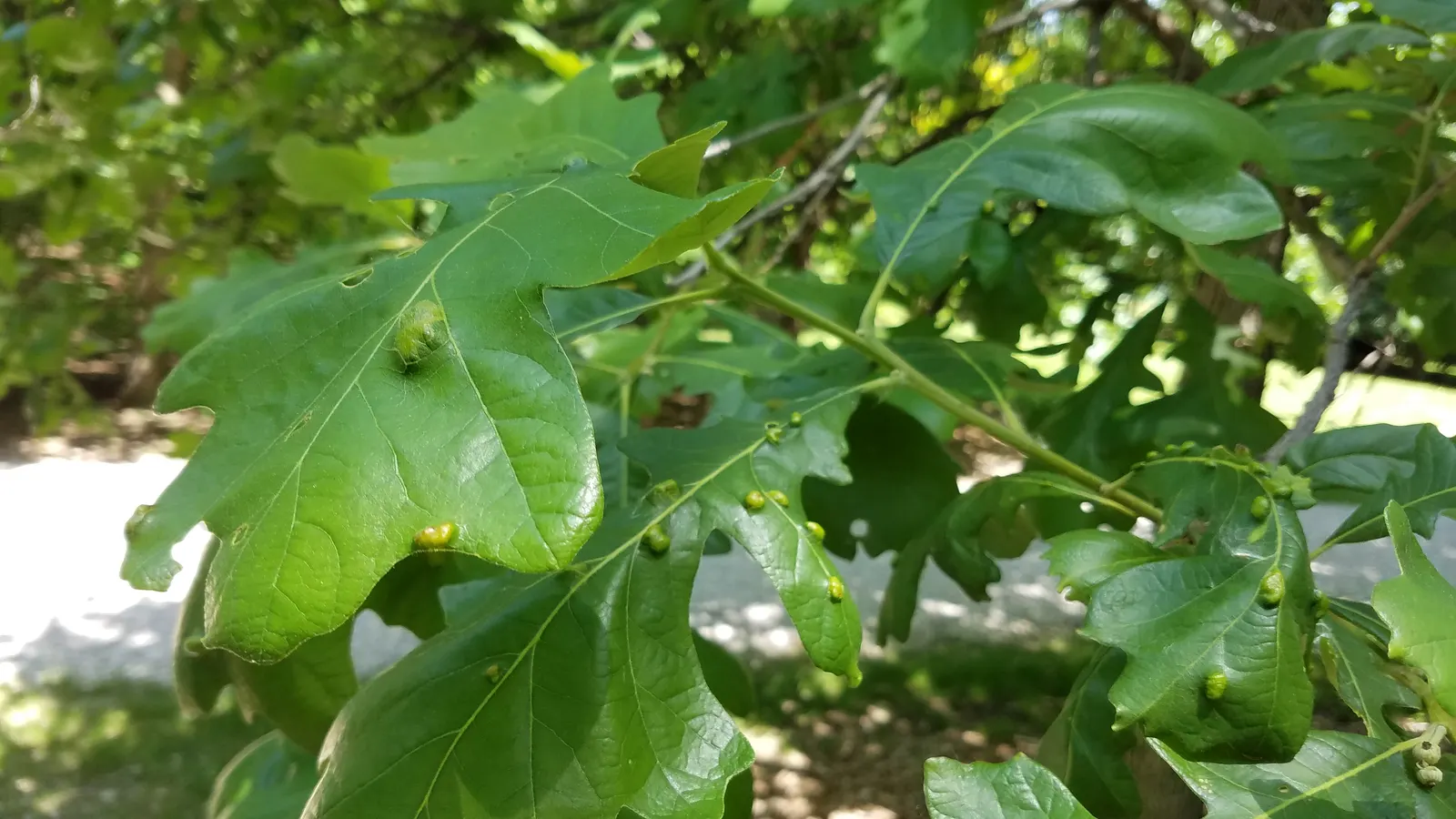
Blue Oak (Quercus Douglasii) — deeply lobed leaves which are usually about 1-2.5 inches long
Blue Oak (Quercus Douglasii) — Renowned for its bluish-gray leaves, this hardy oak thrives in dry, rocky soils, reaching 20-50 feet in height; it offers ample
Photographs by 11 contributors

Related plants