Maul Or Goldencup Oak, Canyon Live
Quercus Chrysolepis
Overview
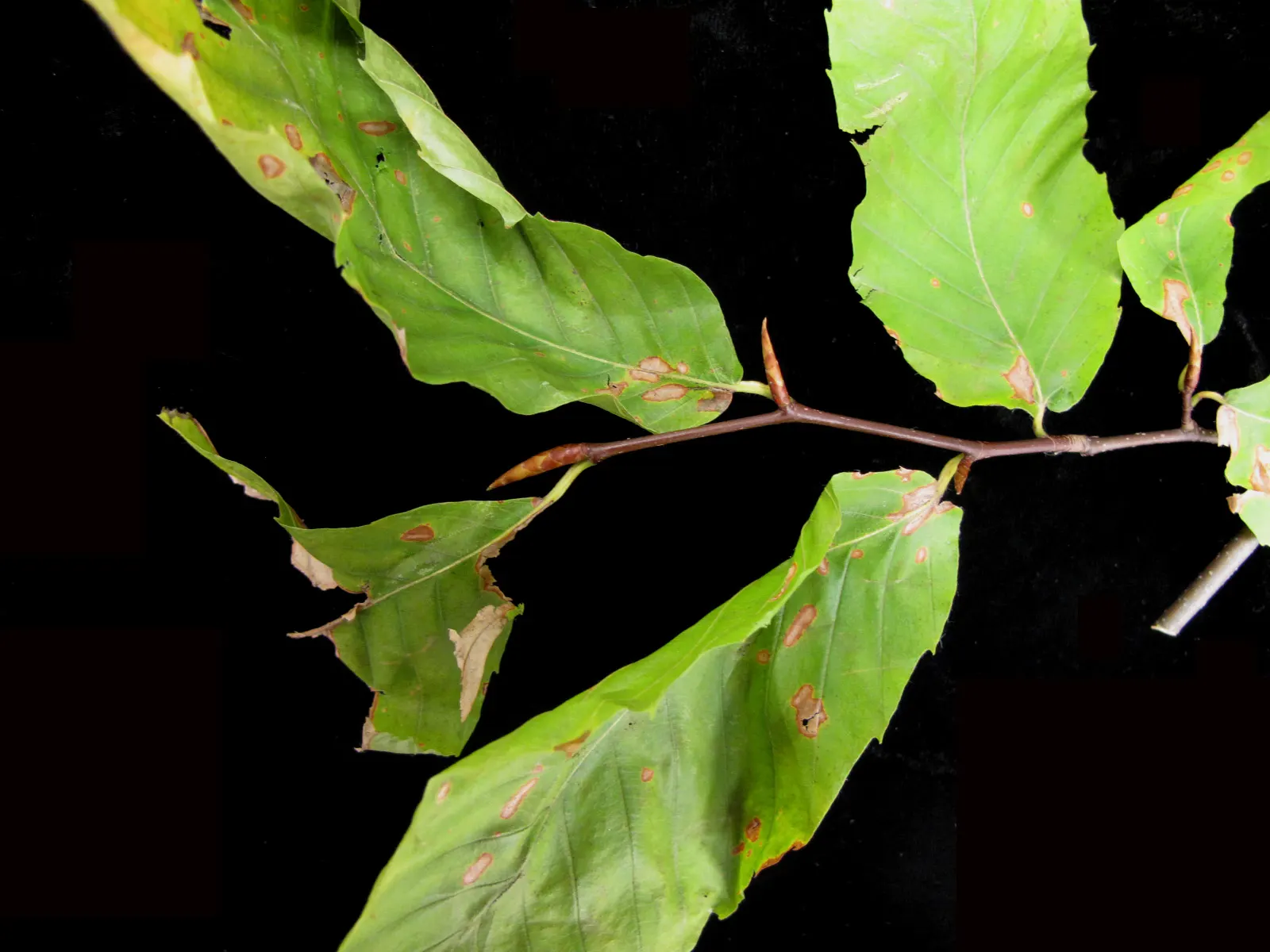
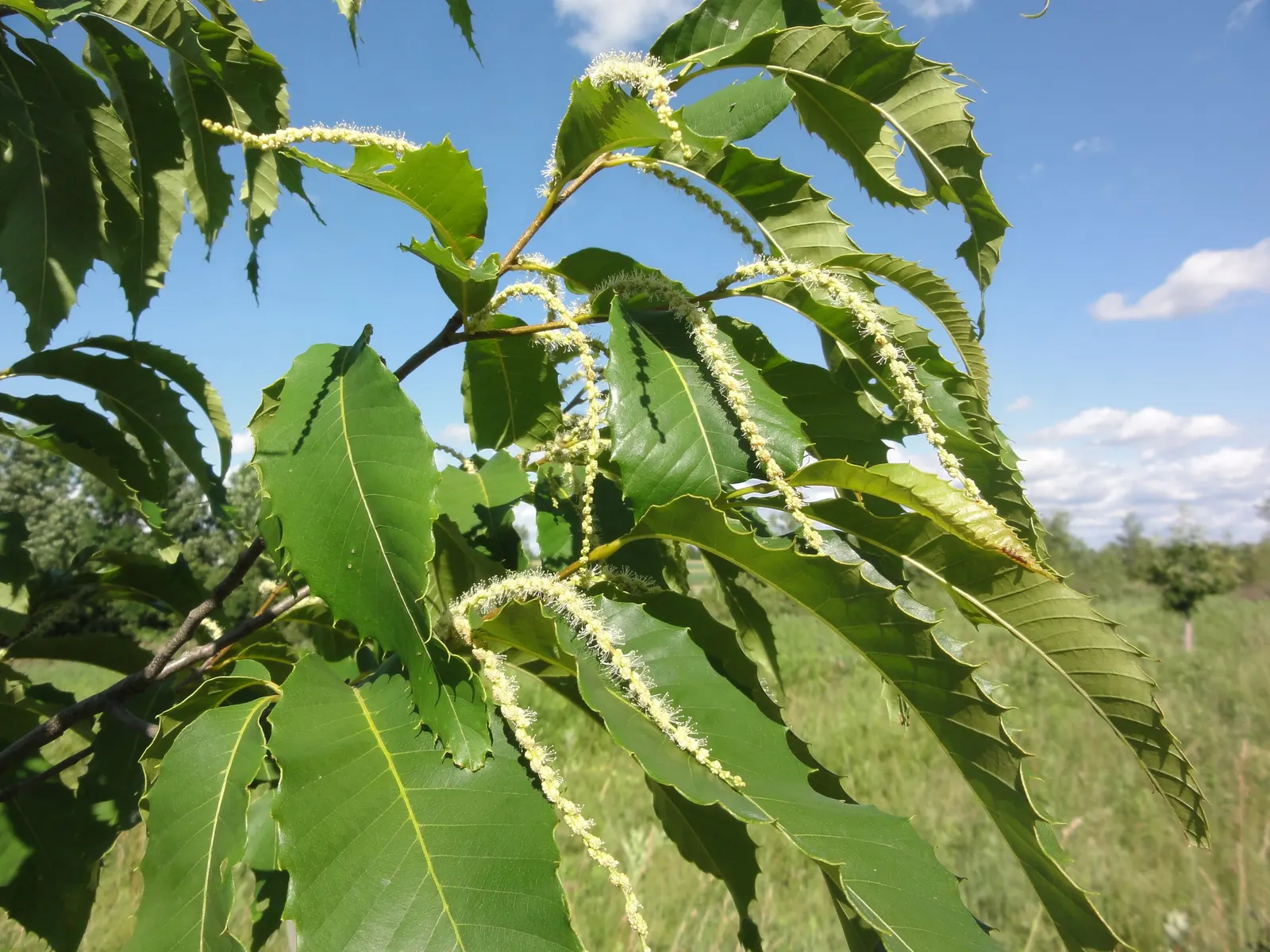
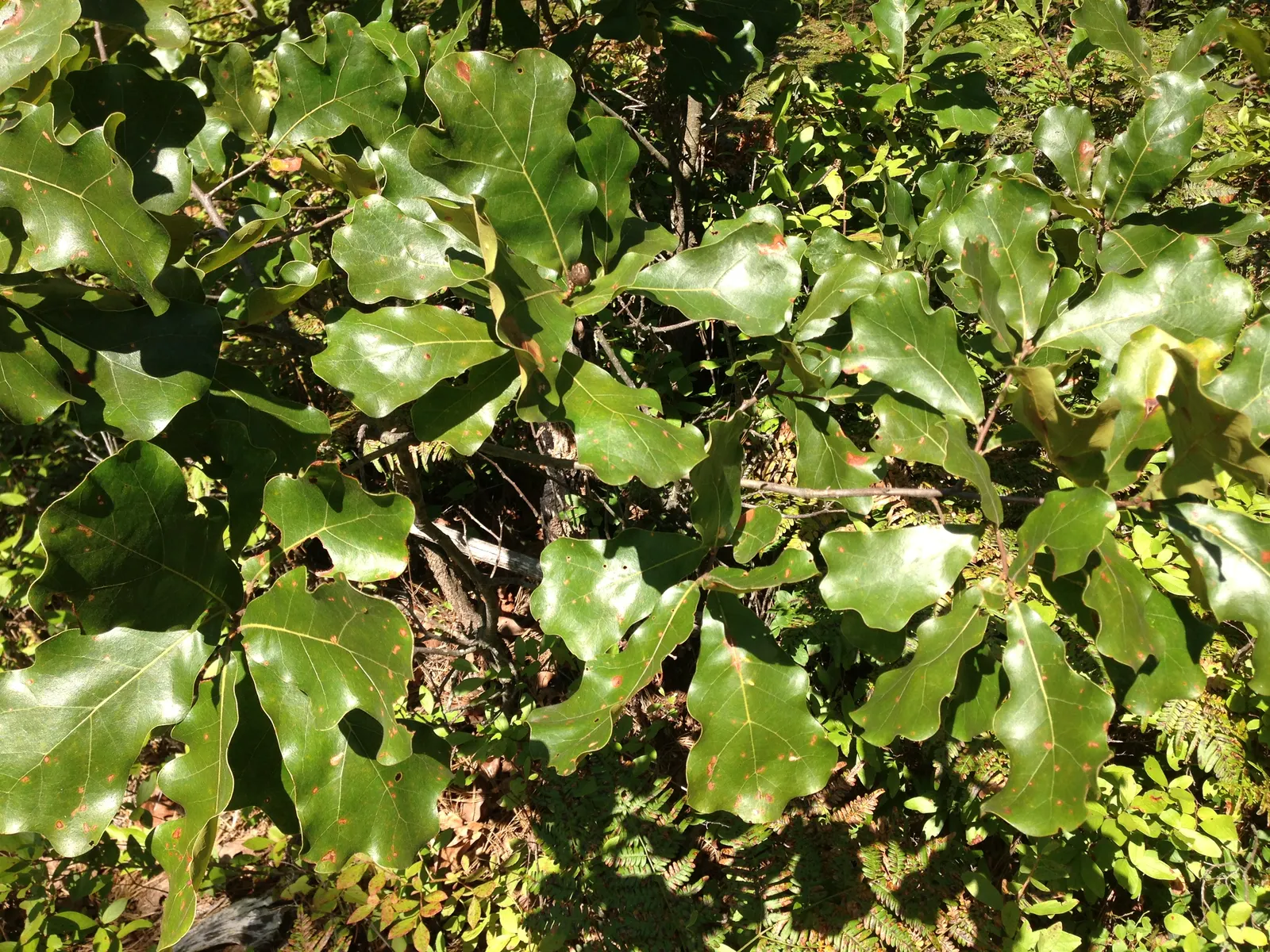
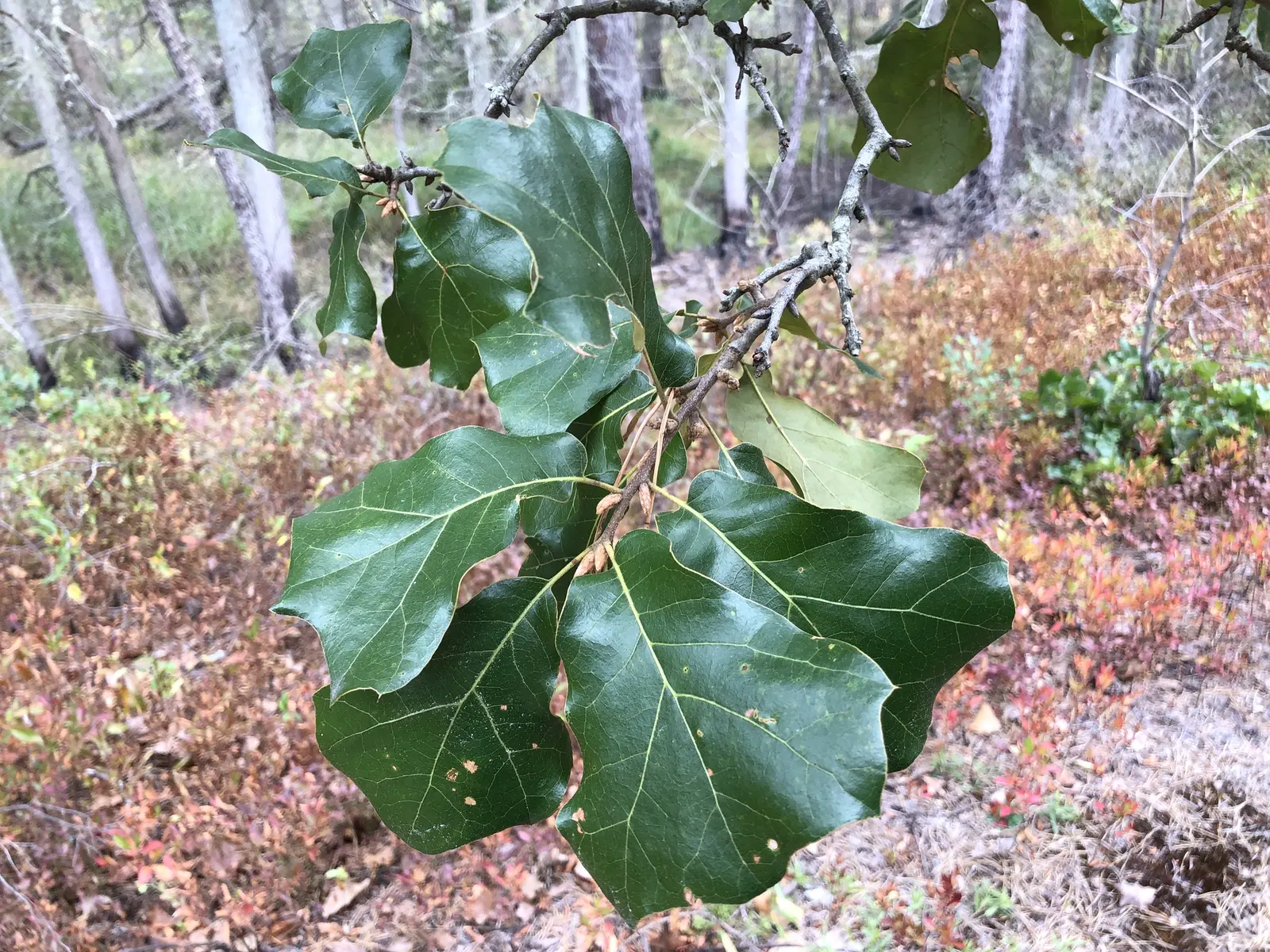
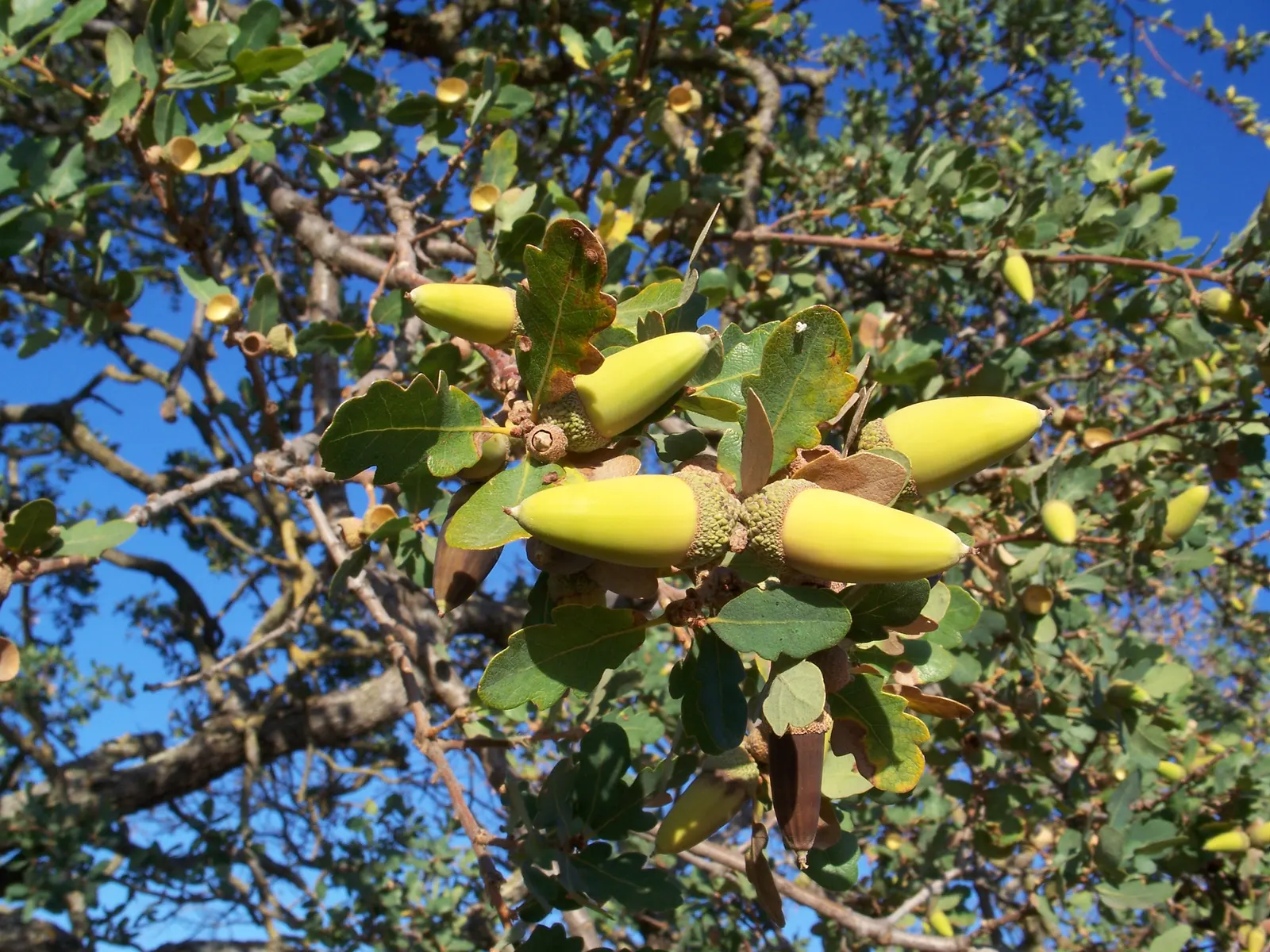
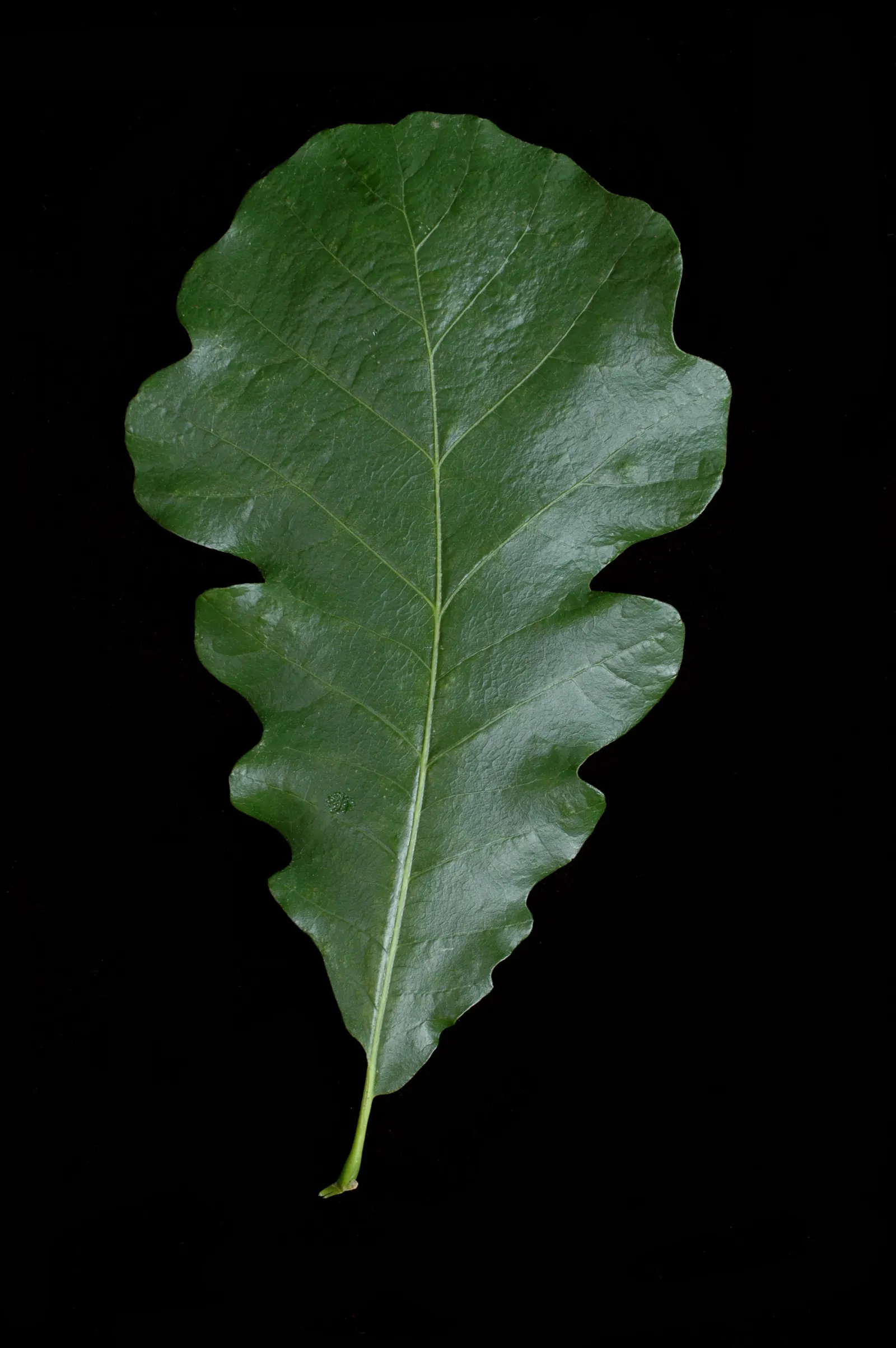
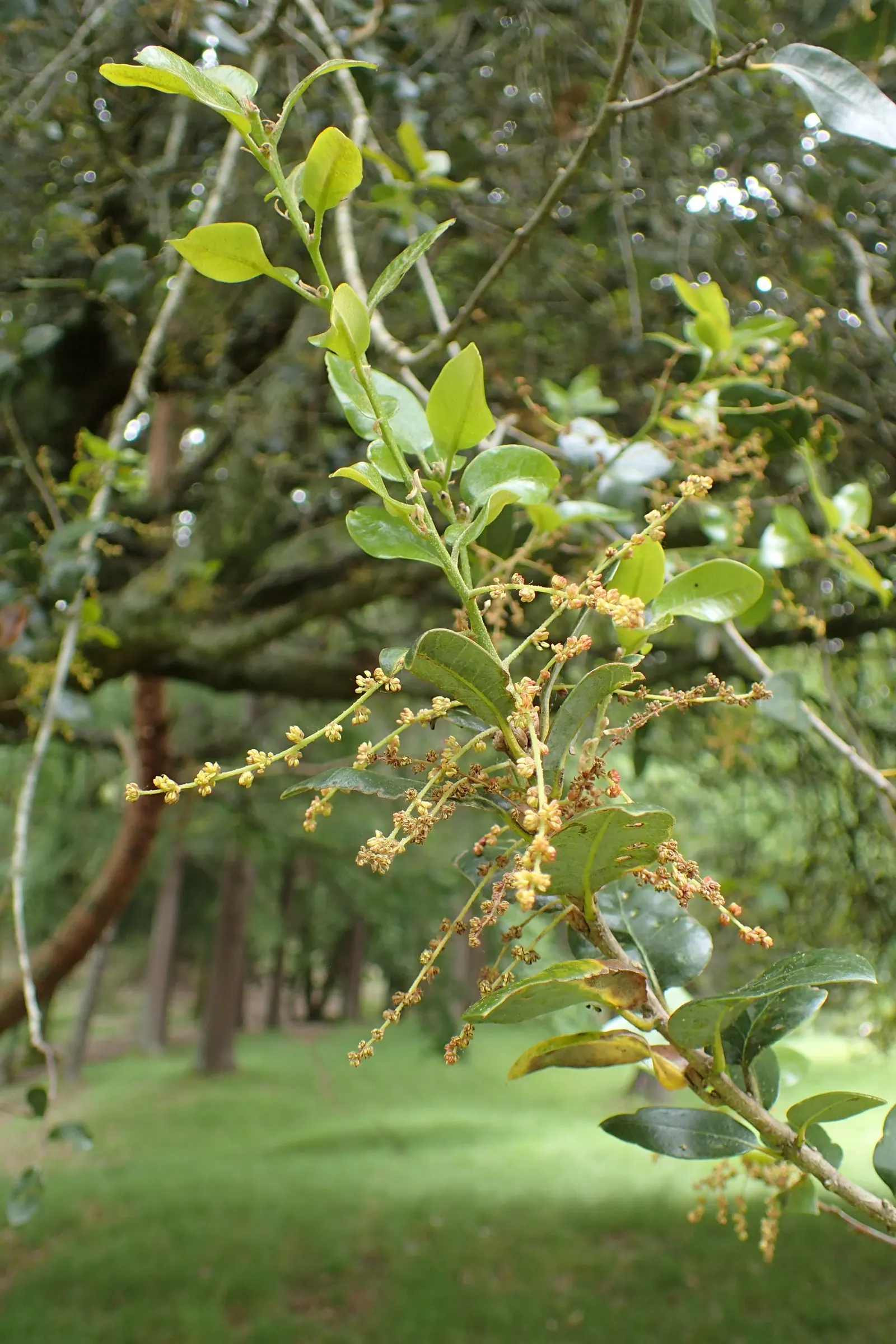
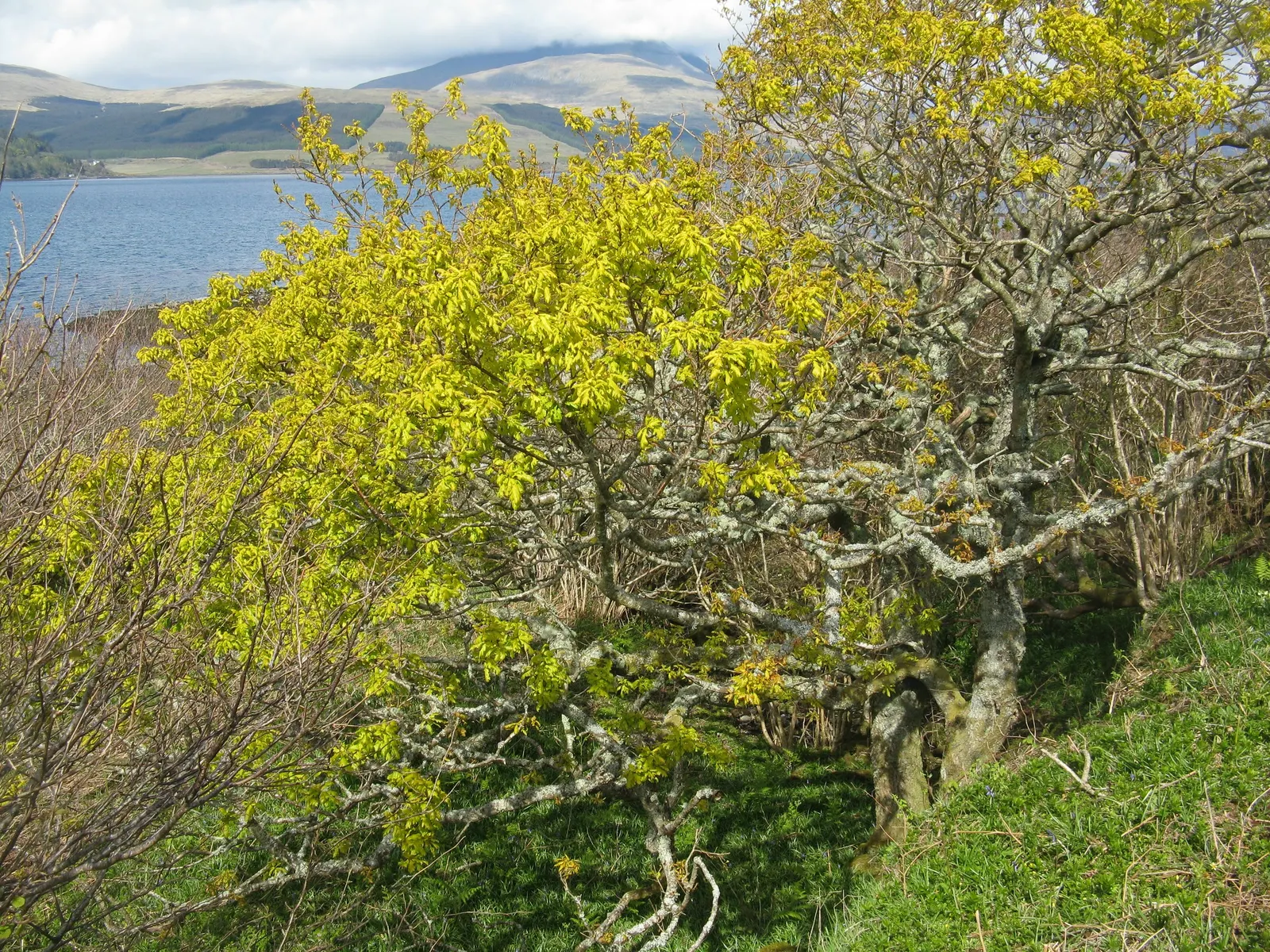
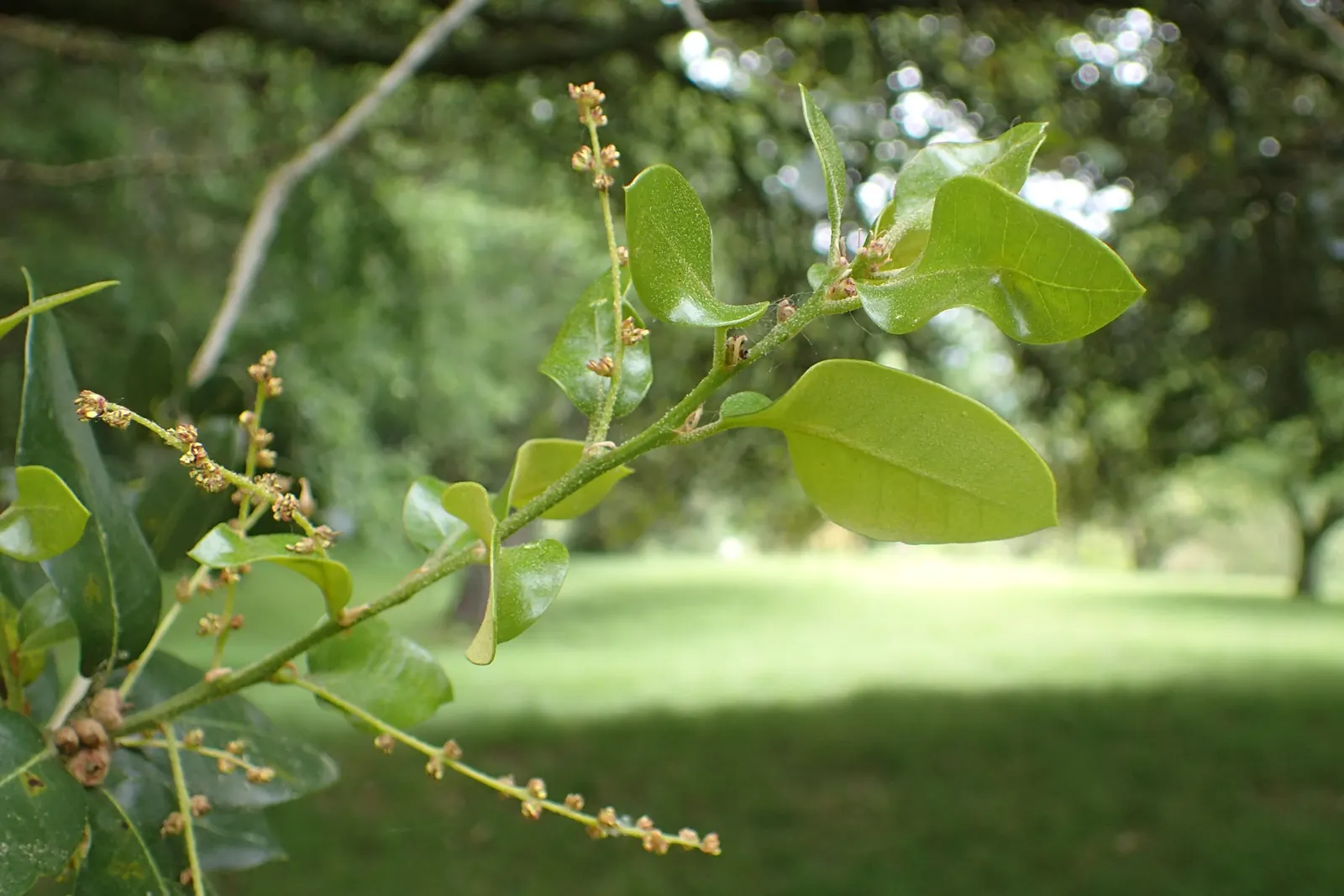
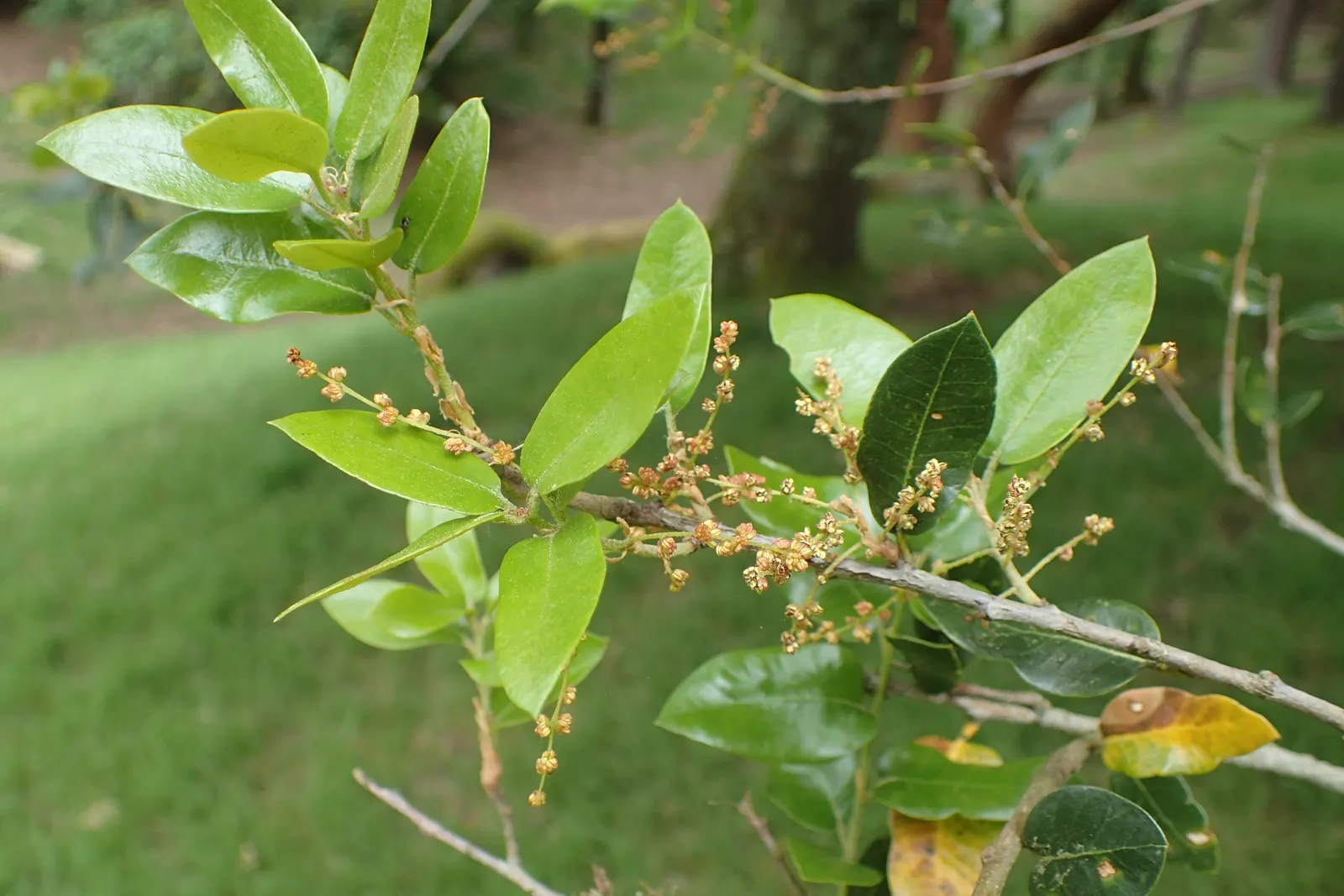
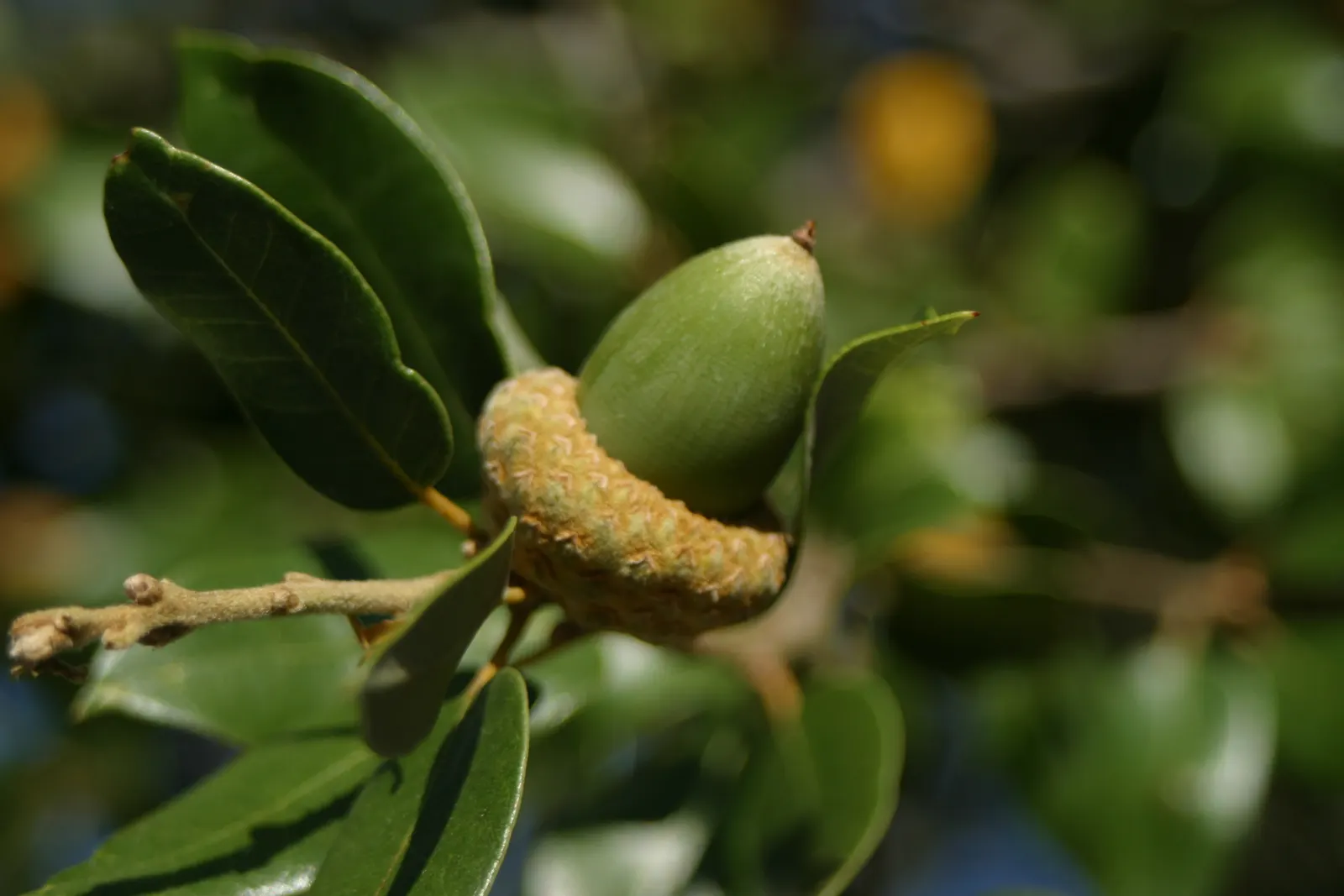
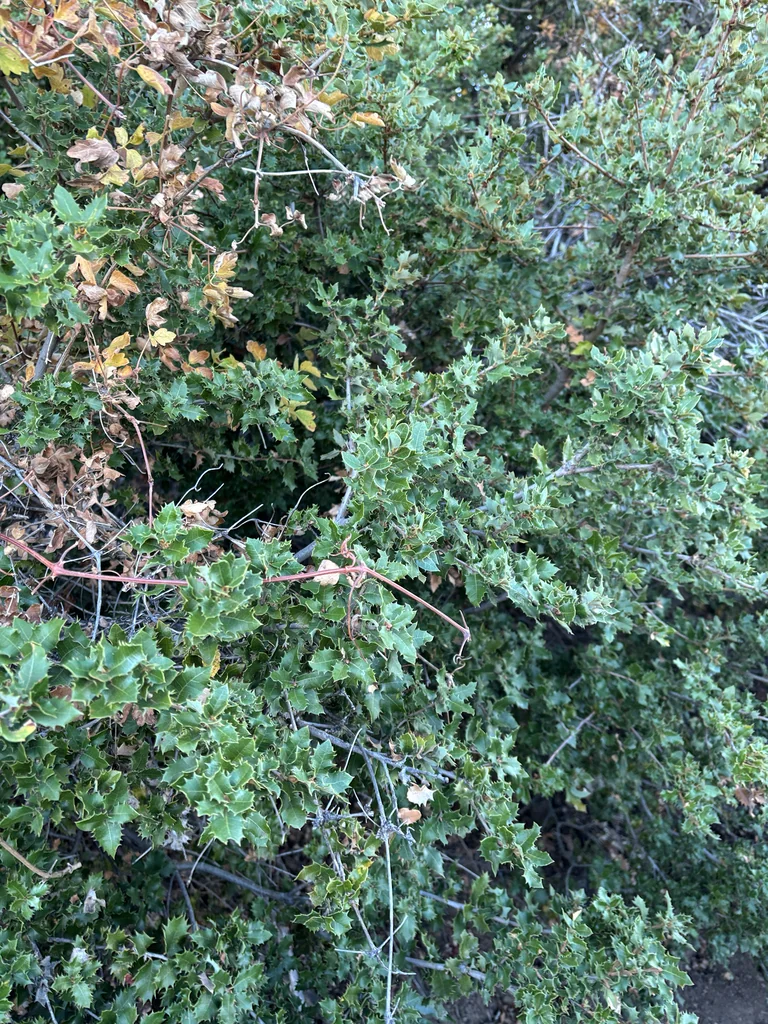
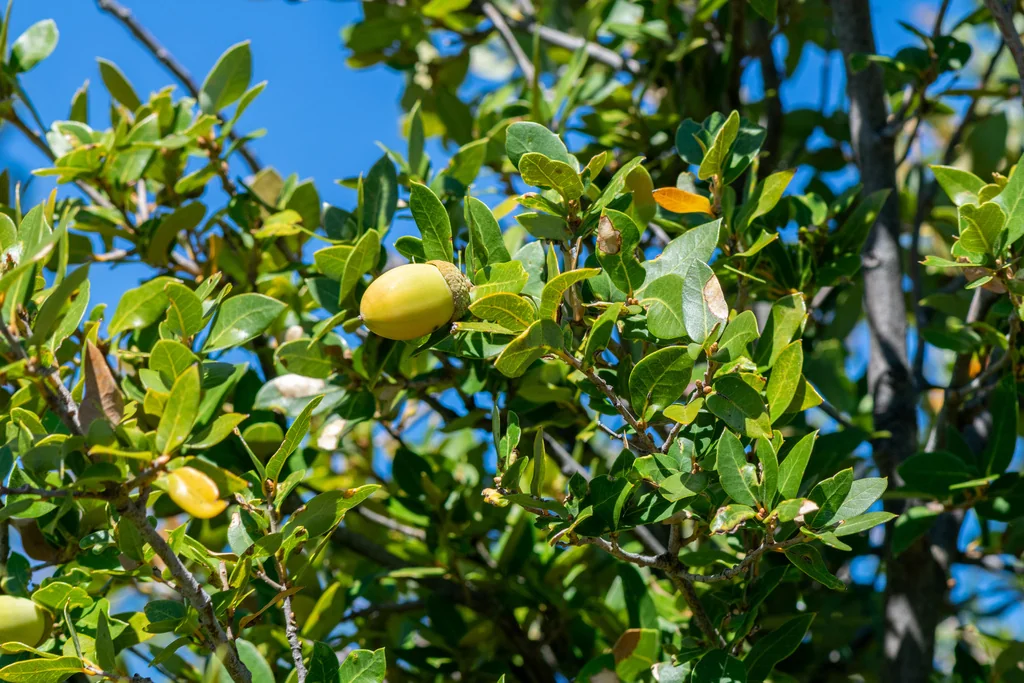
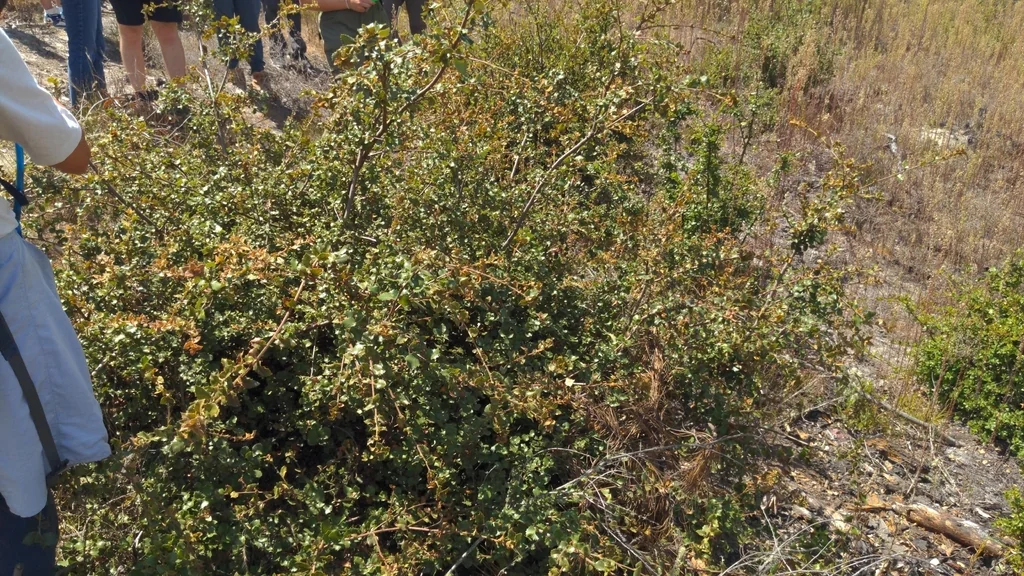
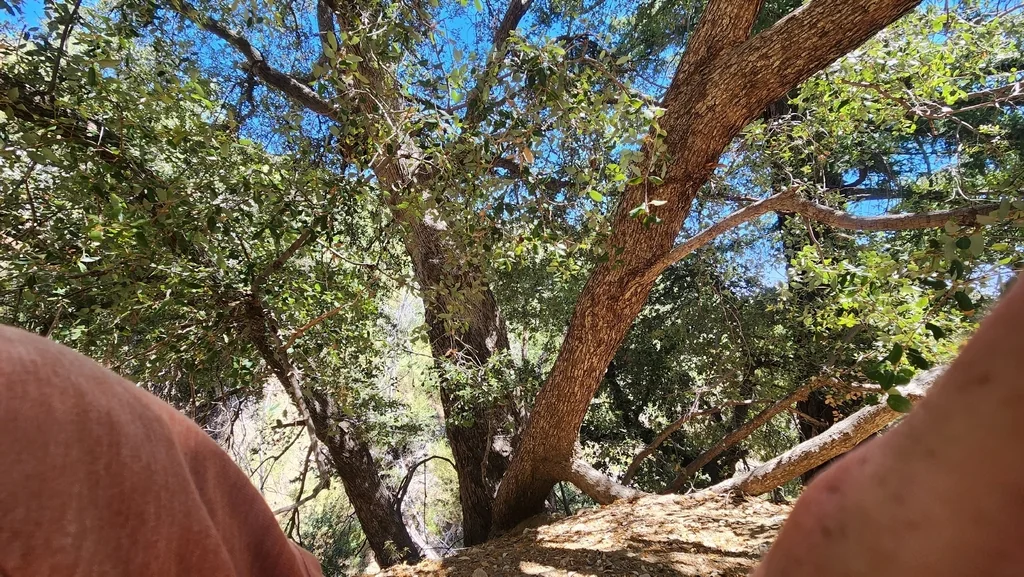
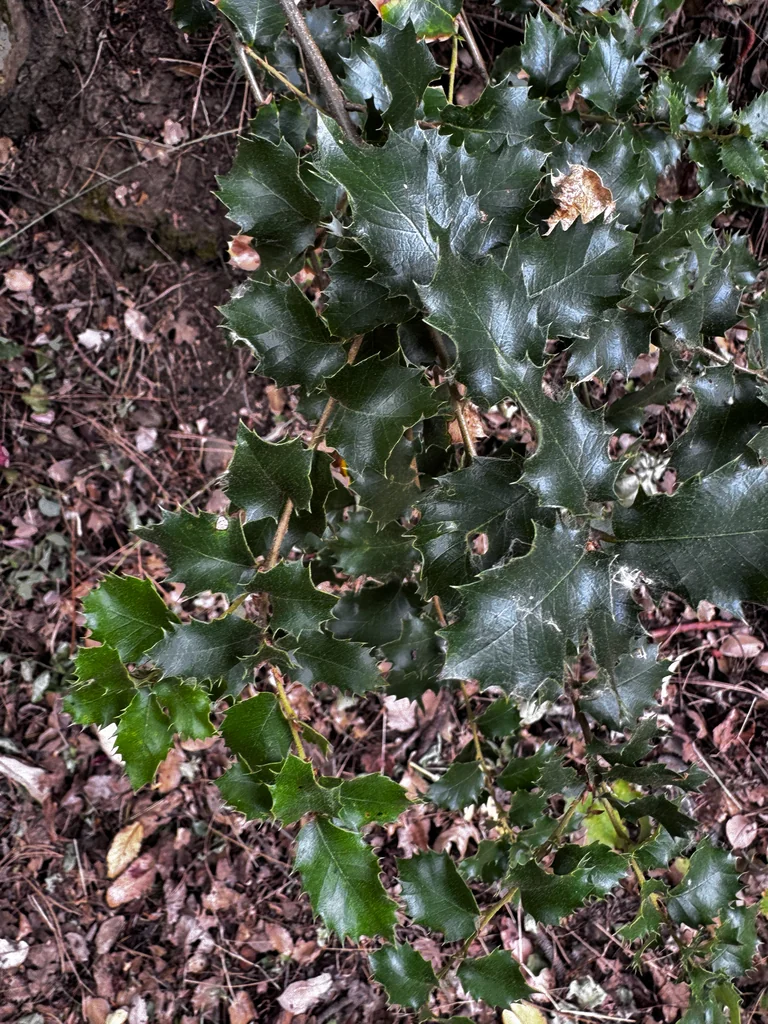
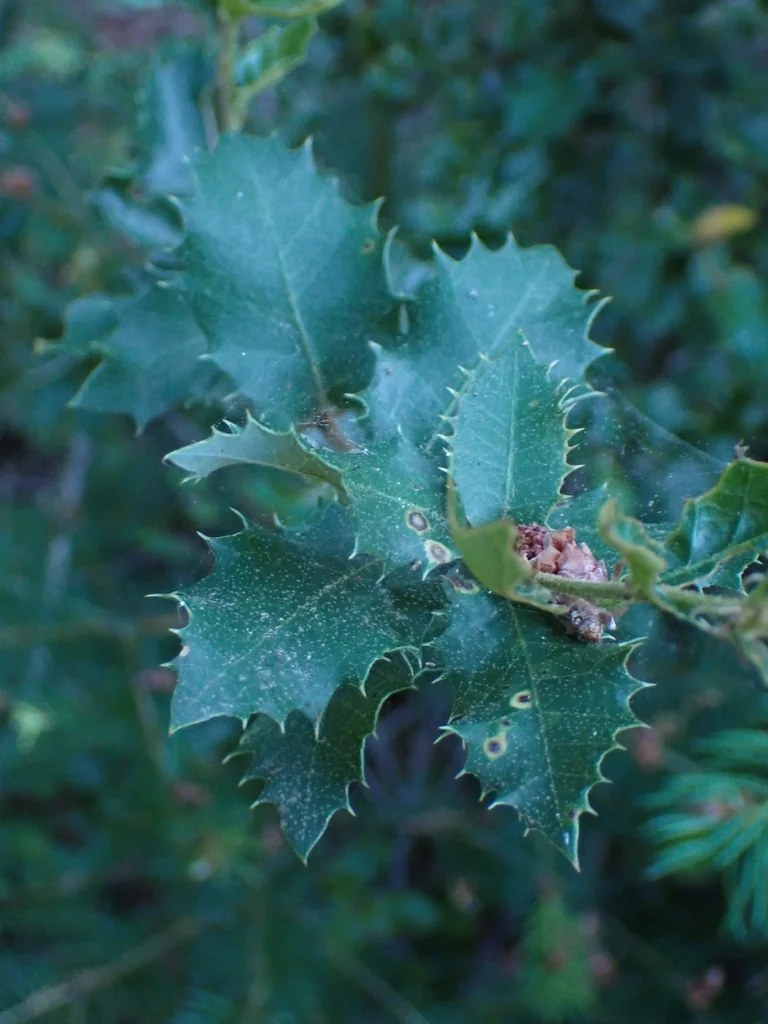
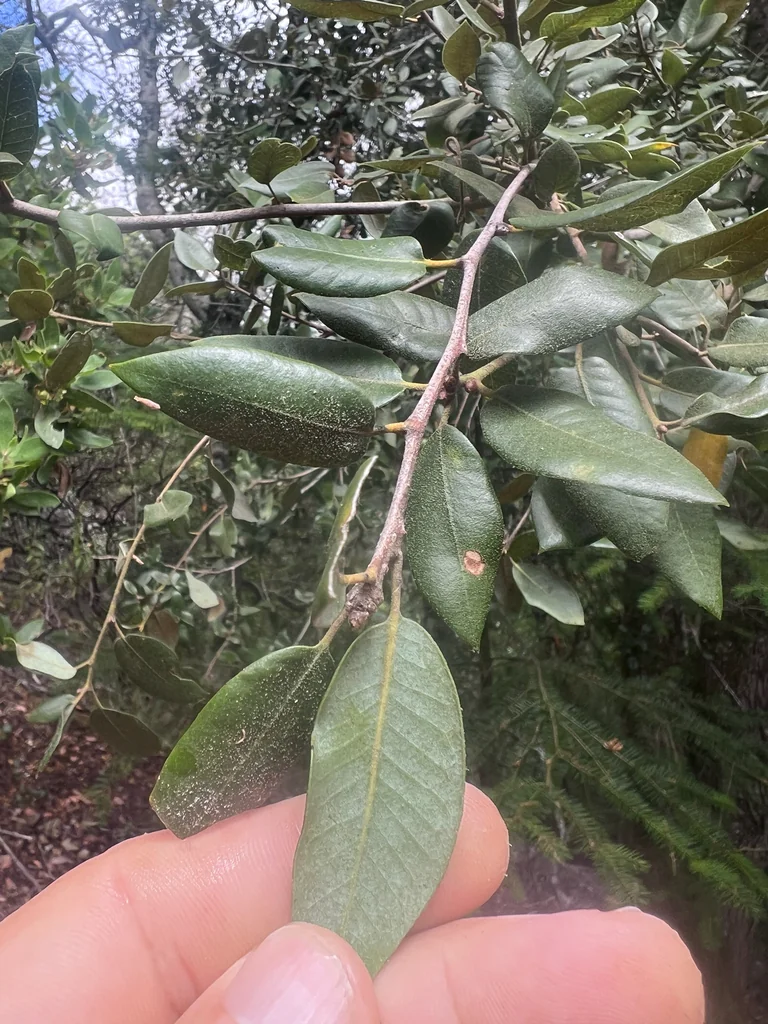
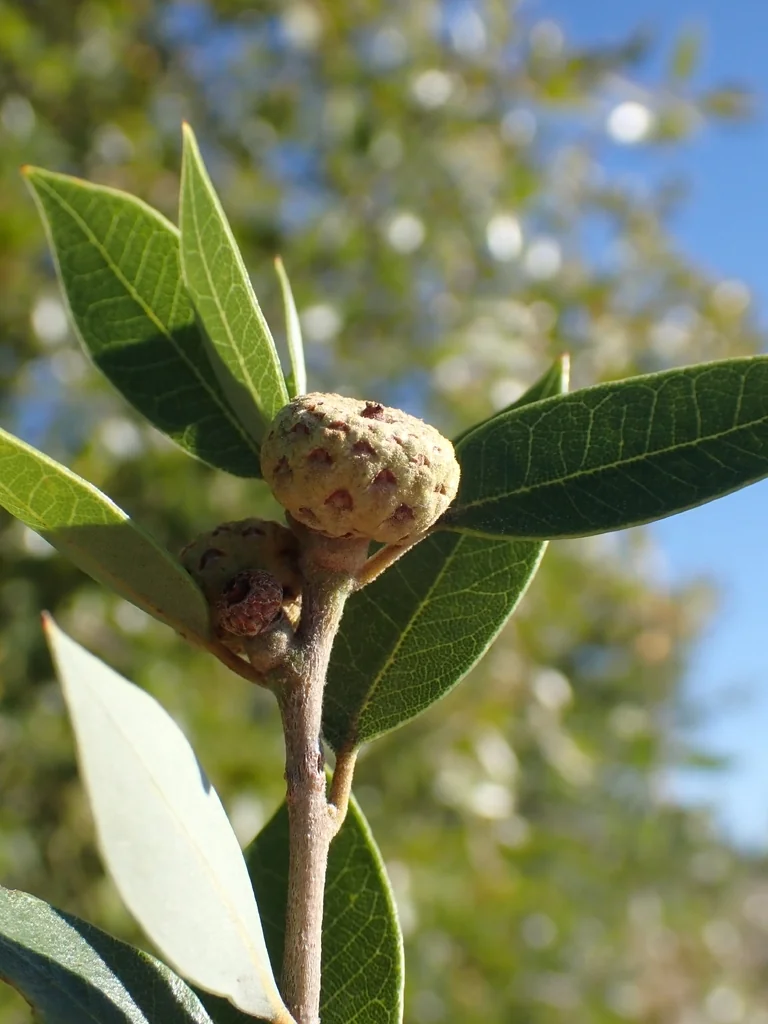
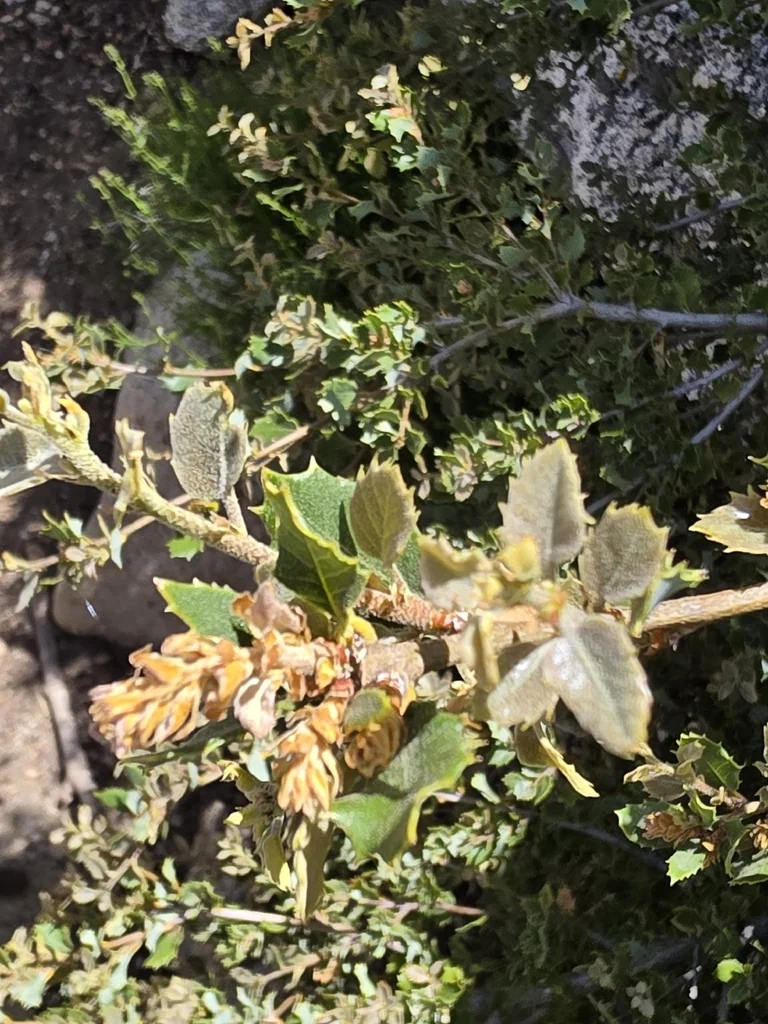
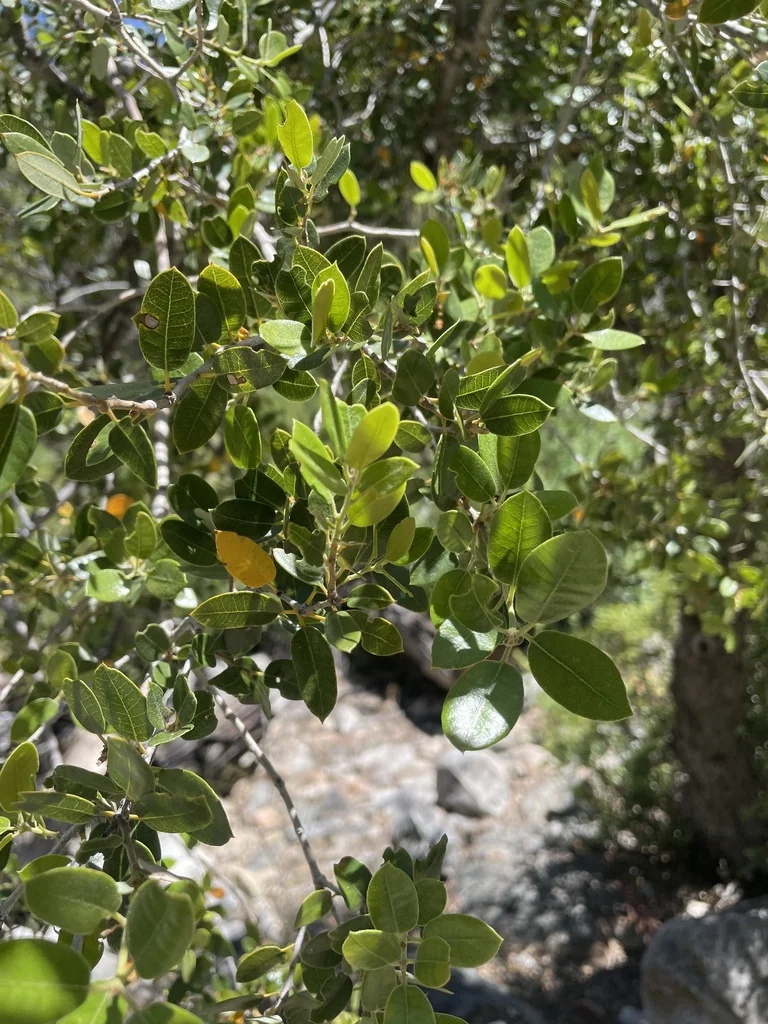
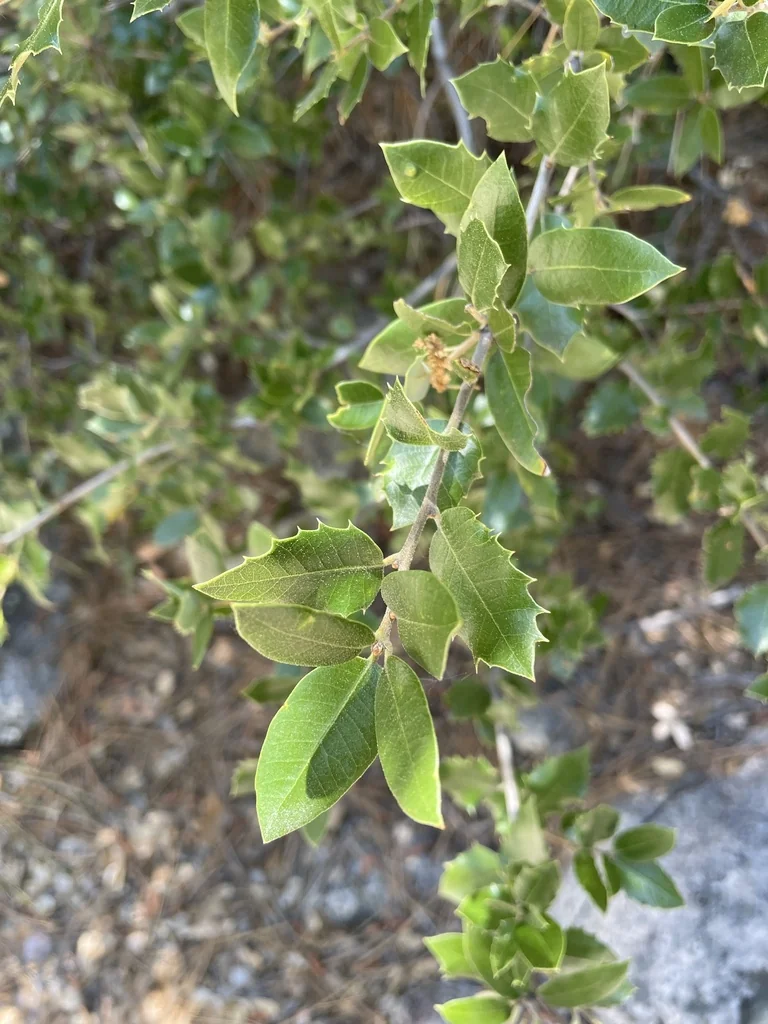
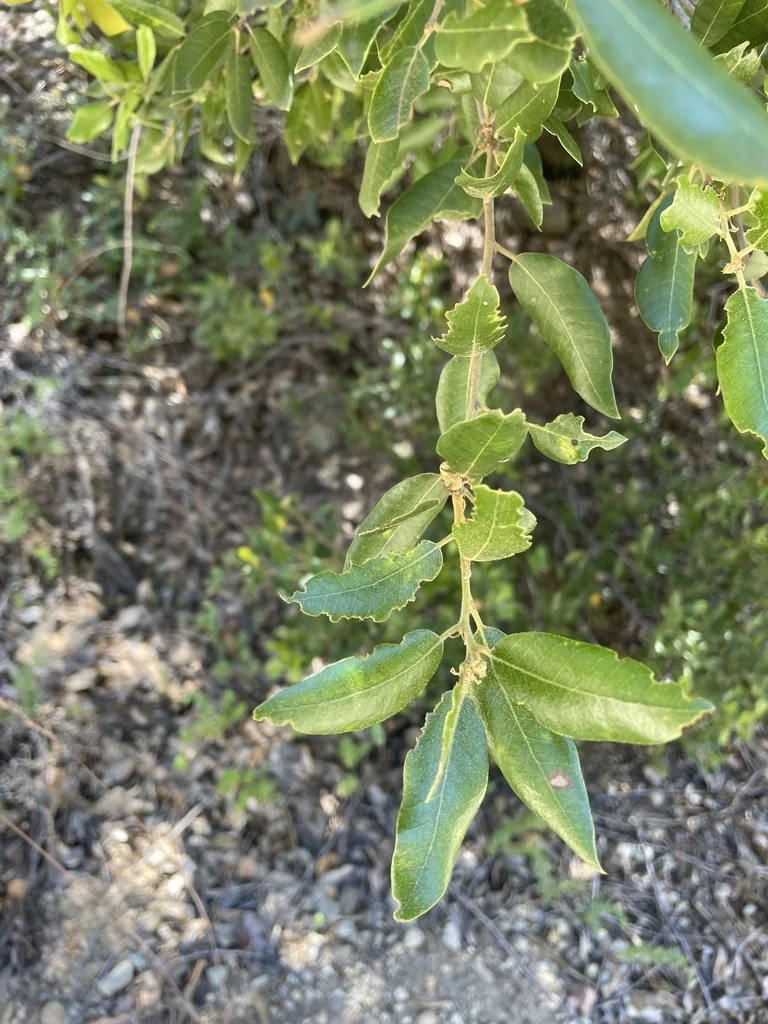
Quercus chrysolepis, commonly known as Canyon Live Oak or Maul Oak, is an evergreen with a broad, dense crown. Its leaves are glossy, dark green, typically 1-3 inches long with a golden underside. Acorns mature in two seasons, providing wildlife food. This oak thrives in well-drained soils, reaching 30-70 feet tall and up to 50 feet wide. It's drought-tolerant, making it ideal for water-wise landscapes in USDA zones 7-10.
Sun Full, HalfWater Low, Very LowZones 7–7Type Shrub, TreeClimate Mediterranean
Culture
- Sun
- Full, Half
- Water
- Low, Very Low
- USDA zones
- 7–7
Shape & size
Classification
- Type
- Shrub, Tree
- Family
- Fagaceae
- Climate
- Mediterranean
See full data, regional cultivation notes, and design tools. Build a client presentation around this plant.
Start your 14-day trialPhotos (49)
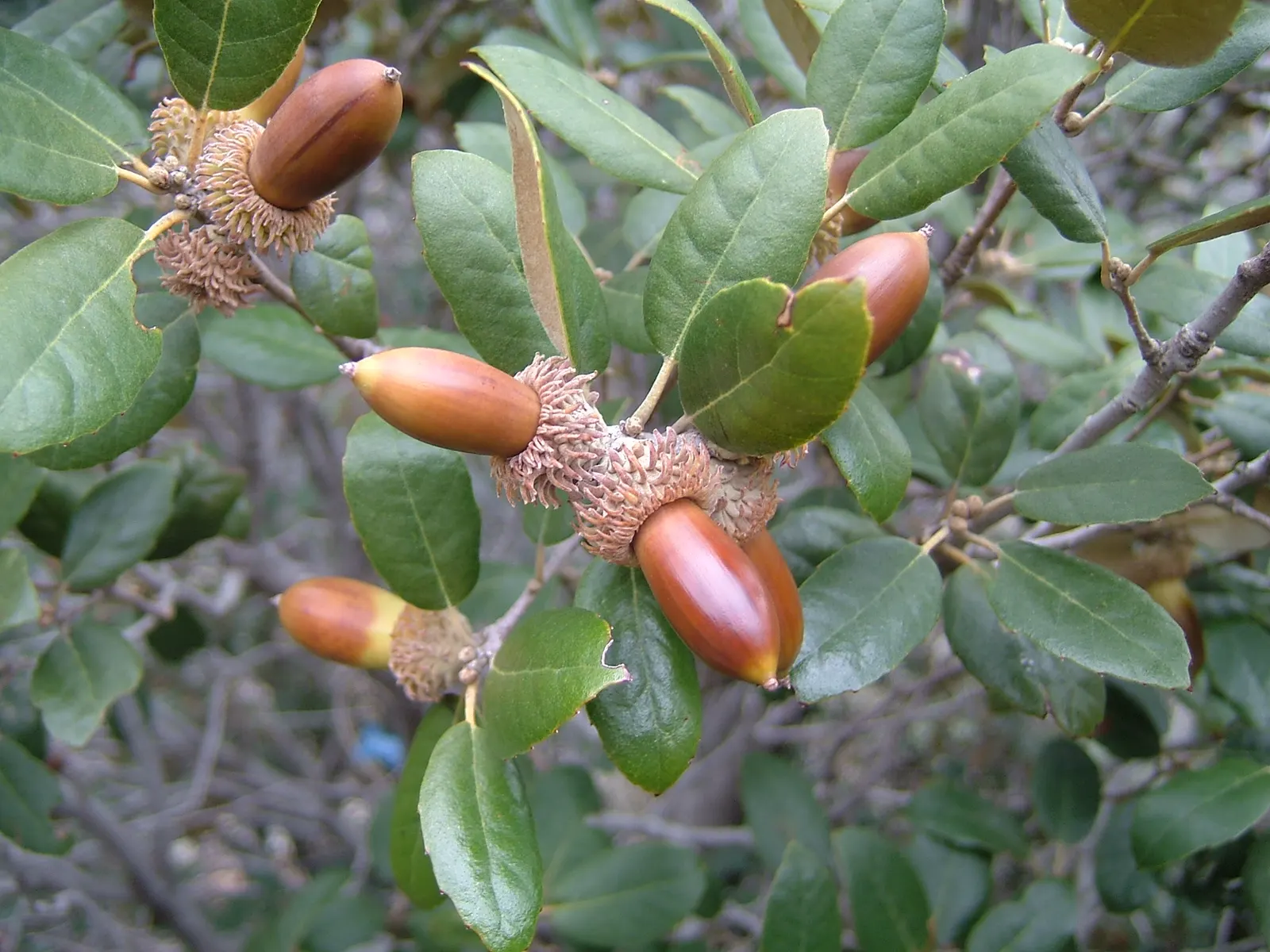
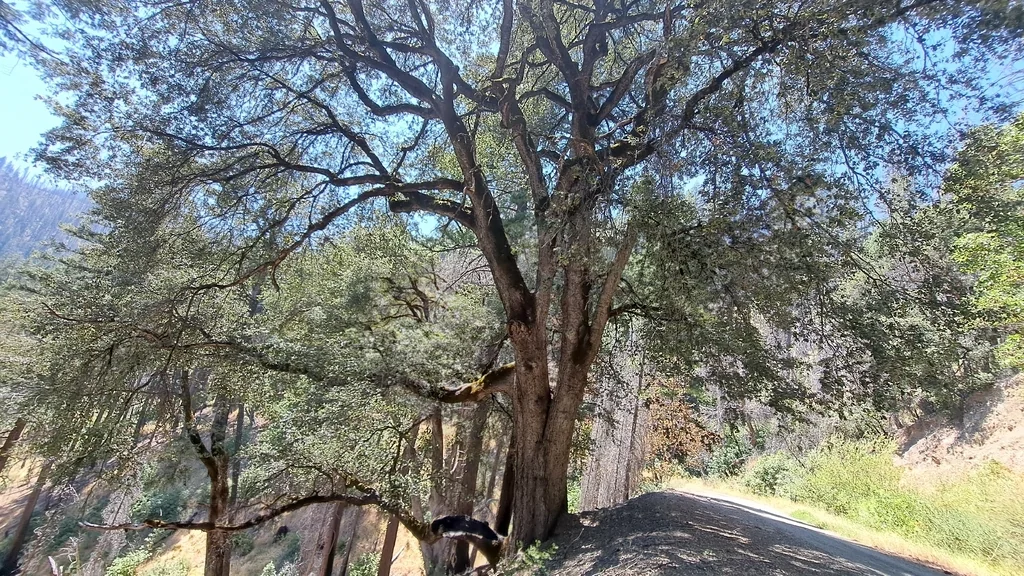
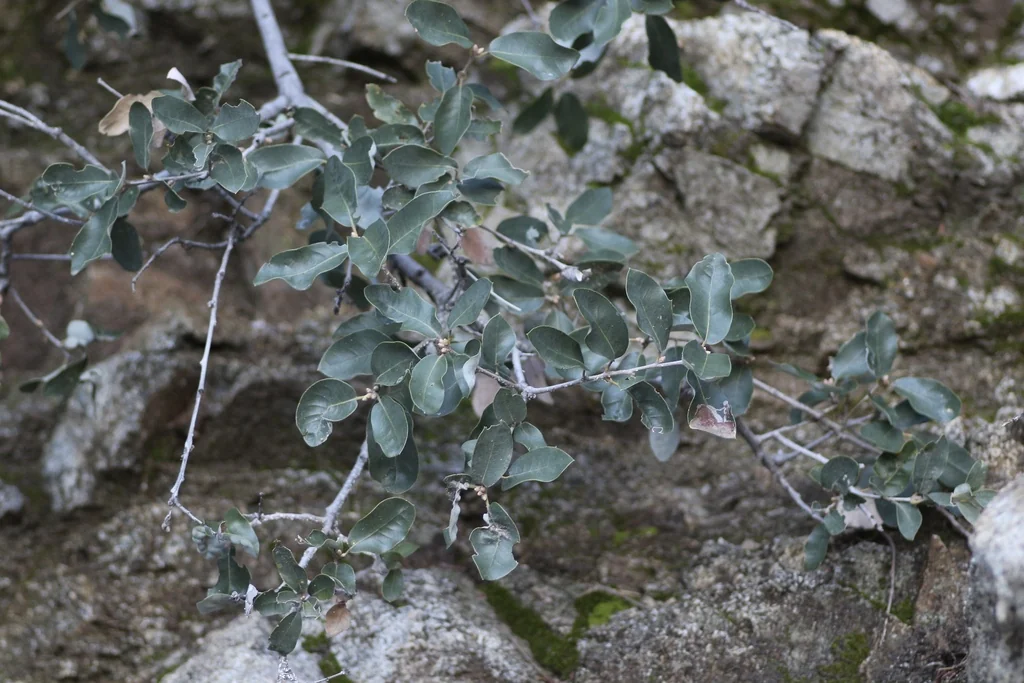
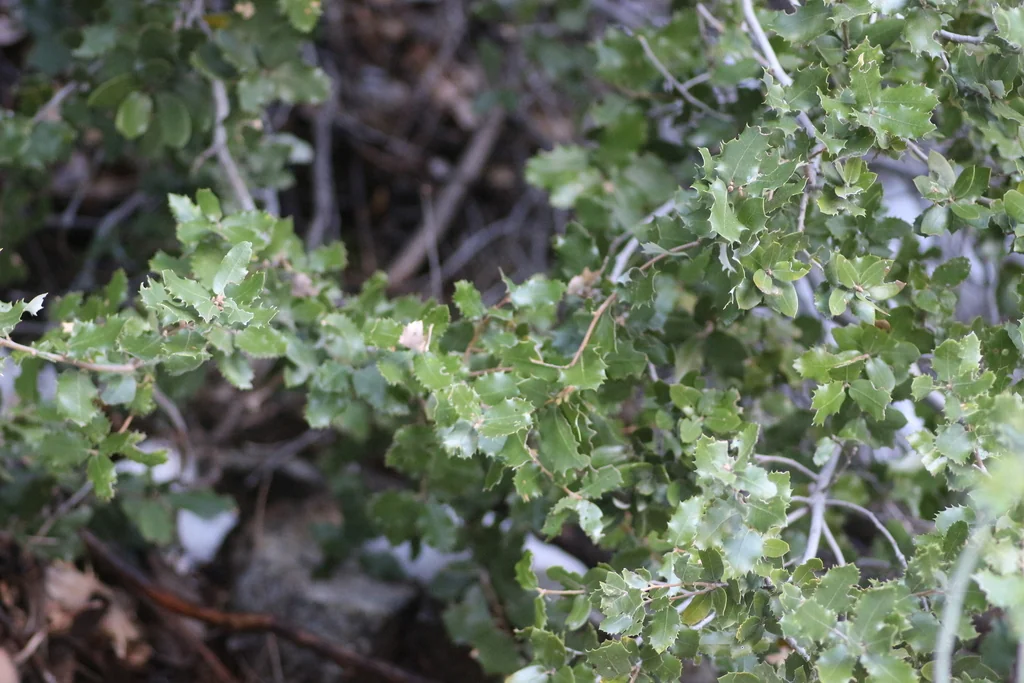
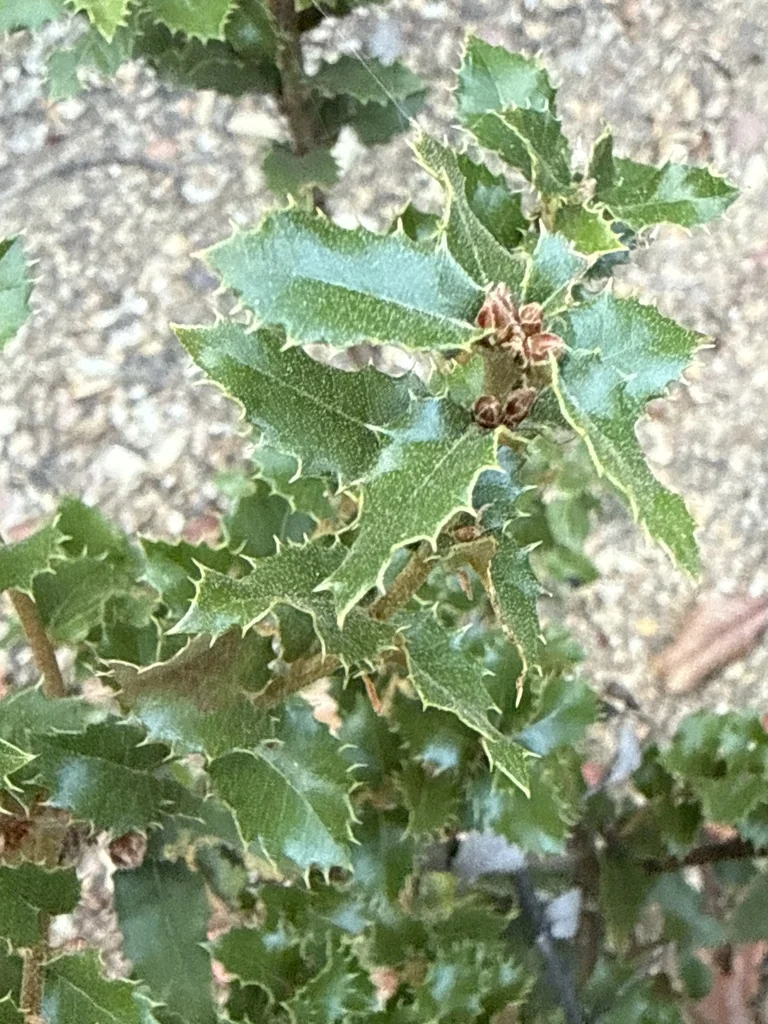
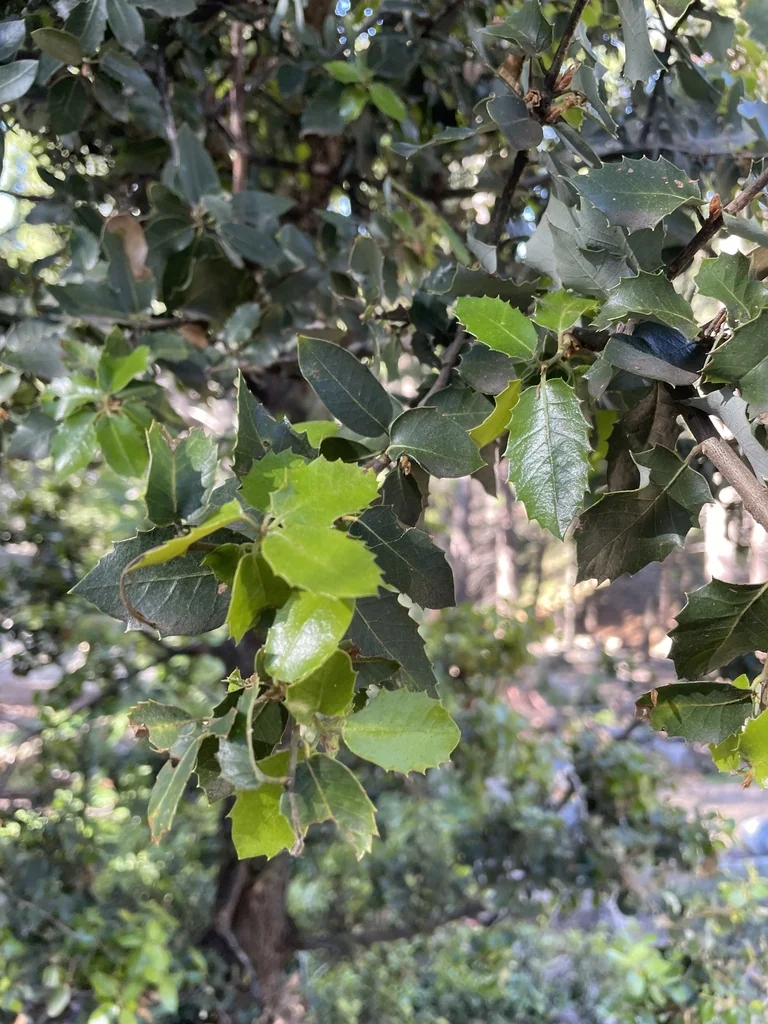
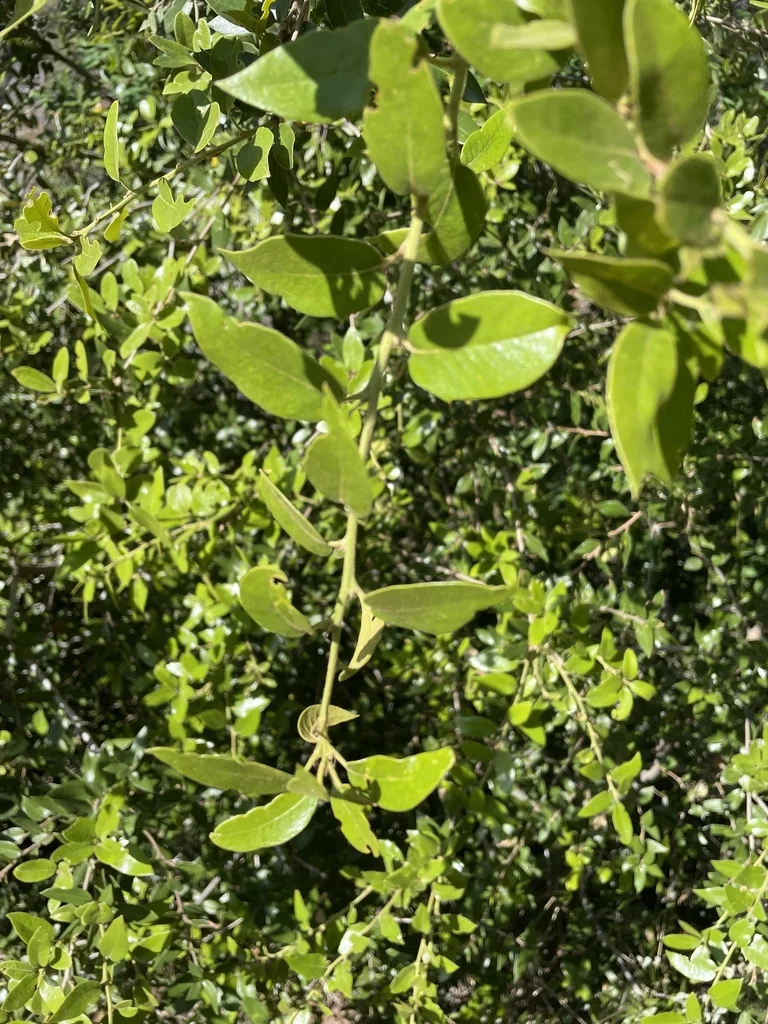
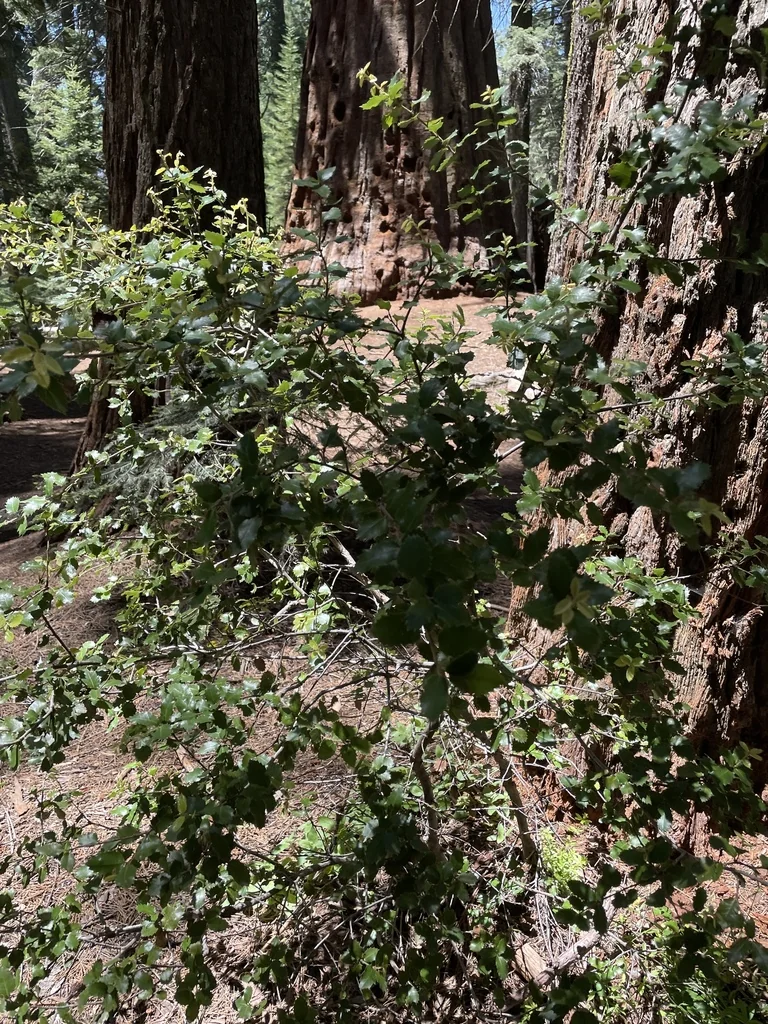
Photographs by 4 contributors
- Chneophytou, CC BY-SA 4.0 · source
- M J Richardson, CC BY-SA 2.0 · source
- Krzysztof Ziarnek, Kenraiz, CC BY-SA 4.0 · source
- Vlad Butsky from San Jose, CA,…, CC BY 2.0 · source