Skip to content

White Oak

Quercus Alba

Design with this plant

Overview

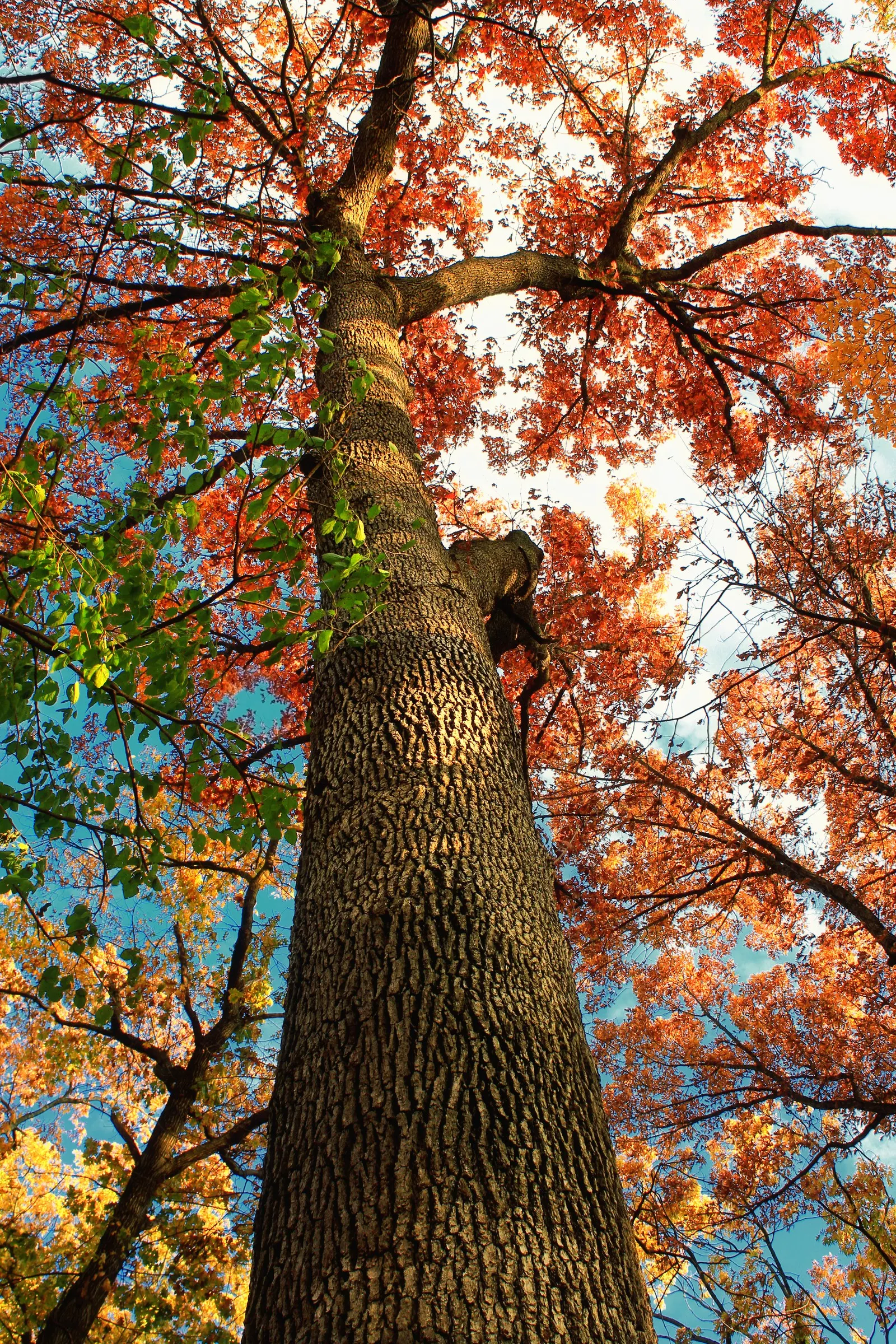
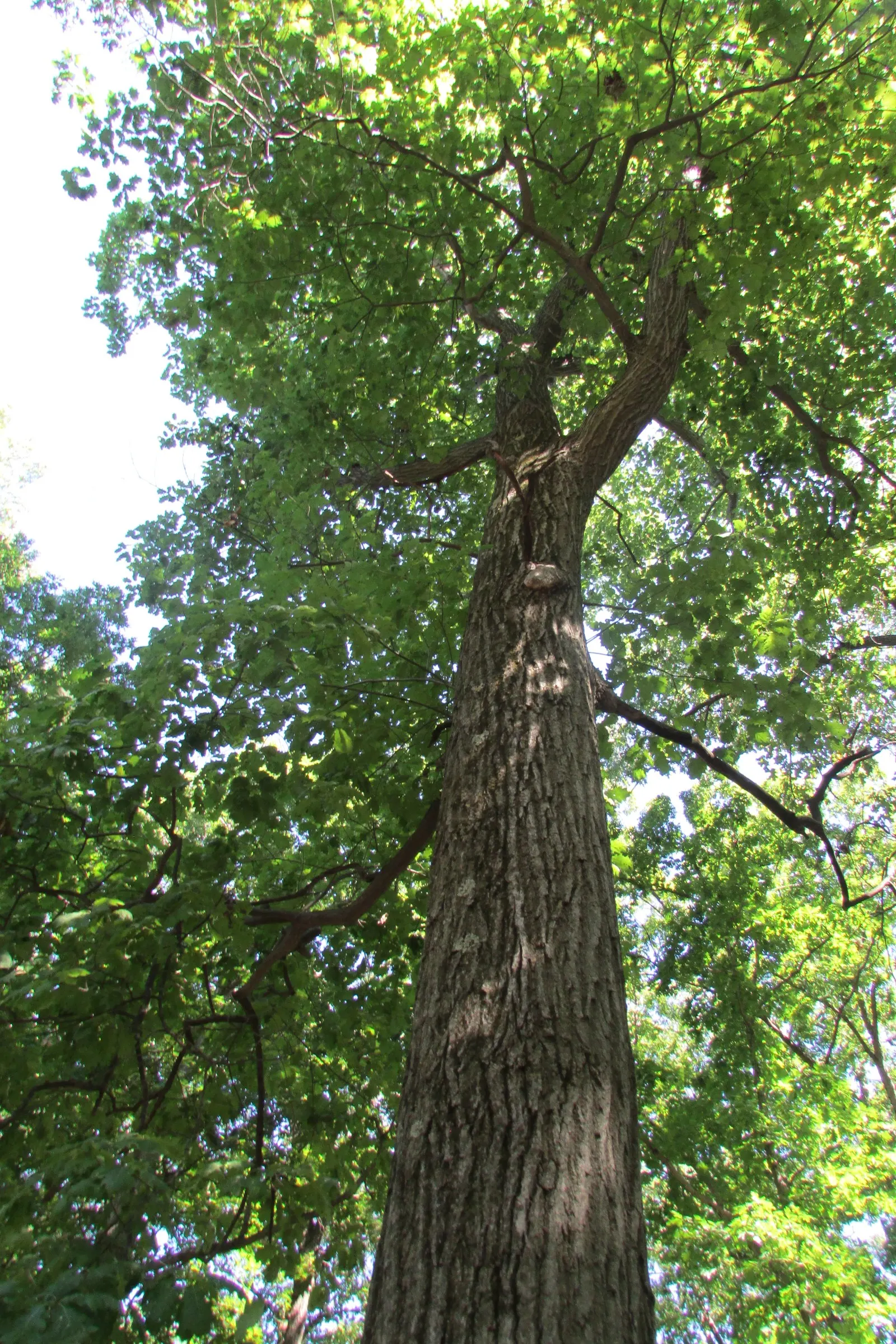
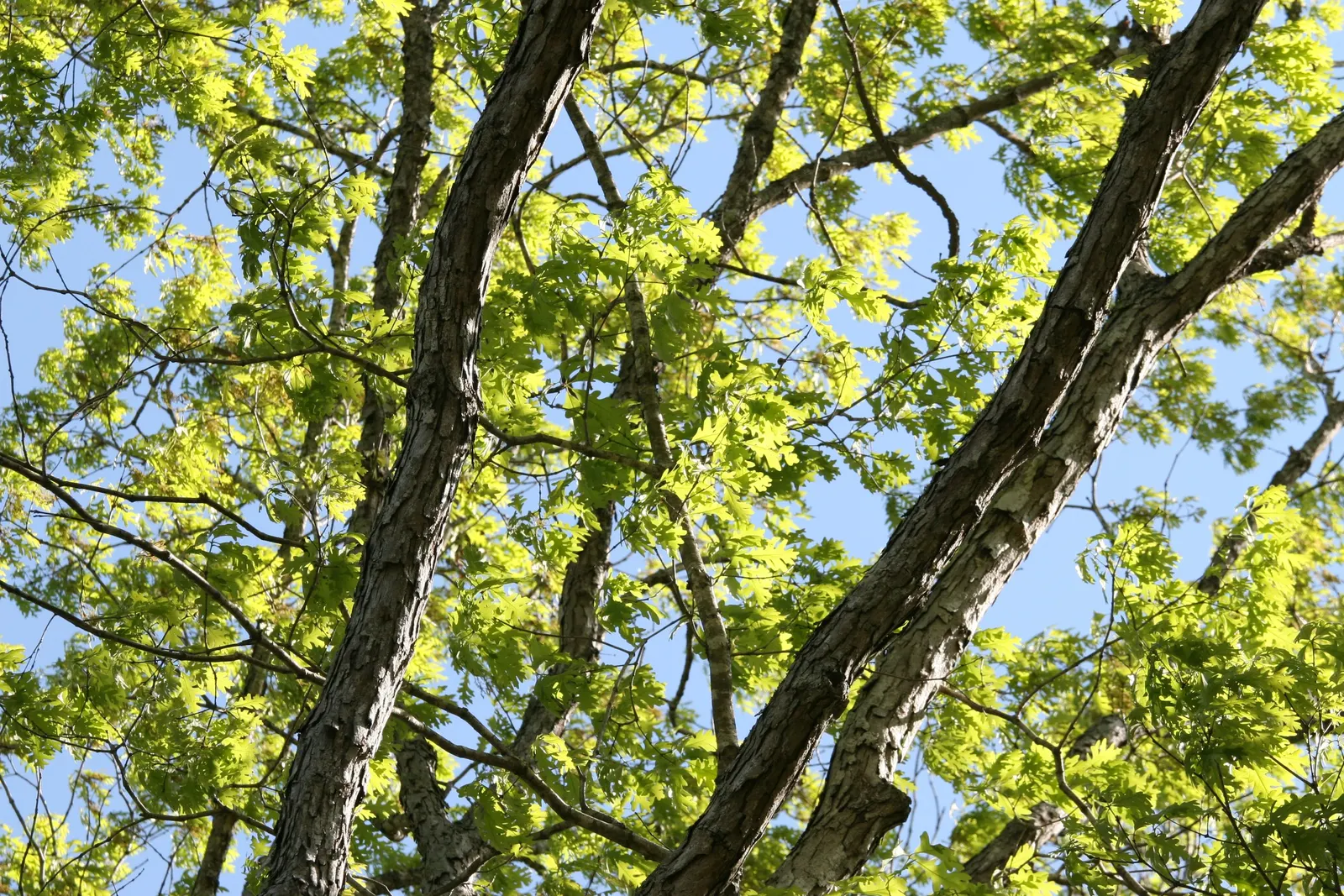
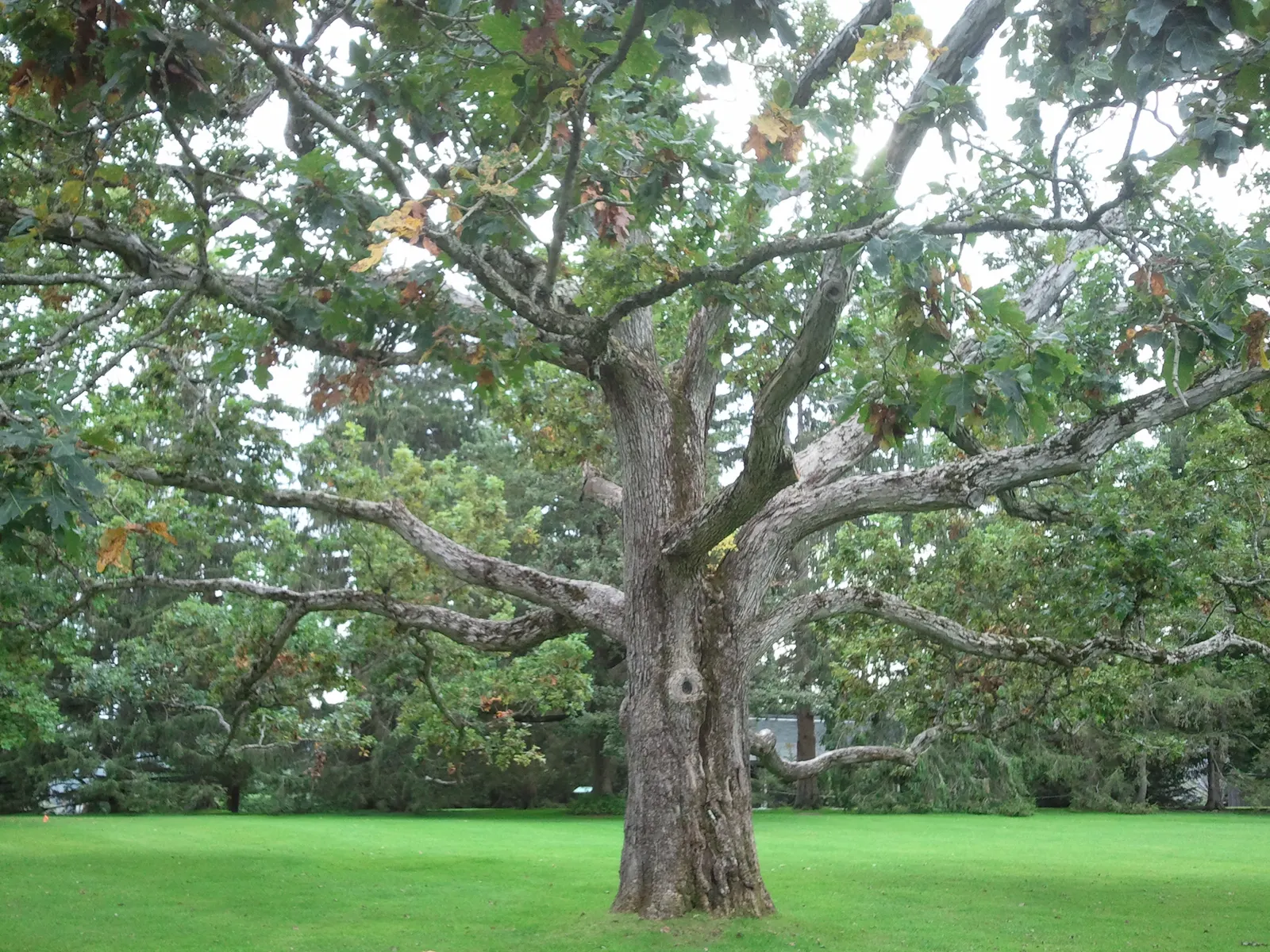
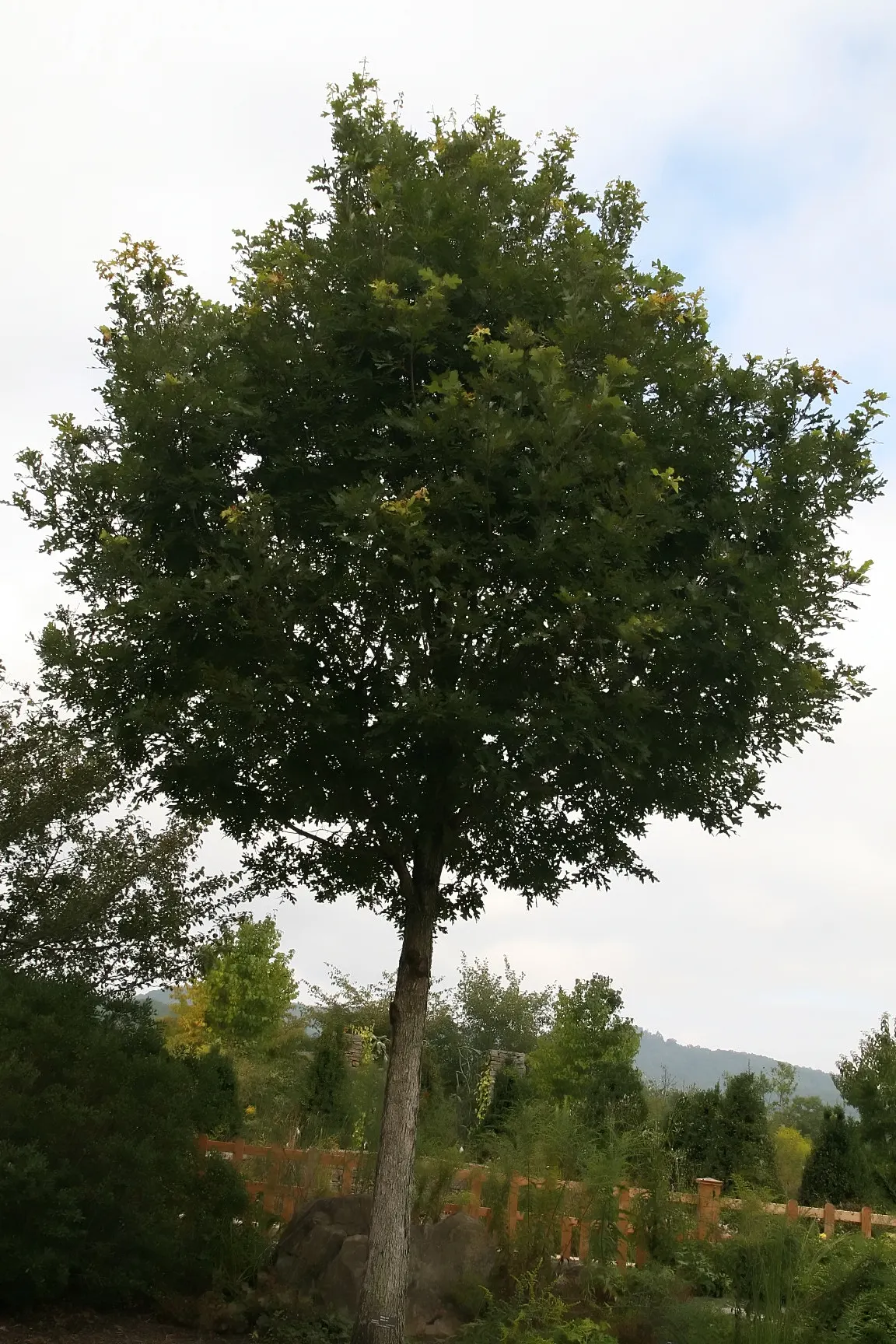
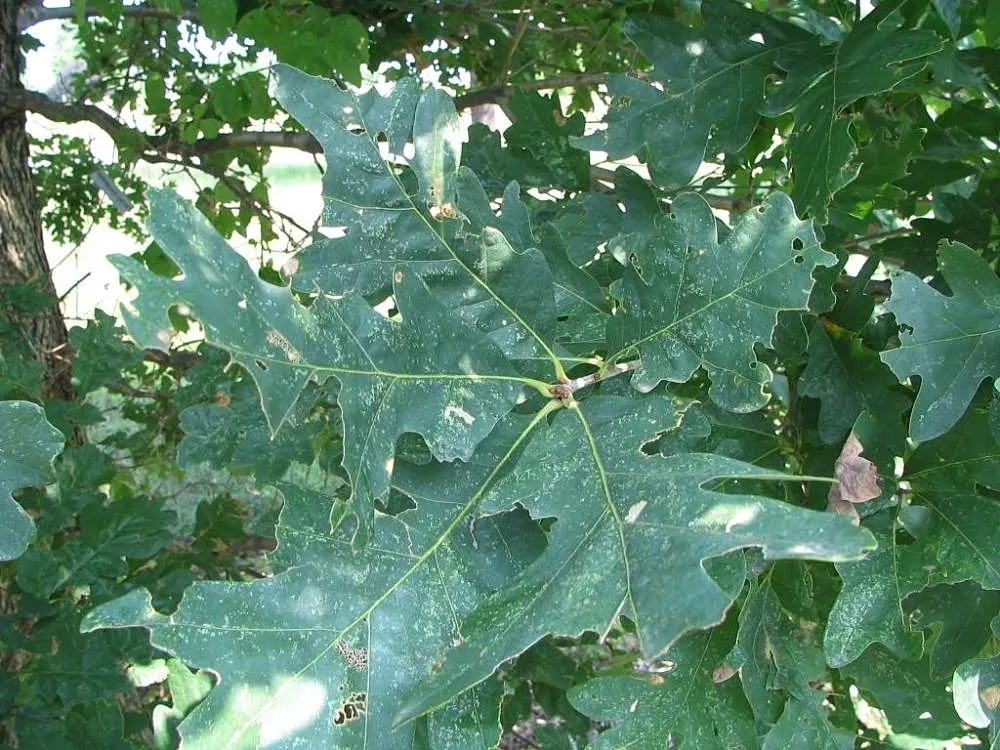
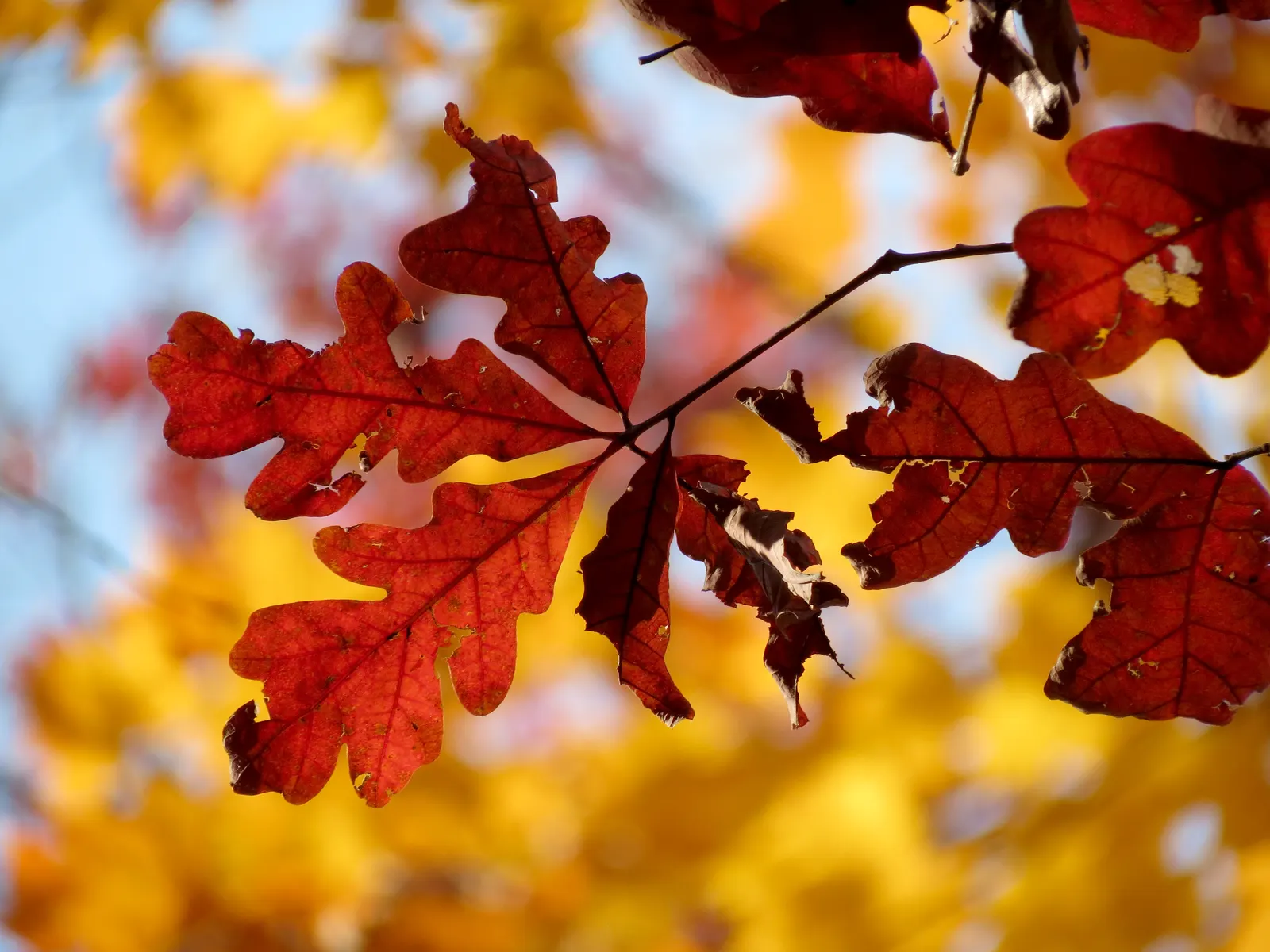
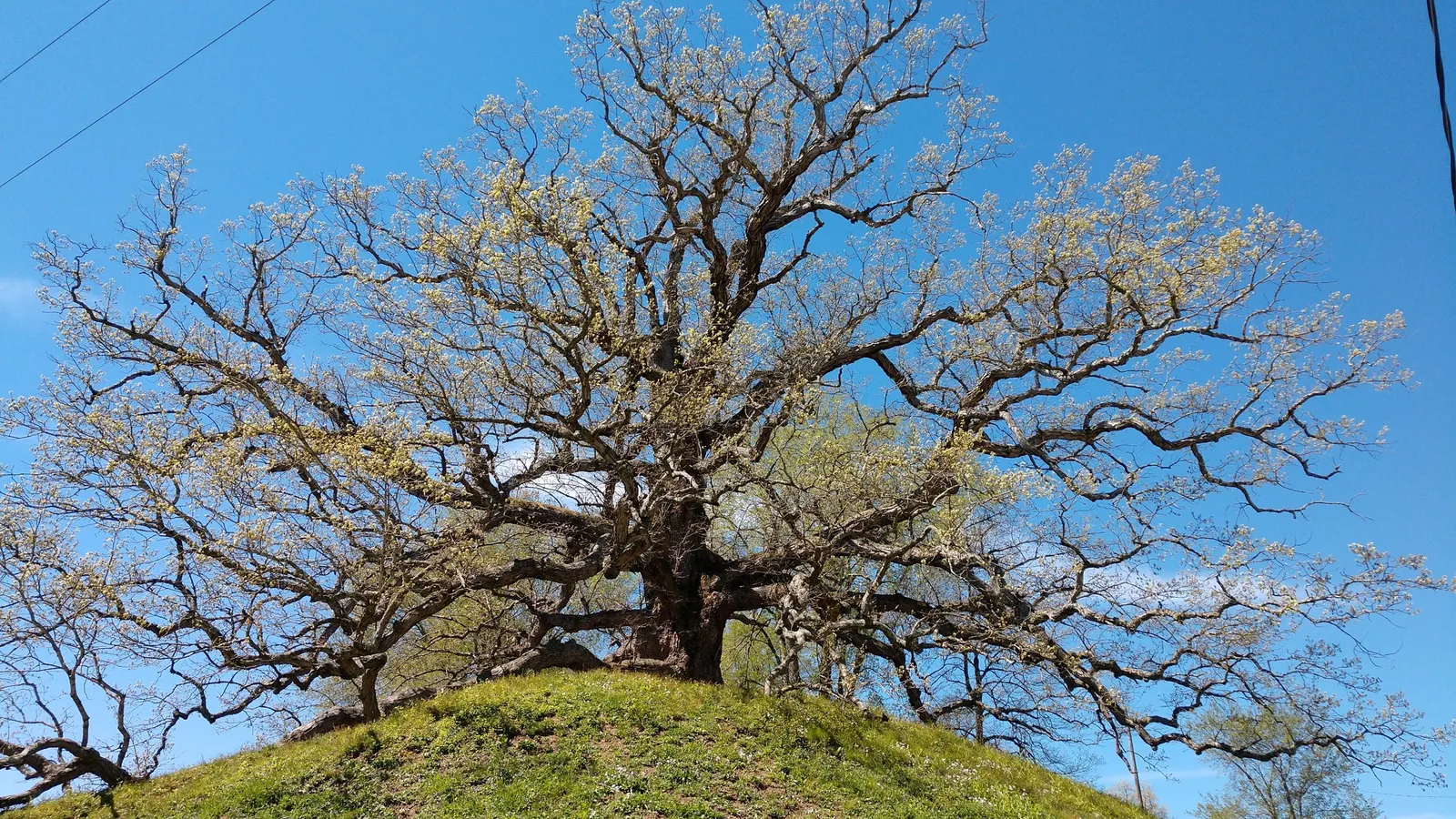
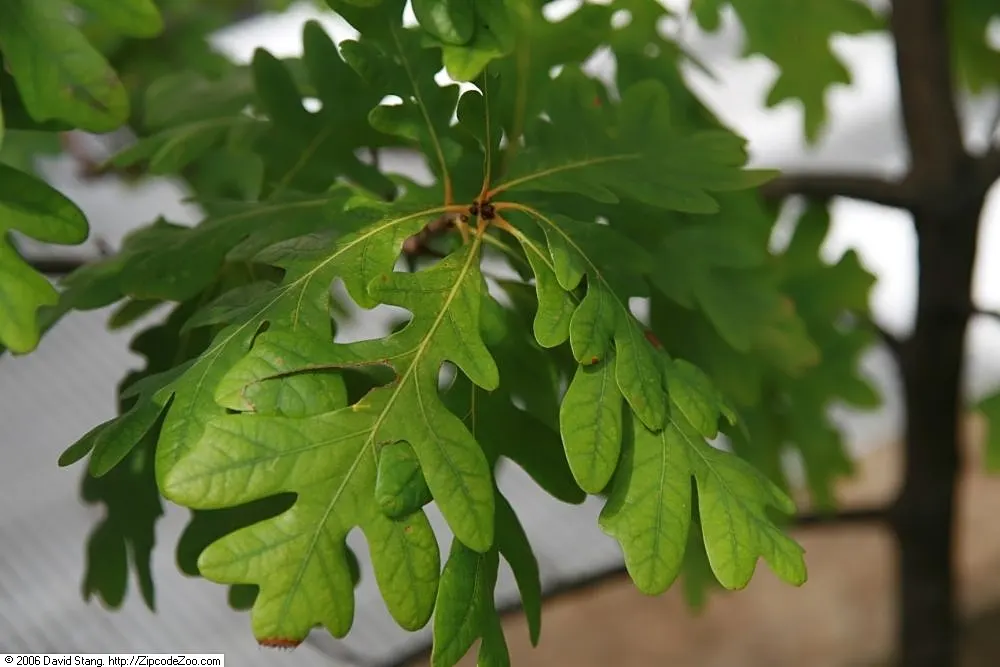
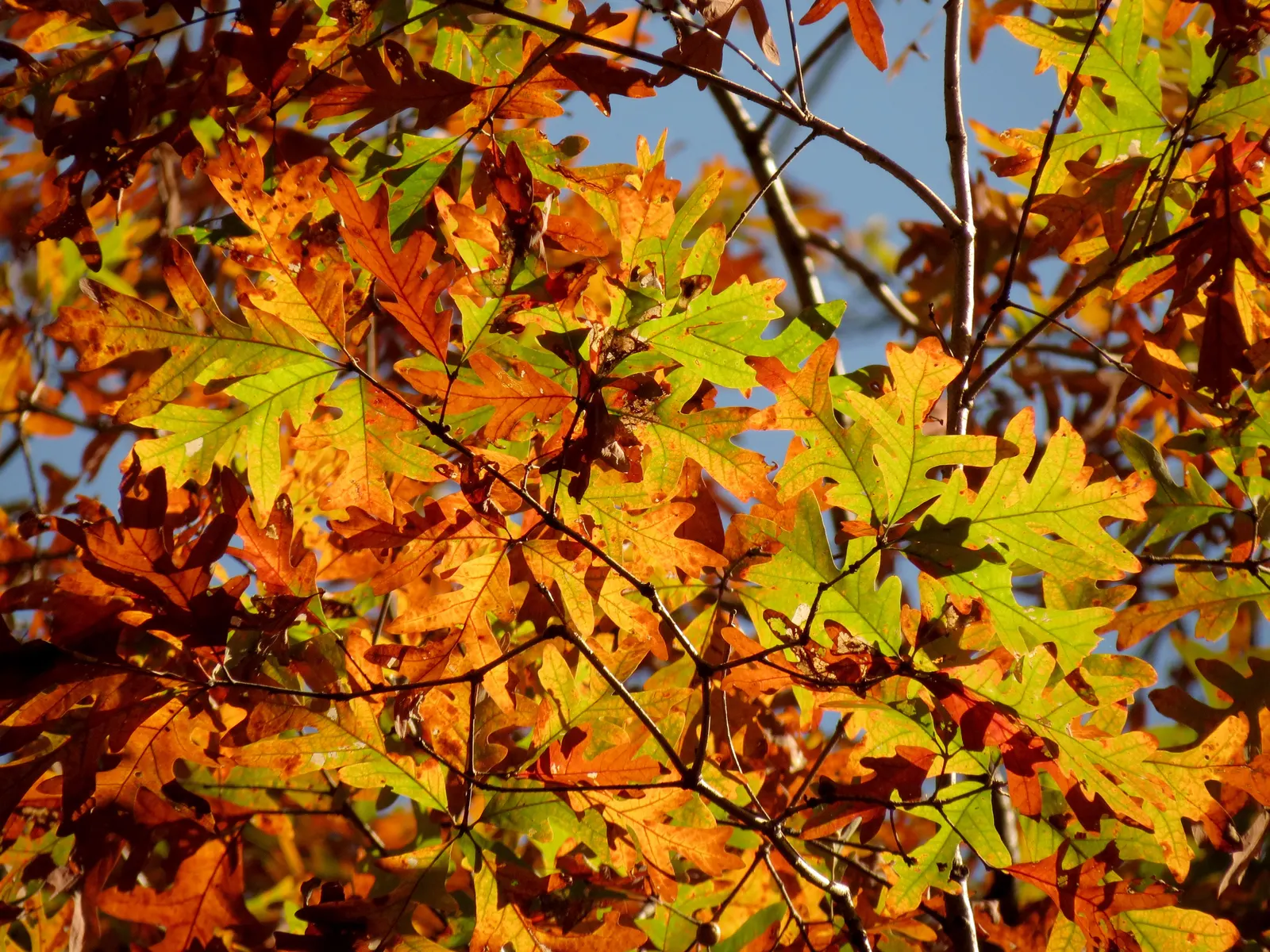
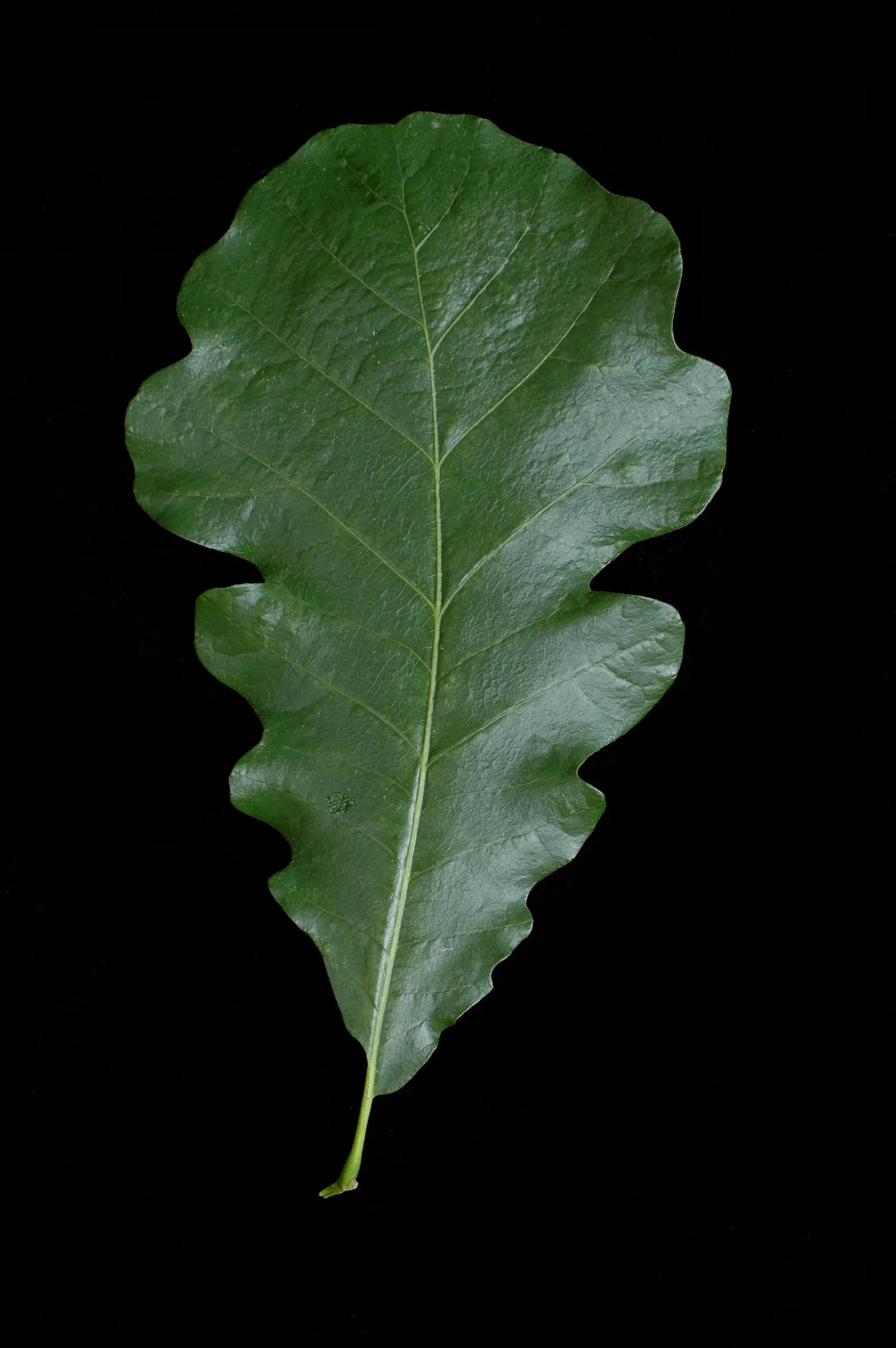
The White Oak, or Quercus alba, is a majestic, long-lived hardwood indigenous to eastern North America. Mature specimens can attain heights of 80-100 feet with an equal spread. Its deeply lobed leaves turn a spectacular burgundy in fall, while its strong, wide branches provide ample shade. This oak prefers well-draining soil and full sun to partial shade. Its acorns support local wildlife, making it an excellent choice for naturalistic landscapes.

Sun FullWater Extra in Summer, Low, MediumZones 3–9Climate Temperate
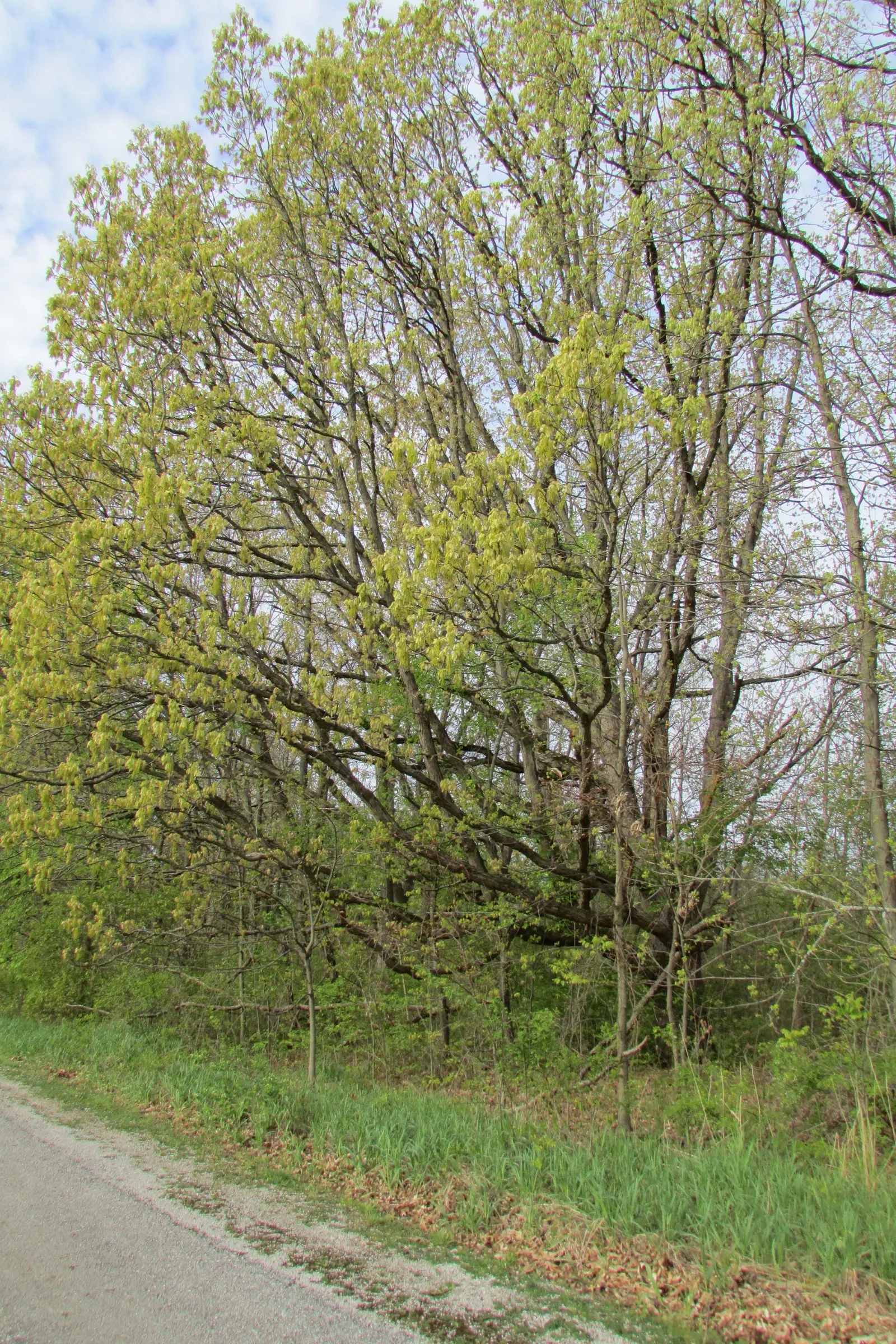
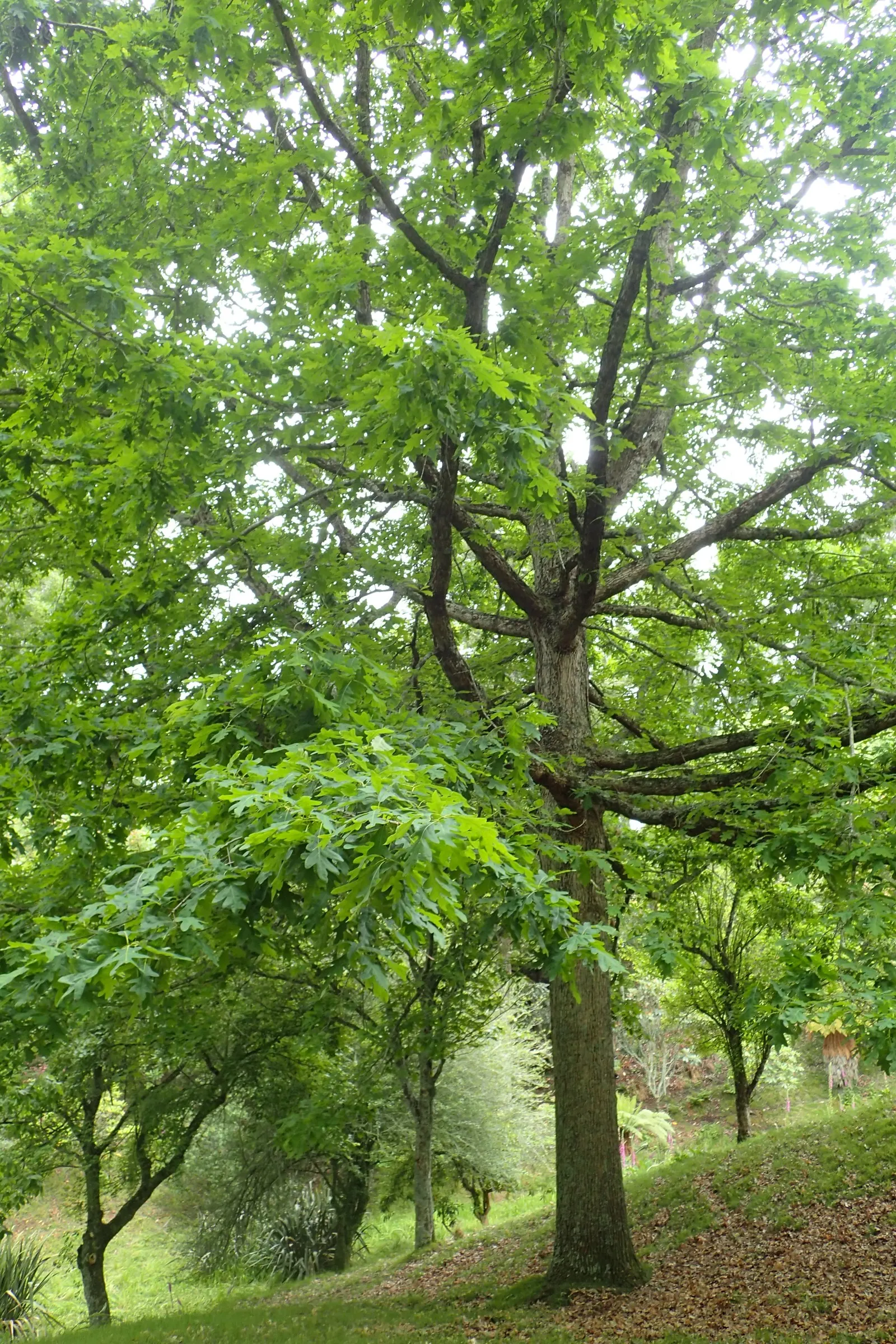
White Oak (Quercus Alba) — Mature specimens can attain heights of 80-100 feet with an equal spread

Culture

Sun
Full
Water
Extra in Summer, Low, Medium
USDA zones
3–9

Shape & size

Mature height
60–80 Ft.
Mature width
60–80 Ft.

Classification

Family
Fagaceae
Climate
Temperate

See full data, regional cultivation notes, full-resolution photos, and design tools. Build a client presentation around this plant.

Start your 14-day trial

Photos (84)

White Oak (Quercus Alba) — When implementing this species in a design
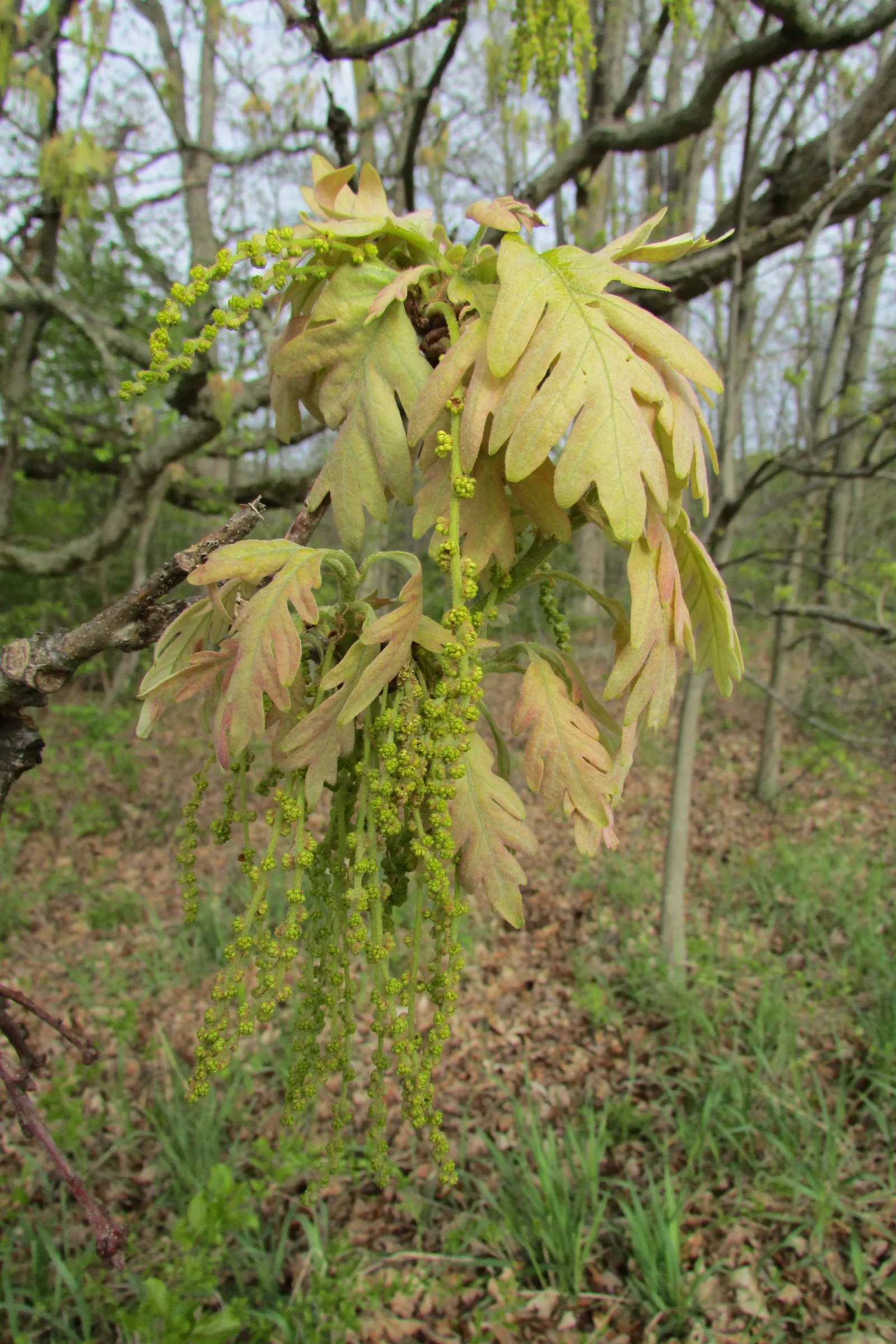
White Oak (Quercus Alba) — tree with green and yellow blooms
White Oak (Quercus Alba) — tree for full
White Oak (Quercus Alba) — The White Oak, or Quercus alba, is a majestic, long-lived hardwood indigenous to eastern North America; wide branches provide ample
White Oak (Quercus Alba) — Mature specimens can attain heights of 80-100 feet with an equal spread; the White Oak requires considerable space
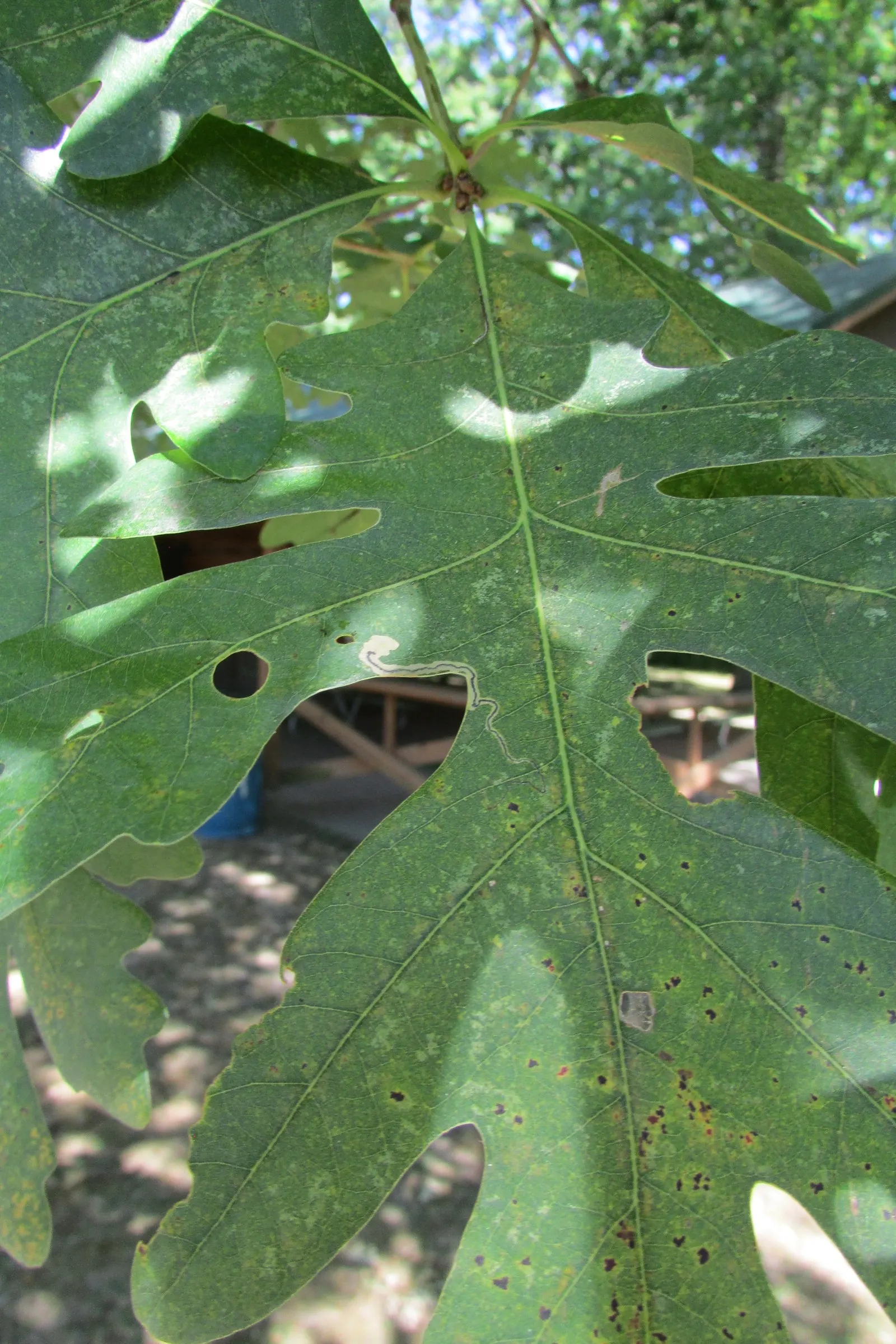
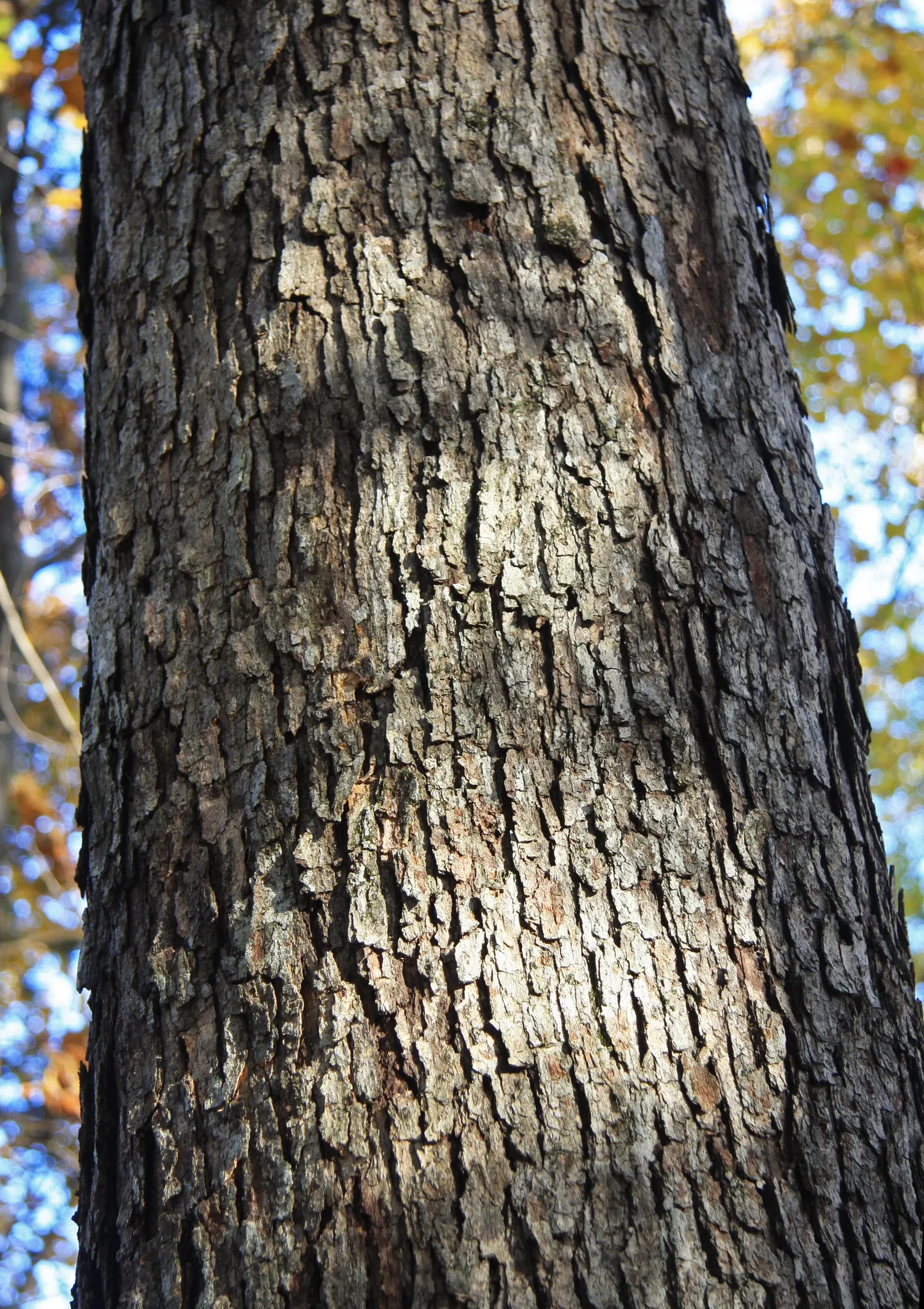
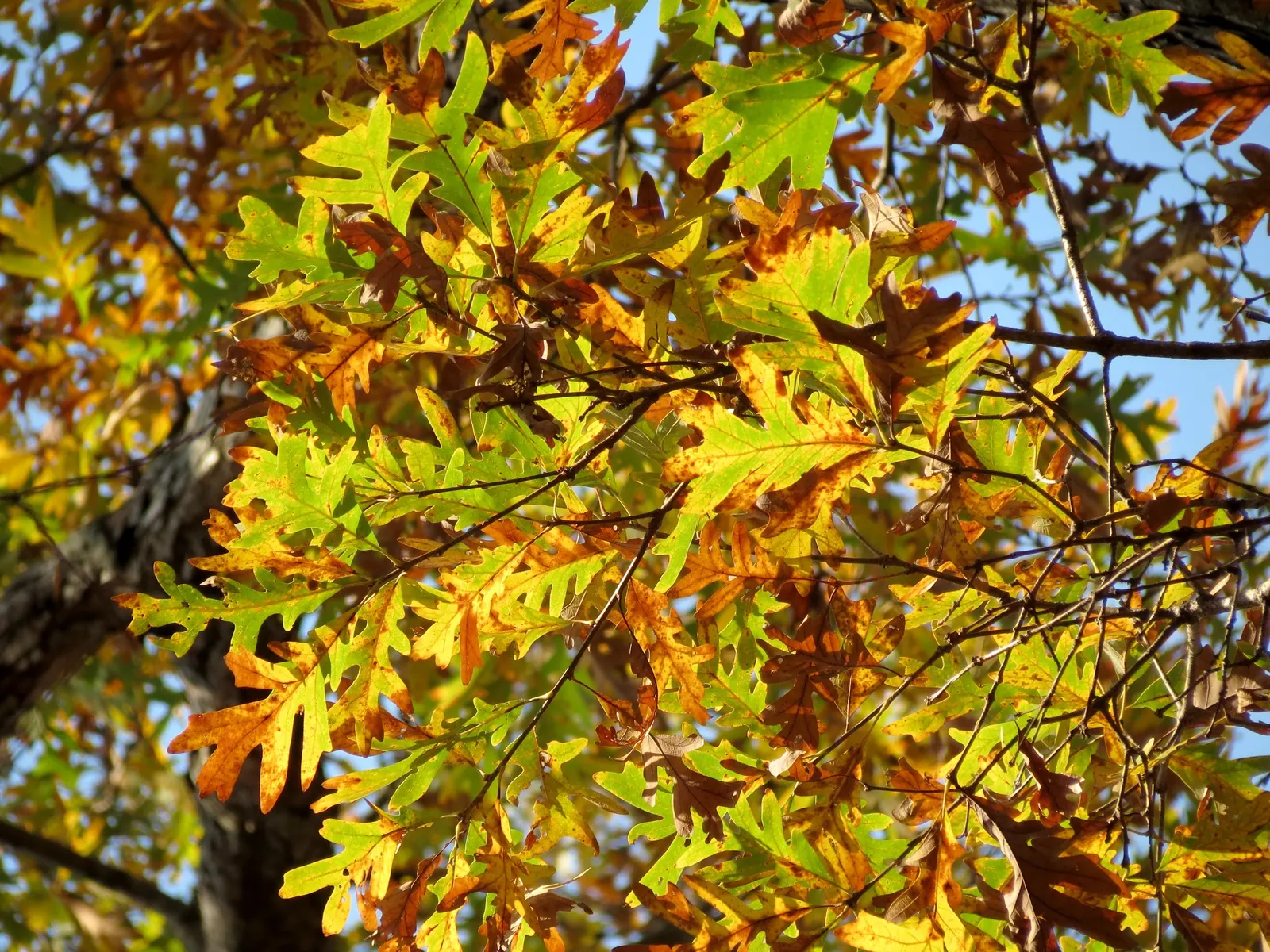
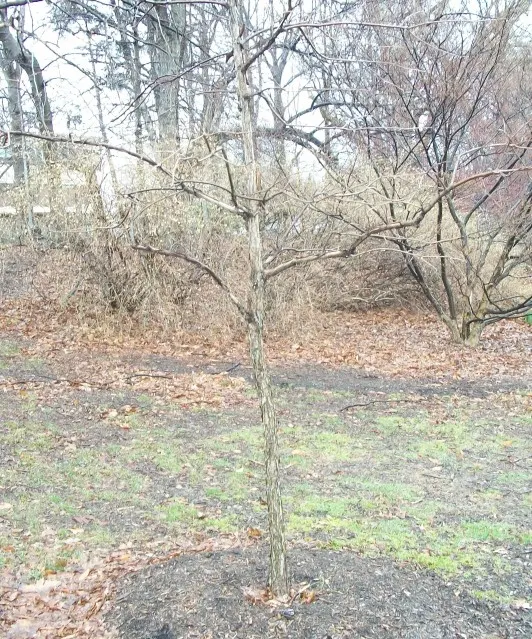
White Oak (Quercus Alba) — Its deeply lobed leaves turn a spectacular burgundy in fall; the bark is light ash-gray
White Oak (Quercus Alba) — This oak prefers well-draining soil and full sun to partial shade, image 32
White Oak (Quercus Alba) — scientifically recognized as Quercus alba; acidic to neutral soils and thrives in full sun to partial shade
White Oak (Quercus Alba) — wide branches provide ample shade; green and yellow flowers in the garden
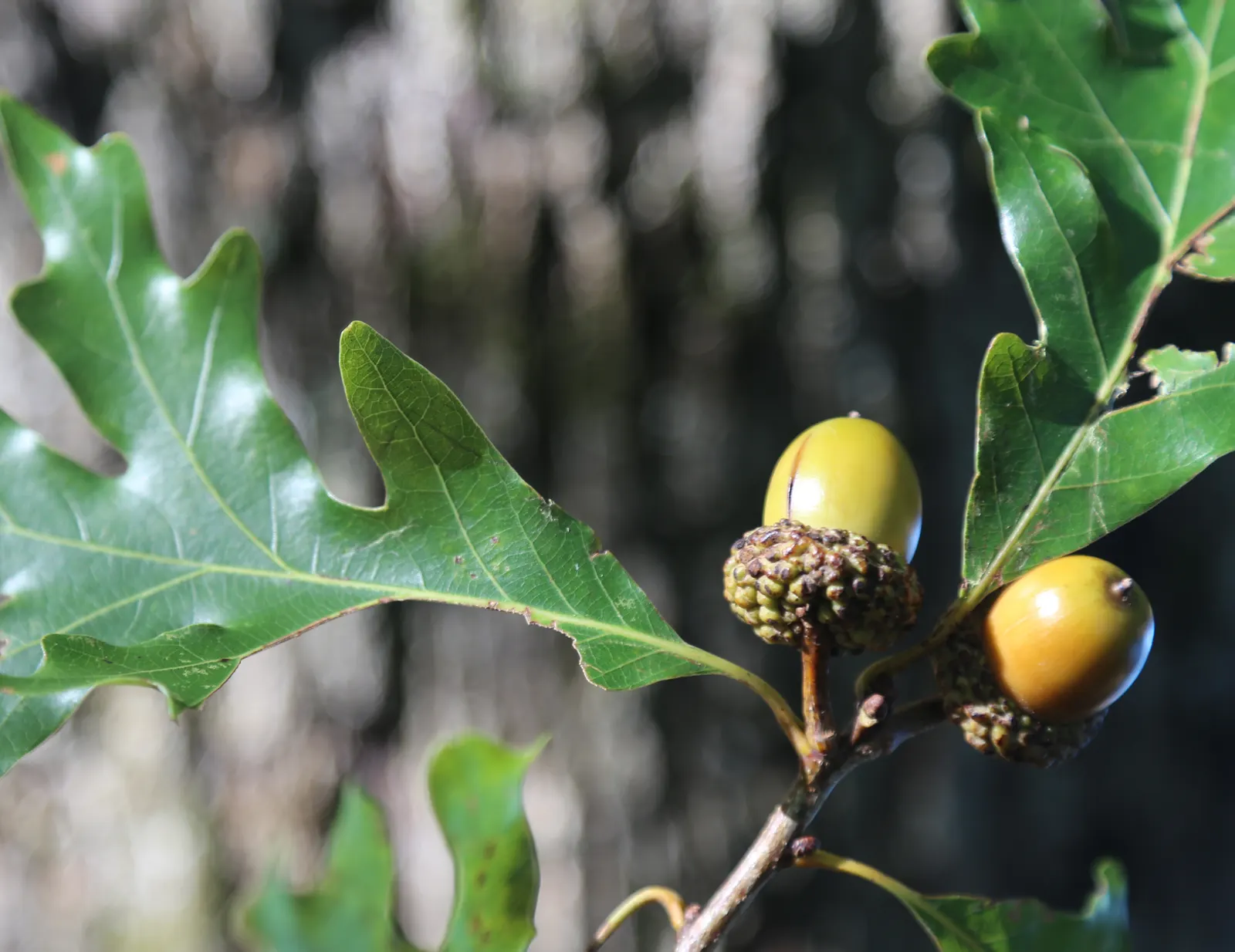
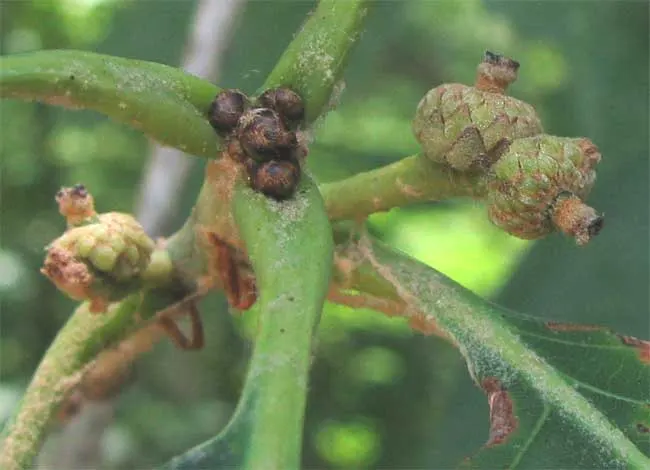
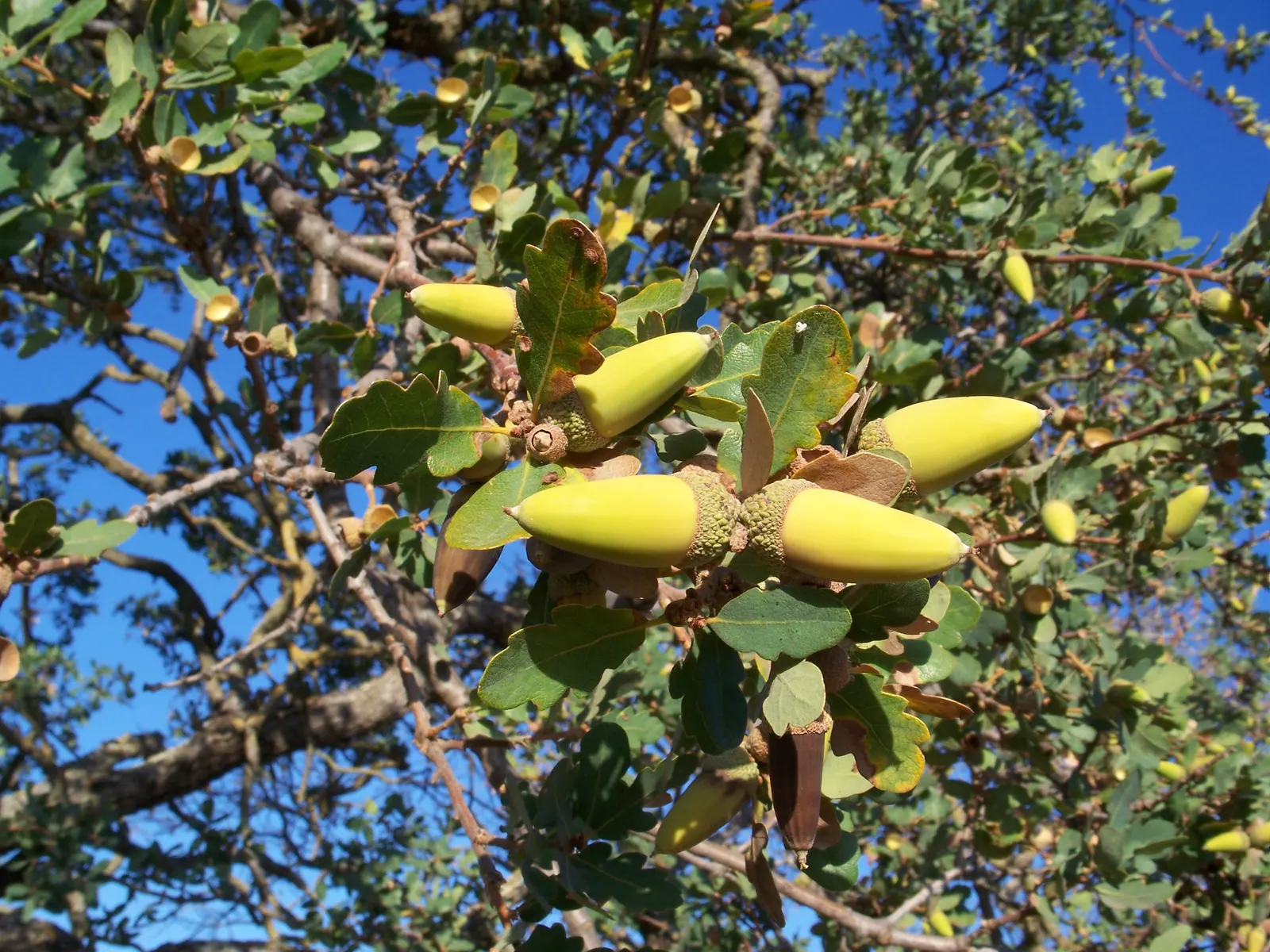
White Oak (Quercus Alba) — Its acorns support local wildlife, making it an excellent choice for naturalistic landscapes; making it an ideal centerpiece for
White Oak (Quercus Alba) — the White Oak requires considerable space; hardy in USDA zones 3 to 9, this oak is resilient against drought once established
White Oak (Quercus Alba) — making it an ideal centerpiece for expansive landscapes; tree for full
White Oak (Quercus Alba) — is a majestic and storied hardwood native to North America; tree with green and yellow blooms
White Oak (Quercus Alba) — it is vital to understand the attributes of this grand species to effectively incorporate it into your design; its growth rate is
White Oak (Quercus Alba) — As a landscape architect assistant; its acorns support local wildlife, making it an excellent choice for naturalistic landscapes
White Oak (Quercus Alba) — roughly averaging 1 foot per year, image 41
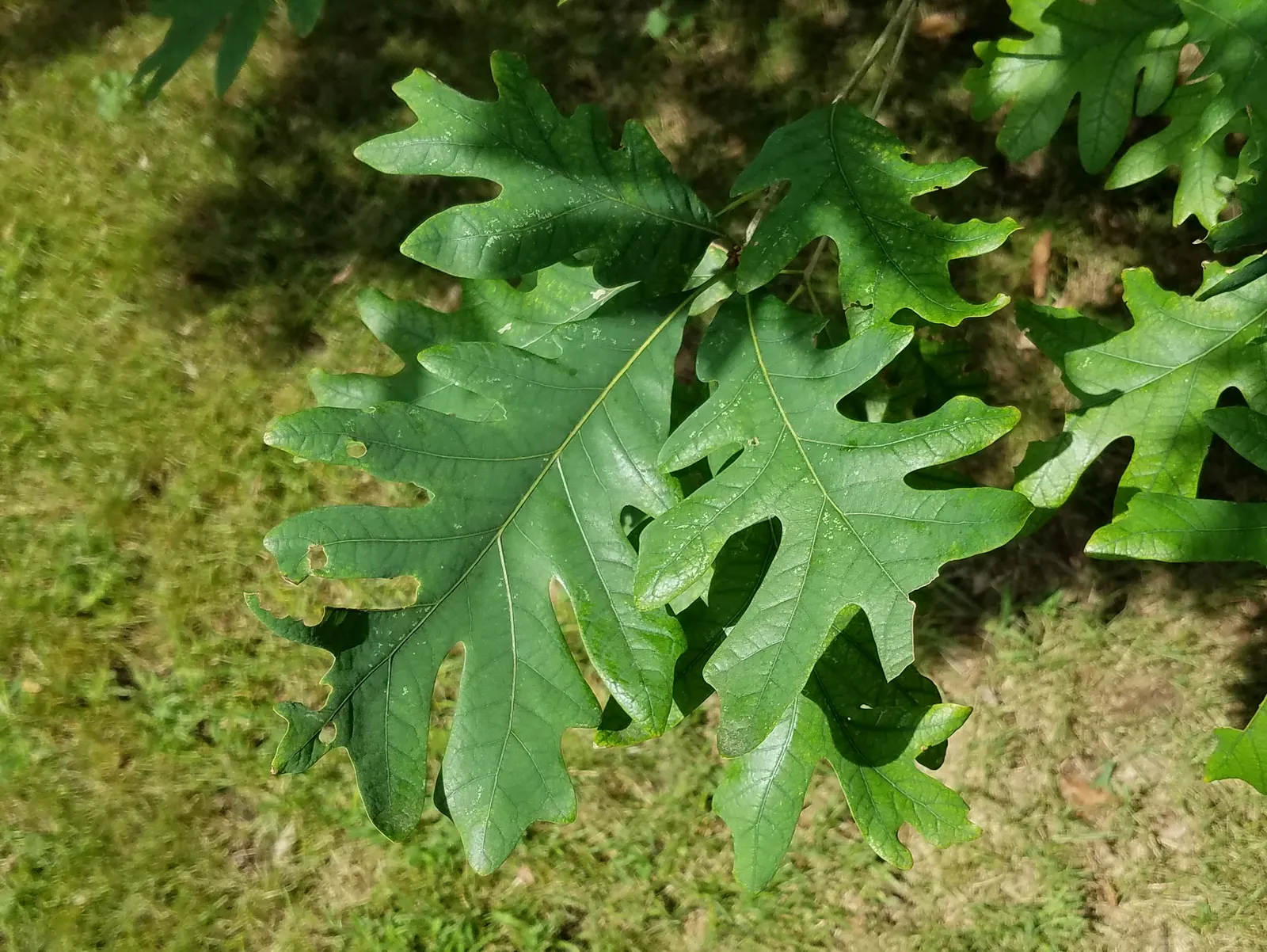
White Oak (Quercus Alba) — allowing for timely establishment in a cultivated setting.<br><br>Prominent for its deeply lobed; it is also a vital ecological
White Oak (Quercus Alba) — Its growth rate is moderate; scientifically recognized as Quercus alba
White Oak (Quercus Alba) — which transition to a stunning array of reds and purples in the fall; the White Oak, or Quercus alba, is a majestic, long-lived
White Oak (Quercus Alba) — the White Oak provides significant visual interest throughout the year; is a majestic and storied hardwood native to North America
White Oak (Quercus Alba) — acidic to neutral soils and thrives in full sun to partial shade; as the White Oak's deep taproots necessitate adequate space for
White Oak (Quercus Alba) — The bark is light ash-gray; allowing for timely establishment in a cultivated setting.<br><br>Prominent for its deeply lobed
White Oak (Quercus Alba) — It is also a vital ecological contributor; as a landscape architect assistant
White Oak (Quercus Alba) — Hardy in USDA zones 3 to 9, this oak is resilient against drought once established; mature specimens can attain heights of 80-100

Related plants