Skip to content

King Or Giant Protea

Protea Cynaroides

Design with this plant

Overview

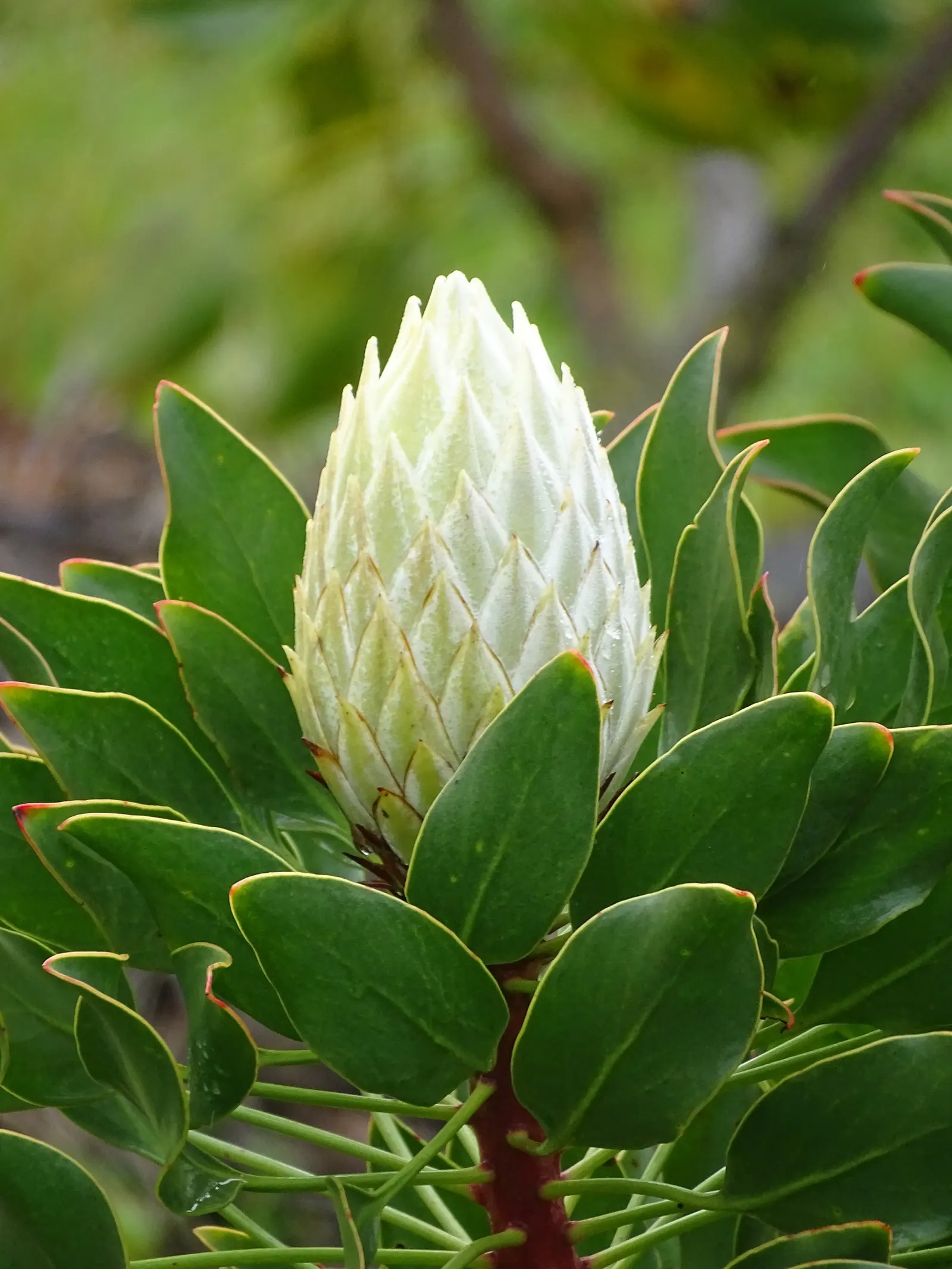
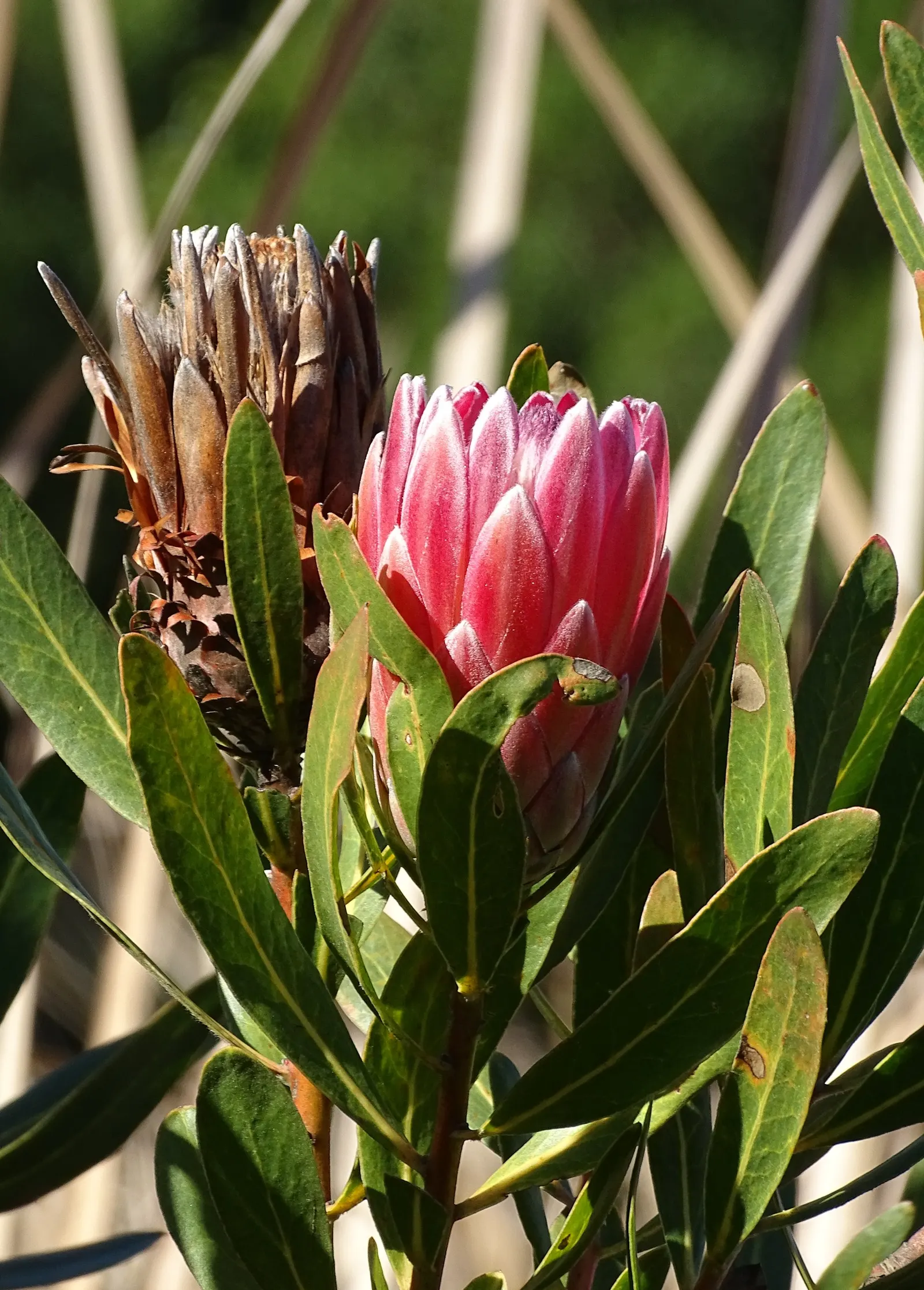
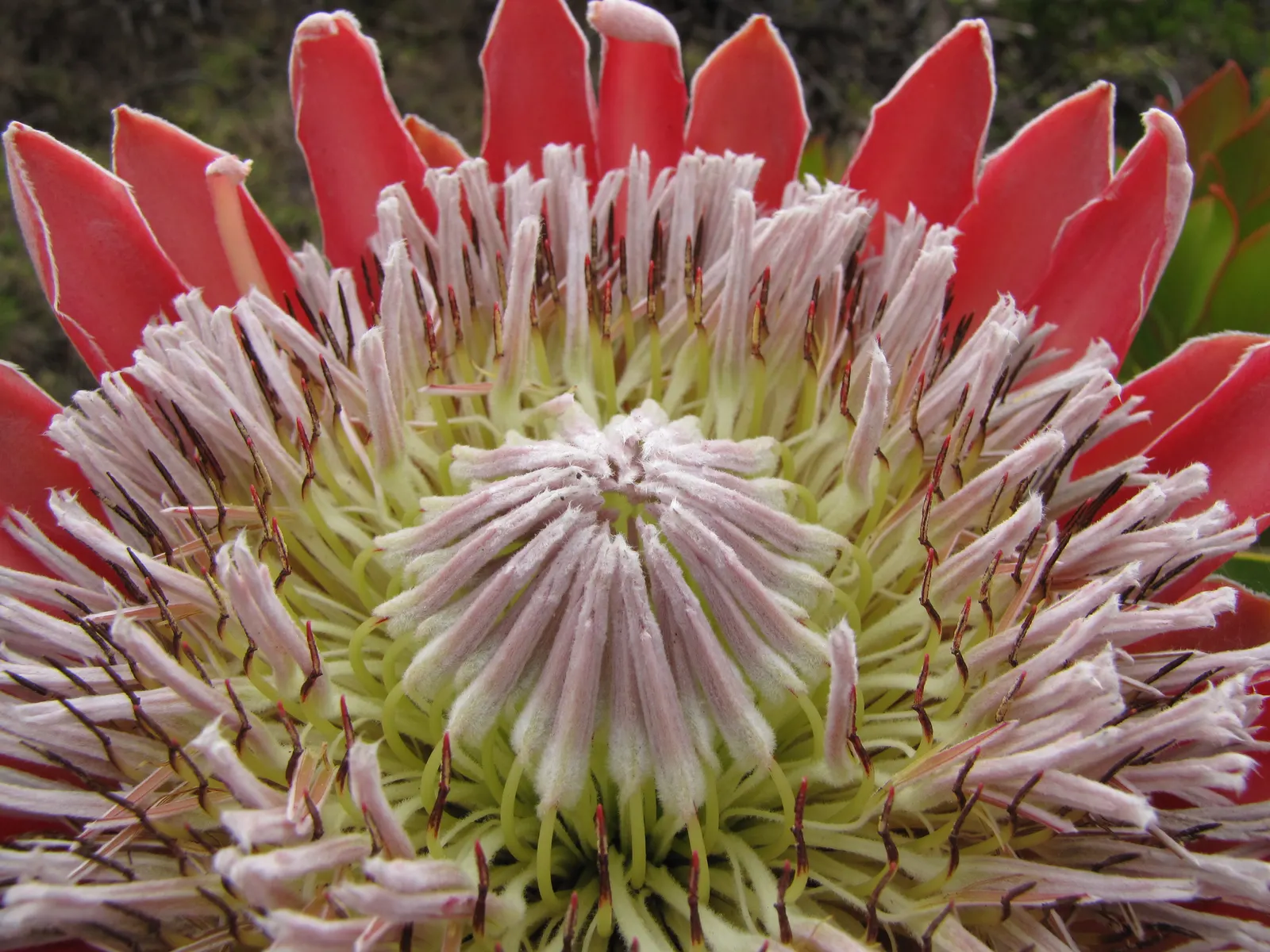
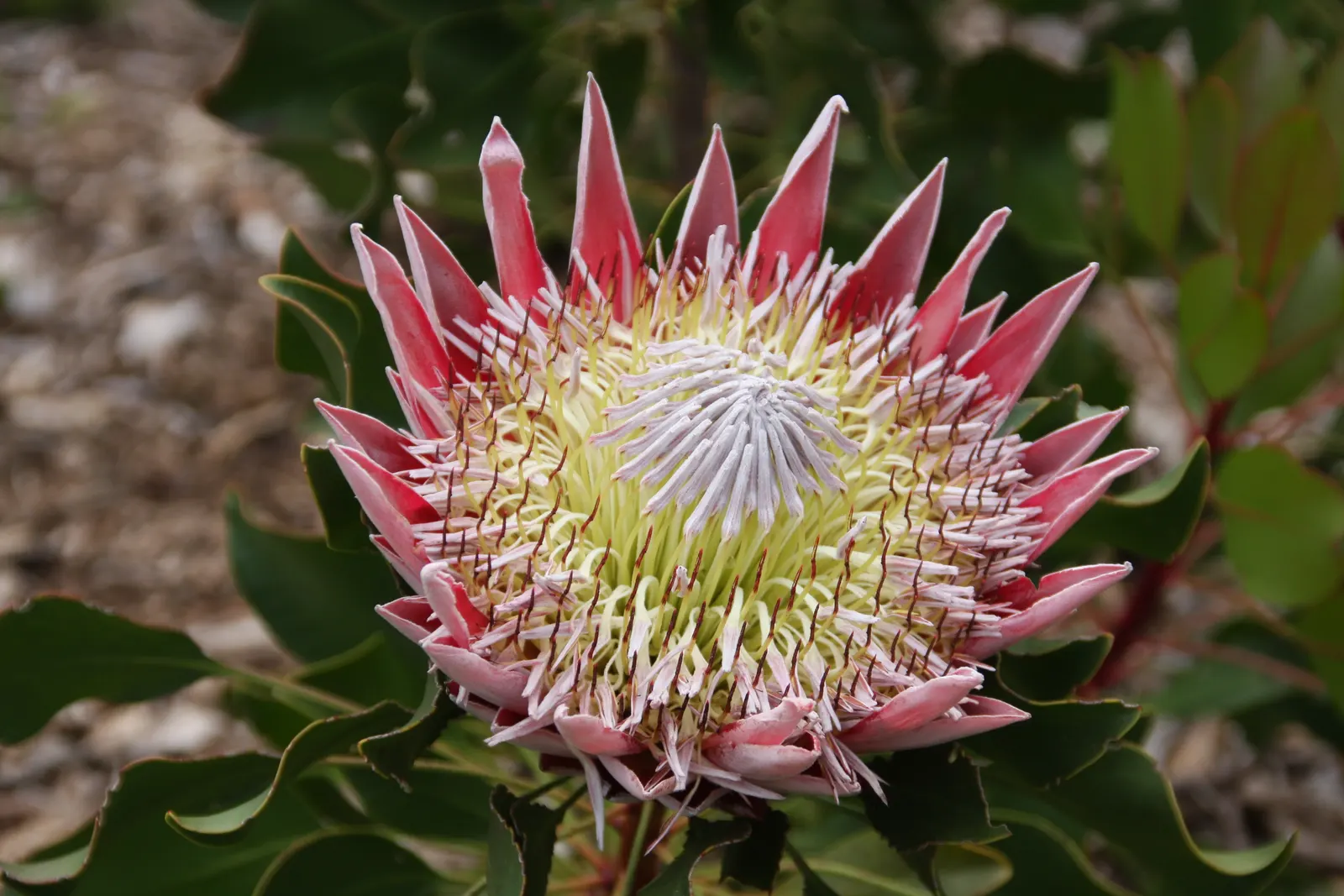
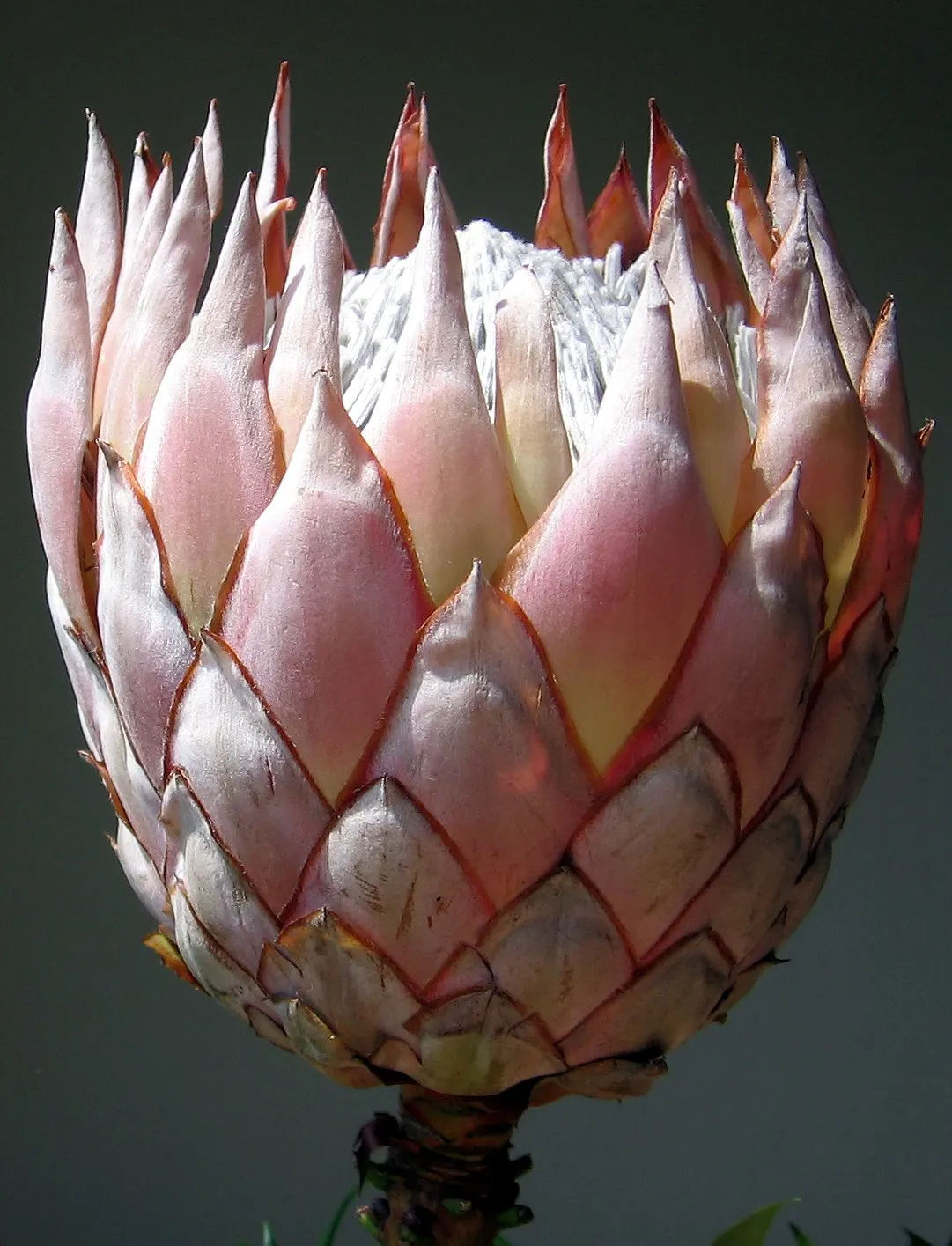
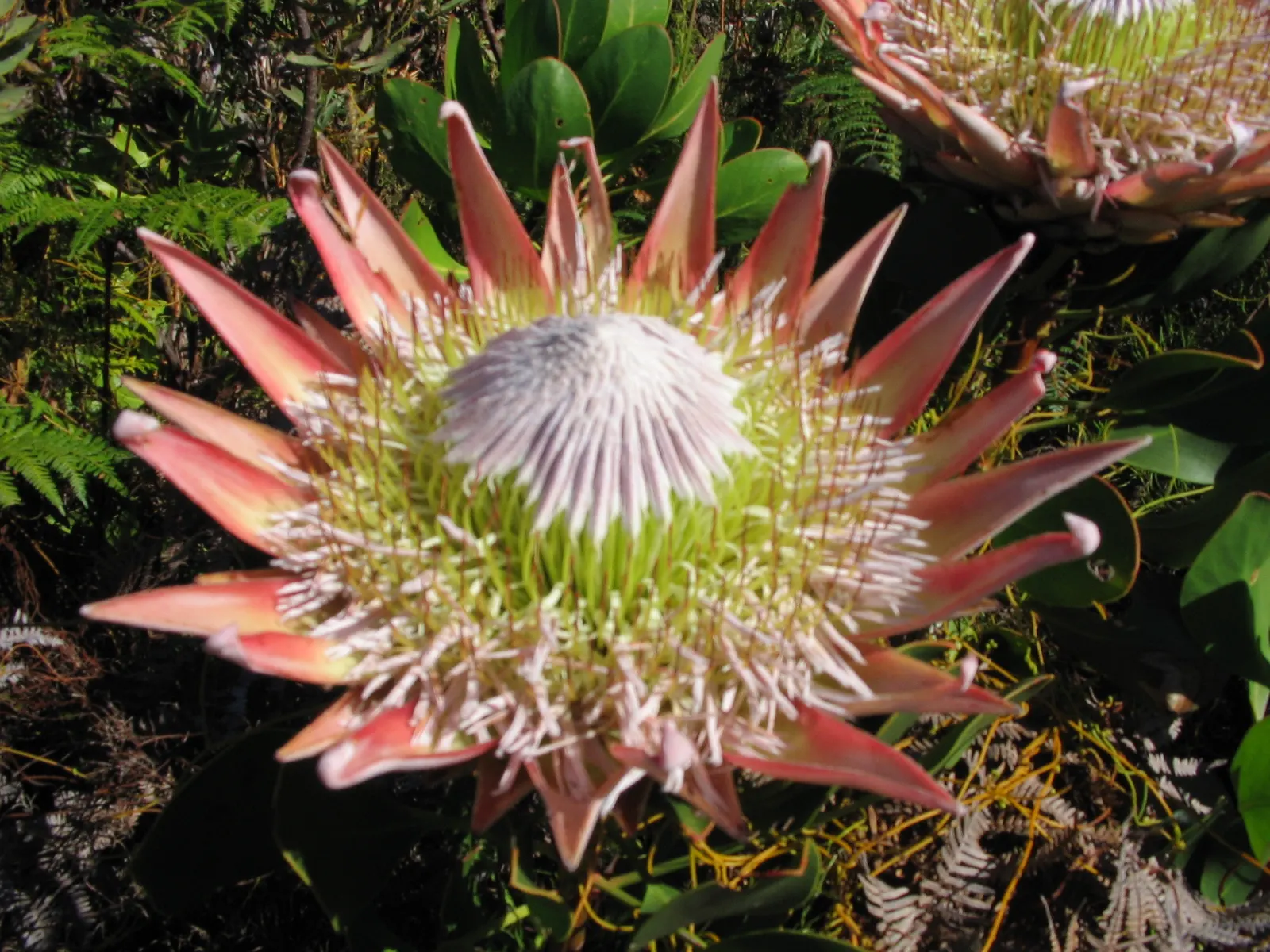
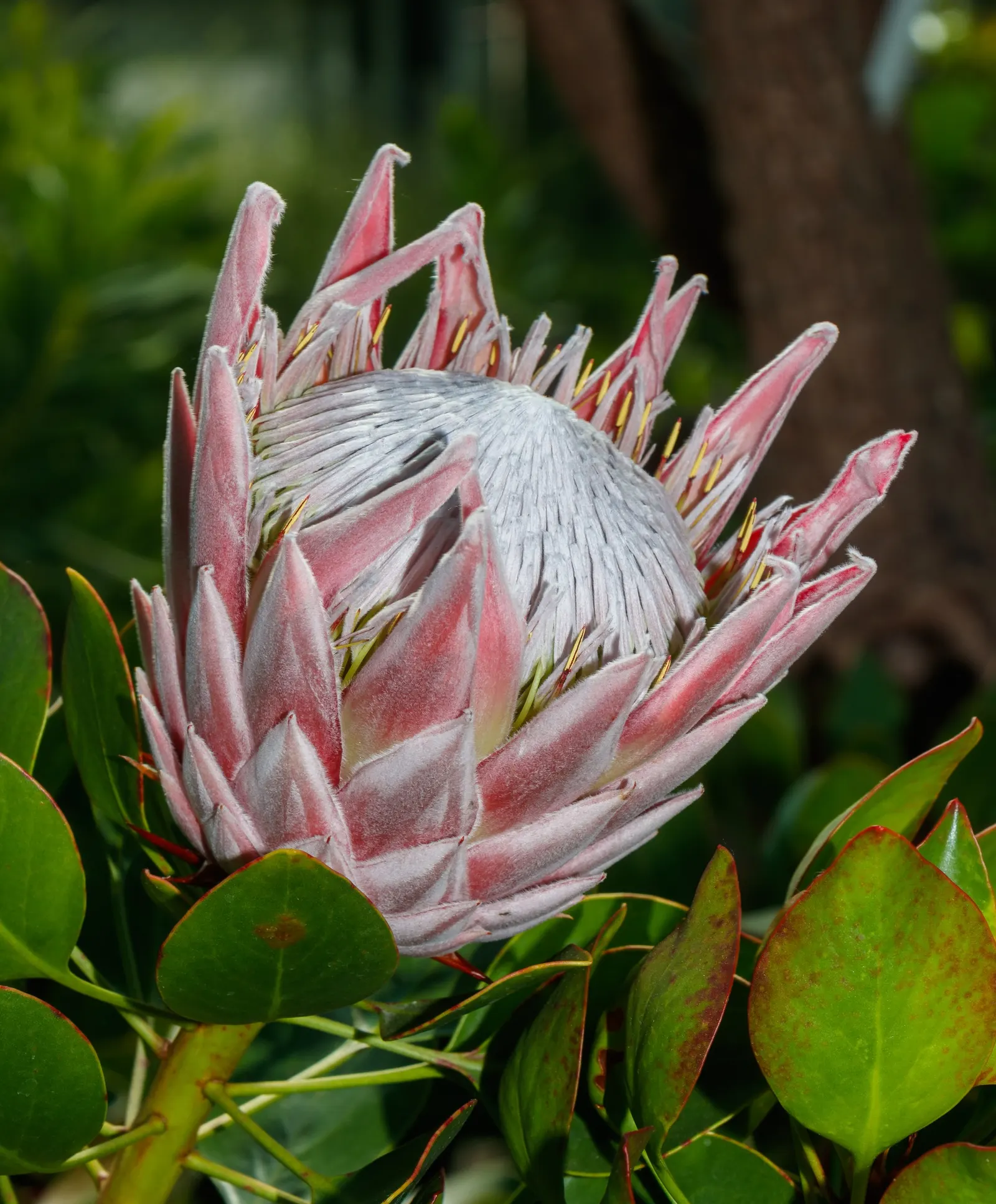
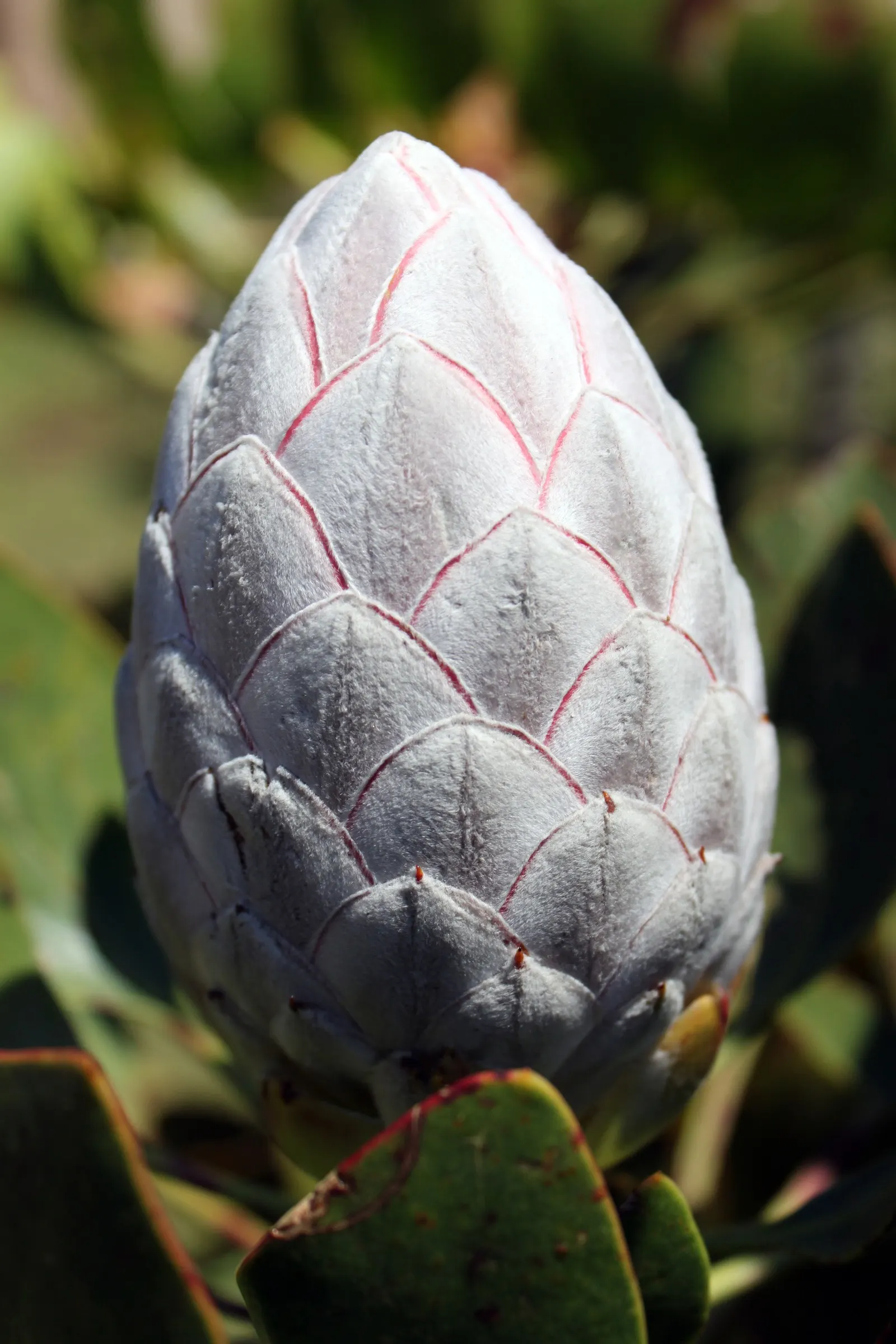
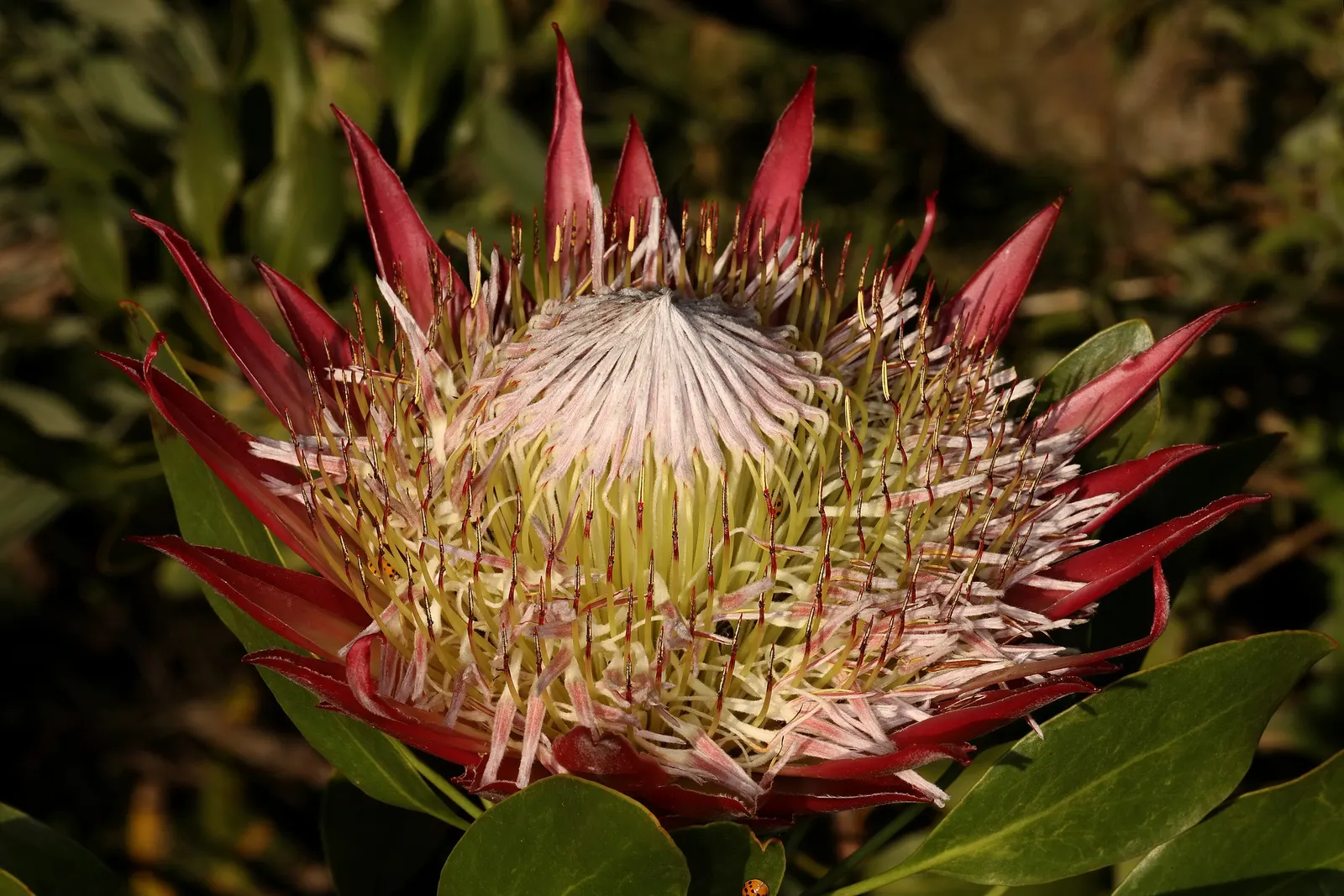
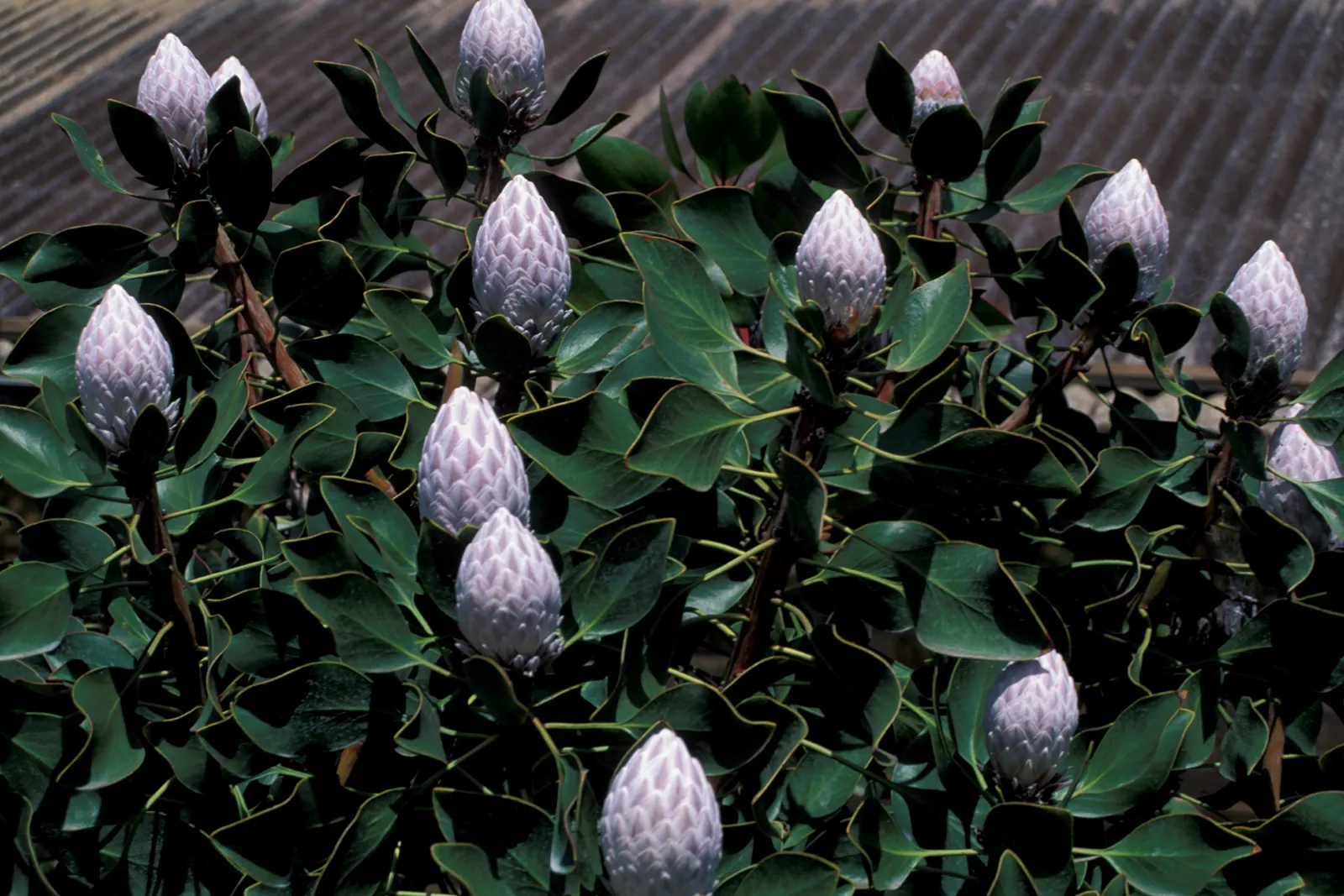
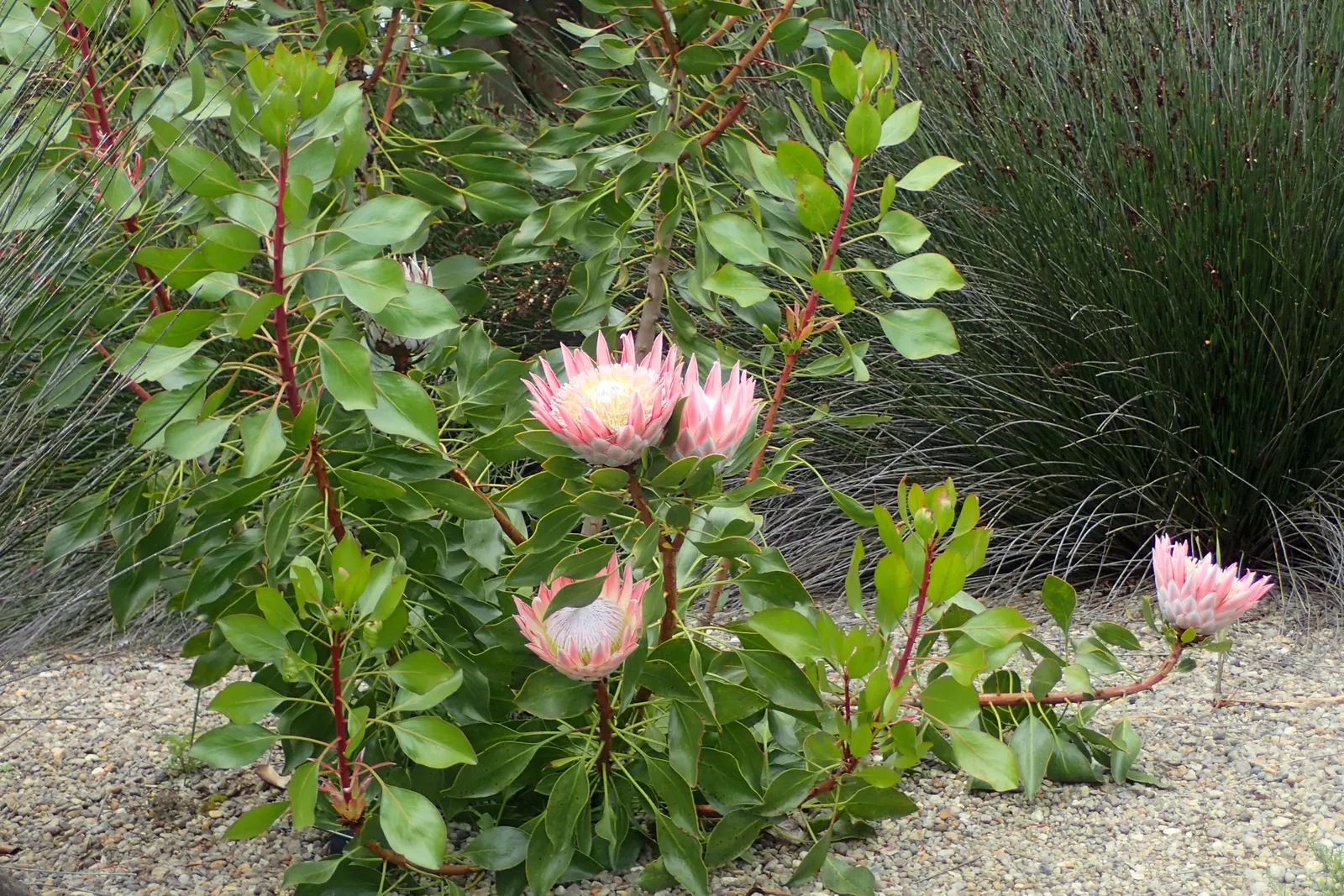
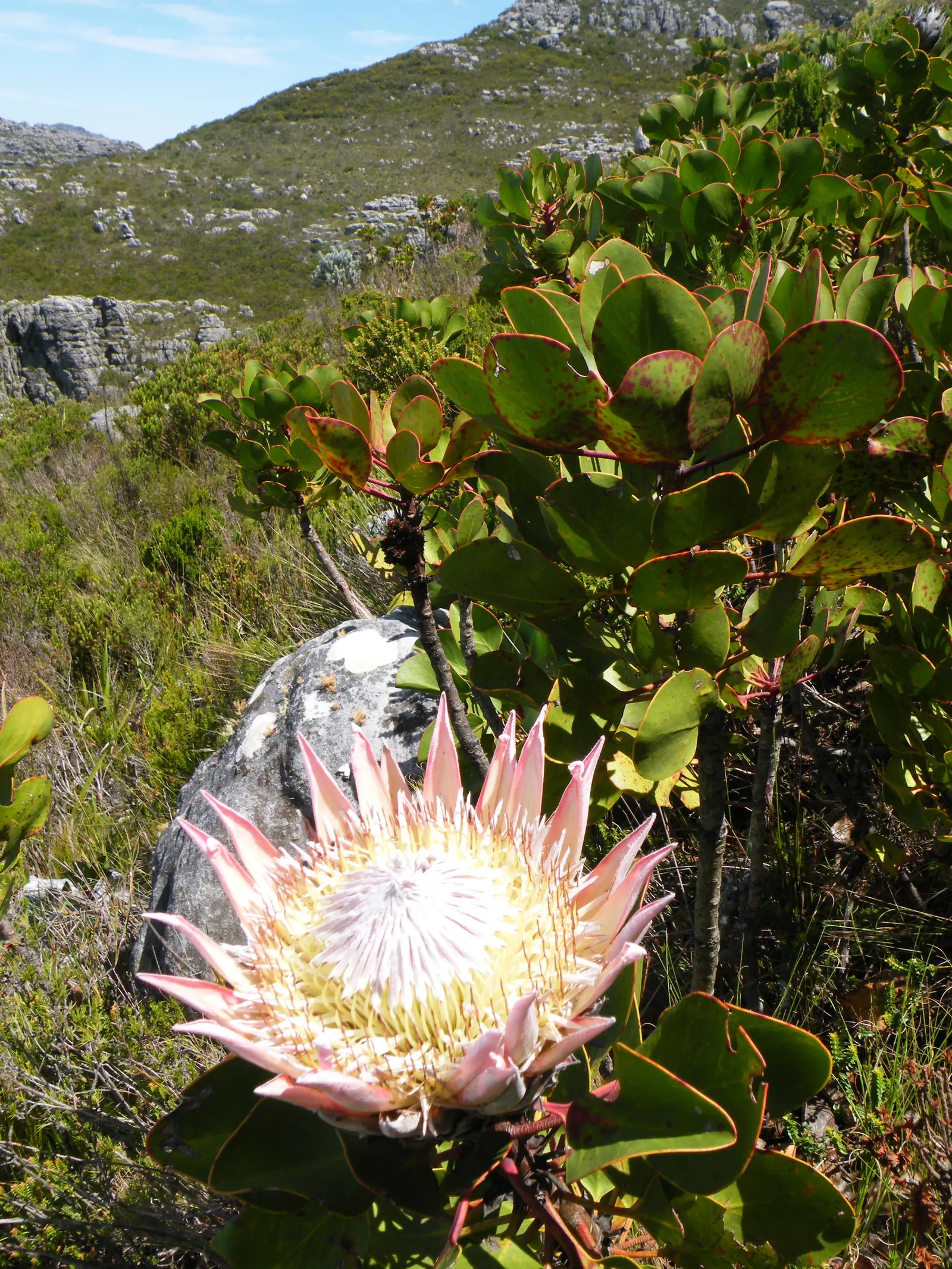
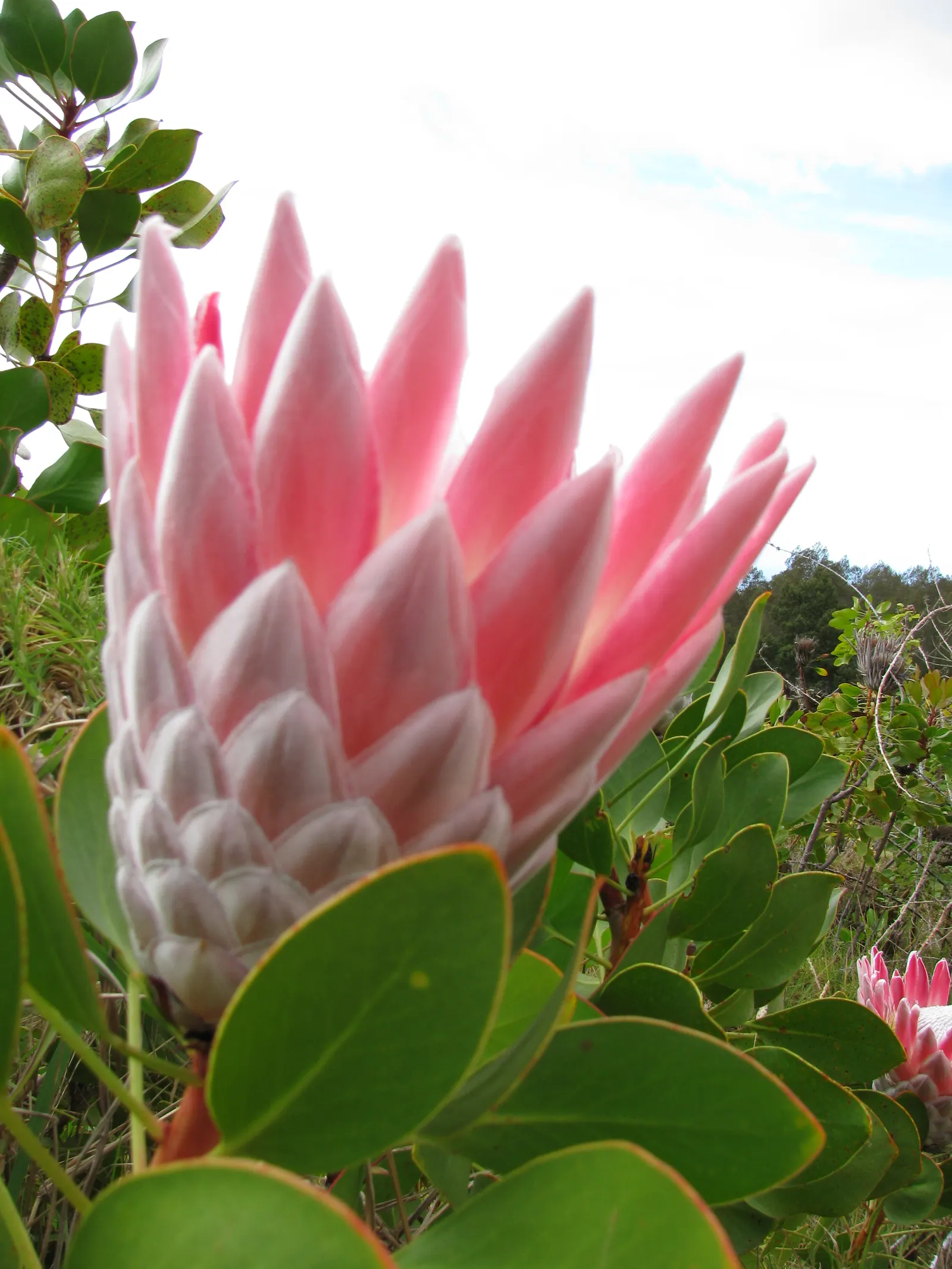
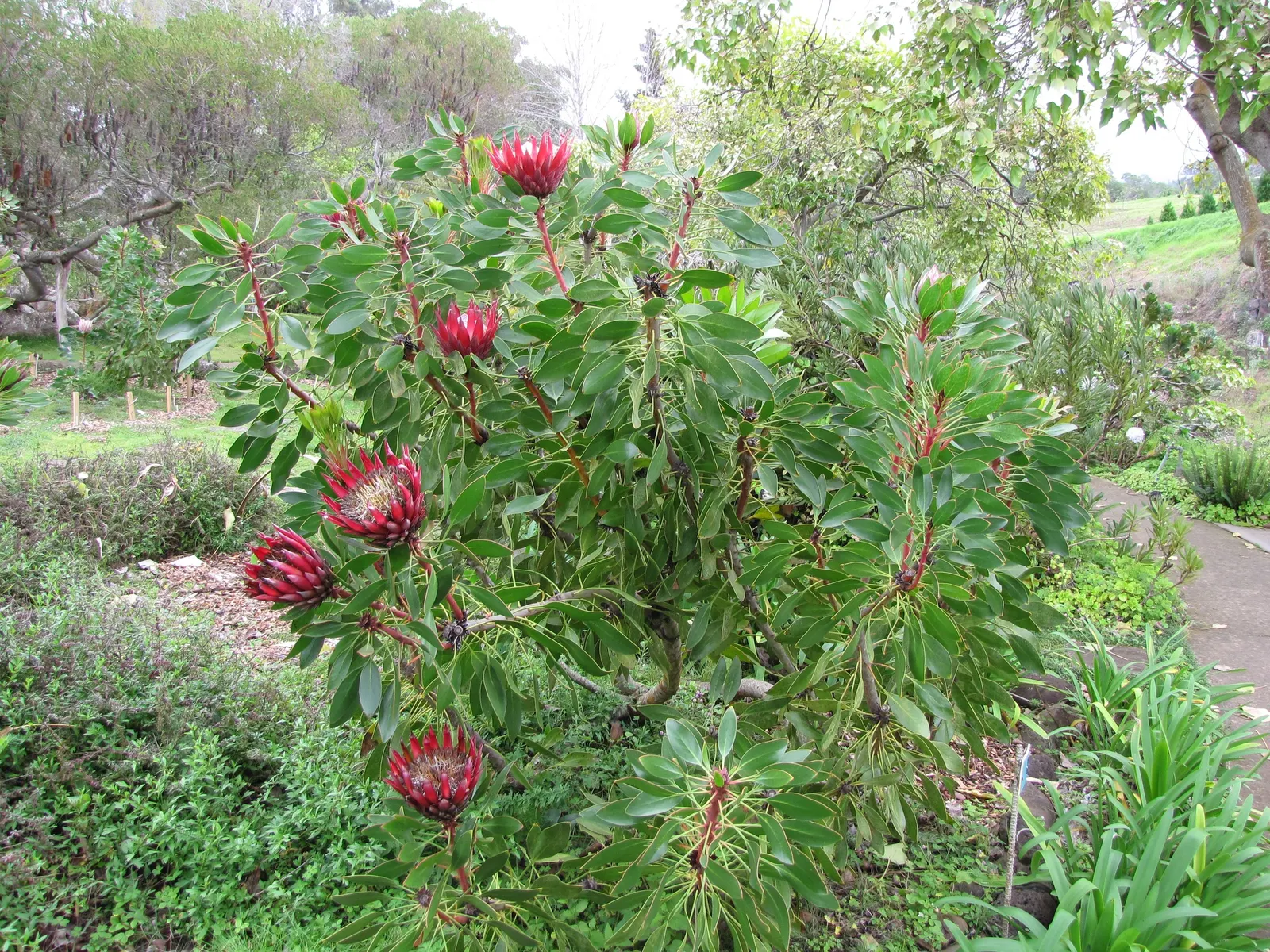
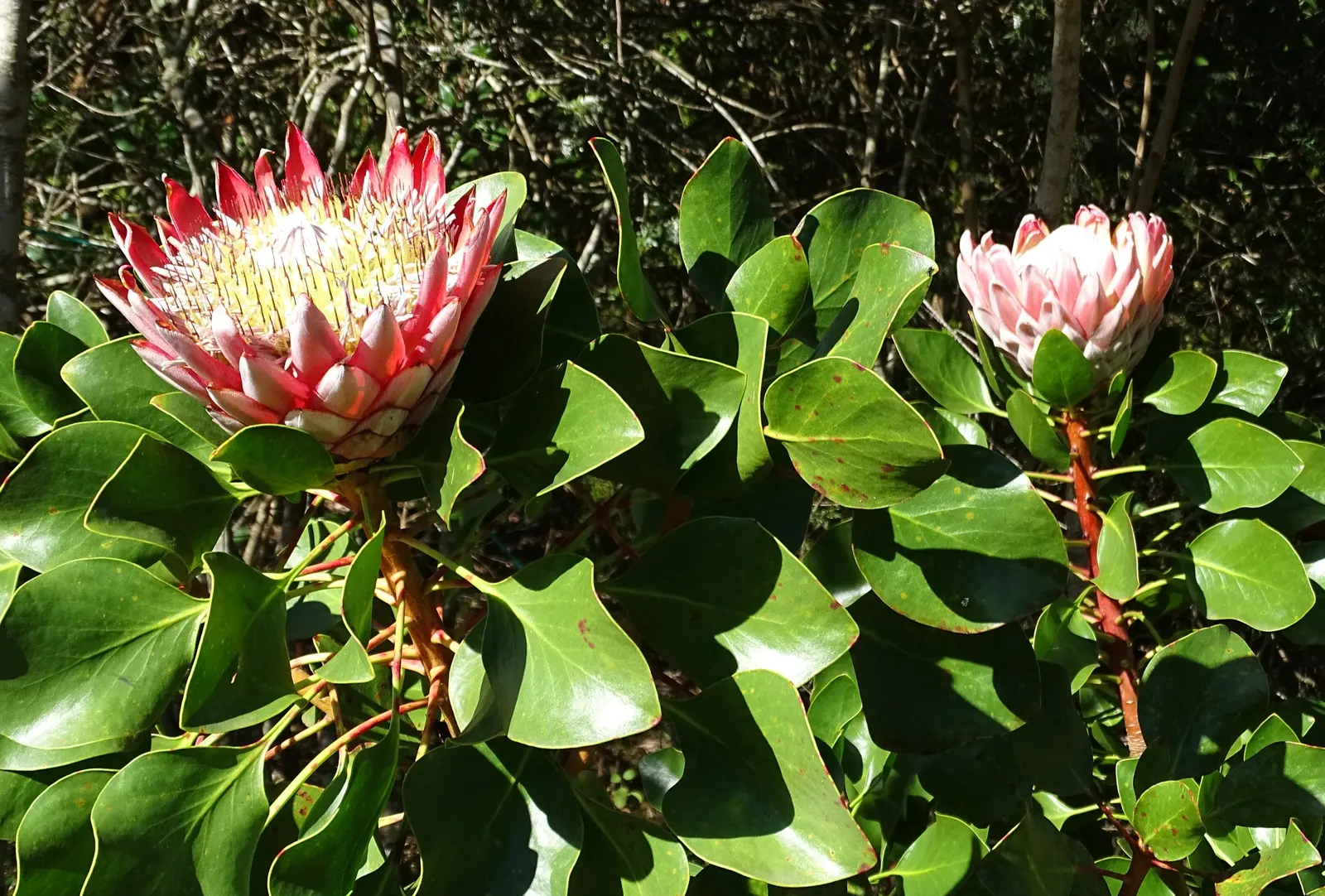
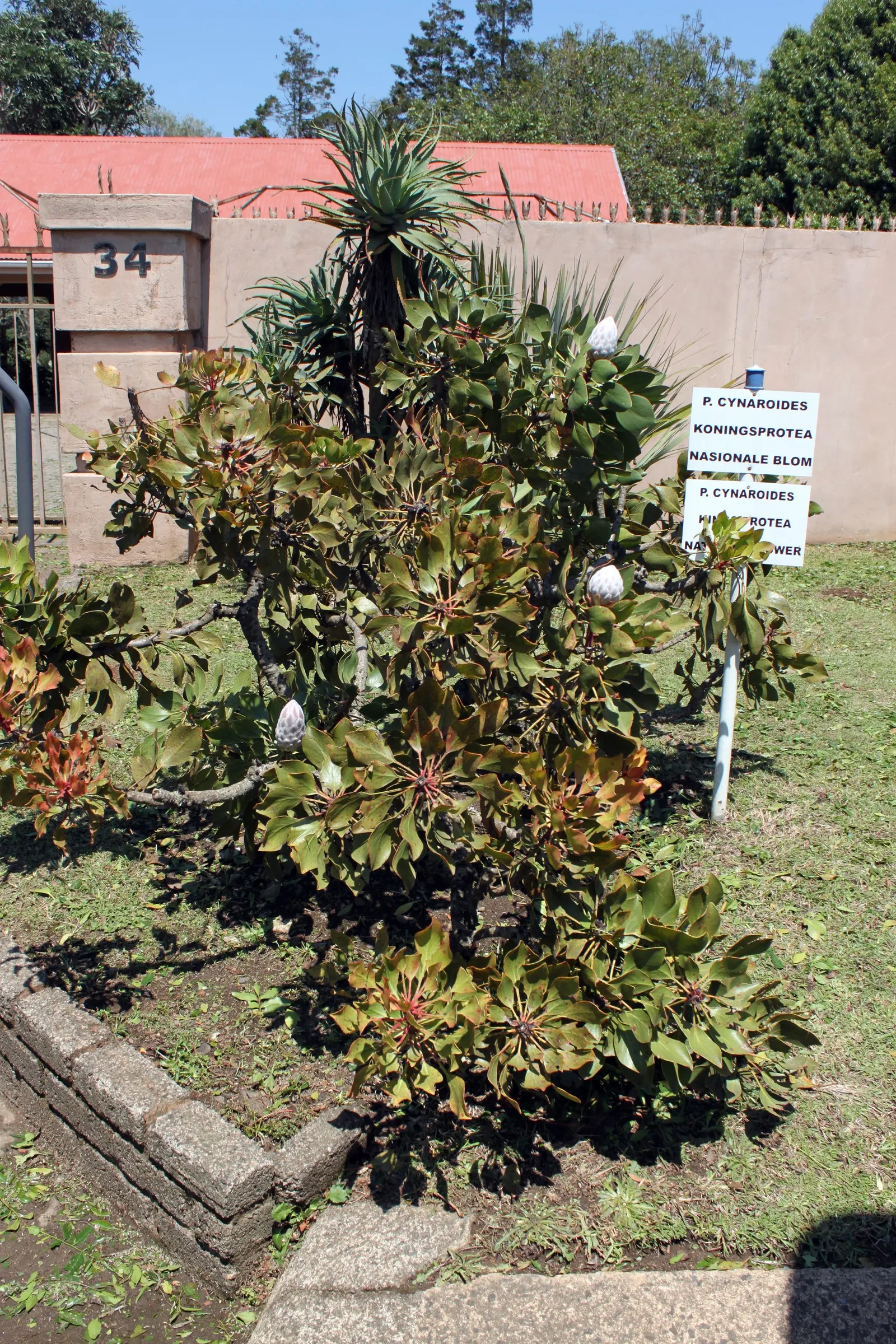
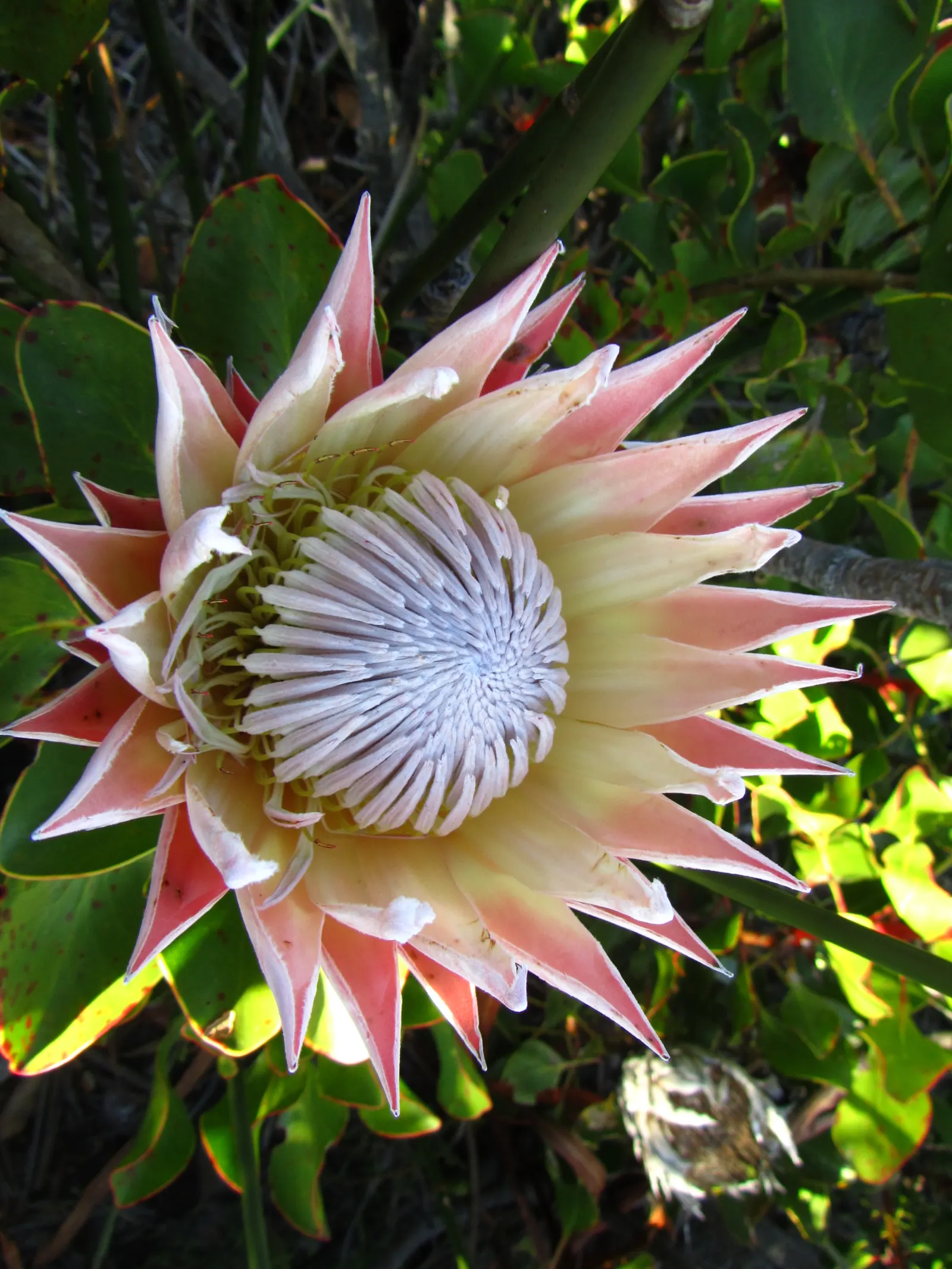
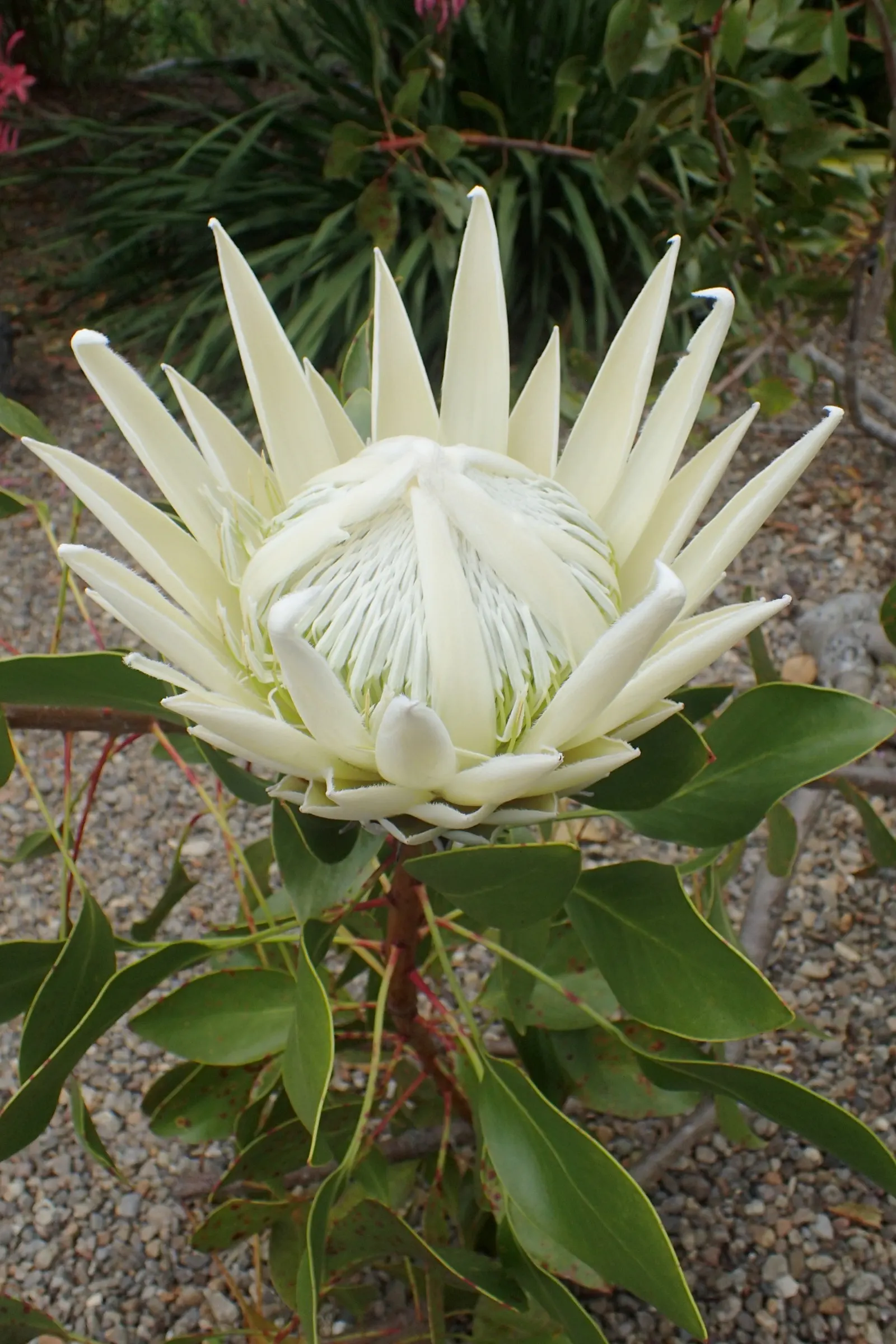
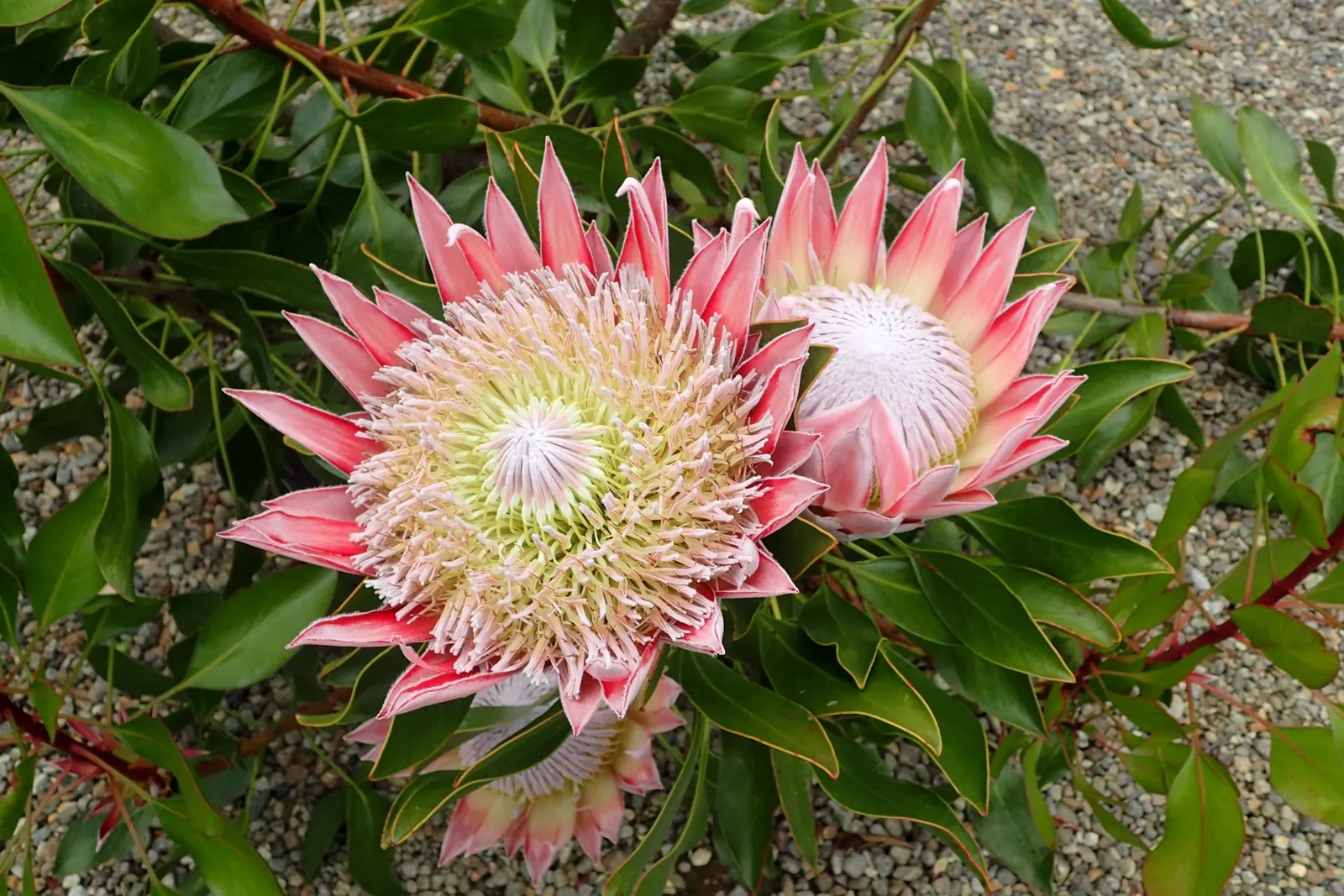
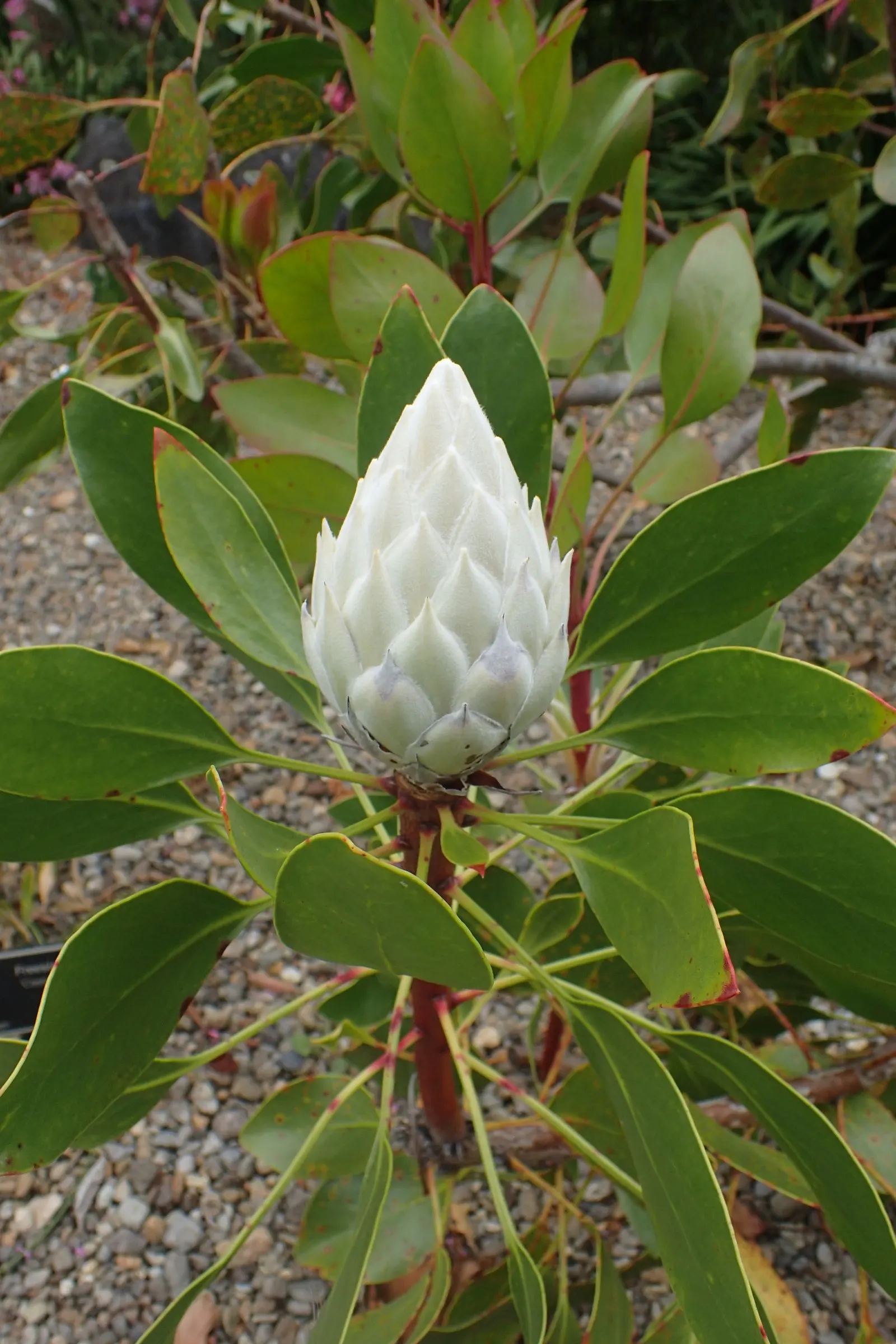
King Protea (Protea cynaroides), also known as Giant Protea, boasts the largest flower head in its genus with diameters up to 12 inches. Native to South Africa, this evergreen shrub typically reaches 3 to 4 feet in height and spread. Its striking blooms, reminiscent of artichokes, exhibit pale pink to deep crimson hues. Preferring full sun and well-draining soil, it's drought-tolerant once established and frost-sensitive. Ideal for a focal point in xeriscapes.

Sun FullWater Extra in Summer, MediumZones 7–9Type Shrub

Culture

Sun
Full
Water
Extra in Summer, Medium
USDA zones
7–9

Shape & size

Classification

Type
Shrub
Family
Proteaceae

See full data, regional cultivation notes, and design tools. Build a client presentation around this plant.

Start your 14-day trial

Photos (133)

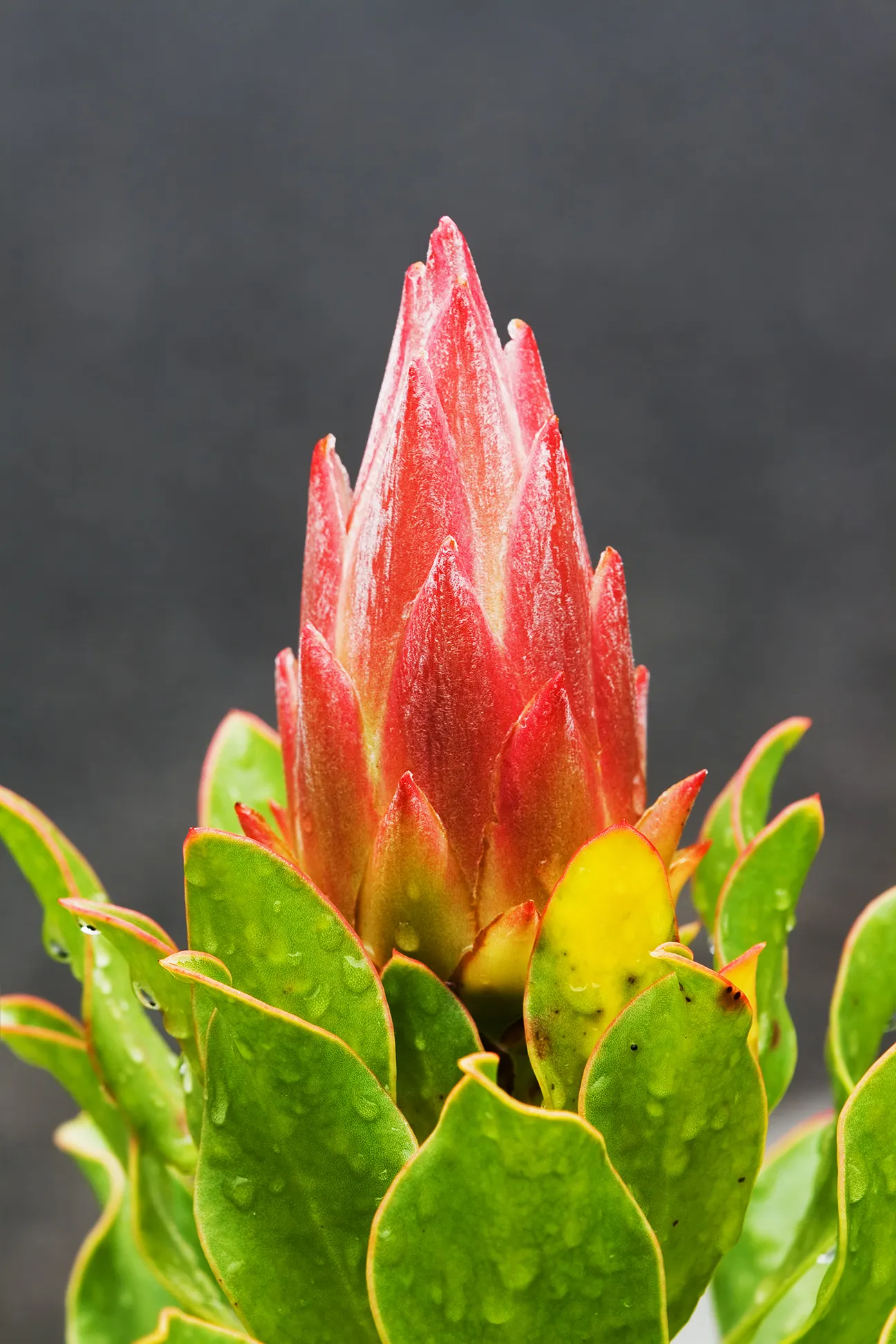
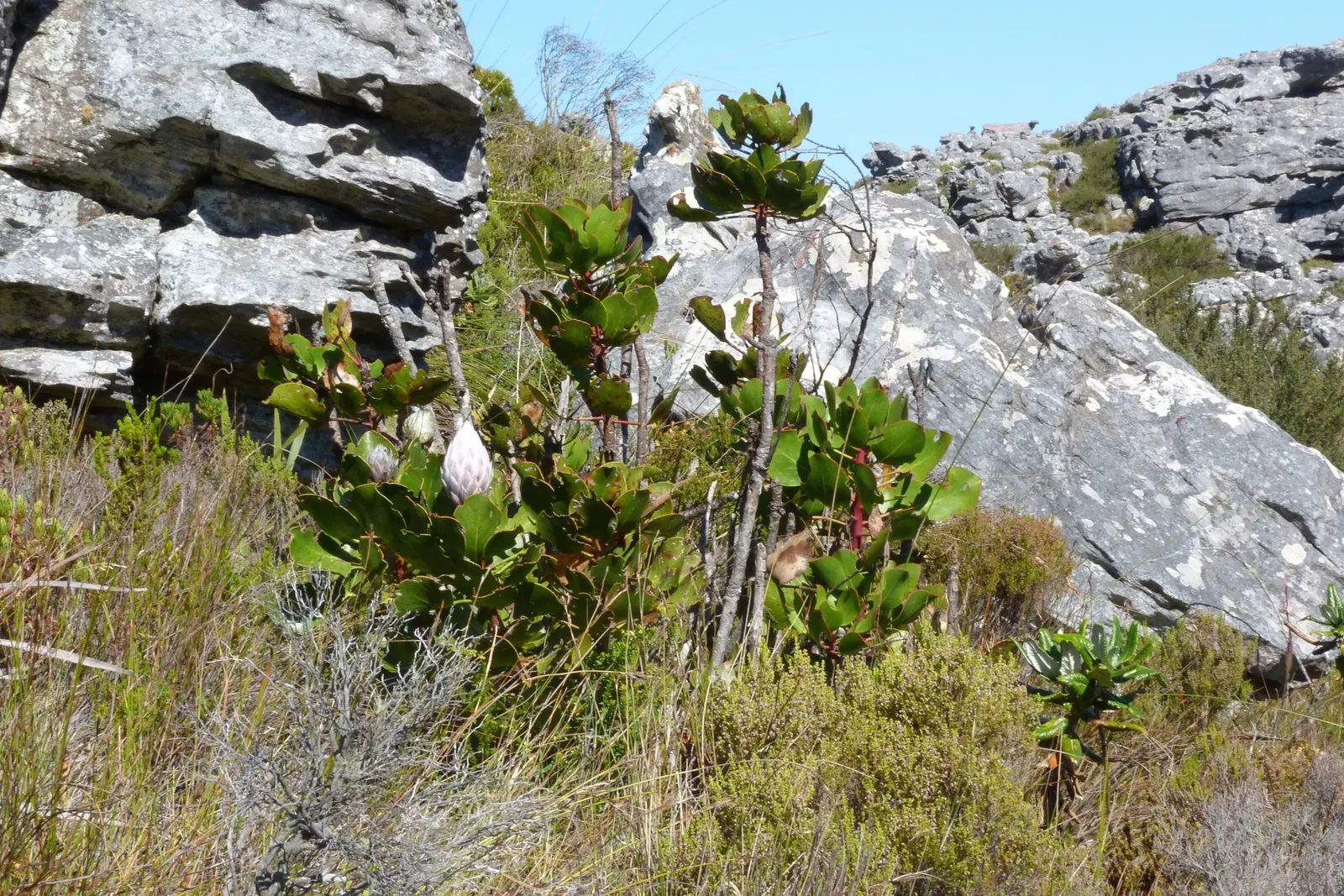
King Or Giant Protea (Protea Cynaroides) — However, protection from frost is crucial to prevent damage to its blooms and foliage
King Or Giant Protea (Protea Cynaroides) — Preferring full sun and well-draining soil, it's drought-tolerant once established and frost-sensitive, image 55
King Or Giant Protea (Protea Cynaroides) — it is important to note that this perennial shrub adds dramatic flair to any garden design due to its, image 60
King Or Giant Protea (Protea Cynaroides) — boasts the largest flower head in its genus with diameters up to 12 inches
King Or Giant Protea (Protea Cynaroides) — As a landscape architect assistant; it is important to note that this perennial shrub adds dramatic, image 84
King Or Giant Protea (Protea Cynaroides) — Preferring full sun and well-draining soil, it's drought-tolerant once established and frost-sensitive, image 80
King Or Giant Protea (Protea Cynaroides) — However, protection from frost is crucial to prevent damage to its blooms and foliage; display a crown, image 95
King Or Giant Protea (Protea Cynaroides) — allowing for ample space when incorporated into garden designs
King Or Giant Protea (Protea Cynaroides) — often reaching up to 12 inches in diameter; shrub with yellow blooms, image 111
King Or Giant Protea (Protea Cynaroides) — The plant typically attains a height of 3 to 4 feet with a similar spread; as a landscape architect assistant
King Or Giant Protea (Protea Cynaroides) — When integrating into a garden
King Or Giant Protea (Protea Cynaroides) — yellow flowers in the garden
King Or Giant Protea (Protea Cynaroides) — making it a suitable choice for xeriscaping
King Or Giant Protea (Protea Cynaroides) — giving the impression of a regal scepter.<br><br>Ideal for USDA hardiness zones 8 to 11, image 113
King Or Giant Protea (Protea Cynaroides) — When integrating into a garden; also known as Giant Protea, image 72
King Or Giant Protea (Protea Cynaroides) — giving the impression of a regal scepter.<br><br>Ideal for USDA hardiness zones 8 to 11, image 88
King Or Giant Protea (Protea Cynaroides) — boasts the largest flower head in its genus with diameters up to 12 inches; often reaching up to 12, image 77
King Or Giant Protea (Protea Cynaroides) — the King Protea thrives in well-drained; however, protection from frost is crucial to prevent damage to, image 89
King Or Giant Protea (Protea Cynaroides) — making it a suitable choice for xeriscaping; preferring full sun and well-draining soil, it's, image 94
King Or Giant Protea (Protea Cynaroides) — giving the impression of a regal scepter.<br><br>Ideal for USDA hardiness zones 8 to 11, image 63
King Or Giant Protea (Protea Cynaroides) — display a crown of pink or crimson bracts that surround a fuzzy; ideal for a focal point in xeriscapes, image 87
King Or Giant Protea (Protea Cynaroides) — Its striking blooms, reminiscent of artichokes, exhibit pale pink to deep crimson hues; shrub for full, image 104
King Or Giant Protea (Protea Cynaroides) — Pruning is recommended to remove spent flowers and encourage further blooming; making it a suitable choice for
King Or Giant Protea (Protea Cynaroides) — also known as Giant Protea; its striking blooms, reminiscent of artichokes, exhibit pale pink to deep, image 51
Photographs by 11 contributors

Related plants