Skip to content

Small Solomon's Seal

Polygonatum Biflorum

Design with this plant

Overview

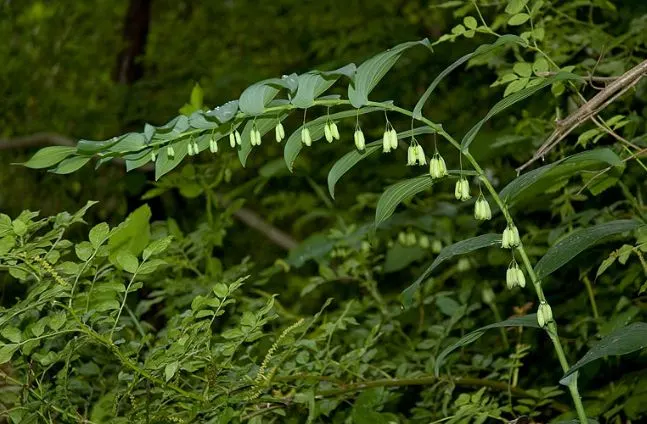
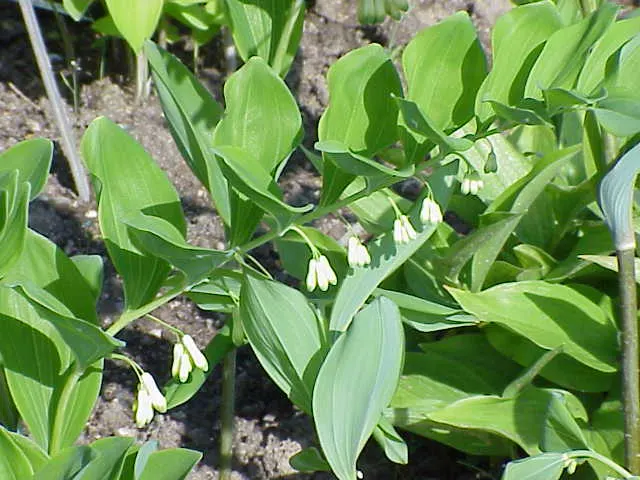
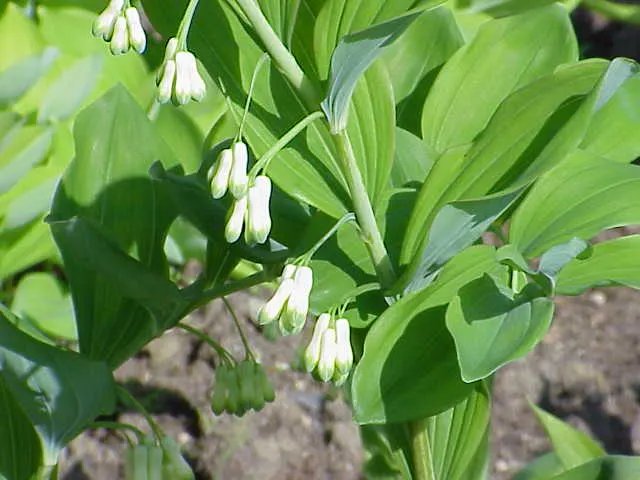
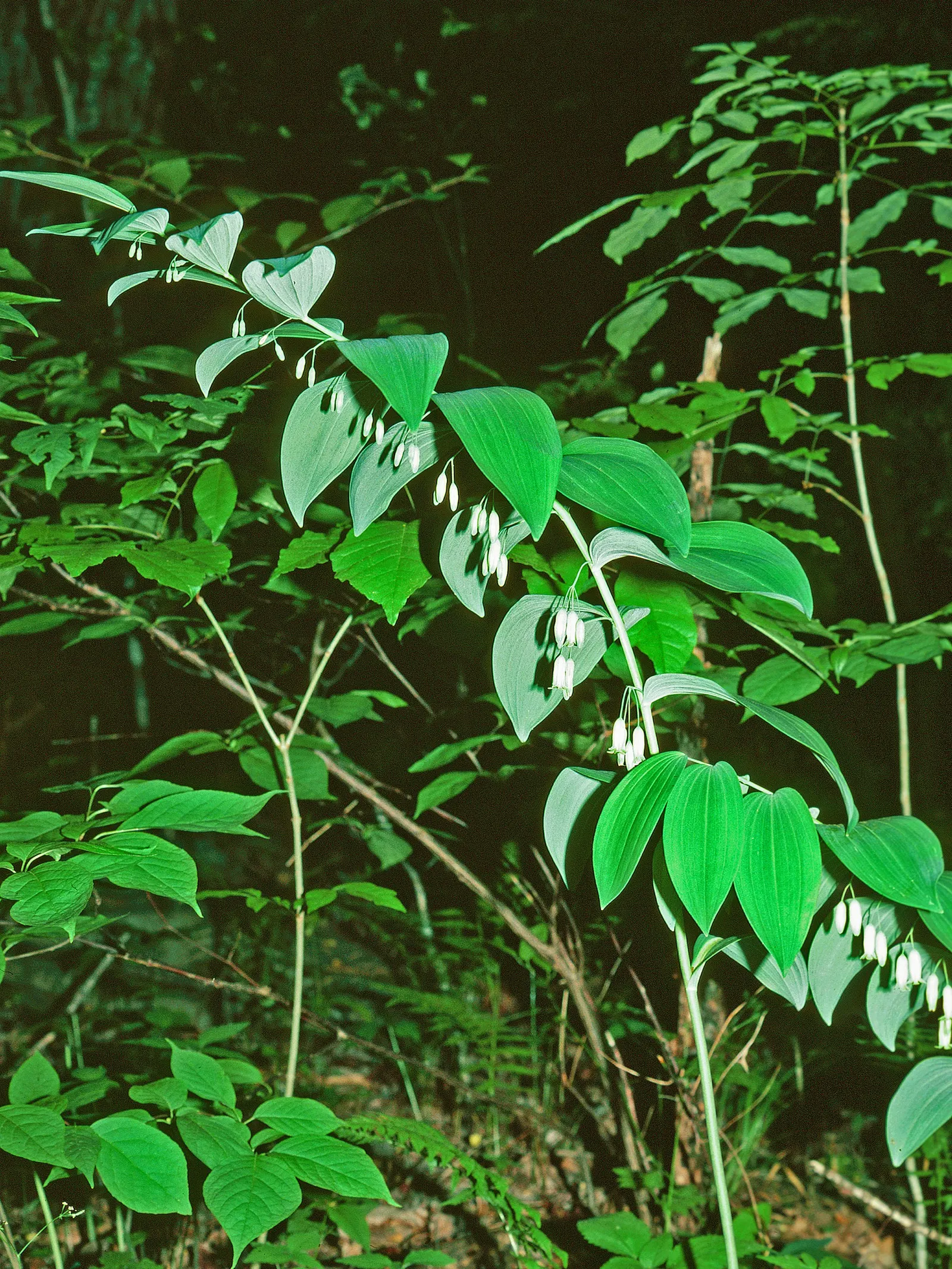
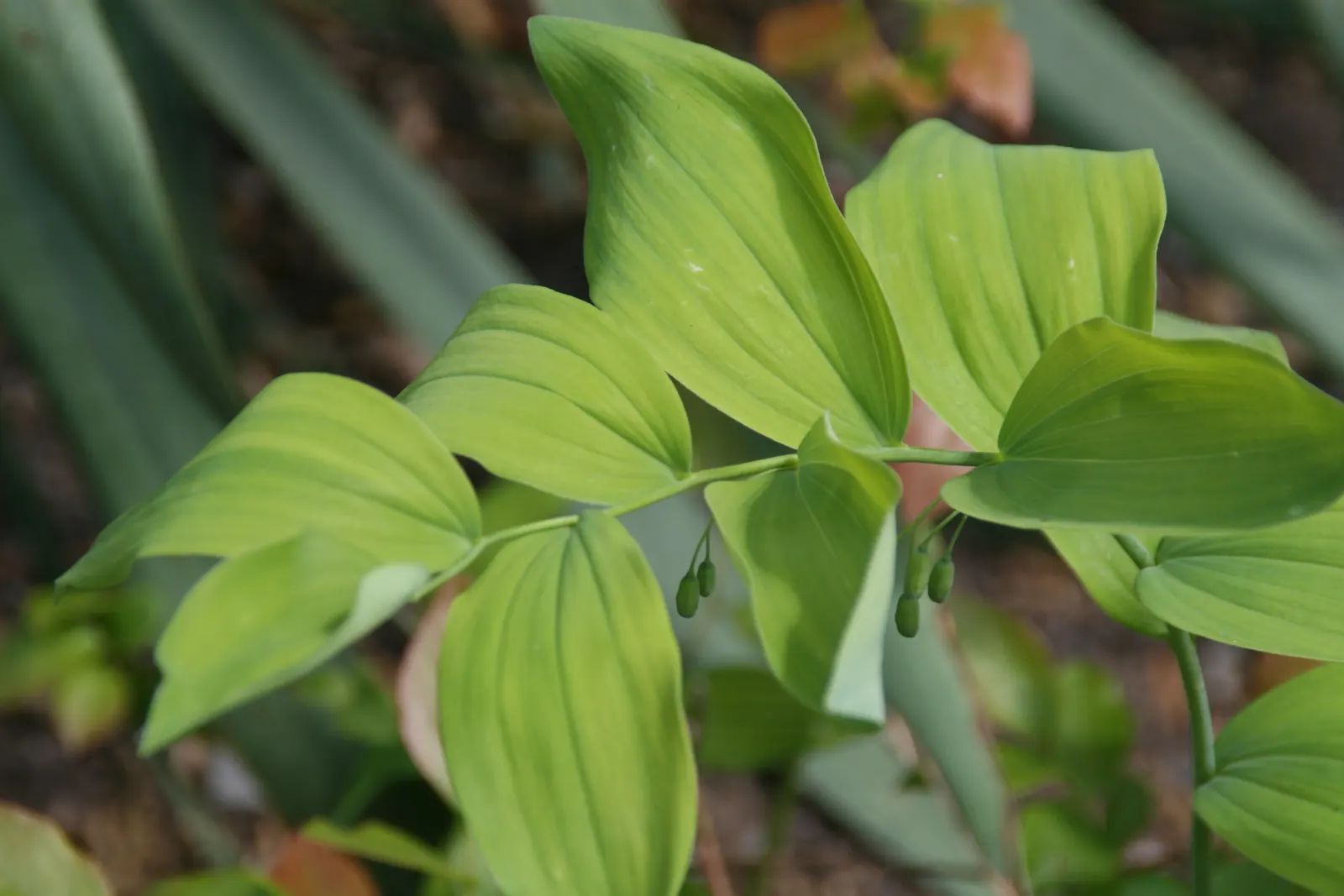
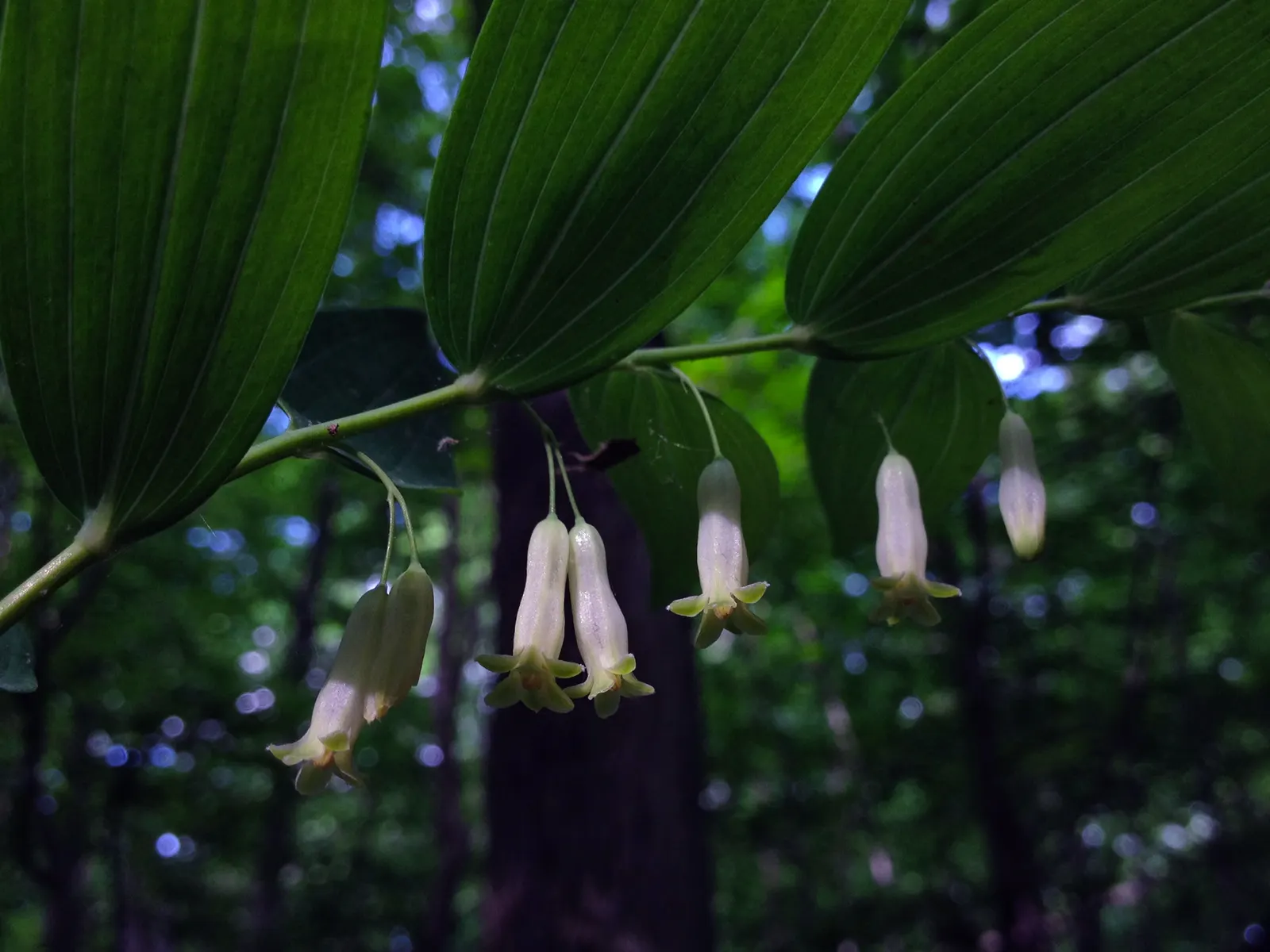
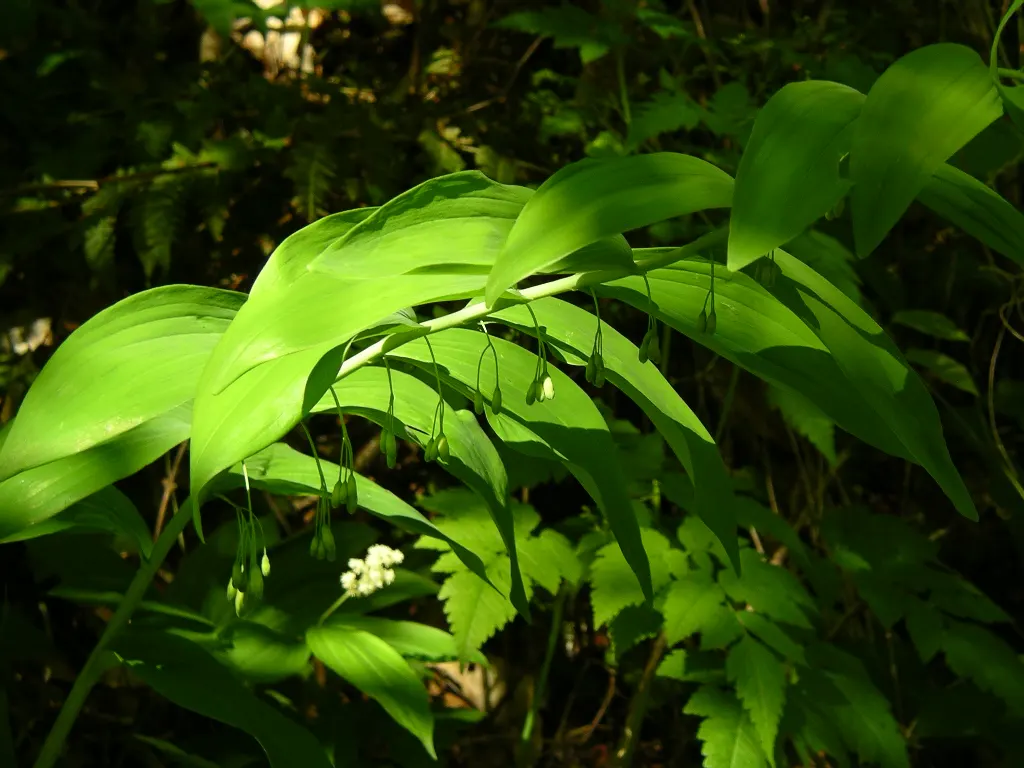
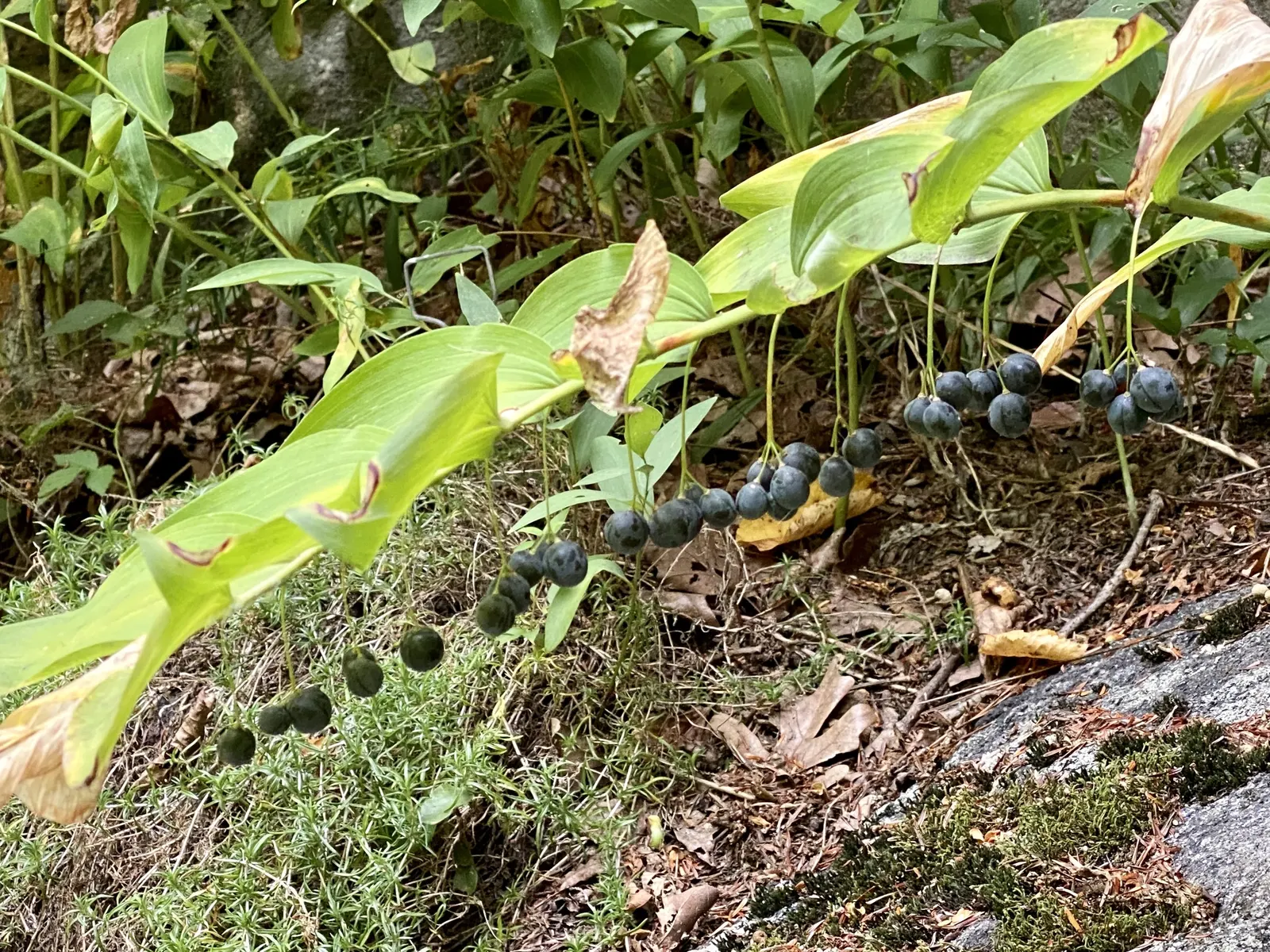
Small Solomon's Seal (Polygonatum biflorum) is a graceful, perennial native with arched stems up to 3 feet tall. It showcases pairs of bell-shaped, greenish-white flowers in spring, followed by blue-black berries. Preferring part to full shade and moist, well-drained soil, it adds a delicate touch to woodland gardens. This plant is low-maintenance, deer-resistant, and it attracts pollinators while providing dynamic, seasonal interest to landscapes. Zone: 3-8.
Sun Deep Shade, Half, ShadeWater Extra in Summer, MediumZones 3–8Climate Temperate
Small Solomon's Seal (Polygonatum Biflorum) — Small Solomon's Seal (Polygonatum biflorum) is a graceful

Culture

Sun
Deep Shade, Half, Shade
Water
Extra in Summer, Medium
USDA zones
3–8

Shape & size

Classification

Family
Ruscaceae
Climate
Temperate

See full data, regional cultivation notes, full-resolution photos, and design tools. Build a client presentation around this plant.

Start your 14-day trial

Photos (51)

Small Solomon's Seal (Polygonatum Biflorum) — the Small Solomon's Seal is relatively low-care
Small Solomon's Seal (Polygonatum Biflorum) — needing only occasional watering once established
Small Solomon's Seal (Polygonatum Biflorum) — and periodic mulching to retain soil moisture
Small Solomon's Seal (Polygonatum Biflorum) — yellow flowers in the garden
Small Solomon's Seal (Polygonatum Biflorum) — making it a worry-free addition to diverse landscapes where wildlife presence is a consideration
Small Solomon's Seal (Polygonatum Biflorum) — Its resilience also includes resistance to deer
Small Solomon's Seal (Polygonatum Biflorum) — wildflower with yellow blooms
Small Solomon's Seal (Polygonatum Biflorum) — wildflower for deep shade or half or shade
Small Solomon's Seal (Polygonatum Biflorum) — Small Solomon's Seal (Polygonatum biflorum) is a graceful; preferring part to full shade and moist, well-drained
Small Solomon's Seal (Polygonatum Biflorum) — perennial native with arched stems up to 3 feet tall; which can reach up to 18 to 24 inches in height
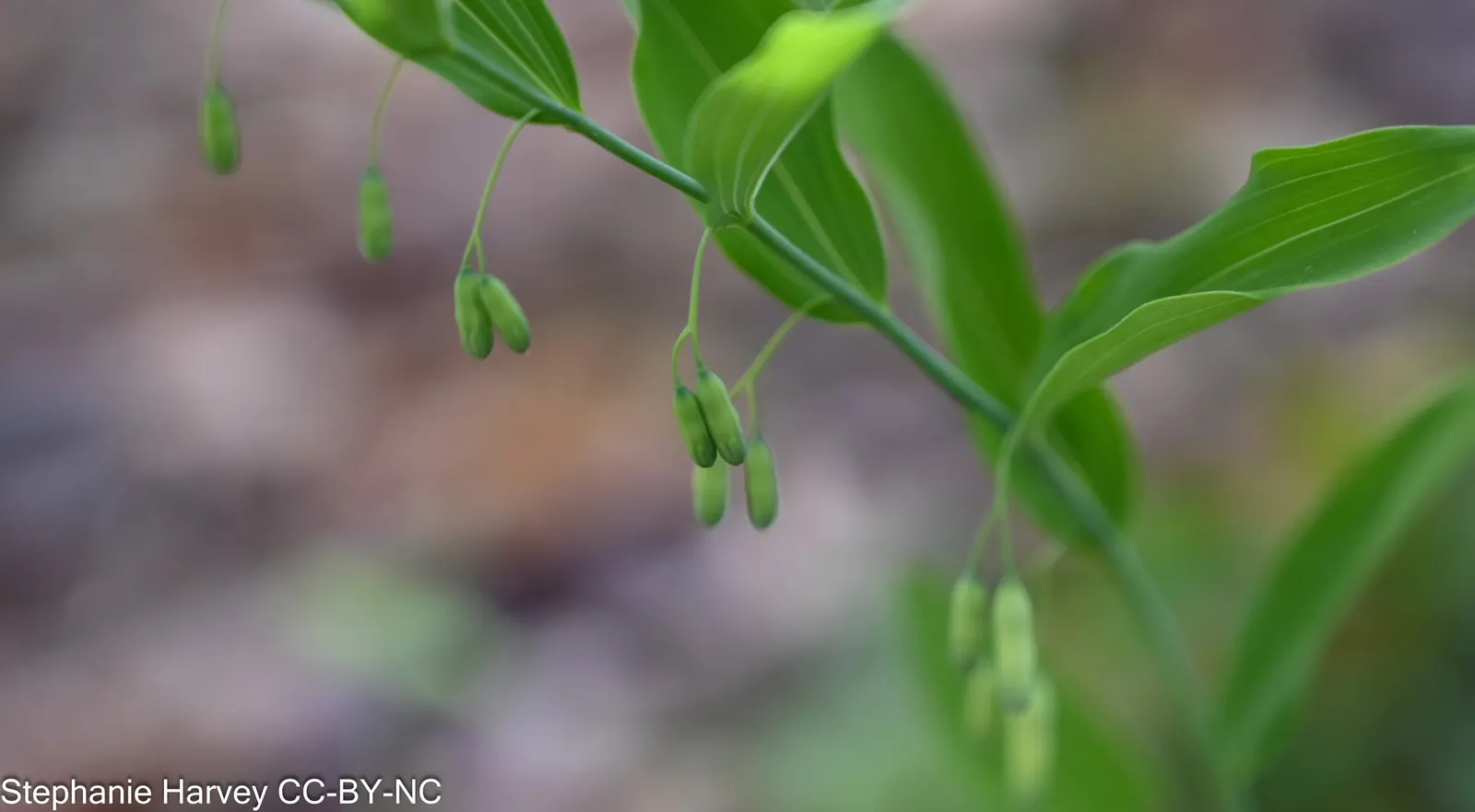
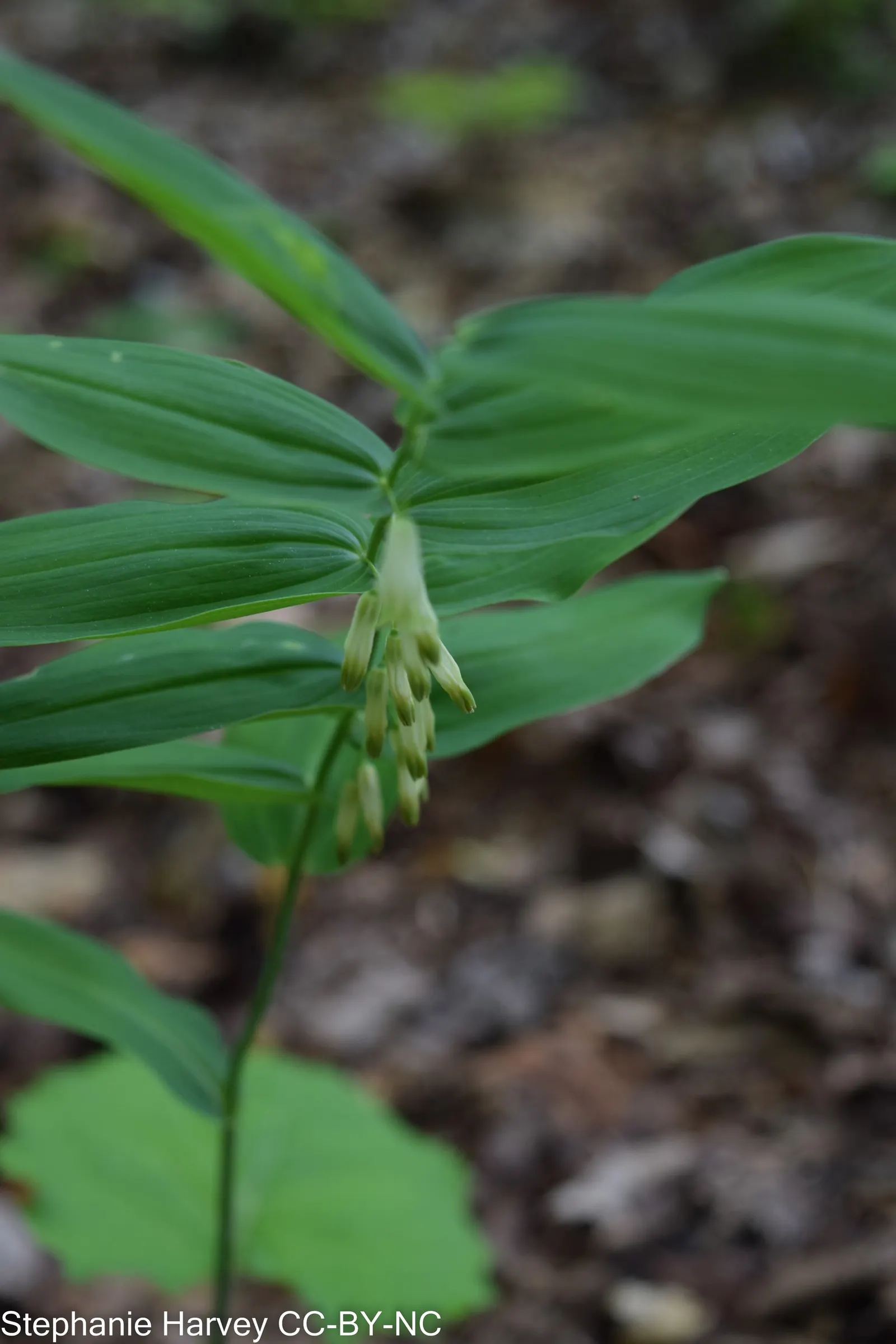
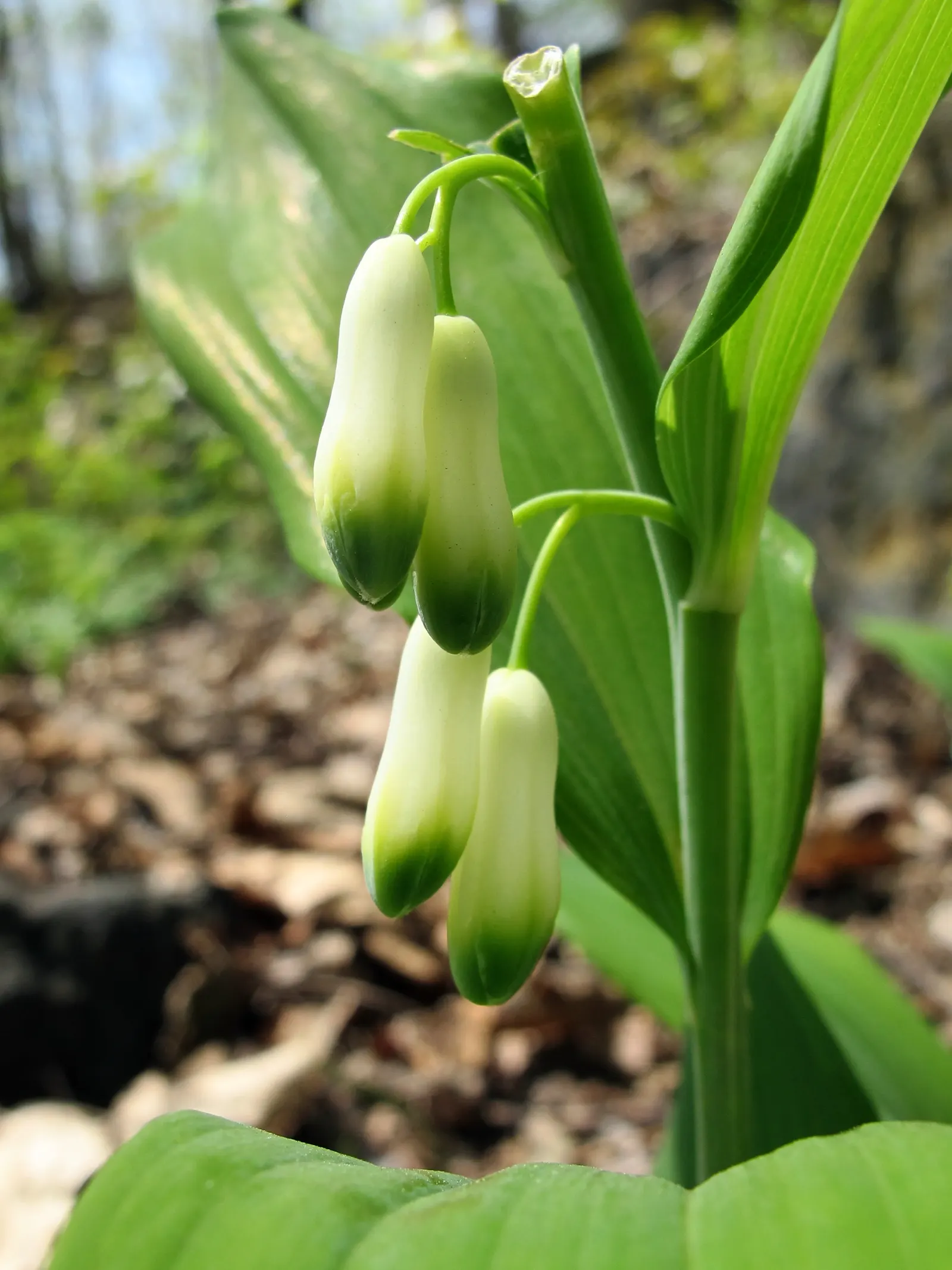
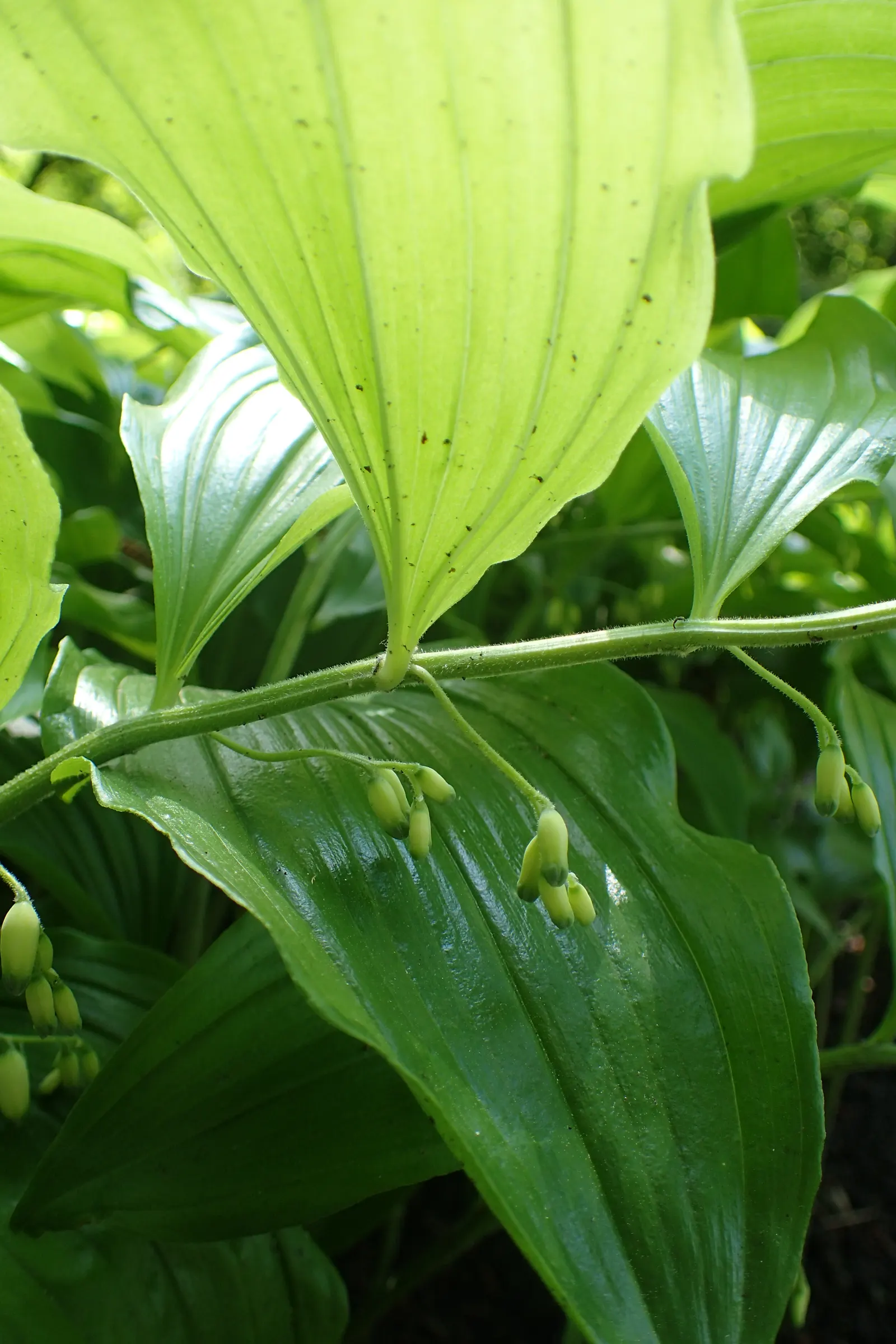
Small Solomon's Seal (Polygonatum Biflorum) — It showcases pairs of bell-shaped, greenish-white flowers in spring, followed by blue-black berries; these
Small Solomon's Seal (Polygonatum Biflorum) — Preferring part to full shade and moist, well-drained soil, it adds a delicate touch to woodland gardens; the
Small Solomon's Seal (Polygonatum Biflorum) — This plant is low-maintenance; wildflower for deep shade or half or shade
Small Solomon's Seal (Polygonatum Biflorum) — scientifically known as Polygonatum biflorum; this plant thrives best in partial to full shade
Small Solomon's Seal (Polygonatum Biflorum) — and it attracts pollinators while providing dynamic; seasonal interest to landscapes
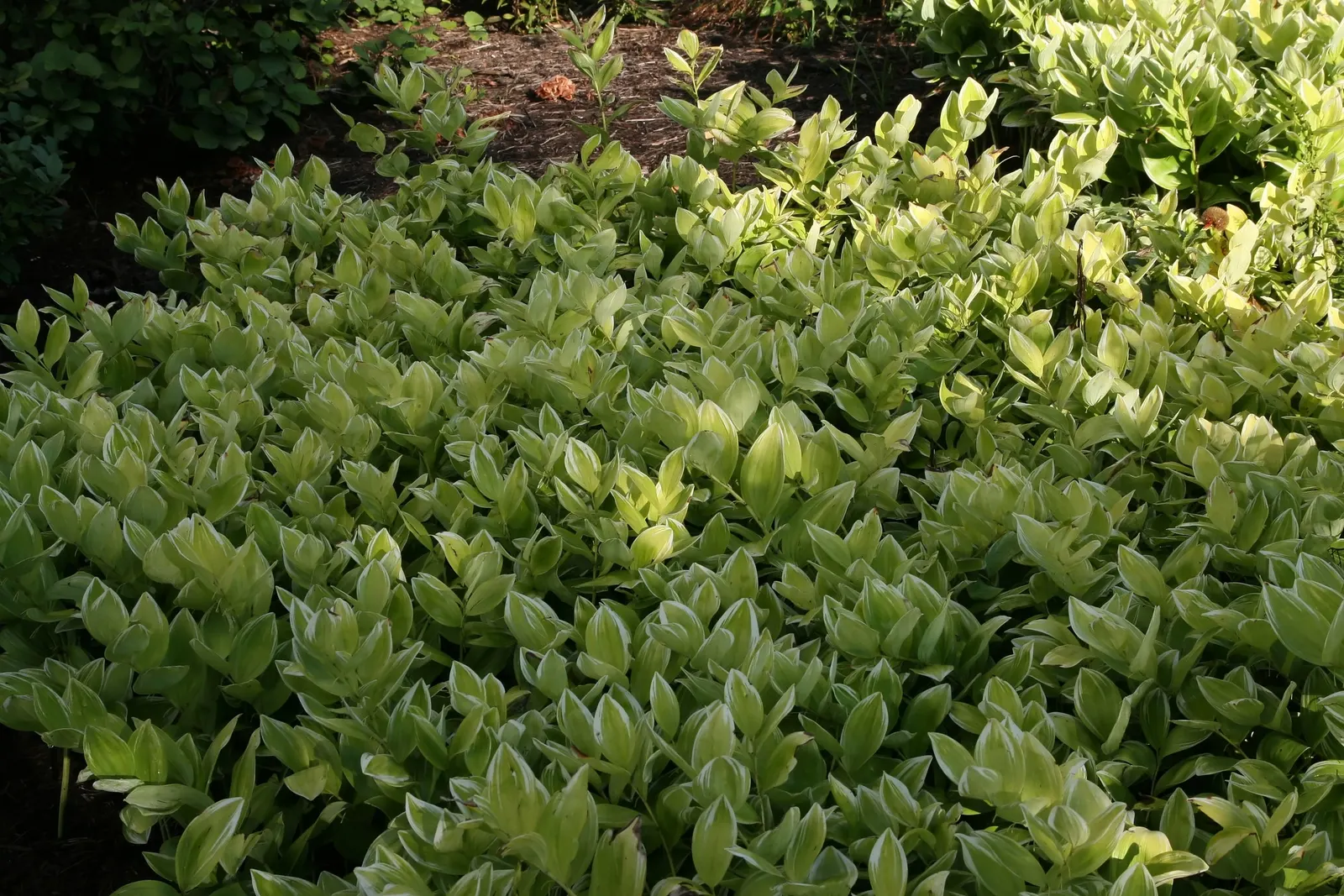
Small Solomon's Seal (Polygonatum Biflorum) — seasonal interest to landscapes; these lush green leaves provide a splendid backdrop for the delicate
Small Solomon's Seal (Polygonatum Biflorum) — native perennial ideal for naturalistic shade gardens; its resilience also includes resistance to deer
Small Solomon's Seal (Polygonatum Biflorum) — It is characterized by its arching stems; it showcases pairs of bell-shaped, greenish-white flowers in spring
Small Solomon's Seal (Polygonatum Biflorum) — which can reach up to 18 to 24 inches in height; it is characterized by its arching stems
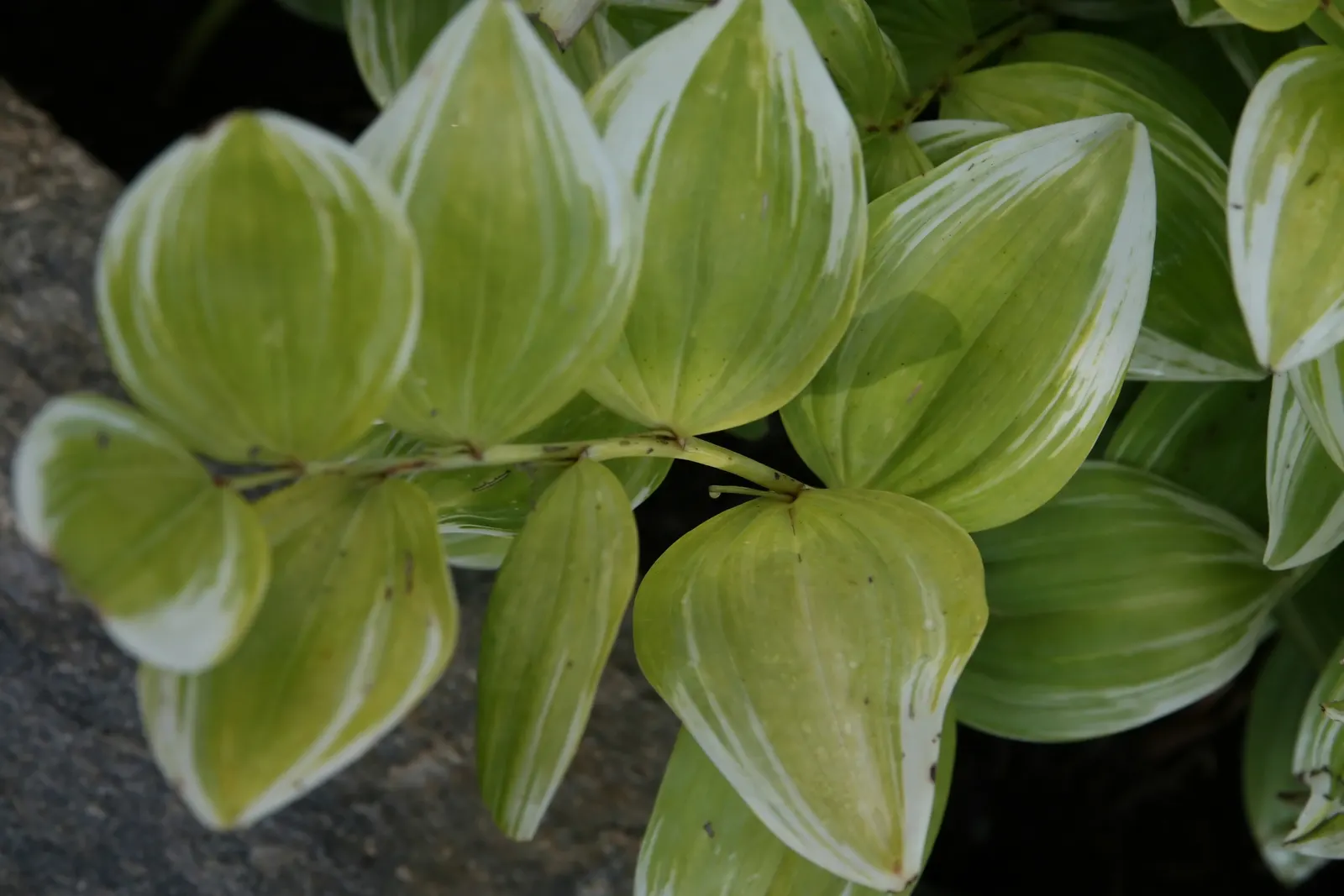
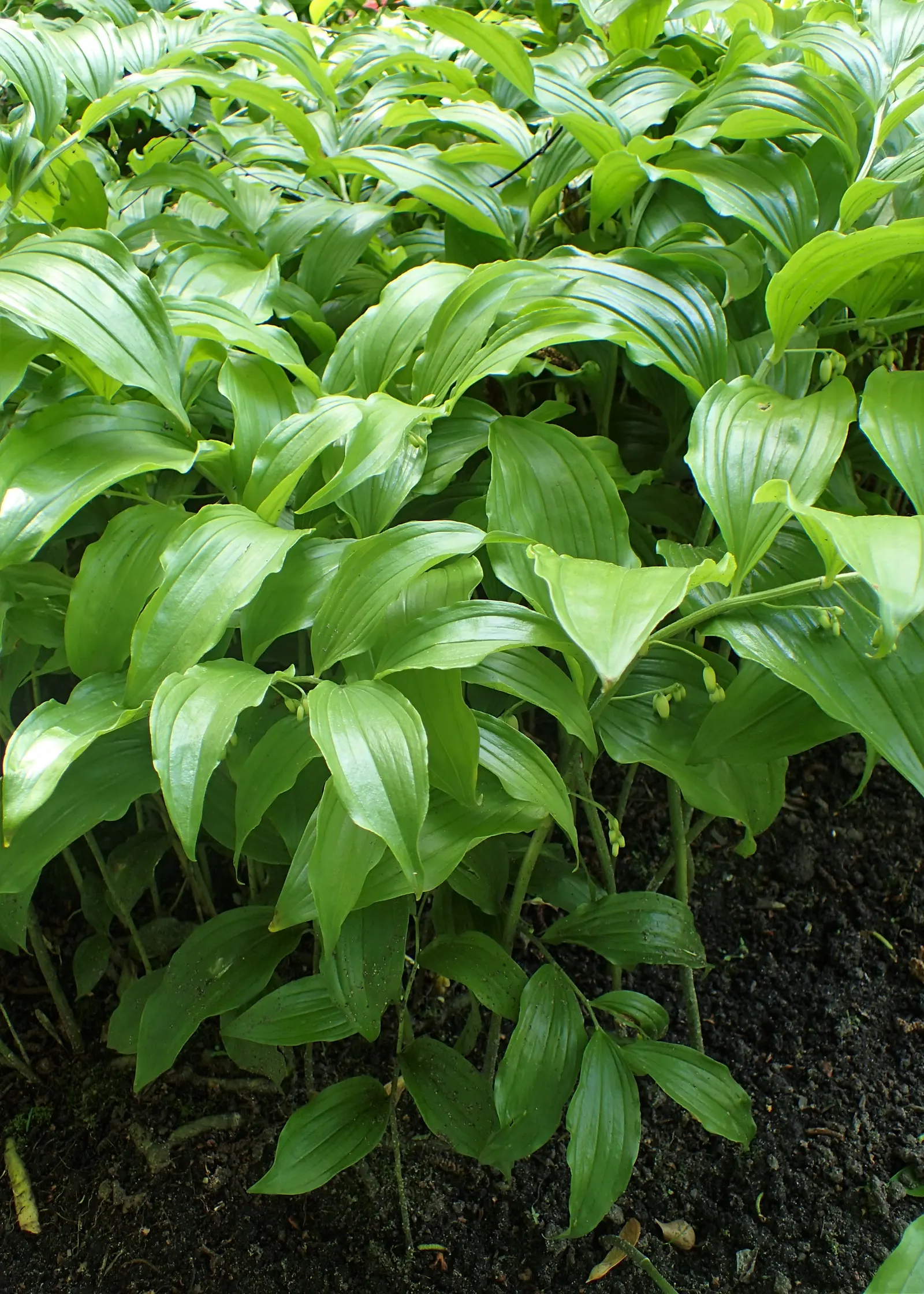
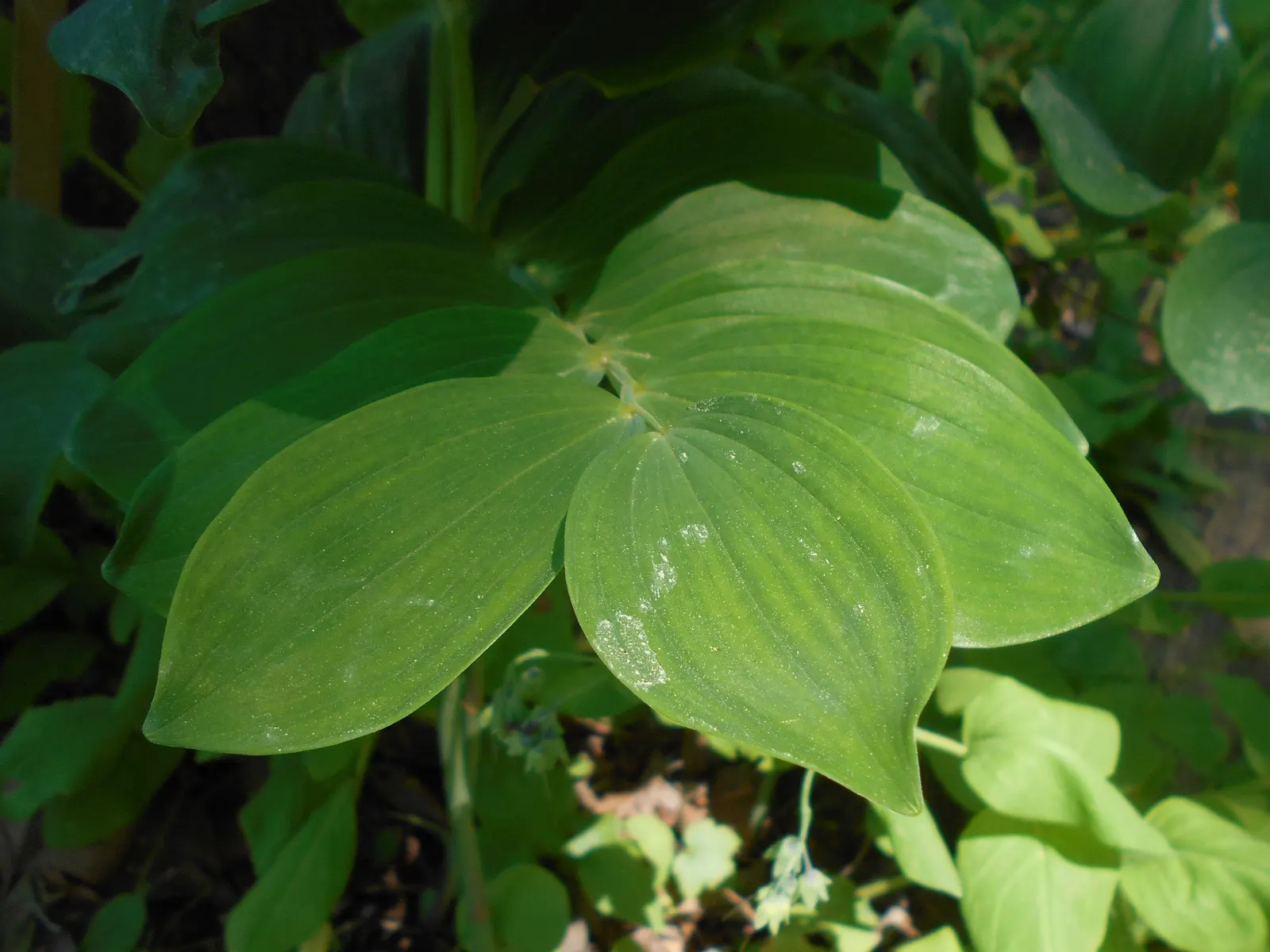
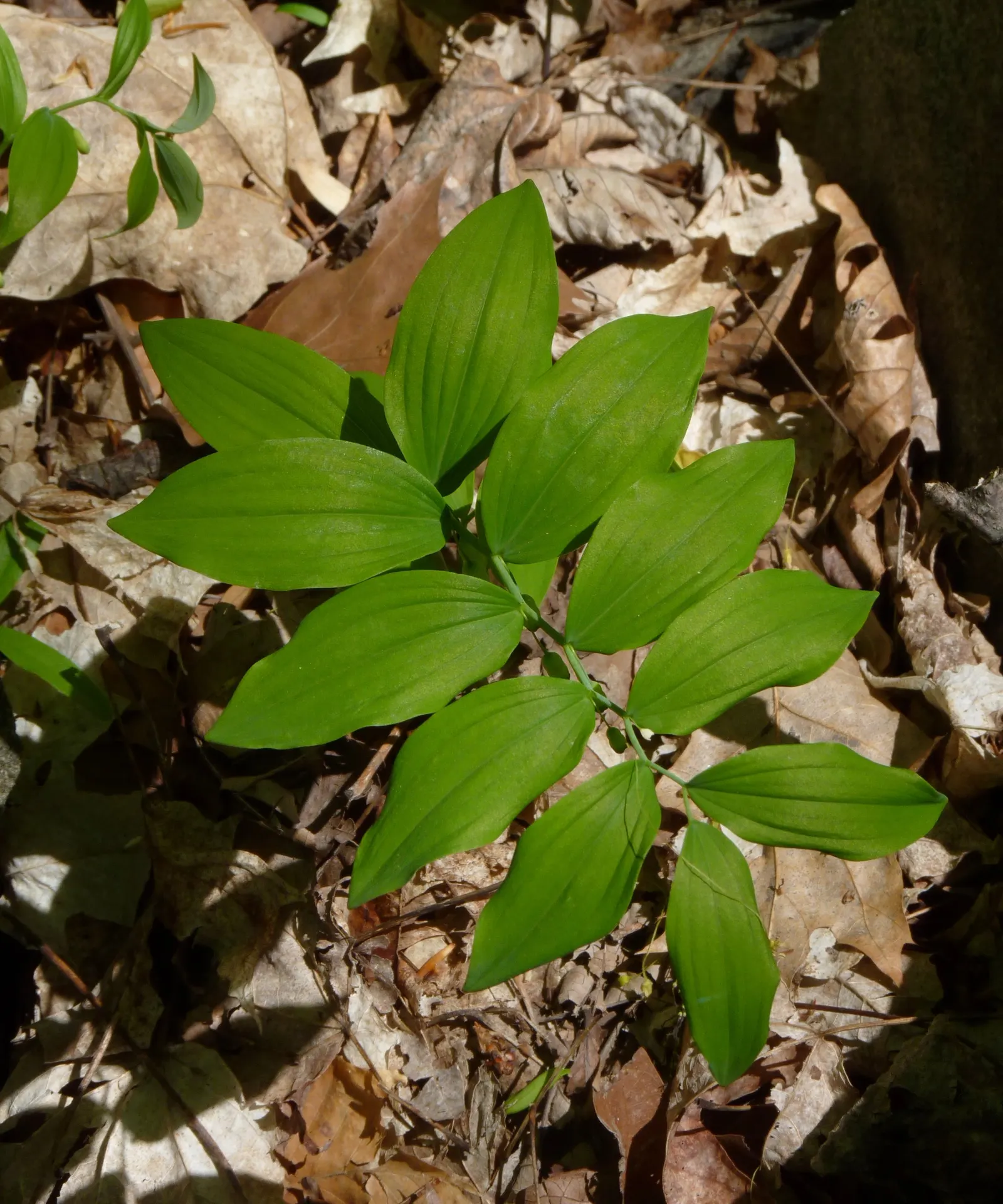
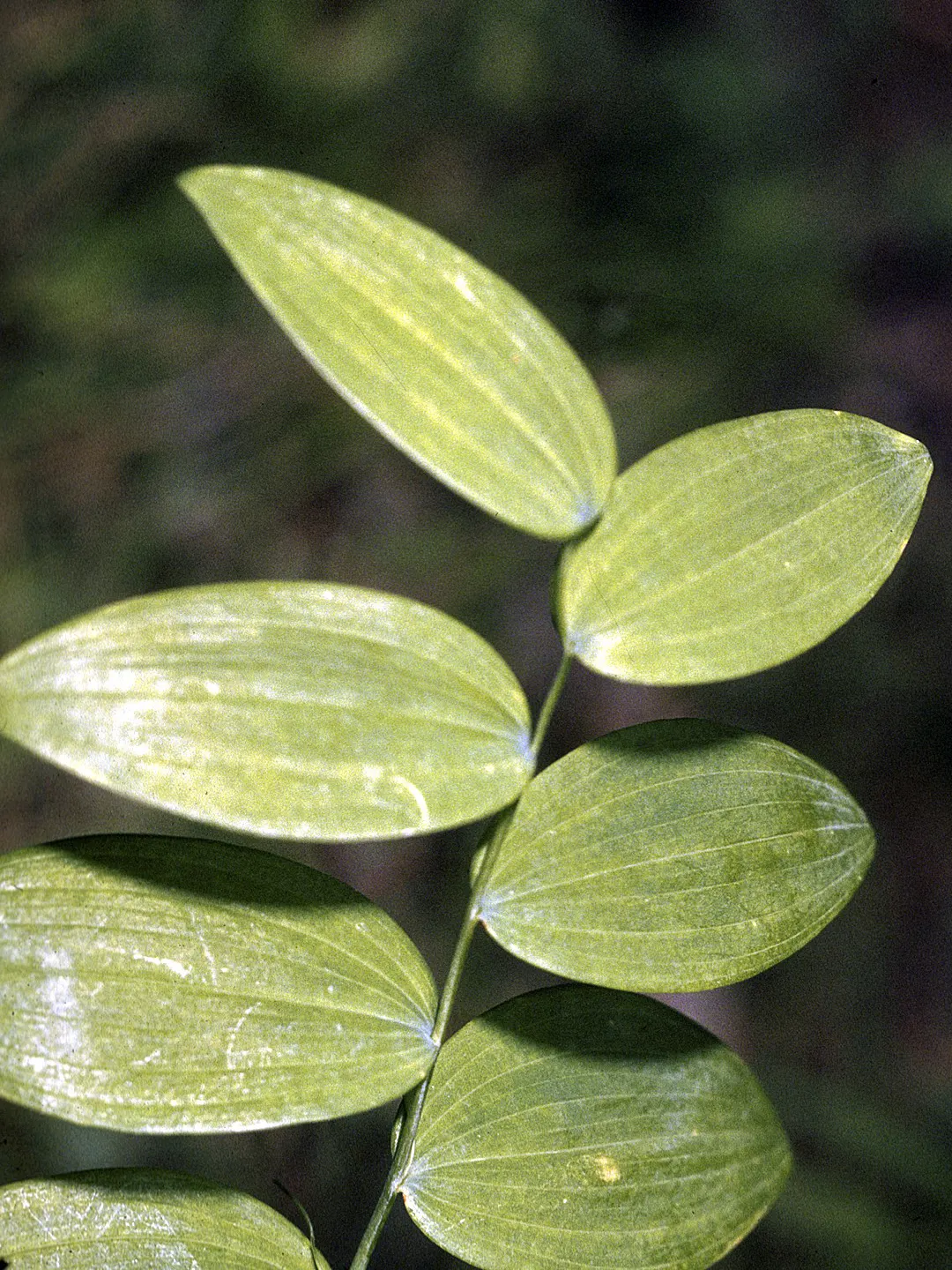
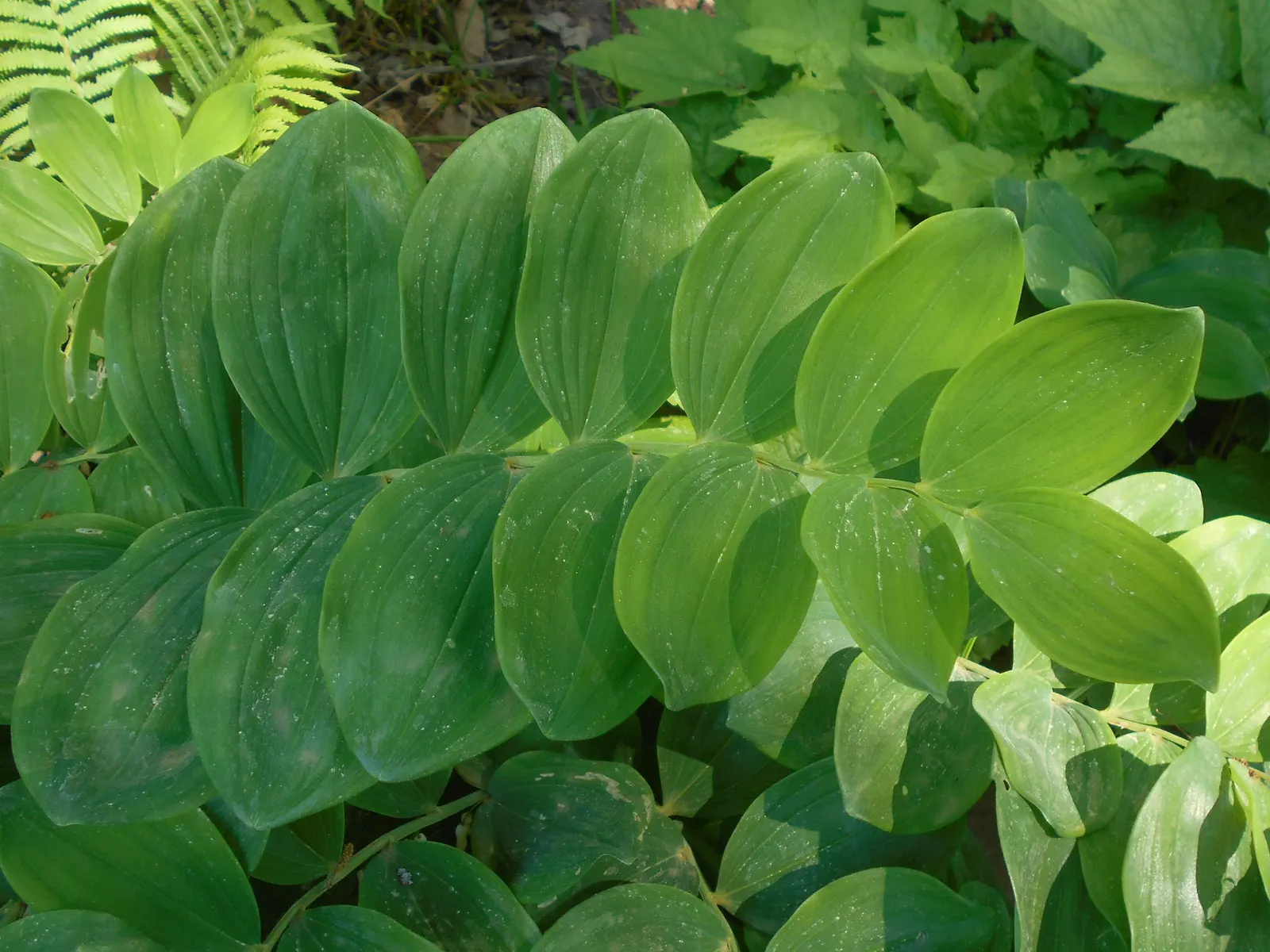
Small Solomon's Seal (Polygonatum Biflorum) — Each stem supports a row of alternating, ovate-lanceolate leaves that are 2 to 5 inches long; or shaded
Small Solomon's Seal (Polygonatum Biflorum) — contributing a refined vertical accent to your landscape; meaning 'two flowers') blooms
Small Solomon's Seal (Polygonatum Biflorum) — usually around April to June; and it attracts pollinators while providing dynamic
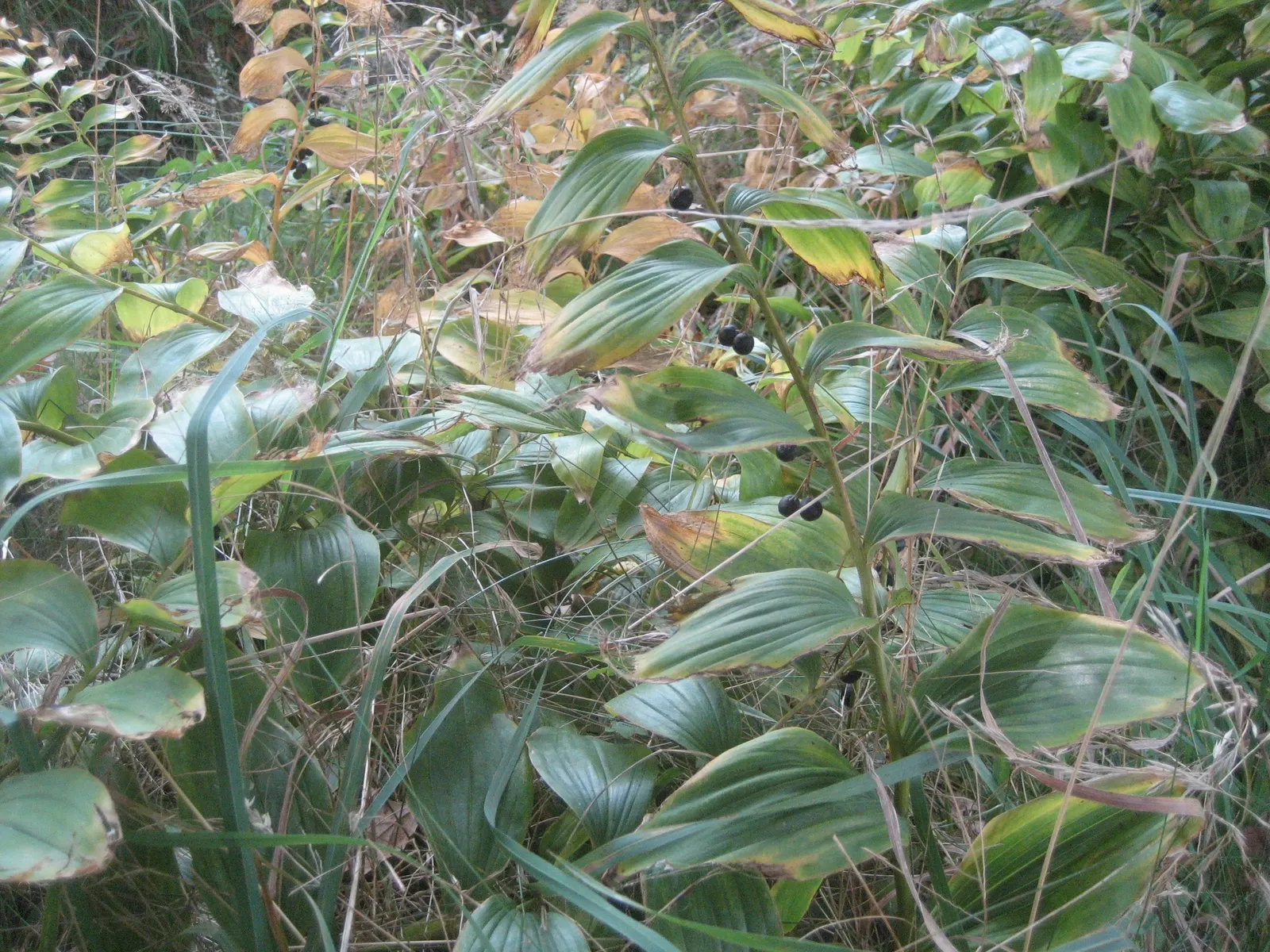
Small Solomon's Seal (Polygonatum Biflorum) — meaning 'two flowers') blooms; the Small Solomon's Seal may produce bluish-black berries that are significant for
Small Solomon's Seal (Polygonatum Biflorum) — and often duet (hence 'biflorum'; each stem supports a row of alternating, ovate-lanceolate leaves that are 2 to