Skip to content

Desert Date Palm

Phoenix Dactylifera

Design with this plant

Overview

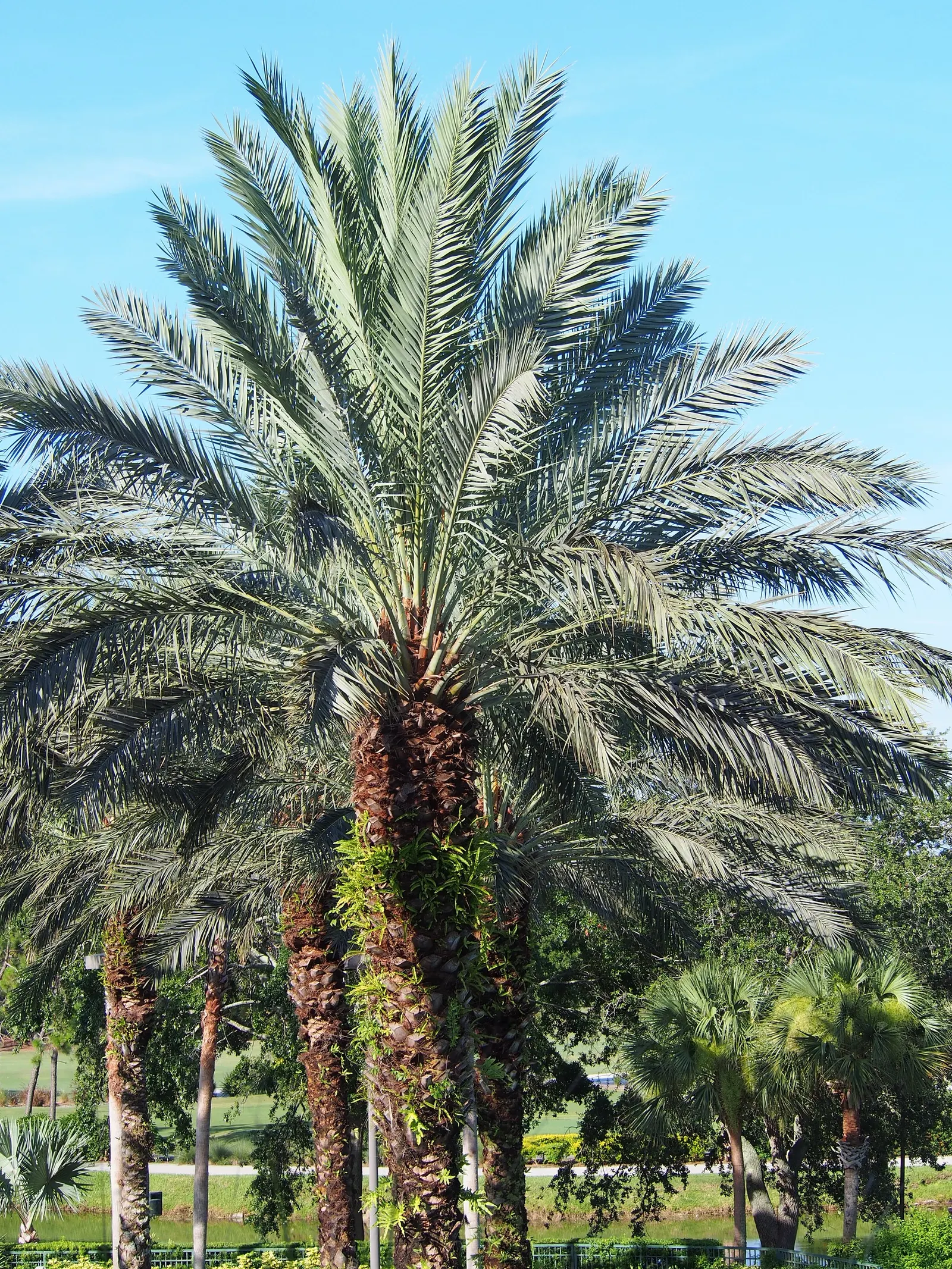
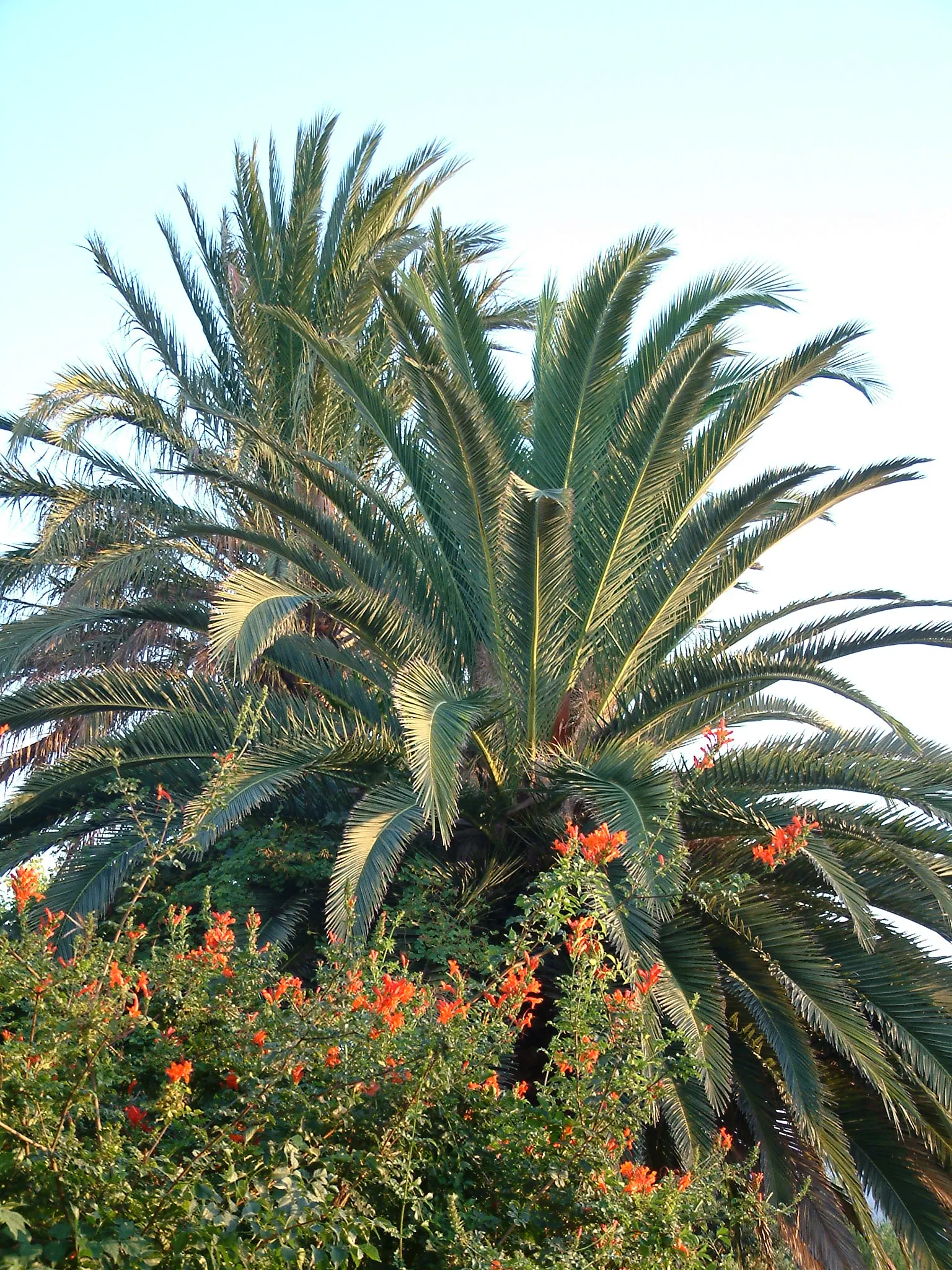
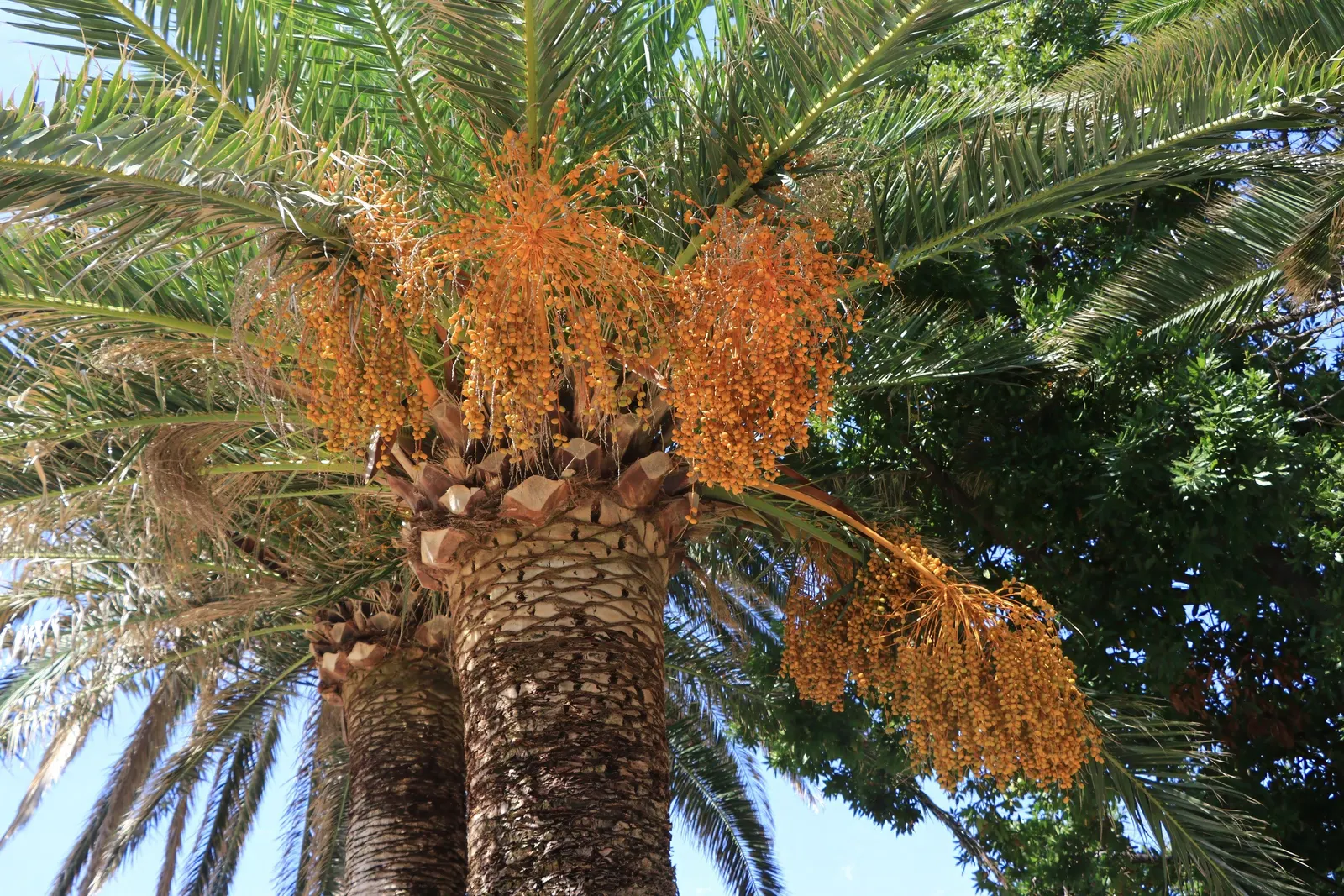
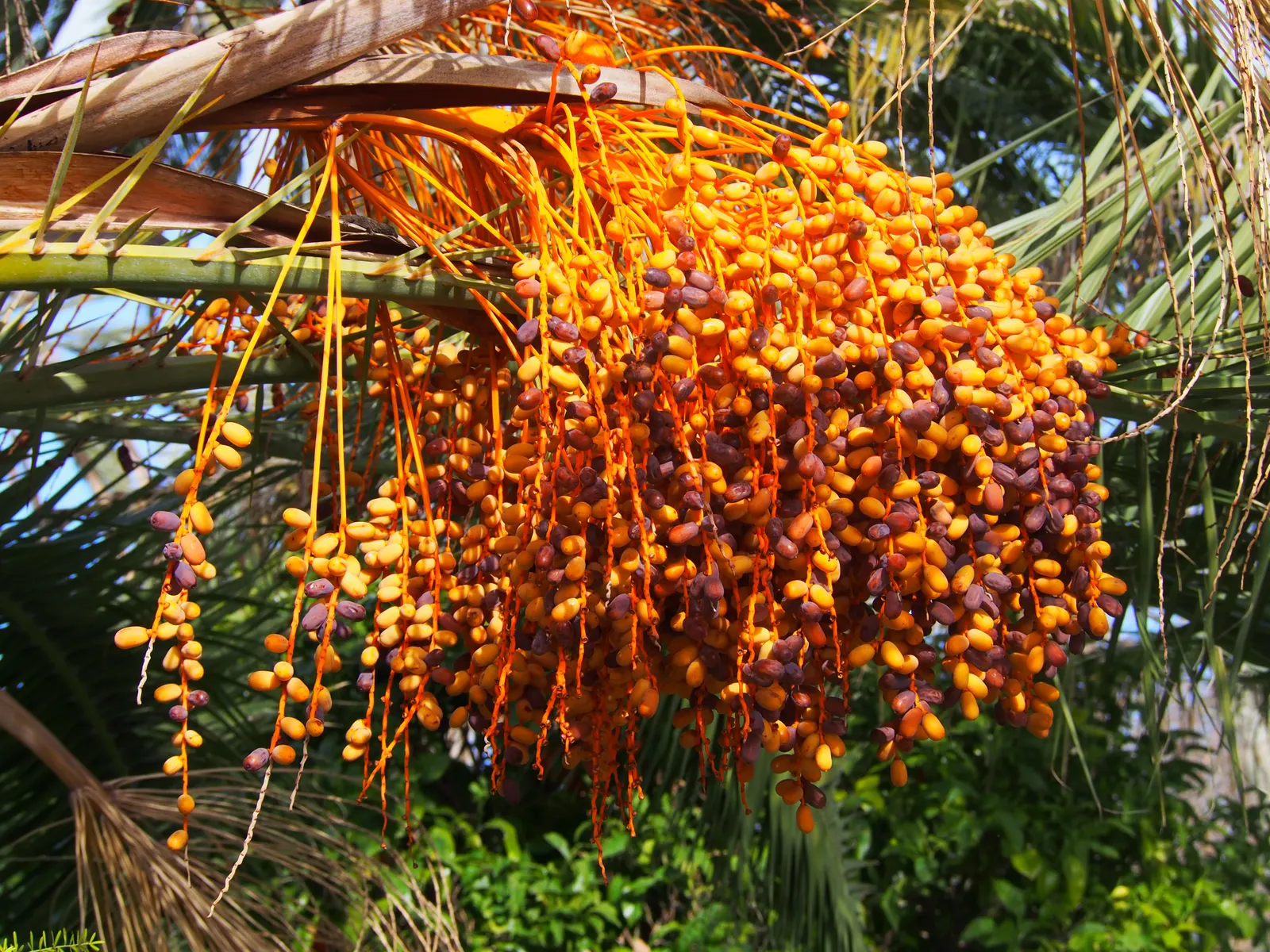
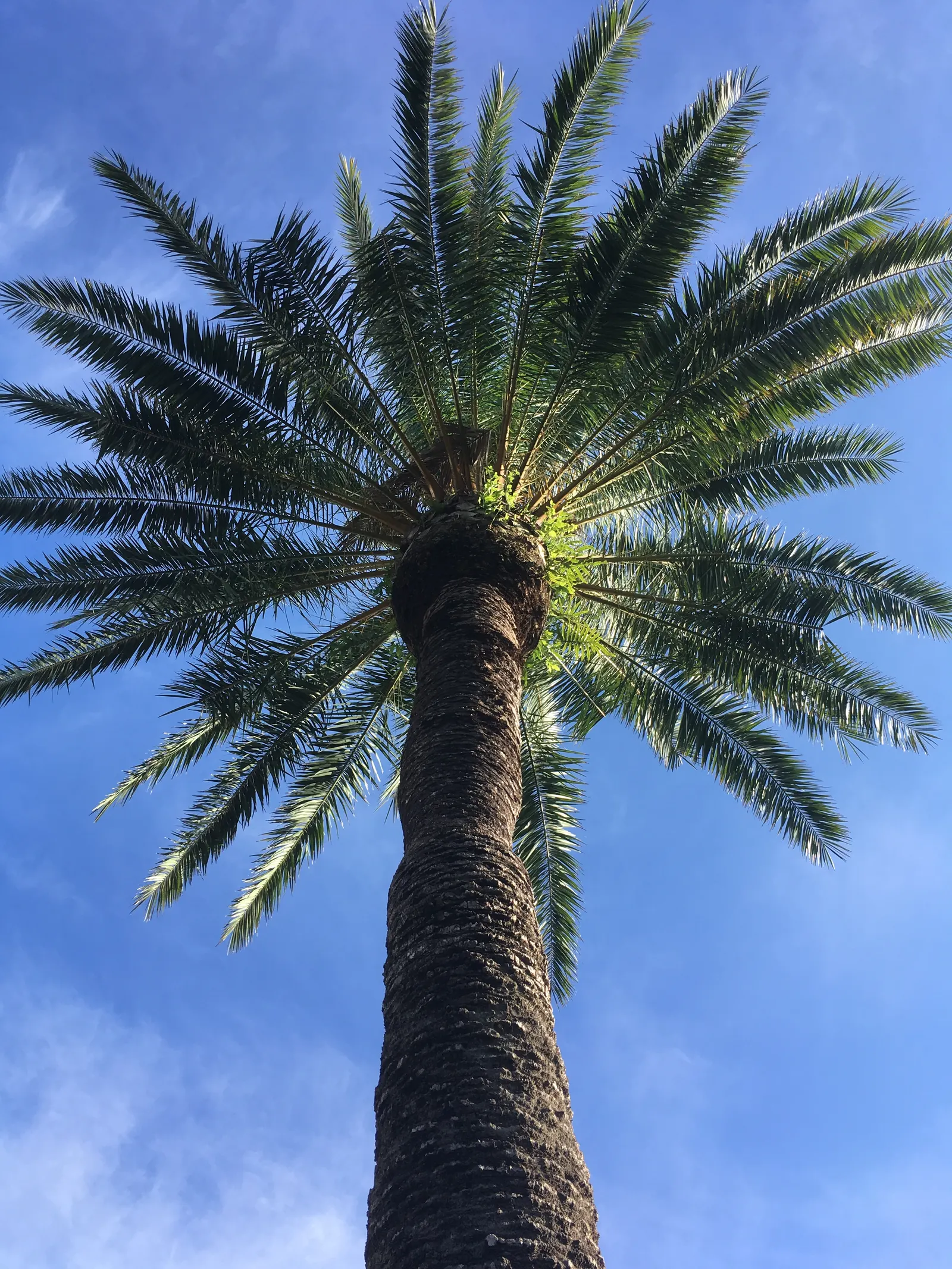
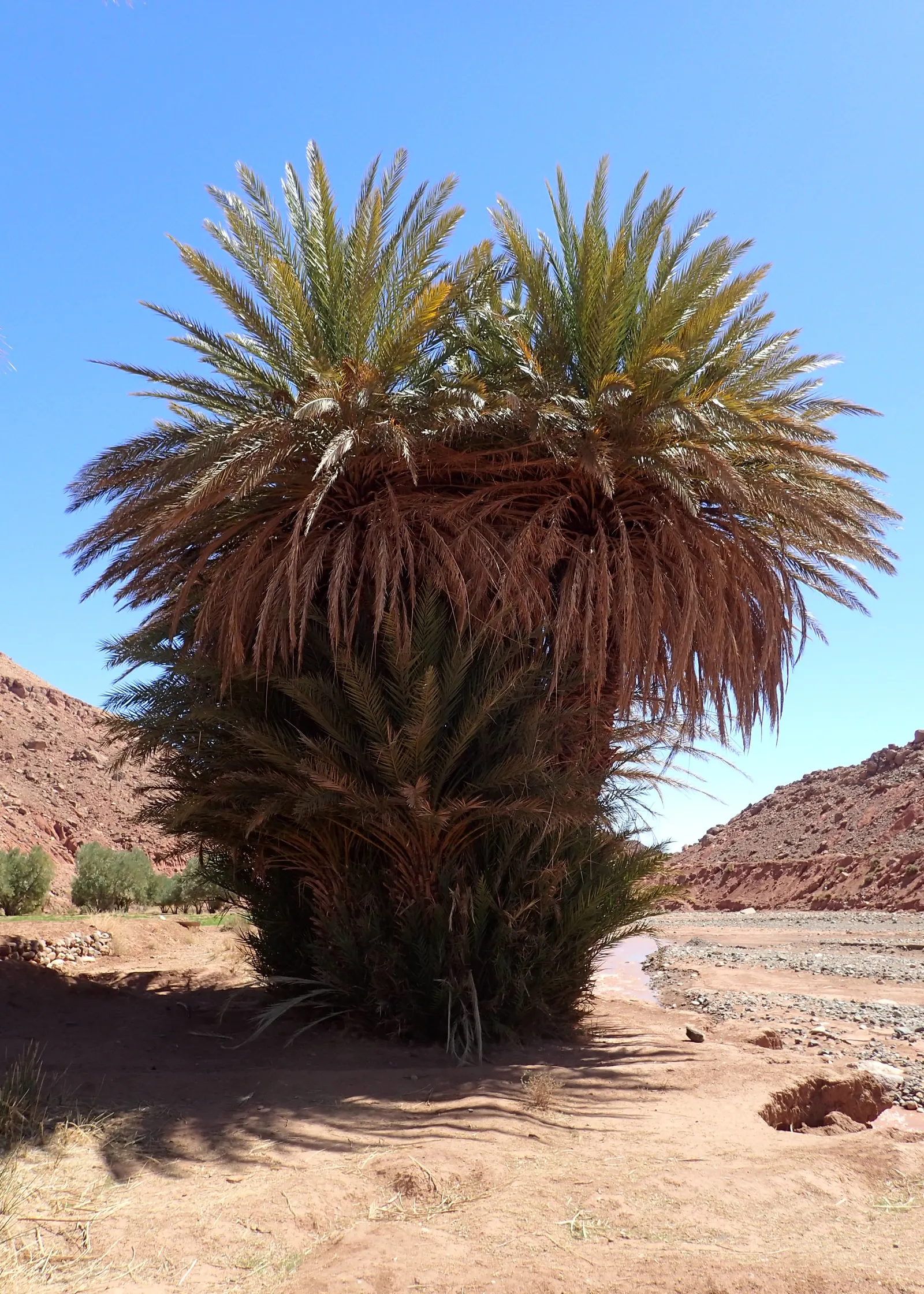
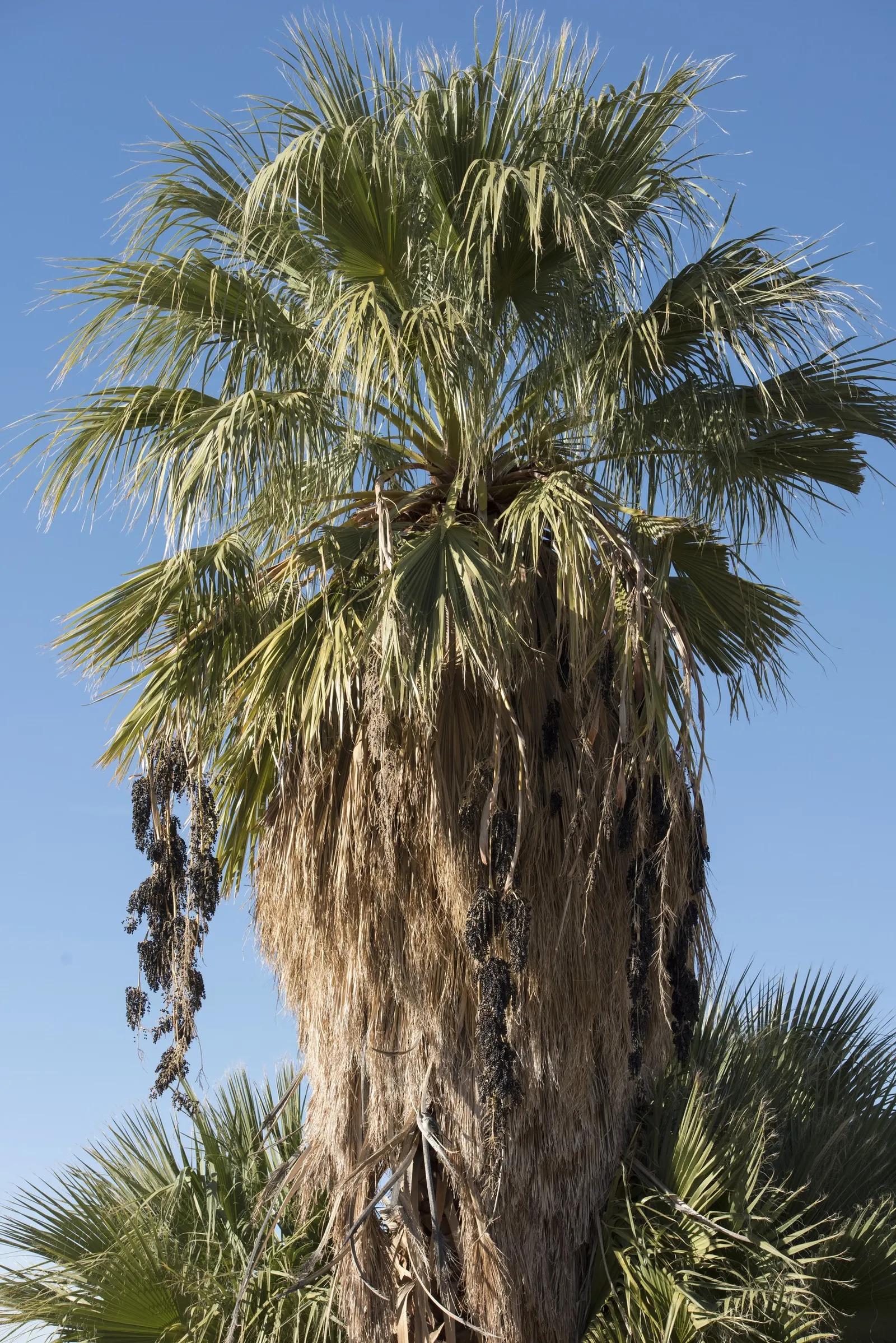
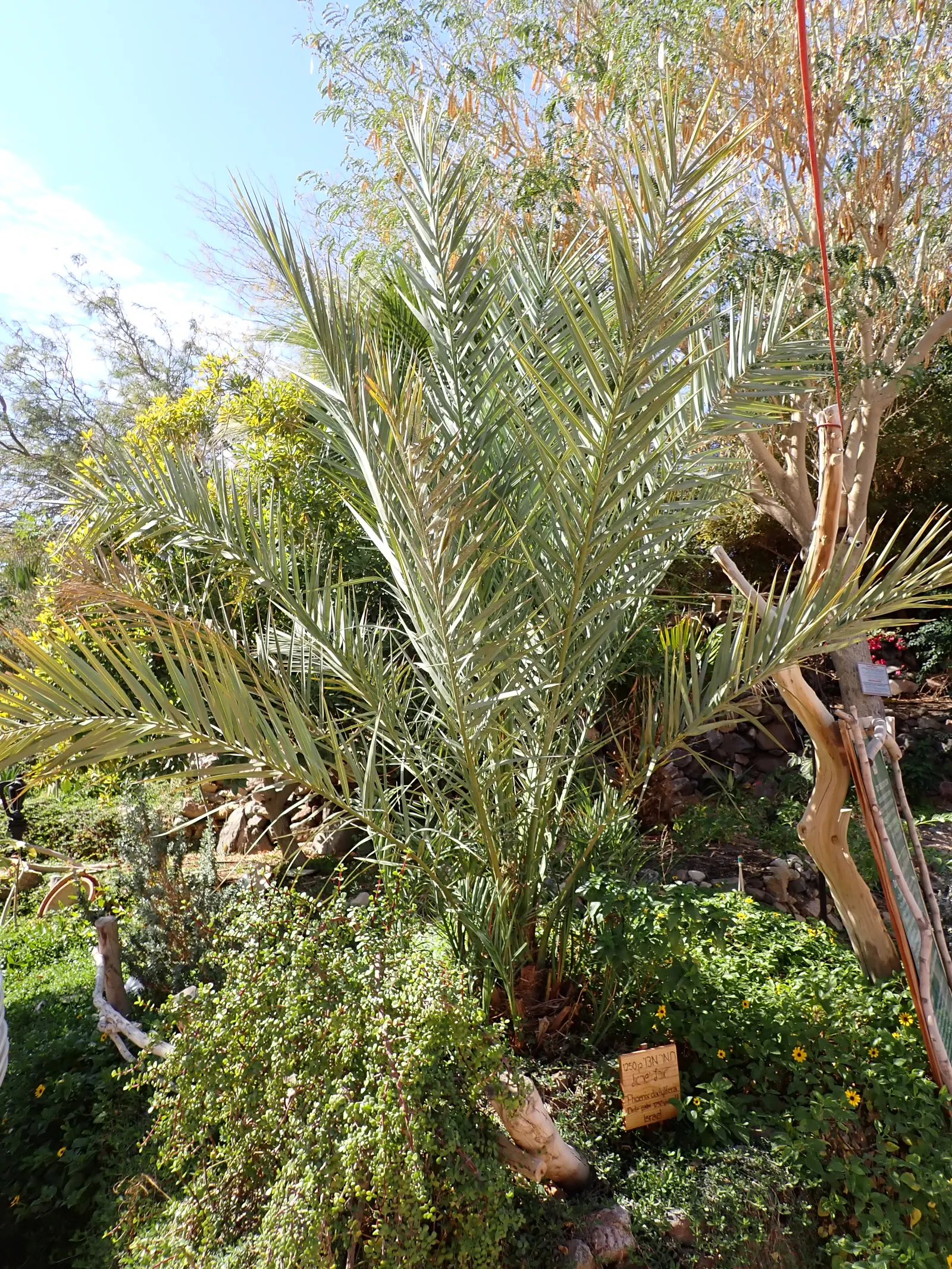
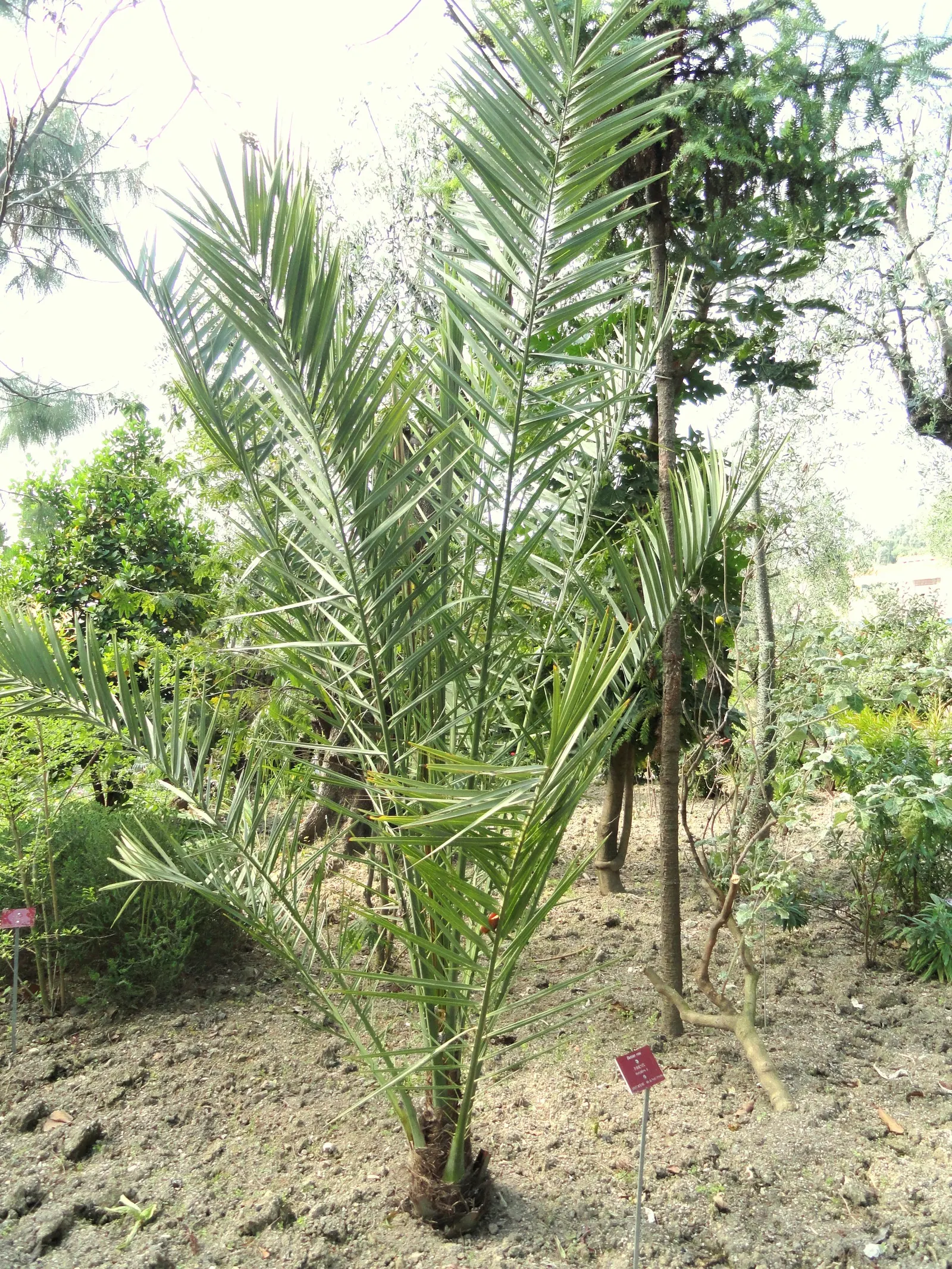
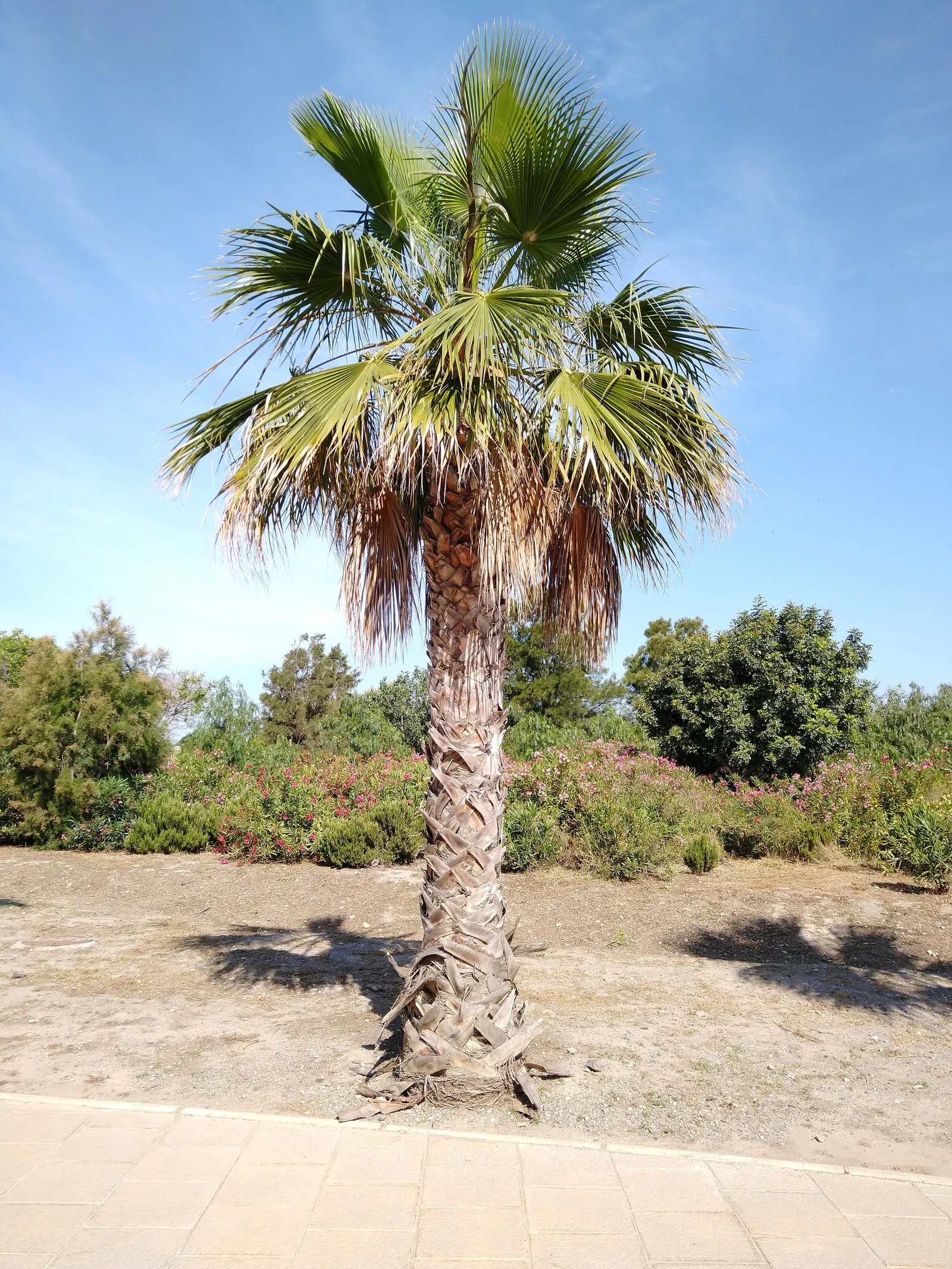
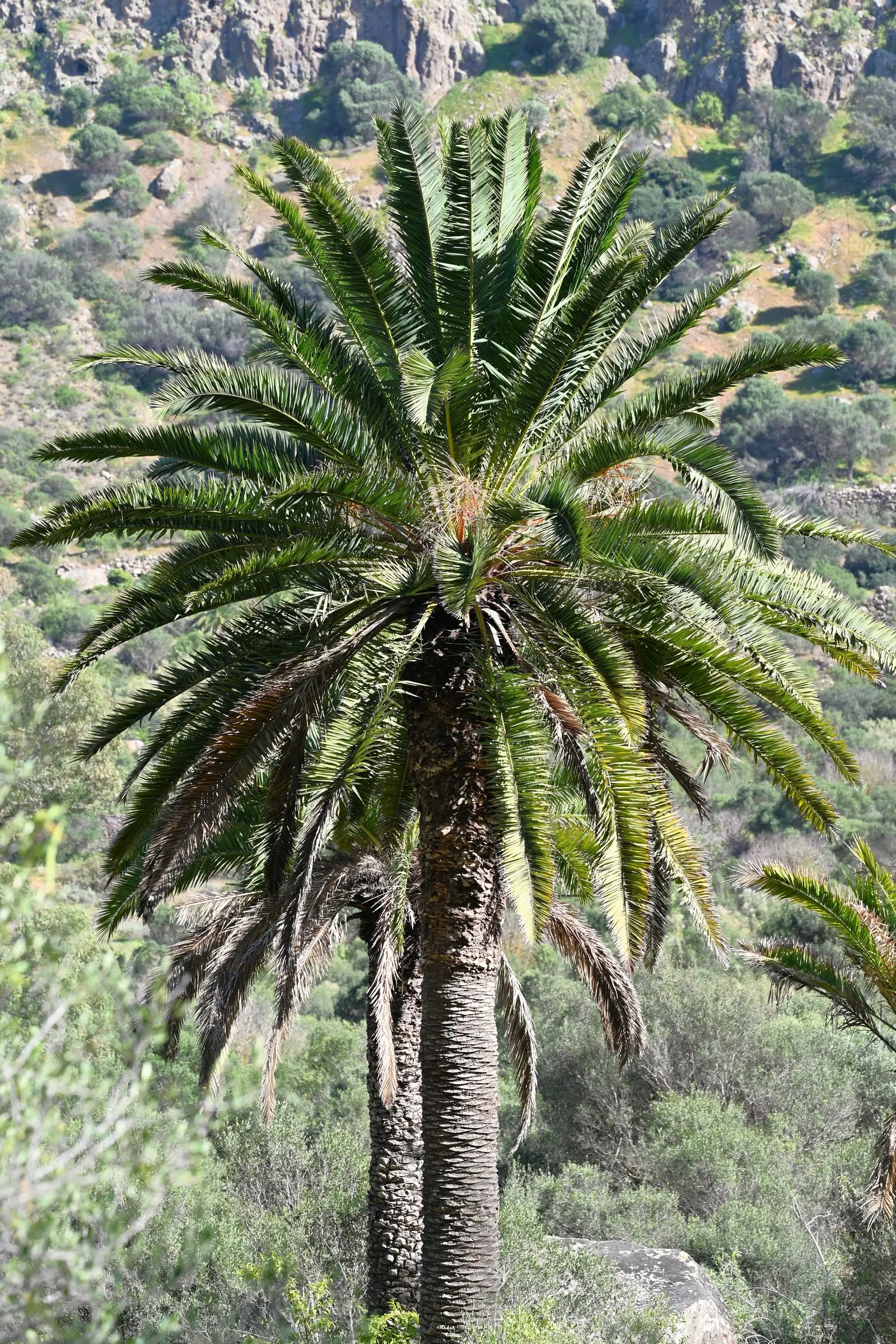
The Phoenix dactylifera, commonly called the Desert Date Palm, reaches heights of 50-75 feet. It's prized for its majestic form, deep-green frond spread of up to 25 feet, and edible dates. Hardy in zones 9-11, it requires full sun and well-drained soil. This drought-tolerant palm adds vertical drama and a tropical flair, though it demands space for its wide canopy. Essential to arid landscape designs, it's both functional and ornamental.

Sun FullWater Low, Medium, Very LowZones 10–10Type PalmClimate Arid

Culture

Sun
Full
Water
Low, Medium, Very Low
USDA zones
10–10

Shape & size

Mature height
80–100 Ft.
Mature width
25–40 Ft.

Classification

Type
Palm
Family
Arecaceae
Climate
Arid

See full data, regional cultivation notes, and design tools. Build a client presentation around this plant.

Start your 14-day trial

Photos (73)

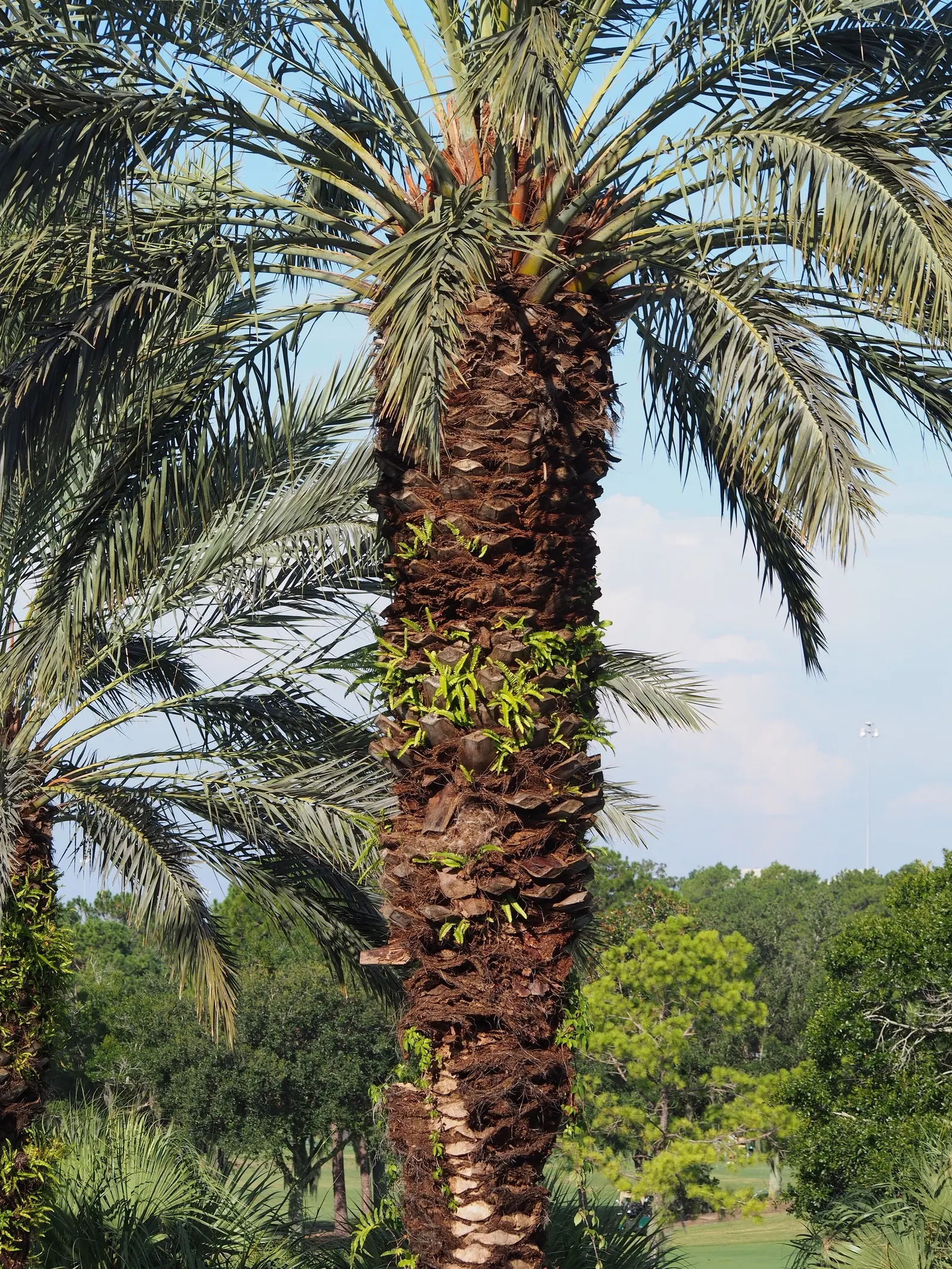
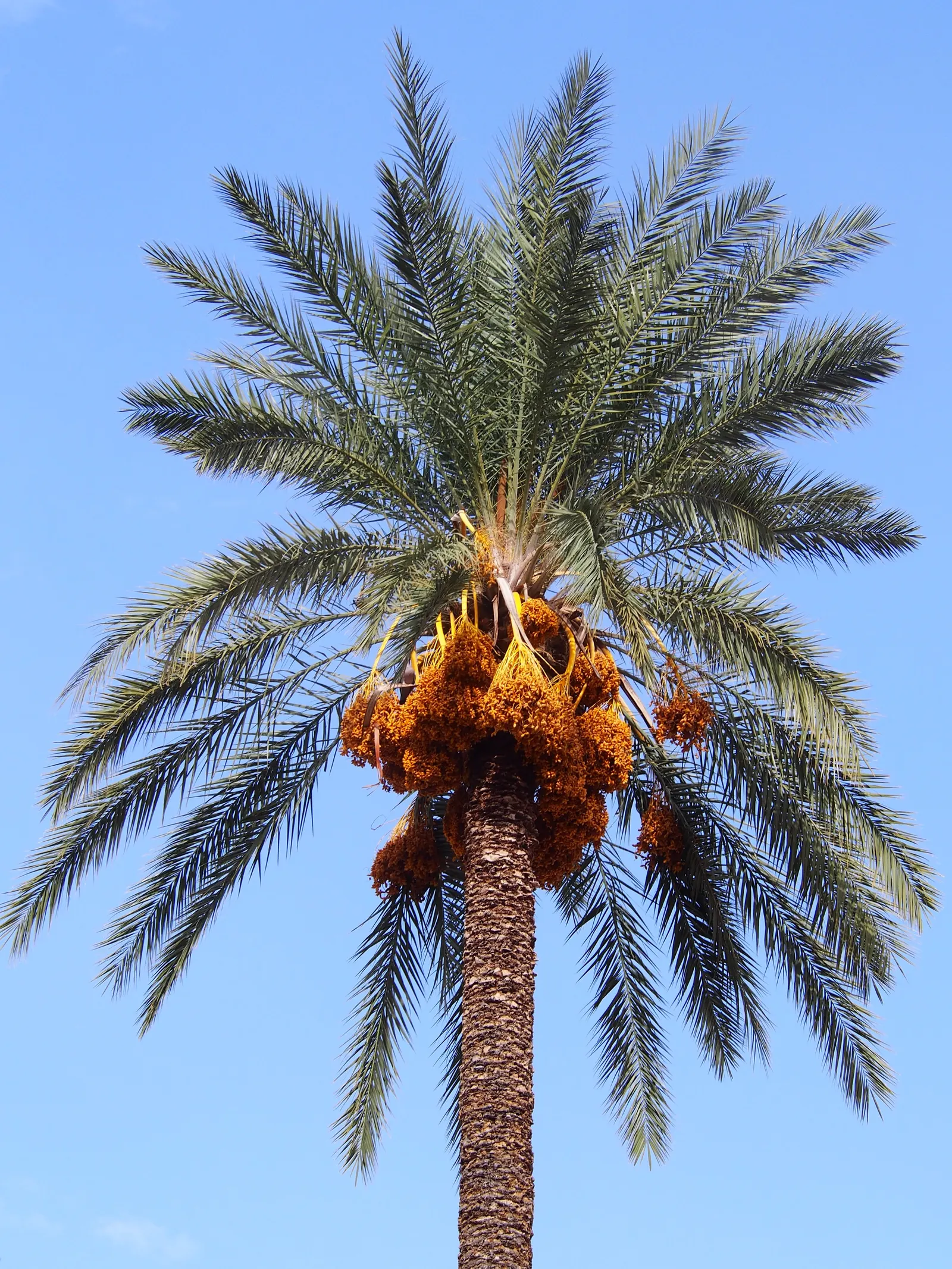
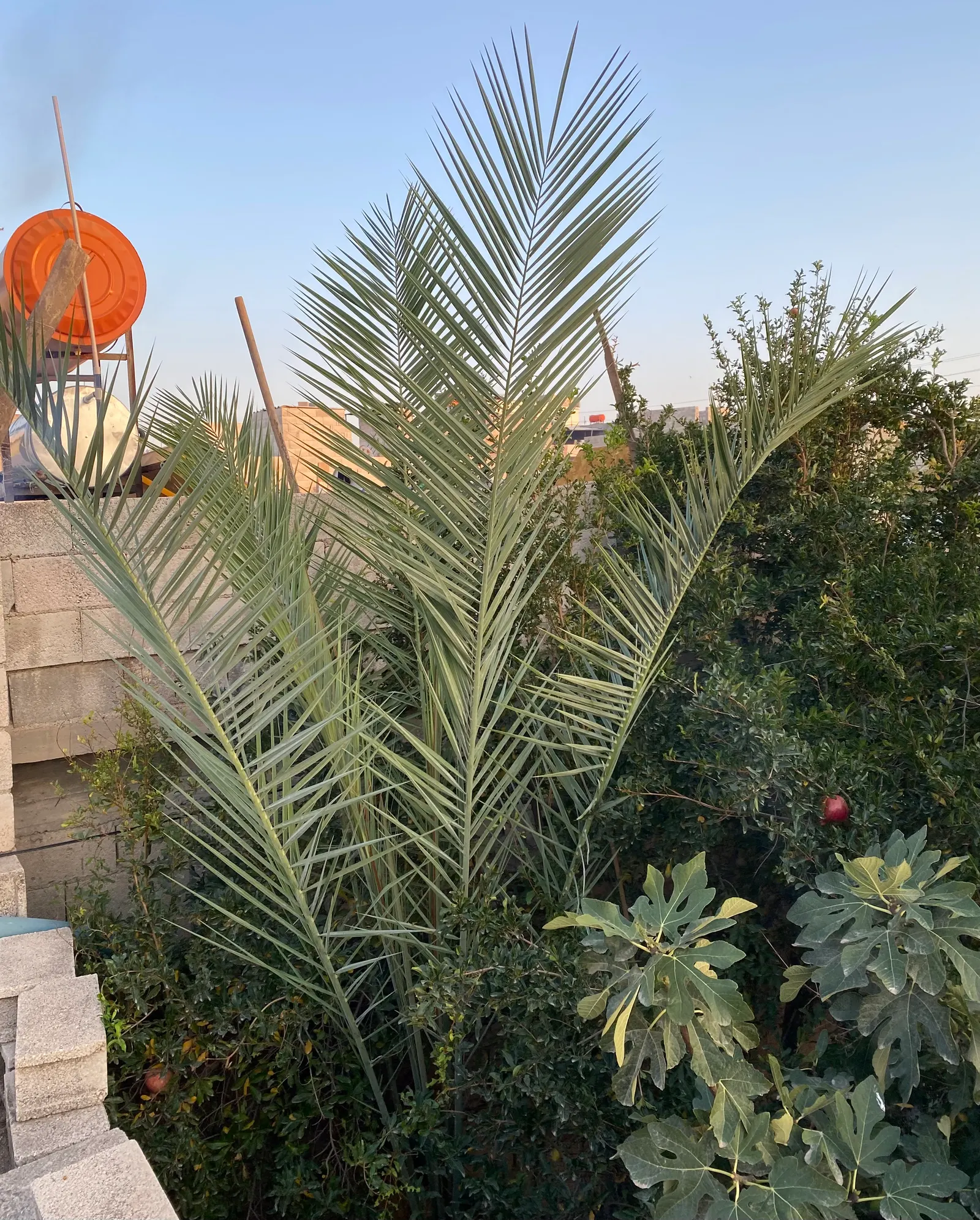
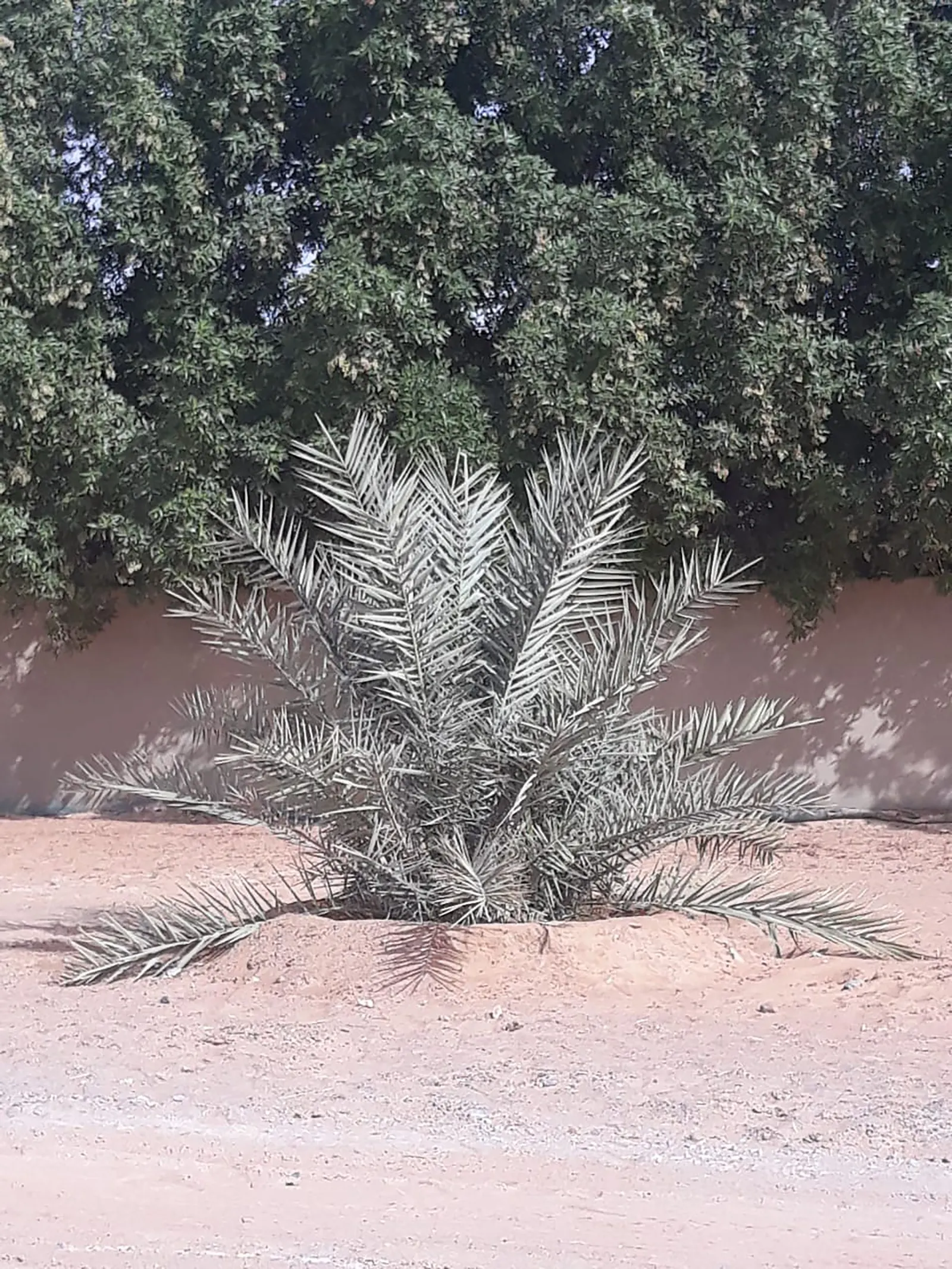
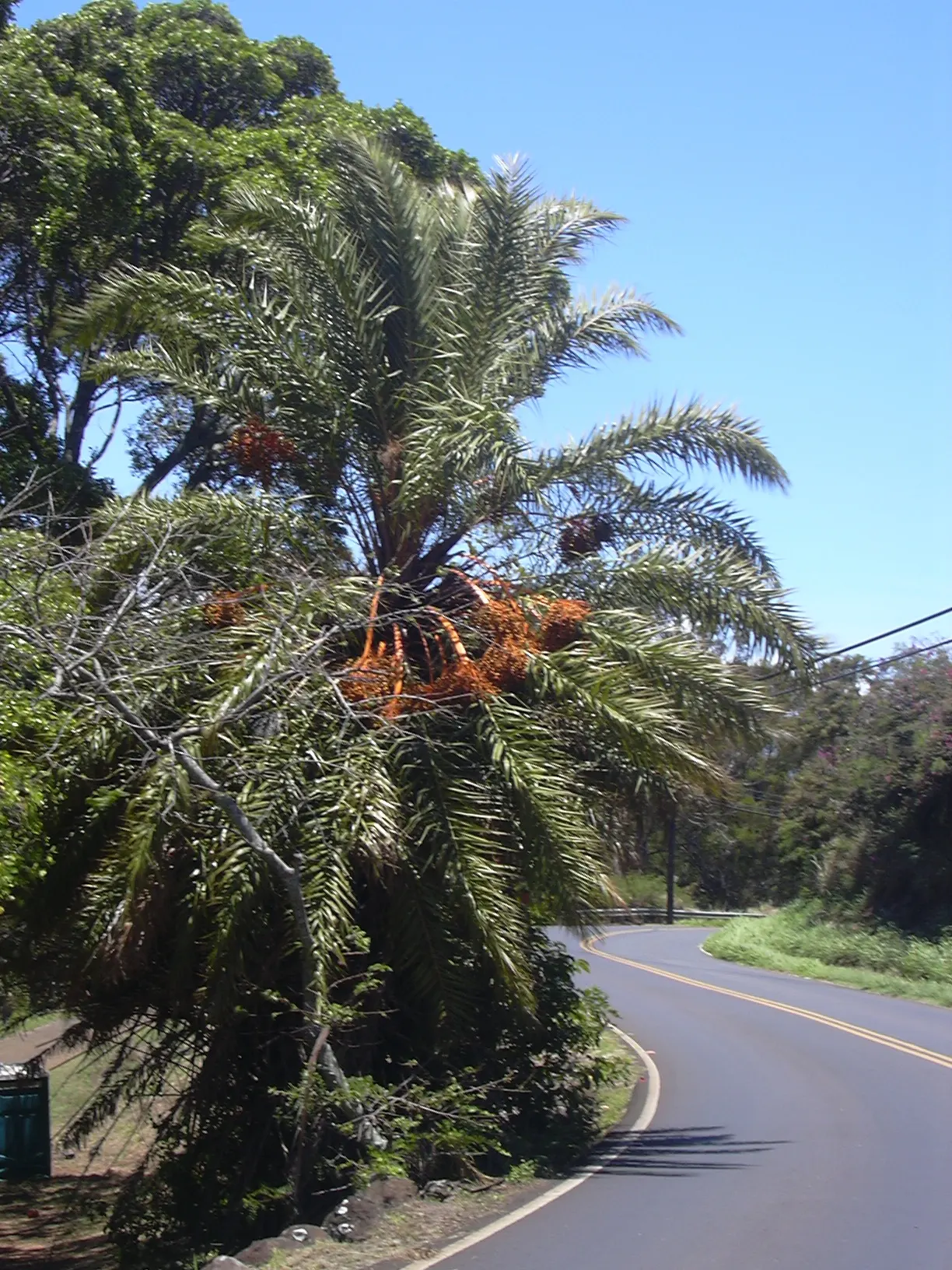
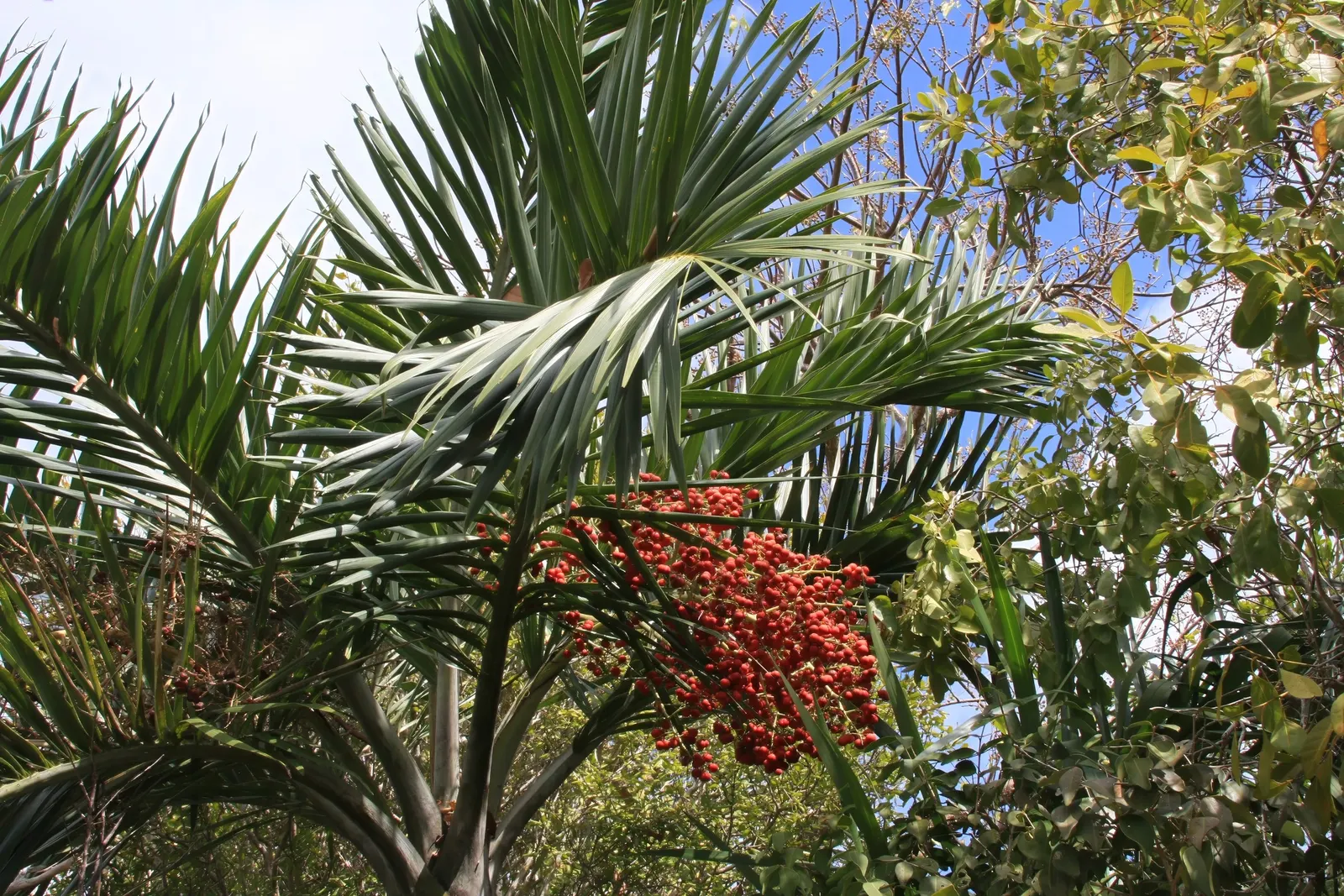
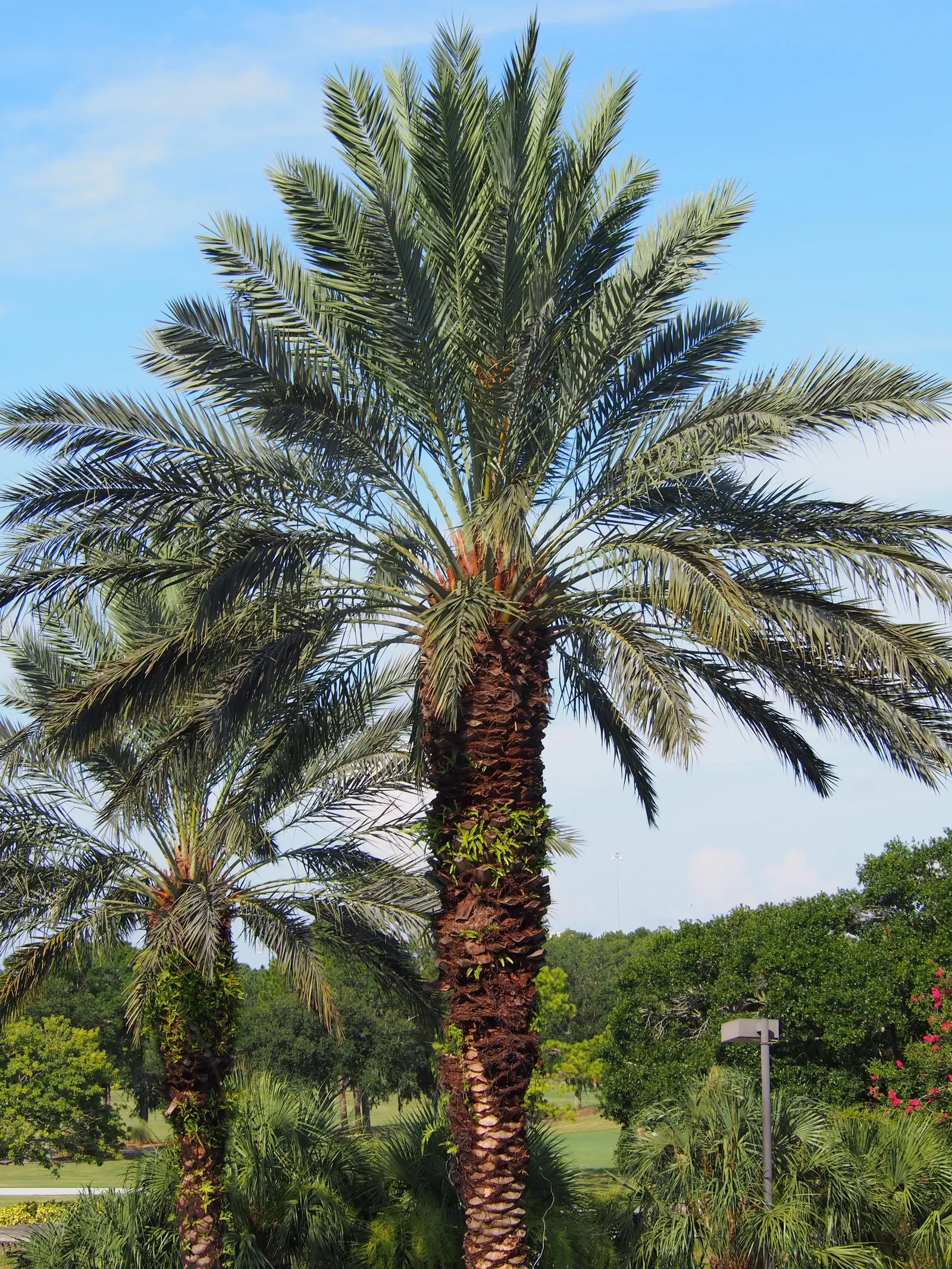
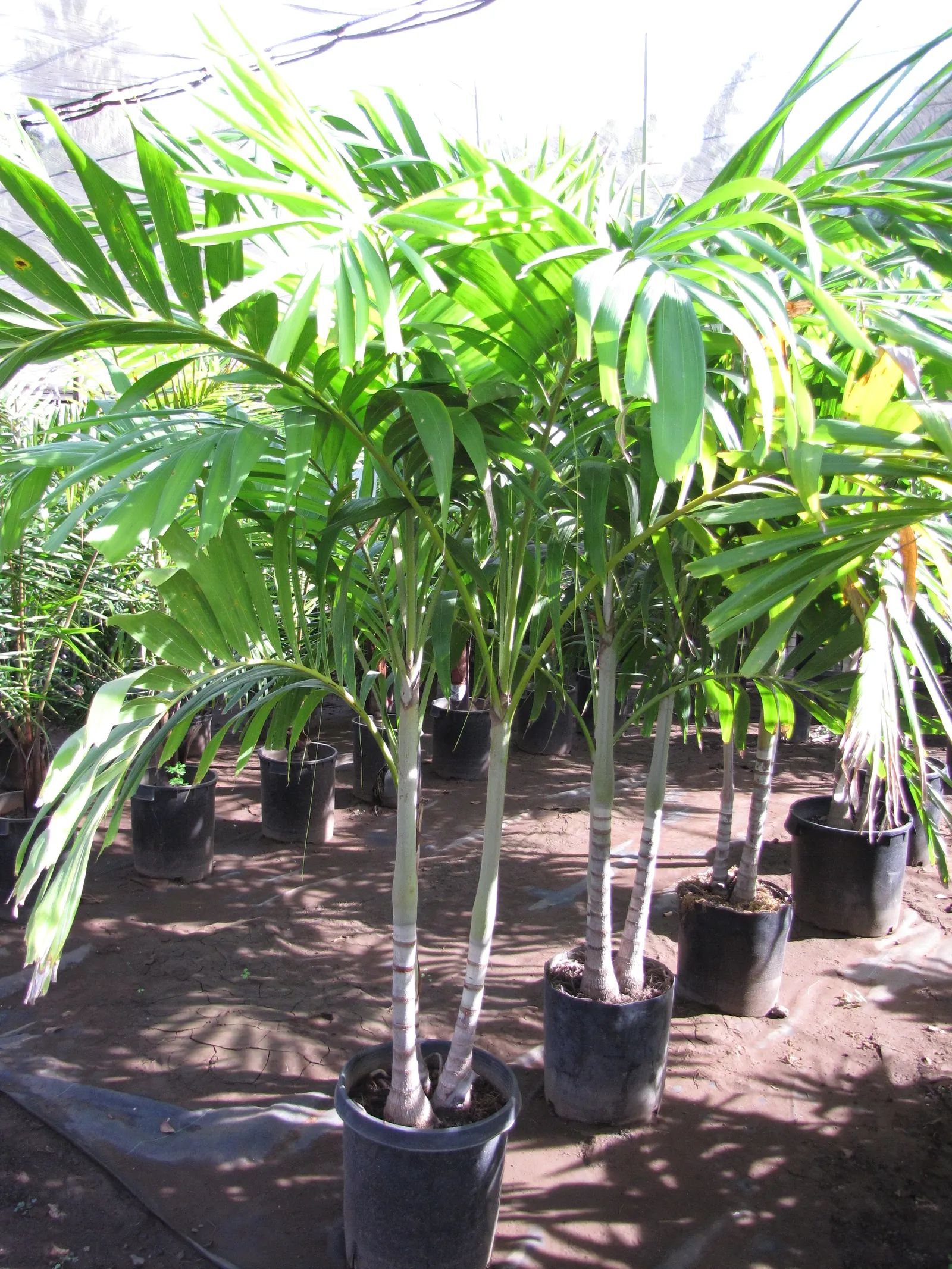
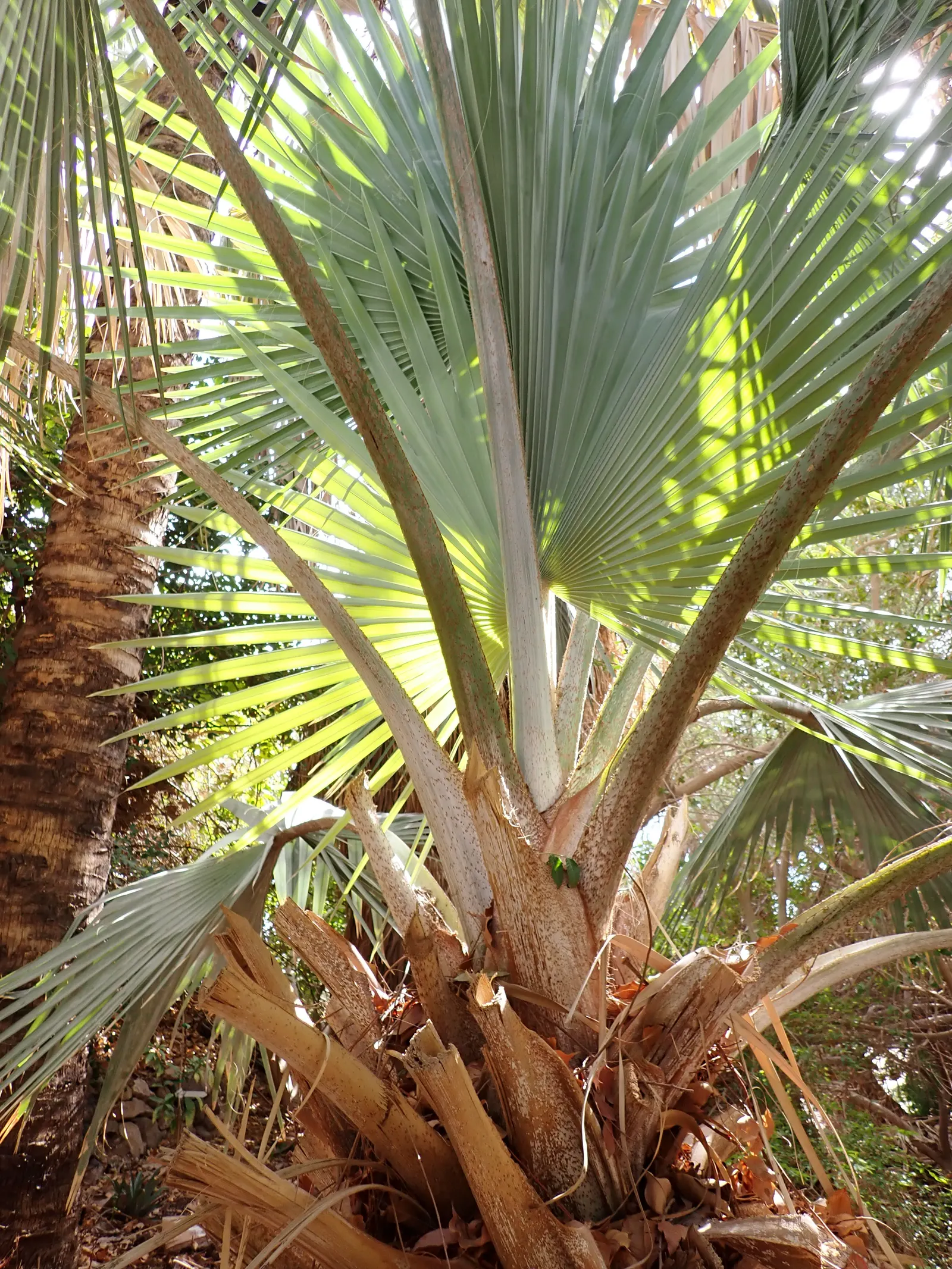
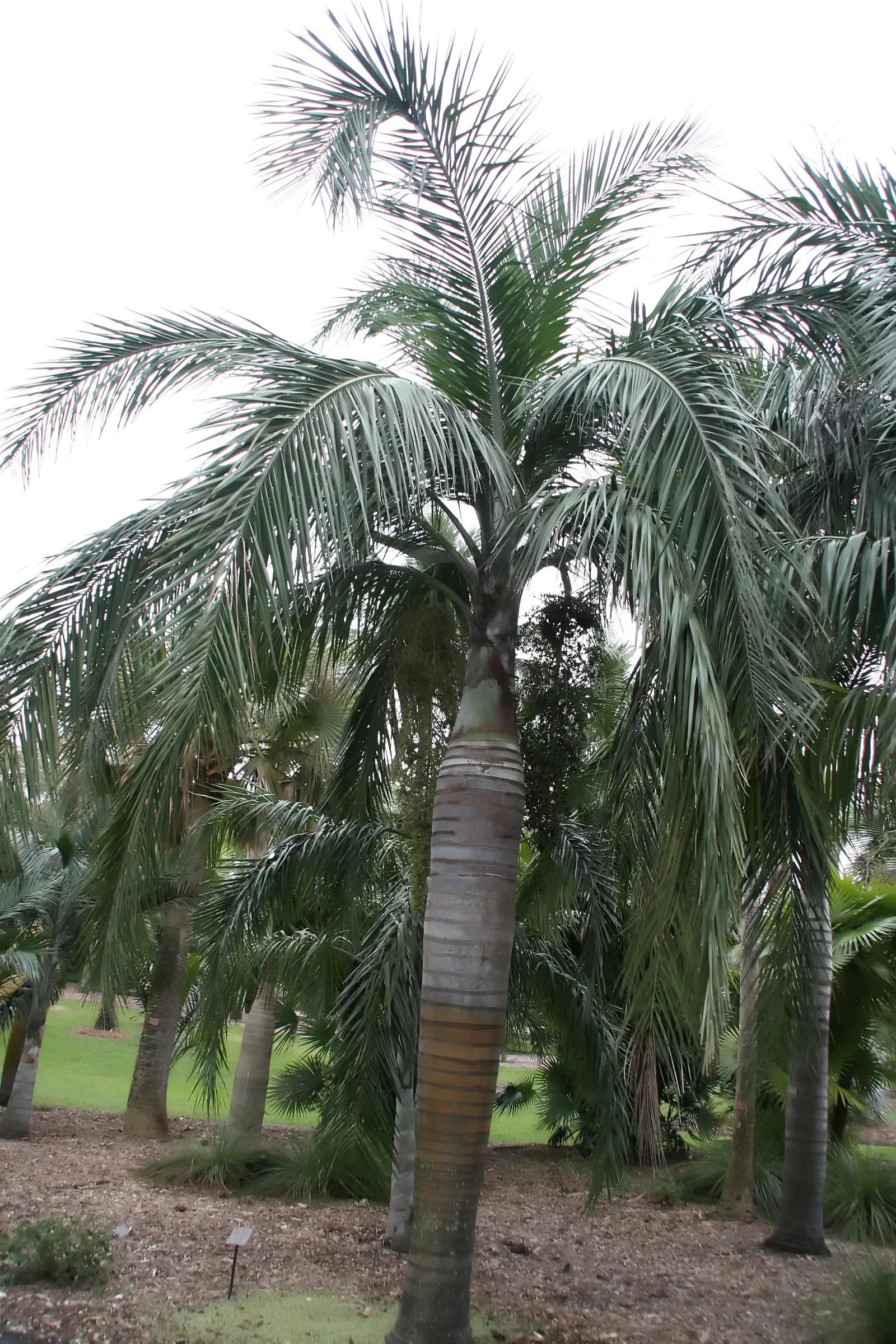
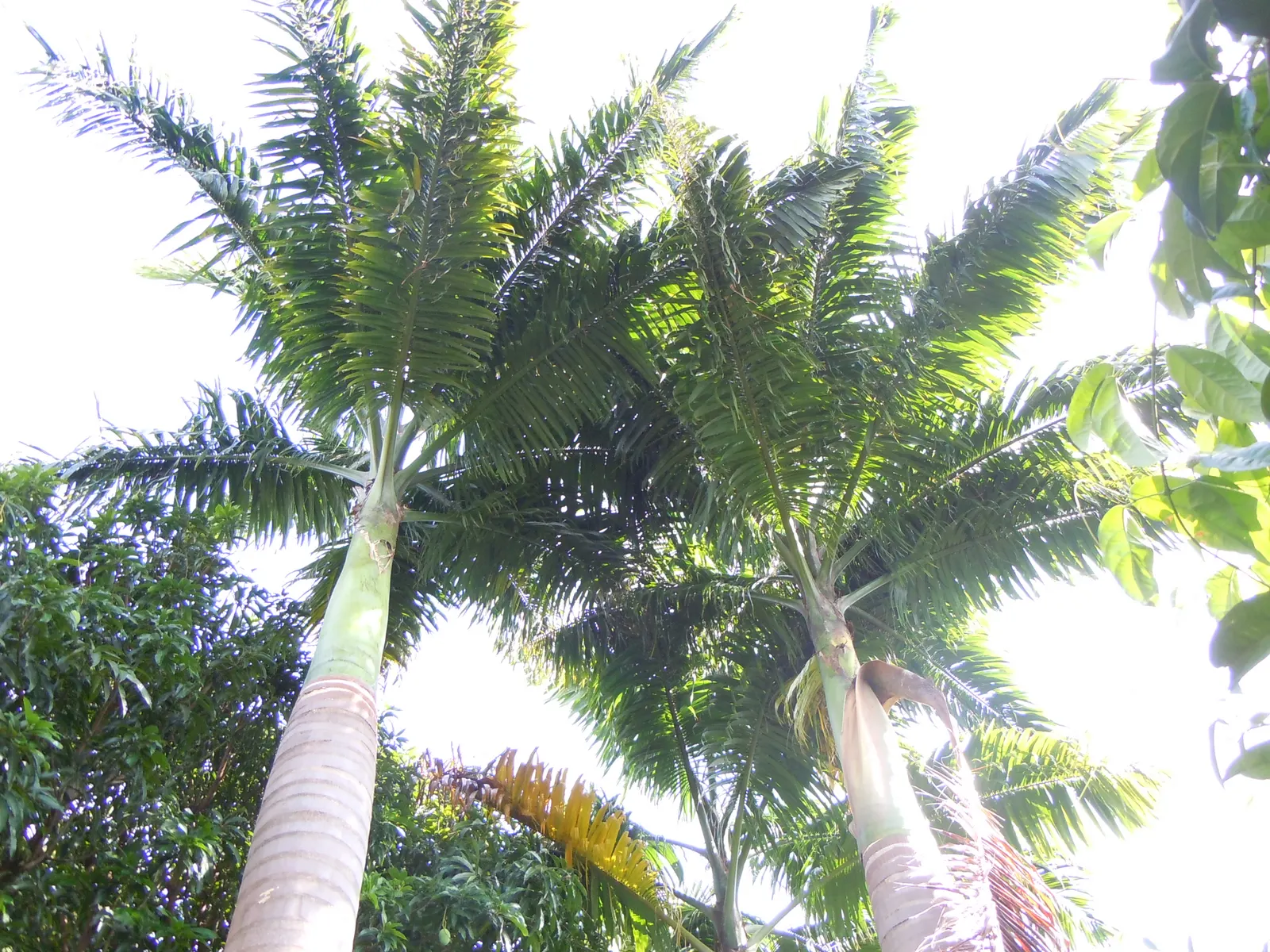
Desert Date Palm (Phoenix Dactylifera) — The Phoenix dactylifera, commonly called the Desert Date Palm, reaches heights of 50-75 feet
Desert Date Palm (Phoenix Dactylifera) — is a renowned species sought after for both its elegant aesthetic appeal and delectable fruit production; though they
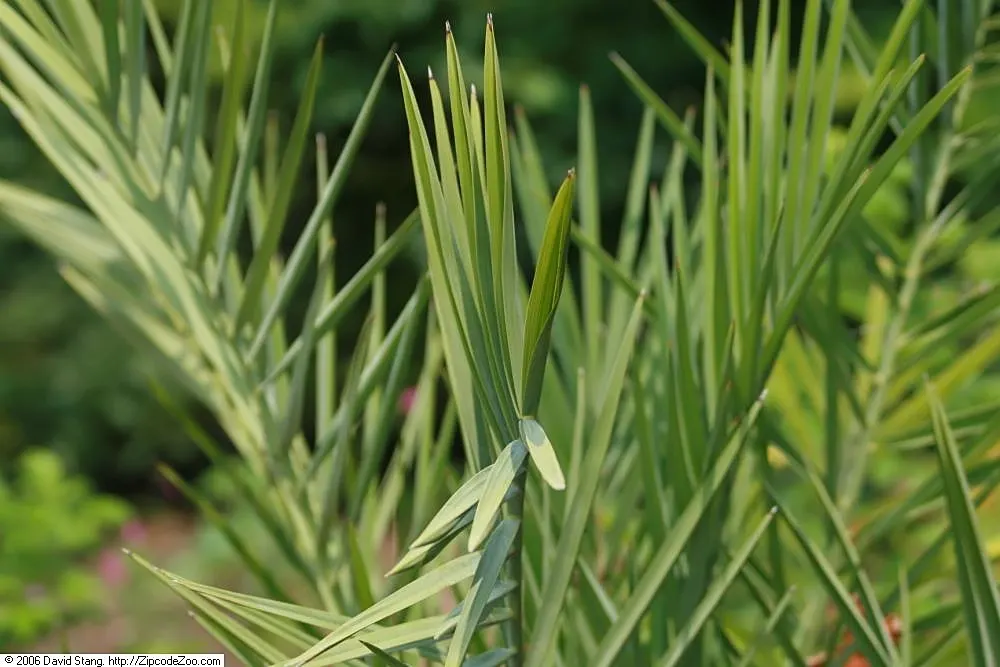
Desert Date Palm (Phoenix Dactylifera) — slender leaflets that are a gray-green to blue-green in color; necessitating both male and female plants for
Desert Date Palm (Phoenix Dactylifera) — Hardy in zones 9-11, it requires full sun and well-drained soil
Desert Date Palm (Phoenix Dactylifera) — commonly referred to as the Desert Date Palm or simply Date Palm
Desert Date Palm (Phoenix Dactylifera) — This drought-tolerant palm adds vertical drama and a tropical flair; with their stately silhouette and sumptuous fruit
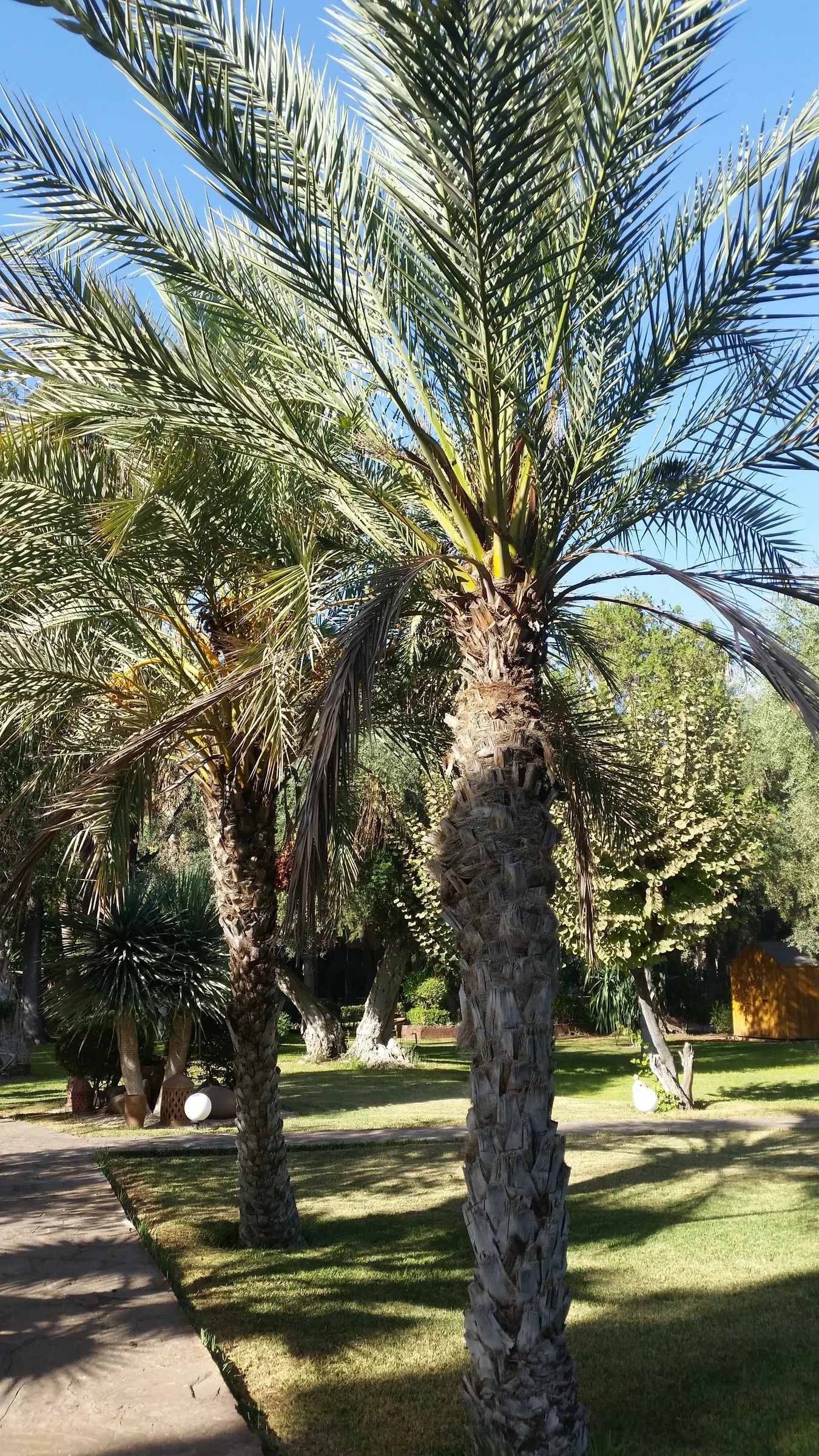
Desert Date Palm (Phoenix Dactylifera) — with a canopy spread of roughly 25 feet; slender leaflets that are a gray-green to blue-green in color
Desert Date Palm (Phoenix Dactylifera) — necessitating both male and female plants for pollination if fruit production is desired.<br><br>Lastly
Desert Date Palm (Phoenix Dactylifera) — consider that it can attain majestic heights of up to 75 feet when mature
Desert Date Palm (Phoenix Dactylifera) — Indigenous to desert regions
Desert Date Palm (Phoenix Dactylifera) — dactylifera can reach lengths of 10 to 20 feet and form a dense, arching crown
Desert Date Palm (Phoenix Dactylifera) — It's prized for its majestic form, deep-green frond spread of up to 25 feet, and edible dates; with a canopy spread of
Desert Date Palm (Phoenix Dactylifera) — palm for full
Desert Date Palm (Phoenix Dactylifera) — Date Palms add an exotic charm and functionality to any landscape
Desert Date Palm (Phoenix Dactylifera) — Provide it with well-draining soil
Desert Date Palm (Phoenix Dactylifera) — it is remarkably long-lived; commonly referred to as the Desert Date Palm or simply Date Palm
Desert Date Palm (Phoenix Dactylifera) — With their stately silhouette and sumptuous fruit
Desert Date Palm (Phoenix Dactylifera) — Each feathery frond comprises long, image 44
Desert Date Palm (Phoenix Dactylifera) — though it demands space for its wide canopy
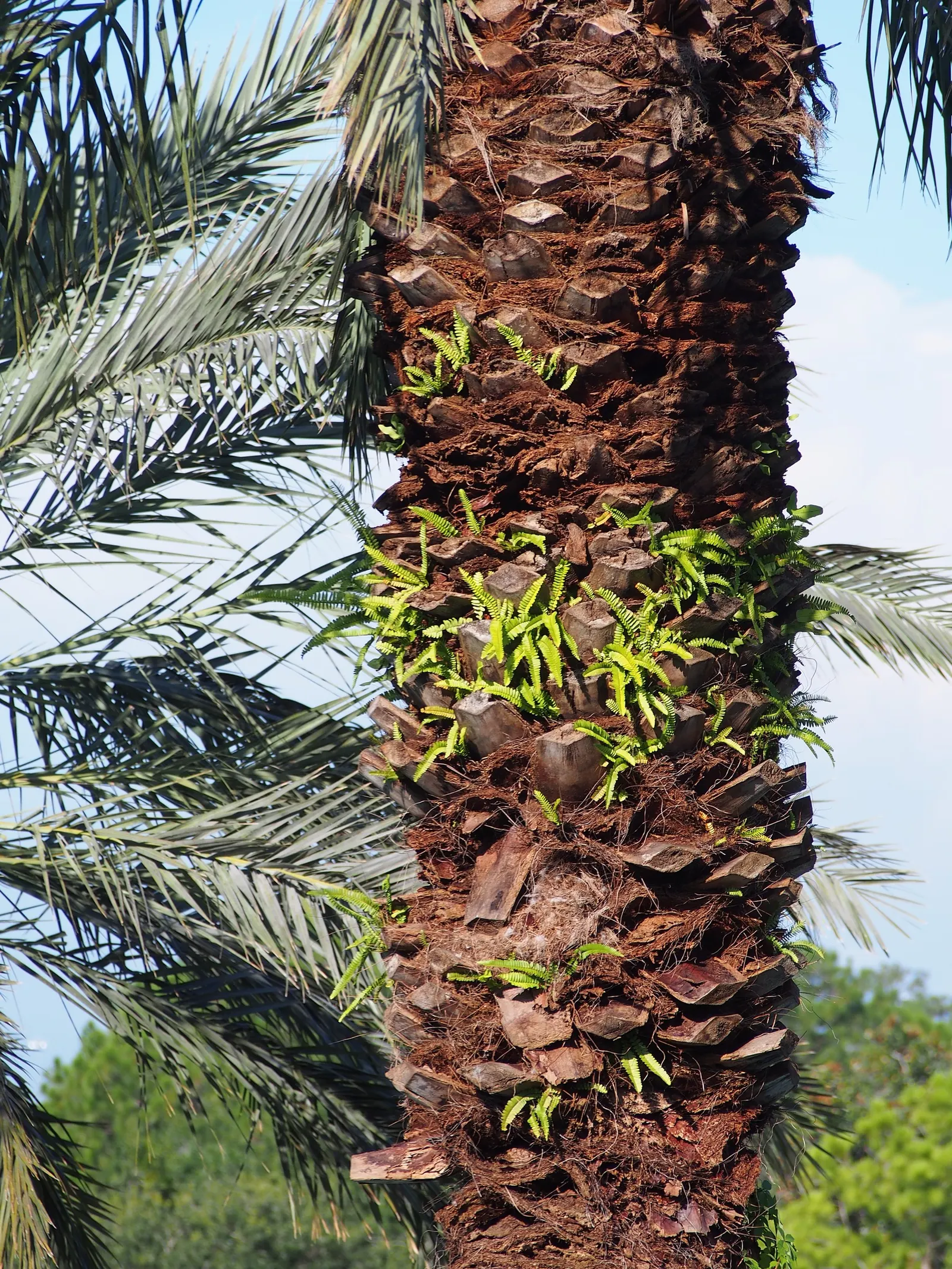
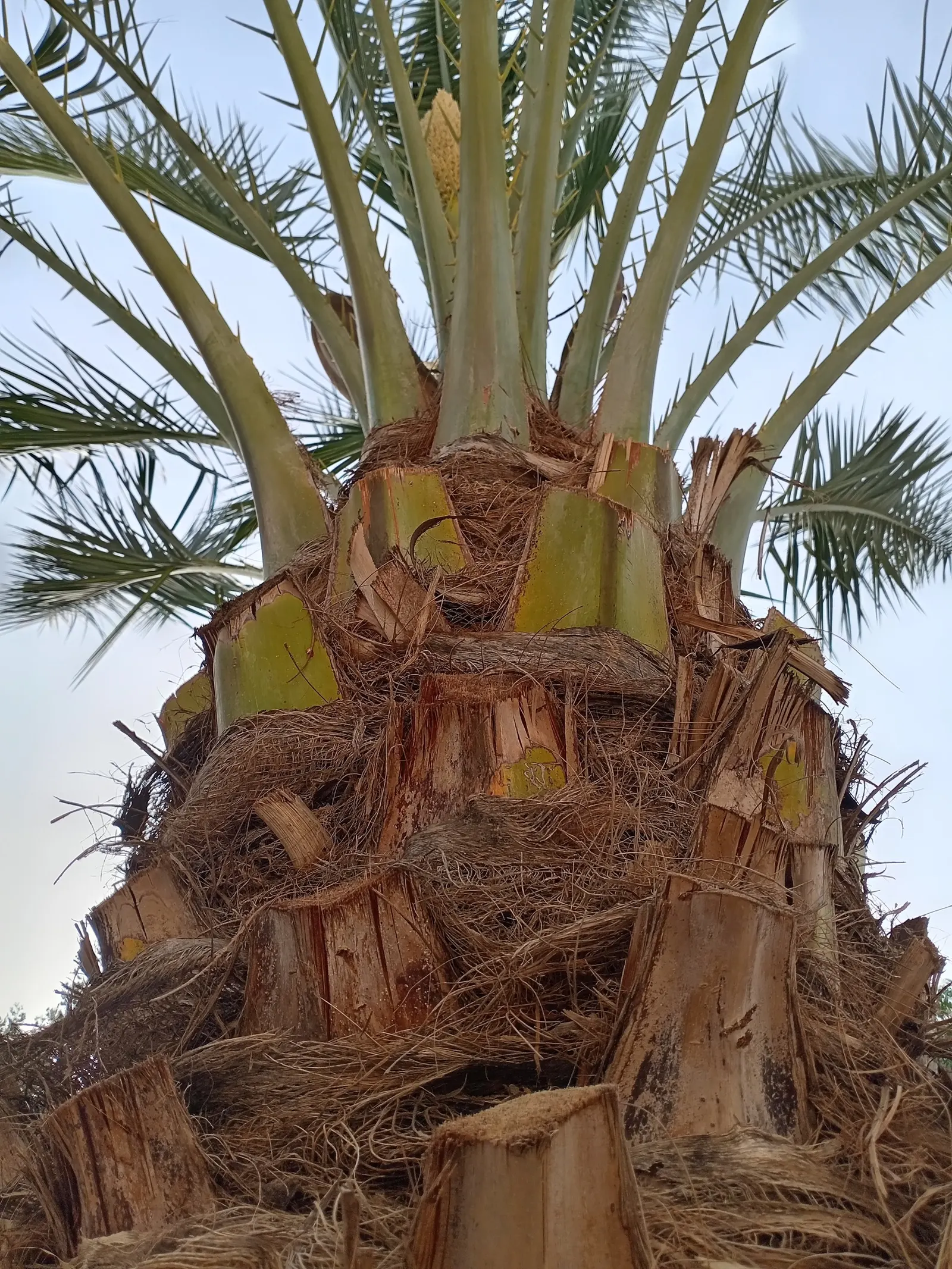
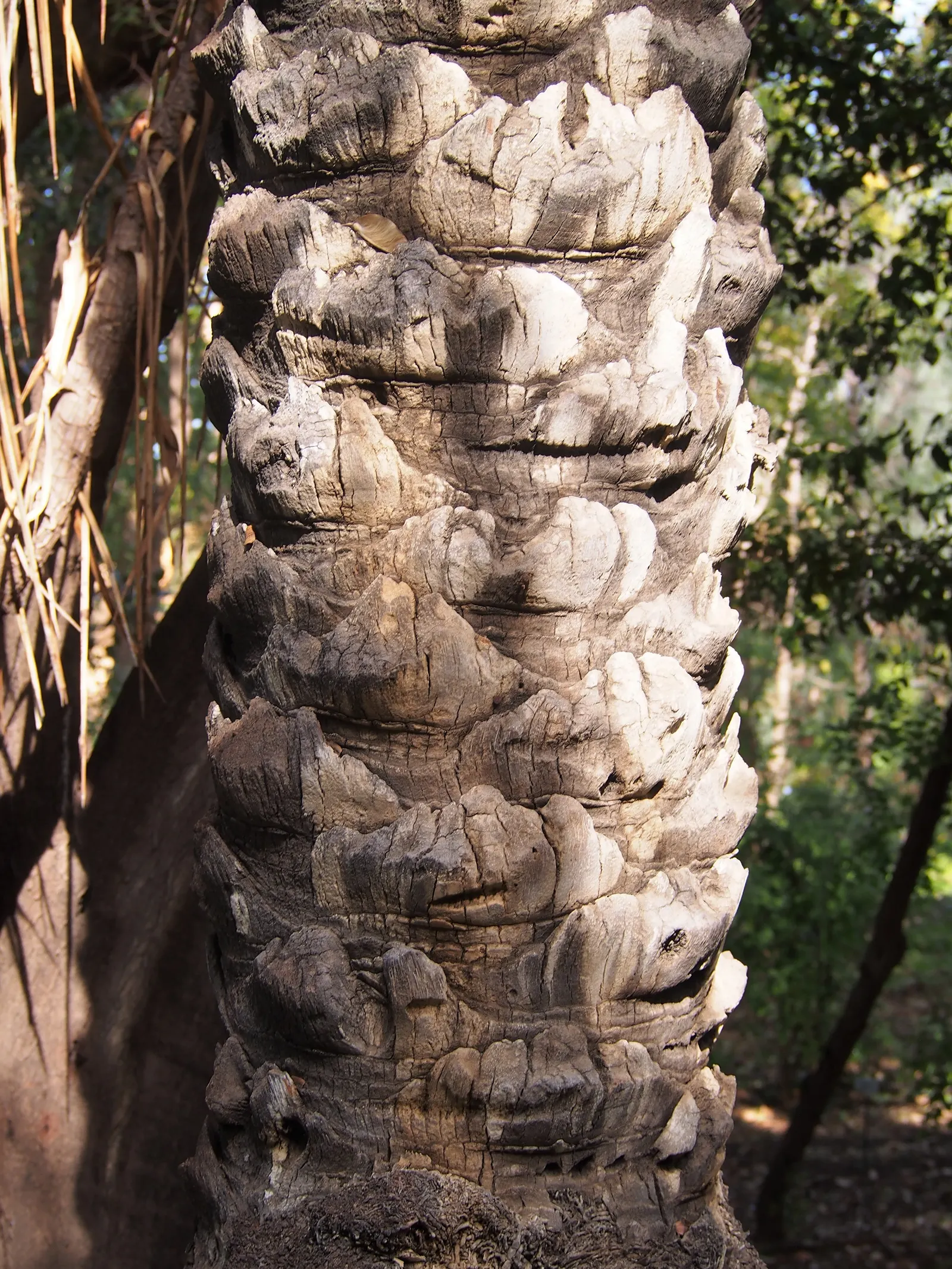
Desert Date Palm (Phoenix Dactylifera) — produced by old leaf scars.<br><br>The fronds of P; the Phoenix dactylifera, commonly called the Desert Date Palm
Desert Date Palm (Phoenix Dactylifera) — yellow flowers in the garden
Desert Date Palm (Phoenix Dactylifera) — Hardy in zones 9-11, it requires full sun and well-drained soil; it is remarkably long-lived
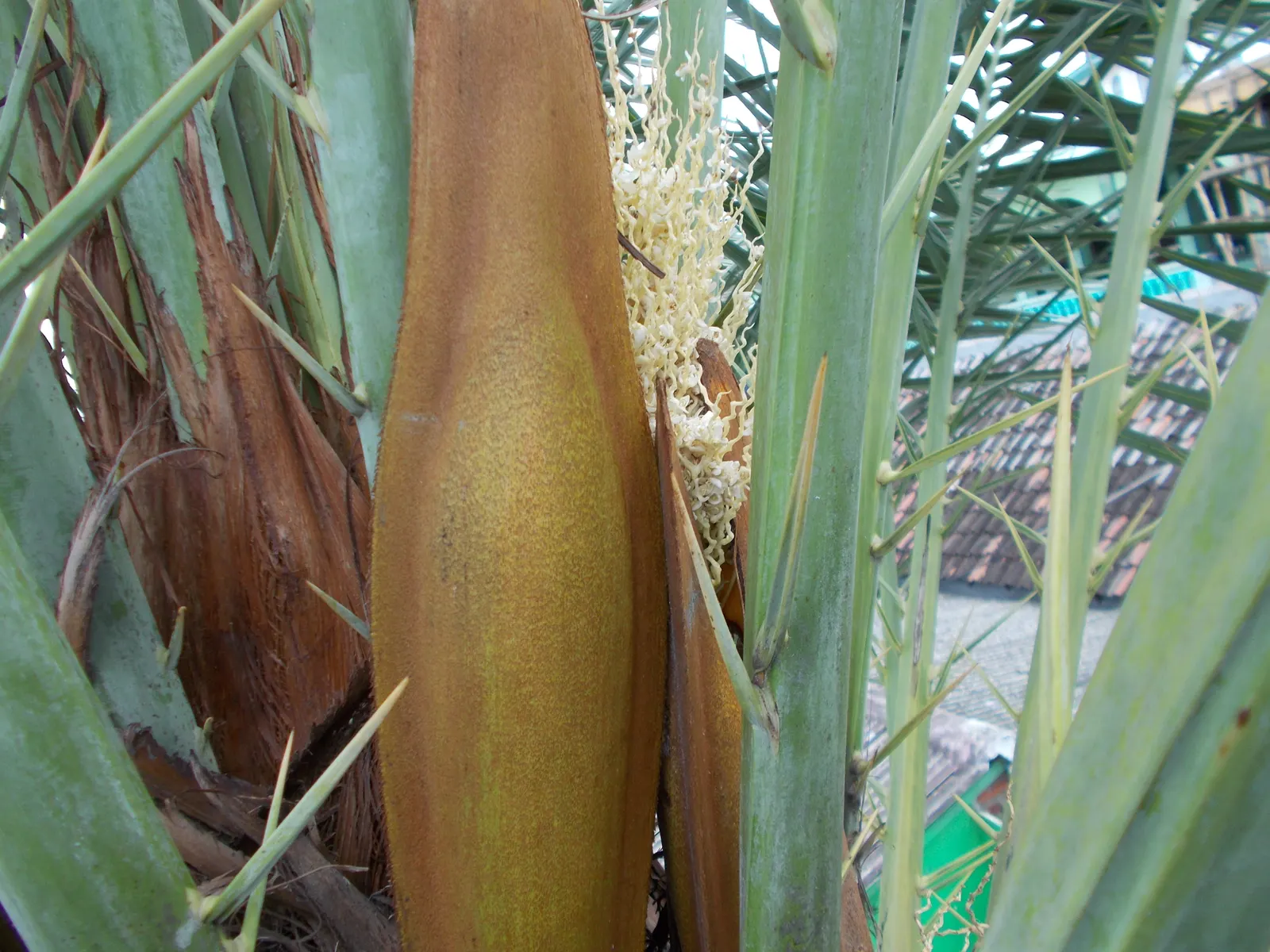
Desert Date Palm (Phoenix Dactylifera) — It is also important to note that this palm is dioecious
Desert Date Palm (Phoenix Dactylifera) — though it demands space for its wide canopy; hardy in zones 9-11, it requires full sun and well-drained soil
Photographs by 12 contributors

Related plants