Skip to content

Desert Penstemon

Penstemon Pseudospectabilis

Design with this plant

Overview

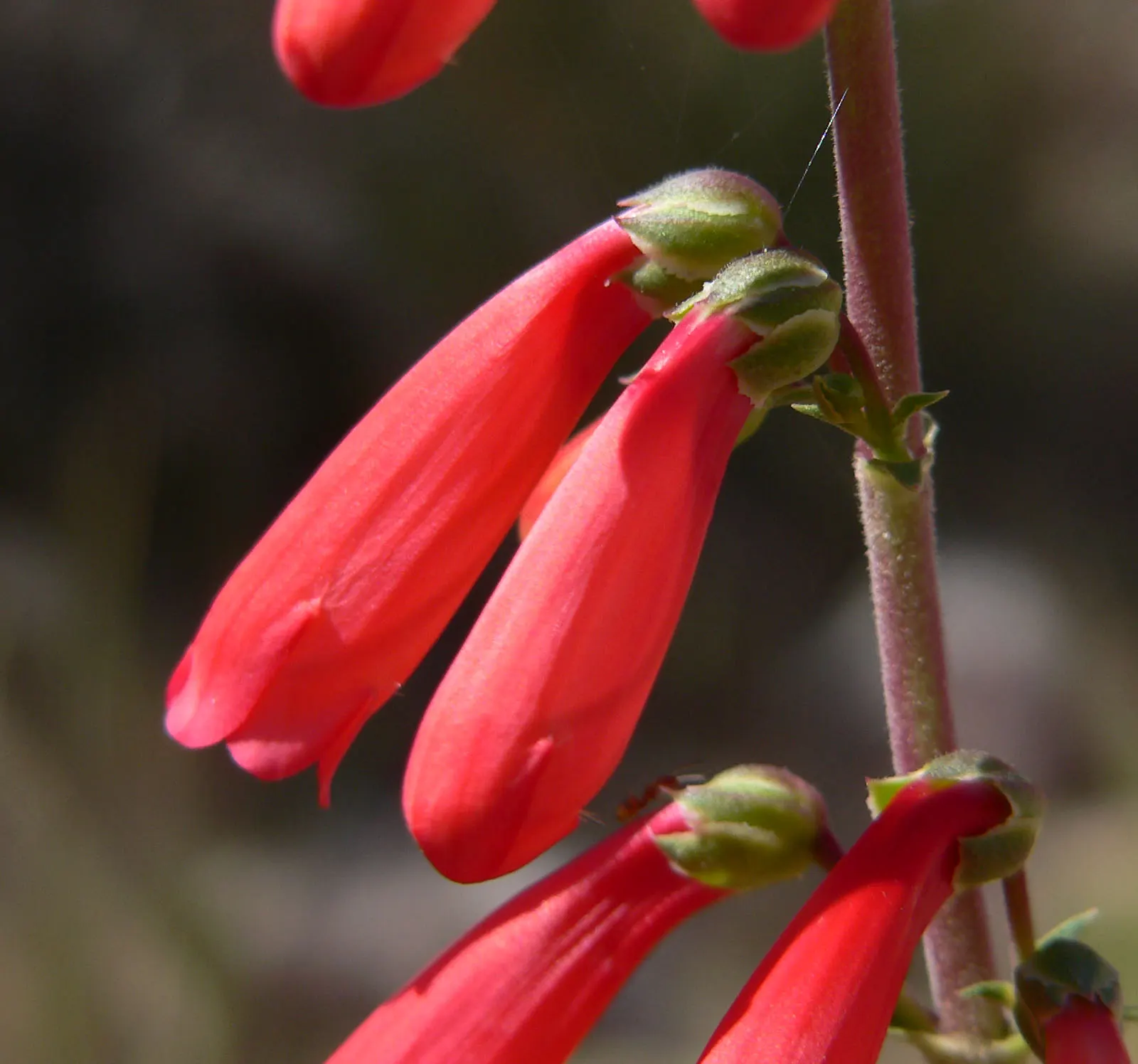
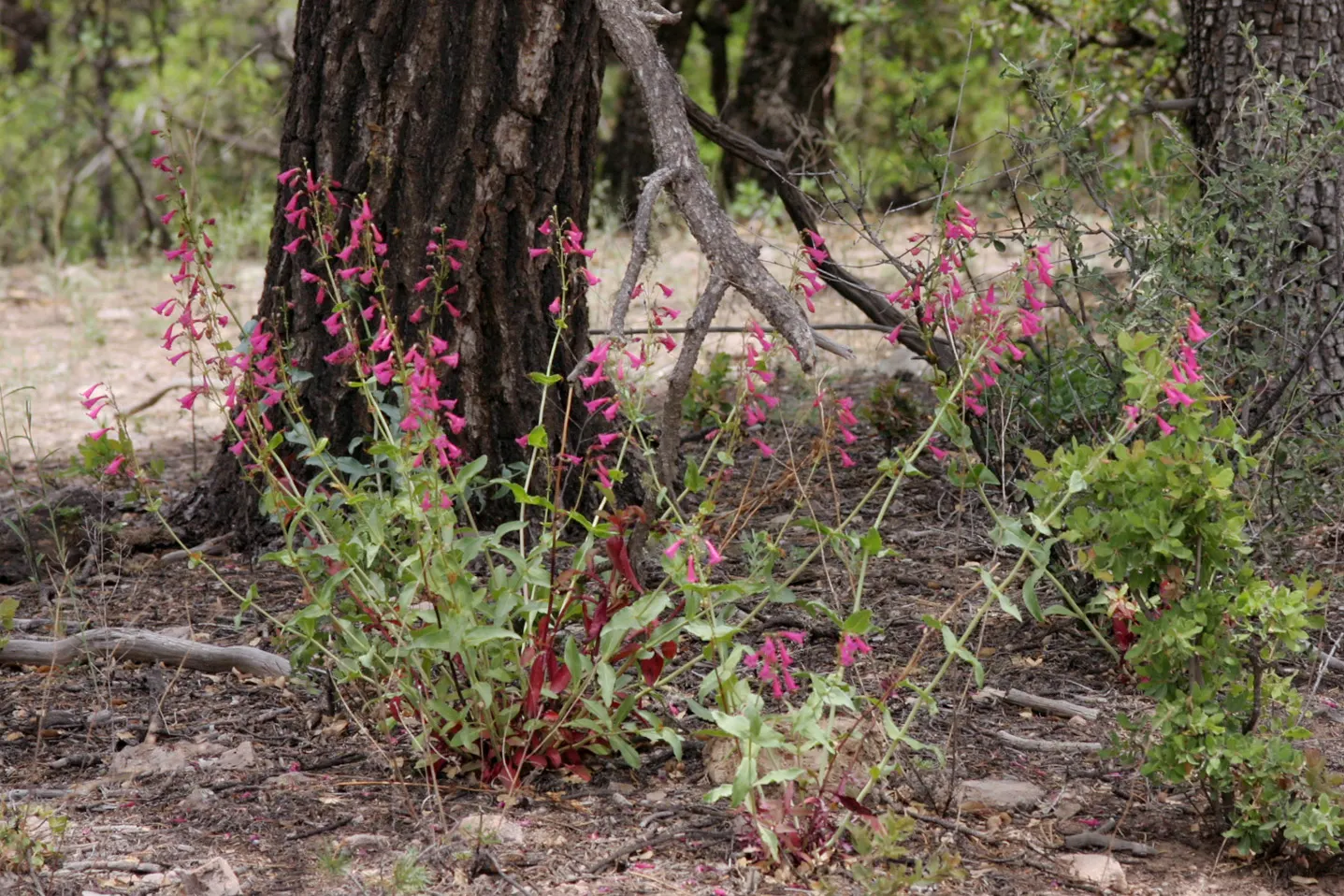
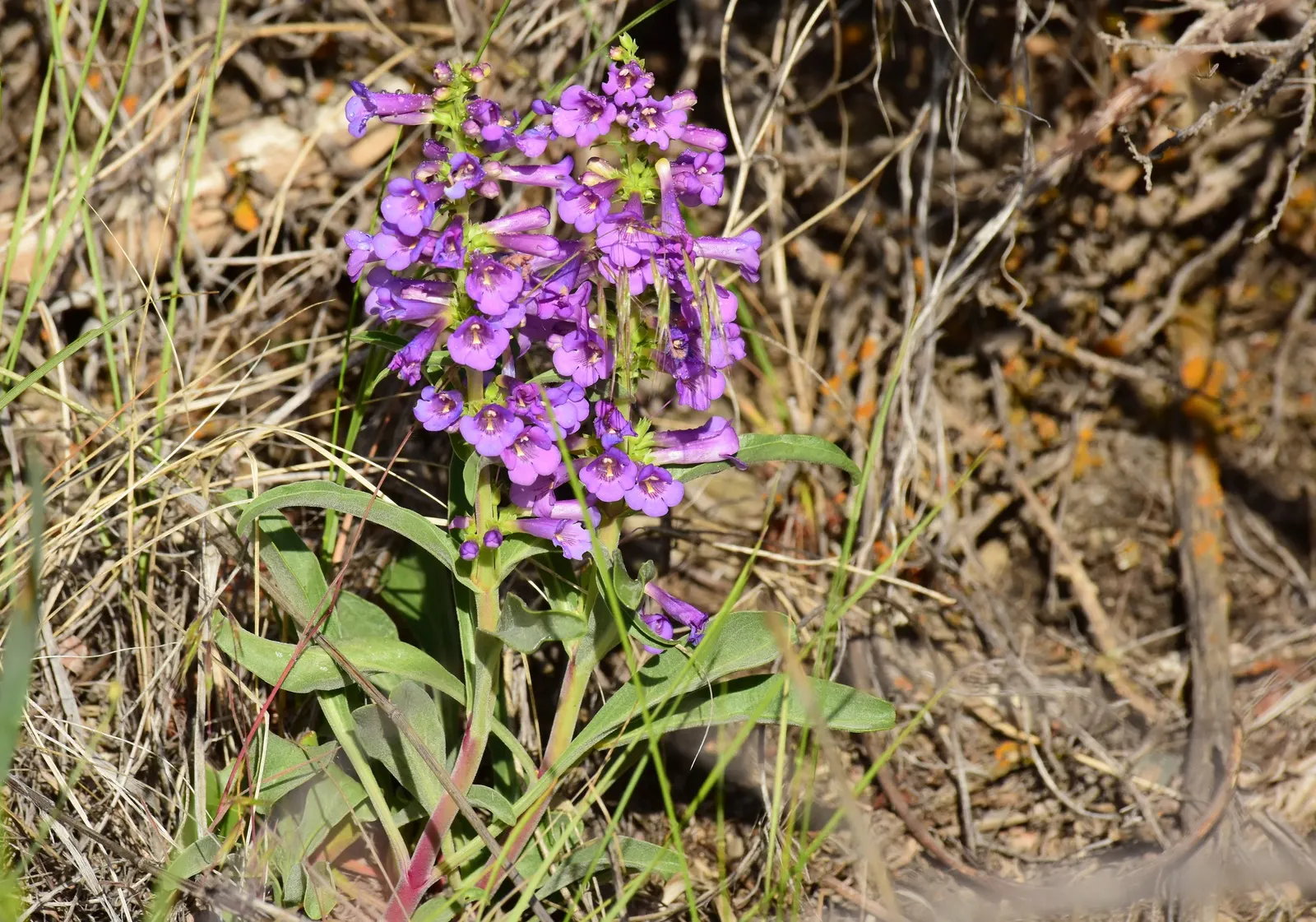
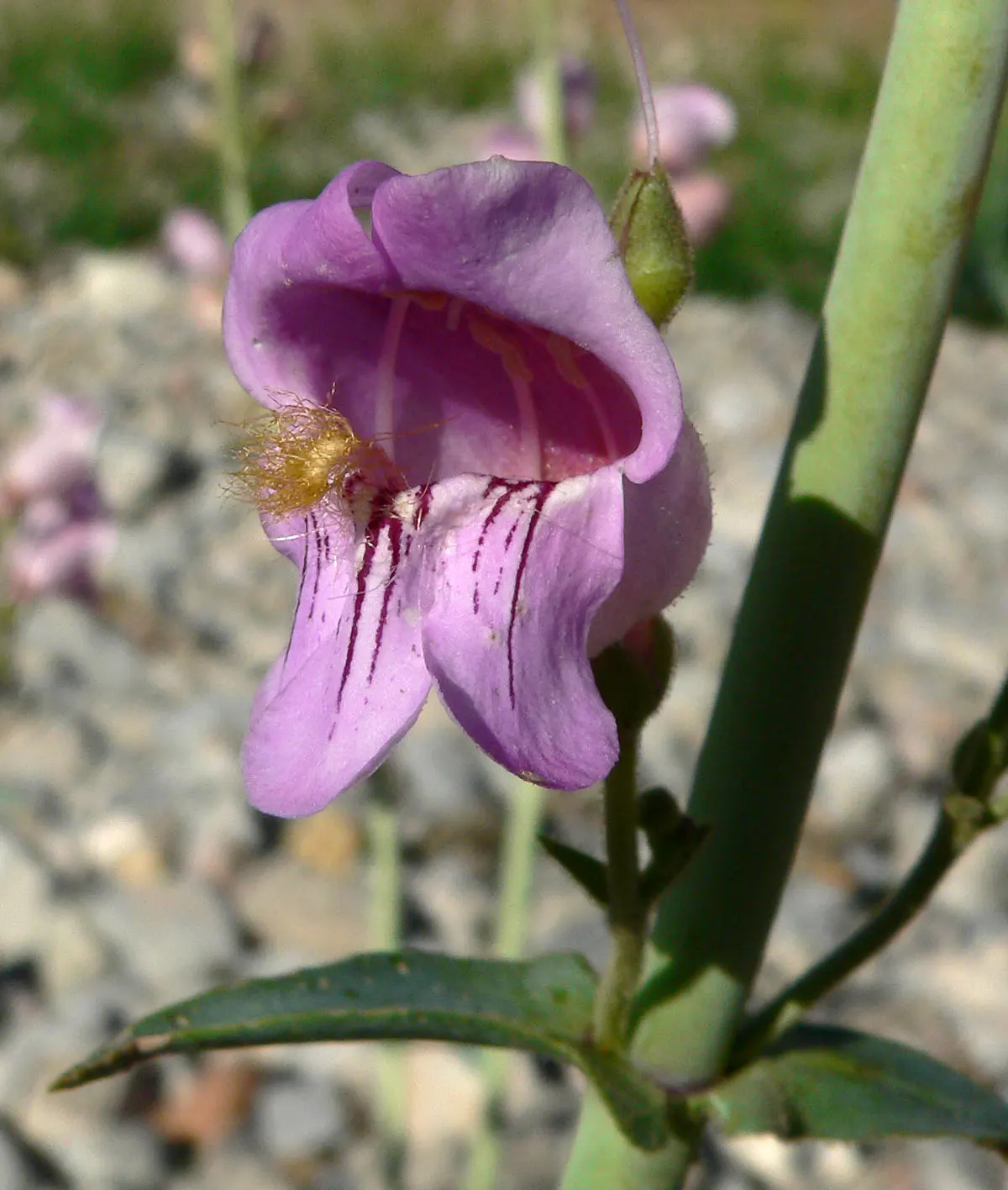
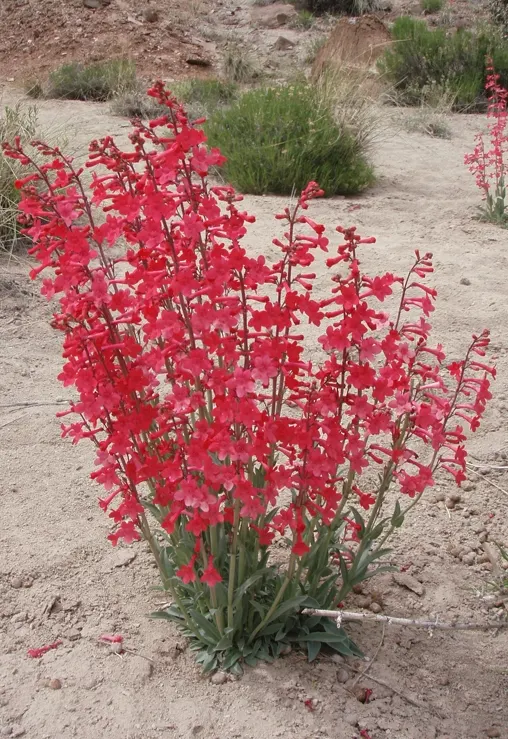
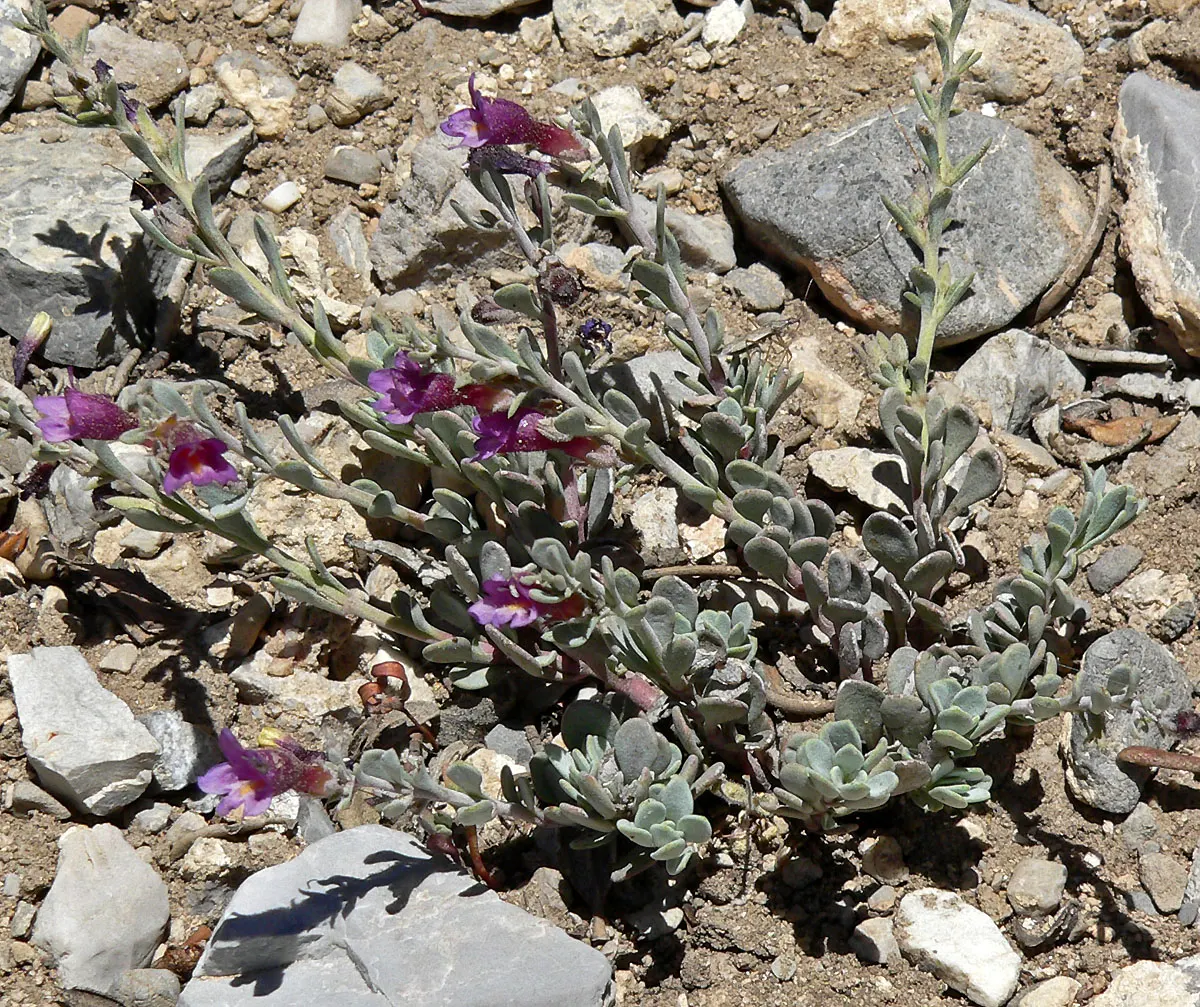
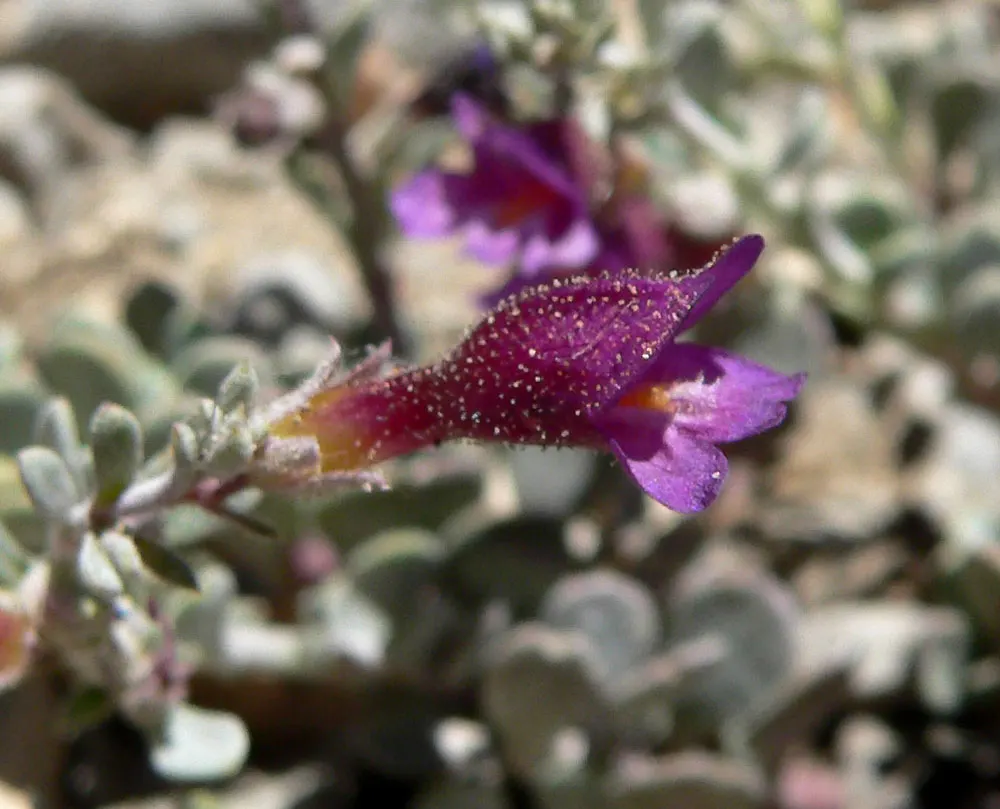
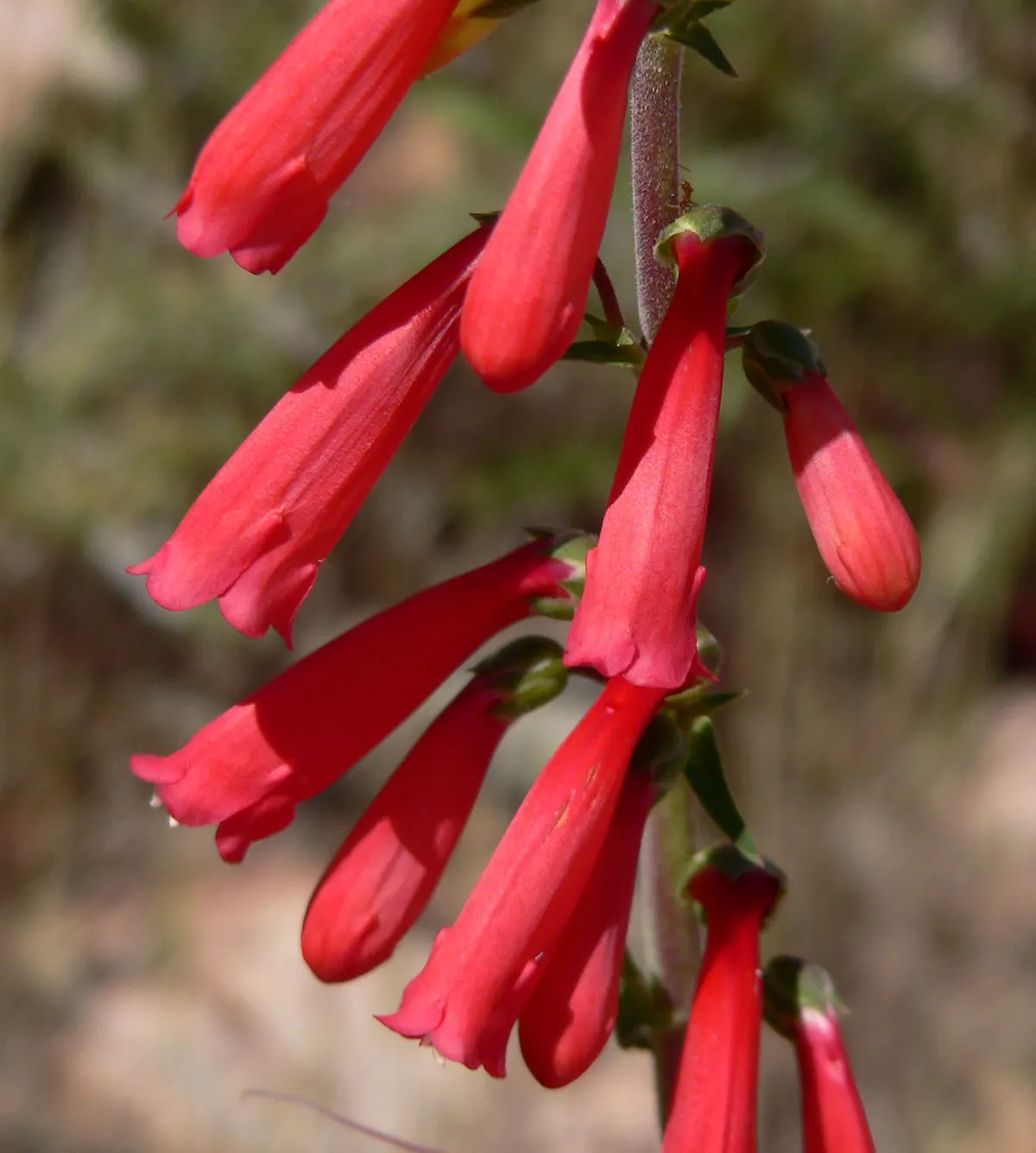
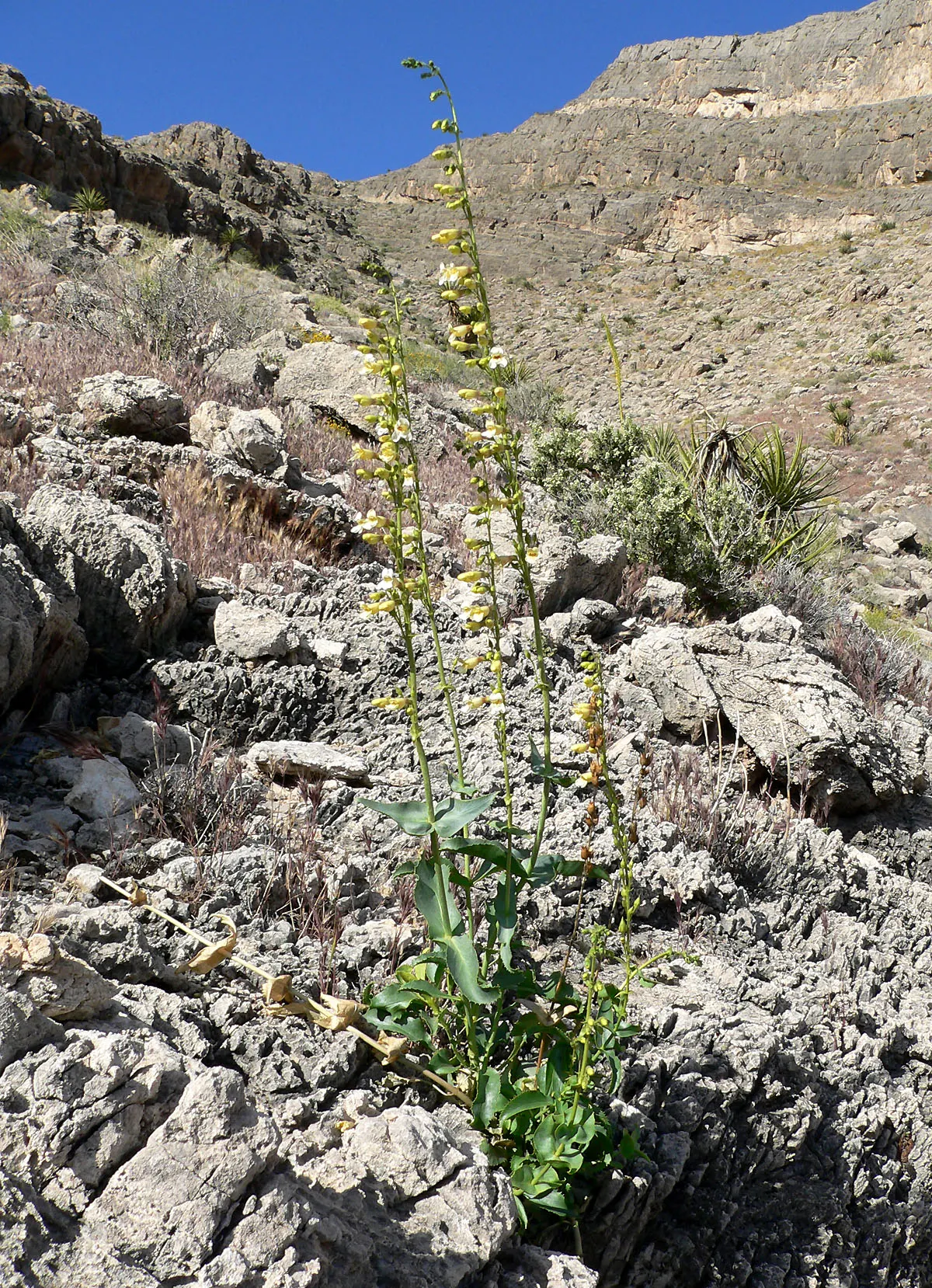
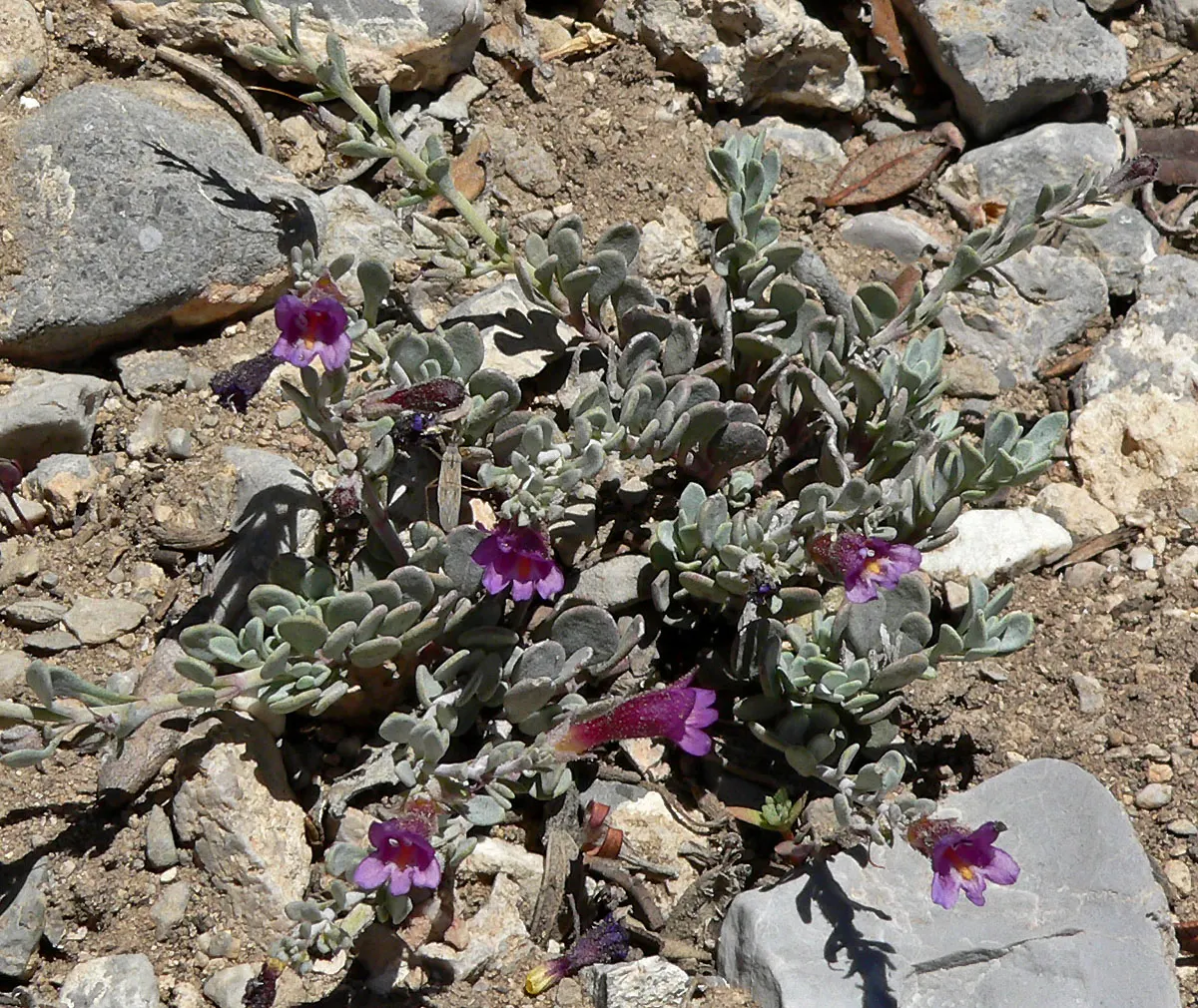
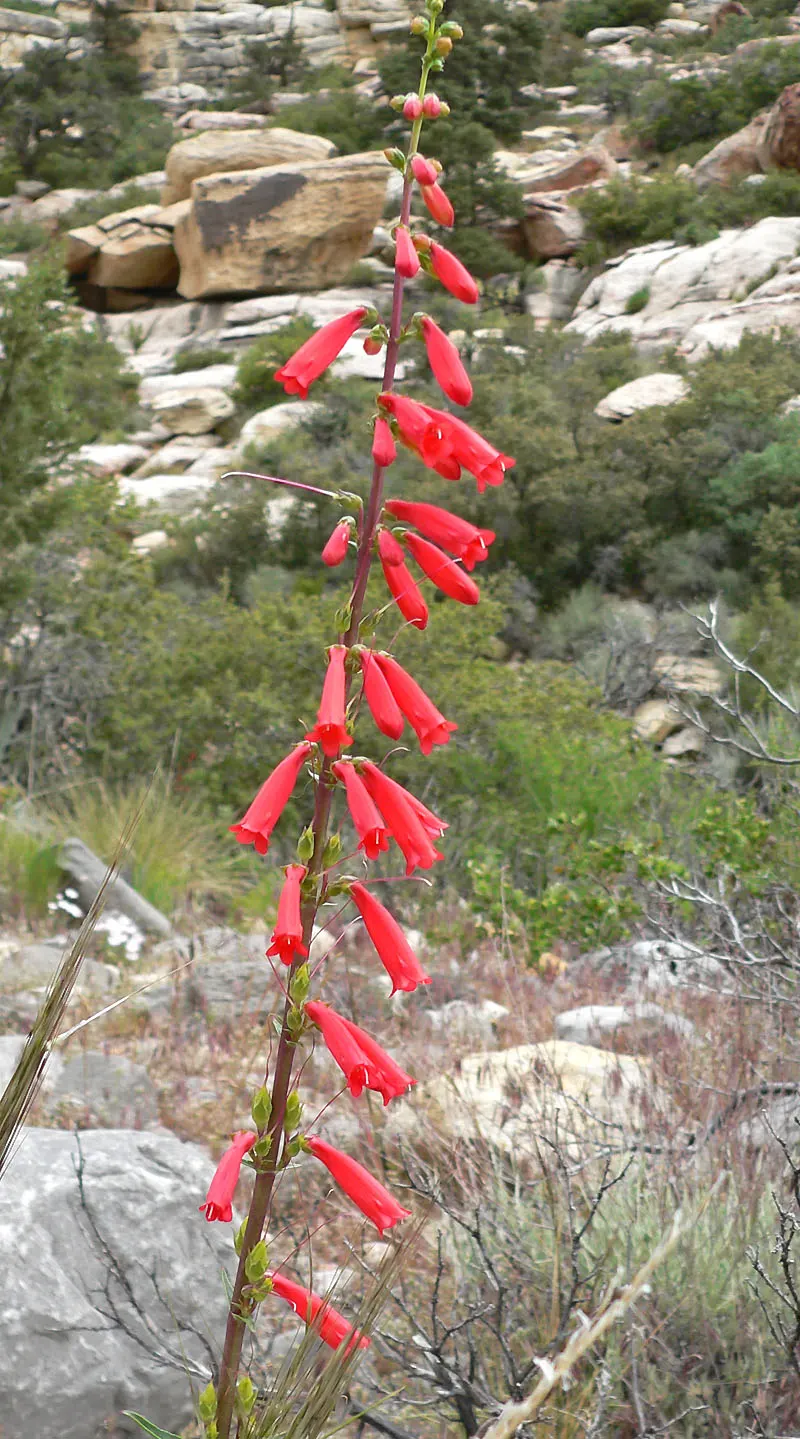
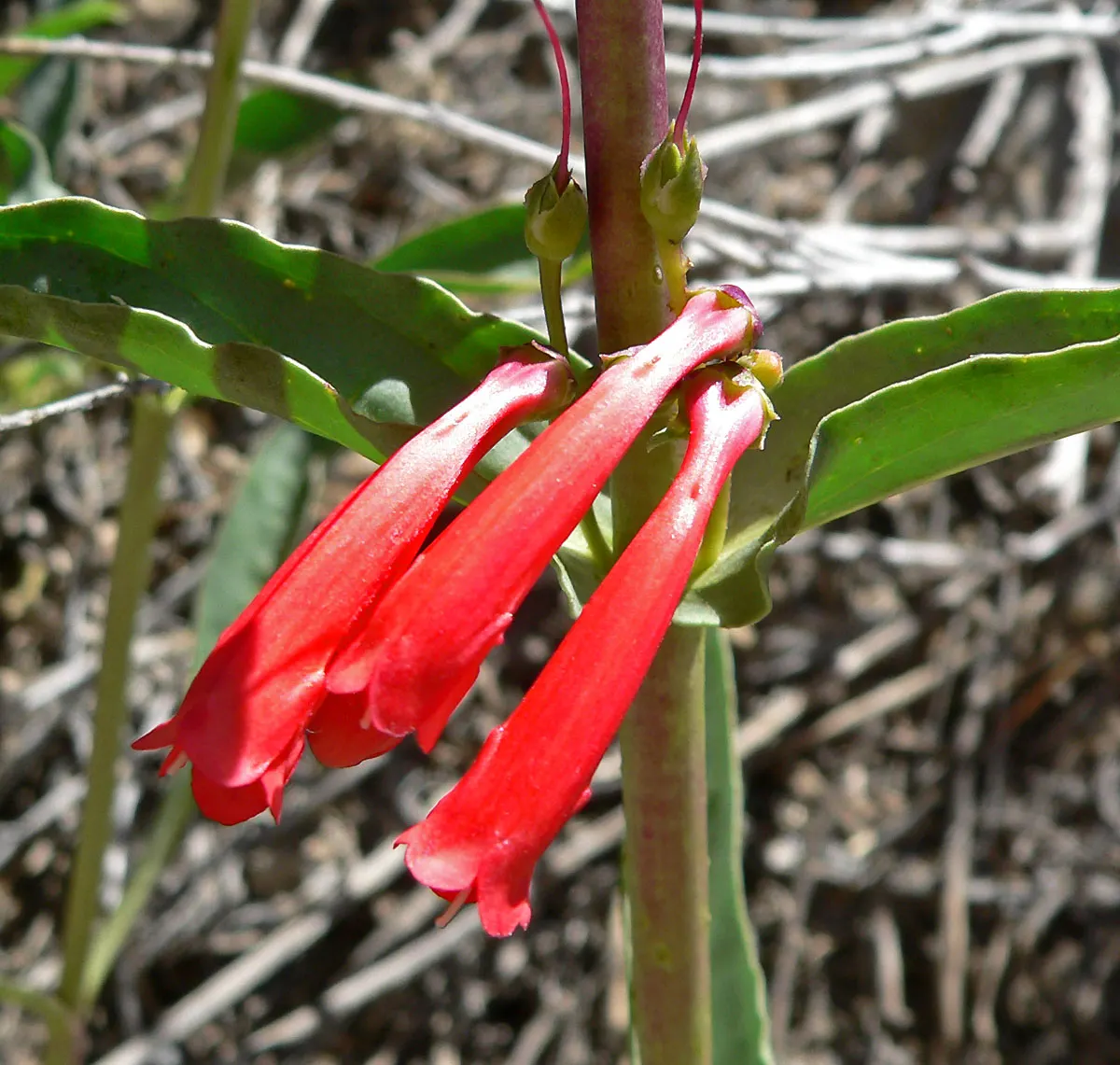
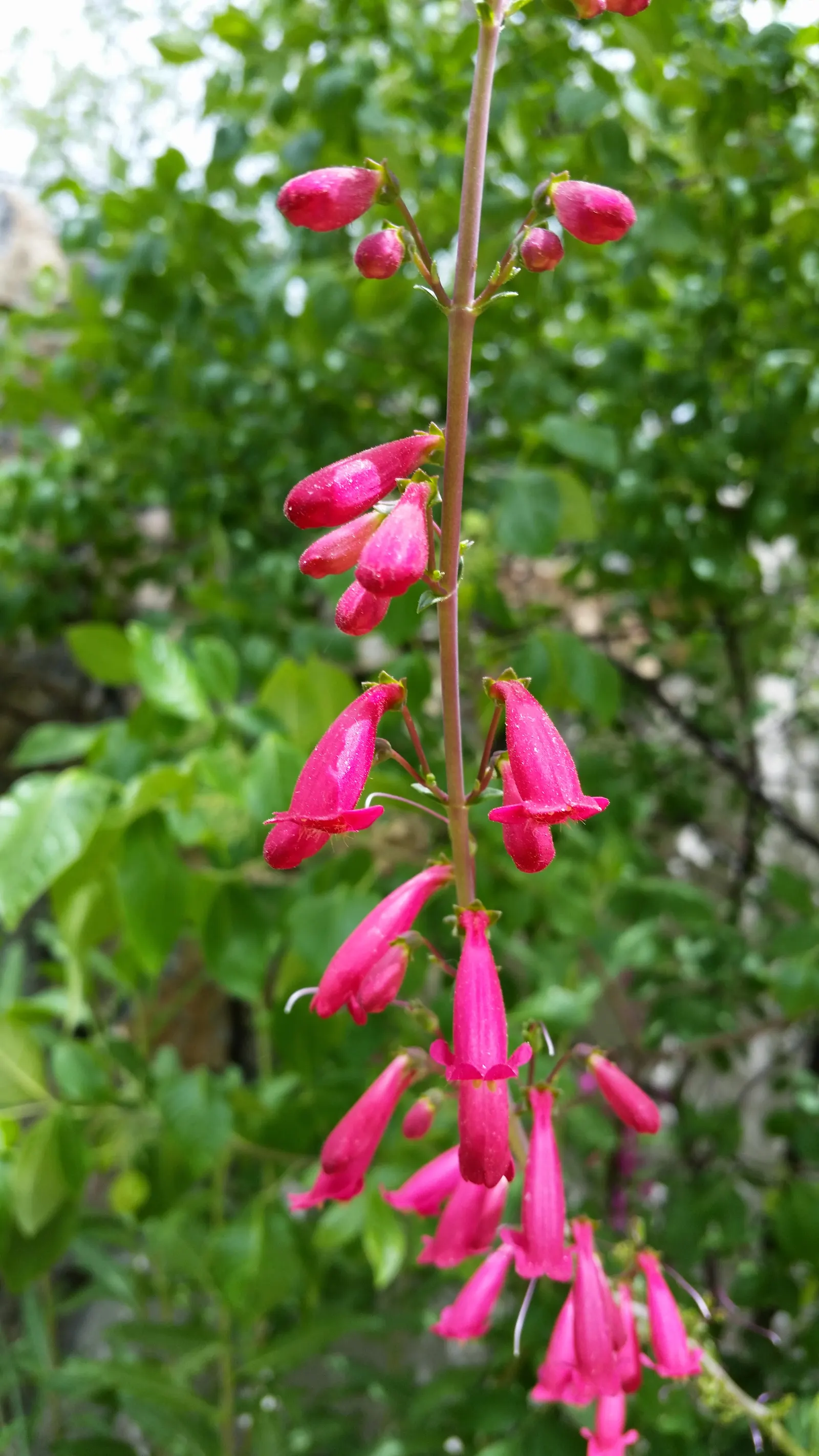
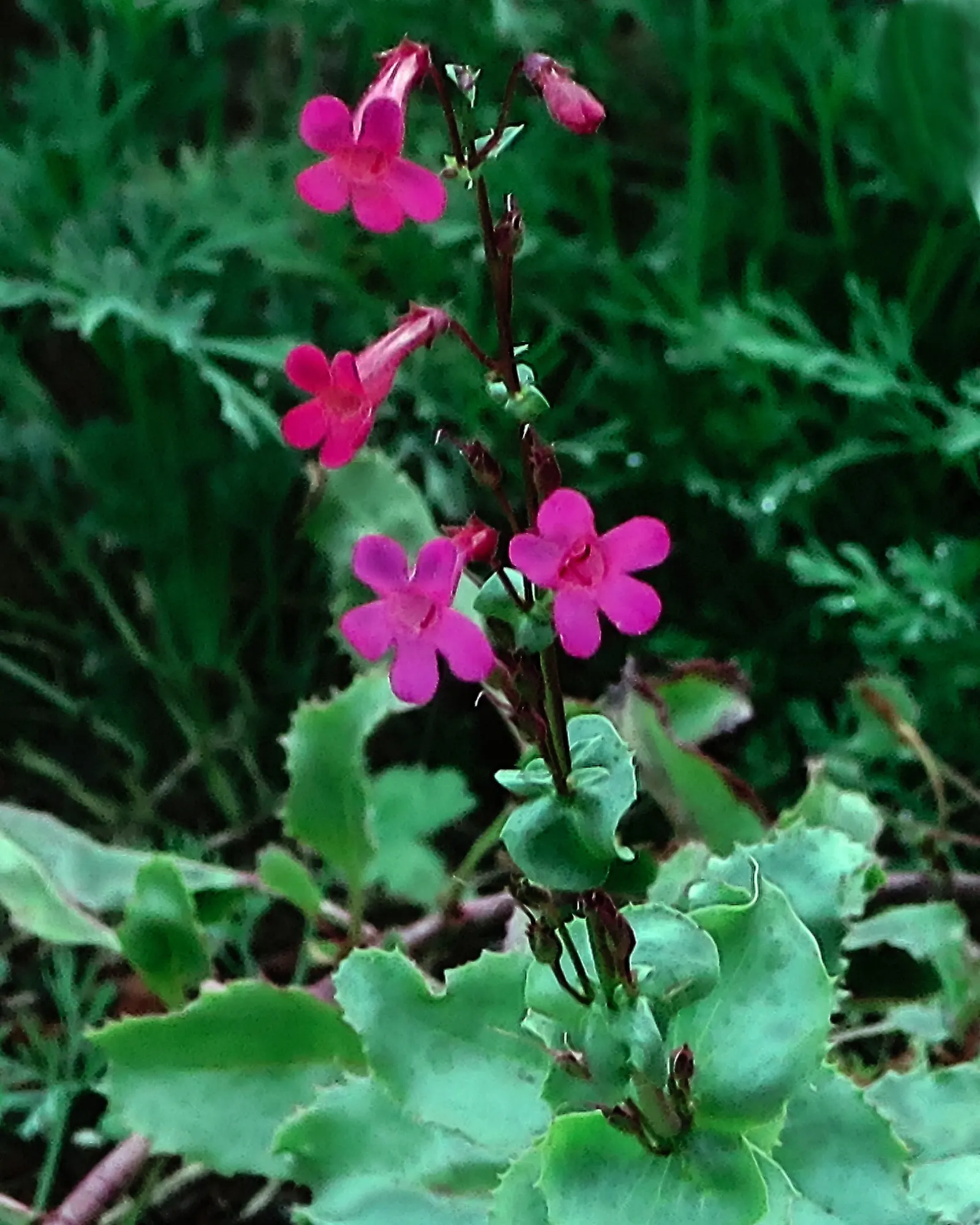
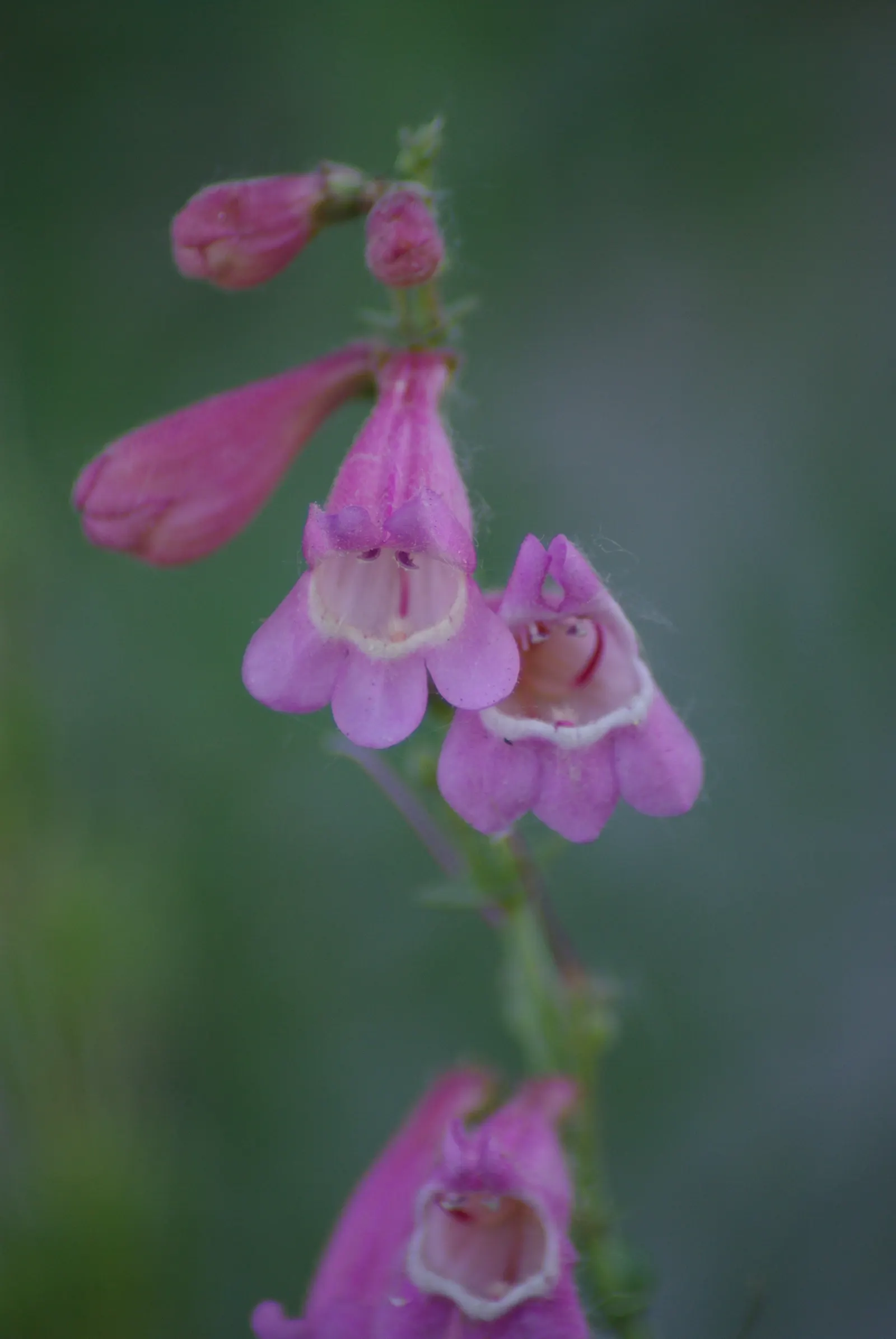
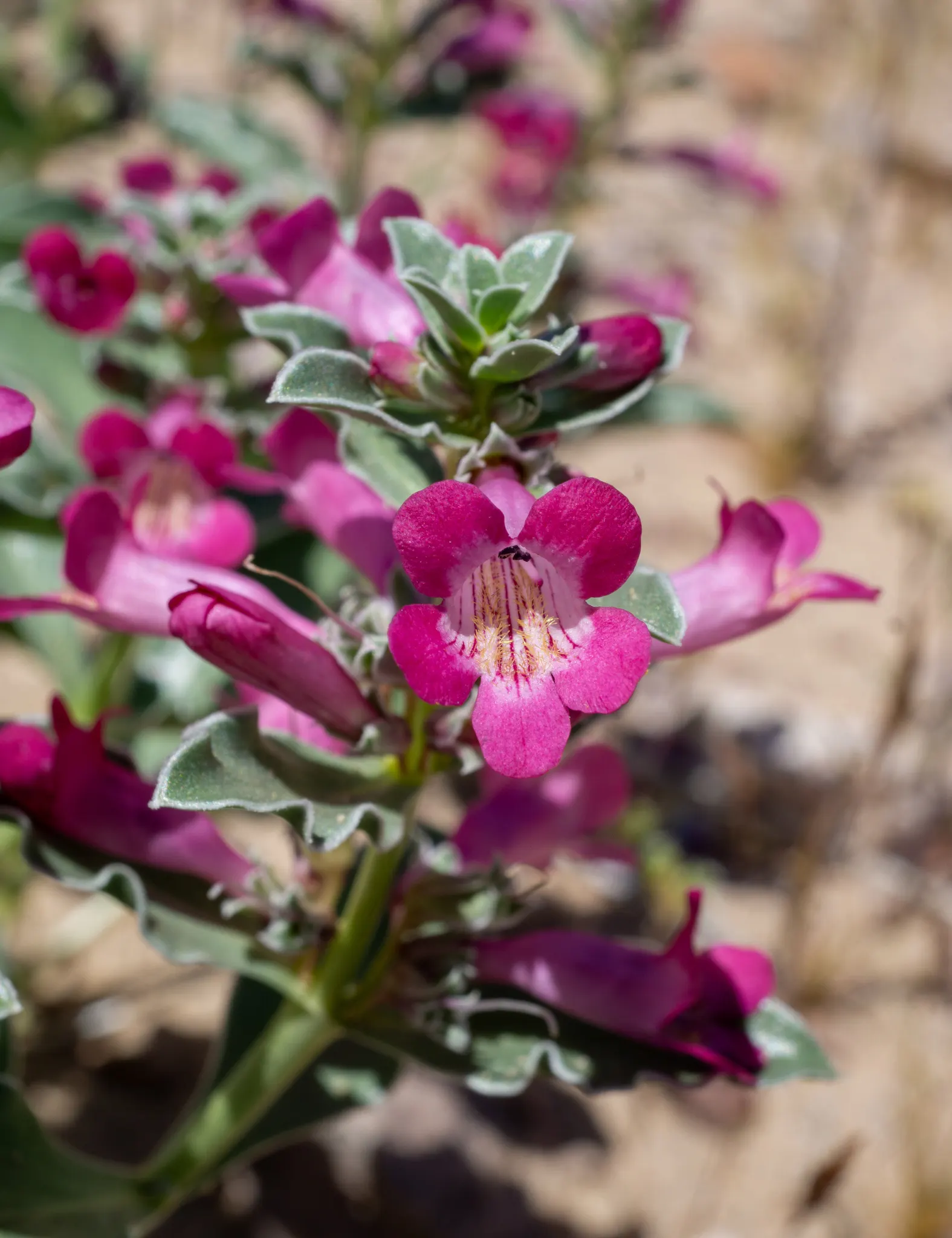
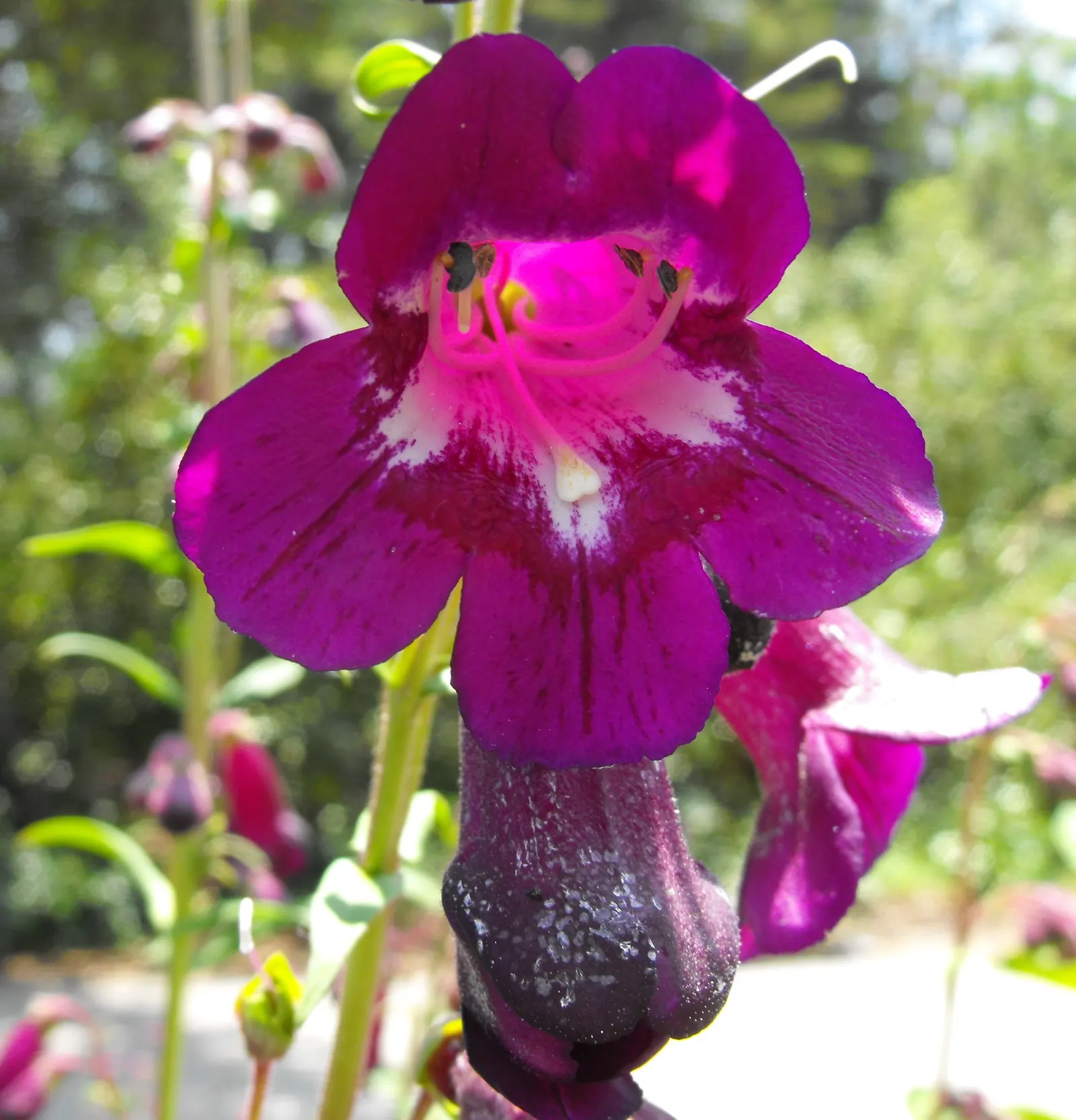
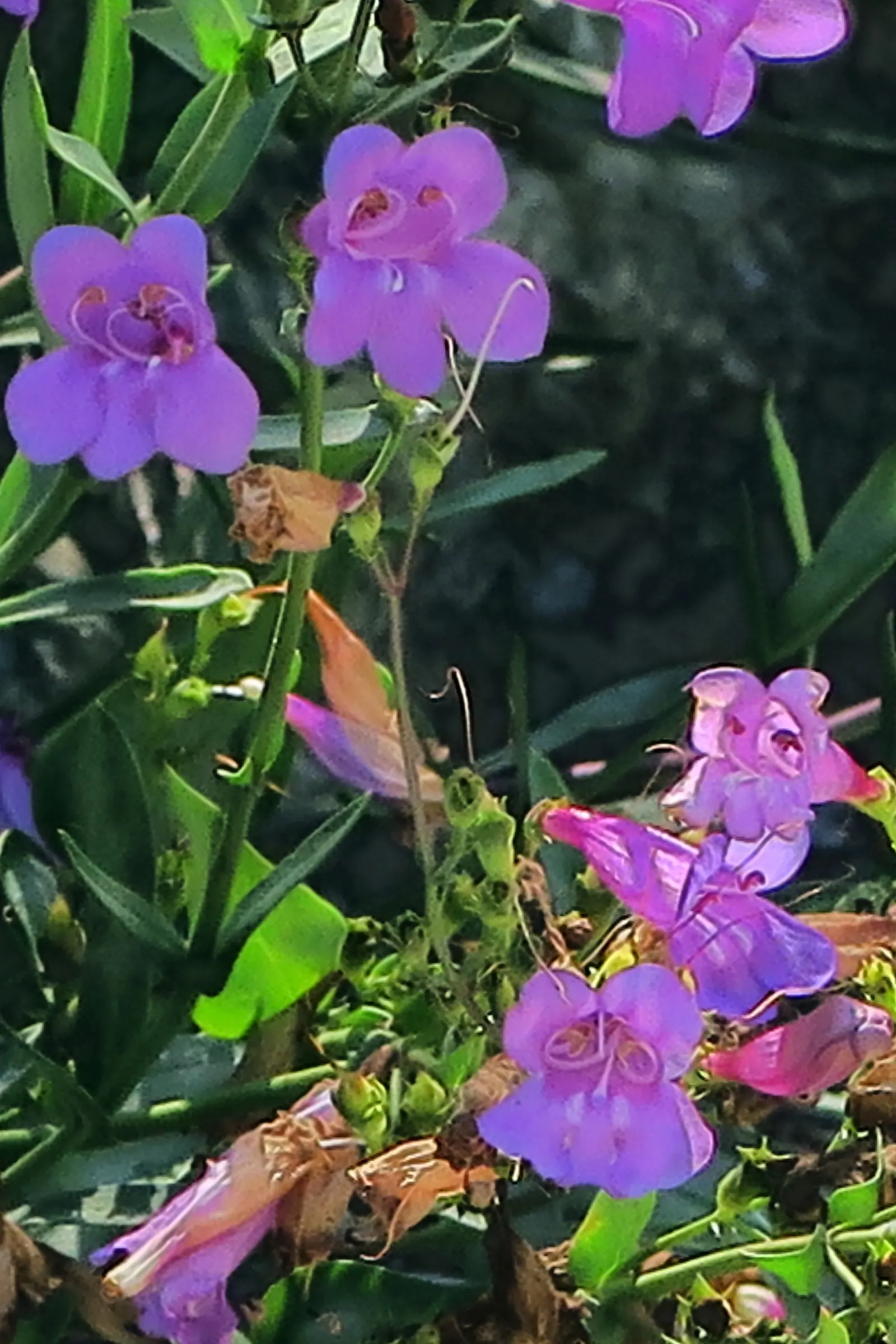
Desert Penstemon (Penstemon pseudospectabilis) is a vibrant, drought-tolerant perennial, thriving in USDA zones 4-9. With striking tubular flowers in shades of pink to violet, it reaches 2-3 feet in height and spreads up to 24 inches. This low-maintenance native admirably attracts pollinators, blooming from late spring to early summer. Prefers full sun and well-drained soil. Ideal for adding a splash of color to arid landscapes and rock gardens.

Sun Full, HalfWater Low, MediumZones 8–11Climate Arid, Subtropical
Desert Penstemon (Penstemon Pseudospectabilis) — drought-tolerant perennial

Culture

Sun
Full, Half
Water
Low, Medium
USDA zones
8–11

Shape & size

Mature height
2–3 Ft.
Mature width
2–3 Ft.

Classification

Family
Plantaginaceae
Climate
Arid, Subtropical

See full data, regional cultivation notes, full-resolution photos, and design tools. Build a client presentation around this plant.

Start your 14-day trial

Photos (51)

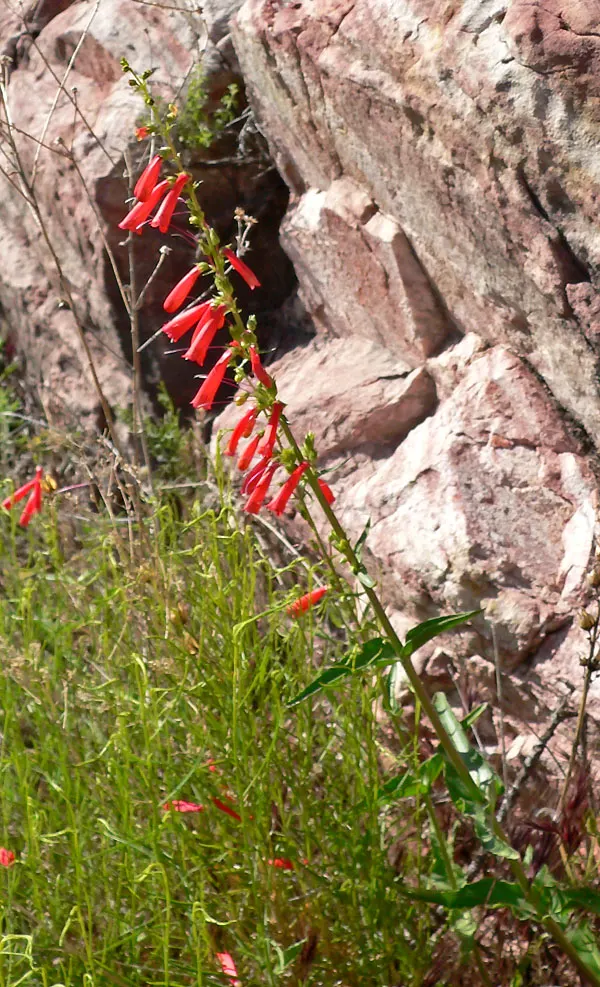
Desert Penstemon (Penstemon Pseudospectabilis) — adding ecological value to the garden
Desert Penstemon (Penstemon Pseudospectabilis) — origins tie it to the Southwest
Desert Penstemon (Penstemon Pseudospectabilis) — employing it in mass plantings for a dramatic effect or as an accent among mixed perennial borders
Desert Penstemon (Penstemon Pseudospectabilis) — Its showy blossoms and resilient nature will delight the clients for seasons to come
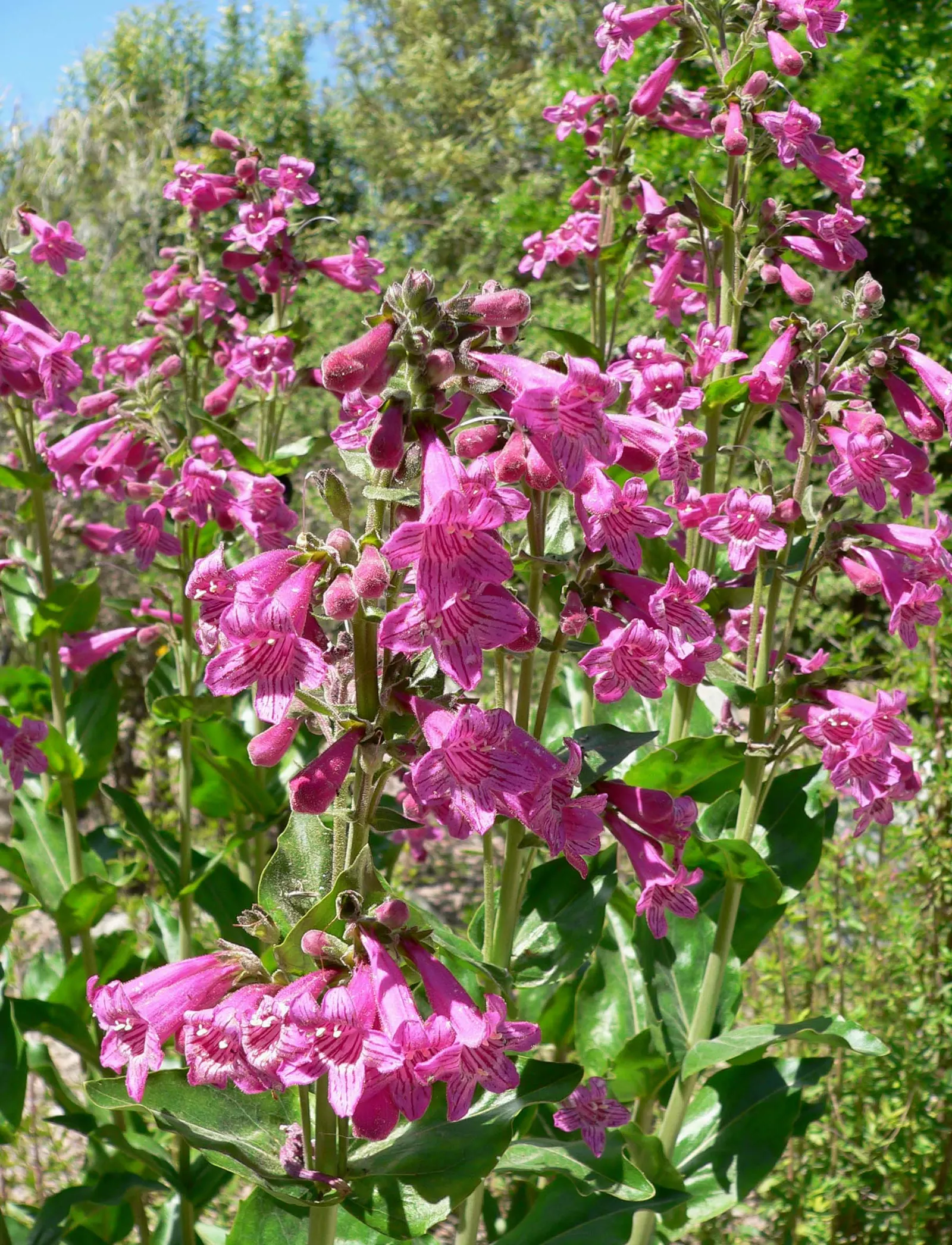
Desert Penstemon (Penstemon Pseudospectabilis) — perennial with pink blooms
Desert Penstemon (Penstemon Pseudospectabilis) — pink flowers in the garden
Desert Penstemon (Penstemon Pseudospectabilis) — perennial for full or half
Desert Penstemon (Penstemon Pseudospectabilis) — thriving in USDA zones 4-9; this perennial blooms profusely in the spring
Desert Penstemon (Penstemon Pseudospectabilis) — drought-tolerant perennial; it reaches 2-3 feet in height and spreads up to 24 inches
Desert Penstemon (Penstemon Pseudospectabilis) — it reaches 2-3 feet in height and spreads up to 24 inches; regular deadheading can promote longer flowering
Desert Penstemon (Penstemon Pseudospectabilis) — With striking tubular flowers in shades of pink to violet; sandy or gravelly substrates
Desert Penstemon (Penstemon Pseudospectabilis) — Prefers full sun and well-drained soil; scientifically named Penstemon pseudospectabilis
Desert Penstemon (Penstemon Pseudospectabilis) — Ideal for adding a splash of color to arid landscapes and rock gardens; slender stems that emanate an air of
Desert Penstemon (Penstemon Pseudospectabilis) — scientifically named Penstemon pseudospectabilis; enduring temperature extremes and requiring minimal
Desert Penstemon (Penstemon Pseudospectabilis) — This low-maintenance native admirably attracts pollinators, blooming from late spring to early, image 36
Desert Penstemon (Penstemon Pseudospectabilis) — Renowned for its striking violet to pinkish tubular flowers; this low-maintenance native admirably attracts
Desert Penstemon (Penstemon Pseudospectabilis) — offers vibrant color and dynamic structure to any arid landscape design; pink flowers in the garden
Desert Penstemon (Penstemon Pseudospectabilis) — this perennial blooms profusely in the spring; generally from March to May
Desert Penstemon (Penstemon Pseudospectabilis) — generally from March to May; and is remarkably drought-resistant once established
Desert Penstemon (Penstemon Pseudospectabilis) — It can reach a mature height of about 2 to 4 feet and spreads 1 to 2 feet wide; origins tie it to the Southwest
Desert Penstemon (Penstemon Pseudospectabilis) — the Desert Penstemon thrives in full sun exposures but can tolerate partial shade, image 47
Desert Penstemon (Penstemon Pseudospectabilis) — featuring a bushy clump of erect; thriving in USDA zones 4-9
Desert Penstemon (Penstemon Pseudospectabilis) — slender stems that emanate an air of delicate strength.<br><br>Adapted to zones 4 through 9; offers vibrant
Desert Penstemon (Penstemon Pseudospectabilis) — It prefers well-drained soil; it is crucial to note that the Desert Penstemon attracts pollinators such as

Related plants