Skip to content

Empress Tree

Paulownia Tomentosa

Design with this plant

Overview

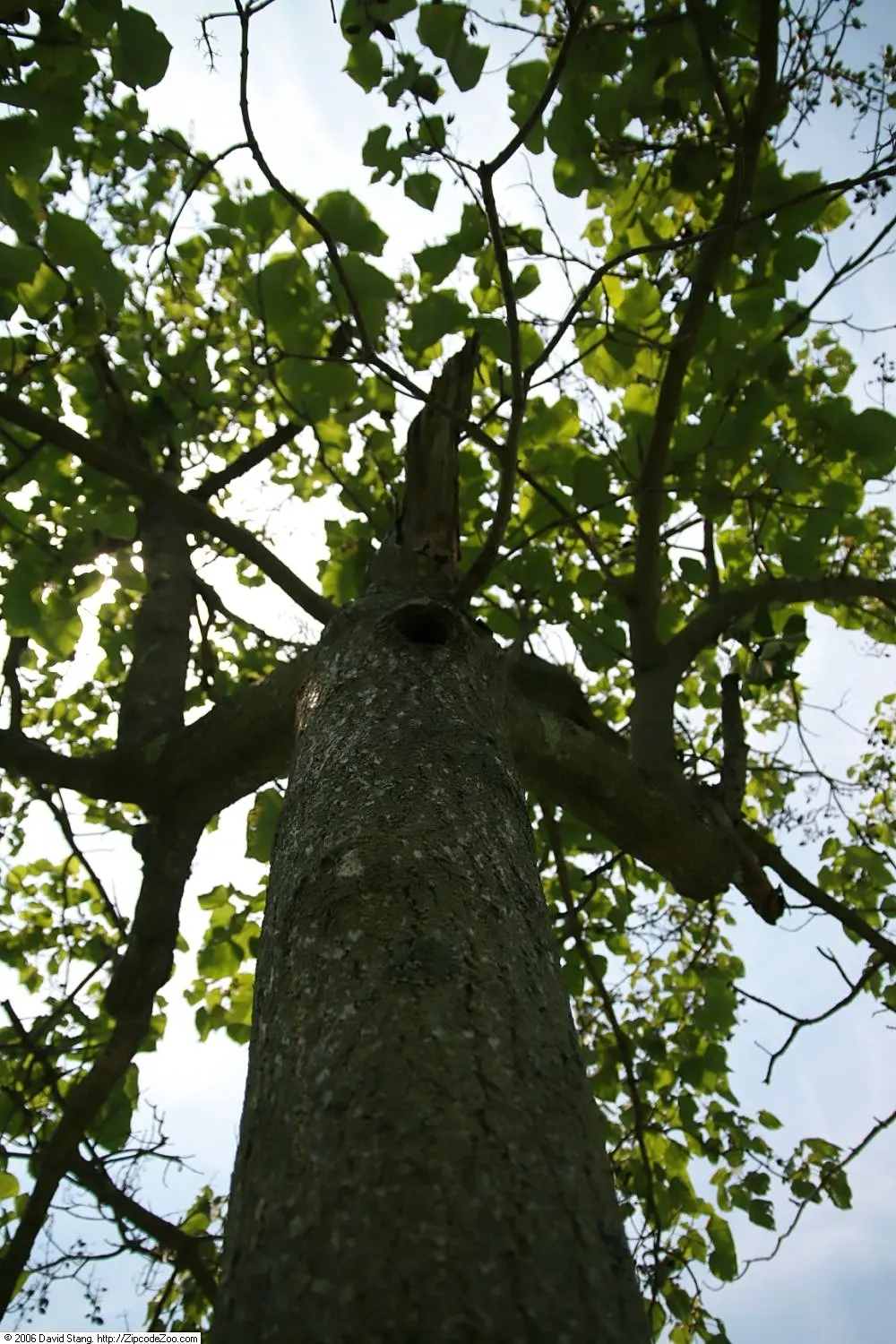
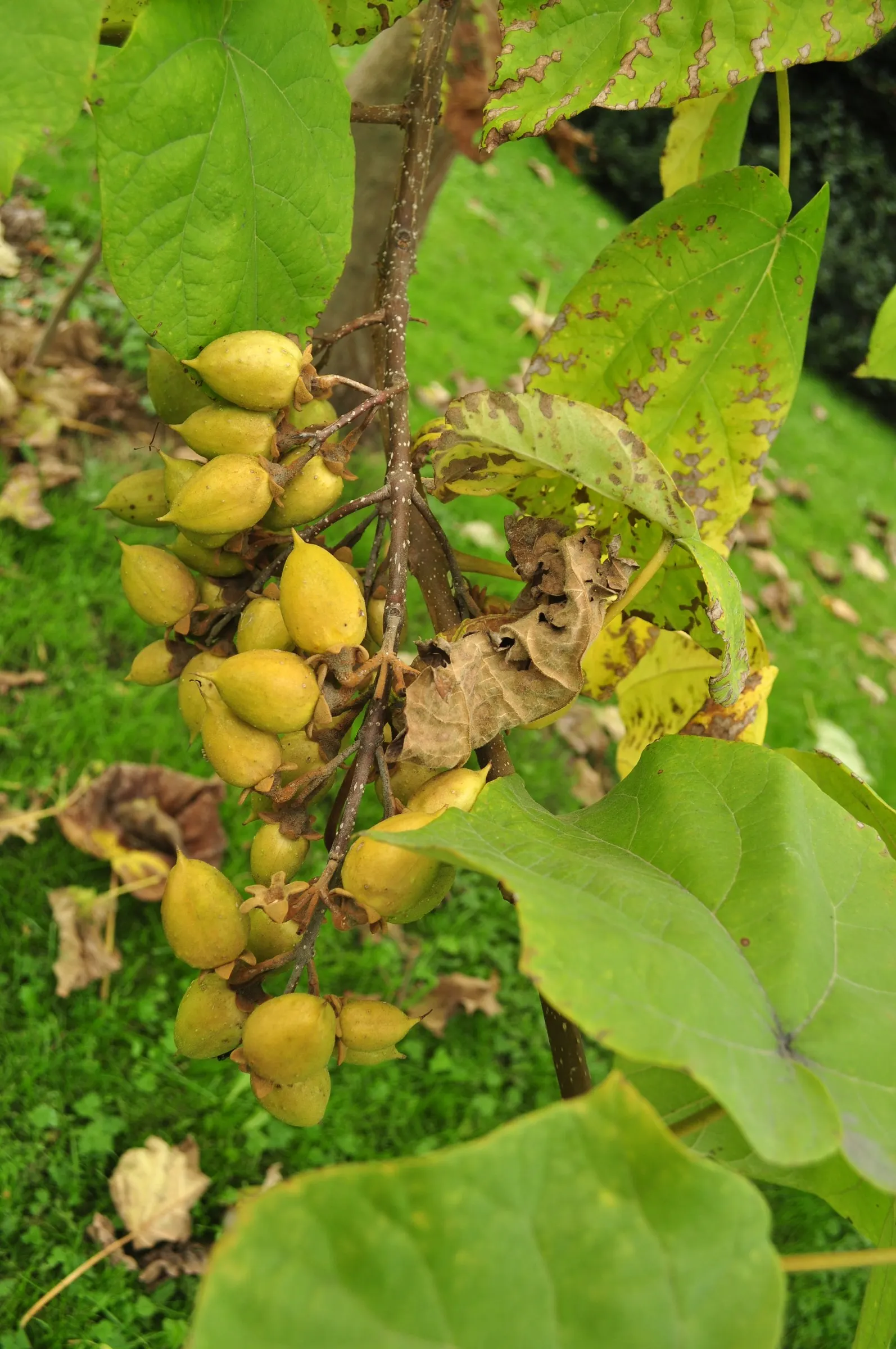
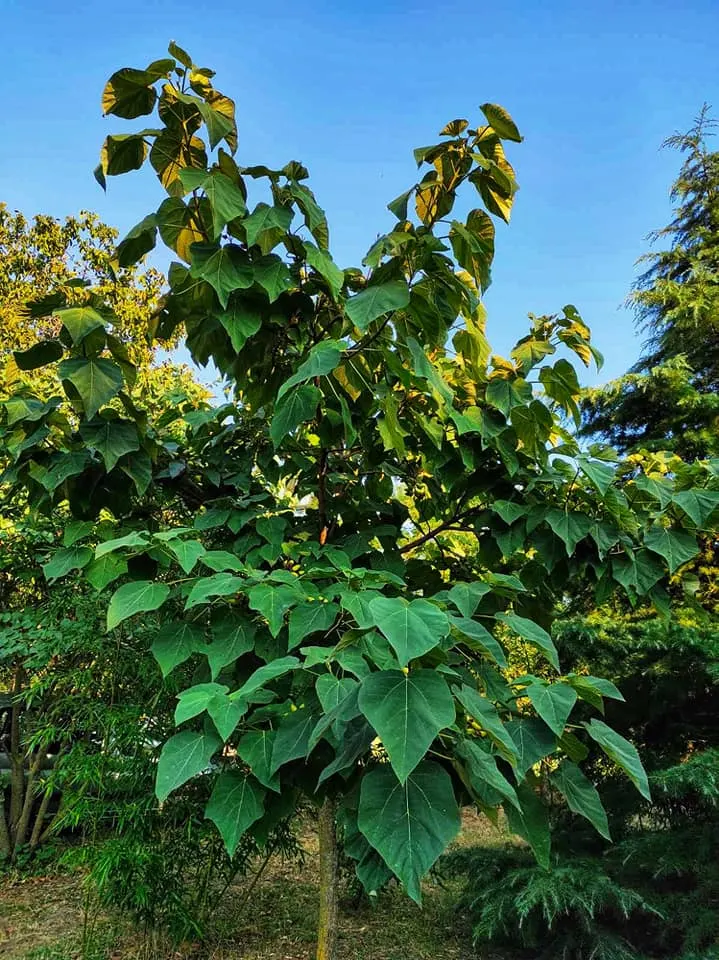
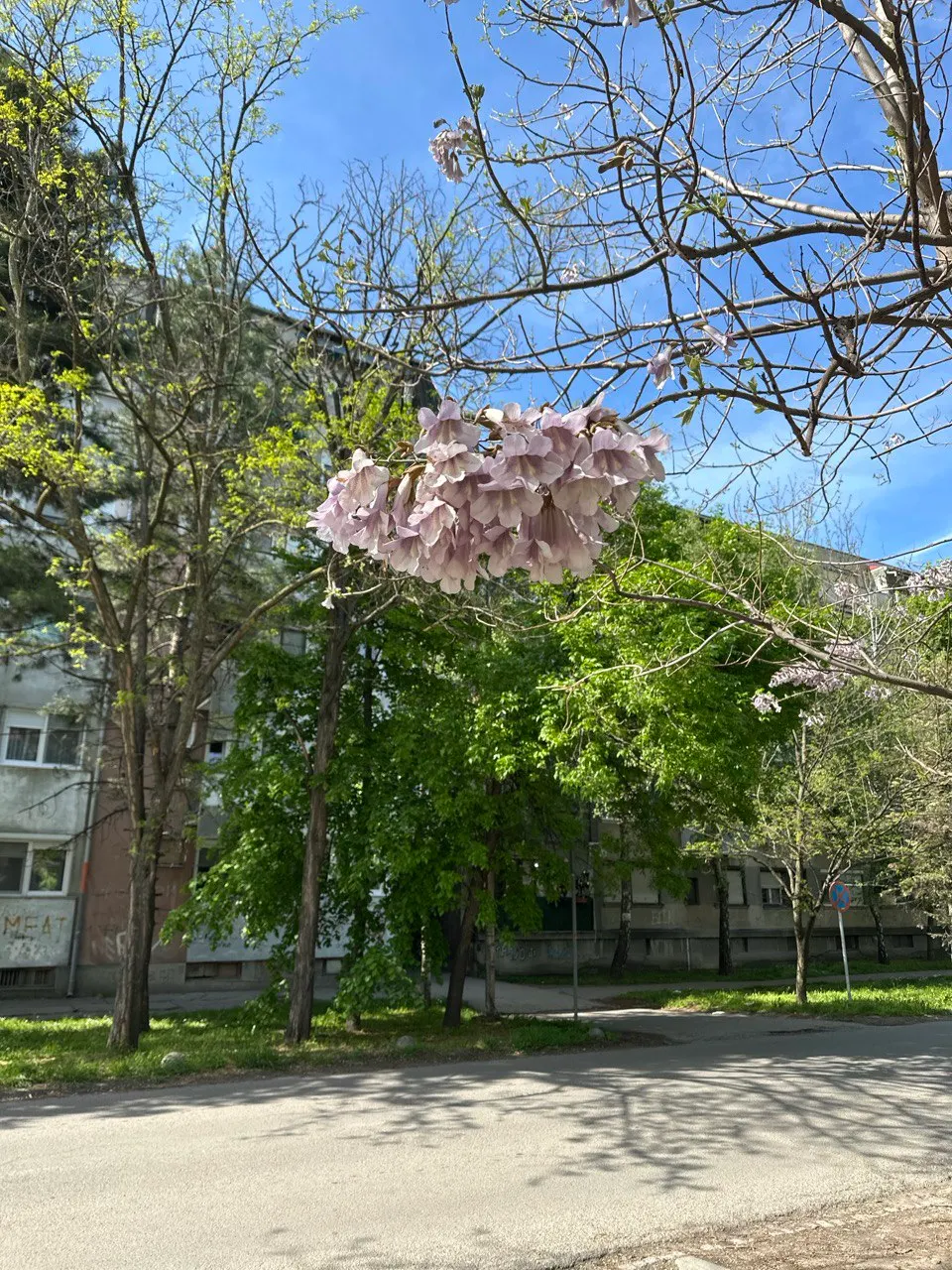
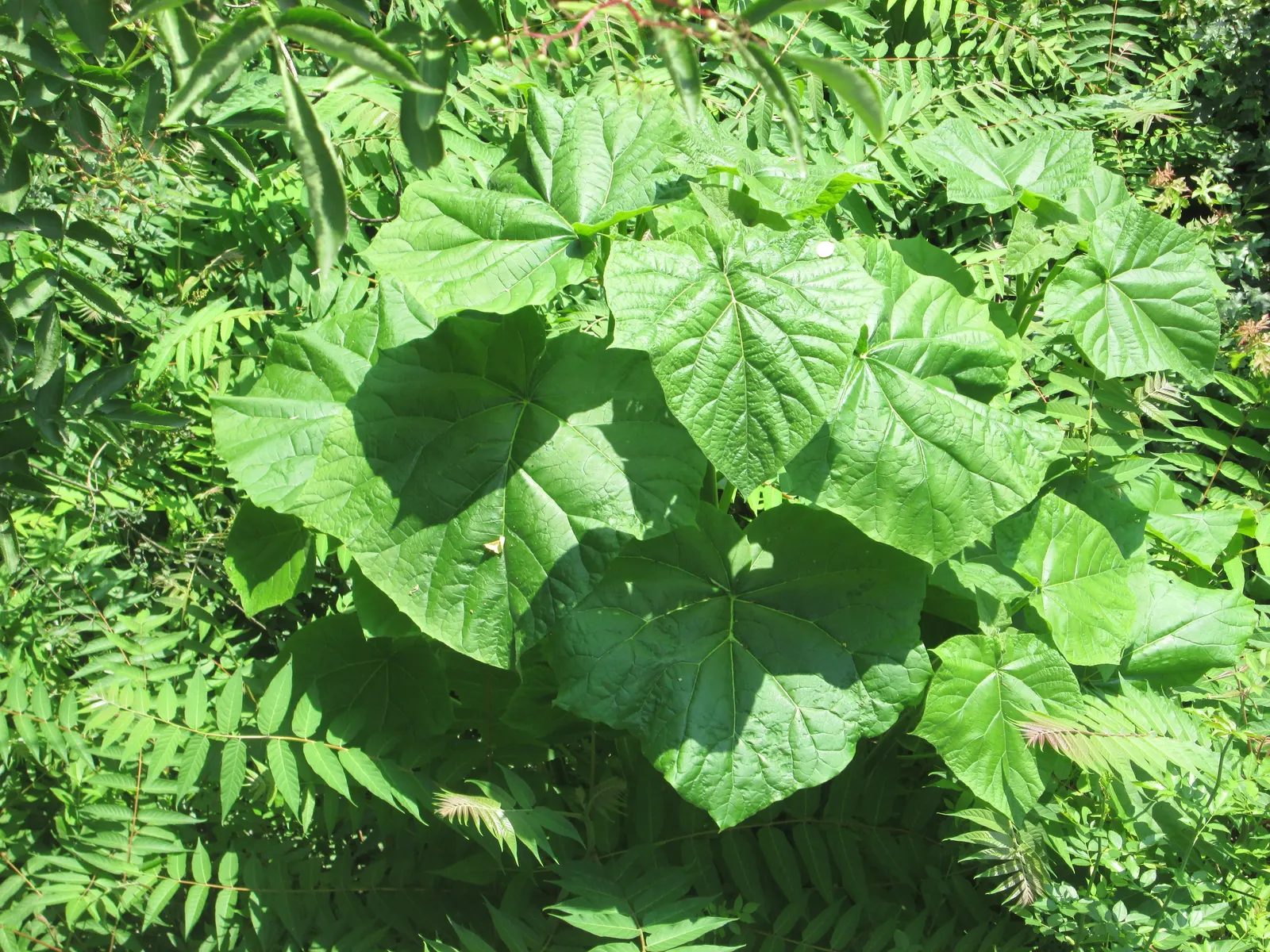
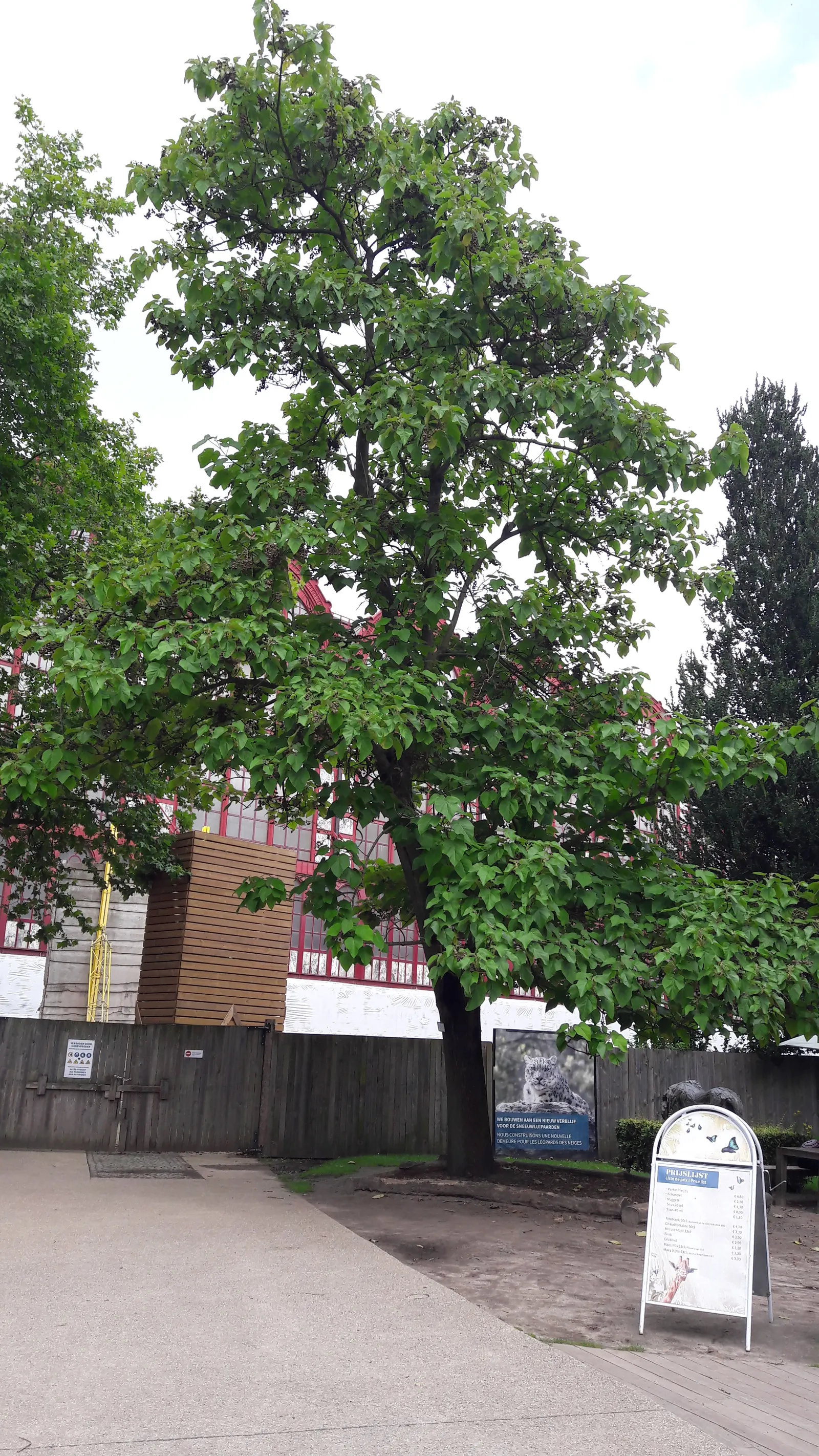
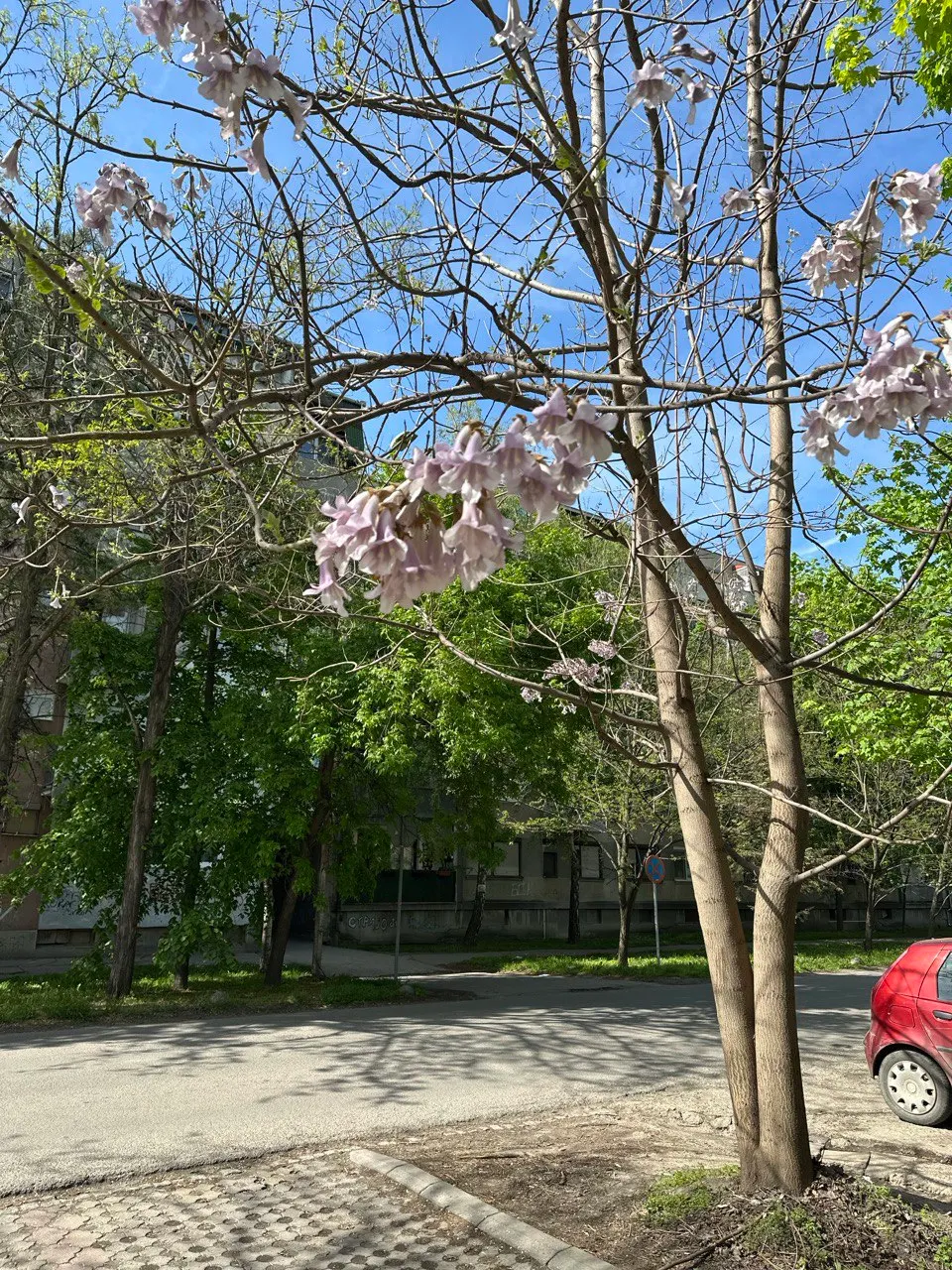
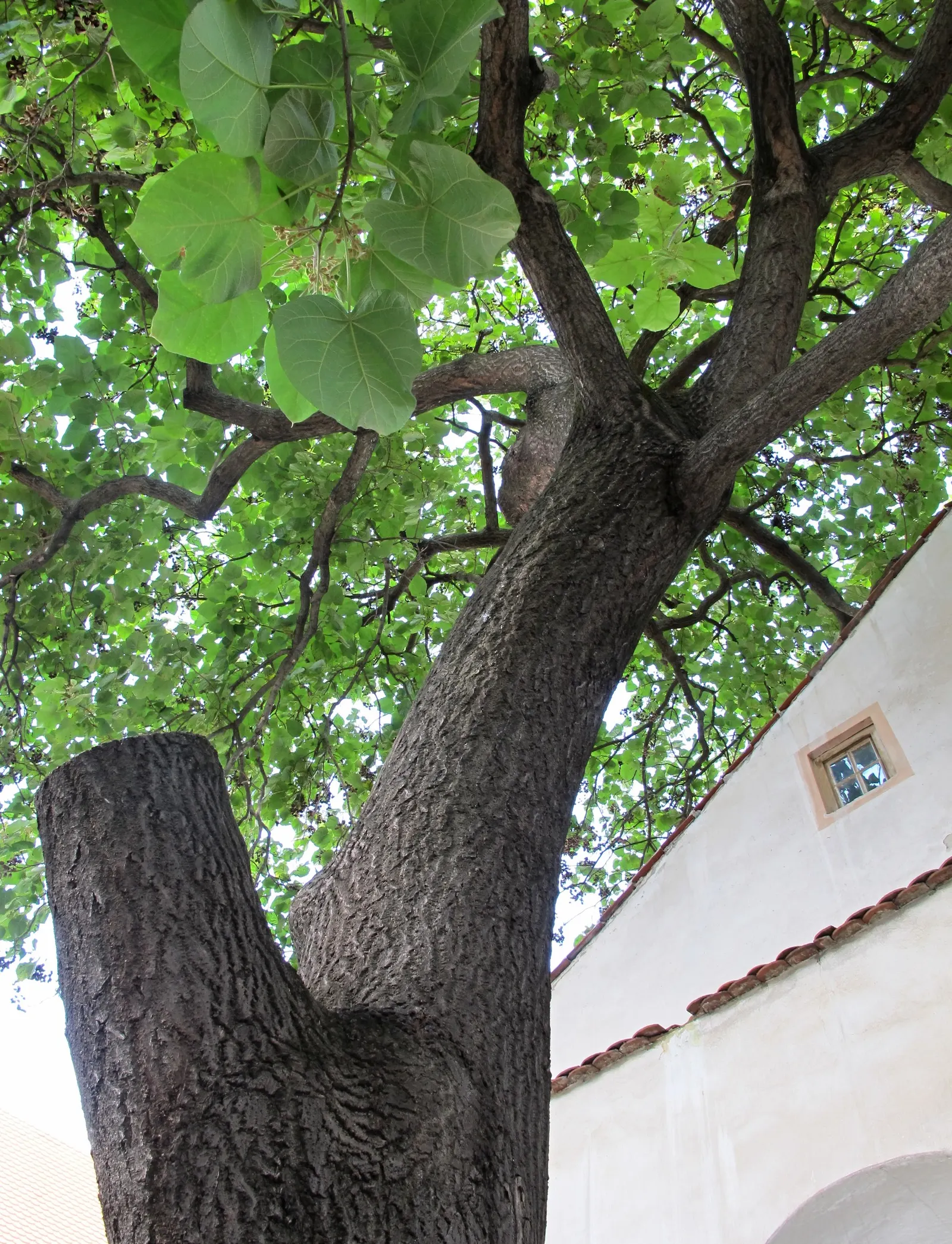
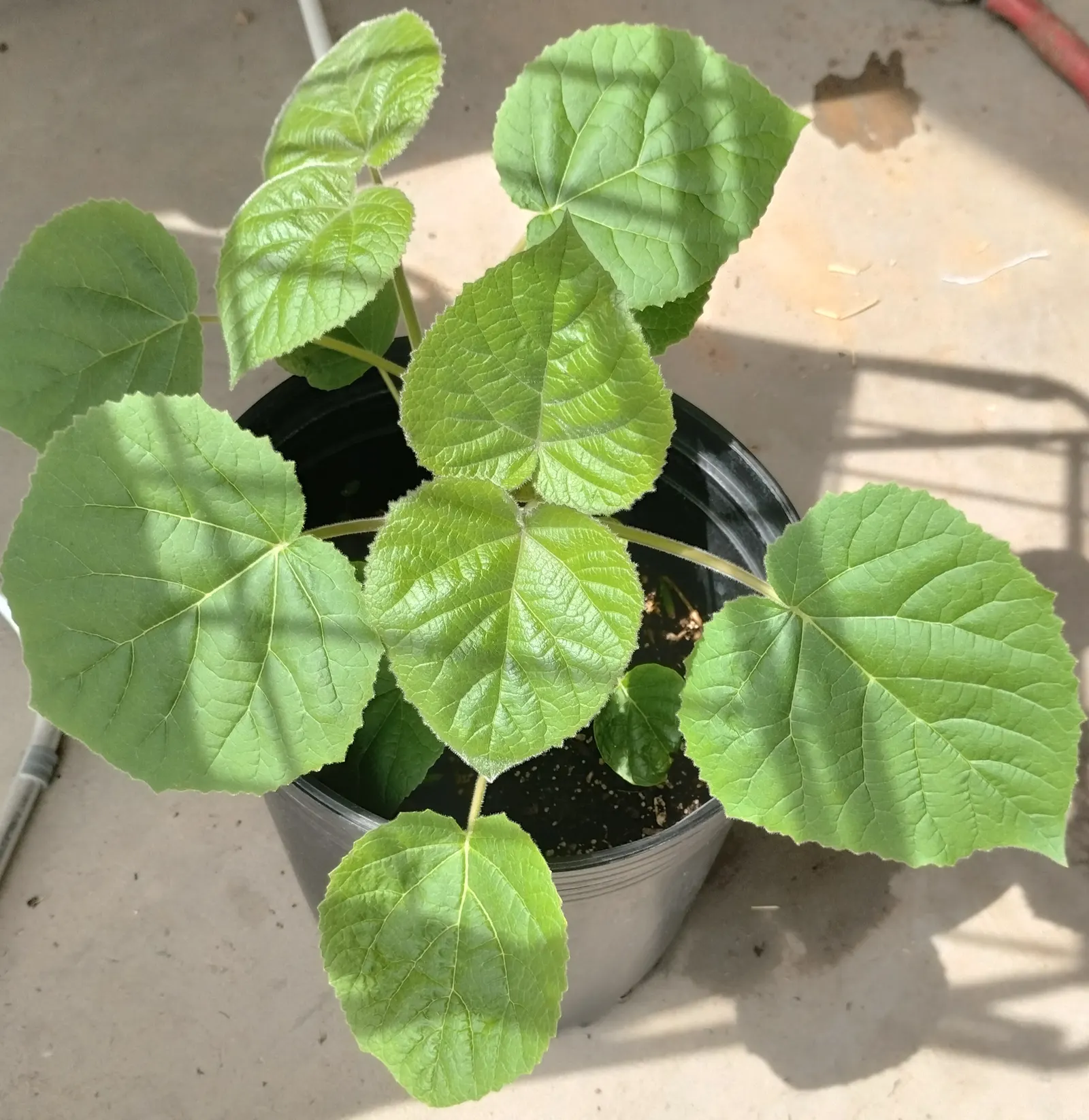
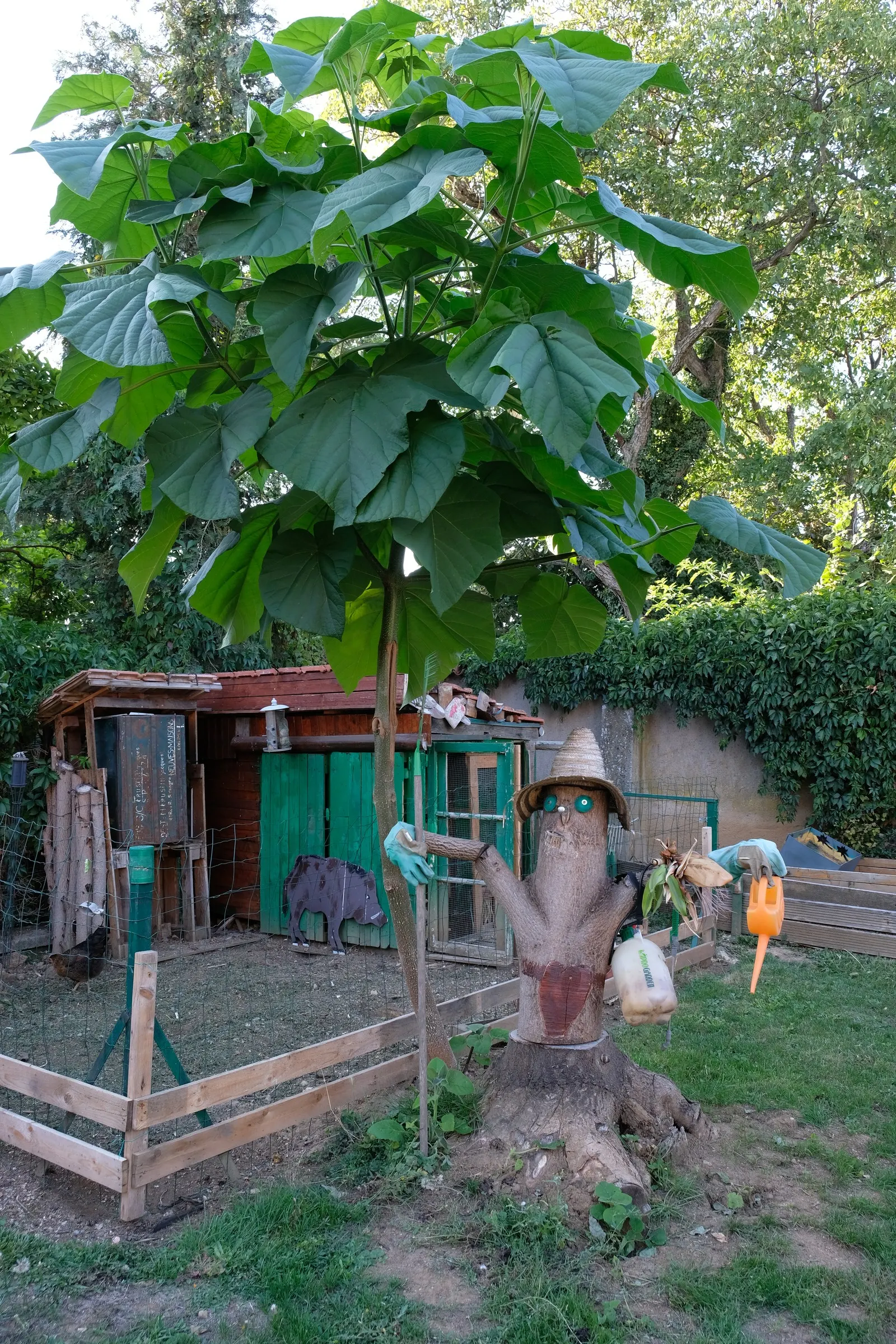
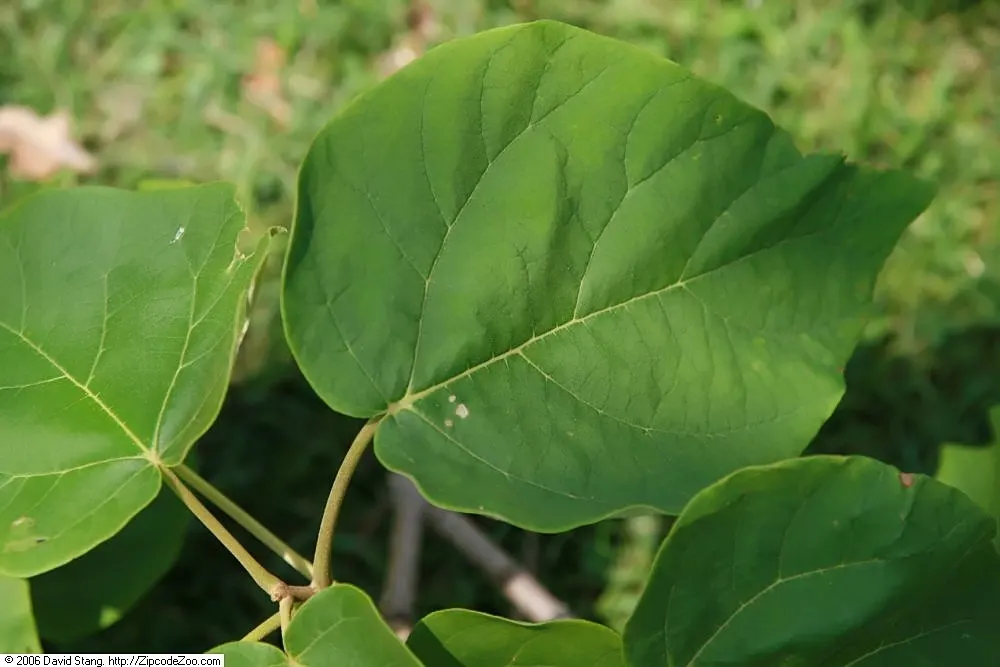
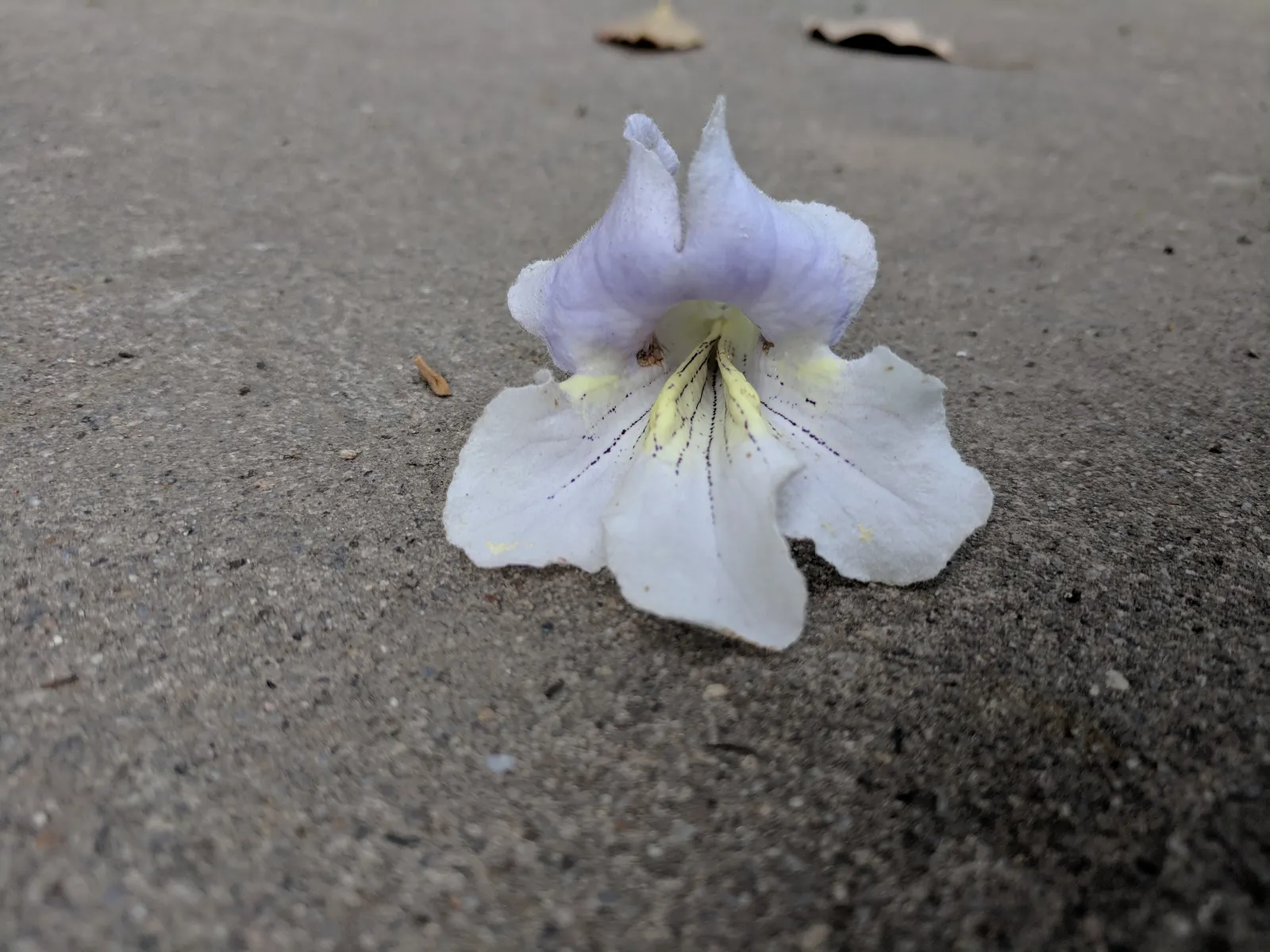
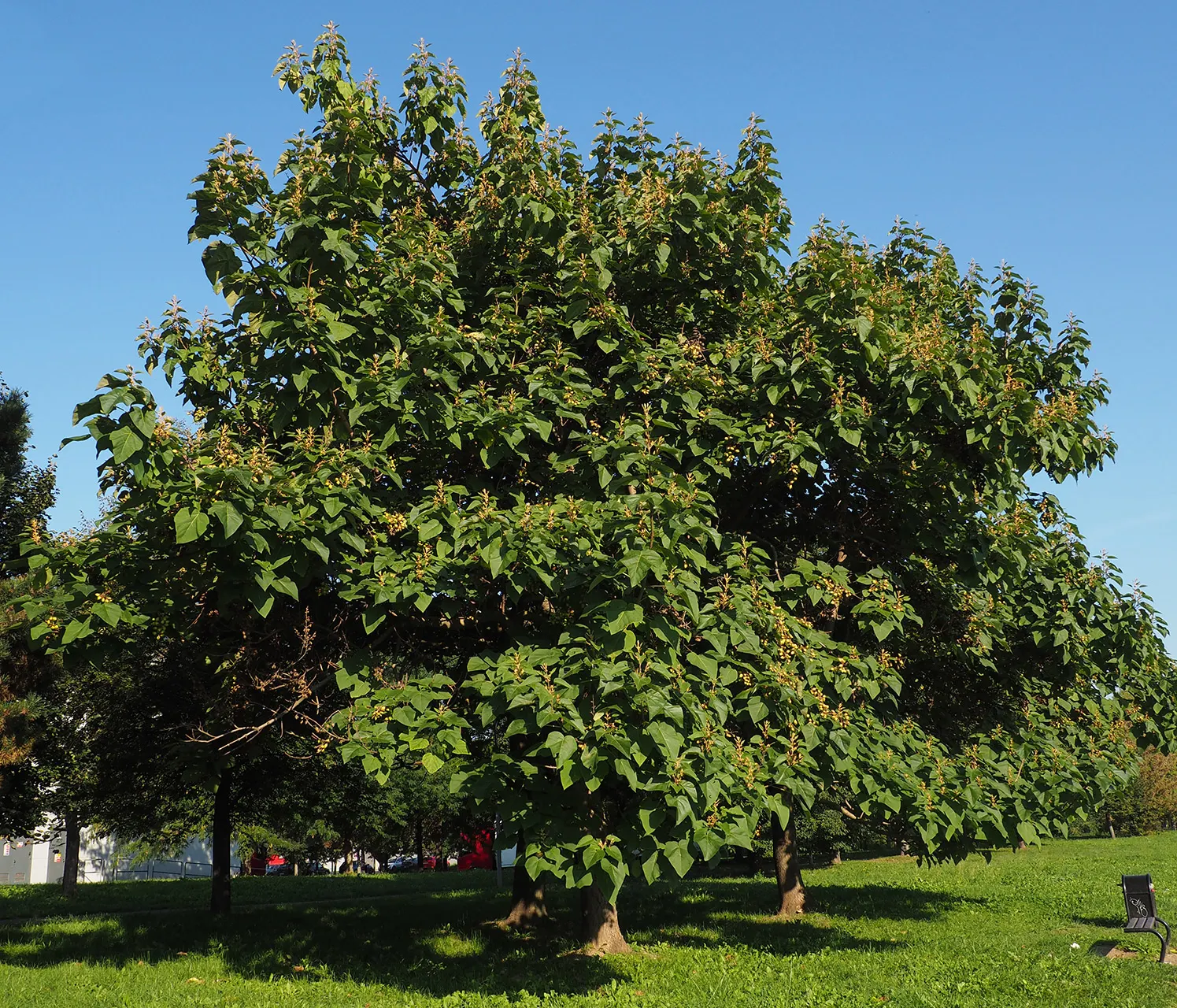
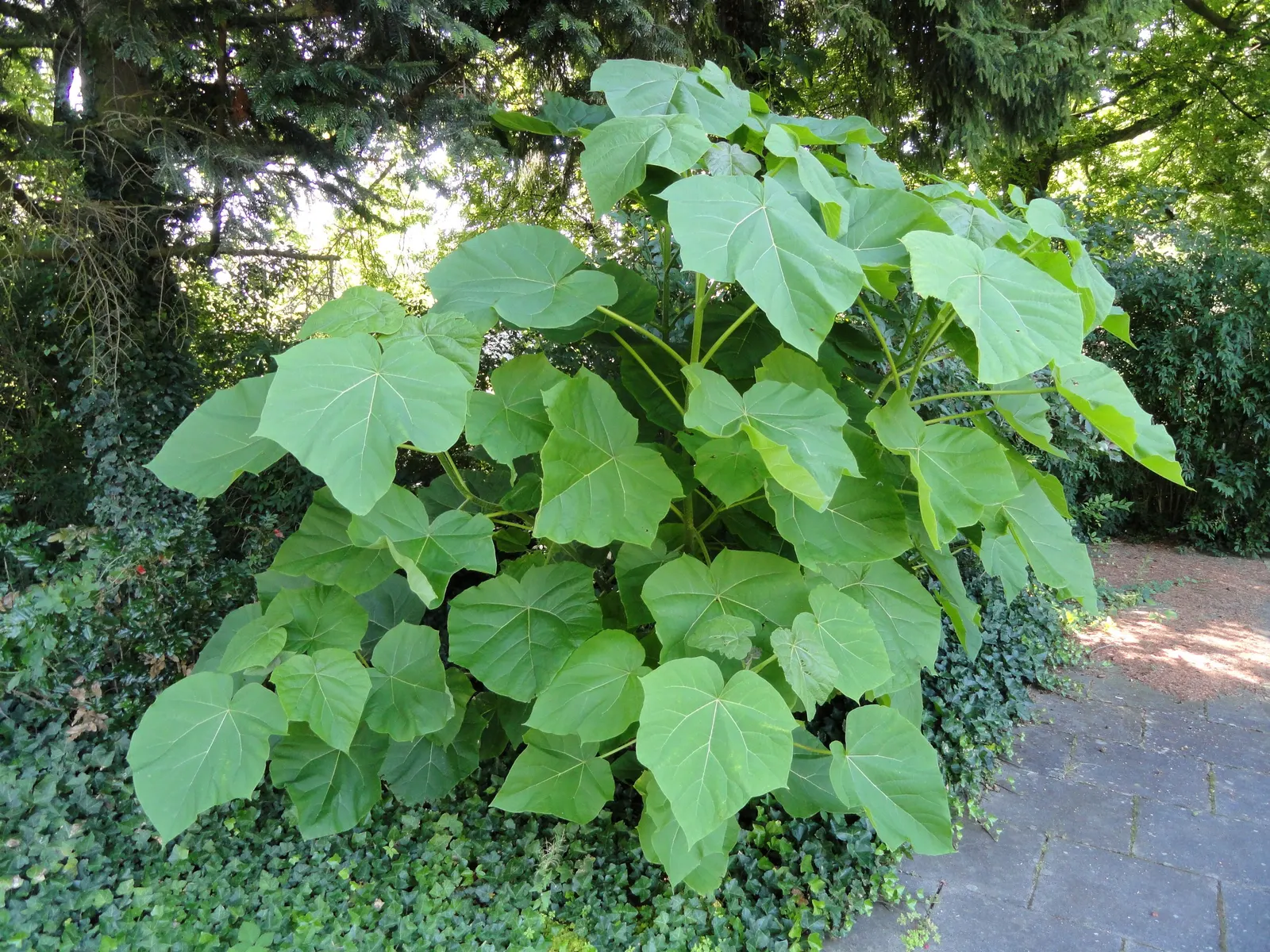
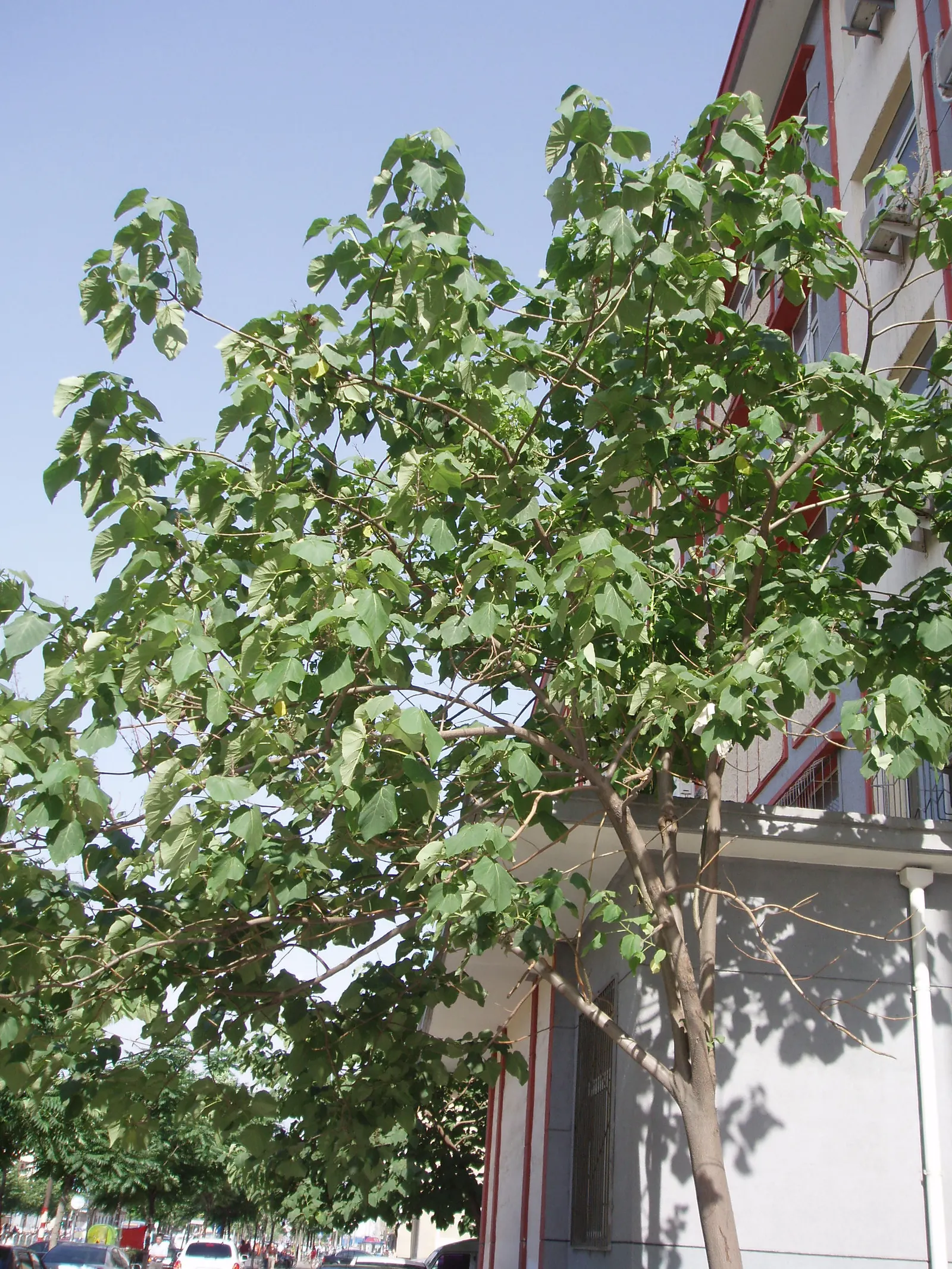
The Empress Tree (Paulownia tomentosa), thrives in zones 5-9, and is a rapid-growing, deciduous choice, reaching up to 40-50 ft tall with a spread of 30-40 ft. Known for its large heart-shaped leaves and showy, fragrant lavender blossoms in spring, this tree prefers full sun. It is adaptable but favors well-drained soils. Requires space and light pruning to control its size and avoid self-seeding, as it can become invasive.

Sun FullWater MediumZones 5–8Type Tree
Empress Tree (Paulownia Tomentosa) — lavender flowers in the garden

Culture

Sun
Full
Water
Medium
USDA zones
5–8

Shape & size

Classification

Type
Tree
Family
Paulowniaceae

See full data, regional cultivation notes, and design tools. Build a client presentation around this plant.

Start your 14-day trial

Photos (122)

Empress Tree (Paulownia Tomentosa) — with a widespread canopy extending to 30 to 40 feet at maturity; commonly thrives in USDA hardiness zones 5, image 99
Empress Tree (Paulownia Tomentosa) — lavender flowers in the garden; this tree prefers full sun, image 64
Empress Tree (Paulownia Tomentosa) — Though adaptable to a variety of soil conditions; tree with lavender blooms
Empress Tree (Paulownia Tomentosa) — and is renowned for its astonishing growth rate and impressive canopy; though adaptable to a variety of soil, image 53
Empress Tree (Paulownia Tomentosa) — this tree prefers full sun; this deciduous tree can soar to heights ranging from 30 to 50 feet, image 93
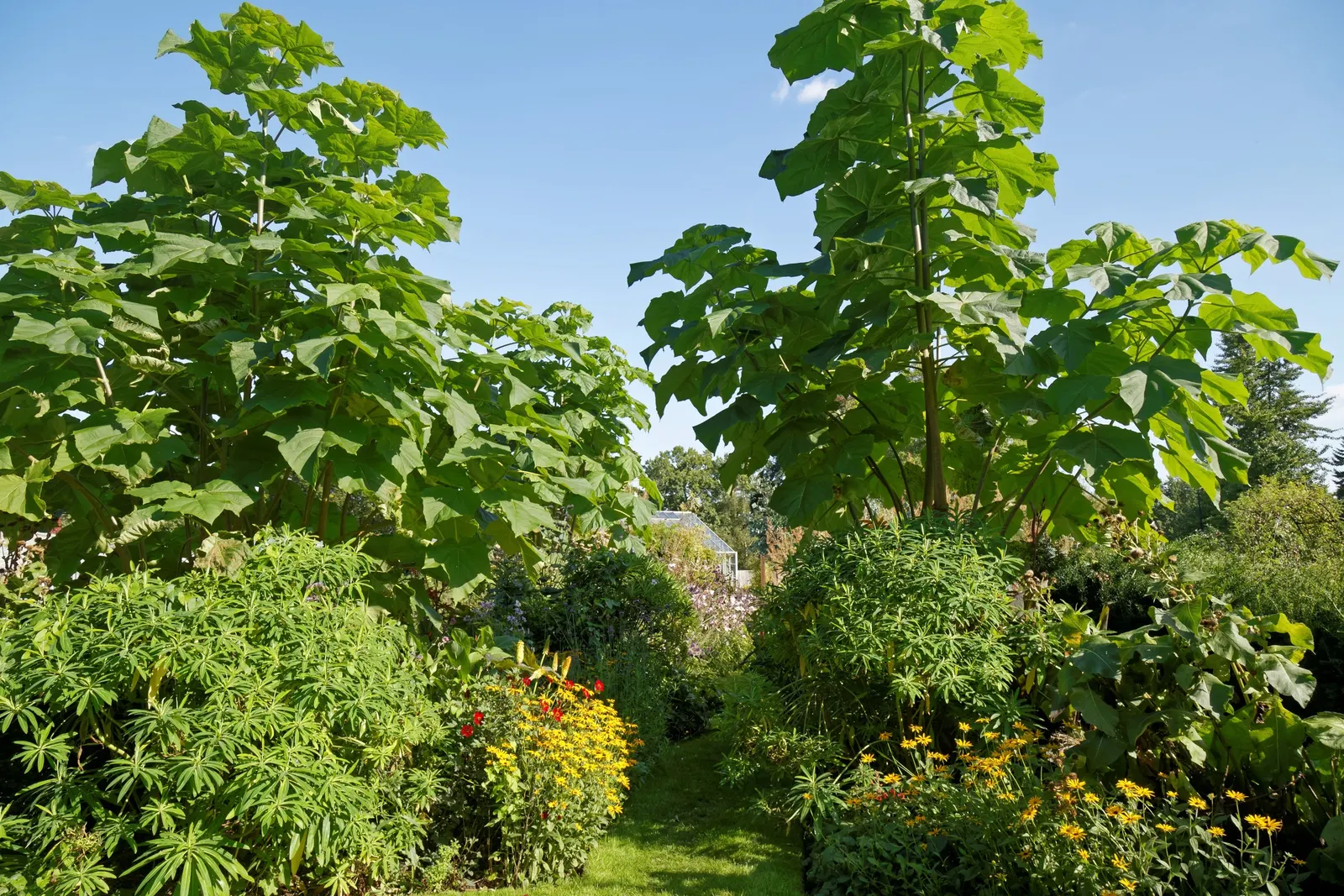
Empress Tree (Paulownia Tomentosa) — reaching up to 40-50 ft tall with a spread of 30-40 ft
Empress Tree (Paulownia Tomentosa) — commonly thrives in USDA hardiness zones 5 through 8; and is renowned for its astonishing growth rate and, image 96
Empress Tree (Paulownia Tomentosa) — Requires space and light pruning to control its size and avoid self-seeding, as it can become invasive; reaching up to
Empress Tree (Paulownia Tomentosa) — with sizes ranging from 5 to 12 inches across; requires space and light pruning to control its size and avoid
Empress Tree (Paulownia Tomentosa) — tree with lavender blooms; showy lavender flowers that blossom in spring, image 87
Empress Tree (Paulownia Tomentosa) — and is renowned for its astonishing growth rate and impressive canopy; though adaptable to a variety of soil, image 97
Empress Tree (Paulownia Tomentosa) — Though adaptable to a variety of soil conditions
Empress Tree (Paulownia Tomentosa) — commonly thrives in USDA hardiness zones 5 through 8; and is renowned for its astonishing growth rate and impressive canopy
Empress Tree (Paulownia Tomentosa) — reaching up to 40-50 ft tall with a spread of 30-40 ft; with a widespread canopy extending to 30 to 40 feet at, image 90
Empress Tree (Paulownia Tomentosa) — this species prefers moist; it is adaptable but favors well-drained soils, image 83
Empress Tree (Paulownia Tomentosa) — fragrant lavender blossoms in spring; known for its large heart-shaped leaves and showy, image 48
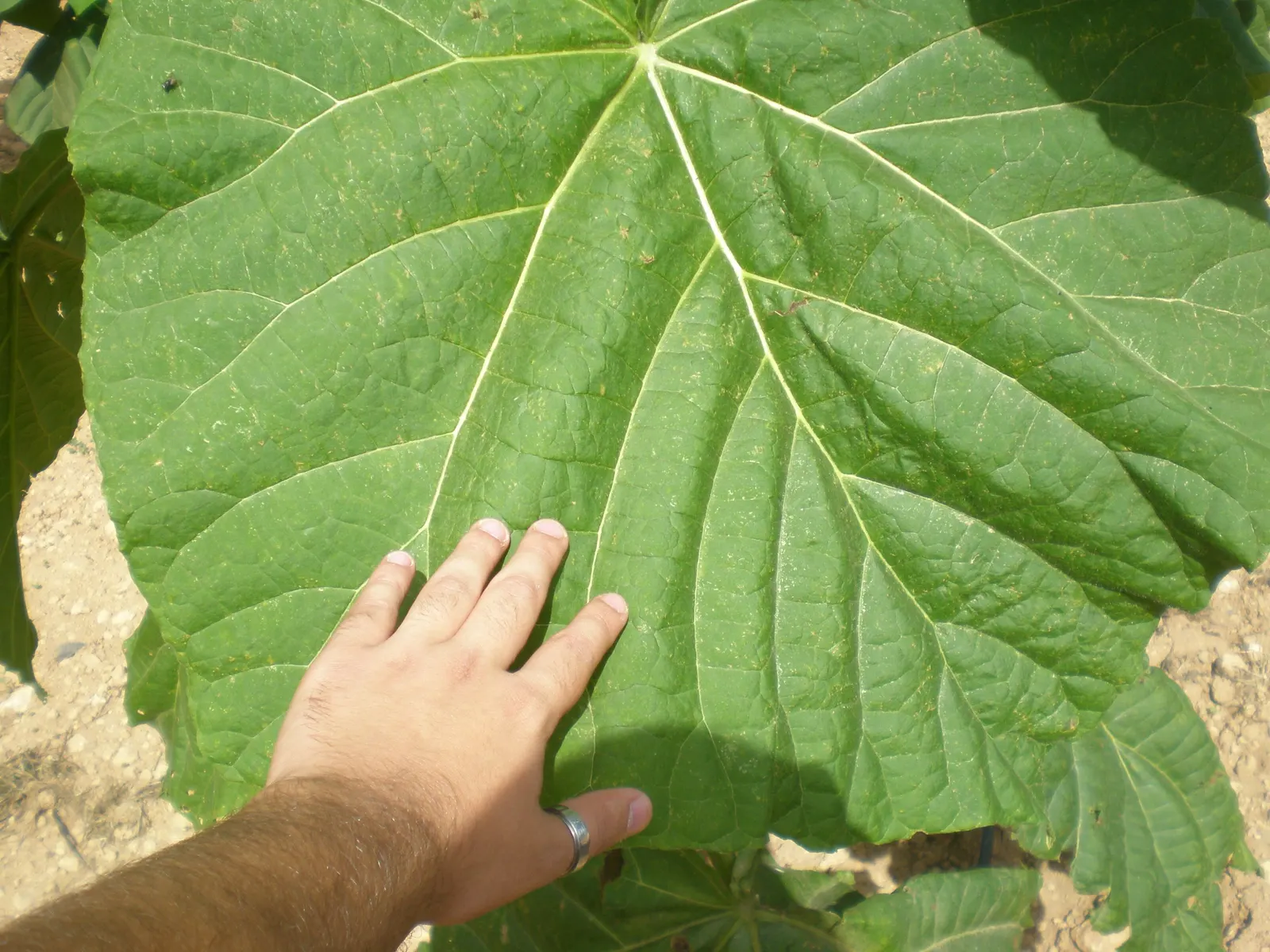
Empress Tree (Paulownia Tomentosa) — with sizes ranging from 5 to 12 inches across
Empress Tree (Paulownia Tomentosa) — this species prefers moist; it is adaptable but favors well-drained soils, image 61
Empress Tree (Paulownia Tomentosa) — well-drained soils with a pH level between 5.5 and 7.0; often before the heart-shaped leaves unfurl, image 62
Empress Tree (Paulownia Tomentosa) — and is renowned for its astonishing growth rate and impressive canopy; though adaptable to a variety of soil conditions
Empress Tree (Paulownia Tomentosa) — commonly thrives in USDA hardiness zones 5 through 8; and is renowned for its astonishing growth rate and, image 52
Empress Tree (Paulownia Tomentosa) — The Empress Tree (Paulownia tomentosa); fragrant lavender blossoms in spring
Empress Tree (Paulownia Tomentosa) — with a widespread canopy extending to 30 to 40 feet at maturity; commonly thrives in USDA hardiness zones 5, image 77
Empress Tree (Paulownia Tomentosa) — Known for its large heart-shaped leaves and showy; well-drained soils with a pH level between 5.5 and 7.0, image 91
Photographs by 18 contributors

Related plants