Skip to content

Oriental Poppy

Papaver Orientale

Design with this plant

Overview

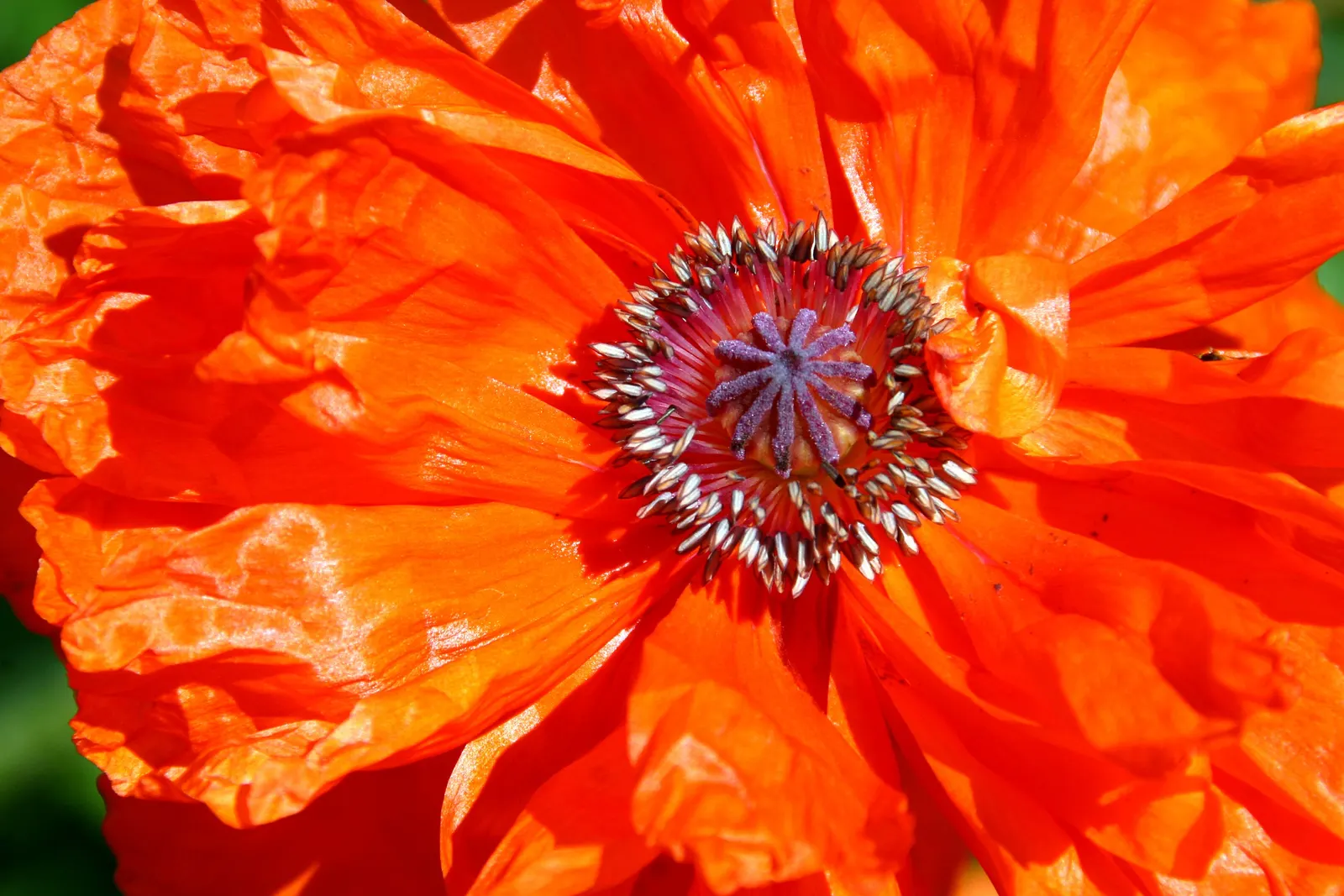
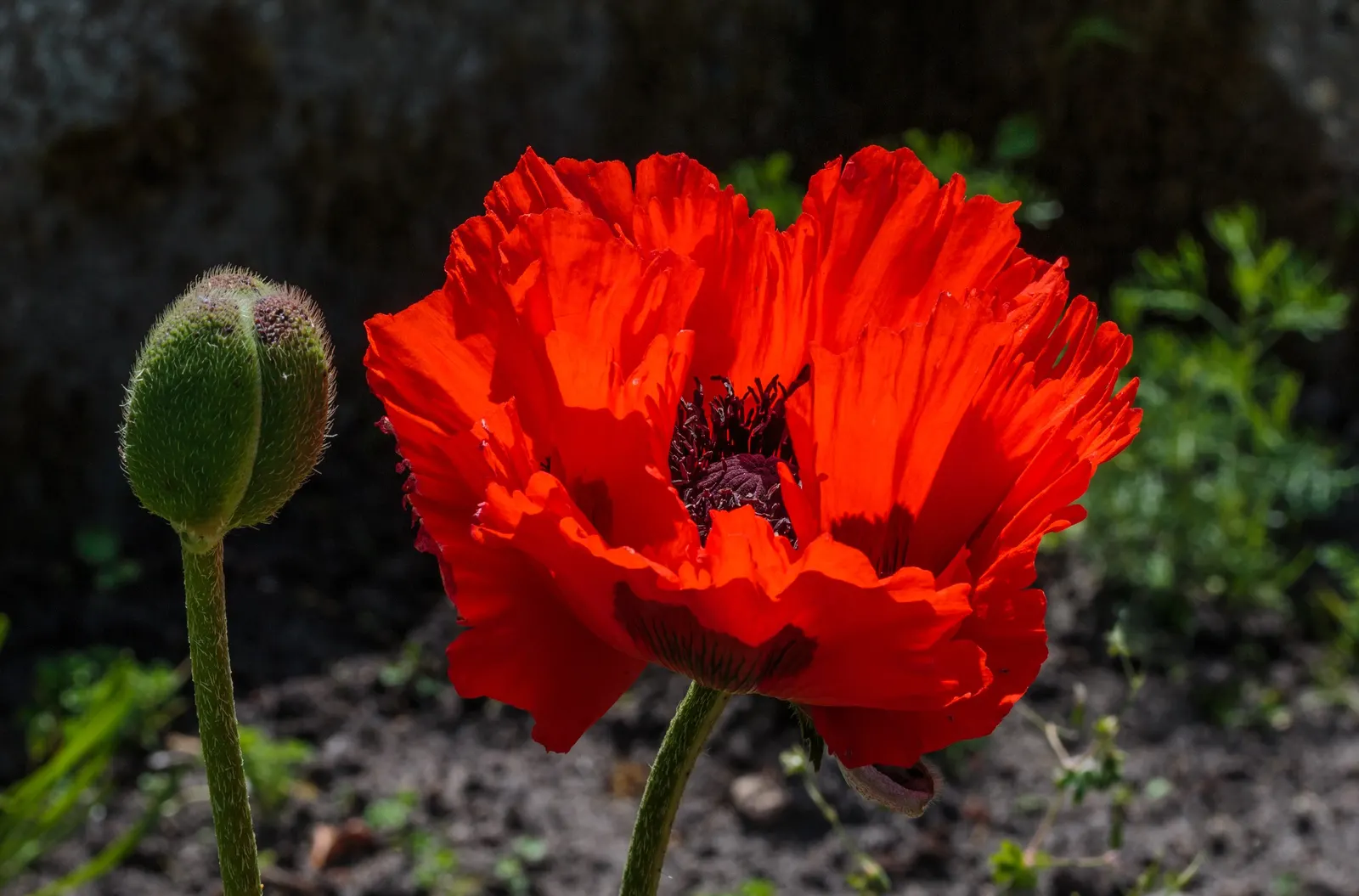
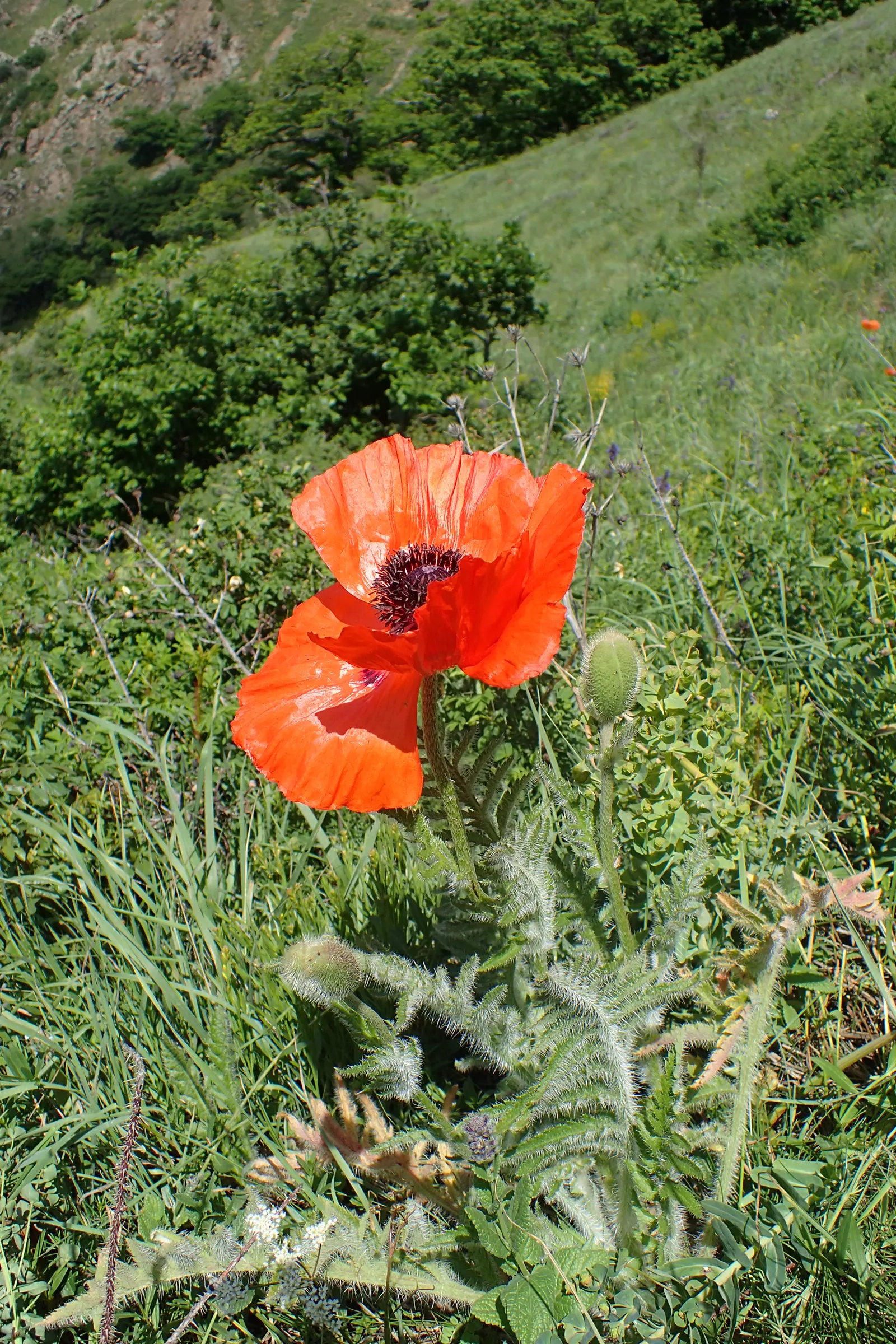
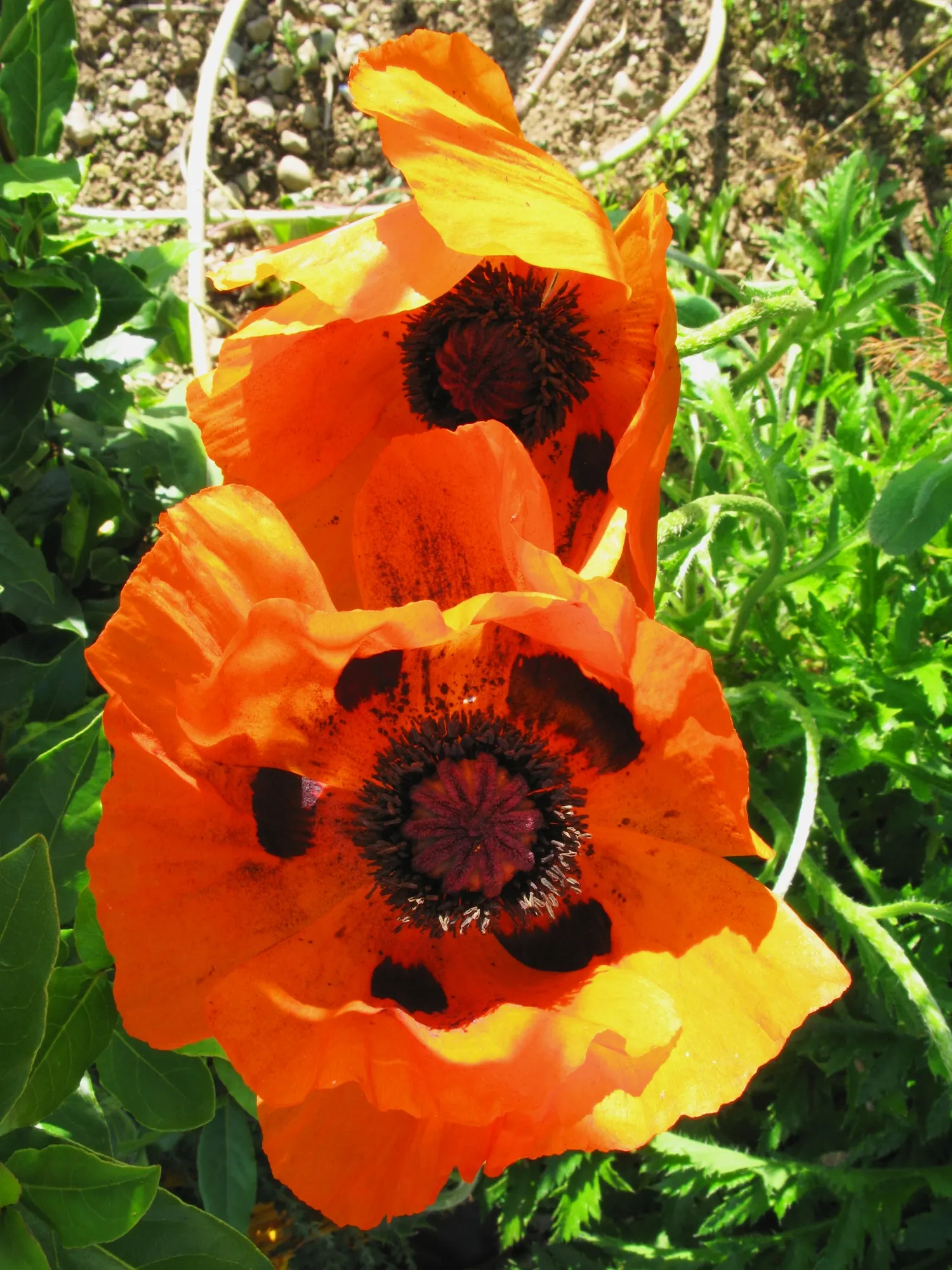
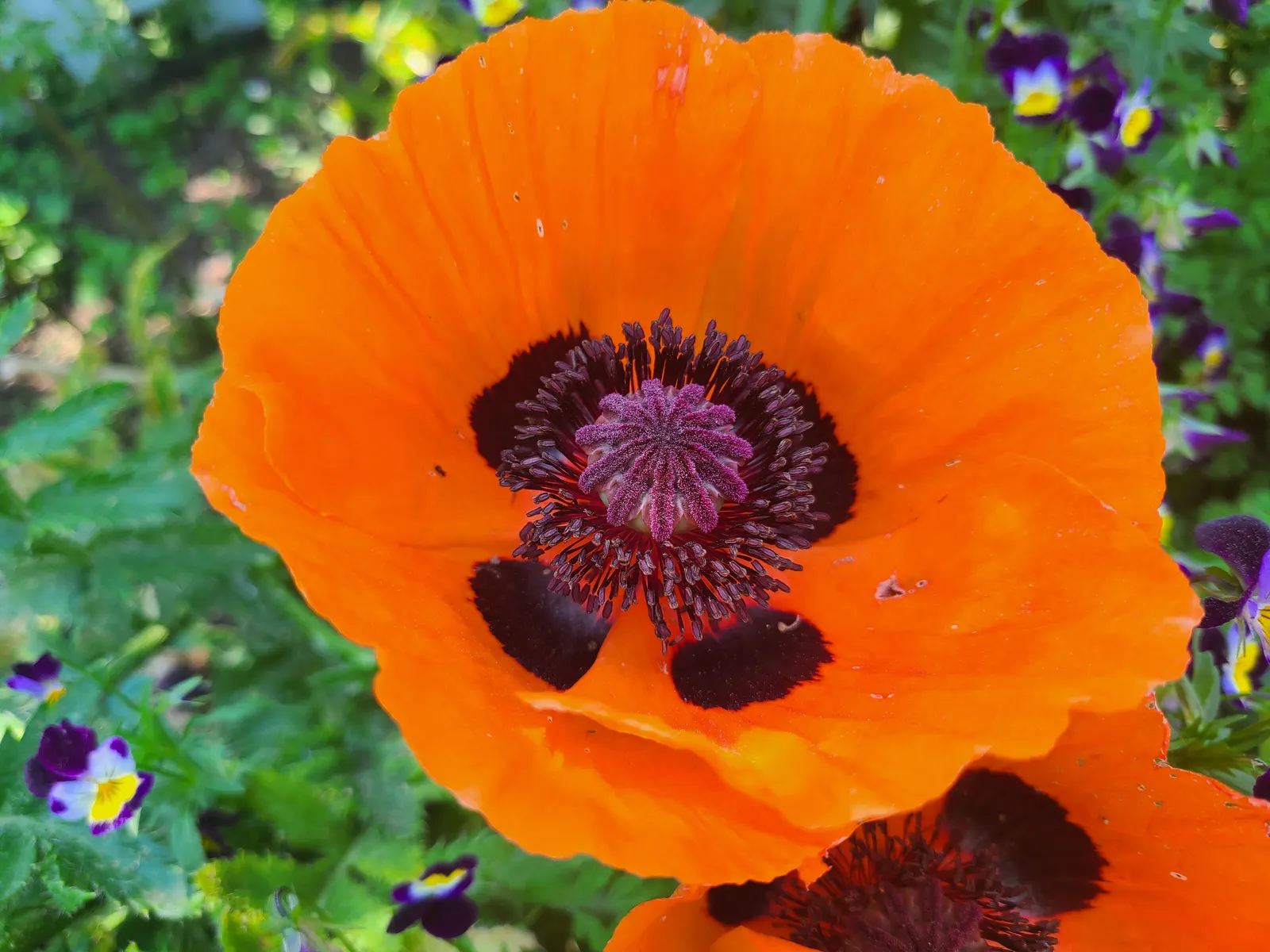
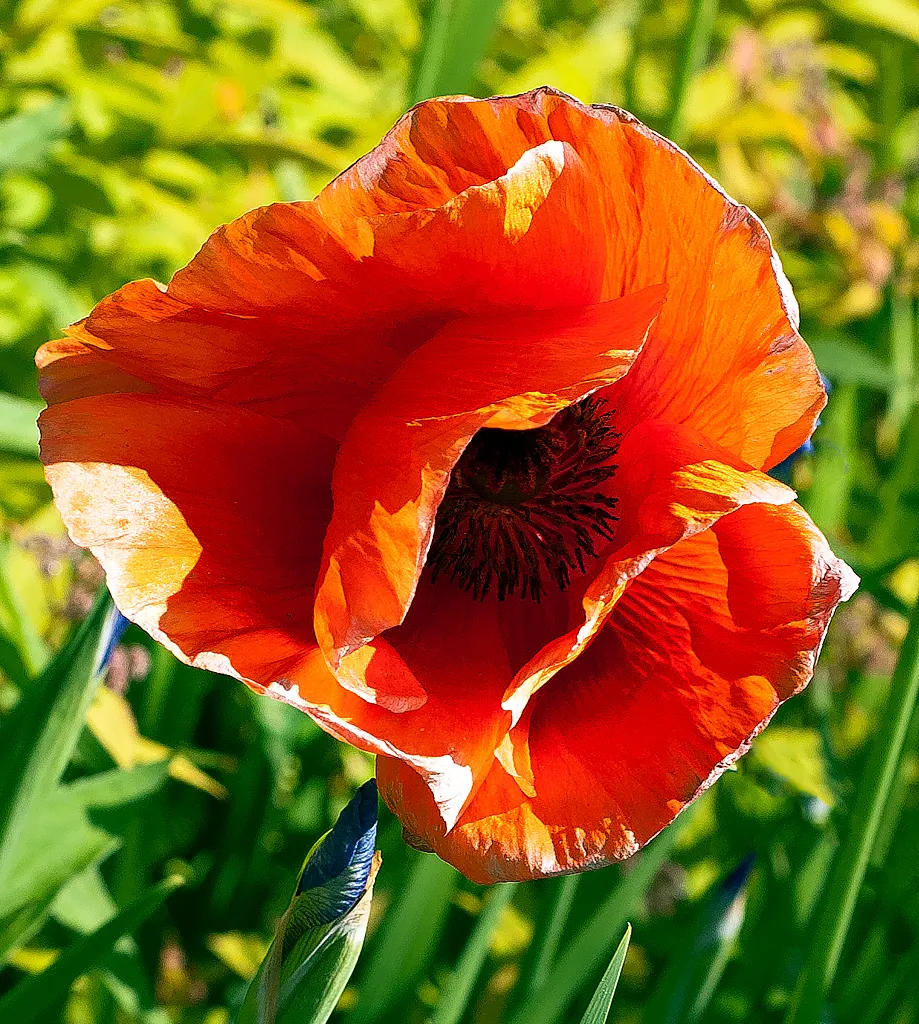
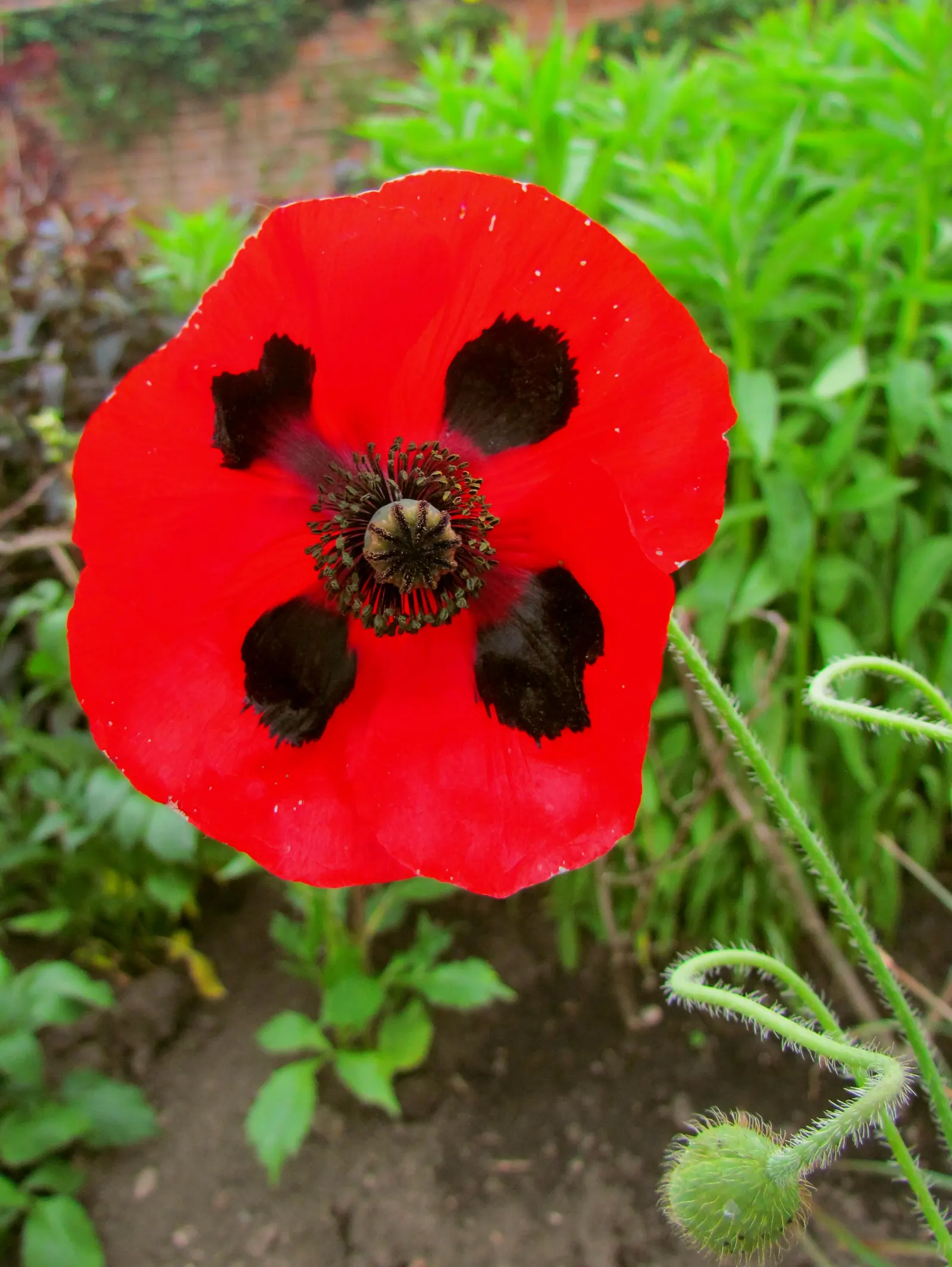
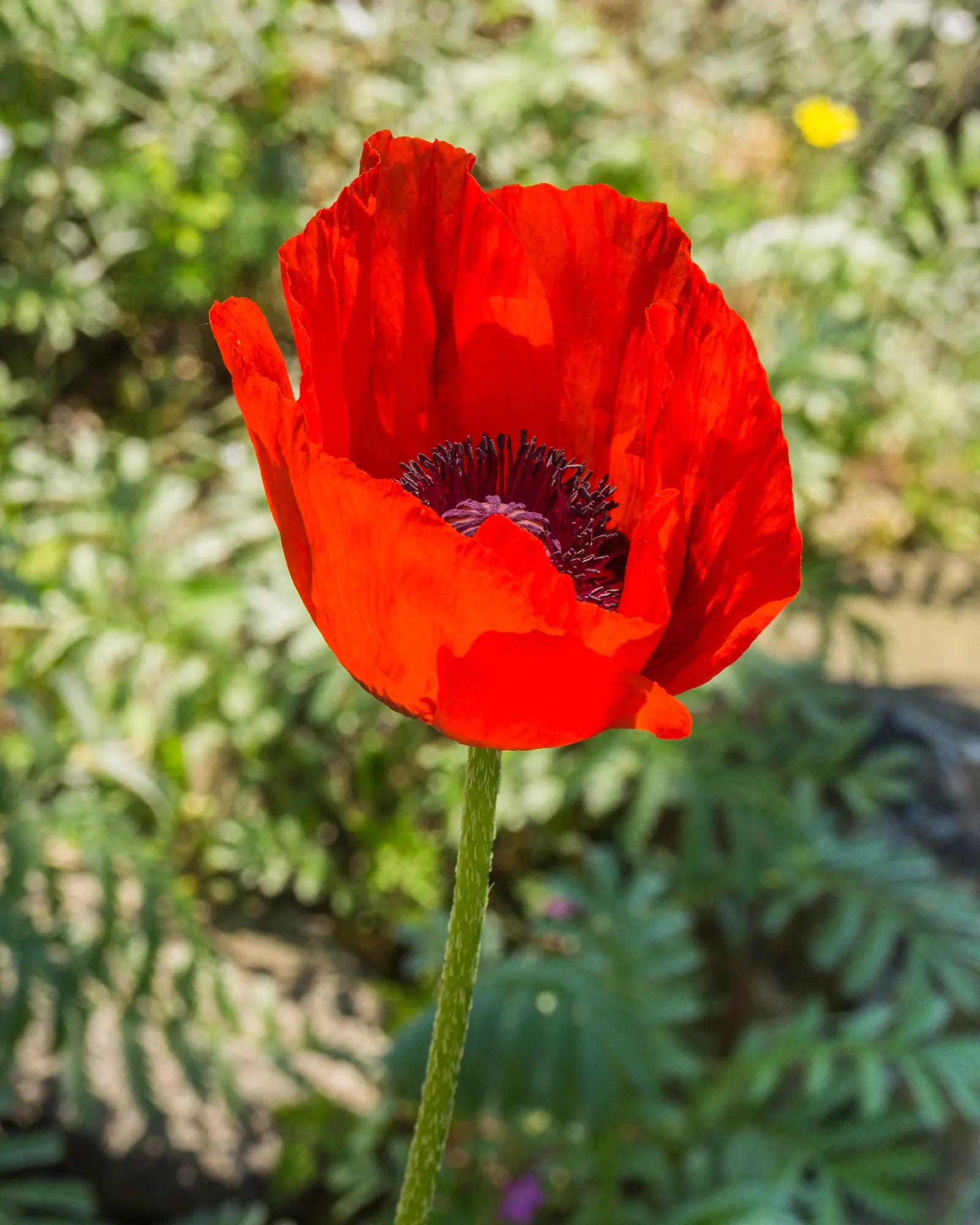
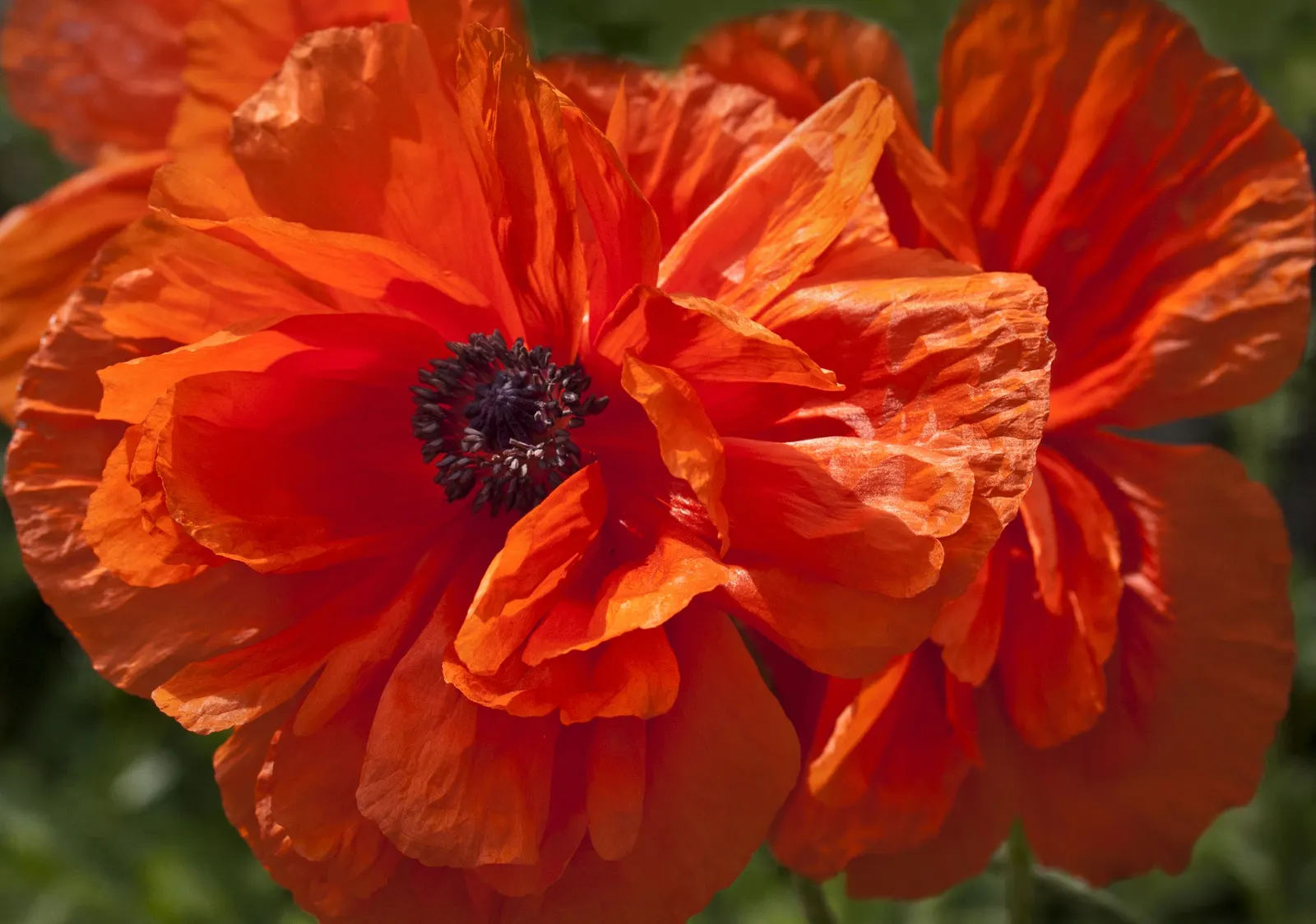
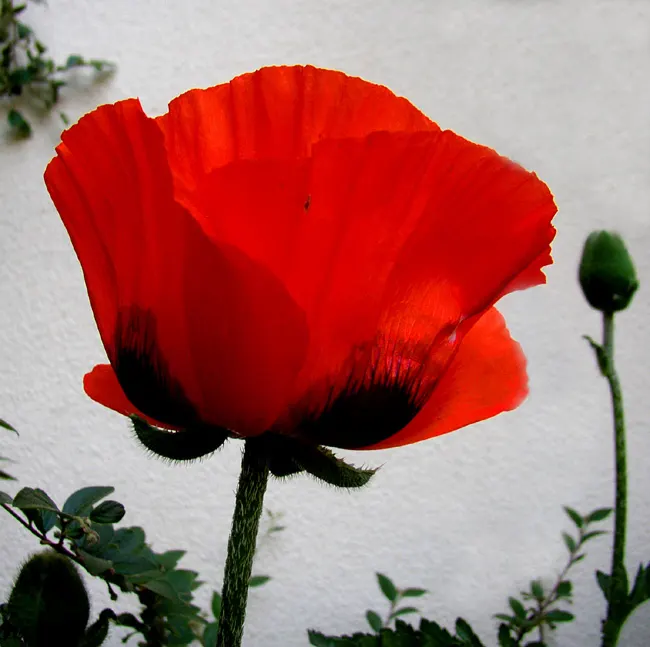
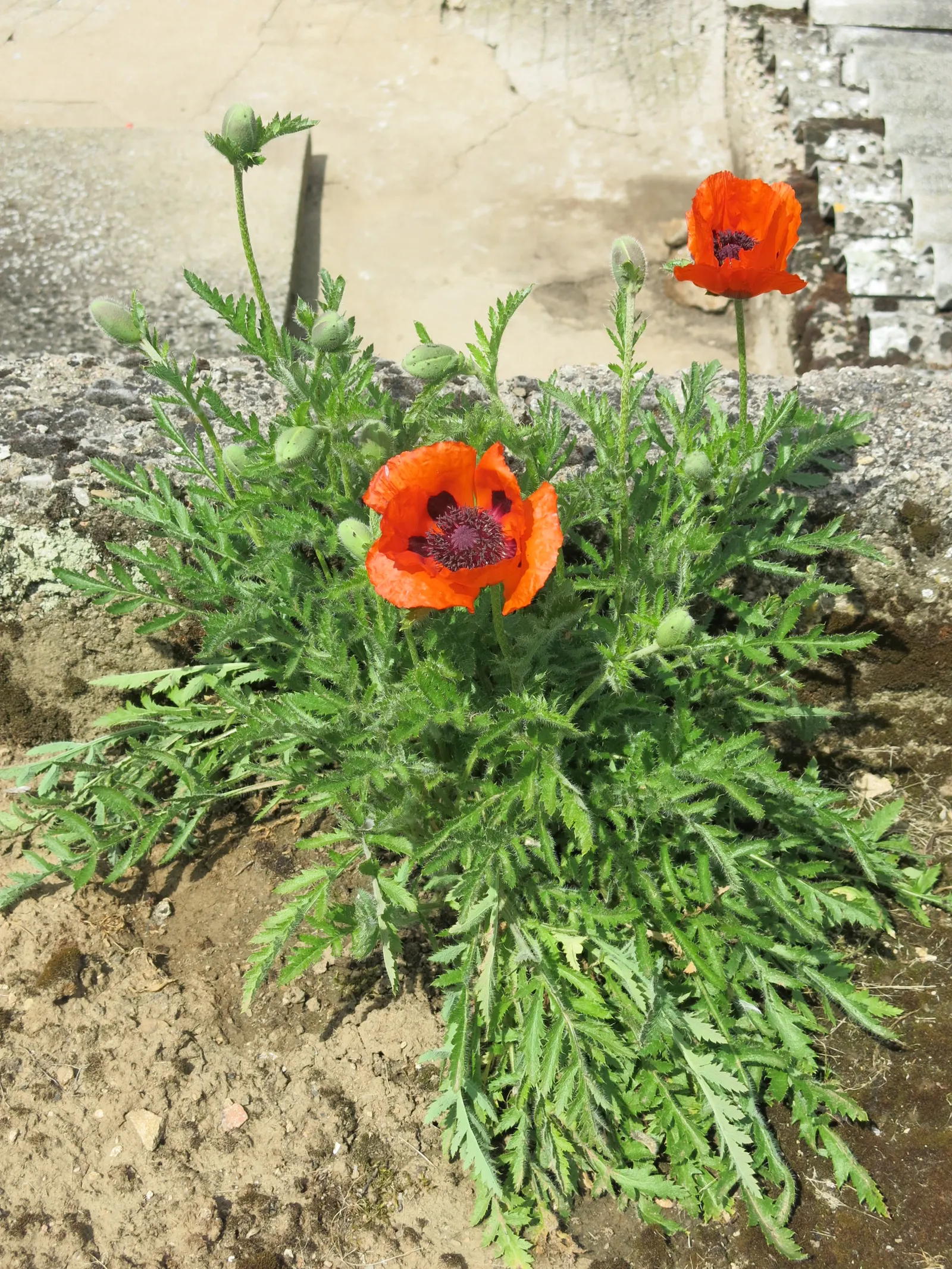
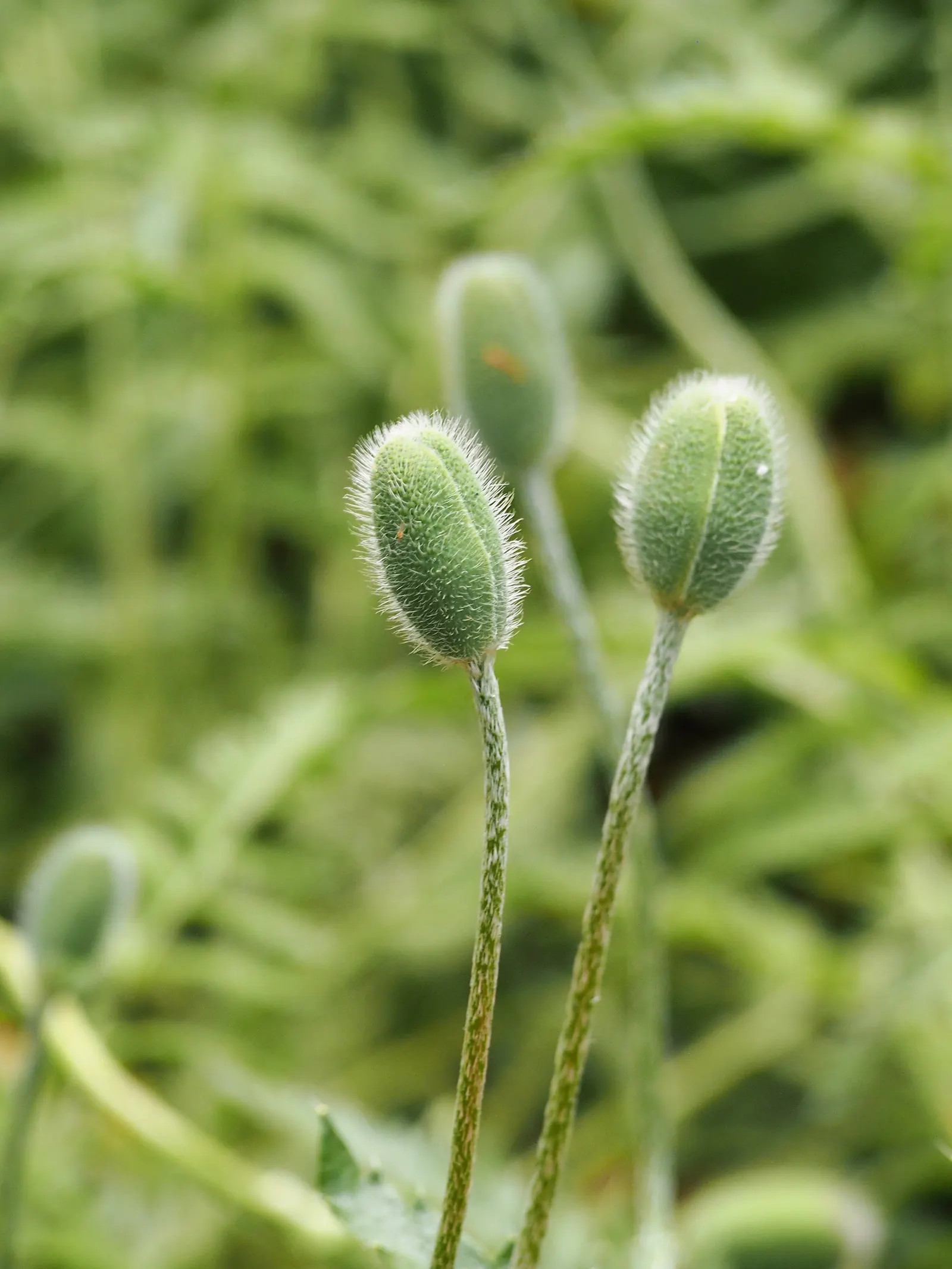
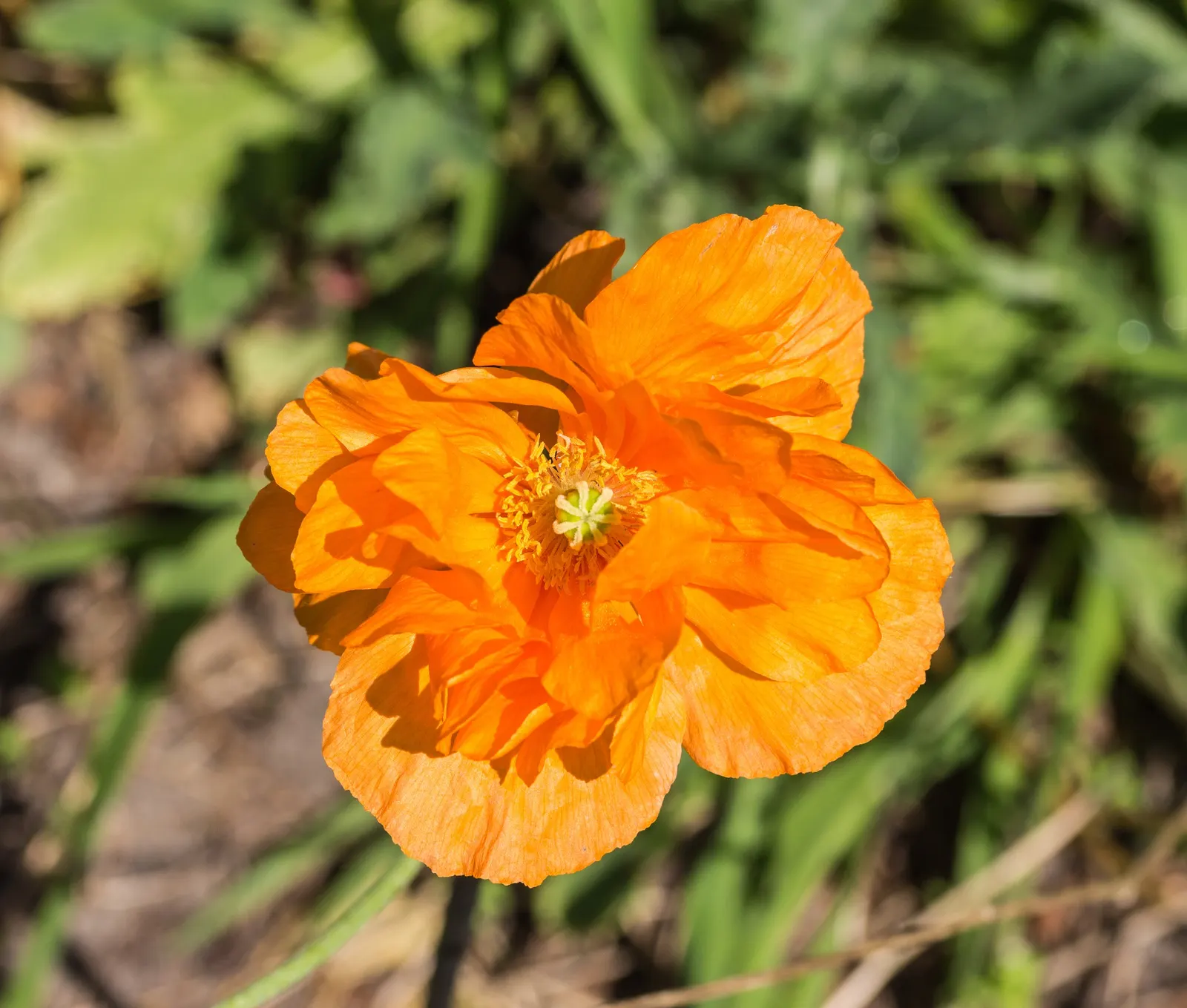
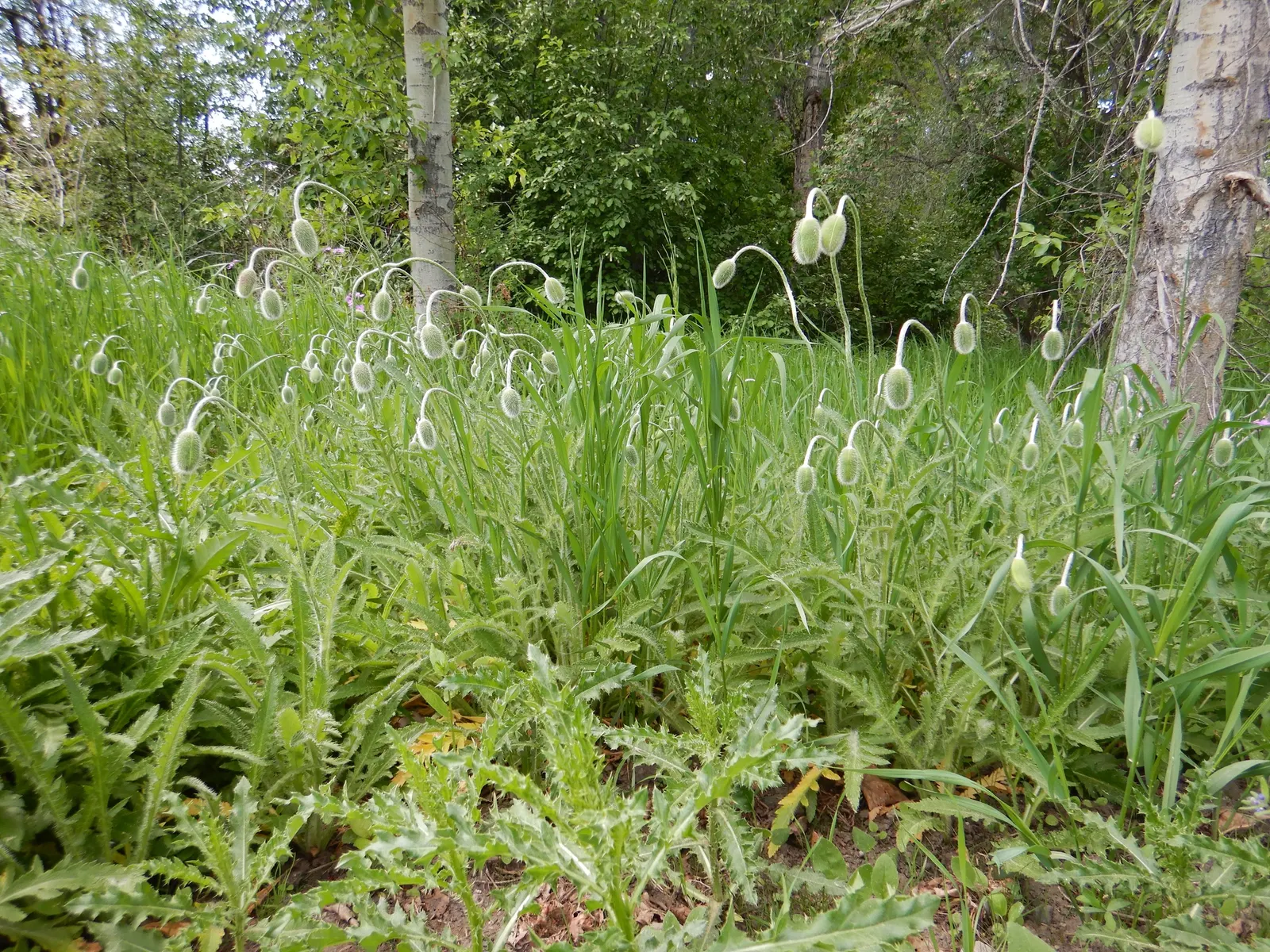
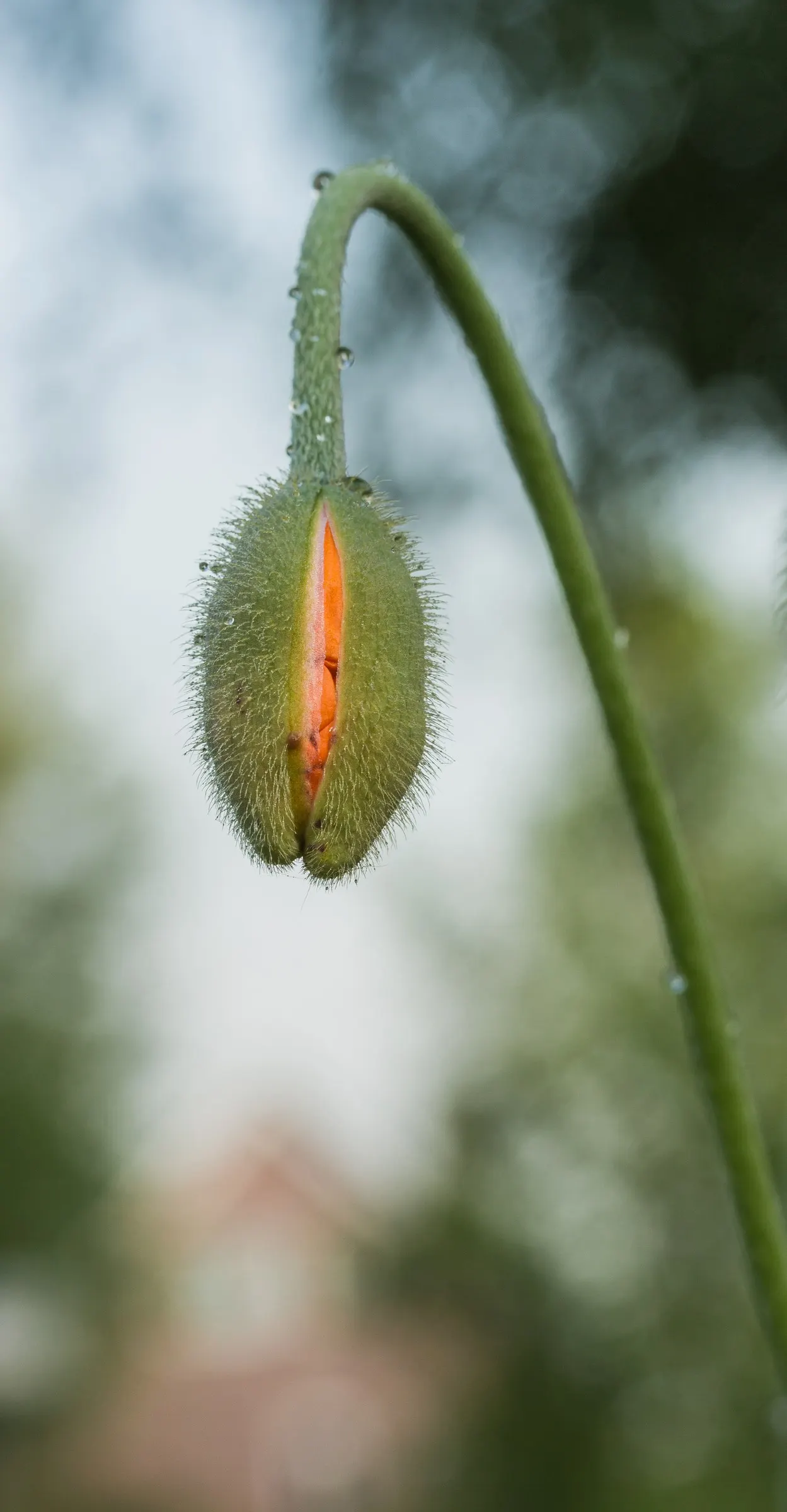
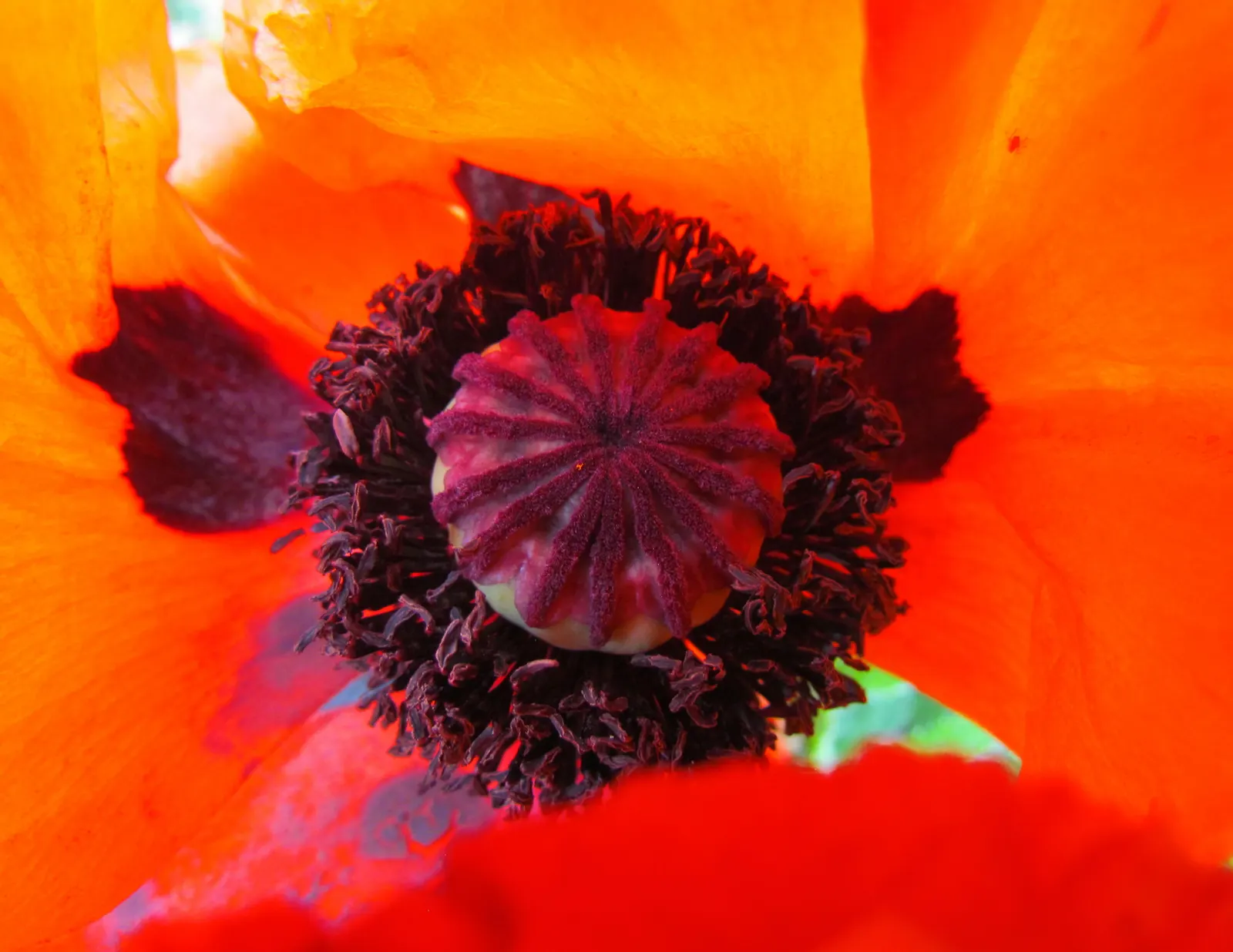
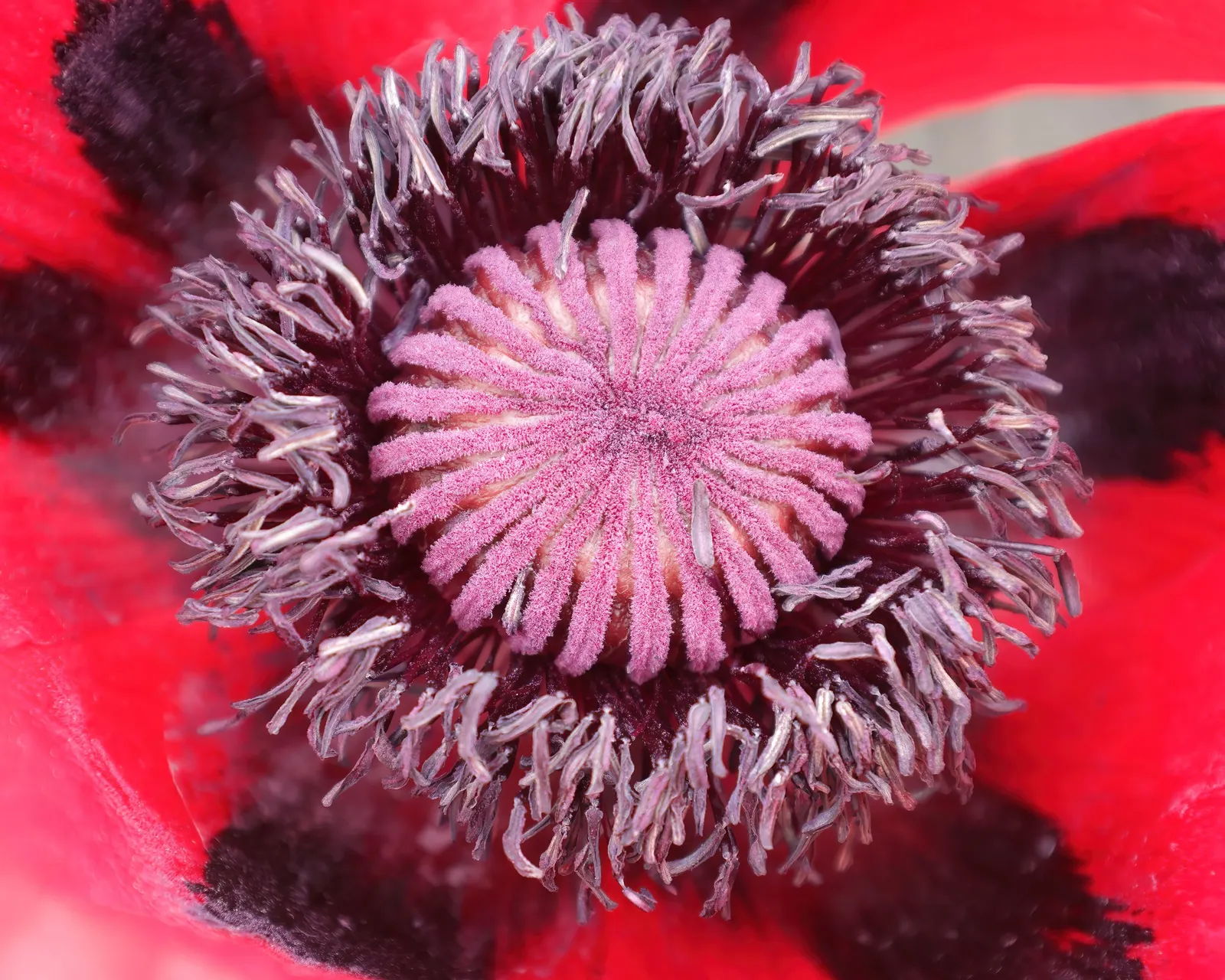
The Oriental Poppy (Papaver orientale) is a perennial famed for its large, showy flowers, up to 6 inches across, with vibrant hues of red to orange and a striking dark center. It reaches 2-3 feet in height and spreads 18-24 inches wide, preferring full sun and well-draining soil. Blooms appear in late spring to early summer, with fine, hairy foliage that dies back post-bloom, leaving room for summer plants.
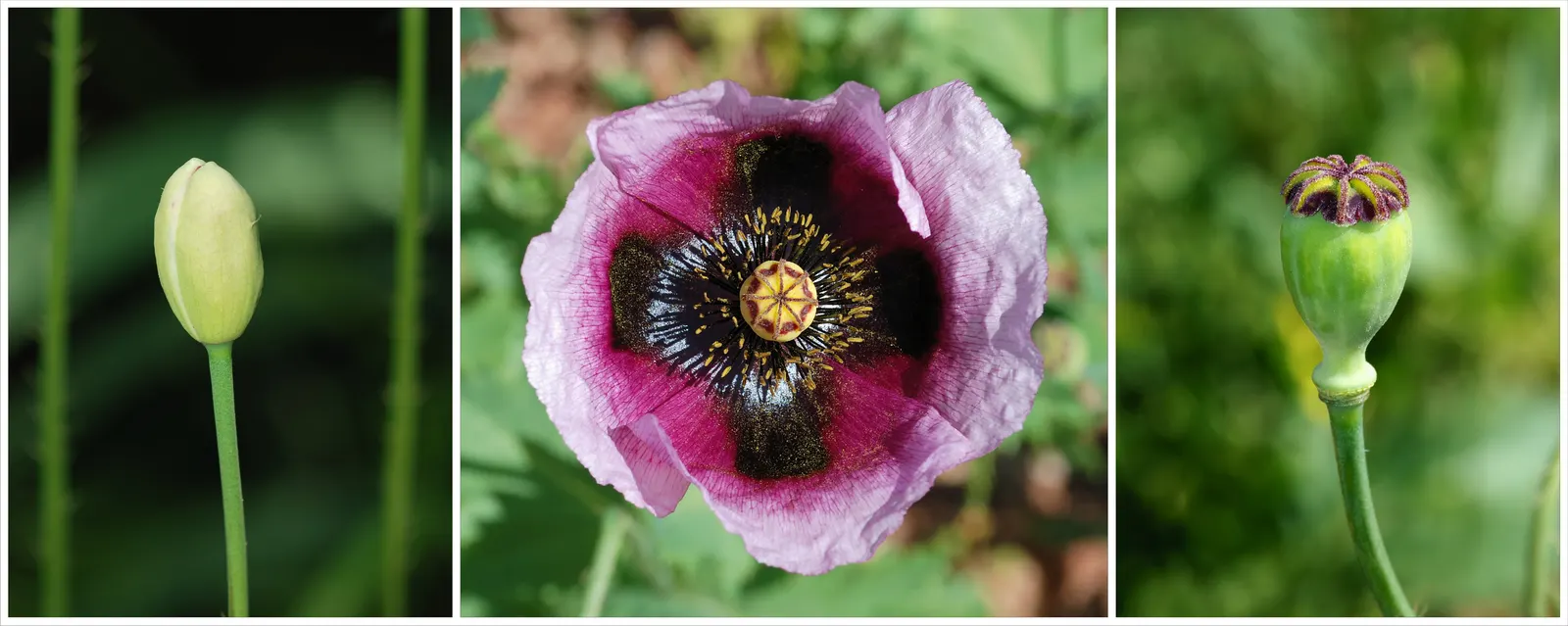
Sun Full, HalfWater MediumZones 3–9Type PerennialClimate Mediterranean
Oriental Poppy (Papaver Orientale) — leaving a void that needs to be considered in the landscape design; perennial with pink and red blooms, image 89

Culture

Sun
Full, Half
Water
Medium
USDA zones
3–9

Shape & size

Classification

Type
Perennial
Family
Papaveraceae
Climate
Mediterranean

See full data, regional cultivation notes, and design tools. Build a client presentation around this plant.

Start your 14-day trial

Photos (157)

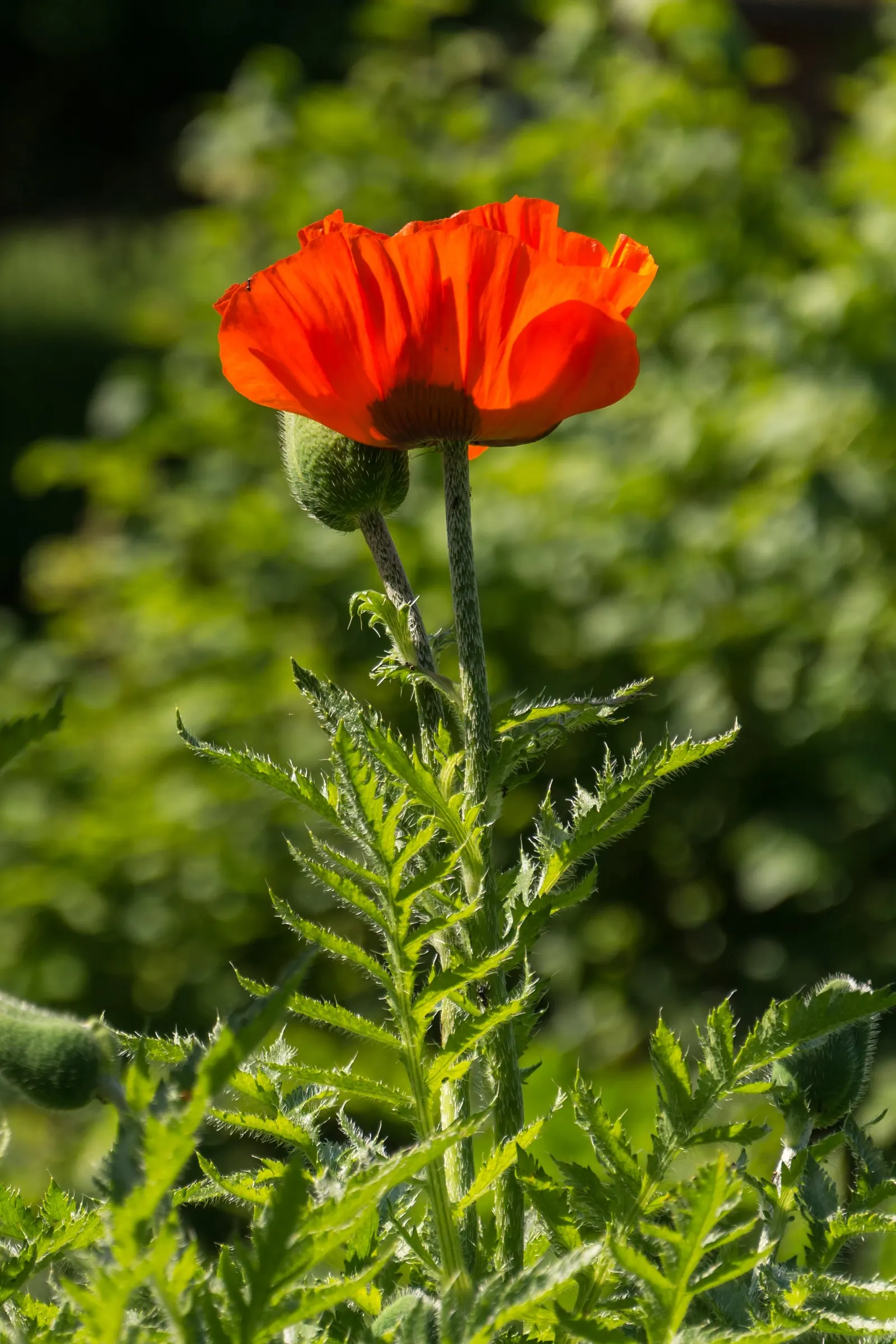
Oriental Poppy (Papaver Orientale) — the Oriental Poppy elegantly towers above low-growing plants
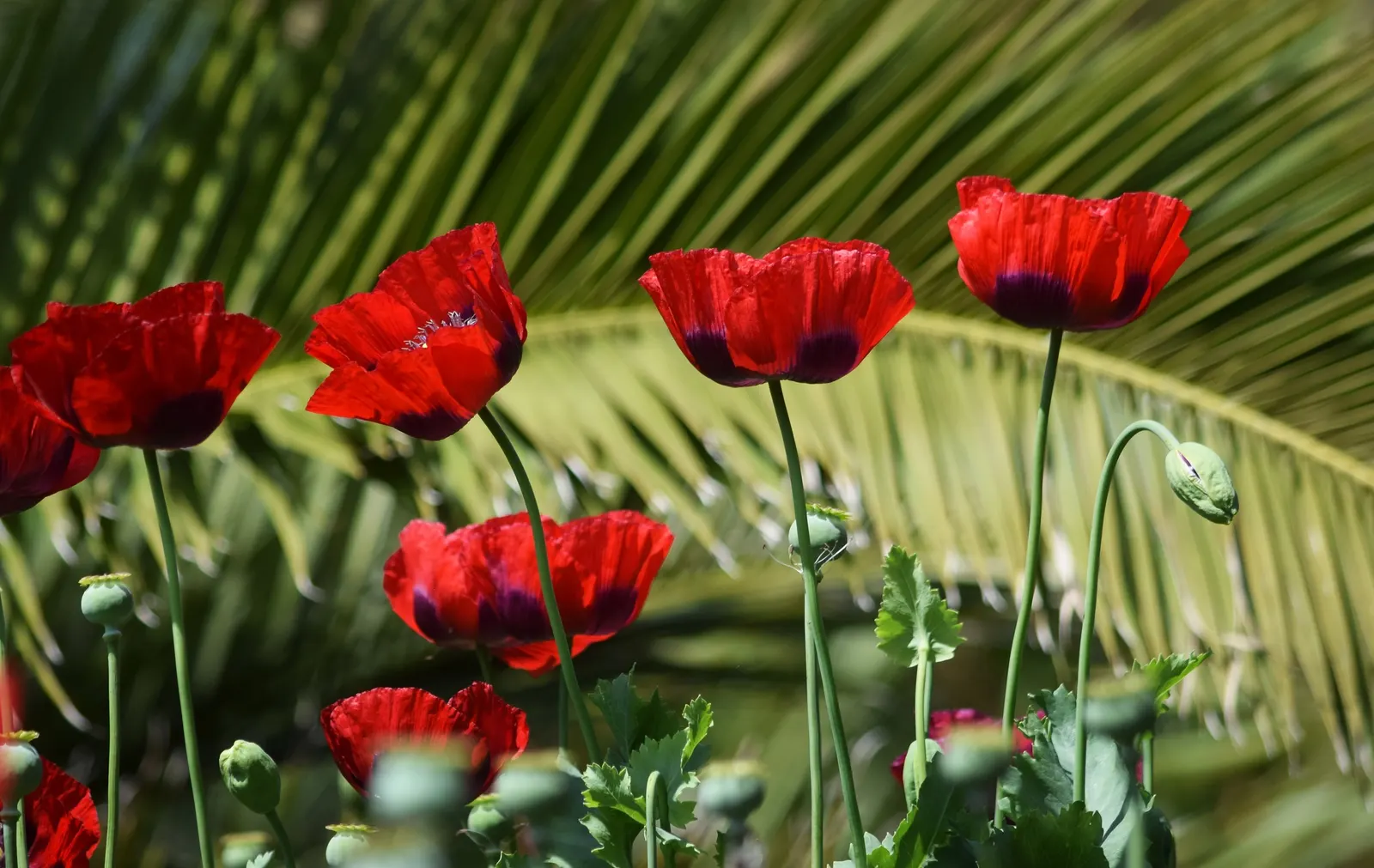
Oriental Poppy (Papaver Orientale) — Gardeners often plant it in groups to maximize its dramatic impact; this hardy species thrives in USDA zones 3, image 100
Oriental Poppy (Papaver Orientale) — Gardeners often plant it in groups to maximize its dramatic impact
Oriental Poppy (Papaver Orientale) — Blooms appear in late spring to early summer; typically between late spring and early summer, image 95
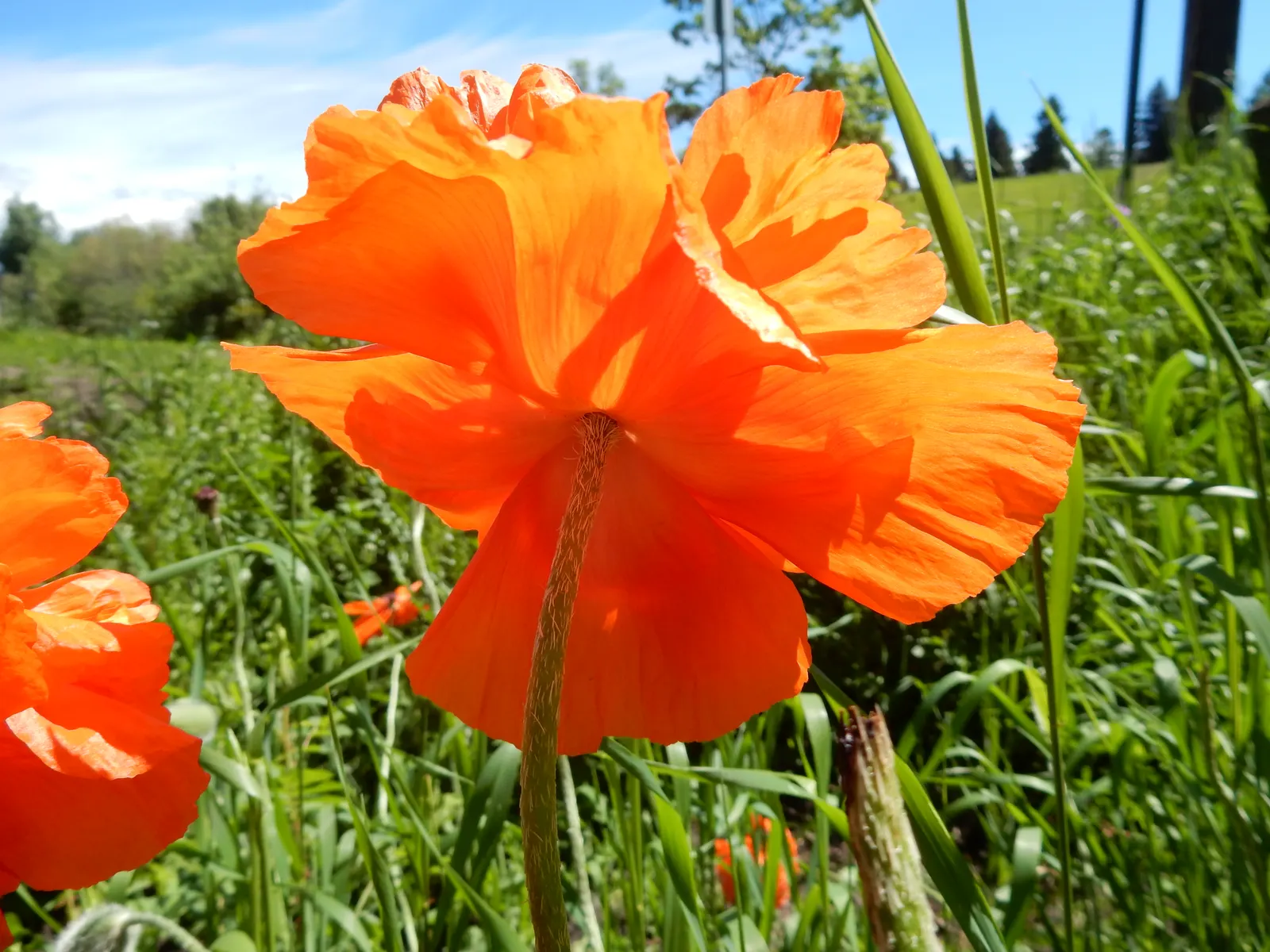
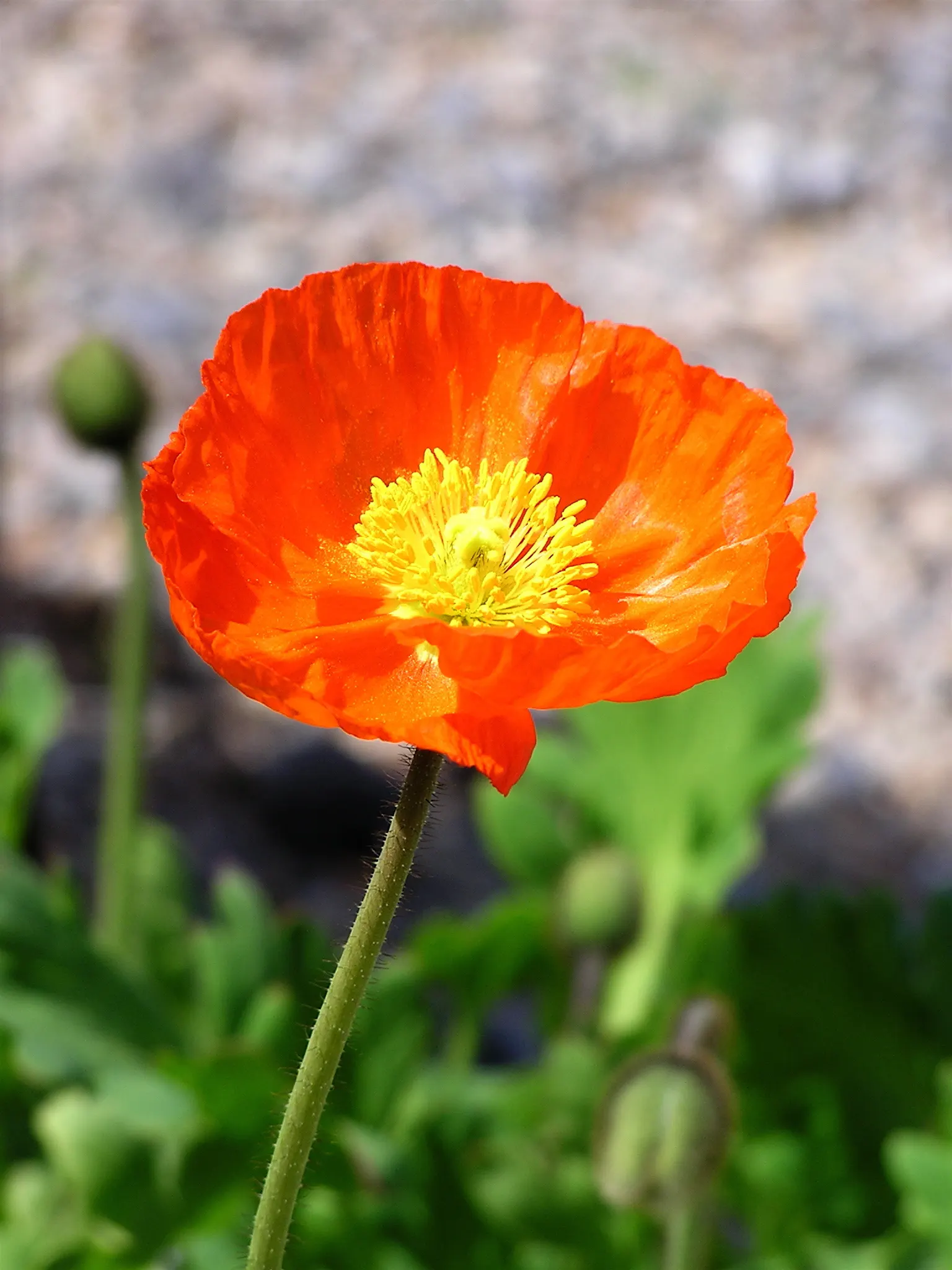
Oriental Poppy (Papaver Orientale) — cup-shaped flowers that can measure up to 6 inches across; the plant will die back and go dormant, image 82
Oriental Poppy (Papaver Orientale) — This hardy species thrives in USDA zones 3 to 7, indicating a robust tolerance for winter chill; perennial for full or half
Oriental Poppy (Papaver Orientale) — leaving room for summer plants; <br><br>Reaching a stately height of 2 to 4 feet and a spread of 1.5 to 2 feet
Oriental Poppy (Papaver Orientale) — leaving room for summer plants; <br><br>Reaching a stately height of 2 to 4 feet and a spread of 1.5 to 2 feet, image 97
Oriental Poppy (Papaver Orientale) — leaving room for summer plants; <br><br>Reaching a stately height of 2 to 4 feet and a spread of 1.5 to 2 feet, image 120
Oriental Poppy (Papaver Orientale) — leaving room for summer plants
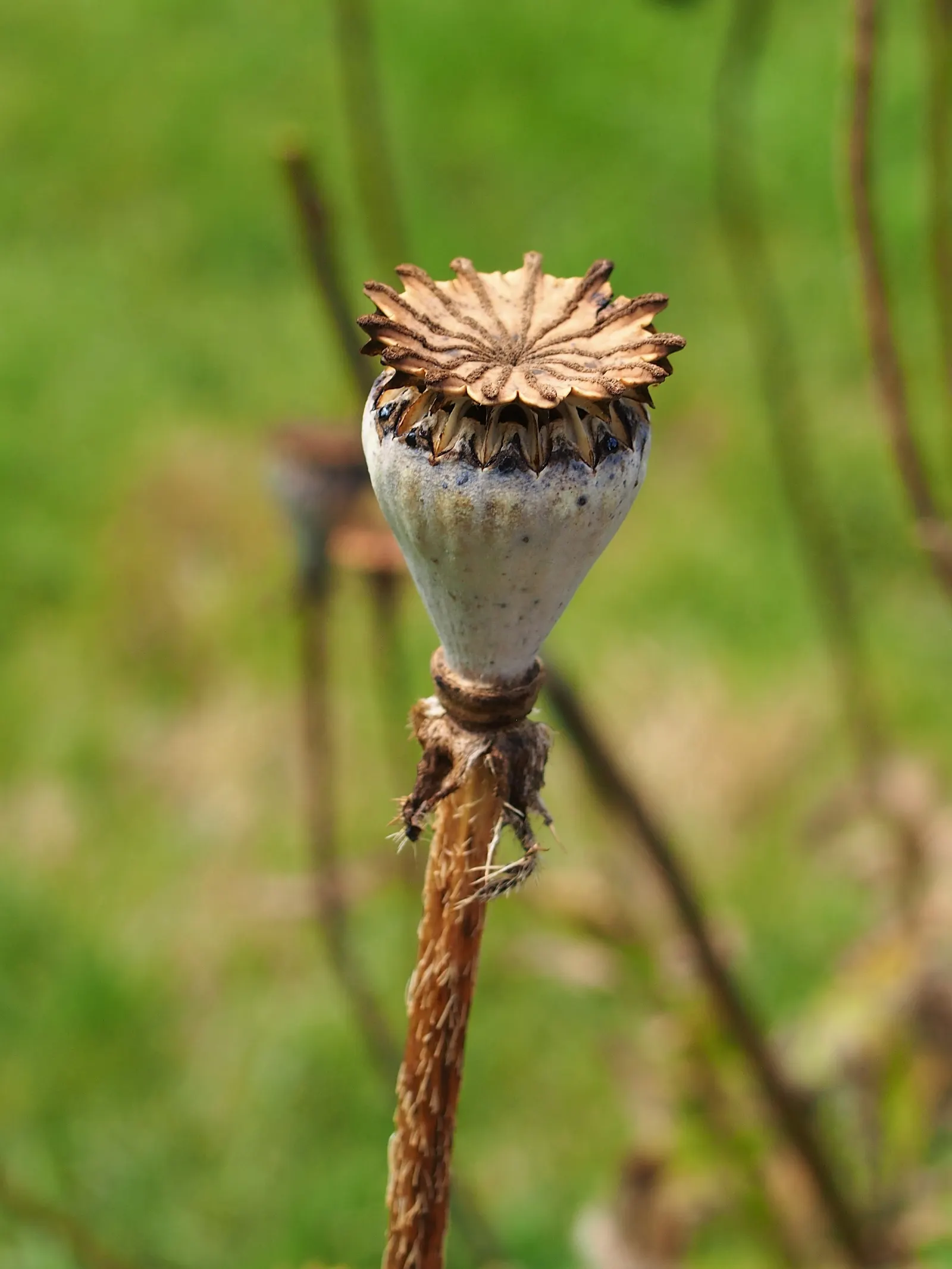
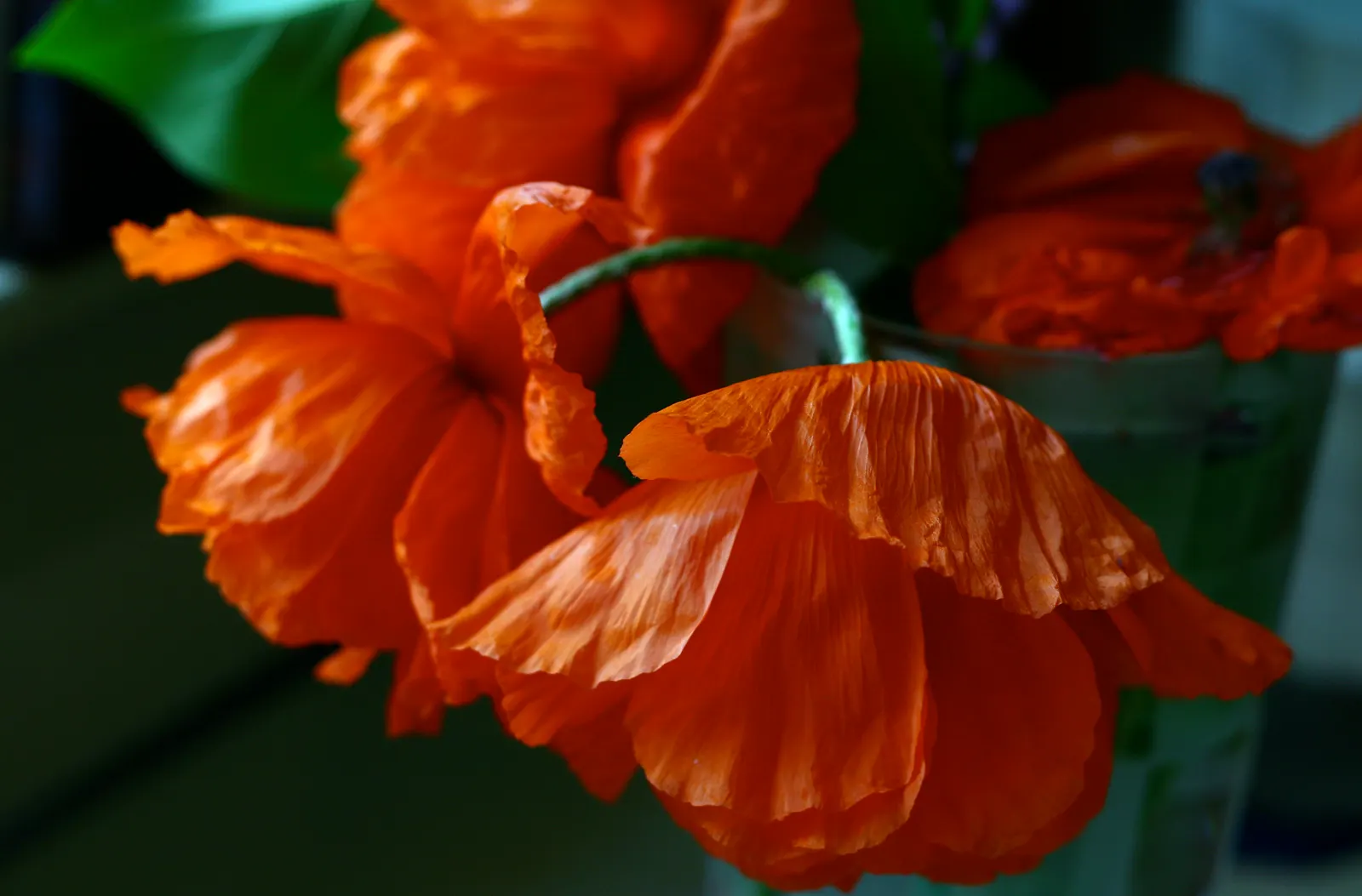
Oriental Poppy (Papaver Orientale) — the plant will die back and go dormant; though it may affect the abundance of blooms
Oriental Poppy (Papaver Orientale) — leaving a void that needs to be considered in the landscape design; perennial with pink and red blooms
Oriental Poppy (Papaver Orientale) — with vibrant hues of red to orange and a striking dark center; hairy foliage that dies back post-bloom, image 70
Oriental Poppy (Papaver Orientale) — leaving a void that needs to be considered in the landscape design; perennial with pink and red blooms, image 112
Oriental Poppy (Papaver Orientale) — the Oriental Poppy elegantly towers above low-growing plants; pink and red flowers in the garden, image 56
Oriental Poppy (Papaver Orientale) — is a captivating perennial that becomes a focal point in any garden with its bold; is relatively, image 121
Oriental Poppy (Papaver Orientale) — the Oriental Poppy elegantly towers above low-growing plants; pink and red flowers in the garden, image 79
Oriental Poppy (Papaver Orientale) — typically between late spring and early summer; gardeners often plant it in groups to maximize its dramatic, image 110
Oriental Poppy (Papaver Orientale) — the Oriental Poppy elegantly towers above low-growing plants; pink and red flowers in the garden
Oriental Poppy (Papaver Orientale) — making it an excellent choice for middle or back borders in garden designs
Oriental Poppy (Papaver Orientale) — The foliage presents a bluish-green hue, image 104
Oriental Poppy (Papaver Orientale) — the plant will die back and go dormant; though it may affect the abundance of blooms, image 88
Oriental Poppy (Papaver Orientale) — cup-shaped flowers that can measure up to 6 inches across; the plant will die back and go dormant
Oriental Poppy (Papaver Orientale) — typically between late spring and early summer
Photographs by 12 contributors

Related plants