Skip to content

White Lace Flower

Orlaya Grandiflora

Design with this plant

Overview

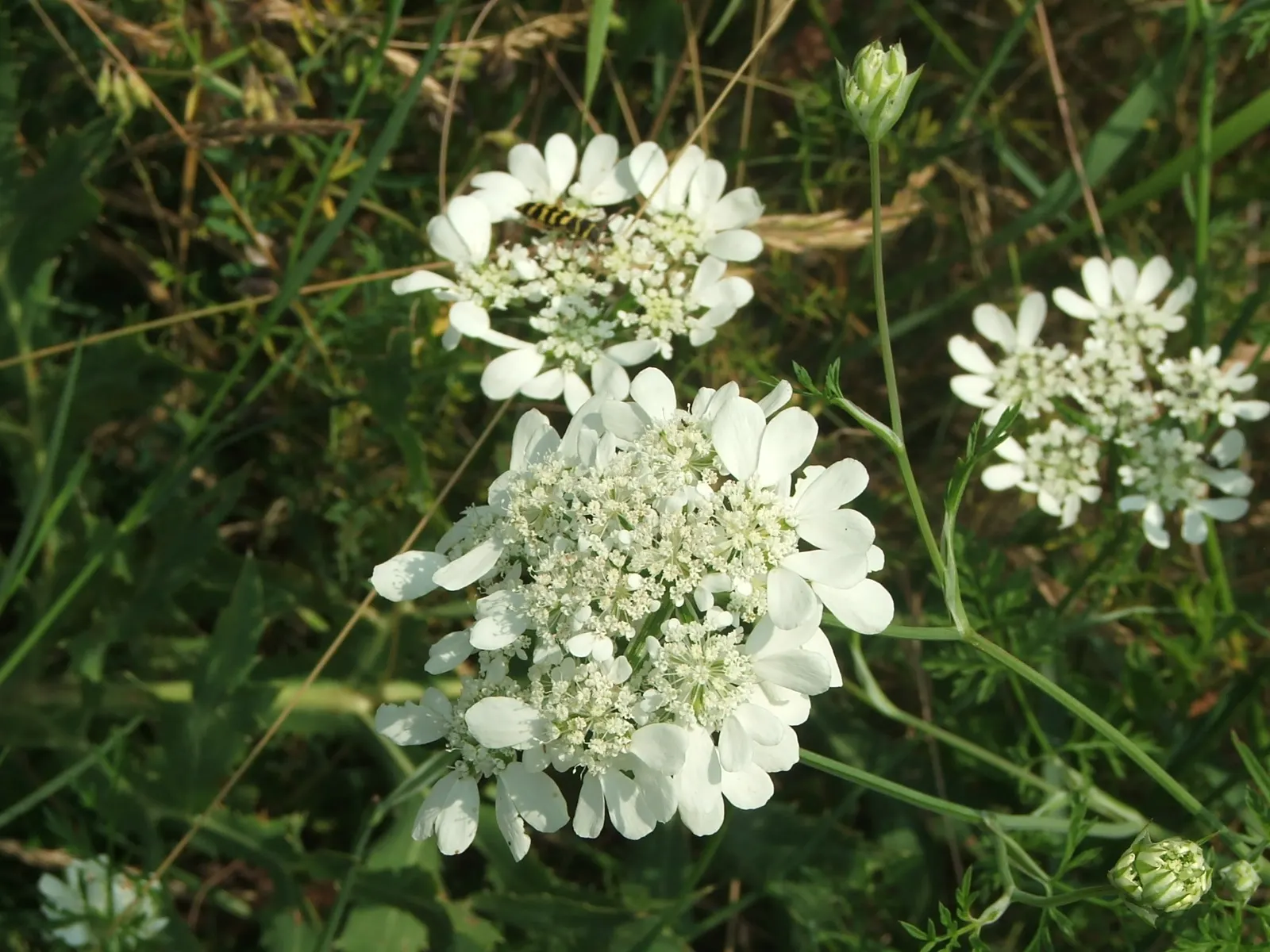
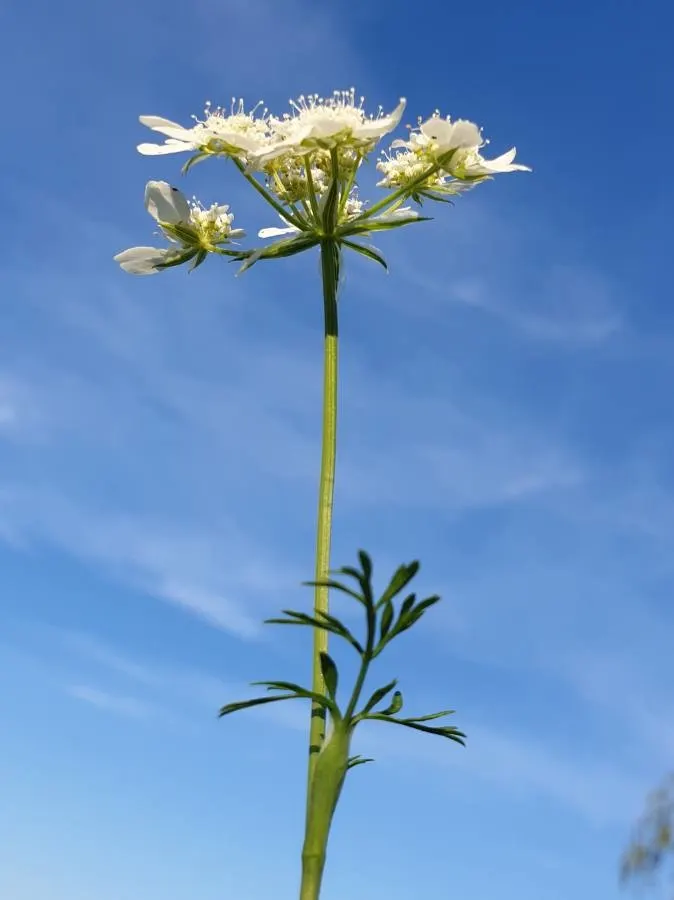
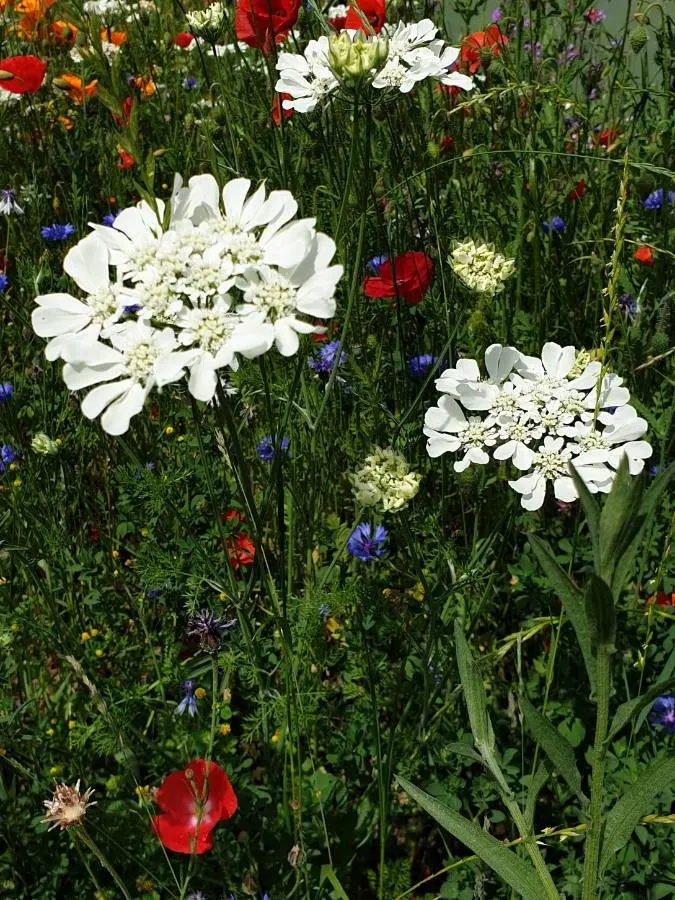
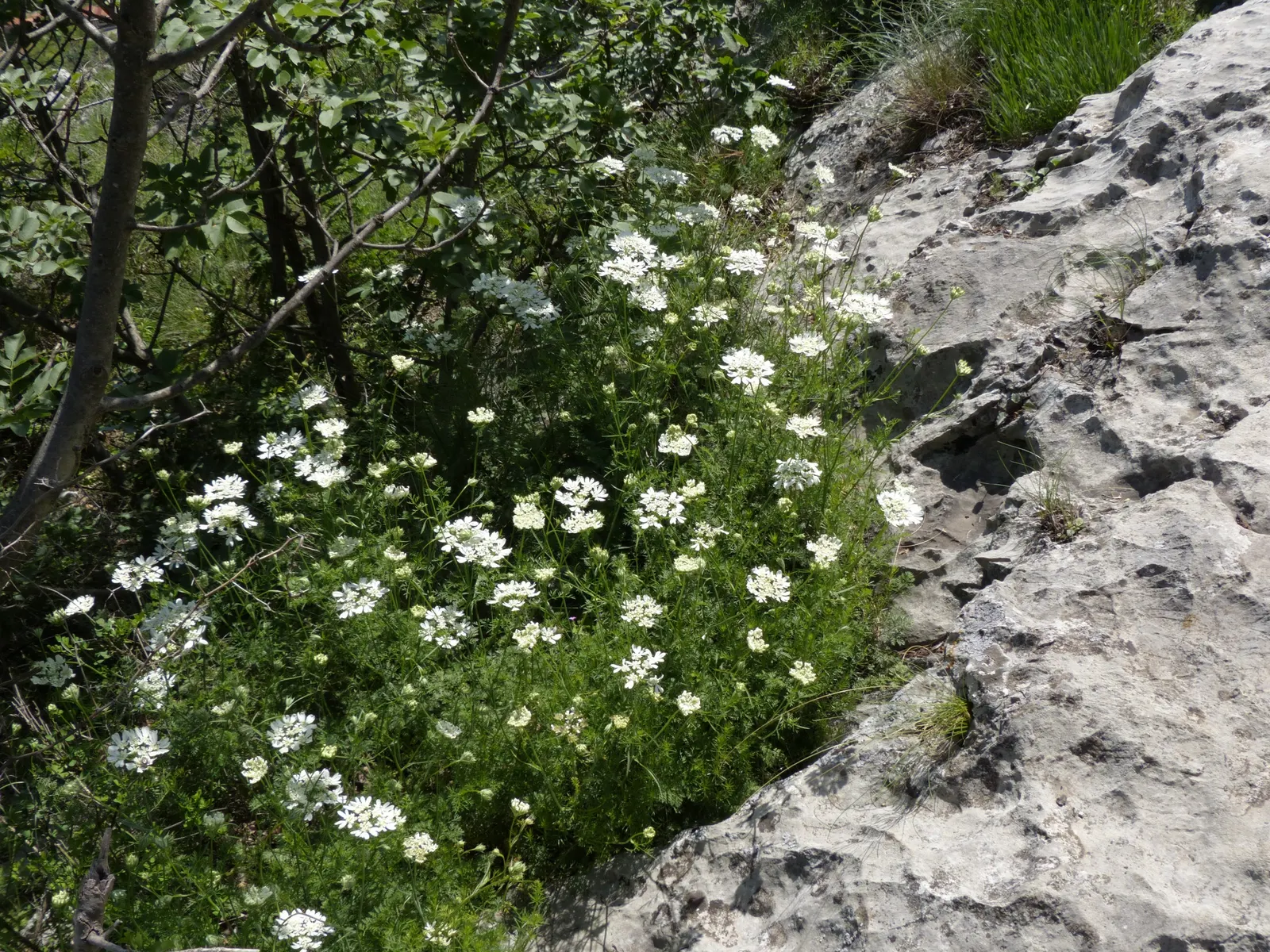
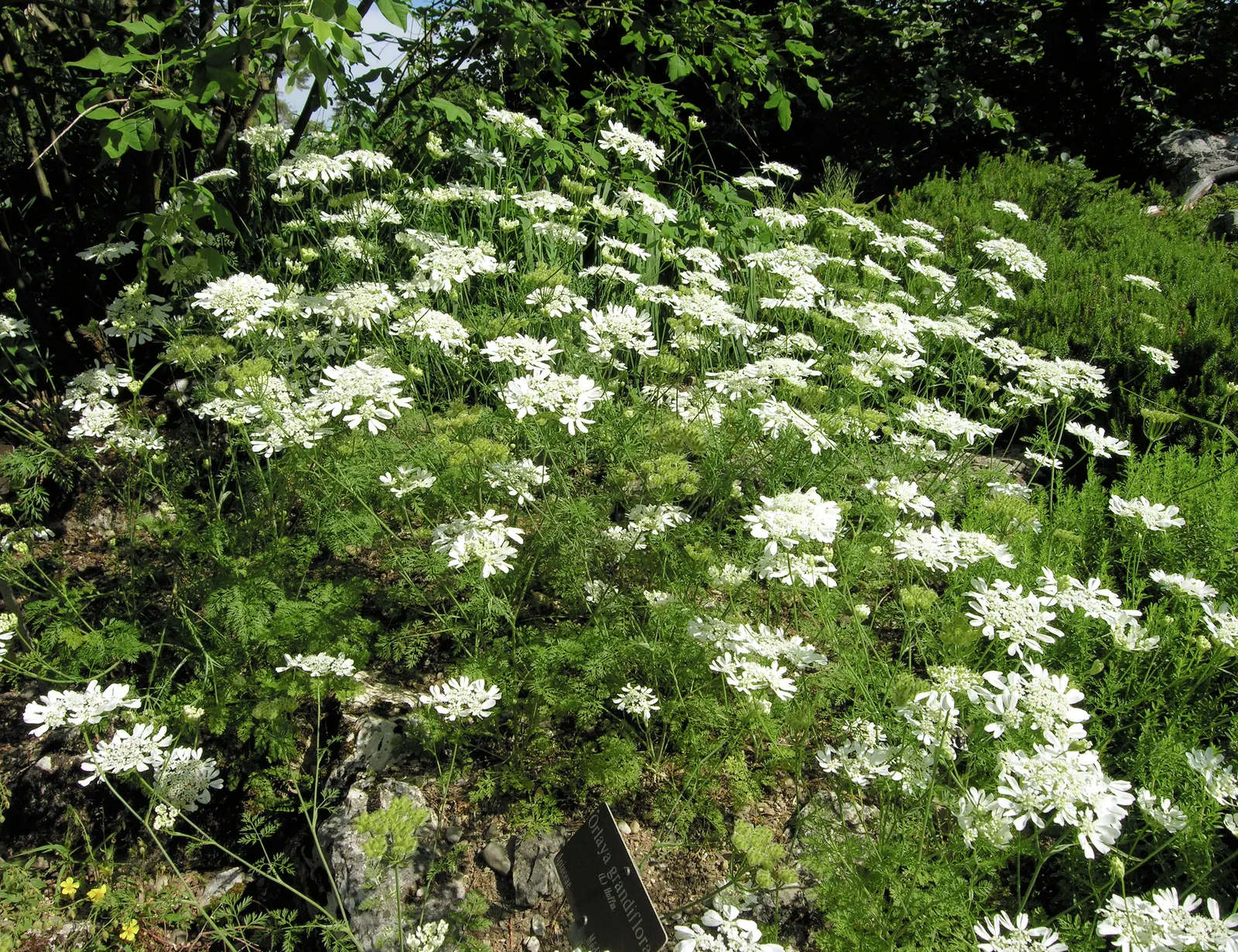
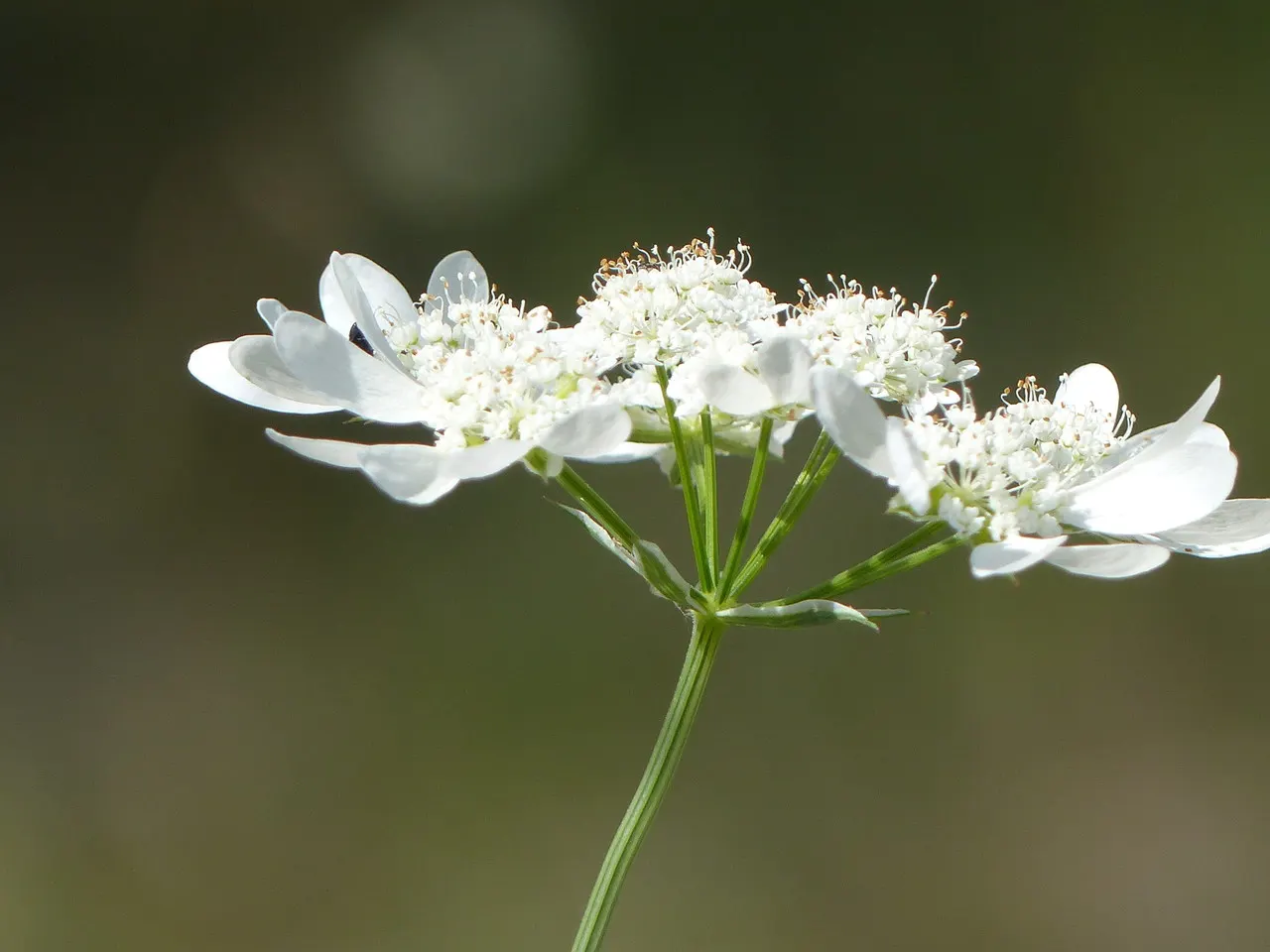
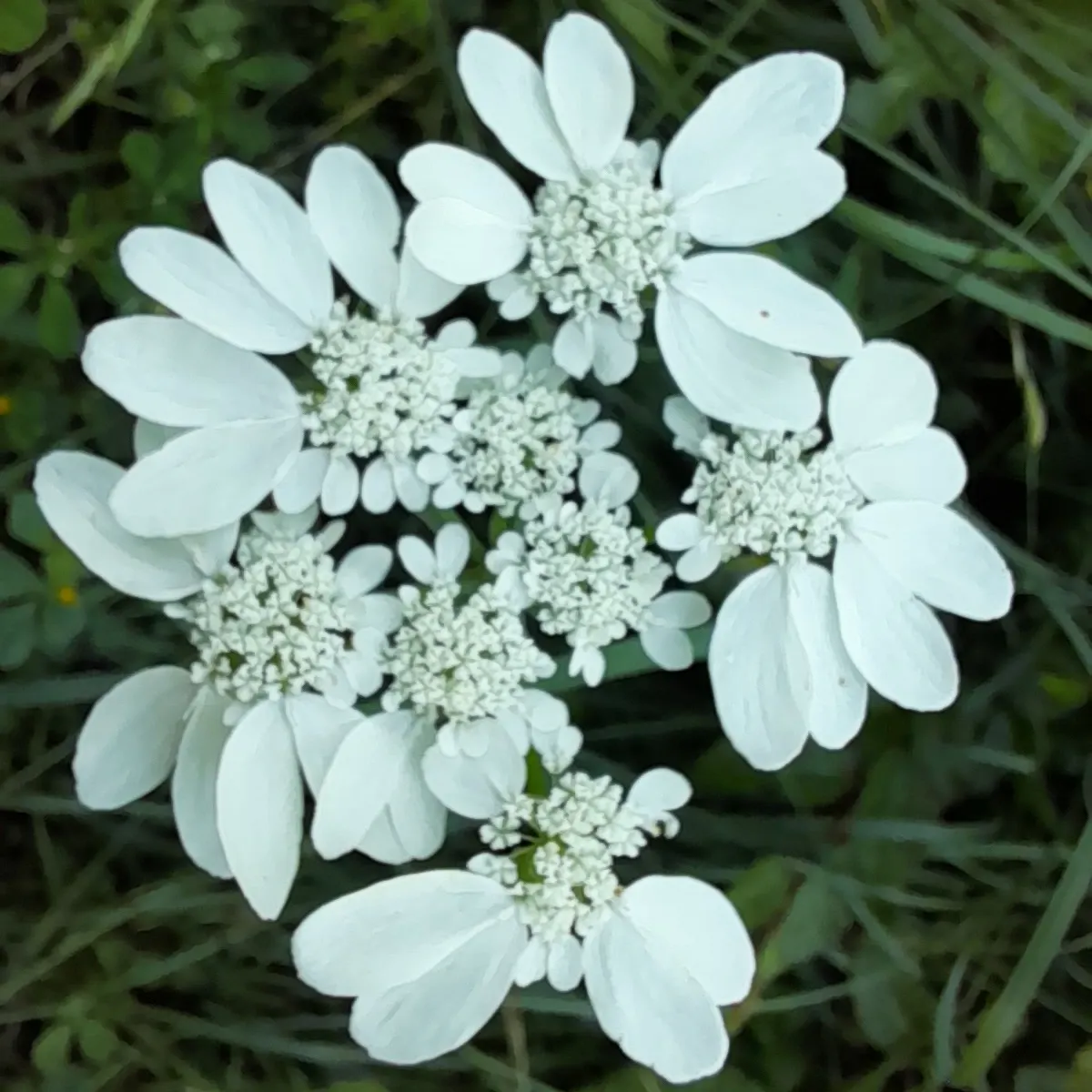
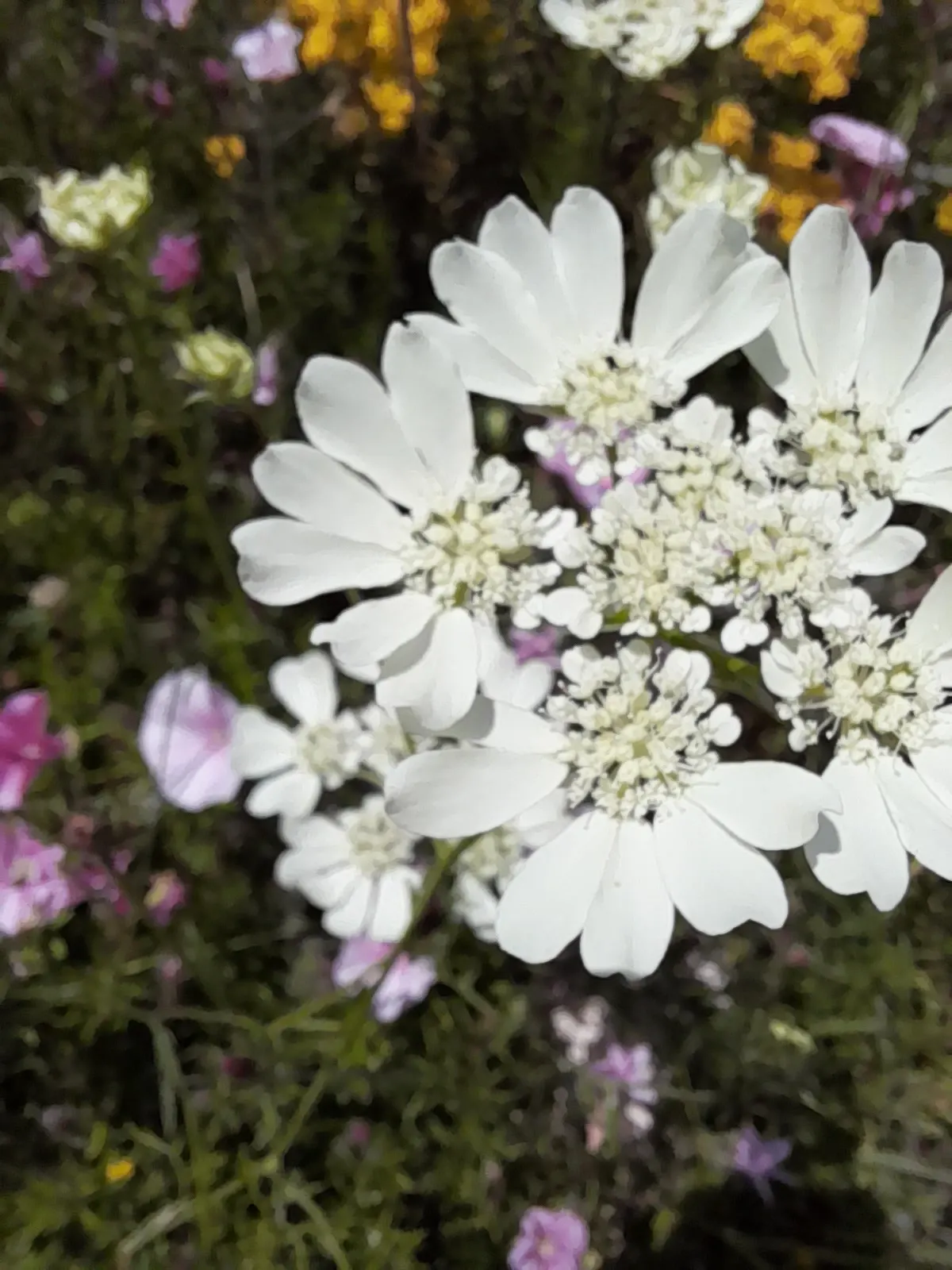
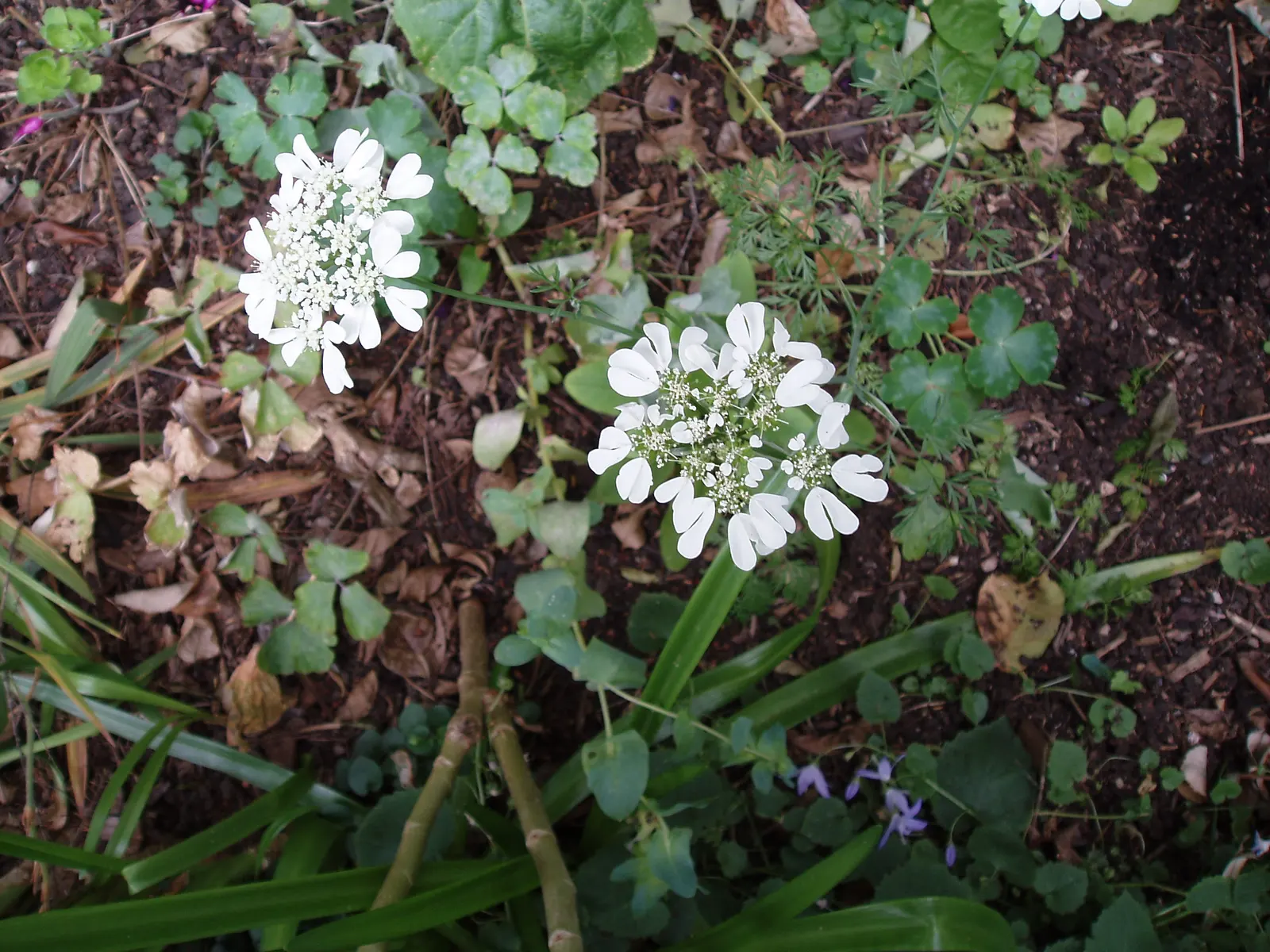
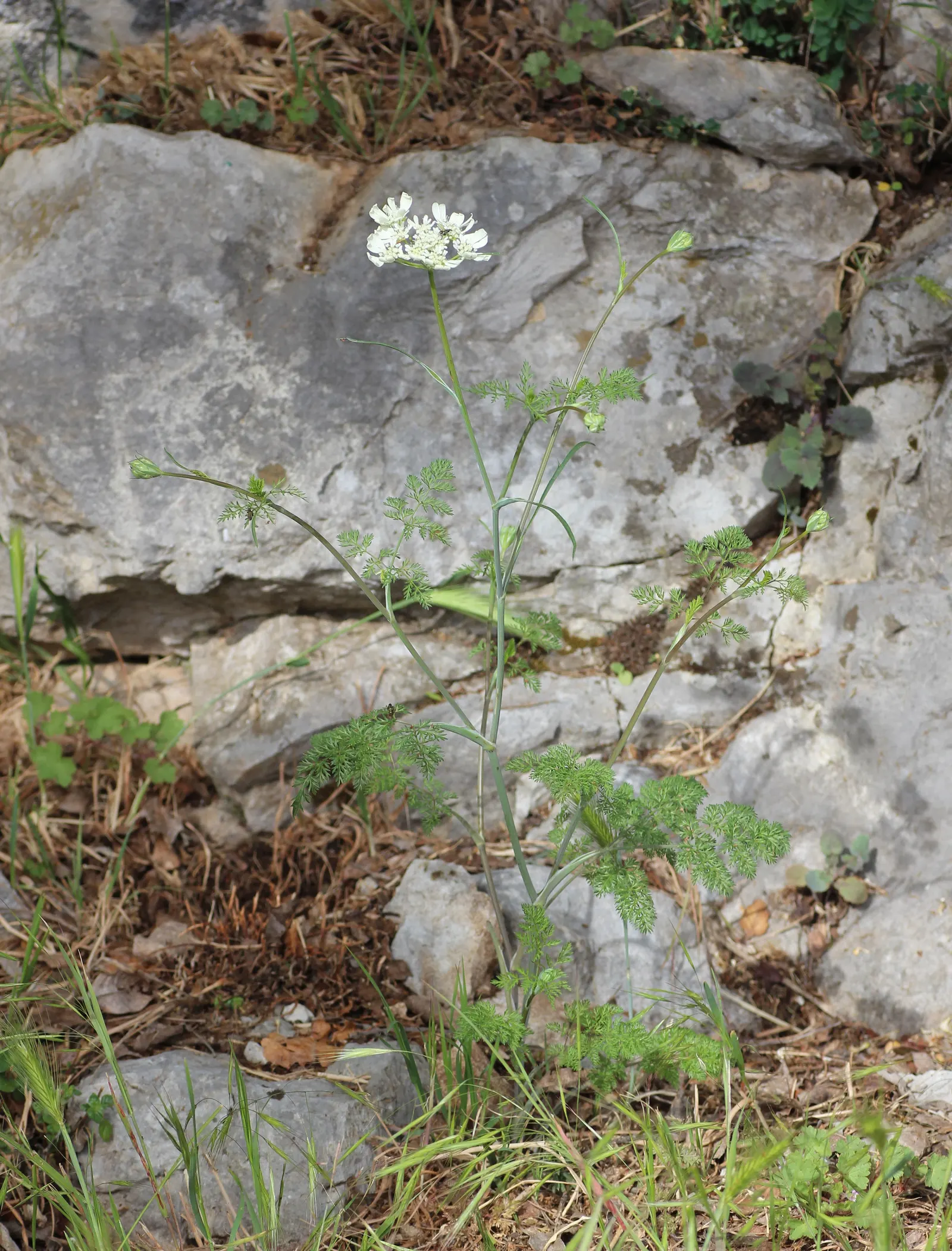
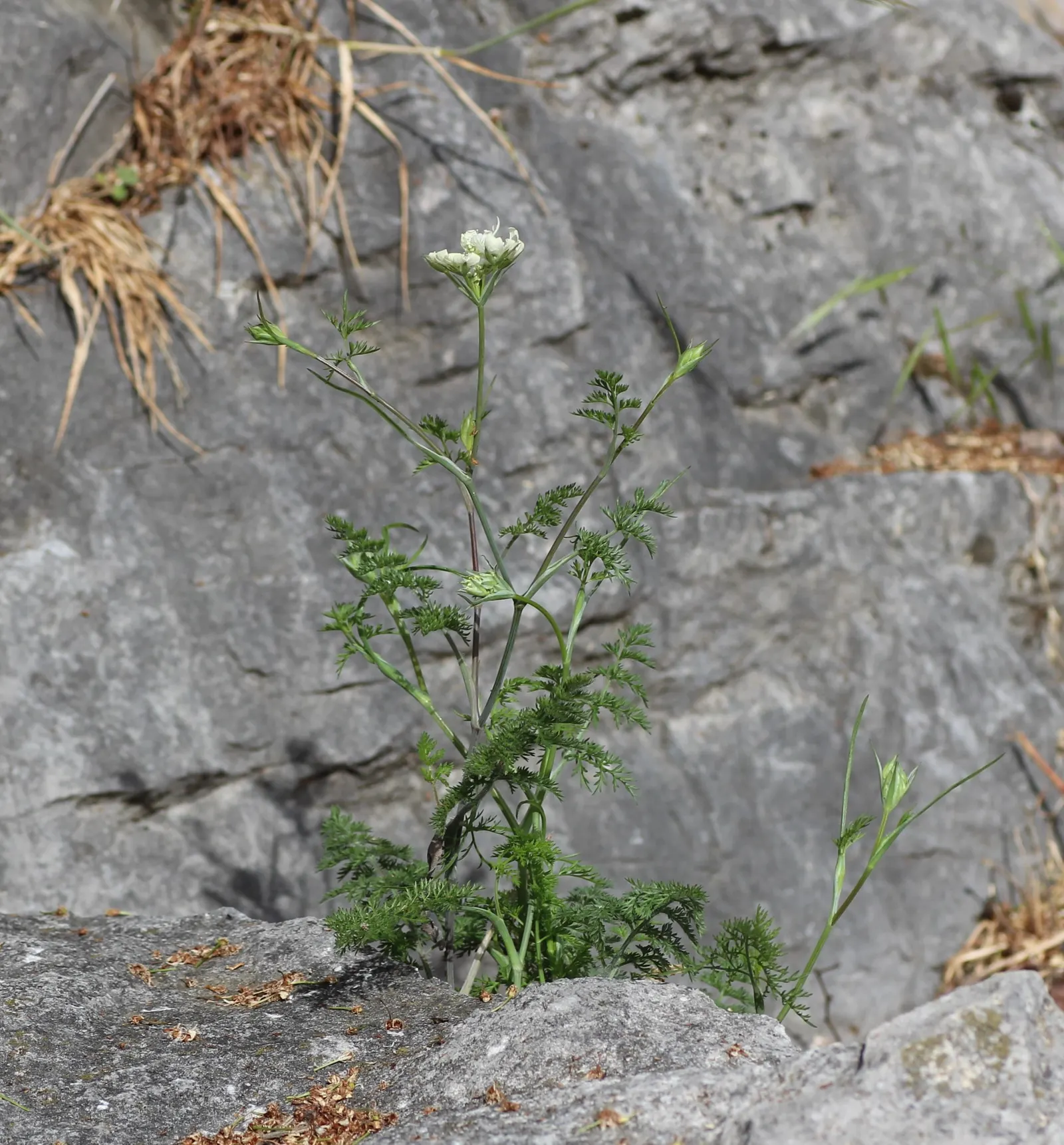
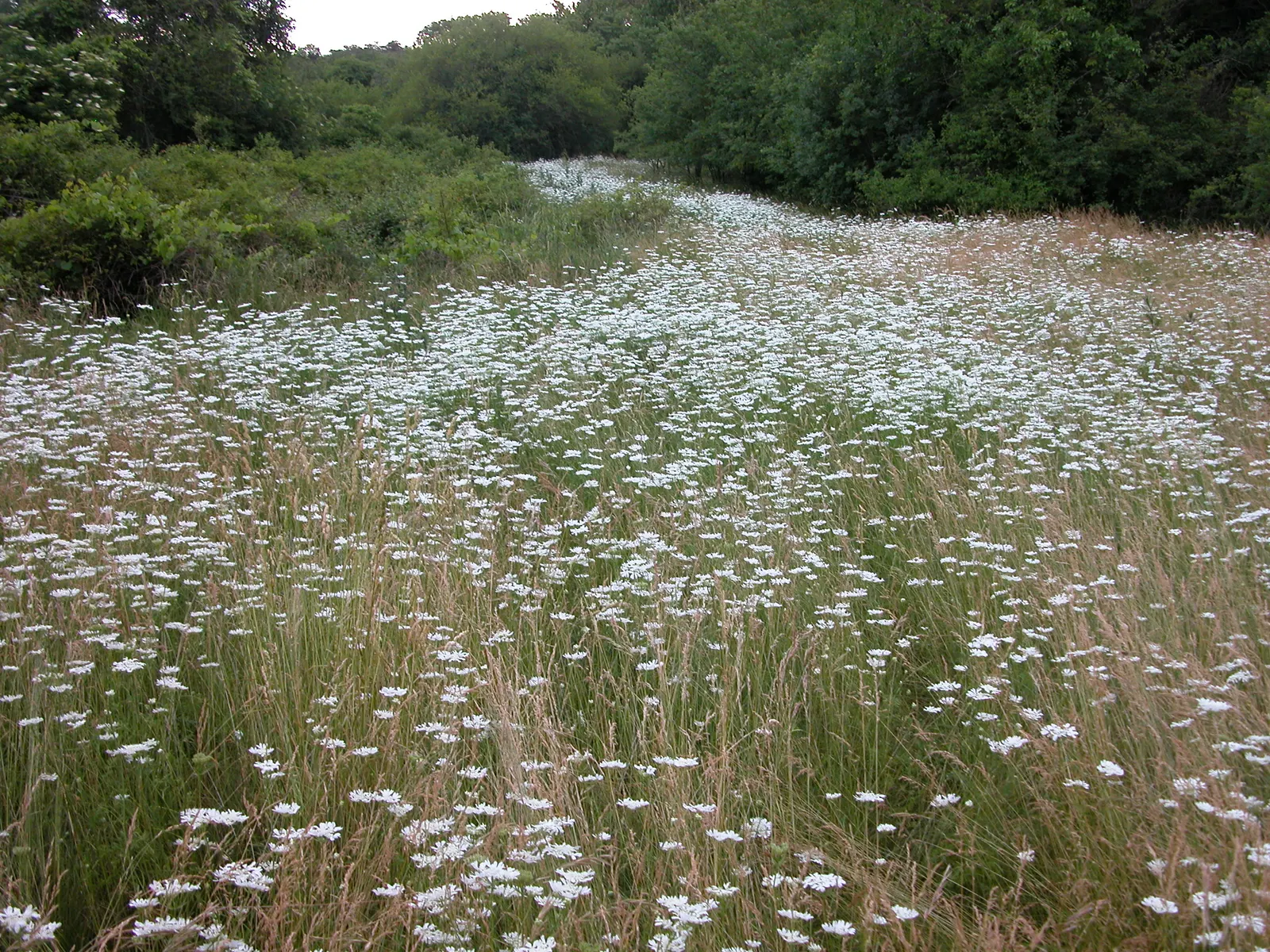
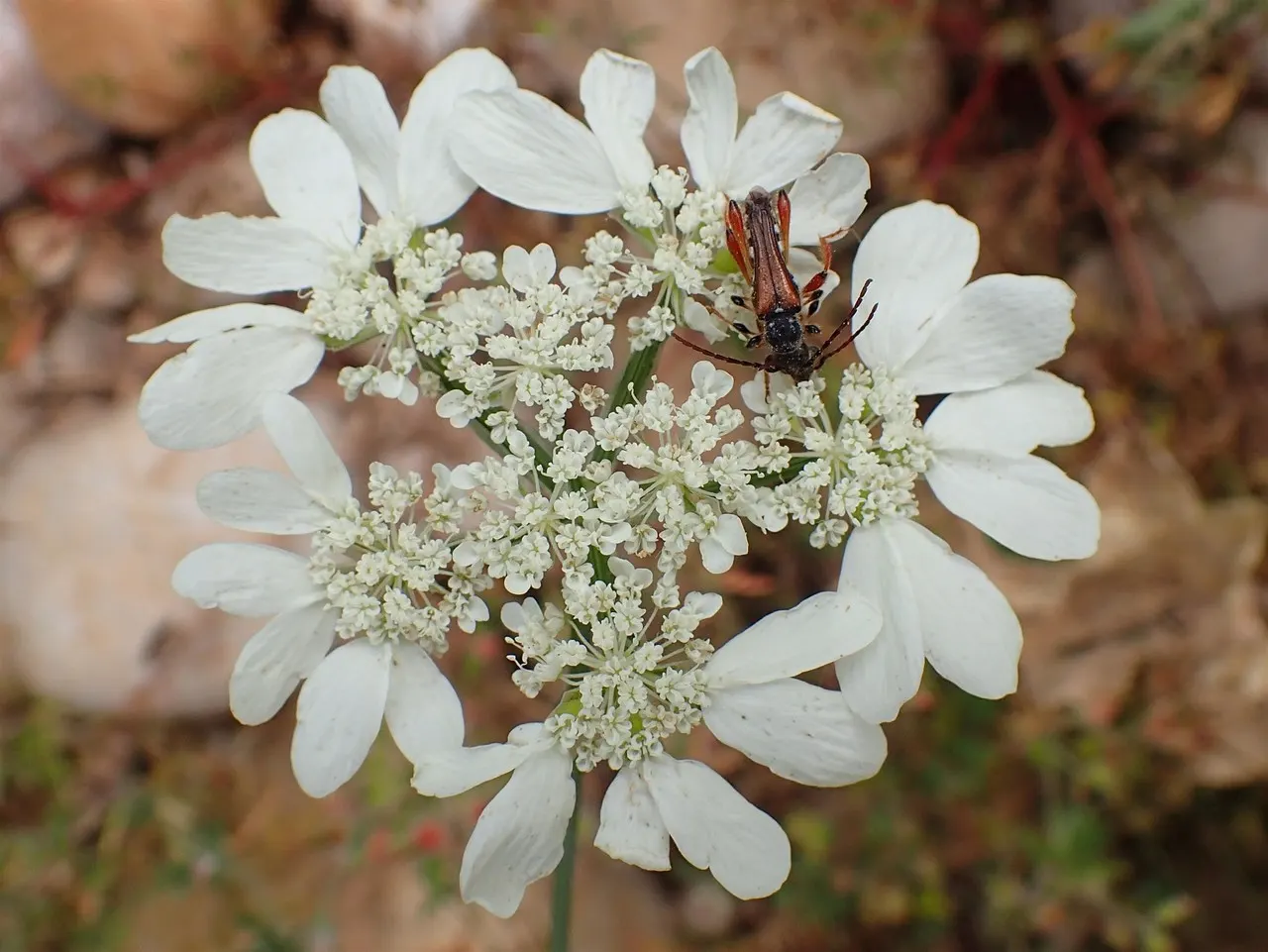
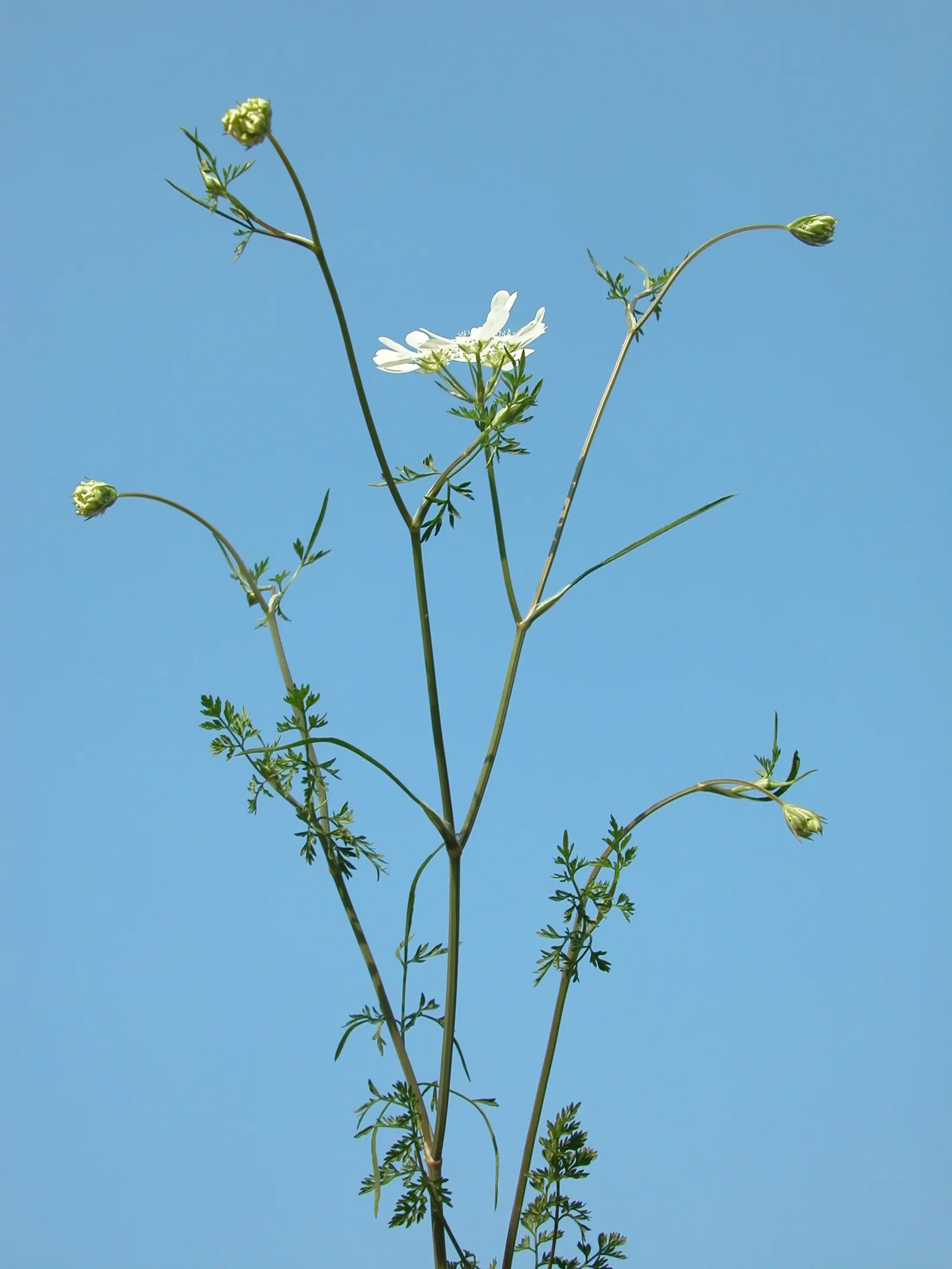
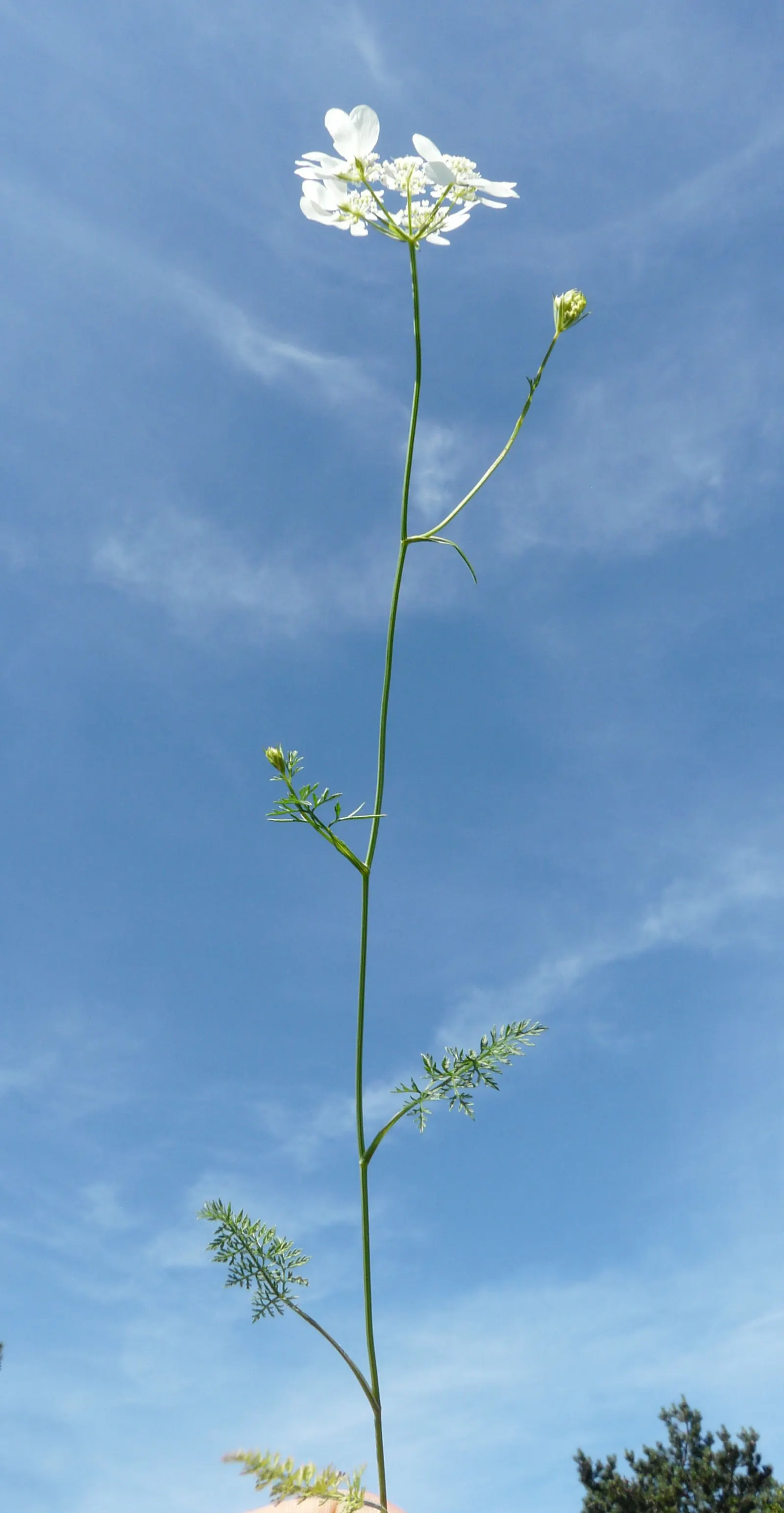
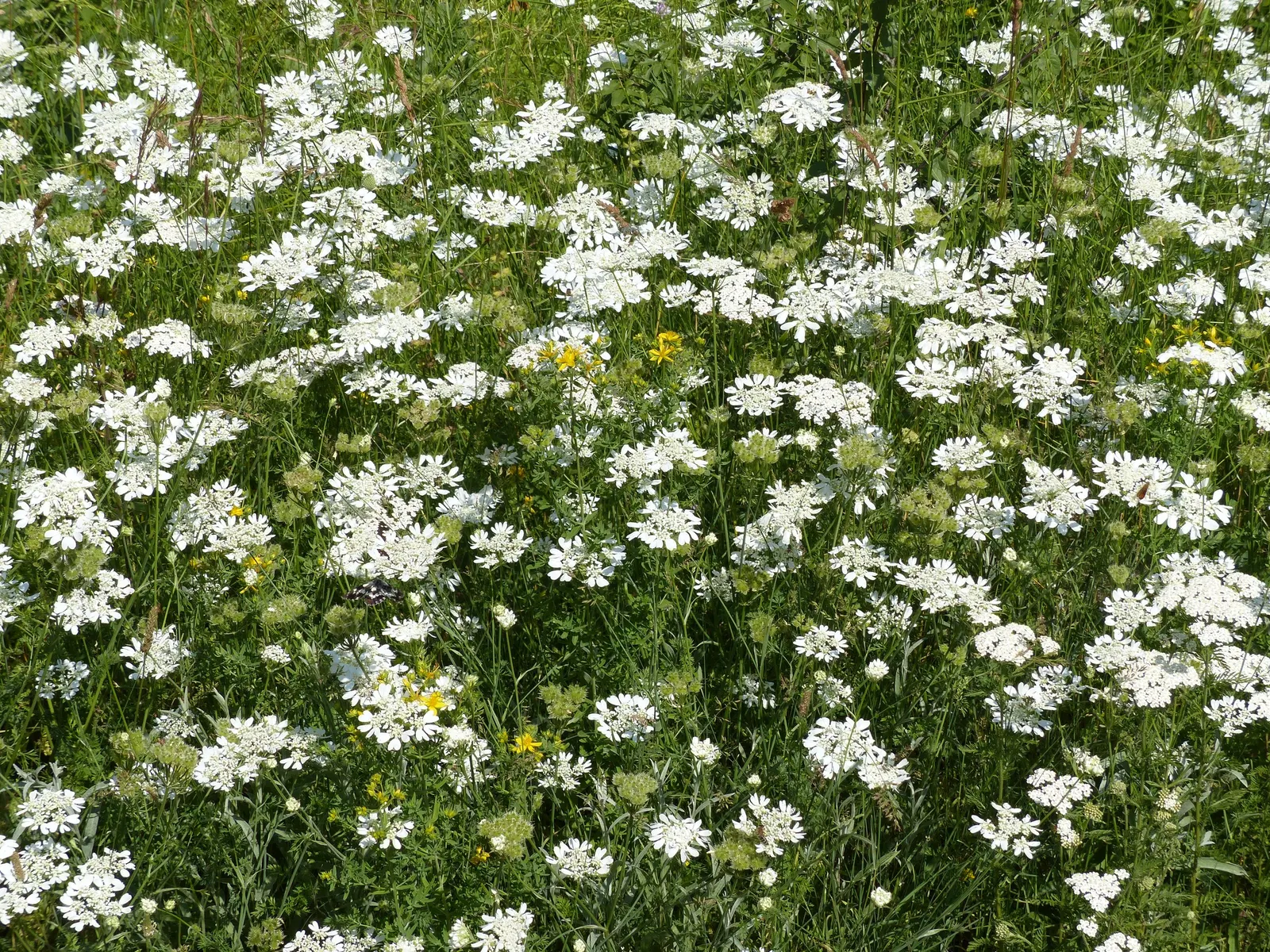
Orlaya grandiflora, known as White Lace Flower, is a charming umbellifer with broad clusters of white lacy blooms. Typically reaching 18-24 inches in height and 12-18 inches in spread, it makes an excellent filler in garden borders and cut flower arrangements. This annual prefers full sun and well-drained soil. It blooms in late spring to summer, attracting pollinators while providing a delicate, airy texture to the landscape. Hardy in zones 3-10.
Sun Full, HalfWater LowZones 8–10Type Annual
White Lace Flower (Orlaya Grandiflora) — incorporating Orlaya grandiflora provides both an aesthetic appeal and ecological benefit; is an elegant and

Culture

Sun
Full, Half
Water
Low
USDA zones
8–10

Shape & size

Classification

Type
Annual
Family
Apiaceae (Umbelliferae)

See full data, regional cultivation notes, and design tools. Build a client presentation around this plant.

Start your 14-day trial

Photos (95)

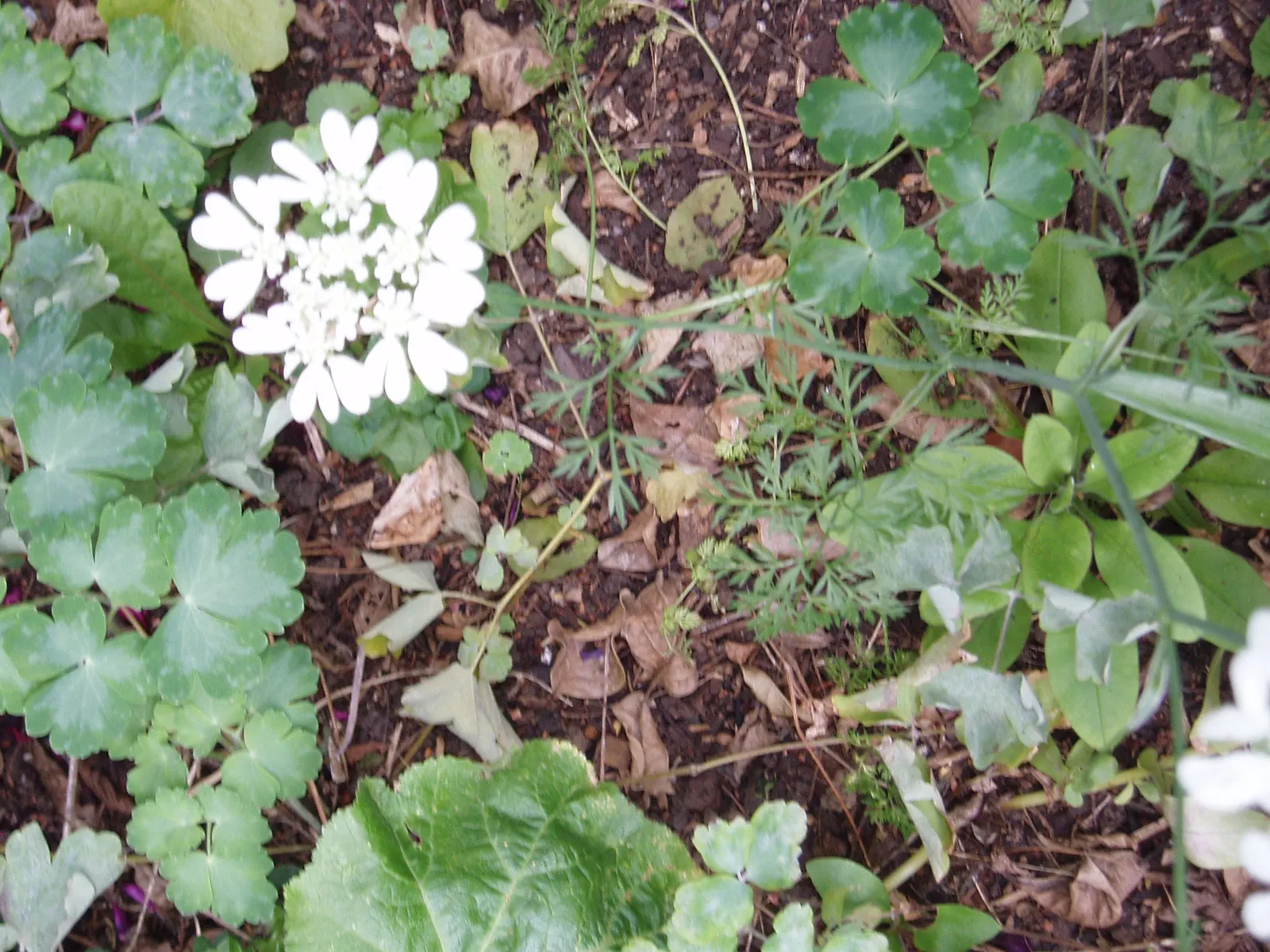
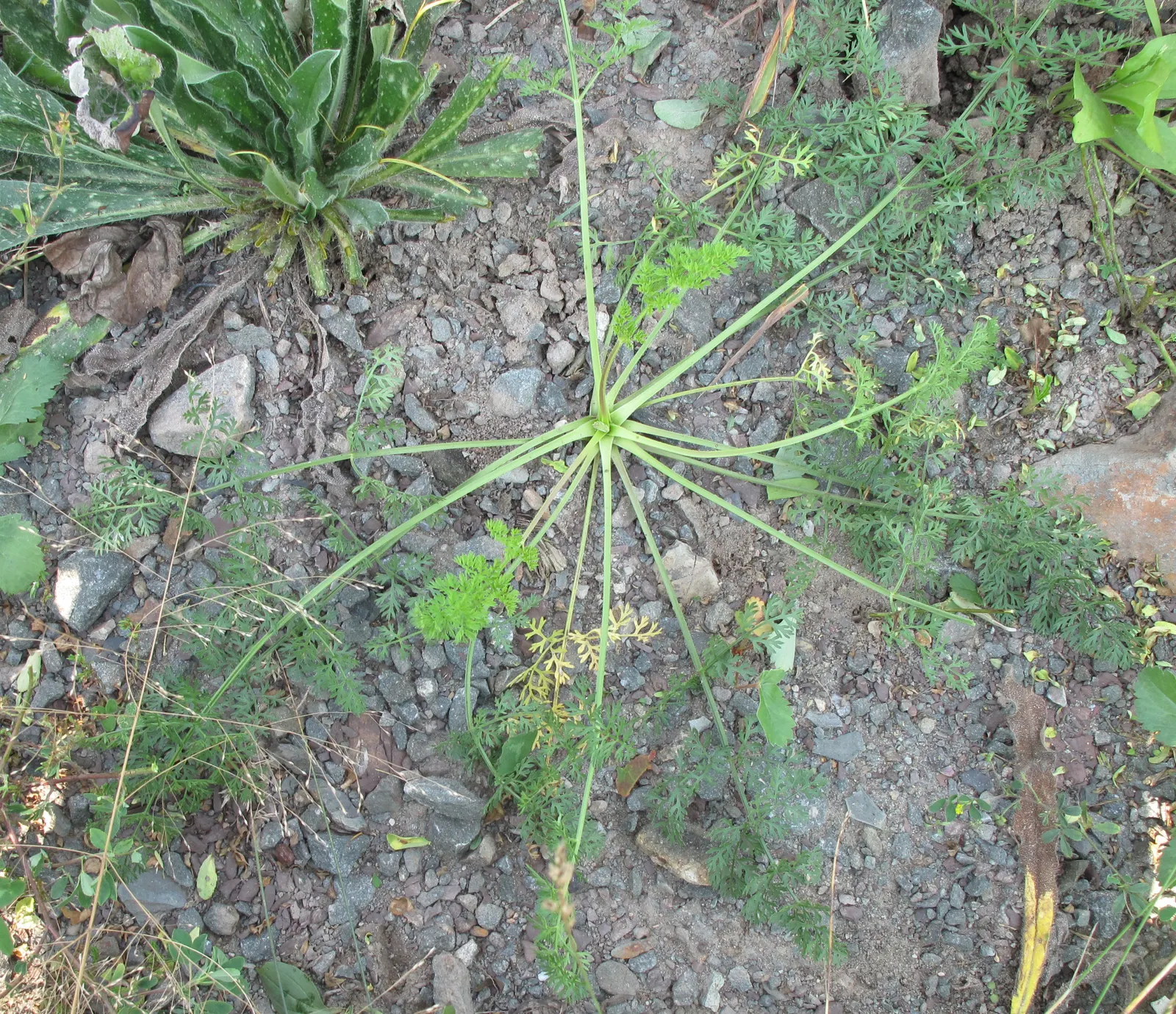
White Lace Flower (Orlaya Grandiflora) — Typically reaching 18-24 inches in height and 12-18 inches in spread; fern-like foliage and striking, image 62
White Lace Flower (Orlaya Grandiflora) — it's important to note that Orlaya grandiflora performs best in regions with milder summers
White Lace Flower (Orlaya Grandiflora) — is an elegant and captivating annual
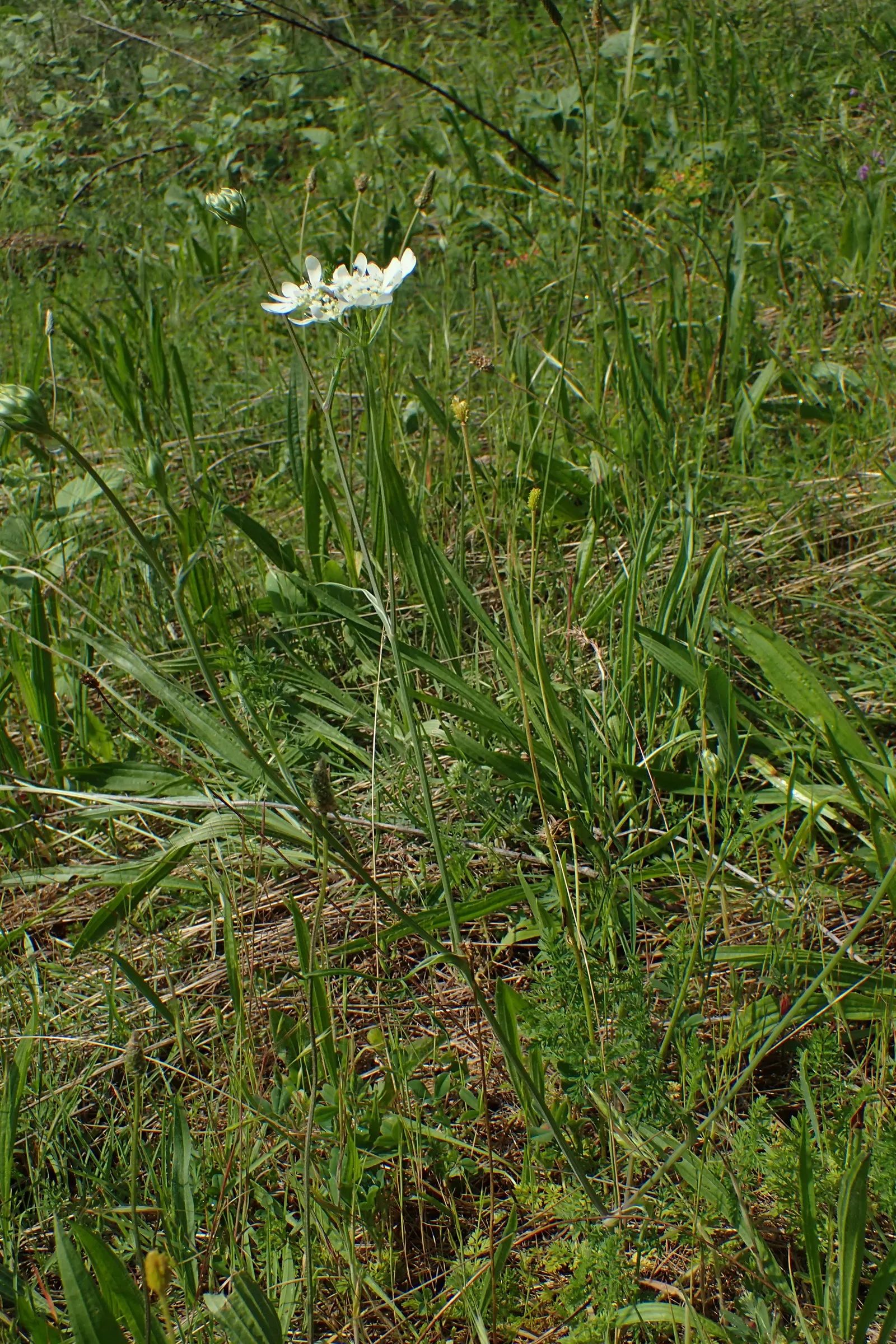
White Lace Flower (Orlaya Grandiflora) — fern-like foliage and striking umbels of pure white; branching stems that typically reach a height of 18, image 71
White Lace Flower (Orlaya Grandiflora) — making it a coveted choice for cut flower arrangements.<br><br>For gardeners and landscape designers
White Lace Flower (Orlaya Grandiflora) — the White Lace Flower exhibits superb vase life
White Lace Flower (Orlaya Grandiflora) — annual with white blooms
White Lace Flower (Orlaya Grandiflora) — this specimen promises to be a graceful
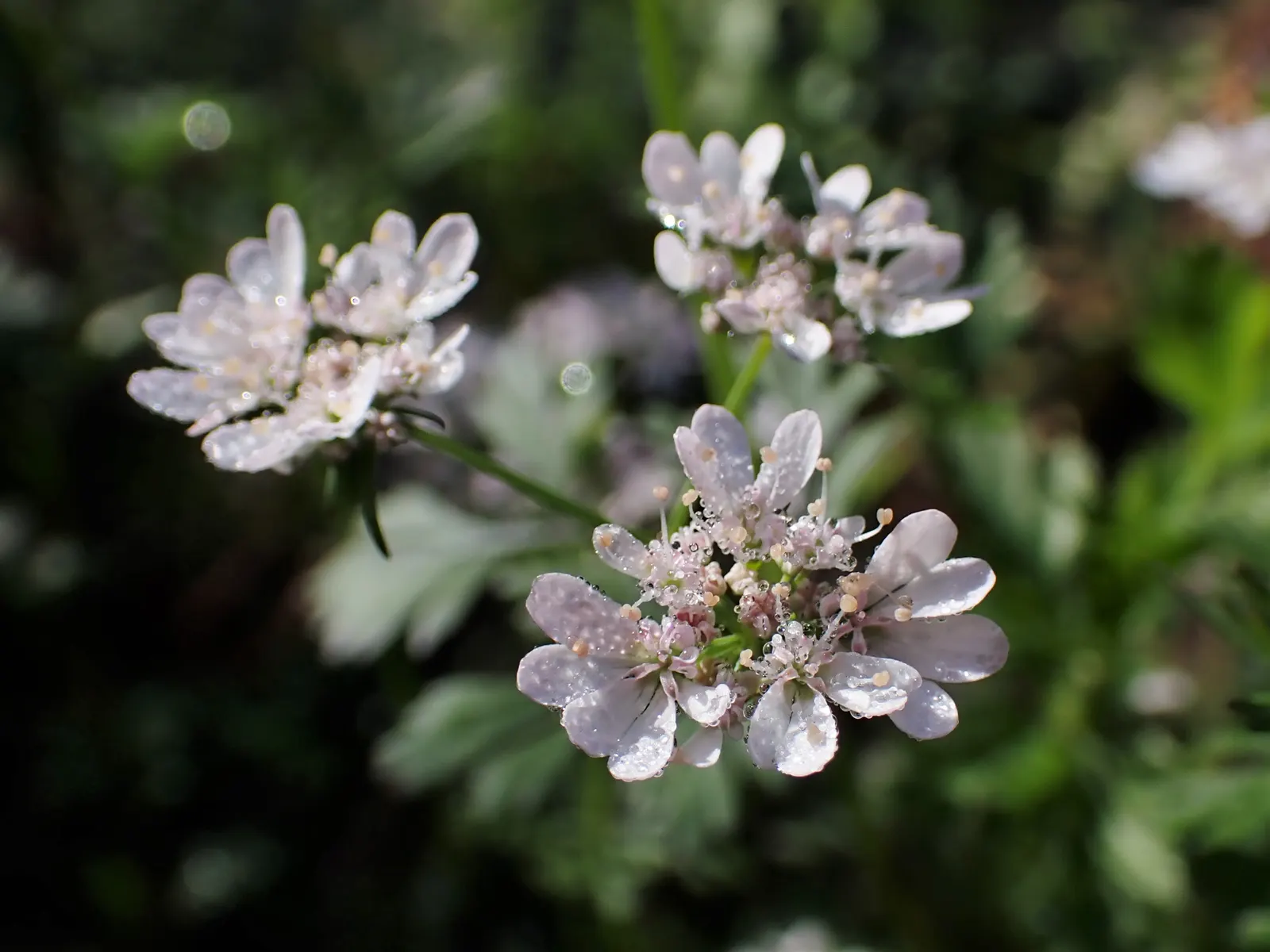
White Lace Flower (Orlaya Grandiflora) — is a charming umbellifer with broad clusters of white lacy blooms
White Lace Flower (Orlaya Grandiflora) — is a charming umbellifer with broad clusters of white lacy blooms; this annual prefers full sun and well-drained soil
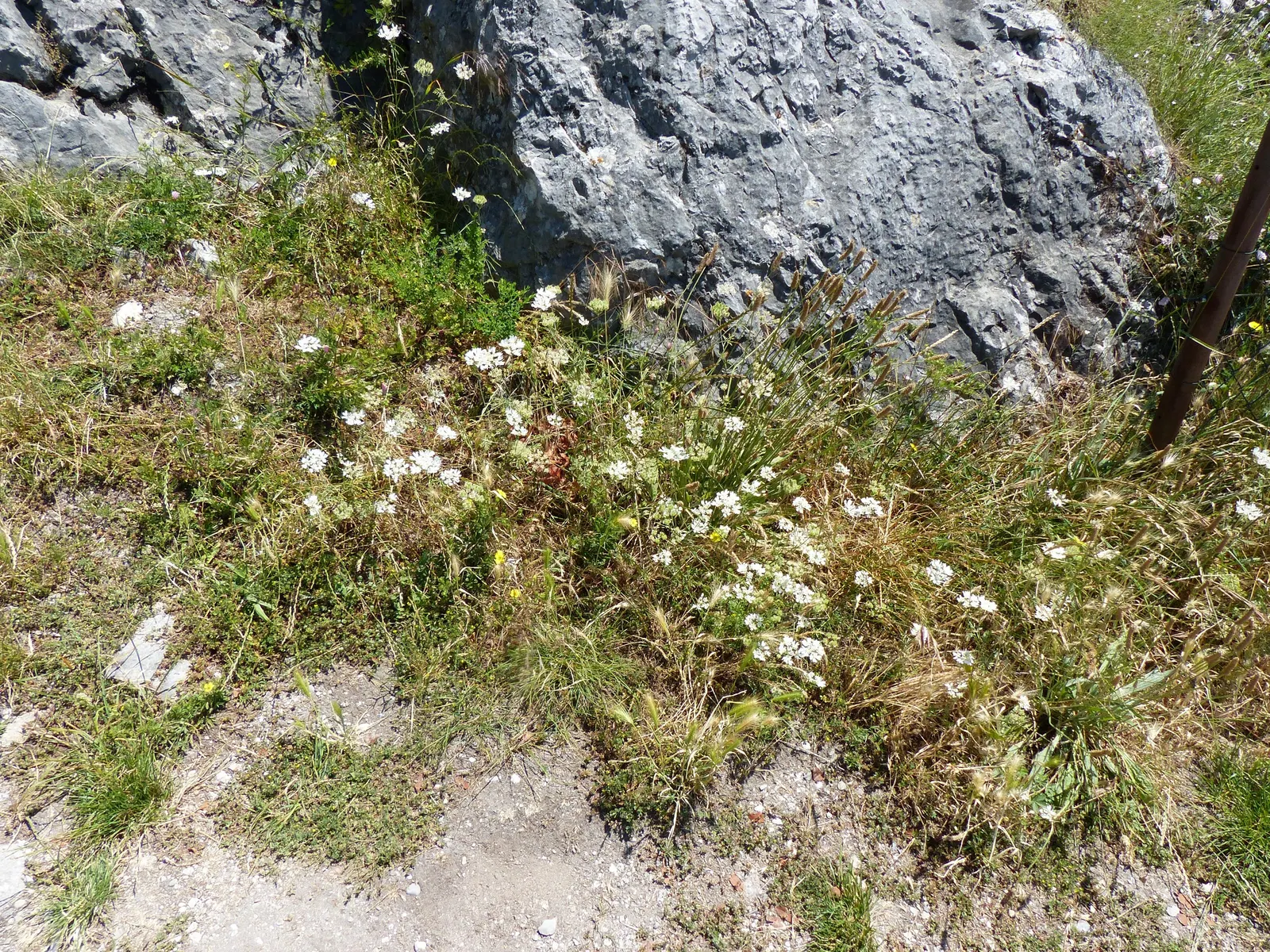
White Lace Flower (Orlaya Grandiflora) — airy texture to the landscape; hailing from the Apiaceae family, image 66
White Lace Flower (Orlaya Grandiflora) — lacey flowers which burst forth in the late spring to early summer months; the White Lace Flower exhibits superb vase
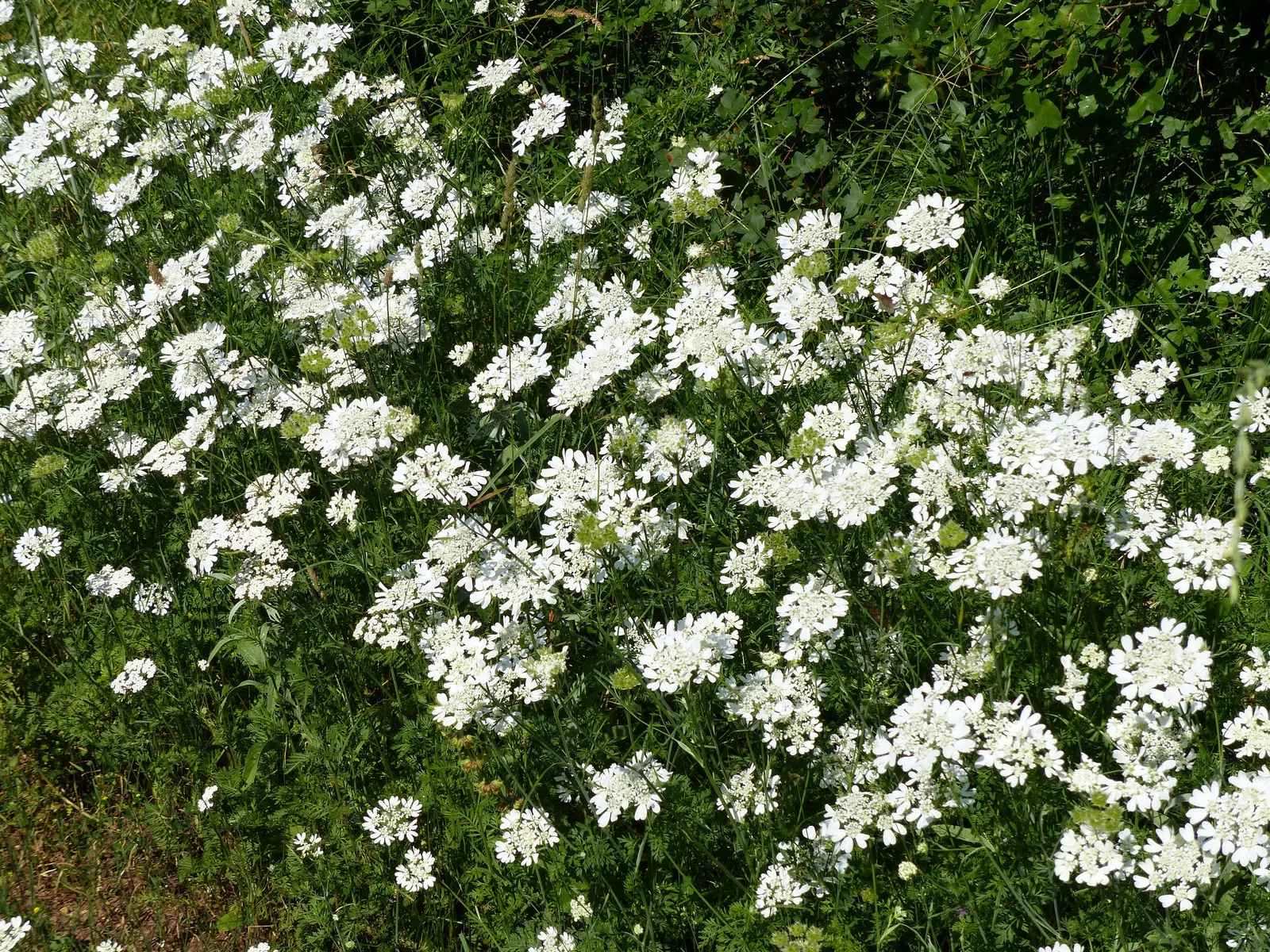
White Lace Flower (Orlaya Grandiflora) — is an elegant and captivating annual; incorporating Orlaya grandiflora provides both an aesthetic appeal, image 68
White Lace Flower (Orlaya Grandiflora) — lacey flowers which burst forth in the late spring to early summer months; the White Lace Flower exhibits, image 72
White Lace Flower (Orlaya Grandiflora) — enhancing the tapestry of the garden with its charming
White Lace Flower (Orlaya Grandiflora) — the White Lace Flower flourishes in well-drained soil; it's important to note that Orlaya grandiflora performs best in
White Lace Flower (Orlaya Grandiflora) — This annual prefers full sun and well-drained soil; aside from occasional watering in drought conditions, image 64
White Lace Flower (Orlaya Grandiflora) — aside from occasional watering in drought conditions; making it a coveted choice for cut flower
White Lace Flower (Orlaya Grandiflora) — branching stems that typically reach a height of 18 to 24 inches; it blooms in late spring to summer
White Lace Flower (Orlaya Grandiflora) — it exhibits a preference for those that are fertile and humus-rich
White Lace Flower (Orlaya Grandiflora) — it makes an excellent filler in garden borders and cut flower arrangements
White Lace Flower (Orlaya Grandiflora) — Typically reaching 18-24 inches in height and 12-18 inches in spread; fern-like foliage and striking umbels of pure
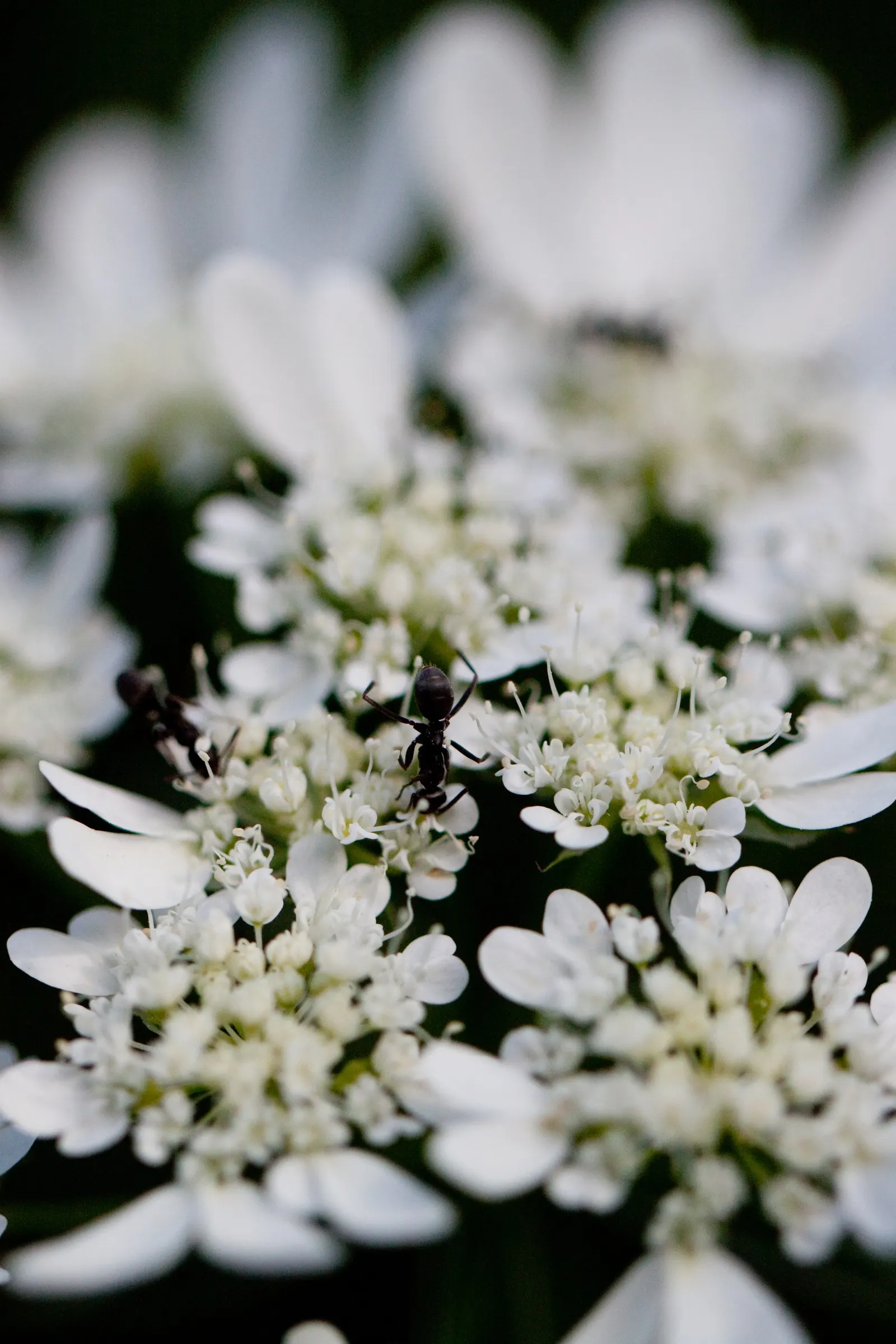
White Lace Flower (Orlaya Grandiflora) — annual with white blooms; but it's also known for its affinity to attract beneficial pollinators such as butterflies
White Lace Flower (Orlaya Grandiflora) — it's important to note that Orlaya grandiflora performs best in regions with milder summers; this plant is
Photographs by 9 contributors

Related plants