Skip to content

Cilantro

Coriandrum Sativum

Design with this plant

Overview

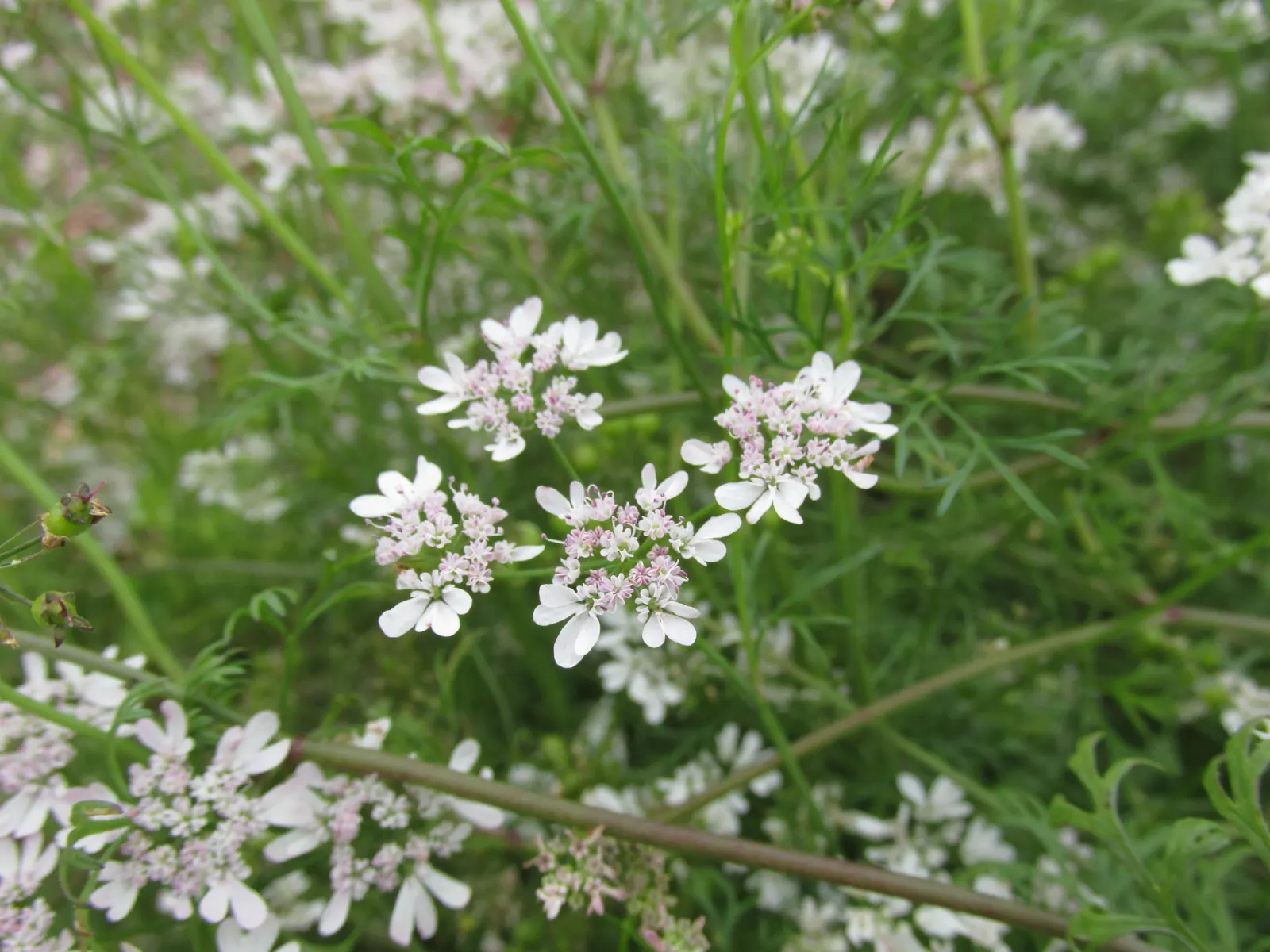
Cilantro (Coriandrum sativum), an annual herb, is esteemed for its pungent, citrus-like leaves, often spanning 6-12 inches in width and height. It prefers full sun to partial shade, thriving in well-drained soil. With delicate, lacy foliage and tiny white to pale pink flowers, it's a favorite in culinary gardens. Space plants approximately 3-4 inches apart. Bolt-resistant varieties extend the harvest season in warmer climates. USDA zones 2-11.

Sun Full, HalfWater MediumZones 2–11Type Annual, HerbClimate Mediterranean

Culture

Sun
Full, Half
Water
Medium
USDA zones
2–11

Shape & size

Mature height
1.5–2 Ft.
Mature width
1–1.5 Ft.

Classification

Type
Annual, Herb
Family
Apiaceae (Umbelliferae)
Climate
Mediterranean

See full data, regional cultivation notes, and design tools. Build a client presentation around this plant.

Start your 14-day trial

Photos (105)

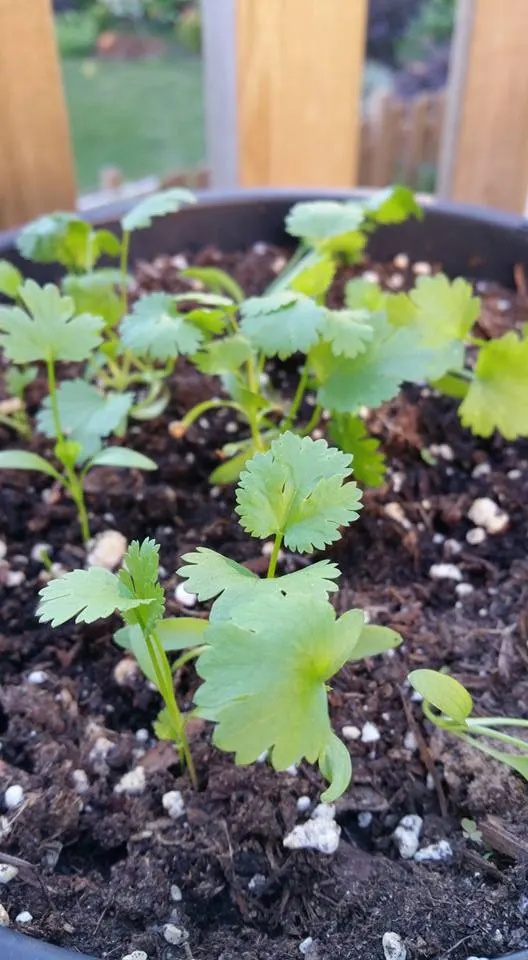
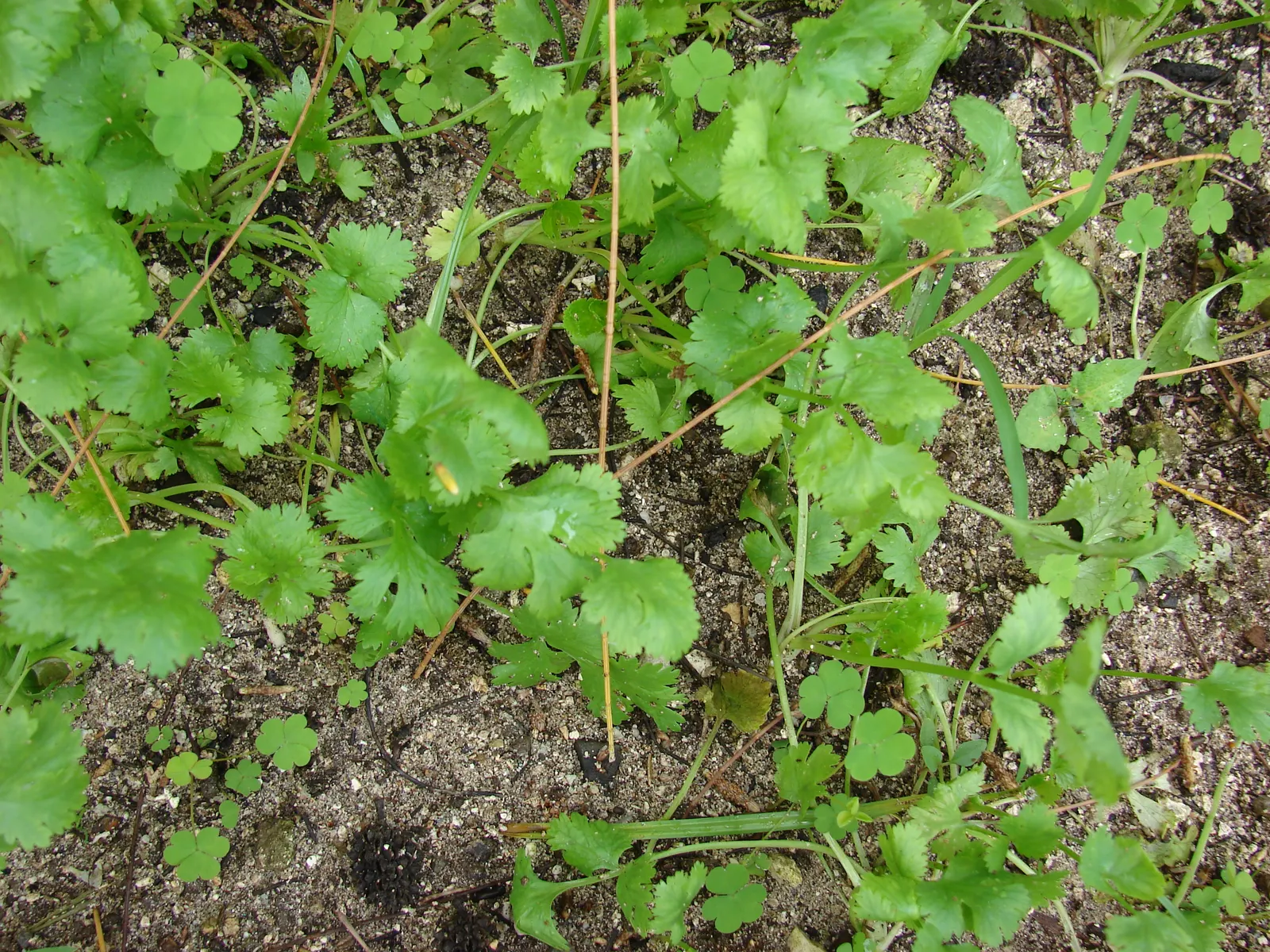
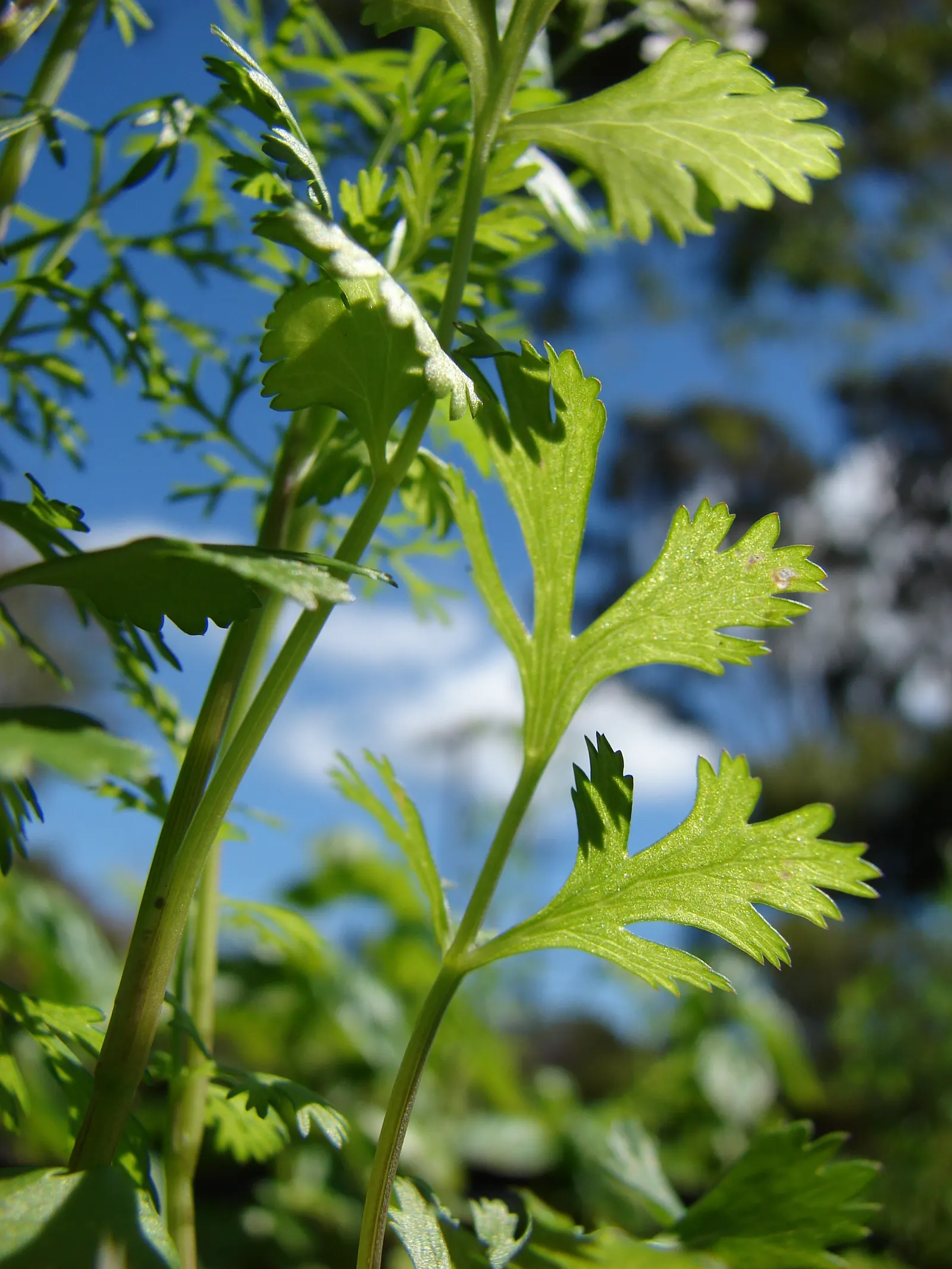
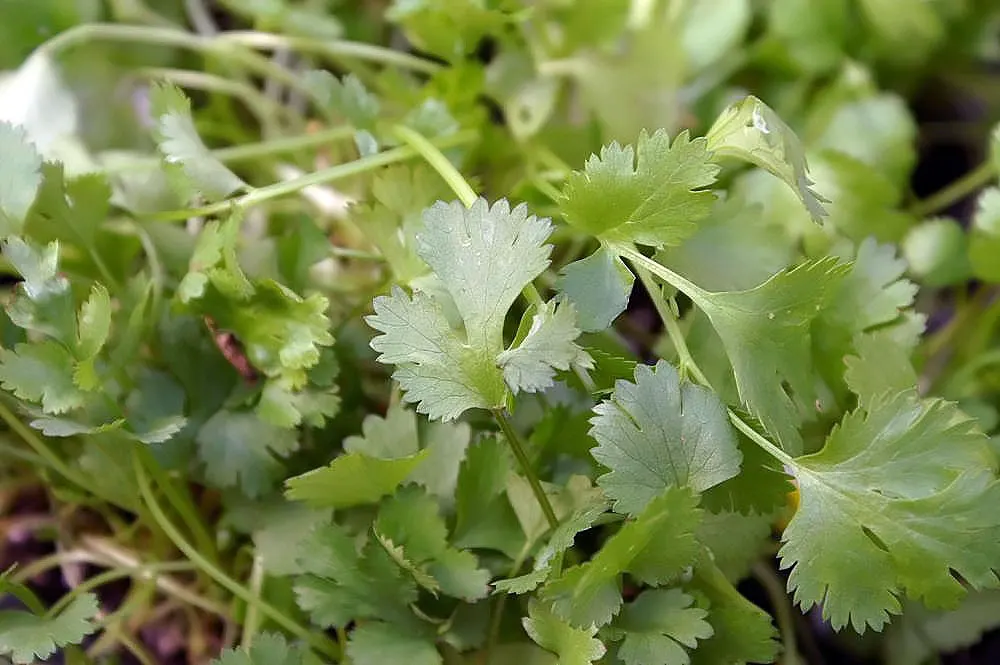
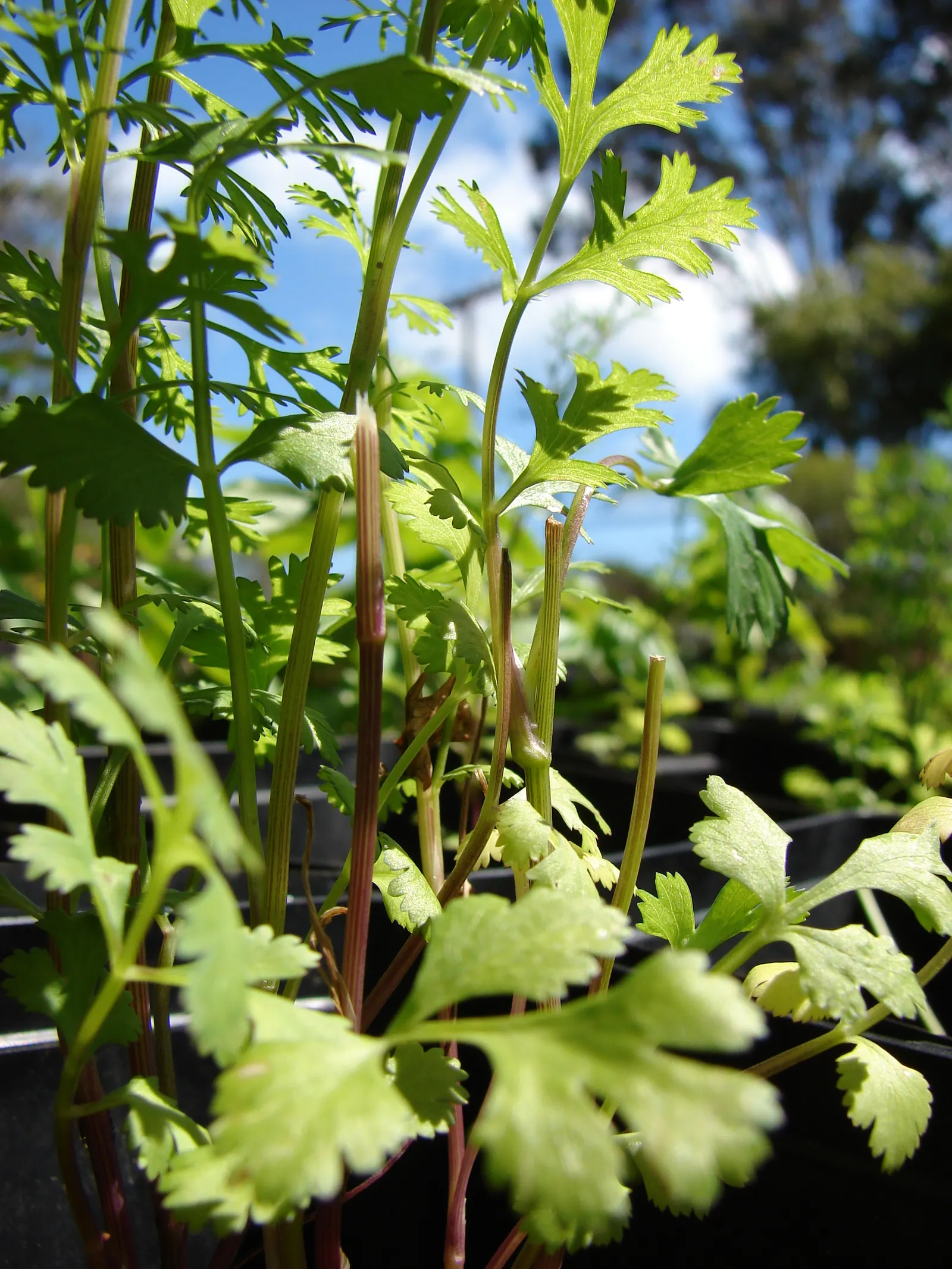
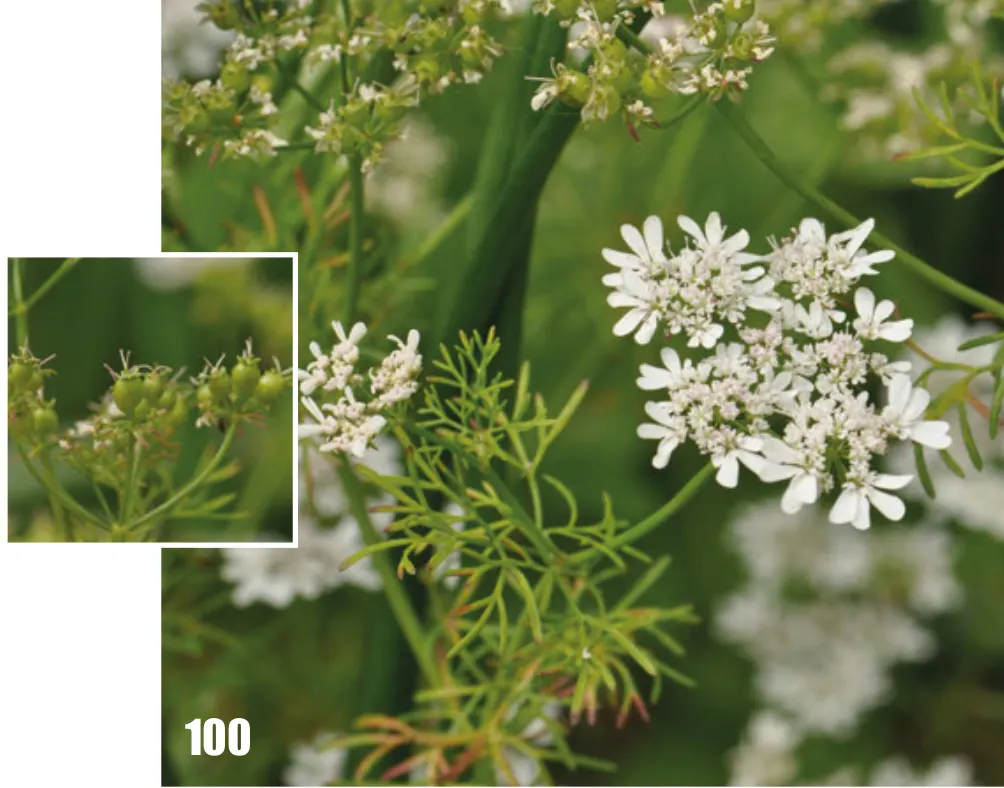
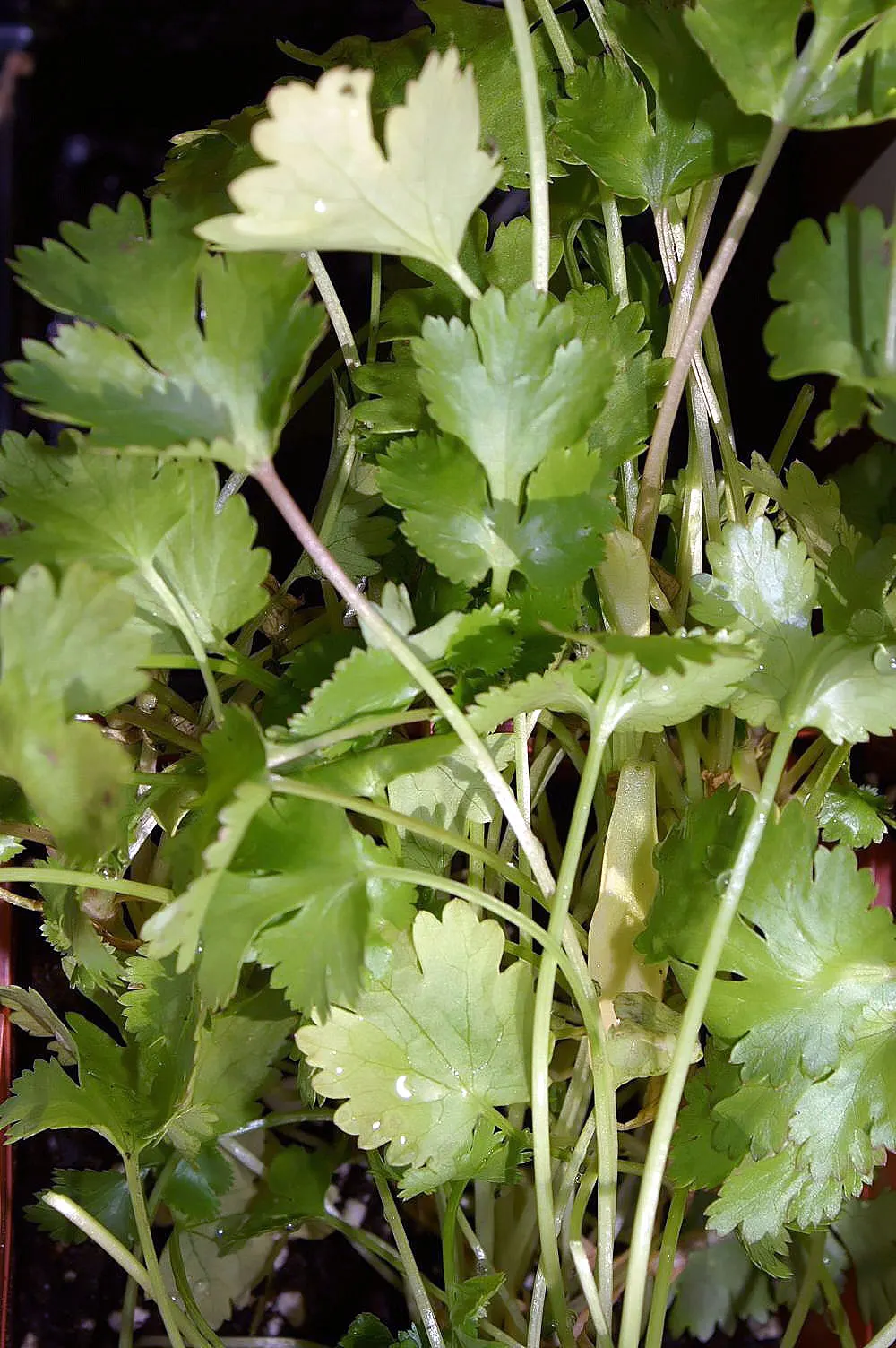
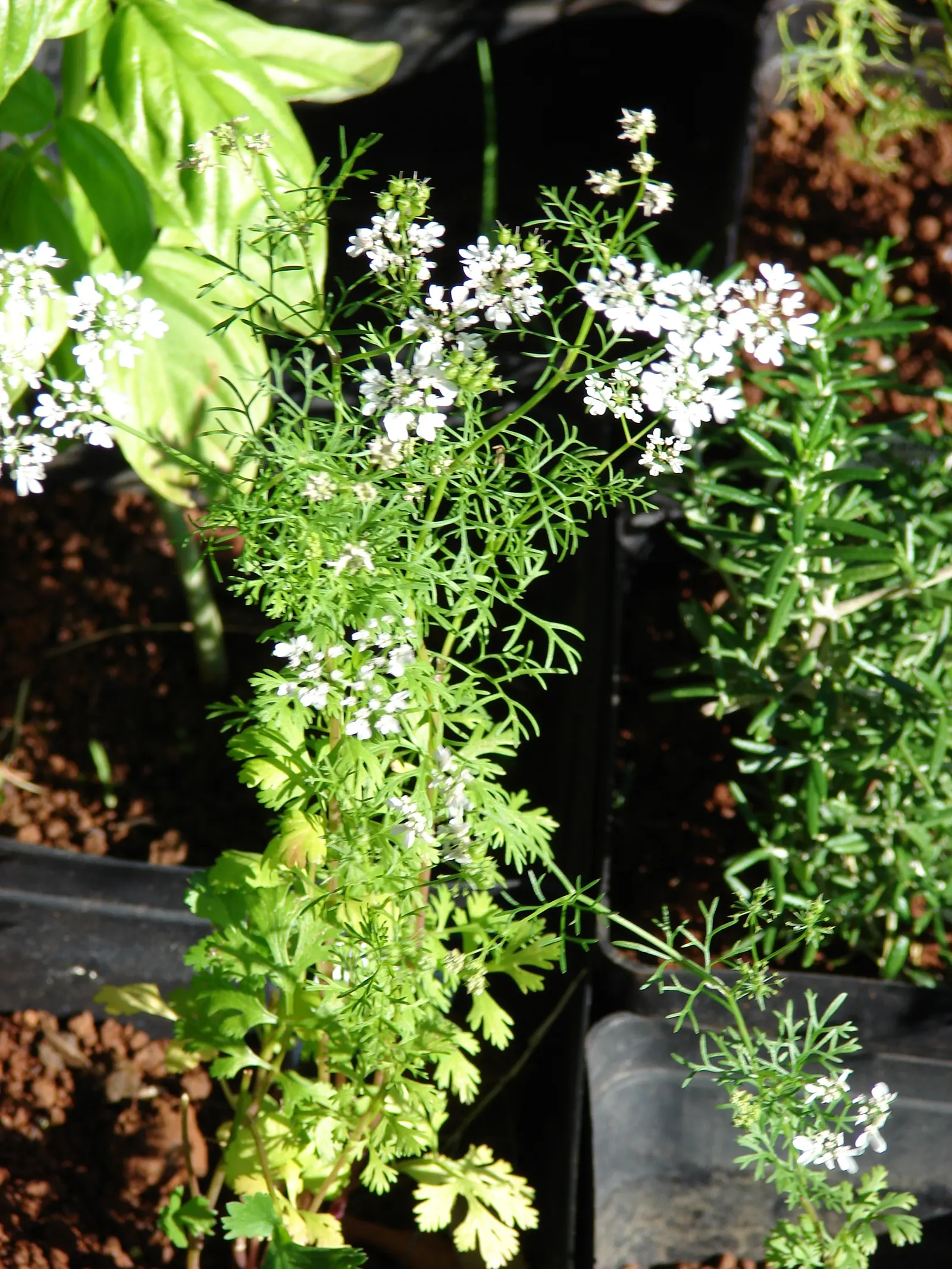
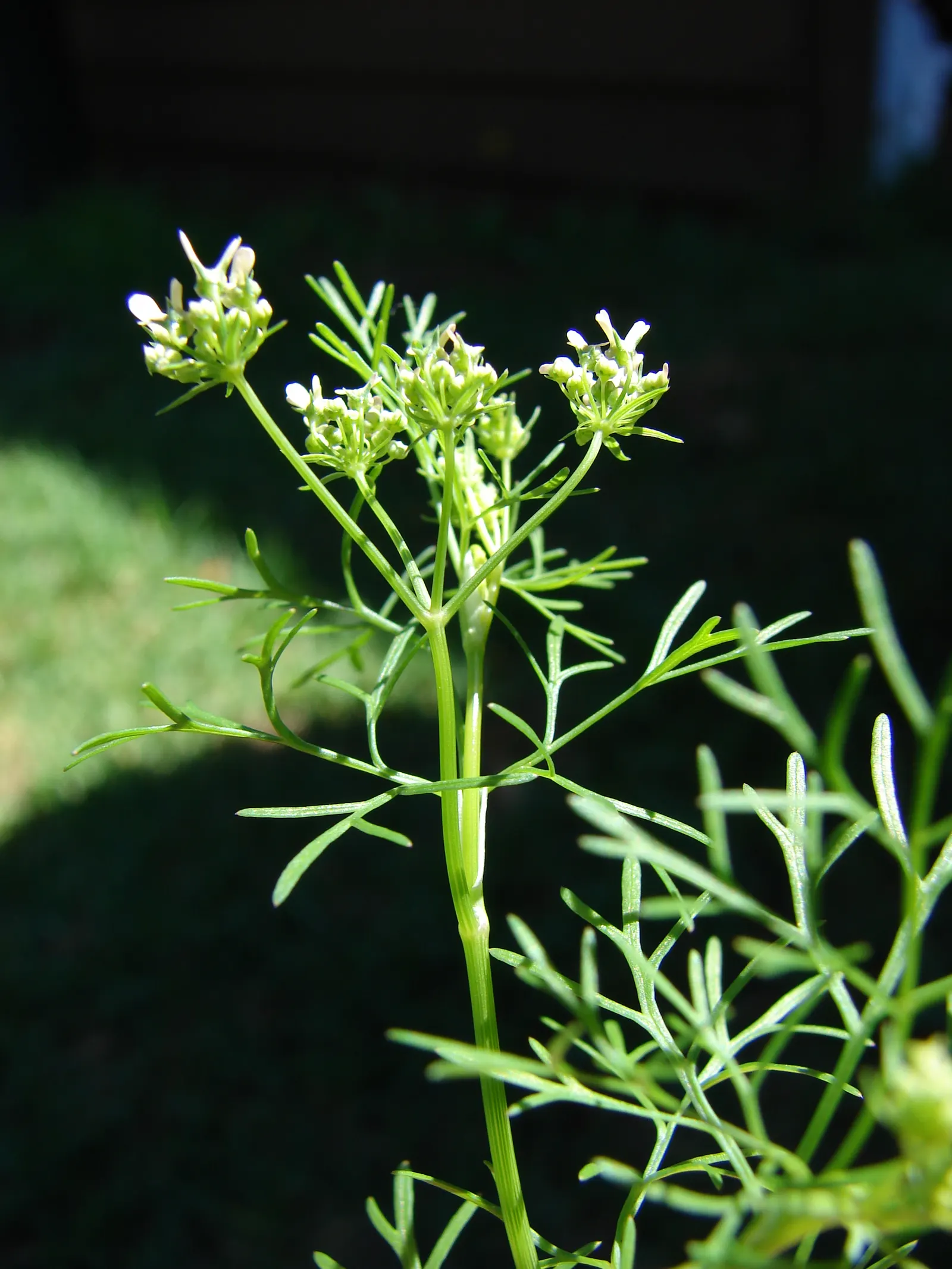
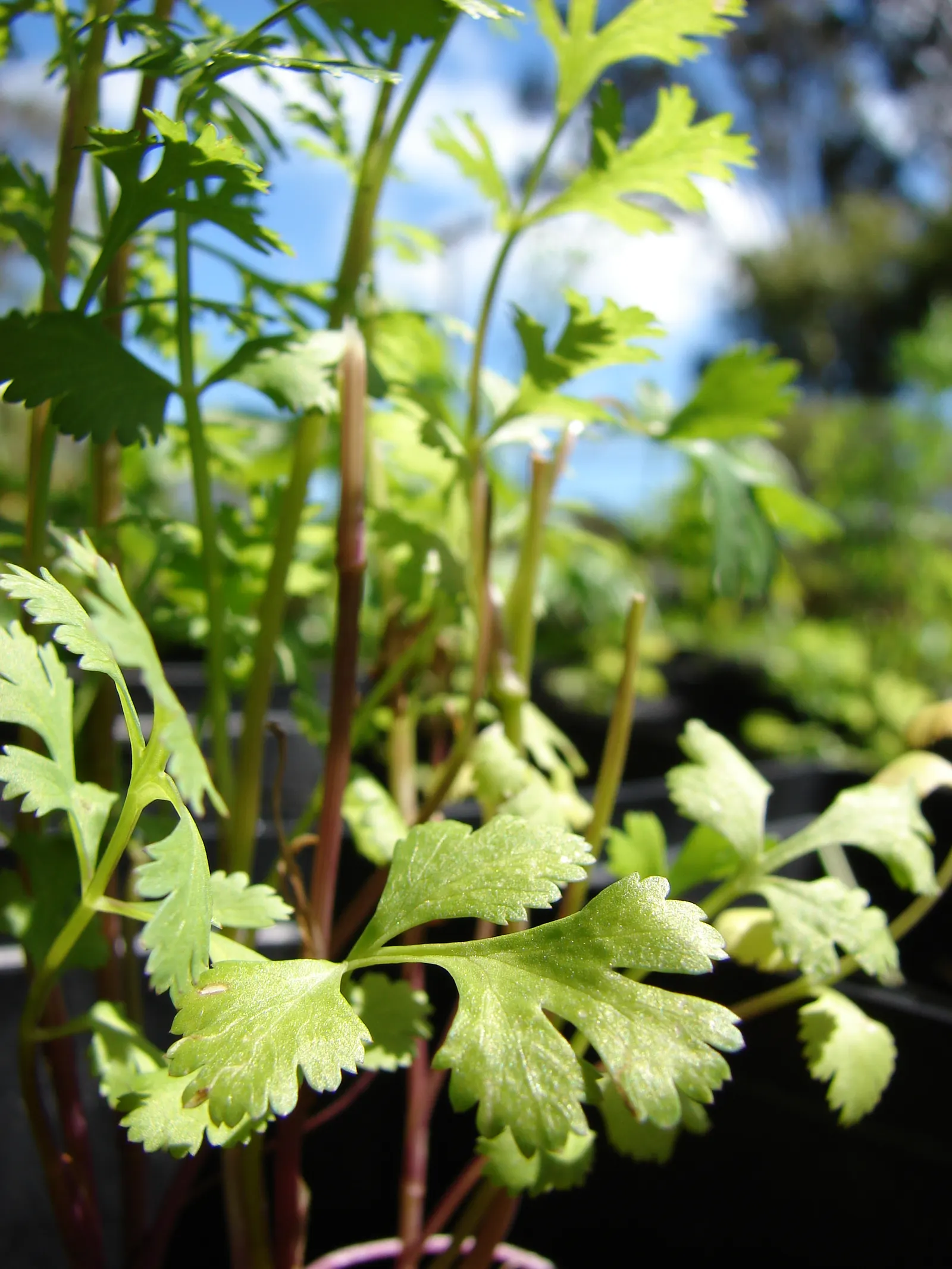
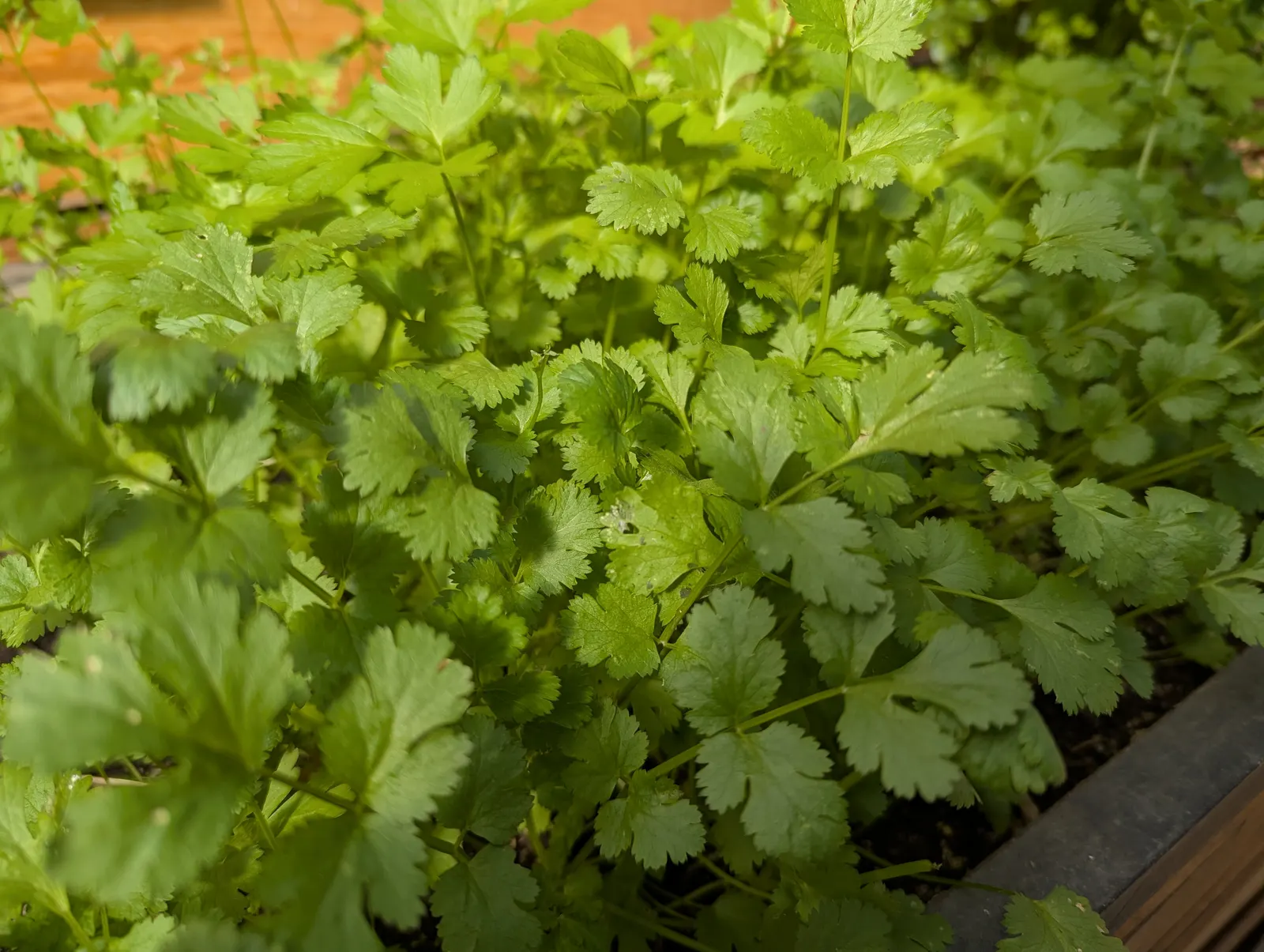
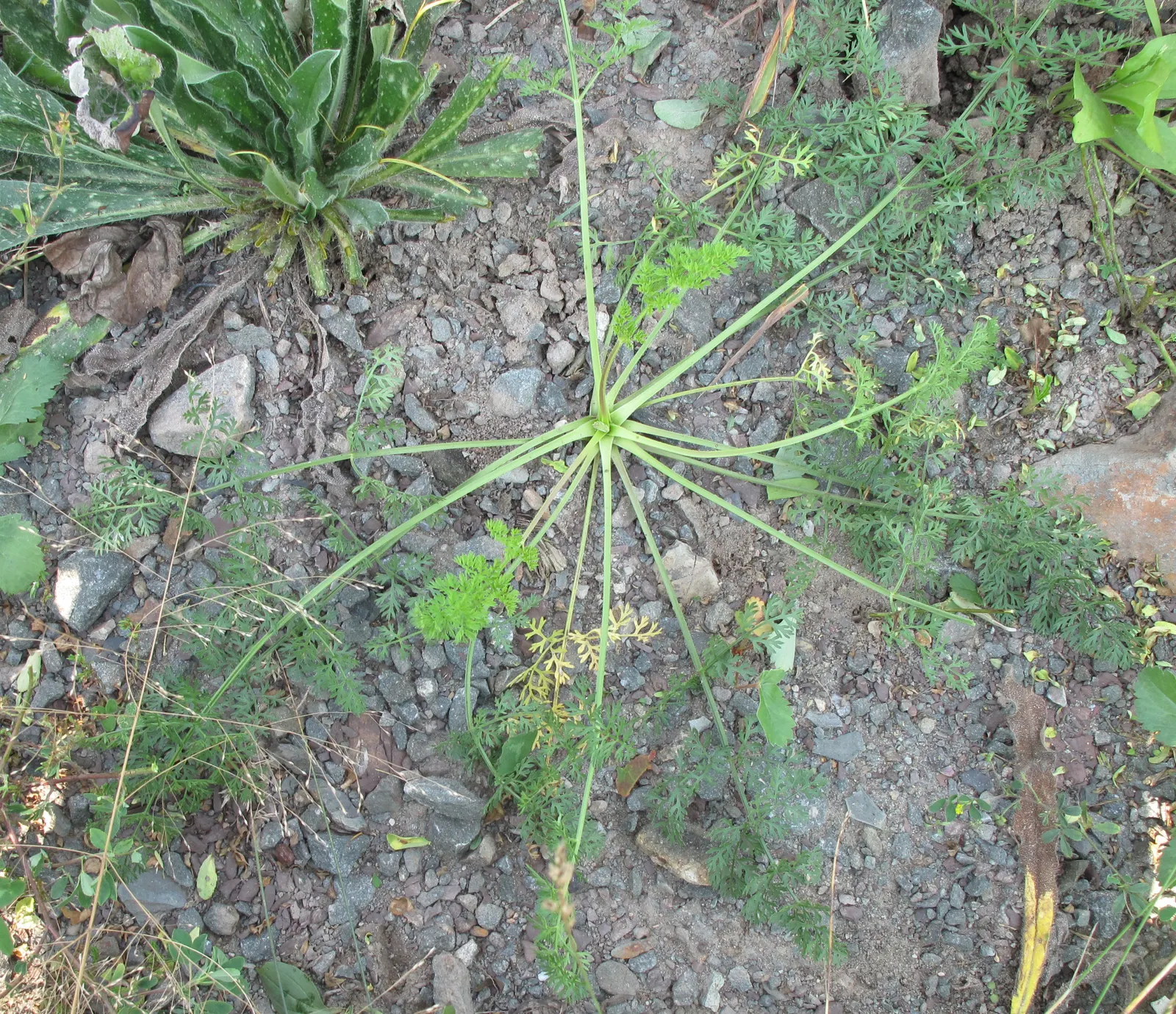
Cilantro (Coriandrum Sativum) — pinnate leaves that are bright green in color; bolt-resistant varieties extend the harvest season in warmer climates
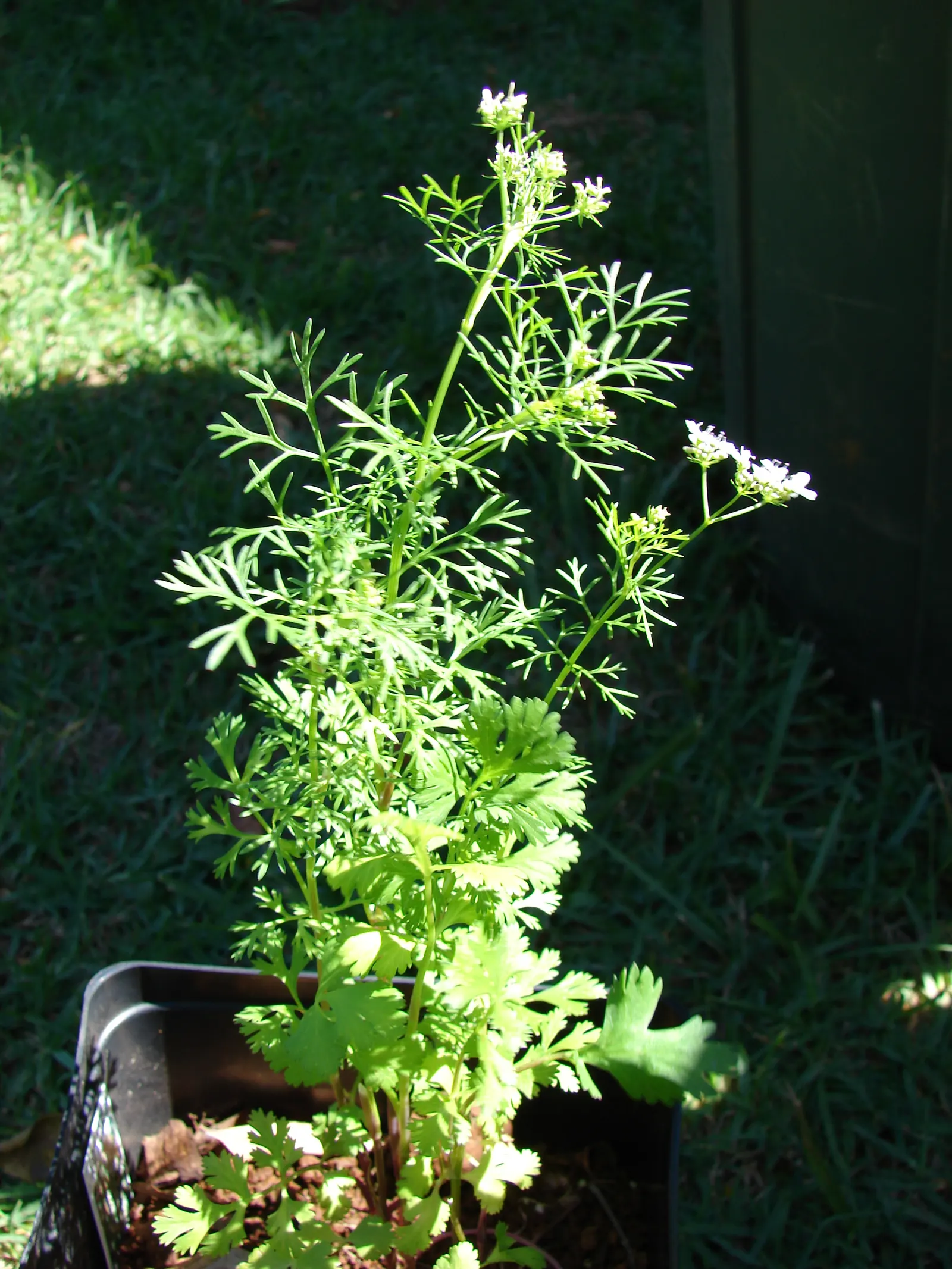
Cilantro (Coriandrum Sativum) — annual / herb for full or half; regular watering to maintain evenly moist soil will ensure healthy foliage
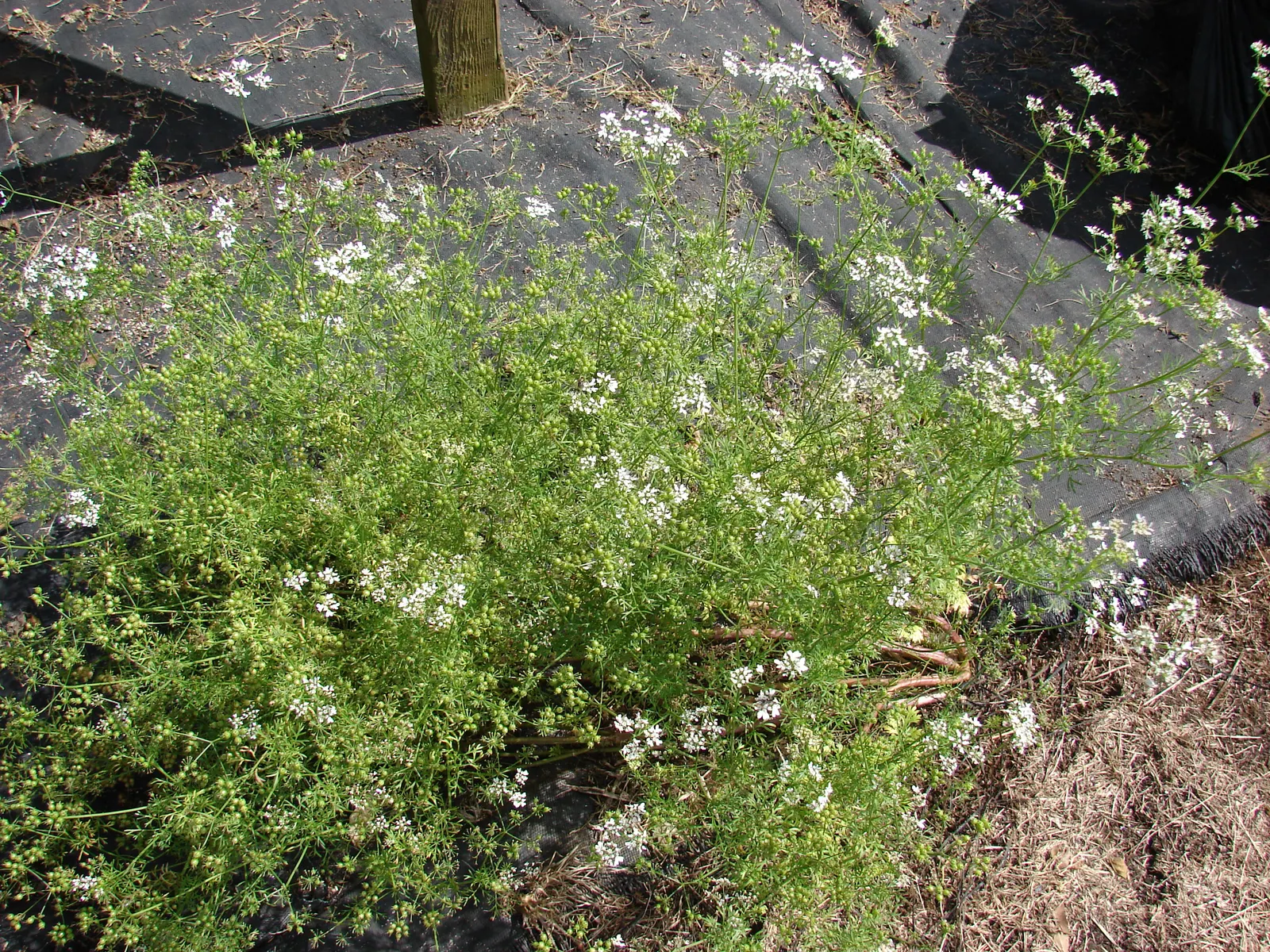
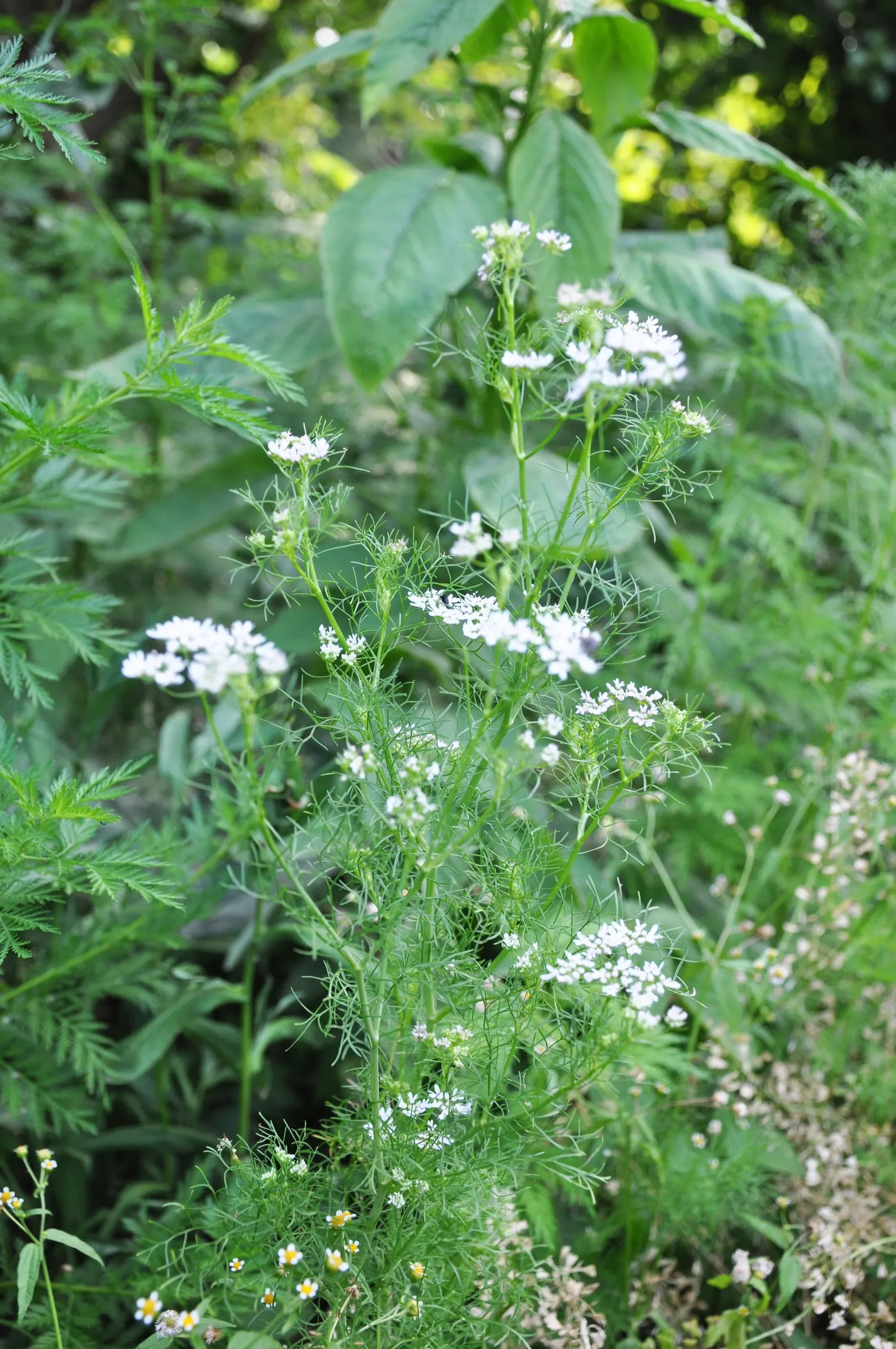
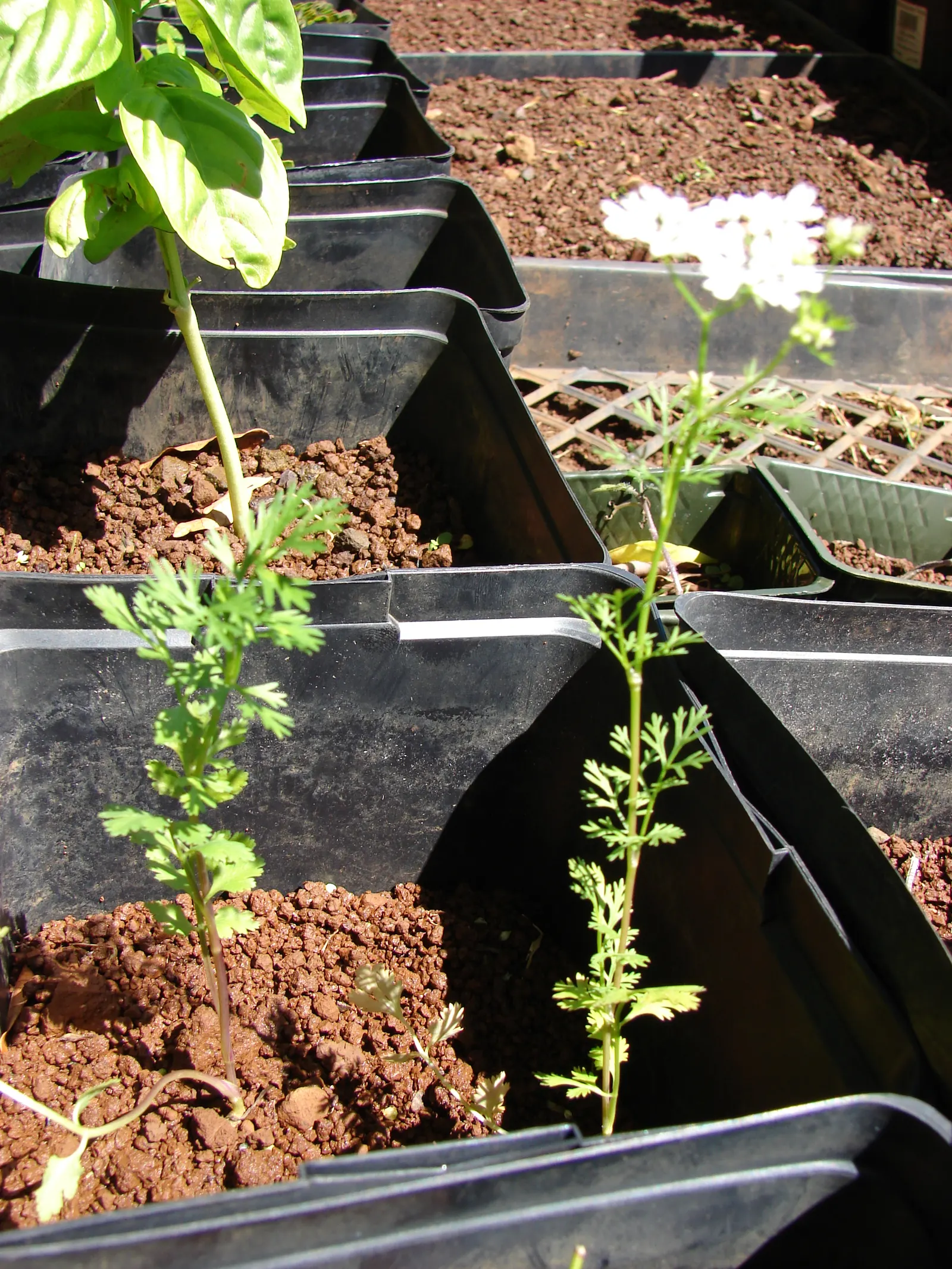
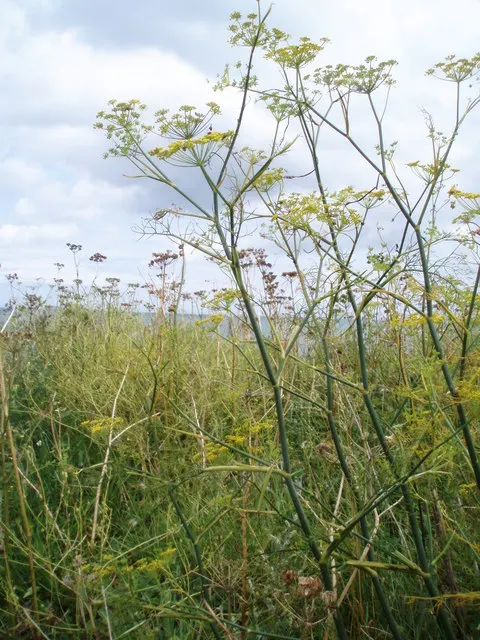
Cilantro (Coriandrum Sativum) — cilantro requires a sunny location with well-draining soil; white flowers in the garden, image 68
Cilantro (Coriandrum Sativum) — though it can tolerate light shade
Cilantro (Coriandrum Sativum) — It prefers full sun to partial shade, thriving in well-drained soil; cilantro requires a sunny location with, image 78
Cilantro (Coriandrum Sativum) — which can be harvested and used as a spice.<br><br>For optimal growth
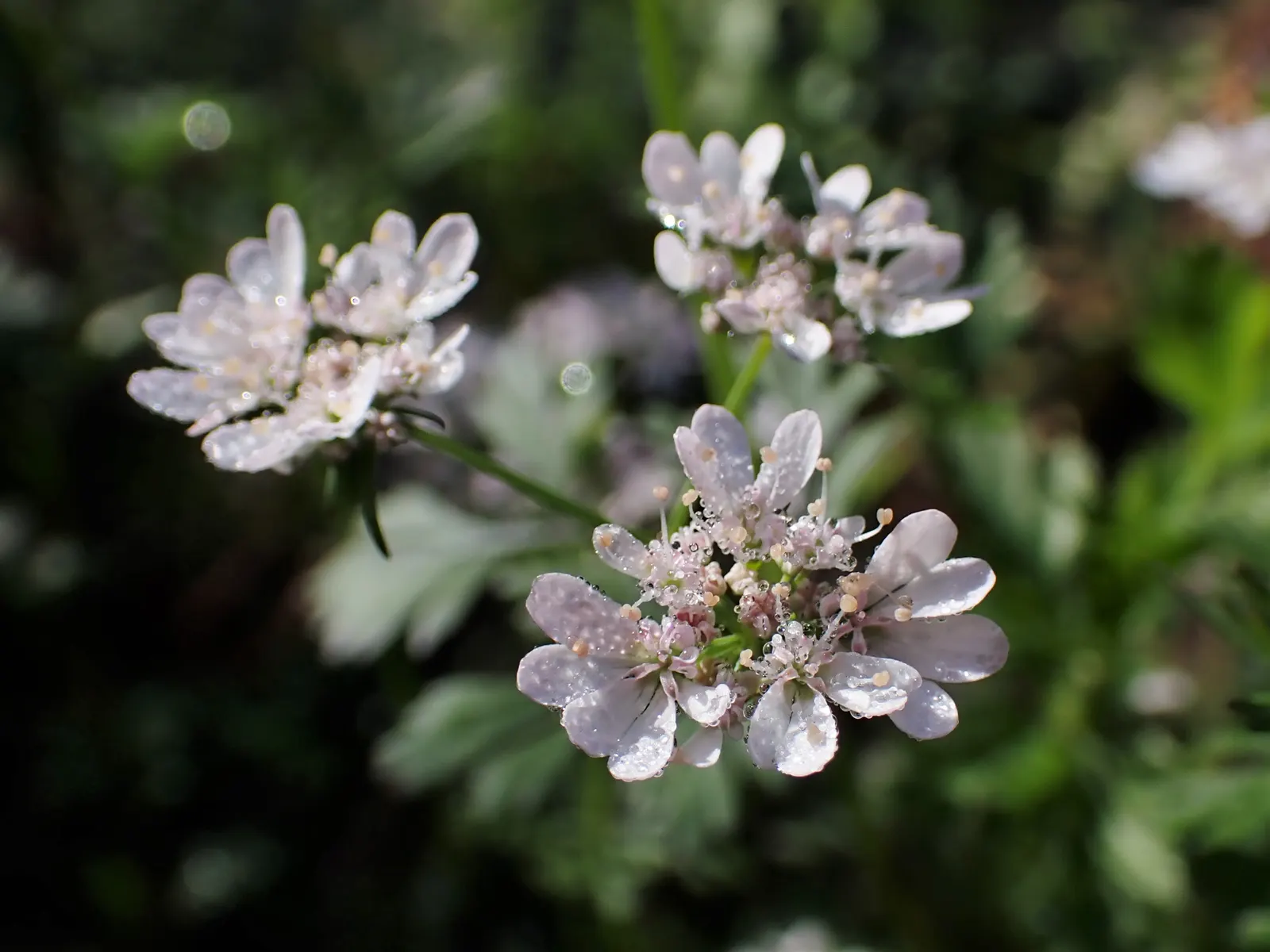
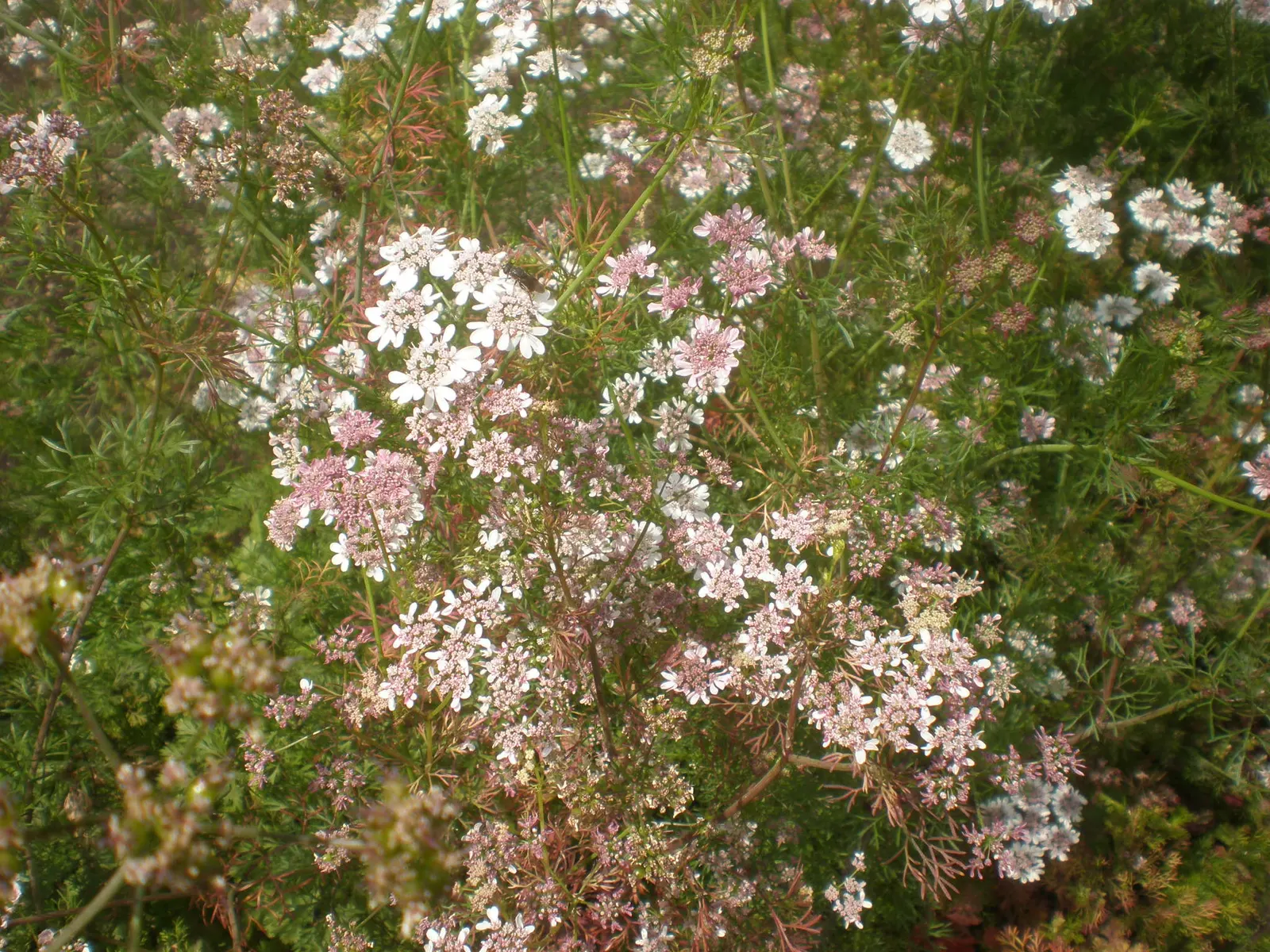
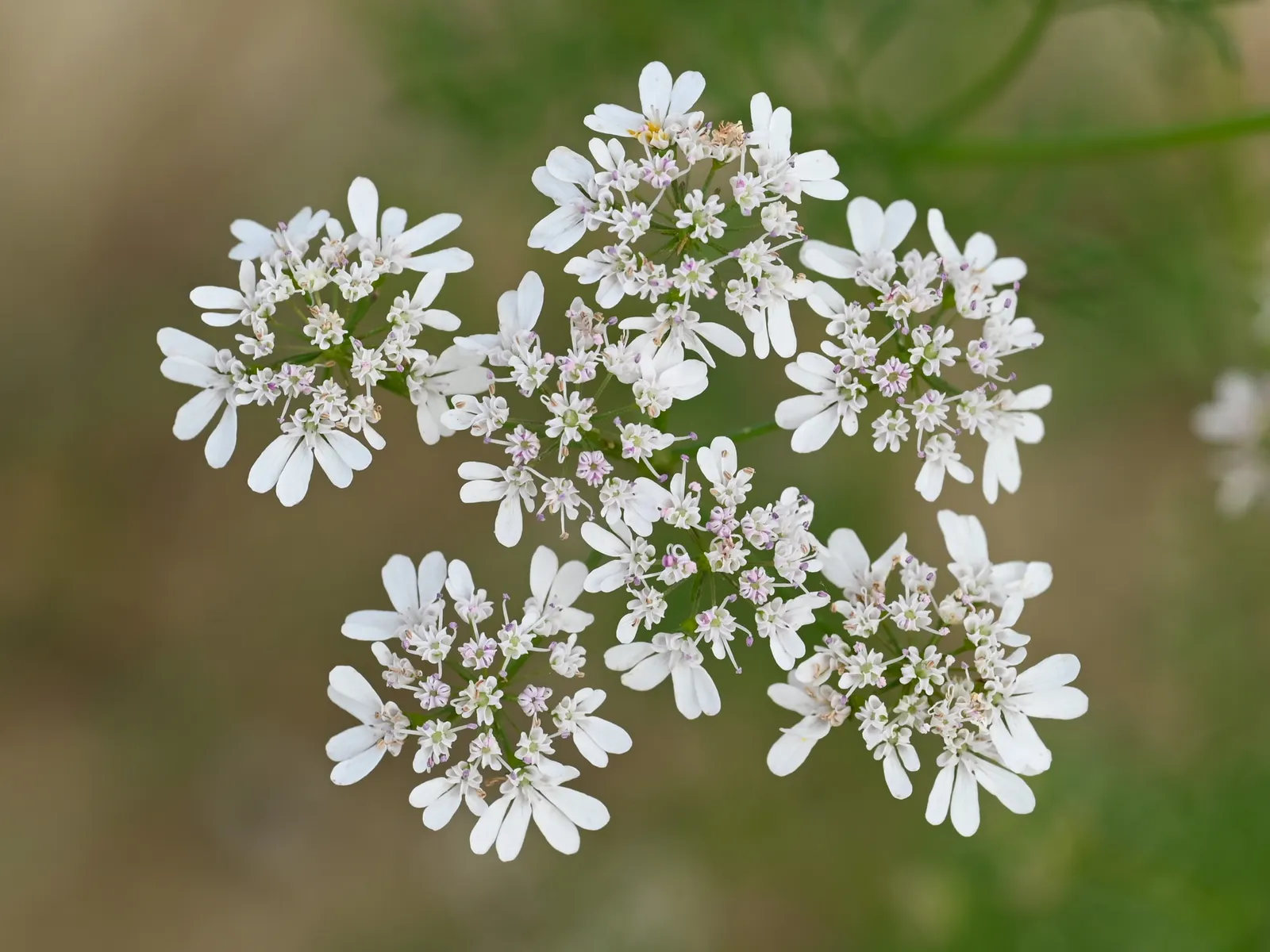
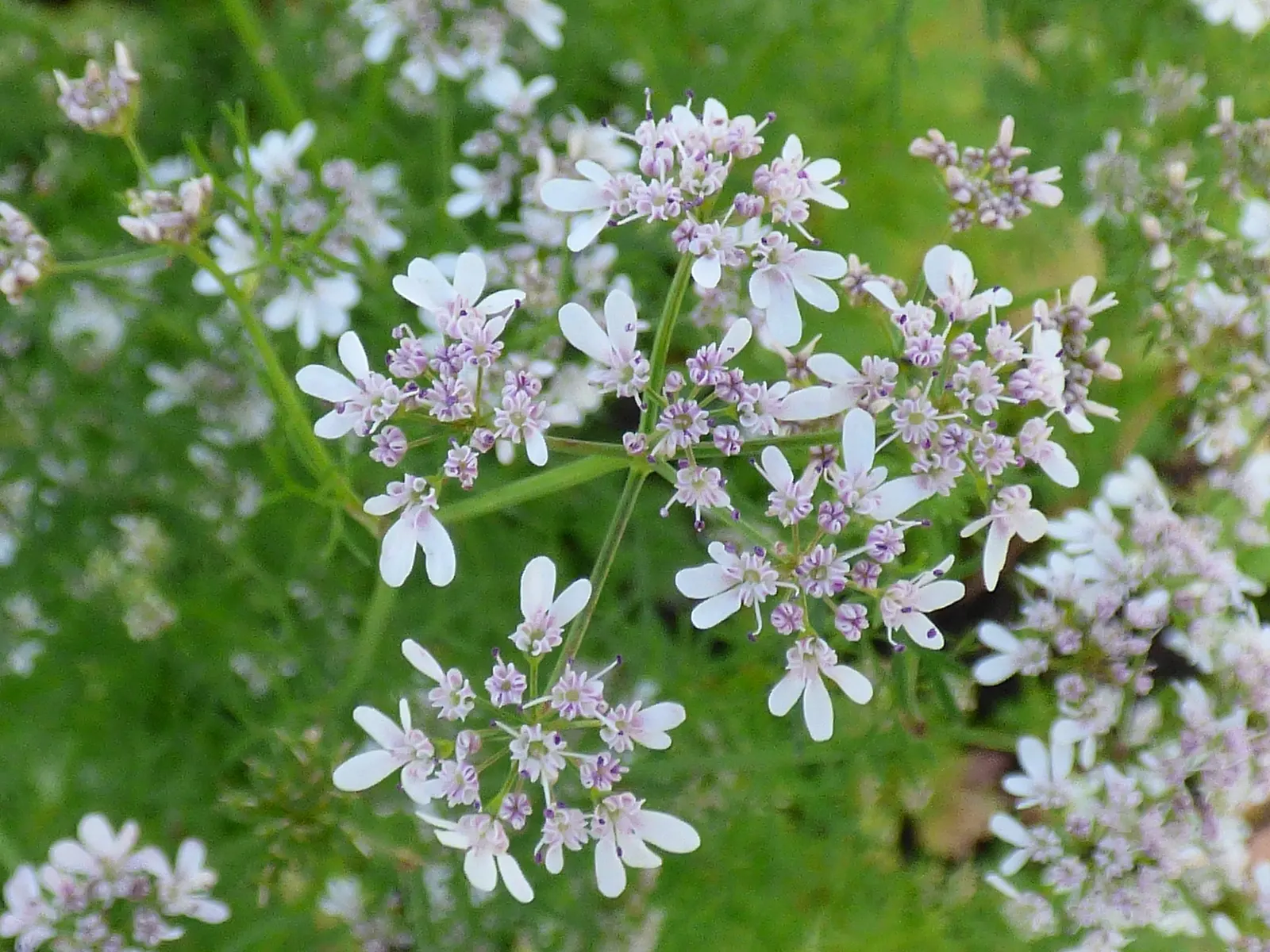
Cilantro (Coriandrum Sativum) — With delicate, lacy foliage and tiny white to pale pink flowers, it's a favorite in culinary gardens; annual / herb, image 54
Cilantro (Coriandrum Sativum) — celebrated for its flavorful leaves and seeds which provide a culinary zest to various dishes
Cilantro (Coriandrum Sativum) — commonly known as cilantro or coriander; making it a favorable selection for most temperate regions, image 82
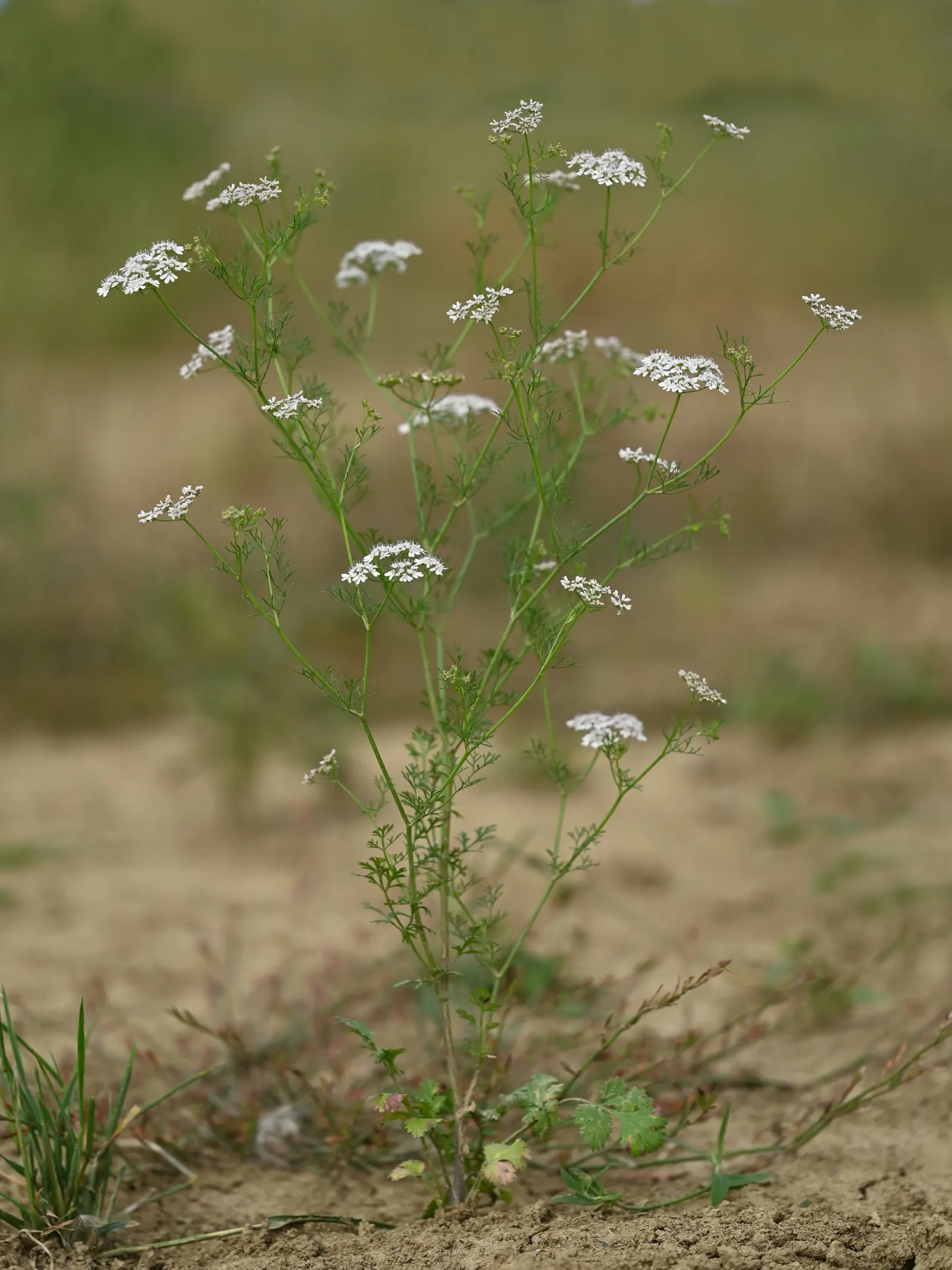
Cilantro (Coriandrum Sativum) — often spanning 6-12 inches in width and height; with a spread of approximately 6 to 9 inches
Cilantro (Coriandrum Sativum) — is esteemed for its pungent; with delicate, lacy foliage and tiny white to pale pink flowers, it's a favorite in, image 51
Cilantro (Coriandrum Sativum) — making it a favorable selection for most temperate regions
Cilantro (Coriandrum Sativum) — celebrated for its flavorful leaves and seeds which provide a culinary zest to various dishes; this herbaceous, image 84
Cilantro (Coriandrum Sativum) — making it a favorable selection for most temperate regions; though it can tolerate light shade, image 71
Cilantro (Coriandrum Sativum) — commonly known as cilantro or coriander
Cilantro (Coriandrum Sativum) — is a versatile annual herb in the Apiaceae family; it prefers full sun to partial shade, thriving in well-drained, image 83
Cilantro (Coriandrum Sativum) — which can be harvested and used as a spice.<br><br>For optimal growth; it will set coriander seeds, image 67
Cilantro (Coriandrum Sativum) — is esteemed for its pungent; with delicate, lacy foliage and tiny white to pale pink flowers, it's a favorite in culinary
Cilantro (Coriandrum Sativum) — is a versatile annual herb in the Apiaceae family; it prefers full sun to partial shade, thriving in well-drained soil
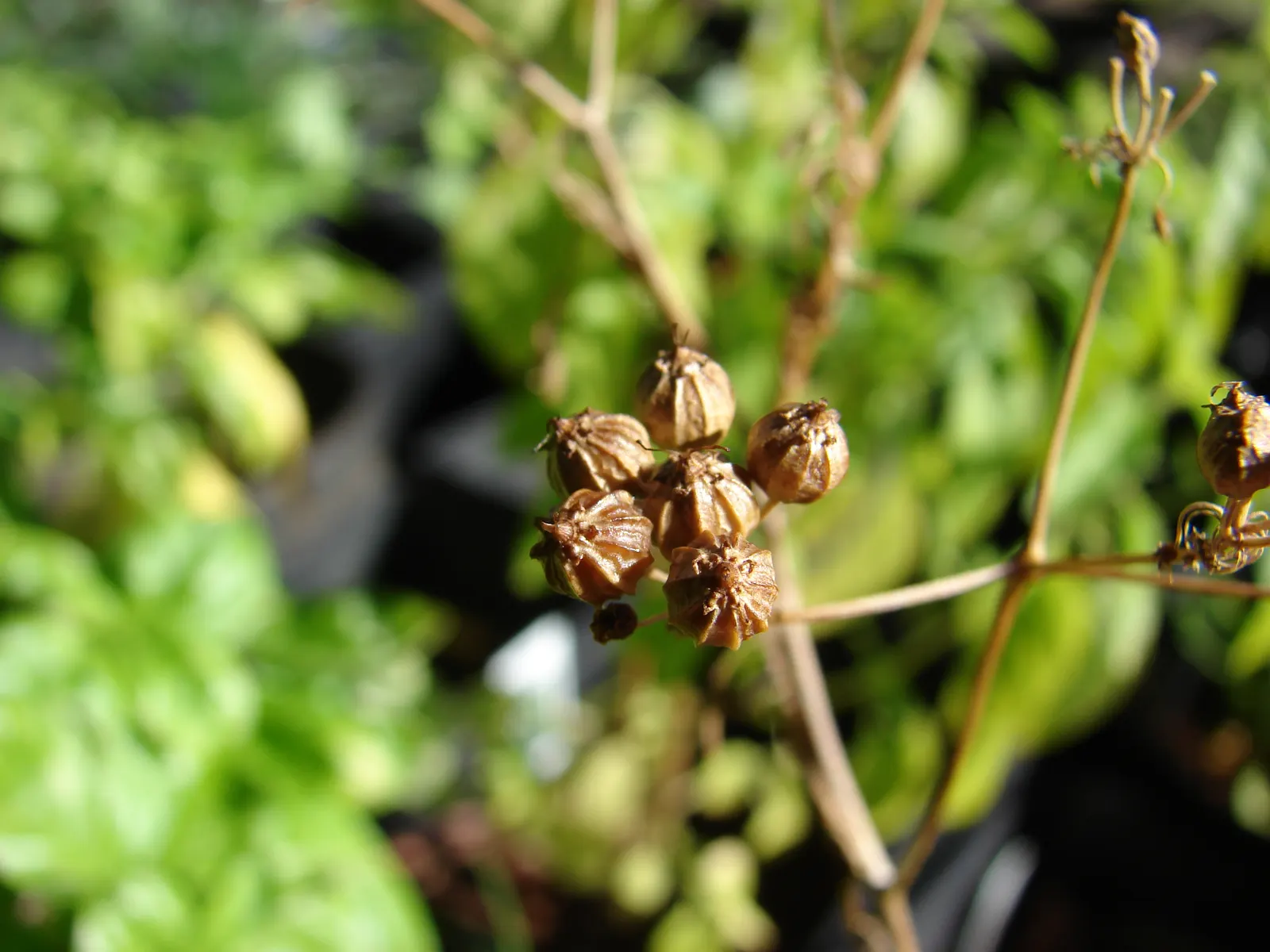
Cilantro (Coriandrum Sativum) — it will set coriander seeds
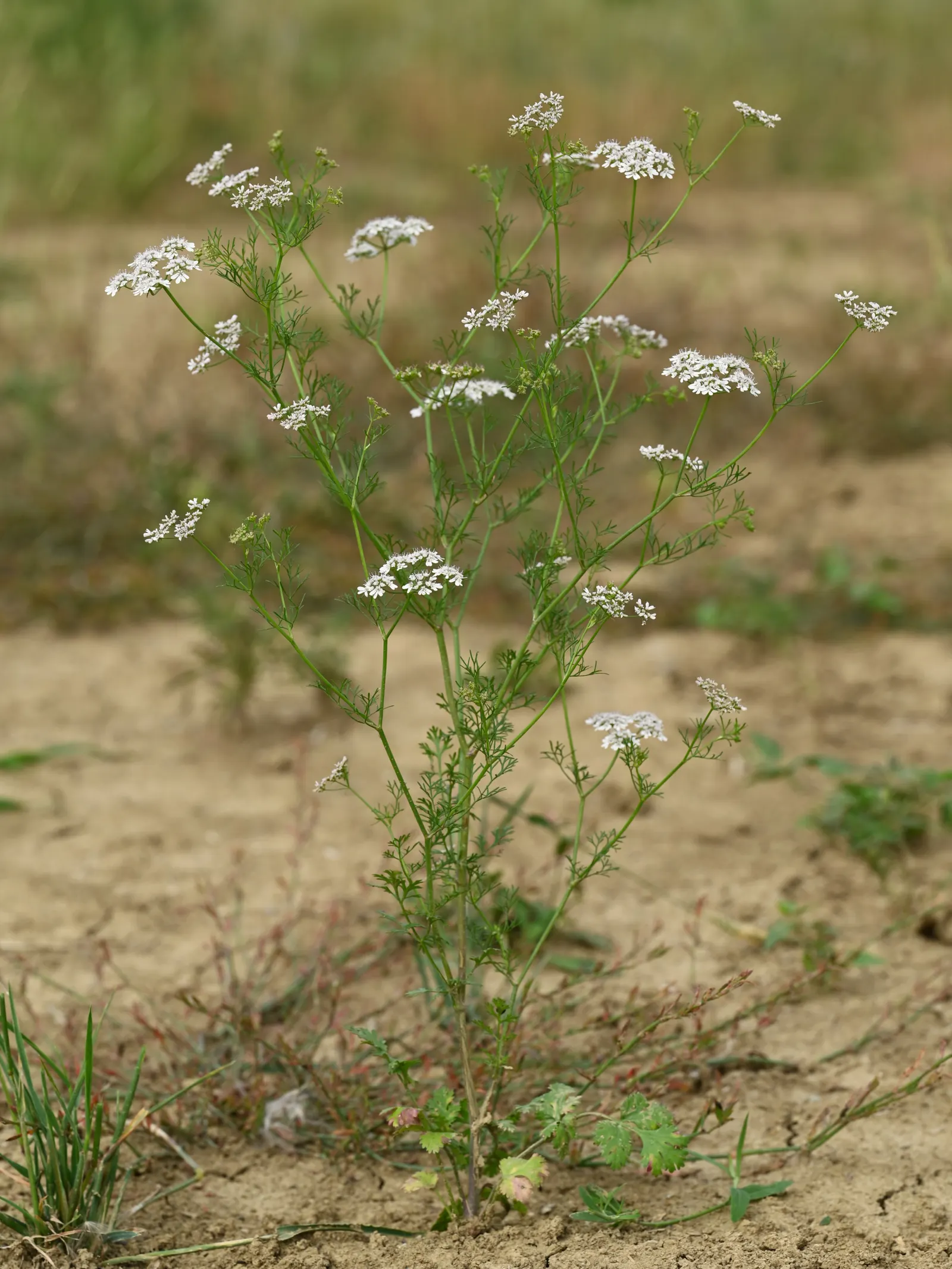
Cilantro (Coriandrum Sativum) — often spanning 6-12 inches in width and height; with a spread of approximately 6 to 9 inches, image 52
Cilantro (Coriandrum Sativum) — It thrives in temperatures ranging between 50&deg;F to 85&deg;F; pinnate leaves that are bright green in color, image 70
Cilantro (Coriandrum Sativum) — This herbaceous plant typically reaches a modest height of 1.5 to 2 feet; which can be harvested and used as a, image 85
Cilantro (Coriandrum Sativum) — Space plants approximately 3-4 inches apart; commonly known as cilantro or coriander, image 55
Photographs by 10 contributors

Related plants