Skip to content

Oregano

Origanum Libanoticum

Design with this plant

Overview

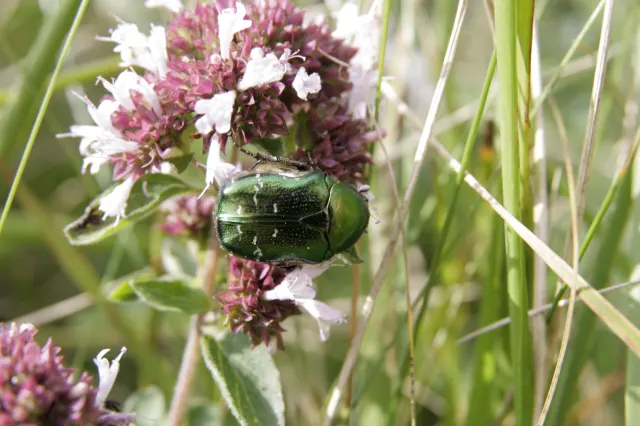
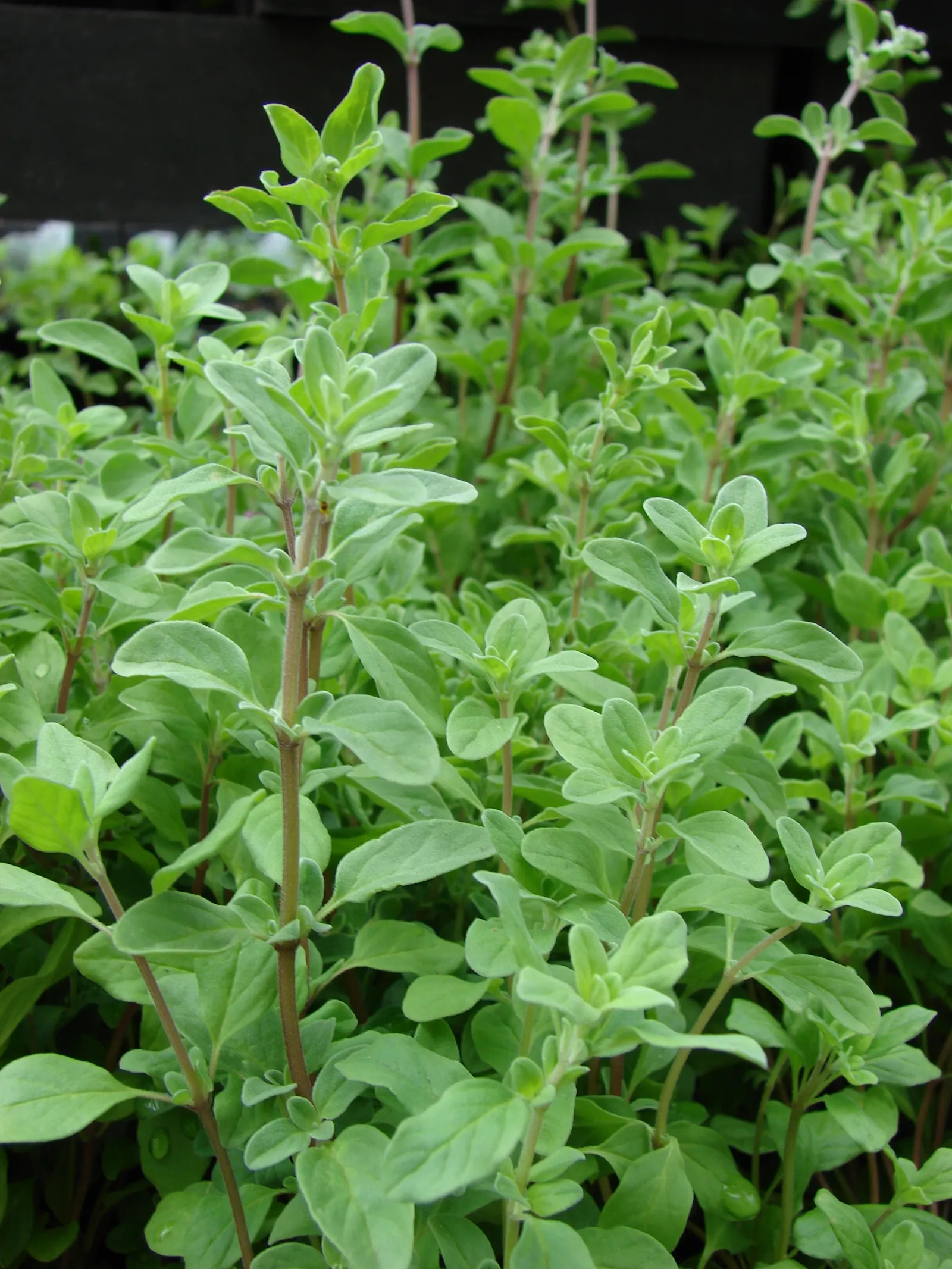
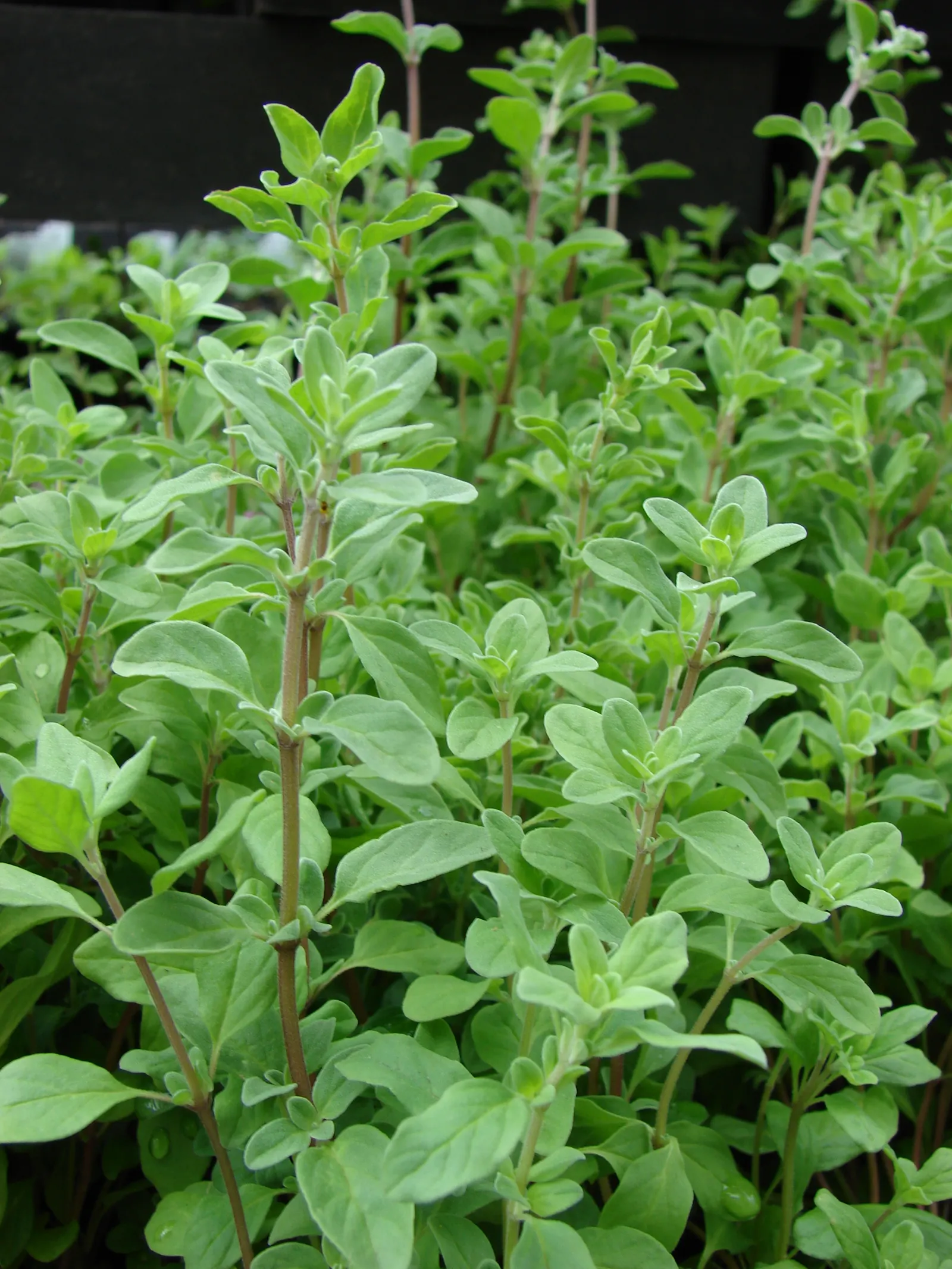
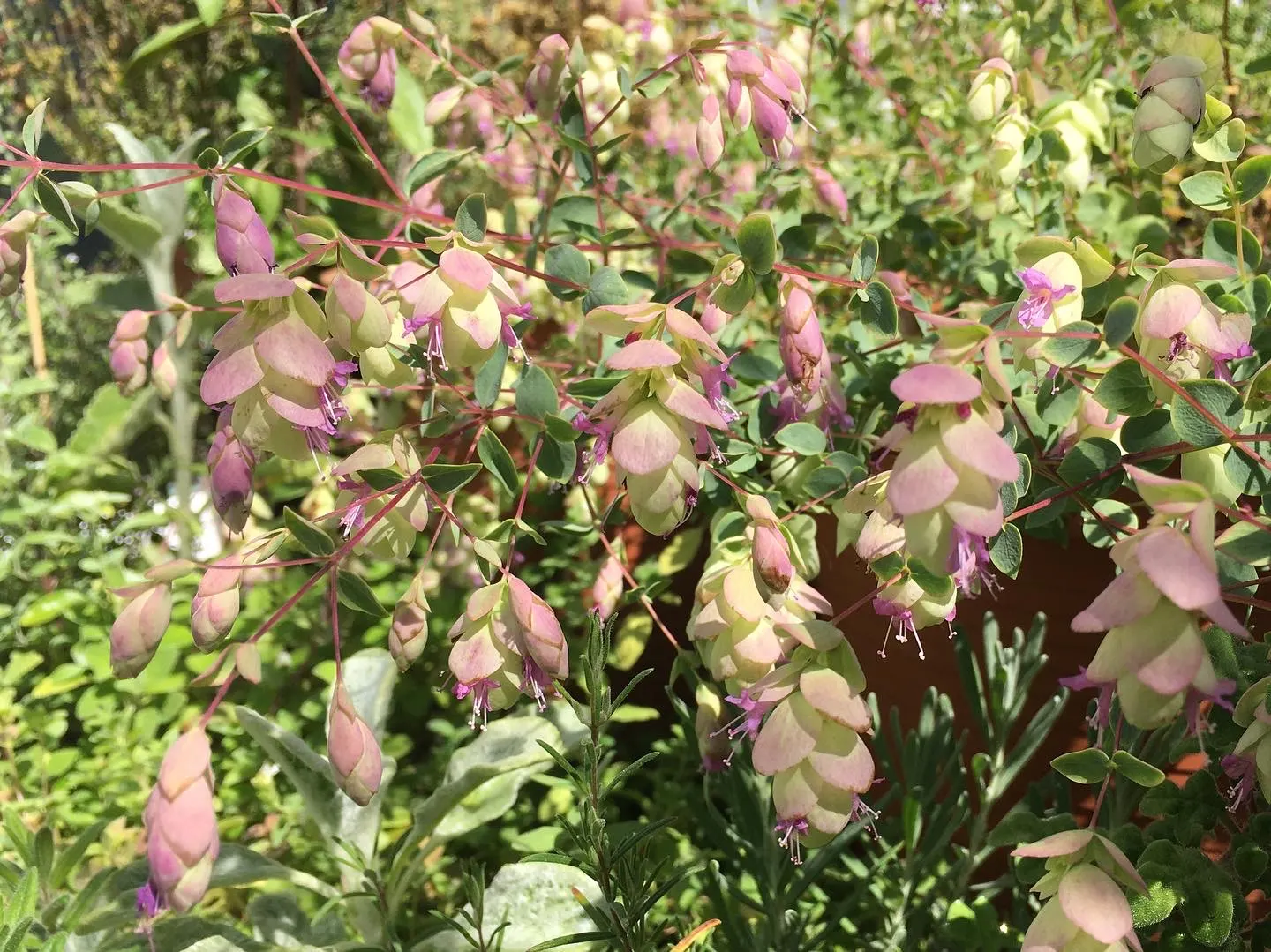
Origanum libanoticum, commonly known as Lebanese Oregano or Hopflower Oregano, is a perennial herb prized for its cascading habit and showy, hop-like flowers. It reaches up to 2 feet in width and 18 inches in height, flourishing in full sun to partial shade. Tolerant of drought once established, it thrives in well-drained soil. Its delicate pink to purplish flowers bloom in summer, attracting pollinators and adding a fragrant touch to the landscape.
Sun FullWater Low, MediumZones 3–8Type Herb, PerennialClimate Temperate
Oregano (Origanum Libanoticum) — and its role in supporting local ecology; it's drought-tolerant once established

Culture

Sun
Full
Water
Low, Medium
USDA zones
3–8

Shape & size

Classification

Type
Herb, Perennial
Family
Lamiaceae
Climate
Temperate

See full data, regional cultivation notes, and design tools. Build a client presentation around this plant.

Start your 14-day trial

Photos (74)

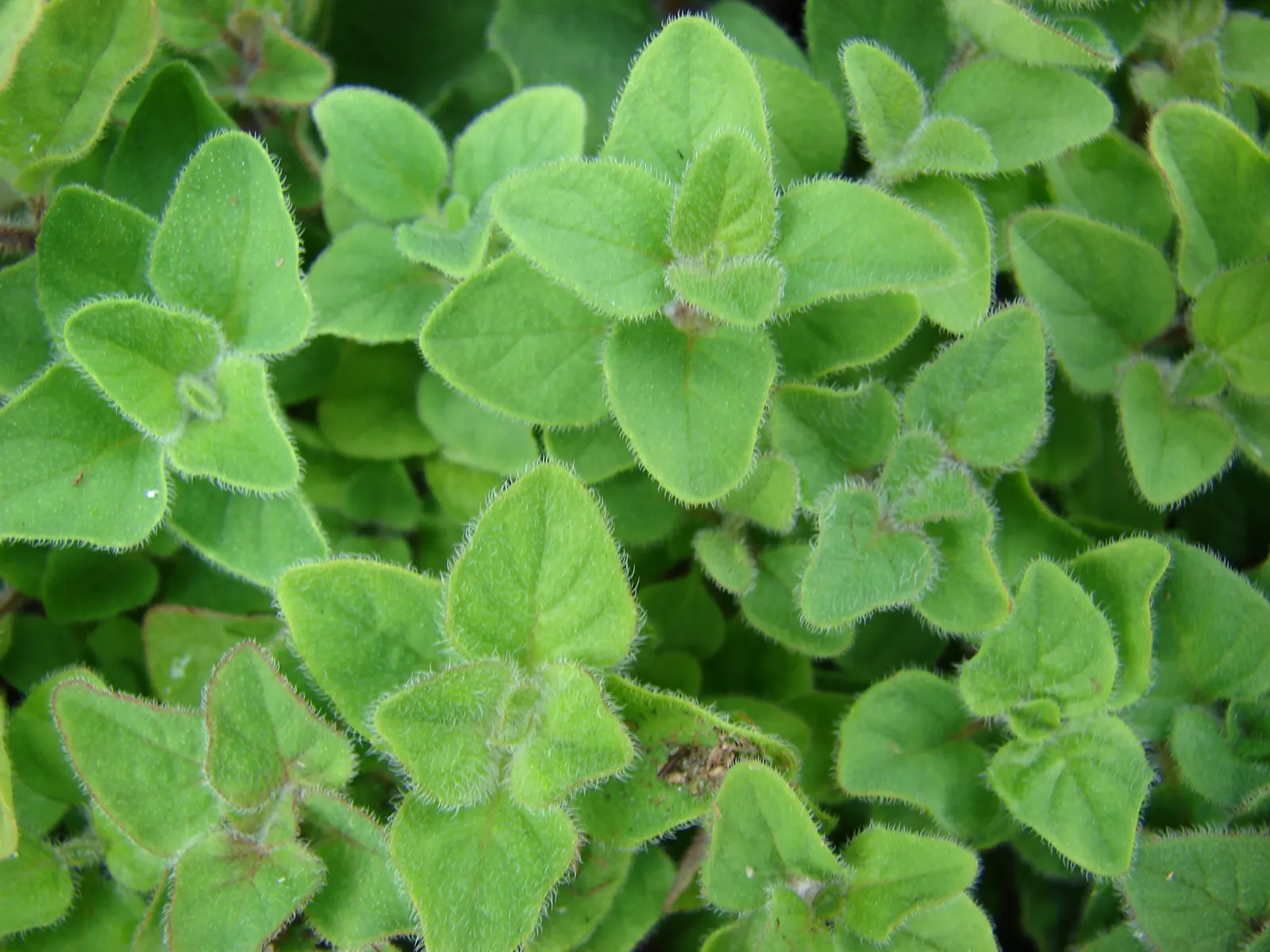
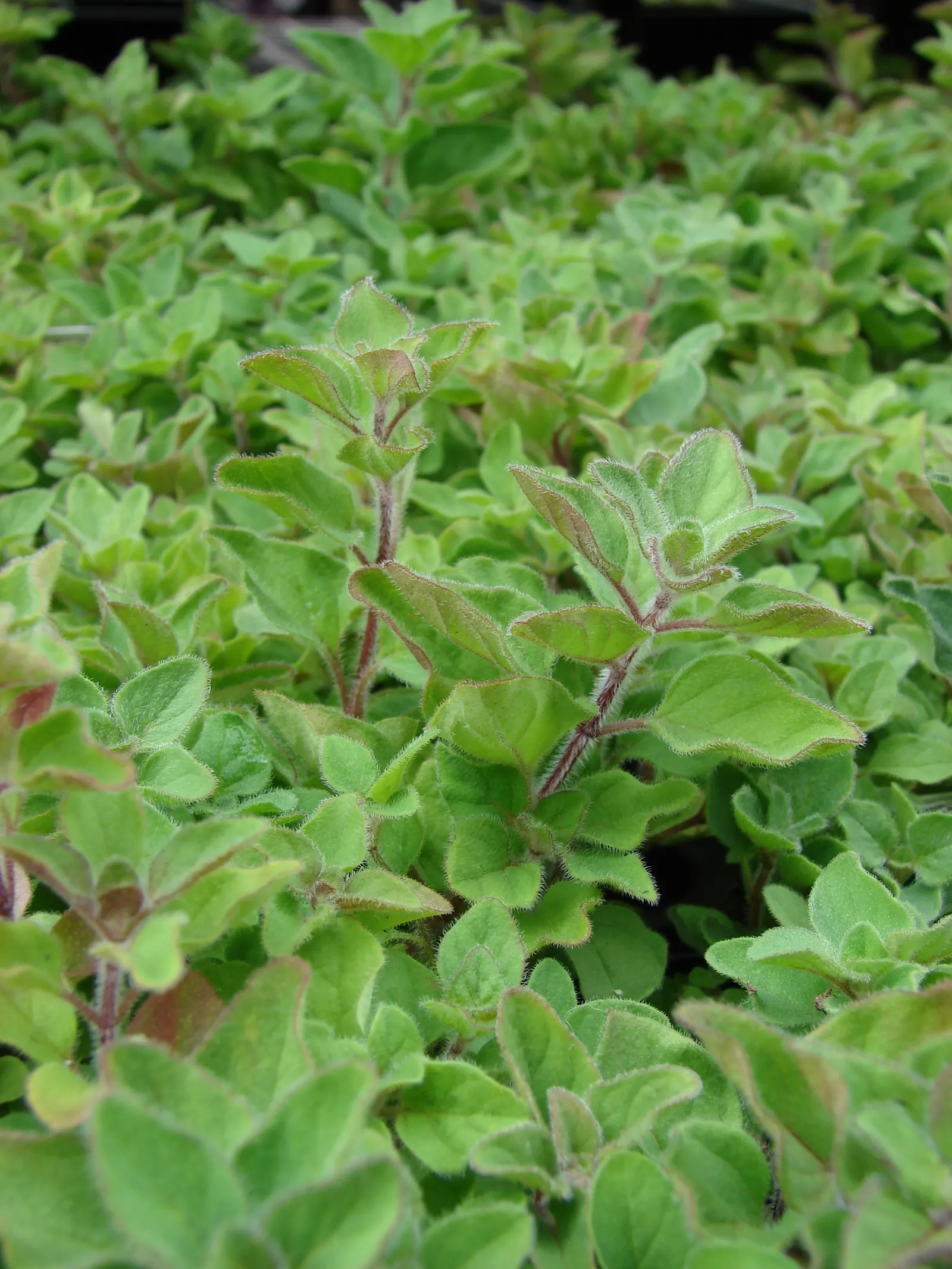
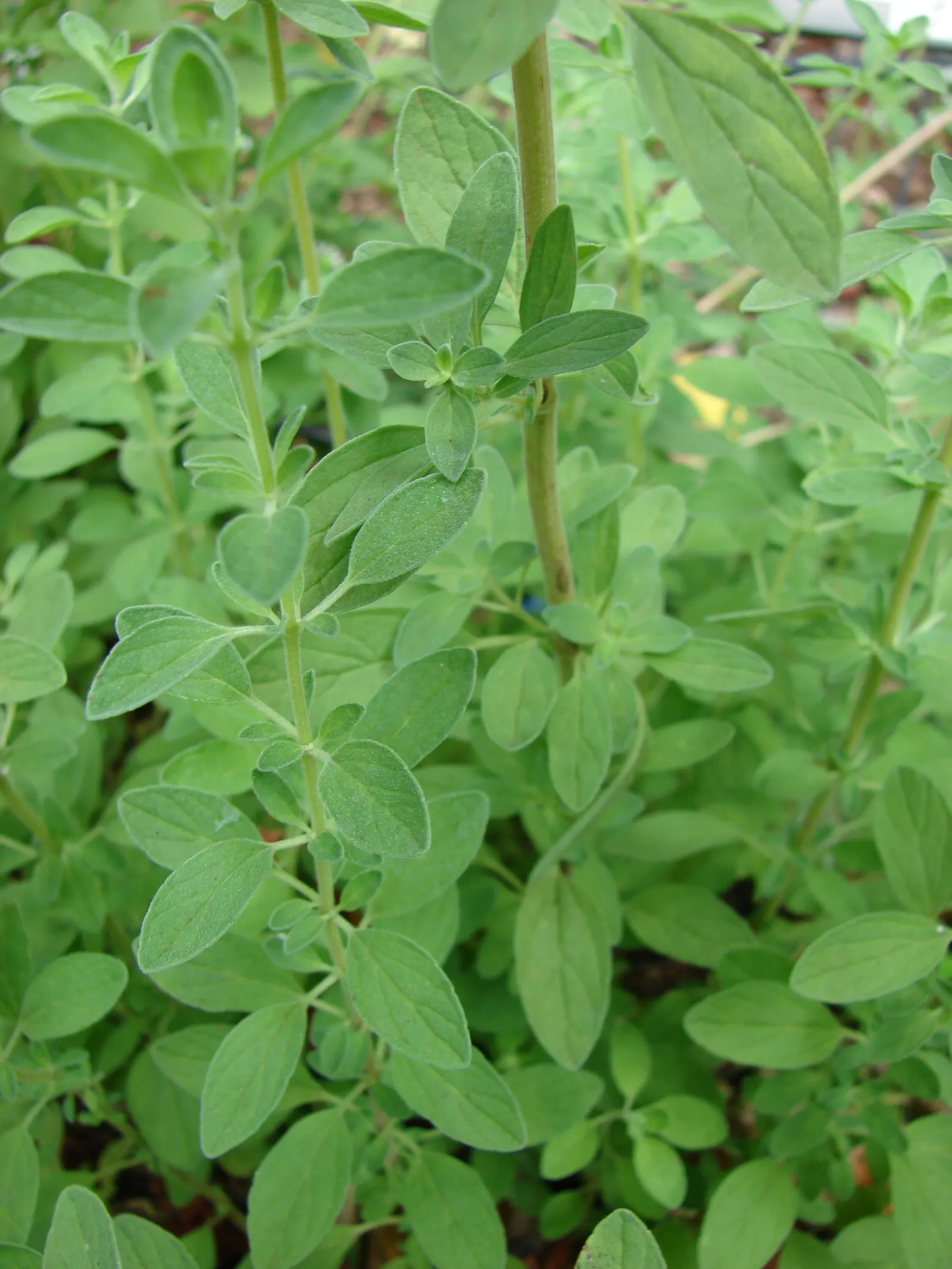
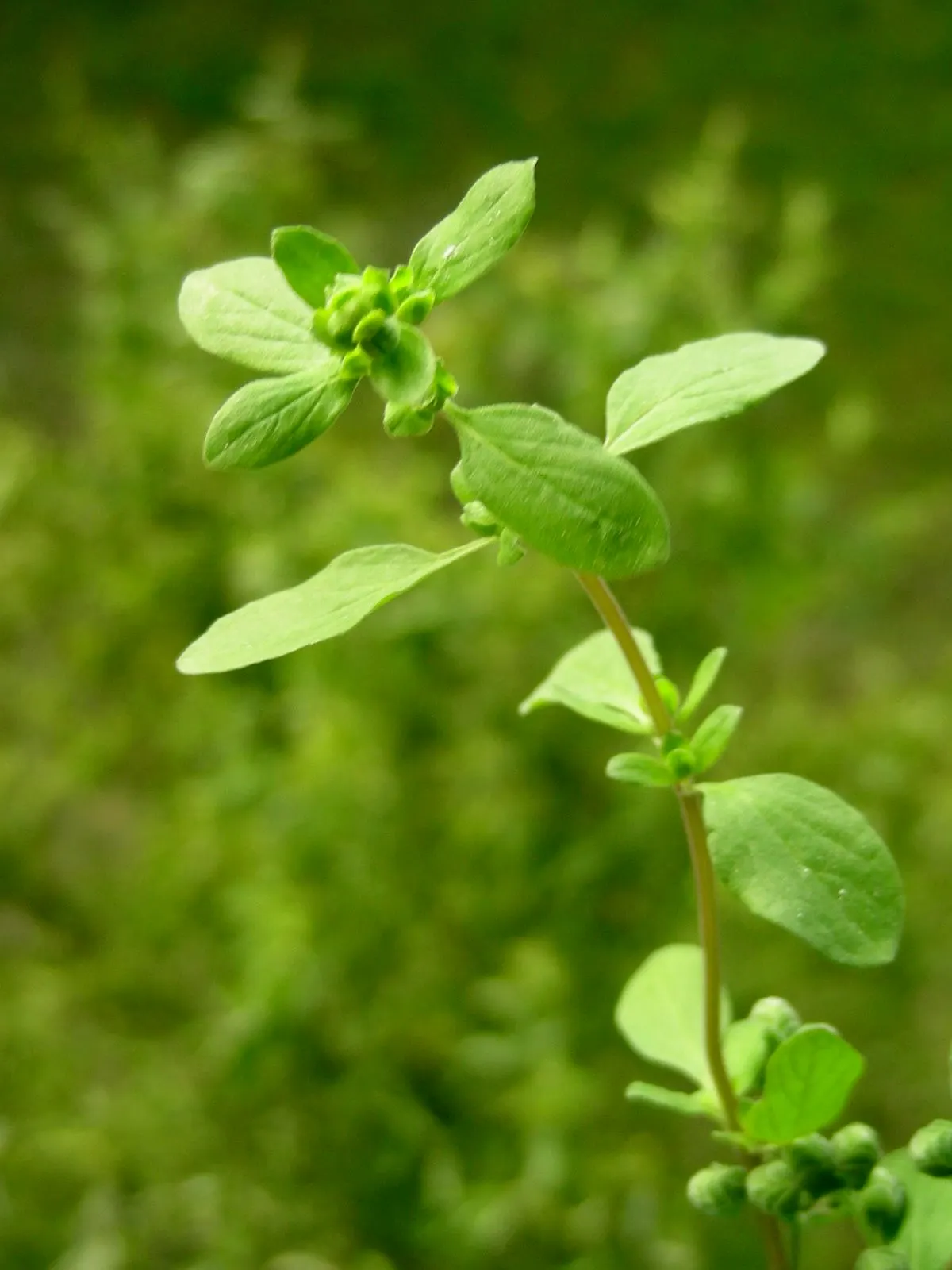
Oregano (Origanum Libanoticum) — Origanum libanoticum not only provides visual appeal but also attracts pollinators; herb / perennial for full, image 71
Oregano (Origanum Libanoticum) — This herb thrives in USDA Hardiness Zones 8 through 11, preferring a sunny spot with well-drained soil
Oregano (Origanum Libanoticum) — attracting pollinators and adding a fragrant touch to the landscape; it reaches a height of up to 12 inches while spreading 18
Oregano (Origanum Libanoticum) — ornamental and culinary value
Oregano (Origanum Libanoticum) — where the full effect of its pendant blooms can be appreciated; it reaches up to 2 feet in width and 18 inches in, image 64
Oregano (Origanum Libanoticum) — exhibits a trailing habit; this herb thrives in USDA Hardiness Zones 8 through 11, preferring a sunny spot with well-drained
Oregano (Origanum Libanoticum) — attracting pollinators and adding a fragrant touch to the landscape; it reaches a height of up to 12 inches while, image 58
Oregano (Origanum Libanoticum) — which makes it an excellent choice for xeriscaping or regions with hotter
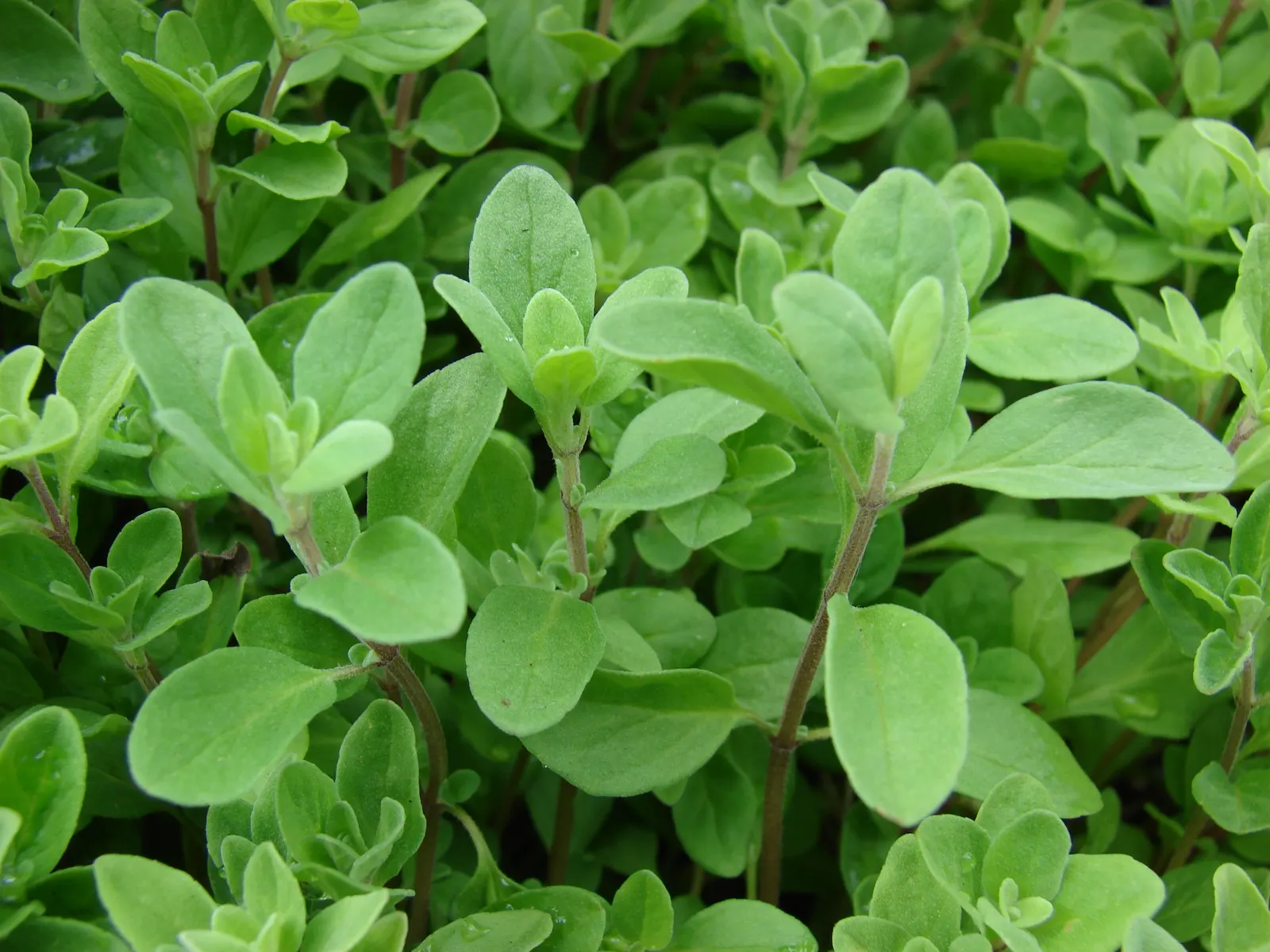
Oregano (Origanum Libanoticum) — emphasize marjoram's ease of maintenance; is a perennial herb prized for its cascading habit and showy
Oregano (Origanum Libanoticum) — This herb thrives in USDA Hardiness Zones 8 through 11, preferring a sunny spot with well-drained soil; ornamental and
Oregano (Origanum Libanoticum) — Origanum libanoticum not only provides visual appeal but also attracts pollinators
Oregano (Origanum Libanoticum) — commonly known as Lebanese Oregano or Hopflower Oregano
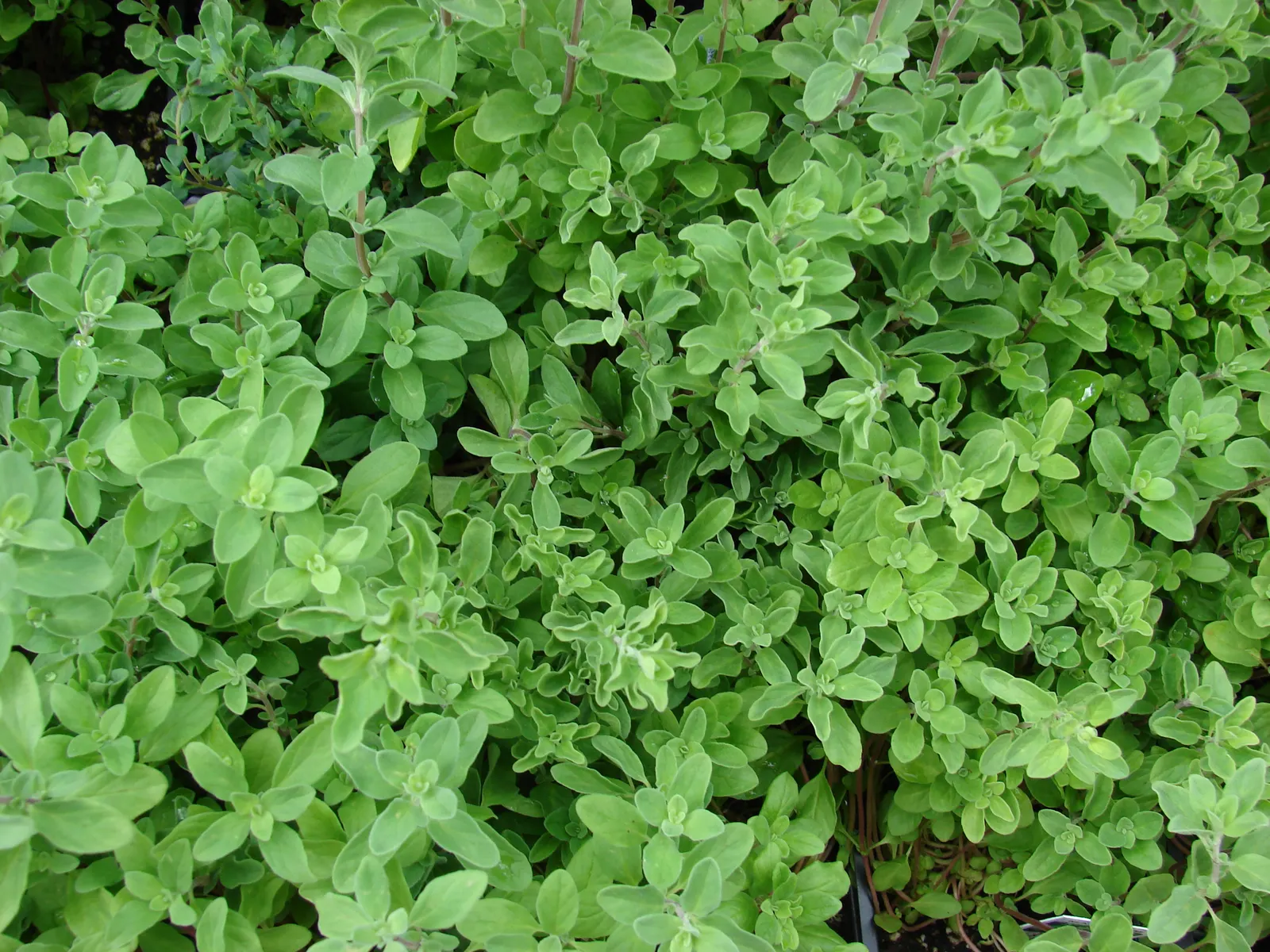
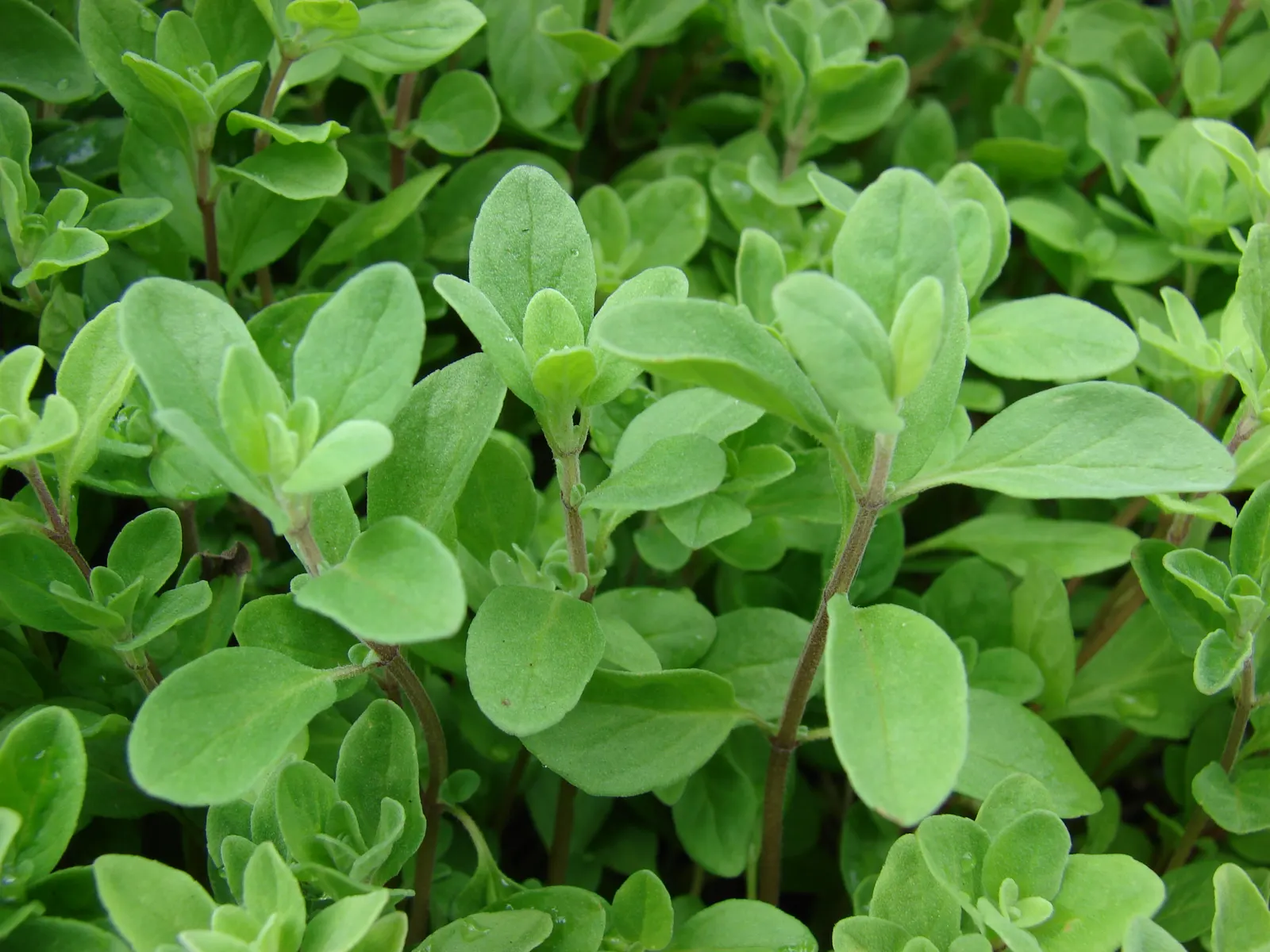
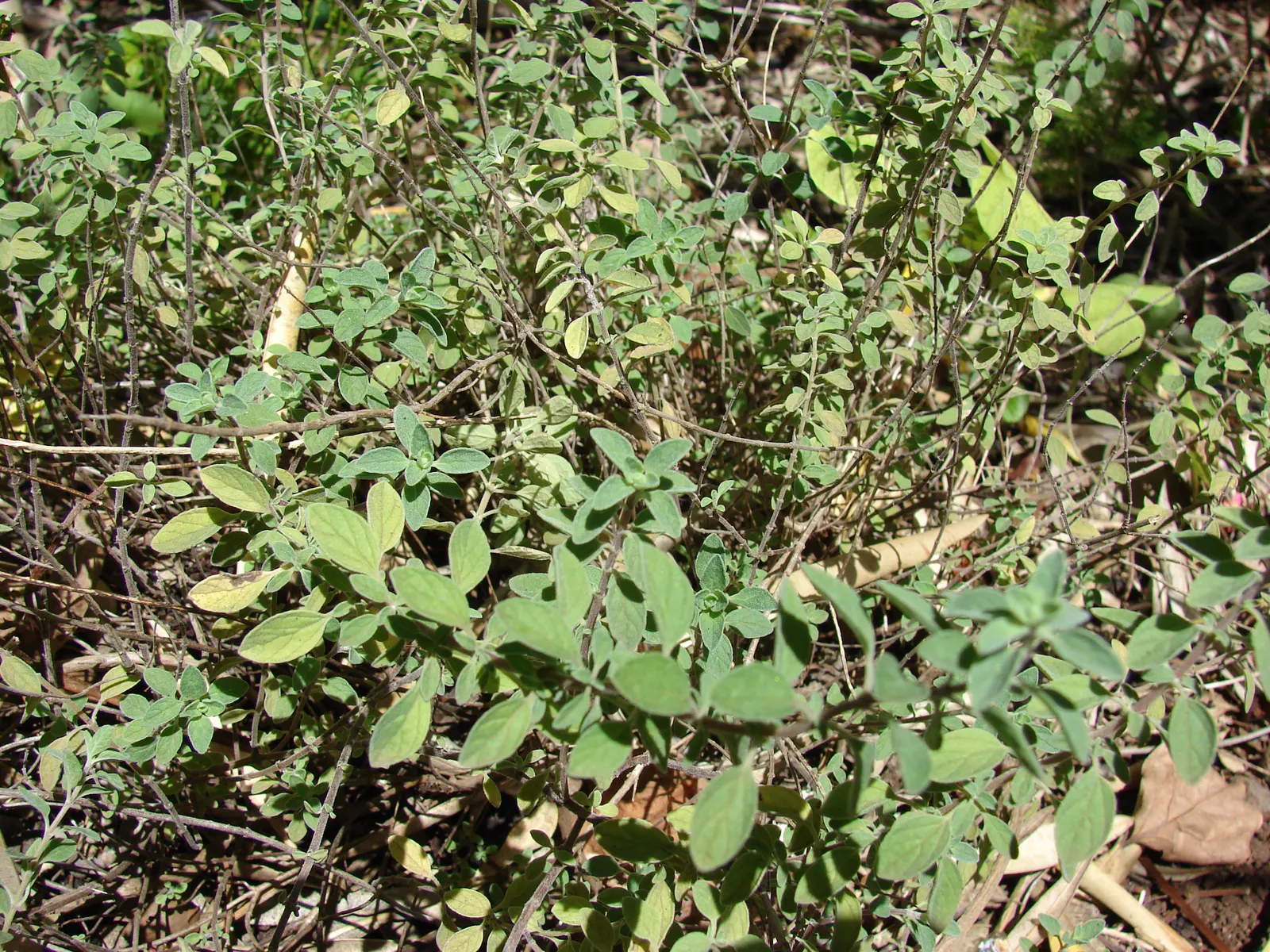
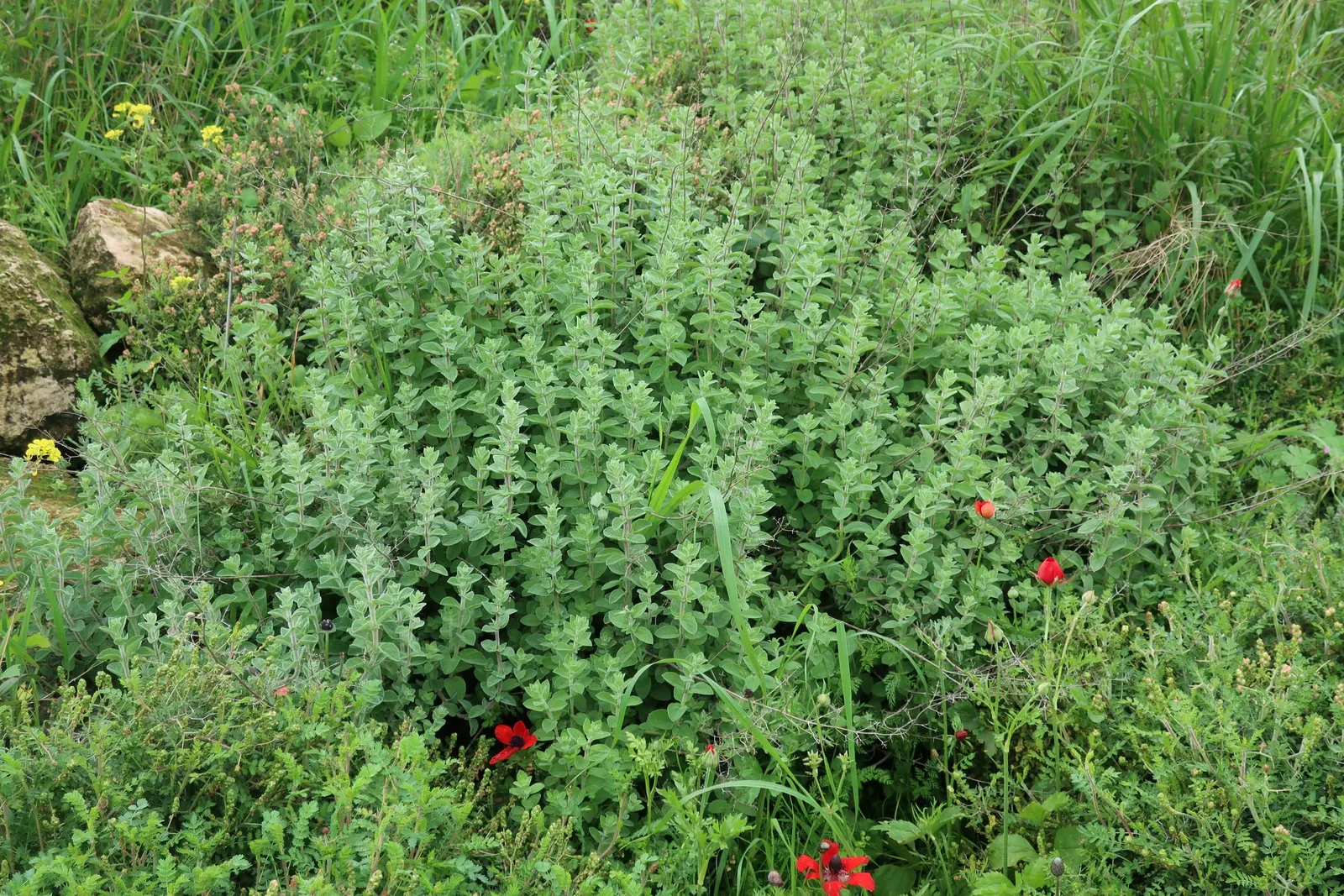
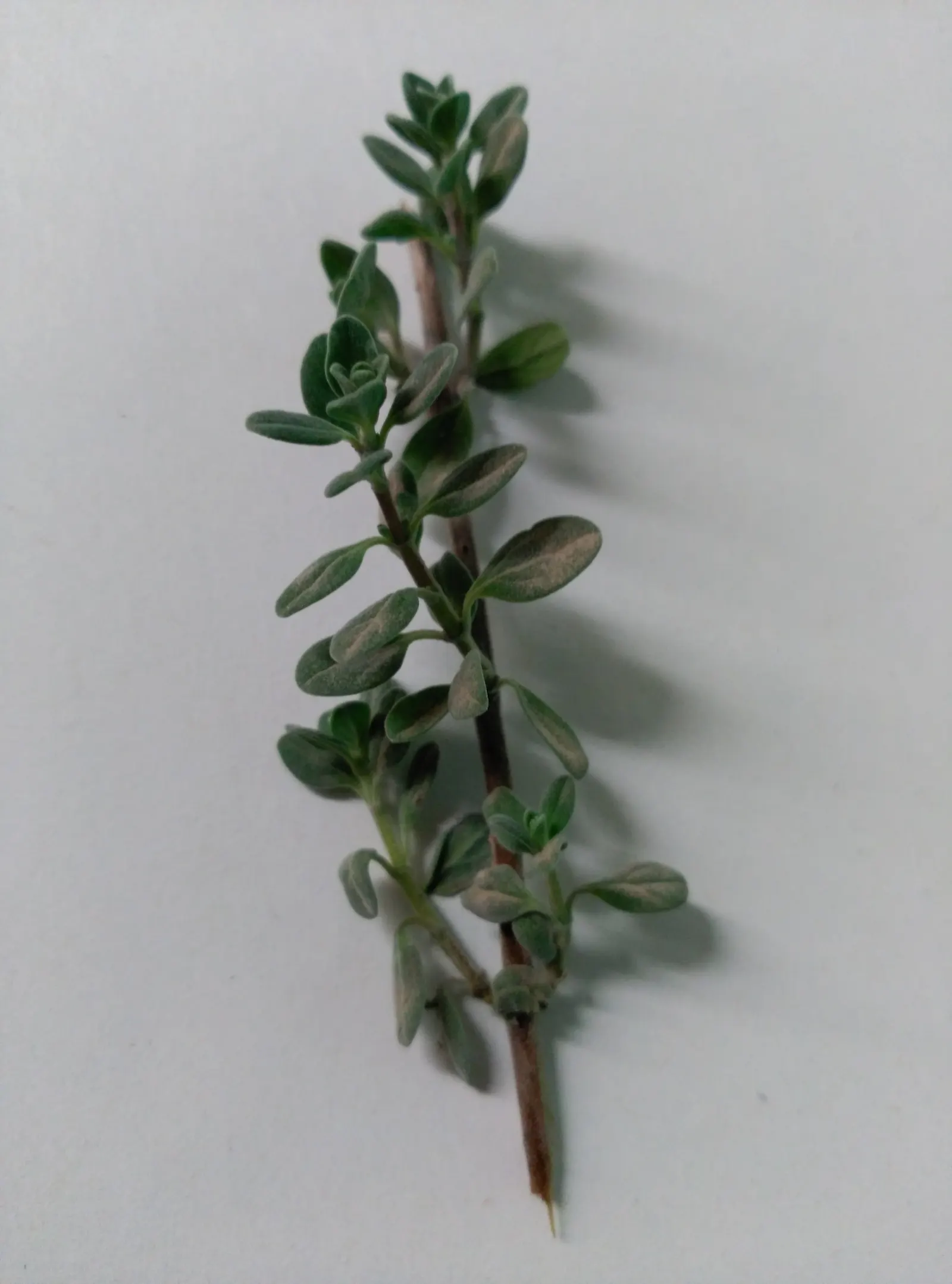
Oregano (Origanum Libanoticum) — with a grayish-green hue that offers a beautiful contrast against its summer flowers
Oregano (Origanum Libanoticum) — herb / perennial for full
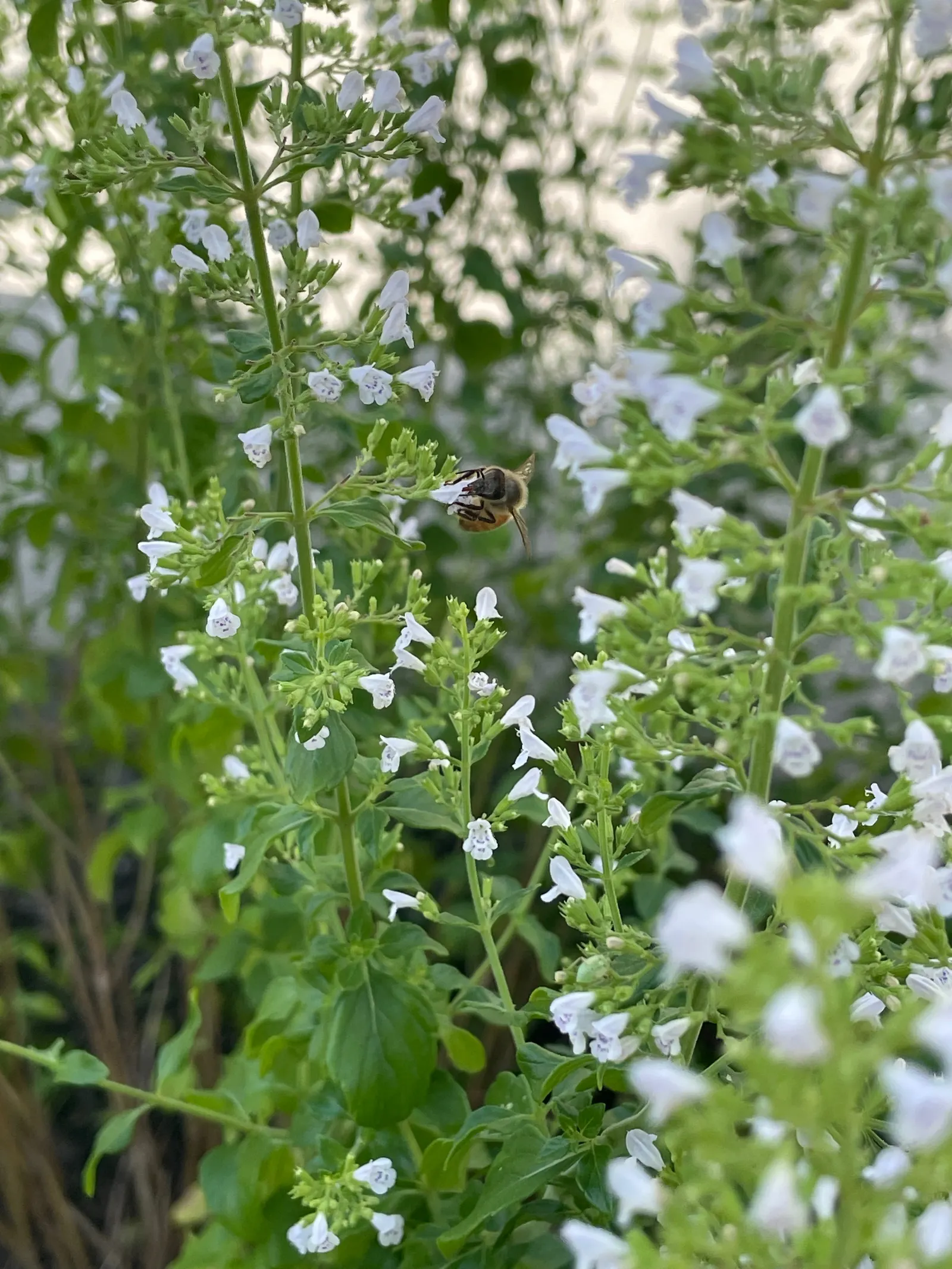
Oregano (Origanum Libanoticum) — featuring an enchanting cascade of dainty pink and white flowers that can be a standout in any garden; commonly known as
Oregano (Origanum Libanoticum) — featuring an enchanting cascade of dainty pink and white flowers that can be a standout in any garden; commonly, image 60
Oregano (Origanum Libanoticum) — exhibits a trailing habit; this herb thrives in USDA Hardiness Zones 8 through 11, preferring a sunny spot with, image 62
Oregano (Origanum Libanoticum) — it reaches a height of up to 12 inches while spreading 18 to 24 inches wide; exhibits a trailing habit
Oregano (Origanum Libanoticum) — When teaching clients about their garden plants; enhancing the biodiversity of the garden
Oregano (Origanum Libanoticum) — attracting pollinators and adding a fragrant touch to the landscape
Oregano (Origanum Libanoticum) — This herb thrives in USDA Hardiness Zones 8 through 11, preferring a sunny spot with well-drained soil; ornamental, image 67
Oregano (Origanum Libanoticum) — drier climates.<br><br>As an addition to the landscape; origanum libanoticum not only provides visual appeal but also attracts
Oregano (Origanum Libanoticum) — emphasize marjoram's ease of maintenance
Oregano (Origanum Libanoticum) — ornamental and culinary value; commonly referred to as Lebanese Oregano
Photographs by 11 contributors

Related plants