Skip to content

Yellow Bunny Ears, Goldplush Cactus

Opuntia Microdasys

Design with this plant

Overview

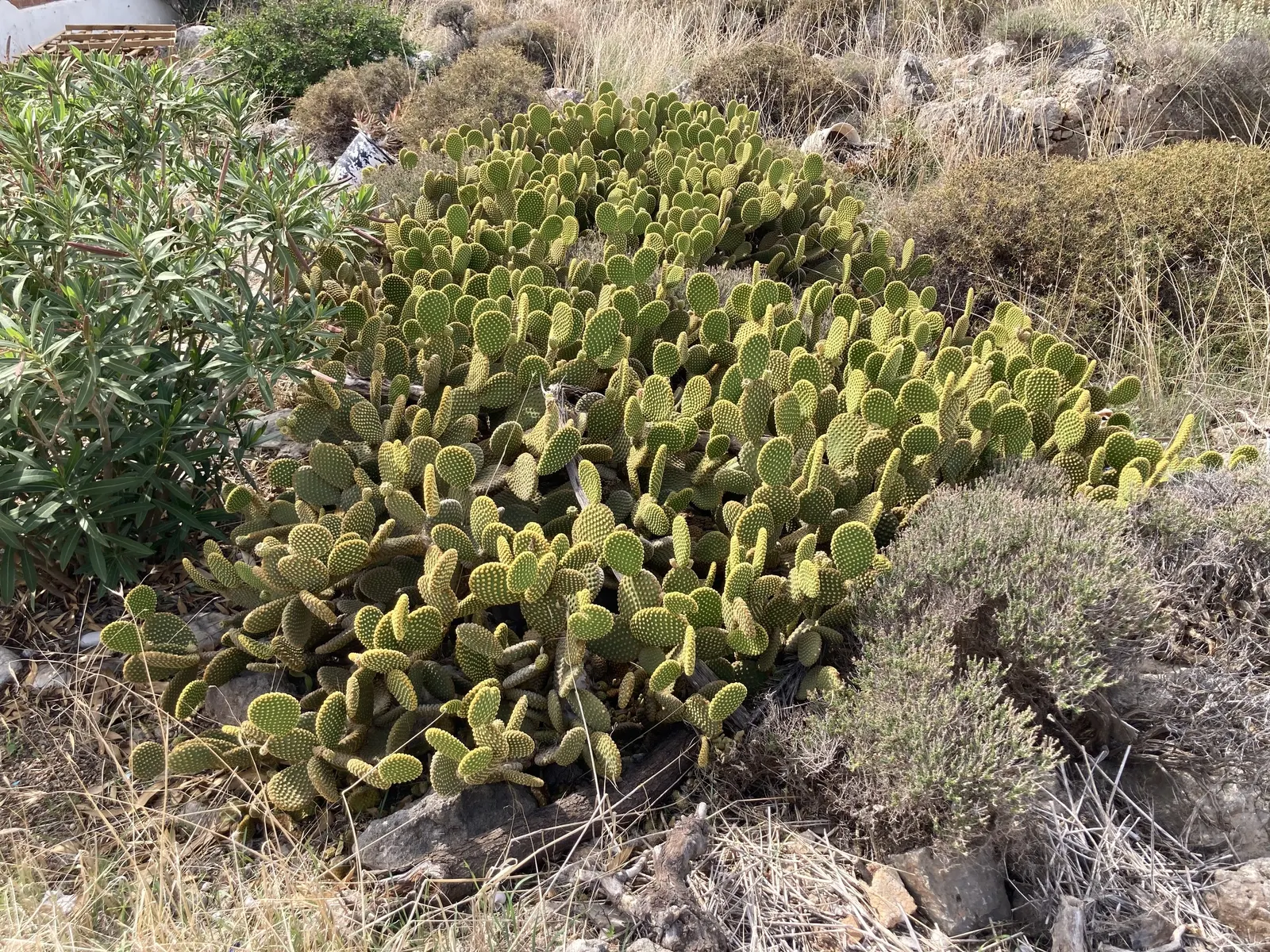
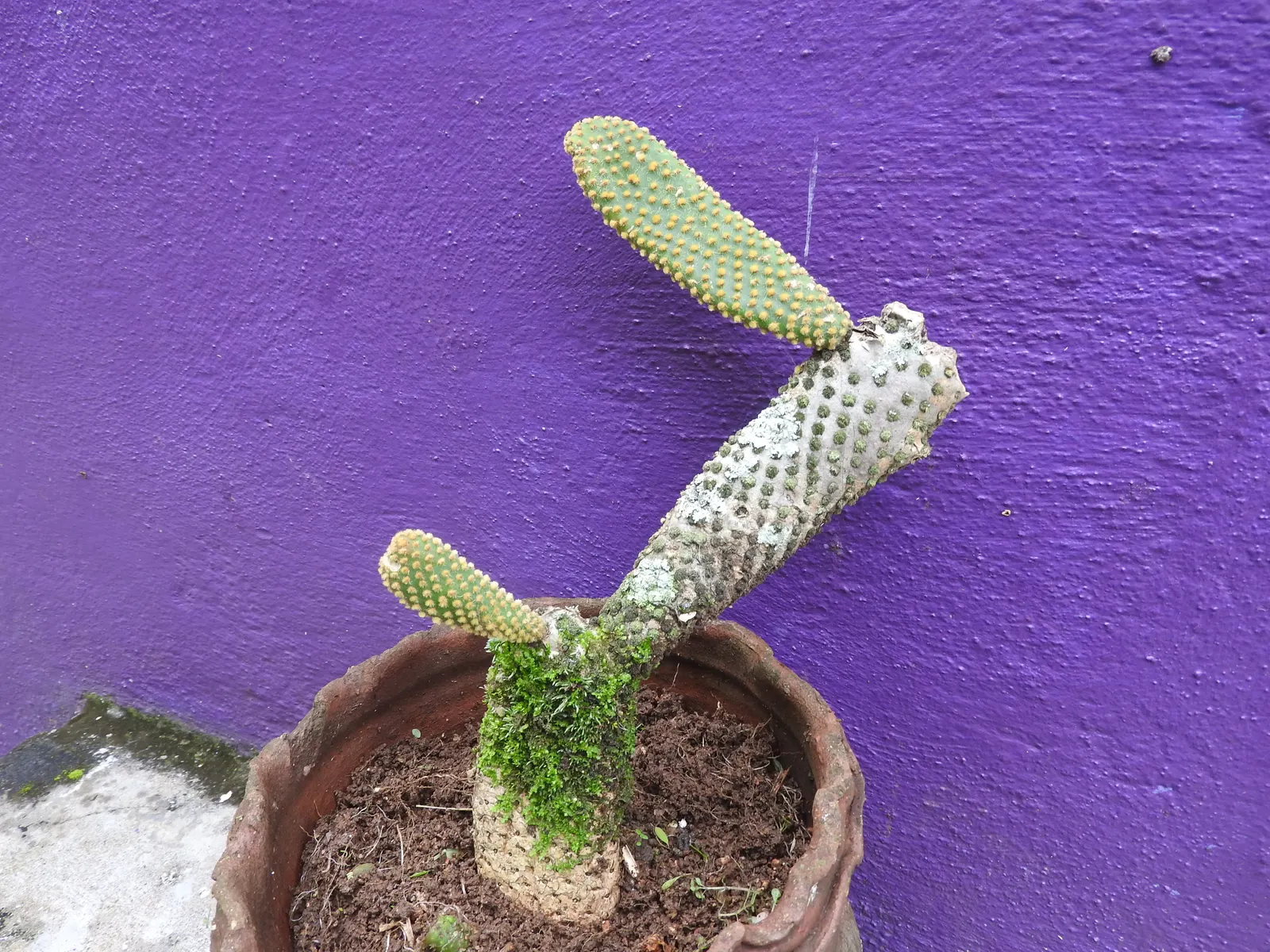
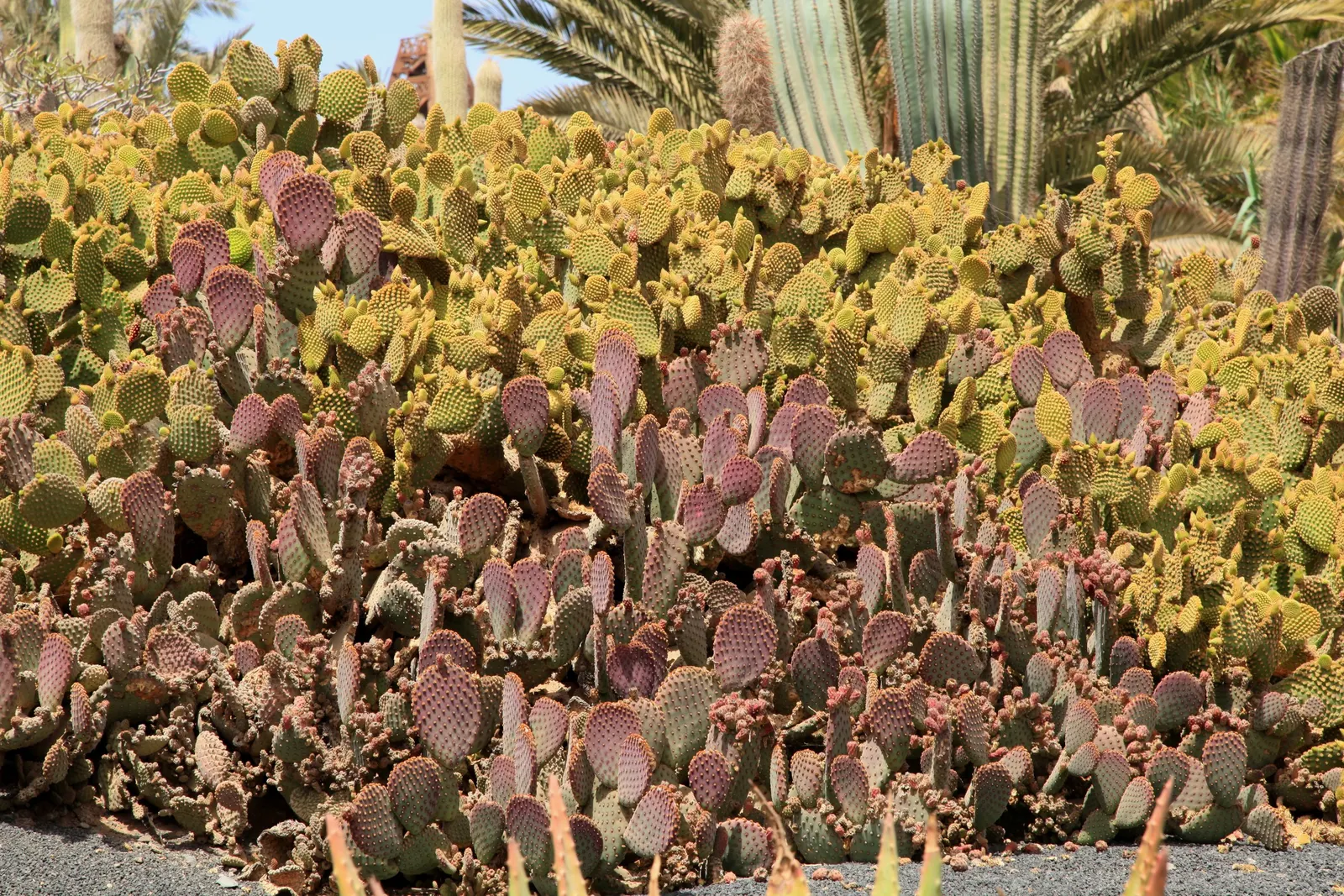
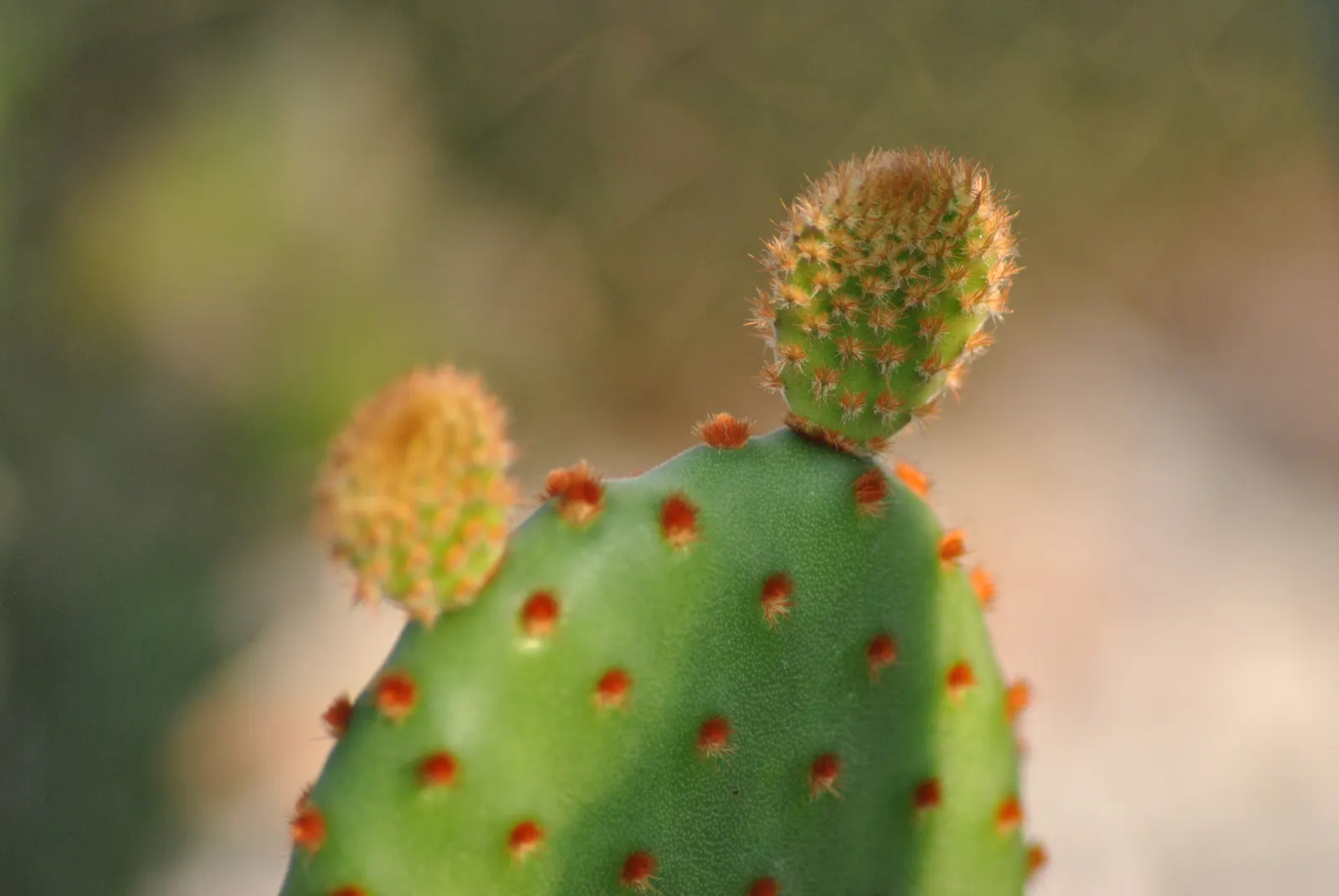
Opuntia microdasys, or Yellow Bunny Ears, is a prickly perennial cactus reaching 24 inches in height and spread. Its pad-like stems feature dense clusters of yellow glochids, resembling furry tufts. Requiring full sun, it thrives in well-draining sandy soil. In spring, it may produce yellow flowers. Handle with care to avoid irritating glochids. Ideal for xeriscapes, rock gardens, or as a potted accent. Hardy in USDA zones 9 to 11.

Sun Full, HalfWater LowZones 9–10Climate Arid
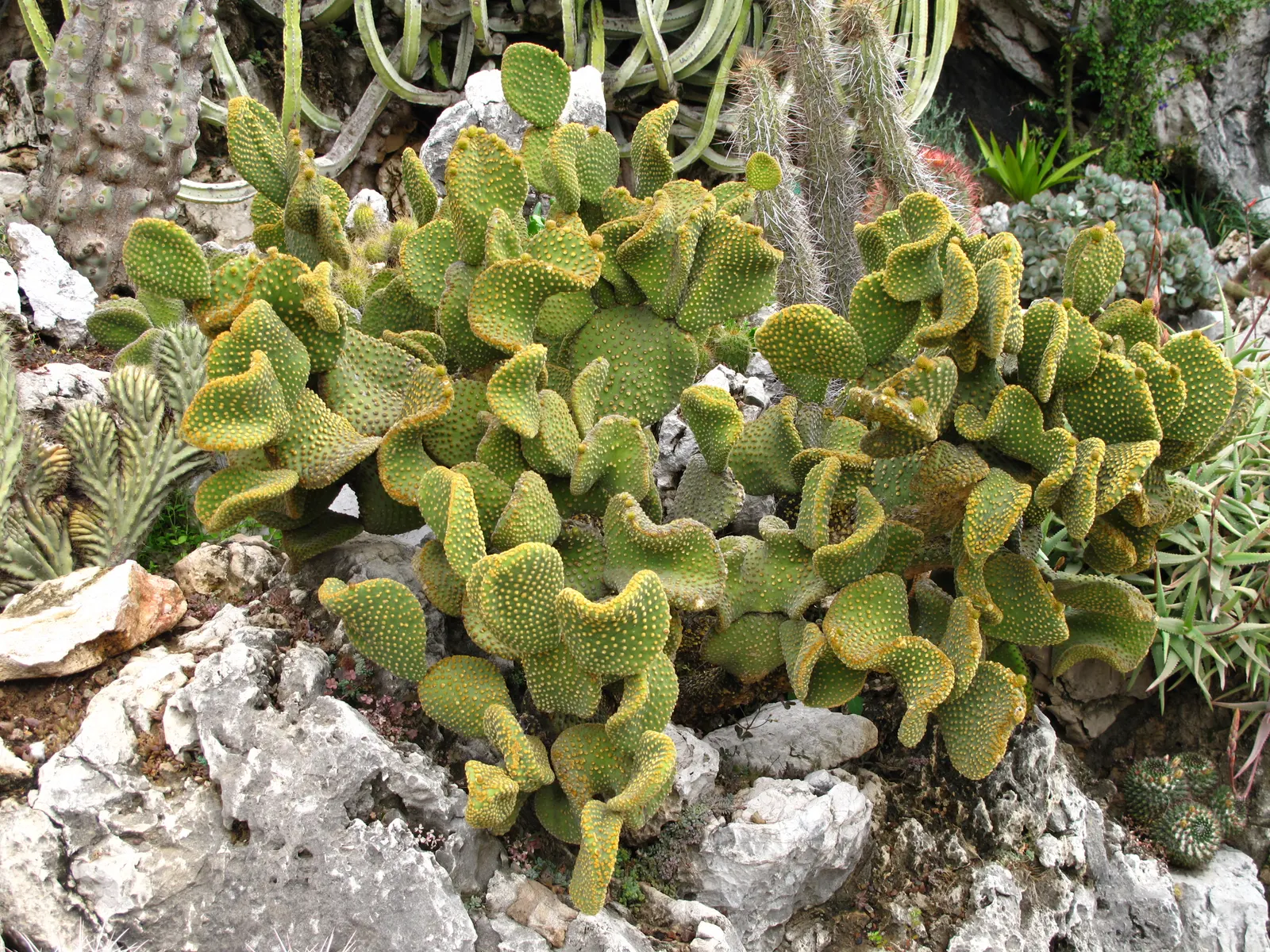
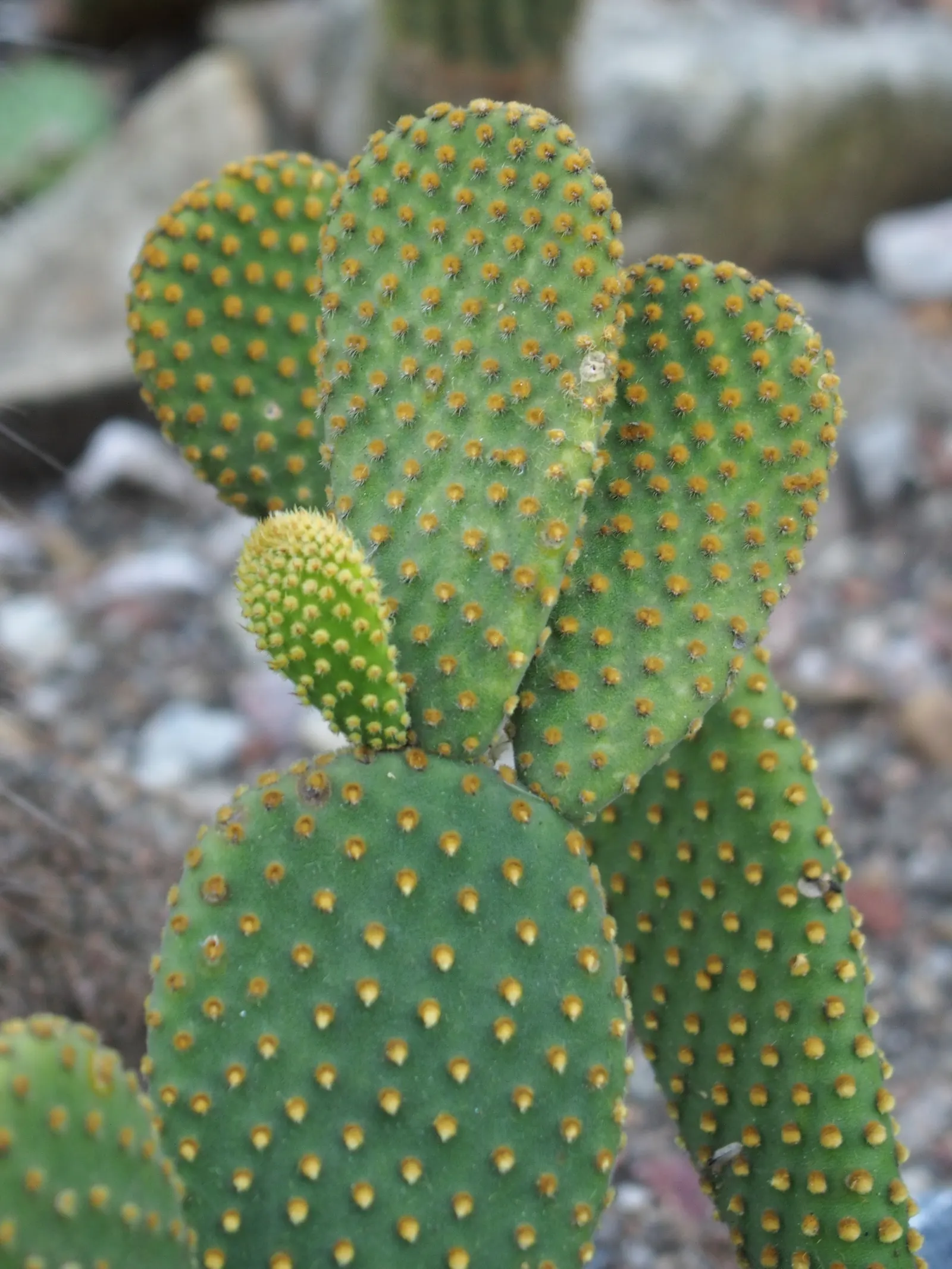
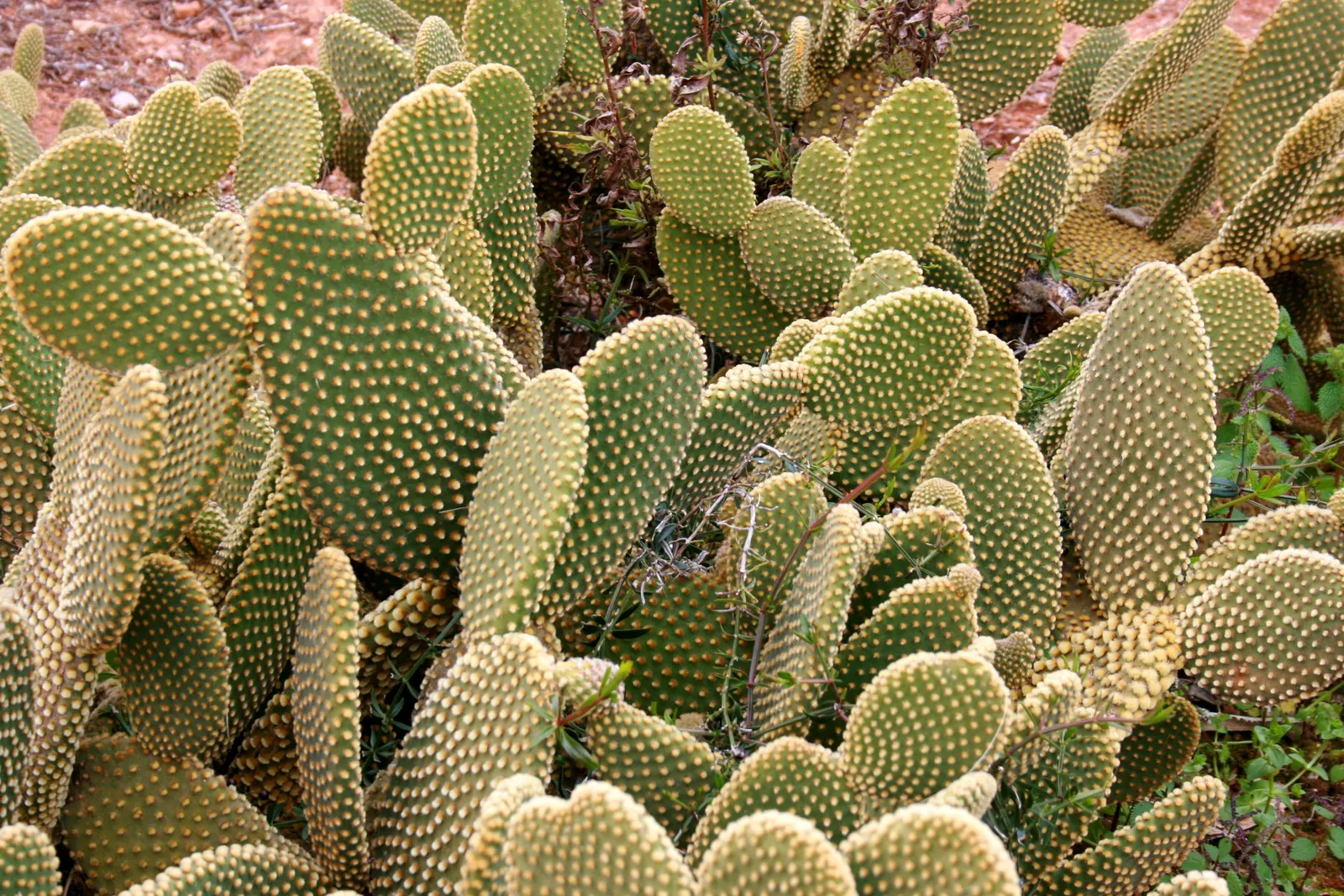
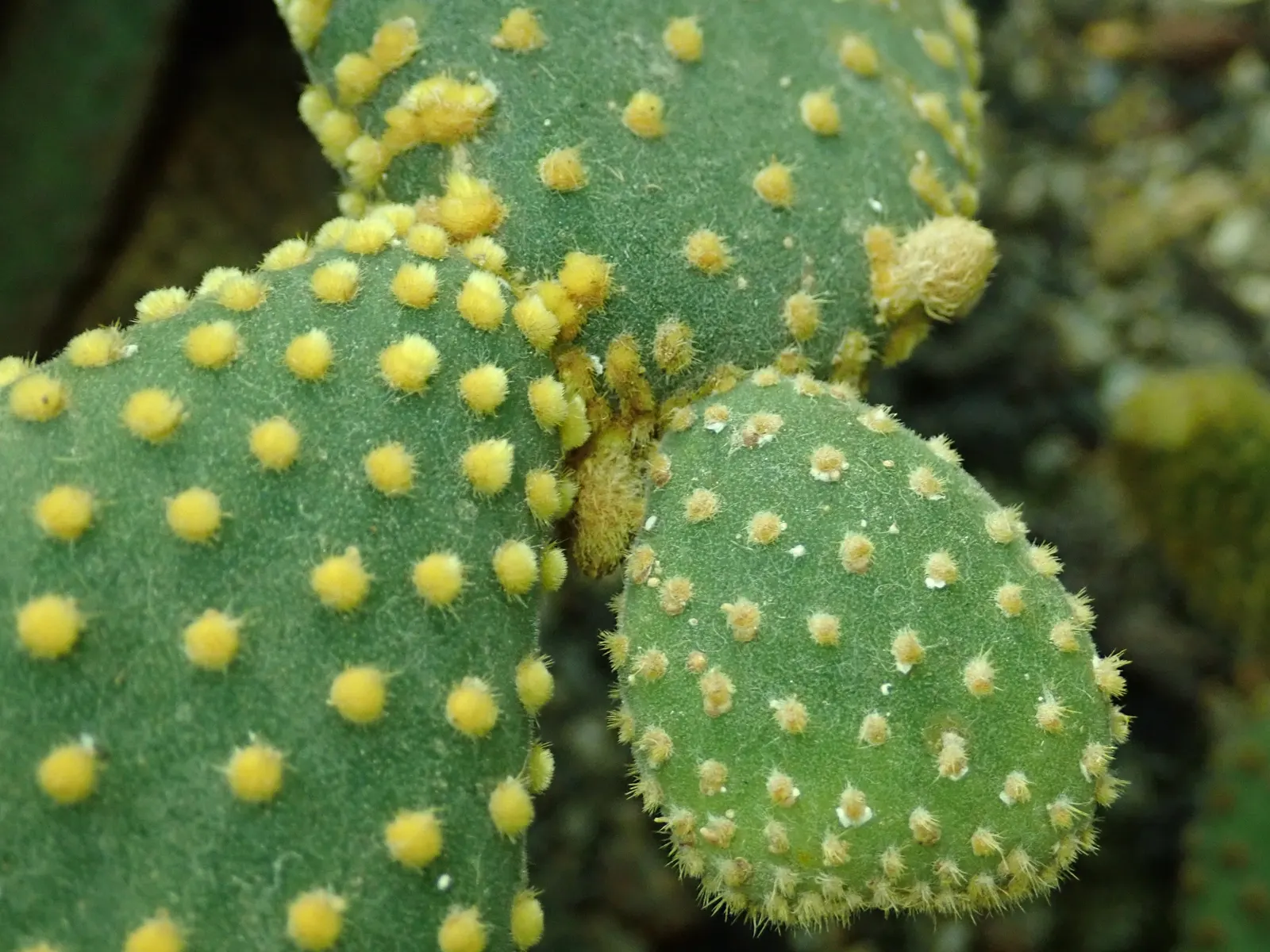
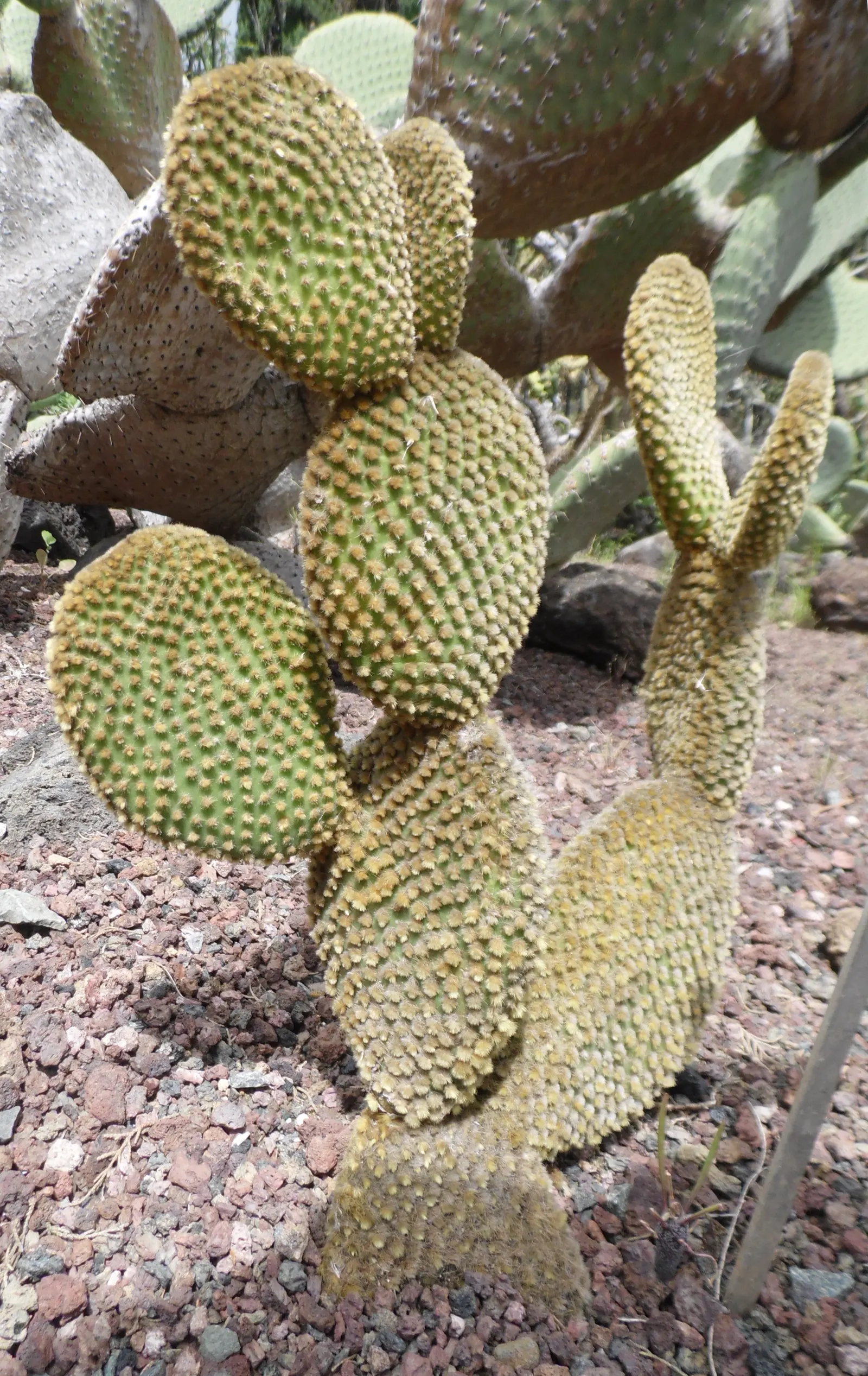
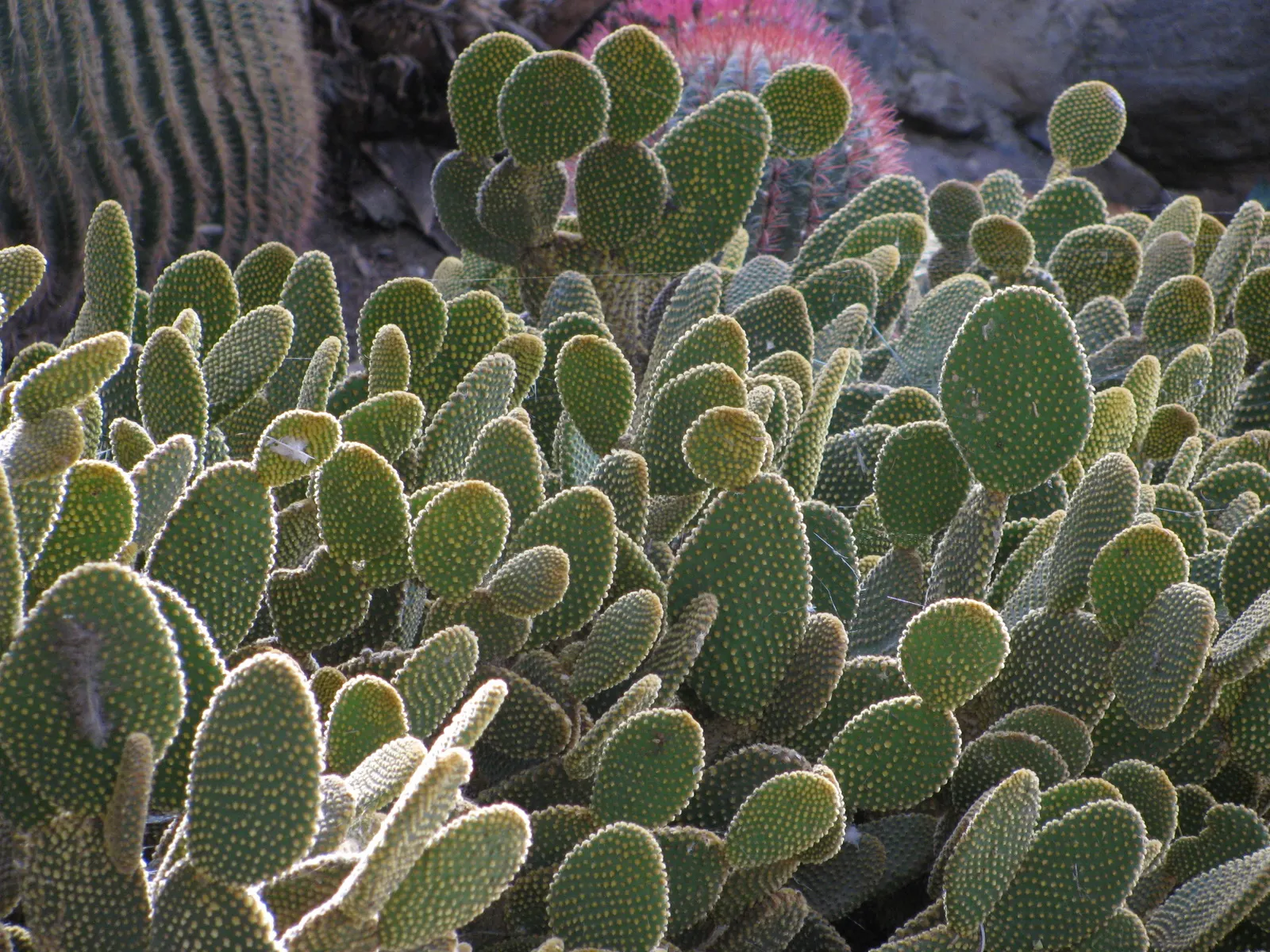
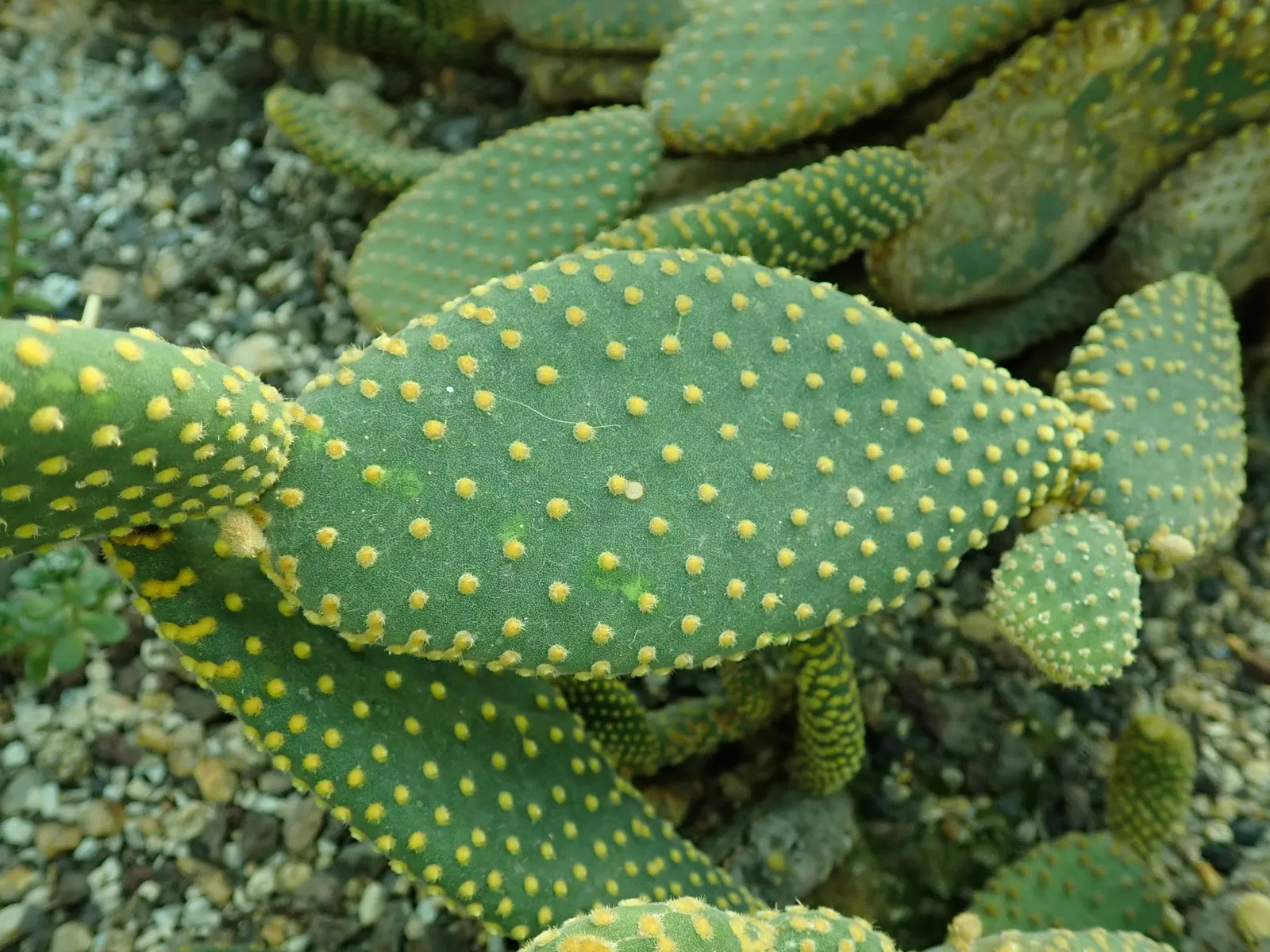
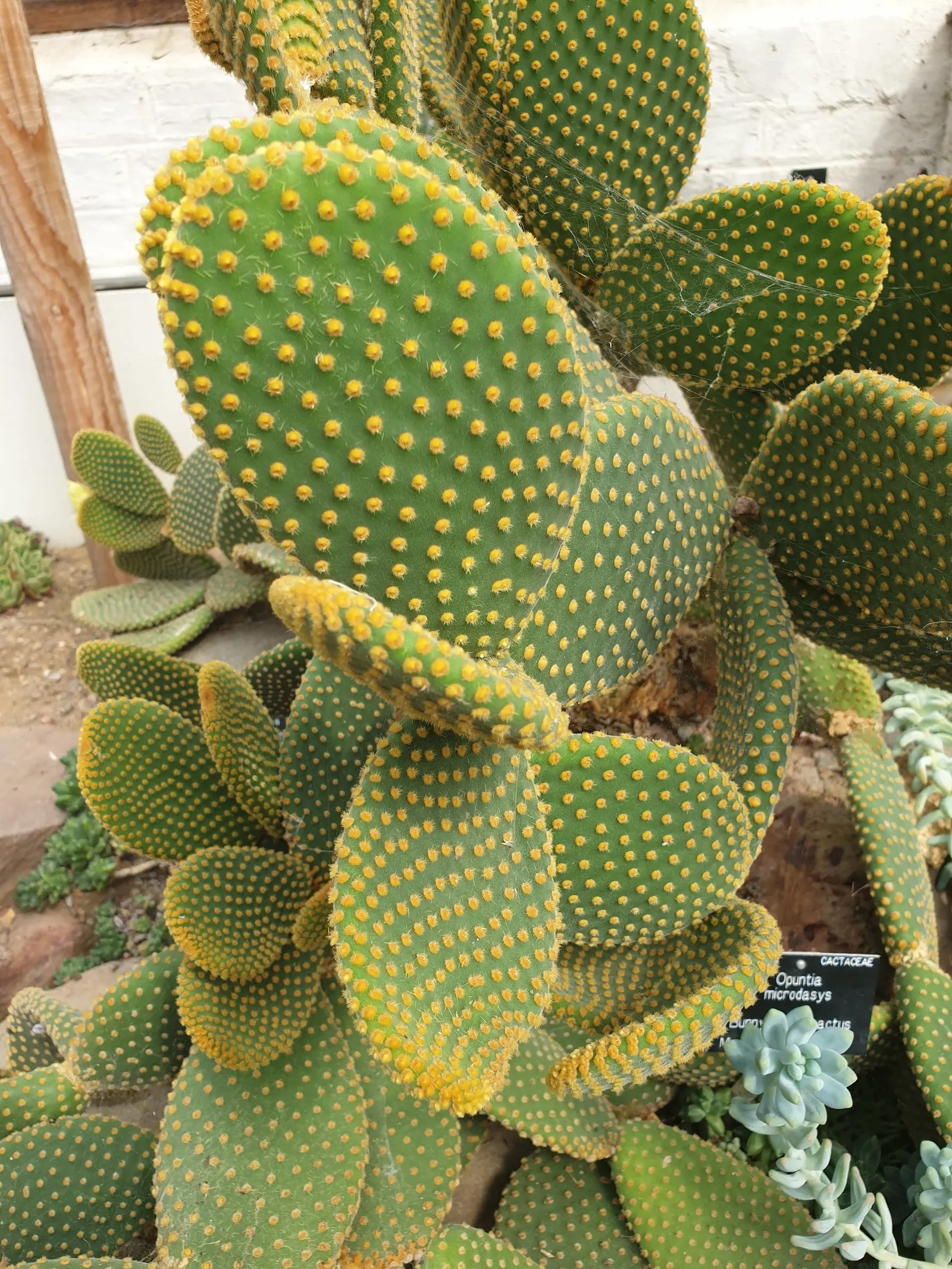
Yellow Bunny Ears, Goldplush Cactus (Opuntia Microdasys) — Its pad-like stems feature dense clusters of yellow glochids, resembling furry tufts

Culture

Sun
Full, Half
Water
Low
USDA zones
9–10

Shape & size

Classification

Family
Cactaceae
Climate
Arid

See full data, regional cultivation notes, full-resolution photos, and design tools. Build a client presentation around this plant.

Start your 14-day trial

Photos (87)

Yellow Bunny Ears, Goldplush Cactus (Opuntia Microdasys) — Characterized by its pad-like stems; ideal for xeriscapes, rock gardens, or as a potted accent
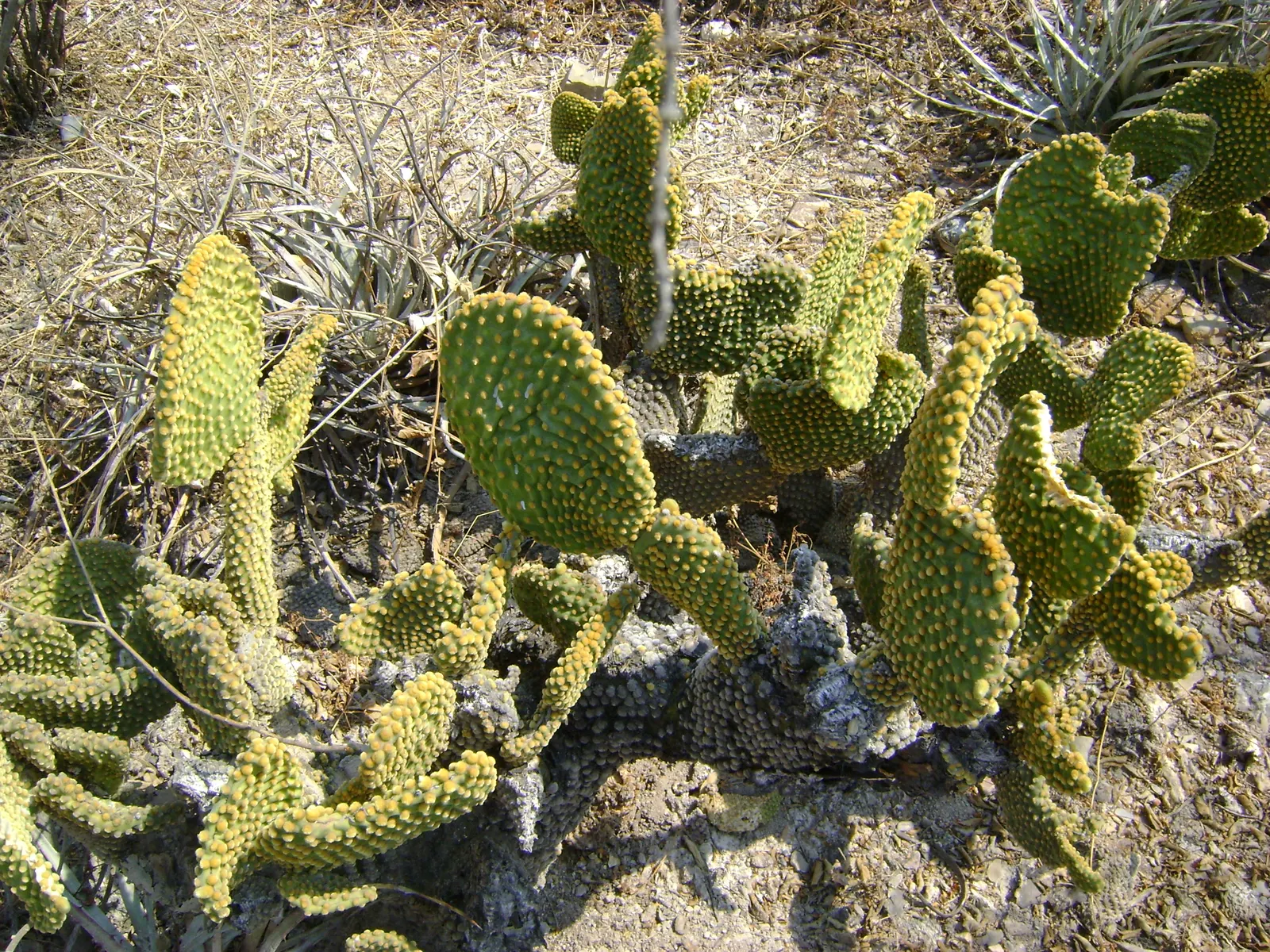
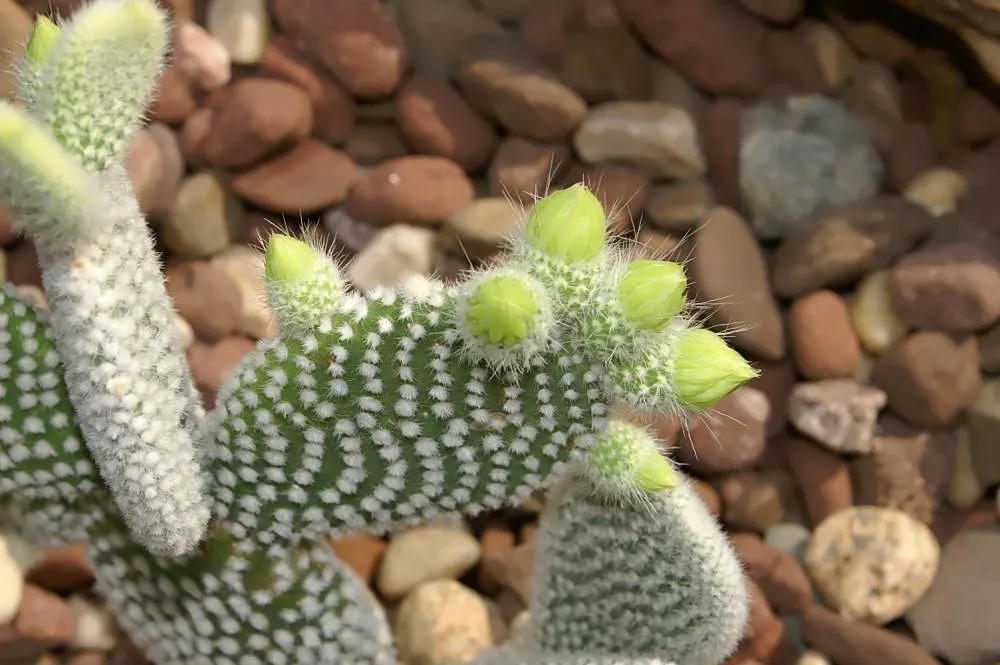
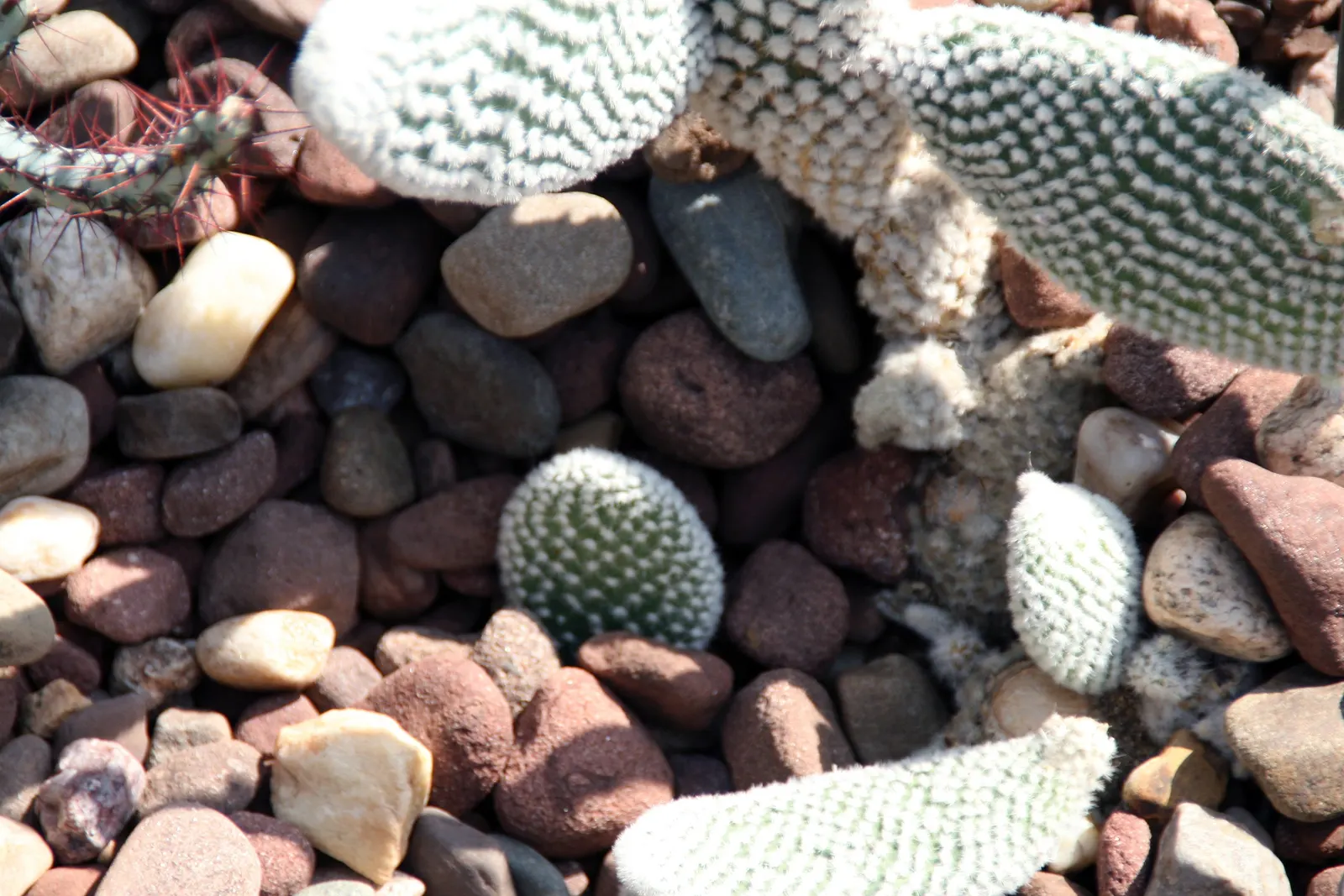
Yellow Bunny Ears, Goldplush Cactus (Opuntia Microdasys) — Ideal for xeriscapes, rock gardens, or as a potted accent; requiring full sun, it thrives in
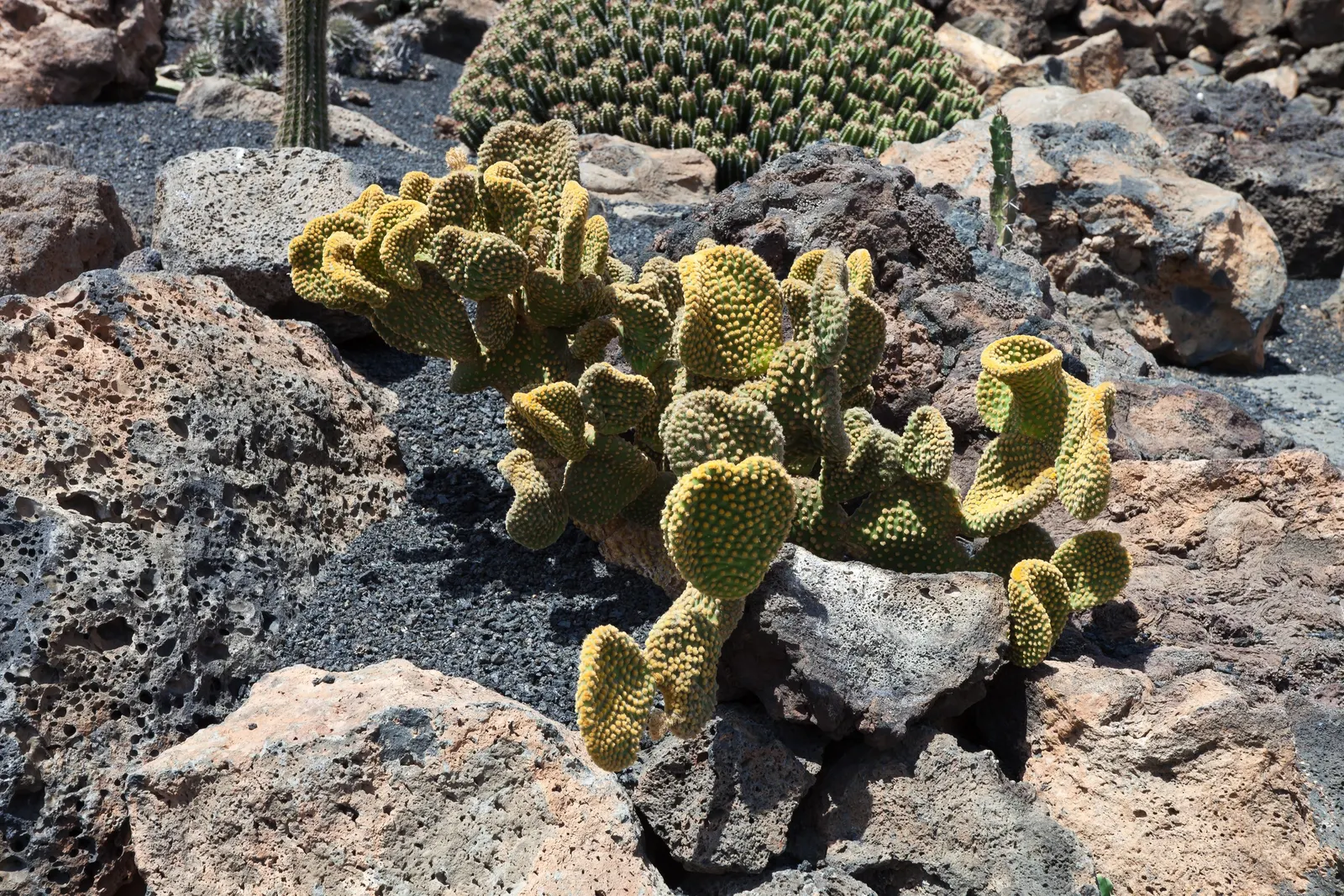
Yellow Bunny Ears, Goldplush Cactus (Opuntia Microdasys) — Hardy in USDA zones 9 to 11; this cactus grows in a branching
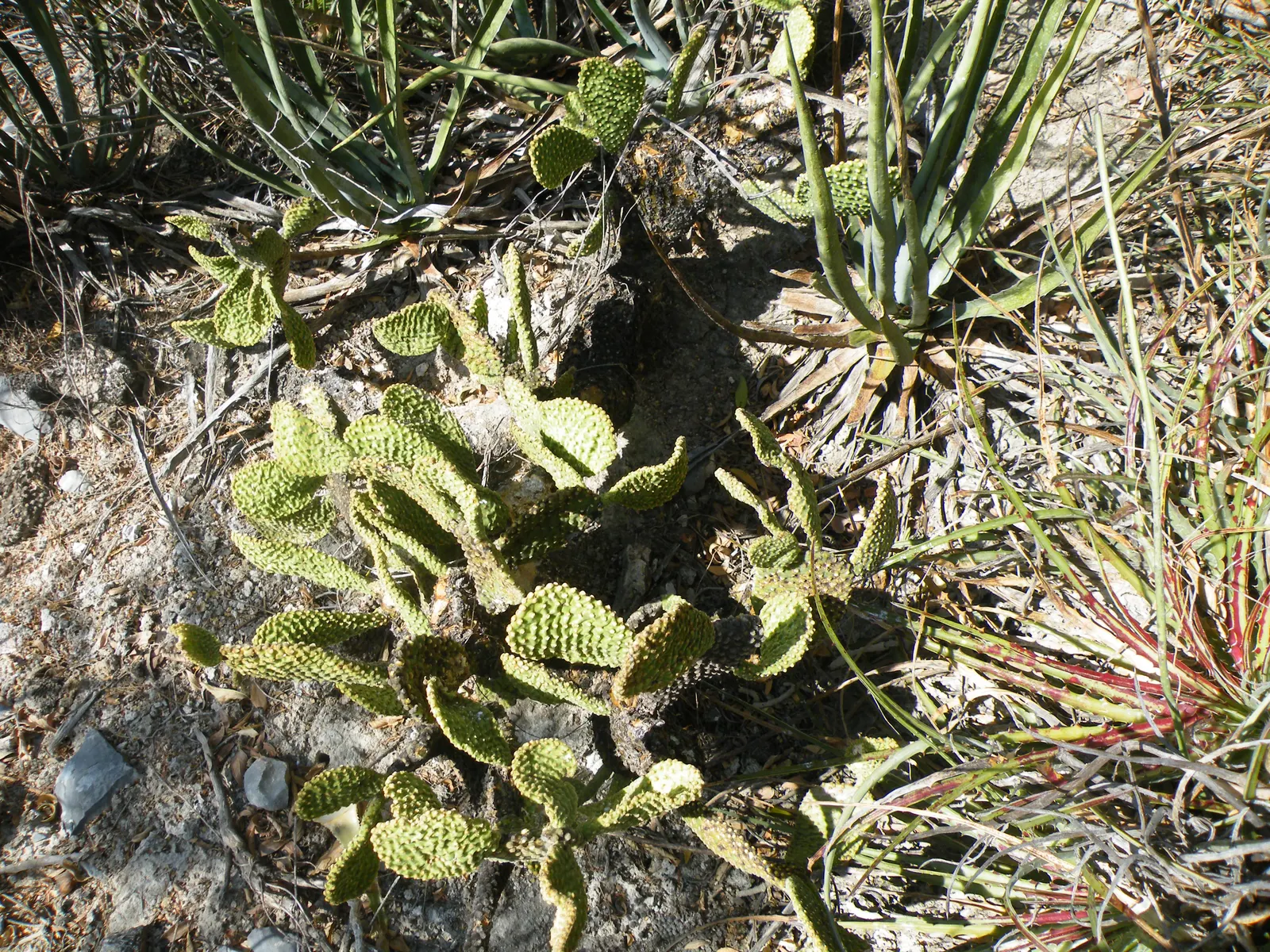
Yellow Bunny Ears, Goldplush Cactus (Opuntia Microdasys) — this cactus grows in a branching; it is hardy in USDA zones 9 through 11 and displays a high
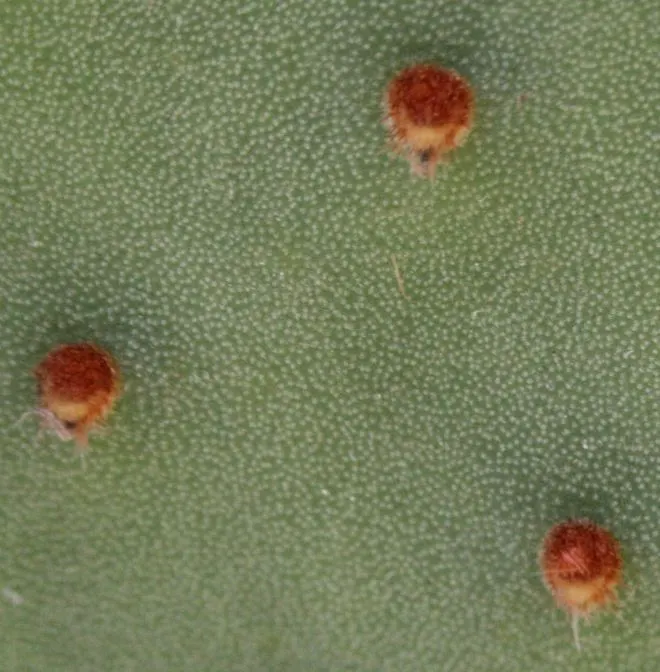
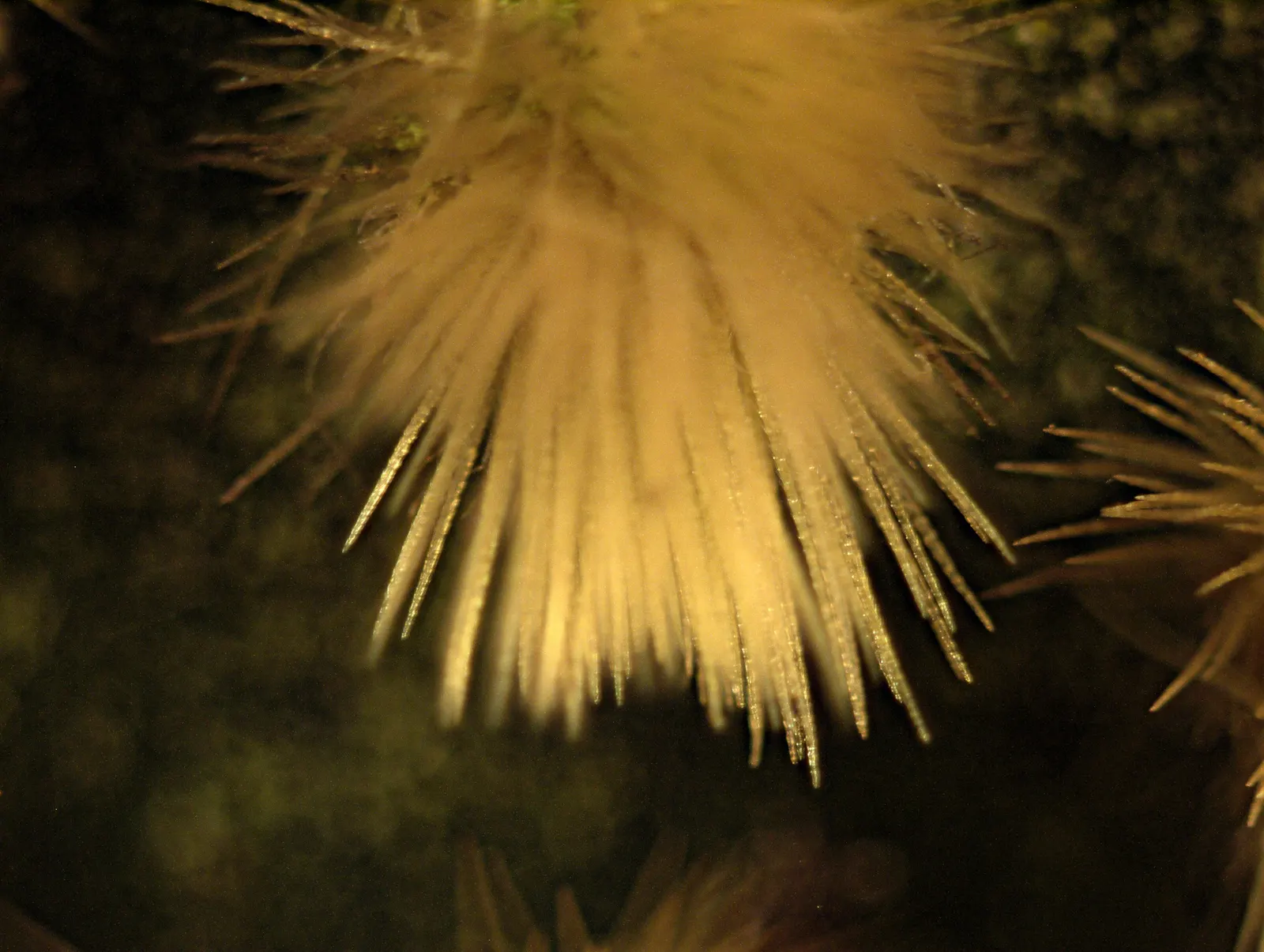
Yellow Bunny Ears, Goldplush Cactus (Opuntia Microdasys) — barbed bristles that easily detach and can irritate the skin upon contact; its pad-like stems
Yellow Bunny Ears, Goldplush Cactus (Opuntia Microdasys) — requiring minimal watering; handle with care to avoid irritating glochids
Yellow Bunny Ears, Goldplush Cactus (Opuntia Microdasys) — It is hardy in USDA zones 9 through 11 and displays a high tolerance for drought once, image 31
Yellow Bunny Ears, Goldplush Cactus (Opuntia Microdasys) — making it suitable for regions that experience hot and arid conditions; characterized by its
Yellow Bunny Ears, Goldplush Cactus (Opuntia Microdasys) — While it does not typically produce flowers; making it suitable for regions that experience hot and
Yellow Bunny Ears, Goldplush Cactus (Opuntia Microdasys) — cactus / shrub / succulent for full or half; while it does not typically produce flowers
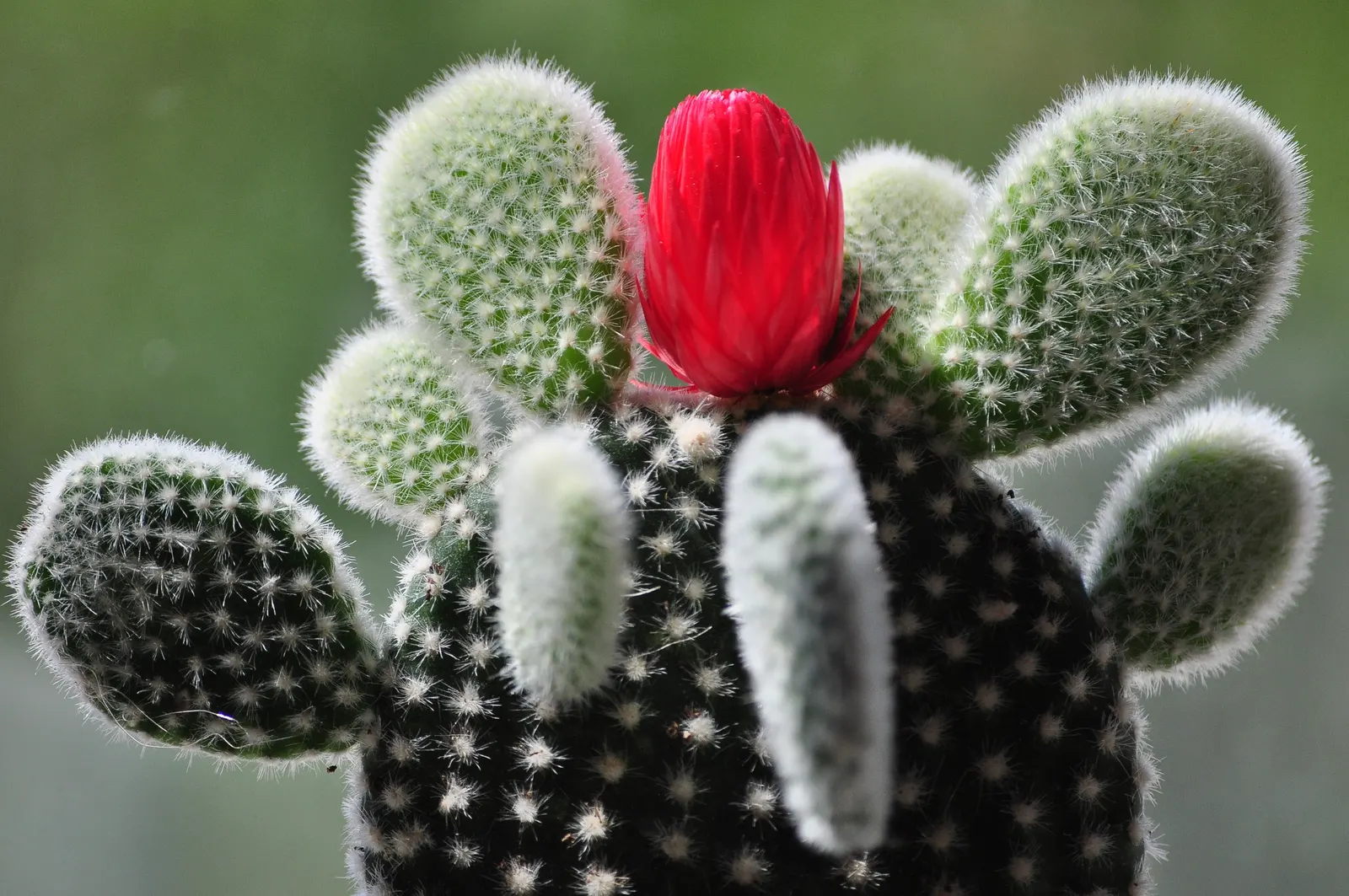
Yellow Bunny Ears, Goldplush Cactus (Opuntia Microdasys) — cactus / shrub / succulent with yellow blooms; colloquially known as the Yellow Bunny Ears or
Yellow Bunny Ears, Goldplush Cactus (Opuntia Microdasys) — is a prickly perennial cactus reaching 24 inches in height and spread; in spring, it may, image 37
Yellow Bunny Ears, Goldplush Cactus (Opuntia Microdasys) — yellow flowers in the garden; is a prickly perennial cactus reaching 24 inches in height and spread
Yellow Bunny Ears, Goldplush Cactus (Opuntia Microdasys) — Its pad-like stems feature dense clusters of yellow glochids, resembling furry tufts, image 38
Yellow Bunny Ears, Goldplush Cactus (Opuntia Microdasys) — Requiring full sun, it thrives in well-draining sandy soil; cactus / shrub / succulent, image 39
Yellow Bunny Ears, Goldplush Cactus (Opuntia Microdasys) — In spring, it may produce yellow flowers; hardy in USDA zones 9 to 11, image 40
Yellow Bunny Ears, Goldplush Cactus (Opuntia Microdasys) — Ideal for xeriscapes, rock gardens, or as a potted accent; requiring full sun, it, image 42
Yellow Bunny Ears, Goldplush Cactus (Opuntia Microdasys) — Handle with care to avoid irritating glochids; requiring minimal watering, image 41
Yellow Bunny Ears, Goldplush Cactus (Opuntia Microdasys) — this cactus grows in a branching; it is hardy in USDA zones 9 through 11 and displays a, image 46
Yellow Bunny Ears, Goldplush Cactus (Opuntia Microdasys) — Characterized by its pad-like stems; ideal for xeriscapes, rock gardens, or as a potted, image 45
Yellow Bunny Ears, Goldplush Cactus (Opuntia Microdasys) — barbed bristles that easily detach and can irritate the skin upon contact; its pad-like, image 47
Yellow Bunny Ears, Goldplush Cactus (Opuntia Microdasys) — colloquially known as the Yellow Bunny Ears or Goldplush Cactus; cactus / shrub /, image 44
Yellow Bunny Ears, Goldplush Cactus (Opuntia Microdasys) — Hardy in USDA zones 9 to 11; this cactus grows in a branching, image 43
Yellow Bunny Ears, Goldplush Cactus (Opuntia Microdasys) — It is hardy in USDA zones 9 through 11 and displays a high tolerance for drought once, image 49

Related plants