Skip to content

Balloon Cactus

Parodia Magnifica

Design with this plant

Overview

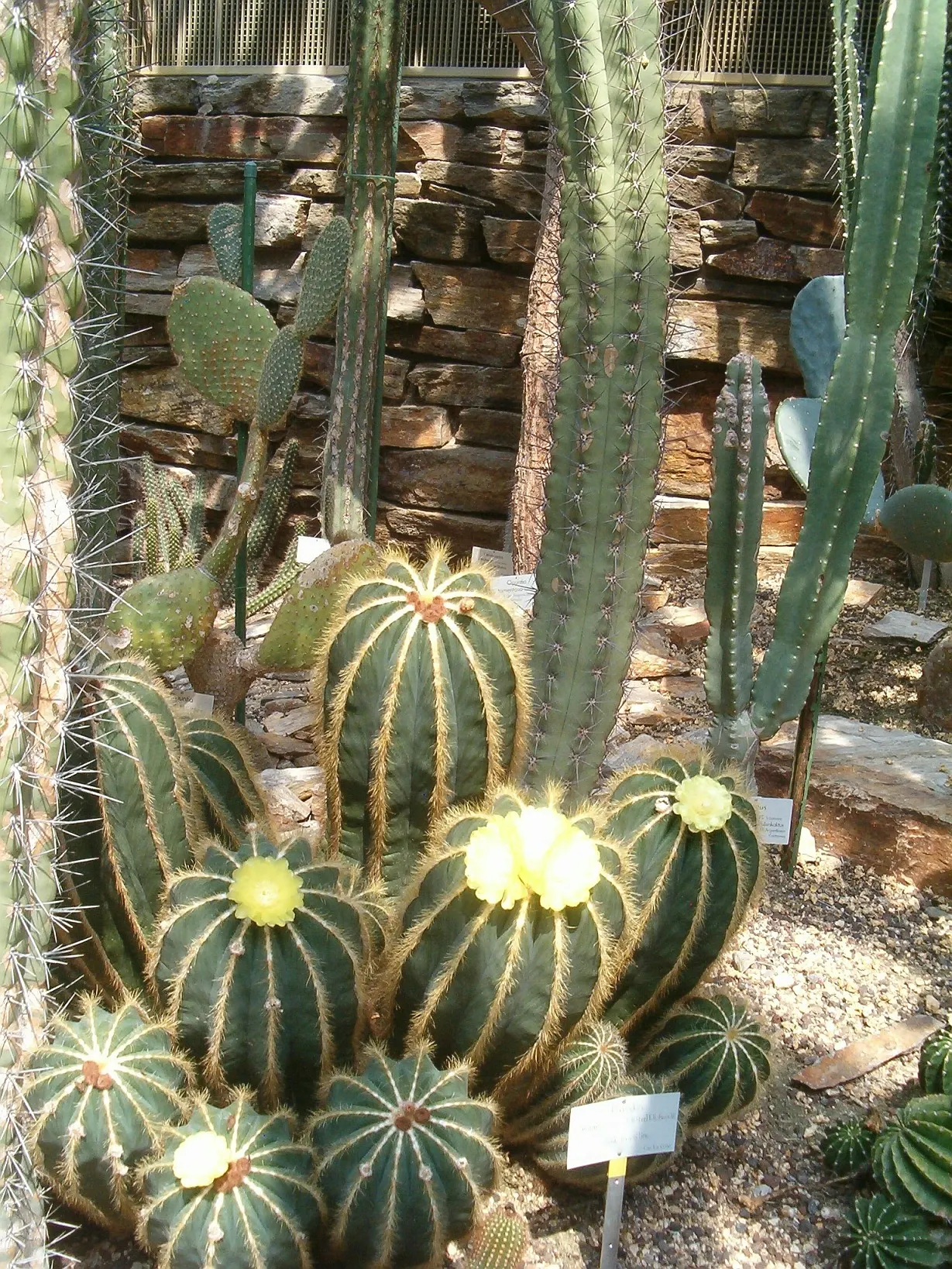
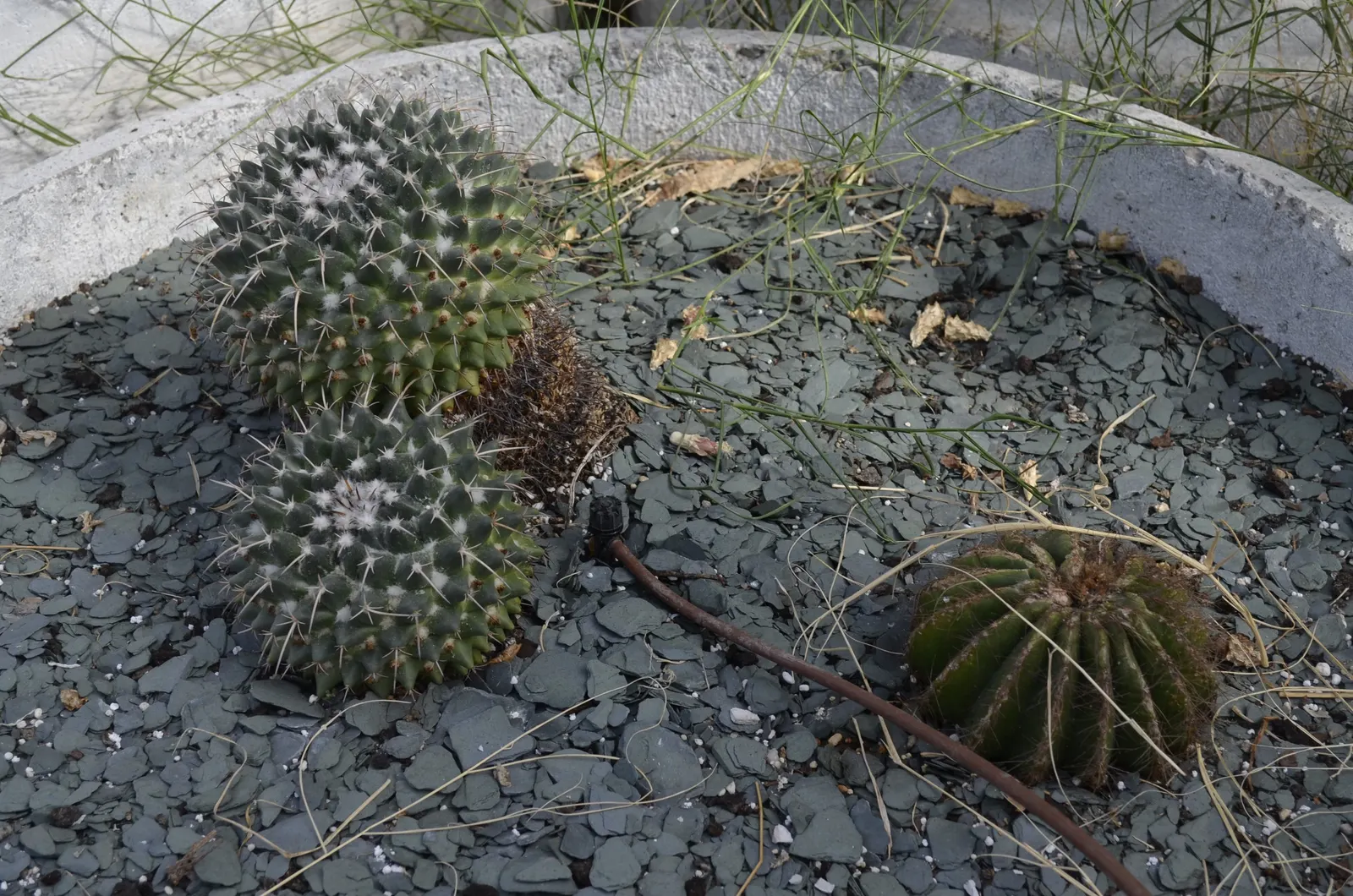
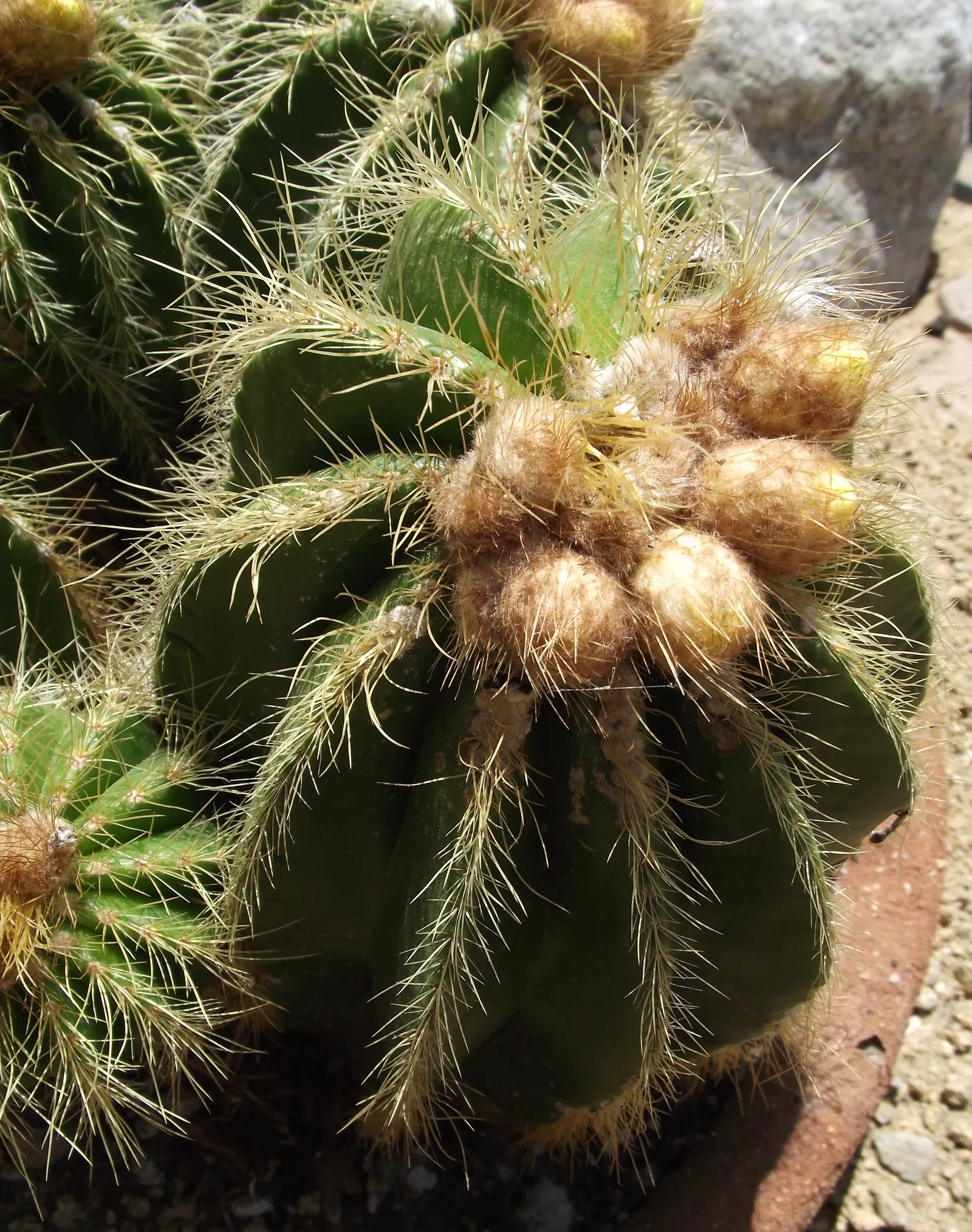
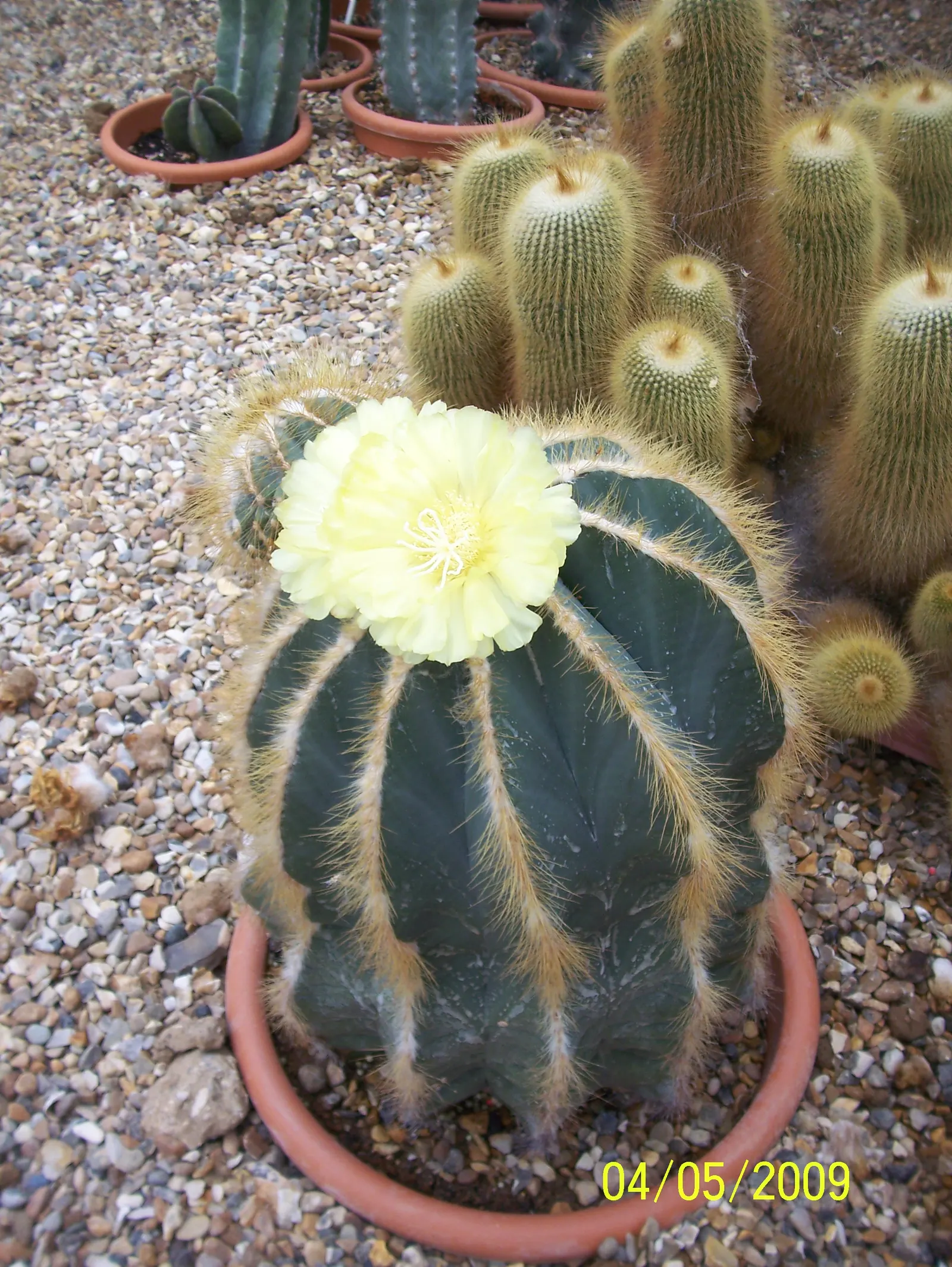
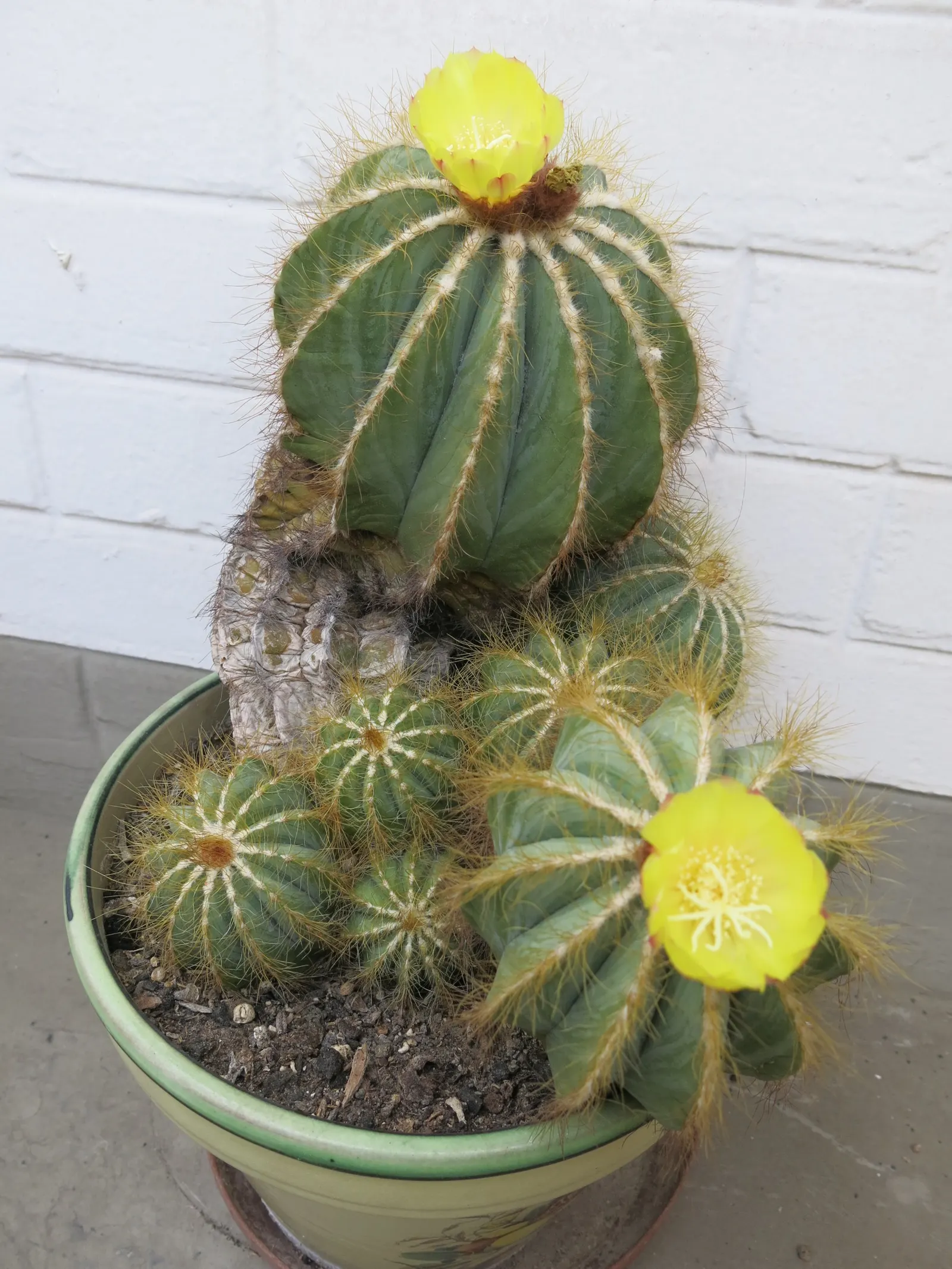
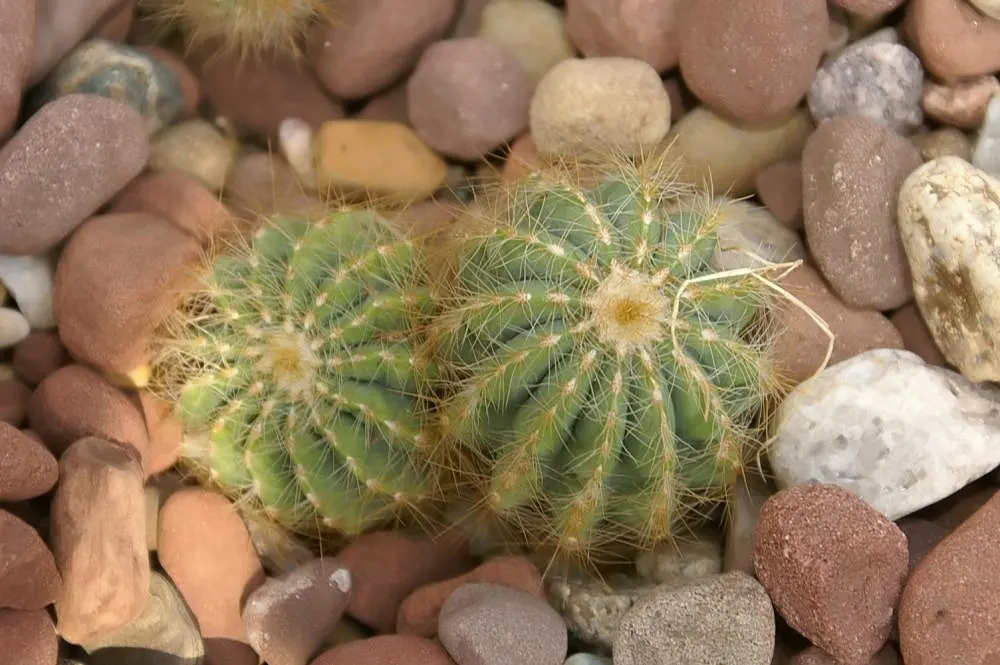
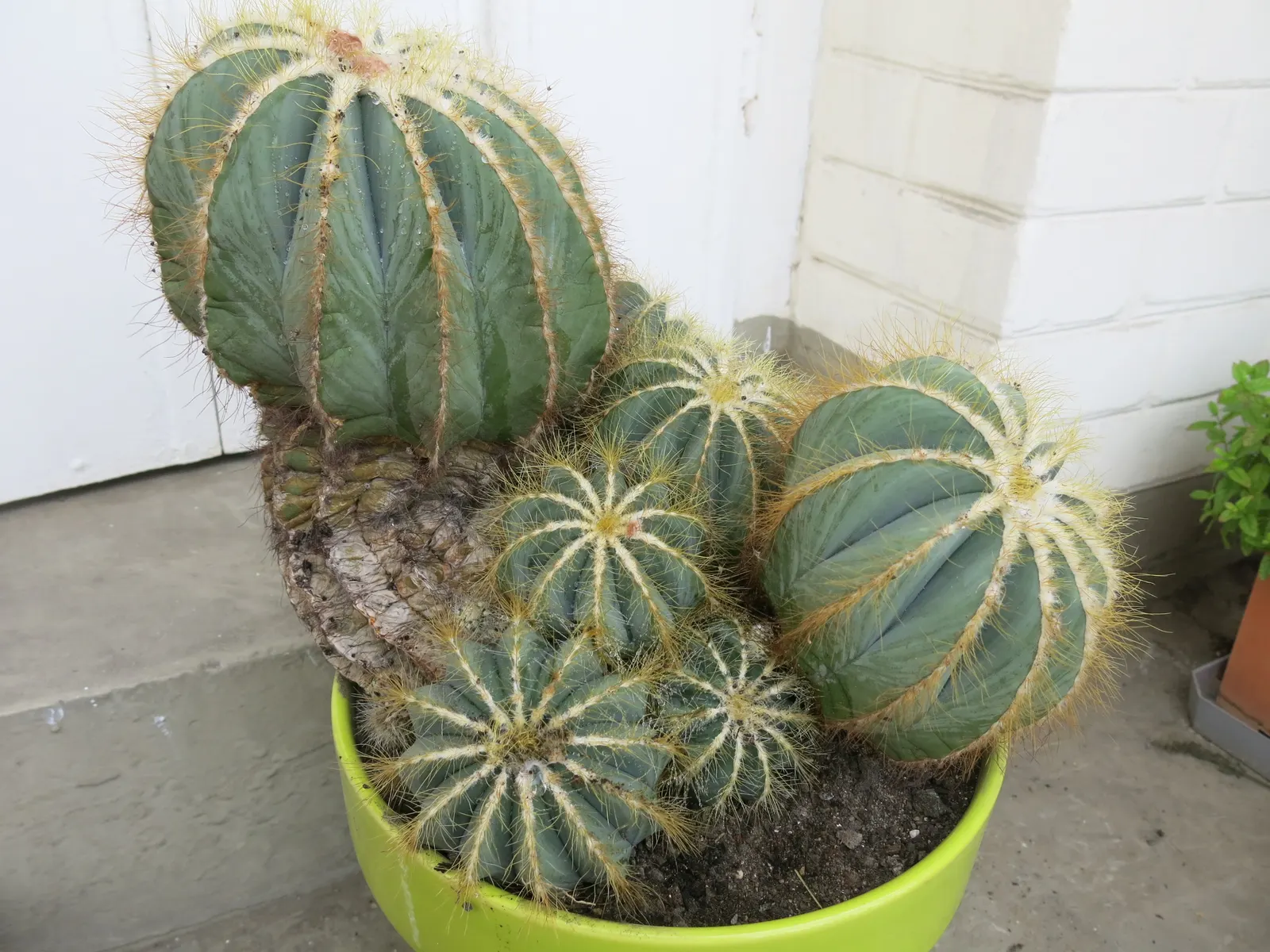
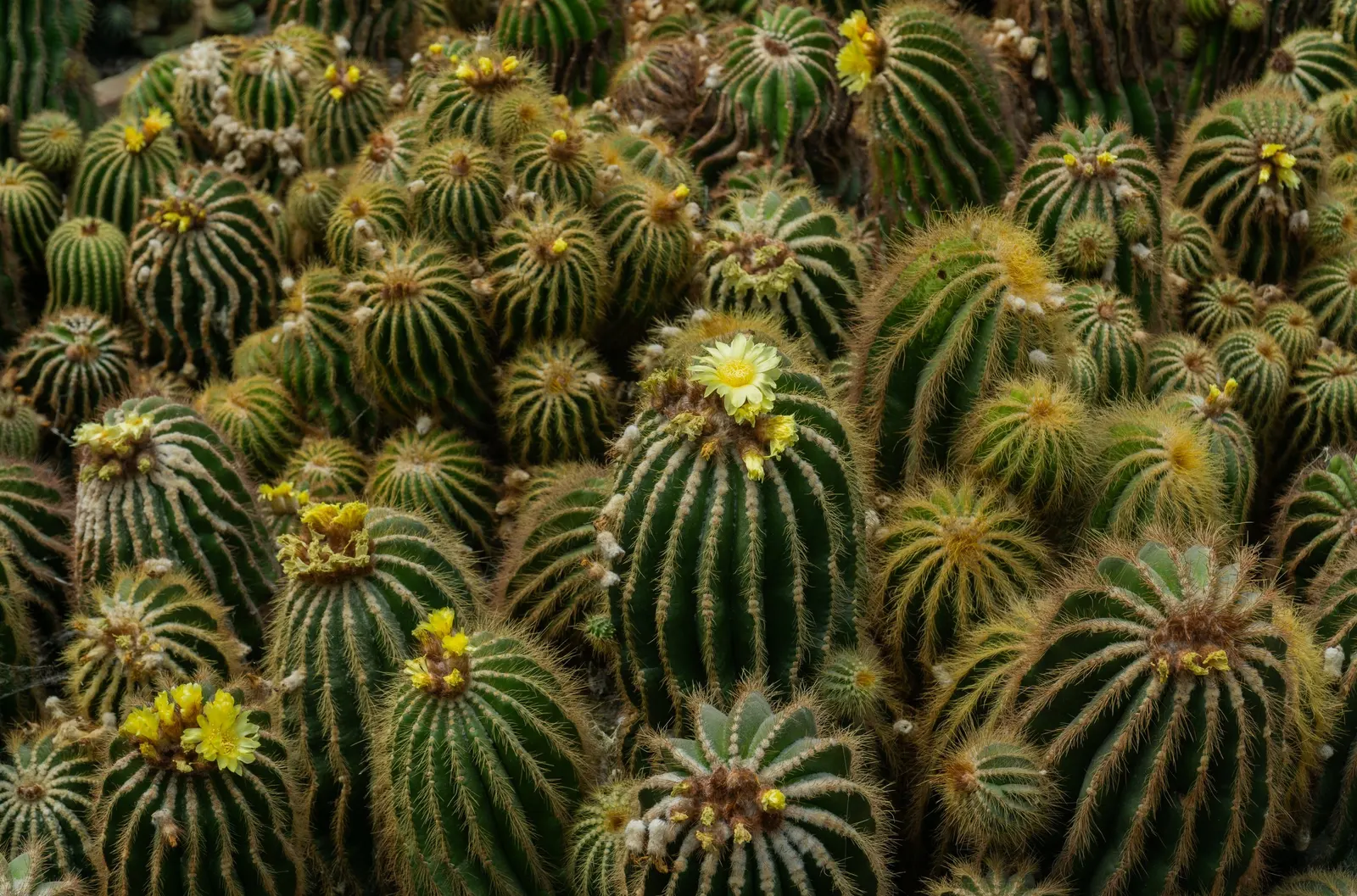
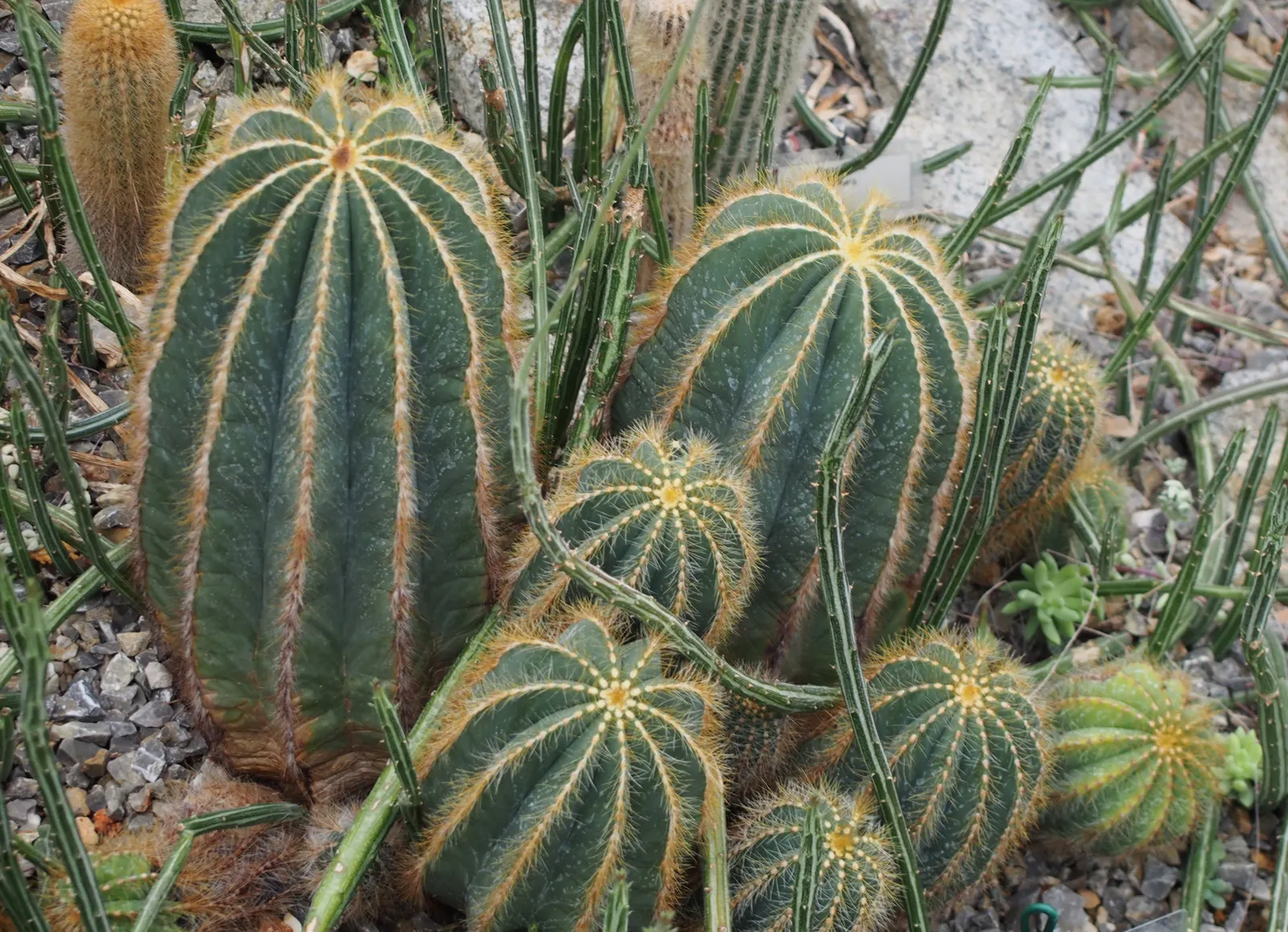
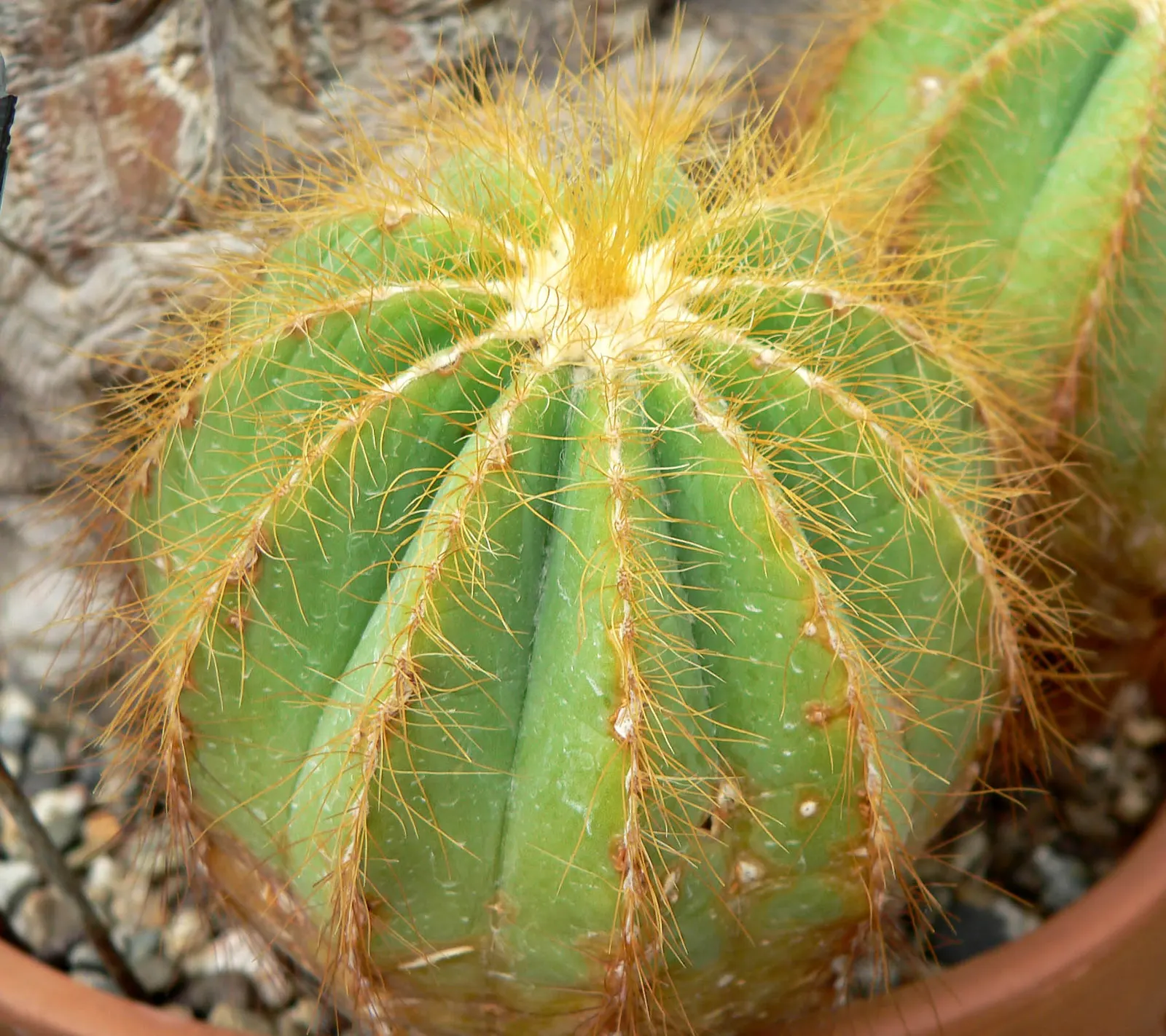
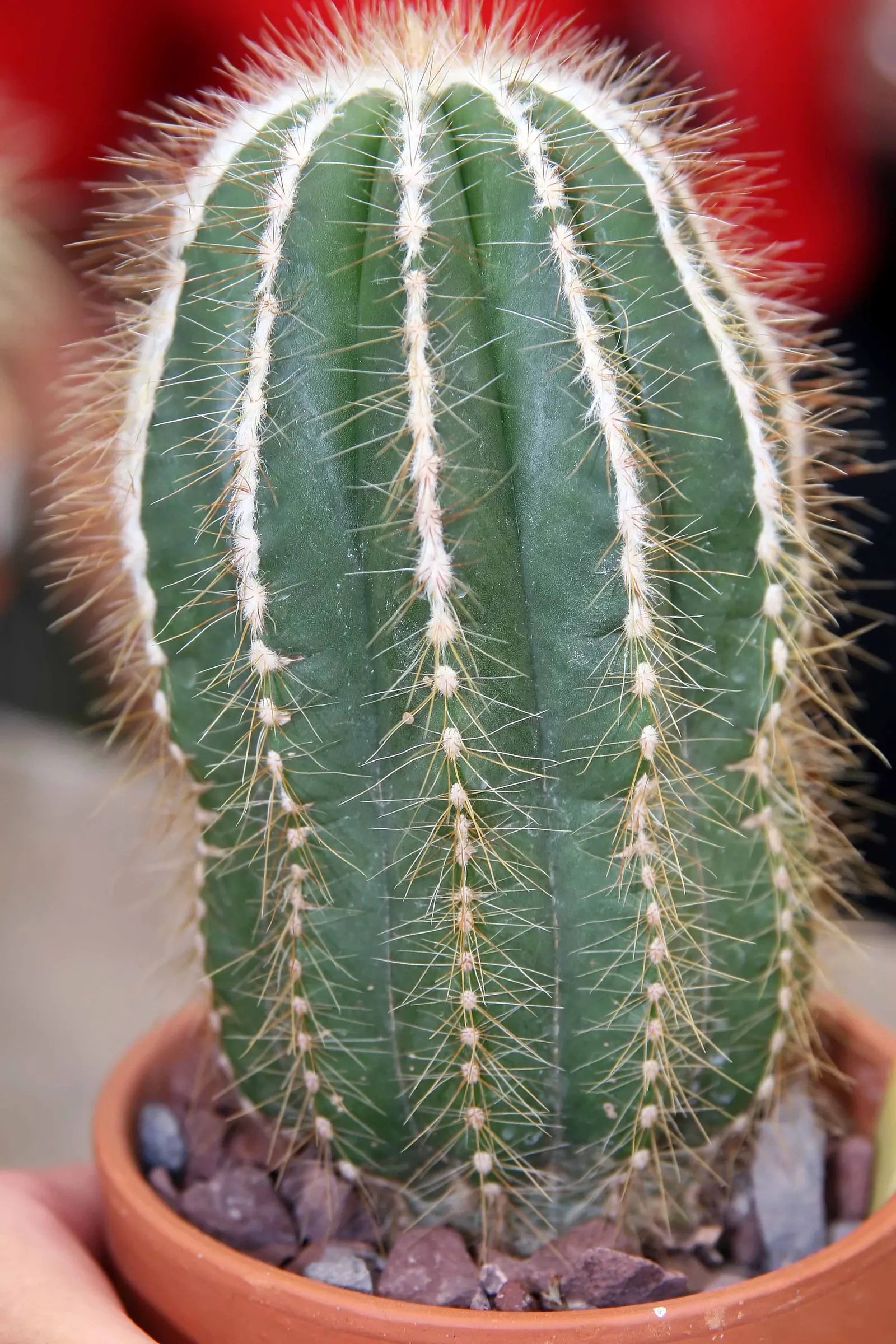
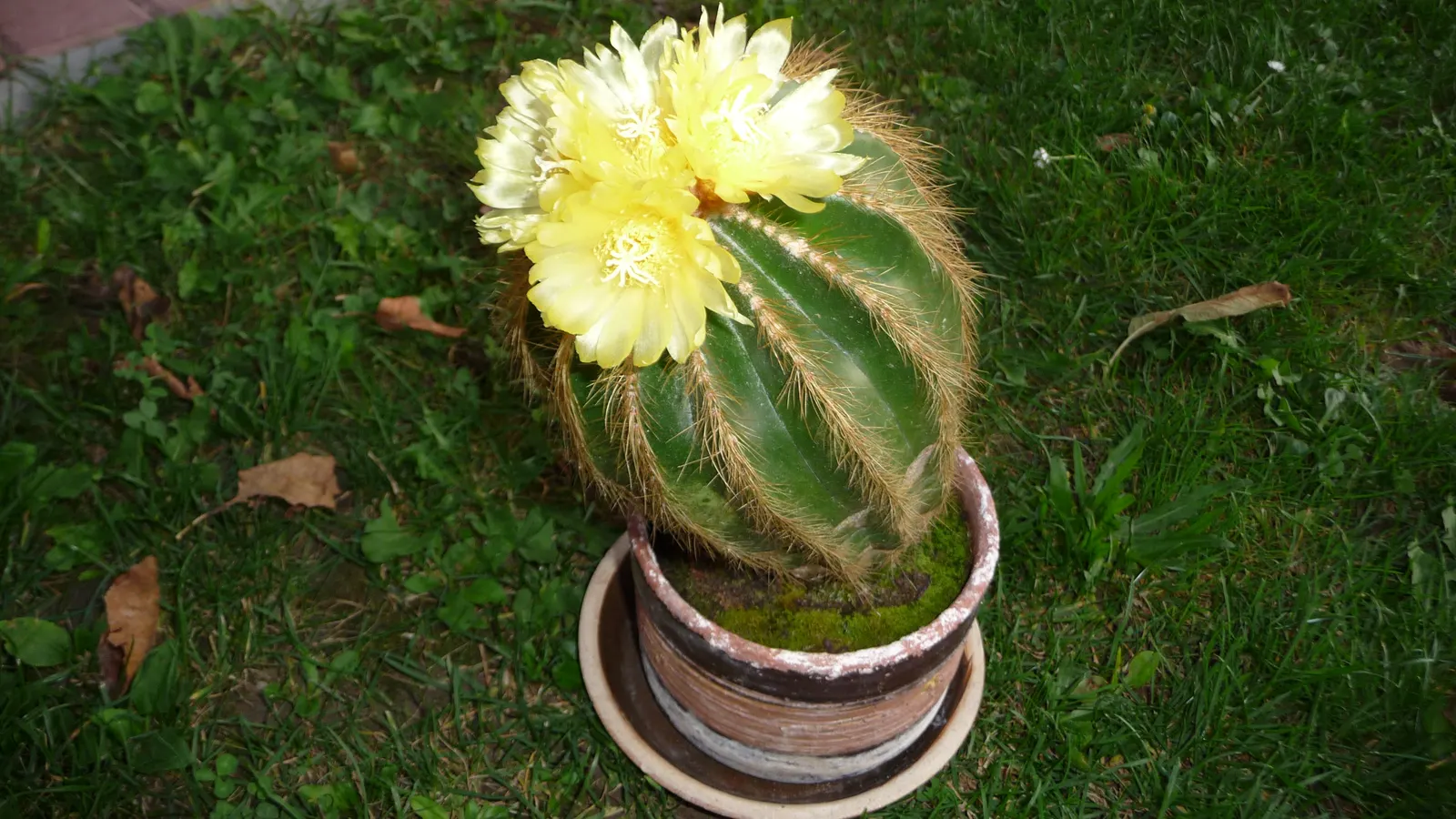
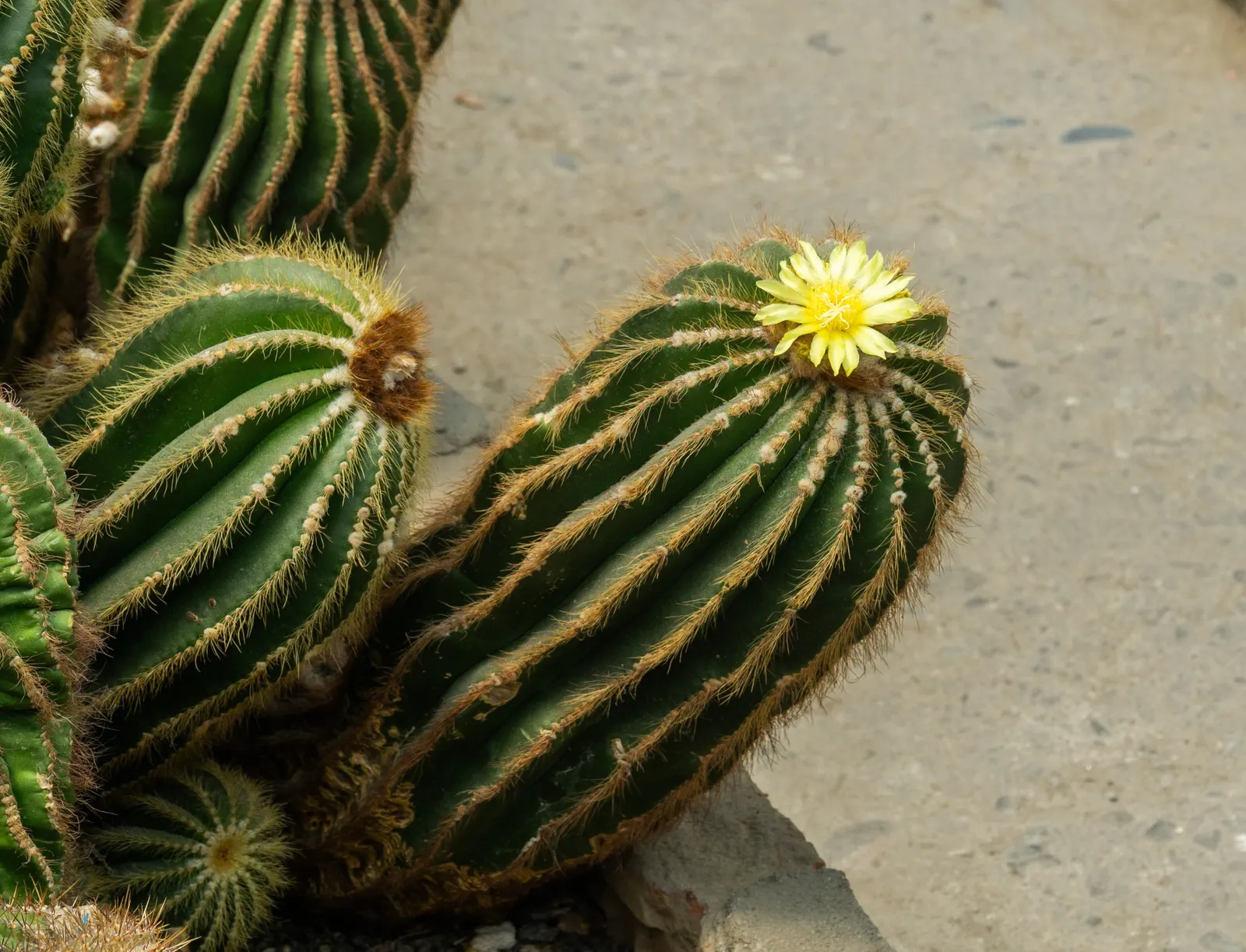
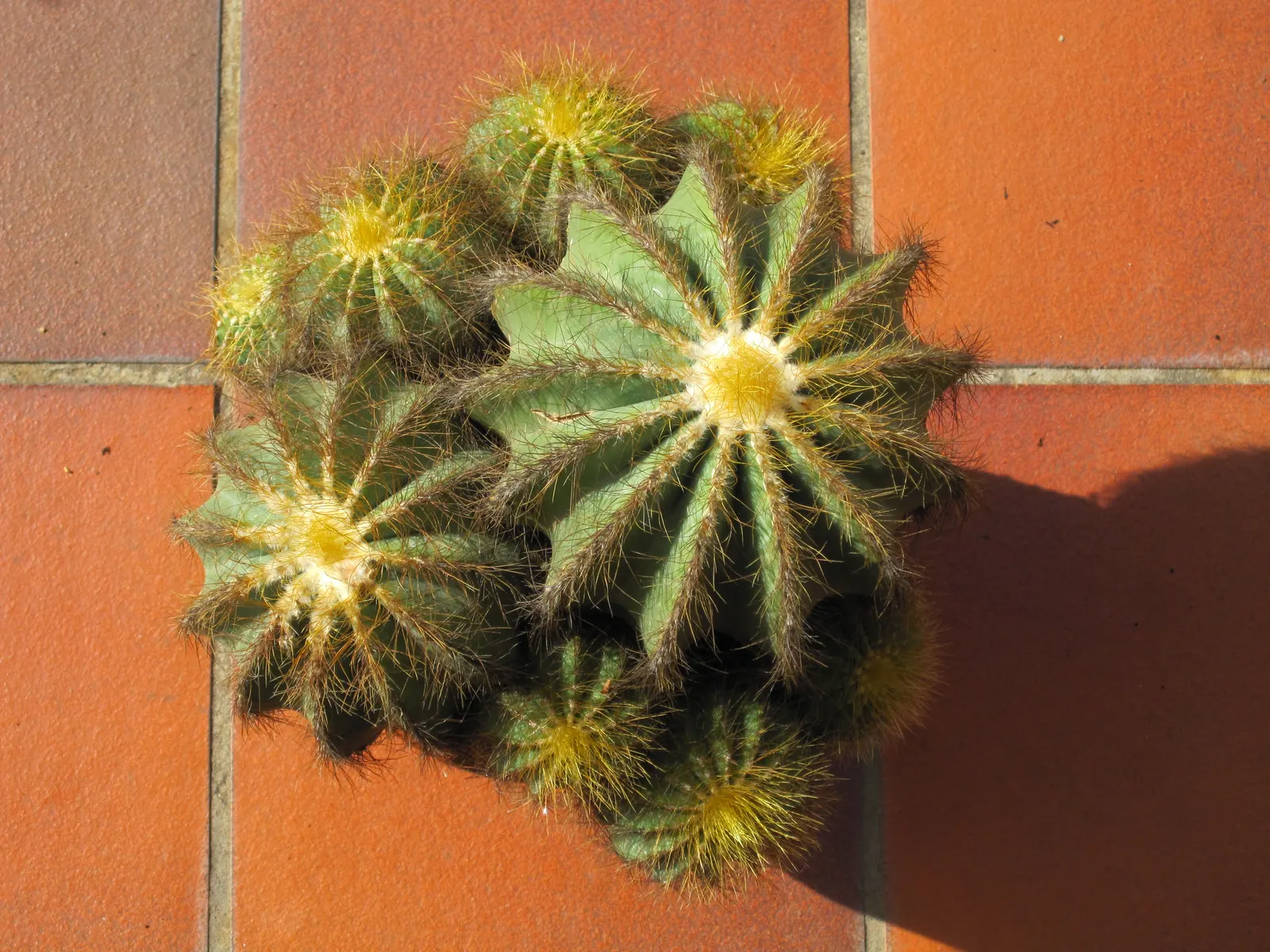
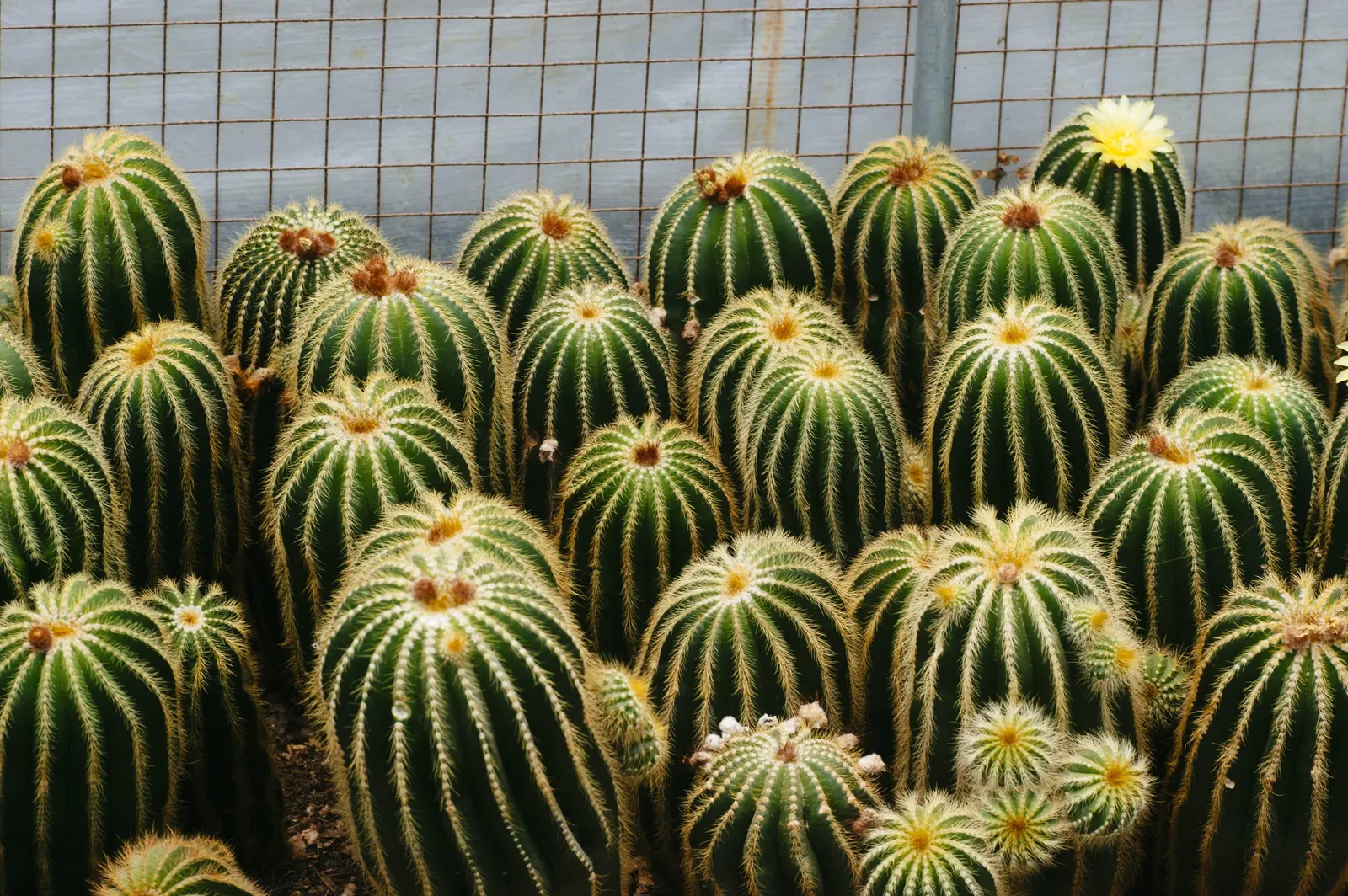
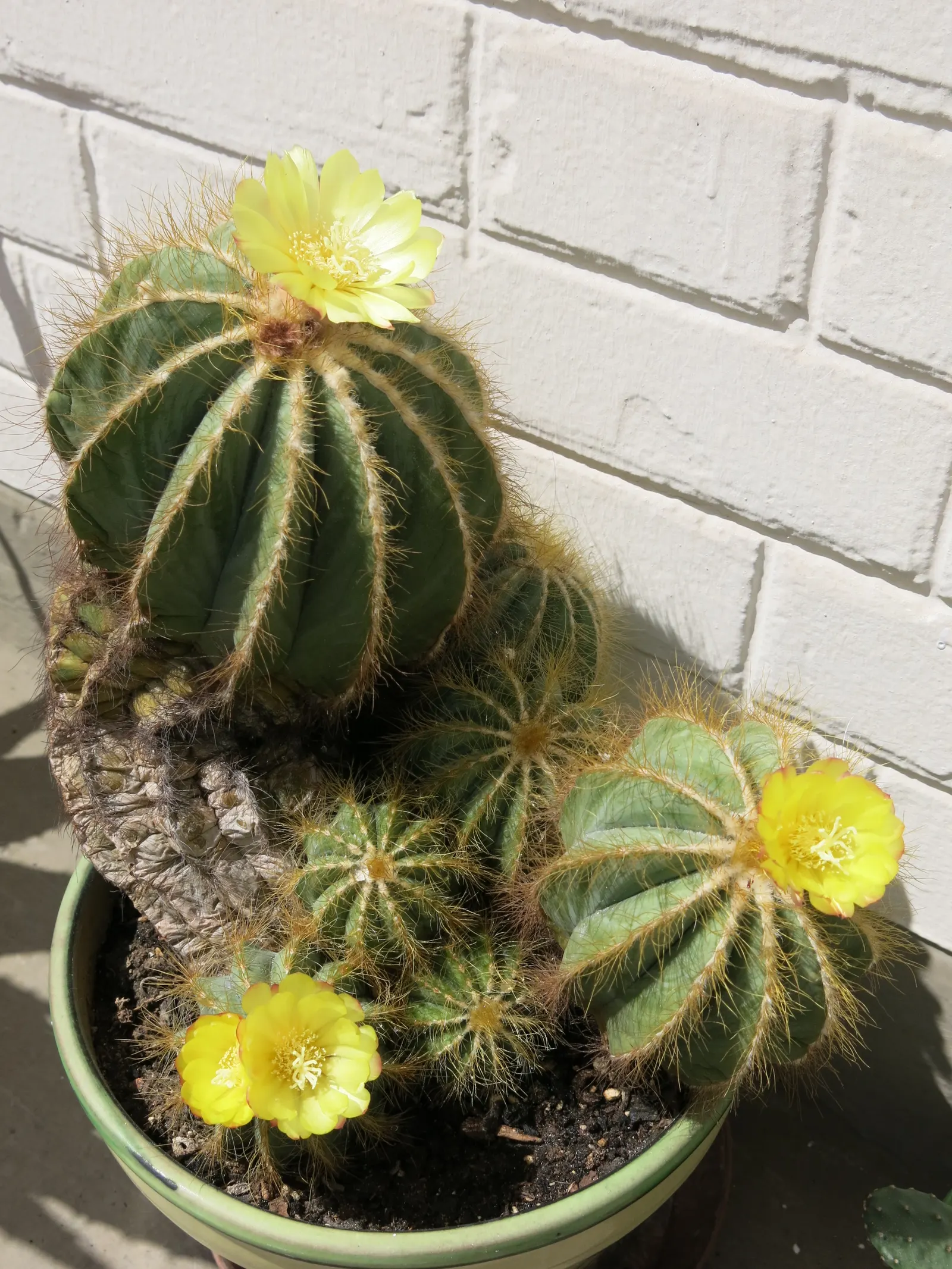
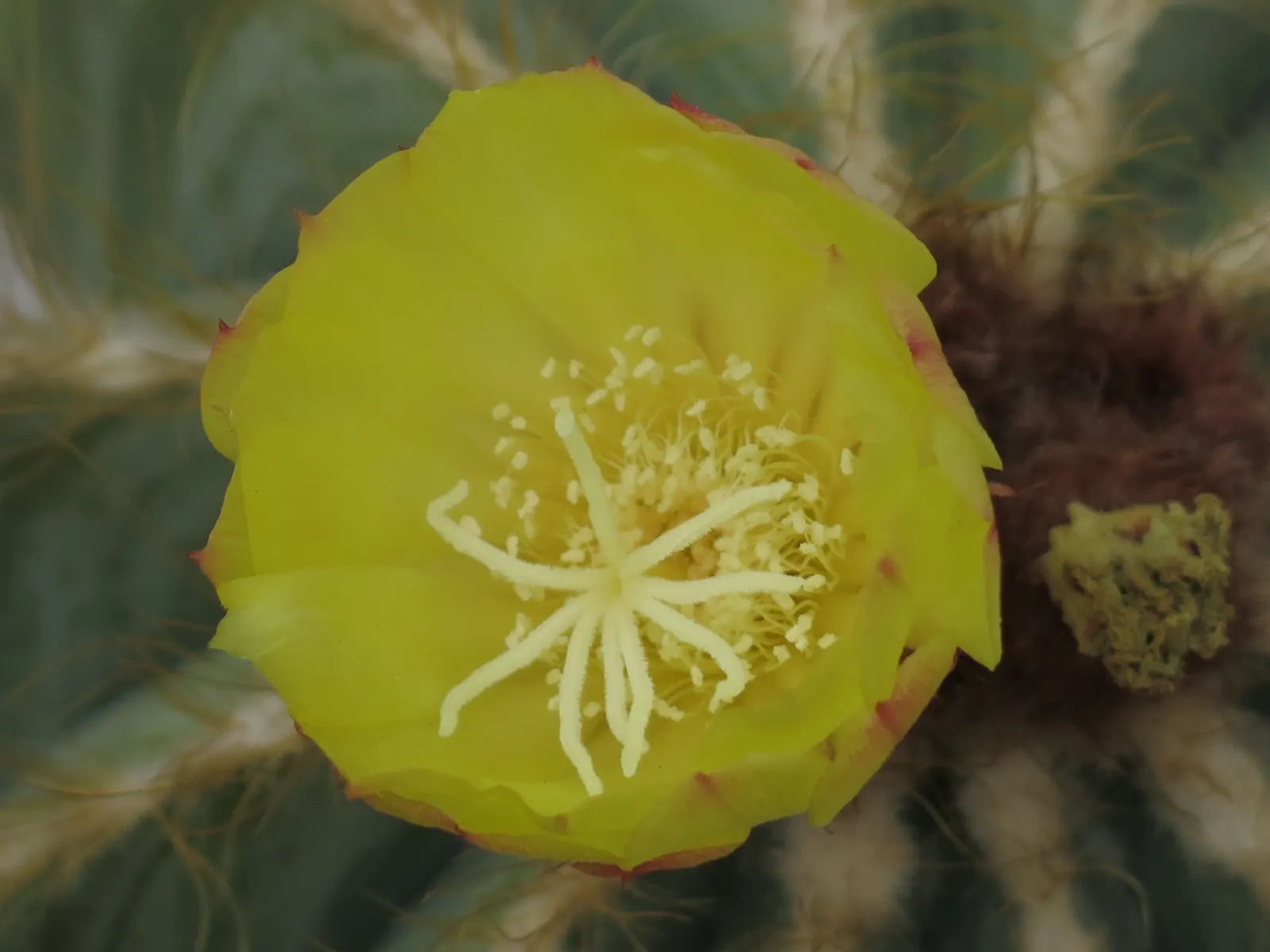
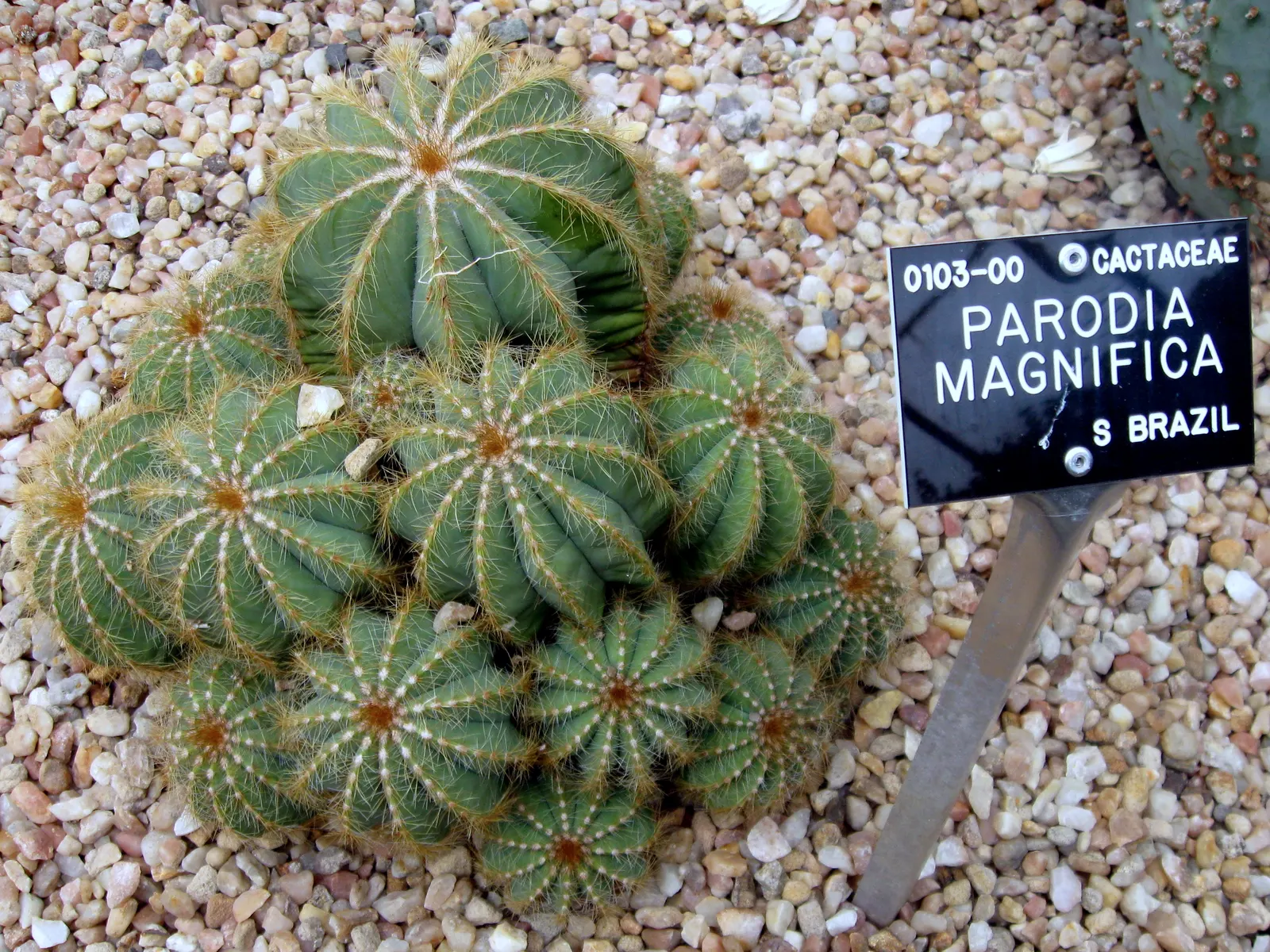
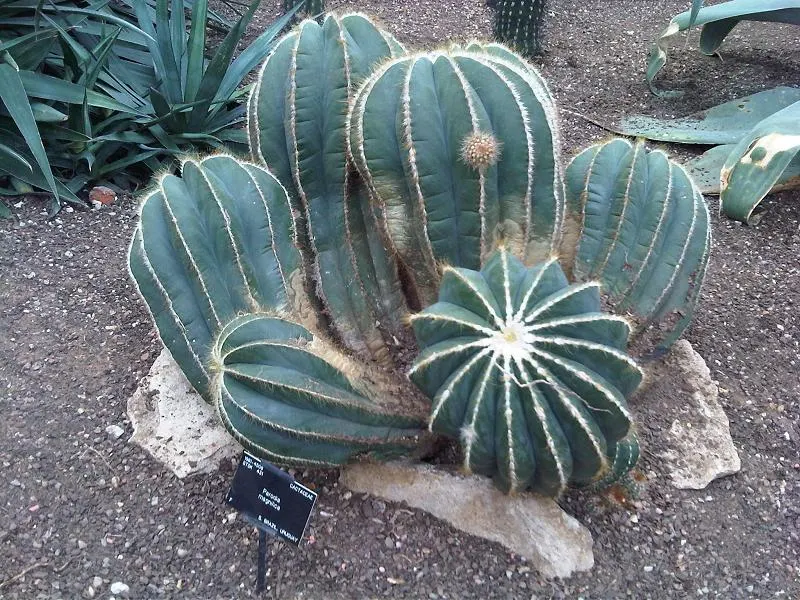
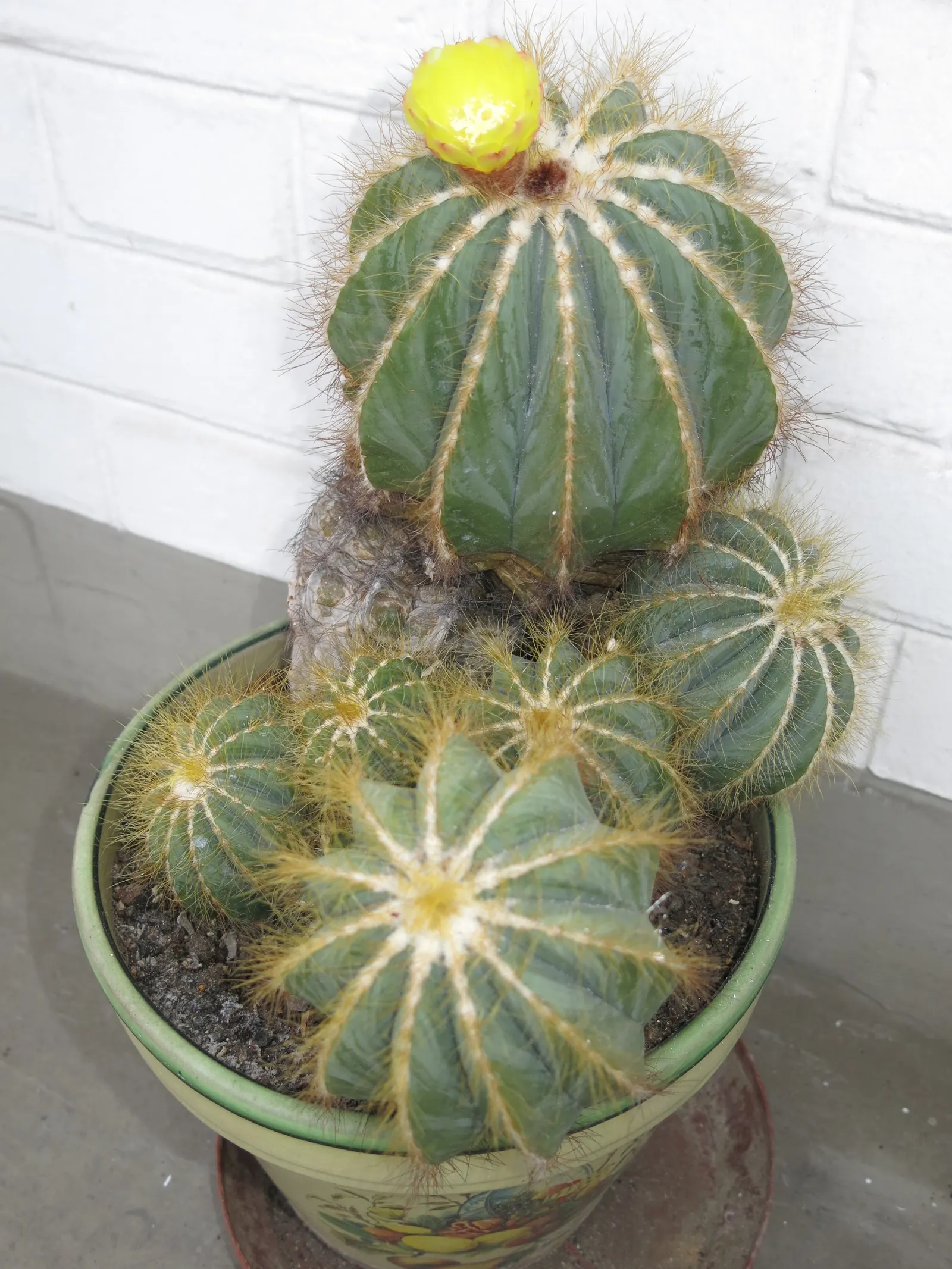
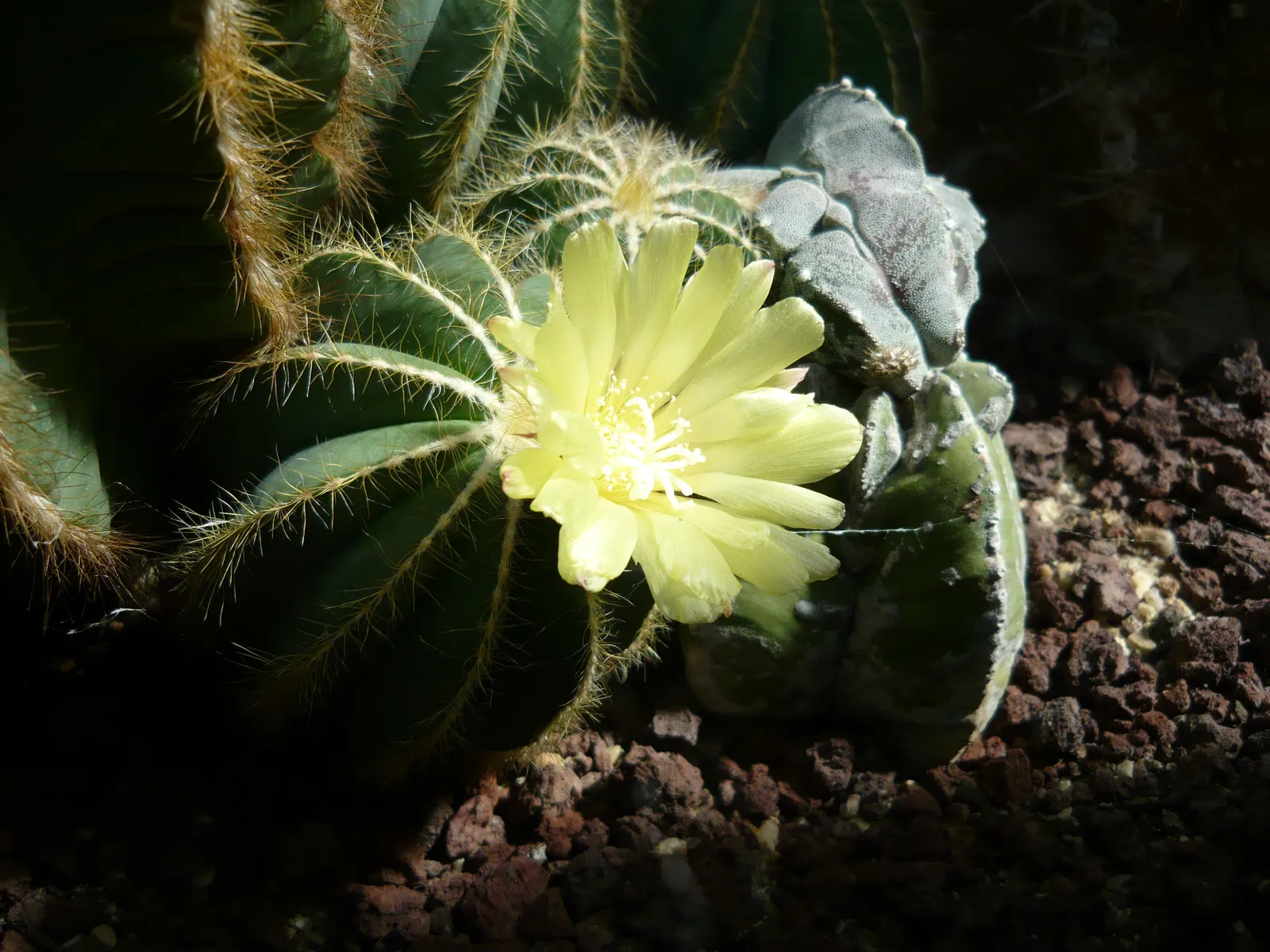
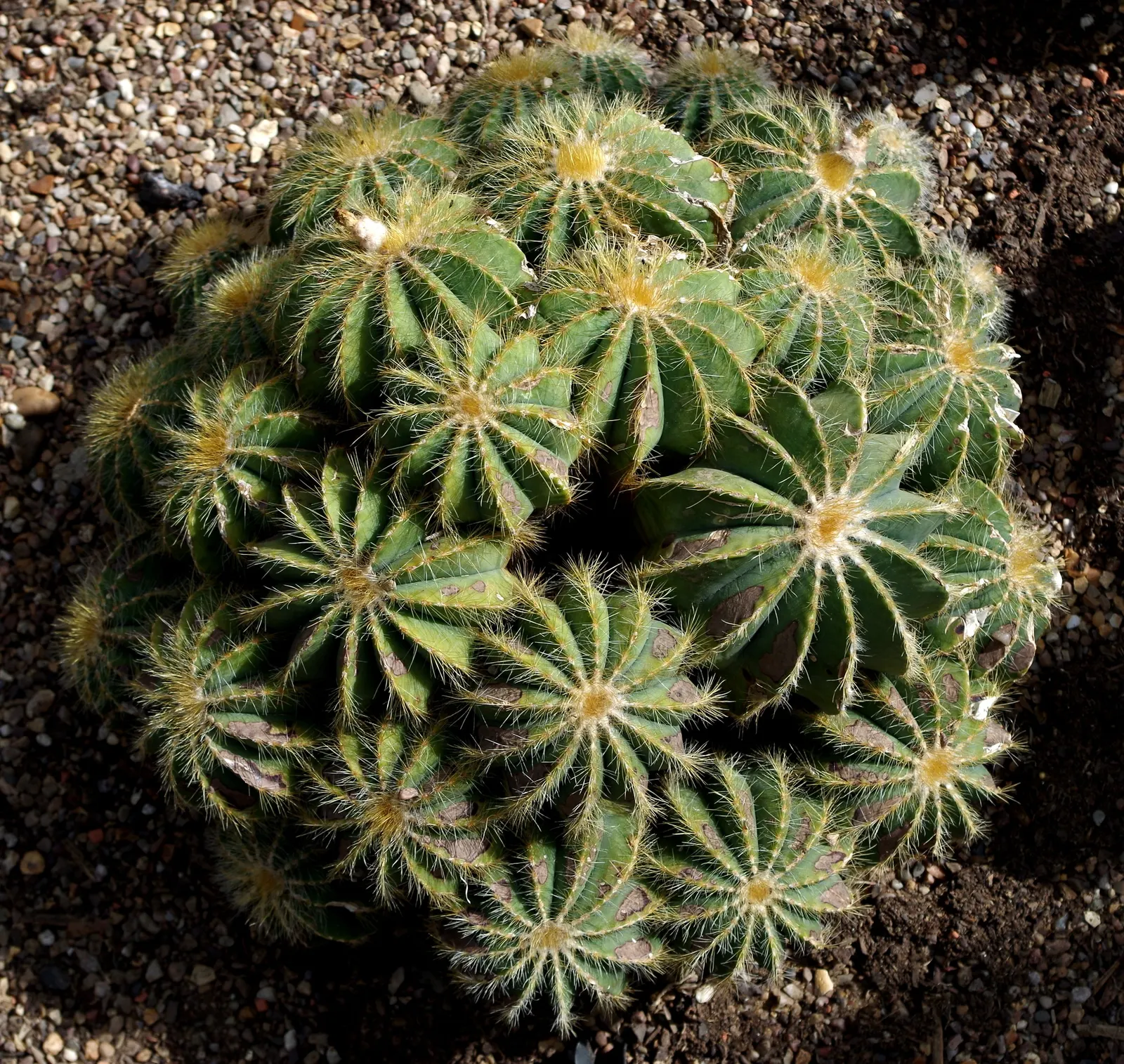
The Balloon Cactus (Parodia magnifica) is a spherical plant, reaching 18 inches in height and 6 inches in diameter. Ideal for xeriscaping, this low-maintenance cacti boasts yellow flowers in summer. It thrives in full sun with well-draining soil. Hardiness zones 9-11 suit its growth. Requires minimal water, avoiding overwatering. Adds a sculptural element to rock gardens or mixed succulent displays, providing year-round interest with its prominent ribbed texture.

Sun FullWater Very LowZones 9–11Type Cactus

Culture

Sun
Full
Water
Very Low
USDA zones
9–11

Shape & size

Classification

Type
Cactus
Family
Cactaceae

See full data, regional cultivation notes, and design tools. Build a client presentation around this plant.

Start your 14-day trial

Photos (93)

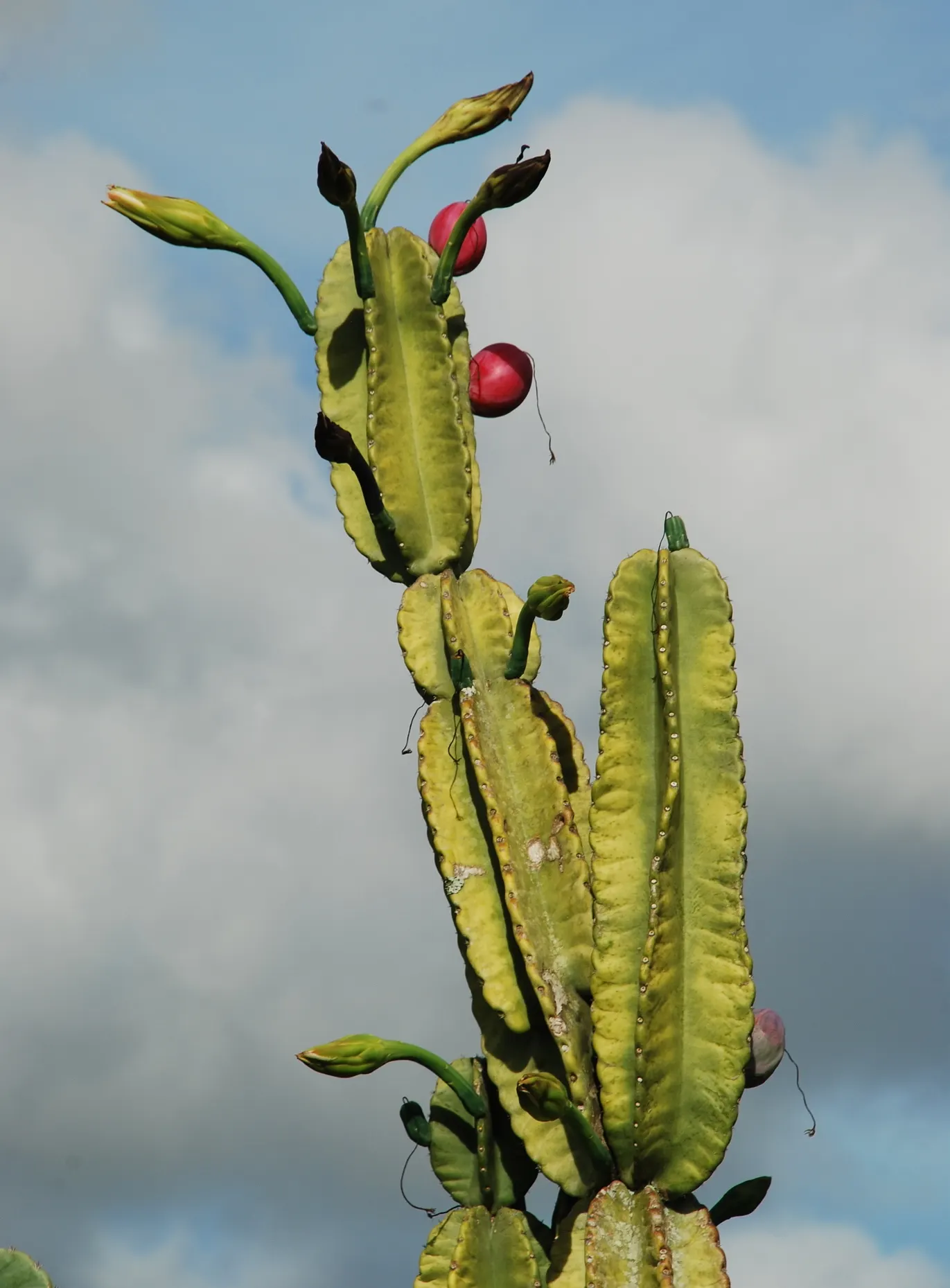
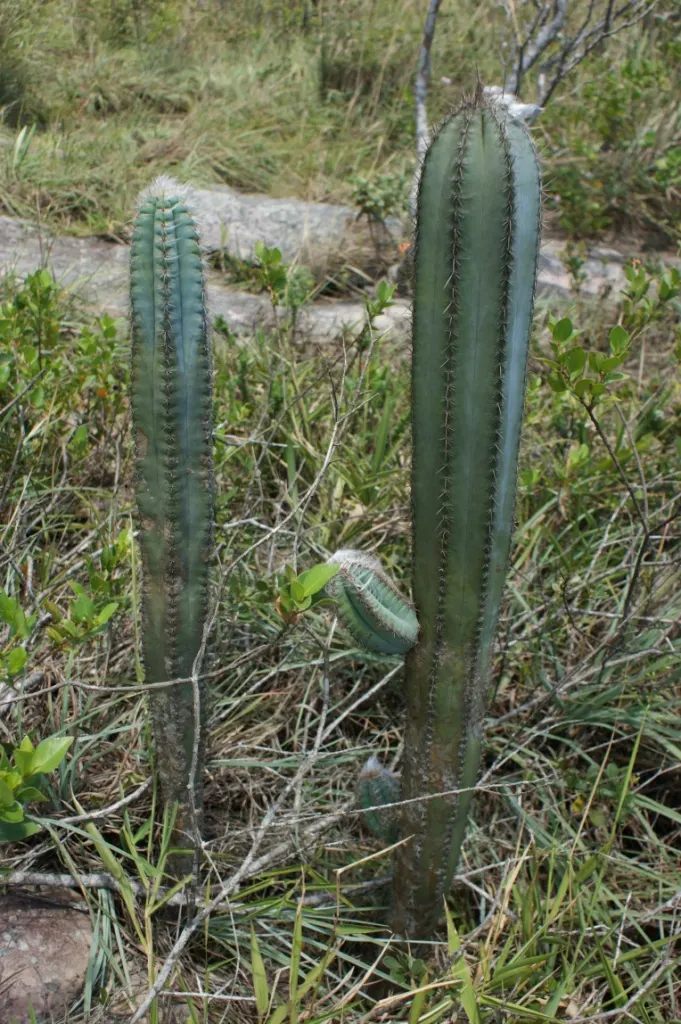
Balloon Cactus (Parodia Magnifica) — cactus for full; the Balloon Cactus will enhance any landscape design with its unique shape and alluring, image 72
Balloon Cactus (Parodia Magnifica) — providing year-round interest with its prominent ribbed texture; hardiness zones 9-11 suit its growth, image 80
Balloon Cactus (Parodia Magnifica) — As a slow-growing species
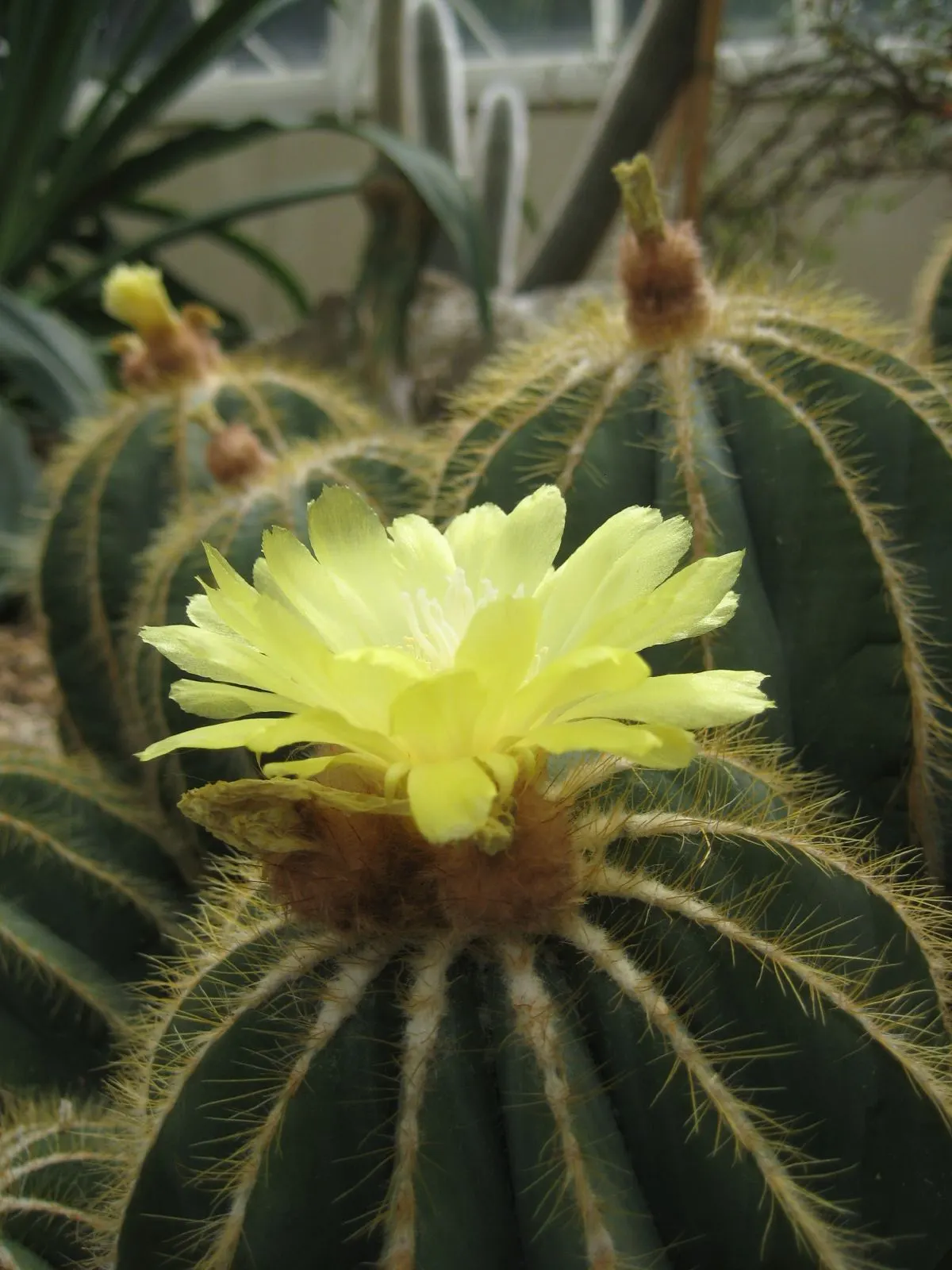
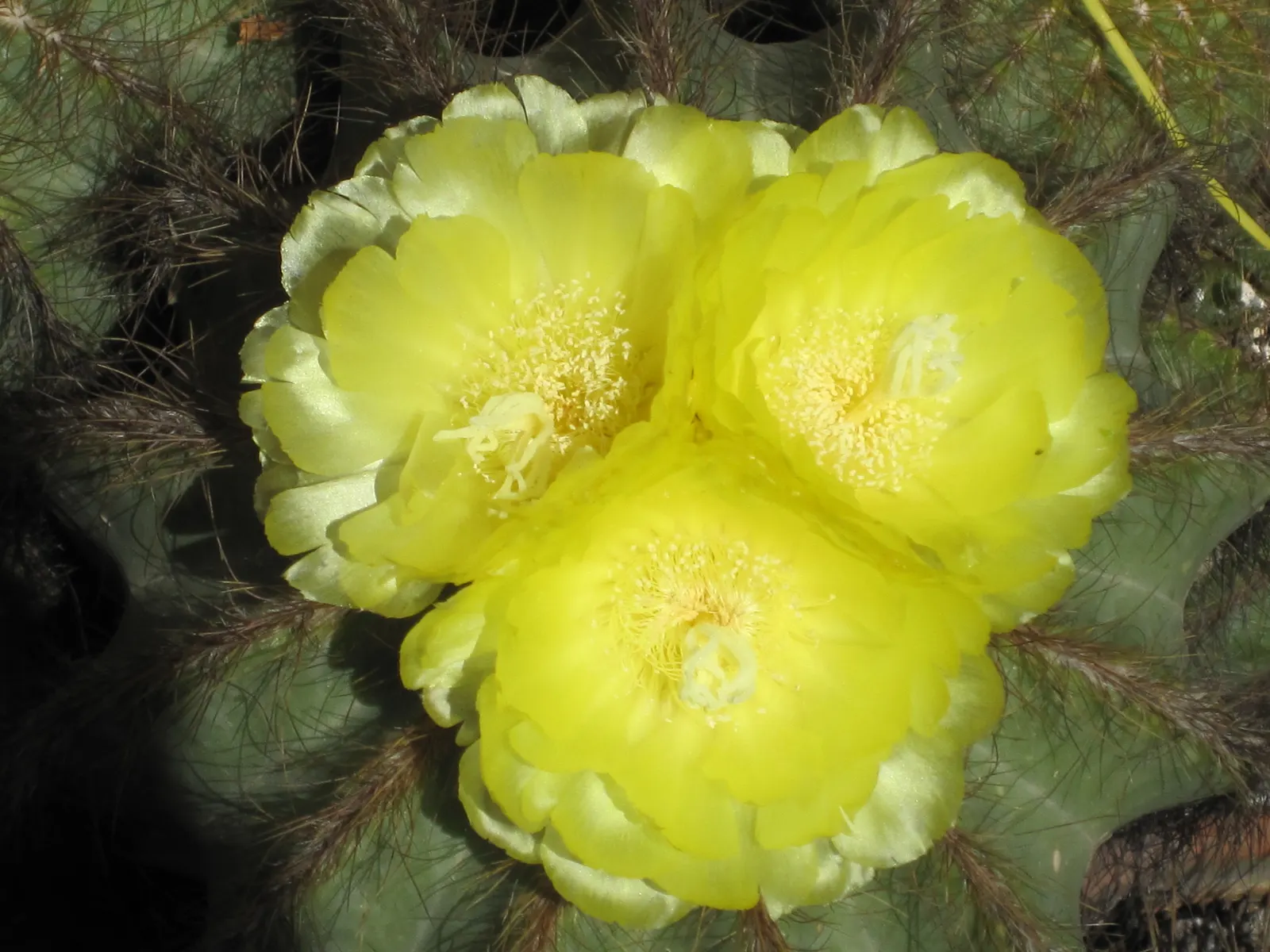
Balloon Cactus (Parodia Magnifica) — These blossoms can reach up to 2 inches across; commonly referred to as the Balloon Cactus, image 84
Balloon Cactus (Parodia Magnifica) — Requires minimal water, avoiding overwatering; the Balloon Cactus is ideal for gardeners seeking low-maintenance and
Balloon Cactus (Parodia Magnifica) — cactus with yellow blooms; as a slow-growing species, image 71
Balloon Cactus (Parodia Magnifica) — providing year-round interest with its prominent ribbed texture; hardiness zones 9-11 suit its growth, image 56
Balloon Cactus (Parodia Magnifica) — As a slow-growing species; cactus with yellow blooms, image 62
Balloon Cactus (Parodia Magnifica) — Its spherical form coupled with ribbed surfaces are an eye-catching feature; the Parodia magnifica must be protected or
Balloon Cactus (Parodia Magnifica) — it requires full sunlight and should be planted in well-draining soil to prevent root rot; offering minimal, image 89
Balloon Cactus (Parodia Magnifica) — Hardiness zones 9-11 suit its growth; providing year-round interest with its prominent ribbed texture, image 53
Balloon Cactus (Parodia Magnifica) — it requires full sunlight and should be planted in well-draining soil to prevent root rot; offering minimal, image 65
Balloon Cactus (Parodia Magnifica) — the Balloon Cactus is ideal for gardeners seeking low-maintenance and drought-tolerant plants; requires, image 87
Balloon Cactus (Parodia Magnifica) — Offering minimal care and maximum impact; it requires full sunlight and should be planted in well-draining, image 92
Balloon Cactus (Parodia Magnifica) — As it's not frost-tolerant; ideal for xeriscaping, this low-maintenance cacti boasts yellow flowers in summer, image 90
Balloon Cactus (Parodia Magnifica) — offering a lively burst of color atop the muted green spherical body; <br><br>For optimal growth, image 61
Balloon Cactus (Parodia Magnifica) — <br><br>For optimal growth; offering a lively burst of color atop the muted green spherical body, image 88
Balloon Cactus (Parodia Magnifica) — These blossoms can reach up to 2 inches across
Balloon Cactus (Parodia Magnifica) — providing year-round interest with its prominent ribbed texture; hardiness zones 9-11 suit its growth
Balloon Cactus (Parodia Magnifica) — cactus with yellow blooms
Balloon Cactus (Parodia Magnifica) — The Balloon Cactus (Parodia magnifica) is a spherical plant; it thrives in full sun with well-draining soil, image 73
Balloon Cactus (Parodia Magnifica) — growing to a height of around 6 to 12 inches and spreading approximately 4 to 6 inches in diameter
Balloon Cactus (Parodia Magnifica) — Adds a sculptural element to rock gardens or mixed succulent displays; yellow flowers in the garden, image 79
Balloon Cactus (Parodia Magnifica) — The Balloon Cactus (Parodia magnifica) is a spherical plant; it thrives in full sun with well-draining soil
Photographs by 13 contributors

Related plants