Skip to content

Coastal Prickly Pear

Opuntia littoralis

Design with this plant

Overview

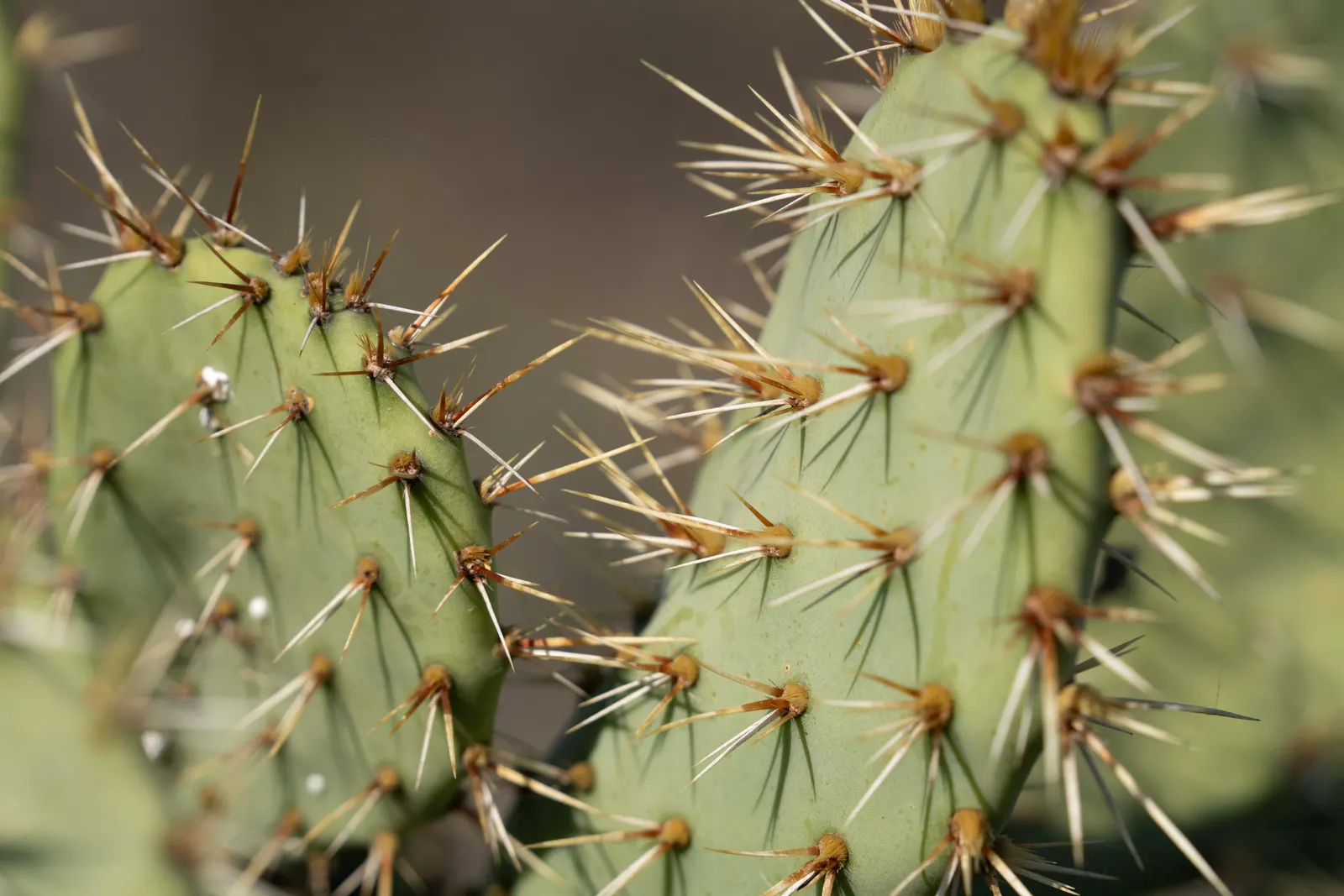
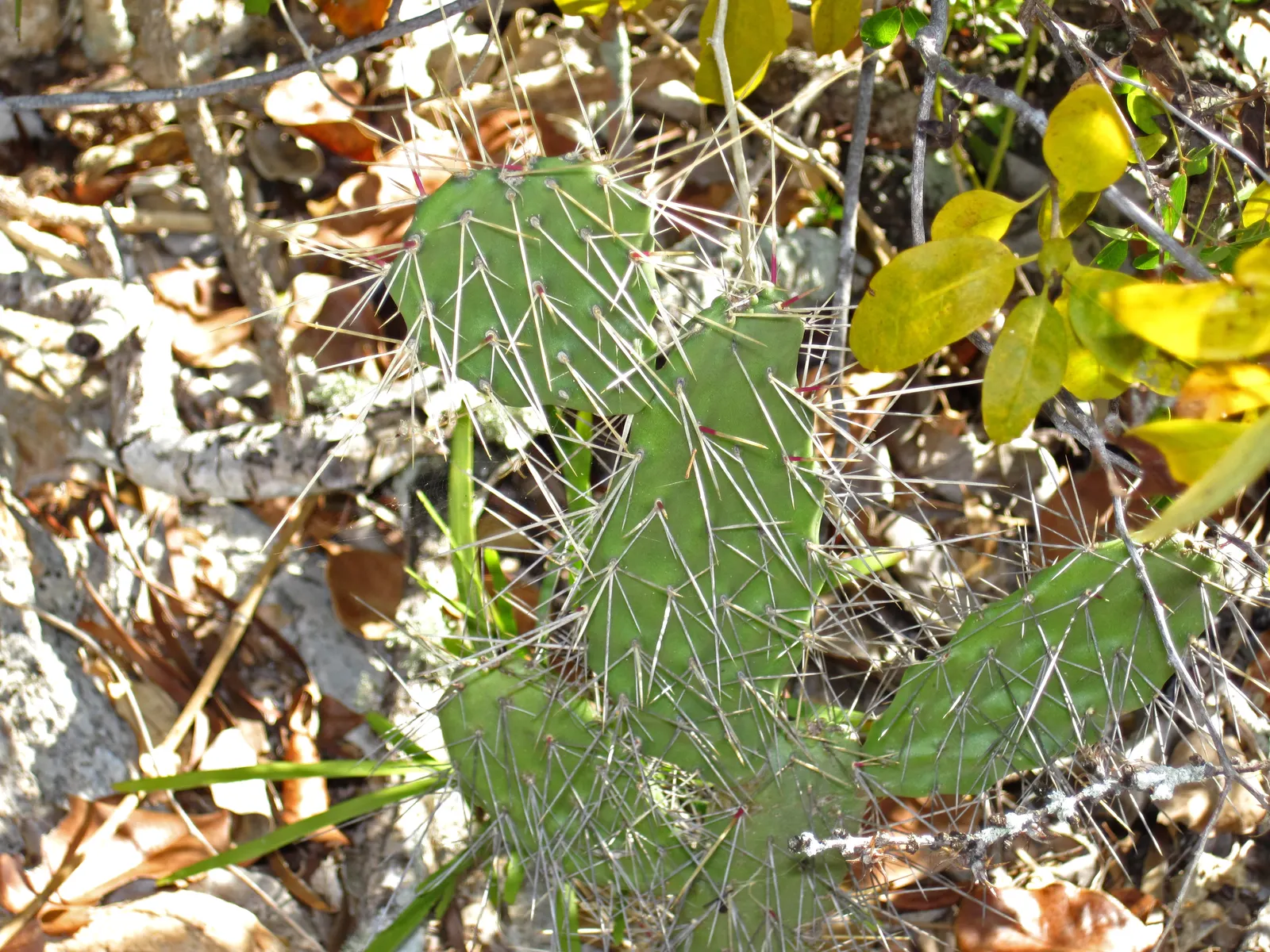
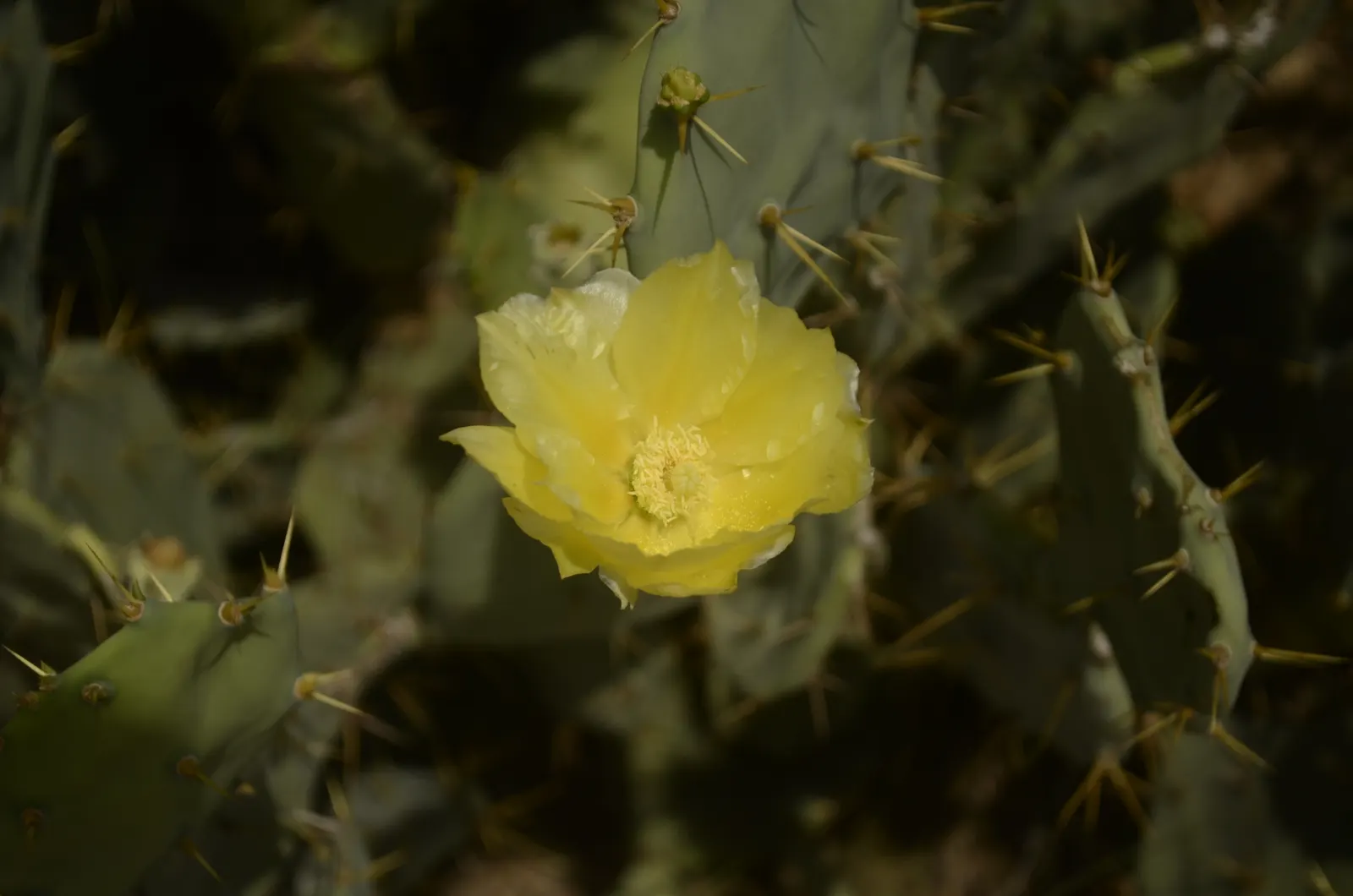
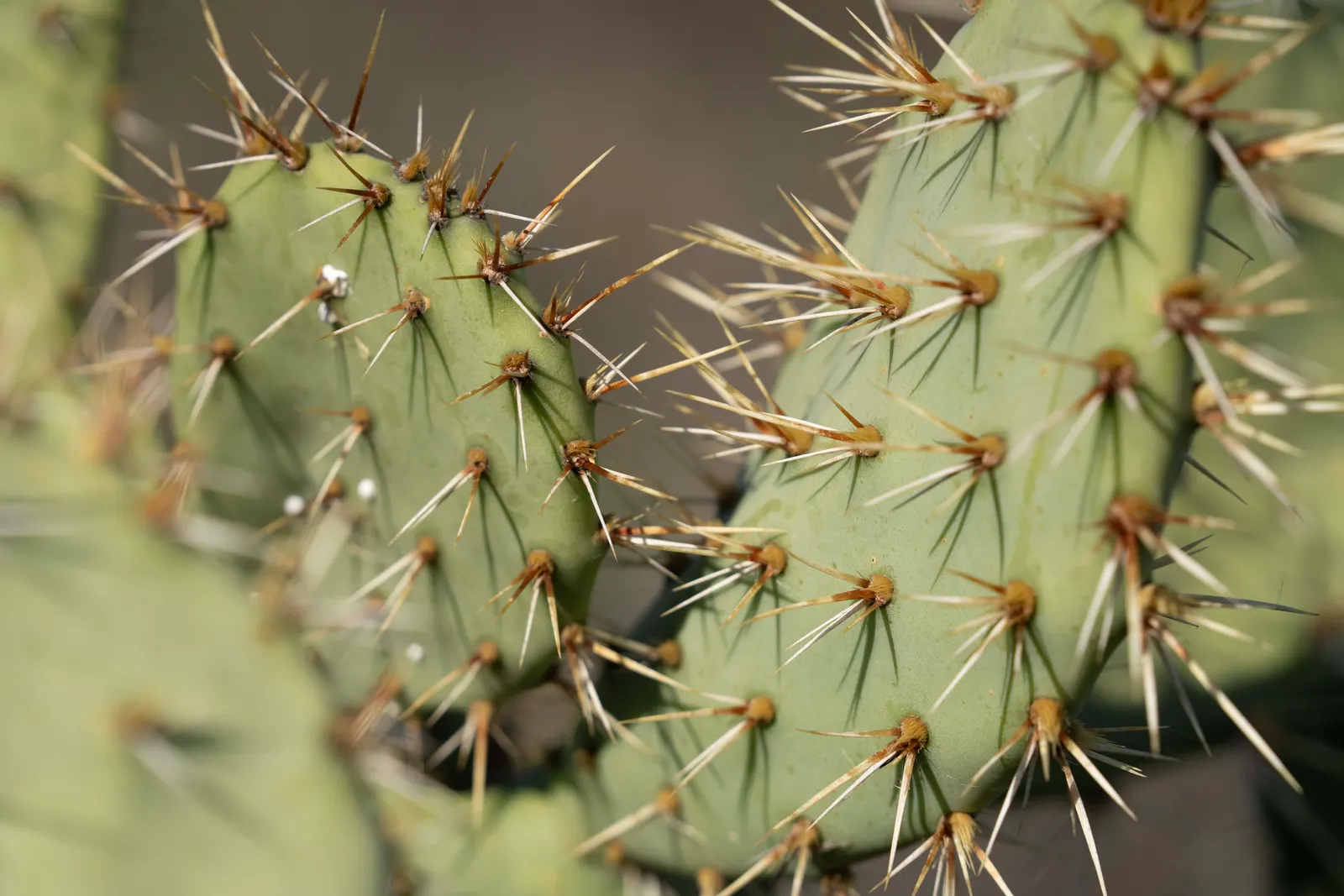
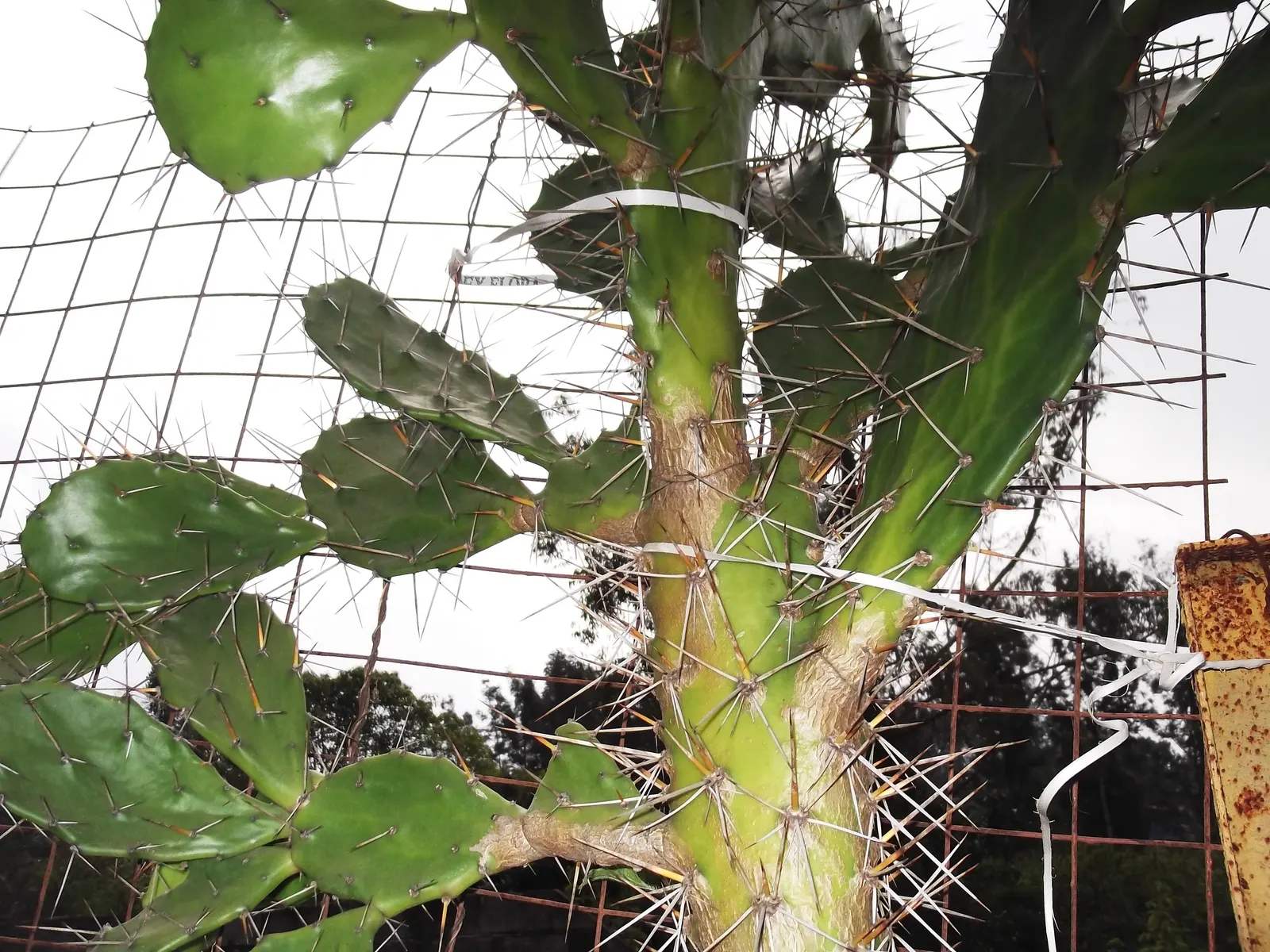
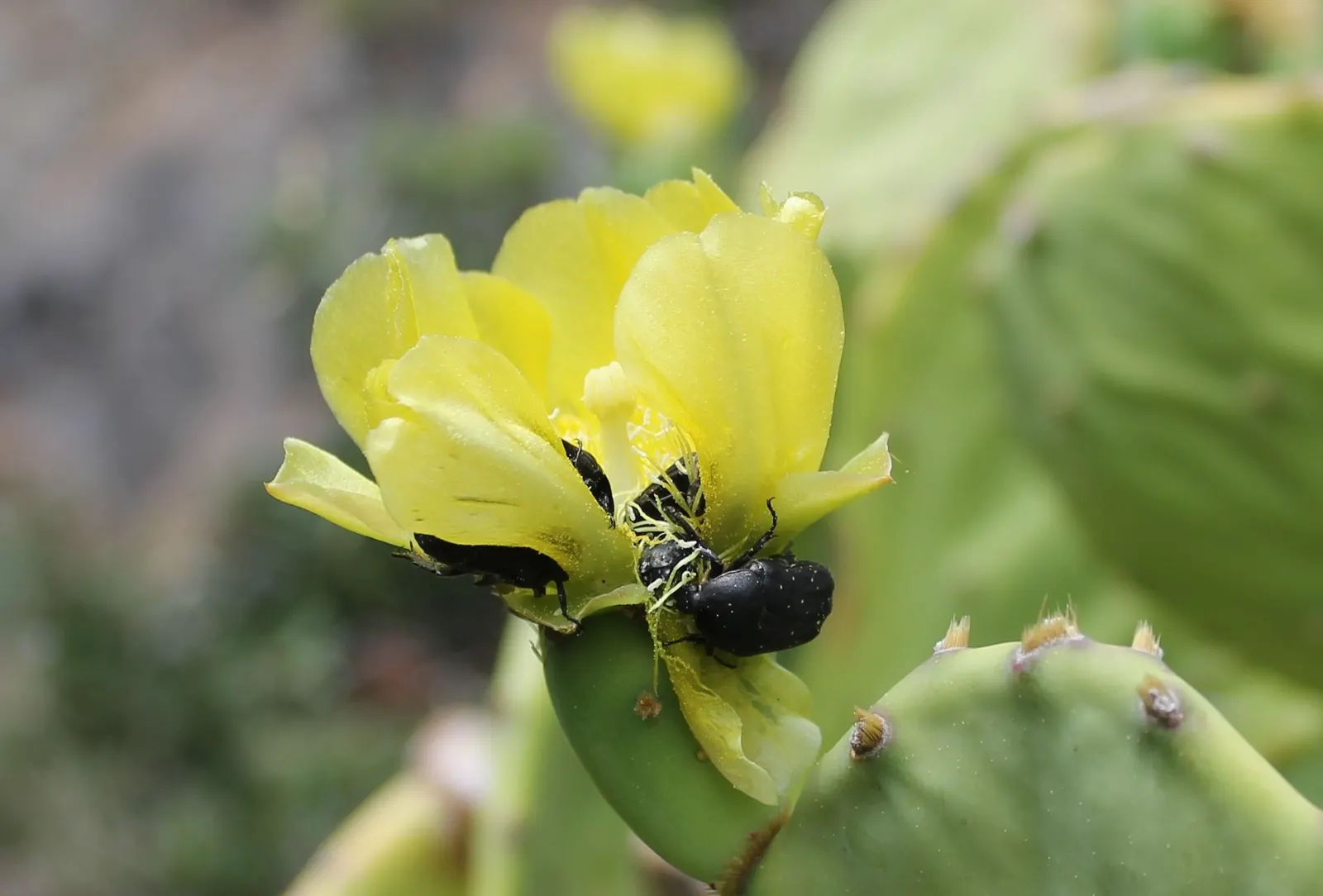
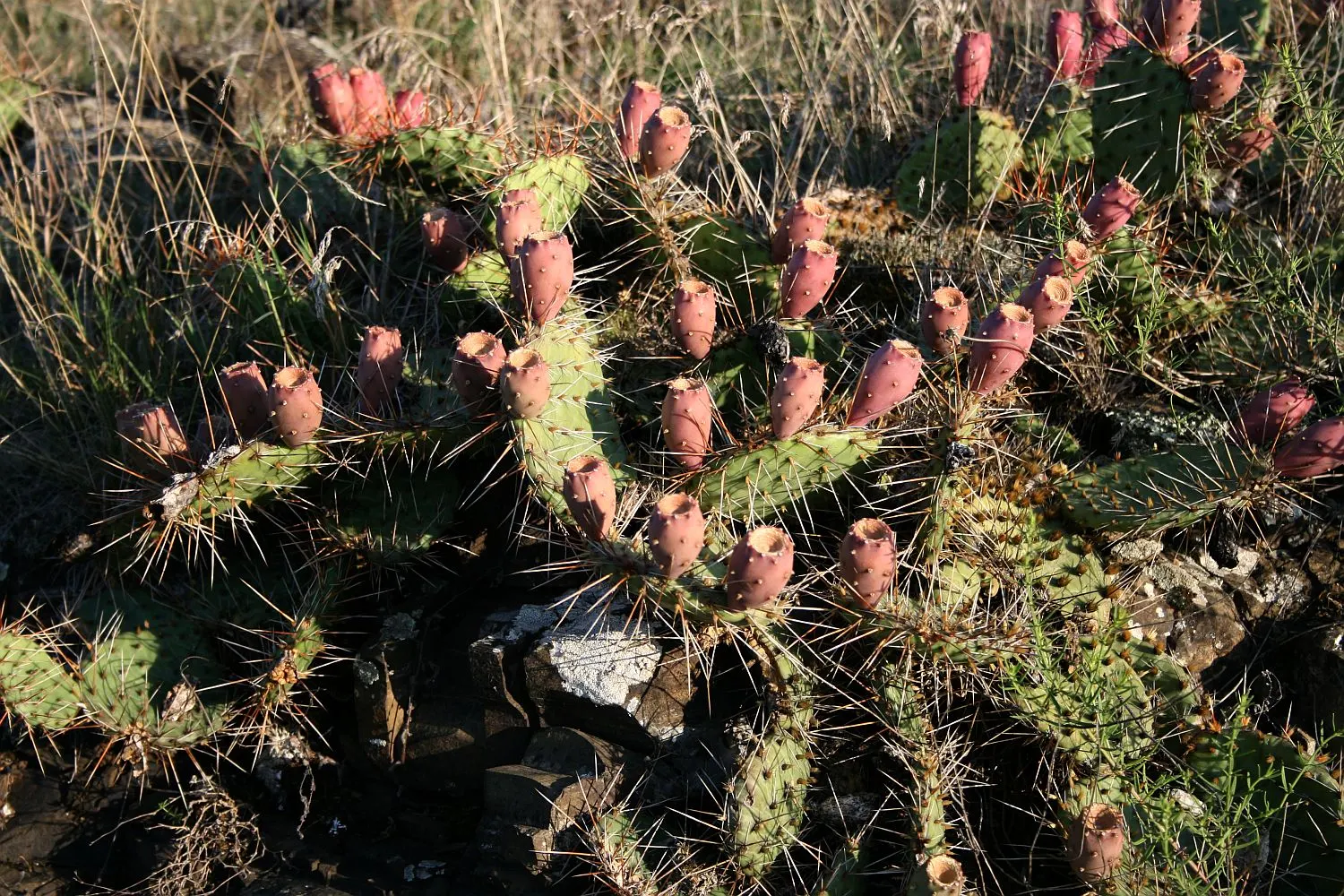
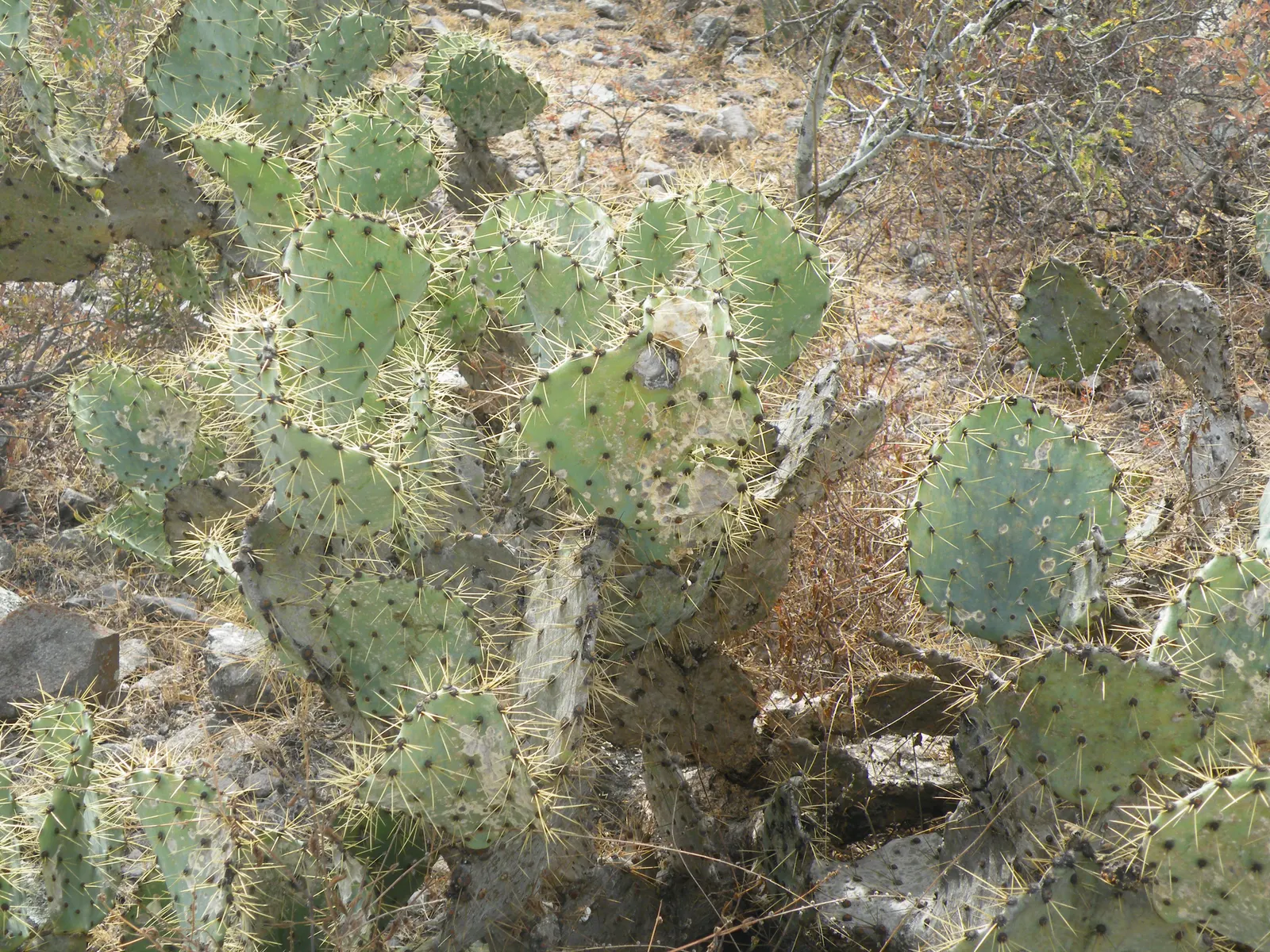
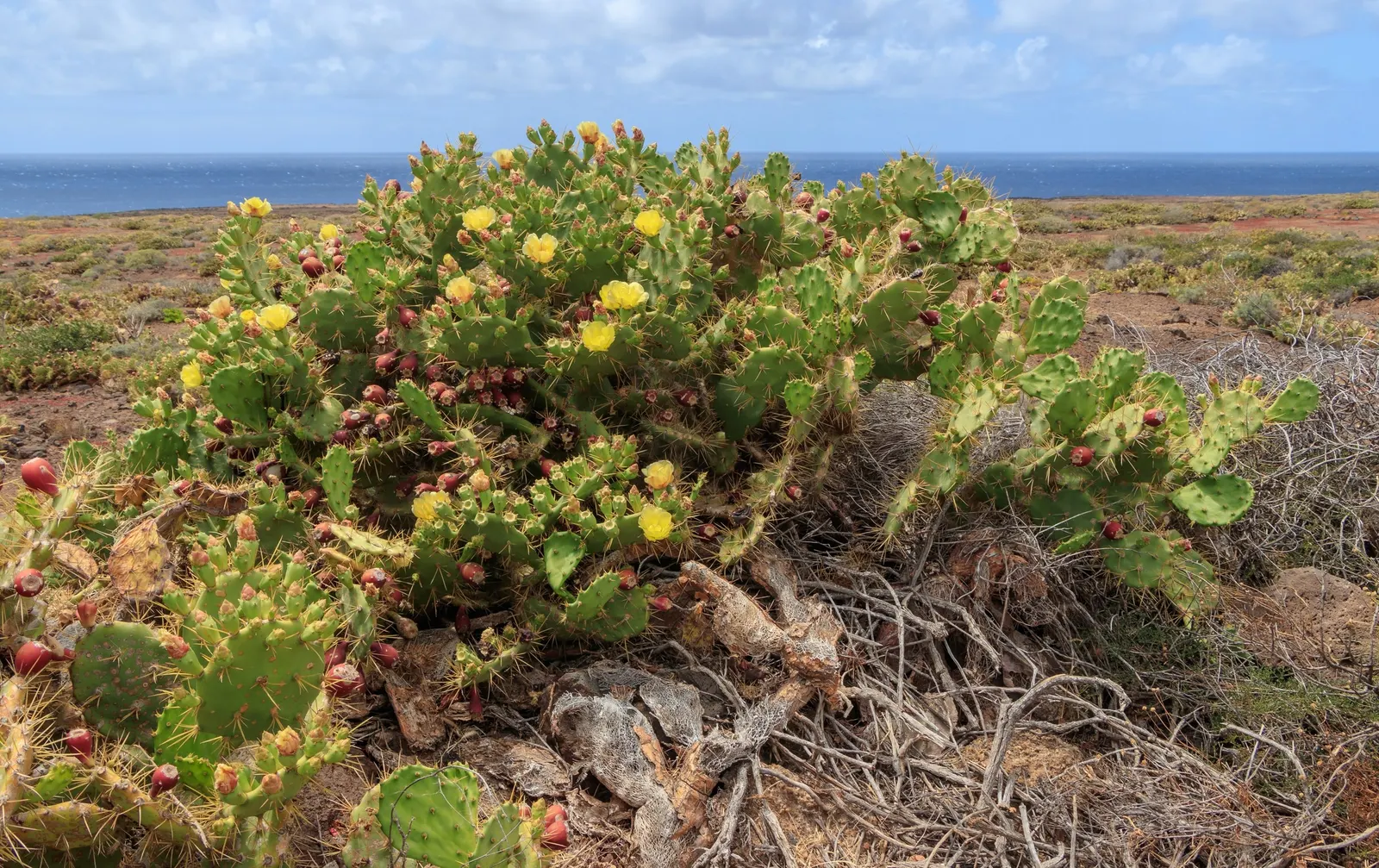
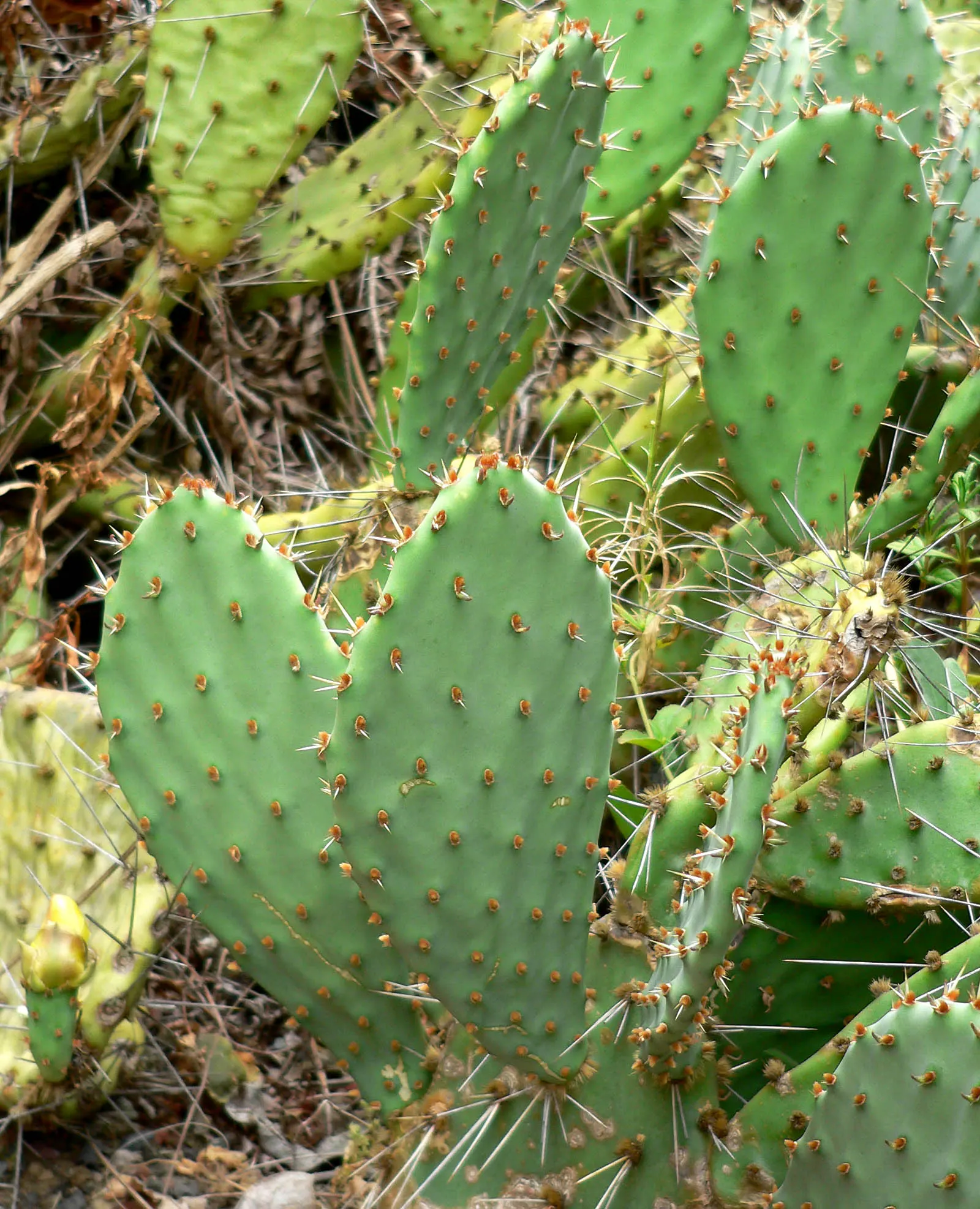
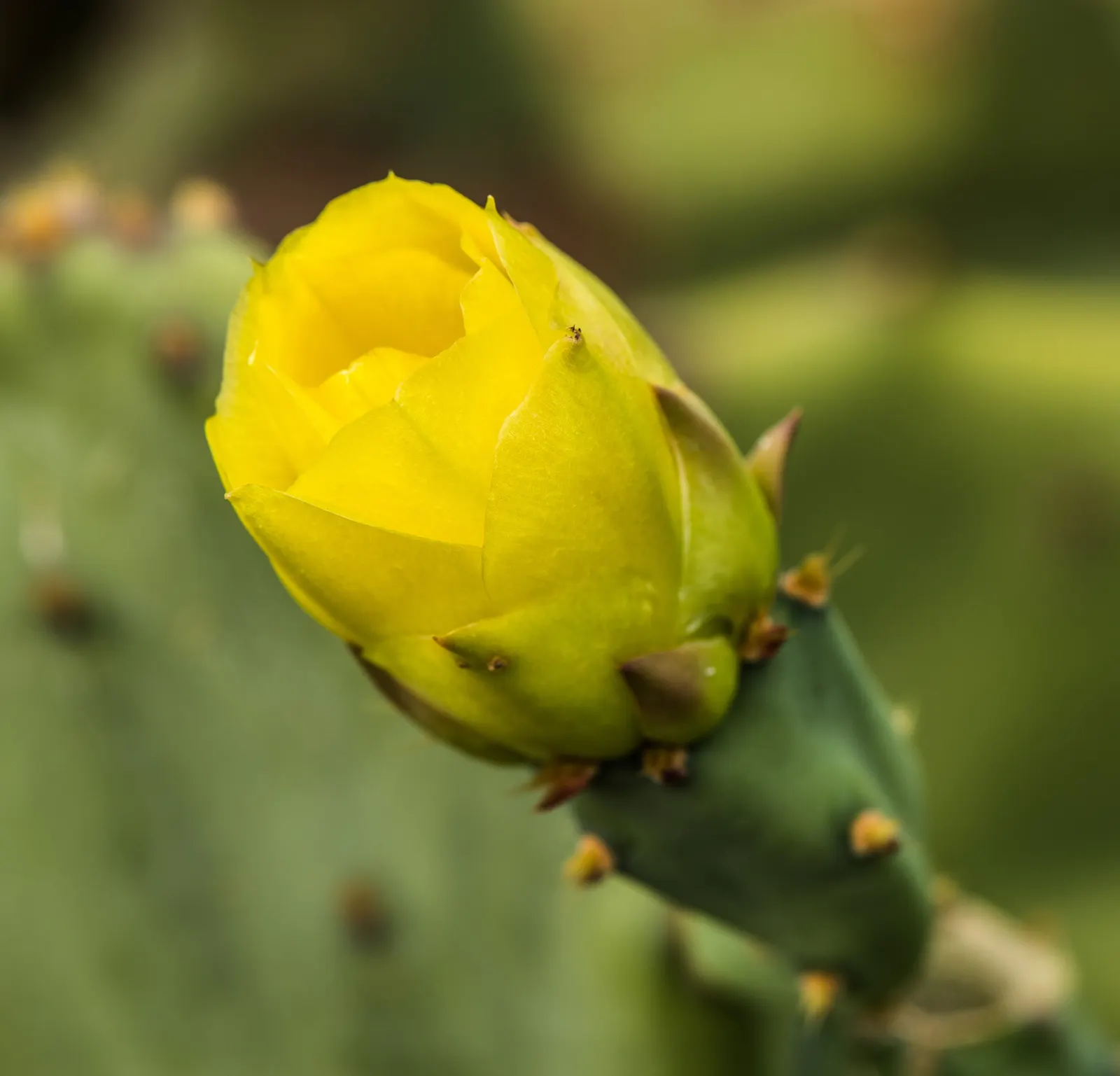
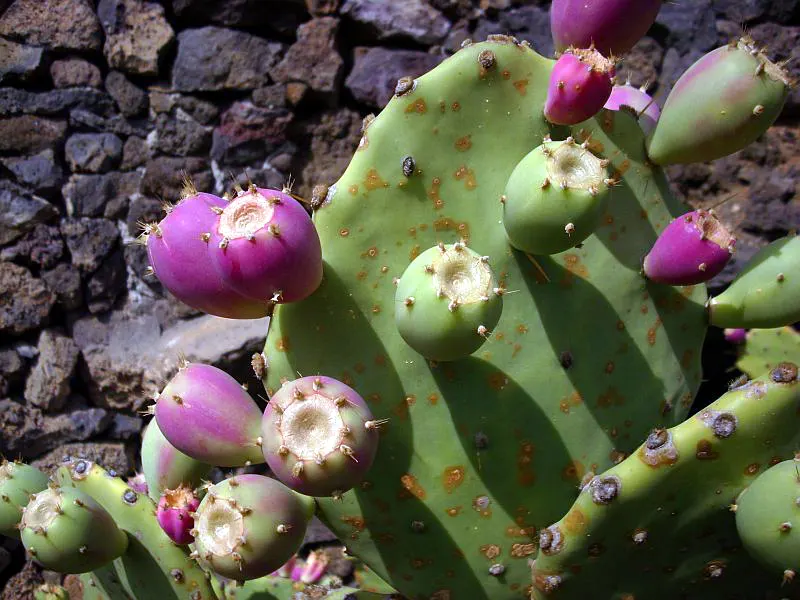
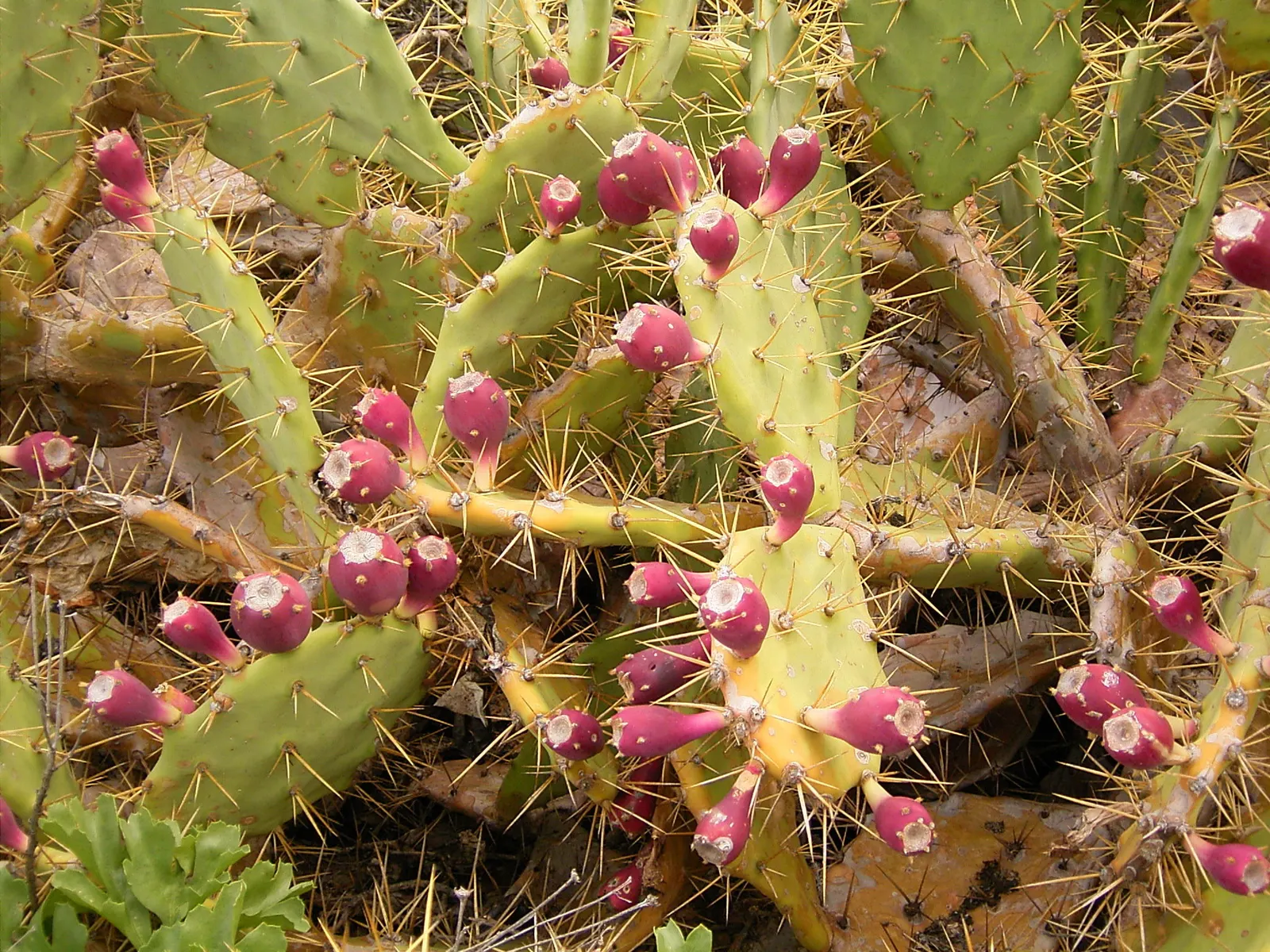
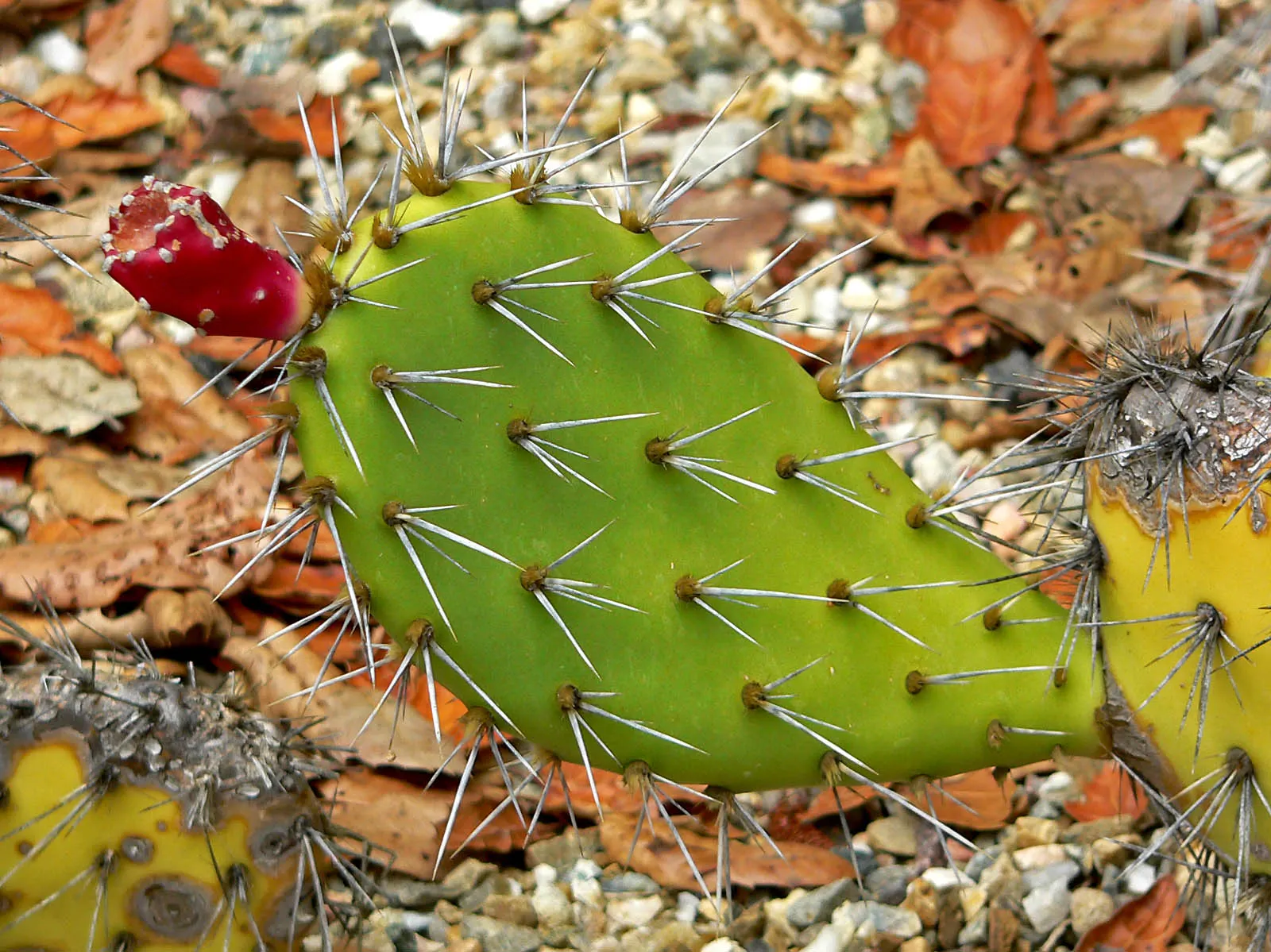
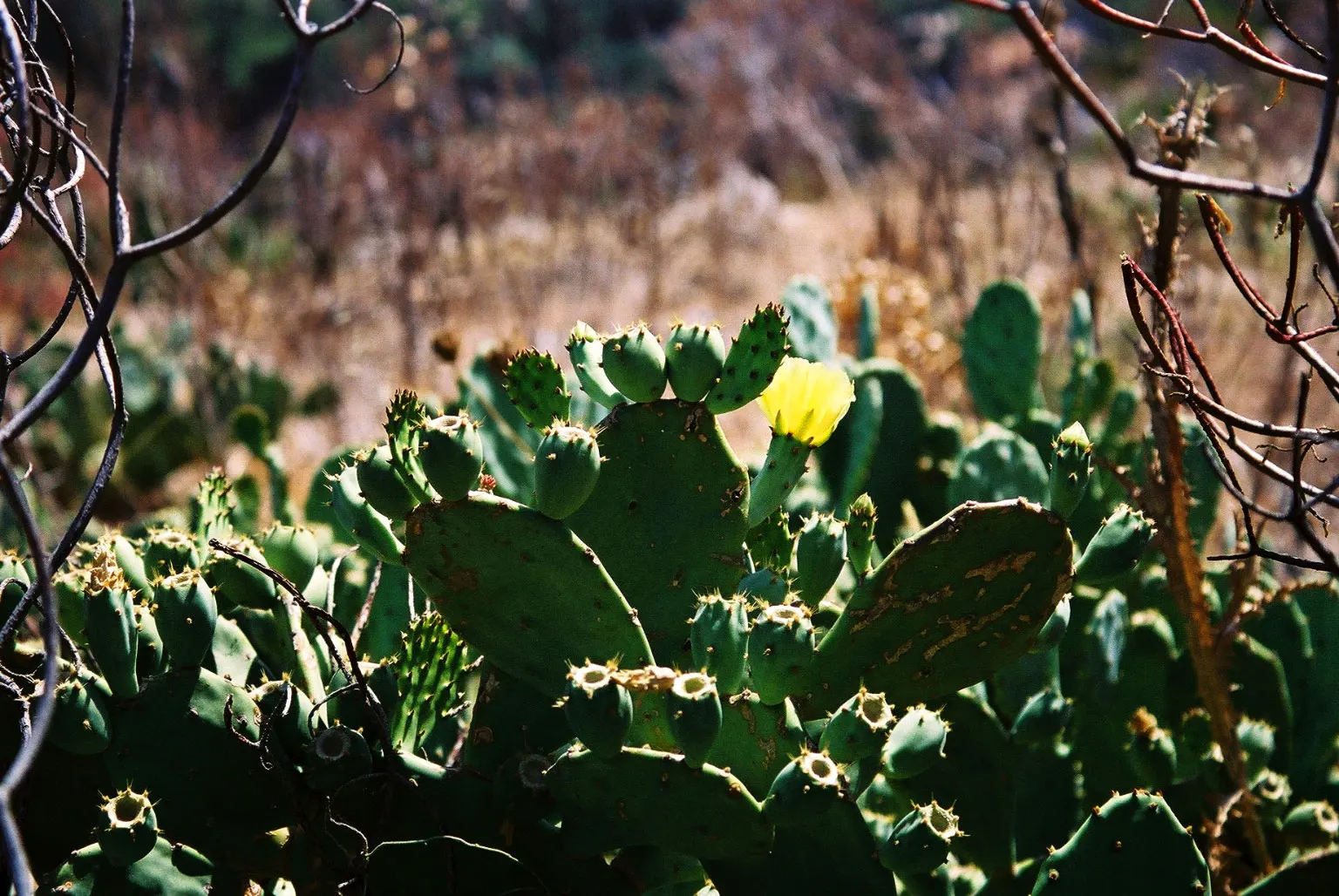
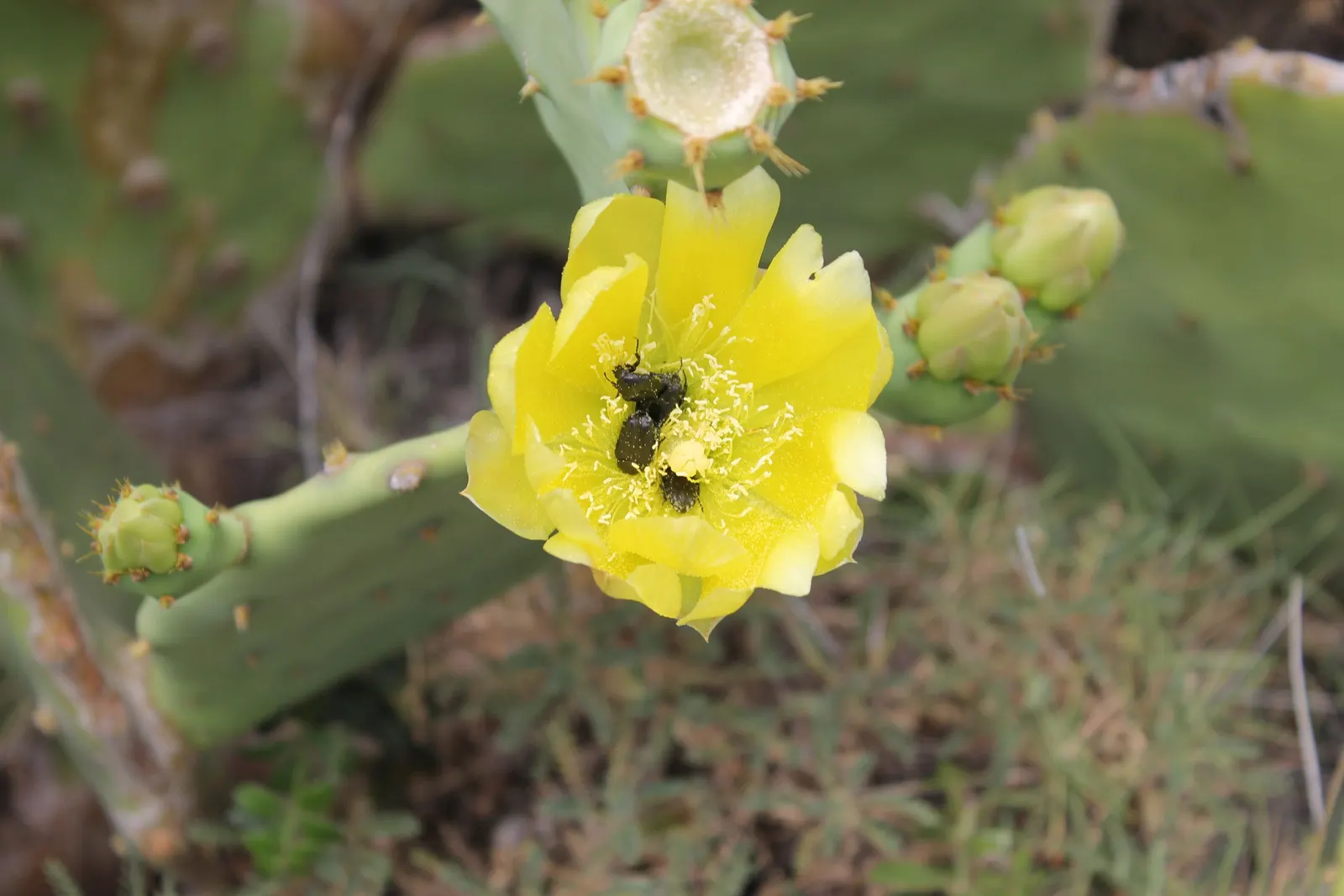
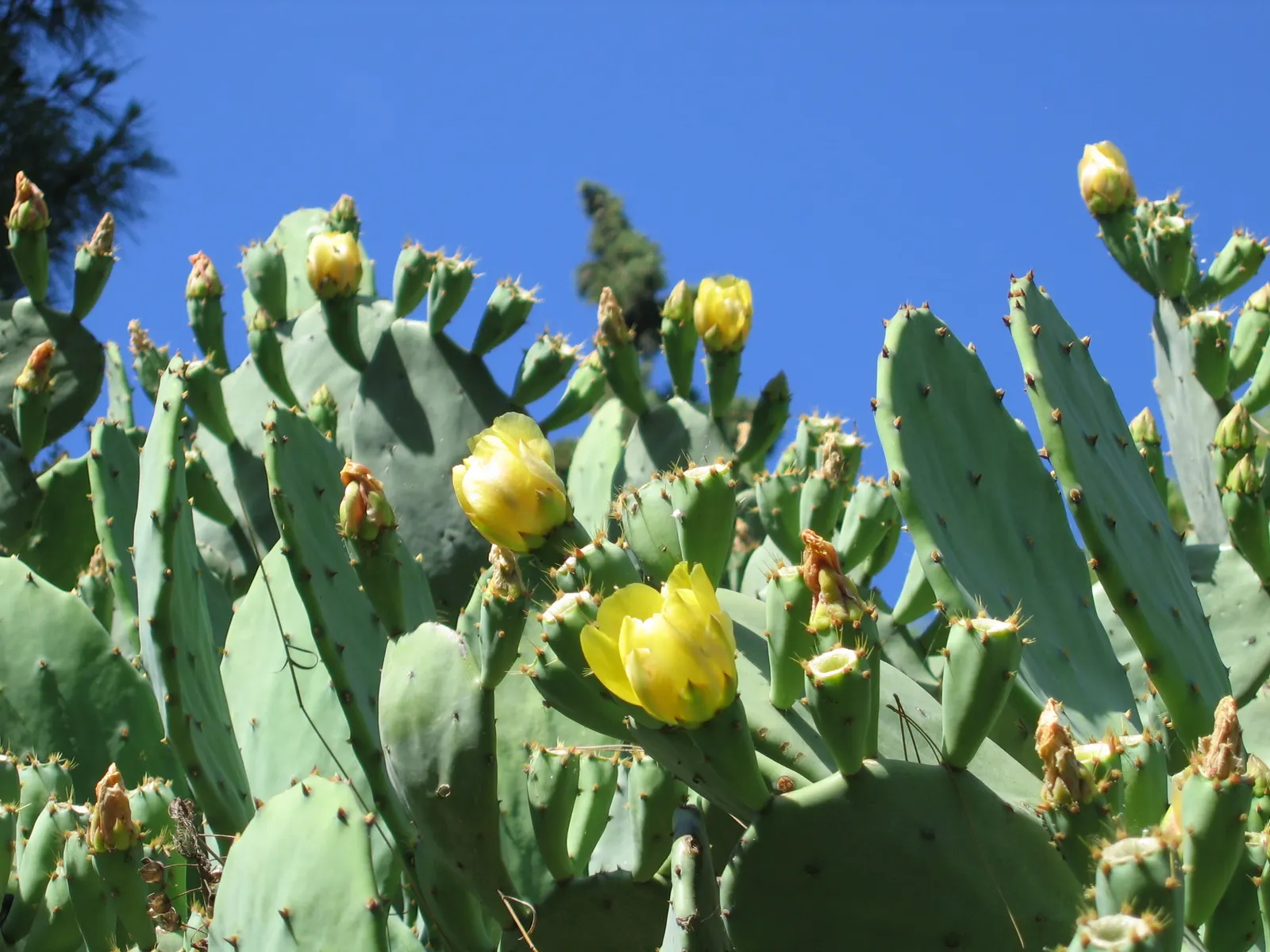
The Coastal Prickly Pear (Opuntia littoralis) is a resilient, drought-tolerant cactus native to California's coastal regions. It features fleshy, paddle-shaped pads up to 8 inches long and clusters of yellow blooms that become purple-red fruits. This species typically reaches 2-3 feet in height and spreads about 4-5 feet wide. It thrives in full sun and well-drained soils, adding a dramatic texture and warm tones to arid landscapes.

Sun FullWater Very LowZones 9–10Type CactusClimate Arid

Culture

Sun
Full
Water
Very Low
USDA zones
9–10

Shape & size

Classification

Type
Cactus
Family
Cactaceae
Climate
Arid

See full data, regional cultivation notes, and design tools. Build a client presentation around this plant.

Start your 14-day trial

Photos (153)

Coastal Prickly Pear (Opuntia littoralis) — scientifically designated as Opuntia littoralis
Coastal Prickly Pear (Opuntia littoralis) — Originating from the coastal regions of California and extending down towards Mexico; during late spring to early
Coastal Prickly Pear (Opuntia littoralis) — Opuntia littoralis reaches a moderate height of 3 to 4 feet and can spread approximately 4 to 6 feet, image 57
Coastal Prickly Pear (Opuntia littoralis) — this sturdy cactus is well adapted to Mediterranean and subtropical climates.<br><br>Typically
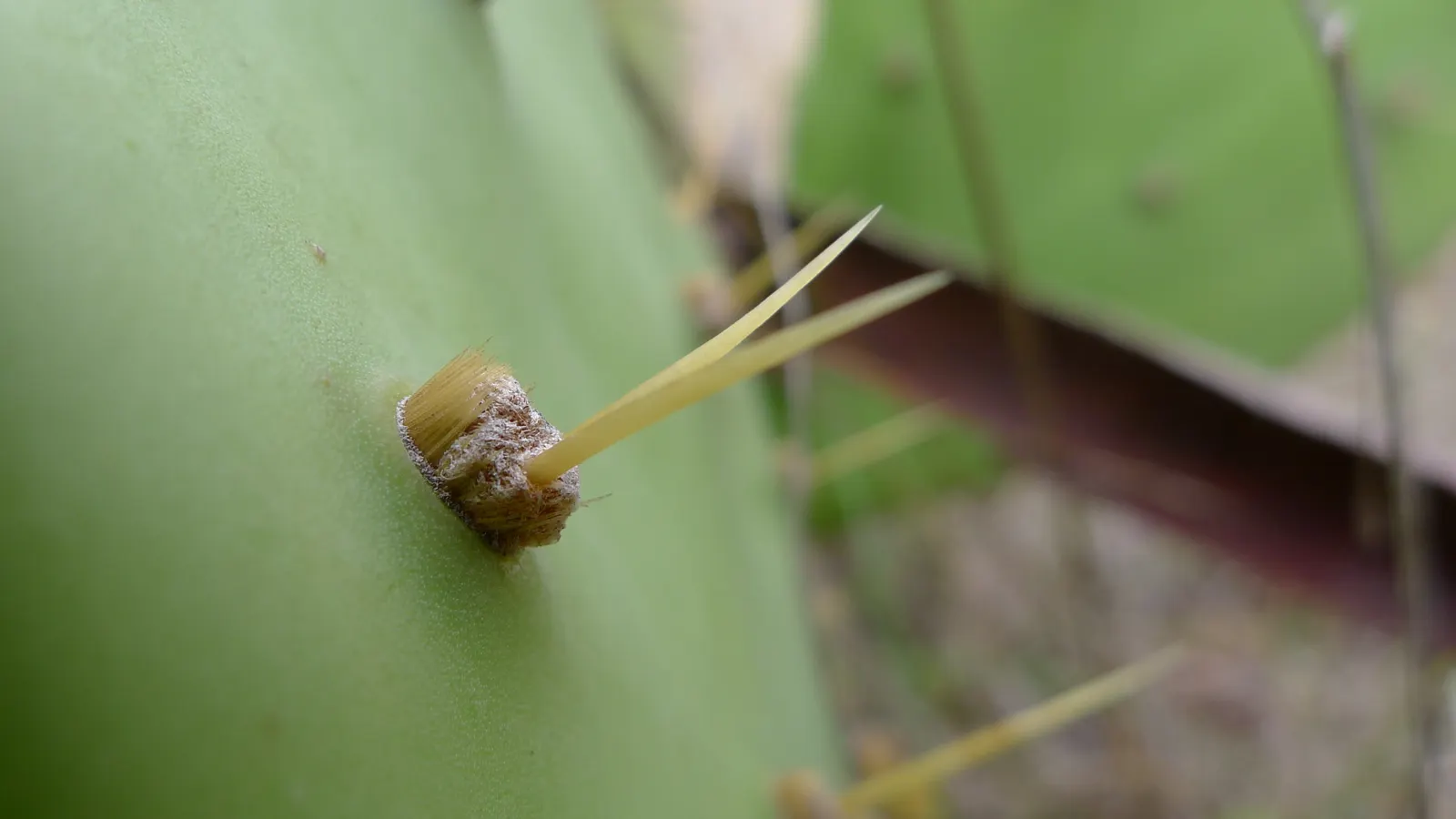
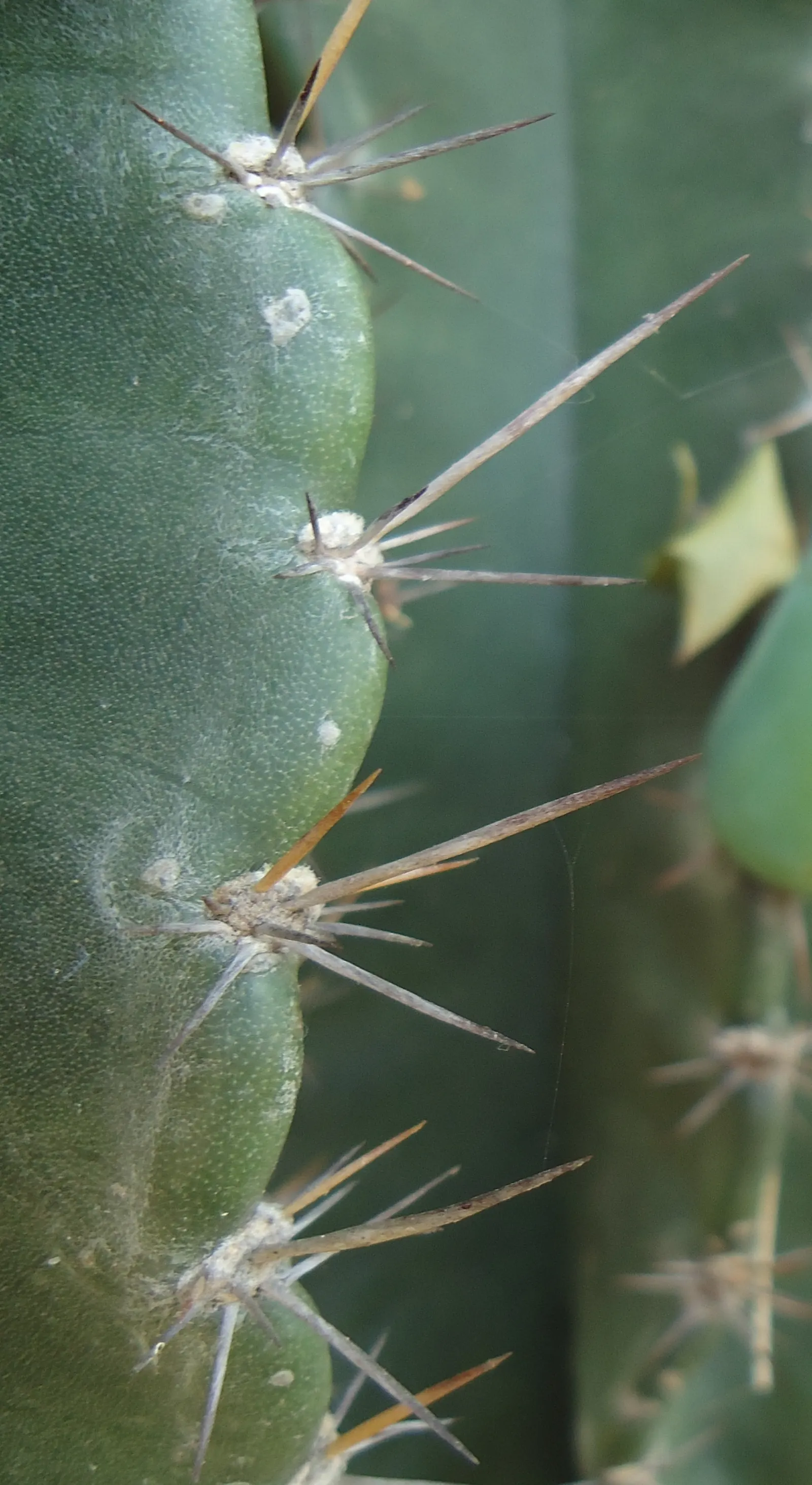
Coastal Prickly Pear (Opuntia littoralis) — exhibit a rich green hue and are dotted with areoles from which spines and glochids (tiny; once, image 82
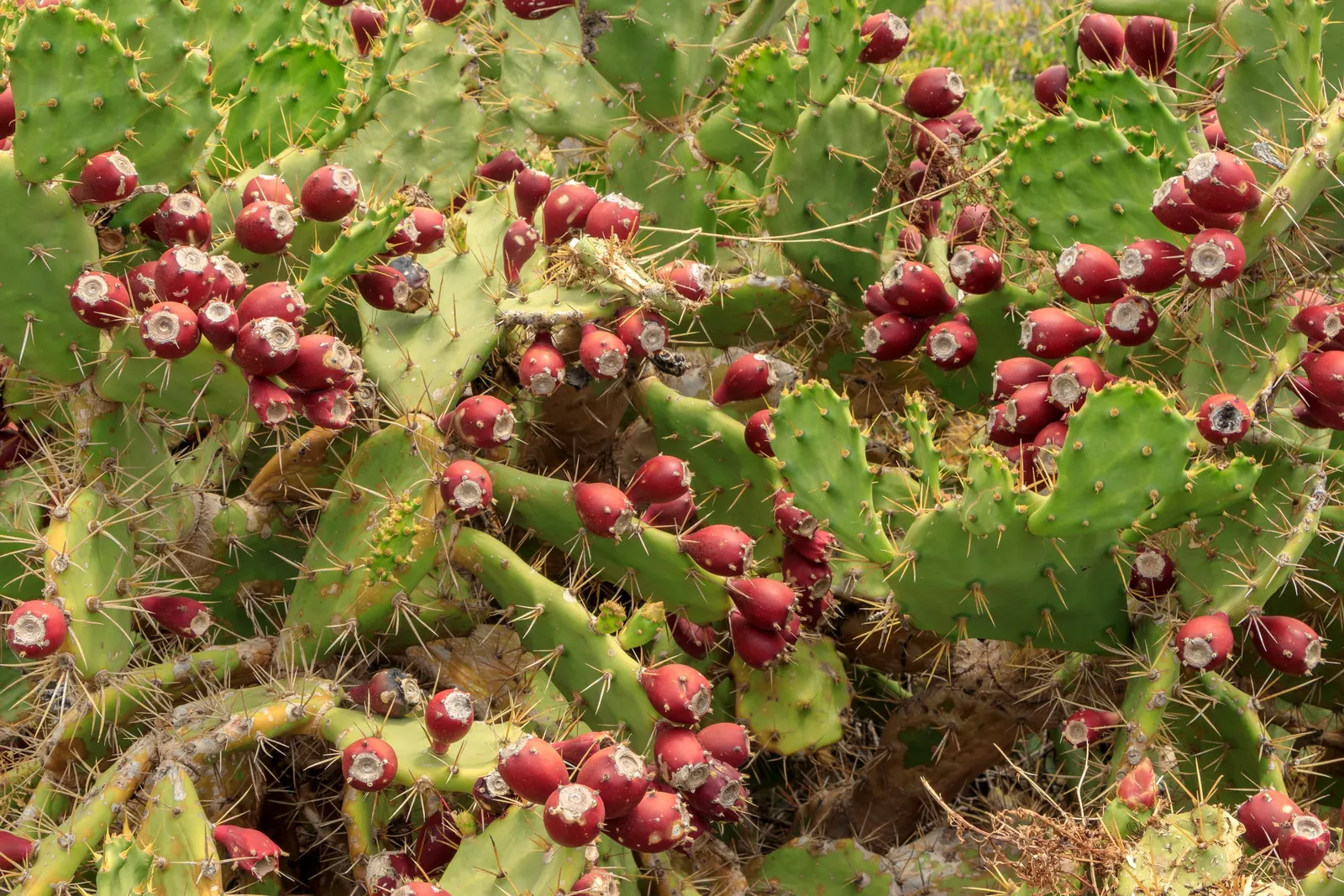
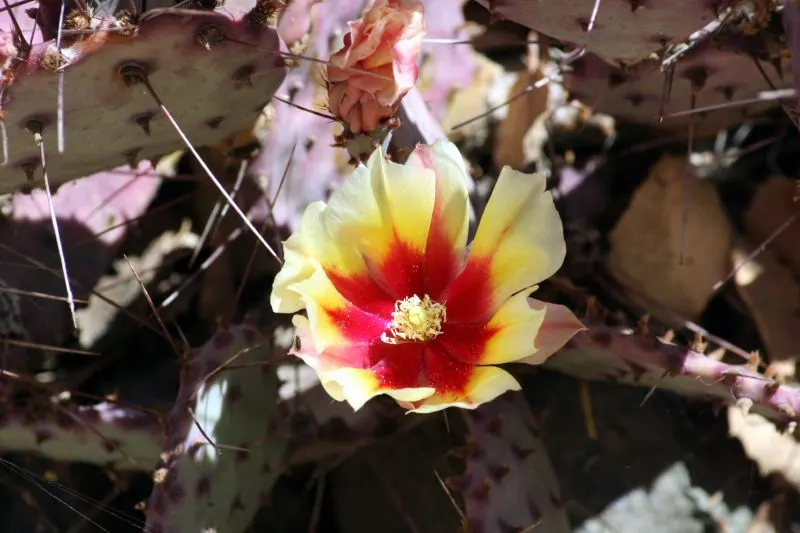
Coastal Prickly Pear (Opuntia littoralis) — paddle-shaped pads up to 8 inches long and clusters of yellow blooms that become purple-red fruits
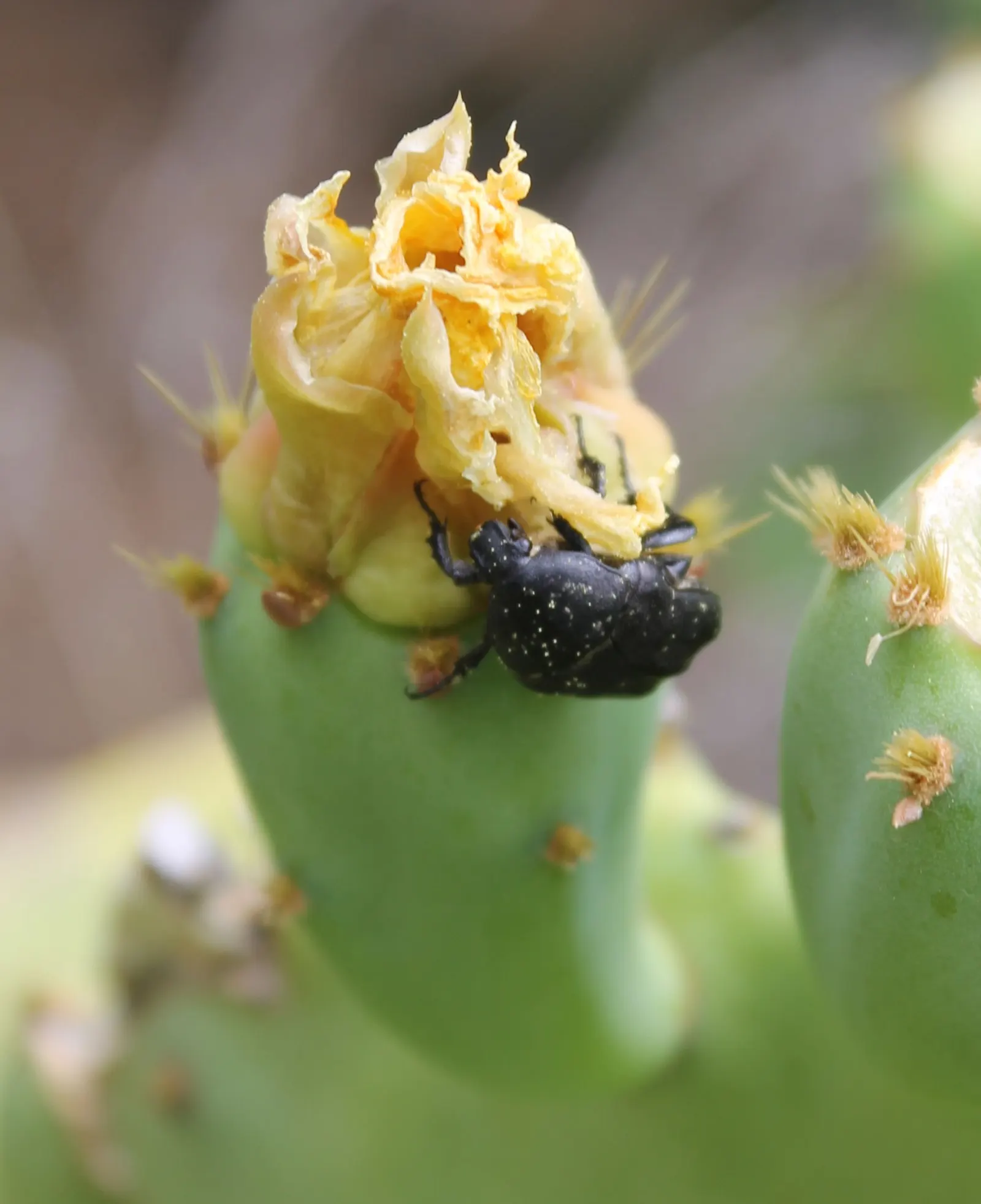
Coastal Prickly Pear (Opuntia littoralis) — During late spring to early summer
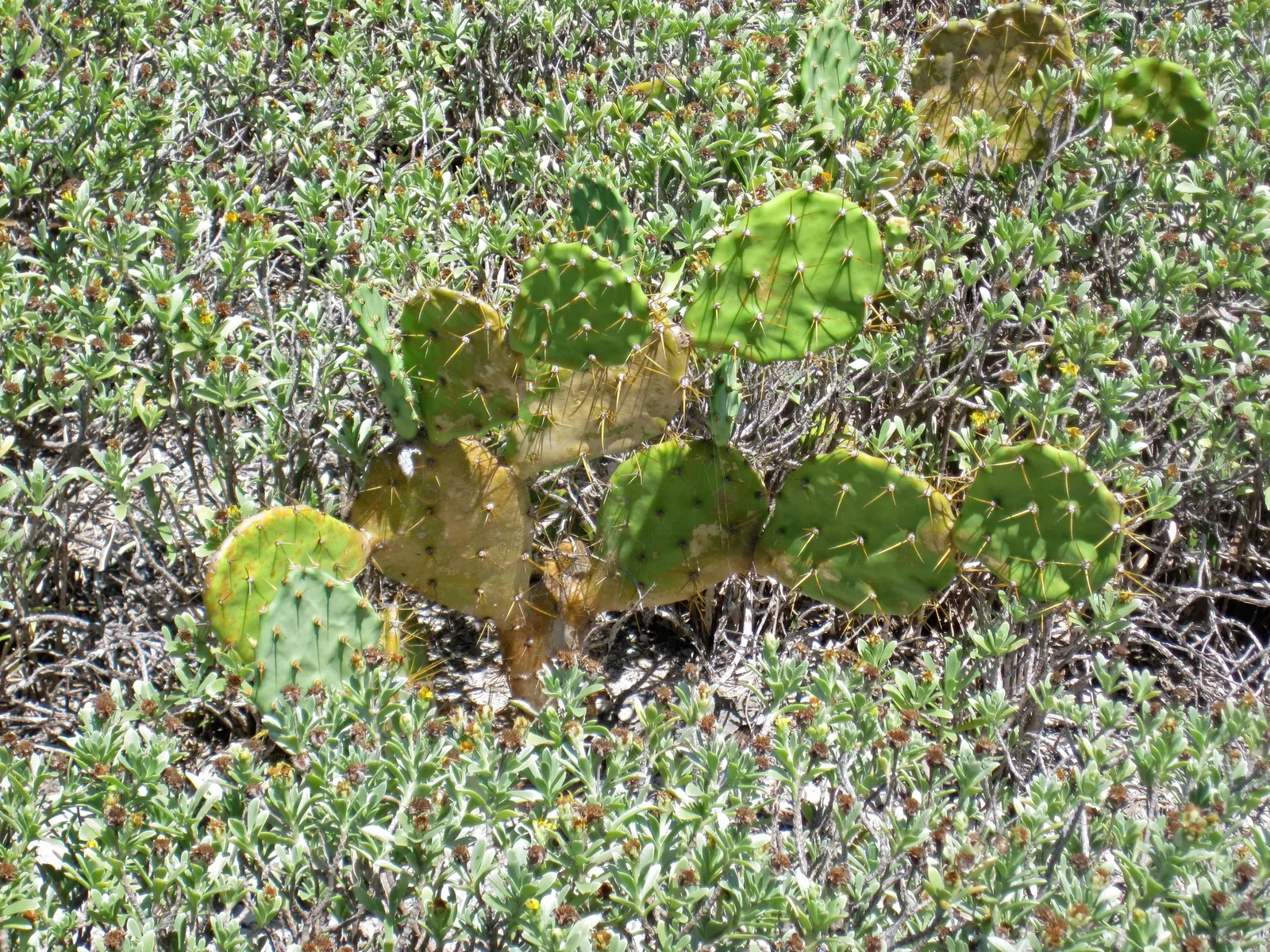
Coastal Prickly Pear (Opuntia littoralis) — presents a vibrant addition to any xeriscape or drought-tolerant landscape; cactus for full, image 76
Coastal Prickly Pear (Opuntia littoralis) — pink and yellow flowers in the garden; scientifically designated as Opuntia littoralis
Coastal Prickly Pear (Opuntia littoralis) — scientifically designated as Opuntia littoralis; which are approximately 2 to 3 inches in diameter, image 98
Coastal Prickly Pear (Opuntia littoralis) — Opuntia littoralis reaches a moderate height of 3 to 4 feet and can spread approximately 4 to 6 feet wide; it
Coastal Prickly Pear (Opuntia littoralis) — The Coastal Prickly Pear (Opuntia littoralis) is a resilient
Coastal Prickly Pear (Opuntia littoralis) — pink and yellow flowers in the garden
Coastal Prickly Pear (Opuntia littoralis) — presents a vibrant addition to any xeriscape or drought-tolerant landscape; cactus for full, image 99
Coastal Prickly Pear (Opuntia littoralis) — Originating from the coastal regions of California and extending down towards Mexico; during late, image 101
Coastal Prickly Pear (Opuntia littoralis) — cactus with pink and yellow blooms; exhibit a rich green hue and are dotted with areoles from which, image 68
Coastal Prickly Pear (Opuntia littoralis) — Once established, it demands minimal watering, aligning with water conservation principles; this species produces
Coastal Prickly Pear (Opuntia littoralis) — allowing for considerable ground coverage, image 81
Coastal Prickly Pear (Opuntia littoralis) — this species produces showy yellow flowers; this sturdy cactus is well adapted to Mediterranean and, image 61
Coastal Prickly Pear (Opuntia littoralis) — scientifically designated as Opuntia littoralis; which are approximately 2 to 3 inches in diameter, image 75
Coastal Prickly Pear (Opuntia littoralis) — offering both aesthetic appeal and minimal maintenance requirements
Coastal Prickly Pear (Opuntia littoralis) — cactus for full; to integrate Opuntia littoralis into your landscape
Coastal Prickly Pear (Opuntia littoralis) — It thrives in full sun and well-drained soils, adding a dramatic texture and warm tones to arid landscapes
Coastal Prickly Pear (Opuntia littoralis) — this species produces showy yellow flowers; this sturdy cactus is well adapted to Mediterranean and, image 84
Photographs by 12 contributors

Related plants