Skip to content

Old Man Prickly Pear

Opuntia Erinacea

Design with this plant

Overview

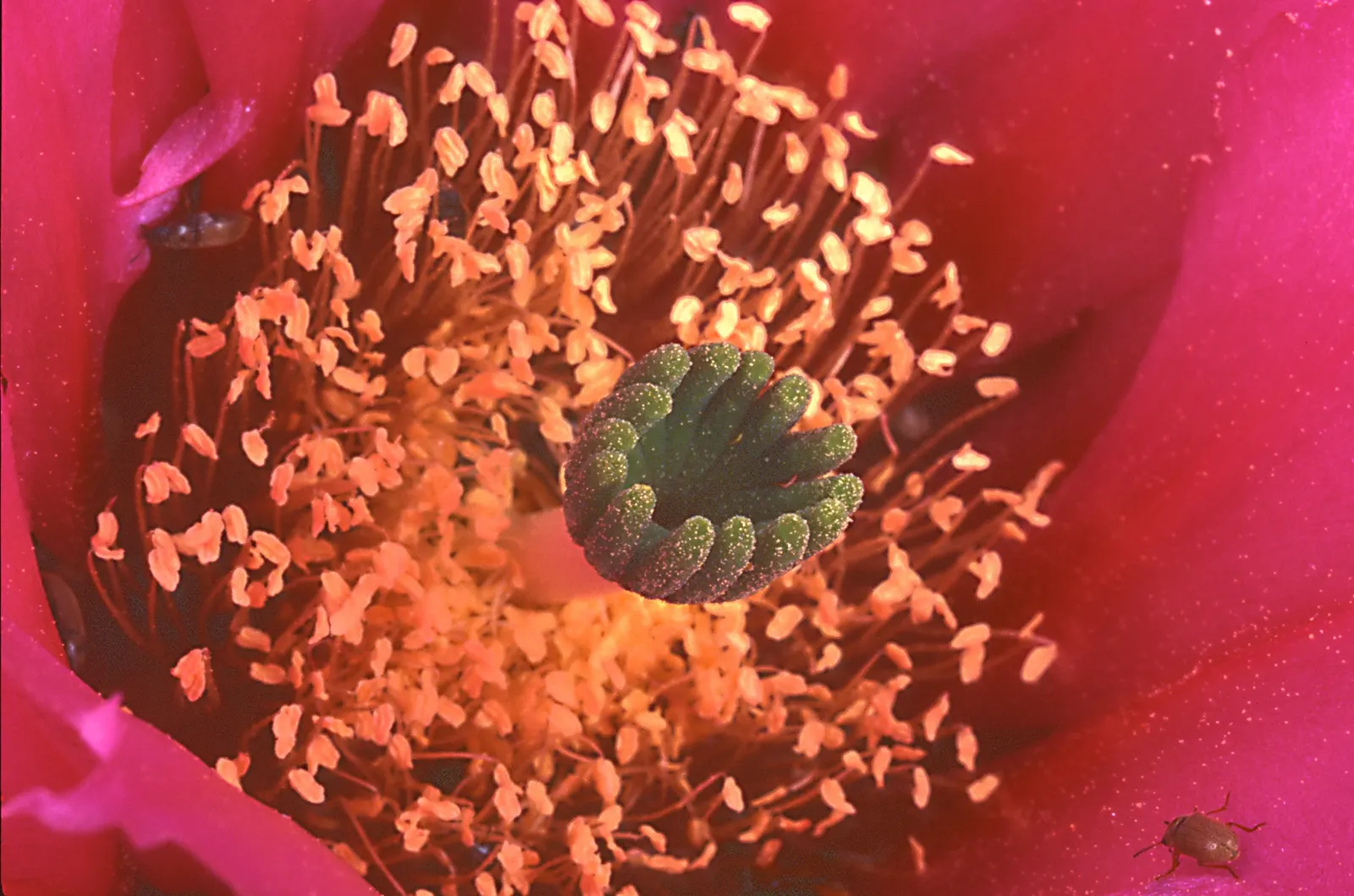
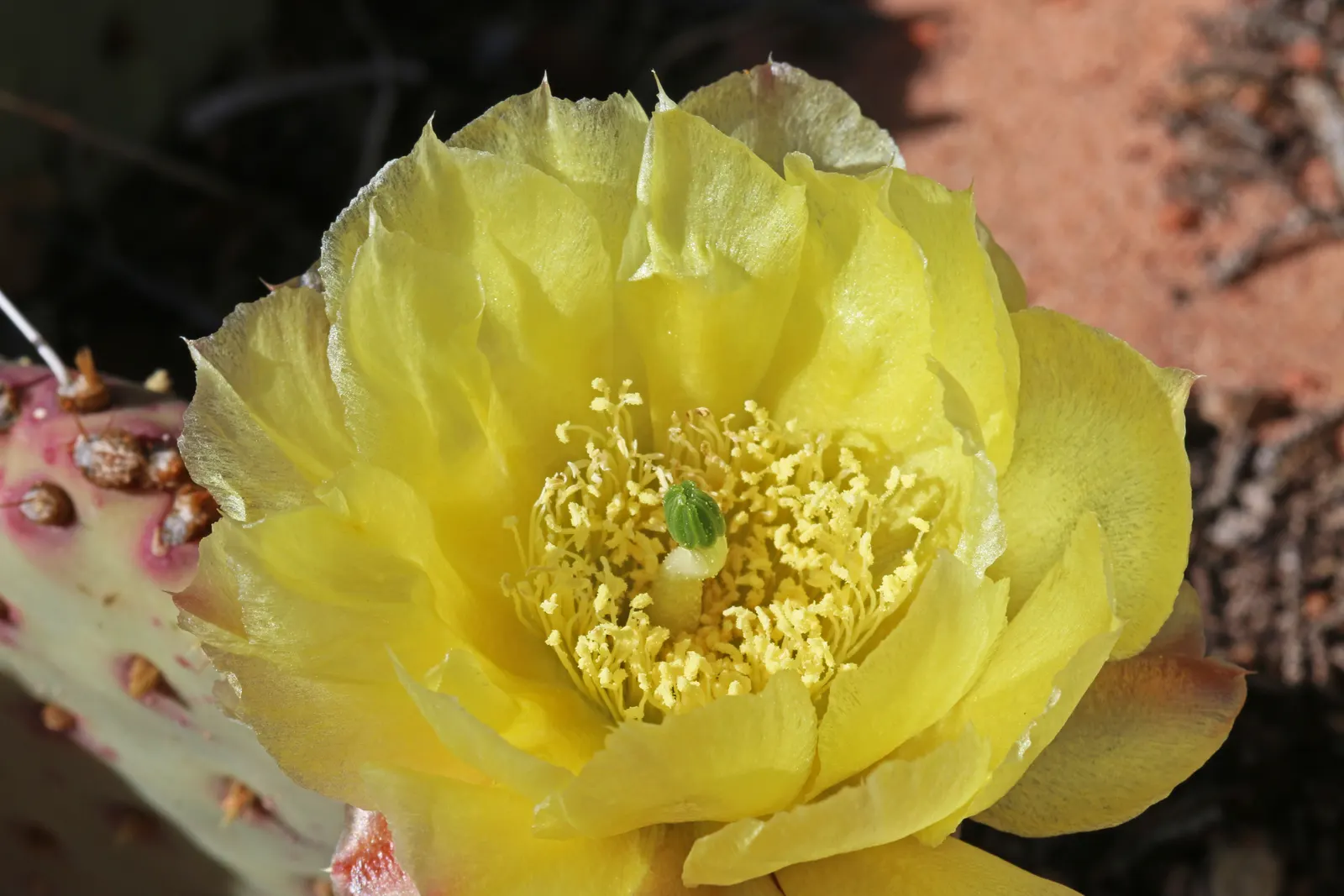
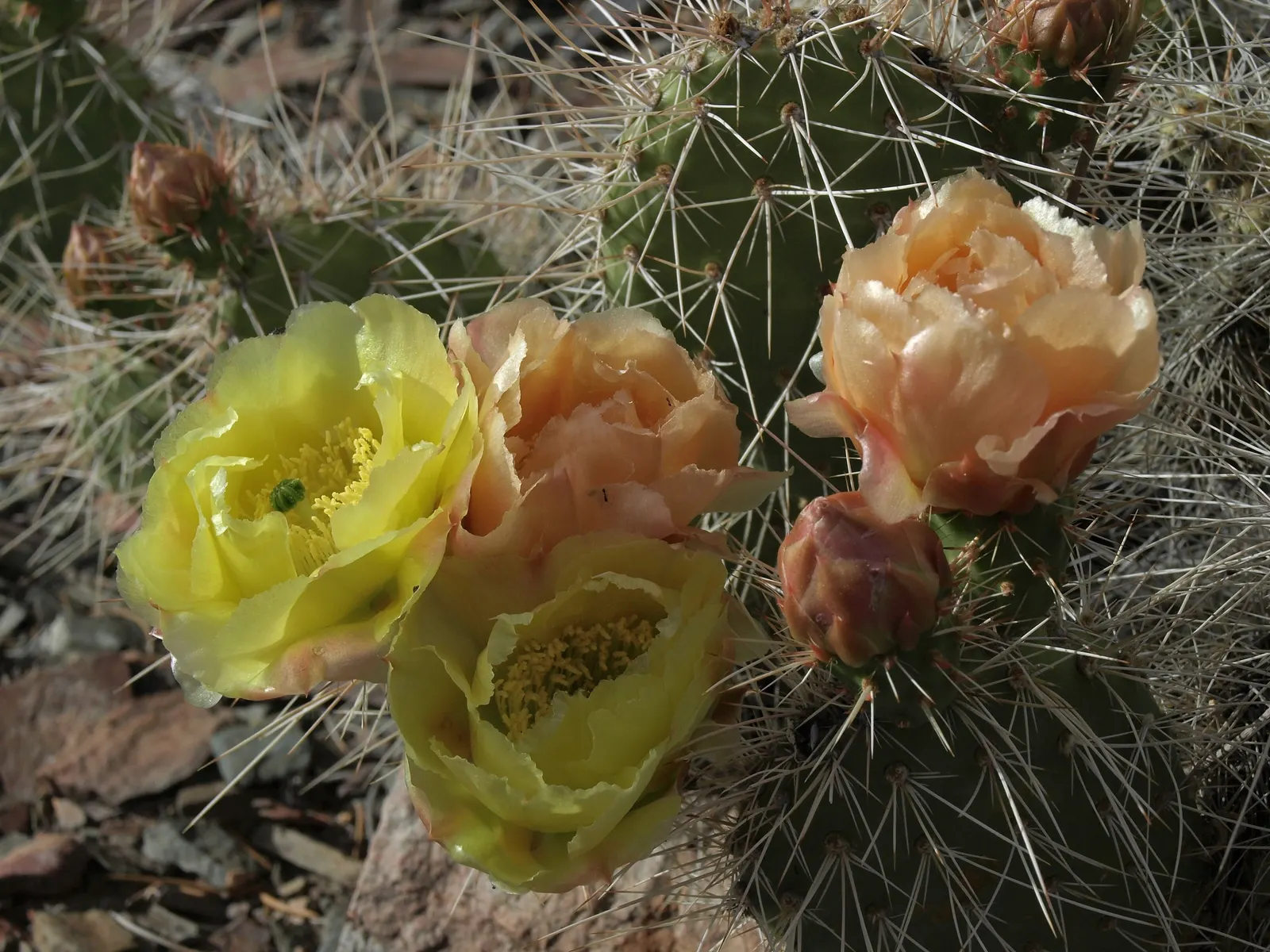
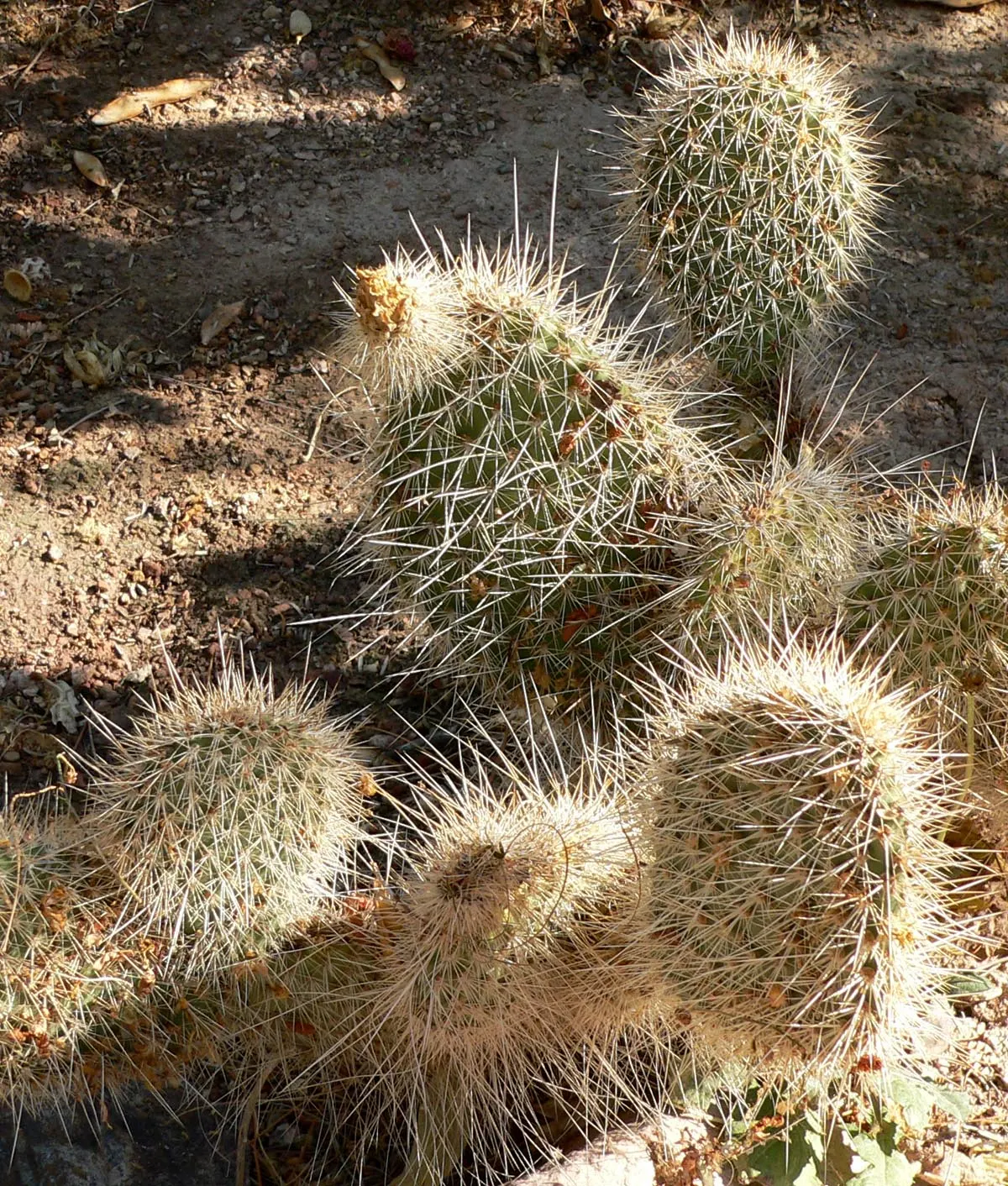
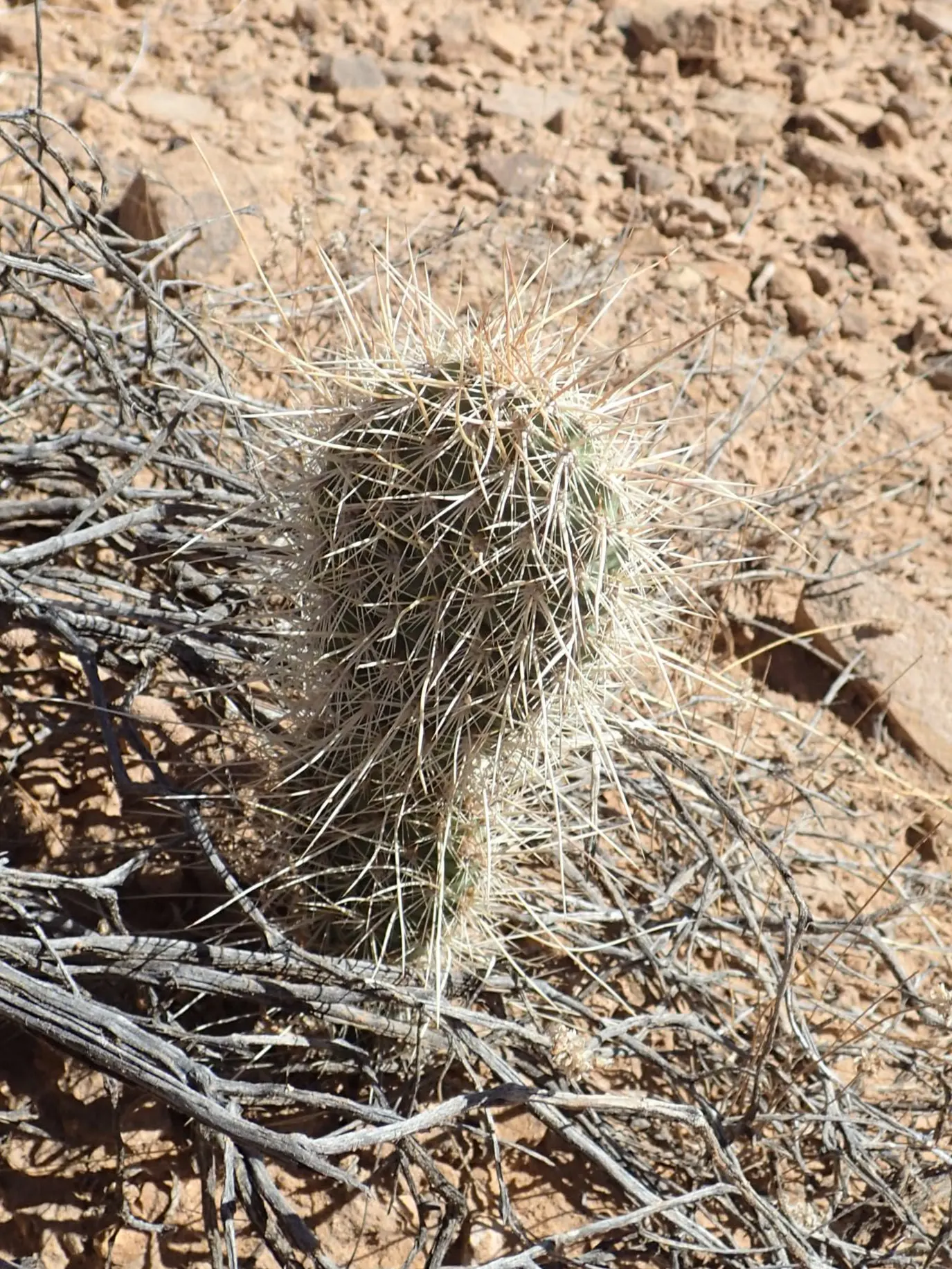
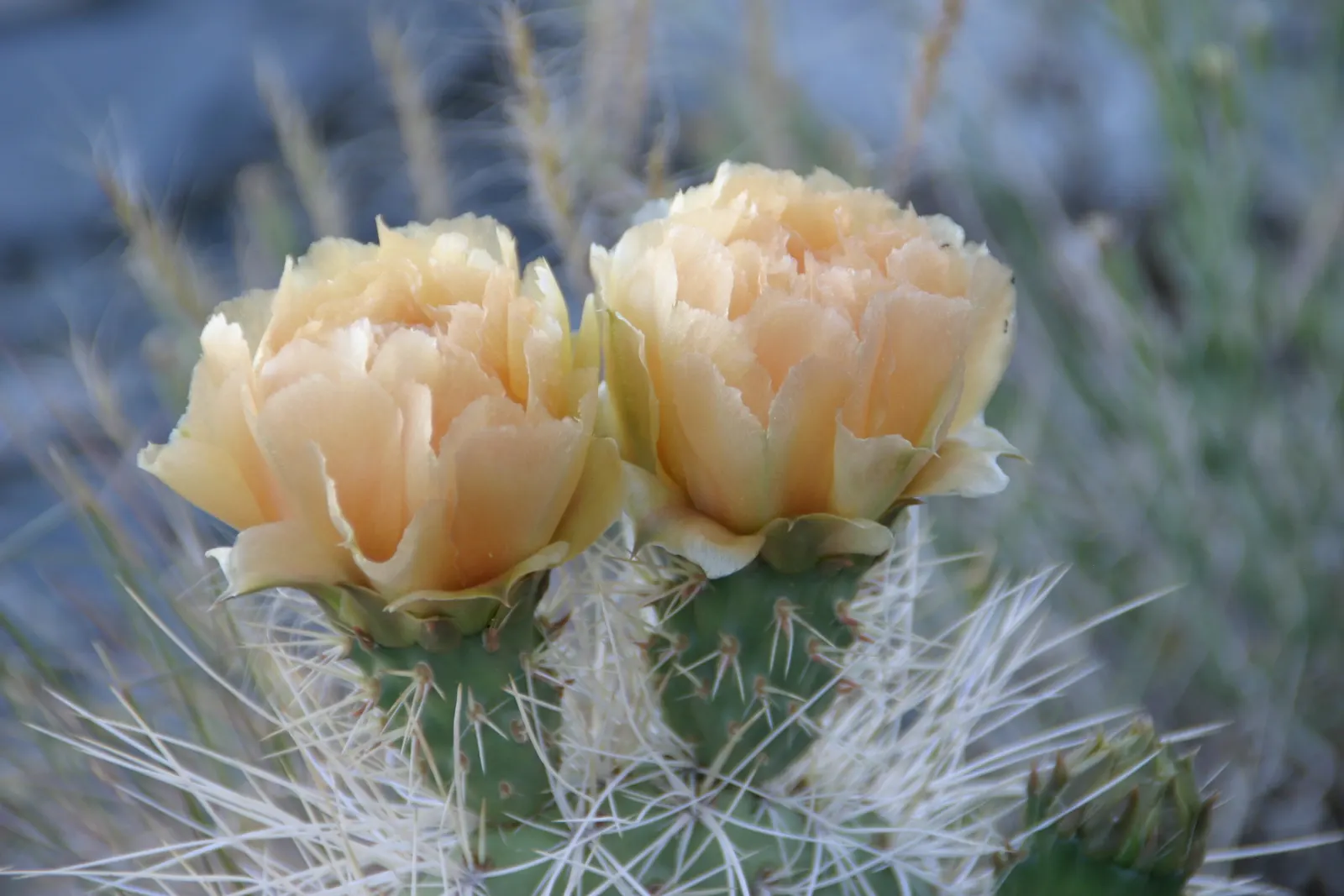
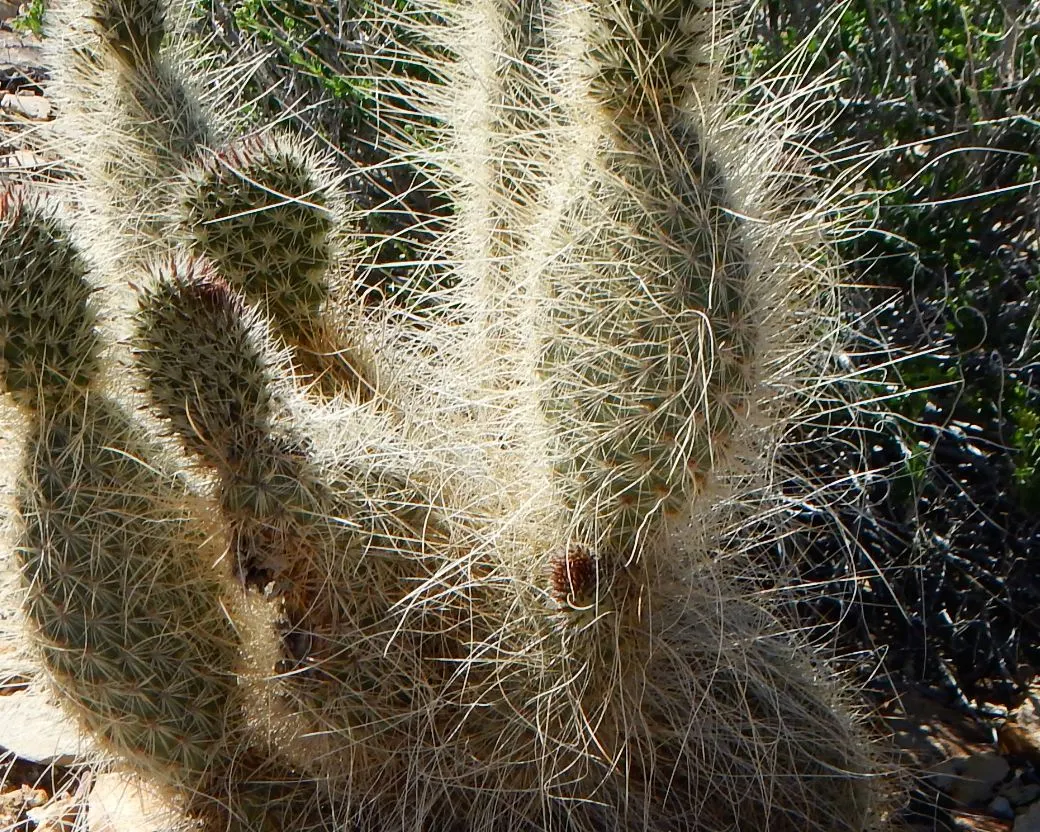
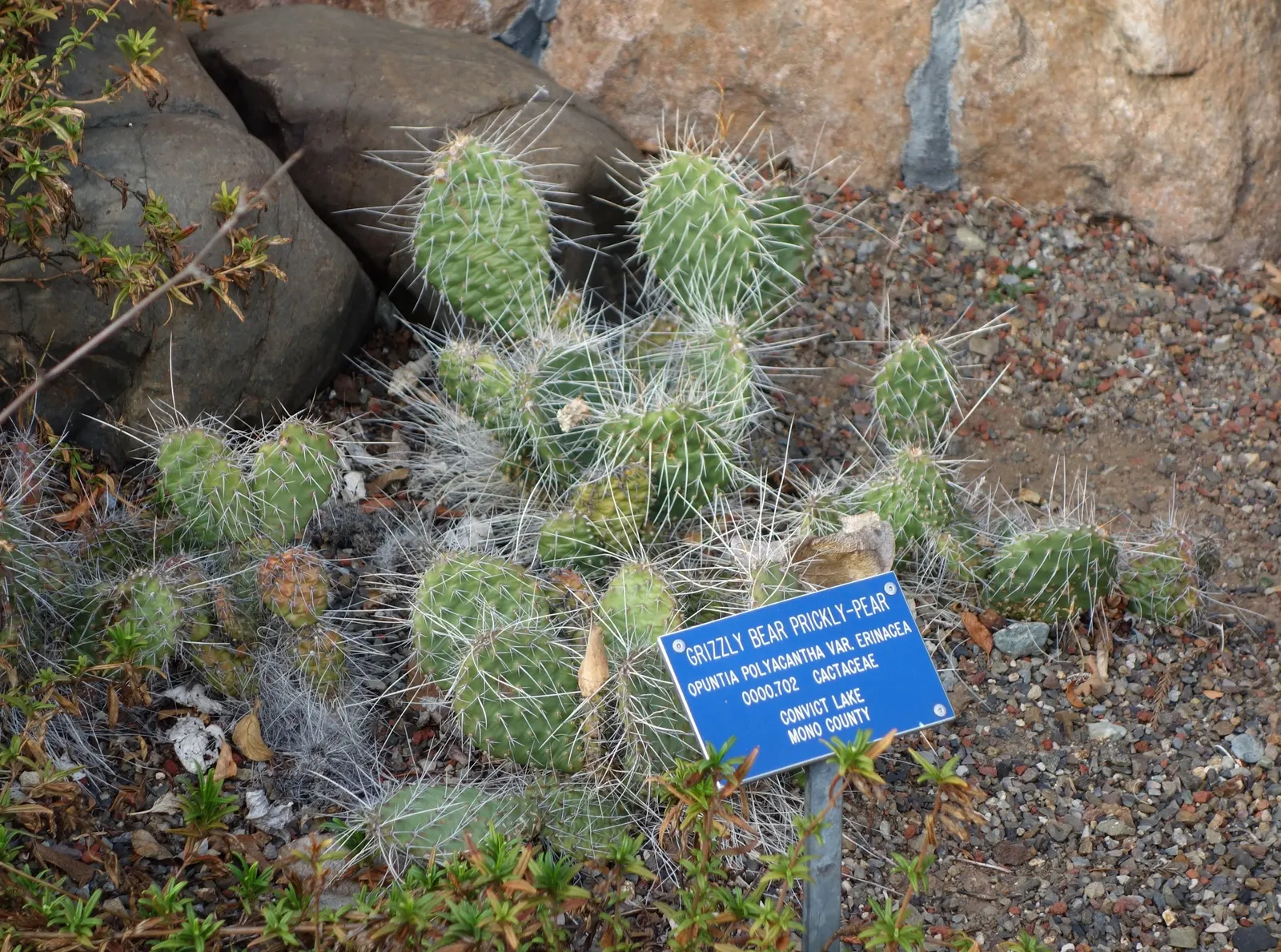
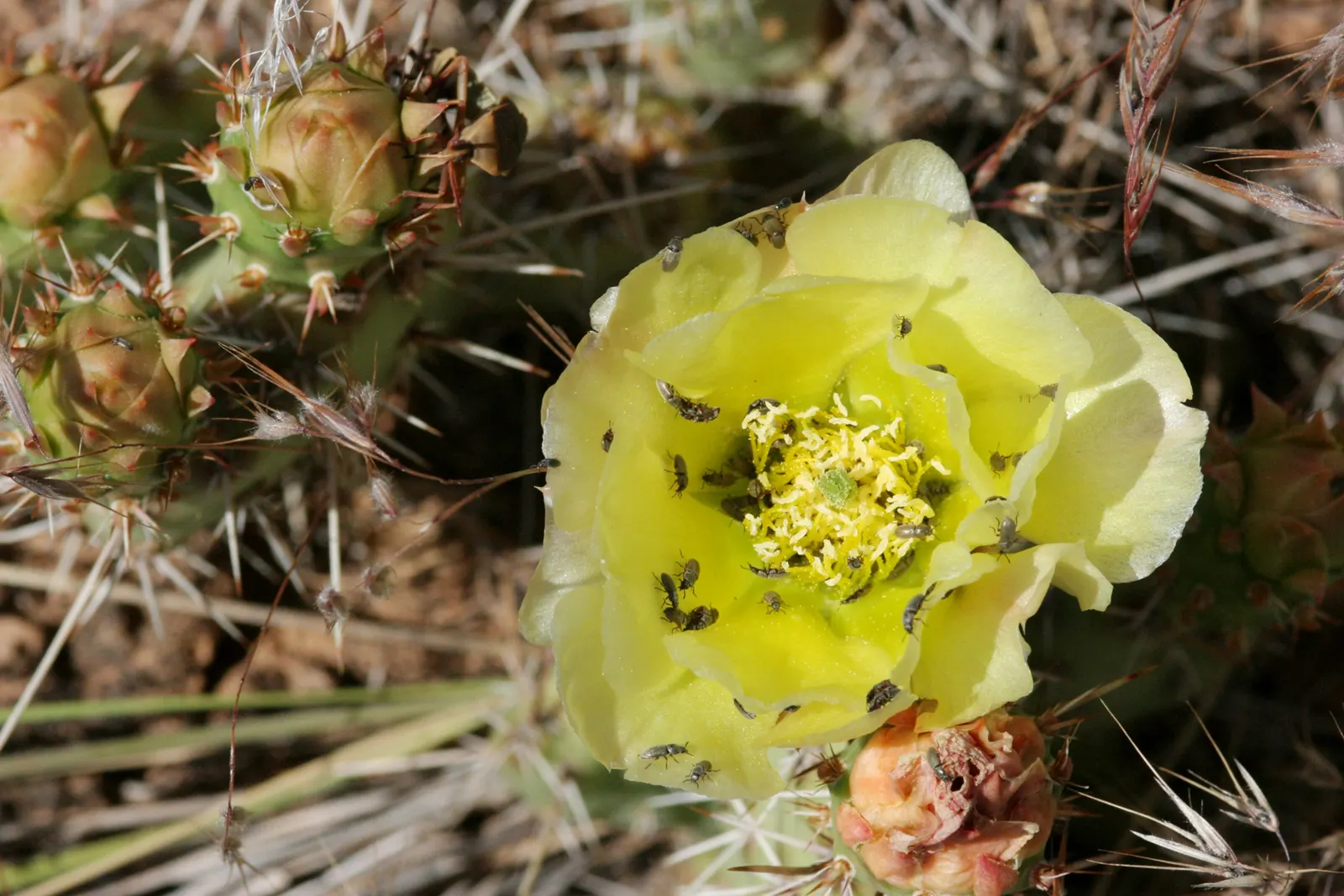
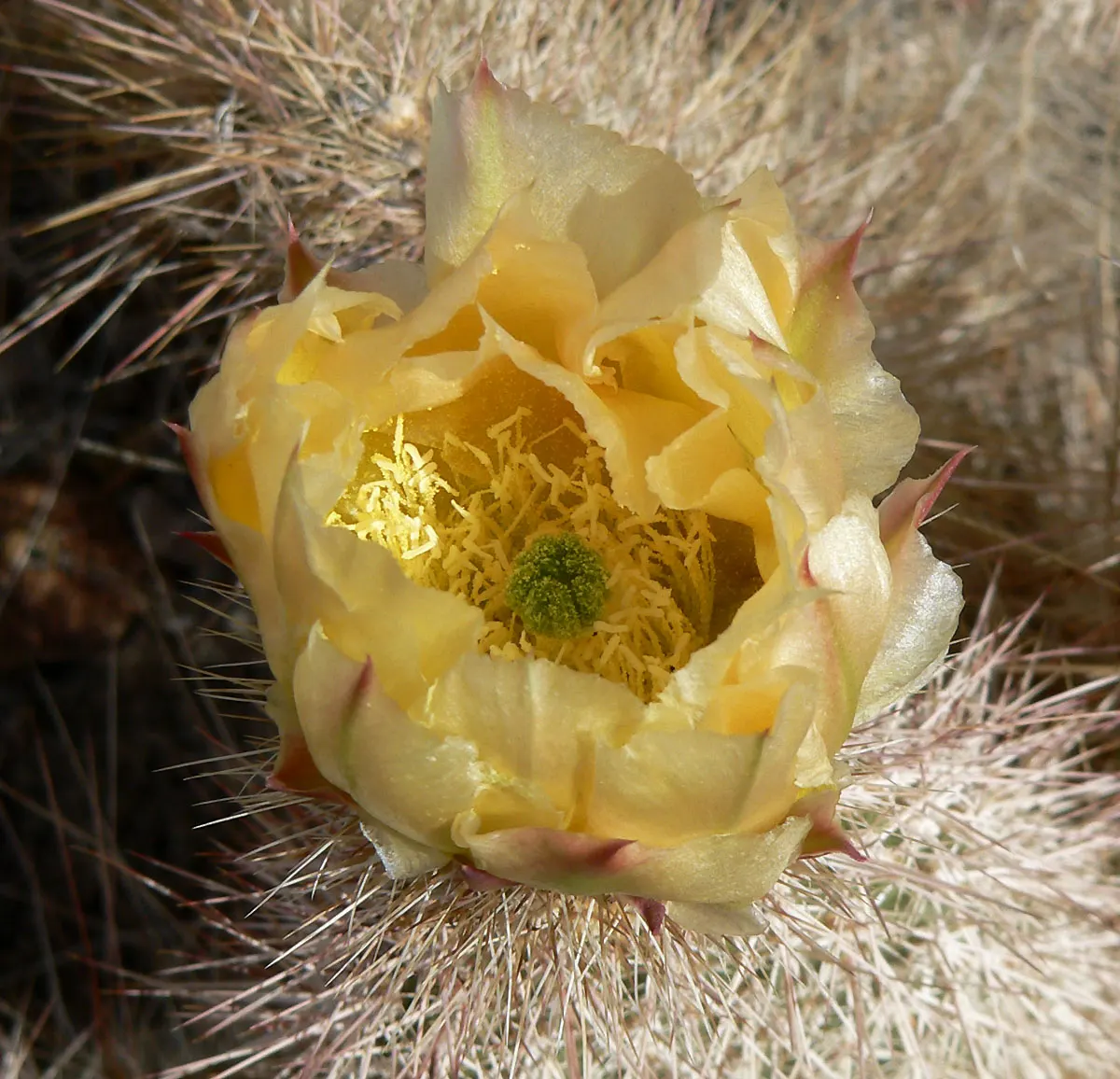
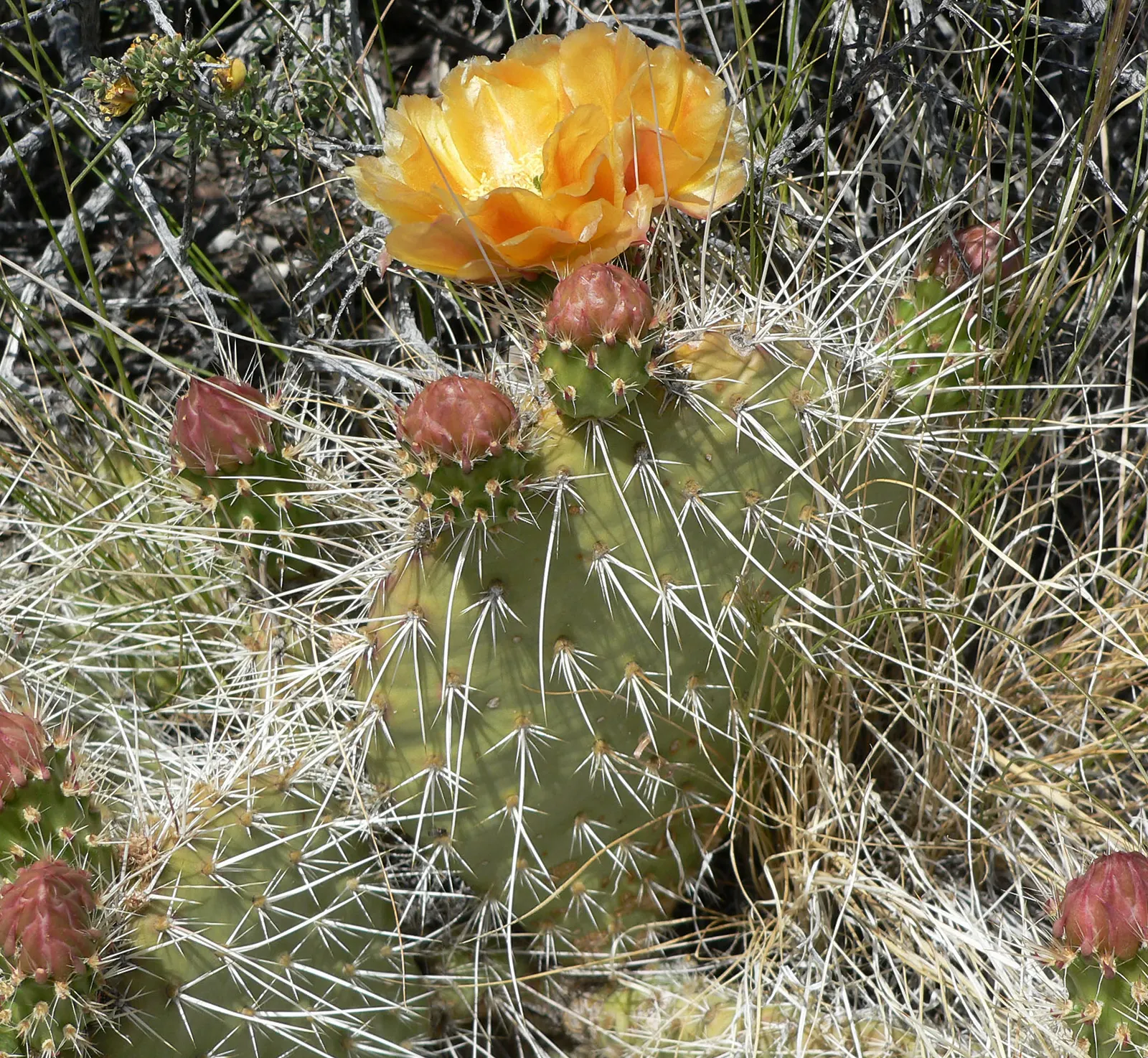
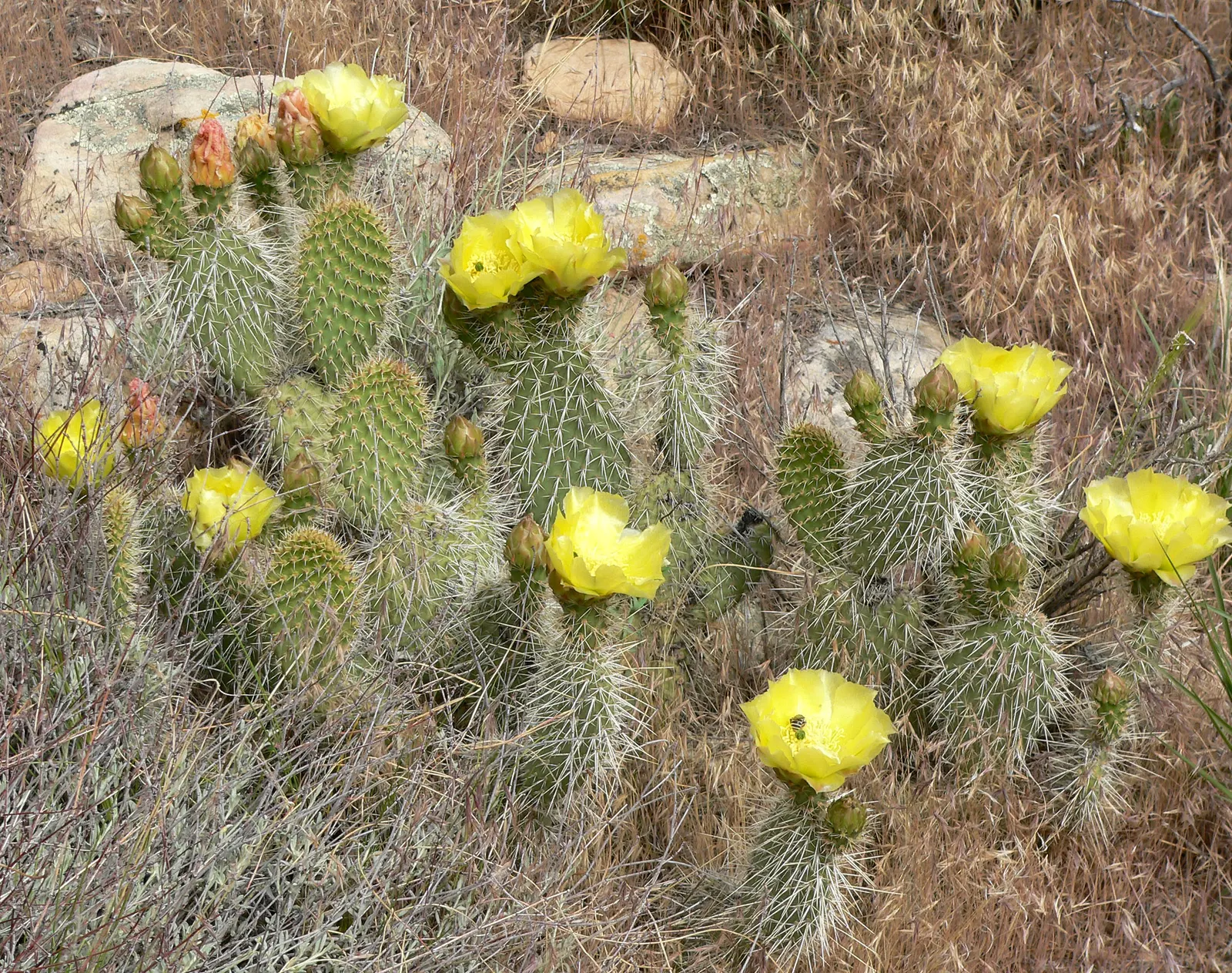
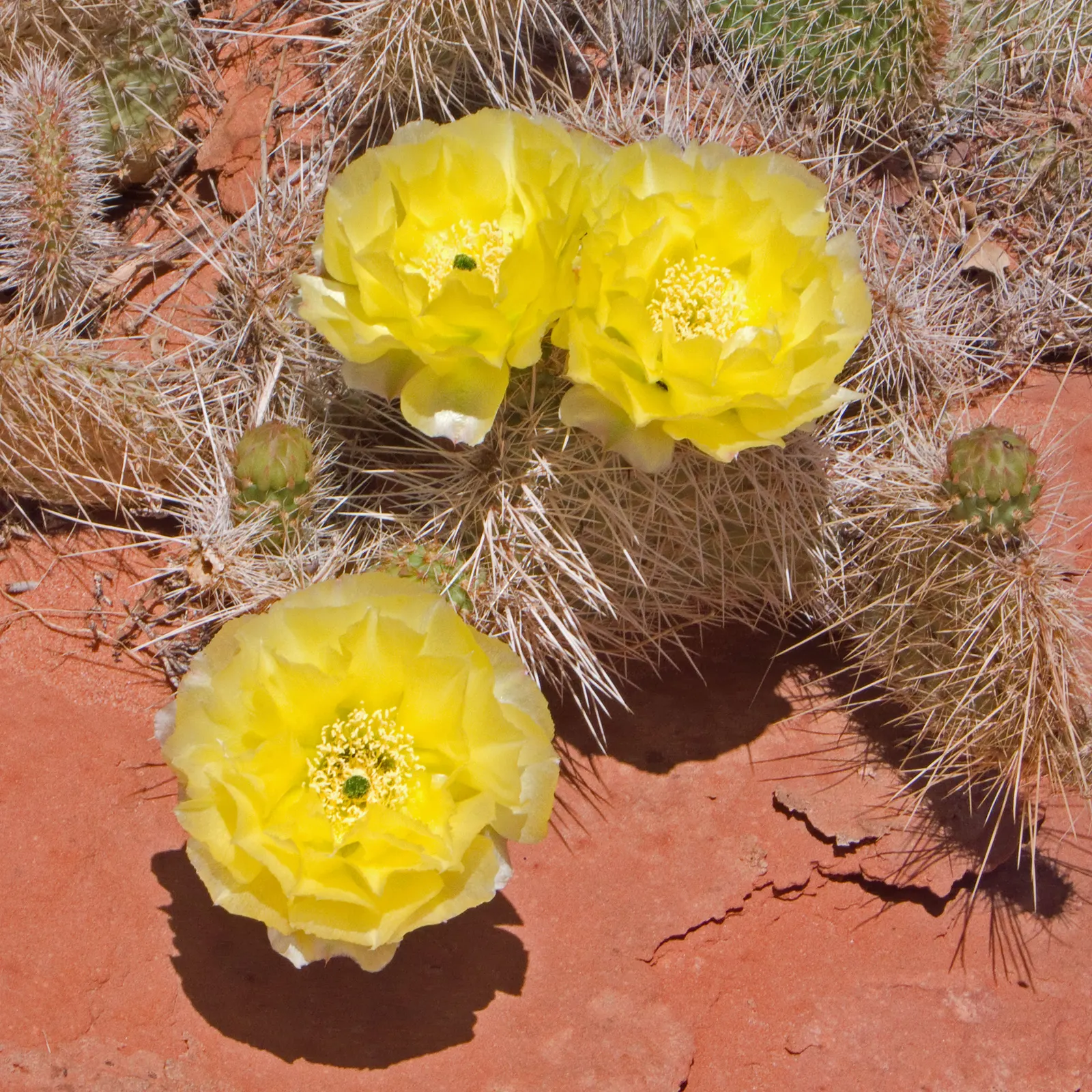
The Old Man Prickly Pear, or Opuntia erinacea, is a striking cactus native to the Southwest. Characterized by its dense cover of white or yellow spines that resemble an old man's beard, this plant typically reaches 2-3 feet in height. Drought-resistant, it requires minimal maintenance and thrives in full sun with well-drained soil. It blooms bright yellow flowers in late spring, adding a vibrant touch to arid landscapes.

Sun Full, HalfWater Very LowZones 9–10Type CactusClimate Arid
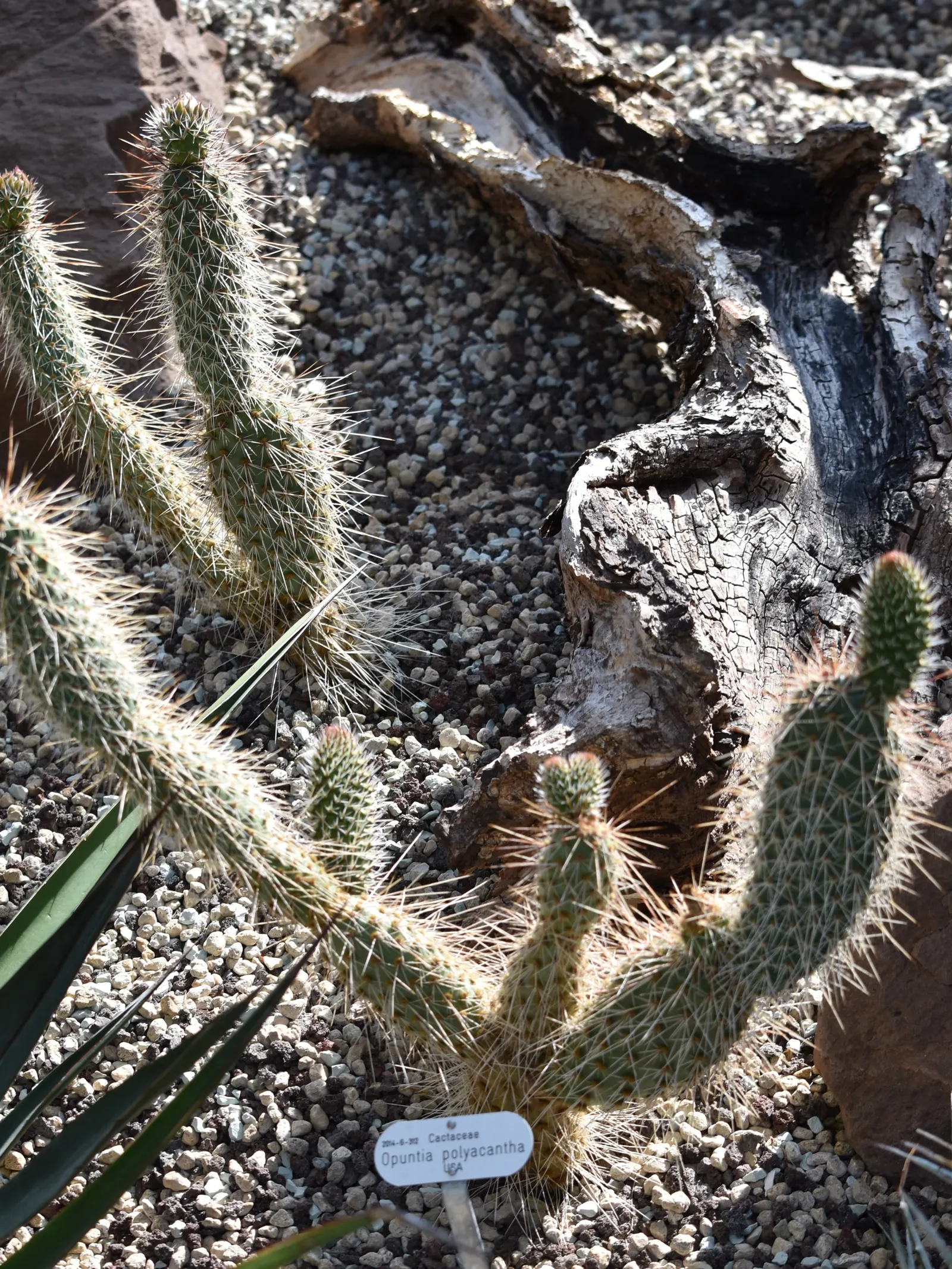
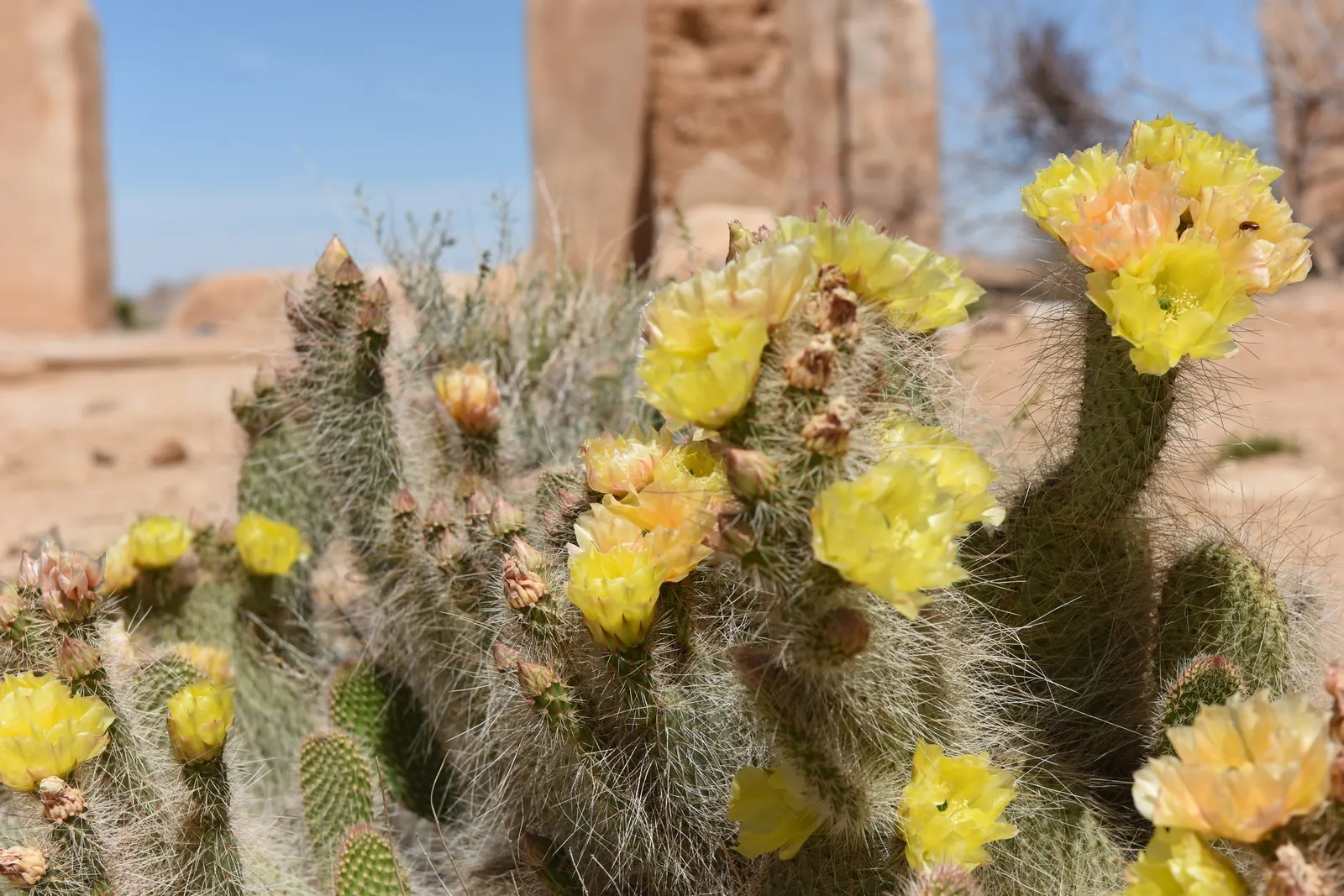
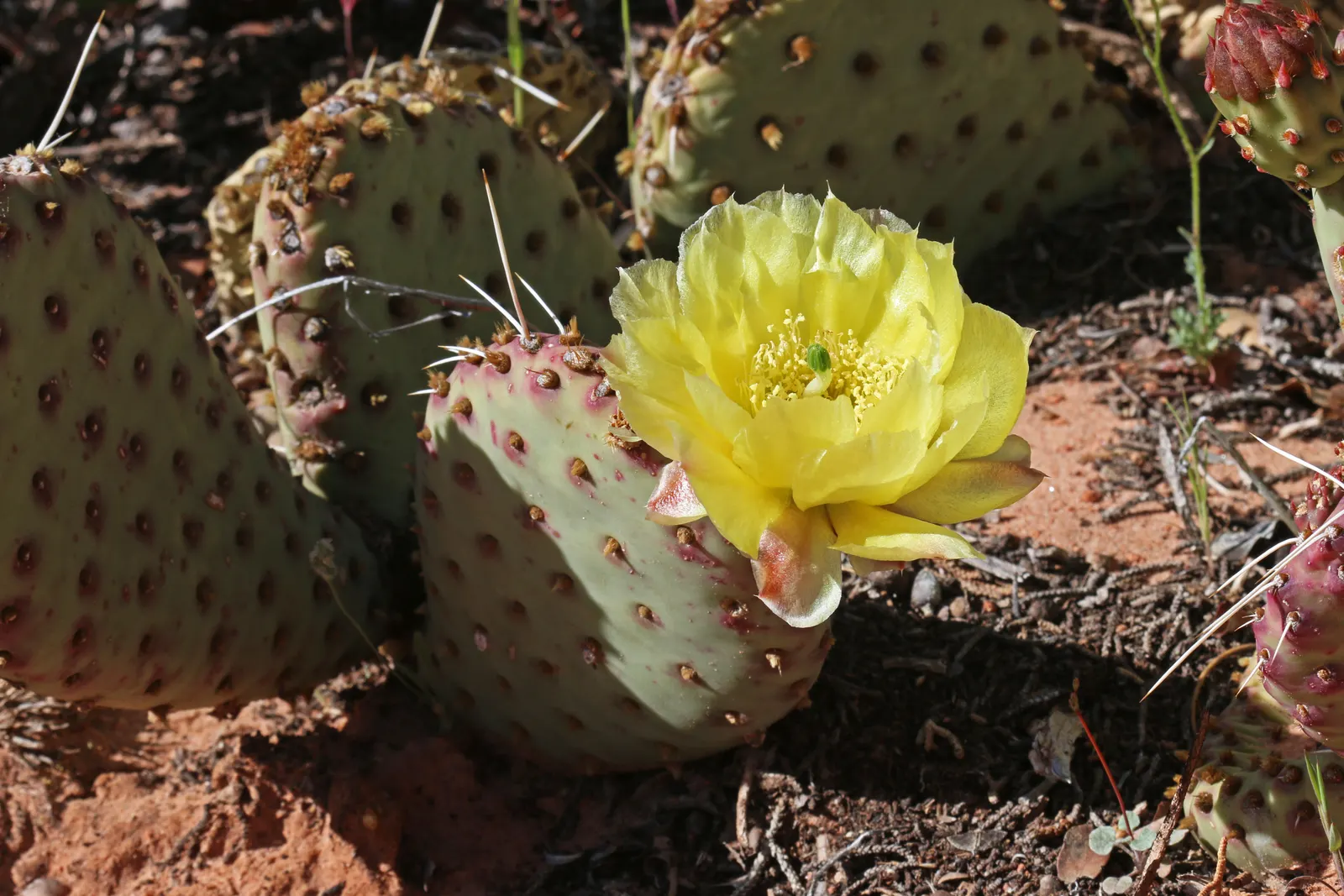
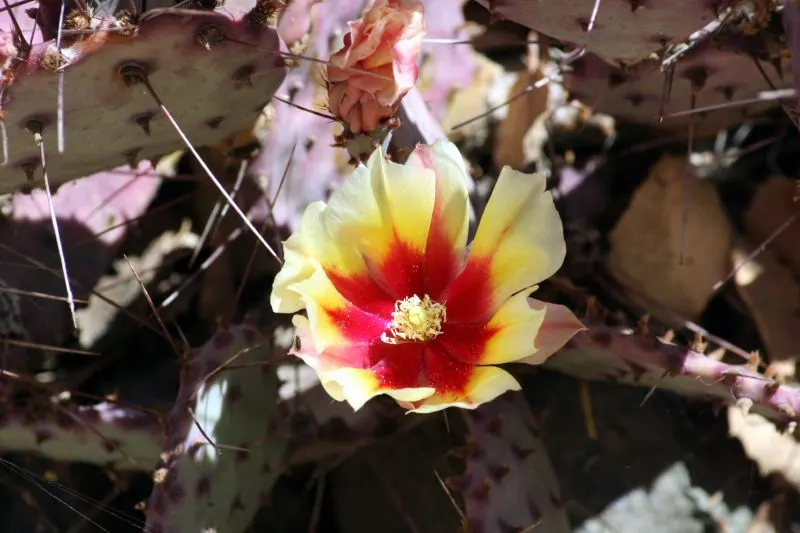
Old Man Prickly Pear (Opuntia Erinacea) — It blooms bright yellow flowers in late spring, adding a vibrant touch to arid landscapes; evoking the, image 49

Culture

Sun
Full, Half
Water
Very Low
USDA zones
9–10

Shape & size

Classification

Type
Cactus
Family
Cactaceae
Climate
Arid

See full data, regional cultivation notes, and design tools. Build a client presentation around this plant.

Start your 14-day trial

Photos (97)

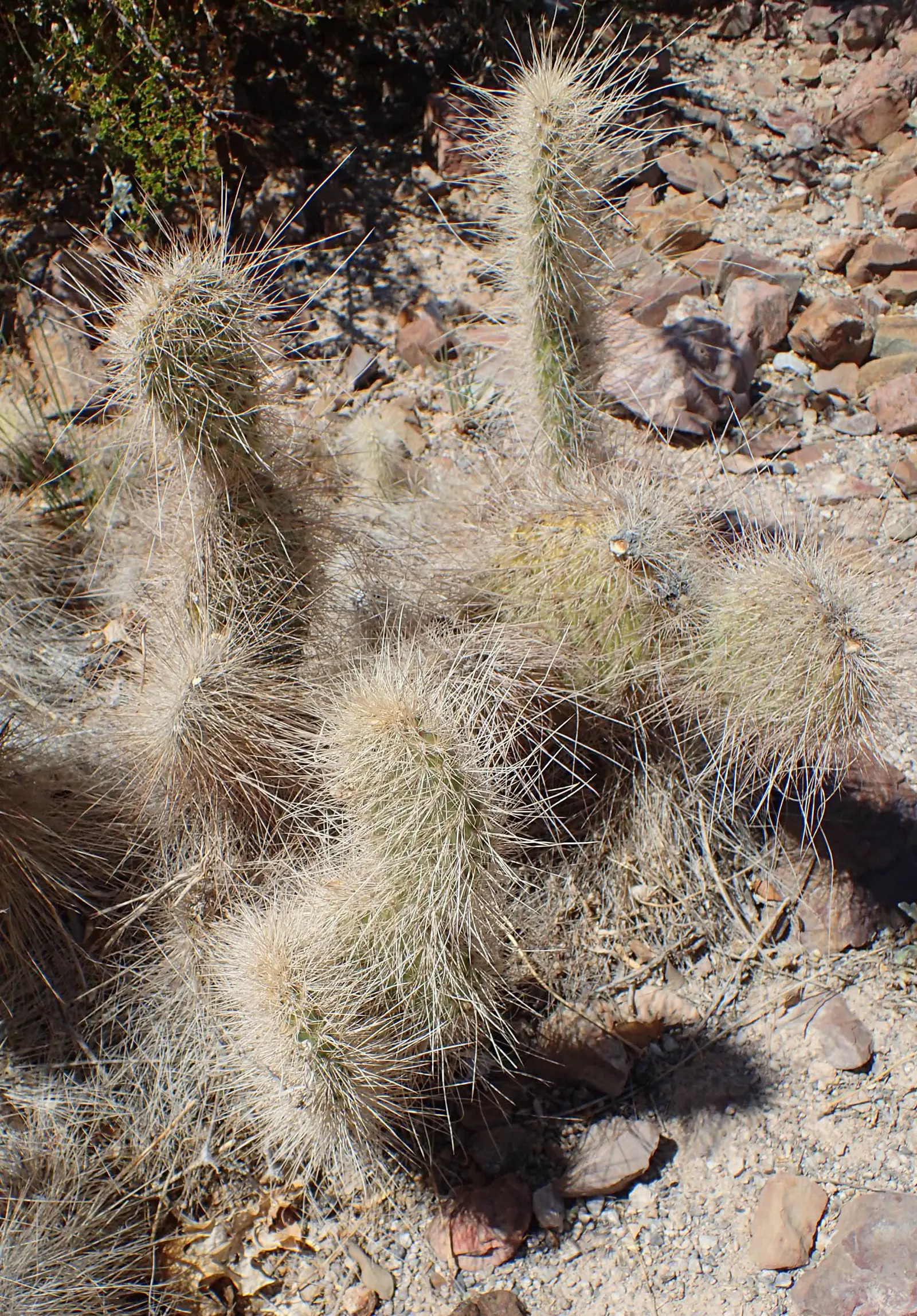
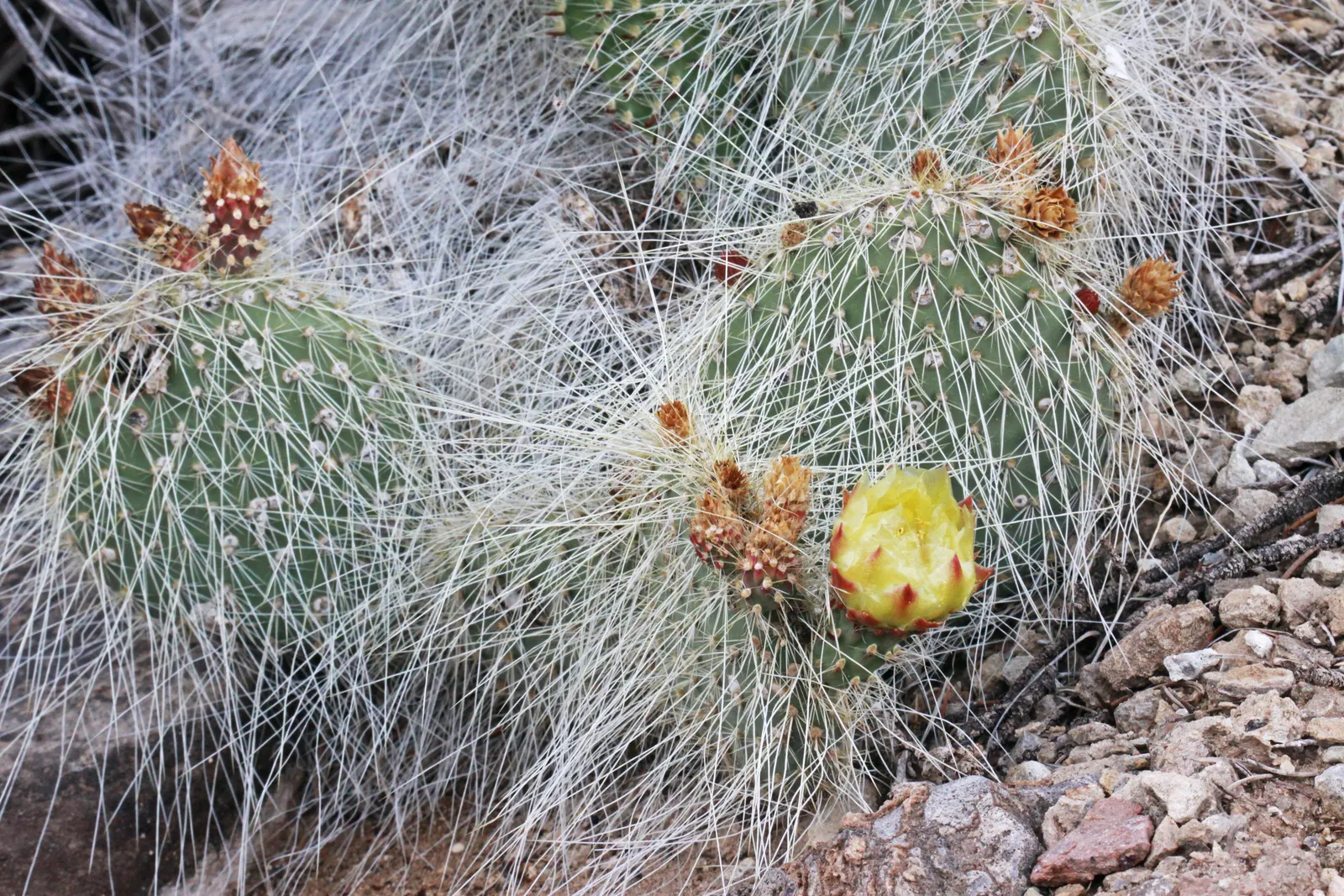
Old Man Prickly Pear (Opuntia Erinacea) — the cactus earns its name from the grayish-white; hair-like spines covering its paddle-like pads, image 74
Old Man Prickly Pear (Opuntia Erinacea) — Drought-resistant, it requires minimal maintenance and thrives in full sun with well-drained soil; this, image 48
Old Man Prickly Pear (Opuntia Erinacea) — hair-like spines covering its paddle-like pads; during the late spring to early summer, image 53
Old Man Prickly Pear (Opuntia Erinacea) — cactus for full or half; or providing a barrier to prevent accidental contact
Old Man Prickly Pear (Opuntia Erinacea) — or providing a barrier to prevent accidental contact
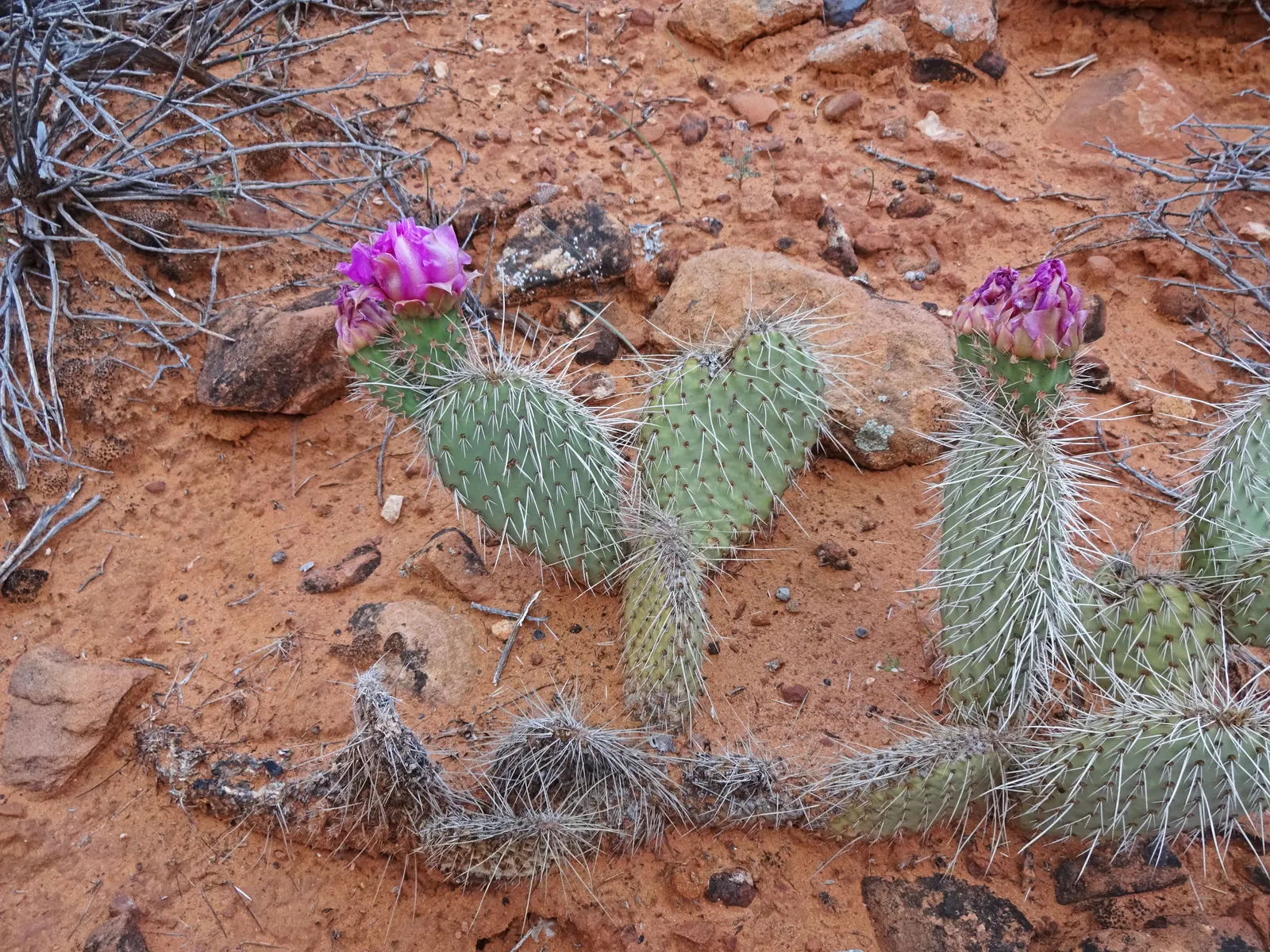
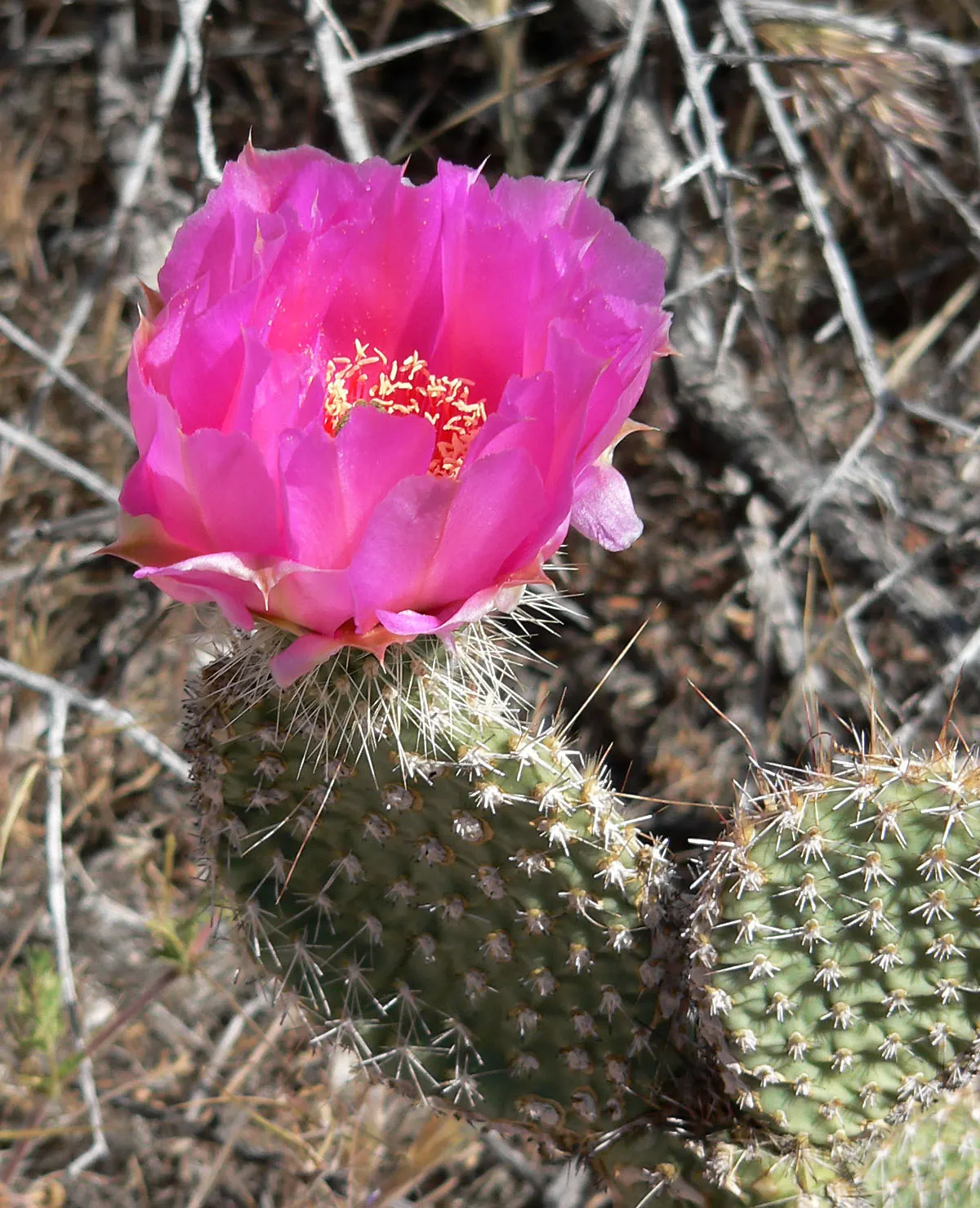
Old Man Prickly Pear (Opuntia Erinacea) — pink and yellow flowers in the garden
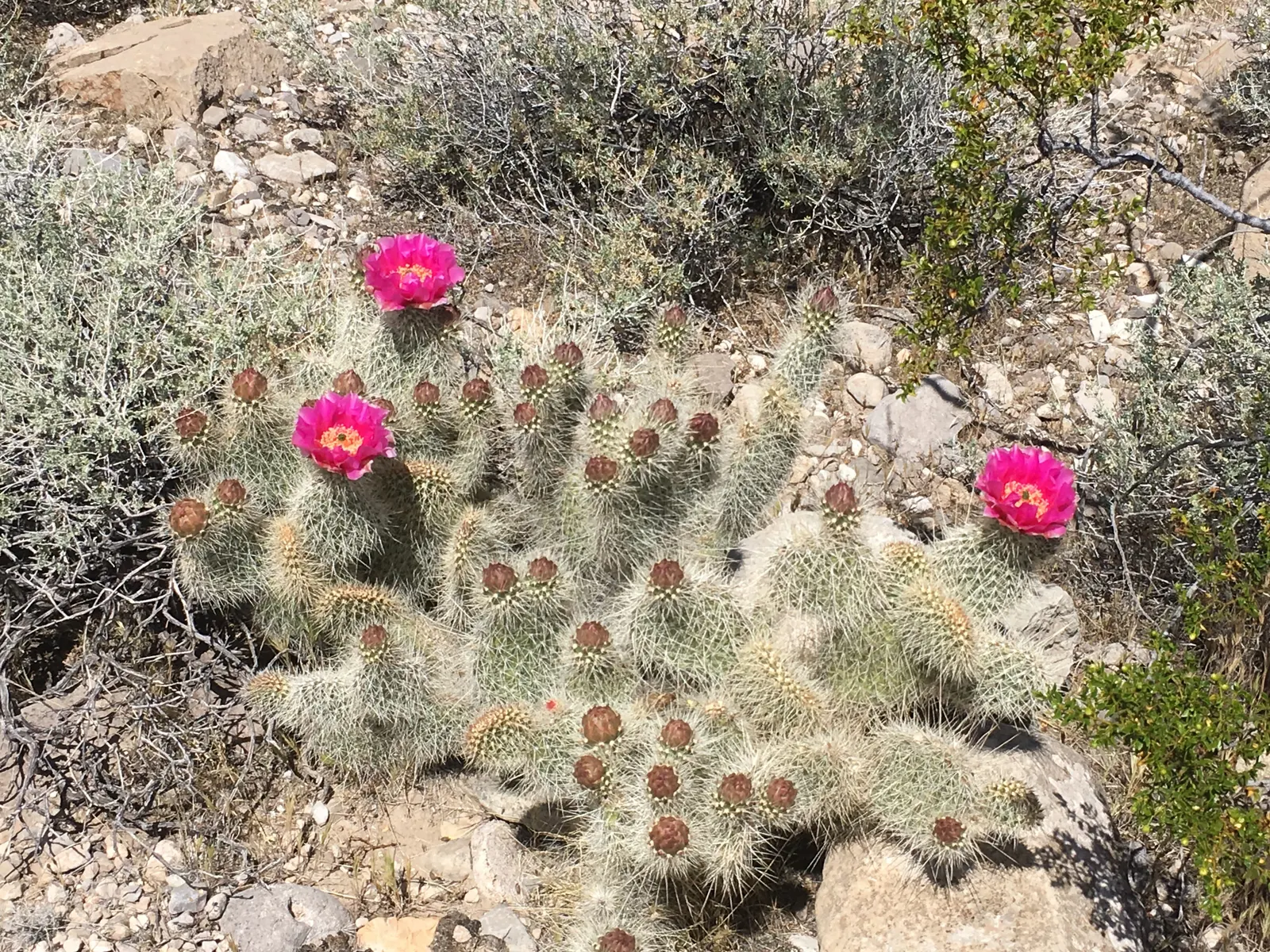
Old Man Prickly Pear (Opuntia Erinacea) — the Old Man Prickly Pear exhibits yellow to rose-colored flowers; is a visually captivating species of cactus that
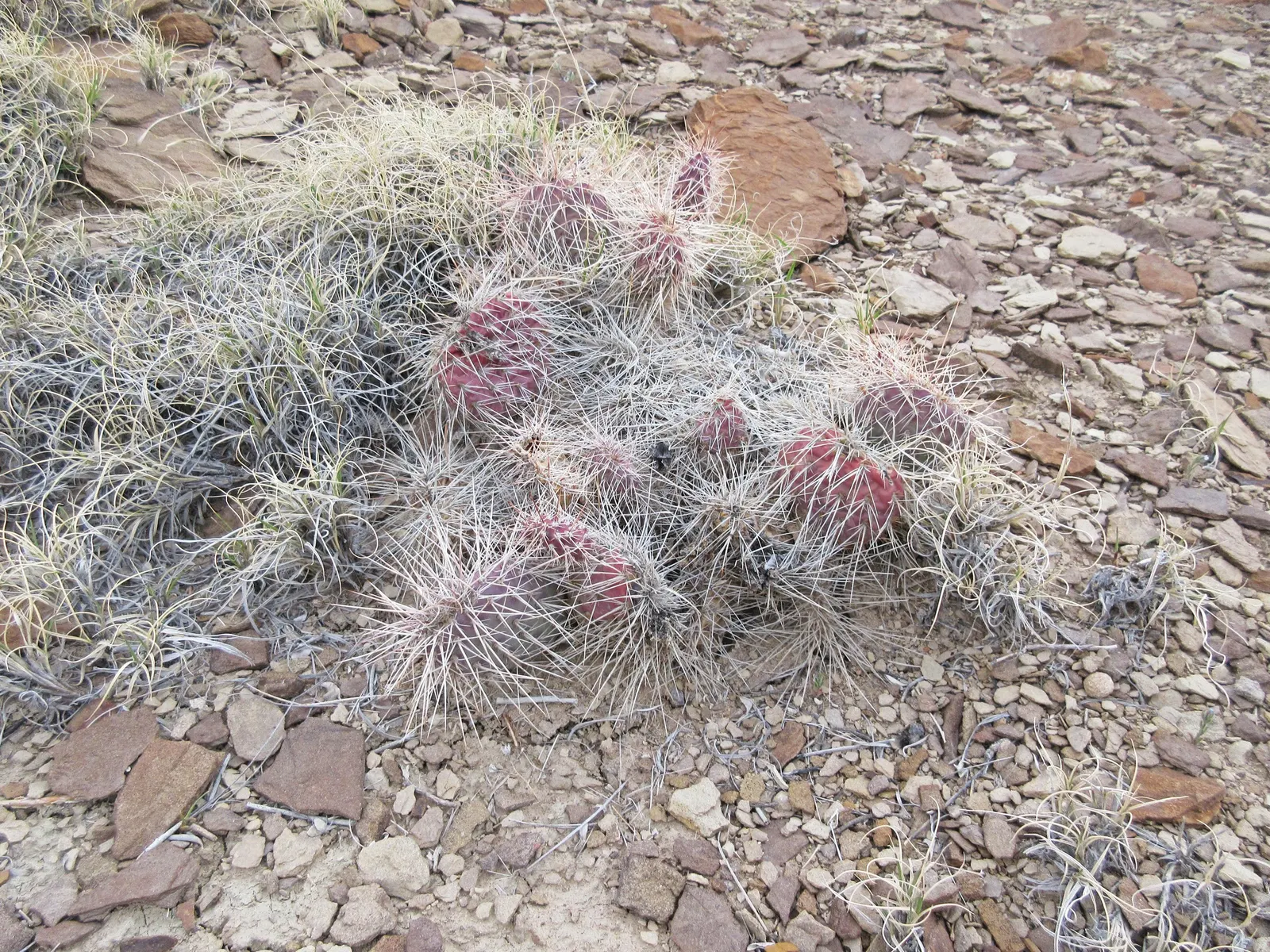
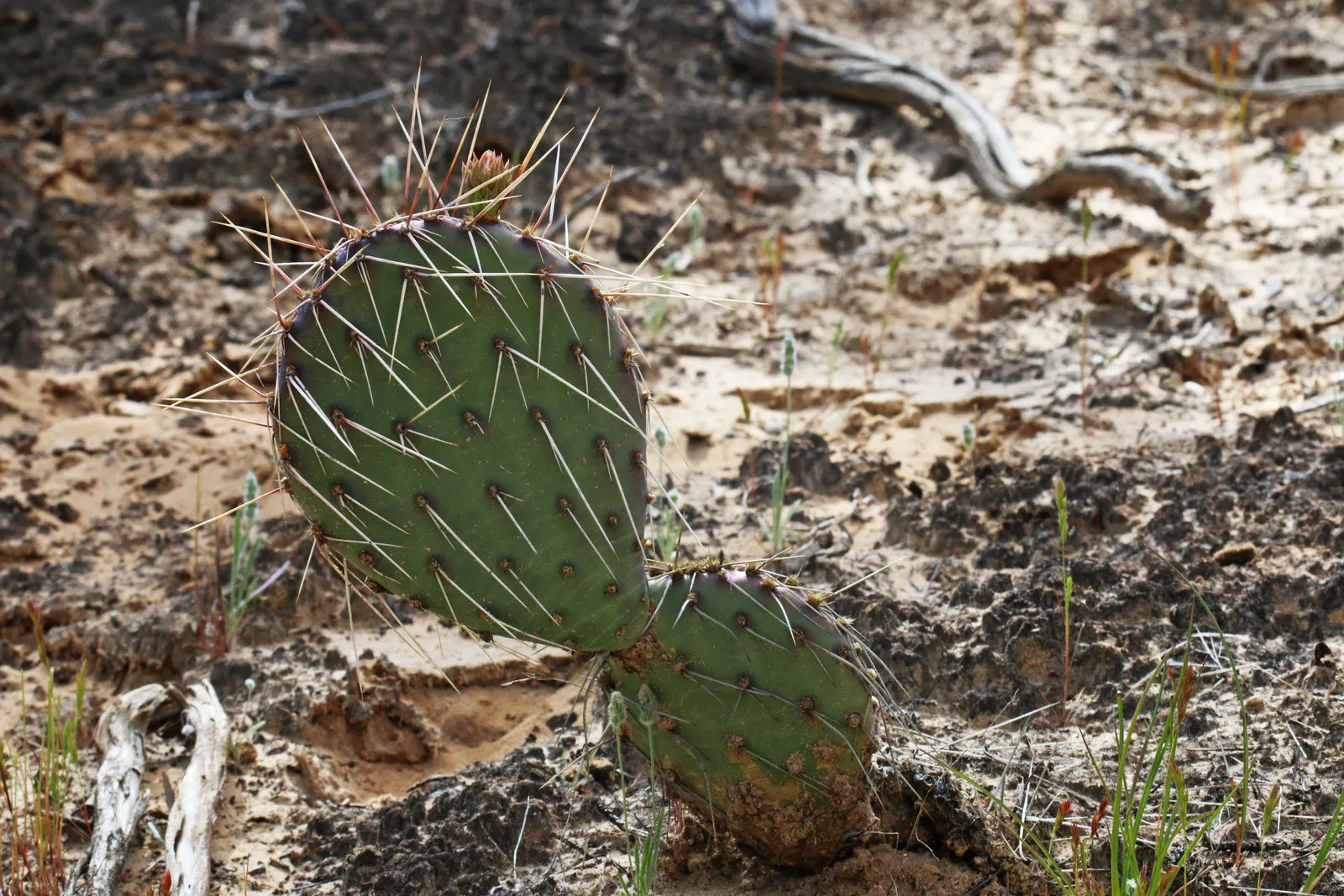
Old Man Prickly Pear (Opuntia Erinacea) — hair-like spines covering its paddle-like pads
Old Man Prickly Pear (Opuntia Erinacea) — the cactus earns its name from the grayish-white; hair-like spines covering its paddle-like pads
Old Man Prickly Pear (Opuntia Erinacea) — Known for its distinctive spiny exterior and tough demeanor; characterized by its dense cover of white or, image 73
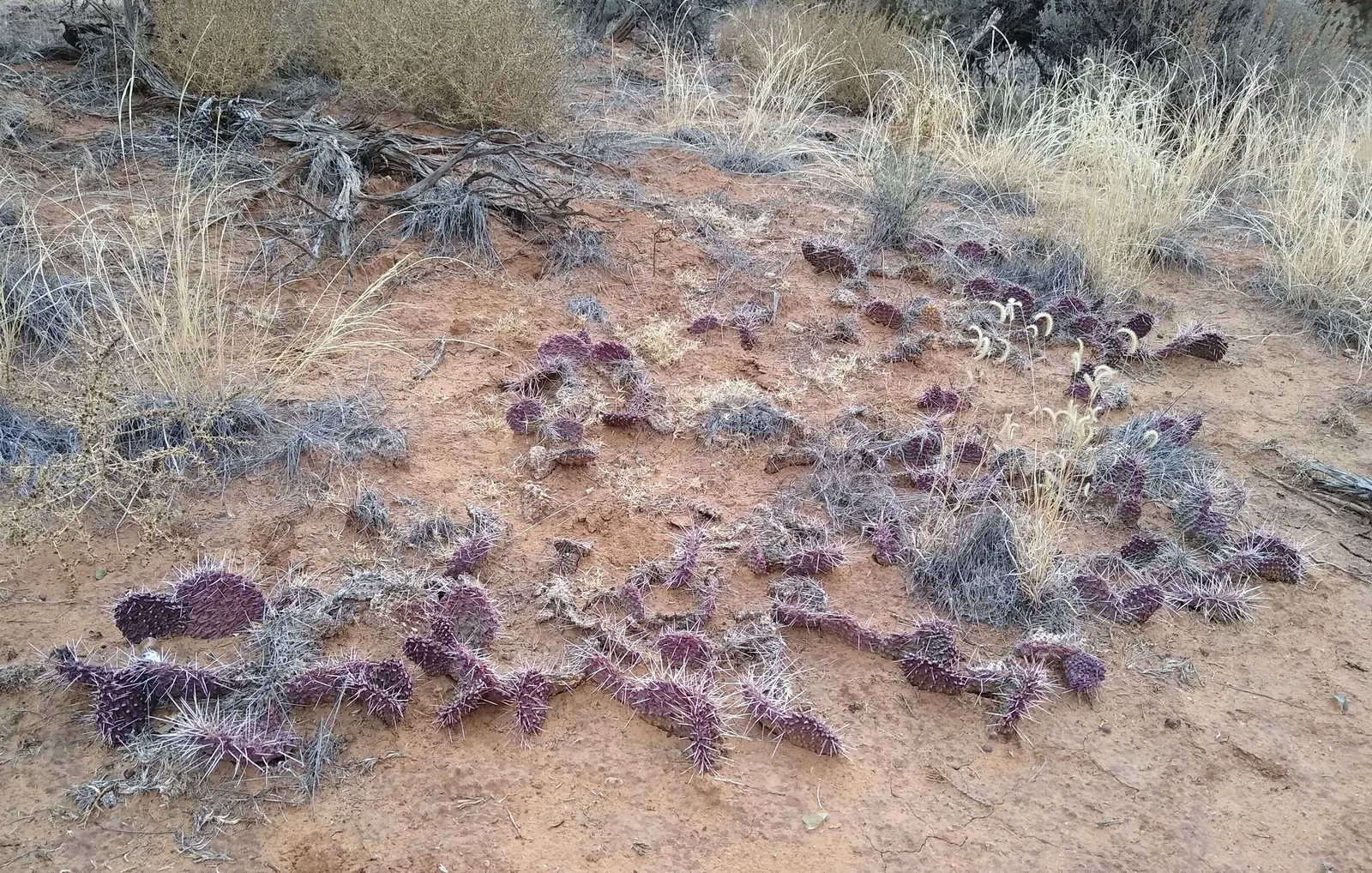
Old Man Prickly Pear (Opuntia Erinacea) — The cactus typically grows up to 2 to 3 feet in height and can spread equally as wide; known for its, image 58
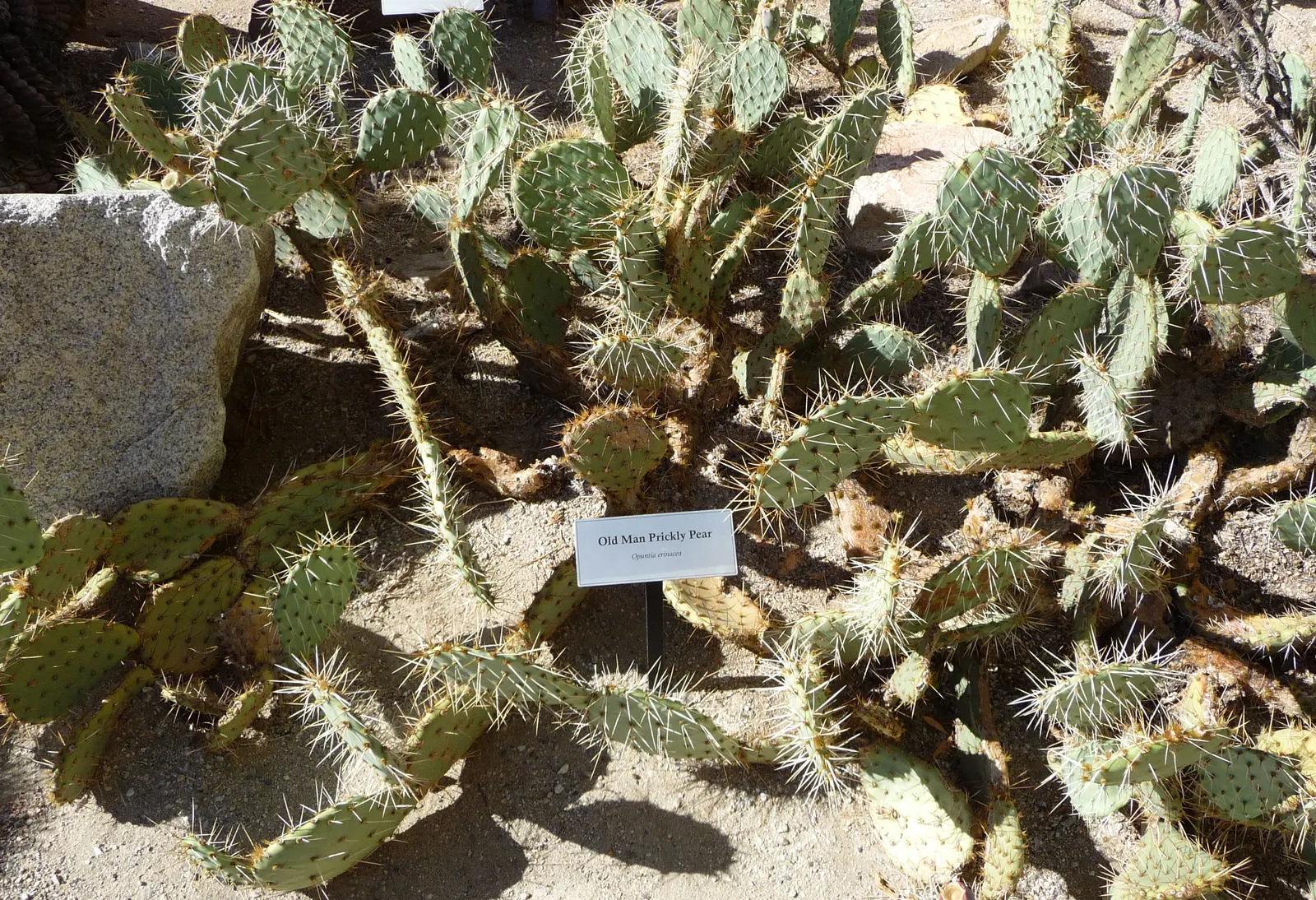
Old Man Prickly Pear (Opuntia Erinacea) — The cactus typically grows up to 2 to 3 feet in height and can spread equally as wide
Old Man Prickly Pear (Opuntia Erinacea) — is a visually captivating species of cactus that excels in arid; the Old Man Prickly Pear exhibits yellow, image 50
Old Man Prickly Pear (Opuntia Erinacea) — During the late spring to early summer; cactus with pink and yellow blooms
Old Man Prickly Pear (Opuntia Erinacea) — the Old Man Prickly Pear is remarkably drought-tolerant once established; pads are succulent and typically range from
Old Man Prickly Pear (Opuntia Erinacea) — the Old Man Prickly Pear is remarkably drought-tolerant once established
Old Man Prickly Pear (Opuntia Erinacea) — the cactus earns its name from the grayish-white
Old Man Prickly Pear (Opuntia Erinacea) — this plant typically reaches 2-3 feet in height; planting it in areas away from high foot traffic is advisable
Old Man Prickly Pear (Opuntia Erinacea) — hair-like spines covering its paddle-like pads; during the late spring to early summer
Old Man Prickly Pear (Opuntia Erinacea) — Ideal for USDA hardiness zones 8 through 11
Old Man Prickly Pear (Opuntia Erinacea) — cactus with pink and yellow blooms; the Old Man Prickly Pear is remarkably drought-tolerant once, image 65
Old Man Prickly Pear (Opuntia Erinacea) — the cactus earns its name from the grayish-white; hair-like spines covering its paddle-like pads, image 52
Old Man Prickly Pear (Opuntia Erinacea) — It blooms bright yellow flowers in late spring, adding a vibrant touch to arid landscapes; evoking the, image 71
Old Man Prickly Pear (Opuntia Erinacea) — pink and yellow flowers in the garden; it blooms bright yellow flowers in late spring, adding a vibrant, image 64
Photographs by 11 contributors

Related plants