Skip to content

Tan Oak

Notholithocarpus Densiflorus

Design with this plant

Overview

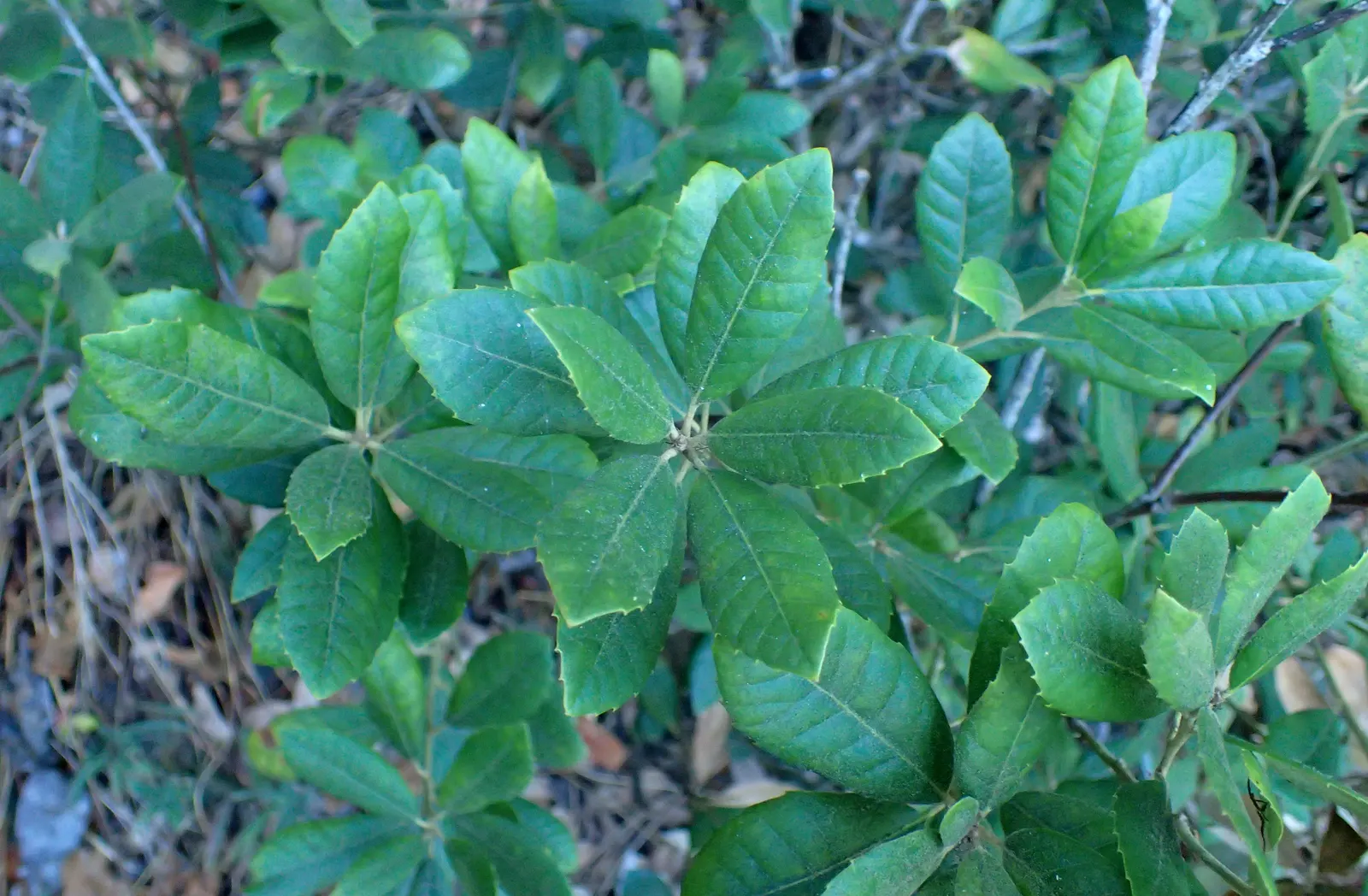
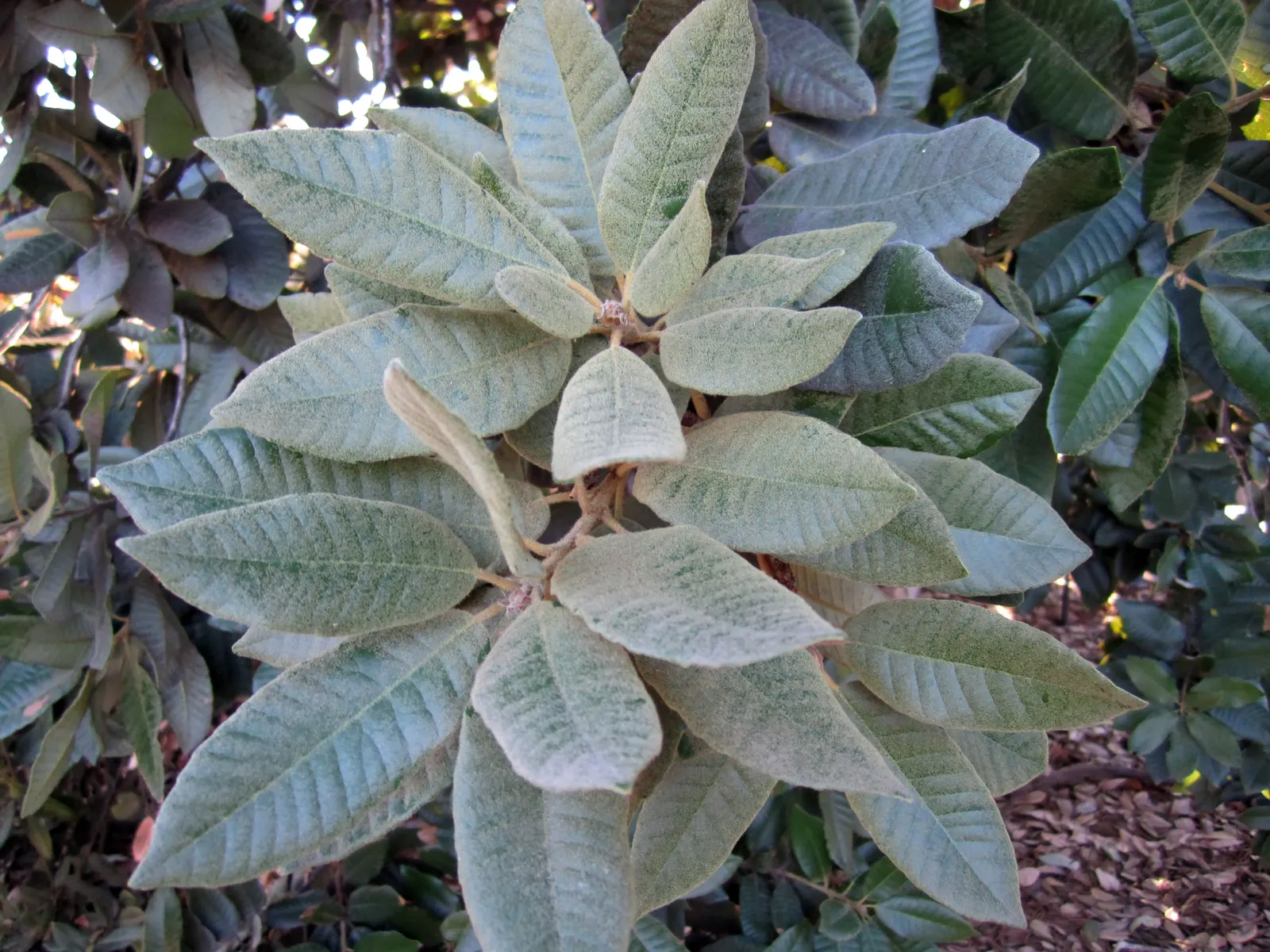
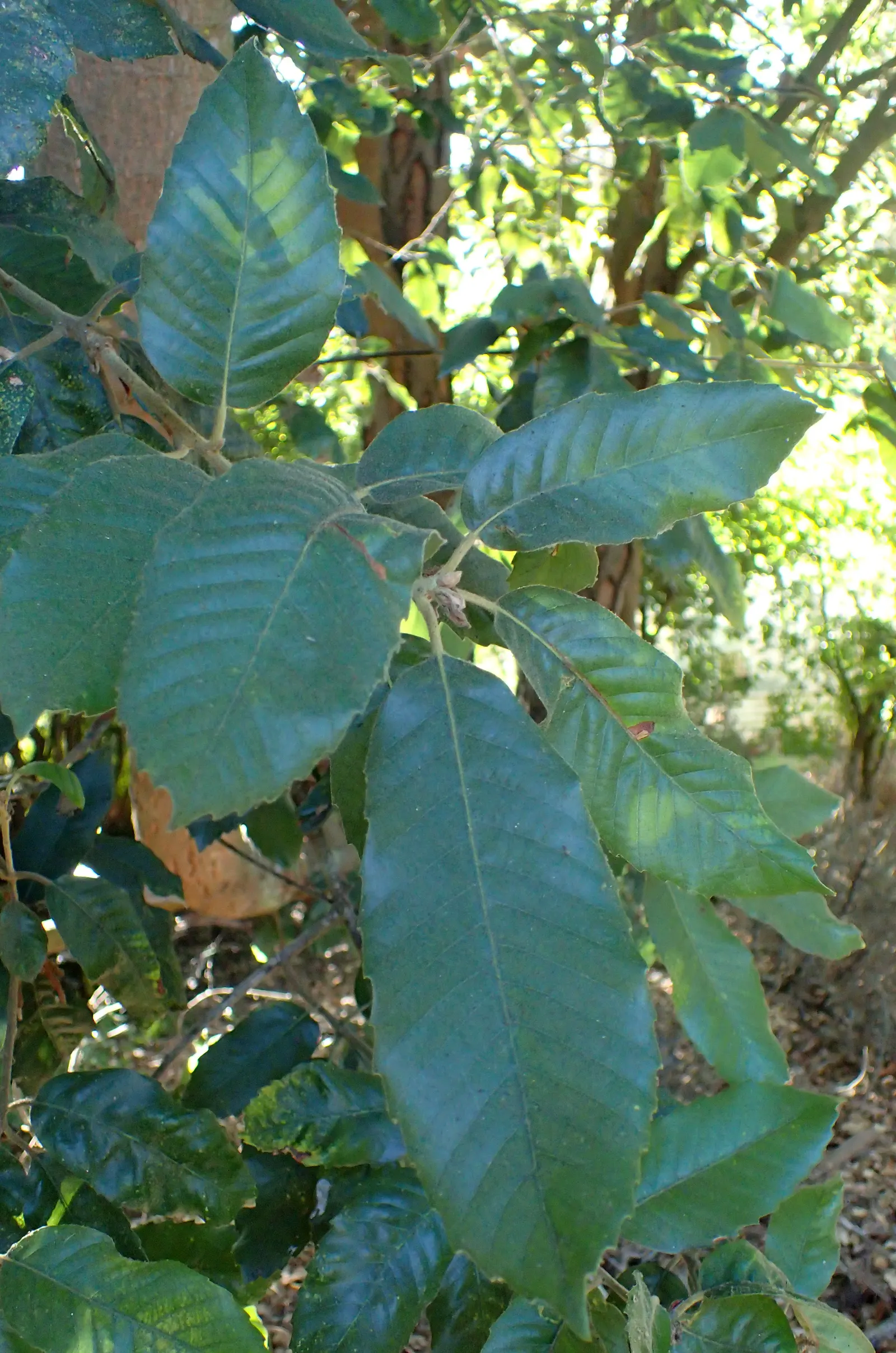
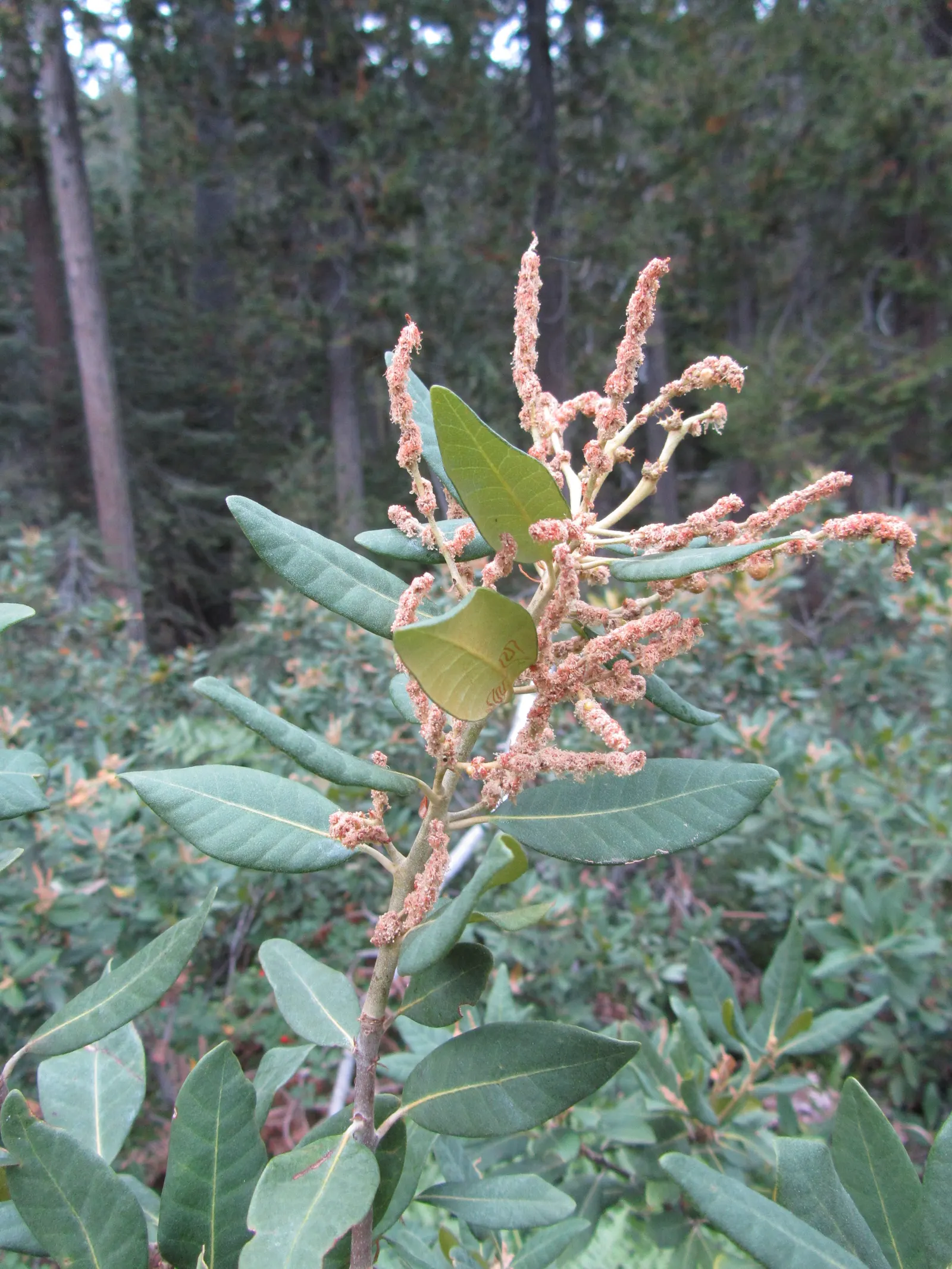
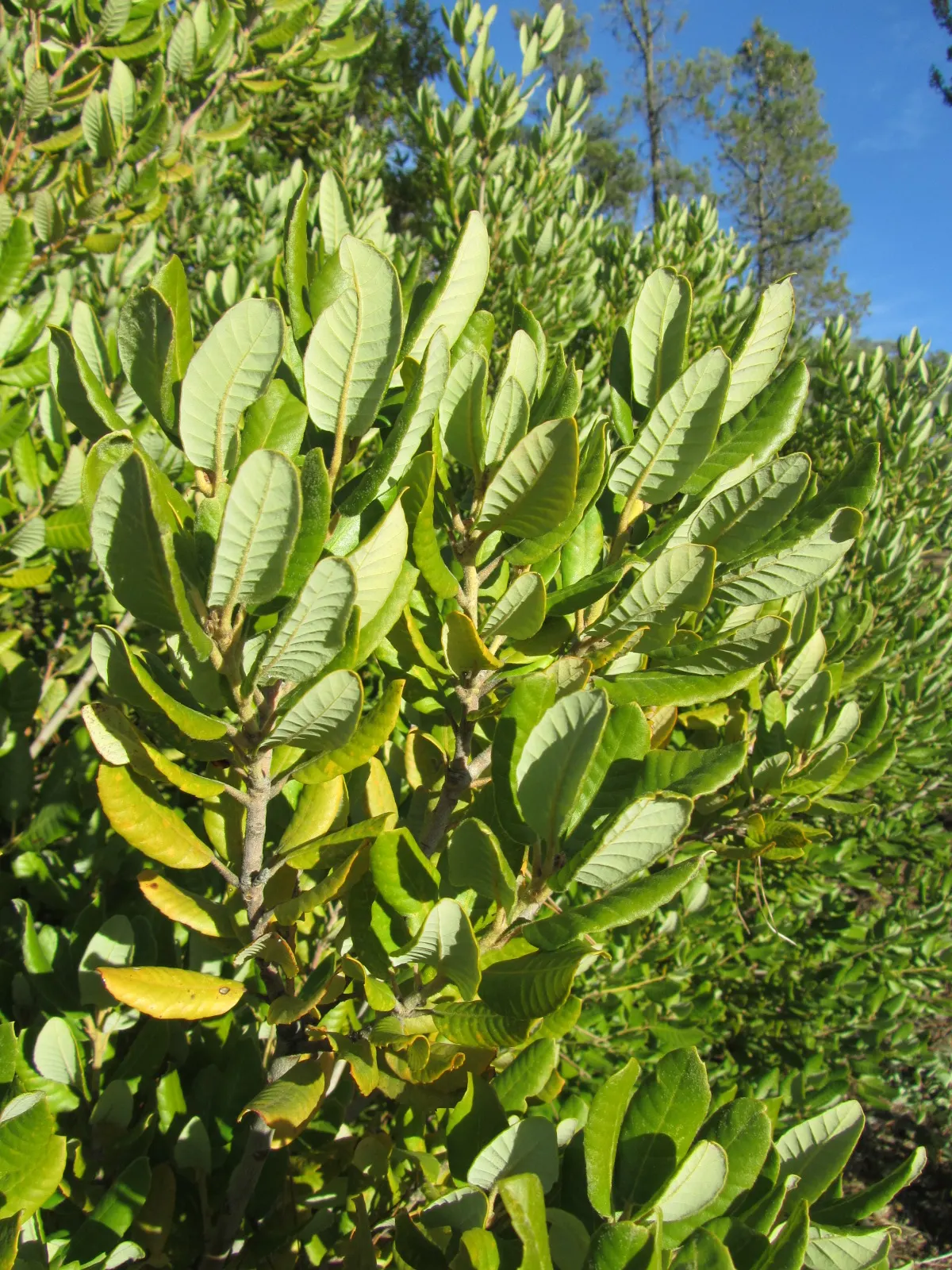
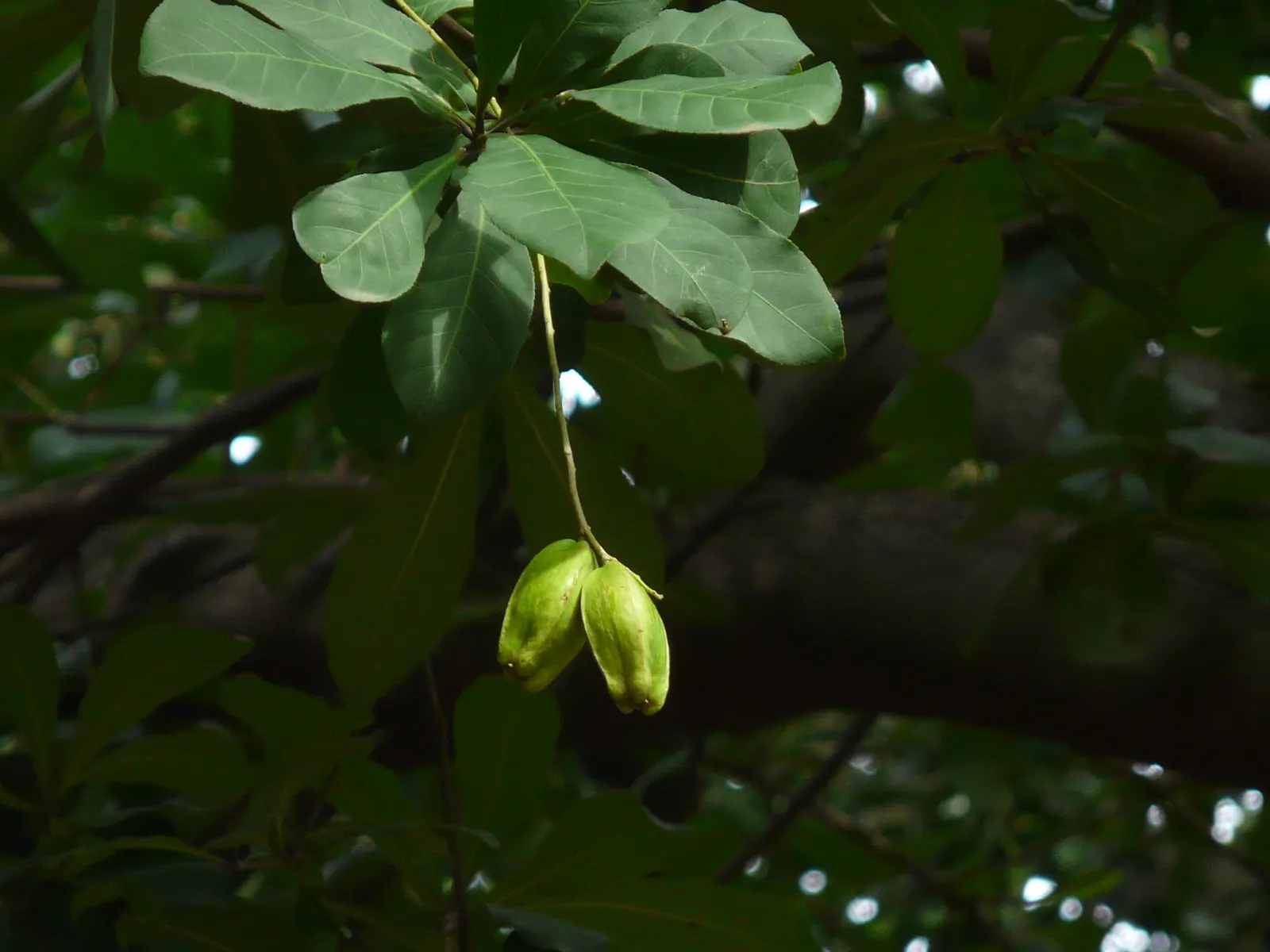
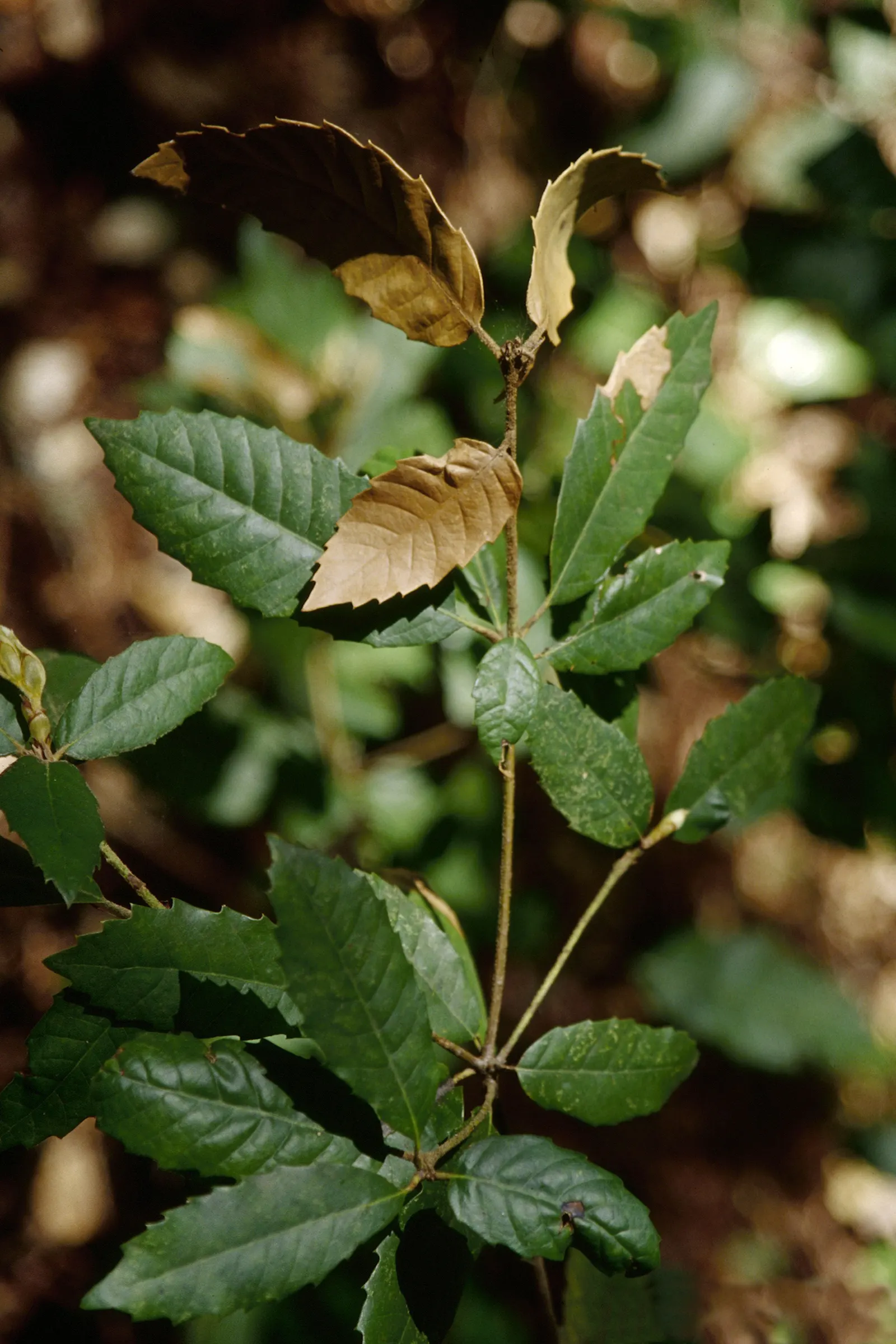
The Tan Oak, Notholithocarpus densiflora, is a versatile evergreen, thriving in USDA zones 7-9. It can reach 20-70 feet in height with a 20-35-foot spread. Its broad leaves resemble those of true oaks but are leathery with a glossy green top. The tree produces acorn-like nuts, critical for wildlife. Tan Oaks prefer well-draining soil with partial to full sun, offering a stately presence and habitat value in large-scale landscapes.

Sun Full, HalfWater LowZones 7–11

Culture

Sun
Full, Half
Water
Low
USDA zones
7–11

Shape & size

Classification

Family
Fagaceae

See full data, regional cultivation notes, full-resolution photos, and design tools. Build a client presentation around this plant.

Start your 14-day trial

Photos (54)

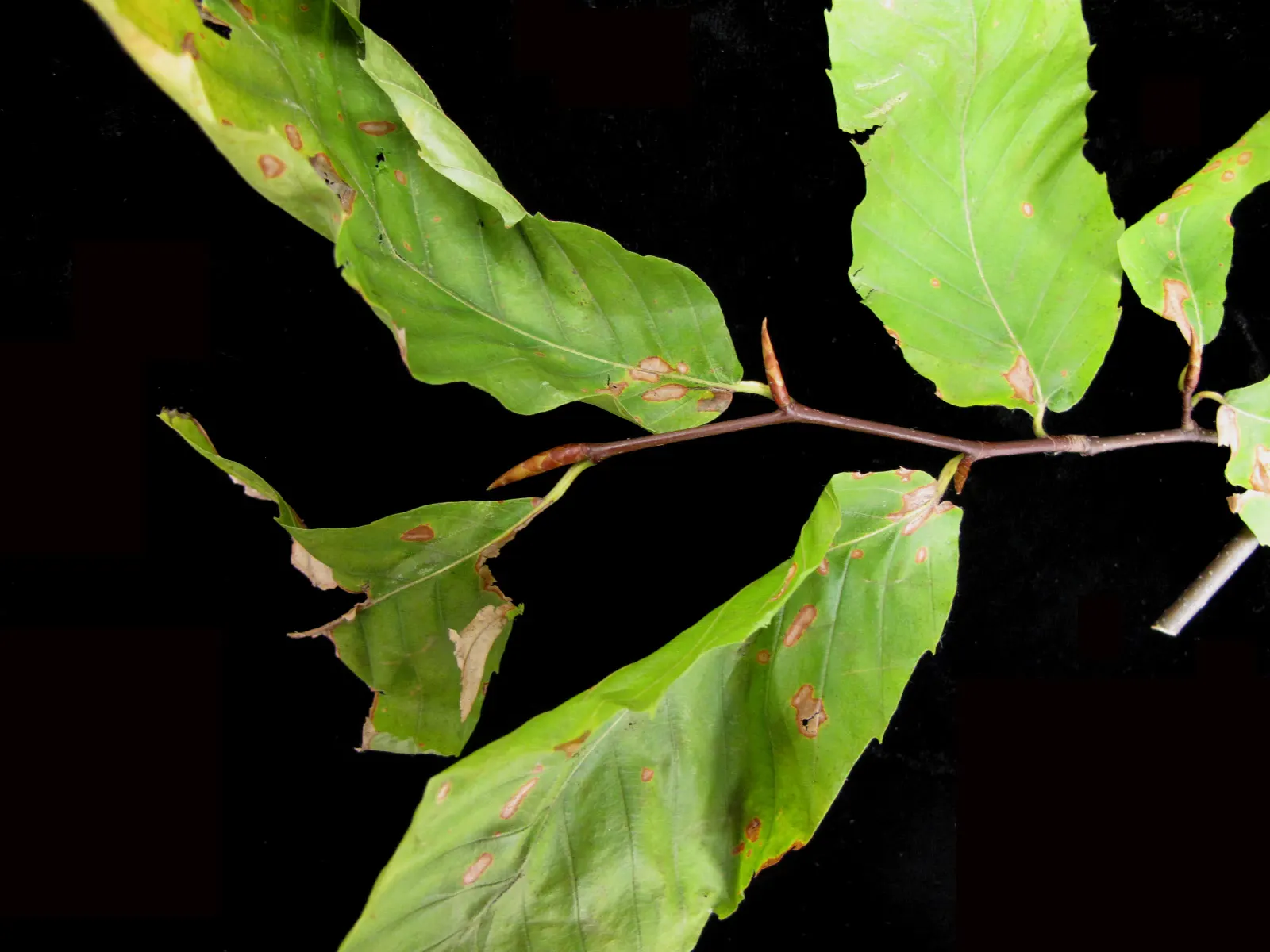
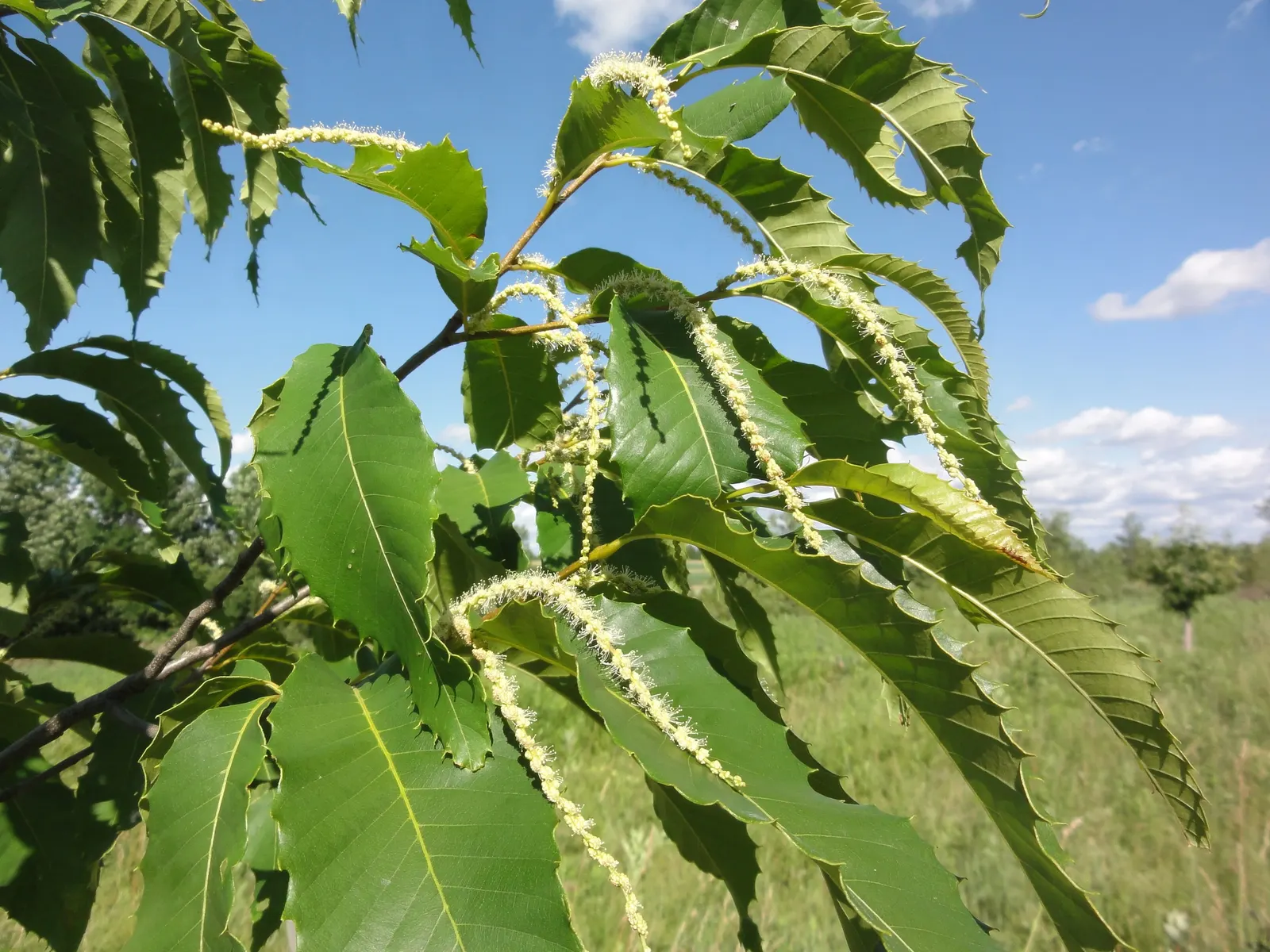
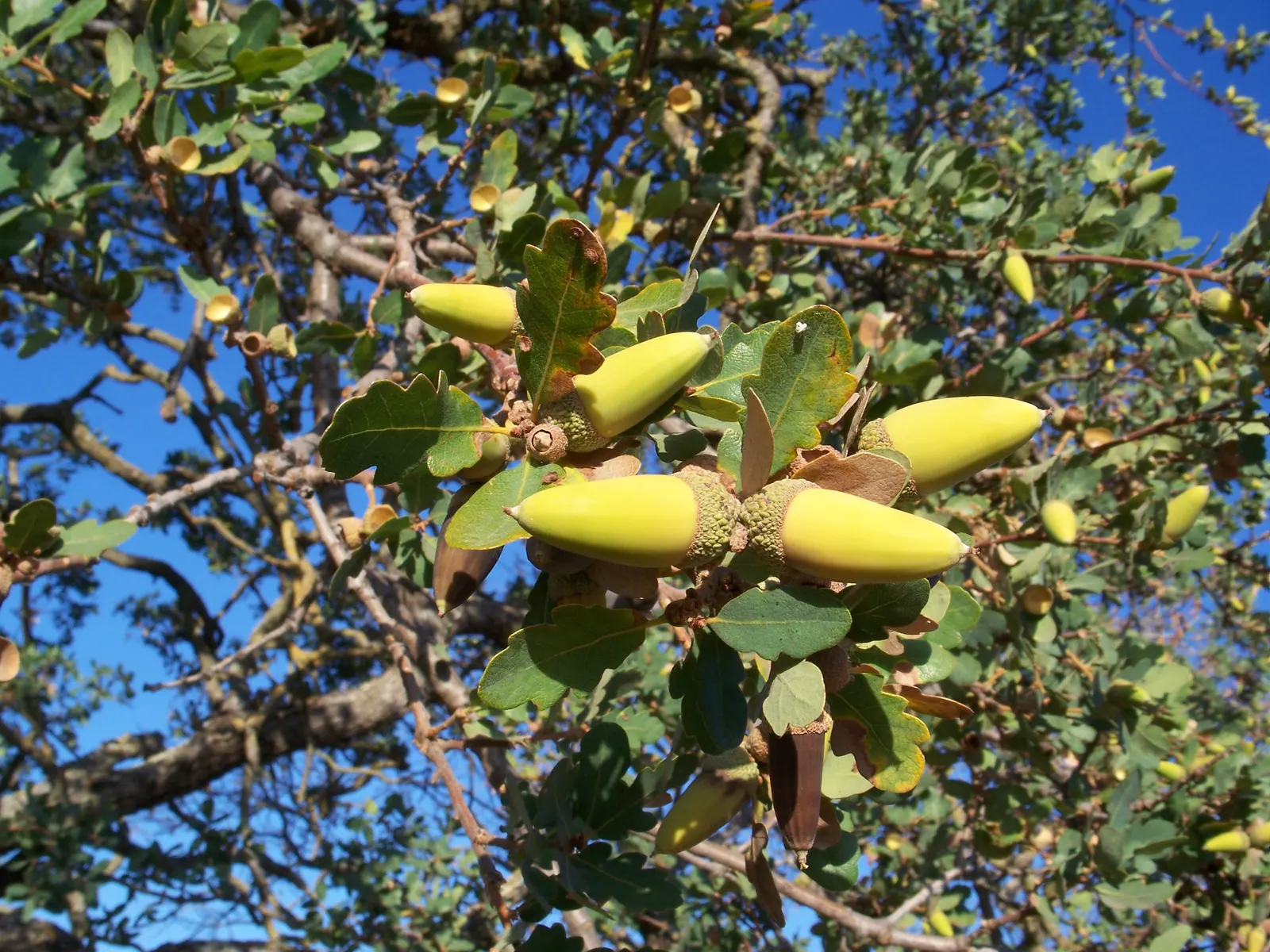
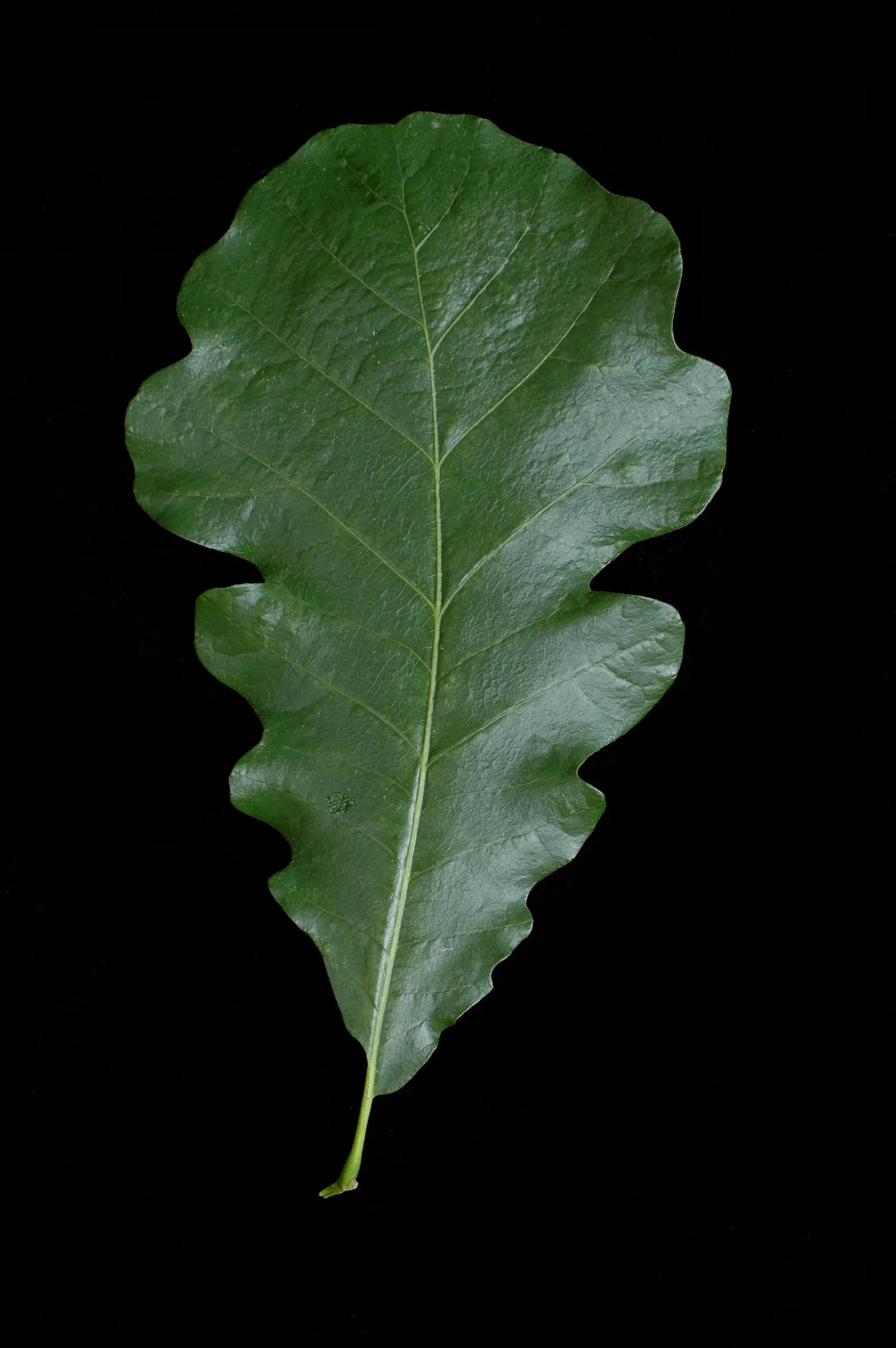
Tan Oak (Notholithocarpus Densiflorus) — making it a worthy focal point or background element in a garden setting
Tan Oak (Notholithocarpus Densiflorus) — It can reach 20-70 feet in height with a 20-35-foot spread; it typically reaches heights of 50 to 70 feet
Tan Oak (Notholithocarpus Densiflorus) — The Tan Oak, Notholithocarpus densiflora, is a versatile evergreen, thriving in USDA zones 7-9; the tree produces
Tan Oak (Notholithocarpus Densiflorus) — The tree produces acorn-like nuts, critical for wildlife; clients will appreciate its low-maintenance nature and the
Tan Oak (Notholithocarpus Densiflorus) — Clients will appreciate its low-maintenance nature and the year-round visual interest it provides
Tan Oak (Notholithocarpus Densiflorus) — Hydration needs are moderate; once established
Tan Oak (Notholithocarpus Densiflorus) — it typically reaches heights of 50 to 70 feet
Tan Oak (Notholithocarpus Densiflorus) — lance-shaped leaves that range from 3 to 6 inches in length
Tan Oak (Notholithocarpus Densiflorus) — Possessing a grand stature
Tan Oak (Notholithocarpus Densiflorus) — The leaves' underbellies hint at a lighter green
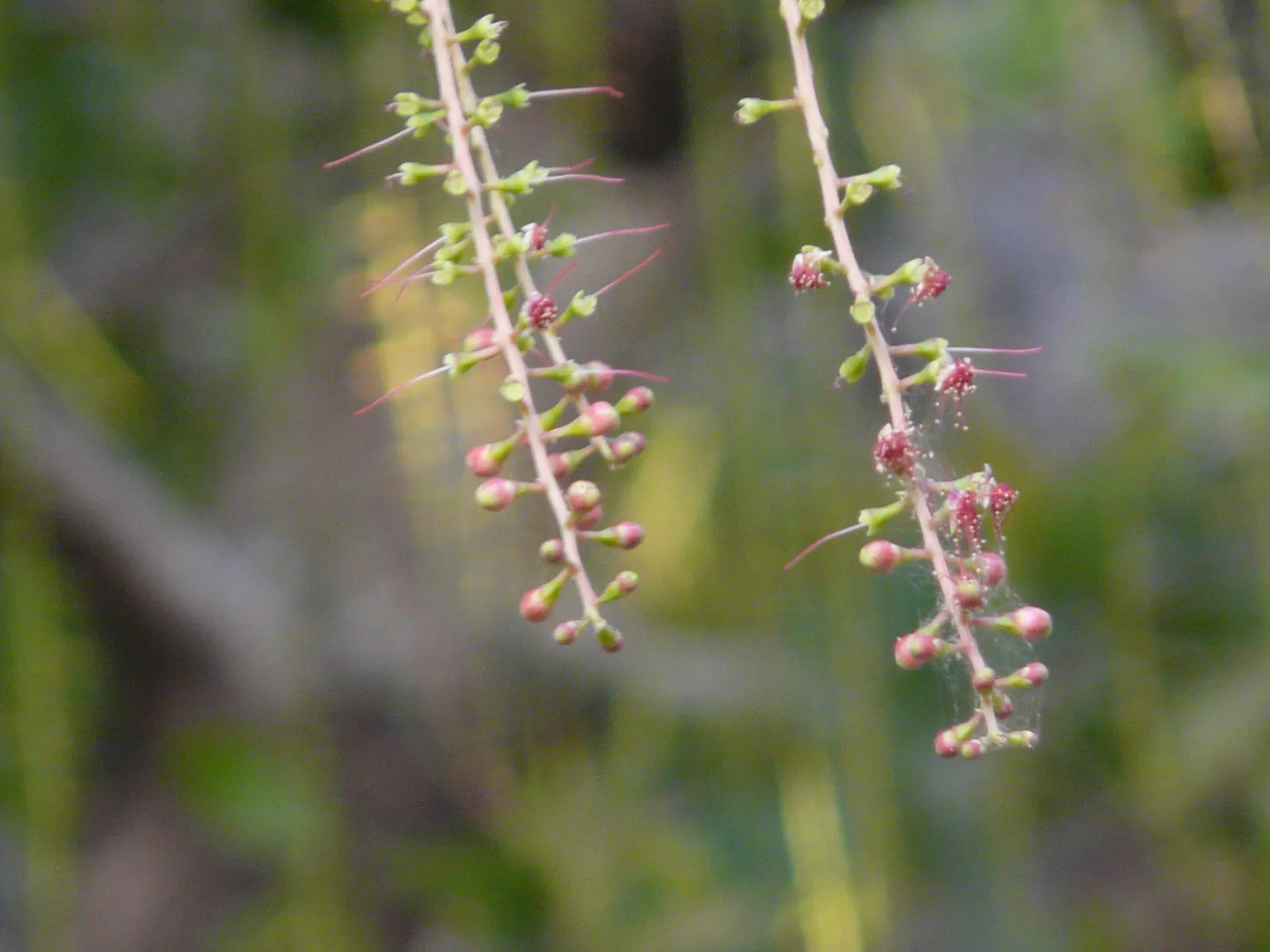
Tan Oak (Notholithocarpus Densiflorus) — it boasts an understated display of yellow-green
Tan Oak (Notholithocarpus Densiflorus) — often selected for landscape designs that require a robust and attractive tree species
Tan Oak (Notholithocarpus Densiflorus) — making it an ideal choice for larger landscapes that can accommodate its dimensions
Tan Oak (Notholithocarpus Densiflorus) — slightly acidic soil and appreciating partial to full sunlight exposures
Tan Oak (Notholithocarpus Densiflorus) — adding depth and texture to the foliage.<br><br>The Tan Oak flourishes in USDA hardiness zones 7 through 9
Tan Oak (Notholithocarpus Densiflorus) — providing a valuable food source for local wildlife
Tan Oak (Notholithocarpus Densiflorus) — It is important to note that the tree does require space to grow
Tan Oak (Notholithocarpus Densiflorus) — which later give way to acorn-like nuts
Tan Oak (Notholithocarpus Densiflorus) — Its foliage is characterized by leathery
Tan Oak (Notholithocarpus Densiflorus) — with a broad canopy spread of 20 to 40 feet upon maturity
Tan Oak (Notholithocarpus Densiflorus) — <br><br>For the landscape designer
Tan Oak (Notholithocarpus Densiflorus) — Its broad leaves resemble those of true oaks but are leathery with a glossy green top; it boasts an understated
Tan Oak (Notholithocarpus Densiflorus) — incorporating the Tan Oak means adding an element that is both stately and beneficial to the ecosystem
Tan Oak (Notholithocarpus Densiflorus) — is an evergreen tree of notable versatility and resilience

Related plants