Skip to content

Oleander

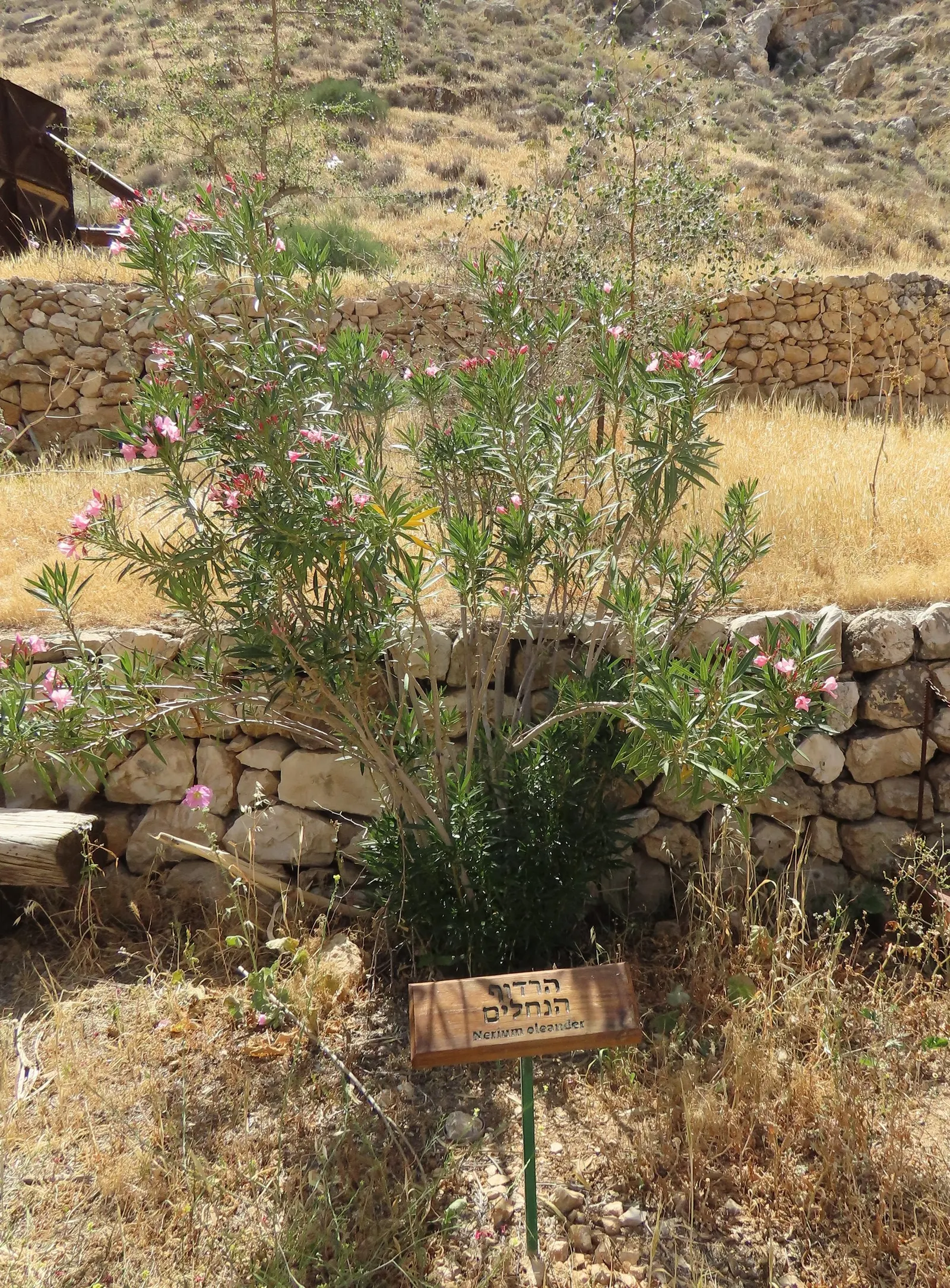
Nerium Oleander

Design with this plant

Overview

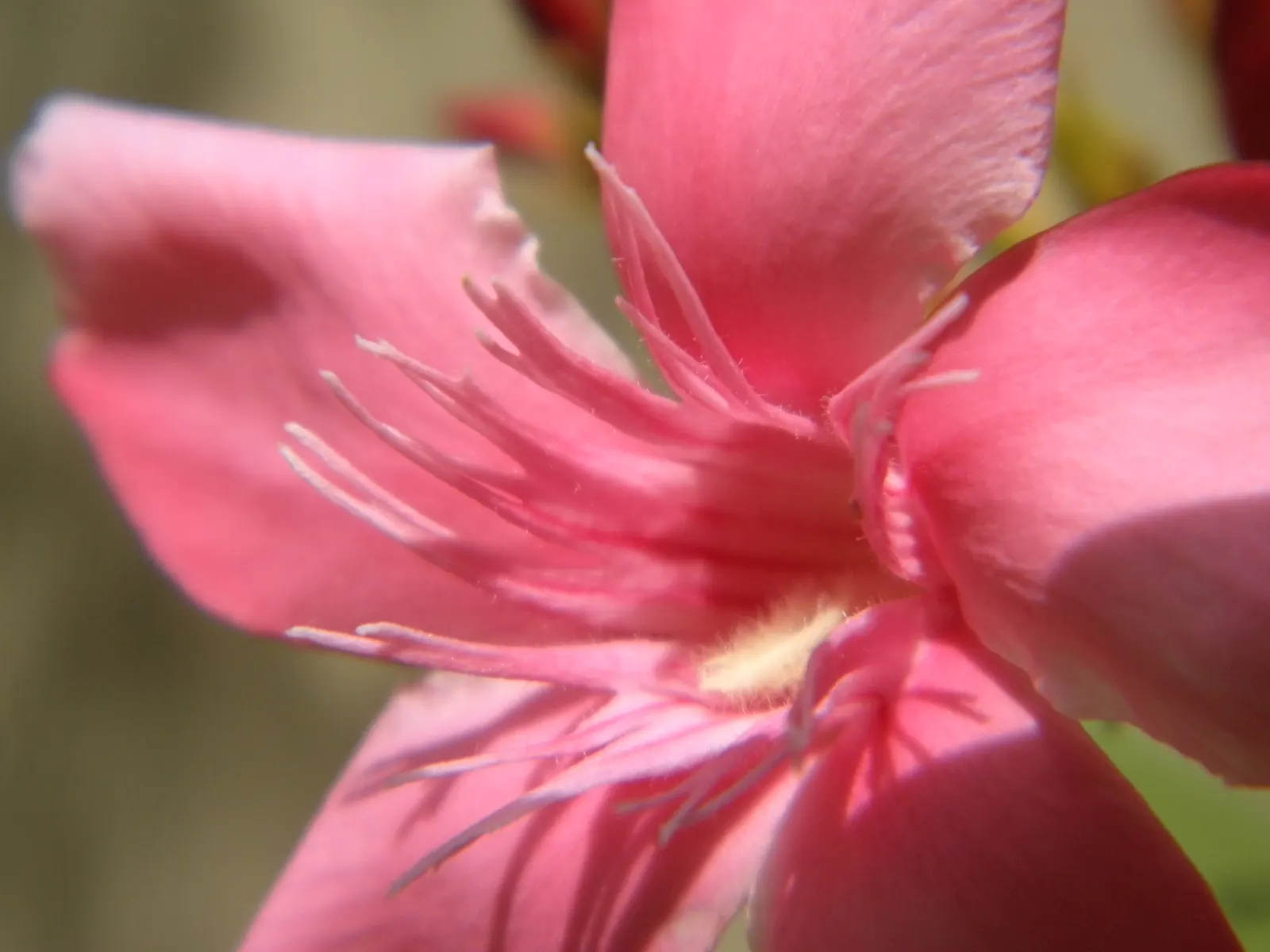
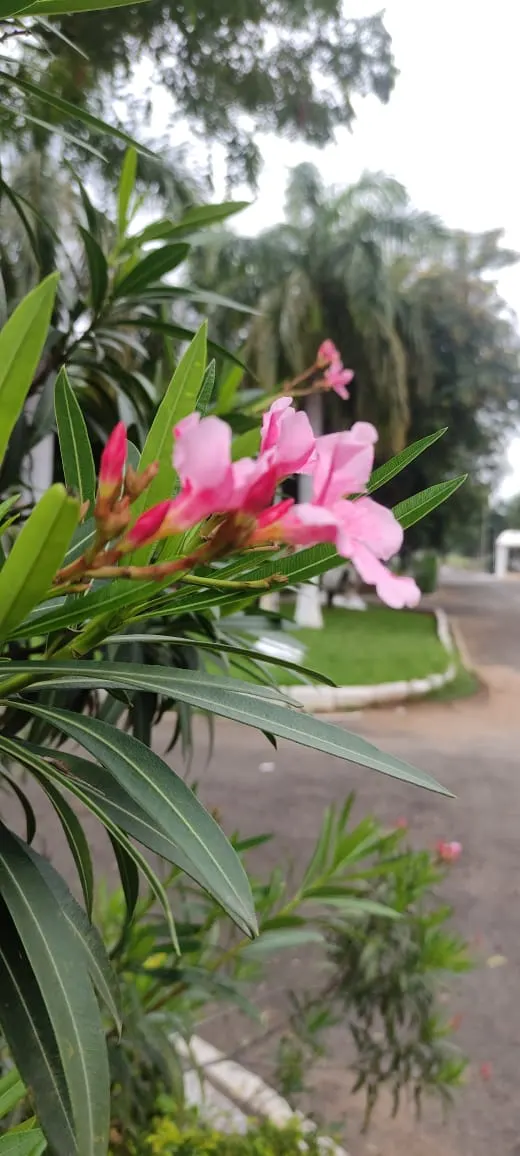
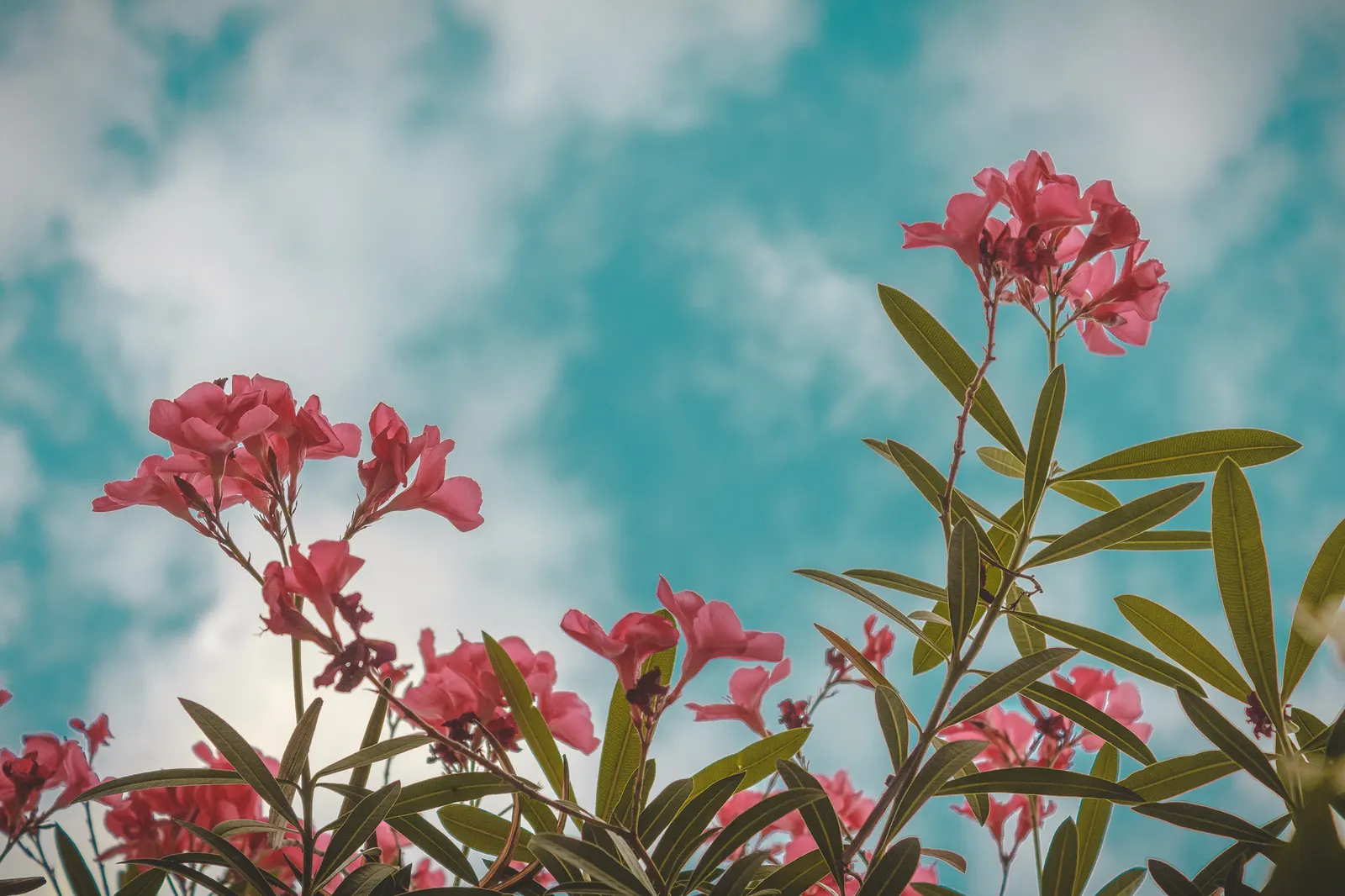
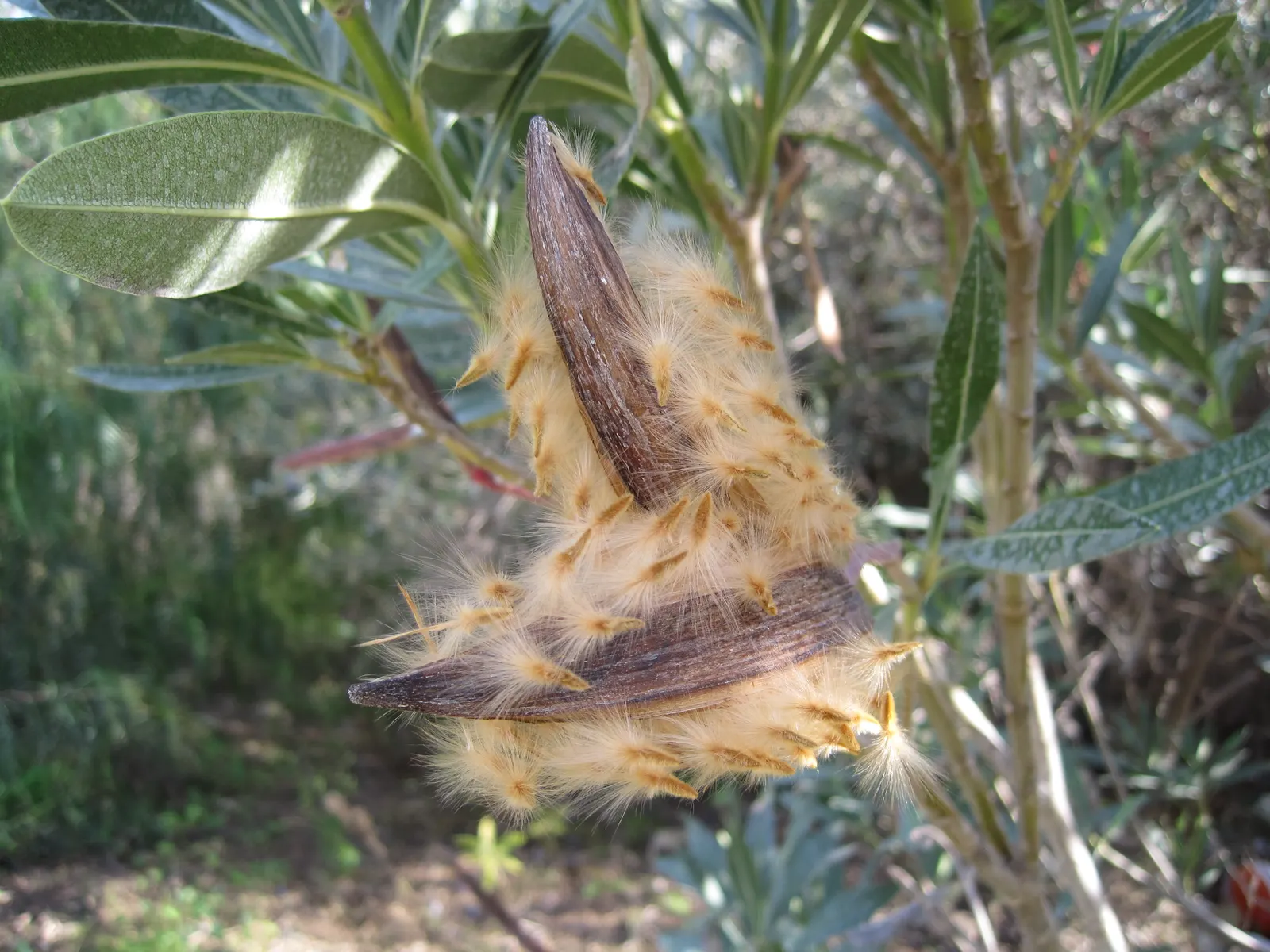
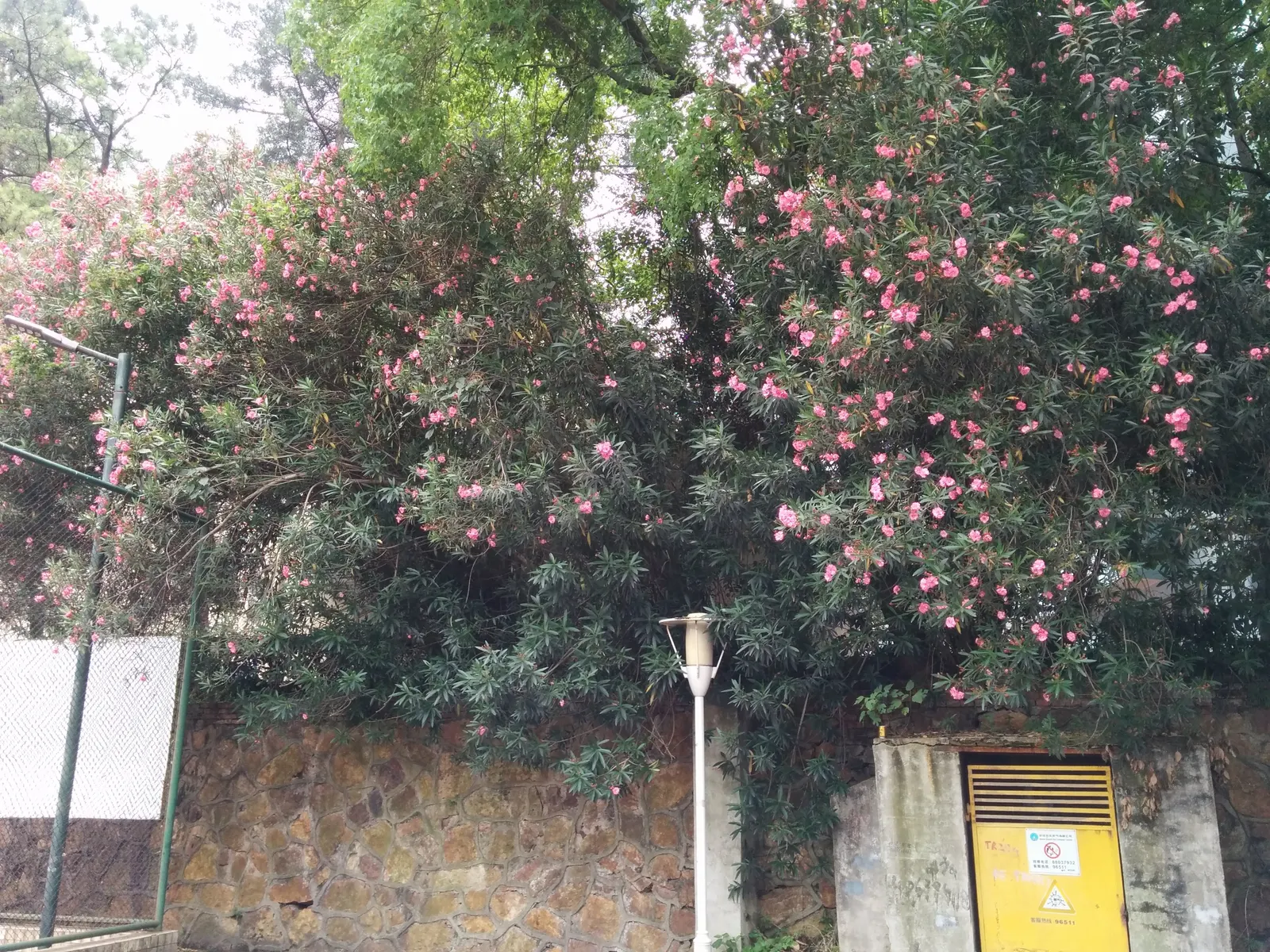
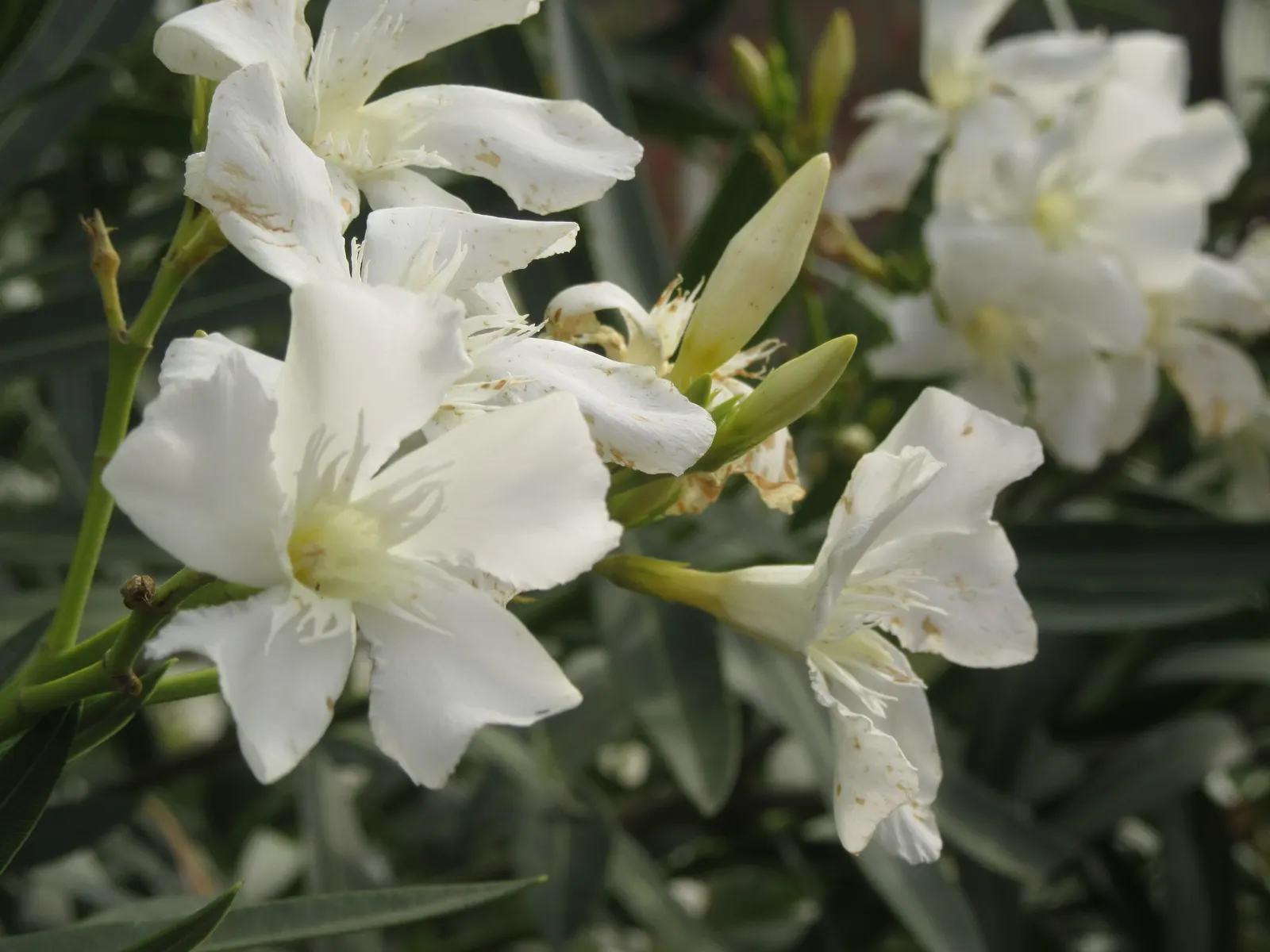
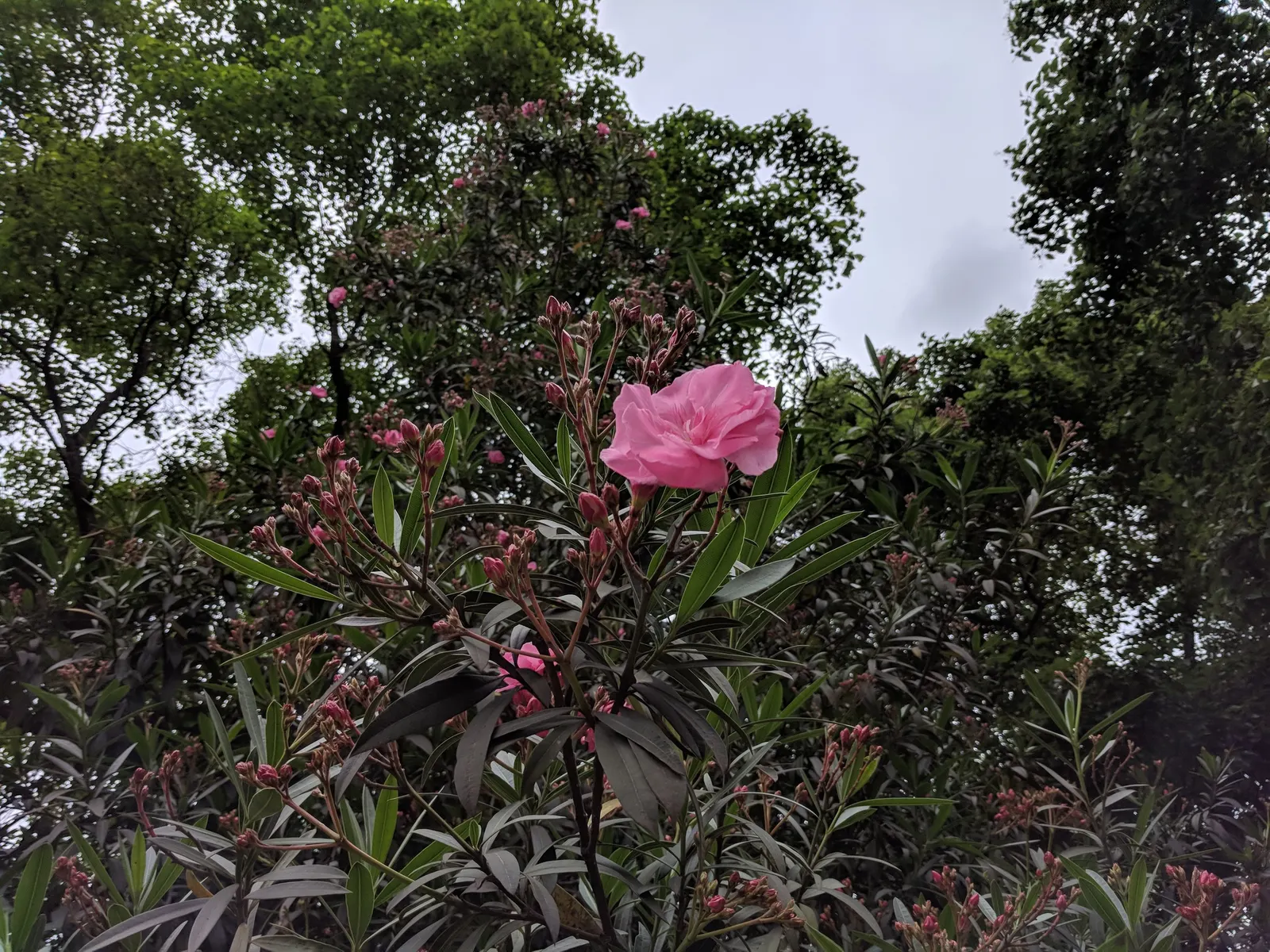
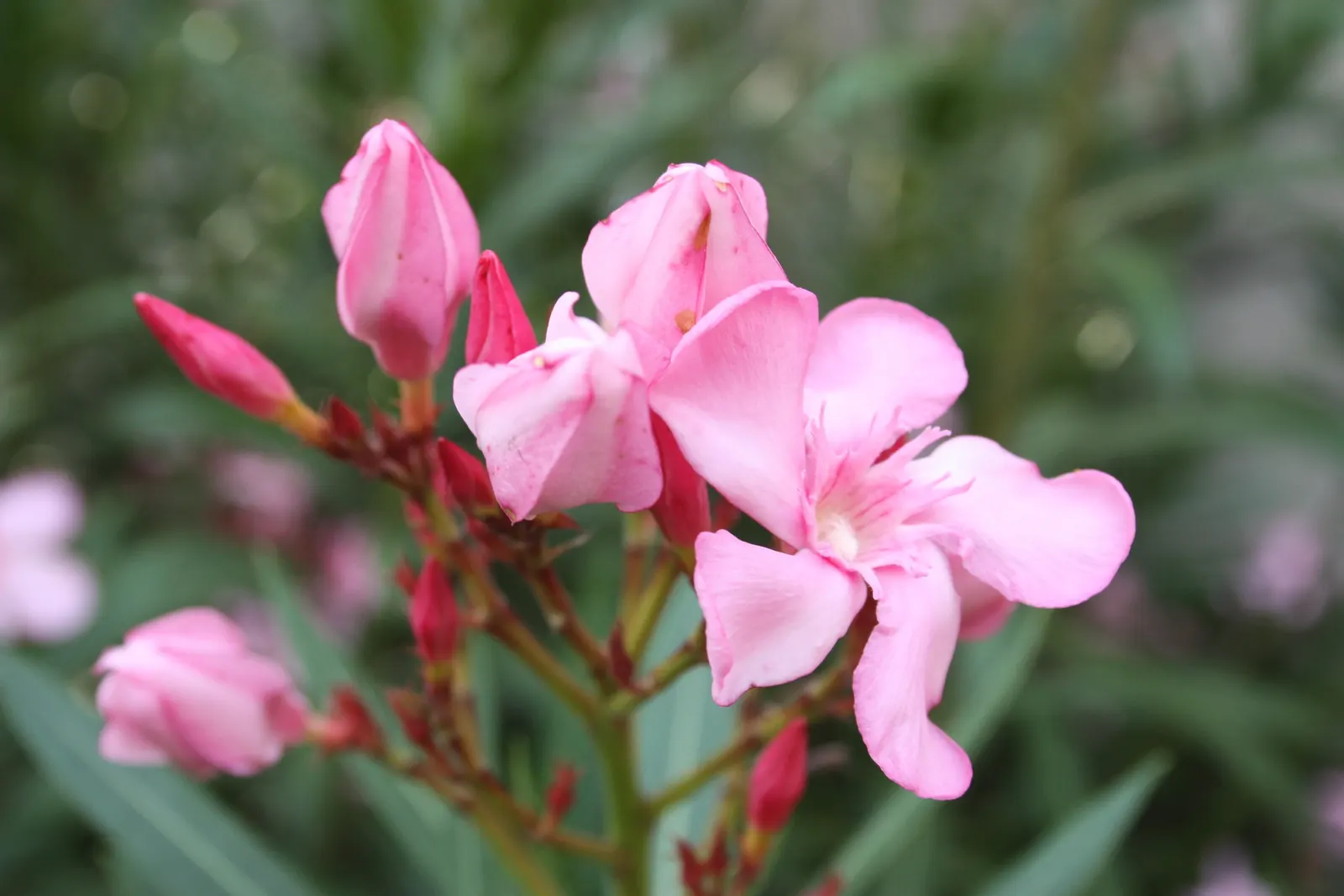
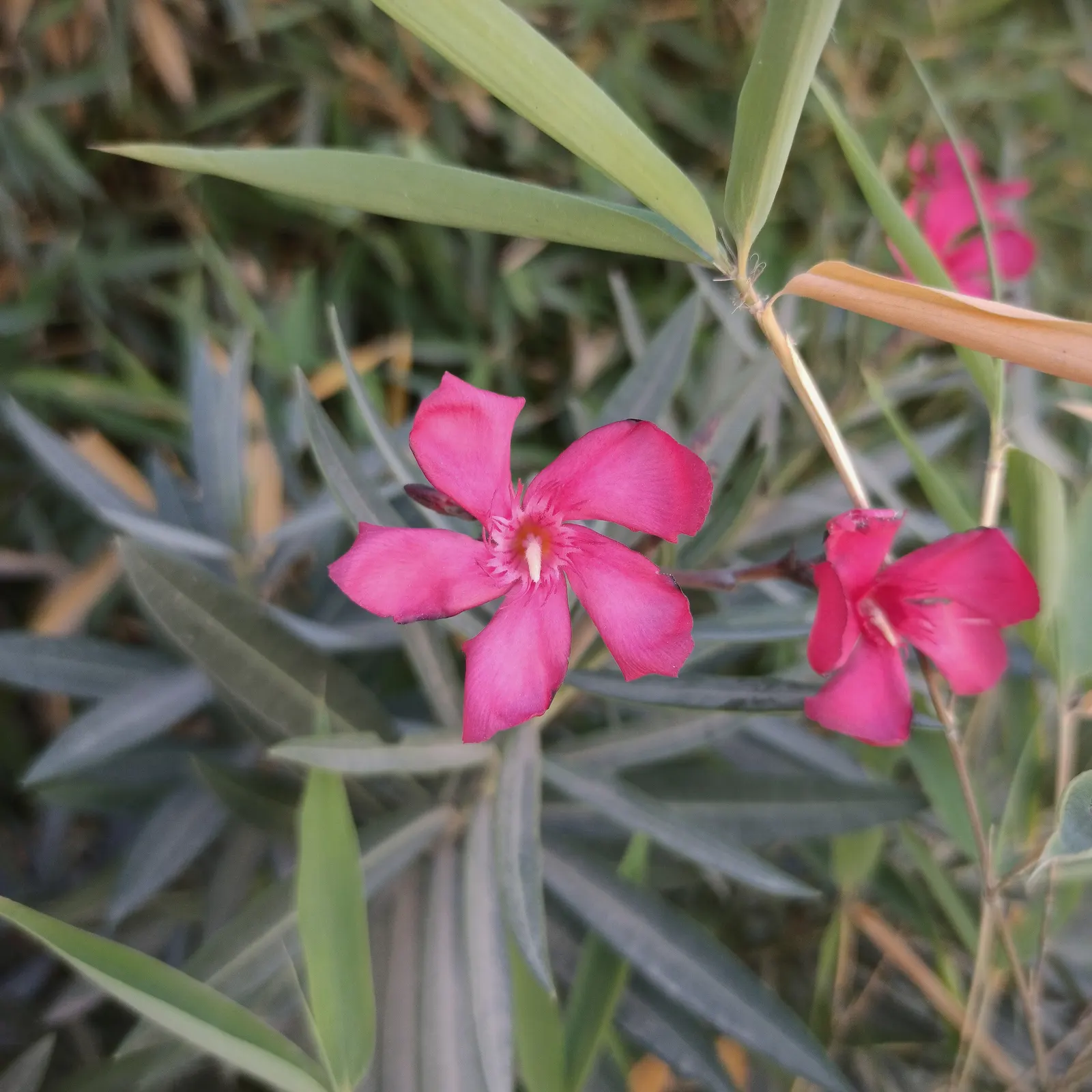
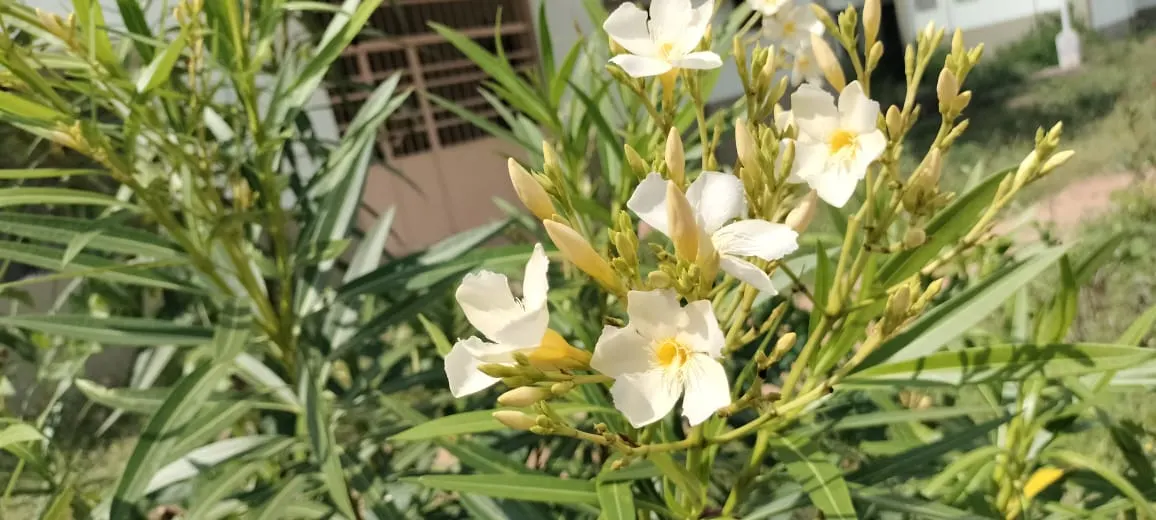
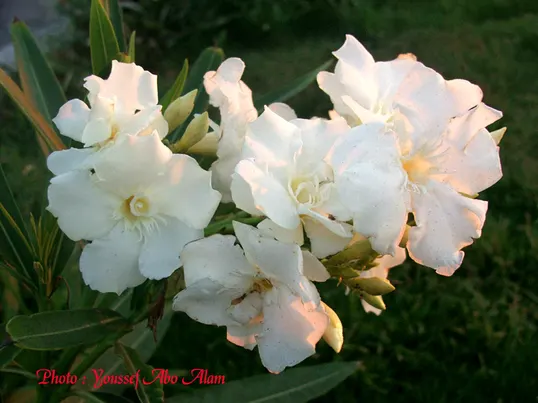
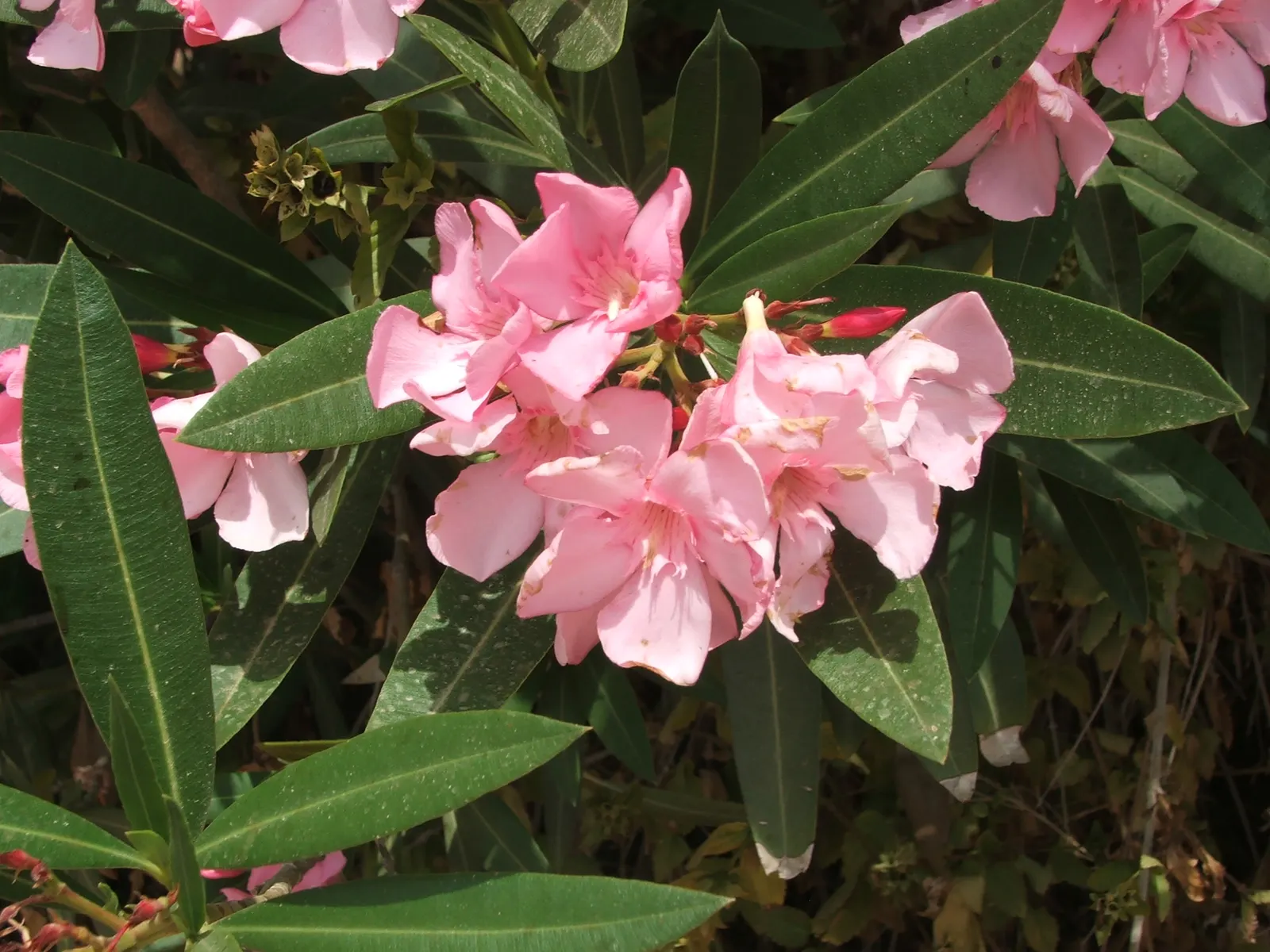
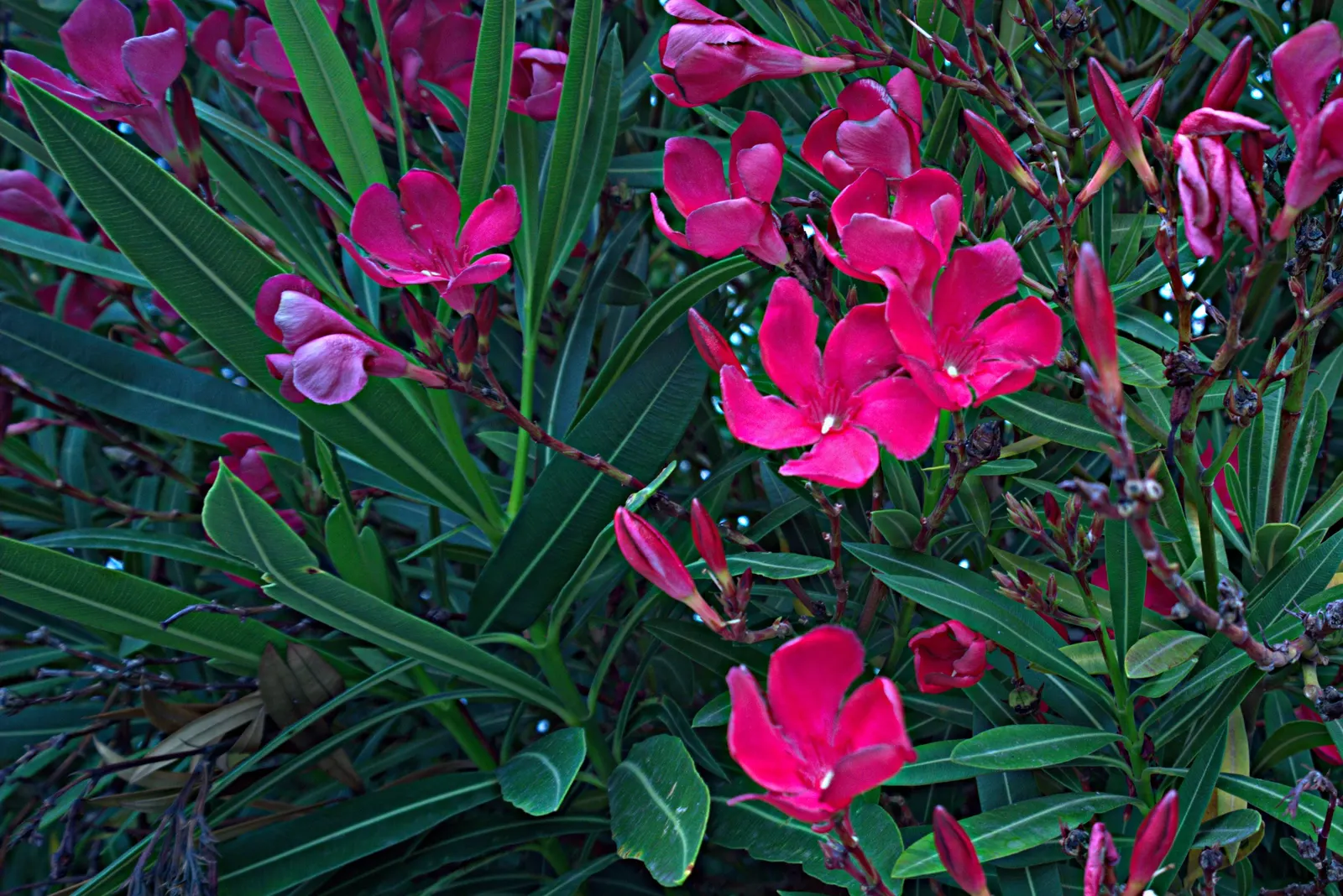
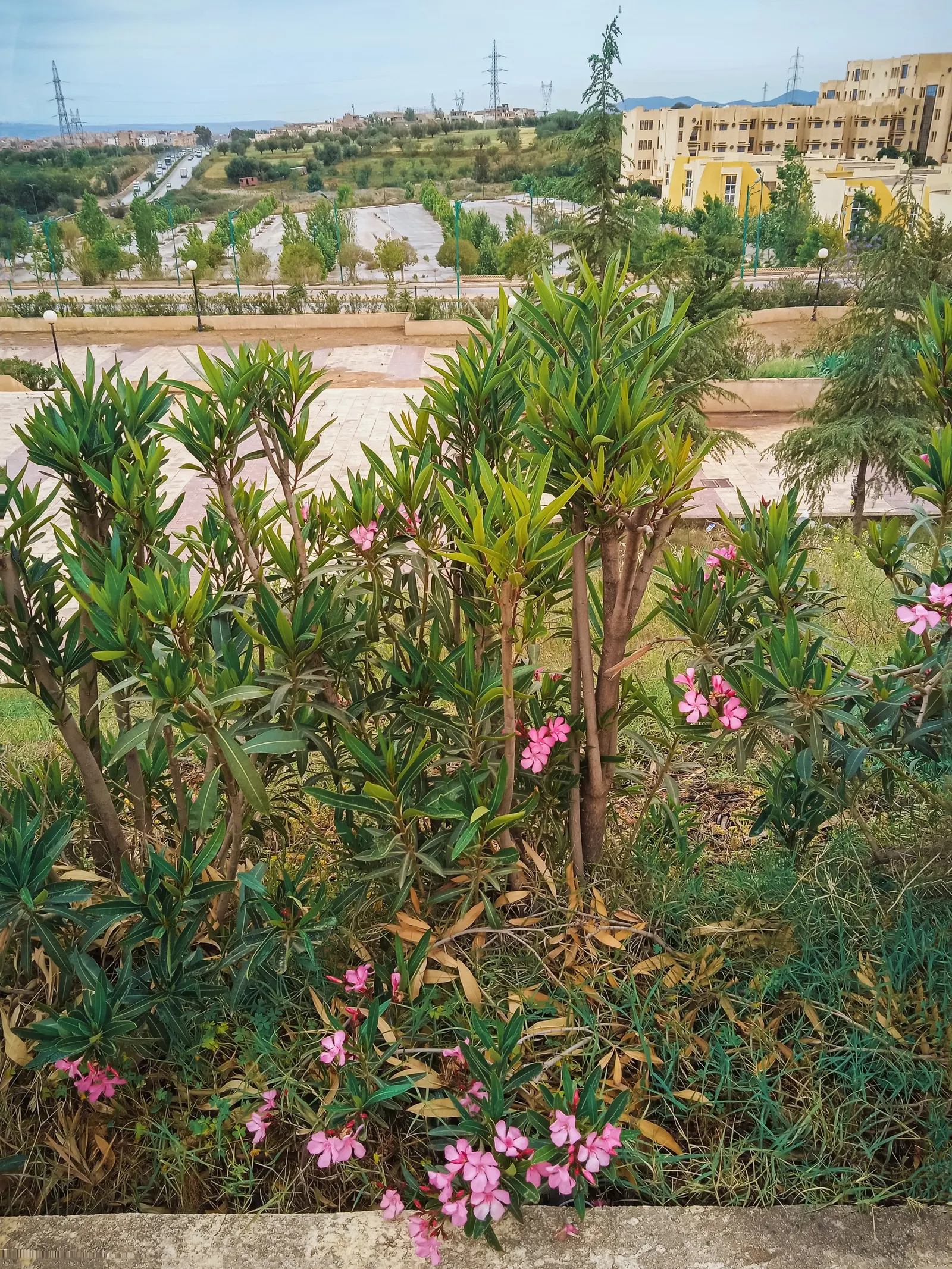
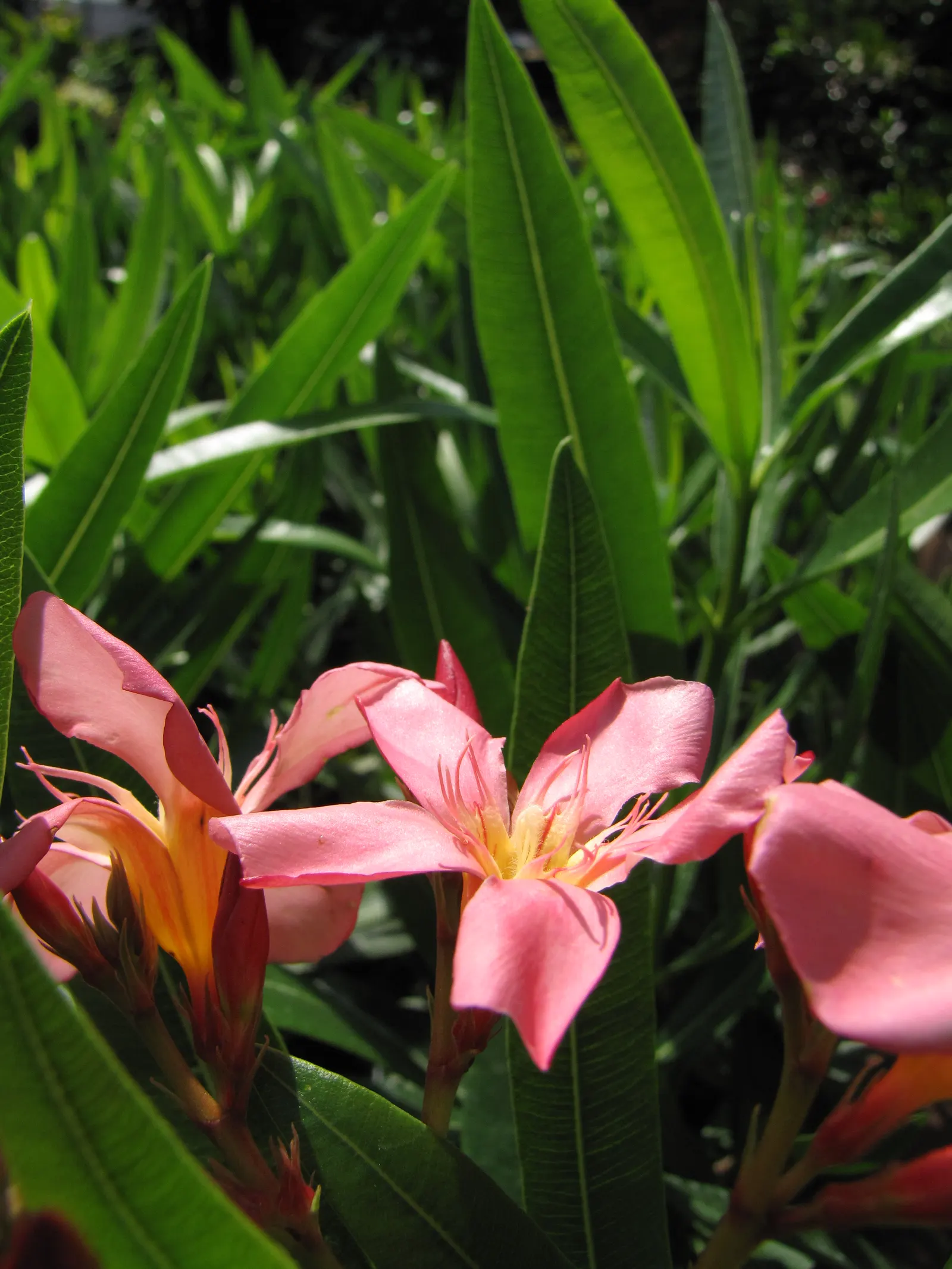
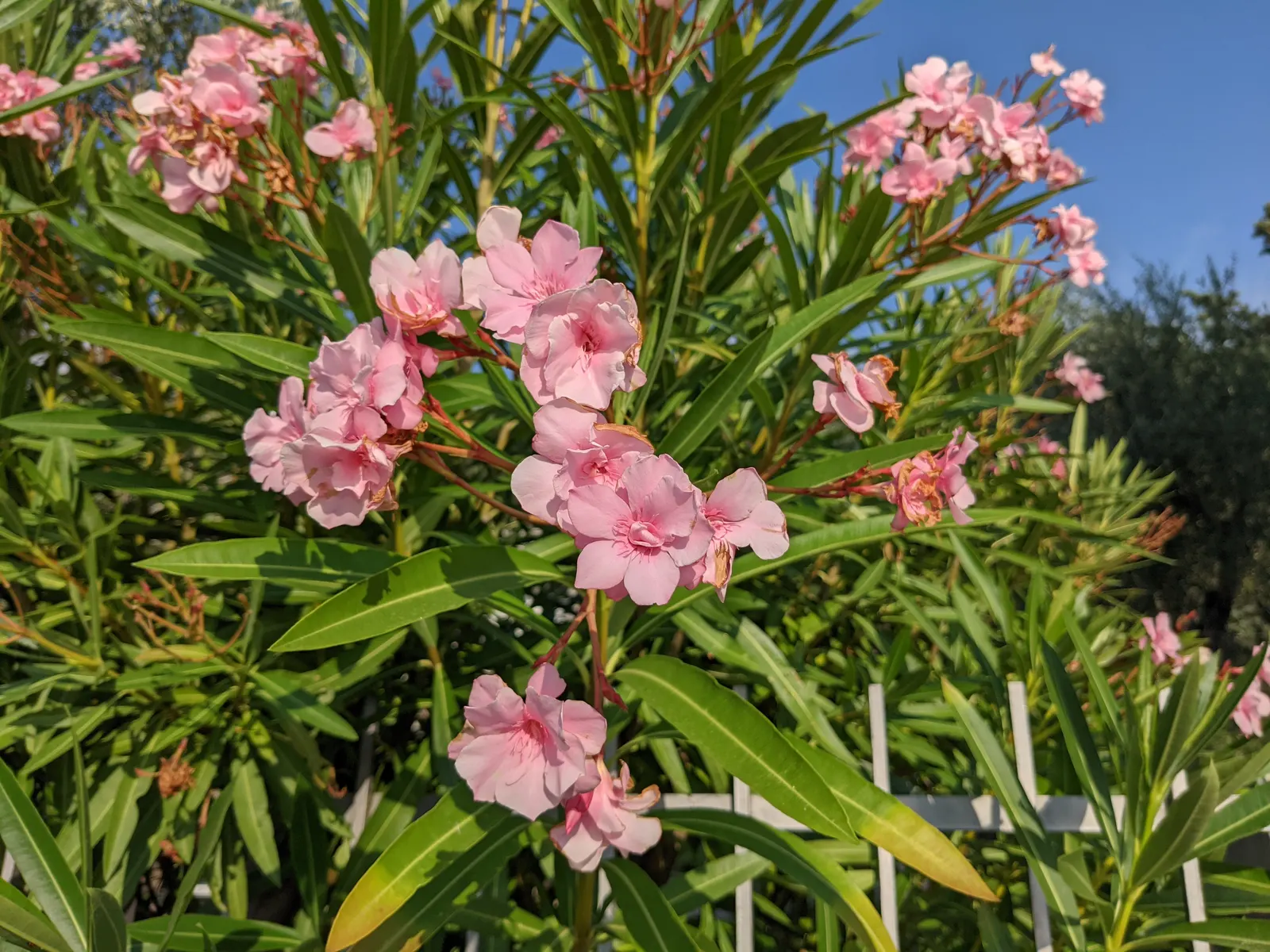
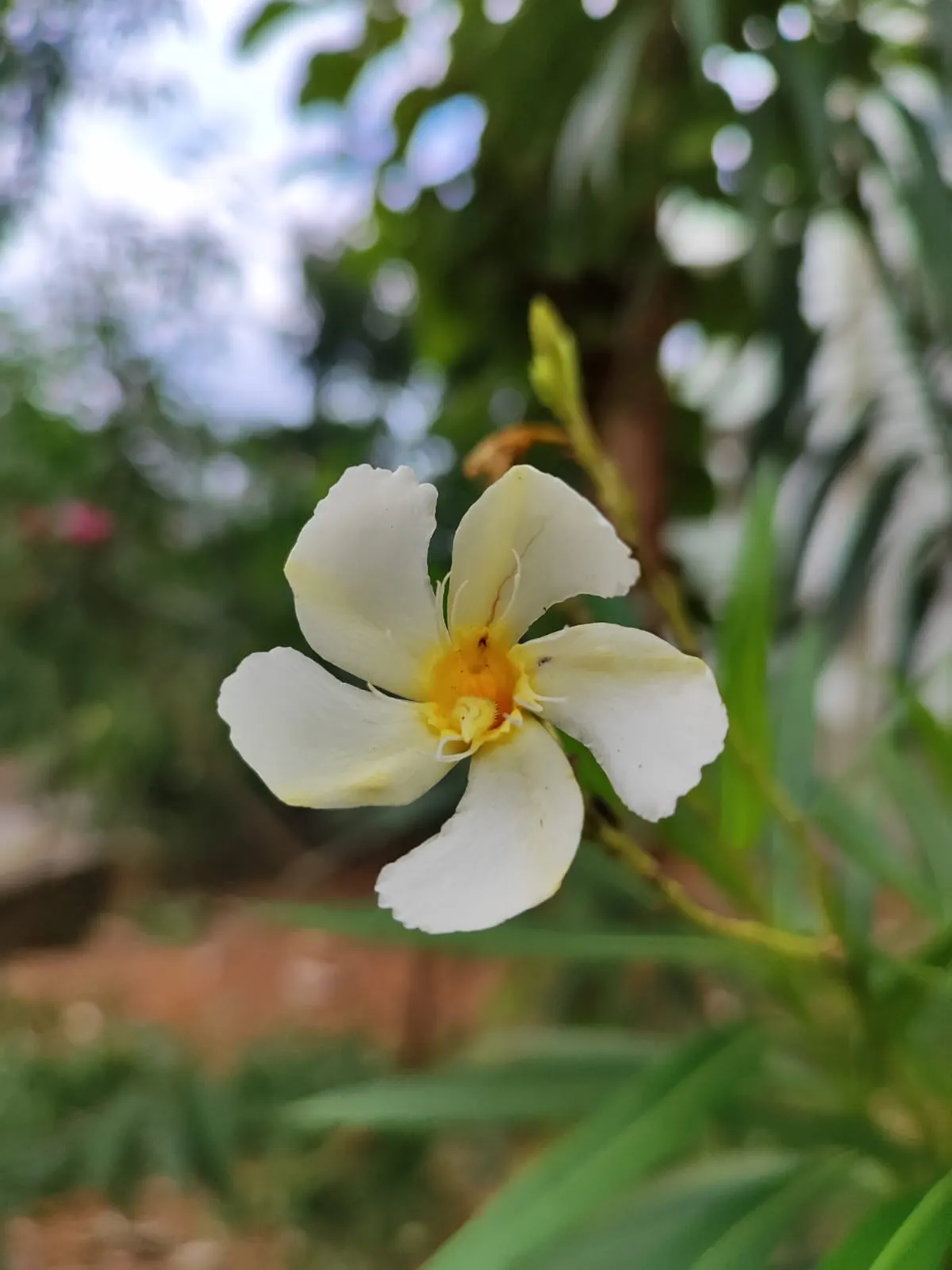
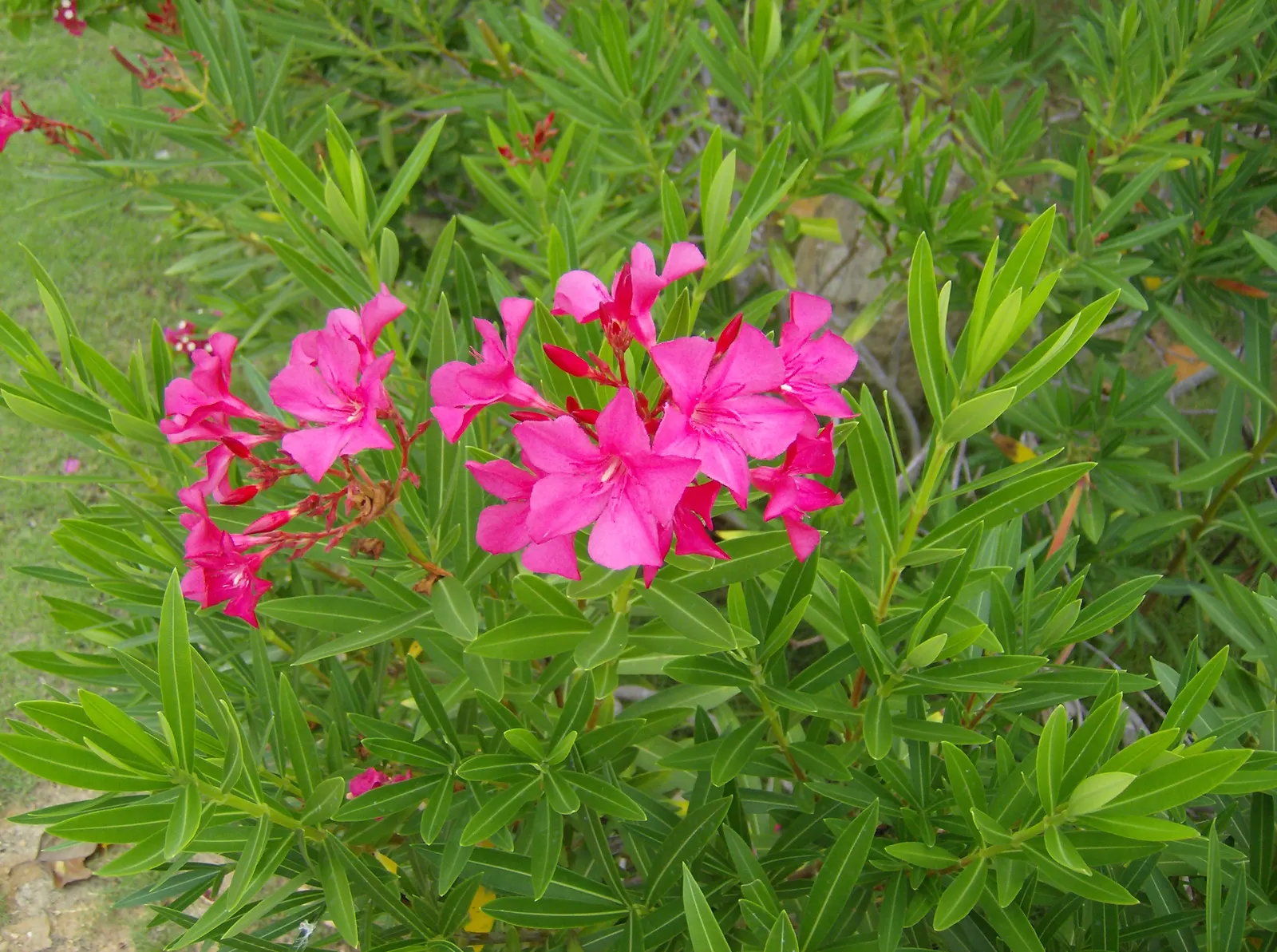
Nerium oleander, commonly known as Oleander, is an evergreen shrub averaging 8-12 ft in height with a spread of 10 ft. It showcases lance-shaped leaves and clusters of fragrant flowers in shades of pink, red, or white. Although hardy in USDA zones 8-10, it is toxic if ingested. Requires well-drained soil and full sun to partial shade. Ideal for hedges or ornamental screens.

Sun Full, HalfWater Low, Very LowZones 8–11Climate Mediterranean
Oleander (Nerium Oleander) — It showcases lance-shaped leaves and clusters of fragrant flowers in shades of pink, red, or white; additionally, image 45

Culture

Sun
Full, Half
Water
Low, Very Low
USDA zones
8–11

Shape & size

Classification

Family
Apocynaceae
Climate
Mediterranean

See full data, regional cultivation notes, full-resolution photos, and design tools. Build a client presentation around this plant.

Start your 14-day trial

Photos (107)

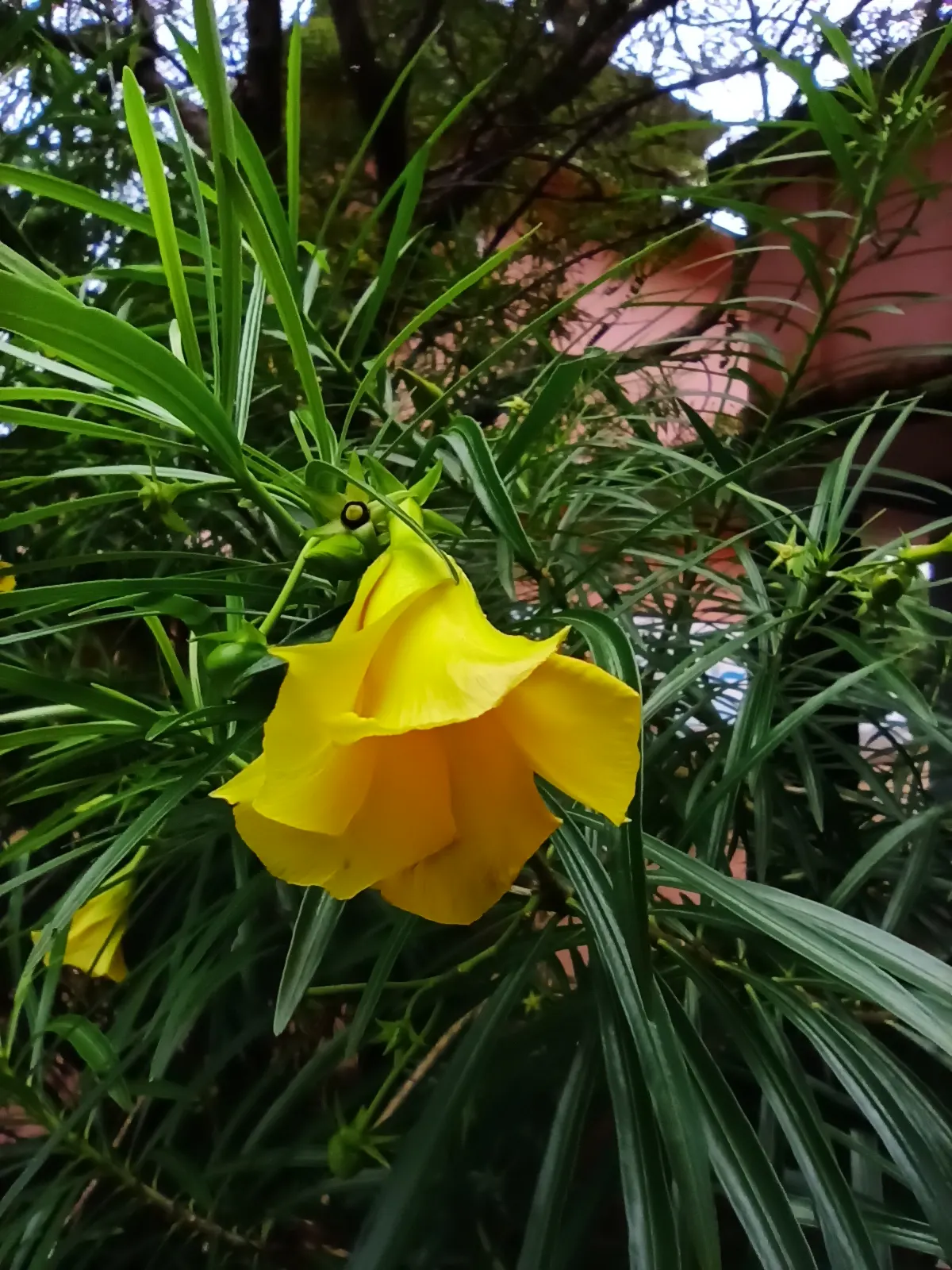
Oleander (Nerium Oleander) — scientifically known as Nerium oleander; although hardy in USDA zones 8-10, it is toxic if ingested
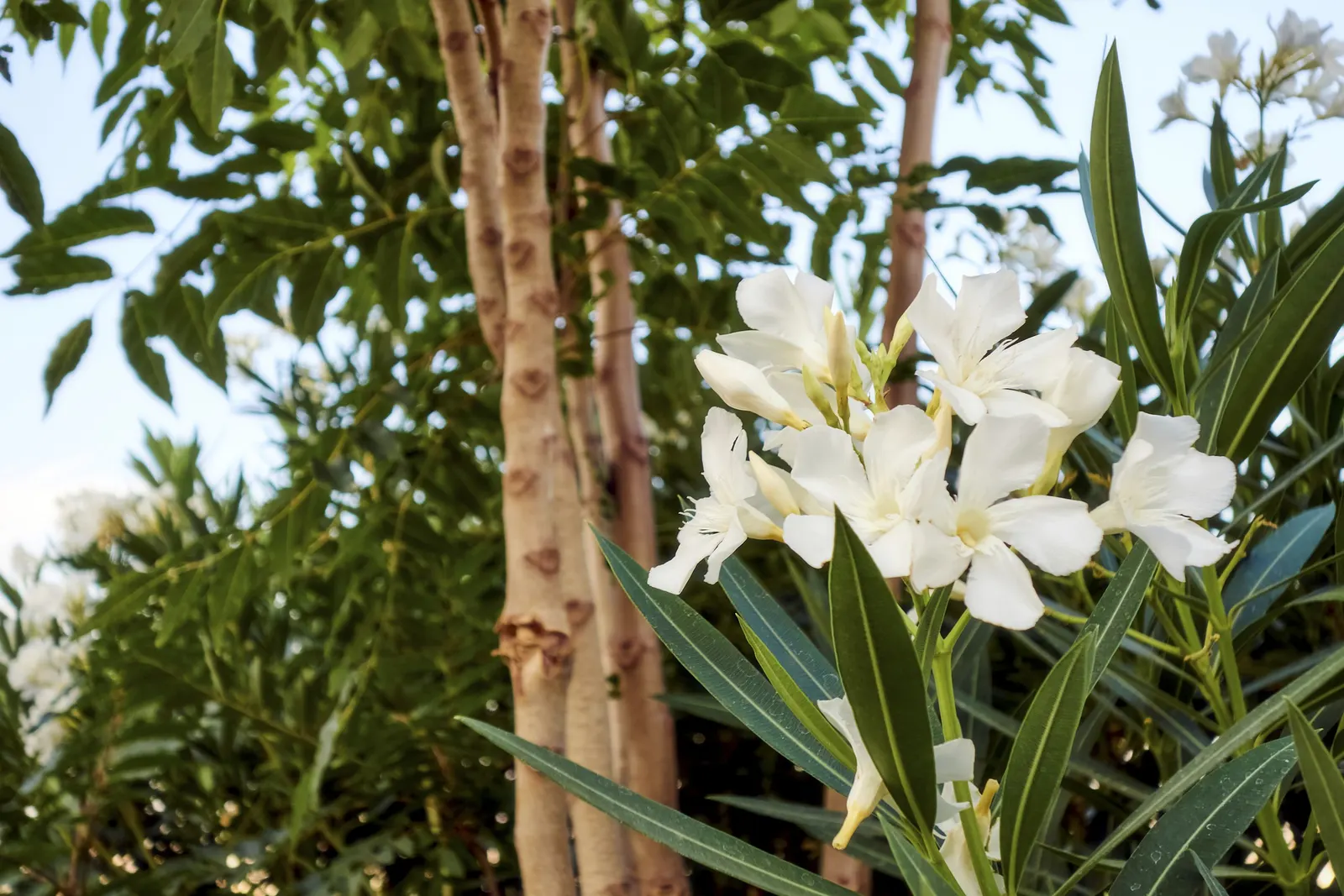
Oleander (Nerium Oleander) — is an eye-catching evergreen shrub renowned for its bountiful; the Oleander is well adapted to warm climates and is hardy in USDA
Oleander (Nerium Oleander) — vibrant flowers and dark green; additionally, minimal contact is advised as the sap can cause skin irritation in sensitive
Oleander (Nerium Oleander) — This versatile plant can flourish up to heights of 8 to 12 feet and spread out to an impressive 6 to 10 feet; although hardy in
Oleander (Nerium Oleander) — the Oleander is well adapted to warm climates and is hardy in USDA zones 8 through 10, image 32
Oleander (Nerium Oleander) — which appear in a stunning array of colors such as pink; although hardy in USDA zones 8-10, it is toxic if ingested
Oleander (Nerium Oleander) — create a striking display from early summer until the first frost; the Oleander is well adapted to warm climates and is hardy in
Oleander (Nerium Oleander) — it is essential to consider their sunlight and water needs; additionally, minimal contact is advised as the sap can cause skin
Oleander (Nerium Oleander) — They prefer full sun to partial shade settings and require moderate watering; although hardy in USDA zones 8-10, it is toxic if
Oleander (Nerium Oleander) — being somewhat drought-tolerant once established; the Oleander is well adapted to warm climates and is hardy in USDA zones 8
Oleander (Nerium Oleander) — Additionally, minimal contact is advised as the sap can cause skin irritation in sensitive individuals, image 39
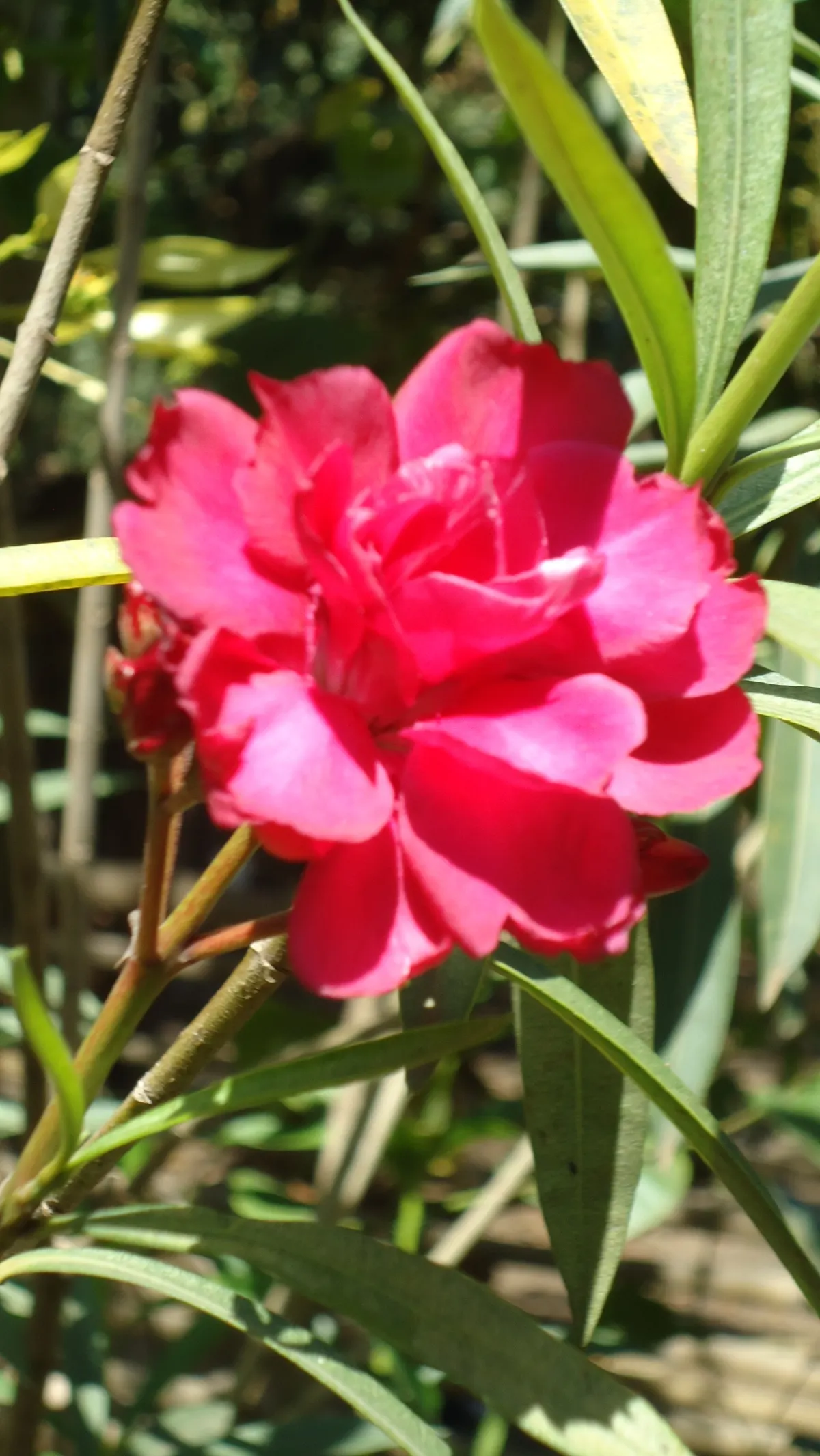
Oleander (Nerium Oleander) — red flowers in the garden; although hardy in USDA zones 8-10, it is toxic if ingested
Oleander (Nerium Oleander) — shrub with red blooms; the Oleander is well adapted to warm climates and is hardy in USDA zones 8 through 10
Oleander (Nerium Oleander) — shrub for full or half; additionally, minimal contact is advised as the sap can cause skin irritation in sensitive individuals
Oleander (Nerium Oleander) — commonly known as Oleander; although hardy in USDA zones 8-10, it is toxic if ingested, image 43
Oleander (Nerium Oleander) — is an evergreen shrub averaging 8-12 ft in height with a spread of 10 ft; the Oleander is well adapted to warm, image 44
Oleander (Nerium Oleander) — Although hardy in USDA zones 8-10, it is toxic if ingested, image 46
Oleander (Nerium Oleander) — Requires well-drained soil and full sun to partial shade; the Oleander is well adapted to warm climates and is hardy, image 47
Oleander (Nerium Oleander) — Ideal for hedges or ornamental screens; additionally, minimal contact is advised as the sap can cause skin irritation, image 48
Oleander (Nerium Oleander) — scientifically known as Nerium oleander; although hardy in USDA zones 8-10, it is toxic if ingested, image 49
Oleander (Nerium Oleander) — is an eye-catching evergreen shrub renowned for its bountiful; the Oleander is well adapted to warm climates and is, image 50
Oleander (Nerium Oleander) — vibrant flowers and dark green; additionally, minimal contact is advised as the sap can cause skin irritation in, image 51
Oleander (Nerium Oleander) — This versatile plant can flourish up to heights of 8 to 12 feet and spread out to an impressive 6 to 10 feet; although, image 52
Oleander (Nerium Oleander) — the Oleander is well adapted to warm climates and is hardy in USDA zones 8 through 10, image 53

Related plants