Skip to content

Oleander

Nerium Oleander

Design with this plant

Overview

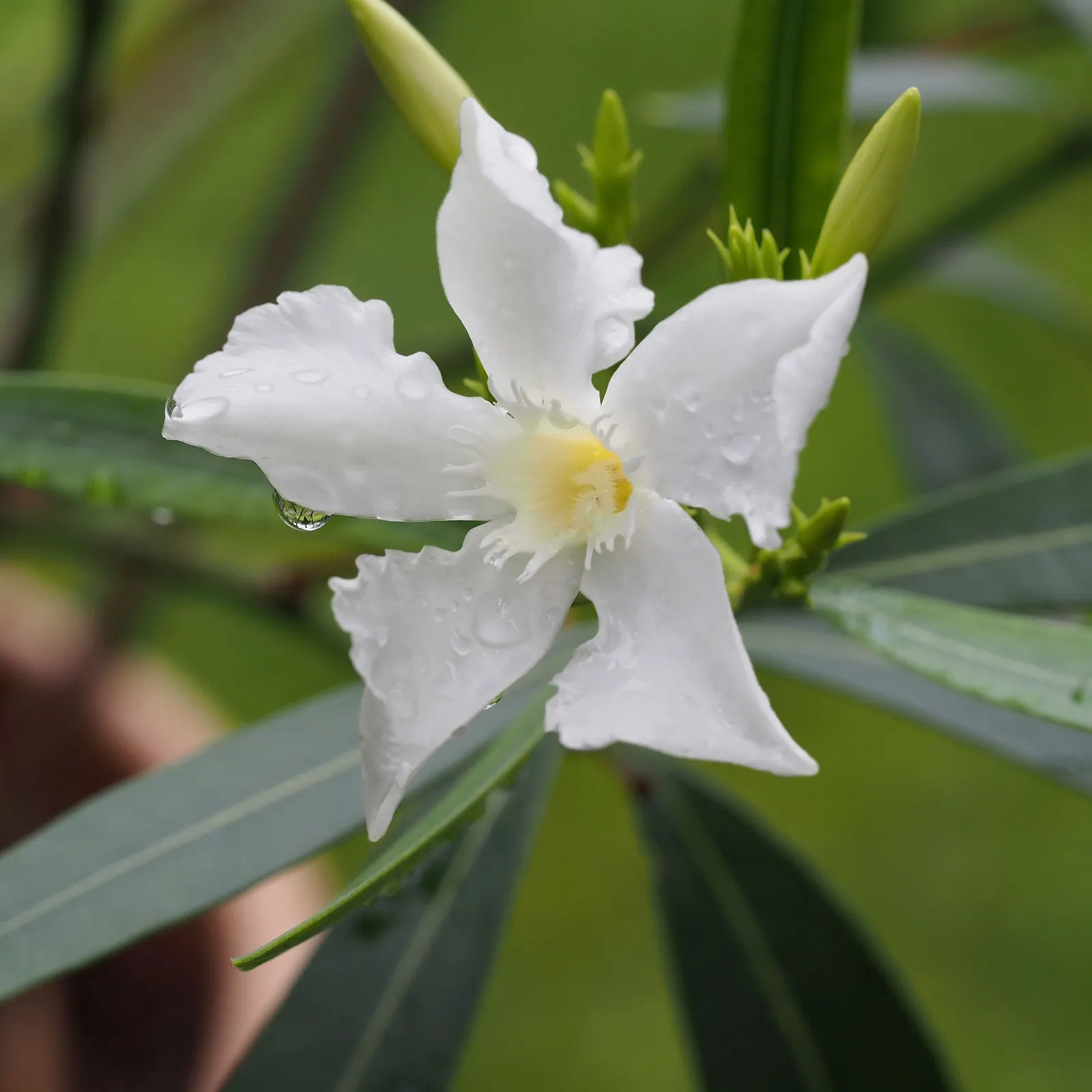
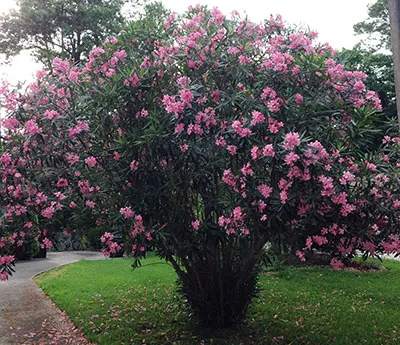
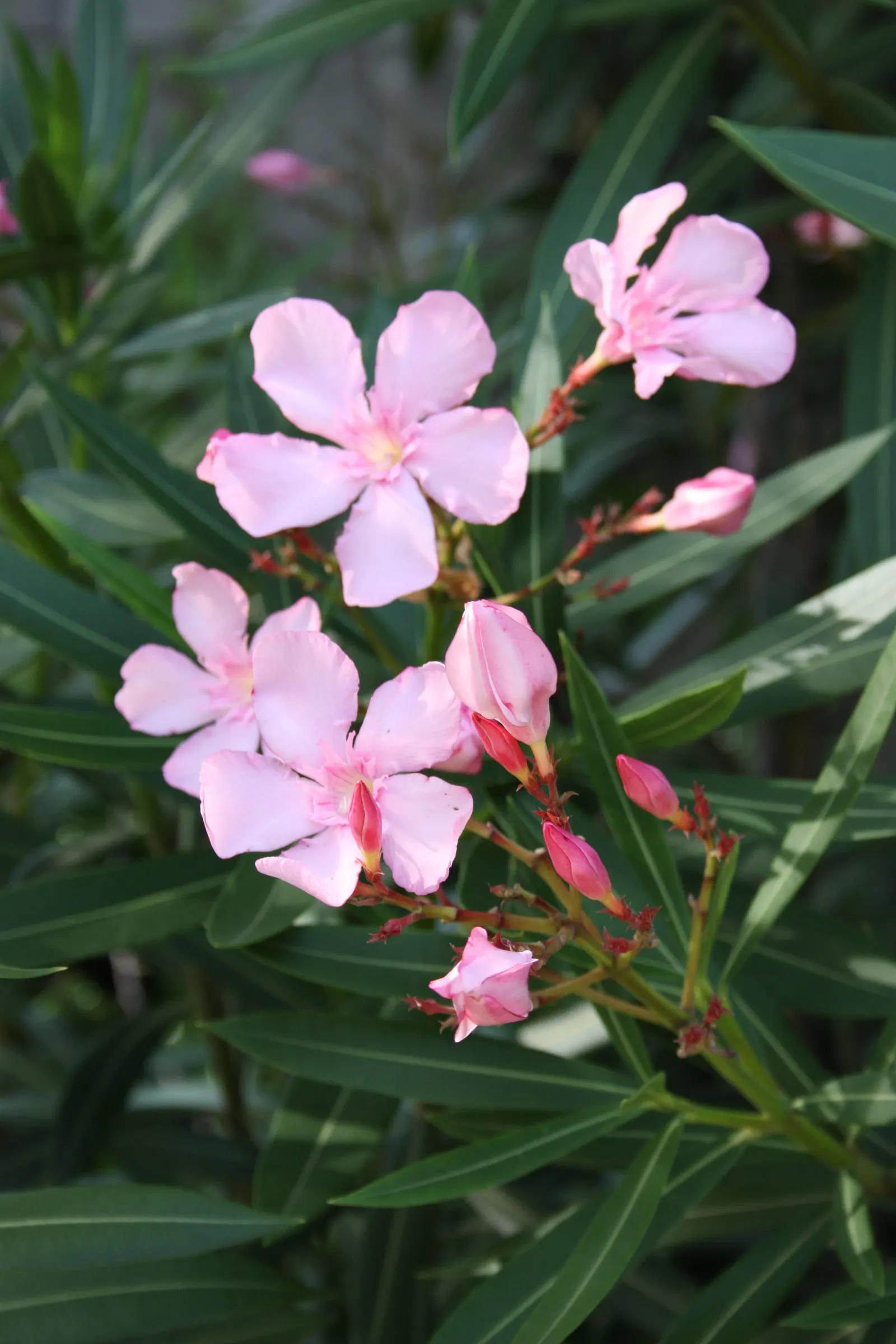
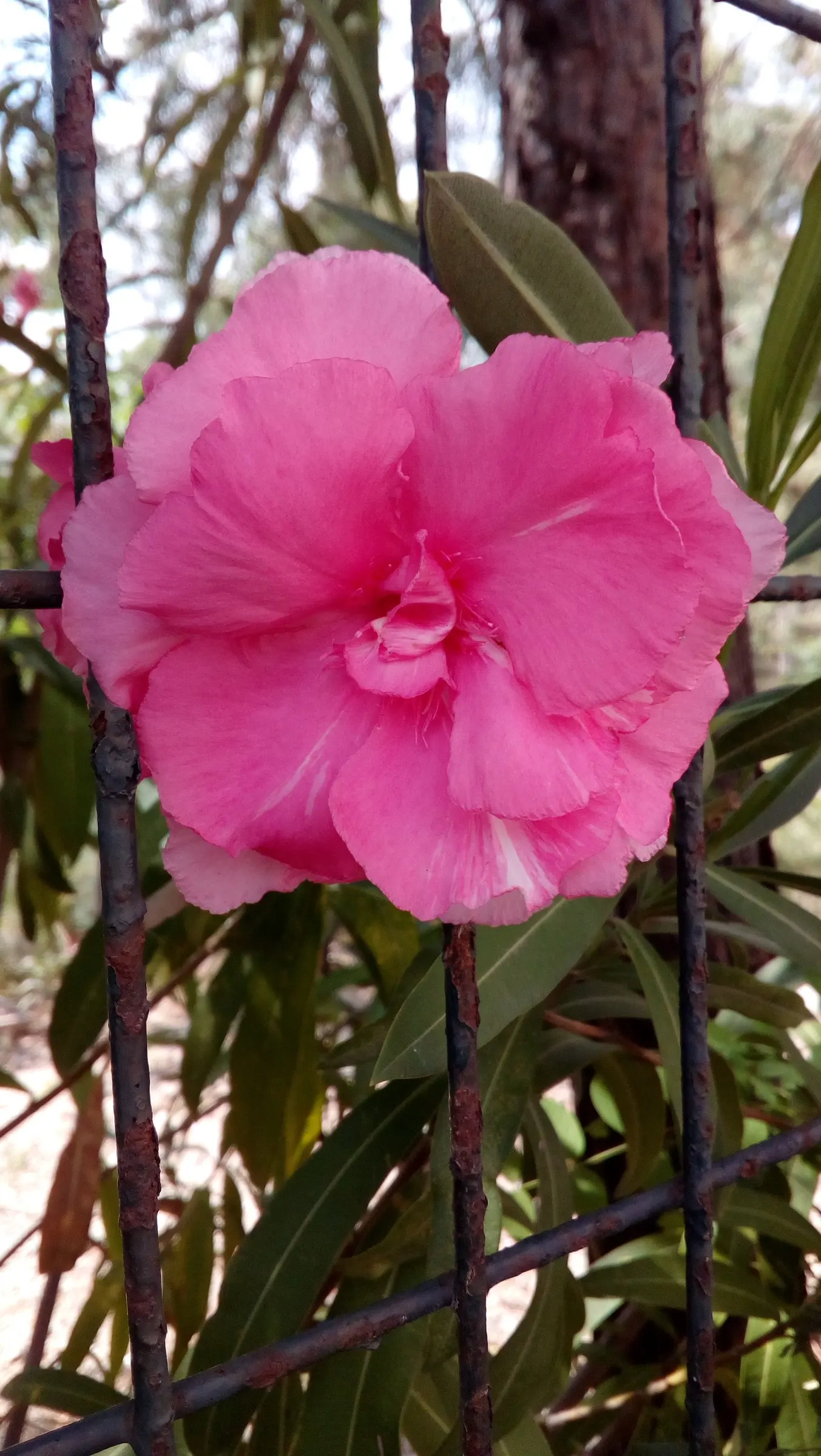
Nerium oleander, commonly known as Oleander, is an evergreen shrub averaging 8-12 ft in height with a spread of 10 ft. It showcases lance-shaped leaves and clusters of fragrant flowers in shades of pink, red, or white. Although hardy in USDA zones 8-10, it is toxic if ingested. Requires well-drained soil and full sun to partial shade. Ideal for hedges or ornamental screens.

Sun Full, HalfWater Low, Very LowZones 8–11Type ShrubClimate Mediterranean

Culture

Sun
Full, Half
Water
Low, Very Low
USDA zones
8–11

Shape & size

Classification

Type
Shrub
Family
Apocynaceae
Climate
Mediterranean

See full data, regional cultivation notes, and design tools. Build a client presentation around this plant.

Start your 14-day trial

Photos (127)

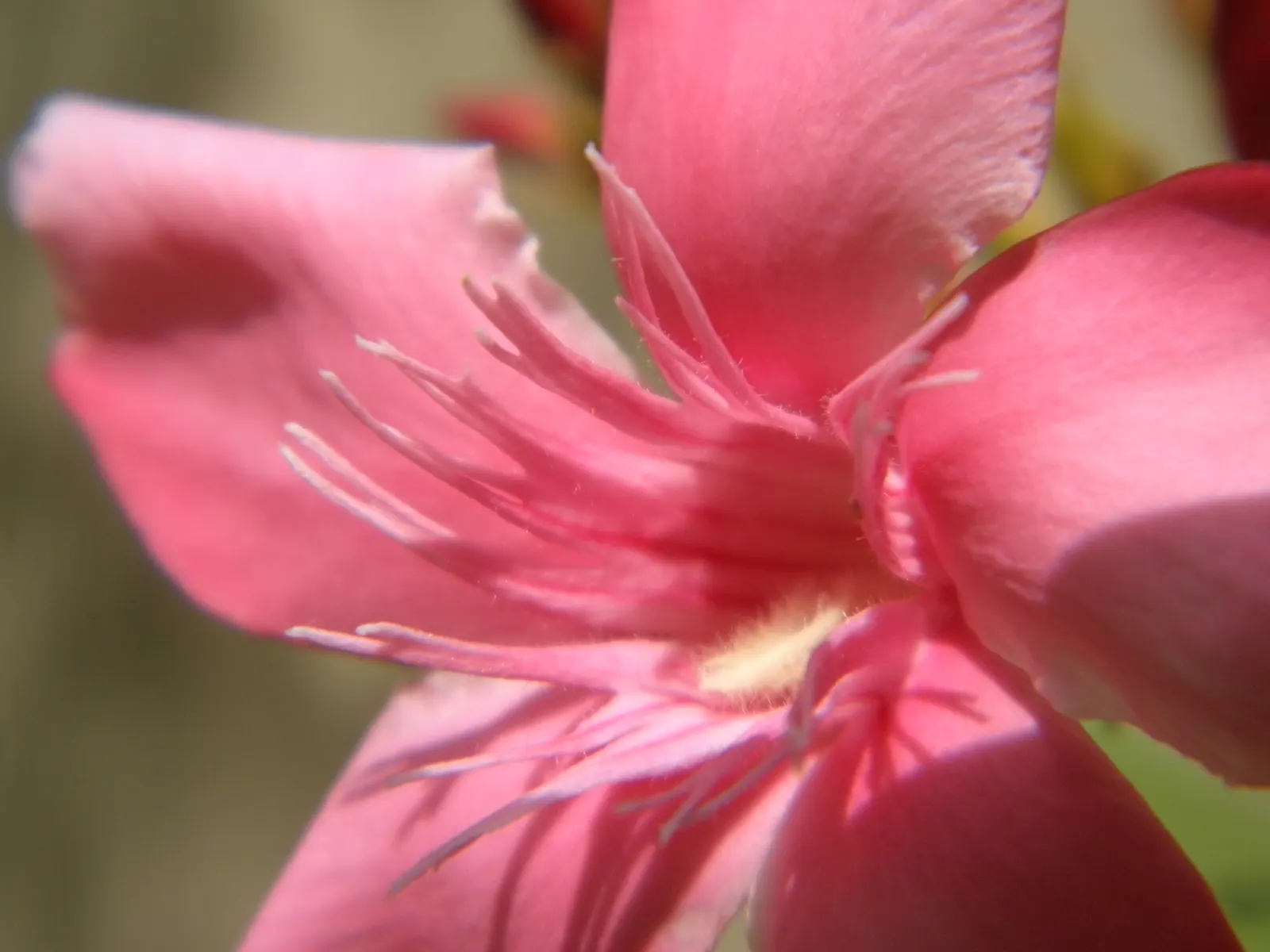
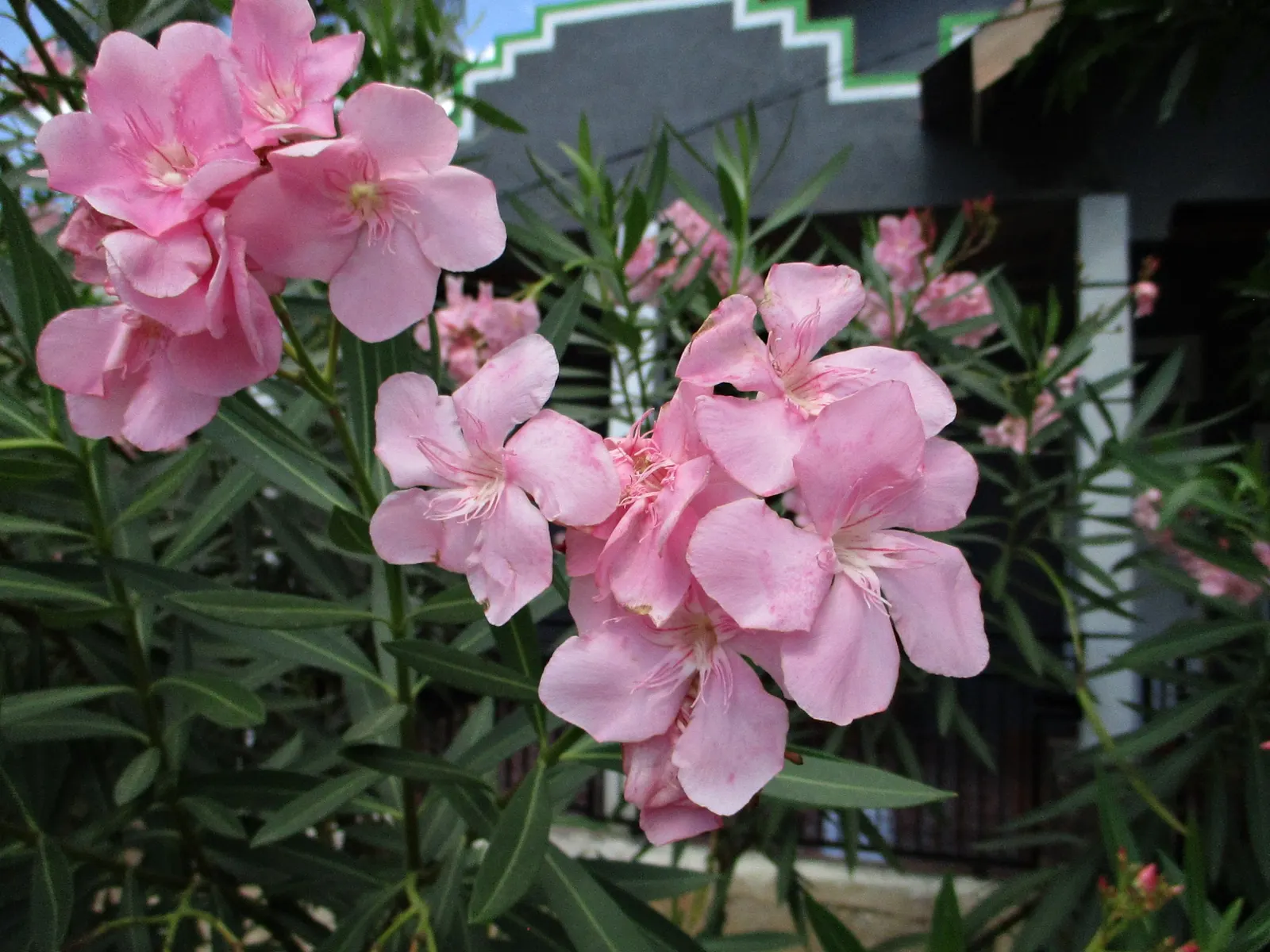
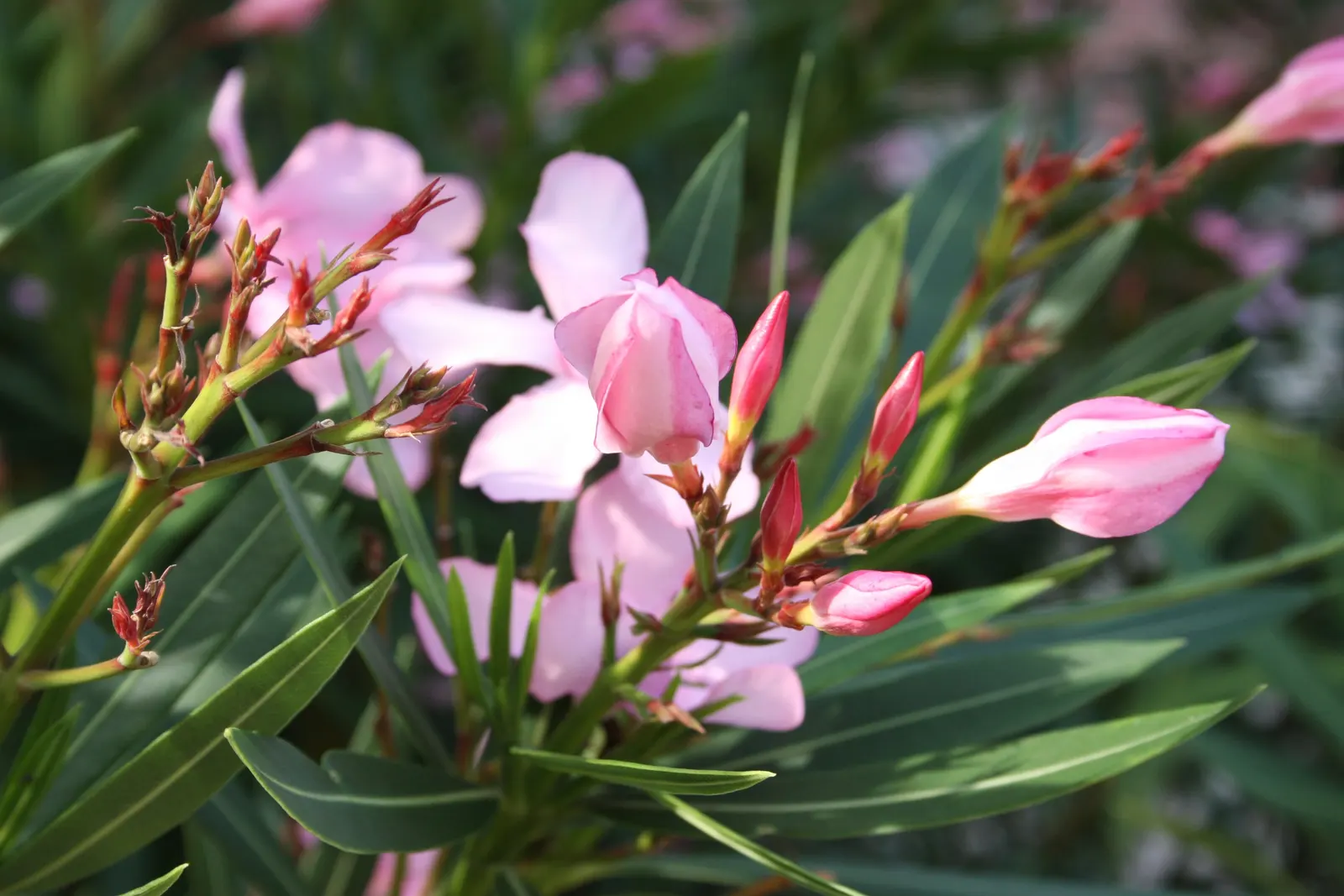
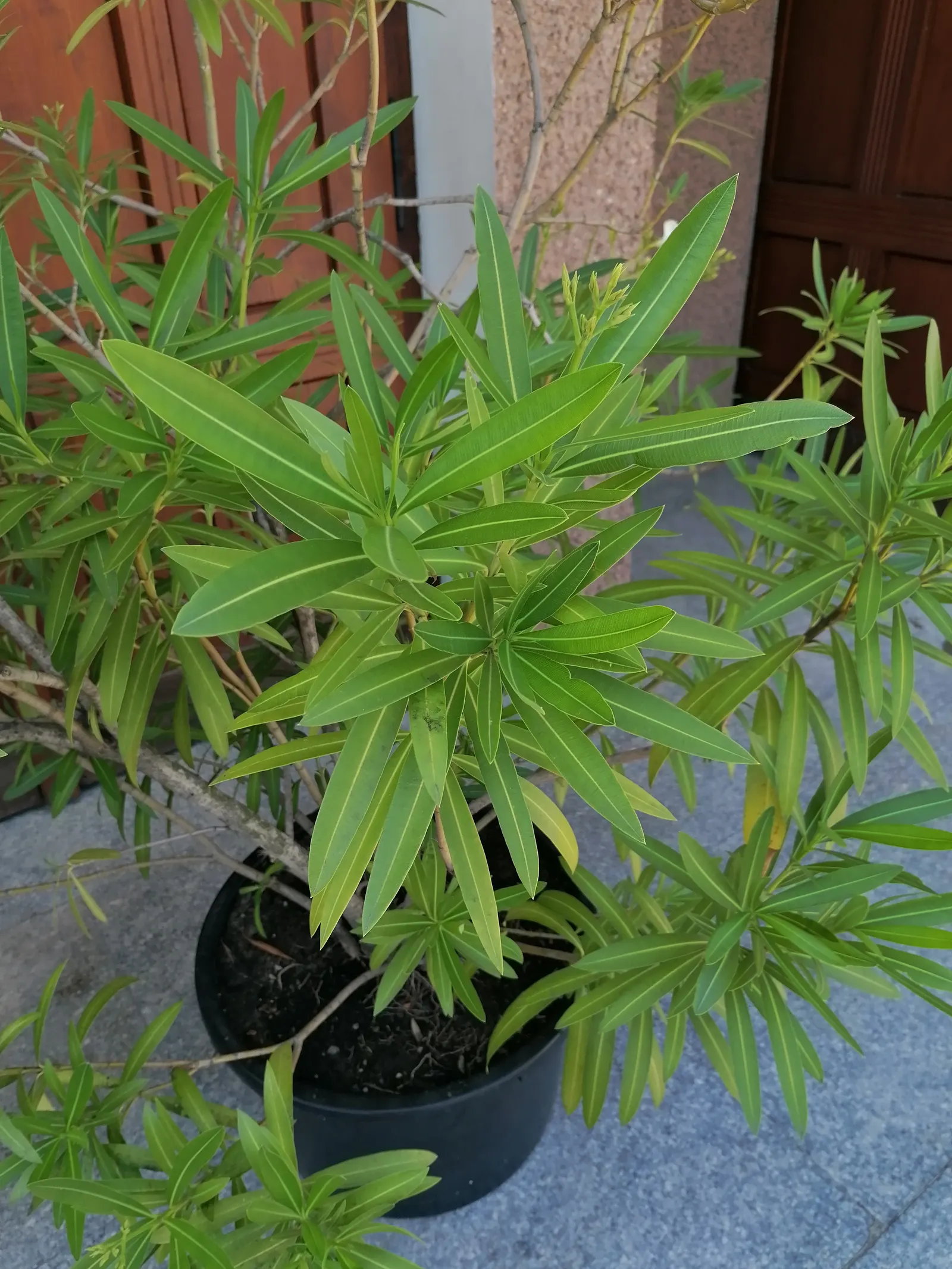
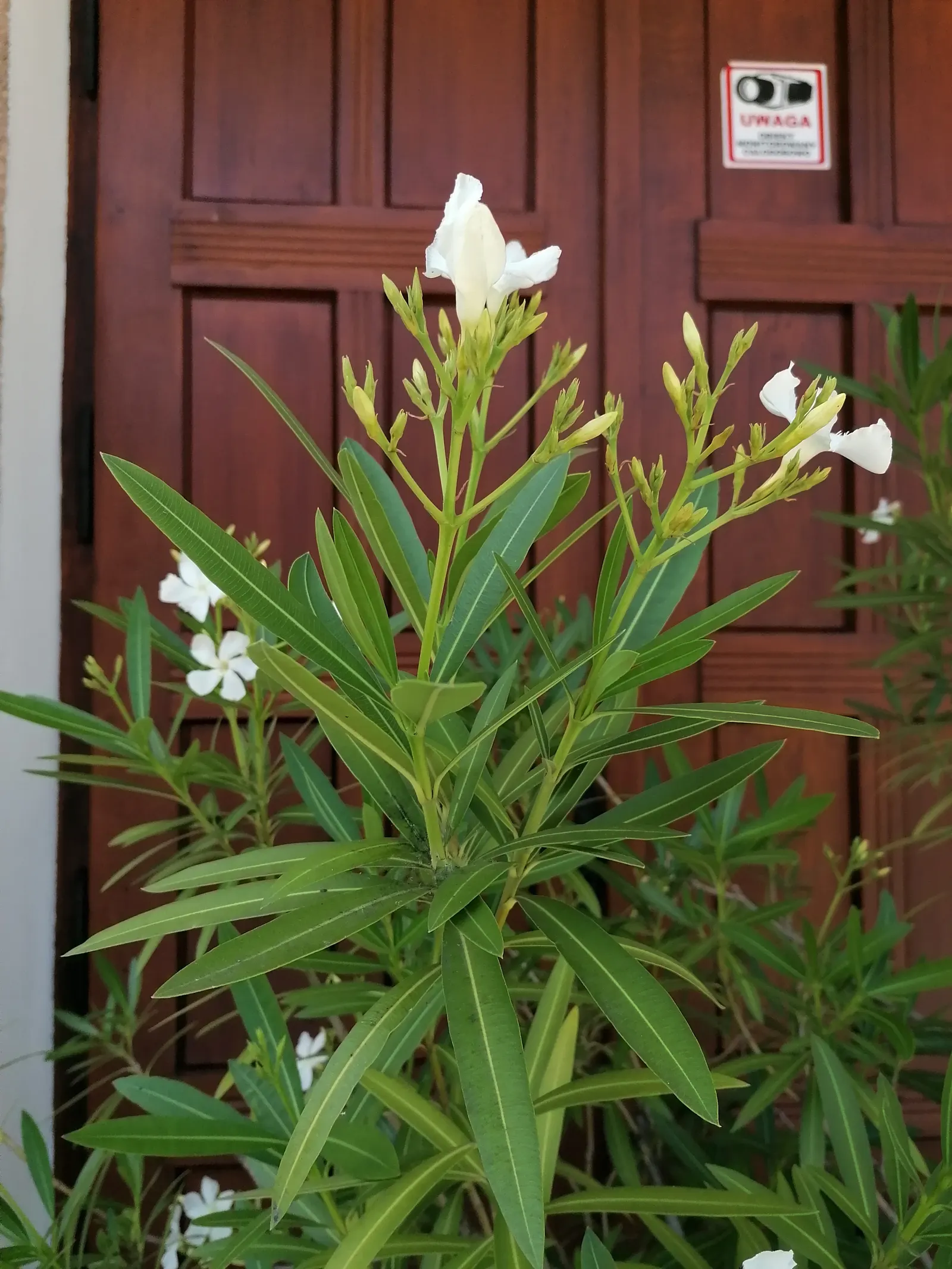
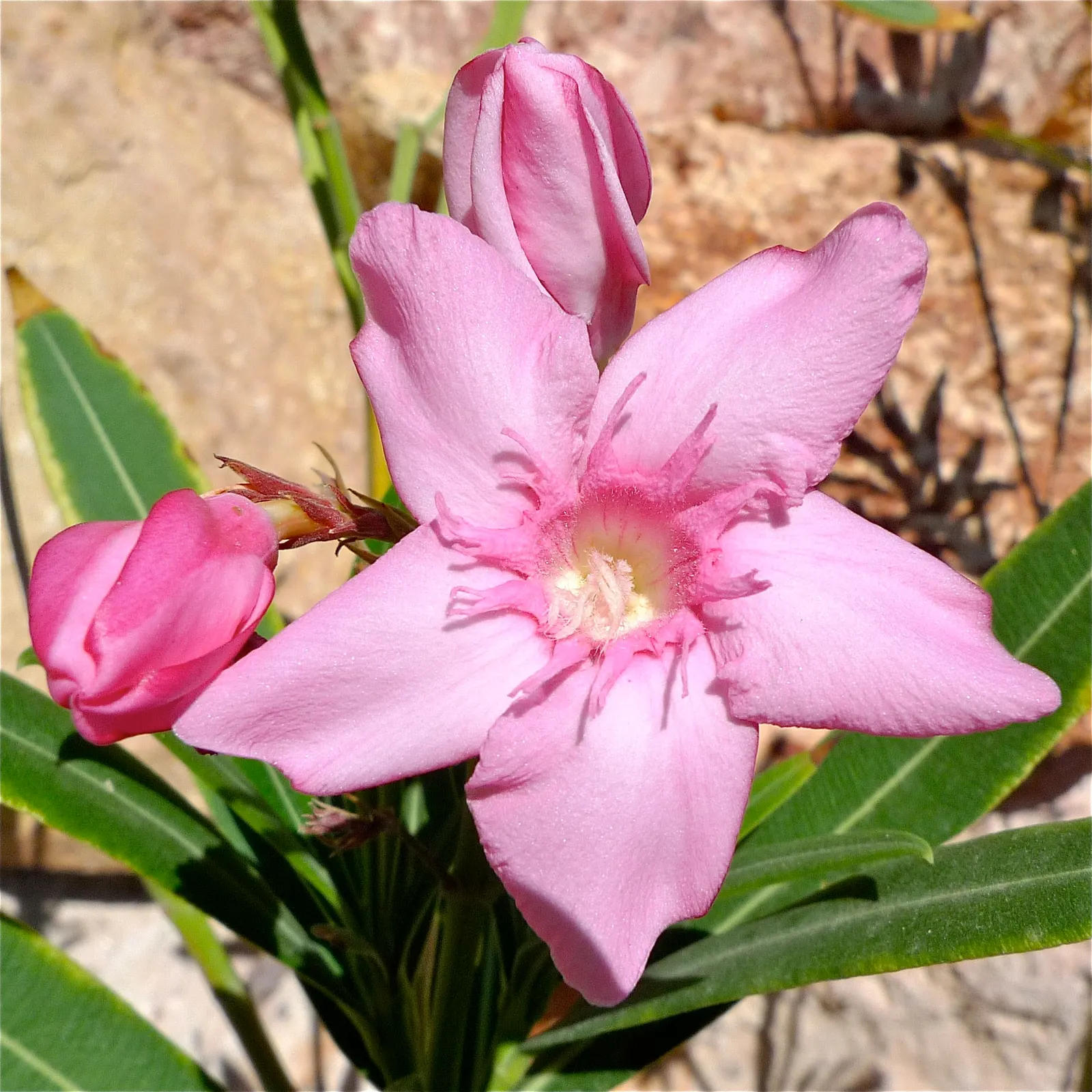
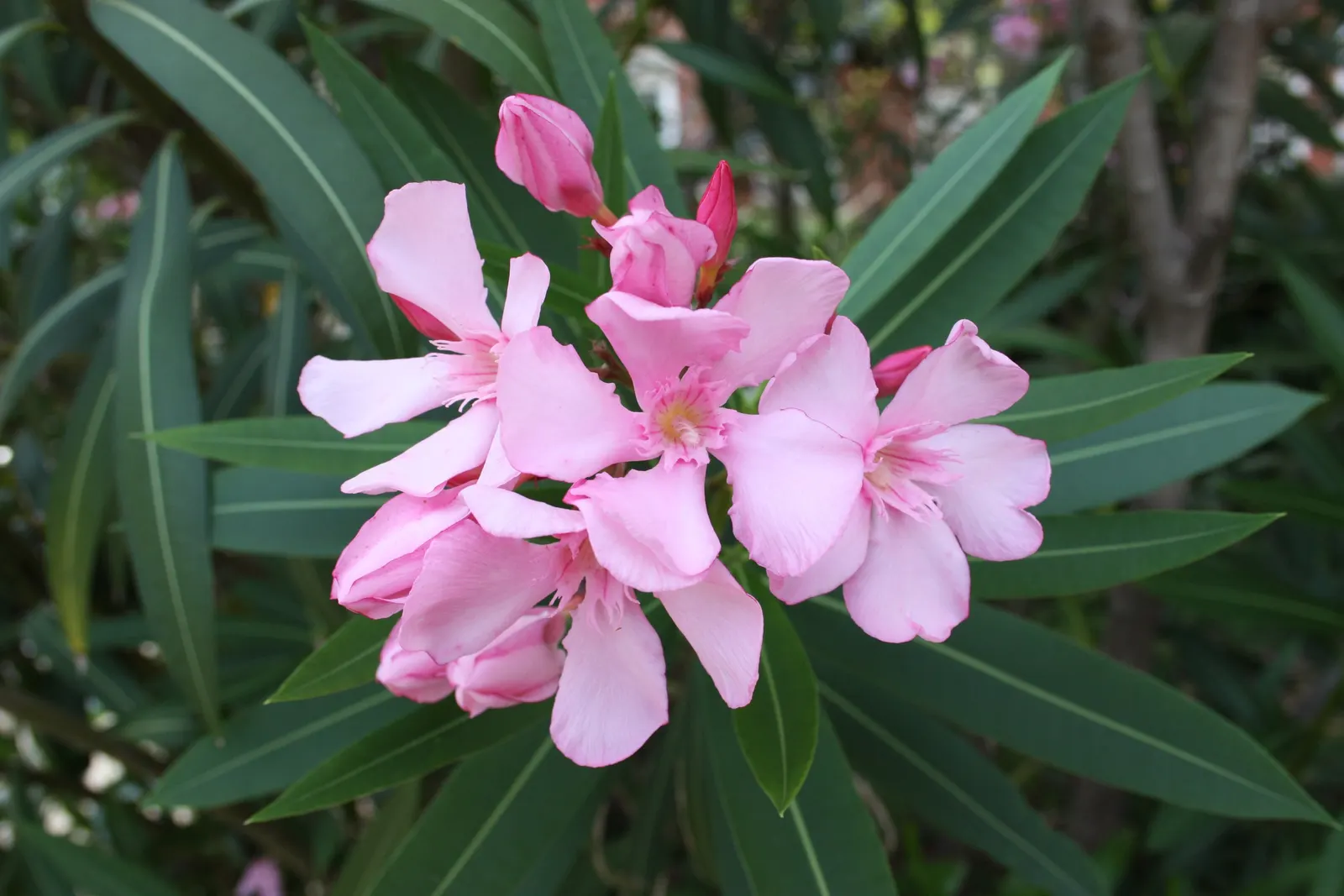
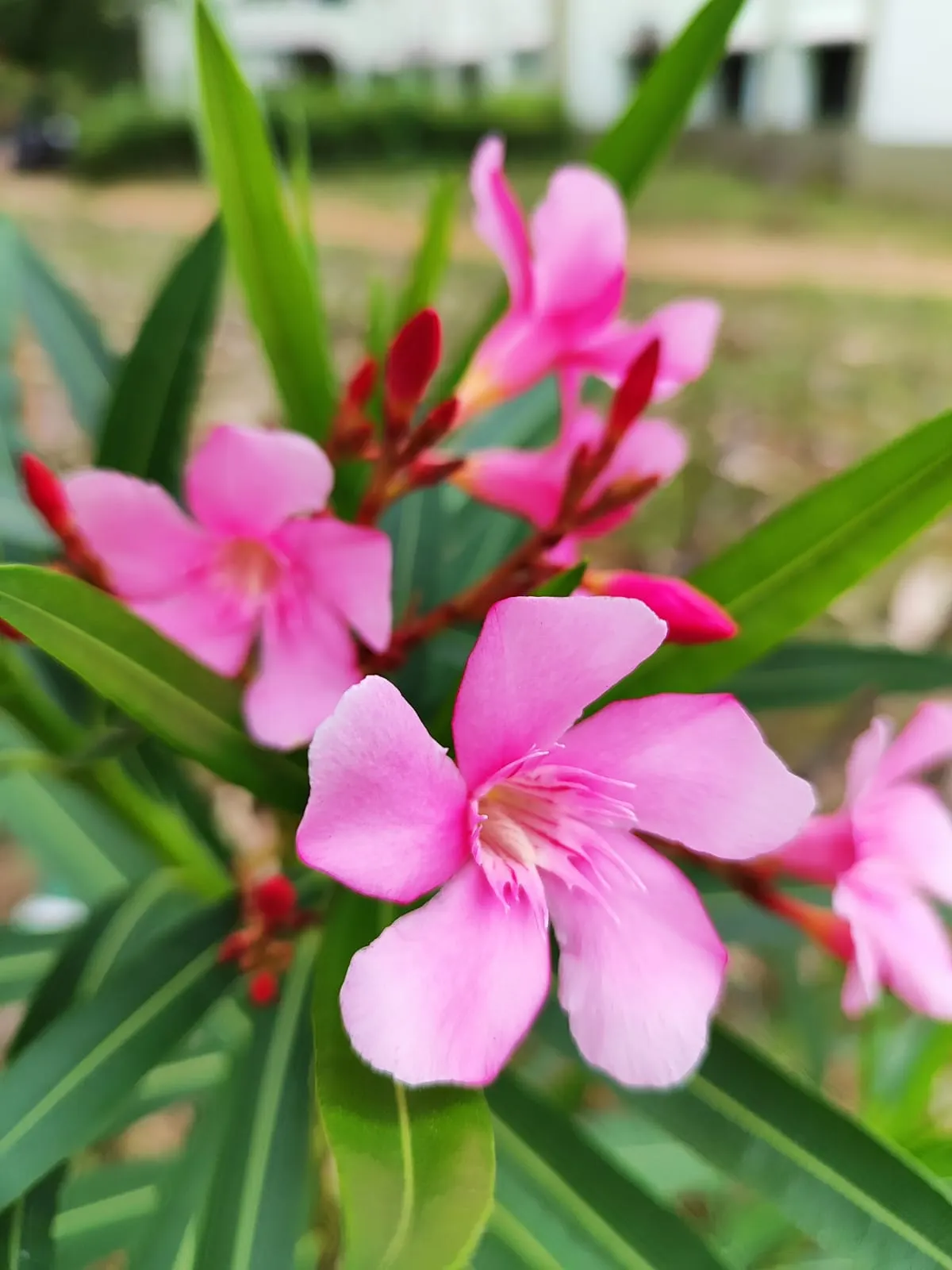
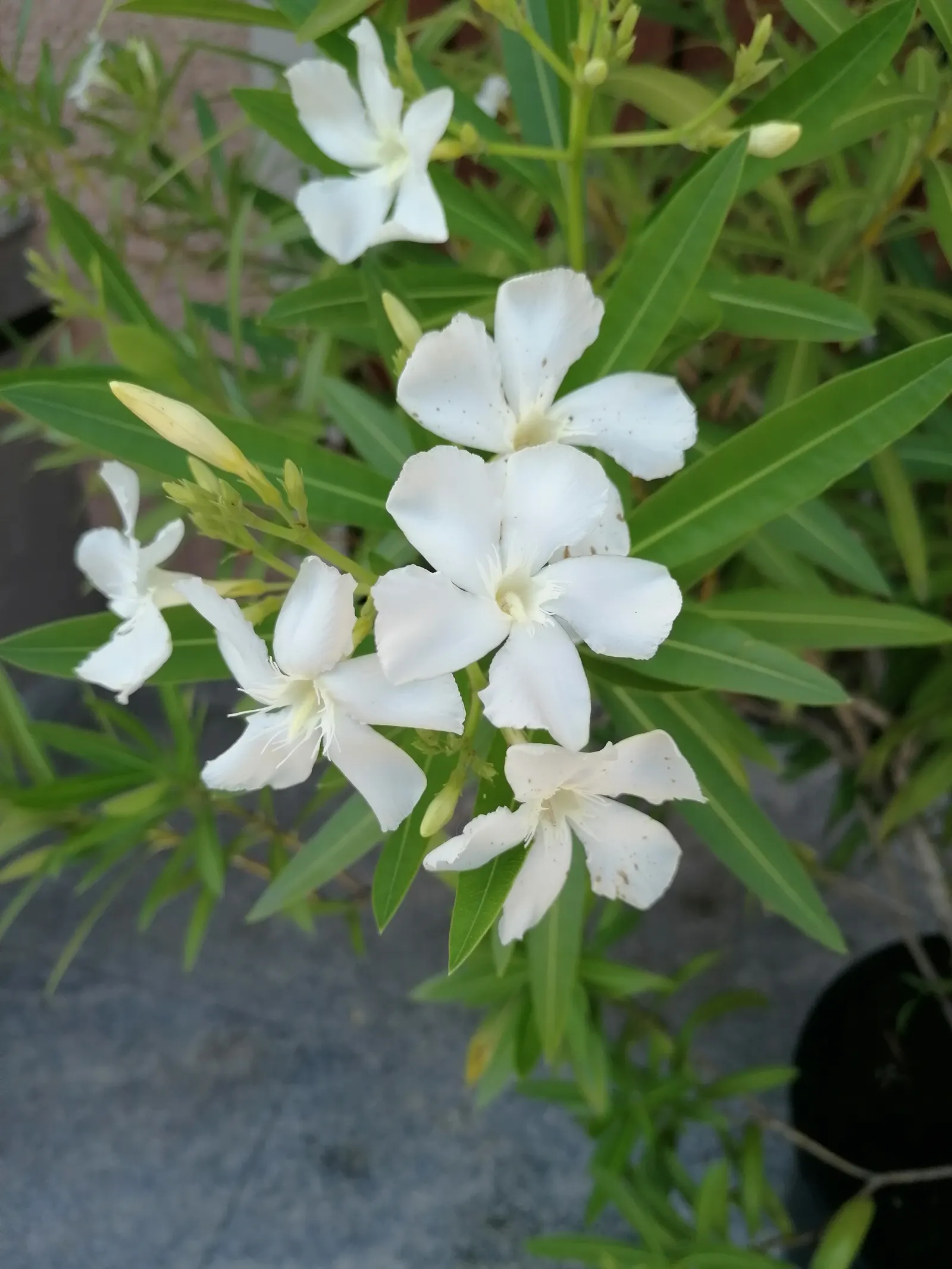
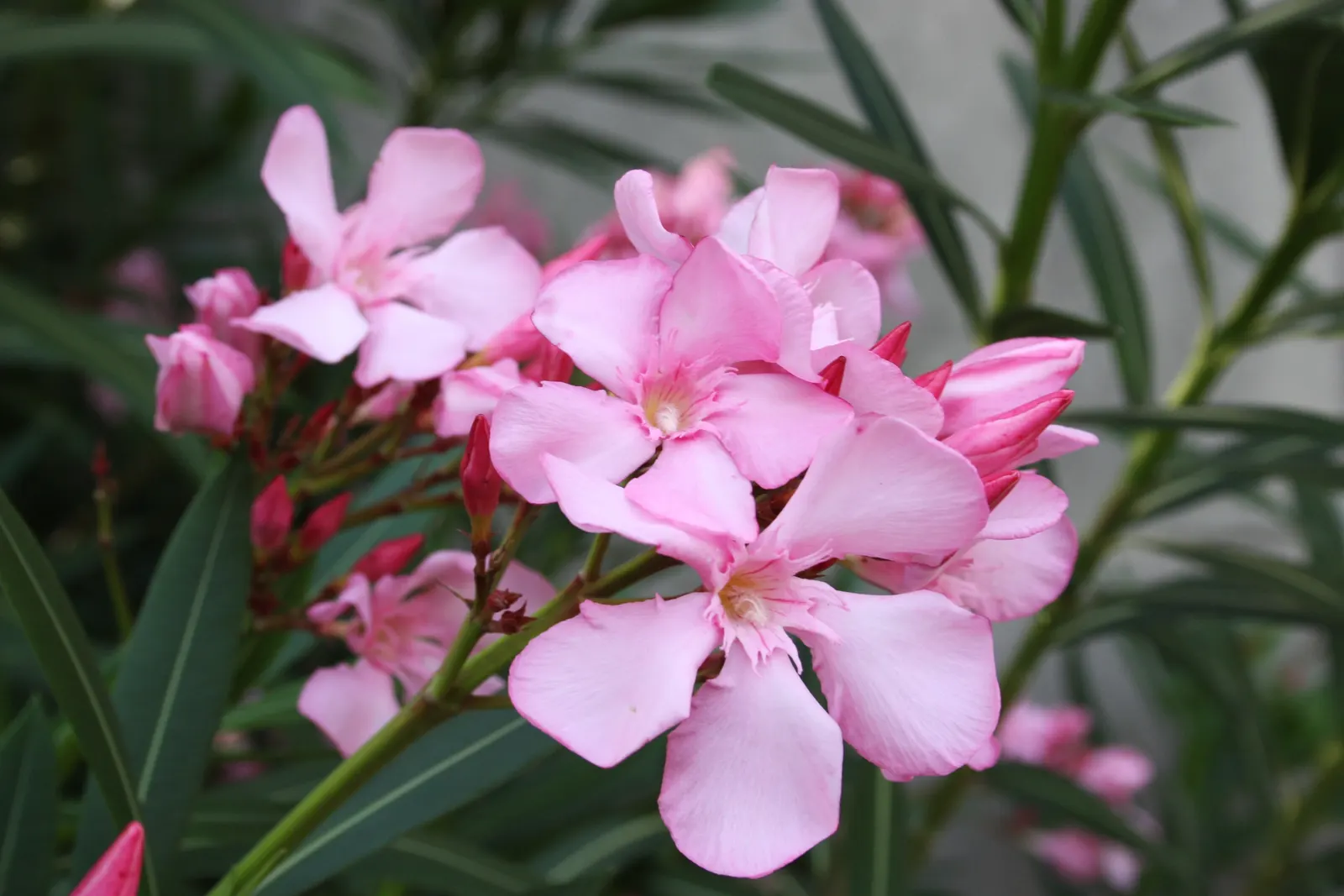
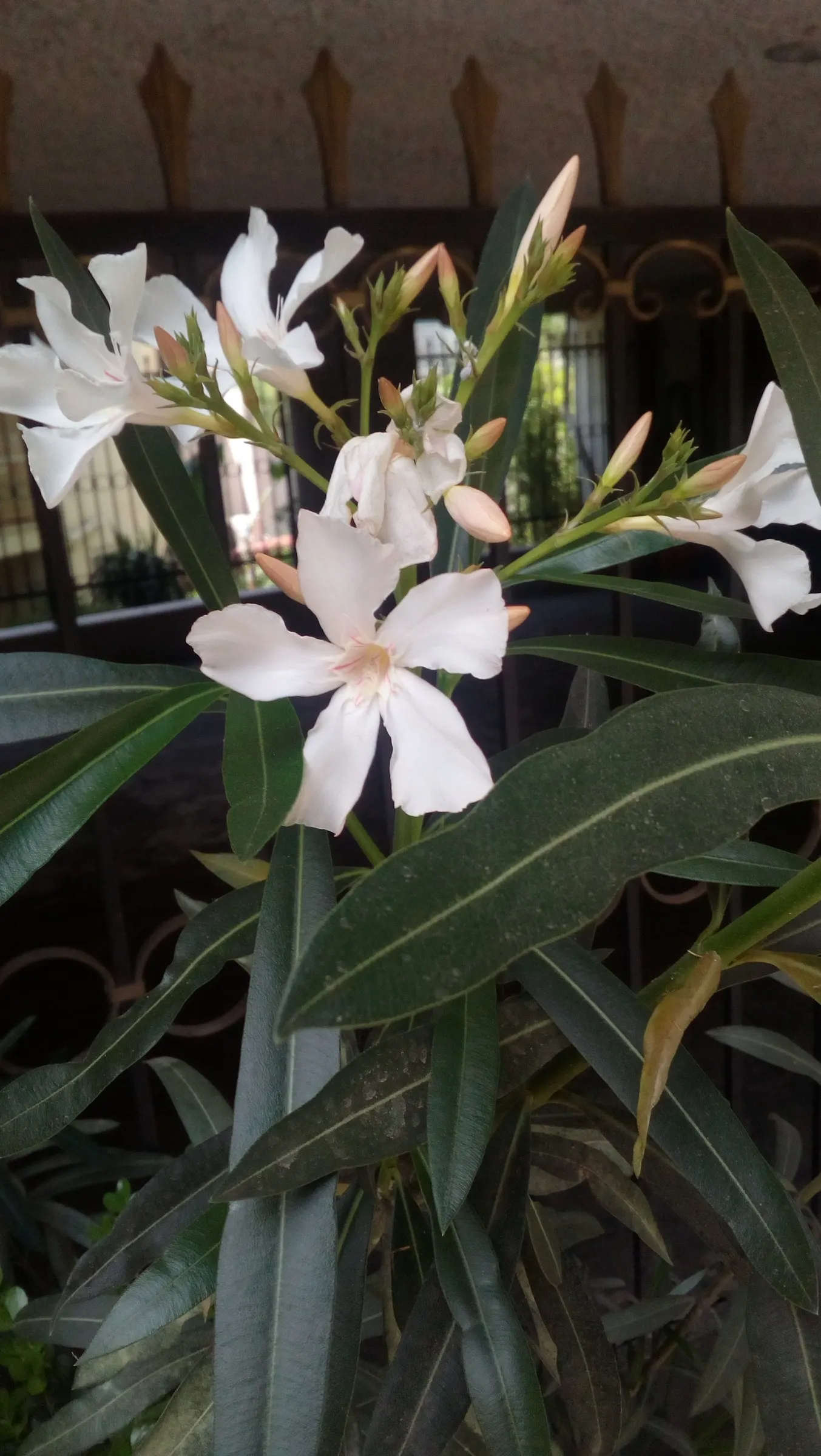
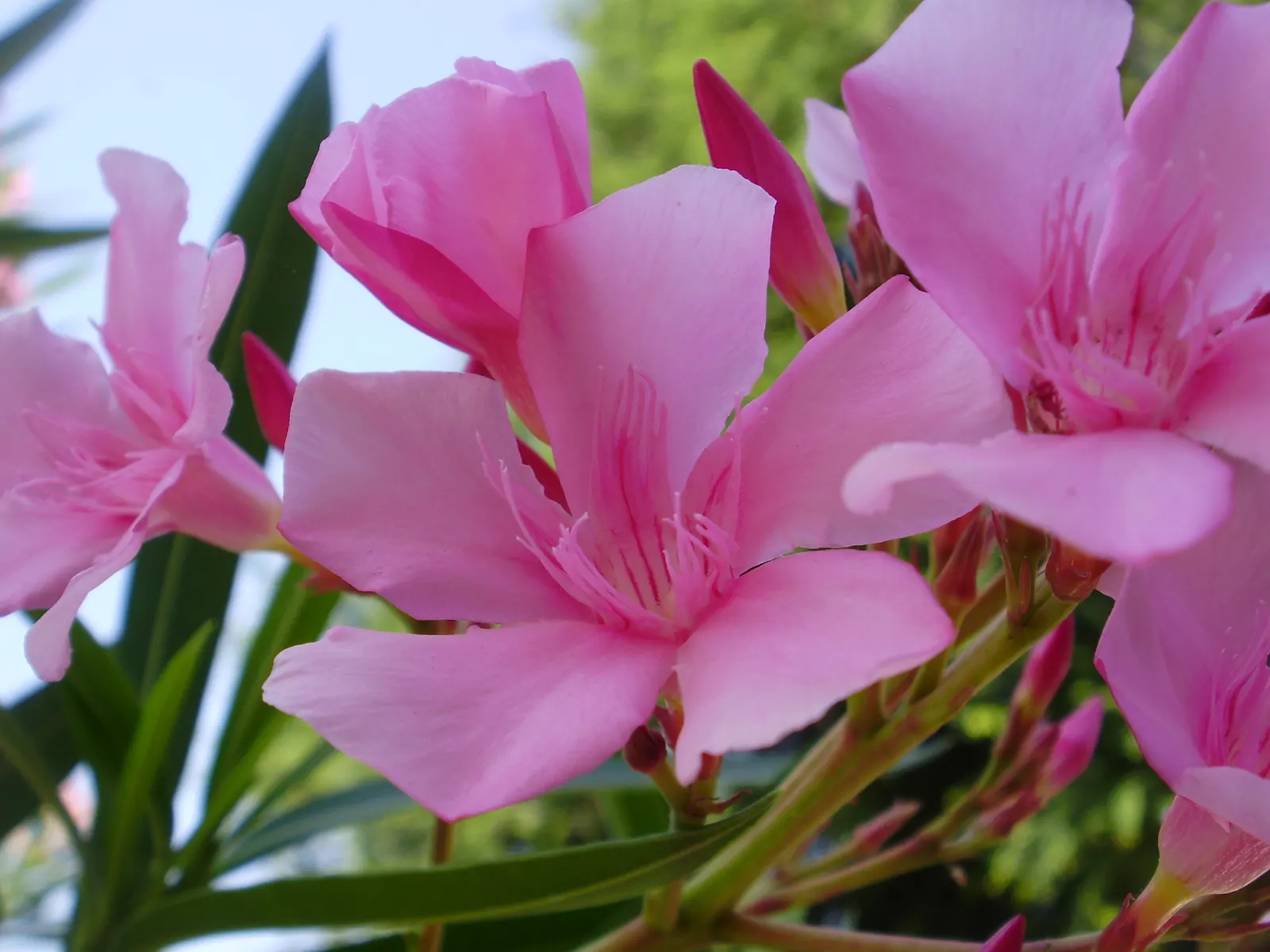
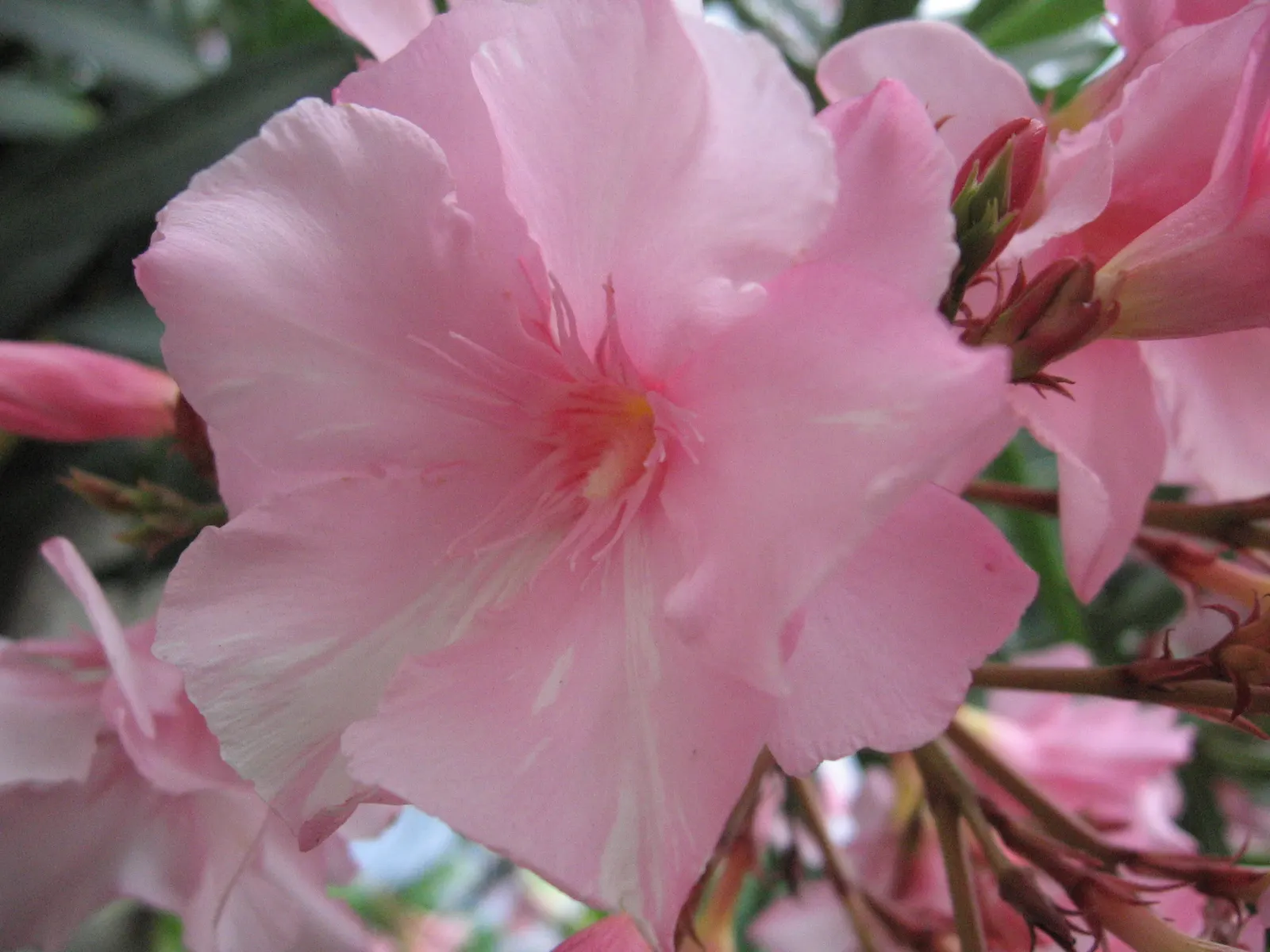
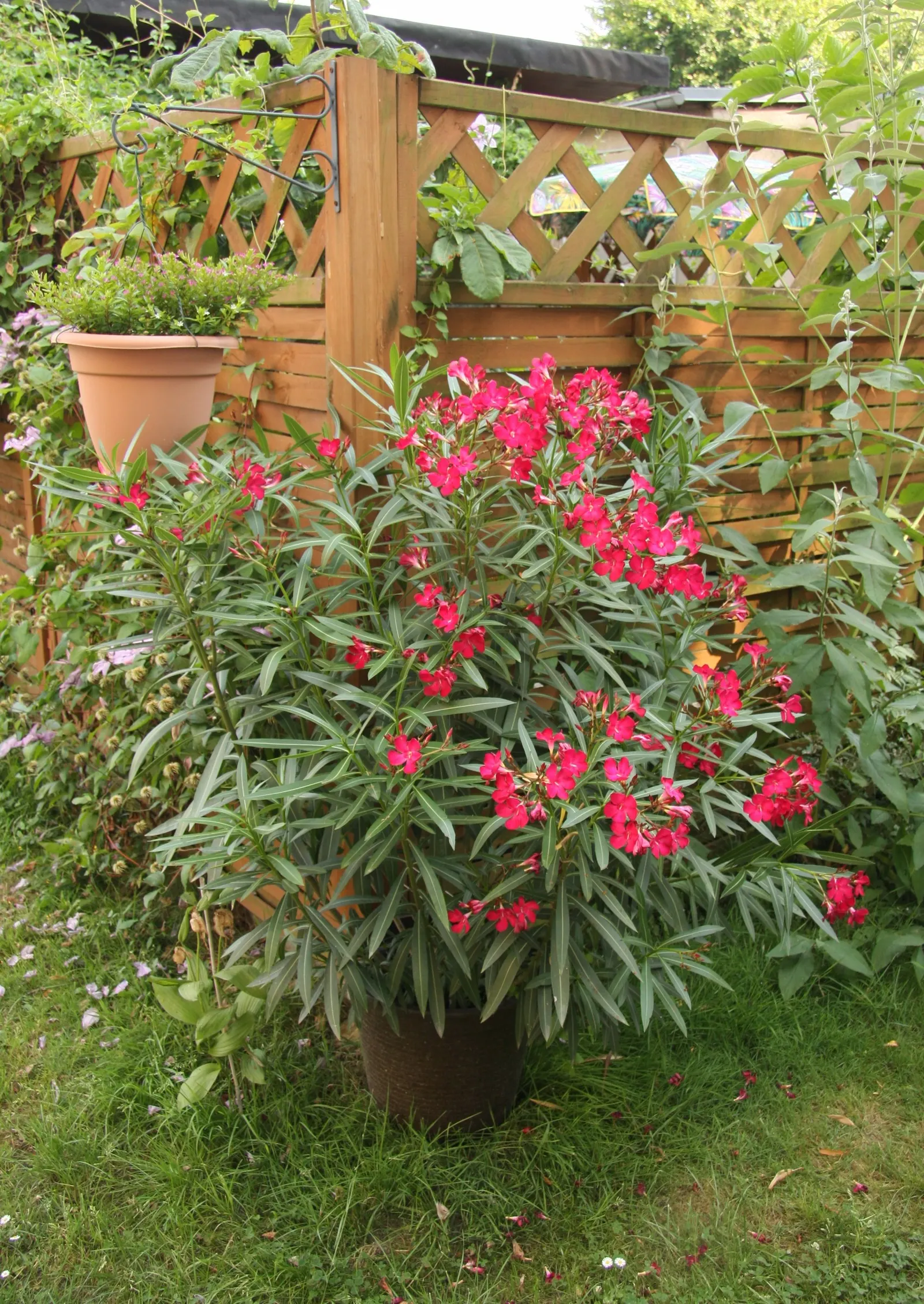
Oleander (Nerium Oleander) — They prefer full sun to partial shade settings and require moderate watering; although hardy in USDA zones 8-10, it is, image 58
Oleander (Nerium Oleander) — the Oleander is well adapted to warm climates and is hardy in USDA zones 8 through 10, image 53
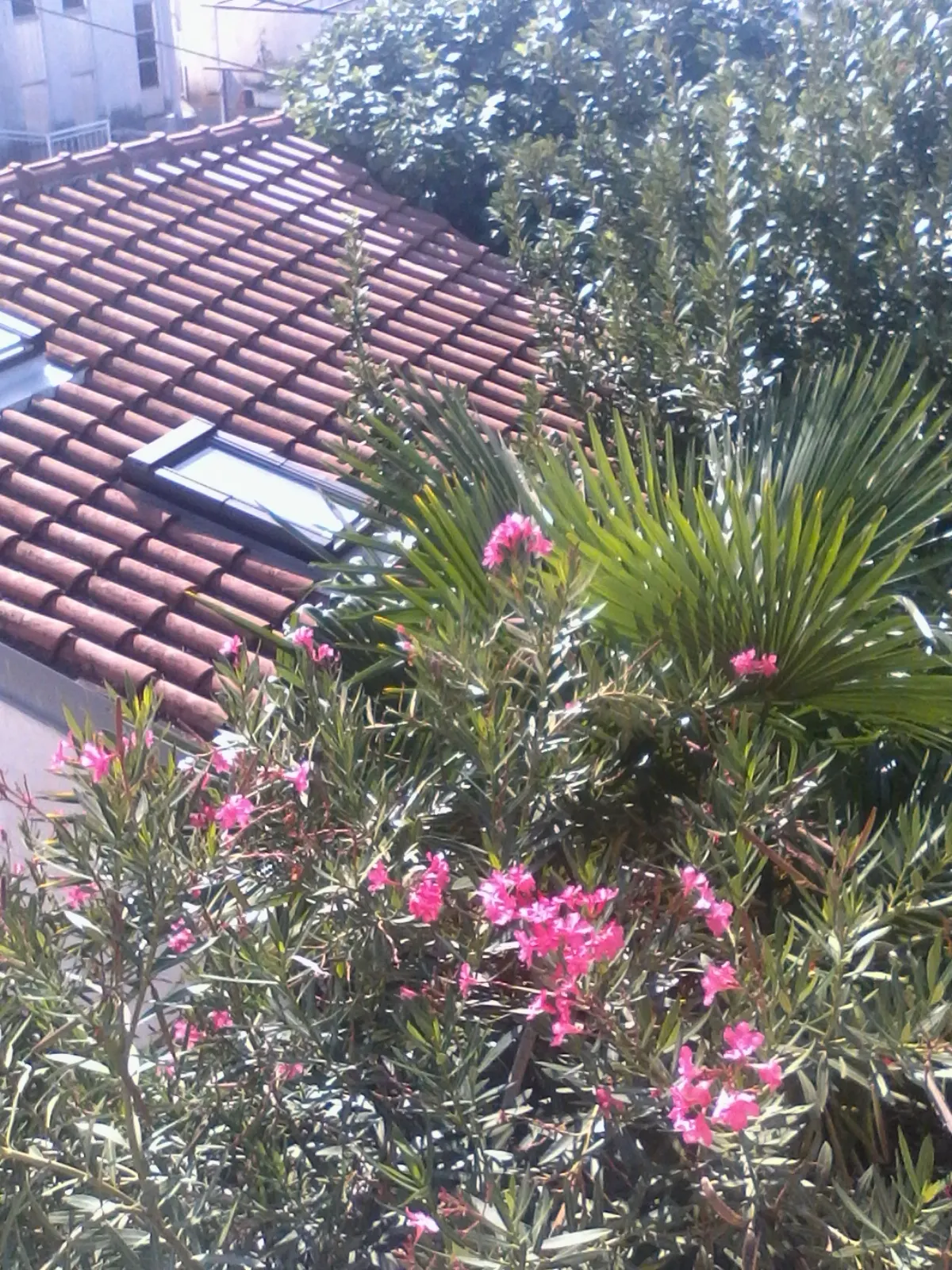
Oleander (Nerium Oleander) — This versatile plant can flourish up to heights of 8 to 12 feet and spread out to an impressive 6 to 10 feet
Oleander (Nerium Oleander) — shrub for full or half; additionally, minimal contact is advised as the sap can cause skin irritation in sensitive individuals
Oleander (Nerium Oleander) — it is essential to consider their sunlight and water needs; additionally, minimal contact is advised as the sap can cause skin
Oleander (Nerium Oleander) — the Oleander is well adapted to warm climates and is hardy in USDA zones 8 through 10, image 95
Oleander (Nerium Oleander) — scientifically known as Nerium oleander; although hardy in USDA zones 8-10, it is toxic if ingested, image 49
Oleander (Nerium Oleander) — Ideal for hedges or ornamental screens; additionally, minimal contact is advised as the sap can cause skin irritation in sensitive
Oleander (Nerium Oleander) — commonly known as Oleander; although hardy in USDA zones 8-10, it is toxic if ingested, image 64
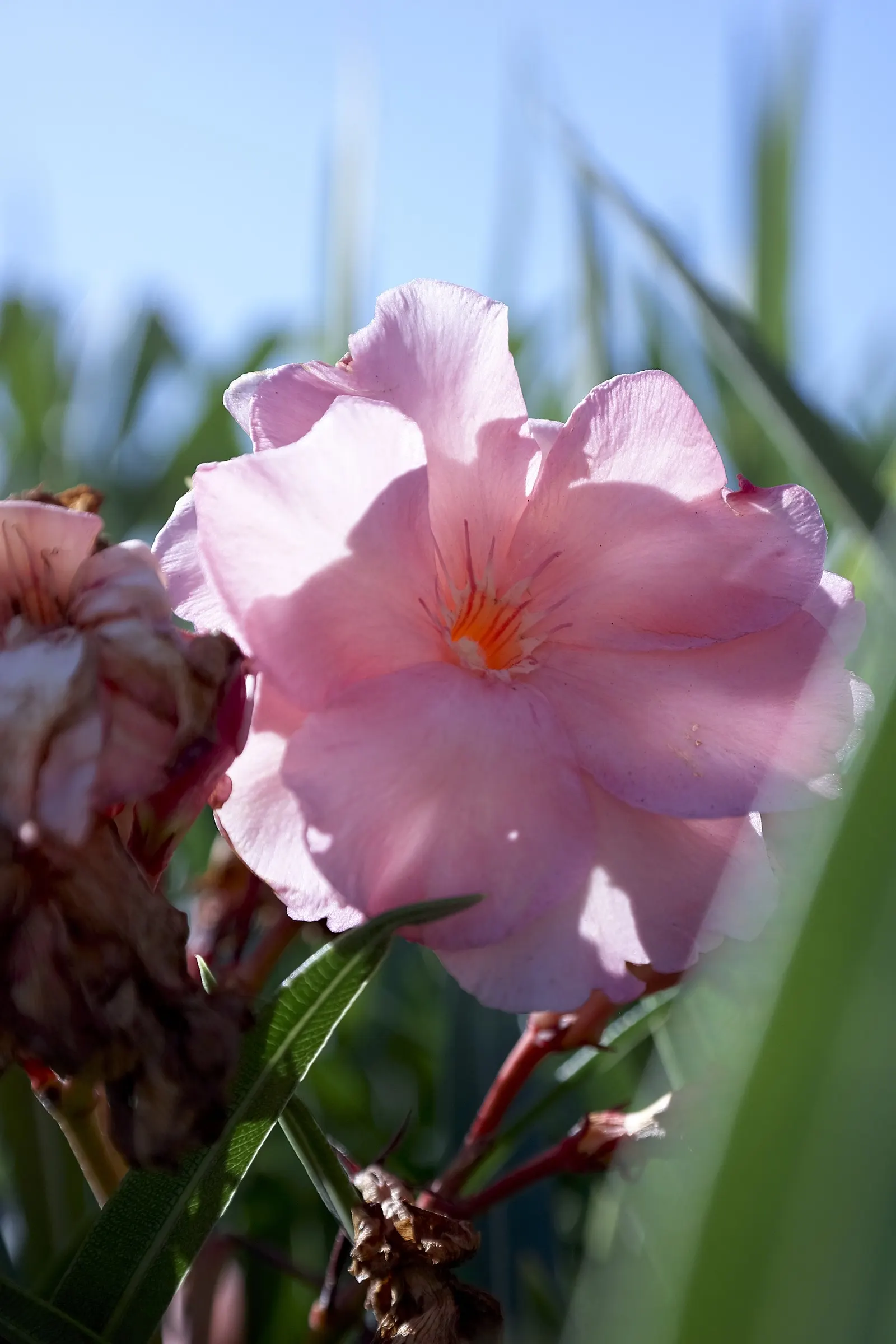
Oleander (Nerium Oleander) — is an eye-catching evergreen shrub renowned for its bountiful
Oleander (Nerium Oleander) — Requires well-drained soil and full sun to partial shade; the Oleander is well adapted to warm climates and is hardy, image 47
Oleander (Nerium Oleander) — commonly known as Oleander
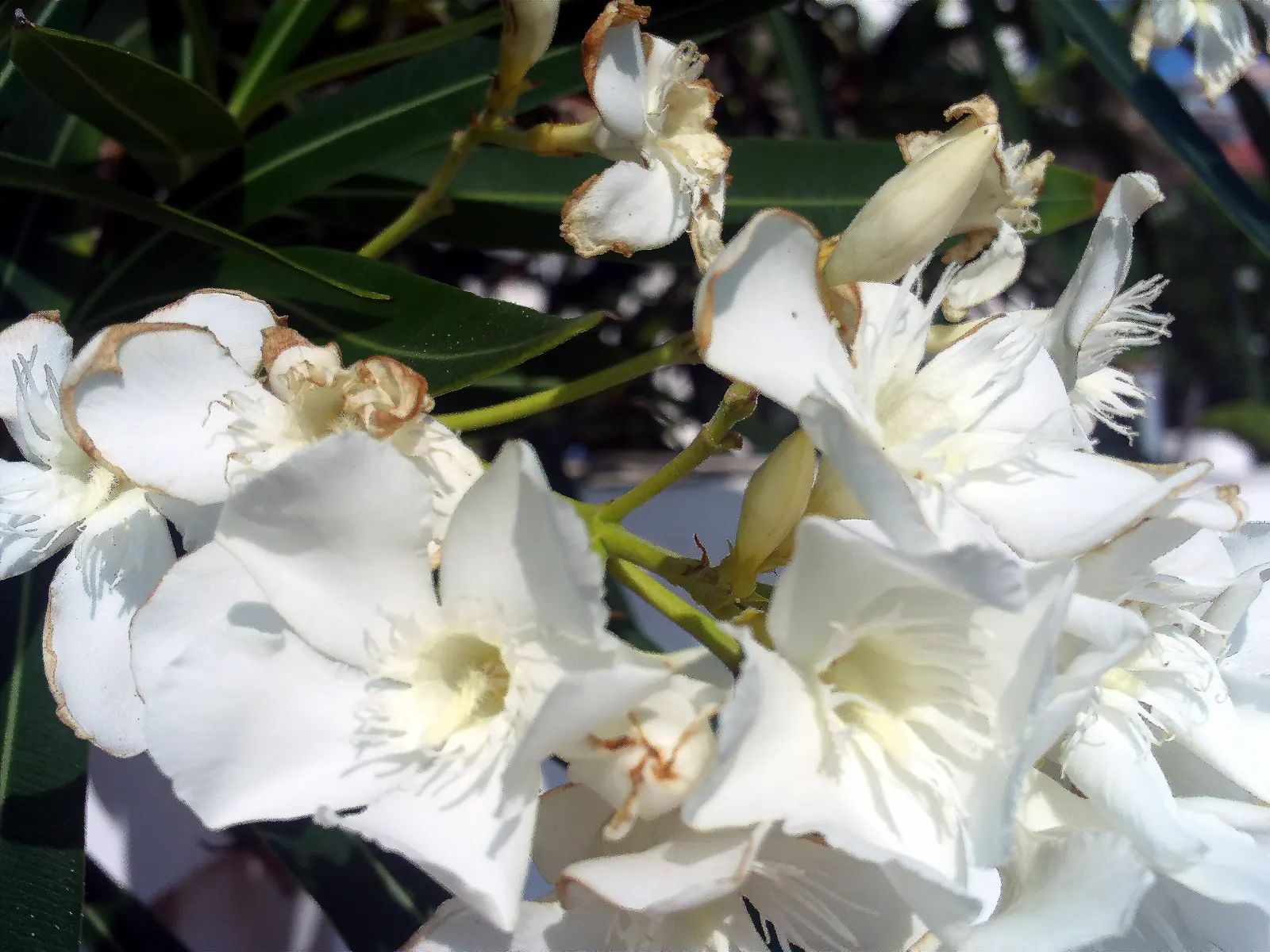
Oleander (Nerium Oleander) — vibrant flowers and dark green
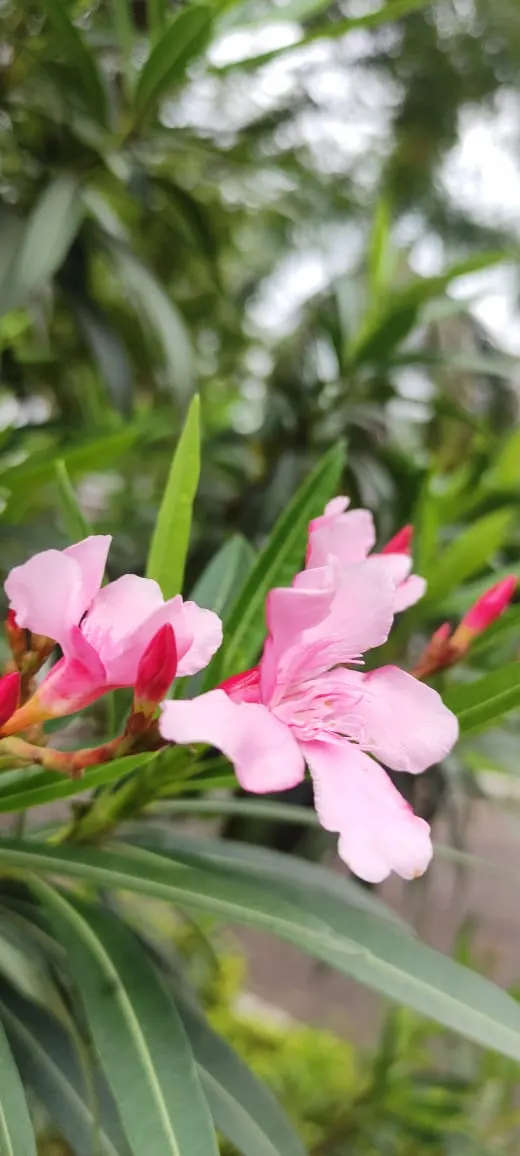
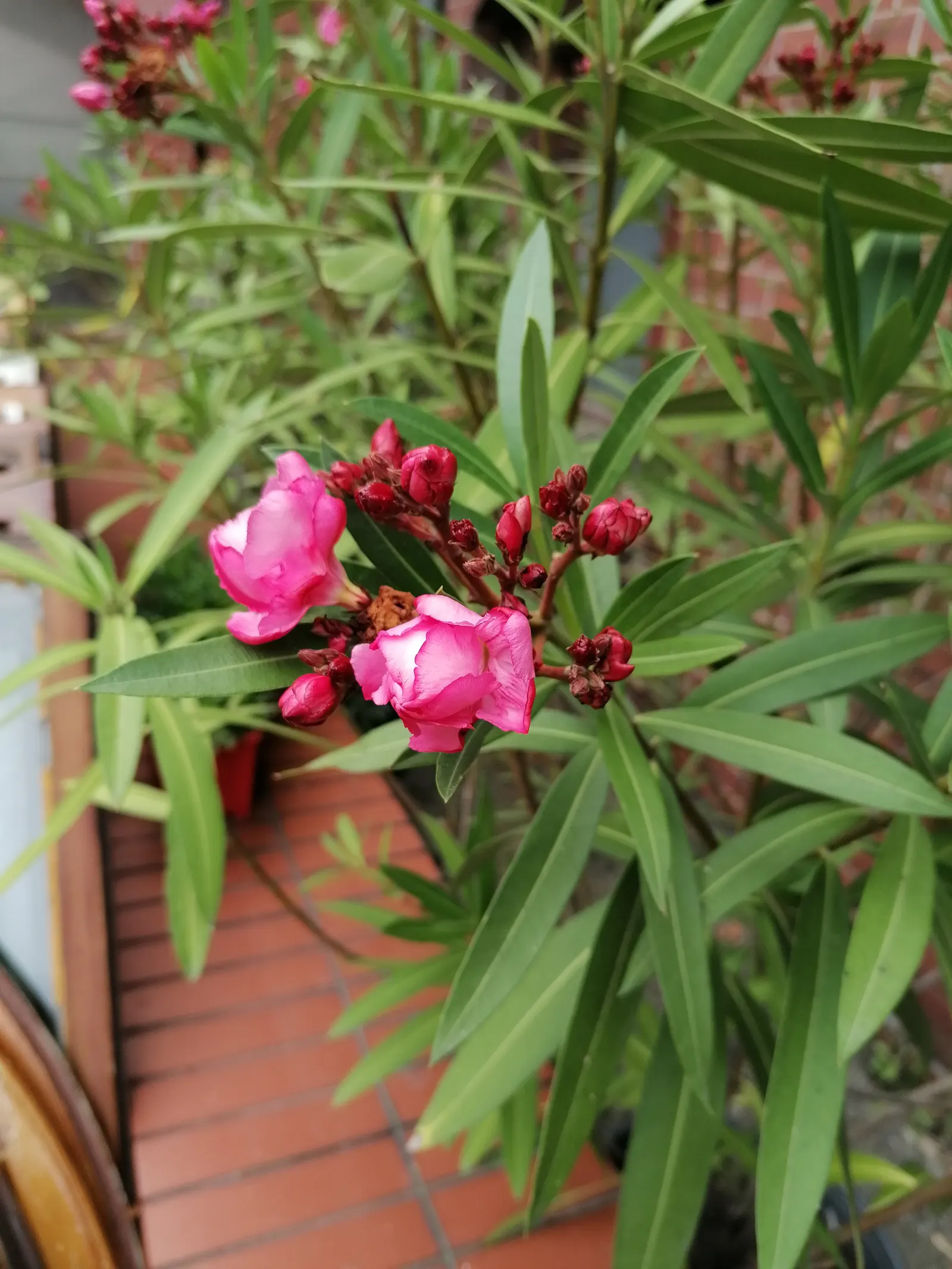
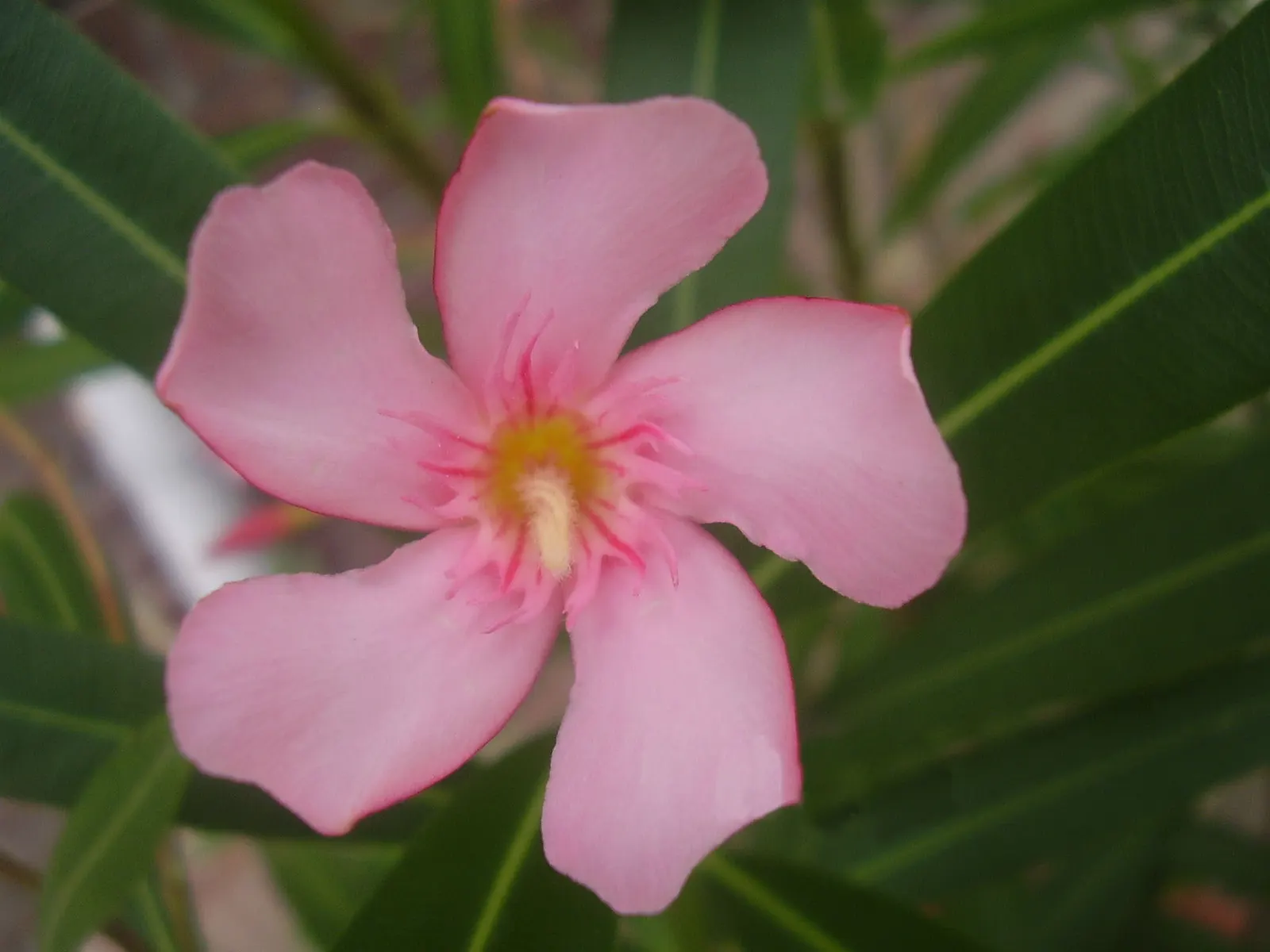
Oleander (Nerium Oleander) — Its trumpet-shaped blooms; additionally, minimal contact is advised as the sap can cause skin irritation in sensitive, image 75
Oleander (Nerium Oleander) — shrub for full or half
Oleander (Nerium Oleander) — is an eye-catching evergreen shrub renowned for its bountiful; the Oleander is well adapted to warm climates and is, image 50
Oleander (Nerium Oleander) — shrub for full or half; additionally, minimal contact is advised as the sap can cause skin irritation in sensitive, image 105
Oleander (Nerium Oleander) — Ideal for hedges or ornamental screens; additionally, minimal contact is advised as the sap can cause skin irritation, image 90
Oleander (Nerium Oleander) — They prefer full sun to partial shade settings and require moderate watering
Oleander (Nerium Oleander) — being somewhat drought-tolerant once established; the Oleander is well adapted to warm climates and is hardy in USDA, image 101
Oleander (Nerium Oleander) — red flowers in the garden; although hardy in USDA zones 8-10, it is toxic if ingested, image 61
Oleander (Nerium Oleander) — is an eye-catching evergreen shrub renowned for its bountiful; the Oleander is well adapted to warm climates and is, image 71
Oleander (Nerium Oleander) — Ideal for hedges or ornamental screens
Oleander (Nerium Oleander) — Additionally, minimal contact is advised as the sap can cause skin irritation in sensitive individuals, image 39
Photographs by 8 contributors

Related plants