Skip to content

Catnip Mint

Nepeta Catariensis

Design with this plant

Overview

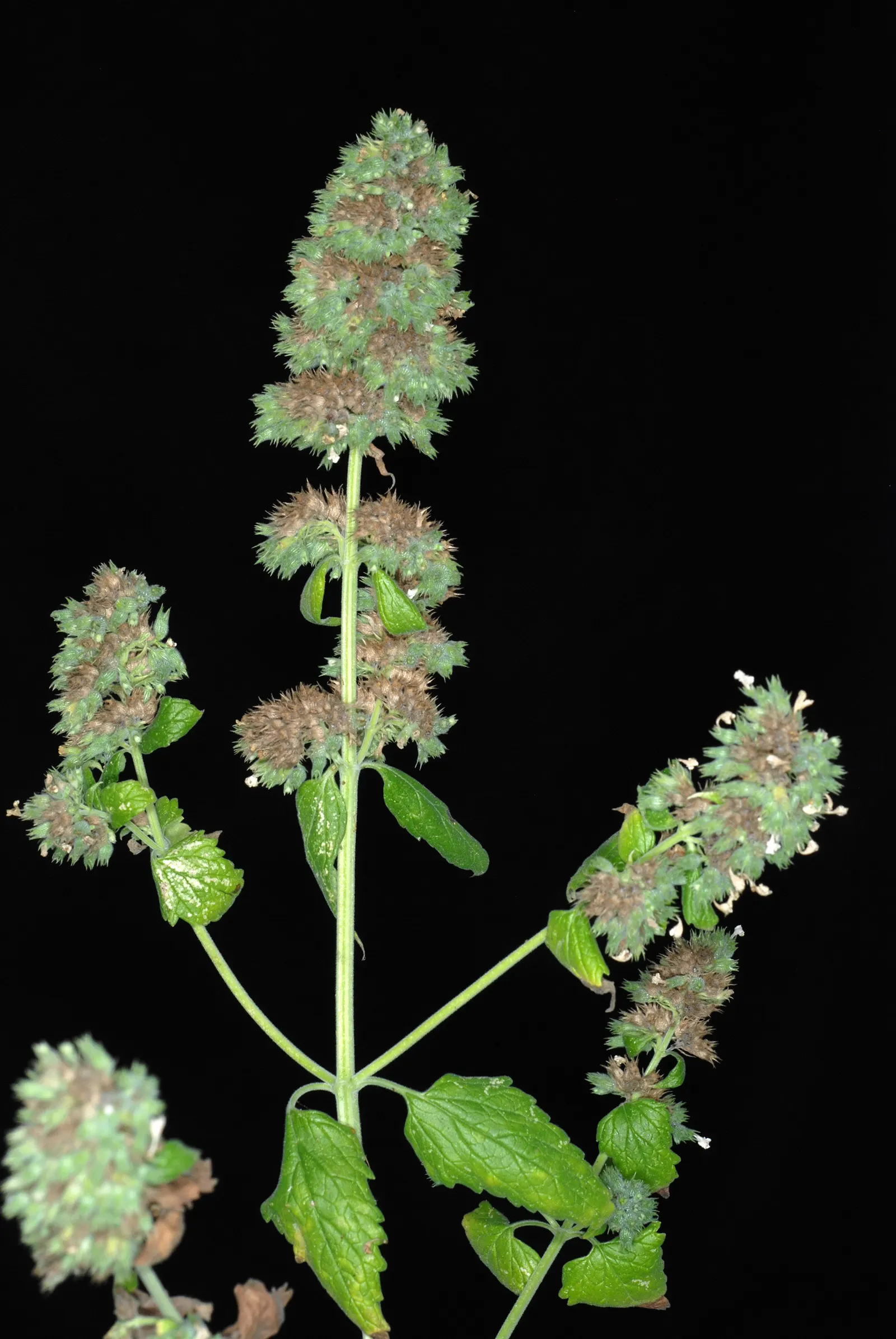
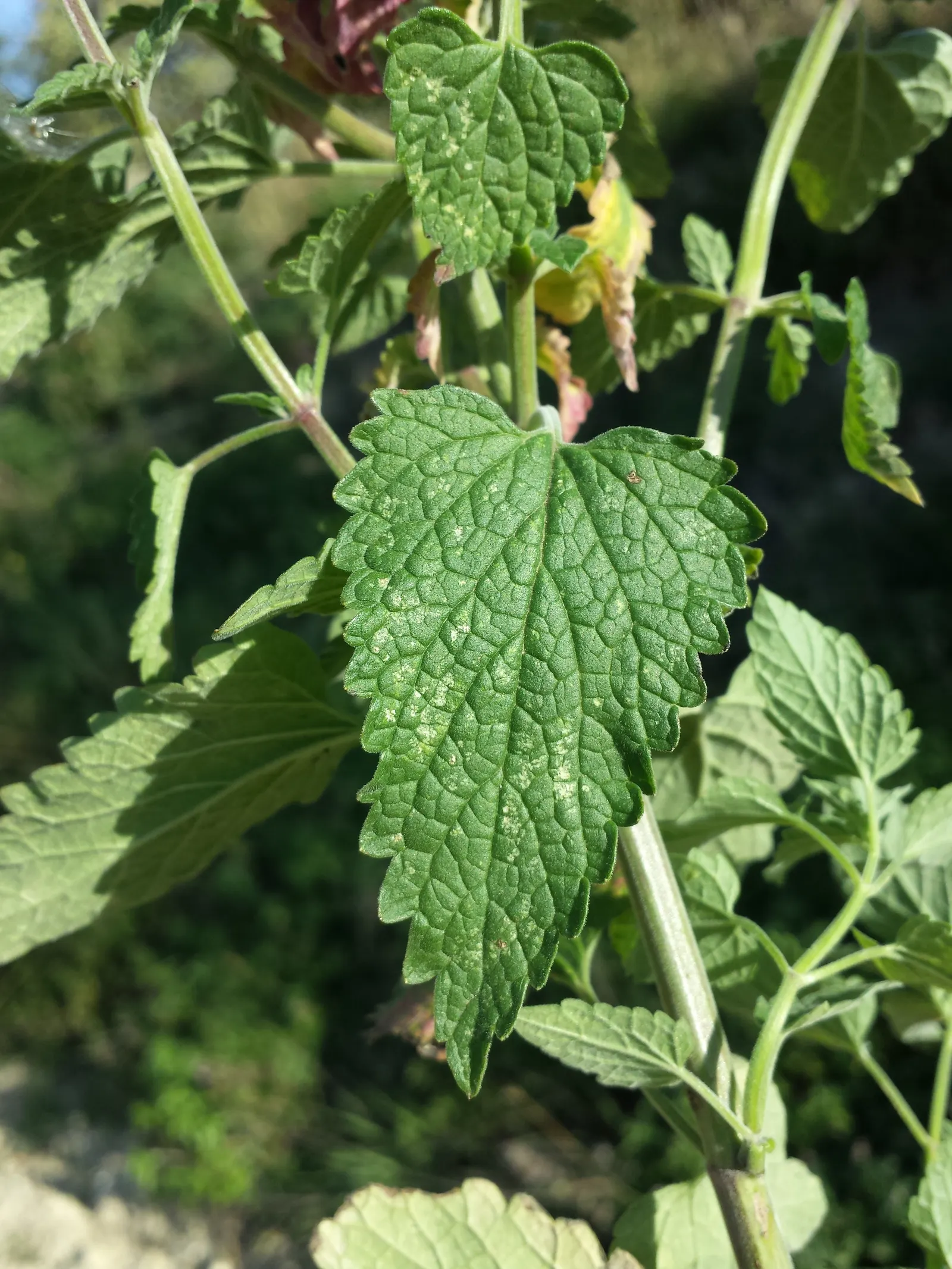
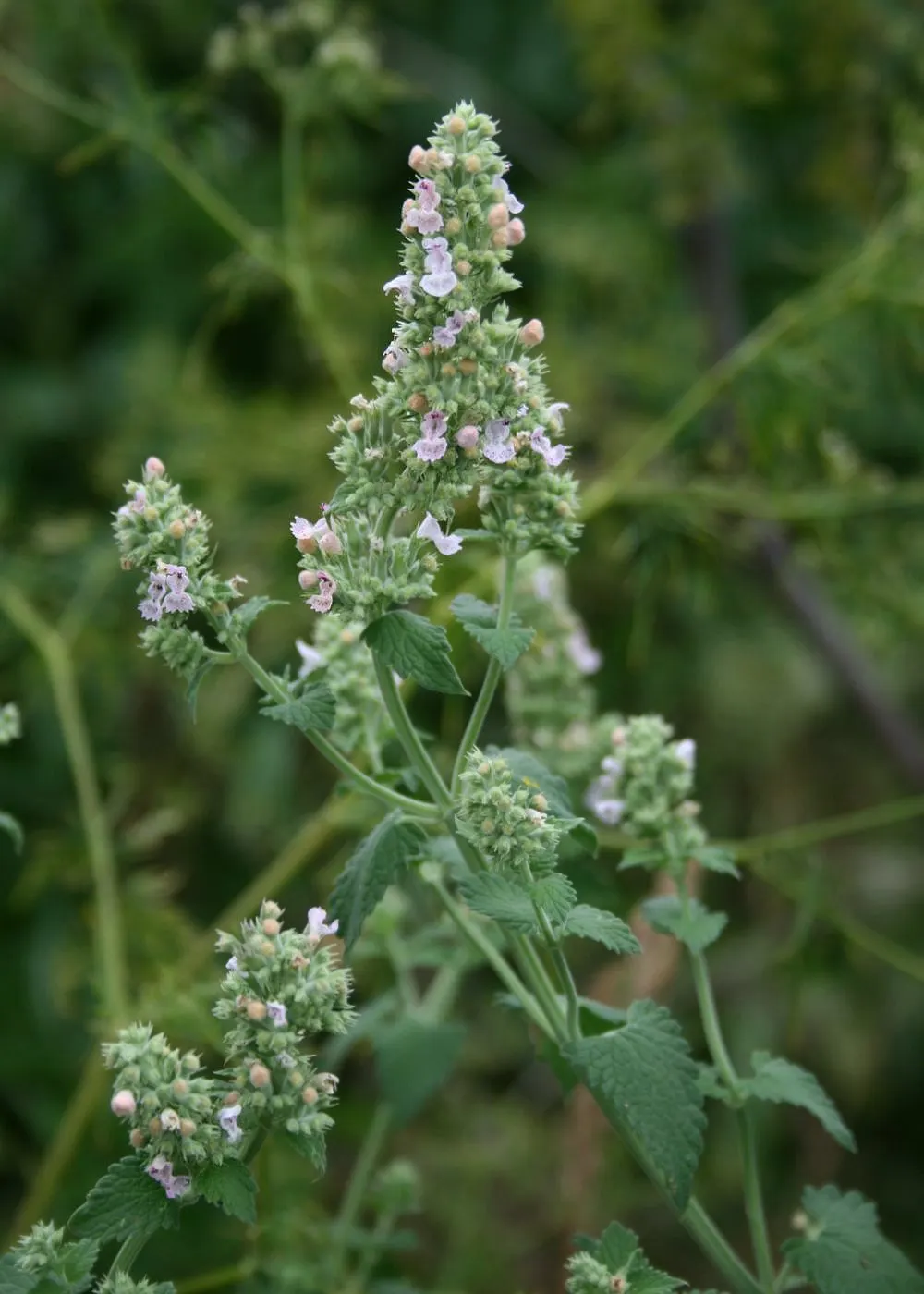
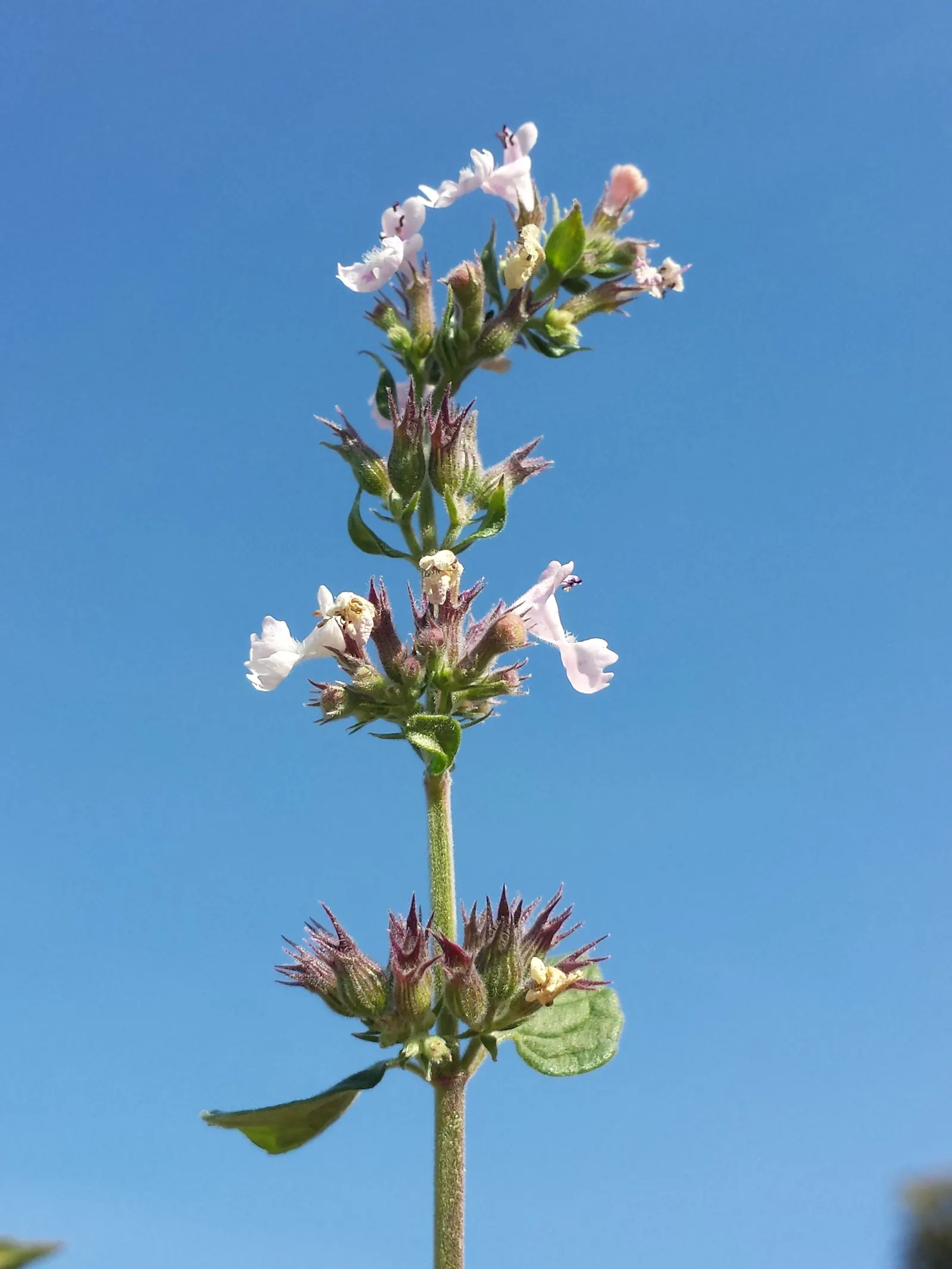
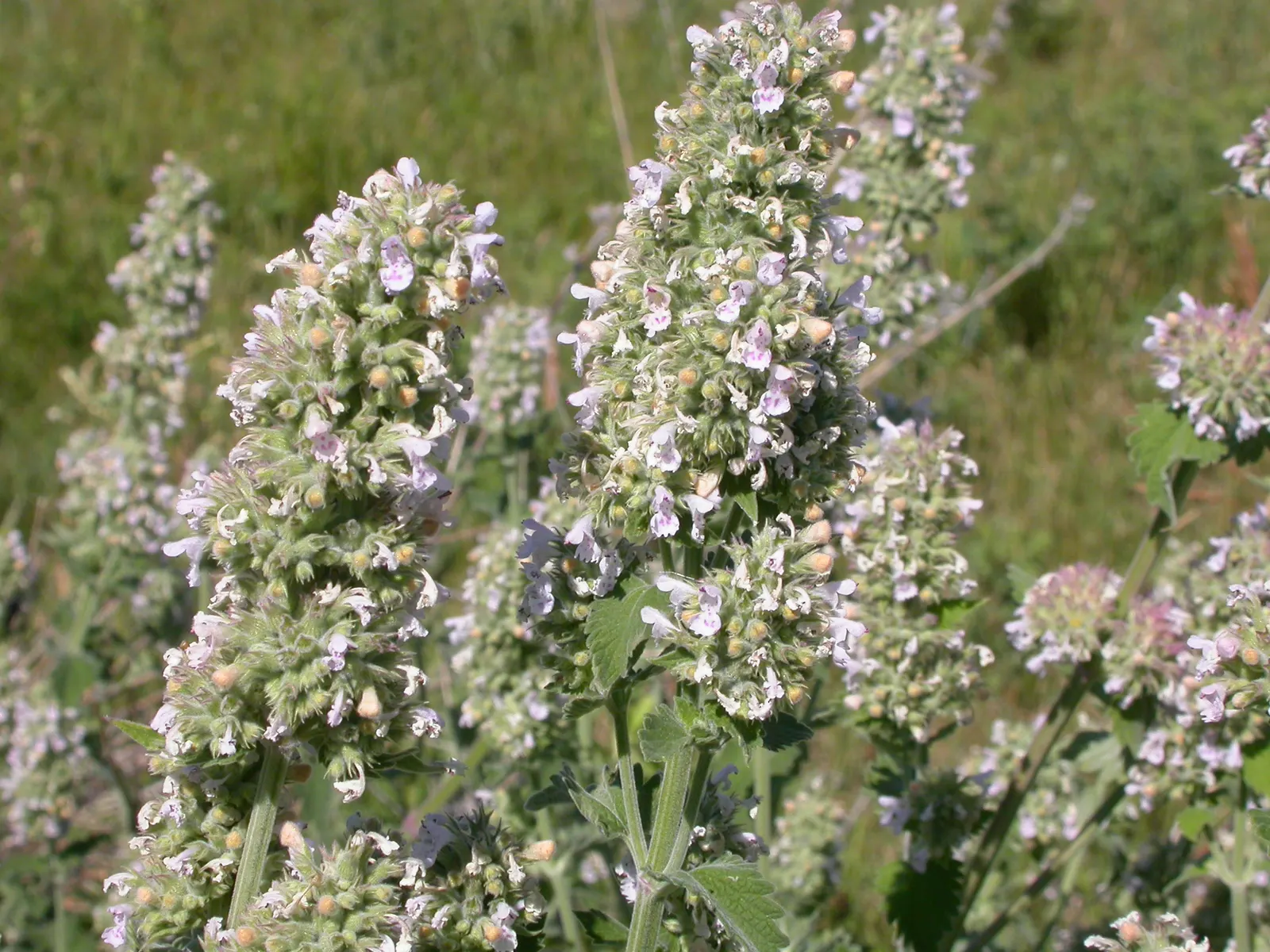
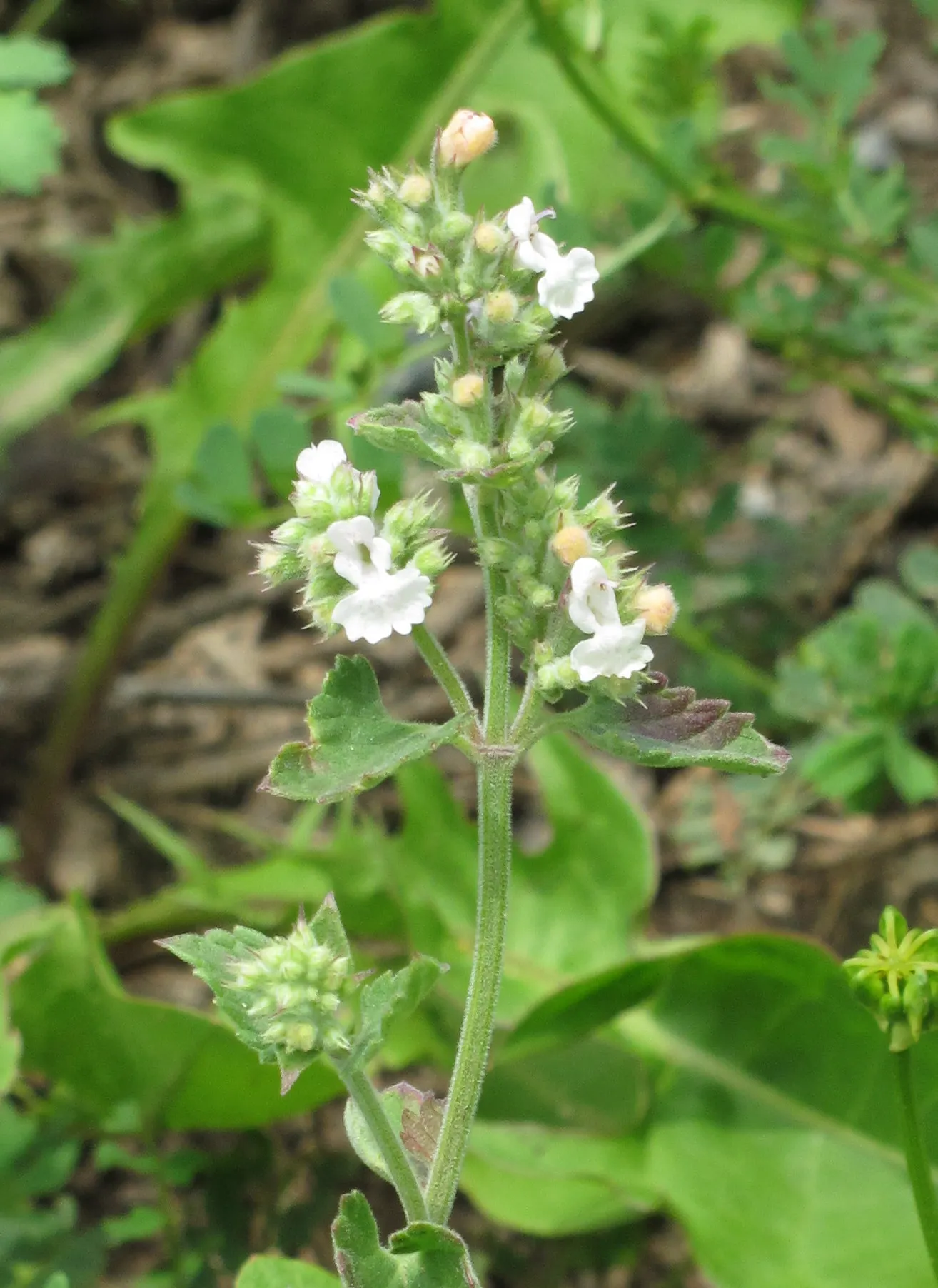
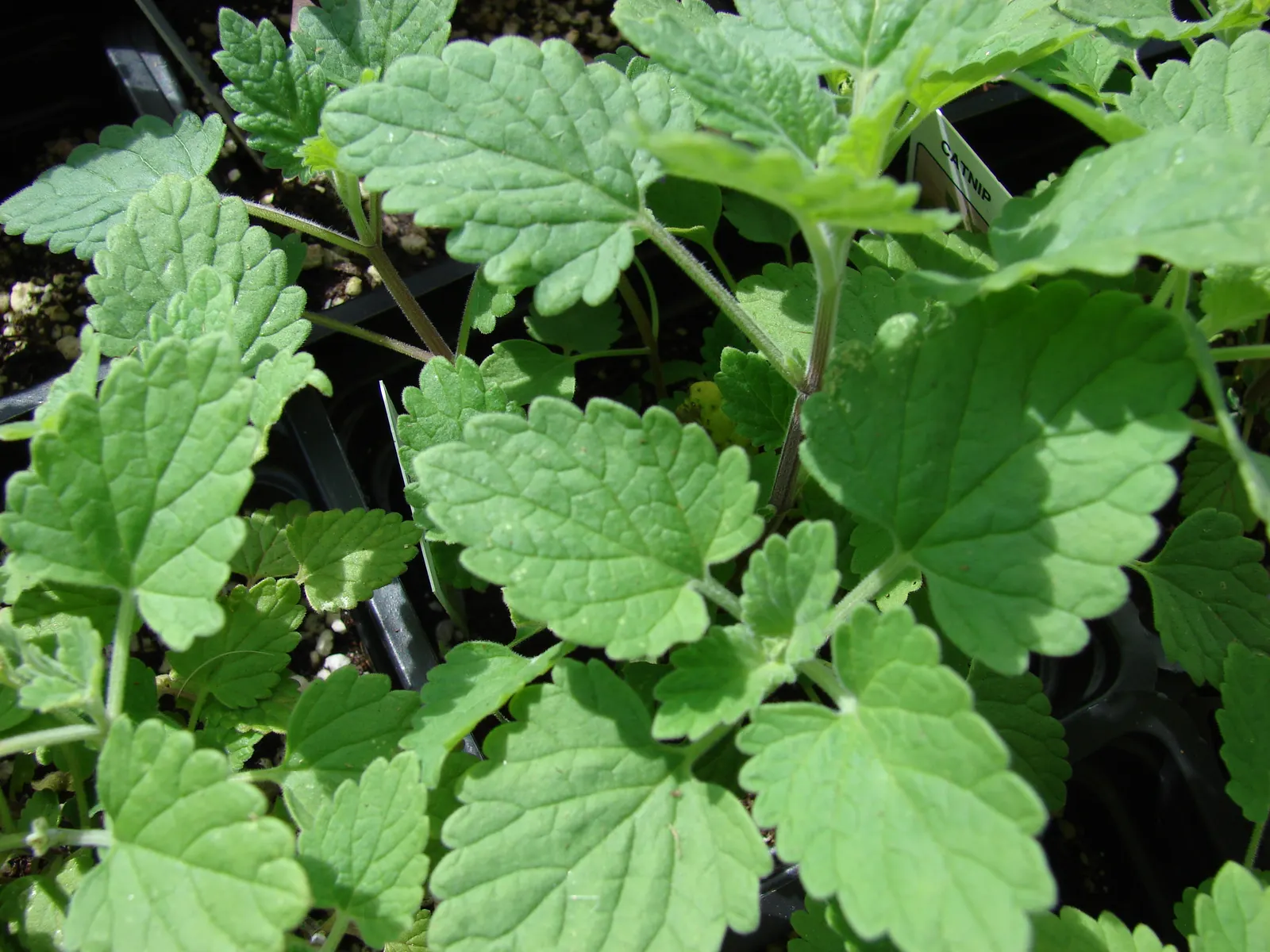
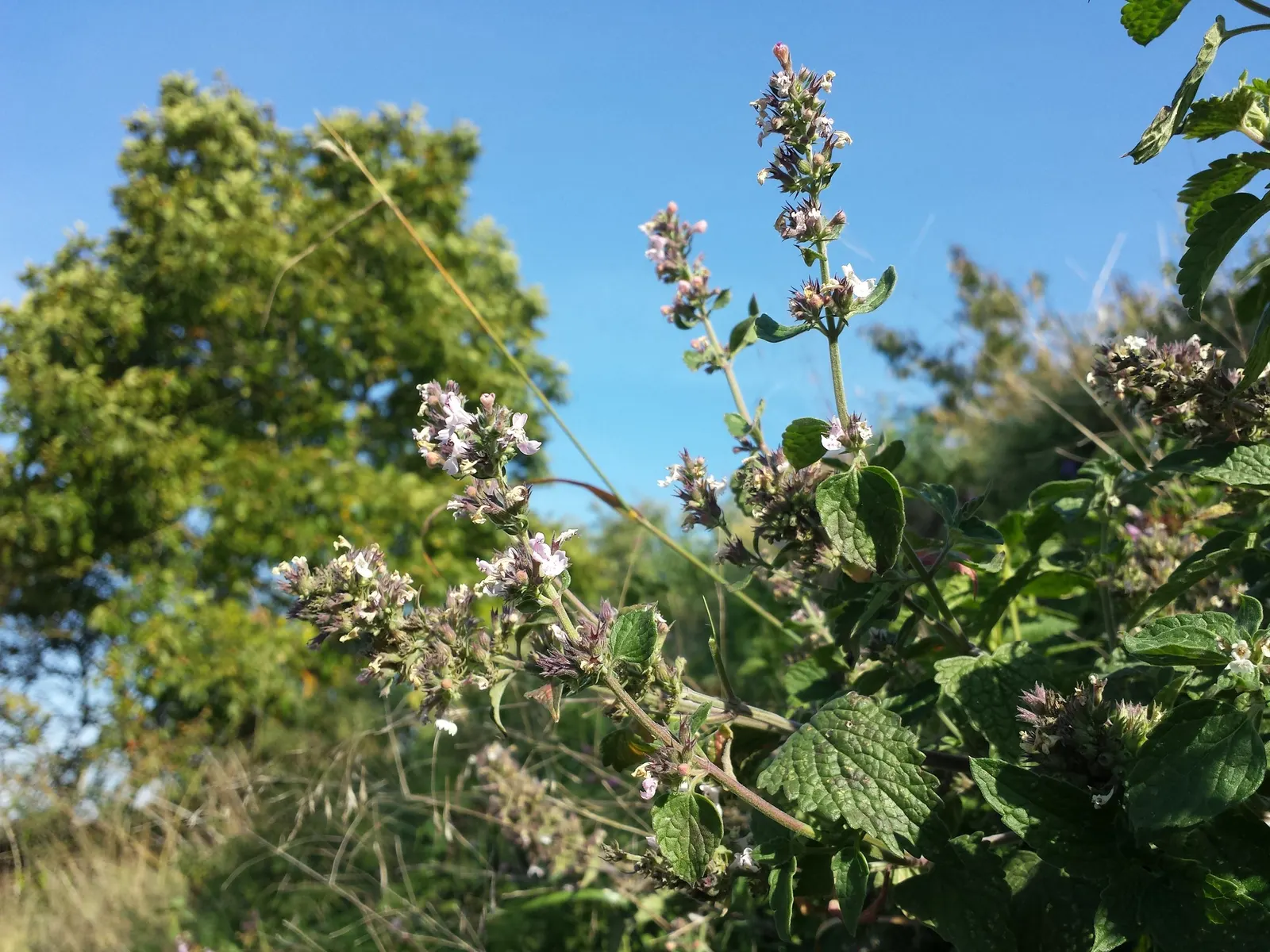
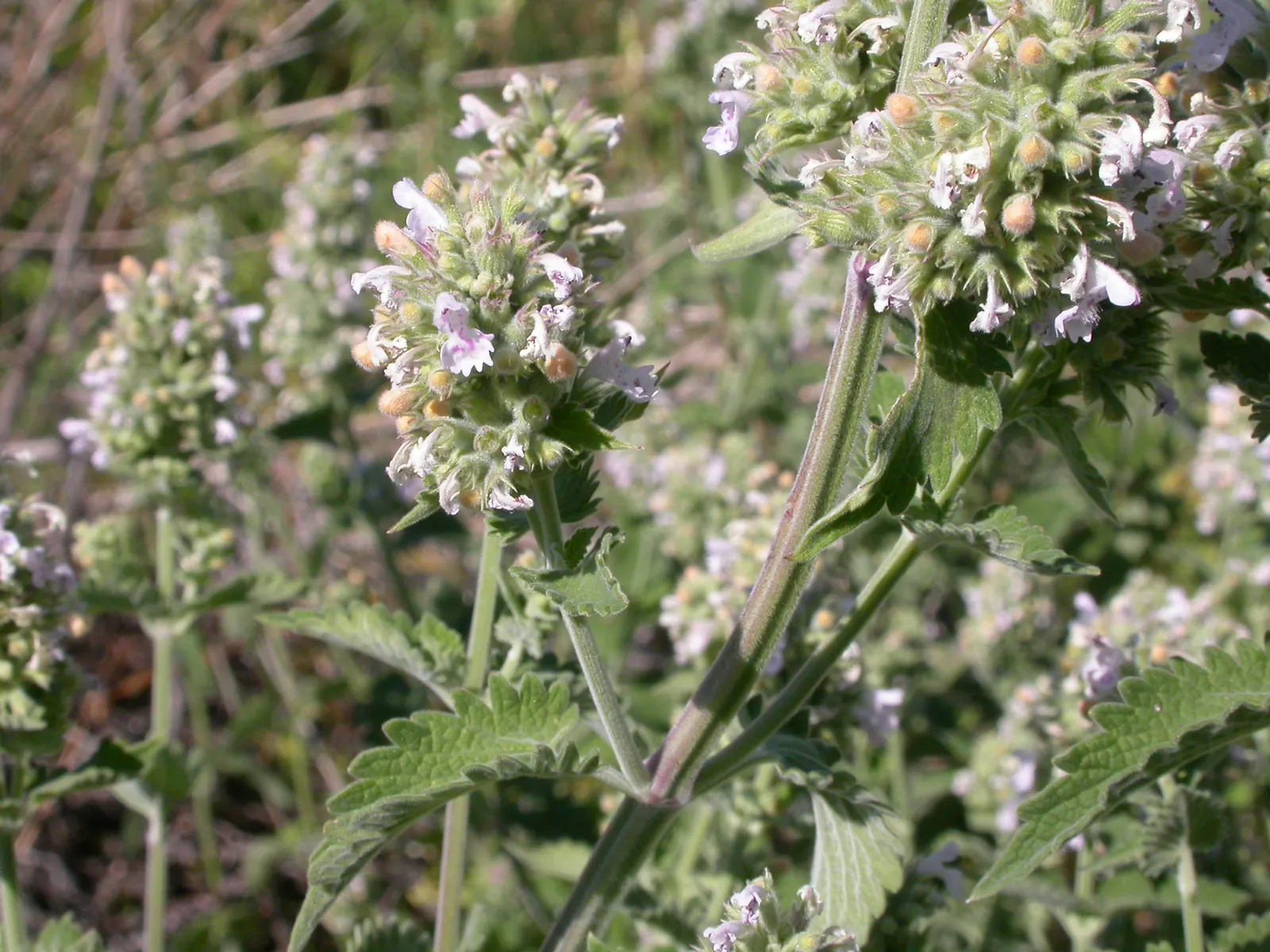
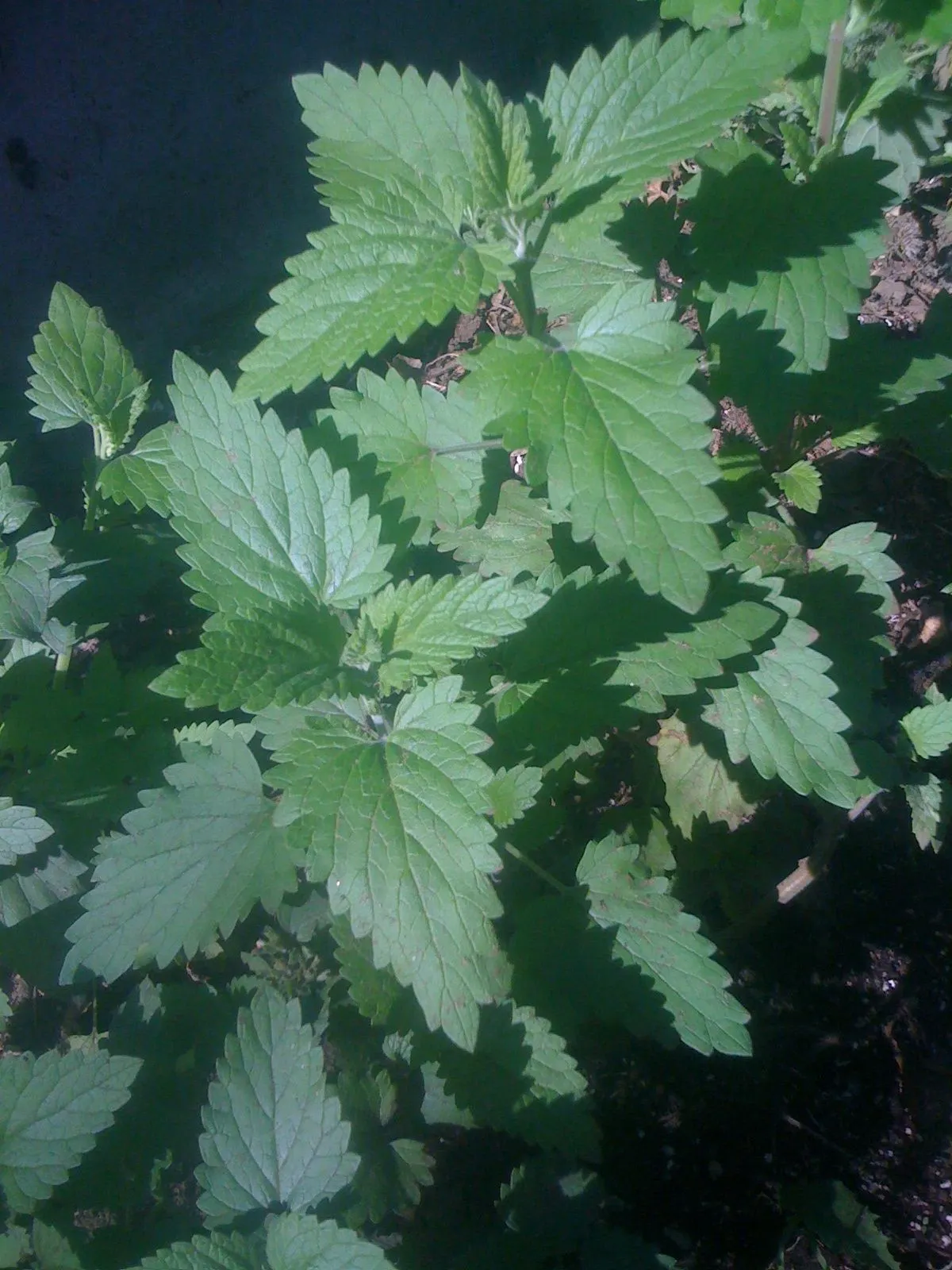
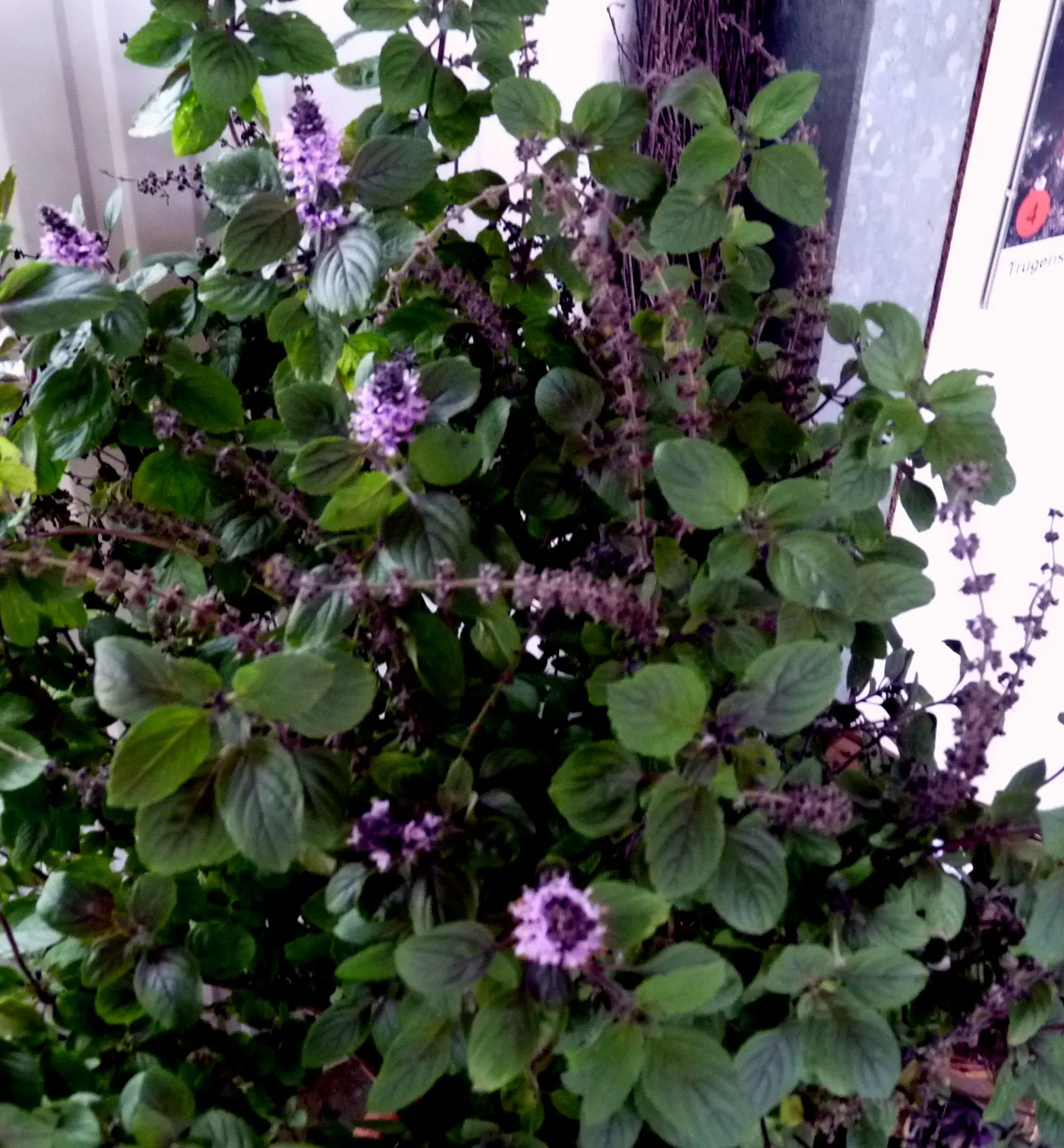
Nepeta cataria, commonly referred to as catnip or ca™int, is a robust perennial herb, thriving in zones 3-9. It typically attains heights of 2-3 feet and spreads 1-2 feet. Renowned for its aromatic, heart-shaped, gray-green leaves and summer-blooming lavender flowers, catnip entices both pollinators and felines. It performs best in full sun to part shade, preferring well-drained soils. This drought-tolerant plant requires minimal maintenance, making it an excellent addition to casual, informal gardens.

Sun FullWater Extra in Summer, MediumZones 3–8Type Ground cover, Herb, PerennialClimate Temperate

Culture

Sun
Full
Water
Extra in Summer, Medium
USDA zones
3–8

Shape & size

Mature width
2–3 Ft.

Classification

Type
Ground cover, Herb, Perennial
Family
Lamiaceae
Climate
Temperate

See full data, regional cultivation notes, and design tools. Build a client presentation around this plant.

Start your 14-day trial

Photos (85)

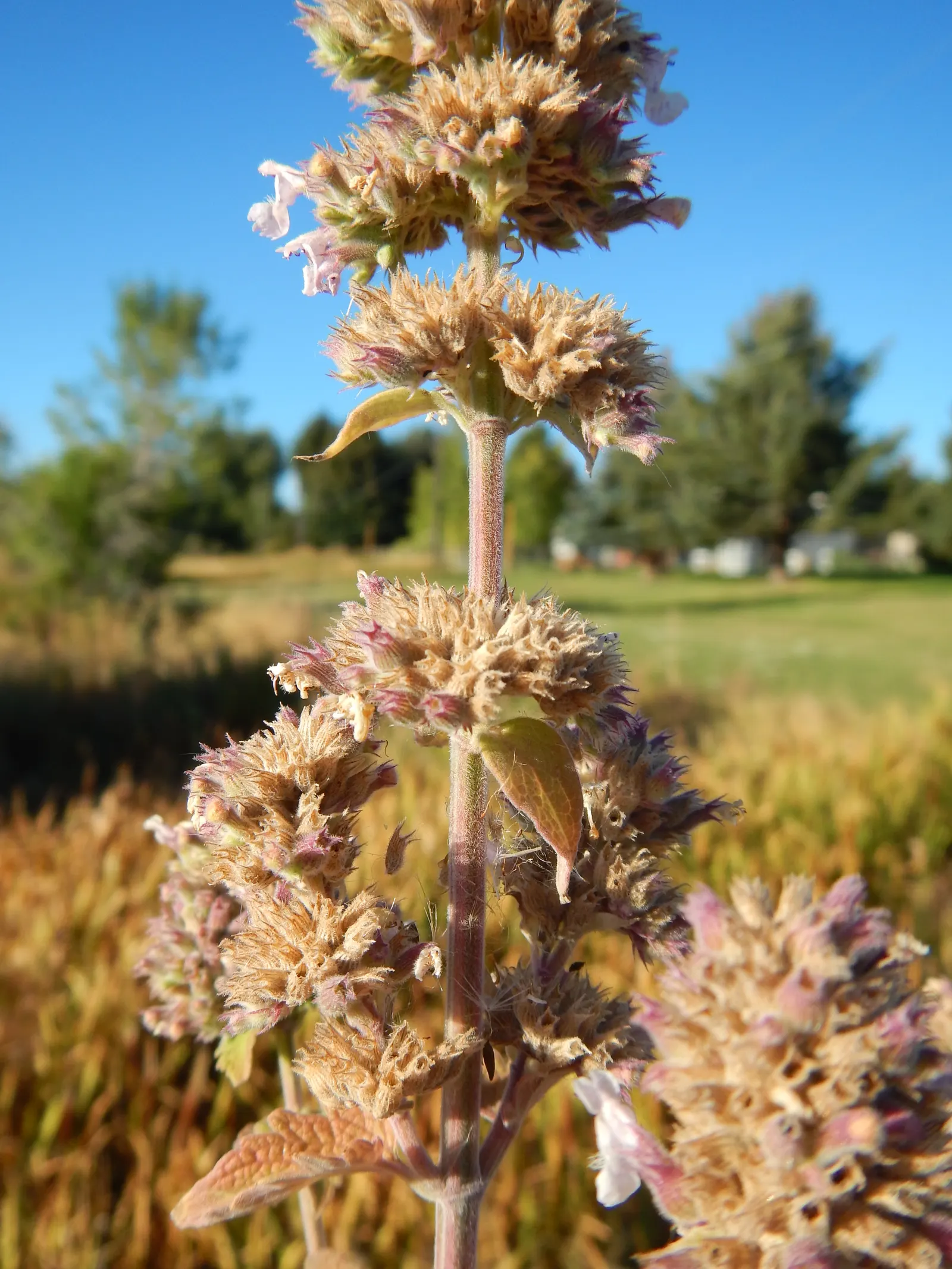
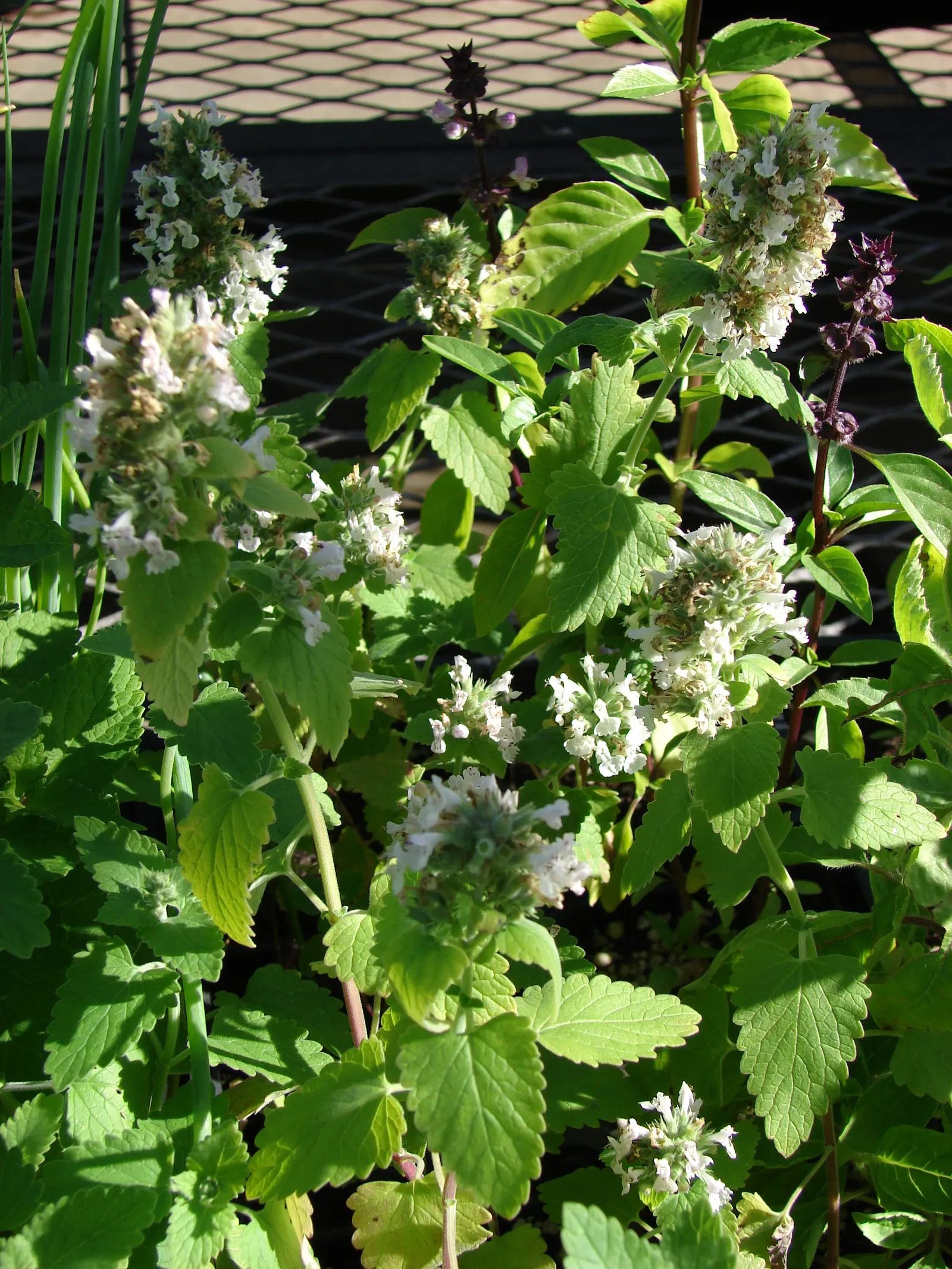
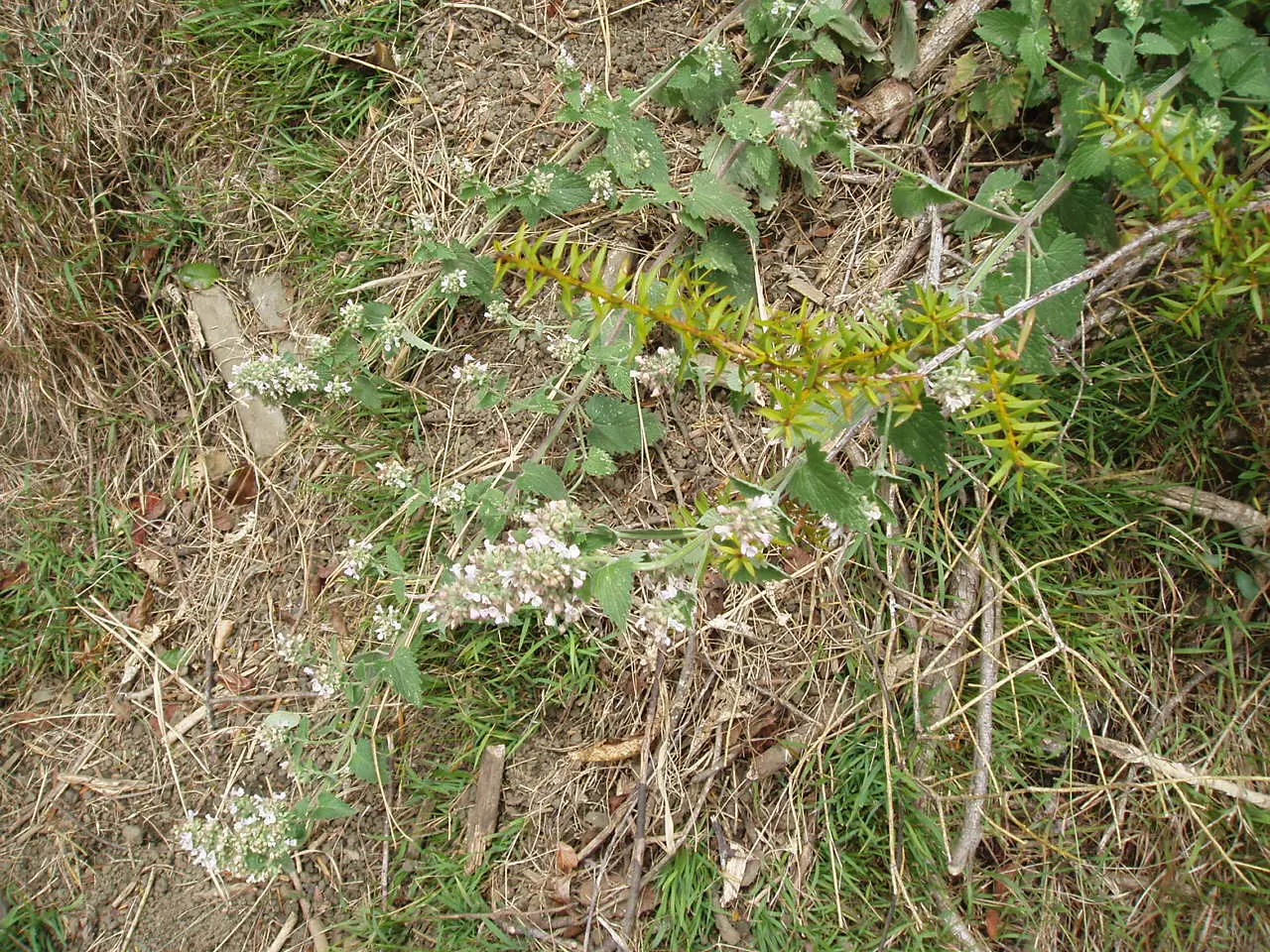
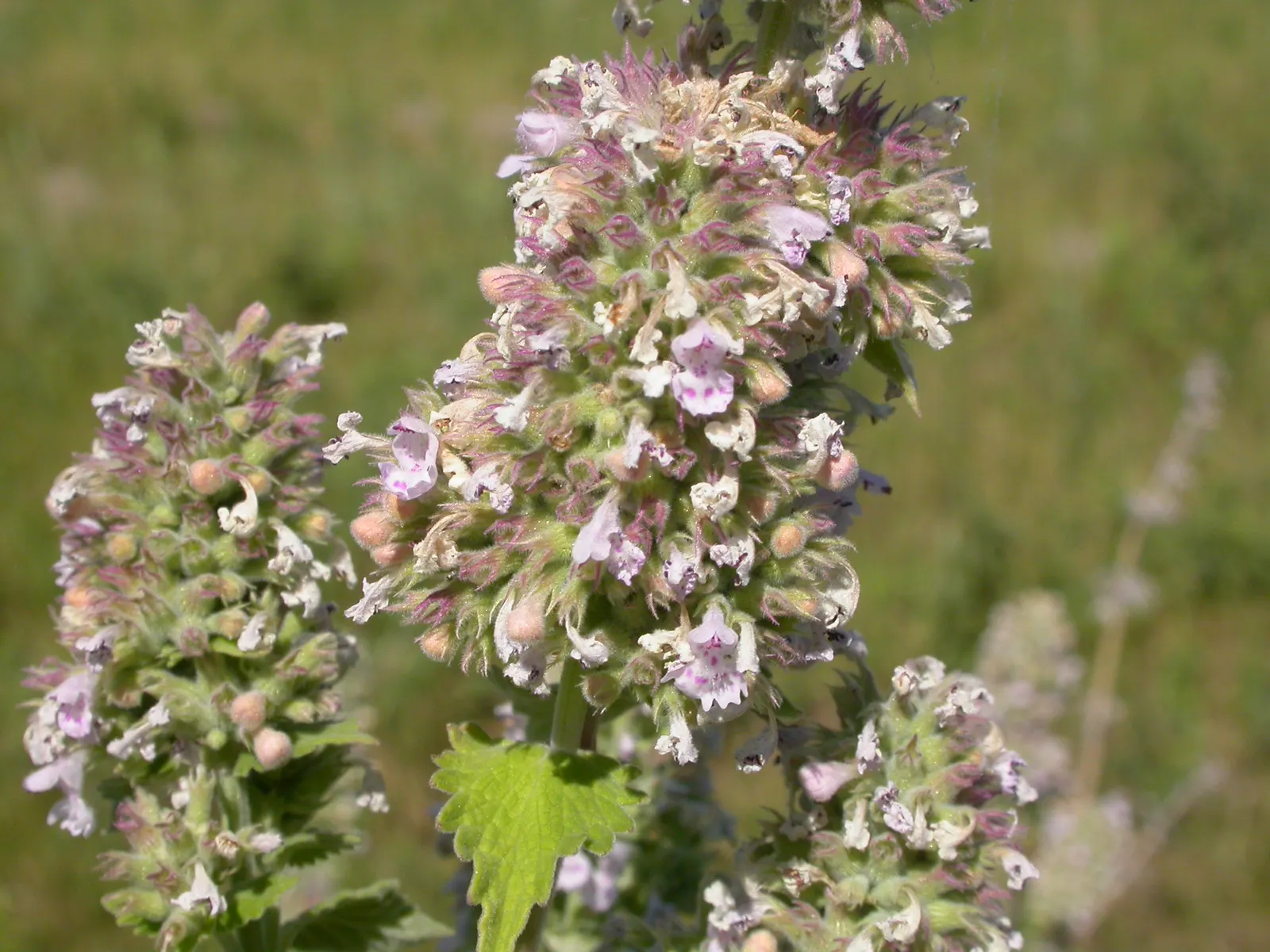
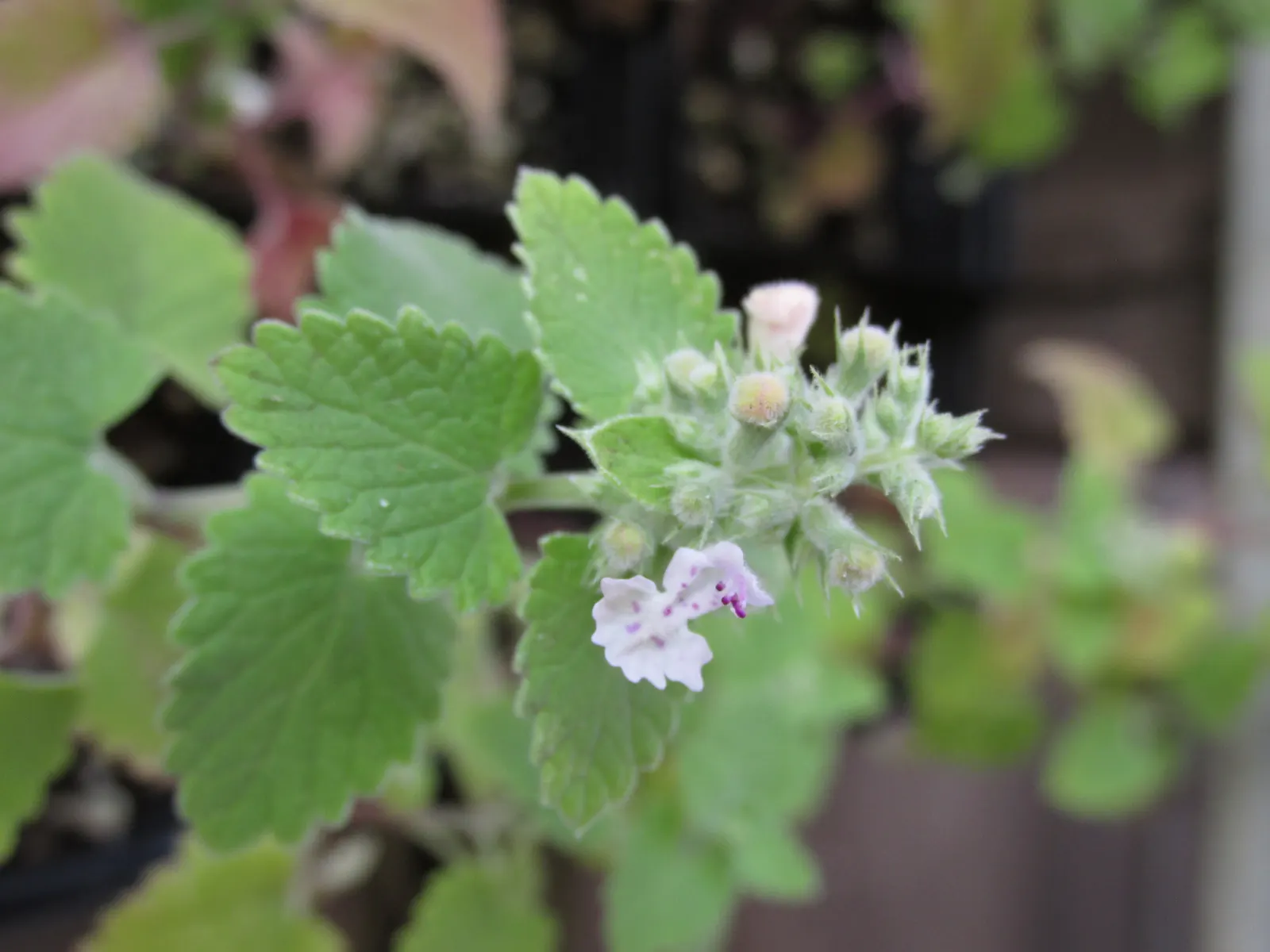
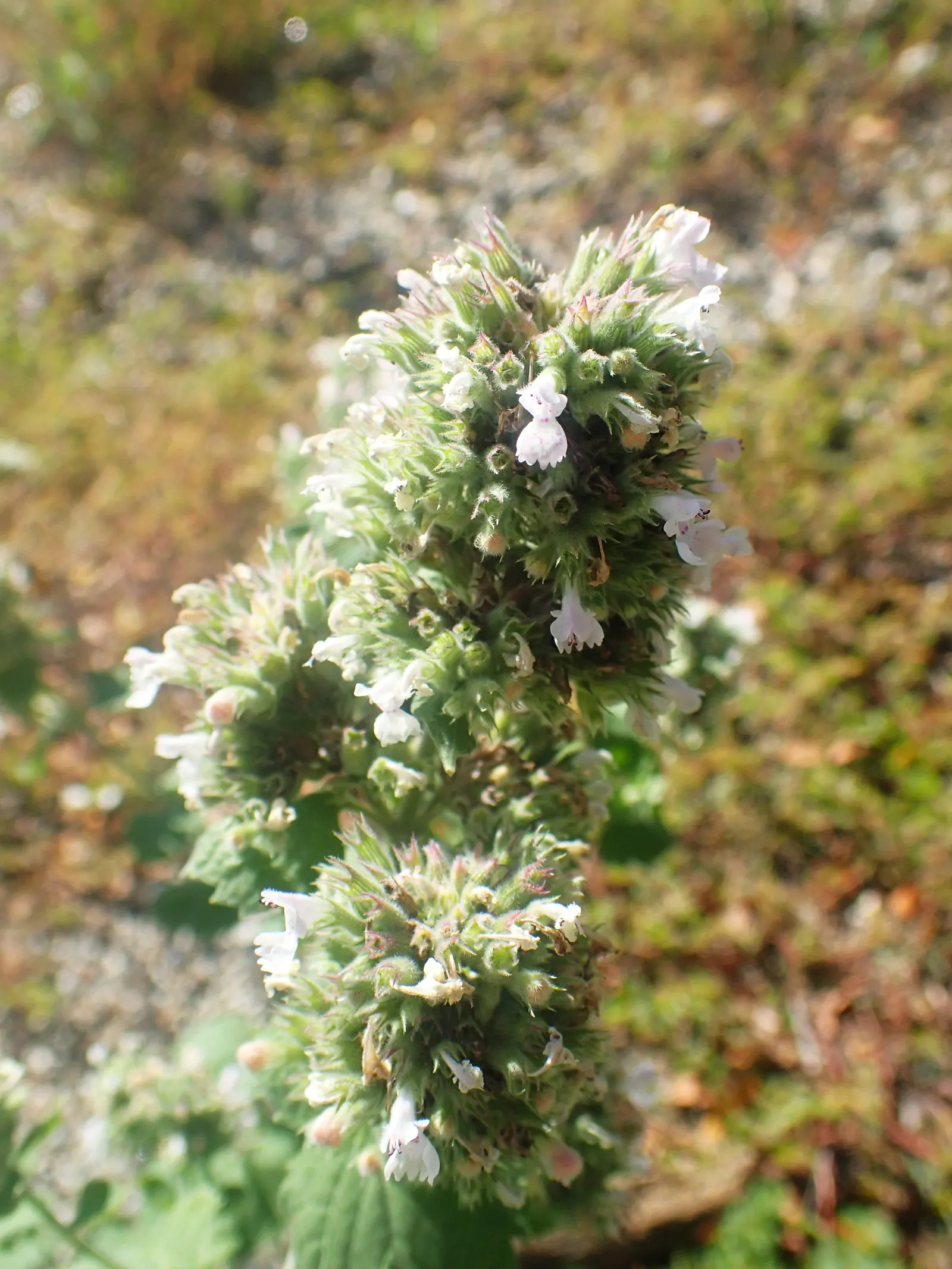
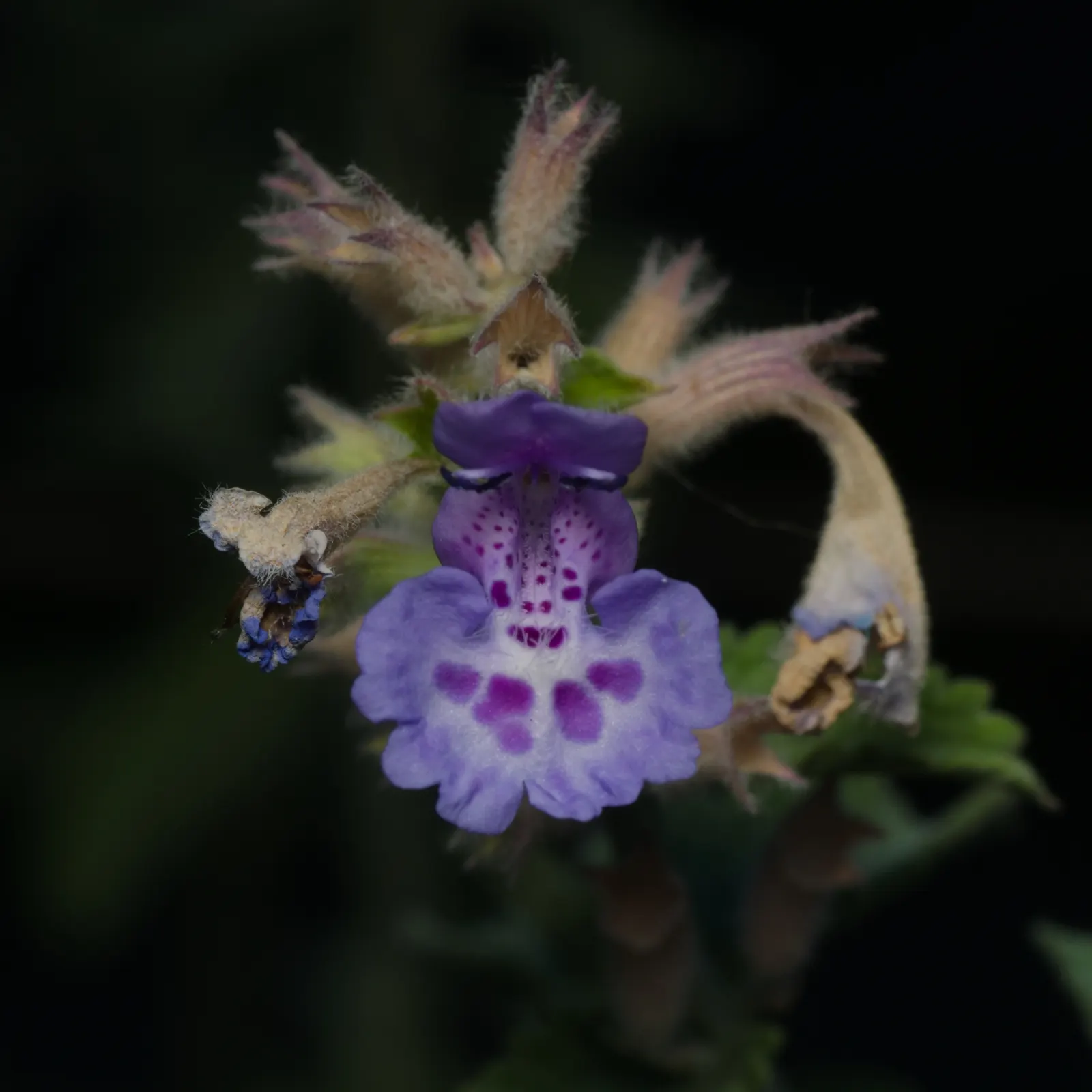
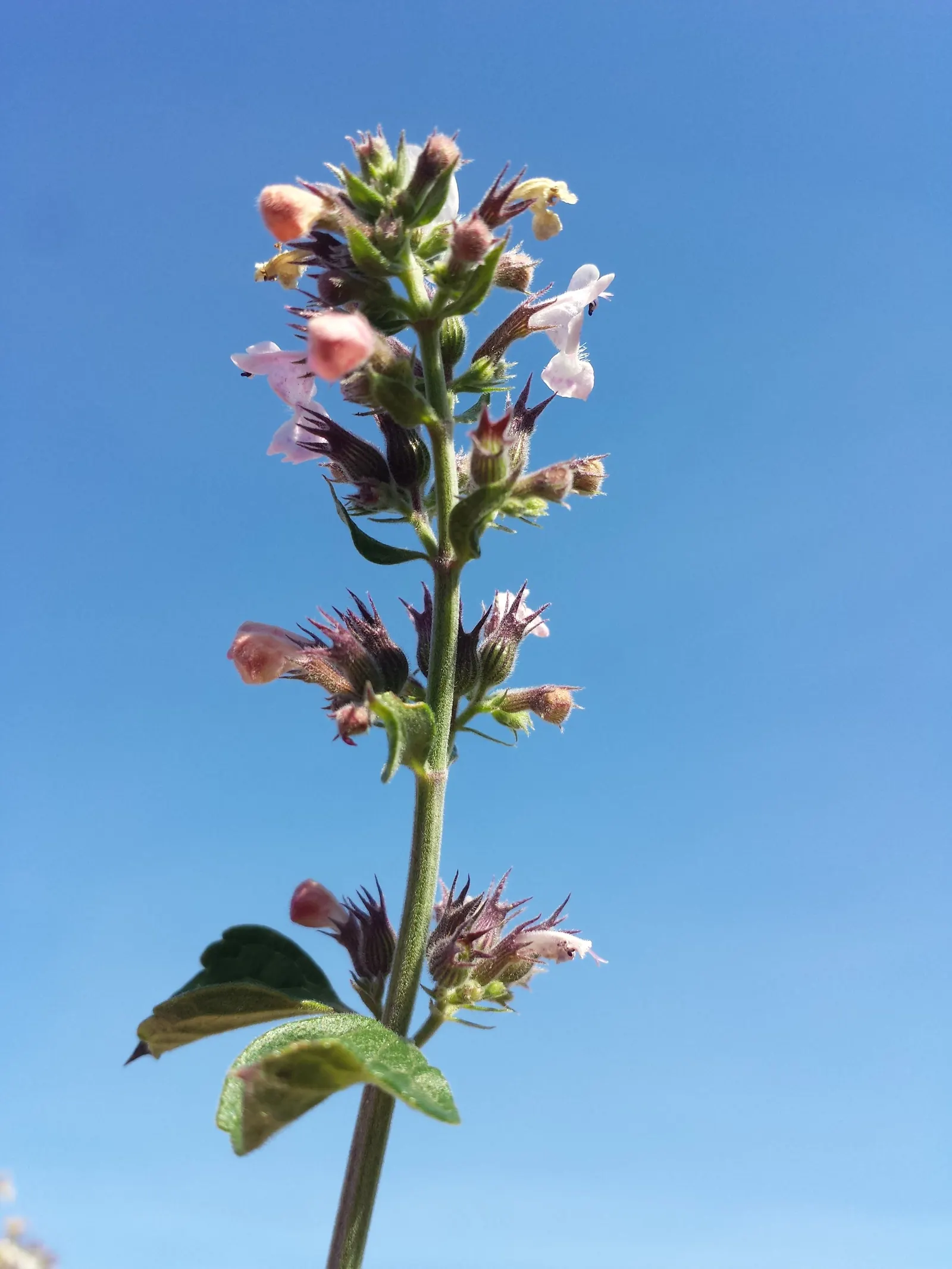
Catnip Mint (Nepeta Catariensis) — is a perennial belonging to the Lamiaceae family; scientifically identified as Nepeta cataria
Catnip Mint (Nepeta Catariensis) — is a perennial belonging to the Lamiaceae family; scientifically identified as Nepeta cataria, image 75
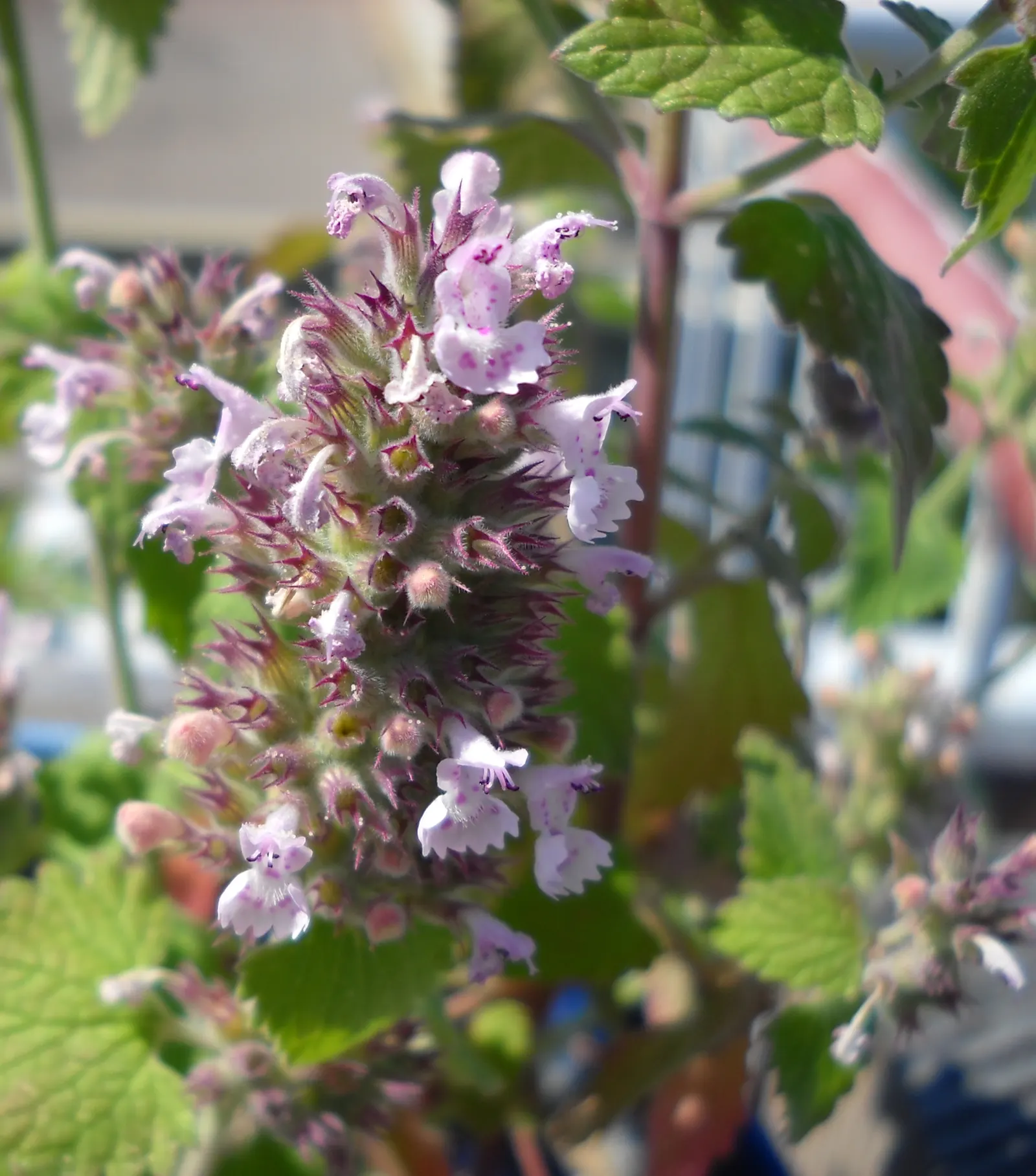
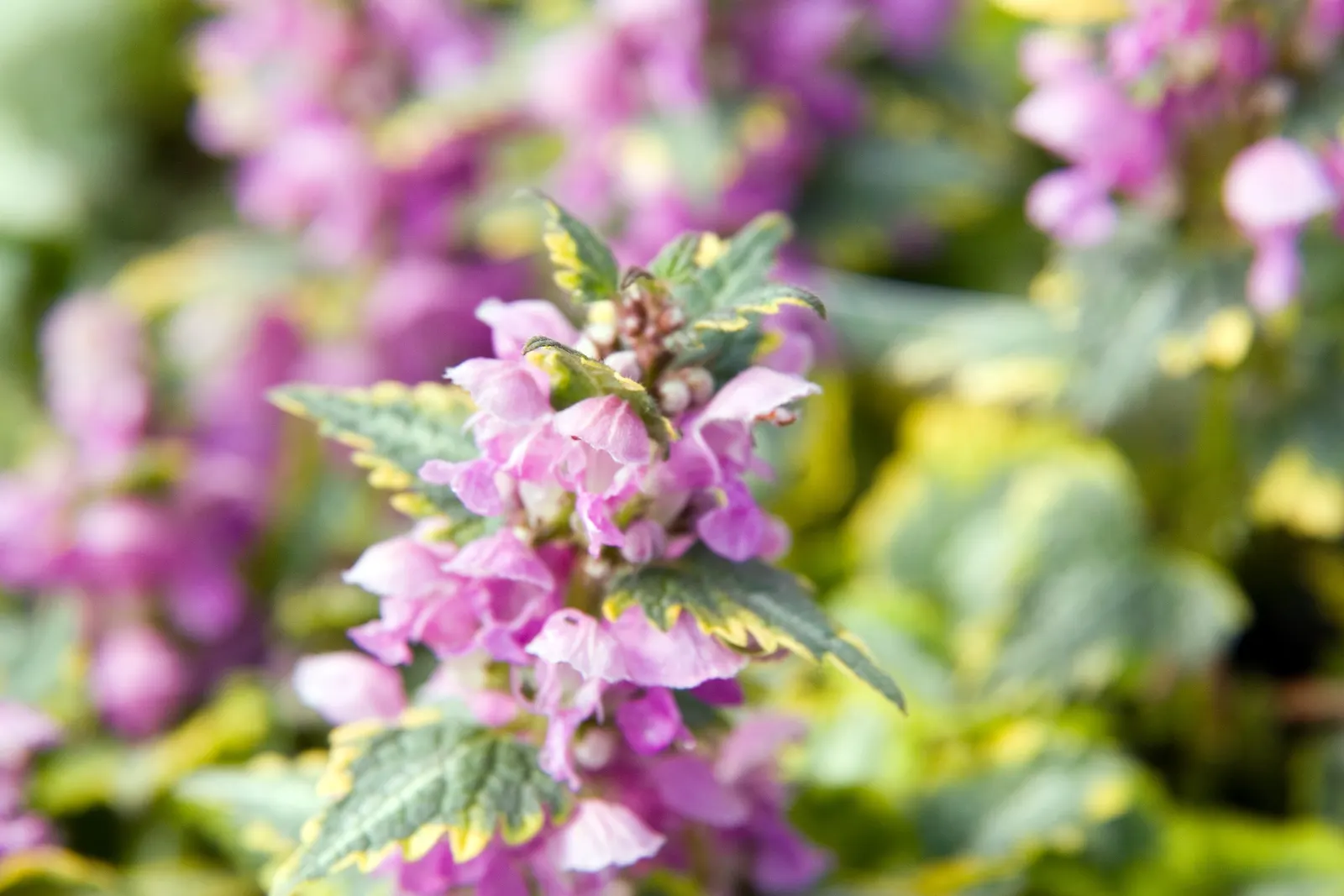
Catnip Mint (Nepeta Catariensis) — offering a subtle yet vibrant display against the soft-textured leaves
Catnip Mint (Nepeta Catariensis) — gray-green leaves and summer-blooming lavender flowers; ground cover / herb / perennial for full
Catnip Mint (Nepeta Catariensis) — making it a low-maintenance option for the casual gardener
Catnip Mint (Nepeta Catariensis) — This drought-tolerant plant requires minimal maintenance; this floral show also attracts pollinators like bees and
Catnip Mint (Nepeta Catariensis) — Most commonly used for its striking appearance and sensory appeal in a landscape; it tolerates a variety of soil types
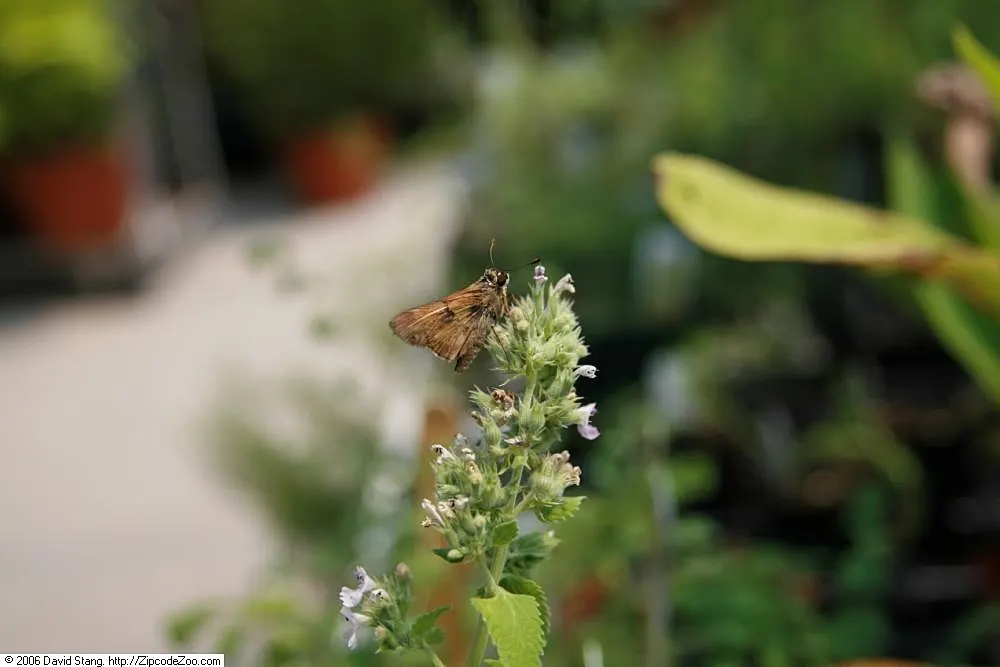
Catnip Mint (Nepeta Catariensis) — This floral show also attracts pollinators like bees and butterflies; pungent aroma when crushed
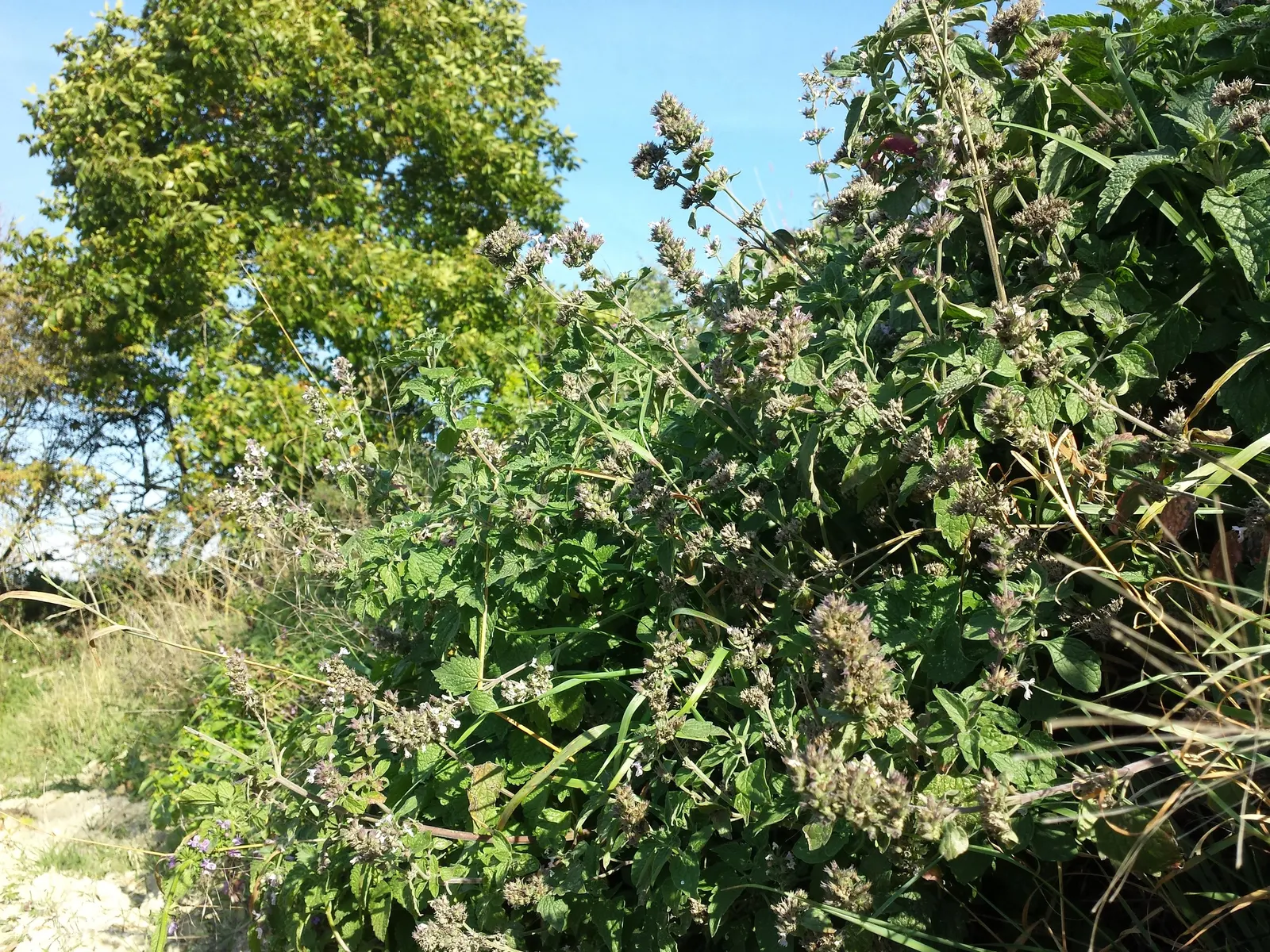
Catnip Mint (Nepeta Catariensis) — ground cover / herb / perennial for full; catnip Mint can serve both an ornamental and functional purpose
Catnip Mint (Nepeta Catariensis) — offering a subtle yet vibrant display against the soft-textured leaves; making it an excellent addition to casual, image 84
Catnip Mint (Nepeta Catariensis) — scientifically identified as Nepeta cataria
Catnip Mint (Nepeta Catariensis) — It performs best in full sun to part shade, preferring well-drained soils; catnip Mint averages a growth height of 2 to 3
Catnip Mint (Nepeta Catariensis) — making it an excellent addition to casual; showcasing its adaptability to a variety of climates.<br><br>In a landscape design
Catnip Mint (Nepeta Catariensis) — It tolerates a variety of soil types; gray-green leaves and summer-blooming lavender flowers
Catnip Mint (Nepeta Catariensis) — catnip entices both pollinators and felines; it performs best in full sun to part shade, preferring well-drained soils
Catnip Mint (Nepeta Catariensis) — From late spring to early autumn
Catnip Mint (Nepeta Catariensis) — making it an excellent addition to casual; showcasing its adaptability to a variety of climates.<br><br>In a, image 73
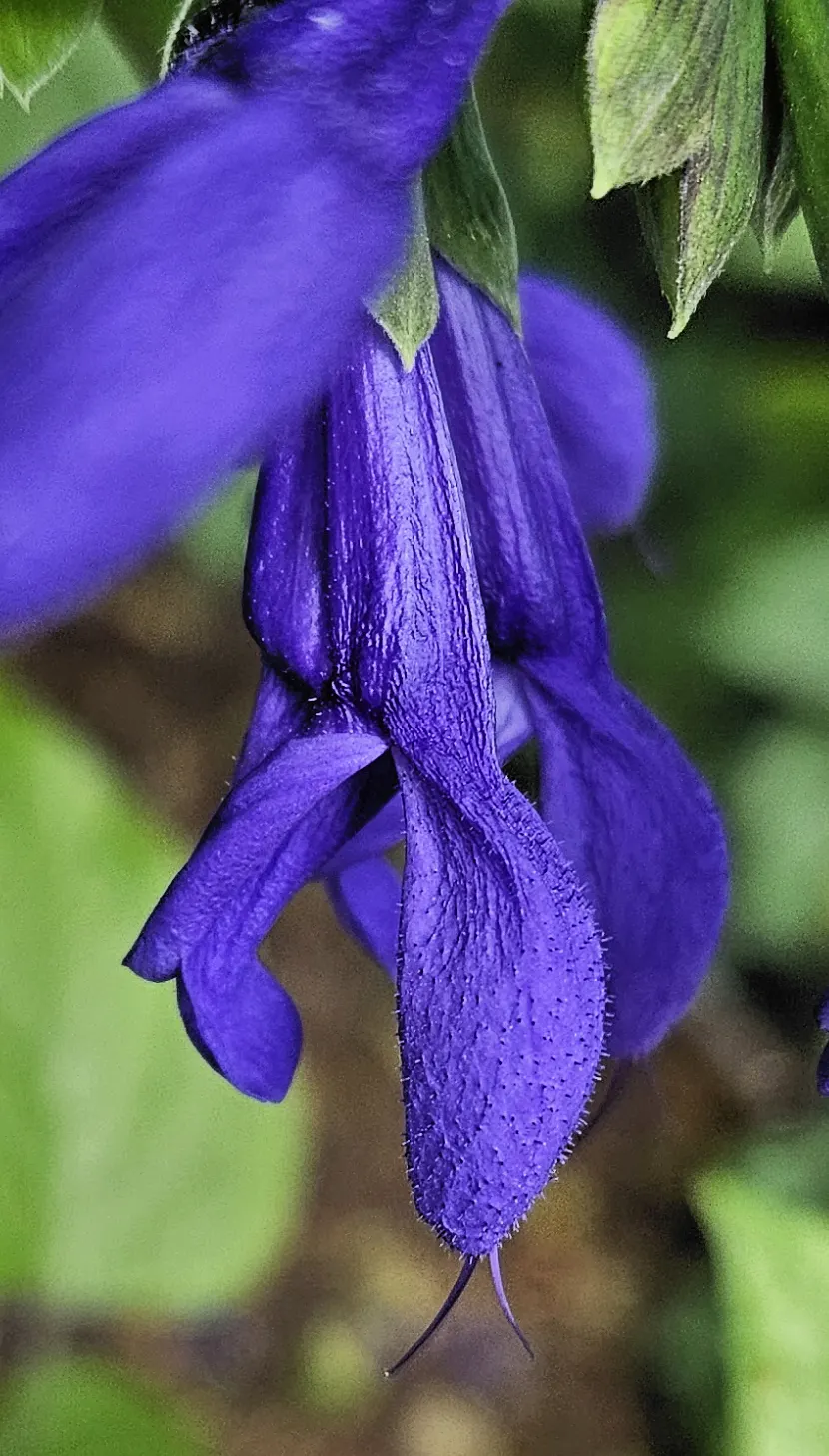
Catnip Mint (Nepeta Catariensis) — blue and purple flowers in the garden
Catnip Mint (Nepeta Catariensis) — scientifically identified as Nepeta cataria; it typically attains heights of 2-3 feet and spreads 1-2 feet
Catnip Mint (Nepeta Catariensis) — Renowned for its aromatic; and is drought resistant once established
Catnip Mint (Nepeta Catariensis) — This drought-tolerant plant requires minimal maintenance
Catnip Mint (Nepeta Catariensis) — this herbaceous perennial prefers a full sun to partial shade exposure and well-drained soil; blue and purple flowers in the
Catnip Mint (Nepeta Catariensis) — This drought-tolerant plant requires minimal maintenance; this floral show also attracts pollinators like bees, image 72
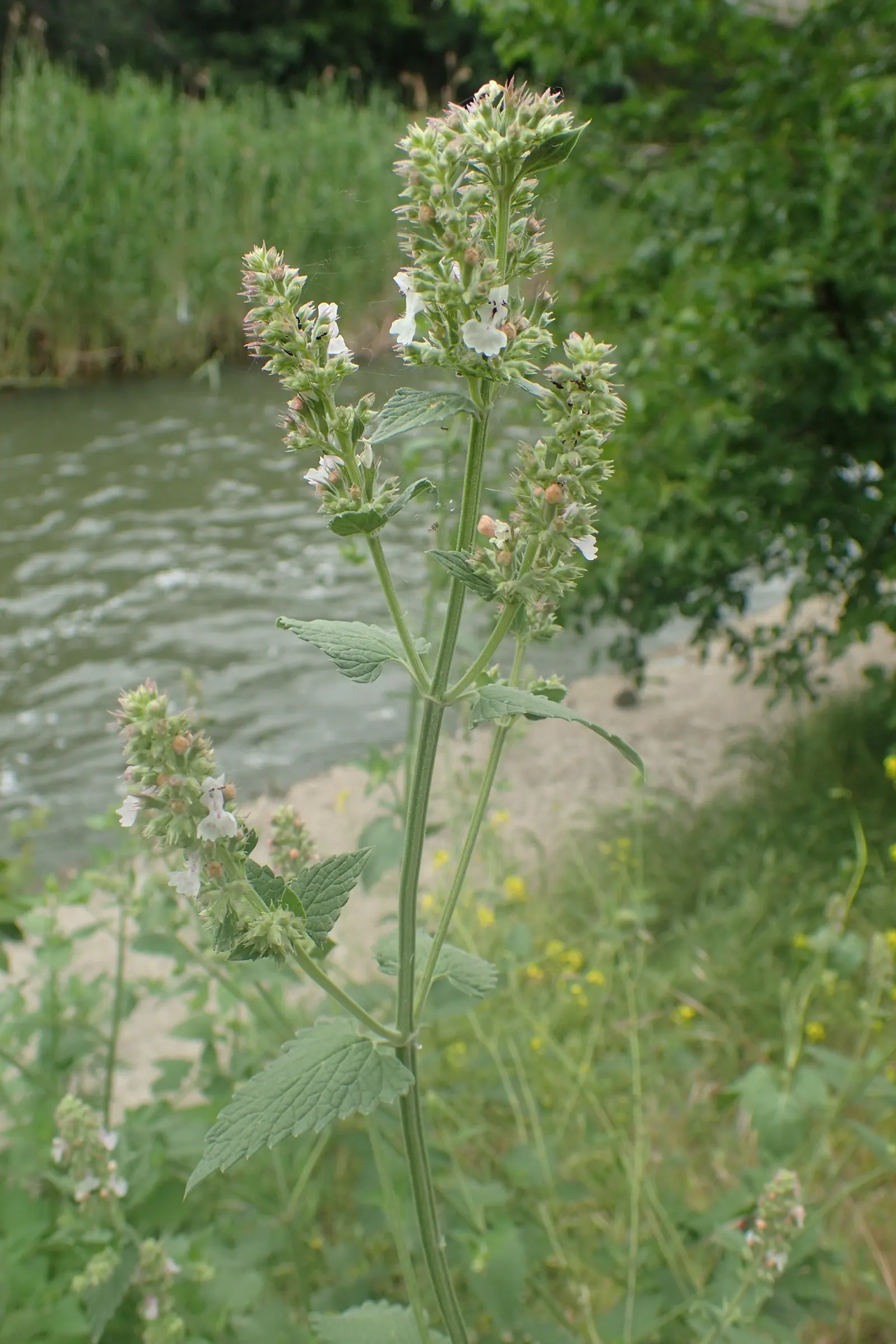
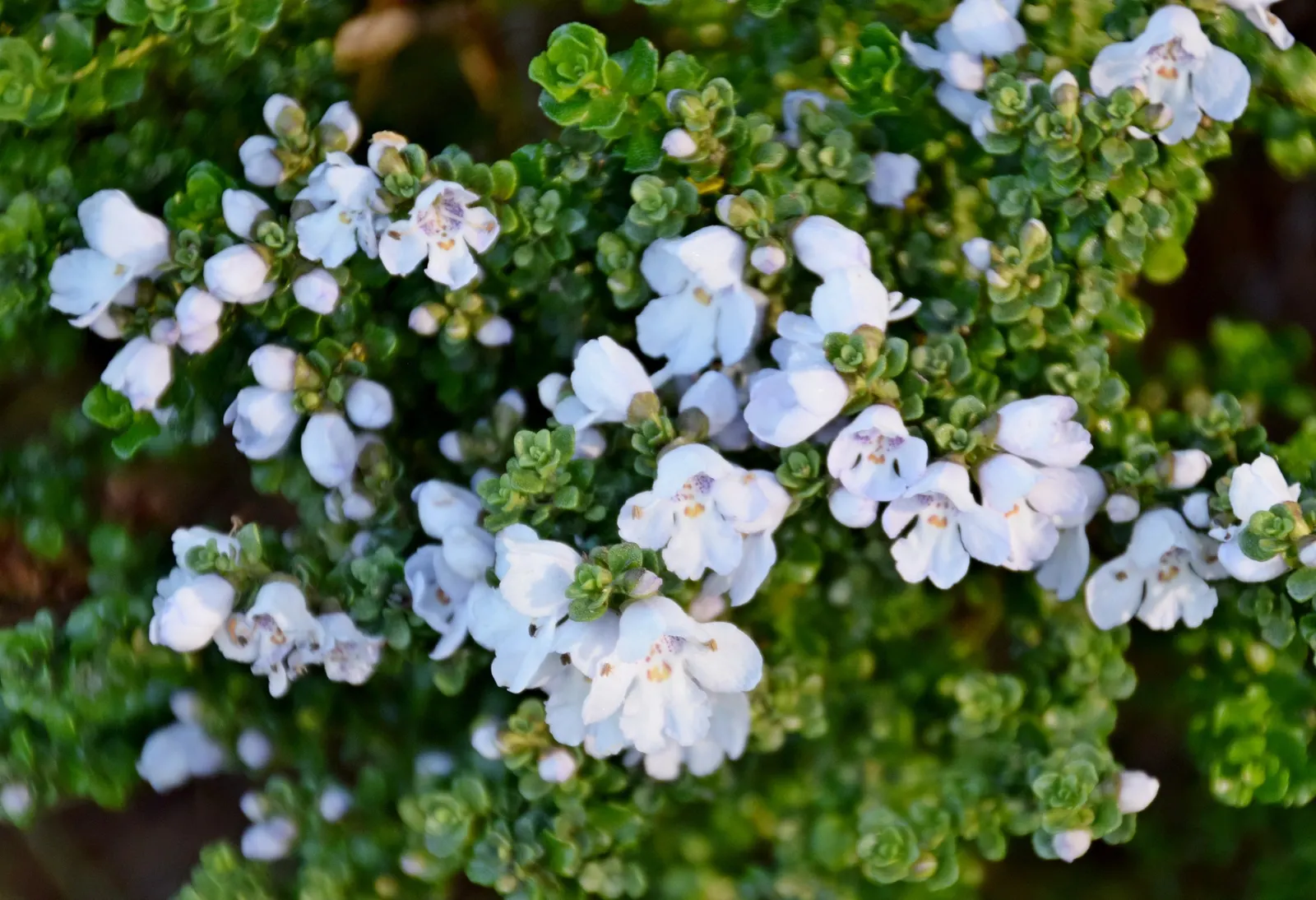
Catnip Mint (Nepeta Catariensis) — white to lavender flowers situated in whorls atop the stems; is a robust perennial herb
Photographs by 13 contributors

Related plants