Skip to content

Common Myrtle

Myrtus Communis

Design with this plant

Overview

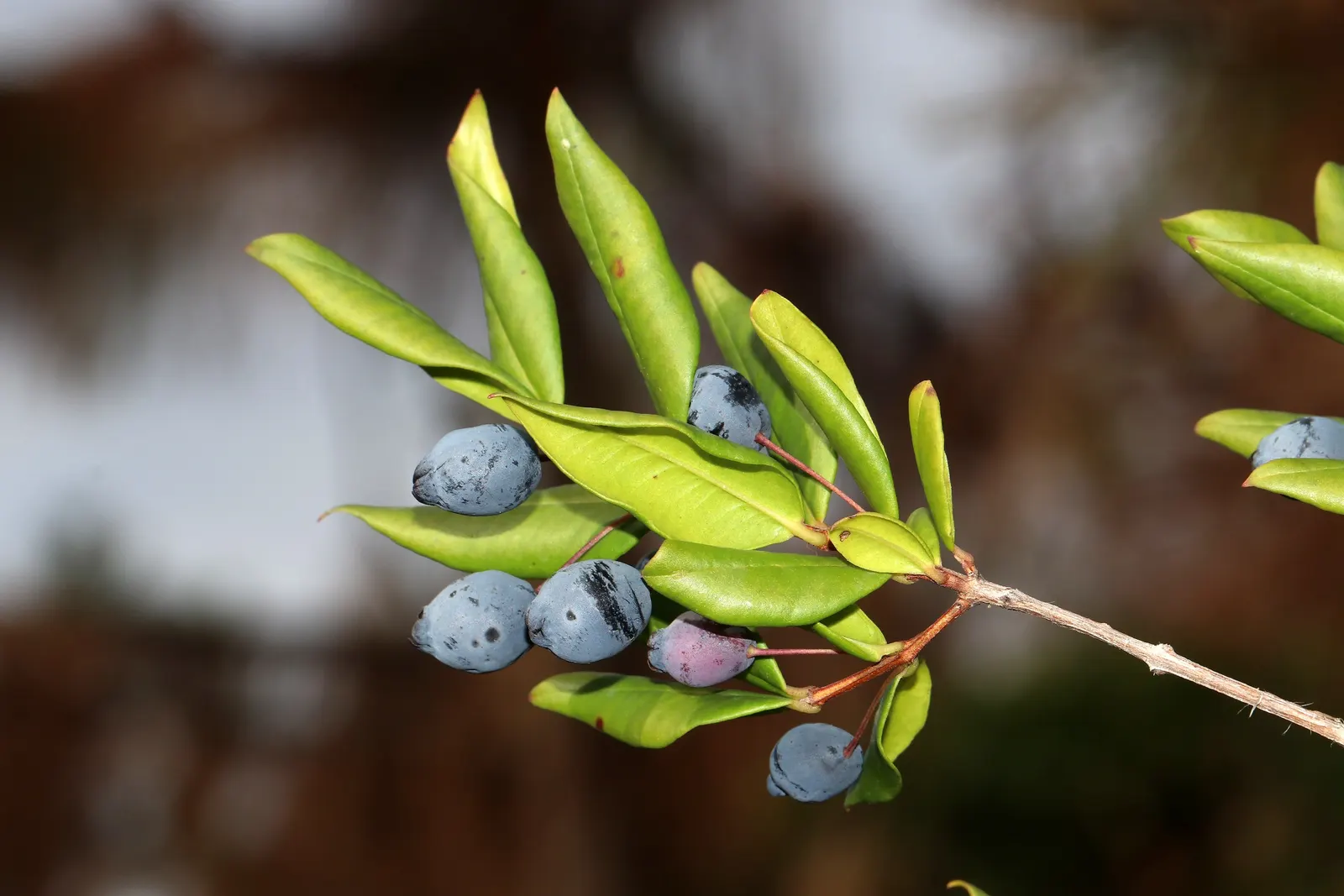
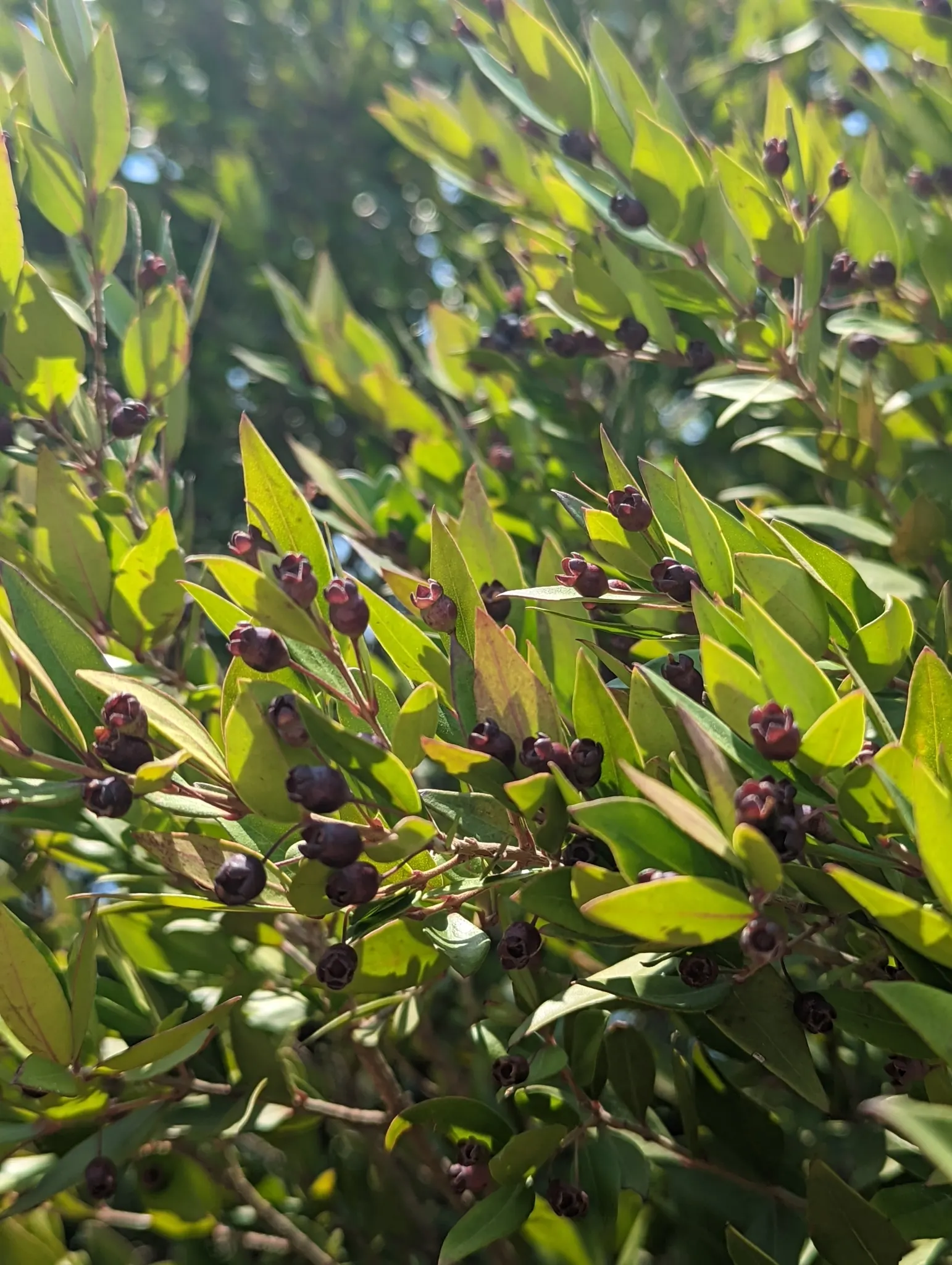
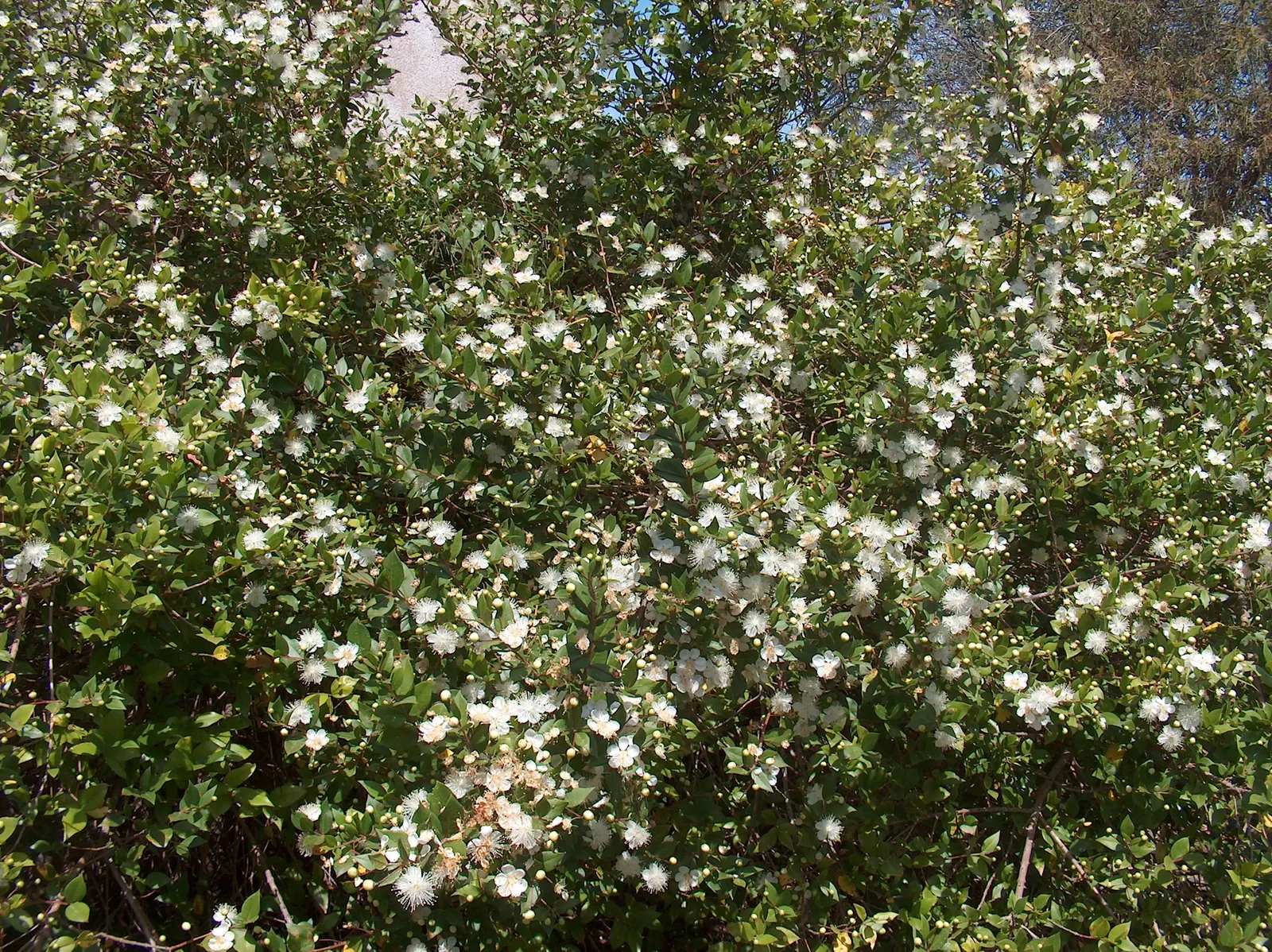
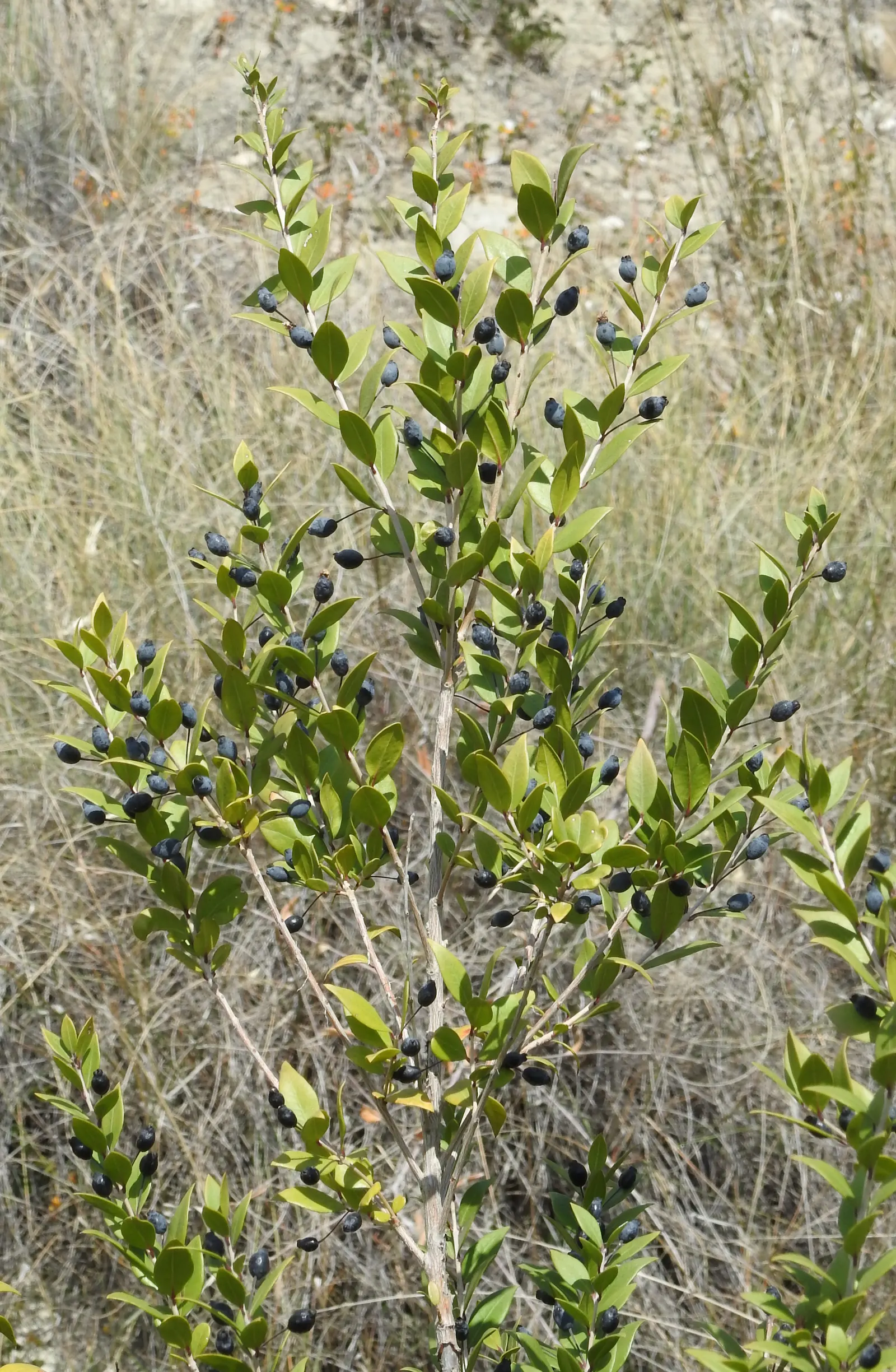
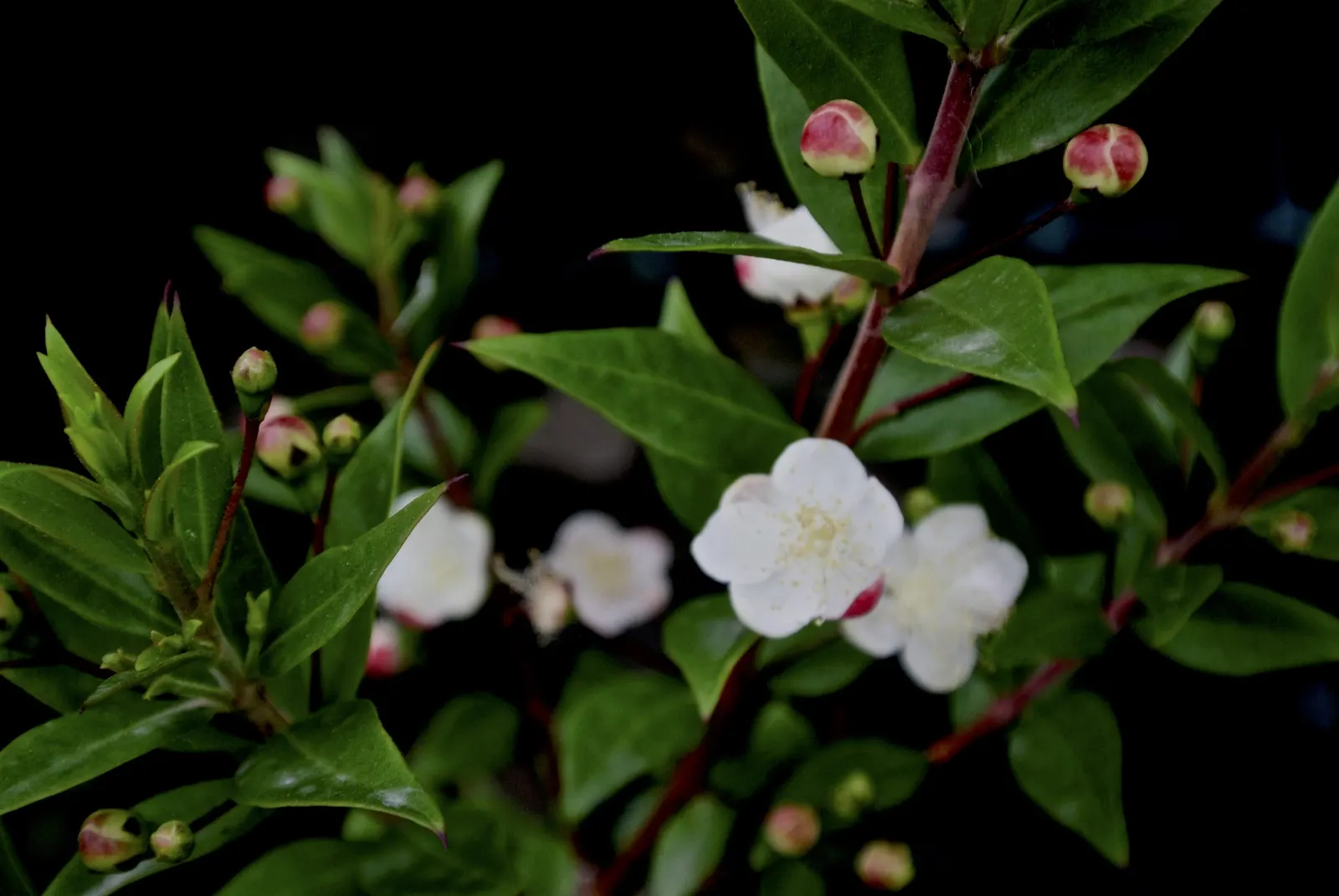
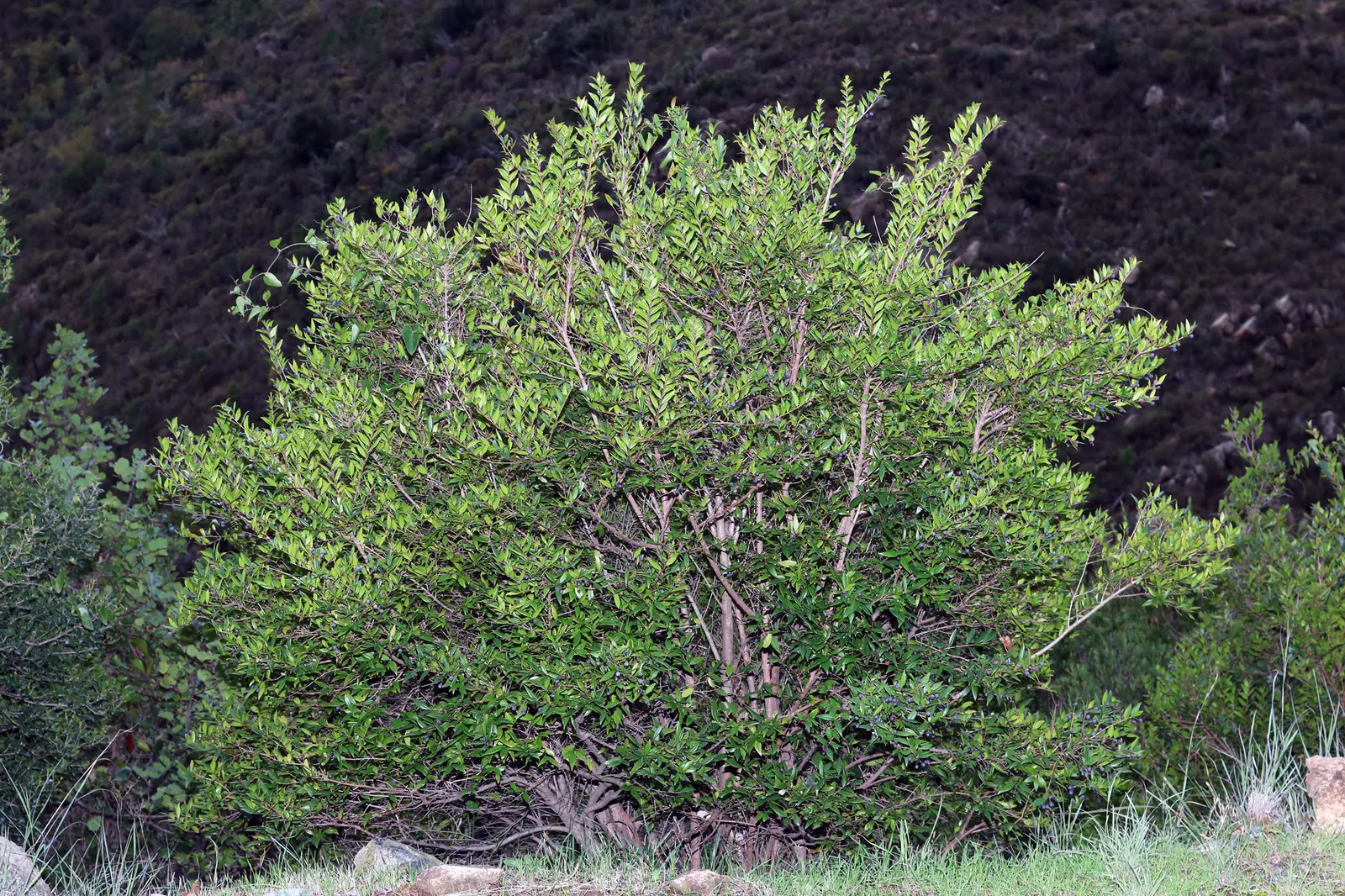
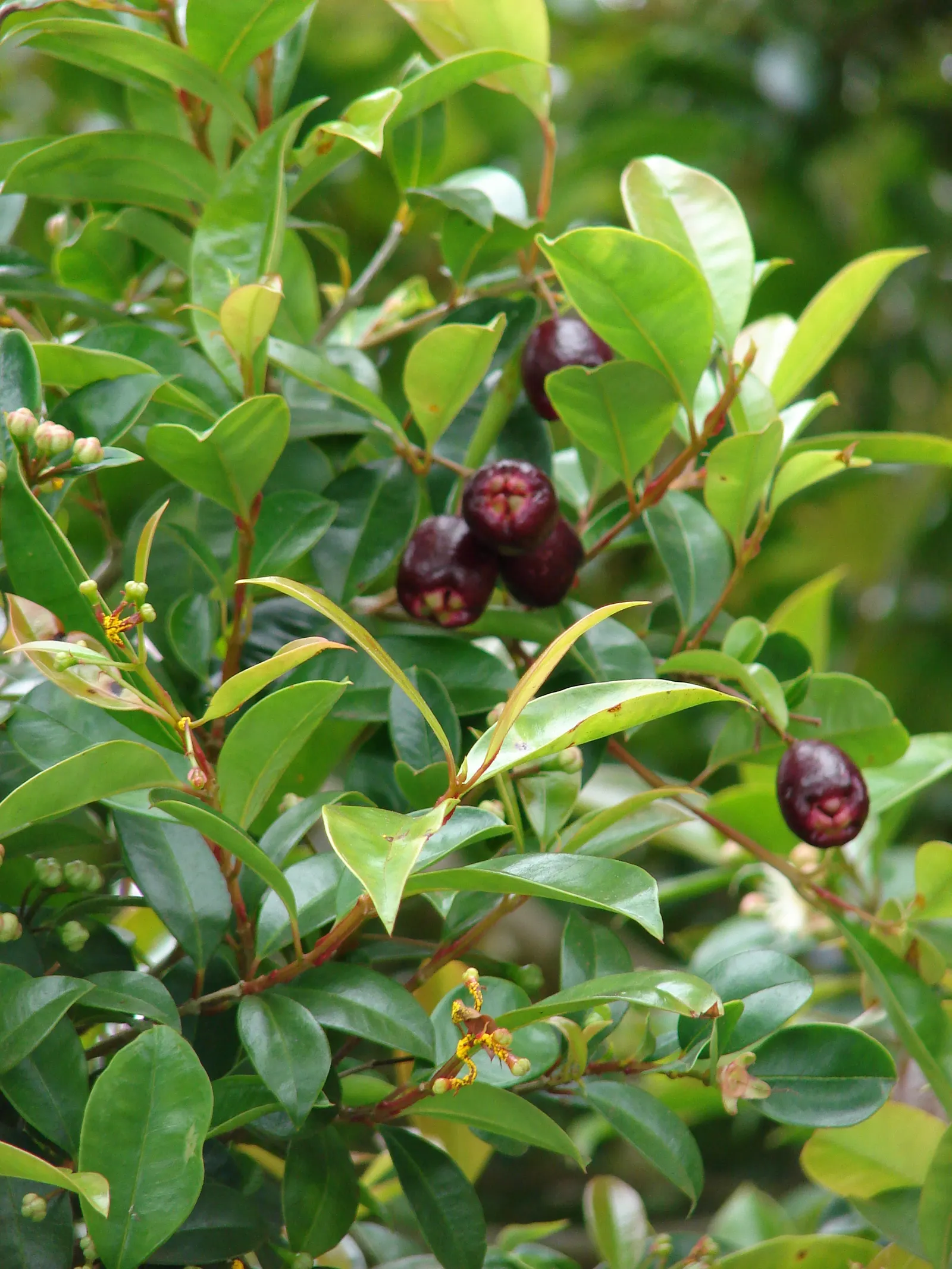
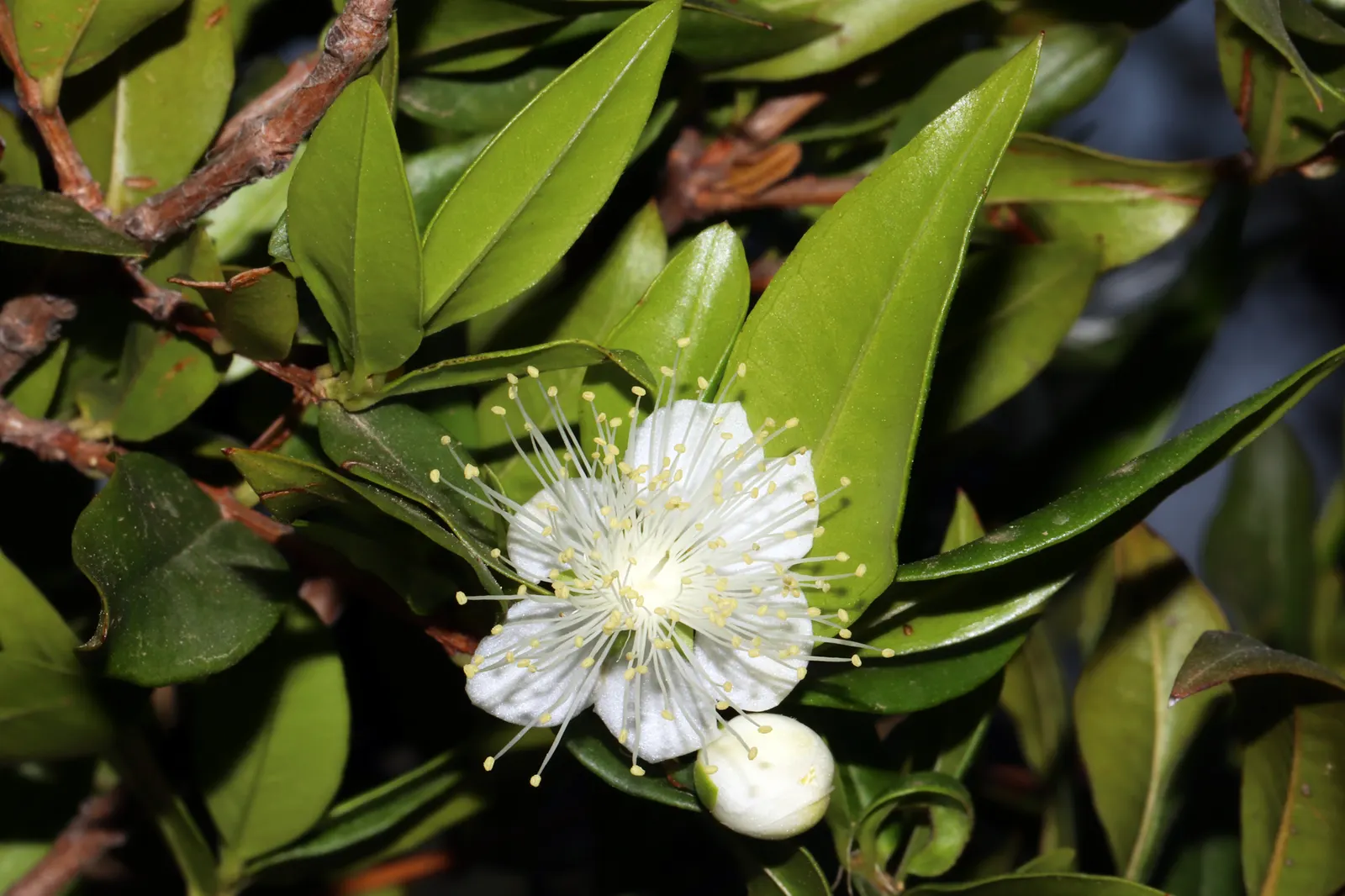
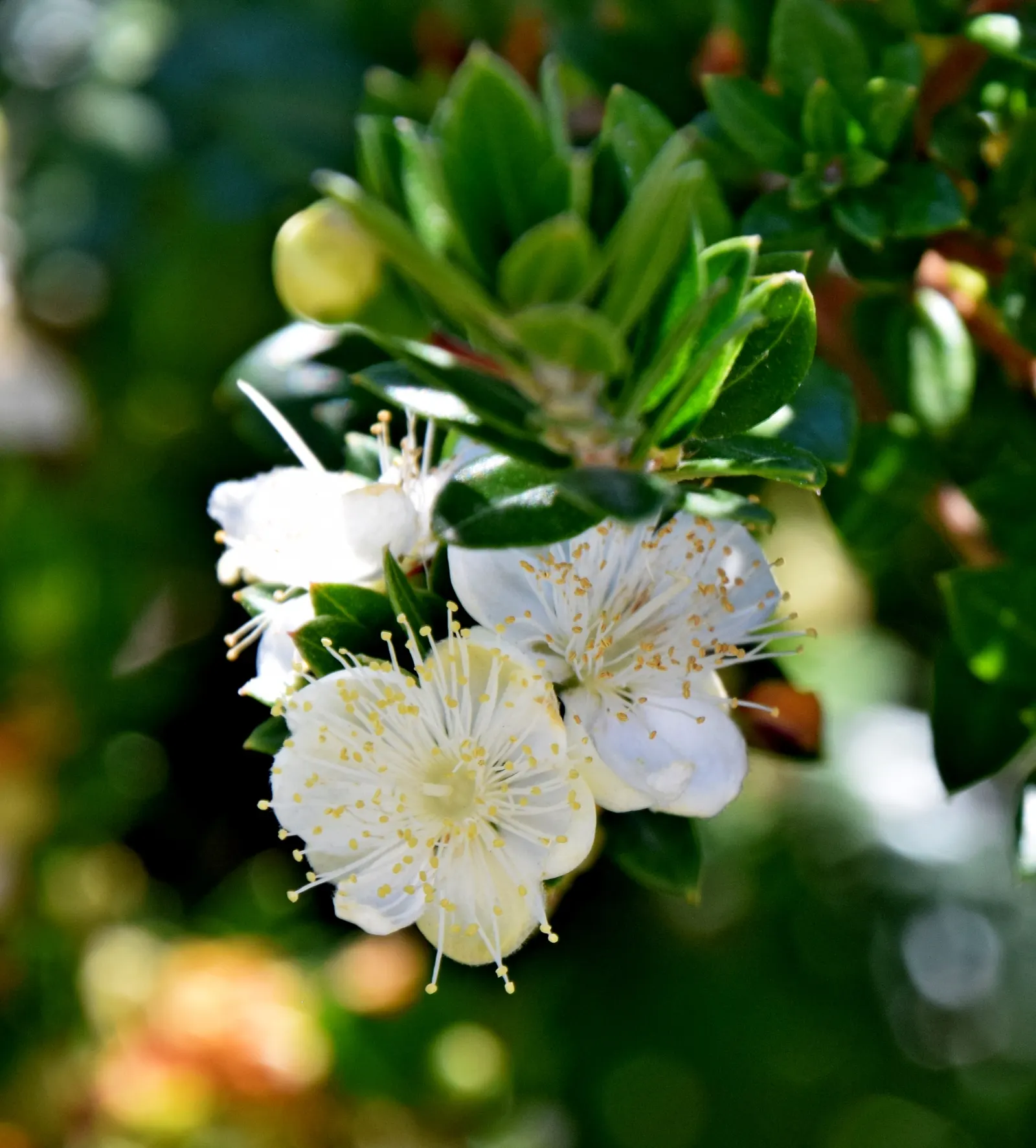
Common Myrtle (Myrtus communis) is an evergreen shrub, prized for its aromatic, glossy leaves and star-shaped white flowers. Growing to a height of 5-6 feet, this versatile plant thrives in well-drained soil with full sun to partial shade. Its dense foliage is ideal for hedges or topiary. In late summer, it bears purple-black berries, adding further interest. Requires minimal pruning and is hardy to about 20°F.

Sun Full, HalfWater LowZones 7–11Climate Mediterranean
Common Myrtle (Myrtus Communis) — Common Myrtle (Myrtus communis) is an evergreen shrub

Culture

Sun
Full, Half
Water
Low
USDA zones
7–11

Shape & size

Classification

Family
Myrtaceae
Climate
Mediterranean

See full data, regional cultivation notes, full-resolution photos, and design tools. Build a client presentation around this plant.

Start your 14-day trial

Photos (103)

Common Myrtle (Myrtus Communis) — or as a standalone specimen in a landscape design
Common Myrtle (Myrtus Communis) — Hardy in USDA zones 8 to 11, Myrtus communis adds a classic Mediterranean touch to garden compositions
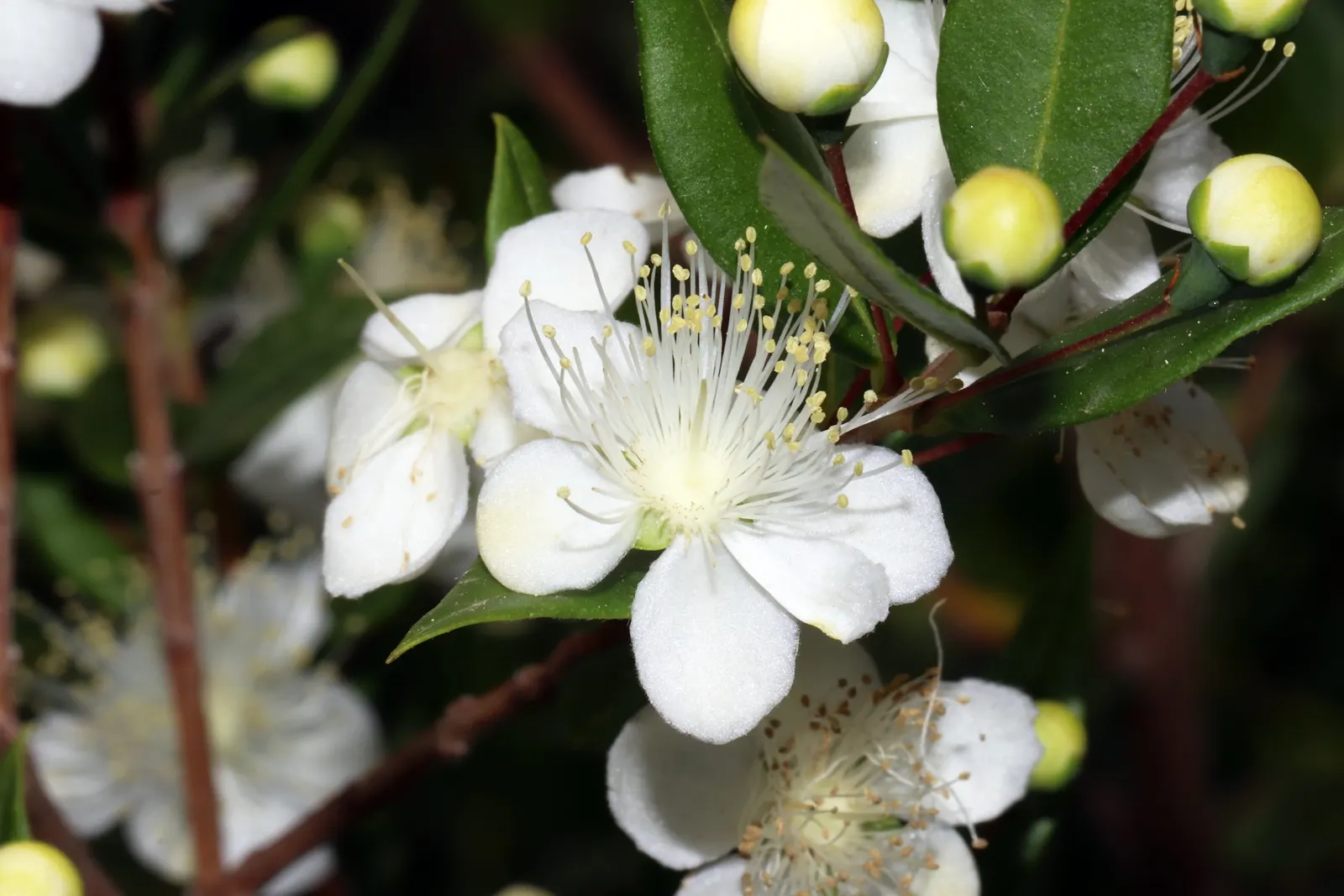
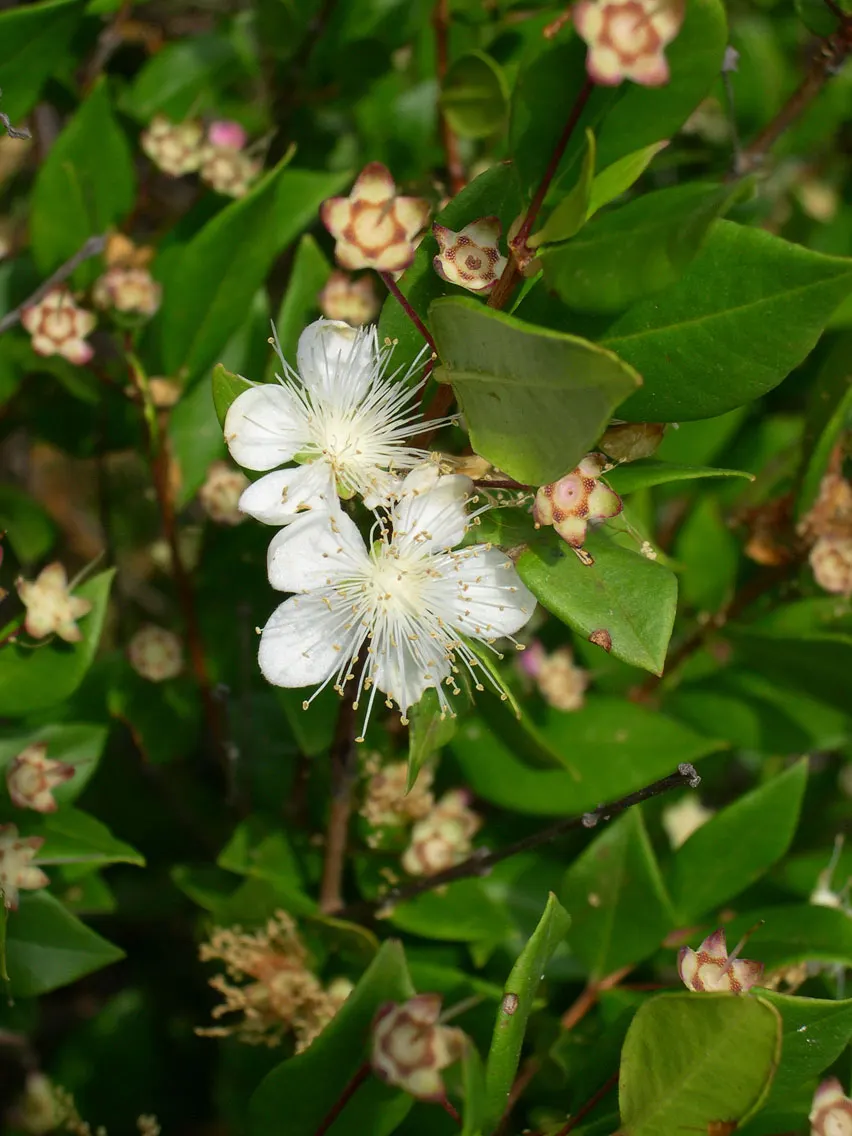
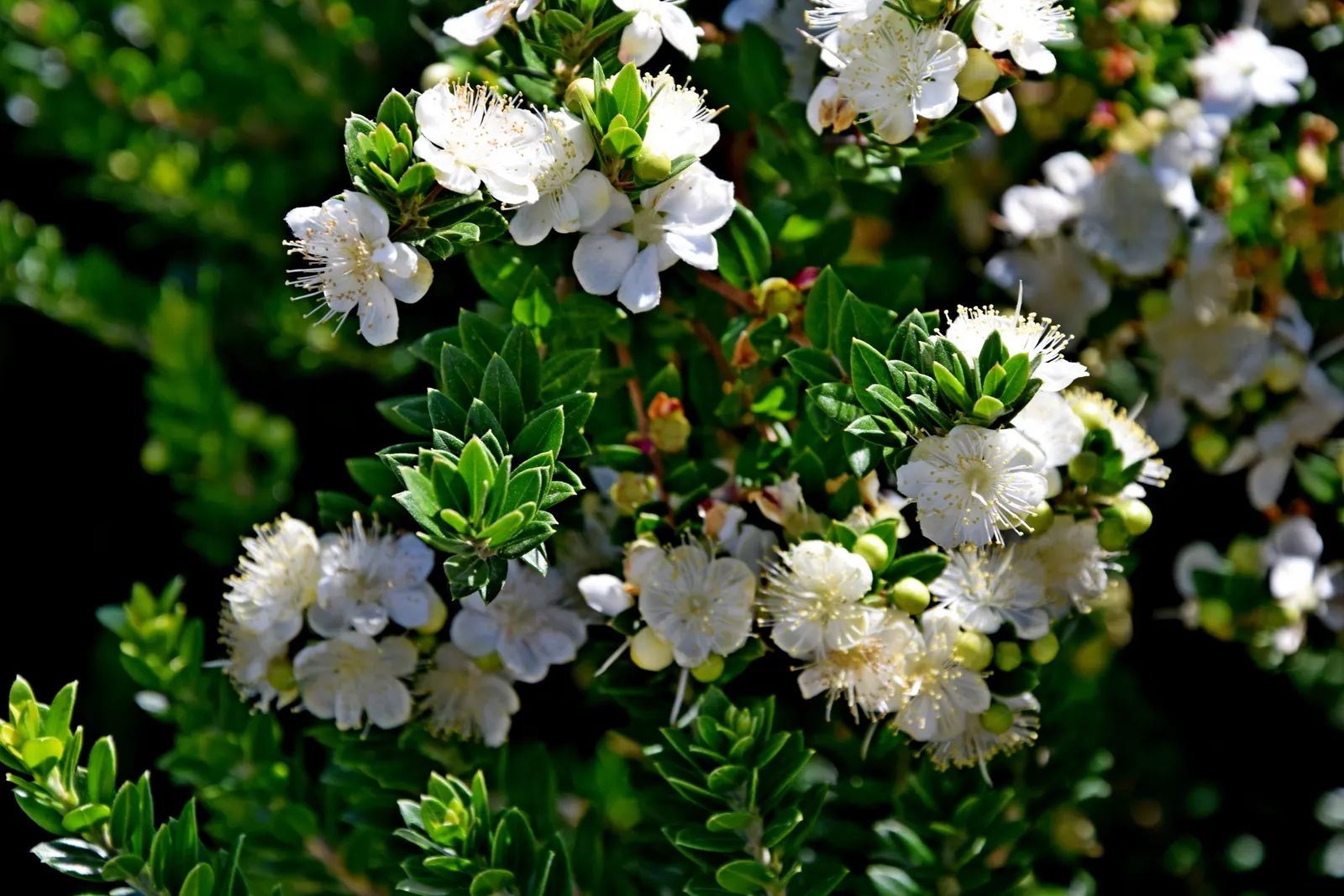
Common Myrtle (Myrtus Communis) — white flowers in the garden
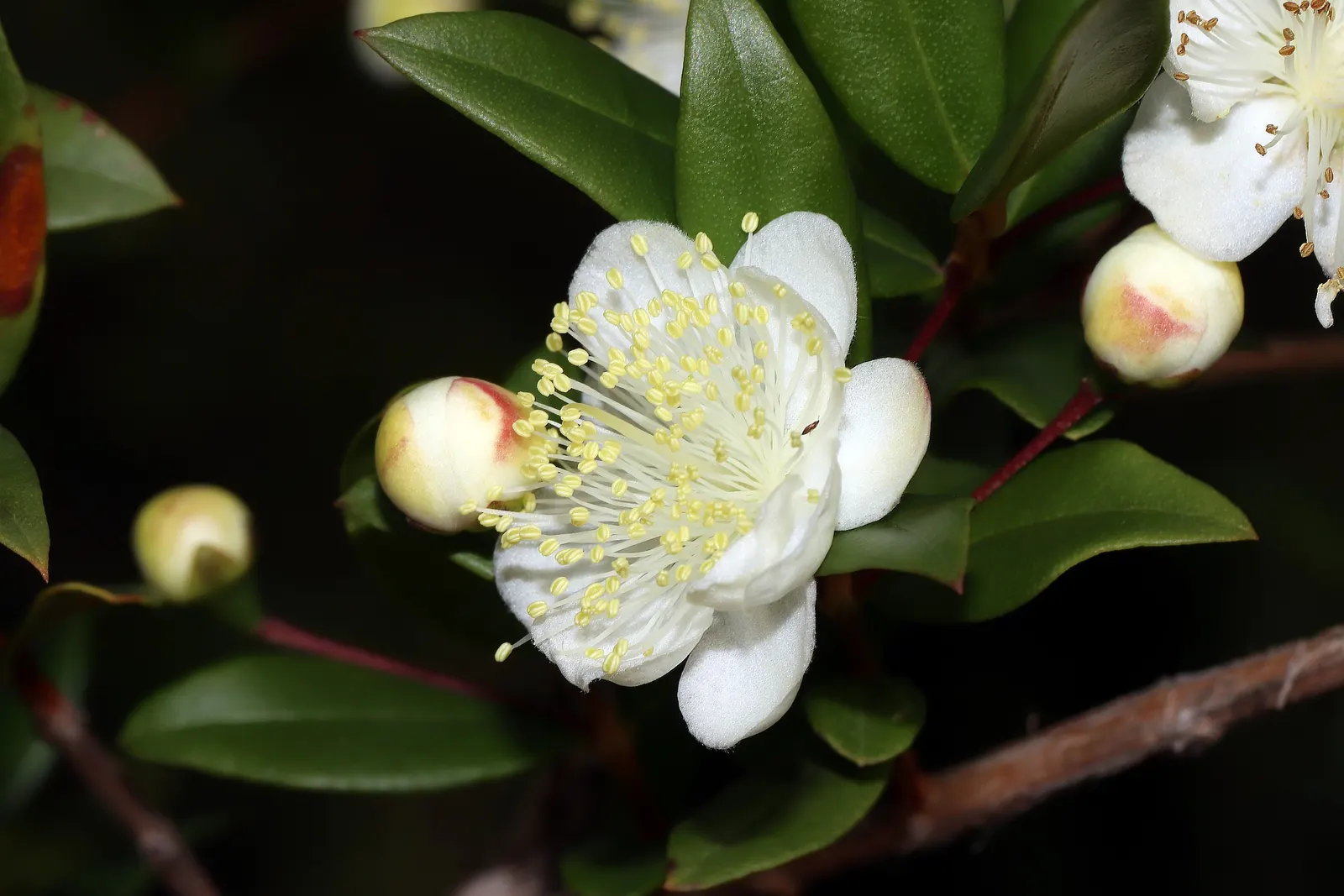
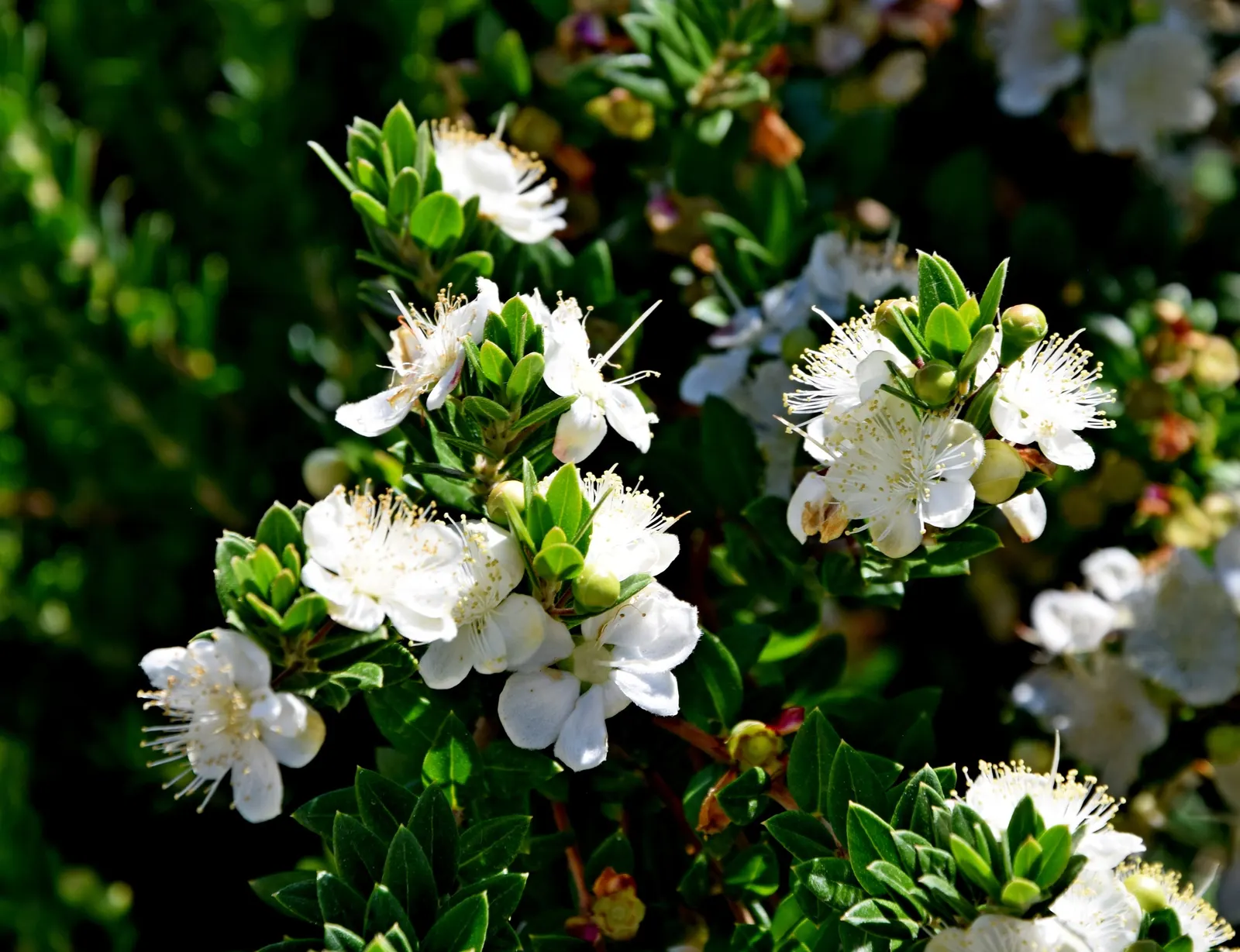
Common Myrtle (Myrtus Communis) — shrub with white blooms
Common Myrtle (Myrtus Communis) — shrub for full or half
Common Myrtle (Myrtus Communis) — Common Myrtle (Myrtus communis) is an evergreen shrub; this versatile plant thrives in well-drained soil with full sun to
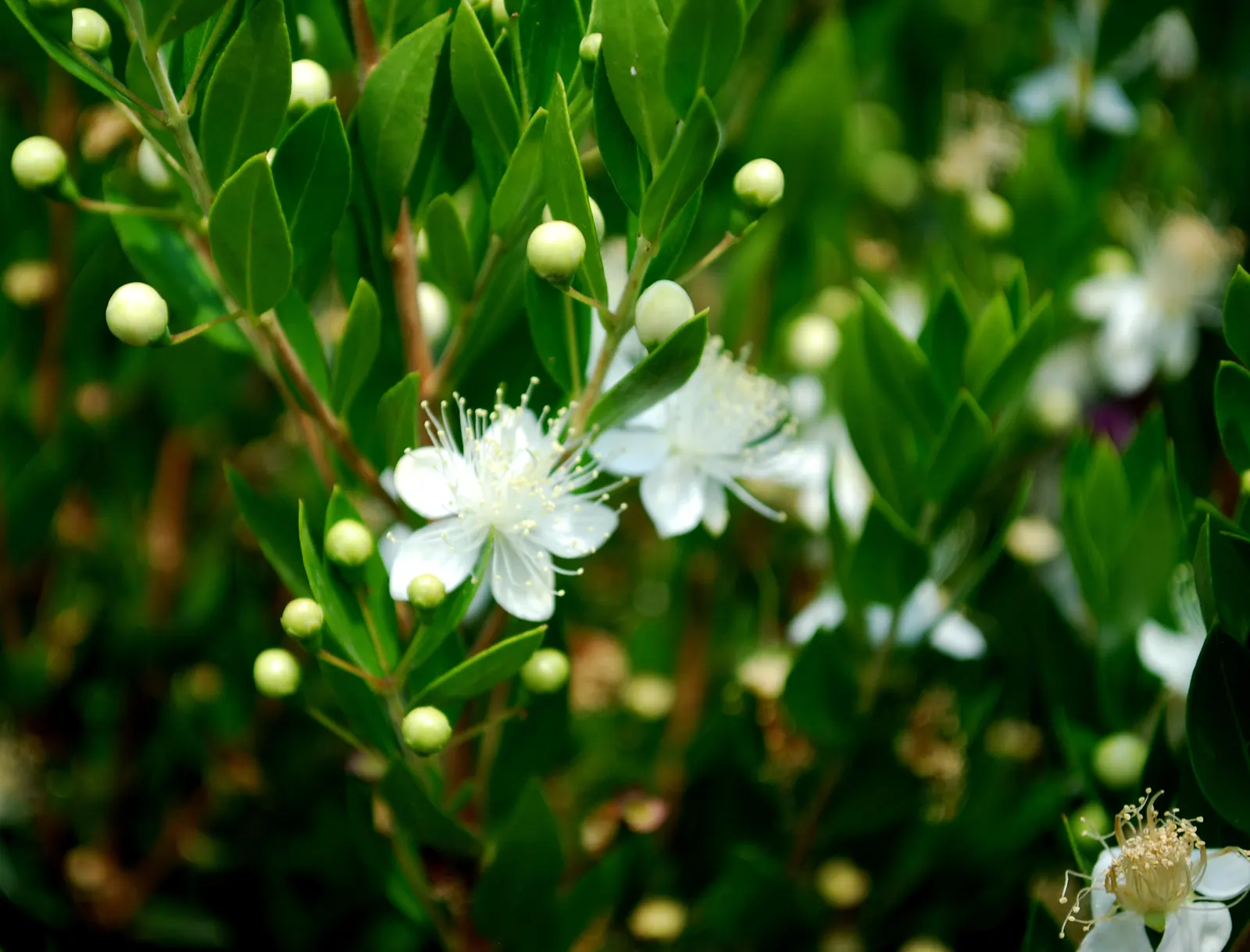
Common Myrtle (Myrtus Communis) — glossy leaves and star-shaped white flowers; forming an upright shrub that typically reaches 5 to 6 feet in height and spread
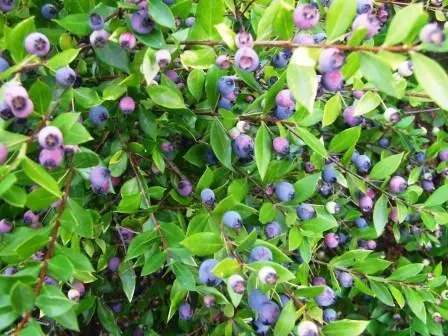
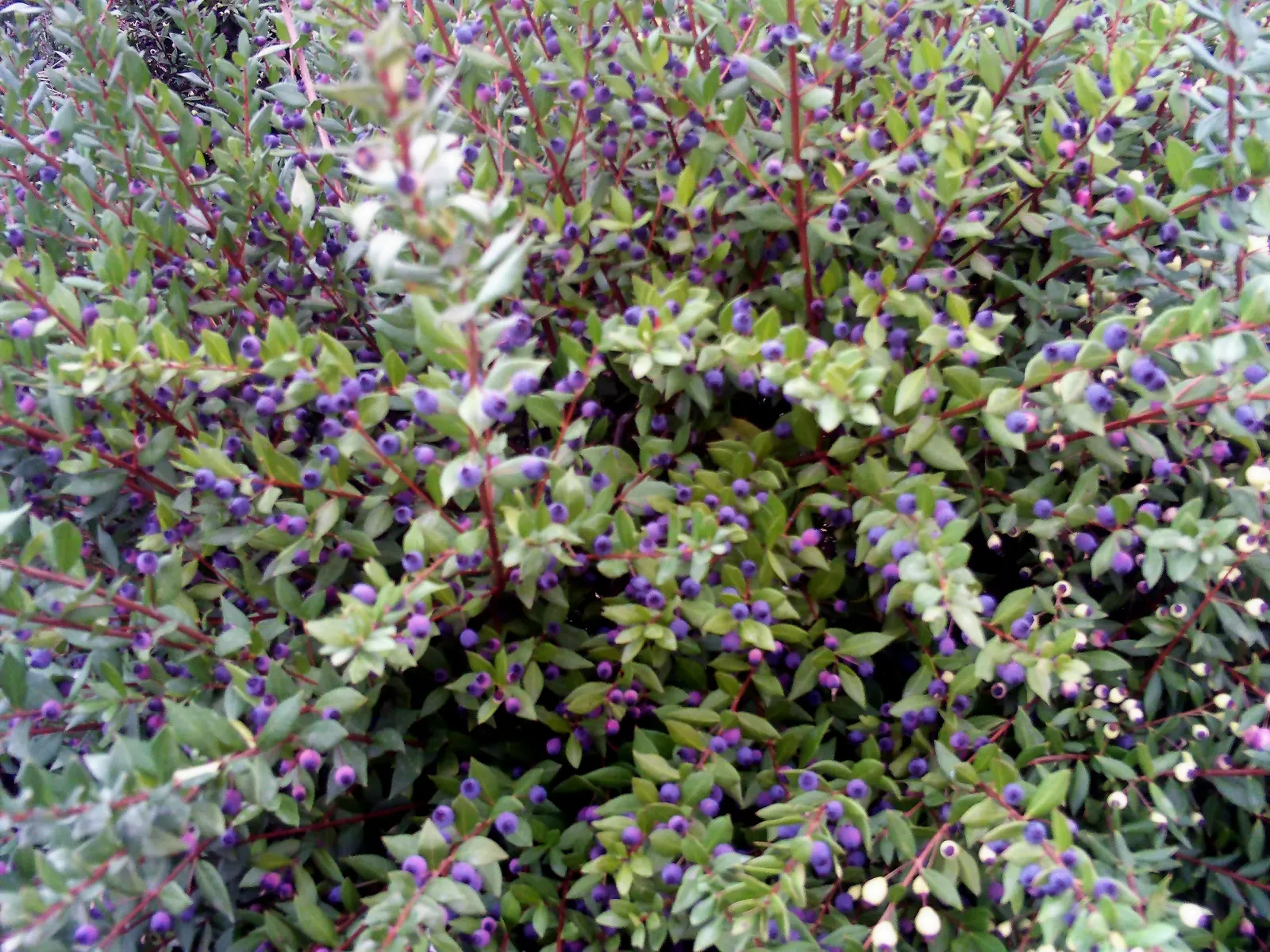
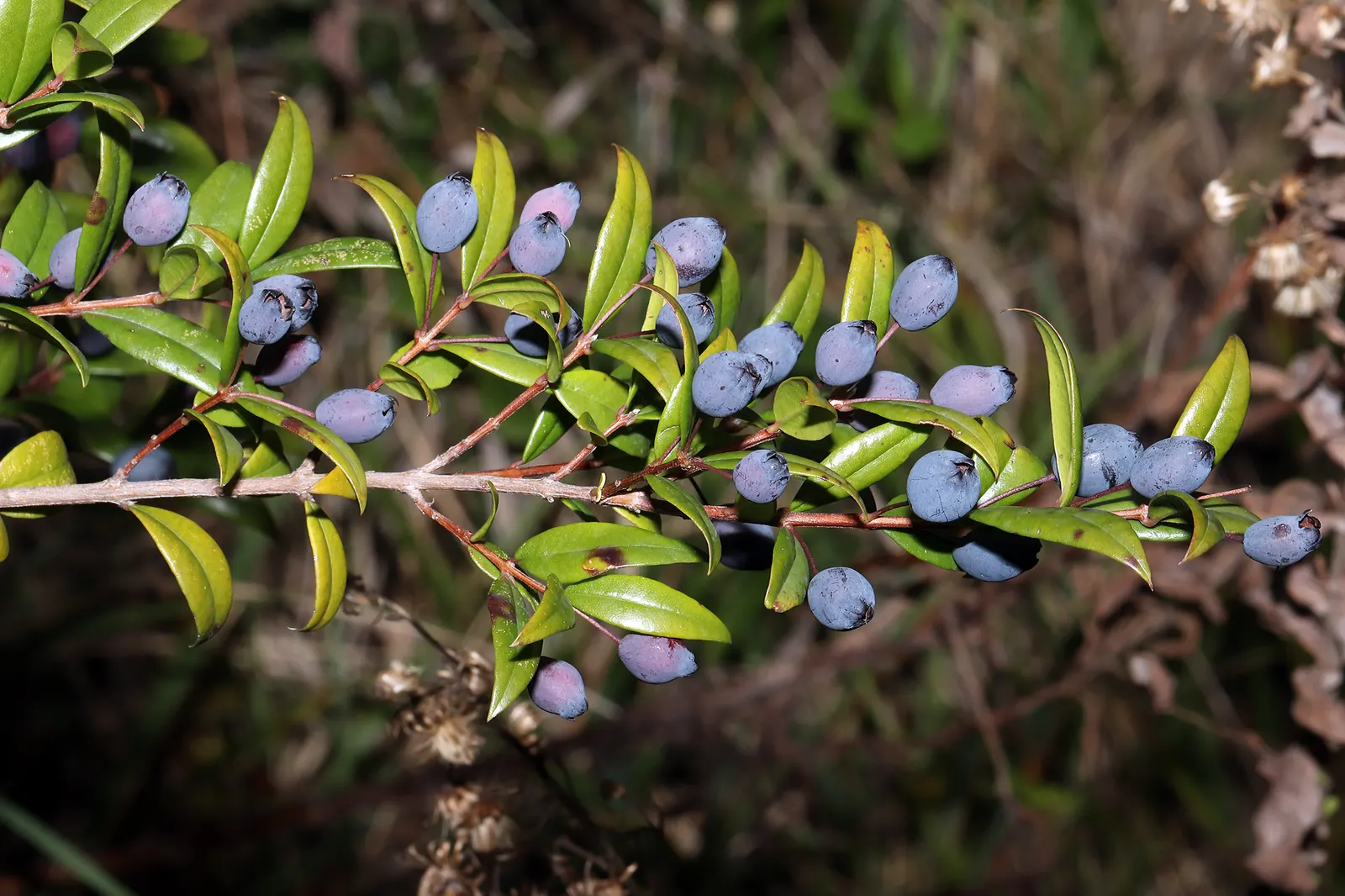
Common Myrtle (Myrtus Communis) — Growing to a height of 5-6 feet; purplish-black berries form
Common Myrtle (Myrtus Communis) — this versatile plant thrives in well-drained soil with full sun to partial shade; hardy in USDA zones 8 to 11, Myrtus
Common Myrtle (Myrtus Communis) — Its dense foliage is ideal for hedges or topiary; this versatile plant thrives in well-drained soil with full sun to partial
Common Myrtle (Myrtus Communis) — In late summer, it bears purple-black berries, adding further interest; forming an upright shrub that typically reaches 5 to
Common Myrtle (Myrtus Communis) — Requires minimal pruning and is hardy to about 20°F; purplish-black berries form
Common Myrtle (Myrtus Communis) — often referred to as Common Myrtle; hardy in USDA zones 8 to 11, Myrtus communis adds a classic Mediterranean touch to garden
Common Myrtle (Myrtus Communis) — is a versatile evergreen plant prized for its ornamental and aromatic qualities; this versatile plant thrives in well-drained
Common Myrtle (Myrtus Communis) — This species boasts a dense; forming an upright shrub that typically reaches 5 to 6 feet in height and spread
Common Myrtle (Myrtus Communis) — forming an upright shrub that typically reaches 5 to 6 feet in height and spread; purplish-black berries form
Common Myrtle (Myrtus Communis) — growing to a length of around 2 to 3 inches; hardy in USDA zones 8 to 11, Myrtus communis adds a classic Mediterranean touch
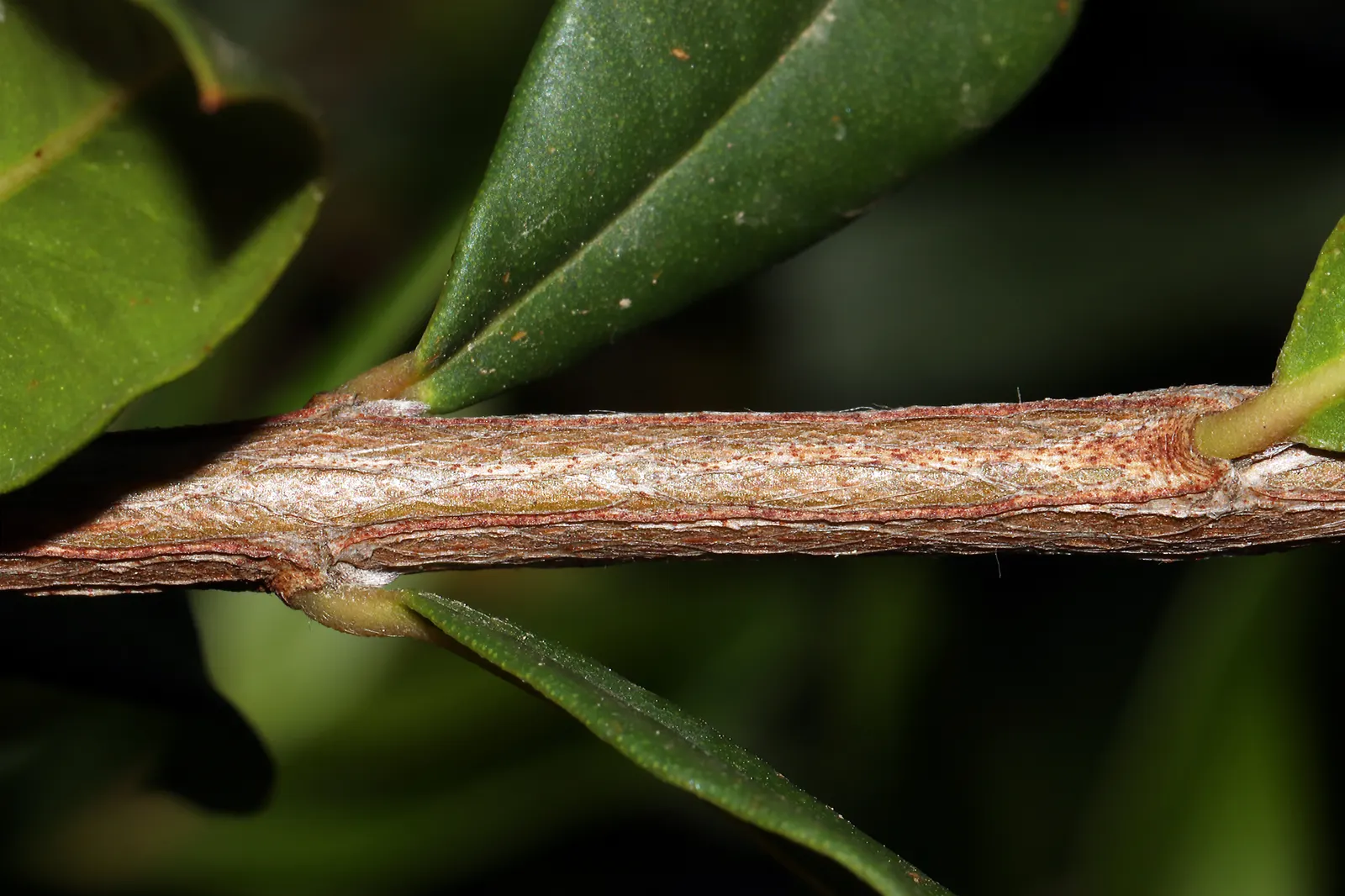
Common Myrtle (Myrtus Communis) — These fragrant leaves release a pleasant scent when crushed and are a staple in Mediterranean gardens; this versatile plant
Common Myrtle (Myrtus Communis) — the plant is festooned with a profusion of star-shaped; purplish-black berries form
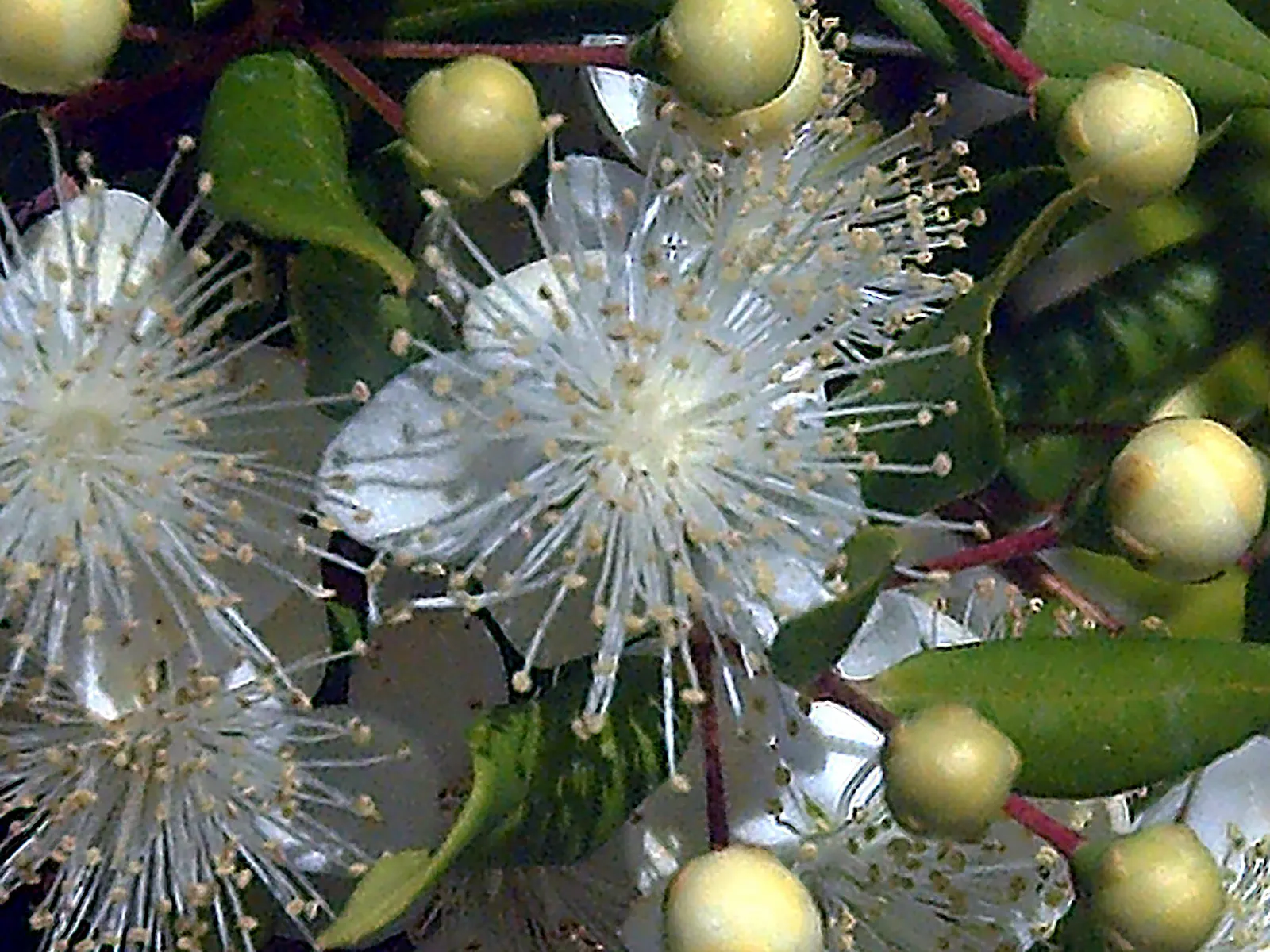
Common Myrtle (Myrtus Communis) — pure white flowers approximately 1 inch in diameter; hardy in USDA zones 8 to 11, Myrtus communis adds a classic
Common Myrtle (Myrtus Communis) — each with prominent tufts of creamy stamens; this versatile plant thrives in well-drained soil with full sun to partial shade
Common Myrtle (Myrtus Communis) — purplish-black berries form; forming an upright shrub that typically reaches 5 to 6 feet in height and spread
Common Myrtle (Myrtus Communis) — reaching about 0.5 inches in diameter; purplish-black berries form
Common Myrtle (Myrtus Communis) — providing winter interest and a food source for birds; hardy in USDA zones 8 to 11, Myrtus communis adds a classic

Related plants