Skip to content

Brisbane Box

Lophostemon Confertus

Design with this plant

Overview

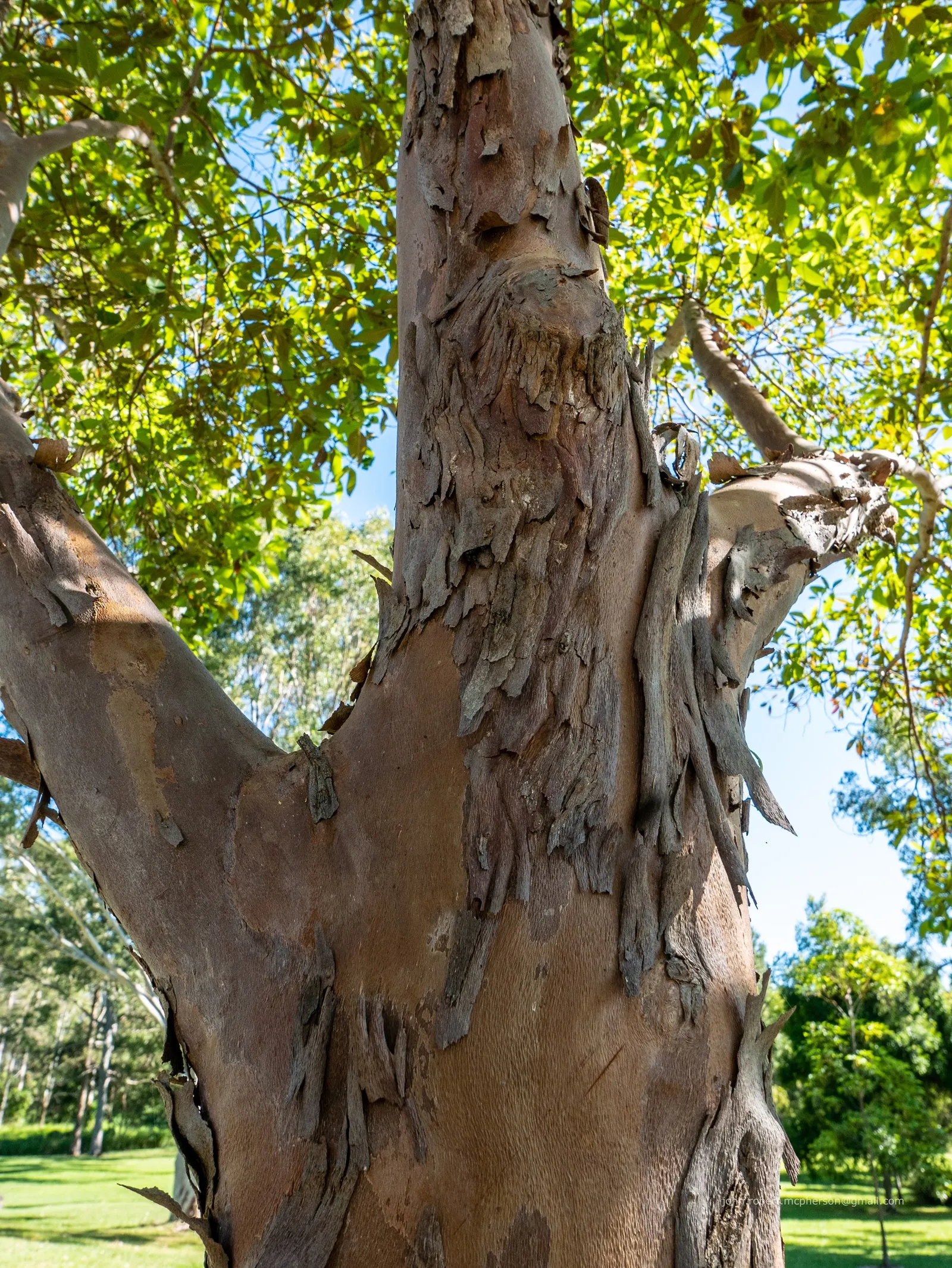
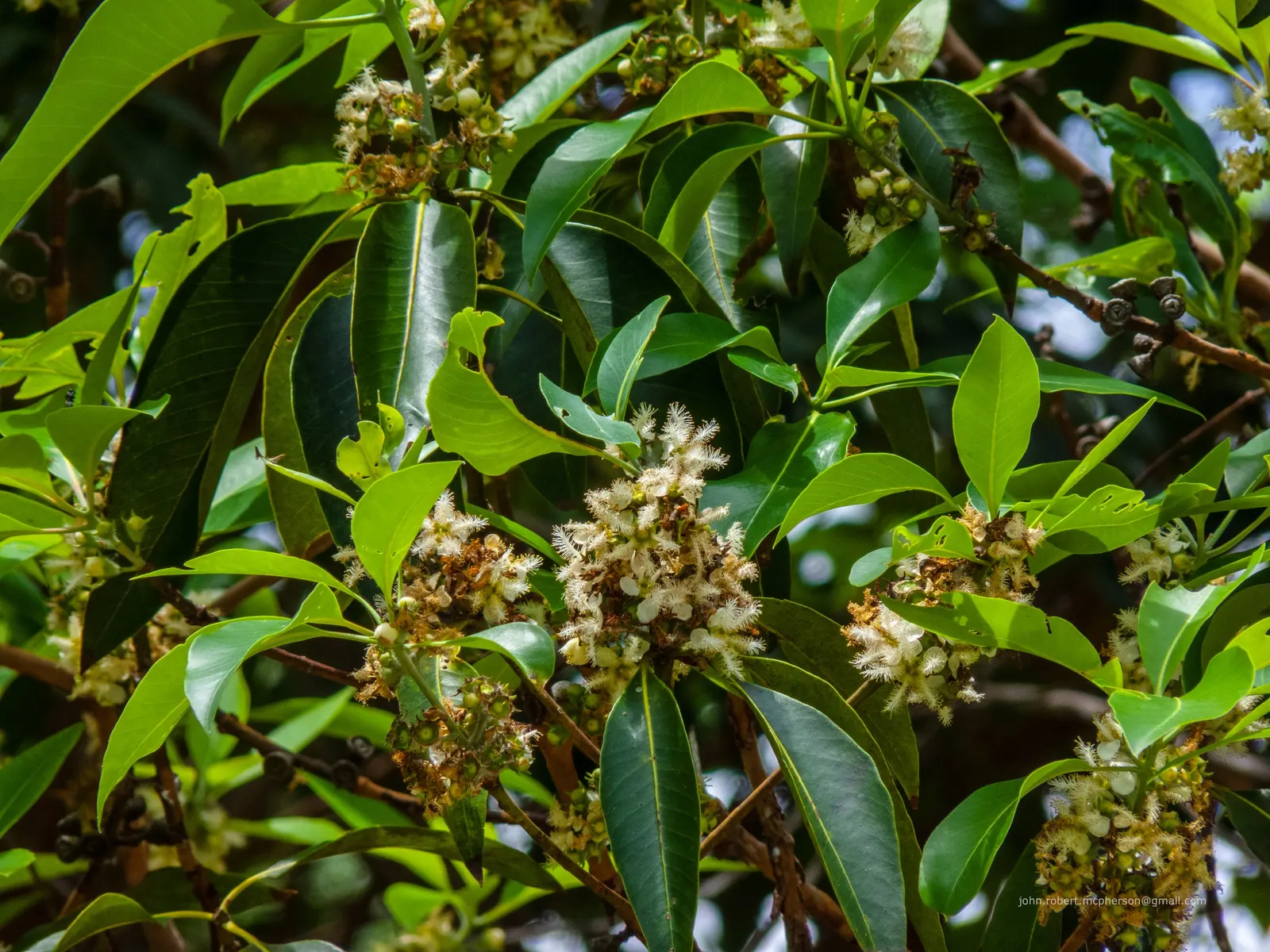
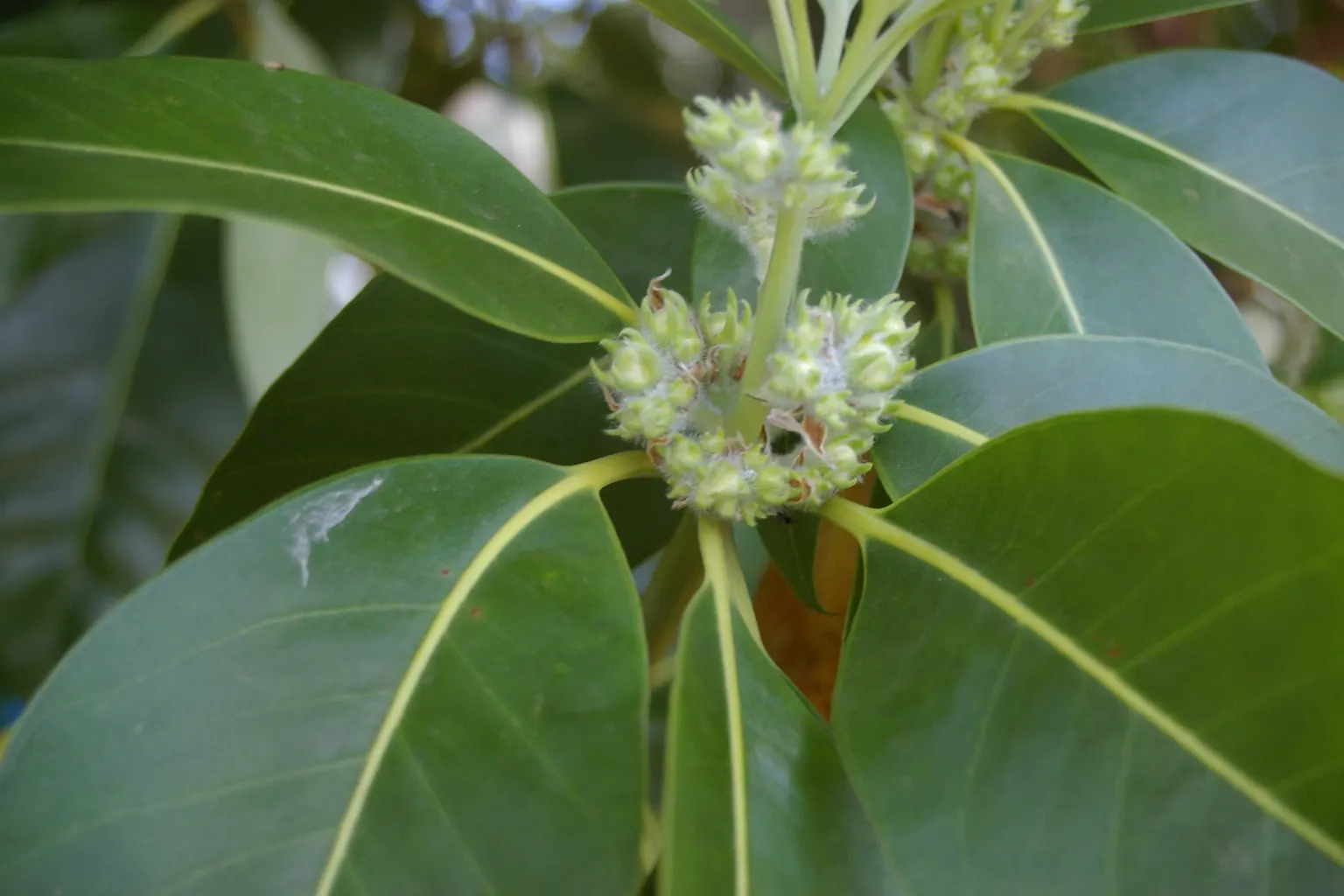
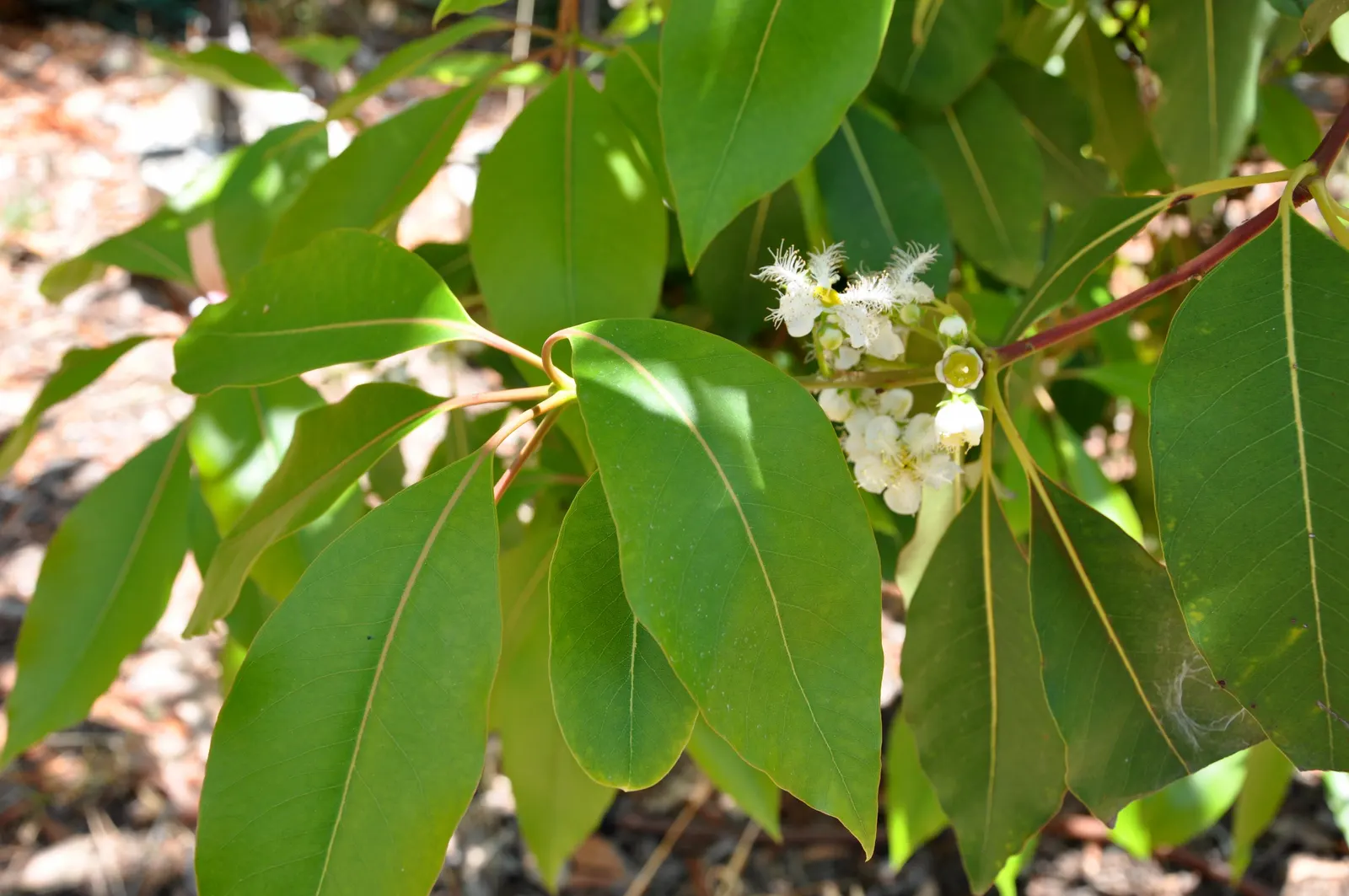
The Brisbane Box (Lophostemon confertus) is a robust evergreen tree, reaching 30-50 feet tall with a canopy spread of 25-35 feet. This Australian native features a rounded structure and dense foliage comprising glossy, leathery leaves. Small white flowers bloom in summer, followed by non-messy, decorative capsules. Adaptable to various soil types, it thrives in full sun and provides excellent shade. Hardy and drought-resistant, it's ideal for urban environments.

Sun FullWater Low, Very LowZones 9–10Type TreeClimate Mediterranean

Culture

Sun
Full
Water
Low, Very Low
USDA zones
9–10

Shape & size

Classification

Type
Tree
Family
Myrtaceae
Climate
Mediterranean

See full data, regional cultivation notes, and design tools. Build a client presentation around this plant.

Start your 14-day trial

Photos (103)

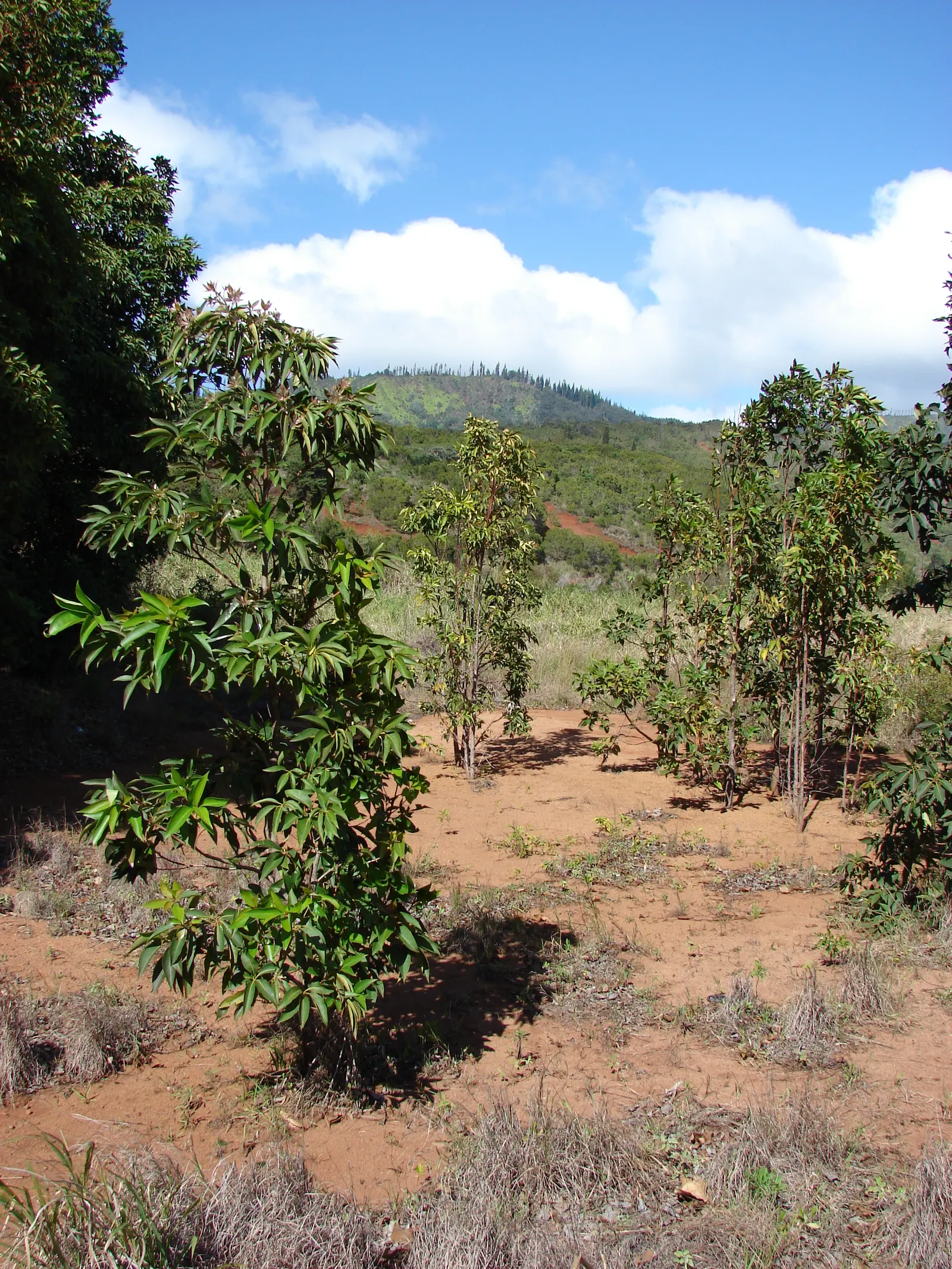
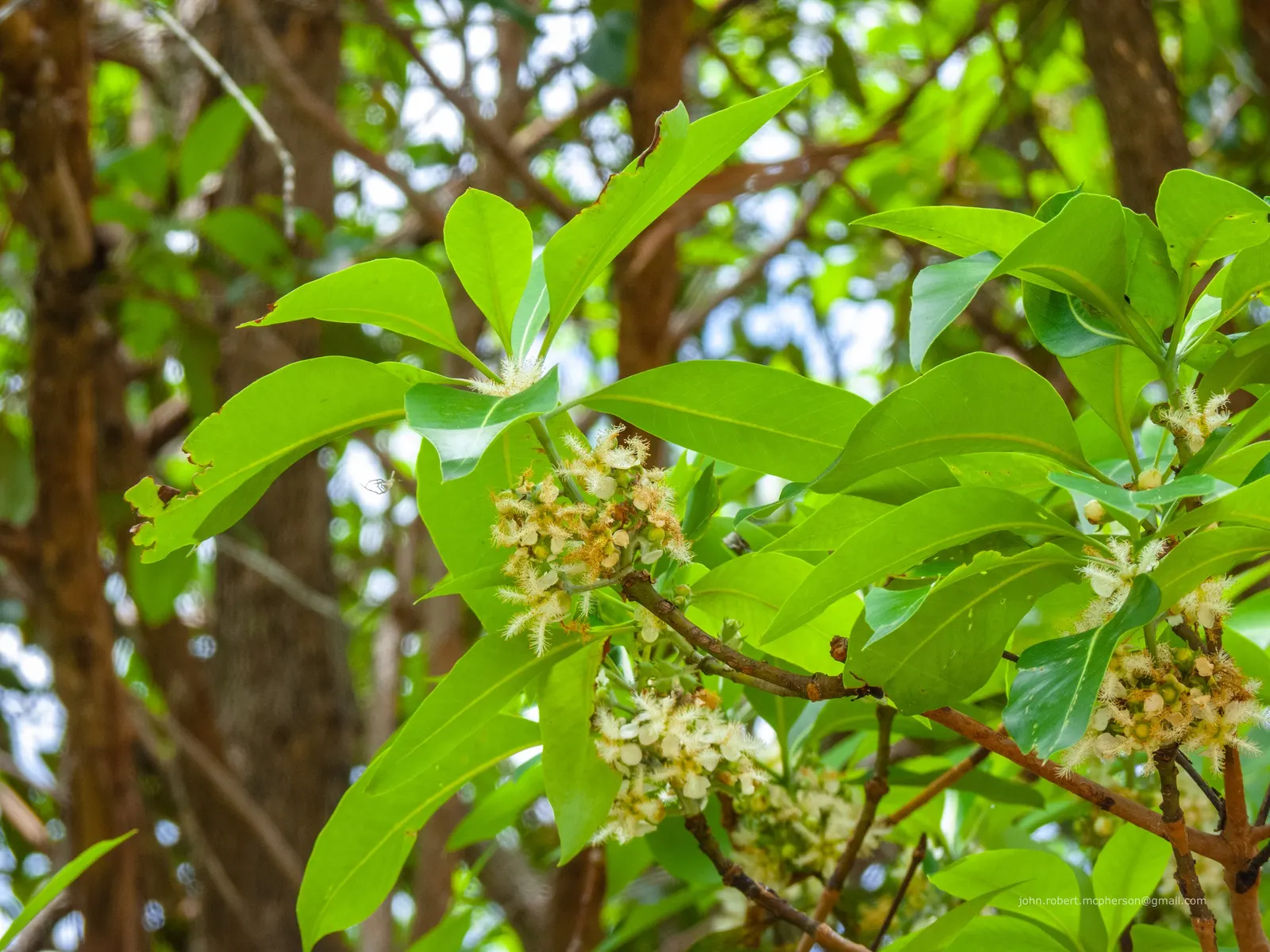
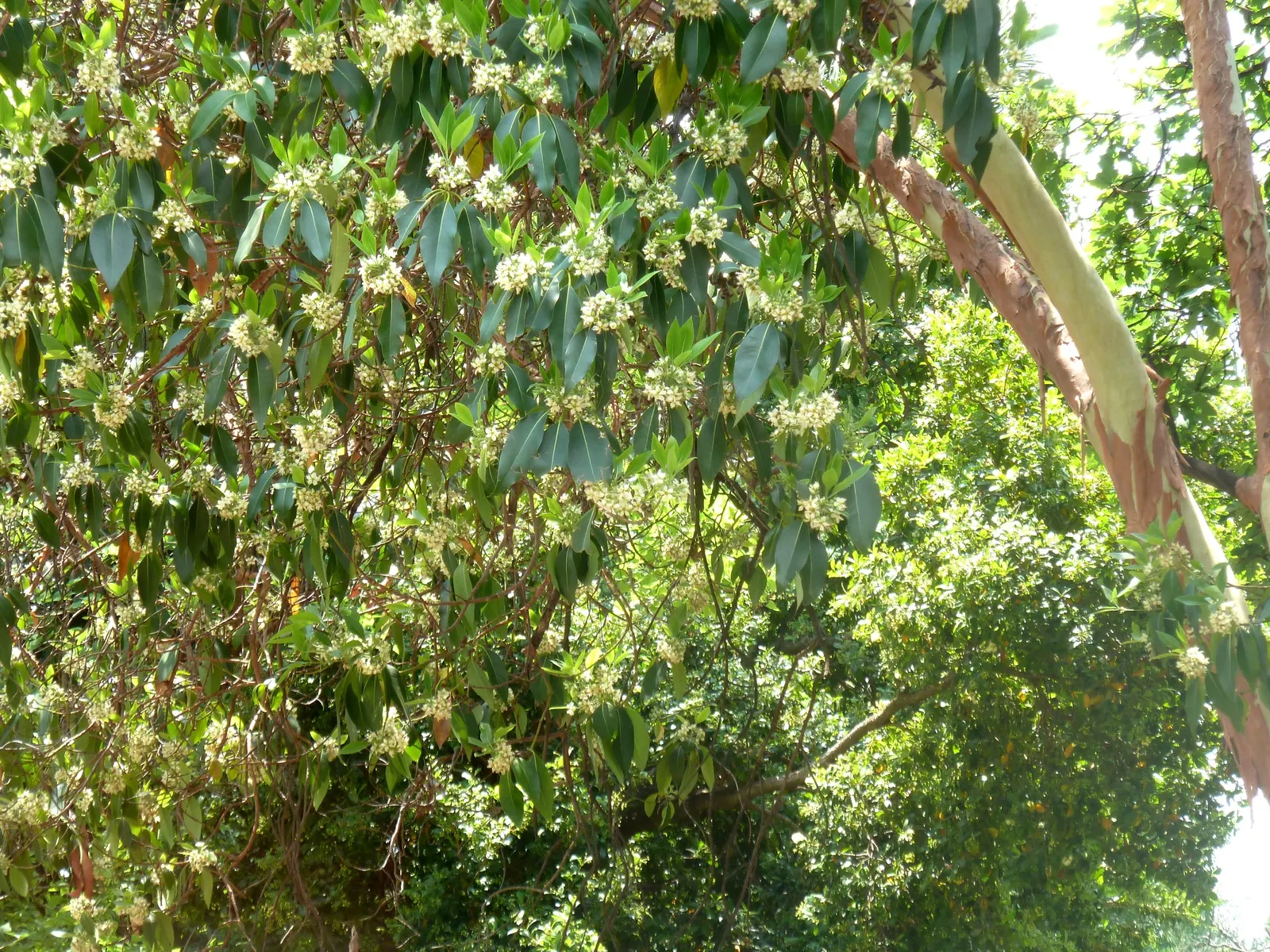
Brisbane Box (Lophostemon Confertus) — white flowers in the garden; this adaptability makes it a prime choice for avenues, image 82
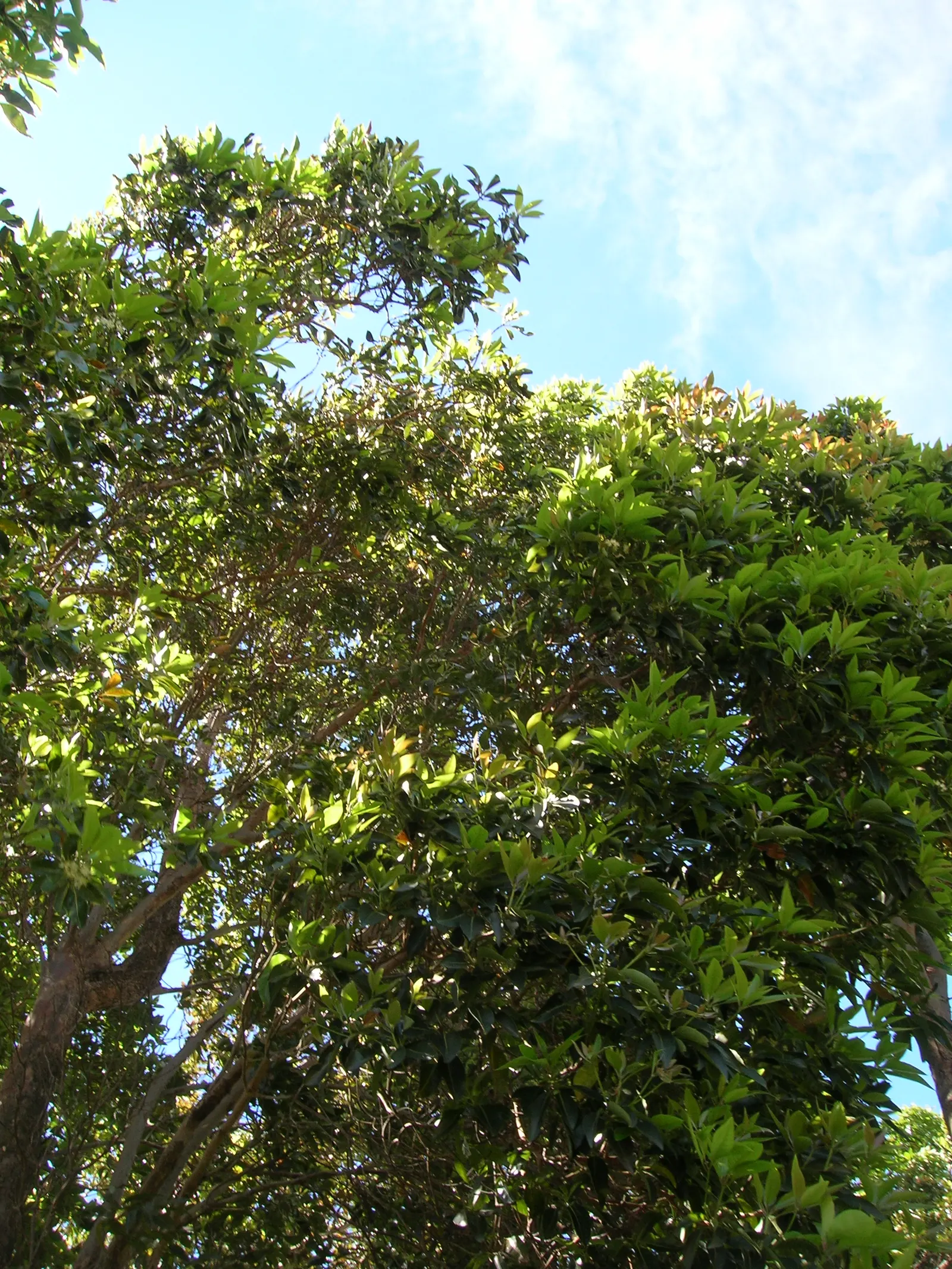
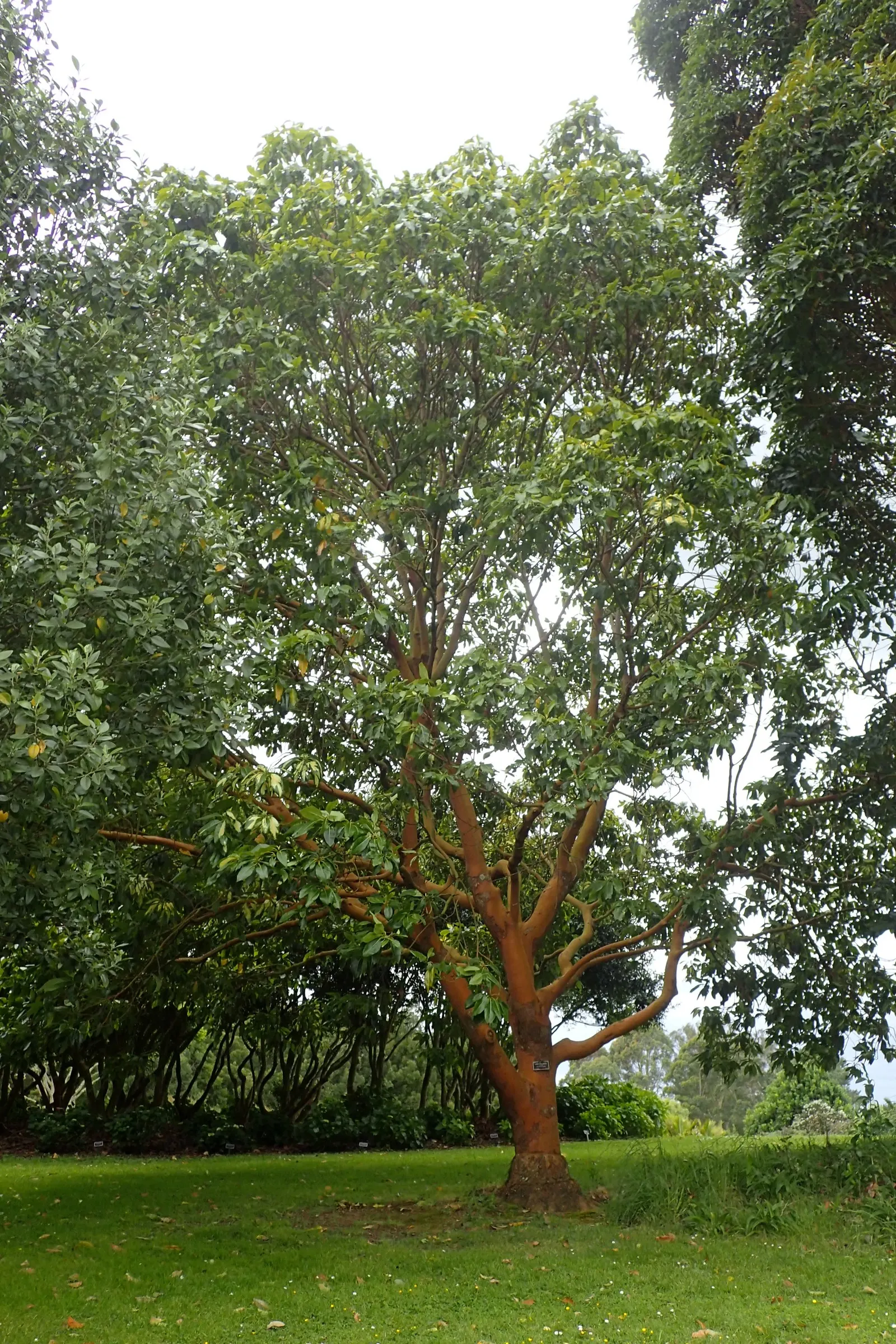
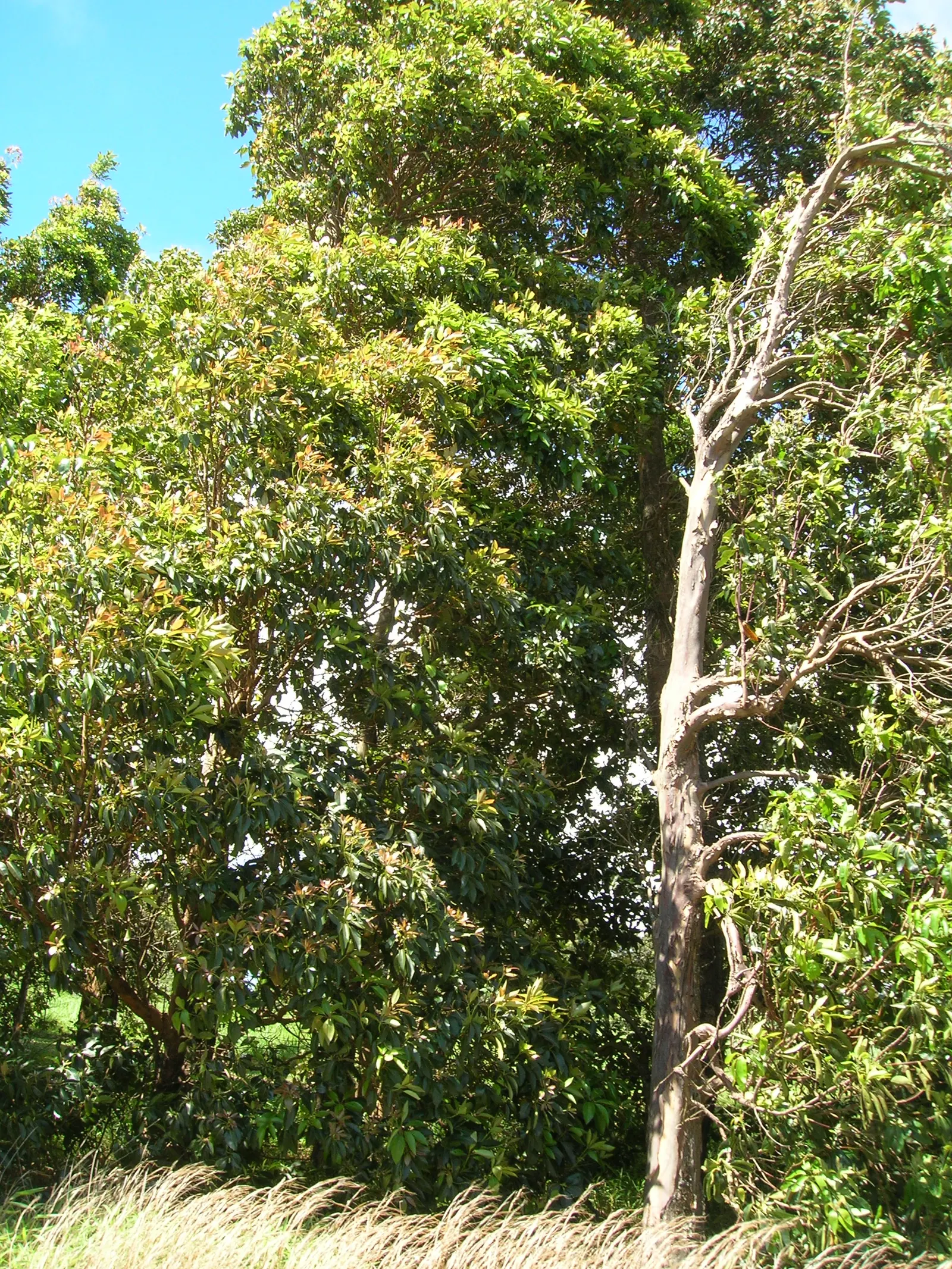
Brisbane Box (Lophostemon Confertus) — reaching 30-50 feet tall with a canopy spread of 25-35 feet; this adaptability makes it a prime choice for, image 58
Brisbane Box (Lophostemon Confertus) — providing ample shade with a canopy full of dense; although it can tolerate partial shade, image 68
Brisbane Box (Lophostemon Confertus) — It thrives in USDA Hardiness Zones 9-11 and favors well-draining soil
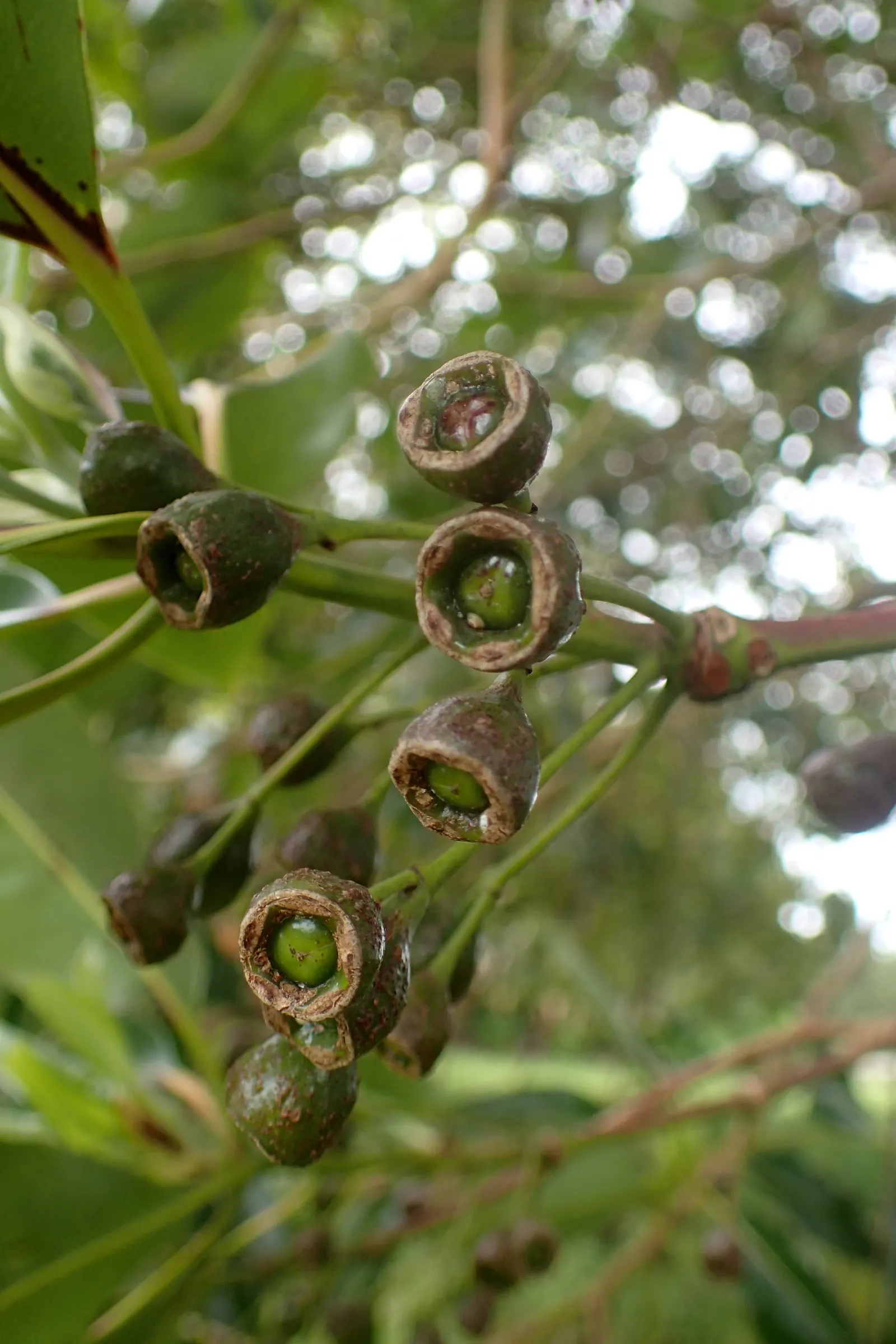
Brisbane Box (Lophostemon Confertus) — woody capsules that persist into winter.<br><br>When designing a landscape
Brisbane Box (Lophostemon Confertus) — woody capsules that persist into winter.<br><br>When designing a landscape; although it can tolerate partial, image 76
Brisbane Box (Lophostemon Confertus) — providing ample shade with a canopy full of dense; although it can tolerate partial shade
Brisbane Box (Lophostemon Confertus) — making it a low-maintenance option for the busy homeowner; enhancing the sensory experience of any garden
Brisbane Box (Lophostemon Confertus) — These blossoms give way to non-edible; enhancing the sensory experience of any garden
Brisbane Box (Lophostemon Confertus) — as well as its ability to withstand drought conditions once established
Brisbane Box (Lophostemon Confertus) — as well as its ability to withstand drought conditions once established; this adaptability makes it a prime, image 70
Brisbane Box (Lophostemon Confertus) — woody capsules that persist into winter.<br><br>When designing a landscape; although it can tolerate partial shade
Brisbane Box (Lophostemon Confertus) — commonly referred to as the Brisbane Box; enhancing the sensory experience of any garden, image 63
Brisbane Box (Lophostemon Confertus) — Hardy and drought-resistant, it's ideal for urban environments; this adaptability makes it a prime choice for avenues
Brisbane Box (Lophostemon Confertus) — which poses minimal threat to sidewalks and foundations; this adaptability makes it a prime choice for avenues
Brisbane Box (Lophostemon Confertus) — These blossoms give way to non-edible
Brisbane Box (Lophostemon Confertus) — reaching a mature height of approximately 30 to 50 feet with a spread of 20 to 30 feet; this adaptability makes it a
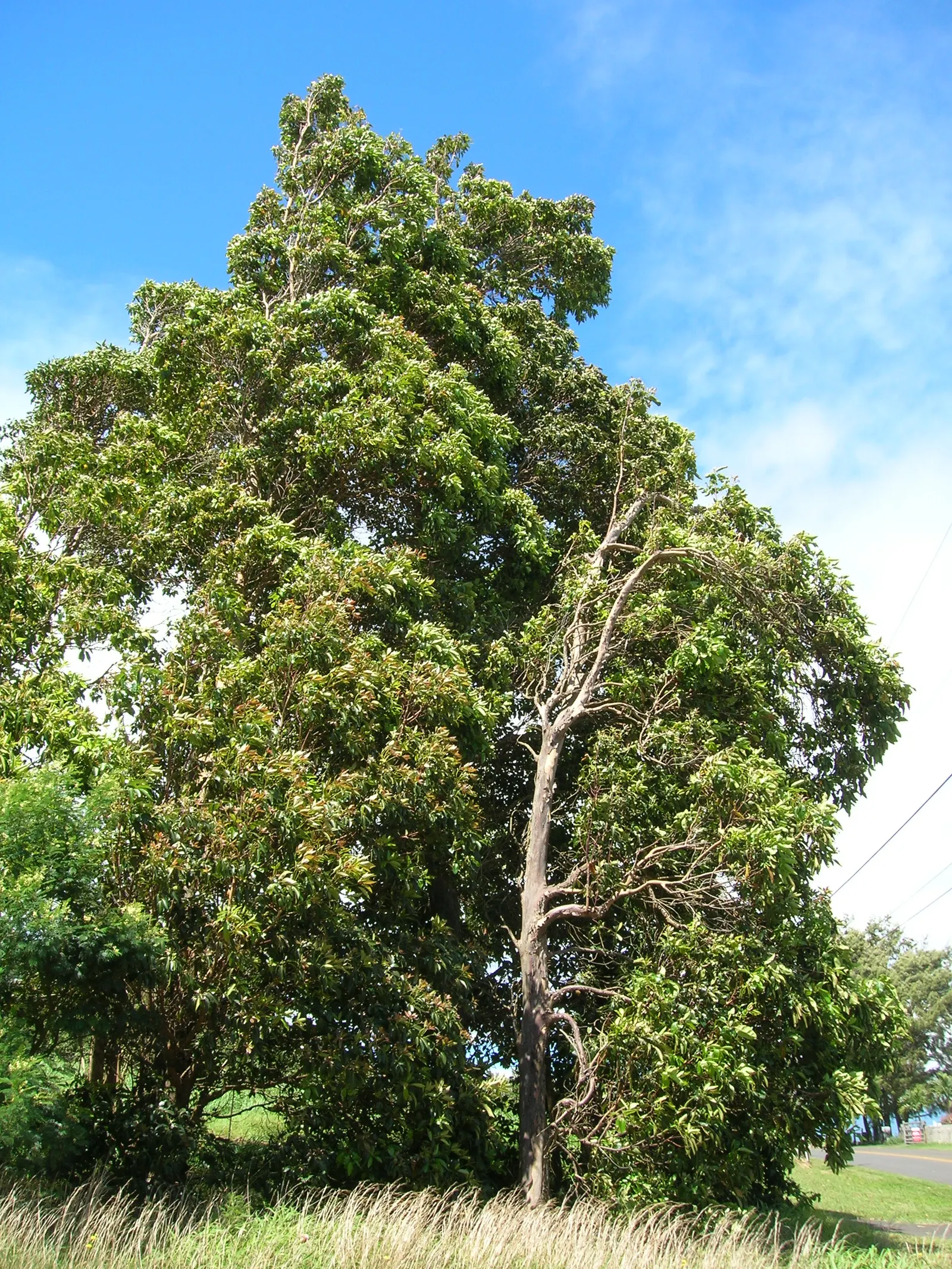
Brisbane Box (Lophostemon Confertus) — reaching 30-50 feet tall with a canopy spread of 25-35 feet; this adaptability makes it a prime choice for avenues
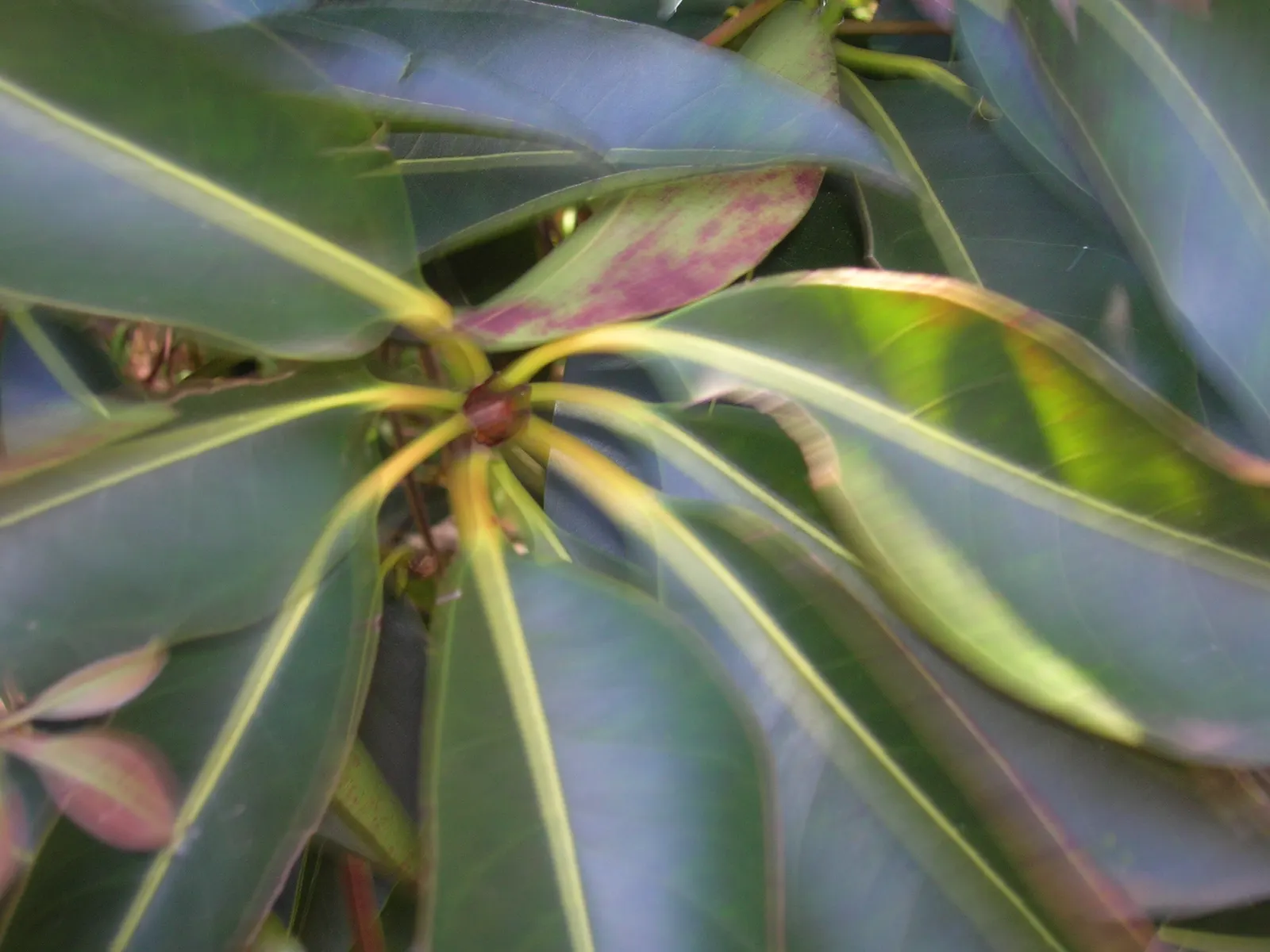
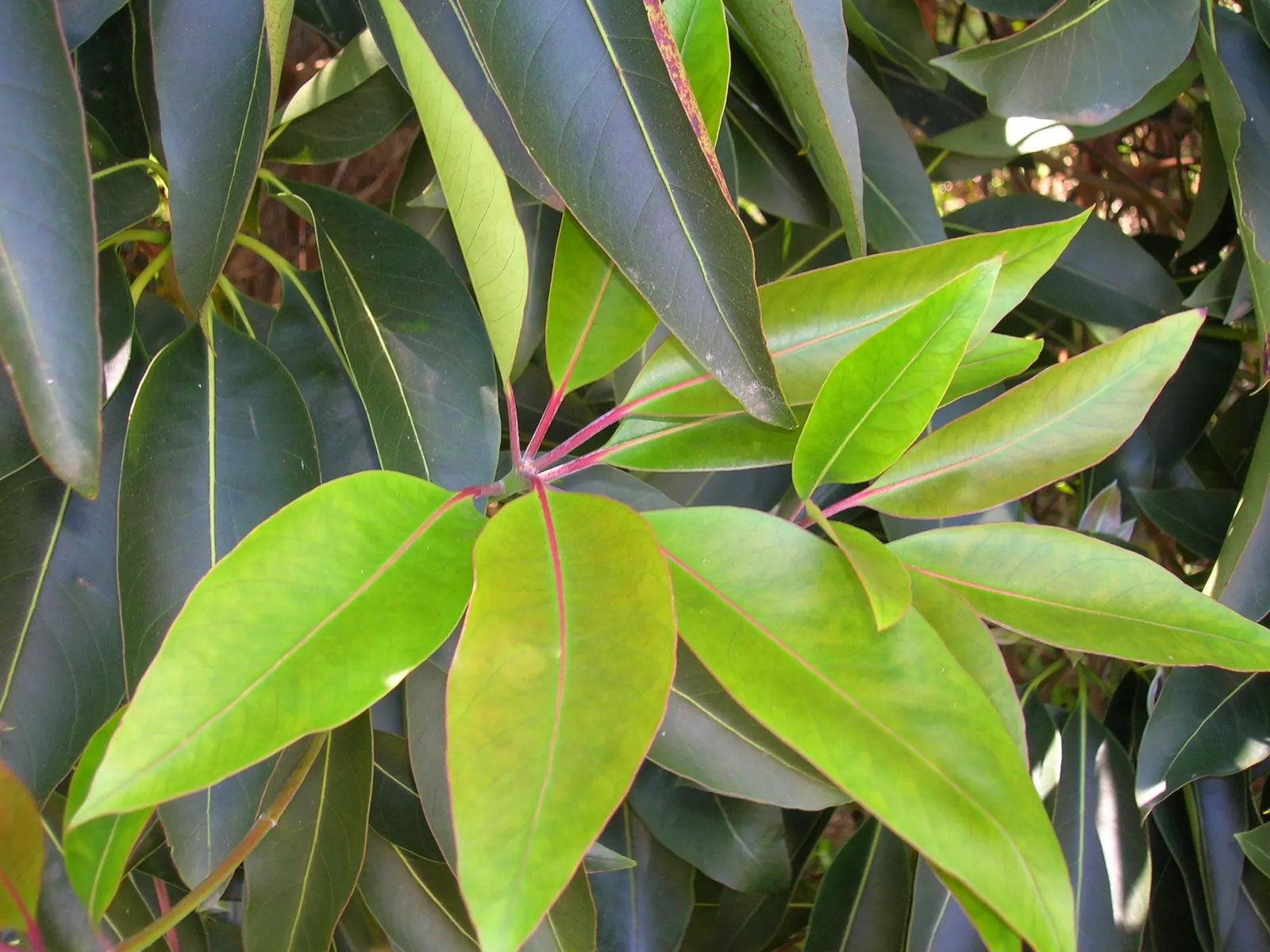
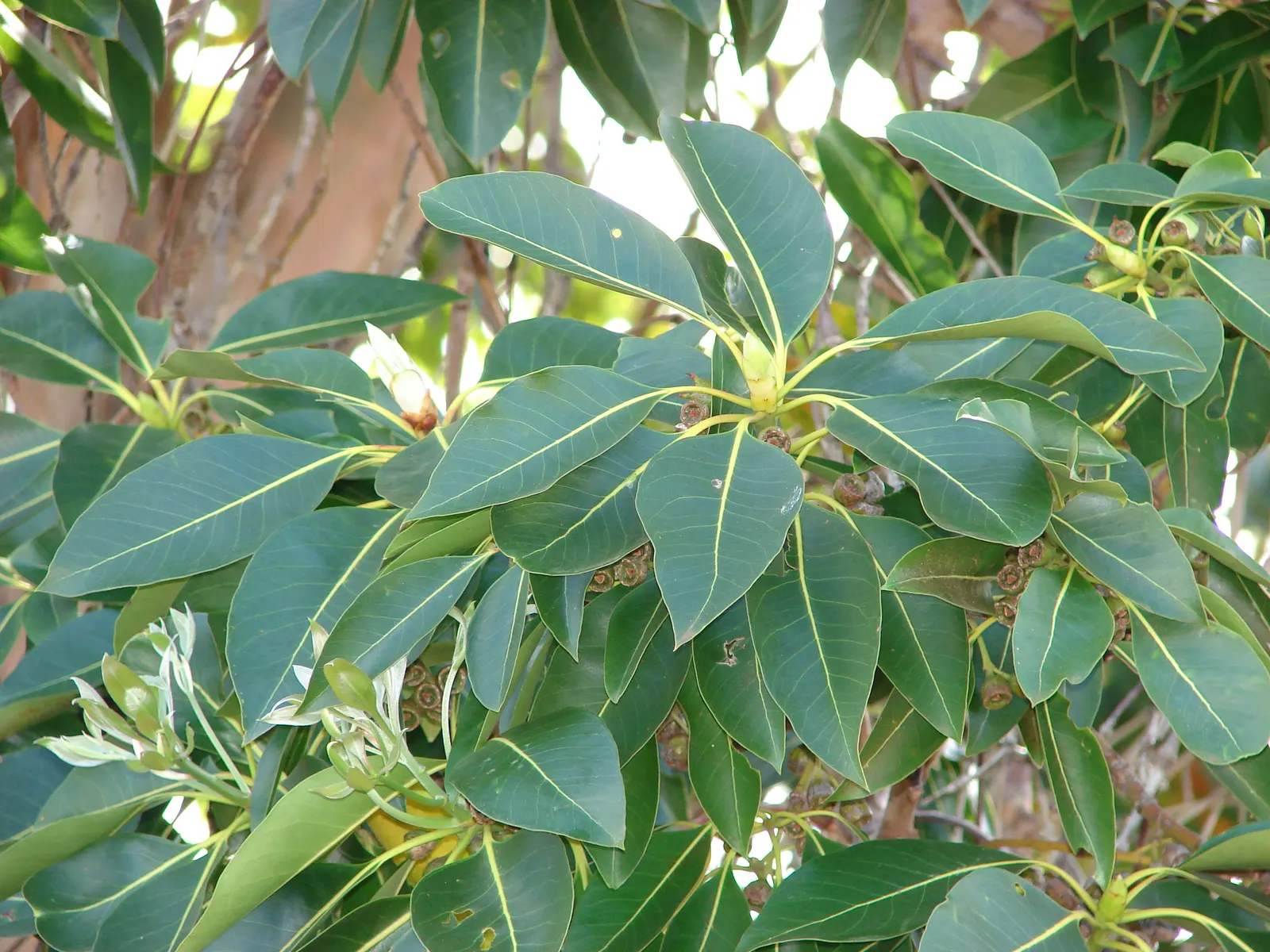
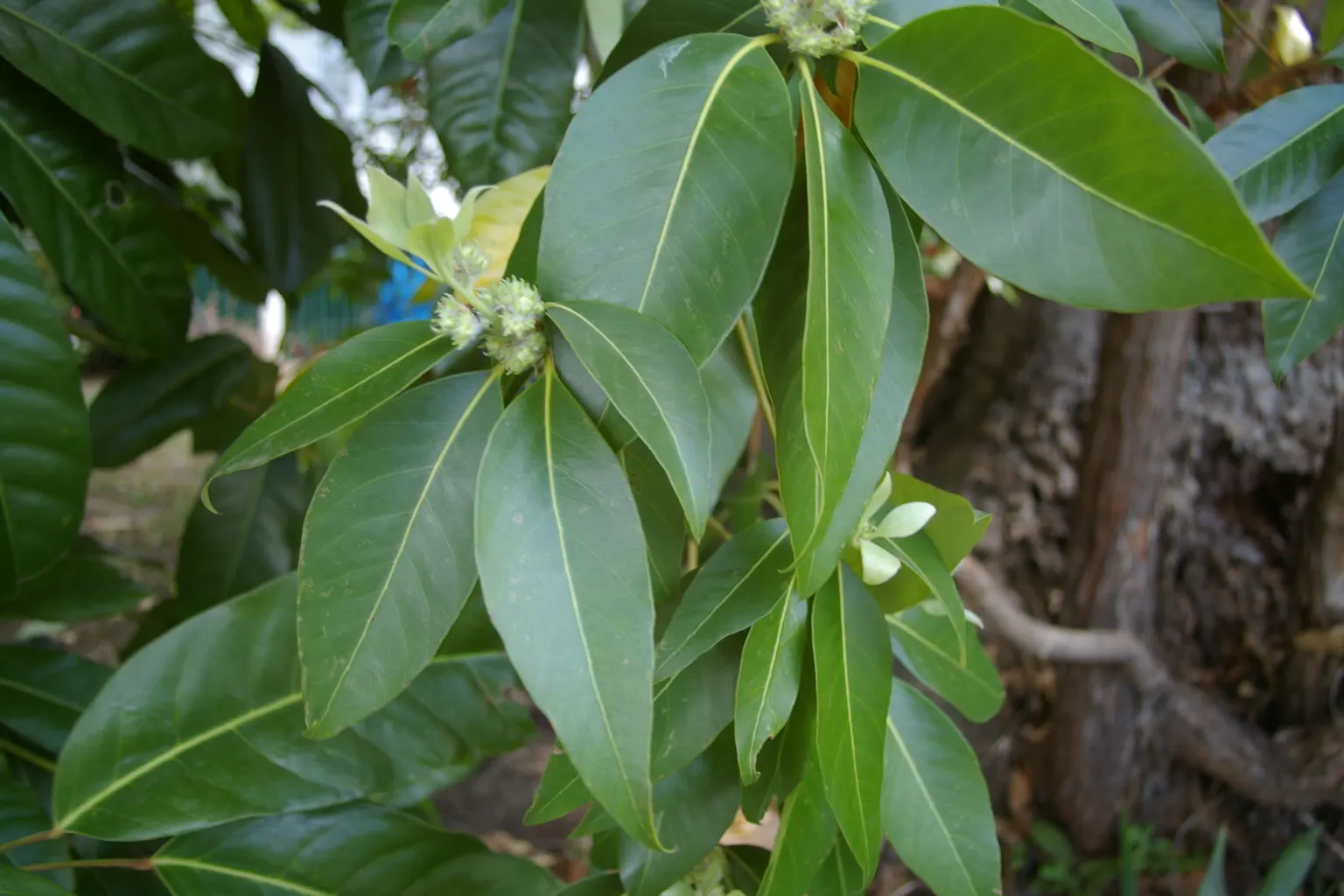
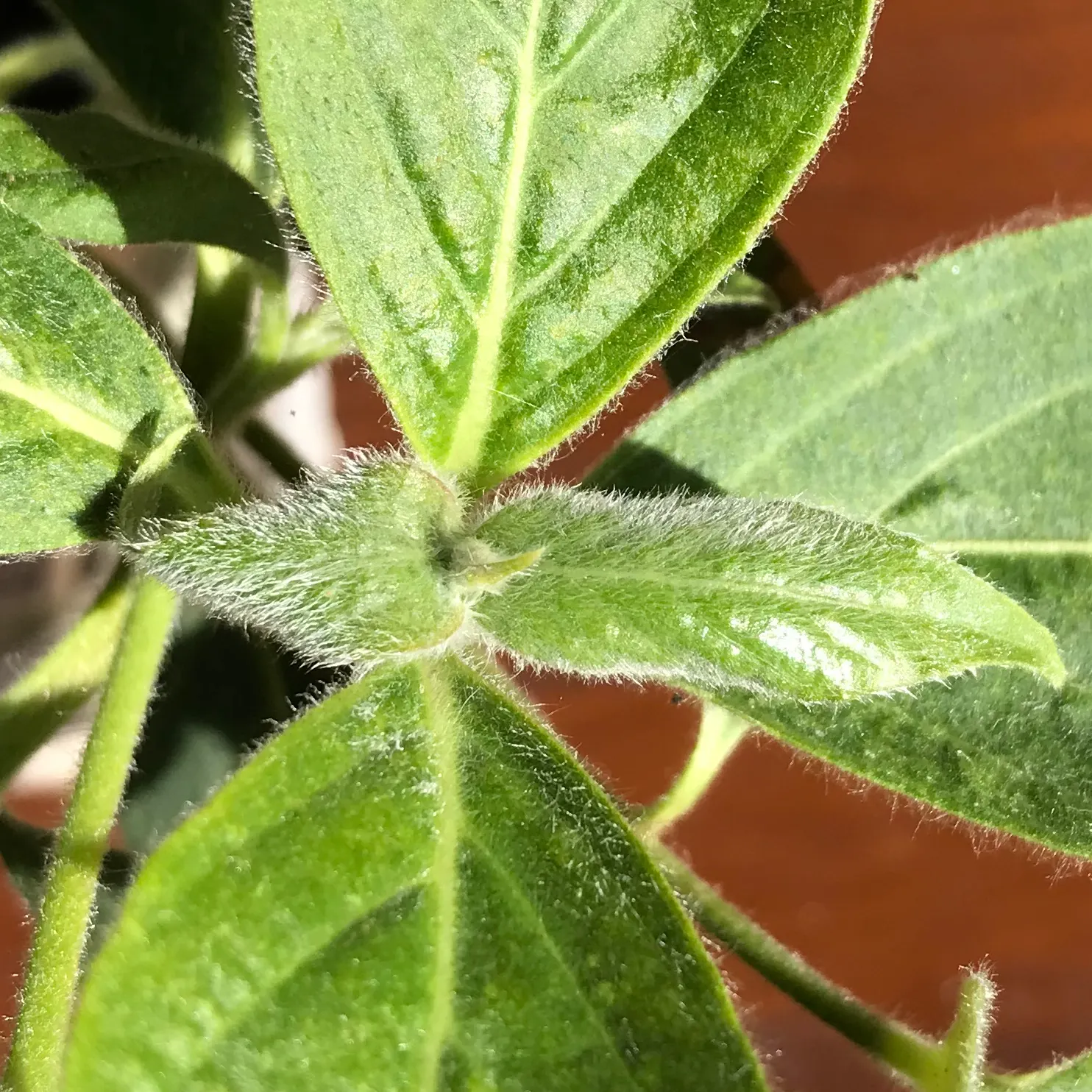
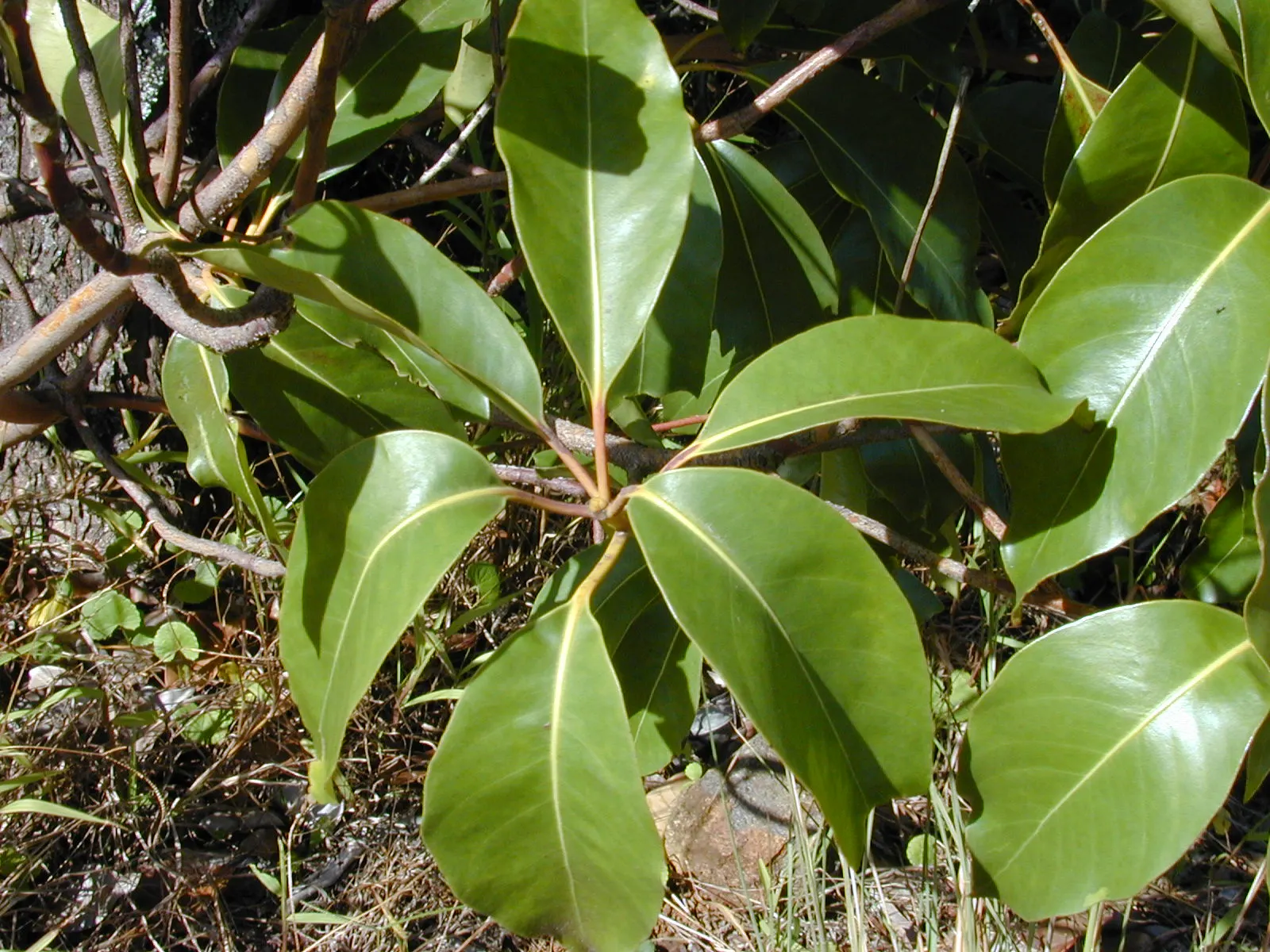
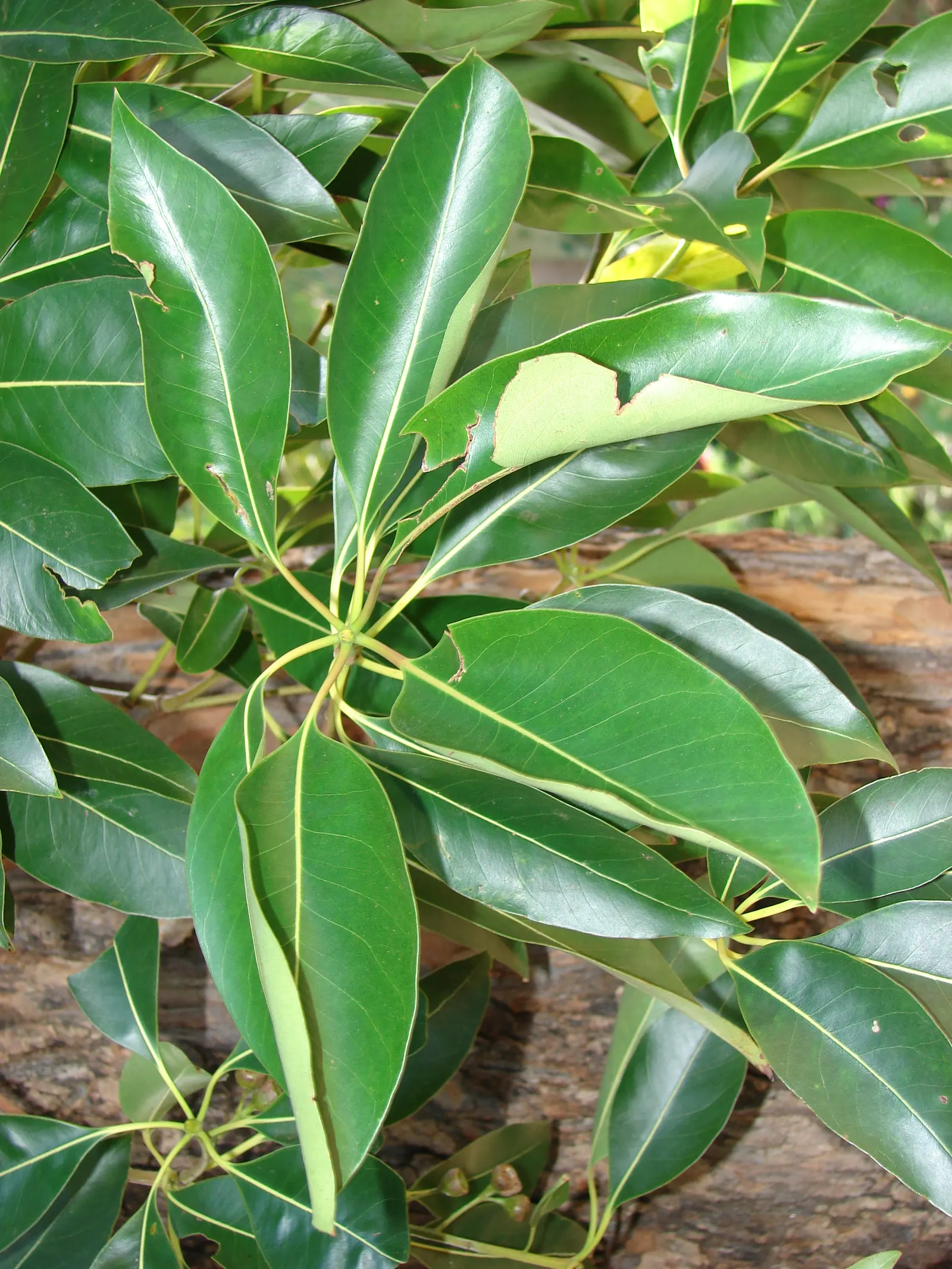
Brisbane Box (Lophostemon Confertus) — This Australian native features a rounded structure and dense foliage comprising glossy, leathery leaves
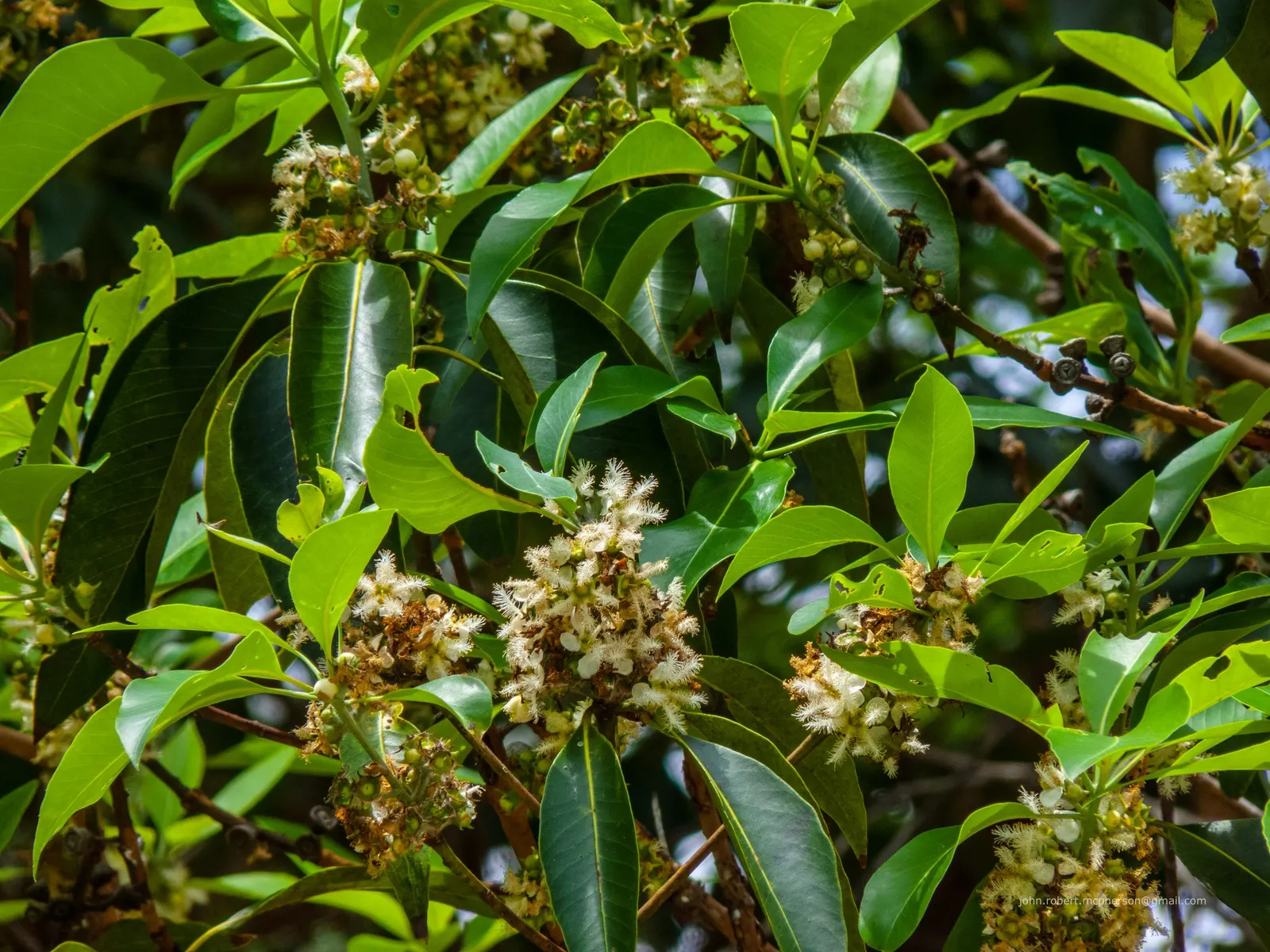
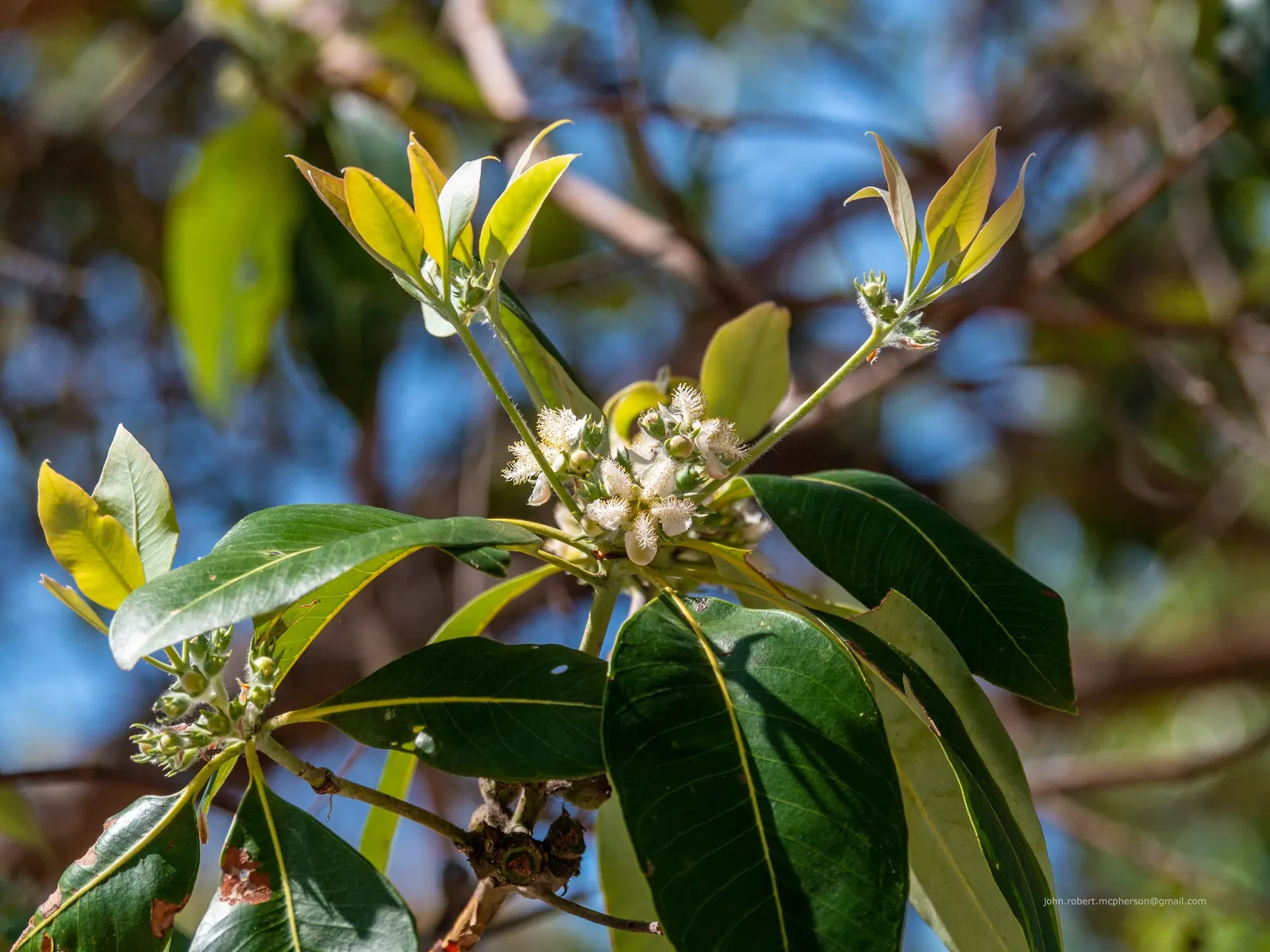
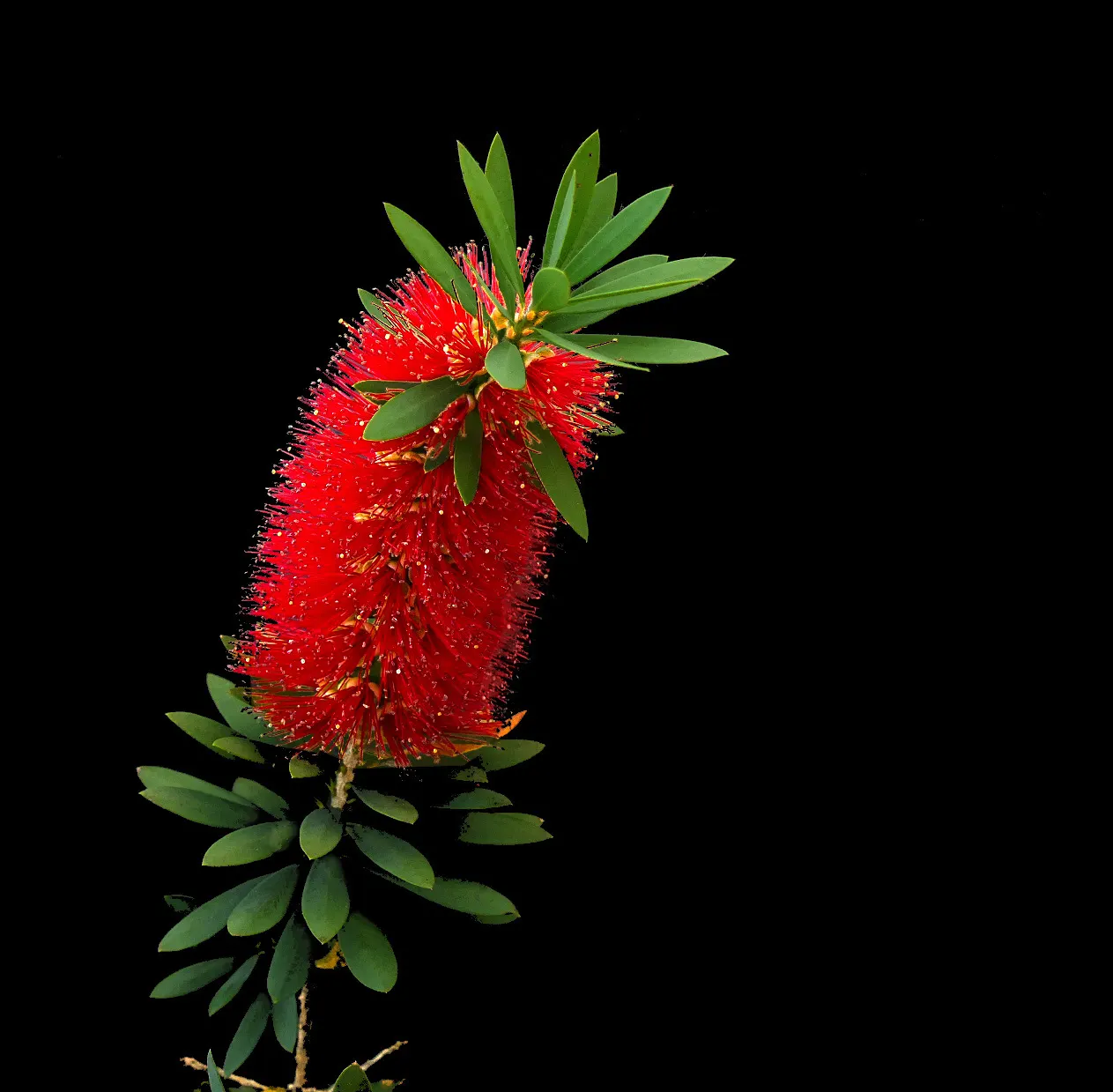
Brisbane Box (Lophostemon Confertus) — brush-like flowers that emit a subtle sweet fragrance
Brisbane Box (Lophostemon Confertus) — It features a columnar to pyramidal shape
Brisbane Box (Lophostemon Confertus) — Hardy and drought-resistant, it's ideal for urban environments; this adaptability makes it a prime choice, image 62
Brisbane Box (Lophostemon Confertus) — white flowers in the garden
Brisbane Box (Lophostemon Confertus) — is an evergreen tree native to Australia that is highly regarded for its robust nature and ornamental appeal
Photographs by 8 contributors

Related plants