Skip to content

Blue Candle

Myrtillocactus Geometrizans

Design with this plant

Overview

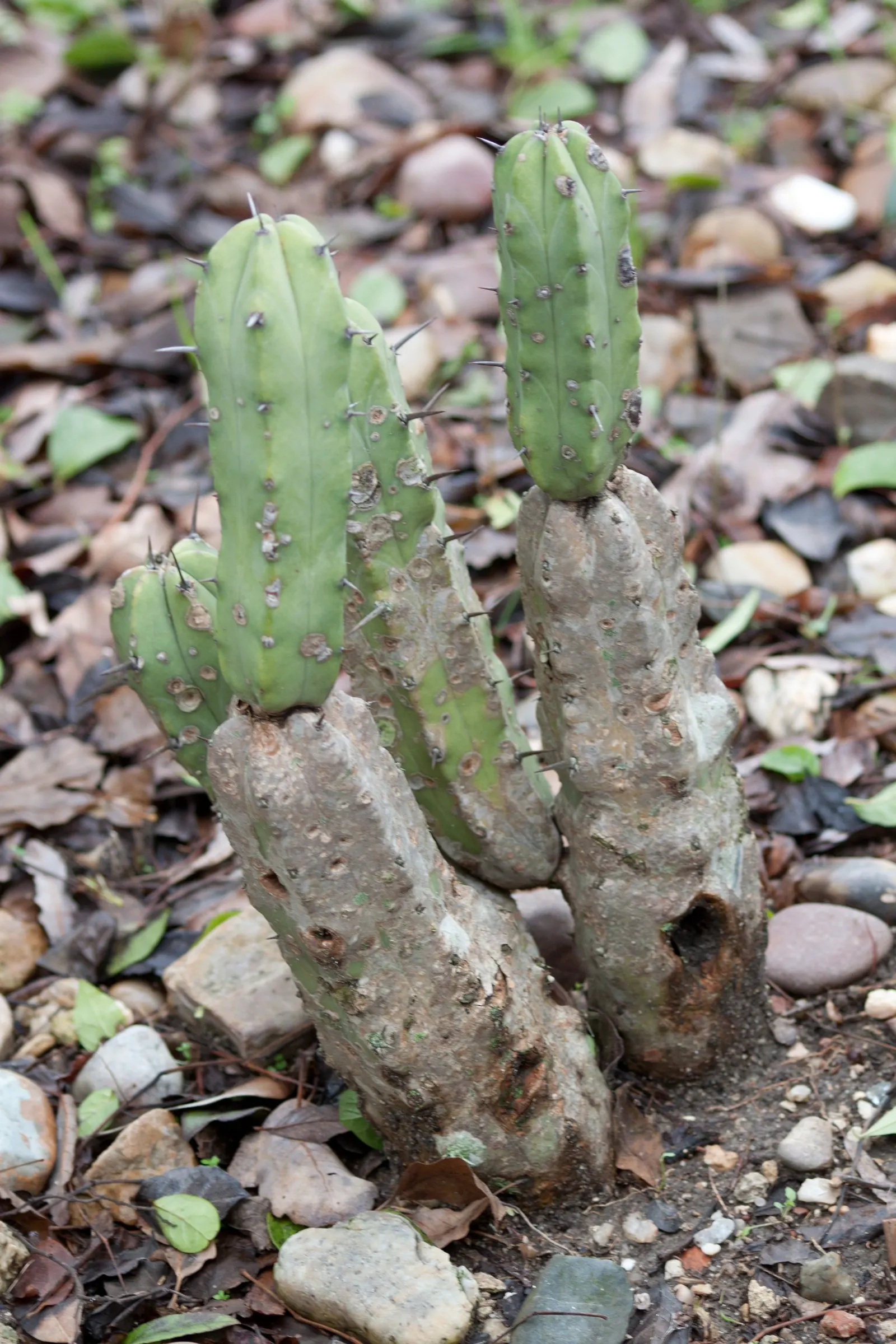
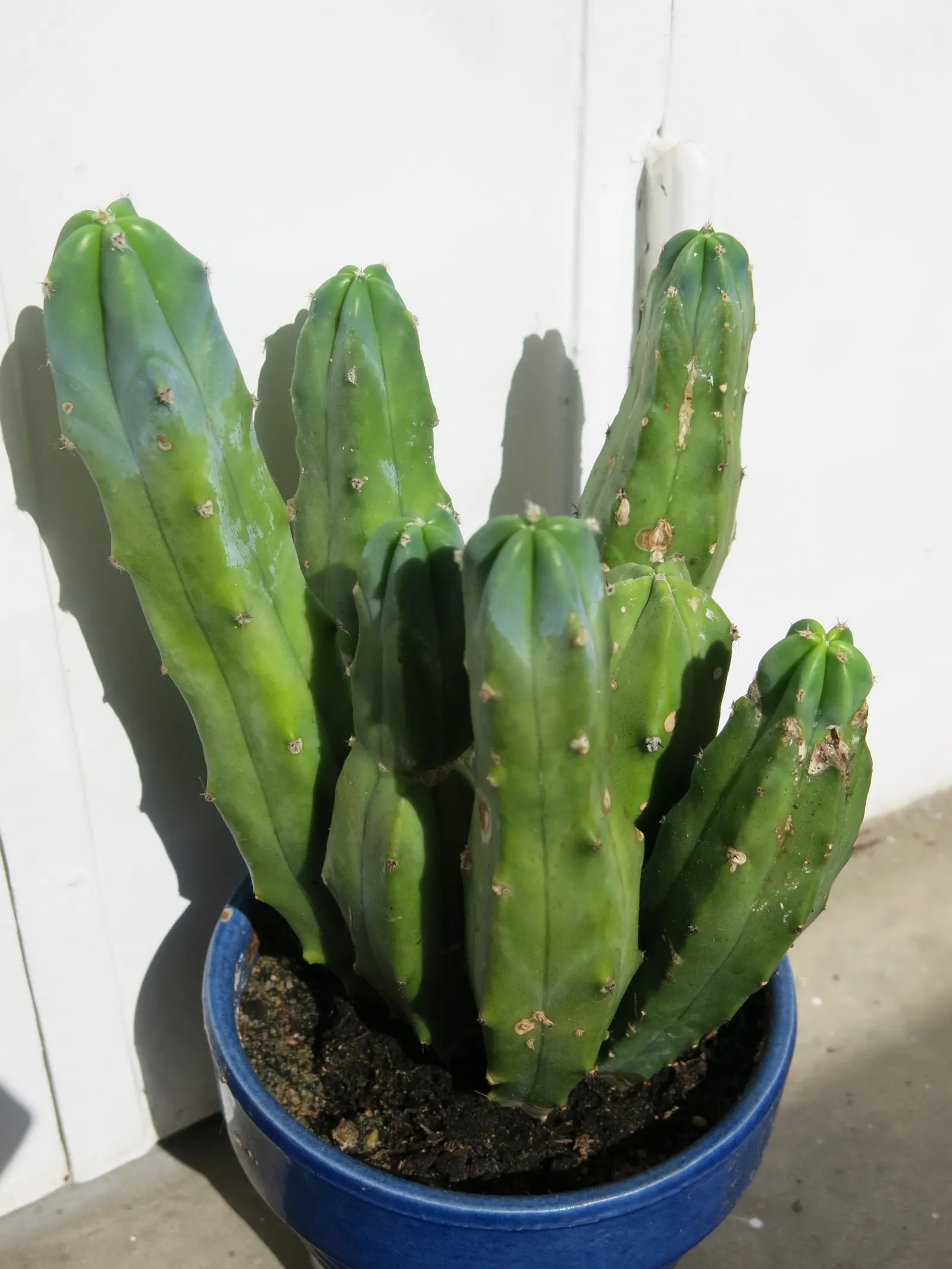
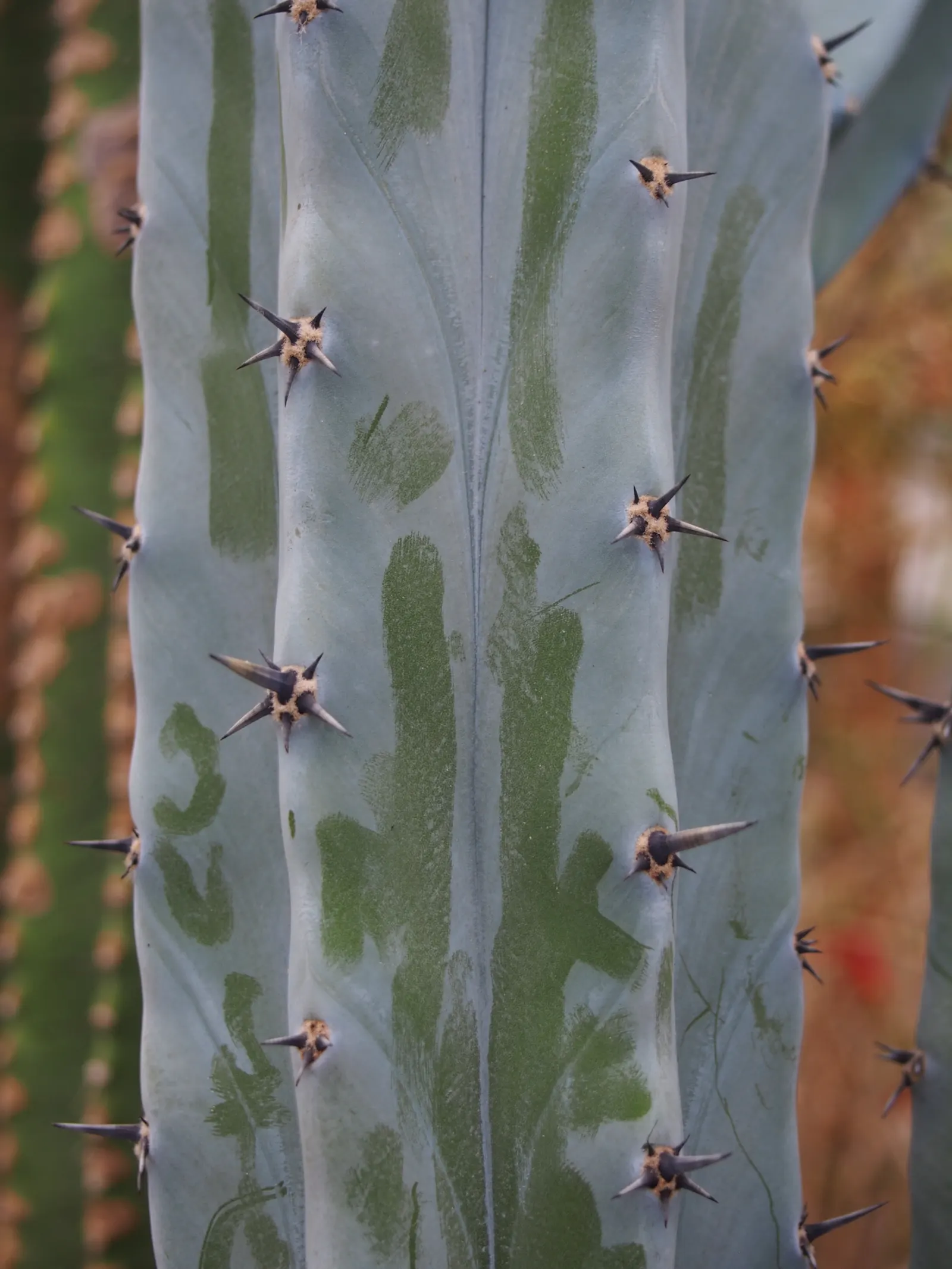
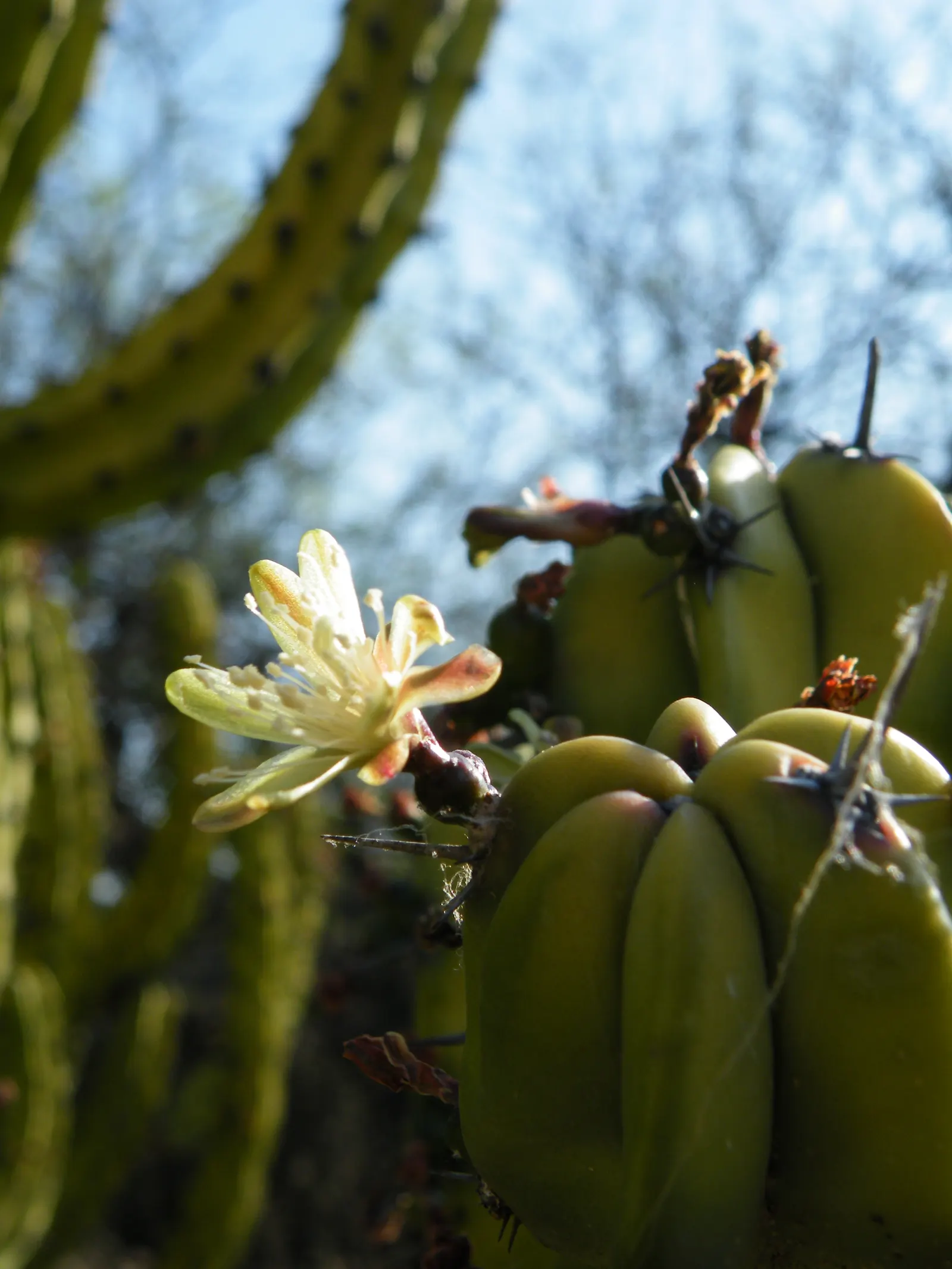
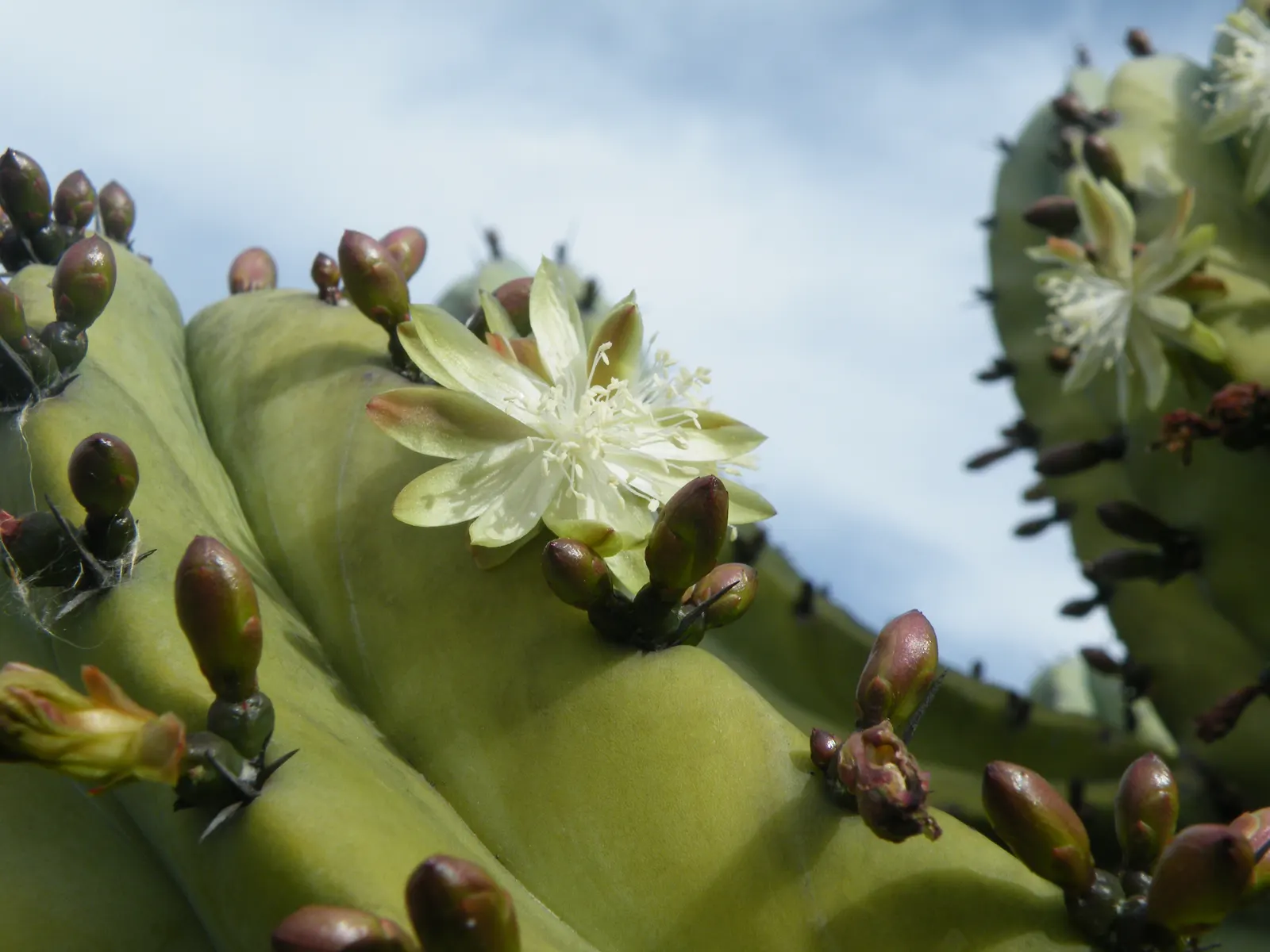
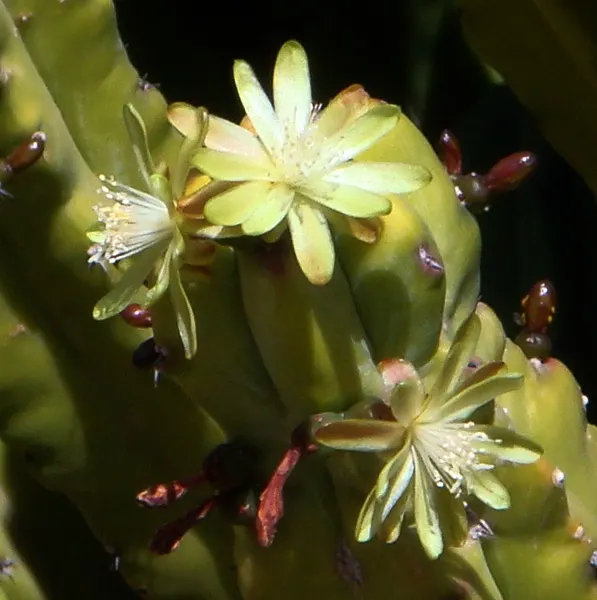
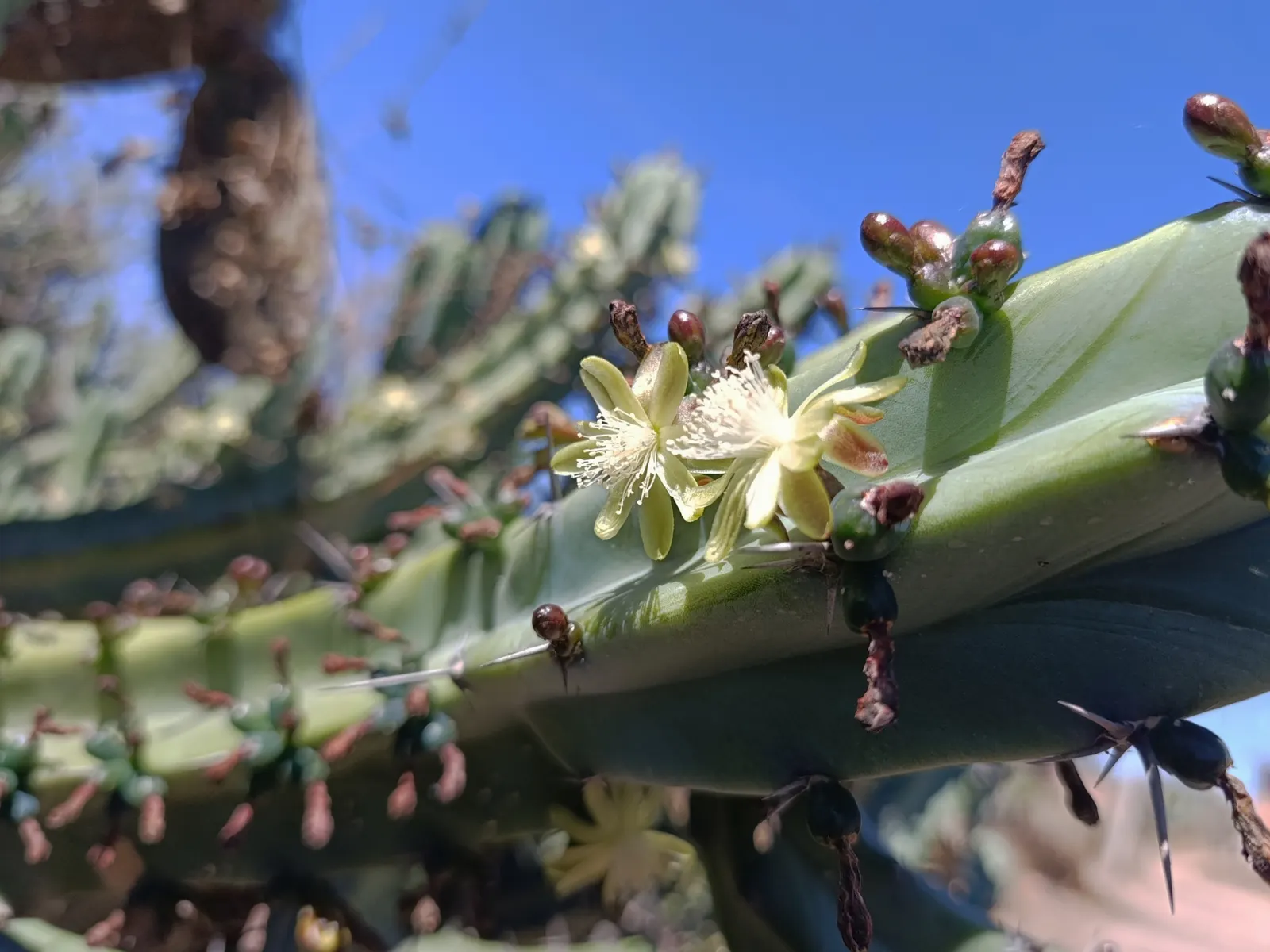
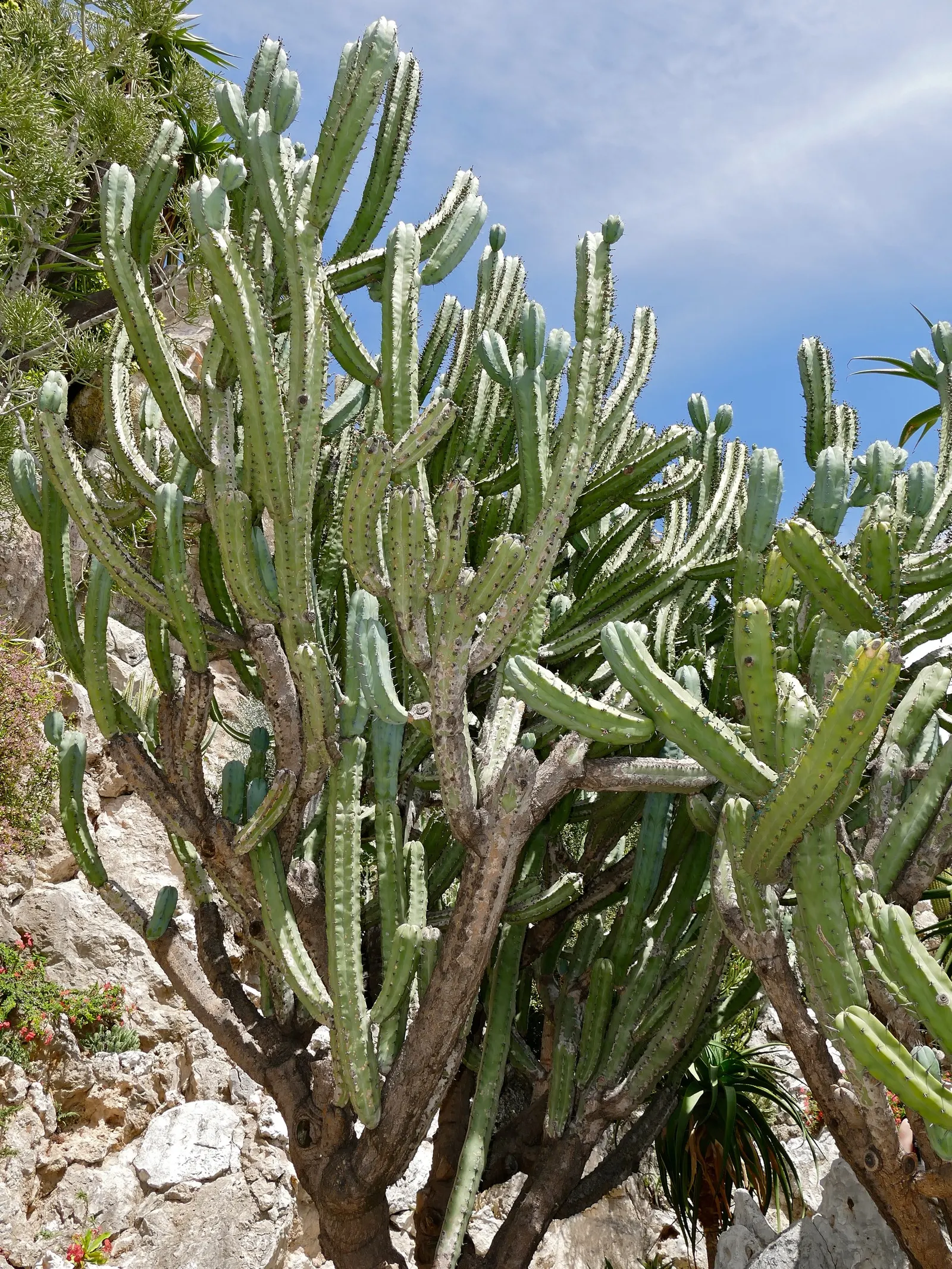
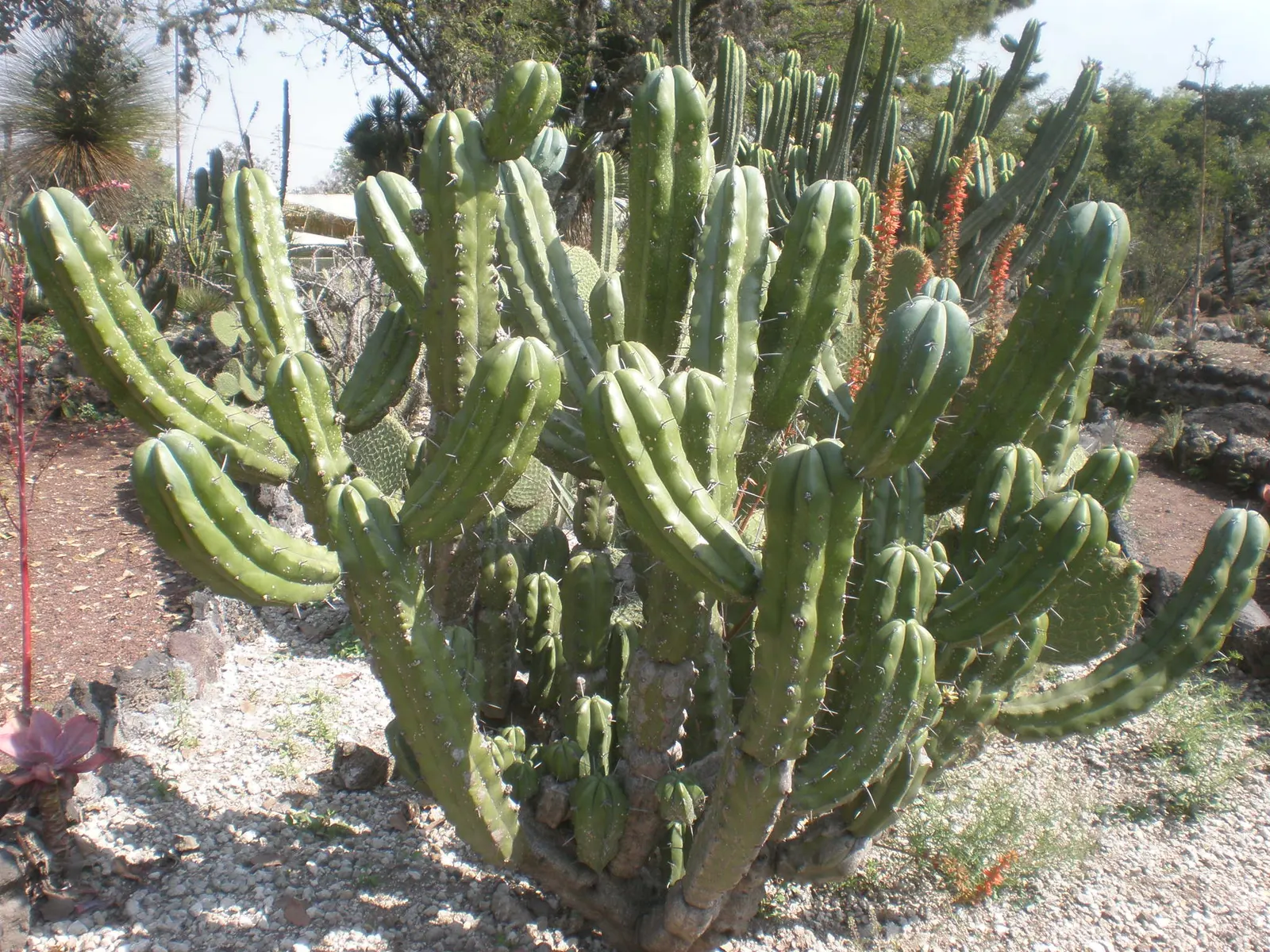
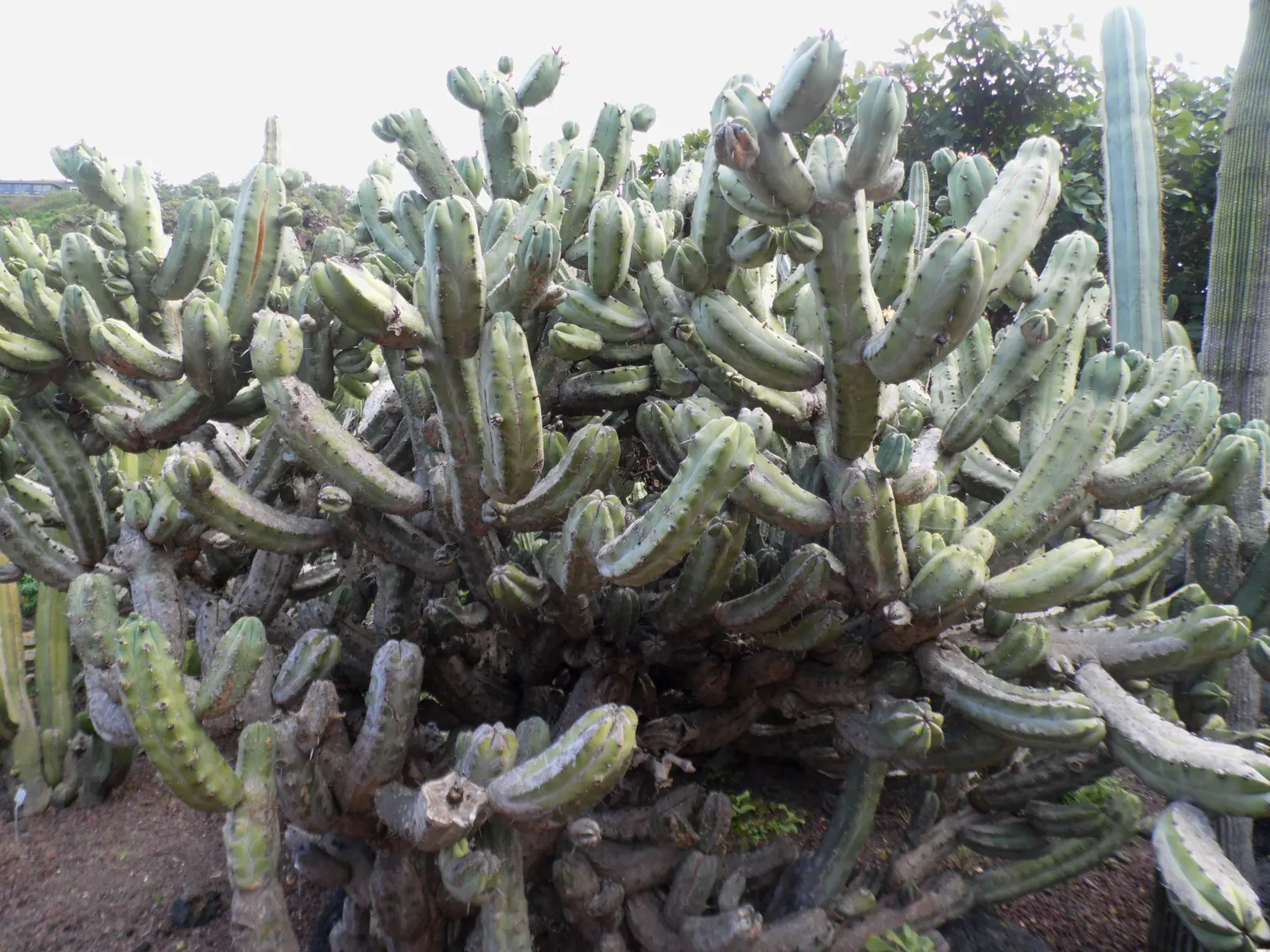
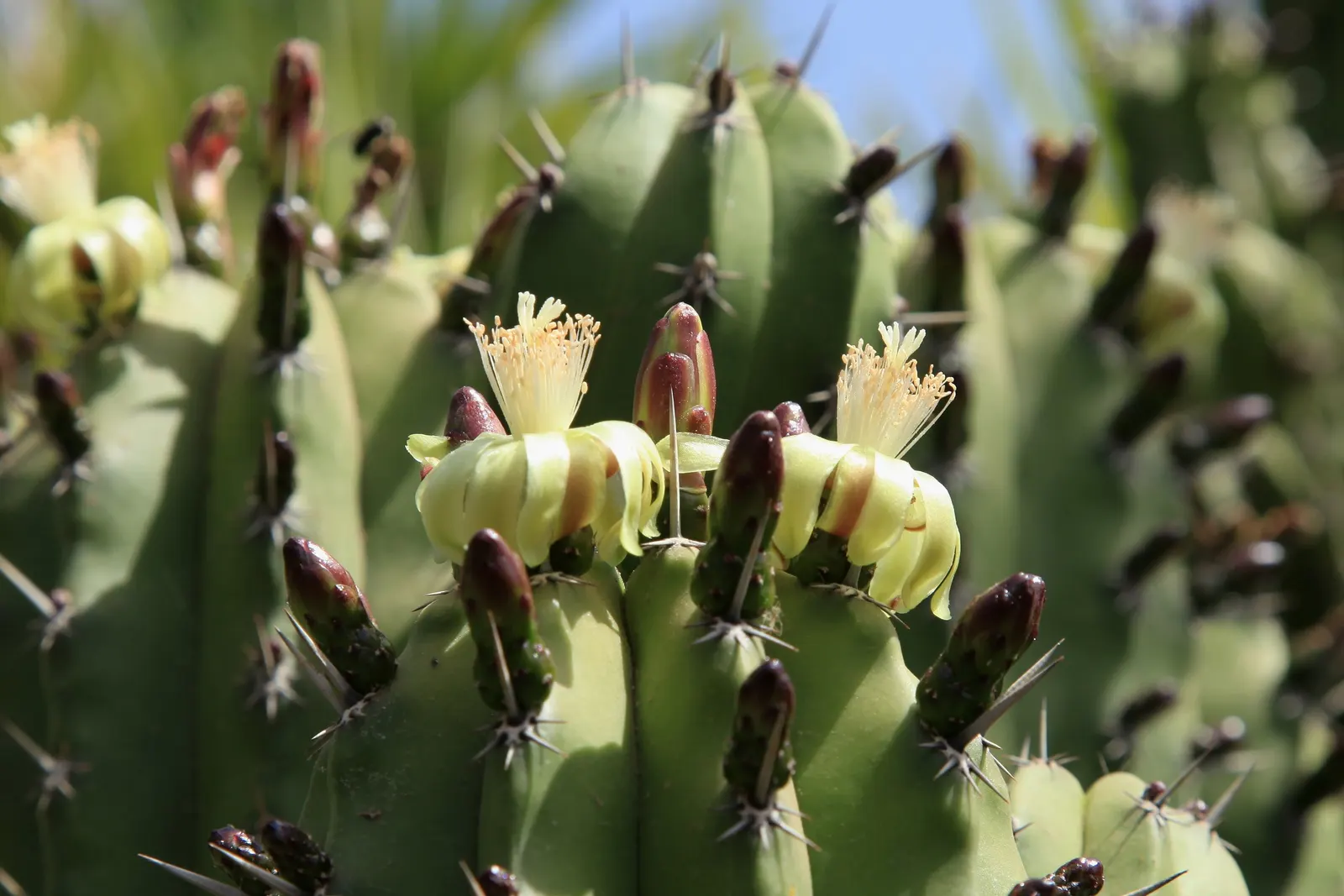
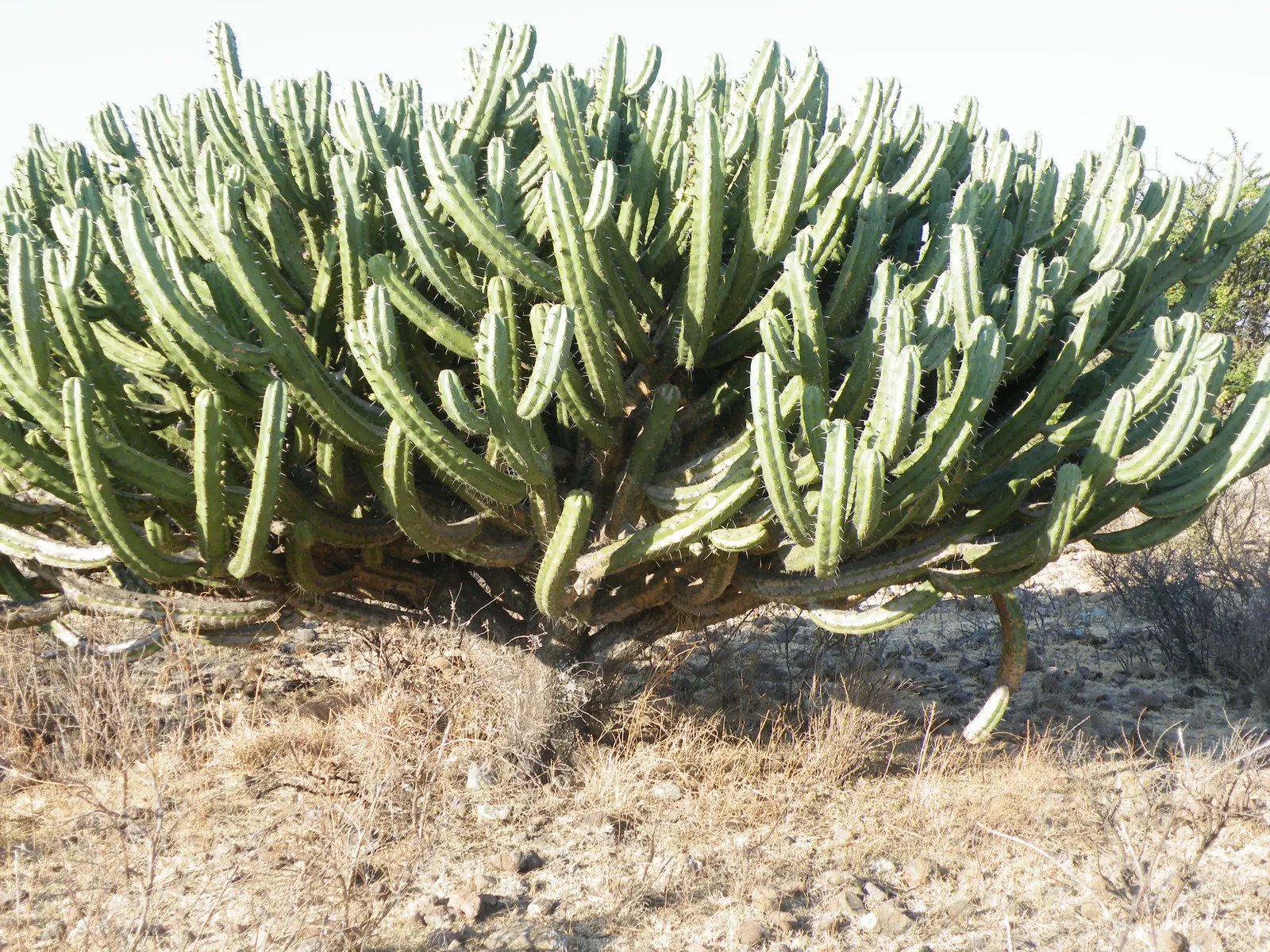
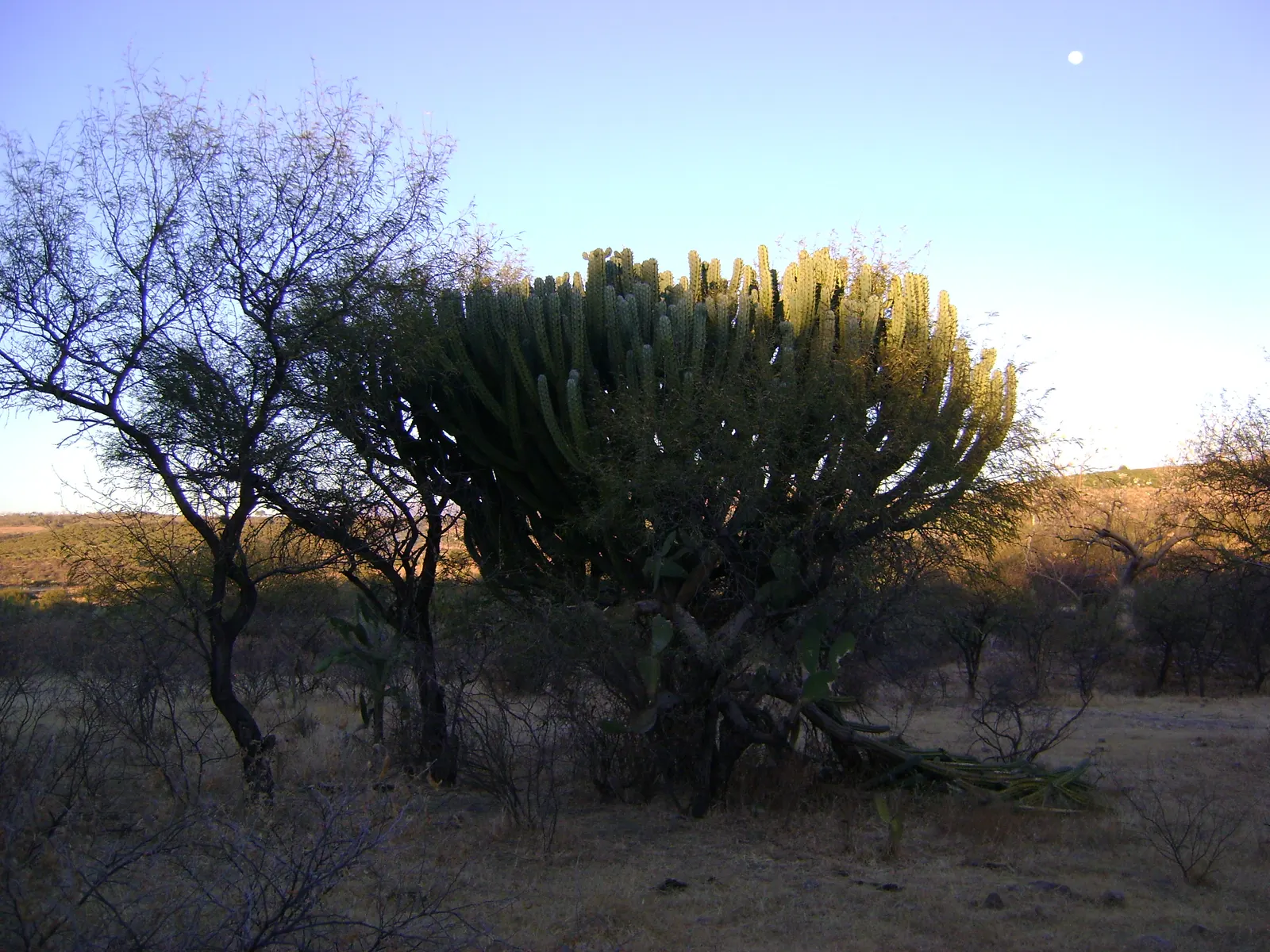
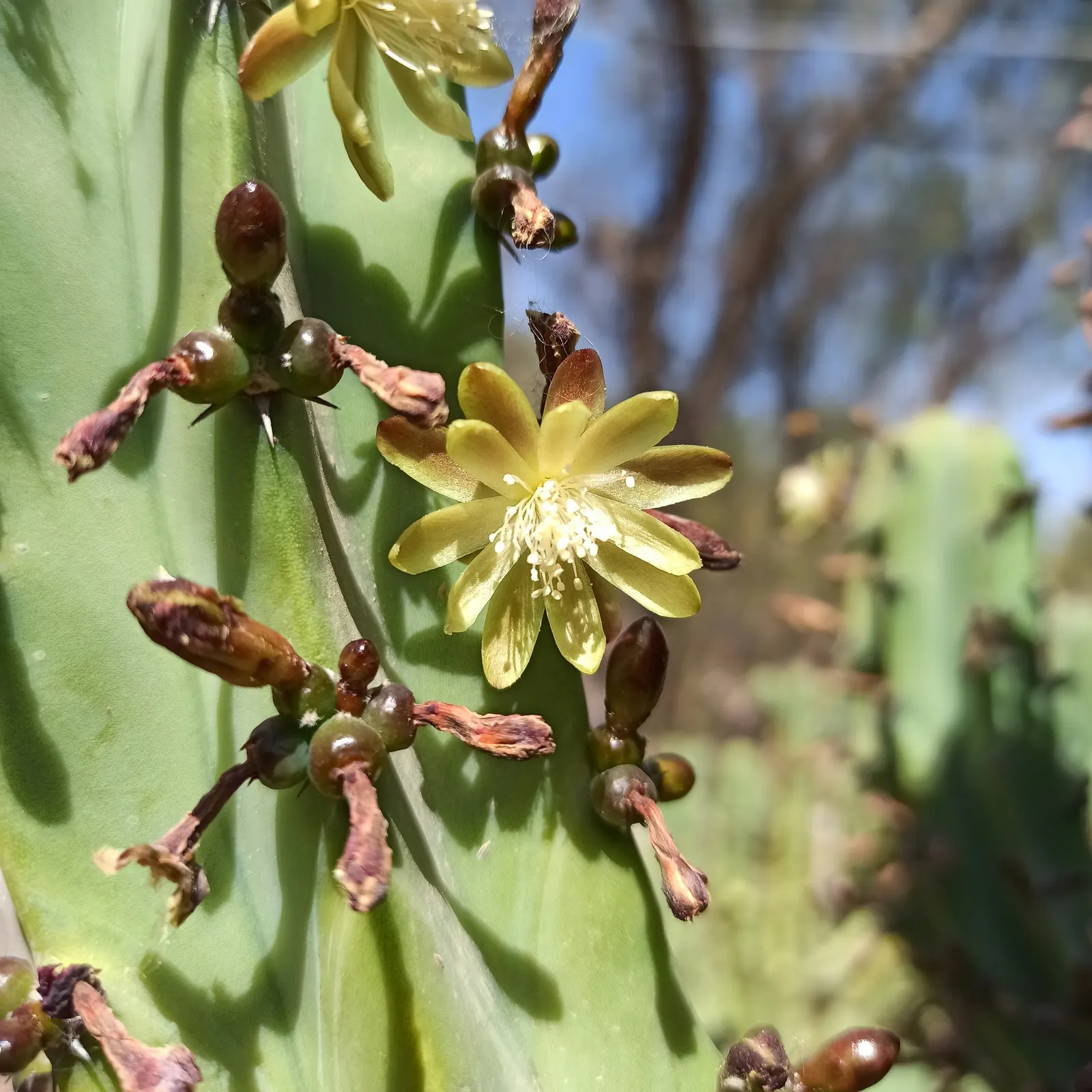
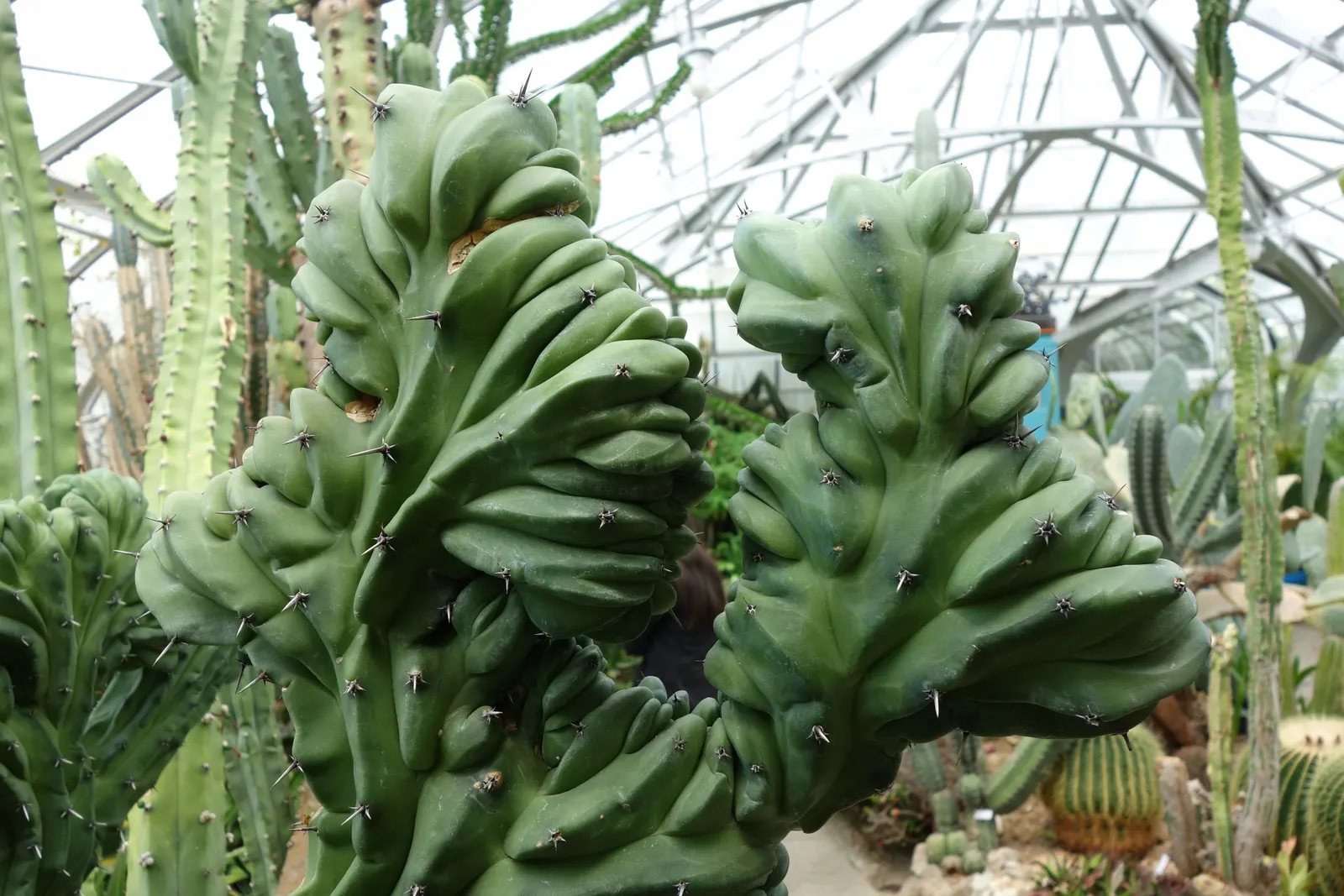
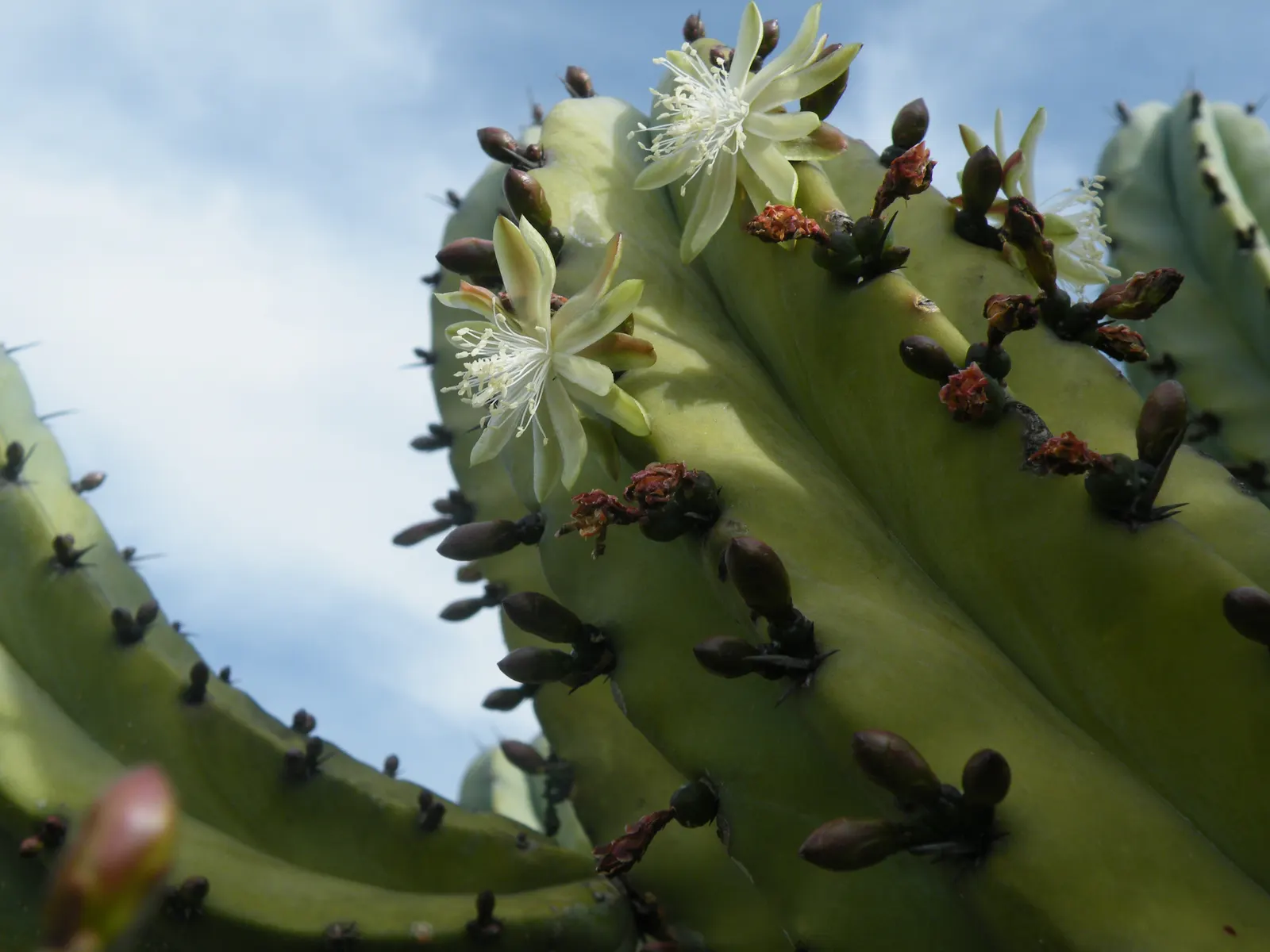
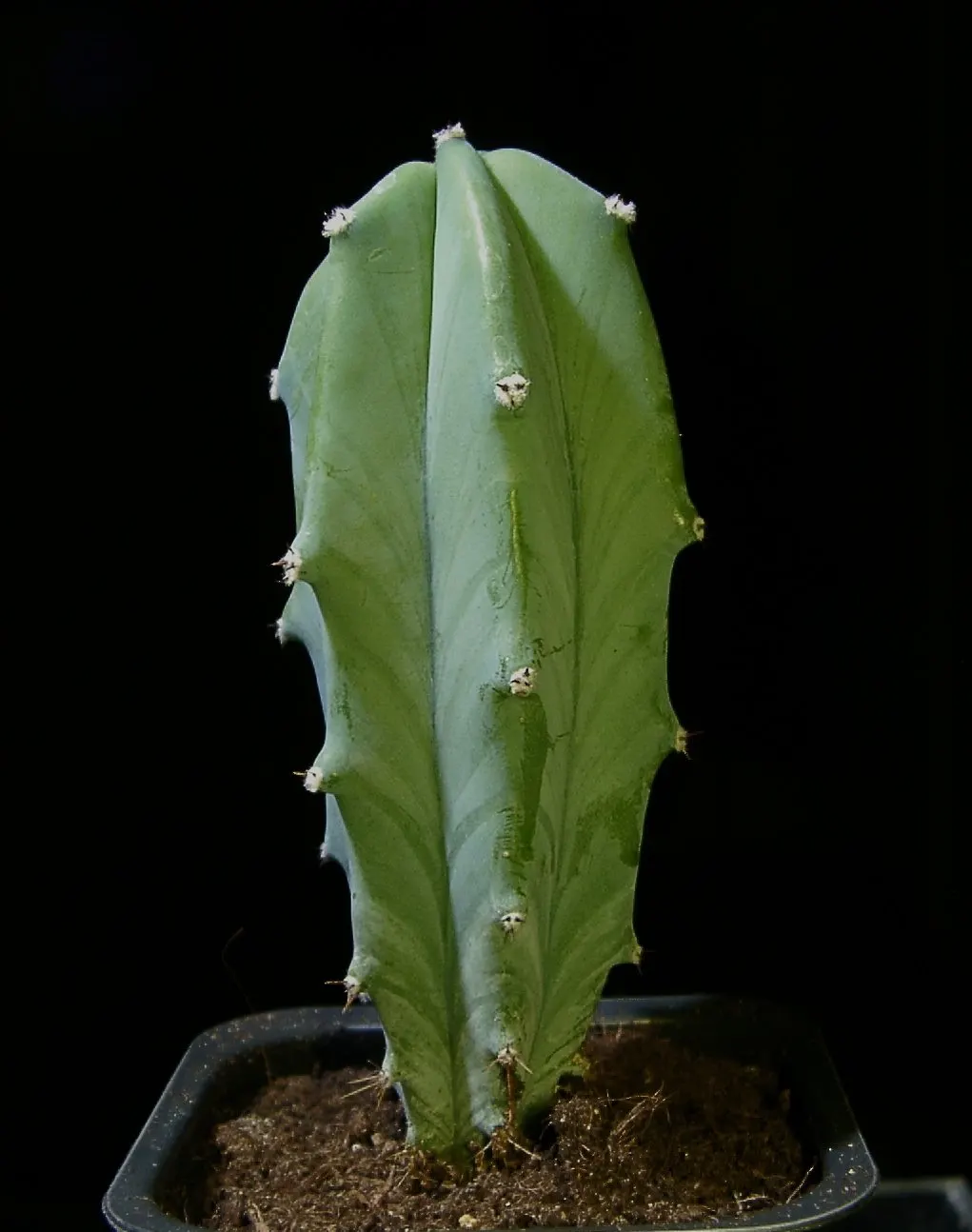
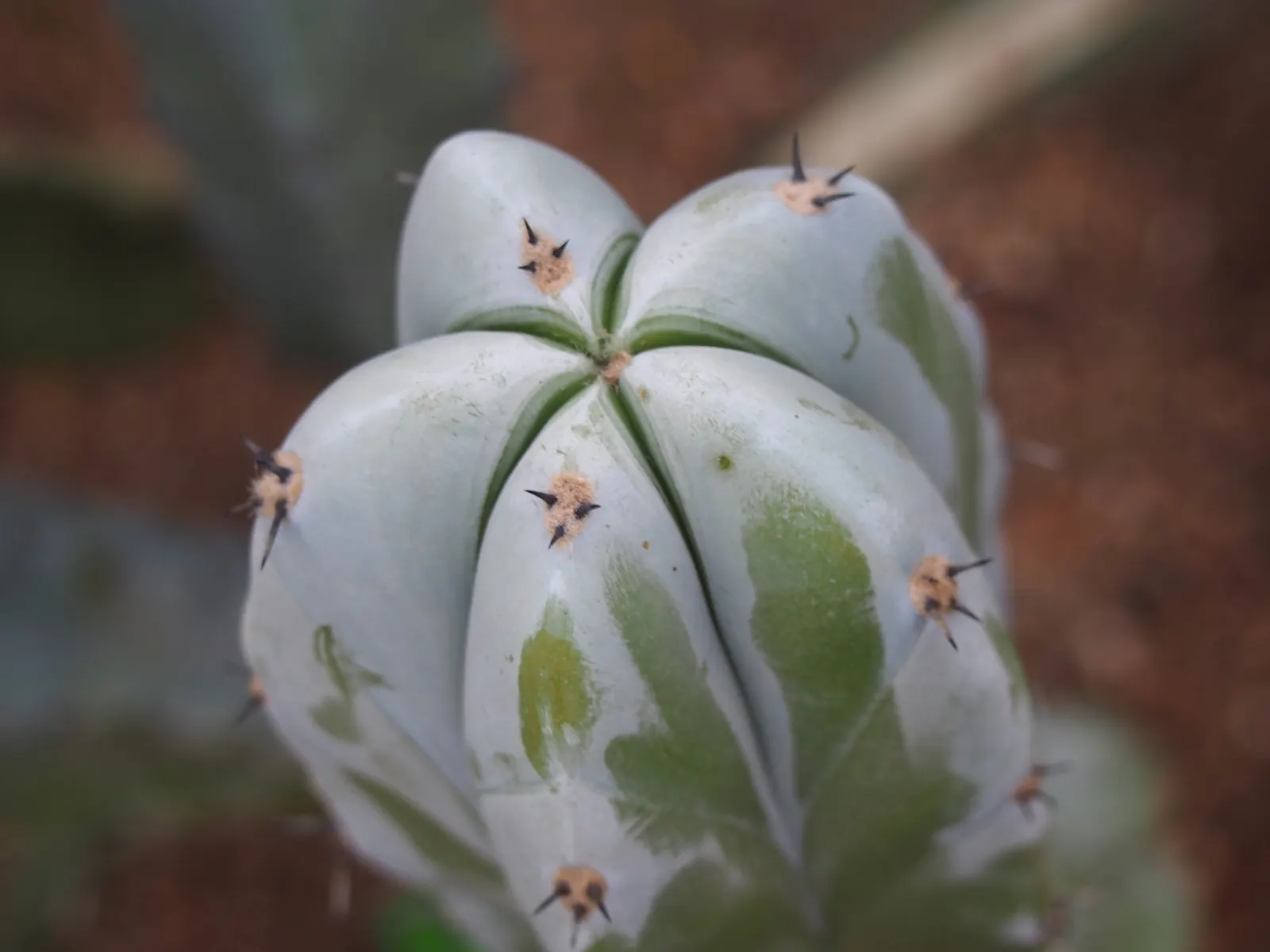
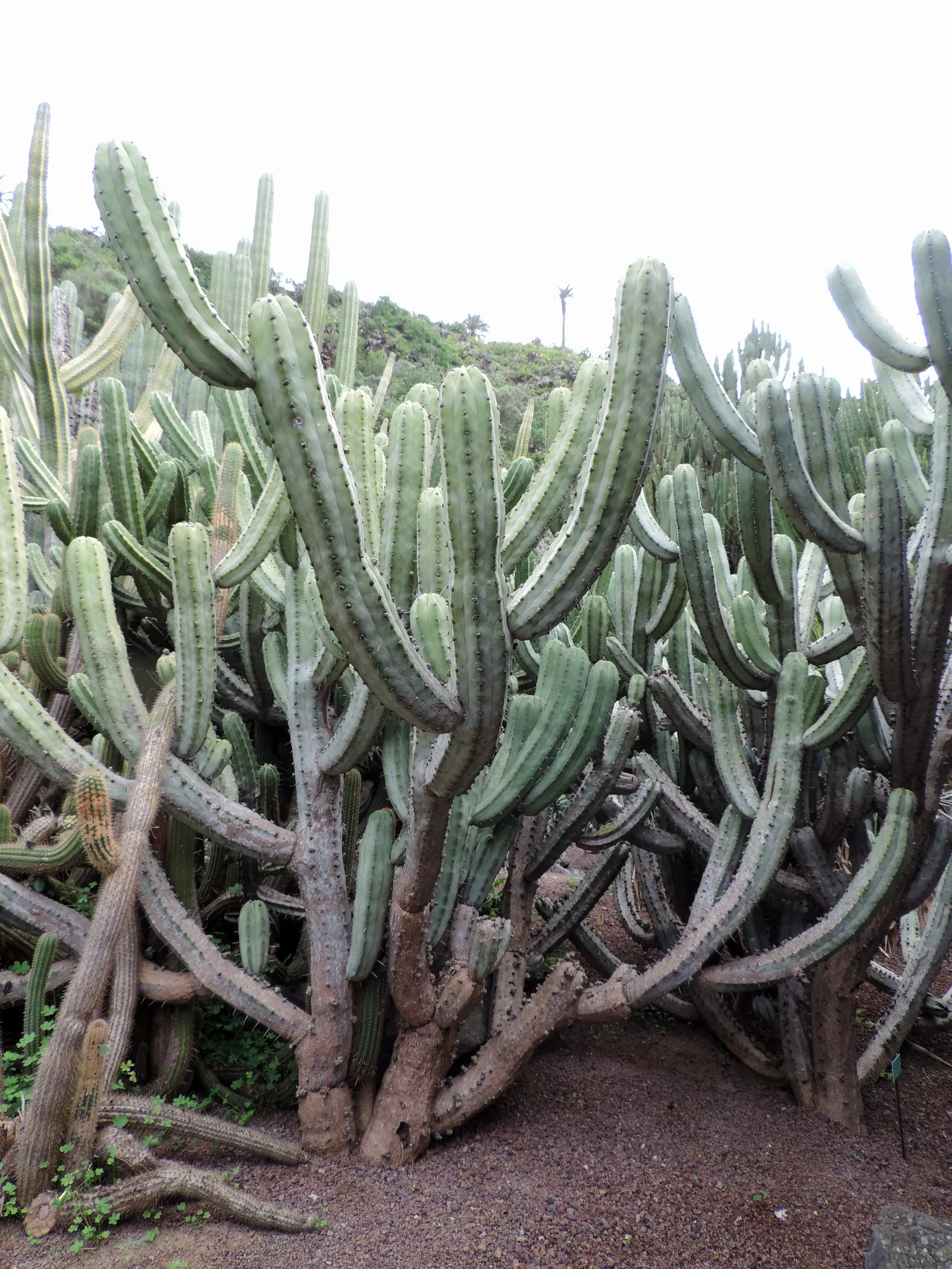
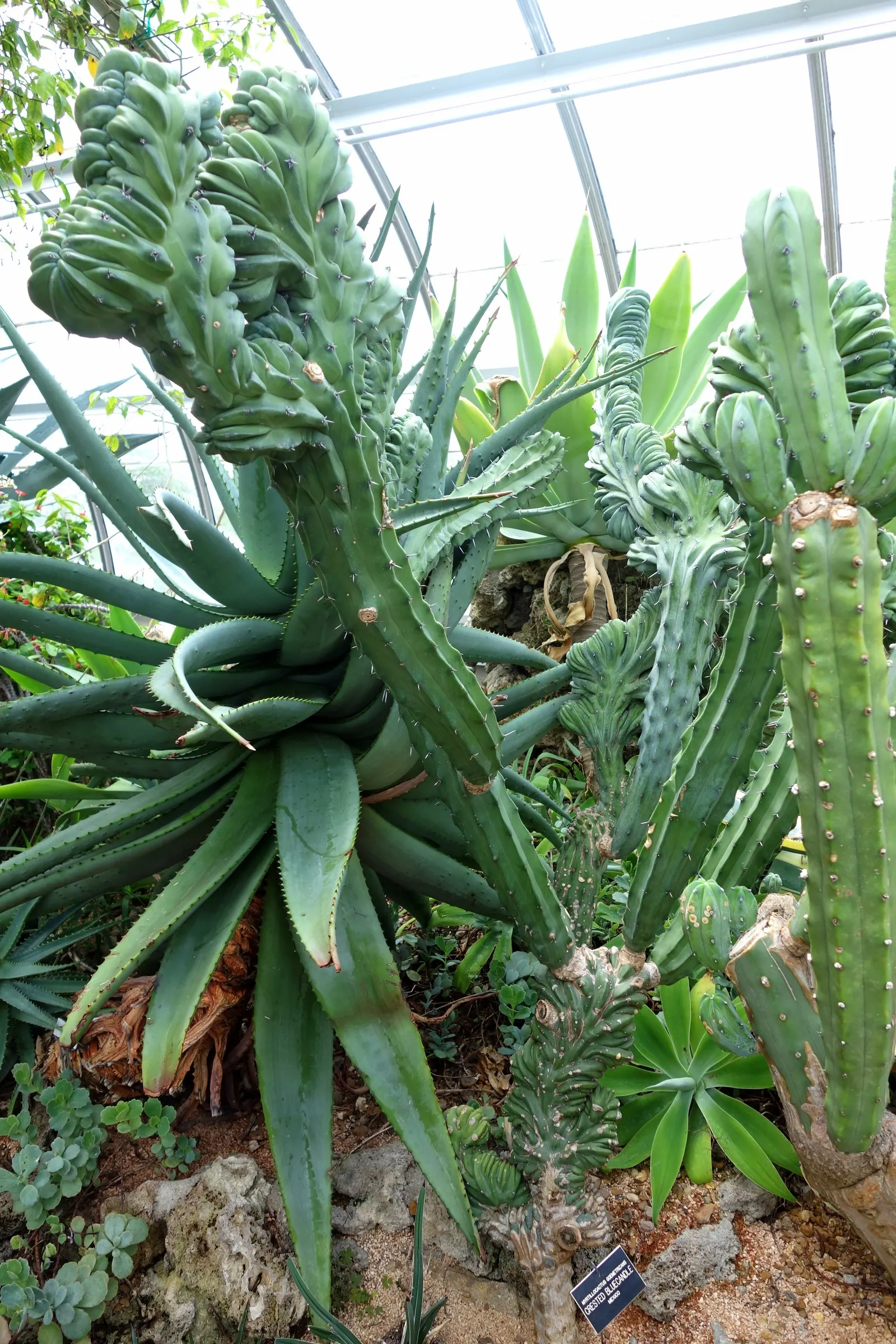
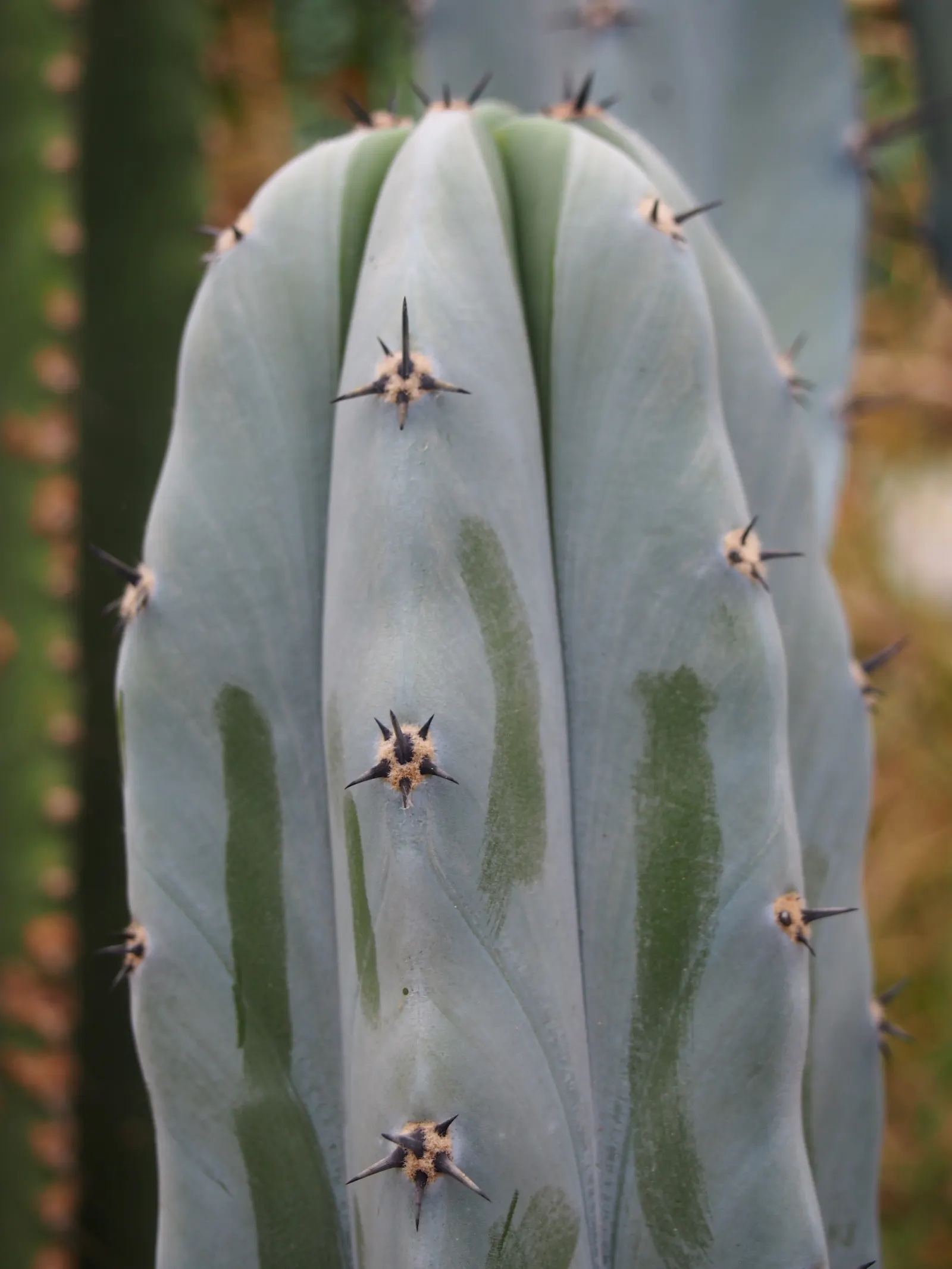
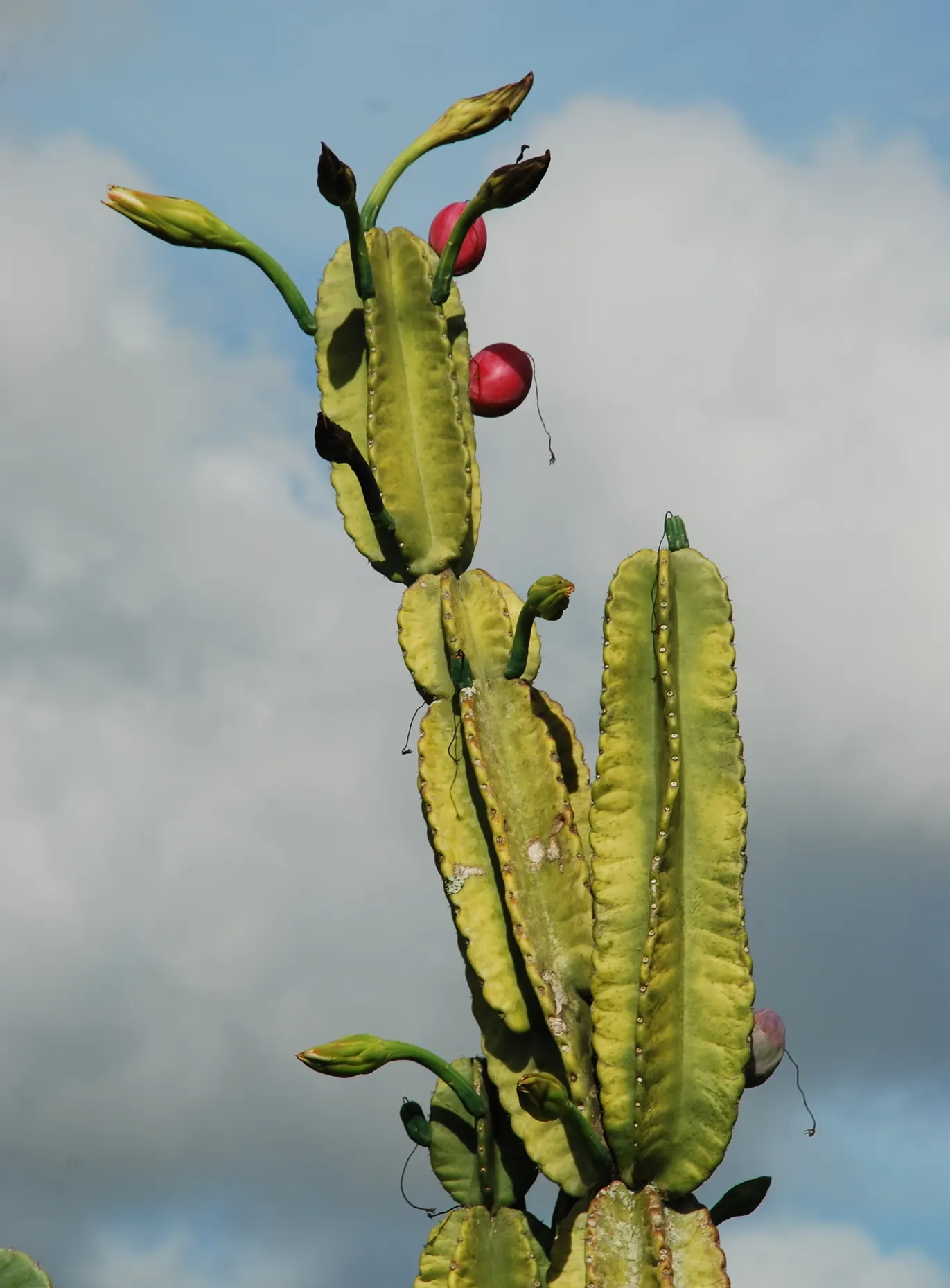
Myrtillocactus geometrizans, commonly known as Blue Candle, is a striking columnar cactus that can reach up to 15 feet tall and spread 6-10 feet wide. Its blue-green stems produce white flowers and edible, purple fruits resembling blueberries. This low-maintenance, drought-tolerant plant thrives in full sun and well-draining soil, making it an excellent choice for arid landscapes and minimalist gardens. Frost-sensitive, it's best suited for USDA zones 9b-11.

Sun Full, HalfWater LowZones 9–10Climate Arid
Blue Candle (Myrtillocactus Geometrizans) — commonly known as Blue Candle

Culture

Sun
Full, Half
Water
Low
USDA zones
9–10

Shape & size

Classification

Family
Cactaceae
Climate
Arid

See full data, regional cultivation notes, full-resolution photos, and design tools. Build a client presentation around this plant.

Start your 14-day trial

Photos (69)

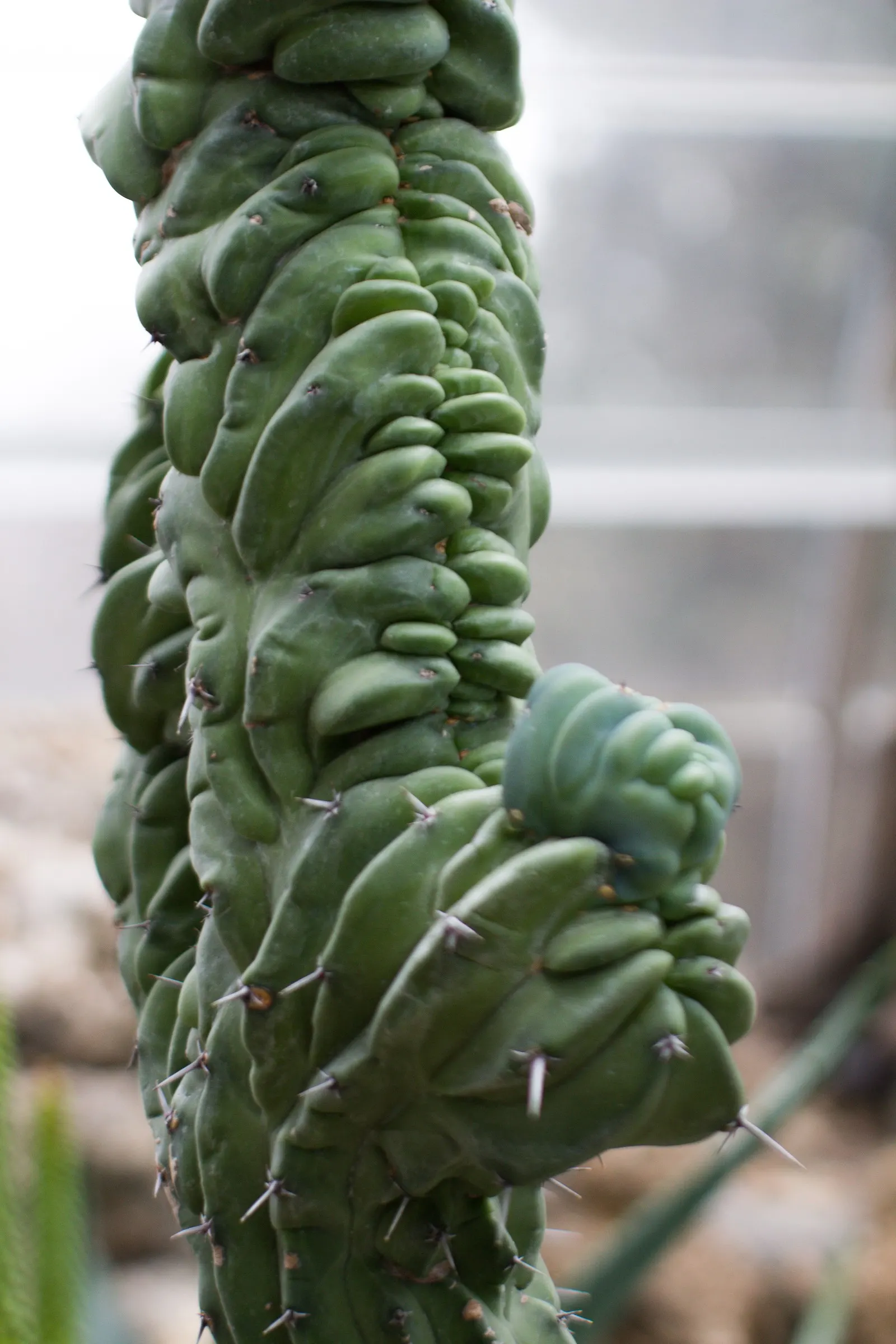
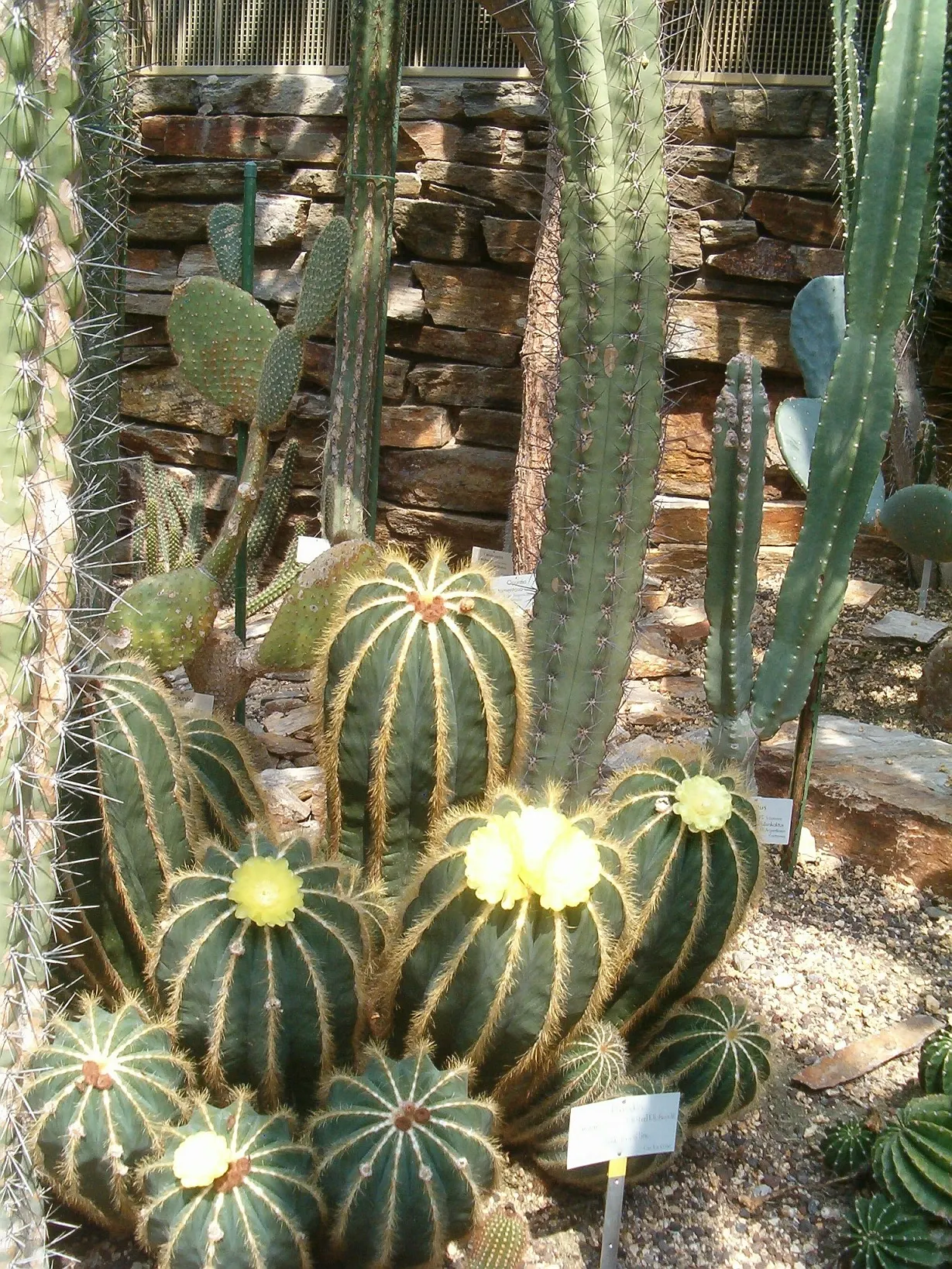
Blue Candle (Myrtillocactus Geometrizans) — cactus for full or half
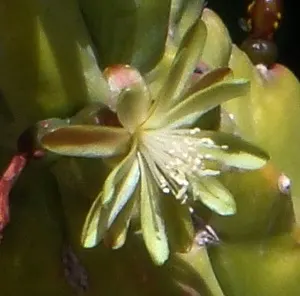
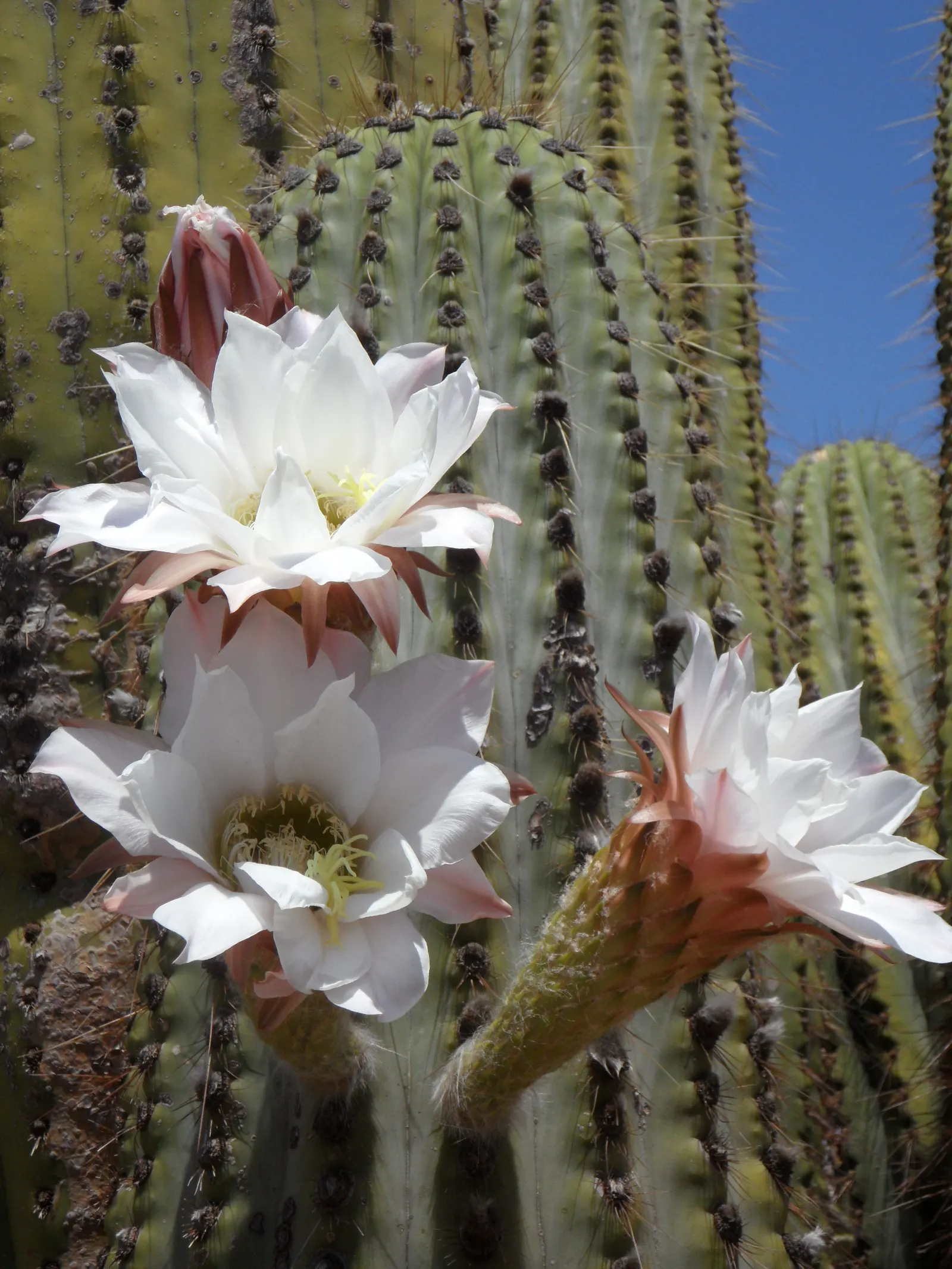
Blue Candle (Myrtillocactus Geometrizans) — white flowers in the garden
Blue Candle (Myrtillocactus Geometrizans) — commonly known as Blue Candle; drought-tolerant plant thrives in full sun and well-draining soil
Blue Candle (Myrtillocactus Geometrizans) — Frost-sensitive, it's best suited for USDA zones 9b-11; blue Candle exhibits creamy white flowers
Blue Candle (Myrtillocactus Geometrizans) — scientifically termed Myrtillocactus geometrizans; and protective measures may be necessary to safeguard
Blue Candle (Myrtillocactus Geometrizans) — making it an excellent choice for arid landscapes and minimalist gardens; scientifically termed Myrtillocactus
Blue Candle (Myrtillocactus Geometrizans) — Its blue-green stems produce white flowers and edible, purple fruits resembling blueberries; sometimes called
Blue Candle (Myrtillocactus Geometrizans) — drought-tolerant plant thrives in full sun and well-draining soil; cactus for full or half
Blue Candle (Myrtillocactus Geometrizans) — Full sun exposure is ideal to ensure robust growth and the healthiest form; frost-sensitive, it's best suited for
Blue Candle (Myrtillocactus Geometrizans) — reaching skyward in an orderly; geometrically pleasing manner
Blue Candle (Myrtillocactus Geometrizans) — presents a striking sculptural element in any landscape with its unique blue-green; its blue-green stems produce
Blue Candle (Myrtillocactus Geometrizans) — geometrically pleasing manner; dark red fruits resembling blueberries
Blue Candle (Myrtillocactus Geometrizans) — this drought-tolerant specimen thrives in USDA hardiness zones 9 to 11; cactus with white blooms
Blue Candle (Myrtillocactus Geometrizans) — which transform into edible; reaching skyward in an orderly
Blue Candle (Myrtillocactus Geometrizans) — though it can tolerate some partial shade, image 38
Blue Candle (Myrtillocactus Geometrizans) — generally blooming in late spring or early summer; is a striking columnar cactus that can reach up to 15 feet tall
Blue Candle (Myrtillocactus Geometrizans) — dark red fruits resembling blueberries; which transform into edible
Blue Candle (Myrtillocactus Geometrizans) — Blue Candle exhibits creamy white flowers; spacing should accommodate its potential width
Blue Candle (Myrtillocactus Geometrizans) — Spacing should accommodate its potential width; full sun exposure is ideal to ensure robust growth and the
Blue Candle (Myrtillocactus Geometrizans) — and protective measures may be necessary to safeguard individuals from the sharp spines; ensuring it has enough
Blue Candle (Myrtillocactus Geometrizans) — sometimes called garambullos; white flowers in the garden
Blue Candle (Myrtillocactus Geometrizans) — ensuring it has enough clearance from walkways and structures; making it an excellent choice for arid landscapes
Blue Candle (Myrtillocactus Geometrizans) — Equipped with these facts, Blue Candle becomes not only an aesthetic choice but also an informed one; commonly
Blue Candle (Myrtillocactus Geometrizans) — cactus with white blooms; generally blooming in late spring or early summer

Related plants