Skip to content

Wax Myrtle

Morella Cerifera

Design with this plant

Overview

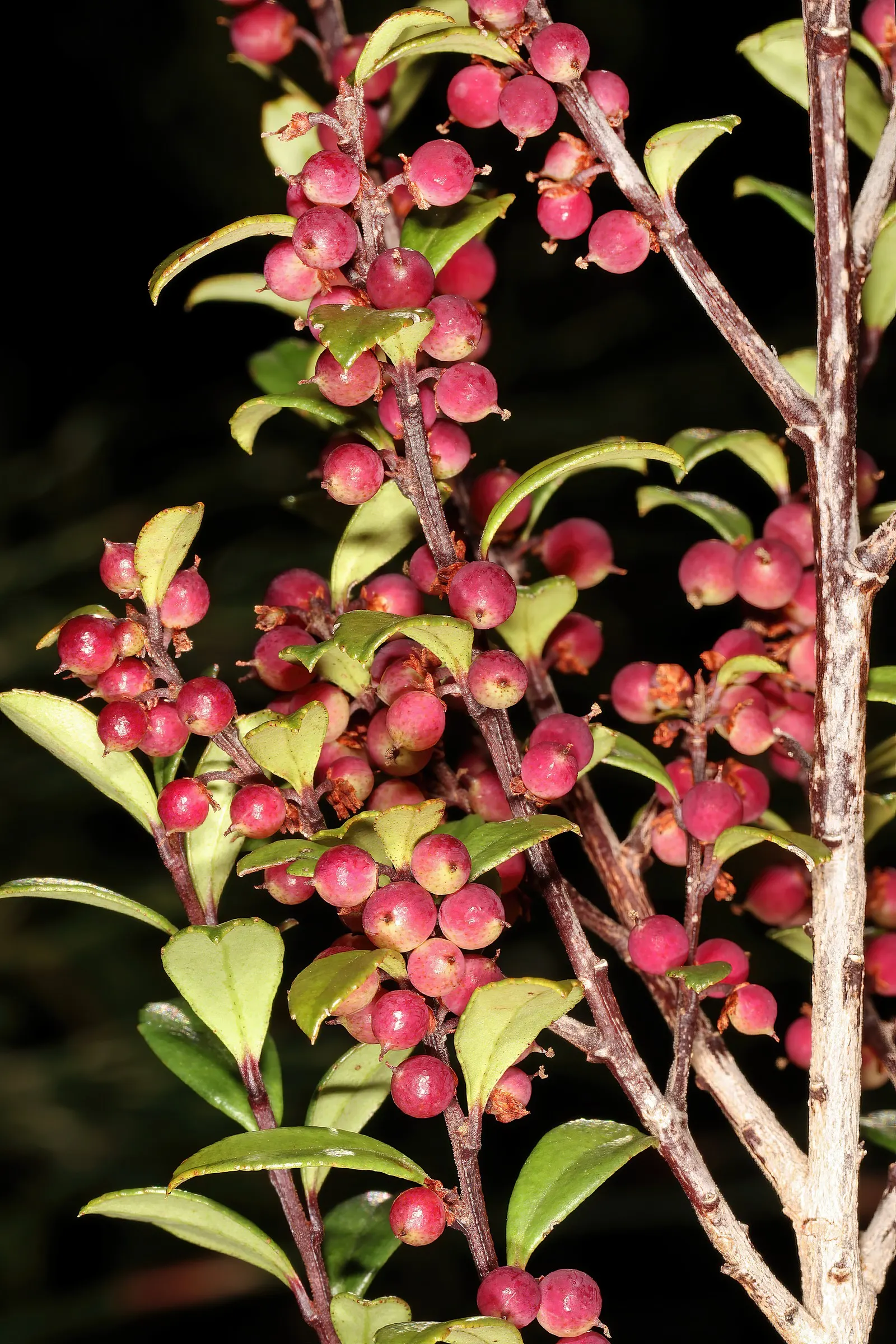
Wax Myrtle (Morella cerifera), a versatile evergreen shrub, reaches 6-12 ft in height with a similar spread, thriving in USDA zones 7-11. It features aromatic foliage and clusters of small bluish berries, offers year-round interest, and performs well in full sun to part shade. Tolerant of wet conditions and adaptable to pruning, this native plant is ideal for hedges, screens, and wildlife gardens, attracting birds and beneficial insects.

Sun Full, HalfWater LowZones 7–10Climate Mediterranean
Wax Myrtle (Morella Cerifera) — a versatile evergreen shrub

Culture

Sun
Full, Half
Water
Low
USDA zones
7–10

Shape & size

Mature height
6–12 Ft.
Mature width
6–12 Ft.

Classification

Family
Myricaceae
Climate
Mediterranean

See full data, regional cultivation notes, full-resolution photos, and design tools. Build a client presentation around this plant.

Start your 14-day trial

Photos (54)

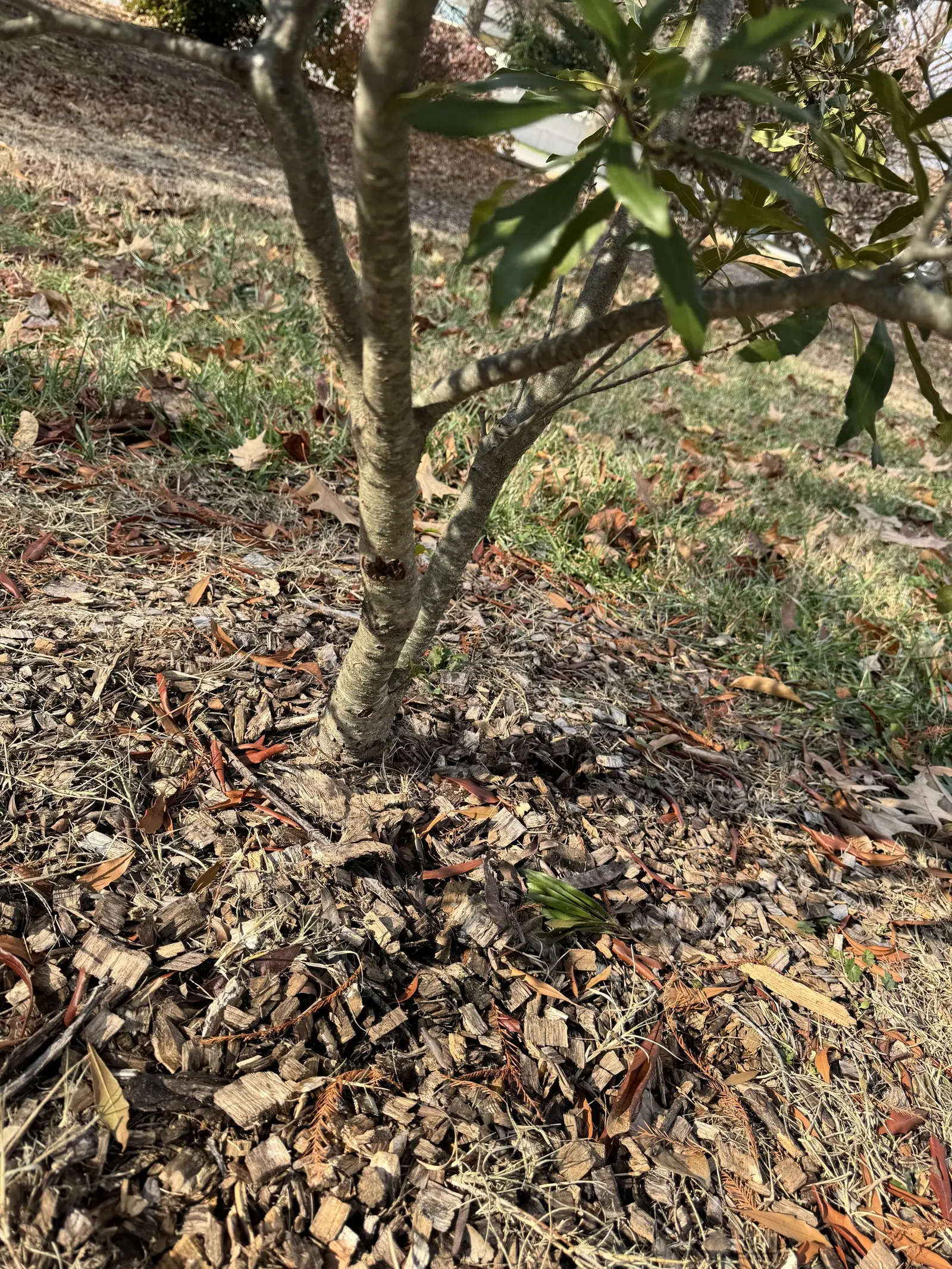
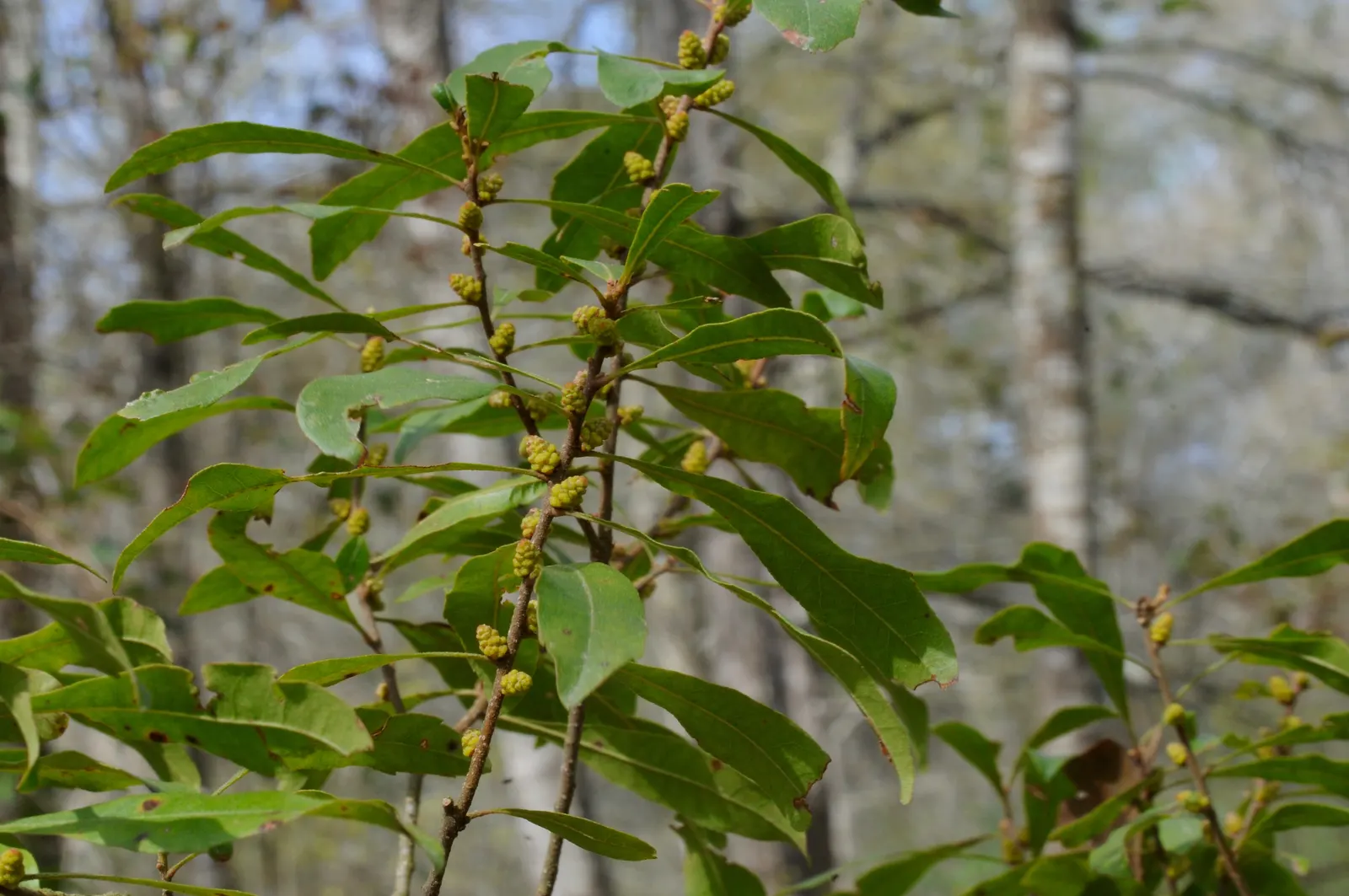
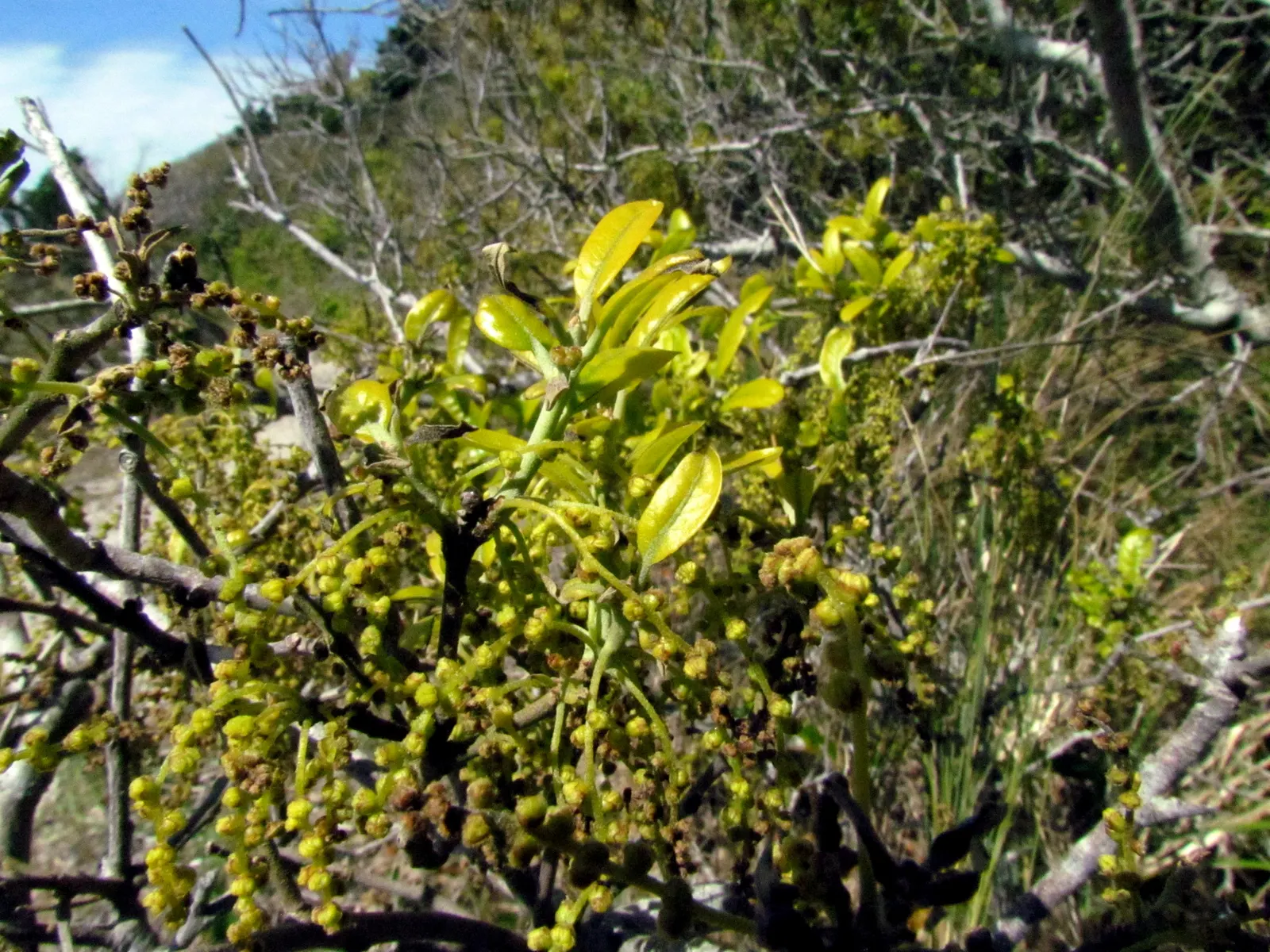
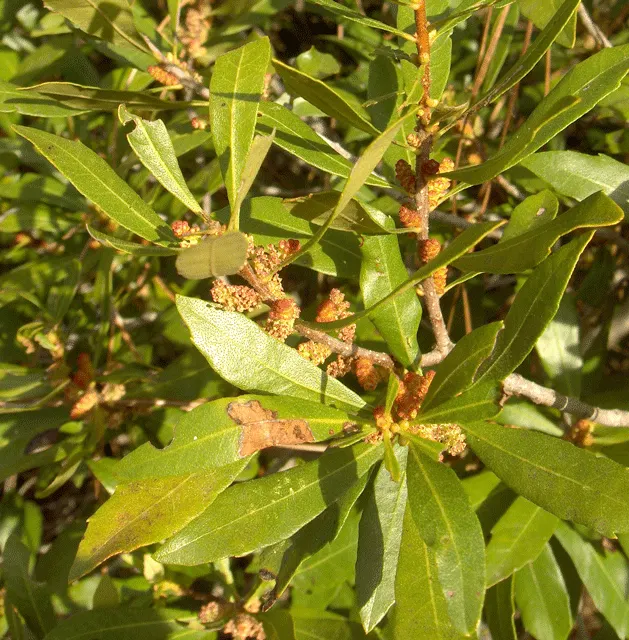
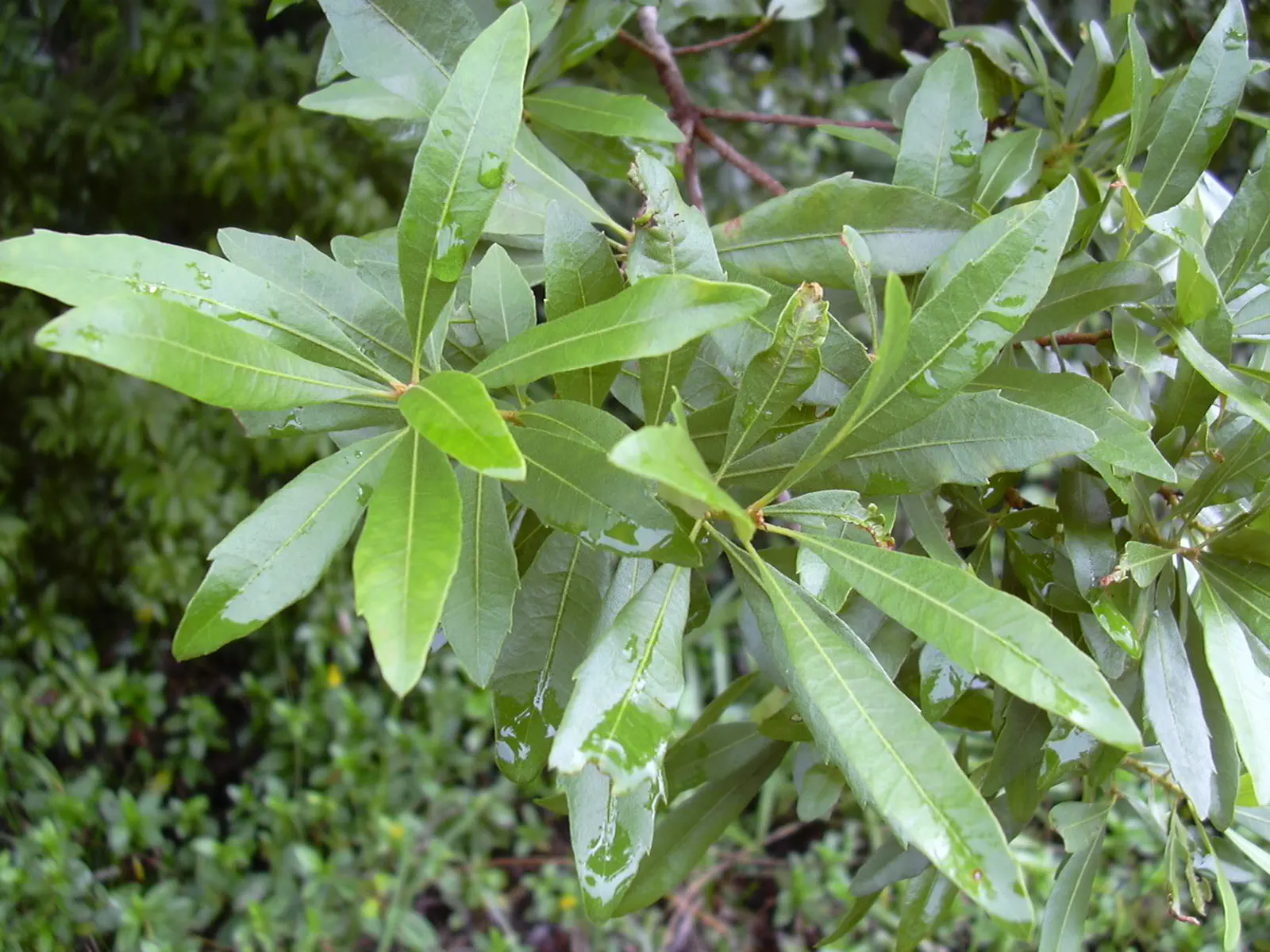
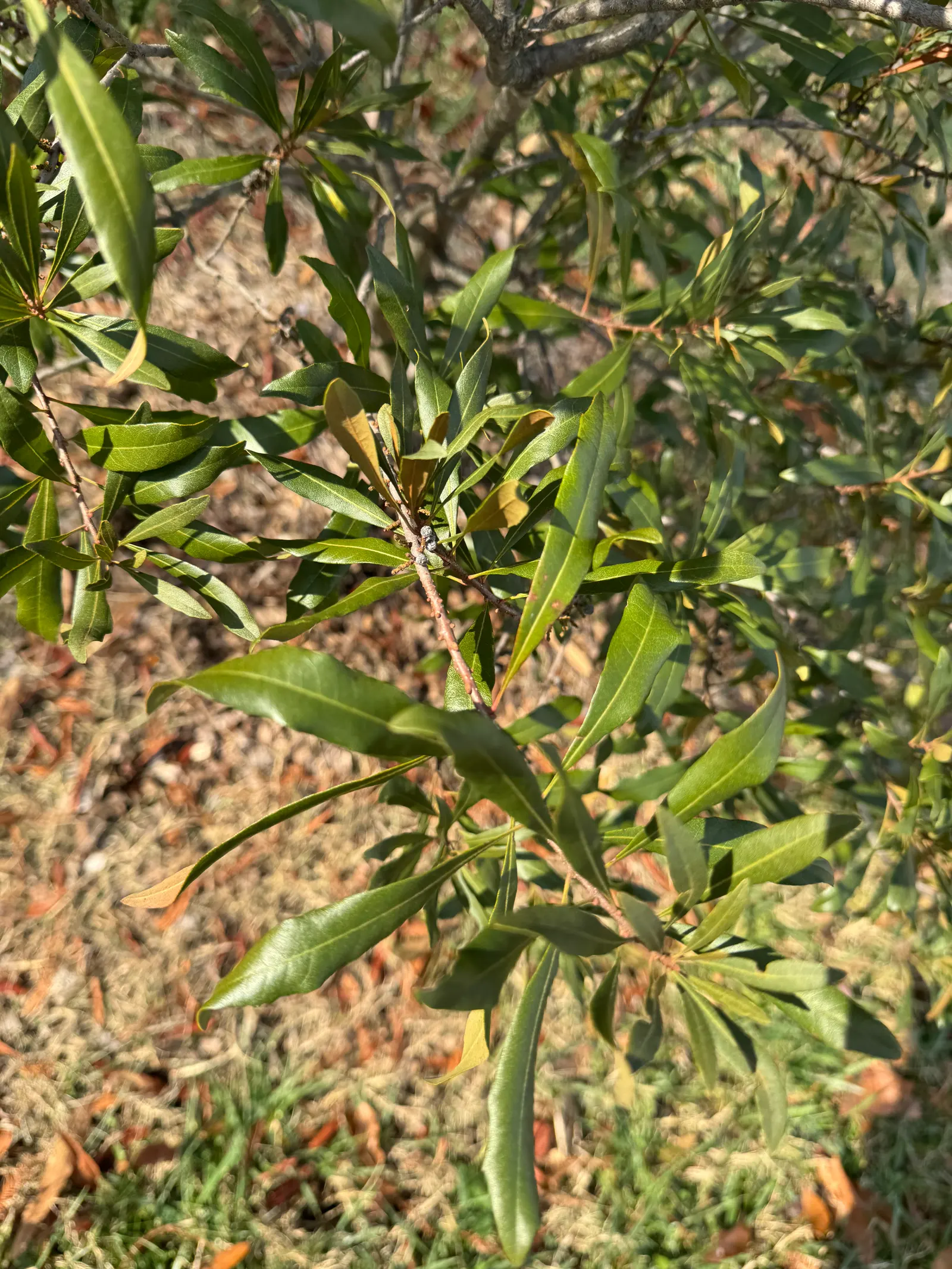
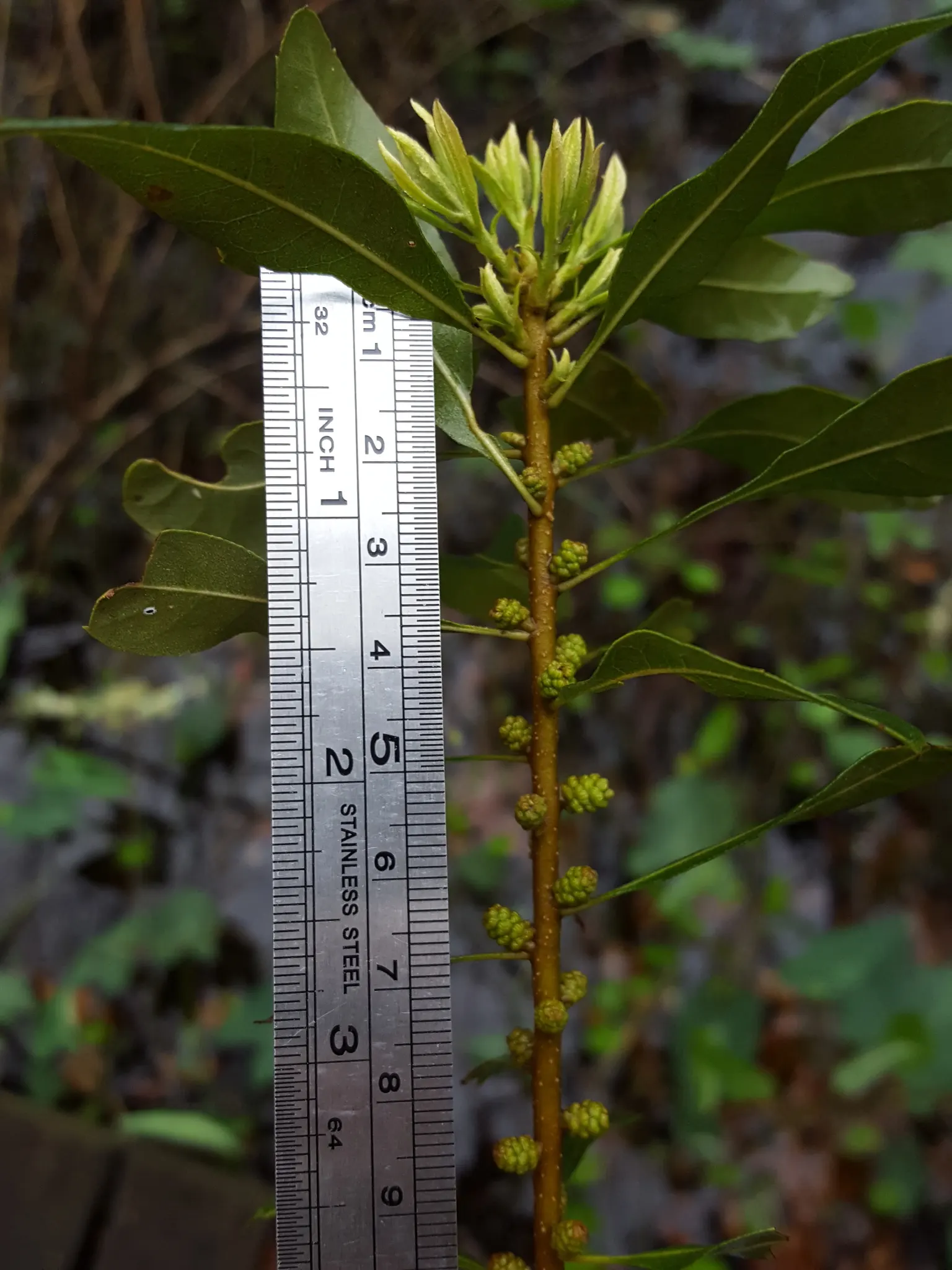
Wax Myrtle (Morella Cerifera) — shrub for full or half
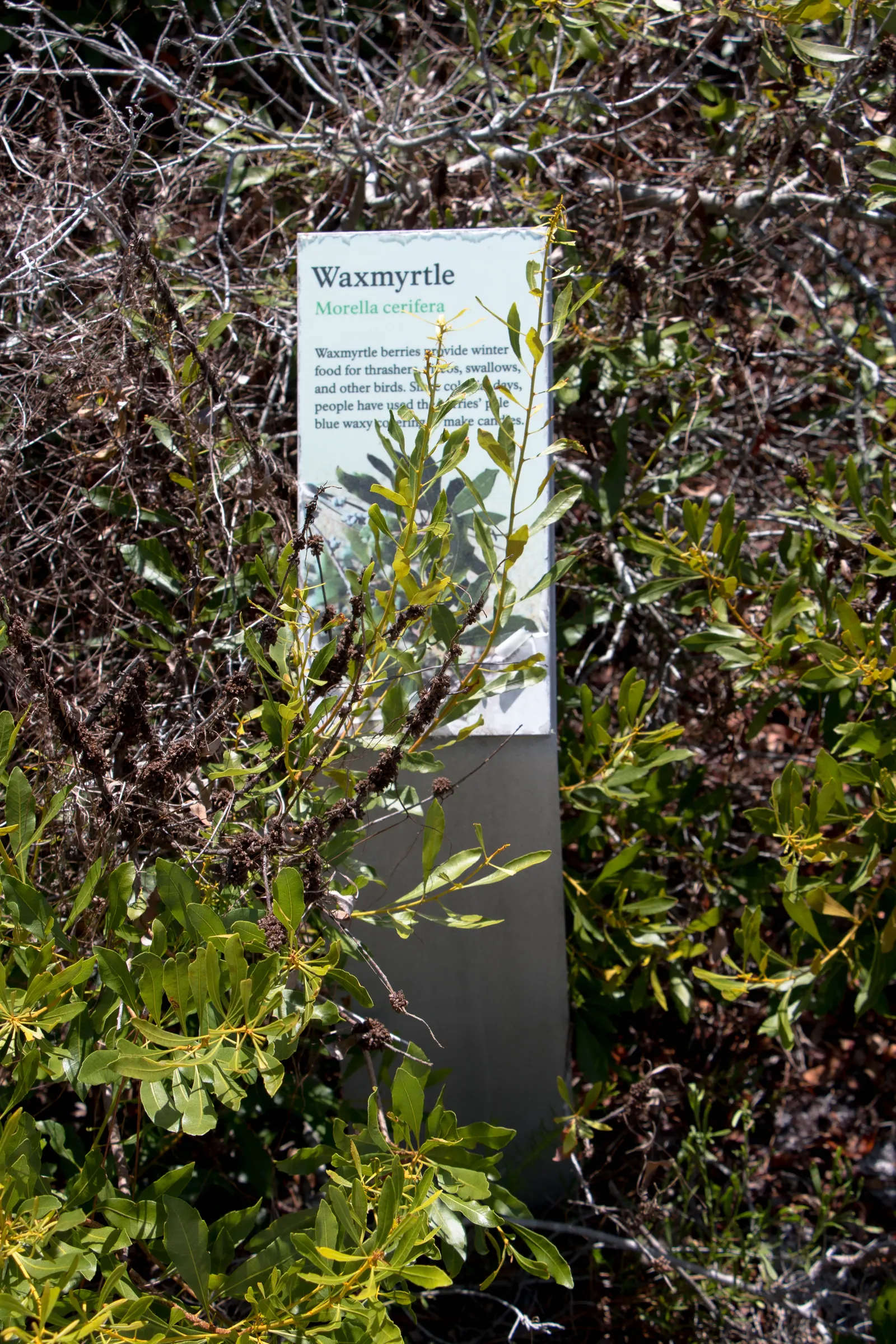
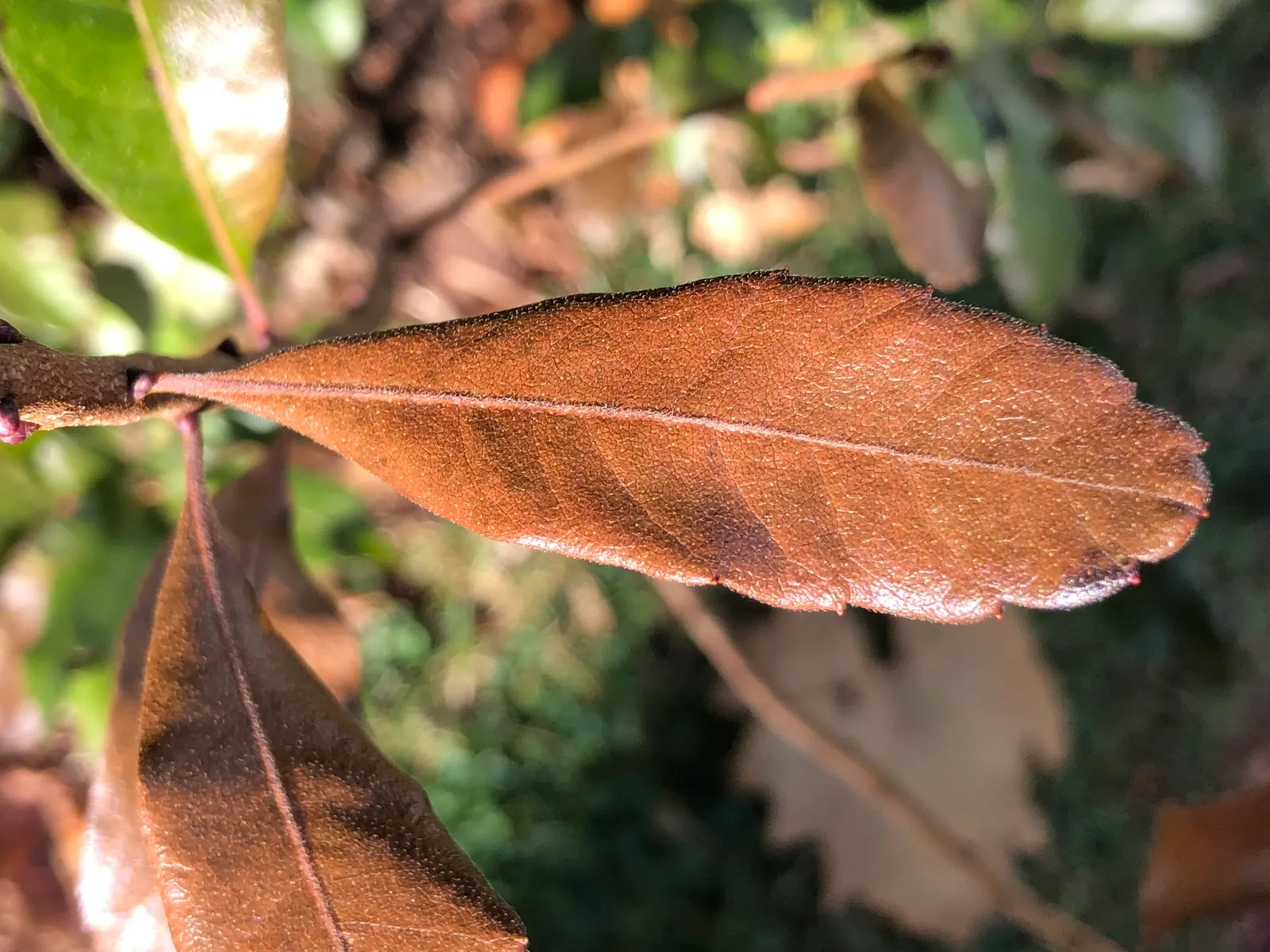
Wax Myrtle (Morella Cerifera) — and resistance to deer browsing make it an attractive choice for coastal landscapes
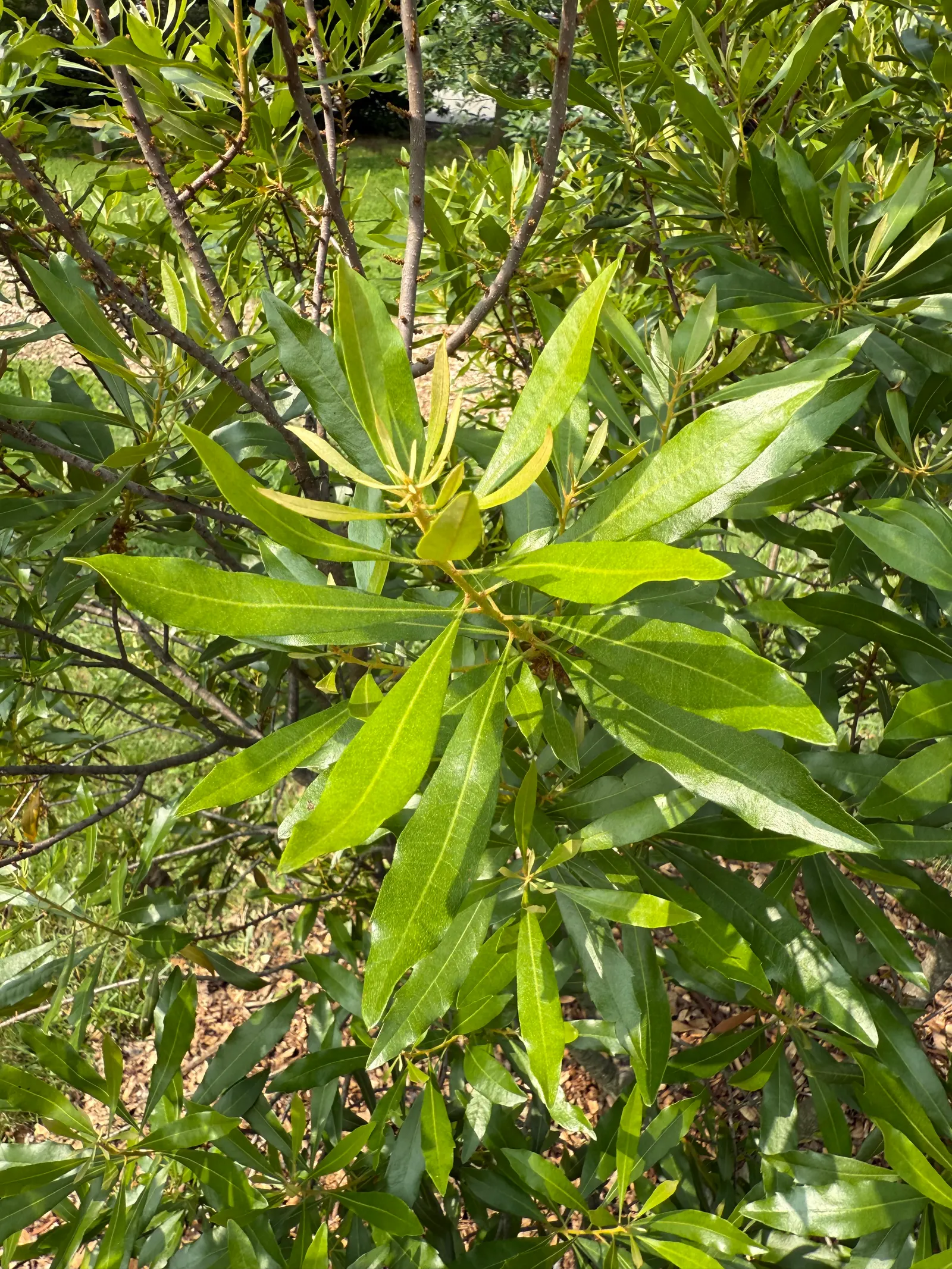
Wax Myrtle (Morella Cerifera) — It can withstand USDA Hardiness Zones 7 through 11, enduring temperatures as low as 0 to 10 degrees Fahrenheit
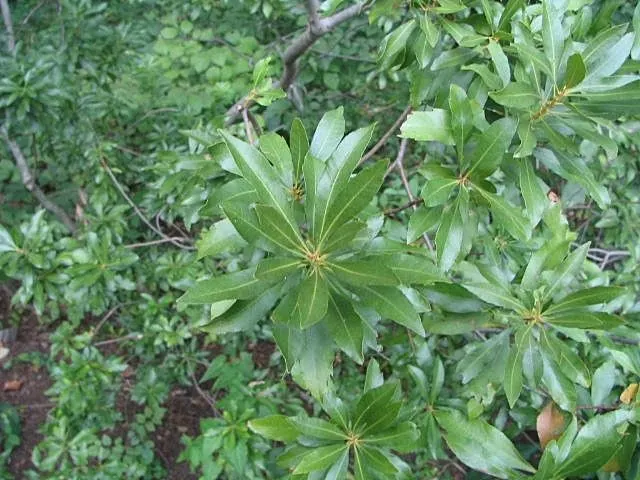
Wax Myrtle (Morella Cerifera) — It features aromatic foliage and clusters of small bluish berries; it can withstand USDA Hardiness Zones 7 through 11, enduring
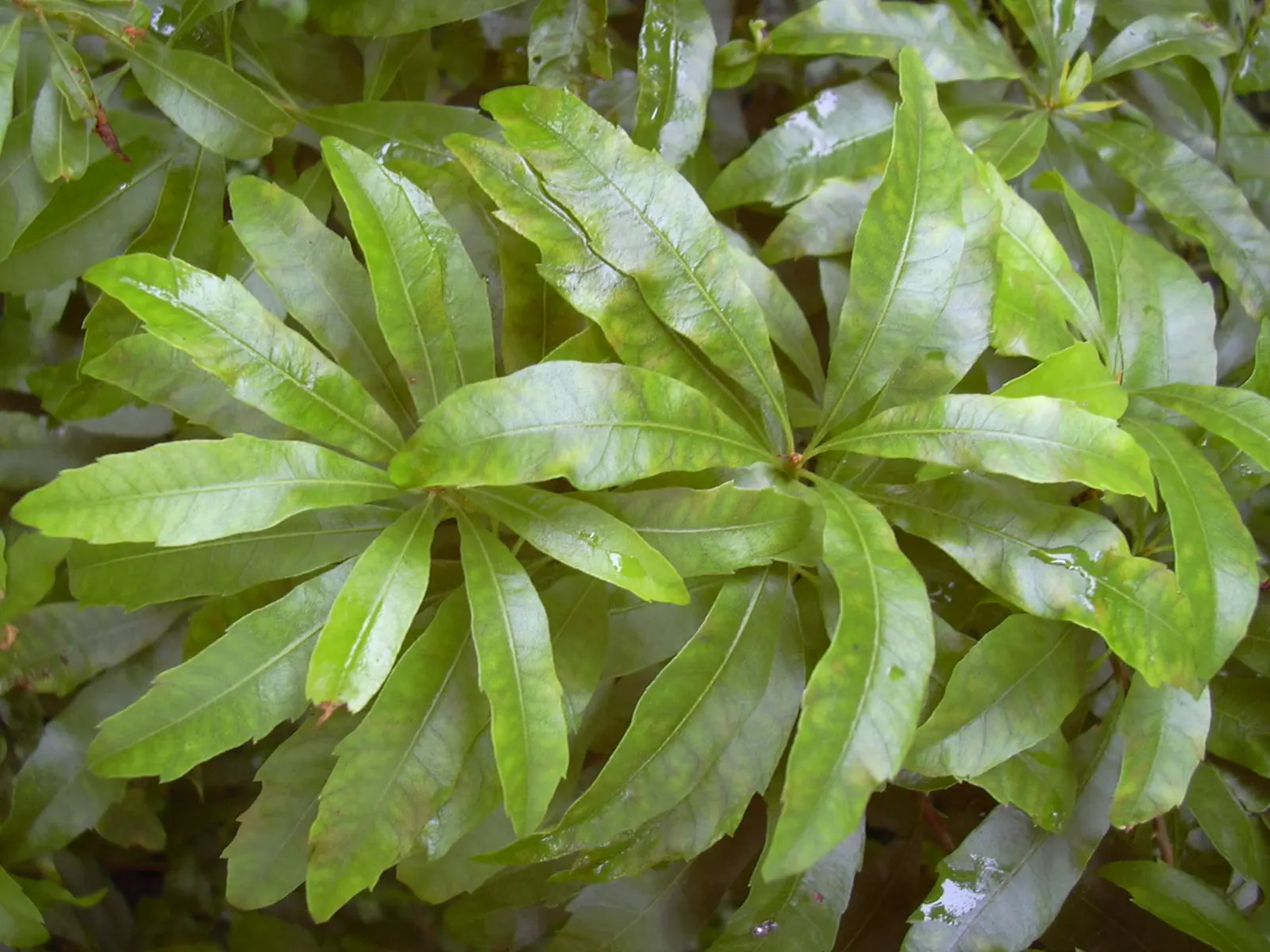
Wax Myrtle (Morella Cerifera) — thriving in USDA zones 7-11; and possess a noteworthy aromatic quality when crushed
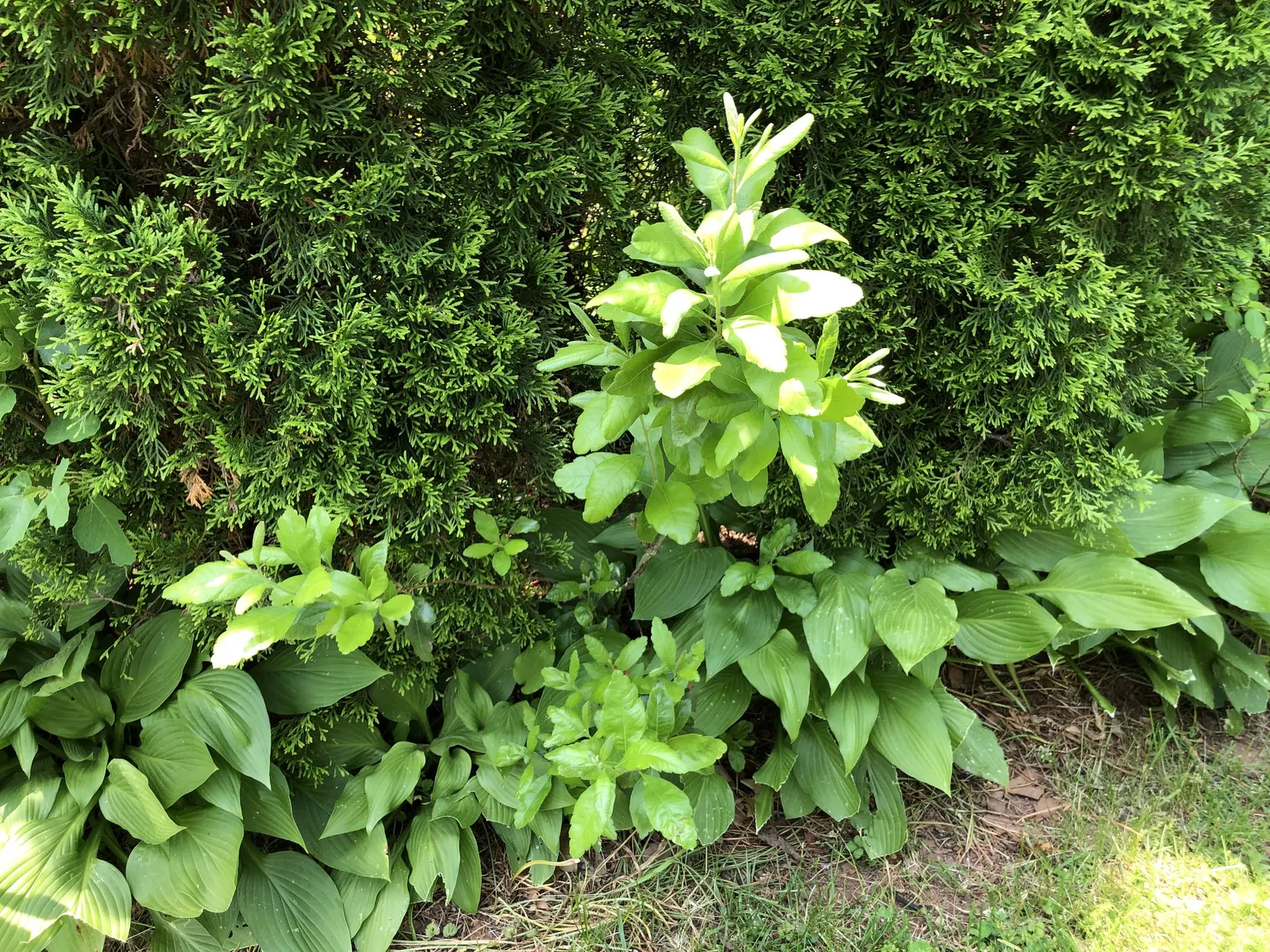
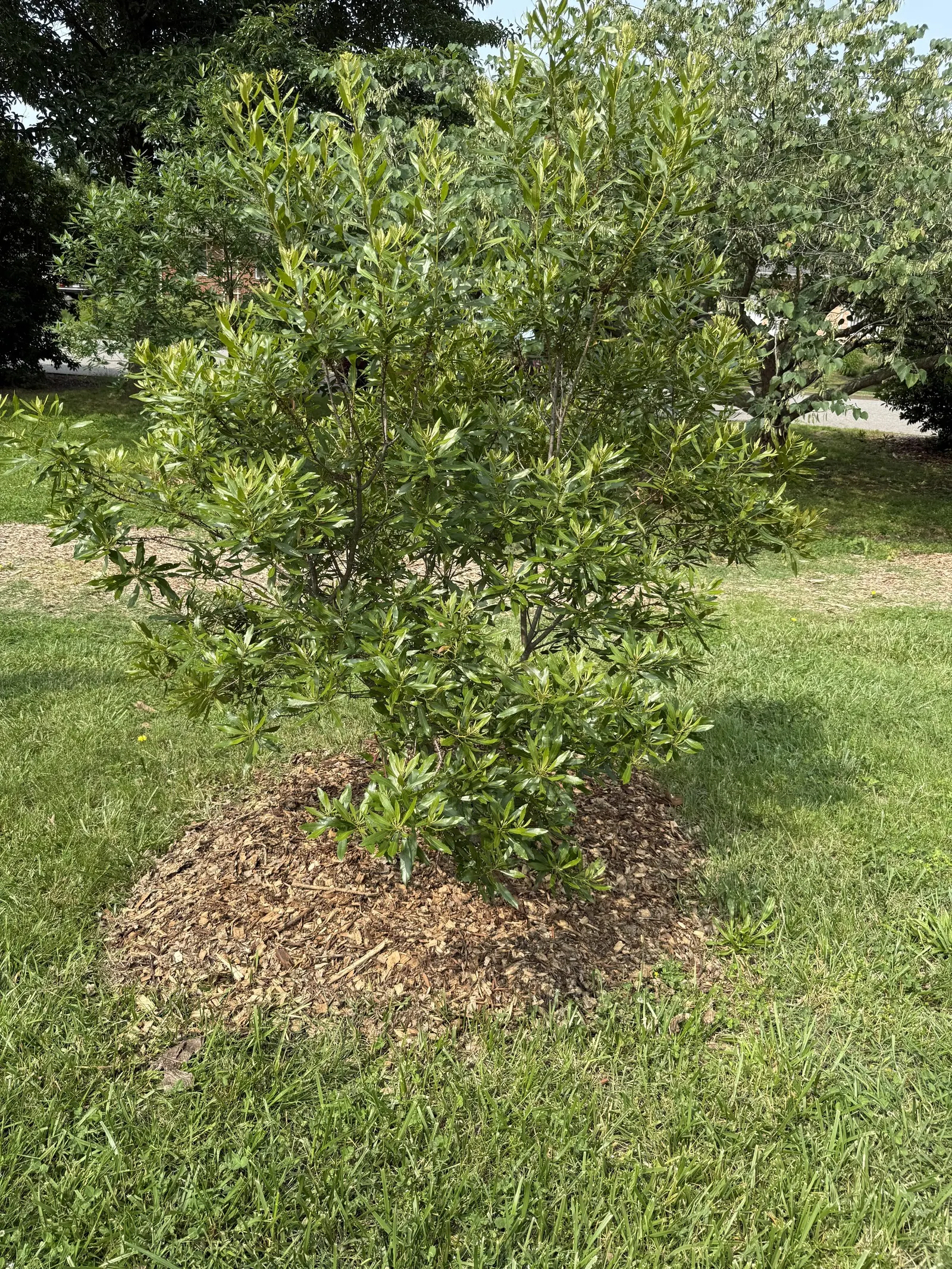
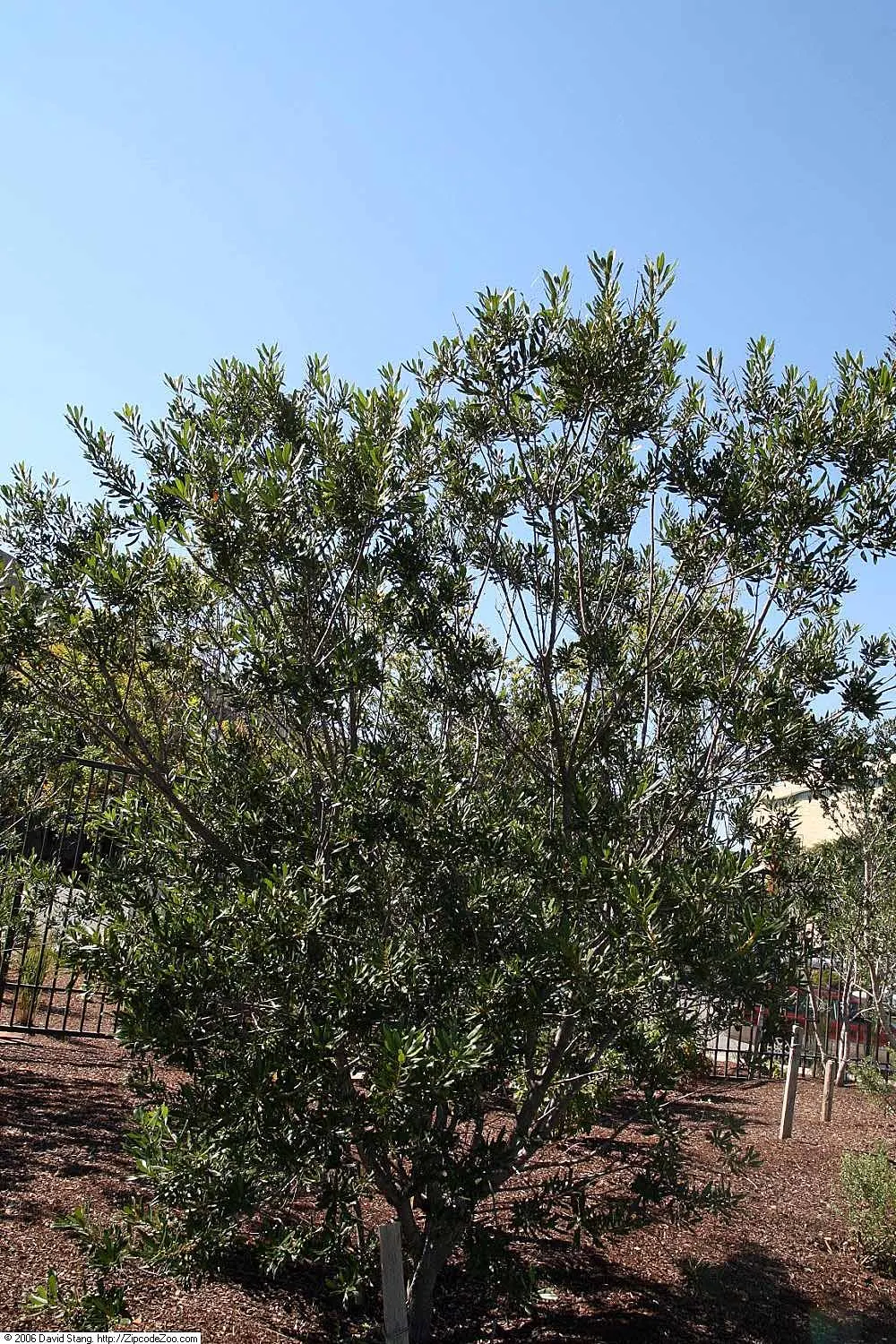
Wax Myrtle (Morella Cerifera) — reaches 6-12 ft in height with a similar spread; presents itself as an evergreen shrub
Wax Myrtle (Morella Cerifera) — this native plant is ideal for hedges; a versatile evergreen shrub
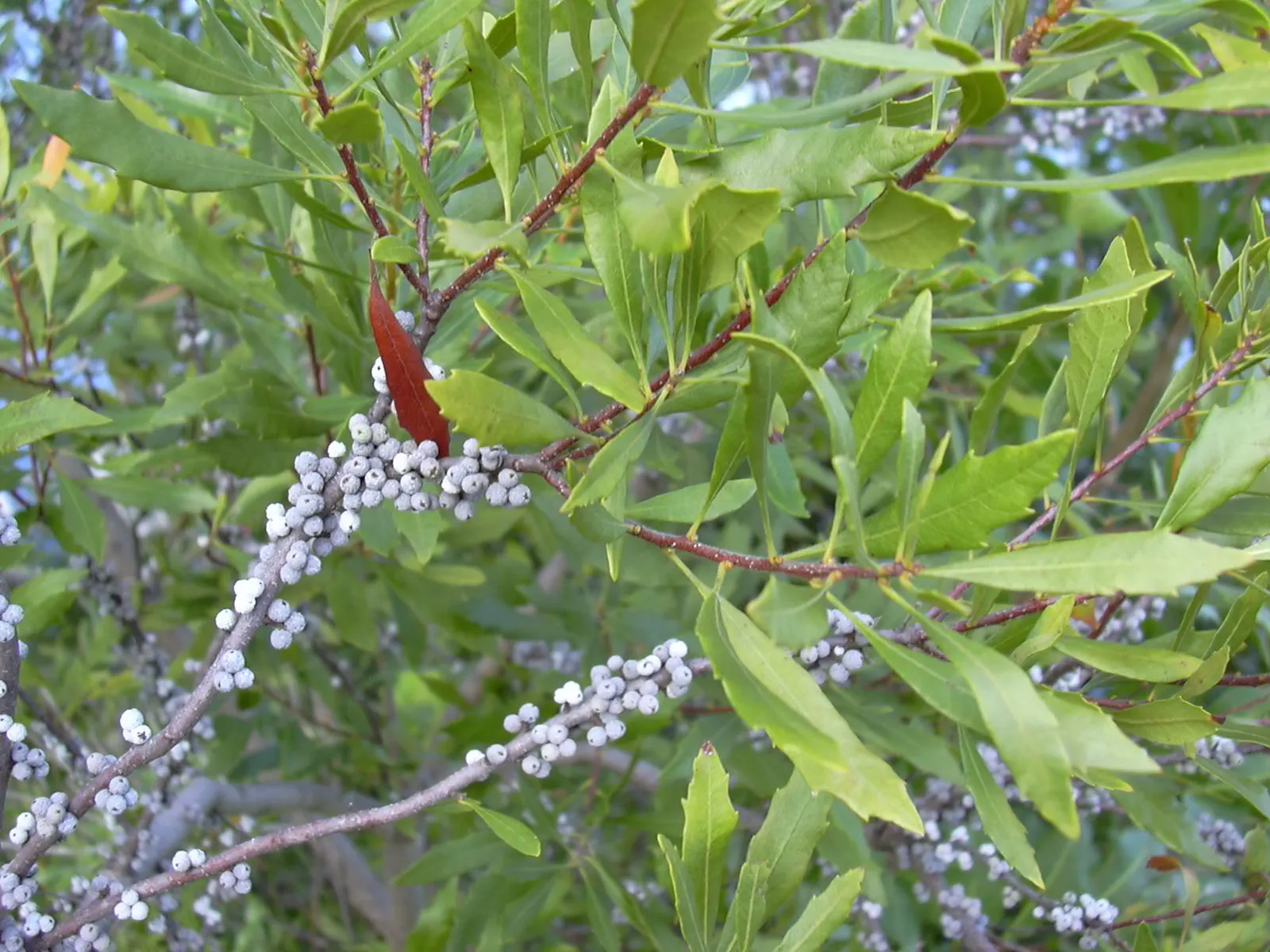
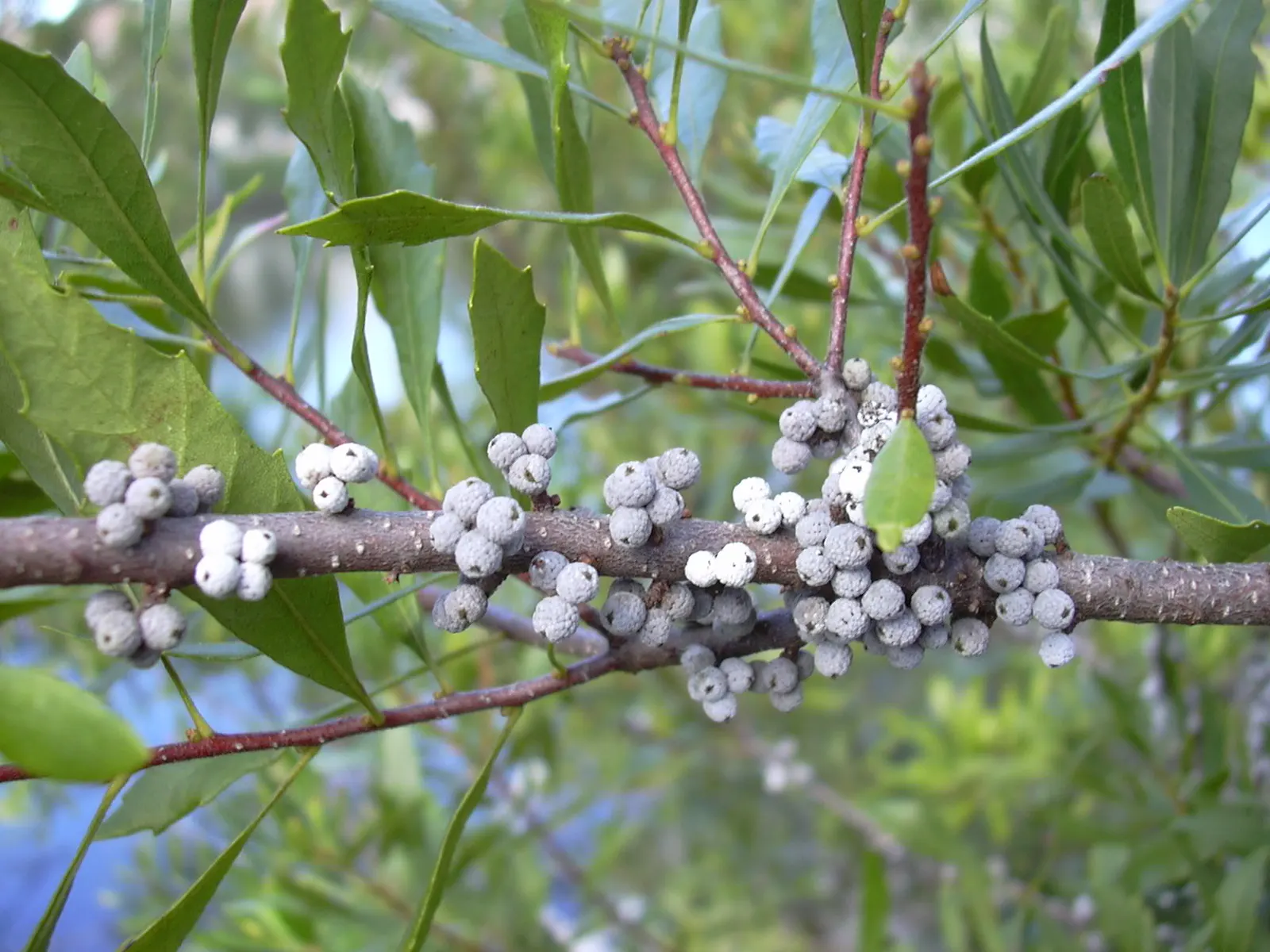
Wax Myrtle (Morella Cerifera) — Tolerant of wet conditions and adaptable to pruning; later developing into clusters of bluish-grey
Wax Myrtle (Morella Cerifera) — offers year-round interest; and performs well in full sun to part shade
Wax Myrtle (Morella Cerifera) — and performs well in full sun to part shade; native to the coastal regions and wetlands of the southeastern United States
Wax Myrtle (Morella Cerifera) — scientifically known as Morella cerifera (previously Myrica cerifera); wax Myrtle can be cultivated as a single specimen or
Wax Myrtle (Morella Cerifera) — attracting birds and beneficial insects; this native plant is ideal for hedges
Wax Myrtle (Morella Cerifera) — presents itself as an evergreen shrub; providing visual interest and food for wildlife
Wax Myrtle (Morella Cerifera) — Native to the coastal regions and wetlands of the southeastern United States; scientifically known as Morella cerifera
Wax Myrtle (Morella Cerifera) — an asset to any landscape design seeking year-round foliage and fragrance; thriving in USDA zones 7-11
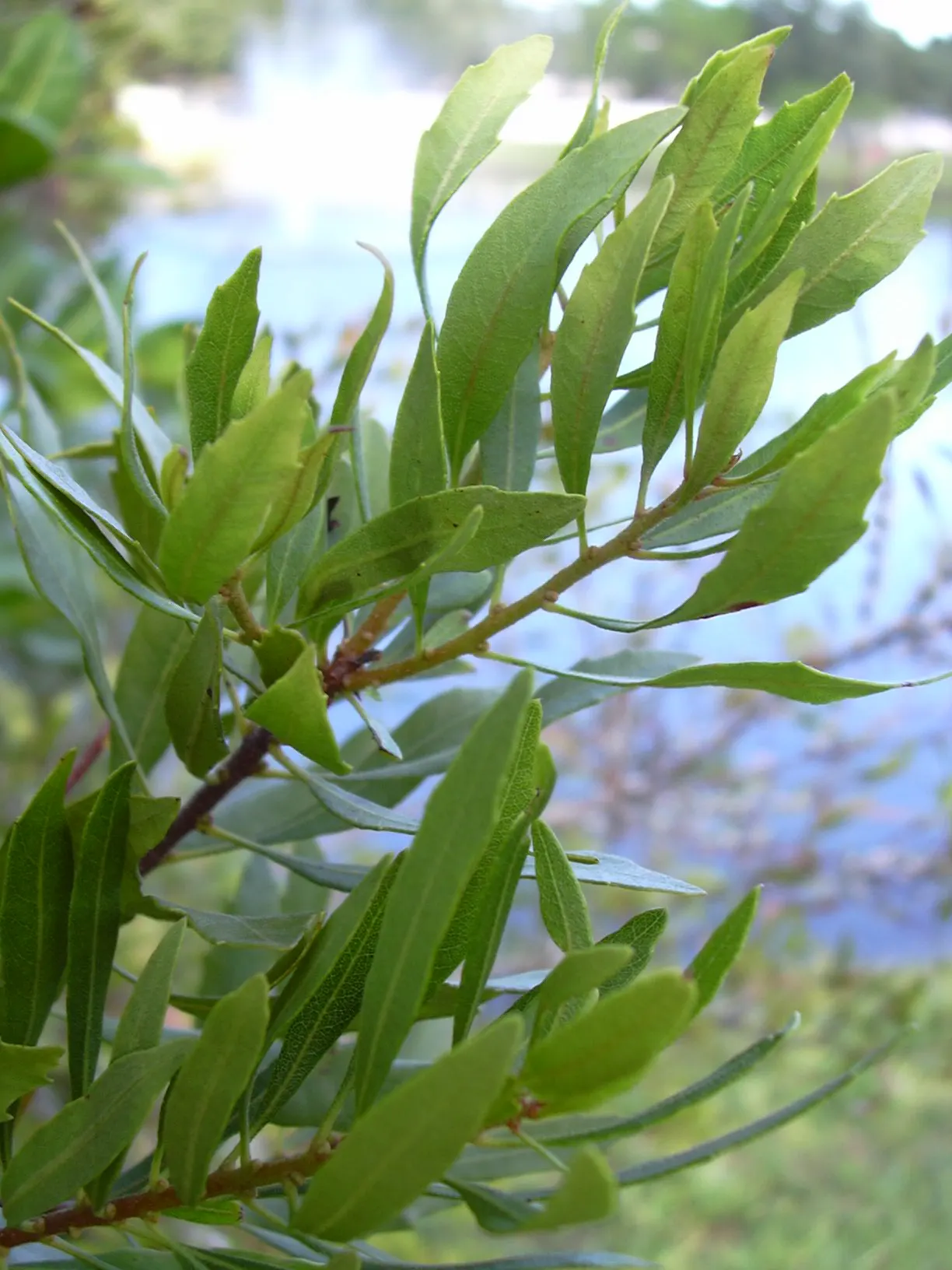
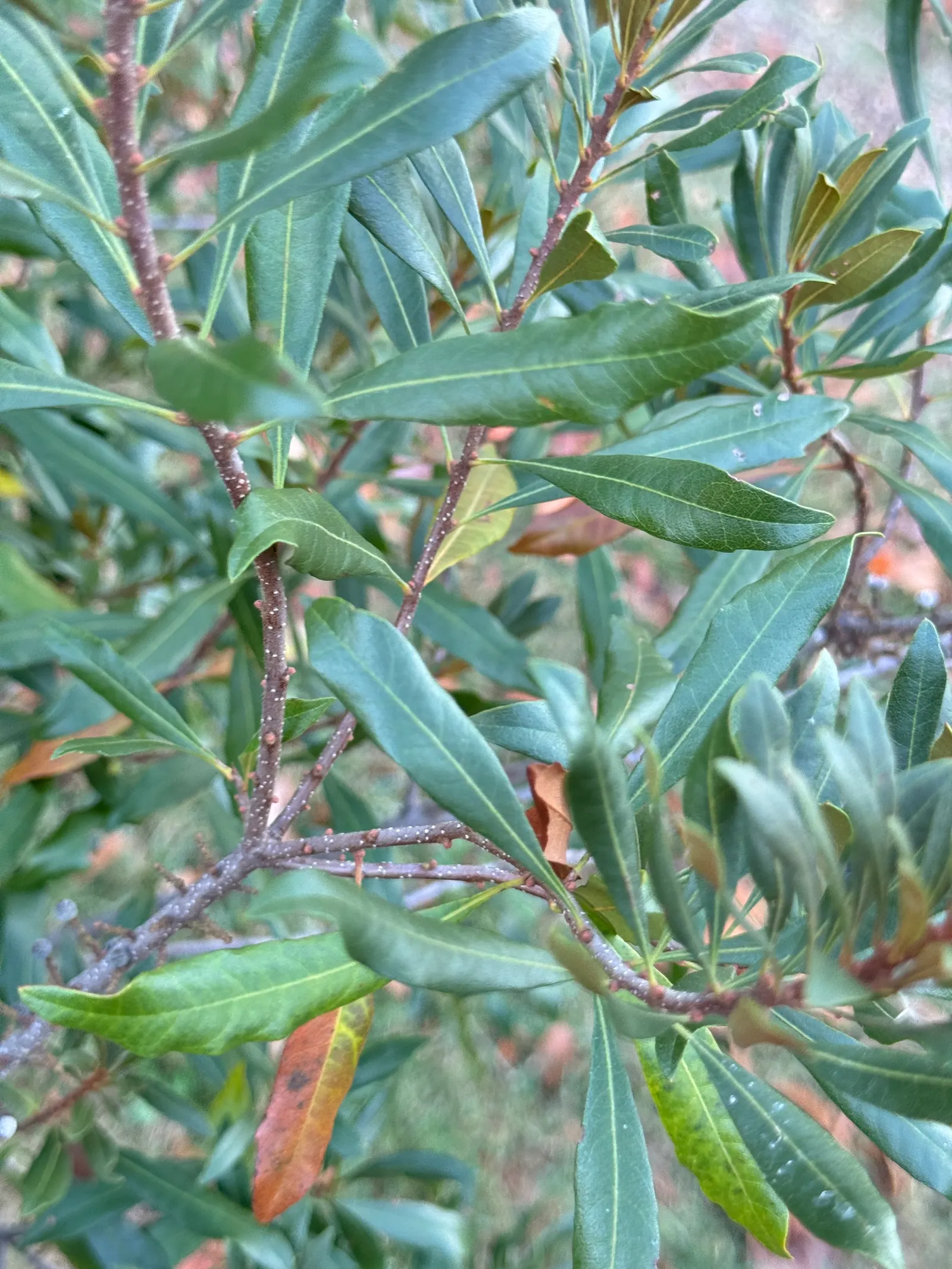
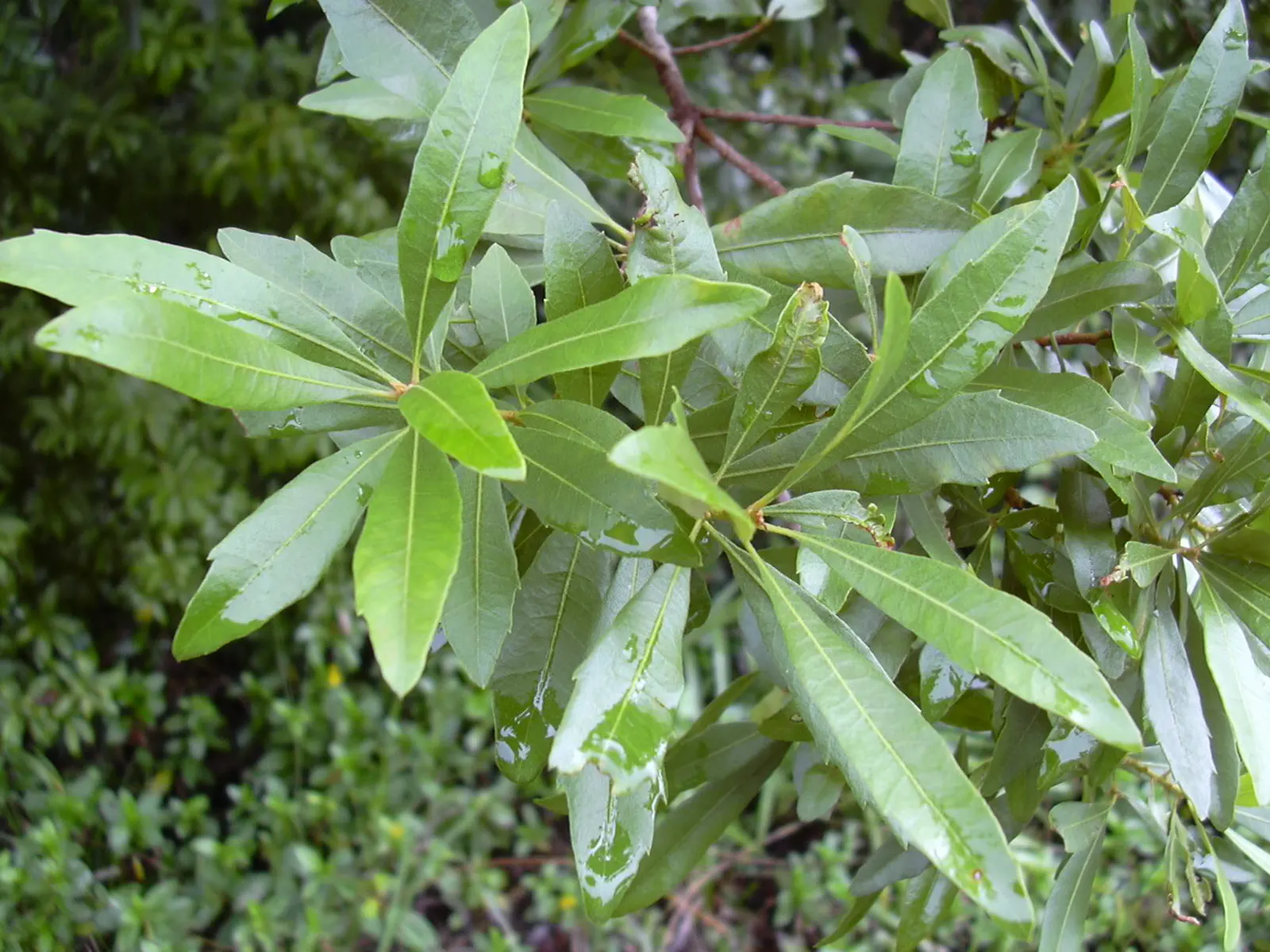
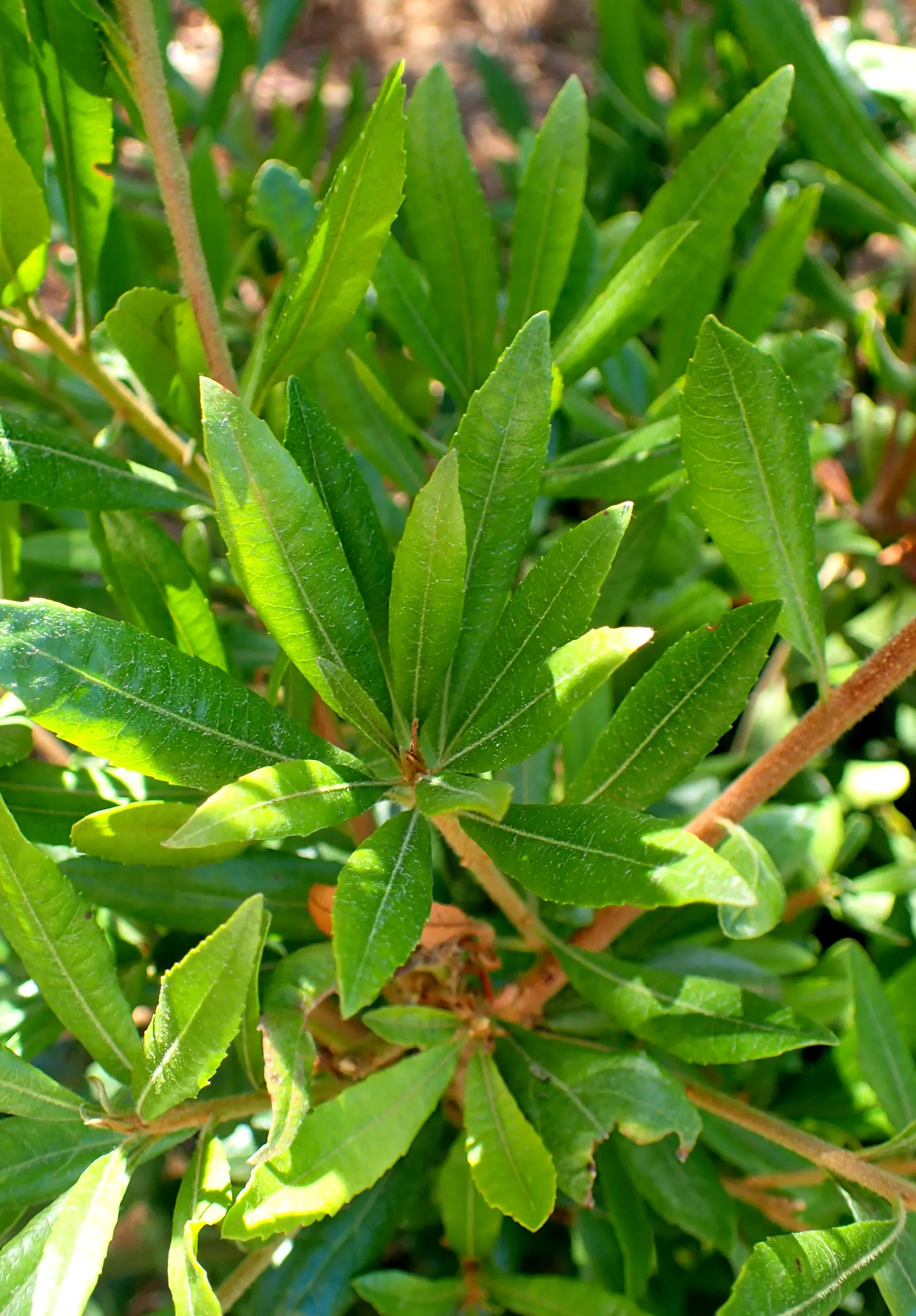
Wax Myrtle (Morella Cerifera) — this adaptable species can thrive in a variety of conditions; it's characterized by its olive-green leaves
Wax Myrtle (Morella Cerifera) — Wax Myrtle can be cultivated as a single specimen or shaped into an ornamental hedge; and resistance to deer browsing make it
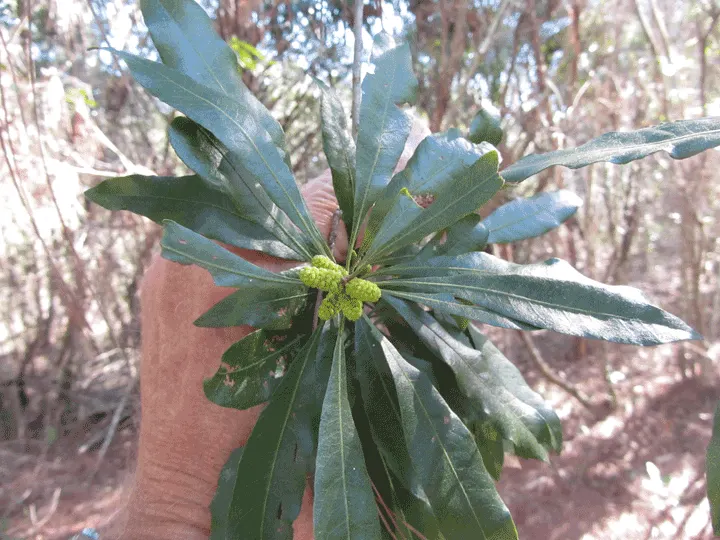
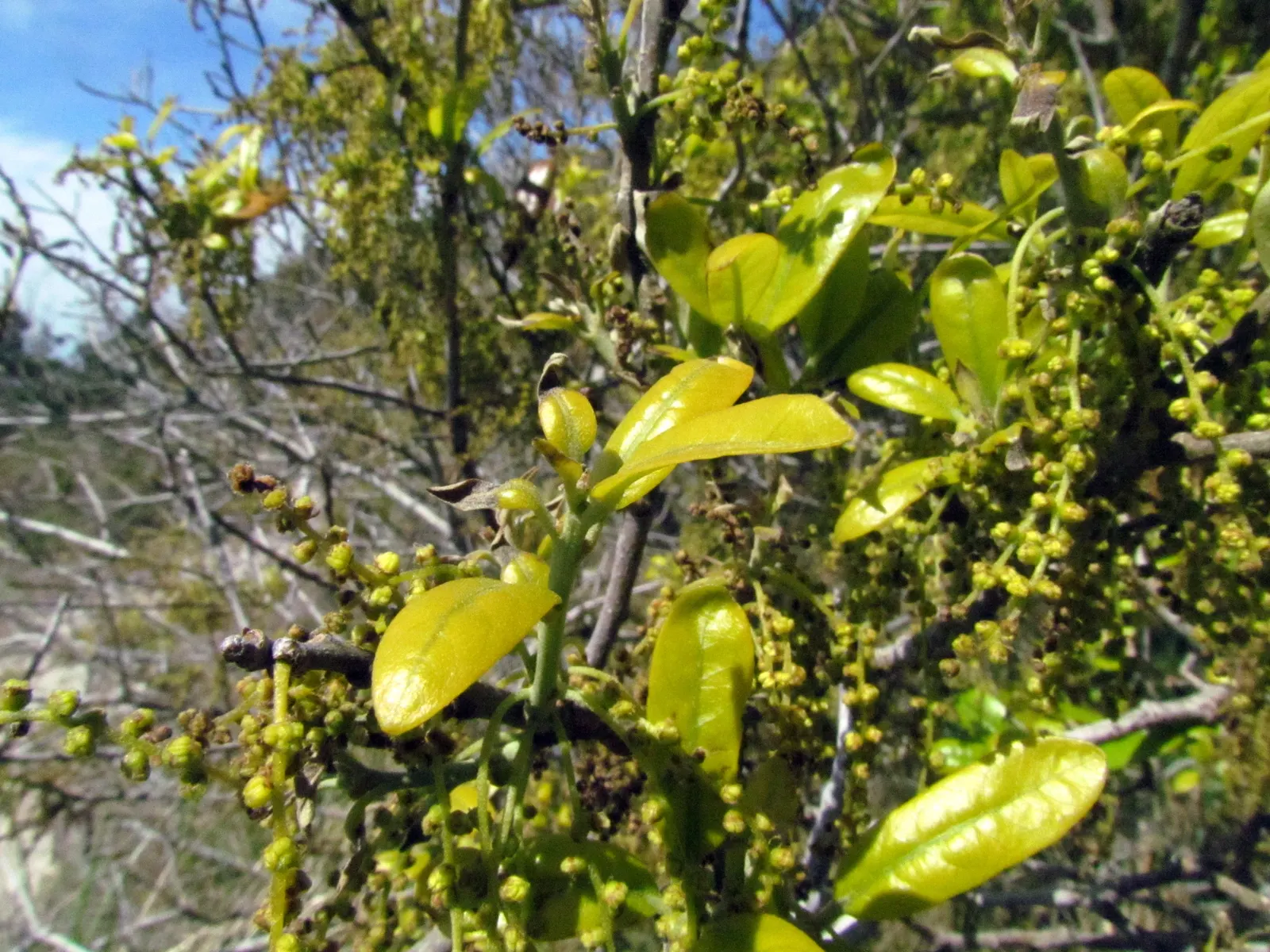
Wax Myrtle (Morella Cerifera) — and possess a noteworthy aromatic quality when crushed; spring brings forth inconspicuous small flowers
Wax Myrtle (Morella Cerifera) — It's characterized by its olive-green leaves; an asset to any landscape design seeking year-round foliage and fragrance
Wax Myrtle (Morella Cerifera) — given its moderate growth rate and dense; offers year-round interest
Wax Myrtle (Morella Cerifera) — waxy berries that persist through winter; this adaptable species can thrive in a variety of conditions
Wax Myrtle (Morella Cerifera) — Spring brings forth inconspicuous small flowers; shrub for full or half
Wax Myrtle (Morella Cerifera) — later developing into clusters of bluish-grey; tolerant of wet conditions and adaptable to pruning
Wax Myrtle (Morella Cerifera) — providing visual interest and food for wildlife; waxy berries that persist through winter

Related plants