Skip to content

Bayberry

Myrica Pensylvanica

Design with this plant

Overview

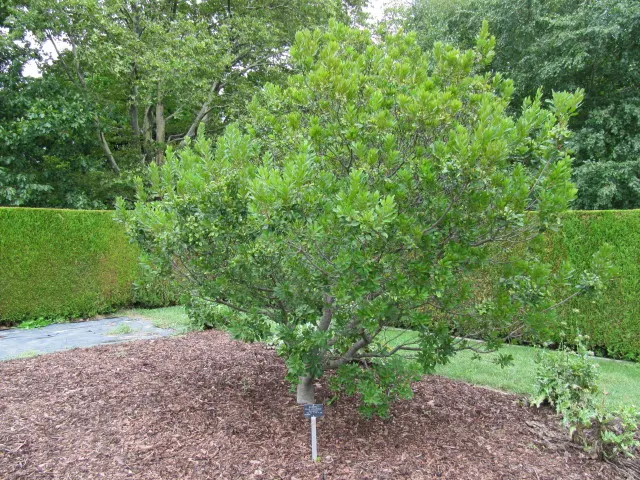
Myrica pensylvanica, commonly called Bayberry, is a hardy native shrub known for its aromatic foliage and waxy blue-gray berries. It reaches about 6-10 feet in height and spread, thriving in full sun to partial shade. Tolerant of sandy and poor soils, Bayberry is often used for naturalizing in coastal landscapes. The berries are a favorite among wildlife and can be used to make bayberry candles. USDA Zones 3-7.

Sun Full, HalfWater LowZones 7–10Type ShrubClimate Mediterranean

Culture

Sun
Full, Half
Water
Low
USDA zones
7–10

Shape & size

Mature height
5–6 Ft.

Classification

Type
Shrub
Family
Myricaceae
Climate
Mediterranean

See full data, regional cultivation notes, and design tools. Build a client presentation around this plant.

Start your 14-day trial

Photos (133)

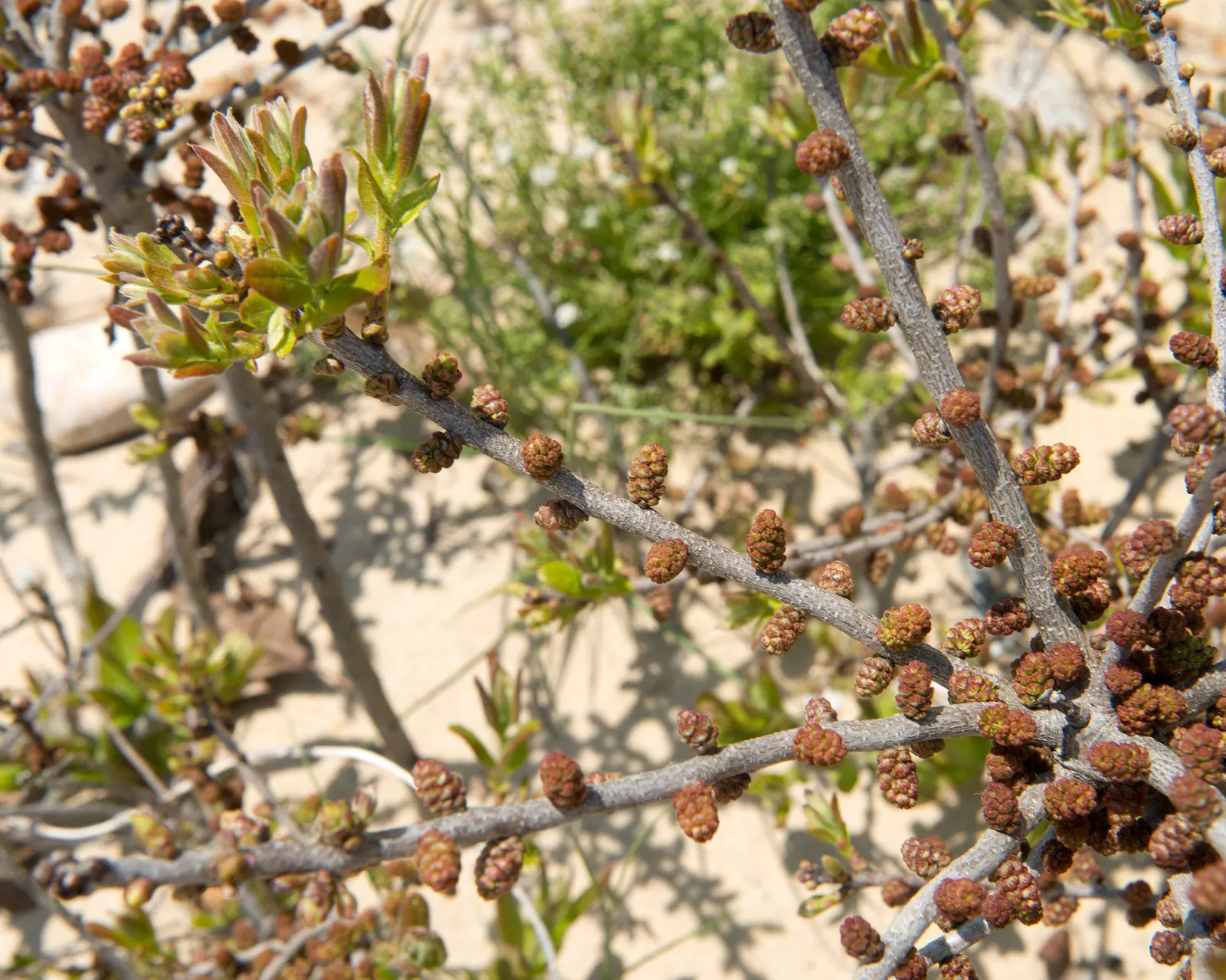
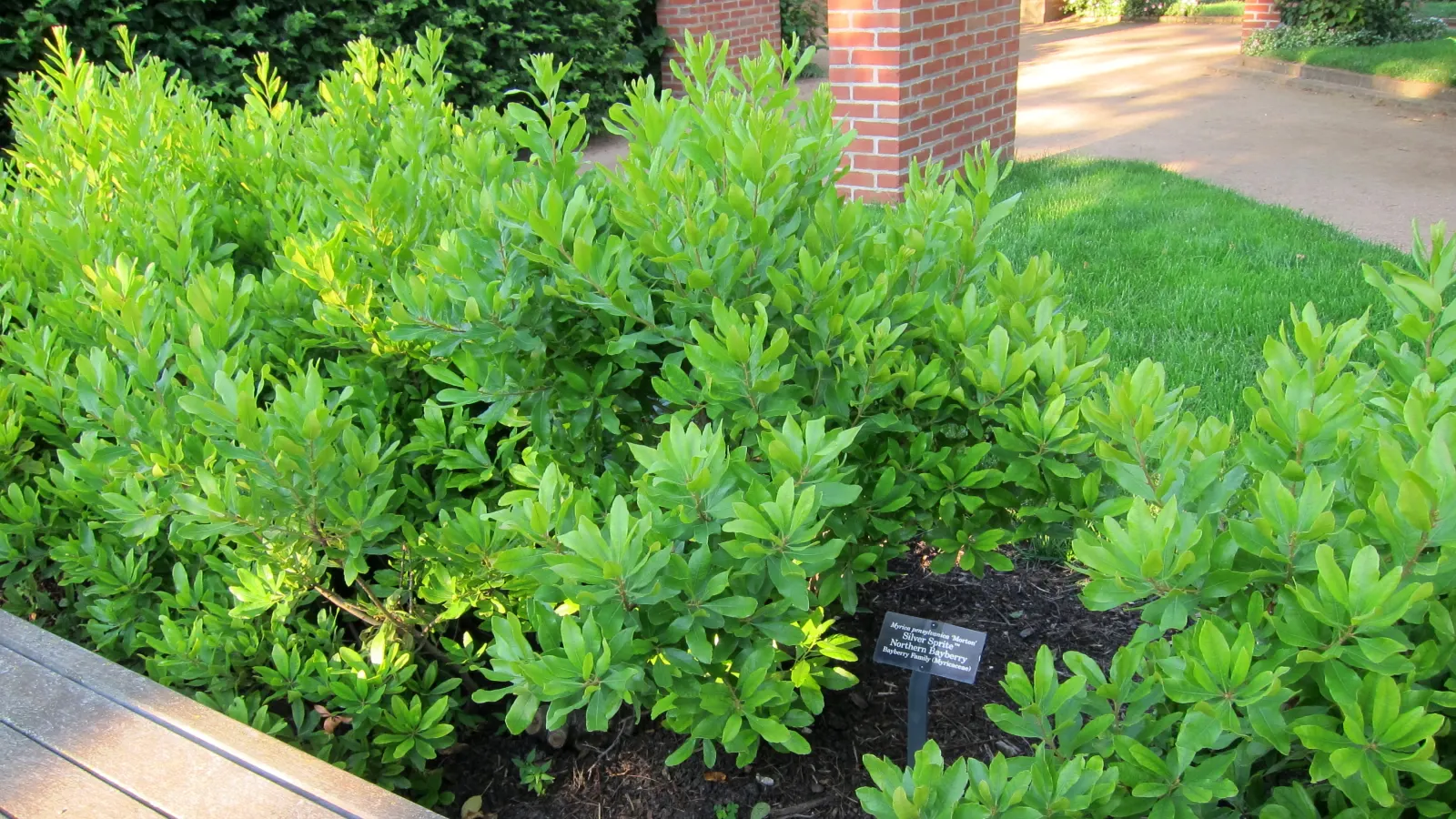
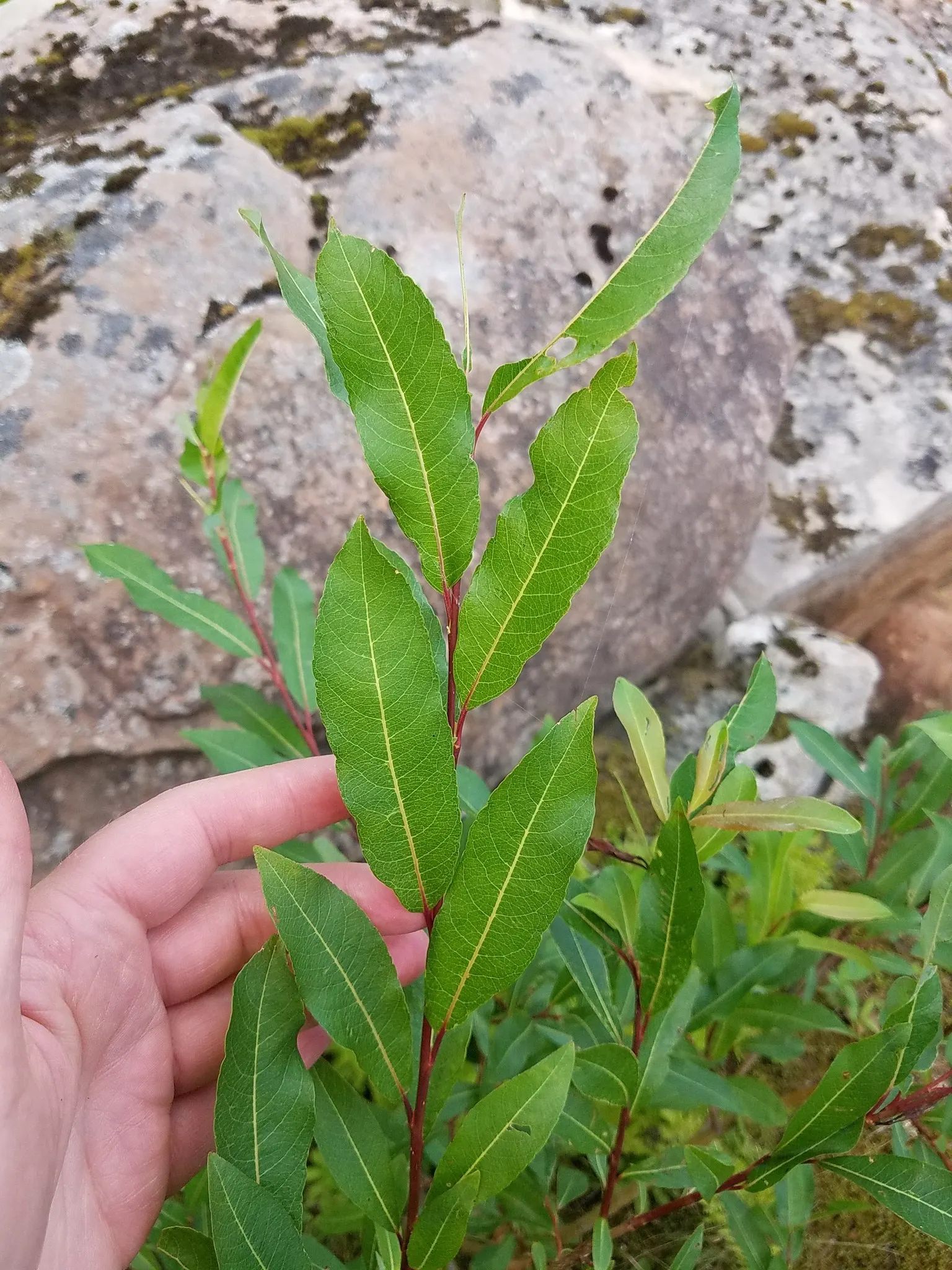
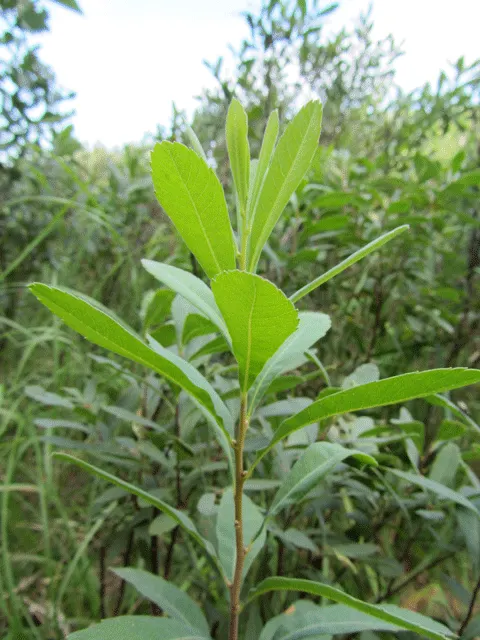
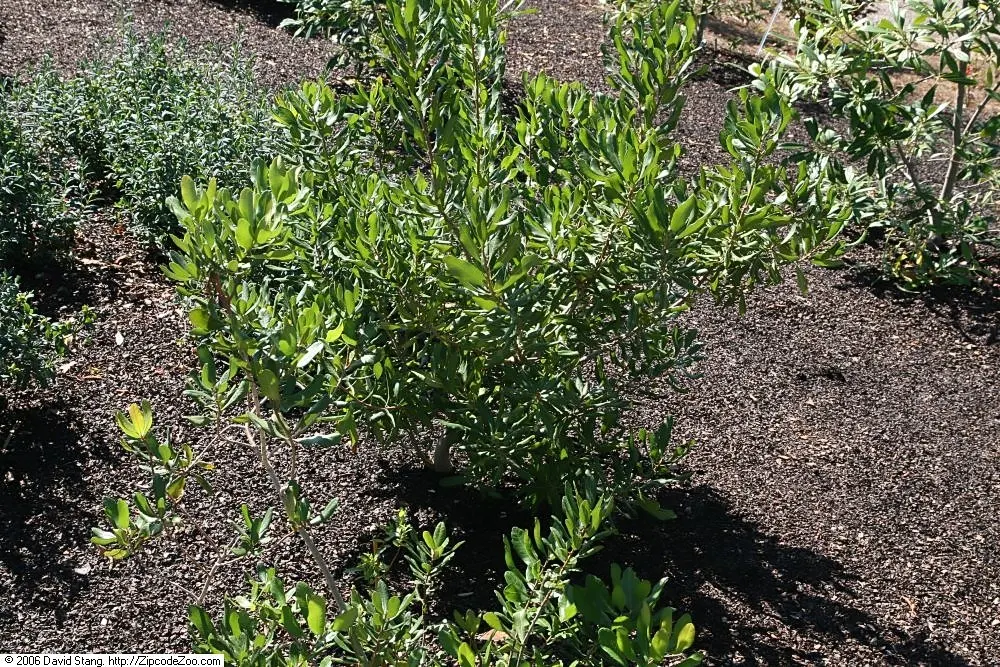
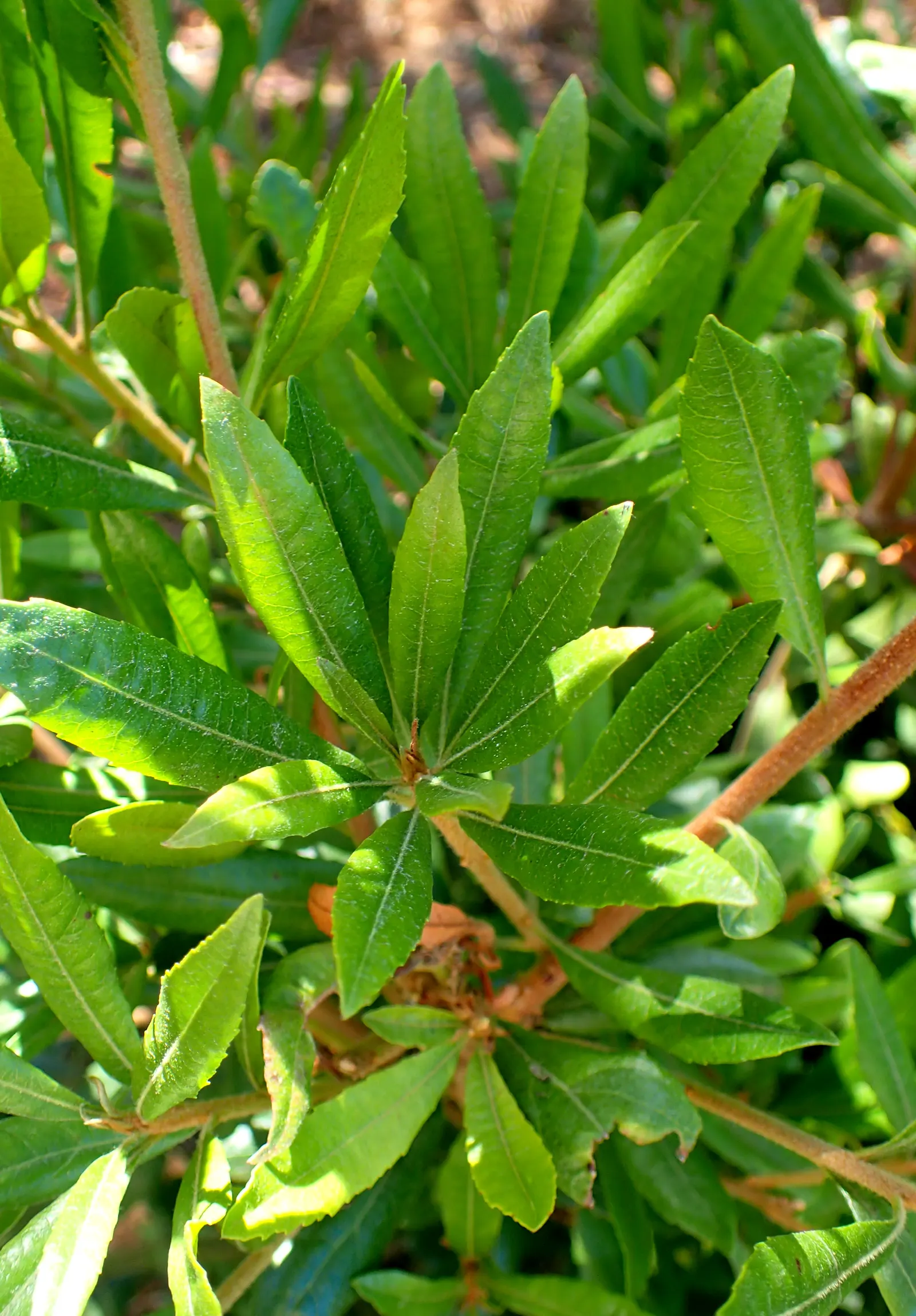
Bayberry (Myrica Pensylvanica) — plant Myrica pensylvanica in full sun to partial shade; in late spring to early summer, image 112
Bayberry (Myrica Pensylvanica) — In late spring to early summer; plant Myrica pensylvanica in full sun to partial shade
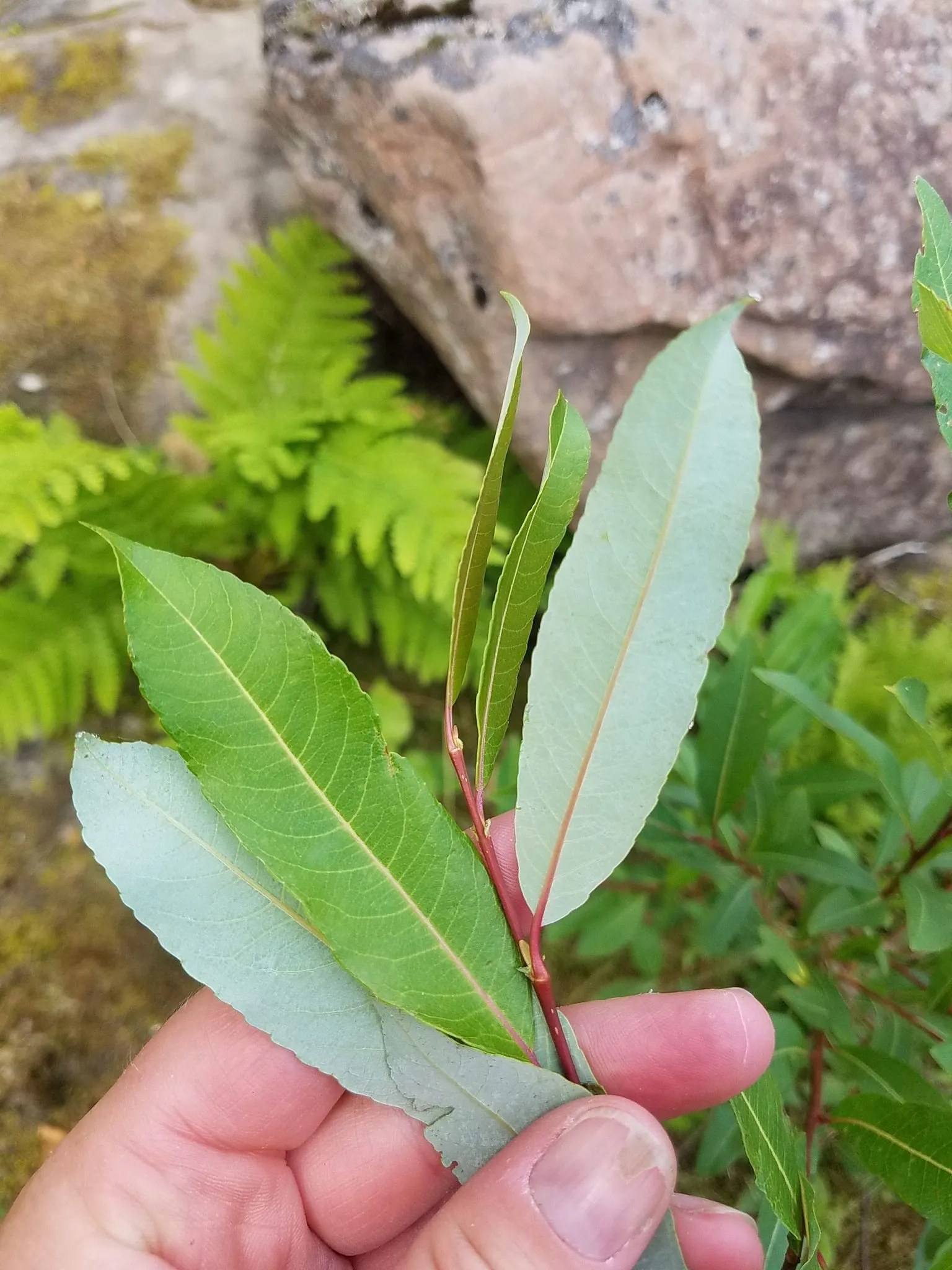
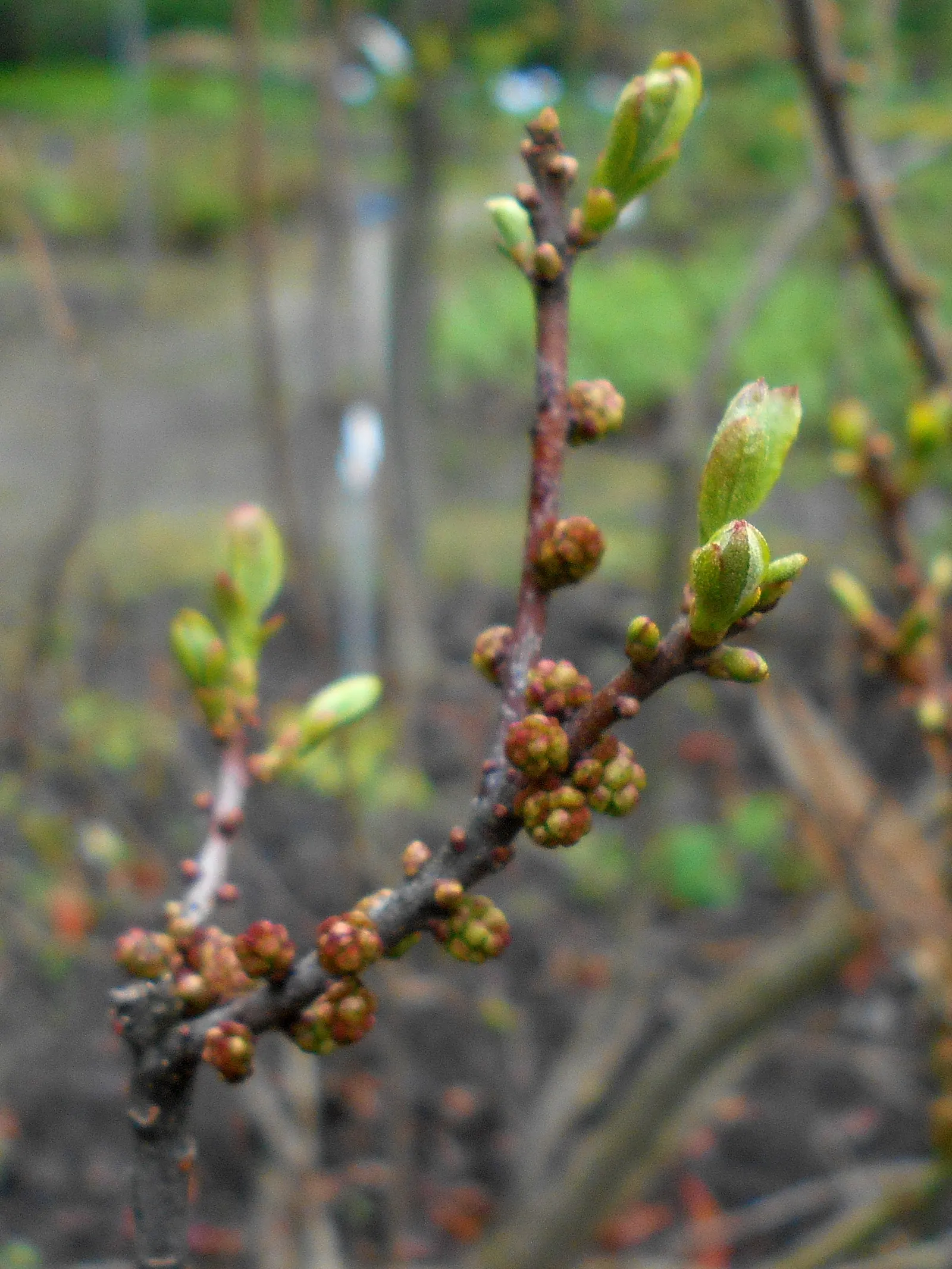
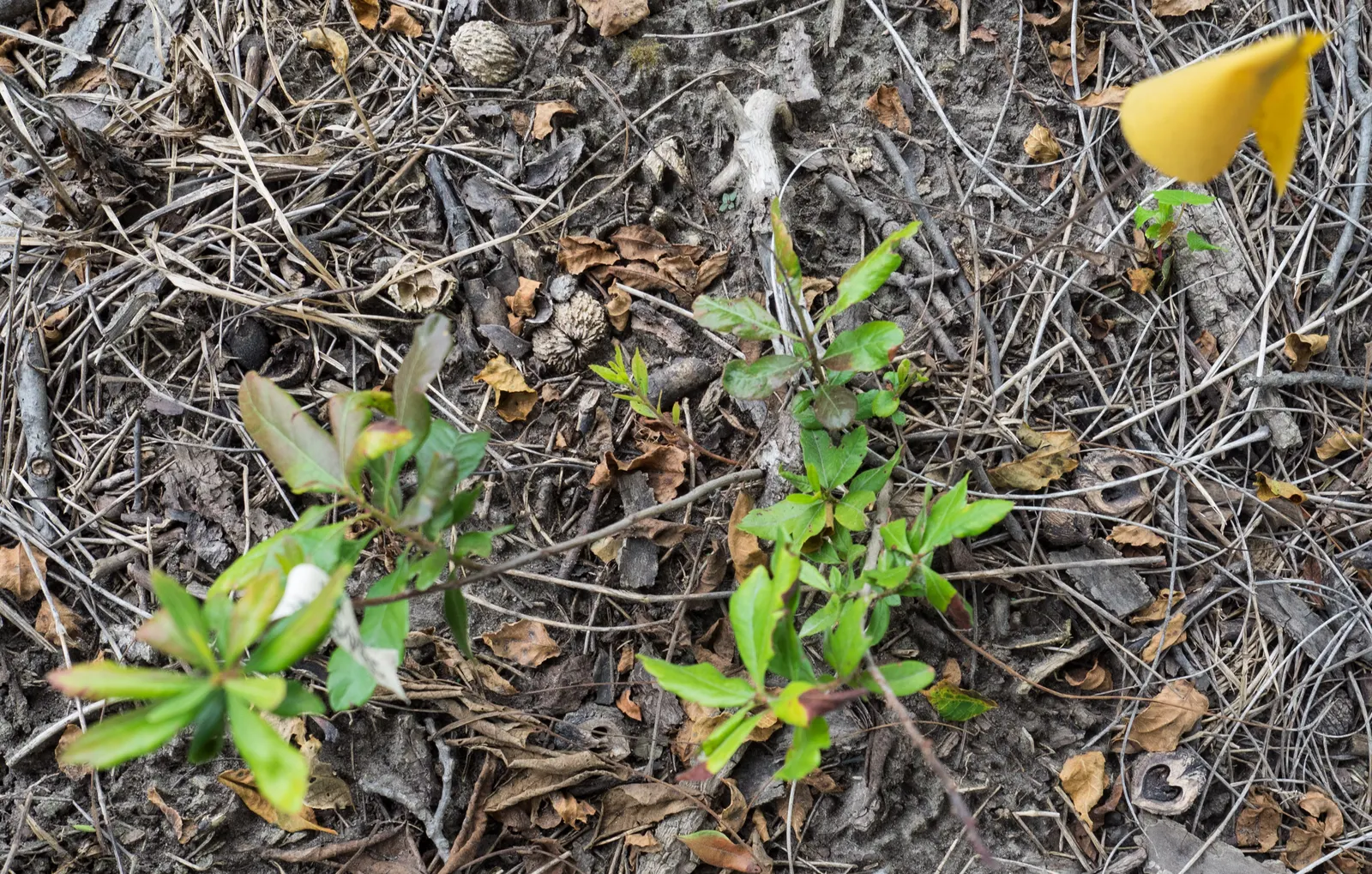
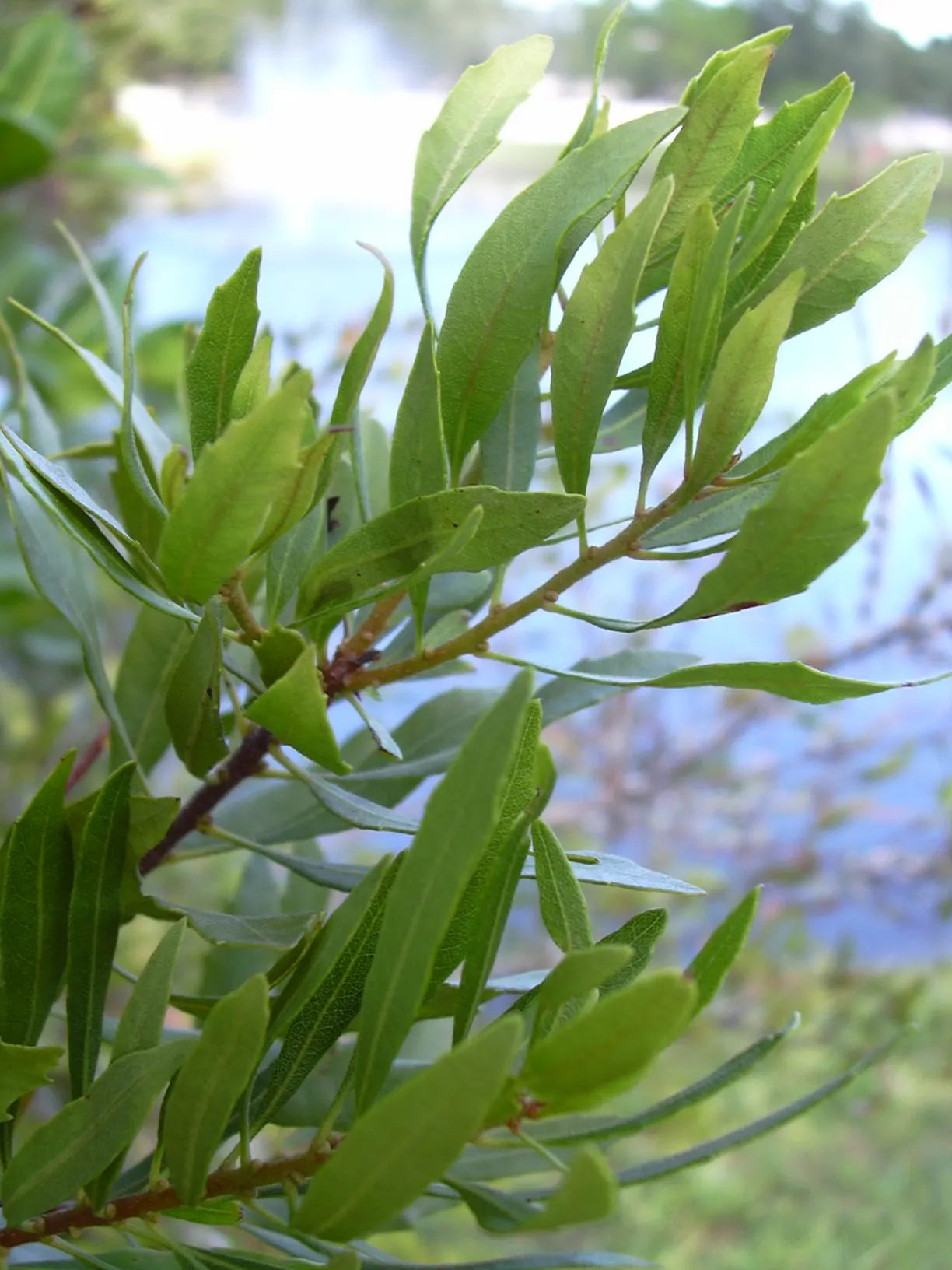
Bayberry (Myrica Pensylvanica) — sandy soils; it is also salt-tolerant; the leaves are a lustrous dark green, which transition to a lovely, image 57
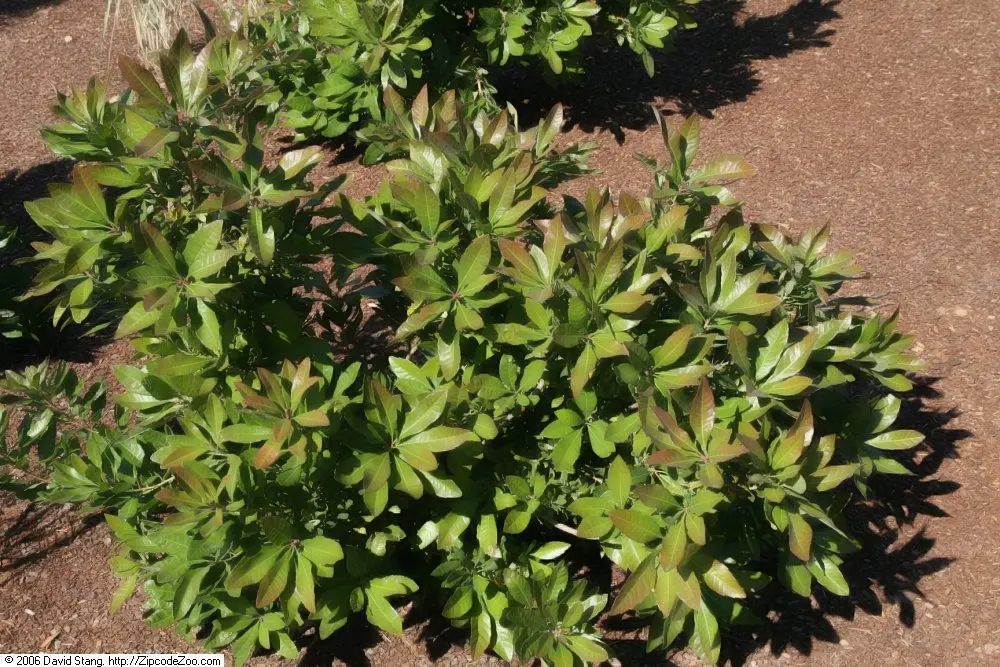
Bayberry (Myrica Pensylvanica) — Bayberry can adapt to a range of soil types but prefers well-drained; scientifically named Myrica pensylvanica, image 56
Bayberry (Myrica Pensylvanica) — sandy soils; it is also salt-tolerant
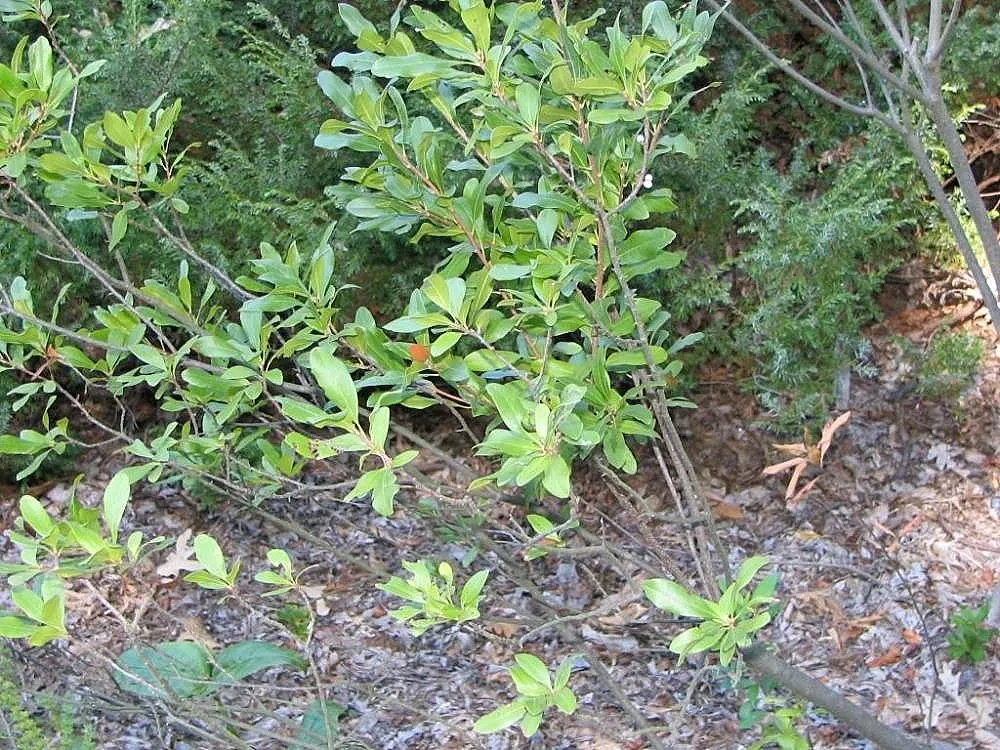
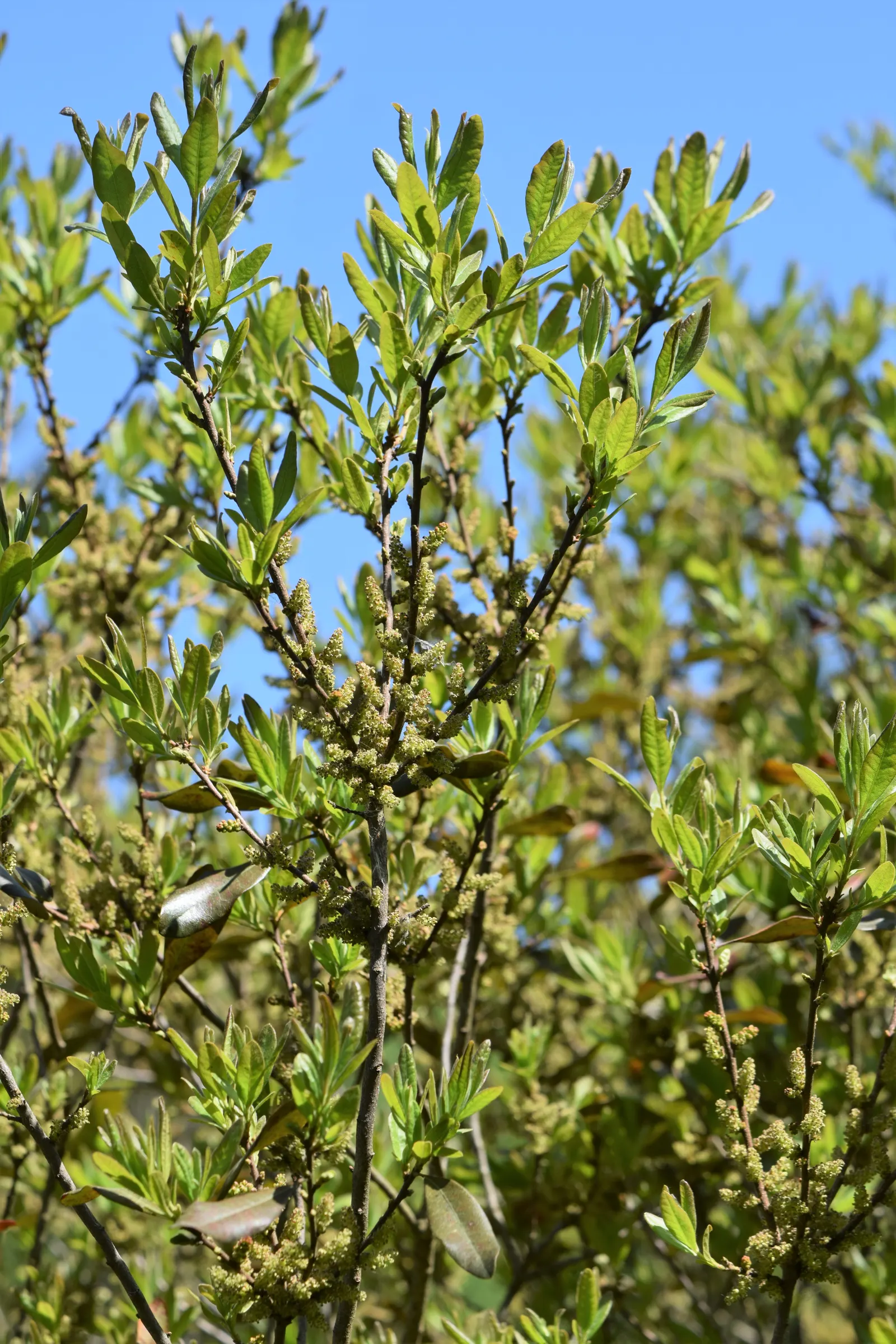
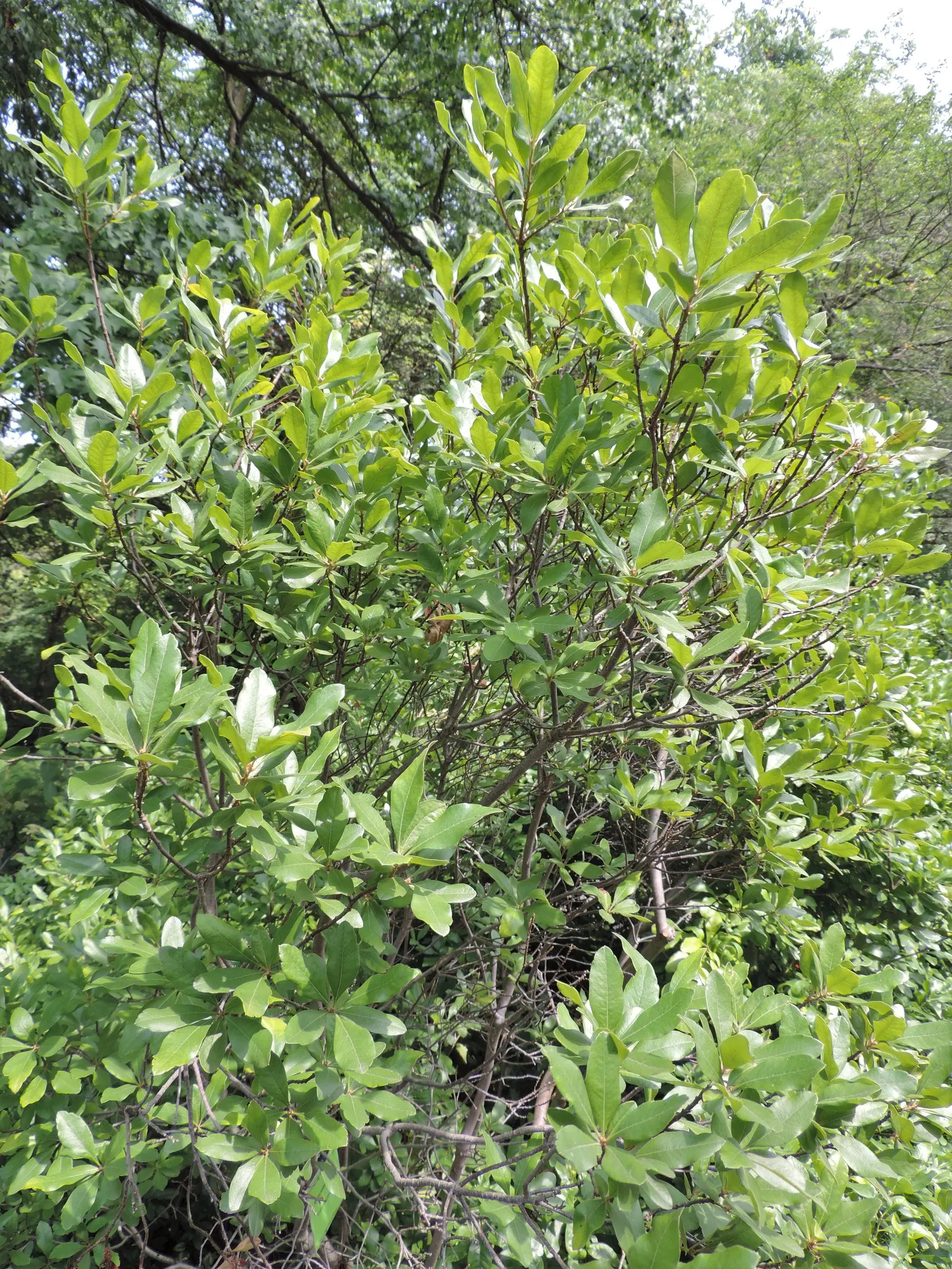
Bayberry (Myrica Pensylvanica) — It reaches about 6-10 feet in height and spread, thriving in full sun to partial shade; rounded silhouette that, image 50
Bayberry (Myrica Pensylvanica) — scientifically named Myrica pensylvanica; bayberry can adapt to a range of soil types but prefers well-drained, image 53
Bayberry (Myrica Pensylvanica) — Bayberry can adapt to a range of soil types but prefers well-drained; scientifically named Myrica pensylvanica, image 80
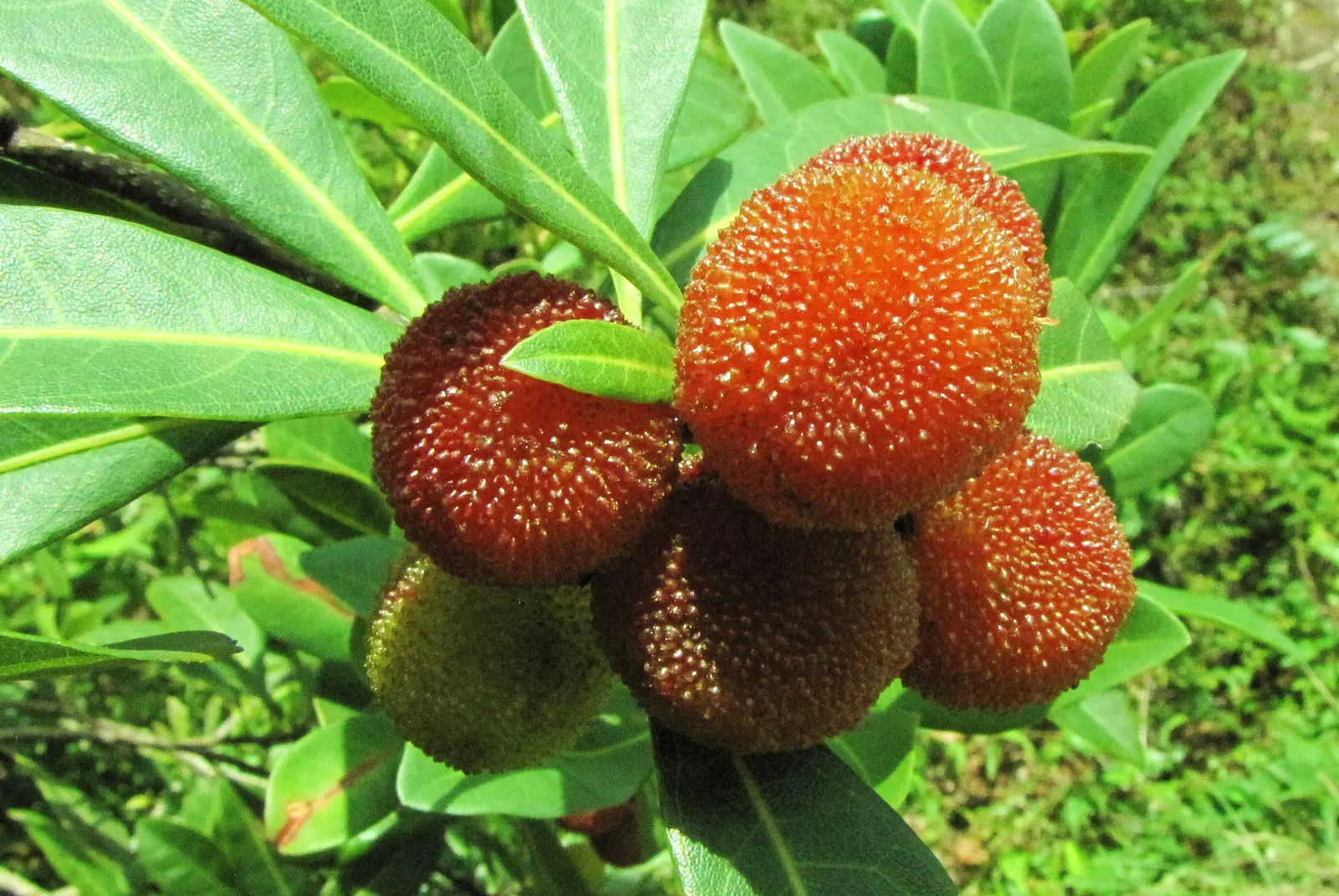
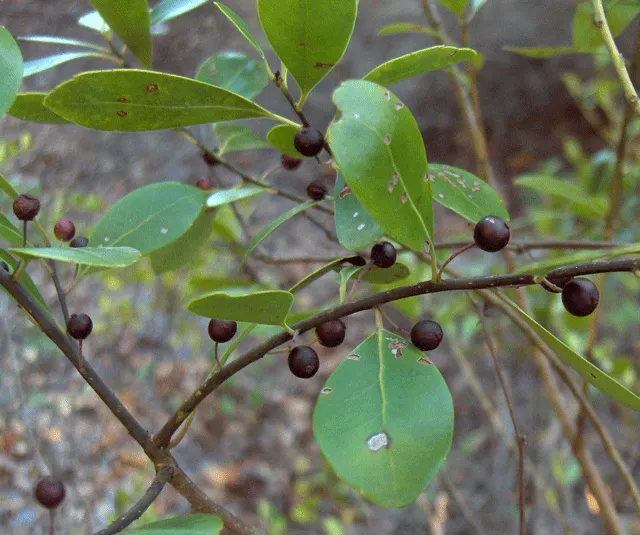
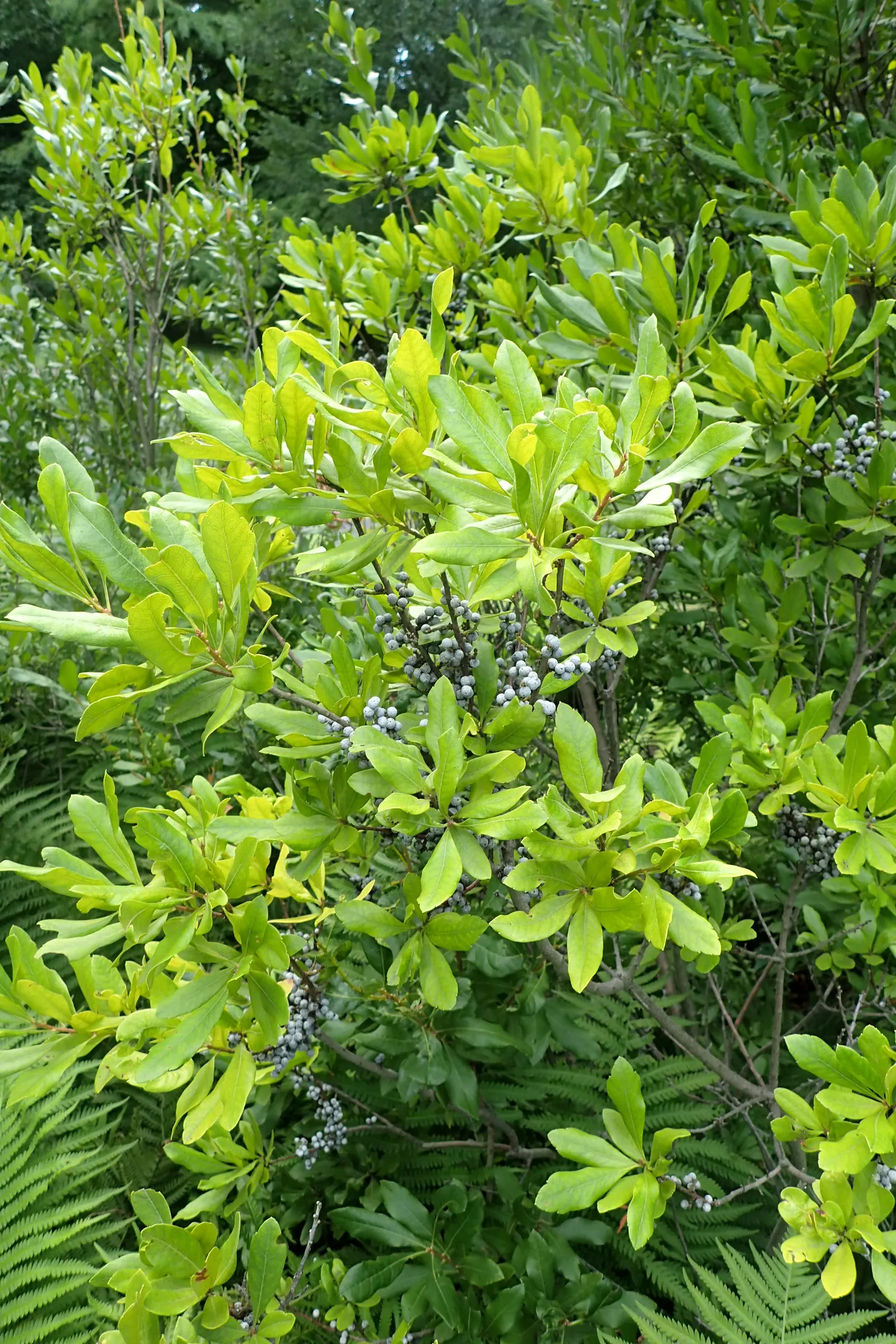
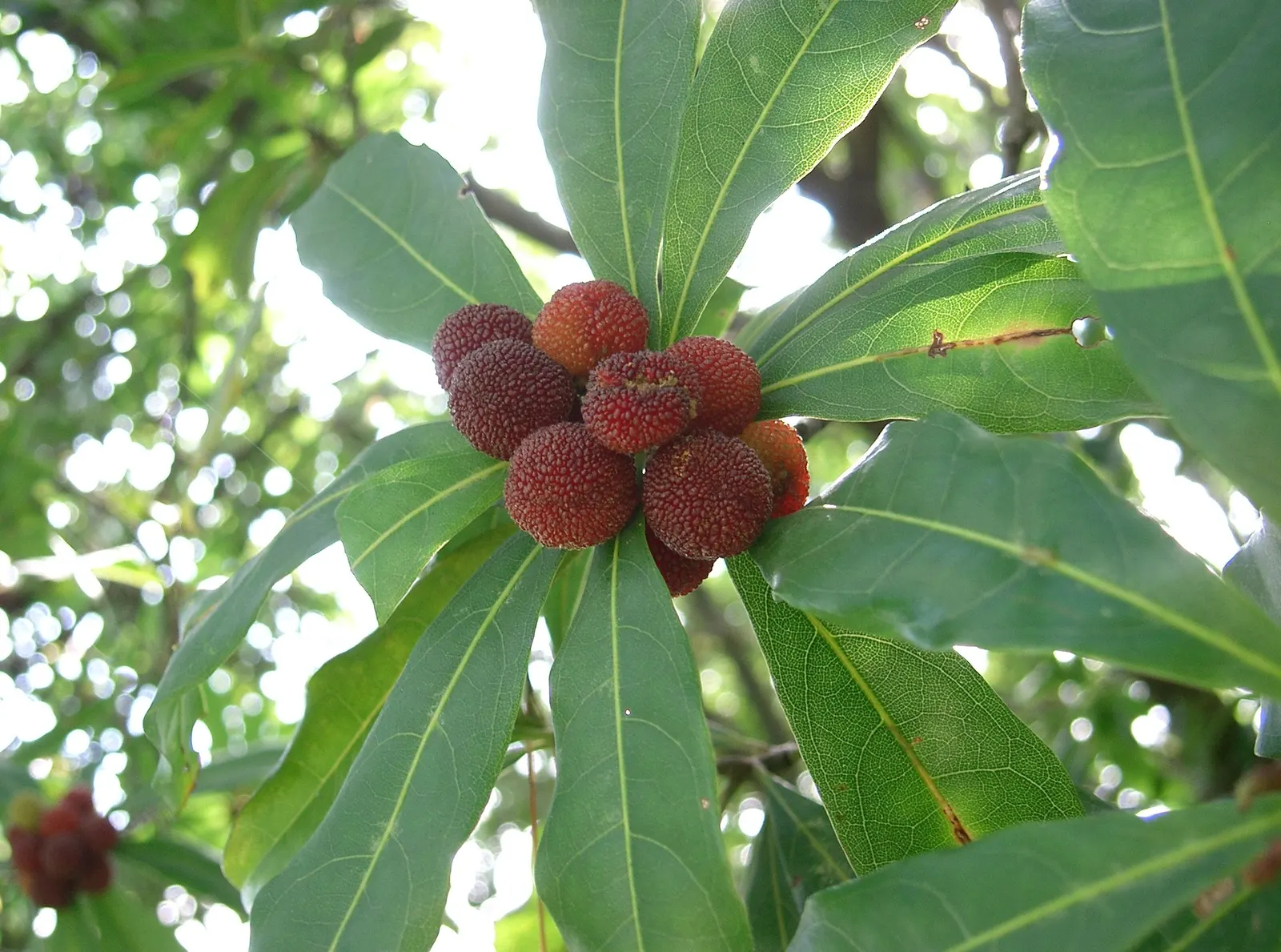
Bayberry (Myrica Pensylvanica) — The berries are a favorite among wildlife and can be used to make bayberry candles; is a hardy native shrub known, image 76
Bayberry (Myrica Pensylvanica) — While the Bayberry is drought-tolerant once established; along with its aromatic and environmental benefits, image 113
Bayberry (Myrica Pensylvanica) — regular watering during its initial growing season will ensure a strong and healthy root system; tolerant of sandy, image 90
Bayberry (Myrica Pensylvanica) — regular watering during its initial growing season will ensure a strong and healthy root system
Bayberry (Myrica Pensylvanica) — providing visual interest and a food source for local bird species.<br><br>For optimal growth; distinguished by, image 63
Bayberry (Myrica Pensylvanica) — scientifically named Myrica pensylvanica; bayberry can adapt to a range of soil types but prefers well-drained, image 77
Bayberry (Myrica Pensylvanica) — The berries are a favorite among wildlife and can be used to make bayberry candles; is a hardy native shrub known, image 52
Bayberry (Myrica Pensylvanica) — Tolerant of sandy and poor soils, Bayberry is often used for naturalizing in coastal landscapes; regular watering, image 75
Bayberry (Myrica Pensylvanica) — The Bayberry's resilience
Bayberry (Myrica Pensylvanica) — it thrives in USDA plant hardiness zones 3 through 6
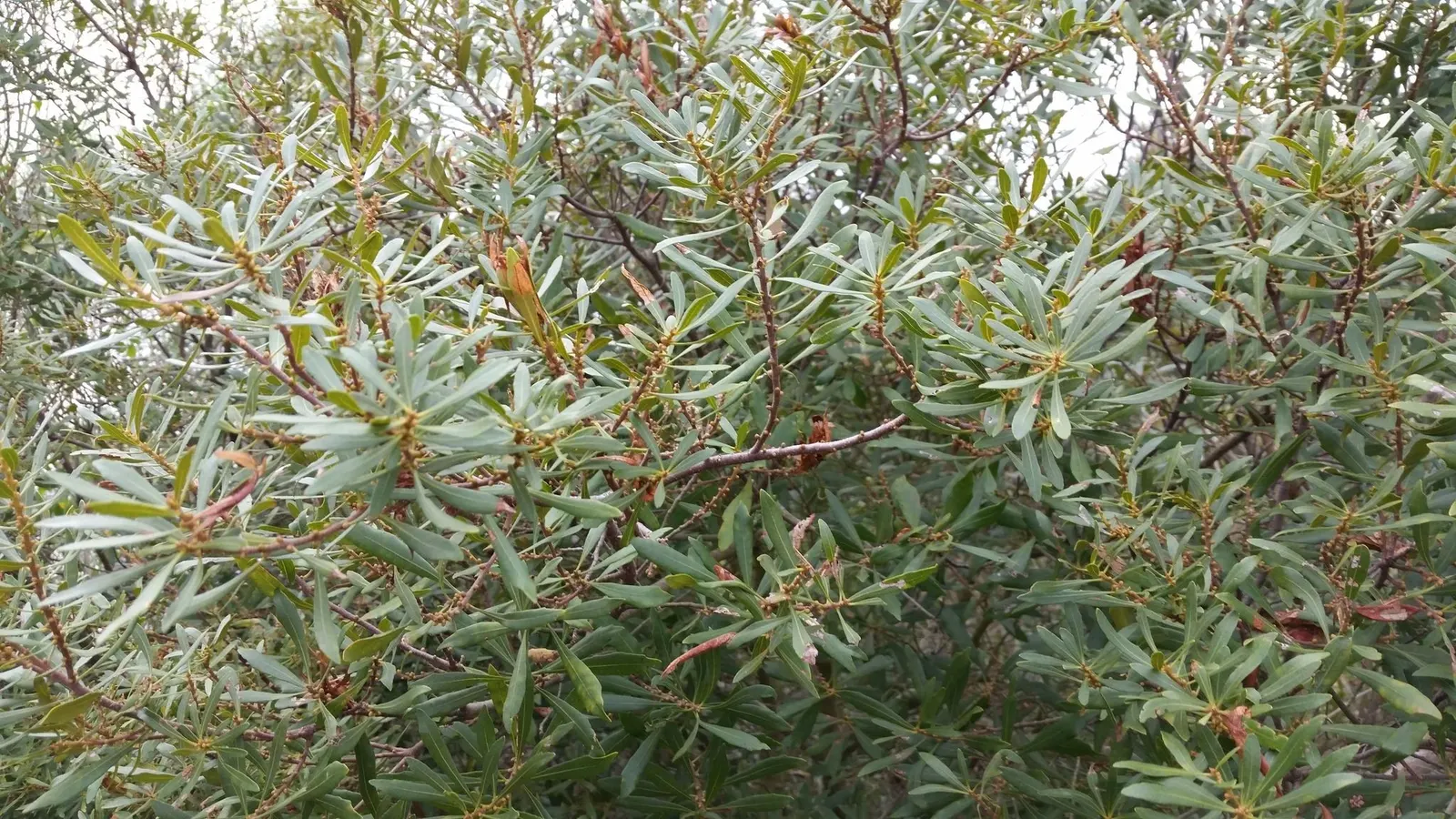
Bayberry (Myrica Pensylvanica) — this deciduous shrub presents a dense; the Bayberry's resilience, image 58
Bayberry (Myrica Pensylvanica) — The berries are a favorite among wildlife and can be used to make bayberry candles; is a hardy native shrub known for its
Bayberry (Myrica Pensylvanica) — this deciduous shrub presents a dense; the Bayberry's resilience
Bayberry (Myrica Pensylvanica) — providing visual interest and a food source for local bird species.<br><br>For optimal growth; distinguished by, image 111
Bayberry (Myrica Pensylvanica) — In late spring to early summer; plant Myrica pensylvanica in full sun to partial shade, image 85
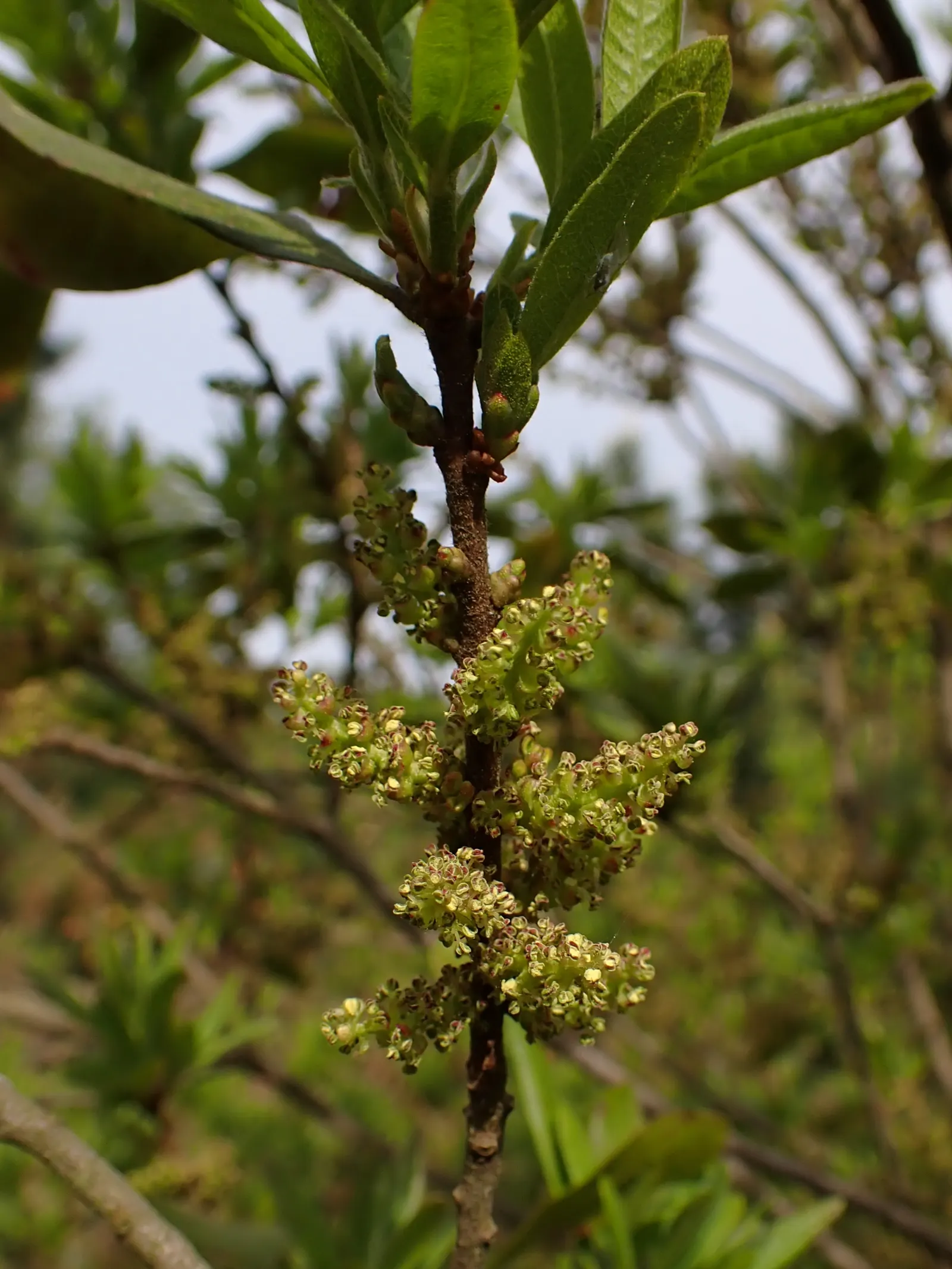
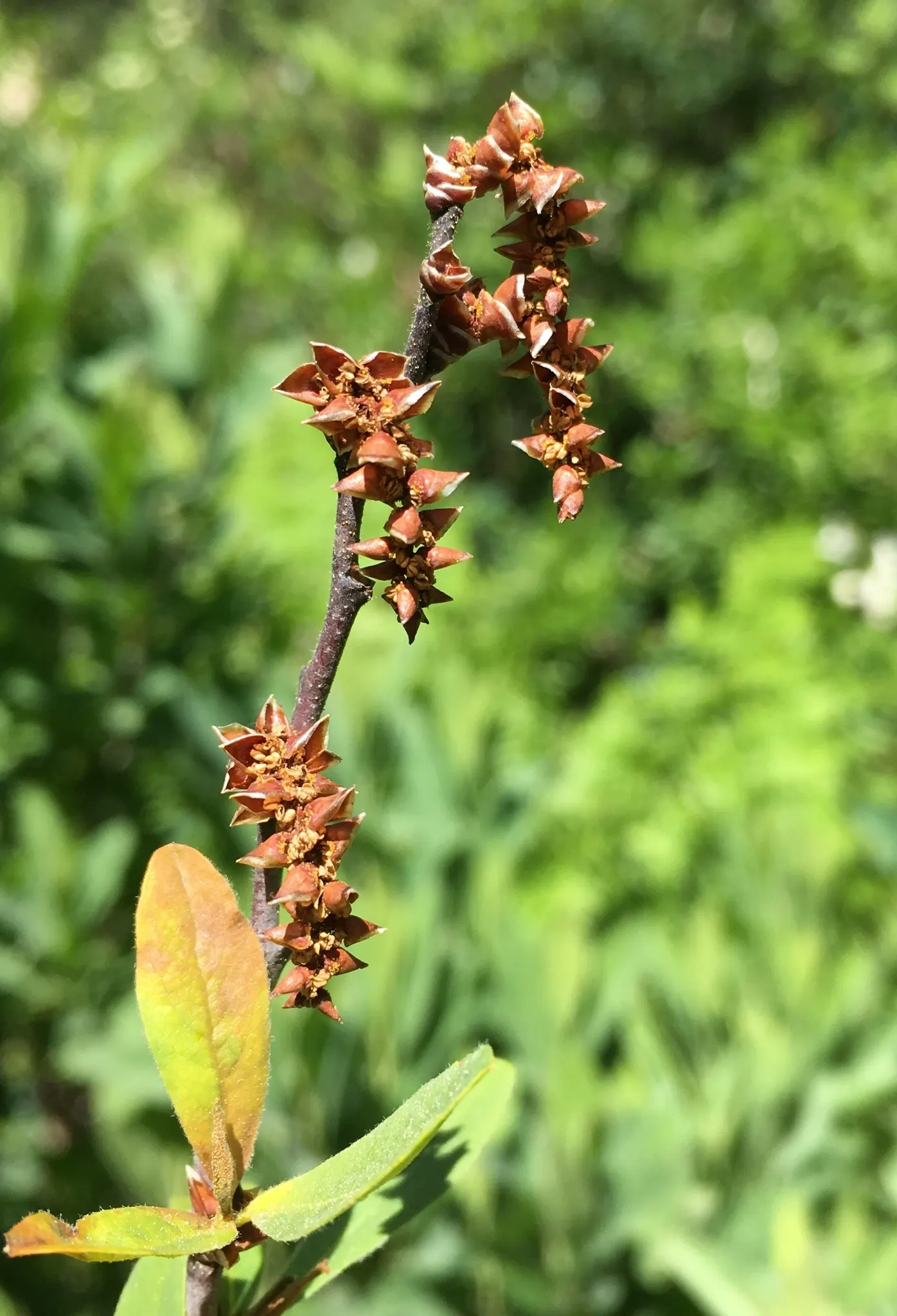
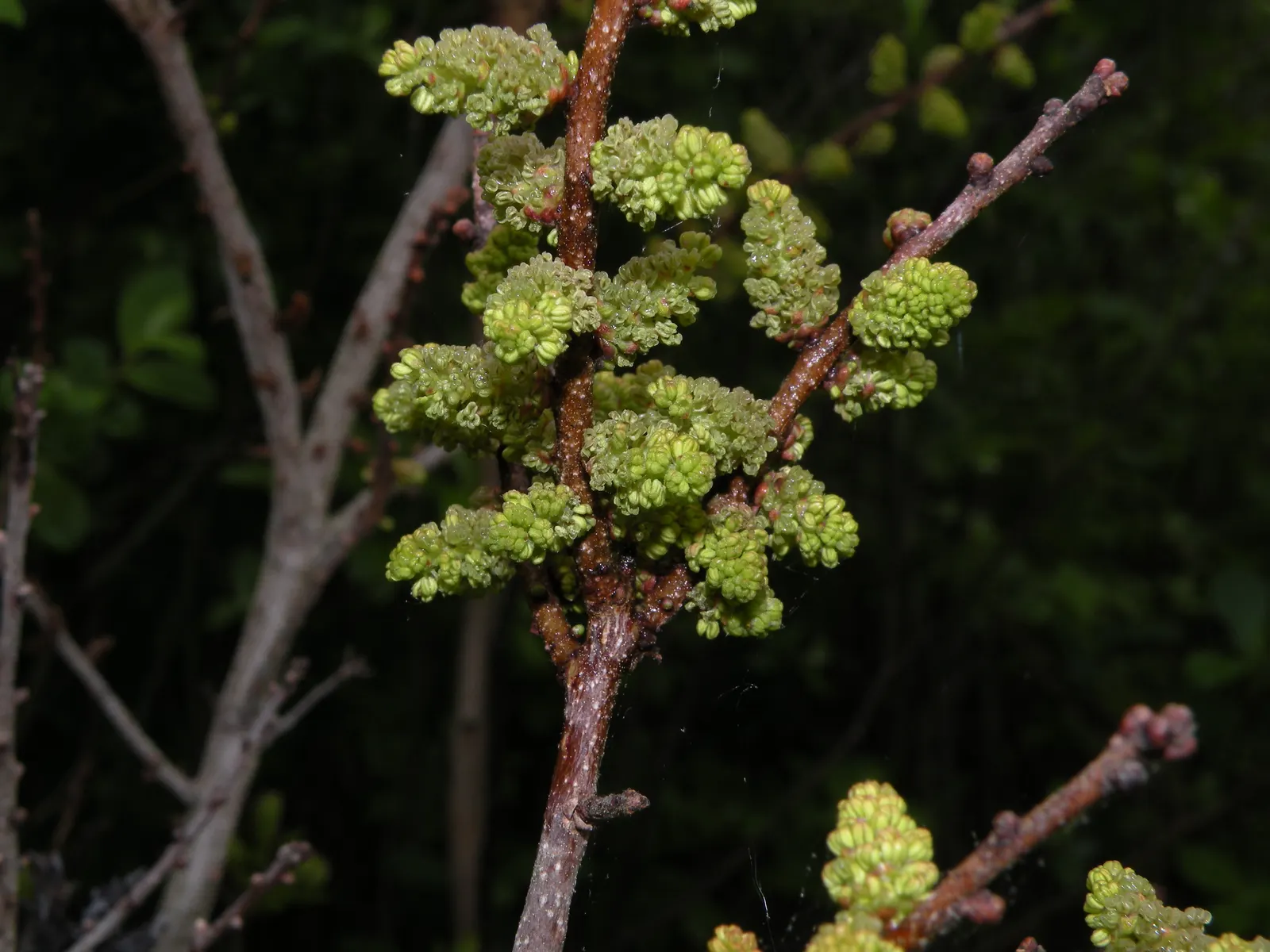
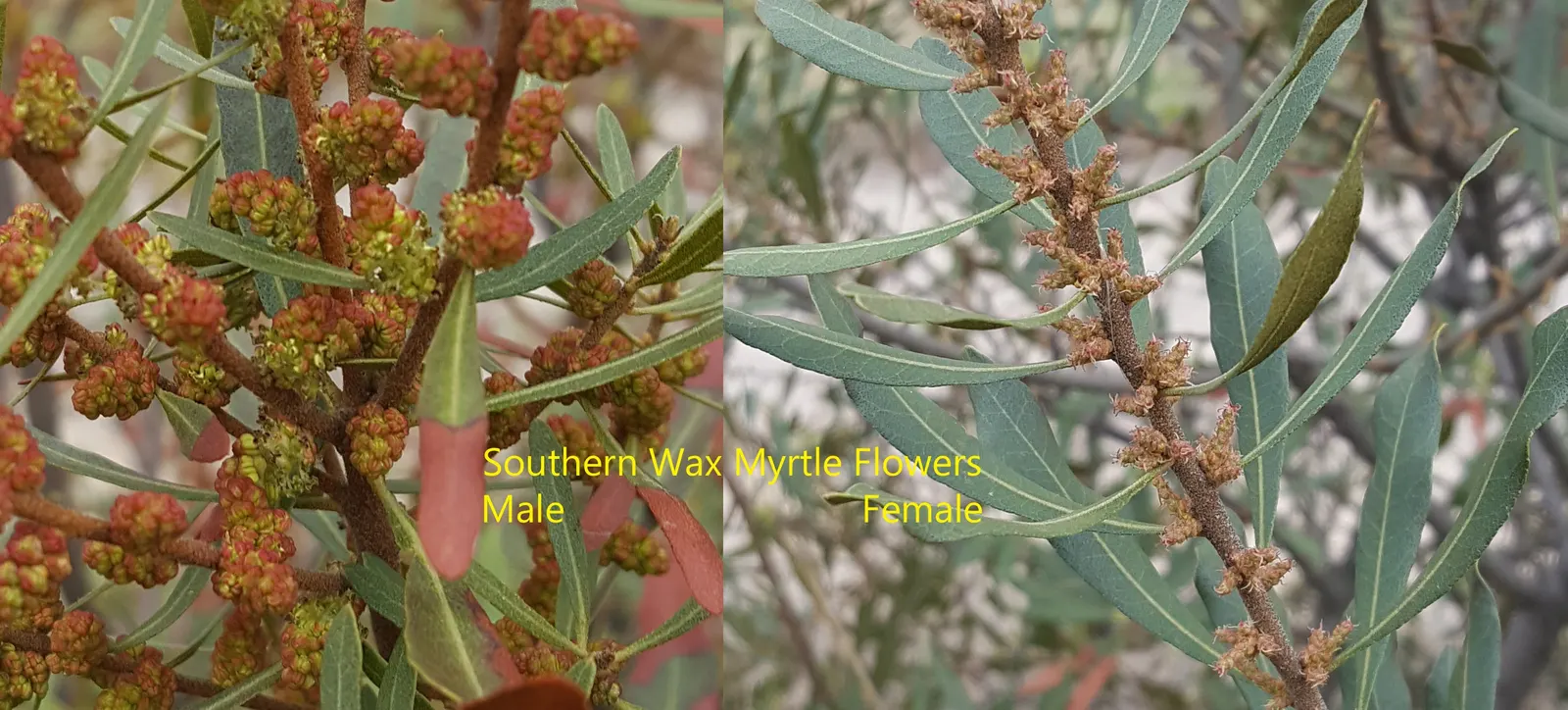
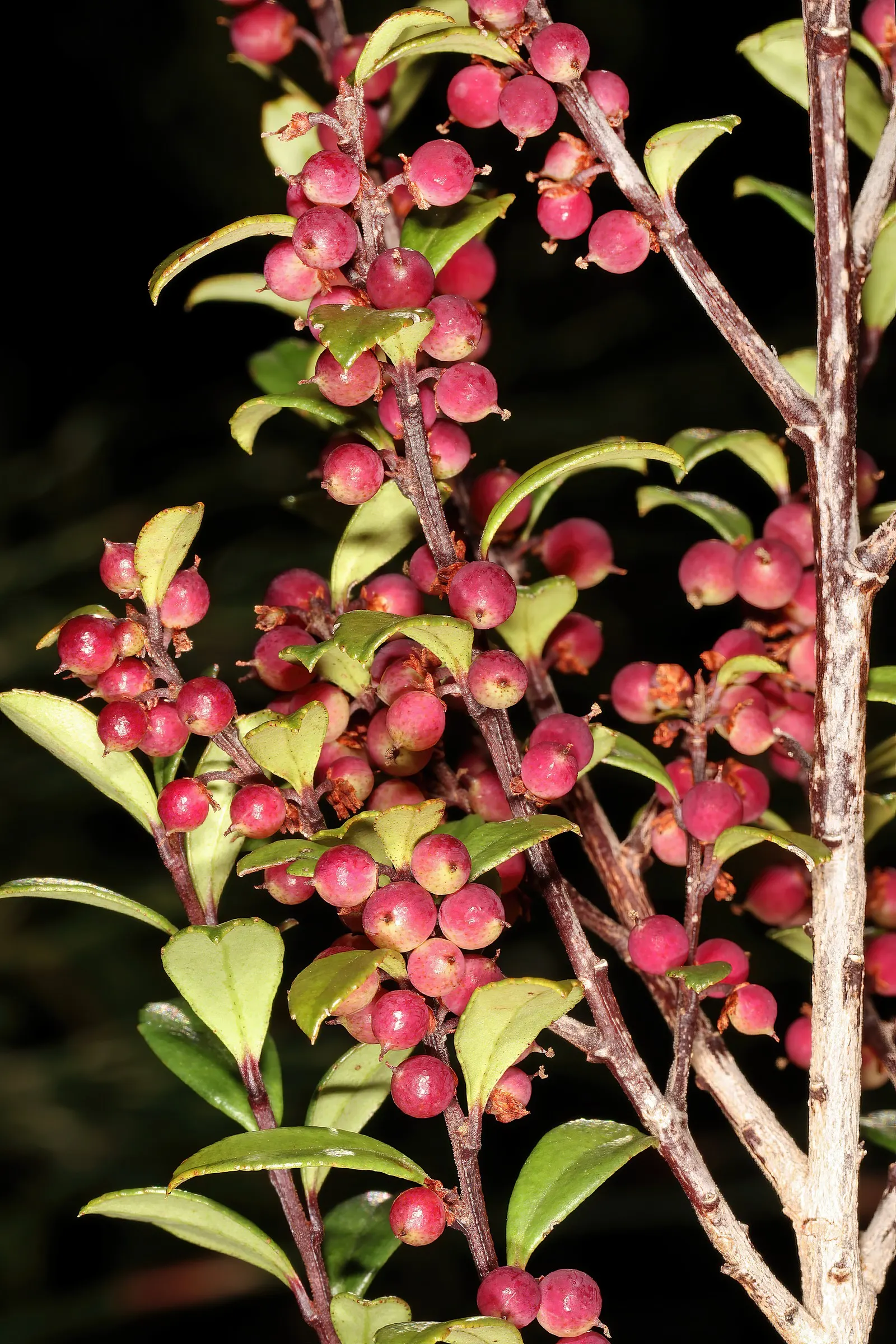
Bayberry (Myrica Pensylvanica) — shrub with green and yellow blooms; inconspicuous flowers give way to clusters of waxy berries that persist through winter
Photographs by 17 contributors

Related plants