Skip to content

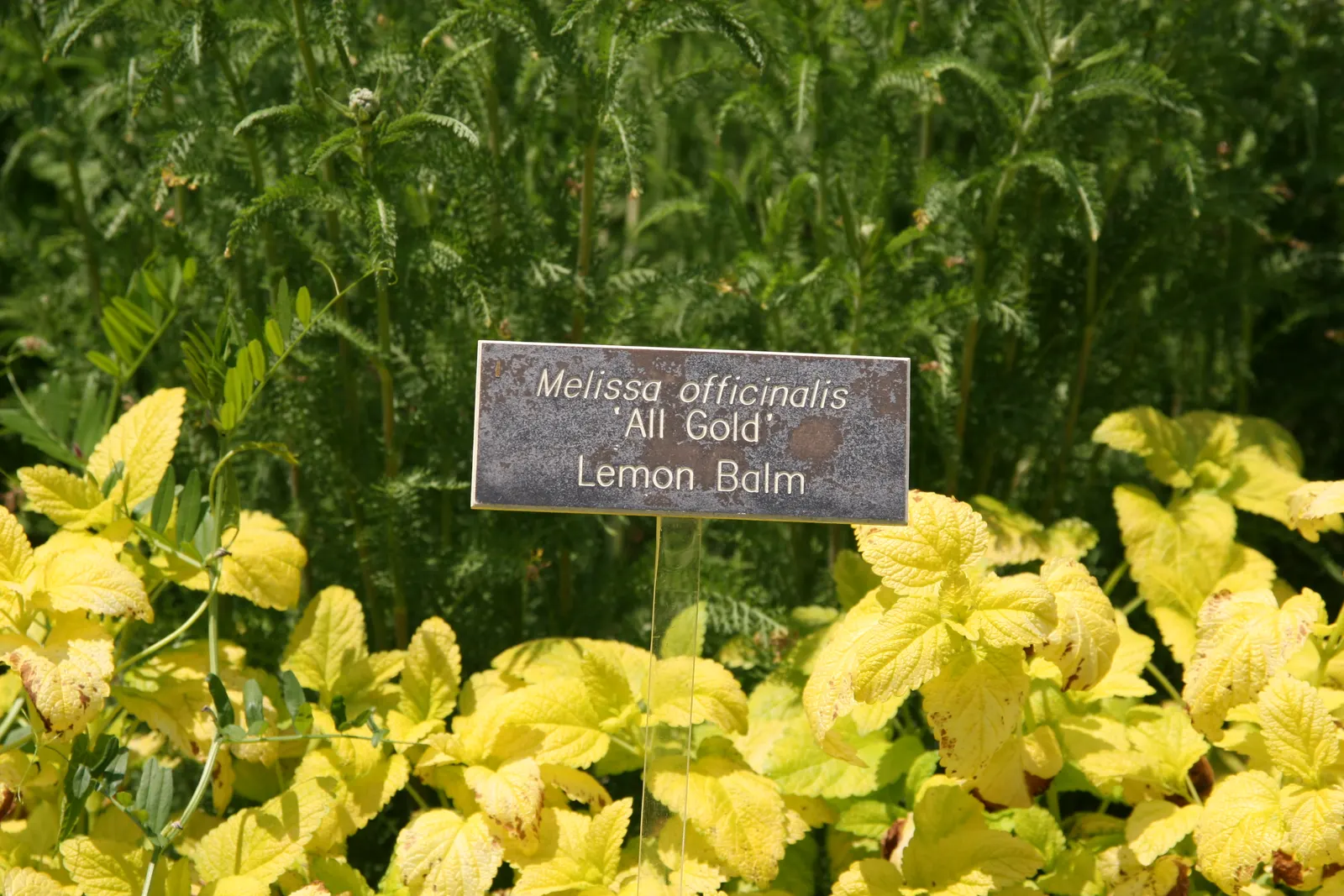
Lemon Balm

Melissa Officinalis

Design with this plant

Overview

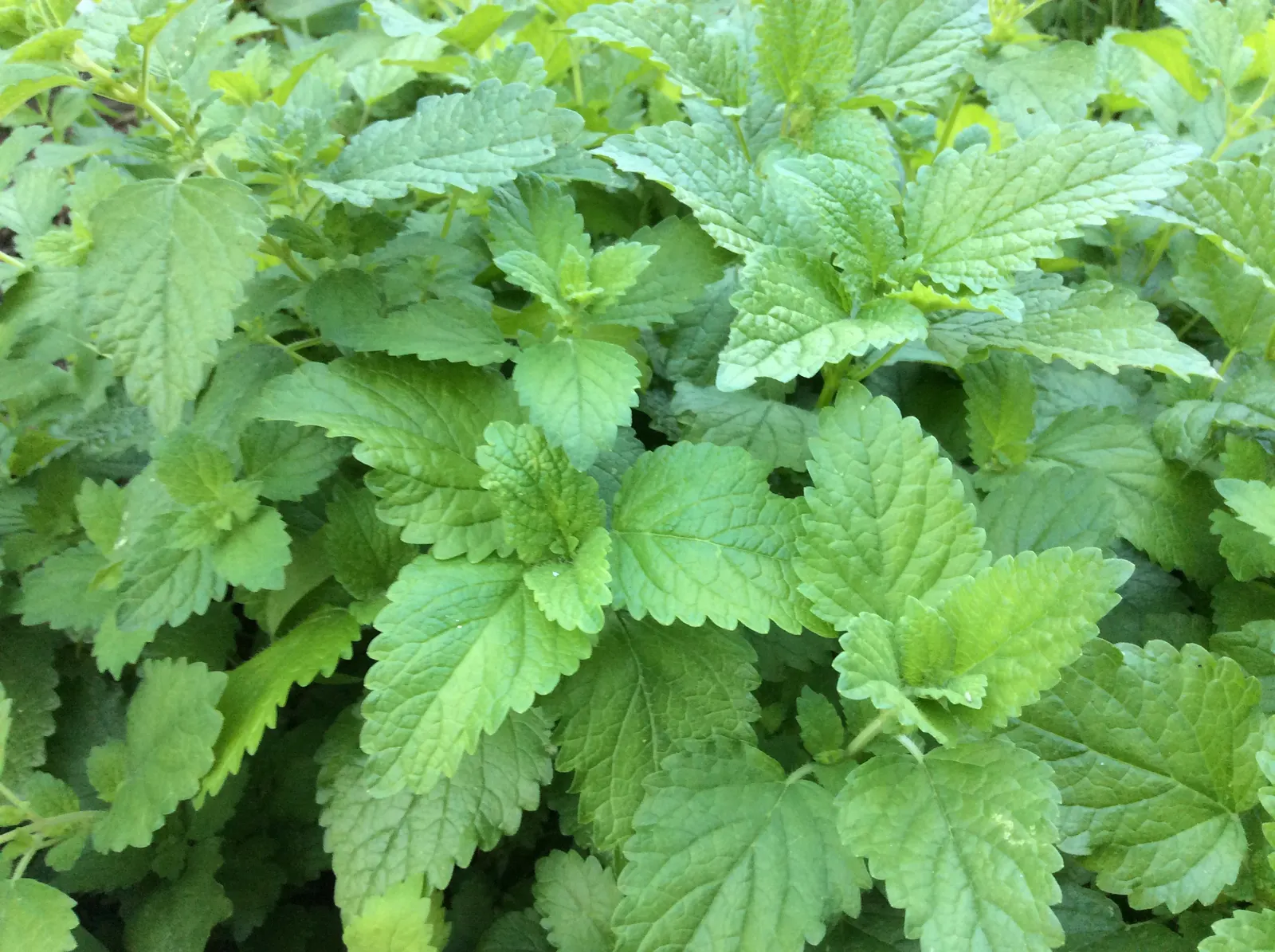
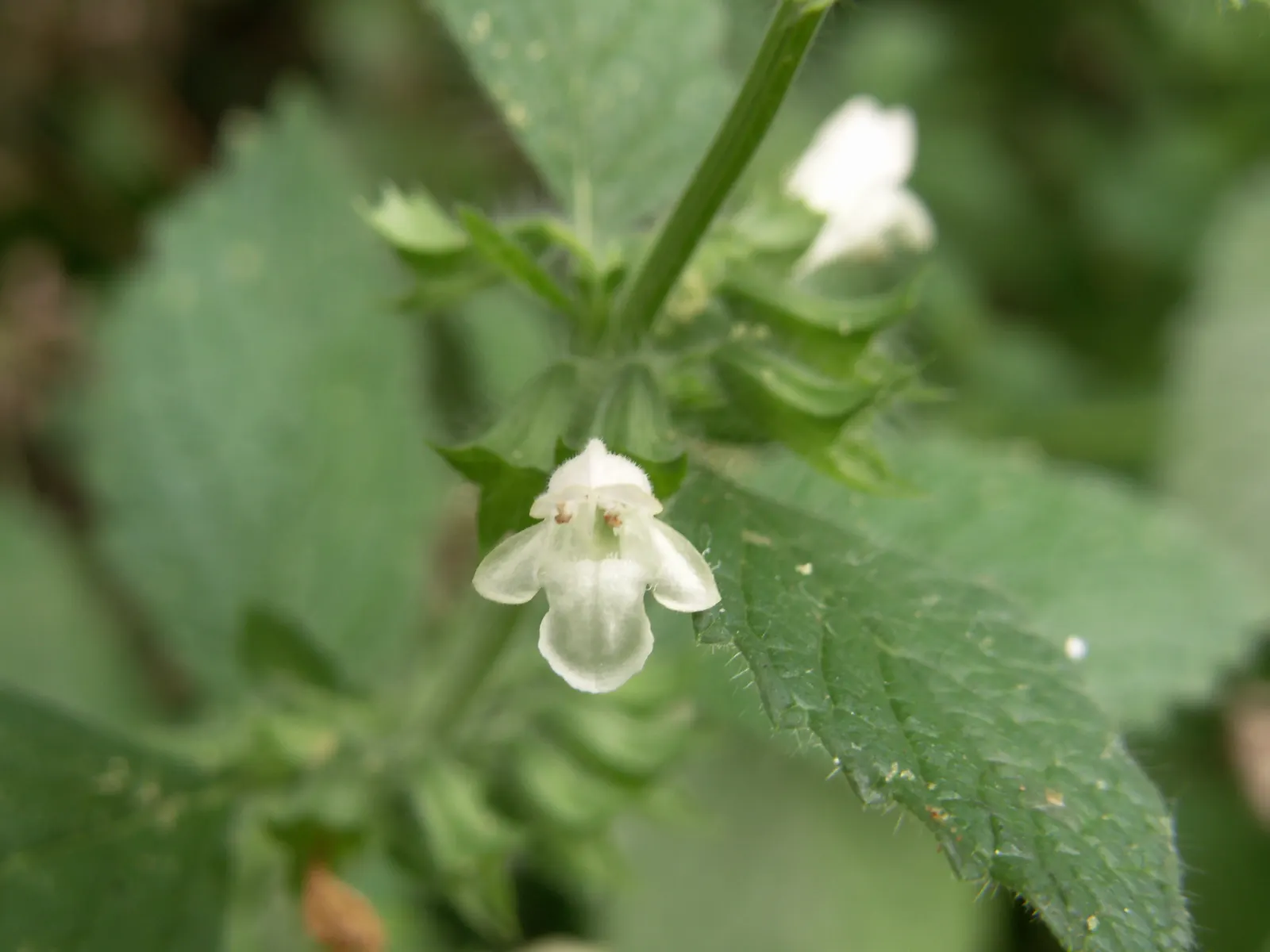
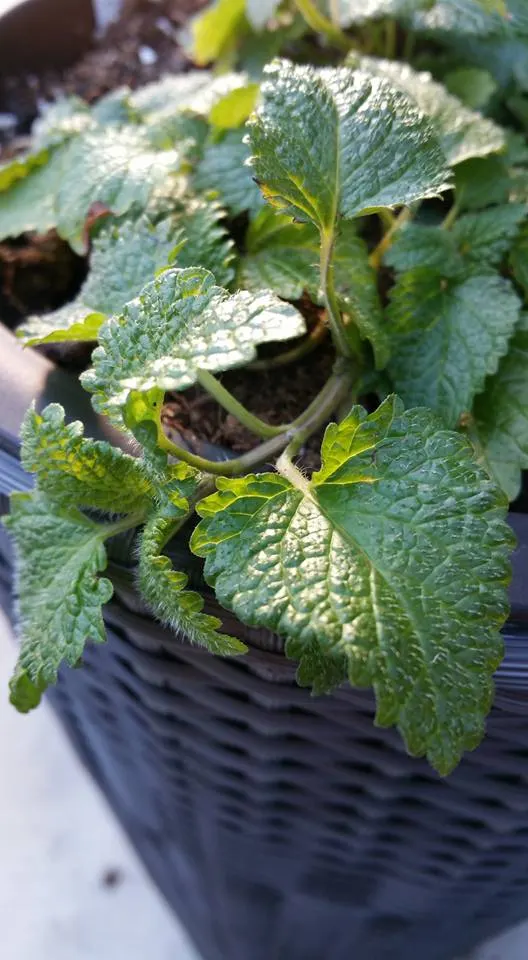
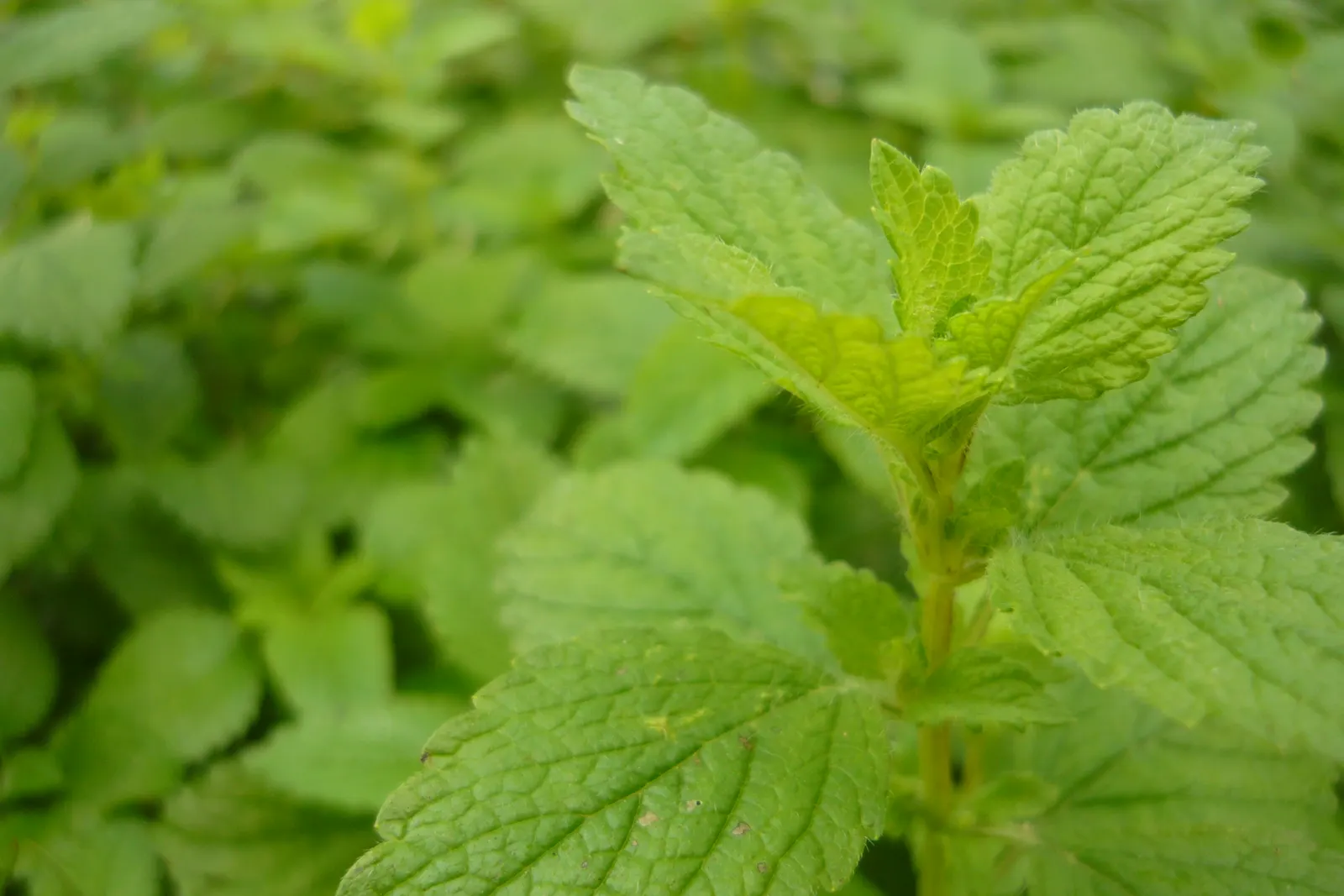
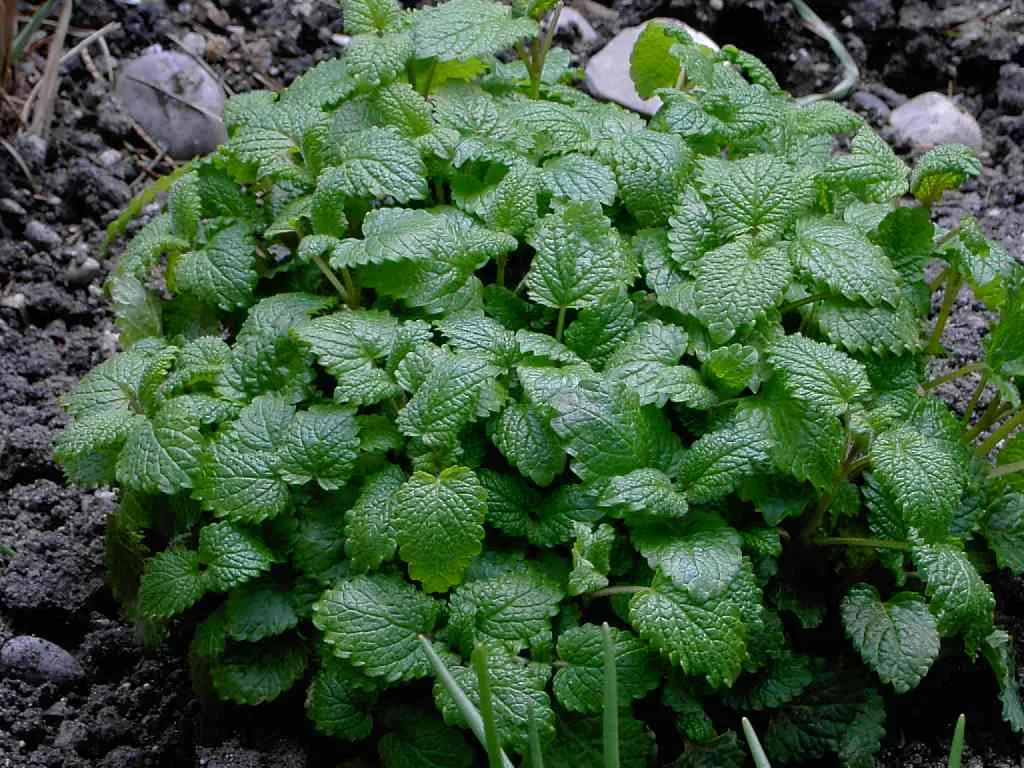
Lemon Balm (Melissa officinalis), a perennial herb, flourishes in zones 4-9, reaching up to 24 inches tall and spreading 12-24 inches wide. Prized for its aromatic, heart-shaped leaves and tiny white flowers, it thrives in full sun to partial shade. This versatile plant tolerates a range of soil conditions, but prefers well-drained loam. Lemon Balm adds a pleasant lemon scent and attracts pollinators, enhancing garden biodiversity.

Sun Full, HalfWater Low, MediumZones 3–7Type HerbClimate Temperate

Culture

Sun
Full, Half
Water
Low, Medium
USDA zones
3–7

Shape & size

Classification

Type
Herb
Family
Lamiaceae
Climate
Temperate

See full data, regional cultivation notes, and design tools. Build a client presentation around this plant.

Start your 14-day trial

Photos (125)

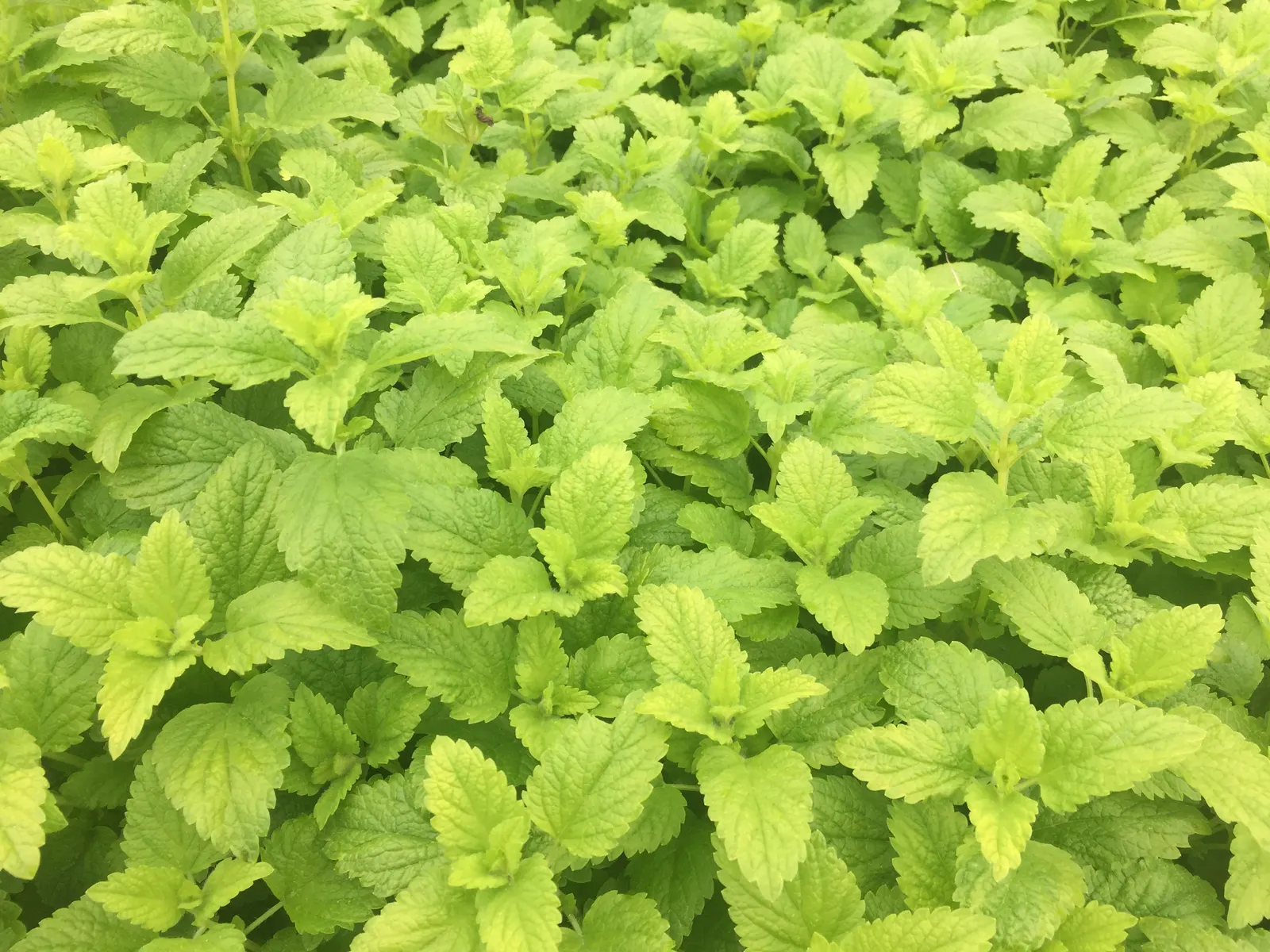
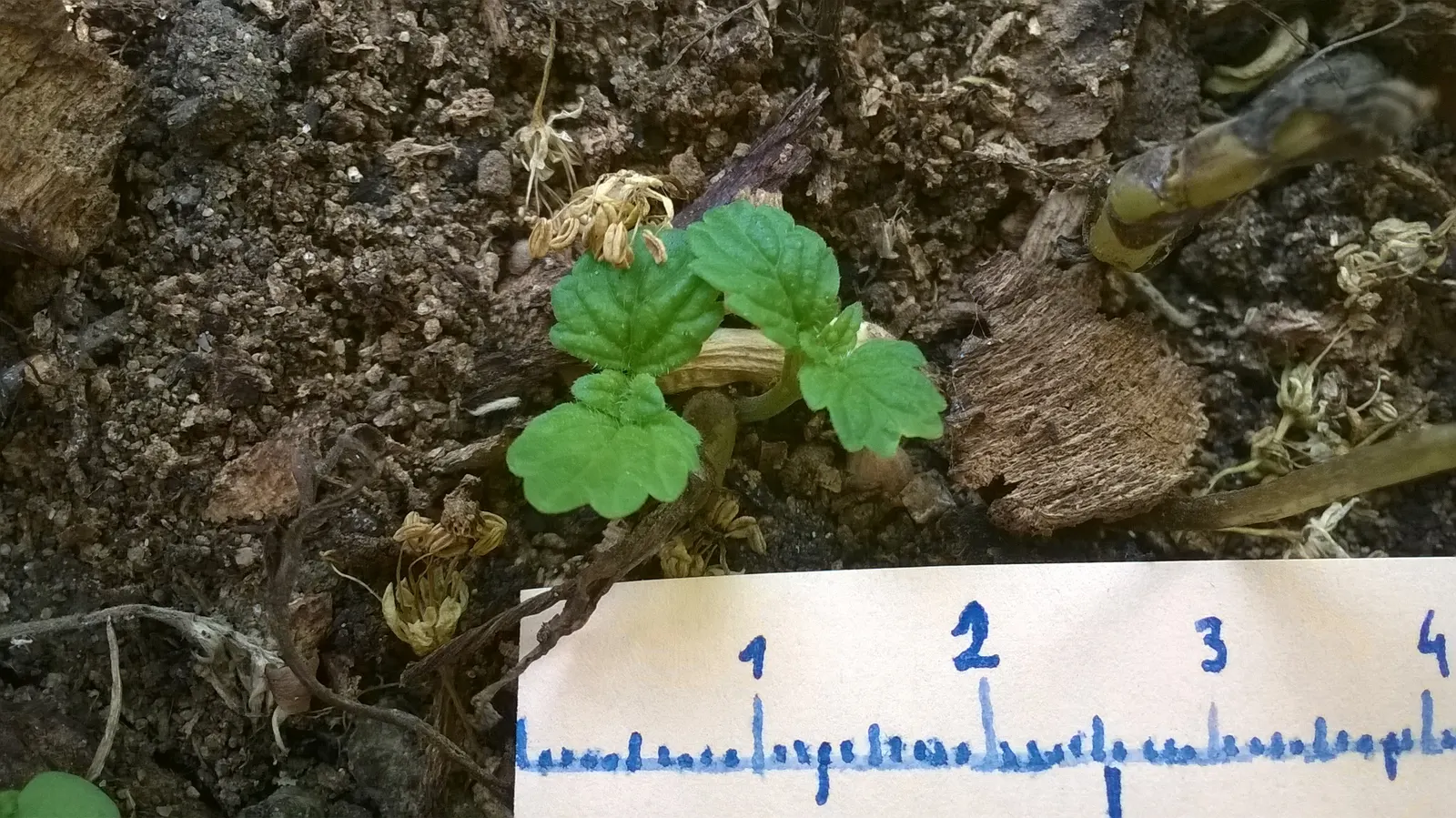
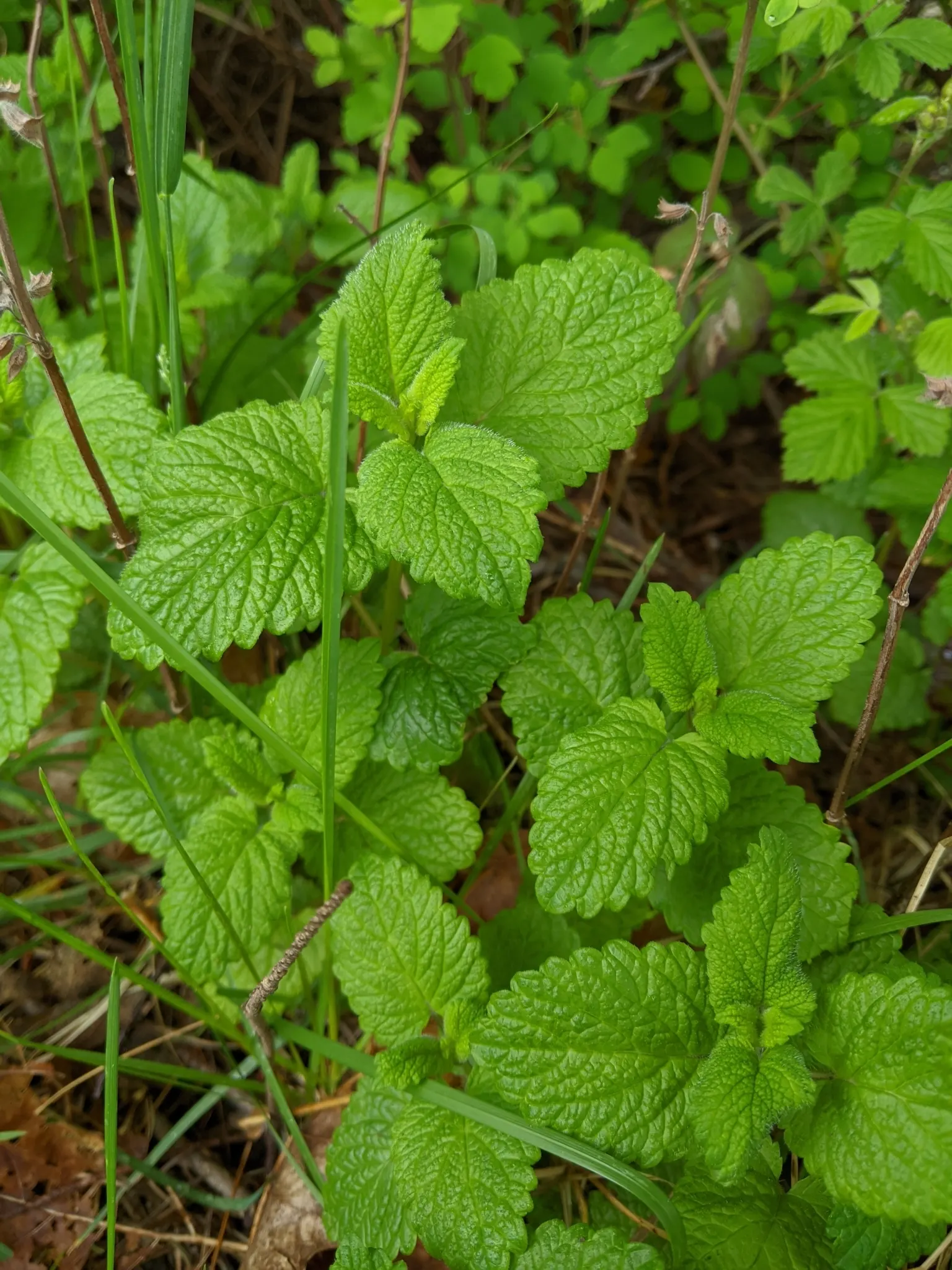
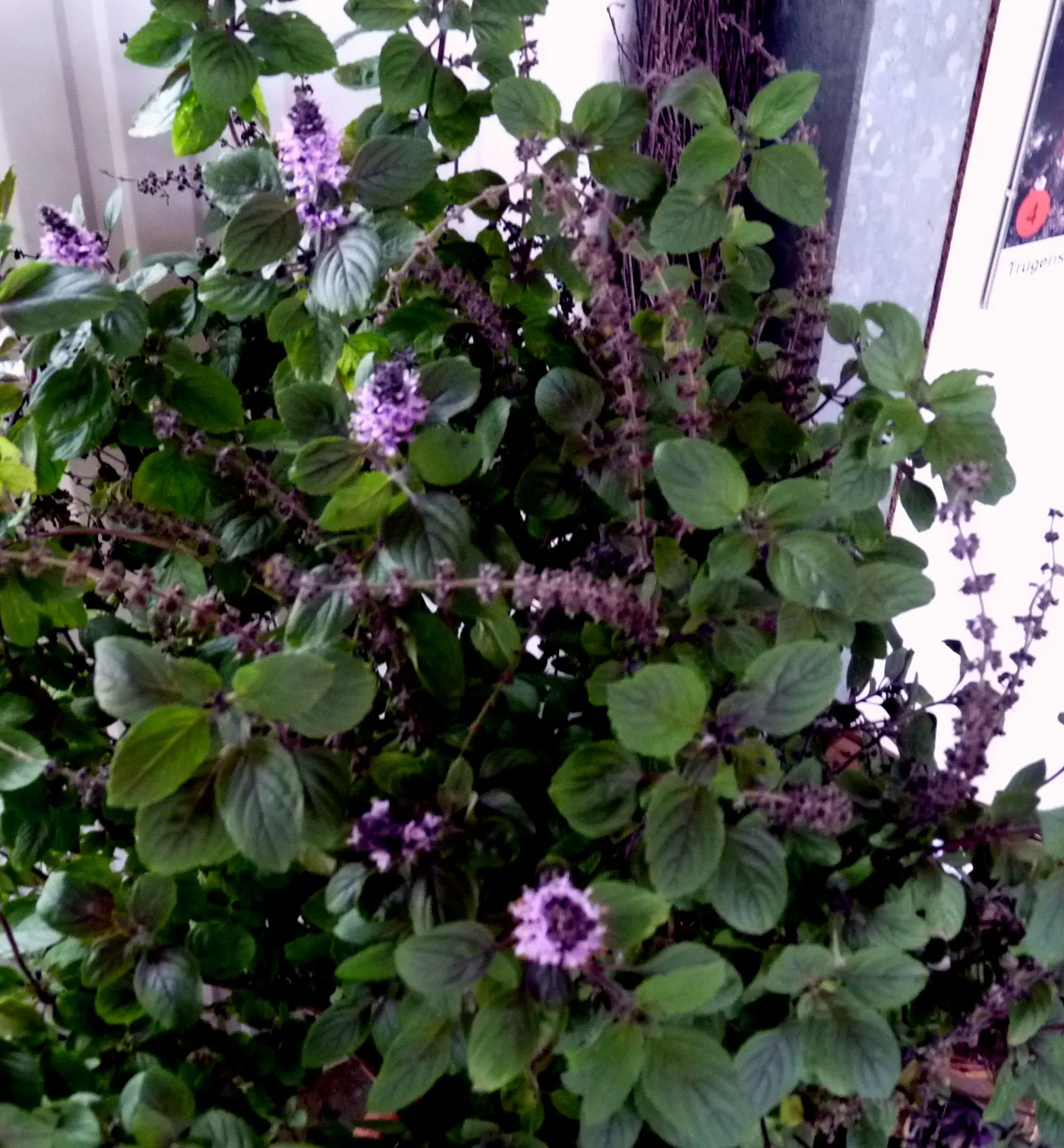
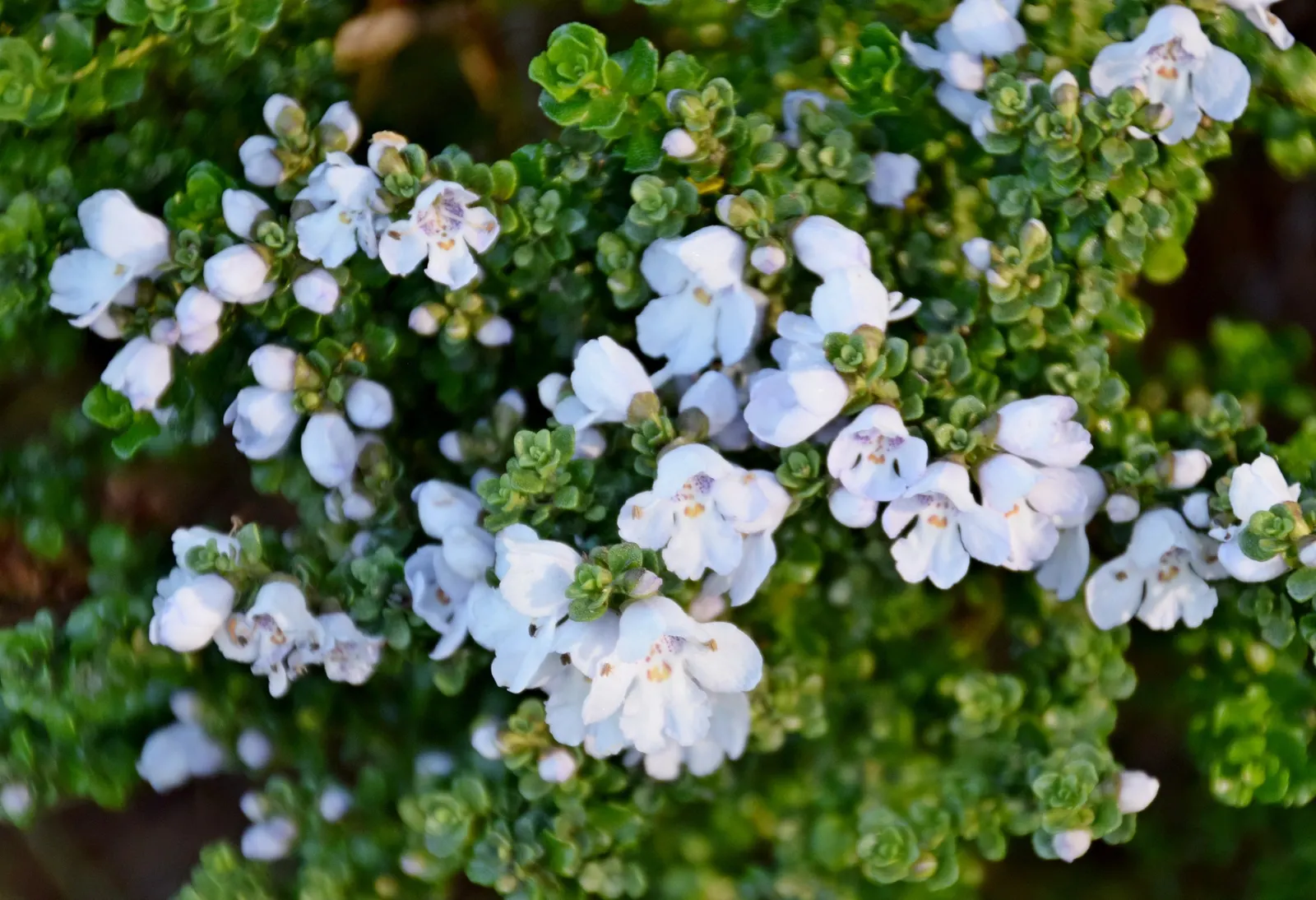
Lemon Balm (Melissa Officinalis) — A member of the mint family; making it a multifunctional addition to any garden, image 48
Lemon Balm (Melissa Officinalis) — herb for full or half; making it a multifunctional addition to any garden, image 84
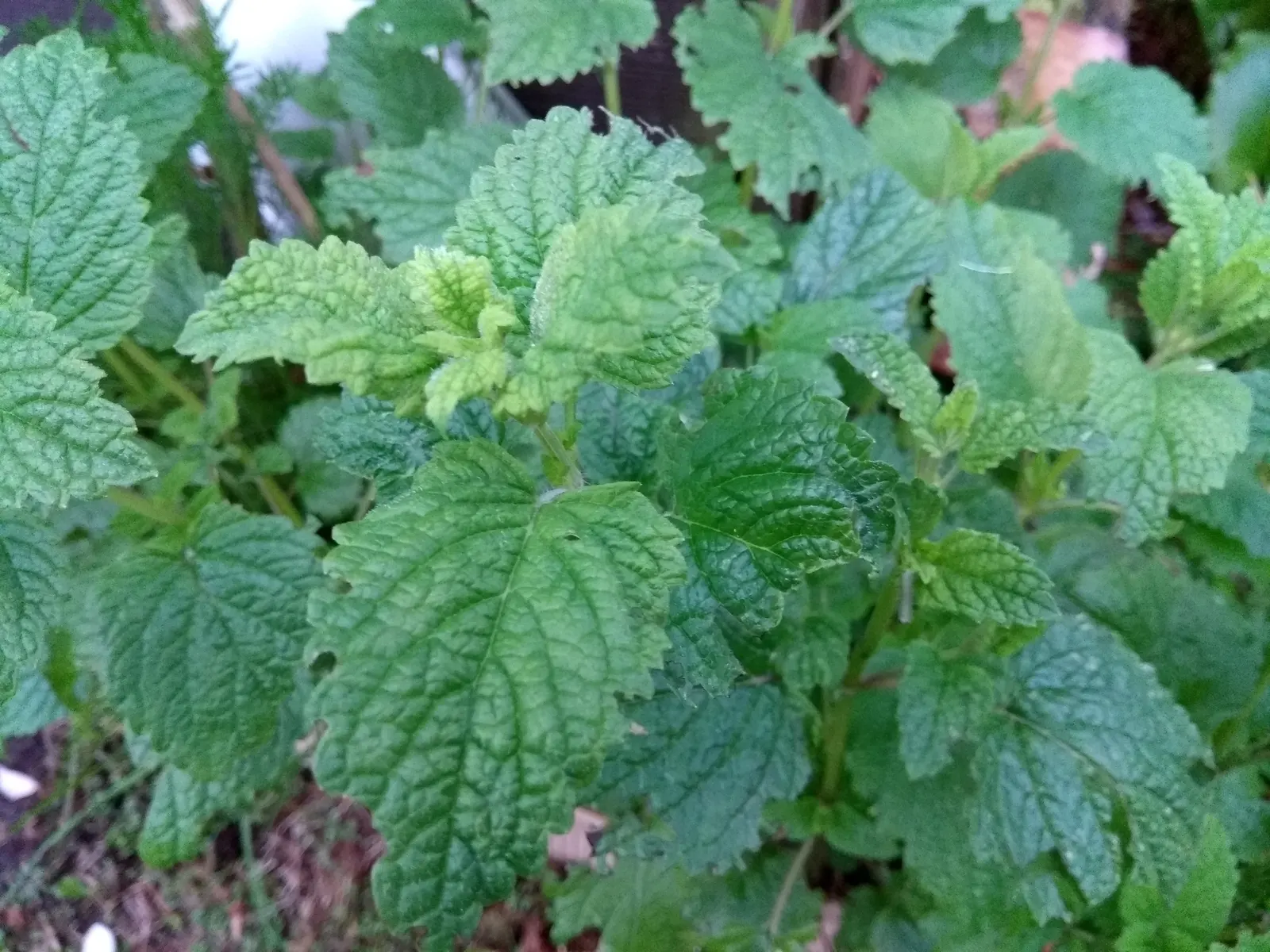
Lemon Balm (Melissa Officinalis) — although it benefits from regular watering for optimal growth and a more lush appearance; lemon Balm adds a, image 97
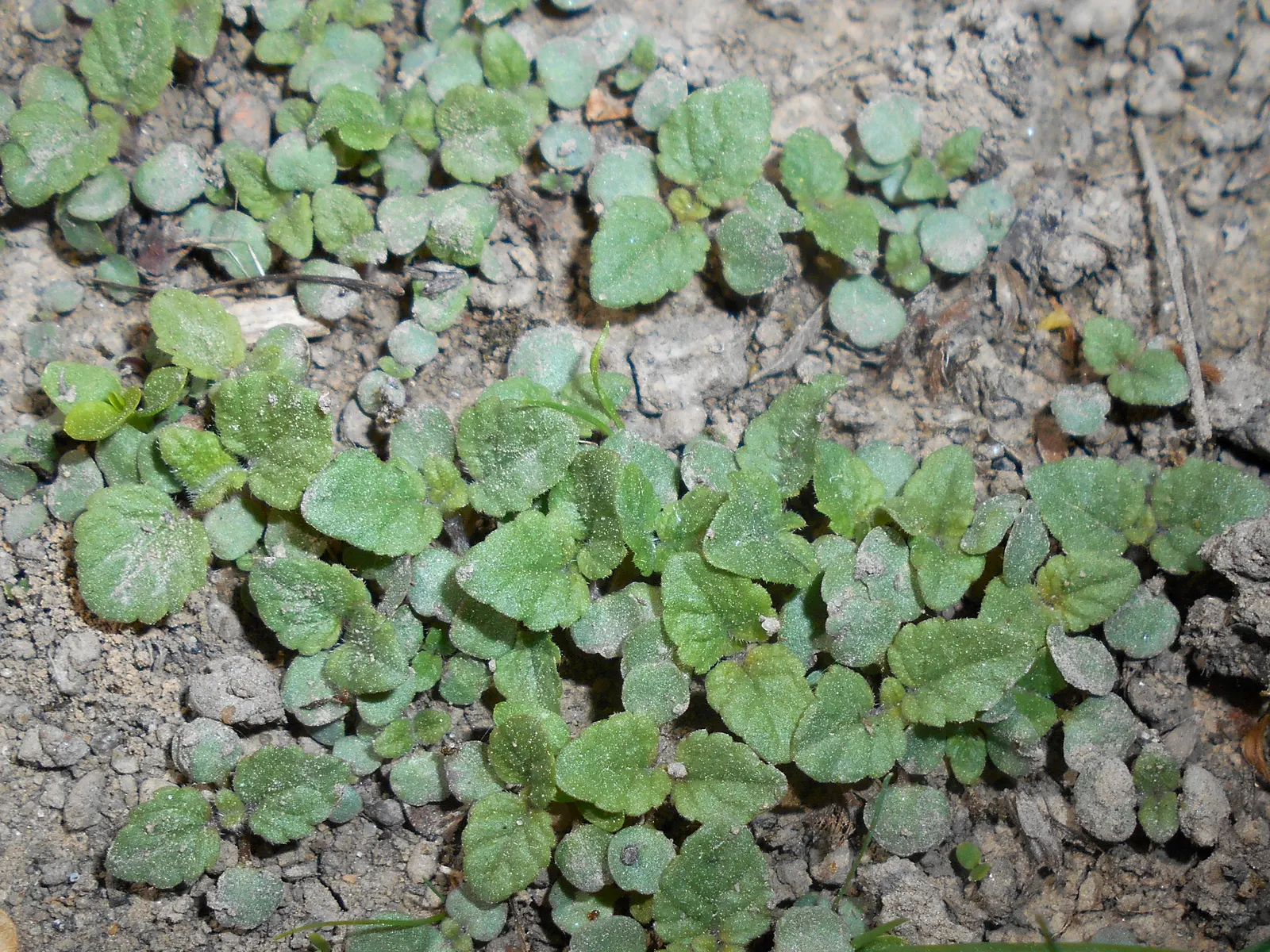
Lemon Balm (Melissa Officinalis) — reaching up to 24 inches tall and spreading 12-24 inches wide; lemon Balm adds a pleasant lemon scent and, image 43
Lemon Balm (Melissa Officinalis) — It is also relatively drought-resistant once established; making it a multifunctional addition to any garden, image 75
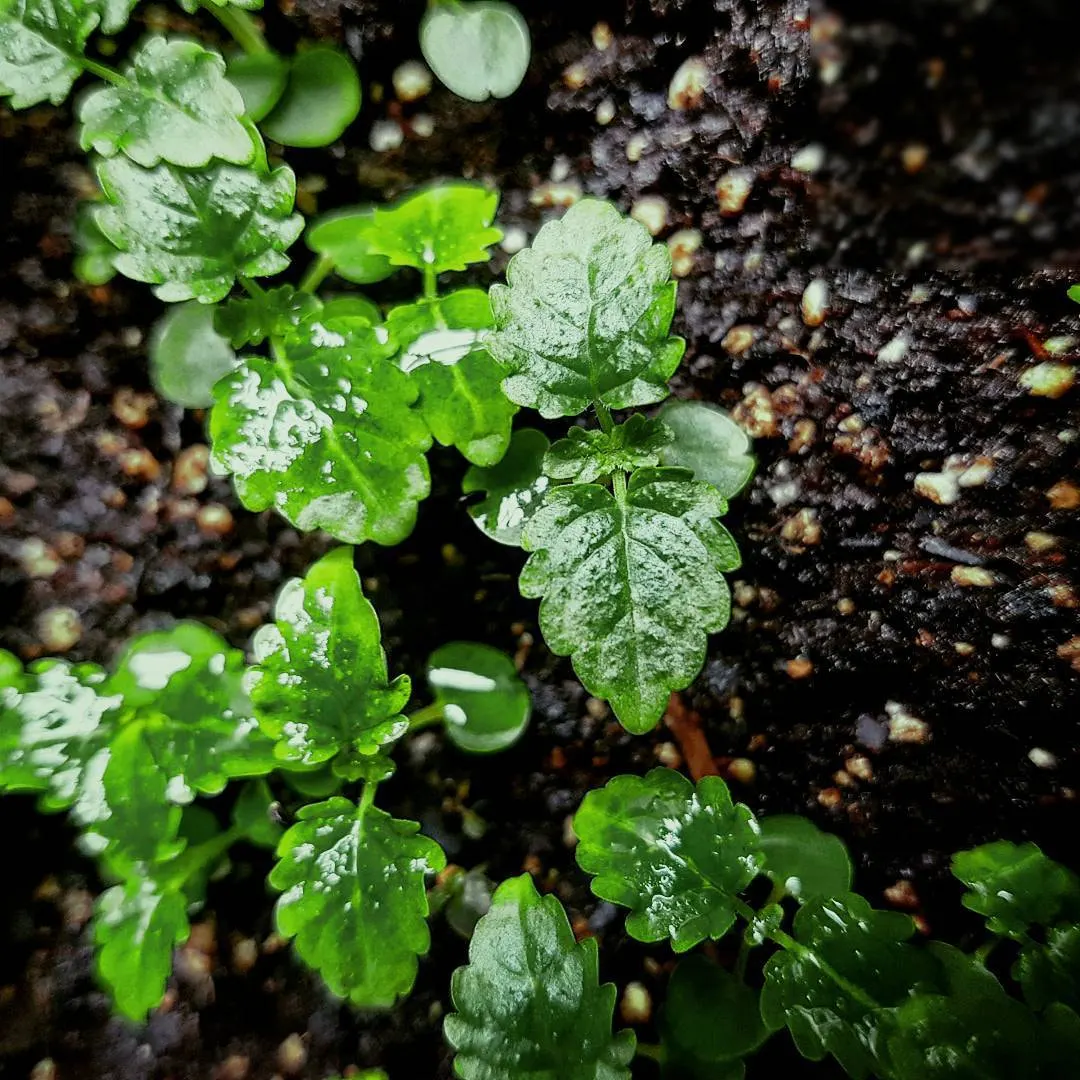
Lemon Balm (Melissa Officinalis) — It is also relatively drought-resistant once established; making it a multifunctional addition to any garden, image 96
Lemon Balm (Melissa Officinalis) — adding a sensory experience to the landscape; including partial shade to full sun exposure
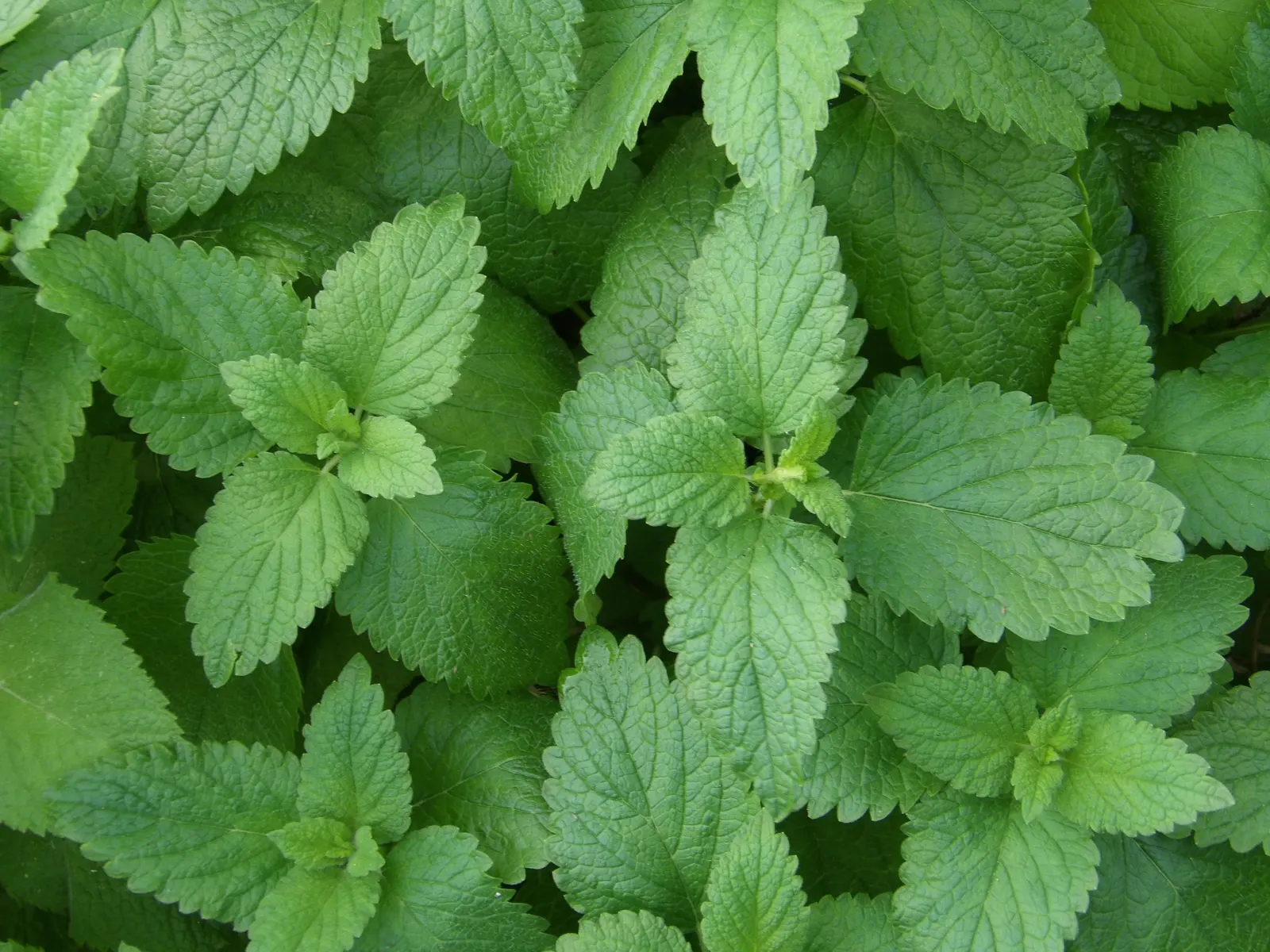
Lemon Balm (Melissa Officinalis) — making it a multifunctional addition to any garden, image 60
Lemon Balm (Melissa Officinalis) — hence its genus name 'Melissa' (Greek for 'honey bee')
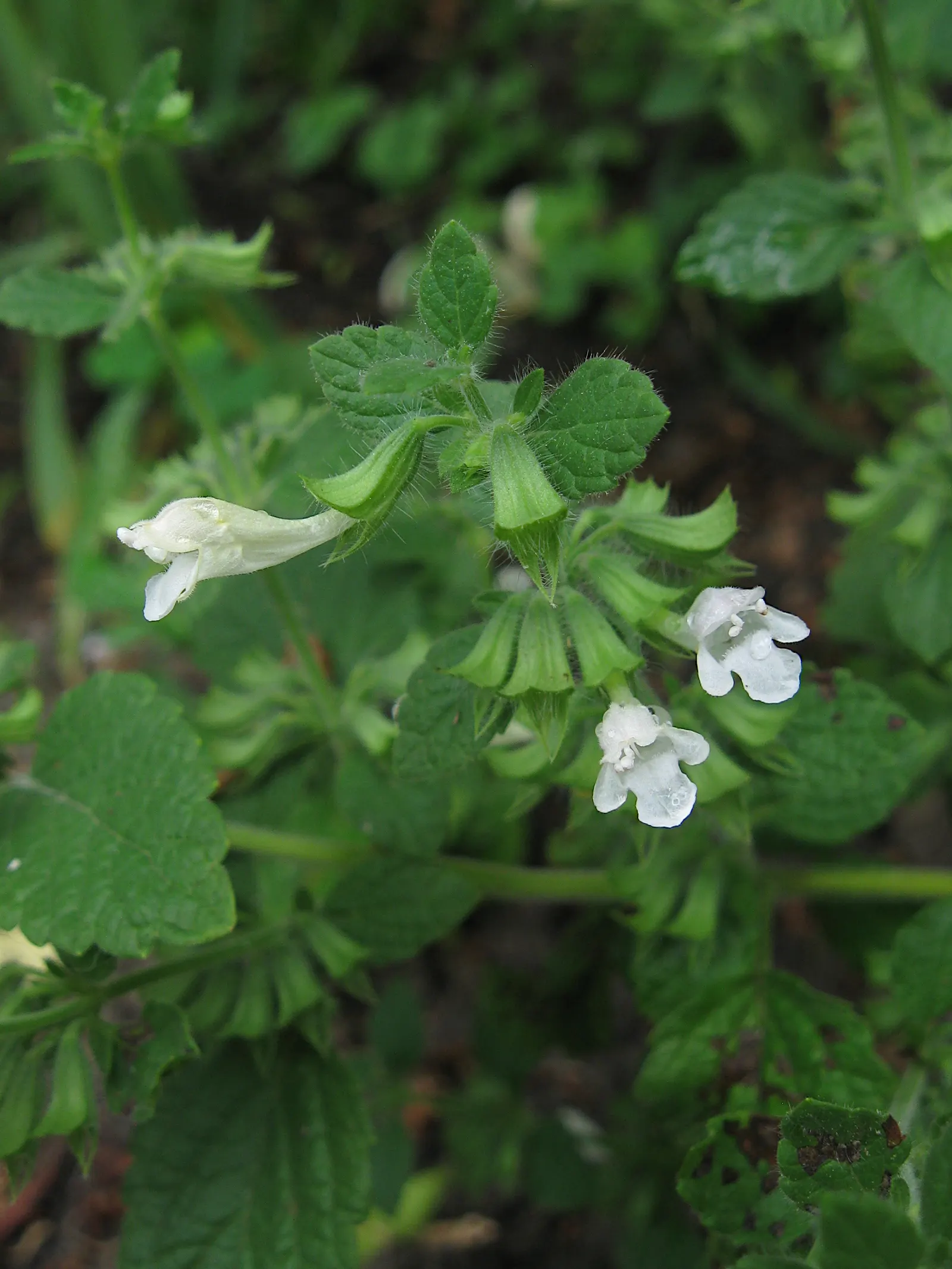
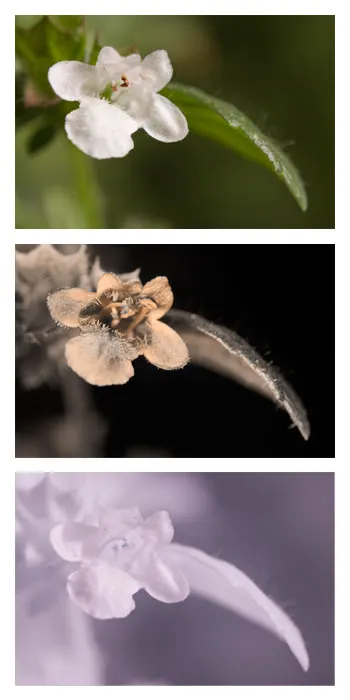
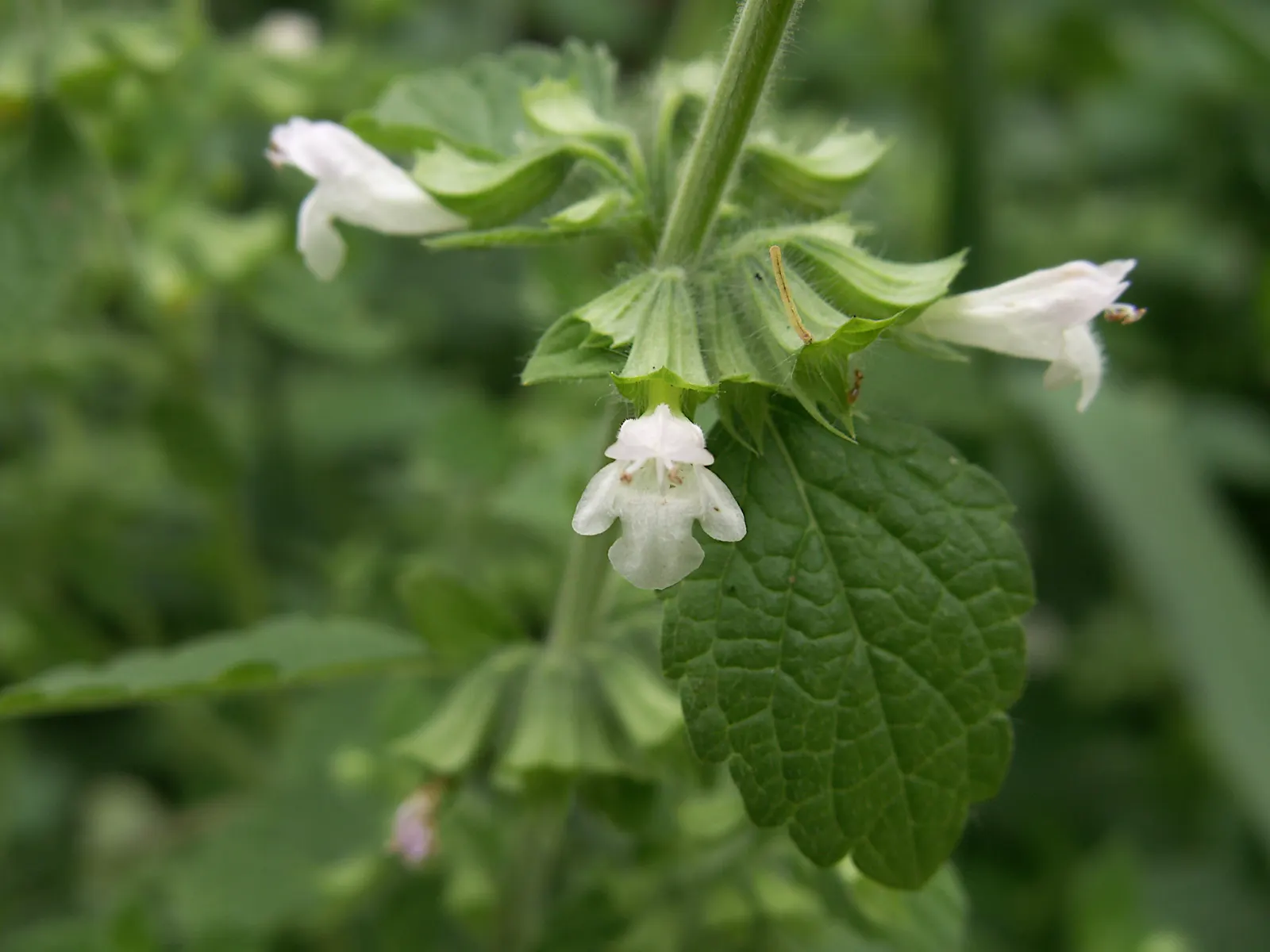
Lemon Balm (Melissa Officinalis) — white or pale yellow flowers which are highly attractive to pollinators; making it a multifunctional addition to any garden
Lemon Balm (Melissa Officinalis) — white or pale yellow flowers which are highly attractive to pollinators; making it a multifunctional addition to, image 72
Lemon Balm (Melissa Officinalis) — consider its ability to self-seed and spread; therefore; making it a multifunctional addition to any garden, image 78
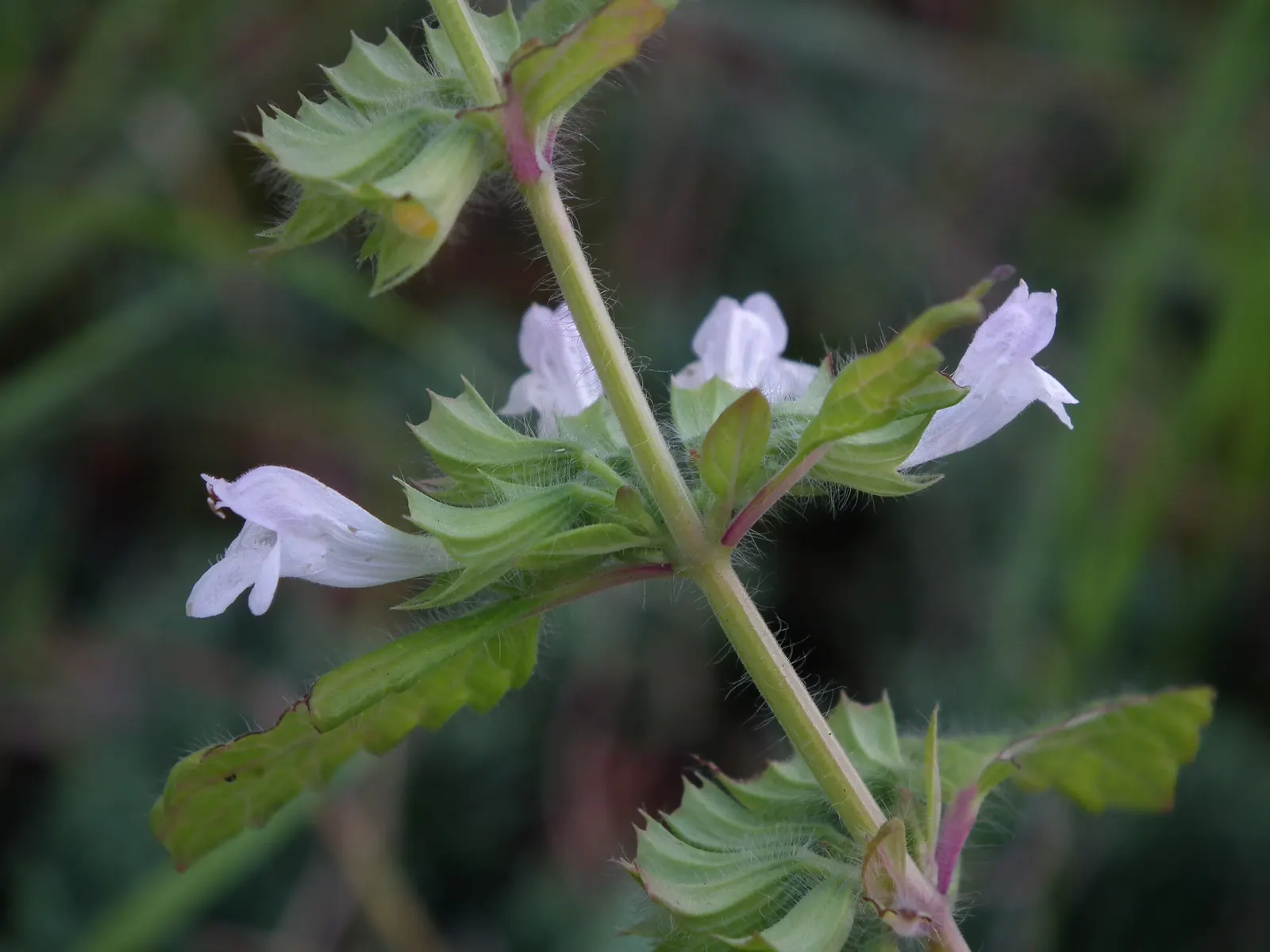
Lemon Balm (Melissa Officinalis) — white or pale yellow flowers which are highly attractive to pollinators
Lemon Balm (Melissa Officinalis) — reaching up to 24 inches tall and spreading 12-24 inches wide; lemon Balm adds a pleasant lemon scent and, image 64
Lemon Balm (Melissa Officinalis) — This versatile plant tolerates a range of soil conditions, but prefers well-drained loam; making it a, image 87
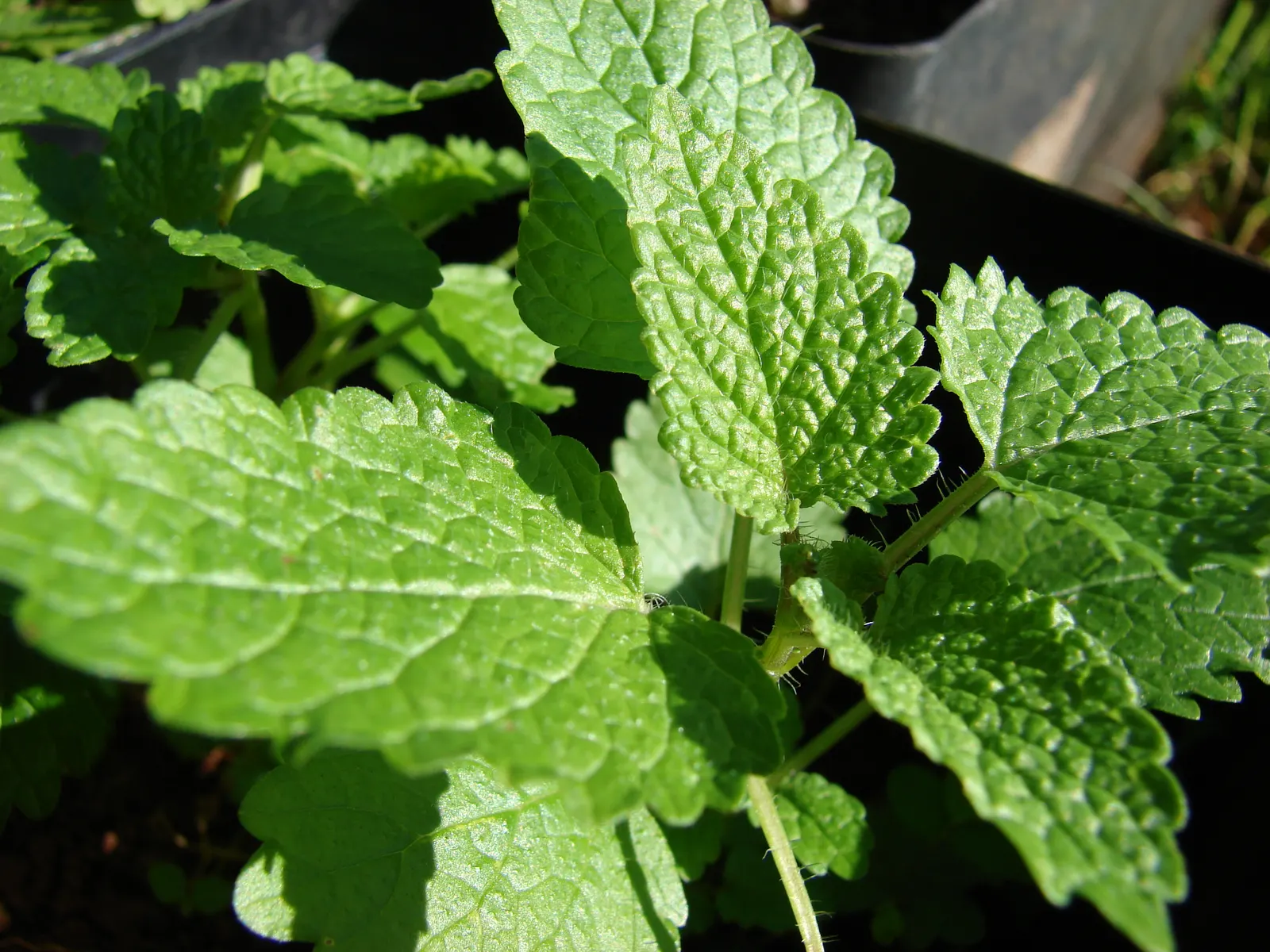
Lemon Balm (Melissa Officinalis) — Prized for its aromatic, heart-shaped leaves and tiny white flowers, it thrives in full sun to partial shade, image 86
Lemon Balm (Melissa Officinalis) — herb for full or half; making it a multifunctional addition to any garden, image 105
Lemon Balm (Melissa Officinalis) — adding a sensory experience to the landscape; including partial shade to full sun exposure, image 50
Lemon Balm (Melissa Officinalis) — this plant typically reaches a height of 12 to 24 inches
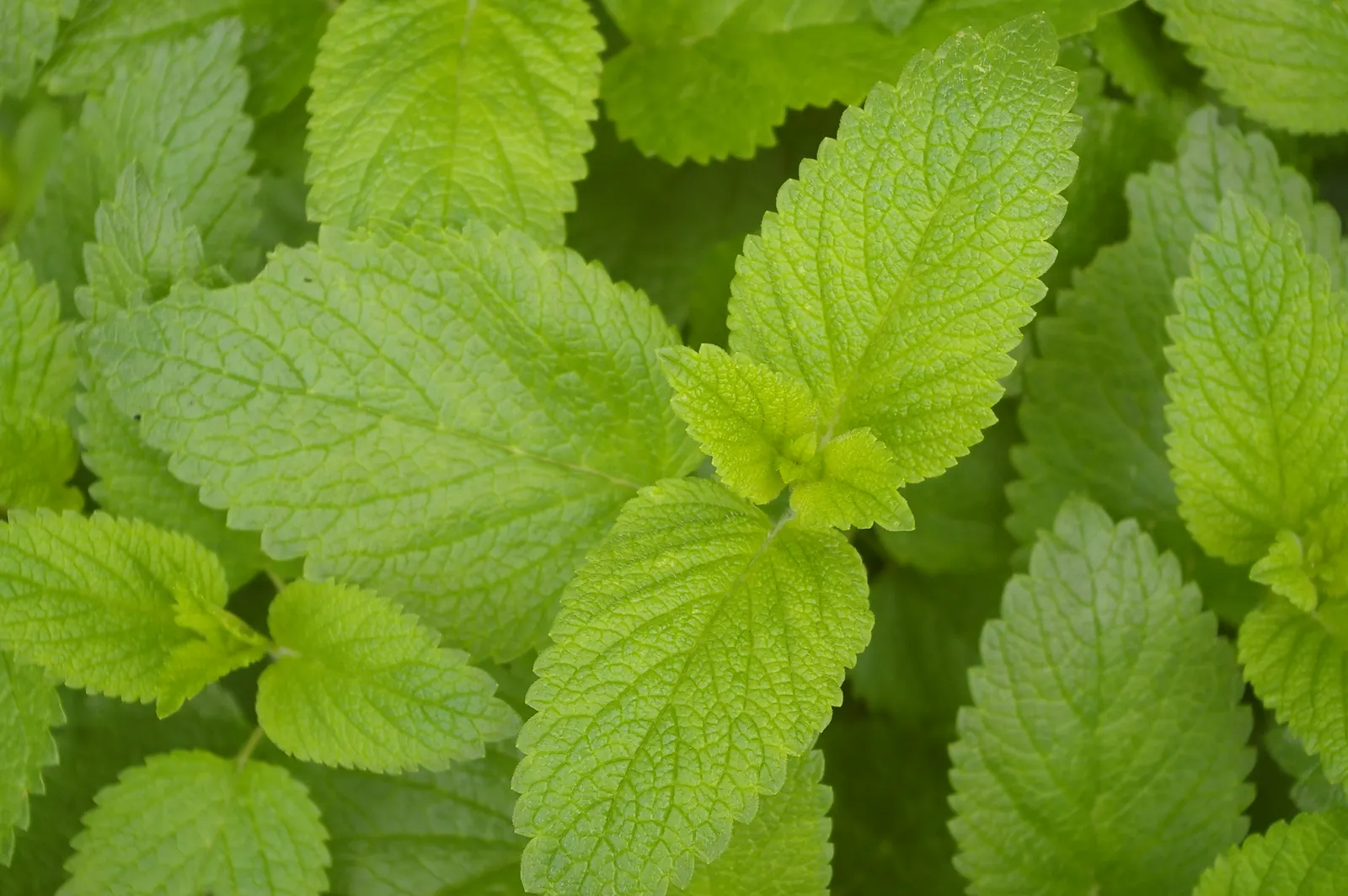
Lemon Balm (Melissa Officinalis) — Prized for its aromatic, heart-shaped leaves and tiny white flowers, it thrives in full sun to partial shade
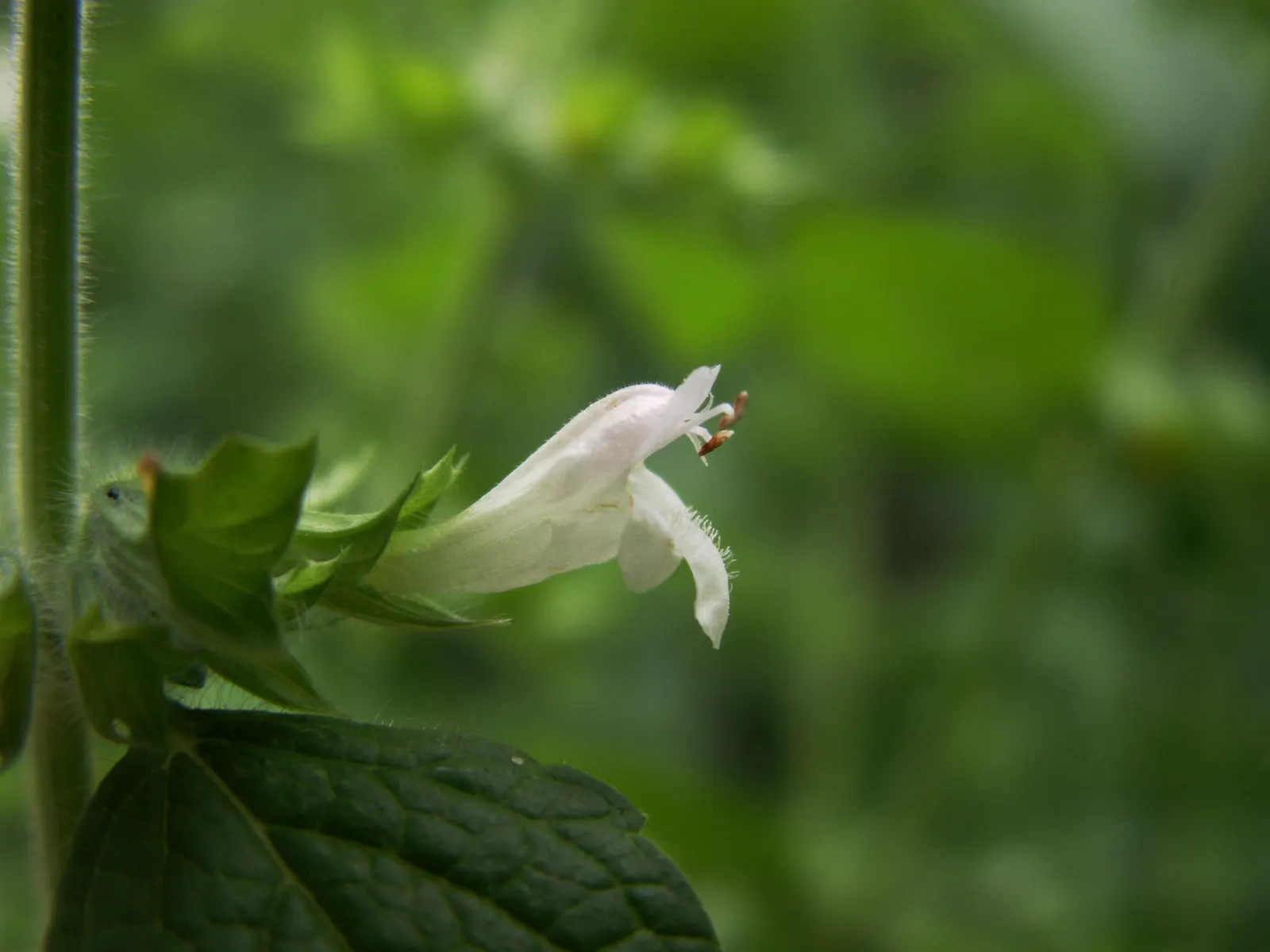
Lemon Balm (Melissa Officinalis) — white flowers in the garden
Lemon Balm (Melissa Officinalis) — although it benefits from regular watering for optimal growth and a more lush appearance; lemon Balm adds a pleasant lemon
Lemon Balm (Melissa Officinalis) — this plant typically reaches a height of 12 to 24 inches; lemon Balm adds a pleasant lemon scent and attracts, image 49
Lemon Balm (Melissa Officinalis) — Lemon Balm adds a pleasant lemon scent and attracts pollinators, enhancing garden biodiversity
Photographs by 11 contributors

Related plants