Skip to content

Chinaberry

Melia Azedarach

Design with this plant

Overview

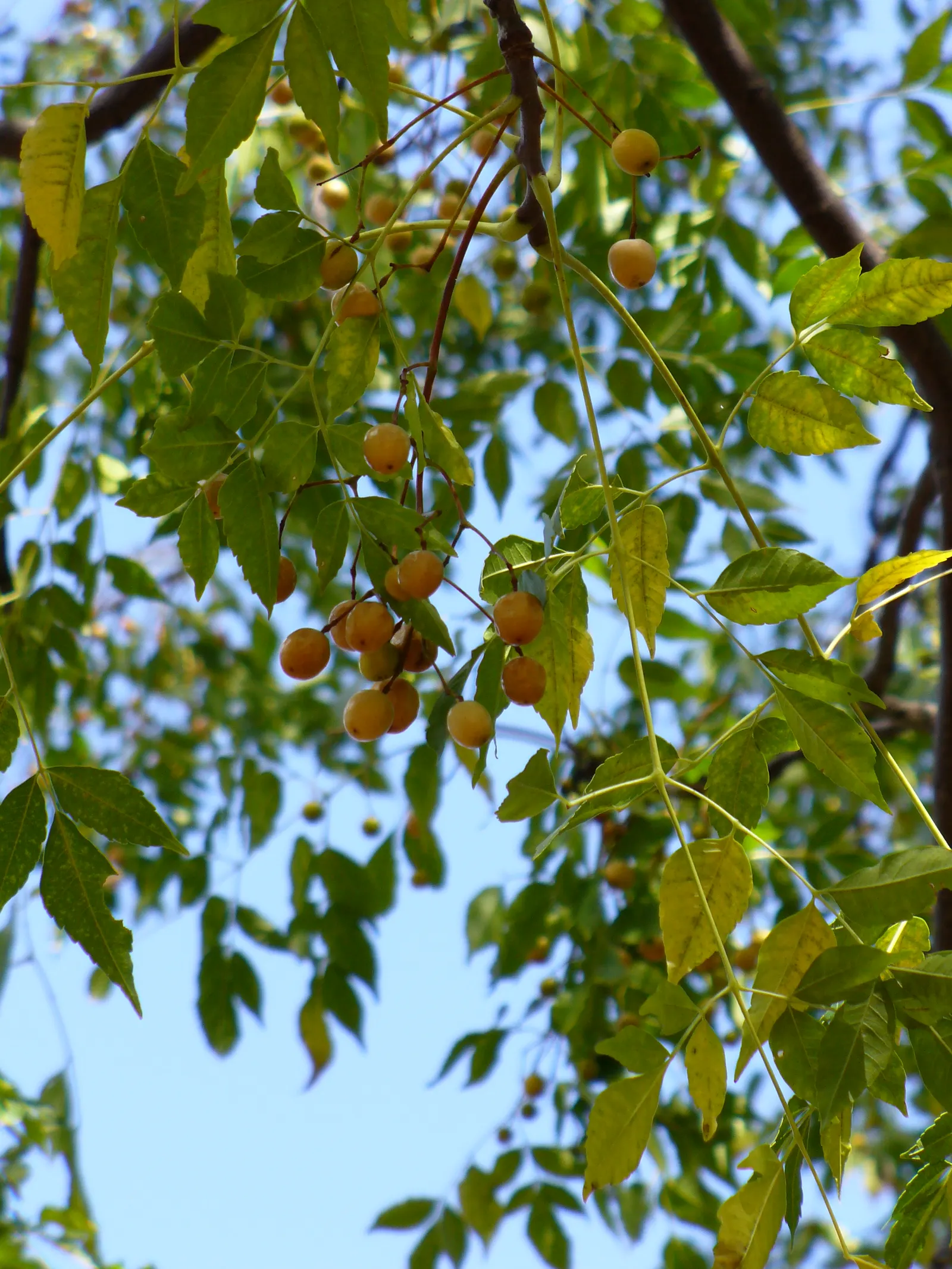
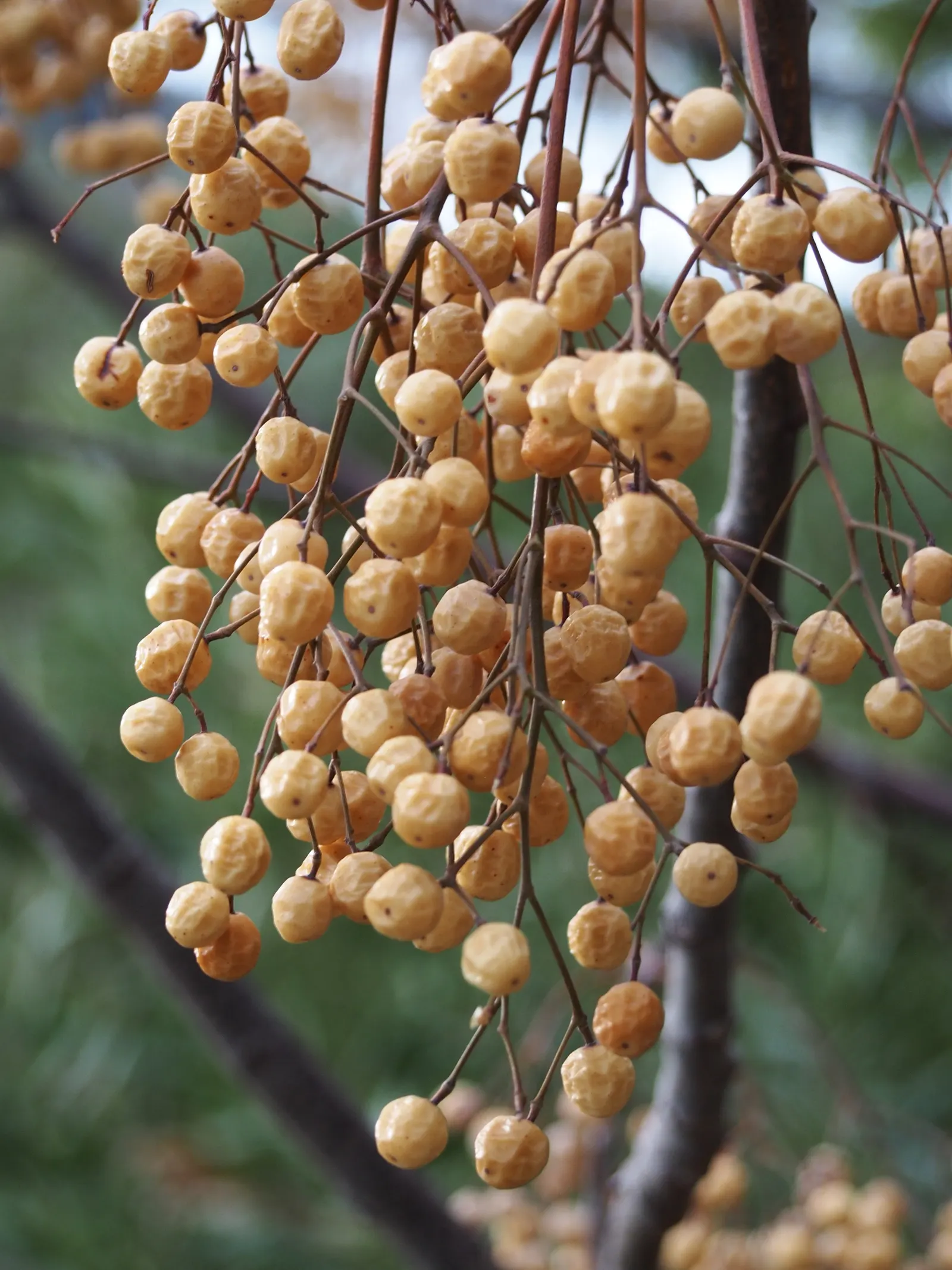
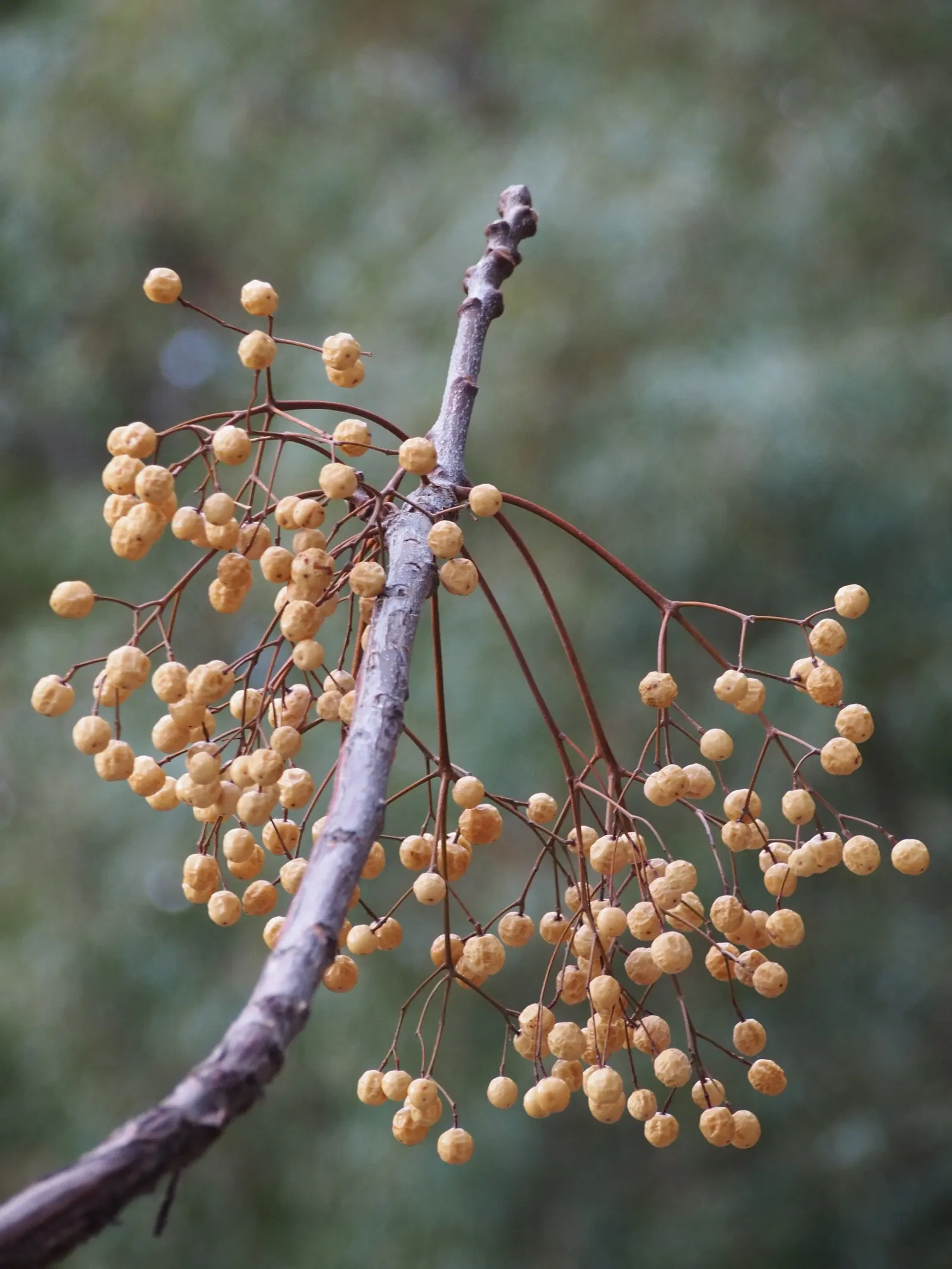
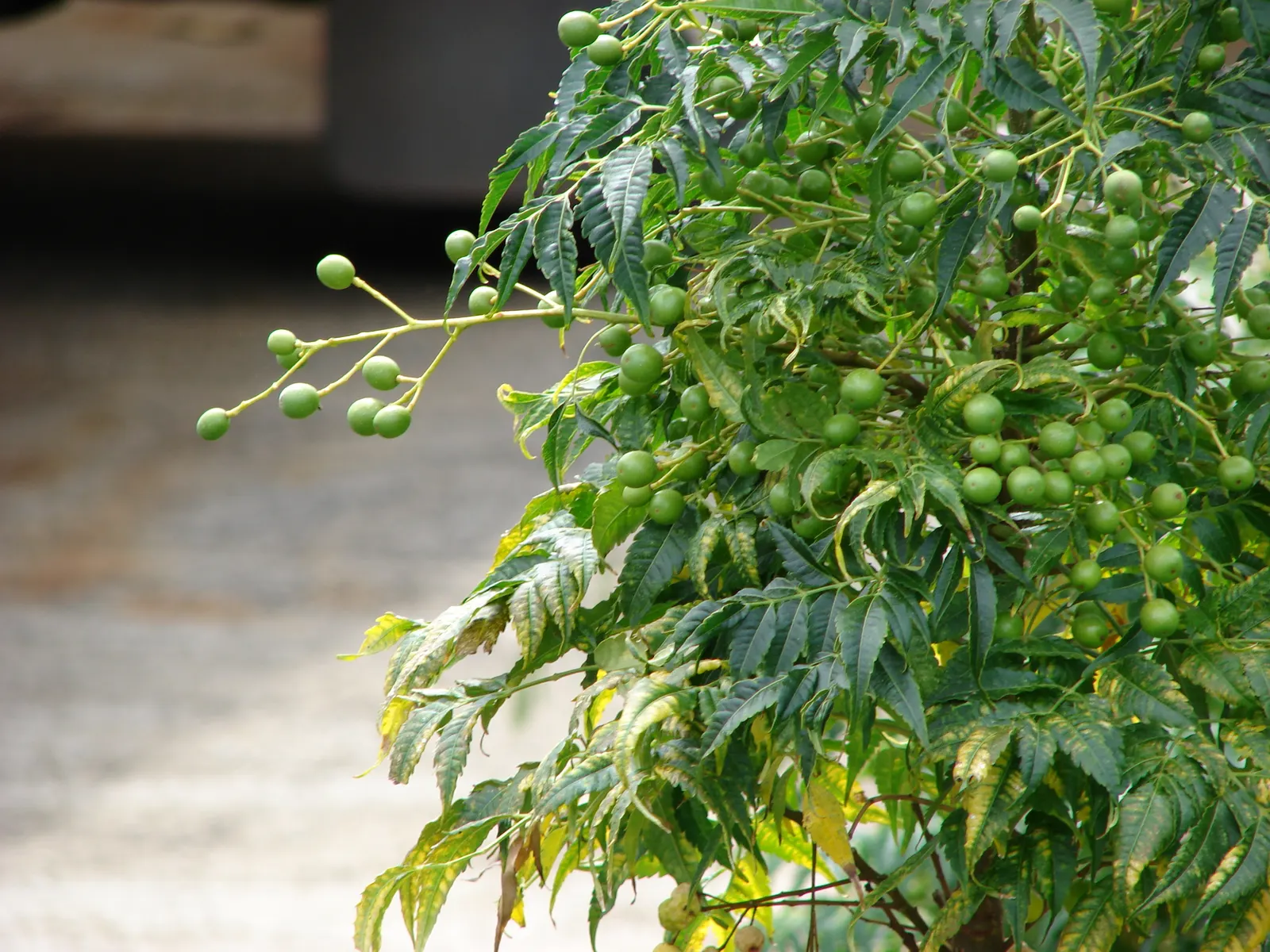
The Chinaberry, or Melia azedarach, is a deciduous tree that reaches 30-50 feet in height with a spread of about 20-30 feet. It boasts fragrant lilac blossoms in spring, followed by yellow, berry-like drupes that persist into winter. Preferring full sun, it thrives in zones 7-11. Caution: parts are toxic if ingested. Delicate, lace-like foliage offers dappled shade, ideal for enhancing urban landscapes and gardens.

Sun Full, HalfWater LowZones 8–10Type Tree
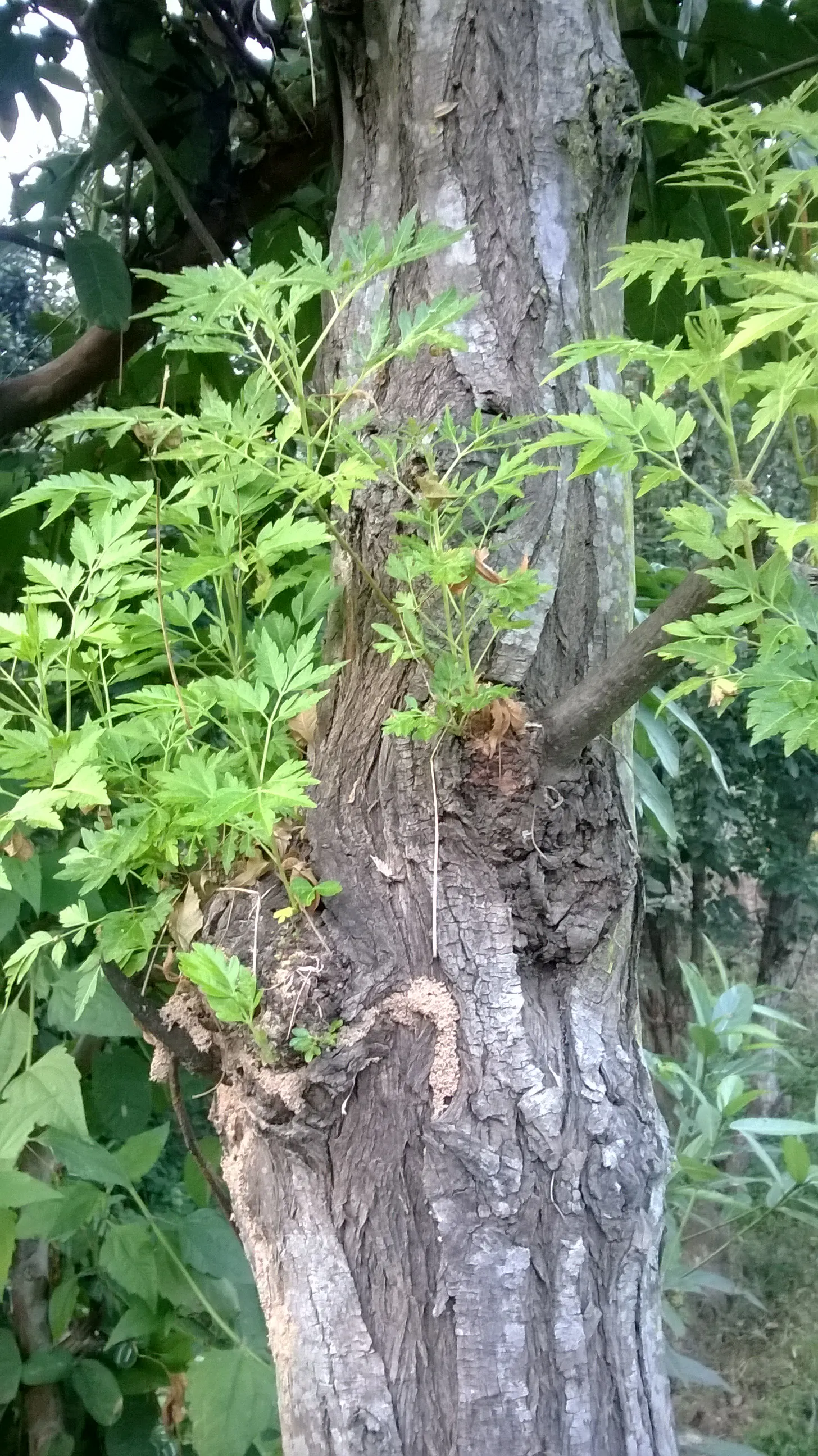
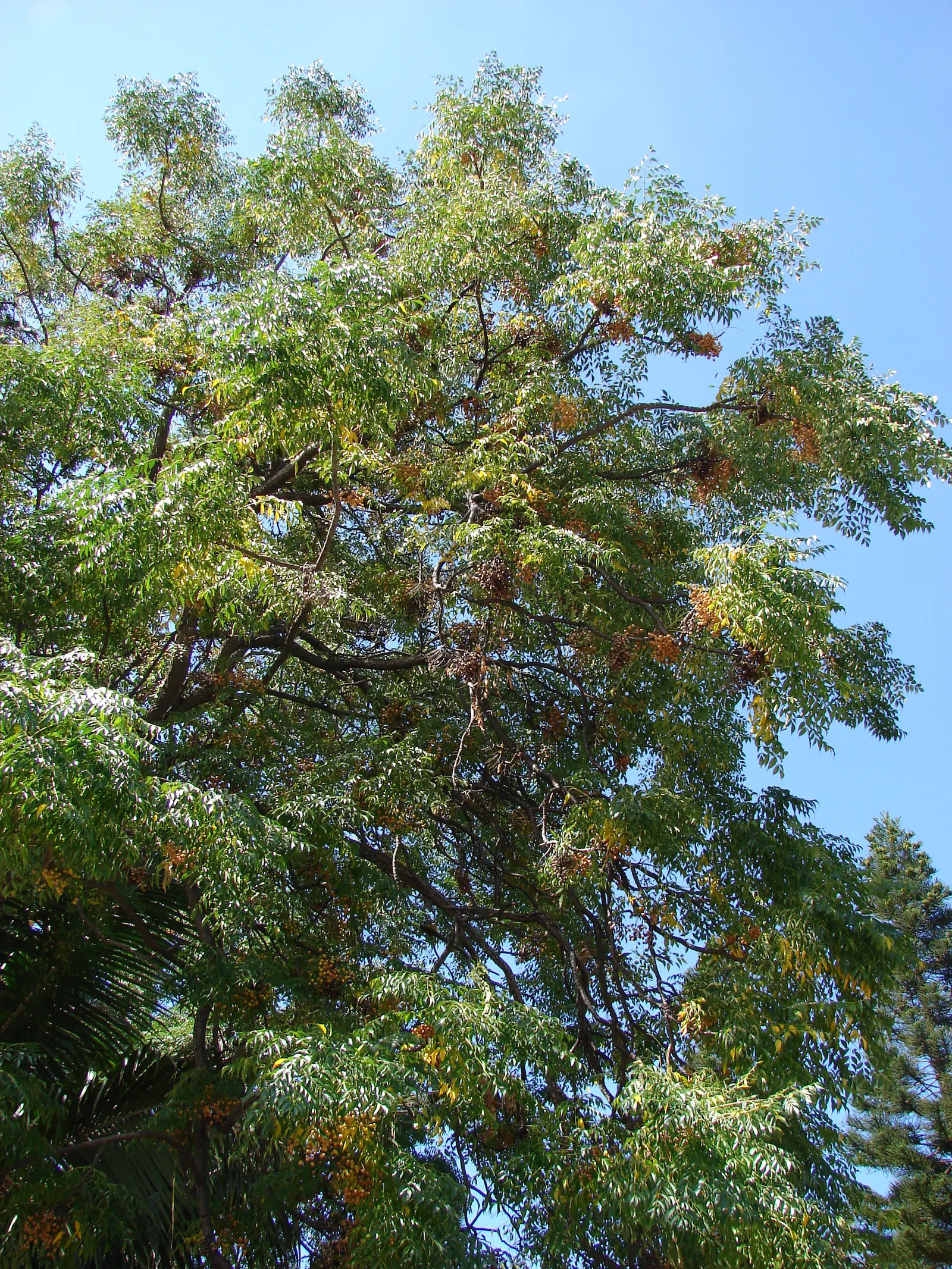
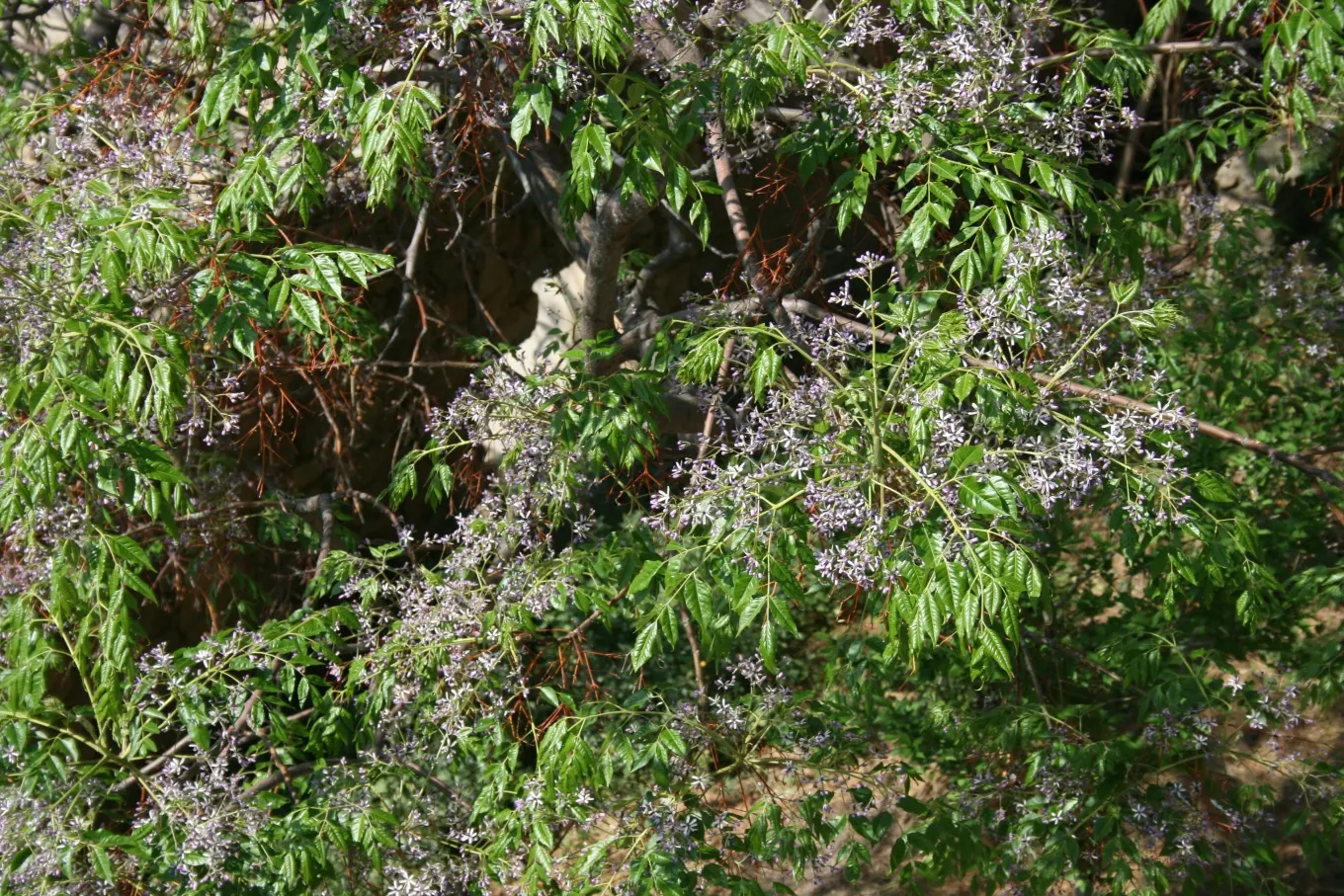
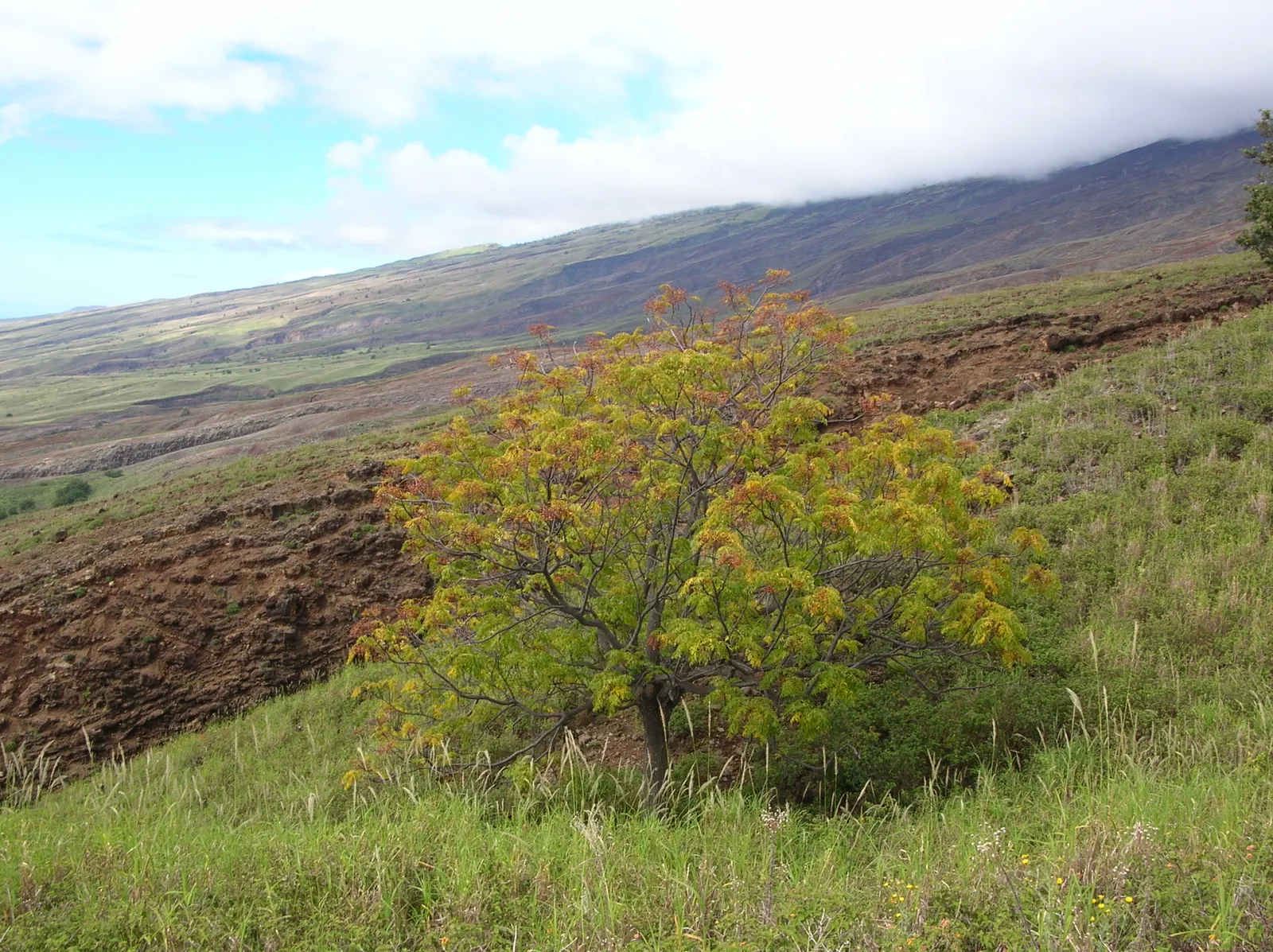
Chinaberry (Melia Azedarach) — deciduous tree renowned for its dense and rounded canopy of lush; with its alluring aesthetics, image 79

Culture

Sun
Full, Half
Water
Low
USDA zones
8–10

Shape & size

Classification

Type
Tree
Family
Meliaceae

See full data, regional cultivation notes, and design tools. Build a client presentation around this plant.

Start your 14-day trial

Photos (101)

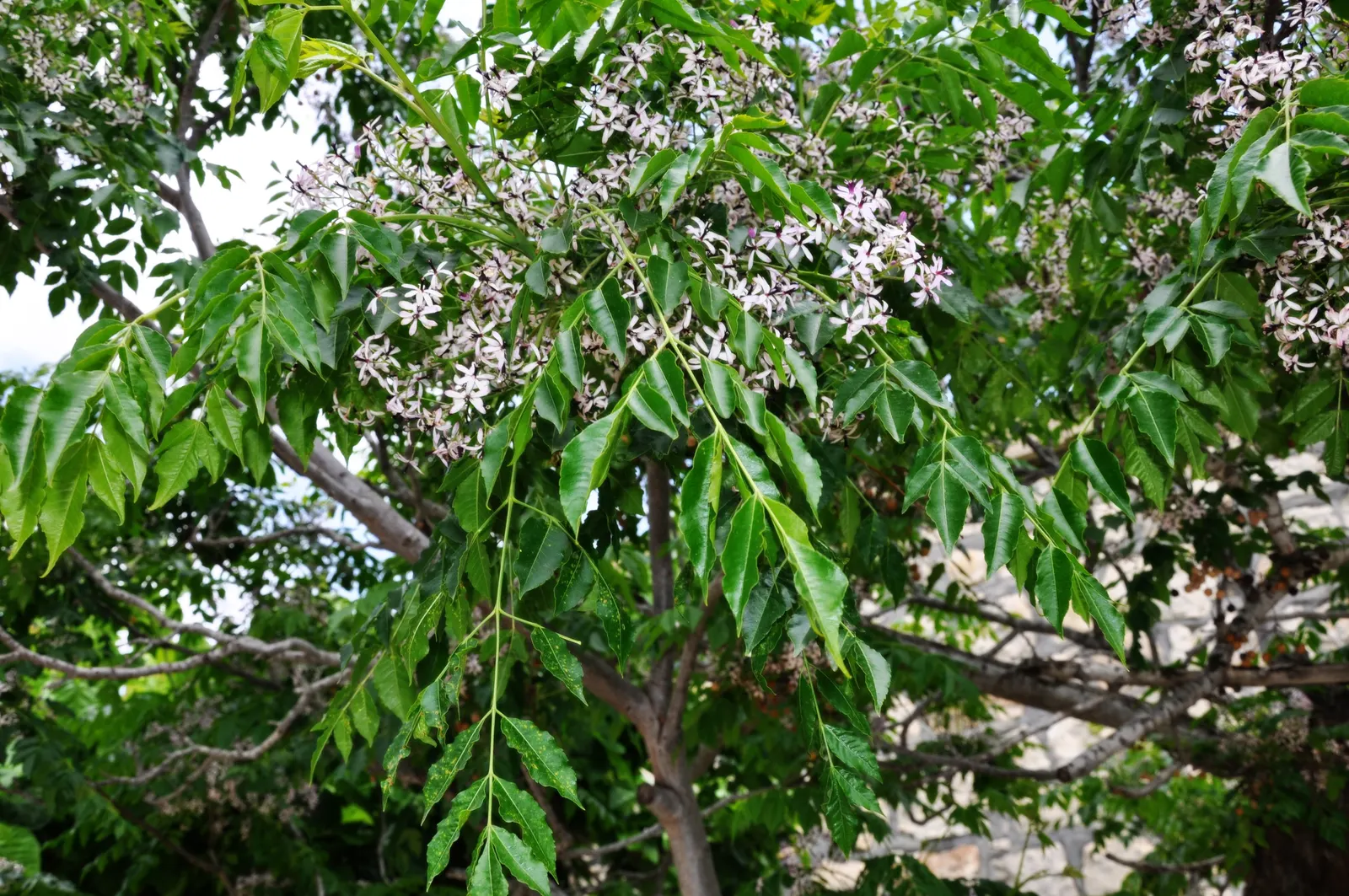
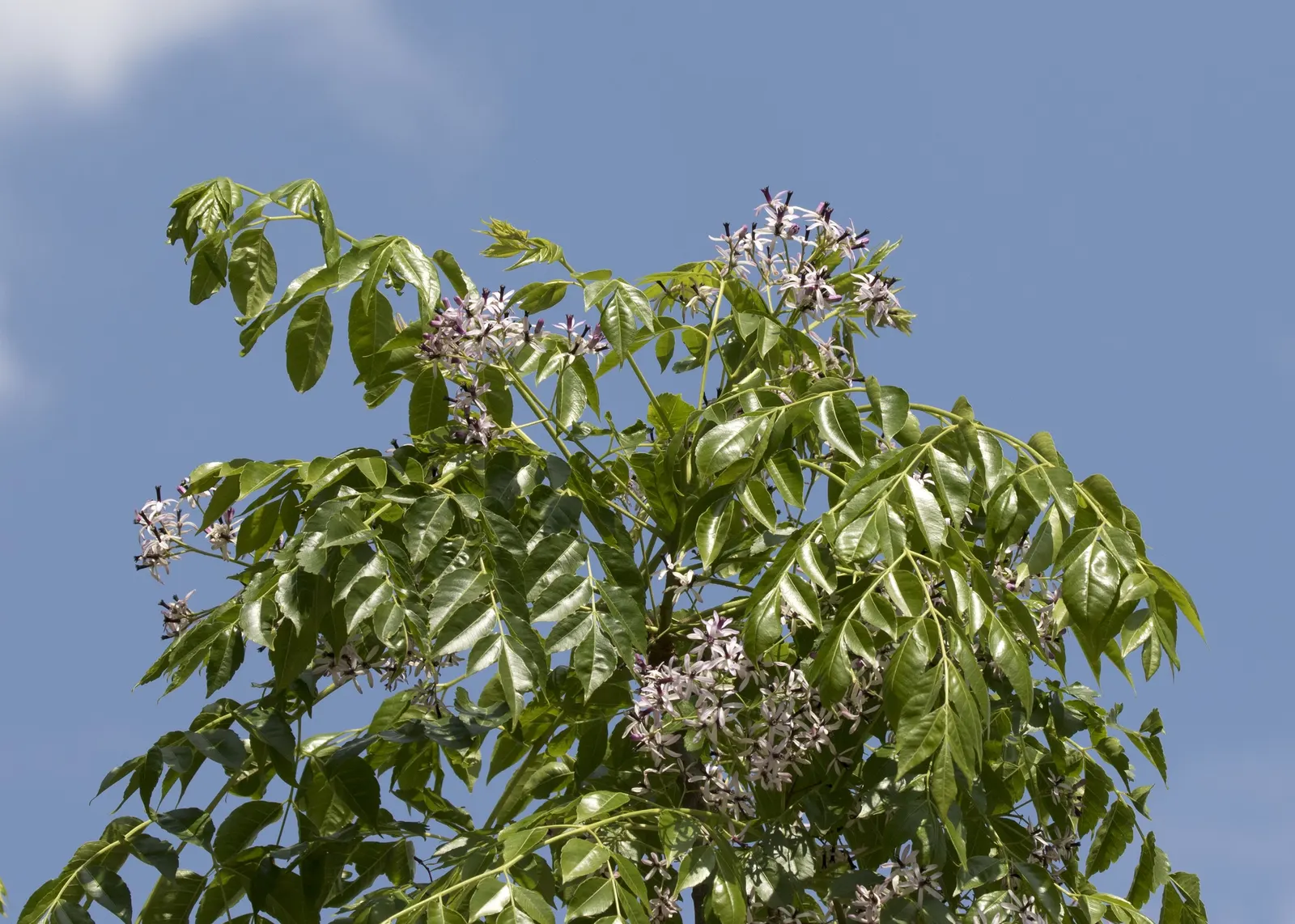
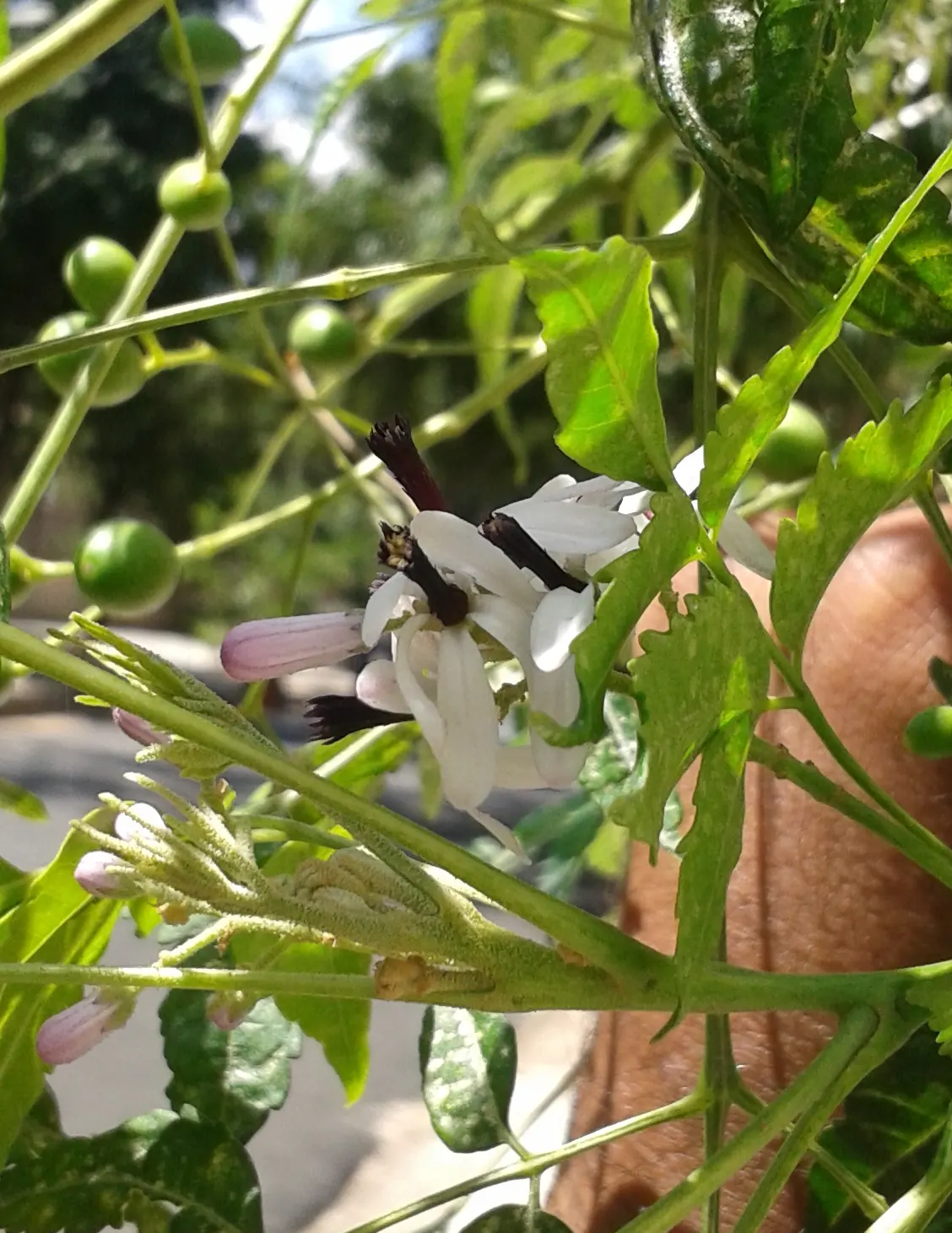
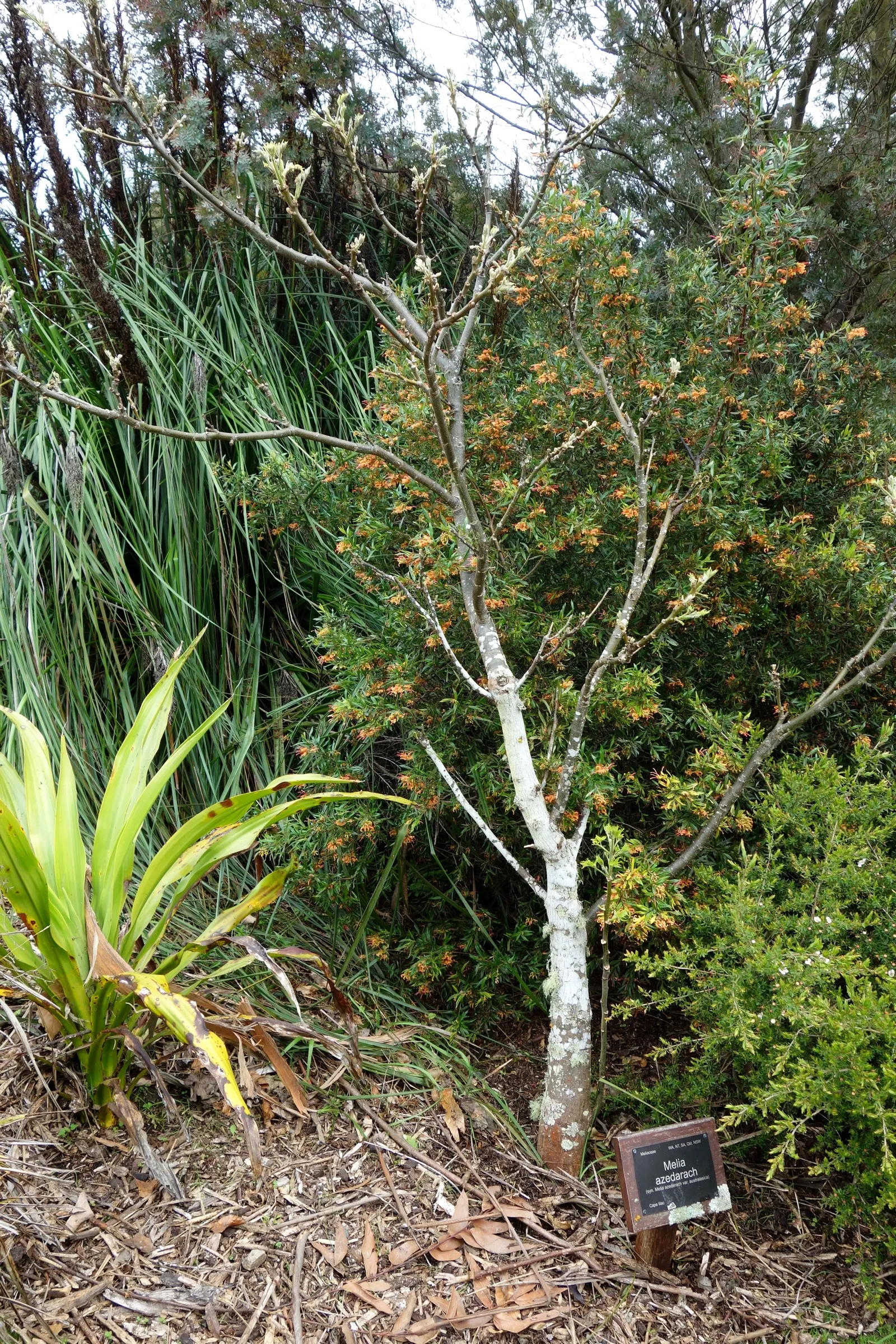
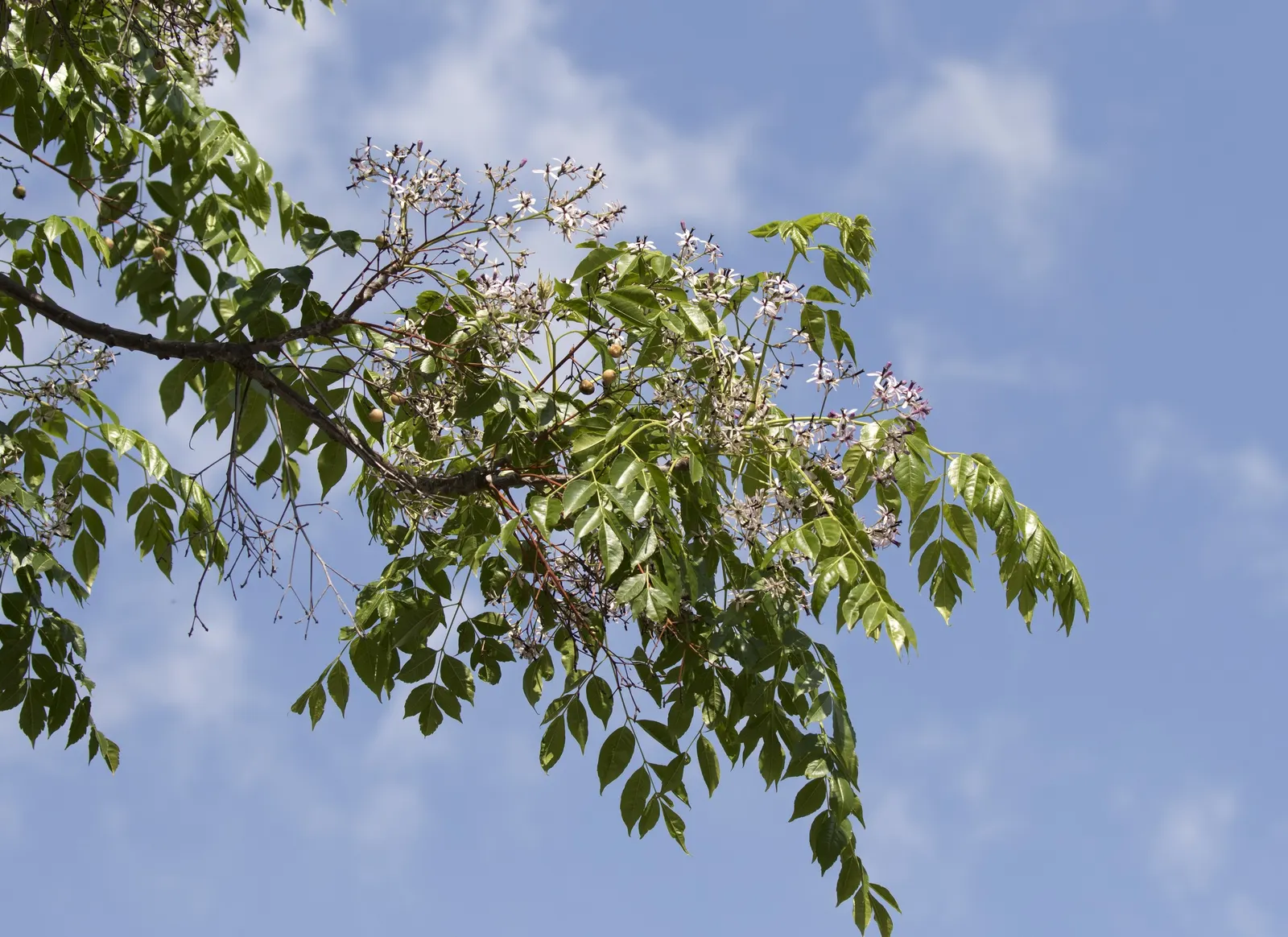
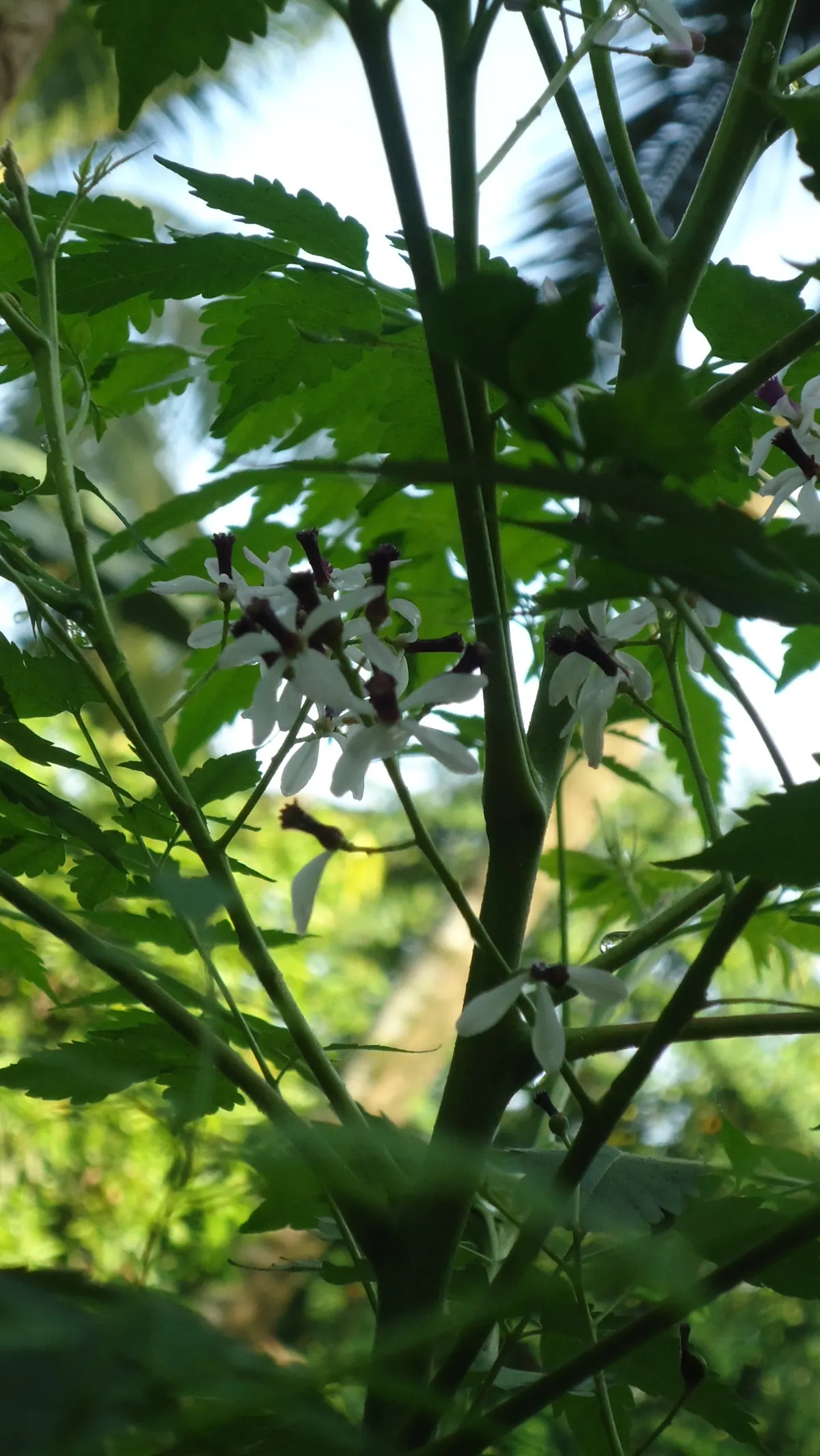
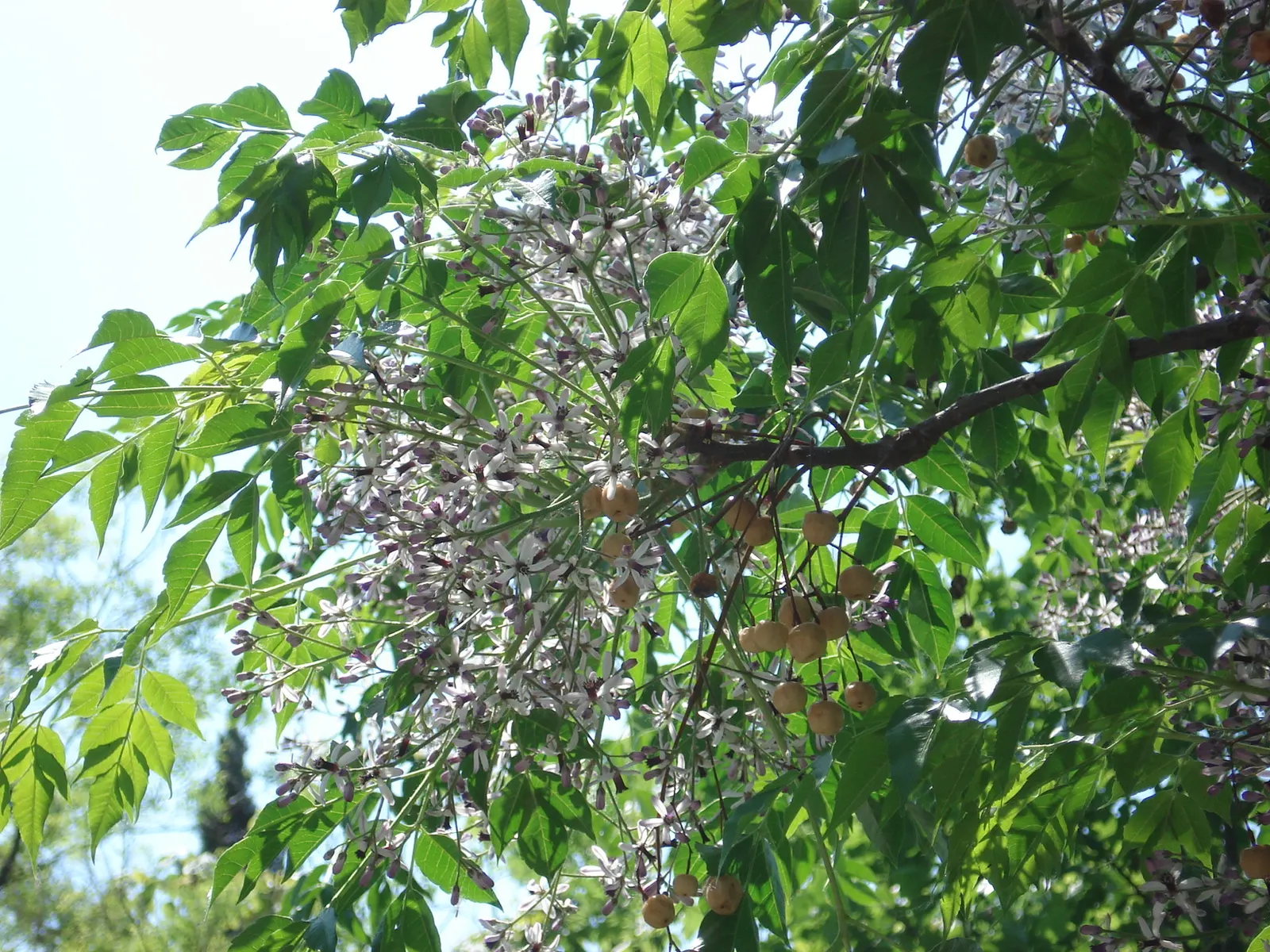
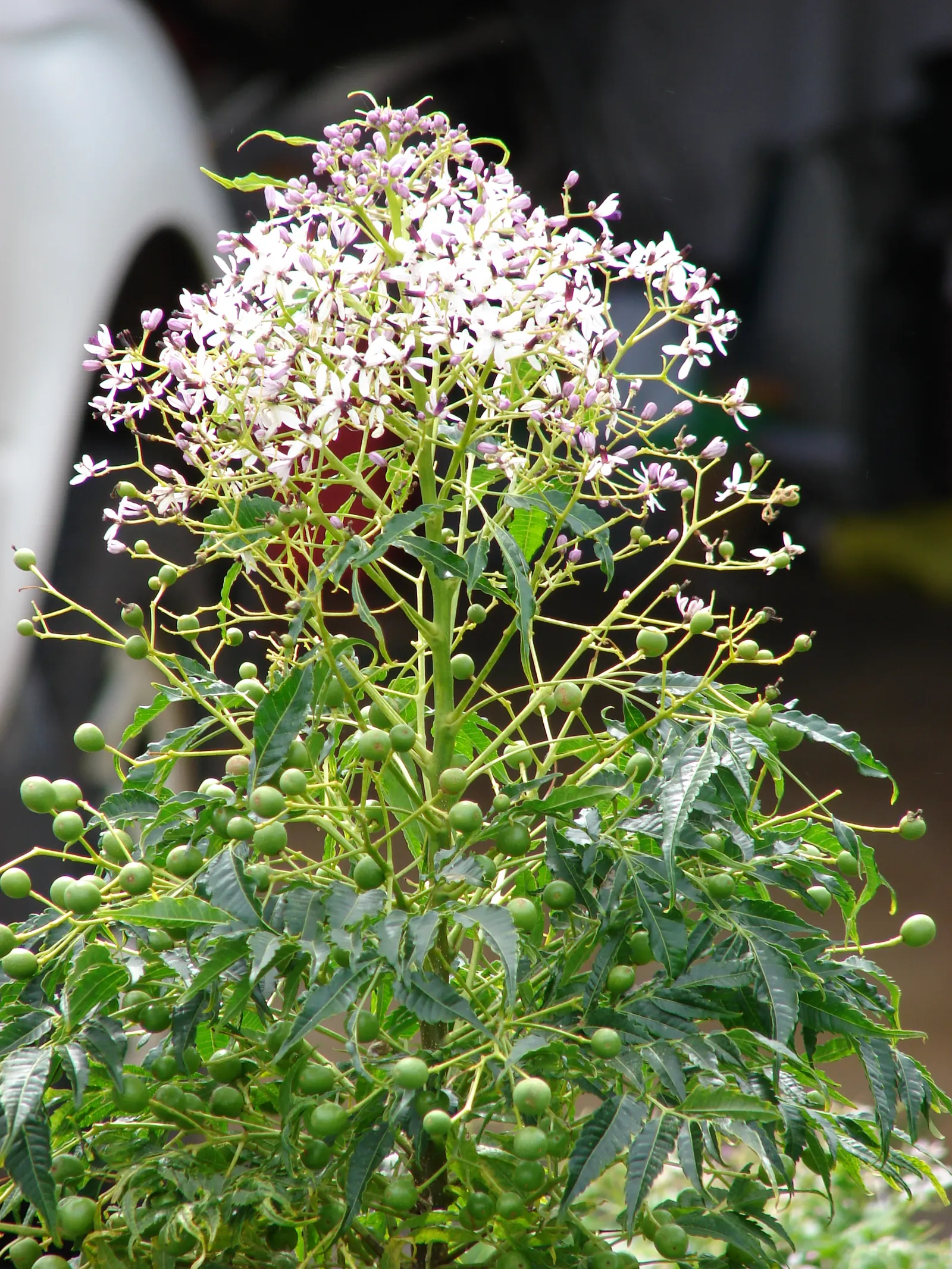
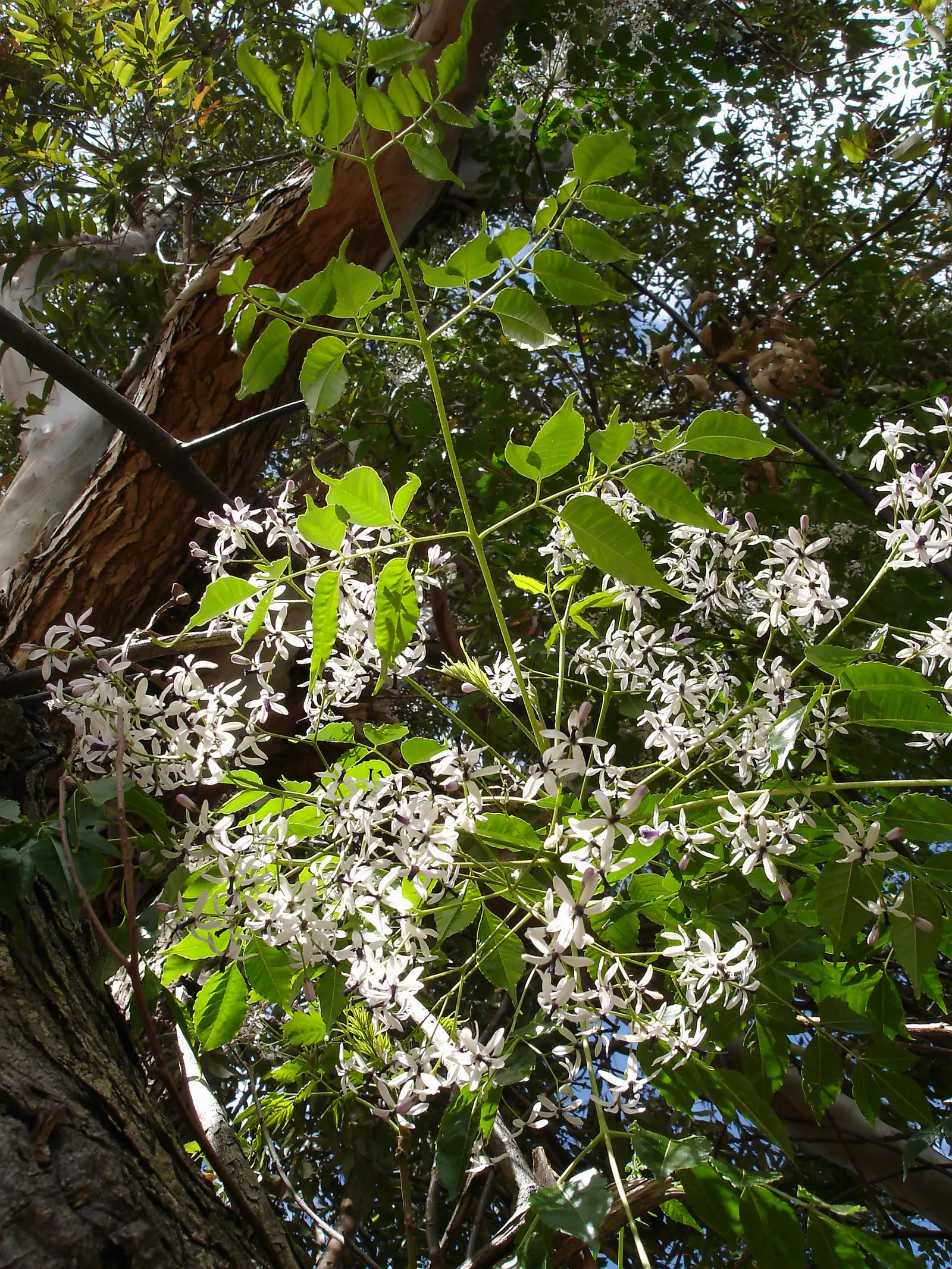
Chinaberry (Melia Azedarach) — fragrant lilac-colored flowers bloom in abundant clusters
Chinaberry (Melia Azedarach) — although it exhibits considerable drought tolerance once established
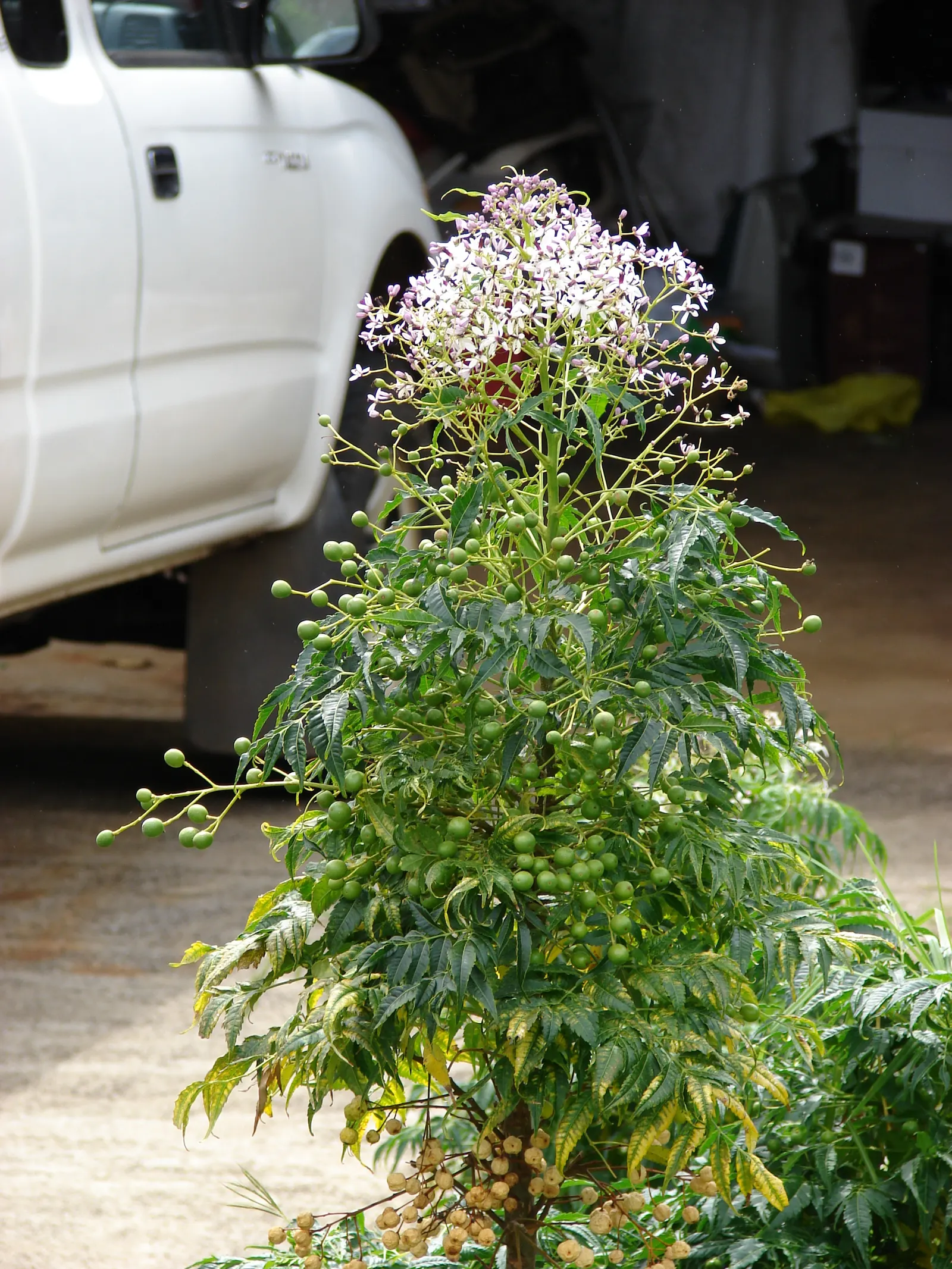
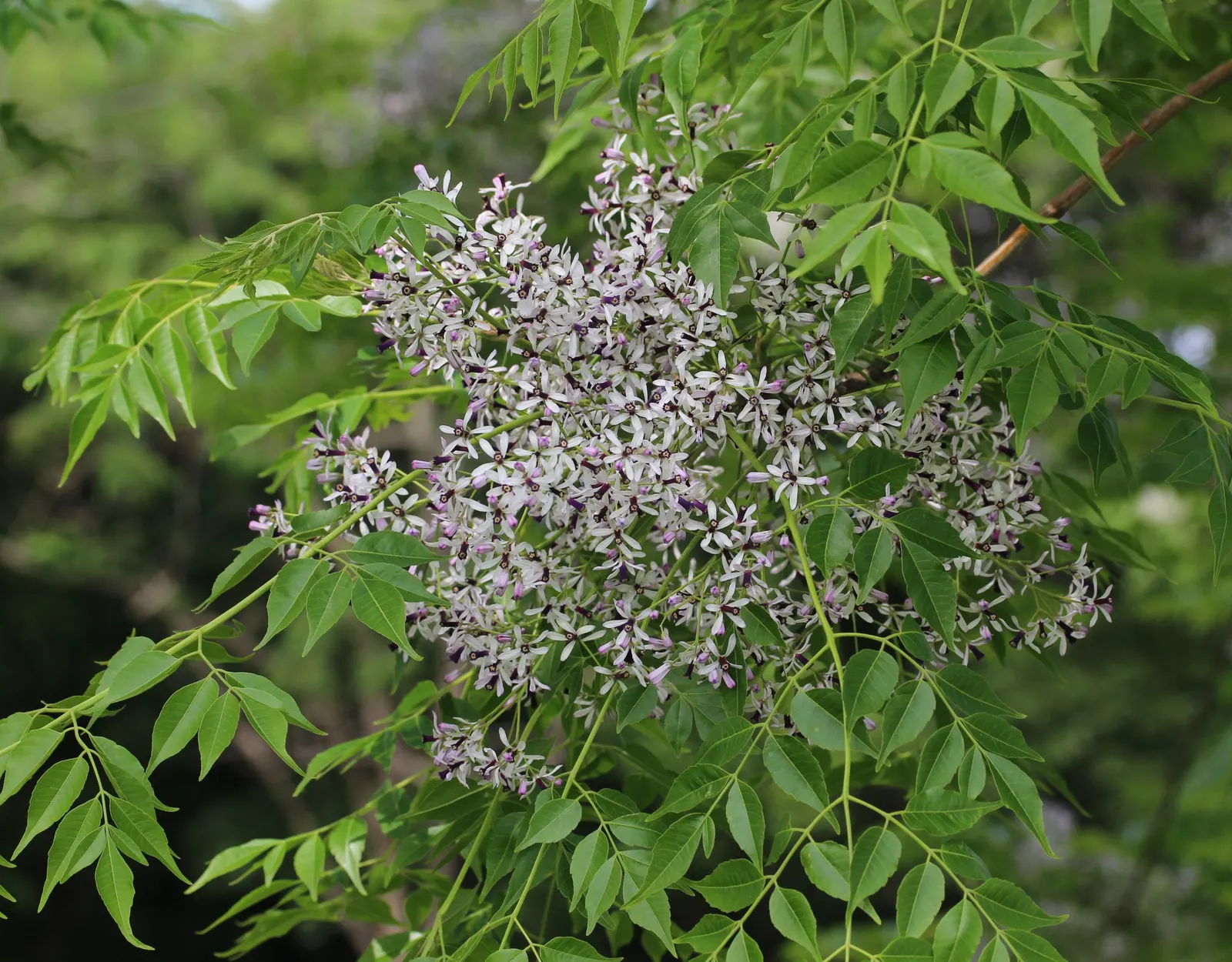
Chinaberry (Melia Azedarach) — fragrant lilac-colored flowers bloom in abundant clusters; consider its rapid growth rate and potential invasiveness, image 58
Chinaberry (Melia Azedarach) — Caution: parts are toxic if ingested; is a deciduous tree that reaches 30-50 feet in height with a spread of about 20-30 feet
Chinaberry (Melia Azedarach) — It favors well-draining loam
Chinaberry (Melia Azedarach) — Preferring full sun, it thrives in zones 7-11; although it exhibits considerable drought tolerance once established
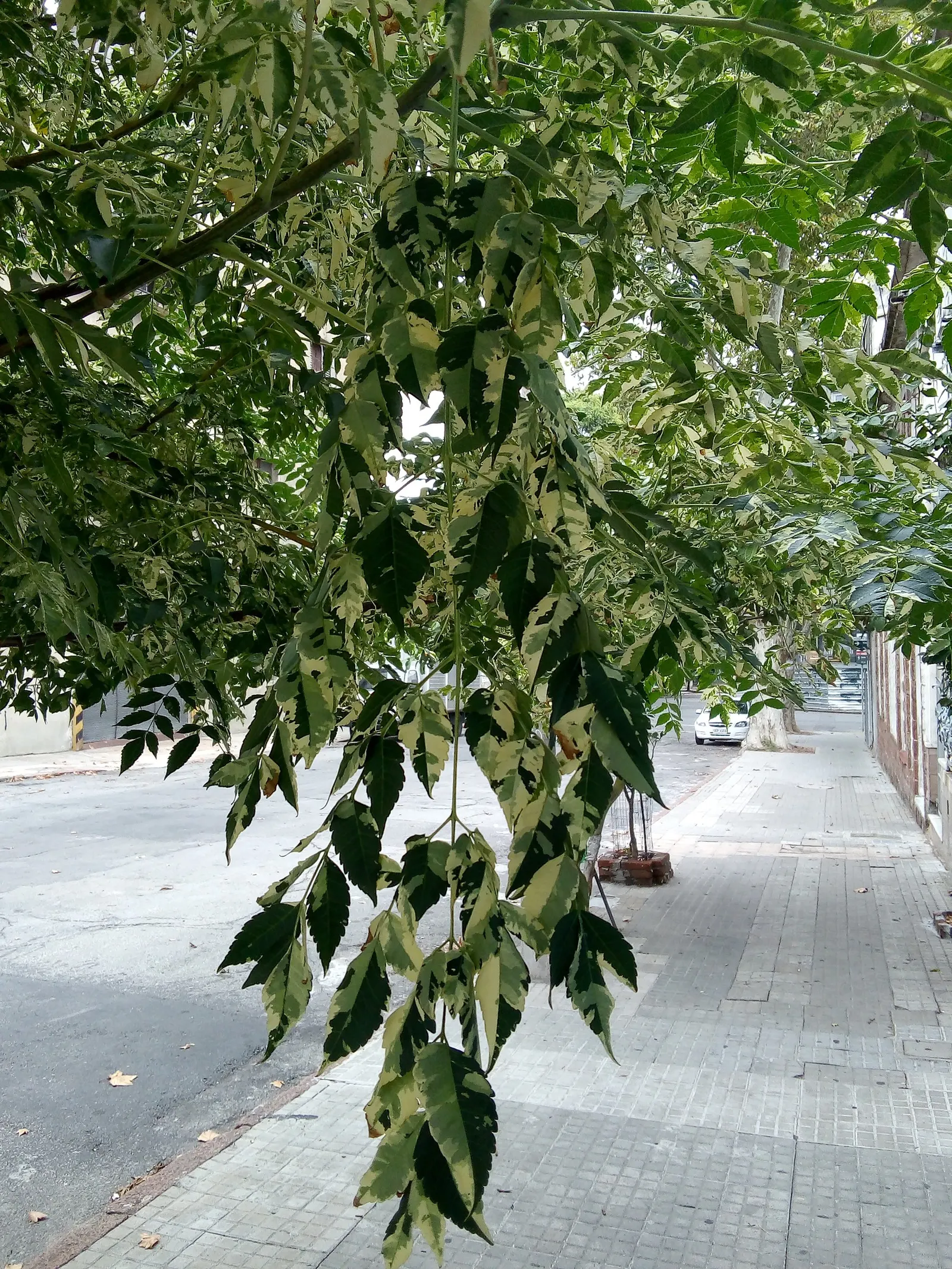
Chinaberry (Melia Azedarach) — Melia azedarach prospers in full sun to partial shade; scientifically known as Melia azedarach, image 63
Chinaberry (Melia Azedarach) — Caution: parts are toxic if ingested; is a deciduous tree that reaches 30-50 feet in height with a spread of about, image 76
Chinaberry (Melia Azedarach) — the Chinaberry reaches a mature height between 30 to 50 feet
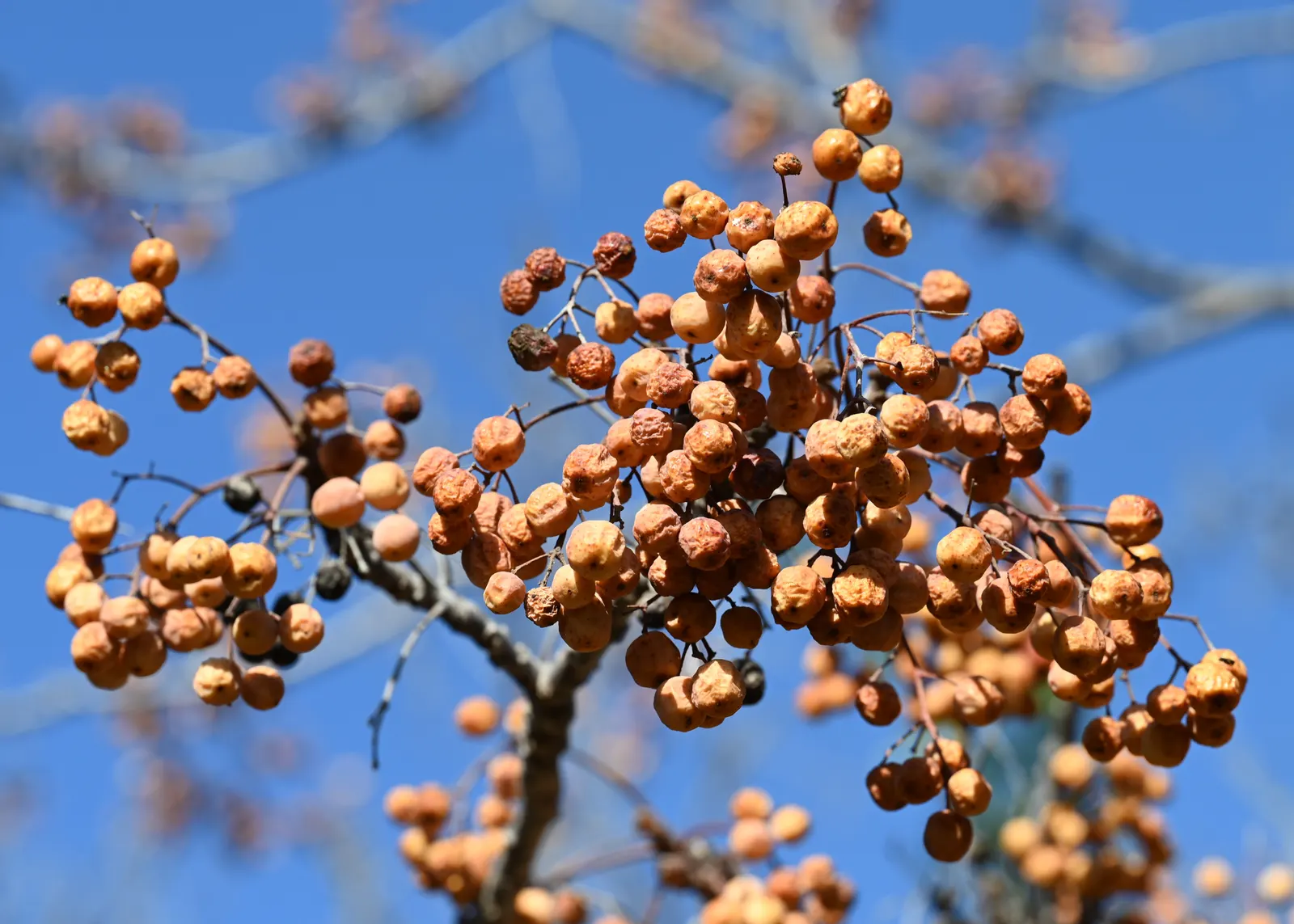
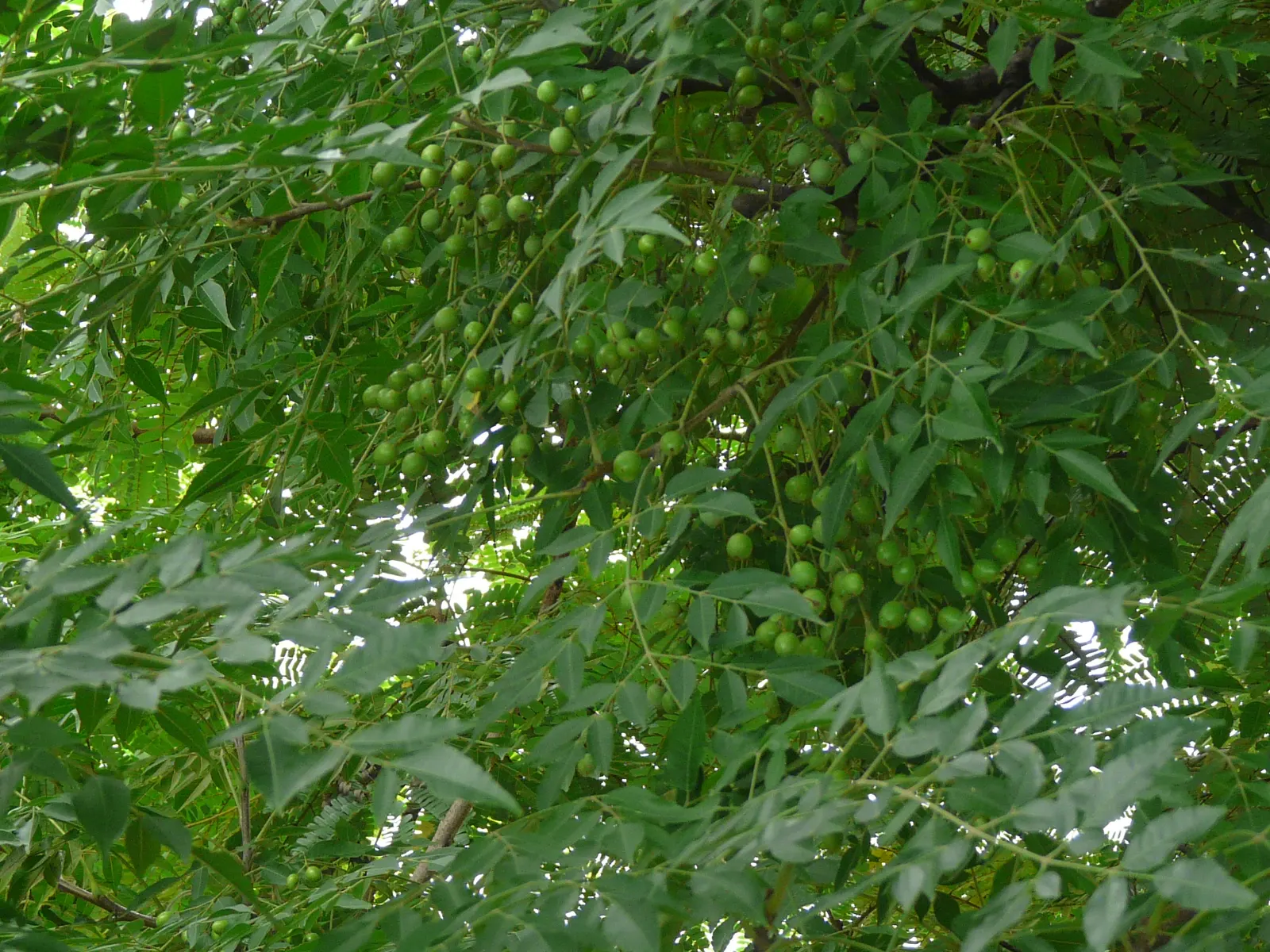
Chinaberry (Melia Azedarach) — with a spread of about the same; following the floral display, the Chinaberry produces distinctive yellow or amber-colored drupes
Chinaberry (Melia Azedarach) — Preferring full sun, it thrives in zones 7-11; although it exhibits considerable drought tolerance once established, image 51
Chinaberry (Melia Azedarach) — With its alluring aesthetics; deciduous tree renowned for its dense and rounded canopy of lush, image 70
Chinaberry (Melia Azedarach) — It favors well-draining loam; while these bead-like berries add visual interest in fall and winter
Chinaberry (Melia Azedarach) — While these bead-like berries add visual interest in fall and winter
Chinaberry (Melia Azedarach) — tree for full or half
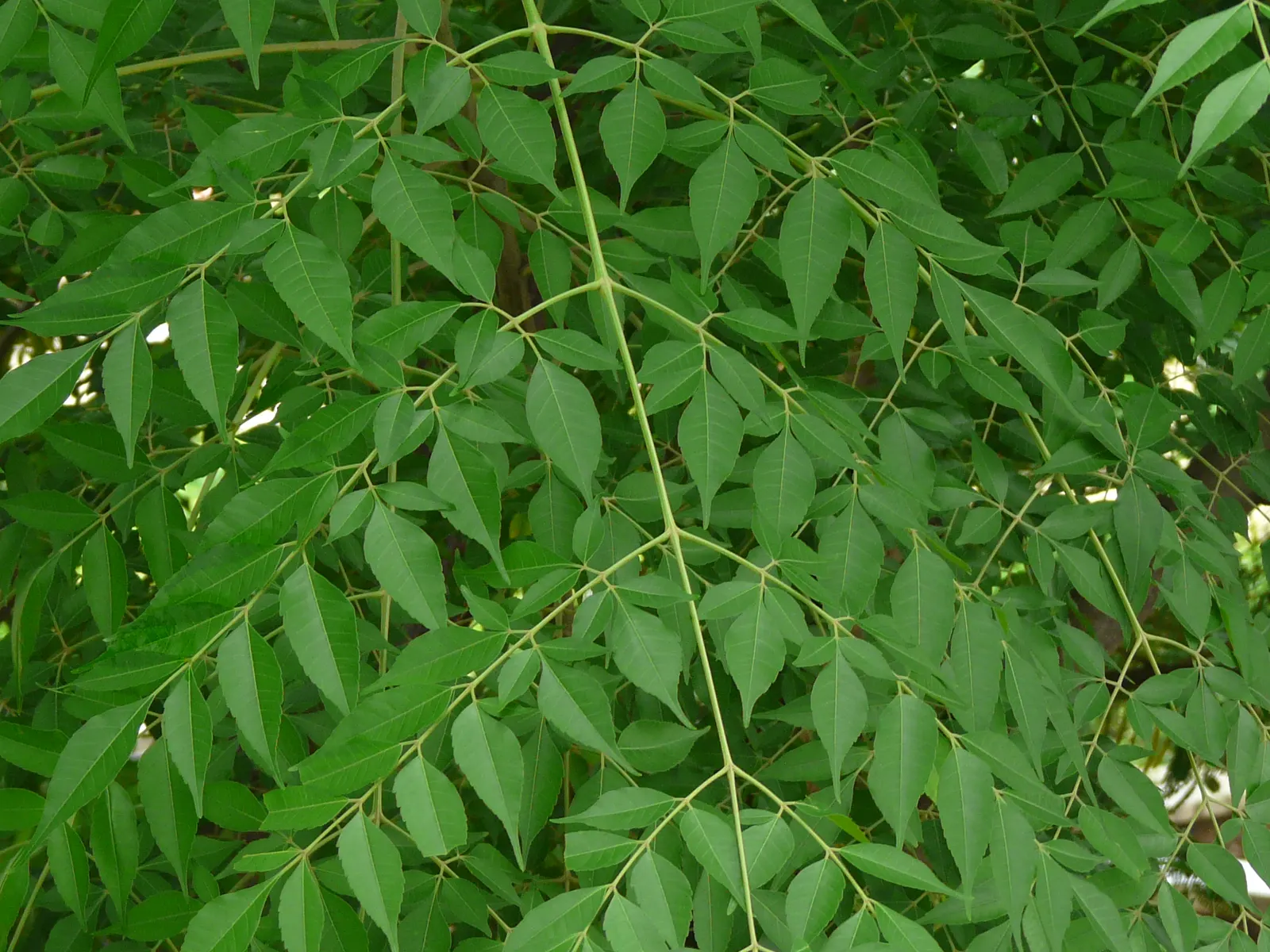
Chinaberry (Melia Azedarach) — the Chinaberry reaches a mature height between 30 to 50 feet; delicate, lace-like foliage offers dappled shade, ideal for
Chinaberry (Melia Azedarach) — consider its rapid growth rate and potential invasiveness in certain regions; fragrant lilac-colored flowers bloom in abundant
Chinaberry (Melia Azedarach) — Regular pruning may be necessary to maintain a desired form and manage its somewhat brittle branches; tree for full, image 69
Chinaberry (Melia Azedarach) — the Chinaberry is a captivating choice for a central garden specimen or as part of a mixed border; as they are toxic, image 71
Chinaberry (Melia Azedarach) — scientifically known as Melia azedarach; melia azedarach prospers in full sun to partial shade, image 54
Chinaberry (Melia Azedarach) — is a deciduous tree that reaches 30-50 feet in height with a spread of about 20-30 feet
Chinaberry (Melia Azedarach) — Regular pruning may be necessary to maintain a desired form and manage its somewhat brittle branches
Chinaberry (Melia Azedarach) — attracting a variety of pollinators to the landscape; it boasts fragrant lilac blossoms in spring, followed by yellow, image 59
Chinaberry (Melia Azedarach) — attracting a variety of pollinators to the landscape; it boasts fragrant lilac blossoms in spring, followed by yellow
Photographs by 12 contributors

Related plants