Skip to content

Cajeput

Melaleuca Quinquenervia

Design with this plant

Overview

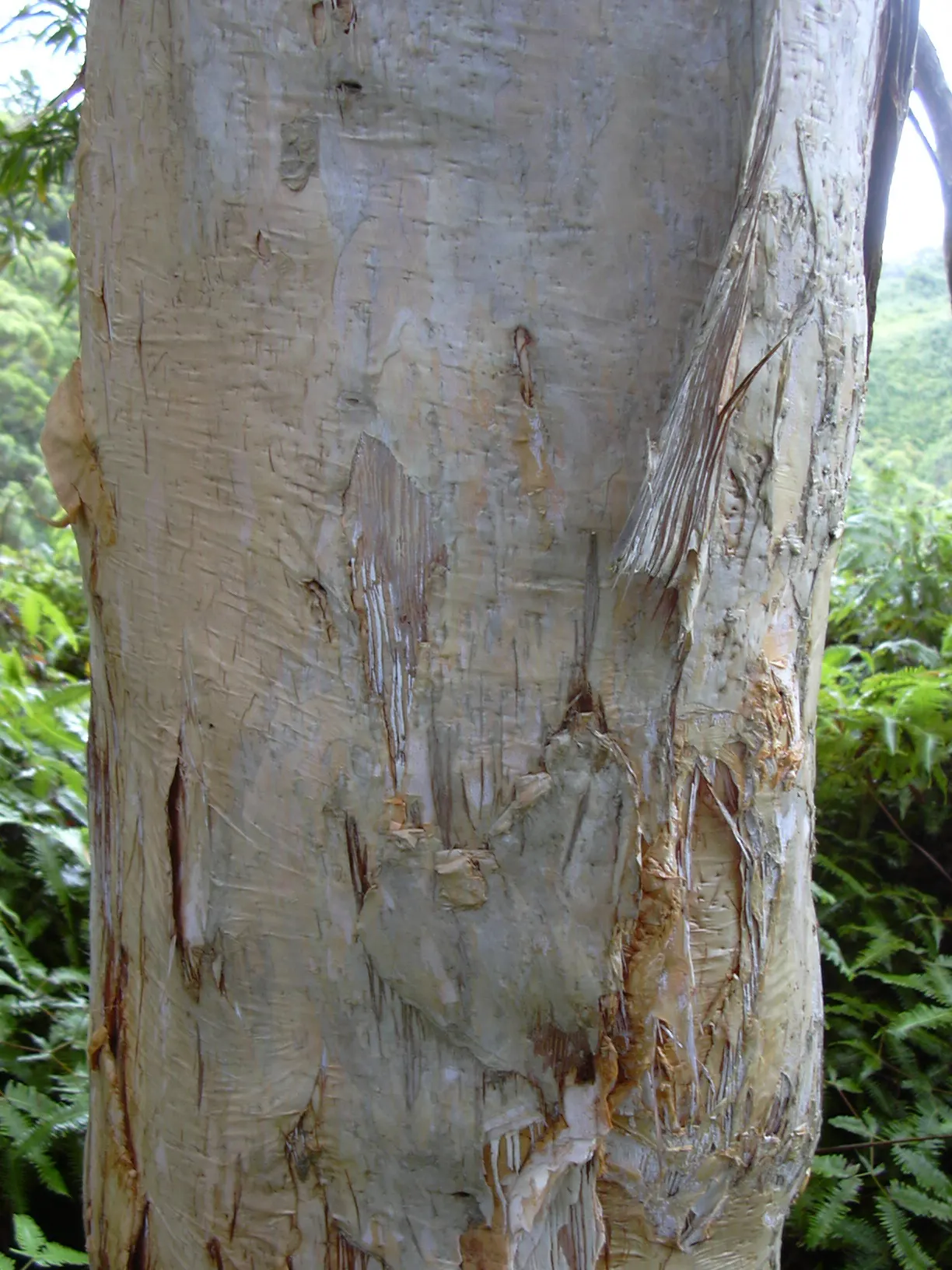
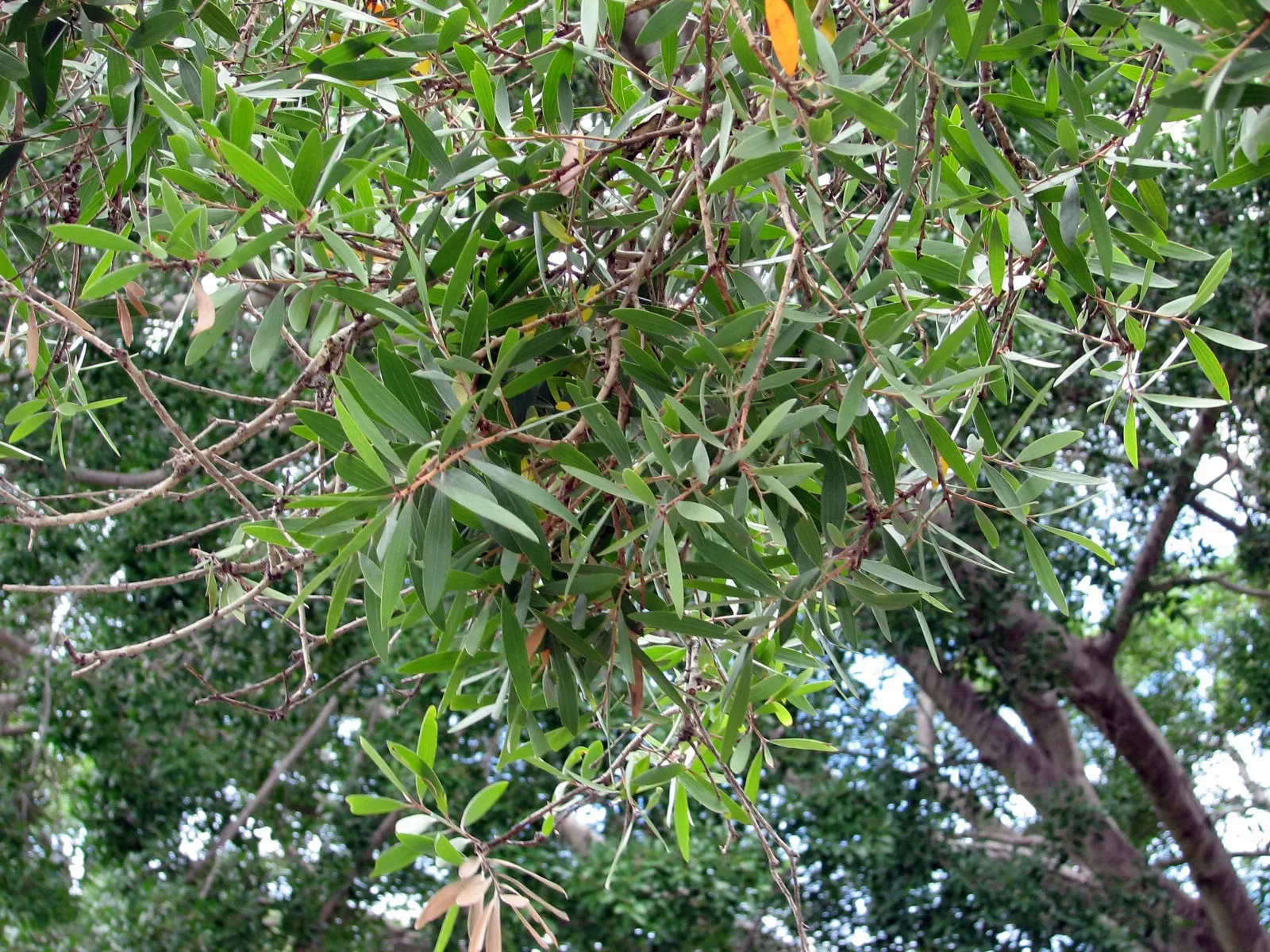
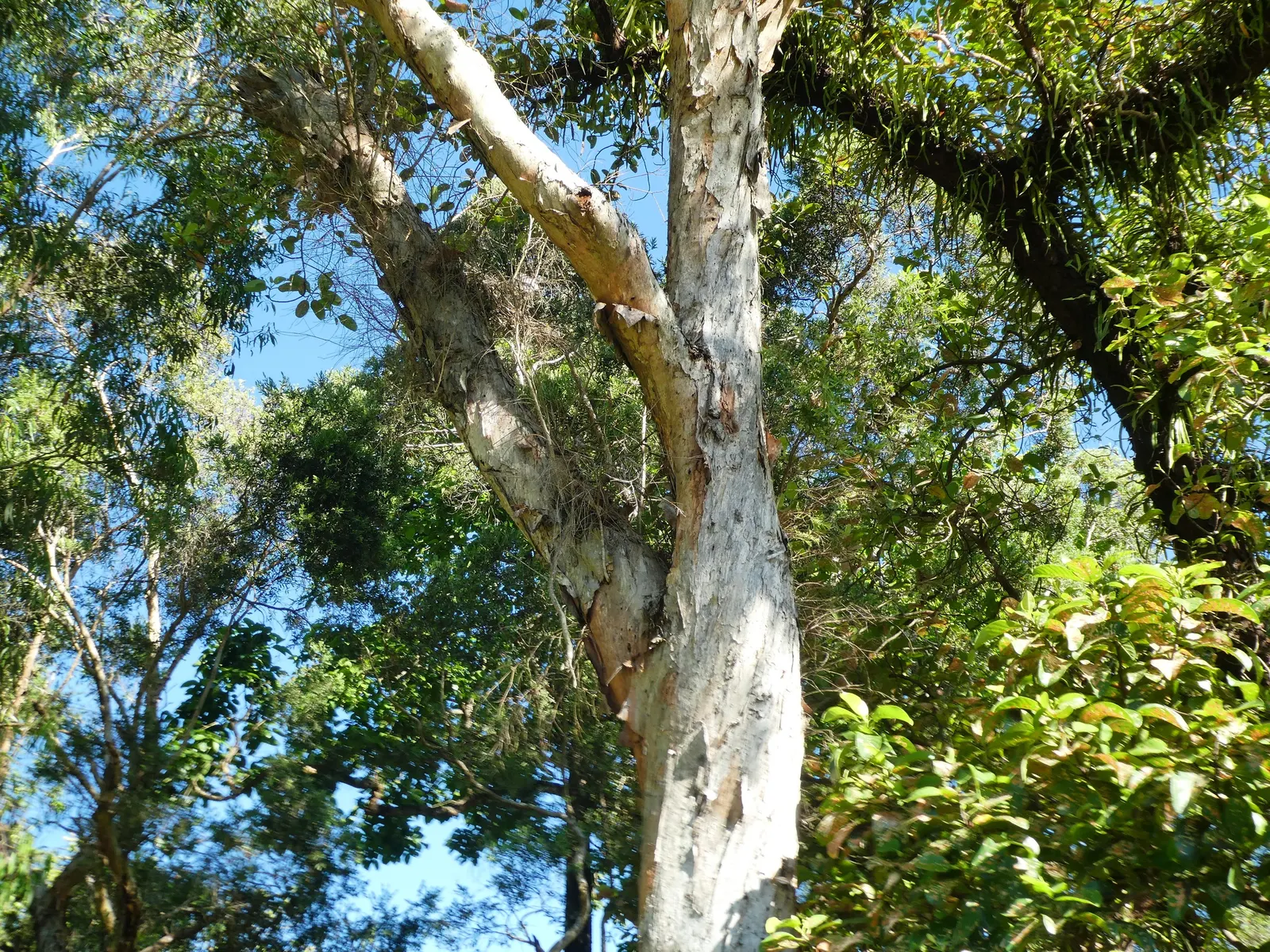
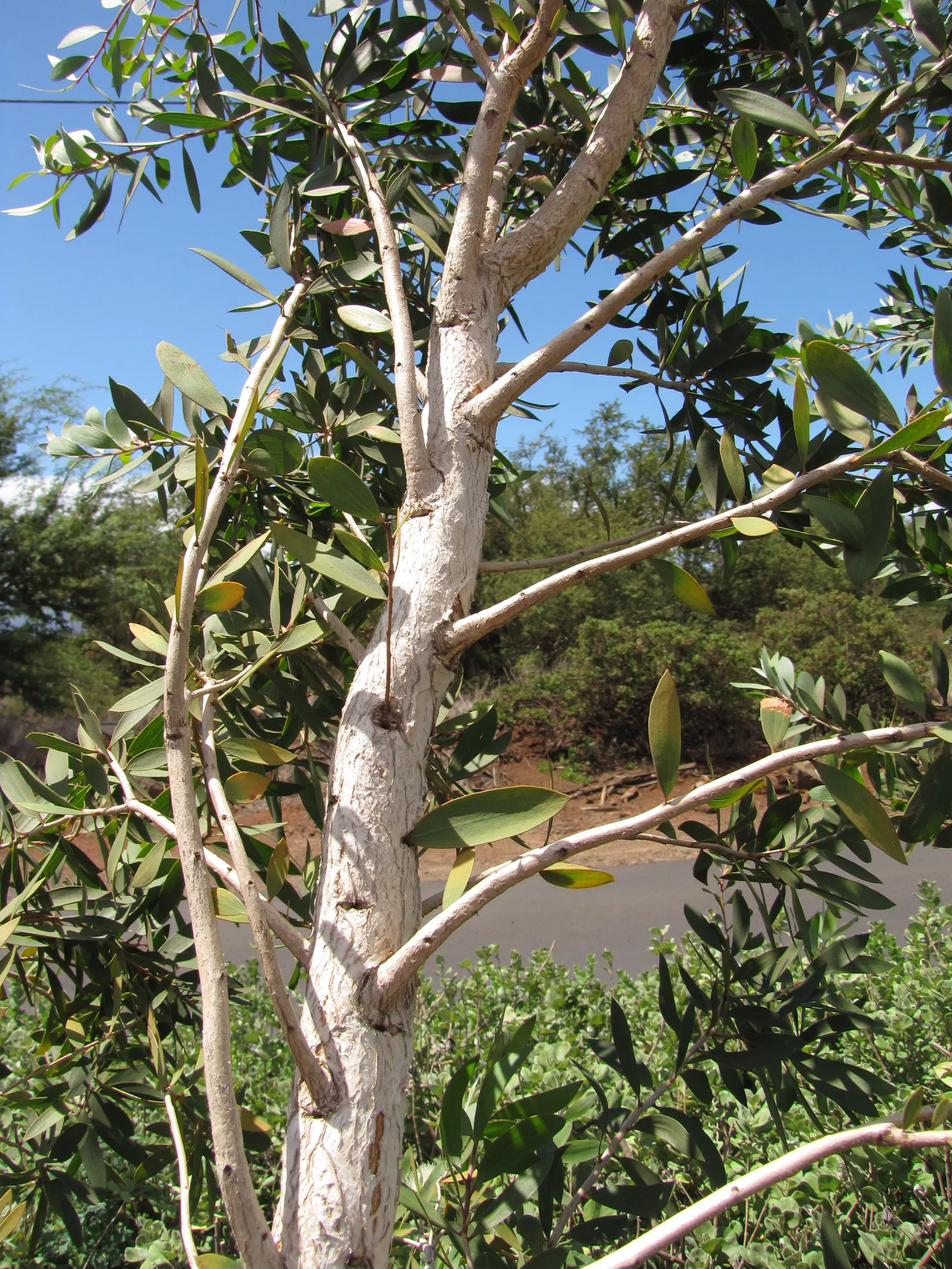
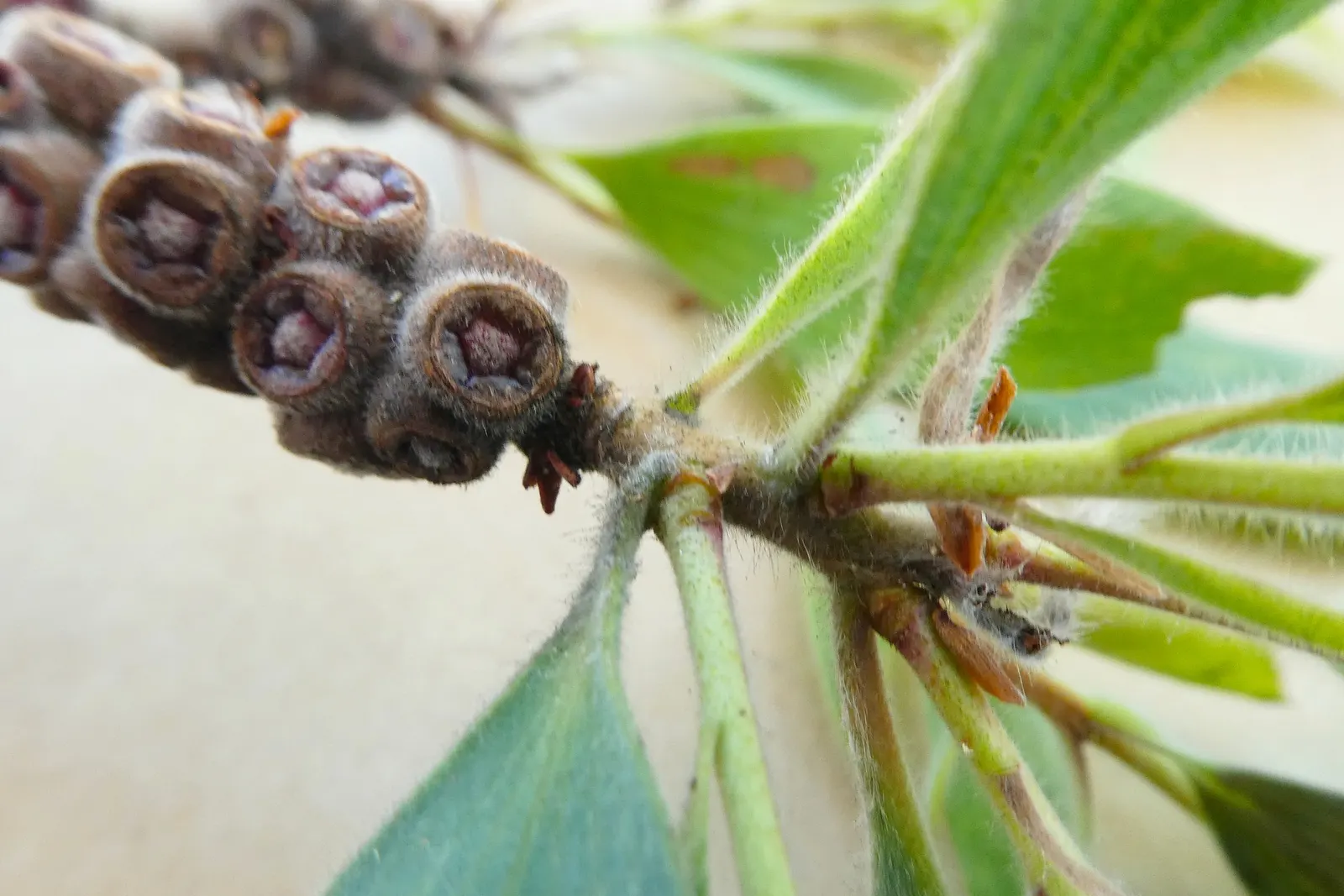
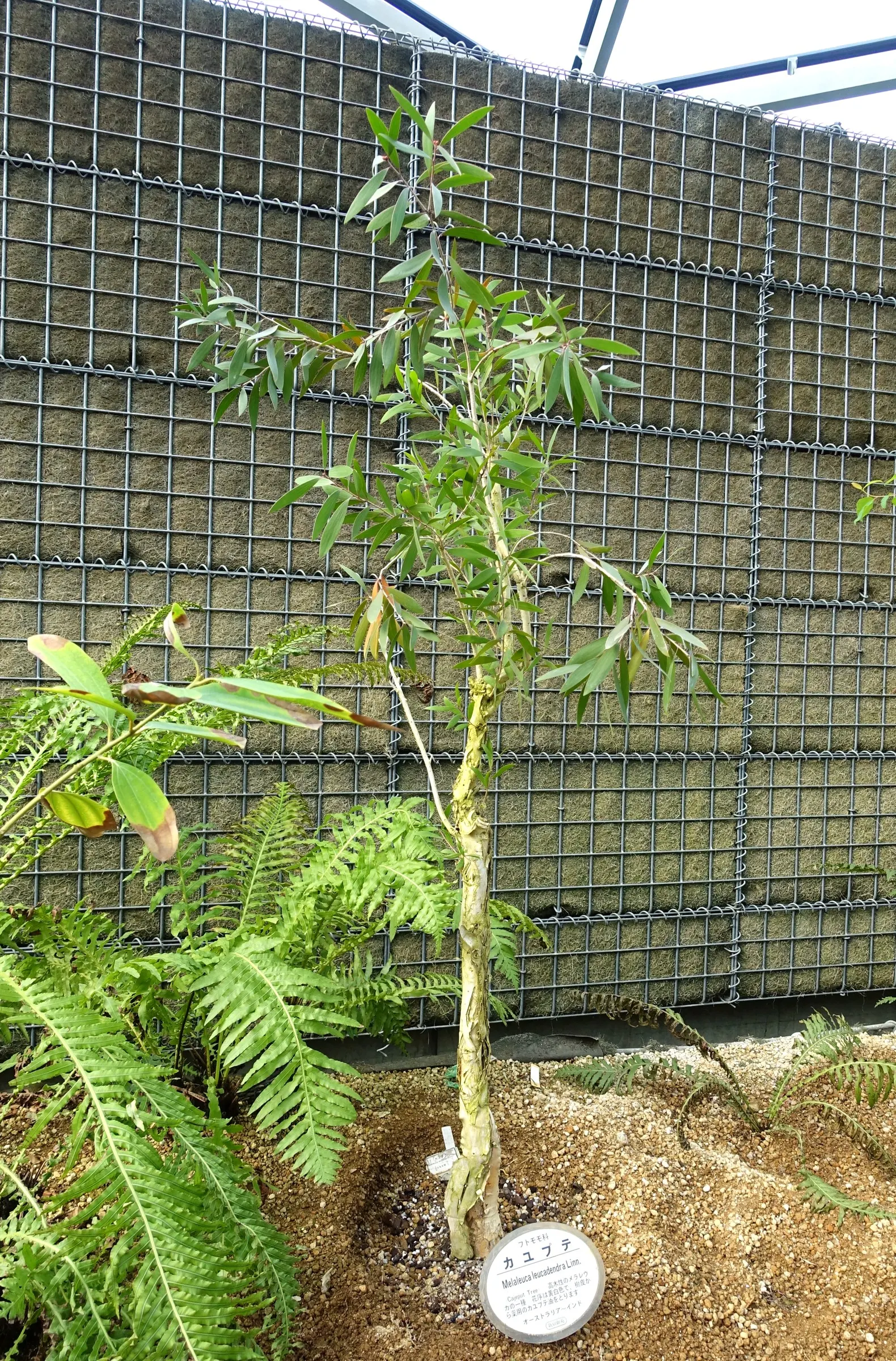
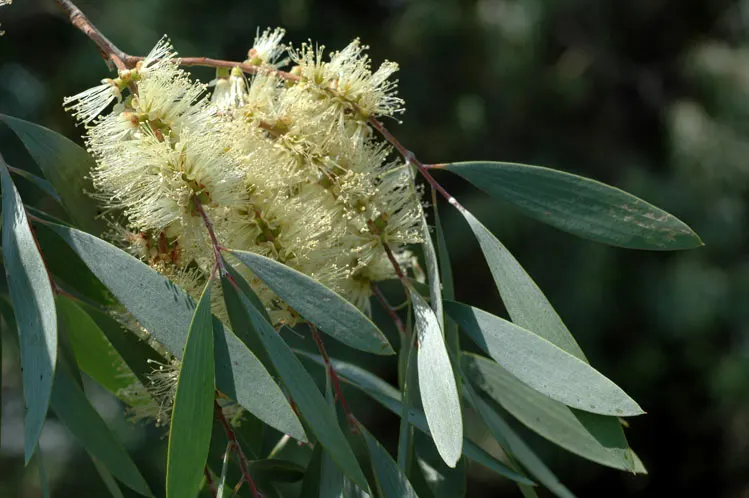
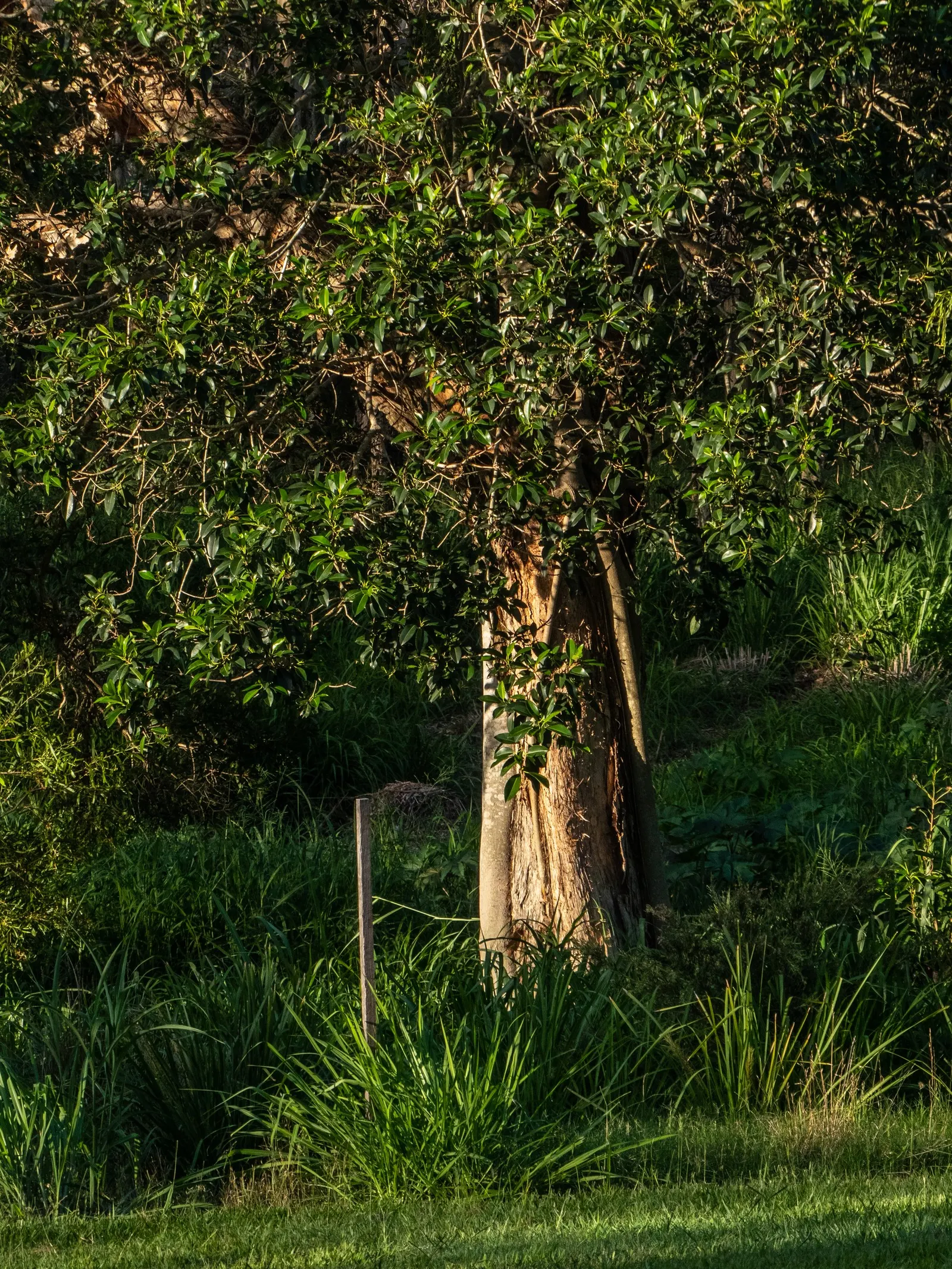
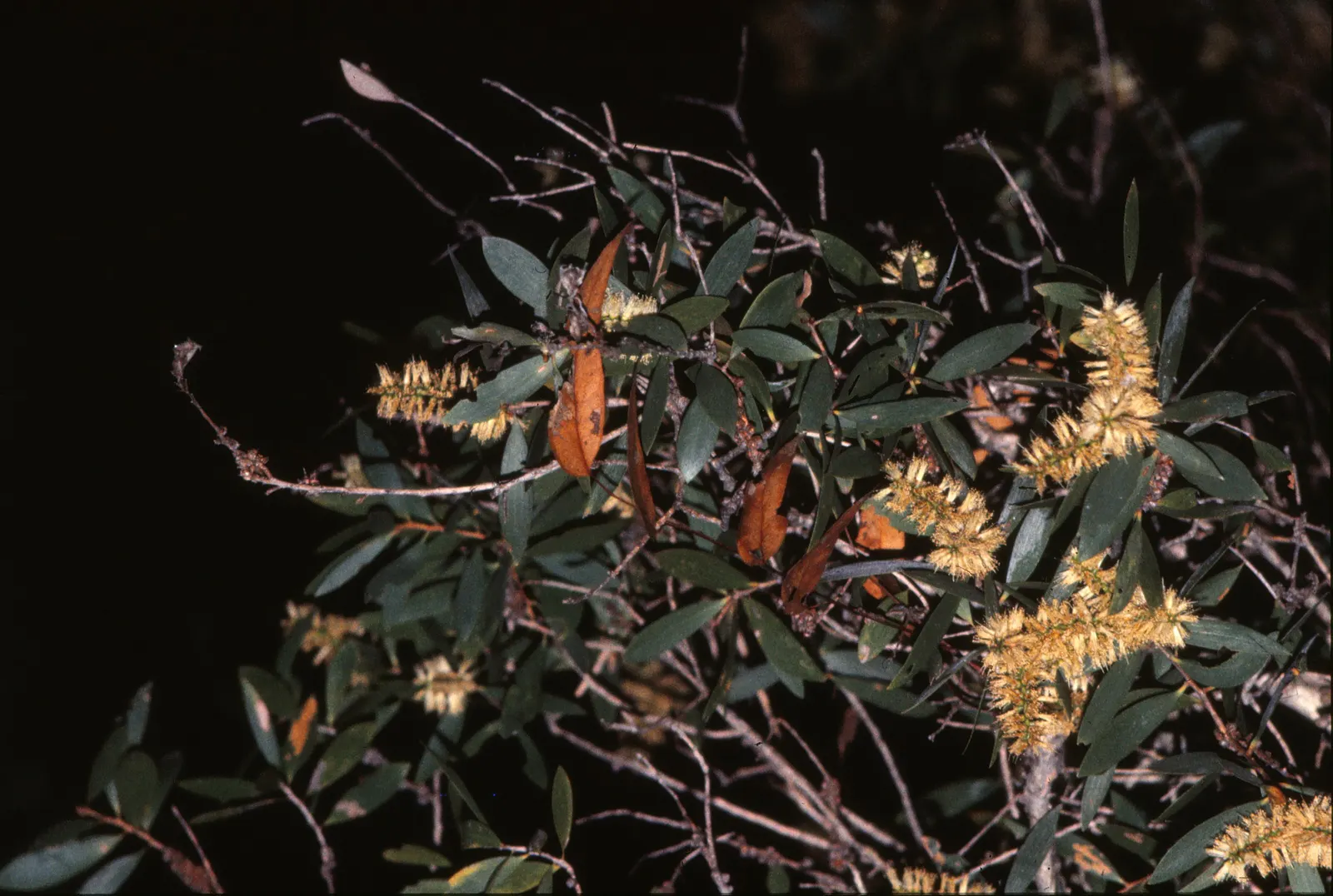
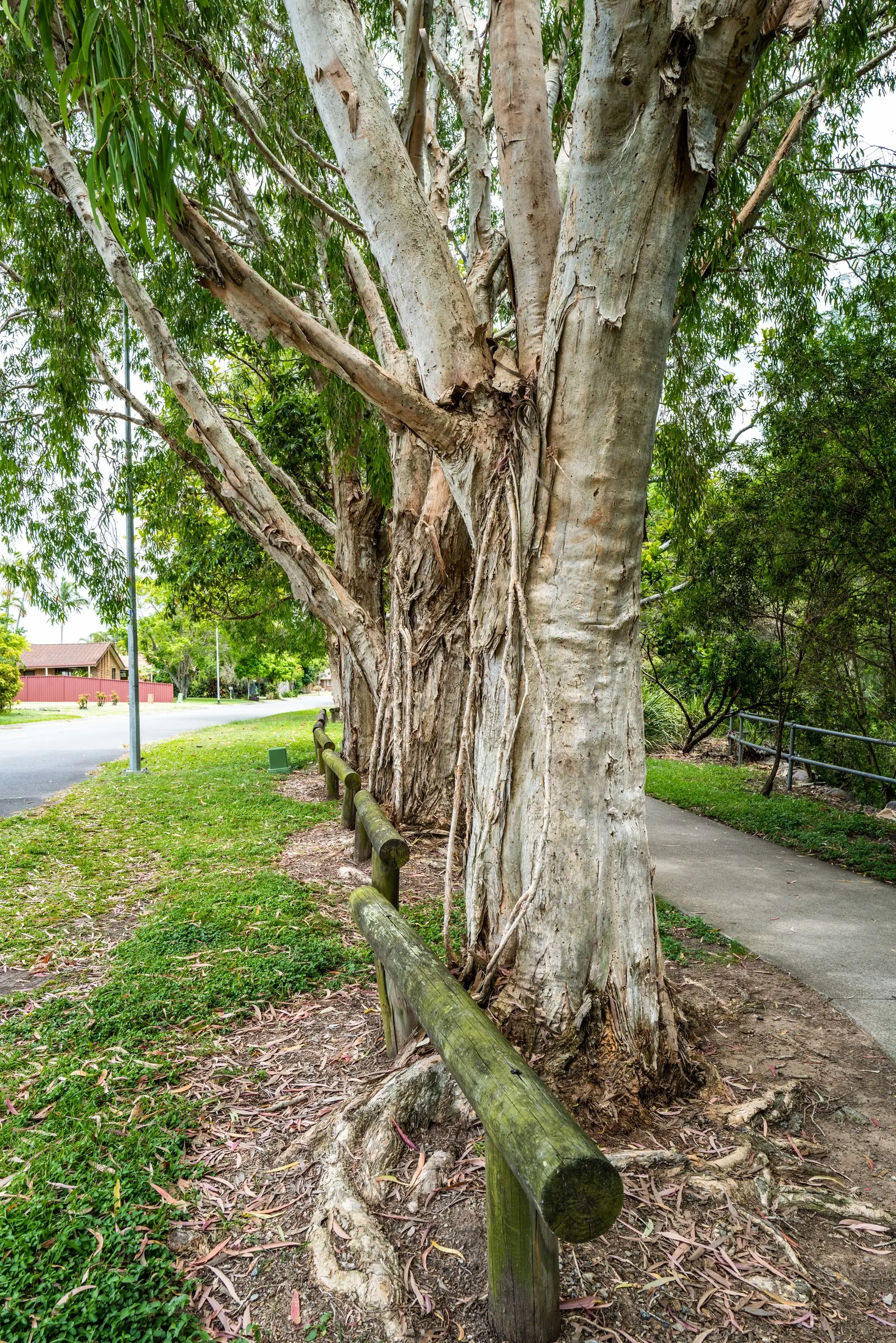
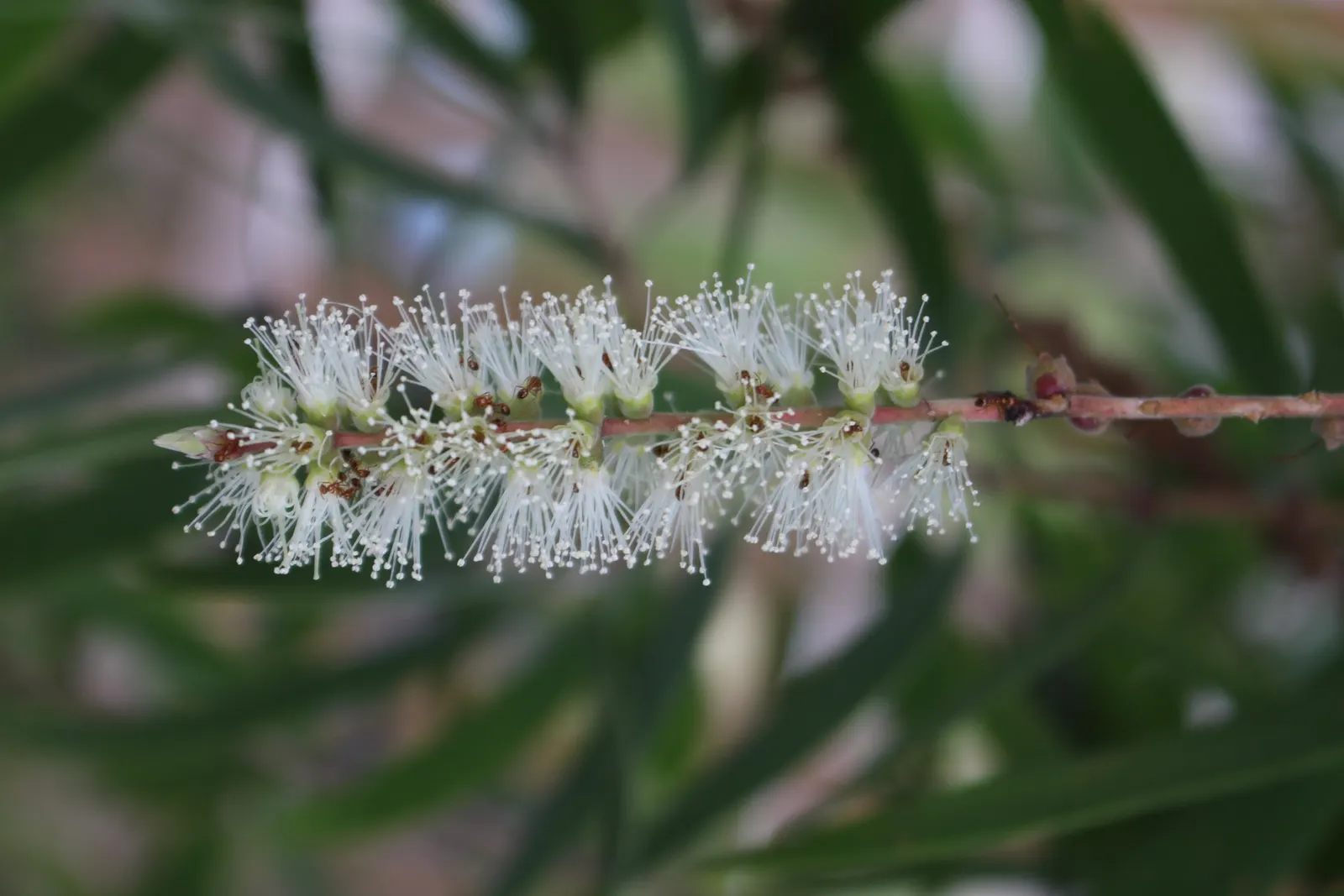
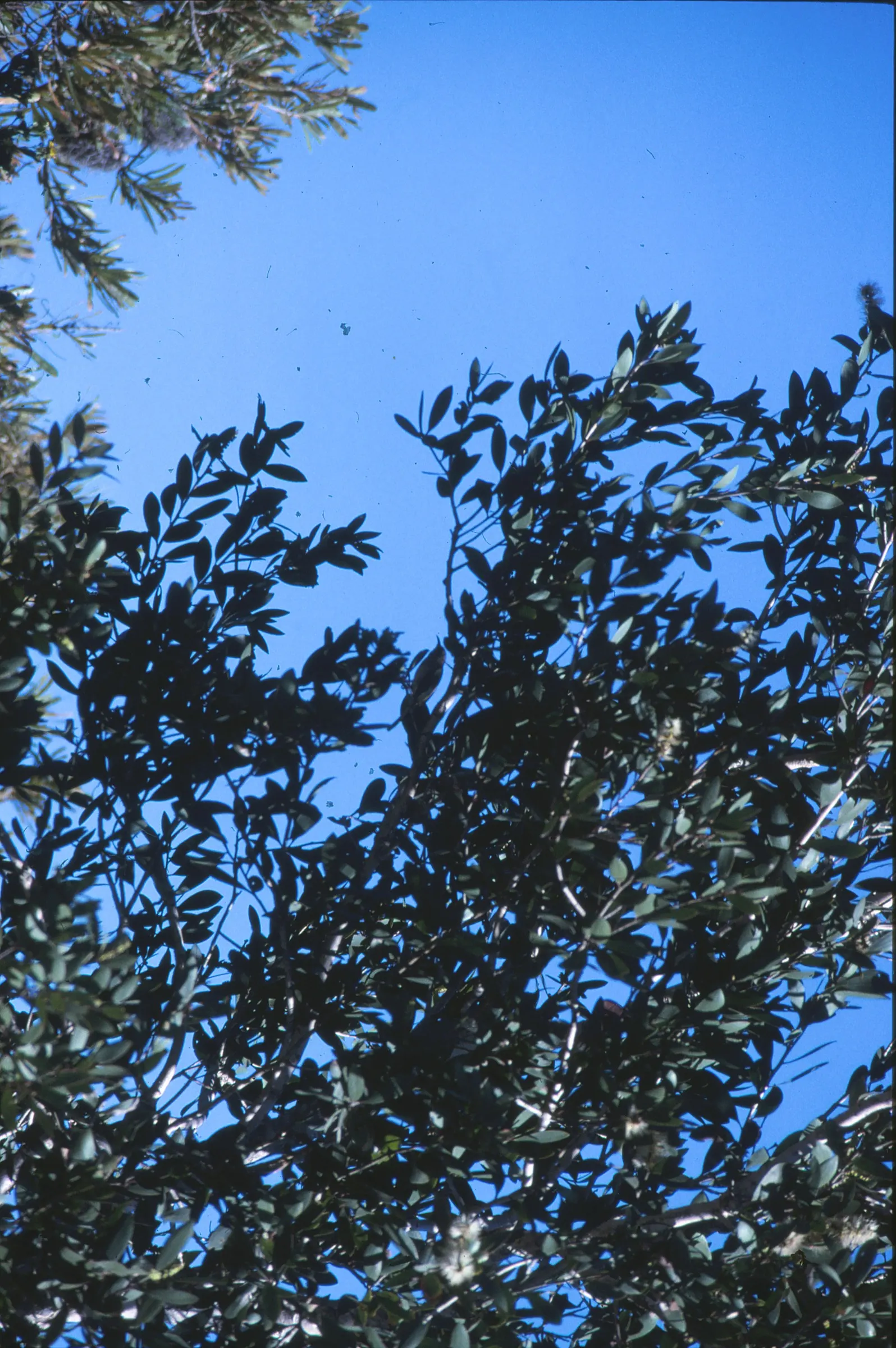
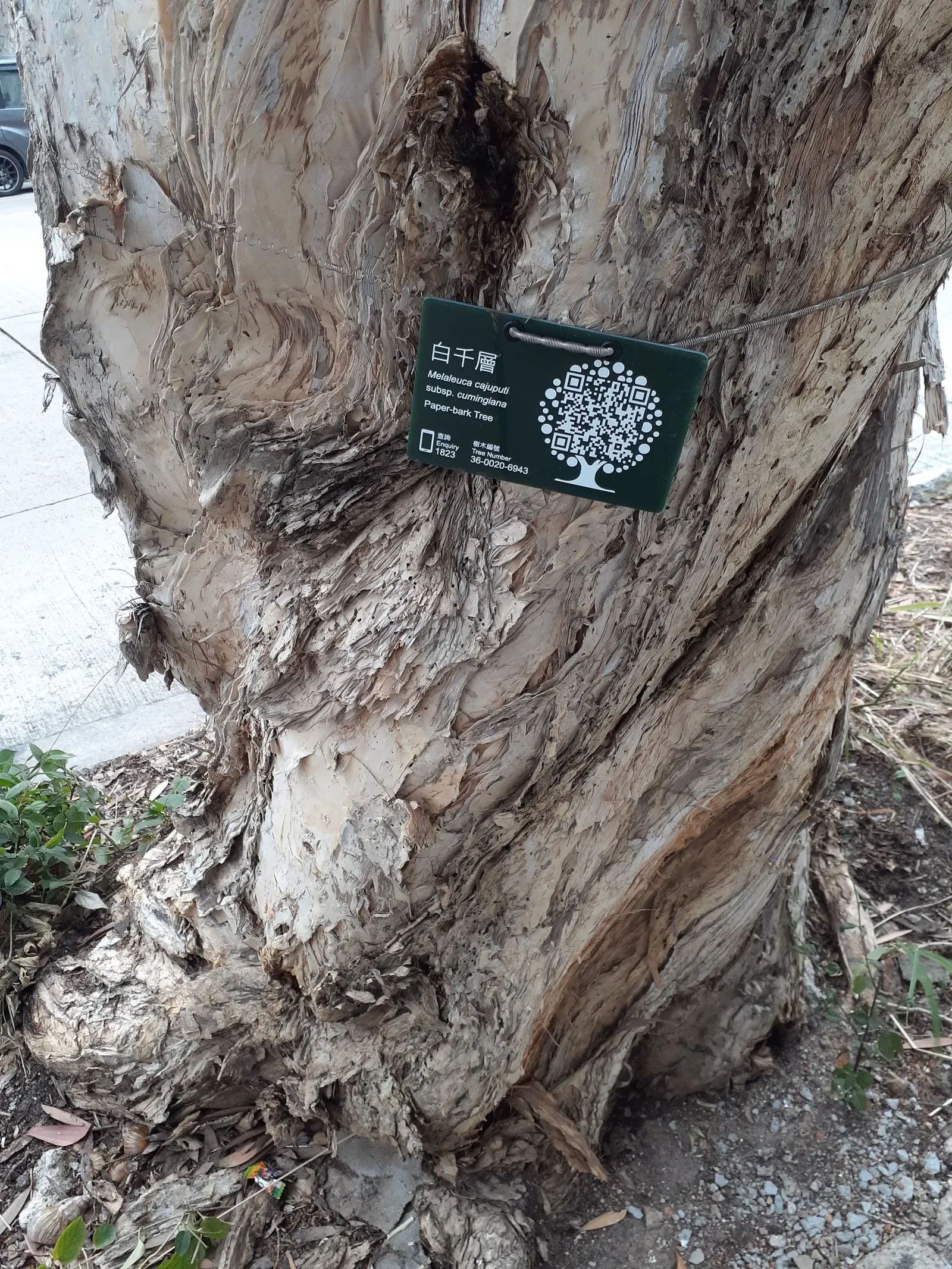
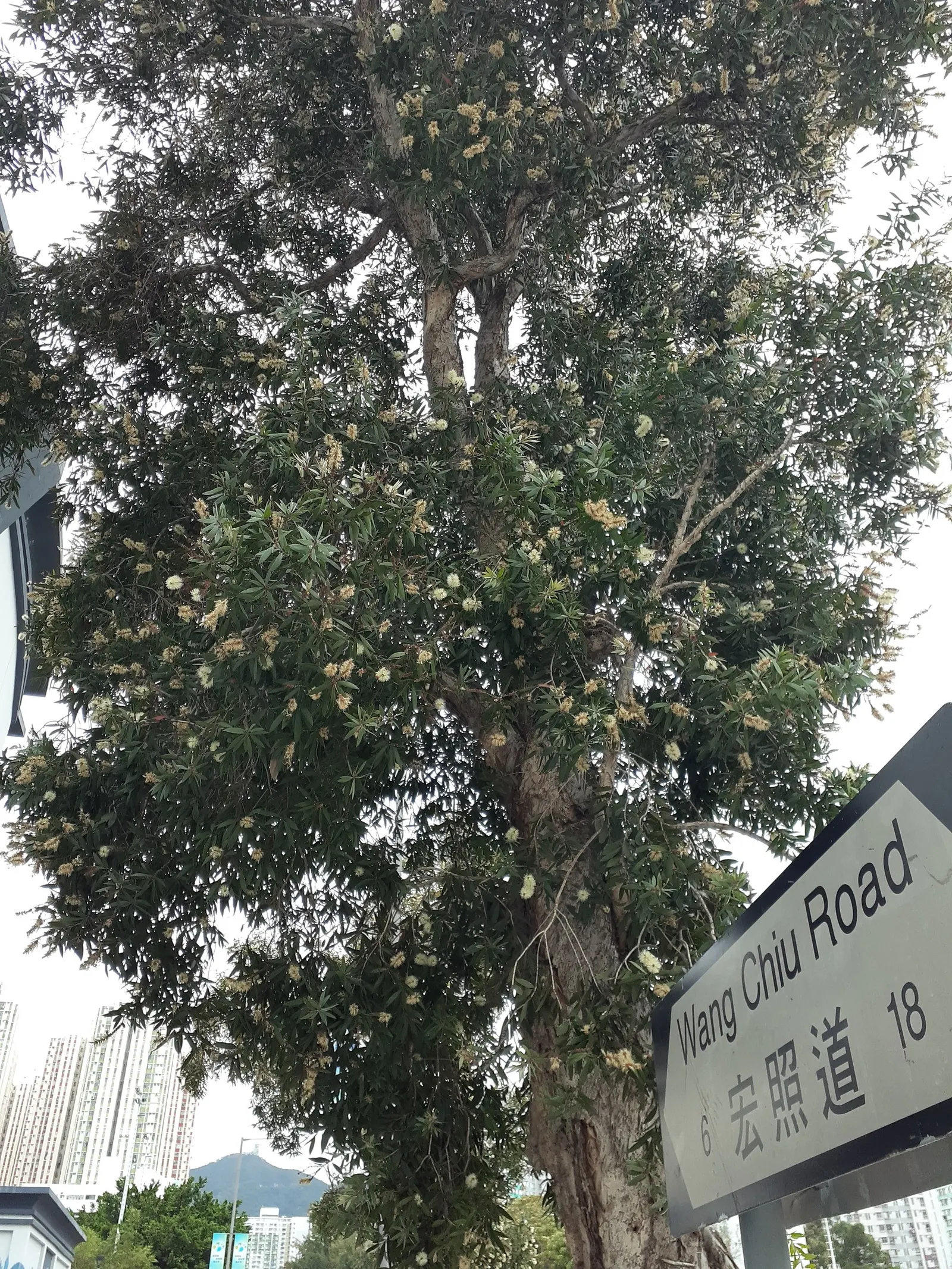
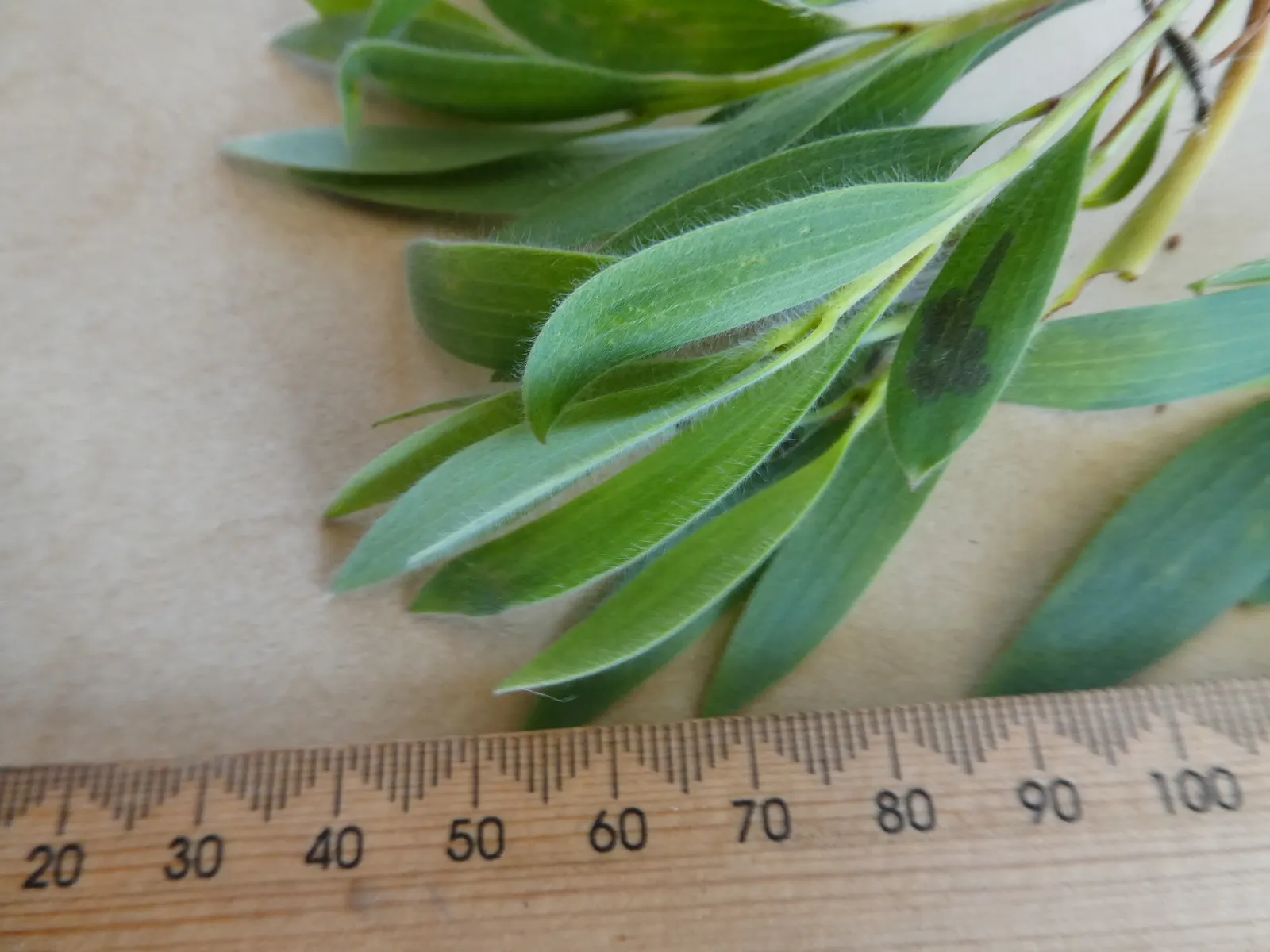
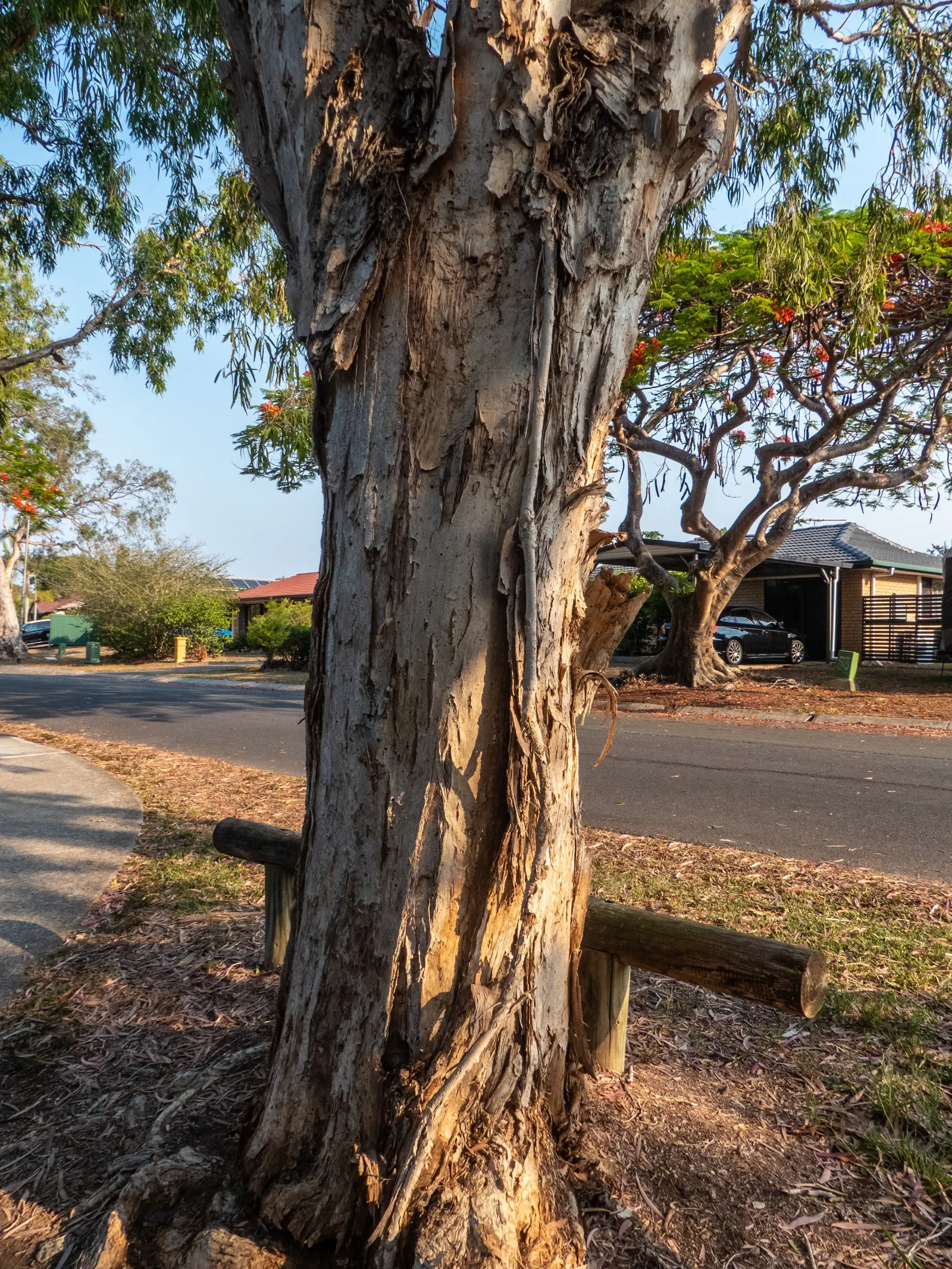
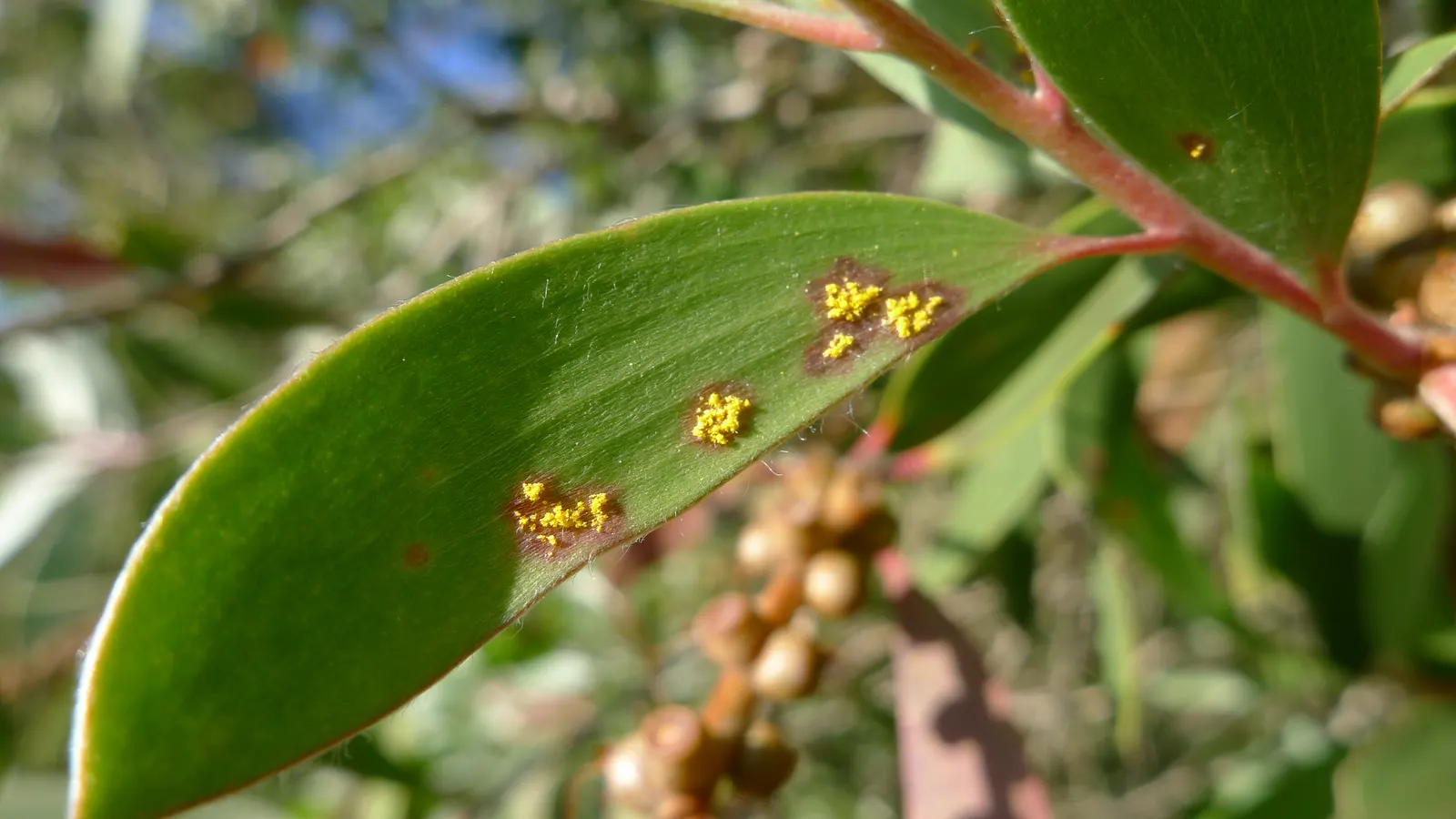
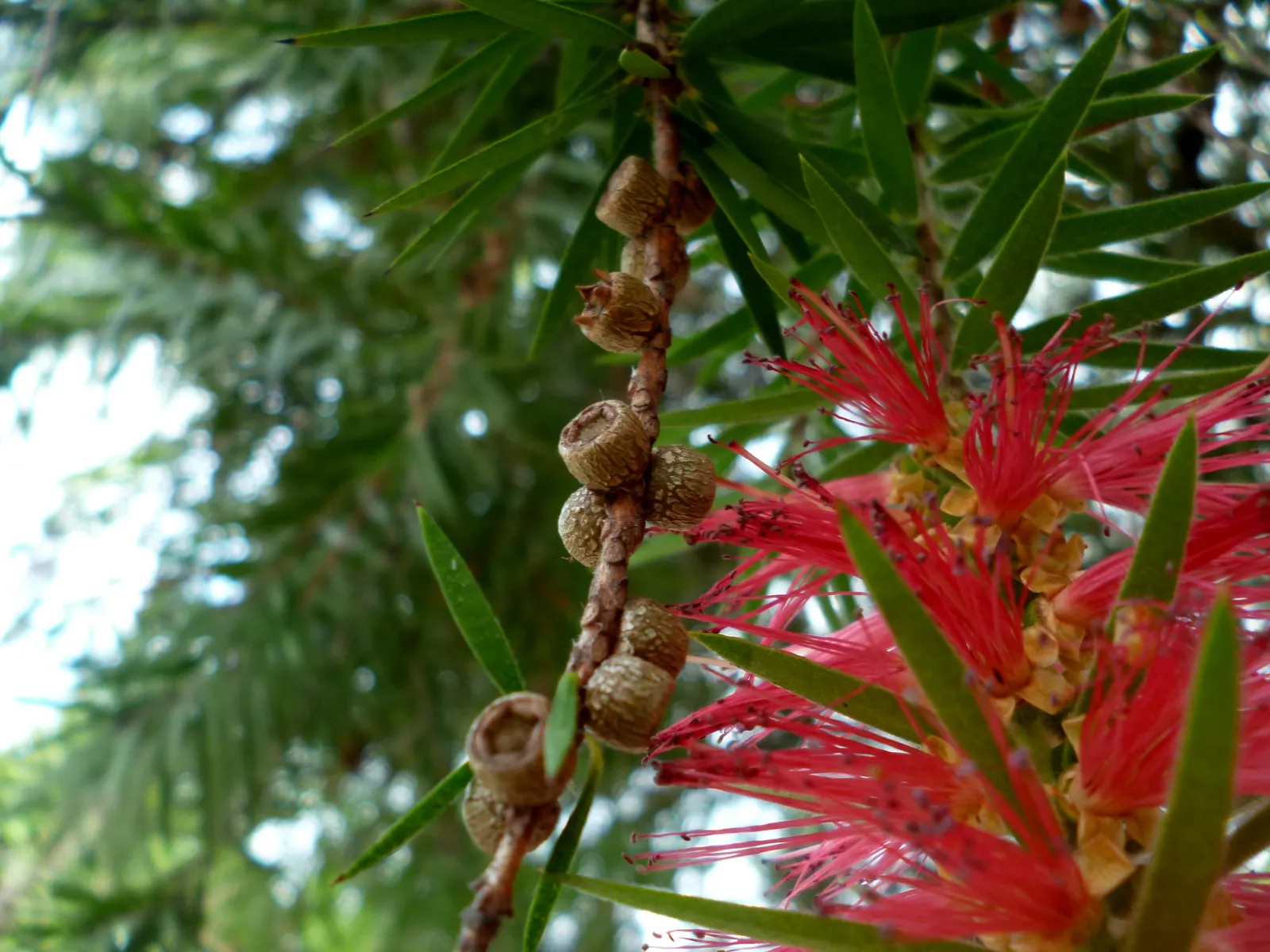
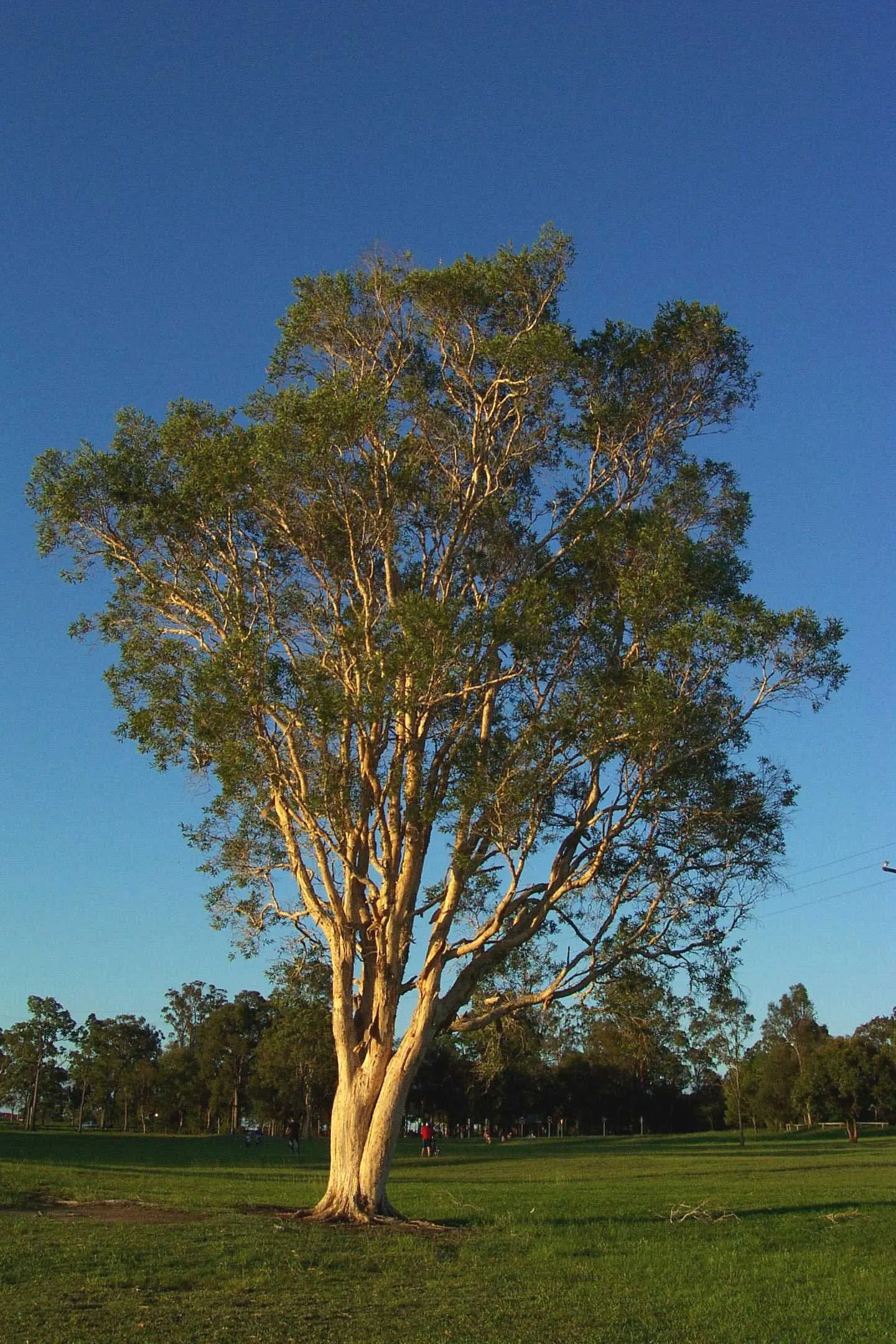
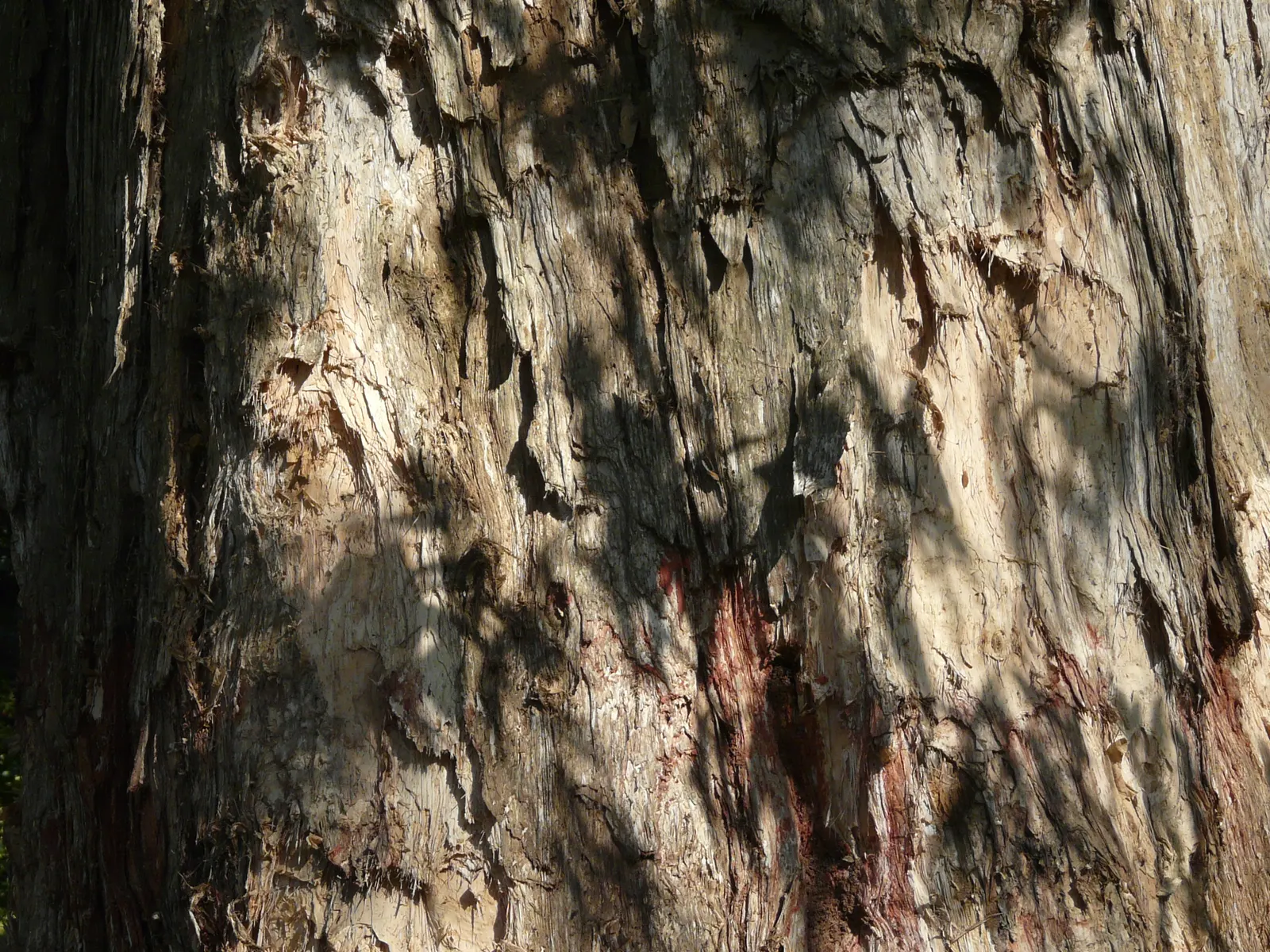
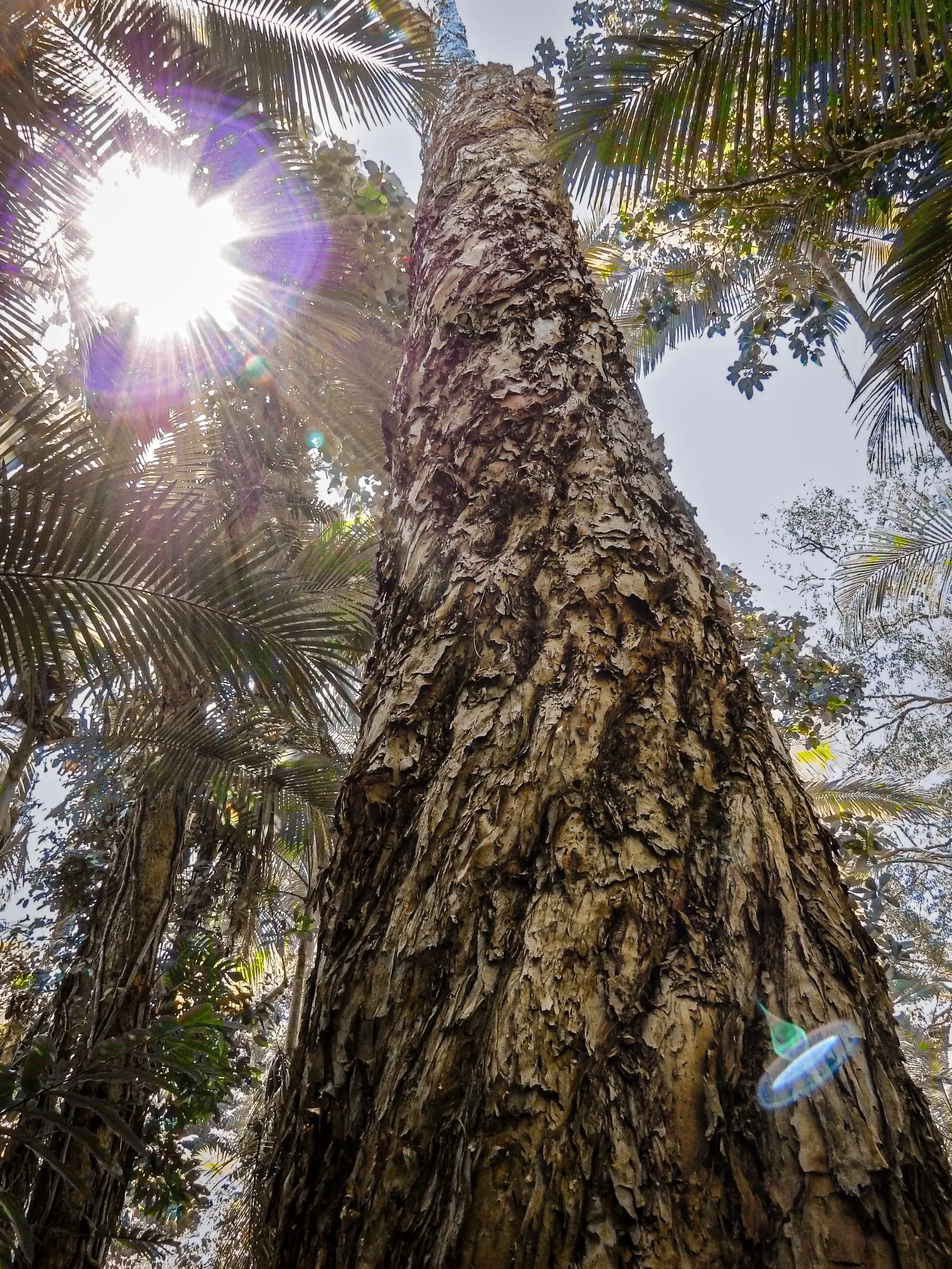
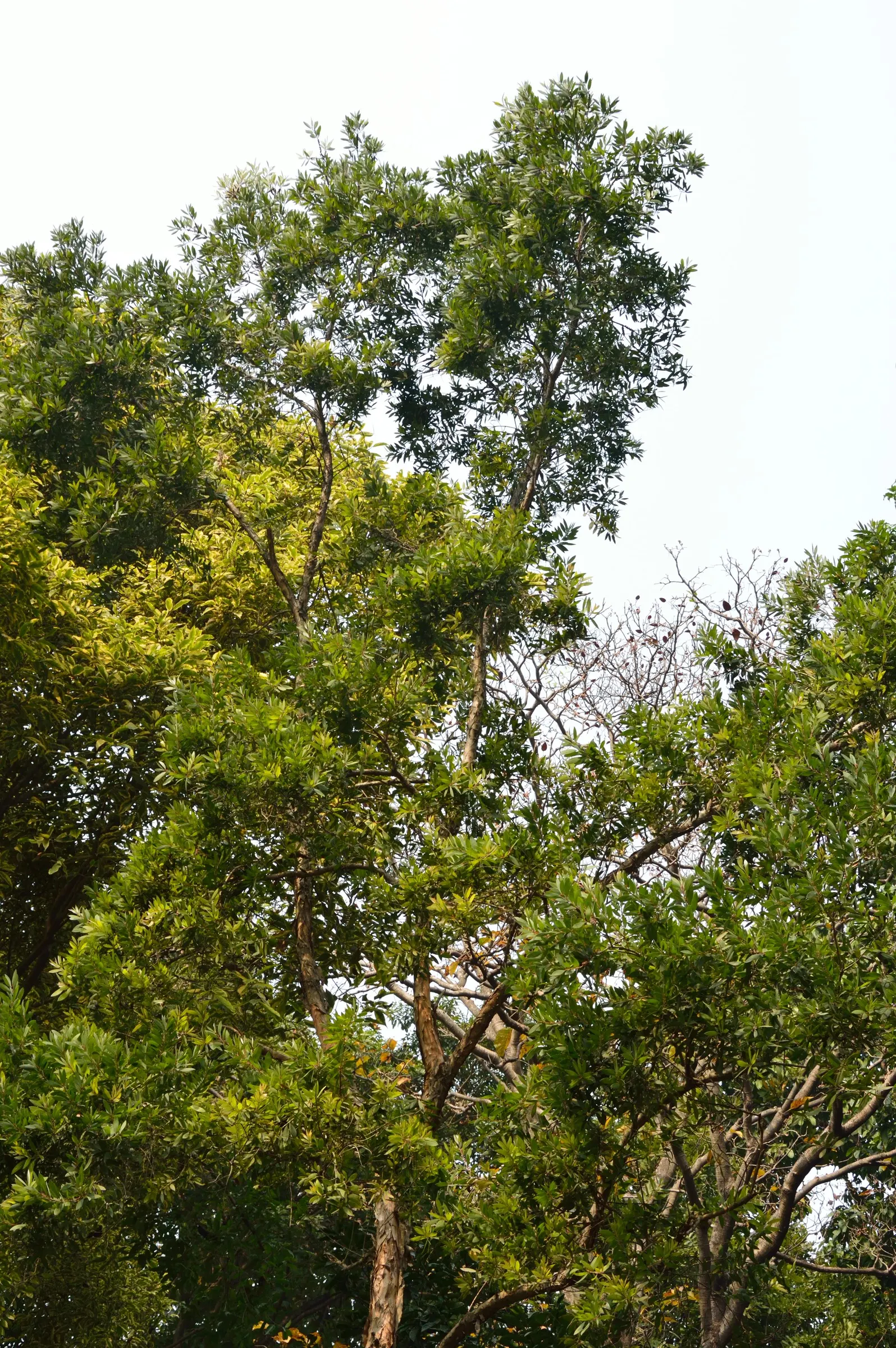
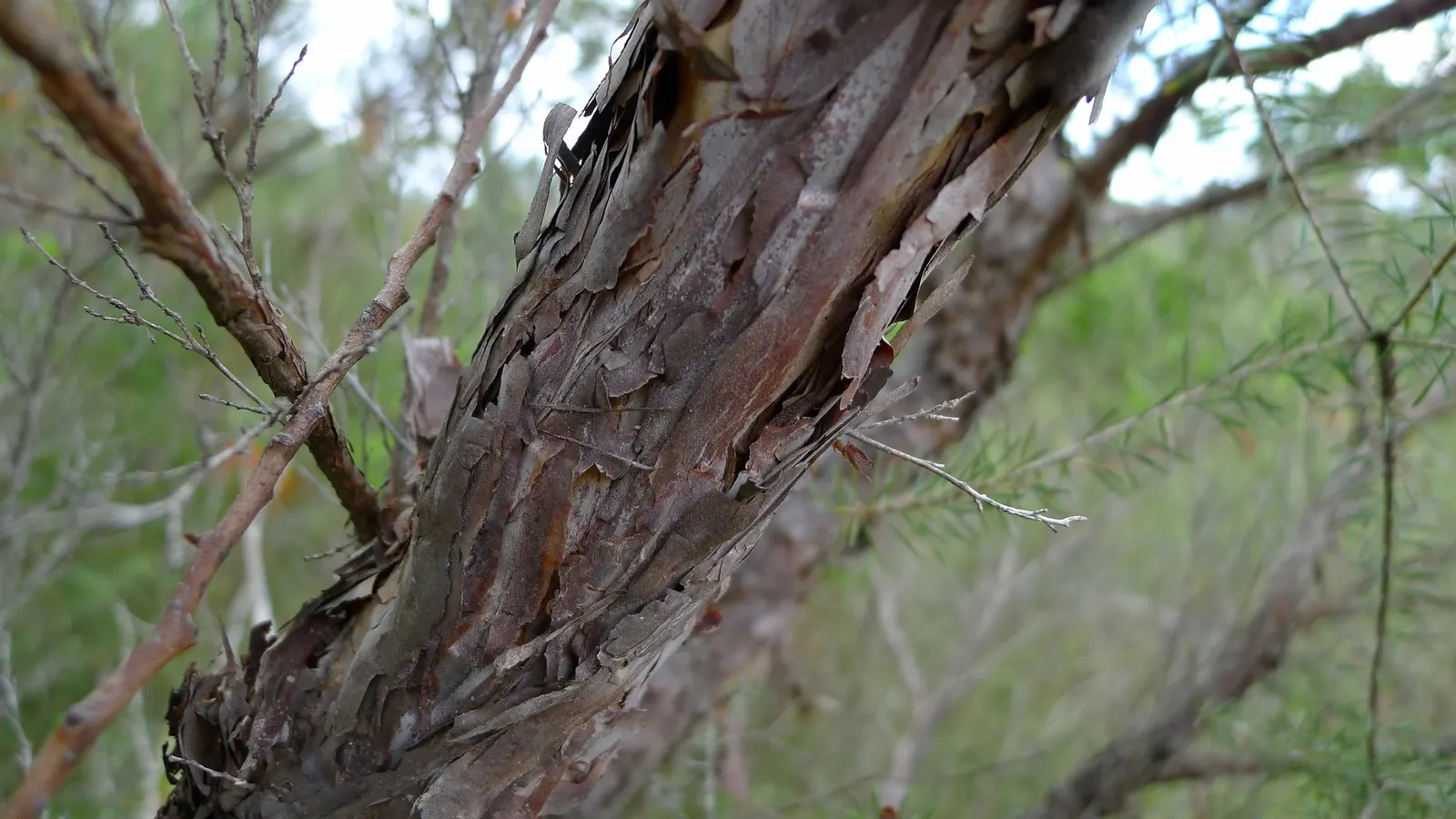
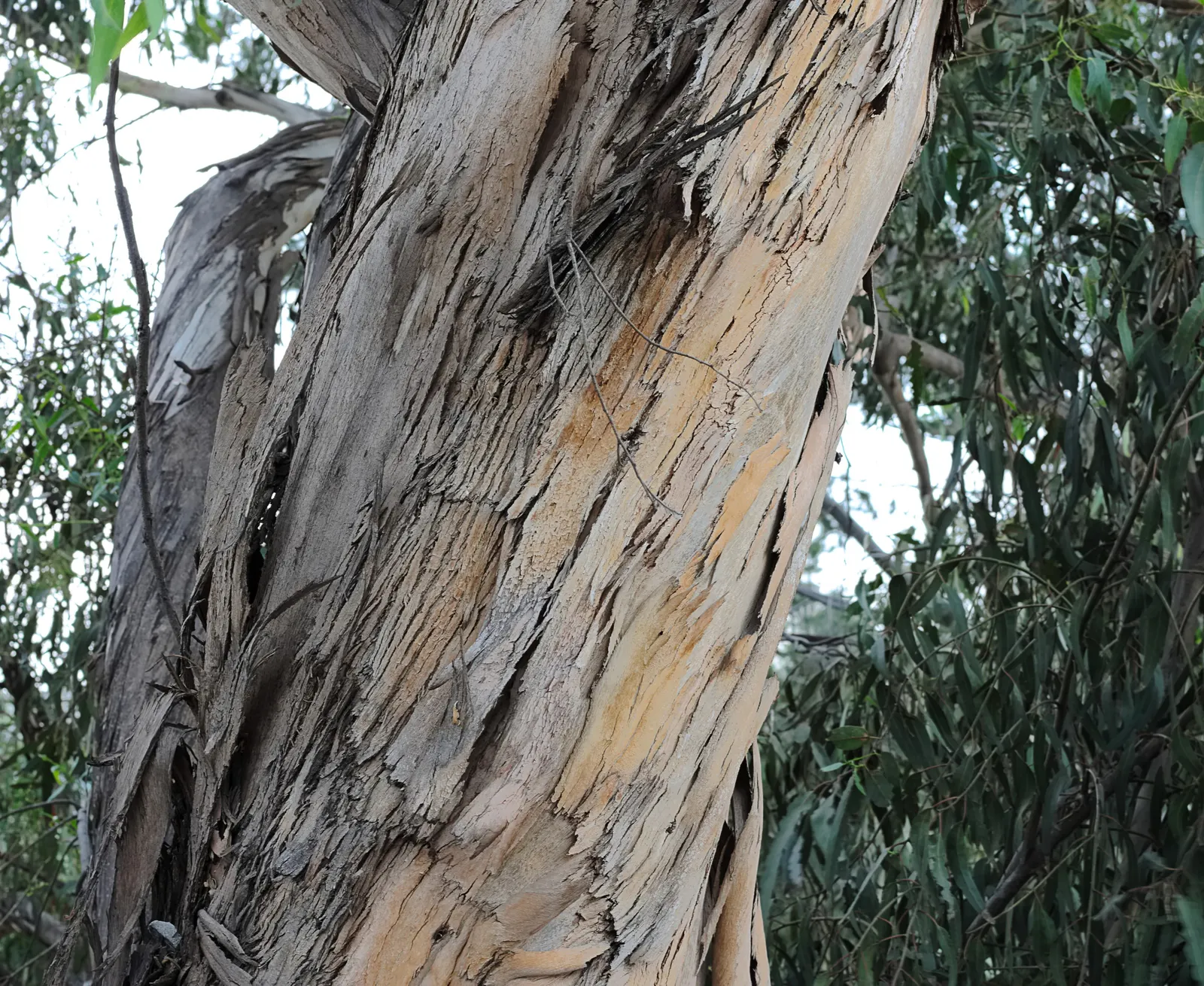
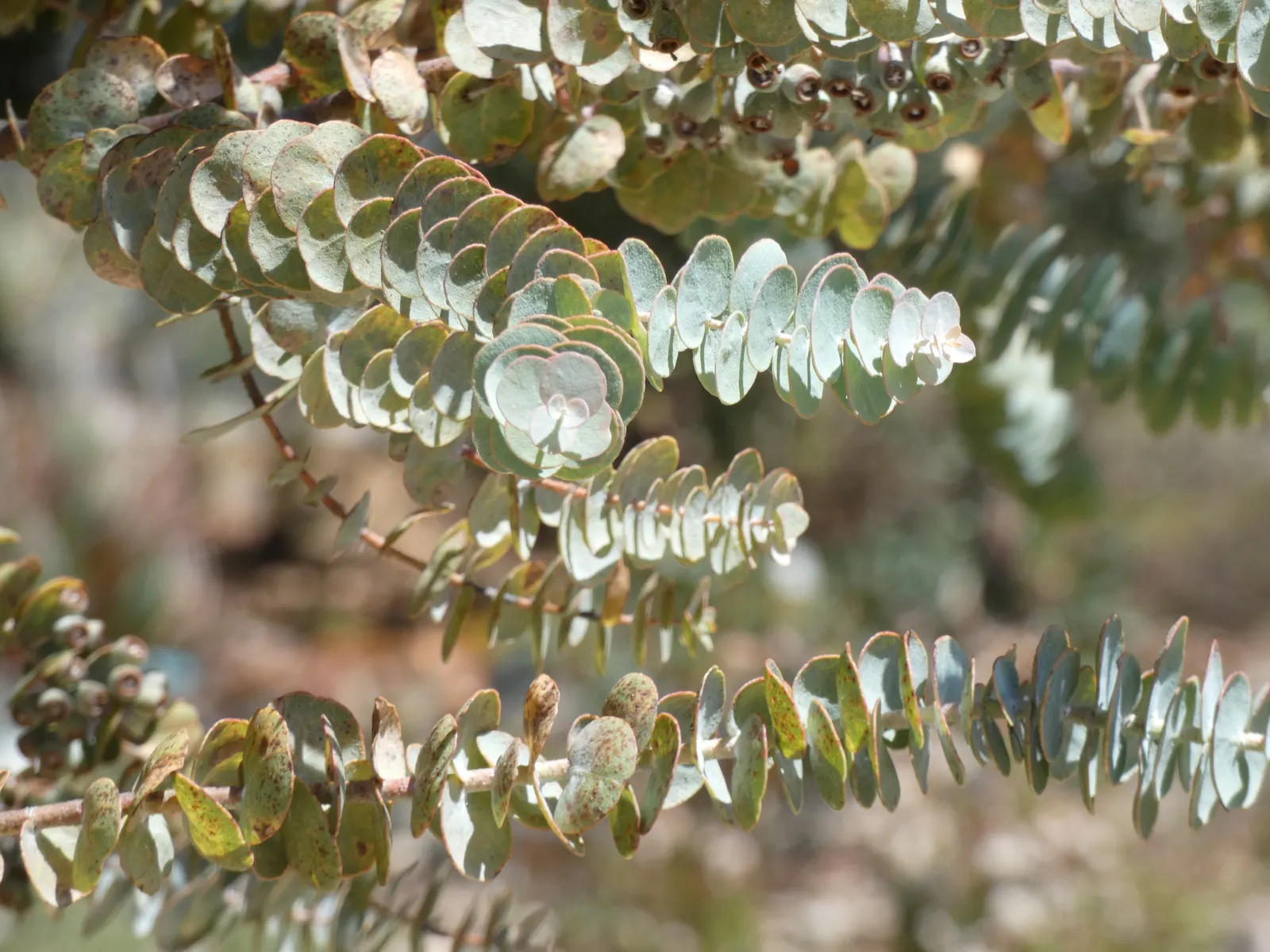
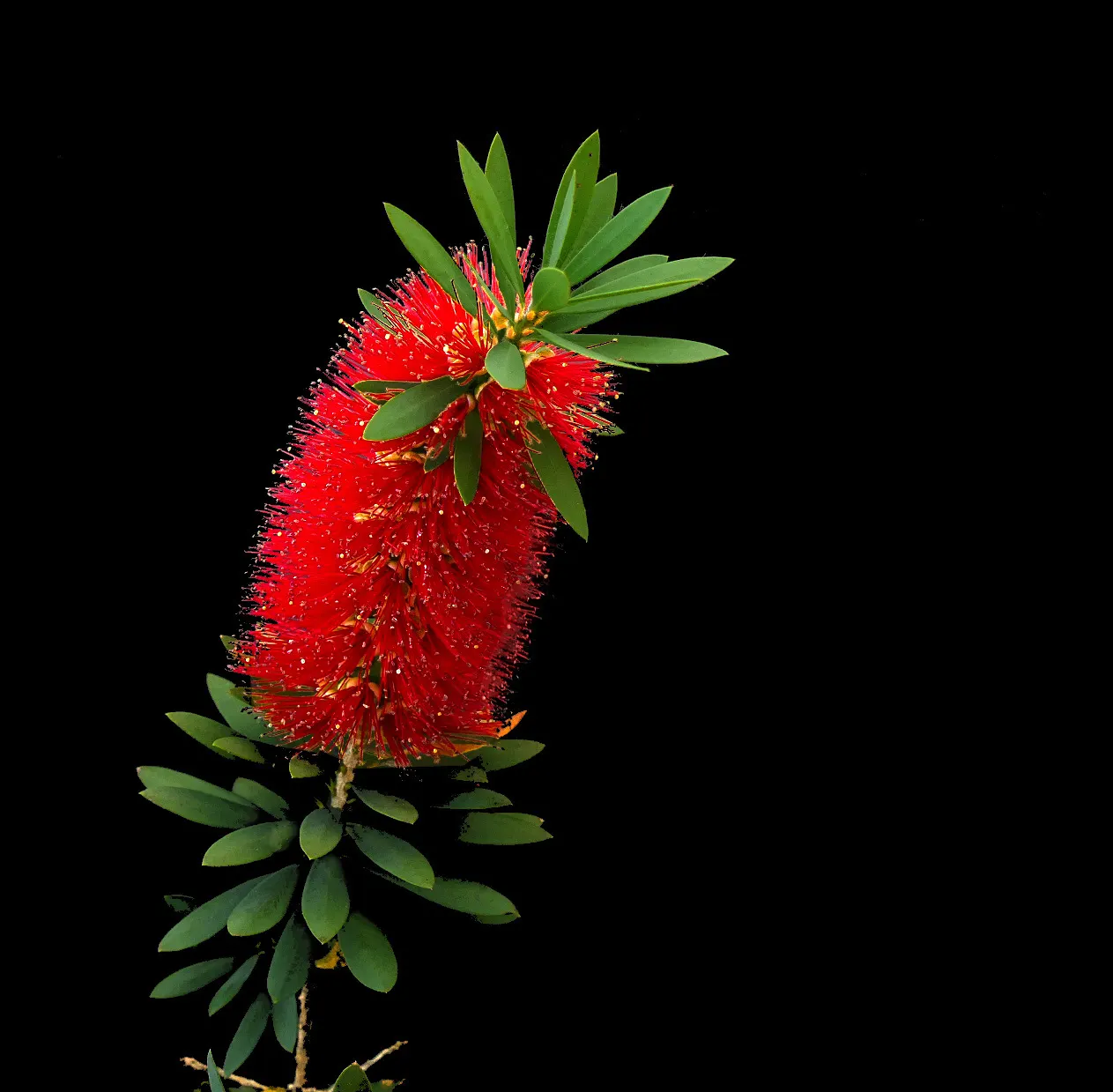
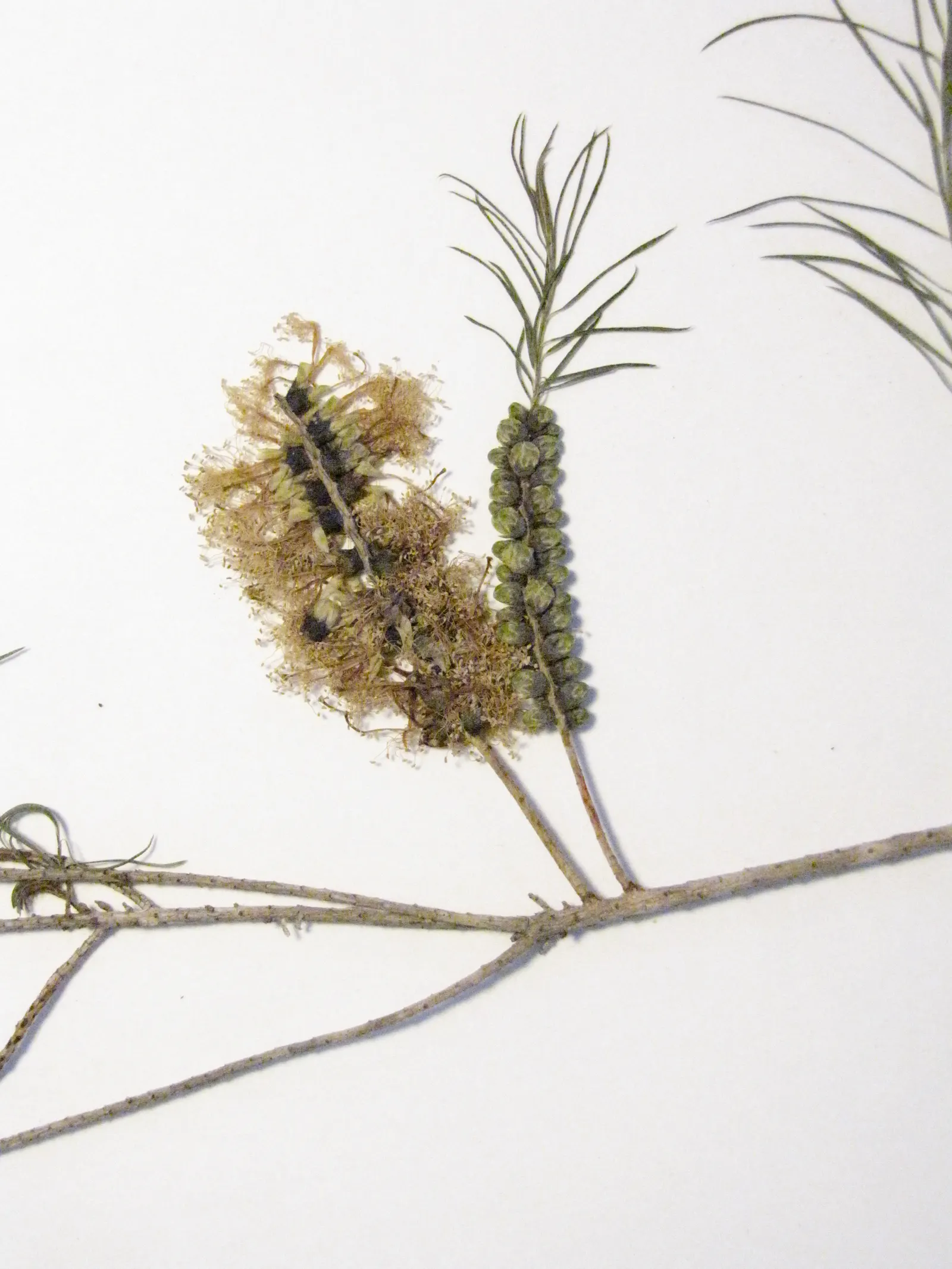
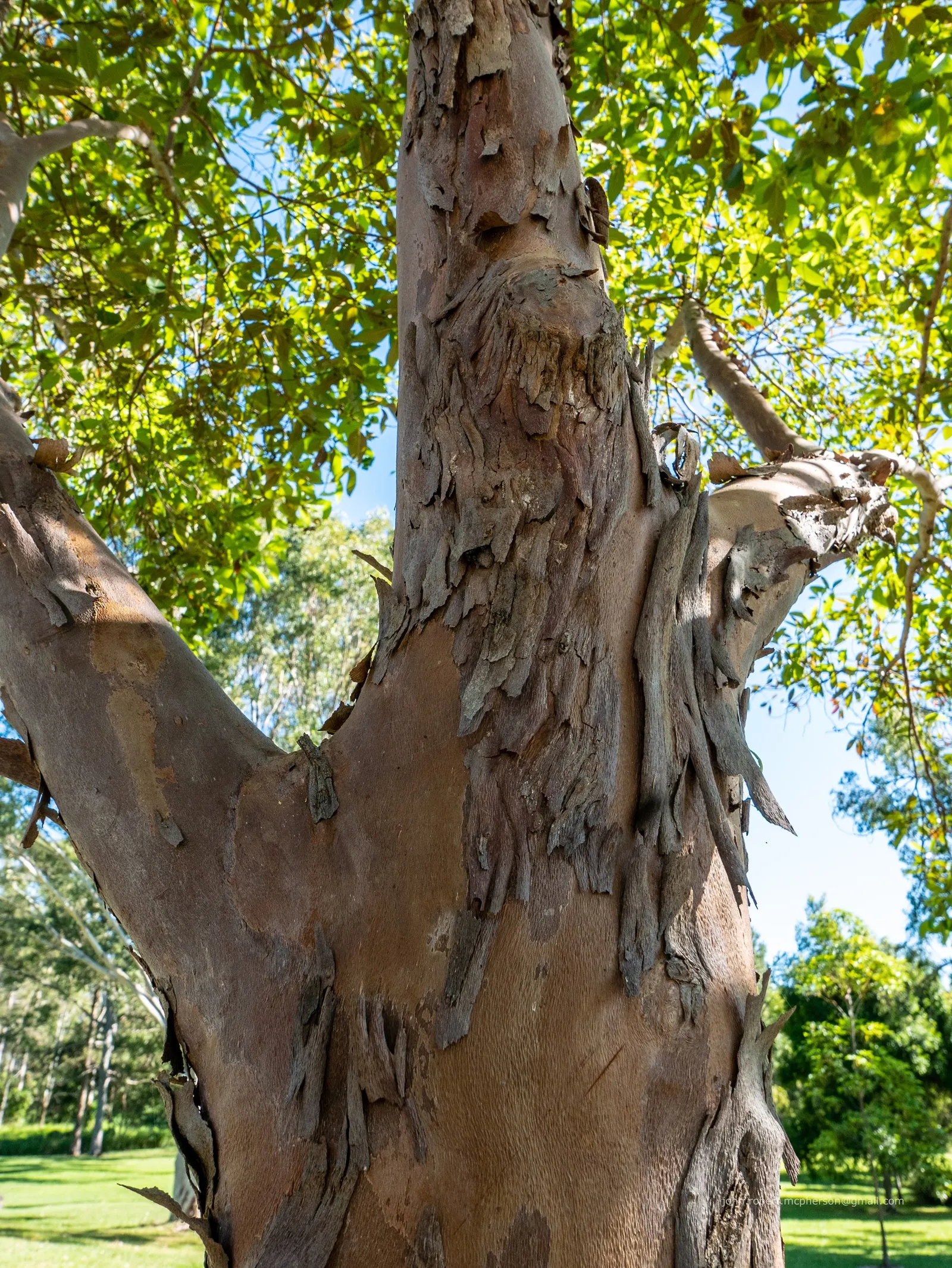
Cajeput (Melaleuca quinquenervia), a striking evergreen tree, reaches up to 40 feet tall, with a spread of 15–30 feet. Its distinctive paper-like bark and narrow, lance-shaped leaves exude a strong aroma when crushed. Flourishing in full sun to partial shade, this adaptable tree is ideal for wet areas, tolerating both drought and flooding. The profuse white, brush-like flowers attract pollinators, enhancing ecological value and visual interest.

Sun FullWater LowZones 9–11Type TreeClimate Mediterranean
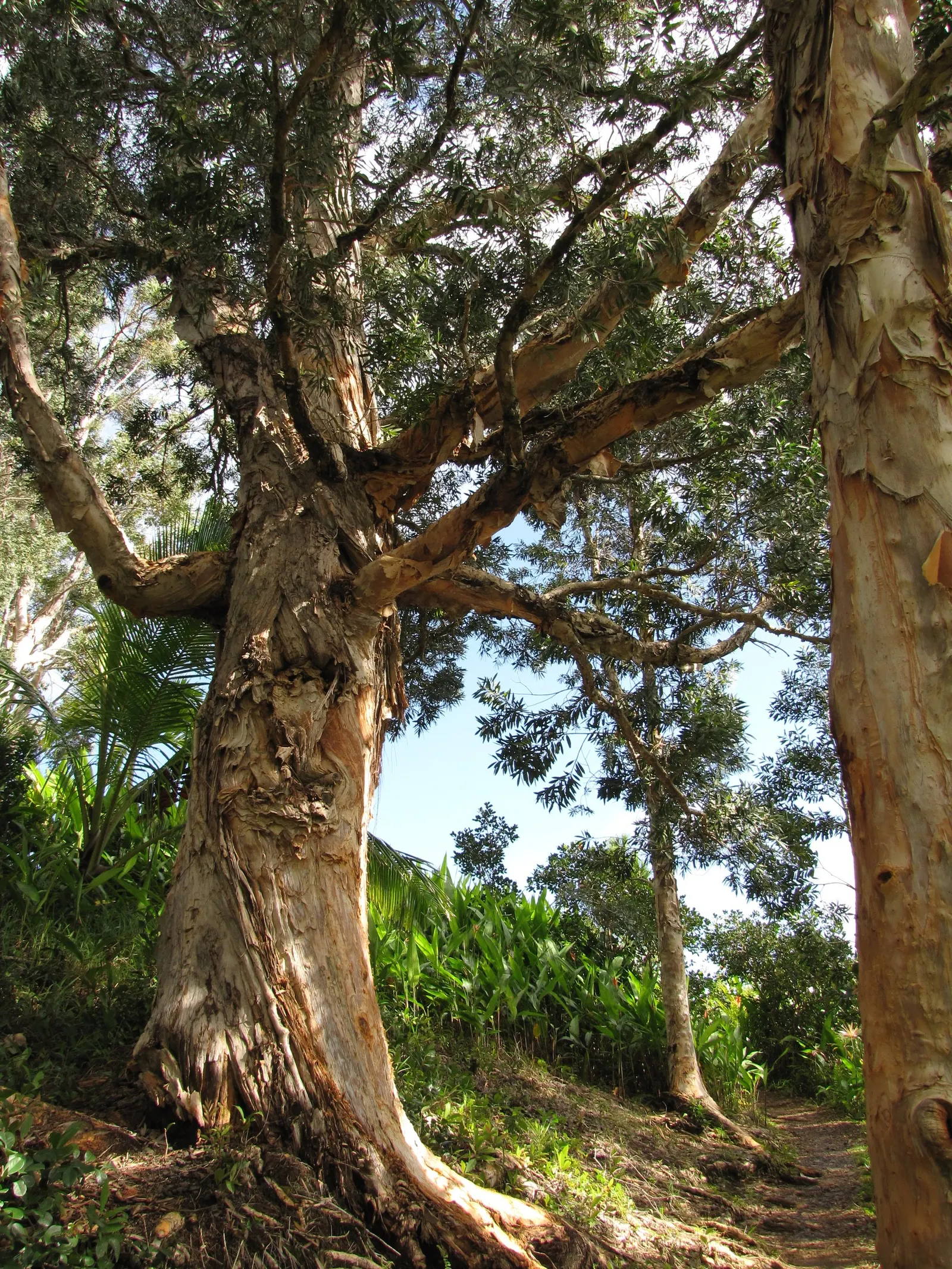
Cajeput (Melaleuca Quinquenervia) — tree with white blooms; gardeners should note the potential for invasiveness in some regions

Culture

Sun
Full
Water
Low
USDA zones
9–11

Shape & size

Classification

Type
Tree
Family
Myrtaceae
Climate
Mediterranean

See full data, regional cultivation notes, and design tools. Build a client presentation around this plant.

Start your 14-day trial

Photos (102)

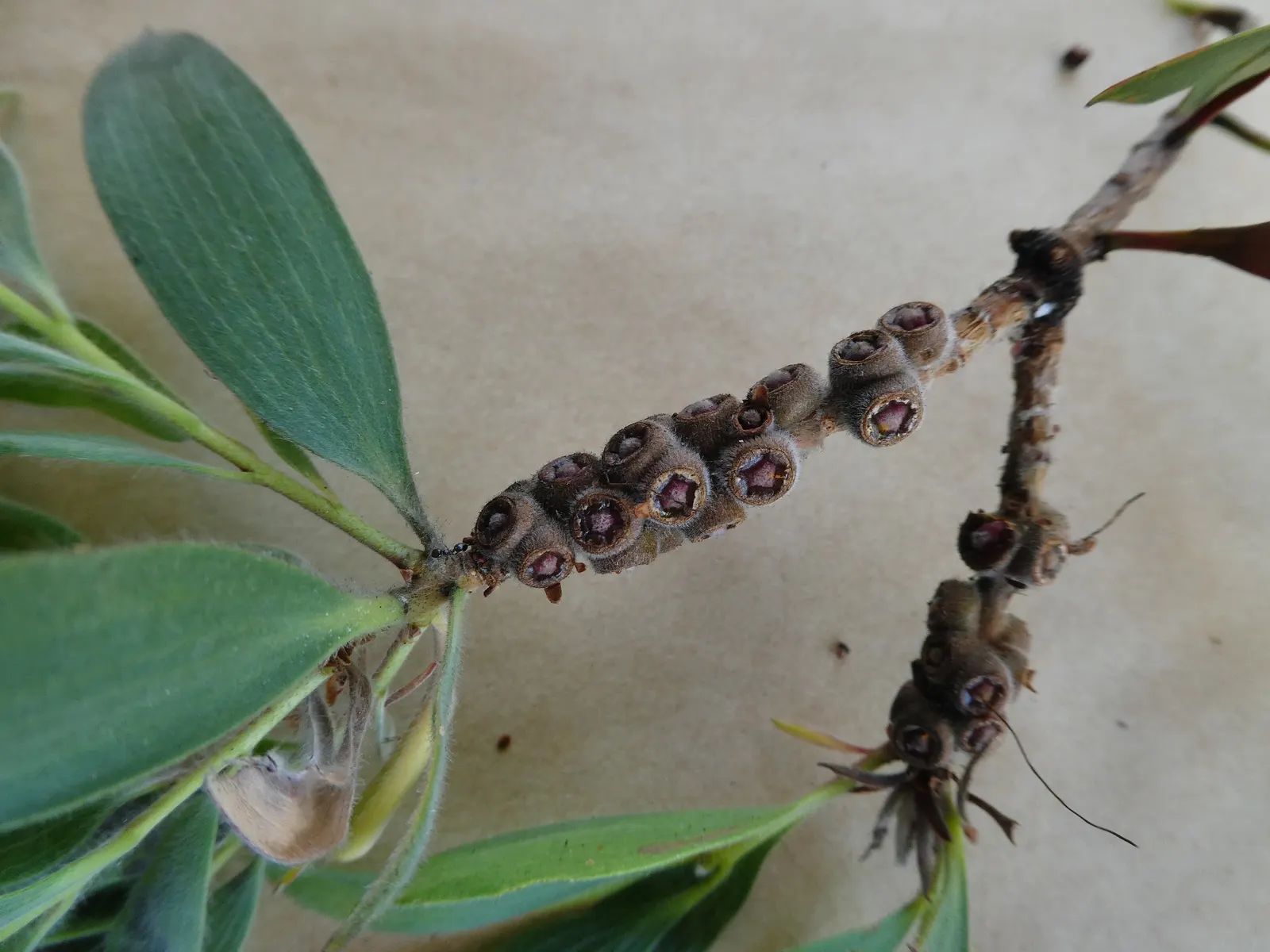
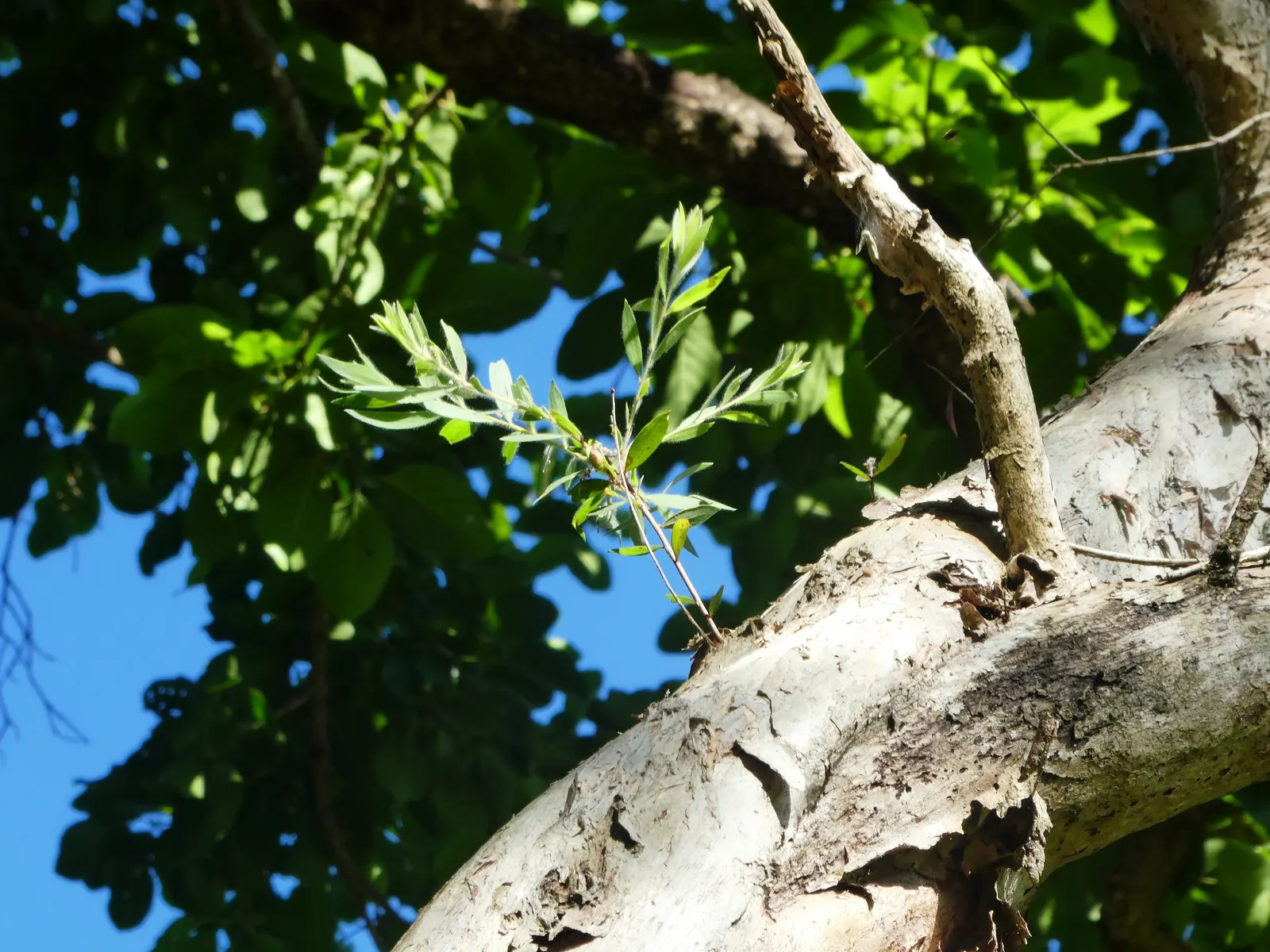
Cajeput (Melaleuca Quinquenervia) — Gardeners should note the potential for invasiveness in some regions; attracting pollinators such as bees and butterflies
Cajeput (Melaleuca Quinquenervia) — with a spread of 15‚Äì30 feet; well-drained sites.<br><br>Spring and summer bring forth a flush of, image 65
Cajeput (Melaleuca Quinquenervia) — especially in wetter climates.<br><br>When incorporating this species into a landscape design; with a spread of 15‚Äì30 feet
Cajeput (Melaleuca Quinquenervia) — as the Cajeput tends to self-seed prolifically
Cajeput (Melaleuca Quinquenervia) — well-drained sites.<br><br>Spring and summer bring forth a flush of bottlebrush-like; tree with white blooms
Cajeput (Melaleuca Quinquenervia) — reaches up to 40 feet tall; originating from Australia and thriving in USDA zones 9 through 11, image 64
Cajeput (Melaleuca Quinquenervia) — Regular pruning may be necessary to maintain its shape and size; though it has an affinity for sunny
Cajeput (Melaleuca Quinquenervia) — Flourishing in full sun to partial shade
Cajeput (Melaleuca Quinquenervia) — making it an excellent choice for a resilient garden highlight
Cajeput (Melaleuca Quinquenervia) — which release a camphoraceous aroma when crushed; the Cajeput provides year-round interest and utility, image 75
Cajeput (Melaleuca Quinquenervia) — Recognized for its paperbark-esque trunk and leathery; creamy white flowers that are rich in nectar
Cajeput (Melaleuca Quinquenervia) — originating from Australia and thriving in USDA zones 9 through 11; recognized for its paperbark-esque trunk and leathery
Cajeput (Melaleuca Quinquenervia) — attracting pollinators such as bees and butterflies; which release a camphoraceous aroma when crushed, image 82
Cajeput (Melaleuca Quinquenervia) — though it has an affinity for sunny; especially in wetter climates.<br><br>When incorporating this species into a landscape
Cajeput (Melaleuca Quinquenervia) — reaches up to 40 feet tall
Cajeput (Melaleuca Quinquenervia) — especially in wetter climates.<br><br>When incorporating this species into a landscape design
Cajeput (Melaleuca Quinquenervia) — as the Cajeput tends to self-seed prolifically; remarkably tolerant of wind and adaptable to coastal conditions
Cajeput (Melaleuca Quinquenervia) — with a canopy spread of up to 20 feet; reaches up to 40 feet tall
Cajeput (Melaleuca Quinquenervia) — The profuse white, brush-like flowers attract pollinators, enhancing ecological value and visual interest; as, image 70
Cajeput (Melaleuca Quinquenervia) — this adaptable tree is ideal for wet areas
Cajeput (Melaleuca Quinquenervia) — this adaptable tree is ideal for wet areas; the profuse white, brush-like flowers attract pollinators, enhancing ecological
Cajeput (Melaleuca Quinquenervia) — making them suitable as specimen trees or for creating natural screens; scientifically known as Melaleuca, image 77
Cajeput (Melaleuca Quinquenervia) — Its hardiness is reflected in its ability to withstand a variety of soil conditions
Cajeput (Melaleuca Quinquenervia) — originating from Australia and thriving in USDA zones 9 through 11
Photographs by 11 contributors

Related plants