Skip to content

Flax Leaf Paperbark

Melaleuca Linariifolia

Design with this plant

Overview

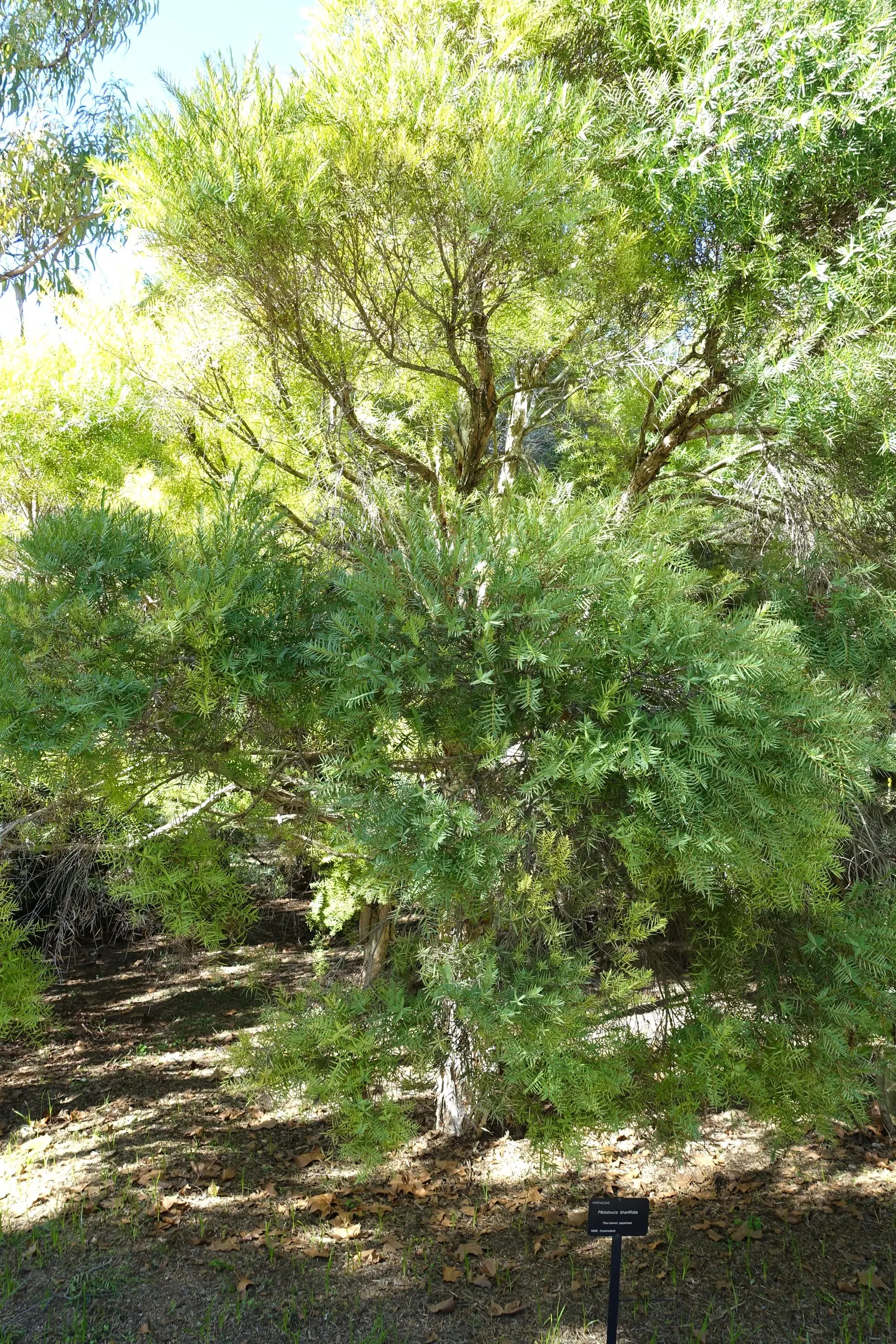
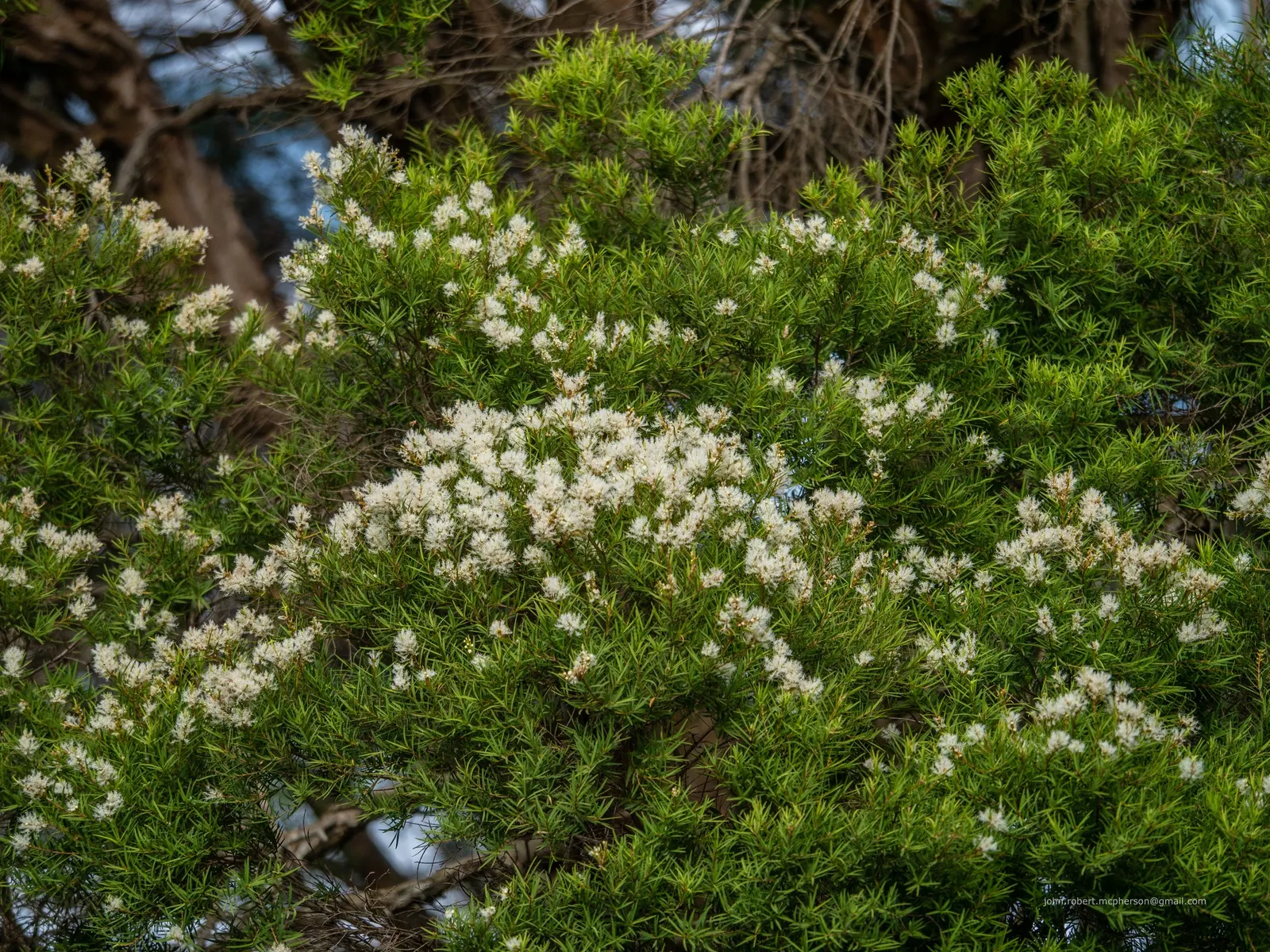
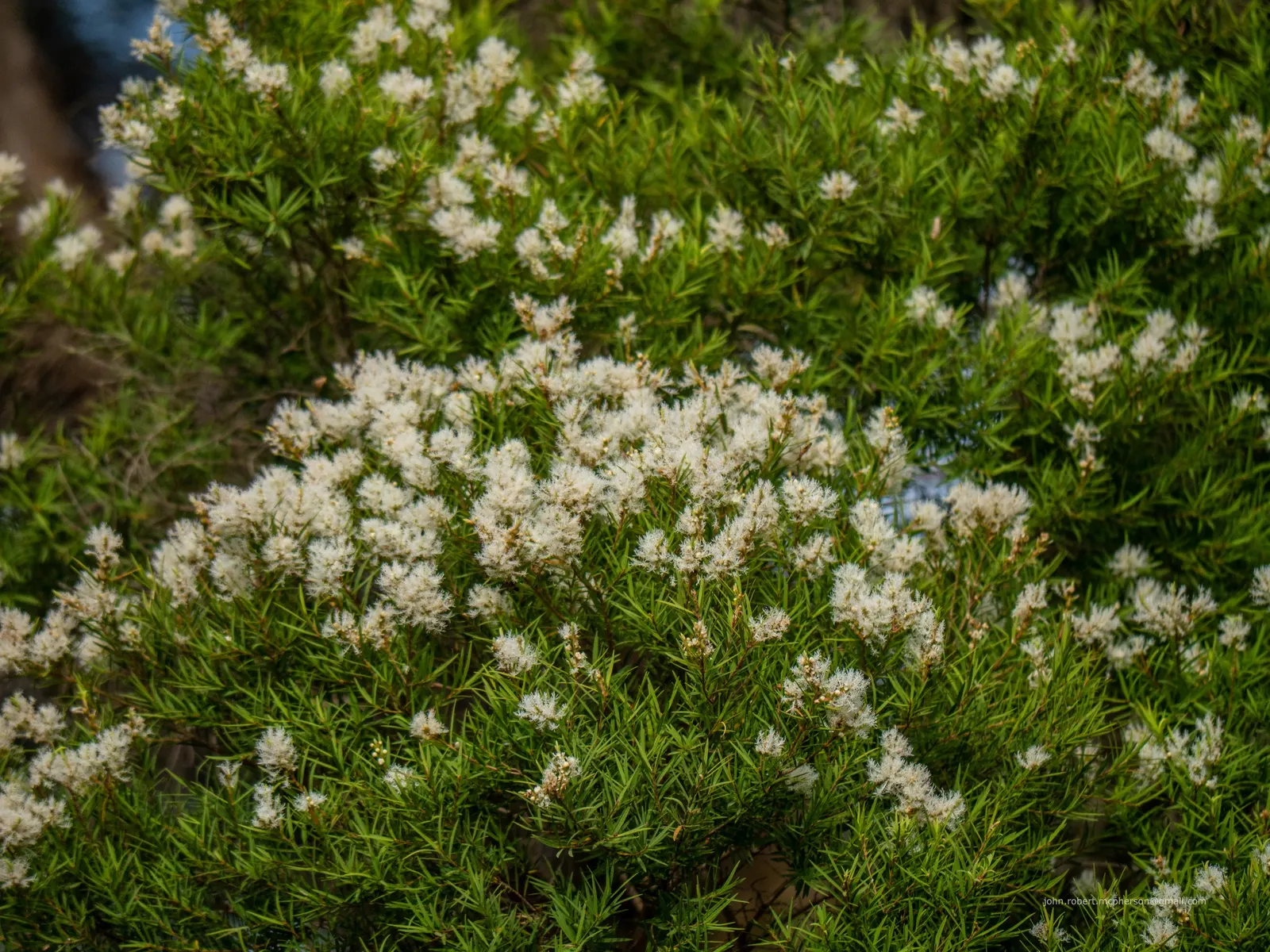
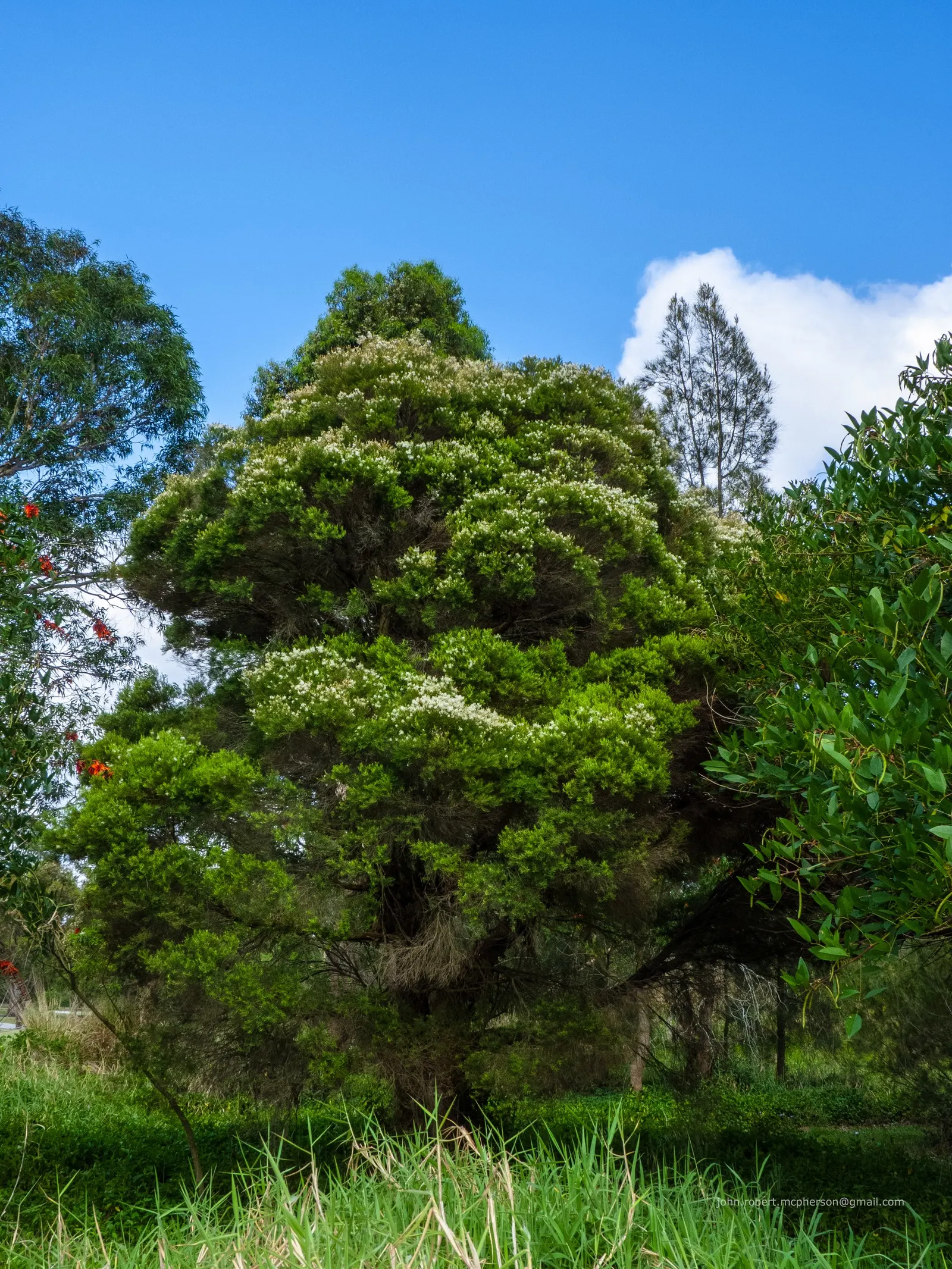
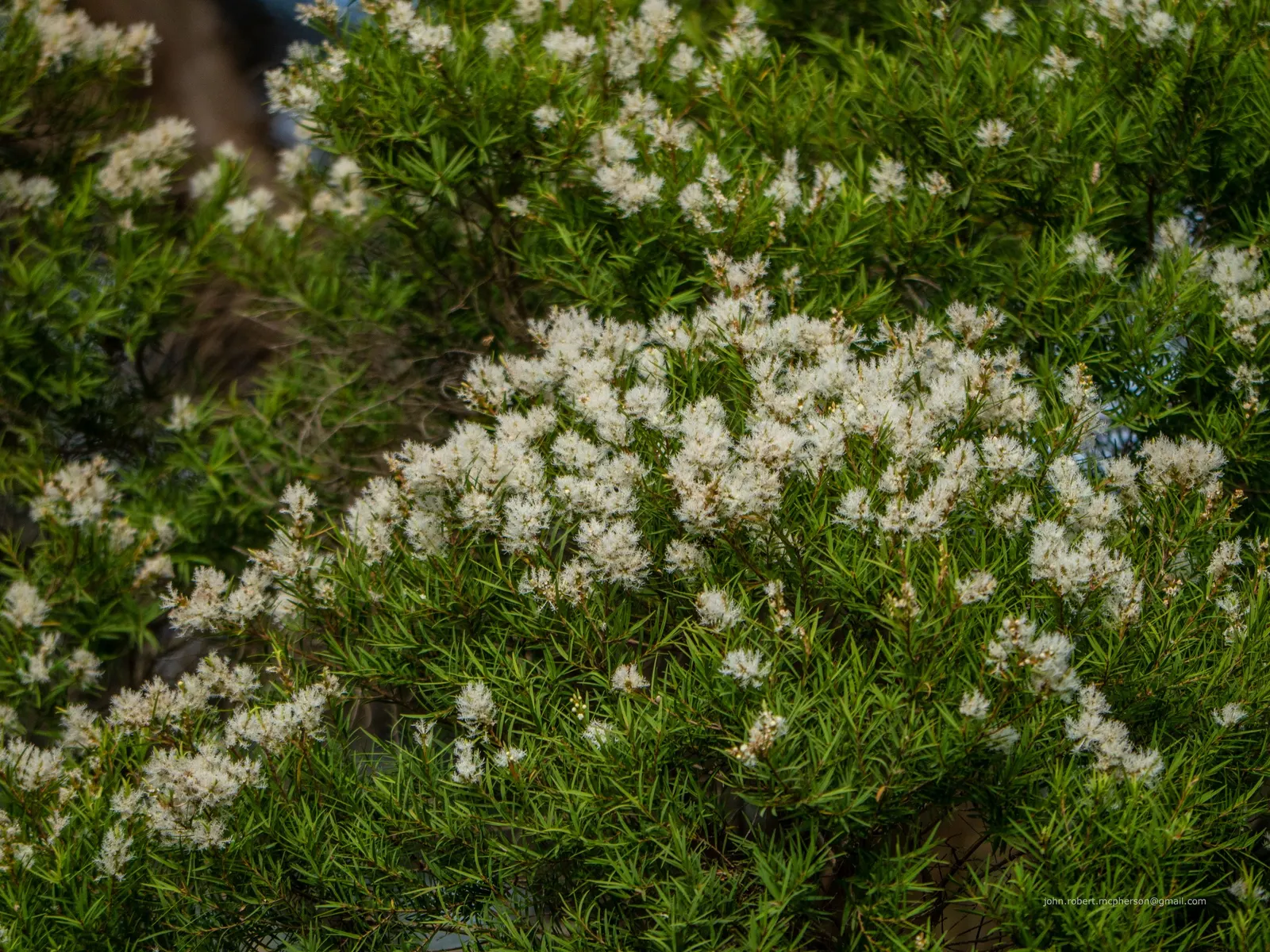
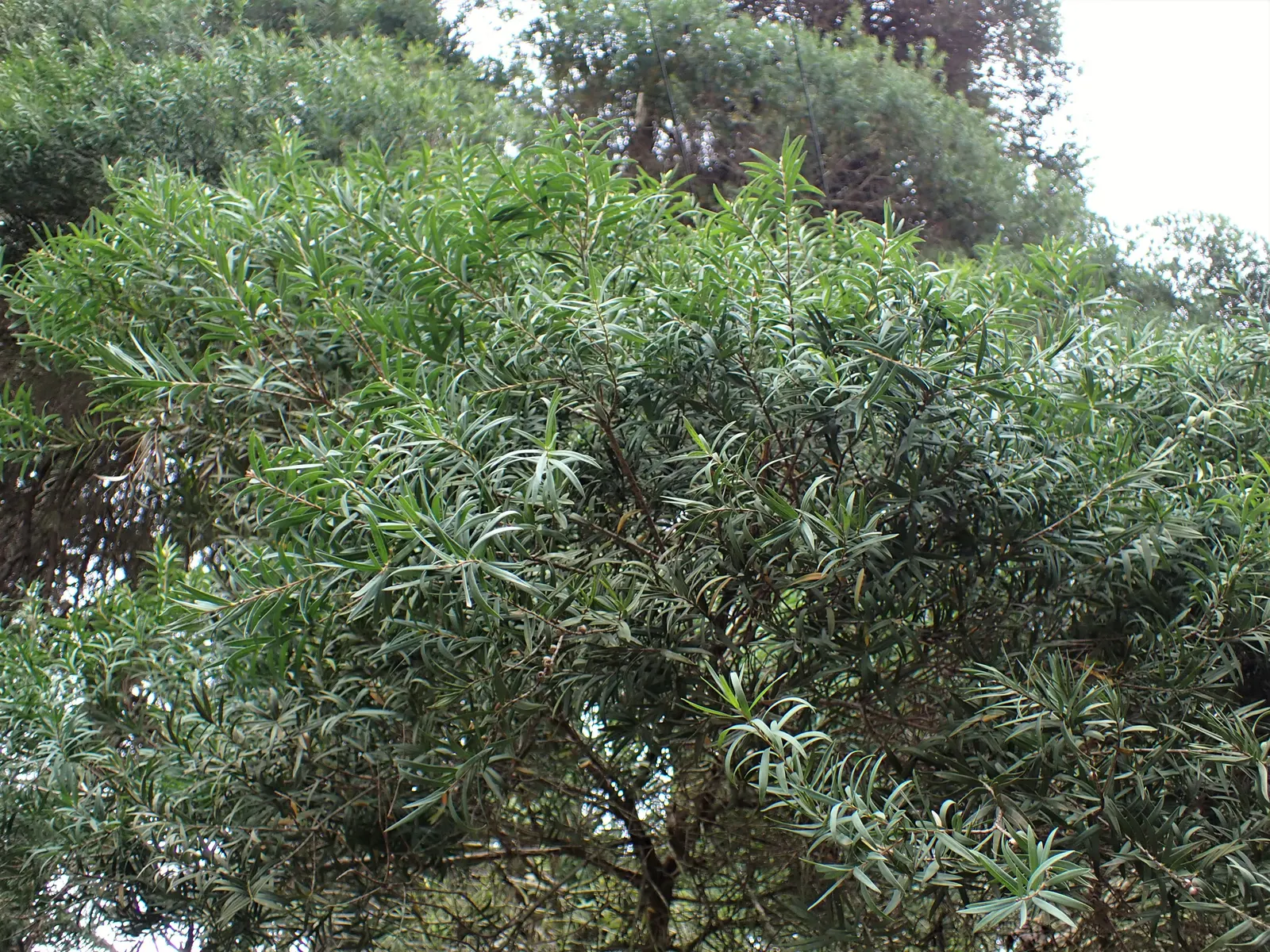
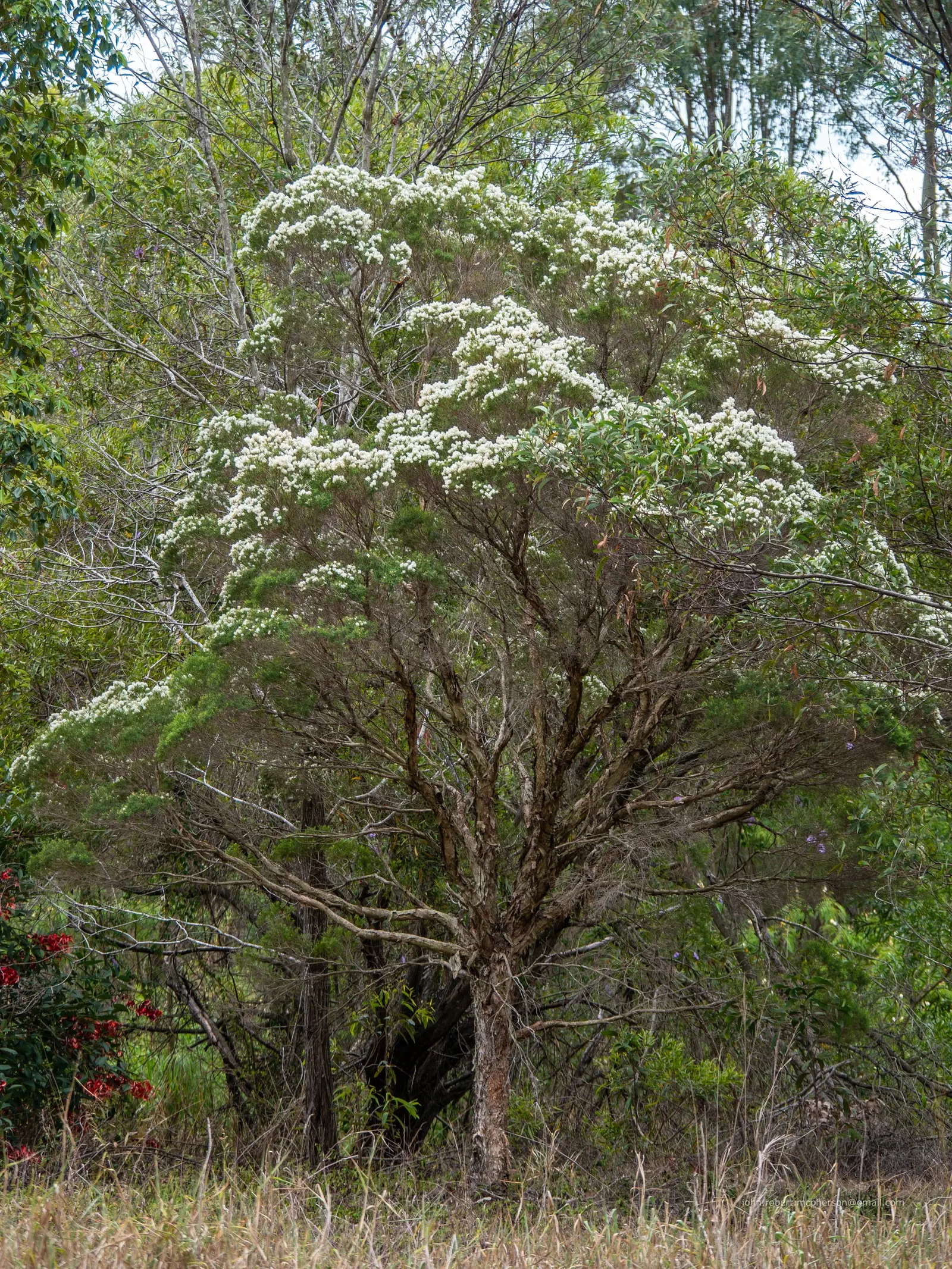
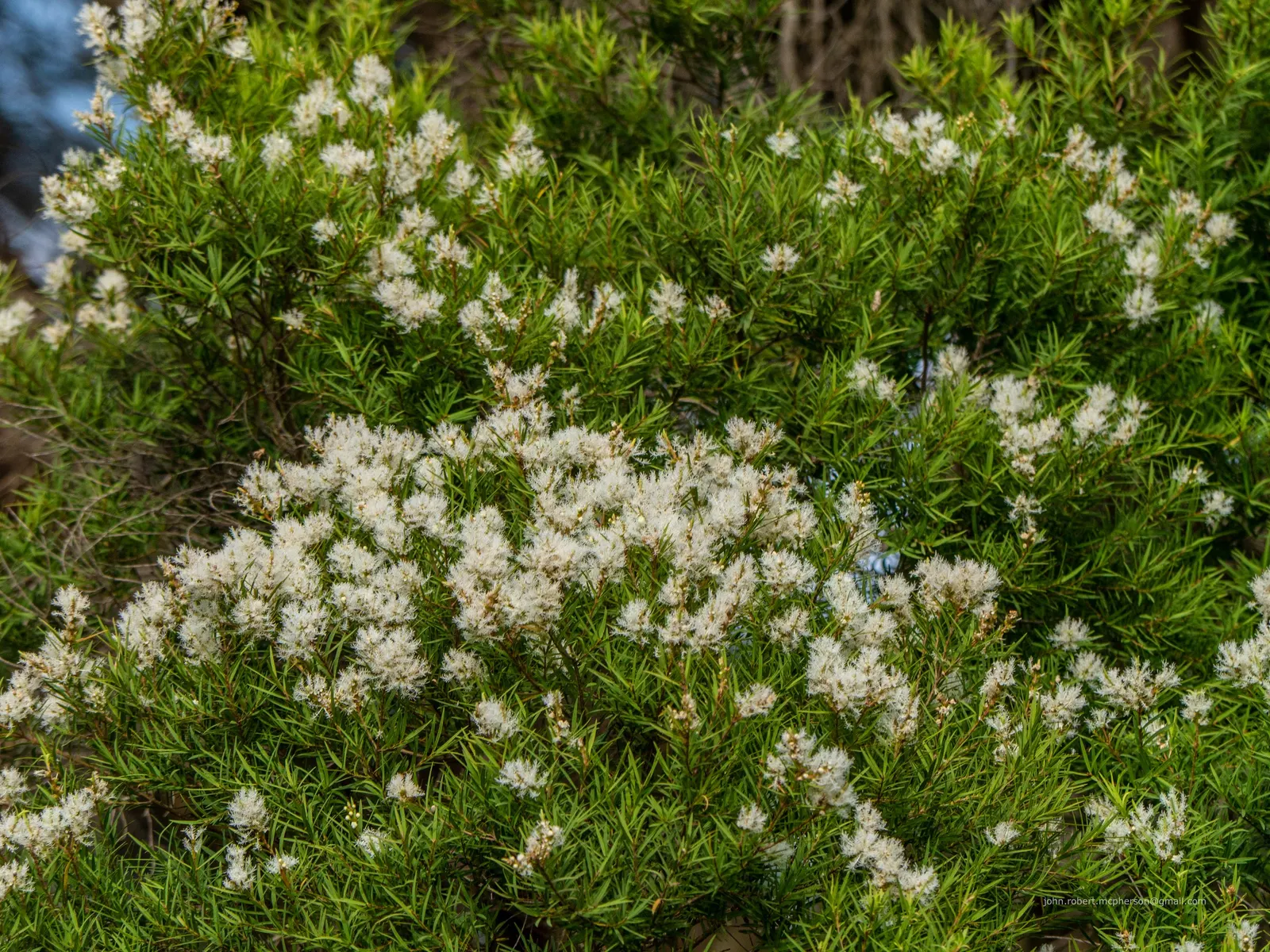
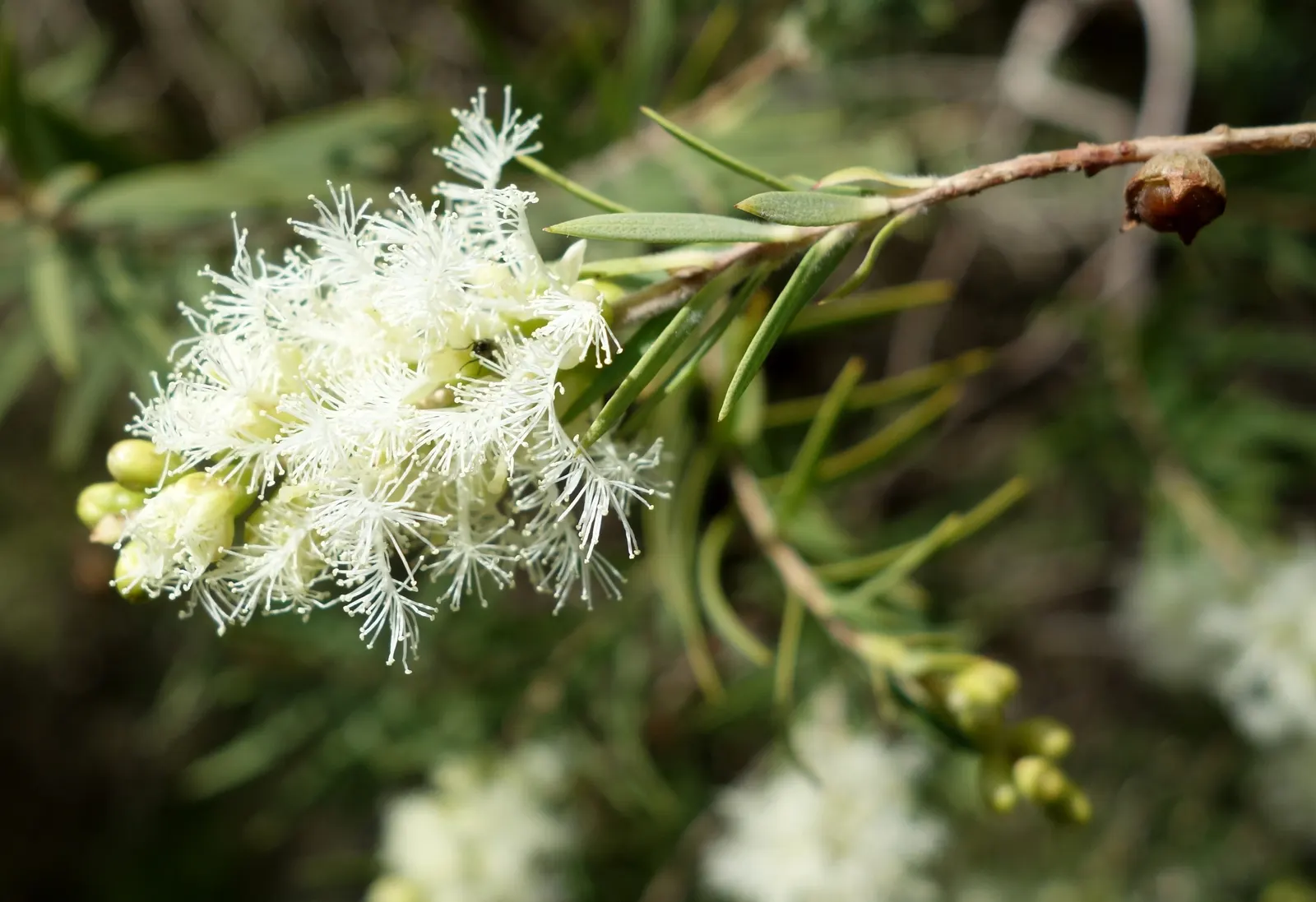
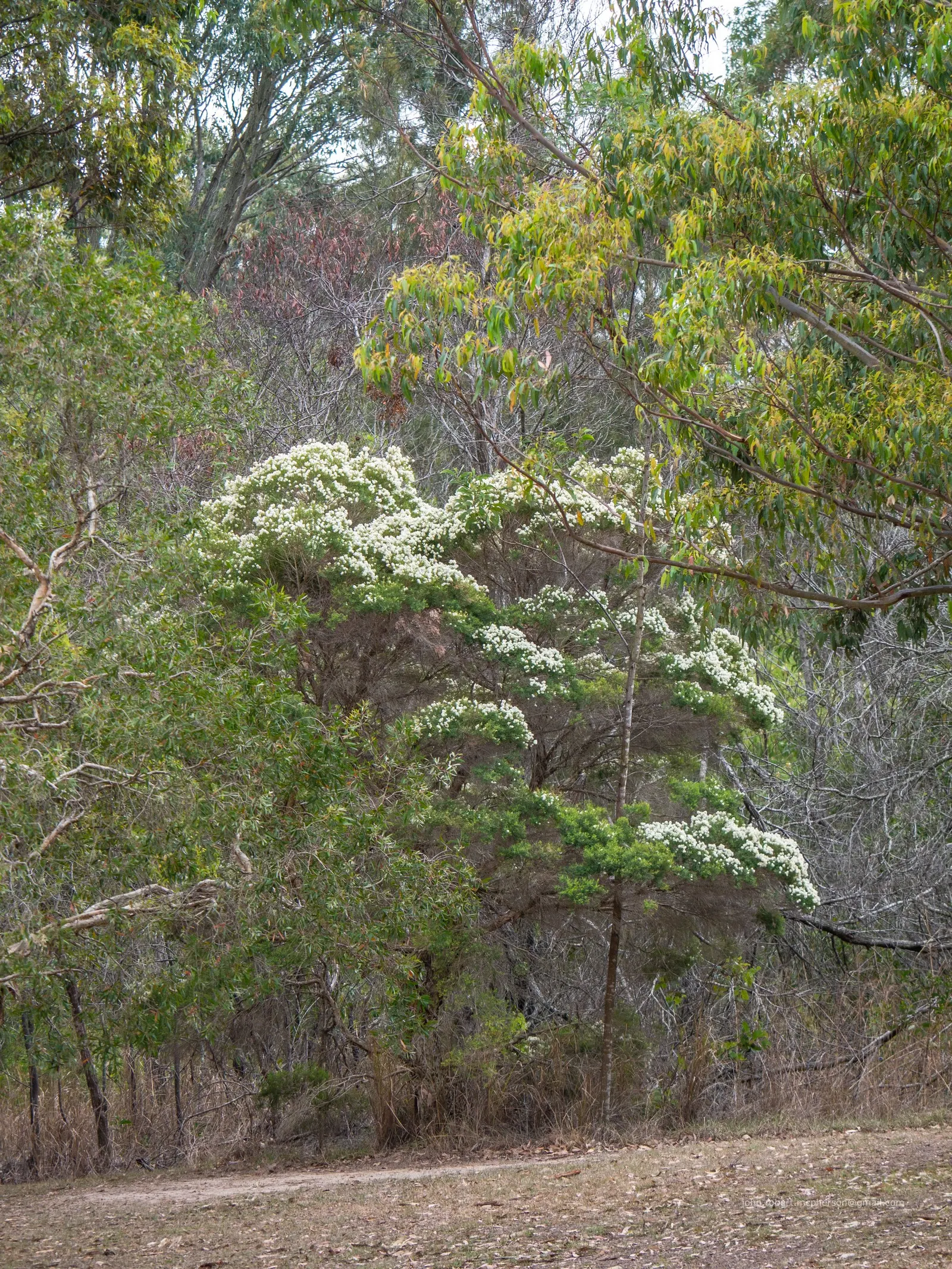
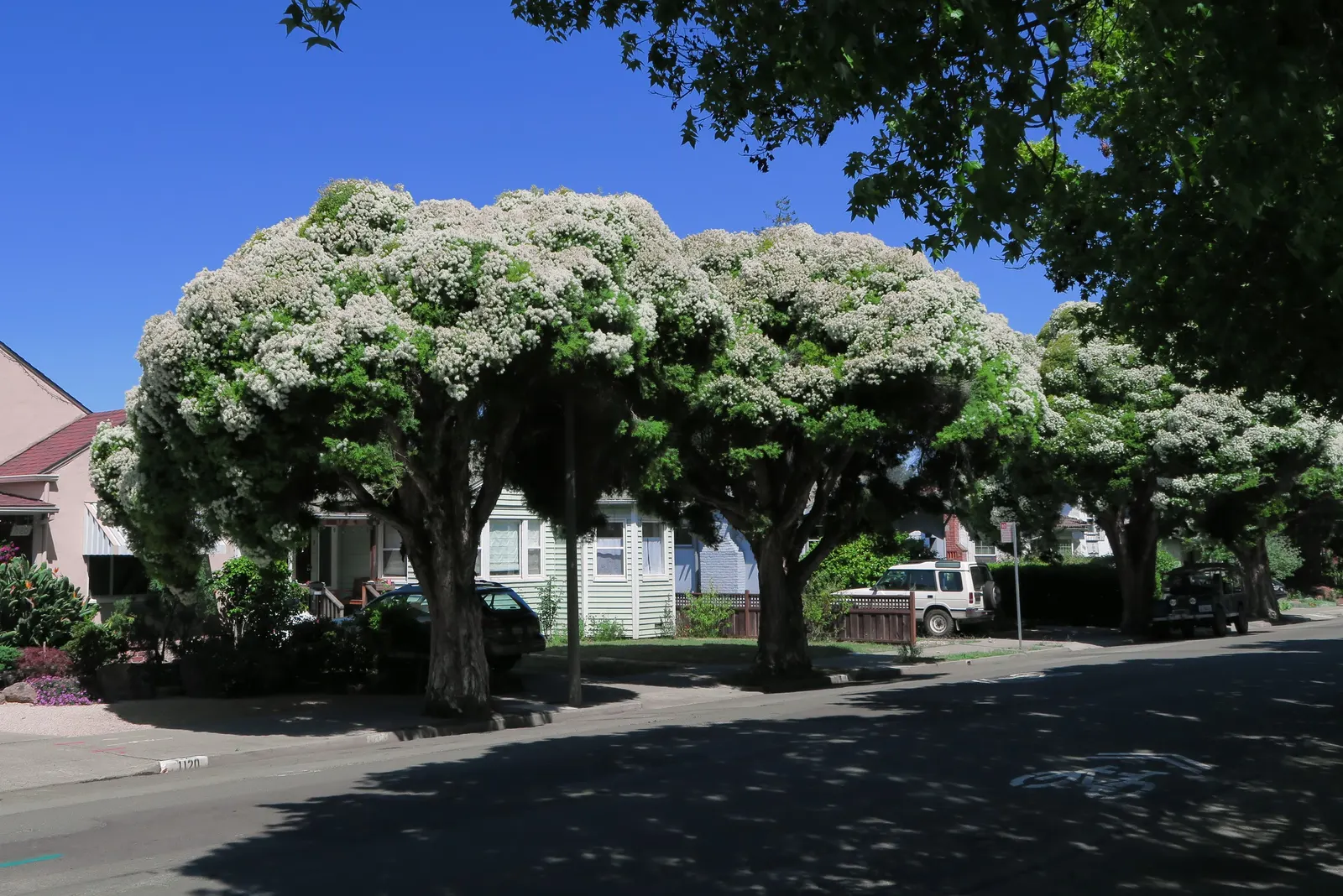
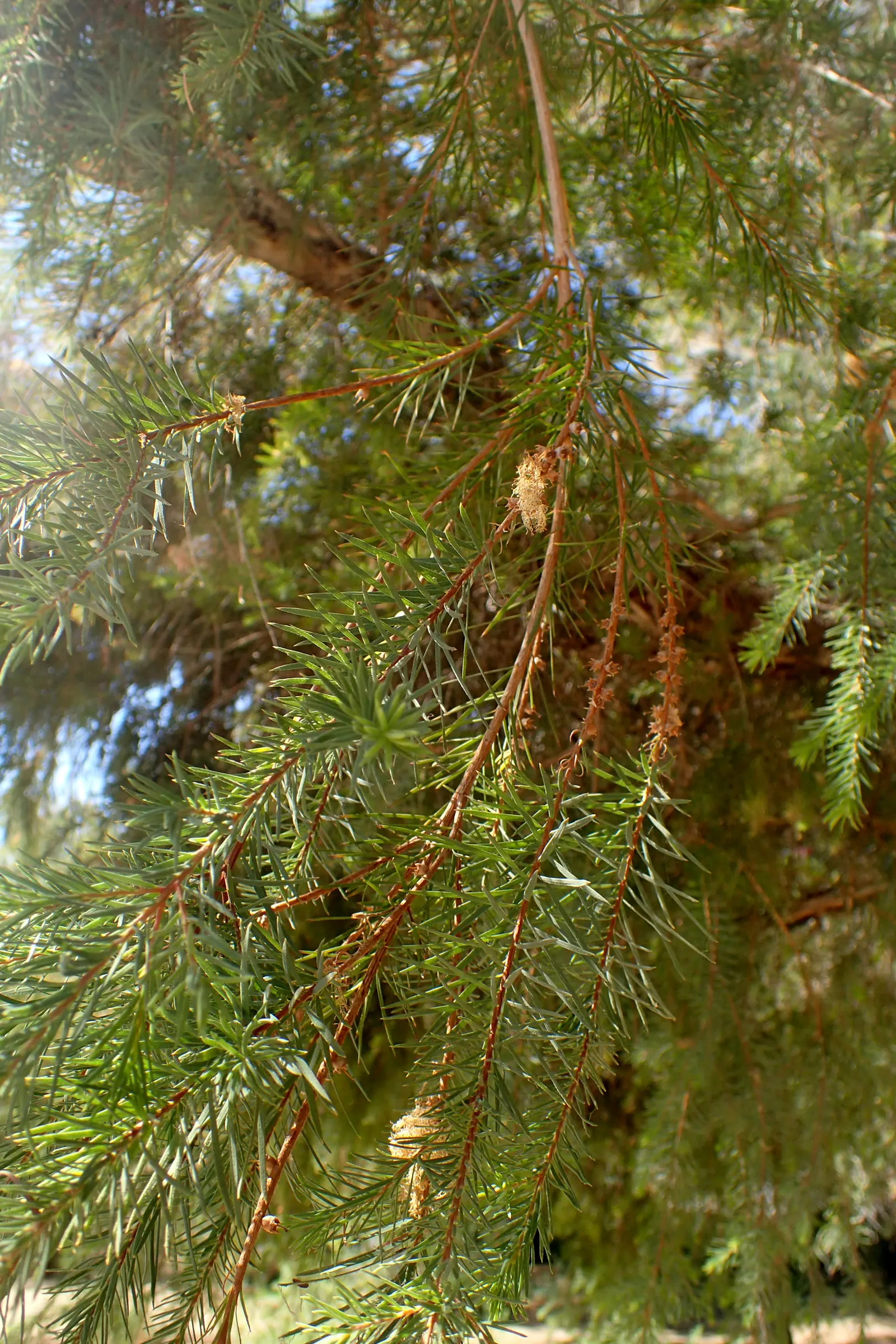
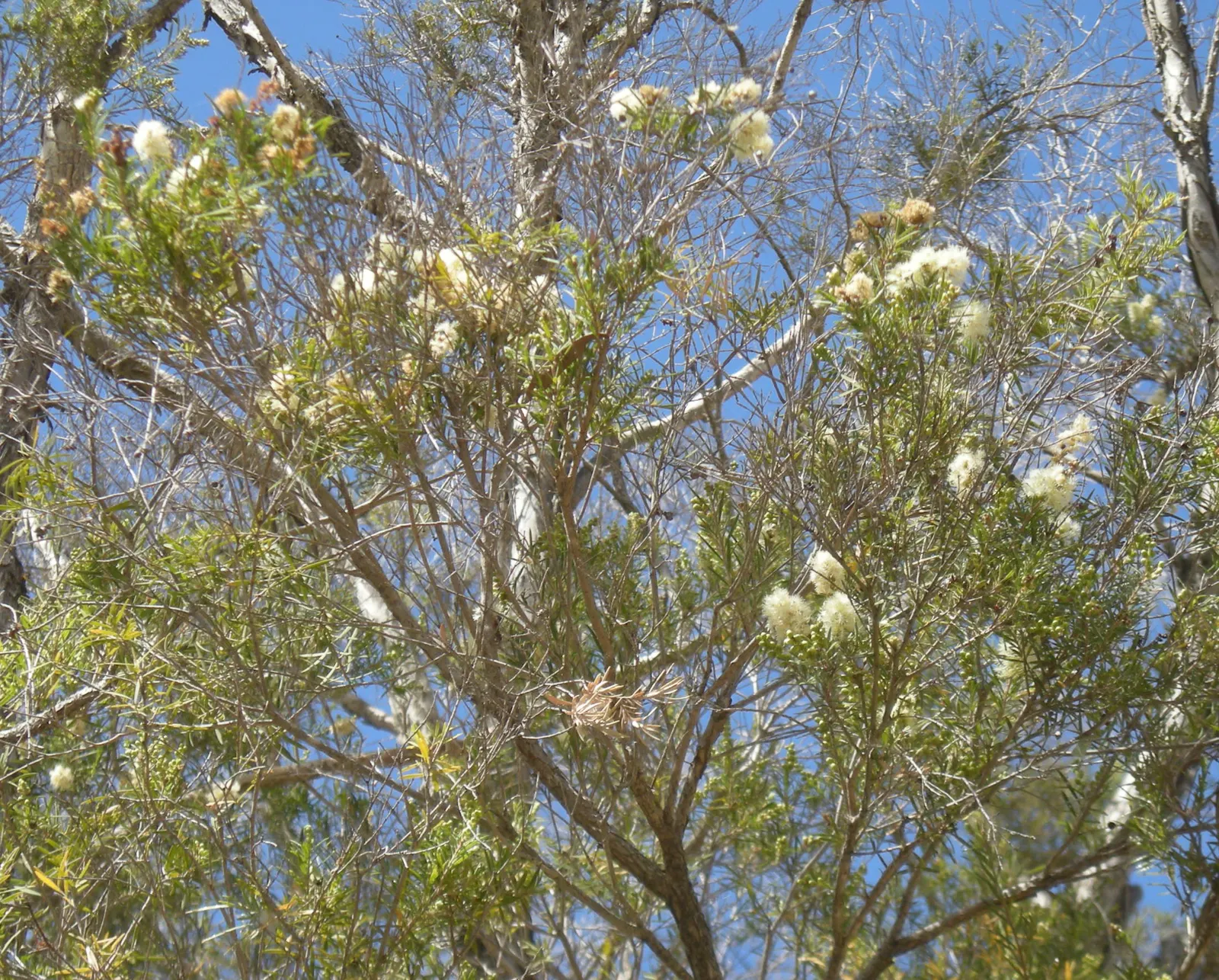
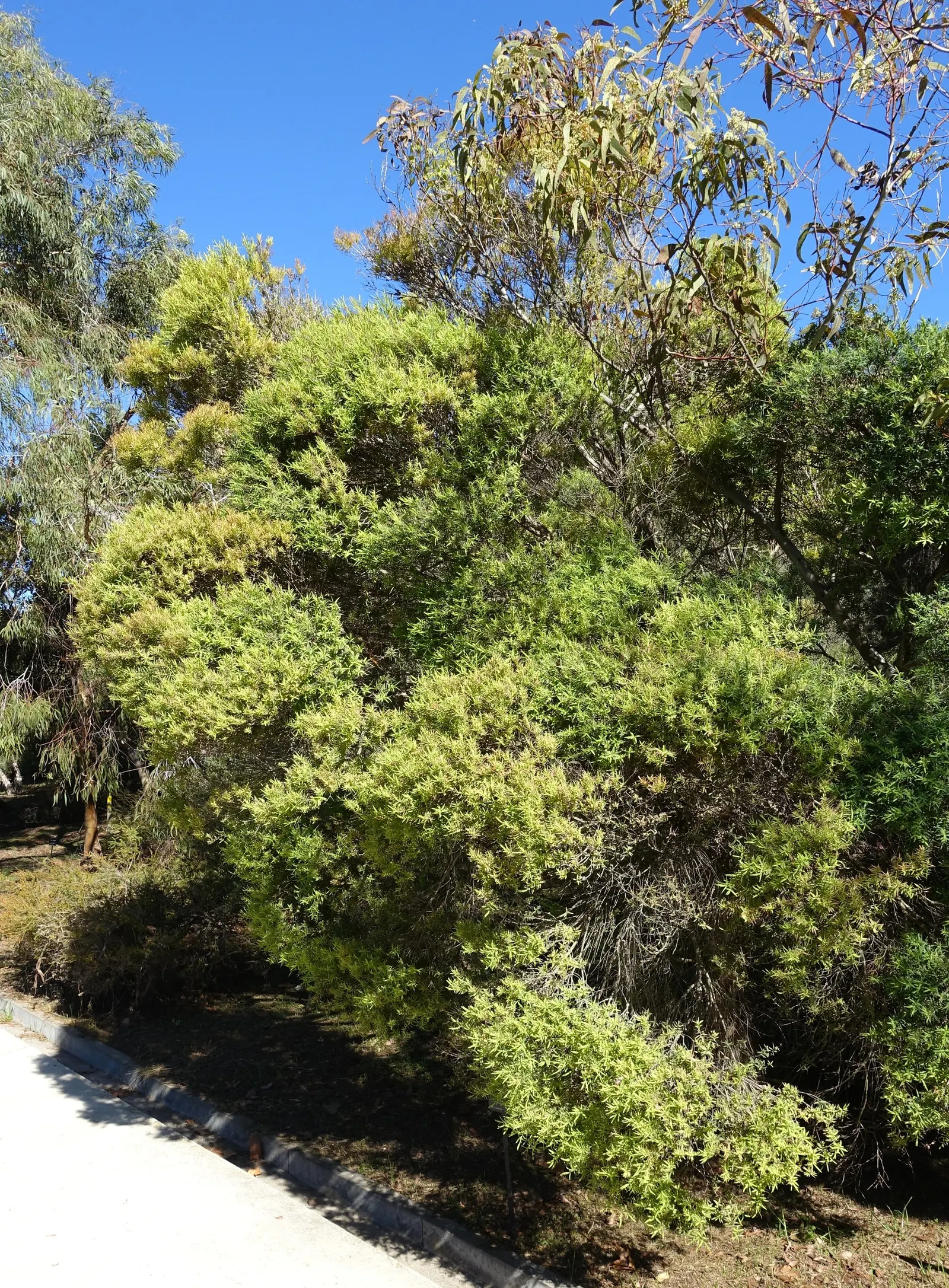
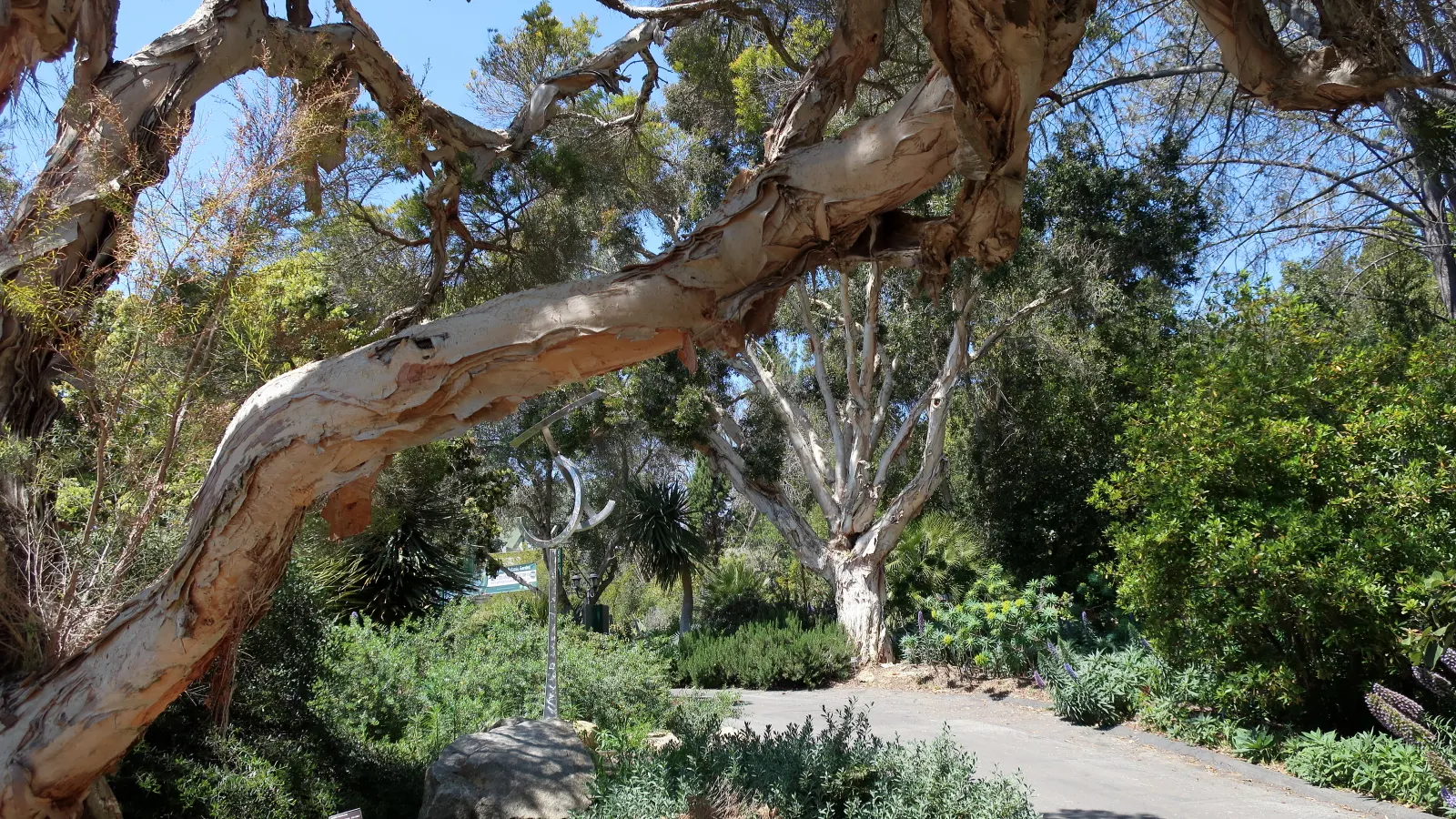
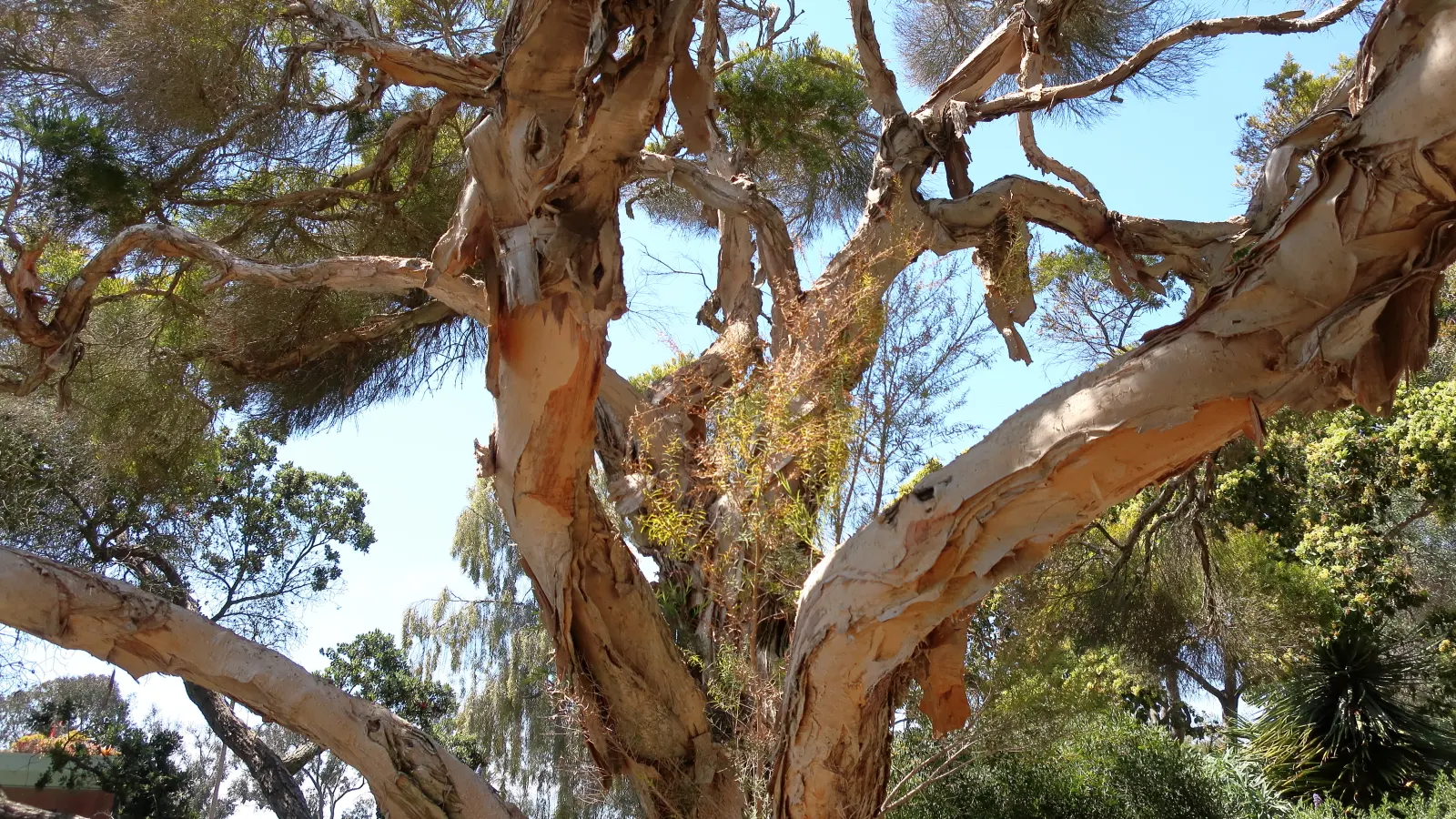
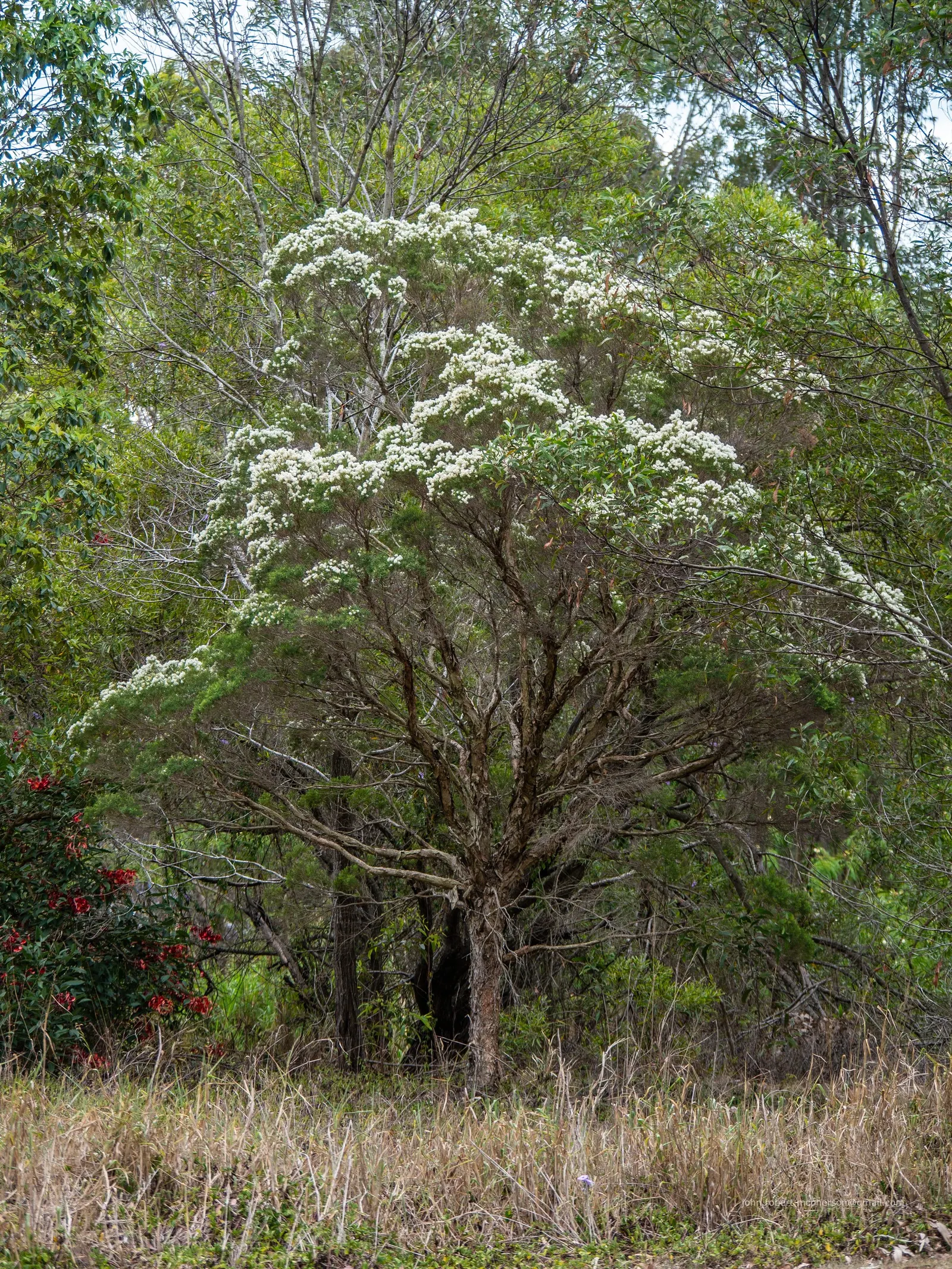
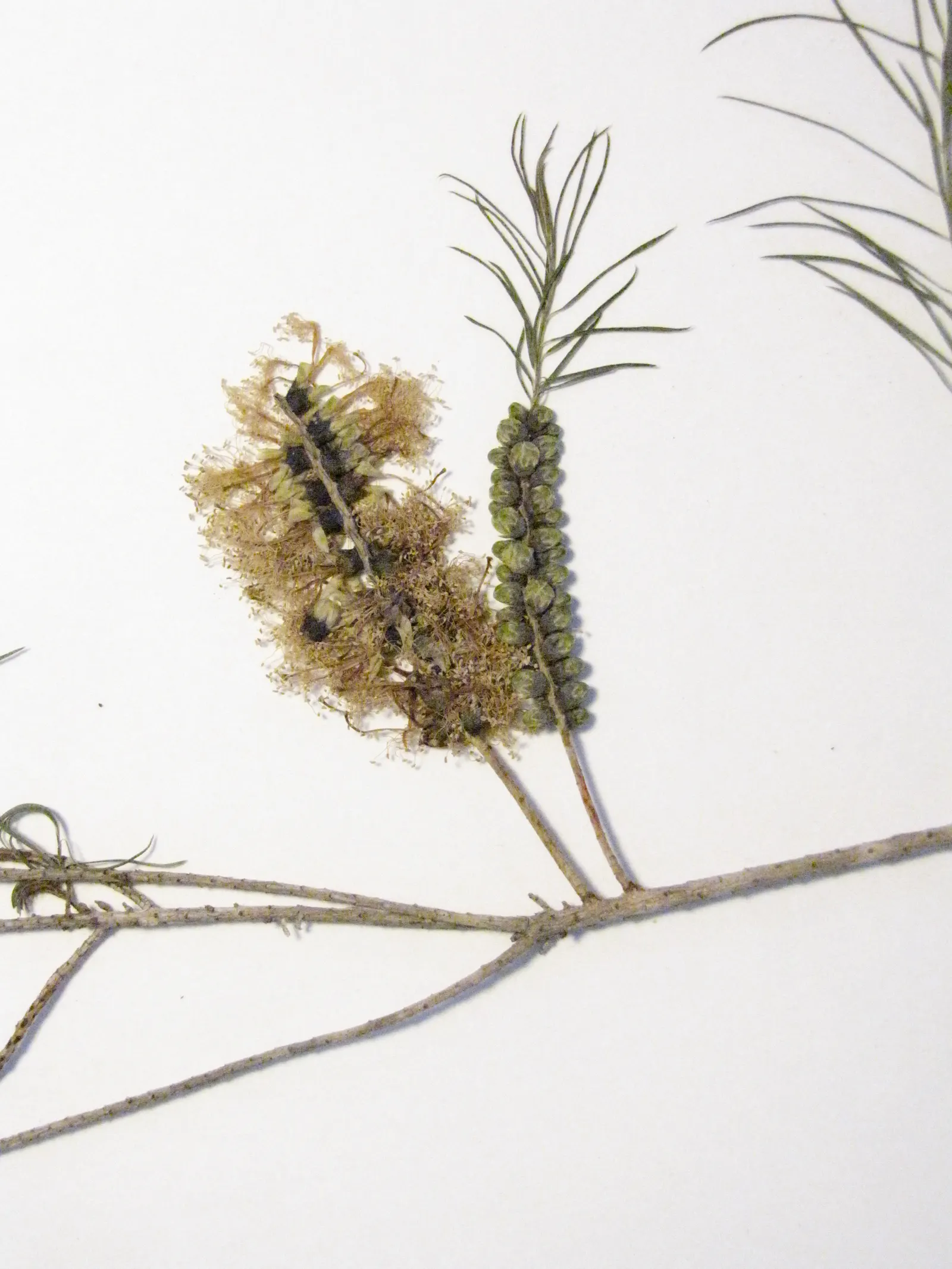
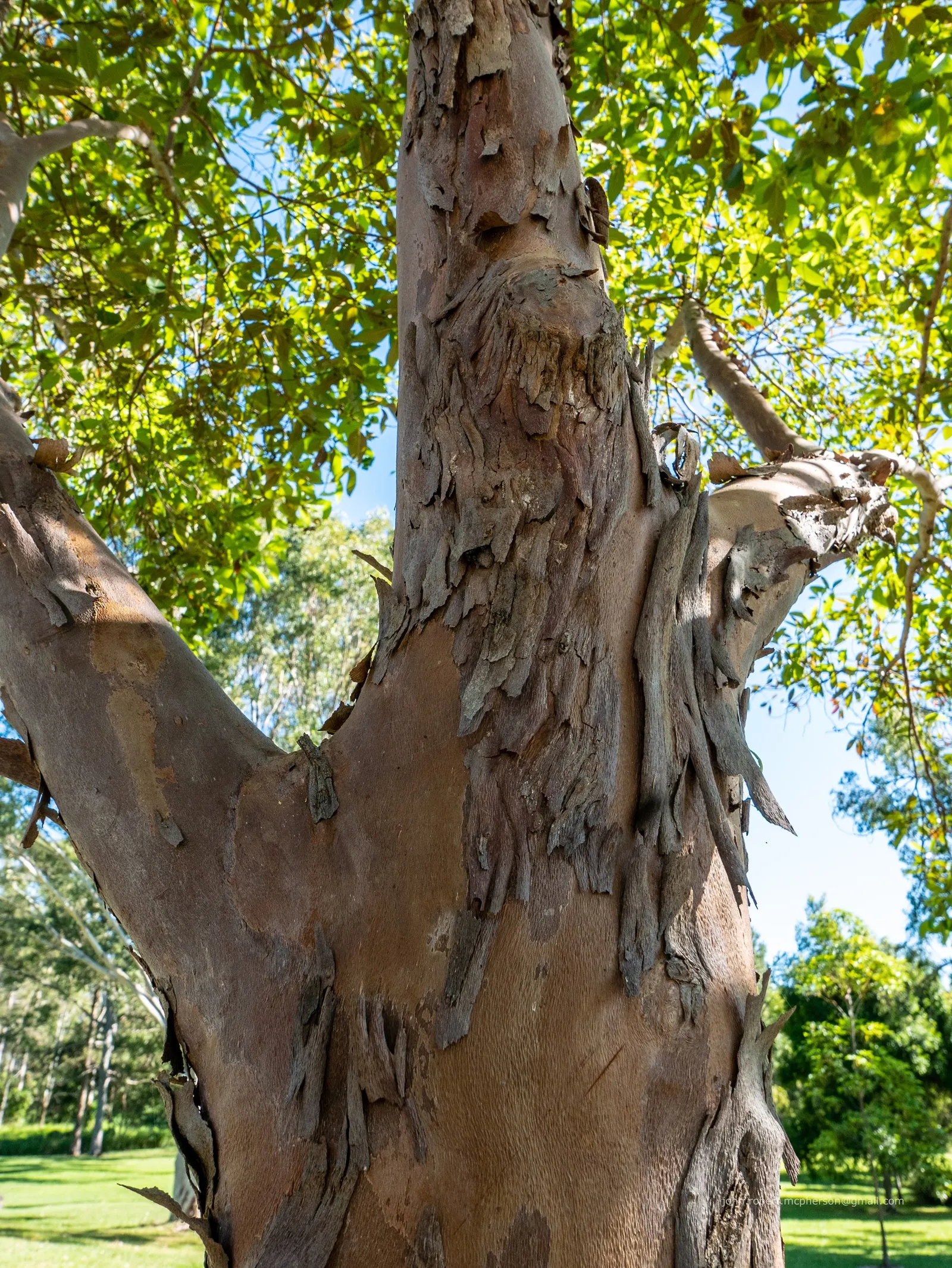
The Flax Leaf Paperbark, Melaleuca linariifolia, is an eye-catching tree revered for its decorative, peeling bark and graceful weeping habit. Native to Australia, it reaches up to 30 feet in height with a canopy spanning 15-20 feet. Its narrow leaves support prolific white or cream bottlebrush-like flowers, prominent in summer and fall. This hardy species is drought-tolerant, thriving in full sun and well-drained soils; an excellent choice for accentuating water-efficient landscapes.

Sun FullWater LowZones 9–11Type TreeClimate Mediterranean

Culture

Sun
Full
Water
Low
USDA zones
9–11

Shape & size

Classification

Type
Tree
Family
Myrtaceae
Climate
Mediterranean

See full data, regional cultivation notes, and design tools. Build a client presentation around this plant.

Start your 14-day trial

Photos (68)

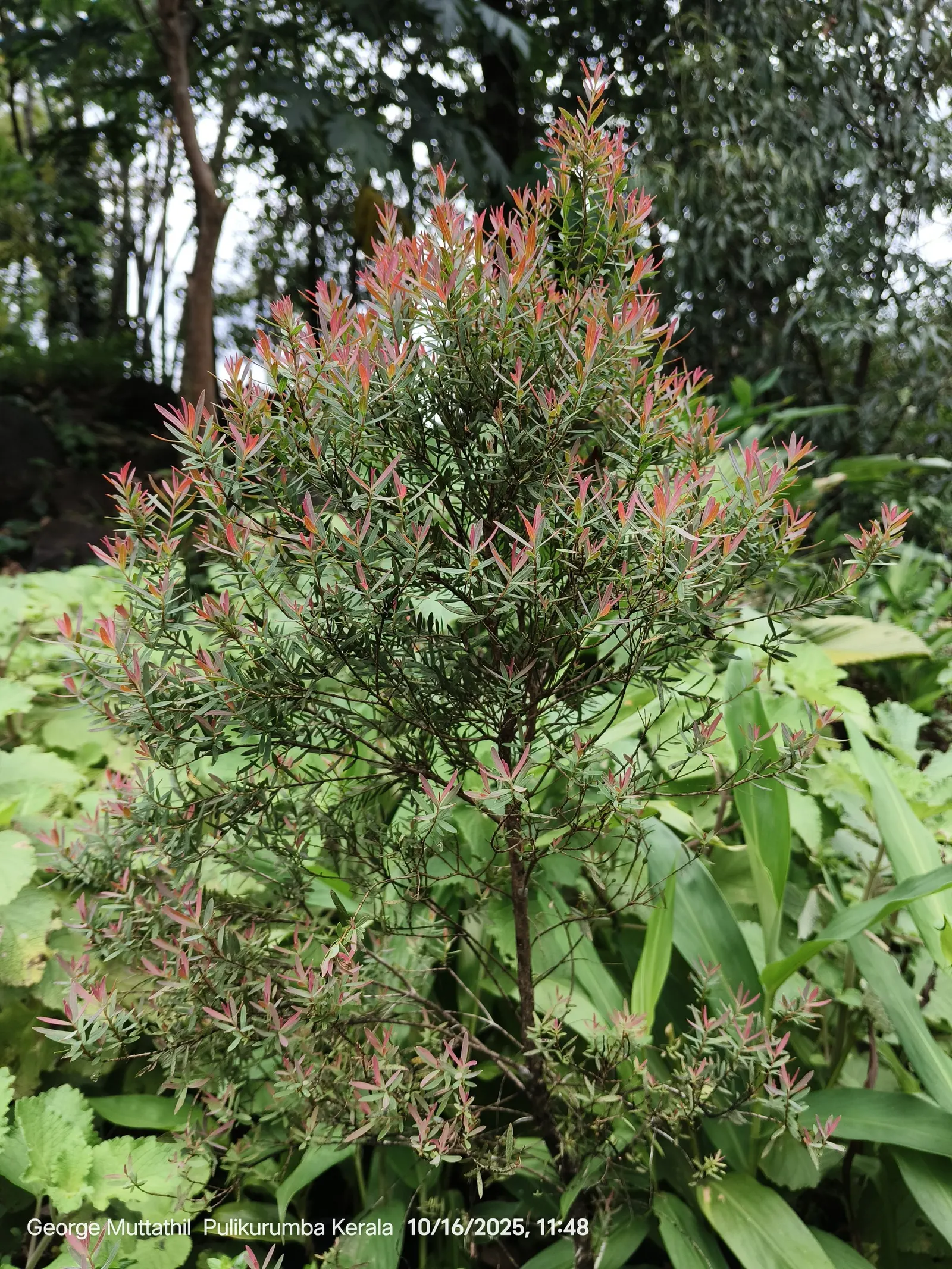
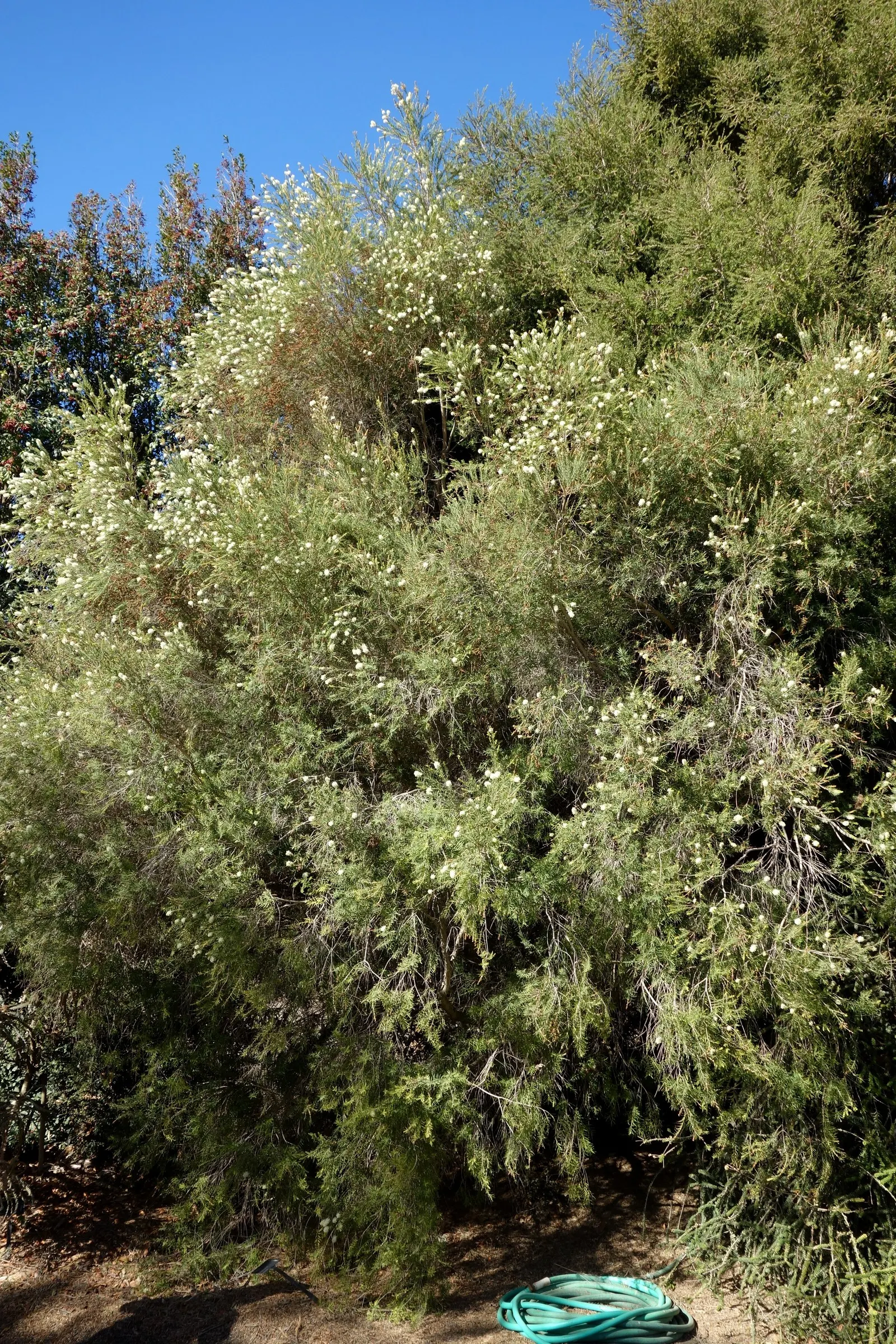
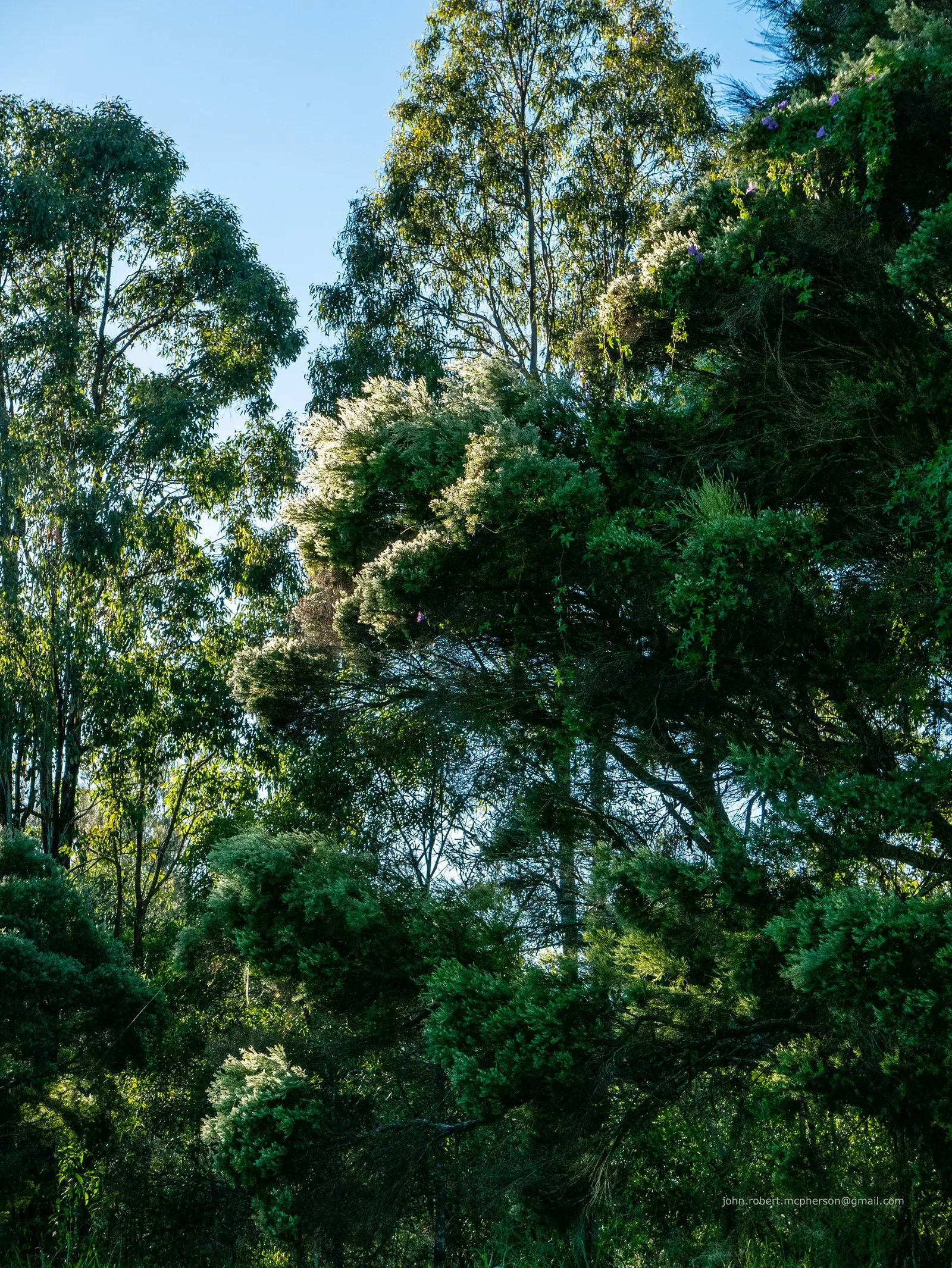
Flax Leaf Paperbark (Melaleuca Linariifolia) — These blossoms are not only visually appealing but also attract a variety of pollinators; white flowers in the
Flax Leaf Paperbark (Melaleuca Linariifolia) — tree for full; regular pruning may be necessary to maintain the desired shape and size, especially for smaller
Flax Leaf Paperbark (Melaleuca Linariifolia) — is an evergreen tree cherished for its unique ornamental features and adaptability; native to, image 58
Flax Leaf Paperbark (Melaleuca Linariifolia) — displaying a moderately fast growth rate under optimal conditions.<br><br>Noteworthy for its bark; tree with
Flax Leaf Paperbark (Melaleuca Linariifolia) — tree for full
Flax Leaf Paperbark (Melaleuca Linariifolia) — tree with white blooms
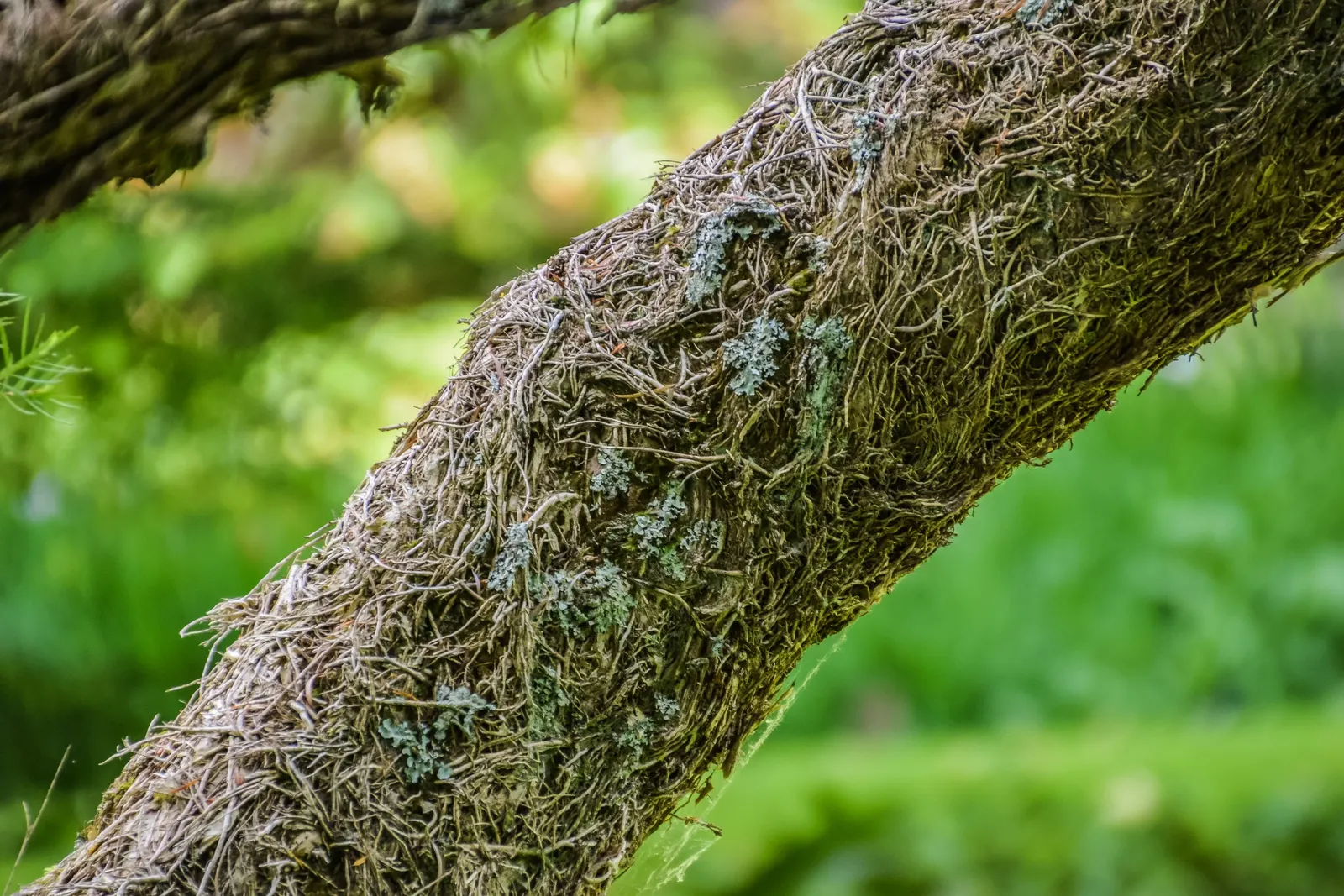
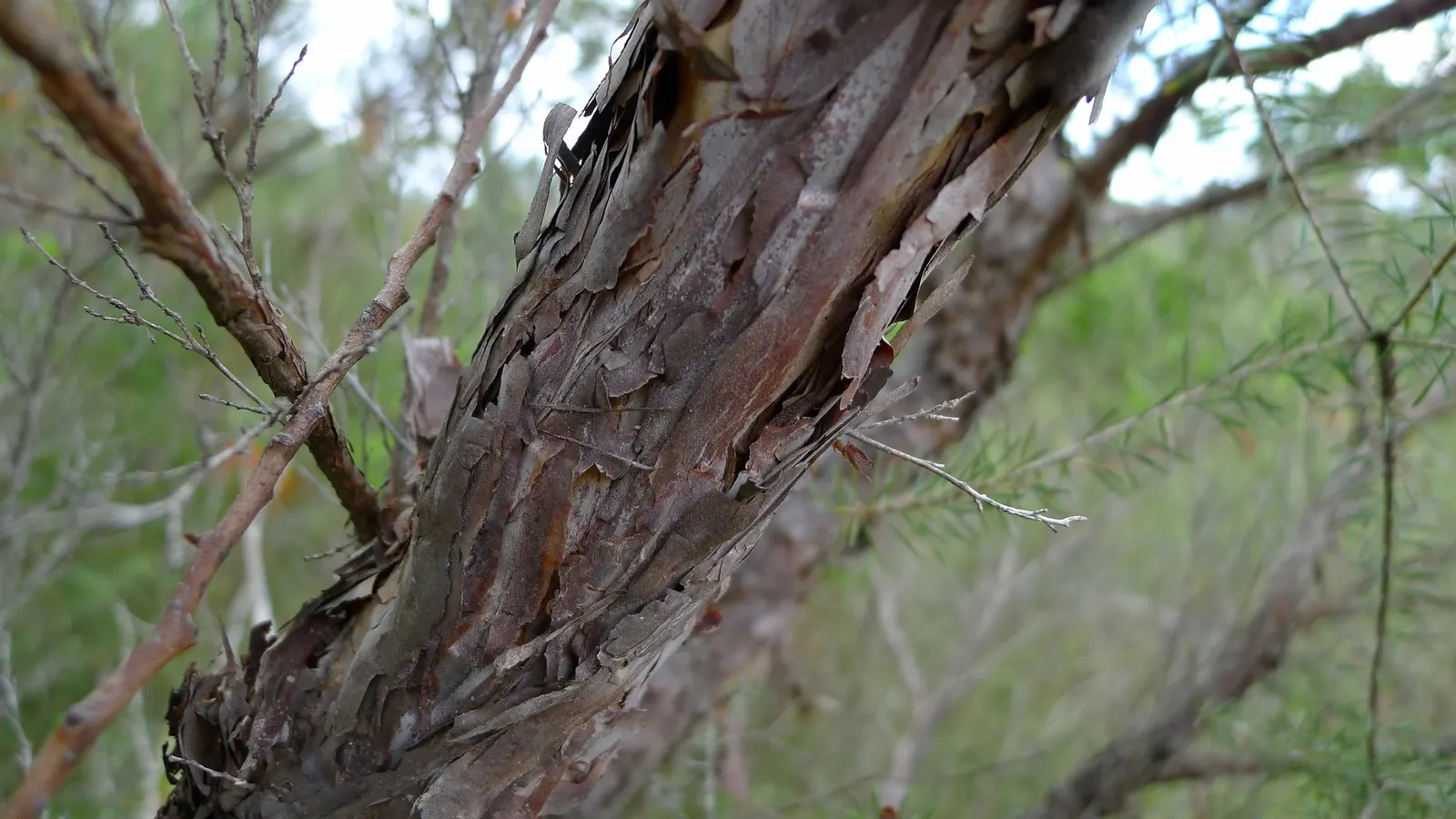
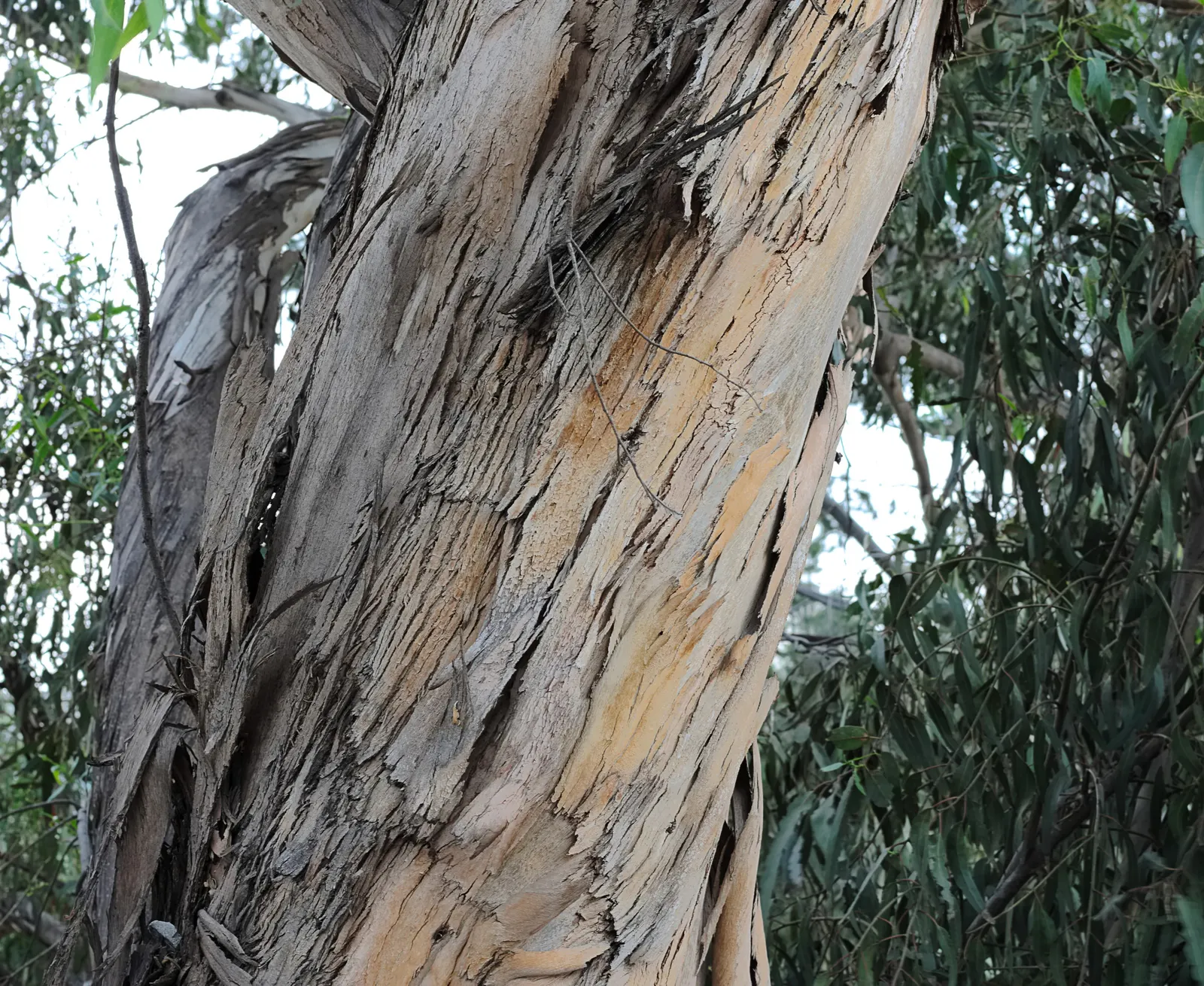
Flax Leaf Paperbark (Melaleuca Linariifolia) — the Melaleuca linariifolia exhibits a striking paper-like quality that exfoliates in thin layers
Flax Leaf Paperbark (Melaleuca Linariifolia) — Native to Australia, it reaches up to 30 feet in height with a canopy spanning 15-20 feet; these, image 53
Flax Leaf Paperbark (Melaleuca Linariifolia) — displaying a moderately fast growth rate under optimal conditions.<br><br>Noteworthy for its bark
Flax Leaf Paperbark (Melaleuca Linariifolia) — It prefers well-draining soils and is adaptable to a wide pH range
Flax Leaf Paperbark (Melaleuca Linariifolia) — including bees and butterflies
Flax Leaf Paperbark (Melaleuca Linariifolia) — This hardy species is drought-tolerant; scientifically named Melaleuca linariifolia
Flax Leaf Paperbark (Melaleuca Linariifolia) — including bees and butterflies; this hardy species is drought-tolerant
Flax Leaf Paperbark (Melaleuca Linariifolia) — is an evergreen tree cherished for its unique ornamental features and adaptability
Flax Leaf Paperbark (Melaleuca Linariifolia) — white flowers in the garden; is an evergreen tree cherished for its unique ornamental features and adaptability
Flax Leaf Paperbark (Melaleuca Linariifolia) — Regular pruning may be necessary to maintain the desired shape and size, especially for smaller garden spaces
Flax Leaf Paperbark (Melaleuca Linariifolia) — tree with white blooms; growing up to 4 inches in length
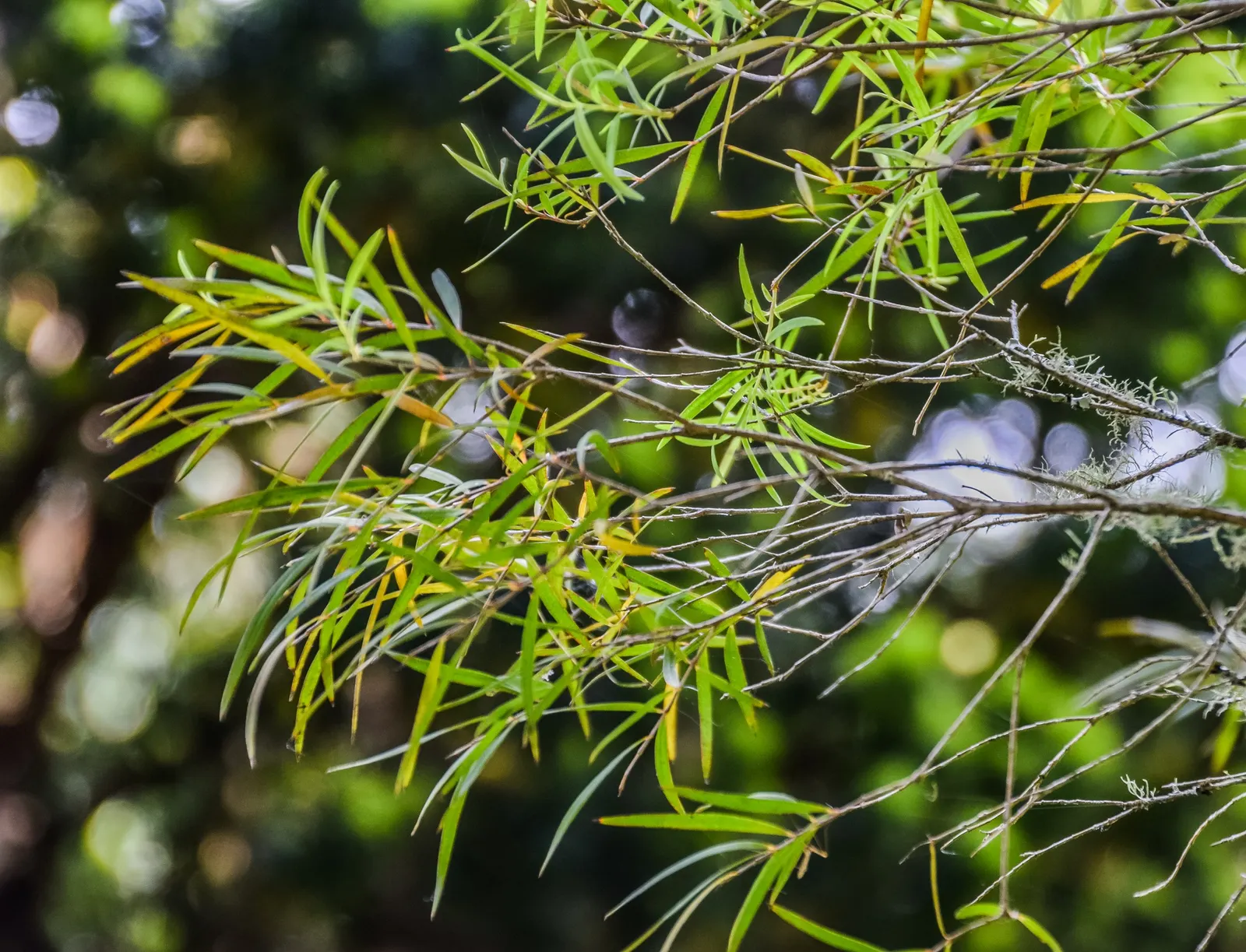
Flax Leaf Paperbark (Melaleuca Linariifolia) — with a soft green hue that complements the bark.<br><br>Spring through summer; making it a prime candidate for
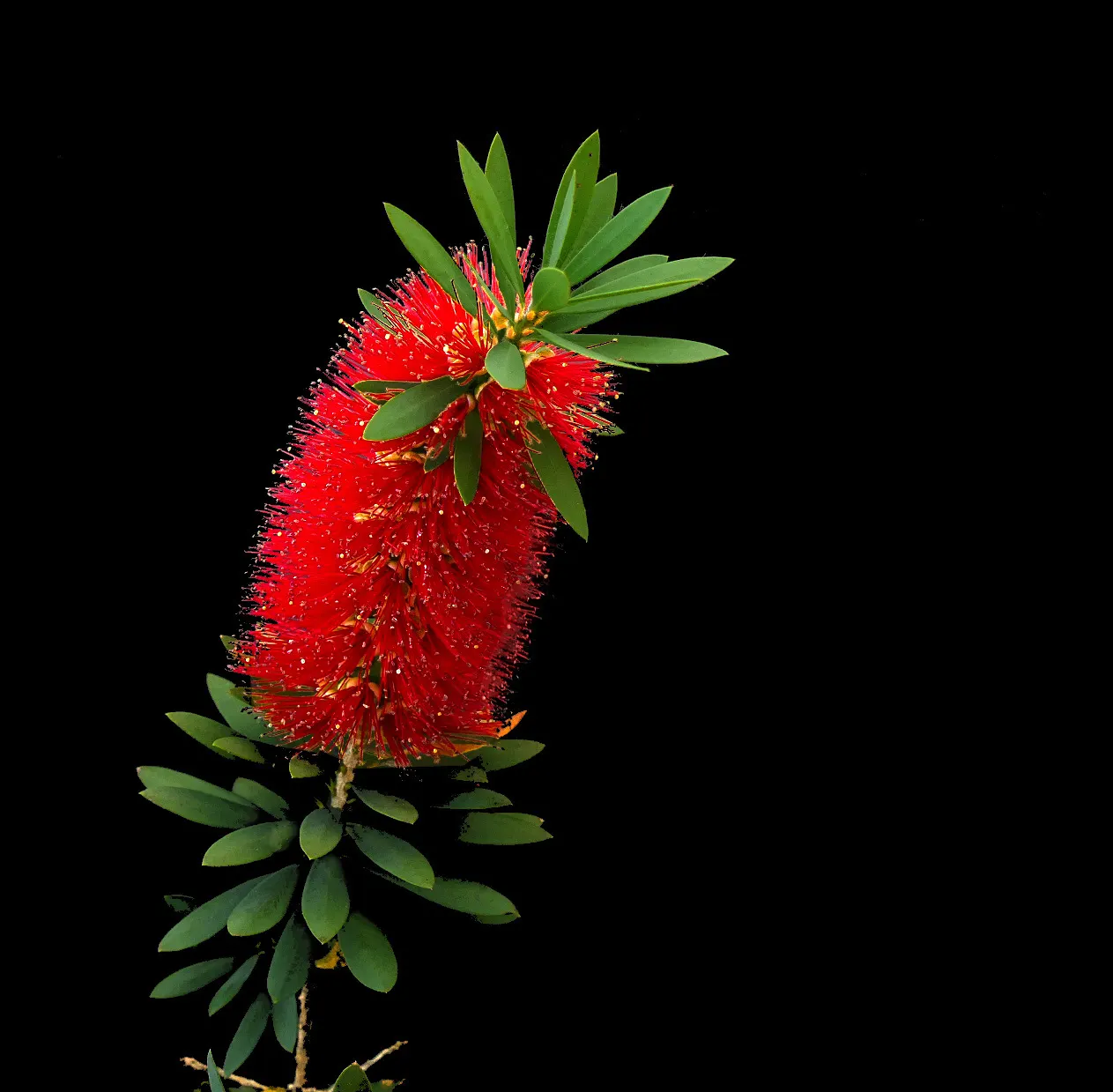
Flax Leaf Paperbark (Melaleuca Linariifolia) — Its narrow leaves support prolific white or cream bottlebrush-like flowers, prominent in summer and fall; tree
Flax Leaf Paperbark (Melaleuca Linariifolia) — This Australian native typically reaches a mature height of about 20 to 30 feet with a spread of 10, image 35
Flax Leaf Paperbark (Melaleuca Linariifolia) — Native to Australia, it reaches up to 30 feet in height with a canopy spanning 15-20 feet; these blossoms are
Flax Leaf Paperbark (Melaleuca Linariifolia) — the Flax Leaf Paperbark produces profuse white to creamy yellow bottlebrush-like flowers; with a soft green hue
Flax Leaf Paperbark (Melaleuca Linariifolia) — is an eye-catching tree revered for its decorative; its narrow leaves support prolific white or cream
Flax Leaf Paperbark (Melaleuca Linariifolia) — making it a prime candidate for various landscape designs; this Australian native typically reaches, image 59
Photographs by 8 contributors

Related plants