Skip to content

Plume Poppy

Macleaya Cordata

Design with this plant

Overview

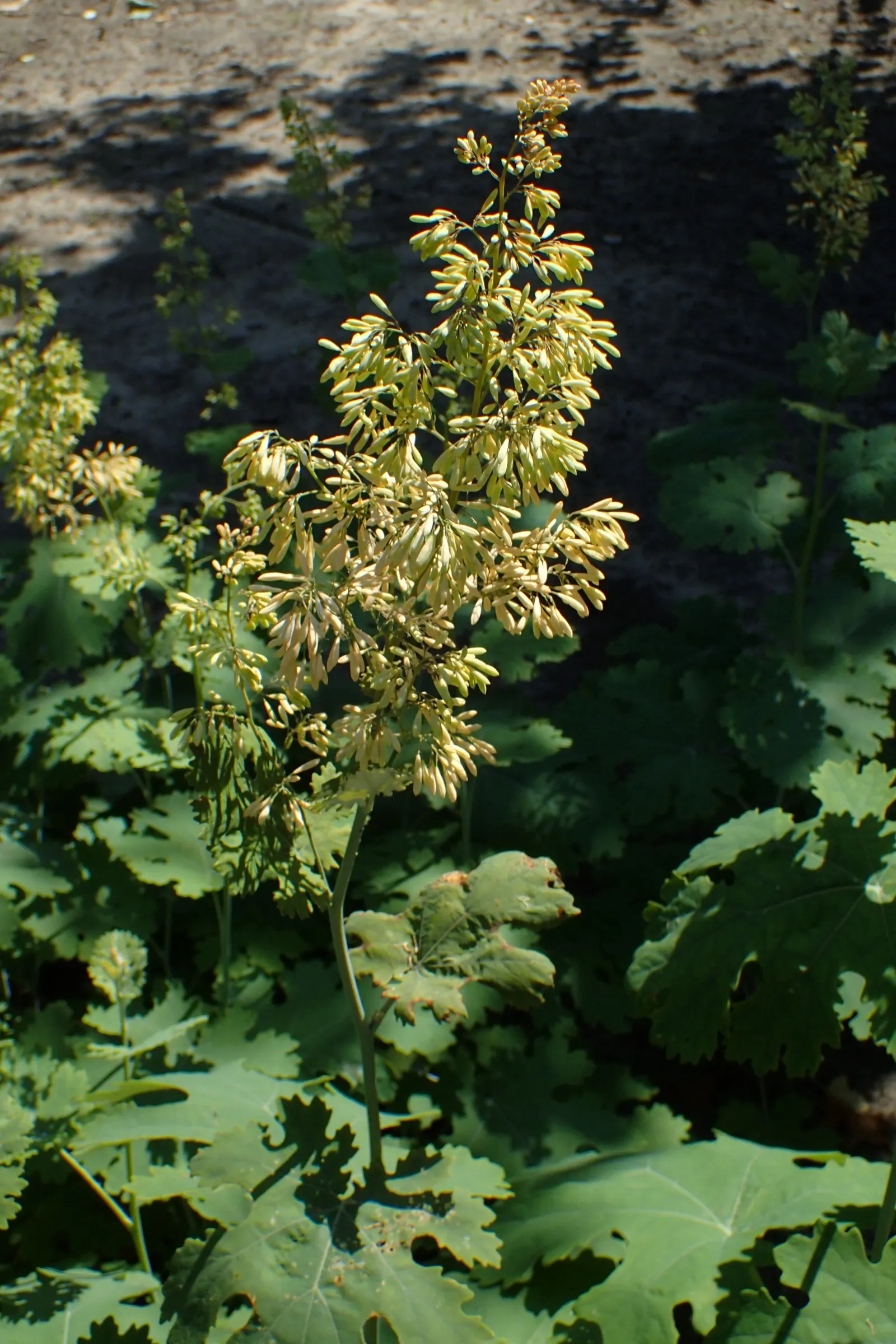
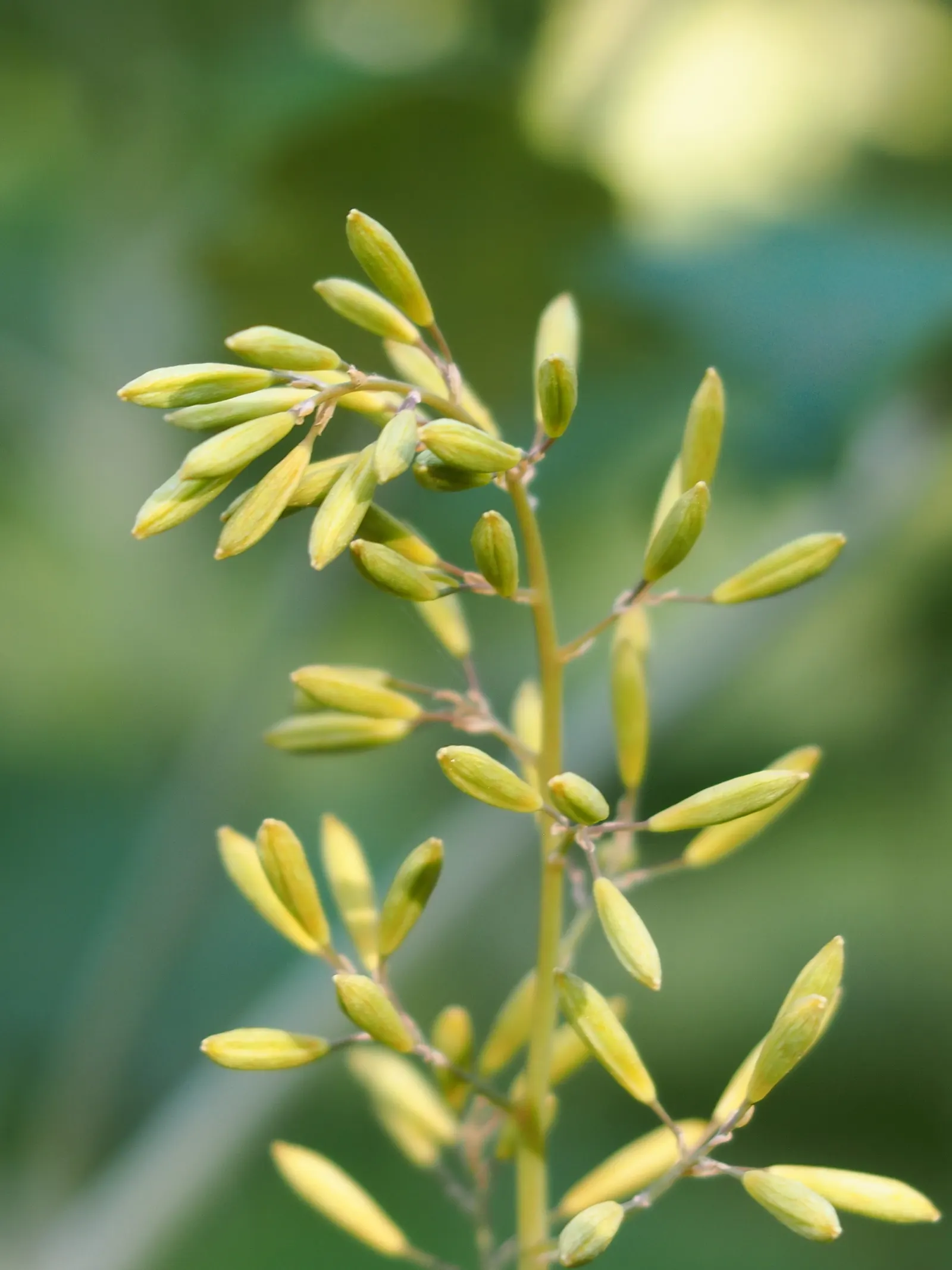
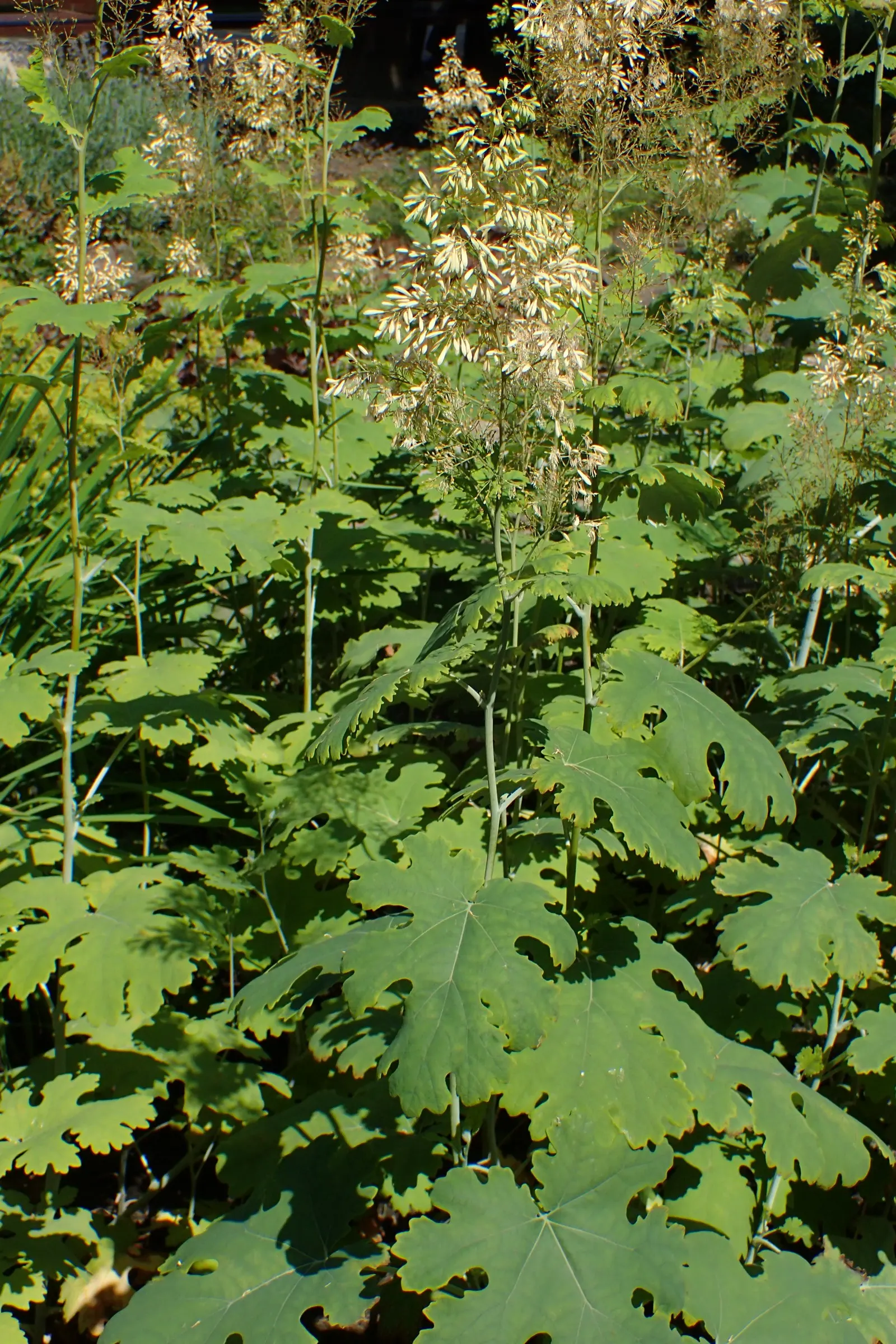
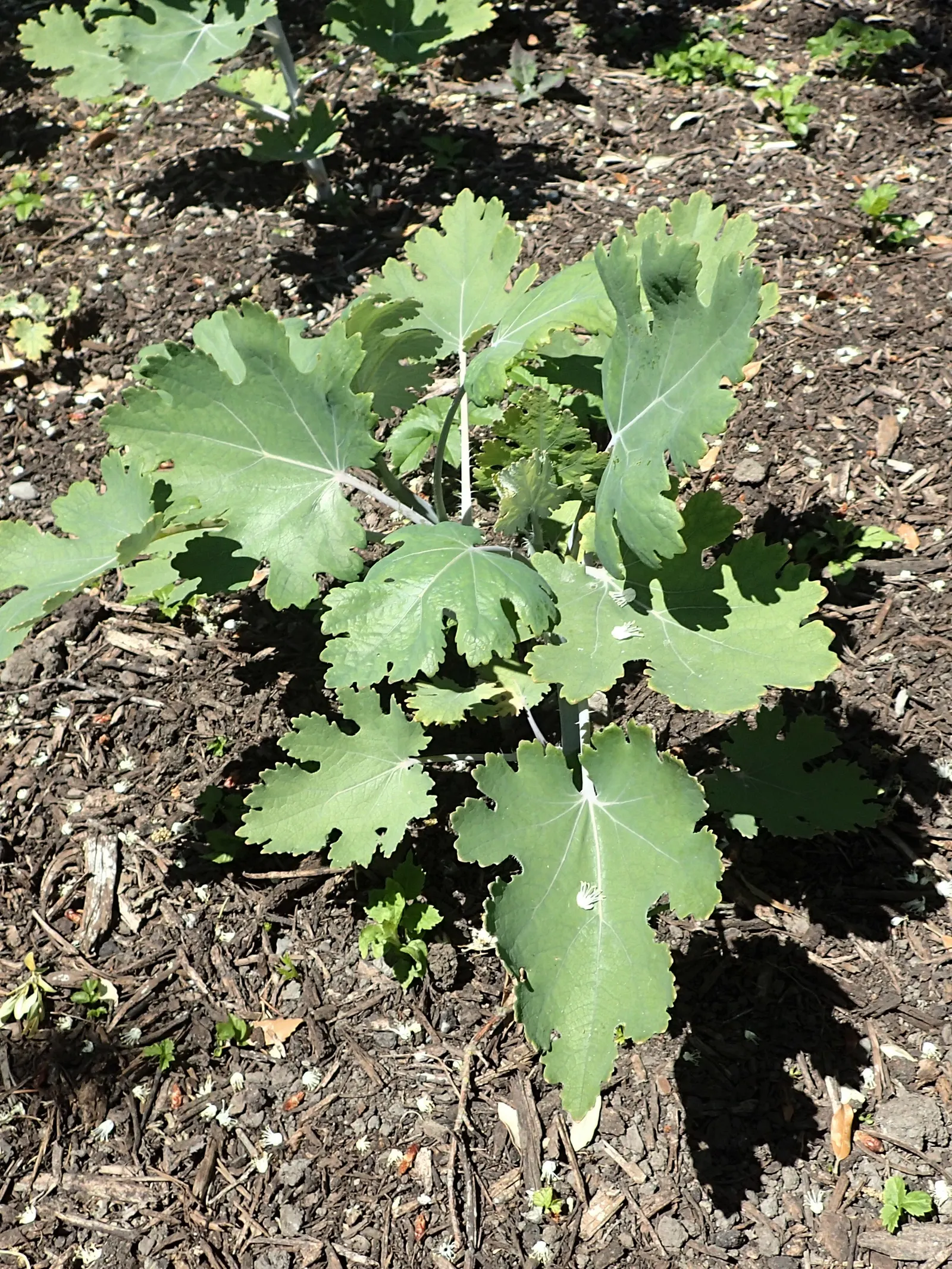
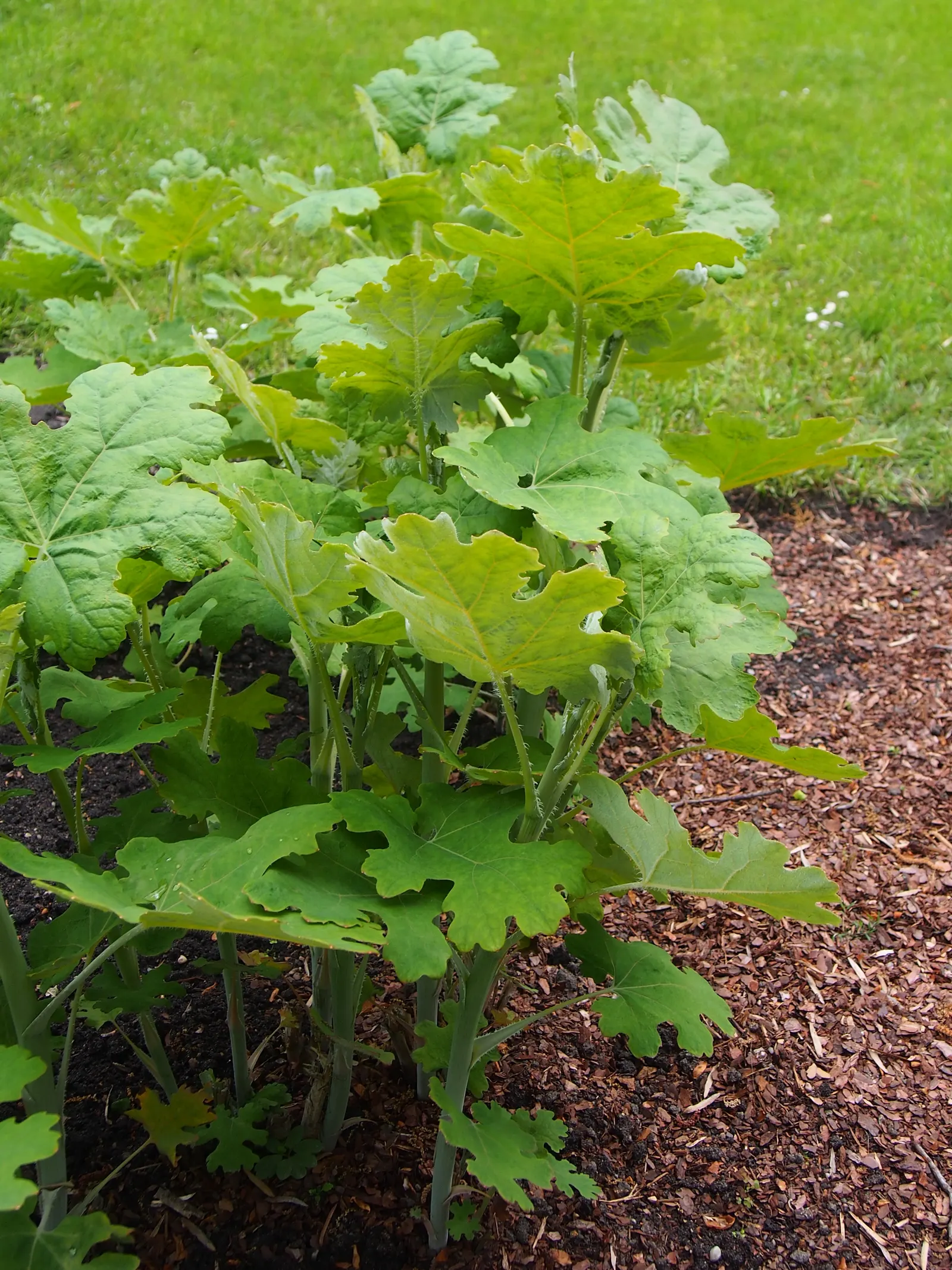
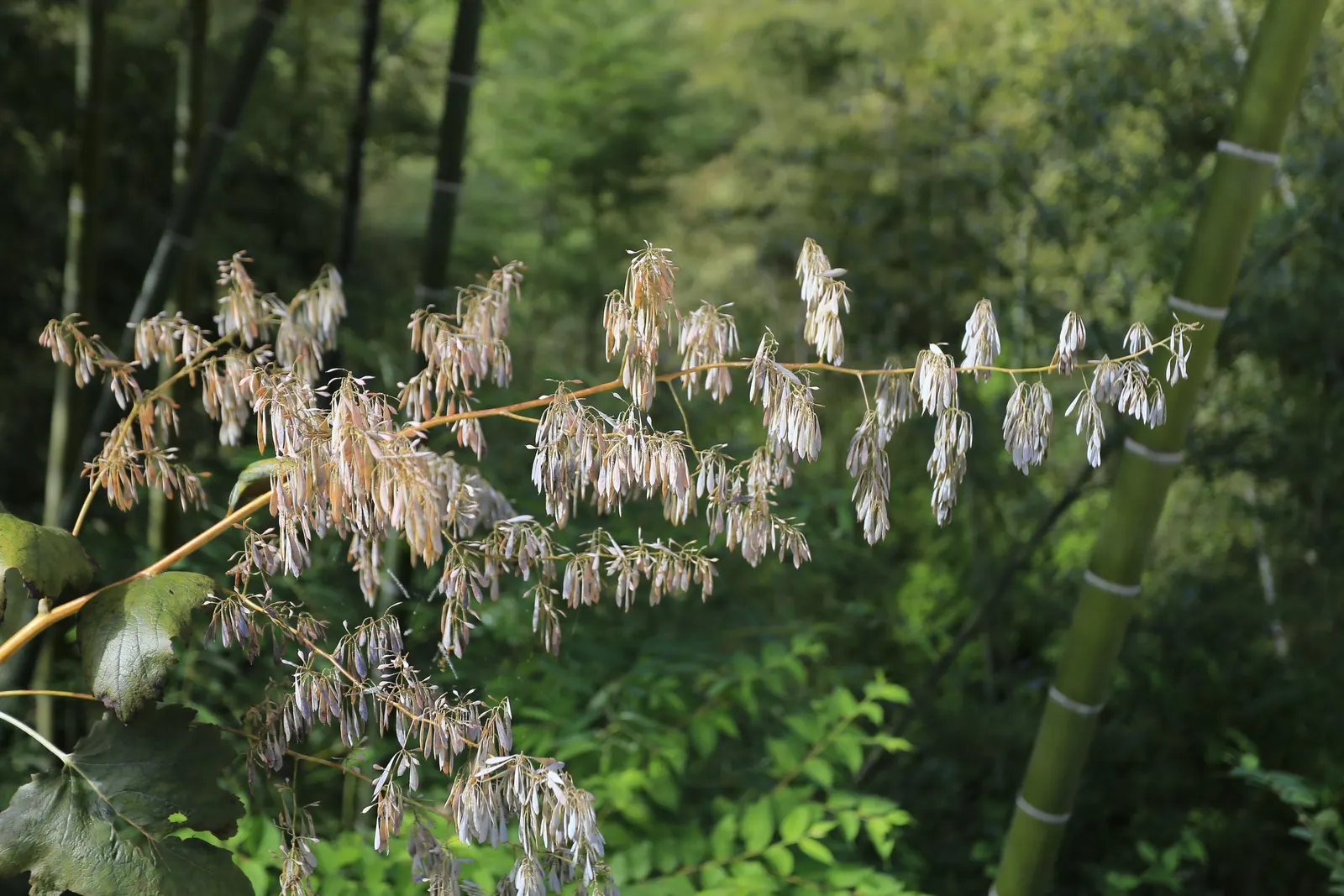
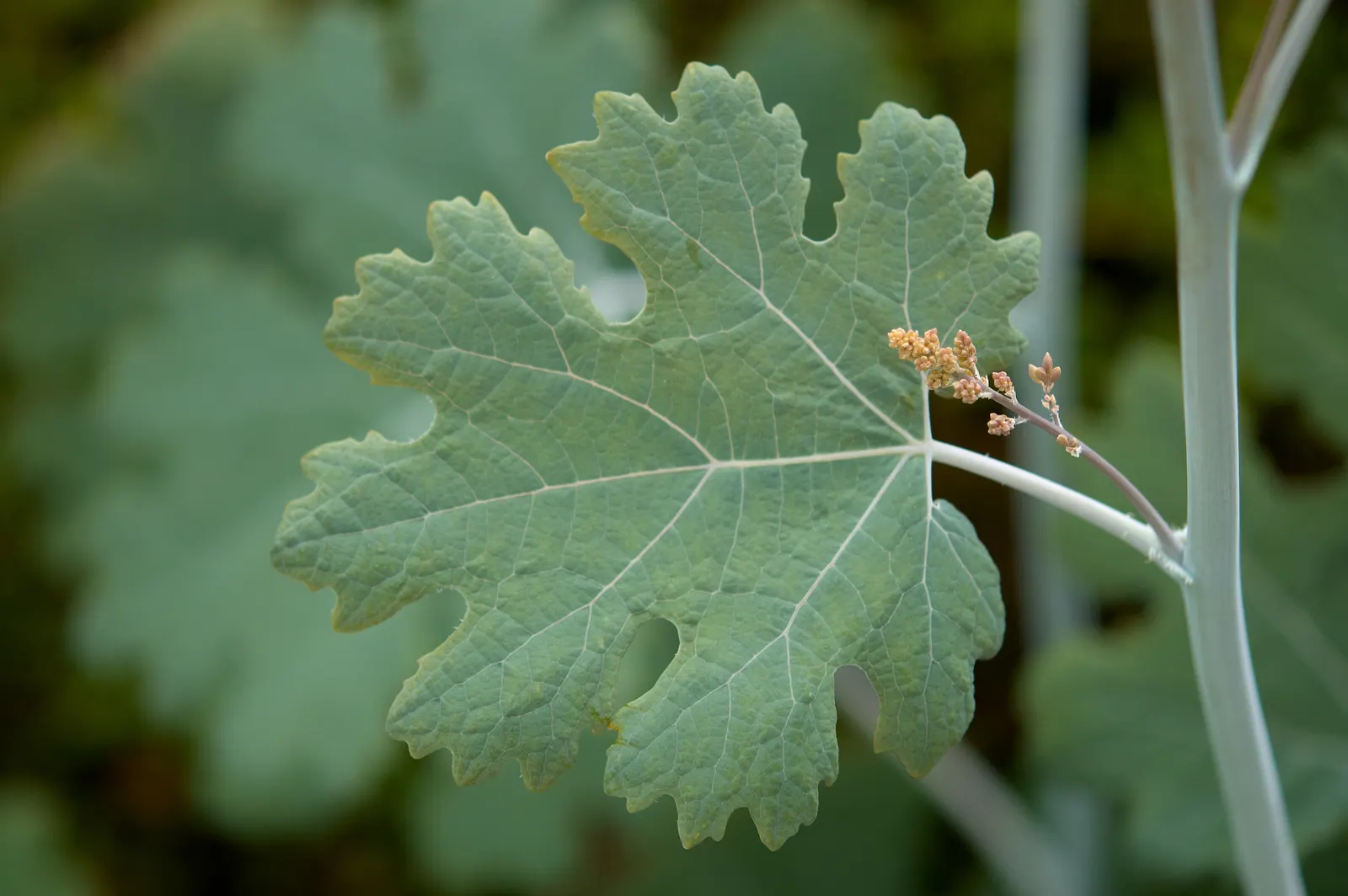
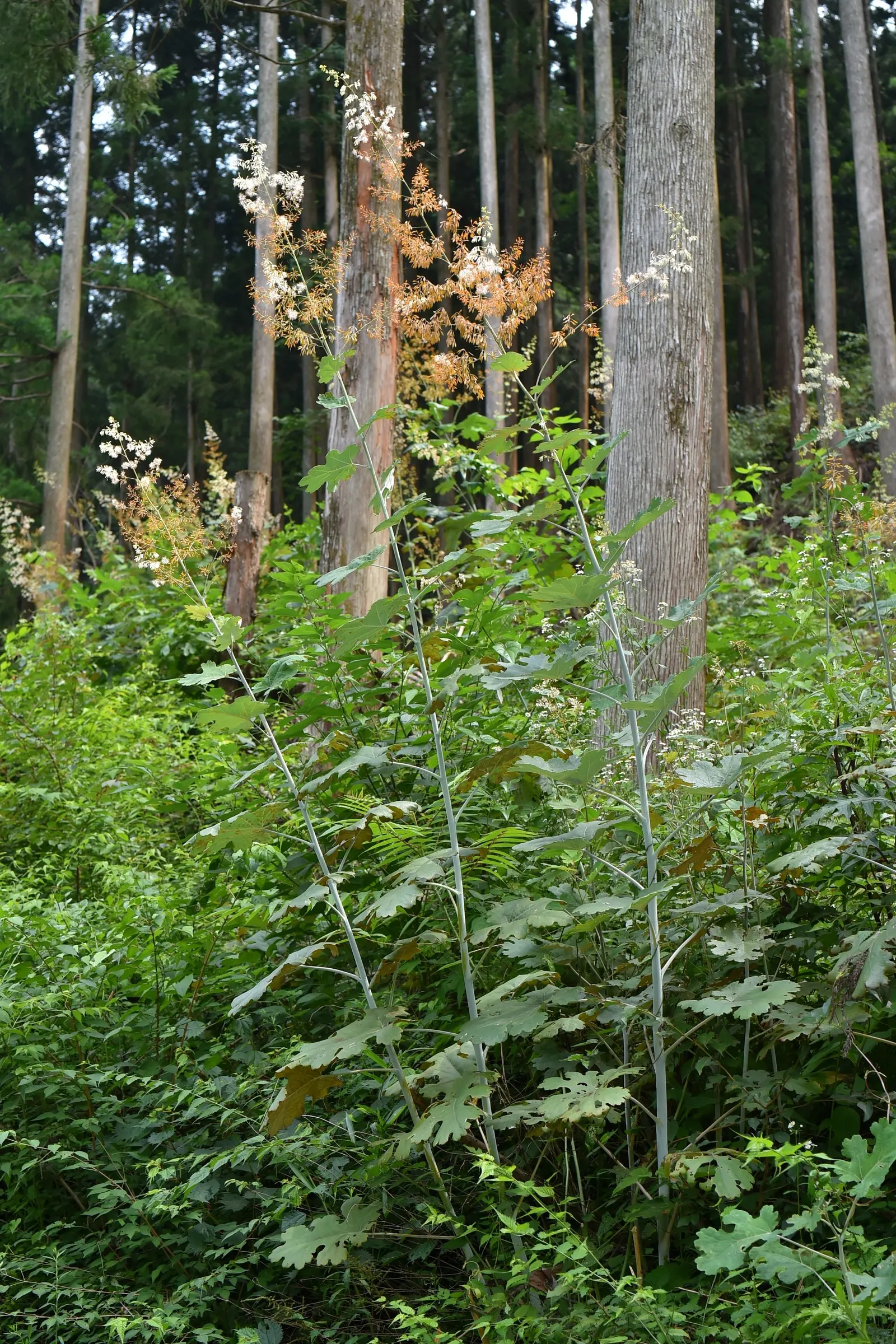
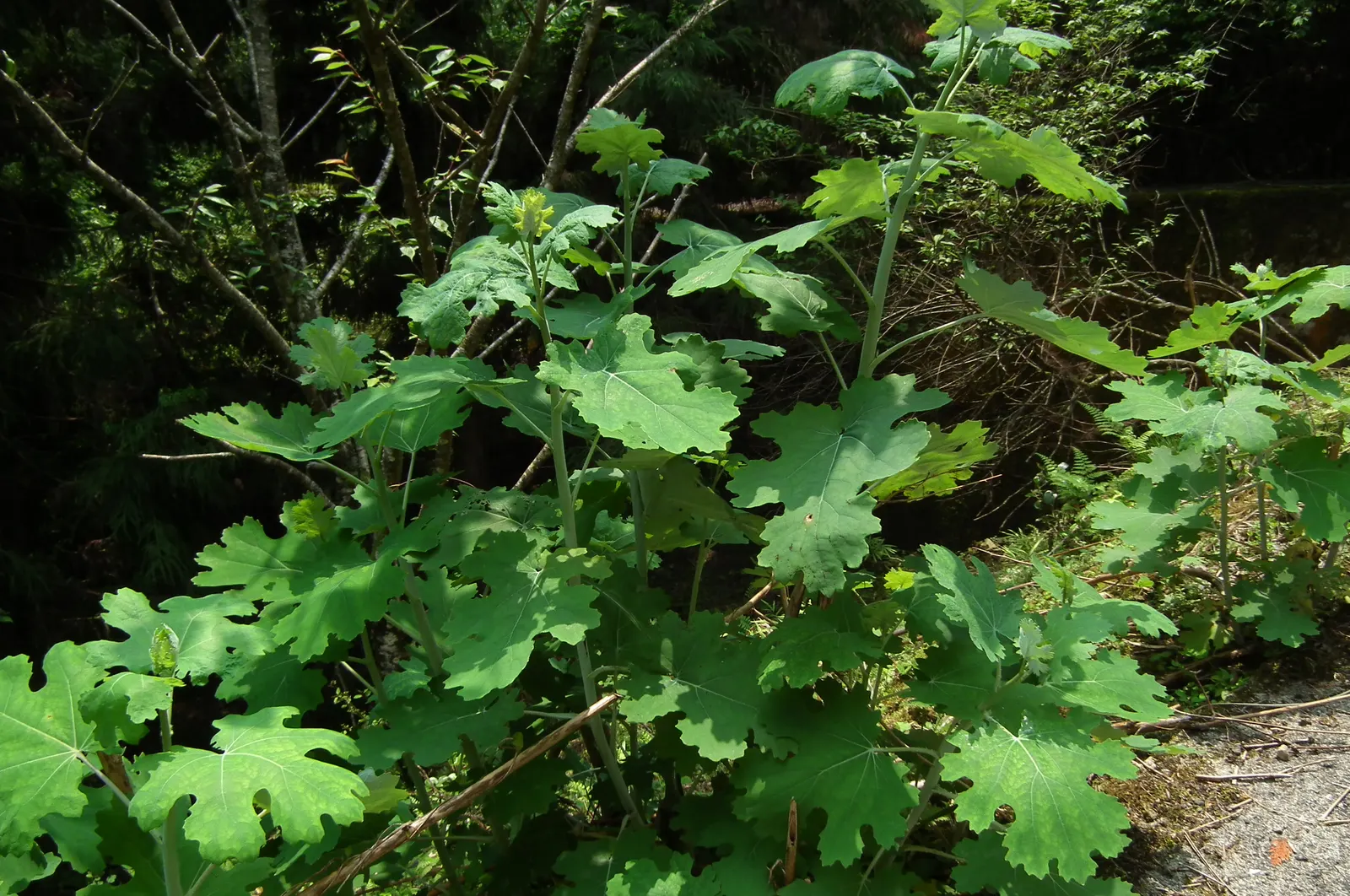
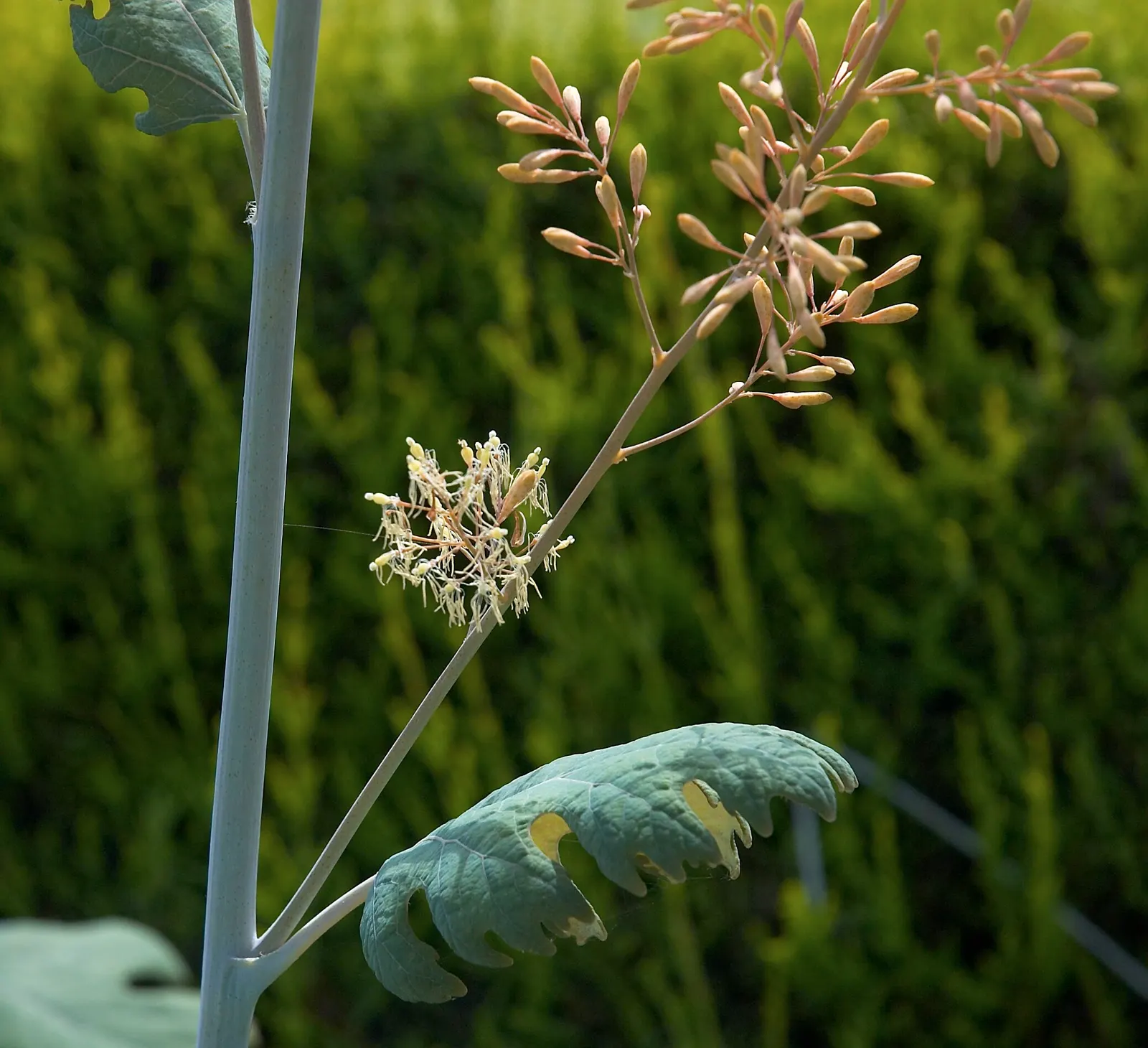
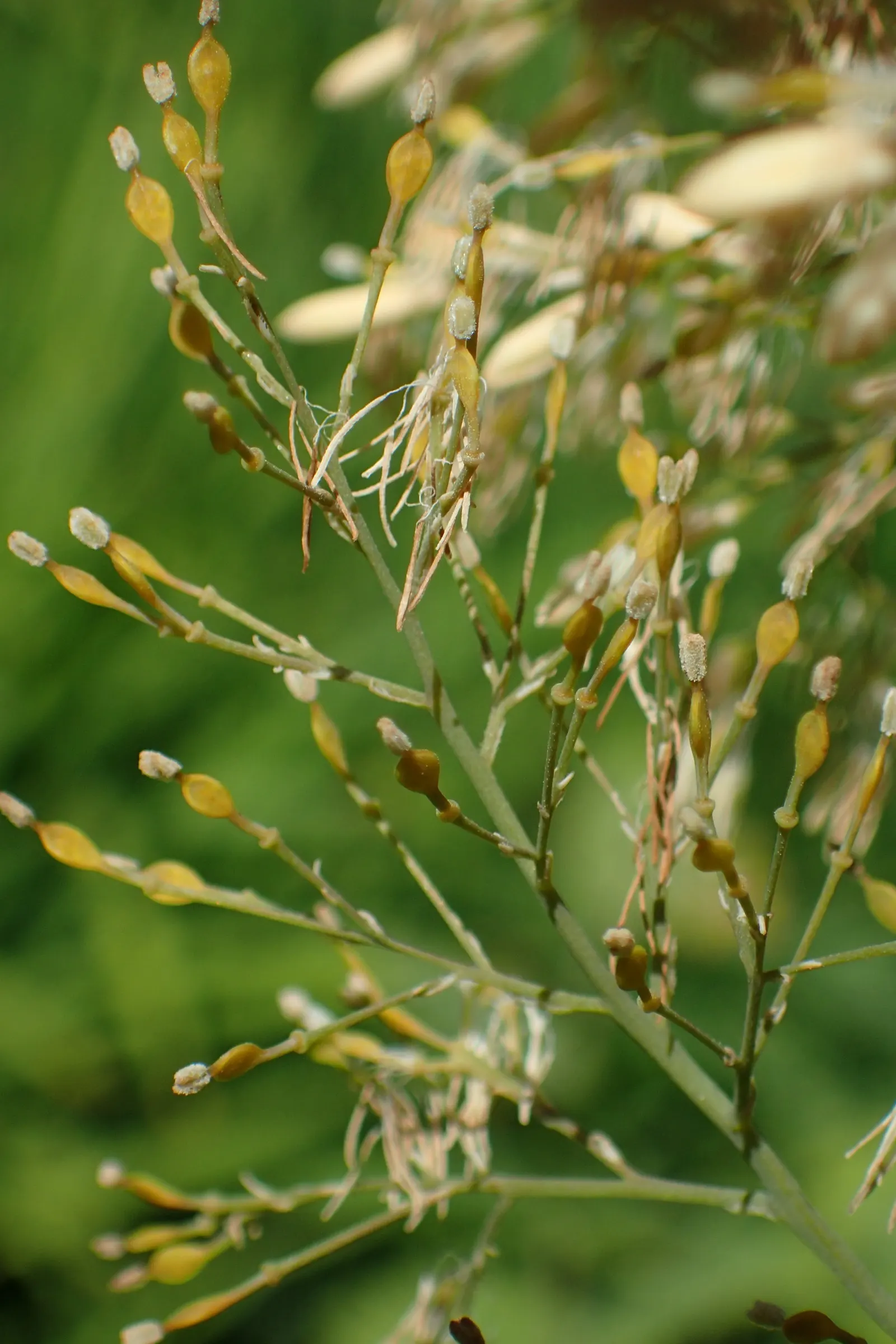
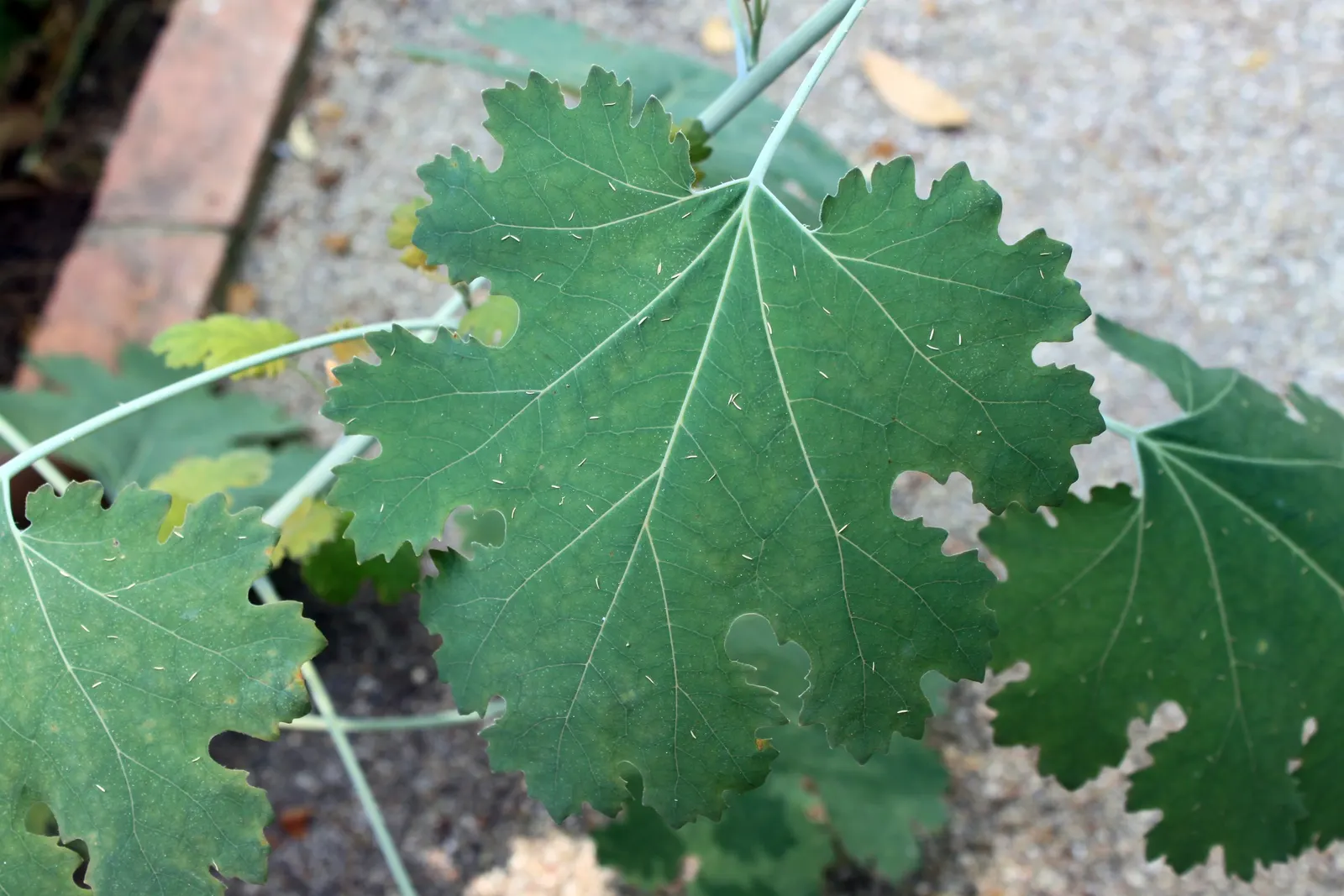
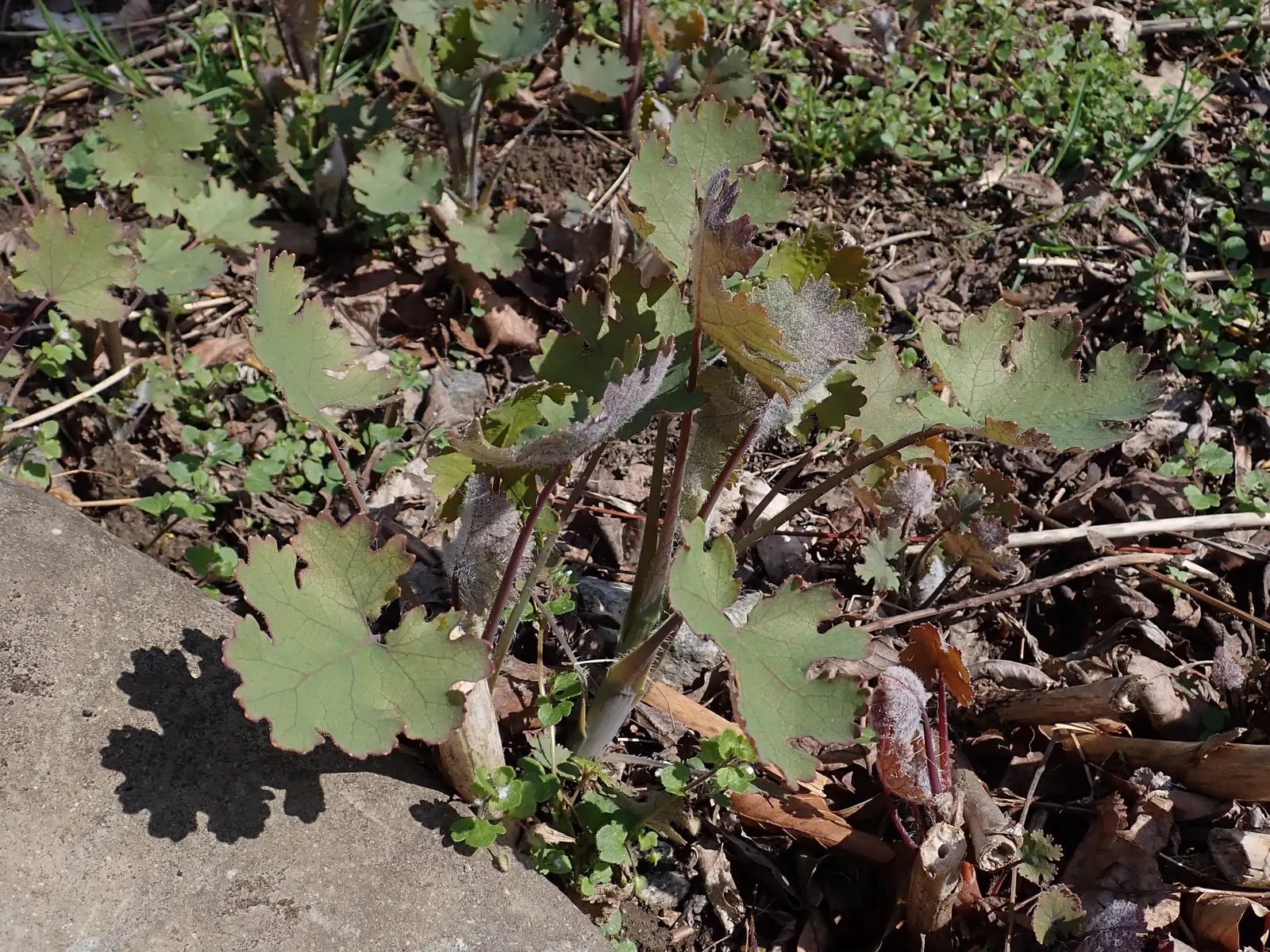
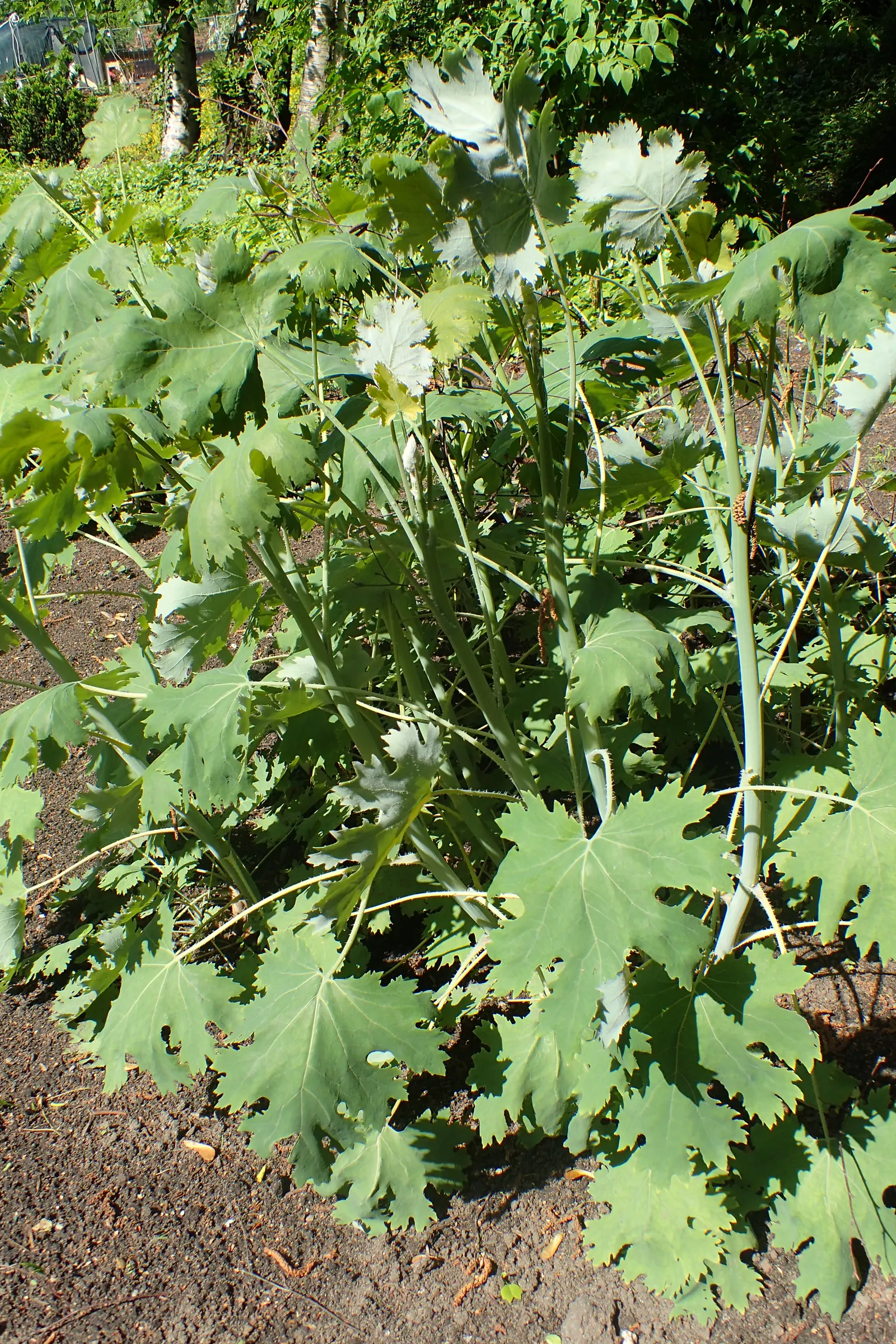
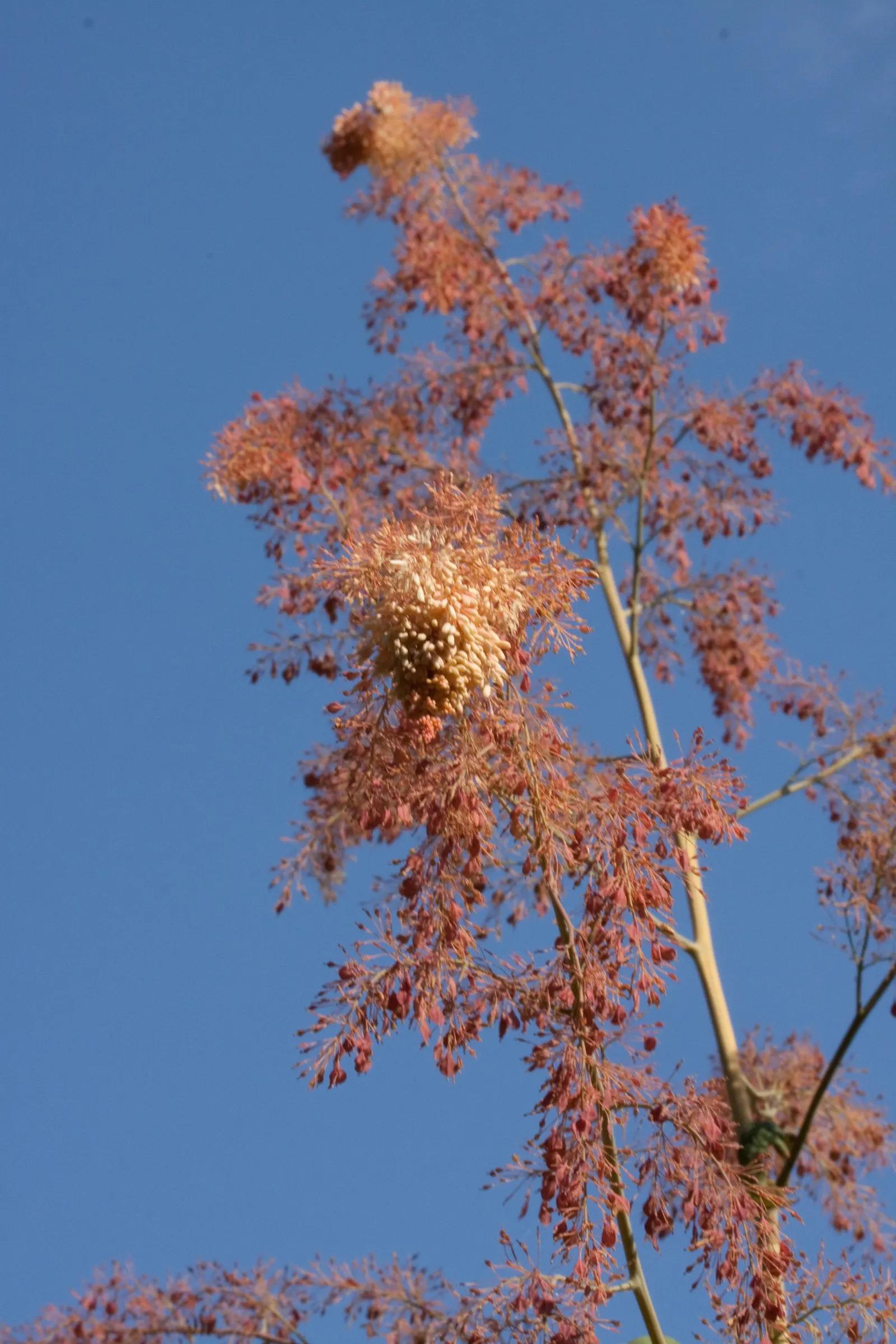
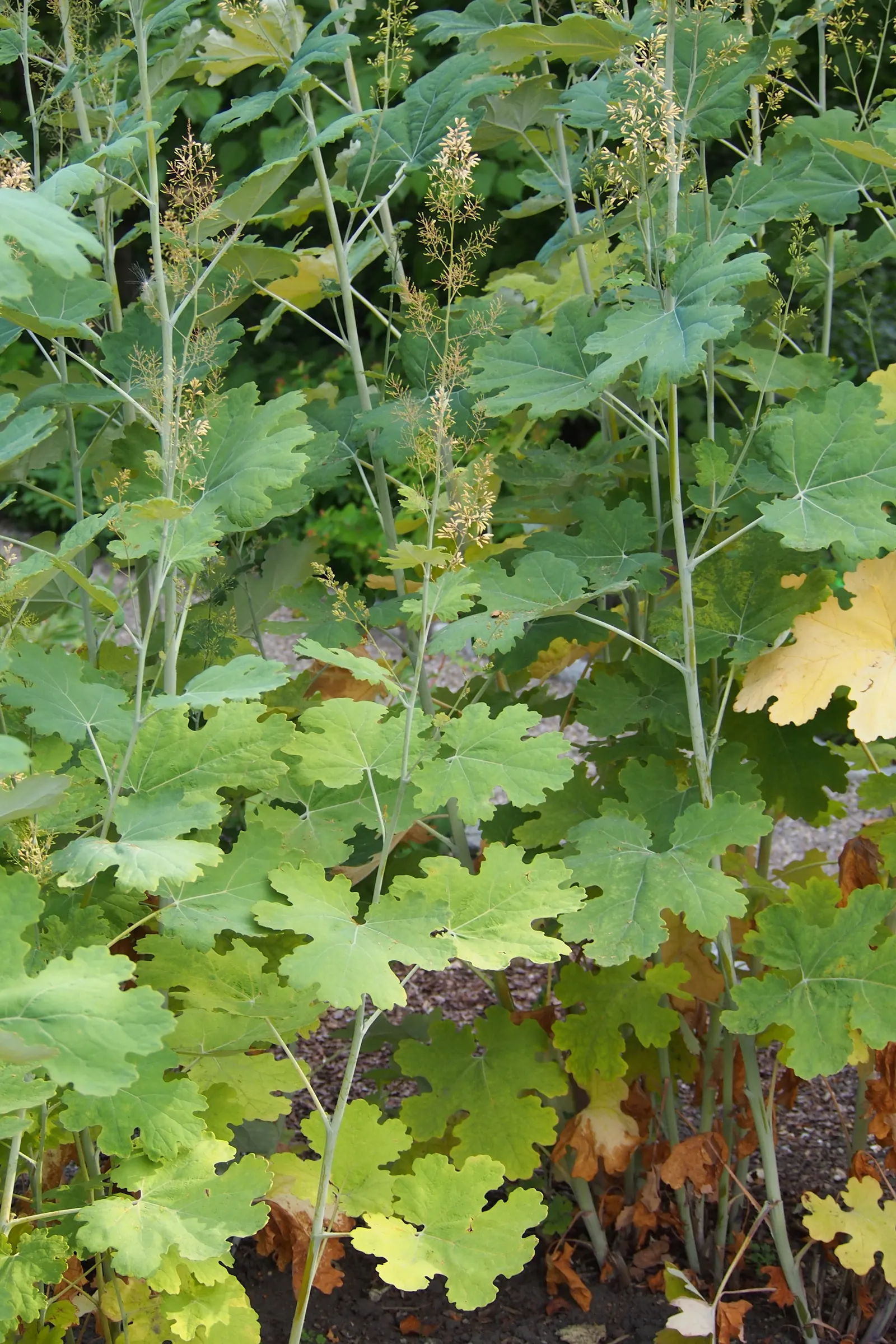
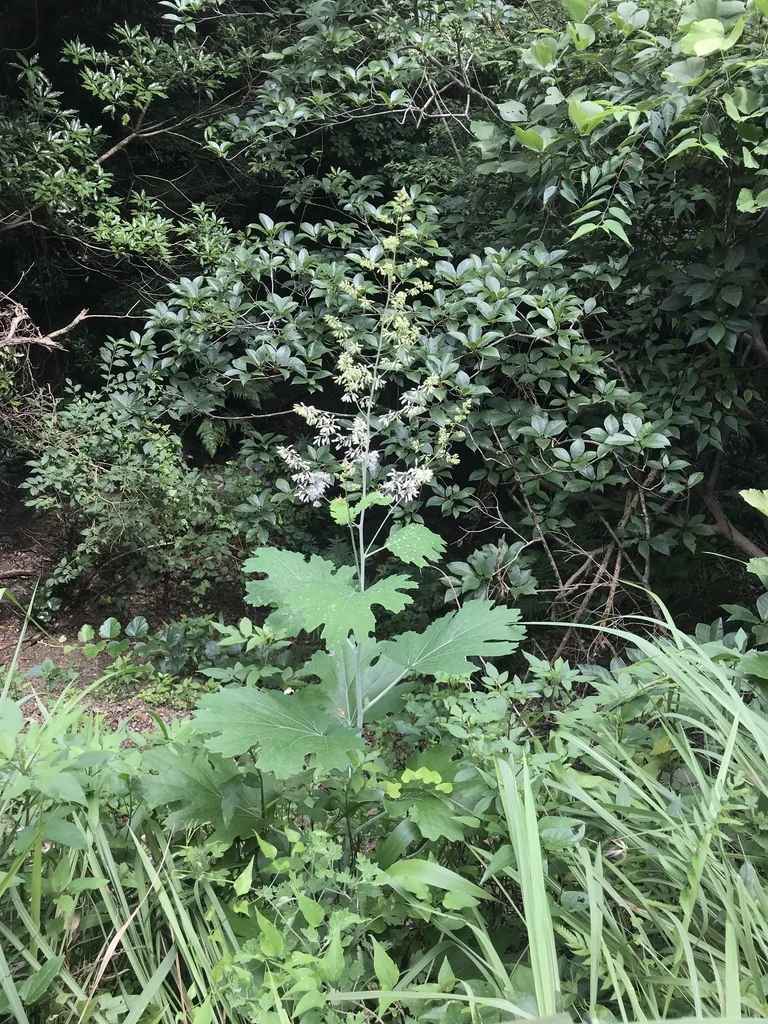
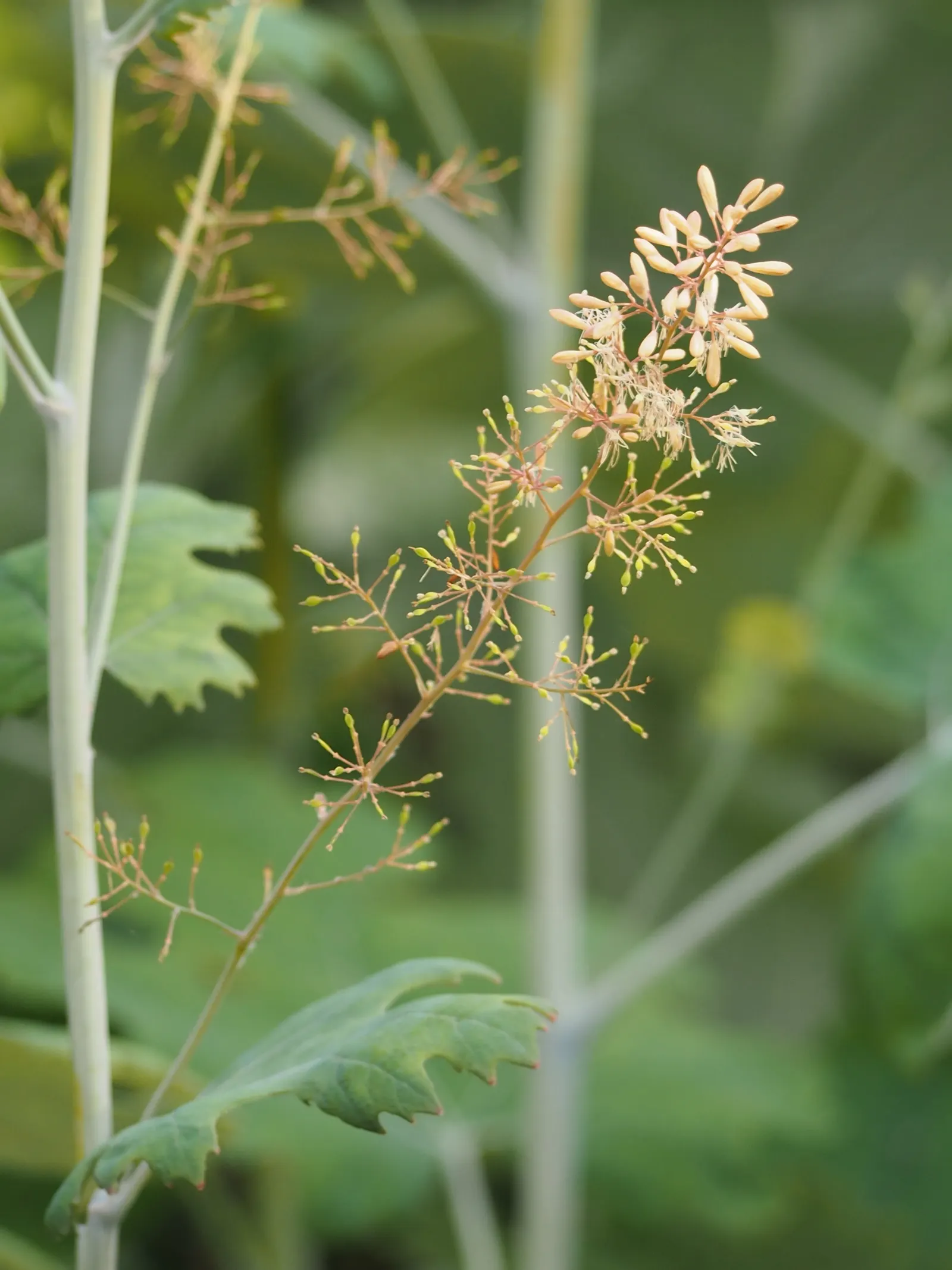
Plume Poppy (Macleaya cordata) is a towering, herbaceous perennial, reaching 5-8 feet in height. Renowned for its silvery-green, deeply lobed leaves and statuesque clusters of tiny, ivory to soft pink flowers resembling feathery plumes in summer. This low-maintenance plant prefers full sun to partial shade and well-draining soil. Its vigorous growth and rhizomatous spread, up to 4 feet wide, make it ideal for back borders or as a privacy screen.
Sun Full, HalfWater Extra in Summer, MediumZones 3–9Type PerennialClimate Temperate
Plume Poppy (Macleaya Cordata) — Plume Poppy (Macleaya cordata) is a towering, herbaceous perennial, reaching 5-8 feet in height

Culture

Sun
Full, Half
Water
Extra in Summer, Medium
USDA zones
3–9

Shape & size

Classification

Type
Perennial
Family
Papaveraceae
Climate
Temperate

See full data, regional cultivation notes, and design tools. Build a client presentation around this plant.

Start your 14-day trial

Photos (91)

Plume Poppy (Macleaya Cordata) — is an imposing herbaceous perennial that adds an air of drama and fine texture to your garden landscape; easy to, image 64
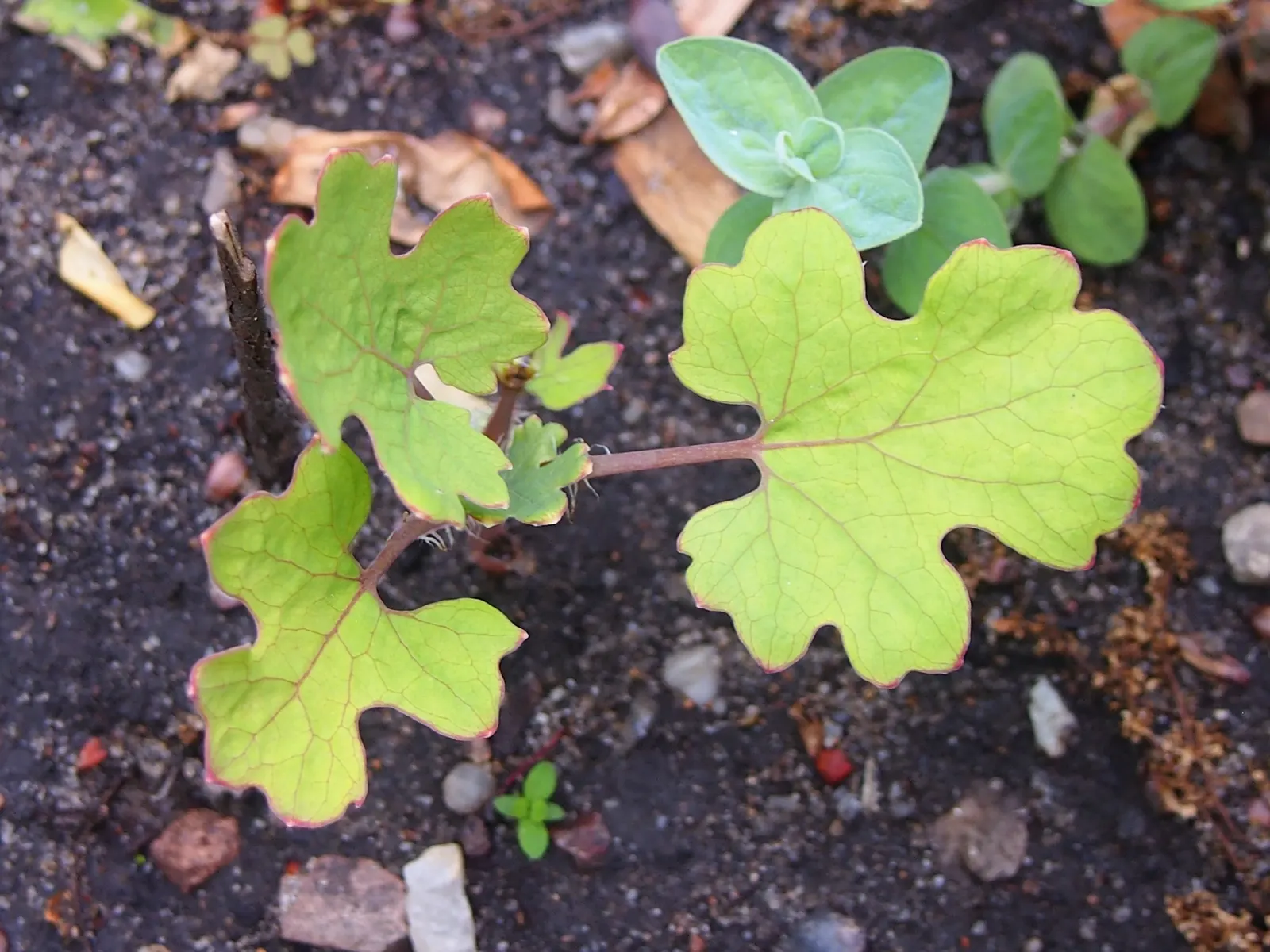
Plume Poppy (Macleaya Cordata) — the Plume Poppy presents airy; the leaves are an intricate blue-green, image 70
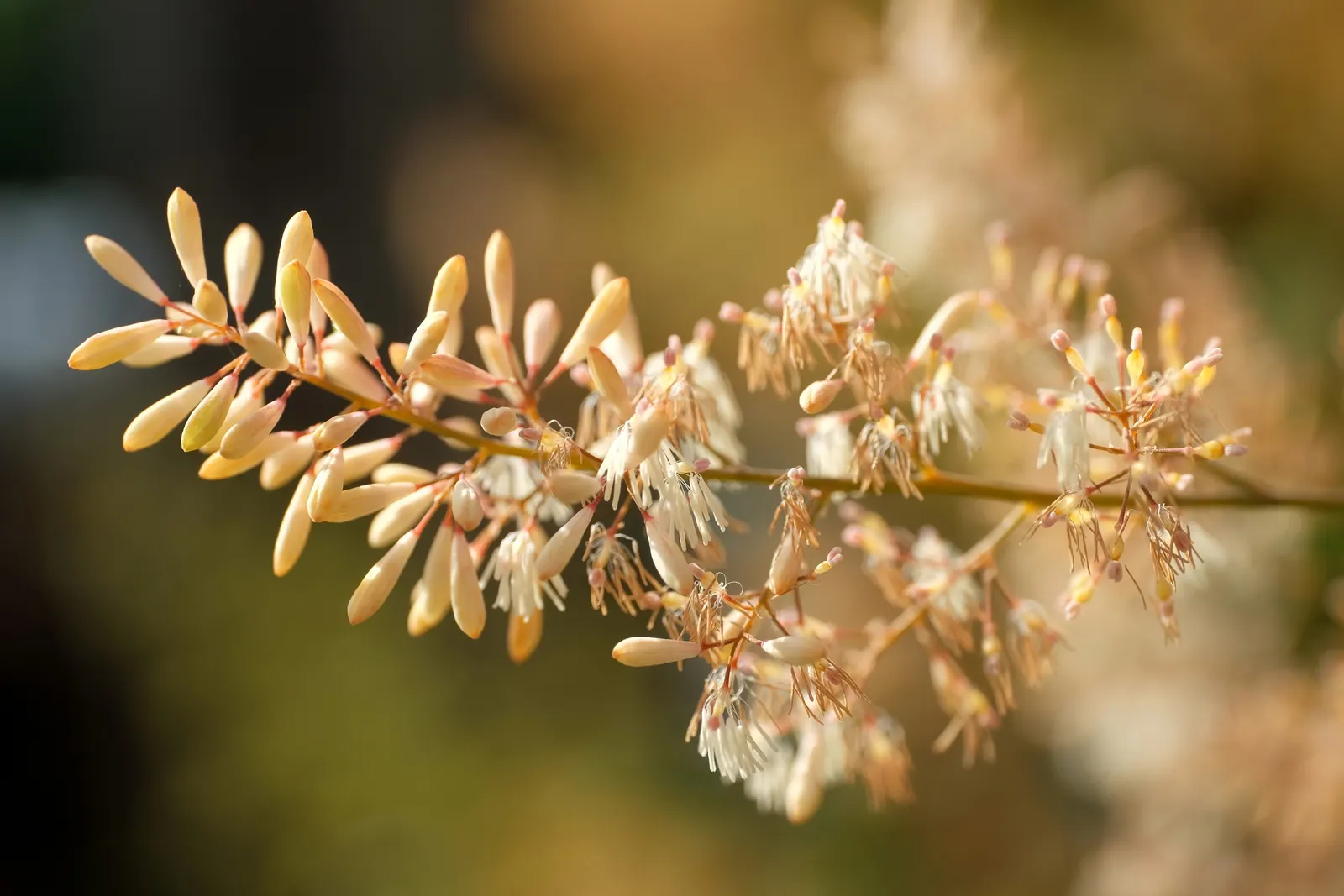
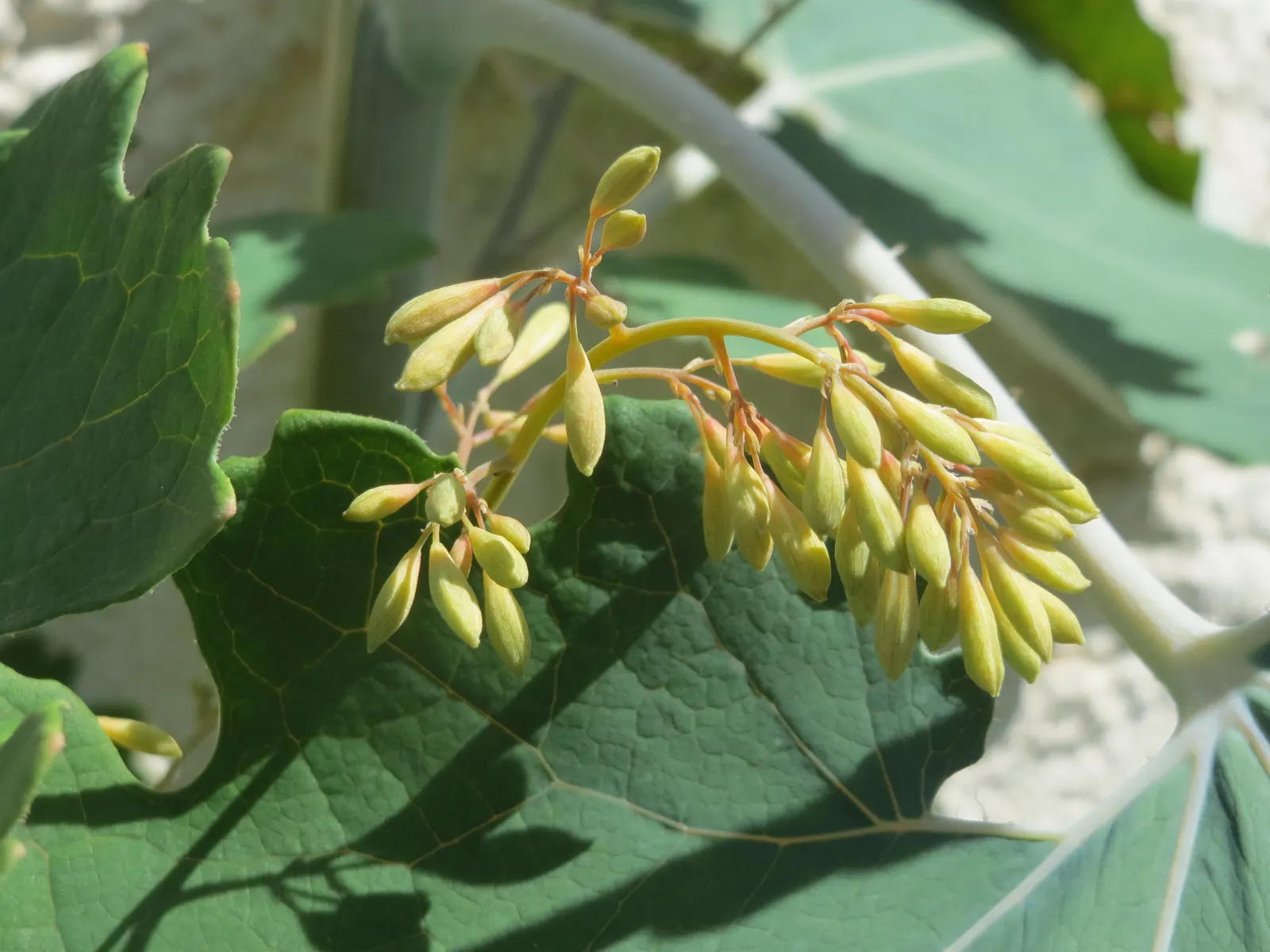
Plume Poppy (Macleaya Cordata) — creating a captivating display that brings a soft contrast to denser plants within the garden; ivory to soft pink flowers
Plume Poppy (Macleaya Cordata) — is an imposing herbaceous perennial that adds an air of drama and fine texture to your garden landscape; easy to care for
Plume Poppy (Macleaya Cordata) — Flourishing to a height of about 5 to 8 feet with a spread of 2 to 4 feet; ivory to soft pink flowers resembling, image 65
Plume Poppy (Macleaya Cordata) — make it ideal for back borders or as a privacy screen; the blooms reach lengths of up to 8 inches, image 63
Plume Poppy (Macleaya Cordata) — due to its vigor and stature; easy to care for, this species provides robust foliage and eye-catching blooms with minimal
Plume Poppy (Macleaya Cordata) — cloud-like panicles of delicate creamy-white to pale pink blooms; the blooms reach lengths of up to 8 inches, image 71
Plume Poppy (Macleaya Cordata) — ivory to soft pink flowers resembling feathery plumes in summer
Plume Poppy (Macleaya Cordata) — Its vigorous growth and rhizomatous spread; the leaves are an intricate blue-green, image 62
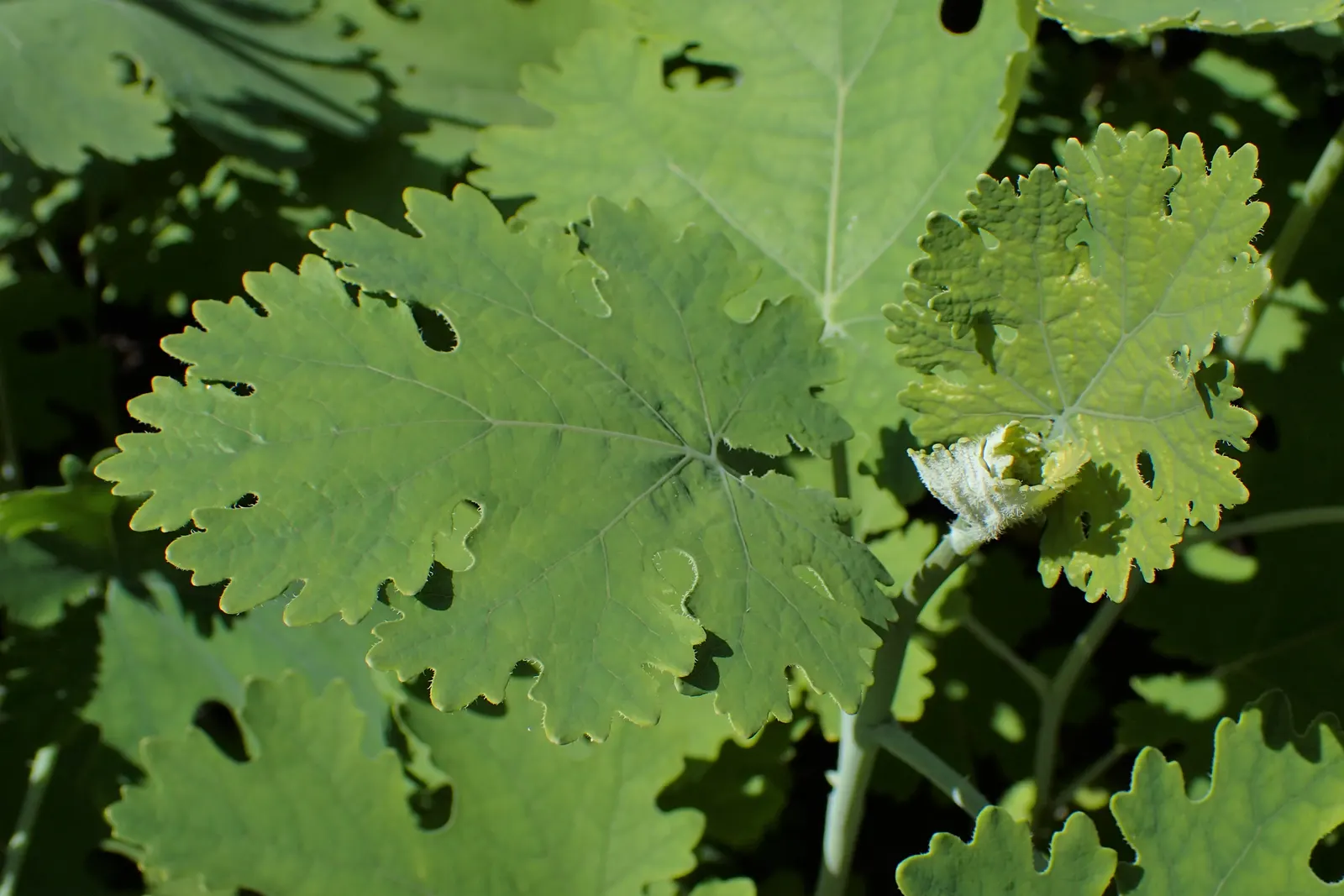
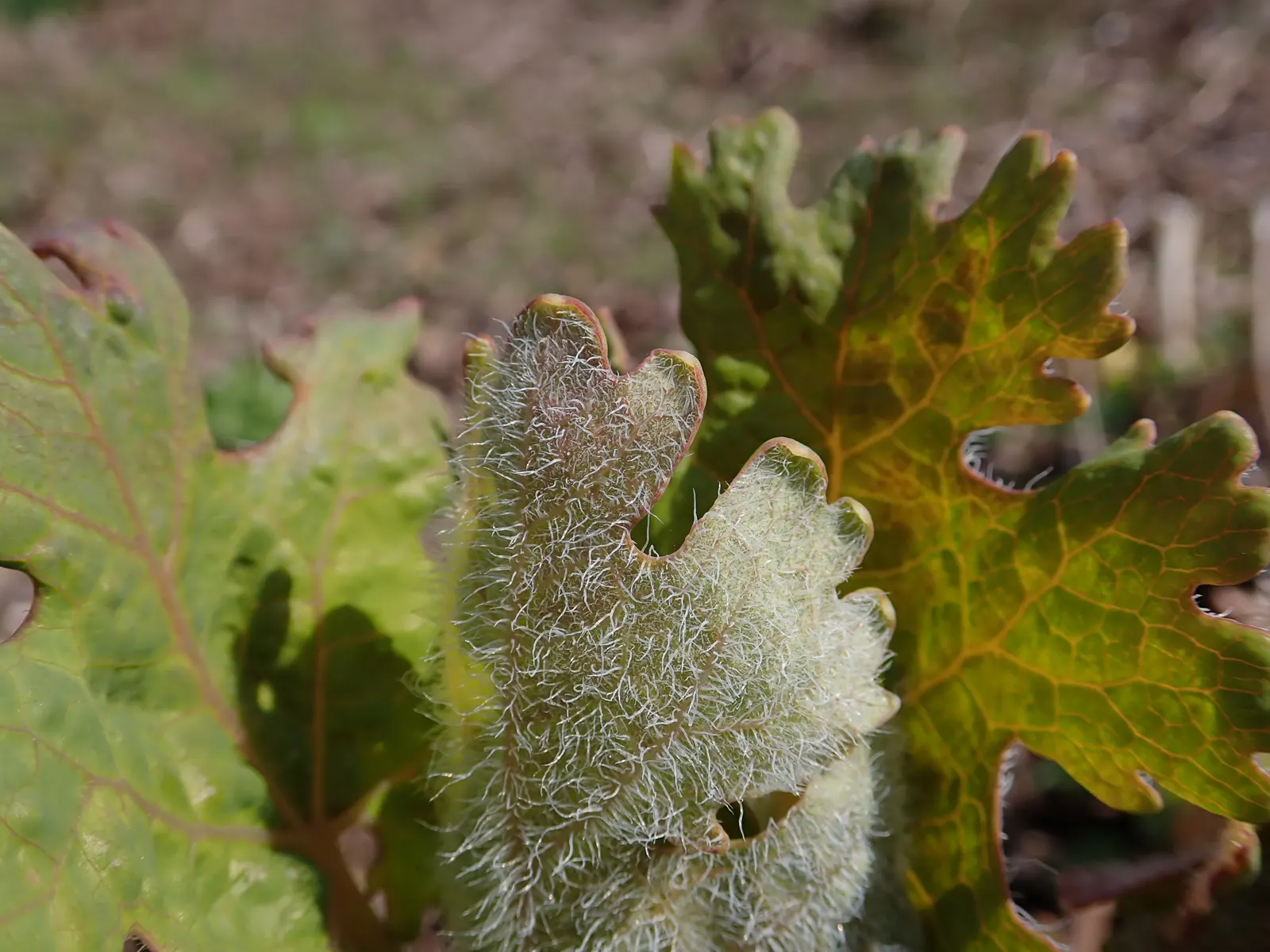
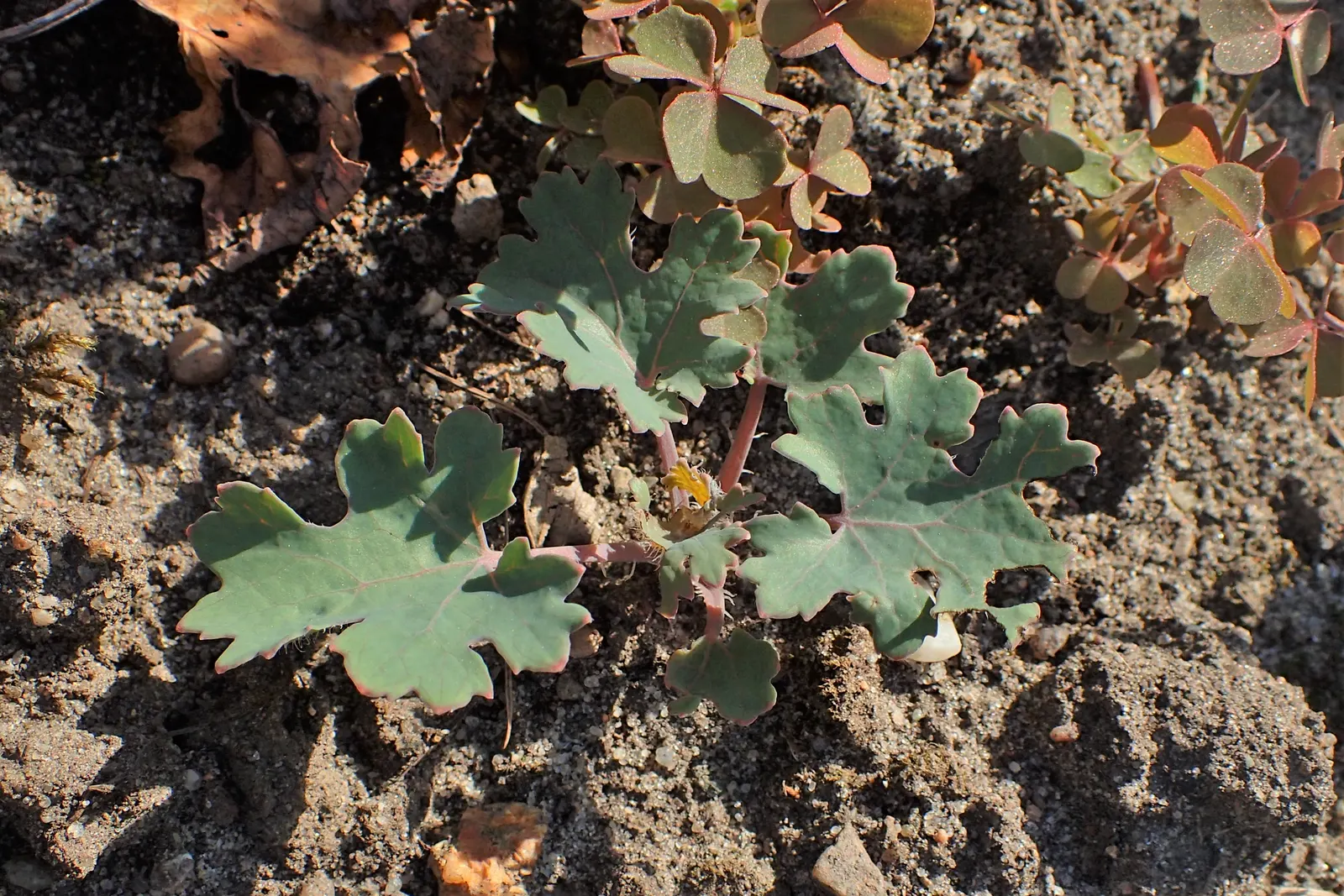
Plume Poppy (Macleaya Cordata) — The leaves are an intricate blue-green
Plume Poppy (Macleaya Cordata) — make it ideal for back borders or as a privacy screen; the blooms reach lengths of up to 8 inches
Plume Poppy (Macleaya Cordata) — Flourishing to a height of about 5 to 8 feet with a spread of 2 to 4 feet
Plume Poppy (Macleaya Cordata) — Renowned for its silvery-green
Plume Poppy (Macleaya Cordata) — perennial for full or half; easy to care for, this species provides robust foliage and eye-catching blooms with minimal
Plume Poppy (Macleaya Cordata) — Macleaya cordata prefers full sun to partial shade and grows best in well-drained soil; easy to care for, this species
Plume Poppy (Macleaya Cordata) — offering valuable vertical interest.<br><br>Thriving in USDA hardiness zones 3 through 8
Plume Poppy (Macleaya Cordata) — cloud-like panicles of delicate creamy-white to pale pink blooms
Plume Poppy (Macleaya Cordata) — is an imposing herbaceous perennial that adds an air of drama and fine texture to your garden landscape
Plume Poppy (Macleaya Cordata) — offering valuable vertical interest.<br><br>Thriving in USDA hardiness zones 3 through 8; the blooms reach lengths of up to 8
Plume Poppy (Macleaya Cordata) — The blooms reach lengths of up to 8 inches; the leaves are an intricate blue-green
Plume Poppy (Macleaya Cordata) — This low-maintenance plant prefers full sun to partial shade and well-draining soil; ivory to soft pink flowers, image 61
Plume Poppy (Macleaya Cordata) — It's important to note that while the Plume Poppy is moderately drought tolerant; ivory to soft pink flowers resembling
Macleaya Cordata
Photographs by 10 contributors

Related plants