Skip to content

Goji Berry

Lycium Barbarum

Design with this plant

Overview

The Goji Berry (Lycium barbarum) is a hardy, deciduous shrub reaching 6 to 10 feet in height and width. Known for its vibrant, elongated red berries, it boasts high nutritional value and is drought-tolerant once established. Thriving in USDA zones 3-10, it prefers full sun to partial shade and well-drained soil. Prune to manage size and shape, and plant 3 to 5 feet apart to create a productive hedge or border.

Sun Full, HalfWater Extra in Summer, MediumZones 6–9Climate Arid, Subtropical
Goji Berry (Lycium Barbarum) — The Goji Berry (Lycium barbarum) is a hardy, deciduous shrub reaching 6 to 10 feet in height and width

Culture

Sun
Full, Half
Water
Extra in Summer, Medium
USDA zones
6–9

Shape & size

Classification

Family
Solanaceae
Climate
Arid, Subtropical

See full data, regional cultivation notes, full-resolution photos, and design tools. Build a client presentation around this plant.

Start your 14-day trial

Photos (107)

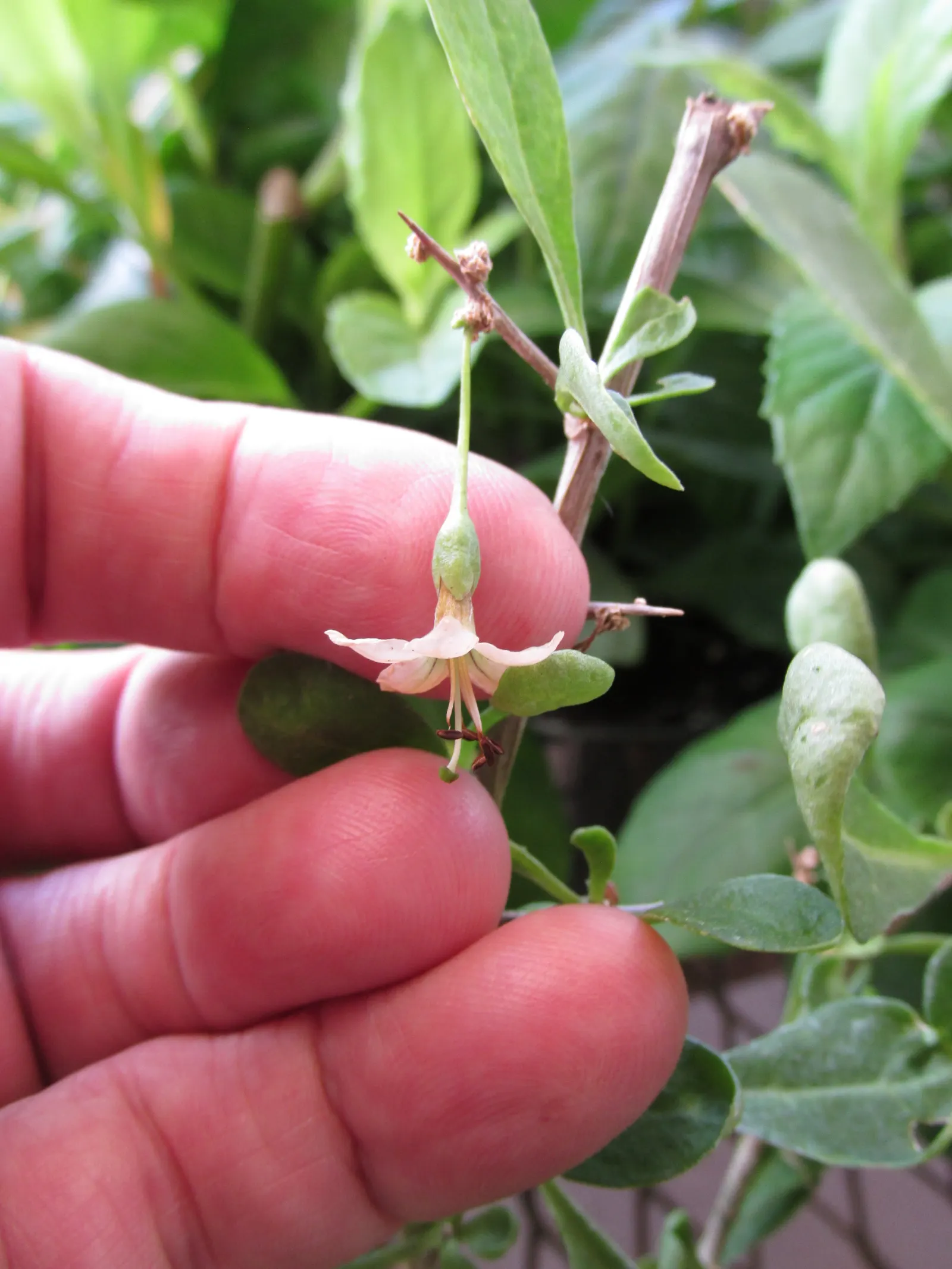
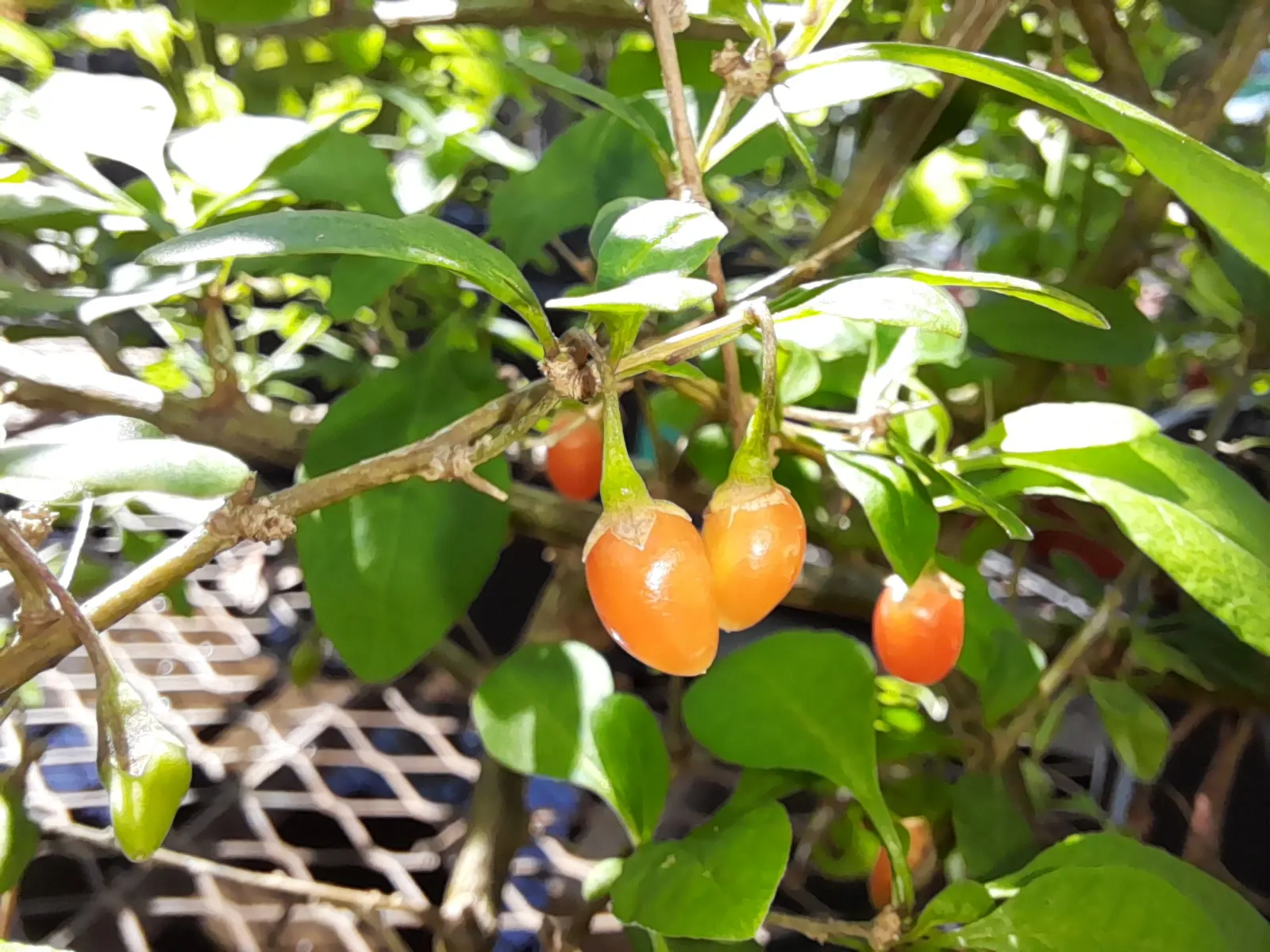
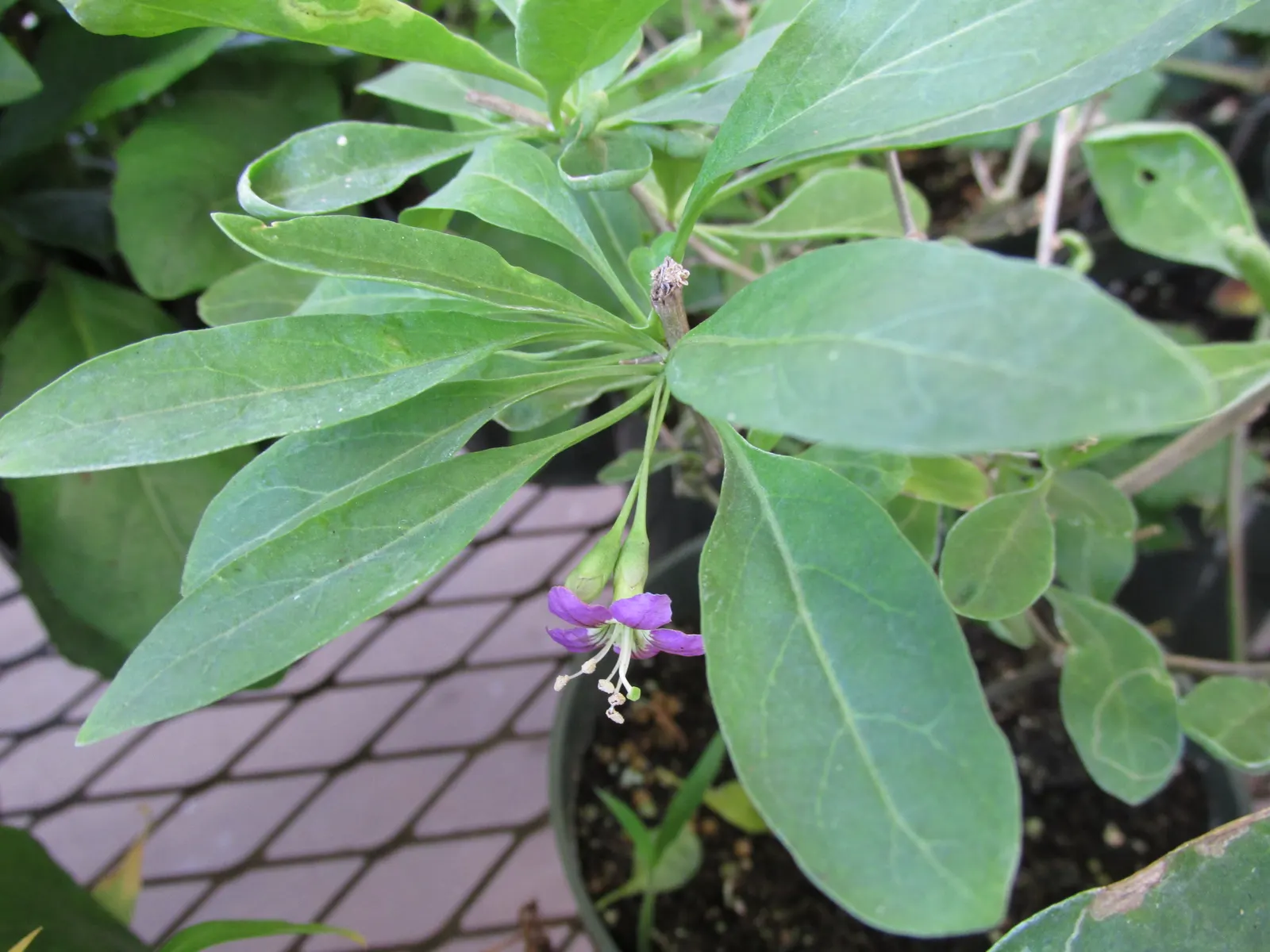
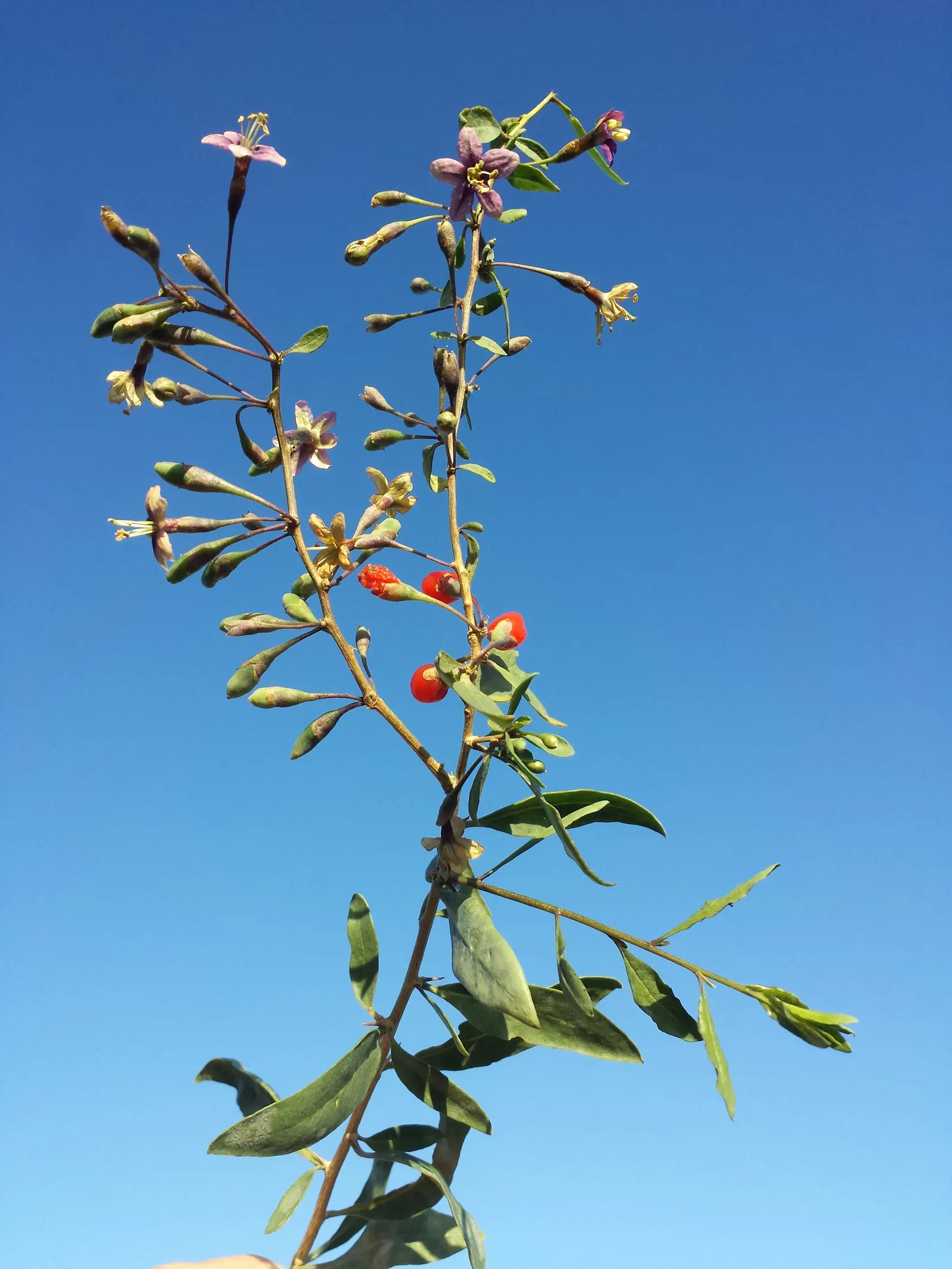
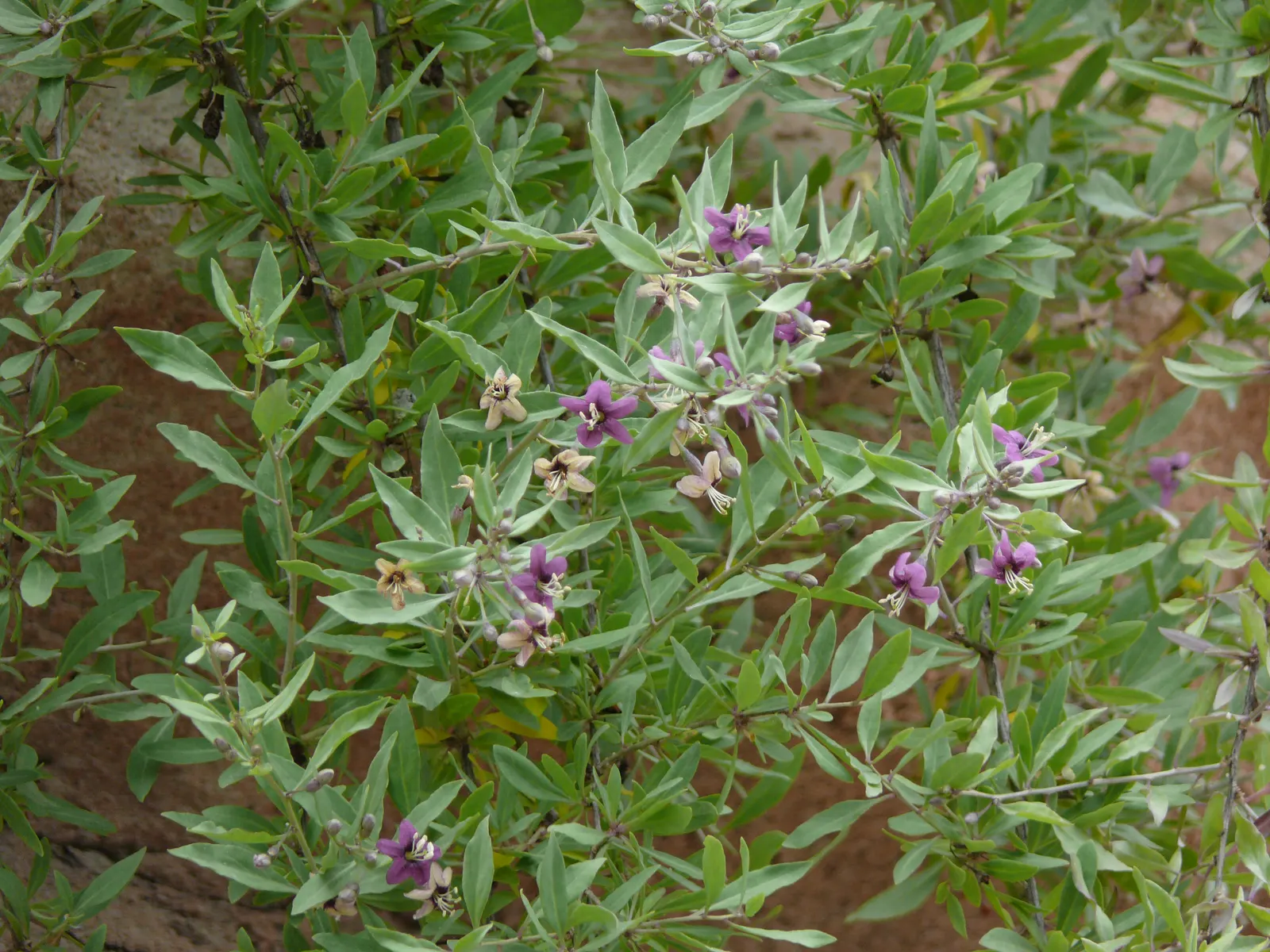
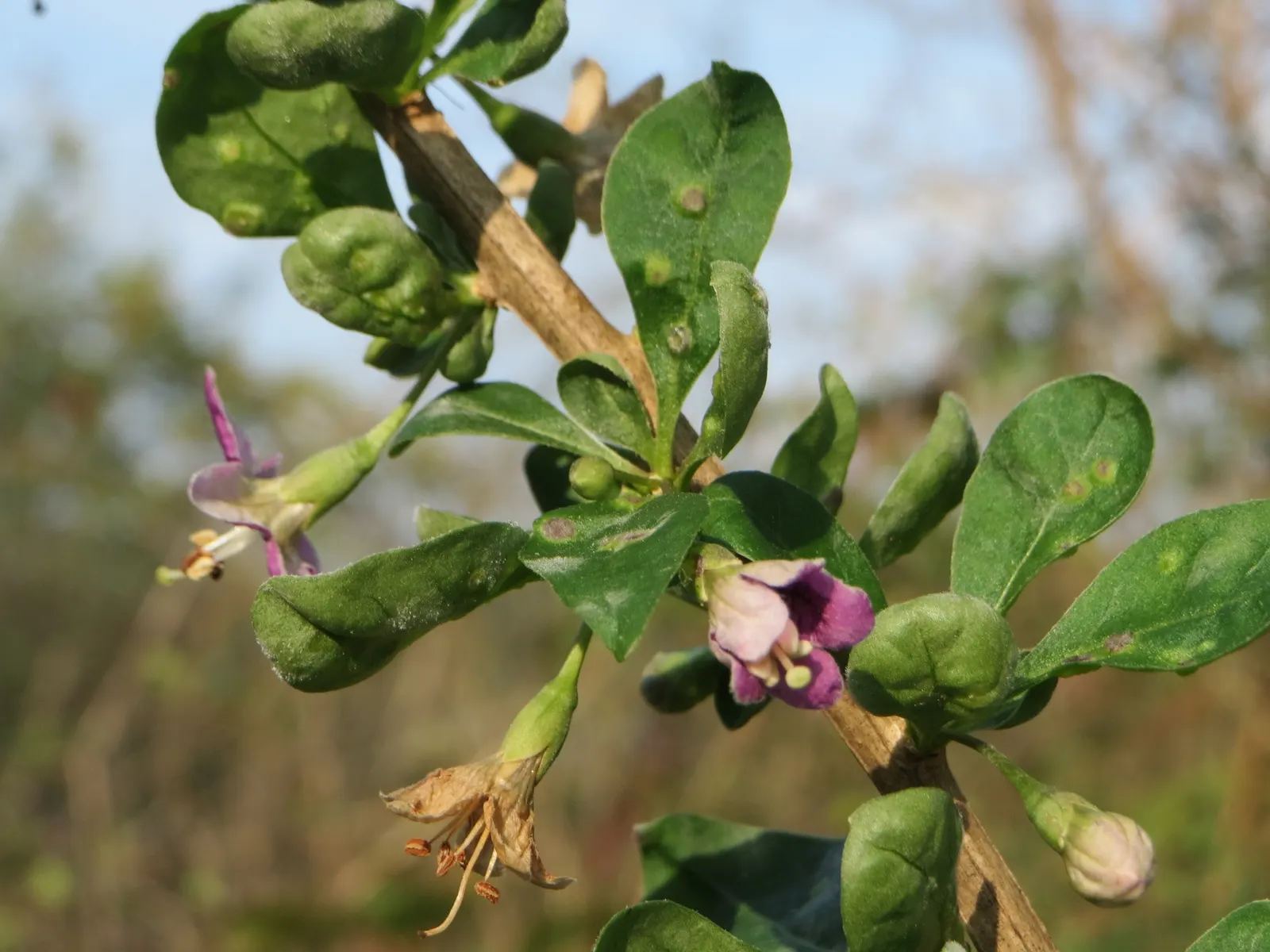
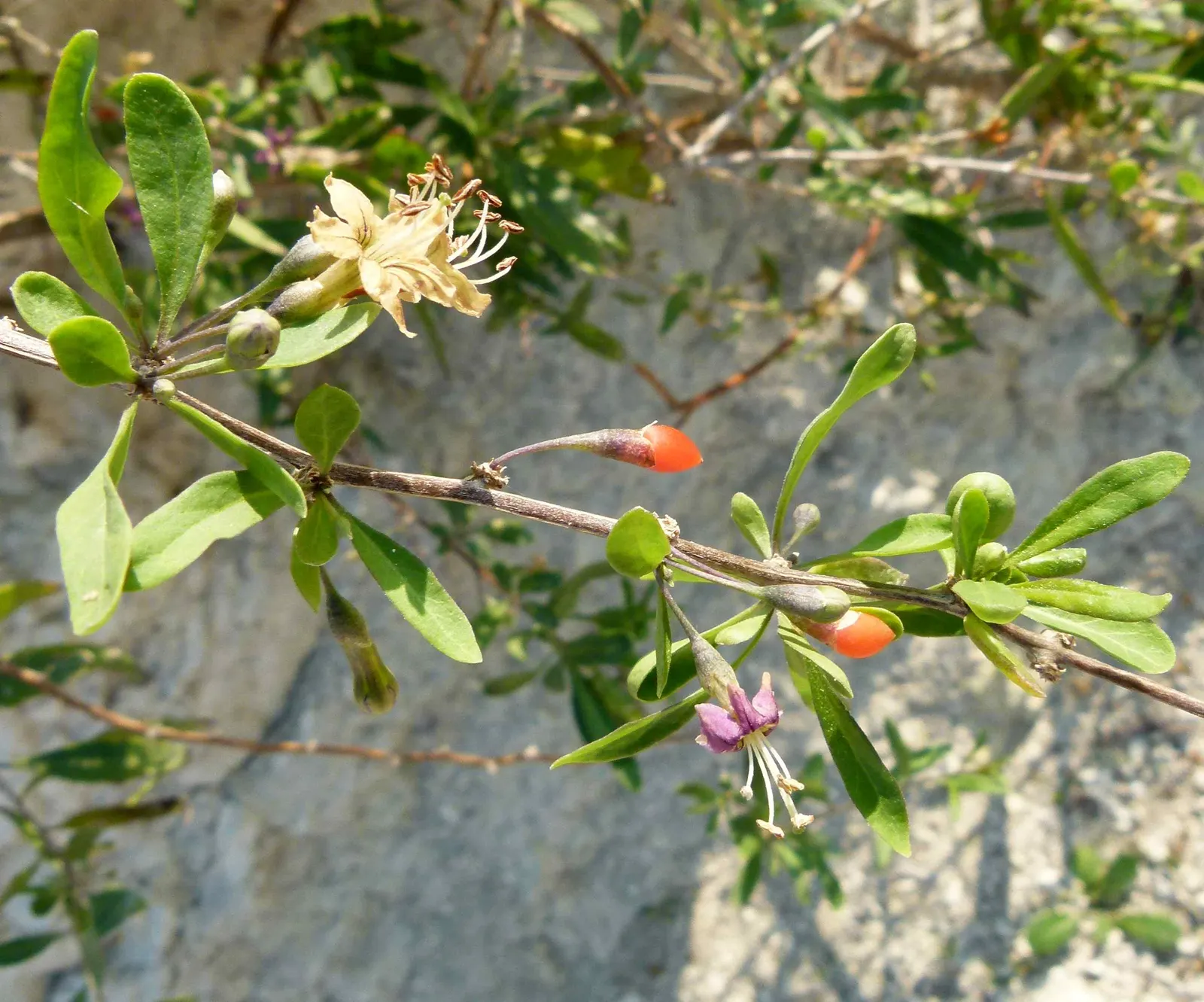
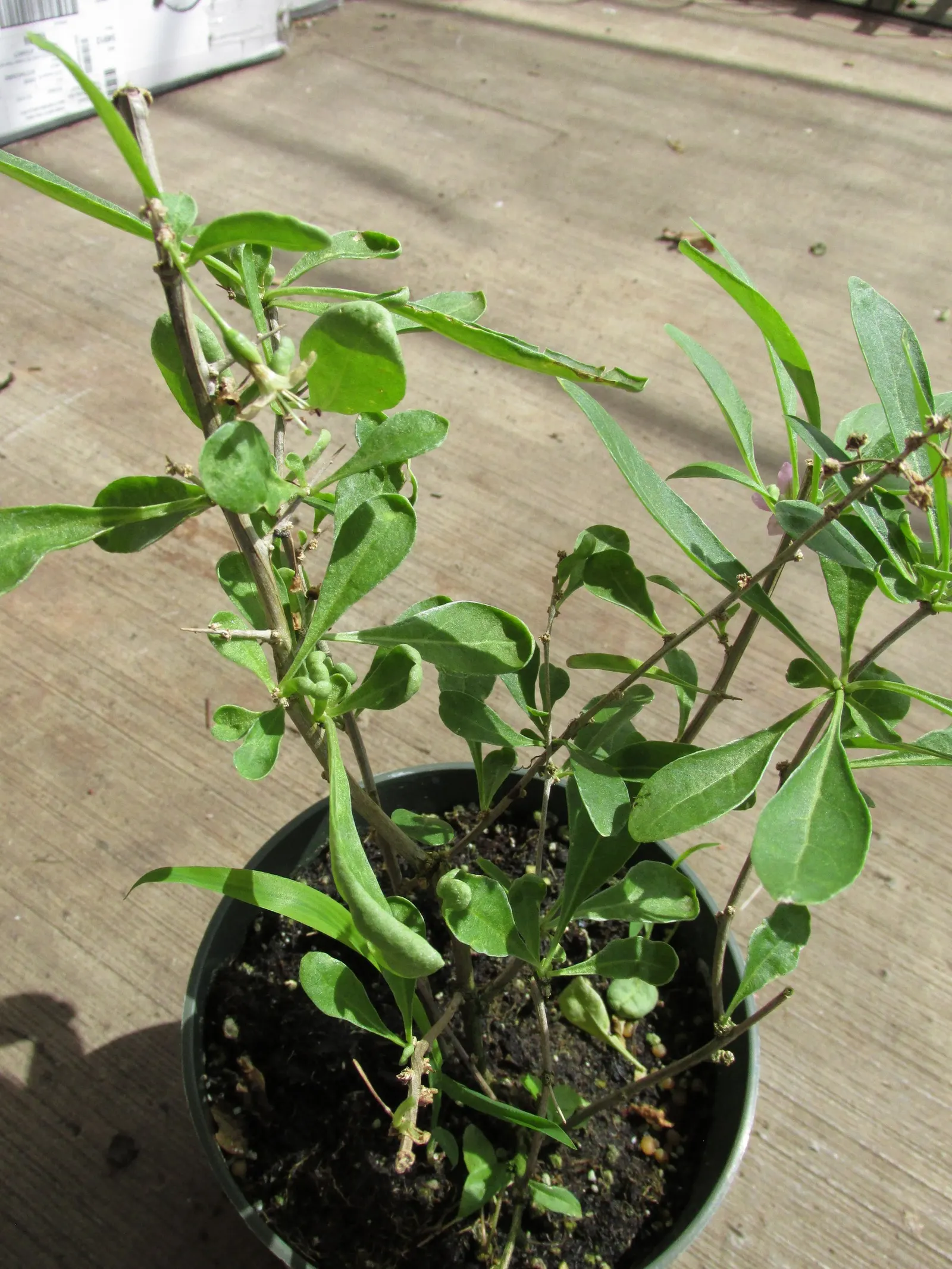
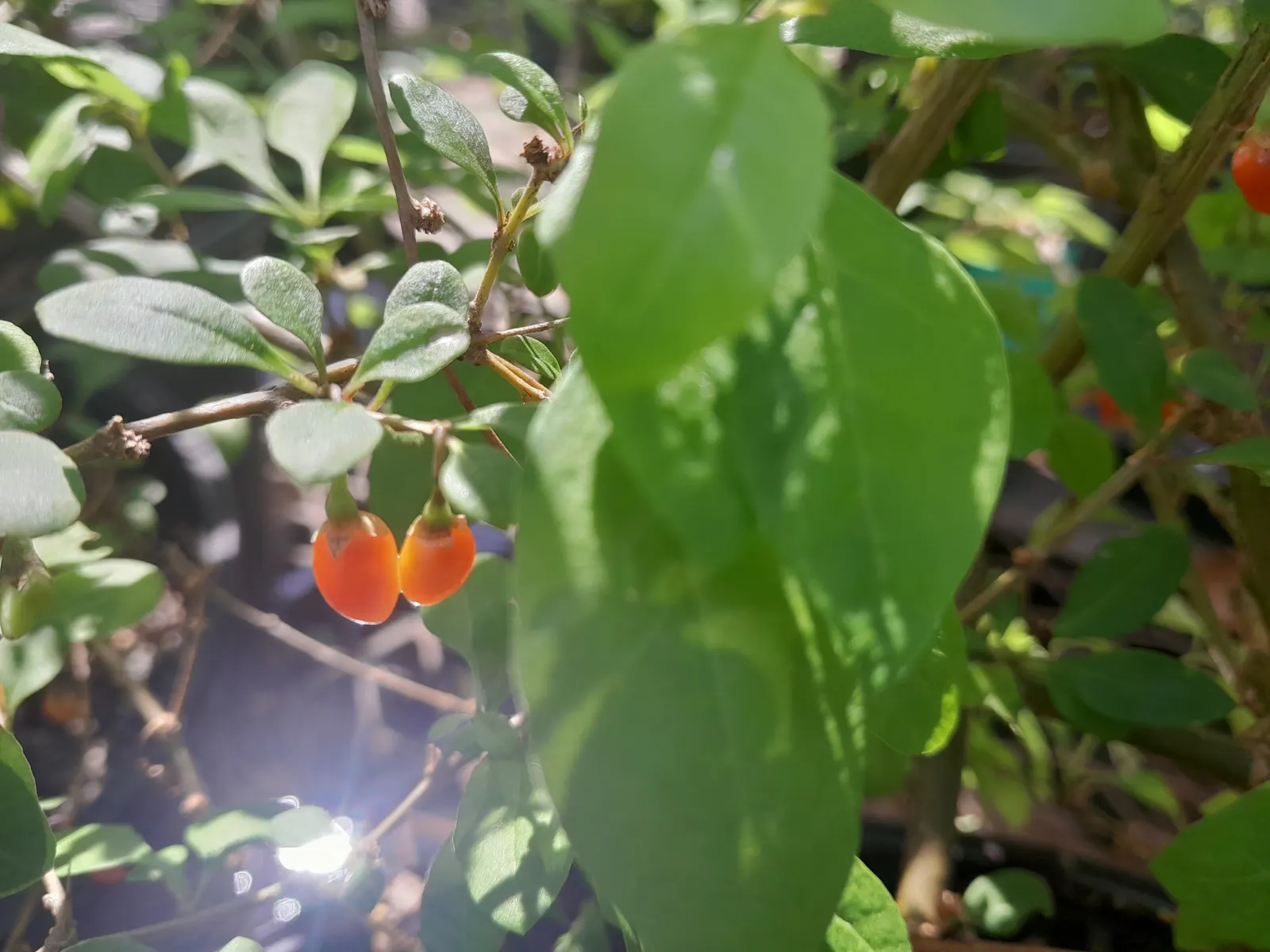
Goji Berry (Lycium Barbarum) — famed for its vibrant red-orange berries and numerous health benefits; is a highly adaptable deciduous shrub native to Asia
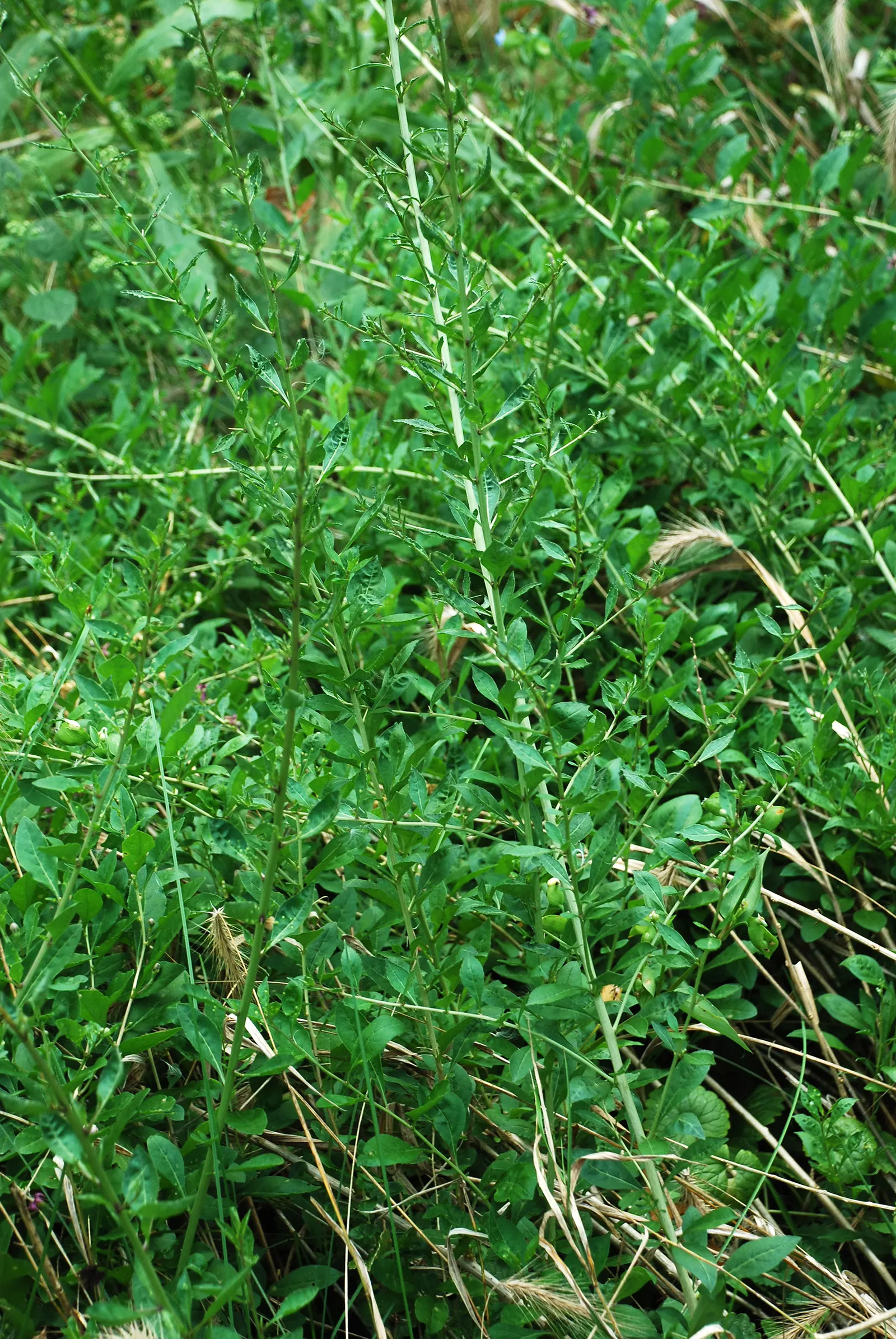
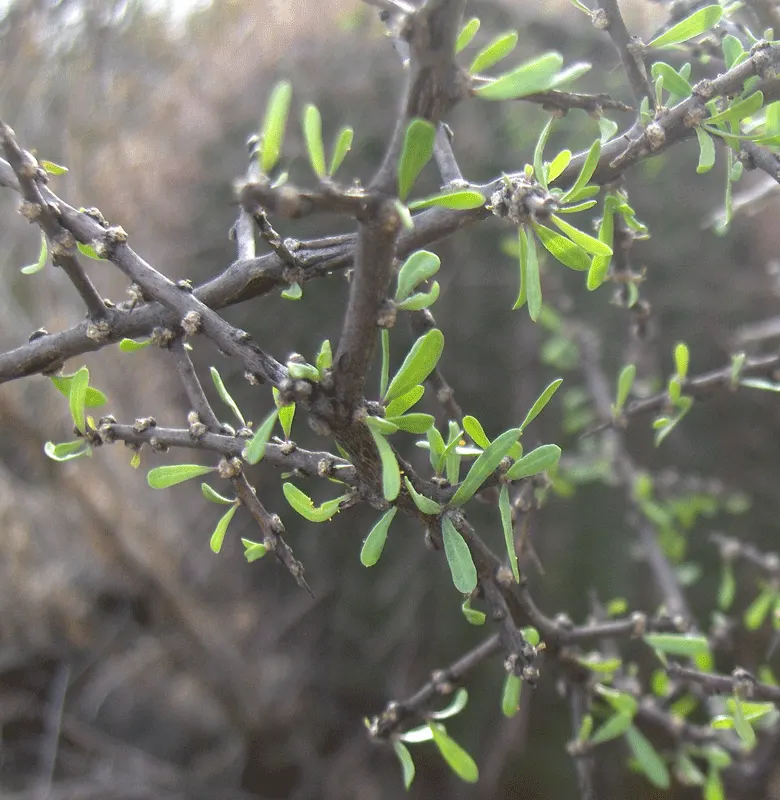
Goji Berry (Lycium Barbarum) — scientifically known as Lycium barbarum; the plant is resilient against pests and diseases
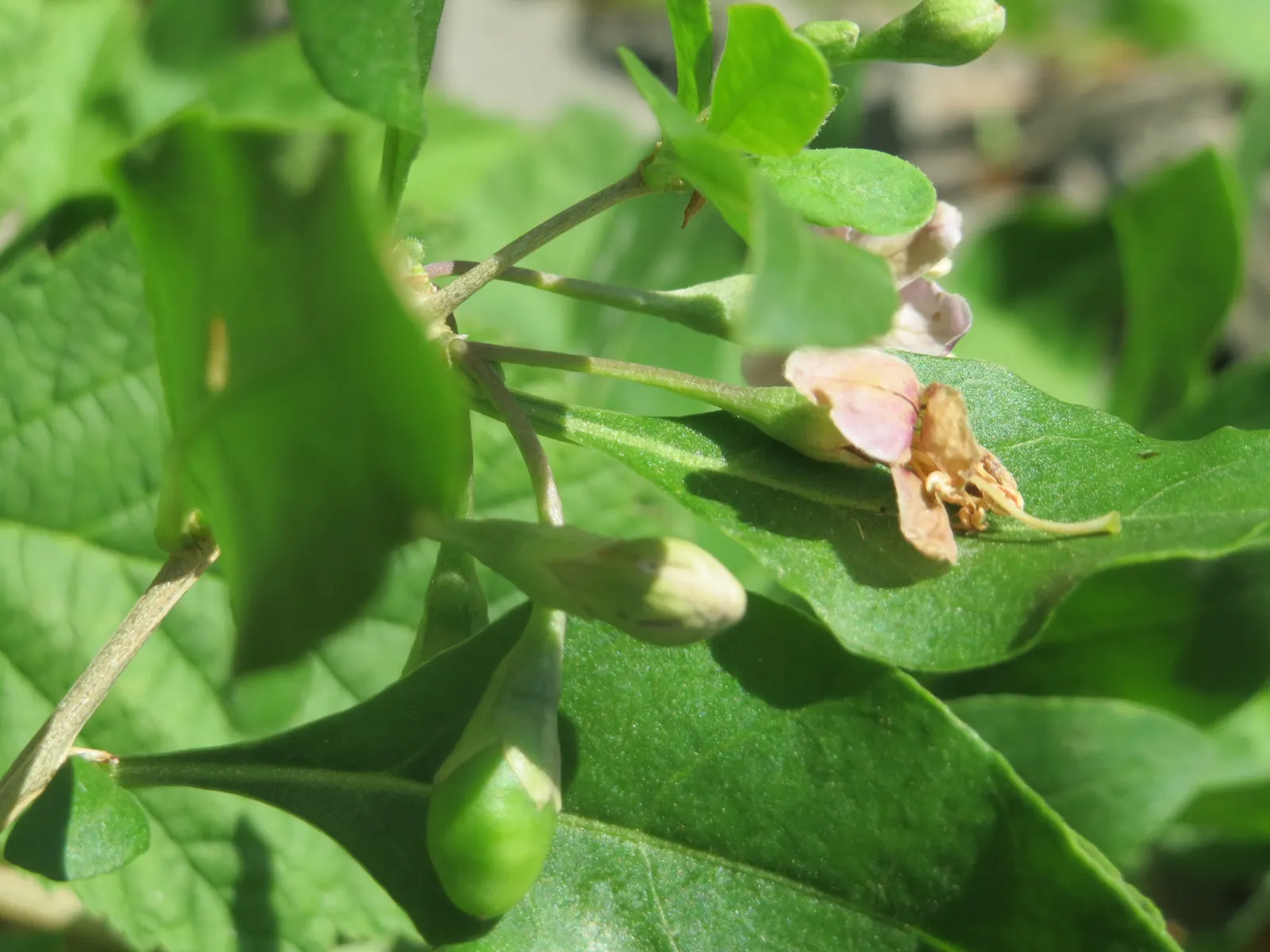
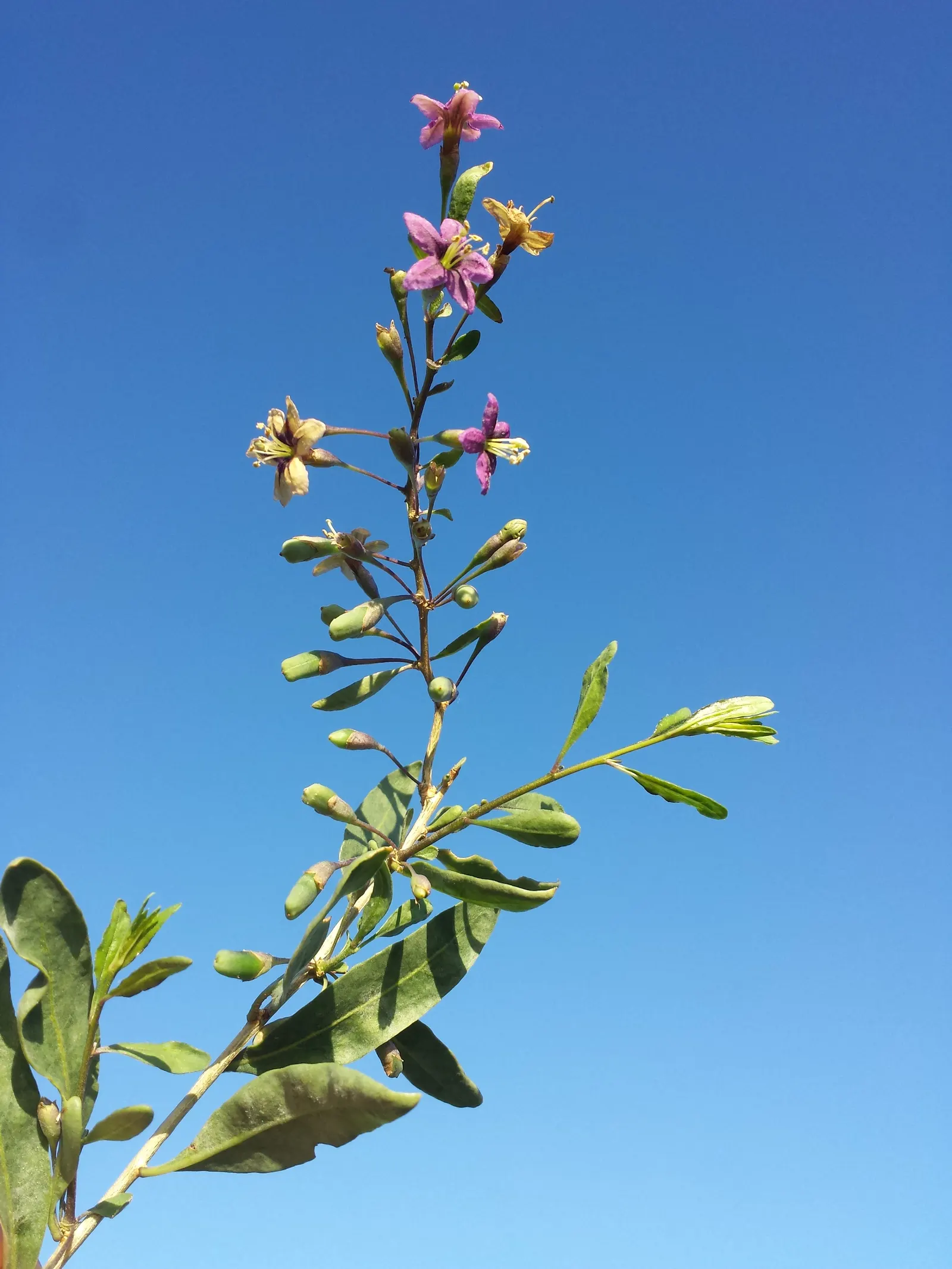
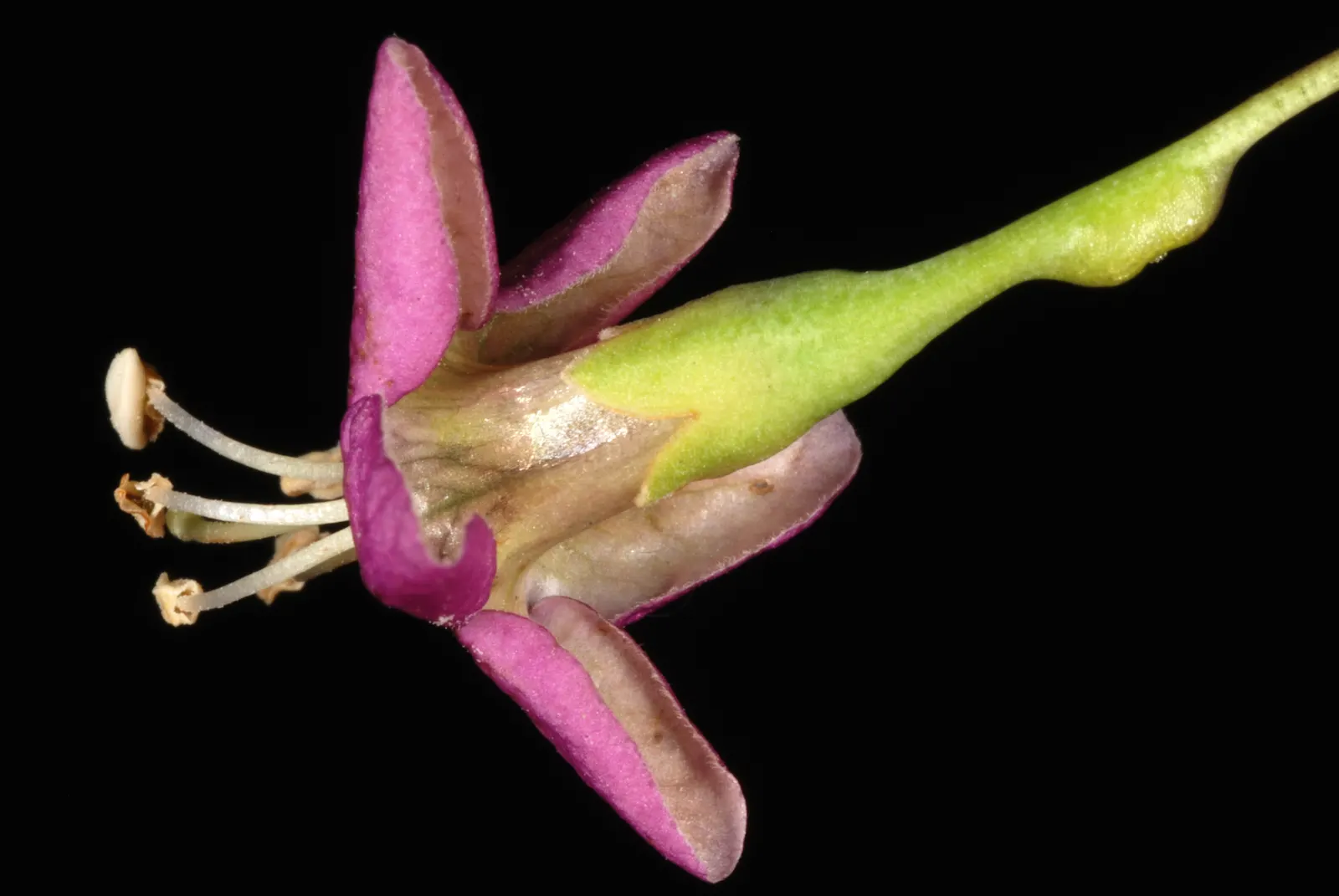
Goji Berry (Lycium Barbarum) — is a highly adaptable deciduous shrub native to Asia; perennial / shrub with lavender blooms
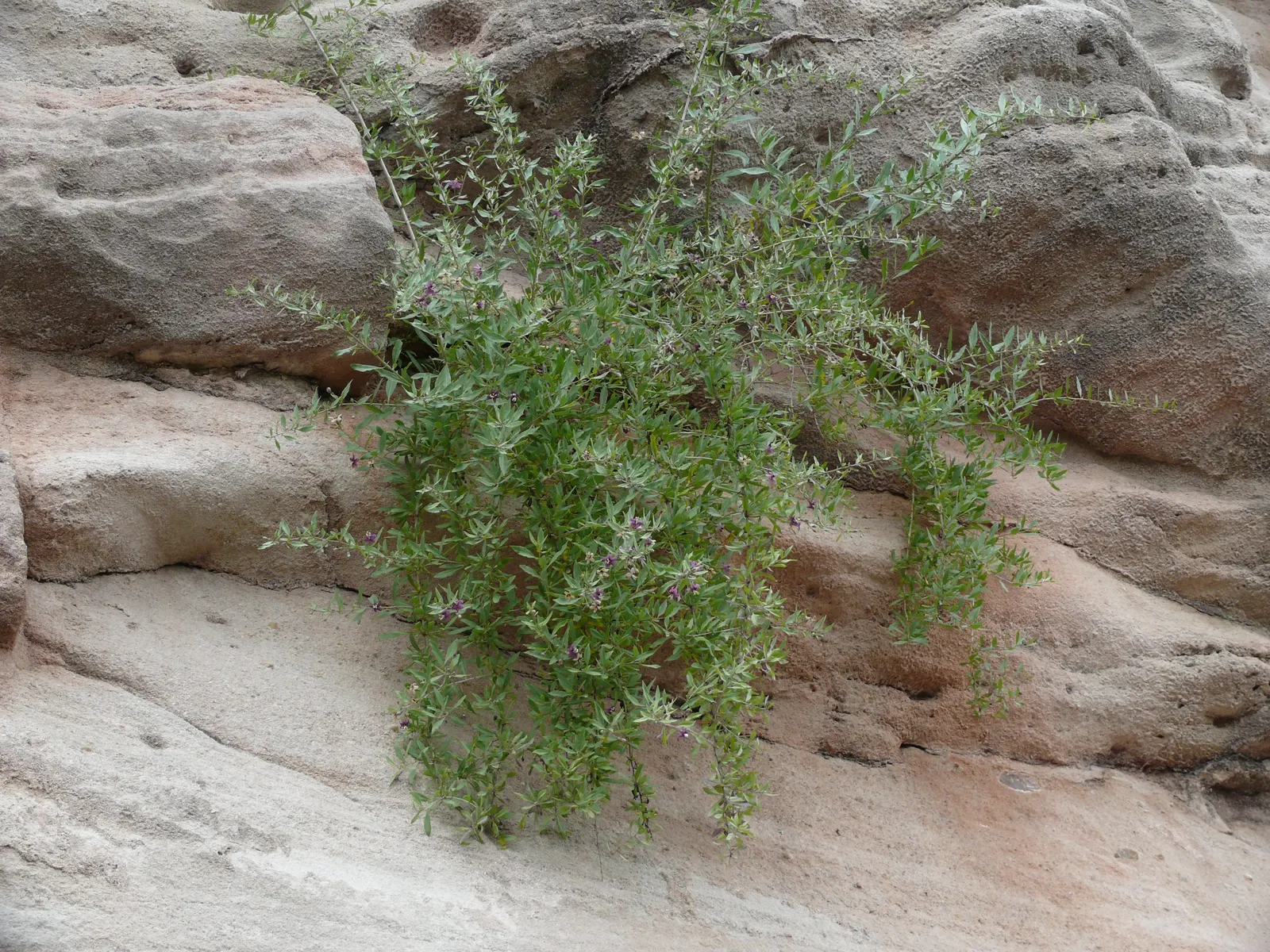
Goji Berry (Lycium Barbarum) — Growing to an average height of 8 to 12 feet and a spread of approximately 4 to 6 feet; making it a hardy choice for many
Goji Berry (Lycium Barbarum) — consistent moisture will ensure a bountiful harvest of berries typically from late June to October; arching branches and
Goji Berry (Lycium Barbarum) — adapting to a range of soil types from sandy to loamy; perennial / shrub for full or half
Goji Berry (Lycium Barbarum) — Though drought-tolerant once established; famed for its vibrant red-orange berries and numerous health benefits
Goji Berry (Lycium Barbarum) — The plant is resilient against pests and diseases; the Goji Berry (Lycium barbarum) is a hardy, deciduous shrub reaching 6 to 10
Goji Berry (Lycium Barbarum) — making it a hardy choice for many gardeners.<br><br>With slender; growing to an average height of 8 to 12 feet and a spread of
Goji Berry (Lycium Barbarum) — arching branches and lance-shaped leaves; transitioning to the antioxidant-rich berries reputed for their nutritional value
Goji Berry (Lycium Barbarum) — transitioning to the antioxidant-rich berries reputed for their nutritional value; it boasts high nutritional value and is
Goji Berry (Lycium Barbarum) — lavender flowers in the garden; thriving in USDA zones 3-10, it prefers full sun to partial shade and well-drained soil
Goji Berry (Lycium Barbarum) — perennial / shrub with lavender blooms; though drought-tolerant once established
Goji Berry (Lycium Barbarum) — Hardy in USDA zones 3 to 10; adapting to a range of soil types from sandy to loamy
Goji Berry (Lycium Barbarum) — enriching their garden experience; hardy in USDA zones 3 to 10
Goji Berry (Lycium Barbarum) — scientifically known as Lycium barbarum; the plant is resilient against pests and diseases, image 45
Goji Berry (Lycium Barbarum) — The Goji Berry (Lycium barbarum) is a hardy, deciduous shrub reaching 6 to 10 feet in height and width; prune to, image 41
Goji Berry (Lycium Barbarum) — it boasts high nutritional value and is drought-tolerant once established; consistent moisture will ensure a, image 42
Goji Berry (Lycium Barbarum) — Thriving in USDA zones 3-10, it prefers full sun to partial shade and well-drained soil; lavender flowers in the, image 43
Goji Berry (Lycium Barbarum) — Prune to manage size and shape, and plant 3 to 5 feet apart to create a productive hedge or border; scientifically, image 44
Goji Berry (Lycium Barbarum) — is a highly adaptable deciduous shrub native to Asia; perennial / shrub with lavender blooms, image 46
Goji Berry (Lycium Barbarum) — perennial / shrub for full or half; enriching their garden experience
Goji Berry (Lycium Barbarum) — arching branches and lance-shaped leaves; transitioning to the antioxidant-rich berries reputed for their, image 54
Goji Berry (Lycium Barbarum) — consistent moisture will ensure a bountiful harvest of berries typically from late June to October; arching branches, image 51

Related plants