Skip to content

Twinberry

Lonicera Involucrata

Design with this plant

Overview

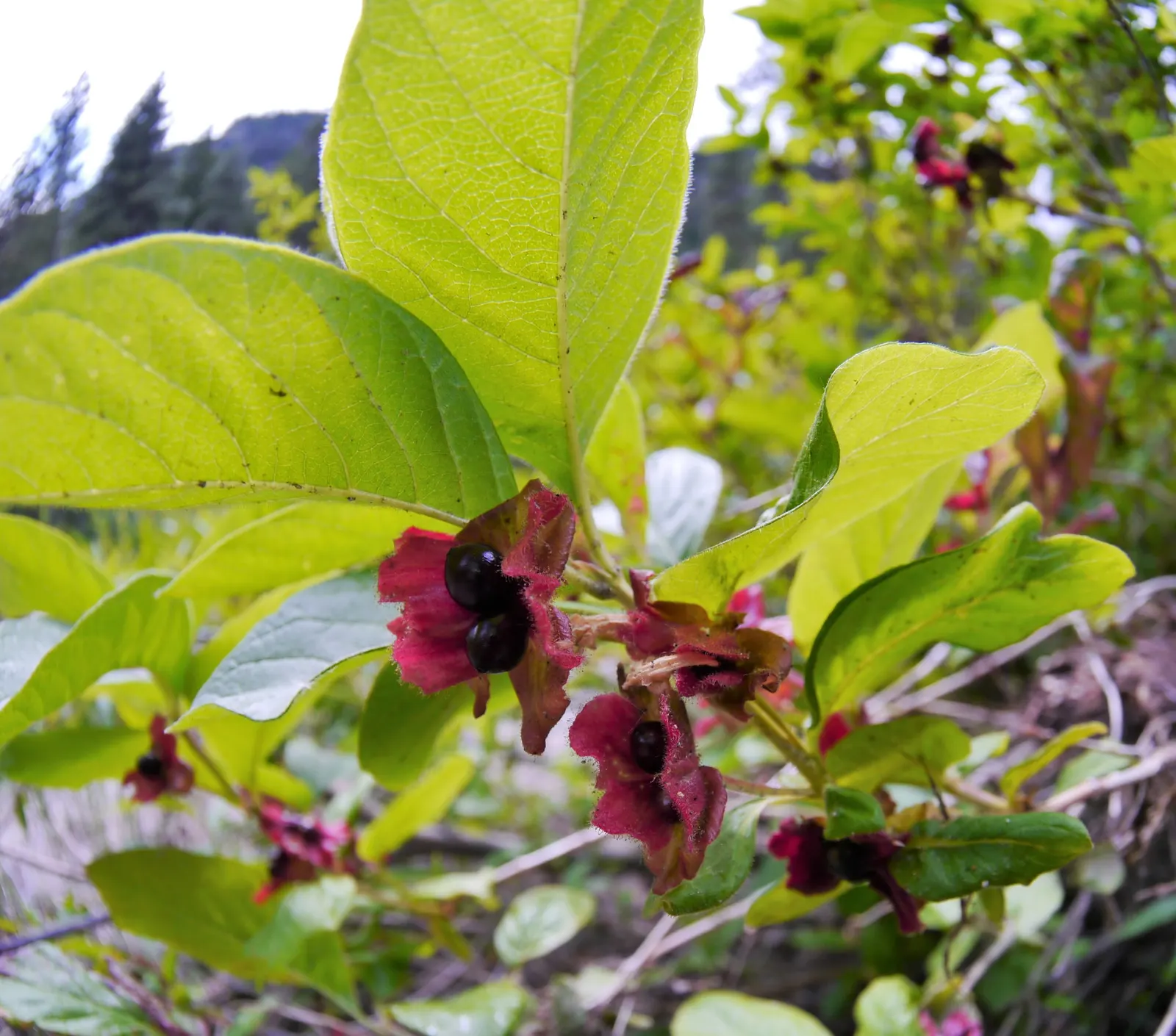
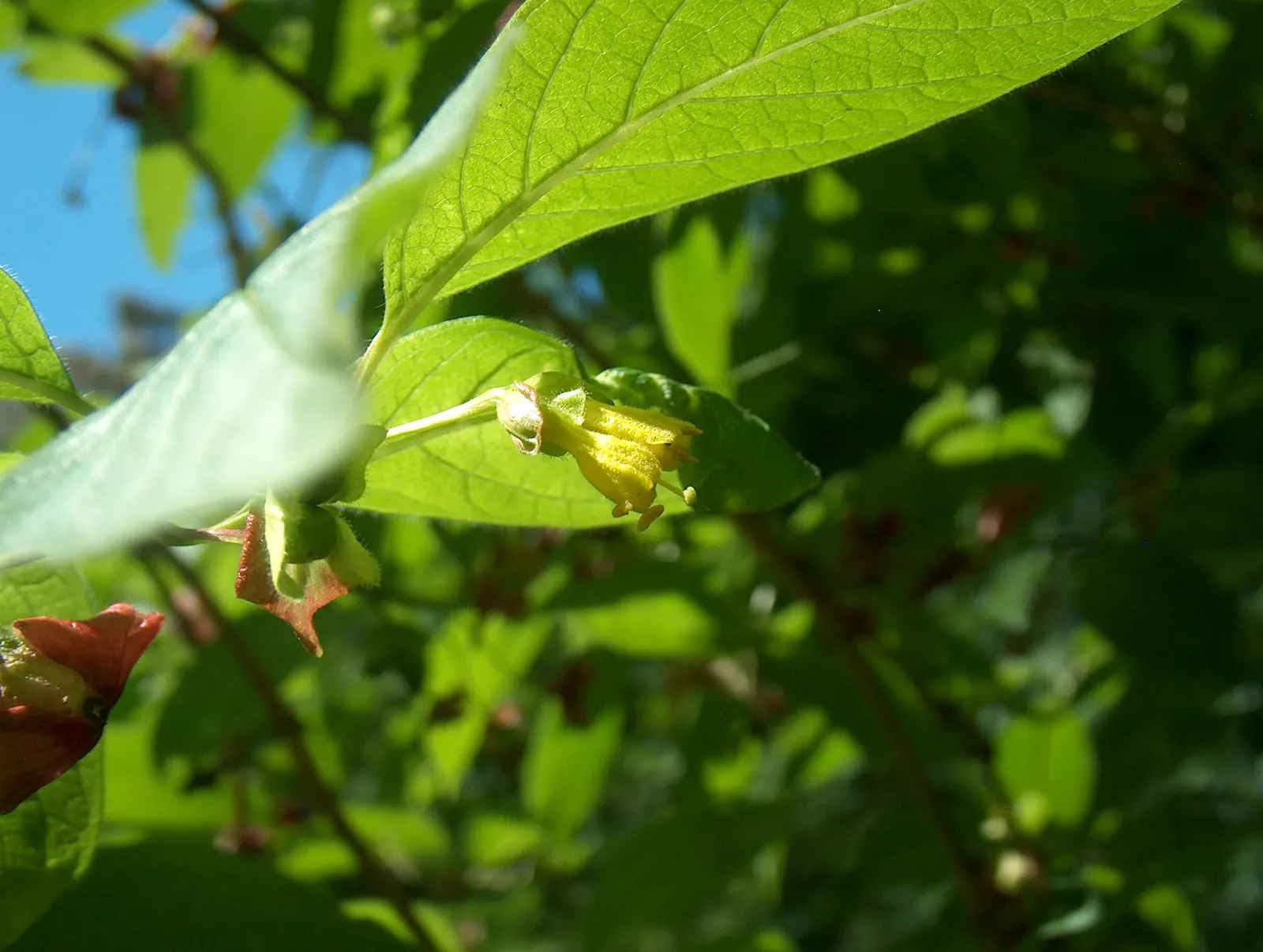
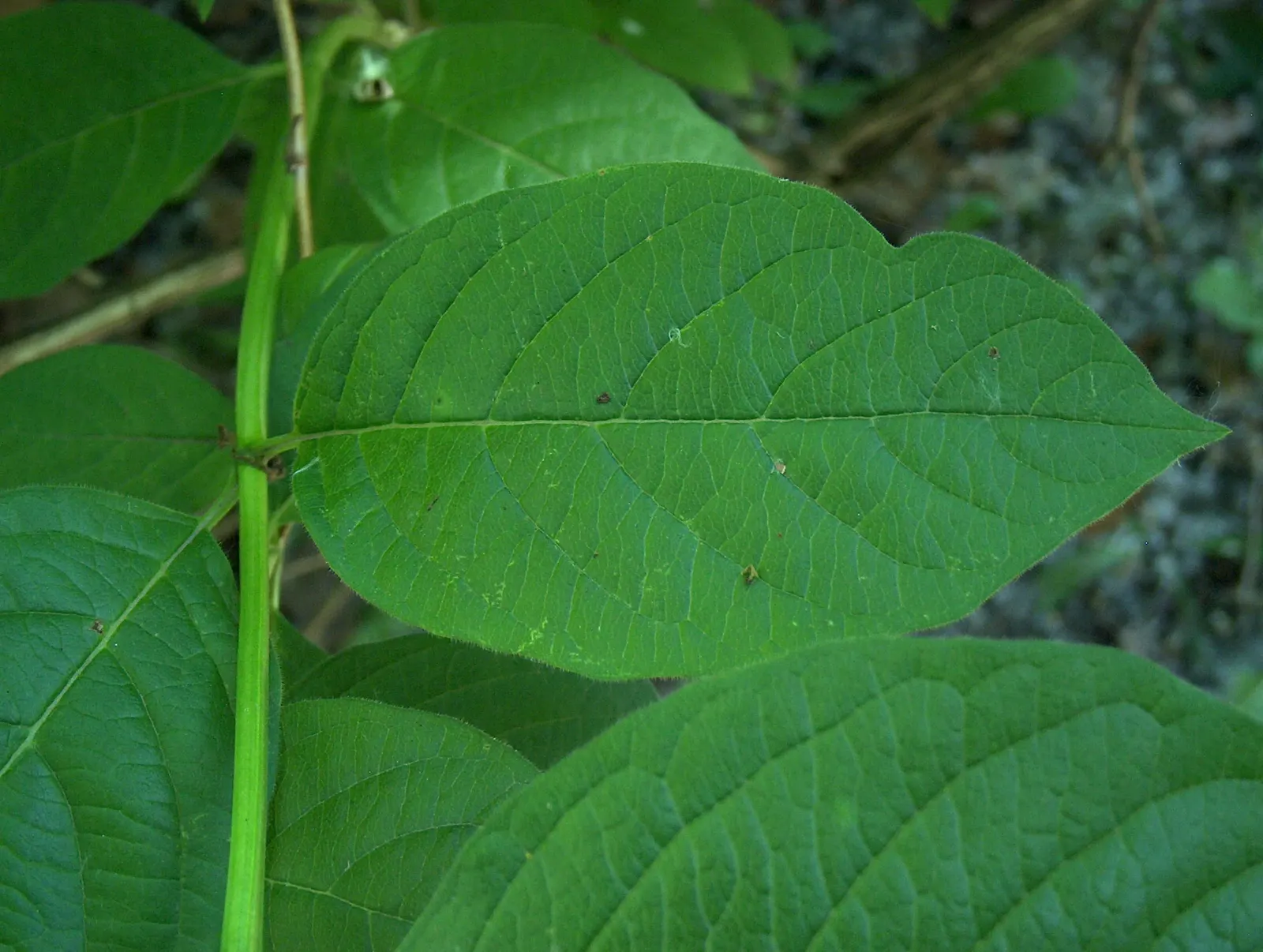
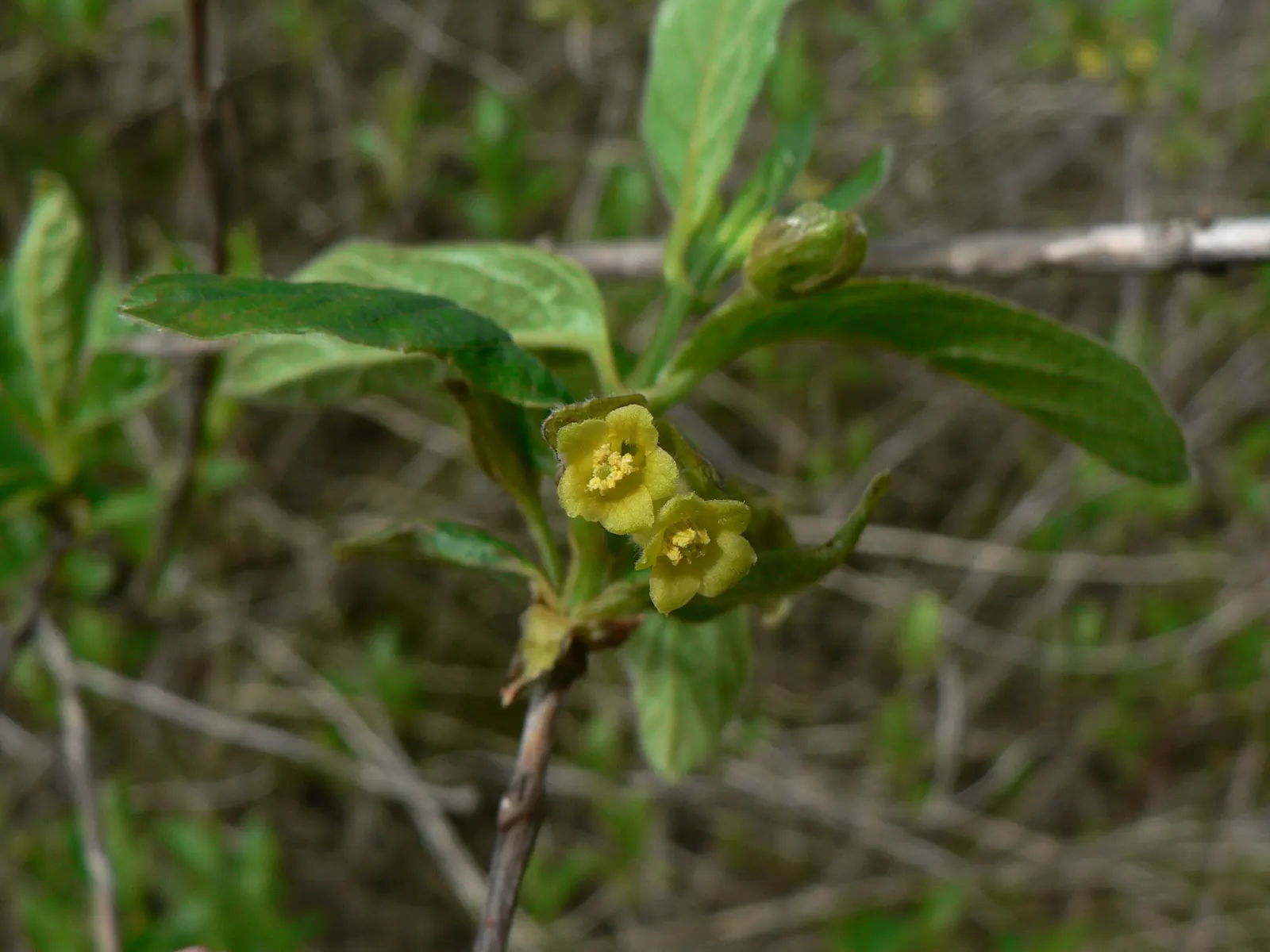
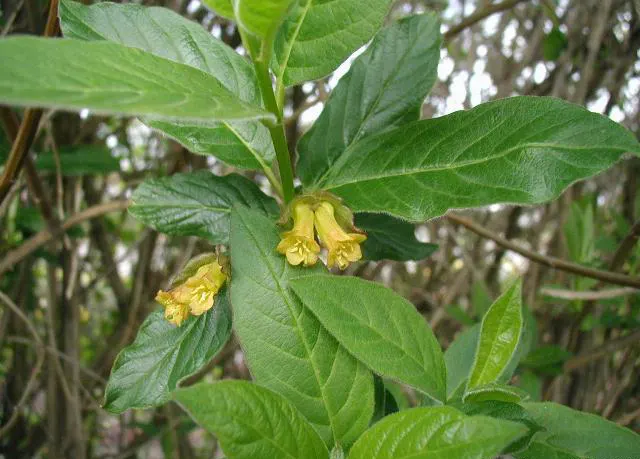
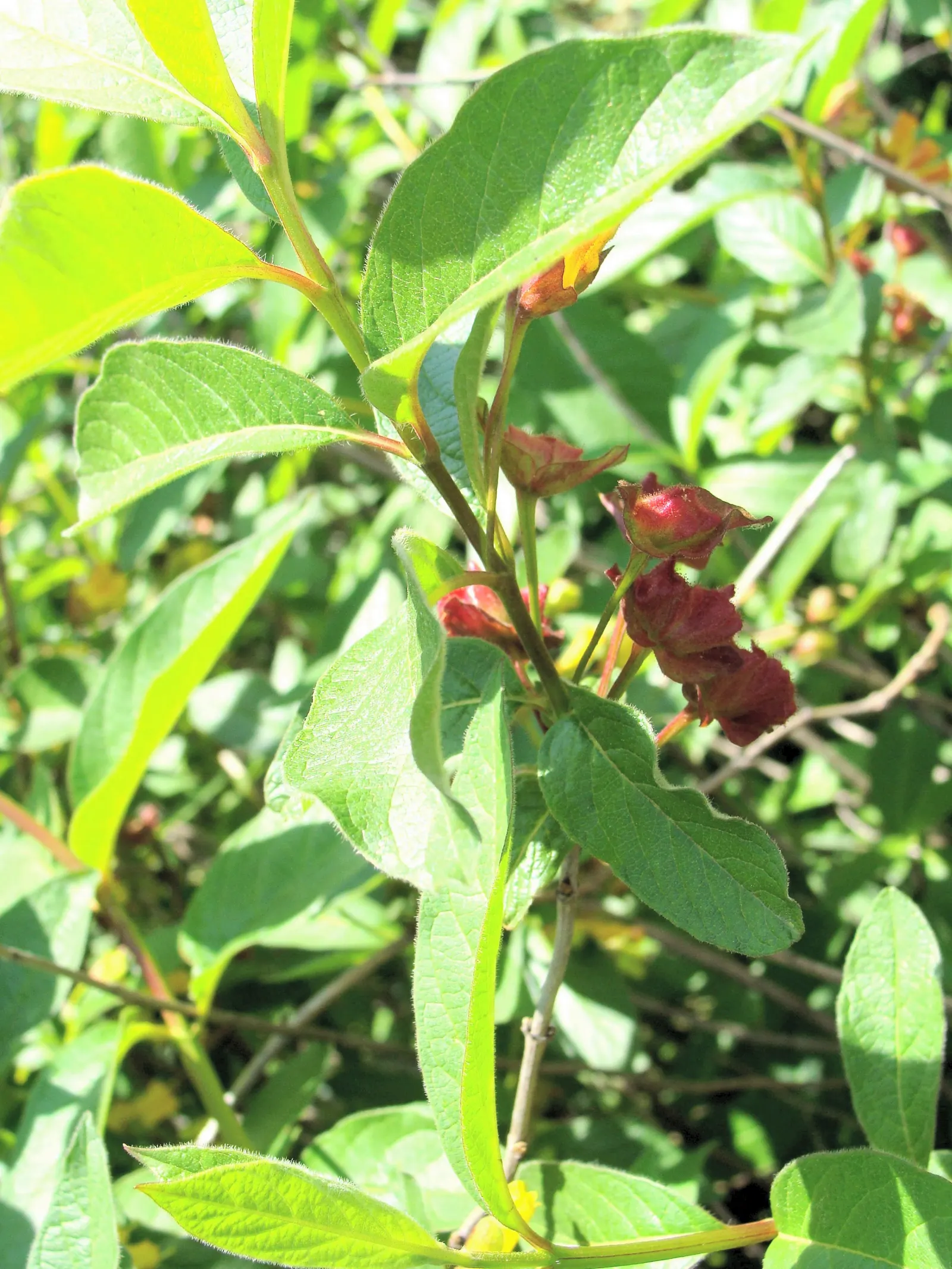
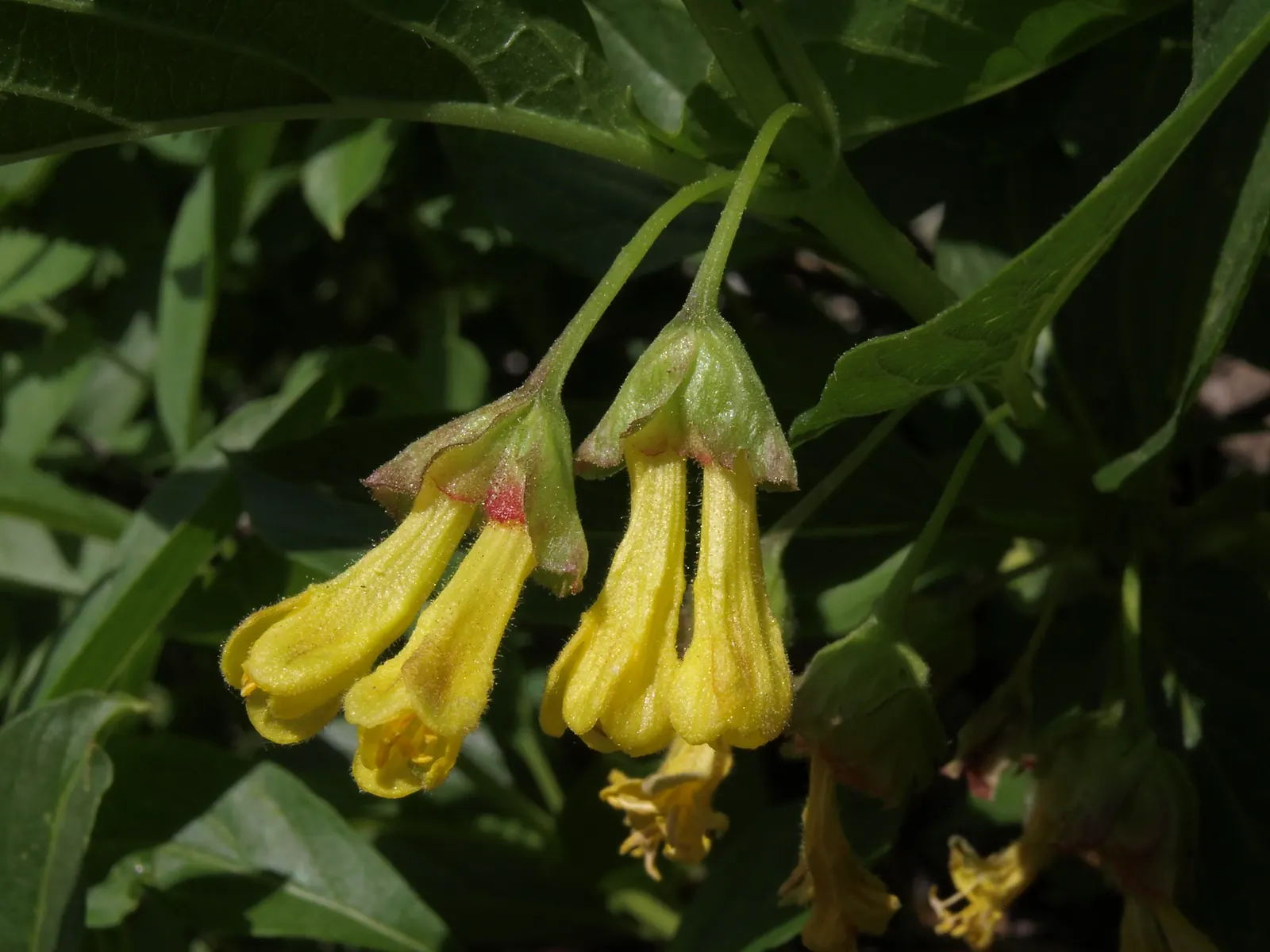
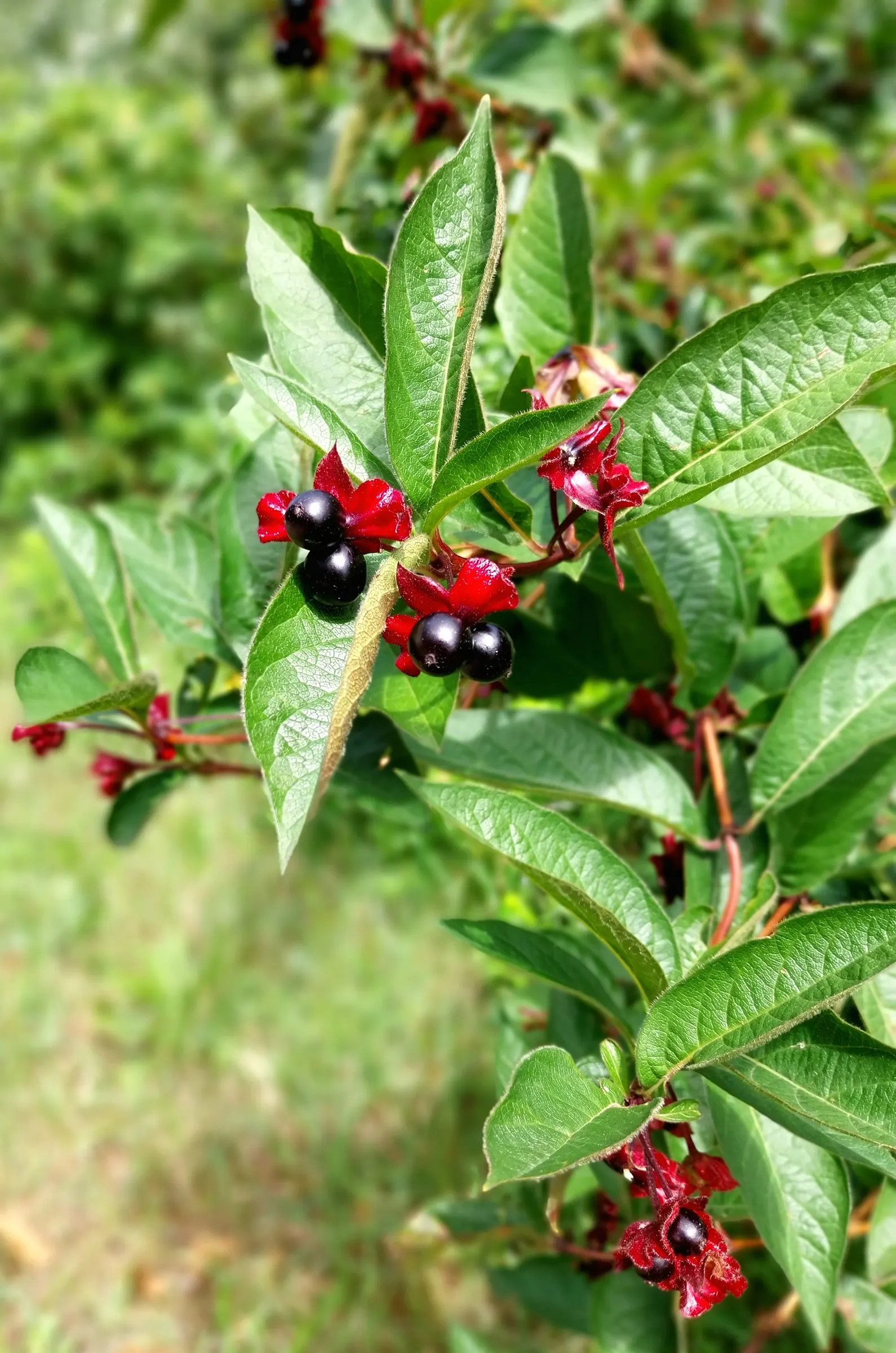
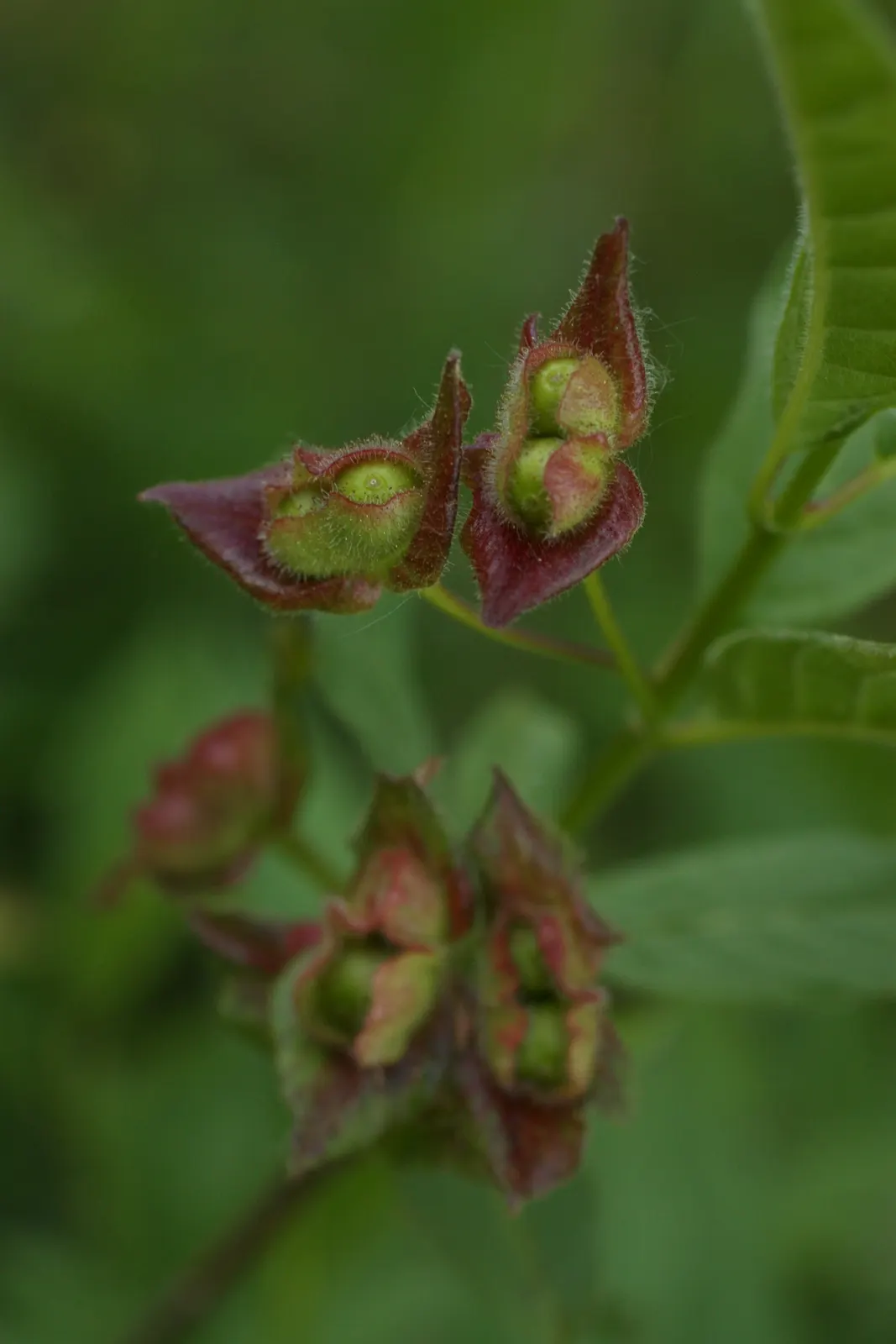
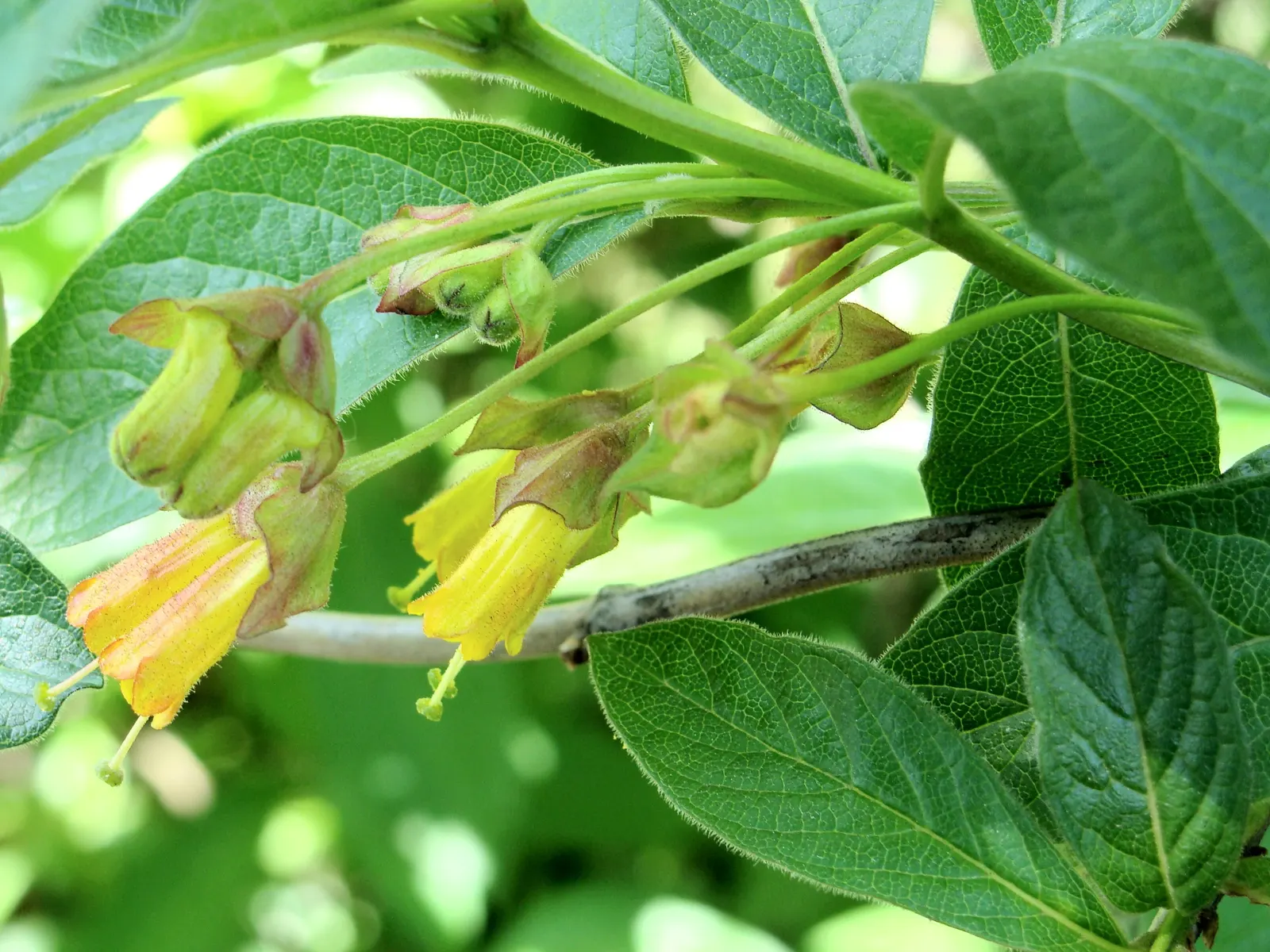
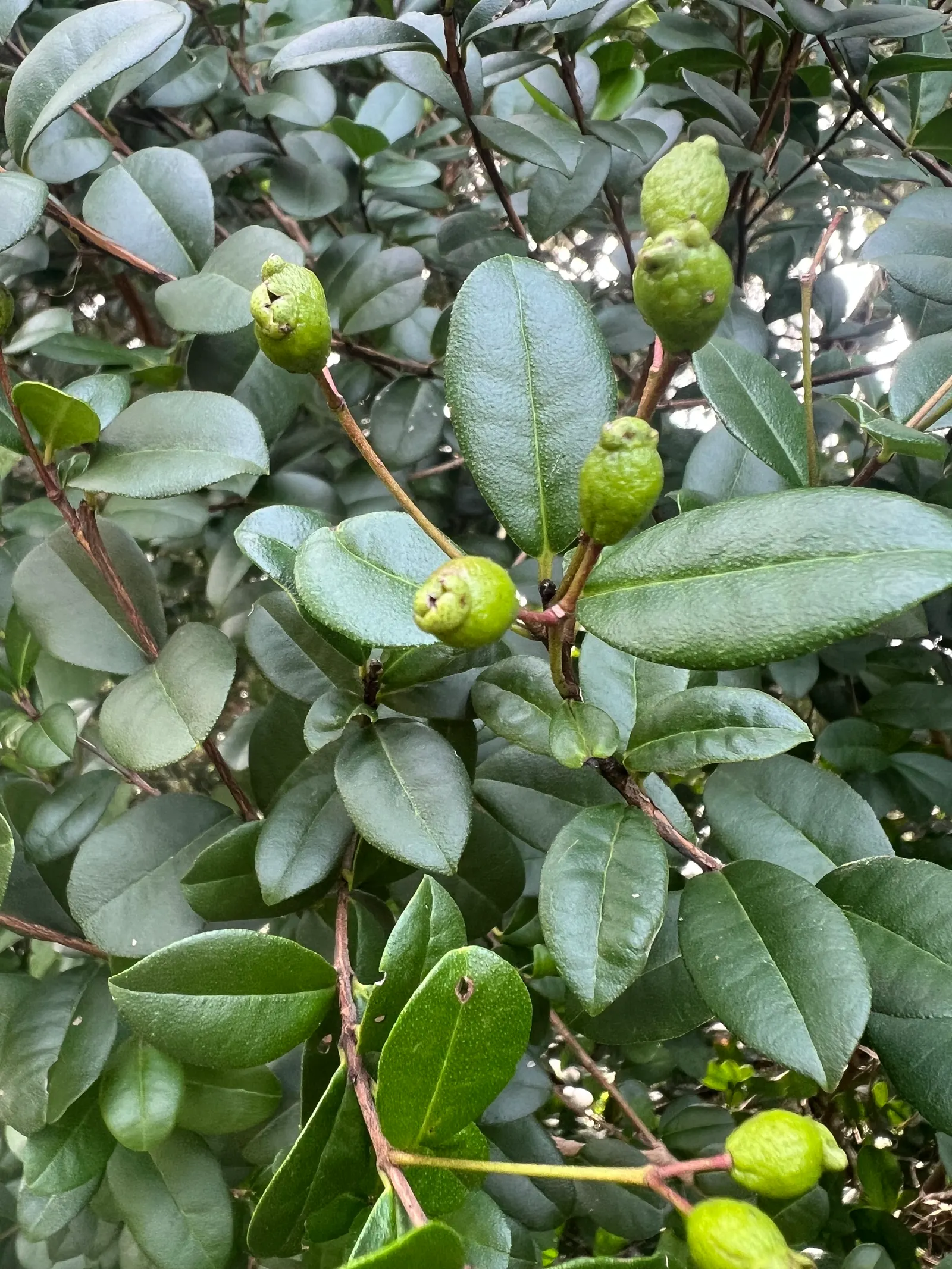
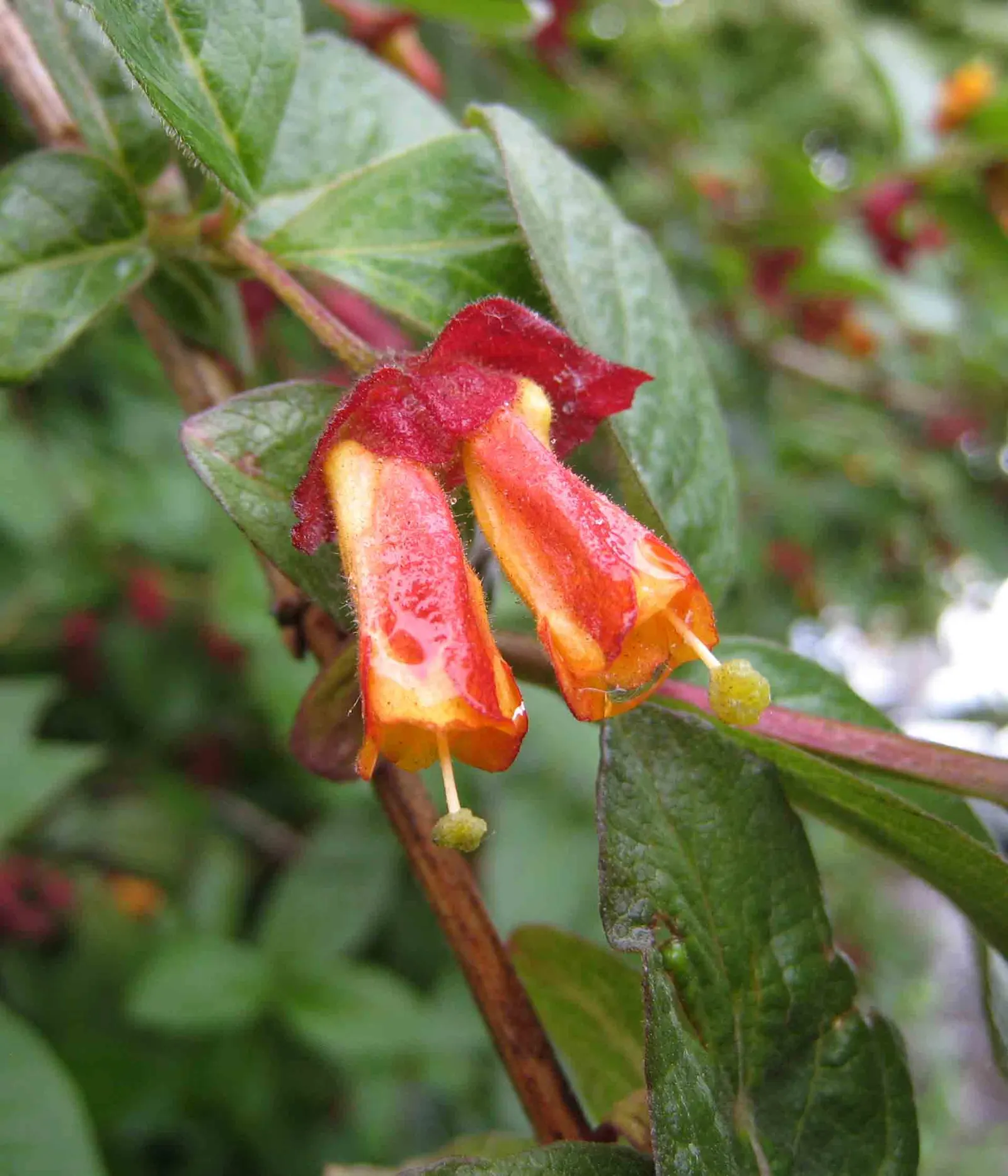
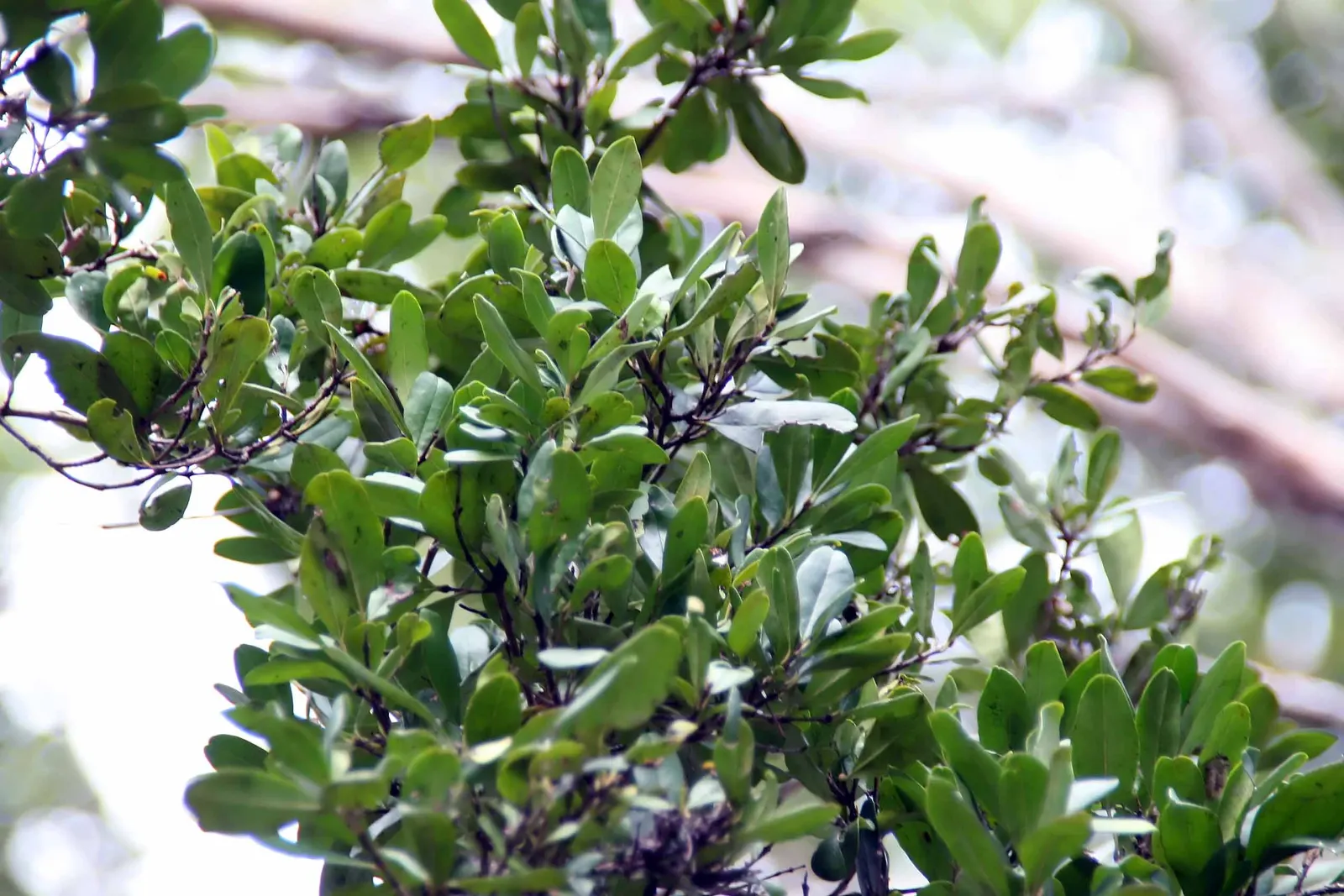
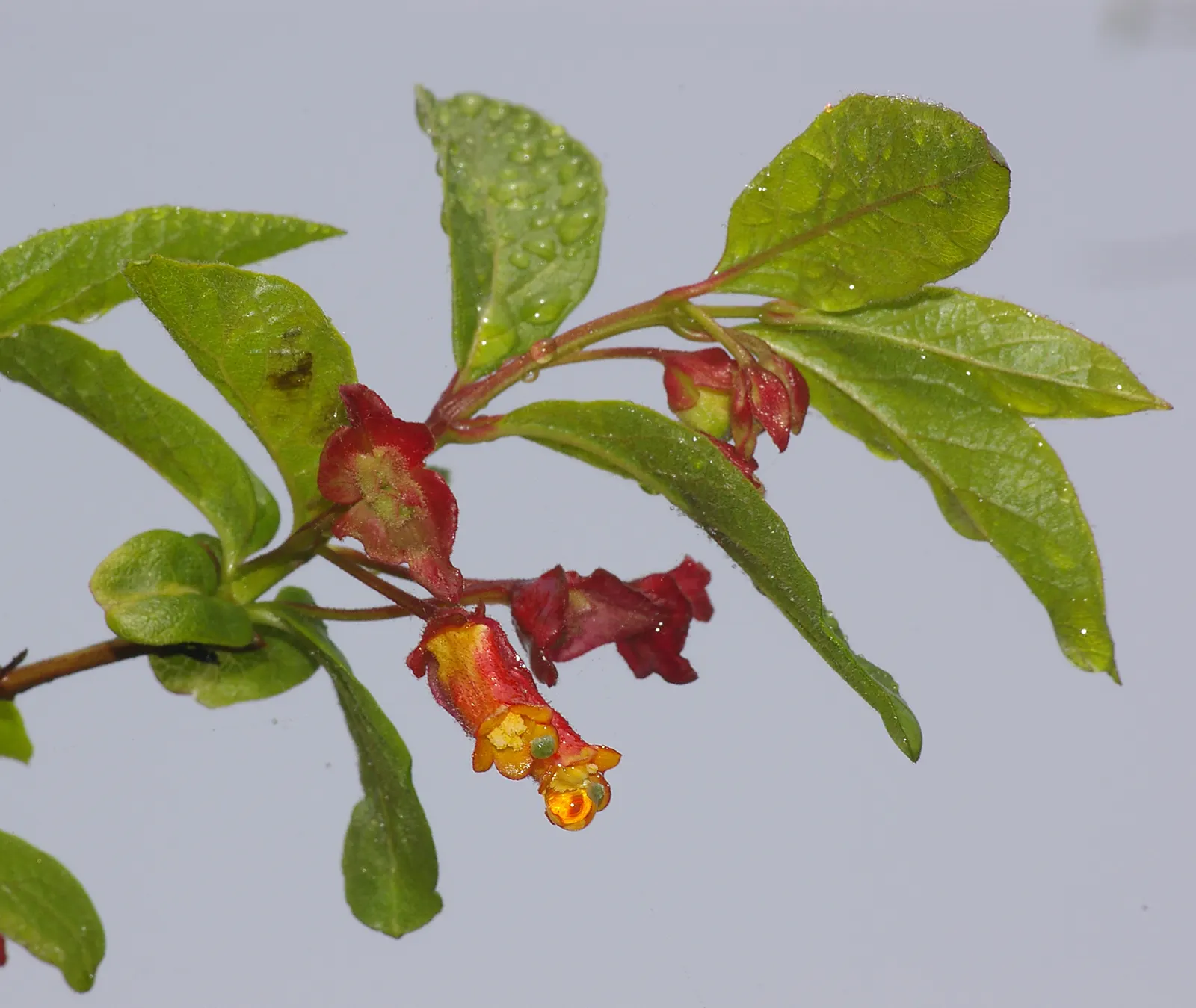
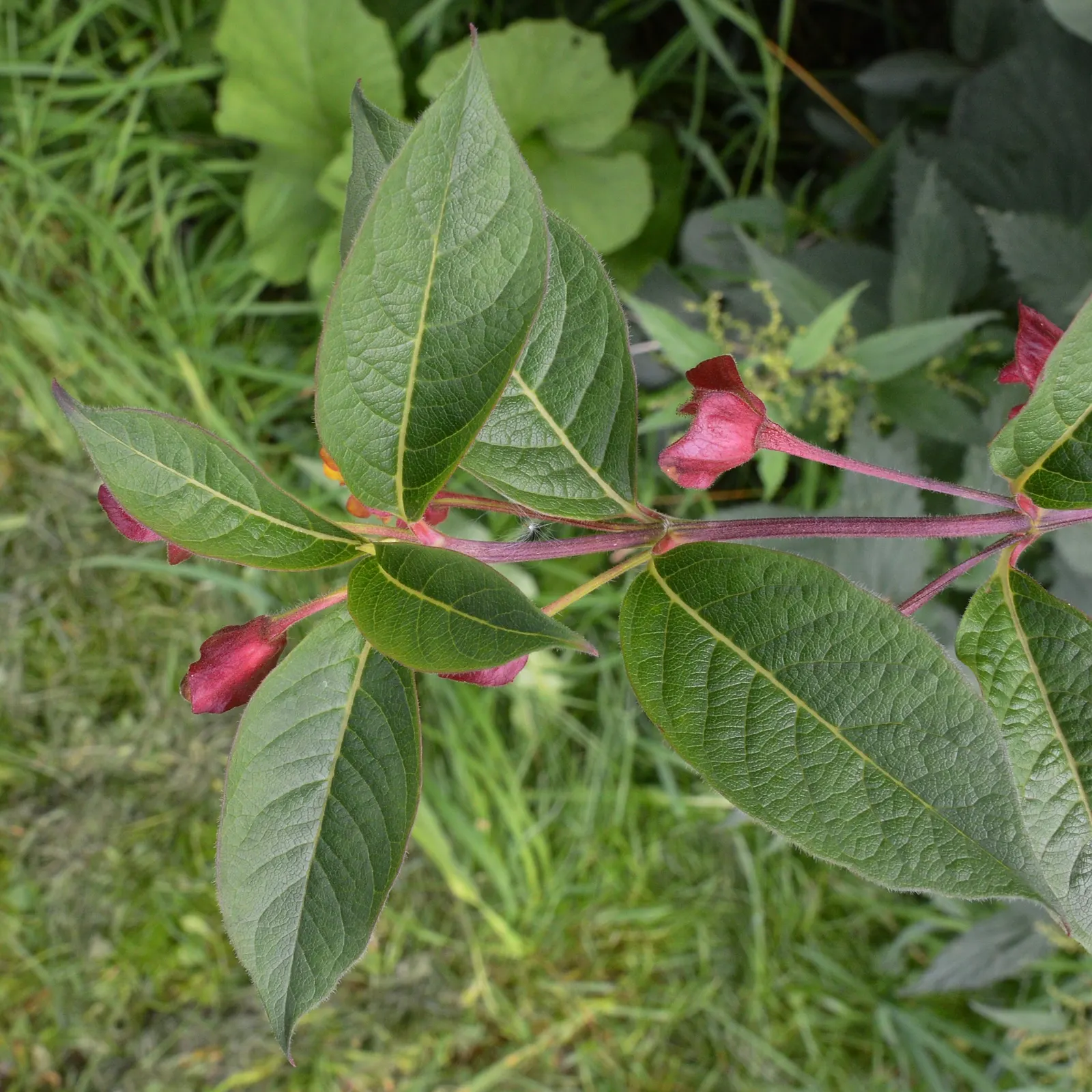
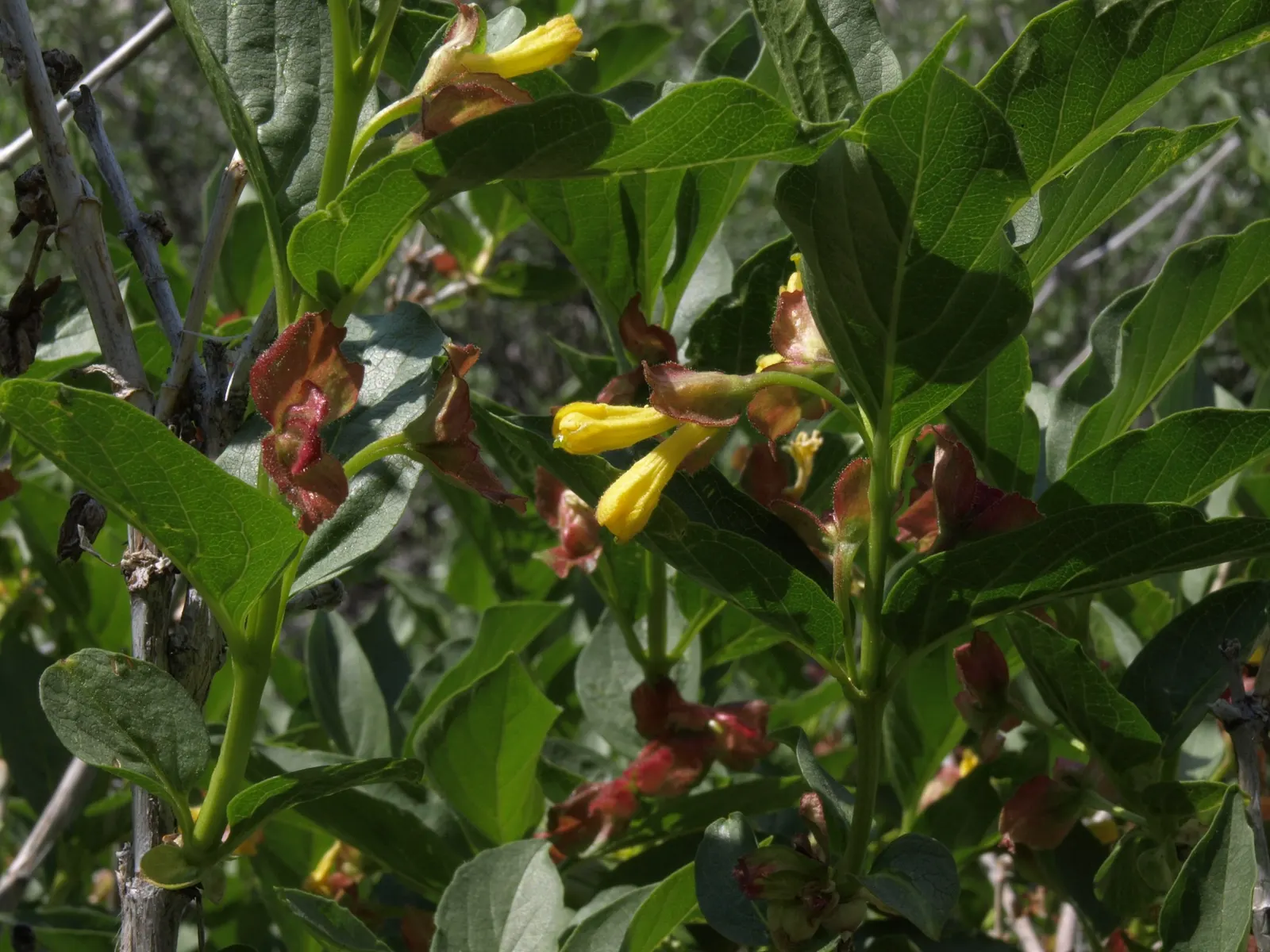
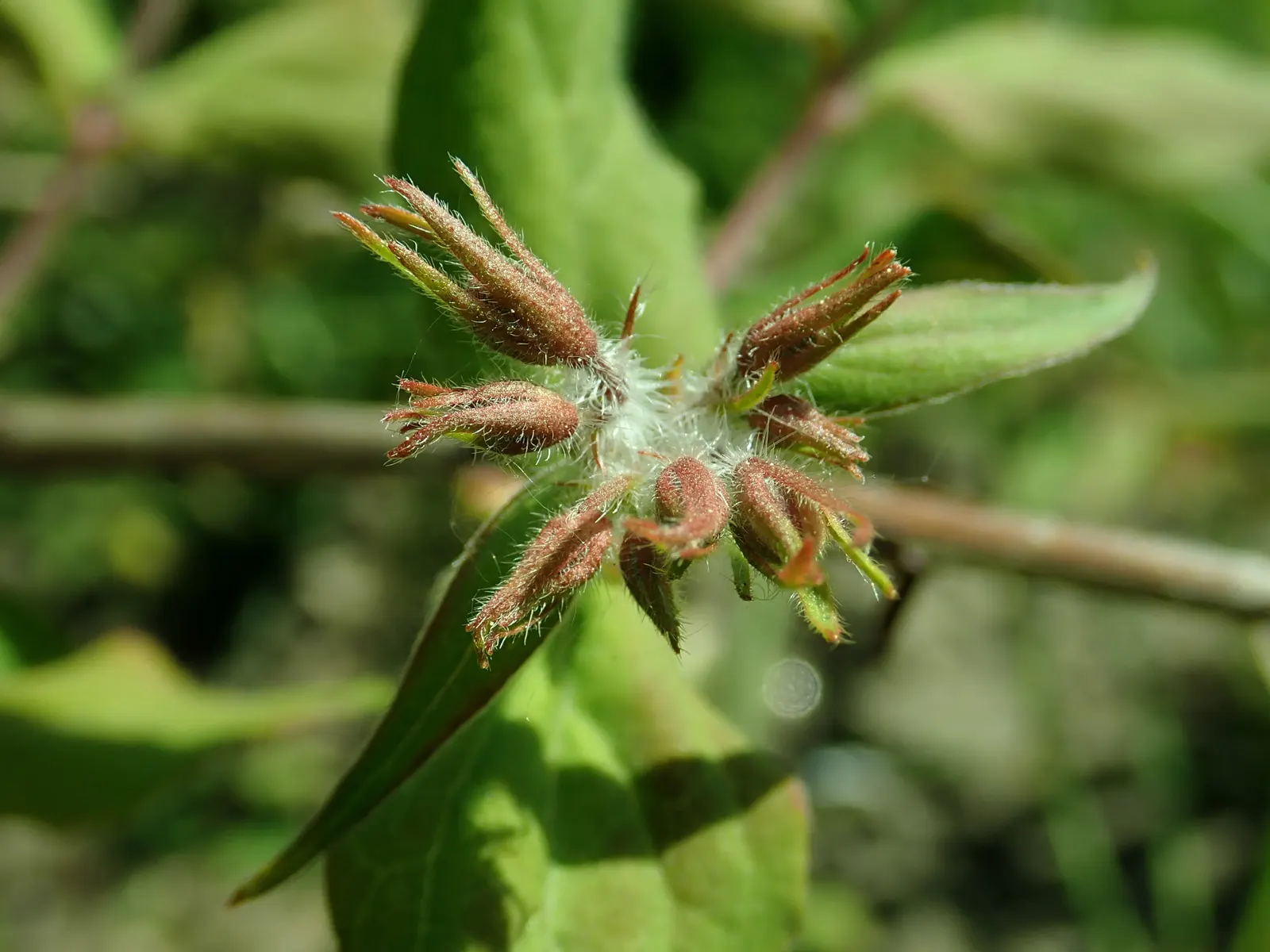
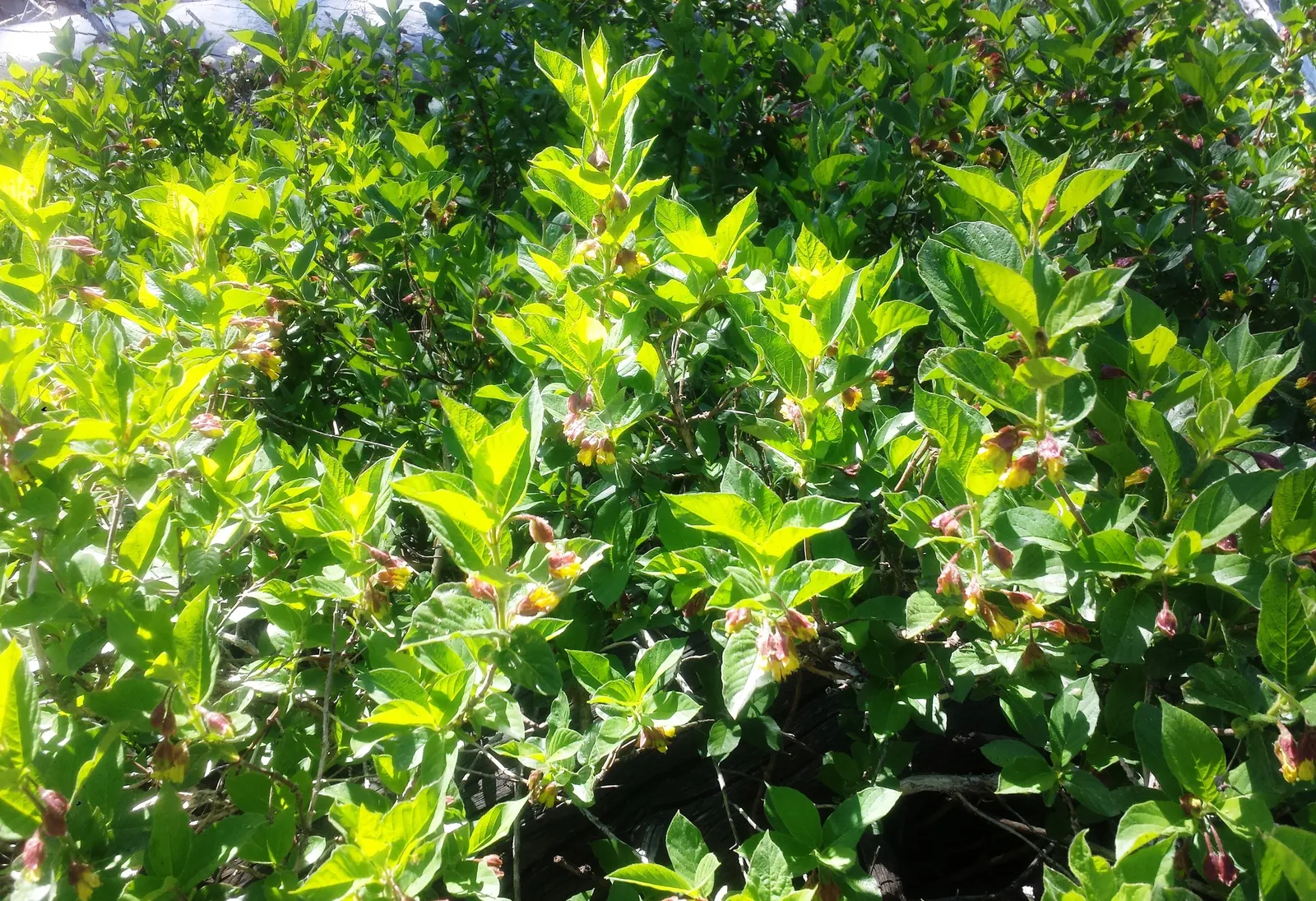
Twinberry (Lonicera involucrata) is a robust, deciduous shrub, growing to a height and spread of approximately 3-10 feet. Showcasing lance-shaped leaves and yellow flowers with bracts that mature to a distinctive blackish-purple, the plant is known for its pairs of berry-like fruit. It thrives in moist conditions across USDA zones 4-9, preferring partial to full sun. Ideal for wildlife gardens, its nectar-rich blooms attract pollinators, while berries entice birds.
Sun Full, HalfWater Extra in Summer, Low, MediumZones 4–10Climate Temperate
Twinberry (Lonicera Involucrata) — Ideal for wildlife gardens, its nectar-rich blooms attract pollinators, while berries entice birds

Culture

Sun
Full, Half
Water
Extra in Summer, Low, Medium
USDA zones
4–10

Shape & size

Classification

Family
Caprifoliaceae
Climate
Temperate

See full data, regional cultivation notes, full-resolution photos, and design tools. Build a client presentation around this plant.

Start your 14-day trial

Photos (102)

Twinberry (Lonicera Involucrata) — multi-colored and red and yellow flowers in the garden
Twinberry (Lonicera Involucrata) — shrub / vine with multi-colored and red and yellow blooms
Twinberry (Lonicera Involucrata) — Ideal for wildlife gardens, its nectar-rich blooms attract pollinators, while berries entice birds; the Twinberry serves as
Twinberry (Lonicera Involucrata) — tubular flowers which bloom in late spring to early summer; renowned for its pairs of deep yellow
Twinberry (Lonicera Involucrata) — the plant is a spectacle of color; its adaptability and moderate growth rate make it suitable for use as a shrub border
Twinberry (Lonicera Involucrata) — with each blossom nestled within a pair of distinctive purplish-black bracts; multi-colored and red and yellow flowers in
Twinberry (Lonicera Involucrata) — the plant is known for its pairs of berry-like fruit; growing to a height and spread of approximately 3-10 feet
Twinberry (Lonicera Involucrata) — It thrives in moist conditions across USDA zones 4-9, preferring partial to full sun; the plant is a spectacle of color
Twinberry (Lonicera Involucrata) — Renowned for its pairs of deep yellow; shrub / vine for full or half
Twinberry (Lonicera Involucrata) — these flowers give way to glossy; it thrives in moist conditions across USDA zones 4-9, preferring partial to full sun
Twinberry (Lonicera Involucrata) — the Twinberry can thrive in USDA Hardiness Zones 4-9, image 35
Twinberry (Lonicera Involucrata) — It prefers moist, well-drained soils and can tolerate a variety of conditions, from full sun to part shade; gardeners should
Twinberry (Lonicera Involucrata) — Its adaptability and moderate growth rate make it suitable for use as a shrub border; showcasing lance-shaped leaves and
Twinberry (Lonicera Involucrata) — where its erosion control properties are beneficial along streambanks and slopes.<br><br>Importantly; with each blossom
Twinberry (Lonicera Involucrata) — the Twinberry serves as an attractive source of nectar for hummingbirds and butterflies; while its berries provide
Twinberry (Lonicera Involucrata) — cementing its value in a biodiversity-focused landscape; tubular flowers which bloom in late spring to early summer
Twinberry (Lonicera Involucrata) — while its berries provide nourishment for birds; twinberry (Lonicera involucrata) is a robust
Twinberry (Lonicera Involucrata) — Gardeners should be advised to wear gloves when handling the plant; where its erosion control properties are beneficial
Twinberry (Lonicera Involucrata) — as its berries are considered inedible for humans; shrub / vine with multi-colored and red and yellow blooms
Twinberry (Lonicera Involucrata) — multi-colored and red and yellow flowers in the garden; ideal for wildlife gardens, its nectar-rich blooms attract
Twinberry (Lonicera Involucrata) — shrub / vine with multi-colored and red and yellow blooms; it prefers moist, well-drained soils and can tolerate a variety
Twinberry (Lonicera Involucrata) — shrub / vine for full or half; as its berries are considered inedible for humans
Twinberry (Lonicera Involucrata) — Twinberry (Lonicera involucrata) is a robust; the plant is known for its pairs of berry-like fruit, image 47
Twinberry (Lonicera Involucrata) — Ideal for wildlife gardens, its nectar-rich blooms attract pollinators, while berries entice birds; the, image 52

Related plants