Skip to content

Twinberry

Lonicera Involucrata

Design with this plant

Overview

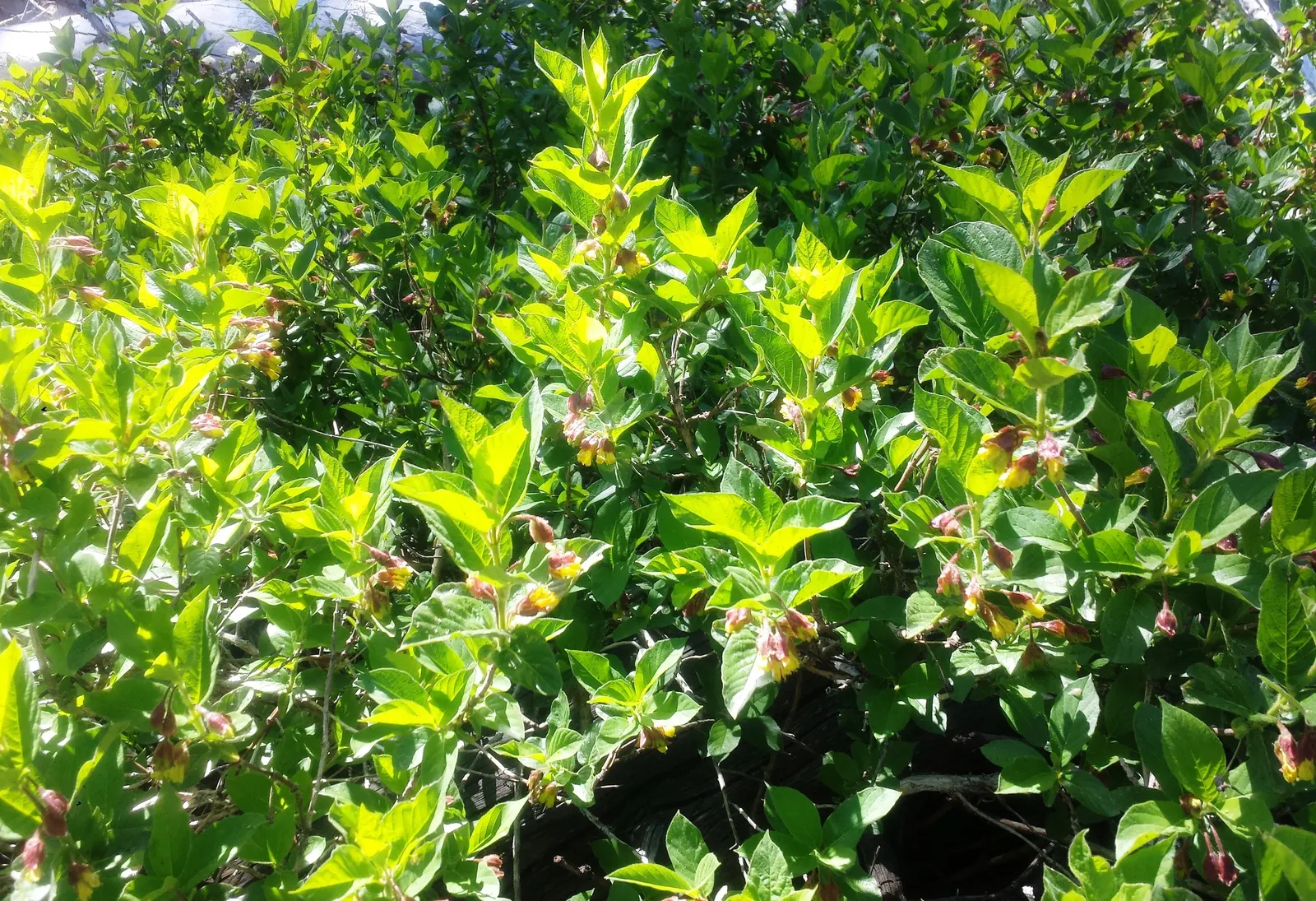
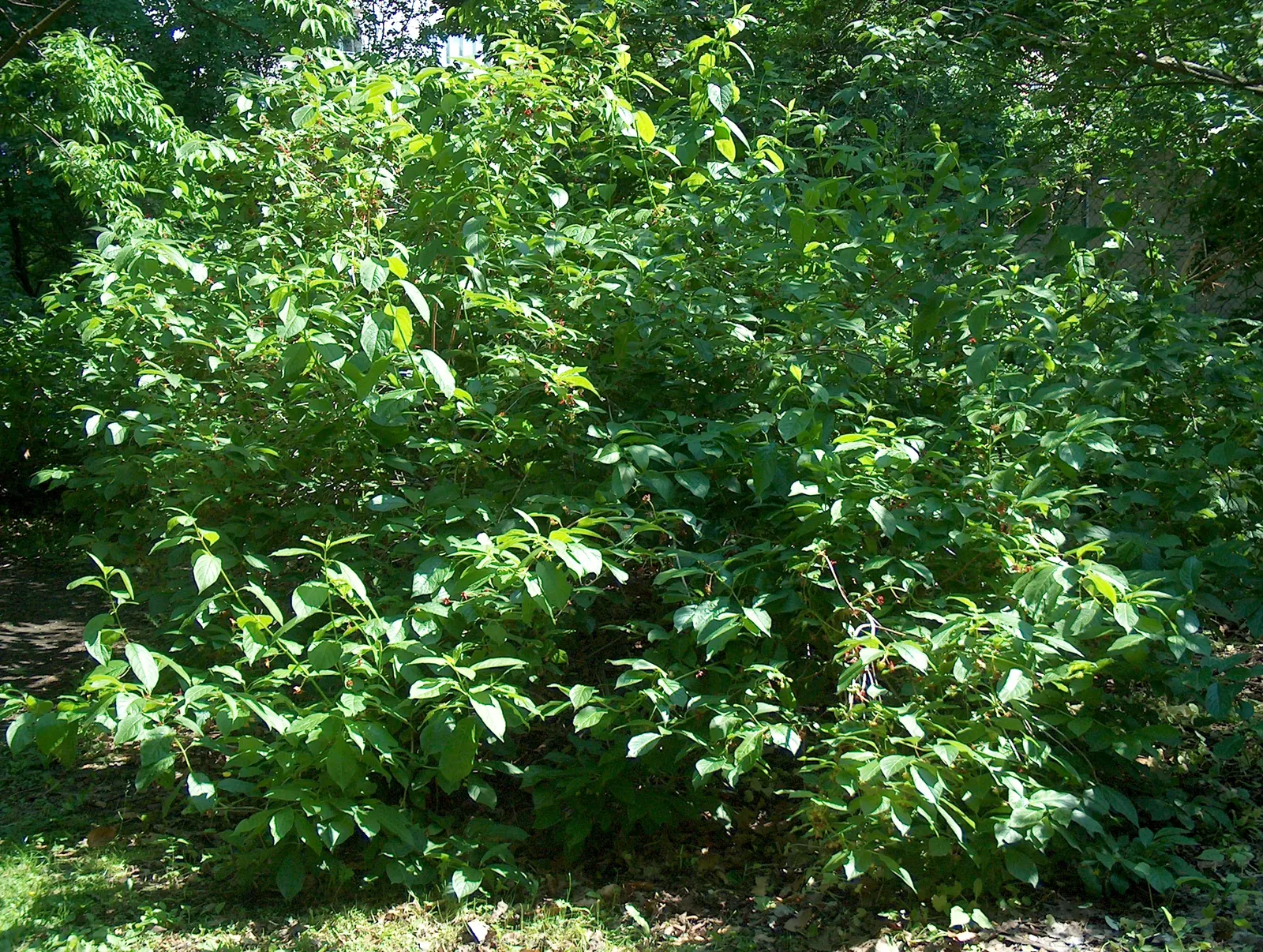
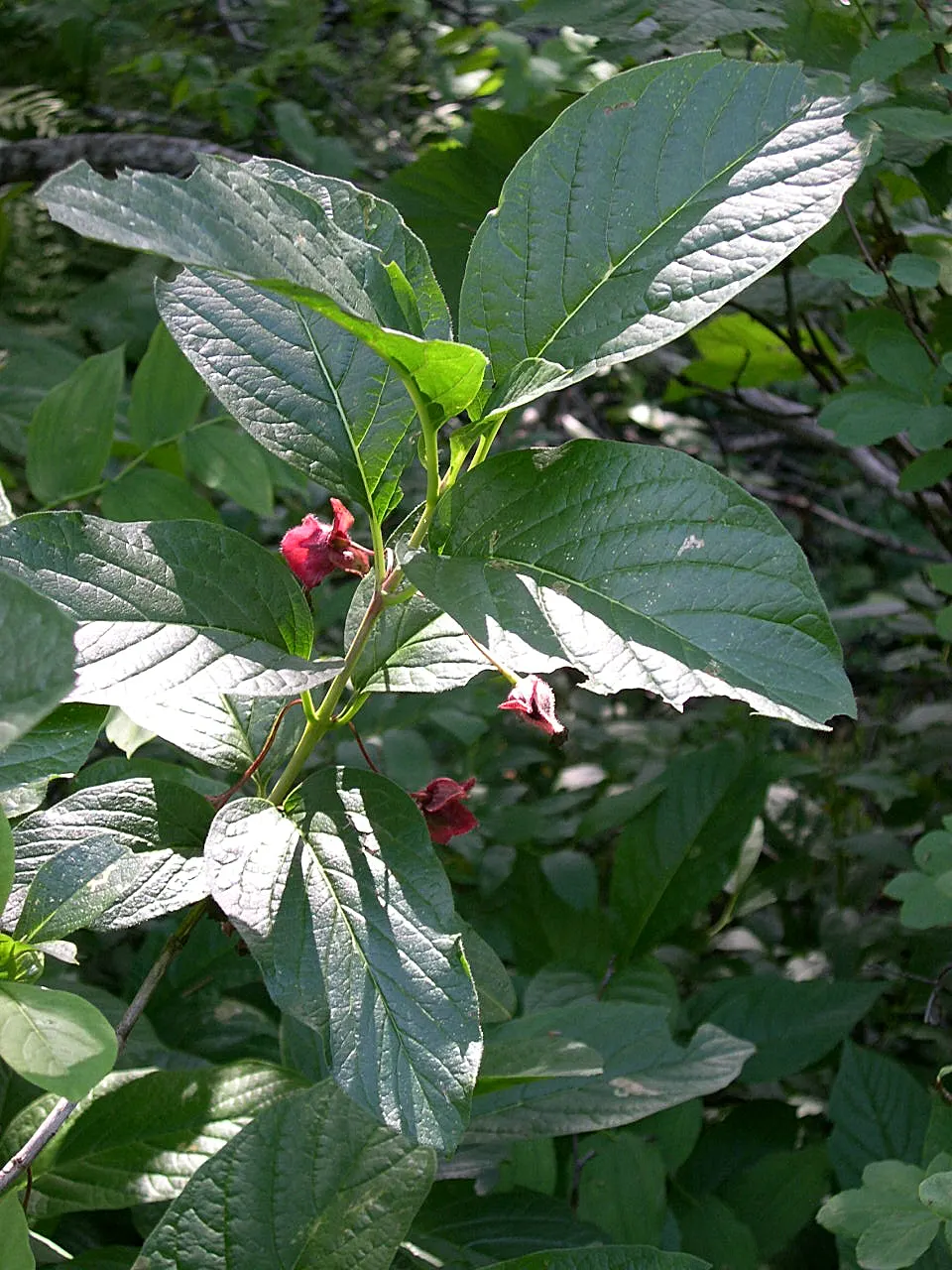
Twinberry (Lonicera involucrata) is a robust, deciduous shrub, growing to a height and spread of approximately 3-10 feet. Showcasing lance-shaped leaves and yellow flowers with bracts that mature to a distinctive blackish-purple, the plant is known for its pairs of berry-like fruit. It thrives in moist conditions across USDA zones 4-9, preferring partial to full sun. Ideal for wildlife gardens, its nectar-rich blooms attract pollinators, while berries entice birds.

Sun Full, HalfWater Extra in Summer, Low, MediumZones 4–10Type Shrub, VineClimate Temperate

Culture

Sun
Full, Half
Water
Extra in Summer, Low, Medium
USDA zones
4–10

Shape & size

Classification

Type
Shrub, Vine
Family
Caprifoliaceae
Climate
Temperate

See full data, regional cultivation notes, and design tools. Build a client presentation around this plant.

Start your 14-day trial

Photos (122)

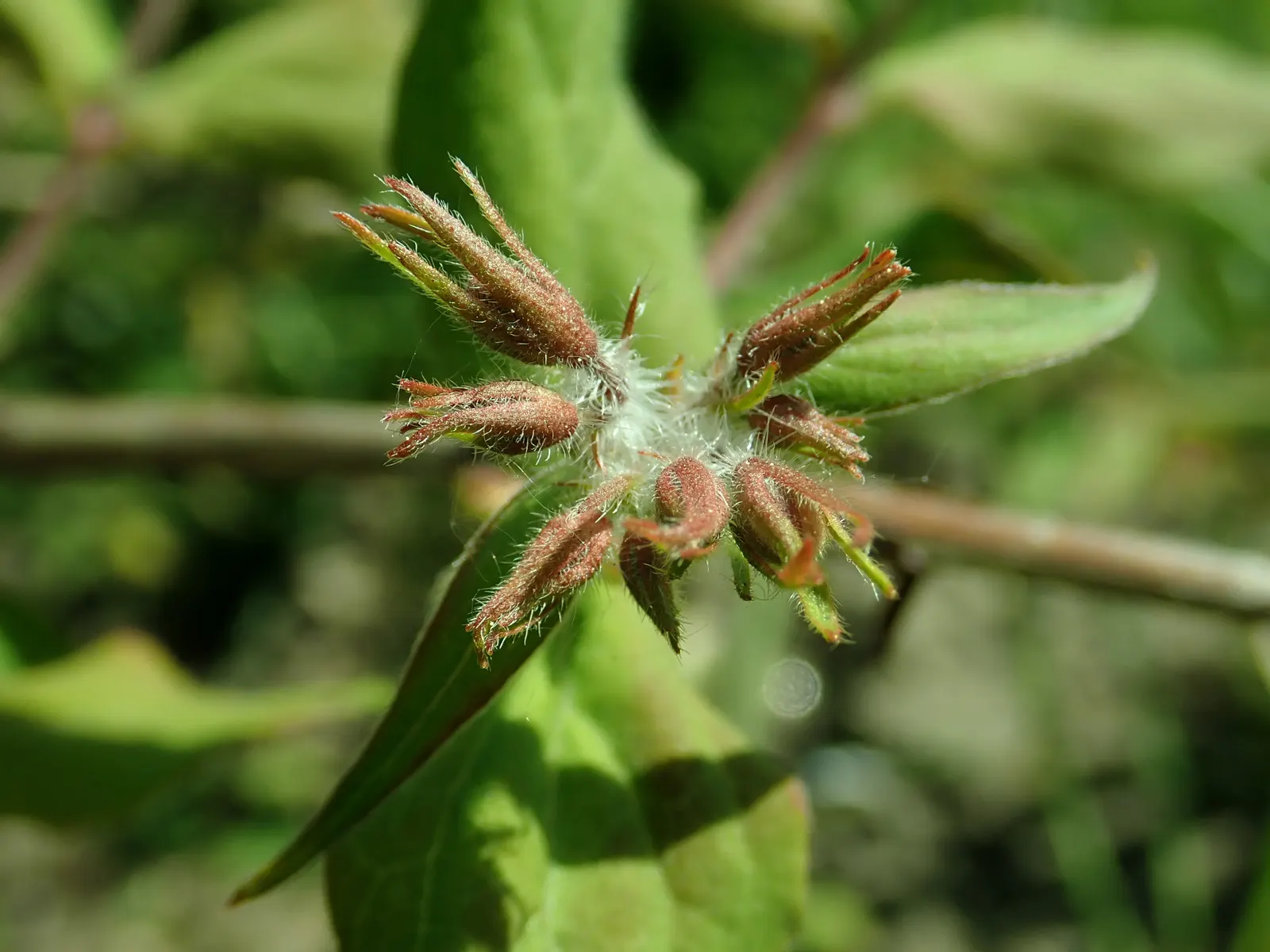
Twinberry (Lonicera Involucrata) — the Twinberry can thrive in USDA Hardiness Zones 4-9, image 35
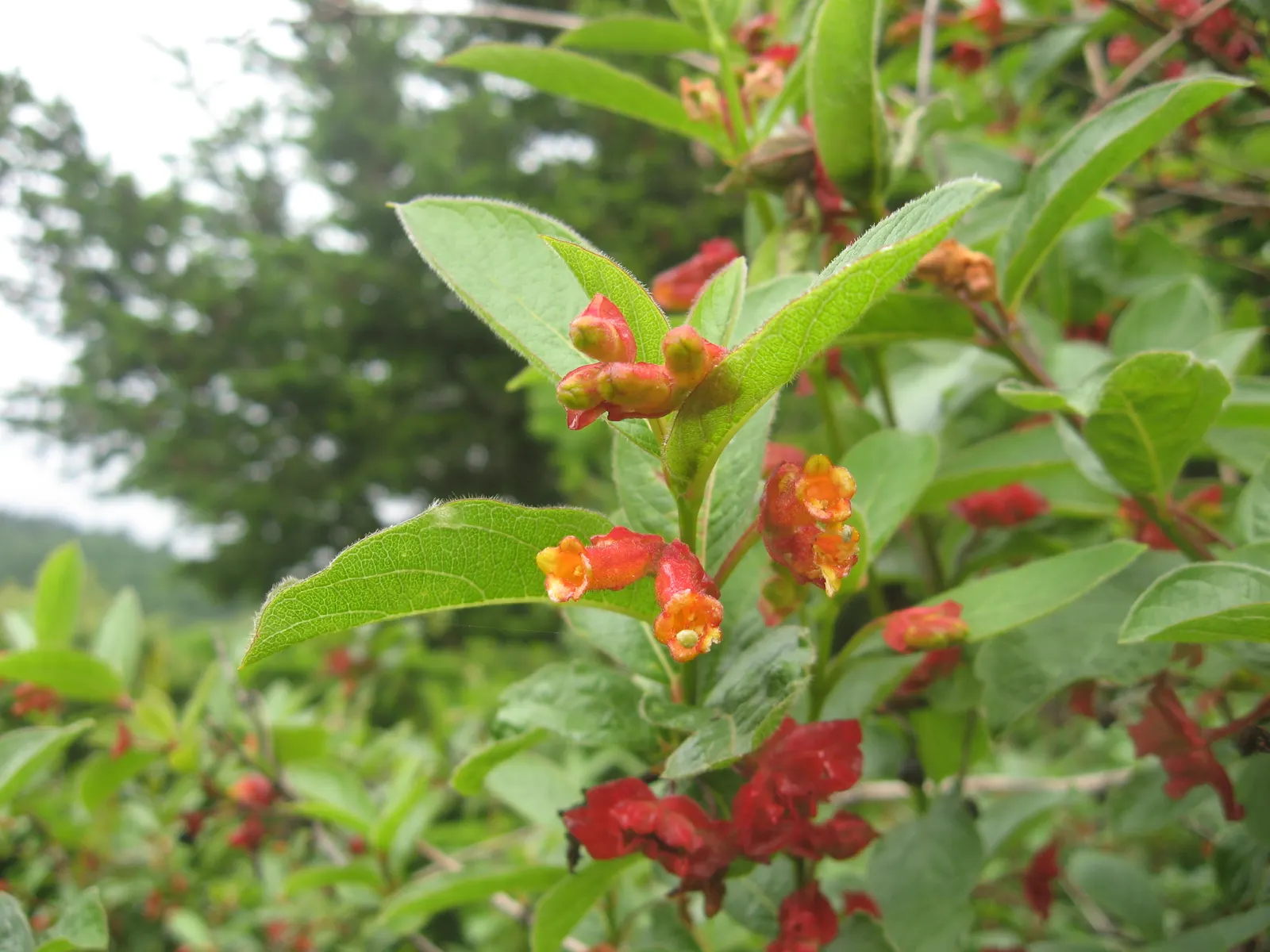
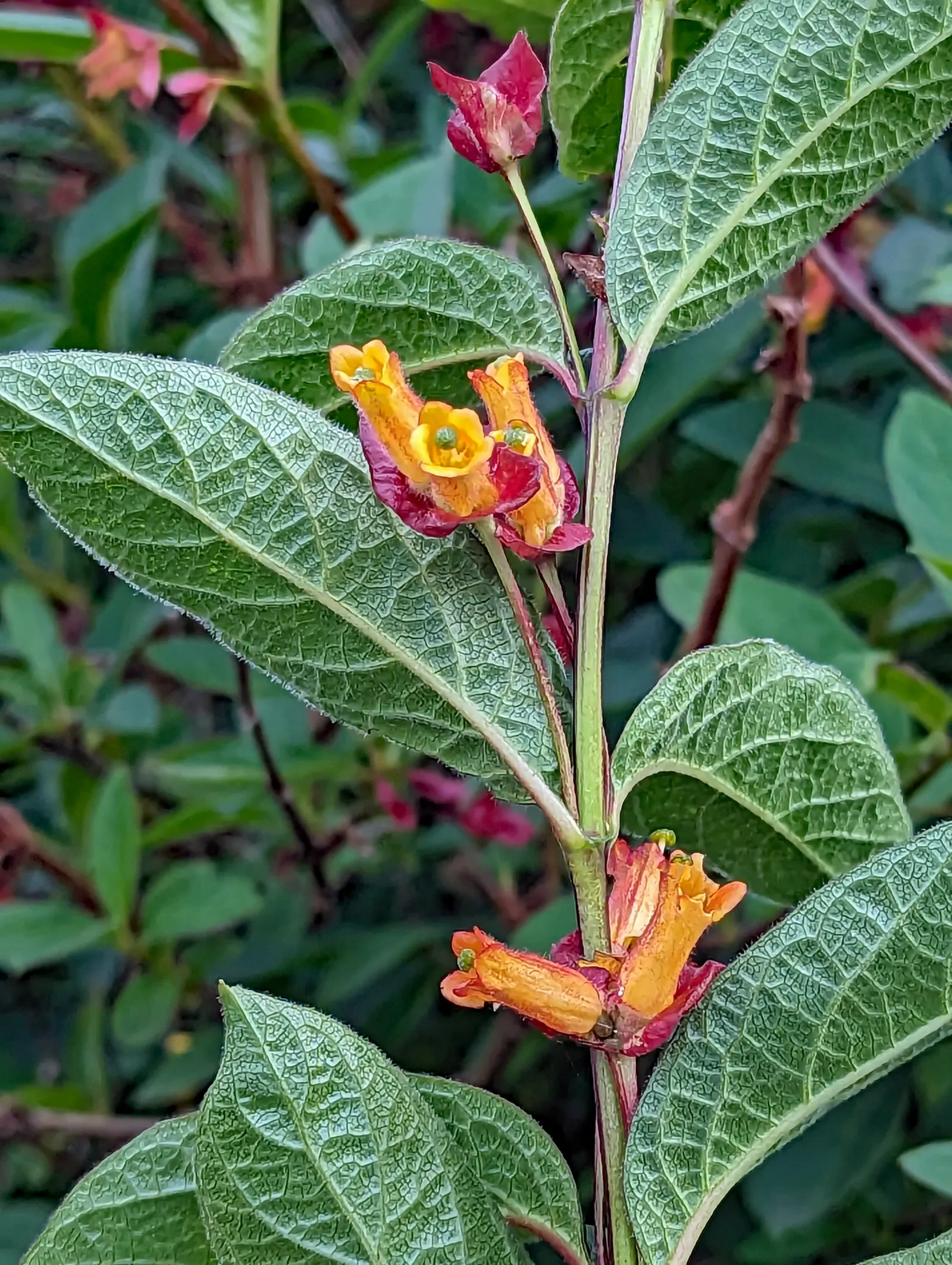
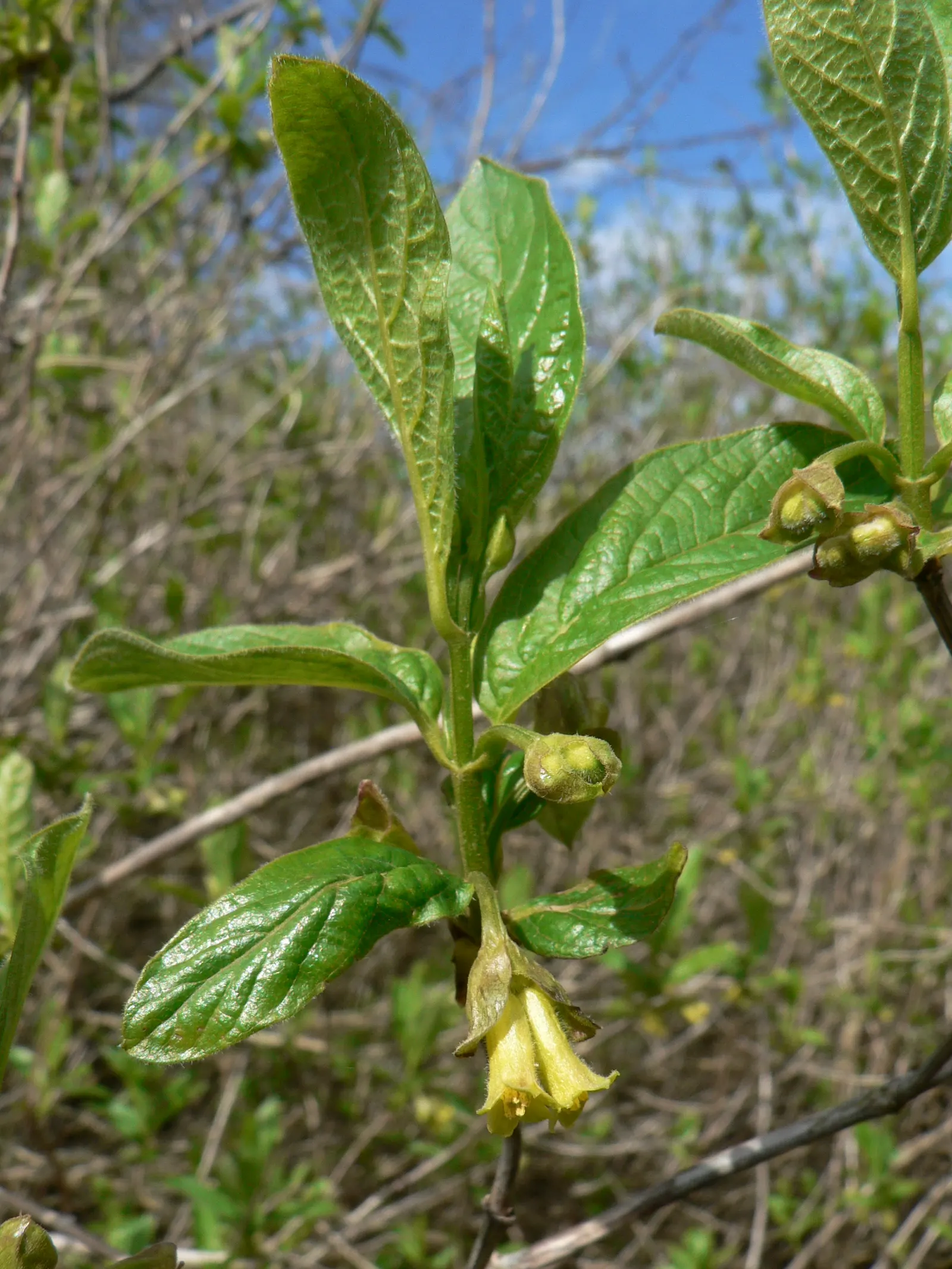
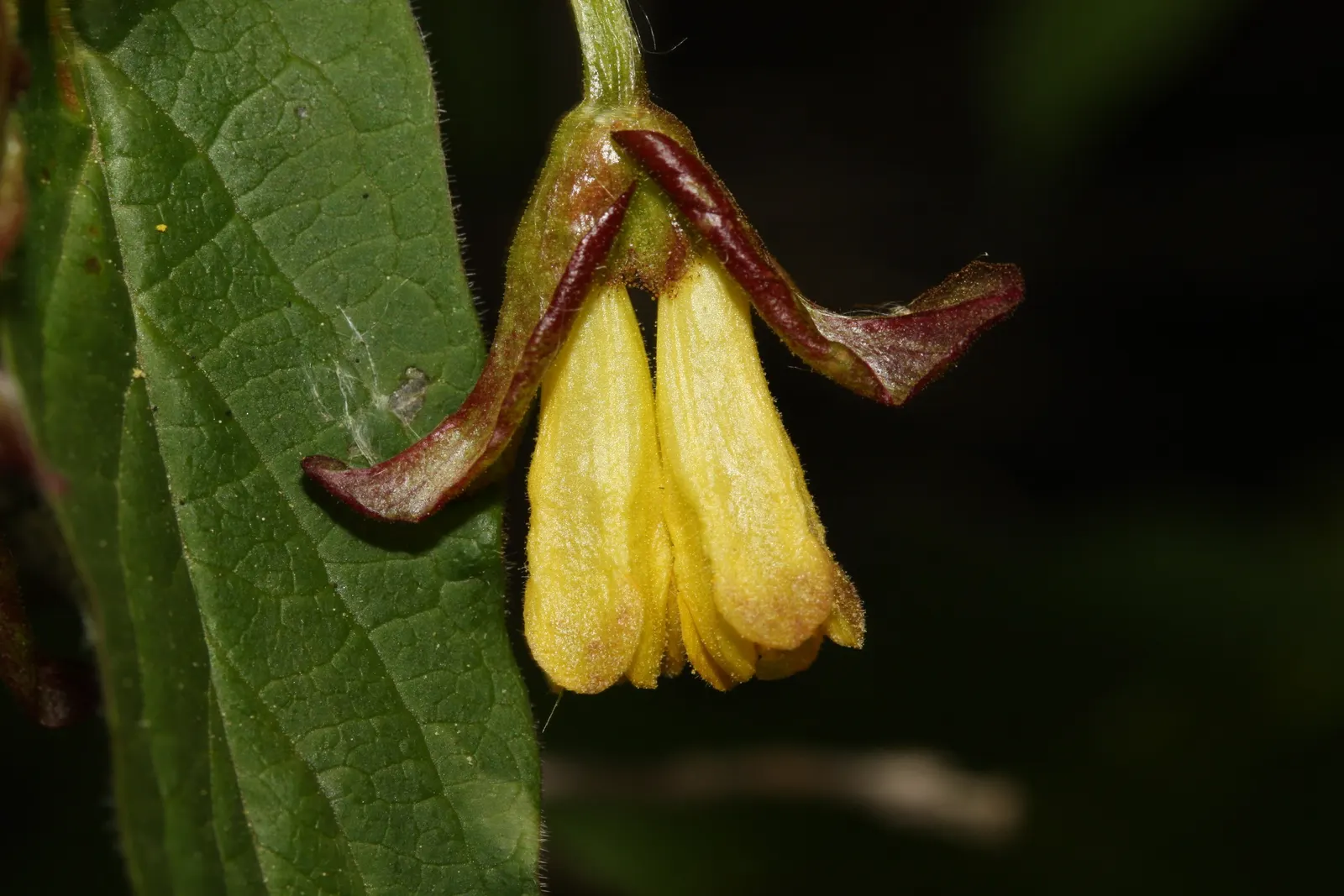
Twinberry (Lonicera Involucrata) — Showcasing lance-shaped leaves and yellow flowers with bracts that mature to a distinctive blackish-purple; cementing its
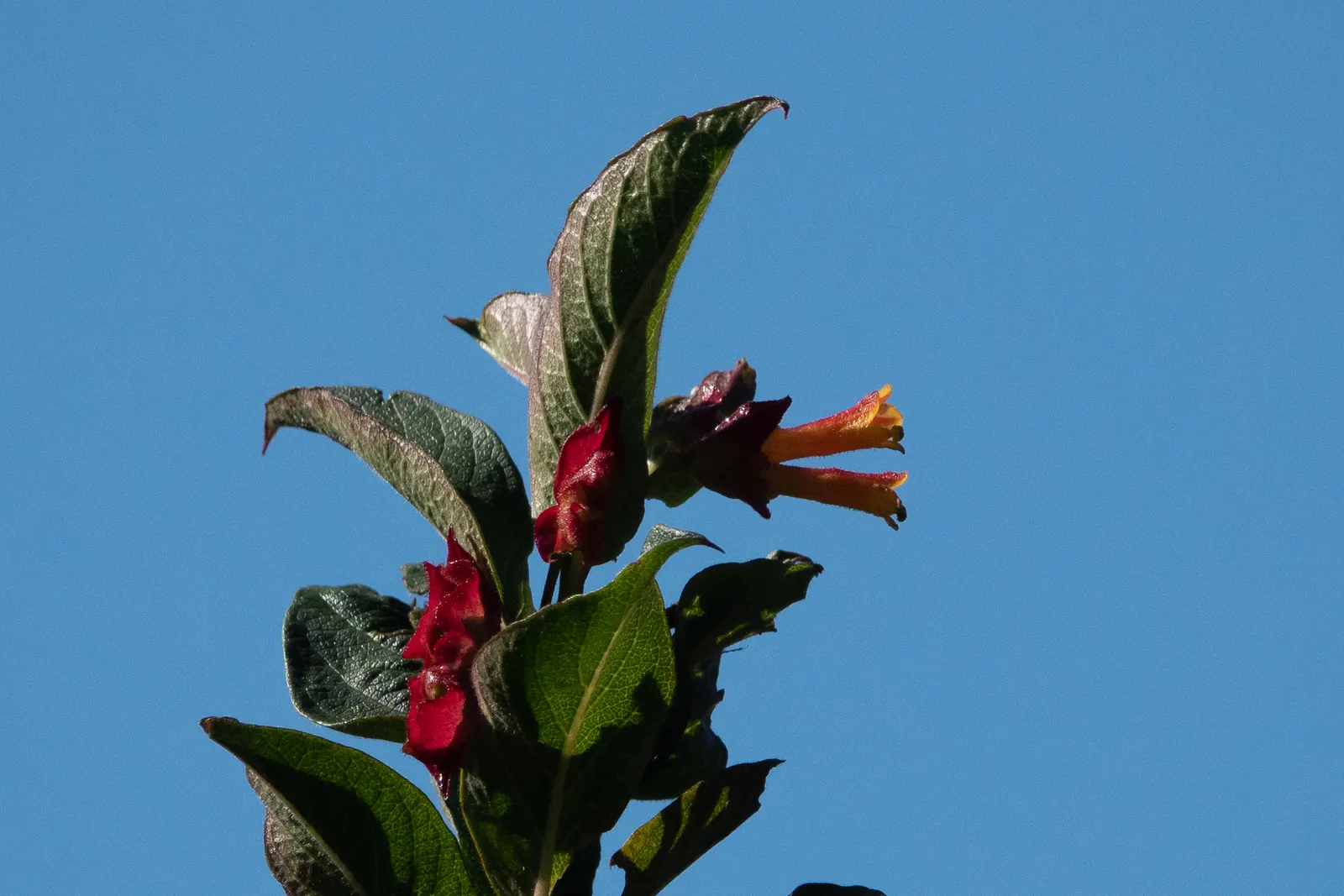
Twinberry (Lonicera Involucrata) — the plant is a spectacle of color; its adaptability and moderate growth rate make it suitable for use as a shrub, image 78
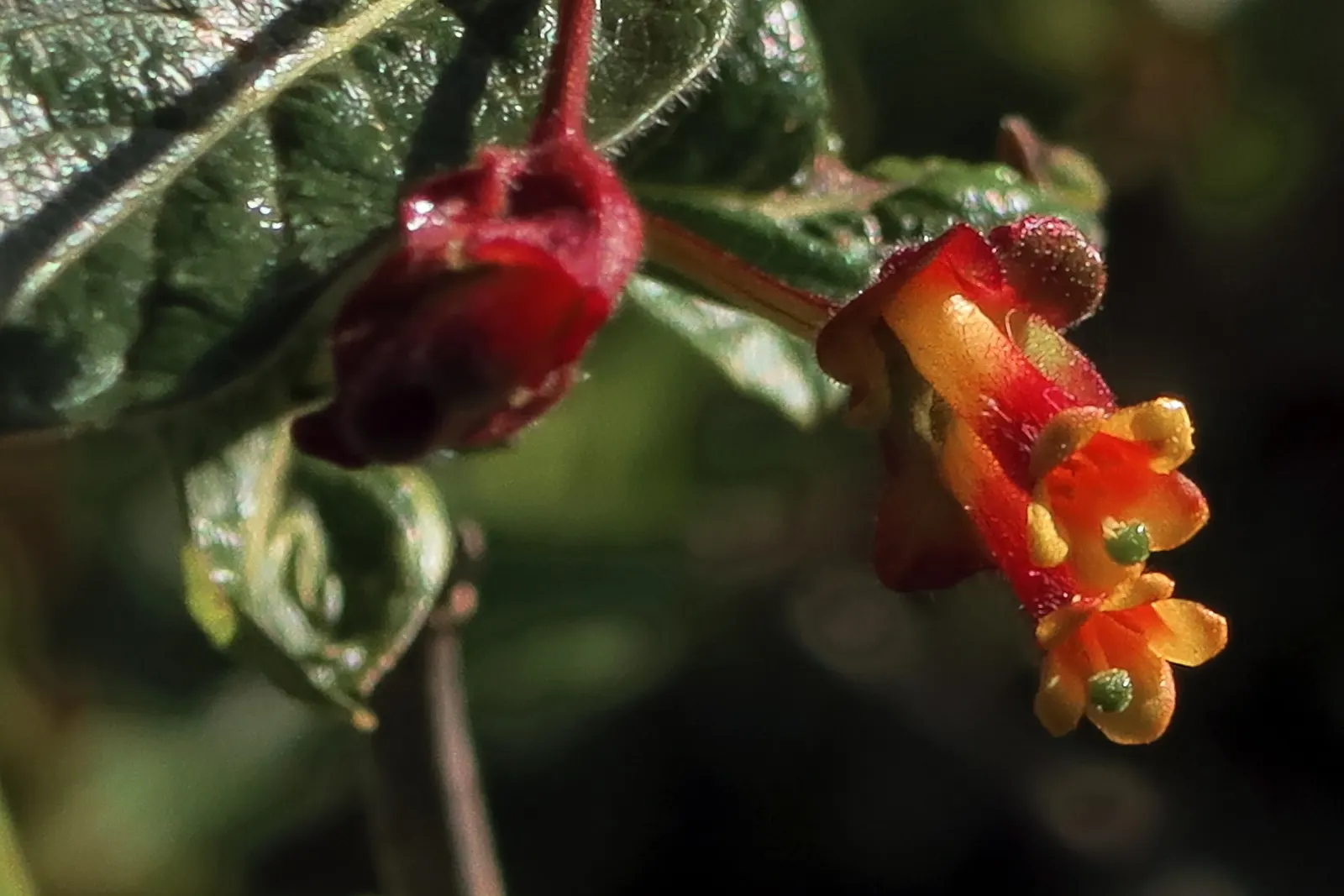
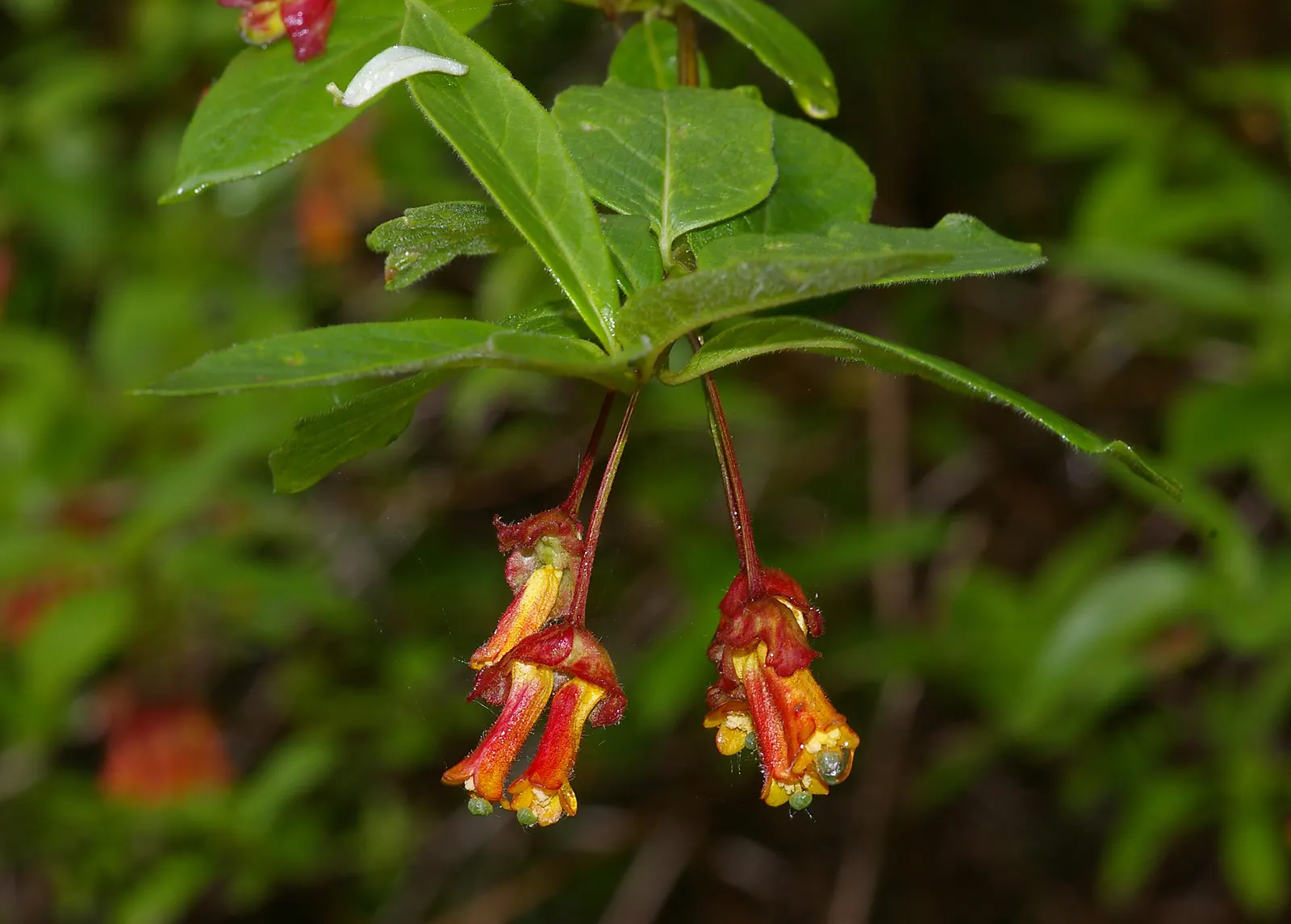
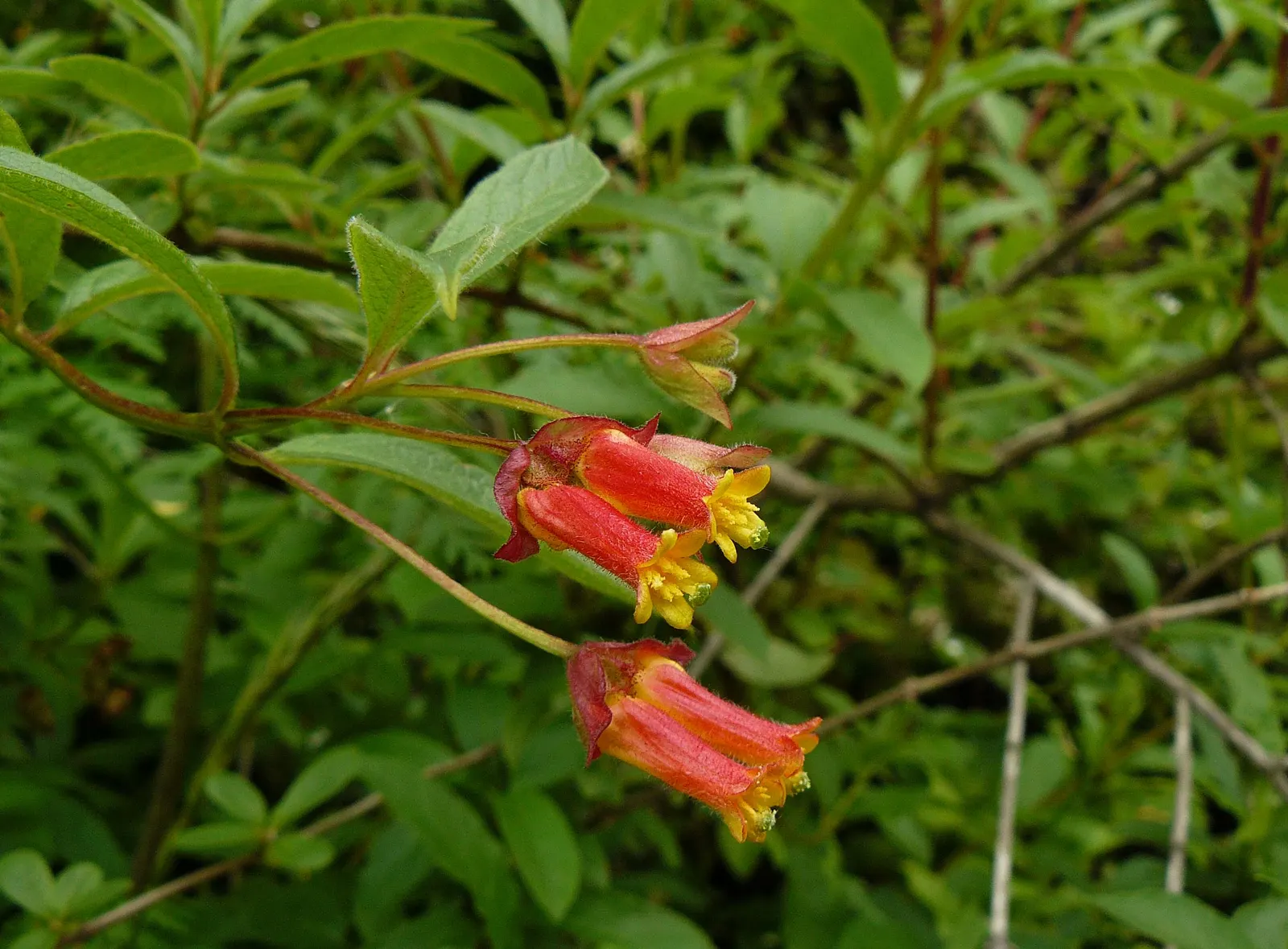
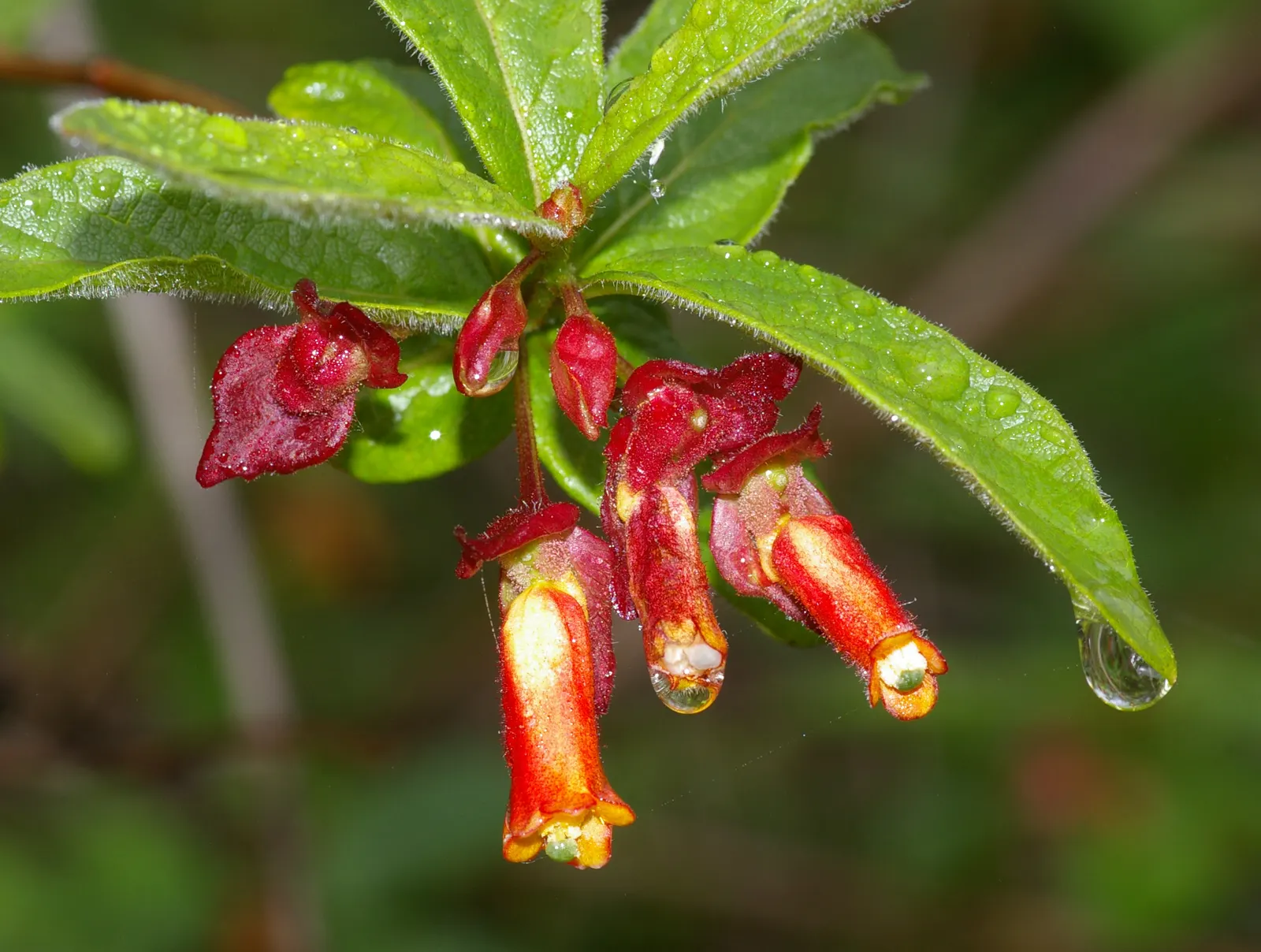
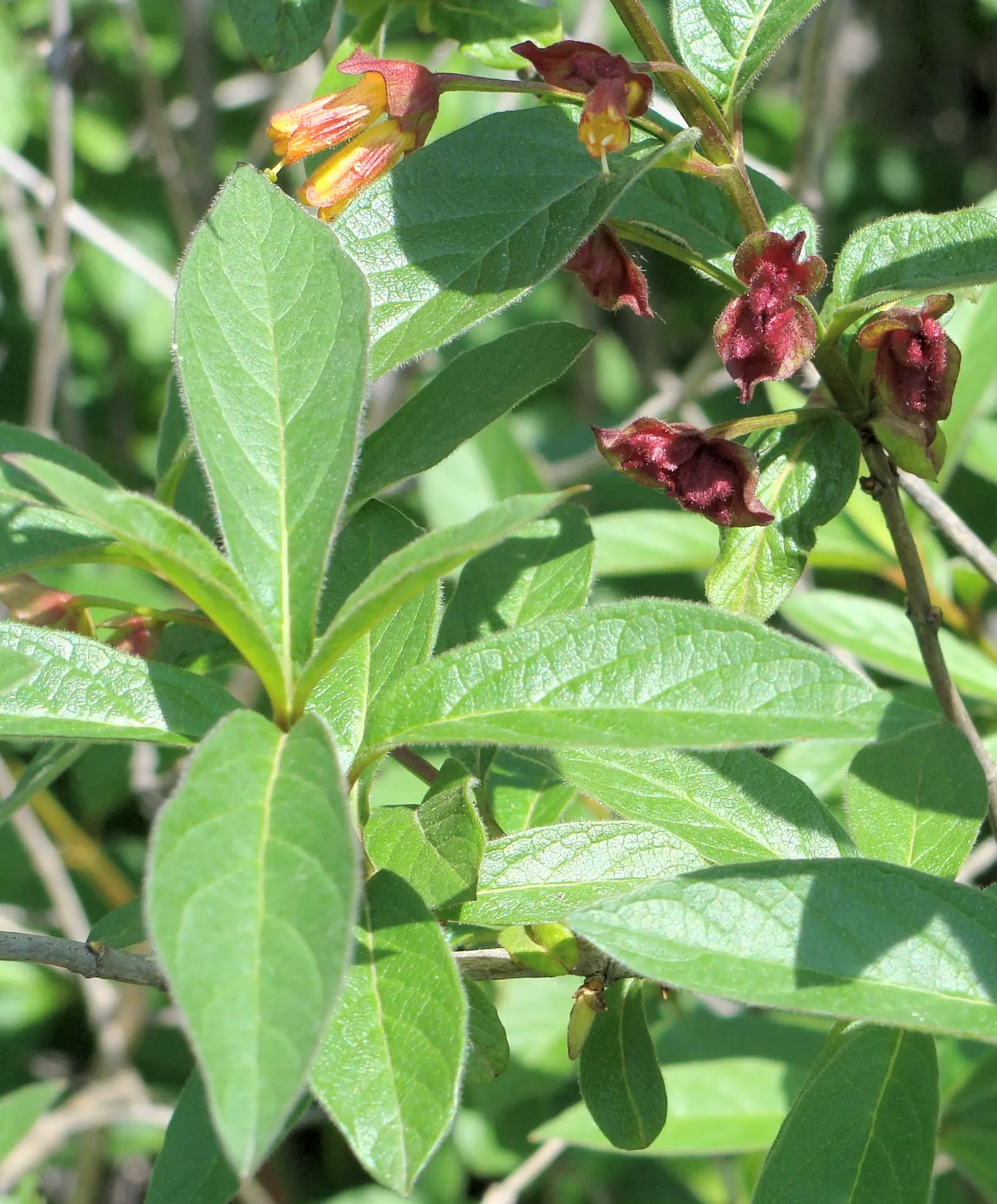
Twinberry (Lonicera Involucrata) — with each blossom nestled within a pair of distinctive purplish-black bracts; multi-colored and red and yellow, image 79
Twinberry (Lonicera Involucrata) — Ideal for wildlife gardens, its nectar-rich blooms attract pollinators, while berries entice birds; the, image 98
Twinberry (Lonicera Involucrata) — Its adaptability and moderate growth rate make it suitable for use as a shrub border; showcasing lance-shaped, image 83
Twinberry (Lonicera Involucrata) — shrub / vine for full or half; as its berries are considered inedible for humans, image 69
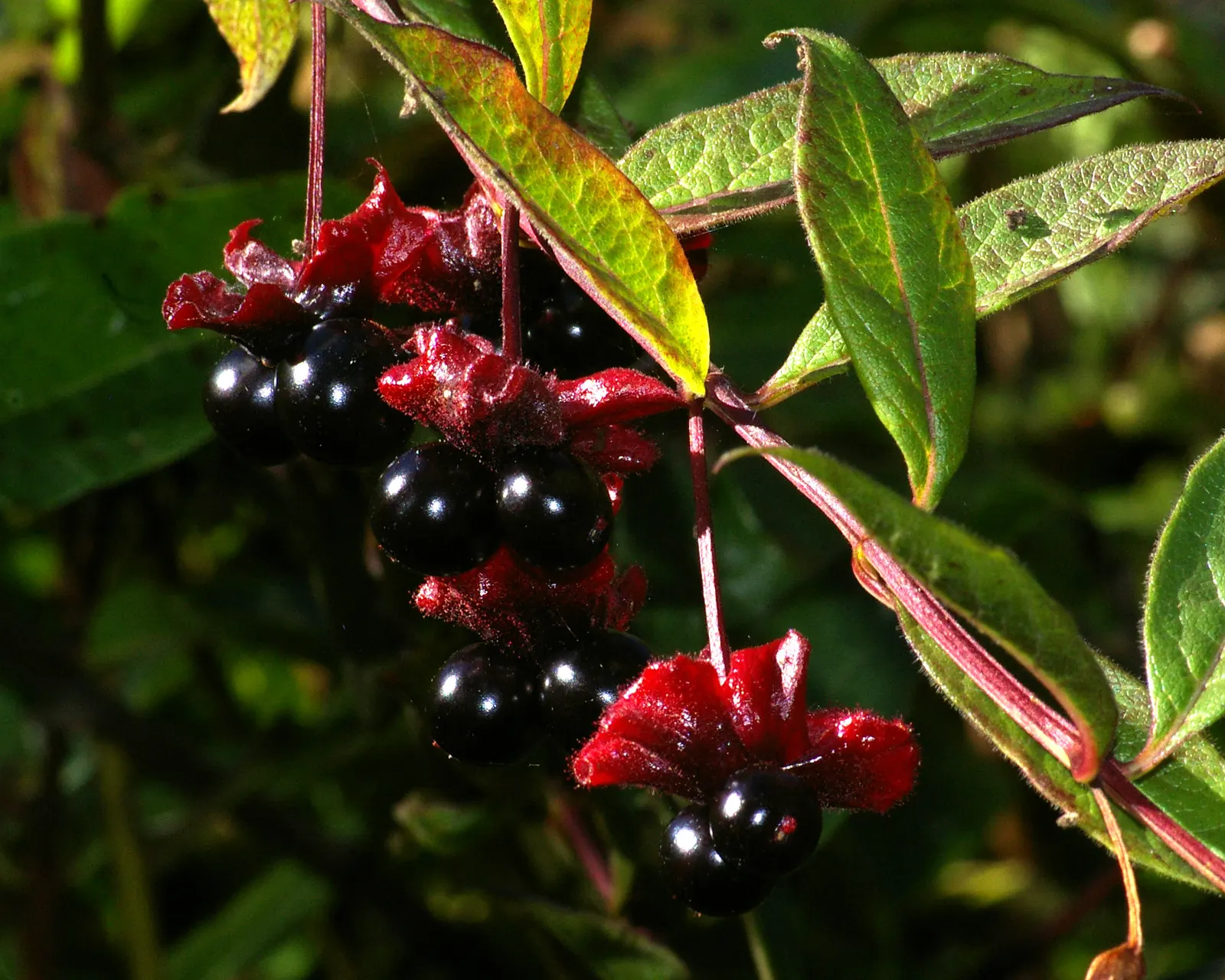
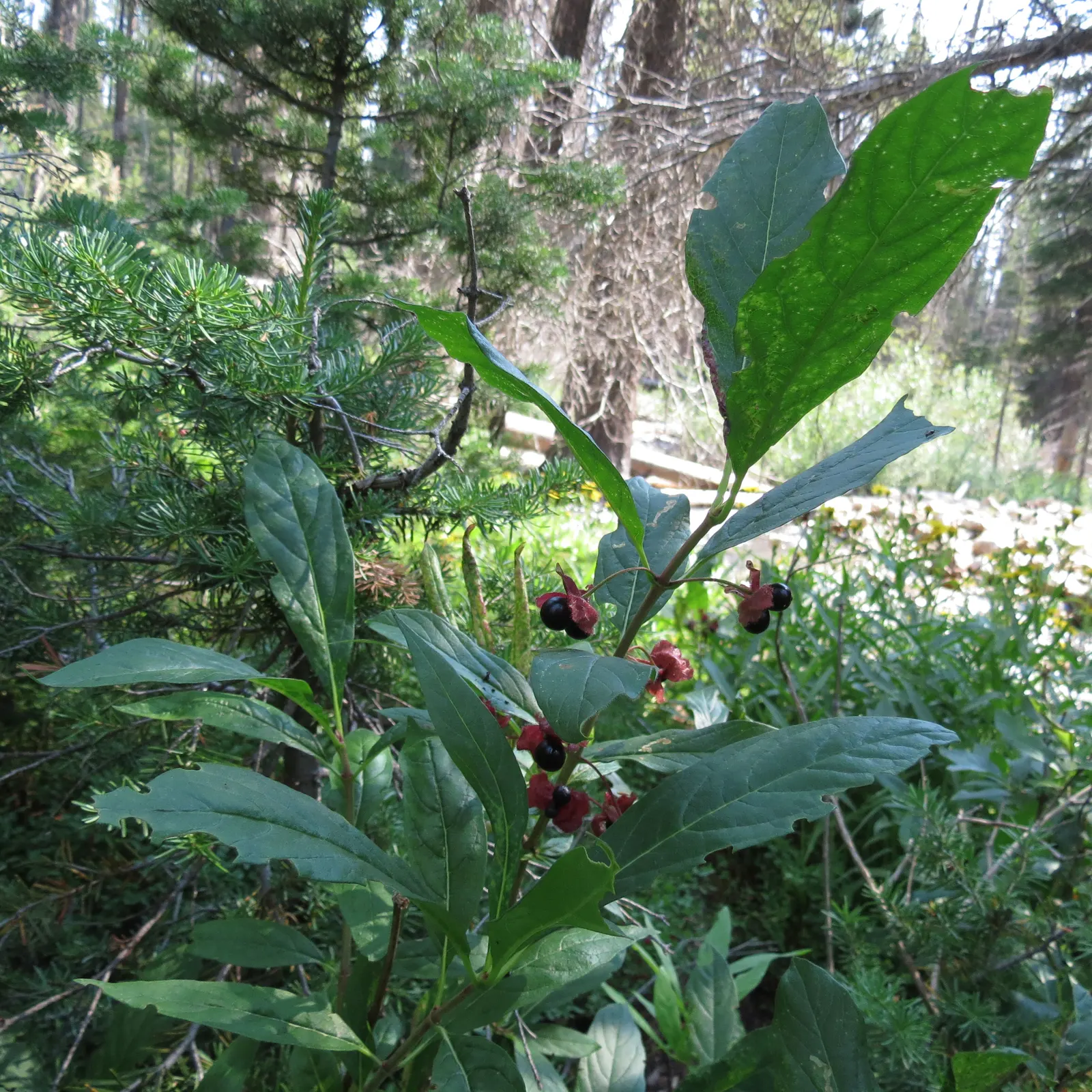
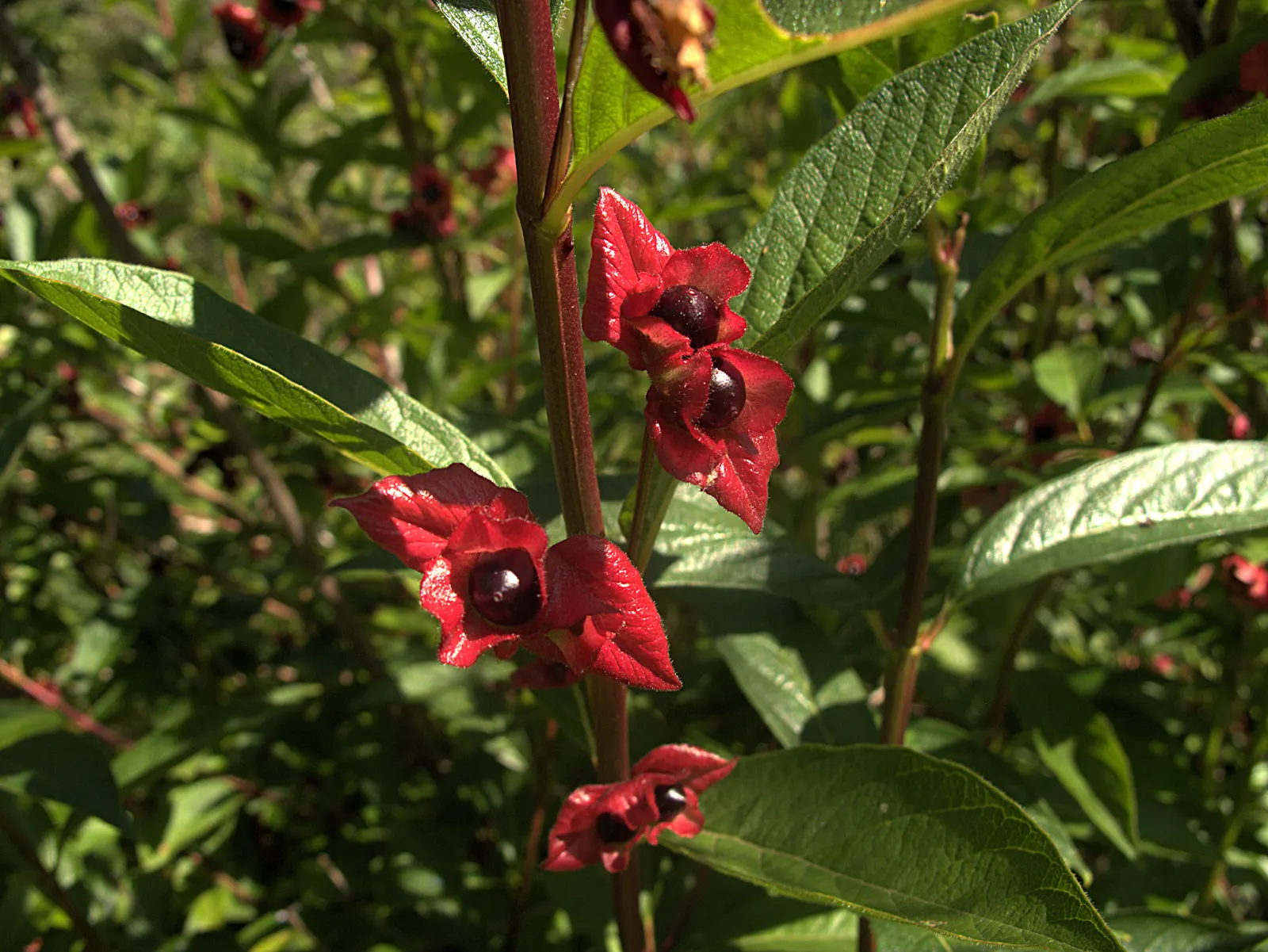
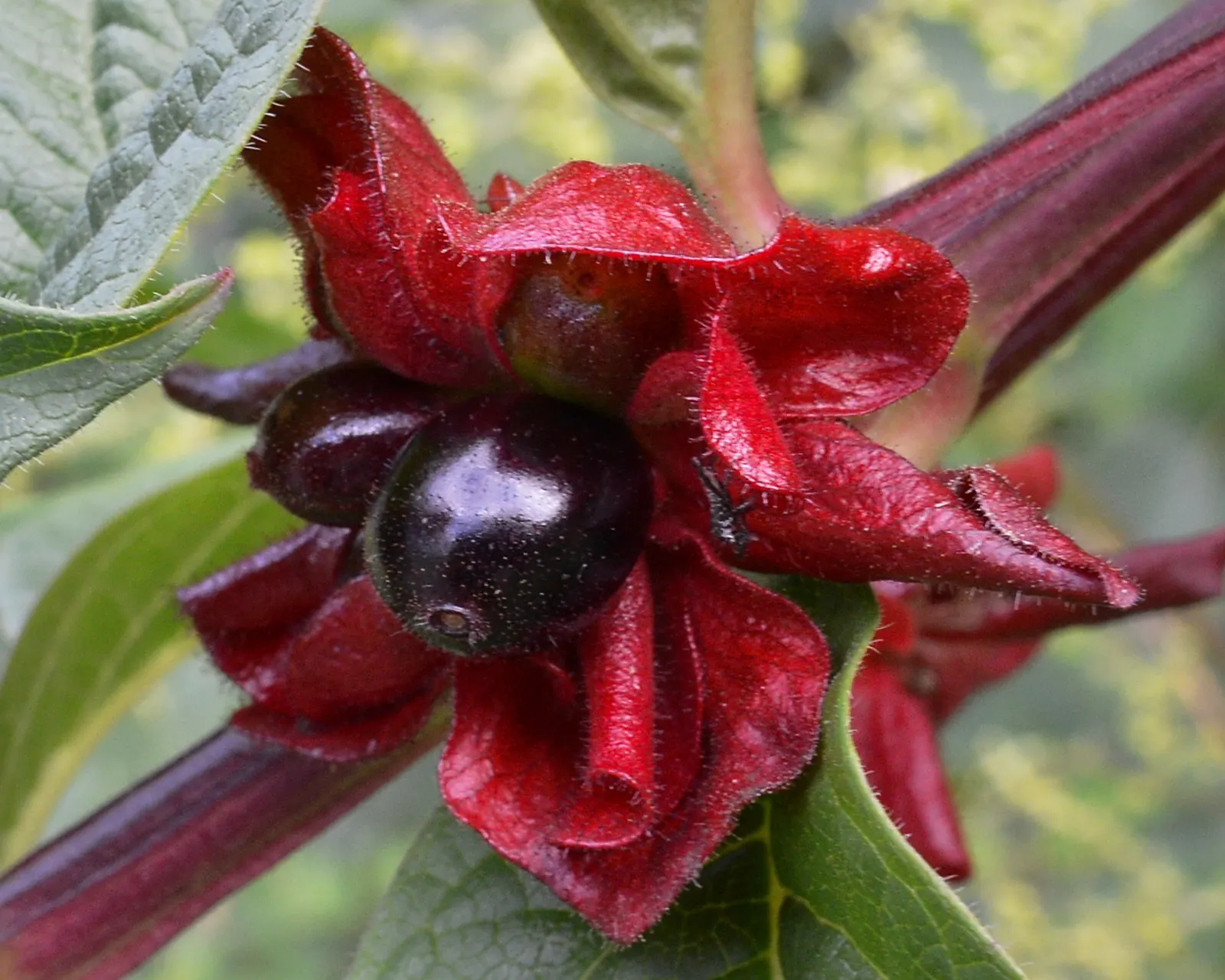
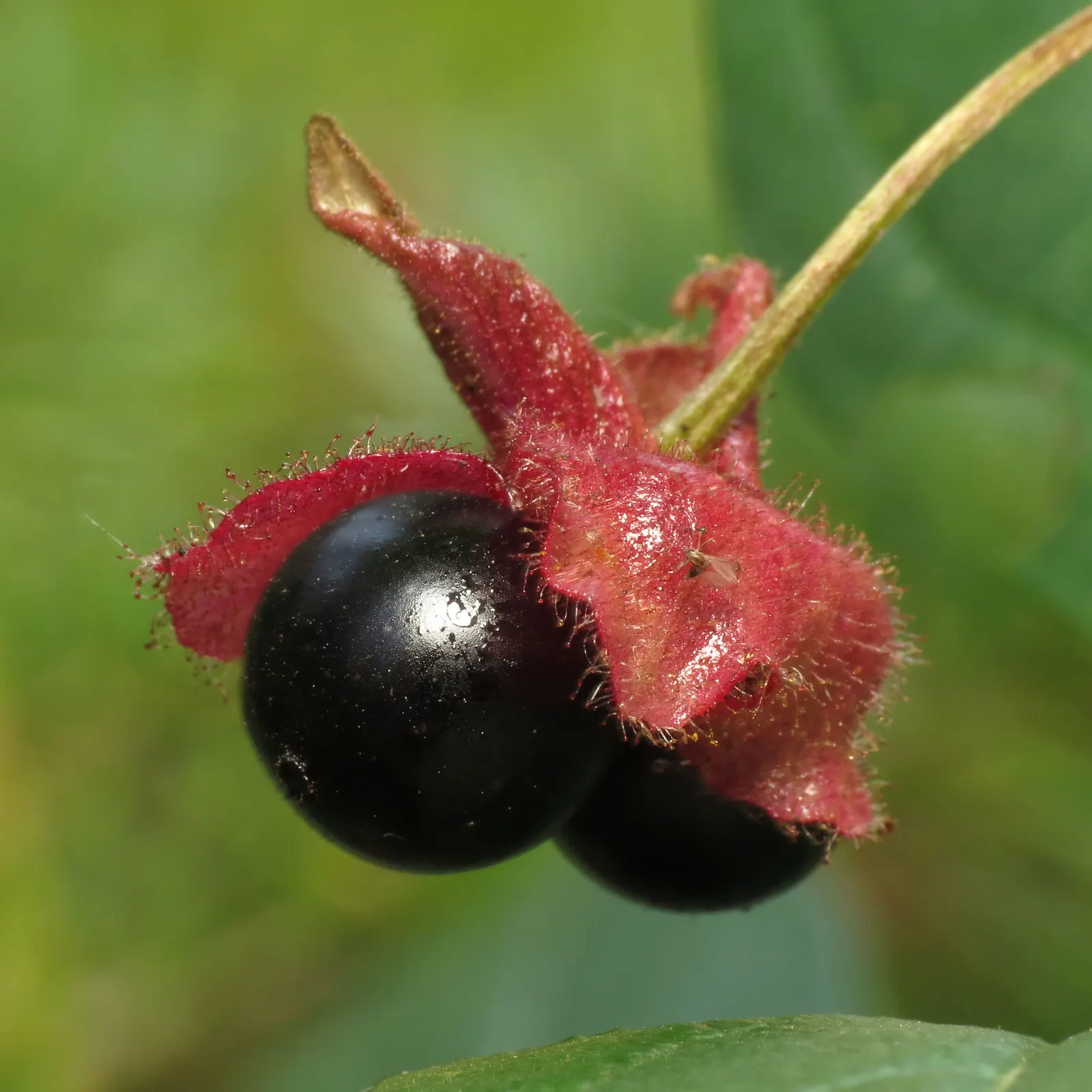
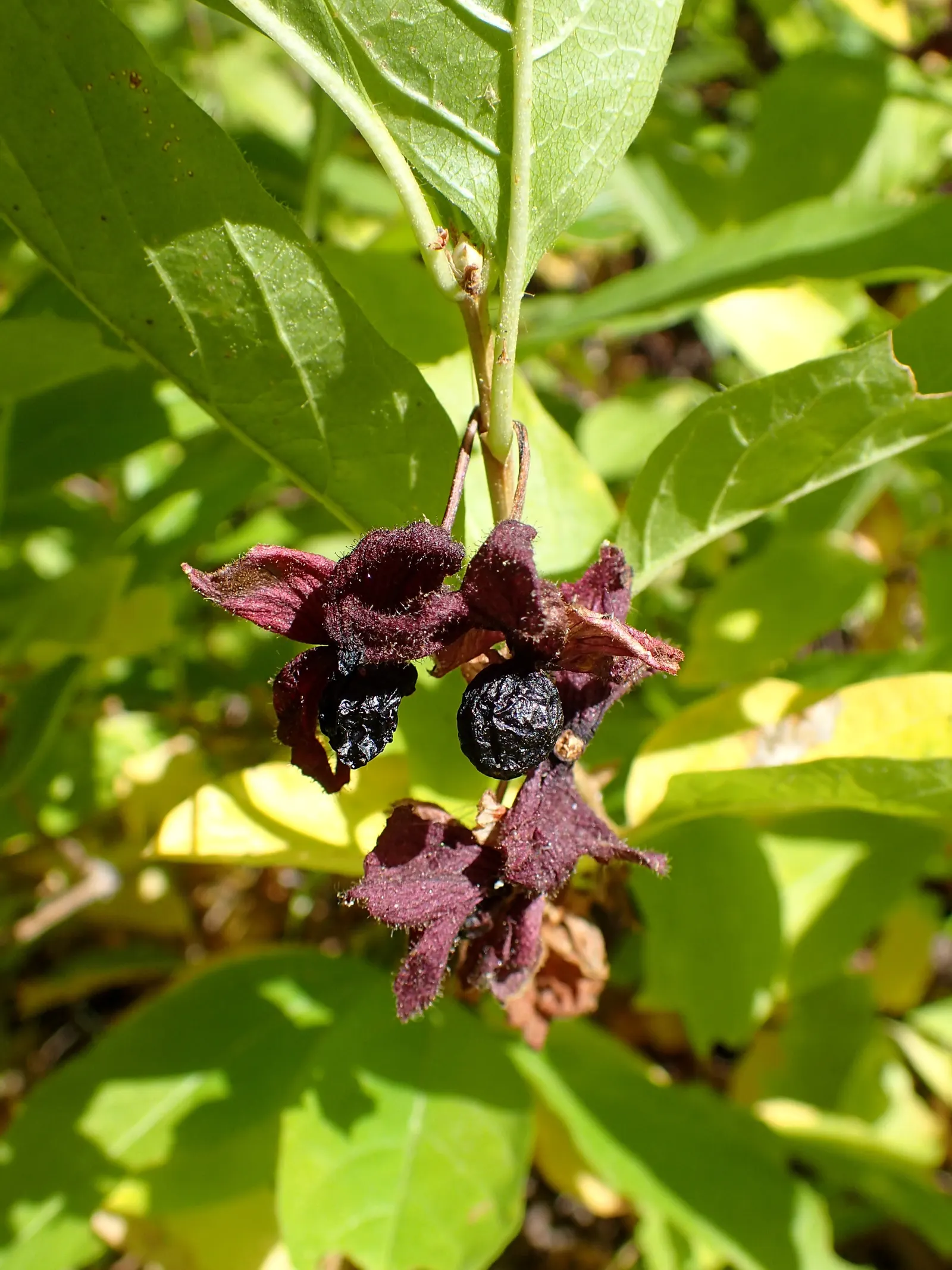
Twinberry (Lonicera Involucrata) — the plant is known for its pairs of berry-like fruit
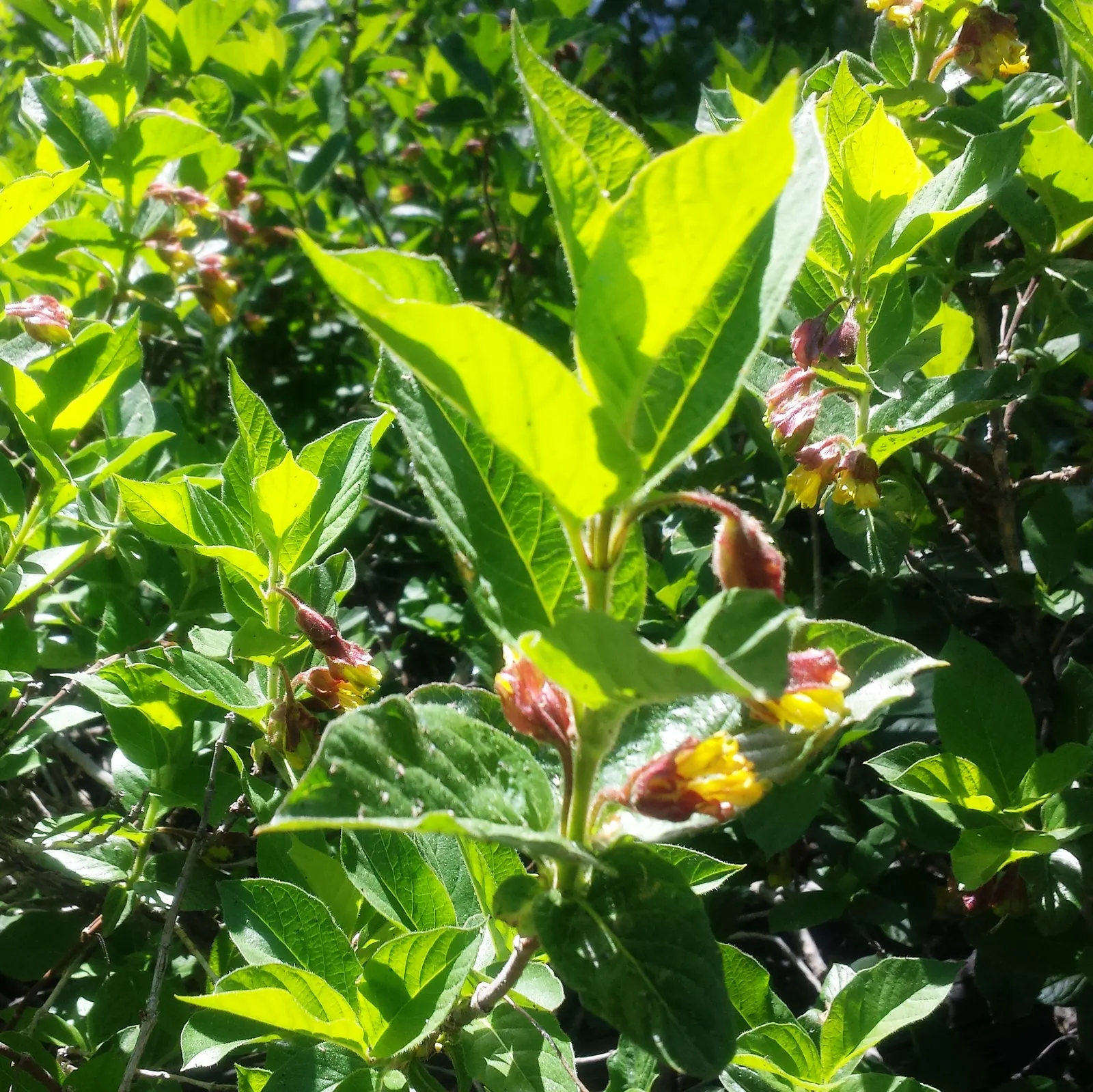
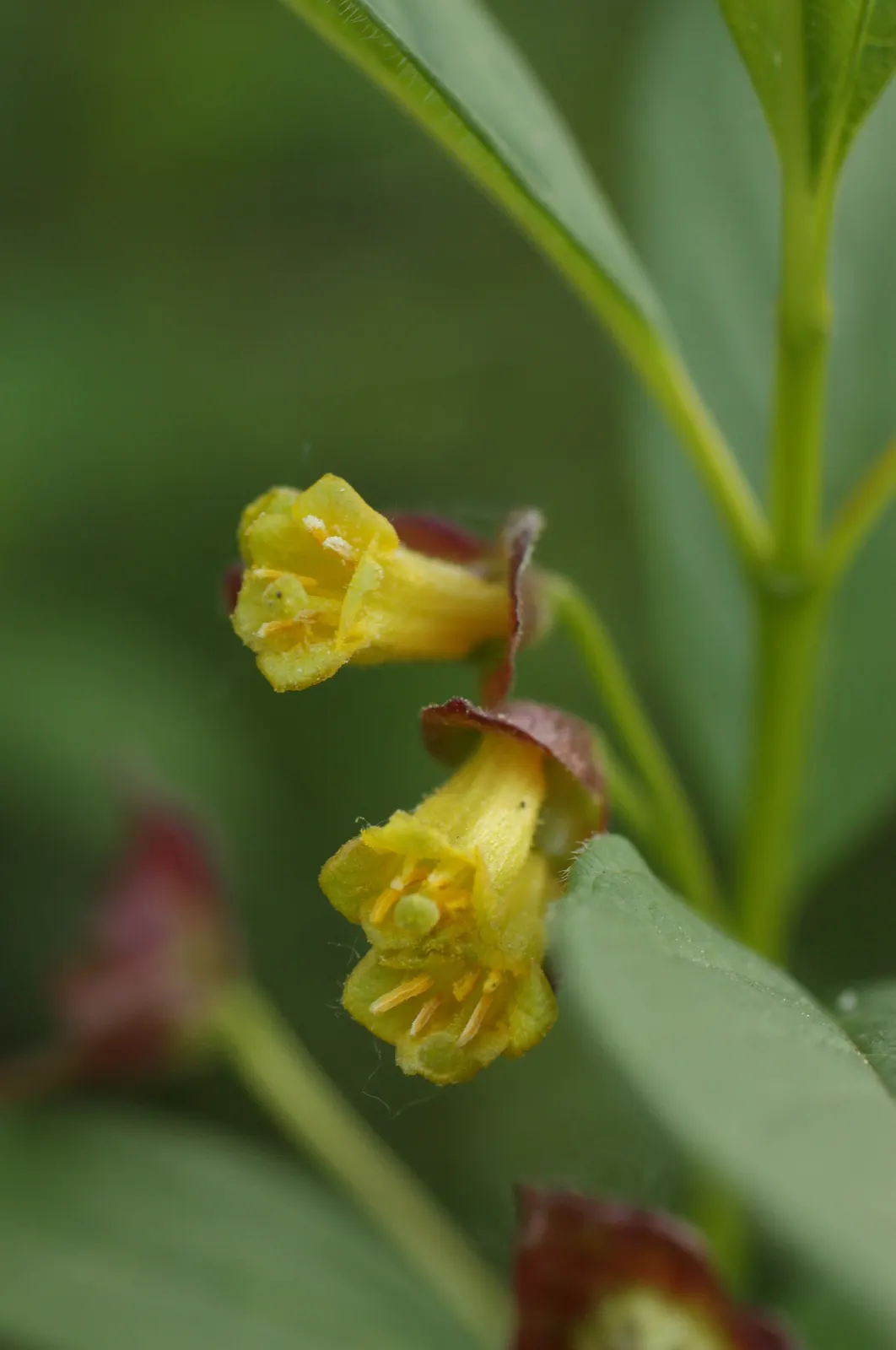
Twinberry (Lonicera Involucrata) — tubular flowers which bloom in late spring to early summer; renowned for its pairs of deep yellow
Twinberry (Lonicera Involucrata) — It thrives in moist conditions across USDA zones 4-9, preferring partial to full sun
Twinberry (Lonicera Involucrata) — while its berries provide nourishment for birds
Twinberry (Lonicera Involucrata) — shrub / vine for full or half
Twinberry (Lonicera Involucrata) — shrub / vine with multi-colored and red and yellow blooms; it prefers moist, well-drained soils and can tolerate, image 68
Twinberry (Lonicera Involucrata) — Twinberry (Lonicera involucrata) is a robust; the plant is known for its pairs of berry-like fruit, image 93
Twinberry (Lonicera Involucrata) — with each blossom nestled within a pair of distinctive purplish-black bracts; multi-colored and red and yellow flowers in
Twinberry (Lonicera Involucrata) — shrub / vine with multi-colored and red and yellow blooms; it prefers moist, well-drained soils and can tolerate a variety
Twinberry (Lonicera Involucrata) — where its erosion control properties are beneficial along streambanks and slopes.<br><br>Importantly; with each, image 84
Twinberry (Lonicera Involucrata) — Twinberry (Lonicera involucrata) is a robust
Twinberry (Lonicera Involucrata) — multi-colored and red and yellow flowers in the garden
Twinberry (Lonicera Involucrata) — Renowned for its pairs of deep yellow; shrub / vine for full or half
Twinberry (Lonicera Involucrata) — these flowers give way to glossy; it thrives in moist conditions across USDA zones 4-9, preferring partial to full sun
Twinberry (Lonicera Involucrata) — the plant is a spectacle of color; its adaptability and moderate growth rate make it suitable for use as a shrub, image 101
Twinberry (Lonicera Involucrata) — Its adaptability and moderate growth rate make it suitable for use as a shrub border; showcasing lance-shaped leaves and
Twinberry (Lonicera Involucrata) — shrub / vine for full or half; as its berries are considered inedible for humans, image 92
Photographs by 15 contributors

Related plants