Skip to content

Lobelia

Lobelia Erinus

Design with this plant

Overview

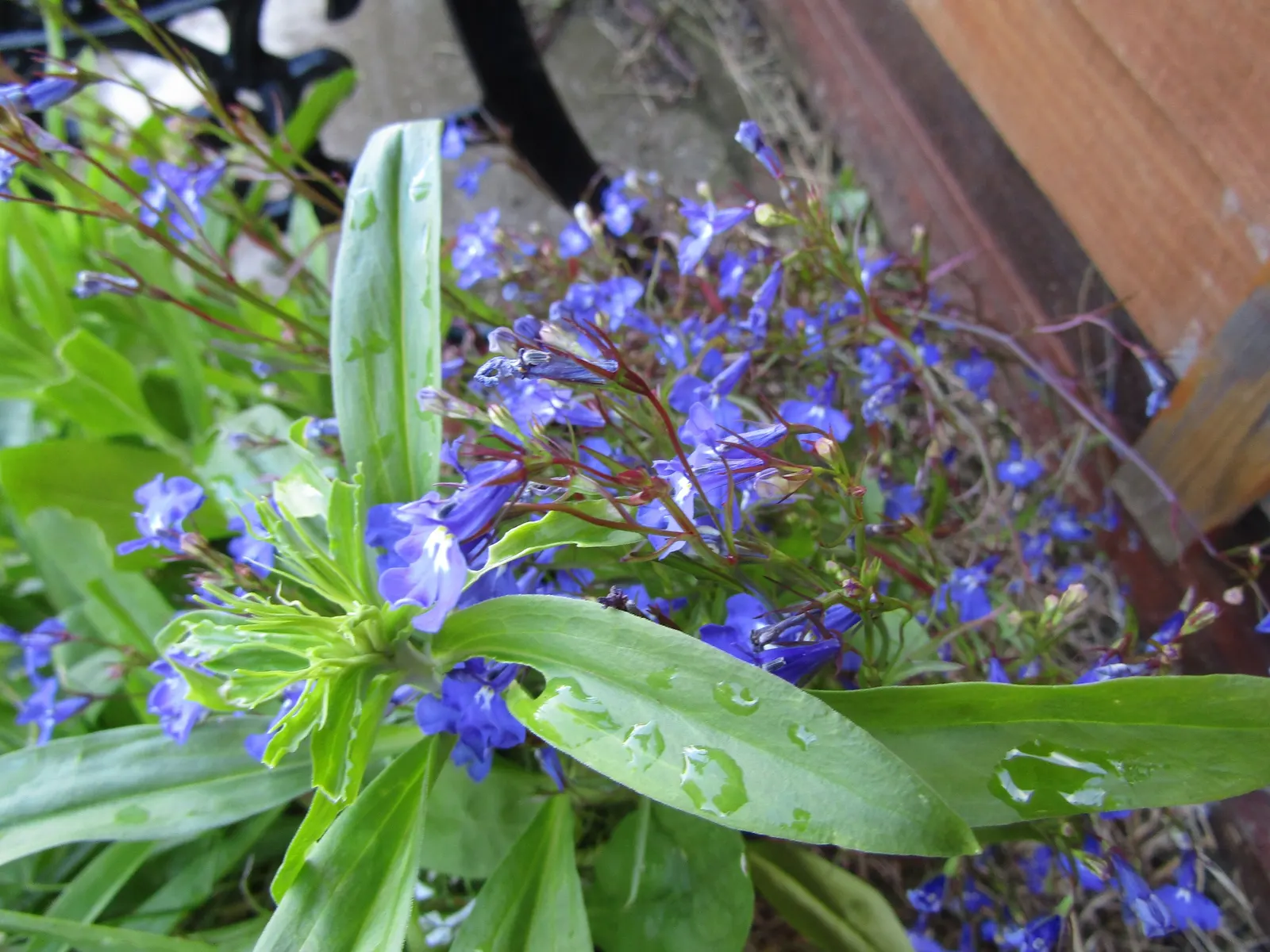
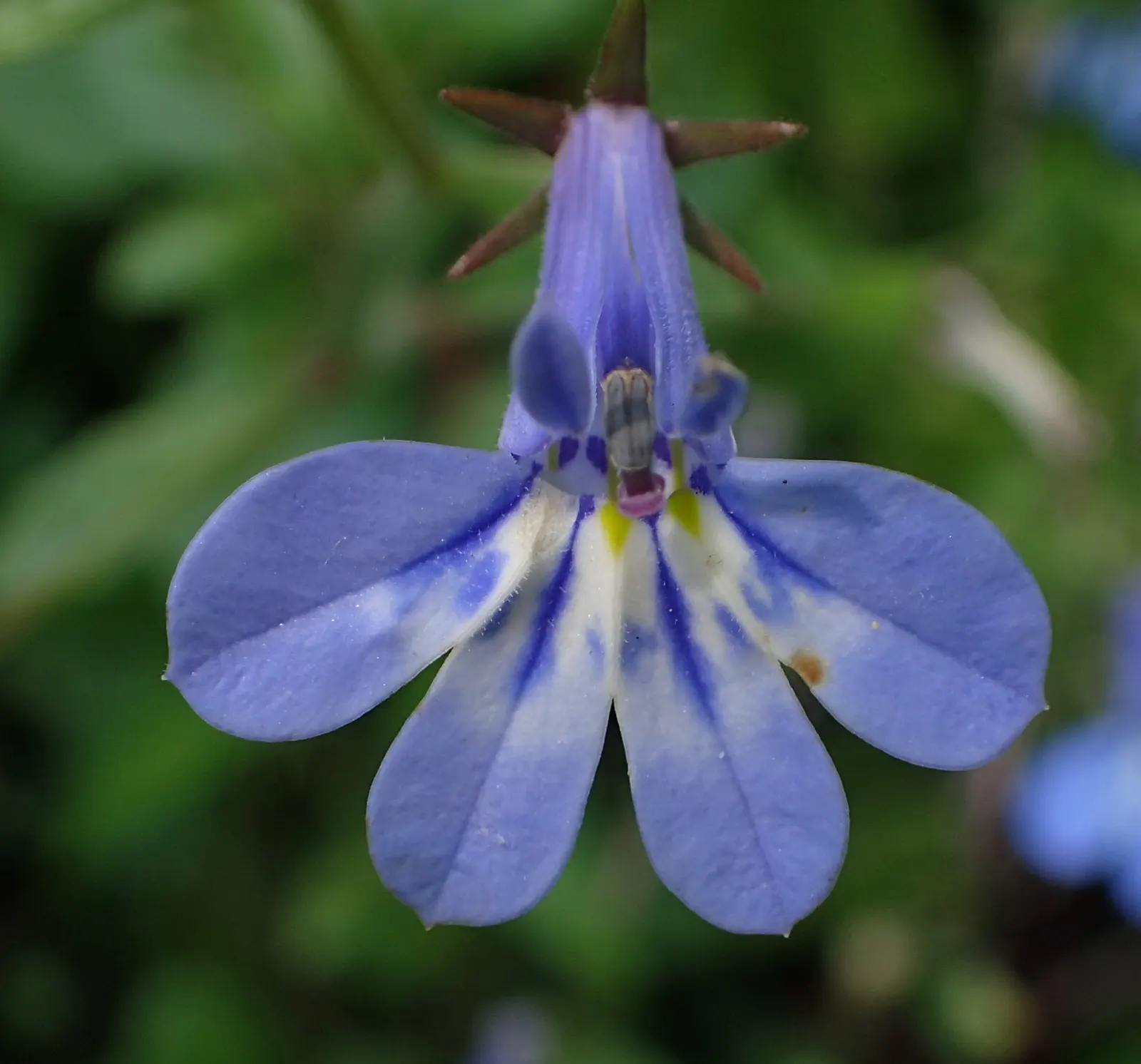
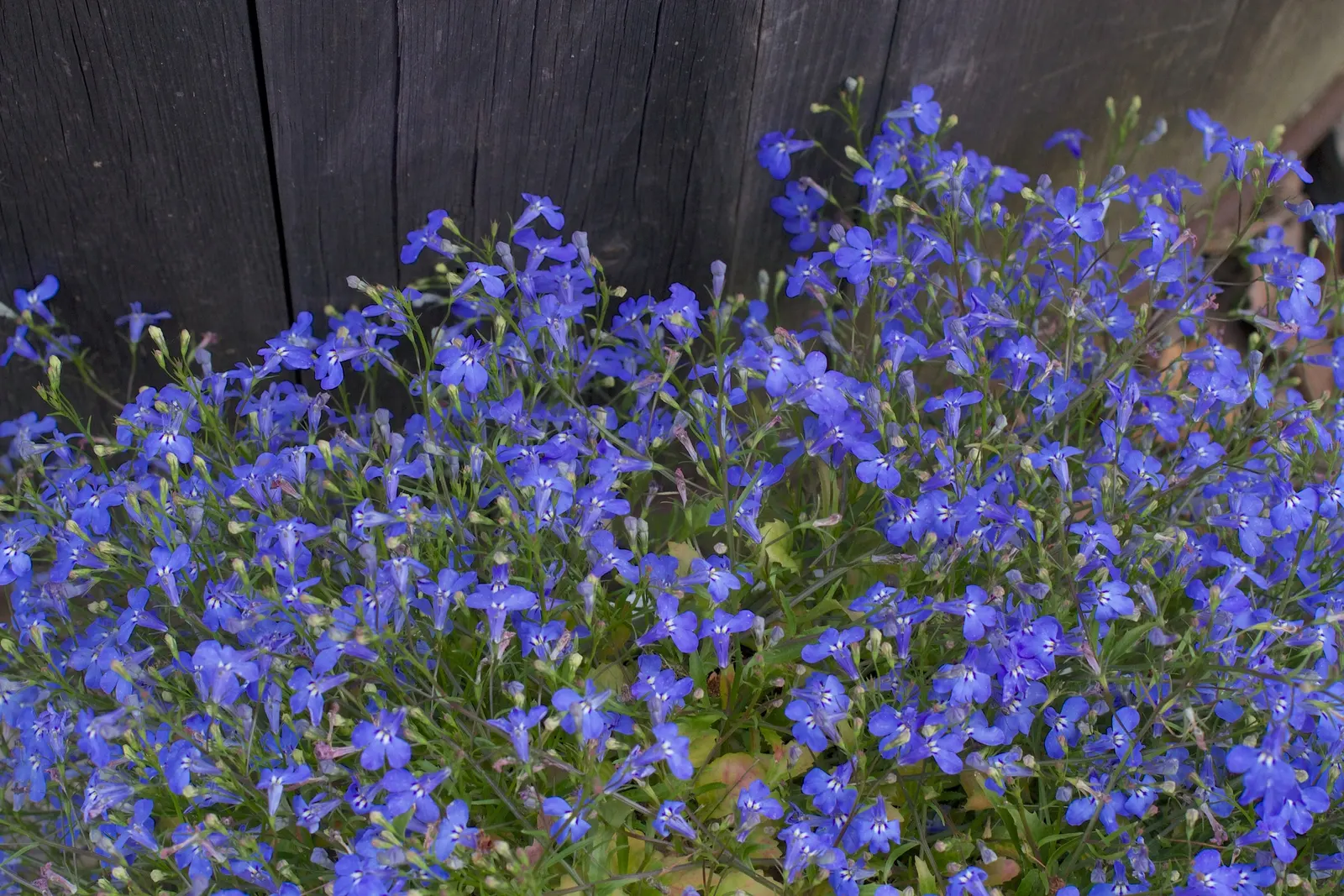
Lobelia erinus, a vibrant annual, flourishes in full sun to part shade, reaching 3-6 inches in height with a spread of 6-8 inches. Noted for its stunning cascade of petite, vivid blue flowers, it's ideal for edges, containers, and hanging baskets. This low-maintenance jewel flourishes in well-drained soil, enjoys consistent moisture, and thrives in USDA zones 10-11. Deadheading encourages continued blooming from late spring into early fall.

Sun Full, HalfWater Extra in Summer, MediumZones 3–10Type Annual, Ground cover
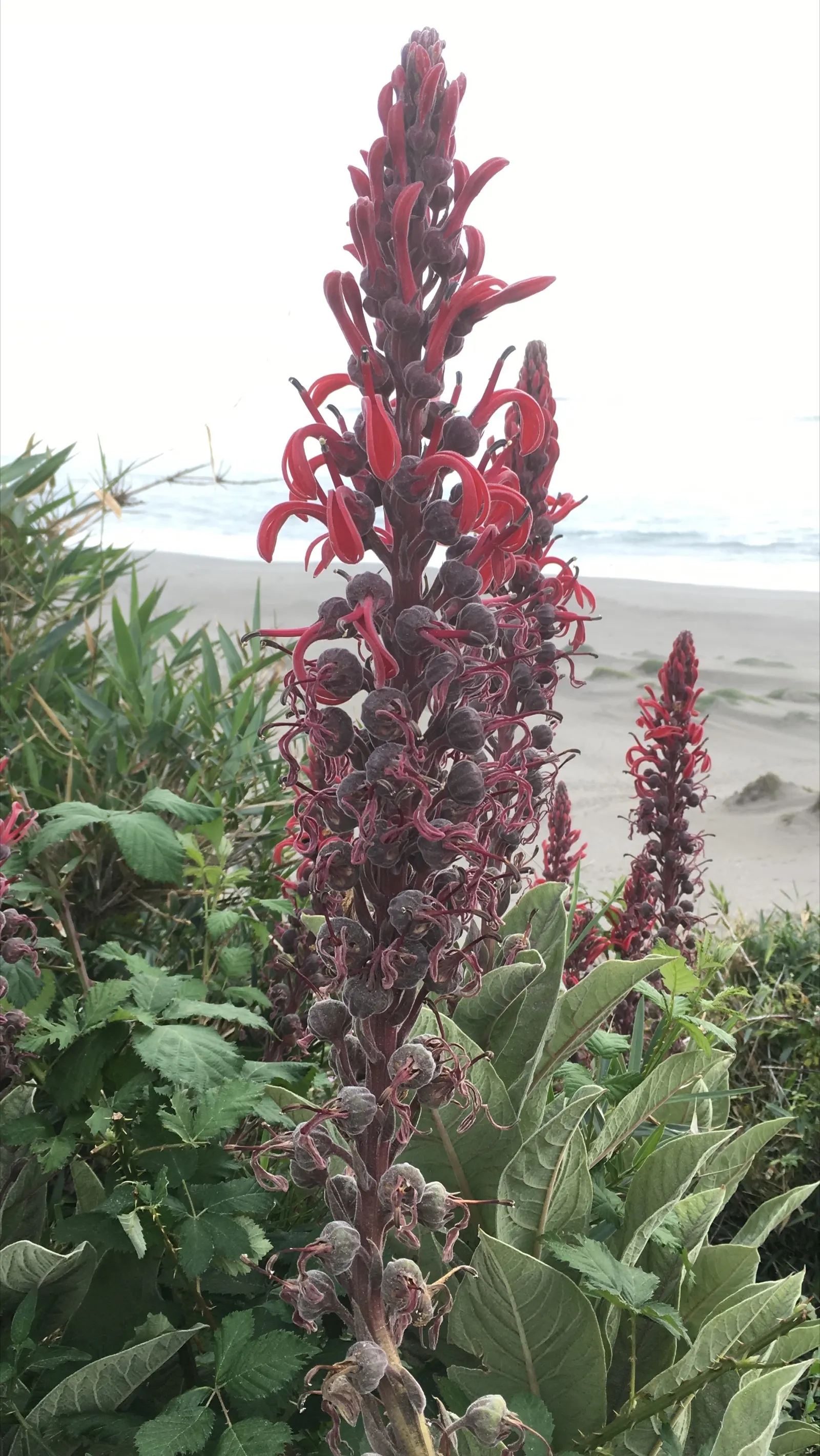
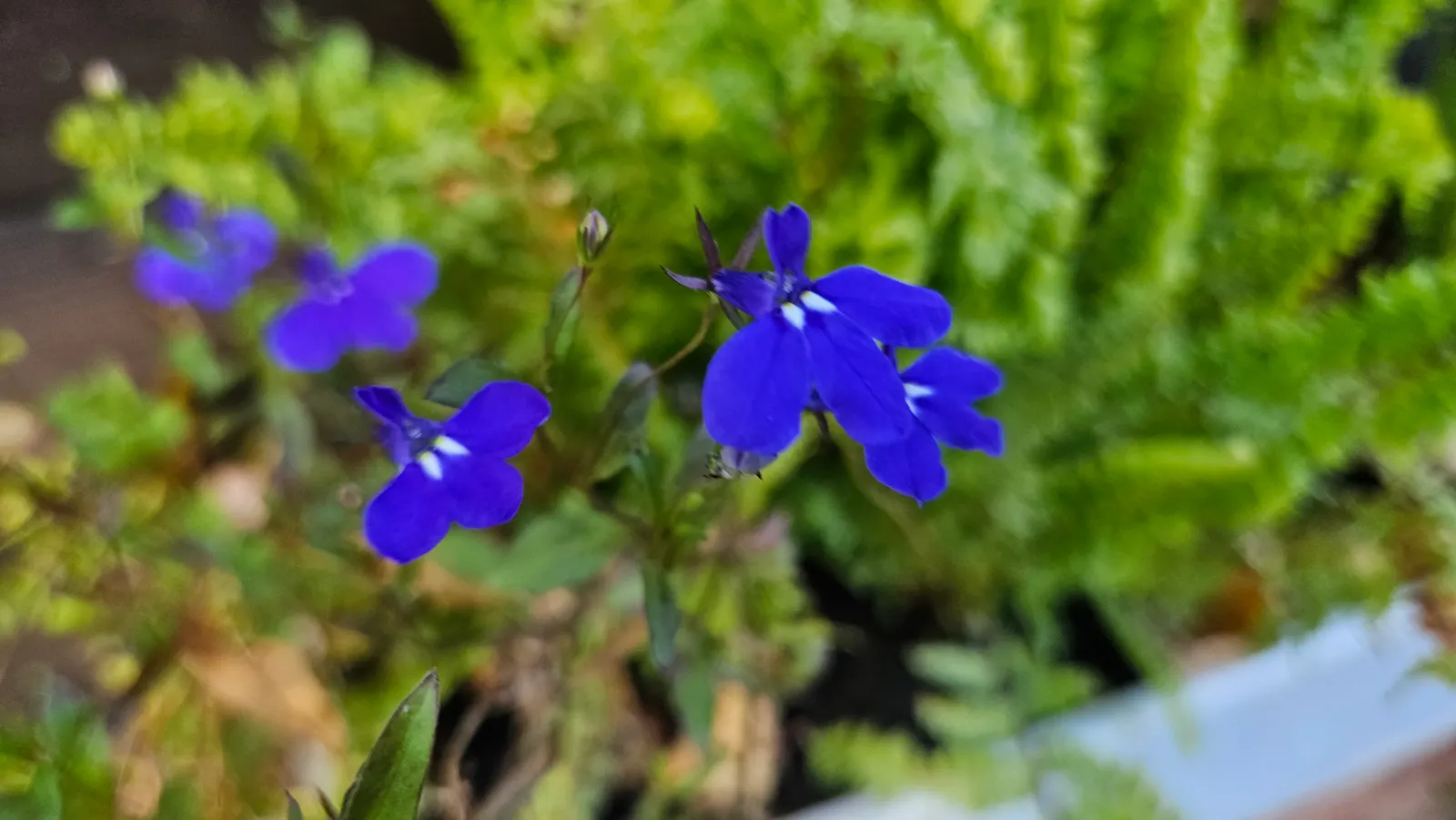
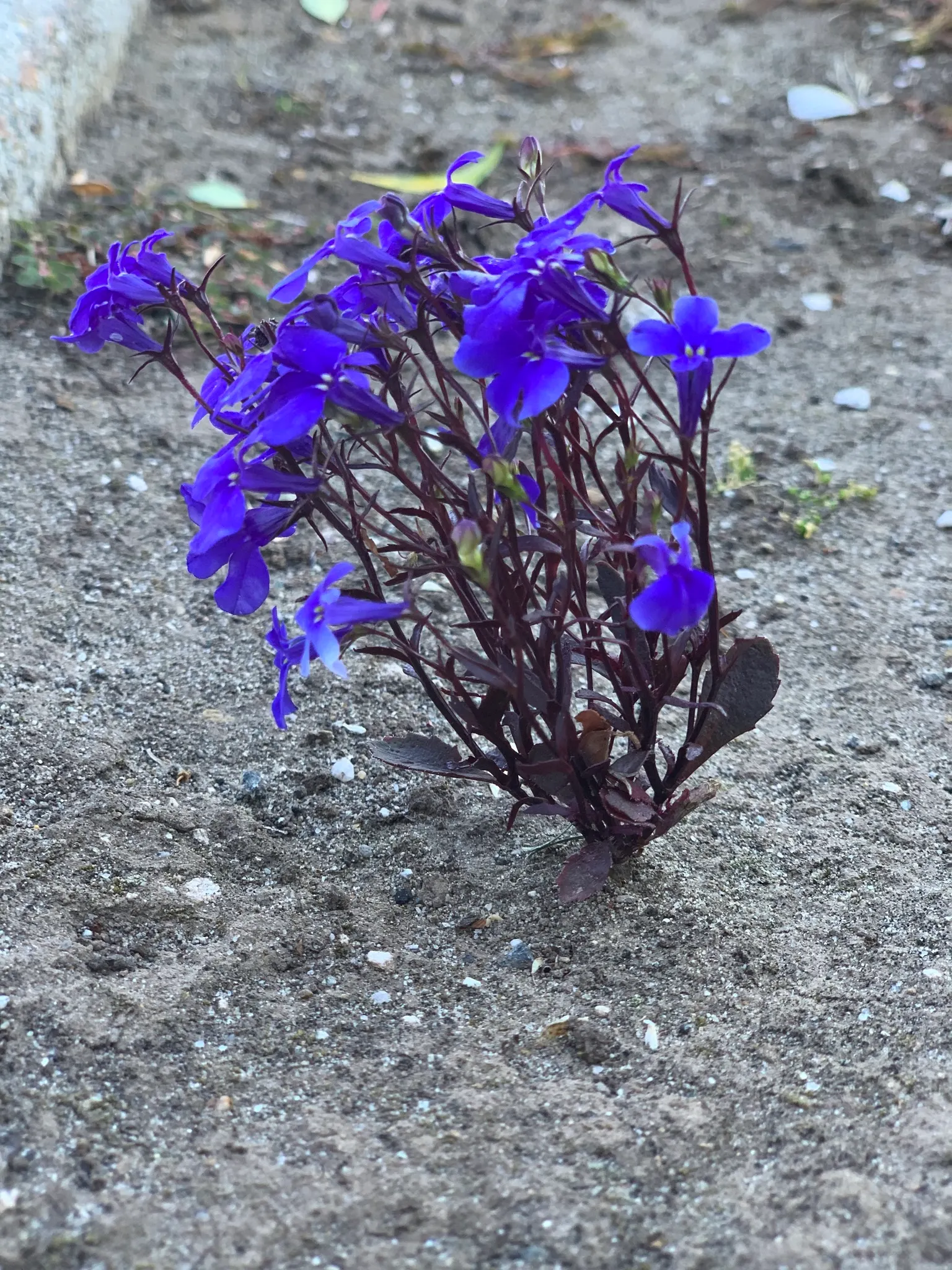
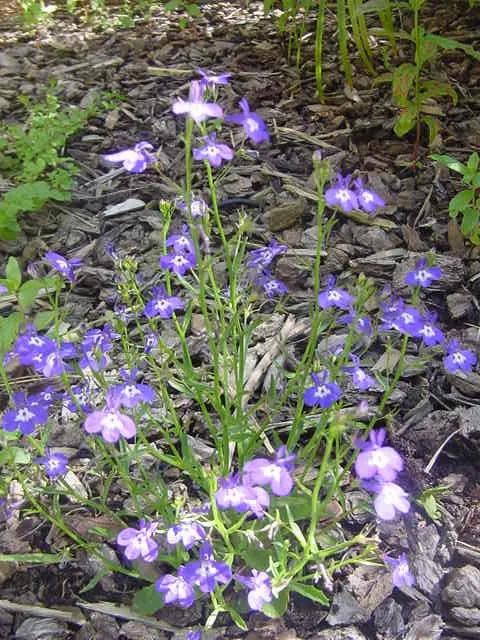
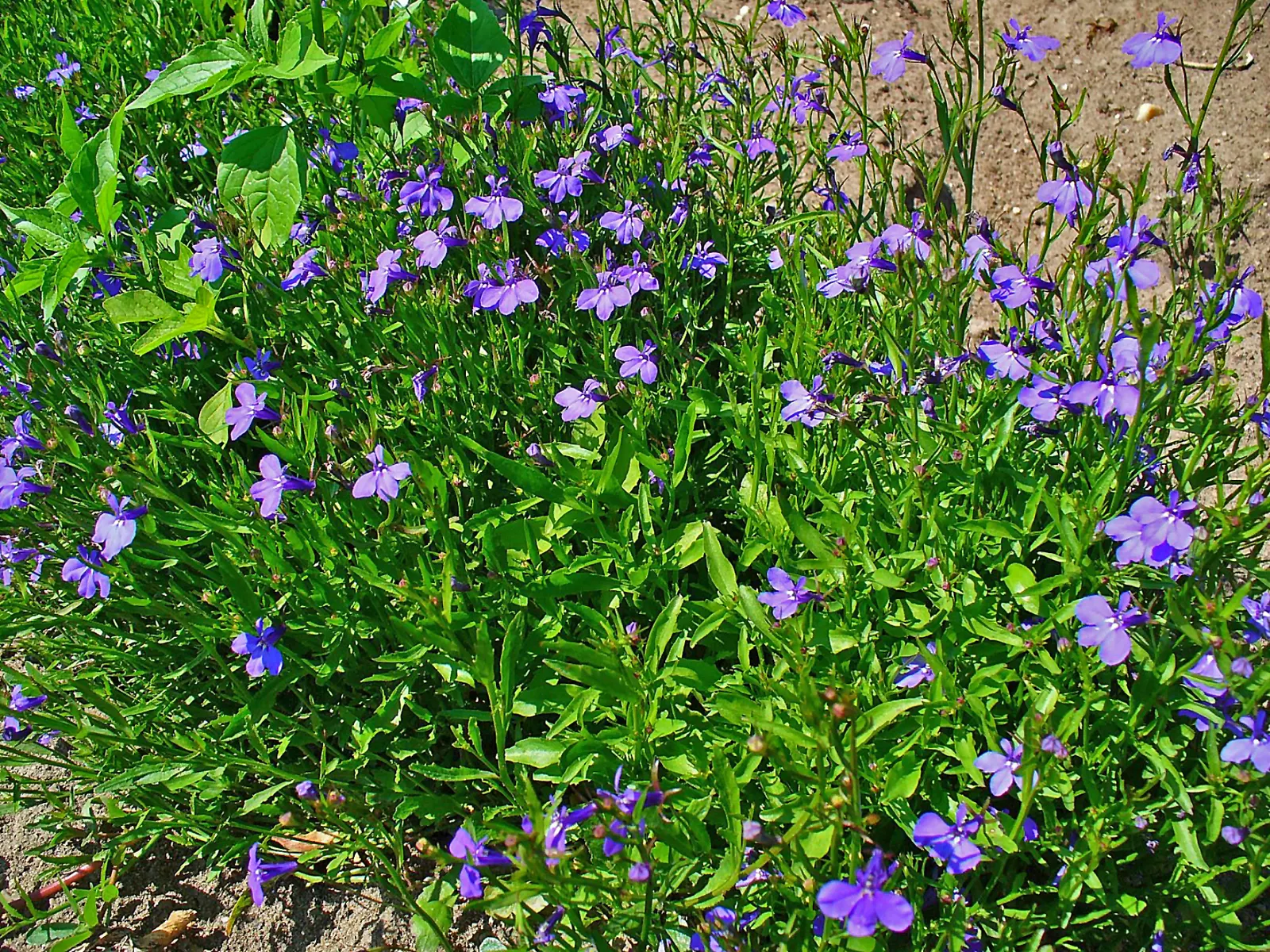
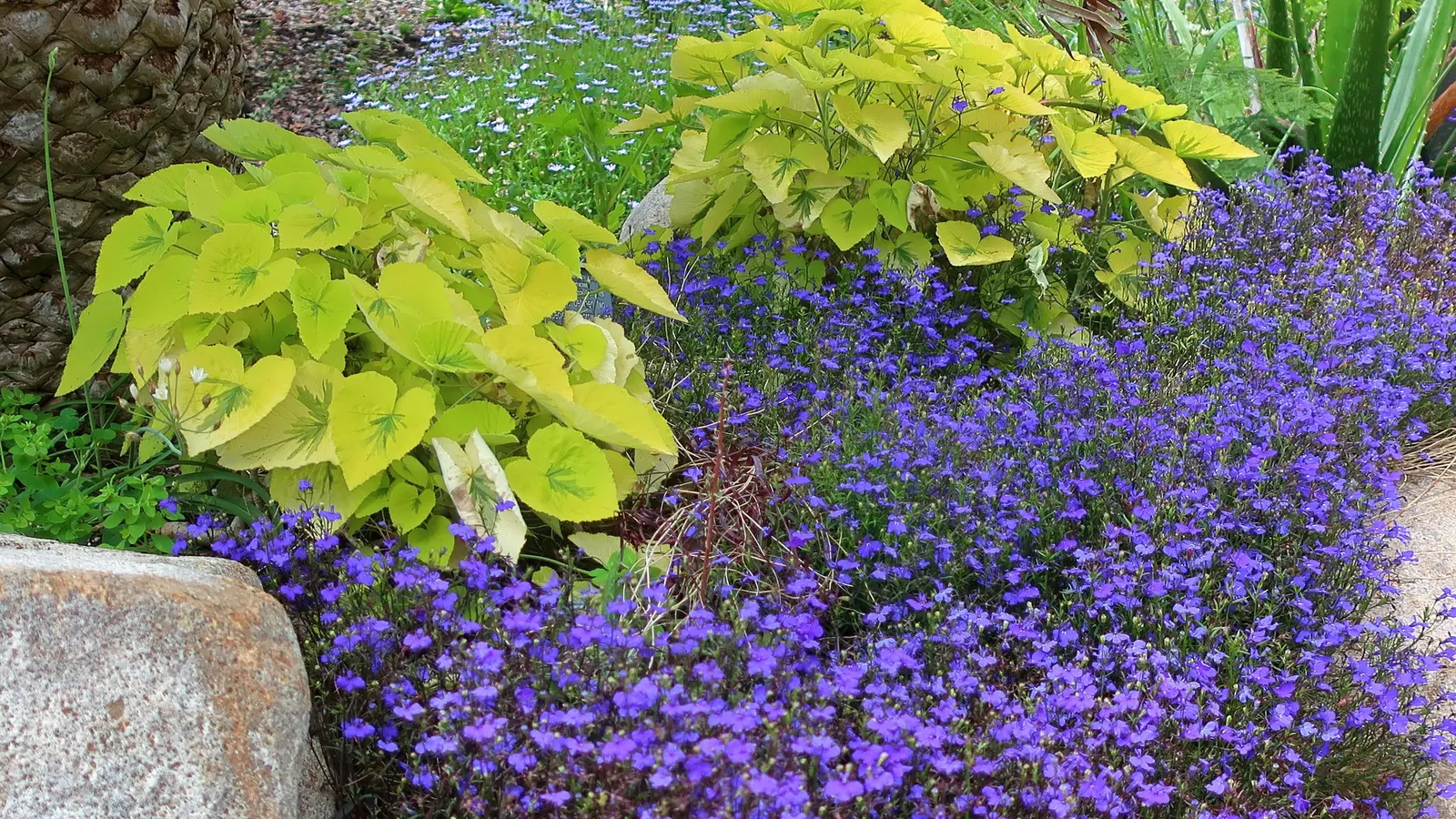
Lobelia (Lobelia Erinus) — The flowers come in an array of colors; annual / ground cover with blue and multi-colored blooms, image 86

Culture

Sun
Full, Half
Water
Extra in Summer, Medium
USDA zones
3–10

Shape & size

Classification

Type
Annual, Ground cover
Family
Campanulaceae

See full data, regional cultivation notes, and design tools. Build a client presentation around this plant.

Start your 14-day trial

Photos (213)

Lobelia (Lobelia Erinus) — enjoys consistent moisture
Lobelia (Lobelia Erinus) — annual / ground cover for full or half; this plant's low maintenance combined with its vibrant colors makes it an, image 192
Lobelia (Lobelia Erinus) — Typically reaching a height of 4 to 9 inches and spreading approximately 6 inches wide
Lobelia (Lobelia Erinus) — Noted for its stunning cascade of petite; periodic deadheading is recommended to encourage repeated, image 99
Lobelia (Lobelia Erinus) — This plant's low maintenance combined with its vibrant colors makes it an eye-catching addition to any garden; annual /, image 165
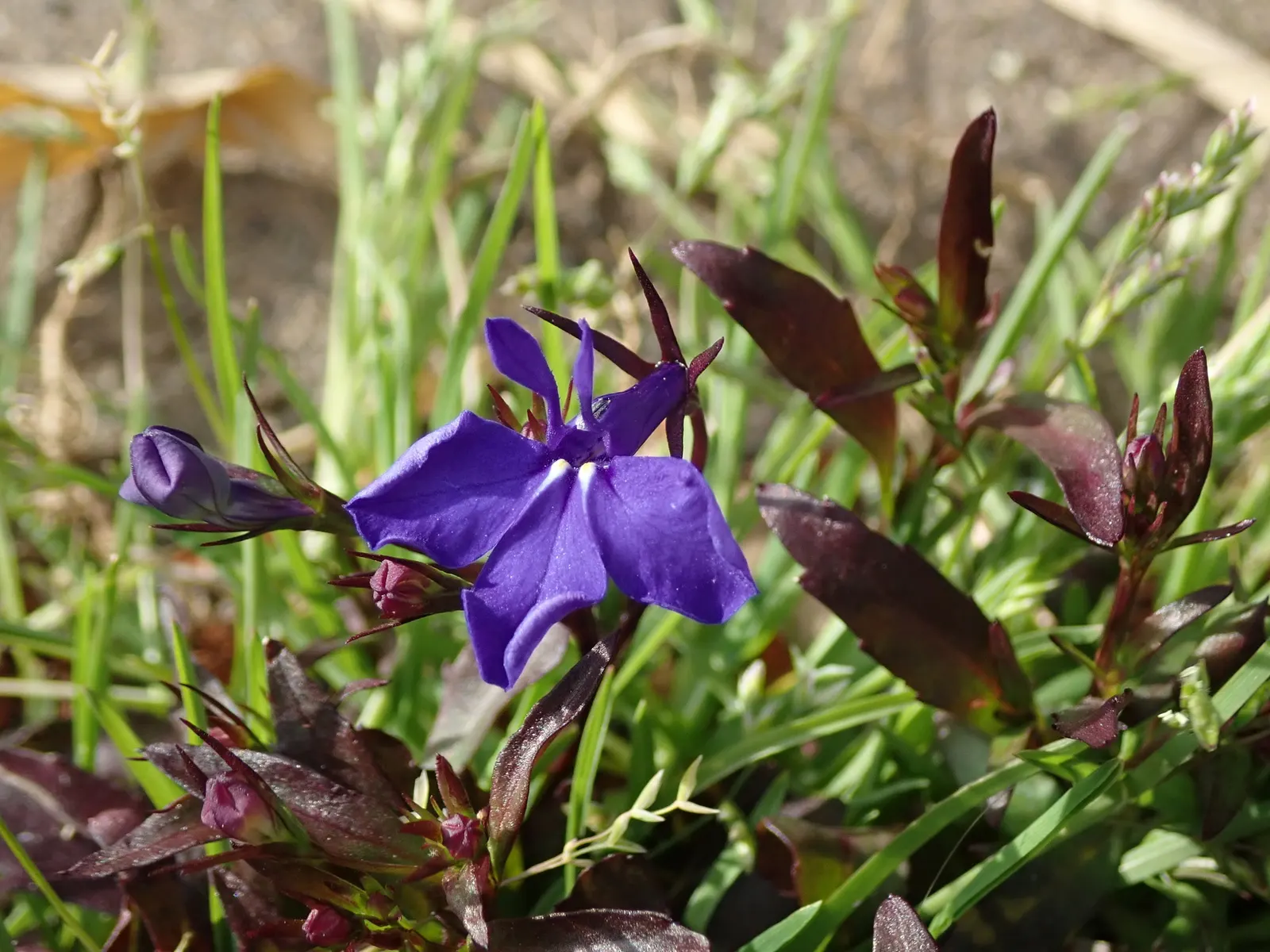
Lobelia (Lobelia Erinus) — creating a cascading effect.<br><br>Lobelia blooms profusely from late spring to early fall; is a compact annual or, image 108
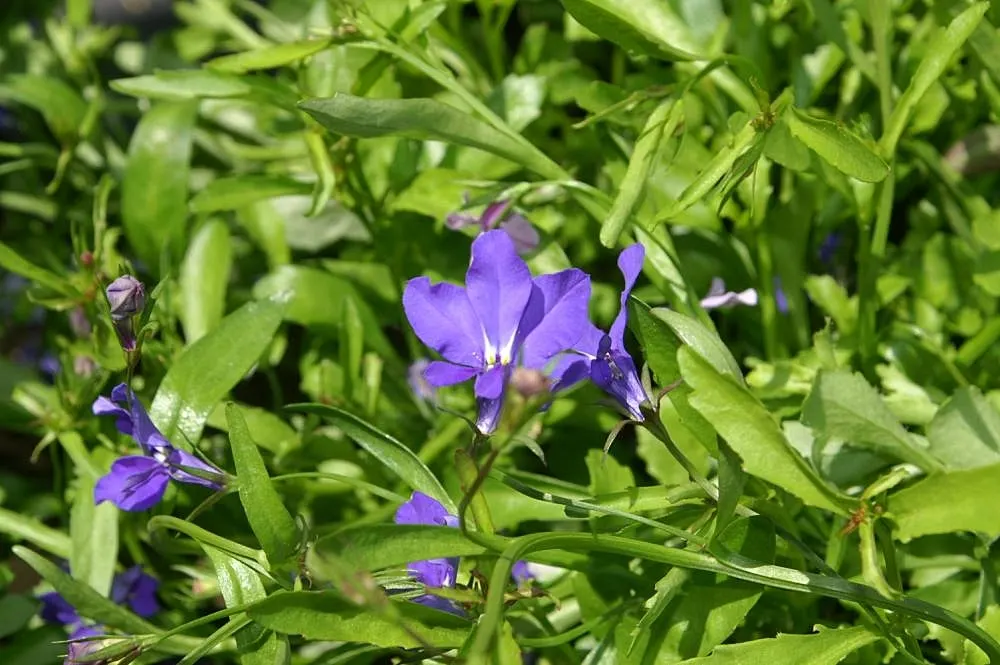
Lobelia (Lobelia Erinus) — This low-maintenance jewel flourishes in well-drained soil; flourishes in full sun to part shade, image 52
Lobelia (Lobelia Erinus) — showcasing a plethora of tiny; lobelia erinus requires regular watering, especially during dry periods, to maintain its, image 157
Lobelia (Lobelia Erinus) — annual / ground cover for full or half
Lobelia (Lobelia Erinus) — In areas with severe winters, they are grown as annuals; in hotter climates, it benefits from afternoon shade to prevent, image 92
Lobelia (Lobelia Erinus) — In areas with severe winters, they are grown as annuals; in hotter climates, it benefits from afternoon shade to prevent, image 188
Lobelia (Lobelia Erinus) — is a compact annual or perennial plant that adds a striking splash of color to any landscape design; creating a cascading, image 129
Lobelia (Lobelia Erinus) — commonly referred to as Lobelia
Lobelia (Lobelia Erinus) — This low-maintenance jewel flourishes in well-drained soil
Lobelia (Lobelia Erinus) — it presents a mounded form that works exceptionally well in borders or as an edging plant
Lobelia (Lobelia Erinus) — reaching 3-6 inches in height with a spread of 6-8 inches; it presents a mounded form that works exceptionally well in, image 170
Lobelia (Lobelia Erinus) — In hotter climates, it benefits from afternoon shade to prevent wilting; in areas with severe winters, they are grown as annuals
Lobelia (Lobelia Erinus) — is a compact annual or perennial plant that adds a striking splash of color to any landscape design; creating a cascading, image 153
Lobelia (Lobelia Erinus) — creating a cascading effect.<br><br>Lobelia blooms profusely from late spring to early fall; is a compact annual or, image 60
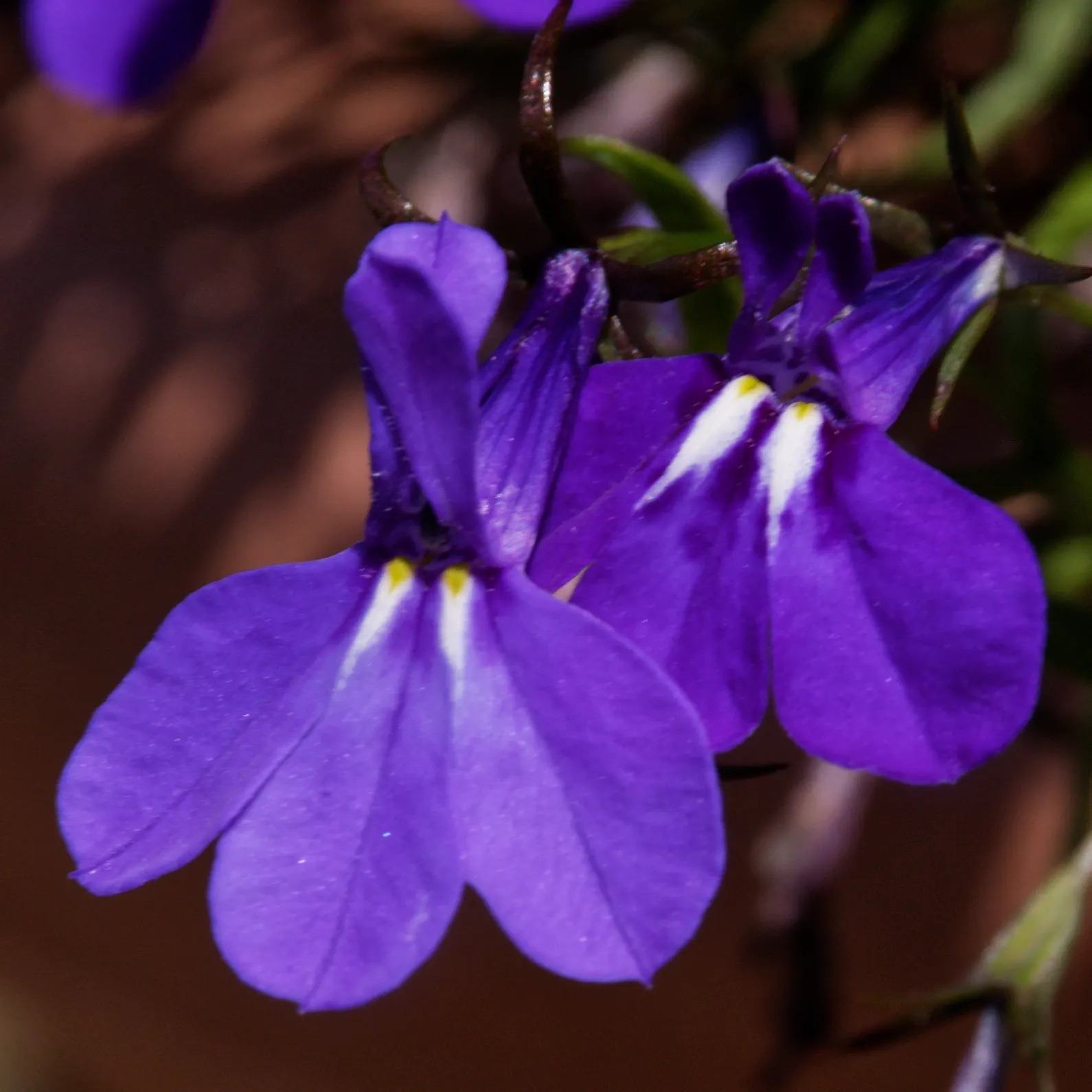
Lobelia (Lobelia Erinus) — and thrives in USDA zones 10-11; predominantly in shades of blue, image 150
Lobelia (Lobelia Erinus) — The flowers come in an array of colors; annual / ground cover with blue and multi-colored blooms, image 134
Lobelia (Lobelia Erinus) — creating a cascading effect.<br><br>Lobelia blooms profusely from late spring to early fall; is a compact annual or, image 156
Lobelia (Lobelia Erinus) — This low-maintenance jewel flourishes in well-drained soil; flourishes in full sun to part shade
Lobelia (Lobelia Erinus) — predominantly in shades of blue; and thrives in USDA zones 10-11, image 135
Photographs by 15 contributors

Related plants