Skip to content

Sea Lavender

Limonium Perezii

Design with this plant

Overview

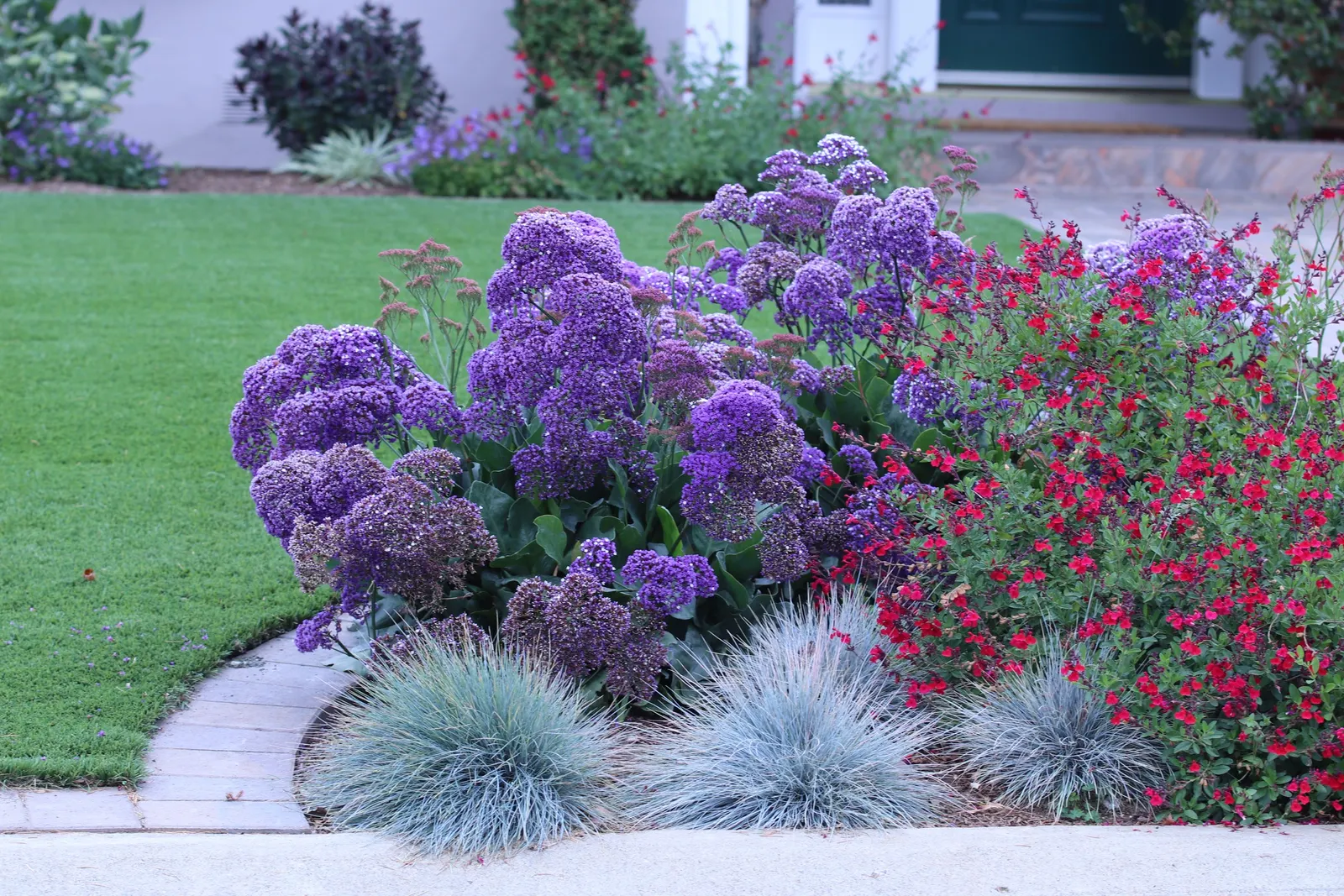
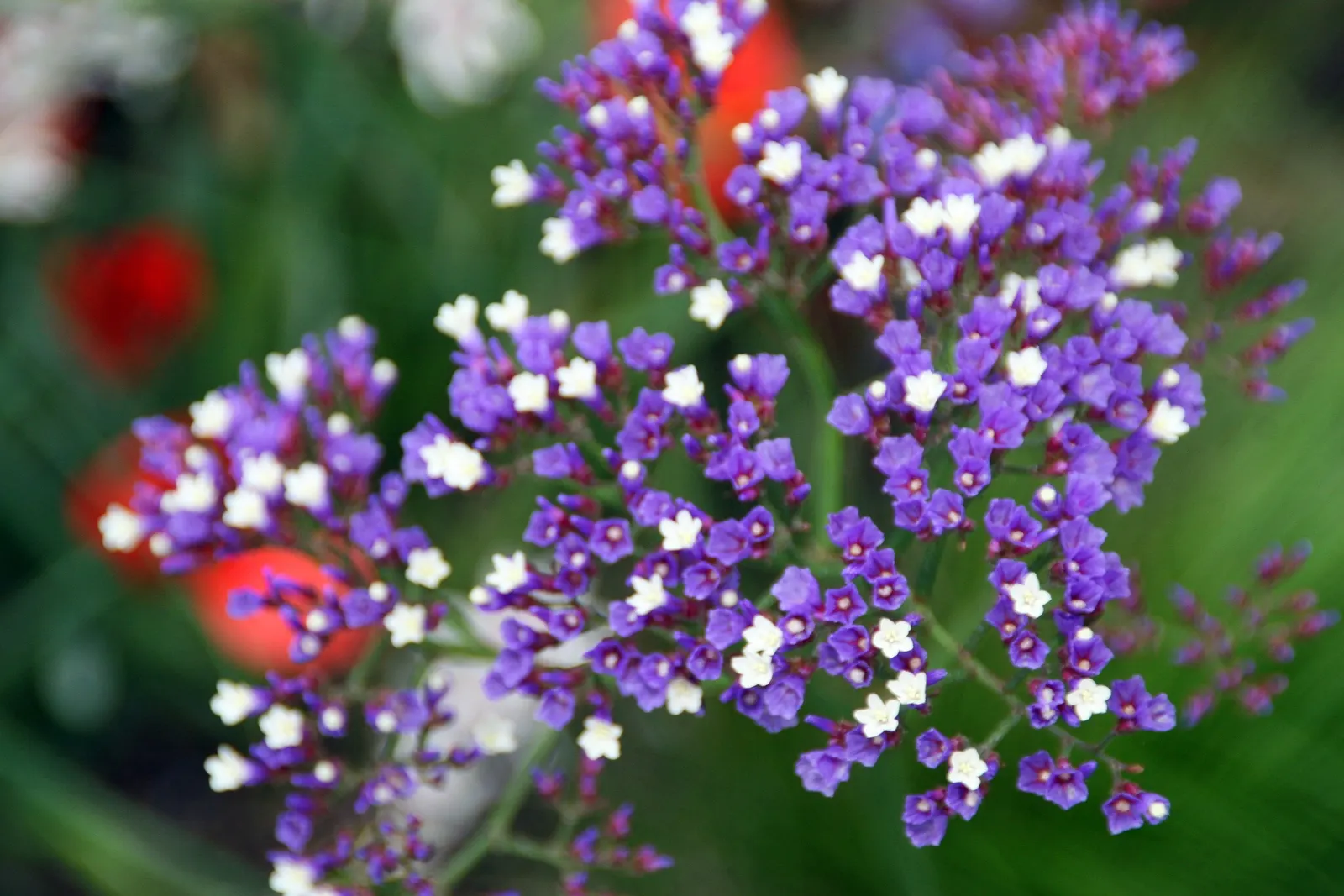
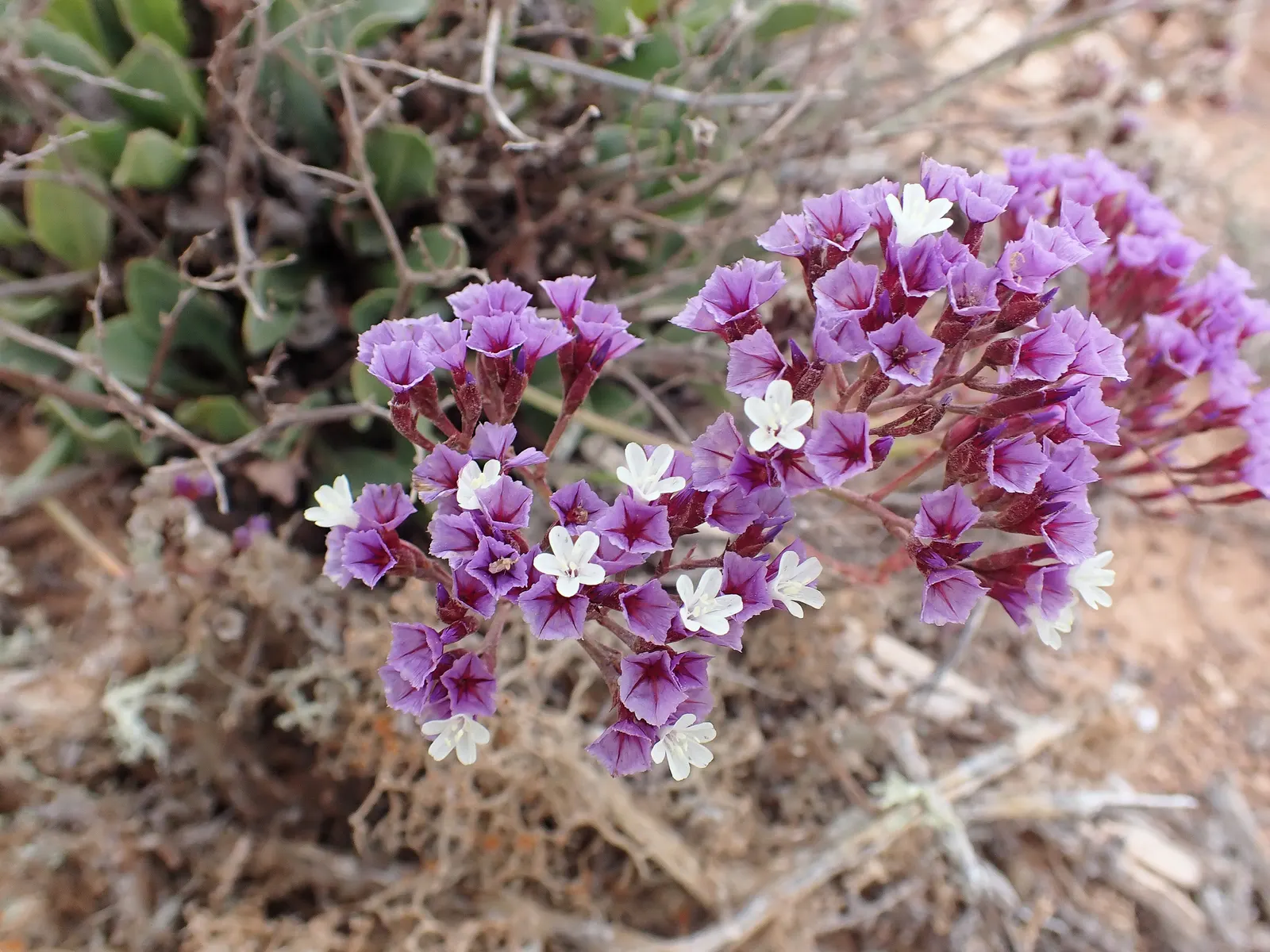
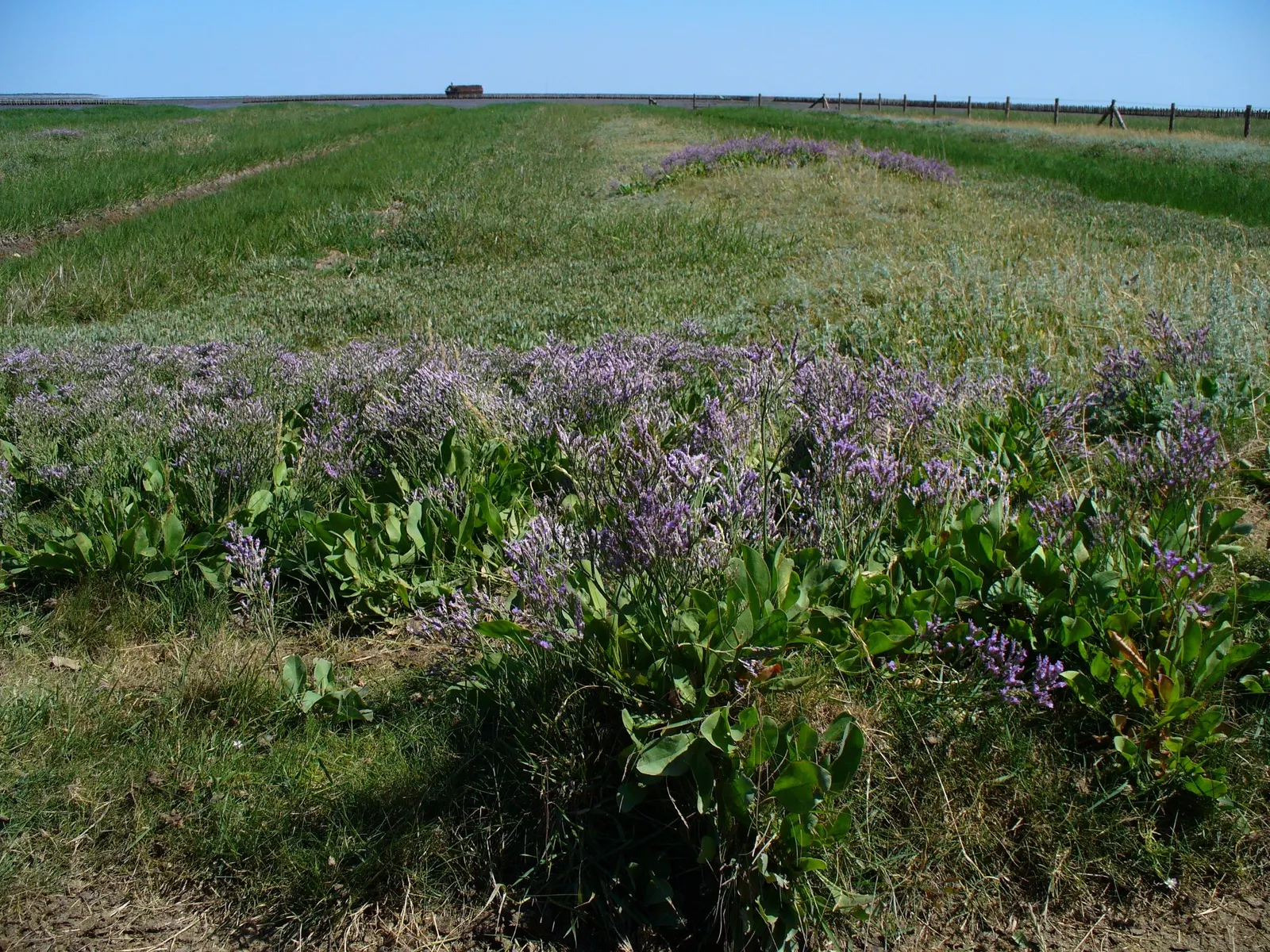
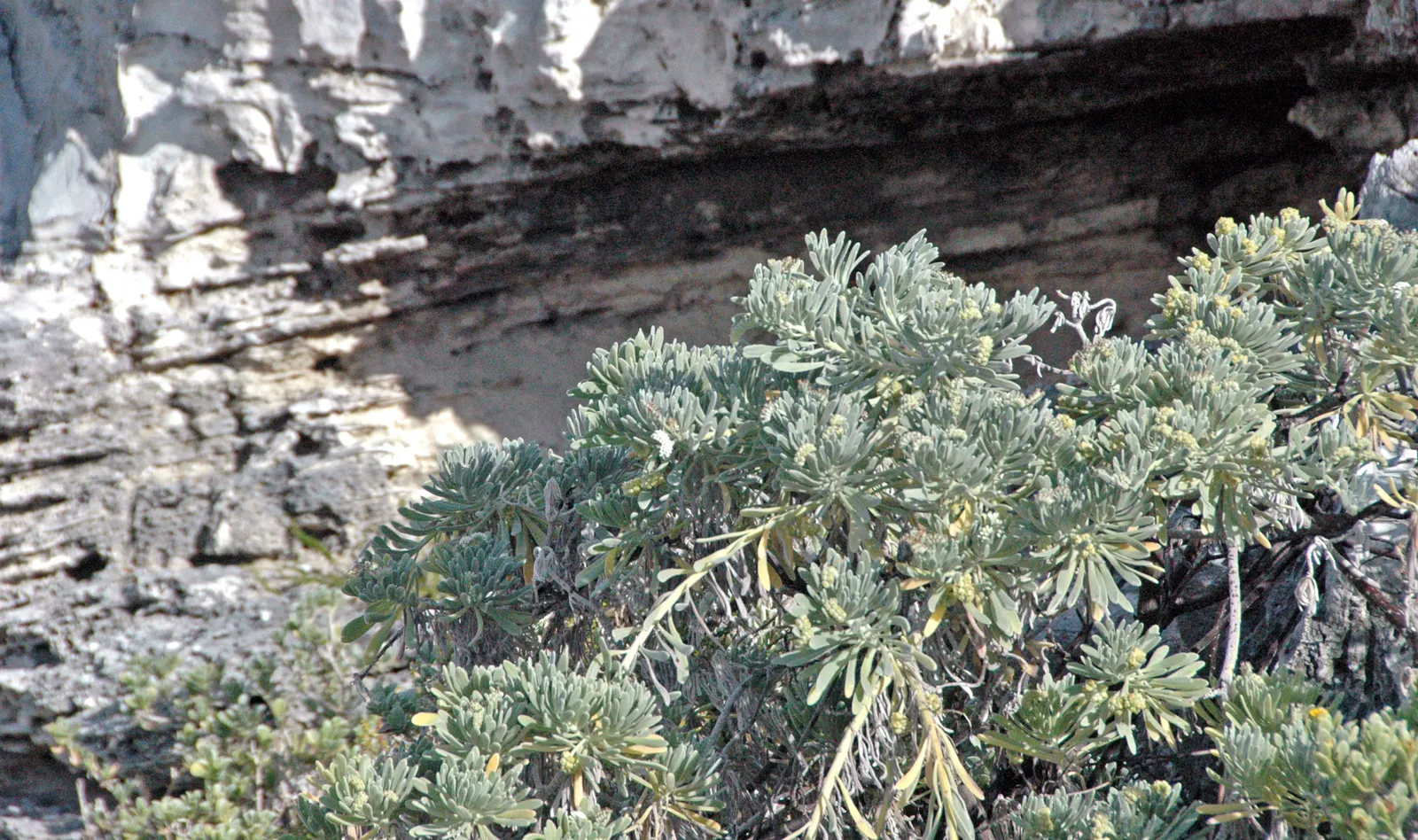
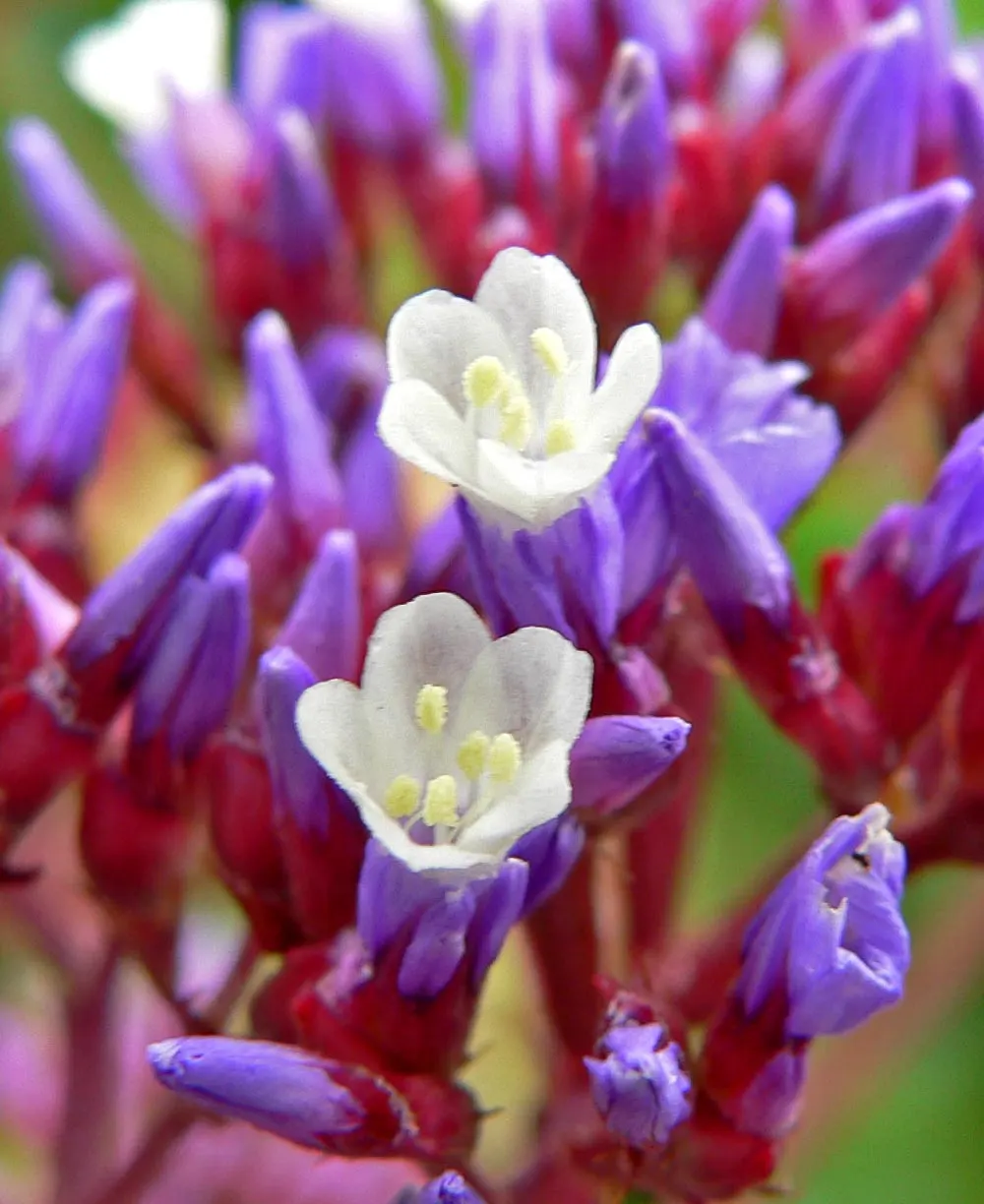
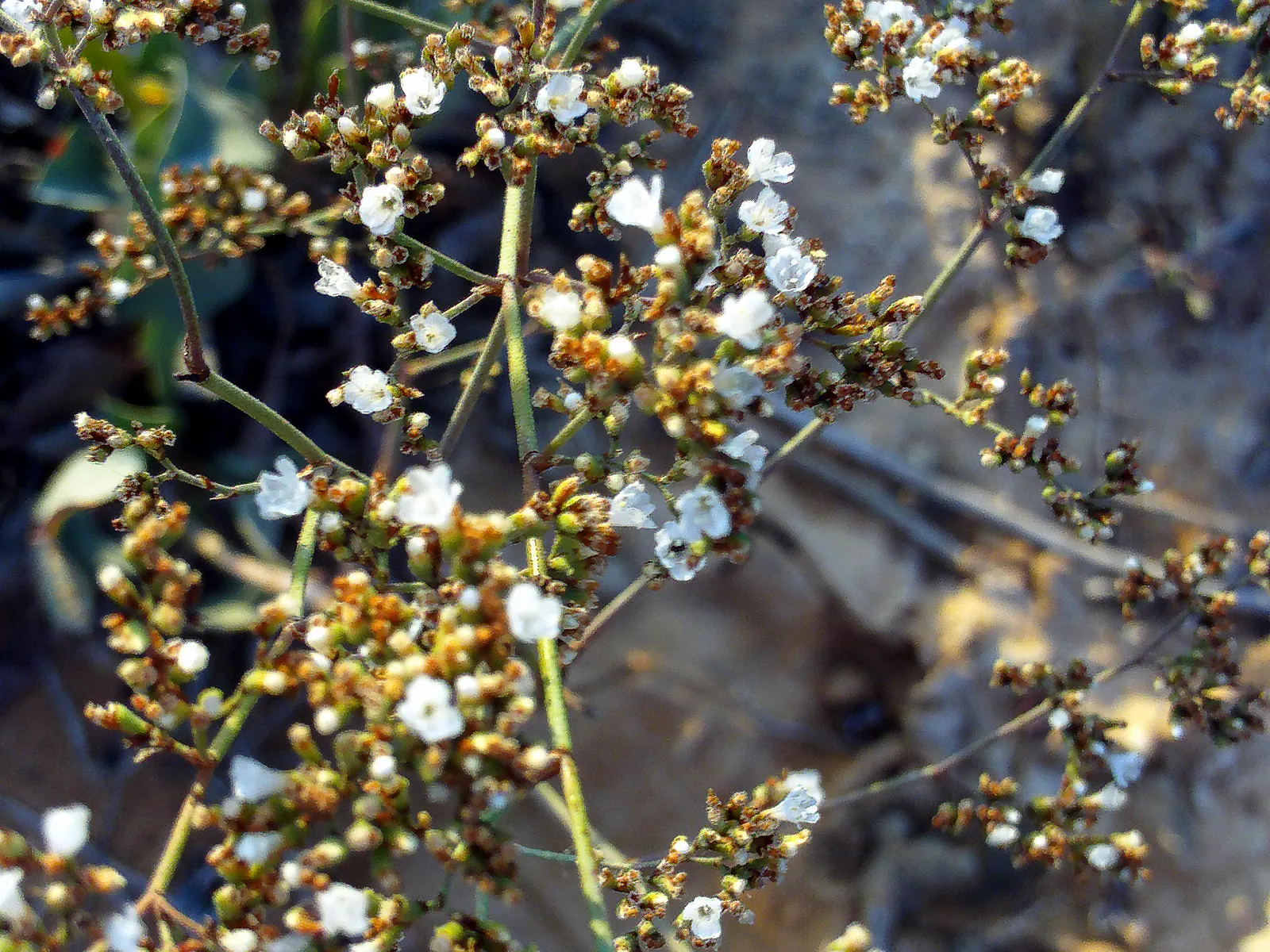
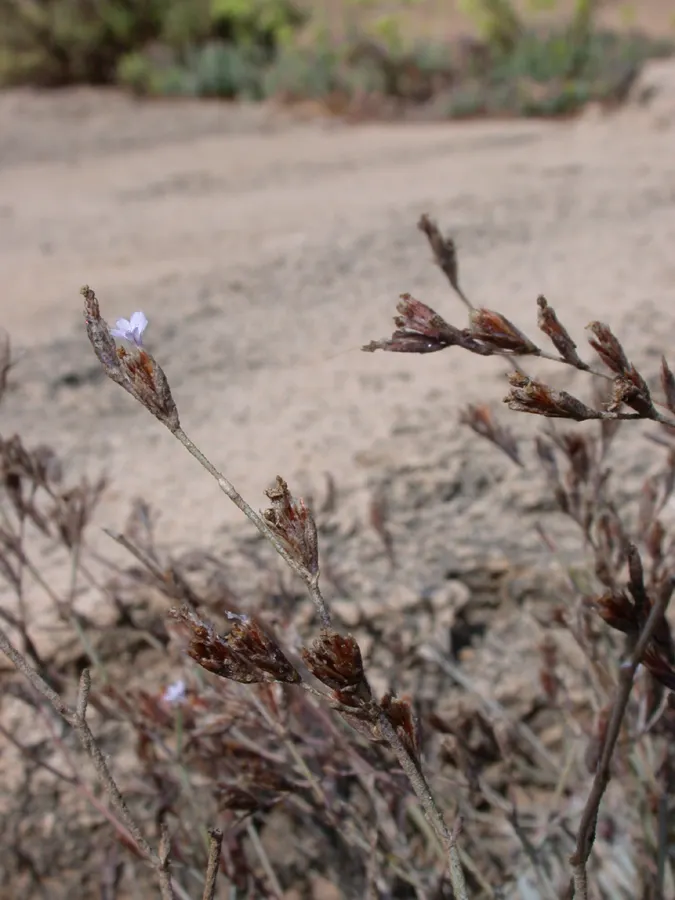
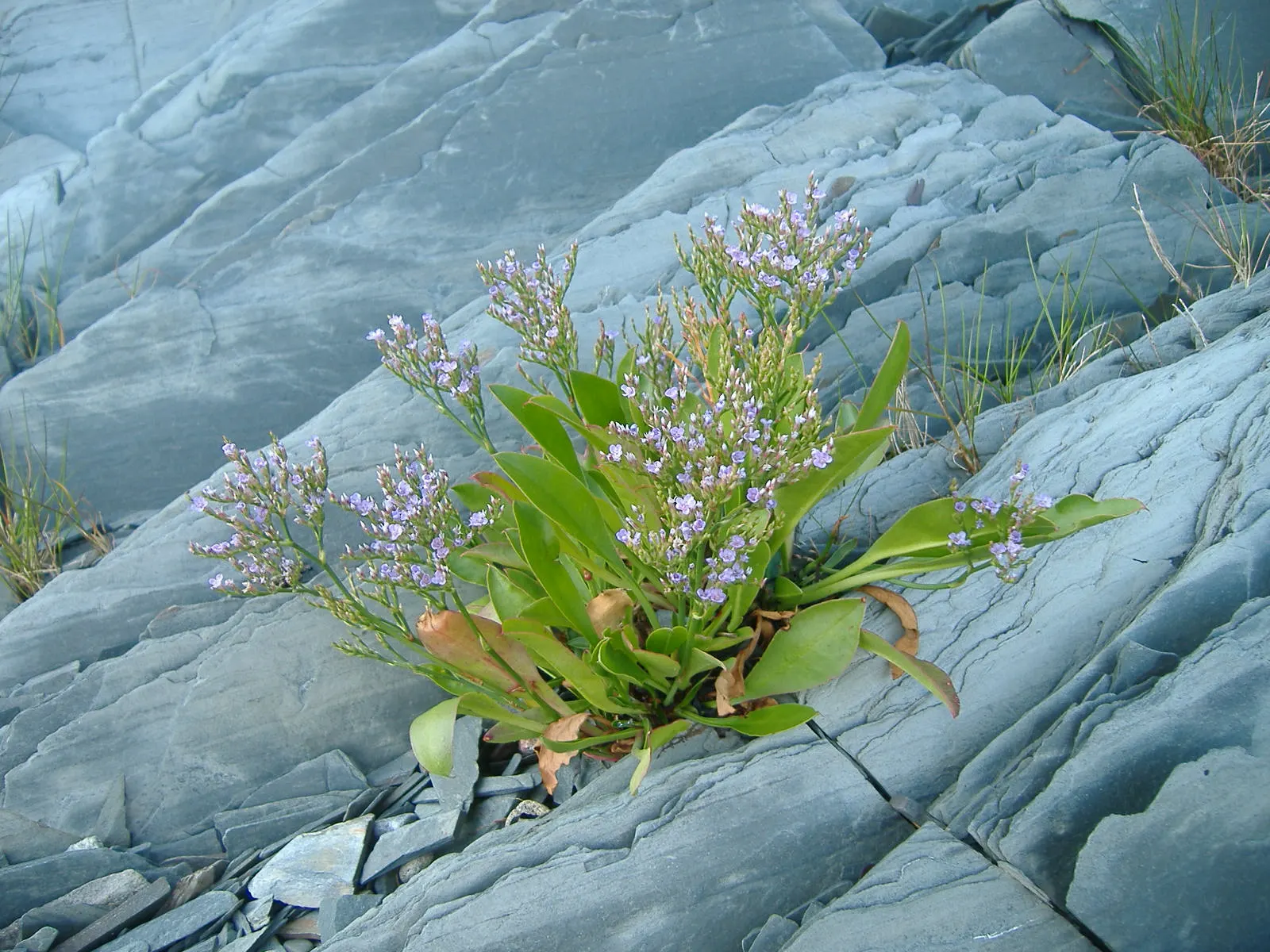
Sea Lavender, Limonium perezii, is a robust perennial showcasing clusters of purple flowers atop 18-inch tall stems, with a spread of 2-3 feet. Its evergreen foliage provides year-round interest. Thriving in USDA zones 9-11, it requires full sun and well-drained soil. Tolerant of salt and drought, it's ideal for coastal landscapes. Its low maintenance and long-lasting blooms, from summer to fall, make it perfect for cut flower arrangements and border plantings.
Sun Full, HalfWater LowZones 9–10Type Perennial, ShrubClimate Mediterranean
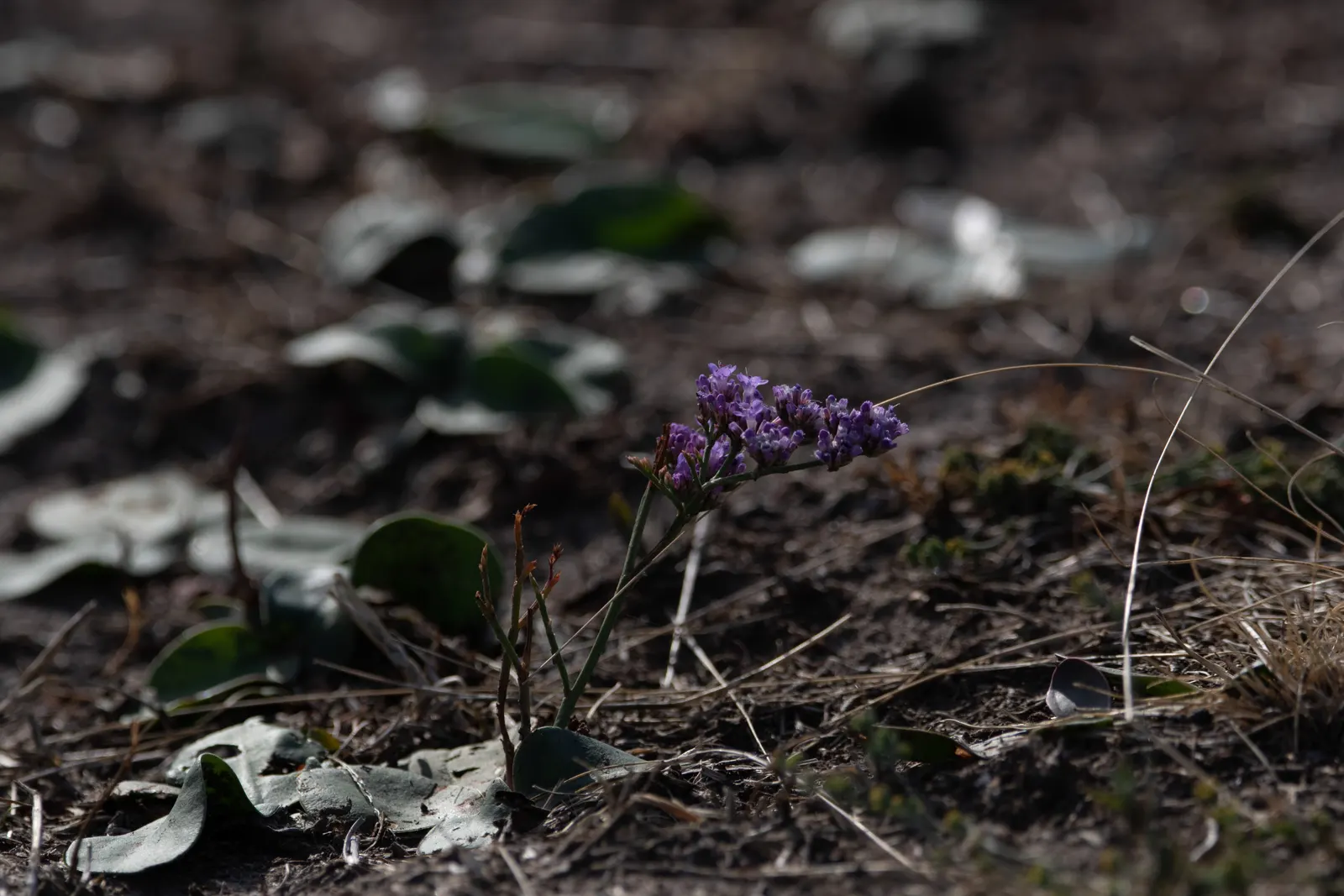
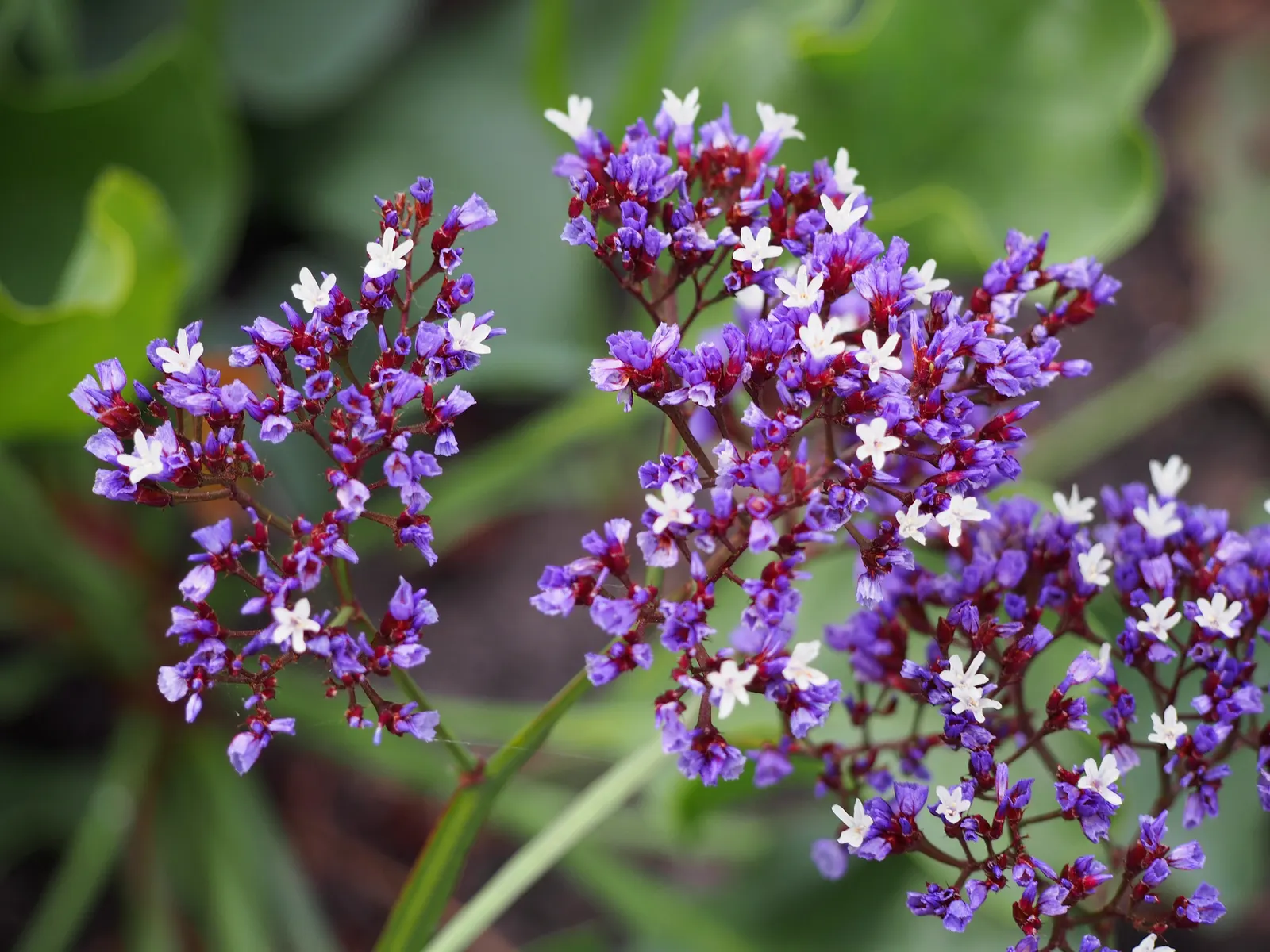
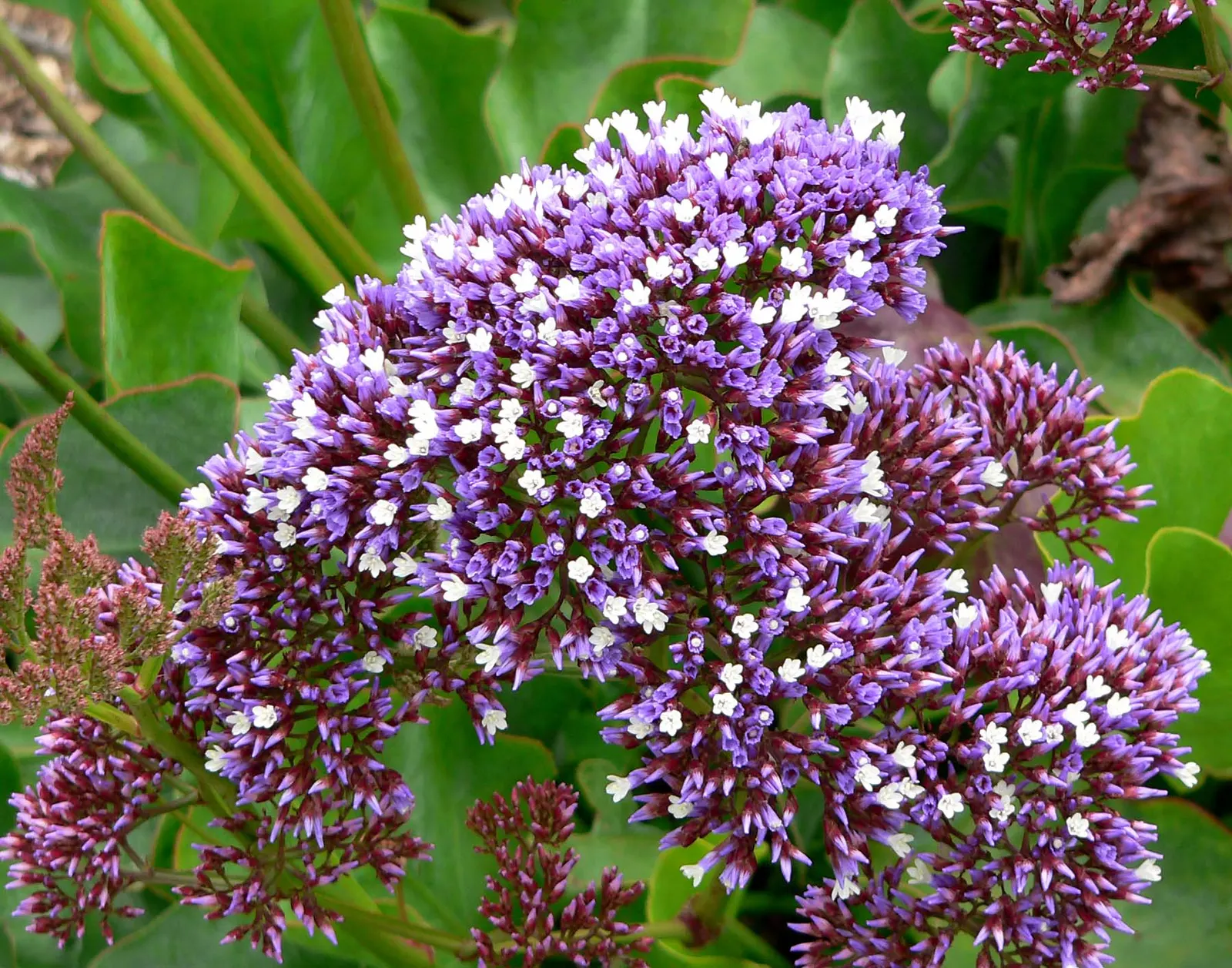
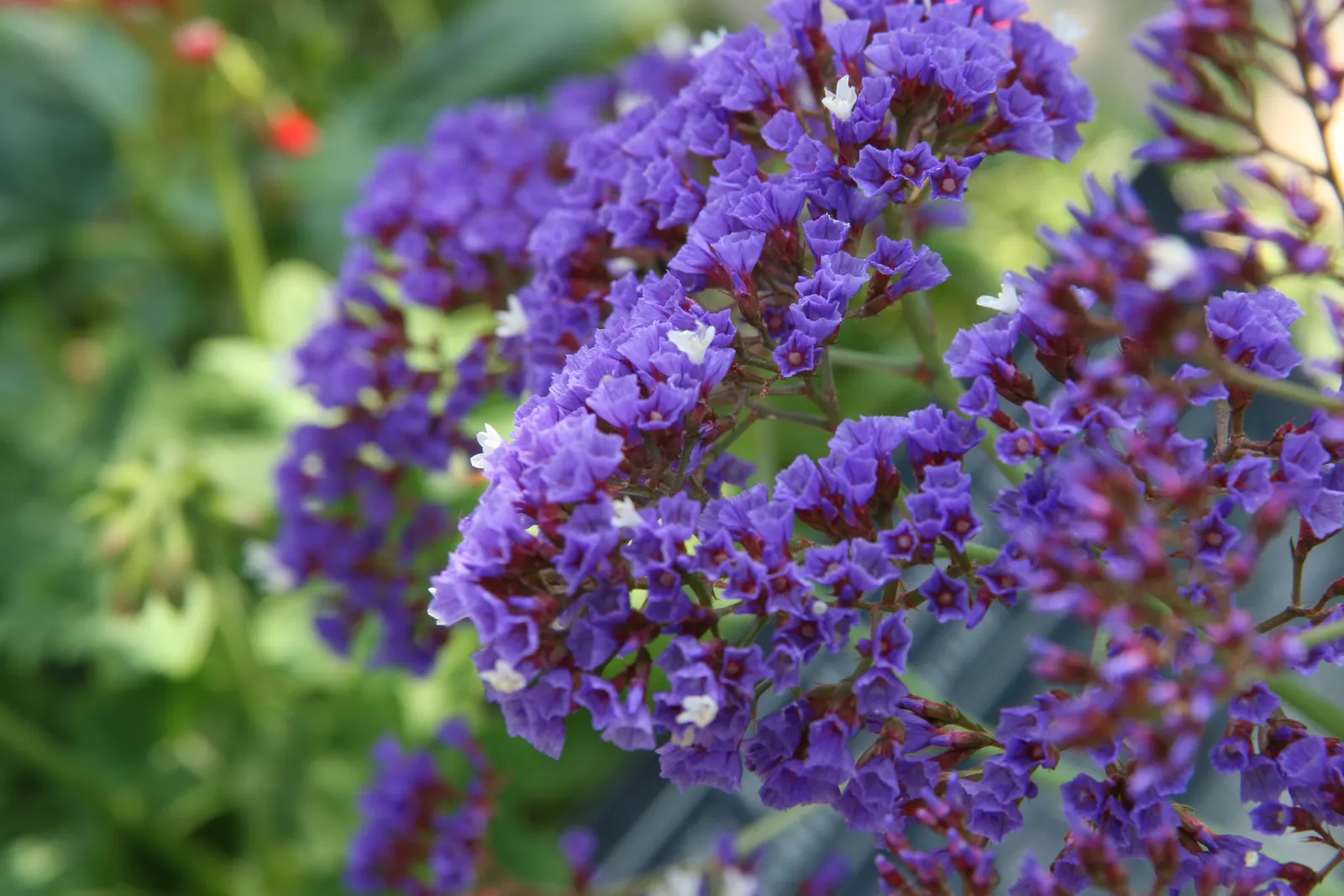
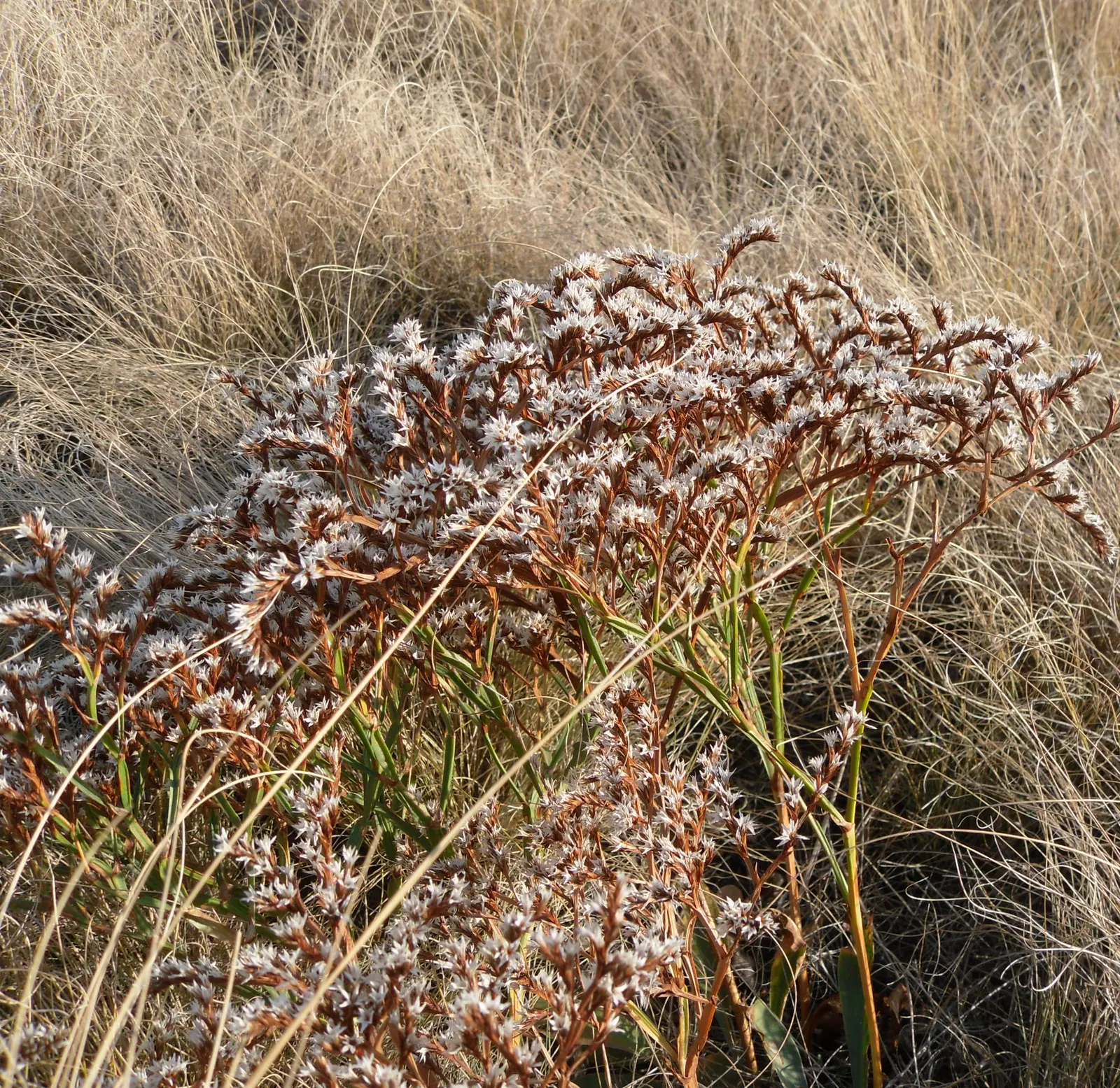
Sea Lavender (Limonium Perezii) — Its evergreen foliage provides year-round interest

Culture

Sun
Full, Half
Water
Low
USDA zones
9–10

Shape & size

Classification

Type
Perennial, Shrub
Family
Plumbaginaceae
Climate
Mediterranean

See full data, regional cultivation notes, and design tools. Build a client presentation around this plant.

Start your 14-day trial

Photos (179)

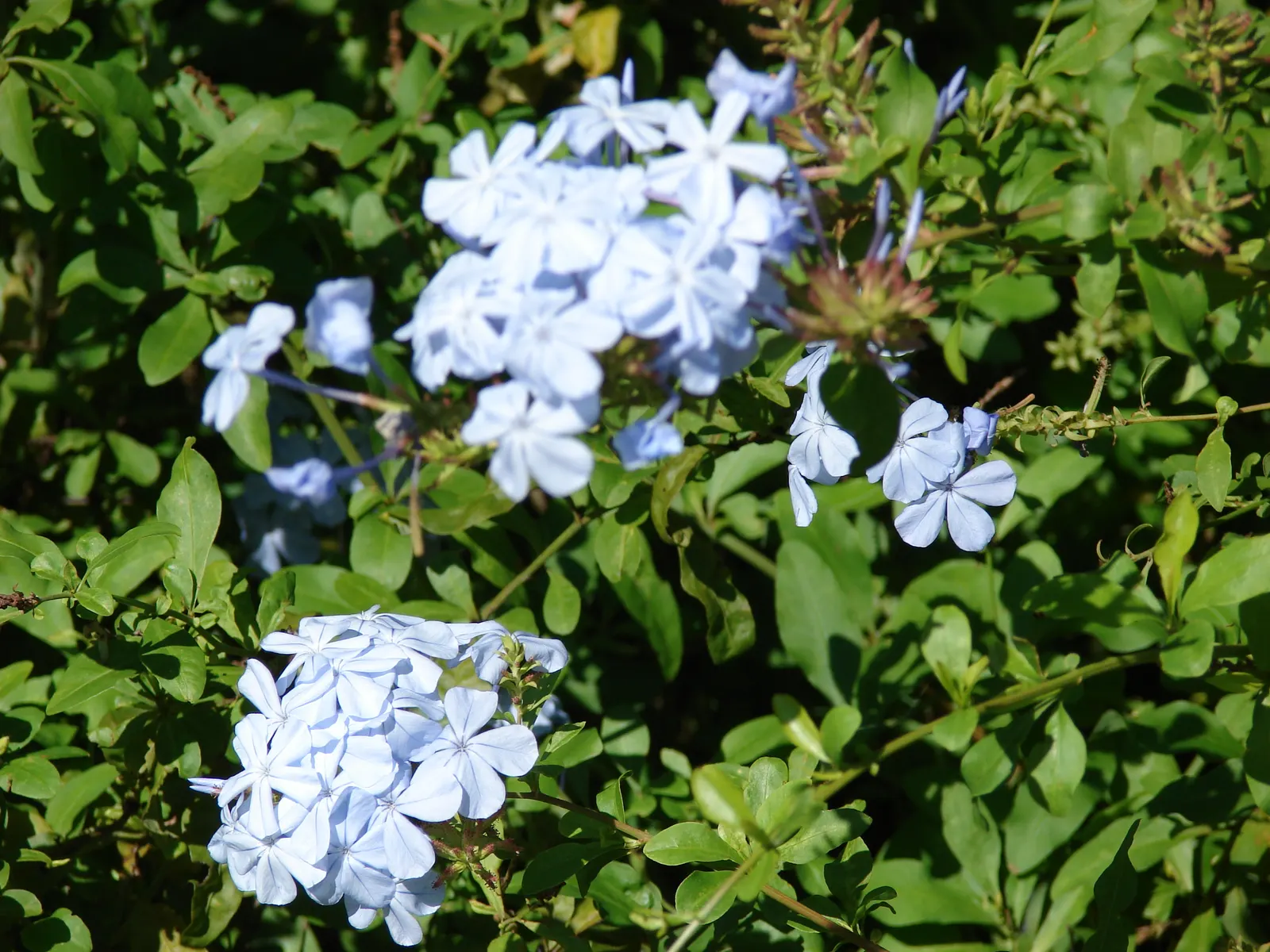
Sea Lavender (Limonium Perezii) — whether as edge plantings; regular watering is recommended until the plant is fully acclimated, image 102
Sea Lavender (Limonium Perezii) — ensures a burst of color with minimal upkeep; tolerant of salt and drought, it's ideal for coastal landscapes, image 104
Sea Lavender (Limonium Perezii) — after which minimal maintenance is necessary; sea Lavender thrives in USDA hardiness zones 8 through 11 and flourishes best
Sea Lavender (Limonium Perezii) — ensures a burst of color with minimal upkeep; tolerant of salt and drought, it's ideal for coastal landscapes
Sea Lavender (Limonium Perezii) — Native to the Canary Islands; commonly known as Sea Lavender, image 156
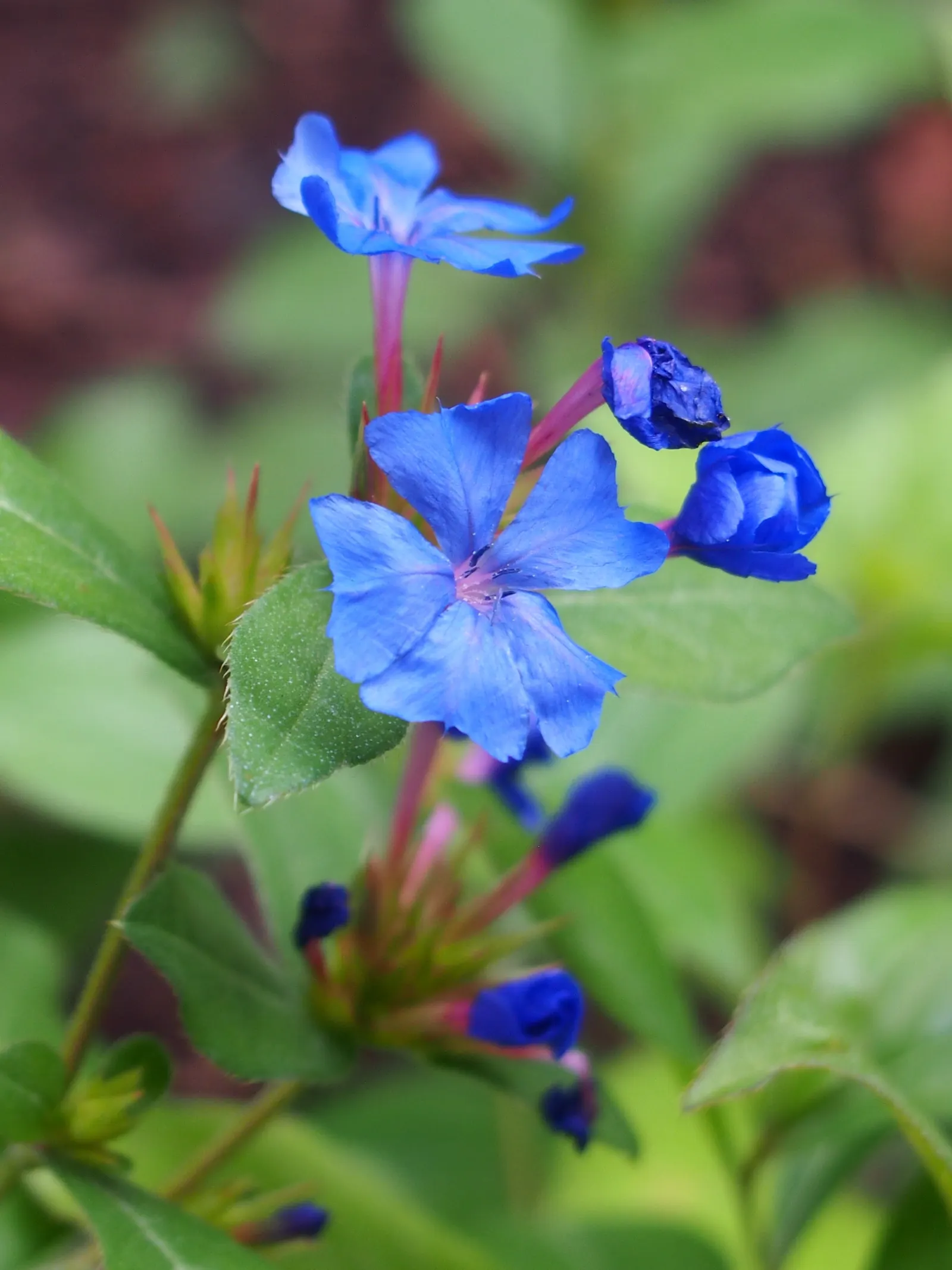
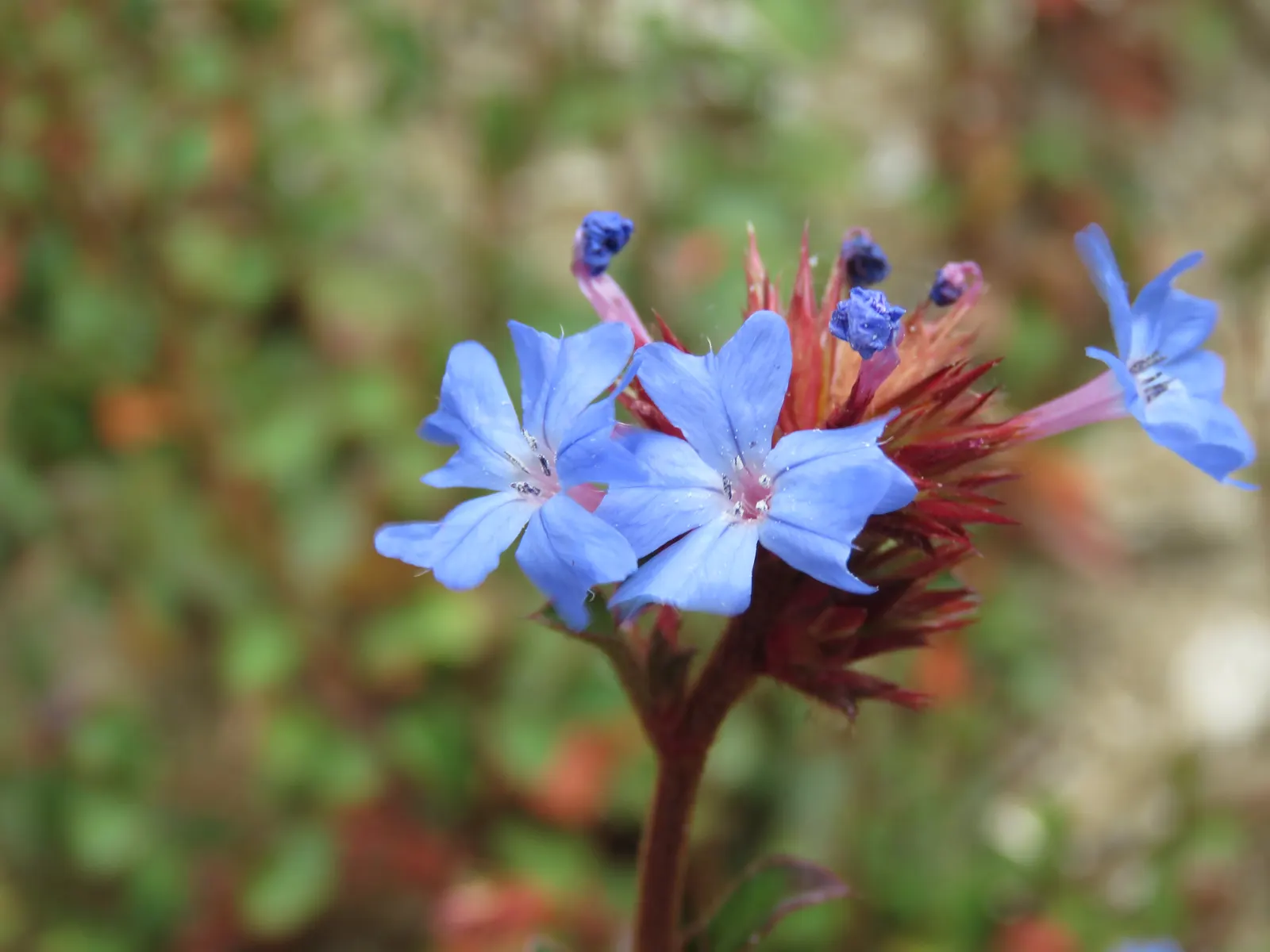
Sea Lavender (Limonium Perezii) — These vibrant panicles add a pop of color to any design and attract a variety of pollinators; make it perfect for, image 94
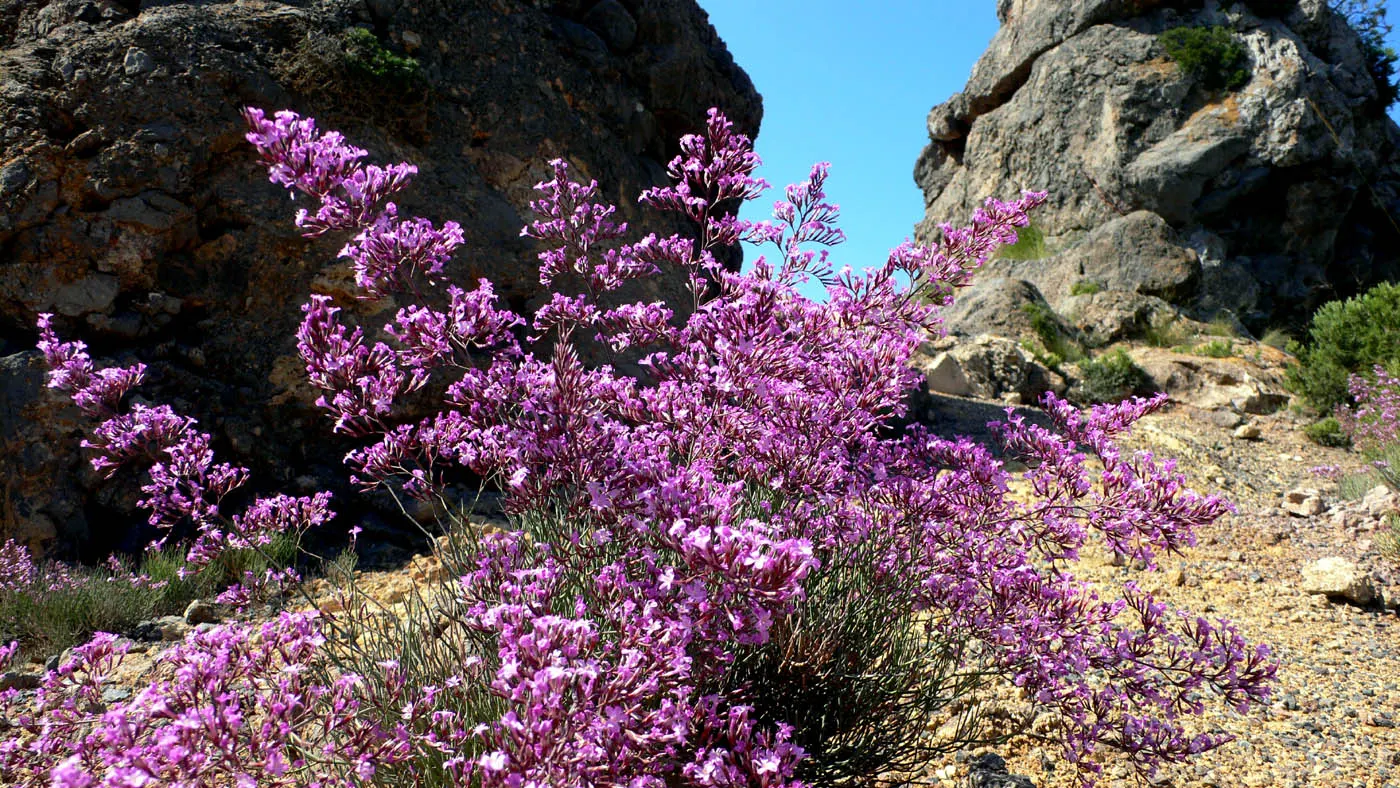
Sea Lavender (Limonium Perezii) — or as part of a drought-tolerant scheme; purple flowers in the garden, image 139
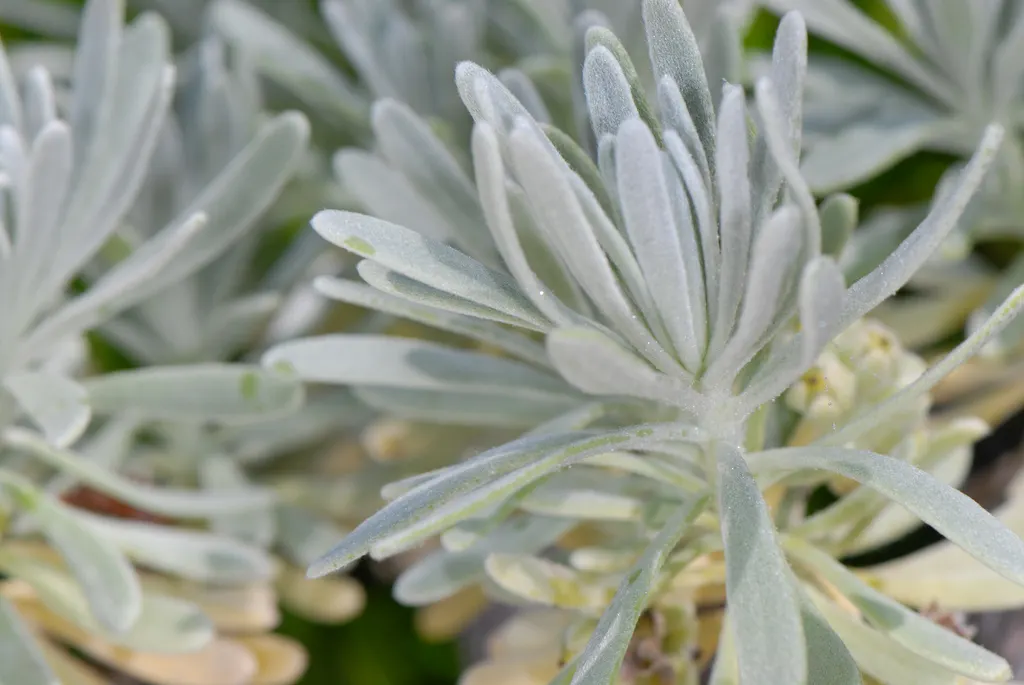
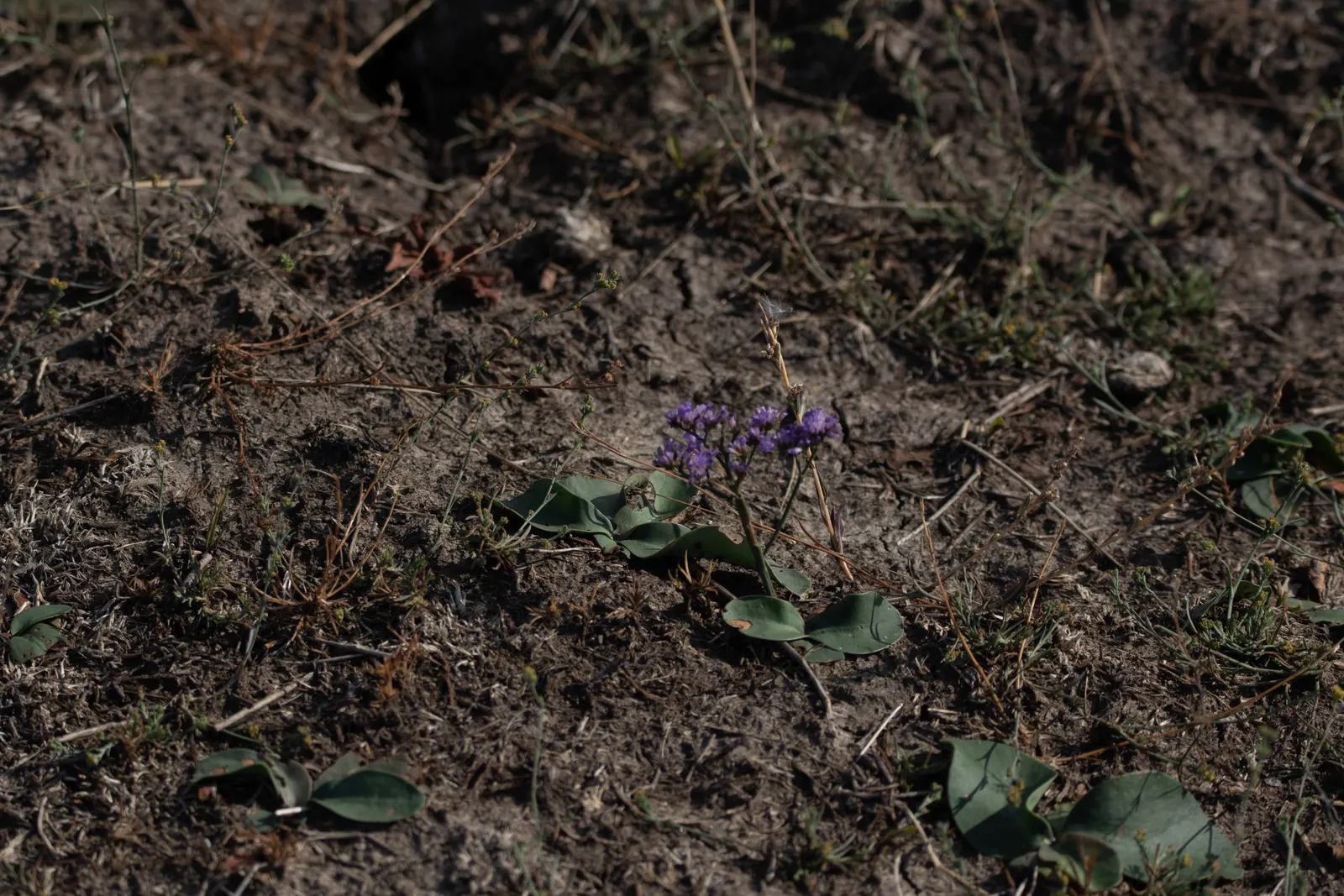
Sea Lavender (Limonium Perezii) — Its evergreen foliage provides year-round interest; spoon-shaped green leaves, image 75
Sea Lavender (Limonium Perezii) — One notable benefit is its resistance to both deer and salt spray
Sea Lavender (Limonium Perezii) — Thriving in USDA zones 9-11, it requires full sun and well-drained soil; limonium perezii requires well-draining soil
Sea Lavender (Limonium Perezii) — whether as edge plantings; regular watering is recommended until the plant is fully acclimated
Sea Lavender (Limonium Perezii) — is a robust and versatile perennial
Sea Lavender (Limonium Perezii) — purple flowers in the garden
Sea Lavender (Limonium Perezii) — such as bees and butterflies
Sea Lavender (Limonium Perezii) — Limonium perezii requires well-draining soil; after which minimal maintenance is necessary, image 97
Sea Lavender (Limonium Perezii) — make it perfect for cut flower arrangements and border plantings
Sea Lavender (Limonium Perezii) — with blooms most prolific from mid-summer to early fall; perennial / shrub for full or half, image 93
Sea Lavender (Limonium Perezii) — Sea Lavender forms an attractive rosette at the base; these vibrant panicles add a pop of color to any design and attract a
Sea Lavender (Limonium Perezii) — Tolerant of salt and drought, it's ideal for coastal landscapes; ensures a burst of color with minimal upkeep, image 113
Sea Lavender (Limonium Perezii) — is a robust perennial showcasing clusters of purple flowers atop 18-inch tall stems
Sea Lavender (Limonium Perezii) — such as bees and butterflies; requiring at least 6 hours of direct light per day, image 131
Sea Lavender (Limonium Perezii) — providing a compact yet full appearance in your garden.<br><br>Featuring leathery; title: Limonium perezii (Sea
Sea Lavender (Limonium Perezii) — Sea Lavender thrives in USDA hardiness zones 8 through 11 and flourishes best when exposed to full sunlight; with, image 121
Sea Lavender (Limonium Perezii) — Regular watering is recommended until the plant is fully acclimated; its low maintenance and long-lasting blooms
Photographs by 15 contributors

Related plants